Category Archives: Essential Oils – Learn About and Purchase

Cucumber Oil

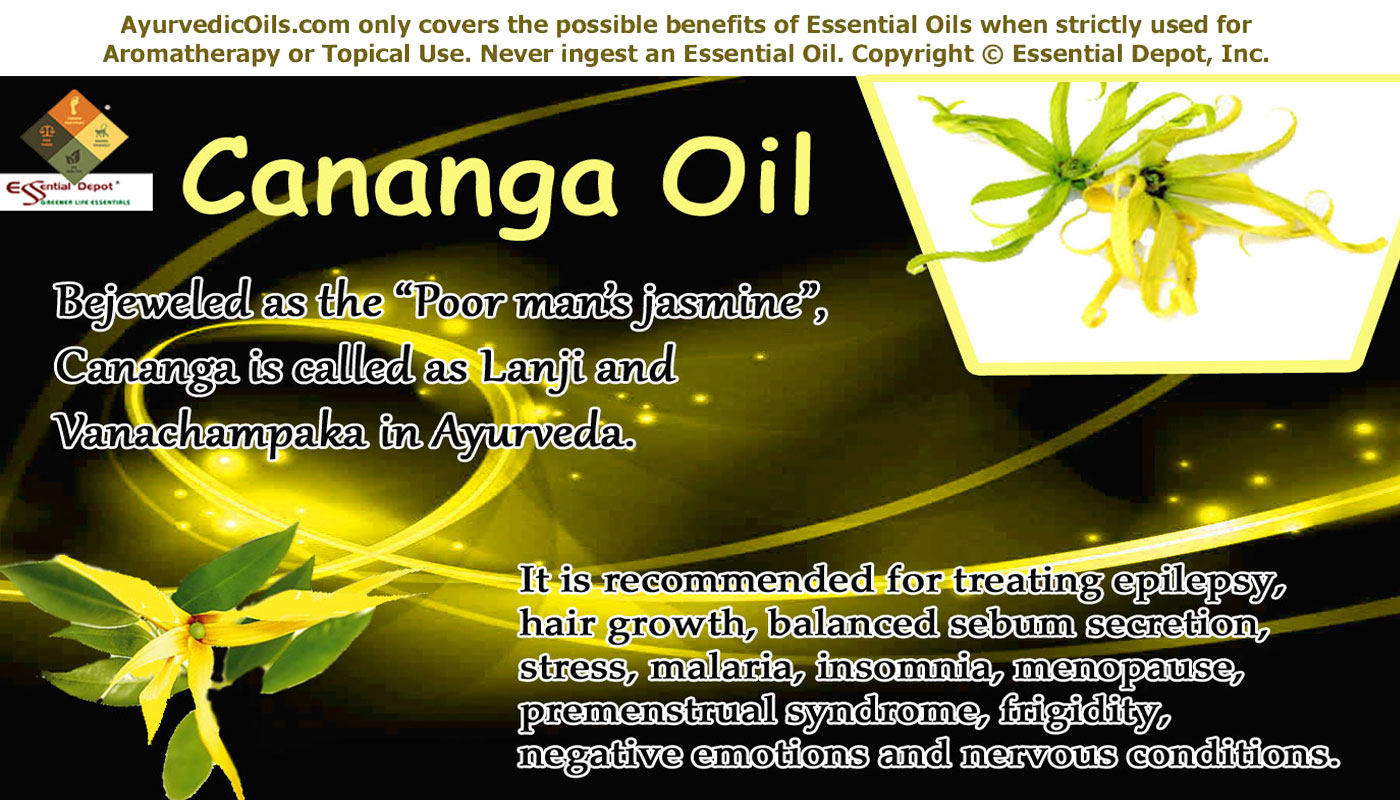
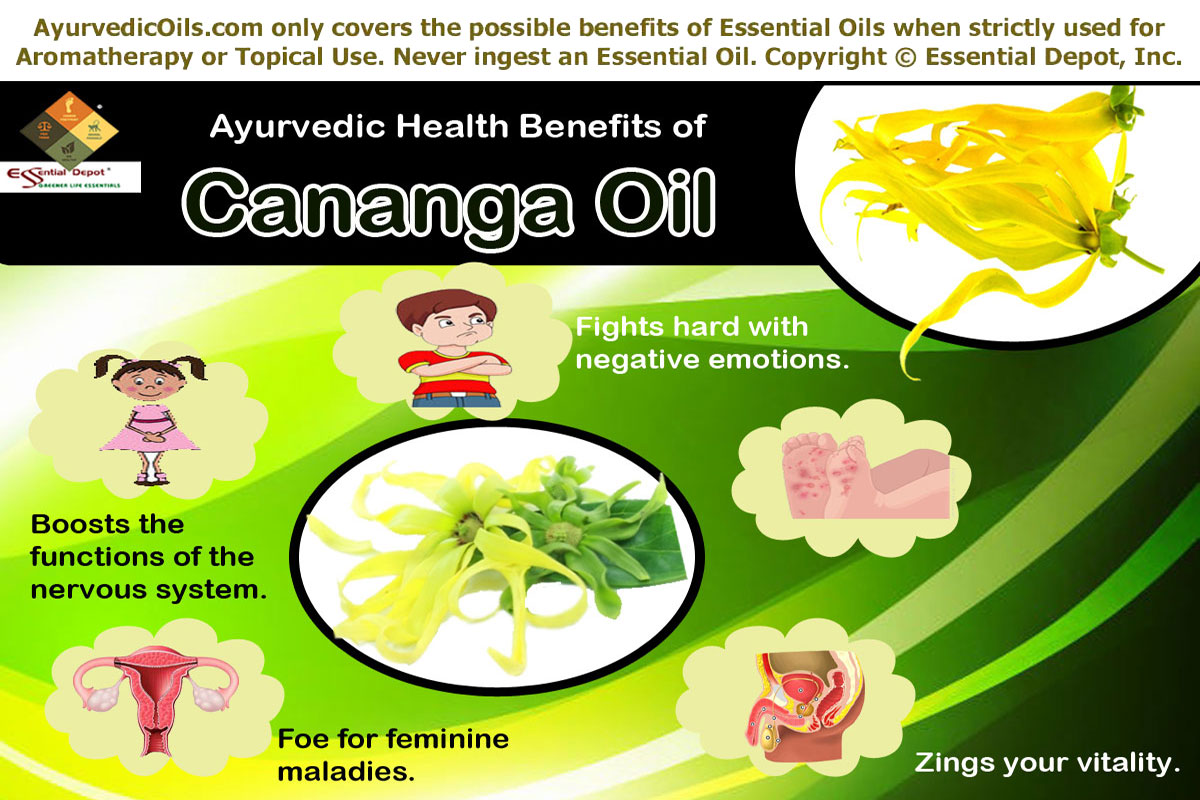
Will you be delighted or dreary if someone beckons you, “As Cool as a Cucumber”? I would rather recommend you to take pride when somebody calls you with that phrase because it simply means the attitude of being calm, composed and in absolute control of your emotions, even if a particular situation demands your aggressiveness and anger.

Cucumber-bannerThis is because Cucumber is one among the coolest fruits as scientific facts state “the inside temperature of a Cucumber can be up to 20 degrees cooler than the outside air”, besides growing well in tropical conditions.

Called as Kantakiphalam, Svetakarahatakam, Mutralam and Sudhavasah in Sanskrit, Cucumber is commonly called as Kheera in the traditional healing methodology.

Proudly representing India as its Motherland, Cucumber has been a part of the ancient Ayurvedic regimen in the treatment of rheumatic conditions, constipation, urinary disorders, cholera, wrinkles, dandruff, arthritis, vaginal infections, loss of appetite, duodenal ulcer, erectile dysfunctions, high cholesterol, eczema and hyperacidity.

Purchase Cucumber Oil – Retail – 4 oz – CLICK HERE

Purchase Cucumber Oil – Wholesale – CLICK HERE

Historical uses and importance of Cucumber and its essential oil:

Cucumber, as far as its history is known to the world is said to be a 3,000 years old fruit variety of the gourd family, cucurbitaceae. Besides its use in culinary, Cucumber has been preferred for raw eating, mainly for its cool, mild and enhancing flavor.

This cylindrical fruit is a powerhouse of various nutrients, for which it has been used in various civilizations across the world including the Rome, Israel, Greek, Egypt, The United Kingdom, France, China, and USA. The three famous varieties of this creeping vine are pickling, slicing and burpless cucumbers.

Cucumbers are absolutely edible and are found across the globe, all around the year but the high seasonal growth curtails to May – August. Pliny The Elder, the Roman philosopher quotes that Cucumber is the most favorite fruit of the Roman Emperor, Tiberius. His gardeners grew cucumbers using artificial methods, just to ensure that the king had cucumbers on his table every day.

It is being said that cucumbers were used in the primordial Roman province for treating more than 40 medical conditions, including scorpion stings, blurred vision, frigidity, high blood pressure and diabetes.

The Biblical reference of cucumber goes like this “We remember the fish, which we did eat in Egypt freely/the cucumbers, and the melons, and the leeks, and the onions, and the garlic.” After which the Israelites started cultivating cucumbers by themselves.

Certain sources state that cucumbers were brought to Haiti in 1494 by Christopher Columbus and were cultivated by the early Spanish settlers. South and North Dakota boasts for owning the finest cucumber farmers of Native America.

These fresh and refreshing fruits are often used in making salads (Indian raita), sauces, pickles, cold soups, sausages, chutneys, lamb chops, relishes and dressings. Cucumber and its essential oil are also used in the manufacturing of soaps, moisturizing lotions, anti-dandruff shampoos, conditioners and skin care creams, especially anti-aging products, for its nourishing properties.

Therapeutic properties and chemical constituents of Cucumber oil:

The oil of Cucumber contains about 14 to 20% of oleic acid, stearic acid, palmitic acid and 60 to 68% of omega-3-linoleic acid. It also contains potassium, silicon, cucurbitacins, sulphur and certain fatty acids like 9, 12, 15-Octadecatrienoic acid and 9, 12-Octadecadienoic acid.

Cucumber oil has antioxidant, diuretic, anti-rheumatic, anti-ulcer, relaxing, antidote, rejuvenating, anti-stress, anti-inflammatory, anti-cancerous, tonic, anti-dandruff, and laxative properties. It is rich in Vitamins B1, B2, B3, B5, B6, and C along with magnesium, calcium, phosphorous, zinc, iron and folic acid.

Next time, when you are exhausted and drained out, stop sliding on toxic caffeine drinks, instead grab a Cucumber and bank upon it for all your nutritional requisites.

Ayurvedic health benefits of Cucumber oil:

Ayurveda and Cucumber share the mutual joy of being indigenous to India, the land of rich cultural heritage. This oldest healing science on the globe states that everything on earth is made up of the five vital elements of nature, namely fire, water, earth, space and air.

Among which the living things on this planet acquires prana, the vital energy of life and ojas, and the nutritive quintessence from Mother Earth. While animal and human beings utilize prana and ojas for vitality and livelihood, plants grab ojas and prana from the ground and renovate them as food, herbal medications and essential oils for the absolute well-being of all other organisms.

The greatest news about the nobility of plants and trees are that they capture enormous life force and spiritual energy straight from the space by constantly looking up to the sky. Thus, any source of food or medicines acquired from plants instills the purest form of energy directly to our soul. It is because of this reason; we call invigorating plant fragrances (especially from essential oils, the life essence of plants) as soulful aromatic substances.

Cucumber is a bundle of joy and instant coolant that refreshes everyone even on a bright sunny day. It bears all the heat in the atmosphere, yet remaining absolutely cool in the inside makes it a special fruit with enormous healing attributes and nutritional values. India, being a country of tropical climatic conditions, rests upon Cucumber to quench its thirst and no Indian summer is complete without Cucumbers on the street.

Being a complete traditional remedy, Ayurveda regards health as a combination of physical, emotional and spiritual wellness and this ideology is based upon its philosophy of considering the human system as a place of worship or temple.

Ayurveda believes that the soul vested within each of us connects with Divinity and this connection or synchronization is the rationale behind hale and heartiness.

Ayurveda says that every individual is made up of three distinct doshas (vata, pitta and kapha) or biological energies. The most predominant among the three doshas acts as a deciding factor for your personality, character and behavioral traits.

Imbalance of any one of these doshic elements end up in health problems signaling that the body is out of balance with nature.

Imbalance of vata dosha can end up in memory loss, lack of concentration, fear, insomnia, dry skin, restlessness and constipation. Pitta unevenness might lead to disgust, ulcer, anger, heartburn, high blood pressure, jealousy, fever and skin ulcers.

Fluid retention, toxic remains, congestion, sluggishness, delayed menstruation, uterine fibroids, obesity and procrastination are the results of Kapha vitiation.

Cucumber oil has pacifying effects on pitta and kapha dosha. The cooling and refreshing properties of this oil can help in treating high blood pressure, heartburn, ulcer, fluid retention, skin eruptions, constipation and stress.

Cucumber is absolutely a treat for the four senses of healing, whereas its lucid green color soothes the sense of sight, it’s refreshing taste energizes the sense of taste, its cooling properties penetrate deeply into the skin to transfer its therapeutic values through the sense of touch, it’s refreshing aroma reaches the limbic system in the form of aromatic molecules to control emotions.

The other significant Ayurvedic health benefits of Cucumber oil are:

Cucumber-oil1. Augments skin health and supports radiating complexion:

Cucumber oil has stupendous revitalizing and nourishing properties that help in treating dull, damaged or mature skin conditions. The presence of linoleic acid and oleic acid in cucumber makes it an excellent aid for skin problems including acne, blackheads, sunburns, psoriasis, eczema and certain other inflammatory skin conditions.

The antioxidant properties of cucumber oil are attributed to the significant existence of tocopherol and tocotrienol substance along with the three lignans including secoisolariciresinol, lariciresinol and pinoresinol. These elements make Cucumber oil powerful in fighting against the free radicals responsible for aging symptoms, skin damages and several types of cancer, including ovarian cancer, prostate cancer, breast cancer and uterine cancer.

Massaging your skin with 10 drops of Cucumber oil blended with 2 drops of Orange oil and 4 ounce of coconut oil can help in retaining the natural moisture in the skin, repair dry and dull skin surface, treat eczema, psoriasis, rough, scaly and mature skin, reduce wrinkles, aging symptoms and skin eruptions.

A 2011 study on “Exploring Cucumber Extract For Skin Rejuvenation” by Naveed Akhtar, Arshad Mehmood, Barkat Ali Khan, Tariq Mahmood, Haji Muhammad Shoaib Khan and Tariq Saeed, Department of Pharmacy, The Islamia University of Bahawalpur and the Department of Pharmaceutical Sciences, COMSATS Institute of Information Technology, Pakistan, Published in the African Journal of Biotechnology, states that cucumber extract has been proven extremely beneficial for the skin.

These experts also say that Cucumber extracts have passed the maximum number of dermatological tests including skin melanin test, skin erythema test (safety of cosmetics), pH tests, skin moisture content test, skin sebum content test, and trans epidermal water loss test.

This study concludes stating that this was a preliminary initiative in exploring the unknown effects of Cucumber as a topical cream for skin rejuvenation.

It also states that cucumber extracts aid in reducing the melanin content (responsible for skin pigmentation and complexion); has anti-acne effects with its potent to decrease the content of skin sebum.

This study also declares that these analyses have proved to be capable in the context of prospective topical applications of cucumber extract (with its varied skin care properties), as cosmetics, skin-care items and in the manufacturing of pharmaceutical preparations.

You can also add 2 drops of Cucumber oil in a cup of cool water and wash your face for locking the moisture and fight against acne causing micro-organisms.

2. Combats dandruff and explores the natural shine of your locks:

Bouncy, strong, silky and dandruff-free lustrous locks are the dream of many women out there. Men are not an exception though, in longing for healthy hair that is free from hair loss, dandruff and other scalp conditions.

Cucumber is one among those natures’s richest owner of the minerals like silica and sulphur, of which sulphur is known for promoting hair growth and silica fortifies the hair follicles and protect from breakage and loss of hair. Silica is an essential element for supporting the health of connective tissues like skin, muscles, ligaments and bones.

The moisturizing properties of Cucumber oil helps in hydrating the scalp and aids in reducing dryness, itchy and flaky scales on the scalp surface and nourishes the scalp and roots of the hair from within.

Massaging your scalp with 5 ounce of Cucumber oil mixed with 5 drops of Rosemary oil and 5 drops of Brahmi oil and leaving it for 1 hour by wrapping a warm towel (helps the medicated blend to penetrate deeply into your scalp) can assist in reducing dandruff, replenishing the scalp, enhancing the luster of your hair and prevent excessive hair fall. You can also add 5 drops of Cucumber oil in your mild shampoo for fastening the natural moisture in your hair for a longer duration.

This blend can be applied by the swimmers before their swimming voyage in the chlorinated and chemical filled water. This helps in preventing the hair damage naturally.

3. Helps control high blood pressure, cholesterol and diabetes:

Certain studies witness that the presence of sterols in Cucumbers may help in reducing the high level of cholesterol, while the presence of fiber, magnesium and potassium assists in treating high blood pressure. Cucumber also stimulates the secretion of insulin hormones in the pancreas, thus assisting in the treatment of diabetes.

Eating fresh cucumber daily along with adding 5 drops of Cucumber oil in your liquid soap can help in vitalizing your cells and augment your energy levels.

4. Soothes the digestive system, thus helps in treating ulcers and halitosis:

Cucumber oil has the power to soothe and pacify pitta dosha. The excess of which would end up in overindulgence of digestive fire leading to ulcer, high blood pressure, acidity, heartburn, acne, negative emotions, feelings of rage, insomnia, acne and certain other skin eruptions.

Massaging your abdomen and chest with 10 drops of Cucumber oil blended with 2 drops of Peppermint oil can help in cooling the digestive system (intemperance of digestive fire) by soothing the lining of the stomach and intestines. Using 2 drops of Cucumber oil in warm gargle can assist in fighting against bad breath with the presence of phytochemicals.

5. Flushes out toxins and aids in treating rheumatic and inflammatory conditions:

Cucumber has enormous amount of ascorbic acid, contributing to its diuretic properties. This moisture-rich oil helps in replenishing the system with its anti-rheumatic, antioxidant and diuretic properties by flushing out the excess fluid deposits, toxic remains, salt, uric acid, free radicals and fat deposits in the system, which is often responsible for inflammatory conditions like gout, rheumatism, arthritis, swelling, redness, obesity and puffy eyes.

Massaging the affected parts with 5 ounce of Cucumber oil with 5 ounce of Sweet Almond oil can help in promoting frequent urination, thus eliminating toxic remains, free radicals, salt, fat deposits and uric acid, which helps in reducing swelling, skin irritations, muscular soreness, pain, redness and muscular stiffness associated with rheumatism and arthritis.

Pranayama or the art of balanced breathing can help highly in expelling ama or excess toxic substances in the system, where all these toxins are discharged through exhalation.

Inhaling the refreshing fragrance of Cucumber by adding 2 drops of this oil in your air freshener, especially during Pranayama and meditation can grant quicker relief by releasing your mind and body from toxic emotional blocks and harmful toxins in the system.

Other health benefits:

Cucumber is also helpful in treating vaginal itching, erectile dysfunctions, heart problems, renal calculi, cancer therapy, dark circles, urinary infections, cholera, and cellulites.

Disclaimer:

This piece of information is meant only for the purpose of information and is not recommended to treat or prevent any kind of medical conditions. It is not meant to replace any prescription medicines or the advice of a medical professional. We, the team of Essential Depot are not experts in Remedial practices or Traditional medicine and these facts are shared only for spreading the greatness of Ayurveda in treating mankind.

Essential oils are recommended only for topical applications and do dilute essential oils in suitable carrier oils before using it on the skin. Never ingest essential oils as absolutely pure and organic essential oils are highly concentrated substances and may cause allergic reactions, when used internally or on the skin without dilution.

Speak with your Ayurvedic expert or medical professional before choosing the right essential oils for your state of health and unique individual constitution. Performing a patch test on your skin before enjoying its complete benefits is an amicable advice.

Thought for the day:

Green is the prime color of the world, and that from which its loveliness arises.

– By Pedro Calderon de la Barca.

Suggested Reading:

  1. Cucumber Recipes by Jackie Swansen
  2. Ayurvedic Pharmacopoeial Plant Drugs: Expanded Therapeutics by C. P. Khare
  3. Dying to Look Good by Christine Hoza Farlow
  4. Asian Secrets of Health, Beauty and Relaxation by Sophie Benge, Luca Invernizzi Tettoni
  5. The Aromatherapy Encyclopedia: A Concise Guide to over 385 Plant Oils by Carol Schiller, David Schiller

Reference Links:

  1. Cucumber by Wikipedia
  2. Cucumis sativus (Cucumber) – Derived Ingredients as Used in Cosmetics, published in Cosmetic Ingredient Review
  3. The anti-aging effects of Cucumbers by Dr. David Jockers, published in Natural News
  4. Exploring Cucumber Extract For Skin Rejuvenation by Naveed Akhtar, Arshad Mehmood, Barkat Ali Khan, Tariq Mahmood, Haji Muhammad Shoaib Khan and Tariq Saeed, Department of Pharmacy, The Islamia University of Bahawalpur and the Department of Pharmaceutical Sciences, COMSATS Institute of Information Technology, Pakistan, Published in the African Journal of Biotechnology
  5. Phytochemical and therapeutic potential of cucumber by Mukherjee PK, Nema NK, Maity N, Sarkar BK, Department of Pharmaceutical Technology, Jadavpur University, India, published in PubMed

Betel Leaf Oil

Have you ever thought whether nature has a heart? If yes, then here’s your answer. The heart shaped Betel leaf is beckoned as the ‘Golden heart of nature’. Dating back to 7000 BC, Betel is one among those oldest divine herbs bestowed on mankind.

Betel-leaf-bannerBesides numerous health benefits, these appealing leaves are a symbol of status and hospitality for greeting Kings, nobles and guests in the cultural heritage of India. Botanically called as Piper betle, Betel vine is a member of the pepper family Piperaceae.

Tambool, Saptashira, Nagavallari and Nagini are Sanskrit names of Betel leaf and is commonly called as Paan in Hindi and the English names are Betel pepper, Betel vine and Betel. In Ayurveda, Tambool or Tambuli has been mentioned in numerous Ayurvedic texts including Charaka Samhita and Sushruta Samhita, where these glossy leaves have been prescribed for enhancing metabolic functions, reducing inflammation, expelling mucus, strengthening the heart muscles, improving appetite, purifying blood, treating ulcer, nosebleed, acne, bronchitis, halitosis, bleeding gums, headache and reproductive problems.

Historical uses and importance of Betel leaf and its essential oil:

Betel leaf has a rich historical charisma and is said to have been indigenous to South East Asian countries including Malaysia and India. Chewing Betel leaves with areca nut is a cultural tradition in most of the Asian countries for it’s said to give a euphoric feeling that stimulates the mind and grants instant energy for working.

According to the study of numerous Anthropologists, the traces of Betel leaves were said have been found in spirit caves of Northwest Thailand, which dates back to 5500 to 7000 B.C. The oldest historical book of Sri Lanka, ‘Mahawamsa’ written in Pali talks about the leaves of the Betel vine. There are certain other findings in human skeletons dating back to 3000 BC in countries like Philippines and Indonesia, indicating the use of Betel leaves even before thousands of years.

The traditional practice of chewing Betel leaves with areca nut has been mentioned in the pre-historic books of the Indian mythology and the most predominant among them are Raghuvamsa written by Kalidas and Kamsutra written by Vatsyayana. In one of the oldest text named Sakta-tantra, Betel leaves have been denoted as one of the important ways of attaining siddhi or abundant blessings from the Almighty.

In these ancient texts Betel leaves were referred as Tambulika, Tambuladhikara, Tambuladayini, and Tambuladyaka and so on. Ayurvedic encyclopedias like Charaka Samhita and Sushruta Samhita have also indicated the many uses of Betel leaves. In chapters 28-46 of Sushruta Samhita Betel leaves are described as “aromatic, sharp, hot, acrid and beneficial for voice, laxative, appetizer, beside this they pacify vata and aggravate pitta.”

The primeval Ayurvedic texts also highlight the aphrodisiac properties of Betel leaf that aid in treating male and female reproductive problems. The Chinese Traditional medicine also used Betel leaves for its warm and spicy nature that aided in the treatment of cough, itching, inflammation, headache and respiratory infections.

Betel leaves were used in various medical preparations of the Unani medicine and was used as a brain tonic, and in treating throat infections, cleansing the blood and for enhancing the appetite.

Betel leaves were also used in the traditional healing system for treating various health disorders like conjunctivitis, leucorrhea, rheumatism, ringworm, constipation, infertility, bad breath, ottorrhoea, cough and asthma. Singers chewed these leaves to enhance their voice.

Therapeutic properties and chemical components of Betel leaf essential oil:

The primary ingredients of the essential oil of Betel leaf are cadinene, sesquiterpene, chavicol, geraniol, α-thujene, terpinolene, chavibetol, phenyl propane, trans β-ocimene, safrole, caryophyllene, cineole, cadinol, eugenol, camphene, limonene, pinene, and eugenyl acetate.

These chemical constituents contribute to its remedial values like antifungal, antiseptic, antimicrobial, antioxidant, immunomodulatory, gastroprotective, radio-protective, anti-diabetic, hepatoprotective, galactogogue, anti-inflammatory, expectorant, carminative, analgesic and nervous stimulant.

Ayurvedic health benefits of Betel leaf essential oil:

Veda means knowledge and Vedic studies were strongly suggested for people during the primordial times for gaining knowledge on various aspects including reading and writing skills, discipline, war skills and spiritual values. Ayurveda is much more than a traditional healing system and the word Ayurveda literally means knowledge of life.

The 4 major Vedas of India is like the pillars of the Indian mythology with the world’s richest cultural heritage. They are Rig, Yajur, Sama and Atharva Veda, and among these Ayurveda has its origin from Atharva Veda. This ancient medicinal science is said to have been blessed by the God of Medicine, known as Acharya Dhanvantari.

The main aim of Ayurvedic healing is longevity and healthy aging through a disciplined life and prevention of illnesses with the use of natural remedies like herbal remedies, plant essential oils, yoga, meditation, simple physical exercises, Ayurvedic routine, prayers and other established Ayurvedic techniques including Panchakarma or the Ayurvedic detoxification therapies, Abhyanga or the art of Ayurvedic massaging and many more.

The most treasured Ayurvedic writings include Sushruta Samhita, Charaka Samhita and Ashtangha Hridaya Samhita. These texts throw light on the basic Ayurvedic concepts and its detailed healing mechanism. Charaka known as the father of medicine represents the Atreya School of physicians and shared his medical intelligence on pathogenesis, anatomy, physiology, etiology, disease symptoms, and diagnosis.

Acharya Sushruta is called as the father of surgery and corresponds to the Dhanvantari School of surgeons. He explains about the classification of wounds, burns, fractures, amputation, rectal surgery, plastic surgery and about many types of surgical equipments.

The credit of introducing Abhyanga or Ayurvedic massaging based on the marma points in the body also goes to Sushruta. The third Ayurvedic text Ashtangha Hridaya contains the medicinal values of both Charaka Samhita and Sushruta Samhita.

According to the Ayurvedic philosophy, the major principles of Ayurveda include the 5 vital elements of nature known as Panchamahabutas, 3 dynamic energies known as tridosha, discarding of waste called as malas and the important organs of the body, known as dhatus.

This conventional therapy believes that the earth is made up of five fundamental elements known as space, earth, fire, water, and air. Similarly, the whole thing in this world is also made up of the same five elements also called as the building blocks of nature.

By nature, every person has a unique individual constitution, named as Prakriti and it comprises of three biological forces known as doshas. They are vata (air and space), pitta (fire and water) and kapha (earth and water).

Among these, vata dosha is accountable for the activities of the nervous system including the central and autonomic functions. Pitta dosha is responsible for metabolic functions, tissue building, endocrinal functions and the body temperature. Kapha energy is in charge of physical fitness, binding power, sustenance and reproductive functions.

Absolute balance between these doshas as per nature’s law signifies health and disparity caused by irregular food habits, detrimental practices, climatic conditions and certain other factors leads to sickness.

Ayurvedic remedies are prescribed in order to balance these doshic vitiations. Betel leaf essential oil is known for its remedial properties that pacify kapha and vata dosha and increase pitta body type.

The Ayurvedic health benefits of Betel leaf oil are:

Betel-leaf-broucher1. Ayurvedic approach for refreshing your breath:

Betel leaves are an excellent Ayurvedic aid for refreshing the breath instantly even after heavy meals or especially after having food items that may possess strong odor like garlic or onion. Chewing betel leaves is a customary practice in India since the traditional times mainly for its potent to prevent bad breath, enhance digestion, support healthy gums, assist strong teeth and combat germs and other micro-organisms that cause oral infections.

According to numerous research studies, Betel leaves and its essential oil are the best remedies for treating plaque, dental decay, dental caries and other oral infections caused by bacteria and other harmful micro-organisms.

According to a study on Piper betle, published in the Journal of Pharmacognosy and Phytochemistry, “Dental caries is a chronic endogenous infection caused by the normal oral commensally flora. The carious lesion is the result of demineralization of enamel and later of dentine by acids produced by plaque microorganisms as they metabolize dietary carbohydrates.”

The primary bacteria responsible for tooth decay is Streptococcus mutans and certain other researchers have concluded that the aqueous extracts present in Betel leaves have the oral protective action and potent to combat such bacterial growths along with various acid-producing oral pathogens.

Gargling every morning and night with one cup of warm water mixed with 1 drop of Betel leaf oil can act as a protective shield against tooth decay, plaque, halitosis or unpleasant odor in the mouth, harmful effects of bacteria, germs and other oral pathogens. This also helps in sweetening your breath, arresting oral bleeding, strengthening your gums and fortifying your teeth.

2. Keeps away microbes and its hazardous infections:

The essential oil extracted from betel leaves prevent the system from the dangerous effects of pathogens and micro-organisms and kills the existing microbes and treats the infections caused by such harmful bodies.

A 1991 study on the ‘Biological activity of the essential oil of Piper betle L., by S. C. Garg and Rajshree Jain states that “The essential oil from the leaves of Piper betle L. has been found in vitro to be highly active against the growth of four keratinophilic fungi, Arthroderma benhamiae, Microsporum gypseum, Trichophyton mentagrophytes, Ctenomyces serratus and five pathogenic Aspergilli. Bacterial organisms Bacillus subtilis, B. pumilus, Staphylococcus aureus, Salmonella typhi and Vibrio cholerae were also found to be susceptible to the oil.”

Certain studies also state that Betel leaves and its extracts also possess bactericidal activity on various urinary tract pathogenic bacteria including Enterocococcus faecalis, koseri, C.fruendi, Klebsiella pnemoniae.

The molecule sterol present in these leaves is said to be responsible for the anti-bacterial activity of Betel leaf oil. This contributes to its effectiveness against numerous gram-positive and gram-negative bacteria. It also contains anti-fungal activity and proves challenging to fungi and the resulting fungal infections.

This property of Betel leaf oil helps in treating related skin problems like acne, wounds becoming septic, ringworms, athletes’ foot and certain other infectious diseases like dermatophytosis, which is caused by highly specialized fungi known as the dermatophytes and this disease occurs mainly on the keratinized parts of the body like nail, skin and hair.

A study on the “Evaluation of Anti-dermatophytic activity of Piper betle, Allamanda cathertica and their combination: An in vitro and in vivo stud” published in the International Journal of Pharm Tech., states that the chloroform extract of piper betel shows the much more efficiency than the methanol fraction against dermatophytes because of presence of non-polar components in the fraction.

Gently applying 2 drops of Betel leaf oil blended with 1 drop of Peppermint oil and 1 drop of turmeric oil along with 2 ml of coconut oil on the affected parts can help in relieving wounds and infections quickly along by combating and preventing the growth of destructive microbes. You can also 2 drops of Betel leaf oil to your bathing water to protect you from germs, prevent body odor and grant ultimate refreshment all through the day.

3. Natural digestive aid:

Chewing of betel leaf is considered as an edible digestive aid since the traditional times for its carminative, intestinal, anti-flatulent and gastro-protective properties. The essential oil extracted from these aromatic leaves are also claimed to possess these therapeutic properties, as essential oils are nothing but the life essence or vital life force of the plants.

Massaging your abdomen with 2 drops of Betel leaf oil mixed with 2 drops of Peppermint oil and 2 ml of sesame oil can be an excellent digestive assistance. This helps in promoting the secretion of saliva, gastric juices and digestive acids and it also supports in producing the peristaltic waves, which is highly significant for hassle-free digestion.

This Ayurvedic massaging along with inhaling the warm aroma of Betel leaf oil by adding 1 drop of this oil to your hankie or a tissue paper can aid in treating constipation, diarrhea, gas pain, flatulence, intestinal spasms and sluggish digestion.

Certain researches have also established that the essential oil of Betel leaf has been highly effective against hookworms (Bunostomum trigonocephalum) and tapeworms (Taenia solium) than the accepted synthetic anthelmintics like hexyl resorcinol and piperazine phosphate.

4. Instant remedy for respiratory problems:

The best Ayurvedic remedy for relieving cold, cough and breathing difficulties is applying warmed Betel leaves on the chest after soaking it in mustard oil. Juice extracted from crushed Betel leaves mixed with honey is another traditional remedy for loosening tough phlegm deposits and relieving severe cough.

Betel leaf oil has expectorant properties that aids in expelling accumulated mucus and phlegm especially in the lungs and the respiratory passages. Along with this, the antimicrobial properties of this help in killing contagious microbes in the system like bacteria and viruses that aggravate respiratory infections, if left uncontrolled. Adding 2 drops of Betel leaf oil in steam inhalation and inhaling this medicated steam can help in treating nasal congestion, chest congestion and other cough.

Mix 2 drops of Betel leaf oil with 2 drops of Eucalyptus oil and 2 ml of mustard oil and warm it slightly. Gently massage your throat, chest and back with this medicated oil to eject excess water deposits in the body leading to the amassing of phlegm and mucus deposits. The micro-organisms in the body are eliminated through excessive sweating and urination after taking up these Ayurvedic remedies with Betel leaf oil.

5. Relieves rheumatic conditions and pain:

One amongst the three Ayurvedic schools (Sushruta Samhita, Charaka Samhita and Ashtangha Hridaya Samhita) has recommended the use of betel leaves in the treatment of severe pain and aches, mainly originating from the nervous system. This pain-relieving attribute of Betel leaf is due its analgesic, numbing and cooling properties.

Rheumatism is often regarded as a health disorder caused mainly due to kapha vitiations. Excess of kapha dosha due to changes in food habits, climatic conditions and other lifestyle changes leads to stagnation of water in the system, built up of toxins, inflammation, pain, irritation and certain other symptoms. Betel leaf essential oil with its warming properties increases the heat energy in the system and reduces excess of kapha dosha.

Massaging the affected parts with 3 drops of Betel leaf oil mixed with 1.5 ml of coconut oil can help in alleviating the surplus water deposits in the system by promoting frequent urination with its diuretic properties. You can also add 4 to 5 drops of this oil in hot or cold compress and use it gently on the painful parts. This can also help in relieving headache, lumbago or lower back pain, arthritis pain, swelling, redness and muscular tension.

6. Treats various skin disorders:

Betel leaf juice mixed with turmeric powder is a trusted folklore medicine for treating wounds, boils, acne, cuts and other minor injuries. With its powerful antiseptic and antimicrobial properties, Betel leaf and its essential oil have been proven effective in treating allergies, skin ulceration, nosebleeds, body odor, itchiness, vaginal wetness, acne and other skin infections.

Mix 2 drops of Betel leaf oil with 2 drops of Lavender oil and 2 ml of Jojoba oil and apply it on the infected parts and leave it for half an hour. Wash it thoroughly with a mild skin cleanser. 1 drop of Betel leaf oil added to a cup of warm water can be used as a safe genital wash for treating vaginal wetness, combating germs and other micro-organisms in the discharge, and for supporting genital shrinkage in women, especially after delivery.

Other health benefits:

Betel leaf essential oil is also an effective Ayurvedic remedy for treating reproductive problems with its aphrodisiac properties, diabetes with its anti-diabetic properties, urinary problems with its diuretic properties, constipation in children with its carminative properties, halitosis and other oral problems with its disinfectant and anti-microbial properties.

Disclaimer:

This article is meant only for the use of education and information. It is not intended to cure or prevent any medical condition or replace any prescription medicines. This is only an initiative to spread the time-honored wisdom and medical excellence of Ayurveda and we are not healthcare professionals.

Remember to consult your Ayurvedic professional/healthcare practitioner before selecting the appropriate essential oils for your state of health and prakriti or unique individual constitution.

Avoid ingesting or using essential oils internally. Make sure that you dilute Ayurvedic essential oils in suitable carrier oils before topical application. This is because pure and organic essential oils are the vital life force of plants and are highly concentrated liquids.

Thought for the day:

In every walk with nature one receives far more than he seeks.  -John Muir

Suggested Reading:

  1. Betelvine (Piper Betle L.): Genetic diversity, Phytochemical analysis, Bioactive compounds, Antimicrobial activities, Betelvine by Mofizuddin Mollah, Monzur Hossain, Rafiul Islam
  2. Betel leaf Cultivation – A Potential Crop for Sustainable Income: An In-depth Study on Economy of Betel leaf Cultivation and Marketing with reference to Nadia District, West Bengal, India by Sayan Ghosh, Asit Maiti
  3. The Encyclopedia of Psychoactive Plants: Ethnopharmacology and Its Applications by Christian Ratsch, Albert Hofmann
  4. Antimutagenic and Bactericidal effect of betel vine ethanol extract: Antimutagenic and Bactericidal Property of Ethanol extract of Piper betel L. (Betel vine) leaf by Mukesh Singh
  5. The Encyclopedia of Aphrodisiacs: Psychoactive Substances for Use in Sexual Practices by Christian Rätsch, Claudia Müller-Ebeling

Reference Links:

  1. Betel by Wikipedia
  2. Golden Heart of the Nature: Piper betle L., D. Pradhan, Dr. K. A. Suri, Dr. D. K. Pradhan, and P. Biswasroy, Indian Institute of Integrative Medicine published in the Journal of Pharmacognosy and Phytochemistry
  3. Effects of betel chewing on the central and autonomic nervous systems by Nai-Shin Chu MD, published in the Journal of Biomedical Science
  4. Betel leaves , Ayurvedic herbs and their healing power by Dr. Satish Kulkarni published in NZhealth.net
  5. Biological activity of the essential oil of Piper betle L., by S. C. Garg and Rajshree Jainpublished in the Journal of Essential Oil Research

Evening Primrose Oil

Evening-primrose-banenrEvening primrose is known to the world as an imperial medication for the Kings and Queens and for which it was called as ‘King’s Cure All’. The fresh flowers, seeds, leaves, roots and its essential oil were used in the treatment of impotence, chronic fatigue syndrome, rheumatism, diabetes, PCOS (polycystic ovarian syndrome) and menopausal problems.

Called in Ayurveda as Medhya – tonic for the brain, Hrdaya – heart tonic, Artavashamana – regularizes menstruation; Evening primrose and its essential oil have been used for its effectiveness in treating artava or the female reproductive tissues, rakta or the blood channels, prana or the respiratory passages and majja or the nervous system.

This noble medication is prescribed in the treatment of PMS, menopausal problems, acne, poor memory, PCOS, loss of libido, asthma, atopic eczema and diabetes.

Purchase Evening Primrose Oil – Retail – 4 oz – CLICK HERE

Purchase Evening Primrose Oil – Wholesale – CLICK HERE

Historical uses and importance of Evening Primrose Oil:

Botanically called as Oenothera biennis, Evening primrose is indigenous to America and is a part of the Onagraceae plant family. This plant sings its glory of owning the large cup shaped, bright yellow flowers for which it is called as Sundrop.

Evening primrose is called as night candle or nachtkerz in Germany. These aromatic flowers bloom generally during the dusk or during cloudy days to invite insects for pollination. It is also called as Night willow herb, Fever plant, German rampion and large rampion.

The Native American populace used poultices made with the leaves, roots and seeds of this plant for treating sore throats, wounds, hemorrhoids, bruises and gastrointestinal problems.

The Cherokees treated obesity with leaves infusion and the Ojibura ethnic group treated cuts and bruises by applying the plant paste externally. Certain other American tribes also ate the boiled roots of this plant as their staple food.

Pliny the Elder, Roman Natural Philosopher quotes Evening Primrose as “it is an herbe good as wine to make the heart merrie. It groweth with leaves resembling those of the almond tree and beareth flowers like unto roses, of such virtue is this herbe that if it be given to drink to the wildest beast that is, it will take the same and make it gentle”.

Evening Primrose plant plays a prominent role in the Greek mythology, where Theophrastus, the Greek philosopher named this plant as Oenothera, where ‘oinos’ means wine and ‘thera’ means hunt. The meaning of its name indicates its use potent to influence wine craving and to chase away the effects of overindulgence.

Since the early 1930s, Evening primrose and the essential oil extracted from the seeds of this plant were used for numerous medical conditions including multiple sclerosis, premenstrual syndrome, rheumatoid arthritis, high blood pressure, diabetes, eczema, hair loss and osteoporosis.

Chemical constituents and remedial properties of Evening Primrose oil:

The major therapeutic properties of Evening primrose oil are expectorant, anti-inflammatory, antidepressant, antihistamine, anticoagulant, immune-stimulant, bronchodilator, astringent, vulnerary, antispasmodic, vasodilator, sedative, demulcent, hormone regulator and analgesic.

The chemical components contributing to its therapeutic properties are essential fatty acids including omega 6 fatty acids like linoleic acid, gamma-linoleic acid, palmitic acid, oleic acid, stearic acid and pain-relieving components like phenylalanine.

Ayurvedic health benefits of Evening Primrose oil:

Evening primrose oil has refreshing and wholesome benefits to the system and has positive effects on the plasma, nervous, blood and female reproductive tissues. Ayurveda beckons Evening primrose oil as a Rasayana, means rejuvenative oil that augments immune power and ojas or the life essence.

Have you ever watched what had happened when you say that you are taking an Ayurvedic treatment? If your answer is no, then watch your friends or peer’s reaction the next time you utter this statement. They would certainly be in awe! And would definitely think that you are closer to Nature and its ability to heal you securely. That is the magic of Ayurveda and its holistic healing techniques.

Ayurveda might look as a complex terminology but understanding its healing essence is as easy as falling off a log. The word ‘Ayurveda – Ayur (Life) + Veda (Knowledge)’ simply means ‘knowledge of life’.

Knowing how to lead a simple and disciplined living with nutritious diet, easy physical exercises, meditation, fulfilling your duties to your family and to the society, prayers along with a feeling of absolute gratification is all about Ayurveda.

Ayurveda treats the individual and not his or her disease. The nobleness of this ancient remedy is that it attempts to identify and treat the root cause of an illness instead of the symptoms alone.

Diagnosing the root cause of an individual’s illness based on his/ her unique individual constitution or biological forces known as doshas (vata, pitta and kapha), helps Ayurvedic philosophy in treating and preventing a disease and moving progressively towards healthy aging and longevity.

Ayurvedic medications like herbs, essential oils, yoga, meditation, Pranayama (balanced breathing), Panchakarma (Ayurvedic detox techniques), Abhyanga or Ayurvedic massaging, Dinacharya or Ayurvedic routine are prescribed to treat the doshic imbalances, which are often the reason behind any health condition.

Evening primrose oil treats health disorders associated with vata and pitta vitiations with its power to pacify excess of vata and pitta energies. This attribute make this oil effective in treating inflammatory skin conditions, hot flushes and other symptoms of menopause, improper blood circulation, autoimmune disorders, irregular menstruation, nervous disorders, acne, rheumatic problems, asthma, chronic fatigue, dermatitis, Alzheimer’s disease and many other problems.

The major Ayurvedic health benefits of Evening primrose oil are:

Evening primrose broucher1. Boon for women in treating PCOS, endometriosis, PMS, menopause and menstrual mayhems:

Menstruation is indeed a blessing in disguise, as all the best things in the world happen only after pain. Wondering on what am I blabbering? There is no foolishness in my statement. Regular menses is often a symbol of perfect health and absolute hormonal balances in a female.

Menstruation is ‘Mother Nature’s Natural Cleansing Gift’ showered on women. This is because your periods aids in releasing the excess iron content that might otherwise feed the free radicals that contribute to cardiovascular diseases, strokes and cancerous growths. It also discards microbes in the reproductive system.

Women age more slowly than men because menstruation causes iron loss. Iron feeds free radicals, which increase the risk of heart disease, stroke, and Alzheimer’s. Losing iron via blood can lengthen lifespan – which may be one of the reasons women live longer than men”, says Dr. Thomas Perls, Chief longevity expert in U.S.

Hey!!! This topic is about the effectiveness of Evening Primrose oil on menstrual problems, menopausal symptoms, PMS (Premenstrual Syndrome) and PCOS (Polycystic Ovarian Syndrome). And I’m talking about the healthy benefits of menstruation?????

Please wait before you take any calls on my mental wellness. I’m absolutely alright. The trust that ‘a pain or a difficulty is just mending our mayhems’ would contribute significantly in secreting the positive hormones in your system and that is the secret behind the success of the ‘Law of acceptance’, instead of the hazardous negativity arising due to the cursing of a particular condition.

Experts state that PCOS, PMS, endometriosis, dysmennorhea, amenorrhea, menopausal symptoms and other problems associated with the female reproductive system are often due to the hormonal imbalances.

Dr. Booth says, “While most women associate premenstrual syndrome or PMS with their hormones, it’s actually the absence of hormones during this period (a few days before menstruation) that leaves them feeling less than ideal.”

Women around the world take Evening Primrose Oil to naturally treat PMS symptoms and PCOS because of its rich essential fatty acid content. Getting enough Omega-6 fatty acids, such as linoleic acid and gamma linoleic acid, is shown to support overall hormonal function within the body”, says Dr. Axe

He also adds, “Polycystic ovarian syndrome (PCOS) may be one of the most complex and common endocrine disorder in women of reproductive age. PCOS impacts fertility and has serious health implications as well, especially when left untreated. Some symptoms of PCOS include irregular menstrual cycle, absent period, obesity, acne, balding, excessive menstrual bleeding and ovary cysts.”

Essential fatty acids generate a healthy setting for natural conception, especially in case of PCOS that obstructs conception process. Evening primrose oil aids in augmenting cervical mucus (little or no cervical fluid makes it difficult for the sperm to swim through the cervix for fusing with the egg) and metabolic functions, paving way to successful reproduction rate.

Evening Primrose oil is effective in beating the negative effects of PCOS and supports fertility by facilitating the production and synthesis of prostaglandins, which aids in controlling the functions of hormones (estrogen and progesterone) and direct proper cellular growth.

Massaging your lower abdomen, thighs and lower back with 2 ounce of Evening Primrose oil and 5 drops of Thyme oil can help in balancing the secretion of hormones responsible for pain, fatigue, irregular or blocked menstruation. It can also help in treating mood fluctuations, hot flushes, headache, irritability and other menopausal symptoms.

Research studies also state that Evening Primrose oil has positive effects in dealing with depression, swelling, bloating, pain, irritation and anxiety associated with PMS.

Practicing Pranayama or balanced breathing technique with 5 drops of Evening primrose oil added to vaporizer can help in eliminating toxic remains and negative emotions through exhalation.

Meditation or prayer along with the inhalation of 5 drops of Evening primrose oil in burner or diffuser can help in enhancing cortisol levels secreted by your adrenal glands. This hormone is responsible for the fight-or-flight response in case of stress, depression or threats related to menopause, PCOS and painful menstruation.

Evening primrose oil is also used for inducing labor pain and for supporting in childbirth naturally by augmenting the cervix mucus or cervix fluids.

2. Natural remedy for various skin conditions like eczema, acne and psoriasis:

Acne is a burning problem, especially for all those beauty conscious younger populace out there. Pimples, blackheads and other skin conditions associated with acne are again due to hormonal fluctuations and due to the buildup of toxic remains in the system.

The presence of Omega-6 fatty acids in Evening primrose oil can assist you in controlling the level of hormones responsible for acne and other skin conditions. Dabbing your skin with 5 drops of Evening primrose oil and 5 drops of Jojoba oil can help in enhancing the cellular structure, functions of the sebaceous glands, elasticity of your skin and its potent to repair scars by tissue regeneration.

Psoriasis occurs mainly when the cells reproduce rapidly. This often results in generation of inflamed skin patches inside and pale white scales outside. Psoriasis is again a hormonal problem assisted with following an unhealthy diet and complexities in digesting proteins. The essential fatty acid content in Evening primrose oil enhances metabolic functions and supports balance of hormone levels.

Many studies confirm that Evening primrose oil is effective in treating redness, itching, edema, inflammation and other symptoms of eczema with the presence of GLA or gamma-linoleic acid. You can add 5 drops of Evening primrose oil in steam inhalation, salves, face wash or bathing water to help in the treatment of such skin conditions.

3. Relieves rheumatism, arthritis and osteoporosis:

Rheumatic problems, arthritis and osteoporosis are often linked to the amassing of toxic substances like uric acid, salts, fat deposits in the system; leading to inflammation of joints, soreness, redness, itching, irritation and pain in the hands and legs.

Ayurvedic philosophy states that about 70 percent of toxins are expelled only through slow and steady exhalation. Here comes the significance of practicing Pranayama along with the inhalation of the therapeutic aroma of Evening primrose oil.

While inhaling during Pranayama, the remedial aromatic molecules pass through the nasal passage and reach the limbic system, which is the brain’s control center. It passes appropriate commands to all parts of the body and aids in discarding toxic substances through slow and conscious exhalation.

You can also massage the affected parts with 2 ounce of Evening primrose oil and 5 drops of Wintergreen essential oil for eliminating impediments in the blood, enhancing blood circulation and alleviating pain, morning stiffness and irritation by penetrating into the skin surface deeply.

Certain studies state that Evening primrose oil along with fish oil used by older people has shown significant improvement in bone density and decrease in bone loss.

4. Controls hair loss:

Hair fall or excess loss of hair may end up in balding. It is again a result of poor diet, exposure to excessive pollution, heat and hormonal problems, of course.

Massaging your scalp and hair with 5 ounce of Evening primrose oil along with 5 drops of Rosemary oil and 5 drops of Lemongrass oil can help in strengthening the hair follicles, moisturizing the scalp and reducing itching and scaly flakes on the scalp with the presence of omega-6 fatty acids.

5. Helps quit alcohol addiction:

Gamma-linoleic acid aids in stimulating the brain to secrete prostaglandin E, which can help in bringing more self-control and self-confidence to support withdrawal challenges.

Evening primrose oil has been recommended by Traditional and Alternative medicine practitioners for treating chronic fatigue syndrome, alcoholism, emotional repression, feelings of rejection, negative emotions, heart disease, Alzheimer’s disease and certain other psychological problems.

Meditating and practicing Pranayama in the early hours of the day, especially during 4 am to 6 am in the morning along with inhaling the energizing aroma of 5 drops of Evening primrose oil and 2 drops of Ylang Ylang oil can support in instilling self-confidence, self-esteem, self-love and self-control that might help you greatly in quitting alcohol, smoking or other bad habits that might otherwise deteriorate your health or your dreams.

Other health benefits:

Evening primrose oil is also used in the traditional treatment of multiple sclerosis, Raynaud’s syndrome, dyspraxia, schizophrenia, attention deficit-hyperactivity disorder (ADHD), Sjogren’s syndrome, peptic ulcer, ulcerative colitis and certain other health conditions.

No matter whether you are the President or a peasant, let’s be grateful for all the health that we are being blessed with today rather than crying over the spilt milk tomorrow.

Disclaimer:

This post is meant only for educational purposes and is not intended to diagnose or substitute professional medical advice or prescription medicines. We at Essential Depot are not healthcare professionals and this information is brought to your attention to bring the greatness of Ayurveda, the Mother of all healing sciences under limelight.

Please do not take essential oils internally and it is always recommended only for topical uses. This is mainly due to the fact that 100 percent pure and organic essential oils are highly concentrated liquids and may cause allergic reactions, if swallowed or used on the skin directly without dilution.

Always speak with your Ayurvedic expert or healthcare practitioner before choosing the precise essential oils for your unique individual constitution and state of health. Please consult your doctor before using Evening Primrose oil on children, nursing or pregnant women.

Thought for the day:

“Daisies smell-less, yet most quaint, / And sweet thyme true, / Primrose, first born child of Ver, / Merry Spring-time’s harbinger.

-Francis Beaumont

Suggested Reading:

  1. Evening Primrose Oil: Discover the Healing Properties of This Natural Oil
    by KATHRYN MARSDEN
  2. Evening Primrose Oil by Judy Graham
  3. Natural Mothering: A Guide to Holistic Therapies for Pregnancy, Birth, and Early Childhood by Nicky Wesson
  4. Evening Primrose Oil (Natural Health Guide) (Alive Natural Health Guides)
    by Nancy L. Morse
  5. Women’s Encyclopedia of Natural Medicine: Alternative Therapies and Integrative Medicine for Total Health and Wellness by Tori Hudson

Reference Links:

  1. Oenothera by Wikipedia
  2. Evening Primrose Oil Reduces PMS Pain & Increases Fertility by Dr. Josh Axe, Food Is Medicine
  3. Evening Primrose Oil: Uses, Benefits and Side Effects by Medical News Today
  4. Evening Primrose Oil Benefits Fertility and Treats Heart Disease and Arthritis by Dr. Melanie Grimes For Natural News.com

Bergamot Oil

Bergamot essential oil is effective in treating addictions and depression. It is also an excellent aid for digestion and congestion.

Bergamot-bannerBergamot is a wonderful antidepressant and is a boon for people who suffer due to depression and are unable to experience and enjoy the richness of life, which reflects itself in liver congestion and gall bladder obstruction”, says Light Miller and Bryan Miller in their book Ayurveda and Aromatherapy. Botanically called as Citrus bergamia, Bergamot is another famous member of the Citrus family Rutaceae.

The rich, herbaceous and fruity-aromatic essential oil is cold pressed from the rind of the Bergamot fruit, which is also called in Ayurveda with the same name. Bergamot and its essential oil have been recommended in the Ayurvedic treatment for healing skin rashes, sores, acne, fever, obesity, depression, eczema, gingivitis, sore throat, flatulence, loss of appetite, bladder infections and compulsive behaviors.

Purchase Bergamot Essential Oil – Retail – 4 oz – CLICK HERE

Historical uses and importance of Bergamot essential oil:

The name Bergamot is said to have come from the Italian province in Lombardy known as Bergamo. Few sources also state that this name is derived from the Turkish word ‘beg-armudi’, meaning ‘prince of pears’ or ‘prince’s pear’ or ‘the lord’s pear”. Well known to the world as an incredible ingredient of Earl Gray tea, Bergamot and its essential oil have been in the history of various cultures for its medicinal and culinary uses.

Indigenous to the Southeast Asian countries, Bergamot is also claimed as the native fruit from Greece. Later it was introduced to various European countries and is also found growing in Algeria, Morocco, Ivory Coast and Tunisia. About 80% of the world’s total Bergamot production is from the province of Reggio di Calabria in Italy.  It takes about 100 Bergamot oranges to extract 3 ounces of Bergamot essential oil.

The star-like white flowers, feathery leaves and the pear-shaped citrus fruit similar to a cross between a lime and orange have made many countries famous including the Calabria region of Italy. Certain genetic research studies reveal that Bergamot orange is likely to be a hybrid of bitter orange (Citrus aurantium) and lime (Citrus limetta).

Bergamot is also called as a cross between a grapefruit and an orange tree. These pulpy and juicy fruits are often used in cooking and the most popular dessert with Bergamot in the Middle East countries and America is the Turkish delight. Bergamot juice has been used in the traditional Calabrian medicine for the treatment of malaria and other chronic fevers.

This nutritious fruit and its essential oil were used in the traditional and folklore medicines for treating fever, urinary tract infections, acne, psoriasis, respiratory disorders, cystitis, depression, digestive problems, cold sores, chicken pox and anxiety.

Bergamot peel oil has been a fundamental component in various fragrance formulations. It has also been used as a prime ingredient in the original Eau de Cologne by Farina in Germany in the 18th century. It is also used in the production of marmalades, smokeless tobacco products, digestive liqueur named Liquore al Bergamotto and much more.

Chemical constituents or Gas Chromatography Report (GC) of Bergamot oil:

According to the Gas chromatography report, Bergamot oil constitutes of 19 chemical components that contribute to its fragrance, therapeutic attributes, consistency and quality of this citrus oil. Of which, Limonene contributes to the highest proportion of Bergamot oil constituents with about 39.6% of its total composition.

Just click on:

I trust that this must certainly help you in getting to know the exclusive information about these prime chemical constituents of Bergamot oil.

The table crafted below clearly depicts the unique nature and contributions of these biochemical constituents to the healing magnificence of Bergamot essential oil.

bergamot-gc-2Therapeutic properties of Bergamot essential oil:

The remedial attributes of Bergamot oil are anti-depressant, sedative, antiseptic, analgesic, anti-parasitic, anti-inflammatory, febrifuge, antibiotic, vulnerary, cicatrisant, disinfectant, deodorant, antispasmodic, vermifuge, relaxant, anti-infectious and stimulant.

Ayurvedic health benefits of Bergamot essential oil:

Ayurveda is the oldest healing sciences on earth and it has its origin in India, the country with the oldest historical references. The Indian Hindu mythology has 4 major sacred books also known as Vedas, namely Yajur, Rig, Sama and Atharvaveda. Among these holy books, Ayurveda has been an integral part of Atharvaveda where about 114 verses talk about extensive Ayurvedic remedies and principles to lead a holistic life.

Ayurvedic philosophy was further strengthened by the pioneer Ayurvedic philosophers like Charaka (respected as the ‘Father of medicine’) and Sushruta (celebrated as the ‘Father of surgery’), who wrote Charaka Samhita and Sushruta Samhita respectively. These two Ayurvedic encyclopedias were combined together and represented as Ashtanga Hridaya Samhita.

More than just a traditional healing system, Ayurveda has been held high as a holistic approach with a bundle of values and disciplines for leading a responsible life. Ayurveda trusts on Mother Nature and believes that illness is a result of imbalance between an individual and nature. With this idea, Ayurvedic remedies always stick on to natural medications, believing that nature has a cure for everything within it.

Ayurveda considers sickness as a significant opportunity to explore various aspects that contribute to the illness. It is a known fact that Mother Nature is built up of five vital elements, namely earth, water, fire, air and space. As a part of nature, human beings are also made up of these vital elements called as Panchamahabutas.

According to Ayurveda, every person is a unique creation with a unique individual constitution, which comprises of 3 fundamental biological forces known as doshas. They are vata, pitta and kapha doshas and each of these doshas are a combination of the 5 elements of nature.

Every Ayurvedic treatment begins with the identification of the Prakriti or the unique individual constitution. Every human being has a predominance of one of these doshas, which mainly determines the physical, psychological and behavioral attributes.

Balance between these doshas as per nature’s law indicates healthiness and imbalance due to lifestyle changes, food habits, climatic conditions and undisciplined actions causes sickness. Unique Ayurvedic remedies are prescribed for every individual based on their individual constitution and the root cause of a disease. This aids in diagnosing the illness at the first stage and preventing it in future also.

The prime Ayurvedic medications are herbs, plant essential oils, yoga, meditation, simple physical exercises, prayers, Pranayama and certain Ayurvedic techniques including Abhyanga or Ayurvedic massaging, an Ayurvedic routine, and Panchakarma (the Ayurvedic detox techniques.) With its heating and drying energies, Bergamot essential oil is known to pacify vata and kapha imbalances and augment pitta dosha.

The Ayurvedic health benefits of Bergamot essential oil are:

Bergamot-broucher--info-1. Relieves from fear, anxiety and depression:

Emotional barriers like anxiety, fear, depression and mood fluctuations have a greater impact on your routine and contribute to various adverse effects in your personal as well as professional life.

The reasons for these negative emotions are often inexpressive and at times we realize that we are depressed or put off for no valid reason. Whatever the causes may be, the remedy for such unhealthful feelings should be a proven anti-depressant that aids in uplifting the senses and stimulating positive energy.

Bergamot is one such excellent anti-depressant and a universally accepted mood enhancer. It is for these reasons; this essential oil is often used in Aromatherapy treatments and other Alternative medicinal practices.

Inhaling the magical aroma of this oil by adding 2 to 3 drops of Bergamot oil in vaporizer or diffuser can help in enhancing your mood, instill a feeling of newness and stimulate the secretion of hormones that help in overcoming such difficult moments.

This has been proven in a Korean study that analyzed the effects of Bergamot oil on pulse rate and blood pressure. The study further concluded that inhaling the energizing aroma of Citrus bergamia oil is extremely effective in lessening psychological stress responses, blood pressure in people with hypertension and the level of serum cortisol.

You can start your own home spa just with a small collection of invigorating essential oils like Bergamot. Massaging your system with 5 drops of Bergamot oil, 5 drops of Neroli oil, 5 drops of Cypress oil and 5 drops of Juniper oil along with 20 ml of sweet almond oil is the best way to fortify your senses, augment your blood circulation, calm your muscles, strengthen your mind and gift yourself with absolute tranquility.

Followed by this massage, enhance your energy level by taking a warm bath diluted with 5 drops of Bergamot oil, 5 drops of Ylang Ylang oil and 5 drops of Lavender oil. What’s next? You are done for the day and it’s time to realize that your fear, feelings of insecurity, anxiety, stress, depression and other negative thoughts have vanished just like a mirage in a desert with the sweet, mesmerizing, fruity and enchanting fragrance of Bergamot oil.

2. Supports nervous functions and boosts brain power:

An article by Robert Tisserand just left me amazed, where a student who have been studying about essential oils for 15 years have noticed the improvement in her husband, a stroke patient especially after the use of Bergamot oil on his pillow.

Robert has also added to this experience by stating that “In one rat study, bergamot essential oil inhibited the damage caused by “focal ischemia” (the same type of damage caused by stroke).” He also says that if any essential oil can be helpful in supporting stroke patients, then it would be Bergamot oil. Various researches state that the molecules of the inhaled essential oils reach the brain through the nasal passages and have effectiveness in treating certain neurological diseases.

A 2009 study on the effect of Bergamot essential oil on brain damage in rats, published in the International Review of Neurobiology, established that “Bergamot oil resulted in a significant reduction of tissue death throughout the brain, especially in the medial striatum and the motor cortex areas.” Few other studies have also proved that Bergamot oil decreases neuronal damage.

Adding 2 to 3 drops of Bergamot oil in your diffuser, vaporizer, pillows, handkerchief or a tissue paper placed beside you can help in improving your blood circulation, augmenting the functions of your nervous system, boosting your brain power and keep you healthy and energized.

Bryan Miller and Light Miller in their book ‘Ayurveda and Aromatherapy’ have shared about the miraculous transformation of their teenage son after the use of Bergamot oil. It was said that one of their sons in high school was undergoing severe depression and after Light Miller started adding few drops of Bergamot oil and Lemongrass oil on his pillow, there was an immediate change in his approach and he successfully graduated.

3. Combats and protects the system from harmful microbes:

The essential oil of Bergamot has anti-fungal and anti-bacterial properties that can assist in killing existing microbes and preventing the growth of new microbes. A 2009 study published in the Journal of Applied Microbiology concluded that the blend of Bergamot and Orange essential oil tested against two bacterial strains resistant to vancomycin, proved effective in inhibiting bacterial growths. It was also said that these oils are an excellent alternative to chemical-based bactericides.

Few other studies conducted in Italy proved that Bergamot essential oil exhibited antifungal activity against Candida fungus strains and Prototheca, which is a yeast-like alga. Adding 2 to 3 drops of Bergamot oil in warm bathing water can act as a protective shield against bacterial and fungal infections.

You can also mix 2 drops of Bergamot oil with 2 drops of Orange oil and 2 ml of Coconut oil and apply it on acne, candida infections, athlete’s foot, ringworm, and on wounds for preventing it from becoming septic. Being a disinfectant and antiseptic, Bergamot oil aids in healing wounds quickly.

4. Nourishes the skin enormously:

Just like other citrus oils, Bergamot essential oil has enormous amount of Vitamin C and is extremely good for nurturing the skin. The cicatrisant properties of this oil assist in fading away scars, difficult marks left by pimples, boils and wounds.

Massaging your skin with 1 drop of Bergamot oil, 1 drop of Frankincense oil and 1 drop of Lavender oil along with 1.5 ml of olive oil can help in uniform and even distribution of melanin and other pigments in the skin and granting you a gorgeous look and an enriched skin tone.

With its antiseptic, vulnerary and disinfectant properties, Bergamot essential oil is one among the best oils for treating various skin problems like eczema, psoriasis, cold sores, itching, wounds, cracks, skin ulcers and other skin infections.

A Chinese study on Bergamot oil along with Boxthorn oil on the skin and hair growth in mice, concluded that “the extract increased the activity of the antioxidant enzymes superoxide dismutase and collagen in the skin, as well as promoting hair growth.”

5. Aids in shedding your extra pounds:

Obesity or weight gain is an imbalance of kapha dosha, which is characterized by the heavy, slow, cool and sluggish attributes. Such vitiations are often treated with the help of essential oils that have warming, stimulating, energizing and heating energies and Bergamot is among those essential oils for reducing excess fat and water deposits in the system with its kapha-reducing attributes, which otherwise leads to overweight or obesity.

The presence of limonene and other therapeutic properties in Bergamot oil promotes the functional capabilities of hypothalamus, which is the satiety center of the brain. By doing this, the feeling of being full or the natural appetite towards food decreases gradually and controls the cravings for food.

Massaging your system with 5 drops of Bergamot oil, 5 drops of Orange oil, 5 drops of Black pepper oil, 5 drops of Lemongrass oil along with 10 ml of coconut oil can help in reducing your weight slowly and steadily.

6. Helps treat addictions and other off-putting habits:

Bergamot is such a sacred oil that can help in attaining holiness and experience the feeling of oneness with the divine power. Inhaling the sanctified aroma of this oil by adding 3 to 4 drops to your diffuser or scented candle can assist in opening your senses, understanding the universe, granting the power to tackle challenges, and having complete control over your mind and body.

It is for these important reasons, Bergamot essential oil is used in treating compulsive habits, addictions like smoking, use of drugs and alcohol. This oil encourages the mind by opening up the heart chakra, which is responsible for appreciating the love for self and for others.

Other health benefits:

Bergamot essential oil is also effective in treating colic, intestinal worms, rheumatic pain, spasms, fever, irregular bowel movements, body odor, anorexia, constipation, urinary infections, hysteria, hair fall, inflammation and parasitic infections.

Disclaimer:

This information is meant only for educational purposes. It is not intended to diagnose or prevent any health conditions and substitute any other prescribed medications or professional medical advice. We are not healthcare experts and this info is only for bringing the importance of Ayurvedic healing practices under limelight.

Do not make use of essential oils internally and ensure that you always dilute essential oils in appropriate carrier oils before using it for topical applications. This is mainly because organic and unadulterated essential oils are very concentrated liquids and may cause allergic reactions if used on the skin directly. Consult your Ayurvedic practitioner/ healthcare expert before choosing the perfect essential oils for your unique individual constitution or prakriti along with your state of health.

The MSDS (Material Safety Data Sheet) of Bergamot oil is readily available for your enhanced safety and better usage.

Gas Chromatography Report (GC analysis) of Bergamot oil.

Bergamot Essential Oil – Possible Skin Issues:

bergamot-logoGreener Life Diamond – Bio-Healthy Score => 3 – Possible Skin Issues:

See => http://www.essentialdepot.com/GreenerLifeDiamond.html

Bergamot oil has photosensitizing effects. This may cause irritation and burning of the skin, when exposed to visible sunlight after the topical application of this oil up to 72 hours of use. The fundamental reason behind this is the reaction of the photoactive chemical constituents that absorbs light, results in toxicity through molecular changes.

Studies establish that the phototoxic chemical constituents in Bergamot oil are Bergaptene, Bergamotene and other furocoumarins. It is also stated that furocoumarins (Psoralens) attribute to carcinogenic, photomutagenic, phototoxic and melanogenic properties of Bergamot oil.

Interaction of these components with the sunlight obtains the ultra violet radiation (UV rays A and B), which might cause negative reaction on the skin, leading to chronic sunburn, skin irritation, hyperpigmentation, development of skin lesions, Berloque dermatitis, alterations in the cellular structure of the skin that may cause skin cancer, following the development of covalent DNA adducts in UV-A or solar light.

However the International Fragrance Association (IFRA) states that the safe dilution level for the application of Bergamot oil on parts exposed to sunlight is 0.4% (or less), which is about 2.4 drops per ounce of any other carrier oils. Furocoumarin or bergaptene-free Bergamot oils are said to reflect comparatively reduced number of skin complaints owing to phototoxicity, than the natural Bergamot oils.

Surprisingly, Furocoumarins are also remedially used in combination with the long-wave ultraviolet light therapy for the treatment of vitiligo, mycosis fungoides and psoriasis. This caution is relevant to direct skin applications like massage oils, balms, creams and lotions and not for cleansing products like shampoos and soaps.

Reference Links Substantiating Possible Skin Issues of Bergamot Oil:

  1. Assessment report on Citrus bergamia Risso et Poiteau, aetheroleum , by the Committee on Herbal Medicinal Products, European Medicines Agency
  2. In vitro photostability and photosensitizing properties of bergamot oil. Effects of a cinnamate sunscreen by Morlière P, Hüppe G, Averbeck D, Young AR, Santus R, Dubertret L, published in the Journal of Photochemistry and Photobiology
  3. Leung’s Encyclopedia of Common Natural Ingredients, used in Food, Drugs and Cosmetics by Ikhlas A. Khan and Ehab A. Abourashed.
  4. Bergamot oil by Drugs.com
  5. Perfume Phototoxicity by Francis N. Marzulli and Howard I. Majbach, presented before the New York Chapter, Clifton, N.J.

Thought for the day:

Nature is relentless and unchangeable, and it is indifferent as to whether its hidden reasons and actions are understandable to man or not. -Galileo Galilei

Suggested Reading:

  1. Bergamot Oil: American Pharmaceutical Association Monograph No. 2 by Donald Davis Mossman, Marston Taylor Bogert
  2. HEALING POWERS OF BERGAMOT OIL (The Aromatherapy Professional: Healing with Essential Oils) by KG Stiles
  3. Citrus bergamia: Bergamot and its Derivatives (Medicinal and Aromatic Plants – Industrial Profiles) From CRC Press
  4. Essential Oils For Weight Loss & Top Essential Oil Recipes: Guide to Essential Oil Recipes (Essential Oils Box Set) (Volume 2) by Lindsey P
  5. Bergamot Essential Oil (Aromatherapy Book 48) by Miriam Kinai

Reference Links:

  1. Bergamot Orange by Wikipedia
  2. Bergamot essential oil by Wikipedia
  3. Health Benefits of Bergamot essential oil by Organic Facts
  4. Essential oils, Stroke patients and Bergamot by Robert Tisserand
  5. Prevention of Glutamate Accumulation and Upregulation of Phospho-Akt may Account for Neuroprotection Afforded by Bergamot Essential Oil against Brain Injury Induced by Focal Cerebral Ischemia in Rat, by Department of Pharmacobiology and Center of Neuropharmacology of Normal and Pathological Neuronal Plasticity, UCADH, University of Calabria, Italy published in PubMed

Castor Oil

‘Don’t judge a book by its cover’ is a celebrated phrase and it promptly applies to Castor oil, the often overlooked oil. Castor is indeed a Master in healing colossal medical conditions including alopecia, wrinkles, ovarian cysts, fibroids, constipation, phantom tumor, piles, asthma, rheumatoid arthritis, neuralgia and the list goes on.

Castor-bannerCalled as Gandharvahasta or Eranda taila in Ayurveda, Castor oil is the handiest remedy for alleviating abdominal tumors and uterine fibroids in women and certain other inflammatory conditions.

It is also prescribed for enhancing sperm quality, cognitive functions, memory power, skin health, digestive ability, muscular strength, immunity and in cleansing vagina, semen and the abdomen.

Purchase Castor Oil – Retail – 1 Quart – CLICK HERE

Purchase Castor Oil – Wholesale – 1 Gallon – CLICK HERE

Therapeutic properties and chemical constituents of Castor oil:

The primary chemical components of Castor oil are ricinoleic acid that contributes to about 85 to 95 per cent of its oil along with other constituents like oleic acid, stearic acid, palmitic acid, a-linoleic acid, linoleic acid and dihydroxystearic acid.

Anti-inflammatory, emmenagogue, anti-infectious, anti-rheumatic, fungicidal, laxative, immune stimulant, insecticidal, anti-viral, labor inducing, anti-allergic, anthelmintic, rejuvenative, anti-aging, germicidal, disinfectant, and analgesic are the major remedial attributes of pure Castor oil.

Historical uses and importance of Castor oil:

Castor oil is extracted from the attractive and ornamental Castor seeds by cold press method. It is one among the most commonly used oil since the pre-historic times for cleansing the colon, reproductive system and as a powerful detoxifying agent.

Ricinus communis is the botanical name of the Castor plant from which this healing vegetable oil is extracted.

You’d be shocked to know that Castor oil was given as punishment to mischievous children and it was later restricted by the Physicians for using medicines as punishment.

Mussolini is known for the use of Castor oil as a penalty for political dissidents and it was popularly quoted that Mussolini’s supremacy was supported by the ‘bludgeon and castor oil’.

These negative facts about Castor oil vanished gradually after few decades of Mussolini’s death in the Western world and with its enormous medical benefits that had proven positive effects.

The ancient Ayurvedic healing records the use of Eranda or Castor oil since 2000 BC as a traditional analgesic, purgative and laxative for treating arthritis, constipation and infestation of worms. It has also been used in lamps.

Castor oil is the hero in the Asian and African provinces and was regarded as a panacea for various infectious diseases and chronic health conditions.

Ayurveda and other alternative medicinal practices prescribe Castor oil as an effective remedy for rheumatism, lumbago, hair fall, wrinkles, cysts, warts, menstrual discomforts, constipation, yeast infections, acne, ringworm, arthritis and inflammatory nerves.

Castor oil has been listed as ‘Generally recognized as safe and effective’ (GRASE) by Food and Drug Administration (FDA) of the United States as an over-the-counter laxative.

Kolliphor EL is one among the most common Castor oil derivative that is included in various modern drugs as follows:

“Xenaderm ointment, a topical treatment for skin ulcers, is a combination of Balsam of Peru, castor oil, and trypsin.

Paclitaxel, a mitotic inhibitor used in cancer chemotherapy.

Miconazole, an antifungal agent.

Nelfinavir mesylate, an HIV protease inhibitor.”

Even today, Castor oil is used as a natural emollient and moisturizer in numerous soaps, shampoos and various other cosmetics manufacturing.

Ayurvedic health benefits of Castor oil:

Castor oil is an excellent detoxifying, cleansing, nourishing and pacifying oil for the mind, body and spirit, especially when used in Abhyanga or Ayurvedic massage. Abhyanga is an ancient art of repairing and rejuvenating the tensed muscles and the system with the use of therapeutic Ayurvedic oils.

Charaka, the most celebrated Ayurvedic philosopher quotes massaging as:

The body of one who uses oil massage regularly does not become affected much even if subjected to accidental injuries, or strenuous work. By using oil massage daily, a person is endowed with pleasant touch, trimmed body parts and becomes strong, charming and least affected by old age.”

Charaka Samhita Vol. 1, V: 88-89.

Many Ayurvedic experts and philosophers beckon Castor oil as ‘the only oil that eliminates ama (toxic remains in the system mainly due to improper digestion) and crammed mala (faeces) and kapha vitiation (stagnation of water deposits).’ Castor oil works best when it is employed with heat on the affected parts of the body.

Often rated as the best oil for treating vata imbalances, Castor oil has the potent to treat chronic constipation, Gastro-intestinal congestion, benign tumors, uterine fibroids, infections, cysts, dry skin conditions, matured skin, brittle hair, discards morbid vata, stiff joints, gout and bloating.

Castor oil pacifies vata and kapha dosha in excess and enhances pitta energy. It augments circulation with its warm attributes, thus encouraging the movement of lymph.

Being the oldest of all remedial sciences on earth, Ayurveda is the real inspiration and the root for all other medical systems on earth. This includes Siddha, Homeopathy, TCM (Traditional Chinese Medicine), Unani, Aromatherapy, Acupressure and Chiropractic.

Ayurveda abides by a ‘cause and effect’ technology that sticks to the popular adage, “There’s no smoke without fire.”

Any health condition, according to Ayurveda does not occur instantly and Ayurveda believes that there is a strong underlying root cause behind every illness. The mind, body and the spirit are interconnected with each other and imbalance of any of these factors would affect the others.

Ayurvedic healing endeavors to identify the root cause of a sickness and treat it for complete cure and prevention, instead of treating its symptoms that might be of temporary relief.

Ayurveda states that good state of health is a blend of emotional, physical and spiritual wellness of an individual. It aims at self-realization and attaining Divinity through purity along with hale and heartiness.

Thus, Acharya Charaka, the renowned Ayurvedic Guru and the author of Charaka Samhita, the first Ayurvedic encyclopedia says The three – body, psyche, and soul – act as a tripod. The world stands upon them, and within them, the world abides.”

Every person in this universe is a unique individual with a distinct individual constitution known as Prakriti. This is a combination of three doshas, namely vata, pitta and kapha.

World is made up of five fundamental elements called as Panchamahabhutas (earth, air, fire, space and earth.) Doshic energies are an arrangement of these five vital forces.

All the human beings have a predominance of any one dosha, which decides the physical, mental, spiritual and behavioral attributes.

Ayurveda strives to strike absolute balance between these doshas and treat the unevenness with Nature as imbalance with the natural buoyancy is often the beginning of any medical condition.

The most common Ayurvedic medications are herbs and herbal medicines in the form of powder, syrup and paste; Ayurvedic essential oils, Panchakarma or the practice of Ayurvedic detoxification, Pranayama or conscious breathing, Abhyanga or Ayurvedic massaging, yoga, Ayurvedic routine or Dinacharya, simple physical exercises, prayers and meditation.

The most effective but the less known Ayurvedic health benefits of Castor oil are:Castor-Oil1. Promising natural remedy for treating uterine fibroids and hormonal imbalances:

Uterine fibroids are one among the most common problems in women, often present without any symptoms and in certain cases it causes extreme menstrual pain, pain in the pelvic area, frequent urination and fertility problems as well depending upon its location in the inner wall of the uterus.

The actual reason for fibroids in the uterus is not known but is generally stated as a change in the hormonal levels of women in the reproductive age. Fibroids tend to shrink with age as the level of estrogen reduces gradually.

Fibroids are benign tumors that require no treatment unless it causes severe pain or fertility problems. The most intricate solution for treating uterine fibroids is hysterectomy or removal of uterus.

Gulma is the Ayurvedic term for fibroids and other phantom tumors. Ayurveda recommends the use of warm Castor oil in massage and as a medicinal intake.

Castor oil is called as Gulma hara, which means that the best remedy for discarding tumors present in the abdominal area.

Abdominal tumors are often caused due to the vitiation of vata and kapha dosha. Castor oil is termed as one among the best natural medication for eliminating excess vata and kapha dosha, thus enhancing circulation and reducing the size and symptoms of fibroids, cysts and other abdominal tumors.

Vata dosha is the air and space energy that rush through the system in a jiffy and is prevalently the cause behind the imbalance of other two doshas. Vata doshas rules circulation and movement of the body and vitiated vata might end up in causing anxiety, dry skin, bloating, muscular stiffness, dehydration, improper blood circulation, insomnia and more.

This Sanskrit verse says it right, “THE LION OF CASTOR OIL ALONE CAN KILL THE MADDENED ELEPHANT OF ‘VATA’ AS IT STAMPEDES THROUGH THE BODY.”

Castor oil is by far considered as the only oil that has the ability to eliminate ama or toxic remains, kapha imbalance (surplus fluid deposits) and congested mala (faeces). When used externally with heat, Castor oil is effective in decreasing the growth of excess tissues, cysts and tumors.

The rich therapeutic oil extracted from the seeds of the Castor plant is a promising alternative for treating Yoni Roga, which means the disorders of the genital tract in women and Udara, meaning abdominal diseases.

It is also termed as Adhobhaga Doshahara, which means its efficacy in flushing out doshic vitiations from the lower part of the system.

Massage your lower abdomen with 5 ml of warm Castor oil and cover it with a flannel cloth, followed by a plastic wrap. Use a heating pad or hot water bottle over the wrap and relax in a comfortable position for about 30 minutes to 1 hour.

Castor oil has deep penetrating properties, thus it enters the bloodstream quickly and passes on its therapeutic properties at ease. This power-packed massage therapy can help one in breaking up scar tissues, if any, eliminates uterus congestion, reduces and confiscates fibroids, cysts and other benign tumors in the abdominal area (uterus and ovary).

It works by increasing the blood circulation in the abdominal region and thus breaks down the clogged mass of fibroids, cysts and tumors.

Dysmennorhea or painful menses, delayed or obstructed menstruation are treated with the natural emmenagogue properties of Castor oil, which is attributed to the presence of ricinoleic acid.

Remember not to use Castor oil during menstruation as it might increase the flow of menses and the best time to use is before the onset of your periods.

Castor oil is an excellent cleansing remedy for the male and female reproductive system. Ayurveda calls Castor oil as Yoni vishodhana, medication for vaginal cleansing and as Shukra vishodhana, remedy for enhancing the quality of semen and purifying it.

Ayurveda recommends newly married couples to take Castor oil as an aid to purify the mind, body and spirit before giving birth to a new soul on earth. The oil of Castor is also used for treating Shukra gada or seminal problems.

2. Nourishes and supports skin health:

Are you into Soap making business? Then just choose Castor oil with your eyes closed and you’d definitely order bulk of Castor oil cans if you get to know the Ayurvedic benefits of it.

Castor oil is a promising Ayurvedic remedy for healing skin disorders (Kushtapaha); an excellent invigorating and anti-aging agent (Vaya sthapana); enhances the natural glow of your skin (Kantikara); boosts skin health (Twachya); enters even through the minute channels of the skin and repairs the damaged skin cells (Teekshna and Sookshma).

The most impressive use of Castor oil is its effectiveness in treating wrinkles, fine lines, crow’s foot, spots and other symptoms of aging. This quality is attributed to its emollient benefits that influence the natural production of elastin and collagen, the secret agents of supple skin.

Massaging your skin with 4 ml of Castor oil blended with 1 ml of Jojoba oil can assist in revitalizing and revivifying the skin surface.

Castor oil can also be helpful in treating psoriasis, ringworm, eczema, stretch marks, skin inflammation, boils, acne, abrasions, corns, cysts and dry skin conditions.

3. Fortifies and thickens your hair by enriching the roots:

Hair and skin are the most promising indicators of a ‘Healthy You’. Loss of hair, dandruff, dry, rough and gray hairs do not always occur because of environmental nuances. There are much more intense reasons behind the illness of your hair and scalp.

Stress, worries, anxiety, fatigue, insomnia, panic attacks and of course unhealthy diet and lifestyle practices contribute to the detrimental state of your hair.

Castor oil is an incredible natural asset for addressing most of your hair problems and has even been proven to influence the growth of hair on your eyebrows.

Unclogging the blocked pores, strengthening the hair follicles, nourishing the scalp conditions, moisturizing the hair and scalp and motivating the natural growth of hair is all that the magical touch of Castor oil can spell upon you.

Being a traditional remedy for addressing various hair conditions, Castor oil is also recommended in the United States of America as an economical substitute for the most expensive serums for the growth of hair and eyebrows.

To start with, blend 10 ml of Castor oil with 2 drops of Lime oil and 5 drops of Rosemary oil and heat it slightly. Massage this warm blend on your scalp and leave it for about an hour. Shampoo your hair with a mild herbal shampoo for best results.

Continue this enriching massage twice a week for about 3 months for repairing your hair damages and fostering the natural shine and luster of your bouncy locks.

Ayurveda beckons Castor oil as Keshya for its efficiency in encouraging hair growth and enriching the hair follicles.

The presence of Vitamin E, ricinoleic acid and other Omega-9 and Omega-6 fatty acids help in influencing good circulation of blood in the scalp, seal the moisture in the hair and scalp, treat split ends and breakage of hair.

The antimicrobial, antiviral and antifungal properties of Castor oil also assist in treating itchy scalp conditions, dandruff and other infections of the scalp.

4. Relieves pain, inflammation and rheumatic conditions:

Rheumatism and rheumatoid arthritis are the children of the toxic elements left in the system, especially amassed in the hands, legs and joints. This results in pain, inflammation, improper blood circulation, redness, soreness and irritation in the muscles and joints.

Castor oil is a winning rescuer from amavat (inflexibility and pain in joints) and rheumatic conditions with its wonderful effect to augment blood circulation, relieve pain, reduce swelling and treat stiffness in joints.

With its easily penetrating quality, Castor oil pierces into the bloodstream and starts working instantly on the affected parts. Castor oil is called as Shulaghnam for its analgesic values and is also known as Guhya shoola and Prushta shoola for supporting the treatment of lower back pain.

It’s also been proven effectual in the treatment of Shotha (inflammation and swelling) and Katigraha (stiffness in the lower back).

Massaging the painful parts with 3 ml of warm Castor oil blended with 2 drops of Ginger oil can help in eliminating the toxic wastes and excess fluid deposits stagnated in the system through urine and metabolic wastes.

It can also be helpful in alleviating pain, soothing the tensed muscles, calming the nerves and instilling complete relief.

5. Expels toxic remains and excellent cleanser of the digestive tract:

Ama or toxic remains in the body are mainly due to indigestion, irregular diet and other lifestyle practices. Ayurveda states that build up of noxious substances in the system might pave way to the rise of chronic and even fatal diseases.

As read already, Castor is one among the best Ayurvedic remedy for eliminating toxic (ama) remains, excess fluid, salt, uric acid and fat deposits in the body.

Castor oil is a grandmother’s remedy for eliminating worms, parasites and toxic substances in the body, especially the digestive system. Pure Castor oil is ingested during the night and is trusted to stimulate the bowel movements and flush out the toxic waste through faeces in the morning.

Gas (anaha), bloating (Vatodara), gout (Vatashonita), chronic constipation (Vid bandha), prostitis (Ashtila), and heaviness are often treated with Castor oil, either as a tonic or massage oil.

Deepana is another medicinal term for Castor oil for its ability to enhance digestive power and is a promising natural laxative. For its anthelmintic properties that aids in discarding worms, parasites and other pathogens in the body, Castor oil is also known as Krimighnam.

Blend 2 drops of Peppermint oil with 3 ml of Castor oil and massage on the abdominal area for alleviating digestive discomforts.

Other health benefits:

In general, Castor oil is said to contribute to varied health benefits of the system including its power to nurture immunity or the power to resist against diseases (Balakara); improve cognitive and memory functions (Medhakara and Smrutikara); and augment general health and heartiness (Arogyakara).

Disclaimer:

This article is only for the purpose of education and is not destined to treat, prevent or diagnose any health conditions. It is not meant for substituting any prescription medicines or the advice of a medical professional. We, at Essential Depot are not healthcare experts and this information is shared only for thinning out the phenomenal healing of Ayurveda, the oldest of all medical sciences on earth.

All essential oils are recommended topical use only and not for ingestion. This is mainly because 100 per cent pure and organic oils are concentrated substances and may cause allergic reactions.

Take special care when using essential oils on pregnant or nursing women, children and people with chronic illnesses. Speak with your Ayurvedic professional or General practitioner before choosing the suitable oils for your unique individual constitution or Prakriti and the state of health or Vikruti. A patch test on your skin before enjoying the enormous benefits of Ayurvedic essential oils is recommended.

Thought for the day:

Wherever the art of medicine is loved, there is also a love of humanity.
Hippocrates

Suggested Reading:

  1. Castor Oil Pack Therapy: Application & Instruction by ND, Bruce Baar MS
  2. Castor Oil and Rosemary Oil for Hair Growth: The Secret to Re-growing Hair and Preventing Hair Loss Naturally by Mark Calhoun
  3. Castor Oil: How To Grow Longer Hair, Get Rid Of Scars, Remove Wrinkles, And Other Health And Beauty Recipes (Homemade Body Care Book 4) by Kathy Aquino
  4. The 3 Essential Oils: Olive Oil, Coconut Oil and Castor Oil by Cat McEwan
  5. Castor Oil (Carrier Oils Book 7) by Miriam Kinai

Reference Links:

  1. Ricinus communis by Wikipedia
  2. Transdermal Absorption of Castor Oil by Douglas G. Richards, Ph.D., David L. McMillin, M.A., Eric A. Mein, M.D., and Carl D. Nelson, D.C. published in the Meridian Institute.
  3. Final report on the safety assessment of Ricinus communis (Castor seed oil), published in the International Journal of Toxicology
  4. Benefits of Castor oil by MedIndia
  5. Health benefits of Castor oil by Times of India


Your resource for quality Essential Oils. Every batch is
GC tested to ensure purity and authenticity.
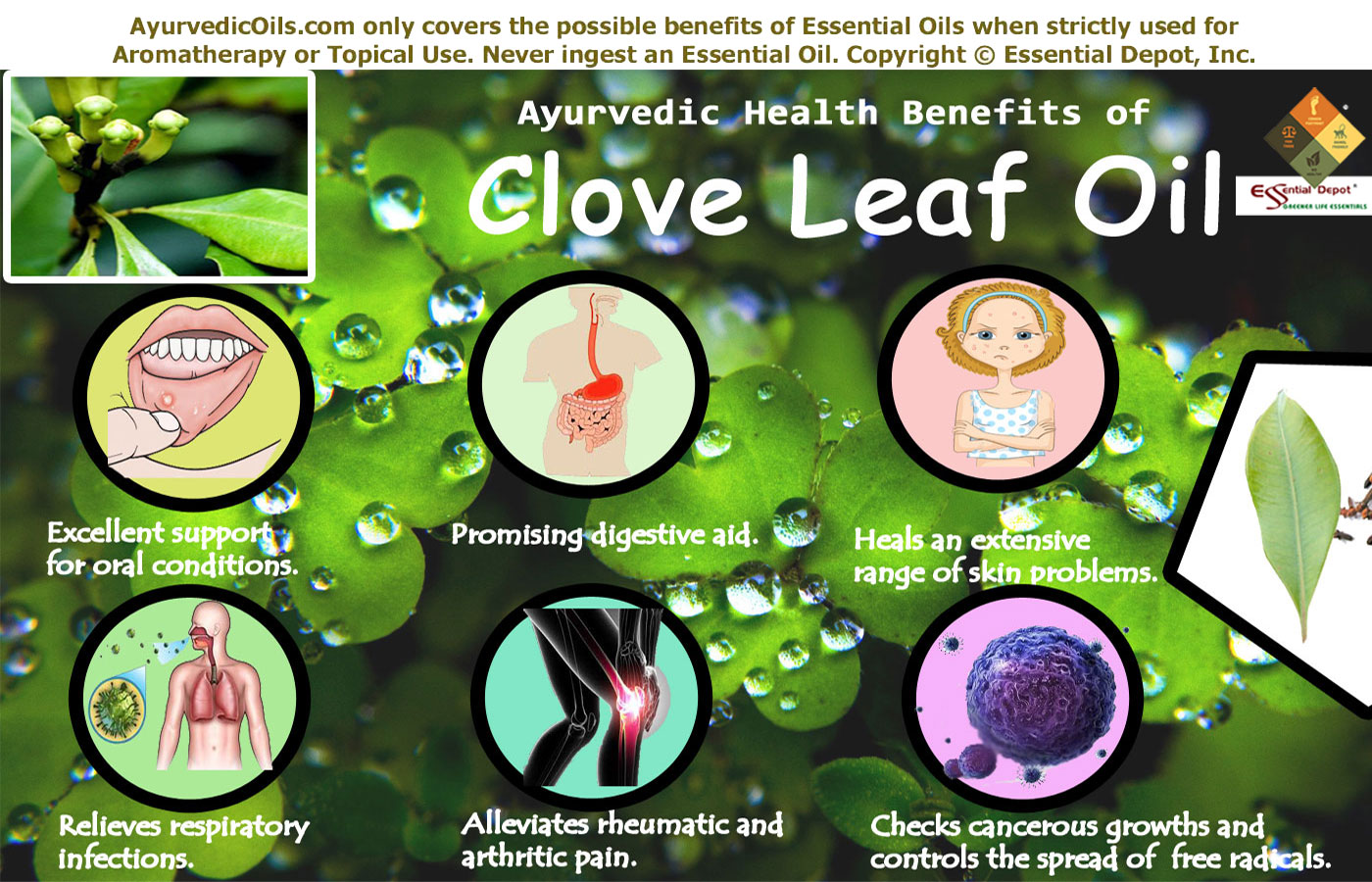
Patchouli Essential Oil

Patchouli-bannerPatchouli essential oil, the phenomenal oil with extraordinary health benefits is often neglected and fails to attract the aroma lovers unlike Lavender and Rose oils, as many believe that it has a strong misty fragrance.

If you ask me the best thing about Patchouli oil, I would rather say that it is an instant remedy for fighting and fixing anxiety and help you stay relaxed all day long when rubbed on your wrist as a stimulating perfume.

Mesmerized with its enlivening fragrance, I would ask you to wear the aroma of Patchouli essential oil on your wrists as it will help you better to fight the challenges of your busy day better than your wrist watch could do.

Patchouli is an Indian name, meaning ‘Green leaf’ (Patch-green and ilai-leaf). Many of us still remember Patchouli as the significant incense of the 60s and 70s but the truth is that Patchouli oil has its roots vested deeply in the field of Ayurveda for more than 5000 years for treating innumerable health conditions since the primordial times.

Purchase Patchouli Essential Oil – Retail – CLICK HERE

Purchase Patchouli Essential Oil Indonesia – Wholesale – CLICK HERE

Immemorial history of Patchouli Essential oil:

Scientifically known as Pogostemon cablin, this herb is a member of the mint family, Labiatae and is native to India, Malaysia and Indonesia. The essential oil is steam distilled from the young leaves of this plant. Patchouli and its oil are often associated to the sixties where it was used by people to cover up the smell of their smoking. It was traditionally used as an effectual aphrodisiac in perfumes and as a powerful moth repellant.

The ancient Indians used Patchouli in shawls and linens traded to Britain in 1800s to generate a unique aroma and for its germ-killing effects. It was also used as an important constituent for scenting Indian inks. This herb and its essential oil are of high religious importance as it is still trusted to keep away pessimism, negative feelings and evil powers.

Patchouli essential oil is the major ingredient of the tribal prescriptions for treating poisonous snake bites, bites and stings of various insects including mosquitoes and other animals. For mosquito bites and stings of other insects, mix 2 drops of Patchouli oil with 6 drops of carrier oil like coconut oil and apply on the affected part for complete healing.

For venomous snake bites like King Cobra’s bite, few drops of pure Patchouli oil is taken on a cloth or cotton and put on the bitten part instantaneously as first aid before the patient is taken to the doctor for intense treatment. After which 2 drops of Patchouli oil is mixed with 4 drops of carrier oils like coconut oil, sesame oil, wheat germ oil or grape seed oil and applied on the bitten surface twice daily to promote quicker healing of the wound.

Chemical constituents or Gas Chromatography Report of Patchouli oil:

According to the Gas chromatography report, Patchouli oil constitutes of 8 chemical components that contribute to its magnificent aroma, remedial properties, consistency and quality.

Just click on:

For knowing more about the detailed information of these key constituents of Patchouli essential oil.

The table below on the Gas Chromatography report talks about the chief chemical components and its role in granting the therapeutic and other attributes to Patchouli oil.

Patchouli-OilThe chemical constituents responsible for the healing values of this oil are a-patchoulene, b-patchoulene, a-bulnesene, a-guaiene, norpatchoulenol, pogostol, caryophyllene, seychellene and patchouli alcohol (comprises of cadinene, luglviol, patchoulol, aldehydes, cinnamic, benzoic, evenol and phenol).

Therapeutic properties and growing importance of Patchouli oil:

The National Bank for Agriculture and Rural Development (NABARD) in India stated about the importance of Patchouli and its essential oil in its report submitted on Medicinal and Aromatic plants. According to this report Patchouli has developed extensively as a prominent aromatic plant and every year, the world consumes about 1000 Metric Ton of Patchouli essential oil.

The predominant therapeutic properties of Patchouli essential oil are aphrodisiac, antidepressant, antiphlogistic, cytophylactic, astringent, diuretic, deodorant, antiseptic, decongestant, anti-inflammatory, fungicide, cicatrisant, relaxant, febrifuge, sedative, insecticide and tonic.

Ayurvedic health benefits of Patchouli essential oil:

Ayurveda, the ancient medicinal system with its origin in India has the longest history in the field of medicine for more than 5000 years.

Ayurvedic texts define health as a perfect harmony between the emotional, physical and spiritual wellness of an individual to which his diet, lifestyle and other innumerable factors contribute to. This noble science aims at disease prevention rather than treating the disease at the disrupting stage.

Ayurveda trusts that every individual is made up of three energy elements known as doshas. The book’ Absolute Beauty’ by Pratima Raichur defines dosha as “metabolic principles governing mind and body; the intelligence of the body- mind”. These doshas are a combination of the five elements namely air, water, ether, earth and fire. Imbalance of any of these doshas ends up in illness or lack of health.

Patchouli essential oil is said to treat kapha deficit and aggravation of vata and pitta. This helps in treating emotional imbalances like depression, stress and anxiety along with numerous skin problems.

The major Ayurvedic health benefits of Patchouli essential oil are:1. Amazing natural oil for skin care:pATCHOULI-BROUCHERPatchouli is one among those best essential oils for skin care. The cicatrisant property of this oil makes it a perfect companion in quicker healing of cuts and wounds while helping in fading away the marks and scars left by injuries, acne, burns, chicken pox, measles, stretch marks etc.

Patchouli essential oil is also a good tissue re-generator that promotes the growth of new skin cells. The antiseptic and antifungal properties of this oil helps in healing wounds, burns, boils, sores, eczema, dry skin, rough skin, cracks, excessively dehydrated skin and fungal infections like athlete’s foot.

The astringent effects in Patchouli oil helps in tightening loose skin and muscles especially after weight loss and post-delivery. It stops the sagging of skin effectively and treats contractions of nerves, skin and muscles.

All you need to do to work out these wonders is to add 2 to 3 drops of Patchouli essential oil to gentle carrier oils like jojoba oil or sweet almond oil or to your mild skin creams or lotions and gently massage on the affected area.

2. Patchouli oil for Spiritual Influence:

The rich and energizing aroma of Patchouli essential oil grants mental clarity for many years. Among the seven chakras of the human body, Patchouli essential oil is used for connecting the heart chakra with the sacral and root chakras, where chakra is defined asThe centers of psychic energy located at points along the spinal cord. They are associated with the five elements: earth, water, fire, air and ether. Each chakra corresponds to a specific mantra (sound) and geometric pattern (yantra). Through meditation on these chakras we can gain mastery over our body and each corresponding element.

Inhaling the aroma of this oil through a diffuser, vaporizer or applying it on the chakra or vital flex points, will aid in discharging jealousy, feelings of insecurity, obsessions and enhance the quality of one’s life to a greater level.

2 drops of Patchouli oil added to potpourri, vaporizer, diffuser or burner during an intense meditation will kindle your confidence, creativity, endurance, will power, self-confidence, self-esteem, positive feelings and the fortitude to live in the present moment.

3. Exceptional essential oil for intimacy:

Ayurveda considers sex as a positive force that helps restore the vital energy of life and is misused; it can be the strongest binding attachment stopping one from attaining higher spiritual reality. Ayurvedic texts does not encourage loveless sex as it considers that sex can be complete and beautiful only when there is intimacy and absolute love between the two partners involved in it.

Robert Svoboda’s translation quotes that “For the perfect love tryst Ayurvedic  Scholar Sushruta recommends a full moon night in a bower of flowers, soft silk garments, sweet and intoxicating perfumes, light and nourishing food and sweet music.”

It also talks about the use of sweet perfumes, where the partners are said to bathe in or anoint their body in sensual essential oils like Patchouli essential oil before sex.  Adding few drops of this essential oil with natural aphrodisiac properties in your burner or vaporizer is also said to add to the erotic mood and deeper intimacy.

4. Alleviates stress and deprives depression:

Patchouli essential oil is grounding and calming to the mind and body. This extremely versatile oil uplifts the mind, helps overcome depressive feelings, tranquilize the mind and paves way for new hopes ahead. The sweet herbaceous and ethereal floral charm brings peace and harmony for the ruined mind.

Fear, fatigue, anxiety, nervous tension, work pressure and prolonged stress can be cleared by enchanting your limbic system with the classic aroma of Patchouli essential oil. 2 to 3 drops of Patchouli oil added to your diffuser, vaporizer, burner, wrist, pillow or to a tissue assists in strengthening your mental power and wash away depressive thoughts that drain you.

Adding 5 to 6 drops of Patchouli in warm bath before going to bed will invigorate your senses, refreshes your mind and strengthens your immune system. You can also choose to enjoy the benefits of a reviving Ayurvedic massage by blending 4 drops of Patchouli oil in cold pressed Sesame oil followed by a warm bath for lessening stress, depression and other related health conditions.

Other health benefits:

1 drop of Patchouli oil added to a cup of warm water for gargle can assist in treating halitosis or bad breath, strengthening the gums and refreshing your breath all through the day. Adding 3 drops of this oil in calming coconut oil for massage or in bath aids in treating fever, pain, inflammation and tones the entire system by stimulating the metabolic functions and boosts the immune power.

The febrifuge and antiphlogistic properties of this oil aids in reducing inflammation, fever and body pain associated with it. Adding few drops of Patchouli essential oil in your air freshener, burner or vaporizer can keep away from insects like bed bugs, mosquitoes, ants, moths and flies.

Disclaimer:

Pure essential oils are highly concentrated in nature and always use them externally after diluting in appropriate carrier oils. Avoid taking essential oils internally. Seek the advice of your Ayurvedic professional regarding the usage of specific essential oils for your unique constitution and state of health.

The MSDS (Material Safety Data Sheet) of Patchouli essential oil is readily available for your enhanced safety and better usage.

Gas Chromatography Report of Patchouli essential oil.

Thought for the day:

Patchouli has always been a part of my fragrance, like a line through my life.                                                                                           -Julia Roberts

Suggested Reading:

  1. The Fragrant Mind: Aromatherapy for Personality, Mind, Mood and Emotion by Valerie Ann Worwood
  2. Jeanne Rose: Herbal Body Book: The Herbal Way to Natural Beauty & Health for Men & Women by Jeanne Rose
  3. The Essentials of Aromatherapy Essential Oils by Dr Miriam Kinai
  4. The Illustrated Encyclopedia of Essential Oils: The Complete Guide to the Use of Oils in Aromatherapy & Herbalism by Julia Lawless

Reference Links:

  1. Medicinal & Aromatic Plants – Patchouli by National Bank For Agriculture and Rural Development
  2. Patchouli by Kamlesh Ayurveda
  3. Sex, Spirituality and Ayurveda by Caroline Robertson, Ayurveda Elements
  4. 10 Medicinal Uses and Health Benefits of Patchouli Essential Oil by Become A Healthier You

Organic Mango Butter

mango-butter-bannerMango is an epitome of love and celebrated as the king of fruits in India and Mango butter extracted from its kernel can never disappoint in amusing you with its enormous health benefits for the skin and hair.

Do you know that the very sight of the bright and glowing yellow colored mangoes can instill absolute personal and professional success? Trust me, yellow is the color of the Solar plexus chakra (Manipura), which is often associated with the inner fire and power of intellect, confidence, exuberance, decision making and optimism.

Mango is also an excellent choice for stimulating the sacral chakra (Swadhisthana), which is responsible for reproduction, vitality, creativity and sexual wellness.

Botanically called as Mangifera indica, Mango is beckoned as Aamra in Sanskrit and is known as Hridaya (supports the heart functions), Bala (strengthens the system) and Vrysya (excellent aphrodisiac that enhances reproductive functions, semen count and vitality) in Ayurveda.

Mango butter is also called as Mango kernel fat. With its exceptional moisturizing and emollient properties, this creamy butter nourishes the skin and hair from within. The easily melting quality of this butter during contact with skin makes it a vital ingredient in many sunscreen lotions, baby creams, frizz control products and moisturizing balms.

Purchase Organic Mango Butter – Retail – 3 oz – CLICK HERE

Purchase Organic Mango Butter – Retail – 8 oz – CLICK HERE

Historical importance and uses of Mango and its golden butter:

Mango is a proud member of the cashew family, Anacardiaceae. With about 1,000 varieties of mangoes grown across the world, Mango is said to have originated in the Indo-Burmese region before 5,000 years, as old as the Ayurvedic medicine. Mango is the national fruit of India.

The mango tree is a large lushes green tree seen at a height of 15–30 meters and favored for both its green and ripe fruits. It grows particularly well in well-drained sandy loam and does not favor heavy wet soils.

Mango trees thrive well in tropical and subtropical climatic conditions. The soil ph is expected to be between 5.2 and 7.5 to obtain the best results in the growing process.

The interesting historical reference is that the most renowned Mughal Emperor, Akbar the Great, planted about 100,000 mango trees in Eastern parts of India.

The flowers of the mango tree are seen growing in pretty bunches, and start to appear at the end of winter to the beginning of spring. Both the male and female flowers are both seen on the same tree.

The flowering stage in the tree is noticed at different months of the year in different regions of India, as they favor certain specific climatic conditions. A specific variety of mango called Neelum is seen to grow two crops in a year in Kanyakumari, but only once a year in the Northern regions of India.

Along with Jackfruit and Banana, Mango is cherished as one among the three imperial fruits in Tamilnadu, India and is popularly called as Maa, Pala and Vazhai (Mango, Jackfruit and Banana).

The fruit of the mango tree, which is the most cherished part of the tree, is an egg shaped fleshy drupe. These fruits are green in color and turn yellow when ripe.

They are approximately 8-12 cm long and are seen in shapes of round, heart shaped, oval, or kidney shaped. The flesh is white and tart to taste when unripe and is bright yellowish orange and sweet when ripe with a flat pit in the middle.

Mangoes are mostly available in the months of April and May and nearly 210 species of the fruit are harvested during the season. Most of them are exported around the globe. The skin and the pulp of the mango form 85% of the fruit and the seed makes 15%. The raw or green mango is used in making chutneys and pickles, and the yellow is used most commonly in desserts.

Mango butter contains a natural polyphenol known as Mangiferin. It has been used since the primordial times for treating inflammation and pain with its analgesic and anti-inflammatory properties.

Mangiferin is used as an antioxidant in the brand name Vimang and is used in Sri Lanka to deal with diabetes in the brand name Salaretin.

Extraction of Mango butter:

The seeds of the mango fruit are first collected and washed with water immediately after collection. Later the seed are then sundried to reduce the moisture content to 12-15%. Later they are roasted in a drum roaster and the hull is mechanically removed, or sometimes manually removed by beating them with wooden clubs.

The separated pieces are then sent to a hammer mill where they are made into pellets in a pellet making machine. They are then cooled in a cooler and brought to room temperature. Next they are transported to the solvent extraction plant.

The processor is then used to produce flakes by crushing the seeds using a flaking roller mill and thus Mango butter is extracted. Mango butter is solid at room temperatures and melts at 35-43 °C, thus making it the most appropriate butter for sunscreen creams, moisturizing products, baby lotions and hair care items.

Composition and properties of Mango butter:

Chemical constituents of Mango fat are palmitic acid, stearic acid, oleic acid, arachidic acid and linoleic acid. The butter has antioxidant, emollient; wound healing, anti-aging and regenerative properties.

A 2013 study on the ‘Protective Nature of Mangiferin on Oxidative Stress and Antioxidant Status in Tissues of Streptozotocin-Induced Diabetic Rats’ published in ISRN Pharmacology states that “Mangiferin reveals a broad range of pharmacological effects, including antidiabetic, antitumor, antiviral, immunomodulatory, antimicrobial, and antioxidant activities.”

Health benefits of Organic Mango butter:

The butter obtained from the pressed seed of the kernel of the Mango Tree is one of the highly prized butters and is looked for in the industry cosmetics to be used as a major ingredient that forms the base for soap making and products that deal with body care.

The most prominent uses of Mango butter are:

  • With its rich Vitamin A, C and E, Mango butter combats the damage of free radicals and guards the skin from sun damages.
  • Works as an excellent scalp moisturizer with high level of fatty acids.
  • Acts as an effective sunscreen agent and heals sunburn, wounds and other infections.
  • Nourishes the scalp, locks natural moisture in the hair, fights hair fall and is a boon to dry, dull and lifeless hair.

mango-butter-broucher

Excellent antioxidant that combats free radicals thus fights aging and sun damages:

Mango butter is rich in antioxidants and with the presence of enormous nutrients, including Vitamins A and E. These constituents help in keeping the skin healthy and young, supporting it to fight against the damage of free radicals and aging.

A 2013 study by the Medical University of Wroclaw on ‘Mangiferin – a bioactive xanthonoid, not only from mango and not just antioxidant’ have stated that Mangiferin is a natural polyphenol extracted from plant, especially the mango tree (Mangifera indica).

Various other pharmacological studies have witnessed that Mangiferin portrays various activities including, “analgesic, antidiabetic, anti-sclerotic, antimicrobial and antiviral, cardio-, hepato-, and neuroprotective, anti-inflammatory, anti-allergic, MAO inhibiting and memory improving, as well as radio protective against X-ray, gamma, and UV radiation.”

This research also concludes about various other studies that have proved the ability of Mangiferin to restrain the growth of cancerous cells and cancerogenesis. Owing to its ultra violet radiation-protecting properties and antioxidant ability, Mangiferin is used in the manufacturing of cosmetics and skin care products.

Blending Mango butter with natural oils like Jojoba oil can elevate its beneficial quotient to the skin in terms of enhancing the natural sebum secretion in the skin and making it look younger and softer.

It can also aid in lessening wrinkles, fine lines, crow’s foot and sagging skin, thus granting firmness by boosting the suppleness and elasticity of the skin surface.

Natural moisturizer that promotes cellular regeneration:

Mango butter is much similar to Shea and Cocoa butter but it is light and varies in its fatty acid content. The butter is fatty and sweet in its natural form, making it the best additive used in body care and cosmetic products.

The butter of mango is rich and creamy, which is hard at room temperatures and exhibits natural emollient properties. It is a rich source of essential fatty acids and has been traditionally used in the rain forests and tropics for its soothing and moisturizing properties. For this reason it has been used in lotions and creams to serve as a moisturizer and mild lubricant for the skin.

The moisturizing and emollient properties of the oil help restore moisture and promote cell regeneration again facilitating younger looking skin. The butter can also be used to treat diseases like eczema, skin rash, insect bites, and poison ivy as well.

Applying Mango butter on your skin as a massaging aid can assist in the production of collagen, which is responsible for the verve and vitality of the skin surface.  It helps in diminishing acne scarring, fading stretch marks and scars.

Mango is called as ‘Varnya’ in Ayurveda for its ability to enhance the natural glow and fairness of the skin. It also assists in opening blocked pores of the skin, thus releasing impurities from the skin surface.

Mango butter is non-greasy and it easily penetrates into the skin, helps repair dry skin, mature skin conditions, eczema and dermatitis. You can also blend Mango butter with few drops of skin enriching oils like Lemon oil or Patchouli oil and guard yourself against UV radiation and changes in weather conditions.

Nourishes the scalp and locks natural moisture in the hair:

The high level of fatty acids present in mango butter makes it suitable to be used as a moisturizer on the scalp as well. The lack of moisture in hair can lead to hair damage through breakage, and hair fall.

Regular application of Mango butter on the scalp and hair can preserve and seal the moisture content in the hair making it lushly healthy and protecting it from drying.

Since Mango butter contains huge amounts of vitamins such as A, C, and E, and also antioxidants, it can enrich the root of your hair, strengthen the hair follicles, and add up to its volume and control frizz and breakage.

Mix 5 drops of Rosemary oil with a tablespoon of Mango butter and massage it gently on your scalp. Wrap your hair with a warm towel and let this blend penetrate deeply into the scalp for about an hour. Wash it with a mild shampoo for controlling dandruff, dry and itchy scalp conditions.

Since vitamins A and C have positive effect and direct relation to the growth of hair, it’s quite obvious that Mango Butter can contribute to healthy hair. The butter naturally helps protect the skin and the hair from the sun’s rays giving protection as an extremely effective sunscreen to the skin and the scalp also.

Disclaimer:

This information is only meant for educational purposes. It is not prescribed for diagnosis or as a substitute for prescription medicines or professional medical advice. We are not healthcare experts and this information is shared only with the idea of enlightening the healing wisdom of Ayurveda.

Organic butters and essential oils are only for topical application and not for ingestion. Consult your Ayurvedic expert/ medical professional prior to choosing the appropriate essential oils or organic butters for your unique individual constitution or Prakriti and your Vikruti or current state of health.

Thought for the day:

Never lose an opportunity of seeing anything beautiful, for beauty is God’s handwriting.

-Ralph Waldo Emerson

Suggested Reading:

  1. Organic Body Butter Made Easy: Nourish, Hydrate and Heal with Luxurious Homemade Body Butter Recipes by Karina Wilde
  2. Antimicrobial and antioxidant potency of Mangifera indica L. stem: Ethnopharmacology by Kalpna Rakholiya, Mital Kaneria, Sumitra Chanda
  3. The Aromatherapy Encyclopedia: A Concise Guide to Over 395 Plant Oils by Carol Schiller, David Schiller
  4. Organic Body Care: 101 Homemade Beauty Products Recipes-Make Your Own Body Butters, Body Scrubs, Lotions, Shampoos, Masks And Bath Recipes (organic … homemade body butter, body care recipes) by Gabrielle Landreau
  5. Natural Butters To Make Skin Care Products (How To Make Natural Skin Care Products Series Book 18) by Miriam Kinai

Reference Links:

  1. Mango by Wikipedia
  2. Mango butter by Wikipedia
  3. Mangiferin – a bioactive xanthonoid, not only from mango and not just antioxidant by the Department Pharmaceutical Biology and Botany, Medical University of Wroclaw, published in PubMed
  4. Magnificent Mango by Dr. Savitha Suri, Ayur Help.com
  5. Protective Nature of Mangiferin on Oxidative Stress and Antioxidant Status in Tissues of Streptozotocin-Induced Diabetic Rats by International Scholarly Research Notices Pharmacology and PubMed

Jamarosa Oil

Jamarosa-Banner-newDiscerning lovers of nature will always choose Jamarosa oil instead of 4 different oils to explore the magic of rosy, citrusy, spicy and grassy fragrance put together in a single bottle. Yes! Jamarosa essential oil is the proud owner of these entire diverse aromas, for which it has been used in the perfume industry for ages together.

Scientifically termed as Cymbopogon khasians, Jamarosa is a brilliant hybrid variety crossed between Cymbopogon nardus var. confertiflorus (Citronella) and Cymbopogon jwarancusa (Jwarankush).

Often used for instilling rose like fragrances, Jamarosa has also been used in the field of Ayurvedic medicine for treating fever, insect bites, blood impurities, fungal infections, vomiting and skin problems.

Purchase Jamarosa Essential Oil – Retail – 4 oz – CLICK HERE

Historical significance and cultivation of Jamarosa:

Also called as Jamrosa, this aromatic herb is a popular grass hybrid and a renowned wing of the Cymbopogon family. Like most of the celebrated herbs, Jamarosa is also indigenous to the Indian subcontinent and is grown extensively in Southern India and certain other states including Madhya Pradesh, Chhattisgarh and Maharashtra.

Being a hardy and tough grass variety, Jamarosa grows well in various types of soils supported by humid and warm climatic conditions and enough sunshine and water. This grass hybrid is characterized with its light yellowish color and this hybrid variety is generally a medium sized one. Jamarosa grasses have the potential to purify environmental toxic waste, renew the level of ground water and check soil erosion.

The most exotic fragrance and medicinal attributes of this grass variety comes from its parental hybrids, Cymbopogon jwarancusa and Cymbopogon nardus var. confertiflorus. Among these, Jwarancusa is an interesting species and its name is extracted from two Sanskrit terms, “Jwar and Ankusha”, which means “fever and breaker” respectively. Just like its name, this herb is a trusted remedy for treating fever and blood impurities.

Cymbopogon jwarancusa has antimicrobial and antioxidant properties that are contributed to its bio-chemical components. Many researchers have proved the effectiveness of this Ayurvedic herb in the treatment of blood disorders, vomiting, skin problems, unconsciousness and abdominal tumors.

The next parental hybrid of Jamarosa plant is Cymbopogon nardus var. confertiflorus, which is commonly called as Citronella. This fresh lemony and sweet-smelling grass variety is a natural air purifier and an established insect repellant. Being a blend of these two beneficial plant varieties, Jamarosa is also said to inherit the medicinal and therapeutic values from its parental hybrids.

The enriching aroma of this grass hybrid has made its use vital in the perfumery industry especially for creating rose like fragrances. The sturdy grass fibers are used in the making of statues and idols having splash of Paris. Jamarosa grass is also been supplied as raw materials for industries that use fibers. It is also used as a feed for cattle and as natural manure.

Jamarosa is a popular ingredient in the making of agarbatti or traditional incense sticks, raw agarbatti and organic insect repellants.

Therapeutic uses and chemical constituents of Jamarosa oil:

The essential oil of Jamarosa has bactericidal, antiseptic, febrifuge, sedative, relaxant, antimicrobial, digestive and stimulant. The primary chemical components of Jamarosa oil are geraniol (75%), geranyl acetate (20%) and limonene.

Ayurvedic health benefits of Jamarosa essential oil:

Ayurveda is undoubtedly the pioneer of the medicinal world, and is lovingly beckoned as the Mother of all healing systems on earth. Being a 5000 years old healthcare methodology, Ayurveda focuses on natural remedies for curing illnesses, prevention of diseases and longevity.

Ayurvedic medicine was known to be gifted by Lord Brahma, the Lord of Creation to Acharya Dhanvantari, famously called as the God of medicine of Ayurveda and as the physician of Gods. Among the 4 sacred books (Rig, Yajur, Sama and Atharvaveda) or Vedas of the ancient Hindu mythology, Ayurveda is a vital part of Atharvaveda.

The idealistic practices of Ayurveda rests on Mother Nature for treatment of mankind as it is raised on the trust that everything on earth is a part of Nature and the wellness and illness of a person is strongly determined with his/her balance with Nature.

The principles of the mythological saints and Vedic entities strongly state that the entire universe is made up of five fundamental elements of nature, namely space, earth, water, fire and air.

Mankind is also made of these vital elements, where earth represents the muscles and bones, water represents the blood and other vital fluids, fire represents the metabolic force and body temperature, air represents the breathing mechanism and space is the soul or life energy that keeps a person alive.

Based on these fundamental elements, Ayurveda classifies human beings as a representation of the biological energies known as doshas, namely vata, pitta and kapha. Vata is a combination of space and air, pitta is fire and water and kapha is water and earth.

Every person has a unique individual constitution or Prakriti with a combination of all the three doshas in a particular order based upon Nature’s law with a predominance of any one of these doshas. This predominance assists in determining the character, personality, traits and behavioral patterns of a person.

Absolute balance between these doshas as per their natural setup indicates heartiness and doshic imbalances due to lifestyle changes, irregular food habits, climatic variations and other disruptive behavior leads to illnesses.

Ayurvedic treatment begins with the tracing of the unique individual constitution and the treatment methodologies also differ from individual to individual even for the same sickness. This is because Ayurveda strongly believes that individual is unique and the means of treating their health condition should also be unique.

The major Ayurvedic therapies include herbs, Ayurvedic essential oils, yoga, Pranayama (the art of balanced breathing), simple physical exercises, meditation, Panchakarma or the detoxification techniques, Abhyanga or Ayurvedic massaging, taking up an Ayurvedic routine and much more.

The essential oil of Jamarosa is known to appease vata, pitta and kapha imbalances. Come let’s go through the Ayurvedic health benefits of Jamarosa essential oil in a jiffy.

I’m ready to take you through the effective uses of Jamarosa oil in detail. Are you ready for the retreat?!

Jamarosa-broucher1. Pampers the skin and placates skin disorders:

Few sources state that Jamarosa has similar medicinal benefits like its sibling grass variety, Palmarosa. The book ‘Ayurveda and Aromatherapy’ by Light Miller and Bryan Miller quote Cymbopogon martinii (Palmarosa) as “Palmarosa is widely used in Ayurvedic skin care. It is good for all skin types because it is a cellular stimulator and supports all cell regulation. It’s highly antiseptic, calming, uplifting and anti-depressive.”

Jamarosa essential oil also has bactericidal, antiseptic, stimulating and invigorating properties that aids in assisting cellular regulation and repairing of the damaged skin cells. The antiseptic value of this oil helps in combating germs and infectious micro-organisms like bacteria that inflates skin problems.

A blend of 2 drops of Jamarosa oil with 2 drops of Palmarosa oil and 2 ml of Jojoba oil can work like a wonder on your skin. Applying this nourishing blend on your skin can help in restoring the natural sustenance of the damaged skin cells, eliminating the dead cells and in promoting the growth of new and healthy cells.

Applying it in slow circular movements on wrinkles and scars can support in invigorating the skin, retaining the skin suppleness, enhancing the collagen and helping in diminishing scars, marks and wrinkles, treat fungal infections with its antioxidant, antifungal and anti-bacterial properties.

The great news is that Jamarosa oil suits all types of skin and is perfect for use during all seasons of the year. It is also helpful in the treatment of scar tissues in wounds, dermatitis and other skin infections.

2. Calms the nerves and beats the ill-effects of stress:

The essential oil of Jamarosa has a pleasant, engaging, refreshing and energizing aroma that stimulates the nerves, calms the mind and inculcates positive effects in the limbic system, the control center of the brain that is responsible for passing on commands to the system on feelings, thoughts and behavioral responses.

Stress is the slow poison that hinders the normal functions of the body and leaves a blank effect on the mental abilities. The main reason for stress is suppressing the mind with too many things at a particular time. When the mind struggles or suffers in tackling with too many factors than its ability, mental stress or distortion occurs.

Stressful situations spoil the entire curriculum and results in mood-fluctuations of the entire environment around us. It also ends up in depression and deep ill-effects on the central nervous system. Fatigue, anger, anxiety, fear, memory problems, feelings of loneliness, lack of appetite, low productivity, insomnia and suppression are certain other ill-effects of stress and nervous tension.

Jamarosa essential oil has stimulating, relaxant and sedative effects that supports the functions of the limbic system and aids in promoting positive feelings. Massaging your system with 5 drops of Jamarosa oil along with 5 drops of Rose Geranium oil, 5 drops of Juniper Berry oil with 100 ml of coconut oil can uplift your senses, pacify your nerves, soothe tensed muscles and support in bringing absolute tranquility.

You can also add 2 drops of Jamarosa oil in your diffuser or air freshener or bathing water every day for an energetic start on every rising day. 1 drop of this oil added to your hankie or a tissue can recharge your mental power on any given time during the day.

3. Aromatic insect repellant:

Being an offspring of the most popular natural insect repellant, Citronella, Jamarosa also inherits the power of combating harmful insects like mosquitoes and bed bugs. 2 drops of Jamarosa oil with 2 drops of Citronella oil along with 2 ml of  olive oil can be rubbed into your skin to protect you from insect bites. This blend can also help in treating the ill-effects of insect bites like rashes, itching and allergies.

Adding 2 drops of this oil in your burner, vaporizer or diffuser is also a great idea to safeguard your loved ones from mosquitoes and other insect bites.

4. Appeases the digestive system:

Jamarosa oil has digestive, stimulant and relaxant properties. This helps in promoting trouble-free digestion, calming upset stomach, appeasing the irritable bowel along with stomach lining and treating indigestion.

Adding 1 drop of Jamarosa oil to your hankie or a tissue paper can help in enhancing the appetite and assisting in soothing the lining of the stomach and intestines. You can also massage your abdomen with 2 drops of Jamarosa oil mixed with 2 drops of Rose Geranium oil and 2 ml of sesame oil for supporting your digestive difficulties.

5. Fights anxiety and promotes peaceful sleep:

The essential oil of Jamarosa has a slightly rosy and fruity aroma that instills uplifting and calmative effects on the nervous system. These attributes helps the body in fighting against insomnia, anxiety and fatigue.

2 drops of Jamarosa oil mixed with 1 drop of Palmarosa oil in your diffuser or air freshener can be an excellent aid in promoting peaceful sleep by relaxing your nerves, tranquilizing your mind, and in reducing anxiety, restlessness and worries. What next? A refreshing start to a promising day is guaranteed.

6. Reduces fever and helps relieve respiratory infections:

As mentioned earlier, Cymbopogon jwarancusa is one of the mother hybrids of Jamarosa oil, where the term ‘jwarancusa’ is taken from the two Sanskrit terms, “Jwar and Ankusha”, literally meaning “fever and breaker”.

Jamarosa essential oil also extorts this property from its parental hybrid and is used in curing fever, cold, microbial infections, blood impurities and certain other respiratory disorders with its anti-microbial and antioxidant properties.

Generally, common cold and few other respiratory infections are highly vulnerable. Using Jamarosa oil in your bathing water daily (preferably 2 drops) can assist in controlling the spread of such infections by combating the growth of microbes responsible for health conditions like fever and cold.

You can also use 2 drops of Jamarosa oil in steam inhalation for relieving from blocked nasal passages and sore throat. Massaging your foot soles with 2 drops of Jamarosa oil with 2 drops of Gingergrass oil mixed with 3 ml of coconut oil can aid in reducing fever.

Disclaimer:

This article is only for educational uses and is not suggested for diagnosis or for replacing any expert medical advice or prescription medicines. We are not healthcare professionals and this information is circulated only with the idea of sharing the ancient healing wisdom of Ayurvedic medicine, the mother of all remedial practices.

Never take essential oils internally and is only recommended for dermatological purposes. This is because pure and organic essential oils are extremely concentrated substances and may cause allergies or other negative effects, when used on the skin directly.

Consult with your healthcare expert or Ayurvedic professional before choosing the suitable essential oils for your health condition and dosha type or your unique individual constitution. Keep away from children and care should be taken if you are nursing or a pregnant mom.

Thought for the day:

Bare feet on the grass comfort the spirit and connect the body to the earth all at once!  – Maximillian Degenerez

Suggested Reading:

  1. Essential Oil-Bearing Grasses: The genus Cymbopogon (Medicinal and Aromatic Plants – Industrial Profiles) from CRC Press
  2. Cymbopogon; The Aromatic Grass – Monograph from Central Institute of Medicinal and Aroma
  3. Aromatherapy for Health Professionals, 4e (Price, Aromatherapy for Health Professionals)by Shirley Price Cert Ed FISPA MIFA FIAM, Len Price Cert Ed MIT (Trichology) FISPA FIAM
  4. Insect Repellents Handbook, Second Edition from CRC Press

Reference Links:

  1. Oil of Jamarosa – Specification published by the Bureau of Indian Standards
  2. Jamarosa by Agricultural Products India
  3. Antifungal, anti-aflatoxigenic, and antioxidant efficacy of Jamrosa essential oil for preservation of herbal raw materials by Prashant Kumar Mishra, Ravindra Shukla, Priyanka Singh, Bhanu Prakash, Akash Kedia, Nawal Kishore Dubey published in International Biodeterioration & Biodegradation

Parsley Seed Essential Oil

Persley-bannerParsley cannot be isolated just as a part of appetizing and aesthetic food presentation. More than just a culinary herb, Parsley leaves and its seeds are used throughout the world as a magnificent spice that kindle the taste and zest of the food to which it is added to. Scientifically known as Petroselinum sativum, Parsley is native to the eastern parts of the Mediterranean region.

Parsley seed essential oil, just as the name suggests is extracted from the dried seeds of the Parsley plant through steam distillation method. Ayurveda  has recorded the effects of Parsley herb and its essential oil as a powerful diuretic without leading to any drying out of the body.

Purchase Parsley Seed Essential Oil – Wholesale – CLICK HERE

Historical importance of Parsley:

Parsley was traditionally used in making tea for treating gallstones and dysentery. Trusted as a powerful carminative, the leaves, seeds and roots of Parsley were used in treating numerous digestive problems including diarrhea, ulcer, flatulence and colic pain. The juice extracted from the roots of this plant was used in folklore medicine as a diuretic and for treating kidney disorders like nephrolithiasis (kidney stones).

Parsley seeds are used as an important spice in the Asian countries and specifically there is no Indian kitchen without Parsley seeds as the seeds and its powder are used in all kinds of routine cooking. The essential oil extracted from Parsley seeds was used in massage for normalizing menstruation and as a natural abortifacient. This oil is said to be effective in treating amenorrhea and menstrual pain or dysmennorhea.

Parsley herb is used for garnishing and adding extra flavor to all types of food items and is a major ingredient in tabbouleh, the national food of Lebanon. Crushed Parsley leaves have been used for topical application for insect bites, skin parasites and skin tumors. Other conventional uses of Parsley include its use for treating arthritis, anemia, cancer, prostate problems and liver disorders.

Chemical components and therapeutic properties of Parsley Seed Oil:

The healing effects of Parsley seed essential oil are antiseptic, diuretic, anti-arthritic, anti-rheumatic, astringent, digestive, stomachic, tonic, carminative, emmenagogue, laxative, hypotensive, uterine, stimulant, febrifuge, detoxifying and antimicrobial.

The major chemical constituents that contribute to its therapeutic values are limonene, myristicin, tetramethoxyally benzene, alpha-thujene, eugenol and certain flavonoids including apigenin, luteolin, appiin and crisoeriol.

Ayurvedic health benefits of Parsley Seed oil:

Ayurveda has gained great honor mainly due the fact that it appreciates individual differences and treats every individual with a specific therapy. This holistic approach trusts that no two human beings on earth are the same and so are their health conditions as well. With this faith, Ayurvedic treatment varies from person to person even if a group of people are affected by the same disease.

Ayurveda identifies individuals based on their individual constitution that comprises three major energy elements known as doshas, namely vata, pitta and kapha. Dosha predominance is the deciding factor for determining your physical and mental attributes whereas imbalance of doshas leads to sickness.

Parsley seed essential oil is known for reducing increase of vata and kapha doshas and increasing pitta deficit, for which it is known as an excellent digestive aid.

The major Ayurvedic health benefits of Parsley seed oil are:Persley-broucher1. Eliminates toxins from the body and purifies the kidneys:

Since the prehistoric period, Parsley is known as a diuretic and detoxifier that aids in eliminating dangerous toxins from the body through urine. The depurative property of this oil purifies the blood and promotes the trouble-free flow of oxygen to all the tissues in the body. Gently massaging your body with 2 drops of Parsley oil blended with coconut oil aids in promoting blood circulation and helps expel the unwanted substances from the body without any side effects.

You can also add 2 to 3 drops of Parsley seed oil in your warm bathing water for treating fluid retention, urinary problems, kidney disorders and certain other problems like rheumatism.

Parsley seed oil as a natural diuretic increases the frequency of urination without making you tired or dehydrated. This aids in the removal of harmful toxins like salt, uric acid, fat deposits and microbes in the body, when left unnoticed can cause renal calculi, arthritis, skin diseases and may affect the overall functioning of the body.

2. Fights against cancer:

Parsley in general is claimed as an effective chemoprotective food that guards the body from harmful free radicals that lead to dangerous diseases like cancer, atherosclerosis, asthma and diabetes. Parsley seed essential oil and the herb is a rich source of antioxidant nutrients like luteolin and other flavonoids have been proved to function as antioxidants that join with highly reactive oxygen radicals and aid in preventing oxygen-based damage to cells.

A study on ‘Cancer Prevention’ by Salman Hyder from the University of Missouri proved that the presence of apigenin compound in parsley and celery helps fight the growth of cancerous tumor in breast by blocking the formation of new blood vessel in tumors. Myristicin compound in Parsley oil has also been proven to restrain the growth of tumors especially in lungs.

3. Treats menstrual problems:

This oil has emmenagogue properties that stimulate blocked menstruation and regularize the menstrual cycle. Massaging your abdomen with 2 drops of Parsley oil mixed with sesame oil helps in treating various problems associated with menstruation like abdominal cramps, fatigue, nausea, headache and back pain. Parsley seed oil also promotes the secretion of estrogen, the female hormones and nurtures the health of female reproductive organs.

4. Guards the system from rheumatism:

The major causes behind rheumatism and arthritis are fluid retention, obstructed blood circulation and amassing of uric acid in the joints and muscles. The detoxifier, depurative, stimulant and diuretic properties of this oil removes toxins like salts and uric acid from the joints and muscles, expels water retention, helps get rid of impurities in the blood and promotes blood circulation.

The Ayurveda and Aromatherapy book by Bryan Miller and Light Miller quotes “Parsley is excellent for the circulation and is known to eliminate broken capillaries in combination with Rose oil and cold compresses.” Parsley seed oil also has anti-inflammatory properties that aids in reducing rheumatic pain and inflammation.

A warm massage with 3 drops of Parsley seed essential oil blended with sesame oil helps in reducing pain, inflammation and promotes frequent urination without loss of energy through which the harmful toxins in the body are eliminated. You can also use few drops of Parsley oil either in warm compress or in warm bathing water for complete relief from rheumatism, gout and arthritis.

5. Natural remedy for digestive problems:

As a laxative with carminative and stomachic properties, using Parsley seed essential oil in massage or in bath tub aids in enhancing the secretion of bile and certain other gastric juices along with digestive enzymes. This assists in stimulating regular bowel movements, treat constipation, flatulence, stomach infection, ulcer and pain.

Other health benefits:

Apart from these major health benefits, Parsley seed essential oil is also used for various other health problems like cough, high blood pressure, hypertension, colic, gastrointestinal disorders, wounds, swollen breasts, prostate conditions, jaundice, gall stones, cellulite, cystitis, sciatica, loss of libido, hemorrhoids and gum problems.

Thought for the day:

Green is the prime color of the world, and that from which its loveliness arises.
-Pedro Calderon de la Barca

Suggested Reading:

  1. Alternative Medicine Definitive Guide to Arthritis: Reverse Underlying Causes of Arthritis With Clinically Proven Alternative Therapies Second Edition by Ellen Kamhi, Eugene R. Zampierson
  2. The Mediterranean Prescription: Meal Plans and Recipes to Help You Stay Slim and Healthy for the Rest of Your Life from Ballantine Books
  3. The Encyclopedia of Psychoactive Plants: Ethnopharmacology and Its Applications by Christian Ratsch, Albert Hofmann
  4. Ayurveda & Aromatherapy: The Earth Essential Guide to Ancient Wisdom and Modern Healing by Dr. Light Miller, Dr. Bryan Miller

Reference Link:

  1. Parsley by Drugs.com
  2. Parsley by The World’s Healthiest Foods.com
  3. Health Benefits of Parsley Essential Oil by Organic Facts
  4. Parsley, Celery Carry Crucial Component for Fight Against Breast Cancer by Salman Hyder, University of Missouri

Rose Geranium Essential Oil

Rose Geranium bannerWith a much similar aroma of rich roses, Rose Geranium essential oil is known as the poor people’s Rose oil as it is less expensive than the original Rose essential oil.  Botanically known as Pelargonium roseum, this plant belongs to the Geraniaceae plant family and is indigenous to Cape Province, South Africa.

Often used as a substitute for Rose essential oil, Rose Geranium oil is extracted from the soft rosy flowers with the touch of deep fuchsia of this perennial shrub. With a smooth, rosy, fresh, warming, herbaceous, purifying and sensual aroma, Rose Geranium oil is known for regenerating female energies and for treating an extensive array of skin problems in Ayurveda, the oldest of all healing practices.

Purchase Rose Geranium Essential Oil – Retail – CLICK HERE

Purchase Rose Geranium Essential Oil – Wholesale – CLICK HERE

Purchase Rose Geranium Essential Oil – 5% Dilution in Pure Jojoba – CLICK HERE

Historical uses of Rose Geranium Essential Oil:

Rose Geranium is said to have originated in South Africa along with Egypt, Morocco, Reunion and Madagascar. It was then introduced to the European countries like France, Italy and Spain in the early 17th century.

The herb and the essential oil of Rose Geranium has been used in the pre-historic period as a powerful injury healer including cuts, abrasions, burns, skin ulcers and infections. This is attributed to the antiseptic, antibacterial, analgesic and anti-inflammatory properties. The sweet citrus-floral fragrance of this oil made its use prominent in the fragrance industry since the ancient times.

Chemical constituents and therapeutic properties:

A 2009 study on ‘Volatile Components of Pelargonium roseum’ proved that Rose Geranium essential oil contains thirty-two compounds and the major ones among them are citronellol (27.3%), citronellyl formate (17.2%), β-caryophllene (10.3%), limonene, a-pinene, terpenes, myrcene, menthone, geraniol, cetones, ϒ-muurolene, geranyl butyrate, linalool, aldehydes and geranyl acetate.

The most significant healing properties are antiseptic, vulnerary, antidepressant, cicatrisant, vermifuge, astringent, styptic, diuretic, deodorant, cytophylactic, haemostatic and tonic.

Ayurvedic health benefits of Rose Geranium essential oil:

Ayurveda is a traditional Indian healing methodology that means science of life. It is more than just a system of dealing or diagnosing illnesses, it is a common sense science that guides humanity on leading a holistic life preventing illnesses for an enduring bliss.

Ayurvedic approaches rely on nature for their treatment and trust that nothing else other than essential oils, herbs, yoga, meditation, balanced living and spiritual oneness can grant optimal wellness to a human’s life.

Ayurveda classifies individuals based on their unique constitution that is composed of three basic energy elements namely vata, pitta and kapha doshas. Imbalances of any one of these doshas open door to diseases and interrupts a human’s body’s balance with nature.

Vata is the lightest of these 3 doshas and imbalance of vata ends up in insomnia, constipation, PMS, stress, nervousness and fatigue. Pitta being the hottest energy element and when out of balance it causes digestive disorders, anger, emotional distress, high blood pressure and lack of interest.

Kapha is the heaviest dosha and its disparity leads to sluggishness, blockage, depression, improper blood circulation, high cholesterol, weak metabolism, depressive thoughts and fluid retention. Ayurvedic texts classify Rose Geranium essential oil as an ideal healing force for pacifying and controlling the imbalances of all the three doshas with its balancing effects.

The most important Ayurvedic health benefits of Rose Geranium essential oil are:

rose-geranium-broucher1. Lessens stress, depression and treats autonomic nervous system imbalances:

A German based research has clinically proven that the presence of the Geraniol component in Rose Geranium essential oil is very effective in treating autonomic nervous system imbalances known as Vegetative dystony.

A balanced autonomic nervous system is highly essential for the normal functioning of the body, mind and its emotions as it influences the production of hormones and the corresponding responses in the system. Imbalance of which can cause nervousness, anxiety, depression, hot flashes, headache and irregular heartbeat.

The essential oil of Rose Geranium has a perfect harmonizing effect on the central nervous system, making it idyllic in uplifting the spirits and handling stress. Using 2 drops of this oil in your potpourri or diffuser, in bath or as a massage oil blended with carrier oils like coconut oil transforms positive energy in your body and your atmosphere.

This helps greatly in alleviating stress, depression and anxiety at it best. The convincing aromatic molecules present in Rose Geranium oil reach the limbic system through the nasal passages and inculcates a stimulating force in the adrenal cortex.

Renowned author K.G. Stiles says that Rose Geranium oil is “Definitely a first-aid oil everyone should consider having on hand Rose Geranium oil’s tonic action helps relieve nervous emotional conditions like anxiety, confusion, depression, lethargy, energy swings and tearfulness.”

2. Athlete’s companion:

Rose Geranium oil is used in many popular health supplements for body building, athletic performance and weight loss for a fit physique. This is mainly due to the stimulant property of this oil where certain supplement manufacturers claim that the presence of the stimulant component dimethylamylamine in Rose Geranium oil makes it powerful naturally.

The University of Wisconsin Steven Point suggests an effectual massage oil blend that contains few drops of Rose Geranium oil with few drops of Lavender essential oil with the base of Almond and Vitamin E oil for relieving muscular tension and grant a relaxing effect on the mind and body. This is what an athlete would essentially require to trigger his/her efforts and chase their passion without any blocks.

Dr. Kurt Schnaubelt quotes Rose Geranium oil as, “The tonifying effect of the terpene alcohol combined with the soothing influence of the esters are responsible for the fact that geranium is perceived differently for each individual. One person will perceive it as antiseptic, another as calmative, and a third as stimulant…because of this versatile character, geranium is an excellent foundation for massage and body oils.”

3. Women’s friend:

The regenerative and haemostatic properties of this oil enhances circulation, has positive effects on the functions of liver and spleen, stop hemorrhages and helps in treating blocked menstruation, PMS, hot flashes and mood swings in menopausal women.

Using 2 to 3 drops of Rose Geranium essential oil with Sesame oil for massaging your abdomen or added to your warm bathing water helps in regulating the lymphatic system, promoting the release of toxic substances in the body while checking heavy periods and vaginal secretion. This oil is also known to ease labor pain and childbirth.

4. Benefits for the skin:

The great news is that Rose Geranium oil benefits all types of skin including dry, oily, sensitive and normal skin. 2 drops of Rose Geranium oil blended with 2 drops of Lavender oil along with soothing carrier oil like jojoba oil applied on the affected area aids in reducing dryness, sting, itching and peeling of skin due to severe sunburns.

Adding few drops of Rose Geranium oil in your skin care cream or lotion helps in controlling the excess secretion of sebum responsible for acne and dull oily skin. It balances the skin naturally, treats congestion, sluggishness and leaves your skin supple and healthy.

Topical application of Rose Geranium essential oil is known for treating cellulite by fighting against fat metabolism, varicose veins, breast soreness, eczema, psoriasis, broken capillaries, premature symptoms of aging and dermatitis. The anti-fungal, antibacterial and antiseptic properties of this oil makes it effective against acne, ringworm, burns, cuts, wounds and other skin problems.

5. Other health benefits:

Rose Geranium oil is also used as a diuretic for eliminating toxins through urine in case of fluid retention. It also assists in the treatment of nerve pain, inflammation, shingles, dry cough, nose bleeding, head lice and as an effective insect repellent.

Disclaimer: Do not use essential oils directly on your skin as pure essential oils are highly concentrated and might be harmful. Never take essential oils internally without the guidance of your Ayurvedic practitioner. Keep it away from children and avoid using if you are pregnant.

Thought for the day:

Flowers… are a proud assertion that a ray of beauty outvalues all the utilities of the world.                                                                          Ralph Waldo Emerson

Suggested Reading:

  1. HEALING POWERS OF ROSE GERANIUM OIL (The Aromatherapy Professional: Healing with Essential Oils) by KG Stiles
  2. Natural solutions: Women’s health conditions by Ann Lisette Wesso
  3. Ayurveda & Aromatherapy: The Earth Essential Guide to Ancient Wisdom and Modern Healing by Dr. Light Miller, Dr. Bryan Miller
  4. The Illustrated Encyclopedia of Essential Oils: The Complete Guide to the Use of Oils in Aromatherapy & Herbalism by Julia Lawless

Reference Links:

  1. Volatile Components of Pelargonium roseum R. Br. Published in Journal of Essential Oil Bearing Plants
  2. Rose Geranium Essential Oil by The Ananda Apothecary
  3. Rose Geranium Essential Oil Uses by Livestrong.Com