Tag Archives: Ayurvedic oils for oral problems

Cajeput Oil

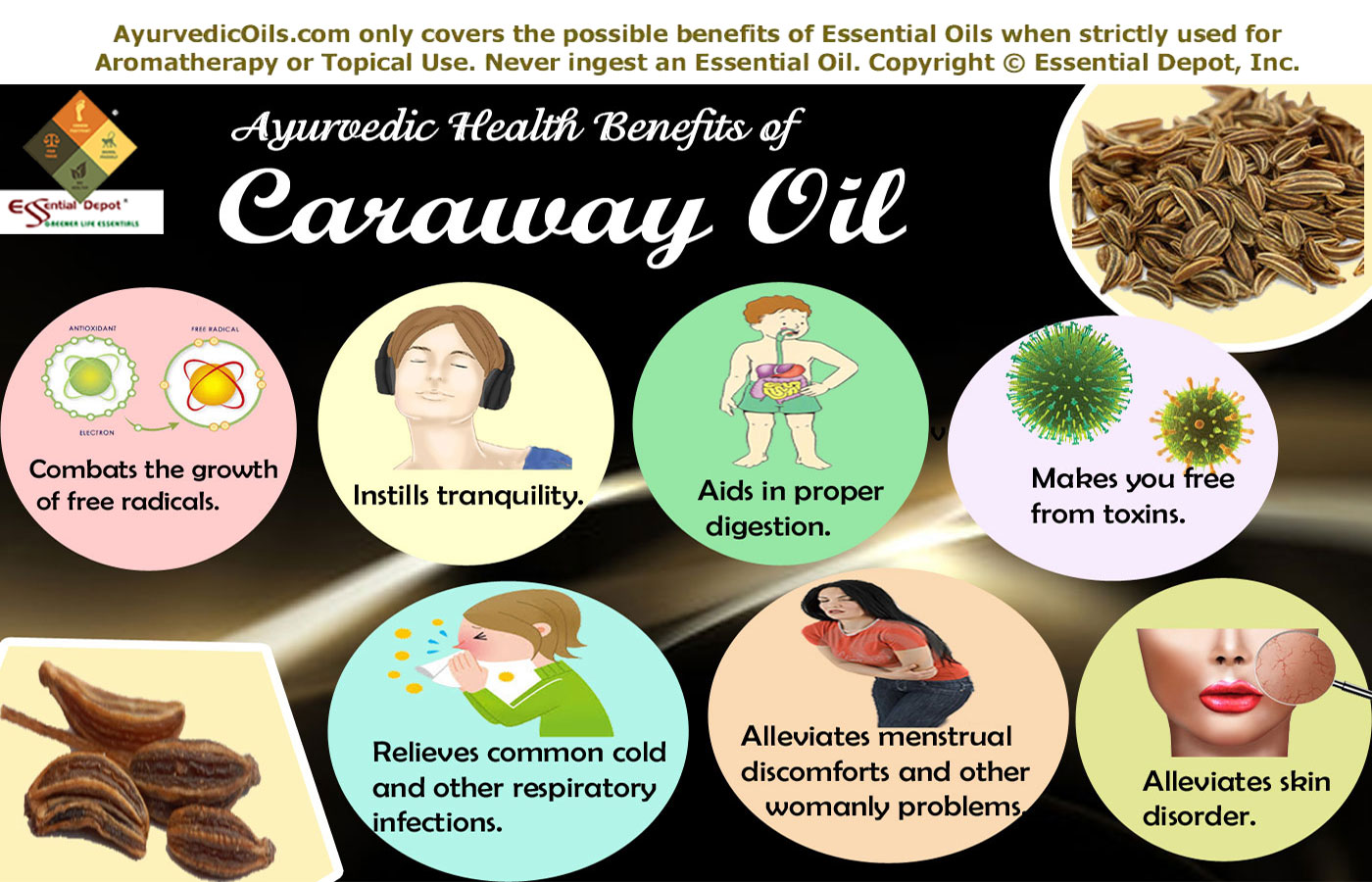
Cajeputoil-bannerCajeput essential oil owns the scent of purity and is an excellent haemostatic, analgesic and a proven natural remedy for respiratory problems.

Traditionally being used in long precedence to treat cold, chronic rheumatism, flu and infections related to sinus and respiratory tracts, Cajeput essential oil owes its extraction to the leaves of Cajeput trees through the process of steam distillation. Botanically called as Melaleuca cajuputi, the word Cajeput is originated from the Malay word ‘kaju putih’ which means ‘white wood’.

Known as Katupruhi in Ayurveda, Cajeput and its essential oil are being used in the traditional healing system for treating muscular pain, neuralgia, rheumatism, urinary tract infections, insect bites and stings, intestinal parasites, headache, joint pain, abdominal cramps, burns, intestinal inflammation, ear infections, oral problems, colic and psoriasis.

Purchase Cajeput Essential Oil – Retail – 4 oz – CLICK HERE

Purchase Cajeput Essential Oil – Wholesale – CLICK HERE 

Historical uses and importance of Cajeput and its essential oil:

Renowned for their pointed leaves, exotic flowers, flexible trunk and attractive white bark, Cajeput trees bear their nativity to the South Asian countries and are now widely distributed in Australia, Malay Archipelago and Malay Peninsula, with Indonesia and Vietnam being the principal producers of Cajeput essential oil.

With an unusual and stimulating aroma like that of cardamom, camphor and rosemary, Cajeput essential oil earns the gratitude of extensive usage in the traditional healing systems. Bearing resemblances to Tea tree, Cajeput trees are found prevalently in Malaysia and are called as White tea tree in certain occasions.

Well known for its resistance to forest fire, Cajeput trees are small, tidy and attractive with long-life. The aromatic white flowers of these trees, in addition to contributing to the essential oil also aid in the production of flavored honey by attracting the honey bees resulting in good yield. This property attracted the beekeepers of Florida who were the ones to introduce this tree to the United States.

Being portrayed as an oil of mystical powers, Cajeput essential oil is believed to protect against all kinds of evil powers and is used in cleansing the ritual objects and idols. With its spiritual powers that targets the consciousness of a person, Cajeput oil helps in reverting the mind from addictions to uncontrollable habits such as alcohol, smoking etc.

Ritually used in Australia, Indonesia and Malaysia for its beneficial attributes such as antiseptic and analgesic in treating chronic rheumatism, cold and flu, it was introduced to Europe in the 17th century as a natural aid for almost all types of ailments ranging from infections affecting respiratory tract to urinary tract.

Ayurveda employs Cajeput essential oil for its anti-inflammatory, antiseptic, antifungal, anti-bacterial and anodyne properties in holistic healing of dyspepsia, stomachic disorders, influenza, rheumatism, cold, cholera, burns, asthma, yeast infections, colic, toothache, parasites in intestines, tumors and even as an insecticide.

The utilization of Cajeput essential oil in some of the renowned liniments such as tiger Balm and Olbas is just enough to prove the analgesic attribute of this oil. As an effective antimicrobial agent, it is used in skincare and in the manufacture of soaps, cosmetics, perfumes and disinfectants.

Chemical constituents and therapeutic properties of Cajeput essential oil:

With cineol as the primary component, Cajeput essential oil comprises mainly of monoterpenes, sesquiterpenes and hydrocarbons, which include alpha pinene, limonene, caryophyllene, beta pinene, alpha terpineol, terpineol, cymene, alpha terpinene-4-ol, linalool, gamma terpinene, nerolidol, geranyl acetone, ketone, benzaldehyde, cajeputene hydrate, cajuputol, eucalyptol and myrcene.

The eminent therapeutic attributes of Cajeput essential oil are antipyretic, carminative, anti-neuralgic, analgesic, disinfectant, antispasmodic, diaphoretic, tonic, antiseptic, expectorant, emmenagogue, stimulant, anthelmintic, cosmetic, anti-bacterial, decongestant, febrifuge, sudorific and insecticide.

Ayurvedic Health Benefits of Cajeput essential oil:

Ayurveda simply means ‘the knowledge of life’. This oldest healing system trusts that the real wisdom of mankind rests in the knowledge about our system, which is the best wonder of this world.

Human mind and body work in a miraculous manner and Ayurvedic healing insists that this system is built up with the same five elements with which nature is made up of. They are fire, water, earth, air and space.

Earth represents bones and muscles, fire represents agni or the heat energy in the body, water represents blood and other fluids, air represents the breathing mechanism and space is the soul that keeps us alive.

Every individual is made up of a unique individual constitution that comprises three dynamic forces or biological energies known as doshas. They are vata, pitta and kapha dosha. These doshas are nothing but a representation of the five elemental forces of nature.

Vata is a combination of air and space and is in charge for nervous functions, circulation and respiratory functions. Fire and water put together forms Pitta dosha, which is responsible for metabolic functions and body temperature.

Kapha dosha is a representation of water and earth and contributes to physical structure, sustenance and reproductive health. Every human being has a majority of any one of these doshas and this predominance decides one’s personality, behavioral traits and attributes.

Ayurvedic philosophy strongly believes that absolute health of human beings exclusively depend upon one’s harmony with nature. Perfect balance between these doshas depending upon the unique individual constitution signifies health and imbalance of doshas causes illnesses.

Ayurveda prescribes natural remedies like herbs, plant essential oils, simple physical exercises, prayers, meditation, Ayurvedic routine, yoga, Abhyanga (the art of Ayurvedic massaging) and Pranayama for correcting the doshic imbalances.

Cajeput essential oil reduces kapha and vata dosha, in excess cases and increases pitta energy.

Let’s have a look at the Ayurvedic health benefits of Cajeput essential oil.

Cajeput-broucher1. Assuages respiratory ailments:

Numerous bacteria, viruses and fungi are always on the urge to cause infectious diseases that primarily target the respiratory tract with an array of ailments affecting mankind such as bronchitis, sore throat, flu, cold, ear infections, tightness in chest, laryngitis, blocked nose, mild fever, sinus and cough; Cajeput essential oil plays an important role in stopping the advent of these harmful microbes and protects the system from all types of respiratory ailments.

With its deep penetrating aroma with a rich eucalyptol note, Cajeput essential oil is a renowned cure for sinus that it has always been an unavoidable element in most of the medications that alleviate health problems associated with sinus. Just inhaling 2 drops of this essential oil added to steam inhalation, can provide instant relief from headache, blocked nose, sinus pain and makes you feel tranquil in a matter of minutes.

Excess of kapha dosha is responsible for deposits of mucus and phlegm in the respiratory tract, lungs and nasal passages. With its power to reduce kapha dosha, Cajeput essential oil helps in breaking up even heavy deposits of mucus accumulated in the respiratory organs and assists in excreting it from the body through coughing and aids in lessening the symptoms of chronic bronchitis and laryngitis.

As an effective antibacterial agent, it helps in fighting against infections and works as a decongestant, suitable to be used as an inhaler for cold and sinus. Moreover, as a natural anti-inflammatory agent it helps in reducing inflammations due to infections in the respiratory tracts such as larynx, pharynx and the bronchi.

Adding 2 drops of this oil in warm bathing water and massaging your throat, chest and back with 2 drops of Cajeput oil, 2 drops of Eucalyptus oil mixed with vaporizing ointment can help in relieving nasal congestion, cough, cold, bronchial congestion, blocked nasal passages and chest congestion.

Cajeput oil has a warming effect and is a must to have oil in your first aid kit. 1 to 2 drops of this added to your diffuser during winter can keep you away from infections and grant you a safe environment to live in. It induces the sweat glands and promotes sweating and helps in lowering high body temperature and is also effective in alleviating fever associated with cold and pain in the body.

2. Effective insecticide and termicide:

Insects, especially the mosquitoes are always the sure shot carriers of some dreadful diseases such as malaria, filaria, dengue and chickungunya. With no specific vaccines or antiviral treatment available for the viral diseases such as chikungunya and dengue spread by mosquitoes, actions taken to control the mosquito population remains as the only means of preventing these frightful ailments.

A 2012 research article on the study of “The pesticidal and insecticidal activity of Cajeput essential oil” reveals the fact that it is effective against the mosquito species Aedes aegypti and Aedes albopictus, which remain as the primary vectors of dengue fever and dengue haemorrhagic fever.

Numerous natural phyto-chemicals found in this essential oil effectively function in interrupting the neurotransmitter in mosquitoes by acting as a reversible inhibitor of acetyl cholinesterase, resulting in the knockdown of these unsafe insects. Applying 2 drops of Cajeput oil to your mild skin care cream or lotion can help in keeping you away from mosquito bites.

Moreover, Cajeput oil is a natural source of antifungal and anti-microbial properties, which makes it toxic to the fungi spoiling the woods and highly toxic to the termites thus proving beneficial in the manufacture of wood preservatives and natural insecticide for controlling termites. 4 to 5 drops of this oil added to household cleaner or disinfectant can be sprayed on doors, windows and furniture items for protecting them from termites and other insects.

In addition to its insecticidal and pesticidal attributes, Cajeput essential oil actively extinguishes the parasites such as lice and fleas and thus it is recommended to use 2 drops of this mystical oil to shampoos for hair wash. It can also be added to brushes used for pets for a gentle comb that frees your pets from flees and other insects.

3. Aids in maintaining oral health:

Cajeput essential oil holds the glory of its traditional usage for quick relief from toothache and other oral health issues. With α-terpineol and terpinen-4-ol greatly contributing to the anti-bacterial and the antifungal activity of Cajeput essential oil, this oil acts as a quick extinguisher of all the harmful bacteria found in the mouth and other oral cavities. Linalool acts a mild analgesic with tranquilizing properties that makes Cajeput oil to bring quick relief for all tooth and gum related pains.

Just adding 1 drop of Cajeput oil to a cotton ball and keeping it on the affected area can work wonders, resulting in instant relief from pain and toothache. It is for this reason; Cajeput essential oil has been used in dentistry in treating gingivitis and to alleviate pain in the gum after removal of a tooth.

Furthermore, as an anti bacterial agent, this oil kills all the harmful microbes and various other compounds causing bad breath and assists in alleviating the symptoms of halitosis. Numerous oral products such as tooth paste, mouth wash and mouth fresheners involve the utilization of Cajeput essential oil for its long lasting freshness and oral benefits.

In the book ‘Ayurveda and Aromatherapy’, Bryan Miller and Light Miller say, “Cajeput can be used in a gargle along with sandalwood oil for sore throat; recipe 1 drop Cajeput oil, 1 drop sandalwood oil in half cup water, mix well and gargle. This has been used with success by many singers who have lost their voice through a combination of stress and colds.”

4. Excellent pain reliever:

With numerous pain-relieving properties, Cajeput oil stands special for its excellent analgesic and soothing attributes. Comprising of limonene and a-terpineol as the best pain-reducing agents, Cajeput essential oil is used to treat all kinds of pain ranging from headache, toothache and many more.

Rich in soothing, anti-inflammatory and anti-neuralgic attributes, Cajeput essential oil is indeed a blessing for those who suffer with Neuralgia – a condition that causes severe pain to the whole oral zone including ears, tonsils, throat, pharynx and larynx.

It helps in relaxing the blood vessels and reduces the pressure on the glossopharyngeal nerve and alleviates the symptoms of neuralgia. Cineole in Cajeput oil produces a warming effect on the surface to which the oil is applied and results in relieving the pain beneath the skin.

Widely prescribed in Ayurveda and other Complementary and alternative medicinal practices for treating rheumatism and arthritis, Cajeput essential oil helps in alleviating pain in addition to lessening the inflammation. As an eminent diuretic, this oil aids in maintaining the fluid level in the body and drains out excess water along with other impurities such as acids, fats etc. by inducing perspiration and increasing the frequency of urination thus treating inflammations due to excess water stagnation caused by increased kapha dosha.

Cajeput oil plays an important role in aromatherapy along with camphor oil and is used in Ayurvedic massaging to reduce body pain caused by gout, arthritis and rheumatism. Being an invaluable ingredient in the Indonesian traditional medicine – Minyak Telon and serving as a natural pain killer, Cajeput oil is full of explicit benefits to everyone, especially to those who work on laptops and desktops and remain the victims of back pain, neck pain and stress.

Massaging the painful or affected parts with 2 drops of Cajeput oil, 2 drops of Rosemary oil, 2 drops of Eucalyptus oil, 2 drops of Camphor oil, 2 drops of Juniper oil blended with 5 ml of coconut oil is an excellent remedy for alleviating joint pain, muscular distress, back pain, arthritic pain, rheumatic pain, headache, muscular tension and much more.

5. Proven effective in skin care:

The presence of chemically antibacterial agents such as terpinen-4-ol, 1, 8 cineol, linalool and alpha-terpineol contribute to the antibacterial attribute of Cajeput essential oil, making it a best antiseptic and skin care product.

Applying 2 drops of Cajeput oil mixed with your skin care cream or lotion can be of great help in treating acne, boils, cuts, wounds, burns, psoriasis and fungal infections caused by tinea versicolor and mites due to scabies, has yielded promising results proving the efficacy of this oil in the field of dermatology.

It helps in removing the toxins, regulates the production of sebum by inducing the sebaceous glands and helps in treating acne, carbuncles and heals the damaged tissues that have turned red due to abscesses.

The high antibacterial and germicidal activity of this oil against various bacterial strains like Staphylococcus aureus results in speedy recovery in the treatment of furunculosis. Moreover it is an excellent aid in treating scrapes, burns, swellings around fingers or toe, scabies etc. This healing effect can be obtained by adding 2 drops of Cajeput oil in bathing water in the morning and before going to bed.

It also fights against infectious microbes and prevents any wounds or cuts from becoming more infectious and septic thus preventing the onset of tetanus. It tones up the skin and makes it bright, free from infections and thus widely used in the preparation of cosmetics, body lotions, shampoos, antiseptic creams, soaps and disinfectants.

6. Supports the digestive system:

With its pitta-enhancing properties, Cajeput essential oil possesses digestive as well as carminative properties helping in easing the digestive process and stimulating the secretion of digestive juices and enzymes that aid in the full absorption of nutrients in food. It aids in removal of gas from the body with ease and prevents its formation thus alleviating the gastrointestinal disorders.

Due to its soothing attribute, it is also useful in treating some of the digestive disorders such as colic, vomiting due to indigestion, freeing from intestinal worms, intestinal cramps, dysentery and enteritis.

Other health benefits of Cajeput essential oil:

Its ability to fight against the advent of fungal infections is used in food products to serve the purpose of a preservative. It helps in fighting against yeast infections caused by the Candida species and is also active against the protozoan such as Trichomonas vaginal and is helpful in treating the trichomonas vaginal infections.

Apart from this, Cajeput essential oil is utilized in treating tumors, to open up blocked menstruation and to aid in healing the womanly concerns and to regulate proper circulation of the blood. Generally used in air fresheners to uplift the surrounding, Cajeput essential oil cleanses the air and uplifts the spirits and elevates the mind helping to overcome depression, sluggishness, anxiety, fear and the aftershocks of radiotherapy.

Disclaimer:

This article is only for the purpose of education and is articulated entirely with the thought of sharing the enlightening knowledge of Ayurveda, the 5000 year old traditional healing methodology. These natural remedies are not meant to cure, prevent or diagnose any medical condition or to substitute any prescribed medications or expert medical advice. We are not healthcare professionals or medical experts.

Never use essential oils internally and make sure that you use them topically in a diluted manner only, as unadulterated, genuine and organic essential oils are very concentrated substances and can cause allergic reactions when used on the skin directly. Talk with your Ayurvedic expert/healthcare professional before choosing the apt essential oil for your medical condition and unique individual constitution.

Thought for the day:

We still do not know one thousandth of one percent of what nature has revealed to us.        -Albert Einstein

Suggested Reading:

  1. Ayurveda & Aromatherapy: The Earth Essential Guide to Ancient Wisdom and Modern Healing by Dr. Light Miller, Dr. Bryan Miller
  2. The Illustrated Encyclopedia of Essential Oils: The Complete Guide to the Use of Oils in Aromatherapy & Herbalism by Julia Lawless
  3. Relieving Pain Naturally: Safe and Effective Alternative Approach to Treating and Overcoming Chronic Pain by Sylvia Goldfarb, Roberta W. Waddell
  4. Herbal Healing for Women by Rosemary Gladstar
  5. Scents of Life: Use And Effect Of Essential Oils by H. M. Schemske

Reference Links:

  1. Cajuput Oil by Wikipedia.
  2. A research article on the ‘Essential Leaf Oils from Melaleuca cajuputi’ by J.H. Kim, K.H. Liu and Y. Yoon from the School of Agricultural Biotechnology, Korea
  3. A 2012 research article on the Evaluation of Melaleuca cajuputi (Family: Myrtaceae) Essential oil in aerosol spray cans against dengue vectors in Low cost housing flats
  4. A research article on ‘Cajeput-Type Oil for the Treatment of Furunculosis’ by Henry M.Feinblatt, published in PubMed

Babchi Oil

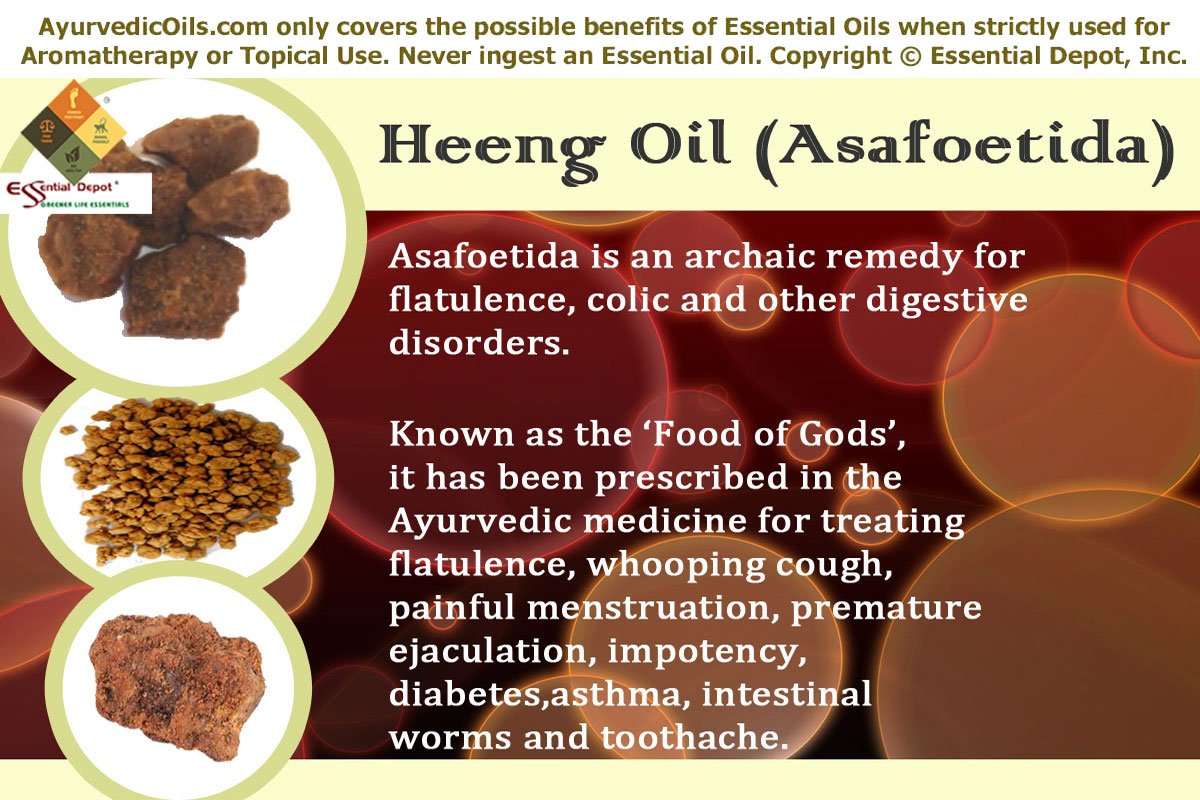
babchi-bannerBabchi is honored as ‘Kustanashini’ in Ayurveda, meaning ‘leprosy destroyer’. As the most trusted Ayurvedic herb for blood purification and skin health, Babchi enjoys the sovereignty as a celebrated natural remedy in Ayurveda, Siddha and Homeopathic medicine for treating leucoderma, genital health, bone disorders, leprosy, psoriasis, lumbago, impotence, intestinal worms, lower backaches, psoriasis and vitiligo.

Babchi is a commercial Hindi name for Psoralea corylifolia and the Sanskrit name is Bakuchi. It is a part of the Fabaceae plant family. The essential oil of Babchi is extracted from its seeds by steam distillation method.

It is used as a cardiac tonic, pigmentor and vasodilator in Ayurveda for more than 4,000 years. The fruits and seeds of this plant have been talked about in Sushruta Samhita, the most renowned Ayurvedic encyclopedia by Acharya Sushruta for treating various health conditions including leucoderma, leprosy, stress, vitiligo and reproductive problems.

Historical uses and importance of Babchi and its essential oil:

With a longer historical use in various traditions across the world, Babchi or Psoralea corylifolia is gaining popularity even in the manufacturing of modern medications for its promising historical use, improved patient tolerance, varied health benefits and comparatively lower side effects.

Held high as the key herb in China and Japan, Psoralea is known as Bu gu zhi in Traditional Chinese Medicine and it simply means “tonify bone resin”. The Japanese and Chinese herbalists recommend the use of this herb for improving bone calcification, augmenting the bone strength and for treating vitiligo, hair loss, osteoporosis, lower back pain, impotence, bed wetting and bone fractures.

Babchi was prescribed in the TCM (Traditional Chinese Medicine) for tonifying the kidneys, especially kidney yang and essence. Indigenous to India, the land of rich traditional values, Babchi is a vine-like plant that grows up to 3 feet height. It is also found growing in China and other Asian countries. This medicated plant bears purple or blue colored flowers followed by black color fruits that contain a single seed.

Almost all the parts of this plant have therapeutic values but the essential oil is extracted from the seeds of this plant. The leaves of this plant has been used for treating diarrhea, the bitter fruits are recommended for treating piles, anemia, bronchitis, vomiting and dark complexion, whereas the roots are prescribed for relieving tooth decay and osteoporosis.

Babchi seeds are the powerhouse of its remedial properties and the source of its essential oil. The seeds, its essential oil and other extracts are used in various holistic healing methodologies since the ancient period in the treatment of leprosy, cardiovascular problems, leucoderma, liver inflammation, jaundice, uterine hemorrhage, premature ejaculation, asthma, alopecia areata, menstrual discomforts, skin pigmentation problems and various other health conditions.

Therapeutic properties and chemical constituents of Babchi oil:

The major chemical constituents of Babchi oil are psoralen, bakuchiol, limonene, linalool, angelicin, α-elemene, isopsoralen, bavachalcone, bavachin, 6-prenylnaringenin, corylifol, isobavachalcone, corylin, psoralidin, corylifolin, methyl 4-hydroxybenzoate, bavachromanol and neobavaisoflavone.

These components contribute to its healing values like antibacterial, antifungal, antioxidant, anti-tumor, antidepressant, aphrodisiac, stimulant, diaphoretic, stomachic, antiviral, anti-hyperglycemic, astringent, cytotoxic, diuretic, cardiac, tonic, anthelmintic, deobstruent and laxative.

Ayurvedic health benefits of Babchi essential oil:

This medicated plant is a traditional Ayurvedic remedy for addressing extensive range of illnesses including skin disorders and reproductive problems. With Bakuchi and other Sanskrit names, Babchi oil has a bundle of other regional names to it.

Being the oldest of all medical systems in the world, Ayurveda insists on living a disciplined life for absolute health and longevity. Unlike the modern medicinal practices, Ayurveda defines health as a combination of physical, emotional, psychological, spiritual and environmental aspects.

Charaka Samhita states this as, The three – body, psyche, and soul – act as a tripod. The world stands upon them, and within them, the world abides.” The uniqueness of Ayurveda stays in its holistic system that treats the root cause of an illness instead of the symptoms alone. This helps in curing the disease as well as preventing it in the future as well.

According to Ayurveda, all things on earth are a part of nature and Mother Nature has all the remedies for humanity and other beings on earth. It further states that sickness occur when there is imbalance between an individual and nature. With this strong trust, Ayurvedic healing revolves around Nature and its natural remedies for treating mankind.

Ayurveda is also called as the Mother of all other healing sciences on earth including Siddha, Unani, Homeopathy, Chiropractic, Allopathy, Acupressure, Naturopathy, the Traditional Chinese Medicine and many other systems.

The beauty of Ayurveda is that its healing methodologies are documented well and the first Ayurvedic reference is in Atharvaveda, one among the 4 sacred books of the ancient Indian mythology with 114 verses explaining numerous health conditions and the respective traditional remedies of Ayurveda.

The 3 Ayurvedic encyclopedias including Charaka Samhita by Acharya Charaka – the father of medicine, Sushruta Samhita by Acharya Sushruta – the father of surgery and Ashtanga Hridaya Samhita added glory to the world of Ayurveda.

These priceless Ayurvedic texts have shared various thoughts on all the basic principles of Ayurveda, numerous types of illnesses and its comprehensive healing techniques. These books contain Ayurvedic remedies for innumerable diseases including cancer.

Ayurveda never trusts on the principle of “one size fits all”. It strongly says that every individual is a unique part of nature and the remedy for their illnesses should also be unique based upon their unique individual constitution.

Prakriti or the unique individual constitution is a combination of three biological energies called as doshas or Ayurvedic body types. They are vata, pitta and kapha. These Ayurvedic body types are an arrangement of the five elements of nature namely earth, fire, space, water and air.

According to this principle, every human being has a dominance of any one of these doshas, which decides the physique, behavioral patterns, traits, personality and mental structure. Perfect balance between these doshic types signifies health and imbalance between these doshas lead to sickness.

Ayurvedic philosophy recommends natural remedies like herbs, plant essential oils, meditation, simple physical exercises, yoga, Ayurvedic routine, Pranayama, prayers and other Ayurvedic techniques including Abhyanga or the art of Ayurvedic massaging using Ayurvedic oils, Panchakarma or the detoxification therapy and many other holistic treatments.

Babchi essential oil is prescribed in Ayurvedic healing for enhancing pitta dosha and balancing kapha and vata dosha.

Let’s look at the Ayurvedic health benefits of Babchi oil and its use in the healing of various health problems:

babchi-broucher1. Fights skin diseases and supports skin health:

Babchi seeds and its oil are called as Kushtaghni in Ayurveda, which means remedy for treating skin diseases. It is also called as Kustanashini, meaning leprosy demolisher. Since the primordial times, Ayurveda prescribes Babchi herb and its various extracts in the treatment of skin problems including eczema, dermatitis, skin eruptions, boils, leucoderma, scabies, vitiligo and ringworm.

Celebrated as a promising ancient remedy for vitiligo or leucoderma, Babchi oil has been used even in the modern medicine for treating such skin conditions. Vitiligo is an upsetting skin condition, which occurs due to the loss of melanin pigments or the death of melanocytes cells in skin, leading to white patches. Often, this skin condition is said to occur due to problems in the immune system.

The white patches appear smaller in the beginning and have the tendency to enlarge or increase in size. These patches are often seen on the hands, face, wrist, eyes, umbilicus and genitalia. Vitiligo patients also undergo depression due to the ugly look of these patches on their visible skin.

Numerous researches state that the presence of furanocoumarins, containing psoralens in Babchi oil promote pigmentation and support the stimulation of melanin pigments in the skin structure. Scientific studies have also proven that psoralen in Babchi oil shores up residual pigmentation and improves skin health.

A 2008 study on “Antipsoriatic microemulsion gel formulations for topical drug delivery of Babchi oil (Psoralea corylifolia)” published in PubMed states that Babchi oil contains a chief constituent psoralen, which is a “photoactive furocoumarin that binds to DNA when exposed to UV light to form photoproducts with pyrimidine base.” It further states “this action inhibits DNA synthesis and causes decrease in cell proliferation.” It is concluded that Babchi oil is helpful in the treatment of psoriasis by topical usage.

Many Ayurvedic physicians state that Bakuchi is predominantly the only oil that is known for its dual action on both melanoblastic cells and the Rouget’s cells in the human skin, whereas leucoderma occurs due to the improper functioning of the melanoblastic cells. These cells are stimulated by the oil and sebum secretion in the skin and leads to the formation of pigment, which later diffuse into discolored skin surface.

Mix 2 drops of Babchi oil with 1 drop of Lavender oil, 1 drop of Orange oil and 1 drop of Frankincense oil along with 2.5 ml of Jojoba oil and applying it on the affected parts helps in  treating itching, ringworm, scabies, skin eruptions, edematous skin conditions, vitiligo, inflamed skin nodules, eczema, red papules, discolored dermatosis and much more.

This blend works by promoting blood circulation, purifying the blood, supporting the production of melanin pigments and thus improving the color of hair, skin and nails naturally. It is for these reasons Babchi oil is called in Ayurveda as Tvachya, means beneficial for skin and Keshya, means enhances the luster and health of hair.

2. Strengthens bones and teeth:

Bones and muscles are a representation of the element ‘Earth’ among the five fundamental elements of nature. Babchi essential oil is known to pacify excess of kapha dosha, which is a combination of water and earth elements. This aids in strengthening the bones by improving bone calcification.

Babchi oil is a rich source of calcium and massaging your system with 5 drops of Babchi oil, 2 drops of Black Cumin oil, 2 drops of Birch oil along with 10ml of sesame oil can assist in strengthening your bones, enhance calcium in the system, help recover from dislocation of bones or fractures and boost women’s health in case of osteoporosis.

The essential oil of Babchi also has antibacterial, astringent, antiseptic and antimicrobial properties that aid in the treatment of plaque, weak gums, halitosis or bad breath, bleeding gums and other oral conditions.

A cup of warm water with 1 drop of Babchi oil and 1 drop of Clove oil can work like a magic on your teeth, gums and mouth, when used as a gargle in the morning and night. This aids in strengthening your gums and teeth.

3. Excellent aid for respiratory problems:

With its power to balance excess of kapha dosha, which is responsible for accumulation of phlegm and mucus deposits in the lungs and respiratory passages, Bakuchi and its essential oil is quoted as Shleshmahara, Jwarahara and Shwasahara.

Shleshmahara is an Ayurvedic aid that pacifies imbalanced kapha and Shwasahara means an effective remedy for treating asthma, dyspnoea, bronchitis and other severe respiratory disorders. Bakuchi oil is also powerful in reducing chronic fever for which it is called as Jwarahara.

2 drops of Bakuchi oil along with 1 drop of Peppermint oil added to steam inhalation can aid in relieving nasal congestion, bronchitis, cold, whooping cough, headache, sinusitis, asthma and breathing difficulties. Massaging your throat, chest and back with 1 drop of Babchi oil added with your vaporizing ointment can help in improving your health condition in case of respiratory problems.

Adding 2 drops of Babchi oil to warm bathing water can assist in keeping away from infectious micro-organisms that worsen respiratory infections. Gently massaging your foot soles with 2 drops of Babchi oil mixed with 1 drop of Cajeput oil and 1 drop of Basil oil along with 2 ml of coconut oil can help in reducing the temperature even in case of high fever.

4. Supports reproductive health:

Babchi oil has natural aphrodisiac properties that help in supporting reproductive problems both in men and women. Ayurveda and the Traditional Chinese Medicine recommend Babchi and its essential oil as an excellent tonic for the entire system and were trusted to enhance vitality and absolute health in general.

For these special reasons, Babchi oil was prescribed for treating problems of the reproductive system including the genital organs in both the genders. The powder of the Babchi fruits and seeds along with its essential oil were prescribed in Ayurveda for treating incontinence, impotence, premature ejaculation, frigidity and lack of sexual interest.

Massaging your lower back, lower abdomen and genital organs externally with 2 drops of Babchi oil, 2 drops of Ylang Ylang oil and 2 drops of Cinnamon oil blended with 3 ml of Jojoba oil can help in enhancing your mood, relaxing your nerves, uplifting your senses, augmenting your libido and sexual feelings, stimulating the reproductive organs and support in having a great time together with your partner.

You can also add 2 drops of Babchi oil with 1 drop of Rose oil and 1 drop of Sandalwood oil in warm bathing water before going to bed for elevating your mood.

5. Helps in the treatment of cancer:

Numerous research studies support the effectiveness of Babchi oil in treating various types of cancers including lung cancer. Studies report that the presence of chemical components like corylfolinin, psoralen and bavachinin arrest or slower down the quicker growth of lung cancer cells and osteosarcoma.

A 2013 study on “Compounds isolated from Psoralea corylifolia seeds inhibit protein kinase activity and induce apoptotic cell death in mammalian cells published in the Journal of Pharmacy and Pharmacology” states that certain compounds extracted from P. corylifolia exhibited a high potential to treat oxidative stress, apoptosis or programmed cell deaths and other cellular damage in cancer patients with its immune stimulant and chemoprotective effects.

Other health benefits:

Babchi and its essential oil is also helpful in the treatment of inflamed nodules, diabetes, urinary tract disorders, kidney problems, cardiac problems, bleeding disorders, worm infestation, constipation, anemia and inflammation.

Disclaimer:

This article is meant only for the purpose of information and is not intended for diagnosis, treatment or prevention of any medical condition. Do not use this as a substitute for prescribed medicines or any professional medical advice. We are not healthcare experts and this information is shared only with the view of enlightening the long-established prosperity of Ayurveda, the oldest healing sciences in this universe.

Never use essential oils internally and ensure that you use them in a diluted form for dermatological uses only.  This is mainly because organic and pure essential oils are highly concentrated substances and may cause allergic reactions if used on the skin directly. Consult with your Ayurvedic practitioner or medical expert before choosing the right essential oils for your unique individual constitution or prakriti and your health condition.

Do not go out in sun immediately after the use of Babchi oil on skin as direct exposure to the sun might cause allergies and keep away this oil from your eyes and children.

Thought for the day:

Mother Nature made me the way I am, and I should be happy. -Karolina Kurkova

Suggested Reading:

  1. My Victory against Vitiligo: A Successful Story and a Practical Guide to Treatment by Xichao Mo
  2. Aphrodite: Stimulate Sex Life, Libido, Erection and Orgasm Naturally with Aphrodisiacs by Mr. Stig Fröberg
  3. Ayurvedic Medicine: The Principles of Traditional Practice, 1e by Sebastian Pole LicOHM AyurHC
  4. Anti-Aging, Memory and Sleep Improving Herbs and Foods by Mr Stig Fröberg
  5. Increase Endurance, Strength, Hormones and Sex with Adaptogenic Herbs and Foods by Mr. Stig Fröberg

Reference Links:

  1. Psoralea corylifolia by Wikipedia
  2. Antipsoriatic microemulsion gel formulations for topical drug delivery of Babchi oil (Psoralea corylifolia) by Ali J, Akhtar N, Sultana Y, Baboota S, Ahuja A, published in PubMed
  3. Psoralea corylifolia Linn.—“Kushtanashini” by P. S. Khushboo, V. M. Jadhav and N. S. Sathe, Bharati Vidyapeeth’s College of Pharmacy and Y. M. T. Ayurvedic Medical College, India published in PubMed
  4. Compounds isolated from Psoralea corylifolia seeds inhibit protein kinase activity and induce apoptotic cell death in mammalian cells published in the Journal of Pharmacy and Pharmacology

Mentha Oil

Mentha-oil-broucherAre you a mint? I mean, are you a cool-headed person? Life would be simply stupendous if all of us remain as cool as mint leaves. Yes! This miraculous herb in any form would drive in extraordinary coolness, where the mere sight of mint leaves gives coolness to the eyes; eating fresh mint leaves or mint-based gums implants long lasting freshness in the mouth; applying Mint oil on your body revives and refreshes the skin; inhaling its enlivening aroma instills peace and happiness and just hearing the word ‘mint’ itself pleases the ears. (Aha! Mint benefits all the five senses of healing.)

Mentha or mint has a long association with Ayurveda and the other entire Alternative and complementary healing methodologies. With its sattvic (power to enhance purity and harmony) and prana (life force or vital energy) enhancing properties, Mentha and its essential oil is trusted to heal a range of health conditions including depression, anxiety, nervous tension, lack of self-esteem, asthma, rheumatism, bronchial congestion, lack of appetite, fever, rheumatic conditions, halitosis, dandruff, acne, flatulence, bad breath and the list never ends.

Purchase Mentha Essential Oil – Wholesale – CLICK HERE

Purchase Mentha Essential Oil – Retail – 4 oz – CLICK HERE

Therapeutic attributes and chemical constituents of Mentha essential oil:

The essential oil of Mentha has antidepressant, stimulant, carminative, antiseptic, cholagogue, expectorant, antispasmodic, antiphlogistic, antioxidant, stomachic, antimicrobial, nervine, antifungal, analgesic, detoxifying, anti-pruritic, diaphoretic and anti-flatulent properties.

The major chemical constituent of Mentha essential oil is menthol and the other components that make Menthol oil as worthy as its weight in gold are a-pinene, b-pinene, flavonoids, menthone, methyl acetate, limonene, b-caryophyllene and camphene.

History and traditional uses of Mentha and its essential oil:

Mentha is a plant genus in the family of mints known as Lamiaceae. There are about 20 species of plants and hybrid mint varieties in the Mentha genus. The most popular among them are Peppermint, Spearmint, Japanese Peppermint, Banana mint, Penny royal, Garden mint, Apple mint, Orange mint, Water mint, Wild mint, Forest mint and Asian mint.

Mentha arvensis, Mentha piperita, Mentha spicata are the most famous botanical (species) names of the Mentha family. Most often, all the members of this family share common chemical constituents and the corresponding remedial properties mainly due to the qualities acquired from the same genus Mentha (It’s parent).

Mint is the most friendly and quickly growing perennial plant and its origin has been referred to Asia and Europe. The history of ancient medicine has a handful of remedial references on Mentha and its varied significance.

The genus name Mentha has said to be obtained from Greek mythology, where Menthe, a nymph who was transmuted to a plant by Proserpine as a result of his jealousy on the love of Pluto for Menthe. Aha! Moment again and the credit goes to you ladies, as again like most of the tremendous plant varieties, Mint is also a female indeed!!

English physician, Dr. James Parkinson states “Mintes are sometimes used in Baths with Balm and other herbs as a help to comfort and strengthen the nerves and sinews. It is much used either outwardly applied or inwardly drunk to strengthen and comfort weak stomackes.”

“It is comfortable for the head and memory, and a decoction when used as a gargle, cures the mouth and gums, when sore. Garden Mint is most useful to wash children’s heads when the latter are inclined to sores, and Wild Mint, mixed with vinegar is an excellent wash to get rid of scurf. Rose leaves and mint, heated and applied outwardly cause rest and sleep”, says Nicholas Culpepper, the 17th century herbalist and physician.

The book Herball by the famous botanist John Gerard quotes Mint asthe smelle rejoiceth the heart of man, for which cause they used to strew it in chambers and places of recreation, pleasure and repose, where feasts and banquets are made.”

Pliny the elder, the Roman Natural philosopher says “The smell of Mint does stir up the minde and the taste to a greedy desire of meate. It will not suffer milk to cruddle in the stomach, and therefore it is put in milk that is drunke, lest those that drinke thereof should be strangled.”

Mint is a universal herbal remedy for various health problems, where the traditional Romans and Greeks used these miraculous leaves for treating indigestion, colic, pain and respiratory illnesses.

The primordial Europeans used Mint leaves for dealing with gall bladder disorders, flatulence, cough and other digestive mayhems. As a nourishing appetizer, Mint has been used in various mouth-watering dishes across the world including the cuisines of India, Asian subcontinent; Middle East, America and Britain.

Mentha leaves have been used in making traditional tea varieties in India, where mint tea is said to alleviate fatigue, anxiety and instill instant nourishment to the brain. Many research studies conclude that Mentha is a trusted remedy for irritable bowel syndrome.

The essential oil of Mentha has been used in the manufacturing of various things including soaps, dandruff shampoos, acne creams, skin care lotions, jellies, teas, candies, syrups, ice creams and beverages. Mentha is also a noted flavoring ingredient in toothpaste, mouthwash, chewing gums, perfumes, cosmetics, pain balms and vaporizing ointments.

Ayurvedic health benefits of Mentha essential oil:

What is your thought about Ayurveda? What do you really think? Is your mind uttering that it is an ancient science, a traditional healing system, works slowly, needs patience during the healing tenure and at last you soothe stating that you don’t have much time to take up an Ayurvedic treatment.

Is Ayurveda still the “Road not taken” in your life? Then listen to me, you are not too far from attaining a healthy and harmonious life. More than just a medicinal system, Ayurveda is a complete and disciplined way of living. The word ‘Ayur + Veda’ simply means the knowledge of life.

All it needs to take up Ayurveda in your life is to do a thorough self-examination, for understanding your individual constitution (the innate rhythm of your system with nature) contributing to your physical set up, psychological attributes, spiritual element and your behavioral patterns.

You can take the help of an Ayurvedic expert to learn about your doshas and then frame your way of living that strikes absolute balance with nature. Ayurveda recommends Dinacharya or Ayurvedic routine, things to follow in your day-to-day living for prevention of illnesses and increased life span.

The rich historical reference of Ayurveda vests with India for about 5,000 years, where it is believed to be a gift of the Lord of Creation (Brahma) to the Lord of Medicine (Dhanvantari). This sacred science of healing was taken to the next level by the Ayurvedic philosophers Acharya Charaka and Acharya Sushruta, the masterminds behind the Ayurvedic encyclopedias Charaka Samhita and Sushruta Samhita.

According to Ayurveda, every individual is unique with a distinct individual constitution, likewise their health conditions should also be treated in a unique manner even if it is for the treatment of the same sickness.

The first Ayurvedic consultation with your Ayurvedic practitioner helps you to identify your medical history, Prakriti (unique individual constitution – combination of 3 doshas) and the most suitable treatment methodologies exclusively for your physical, emotional and spiritual conditions.

Ayurvedic essential oils (prana or the life force of plants), herbal medications (fresh, dried herbs or herbal infusions), yoga, simple physical exercises, meditation, prayers, Ayurvedic routine, Abhyanga (Ayurvedic massaging), and Pranayama (balanced breathing), Panchakarma (detoxification techniques) are the major Ayurvedic remedies prescribed often.

These medications aim at balancing the doshic irregularities due to changes in lifestyle, code of conduct, food habits, weather and work conditions. Ayurveda recommends the use of Mentha and its essential oil for aggravating vata dosha and pacifying pitta and kapha energies.

The Ayurvedic health benefits of Mentha essential oil are:

  1. By far the best remedy for irritable bowel syndrome and other digestive disorders:
  2. Magical spell for relieving pain and inflammation:
  3. Depression or fear of failure? Embrace Mentha for sure:
  4. Say goodbye to bad breath and other oral problems:
  5. Breathe easy – Mentha for your respiratory woes:
  6. Share the joy of healing skin problems:

Mentha-OIl1. By far the best remedy for irritable bowel syndrome and other digestive disorders:

Pitta dosha is combination of fire and water. This dosha is responsible for metabolic functions, body temperature and cognitive abilities. Pitta dosha is often associated with the stimulation of Agni or the digestive fire.

Pitta vitiation ends up in excessive secretion of gastric juices, digestive acids and other digestive enzymes, which in turn rest on the stomach or intestinal lining. This ends up in gastric ulcer, irritation of the bowel and intestines.

Mentha is known for its potent to pacify pitta or the digestive fire with its cooling and soothing effects. It is for this reason; Mentha and its essential oil are used for treating irritable patterns in the intestines and bowels.

Michael T. Murray, Naturopath and the known author of “The Encyclopedia of healing foods” says that Mentha oil calm down the muscles and walls of the stomach and intestines, which aids in alleviating indigestion, abdominal cramps and pain associated with irritation and irregular bowel movements.

The stimulating, refreshing and energizing aroma of Mentha oil makes it an effective remedy in controlling vomiting (for which it is called as vatihari in Ayurveda, means one that prevents vomiting), bloating and nausea especially during travel. Wearing 2 drops of Mentha oil to your hankie or a tissue and inhaling the uplifting aroma while travelling can pacify the digestive system and protect you from the inconveniences of puking on the go.

A 2010 study published in the “Digestive diseases and sciences” journal has concluded that Mint oil considerably lessened pain in the abdomen and enhanced the lives of people suffering from irritable bowel syndrome.

Massaging your abdomen with 4 drops of Mentha oil, 2 drops of Marjoram oil and 2 ounces of coconut oil can assist in relieving flatulence, bloating, motion sickness, belching, heartburn, abdominal spasms and peristalsis with its stimulant, carminative, antispasmodic, stomachic and anti-flatulent properties.

2. Magical spell for relieving pain and inflammation:

Mentha is absolutely one among the top 10 essential oils for its ability to discard all forms of stagnation in the system including lungs, stomach, gall bladder, kidneys, lymphatic tissues and blood.

According to Ayurveda, stagnation or retention of fluids, toxic remains, salt, uric acid, and fat deposits invite numerous foreign bodies and the corresponding disorders by deteriorating the functions of the system.

Fluid retention is a kapha disorder and is the key to rheumatic conditions, edema, joint pain, obesity, low level of insulin resistance, fibroids, increased blood pressure and heart problems.

With its power to reduce kapha imbalance, Mentha oil assists in treating pain, inflammation and flushing out excess fluids and toxic remains in the system. These remedial benefits are attributed to its anti-inflammatory, analgesic and diaphoretic properties.

A gentle massage with 5 drops of Mentha oil, 3 drops of Ginger oil with 4 ounce of Evening primrose oil can assist in reducing pain by causing numbness in the aching area, eliminating toxic remains and surplus fluids by promoting frequent sweat and urination and soothing the tensed muscles and nerves.

3. Depression or fear of failure? Embrace Mentha for sure:

Stress, depression, anger, fear of failure, feelings of loneliness and other mental worries eats up your intellect and your power to fight back and triumph.

Mentha essential oil has an extraordinarily soothing, invigorating, heartening and reviving aroma that grants you the perfect power of resisting your mental maladies, encouraging your power to rise up, augmenting your intellectual abilities, clearing the mental blocks, calming your nerves and your entire system from within.

Called as Sugandhi patra for its inspiring aromatic leaves, Ayurveda states that Mentha oil has a positive impact on:

  • Throat chakra or Visukthi (genuineness and the power to communicate bravely).
  • Solar plexus chakra or Manipuragam (self-esteem and self-confidence).
  • Sacral chakra or Svathishtanam (pleasure, abundance and well-being).
  • Root chakra or Moolatharam (power of survival).

Adding 2 drops of Mentha oil, 1drop of Vetiver oil and 1 drop of Patchouli oil in your vaporizer, burner or diffuser especially during Pranayama, meditation and prayers can grant in opening, relaxing, clearing and activating all the associated chakras or the points of subtle energy.

This rewards the power of overcoming loneliness, negative emotions and helps in exhibiting the supremacy of being a self-confident, legitimate, intellectual, cool-headed, fearless and productive person. This also helps in enhancing your concentration power, treat memory loss and vent out your hatred feelings and jealousy.

You can also add this blend in your bath or in your aromatic candles before bedtime.

4. Say goodbye to bad breath and other oral problems:

Bad breath or halitosis is not just a symbol of poor oral hygiene. Instead, the common underlying causes are poor digestion and retention of ama or toxic remains in the body.

Mentha essential oil has disinfectant, antimicrobial, cooling, energizing and refreshing attributes that helps in killing germs and microbes responsible for oral problems like gingivitis, cavities, mouth ulcers and bad breath.

Mixing 2 drops of Mentha oil and 1 drop of Lemon oil in a cup of warm water for gargling, preferably twice (morning and night) in a day after brushing can help in healing mouth sores and bleeding gums. It also assists in refreshing the breath and treat cavities, gingivitis (gum inflammation) etc.

5. Breathe easy – Mentha for your respiratory woes:

Trouble-free breathing is a gift to mankind as the healing powers and the life force or prana of Mother Nature enter the system through breathing in and toxins in the system are purged through breathing out.

The essential oil of Mentha has excellent decongestant (attributed to the presence of menthol), expectorant and stimulant properties that help in treating asthma and other breathing difficulties caused due to respiratory conditions.

Steam inhalation with 2 drops of Mentha oil and 2 drops of Eucalyptus oil followed by a gentle massage with this blend added to your mild vaporizing cream can help in opening up blocked nasal and bronchial passages, clearing congestion by loosening the phlegm and mucous deposits, relieving headache associated with sinusitis and migraine and in relieving fever, runny nose, itchy eyes and other associated symptoms of cold.

6. Share the joy of healing skin problems:

Pimples???? No more panics as Mentha promises in clearing excess oil, sebum, dirt and other harmful microbes in the sebaceous glands. It controls the secretion of sebum and allows the skin to nurture from within.

Skin impurities are again a symbol of ama or toxic deposits in the system. Ayurveda states that about 70% of the toxic elements in the body are discarded through exhalation. Wow! Amazing news right!

Just rush to add 2 drops of Mentha oil with 1 drop of Rosemary oil in your burner in the early hours of the day during your Pranayama or the technique of conscious breathing.

As it penetrates deeply with its light and subtle qualities, the therapeutic values of Mentha oil pass through the nasal passages in the form of aromatic molecules and reach the limbic system (control center of the brain).

You can experience the difference in the texture of skin after regular practice of Pranayama with Mentha magic, as all the microbes and toxic substances are washed out during slow and steady exhalation.

You can also add 2 drops of Mentha oil with 2 drops of Lavender oil and 1 ounce of Jojoba oil and dab externally for treating wounds, pimples, cuts, abrasions, itching, candida and other inflammatory conditions of the skin.

Other health benefits:

Mentha and its mystical essential oil are also used in the treatment of dandruff, wrinkles, cancerous growths, cough, insect bites, impotence, hay fever and more.

Disclaimer:

This article is only for the purpose of education. It is not meant for curing any health condition or for replacing any prescription medicines or advice of medical experts. We are not health professionals and this article focuses on widening the horizons of Ayurveda, the mother of all remedial science on earth.

Mentha essential is meant only for topical use. This is due to the fact that pure and organic essential oils are extremely concentrated substances and may cause adverse allergic reactions if used directly on the skin. Do take ingest essential oils.

Consult with your Ayurvedic practitioner or healthcare professional before selecting the appropriate essential oils for your individual constitution and health condition. Care should be taken in using essential oils if you are pregnant or nursing. Keep essential oils away from children.

Thought for the day:

Learn character from trees, values from roots and change from leaves.

-By Tasneem Hameed

Suggested Reading:

  1. Mint: The Genus Mentha (Medicinal and Aromatic Plants – Industrial Profiles) from Brand: CRC Press
  2. Mentha by Dinesh Kumar Singh, Prasann Kumar, Pankaj Kumar Mishra
  3. Growing and Cooking with Mint: Storey’s Country Wisdom Bulletin A-145 by Glenn Andrews
  4. Teas for Life: 101 Herbal Teas for Greater Health by Diane Kidman
  5. Ayurvedic Medicine: The Principles of Traditional Practice by Sebastian Pole

Reference links:

  1. Mentha by Wikipedia
  2. Mint: Health Benefits, Uses and Risks by Medical News Today
  3. Mints by Botanical.com
  4. What are the benefits of Mint leaves? By Tracey Roizman, Demand Media
  5. Studies on activity of various extracts of Mentha arvensis Linn against drug induced gastric ulcer in mammals by Ramesh L Londonkar and Pramod V Poddar, published in PubMed

Thyme Essential Oil

Fall in love with Thyme essential oil if you love Mother Nature and trust its innate wisdom of healing. Thyme is such a galvanizing herb and has its use etched in the history of various parts of the universe. When I started with this post, I was just hit with an important term that Thyme is often referred to and that is ‘Mother of Thyme’.Thyme-oil-bannerThis phrase brings out the significance of Thyme in both the conventional and contemporary medicinal practices, chiefly for addressing gynecological problems. Greeks named this plant as thyme meaning ‘to fumigate’, mainly because of its invigorating aroma and it is also said that this name is extracted from the Greek word ‘thumus’ denoting courage.

Apart from its use as a culinary herb, thyme and its essential oil has been in use for more than thousands of years, where the ancient Ayurvedic philosophers explored every essence of this powerful herb in treating an extensive range of illnesses naturally.

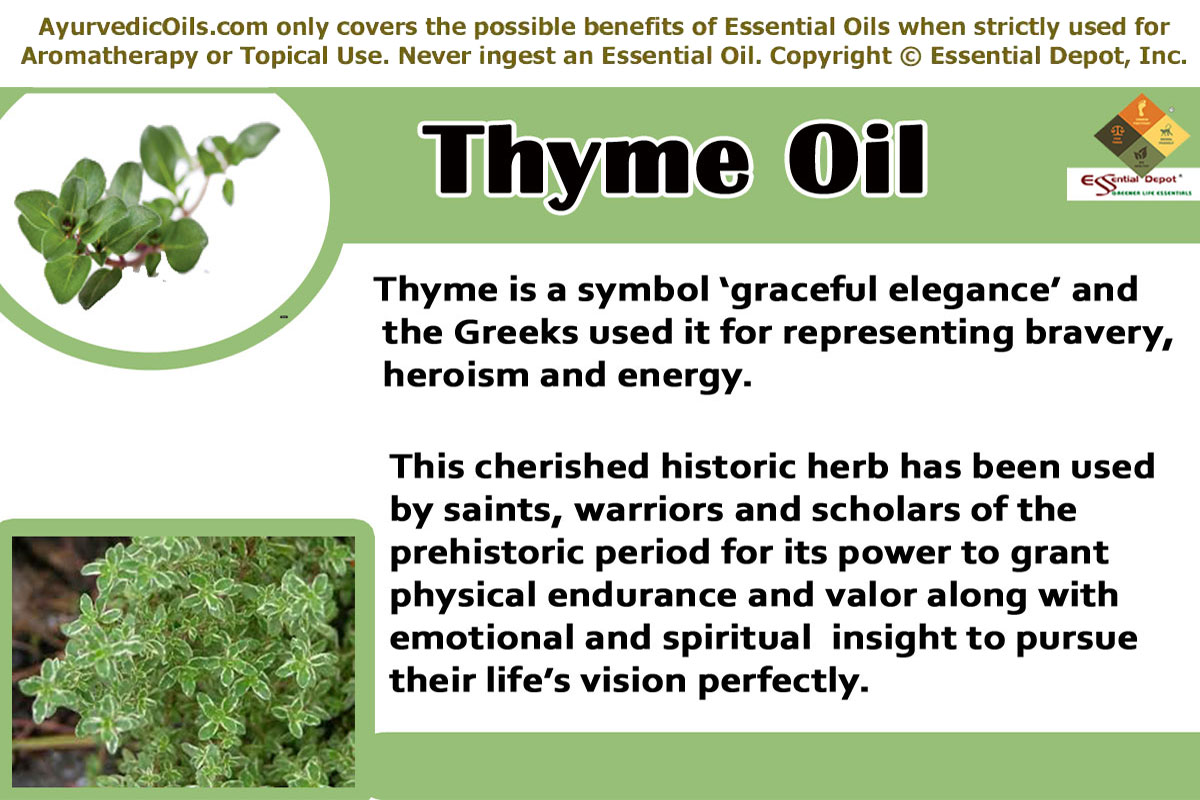
Saints, warriors and scholars of the prehistoric period valued Thyme for its power to grant physical endurance and valor along with emotional and spiritual insight to pursue their life’s vision perfectly.

Purchase Thyme Essential Oil – Retail – CLICK HERE

Purchase Thyme Essential Oil – Wholesale – CLICK HERE

Historical Uses of Thyme and its essential oil:

History has a cluster of pages talking about the curative powers of Thyme. Almost all the continents of this world from Antarctica to Australia have used thyme for its impressive medicinal values.

Ayurveda, the science of life suggested the use of thyme for its expectorant, astringent, anti-microbial, antiseptic, antispasmodic and anti-inflammatory properties. The ancient texts of Ayurveda suggests thyme for treating respiratory problems, headaches, halitosis, spasms, colic, dental disorders, gastrointestinal problems and few others.

Ebers Papyrus, the oldest Egyptian medical text which dates back to 1550 BC has recorded the healing values of thyme. The ancient Greeks offered thyme as a sacred herb to Adephaghia, the Greek Goddess of food and good eating.

Thyme was also burnt in Greek temples for sanctifying and purifying the environment. According to Greeks, thyme signified ‘graceful elegance’ and represented bravery, heroism and energy.

Bible honors thyme as the lining for the manger, which was the bed of Jesus Christ at the time of birth. European Pharmacopeia recommends the use of this herb for healing upper respiratory congestion and coughs.

Africans use thyme for its tranquilizing properties. It was in use in traditional Jamaican medicinal system to induce labor and support child birth, attributed to the emmenagogue properties of thyme. In southern France, thyme was honored as a sign of extreme Republicanism.

Nicholas Culpeper, the renowned English Botanist recommended thyme for treating musculoskeletal problems, warts, ophthalmic problems and certain other illnesses. He said Thyme isa noble strengthener of the lungs, as notable a one as grows, nor is there a better remedy growing for whooping cough.

It purges the body of phlegm and is an excellent remedy for shortness of breath. It is so harmless you need not fear the use of it. An ointment made of it takes away hot swellings and warts, helps the sciatica and dullness of sight and takes away any pains and hardness of the spleen: it is excellent for those that are troubled with the gout and the herb taken anyway inwardly is of great comfort to the stomach.”

The primeval Sumerians, Assyrians and Babylonians have used thyme before 5,000 years and the traditional food known as Zaatar in the Middle East countries contains thyme and is popular for its curative values.

Ayurvedic health benefits of Thyme essential oil:

Ayurveda, the oldest of all healing sciences on earth trusts on natural herbs including aromatic plants for healing human health conditions. It is known for its use of aromatics in treating numerous illnesses ranging from insomnia to bipolar disorders.

This healing power by using aroma is connected to the limbic system, which is known as the ‘center of control’ of the human brain. Another celebrated Ayurvedic therapy of healing is Abhyanga, the art of Ayurvedic massaging.

Ayurvedic texts strongly recommend massaging with therapeutic essential oils for relaxing the mind, strengthening the immune system and helping the system to strike perfect balance with nature.

Essential oils are extracted from plants. They are pure, free of chemicals, highly concentrated and contain the real essence of the plants from which they are extracted. Thyme essential oil is extracted from thyme herb, botanically known as Thymus vulgaris. The most significant constituent of thyme essential oil contributing to its healing properties is thymol.

The major Ayurvedic health benefits of thyme essential oil are:

Thyme-oil-broucher1. Time-honored emmenagogue:

The oil of thyme is regarded as a natural remedy for handling womanly problems in a gentle manner. Historical references report the use of thyme for inducing labor, encouraging easy child birth, irregular periods, obstructed menstruation, treating pains, depression, fatigue and nausea associated with menstruation. This is mainly because thyme oil stimulates the production of estrogen hormones in women, which is responsible for reproductive health.

Massaging a blend of 3 drops of thyme oil with 2 teaspoons of sesame oil gently on the abdominal area can grant relief from severe pain and foster blocked menstruation. 2 drops of Thyme oil can also be added to your bathing water for giving a refreshing start to the day and for alleviating fatigue. It can also be used in your diffuser for soothing your senses especially during the night time for a peaceful and relaxed sleep.

2. Overcomes oral problems:

Ayurvedic Vaidyas strongly recommended thyme oil for treating oral problems like bad breath or halitosis, gingivitis, plaque and tooth decay. Thyme essential oil is known as a powerful germ-killer with its antibacterial and antiseptic properties. This is the main reason for the use of thyme oil in many popular mouthwashes like Listerine and certain other oral cleansers.

Thymol, the active constituent in thyme oil along with chlorhexidine is used as a dental varnish for treating and preventing tooth decay. Thyme oil is an important ingredient in popular toothpaste and liniment brands in the market for these special reasons. Adding 1 drop of thyme oil to a cup of warm water can serve as an effective mouth gargle in the morning for treating oral problems.

3. Absolutely skin-friendly:

The presence of caryophyllene and camphene components in Thyme essential oil contributes to its antiseptic and antibacterial properties. It helps in protecting the skin from harmful bacterial and fungal infections while effectively aiding in healing burns, wounds, eczema, dermatitis, psoriasis, rashes, cuts and sores. Thyme essential oil helps in keeping the skin free from marks, wrinkles and certain other symptoms of aging.

Scars and marks after surgeries, accidents, acne, chicken pox, measles and even stretch marks fade on eventual cosmetic application of thyme oil on the affected areas after blending it with mild carrier oils like almond oil. You can add few drops of thyme oil to your regular face wash for better results as thyme oil has excellent skin-cleansing properties.

4. Guards the respiratory system:

Thyme essential oil protects the respiratory system from various infections and is a trusted Ayurvedic remedy for treating prolonged coughs and cold. The essential oil of thyme acts as a powerful cough suppressant by checking the coughing spasms.

The presence of thymol strengthens the immune system and makes the body defensive against respiratory infections. The warming nature of this oil helps in clearing congestion and breaking up mucous and phlegm. 2 drops of thyme oil added to hot water for steam inhalation can open blocked nasal passages and soothe the respiratory system.

5. Natural stimulant:

It stimulates the functions of the liver and digestive system. Thyme essential oil acts as a tonic for the liver, nervous system, circulatory system and muscular system. This oil assists in treating dyspepsia, gastric formation, heartburn, stomach upset, cramps, nausea, headache and lack of sleep associated with digestive disorders. Intestinal worms like tapeworms, hook worms and round worms can also be discarded with the vermifuge properties of thyme oil.

6. Alleviates pain and inflammation:

Just like Eucalyptus oil, thyme oil is also an effective pain relieving oil by suppressing the inflammatory COX-2 enzyme. A 2012 study on ‘Effects of Thymol and Carvacrol, Constituents of Thymus vulgaris L. Essential Oil, on the Inflammatory Response’ proved that the anti-inflammatory property of thyme oil is attributed to the rich presence of monoterpene phenols like thymol and carvacrol constituents present in this oil. This makes thyme as an effective pain relieving massage oil in alleviating rheumatic pains, muscular aches, bruises, nerve stimulation, migraine headaches and skin inflammation.

7. Supports the entire system:

Thyme essential oil supports the entire body from head to toe and it is proven effective in treating hair loss, head lice, swelling, throat pain, sciatica, low blood pressure, convulsions, colic, bed-wetting, gout, diarrhea, athlete’s foot etc. This oil is also said to have antioxidant and antiviral properties.

It acts as an effective diuretic and helps in alleviating the toxins from the body through urine. Thyme essential oil is extremely beneficial for the heart as it fortifies the cardiac muscles and enhances blood circulation. Inhaling the aroma of thyme essential oil stimulates the mind, improves concentration and uplifts the spirit.

And now, you would have realized why I wanted you to fall in love with Thyme essential oil. Let me start. Thyme…. I love you.

Disclaimer: Pregnant women, breastfeeding mothers and children below 2 years should not use this oil. Do not ingest essential oils as they are highly concentrated and do not apply them directly to your skin unless it is recommended by your Ayurvedic Practitioner.

Thought for the day:

Adopt the pace of nature: her secret is patience.   –Ralph Waldo Emerson

Suggested Reading:

  1. The Healing Intelligence of Essential Oils: The Science of Advanced Aromatherapy by Kurt Schnaubelt
  2. Ayurveda & Aromatherapy: The Earth Essential Guide to Ancient Wisdom and Modern Healing by Dr. Light Miller, Dr. Bryan Miller
  3. The Practice of Aromatherapy by Dr. Jean Valnet

Reference Links:

  1. Thyme in Medicine by Natural Standard the Authority on Integrative Medicine
  2. Effects of Thymol and Carvacrol, Constituents of Thymus vulgaris L. Essential Oil, on the Inflammatory Response by PubMed
  3. Thyme, Garden by Botanical.Com

Peppermint Essential Oil

Peppermint-bannerAs nature’s immaculate coolant, the world celebrates Peppermint as the most distinguished member of the mint family, Labiatae along with Spearmint, Pennyroyal, Corsican mint, Lemon mint, Watermint, Lavender, Field mint, Apple mint or Chocolate mint, Patchouli, Thyme and Silver mint. Pliny the Elder (23-79 CE), the Roman natural philosopher, scientist and naturalist rightly said “The smell of mint stirs up the mind and appetite to a greedy desire of food.”

Peppermint essential oil is extracted from the aromatic leaves of this plant and is known since ages as an excellent digestive aid with a bundle of other health benefits as well. The encyclopedia of Ayurveda talks about the notable use of Peppermint essential oil as a cooling carminative that enhances digestion and elimination by eradicating blockages and facilitating the flow of energy from within.

Purchase Peppermint Essential Oil – Retail – CLICK HERE

Purchase Peppermint Essential Oil – Wholesale – CLICK HERE

Historical importance of Peppermint and its oil:

Peppermint dates back to 1000 BC when the dried leaves are said to be found in Pyramids. Indigenous to Europe, this herb was first used by the primeval Egyptians as a natural digestive support. Few mythological studies say that the word Peppermint has its origin from Greek myths in the outline of a love triangle involving Hades, his wife Persephone and the nymph Minthe (who was later turned into Peppermint).

Interestingly, Peppermint is a natural hybrid of Spearmint and Watermint. The ancient Romans loved growing Peppermint in their gardens and in the pathways of stepping stones for greeting their guests with its wonderful aroma and for its innumerable medicinal benefits.

It was also used as a form of currency for the kind of esteem and admiration it had in Egypt. Peppermint was used as a tooth polisher by the ancient monks.

The Biblical importance of Peppermint has added even more to its value. Jesus Christ says to the Pharisees,But woe unto you, Pharisees! For ye tithe mint and rue and all manner of herbs, and pass over judgment and the love of God: these ought ye to have done, and not to leave the other undone.” It was also used as a culinary herb in the folklore cooking for seasoning meat and assisting in quicker digestion.

Listed as a natural remedy for treating all kinds of illnesses from venereal disease, cold, sores, headache and digestive problems, Peppermint emerged as a distinguished species in the London Pharmacopoeia in the 16th century.  It was also mentioned in the Icelandic Pharmacopoeias as a much valued herbal remedy in 1240 AD. Peppermint was used as a prized herb by the Native Americans and now the United States is the world’s largest producer of Peppermint essential oil contributing to more than 75% of the total production.

Chemical constituents Gas Chromatography Report of Peppermint essential oil:

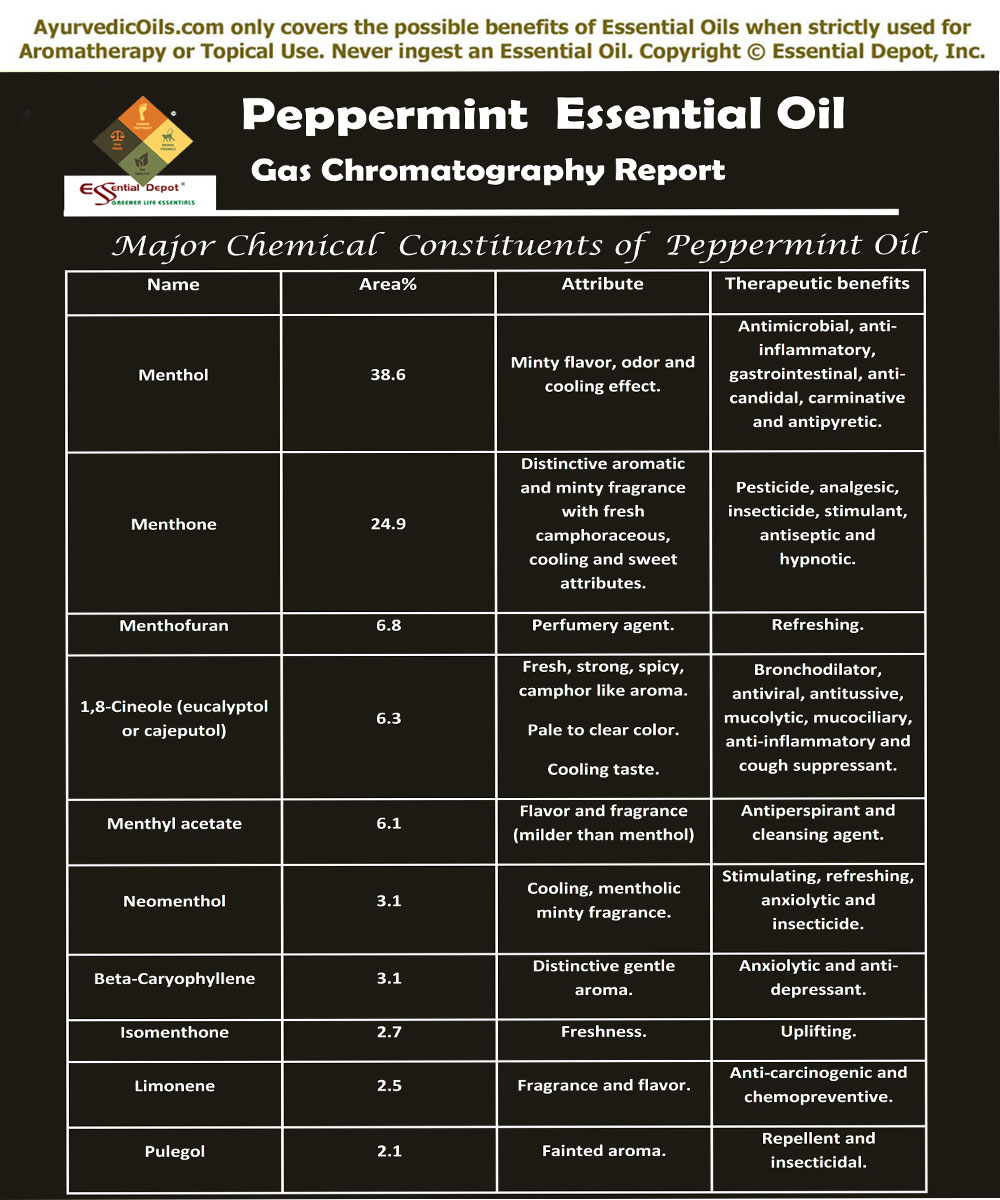
According to the Gas chromatography report, Peppermint oil constitutes of 10 major chemical components that contribute to its distinctive fragrance, remedial properties and quality, among which, menthol has an upper hand with about 38.6 percent.

Just click on:

For learning more about the exclusive information of these key constituents of Peppermint oil.

The table below on the Gas Chromatography report talks about the principal chemical constituents and its role in granting the therapeutic properties and other attributes to Peppermint oil.

Pepper-mint-oilTherapeutic properties of Peppermint essential oil:

The therapeutic actions of Peppermint essential oil are carminative, decongestant, immune stimulant, anti-infectious, febrifuge, cardio tonic, nervine, hypertensive, antipruritic, antifungal, sedative, expectorant, antibacterial, mucolytic and anti-carcinogenic.

Ayurvedic health benefits of Peppermint essential oil:

Known as Pudina in Sanskrit, Peppermint is a popular culinary herb used for its minty, fresh and enriching aroma for enhancing taste and adding extra flavor to the lip-smacking dishes. Ayurvedic remedies wholly depend on Mother Nature trusting that every single thing on the earth is an incredible part of nature including human beings.

The strong principles of Ayurveda establish that every individual is made up of three vital energy elements known as doshas (vata-air, pitta-fire and kapha-water), which determine the personality, character, behavior and health conditions of a person. A person is said to be healthy when there is perfect balance between all the three doshas and dosha imbalances cause illness. Peppermint and its essential oil in Ayurveda is said to calm all the three doshas.

Peppermint according to Ayurveda has cooling and heating energy (virya), sweet and pungent taste (rasa), dry, penetrating and light quality (guna), benefits the nerve, blood and plasma tissues (dhatu), with a post-digestive effect (vipaka), Peppermint stimulates the circulatory, nervous, digestive and respiratory channels (srotas).

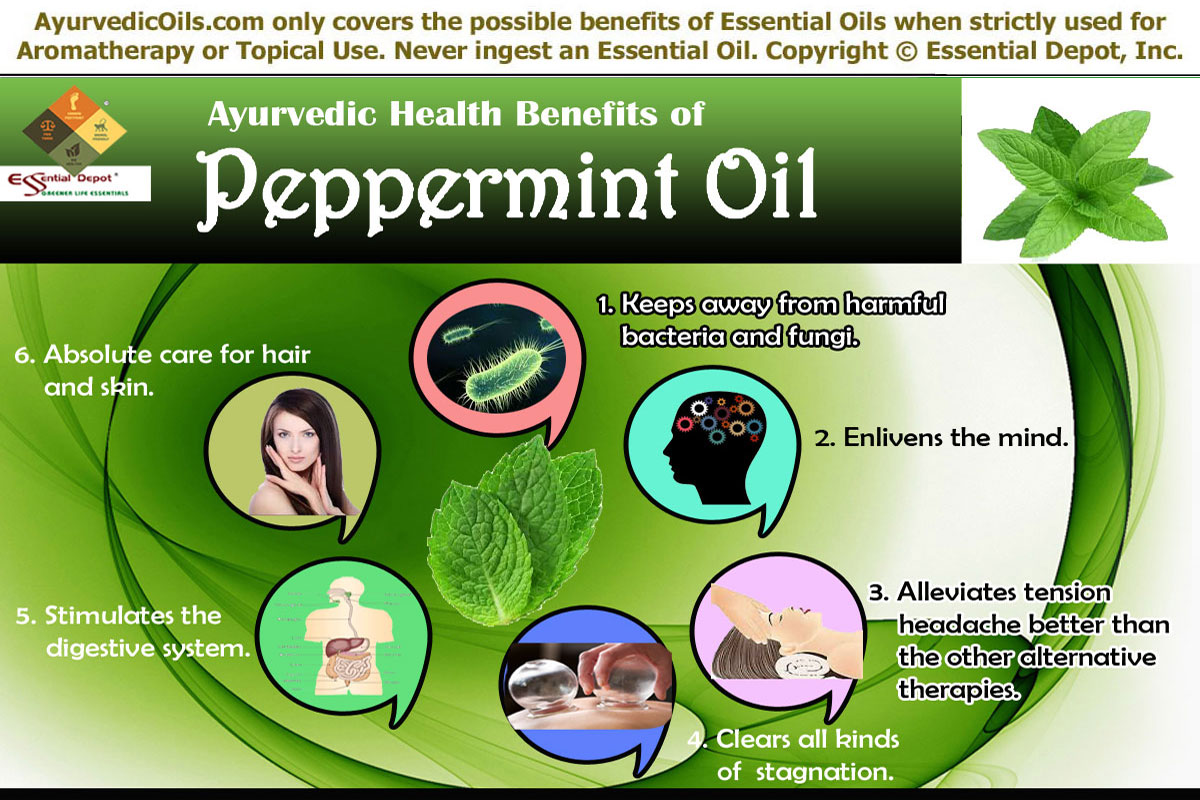
Let’s have a look at the major Ayurvedic health benefits of Peppermint essential oil:Pepermint-broucher1. Keeps away from harmful bacteria and fungi:

Peppermint is a powerful antibacterial oil mainly because of the presence of menthol that aids in fighting against harmful bacteria like salmonella, e.coli and staph.

A 2010 study on ‘Protective effects of bioactive phytochemicals from Mentha piperita with multiple health potentials’ proved that Peppermint oil has effective antimicrobial and antioxidant effect that fights against harmful microbes and supplemented for nutritional benefits and food preservation. Bacterial infections are responsible for wounds becoming septic and other skin problems like acne.

The Tehran University of Medical Sciences in Iran proved that the menthol component in Peppermint oil is defiant to fungus including candida. The State University of Brazil also established that Peppermint essential oil varieties have anti-candida effects. For all these reasons Peppermint oil acts as a natural remedy for treating fungal infections like athlete’s foot, ringworm, jock itch and other yeast infections.

Applying 2 drops of Peppermint essential oil blended with gentle carrier oils like coconut oil aids in treating bacterial and fungal infections. You can also add 2 drops of this oil in warm foot bath or in bathing water for fighting against such detrimental microbes.

2. Enlivens the mind:

The invigorating, refreshing, cooling and reassuring aroma of Peppermint essential oil boosts mental power.  Inhaling the aroma of this oil grants a complete stream of freshness to fight the challenges of a rising day.

Adding 2 to 3 drops of drops of Peppermint oil in your air freshener, diffuser or in your handkerchief can grant you immense energy and confidence throughout the day. This therapy employed in your study room can help improve your memory skills and concentration power.

3 to 4 drops of Peppermint oil blended with Sesame oil can act as an efficacious massage oil and as a bathing oil for enhancing your mental strength, treating stress, reducing fatigue and anxiety. It also helps in treating anger, mental strain, confusion, nervousness, palpitations, vertigo and depression.

3. Alleviates tension headache better than the other alternative therapies:

Peppermint essential oil is also an effectual natural remedy for treating tension headache. A clinical trial on ‘Effectiveness of Oleum menthae piperitae and paracetamol in therapy of headache of the tension type’ witnessed “Peppermint oil thus proves to be a well-tolerated and cost-effective alternative to usual therapies for alleviating tension-type headache.” This study also proved that there was not much significant difference in efficacy between acetaminophen and Peppermint oil and there are no reported adverse effects as well.

4. Clears all kinds of stagnation:

Peppermint essential oil is a proven stimulant and tonic especially to the brain, pancreas and heart. It is known for clearing away all kinds of stagnations including physical and mental. Peppermint oil clears stagnation in the blood, lymph, stomach and gallbladder. It also breaks emotional blockages.

The expectorant and decongestant properties of this oil help in open the blocked sinus passages and aid in clearing mucus deposits from the respiratory tract by adding 2 drops of this oil in steam inhalation.

The diaphoretic quality of Peppermint oil aids in reducing the body temperature in the early stages of fever by releasing the heat of the body through sweat. Applying two drops of Peppermint oil blended with coconut oil on your foot helps in quicker recovery from fever. This blend can also be rubbed on the chest, back and neck for treating congestion, cough and blocked nose.

5. Stimulates the digestive system:

The essential oil of Peppermint and the herb itself are known to the world as a promising digestive remedy. Numerous research studies have proved that Peppermint oil is effective in relaxing gastrointestinal smooth muscle, more or less due the antagonistic effect on calcium channels in the gut.

The American Family Physician Forum states that Peppermint oil is effective in treating irritable bowel syndrome symptoms, non-ulcer dyspepsia, tension headache and lessening spasm at the time of gastrointestinal procedures.

Peppermint oil along with the combination of caraway oil has been proved in reducing the symptoms of non-ulcer dyspepsia like bloating, fullness and gastro-intestinal spasm. Gently rub 3 drops of Peppermint essential oil with Sesame oil on the stomach and abdomen to help relieve indigestion, nausea, diarrhea, flatulence, bloating, constipation and pain.

6. Absolute care for hair and skin:

The skin-friendly attributes of Peppermint oil aids in treating eczema, lesions, acne, insect bites, rashes, allergies, irritation and itchiness. Gently massaging your skin with 2 drops of Peppermint oil blended with sweet almond oil helps in nourishing and hydrating dry, dull and lifeless skin. You can also add 2 to 3 drops of oil in your daily lotions and creams and apply it on the affected area.

Dandruff, dry itchy scalp and lice are the major problems associated with hair. Peppermint oil has stimulating and cooling effects. When added to sesame oil and massaged on the scalp helps improve blood circulation, enrich the scalp, conditions your hair and improves hair growth. Adding 3 to 4 drops of Peppermint oil to your shampoo or hair conditioner can add shine to your hair and make it look smooth and silky.

Other health benefits:

Few believe that adding 1 drop of Peppermint oil besides your pillow can bring dreams that reflect your future. Peppermint essential oil when used in massage, added to diffuser or diluted in bath can help relieve menstrual cramps, muscular pain, urinary infections, belching, nerve pain, uterine spasms and much more. The presence of menthol makes Peppermint, a much valued oil in making toothpastes, mouthwashes, cough syrups, ointments, shampoos and soaps, vaporizing rubs etc.

Disclaimer: Never use essential oils internally or apply directly on skin as essential oils are highly concentrated liquids. Always remember using essential oils blended with carrier oils or diluted in bath or in diffusers. Speak with your Ayurvedic Practitioner before using essential oils for your specific body type and your unique state of health.

The MSDS (Material Safety Data Sheet) of Peppermint oil is readily available for your enhanced safety and better usage.

Gas Chromatography Report of Peppermint essential oil.

Thought for the day:

The world is like a little marsh filled with mint and white hawthorn.
-Mary MacLane

Suggested Reading:

  1. HEALING POWERS OF PEPPERMINT OIL (The Aromatherapy Professional: Healing with Essential Oils) by KG Stiles
  2. How to Use Peppermint Essential Oil (Aromatherapy) by Miriam Kinai
  3. Digestive Wellness: Strengthen the Immune System and Prevent Disease Through Healthy Digestion, Fourth Edition by Elizabeth Lipski
  4. Integrative Gastroenterology (Weil Integrative Medicine Library) by Gerard Mullin

Reference Links:

  1. Peppermint History by Indepthinfo on Peppermint
  2. Peppermint Oil by American Family Physician
  3. Protective effects of bioactive phytochemicals from Mentha piperita with multiple health potentials by Shahed University, Tehran published in PubMed
  4. Effectiveness of Oleum menthae piperitae and paracetamol in therapy of headache of the tension type, published in PubMed

Frankincense Oil

Frankinsence-banenrRepresented as an ‘Emblem of Prayer’, Frankincense is yet another Biblical oil that brings you close to heaven by appeasing your mind, relieving your pain, strengthening your positive emotions and implanting enormous beauty benefits.

Extracted from the gum or resin of Boswellia frereana tree by steam distillation, Frankincense essential oil is often held high for its power to spread health and heartiness in a magic of minutes, just like that.

Ayurveda quotes the use of Frankincense as ‘dhoopan’, and burning Frankincense everyday in homes is trusted to bring good health in Indian culture.

Known as ‘Dhoop’ in Sanskrit, Frankincense and its essential oil have been used for more than thousands of years in Ayurvedic healing in the treatment of respiratory illnesses, arthritis, weak female hormone system, rheumatism, skin infections, wounds, womanly problems and for cleansing the air.

Purchase Frankincense Oil – Retail – 4 oz – CLICK HERE

Purchase Frankincense Oil – Wholesale – CLICK HERE

Historical uses and importance of Frankincense and its essential oil:

Frankincense is represented as a ‘symbol of the divine aroma’ and as an ‘emblem of prayer’ in various chapters of the Bible including Psalm 141:2; Luke 1:10 and Revelation 5:8, 8:3. Best known as one of the three gifts gifted to Infant Jesus by the wise men, the existence of Frankincense dates back even before the birth of Jesus Christ. Given the credit of the most spiritual oil of the Middle East, it has flawless healing benefits with an inbound immaculate aroma.

People of all religions consider Frankincense as a symbol of sacredness and it is witnessed with the presence of this mesmerizing fragrance in various religious ceremonies. Frankincense is an important symbol of trading carried out in Arabian Peninsula and North Africa for more than 5000 years ago that the temples of the ancient Egyptian Queen Hatshepsut are adorned by murals depicting sacks of Frankincense traded from the land of Punt.

Prepared from the resin of Frankincense or olibanum trees by steam distillation method, this oil is a part of the traditional medicinal system including Ayurveda, Traditional Chinese Medicine and in certain other folklore remedies in treating wounds, arthritis, digestive disorders, rheumatism, and weak immune system and in promoting healthy skin.

Frankincense has its name etched in Naturalis Historia by Pliny the Elder. The renowned book on ‘Ayurveda and Aromatherapy’ by Bryan Miller and Light Miller quotes the use of Frankincense since ages as “Clay tablets, revealed that, in Babylon, 57,000 pounds of Frankincense were burned every year.” It also says that about 60 tons of this aromatic resin was used in the annual feast of the God Baal in the Assyrian civilization.

Since ancient times, Frankincense is burnt in homes for keeping away from insects, cleansing the atmosphere, warding off sickness and evil spirits and to help reach one’s prayers to the Divine. This holy herbal medicine is burnt even today in numerous Indian homes during the dusk to fulfill their special prayers and guard against bad spirits and harmful insects.

Chemical constituents or Gas Chromatography Report of Frankincense oil:

According to the Gas chromatography report, Frankincense oil consists of 9 major chemical components that contribute to its unique fragrance, therapeutic properties and quality.

Just click on:

For learning more about the extensive information of these chief constituents of Frankincense oil.

Alpha-thujene is the predominant constituent of Frankincense with about 53 % area.

The table below on the Gas Chromatography report talks about the principal chemical constituents and its role in granting the therapeutic and other attributes to Frankincense oil.

Frankincense-OilStudies on the chemical composition of Frankincense oil reveal that it contains monoterpenes, sesquiterpenes and diterpenes such as a-pinene, b-pinene, isoterpenolene, a-phellandrene, b-phellandrene, sabinene, linalool, octanol, octyl acetate, bornyl acetate, incensole and incensyl acetate in different ratios depending upon the species of the Boswellia trees from which the resins are obtained.

Therapeutic properties of Frankincense oil:

Frankincense oil is commonly used for its aromatic, antiseptic, astringent, antibacterial, anti-inflammatory, anti-cancer, anti-tumor, immune stimulant, disinfectant, carminative, cicatrisant, cytophylactic, digestive, diuretic, emmenagogue, sedative, tonic, uterine, vulnerary and expectorant properties.

Ayurvedic Health Benefits of Frankincense Oil:

Ayurveda is an ancient healing science that focuses on longevity and healthy aging through prevention of diseases and a balanced lifestyle that assists in being in harmony with nature.

Ayurvedic healing methodologies were strongly implanted to the human civilization by the powerful Ayurvedic encyclopedias namely Charaka Samhita and Sushruta Samhita.

Charaka Samhita enlightens Ayurveda as a discipline that heals the mind, body and soul and says, “The three – body, psyche, and soul – act as a tripod. The world stands upon them, and within them, the world abides.”

With this thought, Ayurveda regards human body as a temple, where the spirit dwells in and keeping the mind and body clean without any physical illnesses or mental chaos is the way to harmonious living.

The science of Ayurveda rests on the principle of five elements of nature namely fire, water, earth, air and space. According to Ayurvedic philosophy, everything in the universe is a part of nature and contains all these five elements in it.

Human body also consists of these elements in the form of biological energies known as doshas, in various forms so as to represent a unique individual constitution.

Vata dosha represents air and space and is responsible for circulation, nervous functions, respiration and movement. Kapha dosha is a combination of water and earth and is in charge of the structure of the body along with its sustenance. Pitta symbolizes fire and water and is responsible for body temperature and metabolic functions. Balance between these doshas indicates health and imbalance leads to illnesses.

Ayurveda recommends natural remedies like essential oils, herbs, yoga, physical exercises, healthy balanced diet, Ayurvedic routine, meditation and prayers in order to treat these doshic imbalances and treat the illnesses by analyzing its root cause instead of diagnosing its symptoms.

Frankincense is said to have a sattvic or cleansing effect on the mind as well as the nervous system. It assists in burning impurities in the subtle nerve channels. The essential oil of Frankincense clears excess kapha and pacifies vata and pitta doshas.

The Ayurvedic health benefits of Frankincense essential oil are:

frankinsence-broucher1. Strengthens your immune system:

Frankincense essential oil is an exceptional gift of nature that serves as an antiseptic, disinfectant and immune stimulant. Just inhaling the invigorating aroma of this supreme oil by adding 2 drops of this oil to your burner or diffuser, helps build a protective aura around yourself and acts as a shield in fighting against germs and disease causing microorganisms.

A 2002 study on the chemistry and immunomodulatory activity of Frankincense oil conducted by the department of Pharmacognosy of Mansoura University, Egypt states that Frankincense oil exhibited immuno-stimulant activity in addition to its anti-inflammatory, immunomodulatory and anti- leukotriene properties. This study encourages the utilization of Frankincense essential oil for several auto-immune disorders.

The number of leukocytes in the human body determines the strength of the immune system of an individual. Inhaling the fragrance or using Frankincense essential oil in a massage blend (5 drops of Frankincense oil added with 2.5 ml coconut oil) increases the production of leukocytes in the body with its cytophylactic property.

2. Fights against cancerous cells:

Frankincense essential oil has anti-tumor and anti-cancer properties, the attributes of monoterpenes that effectively helps in fighting against the cancerous tumors.

A 2012 research on Frankincense essential oil prepared from hydro distillation of Boswellia sacra gum resins has proved that this oil induces human pancreatic cancer cell death in cultures. It also reverses tumor growth in a heterotopic xenograft mouse tumor model. Studies have also reported that cultured human bladder and breast cancer cells are more sensitive to Frankincense essential oil and yield good results.

3. Pacifies your digestive system:

As a very good source of β-phellandrene and α-pinene, Frankincense essential oil acts as an effective carminative and helps in preventing and expelling the formation of gas in the stomach and intestines. It also acts as a natural antacid and promotes the secretion of bile and other digestive juices.

Mix 2 drops of Frankincense oil with 1 ml sesame oil and massage this blend on your abdomen for relieving flatulence, constipation and other gastro-intestinal problems including stomach pain, feelings of discomfort in the chest and abdominal area.

4. Combats oral infections:

The antiseptic, antibacterial and antifungal properties of Frankincense oil acts as a defensive shield that protects one from germs, bacteria, pathogens and fungi. This defensive mechanism of Frankincense essential oil makes its presence vital in making dental care products like toothpaste, mouthwash, mouth freshener etc.

Add 1 drop of Frankincense oil in a cup of warm water and use it as a natural gargle to keep away from oral problems like toothache, bad breath, cavities, mouth sores and few other oral infections.

5. Pampers your skin health:

Frankincense essential oil often evolves as a perfect rescuer in case of skin problems as it acts as an effective astringent, which helps in retrieving its natural beauty. This oil works on wrinkles and other aging symptoms with its ability to shrink the body tissues and bring it back to its original shape and assist in tightening the skin.

As a cicatrisant, it helps in the formation of scar tissue and yields excellent results in treating scars, fading the after marks of acne, pimples, boils, pox, stretch marks and fat cracks due to pregnancy and childbirth. Add 2 drops of Frankincense essential oil with 1 ml of jojoba oil or to your regular skin care cream and apply it in circular movements to reduce the appearance of wrinkles, scars, marks and micro-wrinkles around the eyes and cheeks.

As an anti-aging agent it helps in the regeneration of healthy cells while keeping the existing ones healthy. Because of its firming and toning activity it strengthens the gums and hair roots and contracts the muscles, intestines and blood vessels that loosen with aging. Frankincense oil acts as a coagulant and helps in preventing blood loss in case of wounds and cuts. It also assists in healing wounds and other skin infections speedily.

6. Helps treat womanly problems:

Frankincense oil acts as an emmenagogue that stimulates the flow of blood in the pelvic area and the uterus, thus regulating the menstrual cycle and functions of the female reproductive system.

It is also uterine in nature and regulates the secretion of estrogen hormone in the appropriate level, thus reducing the risk of cyst formation or uterine cancer in women.

Add 2 to 3 drops of Frankincense essential oil with 1 ml of Evening primrose oil and massage it slowly on your lower abdomen for relieving problems associated with menstruation like abdominal pain, nausea, digestive disorders, restlessness and mood swings. You can also add 2 drops of Frankincense oil in warm bathing water for calming your nerves and promoting peaceful sleep.

7. Relieves respiratory illnesses:

Stagnation of water, toxic substances and infectious micro-organisms in the body pave way for respiratory problems. This is mainly due to excess of kapha dosha and Frankincense essential oil lessens excess kapha.

This oil also has antiseptic, anti-bacterial, anti-inflammatory and expectorant properties that protect one from infectious microbes and helps reduce phlegm deposits in the respiratory tract and inflammation of the nasal and respiratory passages.

2 drops of Frankincense oil added to steam inhalation or mixed with vaporub and applied on the chest, back and throat aids in easing cough, cold, bronchitis, laryngitis, breathing difficulties, asthma and certain other respiratory ailments.

8. Helps in fighting against arthritis:

Frankincense oil has been used since ancient times to treat arthritis, rheumatism and muscular pain. With its anti-inflammatory, diuretic and kapha reducing qualities, this oil also aids in eliminating excess water deposits, salt, uric acid and toxic substances in the body causing pain, swelling and inflammation.

A valuable source states that this oil possesses potent anti-inflammatory, anti-arthritic and analgesic effect that actively treats arthritis, osteo arthritis and pain in muscular joints. Mix 4 drops of Frankincense oil with 2 ml of coconut oil and massage it gently on the painful area or you can also add 2 to 3 drops of this oil to hot compress for quick relief.

9. Alleviates stress and anxiety:

Frankincense essential oil awakens insight, soothes anxiety and frees one from all sorts of worldly pressure that affect the mind and the body. Various studies have proved that incensole acetate in Frankincense oil is an effective anti- depressant and reduces abnormal behaviors due to anger, stress and anxiety.

Adding 2 drops of Frankincense oil in your vaporizer, burner or diffuser assists in attaining spiritual enhancement that balances the mind, body and soul to experience eternal happiness. This healing effect can also be attributed to the presence of carbon based compounds like sesquiterpenes that directly act on the limbic system, known as the control center of the human brain.

Other health benefits:

Frankincense essential oil is also used in the manufacture of soaps, disinfectant cleansers, incense sticks, cosmetics, perfumes, body lotions, oral hygiene products and much more.

Disclaimer:

This article is for the purpose of education only and is not intended for treatment or for replacing any prescribed medication or professional medical advice. Never take essential oils for internal use and always use externally in a diluted manner, as organic and pure essential oils are highly concentrated liquids and may cause allergic reactions if used directly on the skin.

Always consult your Ayurvedic practitioner before choosing the appropriate essential oil for your unique individual constitution and health condition.

The MSDS (Material Safety Data Sheet) of Frankincense oil is readily available for your enhanced safety and healthier usage.

Gas Chromatography Report of Frankincense oil.

Thought for the day:

To be overcome by the fragrance of flowers is a delectable form of defeat.
-Beverley Nichols

Suggested Reading:

  1. Frankincense & Myrrh by Martin Watt, Wanda Sellar
  2. The Ayurveda Encyclopedia: Natural Secrets to Healing, Prevention, & Longevity by Swami Sadashiva Tirtha
  3. Fragrance & Wellbeing: Plant Aromatics and Their Influence on the Psyche by Jennifer Peace Rhind
  4. Holistic Cancer Protocols with Essential Oils by Dr. Deborah McFarland

Reference Links:

  1. Frankincense by Wikipedia
  2. Frankincense in Ayurveda and Aromatherapy by Vishnu Dass, Ayurvedic Herbology
  3. Chemistry and Immunomodulatory Activity of Frankincense Oil by Botros R. Mikhaeil, Galal T. Maatooq, Farid A. Badria, and Mohamed M. A. Amer Department of Pharmacognosy, Faculty of Pharmacy, Mansoura University, Mansoura 35516, Egypt, published in Naturforsch
  4. Frankincense essential oil prepared from hydrodistillation of Boswellia sacra gum resins induces human pancreatic cancer cell death in cultures and in a xenograft murine model, published in BMC Complementary and Alternative Medicine


Your resource for quality Essential Oils. Every batch is
GC tested to ensure purity and authenticity.

Curry Leaf Oil

Curry-leaf-bannerCure leaf, Potent cancer warrior, Sweet neem, Indian bay and Vitamins powerhouse are some of the celebrated names of Curry leaf, the much treasured and relished aroma provider of Indian soups and curries.

Owning a similar appearance to bay leaves, these aromatic leaves hold a distinct flavor contributed by caryophyllene and 3-carene. Curry leaf essential oil is extracted from curry leaves by steam distillation method.

Curry leaf tree is an easy to cultivate herb and is indigenous to India and Sri Lanka, the countries of rich cultural heritage. Every part of this tree including its leaves, berries and flowers have enormous medicinal values and the best part is that it is easily affordable to poor people as well.

Ayurveda calls this tree as Girinimba or Krishnanimba, named after Lord Krishna, the God of ultimate protection. This ancient art of holistic healing has used Curry leaves and its essential oil in various Ayurvedic preparations for the treatment of diabetes, eye diseases, liver problems, diarrhea, high cholesterol, hair fall, gastrointestinal problems, skin pigmentation and oral disorders.

Purchase Curry Leaf Oil – Wholesale – CLICK HERE

Historical uses and importance of Curry Leaf tree:

Curry leaves have its name carved in the Tamil literature dating back to 4th century AD for its abundant culinary benefits. Derived from the Tamil word Kari meaning spicy sauce, curry leaves are being clad by numerous vernacular names such as Kariveppilai in Tamil, Kariveppu in Malayalam, Meetha Neem or Karipatta in Hindi, Karibevu in Kannada, Karepeku in Telugu, Folhas de caril in Portuguese, Listya karri in Russian, Fogli di cari in Italian, Hoias de curry in Spanish and Curryblatter in German.

Beautifying the backyard of every home in the Indian subcontinent, Curry leaf tree has a strong precedence in the Indian folklore medicine. The leaves are widely used for its digestive properties in numerous Indian cuisines and have been used in Ayurvedic healing as a natural tonic for an extensive range of ill-health conditions.

Curry leaves are used in alternative medicinal practices like Ayurveda, Unani, Siddha and the Traditional Chinese medicine for treating diarrhea, vomiting and to endorse the appetite. These leaves are known to possess anti-diabetic properties and is a popular natural aid for controlling diabetes. The paste extracted from the ground leaves are applied on wounds, eruptions, bruises, burns, acne and to treat other skin disorders.

Curry leaves boiled in coconut oil is a popular natural tonic for hair growth. This herbal tonic is trusted to nourish hair follicles and restore its natural color. It quenches thirst and suppresses the heat of the body, for which the yummy buttermilk flavored with curry leaves is often served to greet the guests in India. These leaves are also used in ancient rituals, prayers and sacred ceremonies as a substitute for tulsi leaves.

Certain Ayurvedic remedies include the roots of Curry leaf tree as an aid to relieve pain associated with kidneys. It also assists in treating inflammation, itching, anemia and other blood disorders. Known for its astringent properties, the fruits of the Curry leaf tree are found to be nutritional and beneficial in the mythological medicines of ancient India and China.

The branches of the Curry leaf tree are used since primordial times vastly in the field of oral care. It was used as a datun (natural brush) for cleaning the teeth and strengthening the gums by building a protective shield to battle against the harmful microbes.

Chemical constituents and therapeutic properties of Curry Leaf oil:

Rich in carbazole alkaloids, Curry leaf oil constitutes of  α-pinene, sabinene , caryophyllene, β-pinene , terpinen-4-ol, γ-terpinene , limonene ,α-terpinene, (E)-nerolidol, α-humulene, α-thujene ,β-elemene ,β-selinene , b-gurjunene, b-bisabolene, trans beta ocimene, b-cardinene, a-selinene and myrcene.

This oil serves as a rich nutritional source of carbohydrates, fibers, minerals, proteins, Vitamins A, B, B2, E & C, calcium, phosphorous, iron, magnesium, oxalic acid and nicotinic acids with zero fats.

Curry leaf oil is used in promoting the health of humanity with its antioxidant, anti-diabetic, anti-inflammatory, anti-carcinogenic, stimulant, anti-dysenteric, stomachic, carminative, antiemetic, purgative, appetizer, analgesic, detoxifier, diuretic, anti-aging, hepatoprotective, antimicrobial, aphrodisiac, depurative, revitalizing, insecticidal, fungicidal, anti-hypercholesterolemic, lipolytic and deodorant properties.

Ayurvedic health benefits of Curry leaf oil:

Ayurveda is the ancient science of holistic healing, where ‘Ayur’ means life and ‘Veda’ means knowledge. Being the oldest of all remedial systems in the world, Ayurveda is the mother of all healing methodologies on earth and is the pioneer system for many healing sciences including Siddha, Unani, Chiropractic, Acupressure, Homeopathy and the Traditional Chinese Medicine.

Health according to Ayurveda is a three-tier structure comprising of the perfect balance between the body, mind and spirit. This natural science states that wellness and illness depends solely on the perfect rhythm with nature.

It also says that everything on earth is a part of nature and is made up the five elements of nature. They are earth, water, fire, space and air. Among these elements earth constructs the physical body (bones and muscles), water runs in the form of blood and other fluids in the body, air aids in breathing, agni or fire is the heat energy created in the body for carrying out the functions of metabolism, absorption and body temperature and space is the spirit that lives in.

Ayurveda trusts that every individual is made with a unique combination of these five elements in the form of biological energies known as doshas. These energies put together is the individual constitution or the physical, mental and spiritual make up of a person. Every human being has a predominance of any one of these doshas and this predominance determines their unique personality, character and behavioral attributes.

Illness according to Ayurveda is an opportunity to trace out that there is something out of balance in the body due to the imbalance of these three doshas. To treat these imbalances, which are mostly the root cause of a sickness, Ayurvedic system prescribes natural medications like herbs, physical exercises, essential oils, Ayurvedic routine, healthy lifestyle, meditation, prayers, and yoga that suit the individual constitution.

Curry leaf oil has the power to pacify aggravated kapha and vata doshas and increase pitta dosha. With such well-built healing values, Ayurveda prescribes Curry leaf oil as an aid to assist every human being with healthy hair, bright eyesight, strong teeth and gums, glowing skin, actively functioning liver, smooth digestive system, cholesterol and diabetes-free system.

The most important Ayurvedic health benefits of Curry leaf oil are:

Curry-leaf-broucher1. A natural tonic for long and lustrous hair:

Healthy, long, strong and lustrous hair is the dream of many. Here comes the natural wonder to give life to your dreams about your hair and would you believe if I say that the wonder is nothing but the most affordable Curry leaf oil? Yes! A balanced diet with equal proportion of vitamins, minerals, iron and other nutrients is required to maintain a healthy hair. Rich in minerals, iron, Vitamins A, B, C & E, Curry leaves and its essential oil have been used both internally and externally in Ayurveda since ages for hair care.

As a rich source of natural antioxidants, Curry leaf oil helps in contracting the muscles and tissues, thus strengthening the roots of the hair and preventing hair fall. The healthy nutrients in this oil promotes natural hair growth and effectively works on the real pigmentation of the individual’s physique and helps in bringing back the original color of the hair.

This attribute of Curry leaf oil makes it a wonderful natural aid for premature graying of hair and skin pigmentation problems, where the skin loses its natural pigmentation and white patches start spreading all over the body. A renowned article by the members of the Spices Board Team states that curry leaves have done miracle in the life of those affected by skin pigmentation problems.

All you need to do is to add 5 drops of Curry leaf oil in 2.5 ml of coconut oil and massage it gently on the scalp and let it for 1 hour. After this soothing massage wash your hair with natural hair cleansers like Shikakai or herbal shampoos for startling results. For treating skin pigmentation, add 2 drops of Curry leaf oil in 1 ml of olive oil and apply it on the affected areas in a relaxing manner. Use mild soaps on the skin after this massage.

2. Protects the eyes and improves eyesight:

Vitamin A is all that comes to our mind, the moment we think about ways to improve our eyesight and protect our eyes from the onset of some common diseases that come along with aging. As a rich source of Vitamin A, Curry leaf oil provides the necessary compounds required by the retina of the eye in the formation of the light absorbing molecule called rhodopsin, which aids in good vision.

Curry leaves not only help in brightening the vision of the eyes but also assists in delaying the onset of cataract if utilized regularly. You can add 1 drop of Curry leaf oil in steam inhalation or in warm water for washing your face. The best ways to benefit your vision is to use fresh Curry leaves in your diet and adding 1 to 2 drops of Curry leaf oil in almond oil for massaging your face.

3. Aids in maintaining oral health:

Gum problems, toothache and bad breath are often the most annoying health conditions. It has been a practice in India since the ancient times to chew Curry leaves daily to maintain good oral health. The essential oil extracted from these leaves are rich in vitamin C, calcium, folic acid and zinc. Adding 2 drops of this oil in a cup of warm water and using it as a gargle aids in strengthening the teeth and gums and gives a long lasting freshness in your breath.

Moreover the antimicrobial, antibacterial and antifungal attributes of this oil helps in refreshing the breath thus curing halitosis as well. It is for this great reason; the primeval Indians used the branches of the Curry leaf tree to clean their teeth.

A recent study on the role of herbal products for oral care states that chewing Curry leaves or gargling with its essential oil stimulates the process of salivation that in turn increases the salivary PH value which plays an important role in maintaining the oral health and promoting the dental remineralization apart from protecting against various other oral health issues such as bad breath, advent of tooth decay due to harmful bacteria etc.

4. Excellent aid in skin care:

Skin is the largest organ of the human body and most often your skin health reflects the healthiness of your entire system. Today’s contemporary living forces most of us to encounter numerous dermatological problems due to the close contact with harmful chemicals in various forms ranging from cosmetics, hair care, skin care and personal hygiene products that we use every day.

Curry Leaf oil serves as a natural antimicrobial and antioxidant agent that aids in protecting the skin from tanning with its rich nutrient values. Massaging your skin with 5 drops of Curry leaf oil blended with 2.5 ml of Jojoba oil effectively helps in keeping the connective tissues intact thus helping in reducing wrinkles and relieving from other signs of aging.

You can also add 2 drops of Curry leaf oil in your regular skin care cream or lotion and apply it gently on the affected area for arresting the spread of infectious micro-organisms like bacteria, virus and fungi that often remains as the cause of concern for various skin problems including pimples, athlete’s foot, ringworm, itches, acne, boils and septic of wounds and burns.

The antimicrobial property of this oil assists in curbing the growth of microbes causing skin problems and infections and this powerful oil is used in the manufacturing of toiletries and ointments and skin care creams. This oil has the power to treat poisonous insect bites also.

5. Helps in treating Diabetes Mellitus:

Diabetes mellitus is the most common health condition among the numerous hereditary diseases that affect human beings. It is one of the most hazardous ailments for it is always associated with plenty of other factors that can make you completely wreck-down if not kept under control.

Ayurvedic healing strongly prescribes the use of Curry leaf and its essential oil for treating diabetes, as these magical leaves have hypoglycemic values. Numerous research studies by medical practitioners and scholars state that curry leaf oil has the potential of slowing down the rate of breaking down of start into glucose which results in lower level of glucose being dispersed in the bloodstream.

Ensure that you go on for a natural Ayurvedic massaging twice a week with 6 drops of Curry leaf oil mixed with 3 to 4 ml of sesame oil, followed by a warm bath where 2 drops of this oil is diluted in the bathing water as well. The remedial properties of this oil penetrate through the skin and enter the blood stream where it fights against diabetes mellitus by controlling the blood glucose levels in the body.

6. Effectively cares your digestive system:

Curry leaf oil has a handful of remedial benefits including stimulant, appetizer, anti-dysenteric, stomachic, carminative and antiemetic. Being a natural stimulant, it enhances the appetite and promotes the secretion of digestive enzymes, thus aiding in proper digestion and complete absorption of the nutrients after every meal.

Curry leaf oil serves as an excellent purgative to regularize your bowel movements. It also helps in alleviating other digestive disorders such as diarrhea, vomiting, nausea due to indigestion, constipation, piles etc. Moreover, it acts as an efficient antimicrobial and antifungal agent to set your intestines free from harmful microbes. This is the major reason for using Curry leaves in food preparation.

To help with digestive disorders, you can massage your tummy and abdomen with 4 drops of Curry leaf oil mixed with 2 ml of sesame oil or add 2 drops of this oil in your vaporizer or diffuser. You can also go for a warm bath diluted with 3 drops of Curry leaf oil to relieve from stomach upset, indigestion, irregular bowel movements and loss of appetite.

7. Helps maintain the optimal cholesterol level:

Curry leaf oil is rich in carbazole alkaloids (antioxidant), which helps in aiding the metabolism of fats and fatty acids in the body, thus helping in reducing and eliminating the bad cholesterol in the system. This potential of Curry leaf oil has significant impact in the treatment of obesity and high-cholesterol levels.

Massage your system with 6 drops of Curry leaf oil with 3 ml of warm coconut oil and inhale the remedial aroma of Curry leaf oil by adding 2 drops of this oil in your burner or aromatic candles for maintaining the proper level of HDL (good cholesterol) in your system. When inhaled, the aromatic molecules of this oil passes the nasal passages and reach the limbic system, which is the chief control center of the brain and it passes appropriate signals and commands to various organs for active functioning.

8. Reduces inflammation:

As a natural detoxifier and depurative, Curry leaf oil helps in excreting the harmful toxins from the body and purifies the blood. It also acts as a diuretic and eases the quantity and frequency of urinating. By this way, it leaves less pressure on the kidneys and protects the liver by aiding it to encounter with less amount of toxic substances.

All these medicinal values make Curry leaf oil as a superior natural remedy for reducing inflammatory conditions caused due to water retention and deposits of toxins, excess salt and uric acid. Mix 2 drops of Curry leaf oil with 1 ml of olive oil and massage it firmly on the painful or inflamed parts for quick relief. You can also add 3 to 4 drops of this oil in hot compress for effective results.

Other health benefits of Curry Leaf Oil:

Due to its richness in vitamin A and calcium, Curry leaf oil is used in strengthening the bones and hence it is highly recommended for women who suffer from osteoporosis and calcium deficiency. It is also a great aid in recovering from the aftershocks of radiotherapy and chemotherapy treatments of cancer. With its disinfectant and antimicrobial properties, Curry leaf oil is also used in the manufacturing of soaps, insecticides and mosquito repellents.

Disclaimer:

This information is only for educational purposes and is not meant to substitute any professional medical advice or prescribed medication. Do not use essential oils internally and always use it topically in a diluted form only, as pure and organic essential oils are highly concentrated extracts from plants. It is advisable to consult your Ayurvedic expert before making the right choice of essential oils that are suitable for your unique state of health and individual constitution.

Thought for the day:

Knowing trees, I understand the meaning of patience. Knowing grass, I can appreciate persistence. -Hal Borland

Suggested Reading:

  1. Herbal Antibiotics: Natural Alternatives for Treating Drug-Resistant Bacteria (Medicinal Herb Guide) by Stephen Harrod Buhner
  2. Curry Leaves and Cumin Seeds: A Healthier Approach to Indian Cooking by Jeeta Gandhi
  3. Pharmacognosy and Biological evaluation of Murraya Koenigii (Linn) by Ashish Gaur
  4. Essential Oils from the Leaves of Murraya Koenigii (spreng.), Murraya Exotica (linn.) And Murraya Exotica Var. Ovatifoliolata by A. R.; Simonsen, J. L.

Reference Links:

  1. Curry Tree by Wikipedia
  2. Phytochemical diversity of Murraya koenigii from Western Himalaya published in pubmed.
  3. A 2012 research article on the Estimation of salivary and tongue coating pH on chewing household herbal leaves: A randomized controlled trial published in PubMed.
  4. A 2004 article on ‘The traditional diabetes remedy offers hope’ published in The Times of India.
  5. Ayurvedic Herb Curry Leaves published in Geocities

Cubeb Oil

Cubeb-bannerCubeb, the tailed-pepper is an exceptional fertility aid for both the Kings and Queens out there, with its significant aphrodisiac properties. “It stimulates the parathyroid, and so it would be an excellent addition to menopausal formulas, helping with problems of osteoporosis”, says Jenny Rose in her Aromatherapy Book.

Cubeb essential oil is extracted from the dried Cubeb berries through steam distillation method. This plant is botanically called as Piper cubeba and is a limb of the pepper family Piperaceae.

Cubeb was recommended by Charaka and Sushruta, the legendary Ayurvedic philosophers for treating halitosis, cough, loss of voice, fever, gonorrhea and certain other oral problems. Cubeb is known in Sanskrit as kankol and in Hindi as kabab chini and is a part of the Ayurvedic family Pippali kul. It is also used in Ayurvedic formulations for treating impotence, tastelessness, asthma, inflammation, piles, indigestion and menstrual problems.

Purchase Cubeb Oil – 4oz – CLICK HERE

Historical uses and importance of Cubeb:

Native to the Java and Sumatra islands of Indonesia, Cubeb is often called as Java pepper and is also grown widely in India and Malaysia. It’s taste is often compared to allspice or pepper like. Cubeb is said to have reached the European subcontinent through the ancient trades by the Arabs through India and Arabians call it as Kababa and is also talked about in the writings of Alchemy.

The use of Cubeb dates back to 4th century BC in various parts of the world. It was brought to China during the Tang dynasty and was called by the Sanskrit names vidanga and vilenga.

The most interesting uses of Cubeb by the Tang physicians are to darken hair, treat demon vapors, loss of appetite and as a natural perfume for the body. Cubeb was also used in the Tibetan Medicine for treating problems associated with the spleen.

Hildegard of Bingen prescribed the use of Cubeb as an antiseptic and as a good tonic for the nervous system. The London Dispensatorie written by Nicholas Culpeper in 1654 says “Cubebs were hot and dry in the third degree… (snip) they cleanse the head of flegm and strengthen the brain, they heat the stomach and provoke lust“. Theophrastus has stated the use of Cubeb as an important ingredient in making sweet-smelling confections along with cassia and cinnamon.

Chemical constituents and therapeutic properties of Cubeb oil:

The chemical constituents of Cubeb essential oil are sesquiterpenes (namely α- and β-cubebene, caryophyllene, germacrene, δ-cadinene and copaene) and monoterpenes (including carene, 50% sabinene and α-thujene) along with camphor, pinene, azulene, lineal, alcohol cubebol and other oxides like 1,4- and 1,8-cineole.

The remedial attributes of Cubeb essential oil are carminative, diuretic, antiseptic, aphrodisiac, expectorant, antioxidant, antimicrobial, antipyretic, hepatoprotective, analgesic, disinfectant, astringent, gastro-protective and stimulant.

Ayurvedic health benefits of Cubeb essential oil:

Ayurveda implanted strong roots of health through prevention of illnesses, disciplined lifestyle and absolute balance with nature leading to aging in the pink and extended life-span even beyond a hundred years. This 5,000 years old ancient healing methodology strongly insists to be on par with nature for leading a hale and harmonious living.

According to Ayurveda, everything on Earth is a combination of the 5 vital elements of nature and they are earth, fire, water, air and space.

It says that the only difference between a living thing and a non-living thing is the element of space that rests within living organisms as the soul. Bones and muscles represent earth, fire stands for the metabolic processes and body temperature, blood is a symbol of water, air assists in breathing and space is the soul, which indicates that we are alive.

Ayurvedic philosophy states that each human being is created with a unique individual constitution that comprises of three bio-energies known as doshas, namely vata, kapha and pitta types. Vata is a combination of air and space, pitta stands for fire and water and kapha represents water and earth.

Ayurveda denotes that every individual has a predominance of any one these doshas and that determines their physical set up, mental makeup and their personality. Balance between these doshas is a symbol of good health and imbalances of these biological energies due to food and lifestyle changes causes illnesses.

Treatments in Ayurveda vary from person to person even if it is for the same illness because this common sense science examines the individual constitution, patient history and the root cause of an illness before prescribing the suitable medication.

The most prevalent Ayurvedic remedies are herbs, plant essential oils, Abhyanga (the art of Ayurvedic massaging), yoga, Ayurvedic routine, prayer, simple physical exercises and mediation depending upon the unique individual constitution for correcting the doshic imbalances.

Cubeb oil is an effective Ayurvedic remedy for treating excess of kapha and vata energies and regularizing the pitta deficit.

The Ayurvedic health benefits of Cubeb essential oil are:

Cubeb-broucher1. Natural aid to fertility problems:

Cubeb essential oil has natural aphrodisiac properties for which it was used by ancient Arabians and in the Unani medicinal system in the treatment of fertility problems like infertility, loss of sexual interest, impotence, erectile dysfunction, all stages of gonorrhea and other STD (Sexually Transmitted Diseases).

In Ayurvedic terms, Cubeb oil contains Ushan as its Virya means hotness as its main potency. Warmth and increased body temperature influence better intimacy in a sexual relationship. Excess of vata dosha can also be a reason for lack of sexual interest and impotency. Cubeb essential oil is known for reducing increased vata dosha and helps treat various sexual problems.

Unani medicinal system suggests the use of Cubeb corns for increased sexual contentment and is it because of this attribute Cubebs were initially called in Arabic language as ‘Habb-ul-Uruus. It has also been noted in the book ‘One Thousand and One Nights’ as a key ingredient in the preparation of an aphrodisiac cure for infertility.

Cubeb oil has a warm, pungent and slightly camphoraceous fragrance with a feel of Nutmeg aroma. Add 3 drops of Cubeb oil in 3 ml of olive oil and massage your body for arousing intimate sexual feelings naturally. You can also add 2 drops of this oil in warm bathing water before going to bed and add 1 drop of Cubeb oil along with 1 drop of Lavender or Ylang Ylang oil in your diffuser to set the right mood perfectly.

2. Alleviates dental and oral infections:

Cubeb gets a special mention in both the highly-held Ayurvedic encyclopedias, the Charaka Samhita and the Sushruta Samhita as an oral cleanser and as an aid for treating dental problems.

The essential oil of Cubeb has natural antiseptic, antimicrobial and astringent properties that assist in killing the harmful organisms in the mouth causing halitosis or bad breath, bleeding gums, plaque and cavities. Mix 1 drop of Cubeb oil in a cup of warm water and use it as a gargle for relieving all kinds of dental and oral infections.

3. Relieves congestion and other respiratory illnesses:

Vitiated kapha dosha is responsible for water retention, excess deposits of phlegm and mucous, thus leading to respiratory problems like nasal congestion, chest congestion, cold and other pulmonary infections including bronchitis. The ability to reduce increased kapha energy is the major reason for Cubeb oil being used as a promising remedy in treating respiratory illnesses.

Many popular Physicians and Herbalists like Nicholas Culpeper have said that Cubeb is an excellent remedy for clearing phlegm deposits, strengthening the brain, alleviating bronchitis; asthma, relieving congestion and treating cough and throat infections. Add 2 to 3 drops of Cubeb oil in steam inhalation or to your vaporub and massage it gently on your throat, back and chest to experience quick relief from respiratory infections with its expectorant and antimicrobial properties.

4. Discards toxic substances in the body:

Cubeb essential oil has diuretic properties that help in discharging the toxic substances in the body known as ama, which is nothing but the remains of improper digestion which slowly turns toxic. These toxic remains along with salt deposits, uric acid, cholesterol and fat can lead to numerous medical conditions including kidney problems and heart diseases.

Light Miller and Bryan Miller in their book ‘Ayurveda and Aromatherapy’ say about Cubeb as “This herb has a light peppery smell. On occasion, when substituted into a formula for weight loss instead of black pepper, patients reported greater effectiveness .”

Cubeb oil acts as a stimulant in the body and promotes the proper functioning of the system. Its diuretic properties increase the quantity and frequency of urination and helps in cleansing the system.

Adding 2 drops of Cubeb oil in warm bathing water or in an Ayurvedic massage blend with 2 drops of peppermint oil, 2 drops of Cubeb oil along with 5 ml sesame oil assists in excreting toxic substances in the body, thus treating urinary infections, obesity, inflammatory conditions and other genito-urinary problems.

5. Assists in proper digestion and bowel movements:

Just like Pepper, Cubeb also has hot, spicy and pungent flavor. It’s potent to increase pitta energy is of great value in dealing with digestive problems like tastelessness, loss of appetite, indigestion, constipation, flatulence, intestinal worms etc., where Pitta dosha represents fire and water and is in charge of the metabolic functions. Massage your abdomen with 2 drops of Cubeb oil mixed with 2 ml of coconut oil for effective relief from digestive disorders.

A 2012 study on ‘In vitro efficacy of the essential oil of Piper cubeba L. (Piperaceae) against Schistosoma mansoni by Universidade de Franca published in Pubmed’ suggests that, “Piper cubeba essential oil possesses an effect against cercariae, schistosomula, and adult worms of the S. mansoni.” Schistosoma mansoni are adult worms that cause intestinal schistosomiasis (combined name for parasitic diseases).

Other uses:

Cubeb oil is also used as an important ingredient in lozenges, spirits, chewing gum, oral cleansers, toothpastes, cough drops, cigarettes for hay fever, asthma and chronic pharyngitis. It is also used in Ayurvedic healing for treating joint and bone problems.

Disclaimer:

This article is meant only for the purpose of education and information. Using it as a substitute for prescribed medicines or professional medical advice is not recommended. Always use essential oils for topical application in a diluted form only as organic essential oils are highly concentrated liquids and can cause allergic reactions.

Cubeb oil is a possible skin irritant and it is good to be avoided during pregnancy and nursing. Always consult your Ayurvedic expert before making the right choice of essential oils that suit your medical condition and unique individual constitution.

Thought for the day:

In wilderness I sense the miracle of life, and behind it our scientific accomplishments fade to trivia.  -Charles Lindbergh

Suggested Reading:

  1. ISO 3756:1976, Oil of Cubeb by ISO TC 54
  2. The Master Book of Herbalism by Paul Beyerl
  3. Ayurveda & Aromatherapy: The Earth Essential Guide to Ancient Wisdom and Modern Healing by Dr. Light Miller, Dr. Bryan Miller
  4. All About Spices: Pepper, Cubebs, Nutmegs, Cloves, Ginger, Vanilla, Pimento, Cinnamon (1889) by Alastair Mackenzie Ferguson, John Ferguson
  5. The Encyclopedia of Essential Oils: The Complete Guide to the Use of Aromatic Oils In Aromatherapy, Herbalism, Health, and Well Being by Julia Lawless

Reference Links:

  1. Cubeb by Wikipedia
  2. Piper cubeba by Ayushveda
  3. Cubeb published in Aromatherapy Bible by Daniele Ryman
  4. Essential Oil Constituents of Piper cubeba L. fils. From Indonesia by Rein Bos, Herman J. Woerdenbag, Oliver Kayser, Wim J. Quax, Komar Ruslan & Elfami
  5. In vitro efficacy of the essential oil of Piper cubeba L. (Piperaceae) against Schistosoma mansoni by Universidade de Franca published in Pubmed

Heeng Oil (Asafoetida)

Heeng-bannerAsafoetida is seen as an archaic remedy for flatulence, colic and other digestive disorders but the truth is that this ‘Food of Gods’ is still boasting its potent of treating various disorders from toothache to impotency for more than 5,000 years, where it’s use has been documented in Ashtanga Hridaya, which is one of the ancient text of the world’s oldest healing science known as Ayurveda.

Highly carped for its pungent aroma, Asafoetida has never failed in adding that extra spice to numerous traditional dishes in various countries including India, Europe, North Africa and the United States.

Known as Rāmaha, Badhika and Sahasravedhi in Sanskrit, Heeng and its essential oil has been prescribed in the Ayurvedic medicine for treating flatulence, whooping cough, painful menstruation, premature ejaculation, impotency, diabetes, asthma, intestinal worms and toothache.

Purchase Heeng Oil (Asafoetida) – Wholesale – CLICK HERE

Historical importance of Heeng (Asafoetida):

Asafoetida is native to Pakistan, Iran and Afghanistan. Botanically known as Ferula assa-foetida, it is a member of the Apiaceae plant family and the commercial part used is the oleo-gum resin extracted from the thickened roots and rhizomes. It is also known by other famous names like hing, narthex, heeng, food of Gods, devil’s dung, haltheeth, giant fennel, ting and stinking gum.

Ayurveda quotes “Asafoetida is a grounding herb that can therefore balance an overactive, over emotional, turbulent system“. It was one among the common herbs prescribed for the treatment of hysteria. It was used in 1918 to combat the Spanish influenza pandemic. It was also used as a topical remedy for relieving abdominal injuries.

Heeng is a popular spice all over the world and is used as a digestive aid, flavoring agent and as a condiment in food varieties and in pickles. It is used in daily food preparations in India especially by the followers of Vaishnavism, Jainism and by the merchant caste. Asafoetida was the most prevalent folk remedy for treating flatulence, colic and cold in children and as a contraceptive medicine.

The Arabian pharmacists and scientists like Avicenna, Fakhr al-Din al-Razi and Ibn al-Baitar have talked about the positive effects of Asafoetida on digestive system and the respiratory system. It is used in magic spells in the African-American Hoodoo tradition for its power to protect as well as to curse.

Asafoetida is also used in the Jamaican culture for protecting babies from evil spirits. The Jewish literatures like Mishneh Torah and Mishnah have also talked about this spice.

Chemical constituents and therapeutic properties of Heeng oil:

The remedial properties of Heeng essential oil are nervine, carminative, aphrodisiac, vermifuge, abortifacient, antispasmodic, stimulant, anti-flatulent, antimicrobial, analgesic, antiseptic, anti-epileptic, fertility enhancer, contraceptive, anthelmintic, expectorant, bronchodilator and emmenagogue. The major chemical constituents are phellandrenes, α-pinene, hendecyl-sulphonyl acetic acid, ferulic acid and ethers of sesquiterpenes with coumarines like farnesi feroles.

Ayurvedic health benefits of Heeng (Asafoetida) oil:

Asafoetida is a promising Ayurvedic remedy for treating digestive and respiratory disorders for thousands of years. Known as the oldest of all the healing systems on earth, Ayurveda is the mother of all medicinal practices in the world having its roots deeply vested with India, the world’s oldest historical tradition.

Ayurveda is considered as the only healing methodology that considers human body as a temple where the real soul dwells in. It also states that Mother Nature is made up of five vital elements namely fire, water, earth, air and ether. Being a part of Nature, human beings are also made up of these five fundamental elements that pair together and form the biological energies called as doshas.

Just like an individual’s fingerprints, each one of us on earth has a unique individual constitution that comprises of these three doshas namely vata, pitta and kapha. Vata is a representation of air and space and is responsible for respiration, nervous functions, circulation, excretion and creativity.

Pitta stands for fire and water and is accountable for digestion, absorption, metabolism and thinking capacity. Kapha represents water and earth and is in charge for structure, movement of fluids, sustenance and love.

Every individual has a dominance of any one of these doshas and it determines their characteristics, temperament and behavioral attributes. Balance between these doshas indicates health and imbalance causes illnesses. Ayurvedic remedies are prescribed in a such a manner to set right these doshic imbalances.

Heeng and its essential oil in Ayurveda is said to increase Pitta energy and balance vata and kapha dosha with its pungent taste and enormous healing properties. In the Ayurvedic text Ashtanga Hridaya Su Chapter l it is mentioned that “Asafoetida mitigates vata and kapha, relieves flatulence and colic pain. It is pungent taste and at the end of digestion. It aggravates pitta, enhances appetite, taste and digestion. It is easy to digest”.

The major Ayurvedic health benefits of Heeng oil are:

Heeng-broucher

1. Benefits to the digestive system:

Just by hearing the word ‘Asafoetida’ anyone in India would just say that it is the best natural remedy for treating flatulence, colic and indigestion in children as well as elderly people. With its anti-flatulent, anti-oxidant and anti-inflammatory properties, Heeng essential oil aids in relieving from abdominal gas, stomach pain, intestinal gas and bloating.

It cleanses the intestinal flora and augments the digestive fire. By this way it eliminates all kinds of stagnation in the gastrointestinal tract, relieves cramping and drives out intestinal gas. The strong herbaceous aroma of this oil assists in soothing the lining of the stomach and intestines, reducing distention, treating spasms and increasing the appetite.

Gently massaging your tummy and abdomen with 2 drops of Asafoetida oil blended with 1 ml of sesame oil will be of great help in treating all types of stomachic and intestinal problems in a comforting manner.

You can also add 1 drop of Heeng oil to warm bathing water or to diffuser in the dining hall to stimulate the process of metabolism and for enhancing the stamina, as this oil is known to nurture the earth element that is responsible for strength and vigor.

Asafoetida is used as a traditional medicine for treating constipation and flatulence in 60% people of Jammu and Kashmir, India and this wonder herbal medicine lessens the development of indigenous microflora in the gut, thus helping in reducing flatulence. It has also been used in western medicinal system as a topical remedy for treating abdominal injuries since the 18th century.

2. Benefits to the respiratory system:

Heeng and its essential oil is an ancient folk remedy for treating cold especially in children. This is mainly due to its antimicrobial and expectorant properties along with its ability to reduce kapha dosha, which is responsible for excess phlegm and mucous deposits causing cold and other respiratory problems.

Add 2 drops of Heeng oil to steam inhalation or to vapor rub and massage it on your chest, neck and back for expelling mucous and phlegm deposits in the bronchial, nasal and respiratory passages. Asafoetida has antimicrobial values that arrest the growth of infectious organisms that worsen cold and cough and pave way for chronic respiratory conditions.

It has been proven effective in the treatment of asthma, bronchitis, chest congestion, whooping cough and other respiratory problems. There are numerous home remedies with Asafoetida for treating respiratory disorders and various other health conditions.

One popular home remedy with Heeng is mixing half teaspoon of asafoetida powder with fresh betel leaf juice and white onion juice along with honey every day for treating whooping cough, bronchitis and asthma.

A 2009 study on ‘Influenza A (H(1)N(1)) Antiviral and Cytotoxic Agents from Ferula assa-foetida’ have proved the effectiveness of Asafoetida in combating the harmful effects of H1N1 virus with its antiviral and cytotoxic elements. This study concluded that Asafoetida exhibited greater potency against influenza A virus and against HepG2, Hep3B, and MCF-7 cancer cell lines, correspondingly.

3. Benefits to the reproductive system:

Asafoetida addresses male and female reproductive problems in a natural way. It is known to cure impotency, premature ejaculation and spermatorrhoea in men by increasing the libido and it also acts as an effective aphrodisiac.

Mix 2 drops of Heeng oil with 1 ml of olive oil and gently massage on your lower abdomen or add 1 drop of this oil to your bathing tub before going to bed. Regular use of this therapy can show effective results as the therapeutic molecules present in this oil penetrate deeply into the system through the skin and stimulate the male reproductive system.

Heeng as a powerful herb and a strong essential oil has emmenagogue properties and has been in use as a natural contraceptive. It will be of great assistance in treating dysmennorhea or painful menstruation, excessive bleeding, irregular or delayed periods, leucorrhea, nausea, fatigue, anxiety and other symptoms associated with menses.

The best way to use Heeng oil for menstrual discomforts is by massaging your lower abdomen with 2 drops of this oil mixed with 1 ml sesame oil or add it in a hot compress for improved results.

As a contraceptive or abortifacient, Heeng oil can be used in treating unplanned abortion, sterility in women and premature labor. It is also effective in improving the quality and quantity of breast milk in nursing women. Using Asafoetida in post-pregnancy period is recommended for relieving colic, indigestion and other digestive difficulties in both the mother and the baby.

4. Benefits to oral health:

Human mouth has the highest possibilities of being affected by millions of micro-organisms that not only cause hazards to oral health but also to the entire body. Heeng essential oil has potent antimicrobial and antiseptic properties that aids in treating toothache, bleeding gums, bad breath or halitosis and harmful cavities.

Add 1 drop of Heeng oil in a cup of warm water and use it as a gargle for getting rid of various oral problems. You can also add 1 drop of this oil to a piece of cotton and dab it on your aching tooth for immediate relief.

5. Benefits to the entire system:

Asafoetida and its essential oil are beneficial to the entire system in a number of ways. It has been proven effective in stimulating the pancreatic cells to secrete more insulin as improved insulin levels are known to bring down the blood sugar levels to normal.

According to certain studies, the antioxidant and anti-carcinogenic properties of Asafoetida curbs the growth of malignant cells causing cancerous tumors. Since the ancient times, this condiment has been used as a powerful antidote for opium as it is identified to counter the effect of the ingested drug.

Asafoetida is defined as ‘Tamasic’ in Ayurveda for its properties of resistance, dullness, inertia and darkness on the mind and it can balance the over emotional, hyperactive and chaotic system.

This condiment is also used as a pesticide and insecticide for protecting crops from pests and for repelling mosquitoes and certain other insects.

Disclaimer:

This article is only for informational purpose and is not directed to diagnose or replace any prescribed medicines or professional medical advice. Never take essential oils internally and always dilute essential oils before using it topically. This is because organic and pure essential oils are highly concentrated liquids and can cause allergic reactions if used in an undiluted manner.

Remember to consult your Ayurvedic practitioner before choosing the most suitable essential oil for your unique constitution and health condition. Avoid using Heeng oil if you are a pregnant woman as it has strong abortifacient properties.

Thought for the day:

Deep in their roots, all flowers keep the light. -Theodore Roethke

Suggested Reading:

  1. Ayurveda & Aromatherapy: The Earth Essential Guide to Ancient Wisdom and Modern Healing by Dr. Light Miller, Dr. Bryan Miller
  2. Ayurvedic Healing Cuisine by Harish Johari
  3. Herbs: An Inside Look Into The World of Alfalfa, Basil, Asafoetida, Burdock, Catnip and More by Vanesa Payne
  4. The Yoga of Herbs: An Ayurvedic Guide to Herbal Medicine by David Frawley, Vasant Lad
  5. Alternative Medicine: The Definitive Guide by Burton Goldberg Group

Reference Links:

  1. Asafoetida by Wikipedia
  2. Asafoetida (Hing) Benefits by Speedy Remedies.com
  3. Asafoetida by The Spices Board India
  4. Asafoetida – A Grounding Herb by American Botanical Council
  5. Influenza A (H(1)N(1)) Antiviral and Cytotoxic Agents from Ferula assa-foetida by Lee, CL; Chia-Lin Lee, Lien-Chai Chiang, Li-Hung Cheng, Chih-Chuang Liaw, Mohamed H. Abd El-Razek, Fang-Rong Chang, Yang-Chang Wu, College of Pharmacy, China published in PubMed

Pimento Berry Essential Oil

Won’t it be a heavenly feeling after opening a box full of all the spices put together? Undoubtedly ‘Yes! ‘is the answer that I can read from your face. Known as ‘ALLSPICE’, Pimento berry and its steam distilled essential oil from the leaves and dried berries smell like seventh heaven as its power-packed spicy aroma reminds you of warm spices like clove, pepper, cinnamon and nutmeg.
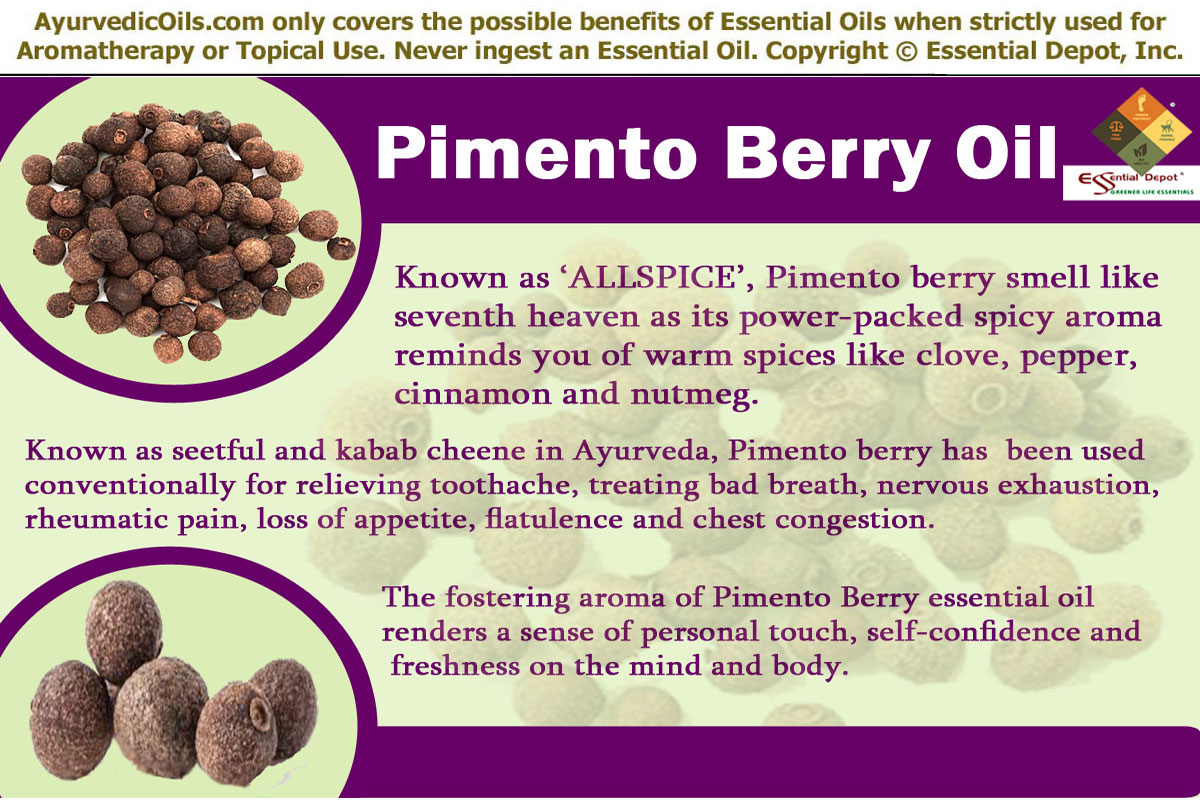
pimento-berry-bannerBotanically acknowledged as Pimenta officinalis and Pimenta dioica, this herb is also nurtured with other common names like Jamaica pepper, clove pepper, new spice, bay rum berry and pimento. Known as seetful and kabab cheene in Ayurveda, Pimento berry has been used conventionally for relieving toothache and treating bad breath.

Purchase Pimento Berry Essential Oil – Wholesale – CLICK HERE

Historical uses of Pimento berry:

Indigenous to Central America, Caribbean Islands and Jamaica, this herb has been in use in the folklore medicine of Mexico during the Pre-Hispanic period and the traditional Jamaicans used this remedial herb in tea and as a tonic for healing menstrual cramps, stomach problems and cold. The Haitian inhabitants in Cuba used Allspice in herbal preparations for treating digestive disorders and toning the stomach.

Allspice herb and its oil have been historically used for curing gastrointestinal problems, cramps, rheumatic pain and toothache.

Pimento leaves were used in the Dominican Republic in tea for reducing vomiting and the Western herbal medicine makes use of Allspice extracts in making plasters for treating rheumatic and neuralgic pains. Allspice water and Allspice oil were recognized by the British Pharmacopeia in 1898. This herb was also trusted to help quitting bad habits, breaking magical spells and guarding against evil powers.

Chemical constituents and therapeutic properties of Pimento berry oil:

Pimento berry essential oil has stimulant, tonic, depurative, carminative, astringent, deodorant, stomachic, antidepressant, purgative, diuretic and antiseptic properties. The chemical constituents that contribute to the remedial values of this oil are eugenol (about 75%), sesquiterpene caryophyllene, β-caryophyllene, methyl eugenol and 1, 8-cineole.

Ayurvedic health benefits of Pimento berry essential oil:

Universally known as the mother of all healing sciences, Ayurveda is the oldest of all medicinal systems in the world. Ayurvedic texts have recorded brilliant remedial measures right from common cold till plastic surgery methods that was carried out by the Ayurvedic physician, Sushruta during 6th century BC in India and he is celebrated as the father of plastic surgery.

According to this magnificent methodology, human beings are a vital part of nature and every action whether physical, emotional, spiritual, psychological or environmental are linked with natural energies. Illness, according to Ayurveda just indicates that the human body is out of balance with nature.

Ayurveda precisely classifies that human beings are made up of three energy elements known as doshas in Sanskrit (vata, pitta and kapha), where vata represents air, pitta symbolizes fire and kapha stands for water. All these three doshas should strike perfect balance for an individual to be healthy and sickness indicates either increase or decrease of any of these or all the 3 doshas.

Ayurvedic remedies consist of herbs, essential oils, Ayurvedic massage, meditation, yoga and physical exercises along with spiritual ideals that help one to understand the purpose of life. Allspice essential oil in Ayurveda is said to treat pitta deficiency along with surplus of vata and kapha.

The key Ayurvedic health benefits of Pimento berry essential oil are:
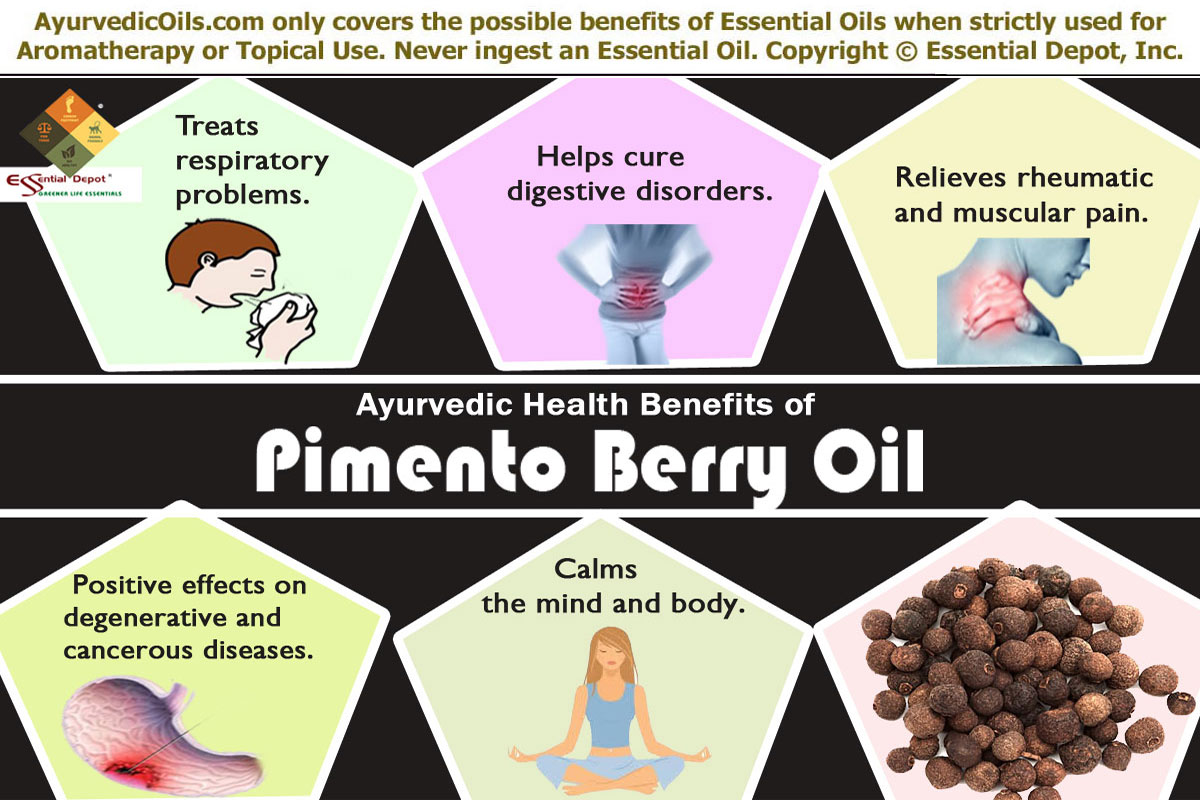
pimento-berrry-broucher1. Treats respiratory problems:

The major cause for respiratory problems like sinus, cough, severe cold, chest congestion, difficulty in breathing due to excess mucous and phlegm deposits on the lungs etc., is due to the water based energy element kapha. Increase in kapha dosha due to climatic conditions or irregular food habits increase water content in the body and further infections cause cold and other respiratory problems.

Allspice essential oil reduces kapha and aids in treating respiratory infections like bronchitis, cough, chills and congestion. For instant relief, you can add 2 drops of Pimento oil in boiling water for steam inhalation.

2. Helps cure digestive disorders:

Widely used as a carminative, Allspice oil has stomachic and tonic properties that aids in assisting problems with digestion, flatulence, nausea, gastrointestinal tract disorders, loss of appetite, colic and dyspepsia. Herbal tea prepared with Allspice powder or a gentle massage with 3 to 4 drops of Allspice essential oil with coconut oil can help in alleviating digestive disorders.

3. Relieves rheumatic and muscular pain:

As known before, excess of kapha causes water retention or fluid retention paving way for rheumatic problems as the toxic substances stagnate in the body, hindering its regular functioning.

Pimento berry essential oil with its warm, diuretic and anti-inflammatory effects helps in relieving rheumatism, reducing inflammation, muscular aches and arthritic pain when used as a massage oil with 2 drops of Pimento berry oil blended with warm carrier oils like sesame oil can grant relief. You can also add 3 to 4 drops of Allspice oil in warm bathing water for utilizing the stimulating rubefacient effect of this oil in treating neuralgia, stiff muscles and rheumatic pain.

4. Positive effects on degenerative and cancerous diseases:

A 2011 research on ‘Composition and antioxidant activity of essential oil of Pimento from Jamaica’ tested the “antioxidant properties of this essential oil in terms of its free-radical scavenging activity against 1,1-diphenyl-2-picrylhydrazyl (DPPH), 2,2′-azinobis (3-ethylbenzothiazoline-6-sulphonic acid) diammonium salt (ABTS) radical cation and superoxide anion”.

This study witnessed that Pimento berry essential oil possess very high radical fighting activities compared to that of pure eugenol and also recommended its use as a natural antioxidant along with good flavor and enormous health benefits, including cancerous and degenerative diseases due to the effect of free radicals.

5. Calms the mind and body:

The comforting, warming, encouraging, uplifting and fostering aroma of Pimento Berry essential oil renders a sense of personal touch, self-confidence and freshness on the mind and body.  As a proven tonic for the central nervous system, this oil supports in treating neuralgia, nervous exhaustion, convulsions, hysterical paroxysms, depression, fatigue and stressful conditions.

Enriching your potpourri, diffuser, burner, vaporizer or bathing water with 3 drops of Allspice essential oil can grant you ultimate solace after a long tiring day and can also kick start your confidence for a promising dawn. It is for this strong purpose, Pimento berry essential oil has been a part of men’s perfume ranges.

Other health benefits:

Allspice essential oil is also known to be used in food industry for flavoring frozen food items. Its potent antioxidant effects have made its use compelling in meat preservation. Dentists use eugenol as a trusted antiseptic and local anesthetic for treating problems with gum and teeth. Pimento berry essential oil contains rich eugenol content that makes it a promising agent for treating halitosis and other dental problems.

Disclaimer:

Always use essential oils after diluting it in carrier oils. Never take essential oils internally as it may cause harm. Consult your Ayurvedic practitioner before using specific essential oils for your unique constitution and the quantity of oils to be used. Use Allspice essential oil in low dilutions as it has a high content of eugenol and may cause skin irritation.

Thought for the day:

Let your life lightly dance on the edges of Time like dew on the tip of a leaf.
-Rabindranath Tagore

Suggested Reading:

  1. Vibrational Healing: Revealing the Essence of Nature through Aromatherapy and Essential Oils by Deborah Eidson
  2. Ayurveda & Aromatherapy: The Earth Essential Guide to Ancient Wisdom and Modern Healing by Dr. Light Miller, Dr. Bryan Miller
  3. The Complete Herbal Guide: A Natural Approach to Healing the Body by Stacey Chillemi

Reference Links:

  1. Traditional Uses of Allspice by Natural Standard The Authority on Integrative Medicine
  2. Composition and antioxidant activity of essential oil of pimento (Pimenta dioica (L) Merr.) from Jamaica published in PubMed
  3. Pimento/Allspice by herbwisdom.com
  4. What Are The Health Benefits of Allspice Leaf? By Livestrong.com