Tag Archives: Ayurvedic oils for pain

Grapefruit Pink Oil

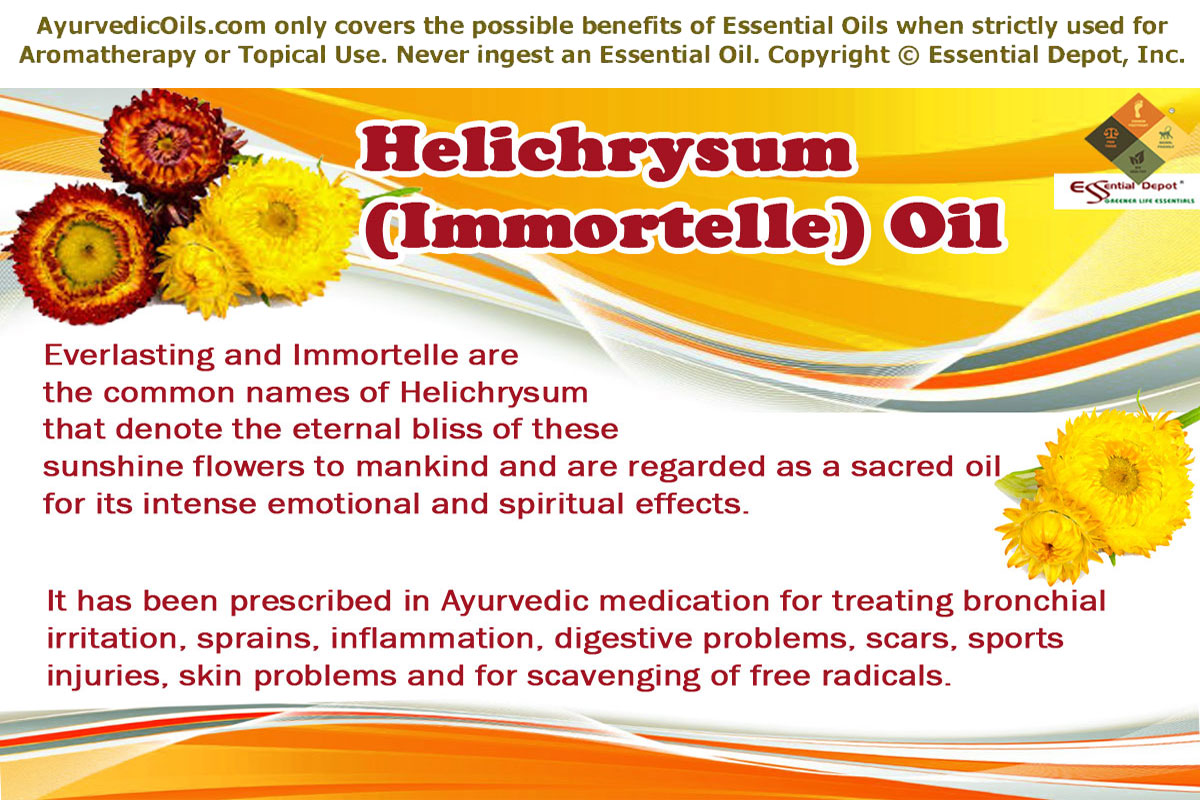
Are you on diet? Then Grapefruit can be your best pal as it is called as ‘Dieter’s best friend‘, for its ability to assist dissolving fat and stays strong to be a vital part of your fitness regimen.

Grape-fruit-bnGive that perfect lift to your self-esteem and self-worth with Grapefruit oil, as it works like a magic by cleansing the aura and flushing out depression, lack of self-confidence, mental chaos and other negative feelings at ease.

Adorably called as Madhukarktikum and Kadaaram in Sanskrit, Grapefruit is yet another powerful Ayurvedic remedy for dealing with digestive disorders by stimulating the gall bladder and assisting the secretion of bile and other digestive juices.

The essential oil of Grapefruit is cold pressed from the external rind of this fruit and is recommended for treating weight loss, acne, cellulite, edema, PMS, anxiety, depression and insomnia.

Purchase Grapefruit Oil – Retail – 4 oz – CLICK HERE
Purchase Grapefruit Oil – Wholesale – CLICK HERE

Historical importance of Grapefruit:

Grapefruit is trusted to be a hybrid variety found in the 18th century by Captain Shaddock in Jamaica; hence it was called as ‘Shaddock’ or ‘Shattuck’ initially. Later it was named as ‘Grapefruit’ mainly because of its manifestation like clusters of grapes on the trees. Grapefruit was once celebrated as one of the ‘Seven wonders of Barbados’.

Grapefruit is indigenous to the tropical parts of Asia and was originally brought to Europe by the medieval Arabian traders and it slowly spread to other parts of the world. Currently, United States is the world’s leading producer of Grapefruit, followed by People’s Republic of China and South Africa.

As it is an excellent source of various nutrients and phytochemicals, it was used ever since the ancient times as a part of a healthy diet. Whereas Grapefruit essential oil was used in baths for preventing the skin from harmful microbes, supporting healthy skin, enhancing the shine and growth of hair and as a cleansing agent in homes.

Chemical constituents or Gas Chromatography Report (GC) of Grapefruit Pink oil:

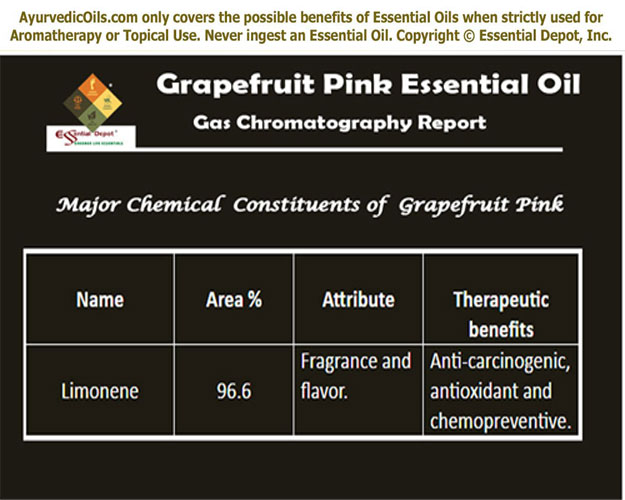
According to the Gas chromatography report, Grapefruit Pink oil constitutes of 7 chemical components that contribute to its fragrance, therapeutic attributes, consistency and quality of this oil. Of which, Limonene contributes to the highest proportion of Grapefruit Pink oil constituents with about 96.6% of its total composition.

Just click on:

I believe that this must certainly help you in getting to know the exclusive information about these prime chemical constituents of Grapefruit Pink oil.

The table crafted below clearly depicts the unique nature and contributions of these biochemical constituents to the healing magnificence of Grapefruit Pink essential oil.

grape-fruit-oil

Therapeutic properties of Grapefruit essential oil:

The remedial values of this oil are antidepressant, antiseptic, anti-tumoral, antioxidant, lymphatic, stimulant, tonic, diuretic, disinfectant, aperitif and fat dissolving.

Ayurvedic health benefits of Grapefruit essential oil:

Health is a three-tier foundation according to Ayurveda, where these three layers are mind, body and soul. It is rightly mentioned in Charaka Samhita, one of the most famous Ayurvedic encyclopedias as “The three – body, psyche, and soul – act as a tripod. The world stands upon them, and within them, the world abides.”

Ayurveda means ‘the knowledge of life’ and this traditional healing methodology aids in granting that awareness in every human being. Understanding the physical and mental health of oneself helps in leading a blissful life paving way towards longevity.

It has been said that nature is made up of five vital elements namely fire, water, earth, air and space and Ayurvedic texts strongly state that everything that is a part of nature is also made up of these five elements.

The science of Ayurveda follows a holistic healing system, where every individual is considered as a unique part of nature with a unique individual constitution just like our fingerprints.

This constitution comprises of three vital biological energies known as doshas. They are vata, pitta and kapha doshas, where each dosha represent a combination of two vital elements.

Kapha represents earth and water, and is responsible for structure of the body, sustenance and the movement of fluids in the system. Pitta represents fire and water and is in charge of digestion, absorption, excretion and certain other metabolic functions.

Vata stands for air and ether, and is accountable for circulation, respiration and nervous functions of the body. When an individual’s health is on par with nature, there is perfect health and harmony and when there is imbalance due to food, lifestyle and certain other factors, illnesses occur.

Balance between these three doshas indicates complete health and imbalance causes diseases. Ayurvedic remedies like essential oils, herbs, yoga, meditation, Ayurvedic routine and simple physical exercises focus on striking balance between these doshas. Grapefruit essential oil is said to pacify vata and kapha dosha and aggravate pitta dosha.

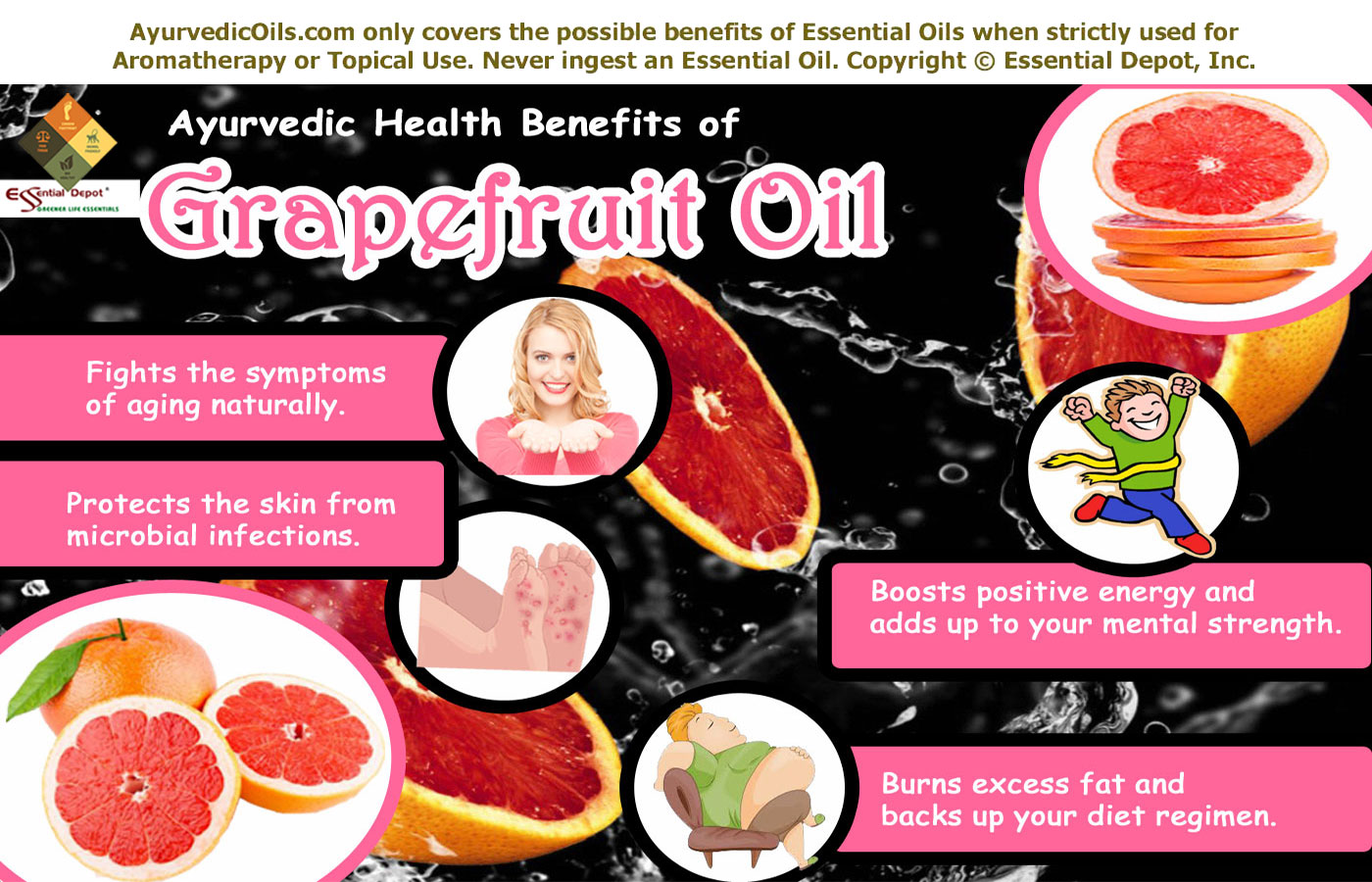
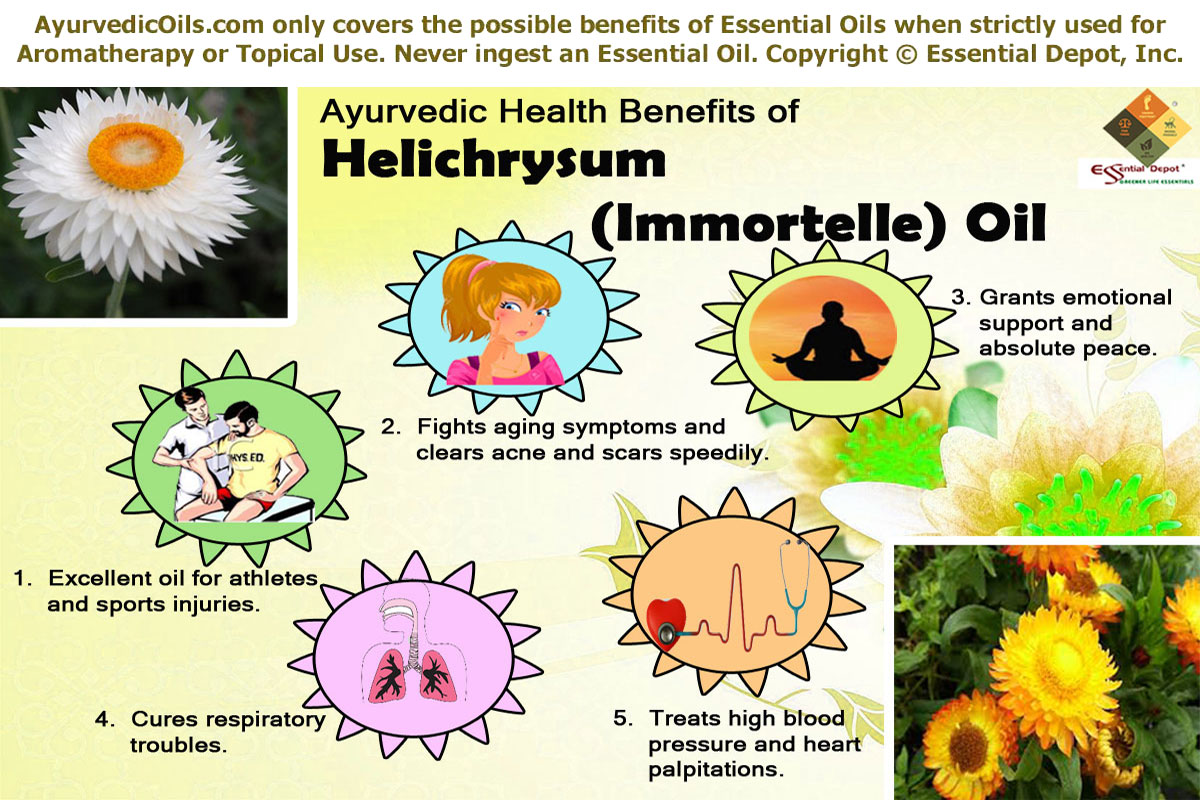
The Ayurvedic health benefits of Grapefruit oil are:Grape-fruit-broucher1. Fights the symptoms of aging naturally:

Aging can be the worst enemy for all those beauty conscious kings and queens out there, especially in the late 30s when everyone’s dreams are on the route of reaching their destination. When thousands of chemical-based products flood the market with the claim of ‘guaranteed younger look’, how will you feel if I say that the simple, natural and glorious fruit like Grapefruit can fight against all the symptoms of aging, just like that? Feeling awesome right!

FRTA or the Free radical theory of aging can assist you in understanding the real causes of aging. This theory states that “organisms age because cells accumulate free radical damage over time.” These free radicals cause oxidative damage in the cells, which pave way for aging and other age-related disorders like arthritis, diabetes, cancer, atherosclerosis and Alzheimer’s disease.

Numerous studies have proven that antioxidants are the best remedy for arresting the oxidative damage of cells by passivating the cellular structure from the damage caused by free radicals.

To your wonder, Grapefruit and its essential oil have the most powerful antioxidant lycopene, which is responsible for its attractive pink or red color. It has been established that antioxidants like lycopene assists in fighting aging of cells and fight against malignant tumors caused due to the harmful effects of free radicals.

According to a study by the Brigham Young University, “Small concentrations of grapefruit essential oil showed an 80.5% cell inhibition value for skin cancer cells.” The presence of limonene in Grapefruit oil supports about 80% of carcinomas in breast cancer to degenerate with comparatively lesser toxicity, says the reports on Grapefruit essential oil by the Purdue University.

In addition to this, Grapefruit essential oil has adequate amount of spermidine, which is a polyamine compound playing significant roles in the survival of cells. Every cell has spermidine like compounds and cellular aging happens when the growth of spermidine falls.

Using 2 drops of Grapefruit essential oil blended with 1ml of Jojoba oil or along with a mild skin care lotion or cream as a massaging blend can promote the secretion of spermidine compounds that support the growth of healthy cells, helping you look younger and youthful.

This massaging can also help in fighting against the free radicals that cause aging and other chronic illnesses. Adding Grapefruit to your daily diet is also a great idea to retain your beauty and nurture your skin health.

2. Protects the skin from microbial infections:

Grapefruit essential oil has antiseptic and disinfectant properties that wrestle against harmful organisms like bacteria and virus. The antiviral and antibacterial effects of this oil make it one among the best essential oils for treating wounds, cuts, bruises, acne and other microbial infections. It kills the existing microbes in the body that cause infections and prevents the entry of new microbes.

Using 2 drops of Grapefruit essential oil in warm bathing water in the morning or before going to bed can help in combating the growth of microbes and protect the body microbial infections all day long.

You can also add 1 drop of Grapefruit oil to your daily lotion or skin cream for pampering your skin. Along with this, the fresh and refreshing citrus aroma of Grapefruit oil keeps your skin fresh, regenerated and absolutely clean.

3. Boosts positive energy and adds up to your mental strength:

Grapefruit essential oil has an immaculate aroma that is neat as a new pin and has excellent aromatic effect on the mind. The anti-depressant properties of this oil flushes out the negative thoughts, depressive feelings and emotions that demotivate the mind and stop you from moving ahead.

The uplifting aroma of Grapefruit essential oil reaches the limbic system, the control center of the human brain through the nasal passages and passes the therapeutic properties of this oil in the form of commands to other parts of the body. Add 2 drops of Grapefruit oil to your diffuser, burner or vaporizer during the night or at the time of prayer or meditation. This oil is said to calm the mind and nerves and grant peaceful sleep at night.

Inhaling the sacred aroma of Grapefruit oil is said to broaden the heart chakra, which is responsible for love and affection along with the solar plexus chakra, which is accountable for self-esteem, confidence and discipline and the third eye chakra meant for intelligence, creativity, spiritualism, consciousness and inner awakening.

By this way, Grapefruit essential oil cleanses the aura, mind and the life force of the human body, which helps in restoring the power and spiritual realm.

4. Burns excess fat and backs up your diet regimen:

Obesity has become a common phenomenon in people of all ages mainly due to unhealthy food habits, lifestyle changes, fast food mania and the lack of physical exercises. Most of these factors seem unavoidable in this contemporary world, where there’s no time to spare for our health and happiness.

According to a popular Complementary and Alternative medicine expert, “taking medicines or drugs for reducing weight or dissolving fat is a hazardous practice and a life-threatening system as well.

So what to do and what is the natural way to burn away those excess fat and calories that rule your health and harmony? Here you go, Grapefruit and its essential oil have been an effective natural remedy for treating obesity and supporting weight-loss.

This is attributed to its diuretic, lymphatic and aperitif properties. Grapefruit oil works by improving the metabolism process, lowering the cholesterol content, reducing insulin levels and supporting loss of fat positively.

Ayurvedic texts state that the bitter and sour tastes of Grapefruit reside as the predominant reason for enhancing the flow of bile and other digestive juices and it helps in putting an end to food cravings, liver congestion and amassing up of excess fat, cholesterol and other toxic substances.

Mix 5 drops of Grapefruit essential oil with 2.5ml of sesame oil and massage it gently on your stomach and abdomen to stimulate the secretion of saliva, bile and other gastric juices.

Ama or the toxins in the body are mainly due to improper digestion. As Grapefruit essential increases pitta energy, which is responsible for digestive fire, the chances of indigestion, constipation and other digestive disorders are very less.

Excess of kapha energy is one major cause for obesity according to Ayurveda. Grapefruit oil is a boon to mankind as it pacifies kapha and increases pitta force, through which it eliminates the excess deposits of water, fat, toxic substances and cholesterol through urine and sweat.

Including Grapefruit in your diet or inhaling the aroma of Grapefruit essential oil before eating (by adding 1 drop of Grapefruit oil to your diffuser in your dining hall) can grant a feeling of fullness and put an end to unhealthy food cravings.

Consumption of Grapefruit can reduce LDL (“bad”) cholesterol, as well as triglycerides”, says The Journal of Agricultural and Food Chemistry. Consult your Ayurvedic Practitioner and know the right exercises, yoga and meditation for your unique constitution. This can speed up your fat-dissolving resolution at absolute ease.

Other health benefits:

Apart from this, Grapefruit essential oil is an excellent pain reliever that can help you in treating headache, back pain and migraine pain quickly, when 2 drops of this oil is mixed with 1ml of coconut oil and applied on the affected area.

Grapefruit essential oil has tonic properties that increase the immune power, stimulate hair growth, cleanse the scalp, boosts the functions of the nervous system and strengthen the muscles and nerves. This oil also helps in relieving mental and physical fatigue, menstrual discomforts, rheumatism, muscular stiffness, cellulite, nervousness, delayed menstruation and nervous exhaustion.

Disclaimer:

This article is only for the purpose of education and is not directed to diagnose or replace any Professional medical advice or prescribed medication. Never use essential oils internally and always use them in a diluted form, as pure and organic essential oils are highly concentrated substances and can cause harm if used directly on skin.

As other citrus oils, Grapefruit essential oil also has phototoxic effect that can cause damages to the skin when exposed to sunlight immediately after use, due to the hazardous effects of ultra violet rays. Always consult your Ayurvedic expert before using the right essential oils for your unique constitution and health condition.

The MSDS (Material Safety Data Sheet) of Grapefruit Pink oil is readily available for your enhanced safety and better usage.

Gas Chromatography Report (GC analysis) of Grapefruit Pink oil.

Grapefruit Essential Oil – Possible Skin Issues:

Greener Life Diamond – Bio-Healthy Score => 3 – Possible Skin Issues:

See => http://www.essentialdepot.com/GreenerLifeDiamond.html

Grapefruit oil showcases photosensitive effects if oxidized, contributing to its phototoxic, photo-carcinogenic and effects of sensitization. The possible skin issues of using Grapefruit oil are hyperpigmentation, allergic reactions, irritation, sunburns, blisters and rashes and this mainly occurs when the skin is exposed to visible sunlight for up to 12 hours of use of this oil.

The underlying reason is the reaction of the photoactive chemical constituents in Grapefruit oil that attracts light and leads to toxicity through molecular changes in the skin surface. Certain studies state that Grapefruit oil has been stated to promote the formation of tumors on the skin of mouse, by the key carcinogen, 10-dimethyl-l, 2-benzanthracene.

The primary chemical component responsible for the phototoxic and adverse skin effects of Grapefruit oil is Limonene, which accounts to about 90% of this oil along with few other furanocoumarins ( the non-volatile compounds like bergapten, bergamottin and epoxy-bergamottin.)

The safe dilution level of Grapefruit oil by the International Fragrance Association (IFRA) is 4%, which is about 24 drops per ounce of any mild carrier oils. This is particularly to prevent phototoxicity in products used for dermal applications except for bath products like soaps, shampoos and other wash-off preparations.

According to the European decree, essential oils that contain furanocoumarins must be used preferably when the level of bergapten does not exceed 15 ppm (parts per million) in finished cosmetic products preordained for use on parts of the skin that are in contact with sunlight (other than rinse-away products) and 1 ppm in bronzing and sun protection products.

Grapefruit oil should be used only for topical application, preferably blended with mild carrier oils (good for use after a patch test on your skin), and never use essential oils for ingestion, as internal use of essential oils might pose adverse health effects. Undiluted Grapefruit oil can cause skin irritation and this oil is claimed to be toxic to cats.

A 2005 study published in Brain Research states that “the scent of Grapefruit oil and its active constituent, limonene affects the autonomic neurotransmission and blood pressure through central histaminergic nerves and the suprachiasmatic nucleus.”

Studies state that ingesting furocoumarins may also cause phytophotodermatitis.  It is better to avoid Grapefruit oil if you are pregnant or breastfeeding as the safety of this oil during carrying or nursing are not established.

In a much similar way like Bitter orange oil, Grapefruit oil is said to restrain important enzymes in the intestines and liver, leading to have an impact on the blood levels at the time of taking medicines that are antidepressant, antiviral, anti-anxiety, calcium channel blockers, steroids, anti-malarial, immune modulators, prokinetics, statins and on par with caffeine intake. The presence of furocoumarins has led to the term ‘Grapefruit effect’, which signifies the interaction between furocoumarins and enzymes that are engaged in drug metabolism, specifically cytochrome P450.

Use Grapefruit oil only after medical advice, if you are taking any other prescription medicines. Startlingly, furocoumarins are also used in different remedies along with the long-wave ultraviolet light therapy for curing psoriasis, mycosis fungoides and vitiligo.

Reference Links Substantiating Possible Skin Issues of Grapefruit Oil:

  1. The Safe Grapefruit? By The American Botanical Council
  2. Olfactory stimulation with scent of essential oil of grapefruit affects autonomic neurotransmission and blood pressure by Tanida M, Niijima A, Shen J, Nakamura T, Nagai K, Osaka University, Japan, published in Brain Research
  3. Grapefruit by Essential Oil Safety: A Guide for Health Care Professionals By Robert Tisserand, Rodney Young
  4. Grapefruit Oil by Leung’s Encyclopedia of Common Natural Ingredients, used in Food, Drugs and Cosmetics by Ikhlas A. Khan and Ehab A. Abourashed
  5. Major Furocoumarins in grapefruit juice II: phototoxicity, photogenotoxicity, and inhibitory potency vs. cytochrome P450 3A4 activity by Messer A, Raquet N, Lohr C, Schrenk D, University of Kaiserslautern, Germany, published in Food and Chemical Toxicology: An International Journal published for the British Industrial Biological Research Association
  6. Grapefruit Juice and Medicines by the University of Michigan Health System
  7. Two Major Grapefruit Juice Components Differ in Time to Onset of Intestinal CYP3A4 Inhibition by Mary F. Paine, Anne B. Criss and Paul B. Watkins, published in the Journal of Pharmacology and Experimental Therapeutics

Thought for the day:

You forget that the fruits belong to all and that the land belongs to no one.
-Jean-Jacques Rousseau

Suggested Reading:

  1. The Grapefruit Solution: Lower Your Cholesterol, Lose Weight and Achieve Optimal Health with Nature’s Wonder Fruit by Daryl L. Thompson, M. Joseph Ahrens
  2. Ayurveda & Aromatherapy: The Earth Essential Guide to Ancient Wisdom and Modern Healing by Dr. Light Miller, Dr. Bryan Miller
  3. The Complete Master Cleanse: A Step-by-Step Guide to Maximizing the Benefits of the Lemonade Diet by Tom Woloshyn
  4. The Grapefruit Diet Plan by M Marose
  5. Daily Aromatherapy: Transforming the Seasons of Your Life with Essential Oils by Joni Keim, Ruah Bull

Reference Links:

  1. Free-radical theory of aging by Wikipedia
  2. Grapefruit by Wikipedia
  3. Health Benefits of Grapefruit by Ayurvedaservices.Net
  4. Health Benefits of Grapefruit Essential Oil by Organic Facts
  5. The Amazing Benefits of Pink Grapefruit Essential Oil by Natural News.Com


Your resource for quality Essential Oils. Every batch is
GC tested to ensure purity and authenticity.
Harshiangar Oil

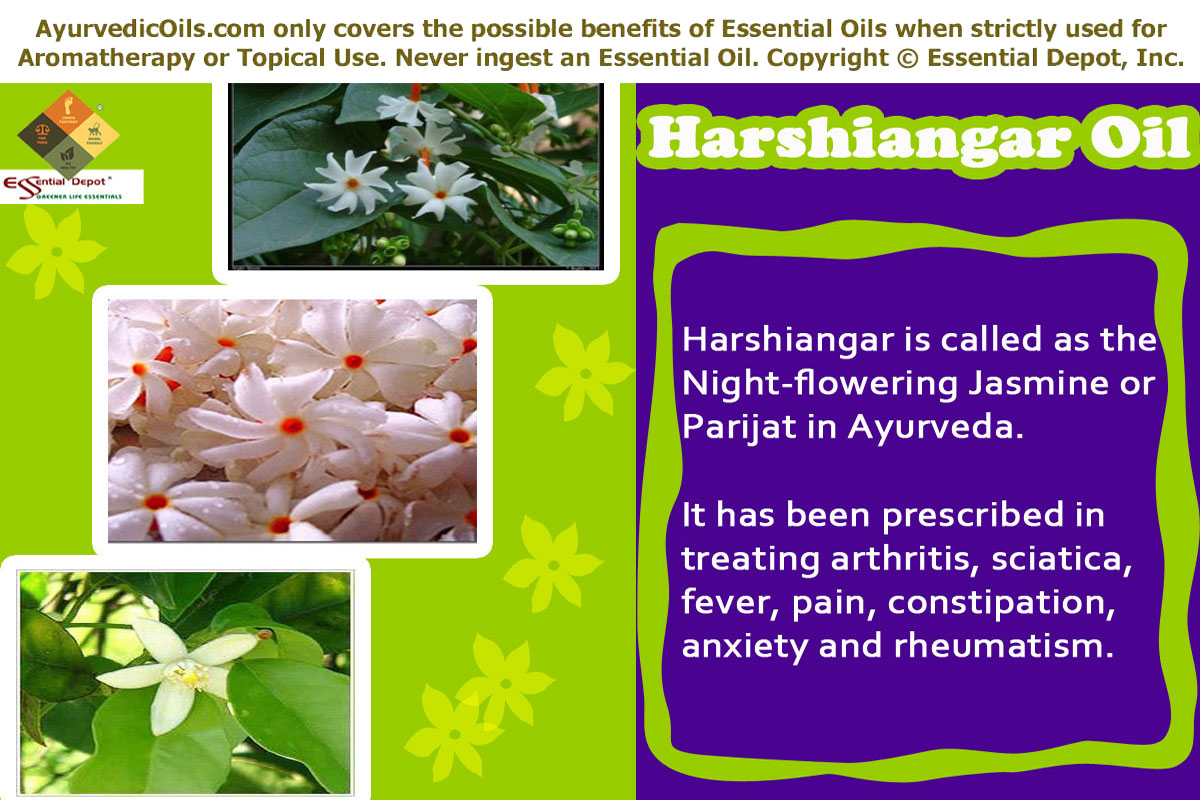
Harshiangar-bannerNight-flowering Jasmine, Parijat or Harshiangar, scientifically known as Nyctanthes arbor-tristis is known as the ‘Tree of sorrow’ and the word ‘Nyctanthes’ means ‘sad tree’. This is due its flowers that appear dull during the daytime and turn bright during the night.

The entire tree including its leaves, flowers, bark, seeds and stem is known to have amazing medicinal properties for which the tree has been used in various traditional and alternative healing methodologies for more than thousands of years.

Harshiangar essential oil is extracted from the leaves by steam distillation method. These curative leaves have been used in the Ayurvedic medicine for treating arthritis, sciatica, fever, pain, constipation, anxiety and rheumatism.

Purchase Harshiangar Oil – Wholesale – CLICK HERE

Historical importance of Harshiangar:

Harshiangar tree has a long history behind its name and its use in the traditional healing systems. The most fascinating myth behind this tree is a heartbreaking romance where an ancient princess named Parijataka fall in love with the Surya Dev, the Sun God captivated by his brilliance and masculinity.

The God of Sun was also impressed by her affection and devotion and favored her with his love as well, after which he started ignoring Parijataka due to his other interests.

This despondency made Parijataka to kill herself and the Parijat tree is said to have started from the cremated ashes of this true to life princess. Due to this, Parijat tree is not able to put up with the sight of her love, Sun God during the day and blooms only during nightfall and sheds the fragrant flowers as tears before sunrise.

Harshiangar flower is the official flower of Kanchanaburi Province, Thailand and for West Bengal, India. The leaves have been used as an insecticide and the decoction extracted from the fresh leaves have been used in Ayurvedic healing in the treatment of malaria, bilious fevers, arthritis and sciatica. The traditional Indian medicinal system used these leaves as anti-allergic, ulcerogenic, purgative, anti-histaminic and antibacterial remedies.

The tribal Indians used all the parts of this tree to treat dysentery, sores, cough, venomous bites and dysentery. The powder extracted from the seeds was used in treating alopecia and scurvy. The infusion of Parijat flowers were used by the ancient Buddhist monks of Sri Lanka as an effective sedative.

People of Malaysia and Indonesia use the Parijat flowers to promote menstruation and treat dysmennorhea and blocked menstruation.  These leaves are also used as a natural diuretic, cholagogue and laxative. Harshiangar blossoms known as Shiuli in West Bengal, India signify the arrival of Goddess Durga, which is celebrated as Durga Pooja, the greatest religious ceremony of Bengal.

Therapeutic properties and chemical constituents of Harshiangar oil:

The essential oil of Harshiangar consists of linalool, hexenyl benzoate, e-phytol, a-terpineol, methyl salicylate, geraniol, hexadecanoic acid, octadecanoic acid, eugenol and hexenol as its major chemical constituents.

The therapeutic properties of this oil are anti-arthritic, antimicrobial, anti-inflammatory, antiviral, anti-leishmanial, anti-pyretic, immunostimulant, antinociceptive, anti-allergy, anti-plasmodial, hepatoprotective and sedative.

Ayurvedic health benefits of Harshiangar oil:

Ayurveda is by far the oldest of all healing systems on earth and is known as the mother of all healing sciences including Unani, Homeopathy, Siddha, Chiropathy, Acupressure and Aromatherapy. The most significant aspect of Ayurveda is that it aims at prevention of diseases, healthy aging and longevity through the use of essential oils and herbs and by practicing simple physical exercises, yoga, meditation, Ayurvedic routine and a balanced diet.

Ayurveda considers every human being as a part of nature and states that the wellness and illness of an individual solely depends on his/her balance with nature. This theory believes that nature is made up of five vital elements namely fire, water, air, earth and space.

Everything that is a part of nature is also made up of these elements. Human beings according to Ayurveda are a distinct part of nature with a unique individual constitution that comprises of three biological energies known as doshas, where each dosha represents a combination of the vital elements of nature.

Vata symbolizes air and space and it governs the blood circulation, movement and respiration. Pitta is a representation of fire and water and is responsible for digestion and other metabolic functions. Kapha stands for water and earth and is accountable for structure and sustenance of the system.

Balance between these doshas symbolizes perfect health and doshic imbalances lead to illnesses. Ayurvedic remedies like herbs, yoga, meditation, essential oils, balanced diet, physical exercises and Ayurvedic routine are prescribed to strike balance between these doshas.

Harshiangar essential oil is said to lessen kapha and aggravate vata and pitta doshas.

The Ayurvedic health benefits of Harshiangar essential oil are:

Harhsiangar-broucher1. Relieves pain and inflammation:

With its powerful anti-arthritic, anti-inflammatory and analgesic properties, Harshiangar essential oil is a highly recommended Ayurvedic medicine for treating pain and inflammatory conditions. It is highly effective in relieving pain and inflammation associated with arthritis, rheumatism, sore muscles, stress and muscular tension.

‘Antiarthritic studies on Nyctanthes arbor-tristis and Maharasnadi ghan’ by VES College of Pharmacy and K.M. Kundnani College of Pharmacy, Mumbai, India studied the effectiveness of Harshiangar herb on arthritis, especially Gouty arthritis which is caused due to the deposits of urate crystals in the synovial cavity. This study concluded that the use of Parijat leaves helped in controlling irritation, pain and inflammation associated with Gouty arthritis.

Mix 4 to 5 drops of Harshiangar essential oil with 2ml of coconut oil and heat it slightly. Gently massage the painful and inflamed parts with this warm blend and follow it with a hot compress.

This is a powerful medication for treating rheumatic pain, arthritis, joint pain, knee pain, headache, sciatica, muscular aches, menstrual pain, back pain and arthritic pain. Its efficiency to reduce kapha dosha helps in clearing the stagnation of excess fluids causing swelling and inflammation in case of rheumatism and other related problems.

A 1984 study on “Study of anti-inflammatory activity in the leaves of Nyctanthes arbor tristis Linn.–an Indian medicinal plant” proved that the use of Harshiangar leaves helped in reducing acute and chronic phases of formaldehyde induced arthritis. It was also said that these leaves were of great help in treating inflammatory conditions in Ayurveda.

2. Cures malaria and other bilious fevers:

Parijat leaves are a proven natural remedy for treating malarial fever and other bilious fever that are accompanied by nausea, strong diarrhea and increasing internal temperature mainly due to bile disorders.

Dr. Ashok B Vaidya, Research Director of ICMR Advance Centre for Reverse Pharmacology in Traditional Medicine at Kasturba Health Society, Mumbai said “Parijat leaves’ extract was being used in anti-malarial activities in western India, especially Gujarat and Maharashtra.

The Parijat leaf extract is effective against both types of known malarial parasite, but it is especially useful against even the resistant strain of Plasmodium Falciparum, and even the crude extracts of Parijat leaves kill the parasites of malaria.”

Add 2 drops of Harshiangar essential oil with 1ml Olive oil and gently massage the soles of your feet for reducing the body temperature during high fever and for arresting the growth of infectious organisms causing fever.

3. Fights against free radicals:

Free radicals are nothing but atoms or molecules that cause cellular damage precisely known as oxidative damage leading to aging and other malignant disorders. Human body requires ample amount of antioxidants to guard it against the harmful effects of free radicals that affect healthy cells in the body.

A 2010 study on the Invitro antioxidant effects of Nyctanthes arbor-tristis leaves have proved this herb as a potential source of natural antioxidants that help in combating the detrimental effects of free radicals and prevent the early symptoms of aging and the development of cancerous cells.

A refreshing Ayurvedic massage with 3 drops of Harshiangar oil with 2 ml of Jojoba oil can help you in checking the effects of these hazardous free radicals and their subsequent effects.

4. Combats virus and other micro-organisms:

Harshiangar essential oil is an effective natural remedy for fighting against harmful virus and other micro-organisms.

A 2012 study on “The chemical composition and biological activities of essential oil from leaf and bark of Nyctanthes arbor-tristis L.” by the University of Alabama, Huntsville and Tribhuvan University, Nepal screened the effectiveness of Parijat essential oil against Gram positive bacteria like Staphylococcus aureus and Gram negative bacteria like Escherichia coli, Aspergillus niger and Pseudomonas aeruginosa, proved that Harshiangar essential oil is an established traditional remedy that has potent antimicrobial activity.

Certain other studies have witnessed the effectiveness of this oil in combating viruses like Semliki Forest Virus and encephalomyocarditis virus. Gently applying 2 drops of this oil mixed with 1 ml coconut oil acts as an effective remedy in protecting wounds and injuries from getting septic as it arrests the growth of Staphylococcus aureus, which is accountable for wounds becoming septic and vulnerable to other health complexities.

This blend can also assist in treating pimples, blackheads and other skin disorders. With its anti-allergenic effect, this oil is also of great help in treating skin allergies and itches.

Other health benefits:

Apart from these major health benefits, Harshiangar essential oil is helpful in stimulating the immune power, make the body resistant against diseases, prevent illnesses that affect the liver, calms the mind with its sedative effect, clears congestion, treats constipation, asthma, dyspepsia, bronchitis and many other health conditions.

Disclaimer: This article is for educational purpose only and is not intended for treatment or for replacing any professional advice or prescribed medication. Never use essential oils internally. Ensure that you always use essential oils in a diluted manner before using it topically as organic essential oils are extremely concentrated substances and can harm the skin if used directly. Consult your Ayurvedic professional before choosing the right essential oils for your unique health condition and individual constitution.

Thought for the day:

Green is the prime color of the world, and that from which its loveliness arises.
-Pedro Calderon de la Barca

Suggested Reading:

  1. Tropical and Subtropical Trees: An Encyclopedia by Margaret Barwick
  2. Flowering Plants. Eudicots (The Families and Genera of Vascular Plants) from Springer
  3. The Modern Ayurveda: Milestones beyond the Classical Age from CRC Press
  4. The Materia Medica of the Hindus (Classic Reprint) by Udoy Chand Dutt

Reference Links:

  1. Nyctanthes arbor-tristis by Wikipedia
  2. Nyctanthes arbor-tristis Linn. (Night Jasmine): A sacred ornamental plant with immense medicinal potentials published in the Indian Journal of Traditional Knowledge
  3. Antiarthritic studies on Nyctanthes arbor tristis and Maharasnadi ghan by Abhijeet R. Bhalerao, Sandhya K. Desai, Bhavin R. Serathia, Kaustubh M. Vartak, Gaurav M. Doshi published in the Scholars Research Library
  4. Study of anti-inflammatory activity in the leaves of Nyctanthes arbor tristis Linn.–an Indian medicinal plant by Saxena RS, Gupta B, Saxena KK, Singh RC, Prasad DN published in PubMed
  5. Chemical composition and biological activities of essential Oil from leaf and bark of Nyctanthes arbor-tristis L. from Nepal by Prabodh Satyal, Prajwal Paudel, Ambika Poudel and William N. Setzer published in the Open Access Journal of Medicinal and Aromatic Plants

Oregano Essential Oil

oregano-bannerAcclaimed as ‘The Mediterranean Miracle’, ‘Mountain Joy’ and as the ‘Wonder Herb in Ayurveda’, Oregano has been aiding people all over the world and especially in the Mediterranean regions to maintain healthy living for numerous centuries.

The most popular Ayurvedic book, ‘Yoga of Herbs: An Ayurvedic Guide to Herbal Medicine’ by Dr. David Frawley and Dr. Vasant Lad says “Oil of Oregano is one of the most potent antiseptics known to man.

Botanically known as Origanum Vulgare, Oregano is yet another prestigious limb of the mint family, Lamiaceae and has its origin in the Mediterranean region and southwestern Eurasia. Ayurveda, the mother of all healing sciences used Oregano (known as Sathra) and its essential oil as a heating carminative to treat digestive disorders and was also used for treating toothache, skin problems, pain and inflammation.

Purchase Oregano Essential Oil – Retail – CLICK HERE   

Purchase Oregano Essential Oil – Wholesale – CLICK HERE

Historical uses of Oregano essential oil and the herb:

Known as the staple herb of the Italian-American cuisine, Oregano is one among the best culinary herbs in the world used in a variety of Mediterranean cuisines, Mexican food, Italian dishes and is also used in making fried, roasted or grilled vegetables, meat, fish and much more food varieties. It is also a part of many Lebanese, Turkish, Palestinian, Spanish, Greek, Portuguese, Syrian, Latin American and Egyptian cuisines.

Oregano essential oil is extracted from the leaves of this plant. This oil has been in use since the primordial times in various medicinal practices. The Traditional Chinese Medicine used Oregano for treating vomiting, fever and diarrhea. The fresh leaves were used in tea for strengthening the immune system and for dealing with infections.

Biblical texts denote Oregano as a cleansing tonic. The ancient Arabic medicine used this herb for food preservation and for treating gastrointestinal disorders. The natural medicinal system of Philippines used Oregano and its essential oil for treating cough and ear aches in children. It was also used in curing pain and given for women after childbirth for its emmenagogue properties.

Hippocrates, the ancient Greek physician and the father of western medicine used Oregano as an effective antiseptic and for treating respiratory and digestive ailments. History denotes that it was the Greeks who discovered the disinfectant and antimicrobial properties of this oil and they used it for treating skin infections, sore throat, wounds, viral infections and for protecting the body from the effect of harmful organisms.

Chemical constituents and therapeutic properties of Oregano oil:

Oregano essential oil is enriched with chemical constituents like carvacrol, cymene, thymol, borneol, terpinene, pinene, linalyl acetate, bisabolene, linalool, caryophyllene and geranyl acetate. The remedial properties of this oil are antimicrobial, antiseptic, anti-viral, anti-bacterial, anti-parasitic, antioxidant, emmenagogue, anti-allergenic, digestive, anti-inflammatory and immune stimulant.

Ayurvedic health benefits of Oregano essential oil:

Ayurveda means ‘science of life’, the science that preaches the simple methodologies to prevent illness, stay healthy and for healthy aging that makes you independent in your 60s or 70s without relying upon anyone to assist your health conditions.

The philosophy of Ayurveda relates the life of an individual with the life of the Universe. Based upon this innate wisdom, Ayurveda further explains that the Universe is made up of five elements namely fire, water, earth, air and ether and it also states that an individual is also made up of the five elements of nature, which is also known as the building blocks of life.

Among these five elements water governs the movement of fluids in the body like blood, saliva, mucus and plasma. Fire determines the digestive power, intellectual skills and body temperature. Air controls the functioning of the heart, stomach, lungs, joints and intestines.

Ether is present in all parts of the human body where the presence of cavity and emptiness are witnessed like heart, nostrils, blood vessels, bladder etc. Earth represents vigor, braveness, constancy and steadiness.

The individual constitution comprises of three energy elements known as doshas (vata, pitta and kapha). Vata represents air and ether, pitta stands for fire and water and kapha stands for water and earth. Imbalance of doshas leads to illnesses.

Ayurveda recommends the use of herbs, essential oils, healthy lifestyle, meditation and yoga to bring the body and mind back to balance. Oregano oil is known to enhance pitta deficiency and reduce kapha and vata excess.

The major Ayurvedic health benefits of Oregano essential oil are:

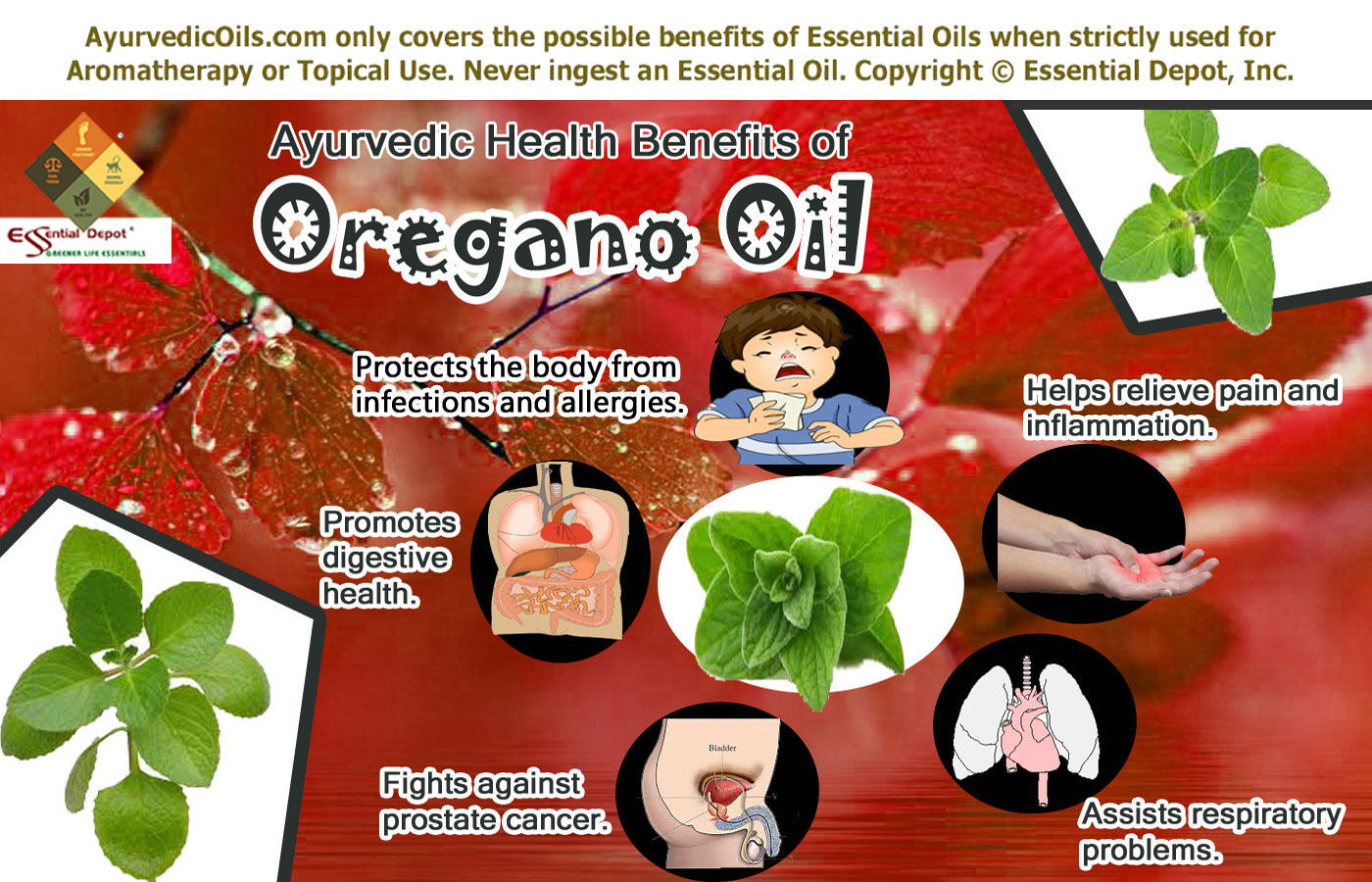
Oregano-broucher1. Protects the body from infections and allergies:

Oregano oil has been proved effective for treating numerous infections and allergic conditions with its antibiotic, antimicrobial, anti-viral, anti-bacterial and anti-parasitic properties.

The Georgetown University research on Oregano oil’s effectiveness against drug-resistant bacteria, proves that the presence of carvacrol component in Oregano oil lessen the infections as effectively as the traditional antibiotics.

A study conducted by the Mexican researchers on the effectiveness of Oregano to treat giardia, which is a water-borne bacterium that lives inside the intestines. Another study proves that Oregano oil is effective in killing giardia bacterium than the generally prescribed drug tinidazol. Oregano is a powerful anti-bacterial oil that wards off numerous pathogenic bacteria like E.coli, Staphylococcus aureus and Strep and protects one from typhoid, sores, cholera, infections in the colon, urinary tract and certain other skin infections.

Parasites like tape worms, round worms, mosquitoes, fleas, lice and bed bugs cause innumerable communicable diseases that affect the human body severely. Oregano essential oil has anti-parasitic properties that aids in killing parasites.

Viral infections like cold, pox, mumps and measles weaken your immune power and paves way for other harmful organisms to affect your health. Oregano essential oil is a powerful immune stimulant that strengthens your immune system, fight against viruses and makes your system resistant to other foreign bodies.

Fungal infections like athlete’s foot and ringworm can be treated aromatically with the antifungal properties of this oil. Being an anti-allergenic oil, Oregano acts as a sedative and pacifies the hyper-sensitive reaction responsible for allergies.

A 2001 research on ‘Antimicrobial activity of essential oils from plants against selected pathogenic and saprophytic microorganisms’ proved that among the 11 essential oils tested for effectiveness against microbes, Oregano essential oil showed the highest inhibitory rate against pathogenic and spoilage microorganisms. The carvacrol and thymol compounds in this oil are very effective in killing a microbe known as Candida, which is the reason behind eczema and psoriasis.

To guard yourself against such infections and allergies, you can either topically apply 2 drops of Oregano oil blended with olive oil on the affected area or add 2 drops of oil in your bath or skin care cream or lotions.

2. Promotes digestive health:

Oregano essential oil is a heating carminative oil that aids in increasing the pitta flow and promotes quicker digestion. Massaging your tummy with 2 drops of Oregano oil blended with sesame oil can assist in treating slow digestion due to excess of mucous deposits in the stomach or fullness.

You can also add 2 to 3 drops of Oregano oil in warm compresses to help with stomach upsets, relieving gas, enabling the movement of food and for regularizing the entire process of digestion.

3. Assists respiratory problems:

As Oregano essential oil has warming effect, it can assist the body when it is cold and treat problems like cold, sinusitis, headache, mucous congestion, whooping cough, pneumonia and other respiratory infections. Oregano essential oil is said to be one of the best essential oils for opening blocked sinus passages and treat congestion as a natural decongestant.

Light Miller in her book ‘Ayurveda and Aromatherapy’ says that Oregano essential oil is a warming diaphoretic oil that eliminates surface toxins, provoke perspiration, improve blood circulation and relieve headaches due to congestion or cold.

Add 2 drops of Oregano oil to steaming water and inhaling this medicated steam will aid in alleviating congestion, open blocked nasal passages and relieve pain due to cold and infection. You can also blend 2 drops of Oregano oil with coconut oil and gently massage the soles of your feet or apply on your chest and back or add it to warm bathing water for immediate relief from cold, sore throat and sinus problems.

4. Helps relieve pain and inflammation:

The anti-inflammatory, immune stimulant and warming diaphoretic properties of Oregano oil assist in eliminating toxins from the body, reduce inflammation, increase blood circulation and lessen pain and inflammation in rheumatic and arthritic patients.

Gently massaging the affected area with 2 drops of Oregano oil blended with coconut oil or adding it to your bath helps in reducing pain and inflammation in arthritis. Oregano essential oil has been proved by the Physiotherapy research to contain morphine-like properties that act as a perfect pain relief aid.

5. Fights against prostate cancer:

The University of Arizona research and the study by the Long Island University have proved that Oregano essential oil has antioxidant and anti-cancerous properties that fights against many types of human cancers.

Prostate cancer has been listed as the second important cause of cancerous death in American men. This study found that the presence of the active constituent, carvacrol in Oregano oil helps in the treatment of prostate cancer by stimulating apoptosis (programmed death of cells) in prostate cancer cells.

Other health benefits:

Oregano essential oil also helps in alleviating dysmennorhea, normalizing blocked menstruation and treating menopausal symptoms. This oil is also used for treating intestinal parasites, muscular pain, warts, vaginal candida and asthma.

Disclaimer:

Never use essential oils directly on the skin and always dilute it in suitable carrier oils as essential oils are highly concentrated solutions. Avoid using essential oils internally. Consult your Ayurvedic physician before using the right essential oils for your unique individual constitution and state of health. Avoid using essential oils if you are pregnant or a nursing mother.

Thought for the day:

In all things of nature there is something of the marvelous.    -Aristotle

Suggested Reading:

  1. Oregano – The Herb that Saved…My Life by Thomas Mayhew
  2. The Cure Is in the Cupboard: How to Use Wild Oregano for Better Health by Cass Ingram
  3. The Oregano Oil Supplement: Alternative Medicine for a Healthy Body (Health Collection) by William Wagner
  4. Herbal Antibiotics, 2nd Edition: Natural Alternatives for Treating Drug-resistant Bacteria by Stephen Harrod Buhner

Reference Links:

  1. Oregano Oil May Protect Against Drug-Resistant Bacteria by the Georgetown University Researcher published in Science Daily
  2. Oregano by Wikipedia
  3. Antimicrobial activity of essential oils from plants against selected pathogenic and saprophytic microorganisms published in PubMed
  4. Oregano Active Constituent Kills Prostate Cancer Cells by Herbcyclopedia

Niaouli Essential Oil

Niaouli-bannerYet another natural feather in the Australian cap along with Tea Tree and Cajeput, Niaouli belongs to the same species Melaleuca and is native to Australia. Along with these 3 trees, Melaleuca contains more than 200 species and these are the most popular ones used for extracting essential oils. Niaouli essential oil is extracted from the leaves and young twigs of this tree through steam distillation.

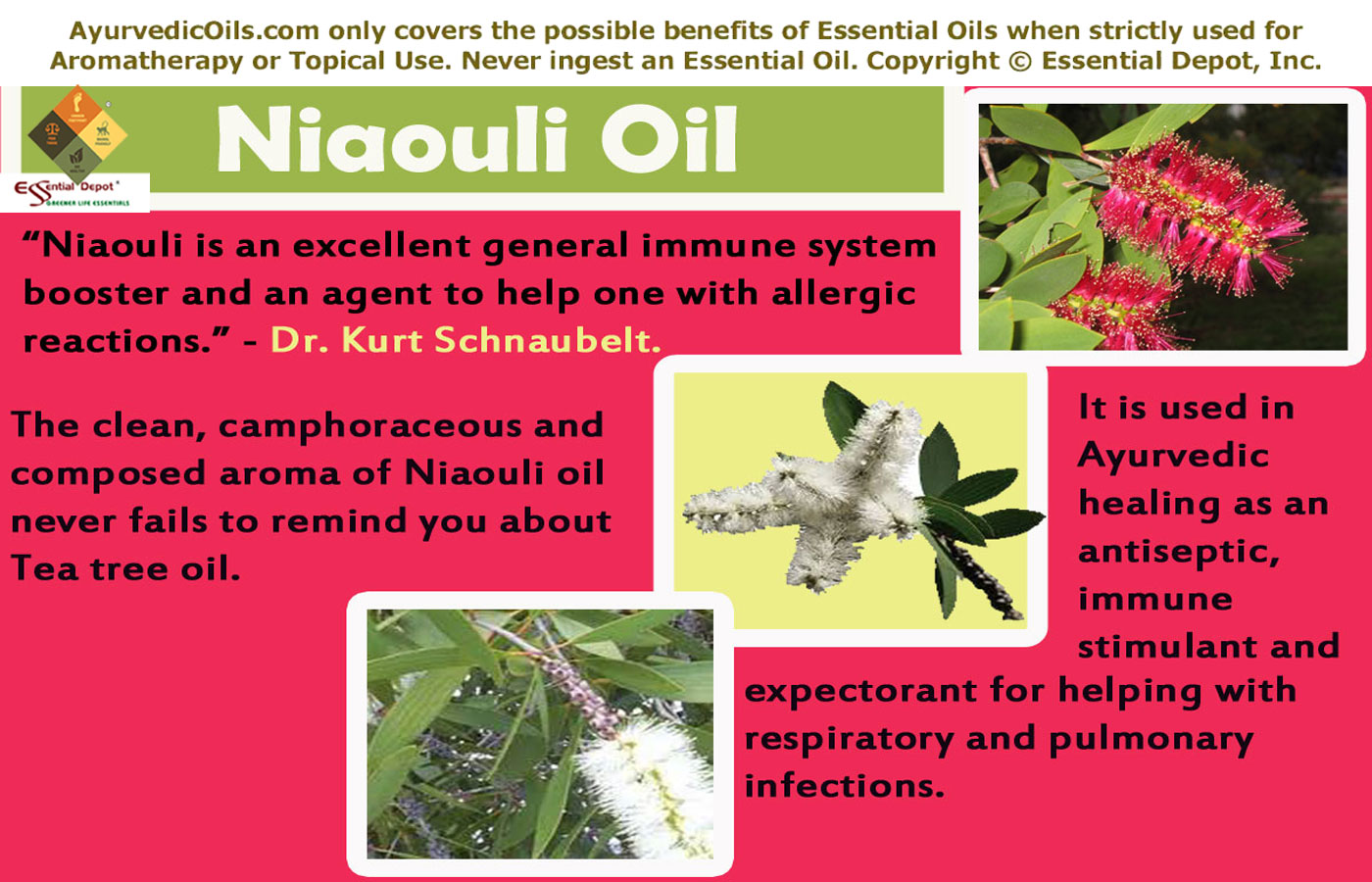
The clean, camphoraceous and composed aroma of Niaouli oil heals one in a number of ways and never fails to remind you about Tea tree oil. Niaouli essential oil is used in Ayurvedic healing as an antiseptic, immune stimulant and expectorant for helping with respiratory and pulmonary infections.

Purchase Niaouli Oil – Retail – CLICK HERE

Purchase Niaouli Oil – Wholesale – CLICK HERE

Historical importance of Niaouli essential oil:

Niaouli, scientifically known as Melaleuca quinquenervia (Melaleuca viridiflora) has been initially used by the Aborigines of Australia for rescuing Sir Francis and his crew from exhaustion and scurvy with the tea brewed from the leaves of Niaouli tree. It was used as a respiratory aid in the folklore medicine and the indigenous people used the fresh Niaouli leaves for wrapping the affected parts of their body.

Niaouli and its essential oil have been considered as a ‘cure-all’ in French Polynesia and Caledonia and have also been espoused as the national flower. The French use this oil in almost all the hospitals all over the country especially in the gynecological and obstetrics wards for its antimicrobial properties and this oil is also implemented into their pharmacopoeia. It has also been used as a water purifier in the French Pacific.

Niaouli has been used in the Middle East for preparing herbal tea to support healthy bowels. It was also used in the ancient period to keep away from malaria. Since the pre-historic period Niaouli has been a valuable additive to toothpastes, gargles, mouth sprays and cough drops. This oil is also used as a substitute for Cajeput and Eucalyptus oil in the treatment of neuralgia, cold, cough and rheumatism.

Therapeutic properties and chemical constituents of Niaouli essential oil: 1,8-cineole, alpha-terpineol, alpha-pinene, beta-pinene, limonene, a-phellandrene, nerolidol, linalool, piperitone and gamma terpineol. The therapeutic properties of this oil are analgesic, antiseptic, decongestant, bactericidal, cicatrisant, expectorant, balsamic, vermifuge, febrifuge, stimulant, insecticide, vulnerary and anti-rheumatic.

Ayurvedic health benefits of Niaouli essential oil:

Ayurveda meaning ‘science of life’ is the oldest medicinal systems in the world. The basis of Ayurvedic philosophy revolves around the fact that perfect health can be attained only by a well-built immune system. This is because strong immunity make the body resistant and help fight against harmful organisms and infections causing illnesses. Ayurvedic perception of good health is the outcome of synchronization between a person’s physical, mental and spiritual wellness.

Ayurveda treats every individual in a unique manner trusting that no two individuals have identical individual constitution. For this identification, Ayurvedic approach recognizes human beings based on their specific metabolic principles governing the body and mind and its intelligence. They are known as doshas (vata, pitta and kapha).

The predominance of any one of these doshas is the primary dosha of an individual and he is identified with that dosha as his unique body type. Imbalance of any one or all these doshas ends up in illnesses. Niaouli pacifies kapha and vata doshas and aggravates pitta dosha.

Man-made medicines or menacing treatments are not a part of this holistic medicinal practice as it trusts and relies on Mother Nature for its healing system. It centers on prevention of diseases with healthy diet, Ayurvedic routine, balanced life-style changes, herbs, yoga, essential oils, meditation and other simple physical exercises.

Let’s have a look at the Ayurvedic health benefits of Niaouli essential oil.

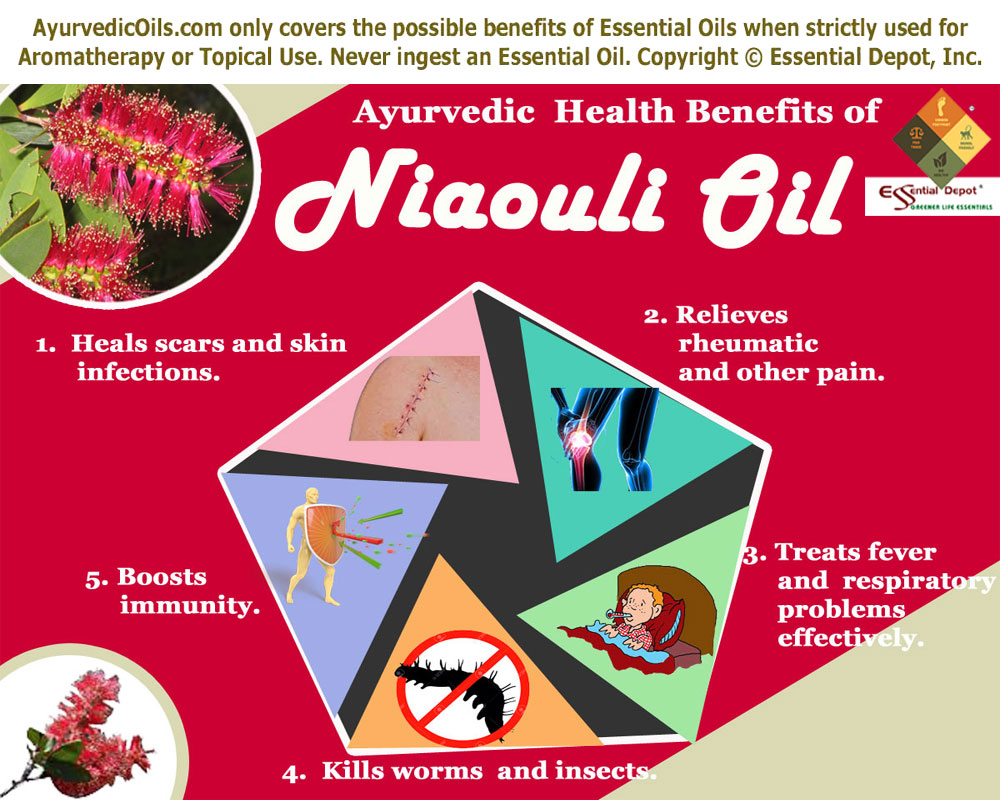
Naouli-oil-broucher1. Heals scars and skin infections:

Niaouli essential oil has excellent bactericide, disinfectant, antimicrobial and antiseptic properties that make it a wonder oil in treating skin infections, wounds and other similar disorders.

Donoyama and Ichiman study on the effectiveness of six essential oils like eucalyptus, thyme linalool, lavender, tea tree, niaouli and sage in treating Staphylococcus aureus bacteria was tested. This study revealed that among the six essential oils tested “niaouli oil was found to be the most effective, reducing colony count to zero at 3.125%”.

Add 1 drop of Niaouli oil in a cup of lukewarm water to make a natural cleanse for washing your wounds, skin ulcers, blemishes, cuts, acne, insect bites and burns. This cleansing solution aids in removing the harmful organisms like bacteria on your affected part of the skin and initiates its quicker healing process.

Mix 2 drops of Niaouli oil in coconut oil or your regular skin care cream or lotions and apply it gently on the infected area. The vulnerary and disinfectant properties of this oil help in healing wounds quickly, shielding your skin from microbial infections by activating platelet particles and leucocytes in the infected area and aiding in clearing your acne, marks and blemishes. With its antiseptic properties, Niaouli is also an effective oil in treating infections of the colon, uro-genital tract, kidneys, urethra, kidneys and intestines. Even today Niaouli is used as a safe vaginal douche in France.

Niaouli oil is used in an extensive range of cosmetic products in Australia. With its cicatrisant properties, Niaouli essential oil can be more forceful on your scars and marks than your expensive anti-marks and scar-removing creams. Applying 2 drops of Niaouli oil blended with jojoba oil can assist you in diminishing your scars and marks left by pimples, post-pregnancy stretches, acne or pox by influencing the faster growth of new skin cells and tissues. On prolonged use, this remedy can aid in regenerating your skin surface and replenish it with natural glow.

2. Relieves rheumatic and other pain:

The essential oil of Niaouli works effectively on sharp pain and other related discomforts. When gently massaged on to the painful area with 2 drops of Niaouli essential oil blended with coconut oil, the analgesic properties of this oil acts like a general anesthetic by numbing the nerves in the painful parts and consoles pain.

Niaouli essential oil is celebrated as a popular complementary cure for treating rheumatic pain. Massaging 2 drops of Niaouli oil added to sesame oil helps in stimulating the lymphatic system and enhancing blood circulation in the body, which controls the amassing of toxic substances and uric acid in the joints. By this way, Niaouli oil assists rheumatic patients by easing pain, inflammation and swelling in the painful areas. This oil also helps in treating toothache, joint pain, migraines, earache, headache and sprains.

3. Treats fever and respiratory problems effectively:

Niaouli essential oil has been approved in the German Commission E Monographs especially for its effective uses to the respiratory system. Niaouli oil has expectorant and decongestant properties that aid in clearing congestion and blocked respiratory passages with mucous and phlegm. It also supports in reducing the body temperature at times of fever by combating the infections responsible for fever.

Using 2 drops of Niaouli oil in steam inhalation or in vaporizer can help you fight against cold, flu, bronchitis, whooping cough, sinusitis, catarrh, pneumonia, asthma, laryngitis, sore throat, tuberculosis and cough. It helps open up clogging or obstruction of nasal passages, lungs, trachea, larynx, bronchi and pharynx by loosening phlegm, which promotes easy breathing and sound sleep. You can also add 2 drops of Niaouli oil in your rubs and massage it gently on your neck, chest and back for quicker relief.

4. Kills worms and insects:

This oil is also effective in killing intestinal worms like tape worms and round worms that interrupt the normal growth of the body and the regular process of metabolism. You can add 3 to 5 drops of Niaouli oil in warm bathing water or inhale the aroma of this oil by adding 2 drops to your diffuser for eliminating worms from your body. Niaouli essential oil can also be used along with your insect sprays and vaporizers for killing insects like ants, bugs and cockroaches.

5. Boosts immunity:

Dr. Kurt Schnaubelt says “Niaouli is an excellent general immune system booster and an agent to help one with allergic reactions.” Niaouli essential oil enhances the resistant power of your body to withstand against infections and micro organisms by strengthening your immunity. This oil has been proven mild and safe for everyone so you can add 2 drops of Niaouli oil to your diffuser to facilitate the fostering aroma of this oil fortify your immune power every day.

Other health benefits:

Inhaling the aroma of Niaouli essential oil especially during meditation is said to revive your senses, improve concentration and uplift the spirit. Niaouli oil is applied to the skin of the cancer patients before every session of cobalt therapy for protecting the skin against burning due to the radiation therapy for cancer. Niaouli is also used in cough drops, rubs, mouth sprays, toothpastes, gargles and certain other cosmetic products.

Disclaimer:

Never take essential oils internally as pure essential oils are highly concentrated liquids.  Avoid using essential oils directly on the skin and always remember to dilute it in appropriate carrier oils. This information is only for educational purposes and is not meant to replace prescription drugs or expert advice of your healthcare professional. Always consult your Ayurvedic practitioner before using the right essential oil for your specific constitution and health condition.

Thought for the day:

For in the true nature of things, if we rightly consider, every green tree is far more glorious than if it were made of gold and silver.          – Martin Luther

Suggested Reading:

  1. The Acne Diet: Holistic Plan to Achieve Clear, Youthful, Acne-Free Skin with Natural Nutrition, Stress Relief and Organic Skincare by Julie Gabriel
  2. Ayurveda & Aromatherapy: The Earth Essential Guide to Ancient Wisdom and Modern Healing by Dr. Light Miller, Dr. Bryan Miller
  3. Tea Tree: The Genus Melaleuca (Medicinal and Aromatic Plants – Industrial Profiles) from CRC Press
  4. Aromatherapy: A Complete Guide to the Healing Art by Kathi Keville, Mindy Green

Reference Links:

  1. Melaleuca quinquenervia by Wikipedia
  2. True Niaouli by Essential News
  3. Niaouli Essential Oil And Its Benefits by Yoga Wiz.Com
  4. Hygienic Massage with Essential Oils by Robert Tisserand

Myrrh Gel Essential Oil

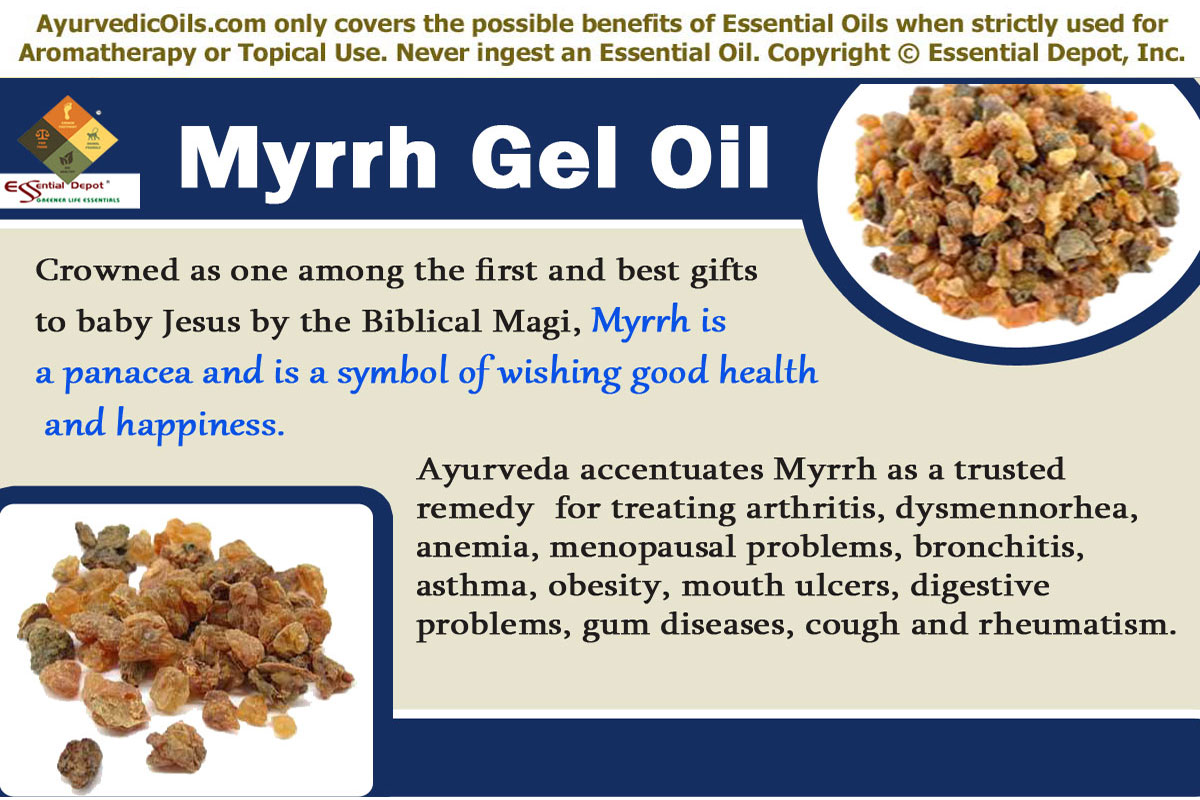
Mrrh-gel-bannerCrowned as one among the first and best gifts to baby Jesus by the Biblical Magi, Myrrh is asserted as a panacea for many diseases and is a symbol of wishing good health and happiness. This sacred herb has its name engraved in almost all the major religious practices of healing and has been in use throughout history as a promising medicine, renowned perfume and sanctified incense.

Myrrh essential oil is hydro distilled from the resin of Myrrh trees. Ayurveda accentuates Myrrh as a trusted remedy for treating arthritis, dysmennorhea, anemia, menopausal problems, bronchitis, asthma, obesity, mouth ulcers, digestive problems, gum diseases, cough and rheumatism. Myrrh resin has been a vital ingredient in many rasayana formulas in Ayurvedic treatment.

Historical importance of Myrrh:

Botanically known as Commiphora myrrha, Myrrh is indigenous to Somalia, Yemen, Ethiopia and Eritrea. The word ‘Myrrh’ is derived from the Aramaic word murr, meaning ‘was bitter’. Myrrh has many religious rituals stringed to its historical fame. The Islamic herbal medicine encyclopedia quotes “The Messenger of Allah stated, Fumigate your houses with al-shih, murr, and sa’tar”, where murr indicates Myrrh.

The book of Matthew states that gold, frankincense and myrrh were among the gifts to Jesus Christ. New Testament cites Myrrh as an incense presented at the time of Christian liturgical celebrations. The Eastern Orthodox Church makes use of Myrrh scented oil as a symbol of tradition during the sacraments of unction and chrismation.

Myrrh was held high in the Traditional Chinese Medicine as a special herb with ‘blood-moving’ powers to eliminate stagnant blood from the uterus and is also effective on spleen meridians, liver and heart. It is for this reason, Myrrh has been used in the treatment of uterine tumors, menopause, amenorrhea, rheumatic problems, dysmennorhea, arthritis and other circulatory problems.  It is also said that Myrrh has been used in the Chinese ma yao since 600 BC.

It is said that the Greek soldiers took Myrrh with them to the battlefield for cleansing and healing their wounds, as this herb has anti-inflammatory and antiseptic properties. It was used by the ancient Egyptians for treating hay fever, herpes and also in fumigations and embalming.

This herb is used in folklore medicine in making rheumatic plasters and for treating muscular pains. Tibetans trust the magical powers of Myrrh to assuage stress and certain other nervous disorders.

Myrrh is a popular ingredient in many liniments, tooth powders, gargles, toothpastes and mouthwashes especially for its antiseptic and analgesic properties that aid in treating many oral problems, wounds and skin ailments.  It is also used in making tinctures for healing wounds in the Veterinary practice. Assyrians and Babylonians burned Myrrh during religious ceremonies.

Therapeutic properties and chemical constituents of Myrrh essential oil:

The remedial values of Myrrh gel essential oil are analgesic, anti-inflammatory, emmenagogue, antiseptic, antimicrobial, carminative, stimulant, tonic, stomachic, astringent, antifungal, circulatory, diaphoretic, antispasmodic, anti-catarrhal, immune booster and expectorant. The chemical components contributing to these properties are eugenol, triterpenoids, polysaccharides, a-pinene, limonene, cresol, triterpene acids, cadinene, cuminaldehyde, sesquiterpenes and acetic acid.

Ayurvedic health benefits of Myrrh gel essential oil:

Myrrh is a part of many Ayurvedic medications, especially for its positive effects on the nervous system and the circulatory system. Everything in Ayurveda has a strong reason behind it and that is the focus on treating the root cause of an illness and preventing it in the future also.

Ayurvedic practices do not treat human beings and their illnesses as one among the ten instead it believes that every individual is unique by birth and each and every one of their health condition needs to be treated in a unique manner.

Ayurvedic principles trust that every one of us on earth is built up of three vital energies known as doshas. They are kapha, pitta and vata doshas. The wisdom of Ayurvedic healing lies in its holistic and inimitable approach towards humanity by identifying their attributes, personal traits and health mechanism based on their predominant dosha.

Generally vata predominant people are lean, tall, creative and have a dark complexion and its imbalance causes constipation, stress, sleeplessness, anxiety and loss of sexual interest. People with the predominance of pitta dosha have a fair complexion, sharp decision making skills, short temper and are perfectionists.

Pitta imbalance leads to loss of temper and digestive disorders like heartburn and ulcers. Kapha predominant people are kind at heart, affectionate and obese with an average complexion. Imbalance of kapha energy will lead to overweight, sluggishness and poor process of digestion.

Ayurvedic remedies are based on your individual constitution and center natural medications to treat the imbalance of doshas. Myrrh essential oil is known to pacify vata and kapha energies and increase pitta dosha.

It’s time to have a look at the Ayurvedic health benefits of Myrrh gel essential oil.

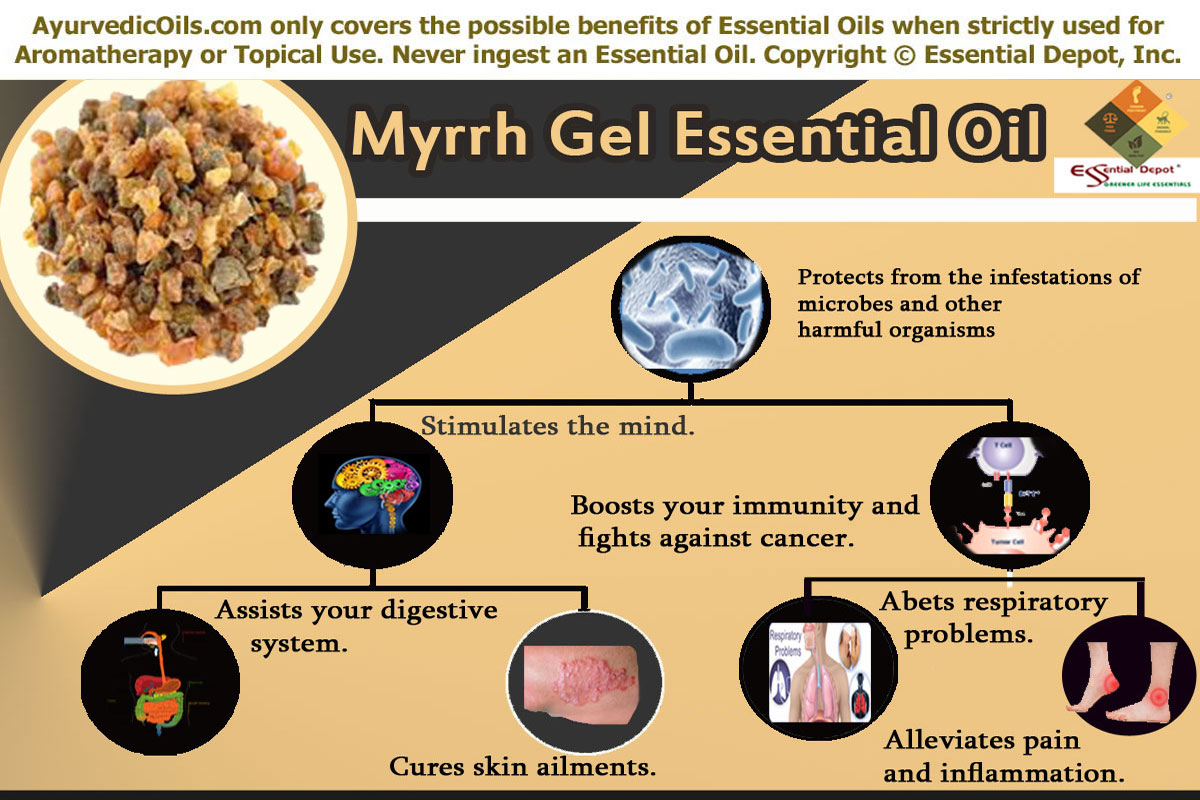
Myrrh-gel-broucher1. Protects from the infestations of microbes and other harmful organisms:

Myrrh essential oil is known for its anti-fungal, antiviral and antimicrobial properties. It assists in killing bacteria, fungi and certain other detrimental microbes by making the body resistant to such infections.

Myrrh oil has natural breath freshening properties that aid in treating bad breath known as halitosis. Add 2 drops of Myrrh oil in warm water and use it as a gargle for treating oral problems like toothaches, pyorrhea, abscesses, mouth ulcers, gingivitis and gum problems. This blend also helps in fighting bacteria causing cavities.

Applying 2 drops of Myrrh oil blended along with coconut oil on wounds, cuts, athletes foot, and other skin infections will aid in preventing the wound from getting septic as Myrrh oil fights Staphylococcus aureus, the bacteria responsible for wounds becoming septic. This oil is also used in treating cough, measles, pox, cold, fever, diarrhea, mumps, food poisoning and other health conditions caused due to microbial infections.

2. Boosts your immunity and fights against cancer:

A weak immune system is the underlying cause for the body becoming vulnerable to diseases and infections. Myrrh essential oil reinforces the immune system and augments the body’s natural disease resistant power by enhancing the body’s nutrient absorption capacity.

This way it protects the body from pathogens in case of airborne or waterborne diseases like diarrhea, cold, cough, dysentery, typhoid, bronchitis, vomiting and few other digestive problems. Add 3 to 4 drops of Myrrh oil with jojoba oil and massage gently on your body. This helps in transmitting the therapeutic molecules of Myrrh oil by penetrating deeply into the skin and to your blood stream.

Myrrh has been proved effective in fighting against the free radicals and aid in preventing cancer. A 2001 study by the Rutgers University in NJ found that Myrrh essential oil has certain compounds that assist in killing cancer cells and showing promising effect for treatment and prevention of prostate and breast cancer.

Elemene has been identified as the unique component of Myrrh essential oil and has been proven to show improved effect on treatment of cancerous brain tumors.  You can add 2 drops to your diffuser for regaining confidence and energy. Gently massage your affected parts with 5 drops of Myrrh oil blended with coconut oil for combating the growth of free radicals worsening the effects of cancer.

3. Cures skin ailments:

Myrrh essential oil has been used as a trusted natural remedy for skin problems since the Biblical times. This is mainly because of the antiseptic, analgesic, vulnerary and astringent properties of this oil.  A 2010 study by King Saud University, Saudi Arabia traced that Myrrh was particularly potential to increase the count of white blood cells in laboratory rats treated for gastric ulcers and skin injuries with Myrrh.

Blending 2 drops of Myrrh oil with coconut oil and applying it on wounds, cuts, boils, athlete’s foot, bed sores, chapped skin, ringworm, eczema, skin ulcers, hemorrhoids, weeping wounds and itches can help heal such skin problems quickly and protect them from infections also.

Myrrh essential oil has been in use as a rejuvenating facial aid for more than hundreds of years mainly due to its ability to invigorate dull skin, revivify mature complexions, reduce wrinkles and leave it glowing from within. Mix 2 drops of Myrrh oil with jojoba oil and rub it on your face soothingly, leave it for 5 minutes and then wash your face with a mild cleanser for nourishing your skin and help it look supple and younger.

4. Abet respiratory problems:

Myrrh essential oil has expectorant and anti-catarrhal properties that help in treating respiratory problems like cold, asthma, sinus infections, cough, sore throat, congestion, bronchitis and breathing difficulties.

Add 2 drops of Myrrh oil to steaming water and inhale the aroma to get immediate relief from chest congestion and to support the expulsion of phlegm from respiratory tracts and lungs. You can also add 2 drops of this oil to hot bath or to your cold rub and gently massage it on the chest, back and throat for instant aid.

5. Assists your digestive system:

Myrrh oil is carminative and stomachic in nature, aiding in relieving gases and promoting the process of digestion. It helps in restoring the appetite, treating indigestion, nausea, flatulence, stomach pain and constipation by stimulating the flow of saliva, bile and other digestive juices. You can either use 2 to 3 drops of Myrrh oil in steam inhalation or diffuser for calming the digestive system. Massaging your tummy and abdomen with 2 drops of Myrrh oil blended with sesame oil can help in easing sluggish digestion.

6. Stimulates the mind:

Myrrh essential oil is said to grant mental clarity, alleviate stress, and treat depression, tension, fatigue and anxiety. It is used in Ayurvedic healing for enhancing the intellect and cleansing the blood. Inhaling the sacred aroma of Myrrh oil during meditation can help in opening the mind, increasing concentration and treating poor memory. Massaging your body with 4 drops of Myrrh oil along with sweet almond oil helps in uplifting the mind, relieving anxiety and nervous tension.

Myrrh essential oil has a calming and pacifying fragrance that helps open the heart chakra that is associated with love, forgiveness and acceptance. 2 drops of Myrrh oil added to burner, vaporizer or diffuser assists in discharging fear, hurting experiences and depressive feelings that stop you from going ahead. Myrrh oil strengthens your spiritual acquaintance, trust and self-confidence.

7. Alleviates pain and inflammation:

Myrrh has been a promising remedy in Ayurveda and other traditional healing methodologies for treating pain, gout, arthritis, osteoarthritis and rheumatoid arthritis. The essential oil of Myrrh has diaphoretic properties that increase sweating and helps expel excess water, toxic substances and extra salts from the body.

The anti-inflammatory properties of this oil supports in reducing inflammation. By eliminating the toxic substance and lessening inflammation, Myrrh oil is effective in treating arthritis and rheumatic pain.

Blend 2 drops of Myrrh oil, 2 drops of Frankincense oil along with coconut oil and massage soothingly on the affected parts for relieving pain and inflammation. You can also add 3 drops of Myrrh oil to hot compress or in hot bath for similar effects.

Other health benefits:

Myrrh essential oil is also helpful in treating menstrual cramps, delayed menstruation, uterine problems, hair fall problems and acts as a tonic for the entire system by stimulating the digestive system, nervous system and the circulatory system.

Disclaimer: Never take essential oils internally. Essential oils are highly concentrated liquids so always dilute them in suitable carrier oils before using it for topical application. This article is only for your information and is not meant to replace any prescribed medication or professional advice. Avoid using Myrrh oil if you are a pregnant or nursing woman. Keep it out of reach of children. Consult your Ayurvedic practitioner before using the appropriate essential oil for your unique individual constitution and health condition.

Thought for the day:

Adopt the pace of nature: her secret is patience.              – Ralph Waldo Emerson

Suggested Reading:

  1. Frankincense & Myrrh: Through the Ages, and a complete guide to their use in herbalism and aromatherapy today by Martin Watt, Wanda Sellar
  2. The Ayurveda Encyclopedia: Natural Secrets to Healing, Prevention, & Longevity by Swami Sadashiva Tirtha
  3. The Illustrated Encyclopedia of Essential Oils: The Complete Guide to the Use of Oils in Aromatherapy & Herbalism by Julia Lawless
  4. Sacred Woman: A Guide to Healing the Feminine Body, Mind, and Spirit
    by Queen Afua
  5. Herbal Remedies Bible: Life Saving And Healing Herbs For All Ailments: Easy Herbal Remedies For Over 100 Ailments by Dane Foster

Reference Links:

  1. Myrrh by Wikipedia
  2. Myrrh Essential Oil Can Help Fight Cancer by Ezinearticles.com
  3. A Wise Man’s Cure: Frankincense and Myrrh by Jennie Cohen published in History in the Headlines
  4. Medicinal Qualities of Myrrh by Rebecca Joy Knottnerus published in Dr. Christopher’s Herbal Legacy

Nutmeg Essential Oil

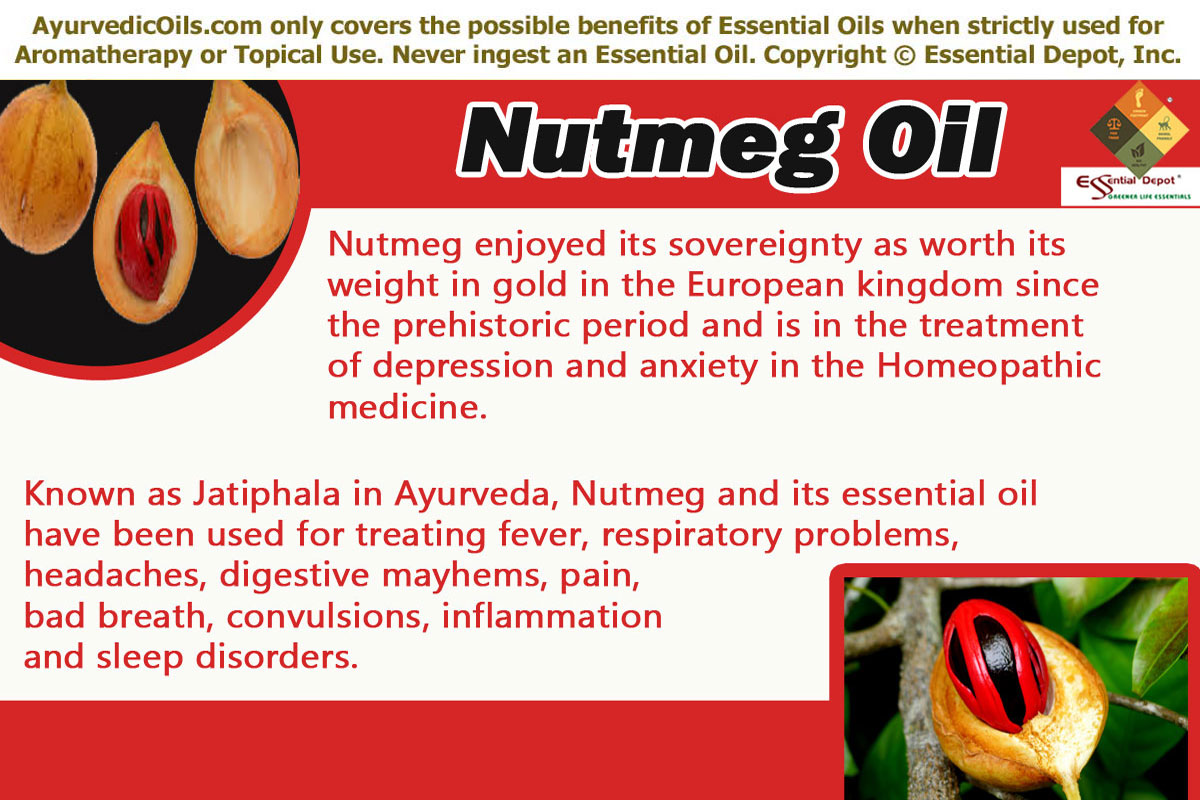
Nut meg-bannerNutmeg enjoyed its sovereignty as worth its weight in gold in the European kingdom since the prehistoric period, especially for its effectiveness in treating plague. More than just a cheap and cheerful spice, Nutmeg has innumerable health benefits and can leave you in awe if you get to know its immense healing values. Indigenous to the Banda islands in the eastern Indonesia, this evergreen tree takes nearly 20 years to groom itself into a fully mature tree for fruiting.

The essential oil of Nutmeg is extracted by steam distillation method from the hard egg-like seeds of its fruit. Popularly known as Jatiphala in India, the birthplace of Ayurveda, Nutmeg and its essential oil have been used for treating fever, respiratory problems, headaches, digestive disorders, pain, bad breath, convulsions, inflammation and sleep disorders.

Purchase Nutmeg Oil – Retail – CLICK HERE

Purchase Nutmeg Oil – Wholesale – CLICK HERE

Historical importance of Nutmeg:

History has a handful of things to talk about this magical herb also known as magic for its mind-blowing assistance to healthiness. Nutmeg was one among the most expensive herb in the European countries after being proved as a potential remedy to ward off plague in the Elizabethan times and was also used as a medicinal, preservative and flavoring agent. Botanically known as Myristica fragrans, Nutmeg slowly spread from Indonesia to Malaysia, India and other parts of the world including the Caribbean islands.

Nutmeg has its name etched in the works of the Roman writer, Pliny during the 1st century and in the medicinal book written by Hildegard of Bingen, the first herbalist of the middle ages.  It was initially the Arabian sailors who traded this herb to the Venetians and introduced to the Europeans in the middle ages.

Nutmeg was used to treat liver diseases and impotence in the Traditional Chinese Medicine. Ancient Arabians used it as an aphrodisiac and Nutmeg was used in the treatment of depression and anxiety in the Homeopathic medicine.

Egyptians used it for embalming and was used as incense by the Romans. It was also used as an ointment for treating hemorrhoids in the middle ages. Nutmeg is believed to be a symbol of health, money, loyalty and luck.

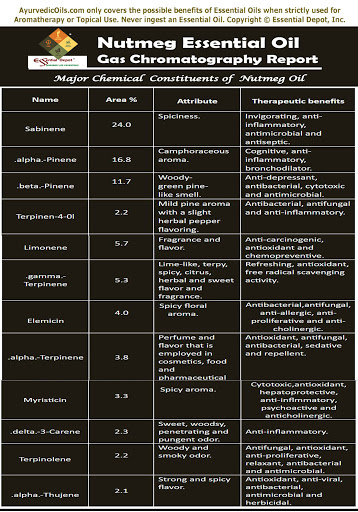
Chemical constituents or Gas Chromatography Report (GC) of Nutmeg oil:

According to the Gas chromatography report, Nutmeg oil constitutes of 25 chemical components that contribute to its fragrance, therapeutic attributes, consistency and quality of this oil. Of which, Sabinene contributes to the highest proportion of Nutmeg oil with about 24.0% of its total composition.

Just click on:

I trust that this must certainly help you in getting to know the exclusive information about the prime chemical constituents of Nutmeg oil.

The table crafted below clearly depicts the unique nature and contributions of these bio-chemical constituents to the healing magnificence of Nutmeg essential oil.

nutmeg-gct

Therapeutic properties of Nutmeg essential oil:

The remedial properties of this oil are antiseptic, digestive, laxative, emmenagogue, analgesic, anti-rheumatic, stimulant, carminative, antispasmodic, parturient, tonic, sedative, bactericide, anti-inflammatory and relaxant.

Ayurvedic health benefits of Nutmeg essential oil:

Known as Jaiphal in Hindi and Jatiphala in Sanskrit, Nutmeg is always a part of the spice boxes in every Indian kitchen. Nutmeg is one among those Grandma’s remedy for treating indigestion, cold, fever and headache. Even today, many people take whole Nutmegs just like candies as the fresh juice of this herb is said to ease the difficulties in respiration and absorption.

As a naturally warming spice, this herb is used in Ayurvedic cooking along with other spices like bay leaves, black pepper and cinnamon. Ayurvedic texts suggest the use of a pinch of Nutmeg powder in warm milk before going to bed to calm the nerves, stimulate the system and promote peaceful sleep. There are other numerous Ayurvedic remedies using Nutmeg and are still practiced in India.

Ayurveda is celebrated as the mother of all healing sciences mainly because of its healing wisdom since 5,000 years. This noble discipline trusts in healing an illness after identifying its root cause and aims at preventing it in the future. Ayurvedic treatments are unique for every individual based on their specific set of energy elements known as doshas. The three types of doshas are vata, pitta and kapha.

Vata represents air and controls metabolism, blood circulation, nervous functions, heartbeat, respiration, muscular movements, functions of the brain and eliminations from the body. Pitta stands for fire and governs digestion, thinking potential, body temperature, vision, mental and physical strength.

Kapha stands for earth and is responsible for muscular strength, stamina, energy and the power to repair and recover from illnesses. Every individual will have a predominance of any one of these doshas and imbalance between these doshas cause sickness.

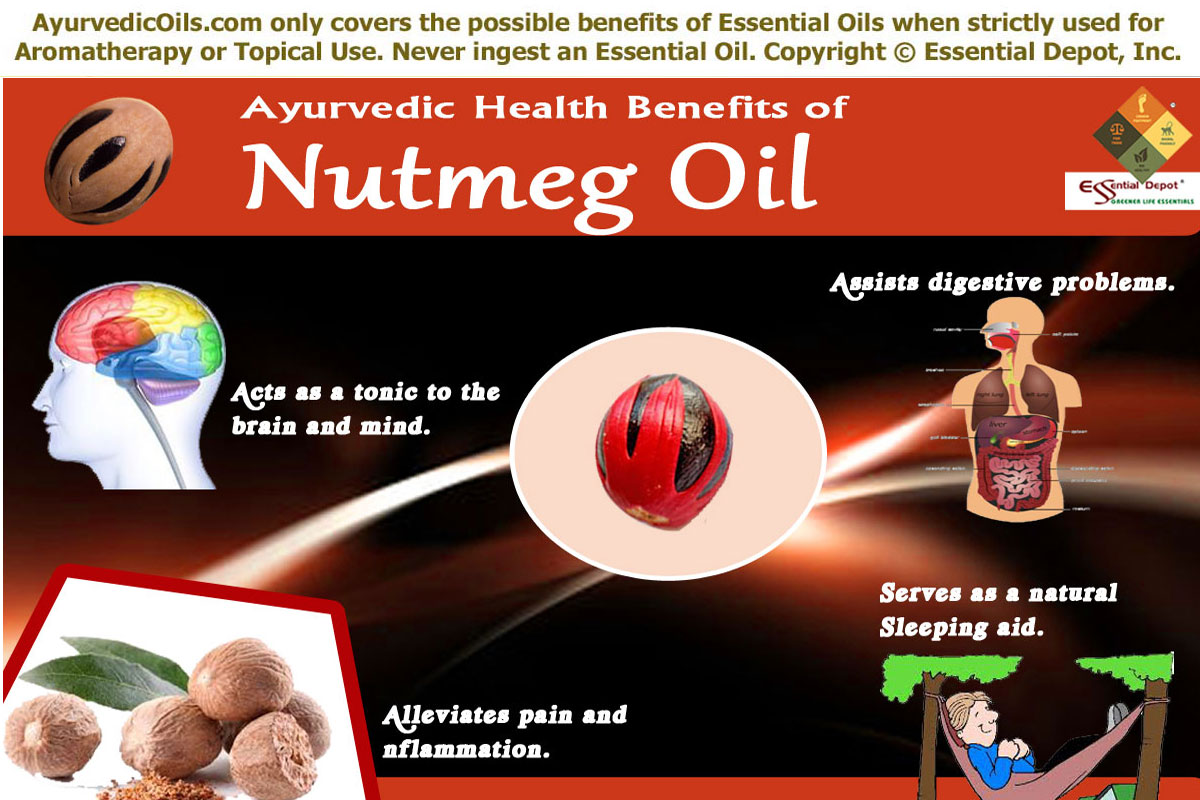
Nutmeg herb and its essential oil is said to increase pitta thus assisting in digestive problems and pacify kapha and vata imbalances.

The Ayurvedic health benefits of Nutmeg essential oil are:

Nut-meg-broucher1. Assists digestive problems:

Pitta dosha is responsible for the digestive fire that aids in problem-free digestion and Nutmeg essential oil has the power to increase pitta thus helping with indigestion and other problems with digestion. Adding 5 to 6 drops of Nutmeg essential oil in warm bathing water or massaging your tummy with 3 drops of Nutmeg oil blended with warm sesame oil can aid in treating loss of appetite, nausea, diarrhea, flatulence, constipation, chronic vomiting and gallstones.

Bad breath or halitosis is not just an oral problem; it may be due to intestinal ulcers or harmful toxins in the body. Nutmeg with its antibacterial properties aids in killing a number of harmful bacteria in the mouth and helps eliminate the toxins from the body.

It soothes the stomach and intestines and assists in controlling bad breath and foul smell. Add 2 drops of Nutmeg essential oil in a cup of lukewarm water and use it as a gargle to assist with bad breath. You can also add 2 drops of this oil to your diffuser to regularize your metabolic functions and refresh your aura.

2. Acts as a tonic to the brain and mind:

Nutmeg essential oil augments the brain power and aids in improving concentration and memory skills. The presence of the chemical component myristicin in this oil has been proved to enhance memory power and restrain the growth of an enzyme in the brain, which is responsible for Alzheimer’s disorder.

Inhaling the unique spicy and musky aroma of Nutmeg essential oil by adding 2 drops to your diffuser or to your hankie can bring in self-confidence, encouragement, efficiency and spontaneity. This aids in enhancing your performance at work and in studies.

Adding 4 to 5 drops in bathing water helps alleviate stress, fatigue, anxiety and mental exhaustion by stimulating the functions of the brain and the sensory nerves. The deep and enriching aroma of Nutmeg oil has a thoughtful impact on our feelings and emotions. Using 2 drops of Nutmeg essential oil in your diffuser during meditation will grant you the power to resist, recover and relive your life’s most meaningful moments.

3. Alleviates pain and inflammation:

Nutmeg essential oil is banked upon for its effectiveness in relieving all kinds of pain and inflammation in the body. When gently massaged onto the affected area with 2 to 3 drops of Nutmeg oil along with coconut oil, it is known to enhance blood circulation and clear the blocked passages causing pain and swelling. With all these powers, Nutmeg is yet another perfect choice for treating rheumatic pain where pain, inflammation and improper circulation join hands with.

The most popular sports science consultant to athletes in Malaysia, Mr. Fadhil Omar makes use of Nutmeg essential oil on stroke patients and for sports injuries. When he worked with Chelsea Football Club, he said “Nutmeg oil used to be very expensive and was only used to treat members of royal families. I spent three months in India studying the use of nutmeg.  It is certainly good for muscle cramps and stiffness of joints.”

This oil is also helpful in treating muscular pain, nerve pain, gout, arthritis and rheumatic pain when applied topically or used in hot compress. With its emmenagogue properties, this oil aids in normalizing irregular periods, blocked menstruation, pain, fatigue and nausea during menstruation.

All you need to do is to put on 4 drops of Nutmeg oil to your bath tub or massage gently on your abdomen along with sesame oil for instant relief. It is also known as an effective oil for treating toothache, strengthening gums and reducing the swelling due to toothache with the presence of the eugenol component. Add 1 drop of Nutmeg oil to cotton swab and apply it around the gums of the aching tooth.

4. Serves as a natural sleeping aid:

Nutmeg has been used as a natural sleeping aid for centuries together for its soothing, sedative, calming and relaxing properties. When massaged gently on your body with 5 to 6 drops of Nutmeg oil along with coconut oil followed by a warm bath with 3 drops of Nutmeg oil in your bath tub can help you in calming your senses, alleviating depression, soothing your nerves, enhancing your blood circulation, improving the quality of your sleep and making your dreams more passionate and vibrant. You can also add 2 drops of Nutmeg oil to a tissue and place it besides your pillows for inducing peaceful sleep.

Other health benefits:

Nutmeg essential oil is also effective in treating frigidity, impotence and is said to increase the libido in both the sexes. It also aids in treating kidney infections and helps dissolve kidney stones.

Nutmeg is also known as a liver tonic and aids in eliminating the toxins from the liver. It is also effectual in treating cold, cough, fever and other respiratory problems like asthma. You can add 2 drops of this oil in steam inhalation for effective relief from respiratory problems. Nutmeg essential oil is also used in making soaps, cosmetics, incense, perfumes, after shave lotions, vicks vaporub, cough syrups, breathing inhalers and dental creams.

Disclaimer:

Never use essential oils internally and always dilute in suitable carrier oils before using it topically. Nutmeg essential oil is abortifacient in nature and should strictly be avoided by pregnant women. This article is only for informational purpose and is not meant to replace any prescription drugs or professional advice. Always consult your Ayurvedic practitioner before using appropriate essential oils for your specific health conditions.

The MSDS (Material Safety Data Sheet) of Nutmeg oil is readily available for your enhanced safety and better usage.

Gas Chromatography Report (GC analysis) of Nutmeg oil.

Thought for the day:

In all things of nature there is something of the marvelous.     -Aristotle

Suggested Reading:

  1. RELEASING THE HIDDEN POTENT POWERS OF NUTMEG!: Discover Exactly How To Unleash All The Wonderful Benefits Of This Powerful Plus All Natural Nutmeg Skin … Remedies (The Kitchen Cupboard Series) by Isabelle Wilcox
  2. The Way of Ayurvedic Herbs: A Contemporary Introduction and Useful Manual for the World’s Oldest Healing System by Karta Purkh Singh Khalsa, Michael Tierra
  3. Alternative Medicine Definitive Guide to Arthritis: Reverse Underlying Causes of Arthritis With Clinically Proven Alternative Therapies Second Edition by Ellen Kamhi, Eugene R. Zampierson
  4. Ayurveda & Aromatherapy: The Earth Essential Guide to Ancient Wisdom and Modern Healing by Dr. Light Miller, Dr. Bryan Miller

Reference Links:

  1. Nutmeg by Wikipedia
  2. The History of Nutmeg by InDepthInfo
  3. Jaiphal Health Benefits in Ayurveda by Ygoy Health Community
  4. Nutmeg by British Library Online Gallery

Save

Sugandha Kokila Essential Oil

Sugandha-kokila-bannerWhat a conventional name this oil has! The name ‘Sugandha Kokila’ sounds like a typical Indian name concealing a handful of health benefits in it. And I am not wrong; ‘Sugandha’ is a Sanskrit name meaning ‘Fragrant’.

The unique, rich, herbaceous, warm, camphoraceous and spicy aroma of Sugandha Kokila essential oil is extracted from the dried berries of this plant, scientifically known as Cinnamomum glaucescens is a member of the Lauraceae family. The ancient Ayurvedic texts recommend the use of this oil as a natural tonic for the digestive system and the central nervous system.

Purchase Sugandha Kokila Essential Oil – Wholesale – CLICK HERE

This is an evergreen tree native to the tropical Himalayan regions in Nepal, Bhutan and India (Khasi Hills, Sikkim and Manipur). Sugandha Kokila tree is locally known as Gondsoroi and Malligiri and Cinnamon berry is its common name. This large-sized tree has the potential to grow in plains as well as hilly areas up to an average altitude of 1500m.

The major constituents and therapeutic properties:

Experts say that the constituents of this oil belong to the chemical family of monoterpenes, esters and oxides. The principal constituents responsible for the remedial properties of this oil are a-pinene, ß- pinene, camphor, sabinene, eucalyptol, a- terpineol, 1,8-cineole, ß-phellandrene (trace), ß–myrcene, p-Cymene, linalool and trans methyl cinnamate.

The therapeutic values of Sugandha Kokila essential oil are digestive, anti-arthritic, carminative, analgesic, antiseptic, relaxant, stomachic, antimicrobial, emmenagogue, astringent and antibiotic.

Ayurvedic health benefits of Sugandha Kokila oil:

Ayurveda is an optimistic curative methodology that considers illness as an opportunity for healing and as the right time for change. Being the oldest medicinal system, Ayurveda trusts that good health is the harmony between one’s physical, mental and spiritual wellness depending upon his/her diet, lifestyle and certain other environmental factors.

Ayurvedic approach towards health is highly accepted for its simple treatment techniques using natural medications like herbs and essential oils along with exercises, yoga, meditation, lifestyle changes and the art of balanced living.

Essential oils are the vital life force of plants as they transform the real energy of the plants from which they are extracted. Ayurveda believes that this vital energy of plants will highly help in increasing the prana or life force of human beings when used in an appropriate manner. Essential oils are said to strengthen the sense of smell, the predominant one among the five senses.

The aromatic molecules of the essential oils reach the limbic system of the brain through the nasal passage, where limbic system is the control center that is responsible for feelings, emotions and certain other functions of the body. Using essential oils in Abhyanga or the art of Ayurvedic massaging grant ultimate relief by entering into the bloodstream gradually.

Sugandha Kokila essential oil, for its matchless aroma and incredible healing values is called as ‘A Gift to Perfumers from the Himalayan Kingdom of Nepal’.

The most important Ayurvedic health benefits of this oil are:

Sugandha-kokila-broucher1. Alleviates pain and inflammation:

Sugandha Kokila essential oil is a natural analgesic that deadens pain. It aids in enhancing blood circulation and the astringent property of this oil supports the contraction of blood vessels therefore lessening swelling, inflammation and irritation.

The anti-arthritic and warming property of this oil calms the nerves and soothes the muscles, making it an effective natural remedy for treating rheumatism, arthritis, muscular pain, sprains, inflamed joints and certain other problems due to improper blood circulation.

Massaging the painful area with a blend of few drops of Sugandha Kokila oil and Juniper oil along with soothing carrier oils like coconut oil can relieve tension in the muscles and foster blood circulation.

2. Relieves stress:

The essential oil extracted from the berries of Sugandha Kokila tree is an excellent tonic for the central nervous system. The relaxant properties of this oil supports in treating problems associated with stress and anxiety.

Tension headache, nervous tension, fear, insomnia, tiredness and lack of concentration can be managed at ease by using few drops of Sugandha Kokila oil in your warm bathing water or air freshener or to diffusers. Inhaling the comforting aroma of this oil clears your mind, increases your concentration power and grants you a sense of ultimate support.

3. Supports the digestive system:

The carminative, digestive and stomachic properties of this oil supports the digestive system and aids the process of metabolism. Massaging few drops of this oil blended with soothing carrier oils can assist one in relieving flatulence, promoting quick digestion and improving appetite. It can also be used as a bathing oil in a tub of warm water for assisting the functions of your digestive system.

4. Strengthens the entire system:

Sugandha Kokila oil increases the immune power and makes the body resistant against infections, microbes, harmful bacteria and other micro-organisms affecting its normal functioning. The antiseptic, anti-bacterial and antimicrobial properties of this oil help control infections like urinary infections and protect the system.

As an expectorant and decongestant, this oil is also beneficial to the respiratory system. It assists in breaking down and removing of excess mucus in the respiratory system. 2 to 3 drops of this oil can be added to your facial steam water for loosening the mucus.

5. Benefitting the chakras:

According to Ayurveda, Chakras are the transfer points for human feelings, emotions and functioning of certain endocrine glands. There are 7 chakras in a human body. Light Miller in her book ‘Ayurveda and Aromatherapy’ has said that “the essential oils increase the finest and farthest vibrations and assist all of the subtle bodies. Essential oils can stigmata and assist in the process of awakening, healing, opening the chakras, and strengthening the aura”.

Sugandha Kokila essential oil is said to benefit the 4th chakra-heart chakra dealing with absolute love for self and the divine, 2nd chakra-sacral chakra responsible for relationships, immune system, energy creation and sexual feelings and the 5th chakra-throat chakra accountable for integrity and speaking truth. Inhaling the aroma of this oil added to diffusers, vaporizers or burners can help you in strengthening your chakras.

Apart from these benefits, Sugandha Kokila oil is also used in making perfumes, incenses, scents, detergents, industrial fragrances and cosmetics.

Disclaimer:

This article is for informational purposes only and is not meant to diagnose or replace any prescribed medication or professional advice. Do not use essential oils internally and consult your Ayurvedic practitioner before using it. Essential oils are highly concentrated so keep them out of reach of children.

Thought for the day:

The trees that are slow to grow bear the best fruit.   -Moliere

Suggested Reading:

  1. Ayurveda in Nepal: Volume One: Ayurvedic Principles, Diagnosis and Treatment from Wasteland Press
  2. In Search of the Medicine Buddha: A Himalayan Journey by David Crow
  3. The Illustrated Encyclopedia of Essential Oils: The Complete Guide to the Use of Oils in Aromatherapy & Herbalism by Julia Lawless

Reference Links:

  1. Investigation of Nepalese Essential Oils. I. The Oil of Cinnamomum glaucescens (Sugandha Kokila)
  2. Sugandha Kokila oil by Everest Herbs
  3. Aromatherapy from Ayurveda’s Perspective by Yayoi Stavish

Chamomile Oil Roman

roman-chamomile-bnner‘Oil for inner peace’ is the absolute way of honoring Roman Chamomile oil for its gratifying and engaging apple aroma that instantly instills a feeling of love and encouragement. Obtained from the flowers of the Anthemis nobilis plant by steam distillation method, the word Chamomile is extracted from the Greek words Chamai and Melon, which means ‘ground apple’.

Used in Ayurvedic healing in the treatment of bloating, flatulence, dysmennorhea, insomnia, headache, nervous disorders in children, jaundice, PMS, amenorrhea, sunburn, colic, indigestion, anger, depression and negative feelings.

The book Ayurveda and aromatherapy quotes Roman Chamomile as Gold Chamomile and says, “This is the Chamomile that is preferred for children’s illnesses because of its soothing and calming effect. It can be of special assistance during menopause and PMS, and inhalation works well for tension, stress and irritability.”

Purchase Chamomile Roman Essential Oil – 4oz – CLICK HERE 

Historical uses and importance of Roman Chamomile:

It is a member of the daisy family, Asteraceae and its medicinal uses dates back to the ancient Roman and Egyptian civilization, where Roman Chamomile was used in the treatment of nervous afflictions, anxiety, sleeping difficulties and respiratory problems.

The traditional Egyptians dedicated these aromatic flowers to their native Gods for its healing properties. The Sun God was called as Ra and it was trusted to bring back health and heartiness. Chamomile was offered to Sun to get rid of fevers (especially severe fevers known as Ague during that time) and to moon for its cooling potential.

Universally known as one among the Saxon’s nine sacred herbs, Roman Chamomile is also called by various other names like True Chamomile, Golden Chamomile, English Chamomile and the Noble Chamomile for its pacifying aroma and excellent remedial values.

Roman Chamomile is called as Manzanilla (means ‘Little Apple’) in Spain and it was Pliny the Elder, Roman natural philosopher who first mentioned the similarity of the fragrance of the Chamomile flowers to that of the apple blossoms.

It was prevalently used as a strewing herb in the middle ages for perfuming the surroundings in special celebrations and events. During this time, it was also used in flavoring beer, ale and other beverages for its unique bitter taste.

Chamomile tea is a popular natural drink in the United States for reducing fatigue and inducing calmness to the system. It is a favorite ingredient in cosmetics, shampoos, perfumes, soaps, skin preparations and other toiletries.

It is cultivated throughout England, Spain, Argentina, France, Germany, Hungary, Morocco, Belgium, Italy and the United States, among which the England variety is considered as the best for essential oil production.

Numerous illnesses including insomnia, intestinal spasms, eczema, colic in infants, anxiety, depression, lack of self-confidence, inflammation, headache and skin infections are being treated with Roman Chamomile and its essential oil throughout the world for more than thousands of years.

Therapeutic properties and chemical constituents of Roman Chamomile essential oil:

This oil has anti-inflammatory, diaphoretic, anti-depressant, nervine, analgesic, emetic, antipyretic, emmenagogue, carminative, relaxing, antispasmodic, antiseptic, anti-infectious, antibiotic, febrifuge, sedative, stomachic, tonic, vermifuge, antiphlogistic, cicatrisant, hepatic, vulnerary, cholagogue and sudorific.

These healing actions are contributed by its chemical constituents including camphene, b-caryophyllene, myrcene, a-pinene, farnesol, sabinene, b-pinene, bisabolol, y-terpinene, azulene, propyl angelate, butyl angelate, pinocarveol, and 1, 8-cineole.

Ayurvedic health benefits of Roman Chamomile essential oil:

Ayurveda is called as the mother of all healing sciences, mainly because of its traditional wisdom spread to the world and its acumen to reside behind as the greatest resource for other healing systems with its vast ancient medicinal recordings especially in Atharvaveda, one among the 4 prominent Vedas (sacred books) of the Hindu mythology.

The three major Ayurvedic texts like Sushruta Samhita, Charaka Samhita and Ashtanga Hridaya Samhita documented the comprehensive medicinal practices and the fundamentals of Ayurveda.

Sushruta and Charaka are the most renowned Ayurvedic physicians of the ancient period and have expressed their Ayurvedic expertise in treating all kinds of illnesses from acne to plastic surgery and menstrual pain to caesarean delivery.

The most inspiring thing about Ayurvedic healing is its preaching and practices for leading a disciplined life. Ayurvedic philosophy revolves various aspects of healing and the most important ones are the holistic healing method, recommending natural remedies for prevention of illnesses and longevity.

They are the holistic approach that considers health as a three-dimensional array with the wellness of the mind, body and spirit. Charaka Samhita, clearly states this as “The three – body, psyche, and soul – act as a tripod. The world stands upon them, and within them, the world abides.”

It aims at preventing illnesses, leading to aging in the pink and longevity. Ayurveda treats illnesses after analyzing its root cause instead of diagnosing it just with the symptoms. It prescribes natural remedies including essential oils, herbs, yoga, meditation, Ayurvedic routine, prayer and other Ayurvedic methodologies like Abhyanga or Ayurvedic massaging and Panchakarma or the technique for detoxification.

Ayurvedic treatment begins with the primary analysis of the biological energies that are a representation of the five vital elements of nature. These energies are called as doshas, namely vata (air + space), pitta (fire + water), and kapha (earth + water). These three doshas are present in every person in specific proportion to create the individual constitution. Absolute balance between these doshas symbolizes health and disparity leads to illnesses.

Ayurvedic physicians prescribe natural remedies to normalize the imbalance of doshas in accordance to the Prakriti or the fundamental constitution of a person. With its neutral and cooling energy, Roman Chamomile oil is said to reduce the surplus of kapha and pitta doshas and increase vata dosha.

The Ayurvedic health benefits of Roman Chamomile essential oil are:roman-chamomile-broucher-in1. Pacifies and calms irritable babies:

Babies have no reason for crying, especially during the nighttime when the entire family is trying to sleep tight. Many think that pacifying a crying baby is a ‘Mother’s Thing’ and if you are worried about soothing your stubborn baby the next time, then think of keeping Roman Chamomile essential oil in your emergency kit. This oil also aids in calming irritable babies and appease your baby’s spiteful temper crabbiness.

Roman Chamomile oil is considered to be absolutely safe on children, including newborns. Add 2 drops of this oil on bed linens or on the baby’s pillow. You can also add 2 drops of Roman Chamomile oil to a cotton ball and keep it near your shoulders, inside your shirt. This helps greatly when you try to tranquil your crying baby by granting comfort to their nerves and senses and promote peaceful sleep in sometime.

One drop of Roman Chamomile oil mixed with 10 drops of virgin olive oil can be gently massaged on your baby’s tummy to get rid of pain, colic, stomach upset and diarrhea. This can also be rubbed on a baby’s gums for relieving teething pain, inflammation and swelling associated with teething.

2. Combats insomnia and promotes peaceful sleep:

Sleepless nights are the biggest nightmare that lead to a dull day and drowsiness at work. Insomnia or sleeping disorders mainly occur due to anxiety, fatigue, tension, pain, worries, nervous disorders, post-pregnancy problems or post-surgery effects.

A recent study published in the Journal of Clinical Psychopharmacology, states that “Chamomile extract therapy was found to be efficacious for mild-moderate GAD (Generalized Anxiety Disorder)“. Patients with mild to moderate level of GAD were a part of the study and they received chamomile or placebo. This study concluded stating that the patients who received the Chamomile treatment were traced to have a noteworthy change in the severity of their Generalized Anxiety Disorder.

The calming, soothing, sedative and relaxing effects of this oil assist in sedating the system and stimulating good sleep. Adding 3 drops of Roman Chamomile oil to the diffuser or vaporizer in your bedroom or 2 drops added to a tissue placed near your pillows can help in having a restful state in which you can sleep faster and better as well.

Adding 5 to 6 drops of this oil in warm bathing water before going to bed can also be helpful in tranquilizing the nervous system with its nervine properties and lighten up the system physically and emotionally.

3. Bundle of benefits for the skin:

Roman Chamomile essential oil is an excellent calmative for the skin also. Baumann says “It has amazing anti-inflammatory properties that make it ideal for patients with rosacea.” This oil also works wonders in reducing pimples, blackheads, itches and heat rashes especially during summer. This oil also assists in lessening skin irritation and redness caused due to climatic conditions and allergies.

A report by the University Of Maryland Medical Center on Roman Chamomile states that “Test tube studies have shown that chamomile can kill bacteria, fungus, and viruses. Used on the skin, it may also reduce inflammation from cuts or hemorrhoids.”

It is also said that this oil can help in easing the discomforts of eczema, psoriasis, blisters, diaper rashes, skin ulcers, bruises, sunburns and other skin conditions.

Roman Chamomile oil is a popular ingredient in an extensive range of cosmetics and skin care products for many centuries. This is mainly due to the antiseptic, antibacterial, vulnerary, antimicrobial, anti-inflammatory and cicatrisant properties of this oil.

Mix 3 drops of Roman Chamomile oil with 1.5 ml of Almond oil and gently massage on the affected parts of your skin, followed by a gentle face wash with soap-free cleansing cream.

Then wash it again with a cup of cold water with 1 drop of Roman Chamomile oil diluted in it. This treatment helps in healing wounds, burns, cuts, blisters, wrinkles, blackheads, acne marks, eczema, cracked nipples and other skin problems.

4. Alleviates depression and proffers inner peace:

Roman Chamomile is trusted to be a calming agent especially for alleviating stress and assisting in peaceful sleep. This oil has an impact on the heart chakra and the crown chakra; where the heart chakra is responsible for love for the self, conscious evolution, forgiveness, compassion and love for others as well. The crown chakra is the center of prayer and faith and for building an intimate bond with the Divine power.

The invigorating aroma of Roman Chamomile oil aids in opening the crown chakra and assists in releasing fear and anxiety related to the world. It also helps one realize the heavenly truth of ‘living in the present moment’ and alleviates worries, stress and depression related to loneliness, separation and detachment.

About 2 to 3 drops of Roman Chamomile oil when added to vaporizer, burner or diffuser     assists in bringing self-acceptance, augmenting self-esteem and peace. Inhaling the soothing aroma of this oil along with massaging your body with 5 drops of Roman Chamomile oil blended with 5 drops of Lavender oil and 5 drops of Frankincense oil with 10 ml of virgin olive oil can aid in overcoming fear, agony, agitation, mental confusions, hopelessness, discouragement and frustration.

5. Supports the digestive system:

The essential oil of Roman Chamomile has carminative, stomachic, vermifuge, digestive and cholagogue properties that help in supporting the digestive system and in stimulating the metabolic functions.

Dr. Vikram Chauhan, MD in Ayurveda regards Roman Chamomile as an effective herb for digestive disorders. He says “Roman chamomile has long been used to treat digestive problems, such as sluggish digestion, bloating, belching and flatulence. The bitter sesquiterpene lactones stimulate the digestive juices, and the flavonoids and coumarins have antispasmodic and anti-inflammatory powers.”

Massaging your abdomen with 3 drops of Roman Chamomile oil with 3 drops of Peppermint oil helps in toning up the functions of the stomach, alleviates excess gas from the stomach and intestines by stimulating the secretion of hydrochloric acid, bile and other digestive juices and enzymes that regularize the digestion process.

6. Relieves pain and inflammation:

Roman Chamomile oil has analgesic or pain-relieving qualities that help in relieving pain in the joints, muscular aches, headache, toothache and migraine pain. 2 drops of this oil mixed with 2 drops of Myrrh gel oil and 2 ml of coconut oil massaged on the painful or affected parts can help in promoting blood circulation, relieving tension in the painful nerves and muscles, detoxifying the blood and helps in alleviating toxins and other impurities in the blood. The anti-inflammatory, anti-rheumatic and antiphlogistic effects of this oil aids in reducing inflammation, redness, edema and swelling in case of arthritis and rheumatism.

Can also be used for:

This oil is also effective in treating dysentery, allergies, menopausal problems, menstrual discomforts, sciatica, restlessness, insect bites, cystitis and sprains.

Disclaimer:

This information is only for the purpose of education and is not meant to cure, diagnose or prevent any illnesses or substitute any professional medical advice or prescribed medication. Ayurveda is a common sense science that treats the individual instead of the illnesses and this article is meant to confer the ancient traditional wisdom of this 5,000 years old healing system, and we are not medical professionals.

Do not use essential oils internally and always make sure that you use it topically in a diluted form, as pure and organic essential oils are highly concentrated substances and may cause allergies if used directly on the skin. It is advisable to do a small patch test on your skin, if you are using any essential oil for the first time. Speak with your healthcare expert/Ayurvedic practitioner before using the suitable essential oils for your health condition and unique individual constitution.

Thought for the day:

Joy in looking and comprehending is nature’s most beautiful gift. 

-Albert Einstein

Suggested Reading:

  1. How to Use Roman Chamomile Essential Oil (Aromatherapy) by Miriam Kinai
  2. Camomile (The Herb Library Series) by Kate Ferry-Swainson, Deni Brown
  3. The Ultimate PCOS Handbook: Lose Weight, Boost Fertility, Clear Skin and Restore Self-Esteem by Colette Harris, Theresa Cheung
  4. Natural BabyCare: Pure and Soothing Recipes and Techniques for Mothers and Babies (Natural Health and Beauty Series) by Colleen K. Dodt
  5. Chamomile: Industrial Profiles (Medicinal and Aromatic Plants – Industrial Profiles) from CRC Press

Reference Links:

  1. Roman Chamomile by the University of Maryland Medical Center
  2. Chamaemelum nobile by Wikipedia
  3. Health Benefits of Camomile Essential Oil by Organic Facts
  4. Roman Chamomile – Effective Herb For Digestion Problems by Dr. Vikram Chauhan
  5. The Calming Power of Chamomile by Medical News Today


Your resource for quality Essential Oils. Every batch is
GC tested to ensure purity and authenticity.
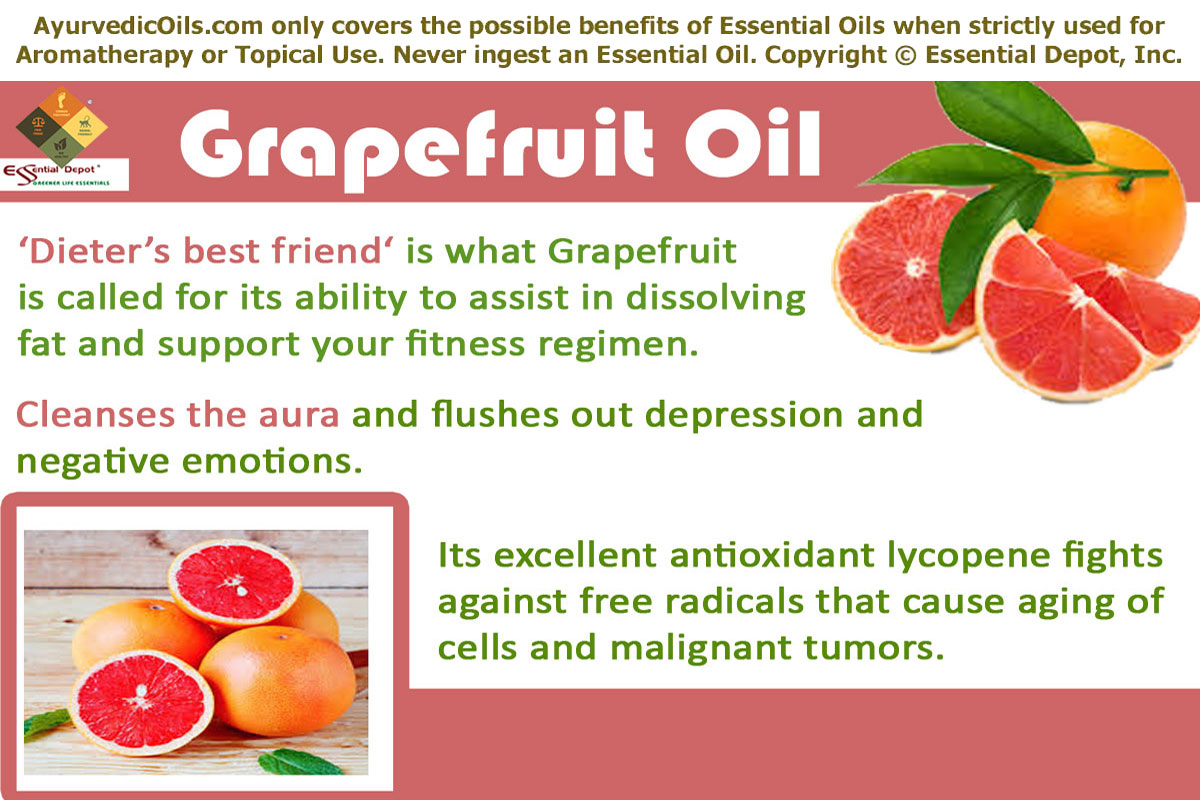
Wintergreen Essential Oil

Winter-green-bannerWintergreen essential oil extracted from the leaves of Wintergreen plants, botanically known as Gaultheria Procumbens is native to North America and Canada. Gaultheria fragrantissima wallich is indigenous to India and the Indian Wintergreen essential oil has similar therapeutic properties just as the American Wintergreen essential oil. I love Wintergreen oil for its effectiveness in relieving muscular pains and spasms.

Experts call it as ‘Nature’s Aspirin’ as it is exceptionally potent in treating arthritic and rheumatic pain since ages together. Ayurveda, the ancient natural science of healing calls this herb as Gandapura and was used in many spiritual ceremonies where this sacred plant was trusted to bring harmony between earth and its inhabitants through its healing powers.

Purchase Winter Green Essential Oil – Retail – CLICK HERE

Purchase Winter Green Essential Oil – Wholesale – CLICK HERE

Historical uses of Wintergreen essential oil:

The essential oil of Wintergreen was used for flavoring in the primordial times. The principal constituent of this oil is methyl salicyclate, which is 98% of this oil and other major constituents are gaultherilene, myrcene, limonene and formaldehyde.

The Native Americans used Wintergreen leaves to brew tea for treating rheumatic problems and chewed the leaves to treat respiratory problems, headache, sore throat, fever, tooth decay and to augment lung capacity.

Wintergreen essential oil is used externally as a folk medicine for joint problems, muscular discomforts, inflammation, cramps, rheumatism, arthritis, psoriasis, bruises, eczema, improper blood circulation, cellulite, headache, obesity and certain heart diseases. Wintergreen was used in numerous ritual practices for treating curses, protecting from evils and for its amazing healing benefits.

Chemical constituents or Gas Chromatography Report (GC) of Wintergreen oil:

According to the Gas chromatography report, Wintergreen oil constitutes of 2 chemical components that contribute to its fragrance, therapeutic attributes, consistency and quality of this oil. Of which, Methyl salicylate contributes to the highest proportion of Wintergreen oil with about 99.9% of its total composition.

Just click on:

I trust that this must certainly help you in getting to know the exclusive information about the prime chemical constituents of Wintergreen oil.

The table crafted below clearly depicts the unique nature and contributions of these bio-chemical constituents to the healing magnificence of Wintergreen essential oil.

wintergreen-gct

Ayurvedic health benefits of Wintergreen essential oil:

Ayurveda is a holistic approach that doesn’t focus on the disease alone but treats the individual as a whole. According to this ancient science, human body is made up of three doshas or energy elements namely vata, pitta and kapha, which are a combination of five vital elements of nature (air, water, fire, earth and ether).

Vata symbolizes air and is responsible for ejections, eliminations and discharges of the body. It regulates metabolism and is the key to functions of the brain and nervous system. Pitta represents fire and is in charge of digestion, body temperature, vision and reasoning skills.

Kapha with its lubricating qualities signifies earth and is completely responsible for the shape and figure of an individual. Reproductive health, circulation, muscular strength and ability to regain good health are vested with a balanced kapha.

Every individual will have a predominance of any of these three doshas where the predominant one determines the characteristic of an individual. Good health is a symbol that your doshas are in balance and imbalance of any of these doshas will end up in illness.

Ayurvedic remedies are purely natural and suggest the use of herbs, essential oils extracted from plants, Abhyanga or Ayurvedic massage, practice of yoga, meditation, taking up an Ayurvedic routine and spirituality.

Wintergreen essential oil is a trusted medication in treating vata imbalances predominantly. In Ayurveda, wintergreen oil is used in treating Vata gout where the autoimmune system gets weakened and affects joints and muscles.

This is mainly due to the natural pain killing attribute of Wintergreen oil and a gentle massage with Wintergreen essential oil is said to soothe and warm up the skin, granting complete relief from pain, stiffness, inflammation and dryness.

Let’s now have a look at the other major Ayurvedic health benefits of Wintergreen essential oil are:

Wintergreen-broucher1. Chronic rheumatism and arthritis:

Rheumatoid arthritis or chronic rheumatism is a long term health disorder and is known as Ama vata in Ayurvedic terms. It affects the joints, causing inflammation, swelling, redness, and sharp pain.

Ayurveda states that the fundamental cause for this illness is the imbalance of the digestive fire and the stagnation of ama or toxic substances of the body mainly due to unhealthy lifestyle and stress.

Wintergreen essential oil has stimulant, anti-arthritic and anti-rheumatic properties that aids in discharging toxins from the body through urine and stimulating proper blood circulation.

Applying few drops of Wintergreen oil with carrier oils like Jojoba oil or sesame oil will help clearing impediments in the blood flow, checks rheumatism and helps in removal of toxins, reduce excess weight, salts and excess water by penetrating deeply into the tissues and muscles through the skin.

2. Pain, inflammation and muscular problems:

Wintergreen essential oil is used as a counterirritant in treating pain, sores, muscular pains, lower back pain, achy joints and inflammation, where counterirritants act by creating an irritable sensation that lessens swelling and pain in the tissues.

The analgesic, relaxant and anodyne properties of this oil cause numbness and warmth when applied on the painful area. It eliminates pain, reduce stress, drive away tension and induce good sleep by inhibiting the formation of prostaglandins responsible for causing pain.

This is mainly due to the presence of Methyl salicyclate which is equivalent to the conventional medicine aspirin (the fundamental component of aspirin is salicyclate). These soothing and pain-relieving attributes of Methyl salicyclate in Wintergreen essential oil makes it a vital part in celebrated pain relievers like BENGAY.

3. Respiratory problems and other spasmodic disorders:

The anti-spasmodic properties of Wintergreen oil aids in treating all kinds of spasms in the respiratory system, digestive system, nervous system, circulatory system and muscles.

Adding few drops of Wintergreen essential oil in steam inhalation, warm baths, gentle massaging and few other topical applications on the affected parts will give complete relief from respiratory disorders like asthma, chest congestion, breathing problems and spasmodic coughs.

Nervous afflictions, muscular contractions and certain other health disorders due to spasms can be effectively treated with the oil of Wintergreen.

4. Skin disorders:

Wintergreen essential oil is highly toxic and it acts as a protective shield against bacteria, virus, fungi, microbes and other harmful organisms. This makes it a good antiseptic and protects the skin from being septic in case of microbes’ prone open wounds, cuts and other skin infections.

This oil is very powerful and kills Staphylococcus Aureus bacteria and heals septic problems. Mild application on the skin is effective for treating all types of skin disorders as this oil has the potential to infiltrate into the skin and is easily absorbed by tissues and blood stream for faster relief. Wintergreen essential oil is also effectual in uplifting the skin, augmenting the skin tone and fighting against the symptoms of aging.

5. Digestion and elimination:

To put in simple terms, this oil boosts digestion, promotes quicker absorption of nutrients and stimulates trouble-free excretion, where the toxic substances of the body are eliminated for supporting good health.

The hepatostimulant property of Wintergreen essential oil assists the secretion of digestive enzymes, bile, gastric juices and hormones facilitating proper functioning of the body. This oil stimulates the working of gall bladder, liver, kidneys, endocrinal glands, digestive system, excretory system, circulatory system and the nervous system.

The diuretic attribute of Wintergreen oil aids in eliminating the excess water, salt, fat and uric acid in the body through urine, which makes it a promising natural remedy for treating bladder infections, hypertension, edema, obesity and water logging.

6. Woman’s health:

Being a natural emmenagogue, wintergreen essential oil helps in treating plenty of womanly problems like delayed menstruation, uterine ulcers, dysmennorhea, blocked menses, pain in the pelvic region, hair fall, hemorrhages, fatigue, vomiting and stress related to menstruation.

A soothing massage using 2 to 3 drops of Wintergreen essential oil blended with sesame oil can grant complete relief. Adding few drops of this oil to your bath tub with warm water can calm your nerves and soothe your senses.

7. Spiritual strength:

The strong aroma of Wintergreen essential oil improves attentiveness and stimulates the mind. Applying this oil to your skin is said to heighten the vibration of the body and accentuate sound.

Increased vibration helps in unveiling spiritual awareness and paves way to the harmony of self and divinity. This attribute has made Wintergreen oil to be an incredible part of the ancient chants (mantras) and meditations where sound was used for adding spiritual strength.

Wintergreen essential oil improves logical thinking and stimulates mental power. Apart from all these natural benefits, this oil is used as a flavoring agent in candies, root beer, chewing gums, smokeless tobacco, mouth fresheners, mouthwash like Listerine, in toothpastes and certain other oral care products. It is also used as a solvent in printmaking.

Disclaimer:

Ingesting Wintergreen essential oil should be strictly avoided as it is highly toxic and can cause serious health effects. 1 fl oz of this oil is equivalent to 171 adult aspirin tablets. Use it only as a topical application after diluting it with soothing carrier oils in 1:10 ratio.

This oil has blood-thinning effects and should be avoided by people who are susceptible to aspirin. Never use it on children below 12 years of age, pets, pregnant women and on broken skin. Consult your healthcare practitioner before using Wintergreen essential oil for your individual constitution.

The MSDS (Material Safety Data Sheet) of Wintergreen oil is readily available for your enhanced safety and better usage.

Gas Chromatography Report (GC analysis) of Wintergreen oil.

Wintergreen Oil Possible Skin Issues:

Greener Life Diamond – Bio-Healthy Score => 3 Possible Skin Issues:

See => http://www.essentialdepot.com/GreenerLifeDiamond.html

Wintergreen oil can also be called as methyl salicylate as this essential oil contains about 99.9% of the methyl salicylate component. Besides being an excellent analgesic equivalent to the aspirin, it leaves behind trepidation with numerous adverse effects on the human system.

Alarmed as a toxic substance, Methyl salicylate is claimed as a neurotoxic, teratogenic and unsafe during pregnancy, labor and nursing.

Poisoning due to Methyl salicylate is said to cause adverse dermal conditions, vomiting, sweating, respiratory alkalosis, pulmonary and laryngeal edema, fluid retention, lethargy, tinnitus, internal haemorrhage, restrains blood clotting and should not be used when using blood-thinning drugs.

“Methyl salicylate is much more toxic than salicylates” quotes the book, Leung’s Encyclopedia of Common Natural Ingredients used in Food, Drugs and Cosmetics. Various studies also witness that lethal poisoning of methyl salicylate in Wintergreen oil can happen by absorption through the skin cells.  Mainly due to the aspirin-like qualities of Methyl salicylate, there are chances for bleeding and other subsequent side effects when applied on the skin for treating pain and spasms.

The safe maximum dermal use level of Wintergreen oil is 2.4% as per the International Fragrance Association (IFRA). According to the Health Canada Cosmetic Ingredient Hotlist, March 2011, the safe maximum level of external use of methyl salicylate in topical products is 1%. This level of usage is applicable only for topically used products and is invalid for rinse-off products, including soaps, shampoos and other bathing products.

A 2007 study, published in the Cal Journal of Emergency Medicine reveals that percutaneous (effected through the skin surface) absorption of Methyl salicylate in Wintergreen oil and other salicylates, may end up in acute poisoning, especially in people with renal failure. This study also concluded that based upon the autopsy, the death of an elderly man with renal failure occurred due to the continuous dermal absorption of Wintergreen oil.

Skrakosch studies on ointments containing salicylic acid, state that the factors affecting the dermal absorption of salicylate are “the effect of salicylic acid on the epidermis, the pathologic state of the skin, the degree of hydration of the stratum corneum, and the solvents used.” Based upon the studies on volunteers with normal skin, it was found that salicylate ointments caused damage to the epidermis within 2 to 14 days.

The use of methyl salicylate is prone to interact with drugs when used along with anticoagulant medication (warfarin) and GERD (Gastroesophageal reflux disease). It is good to avoid Wintergreen oil if you are sensitive to salicylates and certain other skin conditions as it may trigger skin damage. Methyl salicylate is also said to inhibit platelet aggregation.

Along with Methyl salicylate and aspirin, all kinds of salicylates are teratogenic in nature and might harm the fetus so it is best avoided during pregnancy, labor and while nursing. The reproductive toxicity of Methyl salicylate has been witnessed as reproductively toxic in rodents and it can also be 4.5 times more poisonous in humans than in rodents.

Various studies have proved the high mortality rate of methyl salicylate accounting to 50 to 60% with 4 to 8 ml used in children is reported as the lethal dose for children. Use of Methyl salicylate on children (including infants and toddlers) should be strictly avoided, (especially in children with ADHD-Attention Deficit Hyperactivity Disorder), patients with hypersensitivity, asthma, gastro-intestinal irritation, inflammation and salicylate allergy.

Studies have proved the neurotoxic effects of Methyl salicylate, the excess of which can end up in death via respiratory collapse and cardiopulmonary arrest. Based on the analysis of deadly salicylate poisoning cases, it was detected in post-mortem examination that about 18% had abnormalities in the nervous system.

Wintergreen essential oil used in a diluted form, blended with safe carrier oils like coconut oil is safe only for external use. Never ingest Wintergreen oil as Methyl salicylate is highly fatal and may cause severe toxicity. The most prevalent symptoms of Methyl salicylate poisoning are fever, excitation of central nervous system, high blood pressure, confusion, rapid breathing, convulsions and even coma.

Reference Links Substantiating the Possible Skin Issues of Wintergreen Oil:

  1. Salicylate Toxicity from Ingestion and Continued Dermal Absorption Rachel L. Chin, MD, Kent R. Olson, MD, and Delia Dempsey, MS, MD, published in Cal Journal of Emergency Medicine
  2. Management priorities in Salicylate Poisoning by The American College of Medical Toxicology
  3. Aspirin and other Salicylate poisoning by Gerald F. O’Malley, DO, Thomas Jefferson University and Hospital; Rika O’Malley, MD, published in the professional version of the MSD Manuals
  4. Methyl Salicylate by Wikipedia
  5. Treatment of Low Back Pain: The Potential Clinical and Public Health Benefits of Topical Herbal Remedies by Patricia R. Hebert, PhD, E. Joan Barice, MD and Charles H. Hennekens, published in the Journal of Alternative and Complementary Medicine
  6. Wintergreen Oil – Essential Oil Safety: A Guide for Health Care Professionals by Robert Tisserand, Rodney Young
  7. Safety Information on Essential Oils by the National Association for Holistic Aromatherapy
  8. Case Reports of Adverse Events of Wintergreen oil by American Herbal Products Association’s Botanical Safety Handbook, Second Edition edited by Zoë Gardner, Michael McGuffin

Suggested Reading:

  1. Potter’s New Cyclopaedia of Botanical Drugs and Preparations by R. C. Wren
  2. Herbal Healing for Women by Rosemary Gladstar
  3. The Illustrated Encyclopedia of Essential Oils: The Complete Guide to the Use of Oils in Aromatherapy & Herbalism by Julia Lawless
  4. The Essential Herbal for Natural Health: How to Transform Easy-to-Find Herbs into Healing Remedies for the Whole Family by Holly Bellebuono

Reference Links:

  1. Methyl Salicyclate by Wikipedia
  2. Ayurvedic and Herbal remedies for Arthriti by Dr. Narendra Jain
  3. Treatment of Gout  – The Ayurvedic Way by Ravi Bhanot, Ayurvedic Researcher, The Ayurveda Institute of Europe
  4. Wintergreen by Georgetown University Medical Center

Save

Save

Cajeput Oil

Cajeputoil-bannerCajeput essential oil owns the scent of purity and is an excellent haemostatic, analgesic and a proven natural remedy for respiratory problems.

Traditionally being used in long precedence to treat cold, chronic rheumatism, flu and infections related to sinus and respiratory tracts, Cajeput essential oil owes its extraction to the leaves of Cajeput trees through the process of steam distillation. Botanically called as Melaleuca cajuputi, the word Cajeput is originated from the Malay word ‘kaju putih’ which means ‘white wood’.

Known as Katupruhi in Ayurveda, Cajeput and its essential oil are being used in the traditional healing system for treating muscular pain, neuralgia, rheumatism, urinary tract infections, insect bites and stings, intestinal parasites, headache, joint pain, abdominal cramps, burns, intestinal inflammation, ear infections, oral problems, colic and psoriasis.

Purchase Cajeput Essential Oil – Retail – 4 oz – CLICK HERE

Purchase Cajeput Essential Oil – Wholesale – CLICK HERE 

Historical uses and importance of Cajeput and its essential oil:

Renowned for their pointed leaves, exotic flowers, flexible trunk and attractive white bark, Cajeput trees bear their nativity to the South Asian countries and are now widely distributed in Australia, Malay Archipelago and Malay Peninsula, with Indonesia and Vietnam being the principal producers of Cajeput essential oil.

With an unusual and stimulating aroma like that of cardamom, camphor and rosemary, Cajeput essential oil earns the gratitude of extensive usage in the traditional healing systems. Bearing resemblances to Tea tree, Cajeput trees are found prevalently in Malaysia and are called as White tea tree in certain occasions.

Well known for its resistance to forest fire, Cajeput trees are small, tidy and attractive with long-life. The aromatic white flowers of these trees, in addition to contributing to the essential oil also aid in the production of flavored honey by attracting the honey bees resulting in good yield. This property attracted the beekeepers of Florida who were the ones to introduce this tree to the United States.

Being portrayed as an oil of mystical powers, Cajeput essential oil is believed to protect against all kinds of evil powers and is used in cleansing the ritual objects and idols. With its spiritual powers that targets the consciousness of a person, Cajeput oil helps in reverting the mind from addictions to uncontrollable habits such as alcohol, smoking etc.

Ritually used in Australia, Indonesia and Malaysia for its beneficial attributes such as antiseptic and analgesic in treating chronic rheumatism, cold and flu, it was introduced to Europe in the 17th century as a natural aid for almost all types of ailments ranging from infections affecting respiratory tract to urinary tract.

Ayurveda employs Cajeput essential oil for its anti-inflammatory, antiseptic, antifungal, anti-bacterial and anodyne properties in holistic healing of dyspepsia, stomachic disorders, influenza, rheumatism, cold, cholera, burns, asthma, yeast infections, colic, toothache, parasites in intestines, tumors and even as an insecticide.

The utilization of Cajeput essential oil in some of the renowned liniments such as tiger Balm and Olbas is just enough to prove the analgesic attribute of this oil. As an effective antimicrobial agent, it is used in skincare and in the manufacture of soaps, cosmetics, perfumes and disinfectants.

Chemical constituents and therapeutic properties of Cajeput essential oil:

With cineol as the primary component, Cajeput essential oil comprises mainly of monoterpenes, sesquiterpenes and hydrocarbons, which include alpha pinene, limonene, caryophyllene, beta pinene, alpha terpineol, terpineol, cymene, alpha terpinene-4-ol, linalool, gamma terpinene, nerolidol, geranyl acetone, ketone, benzaldehyde, cajeputene hydrate, cajuputol, eucalyptol and myrcene.

The eminent therapeutic attributes of Cajeput essential oil are antipyretic, carminative, anti-neuralgic, analgesic, disinfectant, antispasmodic, diaphoretic, tonic, antiseptic, expectorant, emmenagogue, stimulant, anthelmintic, cosmetic, anti-bacterial, decongestant, febrifuge, sudorific and insecticide.

Ayurvedic Health Benefits of Cajeput essential oil:

Ayurveda simply means ‘the knowledge of life’. This oldest healing system trusts that the real wisdom of mankind rests in the knowledge about our system, which is the best wonder of this world.

Human mind and body work in a miraculous manner and Ayurvedic healing insists that this system is built up with the same five elements with which nature is made up of. They are fire, water, earth, air and space.

Earth represents bones and muscles, fire represents agni or the heat energy in the body, water represents blood and other fluids, air represents the breathing mechanism and space is the soul that keeps us alive.

Every individual is made up of a unique individual constitution that comprises three dynamic forces or biological energies known as doshas. They are vata, pitta and kapha dosha. These doshas are nothing but a representation of the five elemental forces of nature.

Vata is a combination of air and space and is in charge for nervous functions, circulation and respiratory functions. Fire and water put together forms Pitta dosha, which is responsible for metabolic functions and body temperature.

Kapha dosha is a representation of water and earth and contributes to physical structure, sustenance and reproductive health. Every human being has a majority of any one of these doshas and this predominance decides one’s personality, behavioral traits and attributes.

Ayurvedic philosophy strongly believes that absolute health of human beings exclusively depend upon one’s harmony with nature. Perfect balance between these doshas depending upon the unique individual constitution signifies health and imbalance of doshas causes illnesses.

Ayurveda prescribes natural remedies like herbs, plant essential oils, simple physical exercises, prayers, meditation, Ayurvedic routine, yoga, Abhyanga (the art of Ayurvedic massaging) and Pranayama for correcting the doshic imbalances.

Cajeput essential oil reduces kapha and vata dosha, in excess cases and increases pitta energy.

Let’s have a look at the Ayurvedic health benefits of Cajeput essential oil.

Cajeput-broucher1. Assuages respiratory ailments:

Numerous bacteria, viruses and fungi are always on the urge to cause infectious diseases that primarily target the respiratory tract with an array of ailments affecting mankind such as bronchitis, sore throat, flu, cold, ear infections, tightness in chest, laryngitis, blocked nose, mild fever, sinus and cough; Cajeput essential oil plays an important role in stopping the advent of these harmful microbes and protects the system from all types of respiratory ailments.

With its deep penetrating aroma with a rich eucalyptol note, Cajeput essential oil is a renowned cure for sinus that it has always been an unavoidable element in most of the medications that alleviate health problems associated with sinus. Just inhaling 2 drops of this essential oil added to steam inhalation, can provide instant relief from headache, blocked nose, sinus pain and makes you feel tranquil in a matter of minutes.

Excess of kapha dosha is responsible for deposits of mucus and phlegm in the respiratory tract, lungs and nasal passages. With its power to reduce kapha dosha, Cajeput essential oil helps in breaking up even heavy deposits of mucus accumulated in the respiratory organs and assists in excreting it from the body through coughing and aids in lessening the symptoms of chronic bronchitis and laryngitis.

As an effective antibacterial agent, it helps in fighting against infections and works as a decongestant, suitable to be used as an inhaler for cold and sinus. Moreover, as a natural anti-inflammatory agent it helps in reducing inflammations due to infections in the respiratory tracts such as larynx, pharynx and the bronchi.

Adding 2 drops of this oil in warm bathing water and massaging your throat, chest and back with 2 drops of Cajeput oil, 2 drops of Eucalyptus oil mixed with vaporizing ointment can help in relieving nasal congestion, cough, cold, bronchial congestion, blocked nasal passages and chest congestion.

Cajeput oil has a warming effect and is a must to have oil in your first aid kit. 1 to 2 drops of this added to your diffuser during winter can keep you away from infections and grant you a safe environment to live in. It induces the sweat glands and promotes sweating and helps in lowering high body temperature and is also effective in alleviating fever associated with cold and pain in the body.

2. Effective insecticide and termicide:

Insects, especially the mosquitoes are always the sure shot carriers of some dreadful diseases such as malaria, filaria, dengue and chickungunya. With no specific vaccines or antiviral treatment available for the viral diseases such as chikungunya and dengue spread by mosquitoes, actions taken to control the mosquito population remains as the only means of preventing these frightful ailments.

A 2012 research article on the study of “The pesticidal and insecticidal activity of Cajeput essential oil” reveals the fact that it is effective against the mosquito species Aedes aegypti and Aedes albopictus, which remain as the primary vectors of dengue fever and dengue haemorrhagic fever.

Numerous natural phyto-chemicals found in this essential oil effectively function in interrupting the neurotransmitter in mosquitoes by acting as a reversible inhibitor of acetyl cholinesterase, resulting in the knockdown of these unsafe insects. Applying 2 drops of Cajeput oil to your mild skin care cream or lotion can help in keeping you away from mosquito bites.

Moreover, Cajeput oil is a natural source of antifungal and anti-microbial properties, which makes it toxic to the fungi spoiling the woods and highly toxic to the termites thus proving beneficial in the manufacture of wood preservatives and natural insecticide for controlling termites. 4 to 5 drops of this oil added to household cleaner or disinfectant can be sprayed on doors, windows and furniture items for protecting them from termites and other insects.

In addition to its insecticidal and pesticidal attributes, Cajeput essential oil actively extinguishes the parasites such as lice and fleas and thus it is recommended to use 2 drops of this mystical oil to shampoos for hair wash. It can also be added to brushes used for pets for a gentle comb that frees your pets from flees and other insects.

3. Aids in maintaining oral health:

Cajeput essential oil holds the glory of its traditional usage for quick relief from toothache and other oral health issues. With α-terpineol and terpinen-4-ol greatly contributing to the anti-bacterial and the antifungal activity of Cajeput essential oil, this oil acts as a quick extinguisher of all the harmful bacteria found in the mouth and other oral cavities. Linalool acts a mild analgesic with tranquilizing properties that makes Cajeput oil to bring quick relief for all tooth and gum related pains.

Just adding 1 drop of Cajeput oil to a cotton ball and keeping it on the affected area can work wonders, resulting in instant relief from pain and toothache. It is for this reason; Cajeput essential oil has been used in dentistry in treating gingivitis and to alleviate pain in the gum after removal of a tooth.

Furthermore, as an anti bacterial agent, this oil kills all the harmful microbes and various other compounds causing bad breath and assists in alleviating the symptoms of halitosis. Numerous oral products such as tooth paste, mouth wash and mouth fresheners involve the utilization of Cajeput essential oil for its long lasting freshness and oral benefits.

In the book ‘Ayurveda and Aromatherapy’, Bryan Miller and Light Miller say, “Cajeput can be used in a gargle along with sandalwood oil for sore throat; recipe 1 drop Cajeput oil, 1 drop sandalwood oil in half cup water, mix well and gargle. This has been used with success by many singers who have lost their voice through a combination of stress and colds.”

4. Excellent pain reliever:

With numerous pain-relieving properties, Cajeput oil stands special for its excellent analgesic and soothing attributes. Comprising of limonene and a-terpineol as the best pain-reducing agents, Cajeput essential oil is used to treat all kinds of pain ranging from headache, toothache and many more.

Rich in soothing, anti-inflammatory and anti-neuralgic attributes, Cajeput essential oil is indeed a blessing for those who suffer with Neuralgia – a condition that causes severe pain to the whole oral zone including ears, tonsils, throat, pharynx and larynx.

It helps in relaxing the blood vessels and reduces the pressure on the glossopharyngeal nerve and alleviates the symptoms of neuralgia. Cineole in Cajeput oil produces a warming effect on the surface to which the oil is applied and results in relieving the pain beneath the skin.

Widely prescribed in Ayurveda and other Complementary and alternative medicinal practices for treating rheumatism and arthritis, Cajeput essential oil helps in alleviating pain in addition to lessening the inflammation. As an eminent diuretic, this oil aids in maintaining the fluid level in the body and drains out excess water along with other impurities such as acids, fats etc. by inducing perspiration and increasing the frequency of urination thus treating inflammations due to excess water stagnation caused by increased kapha dosha.

Cajeput oil plays an important role in aromatherapy along with camphor oil and is used in Ayurvedic massaging to reduce body pain caused by gout, arthritis and rheumatism. Being an invaluable ingredient in the Indonesian traditional medicine – Minyak Telon and serving as a natural pain killer, Cajeput oil is full of explicit benefits to everyone, especially to those who work on laptops and desktops and remain the victims of back pain, neck pain and stress.

Massaging the painful or affected parts with 2 drops of Cajeput oil, 2 drops of Rosemary oil, 2 drops of Eucalyptus oil, 2 drops of Camphor oil, 2 drops of Juniper oil blended with 5 ml of coconut oil is an excellent remedy for alleviating joint pain, muscular distress, back pain, arthritic pain, rheumatic pain, headache, muscular tension and much more.

5. Proven effective in skin care:

The presence of chemically antibacterial agents such as terpinen-4-ol, 1, 8 cineol, linalool and alpha-terpineol contribute to the antibacterial attribute of Cajeput essential oil, making it a best antiseptic and skin care product.

Applying 2 drops of Cajeput oil mixed with your skin care cream or lotion can be of great help in treating acne, boils, cuts, wounds, burns, psoriasis and fungal infections caused by tinea versicolor and mites due to scabies, has yielded promising results proving the efficacy of this oil in the field of dermatology.

It helps in removing the toxins, regulates the production of sebum by inducing the sebaceous glands and helps in treating acne, carbuncles and heals the damaged tissues that have turned red due to abscesses.

The high antibacterial and germicidal activity of this oil against various bacterial strains like Staphylococcus aureus results in speedy recovery in the treatment of furunculosis. Moreover it is an excellent aid in treating scrapes, burns, swellings around fingers or toe, scabies etc. This healing effect can be obtained by adding 2 drops of Cajeput oil in bathing water in the morning and before going to bed.

It also fights against infectious microbes and prevents any wounds or cuts from becoming more infectious and septic thus preventing the onset of tetanus. It tones up the skin and makes it bright, free from infections and thus widely used in the preparation of cosmetics, body lotions, shampoos, antiseptic creams, soaps and disinfectants.

6. Supports the digestive system:

With its pitta-enhancing properties, Cajeput essential oil possesses digestive as well as carminative properties helping in easing the digestive process and stimulating the secretion of digestive juices and enzymes that aid in the full absorption of nutrients in food. It aids in removal of gas from the body with ease and prevents its formation thus alleviating the gastrointestinal disorders.

Due to its soothing attribute, it is also useful in treating some of the digestive disorders such as colic, vomiting due to indigestion, freeing from intestinal worms, intestinal cramps, dysentery and enteritis.

Other health benefits of Cajeput essential oil:

Its ability to fight against the advent of fungal infections is used in food products to serve the purpose of a preservative. It helps in fighting against yeast infections caused by the Candida species and is also active against the protozoan such as Trichomonas vaginal and is helpful in treating the trichomonas vaginal infections.

Apart from this, Cajeput essential oil is utilized in treating tumors, to open up blocked menstruation and to aid in healing the womanly concerns and to regulate proper circulation of the blood. Generally used in air fresheners to uplift the surrounding, Cajeput essential oil cleanses the air and uplifts the spirits and elevates the mind helping to overcome depression, sluggishness, anxiety, fear and the aftershocks of radiotherapy.

Disclaimer:

This article is only for the purpose of education and is articulated entirely with the thought of sharing the enlightening knowledge of Ayurveda, the 5000 year old traditional healing methodology. These natural remedies are not meant to cure, prevent or diagnose any medical condition or to substitute any prescribed medications or expert medical advice. We are not healthcare professionals or medical experts.

Never use essential oils internally and make sure that you use them topically in a diluted manner only, as unadulterated, genuine and organic essential oils are very concentrated substances and can cause allergic reactions when used on the skin directly. Talk with your Ayurvedic expert/healthcare professional before choosing the apt essential oil for your medical condition and unique individual constitution.

Thought for the day:

We still do not know one thousandth of one percent of what nature has revealed to us.        -Albert Einstein

Suggested Reading:

  1. Ayurveda & Aromatherapy: The Earth Essential Guide to Ancient Wisdom and Modern Healing by Dr. Light Miller, Dr. Bryan Miller
  2. The Illustrated Encyclopedia of Essential Oils: The Complete Guide to the Use of Oils in Aromatherapy & Herbalism by Julia Lawless
  3. Relieving Pain Naturally: Safe and Effective Alternative Approach to Treating and Overcoming Chronic Pain by Sylvia Goldfarb, Roberta W. Waddell
  4. Herbal Healing for Women by Rosemary Gladstar
  5. Scents of Life: Use And Effect Of Essential Oils by H. M. Schemske

Reference Links:

  1. Cajuput Oil by Wikipedia.
  2. A research article on the ‘Essential Leaf Oils from Melaleuca cajuputi’ by J.H. Kim, K.H. Liu and Y. Yoon from the School of Agricultural Biotechnology, Korea
  3. A 2012 research article on the Evaluation of Melaleuca cajuputi (Family: Myrtaceae) Essential oil in aerosol spray cans against dengue vectors in Low cost housing flats
  4. A research article on ‘Cajeput-Type Oil for the Treatment of Furunculosis’ by Henry M.Feinblatt, published in PubMed