Tag Archives: Ayurvedic oils for depression

Grapefruit Pink Oil

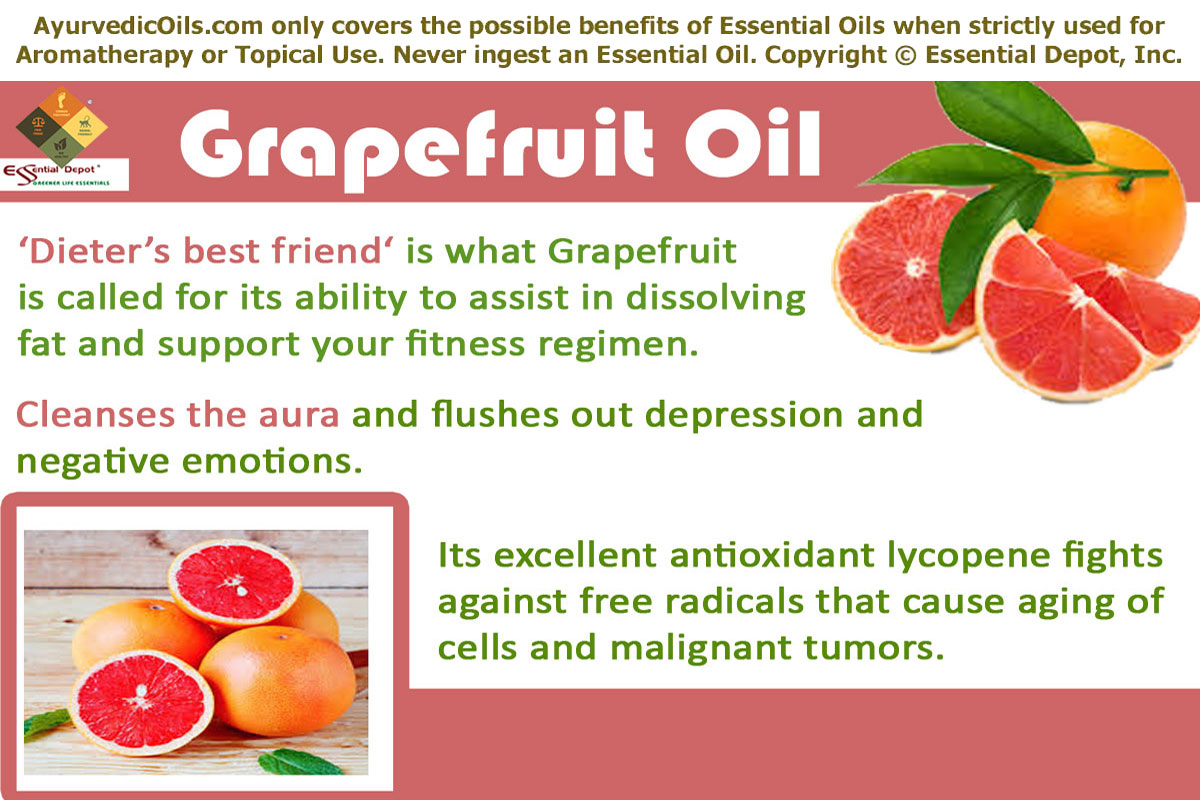
Are you on diet? Then Grapefruit can be your best pal as it is called as ‘Dieter’s best friend‘, for its ability to assist dissolving fat and stays strong to be a vital part of your fitness regimen.

Grape-fruit-bnGive that perfect lift to your self-esteem and self-worth with Grapefruit oil, as it works like a magic by cleansing the aura and flushing out depression, lack of self-confidence, mental chaos and other negative feelings at ease.

Adorably called as Madhukarktikum and Kadaaram in Sanskrit, Grapefruit is yet another powerful Ayurvedic remedy for dealing with digestive disorders by stimulating the gall bladder and assisting the secretion of bile and other digestive juices.

The essential oil of Grapefruit is cold pressed from the external rind of this fruit and is recommended for treating weight loss, acne, cellulite, edema, PMS, anxiety, depression and insomnia.

Purchase Grapefruit Oil – Retail – 4 oz – CLICK HERE
Purchase Grapefruit Oil – Wholesale – CLICK HERE

Historical importance of Grapefruit:

Grapefruit is trusted to be a hybrid variety found in the 18th century by Captain Shaddock in Jamaica; hence it was called as ‘Shaddock’ or ‘Shattuck’ initially. Later it was named as ‘Grapefruit’ mainly because of its manifestation like clusters of grapes on the trees. Grapefruit was once celebrated as one of the ‘Seven wonders of Barbados’.

Grapefruit is indigenous to the tropical parts of Asia and was originally brought to Europe by the medieval Arabian traders and it slowly spread to other parts of the world. Currently, United States is the world’s leading producer of Grapefruit, followed by People’s Republic of China and South Africa.

As it is an excellent source of various nutrients and phytochemicals, it was used ever since the ancient times as a part of a healthy diet. Whereas Grapefruit essential oil was used in baths for preventing the skin from harmful microbes, supporting healthy skin, enhancing the shine and growth of hair and as a cleansing agent in homes.

Chemical constituents or Gas Chromatography Report (GC) of Grapefruit Pink oil:

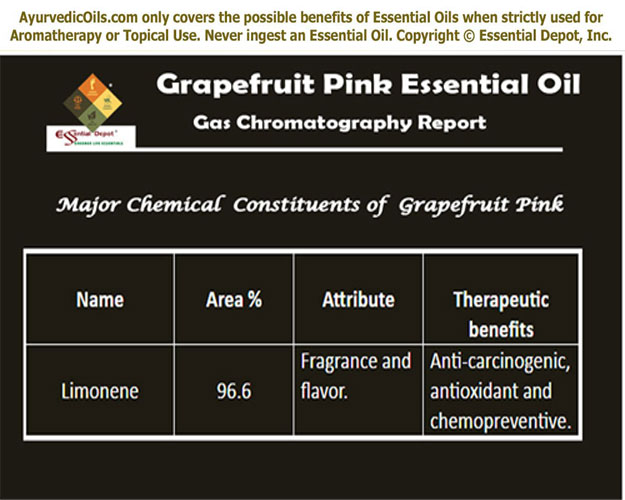
According to the Gas chromatography report, Grapefruit Pink oil constitutes of 7 chemical components that contribute to its fragrance, therapeutic attributes, consistency and quality of this oil. Of which, Limonene contributes to the highest proportion of Grapefruit Pink oil constituents with about 96.6% of its total composition.

Just click on:

I believe that this must certainly help you in getting to know the exclusive information about these prime chemical constituents of Grapefruit Pink oil.

The table crafted below clearly depicts the unique nature and contributions of these biochemical constituents to the healing magnificence of Grapefruit Pink essential oil.

grape-fruit-oil

Therapeutic properties of Grapefruit essential oil:

The remedial values of this oil are antidepressant, antiseptic, anti-tumoral, antioxidant, lymphatic, stimulant, tonic, diuretic, disinfectant, aperitif and fat dissolving.

Ayurvedic health benefits of Grapefruit essential oil:

Health is a three-tier foundation according to Ayurveda, where these three layers are mind, body and soul. It is rightly mentioned in Charaka Samhita, one of the most famous Ayurvedic encyclopedias as “The three – body, psyche, and soul – act as a tripod. The world stands upon them, and within them, the world abides.”

Ayurveda means ‘the knowledge of life’ and this traditional healing methodology aids in granting that awareness in every human being. Understanding the physical and mental health of oneself helps in leading a blissful life paving way towards longevity.

It has been said that nature is made up of five vital elements namely fire, water, earth, air and space and Ayurvedic texts strongly state that everything that is a part of nature is also made up of these five elements.

The science of Ayurveda follows a holistic healing system, where every individual is considered as a unique part of nature with a unique individual constitution just like our fingerprints.

This constitution comprises of three vital biological energies known as doshas. They are vata, pitta and kapha doshas, where each dosha represent a combination of two vital elements.

Kapha represents earth and water, and is responsible for structure of the body, sustenance and the movement of fluids in the system. Pitta represents fire and water and is in charge of digestion, absorption, excretion and certain other metabolic functions.

Vata stands for air and ether, and is accountable for circulation, respiration and nervous functions of the body. When an individual’s health is on par with nature, there is perfect health and harmony and when there is imbalance due to food, lifestyle and certain other factors, illnesses occur.

Balance between these three doshas indicates complete health and imbalance causes diseases. Ayurvedic remedies like essential oils, herbs, yoga, meditation, Ayurvedic routine and simple physical exercises focus on striking balance between these doshas. Grapefruit essential oil is said to pacify vata and kapha dosha and aggravate pitta dosha.

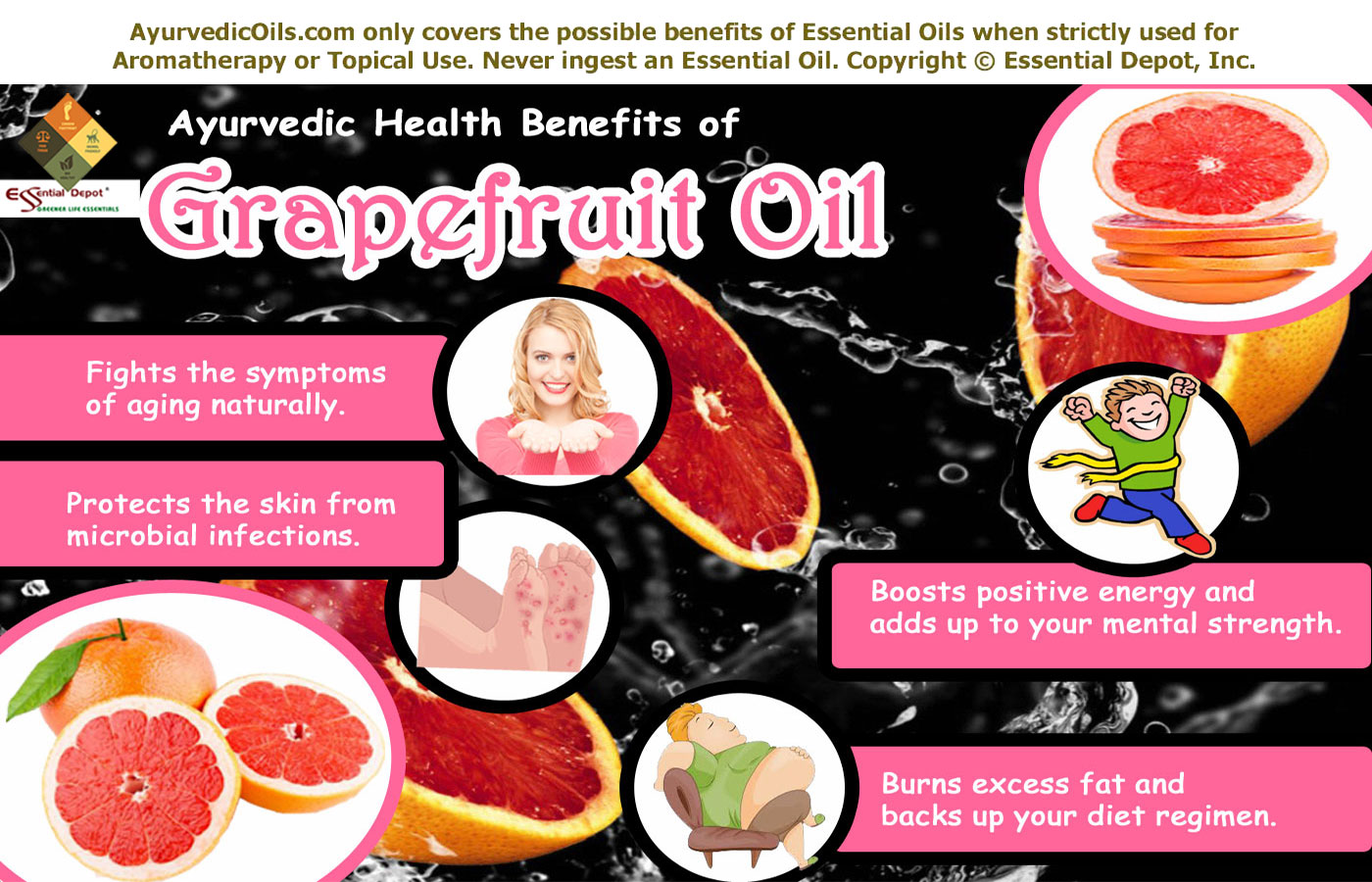
The Ayurvedic health benefits of Grapefruit oil are:Grape-fruit-broucher1. Fights the symptoms of aging naturally:

Aging can be the worst enemy for all those beauty conscious kings and queens out there, especially in the late 30s when everyone’s dreams are on the route of reaching their destination. When thousands of chemical-based products flood the market with the claim of ‘guaranteed younger look’, how will you feel if I say that the simple, natural and glorious fruit like Grapefruit can fight against all the symptoms of aging, just like that? Feeling awesome right!

FRTA or the Free radical theory of aging can assist you in understanding the real causes of aging. This theory states that “organisms age because cells accumulate free radical damage over time.” These free radicals cause oxidative damage in the cells, which pave way for aging and other age-related disorders like arthritis, diabetes, cancer, atherosclerosis and Alzheimer’s disease.

Numerous studies have proven that antioxidants are the best remedy for arresting the oxidative damage of cells by passivating the cellular structure from the damage caused by free radicals.

To your wonder, Grapefruit and its essential oil have the most powerful antioxidant lycopene, which is responsible for its attractive pink or red color. It has been established that antioxidants like lycopene assists in fighting aging of cells and fight against malignant tumors caused due to the harmful effects of free radicals.

According to a study by the Brigham Young University, “Small concentrations of grapefruit essential oil showed an 80.5% cell inhibition value for skin cancer cells.” The presence of limonene in Grapefruit oil supports about 80% of carcinomas in breast cancer to degenerate with comparatively lesser toxicity, says the reports on Grapefruit essential oil by the Purdue University.

In addition to this, Grapefruit essential oil has adequate amount of spermidine, which is a polyamine compound playing significant roles in the survival of cells. Every cell has spermidine like compounds and cellular aging happens when the growth of spermidine falls.

Using 2 drops of Grapefruit essential oil blended with 1ml of Jojoba oil or along with a mild skin care lotion or cream as a massaging blend can promote the secretion of spermidine compounds that support the growth of healthy cells, helping you look younger and youthful.

This massaging can also help in fighting against the free radicals that cause aging and other chronic illnesses. Adding Grapefruit to your daily diet is also a great idea to retain your beauty and nurture your skin health.

2. Protects the skin from microbial infections:

Grapefruit essential oil has antiseptic and disinfectant properties that wrestle against harmful organisms like bacteria and virus. The antiviral and antibacterial effects of this oil make it one among the best essential oils for treating wounds, cuts, bruises, acne and other microbial infections. It kills the existing microbes in the body that cause infections and prevents the entry of new microbes.

Using 2 drops of Grapefruit essential oil in warm bathing water in the morning or before going to bed can help in combating the growth of microbes and protect the body microbial infections all day long.

You can also add 1 drop of Grapefruit oil to your daily lotion or skin cream for pampering your skin. Along with this, the fresh and refreshing citrus aroma of Grapefruit oil keeps your skin fresh, regenerated and absolutely clean.

3. Boosts positive energy and adds up to your mental strength:

Grapefruit essential oil has an immaculate aroma that is neat as a new pin and has excellent aromatic effect on the mind. The anti-depressant properties of this oil flushes out the negative thoughts, depressive feelings and emotions that demotivate the mind and stop you from moving ahead.

The uplifting aroma of Grapefruit essential oil reaches the limbic system, the control center of the human brain through the nasal passages and passes the therapeutic properties of this oil in the form of commands to other parts of the body. Add 2 drops of Grapefruit oil to your diffuser, burner or vaporizer during the night or at the time of prayer or meditation. This oil is said to calm the mind and nerves and grant peaceful sleep at night.

Inhaling the sacred aroma of Grapefruit oil is said to broaden the heart chakra, which is responsible for love and affection along with the solar plexus chakra, which is accountable for self-esteem, confidence and discipline and the third eye chakra meant for intelligence, creativity, spiritualism, consciousness and inner awakening.

By this way, Grapefruit essential oil cleanses the aura, mind and the life force of the human body, which helps in restoring the power and spiritual realm.

4. Burns excess fat and backs up your diet regimen:

Obesity has become a common phenomenon in people of all ages mainly due to unhealthy food habits, lifestyle changes, fast food mania and the lack of physical exercises. Most of these factors seem unavoidable in this contemporary world, where there’s no time to spare for our health and happiness.

According to a popular Complementary and Alternative medicine expert, “taking medicines or drugs for reducing weight or dissolving fat is a hazardous practice and a life-threatening system as well.

So what to do and what is the natural way to burn away those excess fat and calories that rule your health and harmony? Here you go, Grapefruit and its essential oil have been an effective natural remedy for treating obesity and supporting weight-loss.

This is attributed to its diuretic, lymphatic and aperitif properties. Grapefruit oil works by improving the metabolism process, lowering the cholesterol content, reducing insulin levels and supporting loss of fat positively.

Ayurvedic texts state that the bitter and sour tastes of Grapefruit reside as the predominant reason for enhancing the flow of bile and other digestive juices and it helps in putting an end to food cravings, liver congestion and amassing up of excess fat, cholesterol and other toxic substances.

Mix 5 drops of Grapefruit essential oil with 2.5ml of sesame oil and massage it gently on your stomach and abdomen to stimulate the secretion of saliva, bile and other gastric juices.

Ama or the toxins in the body are mainly due to improper digestion. As Grapefruit essential increases pitta energy, which is responsible for digestive fire, the chances of indigestion, constipation and other digestive disorders are very less.

Excess of kapha energy is one major cause for obesity according to Ayurveda. Grapefruit oil is a boon to mankind as it pacifies kapha and increases pitta force, through which it eliminates the excess deposits of water, fat, toxic substances and cholesterol through urine and sweat.

Including Grapefruit in your diet or inhaling the aroma of Grapefruit essential oil before eating (by adding 1 drop of Grapefruit oil to your diffuser in your dining hall) can grant a feeling of fullness and put an end to unhealthy food cravings.

Consumption of Grapefruit can reduce LDL (“bad”) cholesterol, as well as triglycerides”, says The Journal of Agricultural and Food Chemistry. Consult your Ayurvedic Practitioner and know the right exercises, yoga and meditation for your unique constitution. This can speed up your fat-dissolving resolution at absolute ease.

Other health benefits:

Apart from this, Grapefruit essential oil is an excellent pain reliever that can help you in treating headache, back pain and migraine pain quickly, when 2 drops of this oil is mixed with 1ml of coconut oil and applied on the affected area.

Grapefruit essential oil has tonic properties that increase the immune power, stimulate hair growth, cleanse the scalp, boosts the functions of the nervous system and strengthen the muscles and nerves. This oil also helps in relieving mental and physical fatigue, menstrual discomforts, rheumatism, muscular stiffness, cellulite, nervousness, delayed menstruation and nervous exhaustion.

Disclaimer:

This article is only for the purpose of education and is not directed to diagnose or replace any Professional medical advice or prescribed medication. Never use essential oils internally and always use them in a diluted form, as pure and organic essential oils are highly concentrated substances and can cause harm if used directly on skin.

As other citrus oils, Grapefruit essential oil also has phototoxic effect that can cause damages to the skin when exposed to sunlight immediately after use, due to the hazardous effects of ultra violet rays. Always consult your Ayurvedic expert before using the right essential oils for your unique constitution and health condition.

The MSDS (Material Safety Data Sheet) of Grapefruit Pink oil is readily available for your enhanced safety and better usage.

Gas Chromatography Report (GC analysis) of Grapefruit Pink oil.

Grapefruit Essential Oil – Possible Skin Issues:

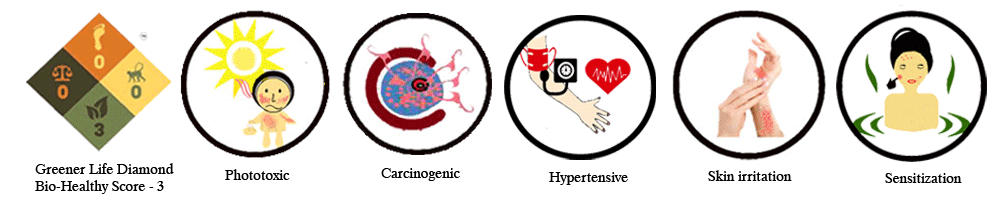
Greener Life Diamond – Bio-Healthy Score => 3 – Possible Skin Issues:

See => http://www.essentialdepot.com/GreenerLifeDiamond.html

Grapefruit oil showcases photosensitive effects if oxidized, contributing to its phototoxic, photo-carcinogenic and effects of sensitization. The possible skin issues of using Grapefruit oil are hyperpigmentation, allergic reactions, irritation, sunburns, blisters and rashes and this mainly occurs when the skin is exposed to visible sunlight for up to 12 hours of use of this oil.

The underlying reason is the reaction of the photoactive chemical constituents in Grapefruit oil that attracts light and leads to toxicity through molecular changes in the skin surface. Certain studies state that Grapefruit oil has been stated to promote the formation of tumors on the skin of mouse, by the key carcinogen, 10-dimethyl-l, 2-benzanthracene.

The primary chemical component responsible for the phototoxic and adverse skin effects of Grapefruit oil is Limonene, which accounts to about 90% of this oil along with few other furanocoumarins ( the non-volatile compounds like bergapten, bergamottin and epoxy-bergamottin.)

The safe dilution level of Grapefruit oil by the International Fragrance Association (IFRA) is 4%, which is about 24 drops per ounce of any mild carrier oils. This is particularly to prevent phototoxicity in products used for dermal applications except for bath products like soaps, shampoos and other wash-off preparations.

According to the European decree, essential oils that contain furanocoumarins must be used preferably when the level of bergapten does not exceed 15 ppm (parts per million) in finished cosmetic products preordained for use on parts of the skin that are in contact with sunlight (other than rinse-away products) and 1 ppm in bronzing and sun protection products.

Grapefruit oil should be used only for topical application, preferably blended with mild carrier oils (good for use after a patch test on your skin), and never use essential oils for ingestion, as internal use of essential oils might pose adverse health effects. Undiluted Grapefruit oil can cause skin irritation and this oil is claimed to be toxic to cats.

A 2005 study published in Brain Research states that “the scent of Grapefruit oil and its active constituent, limonene affects the autonomic neurotransmission and blood pressure through central histaminergic nerves and the suprachiasmatic nucleus.”

Studies state that ingesting furocoumarins may also cause phytophotodermatitis.  It is better to avoid Grapefruit oil if you are pregnant or breastfeeding as the safety of this oil during carrying or nursing are not established.

In a much similar way like Bitter orange oil, Grapefruit oil is said to restrain important enzymes in the intestines and liver, leading to have an impact on the blood levels at the time of taking medicines that are antidepressant, antiviral, anti-anxiety, calcium channel blockers, steroids, anti-malarial, immune modulators, prokinetics, statins and on par with caffeine intake. The presence of furocoumarins has led to the term ‘Grapefruit effect’, which signifies the interaction between furocoumarins and enzymes that are engaged in drug metabolism, specifically cytochrome P450.

Use Grapefruit oil only after medical advice, if you are taking any other prescription medicines. Startlingly, furocoumarins are also used in different remedies along with the long-wave ultraviolet light therapy for curing psoriasis, mycosis fungoides and vitiligo.

Reference Links Substantiating Possible Skin Issues of Grapefruit Oil:

  1. The Safe Grapefruit? By The American Botanical Council
  2. Olfactory stimulation with scent of essential oil of grapefruit affects autonomic neurotransmission and blood pressure by Tanida M, Niijima A, Shen J, Nakamura T, Nagai K, Osaka University, Japan, published in Brain Research
  3. Grapefruit by Essential Oil Safety: A Guide for Health Care Professionals By Robert Tisserand, Rodney Young
  4. Grapefruit Oil by Leung’s Encyclopedia of Common Natural Ingredients, used in Food, Drugs and Cosmetics by Ikhlas A. Khan and Ehab A. Abourashed
  5. Major Furocoumarins in grapefruit juice II: phototoxicity, photogenotoxicity, and inhibitory potency vs. cytochrome P450 3A4 activity by Messer A, Raquet N, Lohr C, Schrenk D, University of Kaiserslautern, Germany, published in Food and Chemical Toxicology: An International Journal published for the British Industrial Biological Research Association
  6. Grapefruit Juice and Medicines by the University of Michigan Health System
  7. Two Major Grapefruit Juice Components Differ in Time to Onset of Intestinal CYP3A4 Inhibition by Mary F. Paine, Anne B. Criss and Paul B. Watkins, published in the Journal of Pharmacology and Experimental Therapeutics

Thought for the day:

You forget that the fruits belong to all and that the land belongs to no one.
-Jean-Jacques Rousseau

Suggested Reading:

  1. The Grapefruit Solution: Lower Your Cholesterol, Lose Weight and Achieve Optimal Health with Nature’s Wonder Fruit by Daryl L. Thompson, M. Joseph Ahrens
  2. Ayurveda & Aromatherapy: The Earth Essential Guide to Ancient Wisdom and Modern Healing by Dr. Light Miller, Dr. Bryan Miller
  3. The Complete Master Cleanse: A Step-by-Step Guide to Maximizing the Benefits of the Lemonade Diet by Tom Woloshyn
  4. The Grapefruit Diet Plan by M Marose
  5. Daily Aromatherapy: Transforming the Seasons of Your Life with Essential Oils by Joni Keim, Ruah Bull

Reference Links:

  1. Free-radical theory of aging by Wikipedia
  2. Grapefruit by Wikipedia
  3. Health Benefits of Grapefruit by Ayurvedaservices.Net
  4. Health Benefits of Grapefruit Essential Oil by Organic Facts
  5. The Amazing Benefits of Pink Grapefruit Essential Oil by Natural News.Com


Your resource for quality Essential Oils. Every batch is
GC tested to ensure purity and authenticity.

Rose Essential Oil

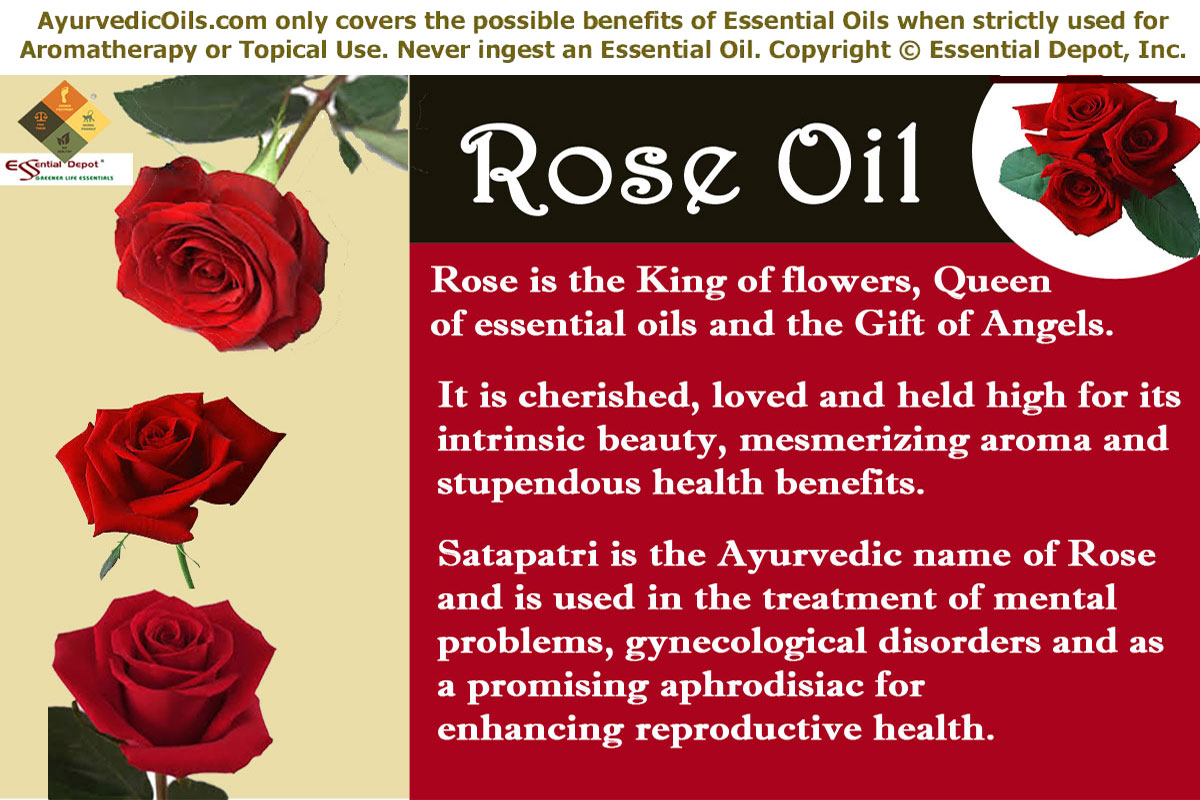
Rose-oil-bannerKing of flowers, Queen of essential oils and Gift of Angels, can you guess? Cherished, loved and held high for its intrinsic beauty, mesmerizing aroma and stupendous health benefits Rose and its essential oil can simply make anyone addicted to the flawless elegance of Mother Nature. This mind-blowing flower is often connected with love, romance and forgiveness that it can soften even the hardest of hearts.

Held as Lord Krishna’s favorite flower, Rose is more than 70 million years old and its role in Ayurveda is predominant than most other flowers. Ayurvedic texts explain that the adoring qualities of Rose and the essential oil extracted from it is due to the strong reasons that it balances Sadhaka pitta that controls feelings and its effects on the heart and Prana vata that governs the mind, sensory perception, head, chest and respiration.

Known as Satapatri in Sanskrit, meaning ‘one hundred petals’ and Gulab-ka-phool in Hindi, Ayurvedic philosophers have documented the use of rose petals, rose essential oil, rose vinegar, rose water and Gulkand in the treatment of mental problems, gynecological disorders and as a promising aphrodisiac for enhancing reproductive health.

Pure Rose essential oil is very expensive because certain reports state that it takes about 2,000 pounds of Rose petals for extracting 1 pound of Rose essential oil, means 1 drop of Rose oil is extracted from about 500 rose petals.

There are many species of Rose flowers and the most prevalently used in extracting essential oils are Rosa damascena, cultivated in Turkey, India, Pakistan, Russia, China, Bulgaria and Iran and Rosa centifolia, widely grown in France, Egypt and Morocco.

Purchase Rose Absolute – 5% Dilution in Pure Jojoba – CLICK HERE

Historical importance of Rose and its essential oil:

Among all the flowers in the world, Rose has the oldest history with fossil remains at the Florissant Fossil Beds, Colorado confirming it to be more than 40 million years of age and the fossil deposits at Montana and Oregon date back for about 35 million years.  This flower of love has its origin in the Central parts of Asia before 70 million years.

Rose was an incredible part of almost all the ancient cultures in the world like the Romans, the Greeks, the Chinese, the Indians, the Egyptians, the English, the Arabians, the French and the Phoenicians. All of them sang the glory of roses and cultivated it widely in their provinces.

Rose is used in perfuming and enlightening weddings amongst all the cultures on earth. It is said that the extraction of Rose oil was discovered in India when a celebrated King of India held his daughter’s grand wedding ceremony.

As a part of the wedding decoration, the moat surrounding the castle was filled with petals of rose and after a long time people noticed that the water smelled sweet and tasted great, paving way for the extraction of Rose essential oil.

According to Greek mythology it was Aphrodite, the Greek Goddess of love and beauty who gave the name ‘Rose’ to this lovely flower. Theophrastus, the Greek scientist was known as the first to give a comprehensive botanical report about Rose around 300 B.C.

Greeks considered roses as a sign of the future for their culture (defined the term ‘sub rosa’). They used rose flowers to adorn the ceilings of their conference rooms during secret meetings signifying that everything conferred there was highly confidential.

The Han dynasty of China from 207 B.C. to 220 A.D. was popular for cultivating rose flowers in their gardens and the growth of roses in the Imperial Gardens of China was noted by Confucius in 500 B.C. and he also mentioned that the Emperor’s library had hundreds of books on roses.

Avicenna, the Arabian physician wrote the healing benefits of Rose water prepared using rose petals in pure water under sunlight. Rose oil is used in preparing the high quality perfumes in the Middle East known as ‘Attars’.

King Alexander the Great was inspired by the rose gardens during his visit to India and is known for introducing the cultivation of roses in Europe. Roman Emperors used rose petals to perfume their baths, in celebrations, in the preparation of scents, for decorating banquet halls and for medicinal purposes. Queen Cleopatra used rose petals in her bath, on her bed, for inviting guests and for alluring her lover Antony.

English used roses for symbolizing the two houses of the War of Roses during the fifteenth century. Red rose was used to represent the House of Lancaster and white rose stood for the House of York. The entire cosmos commemorated rose as an emblem of passionate love, affection, joy, peace and as a saga of absolute romance.

Therapeutic properties and active components of Rose essential oil:

The steam distilled essential oil extracted from rose petals have enormous healing values and the most notable among them are aphrodisiac, anti-depressant, antiseptic, antiviral, antispasmodic, antibacterial, antiphlogistic, cholagogue, depurative, bactericidal, haemostatic, cicatrisant, uterine, nervine, emmenagogue, hepatic, laxative and stomachic.

The α-pinene, α-terpinene, Nerol, Citronellol, Eugenol, Geraniol, β-pinene, p-cymene, β-caryophyllene, Citral, Phenyl Acetaldehyde, Carvone, Camphene, Farnesol, Citronellyl Acetate, Methyl Eugenol, Ethanol, Phenyl Geraniol, Limonene, Stearpoten, Phenylmenthyl Acetate and Nonanol.

Ayurvedic health benefits of Rose essential oil:

More than just a healing methodology, Ayurveda is a guiding principle throwing light on leading a balanced and health lifestyle that would prevent illnesses and promote healthy aging.

This ancient healing system identifies human beings based on their individual constitution composed of three vital energy elements known as doshas (vata, pitta and kapha), where vata signifies air, pitta is fire and kapha stands for water.

The predominance of any of these doshas determines an individual’s personality and imbalance of any of these doshas is the cause of a disease or sickness in general. The vividness of Ayurvedic healing lies in its holistic approach by treating the five senses namely the sense of vision, smell, taste, touch and sound.

According to the Ayurvedic encyclopedia, Rose oil is such a unique essential oil that is good for all the three doshas and benefits the blood, nerve, plasma, liver, heart, stomach, reproductive system, marrow, skin and gastro-intestinal system.

It transforms the moisturizing and cooling energy elements that controls negative feelings, strengthens the aura and stimulates the effective functioning of the body. It’s time to take a look at the brilliance of Rose essential oil in curing mankind through their senses.

Rose-oil-broucher1. Sense of vision:

Among the five major therapies of Ayurvedic healing, the color therapy is appealing to the eyes and slowly transfers the absorbed energy of the color to the brain, mind, heart and the entire system.

This is one great way of balancing the tri-doshas, the key to optimal health. As most of us knew, Rose is such a splendid flower that has more than hundreds of colors. The most notable ones are deep red, white, pink, bright yellow, orange, coral and lavender colors.

Eyes are the doors to your heart and the very sight of deep red roses will certainly bring in love, charm, affection and feelings of forgiving without any second thought as it calms kapha energy in charge for love and forgiveness. This is because the color red has an in-depth meaning in Ayurveda and using red color aids in resolving issues that are pending for a long time.

Pink or maroon colors are meant for bringing the thoughts of celebration and happiness. Bright yellow indicates a good start for achievements or academic pursuits as it pacifies pitta responsible for intelligence.

White is absolutely a symbol of peace and using white roses in color therapy aids in abolishing abusive memories, pride, greed, covetousness and is the best way to trigger new friendship, creativity and augment understanding. White color aids in treating vata imbalances, which are responsible for innovation, emotions and friendship.

2. Sense of smell:

Aromatherapy is the Ayurvedic way of using aromatic compounds in treating health conditions. The aromatic molecules present in essential oils enter the nasal passage and reach the limbic system of the brain, which is responsible for controlling emotions and other major functions of the body.

Inhaling the aroma of Rose essential oil by using it in baths, vaporizers, diffusers, burners, tissues or handkerchiefs can help in treating a number of physical and psychological illnesses.

Adding 2 drops of rose essential oil in your air freshener, diffuser, vaporizer or burner can certainly aid in alleviating stress, depression, loneliness, tension headache, mental pressure and lack of confidence.

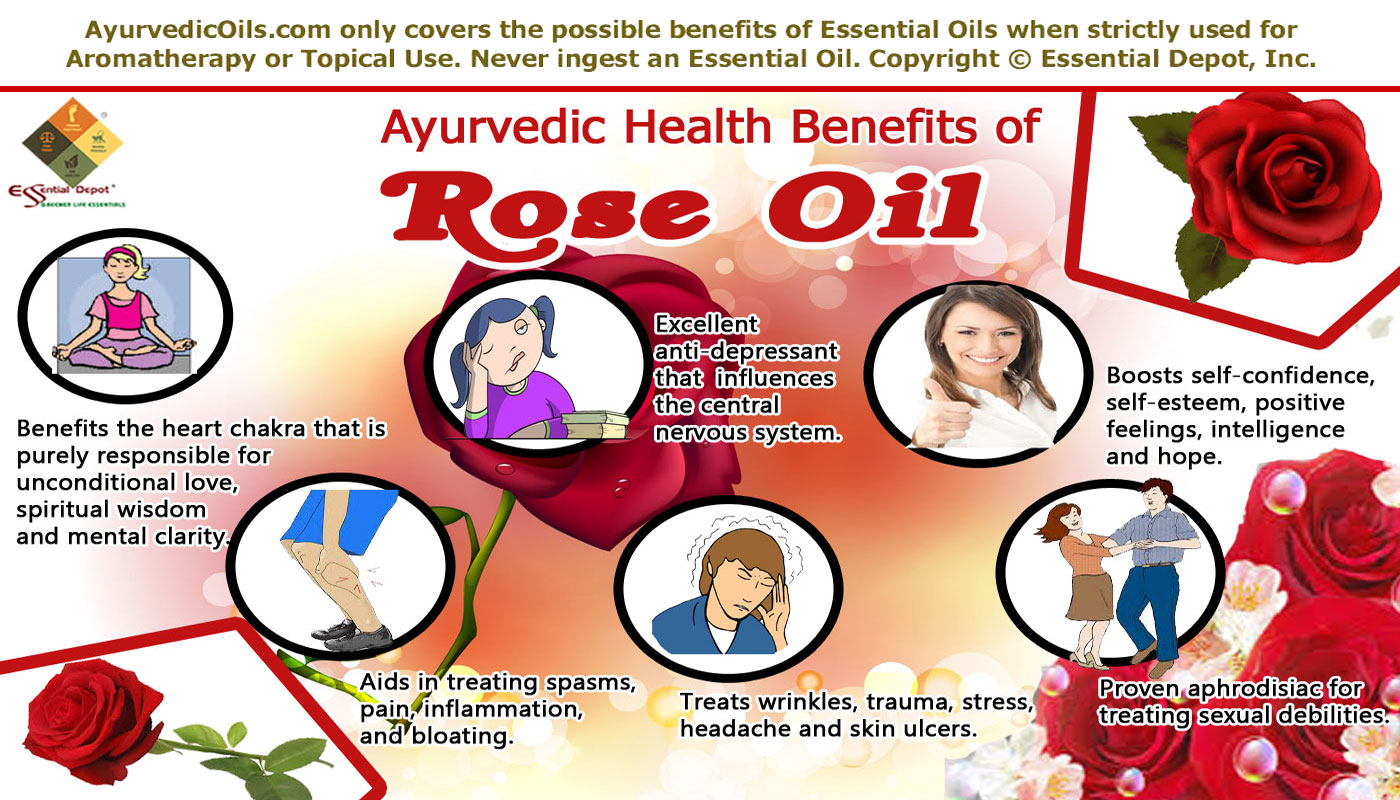
The anti-depressant properties of this oil when inhaled, influences the central nervous system and boosts self-confidence, self-esteem, mental power, positive feelings, intelligence, hope and the power of fighting back. A popular 2004 study on ‘Anxiolytic-like effects of rose oil inhalation’ proved that inhaling Rose oil reduced anxiety in a group of rats.

Rose essential oil is undoubtedly a commendable aphrodisiac that has mesmerized everyone right from the Kings and Queens of the ancient period till the common populace of this contemporary world.

There is no romance without rose in many parts of the cosmos. Inhaling the aroma of Rose oil by adding 2 drops of Rose essential oil to a sensual bath before bed or to your diffuser in your bed room or your pillows can recreate the magic of love by boosting sexual feelings in both the partners.

3. Sense of taste:

Rose petals were a prominent ingredient in many Ayurvedic preparations for enhancing overall health.  Many tonics and natural drinks prepared with rose are said to increase the complexion, enhances the tissues of the body and bring in a natural glow from within. The most popular drinks prepared with Rose are Rose petal milk, Rose petal Lassi, Rose petal thirst quencher, Rose wine and Gulkand.

Taking such rose drinks internally helps in reducing excess of pitta, the heat element in the body, purifying the blood, increasing the memory power, augmenting digestion, reviving the reproductive tissues, treating menstrual problems, promoting the process of cell-regeneration, checking constipation, treating sore throat, tiredness, acne, anemia, tonsillitis and certain other nervous disorders.

4. Sense of touch:

Skin is the largest organ of the human body and acts as a protective shield for other parts of the system against microbes, aids in managing various climatic conditions.

According to Ayurveda, skin aids in absorbing the vital nutrients in essential oils very quickly and transmit the energy through the bloodstream and the entire body. Ayurvedic treatment through the sense of touch includes Abhyanga, the traditional art of massaging, in baths, steam inhalation, in compresses and in topical application like creams and lotions.

Massaging your body with 2 to 3 drops of Rose essential oil blended with soothing carrier oils like Sweet almond oil aids in treating spasms, pain, inflammation, bloating, wrinkles, trauma, stress, nervous tension, sexual debilities, headache, infections and skin ulcers.

It also helps in regulating the acid levels and bile secretion in the stomach and gall bladder, helping with acidity and other digestive problems. The laxative and depurative properties of this oil help in eliminating toxins from the blood and stimulate the anal and intestinal muscles for cleansing the bowel.

Massaging the soles of your feet with 2 drops of Rose essential oil blended with Jojoba oil for promoting good sleep, treating nightmares, insomnia, sexual problems, depression, fear and fatigue. Massaging the soles of your feet grants instant relief because it is regarded as the most absorbent part of the body for absorbing the healing molecules present in essential oils by the bloodstream.

Rose essential is a gift to women as it is known to treat womanly problems like menstruation, menopause and frigidity. Mood fluctuations, abdominal pain, muscular cramps, vomiting, headache and other problems associated with PMS can be treated aromatically by gently massaging your abdomen with 3 drops of rose essential blended with coconut oil or by using 2 drops of rose oil either in cold or warm compress.

This formula works like a magic as Rose essential oil has emmenagogue properties that help in regularizing menstruation, treating blocked periods and enhancing fertility by promoting the secretion of estrogen, the female reproductive hormones. A 2008 study on effects of essential oils massage on 52 women undergoing menopause, proved that weekly massages with essential oils like rose, lavender, jasmine and rose geranium showed positive effects on menopausal symptoms.

Inhaling the remedial aroma of Rose essential oil by adding 3 to 5 drops in steam bath will aid in treating migraine pain, asthma, liver congestion, cold, chest congestion, cough, nausea, hay fever and certain other respiratory infections.

Adding few drops of Rose oil to your skin care cream or lotion will aid in treating pimples, oily skin, scars, wrinkles, eczema, dry and lifeless skin. It enhances blood circulation, moisturizes the skin, repairs and replenishes the dead cells and cleanses the pores deeply for granting spotless skin naturally.

The antibacterial and antiviral properties of Rose oil strengthens the immune system by fighting against the harmful bacteria and viruses causing illnesses like typhoid, cholera, diarrhea and other infections.

Rose oil assists in strengthening the heart and nourishes the ‘heart-yin’, which helps in healing emotional illnesses.  A 2009 research on ‘Relaxing effect of Rose oil on humans’ demonstrated that the transdermal absorption of ‘Rose oil caused significant decreases of breathing rate, blood oxygen saturation and systolic blood pressure, which indicate a decrease of autonomic arousal’. The results of this research also proved the relaxing effect of Rose oil instilled great relief from stress and depression.

Rose essential oil has been in use for more than thousands of years for implanting spiritual feelings and augmenting mental clarity.

It is for these strong reasons fresh Rose flowers and its essential oil are used in prayers, meditation and other spiritual ceremonies. Rose oil is known to benefit the heart chakra that is purely responsible for unconditional love and that is what Rose is known for all over the world.

Disclaimer:

Do not ingest or apply essential oils directly on your skin without the advice of your healthcare professional as pure essential oils are highly concentrated liquids and may cause harm. Consult with your Ayurvedic practitioner before using essential oils for your specific constitution and health conditions.

Thought for the day:

“What’s in a name? That which we call a rose by any other name would smell as sweet.”                                                                – Shakespeare in Romeo and Juliet

Suggested Reading:

  1. How to Use Rose Essential Oil (Aromatherapy) by Miriam Kinai
  2. Ayurveda & Aromatherapy: The Earth Essential Guide to Ancient Wisdom and Modern Healing by Dr. Light Miller, Dr. Bryan Miller
  3. The Illustrated Encyclopedia of Essential Oils: The Complete Guide to the Use of Oils in Aromatherapy & Herbalism by Julia Lawless
  4. The Ageless Woman: Natural Health and Beauty After Forty with Maharishi Ayurveda by Nancy Lonsdorf

Reference Links:

  1. The Great History of Roses by Rose Farm.com International
  2. Why the Rose balances the Heart? By Maharishi Ayurveda
  3. Health Benefits of Rose Essential oil by theResearchpedia
  4. Relaxing effect of Rose oil on humans published in PubMed
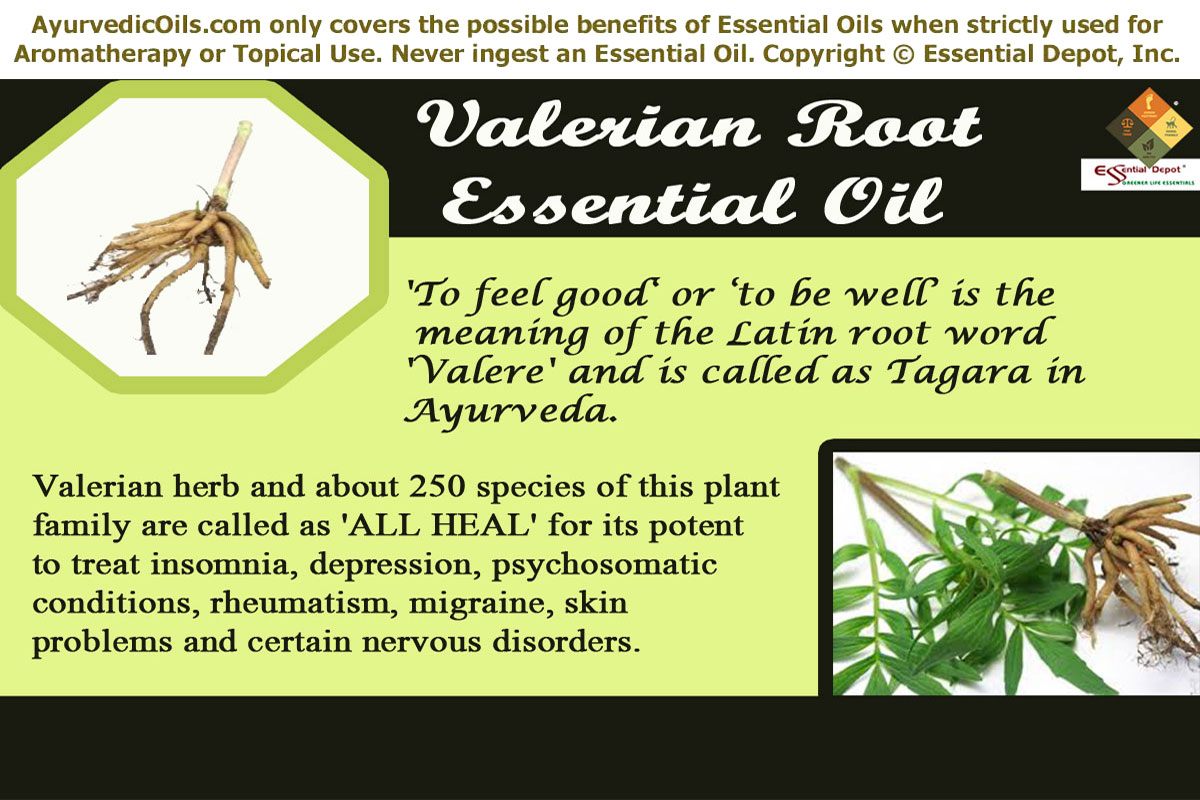
Valerian Root Essential Oil

‘ALL HEAL’ is how the medicinal world calls Valerian herb and more than 250 species of this plant variety. This name was derived from the Latin word ‘Valere’ meaning ‘to feel good‘ or ‘to be well’.

Valerian root--bannerYes! You might have now known why this therapeutic herb is celebrated all through these years in treating a wide range of illnesses since the 2nd century A.D. In this context we are going to travel around the enormous health benefits of the species Valeriana Wallichii also known as Indian Valerian and is indigenous to India and is cultivated all around the world.

The most popular one among this family Valerianaceae is Valeriana Officinalis, which is native to Europe and North America but Valeriana Wallichii is used as an effective alternative to V. Officinalis with more or less the same healing values.

This herb is commonly known as Tagara in the Ayurvedic world of medicines. Ayurvedic texts suggest the use of Valerian root and the essential oil extracted from this root to treat an extensive range of illnesses including insomnia, skin problems and certain other nervous disorders. Valerian is listed as ‘Generally Recognized As Safe” by the United States Food and Drug Administration and has been approved as an effectual mild sedative by German’s Commission E.

Purchase Valerian Root Essential Oil – Wholesale – CLICK HERE

Historical uses of Valerian root:

Aelius Galenus, the popular Roman physician, philosopher and surgeon prescribed Valerian root for treating insomnia. Valerian tea was prescribed to treat a sick woman by Pilgram Marpeck, the Anabaptist reformer in the sixteenth century.

Dioscorides, the renowned Greek physician recommended this herb for the treatment of digestive disorders, urinary tract infections, heart palpitations, epilepsy and few other skin problems. Hippocrates, the father of western medicine also suggested Valerian root as an effective anti-depressant and as a remedy for treating insomnia.

During the medieval times in Sweden, this herb was said to be placed in the wedding clothes of the bridegroom to keep away from the envy of the elves. Such a historical mark of this herb spread its use extensively as an efficacious sedative for nervous disorders, menstrual cramps, anxiety, behavioral problems in childhood, high blood pressure, irritable bowel syndrome, learning difficulties and few other health conditions. Valerian was also used in baths to alleviate pain and promote sleep for fibromyalgia patients.

Ayurvedic health benefits of Valerian root essential oil:

Valerian Wallichii is the popular species used in the Indian Ayurvedic system of healing mankind and is known as the major species of Valeriana genus. Valeriana Wallichii is used as a significant substitute for the European species Valeriana Officinalis and has been an important part of the traditional healing system for treating skin disorders, obesity, snake poisoning, sleep disorders and nervous problems.

Charaka, the Ayurvedic philosopher has named Tagara as Sitaprasamana meaning to relieve cold feeling of the skin. This herb is also known as Sirsa dosaghna, meaning treats the illnesses of the head; Chaksusya meaning effective for the eyes; Bhutapasmara nasan meaning a promising remedy for hysteria, epilepsy and certain other evil powers; Visaghna meaning a natural anti- toxin.

According to Ayurveda, human body is made up of three predominant doshas or individual body types namely vata, pitta and kapha where vata governs metabolism and is in charge of destructions and eliminations of the body, pitta controls reasoning capacity, digestion and body temperature and kapha is responsible for the shape and structure of your body and is accountable for the power to repair the imbalances of the body. According to Ayurveda, valeriana wallichii is an effective herb in treating vata, pitta and kapha imbalances.

Valerian root essential oil is known for its deep, rich, musky and woody aroma. The essential oil of Valerian root is said to have sedative, stimulant, anti-epileptic, stomachic, antispasmodic, analgesic, carminative, analeptic and nervine properties.

The major constituents of Valerian root essential oil are limonene, borneol, pienene, sesquiterpenes, nerolidol, p-cymene, valerone, malliol, valerenic acid and 1, 8-cineole.

The chief health benefits of Valerian root essential oil are:

Valerian-root-broucher1. Sleeplessness and Valerian root essential oil:

The sedative property of this oil makes it a promising remedy for treating insomnia. Valerian is a well-known alternative to prescription drugs for sleeping disorders mainly because of its safe and gentle effects on the human body. Numerous studies have proved that Valerian aids people to fall asleep quicker and is also found that they have a quality sleep without any disturbances mentally.

Researchers also ensure that not like many over-the-counter sleeping pills, valerian have lesser side effects. Valerian root essential oil can be used by burning it in an aroma lamp before going to bed or used as soothing massage oil with tranquilizing carrier oils like coconut oil or by adding few drops to your bathing water in the evening.

2. Valerian oil for depression and other psycho-spiritual problems:

Renowned scientists trust that Valerian augments the amount of GABA in the brain where GABA is a chemical by name gamma aminobutyric acid. This chemical aids in promoting a calming effect on anxiety and control the nerve cells. The distinct aroma of this oil is trusted to combat seizures, anxiety, neuralgia, emotional stress, mental strain, depression, restlessness, tension and trauma.

Recent studies have proved the effectiveness of Valerian Wallichii essential oil as an effective anti-depressant and this ability to dispirit the central nervous system aids you in attaining deep hypnotic states. Tagara assists in discharging toxins from the nerves, joints, blood, colon and tissues and acts directly on the nerve channels.

3. Attention-enhancing and neurologic benefits of Valerian root:

It is a well-known fact that numerous herbalists and physicians use preparations containing Valerian essential oil in the treatment of many psychosomatic problems, peripheral, central and autonomic nervous system conditions. The attention-enhancing property of this herb has made some German physicians to use Valerian root to treat ADHD, attention deficit hyperactivity disorder in children.

4. Valerian essential oil in the treatment of pain:

According to the PMDD information blog that talks about preventing and treating severe premenstrual syndrome, valerian root is an effective natural remedy for treating PMDD problems and dysmennorhea. It is also said that the anxiety and sleeping difficulties due to premenstrual concerns can be easily treated by using this herb.

Valerian root essential oil also aids in treating migraine pains, gout pains, rheumatism and headaches due to cold. With its antispasmodic properties, this oil is also used widely in the healing of muscular spasms. Charaka Samhita says that the best way to keep away from pain and get a peaceful sleep is to take a warm, relaxing bath before bed. Adding 2 to 3 drops of Valerian oil to your bath tub can help you fight against most of your painful conditions effectively.

5. Skin disorders and Valerian root oil:

Few drops of Valerian essential oil added to your skin cream can help in treating dry scaly skin. The antibacterial properties of this oil is helpful in the remedy of burns, cuts, wounds, open sores, eczema, bruises, psoriasis, itchiness, boils, acne, scars, insect bites, stings etc. You can apply this oil externally on the affected area after blending it with your favorite carrier oils or to your skin care cream. The soothing effect of this oil will calm and cool your skin instantly.

6. Other health benefits of Valerian root essential oil:

Valerian root essential oil is a valuable remedy for treating vata disorders like facial palsy, flatulence, and paralysis. This oil is also effective in lessening kapha imbalances and is used as a natural remedy for treating asthma, whooping cough and certain other respiratory infections. The carminative and bitter properties of this oil assist in stimulating the appetite and treat indigestion and few other digestive problems like constipation, diarrhea and digestive ulcers.

Except for its pungent odor, nothing else can stop you from using Valerian root essential oil to enjoy its greater natural health benefits.

Disclaimer: Do not ingest Valerian root essential oil unless suggested by your Certified Ayurvedic Practitioner.

Thought for the day:

There is new life in the soil for every man. There is healing in the trees for tired minds and for our overburdened spirits, there is strength in the hills, if only we will lift up our eyes. Remember that nature is your great restorer.                                                      – Calvin Coolidge

Suggested Reading:

  1. Valerian: The Genus Valeriana (Medicinal and Aromatic Plants – Industrial Profiles) From CRC Press
  2. Valerian: The Relaxing Herb (The Herbs and Health Series) By Christopher Hobbs
  3. Kava Kava, Valerian, Nervine Herbs (Woodland Health) By Rita Elkins

Reference Links:

  1. Valerian by Kathi J. Kemper, MD, MPH – The Longwood Herbal Task Force and The Center For Holistic Pediatric Education and Research
  2. Valerian (herb) by Wikipedia
  3. Valerian by University of Maryland Medical Center

Cananga Oil

Bejeweled as the “Poor man’s jasmine”, Cananga is a relative of the most mesmerizing Ylang Ylang flowers. Although its floral note resembles that of Ylang Ylang oil, Cananga is comparatively less aromatic as it is regarded much greener than the Ylang Ylang tree and is its cost-effective alternative.

cananga-bannerCananga has been a vital part of the remedial regimen since the traditional times in the treatment of depression, anxiety, impotence, insect bites and high blood pressure.

Known as Lanji and Vanachampaka in Sanskrit, Cananga and its essential oil have been recommended in Ayurvedic treatment for epilepsy, hair growth, balanced sebum secretion, stress, malaria, insomnia, menopause, premenstrual syndrome, frigidity and nervous conditions.

Purchase Cananga Essential Oil – Wholesale – CLICK HERE

Purchase Cananga Essential Oil – Retail – CLICK HERE

Historical uses and importance of Cananga oil:

Cananga is a vibrant member of the sugar apple family, Annonaceae. Indigenous to the tropical parts of Asia, Cananga oil is distributed throughout the world from India, Malaysia, Moluccas islands, Philippines and Java.

Cananga oil is extracted by steam distillation from the freshly picked up, bright yellow flowers those look similar to that of the Ylang Ylang flowers. Few sources state that the first person to distill the essential oil of Cananga Odorata was Albert Schwenger in 1860.

The English Botanist, John Ray explained this tree as ‘Arbor saguisen” and it was also called as Unona odorata and Borga Cananga by few other explorers. The dazzling and fragrant yellow flowers were used for ornamental purposes initially, slowly after which its enormous healing benefits were explored by the traditional folklore people.

The fresh flower petals were used as an effective remedy for asthmatic attacks, where as the dried flowers were used as a treatment for malarial fever. Numerous research studies have proved the effectiveness of Cananga against intestinal infections, rapid heartbeat, typhus, malaria and certain respiratory conditions. Cananga oil is also used in candies, soaps, shampoos, baked goods, perfumes, lotions and skin care creams.

The sea star shaped flowers are the distinctive source of the mesmerizing Cananga essential oil for which it was used on hair for decoration and was scattered on the beds of newly married. Cananga oil is a secret ingredient behind the growth of thick, lustrous and healthy hair.

Cananga was also used as a natural skincare agent, where the leaves and flowers were rubbed on to the skin for nourishing skin health, moisturizing dry skin, alleviating itches, treating insect stings and bites and for balancing the secretion of sebum. It was also employed as natural infusion in bathing.

History reveals that the Victorians along with the Indonesians, Malaysians and other traditional folklore populace used Cananga flowers as a formula in their hair oil for influencing natural hair growth, enhancing the glossy look of the hair, preventing split ends and for moisturizing the dry and itchy scalp, thus preventing from dandruff and other scalp conditions.

Chemical constituents and remedial properties of Cananga oil:

In general, the ratio of chemical components of essential oils is mainly based on the origin, growth, seasonal differences and topography. The major chemical constituents of Cananga oil are germacrene, pinene, methyl benzoate, benzoic acid, caryophyllene, cadinene, farnesol, cresol, geranyl acetate, borneol, eugenol, linalyl acetate, isoeugenol, linalyl benzoate, geraniol, linalool and other sesquiterpenes.

The therapeutic attributes contributing to its colossal remedial values are relaxant, hypotensive, anti-stress, anti-inflammatory, vasodilating, tonic, anti-depressant, sedative, aphrodisiac, antispasmodic, cardio tonic, emmenagogue, calmative, nervine, anti-infectious and antiseborrhoeic.

Ayurvedic health benefits of Cananga oil:

Ayurveda is the ancient remedial system that prescribes the use of herbal medications including herbs and spices, essential oils, yoga, meditation and other Ayurvedic healing techniques like Pranayama (balanced breathing), Ayurvedic routine (Ayurvedic regimen for healthy living), Panchakarma (detoxification technique) and Abhyanga (Ayurvedic massaging).

With the profound meaning of ‘knowledge of life’, Ayurveda is a common sense science that treats illnesses based on its root cause and not by just relying on its symptoms. This traditional healing methodology dates back to 5000 years, where the ancient sages and gurus who practiced Ayurveda lived for more than a 100 years.

Journey towards longevity with the treatment and prevention of illnesses in a natural way is the mantra of Ayurveda. According to this antique science, everything in nature including human beings is made up of five fundamental elements namely fire, earth, water, space and air.

All these vital energies symbolize different parts of the human body, where water stands for blood and fluids in the system, fire is a symbol of the body temperature and Agni (the digestive fire for metabolic functions), earth is a representation of bones and muscles, air is for respiration and ether or space is the eternal soul.

Every person is regarded as a unique entity of Nature with a unique individual constitutional set up known doshas. These three biological forces namely vata (air and space), pitta (fire and water) and kapha (water and earth) are a combination of the five elemental energies.

Vata dosha is in charge for nervous functions, movement of the system, creativity quotient, circulation of blood and air. Pitta takes care of metabolism, body temperature, leadership qualities and decision making abilities. Kapha dosha is responsible for the physique, fluid retention, sustenance, love and natural bonding.

Ayurveda in many ancient texts, denote human body as a temple, where the soul dwells in. It is for this reason it recommends maintaining harmony between the mind, body and soul. Every individual is treated in a unique manner based upon their distinct individual constitution, where absolute balance between these doshas as per Nature’s law indicates health and imbalance due to lifestyle changes, climatic conditions, moral values and lack of physical and psychological activities lead to sickness.

Cananga oil is recommended for balancing vata and pitta dosha and for stimulating kapha energy.

The Ayurvedic health benefits of Cananga essential oil are:

Cananga-broucher1. Fights hard with negative emotions:

Negativity or pessimism is a highly contagious health condition that spoils your mental and physical well-being along with those around you. The ability to think right is the basis for progress in all kinds of chores that you undertake.

Off-putting thoughts or negative thinking drains your mind and soul. Ayurveda beckons mind as the limb of consciousness and negative energies like fear of failure, loneliness, lack of self-confidence, annoyance, disgust, worries, frustration, anxiety, inferiority complex or lower self-esteem, depression, stress and possessiveness would often cause serious harm to the mind.

Ayurvedic essential oils along with Ayurvedic techniques like abhyanga, meditation and Pranayama have the potent to rejuvenate your mind and nurture your soul for enhanced thinking and better quality of life.

Cananga oil has such an enriching aroma that could stimulate the mental faculty with precision and positive thinking. The essential oil of Cananga has the power to fortify the heart chakra, which is responsible for self-love, self-confidence, trust and love for others, focused thoughts and spiritual consciousness.

2 drops of Cananga oil with 2 drops of Vetiver oil added to your diffuser or vaporizer during meditation or Pranayama (the Ayurvedic way of balanced breathing) can help in elevating your inner consciousness, promoting positive thoughts and hope, increasing self-esteem and self-confidence, instilling peace of mind, lessening anxiety, reducing depression and enhancing your creativity quotient and leadership traits with its power to augment vata and pitta doshas.

Cananga oil when added to warm bathing water before going to bed can help in alleviating fatigue, anxiety, stress, nervous depression and other psychological traumas. It also helps in promoting peaceful sleep and ensures a feel-fresh morning at the rise of every new-fangled day.

Ayurvedic massage blend with 5 drops of Cananga oil, 5 drops of Bergamot oil and 5 drops of Rose Geranium oil with 20 ml of Jojoba oil relaxes the tensed muscles, soothes your nerves and brings in complete tranquility to the mind and the soul. You can take up this revitalizing regimen every weekend for kick starting your routine in the next week.

2. Absolute rescuer of a range of skin conditions:

Skin is often the most revealed part of the body and any kind of stressful situations or other health problems affects the skin health and is mostly reflected on the facial skin and the scalp. For example acne, dandruff and wrinkles are most frequently associated with depression, stress, worries and related hormonal fluctuations.

Cananga is a Kushtanut in Ayurvedic philosophy, which is a promising remedy for certain skin diseases. With its antiseptic and antibacterial properties, Cananga is Dushta Vranashodhana for its excellent cleansing qualities of wounds, cuts and infections and is Krumihara for fighting against bacterial and microbial growths in such skin infections.

Applying 1 drop of Cananga oil with 5 drops of coconut oil on wounds, cuts, abrasions and other skin infections can foster quicker healing by curbing the growth of microbes and disinfecting or sanitizing the wounds from within.

With its anti-inflammatory and anti-seborrhoeic values, Cananga is a proven natural remedy for seborrhea, eczema, inflammation, irritation, soreness and redness of the skin. It regularizes the functions of the sebaceous glands, where the sebaceous glands are defined as “microscopic exocrine glands in the skin that secrete an oily or waxy matter, called sebum, to lubricate and waterproof the skin and hair of mammals.”

This assists in keeping the skin and scalp moist and smooth. Mixing 1 drop of Cananga oil with 1 drop of Lavender oil and 1 drop of Orange oil and 2ml of coconut oil and gently massaging your skin surface can help in regularizing sebum secretion. You can remove this pack by wiping off your face with a warm towel. This also relieves from clogged pores and helps relieve acne and fight against wrinkles and other aging symptoms.

Being a tonic to the skin, Cananga nourishes the skin surface with its moisturizing and cooling properties and has been recommended for all types of skin including dry skin, stressed skin, oily skin, aging skin and combination skin.

3. Zings your vitality:

Cananga and its closest pal Ylang Ylang are assured solutions for greeting ahead the zing in your intimacy. Held high as the most popular traditional tonic for treating impotence, premature ejaculation, loss of libido and loss of interest in being together, Cananga with its bracing fragrance is a trusted cure for reproductive conditions both in men and women.

Cananga essential oil has a long-lasting intense floral and sensual aroma that helps in treating mood fluctuations, lack of sexual interest, erectile dysfunctions and intimacy problems due to stress or pre-occupied mind.

The enriching fragrance of Cananga oil reaches the limbic system of the brain through the nasal passages. It is the control center of the system and passes on the therapeutic values in the form of molecules to the nerve impulses and the corresponding parts of the body, thus supporting the secretion of positive hormones.

Adding 2 drops of Cananga oil along with 2 drops of Tuberose oil and 1 drop of Aswagandha oil to your air freshener in the evening can turn them quixotic by spreading its magical aroma. 3 drops of Cananga oil to your bathing tub before bedtime can also help in spicing up your vim and vigor.

4. Foe for feminine maladies:

The book Ayurveda and Aromatherapy by Light Miller and Bryan Miller quotes Cananga odorata oil as “A balancer to the female immune system, it reduces tension, cramps, negative emotions and headaches. It brings out warmth, self confidence, the feminine side and sensitivity.” It also states that this oil is excellent for the skin, reproductive system and nerves.

With its effectiveness to treat hormonal imbalances along with its balancing attributes, Cananga oil is a proven cure for treating problems associated with menopause and premenstrual syndrome (PMS).

Massaging your lower abdomen, inner thighs, lower back, and around your genital area with 3 drops of Cananga oil, 2 drops of Vetiver oil, 2 drops of Cedarwood oil and 15ml of Olive oil can help in balancing estrogen hormones and regularize irregular menstruation, relieve dysmennorhea or painful periods, cramps, headache, mood swings, anxiety, irritability and sleeping difficulties. This can also help in treating frigidity and loss of sexual interest.

Wearing 1 drop of Cananga oil to your wrist or to your handkerchief can help in keeping your mind and nerves calm throughout the day. Cananga is an exceptional skin-friendly oil and has enormous benefits for hair growth as well. These advantages are attributed to its sebum-controlling potential and its ability to promote proper blood circulation in the system.

Adding 2 drops of Cananga oil in your regular shampoo for hair or gently massaging your scalp with 10 drops of Cananga oil along with 5 drops of Citriodora oil, 5 drops of Rosemary oil and 50ml of Coconut oil (slightly heat this blend before massaging) can support in controlling dandruff, moistening dry, itchy and scaly scalp, encouraging the growth of hair by promoting good circulation in the scalp, have power over split ends and can help in adding the glossy and natural shine to your hair.

5. Boosts the functions of the nervous system:

Cananga oil has the power to relax and soothe the central nervous system and controls the function and flow of adrenaline, which helps in pacifying negative emotions like rage, shock, panic, fear or anger. These feelings in turn lead to high blood pressure, nervousness, tension and insecurity.

Cananga and its essential oil have been celebrated for its ability to lessen anxiety and tension, thus improving the level of blood pressure and treating increased heartbeat and rapid breathing. It has tranquilizing and soothing effect on the nervous system.

Numerous studies have substantiated the effect of Ylang Ylang oil on people with high blood pressure and nervous tension. One study published in Planta Medica concluded that Ylang Ylang oil helped in reducing high blood pressure and increased pulse rate along with a boost in attentiveness and alertness.

Few other studies conducted with a group of people with hypertension, where the group was facilitated to inhale the aromatic blend with essential oils like Ylang Ylang, Marjoram, Lavender and Neroli for about 24 hours, concluded that “essential oils may have relaxation effects for controlling hypertension and in reducing systolic blood pressure.”

Cananga oil, when added to your bathing water can also help in augmenting self-confidence and alleviating the feelings of fear, failure, obstinacy and feelings of loneliness along with stress and depression.

Other health benefits:

Apart from these health benefits, Cananga oil is also recommended for enhancing metabolic functions, flatulence, tastelessness, epilepsy, chest infections, intestinal infections and physical exhaustion.

Disclaimer:

This article is only educational purposes and is not destined for substituting professional medical advice or prescribed medications or for treating any medical conditions. We are not healthcare experts and we take up a shared interest to spread the knowledge of Ayurveda, the oldest and the Mother of all remedial practices in the world.

Do not use essential oils internally and dilute them in suitable carrier oils like Coconut oil before using it for topical application. This is due to the fact that 100% organic and pure essential oils are highly concentrated liquids and may cause allergic reactions. Keep essential oils out of reach of children and speak with your Doctor if you are a pregnant or nursing mom.

Consult your healthcare professional or Ayurvedic practitioner ahead of choosing the appropriate essential oils for your unique individual constitution and medical condition.

Thought for the day:

Flowers always make people better, happier and more helpful; they are sunshine, food and medicine to the soul. – Luther Burbank.

Suggested Reading:

  1. Dealing with Depression Naturally by Dr Miriam Kinai
  2. Listening to Scent: An Olfactory Journey With Aromatic Plants and Their Extracts by Jennifer Peace Rhind
  3. The Illustrated Encyclopedia of Essential Oils: The Complete Guide to the Use of Oils in Aromatherapy & Herbalism by Julia Lawless
  4. The Natural Depression Cure: Holistic Depression Treatment by Dr Marion King

Reference Links:

  1. Cananga Odorata by Wikipedia
  2. Ayurvedic Medicinal Plants – Cananga Odorata by Toxicology Centre
  3. Health Benefits of Ylang Ylang Essential Oil by Organic Facts
  4. Composition of the essential oil of Ylang-Ylang (Cananga odorata Hook Fil. et Thomson forma genuina) from Madagascar by Emile M. Gaydou, Robert Randriamiharisoa, Jean Pierre Bianchini, published in the Journal of Agricultural and Food Chemistry

Lavender Essential Oil

Lavender-bannerAyurveda beckons Lavender as a Medhya herb for its exquisite and energizing ability to empower the mind and stimulate the brain functions. It has been proven to treat anxiety, irritability, migraine, low self esteem, insomnia, nervousness, anger, stress, palpitations, loneliness and the feelings of being neglected.

It is a spectacular flower variety that is held high for owning 167 proven medicinal uses says author Susanne Fischer Rizzi and the popular Ayurvedic book ‘Ayurveda and Aromatherapy’ states that Lavender is the most important oil to have in the first aid kit especially during traveling. This oil has such a magnificent, mind-blowing, magical and mystical fragrance within it to splash our senses with a never before energy.

Lavender and its essential oil is used in Ayurveda for reviving the senses, harmonizing the mind, curing numerous illnesses ranging from burns to boils, headache to high blood pressure, insomnia to irritability, stress to skin disorders and for balancing the entire human system.

Purchase Lavender Oil – Retail – 4 oz – CLICK HERE

Purchase Lavender Oil – Wholesale – CLICK HERE

Purchase Lavender Bulgarian Oil – 5% Dilution in Pure Jojoba Oil – 4oz – CLICK HERE

Historical importance of Lavender and its essential oil:

Indigenous to the mountainous regions of the Mediterranean areas, Lavender is also grown throughout the world including the United States, Australia, Southern Europe, France, India and other parts of Asia.

You would be amazed if I say that the name ‘Lavender’ was extracted from the name of a Latin root ‘Lavare’, which carries the strong meaning ‘To Wash’. This is more than enough to claim that Lavender is the perfect herb and its essential oil is the ideal solution for cleansing the mind, body and the ailments allied with them.

Lavender and its enriching essential oil have it’s roots deeply vested in the historic healing of human beings. It has been in use for more than 2500 years for it therapeutic, culinary and for beauty benefits in the cosmetic and personal hygiene industry.

Lavender oil and the herb as such had traveled all over the world and was almost used by most of the prominent groups like the Egyptians, Romans, Phoenicians, Europeans, Americans, Arabians, Australians, Asians and people in other parts of the world.

According to De Materia Medica, Dioscorides, the renowned Greek physician suggests the use of Lavender for treating the ‘grief’s of the thorax’ and for relieving headache, sore throat, indigestion, burns, wounds and other skin problems.

Famous herbalist Maude Grieve recommends Lavender as an excellent nervine and carminative. She also states that this herb assists in treating memory loss, snake bites, depression, headache and fatigue.

Chemical constituents or Gas Chromatography Report (GC) for Lavender oil:

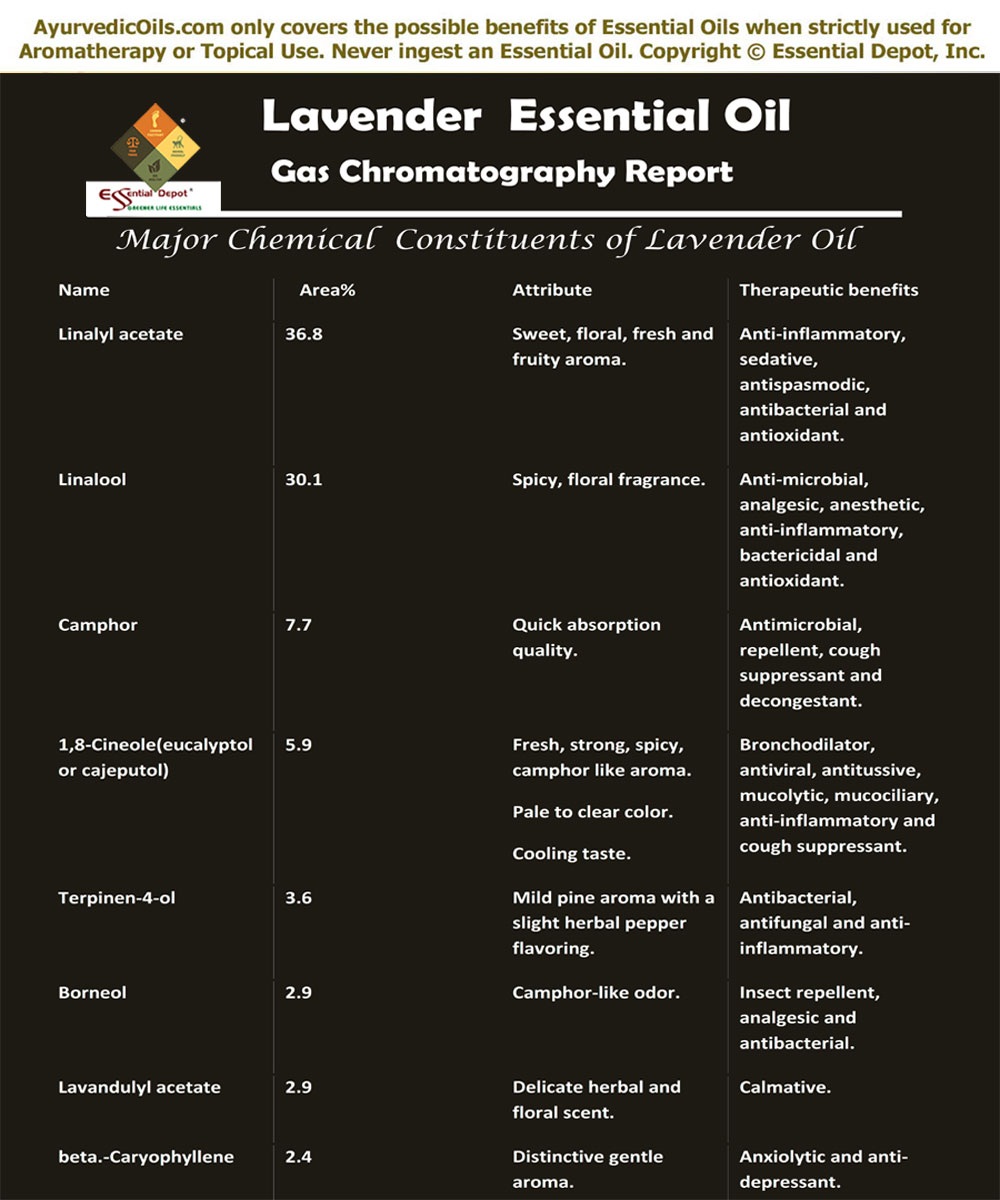
According to the Gas chromatography report, Lavender oil constitutes of 16 chemical components that contribute to the aroma, therapeutic values, consistency and quality of this essential oil. Of which, Linalyl acetate contributes to the highest percentage of Lavender oil constituents with about 36.8% of the total composition.

Just click on Linalyl acetate, Linalool, Camphor, 1, 8-Cineole and Lavandulyl acetate for getting to know the exclusive information about these prime constituents of Lavender oil.

Each and every component contributes to the various attributes and remedial properties of Lavender oil. The table crafted below clearly depicts those special contributions to the healing magnificence of Lavender essential oil.

Lavender OilTherapeutic properties of Lavender essential oil:

Lavender can be called as an elixir as it has immense remedial properties.

The most prominent among them are anti-depressant, sedative, antiseptic, nervine, bactericide, analgesic, sudorific, antiphlogistic, cicatrisant, emmenagogue, decongestant, deodorant, anti-inflammatory, carminative, anti-spasmodic, rubefacient, cholagogue, vulnerary, hypotensive, antiviral, cytophylactic, anticonvulsant, hormonal balancing and diuretic properties.

Ayurvedic health benefits of Lavender essential oil:

Ayurveda is the oldest of all healing systems on earth and is engaged in addressing the health concerns of human beings for more than 5000 years.

Ayurvedic healing aims at longevity by focusing on prevention of illnesses by maintaining a healthy lifestyle, practicing an Ayurvedic routine, yoga, meditation, simple physical exercises and using of natural remedies like herbs and essential oils for treating illnesses.

According to Ayurveda, sickness is an opportunity to know the imbalances of the body with nature and to know the actual root cause of the illness. This noble science suggests and trusts in treating the root cause of a disease instead of diagnosing the ailment alone.

Treating individuals instead of diseases is the prime factor that makes Ayurveda superior than other contemporary medicinal practices.

Everything that is a part of nature and that which is believed to heal humanity falls under Ayurveda as it is the ancient medicinal science existing in this world and has its age double the times of Lavender.

Ayurvedic philosophy states that every human being is distinctive with a unique individual constitution, which is made up of three vital biological energies known as doshas. They are vata, pitta and kapha.

Lavender essential oil is beneficial for all the three constitutional types of Ayurveda. With its extremely soothing, calming, cooling and tranquil energy, Lavender essential oil pacifies kapha and pitta doshas and aggravates vata dosha.

The splendid Ayurvedic healing benefits of Lavender essential oil are:

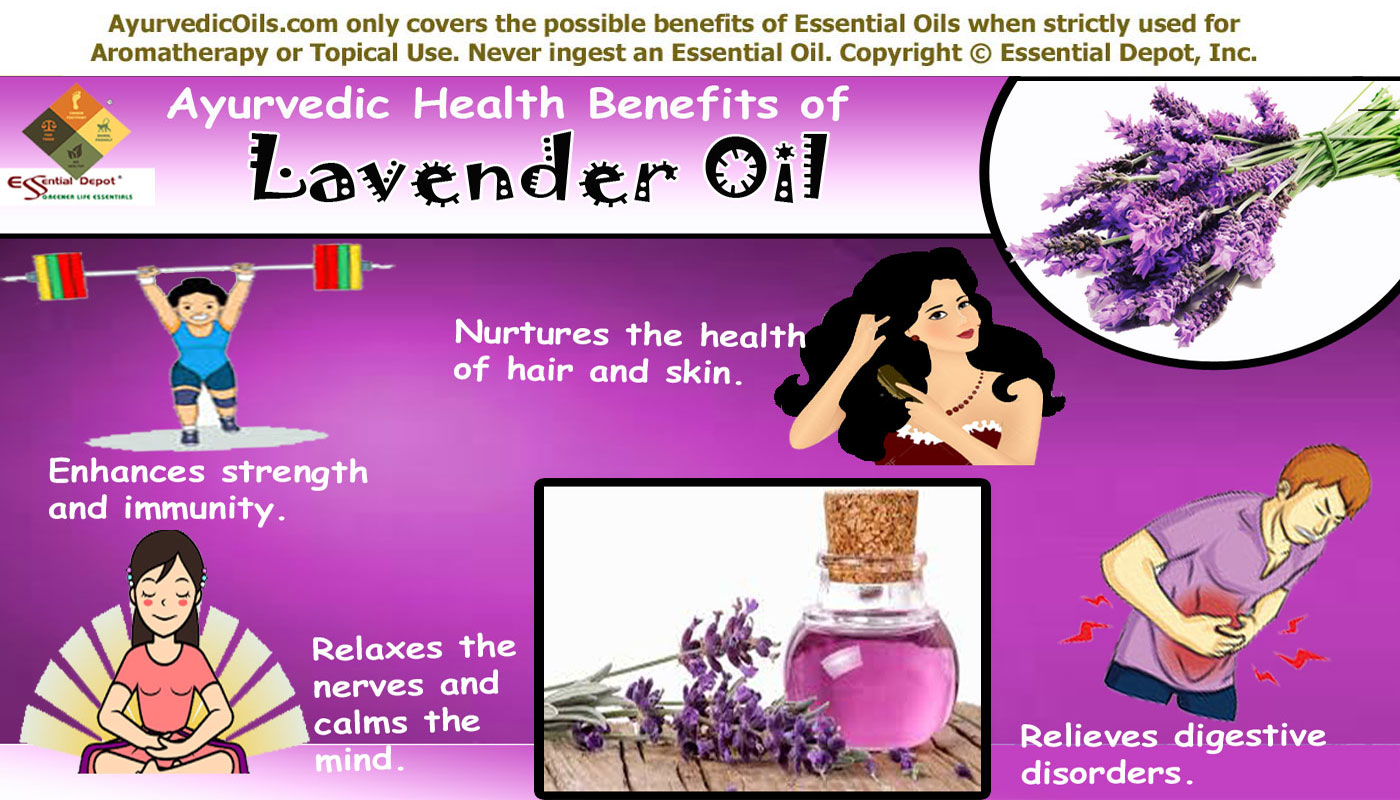
Lavender-broucher1. Enhances strength and immunity:

Ayurveda considers Lavender essential oil as the chief oil in assisting and strengthening the immune system by protecting the body from harmful virus and bacteria causing ailments such as flu, cough, cold, fever and many other infections.

Lavender oil is trusted to enhance prana or the vital life force, which in turn increases the body’s natural disease-resistant ability and the mechanism of fighting against harmful microbes and pathogens.

Gently massaging 2 drops of Lavender essential oil mixed with 1ml of Jojoba oil in the upper part of the sternum, over the heart and the thymus gland is said to uplift the vital essence known as Ojas in Ayurveda, which is completely responsible for vitality and immunity at all the levels of the body.

A 2010 study on ‘Chemical Composition of Lavender Essential Oil and its Antioxidant Activity and inhibition against rhinitis-related bacteria by Lu Hui, Li He, Lu Huan, Li XiaoLan and Zhou AiGuo’ proved that the presence of about 47 compounds in Lavender essential oil exhibits potent antioxidant effect against lipid peroxidation in a linoleic acid model system and extensive activity against bacteria like Escherichia coli, staphylococcus aureus, proteus vulgaris and micrococcus ascoformans.

This study also stated that Lavender oil can be used as a potential natural remedy in treating rhinitis patients.

2. Nurtures the health of hair and skin:

Lavender essential oil is an admirable skin-friendly oil as the topical application of this oil treats skin disorders like psoriasis, cuts, burns, abrasions, itches, eczema, rashes, acne, pimples, athlete’s foot, sunburns, wounds and acts as a good mosquito repellent.

For being gentle and effective on the skin and hair, Lavender oil is called as Twachya, keshya and kusthaghna, where Twachya is the natural skin remedy for augmenting the health of the skin by nourishing the cellular structure; keshya is its ability to foster hair growth and boost the strength of hair follicles and kusthaghna for its potent to heal and treat various skin conditions.

It is also called as Sookshma and Teekshna, for its potent to penetrate through the tiny channels of the skin, thus upkeep the damaged skin cells.

All you need to do to regain your skin health is to apply 2 drops of Lavender oil blended with 1 ml of olive oil and apply it on the affected area or massage gently for visible results. You can also add 2 drops of this oil in your regular skin care cream or body lotion and use it daily for protecting and pampering your skin.

Ayurvedic Physicians and the contemporary Dermatologists suggest the use of Lavender essential oil for treating numerous skin problems including acne and few other bacterial and fungal infections.

Lavender essential oil has anti-fungal, antibacterial and antiseptic properties that assist in inhibiting the growth of bacteria, fungi and other micro organisms responsible for acne and other skin problems.

Lavender essential oil is also an effective remedy for treating hair problems like hair loss, baldness, lice, nits and dull hair. With the combination of few other curative essential oils like Rosemary, Lavender oil has been proved to promote hair growth in a study conducted with 86 people, who were affected by an autoimmune disease known as Alopecia areata.

5 drops of Lavender oil mixed with 3 drops of Rosemary oil and 5 ml of Almond oil when massaged onto the scalp assists in strengthening the hair follicles, promoting the growth of hair, preventing hair fall and nourishing the scalp.

3. Relaxes the nerves and calms the mind:

Lavender is certainly an excellent remedy for treating fear, fatigue, anxiety, stress and depression. The soothing aromatic molecules of this oil penetrate the mind and body through the nasal passages and reach the Limbic system, known as the control center of the human body.

With its anti-depressant, hormonal balancing and sedative properties, Lavender essential oil is proven to ease stress and induce good sleep by checking the health disorders related with insomnia.

3 to 4 drops of Lavender oil blended with 2 ml coconut oil or sesame oil can help in soothing the senses, calming the nerves and granting peace to the mind and body. You can also add 2 drops of Lavender oil to warm bathing water for promoting peaceful sleep and alleviating stress and fatigue after a tiring day.

Lavender essential oil is used in various Ayurvedic treatments and the most prominent among them is Shirodhara, which is a celebrated oil-dripping treatment in Ayurveda with the use of medicated sesame oil with herbal values. It is proven to induce an altered state of consciousness (ASC) and anxiolysis.

According to a 2008 research by the University of Toyama, the use of lavender essential oil along with sesame oil in Shirodhara treatment proved to have a positive pharmaco-physio-psychologic effect, where the relaxing effects of lavender essential oil transferred through the olfactory nerves was proved to improve the entire condition of the system.

It also witnessed a significant result that Lavender Shirodhara is better than the normal one and the intricate pharmaco-physio-psychologic feat in Ayurvedic treatment is a constructive model for pharmaco-physio-psychotherapy in the future.

4. Relieves digestive disorders:

Lavender essential oil augments the pranic (vital life force) energy, while steadily supporting the functions of the respiratory tract also. Massaging your abdomen with 2 drops of Lavender oil blended with 1ml sesame oil aid in promoting the secretion of gastric juices, bile and other digestive enzymes.

By this way, Lavender essential oil regularizes the process of digestion and absorption. It also helps in treating flatulence, diarrhea, colic, vomiting, stomach pain and indigestion.

An aromatic bath with 2 to 3 drops of Lavender essential oil can promote blood circulation, treat depression, anxiety, fatigue, restlessness, respiratory infections, urinary infections, bladder problems, whooping cough, nasal congestion, migraine, panic attacks, asthma, muscle soreness, headache, joint pain, bee stings and many other problems.

Lavender essential oil with its innumerable health benefits is a must-to-have oil in your medicine cabinet and a drop of oil added to your handkerchief or worn on your wrist everyday will rejuvenate your senses and give you a never before freshness, clarity of mind and absolute peace.

Disclaimer:

This article is only for educational purposes and is not in any way meant to be used for diagnosis or as a substitute for any prescribed medications or the professional advice of your Doctor. We, at Essential Depot are not healthcare experts and this article is written only with the intention of sharing the ancient wisdom of Ayurveda.

Essential oils are meant for topical use only and not for ingestion, as pure and organic essential oils are the life force of plants and are highly concentrated substances. Seek the advice of your Ayurvedic expert or healthcare professional before choosing the appropriate essential oils for your state of health and unique individual constitution.

The MSDS (Material Safety Data Sheet) of Lavender oil is readily available for your enhanced safety and superior usage.

Gas Chromatography Report (GC) of Lavender oil.

Thought for the day:

                           Come forth into the light of things,

                           Let Nature be your teacher.

-By William Wordsworth

Suggested reading:

  1. Lovely Lavender: The Many Applications and Uses of Lavender Essential Oil (Essential Oils and Aromatherapy) by Rashelle Johnson
  2. Lavender Oil: The New Guide to Nature’s Most Versatile Remedy by Julia Lawless
  3. The Magic and Power of Lavender: The Secret of the Blue Flower, It’s Fragrance and Practical Application in Health Care and Cosmetics by Maggie Tisserand, Monika Junemann
  4. Lavender: Nature’s Way to Relaxation and Health by Philippa Waring
  5. HEALING POWERS OF LAVENDER Pure Essential Oil – The Universal Healer (The Aromatherapy Professional: Healing with Essential Oils) by KG Stiles

Reference Links:

  1. Lavender by University of Maryland Medical Center
  2. Pharmaco-physio-psychologic effect of Ayurvedic oil-dripping treatment using an essential oil from Lavendula angustifolia PubMed.gov
  3. Lavender: An Ayurvedic View by Gurukula Blog
  4. Chemical Composition of Lavender Essential Oil and its Antioxidant Activity and inhibition against rhinitis-related bacteria by Lu Hui, Li He, Lu Huan, Li XiaoLan and Zhou AiGuo published in the African Journal of Microbiology Research

Mace Oil

‘Amaze’ is the only word that can strike every mind that thinks about Mace and its magical healing values. With its power from being a brain stimulant to its effectiveness in treating depression and rheumatism, Mace fills every heart with total astonishment.

Mace-bannerBotanically called as Myristica fragrans, Mace is the twin sister of Nutmeg and is the golden color aril that covers the hard shelled nutmeg (seed kernel).

Called as Jatiphala or Jatisasyya in Ayurveda, Mace has been prescribed for healing various health conditions like halitosis, insomnia, congestion, rheumatism, colic, indigestion, impotence, erectile dysfunctions, dysmennorhea, asthma, headache, lumbago, jaundice and as an excellent tonic for the brain.

Purchase Mace Essential Oil – Wholesale – CLICK HERE

Purchase Mace Essential Oil – Retail – CLICK HERE

Historical importance and uses of Mace and its essential oil:

Mace is a native of the tropical rainforests of Indonesia, the Maluku – Banda islands. Jatiphala is an evergreen tree that takes about 20 years to bear fruits that contains the hard-shelled ‘nutmeg’ and its protective layer ‘mace’.

The traditional Arabians used Mace and Nutmeg as effective carminative and aphrodisiac herbs, aiding in the treatment of indigestion, impotence and premature ejaculation. It was initially the Arabians who traded Mace to Venetians from where it slowly spread throughout Europe in the medieval period.

Mace was used as a folklore remedy for rheumatic problems, intermittent fevers, mouth sores, insomnia, flatulence and diarrhea. The book ‘Indian Materia Medica’ by Dr. K.M. Nadkarni denotes that Mace has excellent stimulant and carminative properties, making it a trusted gastric tonic since the medieval period.

TCM or the Traditional Chinese Medicine used Mace for its effectiveness in treating dysmennorhea or painful menstruation, abdominal pain and liver problems. The essential of Mace is extracted from the dried hairy arils and have been used in the pharmaceutical and perfume industries for its ample health benefits.

Even today, many natives of India chew mace or the dried arils after meals for promoting quicker digestion.

People also use whole nutmeg as a candy to stimulate the secretion of digestive enzymes and gastric juices that enhance metabolic functions (Nutmeg is indeed a rock like candy that would never melt or reduce in size but still older people have it in their mouth to stimulate their taste buds and to support digestion).

Applying the herbal cream prepared with Nutmeg and Mace powder was applied directly on blood clots, eczema, ringworm and athlete’s foot. It has been a promising traditional remedy for treating Alzheimer’s disease, lack of concentration and cognitive disorders.

Grandmother’s remedy with Mace includes its use in curing diarrhea, insomnia, nausea, flatulence, headache due to stress and to promote menses in case of blocked or delayed periods.

Nutmeg became an expensive remedial spice for its curative powers in warding off plague during the Elizabethan rule. Mace and nutmegs were used for culinary purposes in various international cuisines including the Japanese, Asian, Indonesian, Dutch, European and Middle Eastern. It is also used in the production of toothpastes, cough syrups, sweets, beverages and baked goods.

Remedial properties, nutrients and chemical constituents of Mace essential oil:

Myristicin, camphene, a-pinene, b-terpineol, b-pinene, camphene, myrcene, myristicol, sabinene, limonene, elemicin, safrole, isoelemicin, dipentene, methoxyeugenol, linalool and safrole along with 2 resorcinols namely malabaricone C and malabaricone B (antimicrobial and antioxidant properties).

Mace essential oil has antifungal, anti-inflammatory, antioxidant, antibacterial, larvicidal, emmenagogue, aphrodisiac, carminative, expectorant, analgesic, tonic, anti-asthmatic, antimicrobial, stimulant and anti-depressant properties.

Mace is a powerhouse of enormous nutrients including vitamin A, thiamin, vitamin C, riboflavin, niacin, calcium, sodium, iron, potassium, zinc, magnesium, copper, manganese, phosphorus and the list goes on.

Ayurvedic uses of Mace essential oil:

Revolutions happen frequently in today’s digital era. Everything has taken a greater twist and turn. All that was found in nature at ease became a part of Ayurvedic medicine in the ancient period. Along with the depletion of nature, natural remedies like Ayurveda looked as if it has taken a back seat.

This gentle reminder is that the much simpler life that you lead with more of natural things and less of artificial stuffs is indeed an Ayurvedic way of living. You don’t need to be a saint or a disciple of an Ayurvedic Guru for taking up Ayurveda into your routine.

Remember that the deep breath (Pranayama) that you take in the morning to start your day till the use of soothing essential oils in your diffuser (Aromatherapy) before going to bed has Ayurveda.

Ayurveda is the pioneer and the mother of all healing systems on this globe. People across the sphere have given various names for different treatments as per their taste and cultural differences.

For example, Ayurveda prescribes natural medications and aims at the treatment, prevention and longevity through augmenting the life force called as ‘prana’. The same is the ideal behind TCM or the Traditional Chinese Medicine that uses natural medicines for increased life span by stimulating the life force known as ‘Qi’.

Ayurveda is in everything that you use daily and the wisdom lies in the way you use it as the word ‘Ayur+veda’ simply means ‘Life + Knowledge’ i.e., the knowledge of life. It is that knowledge for leading your life in absolute peace and bliss with less or no chaos around.

World started with a single man and a single woman and gradually spread its root everywhere across the globe, known to us today as the human race. End of the day, when we turn back or dive deep into our history, all of us would just have the same ancestors and the same forefathers in some way or the other.

All I wanted to say is just one thing that Ayurveda is the priceless gift of our ancestors and it is the innate souvenir that they left behind in each of us. All we need to do is to rekindle the Ayurvedic thoughts that are deeply vested in our souls to lead a healthy and hearty life.

These kind of deeper thoughts strike our spirits when our mind is in a highly elated and conscious state during meditation, which is why meditation is also a remedial practice in Ayurvedic healing.

I’m not going to write the usual Ayurvedic stuff in this post as well. If you want to know the technical and traditional Ayurvedic terms, then just check our other posts on Ayurvedic oils.

Mace is undoubtedly one among the spectacular herbs whose remedial values become a blessing to all those who use Mace in any form. In an Ayurvedic perspective, Mace and its essential oil possess excellent warming, stimulating and invigorating properties that fuel the mind, body and the spirit.

Ayurveda prescribes unique remedy for every individual as it firmly believes that every person on earth is a unique creation with a distinct Prakriti or individual constitution, which is a combination of the 3 vital energies known as doshas. Every individual has a combination of all the three doshas with a predominance of one dosha, which determines his/her nature, temperament, physique and behavioral patterns.

According to Ayurveda, balance between these doshas as per the law of nature determines health and doshic imbalances due to lifestyle changes, irregular food habits, change in weather conditions, and lack of physical exercises, sedentary lifestyle and few other factors lead to illnesses.

Ayurvedic remedies include herbs, essential oils, yoga, Pranayama or the art of Ayurvedic breathing, Ayurvedic routine, Panchakarma or the detoxification therapy, meditation and prayers as tonics to the soul. These holistic remedies aim at striking perfect balance between the doshas to regain health and prevent it in future.

Mace essential oil has the potent to augment pitta (responsible for metabolism, body temperature, decision-making and leadership traits) energy and pacify kapha (responsible for sustenance, physical set up, love and trust) and vata doshas (responsible for nervous functions, respiratory functions, circulatory functions, creativity and sociability).

Chalo! Let’s walk through the many… many benefits of Mace essential oil…………..

Mace-broucher1. Trusted tonic for the brain:

Brain is often the supreme part of the body, simply questioned for any under-performance or distorted tasks. The intellectual powers, cognitive abilities and brilliance are always associated with the functioning of the brain.

Stress, mental exhaustion, anxiety, fatigue and overindulgence in any chore beyond one’s natural potency deteriorate the normal performance of the human brain. This in turn ends up in loss of memory, depression, lack of concentration, negative feelings, and lack of self-esteem, inferiority complex and even Alzheimer’s disease.

Mace and Nutmeg essential oil has an organic compound called Myristicin (along with elemicin), which has been proved in various research studies as an effective constituent that stimulates enzymes in brain. These enzymes support in enhancing the memory power and helps significantly in the treatment Alzheimer’s disease.

Mace and Nutmeg essential oil has the power to enhance the cerebral functions and awakens your inner consciousness. An extremely enlightening blend of 2 drops of Mace oil, 1 drop of Calamus oil, 1 drop of Brahmi oil along with 1 drop of Rosemary oil in your diffuser or vaporizer, especially during the early hours of the day, when your mind is in deep meditation or during prayers can bring in all the vital energy that your brain requires to bounce back into action.

The remedial properties of these brain herbs pass through your nasal passages and reach the limbic system, the ultimate control center of human brain. Practicing this invigorating ritual every day can assist in improving your concentration power, optimistic thoughts, mental stability, sense of consciousness, memory power, functions of the brain cells and the power to focus without any digression.

Massaging your system with 10 drops of Mace oil, 5 drops of Rosemary oil, 5 drops of Ylang Ylang oil, 5 drops of Clary Sage oil, 5 drops of Petitgrain oil and 4 ounce of Coconut oil can help in pacifying the nerves, alleviating mental exhaustion, fatigue, anxiety, stress, pessimistic thoughts and feelings of loneliness by granting a sense of courage, self-confidence, increased attention, spontaneous thinking and strengthened nervous functions.

2. Mannish problems vanish with Mace:

Mace has a handful of masculine health benefits. With its tonic, stimulating and aphrodisiac properties, this revitalizing oil has been prescribed for treating impotence, premature ejaculation, loss of libido and lack of sexual interest.

Adding 5 drops of Mace oil, 2 drops of Ashwagandha oil along with 2 drops of Ylang Ylang oil in your bathing tub, especially before your bedtime, preferably with your partner can help in boosting the functions of your reproductive system by strengthening the pelvic muscles, increasing your sperm count, relaxing your system, granting a sense of secured feeling with your partner and augments your sexual drive.

You can also add 2 drops of Mace and 2 drops of Patchouli oil in your diffuser during the bedtime for influencing positive feelings and sense of absolute comfort during your special moments together.

3. Mace for menstrual mayhems:

The essential oil of Mace has emmenagogue properties that help in supporting the uterine functions and hormonal imbalances in women. Gently massaging your lower abdomen, thighs and lower back with 3 drops of Mace oil, 2 drops of Wormwood oil along with 10 ml of sesame oil can aid in fostering blocked or delayed menstruation, soothe painful periods or dysmennorhea, control nausea, mood fluctuations, headache and certain other symptoms associated with menstruation.

4. Rheumatism….? Relax with Mace oil now:

According to Ayurveda, ama or toxic remains due to improper digestion is the root cause of water retention diseases (kapha vitiation) like rheumatism, obesity, edema and respiratory infections.

Excess of water deposits along with toxic substances, salt, uric acid and harmful fat deposits lead to chronic pain, inflammation, soreness, redness, improper blood circulation and muscular stiffness associated with rheumatism, arthritis and edema.

With its power to pacify kapha energy along with its anti-inflammatory, diuretic, analgesic, anti-rheumatic and circulatory properties, a gentle massage on the affected parts with 3 drops of Mace oil along with 1 drop of Chironji oil and 2 drops of Ginger oil with 5 ml of coconut oil can help in relieving pain, promoting blood circulation, reducing swelling and inflammation by discarding excess fluid and toxic remains through urine.

It increases the quantity and frequency of urination. A warm compress followed by this massage can support in quicker relief as it helps in passing the therapeutic components to the bloodstream quickly.

5. Digestive discomforts die out just like that:

Mace and its essential oil have pitta or digestive fire enhancing quality that contribute to its excellent carminative, stimulant, antispasmodic and laxative properties that help in treating indigestion, gall stones, sluggish digestion, gastritis, vomiting, flatulence, diarrhea, intestinal spasms and bad breath.

Inhaling the soothing aroma of Mace oil by adding 1 drop of it in a tissue or a hankie, especially before your mealtime and massaging your tummy with 2 drops of Mace oil, 1 drop of Grapefruit oil, 1 drop of Orange oil and 5 ml of sesame oil can enhance the secretion of hydrochloric acid, digestive enzymes and gastric juices responsible for trouble-free digestion.

6. Cold or fever? Mace to your rescue:

Common cold, congestion, whooping cough, throat infection, headache, blocked nasal passages, fever and certain other respiratory problems are the effects of kapha imbalances allowing the fluid retention to build up as mucous and phlegm deposits in the bronchial, respiratory and nasal passages.

The essential oil of Mace has gentle warming and expectorant properties with its power to lessen the increased kapha energy. 2 drops of Mace oil with 1 drop of Peppermint oil and 1 drop of Eucalyptus oil added to steam inhalation and as a gentle massage of your throat, chest and back with the same blend in your vaporizing ointment can facilitate in loosening the dangerous phlegm and mucous thus alleviating nasal congestion, sore throat, runny nose, itchy eyes, fever, cough, headache, asthma and congestion in the bronchial passages.

Other health benefits:

Mace oil is also used in the treatment of kidney infections and renal calculi. It is also an excellent sedative that promotes uninterrupted sleep at night. With the presence of eugenol, Mace is also a proven remedy for treating toothache and halitosis. Mace oil is also effective in relieving backache, bruises, pain in the joints and migraine headache. It is also used as a flavoring ingredient in the production of tobacco, shaving creams, soaps and air fresheners.

Various research reports have proved that essential oil of Mace and Nutmeg has the power to prevent and fight against cancer by restraining the growth of blood vessels that support cancerous tumors.

Disclaimer:

This original piece of information is meant only for the purpose of education and is not recommended to diagnose, prevent or to treat any kind of ailments. It is neither meant to replace any prescribed medicines or the advice of a healthcare professional. We, the team of Essential Depot are not experts in Traditional medicine and these facts are shared only for unveiling the myths of Ayurveda and for spreading its glory in healing humanity across the globe.

Essential oils are not recommended for internal use and remember to dilute essential oils in suitable carrier oils before using it for topical applications. This is because absolutely pure and organic essential oils are highly concentrated liquids and may cause allergic reactions, when used on the skin without dilution.

Pregnant and nursing women, please excuse as Mace oil has potent to cause uterine contractions and may end up in miscarriage. Speak with your Ayurvedic expert or medical professional before choosing the suitable essential oils as per your state of health and unique individual constitution. And the final friendly advice is to do a patch test on your skin before enjoying its complete benefits.

Thought for the day:

Natural forces within us are the true healers of disease.– By Hippocrates

Suggested Reading:

  1. Mindfulness and Mental Health: Therapy, Theory and Science by Chris Mace
  2. Evidence-based Essential Oil Therapy: The Ultimate Guide to the Therapeutic and Clinical Application of Essential Oils by Dr. Scott A Johnson
  3. Nutmeg and Mace by Marian Kim
  4. The Encyclopedia of Aphrodisiacs: Psychoactive Substances for Use in Sexual Practices by Christian Rätsch, Claudia Müller-Ebeling
  5. Listening to Scent: An Olfactory Journey with Aromatic Plants and Their Extracts by Jennifer Peace Rhind

Reference Links:

  1. Nutmeg by Wikipedia
  2. Nutmeg and Mace by WebMD
  3. Cytotoxic and anti-tumor activities of lignans from the seeds of Vietnamese nutmeg Myristica fragrans by Thuong PT, Hung TM, Khoi NM, Nhung HT, Chinh NT, Quy NT, Jang TS, Na M, Vietnam National Institute of Medicinal Materials published in PubMed
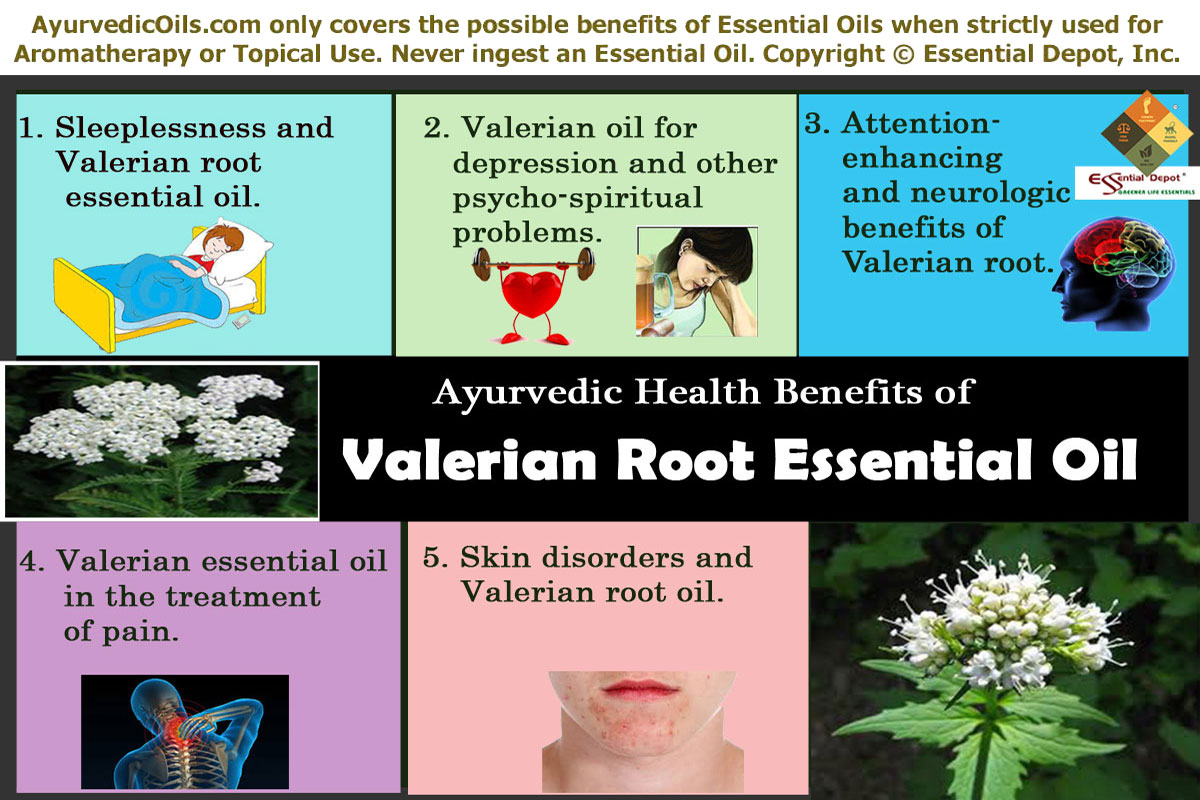
  4. 10 reasons you need Mace in your life – Health benefits and nutritional facts
  5. Myristica Fragrans in the Handbook of Ayurvedic Medicinal Plants: Herbal Reference Library by L. D. Kapoor

Marjoram Oil

Marjoram-bannerOh! My! My! Marjoram is addressed as the herb of eternal love and joy of the mountain. As the most loved herb by Aphrodite, the Goddess of love and beauty, the leaves of Marjoram were sanctified for surmounting marital bliss and everlasting love. The spicy, rich, sweet, soothing and tantalizing aroma of this oil will leave you relaxed, energized and absolutely rejuvenated.

Known to the world of Ayurveda as Maru, Marwa, Sinshi and Sathra, Marjoram has been recommended for treating muscular tension, cardiovascular problems, premenstrual problems, polycystic ovarian syndrome, sinus congestion, insomnia, Alzheimer’s disorder, asthma, joint pain, flatulence, rheumatism, toothache, loss of libido and certain other health conditions.

Purchase Marjoram Essential Oil – Wholesale – CLICK HERE

Purchase Marjoram Essential Oil – Retail – 4 oz – CLICK HERE

Purchase Marjoram Essential Oil – Retail – 1 oz – CLICK HERE

Chemical constituents and remedial properties of Marjoram oil: The major chemical constituents responsible for the therapeutic values of Marjoram oil are linalool, a-pinene, cineole and sabinene.

A 2012 study on “Thymus mastichina: chemical constituents and their anti-cancer activity by Universidade Nova de Lisboa, Portugal concludes that “the cytotoxicity-guided study of the dichloromethane and ethanol extracts of Thymus mastichina L. using the HCT colon cancer cell line allowed the identification of nine compounds, sakuranetin (1), sterubin (2), oleanolic acid (3), ursolic acid (4), lutein (5), beta-sitosterol (6), rosmarinic acid (7), 6-hydroxyluteolin-7-O-beta-glucopyranoside (8), and 6-hydroxyapigenin-7-O-beta-glucopyranoside.”

The remedial properties of the oil of Marjoram are deodorant, antiseptic, analgesic, disinfectant, emmenagogue, sedative, antispasmodic, calming, anti-inflammatory, antimicrobial, aphrodisiac, antifungal, antioxidant, disinfectant, antibacterial, diaphoretic and expectorant.

Historical uses and significance of Marjoram oil:

Marjoram is an excellent culinary herb that has been used habitually in the flavoring of soups. There are many types of Marjoram and are called by different names like Sweet Marjoram, Mastic Marjoram, Wild Marjoram, Knotted Marjoram, Spanish Marjoram and Garden Marjoram.

As a member of the mint family, Lamiaceae, Marjoram has various botanical names and the most common being Origanum marjorana (Sweet Marjoram), Thymus mastichina (Spanish Marjoram), Origanum onites (Pot Marjoram) and Origanum heracleoticum (Winter Marjoram) and few other names.

The oldest historical uses of Marjoram take us to the ancient Greek mythology, where it was used for treating muscular tension, poisonous stings and bites, discarding fluid retention and as a symbol of love and affection.

Indigenous to Southern Europe, Marjoram is used as a flavoring ingredient and as a condiment. It is used in various food varieties including salamis, stews, seasonings, marinades, dressings, salads, roasted meat, sausages and goes well with green and leafy vegetables.

Marjoram has been an interesting part of wedding rituals, where the Newly-wed couples wear Marjoram wreaths as a sign of beginning their magical love life. Marjoram teas and infusions are extremely famous for their power in relieving headache, sinusitis, flatulence, hay fever and menstrual discomforts.

It is an ancient belief that if a Marjoram plant grows on a grave, and then the deceased person has attained perpetual happiness in the world after. The aromatic leaves and flowers of this plant were strewn in homes for its antimicrobial, disinfectant and deodorant properties.

Traditional home remedies with Marjoram include poultices for healing boils, rashes, sprains and abrasions. Folklore beliefs also include the use of Marjoram as a rescuer from bad luck and curses.

Ayurvedic health benefits of Marjoram essential oil:

Ayurveda is a holistic healing science that treats human beings as reverential individuals and not just as patients. This miraculous therapy respects the individual differences of every person and recommends remedies as per the unique individual constitution and not on the basis of diseases.

It is for this reason, the first Ayurvedic consultation always begins with personal discussion with the Ayurvedic professional for learning the medical history, family background, lifestyle, food habits, likes and dislikes, good and bad things that have happened in the life of the person, affecting and influencing his medical condition.

This is because human beings are valued as a special creation and they should not be treated as a “one size fits all” module. Dr. Vasant Lad, the renowned Ayurvedic Expert has denoted in the Textbook of Ayurveda as “Ayurveda treats the whole person, not just the organ or system involved.”

Ayurveda strongly states that health is a tree-tier figure that encompasses physical, mental and spiritual well-being. “The aim of Ayurvedic medicine is to integrate and balance the body, mind, and spirit. This is believed to help prevent illness and promote wellness” quotes the National Institute of Health.

Even today, the world of medicine looks up to Ayurvedic healing for its integral health-giving methodologies that strive to cast a person through all the facets of life together with the wellness of the mind, body and spirit.

By identifying the root cause of a disease, Ayurveda hits the nail on the head of the illness without missing its aim, as shooting the bird’s eye.

This ancient methodology states that the treatment of symptoms of an illness will grant only a temporary remedy, instead treating the underlying root cause will cure the illness, protect the system from its other side effects and also aid in preventing it in the future as well.

The most valued Ayurvedic encyclopedias including Charaka Samhita, Sushruta Samhita and Ashtanga Hridaya Samhita say that everything in the universe are crafted with the five fundamental elements of nature i.e. water, fire, earth, air and space.

Every person is unique with a distinct Prakriti otherwise known as the individual constitution (combination of 3 doshas). These doshas are biological energies and are an array of the five vital forces of nature.

Vata is an arrangement of air and space and is responsible for the functions of the nervous, respiratory and circulatory systems. Pitta dosha is a demonstration of fire and water and takes control of metabolism, body temperature and cognitive functions.

Kapha dosha symbolizes water and earth and it regulates the movement of fluids in the body, physique, reproductive functions and enhanced nourishment.

Every individual has a predominance of any one of these doshas, which determines their distinctiveness, personality and behavioral attributes.

Absolute balance between these doshas as per the law of nature depicts health and harmony, whereas imbalance due to irregular food habits, code of conduct, sedentary lifestyle, lack of physical and psychological exercises and change in weather conditions leads to ill-health.

Ayurveda prescribes natural medications including herbal remedies, Ayurvedic essential oils, Dinacharya or the Ayurvedic routine, prayers and meditation for the spirit and soul, yoga, simple physical exercises, Abhyanga or Ayurvedic massage, Panchakarma (treatment for cleansing toxic remains) and many more for the mind and body.

These remedies depend upon the Prakriti of an individual and are always person-specific and not disease-specific.

Marjoram and its essential oil are recommended for pacifying kapha and vata conditions, in surplus and to augment pitta dosha.

The Ayurvedic uses of Marjoram oil are:

1. Physical benefits:

  • Relieves pain and muscular tension:
  • Checks asthma, cold and other respiratory infections:
  • Encourages menstruation and relieves dysmennorhea:
  • Heals skin disorders:
  • Enhances metabolism and soothes the digestive system:

2. Psychological benefits and uses to the nervous system:

3. Spiritual benefits:

Marjoram-broucher-new1. Physical benefits:

The essential oil of Marjoram has enormous benefits to the body ranging from its efficiency in lessening the risk of hypertension with its anti-depressant property, reducing blood pressure in case of high BP with its effect to check anxiety and stress, checking the amassing of cholesterol with its detoxifying attribute and enhanced blood circulation with its power to pacify vata dosha.

Relieves pain and muscular tension: Anyone can clearly pinpoint Marjoram essential oil for relaxing tensed muscles, especially after workouts or physical exertion. With its mild sedative, analgesic and antispasmodic properties, Marjoram essential oil relieves pain in the muscles and joints.

Research reports state that Marjoram has the potent to enhance bone mass building by supporting osteotrophic actions in the bones. This is mainly due to the fact that Marjoram is one among the richest source of vitamin K.

With its power to eliminate fluid retention, toxic substances, salts, fat deposits and uric acid in the system, Marjoram is a proven remedy for treating edema, rheumatic and arthritic conditions where inflammation, redness, pain, soreness and swelling of joints are witnessed.

Massaging the affected parts with 5 drops of Marjoram oil along with 3 drops of Cedarwood oil with 2 ounce of coconut oil can assist in relieving pain, swelling, muscular soreness, lumbago, joint aches and other associated discomforts by discarding excess toxins in the form of sweat and urine.

Checks asthma, cold and other respiratory infections: Asthma, cold, sinusitis, congestion and similar respiratory infections generally occur due to the invasion of bacteria, virus and other harmful micro-organisms.

As a potent expectorant, antimicrobial, antiviral and antibacterial agent along with its power to pacify excess kapha energy responsible for the buildup of phlegm and mucous deposits in the nasal and respiratory passage, Marjoram essential oil is effective in treating various respiratory conditions.

3 drops of Marjoram oil with 2 drops of Eucalyptus oil added to steam inhalation and in your vaporizing ointment, massaged gently on throat, back, chest and temples can help in loosening mucous and phlegm, relieve chest and nasal congestion, alleviate headache related to sinusitis and migraine, treat flu, sore throat and other respiratory problems.

Encourages menses and relieves dysmennorhea: Marjoram has circulatory, sedative, relaxant and emmenagogue properties that help in regulating the menstrual cycle in case of missed periods or delayed menstruation, reduce menstrual pain and fortify the pelvic muscles.

A 2015 study on “The effect of marjoram (Origanum majorana) tea on the hormonal profile of women with polycystic ovary syndrome: a randomised controlled pilot study by Haj-Husein, S. Tukan and F. Alkazaleh, published in the Journal of Human Nutrition and Dietetics”, concluded as “the beneficial effects of marjoram tea on the hormonal profile of PCOS women because it was found to improve insulin sensitivity and reduce the levels of adrenal androgens.”

Massaging the lower abdomen, lower back and thighs with 5 drops of Marjoram oil, 5 drops of Thyme oil and 4 ounce of Sesame oil can aid in stimulating regular menstruation, lessen pain, fatigue and anxiety associated with periods and check polycystic ovarian syndrome with its power to reinstate hormonal balances and considerably decrease the level of adrenal androgens.

Heals skin disorders:

Marjoram essential oil has antimicrobial, antifungal, antiseptic and disinfectant properties that make it an effective oil in healing wounds, rashes, dermatitis, scalp infections, invasion of microbes causing skin infections and acne.

Recent studies have established the high concentration of linalool component in Marjoram oil, which contributes to the anti-inflammatory, antiseptic and antifungal properties, thus making it as a significant oil in various cosmetics and skin care products.

Blend 2 drops of Marjoram oil with 1 drop of Rosemary oil, 1 drop of Ylang Ylang oil and 1 drop of Orange oil and mix it with your mild skin care lotion or cream and lightly dab it on the affected areas for treating acne, dermatitis, sunburn, shaving irritation, wounds (for fighting against micro-organisms like Staphylococcus bacteria, which worsens infections in case of wounds or other skin problems) and wrinkles.

You can also mix this blend in your bath for treating inflamed scalp conditions and for refreshing your skin health.

Enhances metabolism and soothes the digestive system:

Ayurveda states that ama or toxic remains as a result of improper digestion is the root cause for many other health conditions including obesity, rheumatism, edema, kidney disorders,acne, heart diseases etc.,

Marjoram essential oil has carminative properties with its ability to enhance pitta dosha, which is responsible for digestive fire and metabolic functions. Massaging the abdomen with 3 drops of Marjoram oil, 3 drops of Nutmeg oil and 1 drop of Spearmint oil with 3 ounce of coconut oil can support in stimulating the salivary glands, augmenting the secretion of bile, digestive enzymes and other gastric juices.

This is turn aids in enhancing the appetite, treating flatulence, diarrhea, nausea, abdominal spasms, constipation and also in soothing the intestinal and lining of the stomach.

2. Psychological benefits and the uses to the nervous system:

Since the prehistoric times, Marjoram is trusted to be the herb of happiness and love. You will be amazed if I say that this ‘Joy of the mountain’ was adored for its ability to tone down distress and misery.

Everything from nervous tension, anxiety, depressed thoughts, negative feelings, loneliness, lack of concentration, stress, mood fluctuations and anger to inferiority complex, has a time to rest with the kind of emotional benefits owned by Marjoram oil.

Practicing Pranayama with 2 drops of Marjoram oil with 2 drops of Rosemary oil and 2 drops of Tangerine oil in a diffuser, can help you significantly in relieving stress, anger, anxiety, hatred thoughts, vengeance, inferior feelings and lower self esteem.

Pranayama is the Ayurvedic art of balanced breath where the therapeutic properties of these essential oils reach the limbic system of the brain through the aromatic molecules during conscious inhalation of breath or the life force.

This renovates the mind and repairs toxicity of the mind and body. In a much similar way, the toxic remains and de-motivating feelings are discarded from the system during extended exhalation.

Following this balanced breathing technique daily with the use of Marjoram oil is an excellent way to inculcate optimistic feelings, self-love, self-acceptance, improved concentration, mental dynamism, enhanced memory power and assisting in the treatment of Alzheimer’s disease. This is an effective remedy for protecting the brain from neuronal damages.

3. Spiritual benefits:

Marjoram is a representation of tranquility, harmony, health and heartiness. It enlightens the soul by awakening the sense of self-consciousness, especially when using it during meditation.

The oil of Marjoram has a positive effect on the heart chakra and the solar plexus chakras, where chakras are the centers of energy in the subtle body. The heart chakra or Anagatha determines one’s ability to love and the emotional factors associated with it are self-love, love for others, inner peace and joy.

Solar plexus chakra or Manipuraga decides a person’s level of confidence and the potent to take control of one’s live. Emotional attributes related with this chakra are self-confidence and self-esteem.

Adding 2 drops of Marjoram oil and 2 drops of Vetiver oil added to your burner or diffuser at the time of meditation and prayers can open your eye of consciousness, empower your spirit, foster mental clarity, augment self-love paving way for higher self-esteem and improved self-confidence. What next? A peaceful life with joy and focused living is in store for you to enjoy and enrich.

Other health benefits:

Marjoram is also used in the treatment of impotence, loss of libido, bruises, cough, bloating and toothache.

Disclaimer:

This article is only for educational purposes and is not intended to treat any medical condition or to substitute any prescription drugs or professional medical advice. We are not healthcare experts and this article aims only in sharing the healing wisdom of Ayurveda, the mother of all healing sciences on earth.

Essential oils are not meant for ingestion. Pure and organic essential oils are highly concentrated liquids and may harm the skin if used directly without dilution. Always remember to dilute essential oils in suitable carrier oils before safe topical application.

Speak with your Ayurvedic expert or healthcare professional for deciding on the appropriate essential oils for your unique individual constitution or state of health. Please avoid Marjoram oil if you are pregnant or nursing. Keep away from children.

Thought for the day:

Take a quiet walk with Mother Nature. It will nurture your mind, body and soul.

Suggested Reading:

  1. SWEET MARJORAM ESSENTIAL OIL – THE #1 PAIN RELIEF OIL IN AROMATHERAPY: ANTISPASMODIC HEALER, RESTORATIVE PAIN RELIVER, PLUS+ HOW TO USE GUIDE & RECIPES! (Healing with Essential Oil) By KG Stiles
  2. Marjoram Greats: Delicious Marjoram Recipes, The Top 55 Marjoram Recipes by Jo Franks
  3. Marjoram, Mint and Marigold by Evans, Hazel (1996) Hardcover by Hazel Evans
  4. Medicinal Plants of the World by Ben-Erik van Wyk, Michael Wink

Reference Links:

  1. Marjoram by Spices Board of India
  2. Thymus mastichina: chemical constituents and their anti-cancer activity by Universidade Nova de Lisboa, Portugal published in PubMed
  3. The effect of marjoram (Origanum majorana) tea on the hormonal profile of women with polycystic ovary syndrome: a randomised controlled pilot study by Haj-Husein, S. Tukan and F. Alkazaleh, published in the Journal of Human Nutrition and Dietetics
  4. Marjoram by Dr. Vikram Chauhan
  5. Marjoram, Herb of love published in doityourself

Chamomile Oil Roman

roman-chamomile-bnner‘Oil for inner peace’ is the absolute way of honoring Roman Chamomile oil for its gratifying and engaging apple aroma that instantly instills a feeling of love and encouragement. Obtained from the flowers of the Anthemis nobilis plant by steam distillation method, the word Chamomile is extracted from the Greek words Chamai and Melon, which means ‘ground apple’.

Used in Ayurvedic healing in the treatment of bloating, flatulence, dysmennorhea, insomnia, headache, nervous disorders in children, jaundice, PMS, amenorrhea, sunburn, colic, indigestion, anger, depression and negative feelings.

The book Ayurveda and aromatherapy quotes Roman Chamomile as Gold Chamomile and says, “This is the Chamomile that is preferred for children’s illnesses because of its soothing and calming effect. It can be of special assistance during menopause and PMS, and inhalation works well for tension, stress and irritability.”

Purchase Chamomile Roman Essential Oil – 4oz – CLICK HERE 

Historical uses and importance of Roman Chamomile:

It is a member of the daisy family, Asteraceae and its medicinal uses dates back to the ancient Roman and Egyptian civilization, where Roman Chamomile was used in the treatment of nervous afflictions, anxiety, sleeping difficulties and respiratory problems.

The traditional Egyptians dedicated these aromatic flowers to their native Gods for its healing properties. The Sun God was called as Ra and it was trusted to bring back health and heartiness. Chamomile was offered to Sun to get rid of fevers (especially severe fevers known as Ague during that time) and to moon for its cooling potential.

Universally known as one among the Saxon’s nine sacred herbs, Roman Chamomile is also called by various other names like True Chamomile, Golden Chamomile, English Chamomile and the Noble Chamomile for its pacifying aroma and excellent remedial values.

Roman Chamomile is called as Manzanilla (means ‘Little Apple’) in Spain and it was Pliny the Elder, Roman natural philosopher who first mentioned the similarity of the fragrance of the Chamomile flowers to that of the apple blossoms.

It was prevalently used as a strewing herb in the middle ages for perfuming the surroundings in special celebrations and events. During this time, it was also used in flavoring beer, ale and other beverages for its unique bitter taste.

Chamomile tea is a popular natural drink in the United States for reducing fatigue and inducing calmness to the system. It is a favorite ingredient in cosmetics, shampoos, perfumes, soaps, skin preparations and other toiletries.

It is cultivated throughout England, Spain, Argentina, France, Germany, Hungary, Morocco, Belgium, Italy and the United States, among which the England variety is considered as the best for essential oil production.

Numerous illnesses including insomnia, intestinal spasms, eczema, colic in infants, anxiety, depression, lack of self-confidence, inflammation, headache and skin infections are being treated with Roman Chamomile and its essential oil throughout the world for more than thousands of years.

Therapeutic properties and chemical constituents of Roman Chamomile essential oil:

This oil has anti-inflammatory, diaphoretic, anti-depressant, nervine, analgesic, emetic, antipyretic, emmenagogue, carminative, relaxing, antispasmodic, antiseptic, anti-infectious, antibiotic, febrifuge, sedative, stomachic, tonic, vermifuge, antiphlogistic, cicatrisant, hepatic, vulnerary, cholagogue and sudorific.

These healing actions are contributed by its chemical constituents including camphene, b-caryophyllene, myrcene, a-pinene, farnesol, sabinene, b-pinene, bisabolol, y-terpinene, azulene, propyl angelate, butyl angelate, pinocarveol, and 1, 8-cineole.

Ayurvedic health benefits of Roman Chamomile essential oil:

Ayurveda is called as the mother of all healing sciences, mainly because of its traditional wisdom spread to the world and its acumen to reside behind as the greatest resource for other healing systems with its vast ancient medicinal recordings especially in Atharvaveda, one among the 4 prominent Vedas (sacred books) of the Hindu mythology.

The three major Ayurvedic texts like Sushruta Samhita, Charaka Samhita and Ashtanga Hridaya Samhita documented the comprehensive medicinal practices and the fundamentals of Ayurveda.

Sushruta and Charaka are the most renowned Ayurvedic physicians of the ancient period and have expressed their Ayurvedic expertise in treating all kinds of illnesses from acne to plastic surgery and menstrual pain to caesarean delivery.

The most inspiring thing about Ayurvedic healing is its preaching and practices for leading a disciplined life. Ayurvedic philosophy revolves various aspects of healing and the most important ones are the holistic healing method, recommending natural remedies for prevention of illnesses and longevity.

They are the holistic approach that considers health as a three-dimensional array with the wellness of the mind, body and spirit. Charaka Samhita, clearly states this as “The three – body, psyche, and soul – act as a tripod. The world stands upon them, and within them, the world abides.”

It aims at preventing illnesses, leading to aging in the pink and longevity. Ayurveda treats illnesses after analyzing its root cause instead of diagnosing it just with the symptoms. It prescribes natural remedies including essential oils, herbs, yoga, meditation, Ayurvedic routine, prayer and other Ayurvedic methodologies like Abhyanga or Ayurvedic massaging and Panchakarma or the technique for detoxification.

Ayurvedic treatment begins with the primary analysis of the biological energies that are a representation of the five vital elements of nature. These energies are called as doshas, namely vata (air + space), pitta (fire + water), and kapha (earth + water). These three doshas are present in every person in specific proportion to create the individual constitution. Absolute balance between these doshas symbolizes health and disparity leads to illnesses.

Ayurvedic physicians prescribe natural remedies to normalize the imbalance of doshas in accordance to the Prakriti or the fundamental constitution of a person. With its neutral and cooling energy, Roman Chamomile oil is said to reduce the surplus of kapha and pitta doshas and increase vata dosha.

The Ayurvedic health benefits of Roman Chamomile essential oil are:roman-chamomile-broucher-in1. Pacifies and calms irritable babies:

Babies have no reason for crying, especially during the nighttime when the entire family is trying to sleep tight. Many think that pacifying a crying baby is a ‘Mother’s Thing’ and if you are worried about soothing your stubborn baby the next time, then think of keeping Roman Chamomile essential oil in your emergency kit. This oil also aids in calming irritable babies and appease your baby’s spiteful temper crabbiness.

Roman Chamomile oil is considered to be absolutely safe on children, including newborns. Add 2 drops of this oil on bed linens or on the baby’s pillow. You can also add 2 drops of Roman Chamomile oil to a cotton ball and keep it near your shoulders, inside your shirt. This helps greatly when you try to tranquil your crying baby by granting comfort to their nerves and senses and promote peaceful sleep in sometime.

One drop of Roman Chamomile oil mixed with 10 drops of virgin olive oil can be gently massaged on your baby’s tummy to get rid of pain, colic, stomach upset and diarrhea. This can also be rubbed on a baby’s gums for relieving teething pain, inflammation and swelling associated with teething.

2. Combats insomnia and promotes peaceful sleep:

Sleepless nights are the biggest nightmare that lead to a dull day and drowsiness at work. Insomnia or sleeping disorders mainly occur due to anxiety, fatigue, tension, pain, worries, nervous disorders, post-pregnancy problems or post-surgery effects.

A recent study published in the Journal of Clinical Psychopharmacology, states that “Chamomile extract therapy was found to be efficacious for mild-moderate GAD (Generalized Anxiety Disorder)“. Patients with mild to moderate level of GAD were a part of the study and they received chamomile or placebo. This study concluded stating that the patients who received the Chamomile treatment were traced to have a noteworthy change in the severity of their Generalized Anxiety Disorder.

The calming, soothing, sedative and relaxing effects of this oil assist in sedating the system and stimulating good sleep. Adding 3 drops of Roman Chamomile oil to the diffuser or vaporizer in your bedroom or 2 drops added to a tissue placed near your pillows can help in having a restful state in which you can sleep faster and better as well.

Adding 5 to 6 drops of this oil in warm bathing water before going to bed can also be helpful in tranquilizing the nervous system with its nervine properties and lighten up the system physically and emotionally.

3. Bundle of benefits for the skin:

Roman Chamomile essential oil is an excellent calmative for the skin also. Baumann says “It has amazing anti-inflammatory properties that make it ideal for patients with rosacea.” This oil also works wonders in reducing pimples, blackheads, itches and heat rashes especially during summer. This oil also assists in lessening skin irritation and redness caused due to climatic conditions and allergies.

A report by the University Of Maryland Medical Center on Roman Chamomile states that “Test tube studies have shown that chamomile can kill bacteria, fungus, and viruses. Used on the skin, it may also reduce inflammation from cuts or hemorrhoids.”

It is also said that this oil can help in easing the discomforts of eczema, psoriasis, blisters, diaper rashes, skin ulcers, bruises, sunburns and other skin conditions.

Roman Chamomile oil is a popular ingredient in an extensive range of cosmetics and skin care products for many centuries. This is mainly due to the antiseptic, antibacterial, vulnerary, antimicrobial, anti-inflammatory and cicatrisant properties of this oil.

Mix 3 drops of Roman Chamomile oil with 1.5 ml of Almond oil and gently massage on the affected parts of your skin, followed by a gentle face wash with soap-free cleansing cream.

Then wash it again with a cup of cold water with 1 drop of Roman Chamomile oil diluted in it. This treatment helps in healing wounds, burns, cuts, blisters, wrinkles, blackheads, acne marks, eczema, cracked nipples and other skin problems.

4. Alleviates depression and proffers inner peace:

Roman Chamomile is trusted to be a calming agent especially for alleviating stress and assisting in peaceful sleep. This oil has an impact on the heart chakra and the crown chakra; where the heart chakra is responsible for love for the self, conscious evolution, forgiveness, compassion and love for others as well. The crown chakra is the center of prayer and faith and for building an intimate bond with the Divine power.

The invigorating aroma of Roman Chamomile oil aids in opening the crown chakra and assists in releasing fear and anxiety related to the world. It also helps one realize the heavenly truth of ‘living in the present moment’ and alleviates worries, stress and depression related to loneliness, separation and detachment.

About 2 to 3 drops of Roman Chamomile oil when added to vaporizer, burner or diffuser     assists in bringing self-acceptance, augmenting self-esteem and peace. Inhaling the soothing aroma of this oil along with massaging your body with 5 drops of Roman Chamomile oil blended with 5 drops of Lavender oil and 5 drops of Frankincense oil with 10 ml of virgin olive oil can aid in overcoming fear, agony, agitation, mental confusions, hopelessness, discouragement and frustration.

5. Supports the digestive system:

The essential oil of Roman Chamomile has carminative, stomachic, vermifuge, digestive and cholagogue properties that help in supporting the digestive system and in stimulating the metabolic functions.

Dr. Vikram Chauhan, MD in Ayurveda regards Roman Chamomile as an effective herb for digestive disorders. He says “Roman chamomile has long been used to treat digestive problems, such as sluggish digestion, bloating, belching and flatulence. The bitter sesquiterpene lactones stimulate the digestive juices, and the flavonoids and coumarins have antispasmodic and anti-inflammatory powers.”

Massaging your abdomen with 3 drops of Roman Chamomile oil with 3 drops of Peppermint oil helps in toning up the functions of the stomach, alleviates excess gas from the stomach and intestines by stimulating the secretion of hydrochloric acid, bile and other digestive juices and enzymes that regularize the digestion process.

6. Relieves pain and inflammation:

Roman Chamomile oil has analgesic or pain-relieving qualities that help in relieving pain in the joints, muscular aches, headache, toothache and migraine pain. 2 drops of this oil mixed with 2 drops of Myrrh gel oil and 2 ml of coconut oil massaged on the painful or affected parts can help in promoting blood circulation, relieving tension in the painful nerves and muscles, detoxifying the blood and helps in alleviating toxins and other impurities in the blood. The anti-inflammatory, anti-rheumatic and antiphlogistic effects of this oil aids in reducing inflammation, redness, edema and swelling in case of arthritis and rheumatism.

Can also be used for:

This oil is also effective in treating dysentery, allergies, menopausal problems, menstrual discomforts, sciatica, restlessness, insect bites, cystitis and sprains.

Disclaimer:

This information is only for the purpose of education and is not meant to cure, diagnose or prevent any illnesses or substitute any professional medical advice or prescribed medication. Ayurveda is a common sense science that treats the individual instead of the illnesses and this article is meant to confer the ancient traditional wisdom of this 5,000 years old healing system, and we are not medical professionals.

Do not use essential oils internally and always make sure that you use it topically in a diluted form, as pure and organic essential oils are highly concentrated substances and may cause allergies if used directly on the skin. It is advisable to do a small patch test on your skin, if you are using any essential oil for the first time. Speak with your healthcare expert/Ayurvedic practitioner before using the suitable essential oils for your health condition and unique individual constitution.

Thought for the day:

Joy in looking and comprehending is nature’s most beautiful gift. 

-Albert Einstein

Suggested Reading:

  1. How to Use Roman Chamomile Essential Oil (Aromatherapy) by Miriam Kinai
  2. Camomile (The Herb Library Series) by Kate Ferry-Swainson, Deni Brown
  3. The Ultimate PCOS Handbook: Lose Weight, Boost Fertility, Clear Skin and Restore Self-Esteem by Colette Harris, Theresa Cheung
  4. Natural BabyCare: Pure and Soothing Recipes and Techniques for Mothers and Babies (Natural Health and Beauty Series) by Colleen K. Dodt
  5. Chamomile: Industrial Profiles (Medicinal and Aromatic Plants – Industrial Profiles) from CRC Press

Reference Links:

  1. Roman Chamomile by the University of Maryland Medical Center
  2. Chamaemelum nobile by Wikipedia
  3. Health Benefits of Camomile Essential Oil by Organic Facts
  4. Roman Chamomile – Effective Herb For Digestion Problems by Dr. Vikram Chauhan
  5. The Calming Power of Chamomile by Medical News Today


Your resource for quality Essential Oils. Every batch is
GC tested to ensure purity and authenticity.

Mentha Oil

Mentha-oil-broucherAre you a mint? I mean, are you a cool-headed person? Life would be simply stupendous if all of us remain as cool as mint leaves. Yes! This miraculous herb in any form would drive in extraordinary coolness, where the mere sight of mint leaves gives coolness to the eyes; eating fresh mint leaves or mint-based gums implants long lasting freshness in the mouth; applying Mint oil on your body revives and refreshes the skin; inhaling its enlivening aroma instills peace and happiness and just hearing the word ‘mint’ itself pleases the ears. (Aha! Mint benefits all the five senses of healing.)

Mentha or mint has a long association with Ayurveda and the other entire Alternative and complementary healing methodologies. With its sattvic (power to enhance purity and harmony) and prana (life force or vital energy) enhancing properties, Mentha and its essential oil is trusted to heal a range of health conditions including depression, anxiety, nervous tension, lack of self-esteem, asthma, rheumatism, bronchial congestion, lack of appetite, fever, rheumatic conditions, halitosis, dandruff, acne, flatulence, bad breath and the list never ends.

Purchase Mentha Essential Oil – Wholesale – CLICK HERE

Purchase Mentha Essential Oil – Retail – 4 oz – CLICK HERE

Therapeutic attributes and chemical constituents of Mentha essential oil:

The essential oil of Mentha has antidepressant, stimulant, carminative, antiseptic, cholagogue, expectorant, antispasmodic, antiphlogistic, antioxidant, stomachic, antimicrobial, nervine, antifungal, analgesic, detoxifying, anti-pruritic, diaphoretic and anti-flatulent properties.

The major chemical constituent of Mentha essential oil is menthol and the other components that make Menthol oil as worthy as its weight in gold are a-pinene, b-pinene, flavonoids, menthone, methyl acetate, limonene, b-caryophyllene and camphene.

History and traditional uses of Mentha and its essential oil:

Mentha is a plant genus in the family of mints known as Lamiaceae. There are about 20 species of plants and hybrid mint varieties in the Mentha genus. The most popular among them are Peppermint, Spearmint, Japanese Peppermint, Banana mint, Penny royal, Garden mint, Apple mint, Orange mint, Water mint, Wild mint, Forest mint and Asian mint.

Mentha arvensis, Mentha piperita, Mentha spicata are the most famous botanical (species) names of the Mentha family. Most often, all the members of this family share common chemical constituents and the corresponding remedial properties mainly due to the qualities acquired from the same genus Mentha (It’s parent).

Mint is the most friendly and quickly growing perennial plant and its origin has been referred to Asia and Europe. The history of ancient medicine has a handful of remedial references on Mentha and its varied significance.

The genus name Mentha has said to be obtained from Greek mythology, where Menthe, a nymph who was transmuted to a plant by Proserpine as a result of his jealousy on the love of Pluto for Menthe. Aha! Moment again and the credit goes to you ladies, as again like most of the tremendous plant varieties, Mint is also a female indeed!!

English physician, Dr. James Parkinson states “Mintes are sometimes used in Baths with Balm and other herbs as a help to comfort and strengthen the nerves and sinews. It is much used either outwardly applied or inwardly drunk to strengthen and comfort weak stomackes.”

“It is comfortable for the head and memory, and a decoction when used as a gargle, cures the mouth and gums, when sore. Garden Mint is most useful to wash children’s heads when the latter are inclined to sores, and Wild Mint, mixed with vinegar is an excellent wash to get rid of scurf. Rose leaves and mint, heated and applied outwardly cause rest and sleep”, says Nicholas Culpepper, the 17th century herbalist and physician.

The book Herball by the famous botanist John Gerard quotes Mint asthe smelle rejoiceth the heart of man, for which cause they used to strew it in chambers and places of recreation, pleasure and repose, where feasts and banquets are made.”

Pliny the elder, the Roman Natural philosopher says “The smell of Mint does stir up the minde and the taste to a greedy desire of meate. It will not suffer milk to cruddle in the stomach, and therefore it is put in milk that is drunke, lest those that drinke thereof should be strangled.”

Mint is a universal herbal remedy for various health problems, where the traditional Romans and Greeks used these miraculous leaves for treating indigestion, colic, pain and respiratory illnesses.

The primordial Europeans used Mint leaves for dealing with gall bladder disorders, flatulence, cough and other digestive mayhems. As a nourishing appetizer, Mint has been used in various mouth-watering dishes across the world including the cuisines of India, Asian subcontinent; Middle East, America and Britain.

Mentha leaves have been used in making traditional tea varieties in India, where mint tea is said to alleviate fatigue, anxiety and instill instant nourishment to the brain. Many research studies conclude that Mentha is a trusted remedy for irritable bowel syndrome.

The essential oil of Mentha has been used in the manufacturing of various things including soaps, dandruff shampoos, acne creams, skin care lotions, jellies, teas, candies, syrups, ice creams and beverages. Mentha is also a noted flavoring ingredient in toothpaste, mouthwash, chewing gums, perfumes, cosmetics, pain balms and vaporizing ointments.

Ayurvedic health benefits of Mentha essential oil:

What is your thought about Ayurveda? What do you really think? Is your mind uttering that it is an ancient science, a traditional healing system, works slowly, needs patience during the healing tenure and at last you soothe stating that you don’t have much time to take up an Ayurvedic treatment.

Is Ayurveda still the “Road not taken” in your life? Then listen to me, you are not too far from attaining a healthy and harmonious life. More than just a medicinal system, Ayurveda is a complete and disciplined way of living. The word ‘Ayur + Veda’ simply means the knowledge of life.

All it needs to take up Ayurveda in your life is to do a thorough self-examination, for understanding your individual constitution (the innate rhythm of your system with nature) contributing to your physical set up, psychological attributes, spiritual element and your behavioral patterns.

You can take the help of an Ayurvedic expert to learn about your doshas and then frame your way of living that strikes absolute balance with nature. Ayurveda recommends Dinacharya or Ayurvedic routine, things to follow in your day-to-day living for prevention of illnesses and increased life span.

The rich historical reference of Ayurveda vests with India for about 5,000 years, where it is believed to be a gift of the Lord of Creation (Brahma) to the Lord of Medicine (Dhanvantari). This sacred science of healing was taken to the next level by the Ayurvedic philosophers Acharya Charaka and Acharya Sushruta, the masterminds behind the Ayurvedic encyclopedias Charaka Samhita and Sushruta Samhita.

According to Ayurveda, every individual is unique with a distinct individual constitution, likewise their health conditions should also be treated in a unique manner even if it is for the treatment of the same sickness.

The first Ayurvedic consultation with your Ayurvedic practitioner helps you to identify your medical history, Prakriti (unique individual constitution – combination of 3 doshas) and the most suitable treatment methodologies exclusively for your physical, emotional and spiritual conditions.

Ayurvedic essential oils (prana or the life force of plants), herbal medications (fresh, dried herbs or herbal infusions), yoga, simple physical exercises, meditation, prayers, Ayurvedic routine, Abhyanga (Ayurvedic massaging), and Pranayama (balanced breathing), Panchakarma (detoxification techniques) are the major Ayurvedic remedies prescribed often.

These medications aim at balancing the doshic irregularities due to changes in lifestyle, code of conduct, food habits, weather and work conditions. Ayurveda recommends the use of Mentha and its essential oil for aggravating vata dosha and pacifying pitta and kapha energies.

The Ayurvedic health benefits of Mentha essential oil are:

  1. By far the best remedy for irritable bowel syndrome and other digestive disorders:
  2. Magical spell for relieving pain and inflammation:
  3. Depression or fear of failure? Embrace Mentha for sure:
  4. Say goodbye to bad breath and other oral problems:
  5. Breathe easy – Mentha for your respiratory woes:
  6. Share the joy of healing skin problems:

Mentha-OIl1. By far the best remedy for irritable bowel syndrome and other digestive disorders:

Pitta dosha is combination of fire and water. This dosha is responsible for metabolic functions, body temperature and cognitive abilities. Pitta dosha is often associated with the stimulation of Agni or the digestive fire.

Pitta vitiation ends up in excessive secretion of gastric juices, digestive acids and other digestive enzymes, which in turn rest on the stomach or intestinal lining. This ends up in gastric ulcer, irritation of the bowel and intestines.

Mentha is known for its potent to pacify pitta or the digestive fire with its cooling and soothing effects. It is for this reason; Mentha and its essential oil are used for treating irritable patterns in the intestines and bowels.

Michael T. Murray, Naturopath and the known author of “The Encyclopedia of healing foods” says that Mentha oil calm down the muscles and walls of the stomach and intestines, which aids in alleviating indigestion, abdominal cramps and pain associated with irritation and irregular bowel movements.

The stimulating, refreshing and energizing aroma of Mentha oil makes it an effective remedy in controlling vomiting (for which it is called as vatihari in Ayurveda, means one that prevents vomiting), bloating and nausea especially during travel. Wearing 2 drops of Mentha oil to your hankie or a tissue and inhaling the uplifting aroma while travelling can pacify the digestive system and protect you from the inconveniences of puking on the go.

A 2010 study published in the “Digestive diseases and sciences” journal has concluded that Mint oil considerably lessened pain in the abdomen and enhanced the lives of people suffering from irritable bowel syndrome.

Massaging your abdomen with 4 drops of Mentha oil, 2 drops of Marjoram oil and 2 ounces of coconut oil can assist in relieving flatulence, bloating, motion sickness, belching, heartburn, abdominal spasms and peristalsis with its stimulant, carminative, antispasmodic, stomachic and anti-flatulent properties.

2. Magical spell for relieving pain and inflammation:

Mentha is absolutely one among the top 10 essential oils for its ability to discard all forms of stagnation in the system including lungs, stomach, gall bladder, kidneys, lymphatic tissues and blood.

According to Ayurveda, stagnation or retention of fluids, toxic remains, salt, uric acid, and fat deposits invite numerous foreign bodies and the corresponding disorders by deteriorating the functions of the system.

Fluid retention is a kapha disorder and is the key to rheumatic conditions, edema, joint pain, obesity, low level of insulin resistance, fibroids, increased blood pressure and heart problems.

With its power to reduce kapha imbalance, Mentha oil assists in treating pain, inflammation and flushing out excess fluids and toxic remains in the system. These remedial benefits are attributed to its anti-inflammatory, analgesic and diaphoretic properties.

A gentle massage with 5 drops of Mentha oil, 3 drops of Ginger oil with 4 ounce of Evening primrose oil can assist in reducing pain by causing numbness in the aching area, eliminating toxic remains and surplus fluids by promoting frequent sweat and urination and soothing the tensed muscles and nerves.

3. Depression or fear of failure? Embrace Mentha for sure:

Stress, depression, anger, fear of failure, feelings of loneliness and other mental worries eats up your intellect and your power to fight back and triumph.

Mentha essential oil has an extraordinarily soothing, invigorating, heartening and reviving aroma that grants you the perfect power of resisting your mental maladies, encouraging your power to rise up, augmenting your intellectual abilities, clearing the mental blocks, calming your nerves and your entire system from within.

Called as Sugandhi patra for its inspiring aromatic leaves, Ayurveda states that Mentha oil has a positive impact on:

  • Throat chakra or Visukthi (genuineness and the power to communicate bravely).
  • Solar plexus chakra or Manipuragam (self-esteem and self-confidence).
  • Sacral chakra or Svathishtanam (pleasure, abundance and well-being).
  • Root chakra or Moolatharam (power of survival).

Adding 2 drops of Mentha oil, 1drop of Vetiver oil and 1 drop of Patchouli oil in your vaporizer, burner or diffuser especially during Pranayama, meditation and prayers can grant in opening, relaxing, clearing and activating all the associated chakras or the points of subtle energy.

This rewards the power of overcoming loneliness, negative emotions and helps in exhibiting the supremacy of being a self-confident, legitimate, intellectual, cool-headed, fearless and productive person. This also helps in enhancing your concentration power, treat memory loss and vent out your hatred feelings and jealousy.

You can also add this blend in your bath or in your aromatic candles before bedtime.

4. Say goodbye to bad breath and other oral problems:

Bad breath or halitosis is not just a symbol of poor oral hygiene. Instead, the common underlying causes are poor digestion and retention of ama or toxic remains in the body.

Mentha essential oil has disinfectant, antimicrobial, cooling, energizing and refreshing attributes that helps in killing germs and microbes responsible for oral problems like gingivitis, cavities, mouth ulcers and bad breath.

Mixing 2 drops of Mentha oil and 1 drop of Lemon oil in a cup of warm water for gargling, preferably twice (morning and night) in a day after brushing can help in healing mouth sores and bleeding gums. It also assists in refreshing the breath and treat cavities, gingivitis (gum inflammation) etc.

5. Breathe easy – Mentha for your respiratory woes:

Trouble-free breathing is a gift to mankind as the healing powers and the life force or prana of Mother Nature enter the system through breathing in and toxins in the system are purged through breathing out.

The essential oil of Mentha has excellent decongestant (attributed to the presence of menthol), expectorant and stimulant properties that help in treating asthma and other breathing difficulties caused due to respiratory conditions.

Steam inhalation with 2 drops of Mentha oil and 2 drops of Eucalyptus oil followed by a gentle massage with this blend added to your mild vaporizing cream can help in opening up blocked nasal and bronchial passages, clearing congestion by loosening the phlegm and mucous deposits, relieving headache associated with sinusitis and migraine and in relieving fever, runny nose, itchy eyes and other associated symptoms of cold.

6. Share the joy of healing skin problems:

Pimples???? No more panics as Mentha promises in clearing excess oil, sebum, dirt and other harmful microbes in the sebaceous glands. It controls the secretion of sebum and allows the skin to nurture from within.

Skin impurities are again a symbol of ama or toxic deposits in the system. Ayurveda states that about 70% of the toxic elements in the body are discarded through exhalation. Wow! Amazing news right!

Just rush to add 2 drops of Mentha oil with 1 drop of Rosemary oil in your burner in the early hours of the day during your Pranayama or the technique of conscious breathing.

As it penetrates deeply with its light and subtle qualities, the therapeutic values of Mentha oil pass through the nasal passages in the form of aromatic molecules and reach the limbic system (control center of the brain).

You can experience the difference in the texture of skin after regular practice of Pranayama with Mentha magic, as all the microbes and toxic substances are washed out during slow and steady exhalation.

You can also add 2 drops of Mentha oil with 2 drops of Lavender oil and 1 ounce of Jojoba oil and dab externally for treating wounds, pimples, cuts, abrasions, itching, candida and other inflammatory conditions of the skin.

Other health benefits:

Mentha and its mystical essential oil are also used in the treatment of dandruff, wrinkles, cancerous growths, cough, insect bites, impotence, hay fever and more.

Disclaimer:

This article is only for the purpose of education. It is not meant for curing any health condition or for replacing any prescription medicines or advice of medical experts. We are not health professionals and this article focuses on widening the horizons of Ayurveda, the mother of all remedial science on earth.

Mentha essential is meant only for topical use. This is due to the fact that pure and organic essential oils are extremely concentrated substances and may cause adverse allergic reactions if used directly on the skin. Do take ingest essential oils.

Consult with your Ayurvedic practitioner or healthcare professional before selecting the appropriate essential oils for your individual constitution and health condition. Care should be taken in using essential oils if you are pregnant or nursing. Keep essential oils away from children.

Thought for the day:

Learn character from trees, values from roots and change from leaves.

-By Tasneem Hameed

Suggested Reading:

  1. Mint: The Genus Mentha (Medicinal and Aromatic Plants – Industrial Profiles) from Brand: CRC Press
  2. Mentha by Dinesh Kumar Singh, Prasann Kumar, Pankaj Kumar Mishra
  3. Growing and Cooking with Mint: Storey’s Country Wisdom Bulletin A-145 by Glenn Andrews
  4. Teas for Life: 101 Herbal Teas for Greater Health by Diane Kidman
  5. Ayurvedic Medicine: The Principles of Traditional Practice by Sebastian Pole

Reference links:

  1. Mentha by Wikipedia
  2. Mint: Health Benefits, Uses and Risks by Medical News Today
  3. Mints by Botanical.com
  4. What are the benefits of Mint leaves? By Tracey Roizman, Demand Media
  5. Studies on activity of various extracts of Mentha arvensis Linn against drug induced gastric ulcer in mammals by Ramesh L Londonkar and Pramod V Poddar, published in PubMed
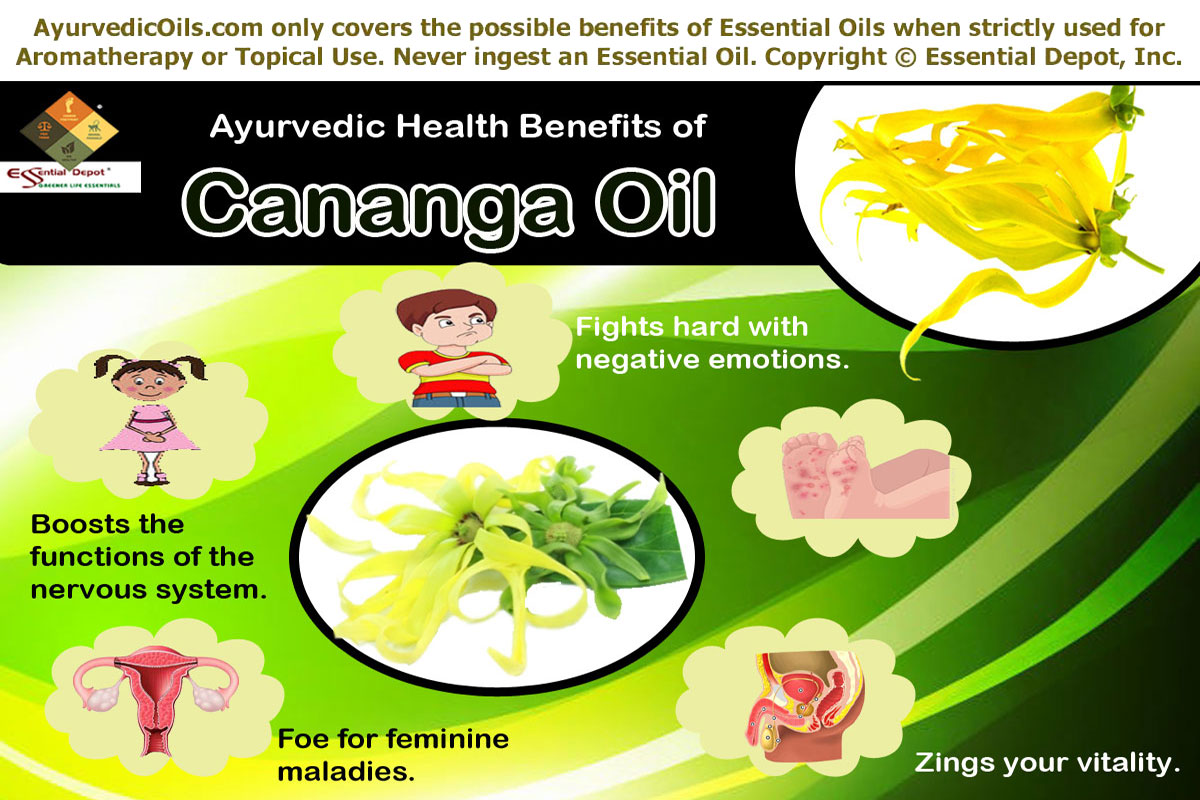
Rose Wood Essential Oil

Rosewood-bannerThe uplifting Rosewood essential oil is extracted from the heartwood of Rosewood tree through steam distillation. Light Miller in her book ‘Ayurveda and Aromatherapy’ says “Along with sandalwood, hina, myrrh and amber, rosewood is one of the five essential oils to put into your metaphysical first aid kit”.

Rosewood also known as bois de rose is a mighty evergreen tree indigenous to Brazil and Peru. Aniba rosaeodora is a member of the Laurel family Lauraceae along with other aromatic trees like Camphor, Cassia, Bay and Cinnamon. Ayurveda, the mother of all healing systems have made significant use of this oil for opening the inner ear, rekindling spiritual feelings and for discharging offensive memories.

Purchase Rose Wood Essential Oil – Wholesale – CLICK HERE

Historical importance of Rosewood:

The valuable wood of this tree was traditionally used in cabinet-making, carving, building, essential oil extraction and for making chopsticks. Certain texts state that the ancient French community used Rosewood for flooring, oils, furniture and guitars.

The alluring fragrance of Rosewood essential oil made its demand sky-rocketing especially during the eighteenth century in the field of perfume-making.

To mark its significance, Rosewood oil was a prominent ingredient of the well-liked perfume Chanel. No. 5. Industrial exploitation for numerous decades has led to categorize this tree as an endangered species and the legislation has now come up with a resolution that requires the essential oil distilleries to plant a new tree for every tree they use for essential oil extraction.

Active components and therapeutic properties:

Rosewood essential oil is regarded as a valuable oil mainly because of the rich presence of about 86% of linalool component, which can be modified into numerous derivatives of high value especially to the fragrance and flavoring industries.

Other components of Rosewood oil are a-terpineol, a-pinene, neral, camphene, myrcene, geraniol, 1,8-cineole, geranial, benzaldehyde, limonene, and linalool oxides.

These active components are responsible for the remedial properties of this oil such as aphrodisiac, anti-depressant, stimulant, anti-infectious, analgesic, antibacterial, tissue regenerator, deodorant, antiseptic, insecticide and cephalic.

Ayurvedic health benefits of Rosewood essential oil:

The essential oil of Rosewood is said to be stimulating and powerful in creating energy enrichment. Unlike other medical practices, Ayurveda considers every individual as a unique part of nature and treats every individual in a special manner as it trusts that each human being is made up of a specific set of energy elements known as doshas (vata, pitta and kapha).

This noble science regards illness as an opportunity to help the body regain its rhythm with nature and in this process of restoring good health, Ayurveda recommends the use of herbs, essential oils, a balanced regimen, meditation, yoga and other physical exercises.

Essential oil according to Ayurvedic texts is the aura or life force of plants, have been used in various Ayurvedic treatments like Abhyanga or Ayurvedic massage, aromatic therapy and in Panchakarma, the technique of Ayurvedic cleansing.

Rosewood essential oil with its floral, warm, spicy, woody, fruity and enlivening aroma reduces excess of vata and pitta imbalances.

Let’s have a look at the predominant Ayurvedic health benefits of Rosewood oil.Rosewood-broucher1. Guards your skin:

Rosewood essential oil acts as a shield to your skin, defending against harmful bacteria, virus, fungi and other microbes. The natural antiseptic and antibacterial properties of this oil aid in treating wounds, cuts, burns and infections while preventing it from being septic.

Excess of vata element in the body is characterized by wrinkling, dryness, thinness, flaking and dullness of skin. Rosewood is an effective vata reducing essential oil and gentle massaging of your skin with 5 to 6 drops of Rosewood essential oil with mild carrier oil like jojoba oil helps in dealing with such skin problems.

Oily skin is the basis of numerous skin disorders like pimples, acne, blackheads, sensitivity and skin irritations. Massaging your facial skin with 3 drops of Rosewood essential oil blended with 3 drops of Lavender essential oil along with Almond oil can assist in decreasing pitta and pave way for a healthy and spotless skin. You can also add 2 drops of Rosewood oil in steam therapy for promoting blood circulation, comforting irritated and stressed out skin.

The rejuvenating properties of this oil help in regenerating the skin cells and support the growth of new cells. Using it in your skin care lotion or cream will show visible results in reducing the symptoms of aging through tissue regeneration and absolute cleansing.

2. Pacifies your mind:

Rosewood oil is an excellent pacifier that calms your mind and relaxes your senses. The anti-depressant, stimulating and uplifting properties of this oil instills confidence as it is known to bring fire and helps in regaining your energy naturally.

Fearful, anxious, disheartened, nervous and hectic situations will take a back seat with the use of Rosewood essential oil in your burners, diffusers or vaporizers before going to bed or at the time of meditation. Miller’s Ayurveda and Aromatherapy book quotes Rosewood oil as “Rosewood helps to relieve tiredness, nervousness, stress, and it is very grounding, giving you a sense of protection”.

Being celebrated for numerous years as one of the best essential oils for meditative and spiritual purposes, Rosewood oil grants a balancing and energizing effect on the mind while influencing constructive feelings even after a long, backbreaking day.

Add 5 drops of Rosewood essential oil to your warm bath for easing tension, muscular pain, mood swings, pre-menstrual syndrome, nausea, headaches due to stress and general discomforts of the mind and body.

Ayurveda manifests that there are seven vital centers of power in a human body known as Chakras, which affect the psychological and physical functions of the system. Among the seven Chakras, the heart chakra is responsible for love for others, creativity, compassion, love for self, emotions of sadness, loss and distress.

The bracing aroma of Rosewood essential oil widens the heart chakra and assists in alleviating depressed feelings, egoism, negative memories and encourages one to spread love and compassion for others and self. Inhaling the aroma of this oil through diffusers or vaporizers or applying 1 to 2 drops on the chakra points will attend to your emotional needs tranquilly.

3. Instigates your love life:

I am wondering whether Rosewood oil has aphrodisiac properties just because it has the romantic word ‘Rose’ in its name? Used in massaging, bath or vapor therapy, Rosewood essential oil has been in use for treating decrease in sexual interest, impotence, frigidity and loss of libido in both the sexes. The magical aroma of this oil strengthens the system, instills a sense of security and grants absolute relaxation for an idyllic mating.

Rosewood essential oil, “Opens the inner ear and Compassion” according to Deborah Eidson, the author of the book Vibrational healing. It is known to enhance your divine feelings and help in spiritual realization. The other documented benefits of Rosewood essential oil are its use as an analgesic for treating cold, toothache and joint pain. It is also used as an effective insecticide to keep away from insects like ants, mosquitoes, fleas, bedbugs and lice.

Disclaimer: Never use essential oils directly on your skin as pure essential oils are highly concentrated liquids and may cause harm. This article is for your information only. Consult your Ayurvedic Practitioner before using essential oils for your specific health conditions.

Thought for the day:

“To dwellers in a wood, almost every species of tree has its voice as well as its feature.”   -Thomas Hardy, Under the Greenwood Tree

Suggested Reading:

  1. Ayurveda & Aromatherapy: The Earth Essential Guide to Ancient Wisdom and Modern Healing by Dr. Light Miller, Dr. Bryan Miller
  2. The Illustrated Encyclopedia of Essential Oils: The Complete Guide to the Use of Oils in Aromatherapy & Herbalism by Julia Lawless
  3. Scents Of Life: Use And Effect Of Essential Oils by H. M. Schemske
  4. Facelift at Your Fingertips: An Aromatherapy Massage Program for Healthy Skin and a Younger Face by Pierre Jean Cousin M.B.Ac.C

Reference Links:

  1. Ayurveda and Aromatherapy by Light Miller and Bryan Miller
  2. Health Benefits of Rosewood Essential Oil by Organic Facts
  3. Healing With Rosewood Essential Oil by Suite101