Tag Archives: Ayurvedic oils for respiratory infections

Clove Bud Oil

Hit the nail on the head of your illness‘ is not a ruthless statement and the nail that is recommended to treat most of your illnesses is the ‘nail-shaped’ Clove and its essential oil extracted from the dried unopened flower buds of the Clove tree (Scientific name: Eugenia caryophyllata) by steam distillation.

Clove-oil-bud-bannerIt is a much celebrated emergency aid for treating toothache with its potent pain-relieving effect that causes numbness in the painful area and alleviates pain instantly.

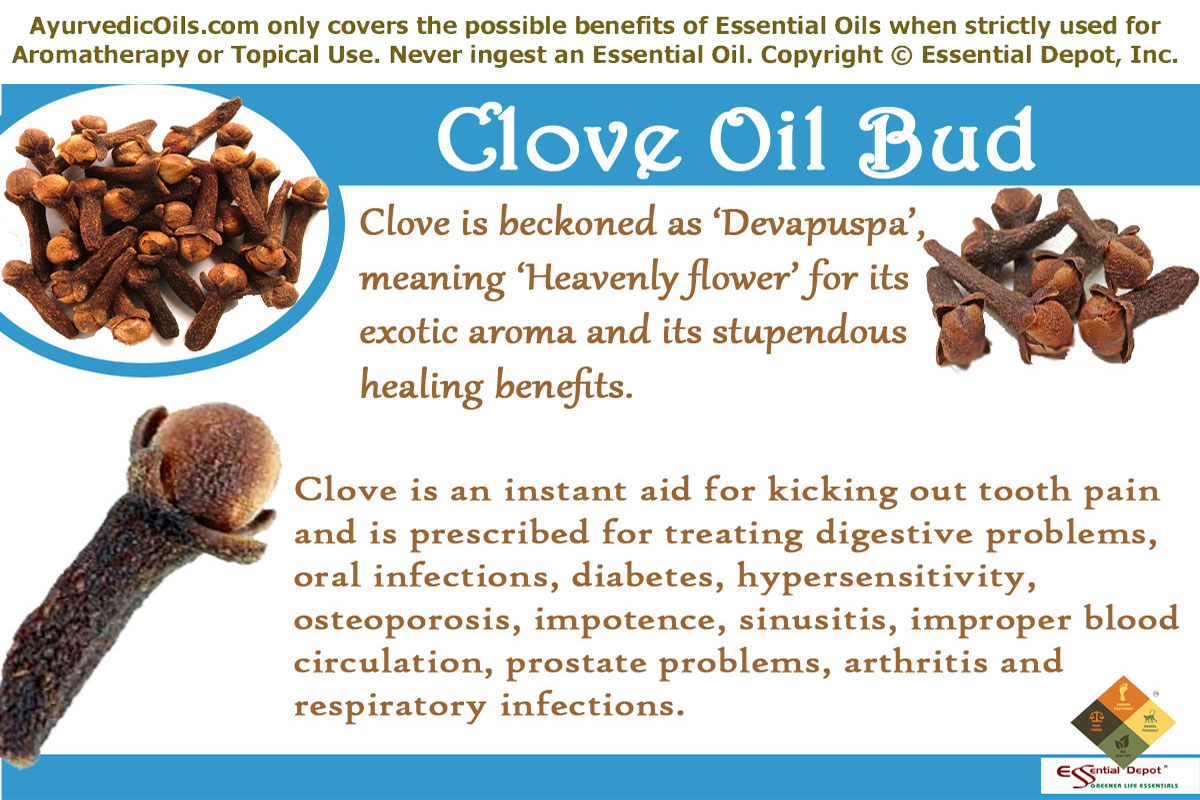
Clove is a vital part of the Ayurvedic rebellion for more than 3,000 years and is known in Sanskrit as Devapuspa, meaning ‘Heavenly flower’ and the name is attributed to its exotic aroma and its stupendous healing benefits.

It is prevalently known in India as Laung or Lavnga. Clove and its essential oil in used in many Ayurvedic treatments for dealing with digestive problems, oral infections, diabetes, hypersensitivity, osteoporosis, impotence, sinusitis, improper blood circulation, prostate problems, arthritis and few other respiratory infections.

Purchase Clove Oil Bud – Retail – 4 oz – CLICK HERE

Purchase Clove Oil Bud – Wholesale – CLICK HERE

Historical uses and importance of Clove and its essential oil:

Clove is native to the Moluccas Islands of Indonesia and was previously known as the Spice Islands. It is an evergreen tree which bears pink color flower buds and these buds are picked before they bloom and are dried to enrich mankind with the tiny brown buds known as ‘Cloves’. This tree grows naturally in India, Sri Lanka, Brazil, West Indies, Zanzibar, Madagascar and Tanzania.

Clove was traded to Europe initially in the 4th century A.D where the ancient herbalists of Germany used Cloves as vital ingredient of their anti-gout remedy. Later it was used in treating wounds, infertility, nausea, diarrhea, worms and toothache.

Cloves were also used in poultices in England during the Middle Ages for treating infections and lesions caused due to bubonic plague. It was also recommended by Hildegard of Bingen for alleviating gout, nasal congestion, hiccups and intestinal swelling.

The traditional Ayurvedic medicine used Cloves as an effective aphrodisiac for addressing male reproductive problems and for assisting respiratory problems like asthma, cough, cold, sore throat, laryngitis and congestion.

It is blended with other popular herbs like cinnamon, ginger, peppercorn and cardamom and used as an immunostimulant, blood purifier, anti-parasitic, breath freshener and for relieving digestive disorders.

The historical use of Cloves in China evolved during the Han Dynasty (207 B.C.) and the Traditional Chinese Medicine (TCM) prescribes Cloves for easing fungal infections, hernia, digestive problems, ringworm, nausea, kidney infections and impotence.

Cloves were also a part of the Western Herbal Medicine for enhancing circulation, supporting digestion, treating erectile dysfunction, hiccups, vomiting, toothache and halitosis.

Chemical components and therapeutic properties of Clove essential oil:

The primary component of Clove is Eugenol that adds up to 70 to 90% of the Clove essential oil constituent. Other major components are beta caryophyllene, methyl salicylate, kaempferol, acetyl eugenol, triterpenoids, gallotannic acid, rhamnetin, vanillin and eugenin.

Eugenol contributes to the sensible aroma of Cloves and its therapeutic properties including antifungal, anesthetic, anti-inflammatory and antiseptic qualities. The other healing values of Clove essential oil are antioxidant, carminative, anti-carcinogenic, immunostimulant, stomachic, digestive, antibacterial, decongestant, expectorant and aphrodisiac.

Ayurvedic health benefits of Clove essential oil:

Woman/man in this modern world is judged by the gadgets she/he owns and the latest technology that has been swirling around. While most of us are aware about the techniques and tools in the mere man-made machines, how many of us know about our own body and its mechanisms? Not many of us know what is happening in our system? What causes pain? What causes hunger? What causes cellular damage? Or what causes death before the predestined day of death?

More than the knowledge of the world around you, the real wisdom lies in the awareness of the world within you, within the human mind and body, the greatest wonder in this Cosmos.

Ayurveda simply introduces you to a never before living where you will explore and discover about yourselves and the word ‘Ayur + Veda’ by itself means the ‘the knowledge + life’. This ancient philosophy trusts that everything on earth is part of nature and is built with the same five elements that ‘Mother Nature’ is made up of.

The tremendous five elements are earth, water, air, fire and space. Earth signifies bones and muscles, water stands for blood, air assists breathing, fire notifies the body temperature and aid for metabolic functions and space is the spirit that stays in.

Every human being is created with a unique individual constitution comprising of three vital biological energies namely vata, pitta and kapha. These doshic elements are a combination of the five vital elements.

Air and space makes Vata and is responsible for circulation, nervous functions and aging symptoms, fire and water joins together for Pitta and is incharge of body temperature and metabolism and water and earth signifies Kapha energy and is accountable for structure and continuity. Every individual has a predominance of any one of these doshas that determines his personality, behavior and attribute.

Ayurvedic wisdom states that human health solely depends upon his/her harmony with nature, means the five elements of nature that are a representation of the three biological energies. Balance between the three doshas based upon the individual’s unique constitution indicates health and imbalance causes sickness.

The natural remedies in Ayurveda including the herbs, essential oils, meditation, yoga, physical exercises, prayers, Ayurvedic routine and Abhyanga (Ayurvedic massaging) aim at treating these imbalances of doshas.

Clove and its essential oil have been in use in the Ayurvedic regimen for addressing an extensive range of illnesses ranging from oral problems to kidney disorders. The essential oil of Clove is said to augment pitta energy and soothe excess of kapha and vata dosha.

Let’s check out the Ayurvedic health benefits of Clove essential oil.

Clove-oil-bud-broucher1. Alleviates digestive problems:

Clove and its essential oil have been a part of many Ayurvedic preparations used in the treatment of various digestive disorders including bloating, intestinal gas, nausea, stomach upset, distention and dyspepsia.

According to Ayurveda, pitta dosha is responsible for the body temperature, warmth and the fire generated for stimulating the process of metabolism like digestion, absorption and excretion.

Pitta imbalance or insufficiency causes sluggishness in the digestive system and it is during these critical times , Clove essential oil is used in Ayurveda for triggering the metabolic functions and warming the digestive tract.

Massaging your abdomen with 2 drops of Clove oil mixed with 1 ml of coconut oil assists in encouraging the digestive system, increasing the secretion of hydrochloric acid, bile and other digestive juices for enhancing trouble-free digestion. You can also take bath in lukewarm water enriched with 3 to 5 drops of Clove oil for supporting bowel movements and recover peristalsis.

With its carminative, stomachic and anthelmintic properties Clove oil is a natural remedy for alleviating flatulence, intestinal worms, gastric irritability and various intestinal infections caused by bacteria, virus, protozoa and other pathogens leading to serious digestive problems like cholera.

2. Relieves respiratory disorders:

Ayurvedic system of healing prescribes Clove as an effective remedy for treating upper respiratory problems like cough, asthma, sinusitis, cold, sore throat, bronchitis, flu, whooping cough, fever and tuberculosis.

Excess of kapha dosha due to change in food habits or climatic conditions contribute mainly to respiratory problems, as excess water deposits accumulate in the nasal and bronchial passages in the form of mucous and phlegm deposits.

Clove essential oil added to steam inhalation, preferably 2 drops of this oil when inhaled in the form of steam helps in loosening the phlegm and mucous deposits by causing warmth in the nasal passages and the respiratory tract.

This also aids in killing the harmful germs and pathogens that worsen the illnesses. You can also add 2 drop of Clove oil to your decongesting ointment and massage it soothingly on your chest, back and throat for improved results.

3. Aids in pain, inflammation and skin problems:

Clove essential oil is an excellent aid in treating skin infections caused due to bacteria, virus, fungi and other harmful microbes mostly with its natural antiseptic properties.

Using 2 drops of Clove oil along with your mild skin care cream or lotion or with 1 ml of jojoba oil on your skin can aid in healing wounds, athlete’s foot, cuts, bruises, scabies, acne, prickly heat and insect stings.

It also helps in preventing the wounds from becoming septic. These skin-friendly properties of Clove oil is attributed to the presence of the eugenol compound which has rich antiseptic qualities.

Massaging the inflamed or painful parts of the body with 3 drops of Clove oil mixed with 2 ml of sesame oil helps in alleviating pain, reducing inflammation with its anti-inflammatory properties and discharges the excess water deposits, uric acid and toxic substances causing swelling, redness and irritation in rheumatism and arthritic conditions.

The presence of eugenol and its other derivative compounds like flavonoids, isoflavones and flavones are extremely advantageous in the perpetuation of bone density and aids in retaining the mineral content in the bones and support its tensile potency. By this way, Clove oil can be used as an effectual remedy for curing and preventing Osteoporosis.

4. Mitigates toothache and other oral problems:

Cloves are celebrated all around the globe for its natural dental assistance. Both the herb and its essential oil have been used in various traditional practices including Ayurveda, TCM (Traditional Chinese Medicine) and Western herbalism as a promising anodyne for treating dental emergencies.

Adding 1 drop of Clove oil to a small cotton ball or bud and keeping it on the painful area in the mouth for 10 to 15 minutes can help in alleviating toothache by causing numbness in the aching part.

You can follow this treatment by gargling your mouth with a cup of warm water nourished with 2 drops of Clove oil for eliminating the microbes, germs and other harmful organisms causing pain and other oral infections.

Even today in many countries, Clove herb is directly applied to the gums for controlling pain during dental aid, treating toothache and for dry socket, which is a problem experienced during tooth extraction.

It has also been used in India as a natural breath freshener and as a guard against oral pathogens for treating gum problems like periodontitis and gingivitis. Clove oil is also an important ingredient in various Ayurvedic toothpastes and the most popular among them is the Dabur Red toothpaste.

5. Combats cancer and fights against free radicals:

Antioxidants are the soldier force that can combat the growth of cancerous tumors by fighting against free radicals causing cellular damage. The antioxidant capacity of a particular component is measured by its ORAC, meaning Oxygen Radical Absorption Capacity. This measuring attribute was developed for the USDA (United States Department of Agriculture) by the Scientists of Tufts University.

According to the study by the Essential Oils Desk reference amongst the numerous essential oils, Clove essential oil stands high with ORAC of 10,786,875 where the preceding oil was Thyme essential oil with 159,590 as its ORAC. This simply means that Clove oil is the best antioxidant in the world amongst all the other fruits, herbs and spices with 10 million ORAC. This is more than 400 times of the most powerful antioxidant fruit, the wolfberry.

Clove essential oil has antioxidant and anti-carcinogenic properties that help in treating all types of cancer including lung cancer and liver cancer, if traced in the early stages.

Massaging your body with 10 drops of Clove essential oil blended with 5 ml of Evening Primrose oil can help in decreasing the free radical production, discouraging the increased lipid profile in the liver, detoxifying the system, postponing the aging process (helps reduce wrinkles and other aging symptoms) and augmenting the body’s natural immune power.

6. Safe insect-repellant and instant air freshener:

Clove is by far known as the safest and non-toxic insect repellant that repels harmful insects like mosquitoes, bugs, fleas and ticks and it has been proved by the researches of the Duke University School of Nursing. This oil has a strong aroma that is intoxicating for the olfactory senses of various insects.

Adding 2 drops of Clove oil in diffuser, air freshener or vaporizer can revive the air instantly and protect your family from insects. You can also add 2 to 3 drops of Clove oil in your skin care lotion and apply it on your skin for keeping away from insects.

7. Assists in reproductive health:

Many traditional medical systems including Ayurveda and Unani medicine suggest the use of Clove oil as an aphrodisiac for treating reproductive problems especially in men. The spicy and warming aroma of Clove oil kindles the feelings of togetherness and supports the health of male and female reproductive system.

The book ‘Ayurveda and Aromatherapy’ by Bryan Miller and Light Miller says that Clove essential oil is effective “ to arouse, stimulation of hormones, ‘stimulate the juices’, dispel inertia and depression”, which are all the causes of Kapha imbalances. Clove oil is a popular mental stimulant that alleviates fatigue, depression and other negative feelings that ruin your sexual life.

Massaging your body with 10 drops of Clove oil mixed with 5 ml of virgin olive oil can help in treating premature ejaculation, impotence, loss of sexual interest, erectile dysfunctions and loss of libido. You can also add 2 drops of Clove oil to your bath before going to bed.

Other health benefits:

Clove oil is a renowned flavoring agent in various food items and beverages. It is also used in the manufacturing of soaps, toothpastes, cosmetics, clove cigarettes and perfumes. Epilepsy, poor blood circulation, dizziness, earache and certain other health conditions are also treated with Clove essential oil.

Disclaimer:

This article is only for the purpose of information and is not directed to use as a substitute for prescribed medicines or professional medical advice. Never use essential oils internally as pure and organic essential oils are highly concentrated liquids.

Always use Clove essential oil in a diluted manner for external use only, as this oil is a skin and mucous membrane irritant, if used directly on the skin. Always speak with your Ayurvedic Practitioner before choosing the right essential oils for your unique individual constitution and medical condition.

Thought for the day:

And the day came when the risk to remain tight in a bud was more painful than the risk it took to blossom. – Anais Nin

Suggested Reading:

  1. Clove Oil! Discover The Essential Oil Of Cloves Health Benefits For Toothaches, Acne, Hair & Much More: A Book On Clove Oil Secrets (Natural Health Books Series) by Tina Cody
  2. Scents Of Life: Use And Effect Of Essential Oils by H. M. Schemske
  3. The Modern Ayurveda: Milestones Beyond the Classical Age from CRC Press
  4. Ayurveda & Aromatherapy: The Earth Essential Guide to Ancient Wisdom and Modern Healing by Dr. Light Miller, Dr. Bryan Miller
  5. The Fragrant Mind: Aromatherapy for Personality, Mind, Mood and Emotion by Valerie Ann Worwood

Reference Links:

  1. Clove by Wikipedia
  2. Health Benefits of Clove Oil by Organic Facts
  3. Cloves and Clove oil by Healing Naturally by Bee
  4. The Health Benefits of Cloves by The Global Healing Center
  5. Traditional Uses of Clove by Natural Standard, The Authority on Integrative Medicine


Your resource for quality Essential Oils. Every batch is
GC tested to ensure purity and authenticity.
Cubeb Oil

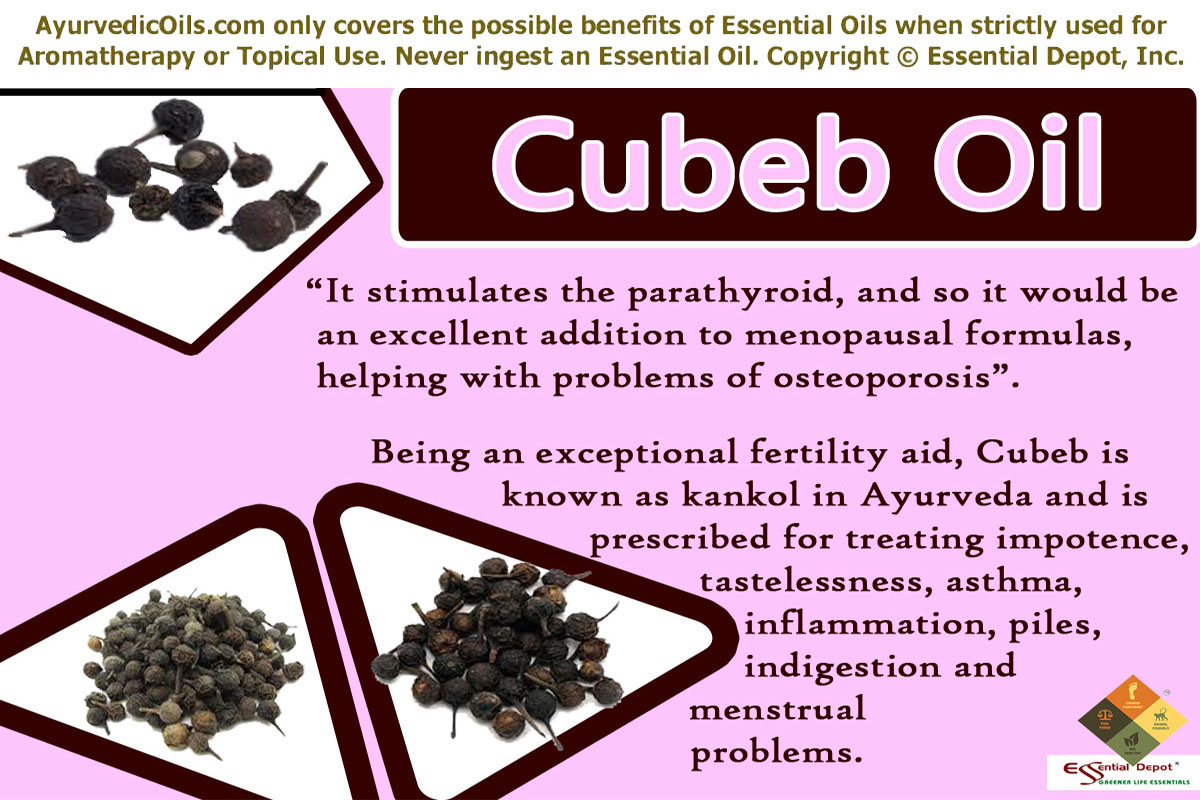
Cubeb-bannerCubeb, the tailed-pepper is an exceptional fertility aid for both the Kings and Queens out there, with its significant aphrodisiac properties. “It stimulates the parathyroid, and so it would be an excellent addition to menopausal formulas, helping with problems of osteoporosis”, says Jenny Rose in her Aromatherapy Book.

Cubeb essential oil is extracted from the dried Cubeb berries through steam distillation method. This plant is botanically called as Piper cubeba and is a limb of the pepper family Piperaceae.

Cubeb was recommended by Charaka and Sushruta, the legendary Ayurvedic philosophers for treating halitosis, cough, loss of voice, fever, gonorrhea and certain other oral problems. Cubeb is known in Sanskrit as kankol and in Hindi as kabab chini and is a part of the Ayurvedic family Pippali kul. It is also used in Ayurvedic formulations for treating impotence, tastelessness, asthma, inflammation, piles, indigestion and menstrual problems.

Purchase Cubeb Oil – 4oz – CLICK HERE

Historical uses and importance of Cubeb:

Native to the Java and Sumatra islands of Indonesia, Cubeb is often called as Java pepper and is also grown widely in India and Malaysia. It’s taste is often compared to allspice or pepper like. Cubeb is said to have reached the European subcontinent through the ancient trades by the Arabs through India and Arabians call it as Kababa and is also talked about in the writings of Alchemy.

The use of Cubeb dates back to 4th century BC in various parts of the world. It was brought to China during the Tang dynasty and was called by the Sanskrit names vidanga and vilenga.

The most interesting uses of Cubeb by the Tang physicians are to darken hair, treat demon vapors, loss of appetite and as a natural perfume for the body. Cubeb was also used in the Tibetan Medicine for treating problems associated with the spleen.

Hildegard of Bingen prescribed the use of Cubeb as an antiseptic and as a good tonic for the nervous system. The London Dispensatorie written by Nicholas Culpeper in 1654 says “Cubebs were hot and dry in the third degree… (snip) they cleanse the head of flegm and strengthen the brain, they heat the stomach and provoke lust“. Theophrastus has stated the use of Cubeb as an important ingredient in making sweet-smelling confections along with cassia and cinnamon.

Chemical constituents and therapeutic properties of Cubeb oil:

The chemical constituents of Cubeb essential oil are sesquiterpenes (namely α- and β-cubebene, caryophyllene, germacrene, δ-cadinene and copaene) and monoterpenes (including carene, 50% sabinene and α-thujene) along with camphor, pinene, azulene, lineal, alcohol cubebol and other oxides like 1,4- and 1,8-cineole.

The remedial attributes of Cubeb essential oil are carminative, diuretic, antiseptic, aphrodisiac, expectorant, antioxidant, antimicrobial, antipyretic, hepatoprotective, analgesic, disinfectant, astringent, gastro-protective and stimulant.

Ayurvedic health benefits of Cubeb essential oil:

Ayurveda implanted strong roots of health through prevention of illnesses, disciplined lifestyle and absolute balance with nature leading to aging in the pink and extended life-span even beyond a hundred years. This 5,000 years old ancient healing methodology strongly insists to be on par with nature for leading a hale and harmonious living.

According to Ayurveda, everything on Earth is a combination of the 5 vital elements of nature and they are earth, fire, water, air and space.

It says that the only difference between a living thing and a non-living thing is the element of space that rests within living organisms as the soul. Bones and muscles represent earth, fire stands for the metabolic processes and body temperature, blood is a symbol of water, air assists in breathing and space is the soul, which indicates that we are alive.

Ayurvedic philosophy states that each human being is created with a unique individual constitution that comprises of three bio-energies known as doshas, namely vata, kapha and pitta types. Vata is a combination of air and space, pitta stands for fire and water and kapha represents water and earth.

Ayurveda denotes that every individual has a predominance of any one these doshas and that determines their physical set up, mental makeup and their personality. Balance between these doshas is a symbol of good health and imbalances of these biological energies due to food and lifestyle changes causes illnesses.

Treatments in Ayurveda vary from person to person even if it is for the same illness because this common sense science examines the individual constitution, patient history and the root cause of an illness before prescribing the suitable medication.

The most prevalent Ayurvedic remedies are herbs, plant essential oils, Abhyanga (the art of Ayurvedic massaging), yoga, Ayurvedic routine, prayer, simple physical exercises and mediation depending upon the unique individual constitution for correcting the doshic imbalances.

Cubeb oil is an effective Ayurvedic remedy for treating excess of kapha and vata energies and regularizing the pitta deficit.

The Ayurvedic health benefits of Cubeb essential oil are:

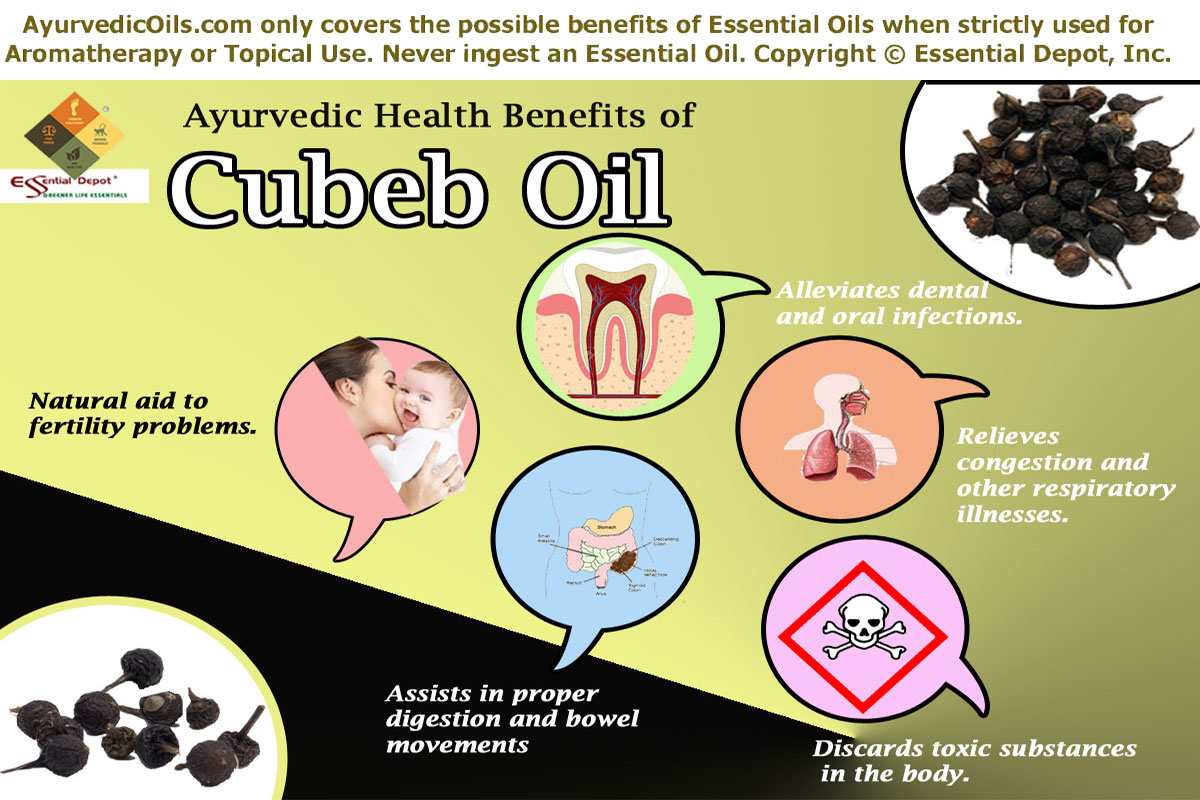
Cubeb-broucher1. Natural aid to fertility problems:

Cubeb essential oil has natural aphrodisiac properties for which it was used by ancient Arabians and in the Unani medicinal system in the treatment of fertility problems like infertility, loss of sexual interest, impotence, erectile dysfunction, all stages of gonorrhea and other STD (Sexually Transmitted Diseases).

In Ayurvedic terms, Cubeb oil contains Ushan as its Virya means hotness as its main potency. Warmth and increased body temperature influence better intimacy in a sexual relationship. Excess of vata dosha can also be a reason for lack of sexual interest and impotency. Cubeb essential oil is known for reducing increased vata dosha and helps treat various sexual problems.

Unani medicinal system suggests the use of Cubeb corns for increased sexual contentment and is it because of this attribute Cubebs were initially called in Arabic language as ‘Habb-ul-Uruus. It has also been noted in the book ‘One Thousand and One Nights’ as a key ingredient in the preparation of an aphrodisiac cure for infertility.

Cubeb oil has a warm, pungent and slightly camphoraceous fragrance with a feel of Nutmeg aroma. Add 3 drops of Cubeb oil in 3 ml of olive oil and massage your body for arousing intimate sexual feelings naturally. You can also add 2 drops of this oil in warm bathing water before going to bed and add 1 drop of Cubeb oil along with 1 drop of Lavender or Ylang Ylang oil in your diffuser to set the right mood perfectly.

2. Alleviates dental and oral infections:

Cubeb gets a special mention in both the highly-held Ayurvedic encyclopedias, the Charaka Samhita and the Sushruta Samhita as an oral cleanser and as an aid for treating dental problems.

The essential oil of Cubeb has natural antiseptic, antimicrobial and astringent properties that assist in killing the harmful organisms in the mouth causing halitosis or bad breath, bleeding gums, plaque and cavities. Mix 1 drop of Cubeb oil in a cup of warm water and use it as a gargle for relieving all kinds of dental and oral infections.

3. Relieves congestion and other respiratory illnesses:

Vitiated kapha dosha is responsible for water retention, excess deposits of phlegm and mucous, thus leading to respiratory problems like nasal congestion, chest congestion, cold and other pulmonary infections including bronchitis. The ability to reduce increased kapha energy is the major reason for Cubeb oil being used as a promising remedy in treating respiratory illnesses.

Many popular Physicians and Herbalists like Nicholas Culpeper have said that Cubeb is an excellent remedy for clearing phlegm deposits, strengthening the brain, alleviating bronchitis; asthma, relieving congestion and treating cough and throat infections. Add 2 to 3 drops of Cubeb oil in steam inhalation or to your vaporub and massage it gently on your throat, back and chest to experience quick relief from respiratory infections with its expectorant and antimicrobial properties.

4. Discards toxic substances in the body:

Cubeb essential oil has diuretic properties that help in discharging the toxic substances in the body known as ama, which is nothing but the remains of improper digestion which slowly turns toxic. These toxic remains along with salt deposits, uric acid, cholesterol and fat can lead to numerous medical conditions including kidney problems and heart diseases.

Light Miller and Bryan Miller in their book ‘Ayurveda and Aromatherapy’ say about Cubeb as “This herb has a light peppery smell. On occasion, when substituted into a formula for weight loss instead of black pepper, patients reported greater effectiveness .”

Cubeb oil acts as a stimulant in the body and promotes the proper functioning of the system. Its diuretic properties increase the quantity and frequency of urination and helps in cleansing the system.

Adding 2 drops of Cubeb oil in warm bathing water or in an Ayurvedic massage blend with 2 drops of peppermint oil, 2 drops of Cubeb oil along with 5 ml sesame oil assists in excreting toxic substances in the body, thus treating urinary infections, obesity, inflammatory conditions and other genito-urinary problems.

5. Assists in proper digestion and bowel movements:

Just like Pepper, Cubeb also has hot, spicy and pungent flavor. It’s potent to increase pitta energy is of great value in dealing with digestive problems like tastelessness, loss of appetite, indigestion, constipation, flatulence, intestinal worms etc., where Pitta dosha represents fire and water and is in charge of the metabolic functions. Massage your abdomen with 2 drops of Cubeb oil mixed with 2 ml of coconut oil for effective relief from digestive disorders.

A 2012 study on ‘In vitro efficacy of the essential oil of Piper cubeba L. (Piperaceae) against Schistosoma mansoni by Universidade de Franca published in Pubmed’ suggests that, “Piper cubeba essential oil possesses an effect against cercariae, schistosomula, and adult worms of the S. mansoni.” Schistosoma mansoni are adult worms that cause intestinal schistosomiasis (combined name for parasitic diseases).

Other uses:

Cubeb oil is also used as an important ingredient in lozenges, spirits, chewing gum, oral cleansers, toothpastes, cough drops, cigarettes for hay fever, asthma and chronic pharyngitis. It is also used in Ayurvedic healing for treating joint and bone problems.

Disclaimer:

This article is meant only for the purpose of education and information. Using it as a substitute for prescribed medicines or professional medical advice is not recommended. Always use essential oils for topical application in a diluted form only as organic essential oils are highly concentrated liquids and can cause allergic reactions.

Cubeb oil is a possible skin irritant and it is good to be avoided during pregnancy and nursing. Always consult your Ayurvedic expert before making the right choice of essential oils that suit your medical condition and unique individual constitution.

Thought for the day:

In wilderness I sense the miracle of life, and behind it our scientific accomplishments fade to trivia.  -Charles Lindbergh

Suggested Reading:

  1. ISO 3756:1976, Oil of Cubeb by ISO TC 54
  2. The Master Book of Herbalism by Paul Beyerl
  3. Ayurveda & Aromatherapy: The Earth Essential Guide to Ancient Wisdom and Modern Healing by Dr. Light Miller, Dr. Bryan Miller
  4. All About Spices: Pepper, Cubebs, Nutmegs, Cloves, Ginger, Vanilla, Pimento, Cinnamon (1889) by Alastair Mackenzie Ferguson, John Ferguson
  5. The Encyclopedia of Essential Oils: The Complete Guide to the Use of Aromatic Oils In Aromatherapy, Herbalism, Health, and Well Being by Julia Lawless

Reference Links:

  1. Cubeb by Wikipedia
  2. Piper cubeba by Ayushveda
  3. Cubeb published in Aromatherapy Bible by Daniele Ryman
  4. Essential Oil Constituents of Piper cubeba L. fils. From Indonesia by Rein Bos, Herman J. Woerdenbag, Oliver Kayser, Wim J. Quax, Komar Ruslan & Elfami
  5. In vitro efficacy of the essential oil of Piper cubeba L. (Piperaceae) against Schistosoma mansoni by Universidade de Franca published in Pubmed

Garlic Oil

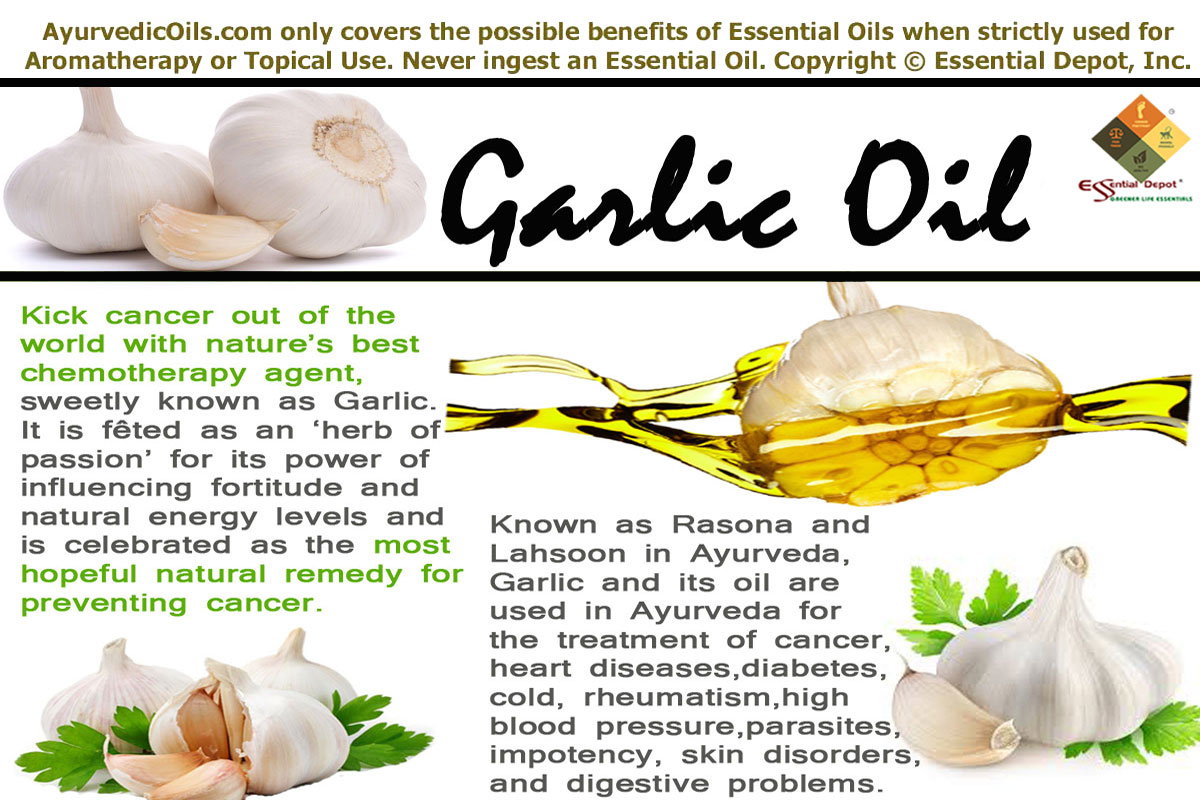
Garlic-bannerKick cancer out of the world with nature’s best chemotherapy agent, sweetly known as Garlic. It is fêted as an ‘herb of passion’ for its power of influencing fortitude and natural energy levels and is celebrated as the most hopeful natural remedy for preventing cancer.

Besides being called as the stinking rose with its pungent and not so pleasing aroma, Garlic has a long medicinal  history in various traditions across the world and is also known as ‘cure-all’ for its ability to treat illnesses of the nervous system, circulatory system, digestive system, reproductive system and the respiratory system.

Botanically called as Allium sativa, Garlic has its origin in India and its essential oil is extracted from the bulbs through steam distillation method. Known by the name Rasona, Lahsoon and Yavanesta in Sanskrit, Garlic and its essential oil are used in Ayurveda for the treatment of cancer, heart diseases, diabetes, cold, rheumatism, high blood pressure, parasites, impotency, skin disorders, digestive problems, mental disturbances, fluid retention and joint problems.

Purchase Garlic Oil – Wholesale – CLICK HERE

Historical uses and importance of Garlic:

Garlic is perceptibly a spectacular herb/vegetable with the human use of more than 7,000 years and is a member of the onion family, Allium. Indigenous to the central parts of Asia, Garlic is by far the most promising herbal remedy with the longest historical use. Its uses have been mentioned in various herbal guides by celebrated herbalists and physicians like Dioscorides, Galen, Hippocrates and Pliny the Elder, especially for treating digestive disorders, respiratory problems, wounds and low immune power.

The ancient Hindu mythology states that Garlic is a sacred herb grown from the drop of nectar (Amirtham – Elixir of life) spilled on earth when Lord Garuda took away the pot of nectar from Lord Indra to save his mother from evil powers. It is still believed that because of the divine qualities of the nectar, Garlic has innumerable healing properties and was named as Rason, meaning King of Rasas (It is also said that Garlic has 5 out of 6 prominent tastes in Ayurveda).

Another interesting historical reference is that Garlic was grown in the hanging gardens of Babylon and it was considered as an herb of empowerment for which it was given to Roman soldiers before the battle. The traditional European fishermen used to wear garlands made with Garlic cloves to guard themselves from sickness and evil spirits.

Garlic was the most primitive herb used as a ‘performance uplifting’ agent and was given to the Olympic athletes in primordial Greece. It is also said that Garlic was used during the construction of the Giza pyramids before 5,800 years. It was also used in Nepal, Middle East and eastern parts of Asia for treating tuberculosis, bronchitis, rheumatism, fever, flatulence, colic, liver problems, intestinal worms, hypertension and digestive problems.

It is a part of most of the delicious cuisines all over the world as a spice, condiment or seasoning for its strong aroma and the flavor it adds to any dish especially the non-vegetarian food varieties. Garlic bread, garlic chicken, crostini, garlic toast and many other Asian and Mediterranean cuisines are crowned with the rich flavor of this wonder herb.

Therapeutic properties and chemical constituents of Garlic essential oil:

Garlic oil is known for its carminative, antibacterial, aphrodisiac, antioxidant, immune-booster, anticancer, antibiotic, expectorant, antispasmodic, disinfectant, anti-carcinogenic, antithrombotic, stimulant, anti-arthritic, antiviral, rejuvenative, anti-hyperlipidaemic and alterative properties.

The major chemical components that contribute to the healing values of Garlic oil are selenium, allicin, alliin, phytoncide, S-allylcysteine thiacremonone, ajoene and diallyl polysulphides.

Ayurvedic health benefits of Garlic essential oil:

Disease, aging and death are the three major causes of concern for mankind and have been attracting the attention of medical researchers, philosophers and heath care experts from all over the world since ages.

Ayurveda, the holistic healing methodology aging about 5,000 years aims at attaining longevity through healthy aging and prevention of illnesses. This ancient remedial science strongly states that absolute health is a medley of physical, mental and spiritual well-being.

This Vedic system strongly considers human body as a temple and relates the divine power with the soul that rests within. According to this philosophy all things on earth are a part of nature and are made up of the five vital elements of nature, namely earth, water, air, fire and ether.

Every person is a unique creation with a unique individual constitution that embraces three vital biological energies called as doshas. These energies are just a meaningful representation of the elements of nature.

Kapha dosha symbolizes earth and water and is in charge of the physical structure and sustenance of the body, the imbalance of which leads to obesity and respiratory problems. Vata dosha is a combination of air and ether and is responsible for circulation, movement and respiration and vata vitiation causes neurological disorders, nervous problems, breathing difficulties and menstrual difficulties.

Fire and water combine together and represent Pitta dosha, which is responsible for body temperature, digestion and other metabolic functions. Lack or excess of pitta dosha might end up in fever, indigestion, constipation, heartburn, ulcer and other digestive disorders. Balance between these three doshas contributes to healthiness and imbalance of any one or all the three doshas cause illness.

Ayurvedic remedies aim at treating the doshic imbalances with the help of herbs, plant essential oils, yoga, meditation, Ayurvedic routine, prayers and simple physical exercises. These remedies vary from individual to individual based upon their unique individual constitution and state of health.

Garlic is one among the ancient Ayurvedic remedies for treating various health conditions and have been a vital part of numerous Ayurvedic preparations. The book on ‘Ayurveda and Aromatherapy’ by Bryan Miller and Light Miller quotes Garlic as a highly rejuvenative oil, especially for the nerve tissue. Garlic oil is good for increasing pitta dosha and lessening excess of vata and kapha energies.

The Ayurvedic health benefits of Garlic oil are:

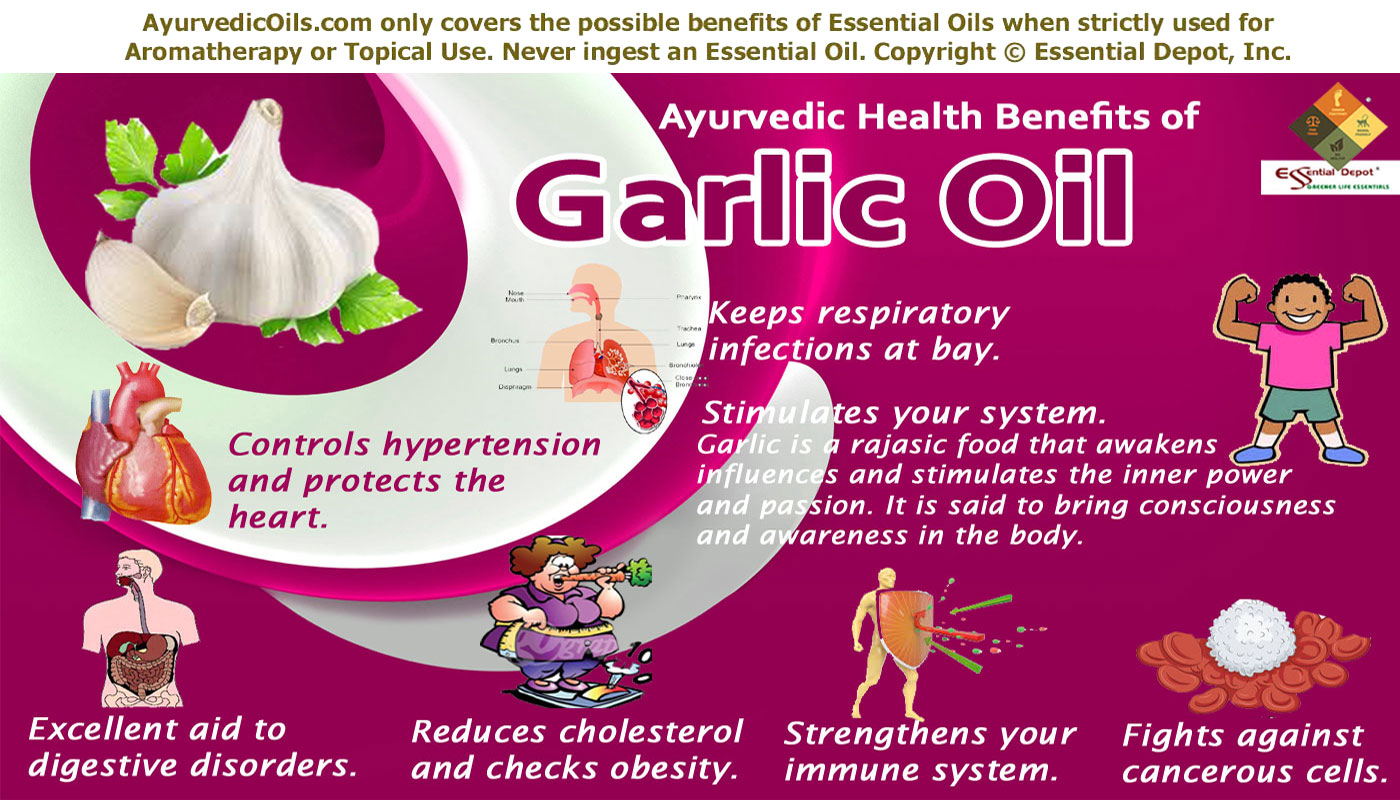
Garlic-broucher1. Excellent aid to digestive disorders:

From Stone Age to this contemporary era, Garlic is a promising home remedy for assisting problems associated with digestion. 2 to 3 cloves of Garlic boiled in a cup of water can be a sure shot remedy for treating indigestion, sluggishness, diarrhea, nausea and gastric troubles. It is regarded as a great natural medicine for supporting digestion by stimulating the appetite and enhancing the process of metabolism.

Imbalance or vitiation of pitta dosha is the major reason for digestive disorders. Garlic has the ability to increase pitta energy and regularizes Agni or the digestive fire and other metabolic functions.

Adding 1 drop of Garlic oil to your handkerchief or tissue and inhaling this strong aroma or mixing 2 drops of this oil with 1 ml of coconut oil can help in fighting against intestinal parasites, inflammation in the stomach and intestines, treat colitis, infectious diseases, stomach upset, dysentery and food poisoning.

This oil works effectively against food poisoning by combating harmful bacteria like Salmonella enteritidis and E.coli, which are responsible for food poisoning and other stomach infections. It acts by penetrating through the skin cells and entering the blood stream, where it passes on its remedial properties to the system.

2. Fights against cancerous cells:

Garlic oil has anti-oxidant, anti-carcinogenic, antithrombotic and anti-cancer properties, which help in preventing the growth of new cancerous cells in the body and curtailing the growth of existing cancer cells in the body. Numerous researches and studies have proved the potent of Garlic and its extracts in treating various types of cancer ranging from brain cancer to prostate cancer.

Garlic is first on the list of potential cancer-preventative foods by the American National Cancer Institute and the American Journal of Nutrition issued on October 2000 had published numerous epidemiologic studies stating that the people who used Garlic and its extracts regularly had only a lesser amount (1/3rd) of risk of colorectal cancer and not as much of risk of stomach cancer when compared to people who took little or no Garlic or its extracts.

The presence of numerous (30+) powerful anti-cancer and antioxidant compounds in Garlic oil including ajoene, diallyl sulphide, quercetin and alliin have the power to wedge cancer creating agents like aflatoxin and nitrosamine associated with liver, lung and stomach cancer. These components work like a natural chemotherapy agent and have been proved in various studies for impeding the growth of malignant cancer cells.

A 2008 study on the ‘Anticancer effects of diallyl trisulphide derived from Garlic’ suggest “diallyl trisulfide is responsible, at least in part, for the epidemiologically proven anticancer effect for garlic eaters.” It is also said that the diallyl sulphide in Garlic is known to curb the conversion of PhIP, which is a kind heterocyclic amine that has been related with the increased cause of breast cancer in women.

A report on Garlic and Cancer prevention published in the National Cancer Institute website states five strong reasons for using Garlic to prevent cancer. They are “Protective effects from garlic may arise from its antibacterial properties or from its ability to block the formation of cancer-causing substances, halt the activation of cancer-causing substances, enhance DNA repair, reduce cell proliferation, or induce cell death.”

The best ways to use Garlic for cancer prevention is to add 2 to 3 cloves of raw or cooked Garlic in your diet along with a soothing massage with 2 drops of Garlic oil blended with 1 ml of virgin olive oil for promising results.

3. Controls hypertension and protects the heart:

Garlic is a rich source of allicin and it controls the function of angiotensin II, which is a protein that aids the contracting of blood vessels thus increasing the blood pressure gradually. Along with this, the red blood cells in our body convert the polysulphides in Garlic into hydrogen sulphide, which expands the blood vessels and assists in controlling high blood pressure.

Garlic oil acts as a protective shield for the heart by protecting it from hypertension, atherosclerosis, heart attacks and certain other cardiovascular problems. The sulfur-based compounds present in Garlic controls the blood vessels from being blocked and support the functioning of arteries that gradually lose its potent with age. This oil also guards the heart from the harmful damage of free radicals with its antioxidant properties.

By this way, regular use of Garlic oil and Garlic cloves help in slowing down atherosclerosis (thickening of the arteries). This oil reduces platelet aggregation and relaxes the walls of the blood vessels by stimulating the production of nitric oxide.

It is also a potent anti-clotting agent with the presence of ajoene that curbs the formation of blood clots in the blood vessels. A study published in the Journal of Agricultural and Food Chemistry says, “Garlic oil possesses significant potential for protecting hearts from diabetes-induced cardiomyopathy.

Inhaling the aroma of Garlic oil with 1 drop of this oil added to tissue or massaging your chest with 2 drops of Garlic oil blended with 1 ml of olive oil can assist in treating atherosclerosis, blocks in the blood vessels, heart attacks, high blood pressure and other cardiovascular disorders along with the strengthening of cardiac muscles.

4. Keeps respiratory infections at bay:

Cold, flu, cough and other respiratory infections are mainly due to the excess of kapha dosha. Garlic oil has the natural warmth in its essence and it lessens the excess of kapha energy. This oil also has antibiotic, expectorant, decongestant, antiviral and antibacterial properties that work together to curtail the growth of harmful micro-organisms that worsen respiratory infections.

Add 2 drops of Garlic oil in steam inhalation and inhaling this healing aroma and massaging your chest with 1 drop of Garlic oil mixed with vaporub or ointments can be of great aid in treating and preventing common cold, whooping cough, asthma, chronic bronchitis and breathing difficulties.

5. Reduces cholesterol and checks obesity:

LDL (bad cholesterol) and lower serum triglycerides are the worst enemies of the human body. Garlic oil aids in maintaining HDL or the good healthy cholesterol and decreasing the level of bad cholesterol thus it lessens total cholesterol levels in the body, blood triglycerides and decreases the formation of arterial plaque.

Along with this, Garlic oil also assists in controlling the formation of fat cells and helps in eliminating the excess deposits of water, salts, fat and other toxic substances contributing to obesity. It prevents weight gain with its anti-inflammatory property mainly due to the presence of 1, 2-DT (1, 2-vinyldithiin) in Garlic.

Massaging your body with 5 drops of Garlic oil mixed with 3 ml of sesame oil aids in dissolving fat cells and discharging excess water and toxic deposits from the body by promoting frequent urination and sweating. This massaging can also be useful in reducing inflammation in case of arthritis and rheumatism.

6. Strengthens your immune system:

Garlic oil is an effective immune booster with the presence of various nutrients like vitamin C, B1, B2, B3, B5, B6 and B9 along with magnesium, iron, calcium, phosphorus, zinc, sodium, protein, potassium and carbohydrates, all of which make Garlic a potent powerhouse. The antioxidant property of this oil fights against aging symptoms and protects the body from the hazardous effects of free radicals.

As a powerful antiviral, antifungal, antibiotic and antibacterial oil, Garlic has a positive effect on the immune system by acting as a police force that fights against destructive microbes and infectious diseases spread by them. Inhaling the spicy aroma of Garlic oil by adding 1 drop of this oil to your diffuser can help in activating the white blood cells and the immune system, through which it increases the body’s resisting capacity against various diseases.

7. Stimulates your system:

Ayurveda classifies food into three major categories namely rajasic (fiery), sattvic (fresh and pure) and tamasic (flawed).  Amadea Morningstar says “Energetically, rajasic foods stimulate more fire, aggression, passion. They are good foods for stirring up trouble or spurring on the dragons within.”

Garlic is a rajasic food that awakens, influences and stimulates the inner power and passion. It is said to bring consciousness and awareness in the body. It is for this property, Garlic and its essential oil is said to treat sexual disorders like impotency and other reproductive problems. Add 1 drop of Garlic oil in vaporizer or aromatic candles and inhale the aroma for enhancing the natural levels of energy in the body and to rekindle your spirit.

Other health benefits:

Garlic oil is also an excellent remedy for treating pimples, blackheads, acne, athlete’s foot and wrinkles. It is also said to prevent scurvy, due to its high content of Vitamin C and beriberi with its power to enhance thiamin absorbing capacity in the body and reduce the level of blood sugar in diabetes mellitus patients.

Disclaimer:

This information is only for the purpose of education and is not intended to diagnose or substitute any prescribed medication or professional medical advice. Never take essential oils internally and always remember using essential oils topically in a diluted form only, as pure and organic essential oils are highly concentrated substances and may cause harmful effects if used directly on the skin. Seek advice from an Ayurvedic professional before selecting the right essential oil for your state of health and unique individual constitution.

Thought for the day:

Let the gentle bush dig its root deep and spread upward to split the boulder.
-Carl Sandburg

Suggested Reading:

  1. Garlic, Garlic, Garlic: More than 200 Exceptional Recipes for the World’s Most Indispensable Ingredient by Linda Griffith, Fred Griffith
  2. Garlic: Nature’s Original Remedy by Stephen Fulder, John Blackwood
  3. Garlic: The Mighty Bulb by Natasha Edwards
  4. The Complete Book of Garlic: A Guide for Gardeners, Growers, and Serious Cooks by Ted Jordan Meredith
  5. Garlic and Other Alliums: The Lore and The Science by Eric Block

Reference Links:

  1. Garlic by Wikipedia
  2. Garlic and Cancer Prevention by National Cancer Institute
  3. What are the benefits of Garlic? by Medical News Today
  4. All About Garlic by MAS Ayurveda
  5. Anticancer effects of diallyl trisulfide derived from garlic by Seki T, Hosono T, Hosono-Fukao T, Inada K, Tanaka R, Ogihara J, Ariga T, Department of Applied Life Sciences, Nihon University Graduate School of Bioresource Sciences, Fujisawa, Japan published in PubMed

Caraway Oil

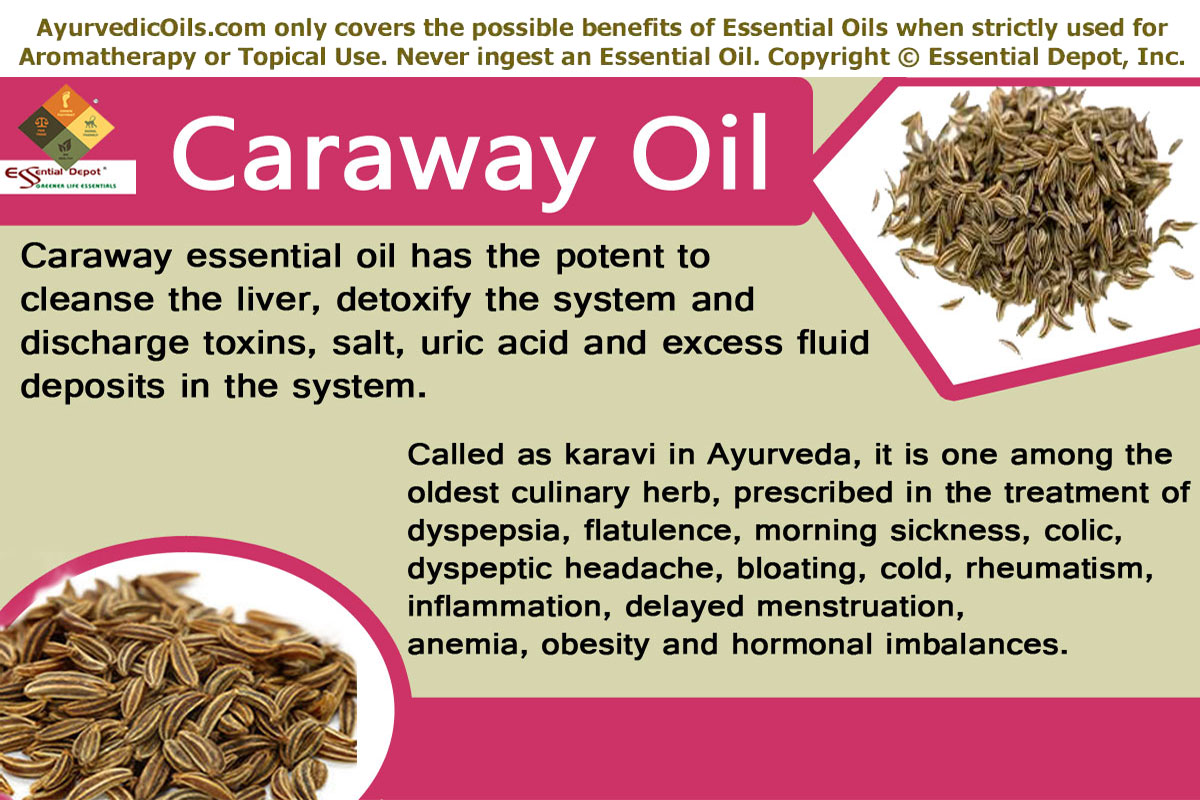
Caraway-bannerWhich Ayurvedic oil ‘warms the kidneys’ and ‘moves the liver’? Ah! Wait! Wait! Don’t panic, it is Caraway essential oil that has the potent to cleanse the liver, detoxify the system and discharge toxins, salt, uric acid and excess fluid deposits in the system through urine.

Also known as Persian cumin, Meridian fennel and Shahi jeera, Caraway is one among the 3000 species of plants of the Umbelliferae family dispersed throughout the world. The essential oil is extracted from the dried seeds through steam distillation method.

The Sanskrit name of Caraway is karavi and it is one among the oldest culinary herb used in Ayurvedic healing since the Stone Age. Caraway and its essential oil is being used in Ayurveda for treating diarrhea, dyspepsia, flatulence, morning sickness, colic, dyspeptic headache, bloating, cold, cough, rheumatism, inflammation, delayed menstruation, genitourinary problems, anemia, obesity and hormonal imbalances.

Purchase Caraway Essential Oil – 4oz – CLICK HERE 

Historical uses of Caraway and its essential oil:

Indigenous to Western Asia, Europe and Northern Africa, Caraway is botanically called as Carum carvi. The roots of the Caraway herb were mixed with milk and used in the preparation of Chara – the bread that was taken by Julius Caesar and his soldiers of Valerius.

Caraway has been carved in the ancient scriptures and gained esteem during the middle ages. The recent research from Arabic regional studies recommend “Carum carvi use as an endocrine function support agent, specifically related to thyroid disorders and auto immune disease.”

Parkinson mentions its healing attributes in one of his works which quotes Caraway ‘is much used to be put among baked fruit, or into bread, cakes, etc., to give them a relish. It is also made into comfits and taken for cold or wind in the body, which also are served to the table with fruit.’

It was a tradition to serve a saucer full of Caraway with roasted apple and is still kept in Trinity College, London. Caraway seeds were used as the best condiment in Greece, Rome, Russia, Norway and Sweden. Caraway essential oil is used as an active ingredient in the preparation of alcoholic liquors. It is also used in the Traditional Chinese Medicine for treating hiccups, hernia, lower back pain, lack of appetite and nausea.

The Ebers Papyrus of the African medicine, dated 1500 B.C. prescribe Caraway for treating gastrointestinal problems. People in the primeval period believed that the presence of Caraway in any object will be protected from theft. It was also used in love potions to keep the lovers away from wandering and was given to pigeons and other fowls to keep them away from straying.

Alleged to be first used by the ancient Arabs, Caraway seeds are used in Arabic medicine as a carminative for children and to treat psychological conditions such as hysteria. It is used as a diuretic to treat hypertension and diabetes in Moroccan traditional medicine. Caraway water is used as a medium for pediatric medicines and vapors obtained from Caraway seeds is trusted to alleviate rheumatism and lumbago.

Chemical constituents and therapeutic properties of Caraway essential oil:

Owing major similarities to the other members of the Apiaceae (also known as Umbelliferae) family, Caraway essential oil have carvone and limonene as its major components and the other constituents are carvacrol, α-pinene, γ-terpinene, linalool, furfurol, thujone, carvenone, and p-cymene.

Caraway also serves as a rich source of fatty acids, lignin, vitamins, amino acids, polysaccharides, triacylglycerols and numerous minerals such as copper, potassium, manganese, magnesium, calcium, selenium, zinc and iron.

Caraway essential oil has been in use since antiquity for its countless therapeutic properties like carminative, astringent, antispasmodic, eupeptic, antihistaminic, antiseptic, aperitif, antimicrobial, disinfectant, emmenagogue, expectorant, stimulant, stomachic, digestive, insecticide, diuretic, galactogogue, cardiac, antioxidant, anti-diabetic, anti-ulcerogenic, anti-carcinogenic, anti-stress and vermifuge.

Ayurvedic health benefits of Caraway essential oil:

Ayurveda is the oldest healing sciences known to the world and is said to have been in practice for more than 5,000 years. The most notable thing about Ayurveda is that its healing practices are recorded systematically in the form of literature.

Among the 4 major sacred books of the Indian Mythology, Atharvana Veda records the Ayurvedic therapies and about 114 verses of this sacred book shares the symptoms and diagnostic techniques of numerous health disorders.

Ayurveda is a holistic healing methodolgy that treats the individual instead of the symptoms and traces the root cause of an illness. By this way, this ancient common sense science focuses on prevention of illnesses leading through healthy aging process to longevity.

Based on the Vedic references of Ayurveda, two ancient Ayurvedic texts were written by the legendary Ayurvedic physicians known as Charaka and Sushruta, who wrote Charaka Samhita and Sushruta Samhita.

These Ayurvedic encyclopedias states that everything is a part of nature and the human body is a combination of the five elements known as Panchamaha Bhoothas, namely fire, water, earth, air and space.

Every person is made up of a unique individual constitution that consists of three dynamic energies known as doshas (vata -air & space, pitta – fire & water and kapha -water & earth), which are a combination of the elemental forces of nature.

For a person to be hale and healthy, these doshas should always remain in a specific ratio as set by nature and any change in the functioning or the balance between these doshas cause illnesses. Imbalance of these biological energies mainly occurs due to food habits (mainly depending on the quality of the food taken), change in weather conditions and lifestyle changes.

Ayurvedic remedies like plant essential oils, herbs, yoga, meditation, prayers, Abhyanga or art of Ayurvedic massaging, Panchakarma or the detox technique and Ayurvedic routine are recommended based on the Prakriti or the unique individual constitution of a person and for correcting the imbalances of dosha.

Caraway essential oil has the potent to reduce kapha and vata doshas and increase pitta dosha, making its use inevitable in the treatment of respiratory problems, skin disorders, spasms, cramps, bloating and other digestive disorders.

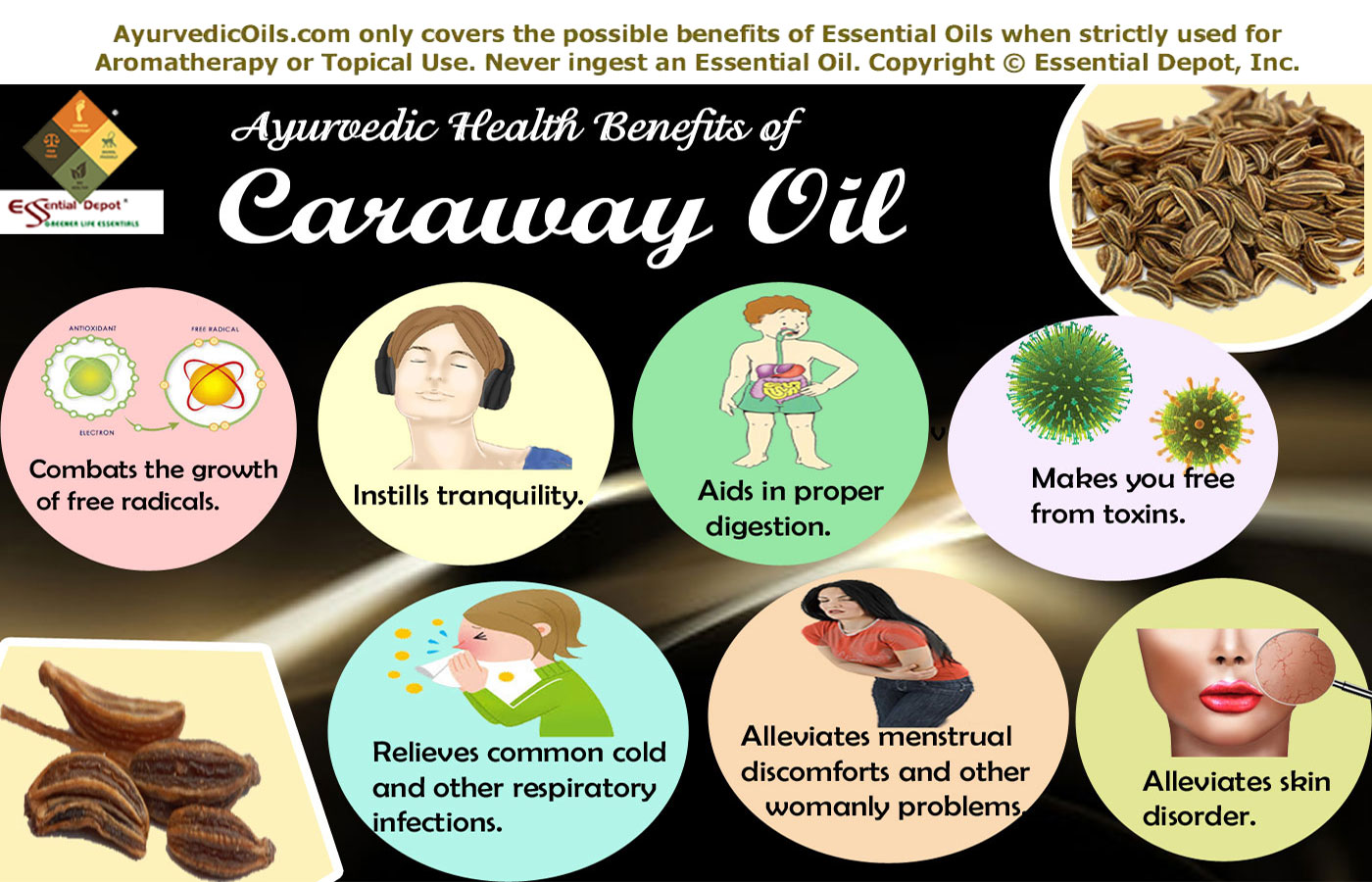
The Ayurvedic health benefits of Caraway essential oil are:caraway-broucher-info1. Combats the growth of free radicals:

Caraway essential oil serves as an effective antioxidant with its rich content of monoterpene alcohols, linalool, flavonoids and other polyphenolic compounds. This helps in destroying and inhibiting the growth of free radicals, which are responsible for cellular oxidation.

Certain scientific studies conclude that the dietary supplementation of Caraway to rats induced with colon cancer suppressed the crypt foci development and decreased the level of fecal bile acids and alkaline phosphatase which affects the epithelial cells of the colon and the rectum if not kept under control. The presence of carvone and limonene helps in reducing the lipid peroxidation products of the intestines and the colon.

Moreover the chemical compounds such as anethofuran, carvone and limonene are potential cancer chemo-preventive agents that build a protective shield against various mutagens such as dimethylnitrosamine, nitrosodimethlyamine, methylazoxymethanol acetate and inhibit the development of stomach cancers in mice induced by diethylsitosamine.

The antioxidant property of Caraway essential oil also makes it an efficient anti-carcinogenic, apoptotic, anti-proliferative and anti-mutagenic agent. As an apoptotic, Caraway essential oil proves fruitful against human leukemia cells and it also anti-proliferates the tumor cells.

Massaging your body with 10 drops of Caraway oil blended with 5 ml of Coconut oil can help in controlling the growth of free radicals and enhance the immune power of the system to shield against the harmful effects of the cancerous cells.

2. Makes you free from toxins:

Caraway essential oil serves as an excellent detoxifier, which assists in promoting active metabolism and excretion of harmful toxins or ama in the body. A 2007 research on the diuretic effect of Caraway essential oil on normal rats states that it increased the frequency and quantity of urine in a 24 hour period. It increased the level of sodium and potassium in the urine while that of the plasma remained unchanged.

Adding 2 to 3 drops of Caraway oil in warm bathing water or in a massage blend with 10 drops of this oil mixed with 5 ml of olive oil helps in excreting the toxins, fats, uric acid, salt and excess fluid deposits with ease. By this way, Caraway oil aids in alleviating hypertension, promoting weight loss and treating inflammation caused due to water retention.

Ayurvedic texts adore Caraway seed oil as a liver-friendly oil that support in protecting the liver from the encountering of highly toxic substances. In addition to this, its antimicrobial attribute clears out urinary tract infections. Caraway essential oil is a great source of dietary fiber.

3. Aids in proper digestion:

Caraway essential oil has been in use since the prehistoric period for its pitta-enhancing properties that stimulates the Agni or digestive fire, secretion of gastric and digestive juices. This attribute is responsible for the carminative, digestive and stomachic properties of Caraway oil. Its flavonoids, fatty acids and triacylglycerols help in reducing inflammation in the intestines and relieving smooth muscle contractions induced by spasmogens.

With flavonoids and monoterpene alcohols acting as natural stimulants, Caraway essential oil regulates the secretion of the digestive enzymes and its rich mineral content aid in complete absorption of the dietary nutrients. It raises the temperature of the body and speed up the process of metabolism thus preventing constipation and it helps in regulating the bowel movements.

A 2011 study on the various healing attributes of Caraway essential oil proves the antibacterial activity of this oil against gram negative bacteria such as helicobacter pylori which is identified as the primary etiological factor associated with the onset of various gastrointestinal ailments such as gastric carcinoma, gastritis and peptic ulcer. It blends well with Peppermint oil in treating non-ulcer dyspepsia, irritable bowel syndrome, indigestion and other gastrointestinal disorders.

Inhaling the refreshing aroma of Caraway oil by adding 2 drops of this oil in diffuser or burner along with massaging your abdomen with 5 drops of Caraway oil blended with 2.5 ml of sesame oil can effectively treat diarrhea, flatulence, vomiting, morning sickness, dyspepsia, heartburn due to indigestion, gastrointestinal disorders, stomachic ulcers, intestinal worms and parasites and colic.

Carvone which owes the credit of the anti-inflammatory attribute of Caraway essential oil actively reduces the production of prostaglandin and increases the production of leukotriene thus helping in alleviating colic for which reason Caraway seeds boiled in hot water was used in treating infants with colic. As an effective antimicrobial agent, Caraway oil destroys the harmful microbes in the stomach and inhibits the growth of intestinal pathogens.

4. Alleviates menstrual discomforts and other womanly problems: 

Caraway essential oil has reproductive and estrogenic parameters due to the presence of flavonoids and apigenin. It increases and regulates the secretion of estrogen. Moreover it’s rich iron, calcium and vitamin content stimulates the secretion of hemoglobin and regulates  blood flow to the uterus.

Massaging your lower abdomen, genital area and thighs with 5 drops of Caraway oil blended with 2.5 ml of Almond oil aids in opening up blocked menstruation and alleviates menstrual irregularities, dysmennorhea, menstrual cramps and associated mood swings. It relaxes the uterus and helps in its contraction facilitating the process of child birth before delivery.

Furthermore this oil possesses galactogogue properties, where the mammary glands are induced and the secretion of milk in lactating mothers is increased. Nursing mothers who use Caraway essential oil benefits their baby as well from colic and other stomachic discomforts.

5. Relieves common cold and other respiratory infections:

Common cold and certain other respiratory problems are often known as the most annoying ailments of mankind of all ages.

According to Ayurveda, excess of Kapha element in the body cause water retention, formation of mucus and phlegm deposits in the body. As a natural kapha reducing agent, Caraway essential oil can help in clearing off the phlegm and mucus secretion that often obstruct the nasal passages and block the respiratory tract.

Being a natural anti-bacterial and anti-fungal agent, Caraway essential oil destroys all the harmful microbes that cling onto the respiratory tract resulting in infections and huge deposits of mucus and phlegm. Carvone, limonene and linalool play a major role in destroying the infectious microbes and hold antihistamine properties that calm down the muscles causing coughing spasms.

2 to 3 drops of Caraway oil added to steam inhalation along with the gentle massaging of your chest, throat and back with 2 drops of this oil mixed in your regular decongesting ointment or rub can help in loosening the deposits of mucus and phlegm, aid in its excretion and reduce the symptoms of bronchitis, laryngitis and sore throat.

6. Alleviates skin disorders:

Caraway essential oil is a powerful antiseptic that helps in treating acne, boils, scabies and itches. It is used in cleansing the wounds as it destroys the presence of micro-organisms and prevents it from spreading and becoming septic, thus protecting one from the onset of tetanus with its anti-bacterial and anti-fungal properties.

Carvone and limonene components present in Caraway oil have enormous anti-oxidant properties that strengthen the connective tissues and confer potent effects on aging symptoms and clears out wrinkles, lessens the sagging of skin and aids in tissue regeneration. This oil is also used in the manufacturing of skin care lotions, creams and ointments for reducing wrinkles and acne.

Rich in vitamins and minerals such as potassium, calcium, iron, manganese, selenium and zinc, Caraway essential oil helps in regulating the growth and development of cells and aids in improved natural complexion of the skin. Mix 2 drops of Caraway oil with 1 ml of Coconut oil or your mild skin care cream or lotion and gently massage on your skin in circular movements for visible results.

7. Instills tranquility:

Caraway essential oil serves as a boon to mankind with its pleasing aroma and its therapeutic compounds that have a soothing effect on the mind and instills feelings of trust and harmony. It acts as a tonic for the nerves and encourages positive thoughts in a person and eases the mental strain while making one to feel full of life and energy.

The best way to use Caraway essential oil for emotional benefits is to add 2 drops of this oil in burner, vaporizer, diffuser, aromatic candles or your pillow cover for boosting up your system and revitalizing you from within.

Other health benefits of Caraway oil:

Caraway essential oil is also used in treating rheumatism, toothaches, eye infections and inflammations. It is used as a flavoring agent in mouth-wash, gargle preparations, toothpastes, soaps, lotions, perfumes and incense sticks. It also serves as an insecticide and a potential natural fumigant for stored products. With its strong yet pleasing aroma it refreshes your breath and hence used in the manufacturing of mouth fresheners, toothpastes and other oral care products.

Disclaimer:

This is only for educational use and is not meant to prevent or diagnose any health condition or substitute any prescribed medication or professional medical advice. This information is shared only with the concern of highlighting the importance of Ayurvedic healing, the traditional wisdom of holistic remedy and we are not medical professionals. Do not use essential oils internally.

Ensure that you dilute essential oils in appropriate carrier oils before using it externally on the skin as pure and organic essential oils are highly concentrated substances. It is advisable to consult your Ayurvedic professional/ healthcare expert before choosing the appropriate essential oil for your state of health and unique individual constitution.

Thought for the day:

Joy in looking and comprehending is nature’s most beautiful gift. -Albert Einstein

Suggested Reading:

  1. Caraway: The Genus Carum (Medicinal and Aromatic Plants – Industrial Profiles) from CRC Press
  2. Aromatherapy for the Soul: Healing the Spirit with Fragrance and Essential Oils by Valerie Ann Worwood
  3. The Nursing Mother’s Herbal (The Human Body Library) by Sheila Humphrey

Reference Links:

  1. Caraway by Wikipedia
  2. Essential oil content in Caraway species (Carum carvi) by J.Sedlakovai, B. Kicourkova, L. Lojkovai and V.Kubani of the Mendel University of Agriculture and Forestry, Czech Republic
  3. Cuminum Cyminum and Carum carvi by R.K. Johri published in PubMed
  4. The effects of Carum carvi L. (Caraway) extract and essential oil on TNBS-induced colitis in rats published in PubMed

Cumin Seed Oil

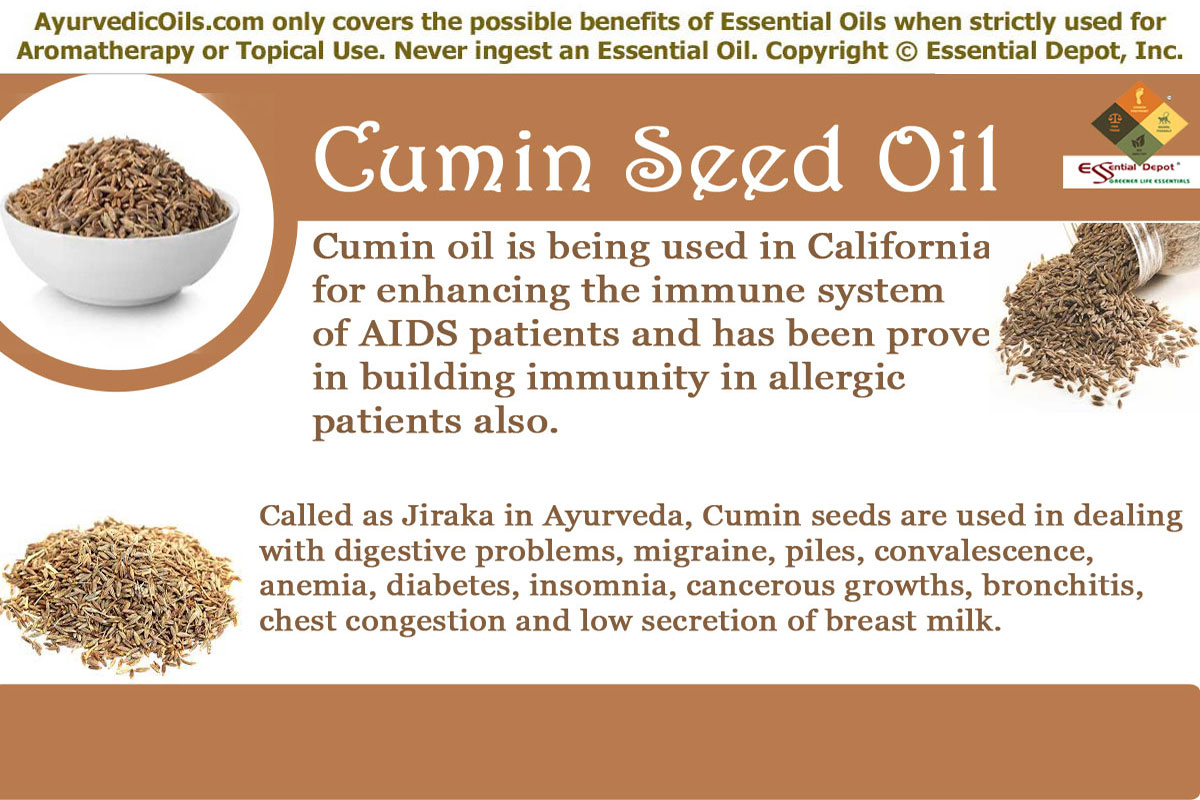
Cumin oil is being used in California for enhancing the immune system of AIDS patients and has been proven in building immunity in allergic patients as well.

Cumin-seed-bannerCelebrated as one of the most potent digestive aid in India, these cute little seeds stand special among the many natural condiments used since the ancient times, for it always blend with the food, making it extraordinarily delicious with its distinct earthy aroma and enticing flavor.

Ayurveda beckons Cumin as Jiraka, Ajaji and Ajajika. Botanically called as Cuminum cyminum, Cumin belongs to the Apiaceae along with its other siblings including Parsley, Caraway and Dill.  Apart from its widespread culinary uses, Cumin seeds and its essential oil are being used in addressing digestive problems, migraine, low secretion of breast milk, piles, convalescence, poor blood circulation, anemia, skin disorders, insomnia and respiratory infections.

Purchase Cumin Seed Essential Oil – 4oz – CLICK HERE 

Historical importance of Cumin:

The most notable accolade to sing the glory and historical reference of Cumin seed is its use in the mummification process that dates back to 5000 years. Biblical references clad Cumin seed as one of the best offering to God. Moreover it was crowned as a tithing spice and valued as a currency used in exchange for trade.

Being a native of the Mediterranean region, Cumin seed has found its application and cultivation throughout the world for its ubiquity, low cost, culinary and medicinal properties. Best known for its ease in cultivation, Cumin seed is a part of the traditional cooking.

Cumin is the second most popular spice in the world; it is often used in culinary as a substitute for black pepper which was highly expensive. Being the only medicinal part of the plant this aromatic herb has been used since the primordial times as the best aphrodisiac, for which loafs of bread seasoned with Cumin seeds along with chicken were served for newly married men.

As a common subject of the works of Hippocrates, Pliny and Dioscorides, Cumin was used vastly in Greece and Rome for its bactericidal, culinary and stomachic qualities.

Few sources state that this herb had the ability to improve skin complexion. Cumin was also considered as a spice of avarice and greed, for which the Roman emperors Marcus Aurelius and Antoninus Pius were nicknamed as Cumin.

The Talmuds used Cumin seeds in the circumcision ritual to arrest bleeding and prevent infections. Cumin seed oil and cumin seed powder are still an effective digestive aid that helps one to get rid of flatulence, indigestion and constipation. It is an active component of the Jeera water in India that grants instant refreshment and makes one to feel warm and active from within.

Chemical constituents and therapeutic properties of Cumin seed oil:

Cumin seed oil consists of numerous chemical compounds and the major ones among them are aldehydes, monoterpenes hydrocarbons and oxygenated sesquiterpenes that include cumin aldehyde, α-pinene, safranol, linalool, thymol, myrcene, limonene, 1-8-cineole, p-menth-3-en-7-ol, p-mentha-1, 3-dien-7-ol , caryophyllene , β-bisabolene , β-pinene, P-cymene, β-phellandrene, D-terpinene, flavonoids, cuminyl alcohol and β-farnesene.

Cumin seed oil also serves as a rich source of iron, copper, manganese, magnesium, phosphorous, calcium, carbohydrates, starch, Vitamin C, A & B1 and glows as a rich dietary fiber.

It is often employed for its anti-oxidant, anti-inflammatory, anti-spasmodic, anti-microbial, anti carcinogenic, anti-diabetic, antitussive, stomachic, carminative, diuretic, stimulant, appetizer, galactogogue, anti-mutagenic, emmenagogue, antiseptic, astringent, detoxifier, anti-tumor, aphrodisiac, nervine and tonic properties.

Ayurvedic Health Benefits of Cumin Seed Oil:

Ayurveda is a 5000 year old medical practice from India and the word ‘Ayurveda’ means ‘Knowledge of life’, which insists on awareness about one’s life for leading a hale and hearty living.

Unlike other healing methodologies, Ayurveda aims at gifting mankind with holistic health by preventing illnesses and paving way for healthy aging and longevity. The National Institute of Health rightly quotes this as “The aim of Ayurvedic medicine is to integrate and balance the body, mind, and spirit. This is believed to help prevent illness and promote wellness.”

The ancient Ayurvedic texts namely Charaka Samhita and Sushruta Samhita, written by the renowned Ayurvedic physicians Charaka (the Father of Medicine) and Sushruta (the Father of Surgery) throw light on all kinds of treatment methodologies and healing techniques used in Ayurveda. These texts even talk about complex surgical treatments including plastic surgery and caesarean deliveries even before the evolution of machines or medical equipments.

Ayurveda conquers the world of medicine for thousands of years with its natural remedies including essential oils or the life force of plants, herbs, yoga, meditation, prayers, Ayurvedic routine and other Ayurvedic therapies like Panchakarma (Cleansing or Detox treatment) and Abhyanga (the art of Ayurvedic massaging).

These remedies reveal the trust of Ayurvedic philosophy on the power of Mother Nature, which is made up of five vital elements namely earth, water, fire, air and space.

This traditional system believes that everything on earth is a part of nature and is built up with the same five elements of nature. Every person on earth is a unique creation with a unique individual constitution that is made up of 3 dynamic biological forces known as doshas. They are vata, pitta and kapha. Each dosha is a combination of the 5 elemental forces of nature.

Pitta is a symbol of fire and water and is held responsible for metabolic activities and body temperature. Vata is a combination of air and space and is in charge of respiratory functions, circulation and nervous functions of the system.

Kapha is a representation of earth and water and is accountable for physical build up, reproductive health, sustenance and movement of fluids in the body. According to Ayurveda, balance between these doshas symbolizes health and imbalance causes illnesses.

Ayurvedic therapies are prescribed in such a way to correct the imbalance of doshas and to be in harmony with nature. Cumin seed and its essential oil is known to decrease kapha and vata doshas and increase pitta dosha, which makes this oil as an effective natural remedy for treating digestive disorders, respiratory illnesses, nervous problems and reproductive problems.

The Ayurvedic health benefits of Cumin seed oil are:

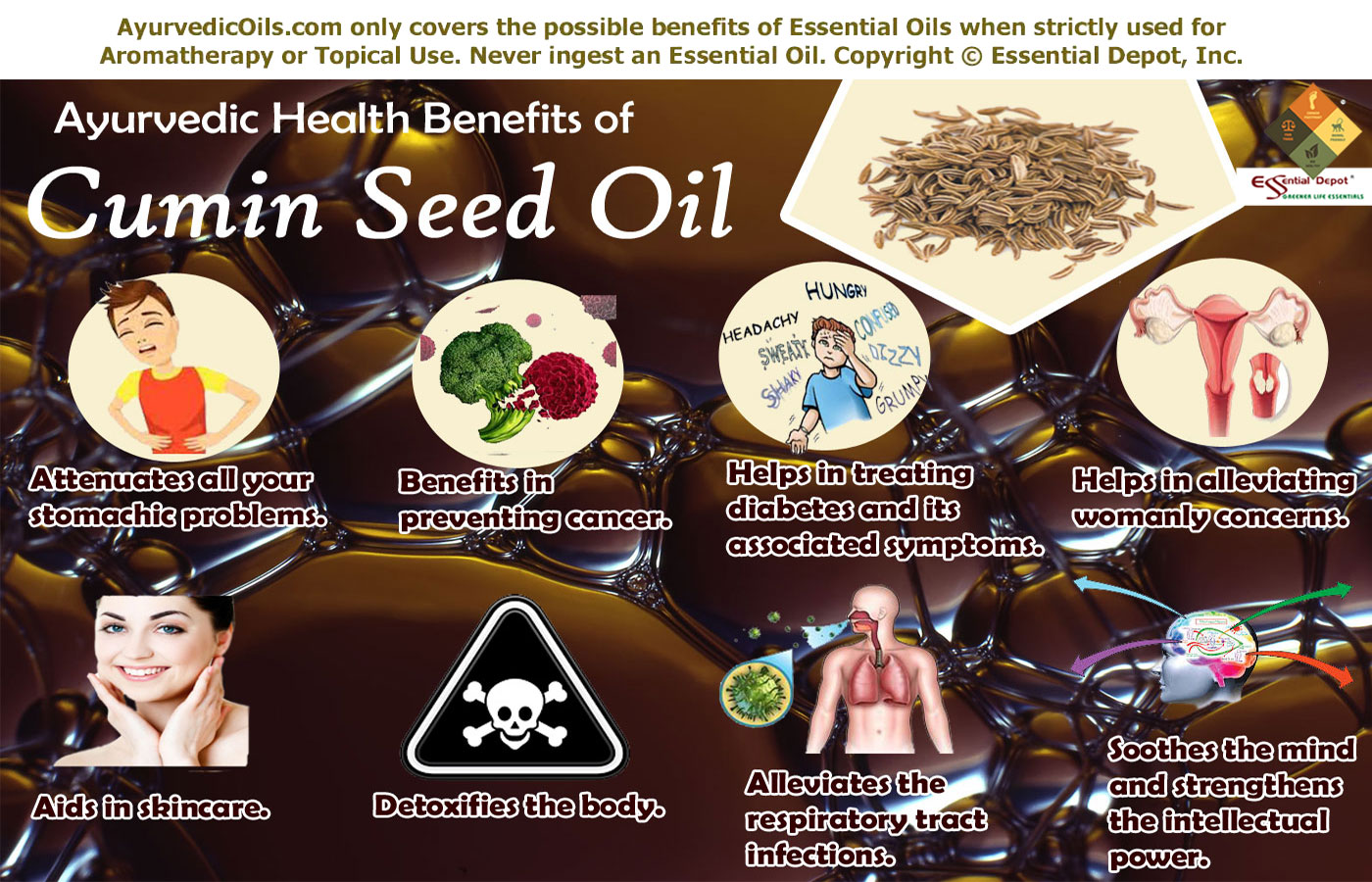
Cumin-seed-boucher1. Attenuates all your stomachic problems:

Cumin essential oil is known for its pitta-enhancing properties that are responsible for metabolism and body temperature. With the Sanskrit name Jiraka, which literally means digestion, Cumin seed oil enhances the metabolism and alleviates all kinds of digestive disorders. Indians drink Jeera water (Cumin seeds boiled in water) for augmenting their digestive potential.

The presence thymol, a natural stimulant in Cumin oil along with its rich iron content induces and regulates the secretion of bile and other digestive and pancreatic enzymes that assist in easing digestion, absorption of essential nutrients and excretion. The carminative properties of this oil helps in relieving flatulence with ease and comfort along with preventing the formation of gas.

The process of digestion starts in the mouth. Cumin aldehyde, the prime aromatic compound of Cumin seed oil triggers the salivary glands in the mouth that results in the proper secretion of saliva with good PH value. It also inhibits the growth of harmful microbes.

The anti-fungal and antibacterial activity of Cumin seed oil is found effective in preserving food items, destroying human and animal pathogens and in protecting plants from hazardous micro-organisms in the soil.

Using 3 drops of Cumin oil blended with 1.5 ml of sesame oil for massaging your abdomen, aids in stimulating Agni or the digestive fire that helps in alleviating flatulence, indigestion, dyspepsia, diarrhea, intestinal spasms, gastrointestinal infections, colic in infants, nausea and morning sickness due to indigestion.

You can also add 2 drops of Cumin oil in warm bathing water or in diffuser for enhancing your appetite and soothing your stomachic disorders.

2. Benefits in preventing cancer:

Cancer has now turned as an unavoidable life threat for the whole of humanity. The presence of flavonoids, monoterpene alcohols and linalool make Cumin seed oil an effective extinguisher of free hydroxyl radicals and lipid peroxides that play a major role in oxidation that initially targets in the single cellular death and when left unattended it may lead to fatality.

With its rich antioxidant property, Cumin seed oil is widely employed in preventing cancer and other health hazards caused due to cellular oxidation. A 2011 study on the numerous healing attributes of Cumin seed as published in PubMed states that no colon tumors were observed in the rats provided with a dietary supplementation of Cumin, in spite of being subjected to a colon specific carcinogen.

Along with this, Cumin seed oil decreases the activity of β-glucuronidase and mucinase enzymes that functions in liberating toxins and enhancing the hydrolysis of protective colonic mucus, either of which leads to the onset of colonic cancer.

Furthermore, Cumin seed is also an effective anti-mutagenic, apoptotic, anti-proliferative and anti-tumor herb enriched with the presence of Vitamin C, Vitamin A and monoterpenes that tones down the carcinogenic metabolism by increasing the activity of the corresponding enzymes.

Massaging your body with 20 drops of Cumin oil mixed with 10 ml of Virgin Olive oil helps in lessening the effects of free radicals and curbs the spread of cellular damage by penetrating through the skin and reaching every cell in the system.

3. Helps in treating diabetes and its associated symptoms:

Cumin seed oil has anti-diabetic and anti-glycating properties that assists in treating diabetes and its other associated symptoms. Certain studies on this regard state that rabbits when treated with Cumin seed oil exhibited a significant reduction in the blood glucose level and inhibited blood urea nitrogen along with inducing pepsin digestion and improvement in insulin and glycogen in tissues.

The anti-glycating property of Cumin seed oil delays the onset of cataract due to diabetes. It also lowers the cholesterol, fatty acids, triglycerides and phospholipids thus creating a protective shield on the liver, pancreas and the kidneys by lowering the level of toxic substances.

Inhaling the healing aroma of Cumin oil by adding 2 drops of this oil in burner, vaporizer or diffuser helps in controlling blood sugar levels, which is done when the aromatic molecules of this oil reach the limbic system and pituitary gland, the control center of the body by passing on the therapeutic properties of this oil to the entire system.

4. Helps in alleviating womanly concerns:

As a natural stimulant, Cumin seed oil induces and regulates the secretion of hormones and enzymes especially in women. Flavonoids and monoterpenes present in this oil have an estrogenic effect that corrects hormonal imbalances and cures blocked menses and irregularities in the menstrual cycle.

It increases the estrogen levels and strengthens the uterus and ovary which in turn has a positive effect in increasing the immunity.

The phytoestrogens in Cumin seed oil strengthens the bones by reducing the urinary calcium excretion and increasing the calcium content in the body thus helping in dealing with osteoporosis after menopause.

For dysmennorhea or painful menses, delayed or blocked menstruation and menopausal discomforts, massage your thighs, lower abdomen and genital part with 4 drops of Cumin oil mixed with 2 ml of coconut oil. Using 2 drops of Cumin oil in hot or cold compress is also a good idea in alleviating pain and treating hormone fluctuations.

Cumin seed and its essential oil have thymol, which acts as an effective stimulant in inducing the secretion of milk and increasing the quantity and quality of mother’s milk thus proving beneficiary for both the lactating mother and the baby. As a natural source of iron, manganese and zinc, Cumin seed oil helps in transporting oxygen and nutrients to all parts of the body through blood and increases the immunity power of women.

5. Aids in skincare:

Cumin seed oil has an age old history of being applied on wounds, acne, boils and stitches for its antiseptic quality and quick healing attribute. Antioxidants play a vital role in maintaining the complexion and beauty of the skin. Cumin seed oil is rich in antioxidant with the presence of monoterpene alcohols, linalool and flavonoids.

Moreover it is rich in Vitamin A and C, which along with the antioxidants helps in blocking the pores and strengthening the roots of the cellular tissues. It is for these strong reasons, Cumin seed oil is used in skin care for enhancing skin complexion and in oral care for strengthening teeth and gums.

Mix 2 drops of Cumin seed oil with 1 ml of jojoba oil or your mild skin care cream and lotion and apply it on the skin for improving your complexion, fighting against aging symptoms like wrinkles, healing wounds and curbing the growth of microbes, which causes acne and other skin infections.

6. Detoxifies the body:

Being a natural diuretic, Cumin seed oil aids in increasing the quantity and frequency of urinating. It is for this important reason, it is often recommended for people with high pressure and rheumatism.

It aids in cleansing the system by reducing the bad cholesterol, fatty acids, urea and acid levels in the body. Cumin seed oil serves as a protector of kidneys and liver as it helps in effective excretion of toxins and poses less pressure on these organs.

With its kapha-reducing and pitta-increasing properties, Cumin oil increases the heat in the body and results in discharging water retention and fluid deposits along with fostering active metabolism.

Its stomachic property attributed by pyrazine and Cumin aldehyde helps in treating constipation and piles. Add 4 drops of Cumin oil in warm bathing water or massage your body with 20 drops of Cumin oil mixed with 10 ml of coconut oil for effective detox cleansing.

7. Alleviates the respiratory tract infections:

Cumin seed oil helps in treating common cold, bronchitis, asthma, coughs and other respiratory tract infections, which are caused by excess of kapha dosha causing phlegm and mucus deposits to block the nasal passages, bronchial tubes and the respiratory tract.

Being an antimicrobial agent it kills the harmful viruses and bacteria that cling onto the respiratory tract and its kapha-lowering and expectorant qualities help in loosening even thick deposits of mucus and phlegm thus relieving from cold, cough, bronchitis and other respiratory infections.

Add 2 drops of Cumin oil in steam inhalation followed by a warm and gentle massage with the decongestant ointment blended with 2 drops of this oil on the chest, throat and back can help in relieving nasal congestion, cough, sore throat and breathing difficulties.

8. Soothes the mind and strengthens the intellectual power:

Cumin seed oil is a natural relaxant and with its unique aroma, this oil instills a calming effect on the mind and it acts as an effective stress reducer. The presence of rich nutrients and other therapeutic chemical constituents make Cumin seed oil a powerhouse of energy that reinforces your mind and relaxes your body and results in sound sleep.

Studies have also proved that Cumin seed oil possesses anti-stress and memory enhancing activity, making it a must for students with poor memory and weak intellectual skills. 2 drops of Cumin seed oil added to your diffuser or vaporizer or to a tissue placed near your pillows helps in pacifying the mind, clarifying thoughts, clearing confusions and improving memory skills.

Other health benefits of Cumin Seed Oil:

Cumin seed oil is also used in treating anemia, insect bites and in the manufacturing of perfumes and disinfectants.

Disclaimer:

This information is only for the purpose of education and is not intended to treat, prevent or diagnose any health condition or replace any prescribed medicines or professional medical advice. We are not medical professionals and we share this information only with the interest in spreading the richness of Ayurveda, the oldest traditional healing methodology.

Never take essential oils internally and dilute essential oils before topical use as pure and organic essential oils are highly concentrated substances and may cause harm if used directly on the skin. Always consult your Ayurvedic practitioner/healthcare professional before choosing the appropriate essential oil that is suitable for your medical condition and unique individual constitution.

Cumin Seed Oil Possible Skin Issues:

cumin-seed-oil

Greener Life Diamond – Bio-Healthy Score => 3 Possible Skin Issues:

See => http://www.essentialdepot.com/GreenerLifeDiamond.html

The essential oil of Cumin is said to have phototoxic effects, which may lead to allergic reactions, mild skin irritation, sunburn, blisters and hyperpigmentation when the skin is exposed to direct light from the sun with increased use of dermal application of Cumin oil (more than the safe level) for up to 12 hours after use. The major chemical constituents held responsible for the adverse skin effects of Cumin oil are Cuminaldehyde and certain other phenols.

According to the International Fragrance Association, the safe and maximum level of dermal use of Cumin oil is 0.4%. Photosensitivity and other associated skin defects are said to occur when the safe limit of Cumin oil is exceeded and is used on the parts of the skin that are exposed to visible sunshine. This is applicable only for leave-on products like creams, massage blends, ointments and lotions and not for rinse-off products like bath preparations.

Cumin oil has the status of Generally Recognized as Safe by the FDA. The Research Institute of Fragrance Materials (RIFM) reports about 5% No-observed-adverse-effect-level (NOAEL) for phototoxic effects on volunteers for Cumin seed oil.

Never use Cumin oil in an undiluted manner and ensure that you always blend essential oils with appropriate carrier oils as pure essential oils are highly concentrated and might cause adverse effects on the skin, eyes and the system.

The National Association For Holistic Aromatherapy (NAHA) states Cumin oil as a photosensitizer and dermal irritant thus it is always recommended to use in a diluted form and should be avoided on damaged skin, eyes, allergic skin conditions and inflammatory parts.

Cumin seed oil is prescribed safe only for topical applications and not for internal use. Certain animal studies have concluded that overdose of Cumin seeds proved anti-fertility activity. Cumin seeds, due to their emmenagogue properties were proved to exhibit mild abortifacient activity, when tested on rats with the gestational age of 8 to 12 days with aqueous cumin extracts.

These seeds were proved to cause anaphylactic reactions on overdose. Caution should be taken in using Cumin oil, if you have a history of irritation or inflammation of the kidneys. It is also said that Cumin seeds may also cause low blood sugar so it is best to avoid the use of Cumin oil prior to 2 weeks before and after any surgical conditions.

Kindly avoid Cumin oil if you are pregnant or getting ready to conceive as Cumin oil has abortifacient and anti-fertility effects, when used more than the prescribed level can end up in miscarriage, stimulate menstruation or premature labor and might delay the chances of getting pregnant.

Reference Links Substantiating the Possible Skin Issues of Cumin Oil:

  1. Cumin, American Herbal Products Association’s Botanical Safety Handbook, Second Edition by Zoe Gardner, Michael McGuffin
  2. Essential Oil Safety: A Guide for Health Care Professionals By Robert Tisserand, Rodney Young
  3. Cumin by Drugs.com
  4. Cumin side effects and safety by WebMD
  5. Safety Information on Essential Oils by the National Association For Holistic Aromatherapy

Thought for the day:

Joy in looking and comprehending is nature’s most beautiful gift. -Albert Einstein

Suggested Reading:

  1. Ayurveda & Aromatherapy: The Earth Essential Guide to Ancient Wisdom and Modern Healing by Dr. Light Miller, Dr. Bryan Miller
  2. Fragrance & Wellbeing: Plant Aromatics and Their Influence on the Psyche by Jennifer Peace Rhind
  3. Cumin & Coriander: A celebration of everyday North Indian cooking by Archana Nirad
  4. Cumin (Cuminum cyminum): Production and Processing from Science Publishers
  5. Curry Leaves and Cumin Seeds: A Healthier Approach to Indian Cooking by Jeeta Gandhi

Reference Links:

  1. Cumin by Wikipedia
  2. Cumin from Ayurveda and Aromatherapy by Light Miller and Bryan Miller
  3. Cumin (Cuminum Cyminum) as a potential source of antioxidants by Muhammad Nadeem and Asad Riaz from the National Institute of Food Science and Technology, University of Agriculture, Faisalabad, Pakistan.
  4. A 2011 study on Cuminum Cyminum and Carum Carvi by R.K.Johri as published in PubMed.
  5. A 2009 article on Delay of diabetic cataract in rats by the antiglycating potential of Cumin through modulation of alpha-crystallin chaperone activity.

Save

Cajeput Oil

Cajeputoil-bannerCajeput essential oil owns the scent of purity and is an excellent haemostatic, analgesic and a proven natural remedy for respiratory problems.

Traditionally being used in long precedence to treat cold, chronic rheumatism, flu and infections related to sinus and respiratory tracts, Cajeput essential oil owes its extraction to the leaves of Cajeput trees through the process of steam distillation. Botanically called as Melaleuca cajuputi, the word Cajeput is originated from the Malay word ‘kaju putih’ which means ‘white wood’.

Known as Katupruhi in Ayurveda, Cajeput and its essential oil are being used in the traditional healing system for treating muscular pain, neuralgia, rheumatism, urinary tract infections, insect bites and stings, intestinal parasites, headache, joint pain, abdominal cramps, burns, intestinal inflammation, ear infections, oral problems, colic and psoriasis.

Purchase Cajeput Essential Oil – Retail – 4 oz – CLICK HERE

Purchase Cajeput Essential Oil – Wholesale – CLICK HERE 

Historical uses and importance of Cajeput and its essential oil:

Renowned for their pointed leaves, exotic flowers, flexible trunk and attractive white bark, Cajeput trees bear their nativity to the South Asian countries and are now widely distributed in Australia, Malay Archipelago and Malay Peninsula, with Indonesia and Vietnam being the principal producers of Cajeput essential oil.

With an unusual and stimulating aroma like that of cardamom, camphor and rosemary, Cajeput essential oil earns the gratitude of extensive usage in the traditional healing systems. Bearing resemblances to Tea tree, Cajeput trees are found prevalently in Malaysia and are called as White tea tree in certain occasions.

Well known for its resistance to forest fire, Cajeput trees are small, tidy and attractive with long-life. The aromatic white flowers of these trees, in addition to contributing to the essential oil also aid in the production of flavored honey by attracting the honey bees resulting in good yield. This property attracted the beekeepers of Florida who were the ones to introduce this tree to the United States.

Being portrayed as an oil of mystical powers, Cajeput essential oil is believed to protect against all kinds of evil powers and is used in cleansing the ritual objects and idols. With its spiritual powers that targets the consciousness of a person, Cajeput oil helps in reverting the mind from addictions to uncontrollable habits such as alcohol, smoking etc.

Ritually used in Australia, Indonesia and Malaysia for its beneficial attributes such as antiseptic and analgesic in treating chronic rheumatism, cold and flu, it was introduced to Europe in the 17th century as a natural aid for almost all types of ailments ranging from infections affecting respiratory tract to urinary tract.

Ayurveda employs Cajeput essential oil for its anti-inflammatory, antiseptic, antifungal, anti-bacterial and anodyne properties in holistic healing of dyspepsia, stomachic disorders, influenza, rheumatism, cold, cholera, burns, asthma, yeast infections, colic, toothache, parasites in intestines, tumors and even as an insecticide.

The utilization of Cajeput essential oil in some of the renowned liniments such as tiger Balm and Olbas is just enough to prove the analgesic attribute of this oil. As an effective antimicrobial agent, it is used in skincare and in the manufacture of soaps, cosmetics, perfumes and disinfectants.

Chemical constituents and therapeutic properties of Cajeput essential oil:

With cineol as the primary component, Cajeput essential oil comprises mainly of monoterpenes, sesquiterpenes and hydrocarbons, which include alpha pinene, limonene, caryophyllene, beta pinene, alpha terpineol, terpineol, cymene, alpha terpinene-4-ol, linalool, gamma terpinene, nerolidol, geranyl acetone, ketone, benzaldehyde, cajeputene hydrate, cajuputol, eucalyptol and myrcene.

The eminent therapeutic attributes of Cajeput essential oil are antipyretic, carminative, anti-neuralgic, analgesic, disinfectant, antispasmodic, diaphoretic, tonic, antiseptic, expectorant, emmenagogue, stimulant, anthelmintic, cosmetic, anti-bacterial, decongestant, febrifuge, sudorific and insecticide.

Ayurvedic Health Benefits of Cajeput essential oil:

Ayurveda simply means ‘the knowledge of life’. This oldest healing system trusts that the real wisdom of mankind rests in the knowledge about our system, which is the best wonder of this world.

Human mind and body work in a miraculous manner and Ayurvedic healing insists that this system is built up with the same five elements with which nature is made up of. They are fire, water, earth, air and space.

Earth represents bones and muscles, fire represents agni or the heat energy in the body, water represents blood and other fluids, air represents the breathing mechanism and space is the soul that keeps us alive.

Every individual is made up of a unique individual constitution that comprises three dynamic forces or biological energies known as doshas. They are vata, pitta and kapha dosha. These doshas are nothing but a representation of the five elemental forces of nature.

Vata is a combination of air and space and is in charge for nervous functions, circulation and respiratory functions. Fire and water put together forms Pitta dosha, which is responsible for metabolic functions and body temperature.

Kapha dosha is a representation of water and earth and contributes to physical structure, sustenance and reproductive health. Every human being has a majority of any one of these doshas and this predominance decides one’s personality, behavioral traits and attributes.

Ayurvedic philosophy strongly believes that absolute health of human beings exclusively depend upon one’s harmony with nature. Perfect balance between these doshas depending upon the unique individual constitution signifies health and imbalance of doshas causes illnesses.

Ayurveda prescribes natural remedies like herbs, plant essential oils, simple physical exercises, prayers, meditation, Ayurvedic routine, yoga, Abhyanga (the art of Ayurvedic massaging) and Pranayama for correcting the doshic imbalances.

Cajeput essential oil reduces kapha and vata dosha, in excess cases and increases pitta energy.

Let’s have a look at the Ayurvedic health benefits of Cajeput essential oil.

Cajeput-broucher1. Assuages respiratory ailments:

Numerous bacteria, viruses and fungi are always on the urge to cause infectious diseases that primarily target the respiratory tract with an array of ailments affecting mankind such as bronchitis, sore throat, flu, cold, ear infections, tightness in chest, laryngitis, blocked nose, mild fever, sinus and cough; Cajeput essential oil plays an important role in stopping the advent of these harmful microbes and protects the system from all types of respiratory ailments.

With its deep penetrating aroma with a rich eucalyptol note, Cajeput essential oil is a renowned cure for sinus that it has always been an unavoidable element in most of the medications that alleviate health problems associated with sinus. Just inhaling 2 drops of this essential oil added to steam inhalation, can provide instant relief from headache, blocked nose, sinus pain and makes you feel tranquil in a matter of minutes.

Excess of kapha dosha is responsible for deposits of mucus and phlegm in the respiratory tract, lungs and nasal passages. With its power to reduce kapha dosha, Cajeput essential oil helps in breaking up even heavy deposits of mucus accumulated in the respiratory organs and assists in excreting it from the body through coughing and aids in lessening the symptoms of chronic bronchitis and laryngitis.

As an effective antibacterial agent, it helps in fighting against infections and works as a decongestant, suitable to be used as an inhaler for cold and sinus. Moreover, as a natural anti-inflammatory agent it helps in reducing inflammations due to infections in the respiratory tracts such as larynx, pharynx and the bronchi.

Adding 2 drops of this oil in warm bathing water and massaging your throat, chest and back with 2 drops of Cajeput oil, 2 drops of Eucalyptus oil mixed with vaporizing ointment can help in relieving nasal congestion, cough, cold, bronchial congestion, blocked nasal passages and chest congestion.

Cajeput oil has a warming effect and is a must to have oil in your first aid kit. 1 to 2 drops of this added to your diffuser during winter can keep you away from infections and grant you a safe environment to live in. It induces the sweat glands and promotes sweating and helps in lowering high body temperature and is also effective in alleviating fever associated with cold and pain in the body.

2. Effective insecticide and termicide:

Insects, especially the mosquitoes are always the sure shot carriers of some dreadful diseases such as malaria, filaria, dengue and chickungunya. With no specific vaccines or antiviral treatment available for the viral diseases such as chikungunya and dengue spread by mosquitoes, actions taken to control the mosquito population remains as the only means of preventing these frightful ailments.

A 2012 research article on the study of “The pesticidal and insecticidal activity of Cajeput essential oil” reveals the fact that it is effective against the mosquito species Aedes aegypti and Aedes albopictus, which remain as the primary vectors of dengue fever and dengue haemorrhagic fever.

Numerous natural phyto-chemicals found in this essential oil effectively function in interrupting the neurotransmitter in mosquitoes by acting as a reversible inhibitor of acetyl cholinesterase, resulting in the knockdown of these unsafe insects. Applying 2 drops of Cajeput oil to your mild skin care cream or lotion can help in keeping you away from mosquito bites.

Moreover, Cajeput oil is a natural source of antifungal and anti-microbial properties, which makes it toxic to the fungi spoiling the woods and highly toxic to the termites thus proving beneficial in the manufacture of wood preservatives and natural insecticide for controlling termites. 4 to 5 drops of this oil added to household cleaner or disinfectant can be sprayed on doors, windows and furniture items for protecting them from termites and other insects.

In addition to its insecticidal and pesticidal attributes, Cajeput essential oil actively extinguishes the parasites such as lice and fleas and thus it is recommended to use 2 drops of this mystical oil to shampoos for hair wash. It can also be added to brushes used for pets for a gentle comb that frees your pets from flees and other insects.

3. Aids in maintaining oral health:

Cajeput essential oil holds the glory of its traditional usage for quick relief from toothache and other oral health issues. With α-terpineol and terpinen-4-ol greatly contributing to the anti-bacterial and the antifungal activity of Cajeput essential oil, this oil acts as a quick extinguisher of all the harmful bacteria found in the mouth and other oral cavities. Linalool acts a mild analgesic with tranquilizing properties that makes Cajeput oil to bring quick relief for all tooth and gum related pains.

Just adding 1 drop of Cajeput oil to a cotton ball and keeping it on the affected area can work wonders, resulting in instant relief from pain and toothache. It is for this reason; Cajeput essential oil has been used in dentistry in treating gingivitis and to alleviate pain in the gum after removal of a tooth.

Furthermore, as an anti bacterial agent, this oil kills all the harmful microbes and various other compounds causing bad breath and assists in alleviating the symptoms of halitosis. Numerous oral products such as tooth paste, mouth wash and mouth fresheners involve the utilization of Cajeput essential oil for its long lasting freshness and oral benefits.

In the book ‘Ayurveda and Aromatherapy’, Bryan Miller and Light Miller say, “Cajeput can be used in a gargle along with sandalwood oil for sore throat; recipe 1 drop Cajeput oil, 1 drop sandalwood oil in half cup water, mix well and gargle. This has been used with success by many singers who have lost their voice through a combination of stress and colds.”

4. Excellent pain reliever:

With numerous pain-relieving properties, Cajeput oil stands special for its excellent analgesic and soothing attributes. Comprising of limonene and a-terpineol as the best pain-reducing agents, Cajeput essential oil is used to treat all kinds of pain ranging from headache, toothache and many more.

Rich in soothing, anti-inflammatory and anti-neuralgic attributes, Cajeput essential oil is indeed a blessing for those who suffer with Neuralgia – a condition that causes severe pain to the whole oral zone including ears, tonsils, throat, pharynx and larynx.

It helps in relaxing the blood vessels and reduces the pressure on the glossopharyngeal nerve and alleviates the symptoms of neuralgia. Cineole in Cajeput oil produces a warming effect on the surface to which the oil is applied and results in relieving the pain beneath the skin.

Widely prescribed in Ayurveda and other Complementary and alternative medicinal practices for treating rheumatism and arthritis, Cajeput essential oil helps in alleviating pain in addition to lessening the inflammation. As an eminent diuretic, this oil aids in maintaining the fluid level in the body and drains out excess water along with other impurities such as acids, fats etc. by inducing perspiration and increasing the frequency of urination thus treating inflammations due to excess water stagnation caused by increased kapha dosha.

Cajeput oil plays an important role in aromatherapy along with camphor oil and is used in Ayurvedic massaging to reduce body pain caused by gout, arthritis and rheumatism. Being an invaluable ingredient in the Indonesian traditional medicine – Minyak Telon and serving as a natural pain killer, Cajeput oil is full of explicit benefits to everyone, especially to those who work on laptops and desktops and remain the victims of back pain, neck pain and stress.

Massaging the painful or affected parts with 2 drops of Cajeput oil, 2 drops of Rosemary oil, 2 drops of Eucalyptus oil, 2 drops of Camphor oil, 2 drops of Juniper oil blended with 5 ml of coconut oil is an excellent remedy for alleviating joint pain, muscular distress, back pain, arthritic pain, rheumatic pain, headache, muscular tension and much more.

5. Proven effective in skin care:

The presence of chemically antibacterial agents such as terpinen-4-ol, 1, 8 cineol, linalool and alpha-terpineol contribute to the antibacterial attribute of Cajeput essential oil, making it a best antiseptic and skin care product.

Applying 2 drops of Cajeput oil mixed with your skin care cream or lotion can be of great help in treating acne, boils, cuts, wounds, burns, psoriasis and fungal infections caused by tinea versicolor and mites due to scabies, has yielded promising results proving the efficacy of this oil in the field of dermatology.

It helps in removing the toxins, regulates the production of sebum by inducing the sebaceous glands and helps in treating acne, carbuncles and heals the damaged tissues that have turned red due to abscesses.

The high antibacterial and germicidal activity of this oil against various bacterial strains like Staphylococcus aureus results in speedy recovery in the treatment of furunculosis. Moreover it is an excellent aid in treating scrapes, burns, swellings around fingers or toe, scabies etc. This healing effect can be obtained by adding 2 drops of Cajeput oil in bathing water in the morning and before going to bed.

It also fights against infectious microbes and prevents any wounds or cuts from becoming more infectious and septic thus preventing the onset of tetanus. It tones up the skin and makes it bright, free from infections and thus widely used in the preparation of cosmetics, body lotions, shampoos, antiseptic creams, soaps and disinfectants.

6. Supports the digestive system:

With its pitta-enhancing properties, Cajeput essential oil possesses digestive as well as carminative properties helping in easing the digestive process and stimulating the secretion of digestive juices and enzymes that aid in the full absorption of nutrients in food. It aids in removal of gas from the body with ease and prevents its formation thus alleviating the gastrointestinal disorders.

Due to its soothing attribute, it is also useful in treating some of the digestive disorders such as colic, vomiting due to indigestion, freeing from intestinal worms, intestinal cramps, dysentery and enteritis.

Other health benefits of Cajeput essential oil:

Its ability to fight against the advent of fungal infections is used in food products to serve the purpose of a preservative. It helps in fighting against yeast infections caused by the Candida species and is also active against the protozoan such as Trichomonas vaginal and is helpful in treating the trichomonas vaginal infections.

Apart from this, Cajeput essential oil is utilized in treating tumors, to open up blocked menstruation and to aid in healing the womanly concerns and to regulate proper circulation of the blood. Generally used in air fresheners to uplift the surrounding, Cajeput essential oil cleanses the air and uplifts the spirits and elevates the mind helping to overcome depression, sluggishness, anxiety, fear and the aftershocks of radiotherapy.

Disclaimer:

This article is only for the purpose of education and is articulated entirely with the thought of sharing the enlightening knowledge of Ayurveda, the 5000 year old traditional healing methodology. These natural remedies are not meant to cure, prevent or diagnose any medical condition or to substitute any prescribed medications or expert medical advice. We are not healthcare professionals or medical experts.

Never use essential oils internally and make sure that you use them topically in a diluted manner only, as unadulterated, genuine and organic essential oils are very concentrated substances and can cause allergic reactions when used on the skin directly. Talk with your Ayurvedic expert/healthcare professional before choosing the apt essential oil for your medical condition and unique individual constitution.

Thought for the day:

We still do not know one thousandth of one percent of what nature has revealed to us.        -Albert Einstein

Suggested Reading:

  1. Ayurveda & Aromatherapy: The Earth Essential Guide to Ancient Wisdom and Modern Healing by Dr. Light Miller, Dr. Bryan Miller
  2. The Illustrated Encyclopedia of Essential Oils: The Complete Guide to the Use of Oils in Aromatherapy & Herbalism by Julia Lawless
  3. Relieving Pain Naturally: Safe and Effective Alternative Approach to Treating and Overcoming Chronic Pain by Sylvia Goldfarb, Roberta W. Waddell
  4. Herbal Healing for Women by Rosemary Gladstar
  5. Scents of Life: Use And Effect Of Essential Oils by H. M. Schemske

Reference Links:

  1. Cajuput Oil by Wikipedia.
  2. A research article on the ‘Essential Leaf Oils from Melaleuca cajuputi’ by J.H. Kim, K.H. Liu and Y. Yoon from the School of Agricultural Biotechnology, Korea
  3. A 2012 research article on the Evaluation of Melaleuca cajuputi (Family: Myrtaceae) Essential oil in aerosol spray cans against dengue vectors in Low cost housing flats
  4. A research article on ‘Cajeput-Type Oil for the Treatment of Furunculosis’ by Henry M.Feinblatt, published in PubMed

Cassia Oil

Cassia-banner“Cassia does everything Cinnamon does, but better!” say many Doctors. Cassia owns the glory of being born in the heart of China and has been in use for more than 4,000 years for culinary and medicinal purposes. This ancient herb has been trusted to enhance energy, life force, vitality and blood circulation.

Ayurveda prescribes Cassia for the treatment of menstrual problems, nausea, respiratory infections, gastro-intestinal problems, depression, loss of libido, rheumatism, diabetes and indigestion. Cassia is botanically called as Cinnamomum cassia and is a member of the Lauraceae plant family.

Purchase Cassia Essential Oil – Retail – 4 oz – CLICK HERE

Purchase Cassia Essential Oil – Wholesale – CLICK HERE

Historical uses and importance of Cassia oil:

Cinnamomum cassia, also known as Chinese cinnamon or Chinese cassia finds its origin in South China. This tree serves several purposes and is hence widely cultivated in India, Indonesia, Laos, Malaysia, Taiwan, Thailand and Vietnam. With its celebrated use in the Traditional Chinese Medicine, Cassia is regarded as one among the 50 fundamental herbs of China.

Cassia finds its importance in the United States too, and is marketed under the name of “Cinnamon” for culinary purposes. The Indians take a liking to the buds on the tree as well and also use it in their food; this is an ancient ingredient for soul food used by the Romans as well.

This tree grows to a height of 10–15 m, which has a grayish bark with leaves that are hard and elongated and a warping of 10-15 cms in length with a pretty red color when young.

The bark of the tree finds its uses in the kitchen, while the leaves and the twigs of this tree are sometimes used in the production of Cassia oil. The oil extracted from the Cassia tree, finds immense importance in the field of Complementary and Alternative medicine including Ayurveda.

It is useful as a medicine, for beauty care, for cooking, as a health tonic and also as a stimulant. Cassia oil is brownish to yellowish in color, and the refined oil is colorless with a pale yellow tint when held up to the sunlight.

The aromatic bark of Cassia has been in use as a medicinal spice in various traditions across the world.  In traditional Chinese medicine, Cassia cinnamon has been used for treating diarrhea, cold, nausea, painful menstruation and flatulence.

It was also used to boost immunity, treat fever, rheumatoid arthritis, kidney infections, candida, nail fungus, atherosclerosis, cataract and even cancer, with its natural antioxidant properties.

Chemical constituents or Gas Chromatography Report (GC) of Cassia oil:

According to the Gas chromatography report, Cassia oil constitutes of 12 chemical components that contribute to its fragrance, therapeutic attributes, consistency and quality of this super aromatic oil. Of which, (E)-Cinnamaldehyde contributes to the highest proportion of Cassia oil constituents with about 81.3% of its total composition.

Just click on:

(E)-Cinnamaldehyde

o-Methoxy-Cinnamaldehyde

Cinnamyl acetate

I believe that this must surely help you in learning about the major chemical constituents of Cassia oil.

The table crafted below clearly depicts the unique nature and contributions of these biochemical constituents to the healing brilliance of Cassia essential oil.

cassia-oil

Therapeutic properties of Cassia essential oil:

The remedial properties of Cassia oil are fungicidal, antimutagen, stimulant, anticoagulant, antiviral, antibacterial, circulatory, anti-diarrhea, anti-arthritic, antioxidant, carminative, anti-galactogogue, anti-rheumatic, emmenagogue, anti-depressant, febrifuge, anti-diabetic, anti-inflammatory, antimicrobial and anti-emetic.

Ayurvedic health benefits of Cassia essential oil:

Ayurveda is a righteous remedial practice that indicates that everything on earth should follow a disciplined order of living for leading a healthy and progressive life.

Every human being is a part of nature according to Ayurveda and one’s illness and wellness depends upon an individual’s balance with nature. Ayurvedic healing trusts and depends upon Mother Nature and its natural remedies for treating humanity.

This 5,000 year oldest healing methodology is the pioneer for all other medicinal practices including Homeopathy, Siddha, Unani, Chiropractic, Acupressure, Allopathy, the Traditional Chinese Medicine and much more. The first Ayurvedic record refers to Atharvaveda, one of the 4 sacred books of the Indian mythology with 114 verses talking about numerous diseases and the corresponding traditional remedies of Ayurveda.

This was further enhanced by the 3 most important Ayurvedic encyclopedias namely Charaka Samhita (Charaka – the father of medicine), Sushruta Samhita (Sushruta – the father of surgery) and Ashtanga Hridaya Samhita. These books have talked on all the fundamental principles of Ayurveda, various kinds of illnesses and their comprehensive medicinal practices. This includes Ayurvedic remedies for almost all kinds of diseases including the chronic cancer.

According to Ayurveda, health is a combination of physical, mental and spiritual wellness and Charaka Samhita quotes this as, “The three – body, psyche, and soul – act as a tripod. The world stands upon them, and within them, the world abides.”

The distinctiveness of Ayurveda lies in its holistic approach that treats the root cause of an illness instead of its symptoms. This paves way for treating the sickness as well as preventing it in future.

Instead of prescribing the same medicines for everyone, Ayurveda recommends unique remedies for every individual according to their unique individual constitution, even if it is for the same illness. This is because Ayurveda identifies every individual as a distinctive part of nature and considers that their illnesses should also be treated with accordance to it.

The unique individual constitution or prakriti is an arrangement of three biological energies called as doshas, namely vata, pitta and kapha. These doshas are a combination of the five elements of nature including fire, earth, space, air and water.

Vata (air and space) controls the functions of the nervous system, circulatory system and the respiratory system. Pitta (fire and water) governs the metabolic functions and body temperature. Kapha (earth and water) is in charge for the movement of fluids in the system and the functions of the reproductive system.

Every person has a dominance of any one these doshas and it determines the physical appearance, personality, behavioral patterns and mental makeup. Absolute balance between these doshic elements symbolizes healthiness and disparities of these biological factors lead to diseases.

Ayurveda prescribes natural remedies like plant essential oils, herbs, meditation, yoga, simple physical exercises, Pranayama, Ayurvedic routine, prayers and certain Ayurvedic techniques like Panchakarma or the detox therapy, Abhyanga or the skill of Ayurvedic massaging using Ayurvedic oils and much more.

With its warming and stimulating properties, Cassia essential oil has been used in Ayurvedic healing for increasing pitta dosha and decreasing kapha and vata dosha.

Let’s take a look at the Ayurvedic health benefits of Cassia oil and its use in the treatment of various health conditions:

cassia-broucher-info1. Treats psychological problems:

Cassia oil has been used in the treatment of depression. This is mainly attributed to the presence of its constituent known as Cinnamaldehyde, which helps in uplifting the mood, inducing positive thoughts and combating depression. It helps in relieving one from negative feelings.

Ayurveda recommends Cassia oil especially during meditation, yoga and Pranayama for supporting the perfect harmony of the mind, body and the soul. Adding 2 drops of this oil in vaporizer, burner or diffuser particularly during prayers, meditation, Pranayama or the art of balanced breathing and yoga practices can help in augmenting mental clarity, boost self-confidence, enhance memory skills and to face the challenges of life with original sense of improved independence.

A 2011 study proved that an isolated substance (CEppt) in the cinnamon plant that inhibits development of Alzheimer’s disease in mice. CEppt, an extract of the cinnamon bark, was used to resolve the mouse model of Alzheimer’s disease.

A 2013 study by Dr. Mercola on ‘Vitamins offer hope for Alzheimer’s’ brings out the results of a study published in the ‘Journal of Alzheimer’s Disease’, which states “Cinnamaldehyde and epicatechin, two compounds found in cinnamon, have an inhibitory effect on the aggregation of a particular protein called tau. Tau plays a large role in the structure and function of neurons. Both compounds were found to protect tau from oxidative damage that can lead to dysfunction.”

It is also said that Alzheimer’s disease is a form of brain diabetes and is also explored that there is a connection between Type 2 diabetes and Alzheimer’s disease.

This is because “Insulin and insulin receptors in your brain are crucial for learning and memory, and it’s known that these components are lower in people with Alzheimer’s disease”, says Donald Graves, professor in UCSB’s Department of Molecular, Cellular, and Developmental Biology. Cassia cinnamon proves effective in treating Alzheimer’s disease mainly with its potent to control blood glucose level in patients with Type 2 diabetes.

2. Checks diabetes:

Diabetes is one among the most common health condition that about 60% of the earth’s population battles everyday and it is often regarded as a bane to humanity.

Treatment of diabetes through Allopathic medicine has not gone a very long way. Studies show that Cassia oil can be used in the treatment of diabetes especially in type2 diabetes where patients suffer with malfunctioning of insulin in the body.

Cinnamon oil helps lower the level of blood glucose in people with type 2 diabetes; this is made possible through the abundant presence of a Polyphenol compound in Cinnamon that is soluble in water. A 2003 study published in the Diabetes Care journal states that Cassia Cinnamon helped in reducing blood glucose levels, a blood lipid known as triglycerides and bad cholesterol levels (LDL).

Relax your system by adding 2 drops of Cassia oil to warm bathing water in the morning and you can also add 1 drop of this oil to your handkerchief and stay refreshed throughout the day.

In addition to that you can invigorate yourself by an Ayurvedic massage in the weekend with 5 drops of Cassia oil blended with 5 drops of Nutmeg oil, 5 drops of Fennel oil and 10 ml of coconut oil, followed by a warm bath can aid in controlling your blood glucose levels and bad cholesterol levels by penetrating through the skin and passing commands to the bloodstream.

3. Boosts circulation and alleviates rheumatic problems:

Rheumatism is an auto-immune disorder that occurs mainly due to the buildup of toxins or ama in the body caused due to the inequality of digestive fire in the body.

Ayurveda states that ama or the toxic substances in the body has the hazardous power to obstruct the functions of the vital organs in the system. These substances reach the kapha subjugated parts of the body including joints, chest, stomach, fingers, brain and certain other parts.

The symptoms being improper blood circulation, swelling of joints, inflammation, loss of energy, fatigue, inflammation, insomnia, burning and itchy eyes, indigestion, redness, morning stiffness and much more.

Being a circulatory, anti-rheumatic, analgesic oil and controller of excess kapha dosha proves Cassia as an excellent natural remedy for treating rheumatism, arthritis and its associated symptoms.

Massaging the affected parts with 2 drops of Cassia oil mixed with 2 drops of Cardamom oil, 2 drops of Nutmeg oil and 3 ml of sesame oil can help in enhancing blood circulation, augmenting warmth feelings to the joints, alleviating pain, reducing inflammation, promoting frequent urination through which toxins are eliminated and relieving from other related symptoms as well.

Along with this, yoga and Pranayama can help in relieving rheumatism and arthritis quicker than you think. A research by the scientists of the Baltimore John Hopkins University published in the Arthritis Foundation website states that “yoga has absolutely been helpful for treating people with rheumatoid arthritis.”

4. Relieves digestive and respiratory disorders:

The carminative and stomachic properties of Cassia oil help in treating gastro-intestinal problems and other digestive problems including gas, indigestion, diarrhea, flatulence, nausea, vomiting, and infections in the stomach and intestines. For treating digestive problems, you can massage your abdomen with 2 drops of Cassia oil mixed with 2 drops of Nutmeg oil along with 2 ml of avocado oil.

Respiratory infections like cold, cough, influenza and congestion occur due to vitiated kapha dosha causing excess fluid deposits leading to accumulation of phlegm, mucus and other microbes in the nasal, respiratory and bronchial passages.

Cassia essential oil has anti-microbial, anti-viral and expectorant properties along with its potent to regularize the functions of kapha dosha. Adding 2 drops of Cassia oil in steam inhalation along with a gentle massaging of your throat, chest and back with 1 drop of this oil mixed with your vaporizing ointment can grant quicker relief from all kinds of respiratory problems. You can also practice Pranayama (Ayurvedic breathing exercises) for relieving from chronic respiratory problems like asthma, bronchitis etc.

5. Benefits to the female reproductive system:

Cassia oil is a proven natural medicine for treating menstrual pain, spasms, irregular periods, and blocked menstruation. This oil has emmenagogue properties that induce menses and is a boon to women suffering from blocked or irregular menstruation. The analgesic or pain-relieving properties of Cassia oil help in reducing menstrual pain or dysmennorhea.

Massaging your lower abdomen and thighs with 2 drops of Cassia oil mixed with 1 ml of sesame oil can help in alleviating painful menstruation, delayed periods and menstrual spasms. Adding 2 drops of this oil in warm bathing water can help in reducing anxiety, fatigue, nausea, restlessness and loss of energy associated with menstruation.

Cassia and its oil have been used since the ancient Chinese tradition for preventing childbirth and for controlling milk in breastfeeding mothers with its anti-galactogogue properties.

6. Benefits to hair and skin:

Cassia oil finds its uses in cosmetic and hair care products as well. When used with Chamomile tea, Cassia oil can act as a hair dye, and when mixed with lemon juice in right proportions it gives a good strawberry blonde hue for your hair. Shampoos and conditioners that contain Cassia oil can help in the nourishment of your hair from within.

Cassia obovata when made into a mixture with hot water can be used as a hair mask. Adding 2 drops of Cassia oil to 10 ml of your mild shampoo can help in fostering hair growth, treating damaged hair, strengthening hair follicles and aid in retaining the natural moisture in the scalp.

When it comes to skin care, powdered Cassia and its essential oil are used since the primeval times for treating a wide range of skin problems including acne. This oil works well as an anti-viral and anti-fungal agent and highly helps in treating fungal and viral infections of the skin.

Mixing 2 drops of Cassia oil with 1 drop of Orange oil and 1.5 ml of olive oil and applying it gently on the affected parts can assist in treating pimples, blackheads, ringworm, athlete’s foot, itching, wounds and other skin infections. Massaging your facial skin with this blend can also help in eliminating dead skin cells and controlling excessive secretion of oil causing acne.

Other Uses:

Cassia also finds its use as anti-emetic oil by preventing nauseating sensations and also relieves one from vomiting. You can wear 1 drop of Cassia oil on your wrist or add it to your handkerchief or a tissue and inhale the medicated aroma to help you prevent from vomiting and enhance your appetite, especially during travelling. Cassia oil seems to speed up the functioning of the kidneys and is also known for affecting the libido due to its aphrodisiac qualities.

In food, Cassia oil is used for its wonderful aroma and its sweet flavor that gives the dish an additional taste. The delicate scent of Cassia essential oil plays a major role in reducing drowsiness, irritability, pain, frequency of headaches, and more. So adding 1 to 2 drops of this oil to your diffuser or air freshener and inhaling the light scent of this oil in your room can gift you an amusing atmosphere. Cassia oil also helps in relaxing tight muscles and spasms.

Disclaimer:

This article is completely for the purpose of information and education.  It is not meant to cure, diagnose or put a stop to any medical condition or substitute any prescription medicines or expert medical advice. We are not medical professionals and this information is published only with the concern of sharing the conventional principles and therapeutic uses of Ayurveda, the oldest of all healing sciences in the universe.

Do not take essential oils internally and always keep in mind that you dilute essential oils before using it for topical application. This is because organic and pure essential oils are greatly concentrated liquids and may cause allergic reactions if used on the skin directly. Make certain that you consult your Ayurvedic expert/healthcare practitioner prior to choosing the right essential oil for your unique individual constitution and medical condition. Avoid Cassia oil if you are pregnant or nursing your baby.

The MSDS (Material Safety Data Sheet) of Cassia oil is readily available for your enhanced safety and better usage.

Gas Chromatography Report (GC analysis) of Cassia oil.

Cassia Essential Oil – Possible Skin Issues:

cassia-logoGreener Life Diamond – Bio-Healthy Score => 3 – Possible Skin Issues:

See => http://www.essentialdepot.com/GreenerLifeDiamond.html

The adverse skin reactions of Cassia or the Chinese Cinnamon oil are dermal irritation, mild to severe skin sensitization, irritation of the mucous membrane and dermatitis. Cassia oil is said to exhibit no phototoxic effects but is emmenagogue in nature and might cause contraction of the uterine muscles, which is hazardous to the wellness of the fetus and the pregnant women.

The key chemical constituents that are responsible for the possible skin and other undesirable health issues of Cassia oil are Cinnamaldehyde, cinnamyl acetate, cinnamic acid and cinnamyl alcohol. These components have been studied for causing acute and subchronic toxicity.

Studies state that Cinnamaldehyde, cinnamic acid and cinnamyl alcohol may cause allergic reactions, irritation, sensitization and dermatitis when the skin is in contact with products like liniments, mouthwashes, toothpastes and creams.

It may provoke debility, itching, irritation, insomnia, and depression in some people. This mainly occurs when the use of Cinnamaldehyde exceeds the maximum safe level of usage. The highest recommended level by the International Fragrance Association (IFRA) for Cinnamaldehyde is 0.05% for most of the products.

When used in vapor therapy and topical application beyond the recommended usage level, Cinnamaldehyde, cinnamyl acetate, cinnamic acid and cinnamyl alcohol are said to contribute to the irritation of mucous membrane and are accounted for hepatotoxicity (toxic, irritant and might cause damage to the liver), mutagenic (alteration in the structure of DNA), reproductive toxicity (research supporting significant fall in the number of nuclei and changes in the allotment of embryos in pregnant mice) and restrain platelet aggregation, a vital part of the blotting clotting process.

Undiluted or concentrated Cassia oil have been proved to cause severe irritation in rabbits in certain studies and few other studies involving consecutive patients with dermatitis, few people were sensitive to 2% Cassia oil on patch testing.

Always ensure to dilute Cassia oil in appropriate carrier oils before topical use and never ingest essential oil as they may be toxic to the system.

Reference Links Substantiating Possible Skin Issues of Cassia Oil:

  1. Essential Oil Safety: A Guide for Health Care Professionals By Robert Tisserand, Rodney Young
  2. Leung’s Encyclopedia of Common Natural Ingredients, used in Food, Drugs and Cosmetics by Ikhlas A. Khan and Ehab A. Abourashed.
  3. A toxicologic and dermatologic assessment of cinnamyl alcohol, cinnamaldehyde and cinnamic acid when used as fragrance ingredients by The RIFM expert panel, published in the Food and Chemical Toxicology
  4. Cassia bark oil: The Chinese Cinnamon oil by Mercola.com
  5. Fragrance material review on cinnamyl acetate by S.P. Bhatia, G.A. Wellington, J. Cocchiara, J. Lalko, C.S. Letizia, A.M. Api, Research Institute for Fragrance Materials, Inc., Manheimer Fragrances, Teterboro NJ, USA, published in Food and Chemical Toxicology Review and Science Direct

Thought for the day:

The art of healing comes from nature, not from the physician. Therefore the physician must start from nature, with an open mind.  -Paracelsus

Suggested Reading:

  1. Cinnamon and Cassia: The Genus Cinnamomum (Medicinal and Aromatic Plants – Industrial Profiles) from CRC Press
  2. Ayurveda: Life, Health, and Longevity by Robert E. Svoboda B.A.M.S.
  3. The Complete Guide to Natural Cures: Effective Holistic Treatments for Everything from Allergies to Wrinkles (Lynn Sonberg Books) by Debora Yost
  4. The Encyclopedia of Aphrodisiacs: Psychoactive Substances for Use in Sexual Practices by Christian Rätsch, Claudia Müller-Ebeling
  5. Herbal Medicine From the Heart of the Earth by Sharol Marie Tilgner

Reference Links:

  1. Cinnamomum cassia by Wikipedia
  2. Vitamins offer hope for Alzheimer’s by Dr. Mercola
  3. Can Cinnamon help you control your diabetes by Amy Campbell published in Diabetes Self-Management.com
  4. Antimicrobial activities of cinnamon oil and Cinnamaldehyde from the Chinese medicinal herb Cinnamomum cassia Blume by Ooi LS, Li Y, Kam SL, Wang H, Wong EY, Ooi VE published in PubMed


Your resource for quality Essential Oils. Every batch is
GC tested to ensure purity and authenticity.
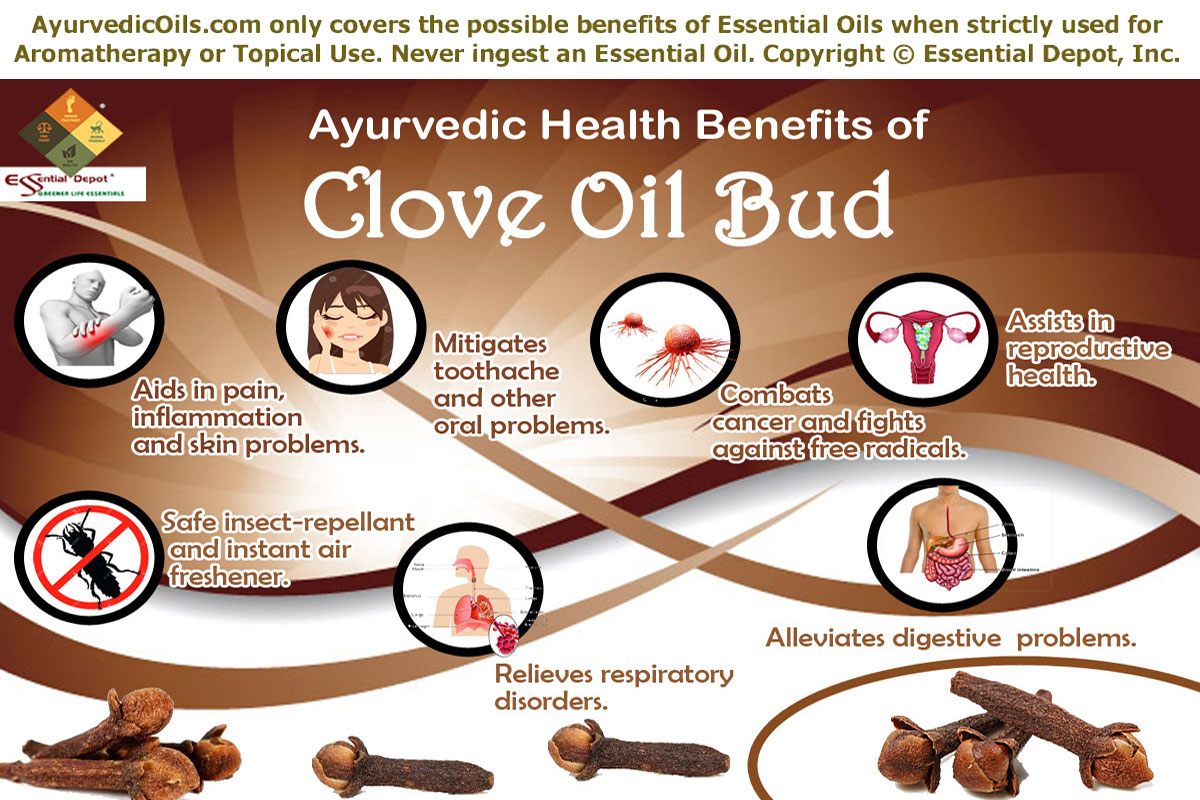
Betel Leaf Oil

Have you ever thought whether nature has a heart? If yes, then here’s your answer. The heart shaped Betel leaf is beckoned as the ‘Golden heart of nature’. Dating back to 7000 BC, Betel is one among those oldest divine herbs bestowed on mankind.

Betel-leaf-bannerBesides numerous health benefits, these appealing leaves are a symbol of status and hospitality for greeting Kings, nobles and guests in the cultural heritage of India. Botanically called as Piper betle, Betel vine is a member of the pepper family Piperaceae.

Tambool, Saptashira, Nagavallari and Nagini are Sanskrit names of Betel leaf and is commonly called as Paan in Hindi and the English names are Betel pepper, Betel vine and Betel. In Ayurveda, Tambool or Tambuli has been mentioned in numerous Ayurvedic texts including Charaka Samhita and Sushruta Samhita, where these glossy leaves have been prescribed for enhancing metabolic functions, reducing inflammation, expelling mucus, strengthening the heart muscles, improving appetite, purifying blood, treating ulcer, nosebleed, acne, bronchitis, halitosis, bleeding gums, headache and reproductive problems.

Historical uses and importance of Betel leaf and its essential oil:

Betel leaf has a rich historical charisma and is said to have been indigenous to South East Asian countries including Malaysia and India. Chewing Betel leaves with areca nut is a cultural tradition in most of the Asian countries for it’s said to give a euphoric feeling that stimulates the mind and grants instant energy for working.

According to the study of numerous Anthropologists, the traces of Betel leaves were said have been found in spirit caves of Northwest Thailand, which dates back to 5500 to 7000 B.C. The oldest historical book of Sri Lanka, ‘Mahawamsa’ written in Pali talks about the leaves of the Betel vine. There are certain other findings in human skeletons dating back to 3000 BC in countries like Philippines and Indonesia, indicating the use of Betel leaves even before thousands of years.

The traditional practice of chewing Betel leaves with areca nut has been mentioned in the pre-historic books of the Indian mythology and the most predominant among them are Raghuvamsa written by Kalidas and Kamsutra written by Vatsyayana. In one of the oldest text named Sakta-tantra, Betel leaves have been denoted as one of the important ways of attaining siddhi or abundant blessings from the Almighty.

In these ancient texts Betel leaves were referred as Tambulika, Tambuladhikara, Tambuladayini, and Tambuladyaka and so on. Ayurvedic encyclopedias like Charaka Samhita and Sushruta Samhita have also indicated the many uses of Betel leaves. In chapters 28-46 of Sushruta Samhita Betel leaves are described as “aromatic, sharp, hot, acrid and beneficial for voice, laxative, appetizer, beside this they pacify vata and aggravate pitta.”

The primeval Ayurvedic texts also highlight the aphrodisiac properties of Betel leaf that aid in treating male and female reproductive problems. The Chinese Traditional medicine also used Betel leaves for its warm and spicy nature that aided in the treatment of cough, itching, inflammation, headache and respiratory infections.

Betel leaves were used in various medical preparations of the Unani medicine and was used as a brain tonic, and in treating throat infections, cleansing the blood and for enhancing the appetite.

Betel leaves were also used in the traditional healing system for treating various health disorders like conjunctivitis, leucorrhea, rheumatism, ringworm, constipation, infertility, bad breath, ottorrhoea, cough and asthma. Singers chewed these leaves to enhance their voice.

Therapeutic properties and chemical components of Betel leaf essential oil:

The primary ingredients of the essential oil of Betel leaf are cadinene, sesquiterpene, chavicol, geraniol, α-thujene, terpinolene, chavibetol, phenyl propane, trans β-ocimene, safrole, caryophyllene, cineole, cadinol, eugenol, camphene, limonene, pinene, and eugenyl acetate.

These chemical constituents contribute to its remedial values like antifungal, antiseptic, antimicrobial, antioxidant, immunomodulatory, gastroprotective, radio-protective, anti-diabetic, hepatoprotective, galactogogue, anti-inflammatory, expectorant, carminative, analgesic and nervous stimulant.

Ayurvedic health benefits of Betel leaf essential oil:

Veda means knowledge and Vedic studies were strongly suggested for people during the primordial times for gaining knowledge on various aspects including reading and writing skills, discipline, war skills and spiritual values. Ayurveda is much more than a traditional healing system and the word Ayurveda literally means knowledge of life.

The 4 major Vedas of India is like the pillars of the Indian mythology with the world’s richest cultural heritage. They are Rig, Yajur, Sama and Atharva Veda, and among these Ayurveda has its origin from Atharva Veda. This ancient medicinal science is said to have been blessed by the God of Medicine, known as Acharya Dhanvantari.

The main aim of Ayurvedic healing is longevity and healthy aging through a disciplined life and prevention of illnesses with the use of natural remedies like herbal remedies, plant essential oils, yoga, meditation, simple physical exercises, Ayurvedic routine, prayers and other established Ayurvedic techniques including Panchakarma or the Ayurvedic detoxification therapies, Abhyanga or the art of Ayurvedic massaging and many more.

The most treasured Ayurvedic writings include Sushruta Samhita, Charaka Samhita and Ashtangha Hridaya Samhita. These texts throw light on the basic Ayurvedic concepts and its detailed healing mechanism. Charaka known as the father of medicine represents the Atreya School of physicians and shared his medical intelligence on pathogenesis, anatomy, physiology, etiology, disease symptoms, and diagnosis.

Acharya Sushruta is called as the father of surgery and corresponds to the Dhanvantari School of surgeons. He explains about the classification of wounds, burns, fractures, amputation, rectal surgery, plastic surgery and about many types of surgical equipments.

The credit of introducing Abhyanga or Ayurvedic massaging based on the marma points in the body also goes to Sushruta. The third Ayurvedic text Ashtangha Hridaya contains the medicinal values of both Charaka Samhita and Sushruta Samhita.

According to the Ayurvedic philosophy, the major principles of Ayurveda include the 5 vital elements of nature known as Panchamahabutas, 3 dynamic energies known as tridosha, discarding of waste called as malas and the important organs of the body, known as dhatus.

This conventional therapy believes that the earth is made up of five fundamental elements known as space, earth, fire, water, and air. Similarly, the whole thing in this world is also made up of the same five elements also called as the building blocks of nature.

By nature, every person has a unique individual constitution, named as Prakriti and it comprises of three biological forces known as doshas. They are vata (air and space), pitta (fire and water) and kapha (earth and water).

Among these, vata dosha is accountable for the activities of the nervous system including the central and autonomic functions. Pitta dosha is responsible for metabolic functions, tissue building, endocrinal functions and the body temperature. Kapha energy is in charge of physical fitness, binding power, sustenance and reproductive functions.

Absolute balance between these doshas as per nature’s law signifies health and disparity caused by irregular food habits, detrimental practices, climatic conditions and certain other factors leads to sickness.

Ayurvedic remedies are prescribed in order to balance these doshic vitiations. Betel leaf essential oil is known for its remedial properties that pacify kapha and vata dosha and increase pitta body type.

The Ayurvedic health benefits of Betel leaf oil are:

Betel-leaf-broucher1. Ayurvedic approach for refreshing your breath:

Betel leaves are an excellent Ayurvedic aid for refreshing the breath instantly even after heavy meals or especially after having food items that may possess strong odor like garlic or onion. Chewing betel leaves is a customary practice in India since the traditional times mainly for its potent to prevent bad breath, enhance digestion, support healthy gums, assist strong teeth and combat germs and other micro-organisms that cause oral infections.

According to numerous research studies, Betel leaves and its essential oil are the best remedies for treating plaque, dental decay, dental caries and other oral infections caused by bacteria and other harmful micro-organisms.

According to a study on Piper betle, published in the Journal of Pharmacognosy and Phytochemistry, “Dental caries is a chronic endogenous infection caused by the normal oral commensally flora. The carious lesion is the result of demineralization of enamel and later of dentine by acids produced by plaque microorganisms as they metabolize dietary carbohydrates.”

The primary bacteria responsible for tooth decay is Streptococcus mutans and certain other researchers have concluded that the aqueous extracts present in Betel leaves have the oral protective action and potent to combat such bacterial growths along with various acid-producing oral pathogens.

Gargling every morning and night with one cup of warm water mixed with 1 drop of Betel leaf oil can act as a protective shield against tooth decay, plaque, halitosis or unpleasant odor in the mouth, harmful effects of bacteria, germs and other oral pathogens. This also helps in sweetening your breath, arresting oral bleeding, strengthening your gums and fortifying your teeth.

2. Keeps away microbes and its hazardous infections:

The essential oil extracted from betel leaves prevent the system from the dangerous effects of pathogens and micro-organisms and kills the existing microbes and treats the infections caused by such harmful bodies.

A 1991 study on the ‘Biological activity of the essential oil of Piper betle L., by S. C. Garg and Rajshree Jain states that “The essential oil from the leaves of Piper betle L. has been found in vitro to be highly active against the growth of four keratinophilic fungi, Arthroderma benhamiae, Microsporum gypseum, Trichophyton mentagrophytes, Ctenomyces serratus and five pathogenic Aspergilli. Bacterial organisms Bacillus subtilis, B. pumilus, Staphylococcus aureus, Salmonella typhi and Vibrio cholerae were also found to be susceptible to the oil.”

Certain studies also state that Betel leaves and its extracts also possess bactericidal activity on various urinary tract pathogenic bacteria including Enterocococcus faecalis, koseri, C.fruendi, Klebsiella pnemoniae.

The molecule sterol present in these leaves is said to be responsible for the anti-bacterial activity of Betel leaf oil. This contributes to its effectiveness against numerous gram-positive and gram-negative bacteria. It also contains anti-fungal activity and proves challenging to fungi and the resulting fungal infections.

This property of Betel leaf oil helps in treating related skin problems like acne, wounds becoming septic, ringworms, athletes’ foot and certain other infectious diseases like dermatophytosis, which is caused by highly specialized fungi known as the dermatophytes and this disease occurs mainly on the keratinized parts of the body like nail, skin and hair.

A study on the “Evaluation of Anti-dermatophytic activity of Piper betle, Allamanda cathertica and their combination: An in vitro and in vivo stud” published in the International Journal of Pharm Tech., states that the chloroform extract of piper betel shows the much more efficiency than the methanol fraction against dermatophytes because of presence of non-polar components in the fraction.

Gently applying 2 drops of Betel leaf oil blended with 1 drop of Peppermint oil and 1 drop of turmeric oil along with 2 ml of coconut oil on the affected parts can help in relieving wounds and infections quickly along by combating and preventing the growth of destructive microbes. You can also 2 drops of Betel leaf oil to your bathing water to protect you from germs, prevent body odor and grant ultimate refreshment all through the day.

3. Natural digestive aid:

Chewing of betel leaf is considered as an edible digestive aid since the traditional times for its carminative, intestinal, anti-flatulent and gastro-protective properties. The essential oil extracted from these aromatic leaves are also claimed to possess these therapeutic properties, as essential oils are nothing but the life essence or vital life force of the plants.

Massaging your abdomen with 2 drops of Betel leaf oil mixed with 2 drops of Peppermint oil and 2 ml of sesame oil can be an excellent digestive assistance. This helps in promoting the secretion of saliva, gastric juices and digestive acids and it also supports in producing the peristaltic waves, which is highly significant for hassle-free digestion.

This Ayurvedic massaging along with inhaling the warm aroma of Betel leaf oil by adding 1 drop of this oil to your hankie or a tissue paper can aid in treating constipation, diarrhea, gas pain, flatulence, intestinal spasms and sluggish digestion.

Certain researches have also established that the essential oil of Betel leaf has been highly effective against hookworms (Bunostomum trigonocephalum) and tapeworms (Taenia solium) than the accepted synthetic anthelmintics like hexyl resorcinol and piperazine phosphate.

4. Instant remedy for respiratory problems:

The best Ayurvedic remedy for relieving cold, cough and breathing difficulties is applying warmed Betel leaves on the chest after soaking it in mustard oil. Juice extracted from crushed Betel leaves mixed with honey is another traditional remedy for loosening tough phlegm deposits and relieving severe cough.

Betel leaf oil has expectorant properties that aids in expelling accumulated mucus and phlegm especially in the lungs and the respiratory passages. Along with this, the antimicrobial properties of this help in killing contagious microbes in the system like bacteria and viruses that aggravate respiratory infections, if left uncontrolled. Adding 2 drops of Betel leaf oil in steam inhalation and inhaling this medicated steam can help in treating nasal congestion, chest congestion and other cough.

Mix 2 drops of Betel leaf oil with 2 drops of Eucalyptus oil and 2 ml of mustard oil and warm it slightly. Gently massage your throat, chest and back with this medicated oil to eject excess water deposits in the body leading to the amassing of phlegm and mucus deposits. The micro-organisms in the body are eliminated through excessive sweating and urination after taking up these Ayurvedic remedies with Betel leaf oil.

5. Relieves rheumatic conditions and pain:

One amongst the three Ayurvedic schools (Sushruta Samhita, Charaka Samhita and Ashtangha Hridaya Samhita) has recommended the use of betel leaves in the treatment of severe pain and aches, mainly originating from the nervous system. This pain-relieving attribute of Betel leaf is due its analgesic, numbing and cooling properties.

Rheumatism is often regarded as a health disorder caused mainly due to kapha vitiations. Excess of kapha dosha due to changes in food habits, climatic conditions and other lifestyle changes leads to stagnation of water in the system, built up of toxins, inflammation, pain, irritation and certain other symptoms. Betel leaf essential oil with its warming properties increases the heat energy in the system and reduces excess of kapha dosha.

Massaging the affected parts with 3 drops of Betel leaf oil mixed with 1.5 ml of coconut oil can help in alleviating the surplus water deposits in the system by promoting frequent urination with its diuretic properties. You can also add 4 to 5 drops of this oil in hot or cold compress and use it gently on the painful parts. This can also help in relieving headache, lumbago or lower back pain, arthritis pain, swelling, redness and muscular tension.

6. Treats various skin disorders:

Betel leaf juice mixed with turmeric powder is a trusted folklore medicine for treating wounds, boils, acne, cuts and other minor injuries. With its powerful antiseptic and antimicrobial properties, Betel leaf and its essential oil have been proven effective in treating allergies, skin ulceration, nosebleeds, body odor, itchiness, vaginal wetness, acne and other skin infections.

Mix 2 drops of Betel leaf oil with 2 drops of Lavender oil and 2 ml of Jojoba oil and apply it on the infected parts and leave it for half an hour. Wash it thoroughly with a mild skin cleanser. 1 drop of Betel leaf oil added to a cup of warm water can be used as a safe genital wash for treating vaginal wetness, combating germs and other micro-organisms in the discharge, and for supporting genital shrinkage in women, especially after delivery.

Other health benefits:

Betel leaf essential oil is also an effective Ayurvedic remedy for treating reproductive problems with its aphrodisiac properties, diabetes with its anti-diabetic properties, urinary problems with its diuretic properties, constipation in children with its carminative properties, halitosis and other oral problems with its disinfectant and anti-microbial properties.

Disclaimer:

This article is meant only for the use of education and information. It is not intended to cure or prevent any medical condition or replace any prescription medicines. This is only an initiative to spread the time-honored wisdom and medical excellence of Ayurveda and we are not healthcare professionals.

Remember to consult your Ayurvedic professional/healthcare practitioner before selecting the appropriate essential oils for your state of health and prakriti or unique individual constitution.

Avoid ingesting or using essential oils internally. Make sure that you dilute Ayurvedic essential oils in suitable carrier oils before topical application. This is because pure and organic essential oils are the vital life force of plants and are highly concentrated liquids.

Thought for the day:

In every walk with nature one receives far more than he seeks.  -John Muir

Suggested Reading:

  1. Betelvine (Piper Betle L.): Genetic diversity, Phytochemical analysis, Bioactive compounds, Antimicrobial activities, Betelvine by Mofizuddin Mollah, Monzur Hossain, Rafiul Islam
  2. Betel leaf Cultivation – A Potential Crop for Sustainable Income: An In-depth Study on Economy of Betel leaf Cultivation and Marketing with reference to Nadia District, West Bengal, India by Sayan Ghosh, Asit Maiti
  3. The Encyclopedia of Psychoactive Plants: Ethnopharmacology and Its Applications by Christian Ratsch, Albert Hofmann
  4. Antimutagenic and Bactericidal effect of betel vine ethanol extract: Antimutagenic and Bactericidal Property of Ethanol extract of Piper betel L. (Betel vine) leaf by Mukesh Singh
  5. The Encyclopedia of Aphrodisiacs: Psychoactive Substances for Use in Sexual Practices by Christian Rätsch, Claudia Müller-Ebeling

Reference Links:

  1. Betel by Wikipedia
  2. Golden Heart of the Nature: Piper betle L., D. Pradhan, Dr. K. A. Suri, Dr. D. K. Pradhan, and P. Biswasroy, Indian Institute of Integrative Medicine published in the Journal of Pharmacognosy and Phytochemistry
  3. Effects of betel chewing on the central and autonomic nervous systems by Nai-Shin Chu MD, published in the Journal of Biomedical Science
  4. Betel leaves , Ayurvedic herbs and their healing power by Dr. Satish Kulkarni published in NZhealth.net
  5. Biological activity of the essential oil of Piper betle L., by S. C. Garg and Rajshree Jainpublished in the Journal of Essential Oil Research

Birch Oil

Well identified as the ‘Shining Tree’, Birch tree sets a remarkable note in the field of ancient and modern medicine for its preventive and defensive actions against rheumatism, skin disorders, circulatory problems and dental mayhems.

Birch-new-2

Scientifically called as Betula Alba, Birch tree bears its origin to the Indian subcontinent, especially in the cold and temperate climates, in particular the northern part of India, which has been the safe haven for numerous saints, sages and Rishis since the pre-historic period for attaining divinity through meditation.

Birch tree is well known for its silvery white bark, from which the Birch essential oil is extracted by dry distillation method. It is called as ‘bhurja’ in Sanskrit, which means ‘a tree whose bark is used for writing upon’, and few sources also state that this name is extracted from the Sanskrit word ‘bhura’, which means ‘shining tree’.

Birch tree is highly rich in flavonoids and saponins. For its enormous medicinal and curative attributes, this tree and its essential oil are being used in Ayurveda for treating obesity, fluid retention, kidney stones, arthritis, colitis, indigestion, cholesterol and respiratory disorders.

Historical uses and importance of Birch and its essential oil:

Being a priceless tree of the ancestral origin, Birch and its essential oil were widely utilized since the primitive times, dating back to the Paleolithic and the Mesolithic era as an adhesive and for various other uses. Adhering to the meaning of its name (tree which is used for writing purposes), Birch has been extensively used for preparing manifold documents in olden days, which are now termed as Birch Bark Manuscripts.

Fulsome with spiritual and cultural importance, Birch tree is crowned as the National tree of Russia and Finland. The most special fact about Birch tree is that it resists all kinds of adverse soil and climatic conditions. The bark of this tree has been used for numerous purposes such as construction, writing and medicinal applications. This tree was also called as ‘Lady of the Woods’, for its elegance, charm, lightness and the mesmerizing aroma after rain.

The Native Americans used Birch in their folklore remedies, where it was taken along with beverages to deal with various health conditions associated with the stomach including dysentery, diarrhea and indigestion.

The essential oil obtained from the bark of this tree has been used in hair care and skin care products to drive away dandruff, hair fall, eczema, psoriasis and dermatitis. The sap of the inner bark is a rich source of nutrients and was used in making cakes and is predominantly known to the world as a famine food for its ability to satiate hunger as a last choice if not anything is accessible.

Birch essential oil has been used as a disinfectant, powerful insect repellent, and also in the treatment of skin infections, fever, kidney stones, eczema and rheumatism. It is also a key ingredient in various perfumes including the most popular Russian Leather fragrance and Iceland Wintergreen.

In various folk medicines, Birch was used in transfer magic remedies for alleviating rheumatic pain and other associated symptoms. The aromatic leaves of this tree were also used in making Birch tea, which was used as an effective remedy for dissolving kidney stones, alleviating pain, gout, dropsy and rheumatism.

Chemical constituents and therapeutic properties of Birch Oil:

The remedial properties of Birch essential oil are anti-rheumatic, anti-arthritic, febrifuge, diuretic, astringent, detoxifying, analgesic, depurative, antiseptic, stimulant, germicide, tonic, insecticide, and anti-depressant. The major chemical constituents contributing to its therapeutic properties are betulene, methyl salicylate, betulenol, creosol, salicylic acid, and guaiacol.

Ayurvedic health benefits of Birch essential oil:

The word ‘Ayurveda’ has become the most common terminology in this contemporary living as many are becoming conscious about their health. When absolute health is the need of the hour, then natural remedies and chemical-free medications come along without any say and this where Ayurveda comes into picture.

Besides being a natural healing methodology, Ayurveda is a holistic system that helps in leading a disciplined life, including guidelines for a balanced diet to a modest lifestyle.

Ayurveda is the oldest of all medicinal systems on earth and it completely trusts that Mother Nature has the cure for all ailments including physical disorders and mental mayhems.

It is also said that living in harmony with Nature gifts a disease-free, harmonious and healthy life. According to this philosophy everything on earth is a combination of the 5 fundamental elements of nature. They are fire, earth, water, space and air.

For a better understanding, it is clearly depicted that earth is the representation of the bones and muscles, fire is the heat energy generated in the body for many vital functions of the system like metabolism, water stands for blood and other fluids, we breathe air and space is the representation of our soul that harmonizes all the other functions of the human body and keeps us alive.

Ayurvedic healing relies upon nature and it strongly states that all the other things on this planet are being created just for the happiness of mankind. You can identify this with the following example; Mother earth has 92 elements, including magnesium, calcium, iron, potassium etc, and the human system also has all these 92 constituents.

When a person is ill due to the deficiency of any of these elements, say iron, he/she is advised to take dates, which is rich in iron and to our astonishment dates grow by engrossing iron content from the earth. Simply brilliant, isn’t it?

Every human being is regarded as a unique part of nature in Ayurveda and it is also recommended that the remedial measures should also be unique based upon their unique individual constitution, which comprises of three biological energies called as doshas (also known as Tridosha) namely vata, pitta and kapha.

Pitta represents fire and water, vata is a combination of air and ether, and kapha signifies earth and water. Pitta energy is responsible for body temperature and metabolism, kapha controls the physical appearance, movement of fluids in the system and sustenance and vata dosha regulates the functions of the nervous, circulatory and respiratory systems.

Your first Ayurvedic consultation will help you in identifying your unique individual constitution and your predominant dosha type, which has an upper hand in determining your physical and mental makeup. Perfect balance between these doshas signifies well-being and disparities due to unwholesome food habits, change in climatic conditions, lifestyle and immoral behaviors leads to sickness.

The most significant Ayurvedic remedies that focus on treating doshic imbalances are herbs, plant essential oils, meditation, simple physical exercises, yoga, Pranayama or balanced breathing practices, Ayurvedic routine, prayers and a balanced diet.

Birch essential oil is known to pacify vata and kapha dosha and intensifies pitta dosha. The Ayurvedic health benefits of Birch essential oil are:

Birch-broucher1. Nature’s gift for treating rheumatic conditions:

Rheumatism is generally regarded as a medical condition caused due to excess deposits of fluids in the system along with the built up of toxic substances and improper blood circulation that lead to inflammation, pain, redness, stiffness and irritation.

According to Ayurveda, rheumatism is majorly a kapha imbalance disorder and can be treated with Ayurvedic remedies that reduce kapha vitiation. Birch oil has anti-rheumatic and anti-arthritic properties that aids in alleviating these agonizing conditions and reduces excess kapha dosha.

Birch essential oil is known as an effective pain reliever with the presence of the salicylate component that is present in aspirin based medications. This compound helps in lessening pain, swelling and stiffness associated with rheumatoid arthritis, osteoarthritis and other pain in the joints and muscles. It works by arresting the body’s production of prostaglandins hormones, which are responsible for pain, inflammation and other similar conditions.

Along with these attributes, the essential oil of Birch also has detoxifying, diuretic and depurative properties that assist in eliminating toxins from the body, discarding salt, uric acid and excess fluid deposits in the body by promoting sweat and frequent urination and by purifying the entire system. Being a circulatory agent, this oil also helps in promoting proper circulation of blood and lessens the severity of circulatory disorders like rheumatism and edema.

Massaging the affected parts with 2 drops of Birch oil, 2 drops of Ginger oil and 2 drops of Tea tree oil along with 3 ml of coconut oil can help in reducing pain, inflammation, redness and promote proper blood circulation that helps in treating rheumatic and arthritic conditions. You can also add 2 to 3 drops of Birch oil in warm compress and in warm bathing water that can help in improving your medical conditions related to rheumatism and other muscular and circulatory problems.

2. Alleviates congestion and other respiratory infections:

Birch essential oil is always one among those best natural remedies that assist in relieving severe congestion, long-term allergies and other respiratory infections. With its expectorant, anti-microbial and anti-inflammatory properties, Birch essential oil supports the system in fighting against chest congestion, bronchitis, nasal congestion, pneumonia and bronchial congestion.

Kapha dosha is a combination of water and earth elements and imbalance of kapha dosha leads to excess level of water deposits, amassing of mucus and phlegm deposits and building up of toxic substances worsening respiratory problems.

Birch essential oil is used in Ayurvedic healing for correcting kapha imbalance by generating heat in system and discarding mucus and phlegm deposits in the lungs and the respiratory passages.

Adding 2 to 3 drops of Birch oil in steam inhalation can aid in loosening mucus accumulation, treating stuffed nose, nasal, chest and bronchial congestion and combats the effects of toxins and microbes in the body.

You can mix 2 drops of Birch oil, 2 drops of Peppermint oil and 2 drops of Lavender oil along with your regular vaporizing ointment and massage in gentle movements on throat, chest and back for quick relief. A hot compress with 2 drops of Birch oil, following this massage on the back and chest can help improve respiratory conditions at ease.

3. Lessens pain and heal wounds rapidly:

Birch is such a magical oil that can relieve severe pain in a matter of minutes. With the presence of the salicylate component in aspirin and other pain-relieving pills, Birch oil aids in lessening pain by causing numbness on the painful area and uplifts the nerves and muscles.

Along with the Alternative and Complementary medicinal practices, the Allopathic doctors also recommend Birch oil for relieving severe pain, preventing the joints from swelling in cases of dislocation of joints or fractures.

Gently massaging the painful parts with 2 drops of Birch oil and 2 drops of Lemongrass oil along with 2 ml of olive oil can aid in easing muscular pain and stiffness. It also helps in alleviating muscular spasms and bout. 3 to 4 drops of Birch oil combined with 4 drops of Helichrysum oil and 4 ml of coconut oil massaged on the affected parts will work like a fascination especially on carpal tunnel syndrome.

Mix 2 drops of Birch oil with 2 drops of Lavender oil and 2 drops of Frankincense oil along with 3 ml of Sweet almond oil and apply it on wounds, cuts, skin rashes, cellulites, ringworm, eczema, itches and insect bites for quick relief. This formula works with the disinfectant, antiseptic, anti-bacterial and germicide properties of Birch oil that kills infectious micro-organisms like bacteria and fungi in skin infections and wounds and promotes quicker healing.

4. Cures oral problems:

There’s no wonder that an admirable essential oil like Birch has the therapeutic effects for treating oral problems with its anti-bacterial, antiseptic, disinfectant, astringent and germicide properties. These remedial values help in treating oral problems like weak gums, cavities, bacteria, painful gums, plaque and halitosis or bad breath.

1 drop of Birch oil along with 1 drop of Spearmint oil added to a cup of warm water can be used as a natural gargle formula for combating germs and bacterial growths in the mouth, strengthening the gums as an astringent, protecting the teeth and gums from infections as an antiseptic and also for keeping away from bad breath by refreshing the mouth throughout the day. This therapy can be followed twice a day in the morning and night.

5. Promotes hair growth and treats hair problems:

Birch is yet another nourishing oil for controlling loss of hair, maintaining those beautiful locks, preventing dandruff, enriching the scalp and promoting growth of hair naturally.  Just 1 drop of Birch oil in your regular shampooing can aid in healing your hair problems and deliver quick results in re-establishing your hair growth.

Massaging your scalp with 3 drops of Birch oil mixed with 3 drops of Ylang Ylang oil, 3 drops of Rosemary oil, 2 drops of Lemon oil and 2 drops of Lavender oil along with 7 ml of Virgin olive oil can help in moisturizing the scalp, controlling dandruff with its anti-fungal properties, strengthening the hair follicles with its astringent properties, promotes hair growth and grants the natural lustrous, shiny and glossy look of your hair. Follow this massage with 2 drops of Birch oil added to your mild shampoo for promising results.

Other health benefits:

A 1994 study at the University of North Carolina concluded that “the chemicals found in white birch bark slowed the growth of HIV”. Various other studies conducted on the betulinic acid present in Birch essential oil have been proved to possess anti-tumor properties and kill cancerous cells. Birch essential oil is also used in the treatment of colitis, bladder stone, gout, headache, candida, multiple sclerosis, depression and urinary disorders.

Disclaimer:

This editorial is meant only for the use of education and information. It is not in anyways intended to treat, cure, prevent or diagnose any medical condition or replace any prescribed medication or medical advice of a healthcare expert. We are medical professionals and this information is shared only with the concern of bringing out the importance of Ayurveda, the mother of all healing systems on earth.

Make sure that you speak with an Ayurvedic expert before using the perfect essential oil for your prakriti or individual constitution and state of health. Do not ingest essential oils or use it for internal purposes and ensure that you always employ essential oils in a diluted form, as 100% pure and organic essential oils are extremely concentrated substances and may cause allergic or hazardous reactions, if used directly for topical application. Keep essential oils out of reach of children.

Thought for the day:

All things are artificial, for nature is the art of God. -Thomas Browne

Suggested Reading:

  1. The Illustrated Encyclopedia of Essential Oils: The Complete Guide to the Use of Oils in Aromatherapy & Herbalism by Julia Lawless
  2. Medical Herbalism: The Science Principles and Practices Of Herbal Medicine by David Hoffmann
  3. Medicinal Plants of the World by Ben-Erik van Wyk, Michael Wink
  4. The Healing Power of Essential Oils: The Original Liquid Copals by Bevonne Birch Crookston
  5. American Indian Medicine (The Civilization of the American Indian Series) by Virgil J. Vogel

Reference Links:

  1. Birch Tar by Wikipedia
  2. Health benefits of Birch essential oil by Organic Facts
  3. White Birch by the American Cancer Society
  4. Birch Tree: Natural Medicine in your Backyard by Mother Earth News

Basil Oil Indian

basil oil indianBasil is a blessing in disguise for the rest of the world but for most of the traditional Indian families, every day begins with the blessing of Lord Krishna through Basil leaves. This holy plant is being worshipped by the Hindus in India since thousands of years and is a familiar thing to find a Basil or Tulsi plant in every home. It is known to the world of medicine as a digestive tonic, respiratory aid, anti-depressant, pain reliever, skin care agent, immune stimulant and as a symbol of divinity.

Valued as an emblem of sacredness, purification, love, protection, eternity, respect and good luck, Basil is used in Ayurvedic preparations for more than 5,000 years. It is lovingly called as Tulsi in Hindi and Surasa in Sanskrit and has been a vital part of Ayurvedic healing of a plethora of illnesses.

The most notable among them are nervous tension, constipation, rheumatism, whooping cough, asthma, sinus congestion, bronchitis, stress, bruises, diabetes, fever, poor memory, poisonous bites and stings, acne and kidney disorders.

Historical uses and importance of Basil leaves and its essential oil:

Popularly known as the ‘Queen of herbs’ in Ayurveda, Basil is botanically called as Ocimum sanctum. It is grown throughout the world for its spiritual and medicinal uses. Highly regarded as a symbol of ‘Good luck charm’, Basil plant has myriad references in the history of world medicine.

Basil plant has been talked about in the ancient sacred books like Rig Veda and in the Ayurvedic texts including Charaka Samhita. Respected as an elixir of life in Ayurveda, this plant is said to pave way to absolute balance and longevity for its enormous medicinal values.

The oldest historical mention of Basil leaves is in the ancient Hindu mythology, where Basil or Tulsi plant is said to symbolize Vishnupriya, the wife of Lord Vishnu and the incarnation of Goddess Lakshmi. God Vishnu is honored with the garland made with Basil leaves.

Few other sources state that Tulsi is trusted as a form of Goddess Tulsi and this plant is considered as a symbol of blessedness because it is believed to have grown from the ashes of Goddess Tulsi. Basil plant is worshipped by the married Hindu women in India for being blessed with the faithfulness of Goddess Tulsi.

Known as Bacia-nicola (meaning kiss me Nicholas) in Italy, Basil is regarded as a representation of love and luck and is said to attract man to his lady love. It was used in the ancient Greece in the crowning ceremonies of Kings for purification.

Besides its medicinal values, Basil leaves are also used for culinary purposes for its strong aroma and astringent flavor, especially in Asian cooking. The seeds and leaves of this plant are used in the preparation of an herbal tea, which is said to gift good health and fortune.

The native populace of the Indian subcontinent including the Himalayan areas generally grind the leaves and seeds of Basil plant and blend this with Safflower (Carthamus tinctorius), Katuka (Picrorhiza kurroa), Bel Fruit (Aegle marmelos), Sugandi root (Hemidesmus indicus), and Blue Lotus (Nelumbo nucifera). This herbal mixture is then smoked for persuading the vision and dreams.

The tribal population in Australia has reported the use of Basil leaves in the preparation of an herbal tea for supporting the system as a tonic for treating fever, respiratory problems and few other illnesses. The essential oil extracted from Basil leaves also finds its use in the field of herbal cosmetics and in the treatment of skin disorders and numerous other illnesses.

Therapeutic properties and chemical constituents of Basil essential oil:

The remedial values of Basil oil are cephalic, antifungal, diaphoretic, anti-asthmatic, emmenagogue, antispasmodic, antiseptic, anti-cancer, antidote, anti-oxidant, diuretic, anti-fertility, expectorant, anti-diabetic, anti-malarial, hepatoprotective and anti-inflammatory.

The primary chemical components of Basil oil are eugenol, ursolic acid, b-caryophyllene, linalool, oleanolic acid, carvacrol, germacrone D, b-elemene and linolenic acid. Vitamin A, vitamin C, iron, zinc, potassium, calcium and magnesium are few among its nutritional constituents.

Ayurvedic health benefits of Basil Indian essential oil:

Adorably called as Tulsi in India, Basil is the most respected and often talked about herb in the history of Ayurveda. With its divine aroma and holiness, Tulsi is esteemed high for its healing values. These holy leaves are chewed daily in the morning after performing the ritual prayers for cleansing the system, stimulating metabolic functions, supporting the respiratory functions and strengthening the immune system.

Ayurveda is by far the pioneer of the medicinal world with more than 5,000 years of promising existence. It has its roots vested with the ancient India, where its origin has been referred to Atharvaveda, one among the four sacred books of the Indian mythology.  With the literal meaning of ‘knowledge of life’, Ayurveda means more than a method of treating illnesses.

Holding all these prominent reasons, Ayurveda is known as a common sense science. It leads mankind towards a holistic life with the gifts of absolute health, harmony and longevity. The medications prescribed in Ayurveda simply rely on Mother Nature as it trusts that everything on this globe is a vital part of Nature.

With this philosophy, Ayurvedic texts denote that all things on earth including human beings are built up with the same 5 vital building blocks of nature. They are fire, air, water, earth and space. Earth stands for the bones and muscles in the body and represents braveness, stability and vitality. Air is responsible for the functions of the lungs, heart, intestines and joints.

Ether is found all over the body, where the presence of emptiness and cavity exist. Few parts among them are blood vessels, nostrils, bladder and heart. Fire controls the body temperature, metabolic functions and intellectual power. Water is in charge of the fluid functions of the body, including saliva, blood, plasma and mucus.

According to Ayurveda, every individual is a unique entity with a unique individual constitution or Prakriti, which is an arrangement of the 3 biological energies known as doshas. Ayurvedic principles revolve around the pillars of these dynamic forces, which are a combination of the vital elements of nature. They are vata, pitta and kapha doshas.

Every person has a predominance of any one of these doshas, which determines the character, personality, health conditions and behavioral attributes of a person. An individual is claimed to be healthy when there is absolute balance between all the three doshas and imbalances between these doshas end up in illnesses.

Ayurveda prescribes natural remedies like plant essential oils, herbs, meditation, yoga, prayers, Ayurvedic routine along with Ayurvedic healing techniques like Panchakarma (the Ayurvedic detox techniques), Pranayama (art of balanced breathing), Abhyanga (Ayurvedic massaging) etc. These remedies aim at correcting the imbalances of doshas, prevent illnesses and sustain a healthy life even in the late 60s and 70s.

Basil essential oil has heating and neutral energies (virya) and sharp and bitter taste (rasa). It is known for reducing excess of vata and kapha doshas and aggravates pitta dosha. Basil is said to have amazing beneficial effects on the respiratory system, circulatory system, reproductive organs and the digestive system.

The major Ayurvedic health benefits of Basil essential oil are as follows:

Basil-oil-bro1. Alleviates depression, stress and disorders of the autonomic nervous system: Visceral or the autonomic nervous system supports the generation of hormones and its resultant responses in the human system.  It controls the vital functions of the system including breathing, salivation, digestion, heart rate, urination, perspiration, respiratory rate, breathing and sexual feelings.

Problems in the functioning of this involuntary nervous system can result in indigestion, breathing problems, heart disorders, improper blood circulation, depression, nervousness, anxiety, headache, sexual problems and kidney disorders.

Basil essential oil has a balancing effect on the nervous system. This aids in treating anxiety, stress, depression, nervousness, loss of interest and negative emotions. When inhaled by adding 1 drop of Basil oil, 1 drop of Rose Geranium oil and 1 drop of Lavender oil in diffuser or air freshener, can aid in alleviating stress, inspiring positive feelings, elevating the spirits, augmenting memory power and grant the strength to face challenges.

According to the Ayurvedic texts like Charaka Samhita, Tulsi “opens the heart and the mind and distributes the energy of love and devotion.  Basil is sacred to Vishnu and Krishna and strengthens faith, compassion, and clarity.

Tulsi stalks are worn as garlands and strengthen the energy of attachment. Basil imparts divine protection by purifying the aura and invigorating the immune system. It contains natural mercury that, as the seed of Shiva, imparts the germinative power of pure consciousness.”

According to a 2010 study on “Ocimum sanctum Linn. A reservoir plant for therapeutic applications: An overview by Priyabrata Pattanayak,Pritishova Behera, Debajyoti Das and Sangram K. Panda, published in PubMed says, “Tulsi is considered to be an adaptogen, balancing different processes in the body, and helpful for adapting to stress.

Adding 2 drops of Basil oil in bathing water every morning and night helps in bringing in abundant of constructive thoughts, progressive ideas, encouraging feelings and new-fangled energy to face your new day and relax for a peaceful night. 2 drops of Basil oil added to your air freshener in the night can aid in granting absolute solace and calmness.

Basil has strong effects on the emotions, and can be very strengthening when we are suffering fear or sadness”, says Bryan Miller and Light Miller in their book Ayurveda and Aromatherapy.

2. Enormous benefits to the skin:

Tulsi is a darling remedy when it comes to the protection of skin from various infections and disorders. With its antioxidant and detoxifying properties, Tulsi acts as an excellent skin cleansing and nourishing agent that gifts your skin with a flawless beauty and younger look.

The antifungal and anti-microbial properties of this oil acts as a shield against microbes and aids in the treatment of acne, eczema, scabies, itches, ringworm, athlete’s foot and infectious wounds. The rich presence of Vitamins A and C nourish the skin from within and help in exploring and retaining its natural glow.

The book ‘Ocimum sanctum: The Indian Home Remedy In Current Medical Scene’ have talked about various studies, where the essential oil of Basil “has been found to inhibit in-vitro growth of E. coli, B. anthracis and P. aeruginosa proving its anti-bacterial activity.” It is also said that this oil contains anti-viral and anti-fungal properties.

Massaging your skin with 2 drops of Basil oil blended with 1 drop of Lemon oil, 1 drop of Bergamot oil and 1 drop of Lavender oil along with 2.5 ml of olive oil helps in removing the dead skin cells, reducing pimples, black heads and fading away marks left behind by wounds and acne. You can also apply this blend on wounds, eczema, psoriasis, athlete’s foot, ringworm, scabies, wounds and itches for quicker healing.

3. Nurtures the growth of healthy hair:

Basil has been an important ingredient in numerous Ayurvedic and other herbal preparations for hair care. Take 5 drops of Basil oil, 5 drops of Rosemary oil, 2 drops of Lime oil along with 10 ml of Almond oil and heat this mixture slightly.

Massaging your scalp with this herbal blend helps in promoting the growth of hair by strengthening the hair follicles, reducing dandruff, moisturizing dry scalp and rough hair, controlling itching and enriching the scalp.

4. Alleviates fever and respiratory illnesses:

The anti-viral, anti-microbial and anti-malarial properties of Basil essential oil aids in reducing fever. Numerous research studies have reported that Basil oil contains 100 percent insecticidal and larvicidal activities especially against Culex mosquitoes.

Massage your foot soles with 2 drops of Basil oil and 2 drops of Lavender oil blended with 2 ml of coconut oil for reducing fever. Adding 2 drops of Basil oil in your air-freshener or diffuser can be of great assistance in keeping away from insects with its insect-repellant properties.

The therapeutic properties of Basil oil including its anti-microbial and anti-viral attributes helps in arresting the growth of bacteria, virus and other micro-organisms that worsen cold, cough and other respiratory infections. Mucus and phlegm deposits in the system are again a result of excess kapha dosha.

Basil oil is an effective Ayurvedic remedy for lowering excess of kapha dosha that aids in loosening the phlegm and mucus accumulation in the body. 2 drops of Basil oil and 2 drops of Eucalyptus oil added to steam inhalation can grant you instant relief from cold, cough, stiff nose, congestion, sinusitis, whooping cough and blocked nasal passages.

You can also massage your chest, back and throat with 1 drop of Basil oil and 1 drop of Eucalyptus oil mixed with your vaporizing ointment for supporting quicker relief. This oil also helps in strengthening the immune system and helps in fighting against infectious and communicable diseases.

5. Helps control diabetes and the risk of cardiac disorders:

The essential oil of Basil has anti-diabetic properties that aids in the treatment of diabetes by controlling the level of blood sugar. With its diuretic properties, Tulsi promotes frequent urination through which the toxic elements in the system are flushed out and helps to stay energized.

A 2005 study published in the Journal of Indian Physiology and Pharmacology says “eugenol in Basil oil have been found to reduce raised blood sugar, triglyceride and cholesterol levels and activities of LDH, GPT, GOT and alkaline phosphatase in blood serum explaining the therapeutic potentials of Ocimum sanctum as antidiabetic, cardio-protective, hypolipidaemic and hepatoprotective agent.”

The decoction extracted from the whole plant has been recommended in Ayurveda for lowering the level of blood glucose in case of diabetes mellitus. The presence of eugenol and other therapeutic constituents in this oil are also effective in reducing blood cholesterol and blood pressure. With its antioxidant properties, Basil oil is also known for protecting the heart from the effects of harmful free radicals.

Massaging your system with 5 drops of Basil oil, 5 drops of Juniper oil, 5 drops of Myrtle oil and 2 drops of Clove oil along with 20 ml of coconut oil, once in a week can help in controlling blood sugar, blood pressure and blood cholesterol. You can also add 2 drops of Basil oil in your diffuser every day and inhale this magical aroma for enhancing your heart health.

6. Relieves pain and inflammation:

The pain relieving quality of Basil oil is attributed to the presence of eugenol. This contributes to the analgesic, relaxant, nervine and anti-inflammatory qualities of this oil.

Tulsi oil reduces inflammation and swelling with its kapha reducing attribute. Kapha dosha represents the water element in the body and excess of which leads to the amassing of water deposits, built up of toxic substances, uric acid and salts in the system.

Gently massaging the painful and affected parts with 3 drops of Basil oil, 3 drops of Eucalyptus oil and 3 drops of Camphor oil with 5 ml of coconut oil aids in treating pain, rheumatic conditions, arthritis, headache, stiff joints and back pain.

This works by spreading heat in the painful areas with its heating energy, induce frequent urination where the excess water deposits and toxic remains in the system are eliminated.

7. Promotes digestion:

Basil oil has the power to increase ‘Agni’ or the digestive fire in the system with its pitta-enhancing attribute. Pitta dosha symbolizes fire and is responsible for metabolic functions, including digestion, absorption and excretion.

Adding 5 drops of Basil oil in warm compress or massaging your abdomen with 2 drops of Basil oil, 2 drops of Lavender oil and 2 drops of Bergamot oil with 4 ml of sesame oil can aid in promoting the secretion of bile, digestive juices and gastric acids.

This assists in treating indigestion, formation of gas in the stomach and intestines, vomiting, motion sickness, colic, sluggish digestion and intestinal spasms. The anti-microbial property of this oil helps in killing germs and harmful micro-organisms in the stomach and intestines.

Also useful in:

Basil essential oil is also helpful in the treatment of eye problems, oral infections, migraine pain, kidney stones, mouth ulcers, cancerous tumors, Alzheimer’s disease, labour pain and certain other medical conditions.

Disclaimer:

This post is only for the use of education and information. It is not intended for diagnosing, treating or preventing illnesses or substituting expert medical advice or prescribed medicines. We are not medical professionals and this information is shared only for spreading the glory of Ayurvedic remedies, the mother of all healing systems on earth.

Never ingest essential oils and always dilute essential oils before using it for topical applications. This is due to the fact that 100% pure and organic essential oils are extremely concentrated substances.

Avoid using Basil oil if you are pregnant or a nursing mother as it has anti-fertility and anti-estrogenic effects that may cause harm. Speak with your Ayurvedic practitioner/ healthcare professional before selecting the appropriate essential oils for your prakriti or unique individual constitution and medical condition.

Thought for the day:

He that will enjoy the brightness of sunshine, must quit the coolness of the shade.  -Samuel Johnson

Suggested Reading:

  1. Tulsi Holy Basil: The “Queen of Herbs” in Ayurveda, TCM and Homeopathy (Learning Medicinal Herbs within India’s Ancient Ayurvedic Medicine Book 2) by Ryder Management Inc.
  2. Fragrance & Wellbeing: Plant Aromatics and Their Influence on the Psyche by Jennifer Peace Rhind
  3. Ayurveda: The A-Z Guide To Healing Techniques From Ancient India by Dr. Helen Mary Thomas
  4. Basil Recipes: Cooking with the King of Herbs (Quick and Easy Series) by Dogwood Apps
  5. The Basil Supplement: Alternative Medicine for a Healthy Body (Health Collection) by William Wagner

Reference Links:

  1. Ocimum tenuiflorum by Wikipedia
  2. Therapeutic uses of Ocimum sanctum Linn (Tulsi) with a note on eugenol and its pharmacological actions: a short review by Prakash. P and Gupta. N published in the Indian Journal of Physiology and Pharmacology
  3. Ocimum sanctum Linn. A reservoir plant for therapeutic applications: An overview by Priyabrata Pattanayak,Pritishova Behera, Debajyoti Das and Sangram K. Panda, published in Pharmacognosy review (PubMed)
  4. Health Benefits of Basil or Tulsi Value Food Info
  5. Basil by Bryan Miller and Light Miller published in the book Ayurveda and Aromatherapy: The Earth Essential Guide To Ancient Wisdom and Modern Healing