Tag Archives: Ayurvedic oils for menstrual problems

Chamomile Oil Roman

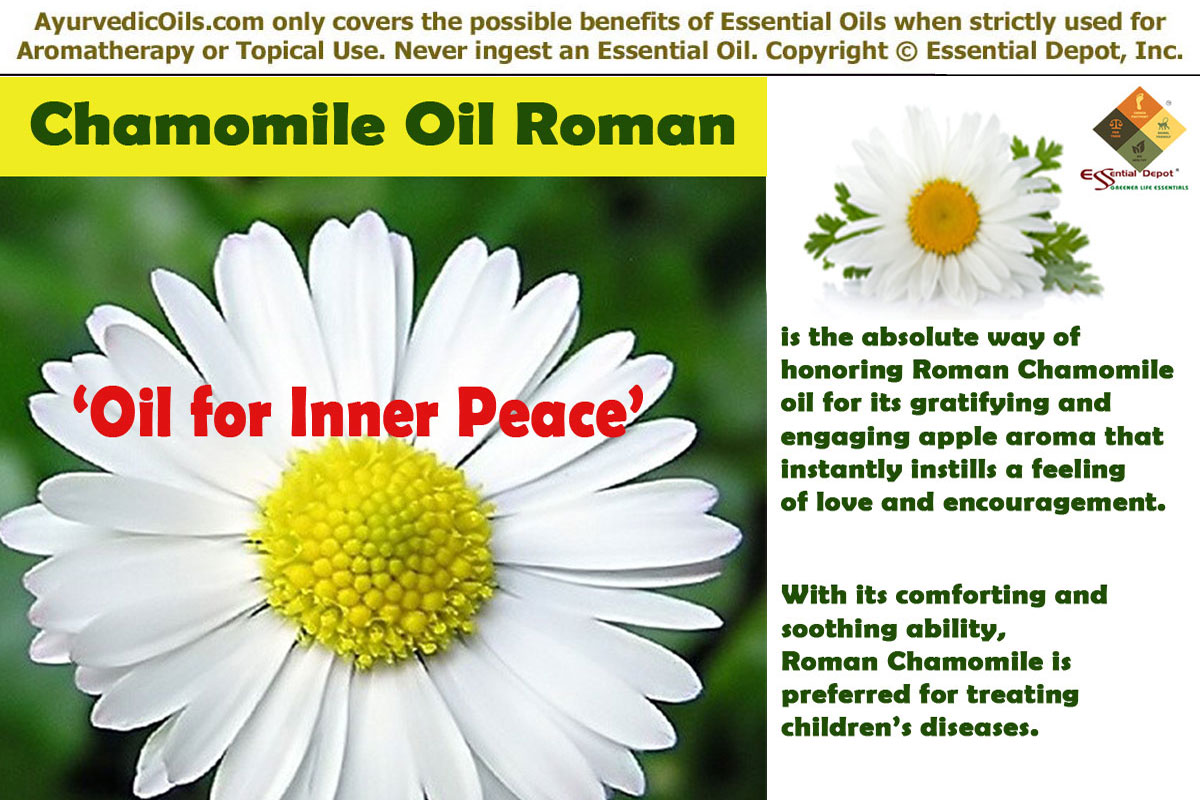
roman-chamomile-bnner‘Oil for inner peace’ is the absolute way of honoring Roman Chamomile oil for its gratifying and engaging apple aroma that instantly instills a feeling of love and encouragement. Obtained from the flowers of the Anthemis nobilis plant by steam distillation method, the word Chamomile is extracted from the Greek words Chamai and Melon, which means ‘ground apple’.

Used in Ayurvedic healing in the treatment of bloating, flatulence, dysmennorhea, insomnia, headache, nervous disorders in children, jaundice, PMS, amenorrhea, sunburn, colic, indigestion, anger, depression and negative feelings.

The book Ayurveda and aromatherapy quotes Roman Chamomile as Gold Chamomile and says, “This is the Chamomile that is preferred for children’s illnesses because of its soothing and calming effect. It can be of special assistance during menopause and PMS, and inhalation works well for tension, stress and irritability.”

Purchase Chamomile Roman Essential Oil – 4oz – CLICK HERE 

Historical uses and importance of Roman Chamomile:

It is a member of the daisy family, Asteraceae and its medicinal uses dates back to the ancient Roman and Egyptian civilization, where Roman Chamomile was used in the treatment of nervous afflictions, anxiety, sleeping difficulties and respiratory problems.

The traditional Egyptians dedicated these aromatic flowers to their native Gods for its healing properties. The Sun God was called as Ra and it was trusted to bring back health and heartiness. Chamomile was offered to Sun to get rid of fevers (especially severe fevers known as Ague during that time) and to moon for its cooling potential.

Universally known as one among the Saxon’s nine sacred herbs, Roman Chamomile is also called by various other names like True Chamomile, Golden Chamomile, English Chamomile and the Noble Chamomile for its pacifying aroma and excellent remedial values.

Roman Chamomile is called as Manzanilla (means ‘Little Apple’) in Spain and it was Pliny the Elder, Roman natural philosopher who first mentioned the similarity of the fragrance of the Chamomile flowers to that of the apple blossoms.

It was prevalently used as a strewing herb in the middle ages for perfuming the surroundings in special celebrations and events. During this time, it was also used in flavoring beer, ale and other beverages for its unique bitter taste.

Chamomile tea is a popular natural drink in the United States for reducing fatigue and inducing calmness to the system. It is a favorite ingredient in cosmetics, shampoos, perfumes, soaps, skin preparations and other toiletries.

It is cultivated throughout England, Spain, Argentina, France, Germany, Hungary, Morocco, Belgium, Italy and the United States, among which the England variety is considered as the best for essential oil production.

Numerous illnesses including insomnia, intestinal spasms, eczema, colic in infants, anxiety, depression, lack of self-confidence, inflammation, headache and skin infections are being treated with Roman Chamomile and its essential oil throughout the world for more than thousands of years.

Therapeutic properties and chemical constituents of Roman Chamomile essential oil:

This oil has anti-inflammatory, diaphoretic, anti-depressant, nervine, analgesic, emetic, antipyretic, emmenagogue, carminative, relaxing, antispasmodic, antiseptic, anti-infectious, antibiotic, febrifuge, sedative, stomachic, tonic, vermifuge, antiphlogistic, cicatrisant, hepatic, vulnerary, cholagogue and sudorific.

These healing actions are contributed by its chemical constituents including camphene, b-caryophyllene, myrcene, a-pinene, farnesol, sabinene, b-pinene, bisabolol, y-terpinene, azulene, propyl angelate, butyl angelate, pinocarveol, and 1, 8-cineole.

Ayurvedic health benefits of Roman Chamomile essential oil:

Ayurveda is called as the mother of all healing sciences, mainly because of its traditional wisdom spread to the world and its acumen to reside behind as the greatest resource for other healing systems with its vast ancient medicinal recordings especially in Atharvaveda, one among the 4 prominent Vedas (sacred books) of the Hindu mythology.

The three major Ayurvedic texts like Sushruta Samhita, Charaka Samhita and Ashtanga Hridaya Samhita documented the comprehensive medicinal practices and the fundamentals of Ayurveda.

Sushruta and Charaka are the most renowned Ayurvedic physicians of the ancient period and have expressed their Ayurvedic expertise in treating all kinds of illnesses from acne to plastic surgery and menstrual pain to caesarean delivery.

The most inspiring thing about Ayurvedic healing is its preaching and practices for leading a disciplined life. Ayurvedic philosophy revolves various aspects of healing and the most important ones are the holistic healing method, recommending natural remedies for prevention of illnesses and longevity.

They are the holistic approach that considers health as a three-dimensional array with the wellness of the mind, body and spirit. Charaka Samhita, clearly states this as “The three – body, psyche, and soul – act as a tripod. The world stands upon them, and within them, the world abides.”

It aims at preventing illnesses, leading to aging in the pink and longevity. Ayurveda treats illnesses after analyzing its root cause instead of diagnosing it just with the symptoms. It prescribes natural remedies including essential oils, herbs, yoga, meditation, Ayurvedic routine, prayer and other Ayurvedic methodologies like Abhyanga or Ayurvedic massaging and Panchakarma or the technique for detoxification.

Ayurvedic treatment begins with the primary analysis of the biological energies that are a representation of the five vital elements of nature. These energies are called as doshas, namely vata (air + space), pitta (fire + water), and kapha (earth + water). These three doshas are present in every person in specific proportion to create the individual constitution. Absolute balance between these doshas symbolizes health and disparity leads to illnesses.

Ayurvedic physicians prescribe natural remedies to normalize the imbalance of doshas in accordance to the Prakriti or the fundamental constitution of a person. With its neutral and cooling energy, Roman Chamomile oil is said to reduce the surplus of kapha and pitta doshas and increase vata dosha.

The Ayurvedic health benefits of Roman Chamomile essential oil are:roman-chamomile-broucher-in1. Pacifies and calms irritable babies:

Babies have no reason for crying, especially during the nighttime when the entire family is trying to sleep tight. Many think that pacifying a crying baby is a ‘Mother’s Thing’ and if you are worried about soothing your stubborn baby the next time, then think of keeping Roman Chamomile essential oil in your emergency kit. This oil also aids in calming irritable babies and appease your baby’s spiteful temper crabbiness.

Roman Chamomile oil is considered to be absolutely safe on children, including newborns. Add 2 drops of this oil on bed linens or on the baby’s pillow. You can also add 2 drops of Roman Chamomile oil to a cotton ball and keep it near your shoulders, inside your shirt. This helps greatly when you try to tranquil your crying baby by granting comfort to their nerves and senses and promote peaceful sleep in sometime.

One drop of Roman Chamomile oil mixed with 10 drops of virgin olive oil can be gently massaged on your baby’s tummy to get rid of pain, colic, stomach upset and diarrhea. This can also be rubbed on a baby’s gums for relieving teething pain, inflammation and swelling associated with teething.

2. Combats insomnia and promotes peaceful sleep:

Sleepless nights are the biggest nightmare that lead to a dull day and drowsiness at work. Insomnia or sleeping disorders mainly occur due to anxiety, fatigue, tension, pain, worries, nervous disorders, post-pregnancy problems or post-surgery effects.

A recent study published in the Journal of Clinical Psychopharmacology, states that “Chamomile extract therapy was found to be efficacious for mild-moderate GAD (Generalized Anxiety Disorder)“. Patients with mild to moderate level of GAD were a part of the study and they received chamomile or placebo. This study concluded stating that the patients who received the Chamomile treatment were traced to have a noteworthy change in the severity of their Generalized Anxiety Disorder.

The calming, soothing, sedative and relaxing effects of this oil assist in sedating the system and stimulating good sleep. Adding 3 drops of Roman Chamomile oil to the diffuser or vaporizer in your bedroom or 2 drops added to a tissue placed near your pillows can help in having a restful state in which you can sleep faster and better as well.

Adding 5 to 6 drops of this oil in warm bathing water before going to bed can also be helpful in tranquilizing the nervous system with its nervine properties and lighten up the system physically and emotionally.

3. Bundle of benefits for the skin:

Roman Chamomile essential oil is an excellent calmative for the skin also. Baumann says “It has amazing anti-inflammatory properties that make it ideal for patients with rosacea.” This oil also works wonders in reducing pimples, blackheads, itches and heat rashes especially during summer. This oil also assists in lessening skin irritation and redness caused due to climatic conditions and allergies.

A report by the University Of Maryland Medical Center on Roman Chamomile states that “Test tube studies have shown that chamomile can kill bacteria, fungus, and viruses. Used on the skin, it may also reduce inflammation from cuts or hemorrhoids.”

It is also said that this oil can help in easing the discomforts of eczema, psoriasis, blisters, diaper rashes, skin ulcers, bruises, sunburns and other skin conditions.

Roman Chamomile oil is a popular ingredient in an extensive range of cosmetics and skin care products for many centuries. This is mainly due to the antiseptic, antibacterial, vulnerary, antimicrobial, anti-inflammatory and cicatrisant properties of this oil.

Mix 3 drops of Roman Chamomile oil with 1.5 ml of Almond oil and gently massage on the affected parts of your skin, followed by a gentle face wash with soap-free cleansing cream.

Then wash it again with a cup of cold water with 1 drop of Roman Chamomile oil diluted in it. This treatment helps in healing wounds, burns, cuts, blisters, wrinkles, blackheads, acne marks, eczema, cracked nipples and other skin problems.

4. Alleviates depression and proffers inner peace:

Roman Chamomile is trusted to be a calming agent especially for alleviating stress and assisting in peaceful sleep. This oil has an impact on the heart chakra and the crown chakra; where the heart chakra is responsible for love for the self, conscious evolution, forgiveness, compassion and love for others as well. The crown chakra is the center of prayer and faith and for building an intimate bond with the Divine power.

The invigorating aroma of Roman Chamomile oil aids in opening the crown chakra and assists in releasing fear and anxiety related to the world. It also helps one realize the heavenly truth of ‘living in the present moment’ and alleviates worries, stress and depression related to loneliness, separation and detachment.

About 2 to 3 drops of Roman Chamomile oil when added to vaporizer, burner or diffuser     assists in bringing self-acceptance, augmenting self-esteem and peace. Inhaling the soothing aroma of this oil along with massaging your body with 5 drops of Roman Chamomile oil blended with 5 drops of Lavender oil and 5 drops of Frankincense oil with 10 ml of virgin olive oil can aid in overcoming fear, agony, agitation, mental confusions, hopelessness, discouragement and frustration.

5. Supports the digestive system:

The essential oil of Roman Chamomile has carminative, stomachic, vermifuge, digestive and cholagogue properties that help in supporting the digestive system and in stimulating the metabolic functions.

Dr. Vikram Chauhan, MD in Ayurveda regards Roman Chamomile as an effective herb for digestive disorders. He says “Roman chamomile has long been used to treat digestive problems, such as sluggish digestion, bloating, belching and flatulence. The bitter sesquiterpene lactones stimulate the digestive juices, and the flavonoids and coumarins have antispasmodic and anti-inflammatory powers.”

Massaging your abdomen with 3 drops of Roman Chamomile oil with 3 drops of Peppermint oil helps in toning up the functions of the stomach, alleviates excess gas from the stomach and intestines by stimulating the secretion of hydrochloric acid, bile and other digestive juices and enzymes that regularize the digestion process.

6. Relieves pain and inflammation:

Roman Chamomile oil has analgesic or pain-relieving qualities that help in relieving pain in the joints, muscular aches, headache, toothache and migraine pain. 2 drops of this oil mixed with 2 drops of Myrrh gel oil and 2 ml of coconut oil massaged on the painful or affected parts can help in promoting blood circulation, relieving tension in the painful nerves and muscles, detoxifying the blood and helps in alleviating toxins and other impurities in the blood. The anti-inflammatory, anti-rheumatic and antiphlogistic effects of this oil aids in reducing inflammation, redness, edema and swelling in case of arthritis and rheumatism.

Can also be used for:

This oil is also effective in treating dysentery, allergies, menopausal problems, menstrual discomforts, sciatica, restlessness, insect bites, cystitis and sprains.

Disclaimer:

This information is only for the purpose of education and is not meant to cure, diagnose or prevent any illnesses or substitute any professional medical advice or prescribed medication. Ayurveda is a common sense science that treats the individual instead of the illnesses and this article is meant to confer the ancient traditional wisdom of this 5,000 years old healing system, and we are not medical professionals.

Do not use essential oils internally and always make sure that you use it topically in a diluted form, as pure and organic essential oils are highly concentrated substances and may cause allergies if used directly on the skin. It is advisable to do a small patch test on your skin, if you are using any essential oil for the first time. Speak with your healthcare expert/Ayurvedic practitioner before using the suitable essential oils for your health condition and unique individual constitution.

Thought for the day:

Joy in looking and comprehending is nature’s most beautiful gift. 

-Albert Einstein

Suggested Reading:

  1. How to Use Roman Chamomile Essential Oil (Aromatherapy) by Miriam Kinai
  2. Camomile (The Herb Library Series) by Kate Ferry-Swainson, Deni Brown
  3. The Ultimate PCOS Handbook: Lose Weight, Boost Fertility, Clear Skin and Restore Self-Esteem by Colette Harris, Theresa Cheung
  4. Natural BabyCare: Pure and Soothing Recipes and Techniques for Mothers and Babies (Natural Health and Beauty Series) by Colleen K. Dodt
  5. Chamomile: Industrial Profiles (Medicinal and Aromatic Plants – Industrial Profiles) from CRC Press

Reference Links:

  1. Roman Chamomile by the University of Maryland Medical Center
  2. Chamaemelum nobile by Wikipedia
  3. Health Benefits of Camomile Essential Oil by Organic Facts
  4. Roman Chamomile – Effective Herb For Digestion Problems by Dr. Vikram Chauhan
  5. The Calming Power of Chamomile by Medical News Today


Your resource for quality Essential Oils. Every batch is
GC tested to ensure purity and authenticity.

Mace Oil

‘Amaze’ is the only word that can strike every mind that thinks about Mace and its magical healing values. With its power from being a brain stimulant to its effectiveness in treating depression and rheumatism, Mace fills every heart with total astonishment.

Mace-bannerBotanically called as Myristica fragrans, Mace is the twin sister of Nutmeg and is the golden color aril that covers the hard shelled nutmeg (seed kernel).

Called as Jatiphala or Jatisasyya in Ayurveda, Mace has been prescribed for healing various health conditions like halitosis, insomnia, congestion, rheumatism, colic, indigestion, impotence, erectile dysfunctions, dysmennorhea, asthma, headache, lumbago, jaundice and as an excellent tonic for the brain.

Purchase Mace Essential Oil – Wholesale – CLICK HERE

Purchase Mace Essential Oil – Retail – CLICK HERE

Historical importance and uses of Mace and its essential oil:

Mace is a native of the tropical rainforests of Indonesia, the Maluku – Banda islands. Jatiphala is an evergreen tree that takes about 20 years to bear fruits that contains the hard-shelled ‘nutmeg’ and its protective layer ‘mace’.

The traditional Arabians used Mace and Nutmeg as effective carminative and aphrodisiac herbs, aiding in the treatment of indigestion, impotence and premature ejaculation. It was initially the Arabians who traded Mace to Venetians from where it slowly spread throughout Europe in the medieval period.

Mace was used as a folklore remedy for rheumatic problems, intermittent fevers, mouth sores, insomnia, flatulence and diarrhea. The book ‘Indian Materia Medica’ by Dr. K.M. Nadkarni denotes that Mace has excellent stimulant and carminative properties, making it a trusted gastric tonic since the medieval period.

TCM or the Traditional Chinese Medicine used Mace for its effectiveness in treating dysmennorhea or painful menstruation, abdominal pain and liver problems. The essential of Mace is extracted from the dried hairy arils and have been used in the pharmaceutical and perfume industries for its ample health benefits.

Even today, many natives of India chew mace or the dried arils after meals for promoting quicker digestion.

People also use whole nutmeg as a candy to stimulate the secretion of digestive enzymes and gastric juices that enhance metabolic functions (Nutmeg is indeed a rock like candy that would never melt or reduce in size but still older people have it in their mouth to stimulate their taste buds and to support digestion).

Applying the herbal cream prepared with Nutmeg and Mace powder was applied directly on blood clots, eczema, ringworm and athlete’s foot. It has been a promising traditional remedy for treating Alzheimer’s disease, lack of concentration and cognitive disorders.

Grandmother’s remedy with Mace includes its use in curing diarrhea, insomnia, nausea, flatulence, headache due to stress and to promote menses in case of blocked or delayed periods.

Nutmeg became an expensive remedial spice for its curative powers in warding off plague during the Elizabethan rule. Mace and nutmegs were used for culinary purposes in various international cuisines including the Japanese, Asian, Indonesian, Dutch, European and Middle Eastern. It is also used in the production of toothpastes, cough syrups, sweets, beverages and baked goods.

Remedial properties, nutrients and chemical constituents of Mace essential oil:

Myristicin, camphene, a-pinene, b-terpineol, b-pinene, camphene, myrcene, myristicol, sabinene, limonene, elemicin, safrole, isoelemicin, dipentene, methoxyeugenol, linalool and safrole along with 2 resorcinols namely malabaricone C and malabaricone B (antimicrobial and antioxidant properties).

Mace essential oil has antifungal, anti-inflammatory, antioxidant, antibacterial, larvicidal, emmenagogue, aphrodisiac, carminative, expectorant, analgesic, tonic, anti-asthmatic, antimicrobial, stimulant and anti-depressant properties.

Mace is a powerhouse of enormous nutrients including vitamin A, thiamin, vitamin C, riboflavin, niacin, calcium, sodium, iron, potassium, zinc, magnesium, copper, manganese, phosphorus and the list goes on.

Ayurvedic uses of Mace essential oil:

Revolutions happen frequently in today’s digital era. Everything has taken a greater twist and turn. All that was found in nature at ease became a part of Ayurvedic medicine in the ancient period. Along with the depletion of nature, natural remedies like Ayurveda looked as if it has taken a back seat.

This gentle reminder is that the much simpler life that you lead with more of natural things and less of artificial stuffs is indeed an Ayurvedic way of living. You don’t need to be a saint or a disciple of an Ayurvedic Guru for taking up Ayurveda into your routine.

Remember that the deep breath (Pranayama) that you take in the morning to start your day till the use of soothing essential oils in your diffuser (Aromatherapy) before going to bed has Ayurveda.

Ayurveda is the pioneer and the mother of all healing systems on this globe. People across the sphere have given various names for different treatments as per their taste and cultural differences.

For example, Ayurveda prescribes natural medications and aims at the treatment, prevention and longevity through augmenting the life force called as ‘prana’. The same is the ideal behind TCM or the Traditional Chinese Medicine that uses natural medicines for increased life span by stimulating the life force known as ‘Qi’.

Ayurveda is in everything that you use daily and the wisdom lies in the way you use it as the word ‘Ayur+veda’ simply means ‘Life + Knowledge’ i.e., the knowledge of life. It is that knowledge for leading your life in absolute peace and bliss with less or no chaos around.

World started with a single man and a single woman and gradually spread its root everywhere across the globe, known to us today as the human race. End of the day, when we turn back or dive deep into our history, all of us would just have the same ancestors and the same forefathers in some way or the other.

All I wanted to say is just one thing that Ayurveda is the priceless gift of our ancestors and it is the innate souvenir that they left behind in each of us. All we need to do is to rekindle the Ayurvedic thoughts that are deeply vested in our souls to lead a healthy and hearty life.

These kind of deeper thoughts strike our spirits when our mind is in a highly elated and conscious state during meditation, which is why meditation is also a remedial practice in Ayurvedic healing.

I’m not going to write the usual Ayurvedic stuff in this post as well. If you want to know the technical and traditional Ayurvedic terms, then just check our other posts on Ayurvedic oils.

Mace is undoubtedly one among the spectacular herbs whose remedial values become a blessing to all those who use Mace in any form. In an Ayurvedic perspective, Mace and its essential oil possess excellent warming, stimulating and invigorating properties that fuel the mind, body and the spirit.

Ayurveda prescribes unique remedy for every individual as it firmly believes that every person on earth is a unique creation with a distinct Prakriti or individual constitution, which is a combination of the 3 vital energies known as doshas. Every individual has a combination of all the three doshas with a predominance of one dosha, which determines his/her nature, temperament, physique and behavioral patterns.

According to Ayurveda, balance between these doshas as per the law of nature determines health and doshic imbalances due to lifestyle changes, irregular food habits, change in weather conditions, and lack of physical exercises, sedentary lifestyle and few other factors lead to illnesses.

Ayurvedic remedies include herbs, essential oils, yoga, Pranayama or the art of Ayurvedic breathing, Ayurvedic routine, Panchakarma or the detoxification therapy, meditation and prayers as tonics to the soul. These holistic remedies aim at striking perfect balance between the doshas to regain health and prevent it in future.

Mace essential oil has the potent to augment pitta (responsible for metabolism, body temperature, decision-making and leadership traits) energy and pacify kapha (responsible for sustenance, physical set up, love and trust) and vata doshas (responsible for nervous functions, respiratory functions, circulatory functions, creativity and sociability).

Chalo! Let’s walk through the many… many benefits of Mace essential oil…………..

Mace-broucher1. Trusted tonic for the brain:

Brain is often the supreme part of the body, simply questioned for any under-performance or distorted tasks. The intellectual powers, cognitive abilities and brilliance are always associated with the functioning of the brain.

Stress, mental exhaustion, anxiety, fatigue and overindulgence in any chore beyond one’s natural potency deteriorate the normal performance of the human brain. This in turn ends up in loss of memory, depression, lack of concentration, negative feelings, and lack of self-esteem, inferiority complex and even Alzheimer’s disease.

Mace and Nutmeg essential oil has an organic compound called Myristicin (along with elemicin), which has been proved in various research studies as an effective constituent that stimulates enzymes in brain. These enzymes support in enhancing the memory power and helps significantly in the treatment Alzheimer’s disease.

Mace and Nutmeg essential oil has the power to enhance the cerebral functions and awakens your inner consciousness. An extremely enlightening blend of 2 drops of Mace oil, 1 drop of Calamus oil, 1 drop of Brahmi oil along with 1 drop of Rosemary oil in your diffuser or vaporizer, especially during the early hours of the day, when your mind is in deep meditation or during prayers can bring in all the vital energy that your brain requires to bounce back into action.

The remedial properties of these brain herbs pass through your nasal passages and reach the limbic system, the ultimate control center of human brain. Practicing this invigorating ritual every day can assist in improving your concentration power, optimistic thoughts, mental stability, sense of consciousness, memory power, functions of the brain cells and the power to focus without any digression.

Massaging your system with 10 drops of Mace oil, 5 drops of Rosemary oil, 5 drops of Ylang Ylang oil, 5 drops of Clary Sage oil, 5 drops of Petitgrain oil and 4 ounce of Coconut oil can help in pacifying the nerves, alleviating mental exhaustion, fatigue, anxiety, stress, pessimistic thoughts and feelings of loneliness by granting a sense of courage, self-confidence, increased attention, spontaneous thinking and strengthened nervous functions.

2. Mannish problems vanish with Mace:

Mace has a handful of masculine health benefits. With its tonic, stimulating and aphrodisiac properties, this revitalizing oil has been prescribed for treating impotence, premature ejaculation, loss of libido and lack of sexual interest.

Adding 5 drops of Mace oil, 2 drops of Ashwagandha oil along with 2 drops of Ylang Ylang oil in your bathing tub, especially before your bedtime, preferably with your partner can help in boosting the functions of your reproductive system by strengthening the pelvic muscles, increasing your sperm count, relaxing your system, granting a sense of secured feeling with your partner and augments your sexual drive.

You can also add 2 drops of Mace and 2 drops of Patchouli oil in your diffuser during the bedtime for influencing positive feelings and sense of absolute comfort during your special moments together.

3. Mace for menstrual mayhems:

The essential oil of Mace has emmenagogue properties that help in supporting the uterine functions and hormonal imbalances in women. Gently massaging your lower abdomen, thighs and lower back with 3 drops of Mace oil, 2 drops of Wormwood oil along with 10 ml of sesame oil can aid in fostering blocked or delayed menstruation, soothe painful periods or dysmennorhea, control nausea, mood fluctuations, headache and certain other symptoms associated with menstruation.

4. Rheumatism….? Relax with Mace oil now:

According to Ayurveda, ama or toxic remains due to improper digestion is the root cause of water retention diseases (kapha vitiation) like rheumatism, obesity, edema and respiratory infections.

Excess of water deposits along with toxic substances, salt, uric acid and harmful fat deposits lead to chronic pain, inflammation, soreness, redness, improper blood circulation and muscular stiffness associated with rheumatism, arthritis and edema.

With its power to pacify kapha energy along with its anti-inflammatory, diuretic, analgesic, anti-rheumatic and circulatory properties, a gentle massage on the affected parts with 3 drops of Mace oil along with 1 drop of Chironji oil and 2 drops of Ginger oil with 5 ml of coconut oil can help in relieving pain, promoting blood circulation, reducing swelling and inflammation by discarding excess fluid and toxic remains through urine.

It increases the quantity and frequency of urination. A warm compress followed by this massage can support in quicker relief as it helps in passing the therapeutic components to the bloodstream quickly.

5. Digestive discomforts die out just like that:

Mace and its essential oil have pitta or digestive fire enhancing quality that contribute to its excellent carminative, stimulant, antispasmodic and laxative properties that help in treating indigestion, gall stones, sluggish digestion, gastritis, vomiting, flatulence, diarrhea, intestinal spasms and bad breath.

Inhaling the soothing aroma of Mace oil by adding 1 drop of it in a tissue or a hankie, especially before your mealtime and massaging your tummy with 2 drops of Mace oil, 1 drop of Grapefruit oil, 1 drop of Orange oil and 5 ml of sesame oil can enhance the secretion of hydrochloric acid, digestive enzymes and gastric juices responsible for trouble-free digestion.

6. Cold or fever? Mace to your rescue:

Common cold, congestion, whooping cough, throat infection, headache, blocked nasal passages, fever and certain other respiratory problems are the effects of kapha imbalances allowing the fluid retention to build up as mucous and phlegm deposits in the bronchial, respiratory and nasal passages.

The essential oil of Mace has gentle warming and expectorant properties with its power to lessen the increased kapha energy. 2 drops of Mace oil with 1 drop of Peppermint oil and 1 drop of Eucalyptus oil added to steam inhalation and as a gentle massage of your throat, chest and back with the same blend in your vaporizing ointment can facilitate in loosening the dangerous phlegm and mucous thus alleviating nasal congestion, sore throat, runny nose, itchy eyes, fever, cough, headache, asthma and congestion in the bronchial passages.

Other health benefits:

Mace oil is also used in the treatment of kidney infections and renal calculi. It is also an excellent sedative that promotes uninterrupted sleep at night. With the presence of eugenol, Mace is also a proven remedy for treating toothache and halitosis. Mace oil is also effective in relieving backache, bruises, pain in the joints and migraine headache. It is also used as a flavoring ingredient in the production of tobacco, shaving creams, soaps and air fresheners.

Various research reports have proved that essential oil of Mace and Nutmeg has the power to prevent and fight against cancer by restraining the growth of blood vessels that support cancerous tumors.

Disclaimer:

This original piece of information is meant only for the purpose of education and is not recommended to diagnose, prevent or to treat any kind of ailments. It is neither meant to replace any prescribed medicines or the advice of a healthcare professional. We, the team of Essential Depot are not experts in Traditional medicine and these facts are shared only for unveiling the myths of Ayurveda and for spreading its glory in healing humanity across the globe.

Essential oils are not recommended for internal use and remember to dilute essential oils in suitable carrier oils before using it for topical applications. This is because absolutely pure and organic essential oils are highly concentrated liquids and may cause allergic reactions, when used on the skin without dilution.

Pregnant and nursing women, please excuse as Mace oil has potent to cause uterine contractions and may end up in miscarriage. Speak with your Ayurvedic expert or medical professional before choosing the suitable essential oils as per your state of health and unique individual constitution. And the final friendly advice is to do a patch test on your skin before enjoying its complete benefits.

Thought for the day:

Natural forces within us are the true healers of disease.– By Hippocrates

Suggested Reading:

  1. Mindfulness and Mental Health: Therapy, Theory and Science by Chris Mace
  2. Evidence-based Essential Oil Therapy: The Ultimate Guide to the Therapeutic and Clinical Application of Essential Oils by Dr. Scott A Johnson
  3. Nutmeg and Mace by Marian Kim
  4. The Encyclopedia of Aphrodisiacs: Psychoactive Substances for Use in Sexual Practices by Christian Rätsch, Claudia Müller-Ebeling
  5. Listening to Scent: An Olfactory Journey with Aromatic Plants and Their Extracts by Jennifer Peace Rhind

Reference Links:

  1. Nutmeg by Wikipedia
  2. Nutmeg and Mace by WebMD
  3. Cytotoxic and anti-tumor activities of lignans from the seeds of Vietnamese nutmeg Myristica fragrans by Thuong PT, Hung TM, Khoi NM, Nhung HT, Chinh NT, Quy NT, Jang TS, Na M, Vietnam National Institute of Medicinal Materials published in PubMed
  4. 10 reasons you need Mace in your life – Health benefits and nutritional facts
  5. Myristica Fragrans in the Handbook of Ayurvedic Medicinal Plants: Herbal Reference Library by L. D. Kapoor

Marjoram Oil

Marjoram-bannerOh! My! My! Marjoram is addressed as the herb of eternal love and joy of the mountain. As the most loved herb by Aphrodite, the Goddess of love and beauty, the leaves of Marjoram were sanctified for surmounting marital bliss and everlasting love. The spicy, rich, sweet, soothing and tantalizing aroma of this oil will leave you relaxed, energized and absolutely rejuvenated.

Known to the world of Ayurveda as Maru, Marwa, Sinshi and Sathra, Marjoram has been recommended for treating muscular tension, cardiovascular problems, premenstrual problems, polycystic ovarian syndrome, sinus congestion, insomnia, Alzheimer’s disorder, asthma, joint pain, flatulence, rheumatism, toothache, loss of libido and certain other health conditions.

Purchase Marjoram Essential Oil – Wholesale – CLICK HERE

Purchase Marjoram Essential Oil – Retail – 4 oz – CLICK HERE

Purchase Marjoram Essential Oil – Retail – 1 oz – CLICK HERE

Chemical constituents and remedial properties of Marjoram oil: The major chemical constituents responsible for the therapeutic values of Marjoram oil are linalool, a-pinene, cineole and sabinene.

A 2012 study on “Thymus mastichina: chemical constituents and their anti-cancer activity by Universidade Nova de Lisboa, Portugal concludes that “the cytotoxicity-guided study of the dichloromethane and ethanol extracts of Thymus mastichina L. using the HCT colon cancer cell line allowed the identification of nine compounds, sakuranetin (1), sterubin (2), oleanolic acid (3), ursolic acid (4), lutein (5), beta-sitosterol (6), rosmarinic acid (7), 6-hydroxyluteolin-7-O-beta-glucopyranoside (8), and 6-hydroxyapigenin-7-O-beta-glucopyranoside.”

The remedial properties of the oil of Marjoram are deodorant, antiseptic, analgesic, disinfectant, emmenagogue, sedative, antispasmodic, calming, anti-inflammatory, antimicrobial, aphrodisiac, antifungal, antioxidant, disinfectant, antibacterial, diaphoretic and expectorant.

Historical uses and significance of Marjoram oil:

Marjoram is an excellent culinary herb that has been used habitually in the flavoring of soups. There are many types of Marjoram and are called by different names like Sweet Marjoram, Mastic Marjoram, Wild Marjoram, Knotted Marjoram, Spanish Marjoram and Garden Marjoram.

As a member of the mint family, Lamiaceae, Marjoram has various botanical names and the most common being Origanum marjorana (Sweet Marjoram), Thymus mastichina (Spanish Marjoram), Origanum onites (Pot Marjoram) and Origanum heracleoticum (Winter Marjoram) and few other names.

The oldest historical uses of Marjoram take us to the ancient Greek mythology, where it was used for treating muscular tension, poisonous stings and bites, discarding fluid retention and as a symbol of love and affection.

Indigenous to Southern Europe, Marjoram is used as a flavoring ingredient and as a condiment. It is used in various food varieties including salamis, stews, seasonings, marinades, dressings, salads, roasted meat, sausages and goes well with green and leafy vegetables.

Marjoram has been an interesting part of wedding rituals, where the Newly-wed couples wear Marjoram wreaths as a sign of beginning their magical love life. Marjoram teas and infusions are extremely famous for their power in relieving headache, sinusitis, flatulence, hay fever and menstrual discomforts.

It is an ancient belief that if a Marjoram plant grows on a grave, and then the deceased person has attained perpetual happiness in the world after. The aromatic leaves and flowers of this plant were strewn in homes for its antimicrobial, disinfectant and deodorant properties.

Traditional home remedies with Marjoram include poultices for healing boils, rashes, sprains and abrasions. Folklore beliefs also include the use of Marjoram as a rescuer from bad luck and curses.

Ayurvedic health benefits of Marjoram essential oil:

Ayurveda is a holistic healing science that treats human beings as reverential individuals and not just as patients. This miraculous therapy respects the individual differences of every person and recommends remedies as per the unique individual constitution and not on the basis of diseases.

It is for this reason, the first Ayurvedic consultation always begins with personal discussion with the Ayurvedic professional for learning the medical history, family background, lifestyle, food habits, likes and dislikes, good and bad things that have happened in the life of the person, affecting and influencing his medical condition.

This is because human beings are valued as a special creation and they should not be treated as a “one size fits all” module. Dr. Vasant Lad, the renowned Ayurvedic Expert has denoted in the Textbook of Ayurveda as “Ayurveda treats the whole person, not just the organ or system involved.”

Ayurveda strongly states that health is a tree-tier figure that encompasses physical, mental and spiritual well-being. “The aim of Ayurvedic medicine is to integrate and balance the body, mind, and spirit. This is believed to help prevent illness and promote wellness” quotes the National Institute of Health.

Even today, the world of medicine looks up to Ayurvedic healing for its integral health-giving methodologies that strive to cast a person through all the facets of life together with the wellness of the mind, body and spirit.

By identifying the root cause of a disease, Ayurveda hits the nail on the head of the illness without missing its aim, as shooting the bird’s eye.

This ancient methodology states that the treatment of symptoms of an illness will grant only a temporary remedy, instead treating the underlying root cause will cure the illness, protect the system from its other side effects and also aid in preventing it in the future as well.

The most valued Ayurvedic encyclopedias including Charaka Samhita, Sushruta Samhita and Ashtanga Hridaya Samhita say that everything in the universe are crafted with the five fundamental elements of nature i.e. water, fire, earth, air and space.

Every person is unique with a distinct Prakriti otherwise known as the individual constitution (combination of 3 doshas). These doshas are biological energies and are an array of the five vital forces of nature.

Vata is an arrangement of air and space and is responsible for the functions of the nervous, respiratory and circulatory systems. Pitta dosha is a demonstration of fire and water and takes control of metabolism, body temperature and cognitive functions.

Kapha dosha symbolizes water and earth and it regulates the movement of fluids in the body, physique, reproductive functions and enhanced nourishment.

Every individual has a predominance of any one of these doshas, which determines their distinctiveness, personality and behavioral attributes.

Absolute balance between these doshas as per the law of nature depicts health and harmony, whereas imbalance due to irregular food habits, code of conduct, sedentary lifestyle, lack of physical and psychological exercises and change in weather conditions leads to ill-health.

Ayurveda prescribes natural medications including herbal remedies, Ayurvedic essential oils, Dinacharya or the Ayurvedic routine, prayers and meditation for the spirit and soul, yoga, simple physical exercises, Abhyanga or Ayurvedic massage, Panchakarma (treatment for cleansing toxic remains) and many more for the mind and body.

These remedies depend upon the Prakriti of an individual and are always person-specific and not disease-specific.

Marjoram and its essential oil are recommended for pacifying kapha and vata conditions, in surplus and to augment pitta dosha.

The Ayurvedic uses of Marjoram oil are:

1. Physical benefits:

  • Relieves pain and muscular tension:
  • Checks asthma, cold and other respiratory infections:
  • Encourages menstruation and relieves dysmennorhea:
  • Heals skin disorders:
  • Enhances metabolism and soothes the digestive system:

2. Psychological benefits and uses to the nervous system:

3. Spiritual benefits:

Marjoram-broucher-new1. Physical benefits:

The essential oil of Marjoram has enormous benefits to the body ranging from its efficiency in lessening the risk of hypertension with its anti-depressant property, reducing blood pressure in case of high BP with its effect to check anxiety and stress, checking the amassing of cholesterol with its detoxifying attribute and enhanced blood circulation with its power to pacify vata dosha.

Relieves pain and muscular tension: Anyone can clearly pinpoint Marjoram essential oil for relaxing tensed muscles, especially after workouts or physical exertion. With its mild sedative, analgesic and antispasmodic properties, Marjoram essential oil relieves pain in the muscles and joints.

Research reports state that Marjoram has the potent to enhance bone mass building by supporting osteotrophic actions in the bones. This is mainly due to the fact that Marjoram is one among the richest source of vitamin K.

With its power to eliminate fluid retention, toxic substances, salts, fat deposits and uric acid in the system, Marjoram is a proven remedy for treating edema, rheumatic and arthritic conditions where inflammation, redness, pain, soreness and swelling of joints are witnessed.

Massaging the affected parts with 5 drops of Marjoram oil along with 3 drops of Cedarwood oil with 2 ounce of coconut oil can assist in relieving pain, swelling, muscular soreness, lumbago, joint aches and other associated discomforts by discarding excess toxins in the form of sweat and urine.

Checks asthma, cold and other respiratory infections: Asthma, cold, sinusitis, congestion and similar respiratory infections generally occur due to the invasion of bacteria, virus and other harmful micro-organisms.

As a potent expectorant, antimicrobial, antiviral and antibacterial agent along with its power to pacify excess kapha energy responsible for the buildup of phlegm and mucous deposits in the nasal and respiratory passage, Marjoram essential oil is effective in treating various respiratory conditions.

3 drops of Marjoram oil with 2 drops of Eucalyptus oil added to steam inhalation and in your vaporizing ointment, massaged gently on throat, back, chest and temples can help in loosening mucous and phlegm, relieve chest and nasal congestion, alleviate headache related to sinusitis and migraine, treat flu, sore throat and other respiratory problems.

Encourages menses and relieves dysmennorhea: Marjoram has circulatory, sedative, relaxant and emmenagogue properties that help in regulating the menstrual cycle in case of missed periods or delayed menstruation, reduce menstrual pain and fortify the pelvic muscles.

A 2015 study on “The effect of marjoram (Origanum majorana) tea on the hormonal profile of women with polycystic ovary syndrome: a randomised controlled pilot study by Haj-Husein, S. Tukan and F. Alkazaleh, published in the Journal of Human Nutrition and Dietetics”, concluded as “the beneficial effects of marjoram tea on the hormonal profile of PCOS women because it was found to improve insulin sensitivity and reduce the levels of adrenal androgens.”

Massaging the lower abdomen, lower back and thighs with 5 drops of Marjoram oil, 5 drops of Thyme oil and 4 ounce of Sesame oil can aid in stimulating regular menstruation, lessen pain, fatigue and anxiety associated with periods and check polycystic ovarian syndrome with its power to reinstate hormonal balances and considerably decrease the level of adrenal androgens.

Heals skin disorders:

Marjoram essential oil has antimicrobial, antifungal, antiseptic and disinfectant properties that make it an effective oil in healing wounds, rashes, dermatitis, scalp infections, invasion of microbes causing skin infections and acne.

Recent studies have established the high concentration of linalool component in Marjoram oil, which contributes to the anti-inflammatory, antiseptic and antifungal properties, thus making it as a significant oil in various cosmetics and skin care products.

Blend 2 drops of Marjoram oil with 1 drop of Rosemary oil, 1 drop of Ylang Ylang oil and 1 drop of Orange oil and mix it with your mild skin care lotion or cream and lightly dab it on the affected areas for treating acne, dermatitis, sunburn, shaving irritation, wounds (for fighting against micro-organisms like Staphylococcus bacteria, which worsens infections in case of wounds or other skin problems) and wrinkles.

You can also mix this blend in your bath for treating inflamed scalp conditions and for refreshing your skin health.

Enhances metabolism and soothes the digestive system:

Ayurveda states that ama or toxic remains as a result of improper digestion is the root cause for many other health conditions including obesity, rheumatism, edema, kidney disorders,acne, heart diseases etc.,

Marjoram essential oil has carminative properties with its ability to enhance pitta dosha, which is responsible for digestive fire and metabolic functions. Massaging the abdomen with 3 drops of Marjoram oil, 3 drops of Nutmeg oil and 1 drop of Spearmint oil with 3 ounce of coconut oil can support in stimulating the salivary glands, augmenting the secretion of bile, digestive enzymes and other gastric juices.

This is turn aids in enhancing the appetite, treating flatulence, diarrhea, nausea, abdominal spasms, constipation and also in soothing the intestinal and lining of the stomach.

2. Psychological benefits and the uses to the nervous system:

Since the prehistoric times, Marjoram is trusted to be the herb of happiness and love. You will be amazed if I say that this ‘Joy of the mountain’ was adored for its ability to tone down distress and misery.

Everything from nervous tension, anxiety, depressed thoughts, negative feelings, loneliness, lack of concentration, stress, mood fluctuations and anger to inferiority complex, has a time to rest with the kind of emotional benefits owned by Marjoram oil.

Practicing Pranayama with 2 drops of Marjoram oil with 2 drops of Rosemary oil and 2 drops of Tangerine oil in a diffuser, can help you significantly in relieving stress, anger, anxiety, hatred thoughts, vengeance, inferior feelings and lower self esteem.

Pranayama is the Ayurvedic art of balanced breath where the therapeutic properties of these essential oils reach the limbic system of the brain through the aromatic molecules during conscious inhalation of breath or the life force.

This renovates the mind and repairs toxicity of the mind and body. In a much similar way, the toxic remains and de-motivating feelings are discarded from the system during extended exhalation.

Following this balanced breathing technique daily with the use of Marjoram oil is an excellent way to inculcate optimistic feelings, self-love, self-acceptance, improved concentration, mental dynamism, enhanced memory power and assisting in the treatment of Alzheimer’s disease. This is an effective remedy for protecting the brain from neuronal damages.

3. Spiritual benefits:

Marjoram is a representation of tranquility, harmony, health and heartiness. It enlightens the soul by awakening the sense of self-consciousness, especially when using it during meditation.

The oil of Marjoram has a positive effect on the heart chakra and the solar plexus chakras, where chakras are the centers of energy in the subtle body. The heart chakra or Anagatha determines one’s ability to love and the emotional factors associated with it are self-love, love for others, inner peace and joy.

Solar plexus chakra or Manipuraga decides a person’s level of confidence and the potent to take control of one’s live. Emotional attributes related with this chakra are self-confidence and self-esteem.

Adding 2 drops of Marjoram oil and 2 drops of Vetiver oil added to your burner or diffuser at the time of meditation and prayers can open your eye of consciousness, empower your spirit, foster mental clarity, augment self-love paving way for higher self-esteem and improved self-confidence. What next? A peaceful life with joy and focused living is in store for you to enjoy and enrich.

Other health benefits:

Marjoram is also used in the treatment of impotence, loss of libido, bruises, cough, bloating and toothache.

Disclaimer:

This article is only for educational purposes and is not intended to treat any medical condition or to substitute any prescription drugs or professional medical advice. We are not healthcare experts and this article aims only in sharing the healing wisdom of Ayurveda, the mother of all healing sciences on earth.

Essential oils are not meant for ingestion. Pure and organic essential oils are highly concentrated liquids and may harm the skin if used directly without dilution. Always remember to dilute essential oils in suitable carrier oils before safe topical application.

Speak with your Ayurvedic expert or healthcare professional for deciding on the appropriate essential oils for your unique individual constitution or state of health. Please avoid Marjoram oil if you are pregnant or nursing. Keep away from children.

Thought for the day:

Take a quiet walk with Mother Nature. It will nurture your mind, body and soul.

Suggested Reading:

  1. SWEET MARJORAM ESSENTIAL OIL – THE #1 PAIN RELIEF OIL IN AROMATHERAPY: ANTISPASMODIC HEALER, RESTORATIVE PAIN RELIVER, PLUS+ HOW TO USE GUIDE & RECIPES! (Healing with Essential Oil) By KG Stiles
  2. Marjoram Greats: Delicious Marjoram Recipes, The Top 55 Marjoram Recipes by Jo Franks
  3. Marjoram, Mint and Marigold by Evans, Hazel (1996) Hardcover by Hazel Evans
  4. Medicinal Plants of the World by Ben-Erik van Wyk, Michael Wink

Reference Links:

  1. Marjoram by Spices Board of India
  2. Thymus mastichina: chemical constituents and their anti-cancer activity by Universidade Nova de Lisboa, Portugal published in PubMed
  3. The effect of marjoram (Origanum majorana) tea on the hormonal profile of women with polycystic ovary syndrome: a randomised controlled pilot study by Haj-Husein, S. Tukan and F. Alkazaleh, published in the Journal of Human Nutrition and Dietetics
  4. Marjoram by Dr. Vikram Chauhan
  5. Marjoram, Herb of love published in doityourself

Cassia Oil

Cassia-banner“Cassia does everything Cinnamon does, but better!” say many Doctors. Cassia owns the glory of being born in the heart of China and has been in use for more than 4,000 years for culinary and medicinal purposes. This ancient herb has been trusted to enhance energy, life force, vitality and blood circulation.

Ayurveda prescribes Cassia for the treatment of menstrual problems, nausea, respiratory infections, gastro-intestinal problems, depression, loss of libido, rheumatism, diabetes and indigestion. Cassia is botanically called as Cinnamomum cassia and is a member of the Lauraceae plant family.

Purchase Cassia Essential Oil – Retail – 4 oz – CLICK HERE

Purchase Cassia Essential Oil – Wholesale – CLICK HERE

Historical uses and importance of Cassia oil:

Cinnamomum cassia, also known as Chinese cinnamon or Chinese cassia finds its origin in South China. This tree serves several purposes and is hence widely cultivated in India, Indonesia, Laos, Malaysia, Taiwan, Thailand and Vietnam. With its celebrated use in the Traditional Chinese Medicine, Cassia is regarded as one among the 50 fundamental herbs of China.

Cassia finds its importance in the United States too, and is marketed under the name of “Cinnamon” for culinary purposes. The Indians take a liking to the buds on the tree as well and also use it in their food; this is an ancient ingredient for soul food used by the Romans as well.

This tree grows to a height of 10–15 m, which has a grayish bark with leaves that are hard and elongated and a warping of 10-15 cms in length with a pretty red color when young.

The bark of the tree finds its uses in the kitchen, while the leaves and the twigs of this tree are sometimes used in the production of Cassia oil. The oil extracted from the Cassia tree, finds immense importance in the field of Complementary and Alternative medicine including Ayurveda.

It is useful as a medicine, for beauty care, for cooking, as a health tonic and also as a stimulant. Cassia oil is brownish to yellowish in color, and the refined oil is colorless with a pale yellow tint when held up to the sunlight.

The aromatic bark of Cassia has been in use as a medicinal spice in various traditions across the world.  In traditional Chinese medicine, Cassia cinnamon has been used for treating diarrhea, cold, nausea, painful menstruation and flatulence.

It was also used to boost immunity, treat fever, rheumatoid arthritis, kidney infections, candida, nail fungus, atherosclerosis, cataract and even cancer, with its natural antioxidant properties.

Chemical constituents or Gas Chromatography Report (GC) of Cassia oil:

According to the Gas chromatography report, Cassia oil constitutes of 12 chemical components that contribute to its fragrance, therapeutic attributes, consistency and quality of this super aromatic oil. Of which, (E)-Cinnamaldehyde contributes to the highest proportion of Cassia oil constituents with about 81.3% of its total composition.

Just click on:

(E)-Cinnamaldehyde

o-Methoxy-Cinnamaldehyde

Cinnamyl acetate

I believe that this must surely help you in learning about the major chemical constituents of Cassia oil.

The table crafted below clearly depicts the unique nature and contributions of these biochemical constituents to the healing brilliance of Cassia essential oil.

cassia-oil

Therapeutic properties of Cassia essential oil:

The remedial properties of Cassia oil are fungicidal, antimutagen, stimulant, anticoagulant, antiviral, antibacterial, circulatory, anti-diarrhea, anti-arthritic, antioxidant, carminative, anti-galactogogue, anti-rheumatic, emmenagogue, anti-depressant, febrifuge, anti-diabetic, anti-inflammatory, antimicrobial and anti-emetic.

Ayurvedic health benefits of Cassia essential oil:

Ayurveda is a righteous remedial practice that indicates that everything on earth should follow a disciplined order of living for leading a healthy and progressive life.

Every human being is a part of nature according to Ayurveda and one’s illness and wellness depends upon an individual’s balance with nature. Ayurvedic healing trusts and depends upon Mother Nature and its natural remedies for treating humanity.

This 5,000 year oldest healing methodology is the pioneer for all other medicinal practices including Homeopathy, Siddha, Unani, Chiropractic, Acupressure, Allopathy, the Traditional Chinese Medicine and much more. The first Ayurvedic record refers to Atharvaveda, one of the 4 sacred books of the Indian mythology with 114 verses talking about numerous diseases and the corresponding traditional remedies of Ayurveda.

This was further enhanced by the 3 most important Ayurvedic encyclopedias namely Charaka Samhita (Charaka – the father of medicine), Sushruta Samhita (Sushruta – the father of surgery) and Ashtanga Hridaya Samhita. These books have talked on all the fundamental principles of Ayurveda, various kinds of illnesses and their comprehensive medicinal practices. This includes Ayurvedic remedies for almost all kinds of diseases including the chronic cancer.

According to Ayurveda, health is a combination of physical, mental and spiritual wellness and Charaka Samhita quotes this as, “The three – body, psyche, and soul – act as a tripod. The world stands upon them, and within them, the world abides.”

The distinctiveness of Ayurveda lies in its holistic approach that treats the root cause of an illness instead of its symptoms. This paves way for treating the sickness as well as preventing it in future.

Instead of prescribing the same medicines for everyone, Ayurveda recommends unique remedies for every individual according to their unique individual constitution, even if it is for the same illness. This is because Ayurveda identifies every individual as a distinctive part of nature and considers that their illnesses should also be treated with accordance to it.

The unique individual constitution or prakriti is an arrangement of three biological energies called as doshas, namely vata, pitta and kapha. These doshas are a combination of the five elements of nature including fire, earth, space, air and water.

Vata (air and space) controls the functions of the nervous system, circulatory system and the respiratory system. Pitta (fire and water) governs the metabolic functions and body temperature. Kapha (earth and water) is in charge for the movement of fluids in the system and the functions of the reproductive system.

Every person has a dominance of any one these doshas and it determines the physical appearance, personality, behavioral patterns and mental makeup. Absolute balance between these doshic elements symbolizes healthiness and disparities of these biological factors lead to diseases.

Ayurveda prescribes natural remedies like plant essential oils, herbs, meditation, yoga, simple physical exercises, Pranayama, Ayurvedic routine, prayers and certain Ayurvedic techniques like Panchakarma or the detox therapy, Abhyanga or the skill of Ayurvedic massaging using Ayurvedic oils and much more.

With its warming and stimulating properties, Cassia essential oil has been used in Ayurvedic healing for increasing pitta dosha and decreasing kapha and vata dosha.

Let’s take a look at the Ayurvedic health benefits of Cassia oil and its use in the treatment of various health conditions:

cassia-broucher-info1. Treats psychological problems:

Cassia oil has been used in the treatment of depression. This is mainly attributed to the presence of its constituent known as Cinnamaldehyde, which helps in uplifting the mood, inducing positive thoughts and combating depression. It helps in relieving one from negative feelings.

Ayurveda recommends Cassia oil especially during meditation, yoga and Pranayama for supporting the perfect harmony of the mind, body and the soul. Adding 2 drops of this oil in vaporizer, burner or diffuser particularly during prayers, meditation, Pranayama or the art of balanced breathing and yoga practices can help in augmenting mental clarity, boost self-confidence, enhance memory skills and to face the challenges of life with original sense of improved independence.

A 2011 study proved that an isolated substance (CEppt) in the cinnamon plant that inhibits development of Alzheimer’s disease in mice. CEppt, an extract of the cinnamon bark, was used to resolve the mouse model of Alzheimer’s disease.

A 2013 study by Dr. Mercola on ‘Vitamins offer hope for Alzheimer’s’ brings out the results of a study published in the ‘Journal of Alzheimer’s Disease’, which states “Cinnamaldehyde and epicatechin, two compounds found in cinnamon, have an inhibitory effect on the aggregation of a particular protein called tau. Tau plays a large role in the structure and function of neurons. Both compounds were found to protect tau from oxidative damage that can lead to dysfunction.”

It is also said that Alzheimer’s disease is a form of brain diabetes and is also explored that there is a connection between Type 2 diabetes and Alzheimer’s disease.

This is because “Insulin and insulin receptors in your brain are crucial for learning and memory, and it’s known that these components are lower in people with Alzheimer’s disease”, says Donald Graves, professor in UCSB’s Department of Molecular, Cellular, and Developmental Biology. Cassia cinnamon proves effective in treating Alzheimer’s disease mainly with its potent to control blood glucose level in patients with Type 2 diabetes.

2. Checks diabetes:

Diabetes is one among the most common health condition that about 60% of the earth’s population battles everyday and it is often regarded as a bane to humanity.

Treatment of diabetes through Allopathic medicine has not gone a very long way. Studies show that Cassia oil can be used in the treatment of diabetes especially in type2 diabetes where patients suffer with malfunctioning of insulin in the body.

Cinnamon oil helps lower the level of blood glucose in people with type 2 diabetes; this is made possible through the abundant presence of a Polyphenol compound in Cinnamon that is soluble in water. A 2003 study published in the Diabetes Care journal states that Cassia Cinnamon helped in reducing blood glucose levels, a blood lipid known as triglycerides and bad cholesterol levels (LDL).

Relax your system by adding 2 drops of Cassia oil to warm bathing water in the morning and you can also add 1 drop of this oil to your handkerchief and stay refreshed throughout the day.

In addition to that you can invigorate yourself by an Ayurvedic massage in the weekend with 5 drops of Cassia oil blended with 5 drops of Nutmeg oil, 5 drops of Fennel oil and 10 ml of coconut oil, followed by a warm bath can aid in controlling your blood glucose levels and bad cholesterol levels by penetrating through the skin and passing commands to the bloodstream.

3. Boosts circulation and alleviates rheumatic problems:

Rheumatism is an auto-immune disorder that occurs mainly due to the buildup of toxins or ama in the body caused due to the inequality of digestive fire in the body.

Ayurveda states that ama or the toxic substances in the body has the hazardous power to obstruct the functions of the vital organs in the system. These substances reach the kapha subjugated parts of the body including joints, chest, stomach, fingers, brain and certain other parts.

The symptoms being improper blood circulation, swelling of joints, inflammation, loss of energy, fatigue, inflammation, insomnia, burning and itchy eyes, indigestion, redness, morning stiffness and much more.

Being a circulatory, anti-rheumatic, analgesic oil and controller of excess kapha dosha proves Cassia as an excellent natural remedy for treating rheumatism, arthritis and its associated symptoms.

Massaging the affected parts with 2 drops of Cassia oil mixed with 2 drops of Cardamom oil, 2 drops of Nutmeg oil and 3 ml of sesame oil can help in enhancing blood circulation, augmenting warmth feelings to the joints, alleviating pain, reducing inflammation, promoting frequent urination through which toxins are eliminated and relieving from other related symptoms as well.

Along with this, yoga and Pranayama can help in relieving rheumatism and arthritis quicker than you think. A research by the scientists of the Baltimore John Hopkins University published in the Arthritis Foundation website states that “yoga has absolutely been helpful for treating people with rheumatoid arthritis.”

4. Relieves digestive and respiratory disorders:

The carminative and stomachic properties of Cassia oil help in treating gastro-intestinal problems and other digestive problems including gas, indigestion, diarrhea, flatulence, nausea, vomiting, and infections in the stomach and intestines. For treating digestive problems, you can massage your abdomen with 2 drops of Cassia oil mixed with 2 drops of Nutmeg oil along with 2 ml of avocado oil.

Respiratory infections like cold, cough, influenza and congestion occur due to vitiated kapha dosha causing excess fluid deposits leading to accumulation of phlegm, mucus and other microbes in the nasal, respiratory and bronchial passages.

Cassia essential oil has anti-microbial, anti-viral and expectorant properties along with its potent to regularize the functions of kapha dosha. Adding 2 drops of Cassia oil in steam inhalation along with a gentle massaging of your throat, chest and back with 1 drop of this oil mixed with your vaporizing ointment can grant quicker relief from all kinds of respiratory problems. You can also practice Pranayama (Ayurvedic breathing exercises) for relieving from chronic respiratory problems like asthma, bronchitis etc.

5. Benefits to the female reproductive system:

Cassia oil is a proven natural medicine for treating menstrual pain, spasms, irregular periods, and blocked menstruation. This oil has emmenagogue properties that induce menses and is a boon to women suffering from blocked or irregular menstruation. The analgesic or pain-relieving properties of Cassia oil help in reducing menstrual pain or dysmennorhea.

Massaging your lower abdomen and thighs with 2 drops of Cassia oil mixed with 1 ml of sesame oil can help in alleviating painful menstruation, delayed periods and menstrual spasms. Adding 2 drops of this oil in warm bathing water can help in reducing anxiety, fatigue, nausea, restlessness and loss of energy associated with menstruation.

Cassia and its oil have been used since the ancient Chinese tradition for preventing childbirth and for controlling milk in breastfeeding mothers with its anti-galactogogue properties.

6. Benefits to hair and skin:

Cassia oil finds its uses in cosmetic and hair care products as well. When used with Chamomile tea, Cassia oil can act as a hair dye, and when mixed with lemon juice in right proportions it gives a good strawberry blonde hue for your hair. Shampoos and conditioners that contain Cassia oil can help in the nourishment of your hair from within.

Cassia obovata when made into a mixture with hot water can be used as a hair mask. Adding 2 drops of Cassia oil to 10 ml of your mild shampoo can help in fostering hair growth, treating damaged hair, strengthening hair follicles and aid in retaining the natural moisture in the scalp.

When it comes to skin care, powdered Cassia and its essential oil are used since the primeval times for treating a wide range of skin problems including acne. This oil works well as an anti-viral and anti-fungal agent and highly helps in treating fungal and viral infections of the skin.

Mixing 2 drops of Cassia oil with 1 drop of Orange oil and 1.5 ml of olive oil and applying it gently on the affected parts can assist in treating pimples, blackheads, ringworm, athlete’s foot, itching, wounds and other skin infections. Massaging your facial skin with this blend can also help in eliminating dead skin cells and controlling excessive secretion of oil causing acne.

Other Uses:

Cassia also finds its use as anti-emetic oil by preventing nauseating sensations and also relieves one from vomiting. You can wear 1 drop of Cassia oil on your wrist or add it to your handkerchief or a tissue and inhale the medicated aroma to help you prevent from vomiting and enhance your appetite, especially during travelling. Cassia oil seems to speed up the functioning of the kidneys and is also known for affecting the libido due to its aphrodisiac qualities.

In food, Cassia oil is used for its wonderful aroma and its sweet flavor that gives the dish an additional taste. The delicate scent of Cassia essential oil plays a major role in reducing drowsiness, irritability, pain, frequency of headaches, and more. So adding 1 to 2 drops of this oil to your diffuser or air freshener and inhaling the light scent of this oil in your room can gift you an amusing atmosphere. Cassia oil also helps in relaxing tight muscles and spasms.

Disclaimer:

This article is completely for the purpose of information and education.  It is not meant to cure, diagnose or put a stop to any medical condition or substitute any prescription medicines or expert medical advice. We are not medical professionals and this information is published only with the concern of sharing the conventional principles and therapeutic uses of Ayurveda, the oldest of all healing sciences in the universe.

Do not take essential oils internally and always keep in mind that you dilute essential oils before using it for topical application. This is because organic and pure essential oils are greatly concentrated liquids and may cause allergic reactions if used on the skin directly. Make certain that you consult your Ayurvedic expert/healthcare practitioner prior to choosing the right essential oil for your unique individual constitution and medical condition. Avoid Cassia oil if you are pregnant or nursing your baby.

The MSDS (Material Safety Data Sheet) of Cassia oil is readily available for your enhanced safety and better usage.

Gas Chromatography Report (GC analysis) of Cassia oil.

Cassia Essential Oil – Possible Skin Issues:

cassia-logoGreener Life Diamond – Bio-Healthy Score => 3 – Possible Skin Issues:

See => http://www.essentialdepot.com/GreenerLifeDiamond.html

The adverse skin reactions of Cassia or the Chinese Cinnamon oil are dermal irritation, mild to severe skin sensitization, irritation of the mucous membrane and dermatitis. Cassia oil is said to exhibit no phototoxic effects but is emmenagogue in nature and might cause contraction of the uterine muscles, which is hazardous to the wellness of the fetus and the pregnant women.

The key chemical constituents that are responsible for the possible skin and other undesirable health issues of Cassia oil are Cinnamaldehyde, cinnamyl acetate, cinnamic acid and cinnamyl alcohol. These components have been studied for causing acute and subchronic toxicity.

Studies state that Cinnamaldehyde, cinnamic acid and cinnamyl alcohol may cause allergic reactions, irritation, sensitization and dermatitis when the skin is in contact with products like liniments, mouthwashes, toothpastes and creams.

It may provoke debility, itching, irritation, insomnia, and depression in some people. This mainly occurs when the use of Cinnamaldehyde exceeds the maximum safe level of usage. The highest recommended level by the International Fragrance Association (IFRA) for Cinnamaldehyde is 0.05% for most of the products.

When used in vapor therapy and topical application beyond the recommended usage level, Cinnamaldehyde, cinnamyl acetate, cinnamic acid and cinnamyl alcohol are said to contribute to the irritation of mucous membrane and are accounted for hepatotoxicity (toxic, irritant and might cause damage to the liver), mutagenic (alteration in the structure of DNA), reproductive toxicity (research supporting significant fall in the number of nuclei and changes in the allotment of embryos in pregnant mice) and restrain platelet aggregation, a vital part of the blotting clotting process.

Undiluted or concentrated Cassia oil have been proved to cause severe irritation in rabbits in certain studies and few other studies involving consecutive patients with dermatitis, few people were sensitive to 2% Cassia oil on patch testing.

Always ensure to dilute Cassia oil in appropriate carrier oils before topical use and never ingest essential oil as they may be toxic to the system.

Reference Links Substantiating Possible Skin Issues of Cassia Oil:

  1. Essential Oil Safety: A Guide for Health Care Professionals By Robert Tisserand, Rodney Young
  2. Leung’s Encyclopedia of Common Natural Ingredients, used in Food, Drugs and Cosmetics by Ikhlas A. Khan and Ehab A. Abourashed.
  3. A toxicologic and dermatologic assessment of cinnamyl alcohol, cinnamaldehyde and cinnamic acid when used as fragrance ingredients by The RIFM expert panel, published in the Food and Chemical Toxicology
  4. Cassia bark oil: The Chinese Cinnamon oil by Mercola.com
  5. Fragrance material review on cinnamyl acetate by S.P. Bhatia, G.A. Wellington, J. Cocchiara, J. Lalko, C.S. Letizia, A.M. Api, Research Institute for Fragrance Materials, Inc., Manheimer Fragrances, Teterboro NJ, USA, published in Food and Chemical Toxicology Review and Science Direct

Thought for the day:

The art of healing comes from nature, not from the physician. Therefore the physician must start from nature, with an open mind.  -Paracelsus

Suggested Reading:

  1. Cinnamon and Cassia: The Genus Cinnamomum (Medicinal and Aromatic Plants – Industrial Profiles) from CRC Press
  2. Ayurveda: Life, Health, and Longevity by Robert E. Svoboda B.A.M.S.
  3. The Complete Guide to Natural Cures: Effective Holistic Treatments for Everything from Allergies to Wrinkles (Lynn Sonberg Books) by Debora Yost
  4. The Encyclopedia of Aphrodisiacs: Psychoactive Substances for Use in Sexual Practices by Christian Rätsch, Claudia Müller-Ebeling
  5. Herbal Medicine From the Heart of the Earth by Sharol Marie Tilgner

Reference Links:

  1. Cinnamomum cassia by Wikipedia
  2. Vitamins offer hope for Alzheimer’s by Dr. Mercola
  3. Can Cinnamon help you control your diabetes by Amy Campbell published in Diabetes Self-Management.com
  4. Antimicrobial activities of cinnamon oil and Cinnamaldehyde from the Chinese medicinal herb Cinnamomum cassia Blume by Ooi LS, Li Y, Kam SL, Wang H, Wong EY, Ooi VE published in PubMed


Your resource for quality Essential Oils. Every batch is
GC tested to ensure purity and authenticity.

Calendula Oil

Calendula-bannerIf and only if ‘the power of a flower can shower one forever’ with enormous benefits for the skin, then it cannot be anything less than Calendula, the one and only ‘on the dot’ flower that blooms probably on the first of the calendar month. Calendula and its oil has always been one among the best natural aid for treating numerous skin problems ranging from eczema to cracked foot.

While it looks resemble Marigold, this magical Pot Marigold called as Zergul in Hindi and Chin Chan Ts’ao in TCM (Traditional Chinese Medicine) has been used in Ayurveda and other Complementary and Alternative Medicinal practices for treating wounds, insect bites, sunburns, vaginal infections, varicose veins, acne, warts, calluses, scabies, corns, gastritis and conjunctivitis.

Purchase Calendula Oil – Retail – 4 oz – CLICK HERE

Historical uses and importance of Calendula oil:

Lovingly called as ‘pot marigold’, Calendula officinalis is an arm of the daisy family, Asteraceae. Indigenous to southwest Asia and West Europe including the Mediterranean and Macaronesia, Calendula is also called as Garden marigold and Scottish marigold.

There are many misunderstanding facts between other Calendula and Marigold varieties like marsh marigold, corn marigold and desert marigold that belong to the Tagetes genus and not the Calendula genus.

The word ‘Calendula’ is extracted from the Latin word ‘calendae’, which means ‘little calendar’, ‘little weather-glass’ or ‘little clock’, mainly due to its promptness in blossoming on the new moon or on the beginning of the calendar month.

The word ‘Marigold’ means ‘Virgin Mary’ and is trusted to possess divine healing properties and even today, these flowers are used to honor Mother Mary during numerous Catholic occasions. It is also used to decorate the deities during auspicious religious gatherings in the Hindu tradition in India.

The ancient Greeks and Romans wore garlands and crowns made with the dazzling golden color Calendula flowers and these beautiful blossoms were also used in religious ceremonies and other rituals. The traditional Egyptians believed that these sacred flowers had revitalizing attributes.

The bright golden color petals were also used in textile industry as a source of natural dye for fabrics and it was also used as a natural colorant in cheese and butter varieties. These flowers are a popular ingredient in many Middle Eastern and Mediterranean cuisines along with stews and soup varieties in Germany, for which it is called as ‘Pot marigold’.

Calendula is still remembered for its cordial use during the World War I and the American Civil War as a natural healing agent for treating open wounds. Calendula dressing helped in healing wounds much quicker with its antiseptic and anti-hemorrhagic properties. These flowers were dabbed directly on wounds and cuts to promoter faster healing, control bleeding and to arrest infectious growths.

Being a vital part of the Traditional and alternative medicine, Calendula has been etched in certain oldest medical scripts for cleansing toxins in the gall bladder and liver and was prescribed to treat associated digestive disorders. Till today, the world sings the glory of Calendula tea, attributed to its appetizing taste and enormous healing benefits.

Pharmacological effects and chemical constituents of Calendula oil:

Calendula oil is said to possess antiseptic, antioxidant, anti-inflammatory, stimulant, detoxifying, carminative, anti-tumor, anti-hemorrhagic, antiviral, antifungal, anti-HIV, hepatoprotective and emmenagogue properties.

The major chemical constituents of Calendula oil are a-cadinol, limonene, a-cadinene, p-cymene, 1, 8-cineol along with other flavonoids, terpenoids, coumarins, flavonol glycosides, carotenoids, sesquiterpene glucoside, amino acids, triterpene oligoglycosides, saponins, and oleanane-type triterpene glycosides.

Ayurvedic health benefits of Calendula oil:

Ayurveda is not associated only with the word ‘remedy’ and much more than that, it encompasses diagnosis of the root cause of an illness, prevention of diseases, healthy aging and longevity to love and live with nature, naturally.

Loved as the most precious gift of the God of Creation, Brahma to the Lord of Medicine, Acharya Dhanvantari, Ayurveda is in healing and harmonizing mankind for more than 5,000 years, for which it is called as the Mother of all healing methodologies on earth. This includes Unani, Siddha, Homeopathy, Chiropractic, Aromatherapy, Allopathy, TCM or the Traditional Chinese Medicine, Acupuncture and Naturopathy.

Ayurveda is held high in India and all over the world for its holistic healing practices that defines health as the wellness of the mind, body and spirit together. Among the 4 sacred books of the Indian Hindu mythology (Rig, Yajur, Sama and Atharvaveda), Ayurveda is a significant part of the Atharvaveda, where 114 verses talk about various health conditions, its symptoms, natural remedies and various Ayurvedic techniques for prevention and increased life span.

Dinacharya or the Ayurvedic routine recommends numerous ways for leading a hale, hearty and disciplined life. Human body is regarded as a temple, where the soul dwelling in is considered as a divine presence. This school of thought enables Ayurveda to strongly recommend practices for keeping the body, mind and spirit clean and cheerful.

Everything in this world is a part of nature and is made up of the fundamental elements, namely earth, water, fire, air and space. Every person is made up of a unique combination of these five elements, precisely called as doshas (vata, pitta and kapha). Vata (air + space), pitta (fire + water) and kapha (water + earth) make up an individual constitution, which is also called as Prakriti.

Each and every individual has a unique Prakriti just like the fingerprints, with a predominance of any of these three doshas. This doshic predominance determines the character, personality, behavioral patterns and emotional setup of an individual.

Perfect balance between doshas as per the law of nature indicates health and doshic imbalances due to sedentary lifestyle, change in food habits, weather fluctuations etc., lead to sickness. Ayurvedic remedies aim at treating the root cause of a health condition and prescribes unique medication for every person as per the Prakriti or the individual constitution.

The major Ayurvedic remedies include Ayurvedic essential oils, yoga, simple physical exercises, meditation, herbs, Pranayama (the art of balanced breathing), Abhyanga or the Ayurvedic massaging technique, Dinacharya or the Ayurvedic routine and Panchakarma (the Ayurvedic detoxification therapy).

Calendula oil is recommended for pacifying pitta and kapha doshas and for augmenting vata energy.

The most significant Ayurvedic health benefits of Calendula oil are:

Calendula-broucher1. Calendula for skin:

As we saw above, it’s historical significance during the World War I and the American Civil War as an excellent first aid agent in healing wounds, arresting bleeding and in treating inflammatory conditions is a noble proof for its brilliance in wound healing and is called as ropana in Ayurveda, means one which heals wounds.

A 2008 study on ‘Calendula officinalis and Wound Healing: A Systematic Review’ by Matthew J. Leach, PhD, BN (Hons), ND, RN, MATMS, published in WOUNDS, A compendium of clinical research and practice substantiates that the presence of triterpenoids like faradiol and the faradiol monoester and other components including flavonoids, saponins, polysaccharides and micronutrients contribute to its anti-inflammatory, anti-edematous, wound healing attributes and antioxidant properties.

The major skin conditions considered for this study includes foot ulcer, dermatitis, varicose ulcer, burns, injuries, cuts, abrasions, pressure ulcer, skin ulcer and other wounds. This study also explains that Calendula officinalis has “Anti-inflammatory activity – The acute inflammatory response during the early stages of injury generates factors that are essential for tissue growth and repair.

Antimicrobial activity -Wound healing can also be delayed when microorganisms are present in large enough numbers. Therefore, reducing the bacterial load of a wound may be necessary to facilitate wound healing, as well as reduce local inflammation and tissue destruction.

An ideal agent for the prevention and control of wound infection would therefore be one that directly destroys pathogens, while also stimulating immune activity. Calendula is one agent that possesses both of these properties.

Antioxidant effect – The production of free radicals at or around the wound bed may contribute to delays in wound healing through the destruction of lipids, proteins, collagen, proteoglycan, and hyaluronic acid.

Agents that demonstrate significant antioxidant activity may, therefore, preserve viable tissue and facilitate wound healing. Calendula demonstrates free radical scavenging activity against superoxide radicals and hydroxyl radicals and facilitates wound healing via an important antioxidant effect.

Wound healing activity – The most important clinical endpoint in wound management is wound closure or 100% epithelialization. Given that wound closure is critically important; it is argued that any agent demonstrating significant wound-healing activity should be seriously considered in conventional practice.

Calendula, for example, may facilitate wound healing by increasing wound angiogenesis and collagen, nucleoprotein, and glycoprotein metabolism, leading to improvements in both local circulation and granulation tissue formation.”

This study concludes stating “Calendula officinalis possesses a number of properties that are conducive to wound healing, especially in a number of acute and chronic wounds, particularly for its effect on inflammation, microbial load, and epithelialization.”

With its immunostimulant, astringent, anti-inflammatory, antifungal, antiviral, anti-microbial, antiseptic and disinfectant properties, applying a blend of 5 drops of Calendula with 2 drops of Bay leaf oil in your mild skin care cream or with 10 drops of Coconut oil can help in healing bee stings, insect bites, sores, cuts, bruises, skin abrasions, swelling, burns, acne, scrapes, diaper rashes, athlete’s foot, conjunctivitis, dermatitis and other inflammatory skin conditions.

The most adorable quality of Calendula oil is that it helps in controlling the formation of scars and diminishes stretch marks with its ability to stimulate tissue repair generation and secretion of collagen that enhances the natural elasticity of skin cells.

You can also add few drops of Calendula oil in your skin care ointments, lotions and creams or in salves, facial steams, baths, washes, tinctures and Ayurvedic essential oils for nourishing, enriching and nurturing the texture and health of your skin.

2. Calendula for circulation and inflammation:

Calendula oil has diuretic and anti-inflammatory properties that assist in clearing away excess of kapha dosha responsible for fluid retention through the mutravahasrotas, means the urinary passages by promoting the frequency and quantity of urination. By this way, the excess water deposits, toxic remains, salt, uric acid and fat in the system are eliminated through urine.

The effectiveness of Calendula in enhancing the functions of rasa and rakta dhatus, which means the plasma and blood tissues contributes to its ability in augmenting proper blood circulation. This makes Calendula oil as a promising remedy in treating circulatory conditions like varicose veins, arthritis, gout and rheumatic conditions.

Thus massaging the affected or painful parts with 1 ounce of Calendula oil with 2 drops of Cassia oil and 2 drops of Black cumin oil can help in enhancing blood circulation, discarding toxic remains and fluid retention through urine and reduce pain and inflammation associated with rheumatism, varicose veins, gout and arthritis.

You can also add 2 drops of Calendula oil in warm water and use it is a gargle for alleviating sore throat, killing germs and microbes in the mouth causing bad breath, cavities, gingivitis and other gum problems.

3. Calendula for immunity:

Low immune power is the direct doorway for numerous microbes, pathogens and other micro-organisms causing various diseases and contagious medical conditions. The presence of calendulin, a yellow resin along with tannins and other chemical constituents of its volatile oil makes Calendula a promising medication for augmenting the rapid growth response of the human lymphocytes.

WBC or the white blood corpuscles are responsible for the body’s immune power or the potent to fight against pathogens, microbes or other harmful micro-organisms invading the healthy system. With its anti-microbial, antifungal, antiviral and antibacterial properties, Calendula oil strengthens the immune system by shielding against the attack of bacteria, virus, fungi, worms etc.

Calendula oil also helps in treating inflamed lymph glands and decrease lymphatic congestion. It also aids in purging away harmful toxic remains in the body through urine with its triterpenoid components responsible for its anti-inflammatory and diuretic properties.

Adding 5 drops of Calendula oil in bathing water every morning and 2 drops of Calendula oil added to your hankie or your pillow cover are the best ways to strengthen your immunity through the ‘Calendula power’.

4. Calendula for digestive disorders:

Calendula oil boasts its support to various digestive functions with its astringent, anti-inflammatory, anthelmintic and antimicrobial properties. The ability to pacify excess of pitta energy or digestive fire makes Calendula an excellent natural remedy for soothing the lining of the stomach, intestines and the gastrointestinal tract.

Massaging your abdomen with 10 drops of Calendula oil blended with 2 drops of Calamus oil and 4 ounce of Coconut oil can help in soothing the walls of the stomach and intestines, thus pacifying irritable bowel syndrome, peptic ulcer, gastritis and other inflammatory conditions of the gastrointestinal tract.

This medicated massage can also assist in stimulating the functions of the liver, the organ of detoxification, thus support in eliminating microbial infections, ama or toxic remains in the stomach, intestinal worms and other pathogenic foreign bodies in the gut, which may otherwise lead to dysentery, viral hepatitis, diarrhea and enteritis.

5. Calendula for reproductive functions:

Calendula is extremely beneficial in supporting the functions of the female reproductive problems including irregular menstruation, uterine fibroids, frigidity and ovarian cysts (polycystic ovarian syndrome).

For all these special benefits, Calendula blossoms are called in Ayurveda as Striroga, one which aids in gynaecological problems; Granthi, remedy for treating the complications of tumors, and Artavajanana for aiding trouble-free menstruation.

The oil of Calendula helps in clearing excess of kapha and pitta energies in the uterus, mainly because of its effectiveness on artavavahasrotas.

A gentle massage of the lower abdomen, back and thighs with 10 drops of Calendula oil and 1 drop of Cinnamon oil and 1 drop of Cassia oil can help in promoting blood circulation in the uterus, regularizing blocked or delayed menstruation, relieving dysmennorhea or menstrual pain.

You can also use this blend in bath, especially during your menstrual cycle and the times you’re sick with menopausal symptoms.

Calendula oil functions like a tonic to the uterine muscles, aiding in balancing the estrogen hormones that are responsible for PCOS and uterine fibroids. It is also trusted to treat cysts in the digestive passage and the breasts. Calendula infusions were used in folklore remedy for fostering uterine contractions and the discharge of placenta during childbirth.

Other health benefits:

The most celebrated herbalists, Gerard and Culpeper call Marigold as a “comforter of the heart and spirits”. Calendula is also recommended safe for diaper rashes, hemorrhoids, stomach upset, people undergoing radiation therapy, abdominal cramps, fistulas, sprains and eye inflammation.

Disclaimer:

This information is only for the use of education and is not intended to diagnose or prevent any health condition or to substitute any prescription drugs or professional medical advice. We, the Essential Depot team are not healthcare professionals and this content is written only in social interest of educating the public about the richness of Ayurvedic treatment, the most trusted traditional healing system.

Calendula oil is suggested only for the use of topical application and do not take it internally. Talk with your medical expert or your Ayurvedic practitioner before choosing the appropriate Ayurvedic oils for your Prakriti or unique individual constitution and medical condition and before using them on children, nursing women, pregnant ladies and on people who are undergoing other treatments (please check on drug interactions) and on those who are allergic to specific oils.

Thought for the day:

“The marigold goes to bed with the Sun
And with him rises, weeping.”
-Shakespeare

Suggested Reading:

  1. Calendula – Calendula Officinalis by Amanda Klenner
  2. Calendula Oil (How To Make Natural Skin Care Products Series Book 29) by Miriam Kinai
  3. Calendula by Marian Kim
  4. Calendula by Mindy Green
  5. Herbs for Healthy Aging: Natural Prescriptions for Vibrant Health by David Hoffmann FNIMH AHG

Reference Links:

  1. Calendula by Wikipedia
  2. Calendula by The University of Maryland Medical Center
  3. Calendula officinalis and Wound Healing: A Systematic Review by Matthew J. Leach, PhD, BN(Hons), ND, RN, MATMS, published in WOUNDS, a compendium of clinical research and practice
  4. Phytochemical Constituents and Pharmacological Activities of Calendula officinalis Linn(Asteraceae): A Review by BP. Muley, SS. Khadabadi and NB. Banarase, Govt. College of Pharmacy, Maharashtra, India, published in the Tropical Journal of Pharmaceutical Research


Your resource for quality Essential Oils. Every batch is
GC tested to ensure purity and authenticity.

Evening Primrose Oil

Evening-primrose-banenrEvening primrose is known to the world as an imperial medication for the Kings and Queens and for which it was called as ‘King’s Cure All’. The fresh flowers, seeds, leaves, roots and its essential oil were used in the treatment of impotence, chronic fatigue syndrome, rheumatism, diabetes, PCOS (polycystic ovarian syndrome) and menopausal problems.

Called in Ayurveda as Medhya – tonic for the brain, Hrdaya – heart tonic, Artavashamana – regularizes menstruation; Evening primrose and its essential oil have been used for its effectiveness in treating artava or the female reproductive tissues, rakta or the blood channels, prana or the respiratory passages and majja or the nervous system.

This noble medication is prescribed in the treatment of PMS, menopausal problems, acne, poor memory, PCOS, loss of libido, asthma, atopic eczema and diabetes.

Purchase Evening Primrose Oil – Retail – 4 oz – CLICK HERE

Purchase Evening Primrose Oil – Wholesale – CLICK HERE

Historical uses and importance of Evening Primrose Oil:

Botanically called as Oenothera biennis, Evening primrose is indigenous to America and is a part of the Onagraceae plant family. This plant sings its glory of owning the large cup shaped, bright yellow flowers for which it is called as Sundrop.

Evening primrose is called as night candle or nachtkerz in Germany. These aromatic flowers bloom generally during the dusk or during cloudy days to invite insects for pollination. It is also called as Night willow herb, Fever plant, German rampion and large rampion.

The Native American populace used poultices made with the leaves, roots and seeds of this plant for treating sore throats, wounds, hemorrhoids, bruises and gastrointestinal problems.

The Cherokees treated obesity with leaves infusion and the Ojibura ethnic group treated cuts and bruises by applying the plant paste externally. Certain other American tribes also ate the boiled roots of this plant as their staple food.

Pliny the Elder, Roman Natural Philosopher quotes Evening Primrose as “it is an herbe good as wine to make the heart merrie. It groweth with leaves resembling those of the almond tree and beareth flowers like unto roses, of such virtue is this herbe that if it be given to drink to the wildest beast that is, it will take the same and make it gentle”.

Evening Primrose plant plays a prominent role in the Greek mythology, where Theophrastus, the Greek philosopher named this plant as Oenothera, where ‘oinos’ means wine and ‘thera’ means hunt. The meaning of its name indicates its use potent to influence wine craving and to chase away the effects of overindulgence.

Since the early 1930s, Evening primrose and the essential oil extracted from the seeds of this plant were used for numerous medical conditions including multiple sclerosis, premenstrual syndrome, rheumatoid arthritis, high blood pressure, diabetes, eczema, hair loss and osteoporosis.

Chemical constituents and remedial properties of Evening Primrose oil:

The major therapeutic properties of Evening primrose oil are expectorant, anti-inflammatory, antidepressant, antihistamine, anticoagulant, immune-stimulant, bronchodilator, astringent, vulnerary, antispasmodic, vasodilator, sedative, demulcent, hormone regulator and analgesic.

The chemical components contributing to its therapeutic properties are essential fatty acids including omega 6 fatty acids like linoleic acid, gamma-linoleic acid, palmitic acid, oleic acid, stearic acid and pain-relieving components like phenylalanine.

Ayurvedic health benefits of Evening Primrose oil:

Evening primrose oil has refreshing and wholesome benefits to the system and has positive effects on the plasma, nervous, blood and female reproductive tissues. Ayurveda beckons Evening primrose oil as a Rasayana, means rejuvenative oil that augments immune power and ojas or the life essence.

Have you ever watched what had happened when you say that you are taking an Ayurvedic treatment? If your answer is no, then watch your friends or peer’s reaction the next time you utter this statement. They would certainly be in awe! And would definitely think that you are closer to Nature and its ability to heal you securely. That is the magic of Ayurveda and its holistic healing techniques.

Ayurveda might look as a complex terminology but understanding its healing essence is as easy as falling off a log. The word ‘Ayurveda – Ayur (Life) + Veda (Knowledge)’ simply means ‘knowledge of life’.

Knowing how to lead a simple and disciplined living with nutritious diet, easy physical exercises, meditation, fulfilling your duties to your family and to the society, prayers along with a feeling of absolute gratification is all about Ayurveda.

Ayurveda treats the individual and not his or her disease. The nobleness of this ancient remedy is that it attempts to identify and treat the root cause of an illness instead of the symptoms alone.

Diagnosing the root cause of an individual’s illness based on his/ her unique individual constitution or biological forces known as doshas (vata, pitta and kapha), helps Ayurvedic philosophy in treating and preventing a disease and moving progressively towards healthy aging and longevity.

Ayurvedic medications like herbs, essential oils, yoga, meditation, Pranayama (balanced breathing), Panchakarma (Ayurvedic detox techniques), Abhyanga or Ayurvedic massaging, Dinacharya or Ayurvedic routine are prescribed to treat the doshic imbalances, which are often the reason behind any health condition.

Evening primrose oil treats health disorders associated with vata and pitta vitiations with its power to pacify excess of vata and pitta energies. This attribute make this oil effective in treating inflammatory skin conditions, hot flushes and other symptoms of menopause, improper blood circulation, autoimmune disorders, irregular menstruation, nervous disorders, acne, rheumatic problems, asthma, chronic fatigue, dermatitis, Alzheimer’s disease and many other problems.

The major Ayurvedic health benefits of Evening primrose oil are:

Evening primrose broucher1. Boon for women in treating PCOS, endometriosis, PMS, menopause and menstrual mayhems:

Menstruation is indeed a blessing in disguise, as all the best things in the world happen only after pain. Wondering on what am I blabbering? There is no foolishness in my statement. Regular menses is often a symbol of perfect health and absolute hormonal balances in a female.

Menstruation is ‘Mother Nature’s Natural Cleansing Gift’ showered on women. This is because your periods aids in releasing the excess iron content that might otherwise feed the free radicals that contribute to cardiovascular diseases, strokes and cancerous growths. It also discards microbes in the reproductive system.

Women age more slowly than men because menstruation causes iron loss. Iron feeds free radicals, which increase the risk of heart disease, stroke, and Alzheimer’s. Losing iron via blood can lengthen lifespan – which may be one of the reasons women live longer than men”, says Dr. Thomas Perls, Chief longevity expert in U.S.

Hey!!! This topic is about the effectiveness of Evening Primrose oil on menstrual problems, menopausal symptoms, PMS (Premenstrual Syndrome) and PCOS (Polycystic Ovarian Syndrome). And I’m talking about the healthy benefits of menstruation?????

Please wait before you take any calls on my mental wellness. I’m absolutely alright. The trust that ‘a pain or a difficulty is just mending our mayhems’ would contribute significantly in secreting the positive hormones in your system and that is the secret behind the success of the ‘Law of acceptance’, instead of the hazardous negativity arising due to the cursing of a particular condition.

Experts state that PCOS, PMS, endometriosis, dysmennorhea, amenorrhea, menopausal symptoms and other problems associated with the female reproductive system are often due to the hormonal imbalances.

Dr. Booth says, “While most women associate premenstrual syndrome or PMS with their hormones, it’s actually the absence of hormones during this period (a few days before menstruation) that leaves them feeling less than ideal.”

Women around the world take Evening Primrose Oil to naturally treat PMS symptoms and PCOS because of its rich essential fatty acid content. Getting enough Omega-6 fatty acids, such as linoleic acid and gamma linoleic acid, is shown to support overall hormonal function within the body”, says Dr. Axe

He also adds, “Polycystic ovarian syndrome (PCOS) may be one of the most complex and common endocrine disorder in women of reproductive age. PCOS impacts fertility and has serious health implications as well, especially when left untreated. Some symptoms of PCOS include irregular menstrual cycle, absent period, obesity, acne, balding, excessive menstrual bleeding and ovary cysts.”

Essential fatty acids generate a healthy setting for natural conception, especially in case of PCOS that obstructs conception process. Evening primrose oil aids in augmenting cervical mucus (little or no cervical fluid makes it difficult for the sperm to swim through the cervix for fusing with the egg) and metabolic functions, paving way to successful reproduction rate.

Evening Primrose oil is effective in beating the negative effects of PCOS and supports fertility by facilitating the production and synthesis of prostaglandins, which aids in controlling the functions of hormones (estrogen and progesterone) and direct proper cellular growth.

Massaging your lower abdomen, thighs and lower back with 2 ounce of Evening Primrose oil and 5 drops of Thyme oil can help in balancing the secretion of hormones responsible for pain, fatigue, irregular or blocked menstruation. It can also help in treating mood fluctuations, hot flushes, headache, irritability and other menopausal symptoms.

Research studies also state that Evening Primrose oil has positive effects in dealing with depression, swelling, bloating, pain, irritation and anxiety associated with PMS.

Practicing Pranayama or balanced breathing technique with 5 drops of Evening primrose oil added to vaporizer can help in eliminating toxic remains and negative emotions through exhalation.

Meditation or prayer along with the inhalation of 5 drops of Evening primrose oil in burner or diffuser can help in enhancing cortisol levels secreted by your adrenal glands. This hormone is responsible for the fight-or-flight response in case of stress, depression or threats related to menopause, PCOS and painful menstruation.

Evening primrose oil is also used for inducing labor pain and for supporting in childbirth naturally by augmenting the cervix mucus or cervix fluids.

2. Natural remedy for various skin conditions like eczema, acne and psoriasis:

Acne is a burning problem, especially for all those beauty conscious younger populace out there. Pimples, blackheads and other skin conditions associated with acne are again due to hormonal fluctuations and due to the buildup of toxic remains in the system.

The presence of Omega-6 fatty acids in Evening primrose oil can assist you in controlling the level of hormones responsible for acne and other skin conditions. Dabbing your skin with 5 drops of Evening primrose oil and 5 drops of Jojoba oil can help in enhancing the cellular structure, functions of the sebaceous glands, elasticity of your skin and its potent to repair scars by tissue regeneration.

Psoriasis occurs mainly when the cells reproduce rapidly. This often results in generation of inflamed skin patches inside and pale white scales outside. Psoriasis is again a hormonal problem assisted with following an unhealthy diet and complexities in digesting proteins. The essential fatty acid content in Evening primrose oil enhances metabolic functions and supports balance of hormone levels.

Many studies confirm that Evening primrose oil is effective in treating redness, itching, edema, inflammation and other symptoms of eczema with the presence of GLA or gamma-linoleic acid. You can add 5 drops of Evening primrose oil in steam inhalation, salves, face wash or bathing water to help in the treatment of such skin conditions.

3. Relieves rheumatism, arthritis and osteoporosis:

Rheumatic problems, arthritis and osteoporosis are often linked to the amassing of toxic substances like uric acid, salts, fat deposits in the system; leading to inflammation of joints, soreness, redness, itching, irritation and pain in the hands and legs.

Ayurvedic philosophy states that about 70 percent of toxins are expelled only through slow and steady exhalation. Here comes the significance of practicing Pranayama along with the inhalation of the therapeutic aroma of Evening primrose oil.

While inhaling during Pranayama, the remedial aromatic molecules pass through the nasal passage and reach the limbic system, which is the brain’s control center. It passes appropriate commands to all parts of the body and aids in discarding toxic substances through slow and conscious exhalation.

You can also massage the affected parts with 2 ounce of Evening primrose oil and 5 drops of Wintergreen essential oil for eliminating impediments in the blood, enhancing blood circulation and alleviating pain, morning stiffness and irritation by penetrating into the skin surface deeply.

Certain studies state that Evening primrose oil along with fish oil used by older people has shown significant improvement in bone density and decrease in bone loss.

4. Controls hair loss:

Hair fall or excess loss of hair may end up in balding. It is again a result of poor diet, exposure to excessive pollution, heat and hormonal problems, of course.

Massaging your scalp and hair with 5 ounce of Evening primrose oil along with 5 drops of Rosemary oil and 5 drops of Lemongrass oil can help in strengthening the hair follicles, moisturizing the scalp and reducing itching and scaly flakes on the scalp with the presence of omega-6 fatty acids.

5. Helps quit alcohol addiction:

Gamma-linoleic acid aids in stimulating the brain to secrete prostaglandin E, which can help in bringing more self-control and self-confidence to support withdrawal challenges.

Evening primrose oil has been recommended by Traditional and Alternative medicine practitioners for treating chronic fatigue syndrome, alcoholism, emotional repression, feelings of rejection, negative emotions, heart disease, Alzheimer’s disease and certain other psychological problems.

Meditating and practicing Pranayama in the early hours of the day, especially during 4 am to 6 am in the morning along with inhaling the energizing aroma of 5 drops of Evening primrose oil and 2 drops of Ylang Ylang oil can support in instilling self-confidence, self-esteem, self-love and self-control that might help you greatly in quitting alcohol, smoking or other bad habits that might otherwise deteriorate your health or your dreams.

Other health benefits:

Evening primrose oil is also used in the traditional treatment of multiple sclerosis, Raynaud’s syndrome, dyspraxia, schizophrenia, attention deficit-hyperactivity disorder (ADHD), Sjogren’s syndrome, peptic ulcer, ulcerative colitis and certain other health conditions.

No matter whether you are the President or a peasant, let’s be grateful for all the health that we are being blessed with today rather than crying over the spilt milk tomorrow.

Disclaimer:

This post is meant only for educational purposes and is not intended to diagnose or substitute professional medical advice or prescription medicines. We at Essential Depot are not healthcare professionals and this information is brought to your attention to bring the greatness of Ayurveda, the Mother of all healing sciences under limelight.

Please do not take essential oils internally and it is always recommended only for topical uses. This is mainly due to the fact that 100 percent pure and organic essential oils are highly concentrated liquids and may cause allergic reactions, if swallowed or used on the skin directly without dilution.

Always speak with your Ayurvedic expert or healthcare practitioner before choosing the precise essential oils for your unique individual constitution and state of health. Please consult your doctor before using Evening Primrose oil on children, nursing or pregnant women.

Thought for the day:

“Daisies smell-less, yet most quaint, / And sweet thyme true, / Primrose, first born child of Ver, / Merry Spring-time’s harbinger.

-Francis Beaumont

Suggested Reading:

  1. Evening Primrose Oil: Discover the Healing Properties of This Natural Oil
    by KATHRYN MARSDEN
  2. Evening Primrose Oil by Judy Graham
  3. Natural Mothering: A Guide to Holistic Therapies for Pregnancy, Birth, and Early Childhood by Nicky Wesson
  4. Evening Primrose Oil (Natural Health Guide) (Alive Natural Health Guides)
    by Nancy L. Morse
  5. Women’s Encyclopedia of Natural Medicine: Alternative Therapies and Integrative Medicine for Total Health and Wellness by Tori Hudson

Reference Links:

  1. Oenothera by Wikipedia
  2. Evening Primrose Oil Reduces PMS Pain & Increases Fertility by Dr. Josh Axe, Food Is Medicine
  3. Evening Primrose Oil: Uses, Benefits and Side Effects by Medical News Today
  4. Evening Primrose Oil Benefits Fertility and Treats Heart Disease and Arthritis by Dr. Melanie Grimes For Natural News.com

Lemongrass Essential Oil

Lemon-grass-bannerNature’s super glue for the human body is the right way to honor Lemongrass essential oil because it is as quick and fast as any branded adhesive glue in repairing torn tendons, ligaments, cartilages, tenosynovitis, inflamed tissues and certain other connective tissue injuries. This oil smells heavenly and is much similar to the aroma of Lemon oil but with a comparatively gentle, sweet and soothing aroma.

Used as a celebrated culinary herb in Thai and Chinese cuisines, Lemongrass is often used to substitute Lemon.  This essential oil is extracted from the grassy leaves through steam distillation process. Ayurveda makes use of this ancient herb in treating weak digestion, poor circulation, poor concentration, fever, varicose veins, intestinal infections and certain infectious skin problems.

Purchase Lemongrass Oil – Retail – 4 oz – CLICK HERE

Purchase Lemongrass Oil – Wholesale – CLICK HERE

Historical uses of Lemongrass and its essential oil:

Indigenous to the southern parts of India, this spectacular herb is also found growing in South East Asian countries including Indonesia, Malaysia, Thailand, Cambodia and Vietnam. It is also cultivated in United States especially in Florida and California.

Lemongrass is a celebrated culinary herb in the Caribbean and Chinese cuisines. This aromatic herb blends well with garlic, ginger, cilantro and other spices used in flavoring a wide variety of Caribbean soups especially the seafood soups. Powdered Lemongrass has been used in Asia for giving incredible flavor to traditional dishes made with meat, poultry, seafood and vegetables. It is also used in spicing up pickles and marinades.

Widely known as ‘Fever Grass’, Lemongrass is popular in the Asian countries since the primordial times for its ability to bring down fever and normalize the body temperature during hot weather. It is either used in tea or in foot-baths for reducing fever and excess heat in the body. This tea is also believed to treat ringworm, lice, scabies and few other skin problems.

The Traditional Chinese Medicine used Lemongrass for treating headache, rheumatism, abdominal pain and cold. This herb was also a part of the Brazilian folklore medicine for calming the mind, treating muscular spasms, cramps and fatigue. Powdered along with black pepper, Lemongrass was used as a powerful Ayurvedic remedy for relieving menstrual cramps, nausea, irregular periods, fever and other infectious diseases.

Therapeutic properties of Lemongrass essential oil:

The remedial properties of Lemongrass essential oil are antiseptic, anti-rheumatic, diuretic, anti-inflammatory, astringent, analgesic, sedative, deodorant, galactogogue, nervine, tonic, carminative, antimicrobial, antidepressant, febrifuge, bactericidal, fungicidal, deodorant, antipyretic and nervine.

Chemical constituents or Gas Chromatography Report of Lemongrass essential oil:

According to the Gas chromatography report, Lemongrass oil constitutes of 5 chemical components that contribute to its exotic fragrance, therapeutic properties and quality.

The major chemical constituents of this oil are citral (Geranial and Neral – approximately 85% of the oil), geraniol, geranyl acetate and beta-Caryophyllene.

Just click on:

for getting to know more about the exclusive information of these key constituents of Lemongrass oil.

The table below on the Gas Chromatography report talks about the principal chemical constituents and its role in granting the therapeutic and other attributes to Lemongrass oil.

Lemongrass-oilAyurvedic health benefits of Lemongrass essential oil:

Ayurveda uses infinite number of herbs in the process of healing humanity and Lemongrass is one such vital herbal whiz kid that has been helping mankind in treating innumerable diseases.

Known as Sera and Bhustrina in India, Lemongrass has been used in various Ayurvedic treatments for treating kidney infections, headache, problems with connective tissues, weak immune system and depression.

More than 5,000 years old, Ayurveda is by far the oldest of all healing sciences on earth and is the Mother of other complementary and alternative medicinal practices like Siddha, Homeopathy, Aromatherapy, Chiropractic, Acupuncture, Homeopathy, Traditional Chinese Medicine, Unani and much more. This science of wisdom has left behind innumerable complex healing systems using simple methodologies.

The ancient Ayurvedic philosophers Charaka and Sushruta encompassed the most important Ayurvedic remedies for all sorts of diseases. The most intricate medical practices even with today’s contemporary medicinal equipments and techniques are C-section surgery and Plastic surgery. Won’t you simply be amazed if I say that these two were a part of the Ayurvedic treatments???!!!! Yes.

Sushruta is called as the father of Plastic surgery and C-section deliveries were executed for the most critical cases where the baby or the mother turns breathless at the time of delivery.

The magnificence of Ayurvedic healing lies in its trust and usage of natural remedies like herbs, healthy and balanced diet, essential oils, yoga, simple physical exercises, meditation with an Ayurvedic routine. This aims at treating illnesses, preventing them in future along with healthy aging. Ayurvedic texts define health as a combination of physical, mental and spiritual wellness.

Every human being is made of a unique individual constitution that comprises of three biological energies known as doshas namely pitta, vata and kapha. A person’s physical setup, personality and behavior are determined by the predominance of any one of these doshas.

Imbalance between these doshas is responsible for ill-health and Ayurvedic remedies focus on balancing these doshas. Lemongrass essential oil alleviates excess kapha and pitta dosha while it has a neutral effect on vata dosha.

The Ayurvedic health benefits of Lemongrass essential oil are as follows:

Lemongrass-broucher1. Fights against harmful micro-organisms:

Lemongrass essential oil has been proved effective against micro-organisms like bacteria, fungi and certain other microbes. Few studies witnessed that Lemongrass oil is more potent than streptomycin or penicillin in fighting against staph infection. Staphylococcus is the major bacterium responsible for making wounds turn septic.

Applying 2 drops of Lemongrass oil mixed with 15 to 20 drops of coconut oil on wounds, cuts, acne, burns, sores and other skin infections aids in healing the wounds and curbs the growth of micro-organisms that worsen skin problems. This effect can also be attributed to the antiseptic properties of this oil.

A 2008 study on ‘Antifungal activity of the Lemongrass oil and citral against Candida spp’ state that Lemongrass essential oil and citral are effective against various types of yeasts of Candida species including Candida albicans, Candida glabrata, Candida krusei, Candida parapsilosis and Candida tropicalis, proving its potent in vitro activity against Candida spp, responsible for the most common fungal infection Candidiasis.

Certain other studies suggest that Lemongrass oil can also assist in combating the growth of fungi like Alternaria alternata, which is said to cause infections in the upper respiratory tract.

Gently massaging your body with 5 drops of Lemongrass oil blended with 2.5 ml olive oil can assist in inhibiting the growth of bacteria and microbes both externally and internally. This aids in treating microbial infections in the respiratory system, skin, stomach, colon, urinary tracts and other parts of the body.

2. Reduces fever and pain:

Being an anti-pyretic and febrifuge, the essential oil of Lemongrass reduces fever by fighting against infections causing fever, promote sweating and by eliminating the harmful toxins in the body through urine. According to the Ayurvedic philosophy, pitta dosha is responsible for body temperature and fever is an indication of increased pitta energy.

Lemongrass essential oil is known to reduce pitta dosha and by this way it lessens the body temperature even during high fevers. Add 2 drops of this oil in warm water for a remedial foot bath for reducing fever or massage your foot soles with 2 drops of Lemongrass oil mixed with 1 ml of coconut oil for relief from fever.

This oil also lessens excess of kapha energy that causes fluid retention in the body causing respiratory problems, rheumatism, pain and inflammation.

Gently massaging the painful areas with 2 drops of Lemongrass oil mixed with 1 ml of sesame oil helps in relieving pain, inflammation and rheumatism by eliminating the excess fluids and toxic substances through urine and sweat.  The analgesic action of this oil helps in soothing pain, tired muscles, headache, joint pain and back pain.

3. Enhances immunity and strengthens the nervous system:

Lemongrass herb and its essential oil have excellent nutrients and chemical components that benefit the entire system and augment the immune power, which makes the body naturally resistant against diseases. It acts as a tonic to the human body and strengthens the functioning of the digestive system, nervous system, excretory system and respiratory system by stimulating the process of absorbing essential nutrients by the body.

Lemongrass oil is used in Ayurvedic massaging for fortifying the nerves, limbs, muscles and tissues. Massaging your body with 6 drops of Lemongrass oil blended with 3 ml of olive oil can assist in treating nervous problems like vertigo, convulsions, Alzheimer’s disease, sluggishness, Parkinson’s disease and nervousness.

4. Eliminates toxic substances in the body:

Stagnation of ama (toxic substances) in the body is one of the primary reason for illnesses according to Ayurveda. The diaphoretic and diuretic properties of Lemongrass Oil increase the frequency and quantity of urination through which the harmful toxins in the body are vented out.

This action also aids in improving digestion, cleansing the kidneys and discharging harmful infection causing foreign bodies. You can add 2 drops of Lemongrass oil in warm bathing water or in foot bath or massage your body with 3 drops of this oil with 2 ml of sesame oil for getting rid of all the toxic substances from your body.

5. Combats cancer cells and supports the digestive system:

A 2009 study on the anticancer activity of Lemongrass essential oil against 12 human cancer cell lines proved that Lemongrass oil “has a promising anticancer activity and causes loss in tumor cell viability by activating the apoptotic process as identified by electron microscopy.” Certain other studies also state that the presence of a-limonene and geraniol showed inhibition of cancer cells in intestinal mucous membrane and liver in mice.

Excess of pitta energy causes cholera, flatulence, intestinal gas and weak digestion. Lemongrass essential oil reduces pitta dosha and normalizes the process of digestion. Gently massaging your abdomen with 2 drops of Lemongrass oil blended with 1 ml of sesame oil will assist in improving digestion. Inhaling the aroma of this oil by applying 1 drop of Lemongrass oil on your wrist or to your hankie can stimulate weak digestion.

6. Treats obesity and depression:

Obesity is a universal problem and excess of kapha dosha causes fluid retention, excess deposits of fat and stagnation of water and other toxic substances in the body. Stress, tension and depression also cause metabolic changes and contribute to obesity. Lemongrass essential oil lessens kapha dosha by decreasing the appetite, removing excess water and fat deposits from the body through urine and sweat.

A study by the Department of Nutritional Sciences of University of Wisconsin studied the effect of Lemongrass and cholesterol in 22 people with high levels of cholesterol where they took 140mg of lemongrass oil capsules daily. This study came up with an amazing result where the cholesterol level was reduced from 310 to 294 on an average basis, which was a significant amount of decrease in the amount of blood fats.

Using 5 drops of Lemongrass oil blended with 2.5 ml of coconut oil as a massage oil or 3 drops of this oil added to warm bathing water can help in discharging excess fat, water and fluid retention in your body and helps you in reducing your excess weight.

In the book ‘Ayurveda and Aromatherapy’, Bryan Miller states that Lemongrass essential oil is an excellent antidepressant oil that can assist in alleviating stress, depression, fatigue, negative feelings, emotional trauma and distress. Using 2 drops of Lemongrass oil in vaporizer, burner or diffuser can assist in driving away negative emotions, insomnia, loneliness, emotional instability, mental stagnation and lack of self-confidence.

The Journal of Ethno pharmacology published a 2011 study, which stated that Lemongrass essential oil possess anti-anxiety properties that would aid in lessening anxiety by stimulating the brain levels of the neurotransmitter gamma-amino butyric acid.

Other health benefits:

Lemongrass essential oil is also a great natural remedy for treating menstrual problems and its galactogogue properties help improve the quality and quantity of breast milk in nursing mothers. It is a trusted insect repellant and can also serve as a natural air freshener with its refreshing aroma.

Disclaimer:

Pure and organic essential oils are highly concentrated liquids so never take them internally. Always remember to dilute essential oils before using it topically. This article is only for the purpose of education and is not meant to diagnose or replace any prescribed medicines or professional advice. Consult your Ayurvedic practitioner before using essential oils that would fit your unique individual constitution and state of health.

The MSDS (Material Safety Data Sheet) of Lemongrass oil is readily available for your enhanced safety and optimal usage.

Gas Chromatography Report of Lemongrass essential oil

Thought for the day:

Knowing trees, I understand the meaning of patience. Knowing grass, I can appreciate persistence. 

-Hal Borland

Suggested Reading:

  1. HEALING POWERS OF LEMONGRASS OIL (The Aromatherapy Professional) by KG Stiles
  2. The Encyclopedia of Essential Oils: The Complete Guide to the Use of Aromatic Oils In Aromatherapy, Herbalism, Health, and Well Being by Julia Lawless
  3. Skin Delivery of Lemongrass Oil by Microemulsion Technique: Herbal formulation for Acne Vulgaris by Md Faiyazuddin, Sanjula Baboota
  4. Lemongrass Essential Oils: Biosynthesis and Regulation by Deepak Ganjewala

Reference Links:

  1. Antifungal activity of the lemongrass oil and citral against Candida spp by Silva Cde B, Guterres SS, Weisheimer V, Schapoval EE published in PubMed
  2. Health Benefits of Lemongrass Essential Oil by Organic Facts
  3. Anticancer activity of an essential oil from Cymbopogon flexuosus by Sharma PR, Mondhe DM, Muthiah S, Pal HC, Shahi AK, Saxena AK, Qazi GN, Indian Institute of Integrative Medicine, India published in PubMed
  4. Lemongrass Health Benefits and Healing Properties by PlanetWell Ayurvedic Wellness
  5. Lemongrass Herbal Medicine by Medical Health Guide

Hyssop Oil

hyssop-bannerBible reveals the genuine use of Hyssop by saying “Purge me with hyssop, and I shall be clean” in Psalm 51:7. Hyssop is held-high as a spiritual herb since the Biblical times for its potential to purify the mind, cleanse the soul and improve divinity and supports nourishment from within.

The name Hyssop is extracted from the Hebrew word ‘azob’ meaning ‘holy herb’ and was used in temples and other sacred places as a cleansing agent. The essential oil is extracted from the leaves and flowers of this perennial plant and is botanically known as Hyssopus officinalis and is a part of the mint family, Lamiaceae.

It has been honored as one among the 12 main oils of the Scripture. Ayurveda recommends the use of Hyssop and its essential oil for treating respiratory problems like chronic catarrh, cold, cough, congestion and asthma.  It was also used for regulating high blood pressure, treat flatulence and colic, reduce fever, release heavy emotions, support deep breathing and improve the immune power.

Purchase Hyssop Oil – Wholesale – CLICK HERE

Historical importance of Hyssop and its essential oil:

Hyssop is known as one among the oldest herb used by human beings. Hippocrates, the renowned physician prescribed Hyssop for treating bronchial problems, inflammation, chest congestion, throat infections and pleurisy.

The ancient Romans used Hyssop for protecting themselves from plague. They prepared a medicated wine using Hyssop leaves and flowers and valued it as a natural remedy for plague and certain other health disorders. Hyssop tea, infusion and tincture have been used in the treatment of dropsy and jaundice.

Take a bunch of hyssop, dip it into the blood in the basin and put some of the blood on the top and on both sides of the doorframe. Not one of you shall go out the door of his house until morning.” Exodus 12:22, is another Biblical verse talking about the greatness and purifying abilities of Hyssop herb. Bible also records the use of Hyssop by influential Biblical leaders including Jesus, Moses, Solomon and David. There are about 126 verses in the Bible that talk about Hyssop. It was also used in cleaning and polishing sanctified places.

Persians used Hyssop oil in skin lotions to augment their complexion and enhance skin health. It was used by the Europeans as air freshener and the traditional Indians used Hyssop for healing wounds, treat bruises, lessen excess fluid content in the body and to alleviate muscular pain. Hyssop is also a popular ingredient of Chartreuse liquor.

Chemical constituents and therapeutic properties of Hyssop essential oil:

The most important chemical constituents of Hyssop essential oil are myrcene, a-pinene, limonene, camphene, isopinocamphene, b-pinene, 1,8-cineole, sabinene, y-terpineol, thujone and pinocamphone.

These components contribute to its remedial properties like expectorant, anti-rheumatic, diuretic, astringent, stimulant, antiseptic, emmenagogue, antispasmodic, vulnerary, carminative, sudorific, cicatrisant, nervine, digestive, vermifuge, febrifuge, tonic and hypertensive.

Ayurvedic health benefits of Hyssop essential oil:

Ayurveda is the wisdom of spiritual and holistic healing that has been in practice since 5,000 years. This ancient philosophy identifies disease as an opportunity to explore the actual cause lying behind an illness.

Identifying the root cause of an illness and treating it paves way for prevention of diseases in the future, leading a healthy life and progressing towards longevity. Whereas the contemporary medical system treats illnesses without analyzing its root cause, by this way the disease gets suppressed inside for the time being and grows as a major root for chronic disorders in the future.

Ayurvedic philosophy is based upon five major elements of nature, namely fire, water, earth, air and space. It is strongly believed that the universe is made up of these five elements and everything on this universe is made up of these elements including human beings. With a combination of these vital elements, every individual has a unique constitution that comprises of three biological energies known as doshas. They are vata, pitta and kapha. These doshas are a combination of the five elements of nature. Vata represents air and space, pitta is combination of fire and water and kapha signifies water and earth.

Vata dosha is responsible for nervous functions, movement, circulation and respiration.  Pitta energy governs digestion and metabolic functions. Kapha type controls the structure and sustenance of the body and the movement of fluids in the system. Every human being has a predominance of any one of these doshas that depicts their personality, behavior, physical and emotional attributes. Balance between these doshas symbolizes health and imbalance causes illnesses.

Ayurvedic remedies focus on regularizing dosha imbalances and include essential oils, herbs, meditation, yoga, physical exercises, prayers, Ayurvedic routine and a healthy lifestyle with a balanced diet. Hyssop essential oil has been used in Ayurvedic healing for treating excess kapha along with pitta and vata deficit.

Let’s take a look at the Ayurvedic health benefits of Hyssop essential oil based on the suggested methods of usage.
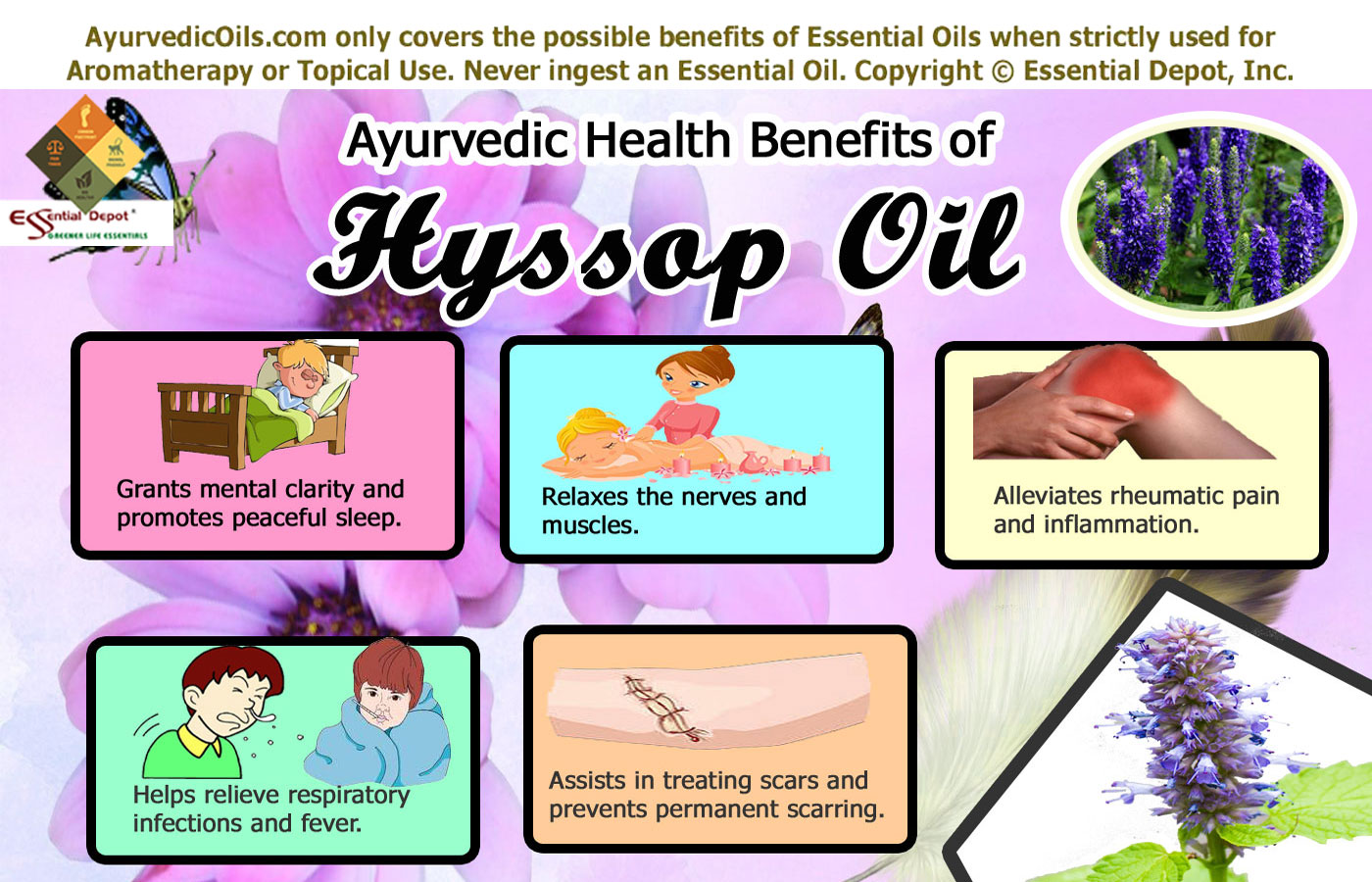
Hyssop-broucher-info1. In baths and Ayurvedic massage therapy:

Ayurveda trusts in healing humanity through the five major senses namely the sense of sight, sense of sound, sense of touch, sense of taste and the sense of smell. Using Ayurvedic essential oils in bath and in Abhyanga, the art of Ayurvedic massaging treats illnesses of the mind and body through the sense of touch and the sense of smell.

Skin is the largest organ of the body and is the fastest mode to transmit the therapeutic molecules of essential oils to penetrate deeply into the blood stream. When used in bathing water, the aroma of the essential oil passes through the nasal passages and passes onto the limbic system, which is the control center of the brain. By this way the remedial properties of the oil gets conveyed to other parts of the body in the form of control waves by the limbic system.

Add 2 drops of Hyssop essential oil in warm bathing water for relieving from fatigue, anxiety, menstrual pain, flatulence, viral infections, low blood pressure, respiratory infections, urinary problems, fever and skin infections. Taking bath in this medicated water before going to bed can assist in promoting peaceful sleep, mental clarity, relaxation of muscles and nerves. It also helps in eliminating excess fluids and toxic substances in the body through urine and sweat.

Blend 3 drops of Hyssop essential oil with 1.5 ml of sesame oil and gently massage it on your abdomen for treating dysmennorhea, promoting blocked or delayed menstruation, regularize the menstrual cycle and alleviate menopausal symptoms like stress, hot flashes and discharges with its emmenagogue, stimulant and tonic properties.

Massaging the painful area with this blend also helps in expelling excessive salts, fluids, sodium and other toxic substances in the body through urine. By this way it helps in reducing swelling, inflammation and rheumatic pain. A 2002 study on ‘The muscle relaxing activity of Hyssopus officinalis essential oil on isolated intestinal preparations’ have proved that Hyssop oil is effective in treating muscular pain by relaxing the muscles and reducing the amplitude of spontaneous movements.

Hyssop essential has the potential to increase pitta dosha, which is responsible for metabolic functions and digestive fire. Massaging your stomach and abdomen with 2 drops of Hyssop oil blended with 1 ml of olive oil can help in relieving from gas, flatulence, colic and indigestion. The carminative, digestive, vermifuge and stomachic properties of Hyssop oil aids in increasing the secretion of digestive acids and gastric juices that supports indigestion, colic, intestinal gas and spasms and kills intestinal worms.

Massaging your foot soles with 2 drop of Hyssop oil mixed with 1 ml of warm coconut oil can help in reducing your body temperature and treat fever effectively with its febrifuge properties. It promotes urination and supports to get rid of all infectious organisms causing fever through sweat and urine. A 2010 study published in the BMC Complementary and Alternative Medicine, Hyssop essential oil has been proved to weaken the flu virus and weakens the ability of influenza to affect cells.

Massaging your body with 10 drops of Hyssop essential oil mixed with 5 ml of coconut oil can assist in relieving tension, mental fatigue, anxiety, sore muscles, microbial infections, pain, inflammation, headache, low blood pressure, flu, tonsillitis, dermatitis, eczema, sore throat and asthma.

This massage blend aids in stimulating your system by enhancing your immune powers and acts as a tonic to your digestive system, nervous system, endocrinal system, excretory system and circulatory system. Go for a Hyssop massage every weekend to revitalize your senses and your system for the week ahead.

2. In steam inhalation:

Excess of kapha dosha is responsible for respiratory problems like cold, cough, chest congestion, nasal congestion and breathing difficulties. Hyssop essential oil controls excess kapha and assists in relieving respiratory disorders including heavy catarrhal conditions. This oil also has expectorant, decongestant and diuretic properties that help in expelling excess of phlegm and mucus deposits in the chest, bronchial and nasal passages.

Hyssop is listed as an effective expectorant by the University of Maryland Medical Center that can support in eliminating mucus from lungs and in alleviating whooping cough. All you need to do to relieve from your respiratory problems is to add 2 drops of Hyssop essential oil in steam inhalation.

3. In burners or diffusers:

The sweet-camphoraceous, warm and powerful aroma of Hyssop oil assists in treating anxiety, mental fatigue, stress, negative feelings and other mental woes. Hyssop is used as an effective mental stimulant for calming the mind and soothing the nerves.

Add 2 to 3 drops of Hyssop essential oil to your diffuser, burner or aromatic lamp for relieving nervous tension, alleviate negative emotions and purify the mind. This oil is also known to grant mental clarity, augment creativity and assist meditation peacefully. On a spiritual perspective, Hyssop essential oil is recognized as a spiritual remedy to forgive sins and attain spiritual oneness.

4. In creams, lotions and rubs:

Hyssop essential oil has antiseptic, cicatrisant and vulnerary properties that make it the most ideal oil for treating skin problems. Being an antiseptic and vulnerary oil, Hyssop aids in protecting wounds, cuts and abrasions from being septic. It invades the presence of micro-organisms like bacteria and virus and protects the wound from microbial infections, paving way for quicker healing process.

The cicatrisant value of Hyssop essential oil assists in diminishing scars and prevents the skin from permanent scarring left by acne, boils, accidents, insect bites, pregnancy, pox and surgeries.  Mix 2 drops of Hyssop essential oil to your regular skin care cream or daily lotion and apply it on wounds, infections, cuts, scars, marks, acne and insect bites for effective results.

Using this aromatic blend on your scars, stretch marks and other marks on the skin helps in promoting cellular regeneration and growth of new skin cells that assist in fading away existing scars and marks on the skin. Add 2 drops of Hyssop oil to your vapor rub and apply it gently on the chest, throat and back for effective relief from whooping cough, cold, headache and nasal congestion.

Disclaimer:

This is only for the purpose of information and is not intended for treatment or to substitute any prescribed medication or professional medical advice. Never take essential oils internally.

Ensure to use them in a diluted form as pure and organic essential oils are highly concentrated substances and can cause harm if used directly on the skin. Consult your Ayurvedic physician before choosing the right essential oils for your unique individual constitution and precise health condition. Be cautious before using essential oils if you are nursing or pregnant.

Thought for the day:

Purge me with hyssop, and I shall be clean: wash me, and I shall be whiter than snow. – David in Psalm 51:7

Suggested Reading:

  1. The Hyssop Supplement: Alternative Medicine for a Healthy Body (Health Collection) by William Wagner
  2. Beautiful Plants of the Bible from the Hyssop to the Mighty Cedar Trees by Dr. David Darom
  3. A 21st Century Herb: Hyssop Superior Healing Power: By Willie Southall
  4. Ayurveda & Aromatherapy: The Earth Essential Guide to Ancient Wisdom and Modern Healing by Dr. Light Miller, Dr. Bryan Miller
  5. The Encyclopedia of Essential Oils: The Complete Guide to the Use of Aromatic Oils In Aromatherapy, Herbalism, Health, and Well Being by Julia Lawless

Reference Links:

  1. Hyssop by University of Michigan Health System
  2. Hyssop by Gale Encyclopedia of Alternative Medicine
  3. Hyssop Essential Oil by FireStorm Ministries
  4. Hyssop Seeds and Hyssop Essential Oil by Diet Health Club
  5. The muscle relaxing activity of Hyssopus officinalis essential oil on isolated intestinal preparations by Department of Pharmacology of Natural substances and General Physiology, University La Sapienza, Rome, Italy published in PubMed

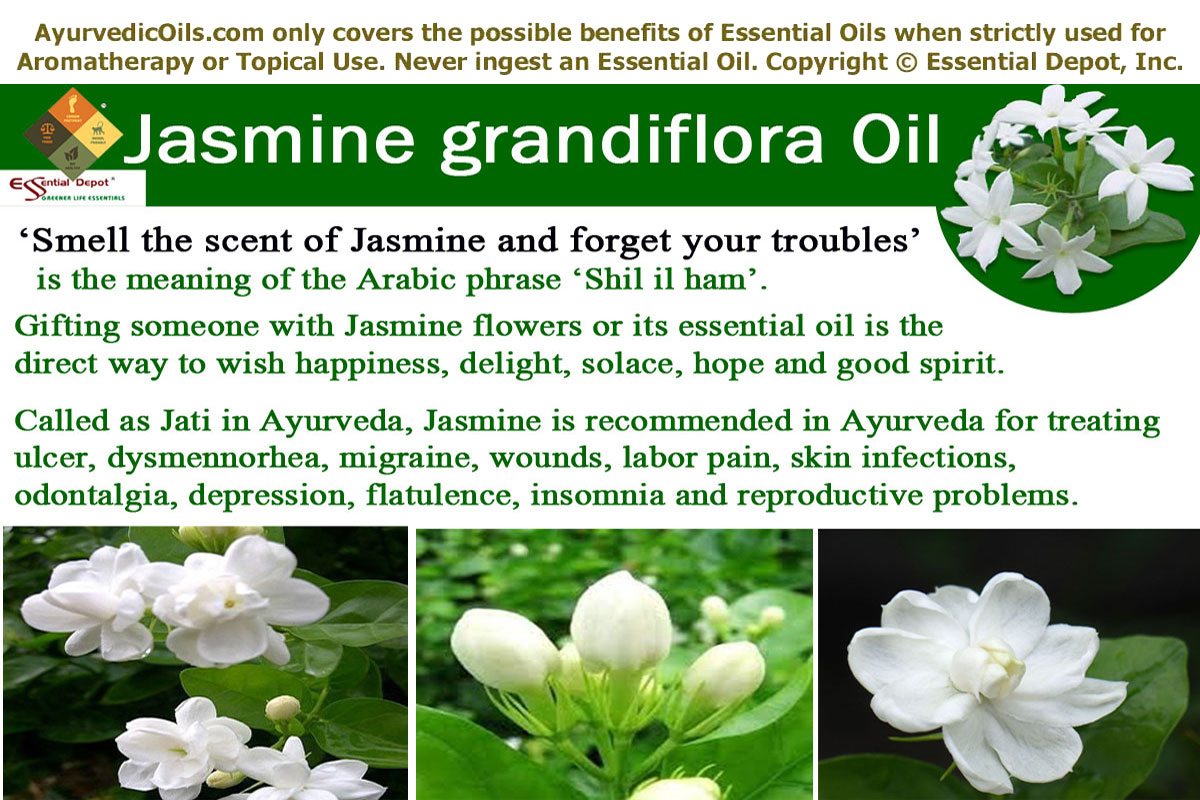
Geranium Oil

Euphoria is the feeling that you will experience with the inspiring and heartening floral aroma of Geranium essential oil, used for uplifting the spirit, alleviating nervous tension, relieving off-putting memories and negative emotions.

Geranium-bannerExtracted by steam distillation from the flowers and leaves of Pelargonium graveolens plant, Geranium essential oil is celebrated as an exceptional healing agent that helps in quickly repairing wounds, cuts and injuries including bone fractures.

Geranium is immune-system stimulating, firms and tightens tissue and is mood elevating”, says Bryan Miller and Light Miller in their book Ayurveda and Aromatherapy. Often used in improving the body’s ability to fight against illnesses, Geranium essential oil is used in Ayurvedic healing for stimulating the lymphatic system, assisting in menopausal and menstrual problems, relieving stress and for treating skin problems.

Purchase Geranium Oil – Retail – 4 oz – CLICK HERE

Purchase Geranium Oil – Wholesale – 1KG – CLICK HERE

Historical uses of Geranium essential oil:

Geranium is native to Egypt and is also believed to have been originated in the Reunion Island of the Indian Ocean. It slowly spread to Madagascar, South Africa, the Congo, Morocco, Central America, England, Italy, Spain, Russia, China, France and India. The best quality Geranium essential oil is said to be from the Reunion Island, which was previously called as Ile de Bourbon and so the finest essential oil from this island is known as Geranium Bourbon-La-Reunion.

Geranium and its essential oil have been used in numerous Alternative medicinal practices for healing wounds and fractures. It is said that the ancient Greeks used Geranium for treating skin problems. Egyptians used Geranium oil for enhancing the beauty and radiance of their skin.

This plant was grown around homes in the ancient times to keep away from evil spirits. The traditional Africans used Geranium oil in the treatment of cholera and tumors. The Indian tribes in North America used Geranium tea prepared with its root powder to enhance the body’s immune power and treat ulcers and dysentery.

The essential oil of Geranium is said to have first distilled from its leaves by the popular French chemist Recluz in the 17th century. His discovery was then supported by numerous research studies by many botanists and chemists, insisting the therapeutic use of Geranium essential oil. The leaves and flowers of this plant have also been used as a flavoring agent in teas, ice creams, cakes, jellies, sorbets, jams and salads. It has also been used in making perfumes and beauty products.

Chemical constituents or Gas Chromatography Report (GC) of Geranium oil:

According to the Gas chromatography report, Geranium oil constitutes of 20 chemical components that contribute to its fragrance, therapeutic attributes, consistency and quality of this oil. Of which, Citronellol contributes to the highest proportion of Geranium oil with about 35.0% of its total composition.

Just click on:

I trust that this must certainly help you in getting to know the exclusive information about the prime chemical constituents of Geranium oil.

The table crafted below clearly depicts the unique nature and contributions of these bio-chemical constituents to the healing magnificence of Geranium essential oil.

geranium-gct

Therapeutic properties of Geranium essential oil:

The remedial properties of this oil are antiseptic, anti-infectious, antibacterial, astringent, antimicrobial, cicatrisant, haemostatic, vulnerary, deodorant, cytophylactic, tonic, styptic, vermifuge, diuretic and immune-stimulant.

Ayurvedic health benefits of Geranium essential oil:

Ayurveda means the ‘knowledge of life’ and is a science of Mother Nature, which strongly states that Nature has all the cure in itself and illnesses occur where there is a lack of rhythm with nature. Health is a three-fold structure in Ayurveda, which states that perfect health is not just the nonexistence of diseases but the absolute balance of the mind, body and spirit.

Ayurvedic healing does not practice the ‘one size fits all’ methodology as it trusts that every individual is a unique part of nature with a distinctive combination of the five elements of nature, namely fire, water, earth, air and space, where earth is the physical body (muscles and bones), water is the blood, air is what we breathe, fire is the heat generated in our body for metabolism, absorption and body temperature and space is the spirit that dwells in.

Every human being is created with a unique individual constitution comprising of three biological energies known as doshas, which are nothing but a combination of the five elements of nature.

Vata dosha is a combination of air and space and is accountable for movements, nervous functions and respiration. Pitta is a combination of fire and water and is in charge of digestion, absorption, excretion and body temperature. Kapha dosha is an arrangement of water and earth and is responsible for structure of the body, cellular nourishment and lubrication of all the parts of body.

Ayurvedic texts state that every individual has a predominance of anyone of these doshas https://essentialoil.net/wp-admin/post.php?post=1316&action=editthat determines their character and personality. It also says that illnesses occur when there is a lack of balance between these three doshas.

When it comes to treatment, Ayurveda prescribes natural remedies including herbs, essential oils, physical exercises, healthy lifestyle, Ayurvedic routine, yoga, prayers and meditation, according to the unique individual constitution of a person in such a way that it corrects the doshic imbalances.

Geranium oil has the power to pacify aggravated vata, pitta and kapha doshas.

Let’s take a look at the Ayurvedic health benefits of Geranium essential oil:

geranium-broucher1. Excellent benefits to the skin:

Geranium essential oil is a historic remedy for treating numerous skin problems ranging from pimples to scars. It works wonders on the skin mainly because of the fact that it exceptionally suits all types of skin.

The antiseptic and antimicrobial properties of Geranium oil heal and act as a shield to the skin mainly from the hazardous effects of acne. Using 2 drops of this oil in your face wash, skin cream, lotion or in face packs can assist in cleansing the skin thoroughly, regularizing the secretion of sebum and retains the natural oil and moisture content of the skin.

By this way, it prevents the formation of pimples, black heads and boils. Geranium oil is also effective in treating cellulite, eczema, dandruff and fungal infections like athlete’s foot and ringworm.

The major cause for those ugly scars on your facial skin or on any part of the body is due to lack of blood circulation leading to stagnation of toxic substances and dead skin cells that block the even circulation of melanin causing scars and marks to stay on the skin forever.

Geranium essential oil has cicatrisant and cytophylactic properties that promote blood circulation, assist proper distribution of melanin pigments, support the regeneration of dead skin cells and speeding up the growth of new skin cells.

Massaging the affected areas with 2 drops of Geranium oil blended with 1 ml of olive oil or in your regular skin care cream can be of great help in fading away your scars and bringing out the natural glow like never before.

2. Addresses feminine problems including menstruation and menopause:

Traditionally known as ‘women’s oil’, Geranium essential oil helps in treating feminine problems like excessive menstrual flow, vaginal infections and discharges during menopause.

Massaging your lower abdomen and back with 4 drops of Geranium essential oil mixed with 2 ml sesame oil helps in treating painful menstruation, excessive bleeding, mood fluctuations, fatigue and anxiety during menses and menopause.

Geranium oil has haemostatic properties that speed up the process of blood clotting and helps in controlling excess bleeding. It’s calming, soothing, tonic and stimulant properties relieves pain, stress and mood fluctuations during these ‘M&M’ times.

3. Soothes the mind:

Many recent studies have proved that Geranium essential oil stimulates the adrenal cortex, which helps in balancing the mind and grants the endurance to handle stress.

The invigorating floral fragrance along with a touch of refreshing mint aroma makes Geranium as an incomparable essential oil for alleviating stress, anxiety, fear, feelings of desertion, negative emotions, tension and agitation.

Add 5 drops of Geranium oil to warm bathing water, followed by 2 drops added to your diffuser can help in relaxing your mind, soothing your nerves and reviving your senses. This also helps in promoting peaceful sleep at night. With its assenting effects on the mind, Geranium is also recommended as a suitable oil to be used during meditation as it is trusted to guide one’s mind in the right path without confusions.

4. Heals wounds and injuries speedily:

Geranium essential oil is one among the classic natural remedies for healing wounds and injuries including fractures. It is also effective in treating hemorrhoids and is used as an important ingredient in herbal formulations for hemorrhoids treatment.

Applying 2 drops of Geranium essential oil mixed with 1 ml of coconut on the affected area aids in cleaning the wounds with its antiseptic and disinfectant properties, arrest the growth of infectious microbes and bacteria that may cause the wound to turn septic, speeds up the process of healing with its vulnerary properties, stimulates quick coagulation and blood clotting with its haemostatic properties.

A 2012 study on ‘Antibacterial activity and composition of essential oils from Pelargonium graveolens L’Her and Vitex agnus-castus L’ by the Isfahan University of Medical Sciences have stated that the essential oil of Pelargonium graveolens is active against all of the studied bacteria and the presence of β-citronellol in this volatile oil along with its possible synergistic effect with other constituents are accountable for its antibacterial effects.

5. Eliminates toxins effectively:

Accumulation of toxic substances, which are the remains of indigestion and improper metabolic functions, is the root cause lying behind numerous illnesses. These harmful remains are known as ‘ama’ in Ayurveda and numerous Ayurvedic texts state that the amassing of ama in human body can even lead to chronic illnesses.

Geranium essential oil is a natural diuretic agent that promotes the flow of urine and increases the frequency of urination, through which the toxic substances, excess salts and water in the body are eliminated easily.

This aids in stabilizing blood pressure, improving the proper functioning of the system, relieving swollen ankles, reducing inflammation, lessening rheumatic and arthritic pain due to toxic buildup and gradually treating obesity due to fluid retention. Mix 5 drops of Geranium oil in 2.5 ml of almond oil and massage it gently for discharging the harmful substances in the system.

6. Boosts the immune system:

The essential oil of Geranium has enormous tonic properties that strengthens the system, enhances the immune power and stimulates the proper functioning of all the parts of the body. Using Geranium essential oil in bathing water or steam inhalation or massage or in diffuser has positive effects on the digestive system, nervous system, endocrine system, respiratory system and circulatory system.

Massaging your body with 10 drops of Geranium oil blended with 5 ml jojoba oil or adding 5 drops of this oil to warm bathing water can assist in stimulating the adrenal glands, lymphatic system, upholding the natural balance of hormones, increasing the immunity and augmenting the body’s natural resistance to fight against illnesses.

Other health benefits:

Geranium oil is an excellent natural deodorant with its antibacterial properties that combat body odor and its floral fragrance that keeps one fresh all day long. 2 to 4 drops of this oil added to your diffuser can disinfect impure air, repel mosquitoes and other insects. 2 drops of Geranium oil added to steam inhalation can help relieve nasal congestion, tonsillitis and sore throat.

Disclaimer:

This article is only for the purpose of information and is not meant to heal or substitute any professional medical advice or prescribed medication. Never use essential oils internally and always consider to use essential oils topically in a diluted form as pure and organic essential oils are highly concentrated liquids and may cause harmful effects if used straight on the skin.

Geranium oil is non-sensitizing, non-toxic and non-irritant but it is good to be avoided during pregnancy. Consult your Ayurvedic physician before choosing the right essential oils for your unique individual constitution and state of health.

The MSDS (Material Safety Data Sheet) of Geranium oil is readily available for your enhanced safety and better usage.

Gas Chromatography Report (GC analysis) of Geranium oil.

Geranium Essential Oil – Possible Skin Issues:

Greener Life Diamond – Bio-Healthy Score => 3 – Possible Skin Issues.

See => http://www.essentialdepot.com/GreenerLifeDiamond.html

In the midst of the 250 natural species and thousands of cultivars and hybrid varieties of the Pelargonium plant family, in the genus Geraniaceae and the most popular ones are Egyptian Geranium, Reunion or the Geranium Bourbon and the Moroccan varieties. Most of the varieties have a similar structure of chemical constituents with Citronellol and Geraniol being the prevalent components.

Geranium Bourbon essential oil is certified with GRAS (Generally Regarded As Safe) status by the FDA (Food and Drug Administration) as Geranium oil is mild and tested safe on individuals on a normal prescribed usage level.

Using Geranium oil in a concentrated form or beyond the safe level of use might cause adverse skin reactions like mild irritation, sensitization (lower risk), rashes, allergy, irritation of the eyes and contact dermatitis. Geranium oil is non-phototoxic in nature.

The primary chemical constituents that are held responsible for the adverse skin reactions of Geranium oil are citronellal and geraniol, where citronellal is reported to exhibit mild irritant effect along with sporadic sensitization and skin irritation and Geraniol is claimed for skin sensitization.

The safe dermal usage level for this oil is 17.5% by IFRA (International Fragrance Association) and this safety report is based on the 30% Geraniol content, which has a maximum dermal limit of 5.3%.

Research reports reveal the skin irritating effect of Reunion Geranium oil in an undiluted manner; this oil was slightly irritating when tested on mouse skin; when tested with 5% Bourbon Geranium oil on 100 repeated dermatitis patients, the result was placid with two irritant reactions. It has also been proved that cosmetics with Geranium oil formula have caused dermatitis in hypersensitive individuals.

Always blend Geranium essential oil in carrier oils like Olive oil, Jojoba oil or Coconut oil before using it topically. This is because organic and pure essential oils are extremely concentrated liquid substances that may impair the skin surface, when used in an undiluted form.

Essential oils are recommended only for external use and never ingest essential oils as it can cause serious health hazards. Administering Geranium oil orally in studies has witnessed acute dermal LD50 in rabbits. This may also cause possible drug interactions with antidiabetic medicines and the enzyme, CYP2B6 inhibiting effect of geraniol causes drug interaction metabolized by CYP2B6.

A recent study has witnessed this by testing alloxan-induced diabetic male rats with Geranium oil for about a month. The level of blood glucose was decreased by glibenclamide and the concentration of hepatic glycogen was significantly augmented.

As there are no evidenced reports on the safety of Geranium oil during pregnancy and lactating, it is safe to avoid this oil for it may have an impact on the hormonal fluctuations during these special moments. It is better to keep away Geranium oil from babies, either as a massage aid or for inhalation as it can harm their sensitive and tender skin.

Reference Links Substantiating the Possible Skin Issues of Geranium Oil:

  1. Geranium by Essential Oil Safety: A Guide for Health Care Professionals By Robert Tisserand, Rodney Young
  2. Geranium Toxicology by Leung’s Encyclopedia of Common Natural Ingredients, used in Food, Drugs and Cosmetics by Ikhlas A. Khan and Ehab A. Abourashed
  3. Side effects of Geranium oil by Mercola.com
  4. Side effects and Safety of Geranium oil by WebMD

Thought for the day:

The course of Nature is the art of God.  -Edward Young

Suggested Reading:

  1. How to Use Geranium Essential Oil (Aromatherapy) by Miriam Kinai
  2. Growing Pelargoniums and Geraniums: A Complete Guide by Beryl Stockton, Geoff Stockton, John Mason
  3. Geraniums: The Complete Encyclopedia by Faye Brawner
  4. Geranium and Pelargonium: History of Nomenclature, Usage and Cultivation (Medicinal and Aromatic Plants – Industrial Profiles) from CRC Press
  5. Ayurveda & Aromatherapy: The Earth Essential Guide to Ancient Wisdom and Modern Healing by Dr. Light Miller, Dr. Bryan Miller

Reference Links:

  1. Pelargonium graveolens by Wikipedia
  2. The Emotional, physical and health benefits of Geranium Essential Oil by HubPages
  3. Antibacterial activity and composition of essential oils from Pelargonium graveolens L’Her and Vitex agnus-castus L. by Ghannadi A, Bagherinejad M, Abedi D, Jalali M, Absalan B, Sadeghi N, published in PubMed
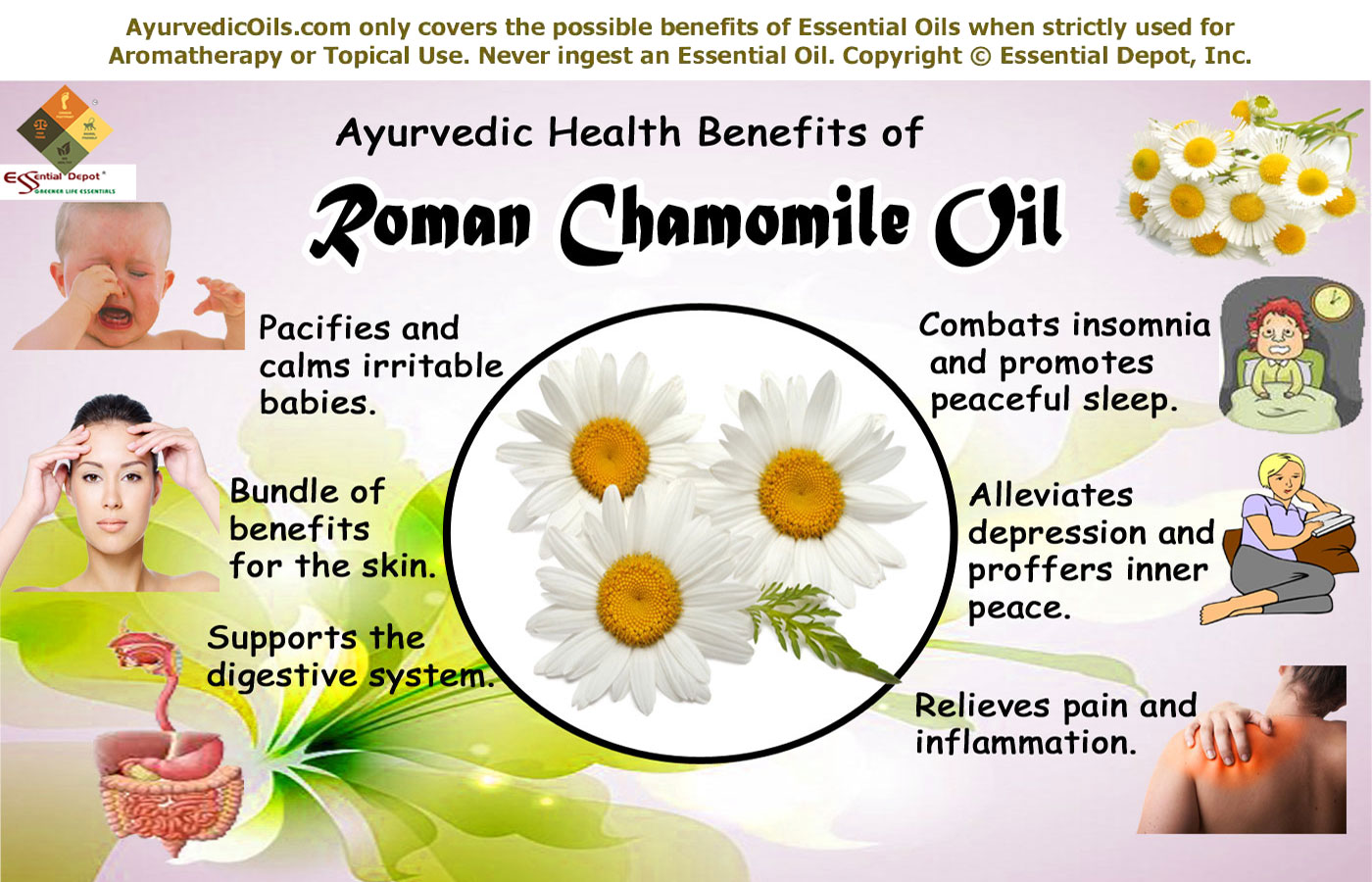
  4. Geranium by Daniele Ryman for the Aromatherapy Bible
  5. What are the benefits of Geranium oil in Aromatherapy by Yogawiz.com

Save

Save

Frankincense Oil

Frankinsence-banenrRepresented as an ‘Emblem of Prayer’, Frankincense is yet another Biblical oil that brings you close to heaven by appeasing your mind, relieving your pain, strengthening your positive emotions and implanting enormous beauty benefits.

Extracted from the gum or resin of Boswellia frereana tree by steam distillation, Frankincense essential oil is often held high for its power to spread health and heartiness in a magic of minutes, just like that.

Ayurveda quotes the use of Frankincense as ‘dhoopan’, and burning Frankincense everyday in homes is trusted to bring good health in Indian culture.

Known as ‘Dhoop’ in Sanskrit, Frankincense and its essential oil have been used for more than thousands of years in Ayurvedic healing in the treatment of respiratory illnesses, arthritis, weak female hormone system, rheumatism, skin infections, wounds, womanly problems and for cleansing the air.

Purchase Frankincense Oil – Retail – 4 oz – CLICK HERE

Purchase Frankincense Oil – Wholesale – CLICK HERE

Historical uses and importance of Frankincense and its essential oil:

Frankincense is represented as a ‘symbol of the divine aroma’ and as an ‘emblem of prayer’ in various chapters of the Bible including Psalm 141:2; Luke 1:10 and Revelation 5:8, 8:3. Best known as one of the three gifts gifted to Infant Jesus by the wise men, the existence of Frankincense dates back even before the birth of Jesus Christ. Given the credit of the most spiritual oil of the Middle East, it has flawless healing benefits with an inbound immaculate aroma.

People of all religions consider Frankincense as a symbol of sacredness and it is witnessed with the presence of this mesmerizing fragrance in various religious ceremonies. Frankincense is an important symbol of trading carried out in Arabian Peninsula and North Africa for more than 5000 years ago that the temples of the ancient Egyptian Queen Hatshepsut are adorned by murals depicting sacks of Frankincense traded from the land of Punt.

Prepared from the resin of Frankincense or olibanum trees by steam distillation method, this oil is a part of the traditional medicinal system including Ayurveda, Traditional Chinese Medicine and in certain other folklore remedies in treating wounds, arthritis, digestive disorders, rheumatism, and weak immune system and in promoting healthy skin.

Frankincense has its name etched in Naturalis Historia by Pliny the Elder. The renowned book on ‘Ayurveda and Aromatherapy’ by Bryan Miller and Light Miller quotes the use of Frankincense since ages as “Clay tablets, revealed that, in Babylon, 57,000 pounds of Frankincense were burned every year.” It also says that about 60 tons of this aromatic resin was used in the annual feast of the God Baal in the Assyrian civilization.

Since ancient times, Frankincense is burnt in homes for keeping away from insects, cleansing the atmosphere, warding off sickness and evil spirits and to help reach one’s prayers to the Divine. This holy herbal medicine is burnt even today in numerous Indian homes during the dusk to fulfill their special prayers and guard against bad spirits and harmful insects.

Chemical constituents or Gas Chromatography Report of Frankincense oil:

According to the Gas chromatography report, Frankincense oil consists of 9 major chemical components that contribute to its unique fragrance, therapeutic properties and quality.

Just click on:

For learning more about the extensive information of these chief constituents of Frankincense oil.

Alpha-thujene is the predominant constituent of Frankincense with about 53 % area.

The table below on the Gas Chromatography report talks about the principal chemical constituents and its role in granting the therapeutic and other attributes to Frankincense oil.

Frankincense-OilStudies on the chemical composition of Frankincense oil reveal that it contains monoterpenes, sesquiterpenes and diterpenes such as a-pinene, b-pinene, isoterpenolene, a-phellandrene, b-phellandrene, sabinene, linalool, octanol, octyl acetate, bornyl acetate, incensole and incensyl acetate in different ratios depending upon the species of the Boswellia trees from which the resins are obtained.

Therapeutic properties of Frankincense oil:

Frankincense oil is commonly used for its aromatic, antiseptic, astringent, antibacterial, anti-inflammatory, anti-cancer, anti-tumor, immune stimulant, disinfectant, carminative, cicatrisant, cytophylactic, digestive, diuretic, emmenagogue, sedative, tonic, uterine, vulnerary and expectorant properties.

Ayurvedic Health Benefits of Frankincense Oil:

Ayurveda is an ancient healing science that focuses on longevity and healthy aging through prevention of diseases and a balanced lifestyle that assists in being in harmony with nature.

Ayurvedic healing methodologies were strongly implanted to the human civilization by the powerful Ayurvedic encyclopedias namely Charaka Samhita and Sushruta Samhita.

Charaka Samhita enlightens Ayurveda as a discipline that heals the mind, body and soul and says, “The three – body, psyche, and soul – act as a tripod. The world stands upon them, and within them, the world abides.”

With this thought, Ayurveda regards human body as a temple, where the spirit dwells in and keeping the mind and body clean without any physical illnesses or mental chaos is the way to harmonious living.

The science of Ayurveda rests on the principle of five elements of nature namely fire, water, earth, air and space. According to Ayurvedic philosophy, everything in the universe is a part of nature and contains all these five elements in it.

Human body also consists of these elements in the form of biological energies known as doshas, in various forms so as to represent a unique individual constitution.

Vata dosha represents air and space and is responsible for circulation, nervous functions, respiration and movement. Kapha dosha is a combination of water and earth and is in charge of the structure of the body along with its sustenance. Pitta symbolizes fire and water and is responsible for body temperature and metabolic functions. Balance between these doshas indicates health and imbalance leads to illnesses.

Ayurveda recommends natural remedies like essential oils, herbs, yoga, physical exercises, healthy balanced diet, Ayurvedic routine, meditation and prayers in order to treat these doshic imbalances and treat the illnesses by analyzing its root cause instead of diagnosing its symptoms.

Frankincense is said to have a sattvic or cleansing effect on the mind as well as the nervous system. It assists in burning impurities in the subtle nerve channels. The essential oil of Frankincense clears excess kapha and pacifies vata and pitta doshas.

The Ayurvedic health benefits of Frankincense essential oil are:

frankinsence-broucher1. Strengthens your immune system:

Frankincense essential oil is an exceptional gift of nature that serves as an antiseptic, disinfectant and immune stimulant. Just inhaling the invigorating aroma of this supreme oil by adding 2 drops of this oil to your burner or diffuser, helps build a protective aura around yourself and acts as a shield in fighting against germs and disease causing microorganisms.

A 2002 study on the chemistry and immunomodulatory activity of Frankincense oil conducted by the department of Pharmacognosy of Mansoura University, Egypt states that Frankincense oil exhibited immuno-stimulant activity in addition to its anti-inflammatory, immunomodulatory and anti- leukotriene properties. This study encourages the utilization of Frankincense essential oil for several auto-immune disorders.

The number of leukocytes in the human body determines the strength of the immune system of an individual. Inhaling the fragrance or using Frankincense essential oil in a massage blend (5 drops of Frankincense oil added with 2.5 ml coconut oil) increases the production of leukocytes in the body with its cytophylactic property.

2. Fights against cancerous cells:

Frankincense essential oil has anti-tumor and anti-cancer properties, the attributes of monoterpenes that effectively helps in fighting against the cancerous tumors.

A 2012 research on Frankincense essential oil prepared from hydro distillation of Boswellia sacra gum resins has proved that this oil induces human pancreatic cancer cell death in cultures. It also reverses tumor growth in a heterotopic xenograft mouse tumor model. Studies have also reported that cultured human bladder and breast cancer cells are more sensitive to Frankincense essential oil and yield good results.

3. Pacifies your digestive system:

As a very good source of β-phellandrene and α-pinene, Frankincense essential oil acts as an effective carminative and helps in preventing and expelling the formation of gas in the stomach and intestines. It also acts as a natural antacid and promotes the secretion of bile and other digestive juices.

Mix 2 drops of Frankincense oil with 1 ml sesame oil and massage this blend on your abdomen for relieving flatulence, constipation and other gastro-intestinal problems including stomach pain, feelings of discomfort in the chest and abdominal area.

4. Combats oral infections:

The antiseptic, antibacterial and antifungal properties of Frankincense oil acts as a defensive shield that protects one from germs, bacteria, pathogens and fungi. This defensive mechanism of Frankincense essential oil makes its presence vital in making dental care products like toothpaste, mouthwash, mouth freshener etc.

Add 1 drop of Frankincense oil in a cup of warm water and use it as a natural gargle to keep away from oral problems like toothache, bad breath, cavities, mouth sores and few other oral infections.

5. Pampers your skin health:

Frankincense essential oil often evolves as a perfect rescuer in case of skin problems as it acts as an effective astringent, which helps in retrieving its natural beauty. This oil works on wrinkles and other aging symptoms with its ability to shrink the body tissues and bring it back to its original shape and assist in tightening the skin.

As a cicatrisant, it helps in the formation of scar tissue and yields excellent results in treating scars, fading the after marks of acne, pimples, boils, pox, stretch marks and fat cracks due to pregnancy and childbirth. Add 2 drops of Frankincense essential oil with 1 ml of jojoba oil or to your regular skin care cream and apply it in circular movements to reduce the appearance of wrinkles, scars, marks and micro-wrinkles around the eyes and cheeks.

As an anti-aging agent it helps in the regeneration of healthy cells while keeping the existing ones healthy. Because of its firming and toning activity it strengthens the gums and hair roots and contracts the muscles, intestines and blood vessels that loosen with aging. Frankincense oil acts as a coagulant and helps in preventing blood loss in case of wounds and cuts. It also assists in healing wounds and other skin infections speedily.

6. Helps treat womanly problems:

Frankincense oil acts as an emmenagogue that stimulates the flow of blood in the pelvic area and the uterus, thus regulating the menstrual cycle and functions of the female reproductive system.

It is also uterine in nature and regulates the secretion of estrogen hormone in the appropriate level, thus reducing the risk of cyst formation or uterine cancer in women.

Add 2 to 3 drops of Frankincense essential oil with 1 ml of Evening primrose oil and massage it slowly on your lower abdomen for relieving problems associated with menstruation like abdominal pain, nausea, digestive disorders, restlessness and mood swings. You can also add 2 drops of Frankincense oil in warm bathing water for calming your nerves and promoting peaceful sleep.

7. Relieves respiratory illnesses:

Stagnation of water, toxic substances and infectious micro-organisms in the body pave way for respiratory problems. This is mainly due to excess of kapha dosha and Frankincense essential oil lessens excess kapha.

This oil also has antiseptic, anti-bacterial, anti-inflammatory and expectorant properties that protect one from infectious microbes and helps reduce phlegm deposits in the respiratory tract and inflammation of the nasal and respiratory passages.

2 drops of Frankincense oil added to steam inhalation or mixed with vaporub and applied on the chest, back and throat aids in easing cough, cold, bronchitis, laryngitis, breathing difficulties, asthma and certain other respiratory ailments.

8. Helps in fighting against arthritis:

Frankincense oil has been used since ancient times to treat arthritis, rheumatism and muscular pain. With its anti-inflammatory, diuretic and kapha reducing qualities, this oil also aids in eliminating excess water deposits, salt, uric acid and toxic substances in the body causing pain, swelling and inflammation.

A valuable source states that this oil possesses potent anti-inflammatory, anti-arthritic and analgesic effect that actively treats arthritis, osteo arthritis and pain in muscular joints. Mix 4 drops of Frankincense oil with 2 ml of coconut oil and massage it gently on the painful area or you can also add 2 to 3 drops of this oil to hot compress for quick relief.

9. Alleviates stress and anxiety:

Frankincense essential oil awakens insight, soothes anxiety and frees one from all sorts of worldly pressure that affect the mind and the body. Various studies have proved that incensole acetate in Frankincense oil is an effective anti- depressant and reduces abnormal behaviors due to anger, stress and anxiety.

Adding 2 drops of Frankincense oil in your vaporizer, burner or diffuser assists in attaining spiritual enhancement that balances the mind, body and soul to experience eternal happiness. This healing effect can also be attributed to the presence of carbon based compounds like sesquiterpenes that directly act on the limbic system, known as the control center of the human brain.

Other health benefits:

Frankincense essential oil is also used in the manufacture of soaps, disinfectant cleansers, incense sticks, cosmetics, perfumes, body lotions, oral hygiene products and much more.

Disclaimer:

This article is for the purpose of education only and is not intended for treatment or for replacing any prescribed medication or professional medical advice. Never take essential oils for internal use and always use externally in a diluted manner, as organic and pure essential oils are highly concentrated liquids and may cause allergic reactions if used directly on the skin.

Always consult your Ayurvedic practitioner before choosing the appropriate essential oil for your unique individual constitution and health condition.

The MSDS (Material Safety Data Sheet) of Frankincense oil is readily available for your enhanced safety and healthier usage.

Gas Chromatography Report of Frankincense oil.

Thought for the day:

To be overcome by the fragrance of flowers is a delectable form of defeat.
-Beverley Nichols

Suggested Reading:

  1. Frankincense & Myrrh by Martin Watt, Wanda Sellar
  2. The Ayurveda Encyclopedia: Natural Secrets to Healing, Prevention, & Longevity by Swami Sadashiva Tirtha
  3. Fragrance & Wellbeing: Plant Aromatics and Their Influence on the Psyche by Jennifer Peace Rhind
  4. Holistic Cancer Protocols with Essential Oils by Dr. Deborah McFarland

Reference Links:

  1. Frankincense by Wikipedia
  2. Frankincense in Ayurveda and Aromatherapy by Vishnu Dass, Ayurvedic Herbology
  3. Chemistry and Immunomodulatory Activity of Frankincense Oil by Botros R. Mikhaeil, Galal T. Maatooq, Farid A. Badria, and Mohamed M. A. Amer Department of Pharmacognosy, Faculty of Pharmacy, Mansoura University, Mansoura 35516, Egypt, published in Naturforsch
  4. Frankincense essential oil prepared from hydrodistillation of Boswellia sacra gum resins induces human pancreatic cancer cell death in cultures and in a xenograft murine model, published in BMC Complementary and Alternative Medicine


Your resource for quality Essential Oils. Every batch is
GC tested to ensure purity and authenticity.