Category Archives: Essential Oils – Learn About and Purchase

Basil Oil

‘The Elixir of life’ and ‘Mother medicine of Nature’ are the most popular historical references of Basil for its enormous healing values to the mind, body and soul.

Basil-oil-bannerIt has marked its presence significantly in various medicinal systems in the world including Ayurveda and Homeopathy for treating diabetes, renal colic, epileptic attacks, painful breasts, congestion, asthmatic attacks, diarrhea, numbness, migraine, nervous exhaustion and insomnia.

Scientifically known as Ocimum canum, Basil is a member of the mint family Lamiaceae. This traditional medicinal herb is widely distributed in India, especially Tamil Nadu and is called as Nai Tulasi in Tamil. Besides numerous therapeutic properties, the most noteworthy remedial effects of Basil and its essential oil are its functions as a cancer chemoprotective agent and anti-diabetic agent for reducing blood glucose levels in type 2 diabetes.

Historical uses and importance of Basil oil:

Basil is said to have its origin in India, the land of rich traditional values. The healing, culinary and aromatic attributes of this sweet-smelling plant have been talked about in many classical herbal writings including Charaka Samhita (ancient Ayurvedic text) and the works of renowned herbalists like Dioscorides, Gerard, Culpeper and Parkinson.

Parkinson has quoted that Basil’s scent “fit for a King’s house”, denoting its royal aroma and has also said that Basil can be used “to procure a cheerful and merry heart.” Gerard and Culpeper has mentioned that Basil is an excellent remedy for melancholy and is a natural antidote for insect bites including scorpion stings, mosquito bites and bee stings.

The word ‘Ocimum’ (generic name) is derived from the Greek word ‘okimon’, which means smell. This indicates one among those reasons behind the unforgettable fragrance of the Basil variety. Basil plays a vital role in various religious practices across the world, where it has been considered as a sacred herb in Hinduism and said to have grown at the place of Christ’s crucifixion.

Basil plant has also been associated as a symbol of love, protection, courtship, truthfulness, courtship, death and luck. This plant has been a significant part of various religious ceremonies, where the smoke from burning this herb is said to calm the mind and augment the spiritual power.

Ocimum canum has been used in the traditional medicine for treating oral problems, fever, insect bites, constipation, parasitic infestations, cold, inflammation, headache, joint pain and dysentery. This plant was burnt in the homes as incense and for protecting from insects. Basil leaves were also used to guard the crops post harvesting from the damages of insects.

This herb is much remembered in various traditions across the world in the treatment of type 2 diabetes. Basil and its essential oil are also used as a flavoring agent in soft drinks, shampoos, cuisines, body lotions, teas, candies, dairy products, toothpastes and cosmetics.

Therapeutic properties and chemical constituents of Basil essential oil:

The essential oil of Basil has about 36 chemical components and is a rich source of camphor, eugenol, β-caryophyllene, a-pinene, limonene, myrcene, camphene, naphthalene, caryophyllene and valencene.

These components contribute to its therapeutic properties like antiemetic, anti-stress, antiviral, antibacterial, rubefacient, antidiabetic, antiasthmatic, antimicrobial, anticancer, insecticide, anti-fertility, anti-fungal, anti-malarial, antioxidant, expectorant, analgesic, antispasmodic, anti-inflammatory and antiseptic.

Ayurvedic health benefits of Basil essential oil:

Ayurveda is a complete medicinal practice which stands on the three pillars of health, including physical, mental and a hearty soul. For attaining this holistic healing, Ayurveda focuses on treating the root cause of an illness instead of treating the symptoms. This aids in curing the sickness initially and preventing it in the future as well.

The principle of Ayurveda strongly believes that every individual is a unique part of nature with a unique individual constitution, which consists of three dynamic energies called as doshas. They are vata, pitta and kapha. These doshas are a representation of the five fundamentals elements of nature. They are water, fire, earth, space and air.

Vata dosha is an arrangement of air and space and is in charge for circulatory, respiratory, and nervous functions of the system. Pitta energy is a combination of fire and water and it takes care of body temperature and metabolic activities including digestion, absorption and elimination. Kapha is a representation of earth and water and is responsible for reproductive functions, movement of fluids and muscular development of the body.

Ayurvedic texts state that every person should be treated in a unique manner according to the predominance and balance between the 3 doshas. This doshic structure determines a human’s physique, character and behavioral attributes.

Imbalance between these doshas is said to happen based on an individual’s balance with nature, which is said to deviate depending on a person’s change in food habits, lifestyle changes, environmental factors and climatic conditions.

Doshic imbalances lead to illnesses and is best treated in Ayurvedic medicine by recommending natural remedies including herbs, essential oils, meditation, yoga, prayers, Pranayama or the art of balanced breathing, simple physical exercises, Abhyanga (Ayurvedic massaging), Ayurvedic routine, Panchakarma (Ayurvedic detoxification) techniques.

These remedies help in correcting the imbalance between these doshas and aid in healing the illness initially and preventing it in the future as well. Basil oil is said to reduce kapha dosha predominantly, pacify vata and enhance pitta dosha with its warming effect on the system.

Let’s look at the Ayurvedic health benefits of Basil essential oil based on its usage:

Basil-oil-broucher1. Benefits as a bathing or massaging oil:

Abhyanga or the art of Ayurvedic massaging is an ancient healing technique and is one among the friendliest remedy for treating various medical conditions.  Massaging in Ayurveda means the use of palms, elbows, feet and other conventional massaging tools and equipments for maneuvering nerves, muscles and the whole body.

Ayurveda prescribes the use of Ayurvedic essential oils in massaging technique after analyzing the individual constitution and the state of health. By this way, the medicinal properties of the essential oils pass on to the blood stream and then to the skin, where it transforms the respective health benefits to the related parts of the system.

The largest organ of the human body is skin. Using Ayurvedic essential oils in topical application, aids in passing on the healing values to the system by penetrating through the skin cells. This traditional massaging technique helps in enhancing the blood circulation and augments the red blood cells count.

Massaging your system with 10 drops of Basil oil blended with 5 drops of Clove oil, 5 drops of Lavender oil and 5 drops of Lime oil along with 15 ml of coconut oil can assist in treating respiratory infections, skin problems, diabetes, high levels of cholesterol, headache, arthritis, rheumatism, dandruff, kidney stones, urinary infections and digestive disorders like indigestion, heartburn, vomiting and other stomach disorders.

a) Relieves pain and eliminates toxic substances:

Basil essential oil has detoxifying, diuretic, antioxidant and analgesic properties that help in discarding toxic remains from the system by promoting frequent urination. This also aids in reducing the level of uric acid and salt deposits, which may otherwise lead to the formation of kidney stones.

Improper blood circulation, stagnation of water deposits and amassing of toxic remains or ama (left due to indigestion) are the major causes for rheumatic conditions, arthritis and pain leading to stiff joints, inflammation, painful muscles, soreness, redness, irritation, fatigue and difficulties in performing routine tasks.

Gently massaging the painful and affected parts with this Ayurvedic massaging blend can be of great assistance in reducing inflammation, redness, irritation, pain and it also supports in promoting blood circulation in the painful areas. The therapeutic values of Basil oil along with other Ayurvedic oils in this massage blend promotes the frequency and quality of urination through which the toxic remains in the system are eliminated.

Homeopathy medication prescribes the use of Ocimum canum in the treatment of diseases associated with the kidneys, urethra and bladder. The most common health disorders treated with Basil in Homeopathic medicine are cramps and pain in kidneys and ureters, urinary problems like formation of high acidity or spike crystals of uric acid, renal colic, swelling and other symptoms of renal calculus.

b) Skin disorders and hair problems:

The essential oil of Basil has antimicrobial, antifungal, antiseptic and antiviral properties that help in healing numerous skin disorders including acne and dermatitis. 3 drops of Basil oil blended with 3 drops of Lavender oil and 3 ml of coconut oil can be applied on acne, marks, ringworm, eczema, athletes’ foot, leucoderma, itches and insect bites for improved results.

Basil oil also helps in clearing away skin blemishes and marks left behind by acne and wounds. Fresh juice extracted from Basil leaves mixed with honey is a traditional remedy for treating acne in Ayurveda. With its antifungal properties, Basil oil is said to be an excellent remedy for clearing dandruff, hair fall, dry and itchy scalp conditions.

A 2012 study on Antifungal activity of Ocimum canum Essential oil against Toxinogenic Fungi isolated from Peanut Seeds in post-harvest in Benin, published in the International Research Journal of Biological Sciences, concluded that the essential oil of Basil is used as an antifungal agent in protecting peanuts post harvest in Benin against the toxic strains of fungi like Aspergillus parasiticus and Aspergillus flavus.

This study justifies the use of the Basil leaves in the traditional medicine for treating numerous ailments and also reports “the essential oil of fresh leaves of O. canum as aflatoxin inhibitor and fungal growth suppressor. Based on these potentials, essential oil of Ocimum canum may be recommended as preservative of stored food commodities from fungal and aflatoxin contamination in storage system.”

Slightly heat 5 drops of Basil oil with 5 drops of Rosemary oil, 3 drops of Ylang Ylang oil and 3 drops of Lemon oil along with 10 ml of sesame oil and massage it soothingly on your scalp. Leave this blend to rest on your scalp for 30 minutes. Wash your hair with a mild shampoo blended with 1 drop of Basil oil and 1 drop of Lavender oil for treating dandruff, rough hair and split ends. This also aids in controlling hair fall and supports shiny, lustrous and thick hair.

c) Controls diabetes and reduces the level of cholesterol in the system:

Just like Clove oil, Basil oil is also a rich source of eugenol, caryophyllene and methyl eugenol. The high level of antioxidants along with these chemical constituents helps in supporting the proper functions of the pancreatic beta cells. These cells are responsible for storing and releasing of insulin in the system.

Massaging your system with this medicated blend will be a great aid in increasing the sensitivity to insulin and can help in controlling the level of blood sugar and insulin. This also helps in treating oxidative cellular stress and damage, thereby reducing the increased level of cholesterol and high blood pressure. You can also add 1 drop of Basil oil and 1 drop of Clove oil in your bathing water daily for obtaining these benefits.

A 2002 study on “Extract of Ocimum canum lowers blood glucose and facilitates insulin release by isolated pancreatic beta-islet cells” by Nyarko AK, Asare-Anane H, Ofosuhene M, Addy ME, Noguchi Memorial Institute for Medical Research, University of Ghana, Legon studied the use of the aqueous extract of Ocimum canum in the traditional Ghanaian medicine for treating diabetes mellitus.

This study concluded that the use of Ocimum canum extracts on animal models “inhibited insulin secretion by the pancreatic beta-islet cells and fasting blood glucose levels and body weight decreased significantly.”

d) Reduces fever:

Basil oil is a known Ayurvedic remedy for treating fever, including viral and malarial fever. With its febrifuge, antibacterial, antifungal, insecticide and antimicrobial properties, Basil and its essential oil assists in reducing the body temperature even in cases of high fever.

Massaging your foot soles with 2 drops of Basil oil along with 2 drops of Coriander oil and 2 ml of coconut oil can help in reducing fever significantly as all the nerves in body end up in foot soles and passing the therapeutic properties of these essential oils through the foot soles grants instant relief.

2. In steam inhalation:

Basil essential oil has been proven for its remedial effects in reducing excess of kapha dosha, which is responsible for respiratory infections including flu, common cold, nasal congestion, sinusitis, bronchitis, chest congestion, whooping cough and breathing difficulties.

Adding 2 drops of Basil oil and 1 drop of Eucalyptus oil in steam inhalation can help in relieving cold, cough, nasal congestion, sinusitis, sore throat, watery eyes and difficulties in breathing due to excess of mucus and phlegm deposits in the nasal and bronchial passages.

3. In burners or vaporizers:

Aroma plays a significant role in the natural healing methodologies and is one among the five types of remedial measures in Ayurveda. The sense of smell in Ayurveda states that an encouraging, energizing and tranquilizing fragrance has a positive effect on the entire system. This is the major reason for the use of incense sticks, flowers and aromatic candles during prayers and other spiritual gatherings.

Basil essential oil owns a warm, sweet, herbaceous and invigorating aroma that implants an encouraging effect on the plasma, nervous system and the circulatory system. When inhaled the therapeutic properties of this oil reach the limbic system of the brain through the nasal passages. Limbic system is the control center of the human brain that controls the feelings, emotions and attributes of a person.

2 drops of Basil oil with 1 drop of Neroli oil and 1 drop of Clary Sage oil added to the burner, diffuser, aromatic candle or vaporizer during meditation or Pranayama can assist in treating anxiety, mood fluctuations, stress, fatigue, nervous weaknesses and stressful conditions. This also assists in enhancing memory power, concentration, sexual interest, self-confidence and spiritual oneness.

Being a sacred oil, Basil is known for its power in uplifting the spirit and supporting improved spiritual bonding. This also helps in expanding the heart chakra, which is responsible for self-confidence, self-love, self-respect and love for others. Inhaling the curative aroma of this oil is said to generate a soothing effect on the intestines and stomach and alleviates spasms and cramps.

4. In oral rinse and compresses:

Basil essential oil has antimicrobial and antibacterial properties that work as a protective shield against germs causing tooth decay, bad odor and gum problems.1 drop of Basil oil and 1 drop of Clove oil added to a cup of warm water can be used as an oral rinse for relieving plaque, tooth pain, bad breath and protecting from damaging germs and other micro-organisms. This gargle can also aid in strengthening the gums and lessening toothache due to sensitivity.

2 drops of Basil oil blended with 2 drops of Eucalyptus oil and 2 drops of Bergamot oil in warm or cold compress aids in relieving joint pain, headache, muscular spasms, arthritis, stomach ache, rheumatic pain and migraine.

5. Other uses:

Basil and its essential oil is also effective in the treatment of intestinal worms, indigestion, cancer (attributed to its antioxidant and cytotoxic activities), eye irritation, epileptic attacks, renal colic, vomiting, painful kidneys, epileptic convulsions, painful urination and weak immune system.

Disclaimer:

This article is meant only for the use of education and information. It is not in any way recommended for substituting prescription drugs or expert medical guidance. We are not professionals in healthcare and this information is shared purely based on the interest of spreading the fragrance of Ayurvedic healing, the world’s oldest medical system on earth.

Never use essential oils internally and make sure that you dilute essential oils before using it for external application. This is because 100 percent organic and pure essential oils are highly concentrated substances and may cause allergic reactions if used on the skin directly.

Talk with your Ayurvedic practitioner/ healthcare expert before selecting the most suitable essential oils for your prakriti or unique individual constitution and state of health. Please avoid using Basil oil if you have sensitive skin or during pregnancy.

Thought for the day:

By bringing nature into our lives, we invite humility.  -Richard Louv

Suggested Reading:

  1. Adaptogens: Herbs for Strength, Stamina, and Stress Relief by David Winston, Steven Maimes
  2. The Basil Supplement: Alternative Medicine for a Healthy Body (Health Collection) by William Wagner
  3. Basil Recipes: Cooking with the King of Herbs (Quick and Easy Series) by Dogwood Apps
  4. Essential Oils for Weight Loss: If You Are Not Using These Essential Oils You Are Missing Out On Weight Loss Success (Essential Oils for Beginners – … Need to Accomplish Your Weight Loss Goals) by Sophie Hart
  5. The Ayurveda Encyclopedia: Natural Secrets to Healing, Prevention, & Longevity by Swami Sadashiva Tirtha

Reference Links:

  1. Basil: An Herb Society of America Guide by the Herb Society
  2. Extract of Ocimum canum lowers blood glucose and facilitates insulin release by isolated pancreatic beta-islet cells by Nyarko AK, Asare-Anane H, Ofosuhene M, Addy ME, published in PubMed
  3. Antioxidant and cytotoxic activities of essential oil of Ocimum canum Sims. from India by Tamil Selvi, Thirugnanasampandan, Sundarammal published in the Journal of Saudi Chemical Society
  4. Antifungal activity of Ocimum canum Essential oil against Toxinogenic Fungi isolated from Peanut Seeds in post-harvest in Benin by Adjou Euloge S., Kouton Sandrine, Dahouenon-Ahous, Si Edwige, Sohounhloue Dominique C.K., Soumanou Mohamed M published in the International Research Journal of Biological Sciences

Rosemary Essential Oil

Rosemary-bannerRosemary is there for remembrance’ is a comforting note that encourages many master minds and for those to be. Fêted for its memory enhancing power and anti-depressant properties, Rosemary herb and its essential oil have been in use for more than thousands of years. The botanical name Rosmarinus Officinalis means ‘dew of the sea’ (ros-dew and marinus-sea).

It has been a part of the Ayurvedic regimen and certain other Complementary medicinal practices for its incredible medicinal benefits and its culinary uses.Helps a weak memory and quickens the senses. The chymical [essential] oil drawn from the leaves and flowers, is a sovereign help…touch the temples and nostrils with two or three drops” said English Herbalist Nicholas Culpeper about Rosemary.

Purchase Rosemary Essential Oil – Retail – CLICK HERE

Purchase Rosemary Essential Oil – Wholesale – CLICK HERE

Historical uses of Rosemary herb and its essential oil:

The healing values of Rosemary are evident through its use in various medicinal systems ranging from the Stone Age to this contemporary epoch. Ayurveda, the oldest of all healing sciences makes use of Rosemary essential oil for improving memory power and thinking skills. Halitosis, stomach upset, headaches, insect bites and stings were also treated with this oil. The Traditional Chinese Medicine used Rosemary oil to treat baldness and headache.

Rosemary essential oil was used as a proven remedy for jaundice in the 13th century and was used in the preparation of Queen of Hungary water for healing the 72 years old Queen’s rheumatism and helped her regain her beauty.

The antiseptic and antibacterial properties of this oil made its use compelling in the ancient African medicinal system for handling skin problems like allergies, eczema, wounds, burns and other skin infections. Muscular pain, joint problems, spasms, convulsions, flatulence and bloating were also treated with Rosemary herb and its essential oil.

The Roman students wore Rosemary garlands while studying and at the time of their examinations to help them remember without any difficulties. The results of an ethno pharmacological study evidenced the traditional use of Rosemary in Morocco for dealing with diabetes, gastrointestinal problems and hypertension.

The dried herb has been used in poultice as an effective post-circumcision remedy along with olive oil in Tunisia.

Relished as a natural flavoring agent in a variety of Mediterranean cuisines, the fresh and dried leaves of Rosemary herb is a known natural medicine in the European countries. These leaves have also been approved by Germany’s Commission E for treating dyspepsia and the essential oil extracted from this herb for handling poor blood circulation and joint problems.

The most popular use of Rosemary essential oil is its advent in the field of clinical aromatherapy,  as a part of the Western herbal medicine to address emotional conditions, improve attentiveness, reduce wrinkles naturally, promote skin health and support a healthy lifestyle.

Chemical constituents or Gas Chromatography Report of Rosemary oil:

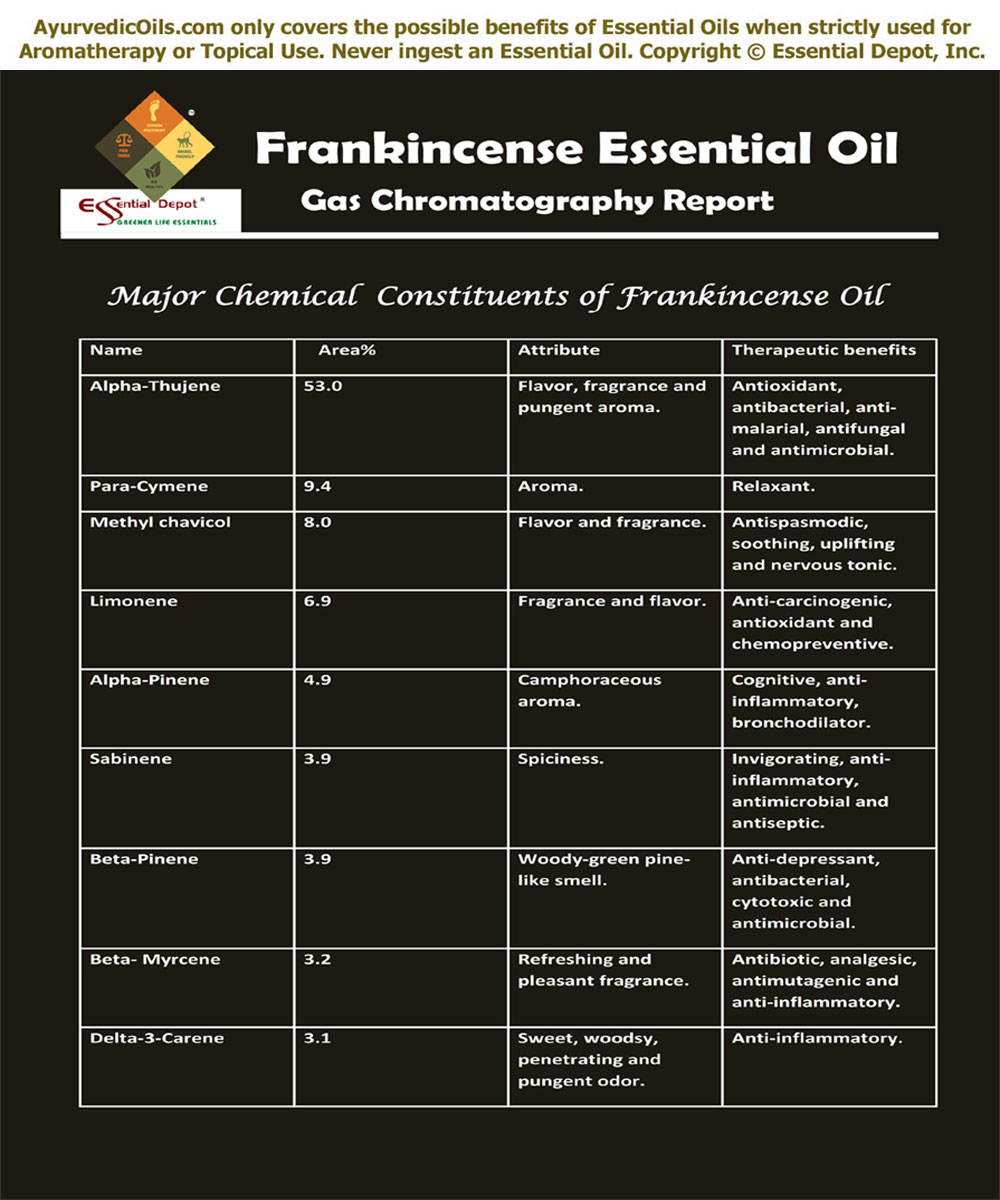
According to the Gas chromatography report, Rosemary oil constitutes of 8 major chemical components that contribute to its unique fragrance, therapeutic properties and quality.

Just click on:

For learning more about the exclusive information of these chief constituents of Rosemary oil.

The table below on the Gas Chromatography report talks about the principal chemical constituents and its role in granting the remedial values and other attributes to Rosemary oil.Rosemary-OilAyurvedic health benefits of Rosemary essential oil:

Known as Rusmari, Ayurvedic medicine celebrates Rosemary essential oil as one of the standard inhalations for treating respiratory disorders, sinusitis and gall bladder problems. Rosemary is one among those few essential oils that must be in everyone’s medicine cabinet according to the trusted Ayurvedic book, Ayurveda and Aromatherapy.

Ayurveda adores nature’s innate beauty and trusts human beings to be a vital part of nature. The simplicity of this mythological science lies in its easily understandable classification of the 3 energy elements known as doshas (vata, pitta and kapha) that construct a human’s physical and mental set-up.

The imbalance of any one of these doshas is said to cause illnesses indicating that the body is out of poise with nature. Ayurveda categorizes Rosemary essential oil as a rich herbaceous oil with drying and heating energies and can effectively reduce excess vata and kapha while treating pitta deficiency.

The well-known Ayurvedic health benefits of Rosemary essential oil are:Rosemary-broucher

1. Tonic for hair and skin:

Rosemary essential oil is an excellent tonic, stimulant, calmative and relaxant. It is known to ease stress, enhance blood circulation, nourish and cleanse the scalp, stimulate hair follicles and promote hair growth naturally. Regular massaging of the scalp with 2 to 3 drops of Rosemary essential oil blended with Almond oil can help in strengthening the roots, reduce premature graying, control loss of hair and lessen dandruff.

Rosemary oil is also a trusted moisturizer that foster scalp health while treating flaky and dry scalp. When used in combination with Sage oil, this oil is said to control the build-up of excess oil. For all these special factors, Rosemary essential oil is used in plenty of shampoos, conditioners and other hair care formulas.

The essential of Rosemary is a brilliant energizer for treating skin problems and its brilliance lies in its effectiveness of controlling the excessive production of sebum, which is responsible for acne, pimples and black heads. 2 drops of Rosemary essential oil added with 3 drops of Orange essential oil have been proved effective in treating cellulite, the most annoying skin problem especially in post-pubertal females.

This oil is known to relieve swelling, congestion and puffiness. Used as massage oil or bath oil, Rosemary essential oil can aid in the treatment of eczema, acne, stretch marks, skin eruptions, scars, wrinkles and dermatitis.

2. Augments memory and cognitive performance:

Numerous studies have witnessed the efficacy of the influencing aroma of Rosemary herb and its essential oil in enhancing memory skills.

This instinctive fragrance has been medicinally associated with memory and overall health since the primeval times. Dr. Mark Moss in one of his studies proved that “the presence of the chemical compound 1, 8-cineole boosts the chemical brain systems behind cognitive performance when absorbed into the bloodstream of healthy adults.

Northumbria University’s psychology researchers have demonstrated their findings stating that memory impairments that affect day to day living and acts as a cause of concern for prospective memory can be handled easily with Rosemary herb.

A 2003 research on ‘Aromas of rosemary and lavender essential oils differentially affect cognition and mood in healthy adults’ published in PubMed proved that the olfactory properties of the essential oil of Rosemary created a notable improvement of performance for overall memory quality and other secondary factors of memory.

This study also demonstrated that “these essential oils can produce objective effects on cognitive performance, as well as subjective effects on mood”.

Adding 2 to 3 drops of Rosemary essential oil to burners, vaporizers, diffusers or to your handkerchief can aid in stimulating the functions of the brain, encouraging clarity of thought, enhancing memory power, granting mental awareness and strengthening the central nervous system.

You can also go for a quick meditation of just 5 minutes every morning with the intense aroma of Rosemary essential oil around you to calm your mind, enliven your spiritual power and free your mind from all kinds of mental qualms.

Next time when you prepare for your examination, add 2 drops of Rosemary essential oil to any of the above mentioned things and 2 drops to your handkerchief on the day of your examination. It is said that the invigorating aroma of Rosemary essential oil helps in remembering all that you’ve studied with encompassing your atmosphere with the same fragrance.

3. For depression, fear and fatigue:

Rosemary essential oil is not only known to boost the brain power but is also recognized for instilling positive feelings. The stimulating and anti-depressant properties of this oil checks stress related disorders, nervous exhaustion, depression, fear, fatigue and anxiety. When added to your warm bathing water, Rosemary oil acts as a classic relaxant and treats physical weariness, wards off lethargic attitude, backs up mood fluctuations and help increase productivity.

4. Must-have essential oil in the medicine cabinet:

Bryan Miller and Light Miller in their book ‘Ayurveda and Aromatherapy’ say that Rosemary essential oil is a must-have essential oil in everyone’s medicine cabinet.

With remarkable therapeutic properties like analgesic, nervine, carminative, cephalic, cardiac, emmenagogue, diuretic, hypertensive, stimulant, tonic, rubefacient, astringent, cholagogue and antidepressant, Rosemary essential oil can heal a number of illnesses including dental problems, respiratory disorders, pain, inflammation, urinary problems, gastrointestinal troubles and weak immune system.

2 drops of Rosemary essential oil added to a warm cup of water as a gargle can help you keep away from bad breath, plaque, weak gums and other oral problems. This is due to the antimicrobial activity of this oil that fights against Gram-positive bacteria, Gram-negative bacteria, fungi and other micro organisms.

Adding 2 to 3 drops of this oil in vapor therapy or in warm bath can assist you in treating sinusitis, headaches, migraine pain, cough, bronchitis, mucus congestion and common cold.

Blending few drops of Rosemary essential oil with soothing carrier oils like Sesame oil or Coconut oil can support in dealing with rheumatic pain, arthritis, muscular spasms, menstrual cramps, back pain, constipation and stiff neck.

Massaging with this reviving essential oil promotes blood circulation, treats blocked menstruation, boosts immune power and supports overall health condition.

Disclaimer:

This information is only for your reference and is not meant to substitute any prescription drugs or consultation of your healthcare professional. Consult your Ayurvedic practitioner for expert advice based on your specific health conditions and individual constitution. Avoid using essential oils directly on your skin and taking it internally. Keep away from children and is not suitable for pregnant women and people with high blood pressure and epilepsy.

The MSDS (Material Safety Data Sheet) of Rosemary oil is readily available for your enhanced safety and better usage.

Gas Chromatography Report of Rosemary oil

Thought for the day:

“There’s rosemary, that’s for remembrance: pray, love, remember”    – An excerpt from Hamlet by Shakespeare.

Suggested Reading:

  1. Rosemary Oil – An In-Depth Look at its Potentially Amazing Benefits by Karen Jean Gaskell
  2. How to Use Rosemary Essential Oil (Aromatherapy) by Miriam Kinai
  3. HEALING POWERS OF ROSEMARY OIL (The Aromatherapy Professional: Healing with Essential Oils) by KG Stiles
  4. 30 Ways to Use Rosemary (X-Ways to) By Evelyn

Reference Links:

  1. Rosemary boosts brain power! By Robert Tisserand
  2. Rosemary Oil Health Benefit: Smell Boosts Prospective Memory by Medical Daily
  3. Aromas of rosemary and lavender essential oils differentially affect cognition and mood in healthy adults published in PubMed
  4. Traditional Uses Of Rosemary by Natural Standard, The Authority on Integrative Medicine

Sesame Oil

Sesame-bannerFrom nasal drops to enema, from babies to elderly people, Sesame oil forms an incredible part of the Ayurvedic regimen. Experts say that about 90% of the herbal oils in Ayurvedic treatment are prepared with a base of Sesame oil.

Celebrated for its rich presence of nutrients, this oil is used as a nourishing cooking oil in most parts of India, especially the southern parts of the nation where Ayurvedic system of healing has its roots deeply vested with.

Known as Tila in the Ayurvedic world, Sesame oil is extracted by pressing the seeds of the plant Sesamum indicum (syn. Sesamum Orientale). Sesame oil has been used for its innumerable benefits to mankind and the most touching thing is that the seed hulls left after pressing the oil can be fed to livestock as a wholesome food.

Purchase Sesame Oil – Wholesale – CLICK HERE

Historical importance of Sesame Oil:

This invigorating oil has the longest history of more than 5,000 years just like the ancient Ayurvedic system. This was the main oil crop and was cultivated during the times of Indus valley civilization, the oldest civilization of the world. Sesame was the first crop used for extracting oil.

Before 600 BC, Sesame oil was used as a salve, medicine and in food by the rich Assyrians community. From times immemorial, this oil has been an important part of the world of Complementary and Alternative Medicine. Various traditions like Chinese, Korean, Japanese, Southeast Asian and Middle Eastern used Sesame oil as a flavor enhancer and natural health stimulant.

Most of the Ayurvedic therapies have registered the use of Sesame oil for its ability to strengthen the system, detoxify the body and ensure the proper functioning of all the vital organs. Sesame seed oil is considered as a sacred oil in many parts of India and is used in votive lamps and other ceremonies of religious importance.

Among the seven chakras or the vital points of human energy, sesame oil is said to benefit the heart chakra responsible for unconditional love for others and self, compassion, emotions and all kinds of relationships with the world, root chakra responsible for dealing with the challenges of the world and the spleen chakra responsible for the right to think, self-confidence, self-control and intellect.

Therapeutic properties and nutrients of Sesame oil:

Sesame oil is rich in vitamin E (potent antioxidant), iron, omega-6 fatty acids, vitamin B6, magnesium, calcium, zinc, copper, dietary fiber and flavonoids phenolic antioxidants.

All these enriching nutrients make Sesame oil as a powerful antioxidant with antibacterial, antifungal, anti-inflammatory, antiviral, immune-stimulant, restorative, anti-rheumatic, carminative, tonic, anti-diabetic, anti-atherogenic, cardiac, dermatologic, laxative, emollient, warming and anti-depressant properties.

Ayurvedic health benefits of Sesame oil:

Ayurvedic encyclopedias like Charaka Samhita and Sushruta Samhita have listed enormous health benefits of Sesame oil. Practicing Ayurveda is a sure shot remedy for self-improvement as it involves a systematic life-style along with essential oils, herbal medications, yoga, meditation and physical exercises that keep you fit and fine even in your late 60s.

Human body is made up of 3 energy elements known as doshas in Ayurveda. They are vata, pitta and kapha. The predominant energy element determines your personality, character and behavior. Sesame oil has the potent to balance excess vata along with kapha and pitta deficiency.

Let’s take a look at the Ayurvedic health benefits of Sesame seed oil in terms of various ways of administration.Sesame-broucher1. Oil Pulling:

This is a simple Ayurvedic therapy that helps in eliminating the harmful toxins from the body and enhances immunity and is known as Gandusha in Sanskrit. It is nothing but swishing 1 tablespoon of sesame oil in the mouth for 20 minutes in empty stomach in the morning and spitting out the toxins-filled remains. This process helps in protecting the dental health known as Dantya Swasthya in Ayurveda.

Charaka Samhita (Charaka Samhita Ch V-78 to 80) quotes the act of oil pulling as “It is beneficial for strength of jaws, depth of voice, flabbiness of face, improving gustatory sensation and good taste for food. One used to this practice never gets dryness of throat, nor do his lips ever get cracked; his teeth will never be carious and will be deep rooted; he will not have any toothache nor will his teeth set on edge by sour intake; his teeth can chew even the hardest eatables” . The best oil recommended for oil pulling by Ayurvedic texts is organic cold pressed Sesame oil.

Sesame oil has sesamol, sesamolin and sesamin components along with the presence of polyunsaturated fatty acids and Vitamin E that make this oil as a rich natural antioxidant. This property helps in preventing decay and degeneration of cells in the body and blocks the absorption of negative cholesterol in the liver.

A popular study on “Effect of Oil Pulling on Plaque and Gingivitis” by Dr. HV Amith proved that 45 days of methodical oil pulling showed a significant decrease in plaque and gingivitis.

The antibacterial and antifungal properties of this oil help in treating halitosis or bad breath, plaque, gingivitis and dental cavities.

One more study conducted in 2008 on “The Effect of oil-pulling on dental caries causing bacteria” proved the in-vitro antibacterial activity of Sesame oil against dental caries causing bacteria, especially Streptococcus mutans and Lactobacillus acidophilus. This study also witnessed the considerable reduction of the total count of bacteria after oil-pulling.

Oil pulling with Sesame oil is also effective in treating cracked lips, eczema, sinusitis, heart disorders, psoriasis, obesity, dry skin, headache, kidney problems, rheumatic pain and inflammation, dry throat and tooth decay.

2. Abhyanga, the art of Ayurvedic massage therapy:

Abhyanga or Ayurvedic massage with Sesame oil is a significant part of the Ayurvedic treatment to relieve muscular pain and tension, make the skin healthy and glowing, regularize the breathing pattern, improve blood circulation, relax the nervous system, revive the mind and relieve stress and sleeping difficulties. These benefits are mentioned in Ayurvedic texts as Twachya , Balya and Keshya.

(i) Balya (benefits for children):

Known as the King of Oils, Sesame oil is completely safe for the use of children and is known to strengthen the bones, joints and muscles by penetrating deeply into the muscles and the bone marrow. It is because of this property, every Indian family massage their new born babies and toddlers with Sesame oil before bath and leave them under sunlight for few minutes allowing the body to absorb vitamin D and nourish the skin cells naturally.

(ii) Twachya (benefits for the skin):

The presence of vitamin E and zinc in this oil helps in augmenting the elasticity of the skin; repairs damaged skin cells and promote the production of collagen. Massaging your skin with this nourishing natural emollient aids in preventing the symptoms of aging, wrinkles, acne, psoriasis, wounds, burns and other skin infections. Sesame oil also protects your skin from dangerous ultra-violet rays.

(iii) Keshya (benefits for the hair):

Massaging your head with warm Sesame oil stimulates hair growth, controls dandruff, nourishes the scalp, kills the infestation of lice, and eases anxiety and fatigue.

It is a long time tradition of Indians to massage their head and body with Sesame oil once in a week and take bath with the herbal powder known Shikakai to reduce the body temperature and enliven the nerves and cells. This oil kills the dandruff causing bacteria and protects the skin and scalp from the harmful effects of chlorine in swimming pool water.

3. Nasya, nasal cleansing:

Nasya is one important methodology among the 5 methods of Ayurvedic Panchakarma therapy. It is the method of administering herbal oils and medicines through the nostrils. According to Ayurveda, nose is the entrance to the brain. Applying a few drops of Sesame oil in the nostrils as nasal drops helps in treating illnesses above your shoulders.  This aids in removing the toxins from the body, alleviate stress, sinusitis, allergies, headache, cold and wrinkles.

4. Pathya, daily diet:

When used as cooking oil in daily diet, Sesame oil is highly beneficial for the entire system from head to toe. Ayurveda suggests the daily use of this oil and is said to grant Vranashodhana (healing and cleansing internal and external wounds), Agni janana (augmenting the power of digestion and metabolism) and Medha janana (enhancing intelligence).

Regular use of Sesame oil helps in fighting cancer with its antioxidant properties, guards the body from DNA damage due to radiation, treats rheumatism, improves digestive health, supports respiratory wellness, aids in preventing diabetes, lowers blood pressure and improve the health of the cardiovascular system.

Disclaimer:

Consult your Ayurvedic physician before using Sesame oil for your individual constitution. This article is only for informational purpose and is not meant to replace your prescribed medicines or the advice of your healthcare professional.

Thought for the day:

For in the true nature of things, if we rightly consider, every green tree is far more glorious than if it were made of gold and silver. -Martin Luther

Suggested Reading:

  1. The Encyclopedia of Ayurvedic Massage by John Douillard
  2. Eat-Taste-Heal: An Ayurvedic Cookbook for Modern Living by Thomas Yarema, Daniel Rhoda, Johnny Brannigan
  3. The Oral Health Bible by Michael Bonner, Earl L. Mindell
  4. Oil Pulling Therapy: Detoxifying and Healing the Body through Oral Cleansing by Bruce Fife

Reference Links:

  1. Sesame Oil by Wikipedia
  2. Effect of oil-pulling on dental caries causing bacteria by Durai Anand T, Gopinath RM, Pothiraj C and Kayalvizhi B of the PG Department of Microbiology, VHNSN College, India
  3. Open Sesame! 10 Amazing Health Benefits Of This Super-Seed by GreenMEDInfo
  4.  Sesame Oil For Bone Building in Ayurveda by Livestrong.com

Balsam Tolu Oil

Balsam-tolu-banner

From being a promising remedy for skin ailments for the American and Mexican tribal population to a vital element in popular skin care liniments and cough formulas, Balsam Tolu extracts and its essential oil have traveled a long way in the history of natural medicine. With a unique and fresh vanilla-like aroma, Balsam Tolu is used as a natural fragrance in perfumes, creams, soaps, shampoos, hair tonics and diaper rashes creams.

History is always fascinating and Ayurvedic use of Balsam Tolu indeed owns an interesting history behind its scene. It was the Native Indians who identified the medicinal values of Balsam Tolu during their reign of Peru while they were residing in the South and Central American provinces, where Peru was recognized as the birthplace of the Balsam trees in the ancient period.

Being the traditional Indian medicine, Ayurvedic remedies prescribe Balsam Tolu and its essential oil for asthma, migraine, tuberculosis, abscesses, bronchitis, cough, ringworm, wounds, bed sores, scabies, sprains and certain venereal diseases.

Purchase Balsam Tolu Essential Oil – Wholesale – CLICK HERE

Historical uses and significance of Balsam Tolu essential oil and its other extracts: Botanically known as Balsamum tolutanum, Balsam Tolu is the resin extracted from the Myroxylon tree. It is grown primarily in South America and Central America. This tree has a natural resin producing ability and this resinous Balsam is called by other alternate names including Balsam Peru, Peruvian Balsam, Toluifera pereirae, Myroxylon Balsamum, Indian Balsam, Quina and China oil.

The gummy resin tapped from this tall tree is then made into Balsam and the major exporters of Balsam of Tolu are Columbia, El Salvador and Venezuela. The tribal people from Central America and Mexico used the leaves and bark of the Balsam Tolu tree as a folklore remedy for arthritis, wounds, cold, flu and asthma. The name ‘Tolu’ denotes the tribal race ‘Tolues’ from Columbia and it is said that they used this tree as an ancient remedy for various conditions.

The tribal populace who were aboriginal to the rainforest area used various parts of this tree in the treatment of tuberculosis, wounds, headache, rheumatism, asthma, venereal diseases, abscesses, sprains, catarrh, sores and bronchitis.

Balsam Tolu was first documented in the German Pharmacopeia in the 17th century. The book on “The Essence of Herbs” by Chrissy Brownlyn says “some native Indians used the bark in a powdered form as an underarm deodorant while others found it best for lung and cold ailments”.

It further denotes that the credit of using this plant in pharmaceutical industry goes to the Europeans, especially the Germans who used Balsam of Tolu in treating skin problems like ringworm, scabies, diaper rashes, bedsores, wounds, head lice, dandruff and certain minor ulcerations, after identifying its anti-parasitic, antibacterial and antifungal properties.

The mild and gentle vanilla and cinnamon like aroma of Balsam Tolu oil had supported its use as a flavoring agent in confectionaries, cough syrups, throat lozenges, chewing gums and soft drinks. The mesmerizing floral fragrance of this oil has been prescribed for use in relaxation techniques like meditation and yoga for soothing the mind and calming the senses.

Balsam Peru oil and Balsam tolu oil are extracted from the same tree but by different extraction methods. Even today, Tolu Balsam is used in anti-dandruff shampoos, conditioners, soaps, female hygiene sprays, perfumes, hair tonics, detergents, skin care creams, perfumes, topical salves, ointments, deodorants, surgical dressings, suntan lotions, cosmetics, colognes and certain other medical aids and equipments.

Chemical constituents and remedial properties of Balsam Tolu essential oil:

Among the 25 different chemical components, the major elements contributing to the therapeutic values of Balsam Tolu oil are cinnamic acid, cinnamein, benzyl benzoate, vanillin, nerolidol, cinnamyl cinnamate, benzoic acid, farnesol and other aldehydes. The most important therapeutic attributes of Balsam Tolu oil are antifungal, antiseptic, expectorant, anti-dandruff, anti-stress, analgesic and anti-parasitic.

Ayurvedic health benefits of Balsam Tolu essential oil:

From men in the Stone Age to this Digital Era, celebrate Ayurveda as a boon to mankind for its holistic and regimented approach towards health and harmony.

Ayurveda was gifted to humanity by Acharya Dhanvantari, the ancient God of medicine and is said to have its origin in India, the land of herbs and cultural heritage. This traditional remedy also holds the pride of being a part of Atharvaveda, one among the 4 sacred books of the Indian mythology.

When compared to the modern medicine, where personal care and attention to individuals becomes a question mark, Ayurveda is a divine science that regards and respects human body as a temple where the soul lives in. With this thought of nobility, Ayurveda recommends mankind to keep their mind, body and soul clean, happy and content.

The principles of Ayurveda rely on nature for everything as it strongly trusts that everything on earth is a vital part of nature. The visible proof behind this theory is that all things in nature are made up of five basic elements of nature, namely fire, water, earth, space and air.

Human body is also made up of these five elements, where earth is present in the form of bones and muscles; water represents blood and fluids in the system; air is vital for breathing; space is the soul that dwells in and fire is the essential energy for body temperature, metabolic functions and certain other vital activities of the system.

Ayurveda never goes by the fact that ‘one size fits all’, as it trusts that every human being is a distinctive part of nature composed with a unique individual constitution known as prakriti. It is a combination of three biological energies called as doshas. They are vata, pitta and kapha. Every individual has a predominance of any one of these doshas that acts as a deciding factor in determining the character, personality, attributes and behavioral patterns.

Absolute balance between these doshas as per the law of nature indicates health and doshic imbalances due to climatic conditions, lifestyle changes, irregular food habits and moral vitiations leads to illness.

Ayurvedic healing aims at treating the root cause of an illness instead of its symptoms alone. This aids in curing the disease initially and preventing it in the future as well. Ayurveda prescribes natural remedies that go well with the individual constitution of a person, even if a group of people are affected by the same medical condition.

The prime Ayurvedic remedies are plant essential oils, simple physical exercises, herbs, yoga, prayers, Pranayama (Ayurvedic breathing exercises), meditation, Abhyanga or Ayurvedic massaging, Panchakarma or Ayurvedic detoxification techniques and Ayurvedic routine.

Balsam Tolu essential oil is said to pacify kapha and vata doshas and increase pitta energy. It’s time to look into the Ayurvedic health benefits of Balsam Tolu essential oil. Ayurveda generally prescribes the use of essential oils in the following ways:

Balsam-Tolu-broucher1. As an invigorating massage oil:

Abhyanga or the art of massaging with Ayurvedic oils is an important Ayurvedic technique prescribed for healing numerous illnesses since the traditional times. Abhyanga is the traditional method through which the soft tissues of one’s body is maneuvered with the help of fingers, elbows, feet, forearms and other ancient massaging equipments.

Ayurvedic massaging has the potent to pass innumerable benefits to the human body and the key benefits among them are:

  • Relieving muscular tension.
  • Normalizing the breathing pattern.
  • Relaxing the nervous system.
  • Revitalizing the mind.
  • Alleviating pain and inflammation.
  • Improving blood circulation
  • Augmenting the natural glow and suppleness of skin.

Ayurvedic physicians generally prescribe the appropriate essential oil based on the prakriti and medical condition of a person. Balsam tolu oil is good to treat vata and kapha vitiations and pitta deficit.

Massaging your system or affected parts with 5 drops of Balsam tolu oil, 2 drops of Patchouli oil, 2 drops of Frankincense oil, 2 drops of Lavender oil, 2 drops of Cardamom oil, 2 drops of Petitgrain oil along with 50 ml of Coconut oil can assist in relieving pain, soreness and inflammation associated with rheumatism, alleviating muscular tension, relaxing the nerves, enhancing the skin texture, improving slow digestion, treating constipation, supporting urination through which the toxic remains in the body are eliminated and promoting peaceful sleep and positive feelings.

Skin is the largest organ of the human body and is the quickest transmitter of remedial properties to the bloodstream. Using Balsam Tolu oil in Ayurvedic massaging aids in passing away its healing values like antioxidant (helps in checking aging symptoms and discard the growth of free radicals in the body), antiseptic, cicatrisant and stimulating properties (supports in enhancing the skin health), diuretic, anti-rheumatic, analgesic values (aids in alleviating pain, eliminating toxic remains by promoting frequent urination, reducing inflammation, redness and stiff muscles) and anti-stress properties that help in relaxing the nerves, mind and induce good sleep.

2. In compress or bathing:

Balsam Tolu oil owns an exotic floral fragrance that makes it an excellent bathing oil that can help in leaving you fresh and energized all through the day.

Using 2 drops of Balsam oil along with 1 drop of Cinnamon oil and 1 drop of Ylang Ylang oil in your bathing water or in warm or cold compress is a great way to recharge your nerves, enchant your muscles, lessen muscular tension, alleviate tension headache, back pain and calm your senses and instill a complete feeling of newness.

A warm bath with this blend especially before going to bed is a great way to promote good sleep without any nightmares.

3. Topical application as creams or salves:

Balsam Tolu has been used as a promising remedy for myriad skin problems since the times of the tribal populace. 2 to 3 drops of Balsam Tolu oil along with 1 drop of Turmeric oil mixed with your mild skin care cream or with 2 ml of Jojoba oil can be applied on wounds, eczema, minor skin ulcerations, acne, scabies, rashes, ringworm, bedsores, diaper rashes and skin infections caused due to fungi and parasites.

The herbal blend of 2 drops of Balsam Tolu oil with 2 drops of Rosemary oil, 2 drops of Ylang Ylang oil and 2 drops of Basil oil along with 10 ml of sweet almond oil, applied on the scalp and hair, followed by a thorough rinse with your mild shampoo can assist in keeping away from dandruff, combat head lice, enrich the scalp and promote the growth of healthy hair naturally.

4. In burner, diffuser or vaporizer:

Ayurvedic texts recommend the use of aromatics or aromatherapy as a major means of natural healing and prevention of illnesses. Smell or aroma has an important effect in balancing and stimulating various functions of the body. This action is performed by the odor-bearing molecules that influence the receptors in the nose while breathing. They reach the olfactory bulb of the limbic system in the form of nerve impulses.

The aromatic molecules of Balsam tolu essential oil has expectorant, antifungal, anti-dandruff, antiseptic, anti-stress, anti-parasitic, analgesic, anti-rheumatic and stimulating properties. When inhaled by adding 2 drops of Balsam tolu oil in vaporizer, burner or diffuser, these molecules containing the therapeutic properties of this oil reach the limbic system.

Following this, the hypothalamus and other vital parts of the limbic system convey the corresponding commands to different parts of the body as per the remedial values. Inhaling the soothing aroma of Balsam tolu oil can assist in relaxing the system, lessening pain, reducing fatigue, treating insomnia, and alleviating stress and depression.

Ayurveda states that using Balsam tolu oil in diffuser or vaporizer specifically during meditation, yoga and Pranayama instills a sacred feeling as the mind is said to reach the most subtle and tranquil α (alpha) state during meditation.

5. In vaporizing ointments or steam inhalation:

Inhaling the medicated steam is a proven natural remedy for alleviating cold, cough, sore throat, headache, sinusitis, blocked nose, watery eyes and migraine pain. Steam inhalation works effectively as the steam aids in bringing out the toxic remains in the body through sweat and one can feel the relief instantly after a medicated steam inhalation.

Adding 2 drops of Balsam Tolu oil along with 1 drop of Peppermint oil and 1 drop of Eucalyptus oil in steam inhalation can aid in relieving headache, opening blocked sinus and nasal passages, soothing sore throat, discarding phlegm and mucus deposits and eliminating the microbes present in the system through sweat.

When added to your vaporizing ointment, this blend can also be helpful in treating bronchitis, tuberculosis, chest congestion, nasal congestion, whooping cough and certain other respiratory infections.

Certain test tube studies have revealed that Myroxylon plant has been effective in inhibiting H.pylori, the general ulcer-causing bacteria and Mycobacterium tuberculosis, which is responsible for lung diseases.

Disclaimer:

This article is not meant to treat or diagnose any medical condition or substitute any professional medical advice. It is only for educational purposes and we are not medical practitioners. This heath related information is shared only with the view of spreading the ancient wisdom of Ayurveda, the oldest holistic healing system on earth.

Never use essential oils for internal purposes. Always remember to dilute essential oils before using it for topical uses, as organic and 100 percent pure essential oils are highly concentrated substances and may lead to allergies, if used without diluting them. Discuss with your healthcare expert/Ayurvedic physician before taking the right call on the most suitable essential oils for your health condition and unique individual constitution. Keep away from Balsam Tolu oil, if you are a nursing or pregnant mother, as it is regarded as a sensitizing oil and may have chances of causing allergic reactions.

Thought for the day:

In nature, nothing is perfect and everything is perfect. Trees can be contorted, bent in weird ways, and they’re still beautiful. -Alice Walker

Suggested Reading:

  1. Prescription for Herbal Healing, 2nd Edition: An Easy-to-Use A-to-Z Reference to Hundreds of Common Disorders and Their Herbal Remedies by Phyllis A. Balch CNC, Stacey Bell
  2. 10 Ways to Use Balsam Of Peru (Recipe Book) by Sam Enrico
  3. The Encyclopedia of Essential Oils: The Complete Guide to the Use of Aromatic Oils In Aromatherapy, Herbalism, Health, and Well Being by Julia Lawless
  4. Scabies Natural Home Treatment Solution by Alyson Rodgers
  5. Medical Herbalism: The Science Principles and Practices Of Herbal Medicine by David Hoffmann

Reference Links:

  1. Balsam of Peru by Wikipedia
  2. Balsam of Tolu from The Essence of Herbs by Chrissy Brownlyn
  3. Balsam of Tolu by Infostir.com
  4. Peruvian Balsam (Myroxylon pereirae syn. M. Balsamum) by Herbs2000.com

Rose Wood Essential Oil

Rosewood-bannerThe uplifting Rosewood essential oil is extracted from the heartwood of Rosewood tree through steam distillation. Light Miller in her book ‘Ayurveda and Aromatherapy’ says “Along with sandalwood, hina, myrrh and amber, rosewood is one of the five essential oils to put into your metaphysical first aid kit”.

Rosewood also known as bois de rose is a mighty evergreen tree indigenous to Brazil and Peru. Aniba rosaeodora is a member of the Laurel family Lauraceae along with other aromatic trees like Camphor, Cassia, Bay and Cinnamon. Ayurveda, the mother of all healing systems have made significant use of this oil for opening the inner ear, rekindling spiritual feelings and for discharging offensive memories.

Purchase Rose Wood Essential Oil – Wholesale – CLICK HERE

Historical importance of Rosewood:

The valuable wood of this tree was traditionally used in cabinet-making, carving, building, essential oil extraction and for making chopsticks. Certain texts state that the ancient French community used Rosewood for flooring, oils, furniture and guitars.

The alluring fragrance of Rosewood essential oil made its demand sky-rocketing especially during the eighteenth century in the field of perfume-making.

To mark its significance, Rosewood oil was a prominent ingredient of the well-liked perfume Chanel. No. 5. Industrial exploitation for numerous decades has led to categorize this tree as an endangered species and the legislation has now come up with a resolution that requires the essential oil distilleries to plant a new tree for every tree they use for essential oil extraction.

Active components and therapeutic properties:

Rosewood essential oil is regarded as a valuable oil mainly because of the rich presence of about 86% of linalool component, which can be modified into numerous derivatives of high value especially to the fragrance and flavoring industries.

Other components of Rosewood oil are a-terpineol, a-pinene, neral, camphene, myrcene, geraniol, 1,8-cineole, geranial, benzaldehyde, limonene, and linalool oxides.

These active components are responsible for the remedial properties of this oil such as aphrodisiac, anti-depressant, stimulant, anti-infectious, analgesic, antibacterial, tissue regenerator, deodorant, antiseptic, insecticide and cephalic.

Ayurvedic health benefits of Rosewood essential oil:

The essential oil of Rosewood is said to be stimulating and powerful in creating energy enrichment. Unlike other medical practices, Ayurveda considers every individual as a unique part of nature and treats every individual in a special manner as it trusts that each human being is made up of a specific set of energy elements known as doshas (vata, pitta and kapha).

This noble science regards illness as an opportunity to help the body regain its rhythm with nature and in this process of restoring good health, Ayurveda recommends the use of herbs, essential oils, a balanced regimen, meditation, yoga and other physical exercises.

Essential oil according to Ayurvedic texts is the aura or life force of plants, have been used in various Ayurvedic treatments like Abhyanga or Ayurvedic massage, aromatic therapy and in Panchakarma, the technique of Ayurvedic cleansing.

Rosewood essential oil with its floral, warm, spicy, woody, fruity and enlivening aroma reduces excess of vata and pitta imbalances.

Let’s have a look at the predominant Ayurvedic health benefits of Rosewood oil.Rosewood-broucher1. Guards your skin:

Rosewood essential oil acts as a shield to your skin, defending against harmful bacteria, virus, fungi and other microbes. The natural antiseptic and antibacterial properties of this oil aid in treating wounds, cuts, burns and infections while preventing it from being septic.

Excess of vata element in the body is characterized by wrinkling, dryness, thinness, flaking and dullness of skin. Rosewood is an effective vata reducing essential oil and gentle massaging of your skin with 5 to 6 drops of Rosewood essential oil with mild carrier oil like jojoba oil helps in dealing with such skin problems.

Oily skin is the basis of numerous skin disorders like pimples, acne, blackheads, sensitivity and skin irritations. Massaging your facial skin with 3 drops of Rosewood essential oil blended with 3 drops of Lavender essential oil along with Almond oil can assist in decreasing pitta and pave way for a healthy and spotless skin. You can also add 2 drops of Rosewood oil in steam therapy for promoting blood circulation, comforting irritated and stressed out skin.

The rejuvenating properties of this oil help in regenerating the skin cells and support the growth of new cells. Using it in your skin care lotion or cream will show visible results in reducing the symptoms of aging through tissue regeneration and absolute cleansing.

2. Pacifies your mind:

Rosewood oil is an excellent pacifier that calms your mind and relaxes your senses. The anti-depressant, stimulating and uplifting properties of this oil instills confidence as it is known to bring fire and helps in regaining your energy naturally.

Fearful, anxious, disheartened, nervous and hectic situations will take a back seat with the use of Rosewood essential oil in your burners, diffusers or vaporizers before going to bed or at the time of meditation. Miller’s Ayurveda and Aromatherapy book quotes Rosewood oil as “Rosewood helps to relieve tiredness, nervousness, stress, and it is very grounding, giving you a sense of protection”.

Being celebrated for numerous years as one of the best essential oils for meditative and spiritual purposes, Rosewood oil grants a balancing and energizing effect on the mind while influencing constructive feelings even after a long, backbreaking day.

Add 5 drops of Rosewood essential oil to your warm bath for easing tension, muscular pain, mood swings, pre-menstrual syndrome, nausea, headaches due to stress and general discomforts of the mind and body.

Ayurveda manifests that there are seven vital centers of power in a human body known as Chakras, which affect the psychological and physical functions of the system. Among the seven Chakras, the heart chakra is responsible for love for others, creativity, compassion, love for self, emotions of sadness, loss and distress.

The bracing aroma of Rosewood essential oil widens the heart chakra and assists in alleviating depressed feelings, egoism, negative memories and encourages one to spread love and compassion for others and self. Inhaling the aroma of this oil through diffusers or vaporizers or applying 1 to 2 drops on the chakra points will attend to your emotional needs tranquilly.

3. Instigates your love life:

I am wondering whether Rosewood oil has aphrodisiac properties just because it has the romantic word ‘Rose’ in its name? Used in massaging, bath or vapor therapy, Rosewood essential oil has been in use for treating decrease in sexual interest, impotence, frigidity and loss of libido in both the sexes. The magical aroma of this oil strengthens the system, instills a sense of security and grants absolute relaxation for an idyllic mating.

Rosewood essential oil, “Opens the inner ear and Compassion” according to Deborah Eidson, the author of the book Vibrational healing. It is known to enhance your divine feelings and help in spiritual realization. The other documented benefits of Rosewood essential oil are its use as an analgesic for treating cold, toothache and joint pain. It is also used as an effective insecticide to keep away from insects like ants, mosquitoes, fleas, bedbugs and lice.

Disclaimer: Never use essential oils directly on your skin as pure essential oils are highly concentrated liquids and may cause harm. This article is for your information only. Consult your Ayurvedic Practitioner before using essential oils for your specific health conditions.

Thought for the day:

“To dwellers in a wood, almost every species of tree has its voice as well as its feature.”   -Thomas Hardy, Under the Greenwood Tree

Suggested Reading:

  1. Ayurveda & Aromatherapy: The Earth Essential Guide to Ancient Wisdom and Modern Healing by Dr. Light Miller, Dr. Bryan Miller
  2. The Illustrated Encyclopedia of Essential Oils: The Complete Guide to the Use of Oils in Aromatherapy & Herbalism by Julia Lawless
  3. Scents Of Life: Use And Effect Of Essential Oils by H. M. Schemske
  4. Facelift at Your Fingertips: An Aromatherapy Massage Program for Healthy Skin and a Younger Face by Pierre Jean Cousin M.B.Ac.C

Reference Links:

  1. Ayurveda and Aromatherapy by Light Miller and Bryan Miller
  2. Health Benefits of Rosewood Essential Oil by Organic Facts
  3. Healing With Rosewood Essential Oil by Suite101

Sandal Wood Essential Oil

Sandal-wood-bannerWell begun is half done’ is a great saying that is often related to the use of the most mesmerizing and reviving Sandal wood essential oil for spiritual ceremonies, meditation and other Ayurvedic remedies for treating a wide range of health conditions.

Extracted from the woods of the Santalum Album Linn trees that are 30 to 60 years old by steam distillation method, Sandal wood oil is celebrated as the priceless treasure of the Indian Subcontinent.

Popularly known as Chandana in Sanskrit, this oil has been used for thousands of years in Ayurvedic medicine for attaining enlightenment, awakening selfless love and for treating an array of physical and emotional health problems. Nobel Laureate Rabindranath Tagore said “if to prove that love would conquer hate, the sandalwood perfumes the very axe that lays it low”.

Purchase Sandalwood Absolute – 5% Dilution in Pure Jojoba – CLICK HERE

Historical Importance of Sandal Wood:

In my perspective, I’ve never seen such a fascinating history as that of Sandal wood. Indigenous to the Southern parts of India, Sandal wood is often a ‘Signature’ of the primordial Indian culture and is the traditional leader in the production of Sandal wood oil for pharmaceuticals and perfumery.

The oil of Sandal wood was used in ritual bathing of Gods of the Hindu religion. The Brahma Vaivarta Purana, one of the ancient mythological manuscripts mentions that the most powerful Goddess Lakshmi alleged to reside in the Sandal wood tree.

Vamana Purana suggests the use of Sandal Wood for worshiping Lord Shiva, one among the 3 major Gods of the Hinduism. It is also used for decorating new born babies, brides and bridegrooms along with flowers and other aromatic substances.

Sandal wood oil is highly respected by numerous ethnicities of the world including Buddhism, Islam, Hinduism and Christianity. This oil is a vital ingredient in the manufacturing of attar since the medieval times.

The primeval Egyptians used Sandal wood oil for embalming the deceased, for treating skin disorders and in spiritual flaming for honoring the Gods. Certain Hindu communities place a piece of Sandal wood in the funeral pyre.

Saints and priests of India use Sandal wood in homam and yagna yagam for glorifying and inviting Gods for getting their immaculate blessings. Even today, Sandal wood paste is applied on the forehead as a symbol of religious belief and for augmenting the concentration power when applied on the forehead.

The heartwood of this tree is considered as a symbol of sacredness in the Vedic texts. It is named after Indra, the Lord of the paradise as Indra’s Sandal wood tress and is said to adore the entire paradise with its compelling aroma.

Therapeutic properties and components of Sandal wood oil:

The major constituents of Sandal wood oil are Santyl acetate, Santalol and Santalenes. The remedial properties of this oil are anti-inflammatory, antiseptic, antispasmodic, astringent, anti-phlogistic, regenerating, cicatrisant, expectorant, sedative, emollient, hypotensive, tonic, diuretic, carminative, disinfectant and aphrodisiac.

Ayurvedic health benefits of Sandal wood oil:

Sandal wood is undoubtedly one of the strongest smelling plants in the world. It is a dignified natural medicine and the best among the sanctified herbs in the Ayurvedic world. Apart from the spiritual uses, Sandal wood oil is used as a distinguished remedy for numerous illnesses. Among the 3 energy elements (doshas) of the human body, Sandal wood and its oil treats vata (air) aggravation and is said to pacify and balance the fire energy pitta and the water energy kapha.

With its exceptional and uniform tenacity, exceptionally soft, magnificent, uplifting and sweet-woody aroma, Sandal wood oil has the potential to benefit the reproductive system, nervous system, marrows, plasma, muscular system and circulatory system.

The predominant Ayurvedic health benefits of Sandal wood oil are:Sandal-wood-broucher1. Repairs, rejuvenates and nourishes the skin and hair:

Sandal wood oil is an extremely skin-friendly oil that helps in treating vata based skin problems like flaking, dryness, wrinkling, cracking, roughness and coldness. Pitta imbalances cause acne, oily skin, black heads, blemishes, sensitivity and skin irritations.

Using Sandal wood oil in your skin care cream or lotion aids in repairing the damaged cells, eliminating the toxin deposits in the skin, moisturizes and soothes the skin, enriches the skin cells, enhances the skin texture, keeps your skin fresh and helps you get a fair complexion.

The astringent, antiseptic, antimicrobial, anti-aging, cicatrisant and disinfectant properties of Sandal wood oil protect the skin from harmful bacteria, virus and other fungal infestations.

A recent study have proved that the presence of α-santalol and β-santalol in Sandal wood oil fights effectively against Staphylococcus aureus bacteria and another gram negative bacteria Helicobacter pylori while it also exhibited anti-influenza effect against virus activity.

When applied on the skin as an antiseptic, this oil aids in healing wounds, cuts, sores, scars, inflamed skin, pimples and burns very quickly while preventing it from turning septic.

Sandal wood powder and oil along with the ‘Golden herb’ Turmeric is a traditional beauty secret of the Queens of the Indian kingdom and is now followed to enhance the beauty of the Brides before their marriage.

Apart from benefitting the skin, Sandal wood oil is extremely good for treating hair problems. In their book ‘Ayurveda and AromatherapyBryan Miller and Light Miller have wrote that Sandal wood oil is effective in treating split ends and dandruff due to vata imbalance.

They also suggest a natural blend of medicated oils for massaging your hair for treating dandruff. This blend includes adding 10 drops of Sandal wood oil, 10 drops of lavender oil, 10 drops of cypress oil and 10 drops of yarrow oil with 4 ounce of Sesame oil.

2. Augments mind power:

Sandalwood essential oil has a cooling effect on the brain and a calming effect on the mind. The sedative properties of this oil guard the nervous system and alleviate the off-putting effects of stress and other negative feelings.

For this invigorating reaction, Sandal wood essential oil is celebrated as a perfect meditation tool for more than thousands of years. When used in the form of incense sticks, in diffusers, burners or vaporizers this oil stimulates sensuality, grants a sense of awareness, invokes tranquility, awakens the divine thoughts within and promotes profound relaxation.

Inhaling the energizing aroma of this oil enhances memory power, unlocks the cellular memory of past experiences, clears confusions in the brain, augments spiritual bond and supports trouble-free concentration.

Applying 1 drop of Sandal wood essential oil on the third eye (in between your eyebrows) is said to boost intelligence and lessen depressive feelings. This point is also known as the point of concentration.

3. Treats pain, inflammation, digestive and respiratory problems:

The anti-inflammatory properties of this oil grants complete relief from various types of inflammation in the digestive system, excretory system, nervous system, brain and circulatory system as a result of fever, adverse effects of over-the-counter antibiotics, venomous bites, infections, wounds, fever, poisoning etc.,

Being a natural diuretic, Sandal wood essential oil pacifies the urinary system and helps discharge the toxins and infections in the body through urine.

Used in vapor therapy, this oil is also known to treat respiratory problems like bronchitis, chest infections, cough, cold and asthma. A 1999 study by the College of Pharmacy, Brookings proved that Sandalwood oil has the potential to prevent skin tumour development and is an effective chemo-preventive agent against chemically induced skin cancer.

4. Traditional aphrodisiac:

Sandal wood paste and oil are a time-honored aphrodisiac that boost the libido in both men and women, treats impotence, increases the sexual desire, and promotes reproductive health. Sandal wood essential oil is extensively used in yoga therapy for crafting sexual energy in nature.

Using perfumes with Sandal wood oil, adding 1 or 2 drops of this oil to your bath tub before bedtime, spreading the magic of love in your bedroom by adding 2 drops of Sandal wood oil to your diffuser or massaging your partner with 1 to 2 drops of this oil blended with soothing carrier oils like jojoba oil will bring in a natural feeling of togetherness.     

5. Classic relaxant:

Sandal wood oil is nature’s best relaxant. With its sedative properties and enriching fragrance, this oil soothes the nerves, calms your senses, and relaxes your tensed muscles and blood vessels.

The encouraging aroma of this oil keeps away from anxiety, fear and restlessness. 2 drops of this oil added to your diffuser can act as a daily dose of relief for treating tension headache, tiredness, stress and for influencing positive feelings.

A 2006 study on ‘East Indian Sandal wood and alpha-santalol odor increase physiological and self-rated arousal in humans’ states that Sandal wood is an important medicine in Ayurvedic treatment for treating both mental and somatic problems.

This research also proved that Sandal wood oil raised skin conductance level, pulse rate and systolic blood pressure. The regenerating odor of Sandal wood was proved to augment physiological and self-rated arousal in human beings.

The cooling and energizing attributes of this oil aids in quick relief at the time of panic attacks, bladder infections, irritability and nervous tension. It upholds tranquility and brings absolute harmony between the mind and the body.

These health benefits can be attained either by diluting 2 to 3 drops of this oil in the bath or by using it as a blend with carrier oils in massaging. For all these compelling medicinal values, Sandal wood oil is used in various treatments of Ayurvedic healing like Abhyanga or Ayurvedic massage, meditation, aromatherapy, marma therapy and in numerous other medicinal practices.

Sandal wood is the beauty secret of Queens and ladies of the imperial families and is now a part of high quality perfumes, soaps, beauty creams, skin care products, incense sticks and many other products.

Disclaimer:

Pure Sandal wood oil is highly concentrated and is not recommended to be applied directly on the skin. Always dilute it in mild carrier oils before using it for topical application. This article is only for the purpose of information and is not meant to replace any prescription medicines or professional advice of your healthcare professional.

Thought for the day:

Adopt the pace of nature: her secret is patience. 

-Ralph Waldo Emerson

Suggested Reading:

  1. How to Use Sandalwood Essential Oil (Aromatherapy) by Miriam Kinai
  2. Heal With Oil: How To Use The Essential Oils of Ancient Scripture by Rebecca Totilo
  3. Ayurvedic Healing by Frena Gray-Davidson

Reference Links:

  1. Sandalwood: history, uses, present status and the future by Geeta Joshi, Arun Kumar A.N. and Mohan Ram H.Y.
  2. East Indian Sandalwood and alpha-santalol odor increase physiological and self-rated arousal in humans published in PubMed
  3. Health Benefits of Sandal Wood Essential Oil by Organic Facts

Balsam Peru Oil

Balsam-peru-banner“The balsam is stimulant and tonic, and is of use in chronic coughs, whites, palsy and chronic rheumatism. As an external application, it is employed with advantage in cleansing and stimulating foul and indolent ulcers”, quotes the book Ayurvedic Materia Medica for domestic use by Thomas John Graham.

Also called as Peruvian balsam, the essential oil and the balsam as such are being used in the field of Complementary and Alternative medicine like Ayurveda and Homeopathy as well as in Modern medicinal practices.

With its decongestant, antiseptic, antibacterial, antifungal and anti-rheumatic properties, Balsam Peru is prescribed in Ayurvedic medicine for treating bronchial asthma, whooping cough, bruises, bed sores, burns, eczema, respiratory infections, tuberculosis, headache, fever, diaper rashes, cold, scabies, ringworm and rheumatic conditions.

Purchase Balsam Peru Essential Oil – Wholesale – CLICK HERE

Historical uses and importance of Balsam Peru essential oil and its other extracts: This tree is scientifically called as Balsamum tolutanum. Balsam of Peru is the resin extracted from the tall tree that grows in Peru, Bolivia, Columbia, Venezuela, Paraguay, Brazil, Argentina and France.

Balsam Peru is also called by other names like Balsamum Peruvianum, Surinam balsam, Balsam fir oleoresin, Quina quina, Balsam Tolu, Toluifera pereirae, Indian Balsam, China oil, Myroxylon Balsamum, Balsams Peru, Myrosperum pereira balsam etc.

Initially, Peru was the major and largest exporter of Balsam oil and it was for this reason, this Balsam was called as Balsam of Peru. In recent times, Balsam of Peru is exported by various other major Balsam growing countries. This tree has a natural potential of producing resin, which is sticky in nature. Balsam of Peru is collected from Balsam trees that are roughly 20 years old by tapping method.

Balsam of Peru has been a part of the traditional healing methodologies for centuries together. It was used as a natural remedy for treating digestive disorders, headache, cold, cough, respiratory infections and certain skin problems. The Native American populace used the powder extracted from this tree as a deodorant.

Balsam of Peru and its essential oil has been a trusted remedy of the Europeans and other Asian folks for healing skin diseases like bedsores, ringworm, scabies, eczema, diaper rashes, wounds and itches. It is also used as an important ingredient in the manufacturing of female hygiene sprays, shampoos, insect repellents, topical salves, soaps, mouthwash, surgical dressings, skin care lotions and certain other fragrant ingredients.

Chemical constituents and remedial properties of Balsam Peru essential oil:

Studies have proved that the resin extracted from the Peruvian balsam tree consists of about 80% of cinnamic acid along with the presence of cinnamein. This is the reason for its vanilla and cinnamon like aroma. It’s essential oil is said to contain various volatile oils and the major components are benzyl cinnamate, benzyl benzoate, and nerolidol.

These components contribute to its remedial properties like antiseptic, antimicrobial, analgesic, anti-parasitic, expectorant, decongestant, antifungal, diuretic, antioxidant, deodorant, cicatrisant, anti-stress and anti-dandruff.

Ayurvedic health benefits of Balsam Peru essential oil:

The word ‘Ayurveda’ simply means ‘the knowledge of life’, where ‘Ayur’ stands for life and ‘Veda’ means knowledge. This oldest remedial system states that illness occurs when there is disharmony between an individual and nature.

Ayurvedic healing considers every human being as a unique part of nature with a unique individual combination. According to this philosophy ‘no two individuals are given the same medicine, even for the same disease’. The first Ayurvedic consultation aims at analyzing the unique individual constitution of a person, which comprises of three biological energies known as doshas. They are vata (air and space), pitta (fire and water) and kapha (water and earth).

These Ayurvedic doshas are nothing but a combination of the five vital elements of nature called as Panchamahabutas, namely fire, water, earth, air and space. Ayurveda states that every person has a prakriti (individual constitution), which is a combination of these doshas in a unique proportion with a predominance of any one of them.

This prevalence determines the character, personality, uniqueness and behavioral attributes of a person. Based upon these fundamental qualities, the unique Ayurvedic treatment methodology and remedies are prescribed. Ayurvedic writings reveal that the absolute balance between these doshas indicates perfect health and harmony with nature, whereas doshic imbalances lead to sickness.

The most notable Ayurvedic remedies include Ayurvedic essential oils, herbs, yoga, meditation, Pranayama or the art of balanced breathing, prayers, simple physical exercises, Ayurvedic routine, Abhyanga, and Panchakarma. With these remedies, Ayurveda focuses on treating the root cause of an illness instead of diagnosing its symptoms.

With its stimulating and invigorating properties, Balsam Peru essential oil has been recommended in Ayurveda for augmenting pitta dosha and pacifying kapha and vata dosha.

Let’s look at the Ayurvedic health benefits of Balsam Peru oil:

Balsam-peru1. Controls dandruff and checks hair-fall:

The essential oil of Balsam Peru has been used as an important ingredient in many hair care products including shampoos and conditioners for its antifungal, anti-parasitic and anti-dandruff properties. These remedial values help in clearing away dandruff, killing head lice and treating dry and itchy scalp conditions.

Massaging your scalp with 3 drops of Balsam Peru oil, 2 drops of Lemon oil and 2 drops of Rosemary oil along with 5 ml of Coconut oil can be of great assistance in nourishing your scalp, clearing away the itchy flakes on the head, repairing your damaged hair and act as a hair tonic. You can also add 2 drops of Balsam Peru oil to your regular shampoo and enjoy the richness of your shining hair, free from dandruff and head lice.

2. Extremely beneficial to the skin:

Balsam Peru oil is a time-honored skin care remedy that has been employed in the treatment of numerous skin problems including ringworm, bedsores, skin ulcers, wounds and diaper rashes. The antiseptic, antifungal, antioxidant and antimicrobial properties of this oil helps in quicker healing of wounds, combats the growth of microbes responsible for skin infections, and fights aging symptoms.

Blend 2 drops of Balsam Peru oil with 2 drops of Ylang Ylang oil and 2 drops of Lavender oil with 3 ml of Olive oil. Gently apply this blend on skin problems like eczema, scabies, wounds, ringworm, acne, athlete’s foot, chapped skin, rashes and wrinkles.

This natural skin tonic works like a wonder in treating fungal skin infections like ringworm and athlete’s foot with its anti-fungal properties; acne, rashes, wounds and eczema with its antimicrobial properties; wrinkles and dull lifeless skin with its antioxidant properties.

Bedsores generally occur in sick people who are bed-ridden. This includes especially the aged population with sensitive skin. Mixing 1 drop of Balsam Peru oil with 2 ml of Jojoba oil can reduce pain and help in promoting quicker healing of wounds. This blend can also be used externally on diaper rashes for babies as well as the aged.

3. Alleviates respiratory infections:

According to Ayurveda, amassing of toxic substances or ama in the system is a major cause for many illnesses including respiratory problems. It is a known fact that excess of kapha dosha (blend of water and earth elements) is responsible for diseases based on the surplus fluid deposits in the system causing respiratory infections, obesity, rheumatism, edema and other inflammatory conditions.

Balsam Peru oil has diuretic, expectorant and antimicrobial properties that aid in eliminating the excess fluid deposits in the system through urine and sweat, discarding phlegm and mucus secretions in the respiratory tract and arresting the growth of microbes that worsen respiratory problems. It has been used in the United States since 1800s as a respiratory aid and cough suppressant. Balsam of Peru was also used as an ingredient in cough syrups and lozenges.

2 drops of Balsam Peru oil along with 1 drop of Peppermint oil and 1 drop of Eucalyptus oil added to steam inhalation can help in relieving cold, sore throat, nasal congestion, headache, sinusitis, watery eyes, chronic cough, bronchitis, tuberculosis, asthma and inflammation of the pharynx.

Gently rubbing your throat, chest, back and forehead with 2 drops of Balsam oil along with 1 drop of Tea tree oil mixed with your vaporizing ointment can help in relieving sore throat, bronchial congestion, blocked nasal passages, chest congestion, headache, sinusitis and drowsiness due to cold and other respiratory infections.

4. Enhances the functions of the digestive system:

Indigestion is the key cause for building up of toxic substances in the body. This is due to improper metabolic functions, including digestion, absorption and elimination. Pitta dosha is responsible for ‘Agni’ or digestive fire in the system. Vitiation of pitta energy often ends up in sluggishness, nausea, constipation, flatulence, loss of appetite and other digestive disorders.

Balsam Peru oil has the ability to enhance pitta energy and can re-kindle the digestive fire. Inhaling the warm aroma of Balsam Peru oil by adding 2 drops of this oil to your vaporizer especially before your meals can help in enhancing your appetite, stimulating your bowel movements, treating constipation and promoting proper digestion. Massaging your abdomen with 2 drops of Balsam Peru oil and 2 drops of Nutmeg oil with 2 ml of sesame oil can support your digestive functions.

5. Improves blood circulation and treats rheumatic disorders:

Ayurvedic writings denote that rheumatism is an auto-immune disease that arises mostly due to the upsurge of ama or toxins in the system owing to the disparity of digestive fire. These harmful substances may even block the working of the essential organs in the body.

Basically, ama stored in the body reaches the kapha dominated parts like fingers, joints, stomach, brain, chest, toes and few other parts. Thus rheumatism is identified with the symptoms of inflammation, redness of joints, soreness of muscles, lack of energy, swelling of joints, irregular blood circulation, insomnia and fatigue.

With its diuretic, anti-rheumatic, antioxidant and analgesic properties, the essential oil of Balsam Peru has the potent to improve blood circulation, reduce pain, decrease swelling and inflammation by eliminating the toxic remains, excess water deposits, salt and uric acid through urine and soothe the joints and muscles.

Massaging the affected parts with 3 drops of Balsam Peru oil with 2 drops of Cardamom oil, 2 drops of Yarrow oil, 2 drops of Bay oil blended with 20 ml of coconut oil can help in alleviating pain, inflammation, swelling, soreness, stiff muscles, water retention, insomnia and other symptoms associated with rheumatism.

Ayurveda also recommends the practice of Pranayama or the art of balanced breathing in Ayurveda, through which the toxic remains in the system are discarded through exhalation. Along with this certain yogasanas can also help in treating rheumatic problems at ease and this has also been proved by various scientific studies.

Other health benefits:

With its mild, warm and soothing aroma, Balsam Peru oil acts like a marvel in treating depression, mood fluctuations and negative feelings. To attain this solace, 2 drops of Balsam Peru oil and 2 drops of Benzoin Res oil can be added to your burner, candle diffuser or vaporizer during the practice of yoga, meditation and Pranayama. This can also aid in enhancing self-confidence and positive thoughts.

Disclaimer: This information is meant only for the use of education and is not meant to diagnose or treat any health condition or replace any prescribed medications or professional medical advice. We are not healthcare practitioners and this info is shared only with the idea of highlighting the traditional wisdom of Ayurveda, the mother of all healing sciences.

Never take essential oils internally and do remember to dilute essential oils before using it on your skin, as pure and organic essential oils are extremely concentrated substances and may lead to allergic reactions when used on the body directly. Ensure that you seek advice from your Ayurvedic professional/healthcare expert before selecting the appropriate essential oil for your health condition and unique individual constitution. Avoid using Balsam Peru oil if you are pregnant or breastfeeding, as it is regarded as a sensitizing oil that may cause allergic reactions.

Thought for the day:

The art of medicine consists in amusing the patient while nature cures the disease. -Voltaire

Suggested Reading:

  1. 10 Ways to Use Balsam Of Peru (Recipe Book) by Sam Enrico
  2. The Encyclopedia of Essential Oils: The Complete Guide to the Use of Aromatic Oils In Aromatherapy, Herbalism, Health, and Well Being by Julia Lawless
  3. Aromatherapy and Subtle Energy Techniques: Compassionate Healing with Essential Oils by Joni Loughran, Ruah Bull
  4. Scabies Natural Home Treatment Solution by Alyson Rodgers
  5. A Practical Treatise On Materia Medica And Therapeutics by Roberts Bartholow

Reference Links:

  1. Balsam of Peru by Wikipedia
  2. Ayurveda Materia Medica for Domestic Use by Thomas John Graham
  3. Peruvian Balsam by Herbs2000.com
  4. Balsam of Peru essential oil by Oil Health Benefits

Camphor Oil

camphor-banner“Camphor increases prana, opens up senses and brings clarity to the mind, eases headache and awakens perception. It is a good stimulant and counter-irritant for joint and muscle pain”, says Light Miller and Bryan Miller in their book Ayurveda and Aromatherapy. Botanically known as Cinnamomum camphora, Camphor is a member of the Lauraceae plant family and is extracted from the wood and bark of this evergreen tree.

Prevalently called as Karpura in Ayurveda, this sacred and aromatic herb is used in Ayurvedic healing for more than thousands of years in the treatment of bronchitis, insomnia, asthma, hysteria, whooping cough, epilepsy, dysmennorhea, sinus headaches, nasal and pulmonary congestion, delirium and gout.

No sacred or religious ritual in India gets fulfilled without Camphor and is also known in Ayurveda with other names like Chandra, Himavaluka, Ghanasara and Chandra Prabha.

Purchase Camphor Essential Oil – Retail – 4 oz – CLICK HERE

Purchase Camphor Essential Oil – Wholesale – CLICK HERE 

Historical uses and importance of Camphor and its essential oil:

Popularly called as ‘the tree that does not sleep’, Camphor has been an important natural remedy especially in the Traditional Chinese Medicine and Ayurveda for more than 4,000 years in the treatment of various illnesses including nervous afflictions and other psychosomatic problems.

Indigenous to Formosa, Japan and China, this tree can grow up to a maximum height of 100 feet and the traditional Chinese used Camphor for its remedial uses and its wood was used in building temples and ships mainly due to its exuberant aroma and robustness. During the Tang dynasty (C.E. 618-907), Camphor was used in flavoring confectionery items like ice cream in China.

Camphor is an important part of Indian prayers, especially the religious ceremonies of the Hindu community since the traditional times. Burning camphor in the Pooja plate for deities is a part of every prayer in temples as well as homes and this sacred flame is calmly touched and its warmth feeling is passed on to the eyes. It is a part of the biggest spiritual celebration of the Hindus known as Mahashivratri dedicated to Lord Shiva.

The ancient Egyptians, Babylonians, Greeks and Romans used Camphor as a fragrant wood, incense resin, flavoring agent and as fumigants for embalming. It was given as prestigious gifts by the Chinese emperors for other kingdoms including the Arabian treaties. Camphor was also used as a traditional remedy for plague in Iran and Persia.

The strong aroma of Camphor makes it an excellent agent for protecting against snakes and other poisonous reptiles. It was also used as an insect repellant as it is trusted to be toxic to insects. Camphor was also used in tool chests to guard tools against rusting.

Chemical constituents or Gas Chromatography Report (GC) of Camphor oil:

The Gas chromatography report witnesses Camphor oil with about 15 chemical constituents that contribute to its unique aroma, therapeutic values and consistency of this oil. Among which, 1,8-Cineole is the key component with about 35.9% of Camphor oil.

Just click on:

I believe that this information would certainly help you in having a clear picture about the primary chemical constituents of Camphor oil.

The table crafted below explains the unique nature and therapeutic qualities of these biochemical constituents to the curative values of Camphor essential oil.

camphor-table

Therapeutic properties of Camphor essential oil:

The remedial properties of this oil are stimulant, expectorant, antiseptic, anti-rheumatic, antispasmodic, decongestant, nervine, anti-phlogistic, analgesic, anti-arthritic and bronchodilator.

Ayurvedic health benefits of Camphor essential oil:

Ayurveda is a holistic healing science known to the world for more than 5,000 years. The most prominent thing about Ayurveda is that its healing practices are recorded systematically in the form of literature.

Among the 4 major sacred books of the Indian Mythology, Atharvana Veda records the Ayurvedic therapies and about 114 verses of this sacred book shares the symptoms and diagnostic techniques of numerous health disorders.

Ayurveda is a holistic healing system that treats the individual instead of the symptoms and traces the root cause of an illness. By this way, this ancient common sense science focuses on prevention of illnesses leading through healthy aging process to longevity.

Based on the Vedic references of Ayurveda, two ancient Ayurvedic texts were written by the legendary Ayurvedic physicians known as Charaka and Sushruta, who wrote Charaka Samhita and Sushruta Samhita.

These Ayurvedic encyclopedias state that everything is a part of nature and the human body is a combination of the five elements known as Panchamaha Bhoothas, namely fire, water, earth, air and space.

Every person is made up of a unique individual constitution that consists of three dynamic energies known as doshas (vata-air & space, pitta- fire & water and kapha- water & earth), which are a combination of the elemental forces of nature.

For a person to be hale and healthy, these doshas should always remain in a specific ration as set by nature and any change in the functioning or the balance between these doshas cause illnesses. Imbalance of these biological energies mainly occurs due to food habits (mainly depending on the quality of the food taken), change in weather conditions and lifestyle changes.

Ayurvedic remedies like plant essential oils, herbs, yoga, meditation, prayers, Abhyanga or the art of Ayurvedic massaging, Panchakarma or the detox technique and Ayurvedic routine are recommended based on the Prakriti or the unique individual constitution of a person and for correcting the imbalances of doshas.

Camphor essential oil has the potent to reduce kapha and vata doshas and increase pitta dosha.

The major Ayurvedic health benefits of Camphor essential oil are:

Camphor-broucher1. Relieves severe pain, spasms and inflammation:

Camphor essential oil has antispasmodic, analgesic and anti-inflammatory properties that render itself as a promising pain reliever. The stimulating and counter-irritant effects of this oil relieve even severe muscular and joint pains.

With its anti-rheumatic and anti-arthritic attributes, Camphor essential oil assists in promoting blood circulation, eliminating toxic deposits in the joints and the entire system through urine and sweat and supporting the functions of the circulatory system. Ayurveda states that rheumatic problems mainly occur due to excess of kapha dosha leading to surplus deposits of water, toxins, salt and uric acid in the system, especially in the joints.

Camphor essential oil has the power to reduce kapha dosha and help in discharging ama or toxins in the system along with excess water content in the body. This oil works by anesthetizing the sensory nerves of peripheral nervous system, thus reducing inflammation.

Massaging the affected or painful parts with 2 drops of Camphor oil blended with 2 drops of Eucalyptus oil and 2 drops of Frankincense oil with 4 ml of coconut oil can be a great aid in reducing inflammation, swelling, painful muscles, redness and stiffness associated with rheumatism and arthritis.

This massaging can also help in relieving cramps, abdominal spasms and stiff joints. Adding 2 drops of Camphor essential oil to bathing water can bring in a feeling of newness, coolness and tranquility, especially during the summer season and can also help in alleviating pain and inducing peaceful sleep at night by relaxing the muscles, calming the nerves and cooling the senses.

2. Combats microbes and skin infections:

The essential oil of Camphor oil has been a prominent ingredient in numerous ointments and medications for treating skin infections caused by bacteria, fungi and other microbes. This is attributed to the germicide, disinfectant, anti-microbial and insecticide properties of Camphor oil. 2 drops of Camphor oil mixed with 1 ml of coconut oil can be applied on minor burns, itches, wounds, rashes, insect bites, nail fungus, cold sores, eczema, acne, chapped lips, athlete’s foot and ringworm.

Camphor is an excellent cleanser that helps in disinfecting the system when added to the bath tub (about 2 to 3 drops). 2 drops of Camphor oil with 2 drops of Rosemary oil added to your shampoo can help in treating dandruff and lice. This also helps in granting a cooling effect on the scalp and prevent unnecessary hair fall due to dandruff and lice.

3. Supports digestive functions:

Being a carminative, Camphor oil works wonders in relieving gas and flatulence. Gas in the intestines and stomach, when left unnoticed raises above slowly and causes sharp and severe pain in the chest, which may even lead to difficulty in breathing. Using Camphor oil assists in relieving gas and prevents the formation of gas.

Along with this, the diaphoretic effects of this oil aids in normalizing metabolic functions, enhancing circulation, improving sluggish digestion and controls the appetite. Mix 2 drops of Camphor oil with 2 drops of Juniper oil along with 2 ml of sesame oil and massage it gently on your abdomen for expelling gas and supporting the functions of the digestive system.

4. Pacifies the nervous system:

Camphor oil treats nervous afflictions and pain in the nervous system by causing numbness. This is attributed to its anesthetic effects. It is a proven remedy for treating neuralgia, which is a relentlessly painful condition caused due to the force on the Ninth Cranial nerve created by the swollen blood vessels surrounding it.

Gently massaging the system with 2 drops of Camphor oil, 2 drops of Eucalyptus oil, 2 drops of Juniper oil and 2 drops of Wintergreen oil blended with 5 ml of almond oil can help in reducing inflammation and lessen the pressure on the Ninth Cranial nerve, thus treating neuralgia. This can also assist in lessening the negative effects of epileptic attacks, nervous convulsions, chronic anxiety and nervousness.

5. Alleviates cold and other respiratory problems:

Camphor essential oil has a sharp, strong and medicinal aroma that makes its presence vital in numerous decongestant ointments and vaporubs. Vicks vaporub, the most popular decongestant has Camphor as one among its therapeutic formula. Camphor oil has been in use since the traditional times mainly for its effectiveness in treating respiratory ailments.

Excess kapha is the major reason behind the built up of mucus and phlegm deposits causing congestion and other respiratory problems. Camphor oil lessens kapha dosha and discharges mucus and phlegm in the respiratory and nasal passages.

Massaging your chest, throat and back with 1 drop of Camphor oil mixed with 1 drop of Eucalyptus oil and 1 ml of olive oil along with 2 drops of Camphor oil added to steam inhalation assists in relieving congestion in the respiratory tract, nasal passages, bronchial tract, pharynx and larynx.

Adding to 1 to 2 drops of Camphor oil to warm bathing water can also help in loosening the mucus and phlegm and clear the respiratory system. It is being used as an excellent cough suppressant since the primordial period. The powerful decongestant and bronchodilator properties of Camphor oil makes it an excellent remedy for treating asthma, sinusitis, pulmonary congestion, bronchitis, nasal congestion, whooping cough, common cold, chest congestion and cough.

Disclaimer:

This article is only for informational and educational purposes. It is not intended to replace any prescribed medication or professional medical advice or to cure, treat or prevent any illnesses. We are not medical professionals and this information is shared only with the idea of enlightening the mass with the traditional healing values of Ayurveda, the 5,000 year old medical system.

Do not use essential oils internally unless it is prescribed by your medical professional. Dilute essential oils before using it for topical purposes as organic and pure essential oils are very concentrated liquids and may cause allergic reactions if used on the skin directly. Consult your Ayurvedic expert/healthcare professional before picking up the perfect essential oils for your health condition and unique individual constitution. Ensure that you use very less amount of Camphor oil as prescribed by your medical expert, as excess use of Camphor can act as a narcotic poison.

The MSDS (Material Safety Data Sheet) of Camphor oil is readily available for your enhanced safety and better usage.

Gas Chromatography Report (GC analysis) of Camphor oil

Camphor Oil – Possible Skin Issues:

camphor-new

Greener Life Diamond – Bio-Healthy Score => 3 Possible Skin Issues:

See => http://www.essentialdepot.com/GreenerLifeDiamond.html

Camphor oil has been acclaimed as lethal and highly toxic in various studies, when used in excess of the prescribed quantity. According to the safety report, the acute toxicity of Camphor oil is said to be exhibited by contact with the skin, eyes, inhaling and ingesting, however ingestion of Camphor oil should be avoided strictly mainly due to its chronic effects on the liver (hepatotoxic – toxic to the liver).

The major chemical constituents in Camphor oil, responsible for its skin sensitization, allergic reactions, irritation and autoxidation are camphene, 1,8-cineole (abnormal respiration and CNS depression, epigastric pain and cold sweats), limonene and a-pinene. Oils with limonene and a-pinene are responsible for oxidation and oxidized oils cause sensitization and irritation of the skin.

Using Camphor oil topically might also cause skin sensitization, irritation, skin allergies like hives, itching, rashes, swelling of the face and lip dryness. Camphor oil used as direct contact with the skin without any dilution in appropriate carrier oils is considered as a dangerous skin irritant. Never use Camphor oil on cuts, broken or peeled skin.

It is highly recommended to avoid Camphor oil during pregnancy and breastfeeding, as it gets quickly absorbed by the placenta and may cause physical and neurological damage to the developing fetus and in nursing mothers there are possibilities of Camphor being absorbed through skin cracks and pass on to infants through milk (might cause damage to the infants’ liver and central nervous system).

Do not use Camphor oil on patients with bronchitis, asthma, epilepsy and Parkinson’s disease, as it can cause convulsions, increase spasms, seizures (by accounting to chemical disparity in the brain) and worsen the situation. It is also not recommended for high blood pressure patients as it is frequently used in the treatment of low blood pressure.

The safe level of use of Camphor is up to 3% dilution in case of liniments. As per the Dutch Information Medicamentorum, the safe usage level of Camphor is 20 to 100 mg/g for chest rubs, 0.15 mg/ml for nasal sprays, 20 to 50 mg/g for nose ointments, 1 to 70 mg/g for pruritus lotion and 40 to 250 mg/g in oils for muscular pain.  However 11% is regarded as the maximum level of safe usage in all kinds of dermal applications.

Camphor, according to the Poisons Information Monograph, an International Programme on Chemical safety states that the major risks of ingestion of Camphor are renal damage, colic, anxiety, convulsions, nausea, delirium, gastric irritation, irritation of the mucous membrane, asystole, apnoea, chronic post-convulsive coma and difficulty in breathing occur after ingesting about 2 grams of Camphor (acute toxicity level) and 4 grams are possibly lethal for adults and 1 gram for children and may cause death.

This report also denotes that the major target organs for Camphor damage are the upper respiratory tract, liver, kidneys and the central nervous system. Certain studies witness the immediate collapse in infants soon after the application of Camphor to their nostrils.

Reference Links Substantiating Possible Skin Issues of Camphor Oil:

  1. Hazardous Substance Fact Sheet of Camphor by New Jersey Department of Health and Senior Services
  2. Leung’s Encyclopedia of Common Natural Ingredients, used in Food, Drugs and Cosmetics by Ikhlas A. Khan and Ehab A. Abourashed
  3. Essential Oil Safety: A Guide for Health Care Professionals By Robert Tisserand, Rodney Young
  4. Toxicity Summary of Camphor by Toxnet, National Institutes of Health
  5. Camphor topical Side Effects in Detail by Drugs.com
  6. Camphor by the Poisons Information Monograph, an International Programme on Chemical safety

Thought for the day:

Nature is a mutable cloud which is always and never the same. -Ralph Waldo Emerson

Suggested Reading:

  1. The Tree That Does Not Sleep:: Phytochemistry, Allelopathy and the Capability Attributes of Camphor Laurel (Cinnamomum camphora (L.) Nees & Eberm.) by John Schenk
  2. Camphor; A Pharmaceutical and Pharmacognostical Study by U. S. Government
  3. Ayurveda & Aromatherapy: The Earth Essential Guide to Ancient Wisdom and Modern Healing by Dr. Light Miller, Dr. Bryan Miller
  4. Fragrance & Wellbeing: Plant Aromatics and Their Influence on the Psyche by Jennifer Peace Rhind
  5. The Illustrated Encyclopedia of Essential Oils: The Complete Guide to the Use of Oils in Aromatherapy & Herbalism by Julia Lawless

Reference Links:

  1. Camphor by Wikipedia
  2. History of Camphor oil by eHow
  3. Health benefits of Camphor essential oil by Organic Facts
  4. Camphor by Bryan Miller and Light Miller in their book Ayurveda and Aromatherapy
  5. Camphor benefits – A multipurpose plant by Greenchedy


Your resource for quality Essential Oils. Every batch is
GC tested to ensure purity and authenticity.
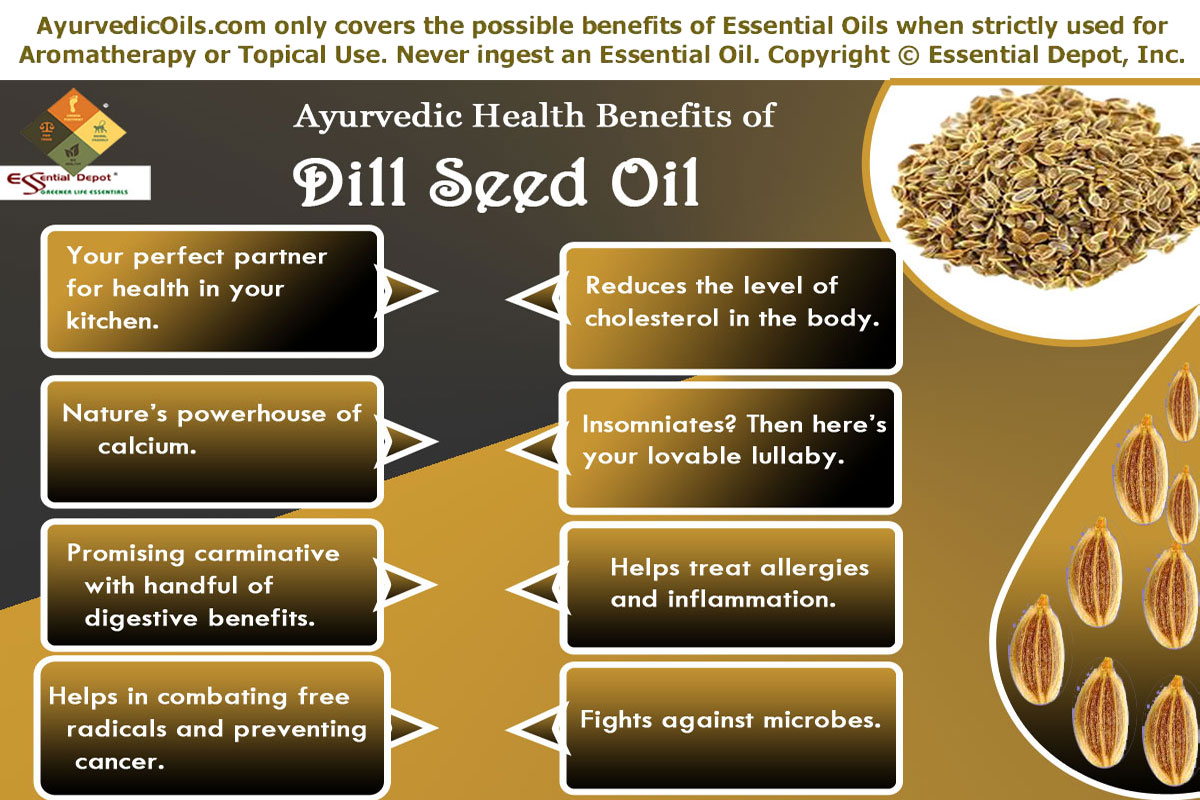
Babchi Oil

babchi-bannerBabchi is honored as ‘Kustanashini’ in Ayurveda, meaning ‘leprosy destroyer’. As the most trusted Ayurvedic herb for blood purification and skin health, Babchi enjoys the sovereignty as a celebrated natural remedy in Ayurveda, Siddha and Homeopathic medicine for treating leucoderma, genital health, bone disorders, leprosy, psoriasis, lumbago, impotence, intestinal worms, lower backaches, psoriasis and vitiligo.

Babchi is a commercial Hindi name for Psoralea corylifolia and the Sanskrit name is Bakuchi. It is a part of the Fabaceae plant family. The essential oil of Babchi is extracted from its seeds by steam distillation method.

It is used as a cardiac tonic, pigmentor and vasodilator in Ayurveda for more than 4,000 years. The fruits and seeds of this plant have been talked about in Sushruta Samhita, the most renowned Ayurvedic encyclopedia by Acharya Sushruta for treating various health conditions including leucoderma, leprosy, stress, vitiligo and reproductive problems.

Historical uses and importance of Babchi and its essential oil:

With a longer historical use in various traditions across the world, Babchi or Psoralea corylifolia is gaining popularity even in the manufacturing of modern medications for its promising historical use, improved patient tolerance, varied health benefits and comparatively lower side effects.

Held high as the key herb in China and Japan, Psoralea is known as Bu gu zhi in Traditional Chinese Medicine and it simply means “tonify bone resin”. The Japanese and Chinese herbalists recommend the use of this herb for improving bone calcification, augmenting the bone strength and for treating vitiligo, hair loss, osteoporosis, lower back pain, impotence, bed wetting and bone fractures.

Babchi was prescribed in the TCM (Traditional Chinese Medicine) for tonifying the kidneys, especially kidney yang and essence. Indigenous to India, the land of rich traditional values, Babchi is a vine-like plant that grows up to 3 feet height. It is also found growing in China and other Asian countries. This medicated plant bears purple or blue colored flowers followed by black color fruits that contain a single seed.

Almost all the parts of this plant have therapeutic values but the essential oil is extracted from the seeds of this plant. The leaves of this plant has been used for treating diarrhea, the bitter fruits are recommended for treating piles, anemia, bronchitis, vomiting and dark complexion, whereas the roots are prescribed for relieving tooth decay and osteoporosis.

Babchi seeds are the powerhouse of its remedial properties and the source of its essential oil. The seeds, its essential oil and other extracts are used in various holistic healing methodologies since the ancient period in the treatment of leprosy, cardiovascular problems, leucoderma, liver inflammation, jaundice, uterine hemorrhage, premature ejaculation, asthma, alopecia areata, menstrual discomforts, skin pigmentation problems and various other health conditions.

Therapeutic properties and chemical constituents of Babchi oil:

The major chemical constituents of Babchi oil are psoralen, bakuchiol, limonene, linalool, angelicin, α-elemene, isopsoralen, bavachalcone, bavachin, 6-prenylnaringenin, corylifol, isobavachalcone, corylin, psoralidin, corylifolin, methyl 4-hydroxybenzoate, bavachromanol and neobavaisoflavone.

These components contribute to its healing values like antibacterial, antifungal, antioxidant, anti-tumor, antidepressant, aphrodisiac, stimulant, diaphoretic, stomachic, antiviral, anti-hyperglycemic, astringent, cytotoxic, diuretic, cardiac, tonic, anthelmintic, deobstruent and laxative.

Ayurvedic health benefits of Babchi essential oil:

This medicated plant is a traditional Ayurvedic remedy for addressing extensive range of illnesses including skin disorders and reproductive problems. With Bakuchi and other Sanskrit names, Babchi oil has a bundle of other regional names to it.

Being the oldest of all medical systems in the world, Ayurveda insists on living a disciplined life for absolute health and longevity. Unlike the modern medicinal practices, Ayurveda defines health as a combination of physical, emotional, psychological, spiritual and environmental aspects.

Charaka Samhita states this as, The three – body, psyche, and soul – act as a tripod. The world stands upon them, and within them, the world abides.” The uniqueness of Ayurveda stays in its holistic system that treats the root cause of an illness instead of the symptoms alone. This helps in curing the disease as well as preventing it in the future as well.

According to Ayurveda, all things on earth are a part of nature and Mother Nature has all the remedies for humanity and other beings on earth. It further states that sickness occur when there is imbalance between an individual and nature. With this strong trust, Ayurvedic healing revolves around Nature and its natural remedies for treating mankind.

Ayurveda is also called as the Mother of all other healing sciences on earth including Siddha, Unani, Homeopathy, Chiropractic, Allopathy, Acupressure, Naturopathy, the Traditional Chinese Medicine and many other systems.

The beauty of Ayurveda is that its healing methodologies are documented well and the first Ayurvedic reference is in Atharvaveda, one among the 4 sacred books of the ancient Indian mythology with 114 verses explaining numerous health conditions and the respective traditional remedies of Ayurveda.

The 3 Ayurvedic encyclopedias including Charaka Samhita by Acharya Charaka – the father of medicine, Sushruta Samhita by Acharya Sushruta – the father of surgery and Ashtanga Hridaya Samhita added glory to the world of Ayurveda.

These priceless Ayurvedic texts have shared various thoughts on all the basic principles of Ayurveda, numerous types of illnesses and its comprehensive healing techniques. These books contain Ayurvedic remedies for innumerable diseases including cancer.

Ayurveda never trusts on the principle of “one size fits all”. It strongly says that every individual is a unique part of nature and the remedy for their illnesses should also be unique based upon their unique individual constitution.

Prakriti or the unique individual constitution is a combination of three biological energies called as doshas or Ayurvedic body types. They are vata, pitta and kapha. These Ayurvedic body types are an arrangement of the five elements of nature namely earth, fire, space, water and air.

According to this principle, every human being has a dominance of any one of these doshas, which decides the physique, behavioral patterns, traits, personality and mental structure. Perfect balance between these doshic types signifies health and imbalance between these doshas lead to sickness.

Ayurvedic philosophy recommends natural remedies like herbs, plant essential oils, meditation, simple physical exercises, yoga, Ayurvedic routine, Pranayama, prayers and other Ayurvedic techniques including Abhyanga or the art of Ayurvedic massaging using Ayurvedic oils, Panchakarma or the detoxification therapy and many other holistic treatments.

Babchi essential oil is prescribed in Ayurvedic healing for enhancing pitta dosha and balancing kapha and vata dosha.

Let’s look at the Ayurvedic health benefits of Babchi oil and its use in the healing of various health problems:

babchi-broucher1. Fights skin diseases and supports skin health:

Babchi seeds and its oil are called as Kushtaghni in Ayurveda, which means remedy for treating skin diseases. It is also called as Kustanashini, meaning leprosy demolisher. Since the primordial times, Ayurveda prescribes Babchi herb and its various extracts in the treatment of skin problems including eczema, dermatitis, skin eruptions, boils, leucoderma, scabies, vitiligo and ringworm.

Celebrated as a promising ancient remedy for vitiligo or leucoderma, Babchi oil has been used even in the modern medicine for treating such skin conditions. Vitiligo is an upsetting skin condition, which occurs due to the loss of melanin pigments or the death of melanocytes cells in skin, leading to white patches. Often, this skin condition is said to occur due to problems in the immune system.

The white patches appear smaller in the beginning and have the tendency to enlarge or increase in size. These patches are often seen on the hands, face, wrist, eyes, umbilicus and genitalia. Vitiligo patients also undergo depression due to the ugly look of these patches on their visible skin.

Numerous researches state that the presence of furanocoumarins, containing psoralens in Babchi oil promote pigmentation and support the stimulation of melanin pigments in the skin structure. Scientific studies have also proven that psoralen in Babchi oil shores up residual pigmentation and improves skin health.

A 2008 study on “Antipsoriatic microemulsion gel formulations for topical drug delivery of Babchi oil (Psoralea corylifolia)” published in PubMed states that Babchi oil contains a chief constituent psoralen, which is a “photoactive furocoumarin that binds to DNA when exposed to UV light to form photoproducts with pyrimidine base.” It further states “this action inhibits DNA synthesis and causes decrease in cell proliferation.” It is concluded that Babchi oil is helpful in the treatment of psoriasis by topical usage.

Many Ayurvedic physicians state that Bakuchi is predominantly the only oil that is known for its dual action on both melanoblastic cells and the Rouget’s cells in the human skin, whereas leucoderma occurs due to the improper functioning of the melanoblastic cells. These cells are stimulated by the oil and sebum secretion in the skin and leads to the formation of pigment, which later diffuse into discolored skin surface.

Mix 2 drops of Babchi oil with 1 drop of Lavender oil, 1 drop of Orange oil and 1 drop of Frankincense oil along with 2.5 ml of Jojoba oil and applying it on the affected parts helps in  treating itching, ringworm, scabies, skin eruptions, edematous skin conditions, vitiligo, inflamed skin nodules, eczema, red papules, discolored dermatosis and much more.

This blend works by promoting blood circulation, purifying the blood, supporting the production of melanin pigments and thus improving the color of hair, skin and nails naturally. It is for these reasons Babchi oil is called in Ayurveda as Tvachya, means beneficial for skin and Keshya, means enhances the luster and health of hair.

2. Strengthens bones and teeth:

Bones and muscles are a representation of the element ‘Earth’ among the five fundamental elements of nature. Babchi essential oil is known to pacify excess of kapha dosha, which is a combination of water and earth elements. This aids in strengthening the bones by improving bone calcification.

Babchi oil is a rich source of calcium and massaging your system with 5 drops of Babchi oil, 2 drops of Black Cumin oil, 2 drops of Birch oil along with 10ml of sesame oil can assist in strengthening your bones, enhance calcium in the system, help recover from dislocation of bones or fractures and boost women’s health in case of osteoporosis.

The essential oil of Babchi also has antibacterial, astringent, antiseptic and antimicrobial properties that aid in the treatment of plaque, weak gums, halitosis or bad breath, bleeding gums and other oral conditions.

A cup of warm water with 1 drop of Babchi oil and 1 drop of Clove oil can work like a magic on your teeth, gums and mouth, when used as a gargle in the morning and night. This aids in strengthening your gums and teeth.

3. Excellent aid for respiratory problems:

With its power to balance excess of kapha dosha, which is responsible for accumulation of phlegm and mucus deposits in the lungs and respiratory passages, Bakuchi and its essential oil is quoted as Shleshmahara, Jwarahara and Shwasahara.

Shleshmahara is an Ayurvedic aid that pacifies imbalanced kapha and Shwasahara means an effective remedy for treating asthma, dyspnoea, bronchitis and other severe respiratory disorders. Bakuchi oil is also powerful in reducing chronic fever for which it is called as Jwarahara.

2 drops of Bakuchi oil along with 1 drop of Peppermint oil added to steam inhalation can aid in relieving nasal congestion, bronchitis, cold, whooping cough, headache, sinusitis, asthma and breathing difficulties. Massaging your throat, chest and back with 1 drop of Babchi oil added with your vaporizing ointment can help in improving your health condition in case of respiratory problems.

Adding 2 drops of Babchi oil to warm bathing water can assist in keeping away from infectious micro-organisms that worsen respiratory infections. Gently massaging your foot soles with 2 drops of Babchi oil mixed with 1 drop of Cajeput oil and 1 drop of Basil oil along with 2 ml of coconut oil can help in reducing the temperature even in case of high fever.

4. Supports reproductive health:

Babchi oil has natural aphrodisiac properties that help in supporting reproductive problems both in men and women. Ayurveda and the Traditional Chinese Medicine recommend Babchi and its essential oil as an excellent tonic for the entire system and were trusted to enhance vitality and absolute health in general.

For these special reasons, Babchi oil was prescribed for treating problems of the reproductive system including the genital organs in both the genders. The powder of the Babchi fruits and seeds along with its essential oil were prescribed in Ayurveda for treating incontinence, impotence, premature ejaculation, frigidity and lack of sexual interest.

Massaging your lower back, lower abdomen and genital organs externally with 2 drops of Babchi oil, 2 drops of Ylang Ylang oil and 2 drops of Cinnamon oil blended with 3 ml of Jojoba oil can help in enhancing your mood, relaxing your nerves, uplifting your senses, augmenting your libido and sexual feelings, stimulating the reproductive organs and support in having a great time together with your partner.

You can also add 2 drops of Babchi oil with 1 drop of Rose oil and 1 drop of Sandalwood oil in warm bathing water before going to bed for elevating your mood.

5. Helps in the treatment of cancer:

Numerous research studies support the effectiveness of Babchi oil in treating various types of cancers including lung cancer. Studies report that the presence of chemical components like corylfolinin, psoralen and bavachinin arrest or slower down the quicker growth of lung cancer cells and osteosarcoma.

A 2013 study on “Compounds isolated from Psoralea corylifolia seeds inhibit protein kinase activity and induce apoptotic cell death in mammalian cells published in the Journal of Pharmacy and Pharmacology” states that certain compounds extracted from P. corylifolia exhibited a high potential to treat oxidative stress, apoptosis or programmed cell deaths and other cellular damage in cancer patients with its immune stimulant and chemoprotective effects.

Other health benefits:

Babchi and its essential oil is also helpful in the treatment of inflamed nodules, diabetes, urinary tract disorders, kidney problems, cardiac problems, bleeding disorders, worm infestation, constipation, anemia and inflammation.

Disclaimer:

This article is meant only for the purpose of information and is not intended for diagnosis, treatment or prevention of any medical condition. Do not use this as a substitute for prescribed medicines or any professional medical advice. We are not healthcare experts and this information is shared only with the view of enlightening the long-established prosperity of Ayurveda, the oldest healing sciences in this universe.

Never use essential oils internally and ensure that you use them in a diluted form for dermatological uses only.  This is mainly because organic and pure essential oils are highly concentrated substances and may cause allergic reactions if used on the skin directly. Consult with your Ayurvedic practitioner or medical expert before choosing the right essential oils for your unique individual constitution or prakriti and your health condition.

Do not go out in sun immediately after the use of Babchi oil on skin as direct exposure to the sun might cause allergies and keep away this oil from your eyes and children.

Thought for the day:

Mother Nature made me the way I am, and I should be happy. -Karolina Kurkova

Suggested Reading:

  1. My Victory against Vitiligo: A Successful Story and a Practical Guide to Treatment by Xichao Mo
  2. Aphrodite: Stimulate Sex Life, Libido, Erection and Orgasm Naturally with Aphrodisiacs by Mr. Stig Fröberg
  3. Ayurvedic Medicine: The Principles of Traditional Practice, 1e by Sebastian Pole LicOHM AyurHC
  4. Anti-Aging, Memory and Sleep Improving Herbs and Foods by Mr Stig Fröberg
  5. Increase Endurance, Strength, Hormones and Sex with Adaptogenic Herbs and Foods by Mr. Stig Fröberg

Reference Links:

  1. Psoralea corylifolia by Wikipedia
  2. Antipsoriatic microemulsion gel formulations for topical drug delivery of Babchi oil (Psoralea corylifolia) by Ali J, Akhtar N, Sultana Y, Baboota S, Ahuja A, published in PubMed
  3. Psoralea corylifolia Linn.—“Kushtanashini” by P. S. Khushboo, V. M. Jadhav and N. S. Sathe, Bharati Vidyapeeth’s College of Pharmacy and Y. M. T. Ayurvedic Medical College, India published in PubMed
  4. Compounds isolated from Psoralea corylifolia seeds inhibit protein kinase activity and induce apoptotic cell death in mammalian cells published in the Journal of Pharmacy and Pharmacology

Brahmi Oil

Fêted as the ‘herb of grace’ and ‘the thinking person’s herb, Brahmi oil gifts you mental clarity by alleviating all kinds of mental ailments with its neuro-pharmacological effects.

Brahmi-bannerBeing the second highest ranked herb in Ayurveda, Brahmi oil is the main component of numerous traditional and folklore medicines in dealing with Attention deficit-hyperactivity disorder (ADHD), weak memory, stress, anxiety, fear, epilepsy and Alzheimer’s disease.

Commonly called as ‘Brahmi’ in Ayurveda, “it is known as the rejuvenator for all systems in the body and is one of the most commonly used medicated oils”, quotes the book on Ayurveda and Aromatherapy. As a cognitive enhancer, stress buster and neurological tonic, Ayurveda widely uses Brahmi oil for its nootropic, antimicrobial, anti-aging, antipyretic, cardio-tonic and analgesic attributes.

The oblong juicy leaves of this herb, when put under steam distillation yields Brahmi Oil, which is known for its stimulating properties used for enhancing the efficiency of the brain in terms of accuracy, intelligence and attention and mostly prescribed for children to make them more studious, active and attentive.

Purchase Brahmi Essential Oil – Retail – 4 oz – CLICK HERE

Purchase Brahmi Essential Oil – Wholesale – CLICK HERE 

Historical uses and importance of Brahmi and its essential oil:

Bearing India as its origin, Bacopa monnieri has numerous vernacular names, the most common of which is ‘Brahmi’ as it is called in Ayurveda which is derived from the Sanskrit word ‘Brahma’, the creator of the Universe as per the Hindu mythology. This creeping herb is botanically named as ‘Bacopa monnieri and it commonly grows in countries like Southern India, Europe, Australia and North and South America.

With extensive utilization in Ayurveda, proof of the existence of Bacopa monnieri in literature dates back to the 6th Century A.D where it is mentioned in the Vedas or the sacred books of the Hindu religion and in Charaka Samhita as well as Sushruta Samhita, the Ayurvedic Encyclopedias.

Sushruta, the father of surgery calls Brahmi by the name samjna sthapana which means ‘ that which brings back consciousness’ and medhya rasayana, meaning its application to make one intellectual with less mental deficits. Allegedly used by the primitive Vedic scholars in aiding them to memorize the sacred hymns and scriptures, Brahmi oil played a major role in treating neural disorders in Indian as well as Japanese traditional medicine.

Being in use for almost 3000 golden years in the Ayurvedic healing system, Brahmi oil is a traditional cure for all kinds of nervous disorders, Parkinson’s disease, epilepsy, hair loss, premature aging and skin diseases. With natural phyto-chemicals that rejuvenate the brain and the nerves, Brahmi oil plays the role of a healthy tonic stimulating and strengthening the nerves and the cardiac system.

Along with the other renowned Ayurvedic herbs such as Jatamansi and Ashwagandha, Brahmi essential oil is taken along with ghee which itself has numerous medicinal benefits, to treat cough, circulatory disorders and even function as a laxative.

Traditionally administered to children for active functioning and improved intelligence, Brahmi oil is paired along with Centella Asiatica and given to pregnant women along with milk to facilitate childbirth. It was also used as a laxative to treat constipation, flatulence and to treat tumors, inflammations and even as an antidote to snake bites.

Chemical constituents and therapeutic properties of Brahmi Oil:

Widely recognized as a neural tonic, Brahmi oil owes its tribute to the presence of saponins in particular bacoside A and B. The other chemical components include alkaloids and sterols such as bacopasides, brahmine, herpestine, d-mannitol, hersaponin, monnierin, betulic acid, beta sitosterol, bacosine, luteolin, quercetin, apigenin and nicotine.

The therapeutic properties of Brahmi oil are cardio-tonic, nootropic, antipyretic, antioxidant, anti-inflammatory, analgesic, antimicrobial, anti-aging, expectorant, sedative, stomachic, antiepileptic, carminative, astringent and cognitive.

Ayurvedic health benefits of Brahmi oil:

Ayurveda is a 5,000 years old traditional healing methodology that has its roots deeply vested with the Indian mythology, the country with the world’s oldest history. Ayurvedic writings were first said to have been a part of Atharvaveda, one among the 4 Vedas or the sacred books of Hinduism.

Furthermore numerous other diseases and their Ayurvedic remedies were written by the greatest Ayurvedic philosophers Charaka and Sushruta in the books Charaka Samhita and Sushruta Samhita.

Ayurvedic healing recommends natural remedies for treating humanity since it trusts that the whole thing on earth is a part of nature and Nature by itself has inherent medicines for healing various health conditions.

As per this ancient science, a person is said to be healthy when his/her body, mind and soul are in absolute balance with nature.  Sickness or disease as per the Ayurvedic philosophy is a fruitful opportunity to find, treat and reinstate perfect health and to help in being in harmony with nature.

Mother Nature is made up of five vital elements. They are water, fire, earth, space and air. Being a part of nature, human body is also made up of these five elements represented in the system in the form of three dynamic energies known as doshas. They are vata, kapha, and pitta doshas.

These 3 doshas join together to form the unique individual constitution or prakriti of a person and the order of these biological energies are determined by nature itself.

Every individual has a predominance of any one of these doshas and it has an upper hand in determining the character, personality and other behavioral attributes of a human being. Perfect balance between these doshas indicates robustness and imbalance leads to illnesses.

Every Ayurvedic treatment begins with the effort to identify the unique individual constitution of a person. This assists in finding the mental and physical attributes along with the part of doshas present in an individual.

Ayurveda prescribes unique remedies for every individual as per their individual constitution, even if it is for the same disease.

The Ayurvedic healing system aids in preventing illnesses in the future and lead to longevity through healthy aging, mainly by treating the root cause of an illness instead of its symptoms alone. The chief Ayurvedic remedies are essential oils, herbs, yoga, simple physical exercises, meditation, Pranayama, prayers, Ayurvedic massaging, Ayurvedic routine, and Panchakarma or the Ayurvedic detox techniques.

Brahmi essential oil is said to pacify vata, pitta and kapha imbalances.

The Ayurvedic health benefits of Brahmi essential oil are:

Brahmi--broucher--info1. Alleviates the symptoms of Alzheimer’s disease:

As a divine blessing to numerous diseases related to the brain and nerves, Brahmi essential oil is indeed one of the most effective natural cure for Alzheimer’s disease and is often portrayed by neuropsychiatric and behavioral changes where a person suffers from memory loss along with losing the ability to think and speak, completely reliable on caregivers in the most advanced stage. With no accurate cure, the symptoms worsen with the progress of the disease and it eventually leads to the death of a person.

With natural sulfhydryl and polyphenols, Brahmi oil possesses endogenous antioxidant and anti-cholinesterase attributes with the help of which it inhibits the acetyl cholinesterase enzyme and reverses the symptoms of amnesia, enhances cognition and acts as a neuroprotectant against Alzheimer’s disease.

Moreover, researches have proved the efficiency of Brahmi oil in reducing the beta-amyloid deposits found in the brain of rats with Alzheimer’s disease induced by anti-cholinergic drugs. The presence of saponins helps in increasing the level of serotonin while decreasing that of dopamine widely aiding in memory retention.

With its anti-oxidant properties, Brahmi oil reduces the reactive oxygen scavengers, divalent metals, suppresses the lipoxygenase activity and decreases the formation of lipid peroxides thus greatly helping in alleviating various hazardous symptoms of Alzheimer’s disease in the long run.

Meditating by focusing the mind on Agna or the point below the center of the forehead, appropriately in between the eyebrows, is the best way to improve concentration, activate the brain cells, enhance memory power, grant increased sense of awareness, provide absolute control over senses, and promotes the power of concentration.

This point is connected to the pituitary gland and is associated with the life-force. Adding 2 drops of Brahmi oil in diffuser or vaporizer during Agna meditation helps in treating Alzheimer’s disease and is a boon to people suffering from all kinds of brain disorders.

2. Enhances the memory power:

Brahmi oil is Mother Nature’s gift for supporting cognitive enhancement and neuro-protective attributes. This is attributed to the rich content of saponins such as Bacoside A and B. It actively influences in regulating the levels of dopamine and serotonin, the neurotransmitters released by the nerve cells that pass on signals to other nerve cells that help in motor control, secretion of hormones and is the contributor of feeling of well being and happiness that makes you feel secure and complete.

With its antioxidant properties, it induces cell transport, metabolism of 5-HT and Tryptophan Hydroxylase (TPH2) resulting in providing a protective environment for the cells and promoting the neuron communication. It helps in increasing the branching points in the neurons and the dendritic intersections that results in the neuronal growth in hippocampus, the area in brain associated with enhancing memory retention and improvement in the learning performance.

This also results in increasing the encoding of information in the brain with increased retention speeds, improving delayed recall and verbal learning. All these aspects of Brahmi essential oil make it an excellent aid when administered along with Ashwagandha, Centella Asiatica and Melissa Officinalis for children with attention deficit hyperactivity disorder (ADHD).

It is for this reason, Brahmi oil has been in existence since primordial times in the field of holistic healing as a powerful memory enhancer to increase the speed of processing information and cognition and decrease the performance time, reaction time and error incidence for people of all ages especially children for good progress in the field of academic learning.

Adding 2 drops of Brahmi oil to a cotton ball and keeping it besides you during the study time or during your classes can aid in improving your memory power, enhancing concentration and helping you focus on things that you work upon without any deviation.

3. Alleviates epilepsy and Parkinson’s disease:

Often characterized by undetectable periods of vigorous shaking, epilepsy is a group of long-term neurological disorders. With Bacoside –A as the major component, Brahmi essential oil is often paired with Ghee in Ayurveda to treat epilepsy by reducing the occurrence of convulsion.

It induces changes in specific parts of the brain such as striatum and the hippocampus to mediate the reducing activity of the epileptic seizures. Brahmi oil greatly influences the expression of mGluR8 receptors which possess protective mechanism against excito toxicity and hyper excitation.

Additionally, Brahmi oil prevents the depletion of dopamine and serotonin and greatly reduces the death of cells in the midbrain that generate dopamine, which remains as one of the causes of Parkinson’s disease.

Numerous researches carried out in this regard confirmed the positive reduction of the depletion of serotonin and dopamine in rats subjected to chronic stress and supplemented with Bacopa monnieri. It has also been proved that the presence of Brahmi oil prevented the depletion of dopamine even in cases of neurotoxicity induced with rotenone and caffeine.

4. Relieves you from stress and its adverse effects:

Stress simply leads to mental and physical exhaustion, while it drains out all our energy and confidence. Having all the beneficial saponins and phyto chemicals in possession, Brahmi oil acts as a natural adaptogen actively preventing the biochemical effects of stress and blocking the stress response in the body.

It effectively reduces the expression of HSP70, a biomarker of stress in almost all the regions of the brain in particular the hippocampus and the cerebellum. Brahmi oil also increases the anti-oxidant enzymes such as superoxide dismutase, catalase and glutathione peroxide in the brain protecting it from oxidative damage and other stress related factors.

It aids in overcoming acute and chronic stress. In addition to that this oil for the mind helps one in overcoming addiction to ill habits such as drug dependence, smoking, alcoholism etc. Furthermore, Brahmi oil assists in reducing the inflammation in the nerves and possesses neurological anti-aging effect.

With the presence of bacopaside I, bacopaside II and bacopasaponsin C, Brahmi oil naturally alleviates depression and anxiety. Just a gentle massage with Brahmi oil effectively relieves you from tension and fear and provides you a peaceful sleep. It lifts up your spirits and soothes your mind by calming down the nerves with a promise to provide you an eternal elevation.

The best way to alleviate stress is to blend 5 drops of Brahmi oil with 5 drops of Sandalwood oil, 5 drops of Lavender oil and 5 drops of Ylang Ylang oil with 10 ml of Virgin olive oil and massage your system followed by a warm bath diluted with 3 drops of Brahmi oil especially before going to bed can help you in relaxing your nerves, soothing your muscles, alleviating fatigue mentally and physically and grant you the determination to fight stress and its ill effects.

5. Effective in hair care and skin care:

Healthy hair and skin are indeed the lustrous assets of every human being. With natural antioxidants, Brahmi oil rejuvenates the hair follicles and strengthens the hair from the roots. It acts as a cure to numerous problems related to hair and scalp such as dandruff, split ends, itchiness in the scalp and formation of flakes.

Brahmi is excellent for hair growth and the prevention of baldness”, says Bryan Miller and Light Miller in their book Ayurveda and Aromatherapy. With its nourishing properties, Brahmi oil aids in lessening hair fall and promotes hair growth aiding in the treatment of Alopecia Areata. In combination with Amla, it promotes the blood circulation in the scalp; it aids in restoring the natural color of the hair and prevents premature graying.

Massaging your scalp and hair with 2 drops of Brahmi oil along with 2 drops of Jatamansi oil, 2 drops of Rosemary oil and 2 drops of Tea tree oil with 5 ml of Almond oil followed by regular shampooing with 1 drop of Brahmi oil to your mild shampoo, can assist in controlling hair loss, clear dandruff, nourish the scalp, strengthen your hair from the roots and gift you with long, lustrous and shiny locks.

The antioxidant attribute of Brahmi oil mainly due to the presence of flavonoids, alkaloids and saponins also contribute to the utilization of this essential oil in the field of skin care as a revitalizing agent. It helps in tightening the pores and keeps the cells in tact by preventing the formation of wrinkles and treats numerous skin problems such as boils, psoriasis, abscess, eczema and pimples.

Mix 1 drop of Brahmi oil with 1 drop of Sandalwood oil, 1drop of Rose oil and 1 drop of Lavender oil with 2 ml of coconut oil and massage it on your facial skin in gentle circular movements for visible results. It also promotes the growth of nails.

Other health benefits of Brahmi oil:

Brahmi oil possesses stomachic properties that assist in protecting against ulcers by repairing and preventing the lining of the stomach from the advent of acids and enzymes.

It aids in protecting against the risk factors of cardiovascular diseases by helping in oxidizing the fats in the body. Brahmi oil also acts a diuretic and helps in removing excess toxins from the body in the form of urine and sweat. It acts as a cardio-tonic, nerve tonic and as an analgesic helping you to relieve from pain.

Disclaimer:

This article is just for educational uses and is not destined to check, treat or diagnose any medical condition or replace with any prescription medicines or expert medical advice. We are not medical professionals and this data is shared only with the idea of throwing light on the significance of Ayurveda, the time-honored wisdom of holistic healing.

Internal use of essential oils is strictly restricted except under medical supervision. Make certain that you dilute essential oils before using it topically because pure and organic essential oils are highly concentrated liquids and direct application on the skin may cause allergic reactions. It is always recommended to speak with your Ayurvedic expert/ healthcare professional before choosing the suitable essential oils for your prakriti or unique individual constitution and your medical condition.

Thought for the day:

Perhaps nature is our best assurance of immortality.  -Eleanor Roosevelt

Suggested Reading:

  1. Brahmi – the brain tonic by Brijesh Regal
  2. Nutrient Management in Brahmi (Bacopa monnieri L.) by Vineeta Rathore, Kuldeep Singh, Vandana Rathore
  3. Ashwagandha & Brahmi – Withania somnifera and bacopa monnieri – The most powerful brain-boosting herbs in Ayurvedic Medicine by James Lee
  4. Ayurveda and the Mind: The Healing of Consciousness by Dr. David Frawley
  5. Road to Recovery from Parkinsons Disease by Robert Rodgers

Reference Links:

  1. Bacopa monnieri by Wikipedia
  2. A research article on ‘Bacopa monniera -a Future Perspective’ by the International Journal of Pharmaceutical Sciences and Drug Research
  3. Enhanced dendritic arborization of hippocampal CA3 neurons by Bacopa monniera extract treatment in adult rats published in PubMed
  4. Bacopa monniera on stress induced changes in plasma corticosterone and brain monoamines in rats published in PubMed