Category Archives: Essential Oils – Learn About and Purchase

Wintergreen Essential Oil

Winter-green-bannerWintergreen essential oil extracted from the leaves of Wintergreen plants, botanically known as Gaultheria Procumbens is native to North America and Canada. Gaultheria fragrantissima wallich is indigenous to India and the Indian Wintergreen essential oil has similar therapeutic properties just as the American Wintergreen essential oil. I love Wintergreen oil for its effectiveness in relieving muscular pains and spasms.

Experts call it as ‘Nature’s Aspirin’ as it is exceptionally potent in treating arthritic and rheumatic pain since ages together. Ayurveda, the ancient natural science of healing calls this herb as Gandapura and was used in many spiritual ceremonies where this sacred plant was trusted to bring harmony between earth and its inhabitants through its healing powers.

Purchase Winter Green Essential Oil – Retail – CLICK HERE

Purchase Winter Green Essential Oil – Wholesale – CLICK HERE

Historical uses of Wintergreen essential oil:

The essential oil of Wintergreen was used for flavoring in the primordial times. The principal constituent of this oil is methyl salicyclate, which is 98% of this oil and other major constituents are gaultherilene, myrcene, limonene and formaldehyde.

The Native Americans used Wintergreen leaves to brew tea for treating rheumatic problems and chewed the leaves to treat respiratory problems, headache, sore throat, fever, tooth decay and to augment lung capacity.

Wintergreen essential oil is used externally as a folk medicine for joint problems, muscular discomforts, inflammation, cramps, rheumatism, arthritis, psoriasis, bruises, eczema, improper blood circulation, cellulite, headache, obesity and certain heart diseases. Wintergreen was used in numerous ritual practices for treating curses, protecting from evils and for its amazing healing benefits.

Chemical constituents or Gas Chromatography Report (GC) of Wintergreen oil:

According to the Gas chromatography report, Wintergreen oil constitutes of 2 chemical components that contribute to its fragrance, therapeutic attributes, consistency and quality of this oil. Of which, Methyl salicylate contributes to the highest proportion of Wintergreen oil with about 99.9% of its total composition.

Just click on:

I trust that this must certainly help you in getting to know the exclusive information about the prime chemical constituents of Wintergreen oil.

The table crafted below clearly depicts the unique nature and contributions of these bio-chemical constituents to the healing magnificence of Wintergreen essential oil.

wintergreen-gct

Ayurvedic health benefits of Wintergreen essential oil:

Ayurveda is a holistic approach that doesn’t focus on the disease alone but treats the individual as a whole. According to this ancient science, human body is made up of three doshas or energy elements namely vata, pitta and kapha, which are a combination of five vital elements of nature (air, water, fire, earth and ether).

Vata symbolizes air and is responsible for ejections, eliminations and discharges of the body. It regulates metabolism and is the key to functions of the brain and nervous system. Pitta represents fire and is in charge of digestion, body temperature, vision and reasoning skills.

Kapha with its lubricating qualities signifies earth and is completely responsible for the shape and figure of an individual. Reproductive health, circulation, muscular strength and ability to regain good health are vested with a balanced kapha.

Every individual will have a predominance of any of these three doshas where the predominant one determines the characteristic of an individual. Good health is a symbol that your doshas are in balance and imbalance of any of these doshas will end up in illness.

Ayurvedic remedies are purely natural and suggest the use of herbs, essential oils extracted from plants, Abhyanga or Ayurvedic massage, practice of yoga, meditation, taking up an Ayurvedic routine and spirituality.

Wintergreen essential oil is a trusted medication in treating vata imbalances predominantly. In Ayurveda, wintergreen oil is used in treating Vata gout where the autoimmune system gets weakened and affects joints and muscles.

This is mainly due to the natural pain killing attribute of Wintergreen oil and a gentle massage with Wintergreen essential oil is said to soothe and warm up the skin, granting complete relief from pain, stiffness, inflammation and dryness.

Let’s now have a look at the other major Ayurvedic health benefits of Wintergreen essential oil are:

Wintergreen-broucher1. Chronic rheumatism and arthritis:

Rheumatoid arthritis or chronic rheumatism is a long term health disorder and is known as Ama vata in Ayurvedic terms. It affects the joints, causing inflammation, swelling, redness, and sharp pain.

Ayurveda states that the fundamental cause for this illness is the imbalance of the digestive fire and the stagnation of ama or toxic substances of the body mainly due to unhealthy lifestyle and stress.

Wintergreen essential oil has stimulant, anti-arthritic and anti-rheumatic properties that aids in discharging toxins from the body through urine and stimulating proper blood circulation.

Applying few drops of Wintergreen oil with carrier oils like Jojoba oil or sesame oil will help clearing impediments in the blood flow, checks rheumatism and helps in removal of toxins, reduce excess weight, salts and excess water by penetrating deeply into the tissues and muscles through the skin.

2. Pain, inflammation and muscular problems:

Wintergreen essential oil is used as a counterirritant in treating pain, sores, muscular pains, lower back pain, achy joints and inflammation, where counterirritants act by creating an irritable sensation that lessens swelling and pain in the tissues.

The analgesic, relaxant and anodyne properties of this oil cause numbness and warmth when applied on the painful area. It eliminates pain, reduce stress, drive away tension and induce good sleep by inhibiting the formation of prostaglandins responsible for causing pain.

This is mainly due to the presence of Methyl salicyclate which is equivalent to the conventional medicine aspirin (the fundamental component of aspirin is salicyclate). These soothing and pain-relieving attributes of Methyl salicyclate in Wintergreen essential oil makes it a vital part in celebrated pain relievers like BENGAY.

3. Respiratory problems and other spasmodic disorders:

The anti-spasmodic properties of Wintergreen oil aids in treating all kinds of spasms in the respiratory system, digestive system, nervous system, circulatory system and muscles.

Adding few drops of Wintergreen essential oil in steam inhalation, warm baths, gentle massaging and few other topical applications on the affected parts will give complete relief from respiratory disorders like asthma, chest congestion, breathing problems and spasmodic coughs.

Nervous afflictions, muscular contractions and certain other health disorders due to spasms can be effectively treated with the oil of Wintergreen.

4. Skin disorders:

Wintergreen essential oil is highly toxic and it acts as a protective shield against bacteria, virus, fungi, microbes and other harmful organisms. This makes it a good antiseptic and protects the skin from being septic in case of microbes’ prone open wounds, cuts and other skin infections.

This oil is very powerful and kills Staphylococcus Aureus bacteria and heals septic problems. Mild application on the skin is effective for treating all types of skin disorders as this oil has the potential to infiltrate into the skin and is easily absorbed by tissues and blood stream for faster relief. Wintergreen essential oil is also effectual in uplifting the skin, augmenting the skin tone and fighting against the symptoms of aging.

5. Digestion and elimination:

To put in simple terms, this oil boosts digestion, promotes quicker absorption of nutrients and stimulates trouble-free excretion, where the toxic substances of the body are eliminated for supporting good health.

The hepatostimulant property of Wintergreen essential oil assists the secretion of digestive enzymes, bile, gastric juices and hormones facilitating proper functioning of the body. This oil stimulates the working of gall bladder, liver, kidneys, endocrinal glands, digestive system, excretory system, circulatory system and the nervous system.

The diuretic attribute of Wintergreen oil aids in eliminating the excess water, salt, fat and uric acid in the body through urine, which makes it a promising natural remedy for treating bladder infections, hypertension, edema, obesity and water logging.

6. Woman’s health:

Being a natural emmenagogue, wintergreen essential oil helps in treating plenty of womanly problems like delayed menstruation, uterine ulcers, dysmennorhea, blocked menses, pain in the pelvic region, hair fall, hemorrhages, fatigue, vomiting and stress related to menstruation.

A soothing massage using 2 to 3 drops of Wintergreen essential oil blended with sesame oil can grant complete relief. Adding few drops of this oil to your bath tub with warm water can calm your nerves and soothe your senses.

7. Spiritual strength:

The strong aroma of Wintergreen essential oil improves attentiveness and stimulates the mind. Applying this oil to your skin is said to heighten the vibration of the body and accentuate sound.

Increased vibration helps in unveiling spiritual awareness and paves way to the harmony of self and divinity. This attribute has made Wintergreen oil to be an incredible part of the ancient chants (mantras) and meditations where sound was used for adding spiritual strength.

Wintergreen essential oil improves logical thinking and stimulates mental power. Apart from all these natural benefits, this oil is used as a flavoring agent in candies, root beer, chewing gums, smokeless tobacco, mouth fresheners, mouthwash like Listerine, in toothpastes and certain other oral care products. It is also used as a solvent in printmaking.

Disclaimer:

Ingesting Wintergreen essential oil should be strictly avoided as it is highly toxic and can cause serious health effects. 1 fl oz of this oil is equivalent to 171 adult aspirin tablets. Use it only as a topical application after diluting it with soothing carrier oils in 1:10 ratio.

This oil has blood-thinning effects and should be avoided by people who are susceptible to aspirin. Never use it on children below 12 years of age, pets, pregnant women and on broken skin. Consult your healthcare practitioner before using Wintergreen essential oil for your individual constitution.

The MSDS (Material Safety Data Sheet) of Wintergreen oil is readily available for your enhanced safety and better usage.

Gas Chromatography Report (GC analysis) of Wintergreen oil.

Wintergreen Oil Possible Skin Issues:

Greener Life Diamond – Bio-Healthy Score => 3 Possible Skin Issues:

See => http://www.essentialdepot.com/GreenerLifeDiamond.html

Wintergreen oil can also be called as methyl salicylate as this essential oil contains about 99.9% of the methyl salicylate component. Besides being an excellent analgesic equivalent to the aspirin, it leaves behind trepidation with numerous adverse effects on the human system.

Alarmed as a toxic substance, Methyl salicylate is claimed as a neurotoxic, teratogenic and unsafe during pregnancy, labor and nursing.

Poisoning due to Methyl salicylate is said to cause adverse dermal conditions, vomiting, sweating, respiratory alkalosis, pulmonary and laryngeal edema, fluid retention, lethargy, tinnitus, internal haemorrhage, restrains blood clotting and should not be used when using blood-thinning drugs.

“Methyl salicylate is much more toxic than salicylates” quotes the book, Leung’s Encyclopedia of Common Natural Ingredients used in Food, Drugs and Cosmetics. Various studies also witness that lethal poisoning of methyl salicylate in Wintergreen oil can happen by absorption through the skin cells.  Mainly due to the aspirin-like qualities of Methyl salicylate, there are chances for bleeding and other subsequent side effects when applied on the skin for treating pain and spasms.

The safe maximum dermal use level of Wintergreen oil is 2.4% as per the International Fragrance Association (IFRA). According to the Health Canada Cosmetic Ingredient Hotlist, March 2011, the safe maximum level of external use of methyl salicylate in topical products is 1%. This level of usage is applicable only for topically used products and is invalid for rinse-off products, including soaps, shampoos and other bathing products.

A 2007 study, published in the Cal Journal of Emergency Medicine reveals that percutaneous (effected through the skin surface) absorption of Methyl salicylate in Wintergreen oil and other salicylates, may end up in acute poisoning, especially in people with renal failure. This study also concluded that based upon the autopsy, the death of an elderly man with renal failure occurred due to the continuous dermal absorption of Wintergreen oil.

Skrakosch studies on ointments containing salicylic acid, state that the factors affecting the dermal absorption of salicylate are “the effect of salicylic acid on the epidermis, the pathologic state of the skin, the degree of hydration of the stratum corneum, and the solvents used.” Based upon the studies on volunteers with normal skin, it was found that salicylate ointments caused damage to the epidermis within 2 to 14 days.

The use of methyl salicylate is prone to interact with drugs when used along with anticoagulant medication (warfarin) and GERD (Gastroesophageal reflux disease). It is good to avoid Wintergreen oil if you are sensitive to salicylates and certain other skin conditions as it may trigger skin damage. Methyl salicylate is also said to inhibit platelet aggregation.

Along with Methyl salicylate and aspirin, all kinds of salicylates are teratogenic in nature and might harm the fetus so it is best avoided during pregnancy, labor and while nursing. The reproductive toxicity of Methyl salicylate has been witnessed as reproductively toxic in rodents and it can also be 4.5 times more poisonous in humans than in rodents.

Various studies have proved the high mortality rate of methyl salicylate accounting to 50 to 60% with 4 to 8 ml used in children is reported as the lethal dose for children. Use of Methyl salicylate on children (including infants and toddlers) should be strictly avoided, (especially in children with ADHD-Attention Deficit Hyperactivity Disorder), patients with hypersensitivity, asthma, gastro-intestinal irritation, inflammation and salicylate allergy.

Studies have proved the neurotoxic effects of Methyl salicylate, the excess of which can end up in death via respiratory collapse and cardiopulmonary arrest. Based on the analysis of deadly salicylate poisoning cases, it was detected in post-mortem examination that about 18% had abnormalities in the nervous system.

Wintergreen essential oil used in a diluted form, blended with safe carrier oils like coconut oil is safe only for external use. Never ingest Wintergreen oil as Methyl salicylate is highly fatal and may cause severe toxicity. The most prevalent symptoms of Methyl salicylate poisoning are fever, excitation of central nervous system, high blood pressure, confusion, rapid breathing, convulsions and even coma.

Reference Links Substantiating the Possible Skin Issues of Wintergreen Oil:

  1. Salicylate Toxicity from Ingestion and Continued Dermal Absorption Rachel L. Chin, MD, Kent R. Olson, MD, and Delia Dempsey, MS, MD, published in Cal Journal of Emergency Medicine
  2. Management priorities in Salicylate Poisoning by The American College of Medical Toxicology
  3. Aspirin and other Salicylate poisoning by Gerald F. O’Malley, DO, Thomas Jefferson University and Hospital; Rika O’Malley, MD, published in the professional version of the MSD Manuals
  4. Methyl Salicylate by Wikipedia
  5. Treatment of Low Back Pain: The Potential Clinical and Public Health Benefits of Topical Herbal Remedies by Patricia R. Hebert, PhD, E. Joan Barice, MD and Charles H. Hennekens, published in the Journal of Alternative and Complementary Medicine

  6. Wintergreen Oil – Essential Oil Safety: A Guide for Health Care Professionals by Robert Tisserand, Rodney Young
  7. Safety Information on Essential Oils by the National Association for Holistic Aromatherapy
  8. Case Reports of Adverse Events of Wintergreen oil by American Herbal Products Association’s Botanical Safety Handbook, Second Edition edited by Zoë Gardner, Michael McGuffin

Suggested Reading:

  1. Potter’s New Cyclopaedia of Botanical Drugs and Preparations by R. C. Wren
  2. Herbal Healing for Women by Rosemary Gladstar
  3. The Illustrated Encyclopedia of Essential Oils: The Complete Guide to the Use of Oils in Aromatherapy & Herbalism by Julia Lawless
  4. The Essential Herbal for Natural Health: How to Transform Easy-to-Find Herbs into Healing Remedies for the Whole Family by Holly Bellebuono

Reference Links:

  1. Methyl Salicyclate by Wikipedia
  2. Ayurvedic and Herbal remedies for Arthriti by Dr. Narendra Jain
  3. Treatment of Gout  – The Ayurvedic Way by Ravi Bhanot, Ayurvedic Researcher, The Ayurveda Institute of Europe
  4. Wintergreen by Georgetown University Medical Center

Save

Save

Benzoin Resin Oil

Fixing up your skin setbacks, respiratory ailments and mental mayhems is just a few steps away, until you reach the sacred aroma of Benzoin essential oil. Blessed with a divine fragrance and handful of healing values, Benzoin has been in use since thousands of years as a holy aromatic agent in temples and other religious ceremonies.

Being a pacifying agent, Benzoin and its essential oil is said to have been used for soothing depression and treat skin disorders. Scientifically known as Styrax benzoin, it is also called as gum Benjamin or gum benzoin.

Used as a natural aid to heighten spiritual oneness and divinity, Benzoin resin was burnt by the ancient saints, Hindu priests and Buddhist monks during prayers and holy congregations.

It was used in various Complementary and Alternative Medicinal systems including Ayurveda, in the treatment of depression, wrinkles, congestion, sinusitis, bronchitis, tonsillitis, cough, flatulence, urinary tract infections, premenstrual syndrome, inflamed skin and impotence.

Historical uses and importance of Benzoin resin: Benzoin resin is extracted from the bark of numerous trees of different species in the Styrax genus. Indigenous to the Sumatra and Java islands in Indonesia, Benzoin gets its name from the Arabic word ‘Luban Jawi’, which means Frankincense from Java. The Benzoin tree grows up to a height of 12 meters and is also grown as an ornamental tree in Western Africa.

The crude Balsamic resin is extracted by tapping method, which is nothing but the process of cutting the bark of the tree for obtaining the resin, generally from a seven years old tree. The extracted resin is then left out for 3 to 4 months for drying and hardening. Benzoin resin essential oil is extracted from this resin through a solvent.

It was said that the ancient Egyptians and Chinese imported Benzoin resin via the Red Sea. As an excellent fixative that has the power to embrace the fragrance of many aromatic oils and perfumery ingredients, Benzoin essential oil is a common element in the perfume and incense-making industry.

Benzoin was used in the traditional Malayan civilization as a fumigation and incense, to keep away from evil spirits as well as for ritual uses. Predominantly used as incense for more than 3000 years, Benzoin resin has been powdered and blended with other aromatic items like cypress, pine, labdanum, juniper and galbanum. This blend is then made as cones and kept on the heads of the dancers of Egypt, says Papyrus records.

Queen Elizabeth I used the dry perfumes made with Benzoin and the first use of this enchanting fragrance factor in England is traced between the 15th and 16th centuries. The resin is popular as an incense in Western Catholic Churches and certain Orthodox Christian associations all over the world.

Benzoin resin is also used in the manufacturing of scented wooden chips known as Bakhoor in Arabic. It is also used as mixed resins along with other resins in Horn of Africa and other Arabian provinces. This sweet-smelling resin is burned on charcoal as incense especially during spiritual occasions in India and the Arabian countries of the Persian Gulf.

Chemical constituents and therapeutic properties of Benzoin resin oil: The key chemical components of Benzoin resin essential oil are benzoic acid, coniferyl benzoate, phenylpropylic alcohol, benzaldehyde, cinnamic acid, benzyl benzoate, vanillin and phenylethylene.

The most significant remedial attributes of this oil are antioxidant, antifungal, antibacterial, anti-inflammatory, anti-depressant, astringent, expectorant, disinfectant, antiseptic, anti-rheumatic, cordial, vulnerary, carminative, sedative, relaxant and deodorant.

Ayurvedic health benefits of Benzoin resin oil: Ayurveda embraces nature wholly and it is reflected in every single remedy it prescribes to mankind. This is the most valued attribute that has helped Ayurvedic healing survive and stay in the hearts of many across the globe.

With the immaculate meaning of ‘knowledge of life’, Ayur+Veda is the only healing system on earth that insists on self-awareness about one’s own health condition and individual constitution. This traditional wisdom of healing brings in that wakefulness,  where an individual understands that every human being is being created with all kinds of mental and physical abilities in a clear order.

Ayurveda helps in appreciating this uniqueness and leading a hale and hearty life in sync with nature, which is built with five fundamental elements. They are earth, water, air, space and fire. Everything on earth including the human body is made with these five elements, where the earth takes the form of muscles and bones, water represents blood, fire helps in the biological functions including metabolism, space is the soul that keeps us alive and air assists in breathing.

According to Ayurveda, every human being is a unique part of nature with a unique individual constitution. This constitution is known as Prakriti and is a combination of three biological elements called as doshas. They are vata, pitta and kapha. Every person has a predominance of any one of these doshas and it determines the traits, character and behavioral attributes of a person.

Ayurvedic remedies are based on the predominance of the doshas and the balance between them. Absolute health in Ayurveda is a sign of perfect balance between these doshas and illness indicates doshic imbalances. Ayurvedic healing techniques and medications aim at correcting the disparities between the doshas.

The major natural remedies prescribed in Ayurveda are herbs, plant essential oils, meditation, yoga, simple physical exercises, Ayurvedic routine, prayers and few other Ayurvedic techniques like Panchakarma or Ayurvedic detox, Abhyanga or Ayurvedic massage and Pranayama or Ayurvedic art of balanced breathing.

Benzoin resin oil has moisturizing and warming energies, which helps in tranquilizing the mind and enriching the skin. This oil has the power to pacify vata, pitta and kapha dosha with its sweet-balsamic, pleasant and vanillin based aroma.

The Ayurvedic health benefits of Benzoin resin essential oil are:

Benzoin-Res-Broucher1. Alleviates rheumatic conditions: Rheumatism generally occurs due to the stagnation of excess water deposits in the system. This leads to improper blood circulation, inflammation, swelling, redness, pain, soreness and difficulty in the normal functioning of the body. Excess of water and fluids in the human body is mainly caused due to the imbalance of kapha dosha, which is responsible for similar diseases like obesity, respiratory illnesses etc.,

Benzoin essential oil has anti-rheumatic, anti-arthritic, anti-inflammatory and diuretic properties that help in promoting proper blood circulation, reducing pain, lessening inflammation, controlling soreness and swelling, and eliminating the surplus water deposits and toxic elements in the system by promoting frequent urination. This function also assists in treating obesity, controlling blood pressure, supporting the functions of the circulatory system and enhancing metabolism.

To get rid of rheumatic and arthritic problems, Ayurveda suggests a healthy diet that naturally controls kapha vitiation along with yogasanas that treat rheumatism and arthritis and the use of Ayurvedic essential oils like Benzoin resin oil.

The Arthritis Foundation reported that a research by the John Hopkins University has concluded that yoga is extremely beneficial for people with rheumatoid arthritis after publishing its research analysis stating that “who participated in eight weeks of yoga classes had significantly fewer tender and swollen joints than they did before starting class.”

Steffany Haaz, the grant recipient of the Arthritis Foundation also says, “We have previously reported that yoga helps people to feel better, and we wanted to make sure it wasn’t harmful to arthritic joints. So, we were glad to find that there actually seems to be improvement in joint symptoms for RA patients.”

Along with this, massage the painful parts with 3 drops of Benzoin resin oil mixed with 1 drop of Ginger oil, 1 drop of Lavender oil, 1 drop of Black pepper oil, 1 drop of Juniper berry oil with 4 ml of coconut oil. You can also add 2 drops of Benzoin resin oil and 2 drops of Marjoram oil in warm bathing water or in hot compress for improved results. This formula works quickly as the benzyl components in the Benzoin oil are easily absorbed by the pores of the skin.

2. Relieves congestion and other respiratory problems: Breathing is the natural action that sustains life. Trouble-free breathing brings in enormous health and happiness by permitting the flow of prana or vital life force in the system.

Any interruption or blockage in the breathing mechanism due to improper food habits, environmental factors, stagnation of water deposits and toxic substances in the system leading to built up of mucus and phlegm deposits (this is a kapha imbalance) cause respiratory problems.

Benzoin resin essential oil has the power to reduce excess kapha dosha, with its expectorant properties. 1 drop of Benzoin oil with 1 drop of Eucalyptus oil and 1 drop of Niaouli oil in steam inhalation aids in loosening the accumulated phlegm and mucus, relieving congestion and cleansing the breathing passages.

Gently massaging your chest, throat and back with your vaporizing ointment mixed with 2 drops of Benzoin oil and 2 drops of Frankincense oil, following the steam inhalation can aid in relieving cough, cold, congestion, bronchitis, laryngitis, blocked nose, asthma and other respiratory allergies. You can practice breathing exercises like Pranayama and yoga asanas for respiratory illnesses.

3. Drives away depressive feelings: Benzoin resin oil has a gentle, sweet and soothing aroma that tranquilizes the mind with its relaxant, sedative and anti-depressant properties. When inhaled, these remedial properties in the aromatic molecules of this oil pass on to the brain through the nasal passages. This has a positive effect on the limbic system, which is the control center of the brain.

Bryan Miller and Light Miller in their book ‘Ayurveda and Aromatherapy’ say, “Benzoin resin oil is beneficial to an irritated nervous system and can be useful in depression, PMS and stress.”

2 drops of Benzoin resin oil along with 1 drop of Ylang Ylang oil and 1 drop of Orange oil added to your vaporizer, burner or diffuser can assist in stimulating the central nervous system, pacifying the mind, granting mental clarity, controlling anger, treating anxiety, improving blood circulation and instilling the power to control depressive feelings.

According to Ayurveda, among the 7 chakras, Benzoin resin oil affects the root chakra and the solar plexus chakra. Root chakra or sacral chakra is responsible for survival factors like security issues, financial independence and the ability to stand up high. Imbalance of this chakra leads to depression and various other nervous problems.

Solar plexus chakra deals with self-confidence, self-esteem, self-control, self-worth and other personal powers. The failure of the functions of this chakra leads to nervousness, lower self-confidence, inferiority complex, poor memory and digestive disorders.

Benzoin resin oil, with its power to treat the imbalances of the root chakra and solar plexus chakra, brings in self-confidence, trust and the ability to stand tall to beat depression and other negative feelings.

While talking on the relaxing effects of Benzoin resin oil on the emotional aspects of the system, Madame Maury says, ‘this essence creates a kind of euphoria; it interposes a padded zone between us and events’. You can also work out these Yoga asanas for depression and practice meditation.

4. Keeps skin problems at bay: The essential oil of Benzoin has amazing healing for nourishing your skin and helps you look younger and charming. The book on ‘Aromatherapy: Essential oil for vibrant health and beauty’ by Roberta Wilson quotes, “Benzoin was often added to cosmetics to keep skin clear and youthful. People in many different cultures have appreciated its ability to soothe and stimulate the skin.”

Benzoin resin oil has everything in its kitty for dealing with various skin problems ranging from wounds to treatment of scars. The healing properties are mainly due its chemical components including benzyl benzoate, benzoic acid and benzaldehyde.

This oil is a natural antiseptic with germicidal, disinfectant, antiviral, antibacterial, antifungal and vulnerary properties that aid in healing wounds, cuts, sores, acne, chapped skin, eczema, scars, skin irritation, psoriasis and dermatitis.

Applying the mix of 2 drops of Benzoin resin oil with 1 drop of Lavender oil, 1 drop of Rose oil, 1 drop of Lemon oil, 1 drop of Bergamot oil, 1 drop of Frankincense oil and 4 ml of Sweet almond oil on pimples, wounds, cuts, sores, scars and other infectious skin problems can help in protecting the infected parts from germs and promote quicker healing.

Massaging this blend on your skin especially on dry, cracked, blistered or chapped skin helps repair and rejuvenate the skin cells especially on the elbows, knees and heels. It also helps in maintaining the skin suppleness and softness. Ayurveda recommends drinking ample water every day to retain healthy skin cells.

5. Benefits to the entire system: Apart from these magnificent benefits, the essential oil of Benzoin can bring in enormous other benefits to your complete system. They are the promising effects of this oil that can help in destroying germs in the mouth with its disinfectant properties and tightening the gums with its astringent properties. It also aids in treating digestive disorders with its anti-flatulent and carminative properties. It can serve as an excellent deodorant with its mesmerizing aroma, for your body as well as your home.

Other uses: Benzoin is known for its fixative and preservative values and is used in the perfume industry for these reasons, especially for reducing the dispersal of fragrance elements and essential oils in air. This oil is also utilized as a flavoring agent in baked goods, gelatins, candies, gums, puddings, frozen dairy and beverages including alcoholic and non-alcoholic drinks. Apart from this, its use in the manufacturing of scented candles, cosmetics and veterinary medications makes it a much prized natural alternative since ages.

Disclaimer: This information is only for the purpose of education and is not intended for diagnosis or prevention of any illnesses. Do not substitute these remedies for any prescription drugs or expert medical advice. We are not medical professionals and this article is shared with the interest of throwing light on the world’s oldest healing system, Ayurveda.

Never use essential oils for internal purposes and make certain that you dilute essential oils in appropriate carrier oils before using it topically. This is mainly because pure and organic essential oils are extremely concentrated liquids and may cause allergic reactions, when used on the skin directly.

Talk with your Ayurvedic professional prior to selecting the right essential oils for your Prakriti or unique individual constitution and state of health. Care should be taken before using essential oils, if you are pregnant or a nursing mom.

Thought for the day:

Nature never did betray the heart that loved her. -William Wordsworth

Suggested Reading:

  1. Fragrance & Wellbeing: Plant Aromatics and Their Influence on the Psyche by Jennifer Peace Rhind
  2. The Encyclopedia of Essential Oils: The Complete Guide to the Use of Aromatic Oils In Aromatherapy, Herbalism, Health, and Well Being by Julia Lawless
  3. Ayurveda & Aromatherapy: The Earth Essential Guide to Ancient Wisdom and Modern Healing by Dr. Light Miller, Dr. Bryan Miller
  4. Magical Herbalism: The Secret Craft of the Wise (Llewellyn’s Practical Magick Series) by Scott Cunningham
  5. Making Your Own Incense: Storey Country Wisdom Bulletin A-226 by Tina Sams, Maryanne Schwartz

Reference Links:

  1. Benzoin Resin by Wikipedia
  2. Benzoin from the book, Aromatherapy: Essential Oils for Vibrant Health and Beauty by Roberta Wilson
  3. Benzoin from the book, Ayurveda and Aromatherapy: The Earth Essential Guide to Ancient Wisdom and Modern Healing by Light Miller and Bryan Miller
  4. Health Benefits of Benzoin Essential Oil by Organic Facts
  5. Yoga – A Remedy To Respiratory Illnesses by Dr. Sripriya Krishnan, Department of Psychology, Dr. M.G.R Janaki College of Arts and Science for Women, Chennai

Cocoa Butter

Cocobutter-bannerBeyond being the base for tempting chocolate varieties across the world, Cocoa is the source of rich and nutrient vegetable fat known as Cocoa butter.

Cocoa and its resultant chocolates are known for enhancing the positive neurotransmitters in the brain and can make one happy and ecstatic at any given moment. The presence of chemical constituents like Tyramine and Anandamide are responsible for its euphoric benefits, where the word ‘Anandamide’ is extracted from the Sanskrit word ‘Ananda’, meaning bliss.

Frequently blended with Jojoba oil, Cocoa butter is used in Ayurvedic remedies for treating stretch marks, scars, sunburn, mature and dry skin conditions, and for discarding dead skin cells.

Standing tall as one among the key agricultural export commodities on the earth, Cocoa is the moral fiber for many countries in Africa, including Ghana and Cote d’Ivoire.

Joshua Needleman of Chocolate Springs Café rightly says, “Cocoa beans and their creation into chocolate have been prized for their health and wellness benefits for hundreds of years. There’s magic in this precious food: Chocolate is inspiration for the soul.”

Purchase Organic Cocoa Butter – Unrefined – Retail – 3 oz

Purchase Organic Cocoa Butter – Unrefined – Wholesale – 1 lb

Purchase Organic Cocoa Butter – Unrefined – Wholesale – 5 lbs

Historical uses and importance of Cocoa butter:

With its direct meaning as ‘Food of the Gods, the seeds from the Theobroma cacao L. tree of the Sterculiaceae plant family are called Cocoa beans. Tagged as the ‘Golden Pod’ for its elemental part in the economy of the Nation, Cocoa is the pampered child of the province of Ghana.

It has been a prized luxury that dates back 3000 years ago and were very common in the Aztec and the Mayan civilizations. They were and are famous for the very well known food produced in the food industry called ‘chocolate.’

The Mesoamerica and Caribbean have been the prominent sources of Cocoa beans for centuries and are claimed to be indigenous to South and Central America. They have been harvested and put to use extremely for its moisturizing effect on the skin, accounted to its emollient properties, with a smooth texture and mild fragrance.

Besides being used as food and medicine, the most interesting historical information about Cocoa beans is that it has been used as a form of currency since the primordial times. Even today, these brilliant cocoa beans are used as a currency type in certain parts of South America.

Cocoa also has extremely high hydrating properties, making it a major constituent in bath and body-care products, soaps and beauty brands. Cocoa butter is often found as a chunk or bar just as chocolate which is extracted from the cocoa bean. The raw or organic form of cocoa butter is extracted from pure cacao oil, and its color varies from cream to pale white when it’s a chunk.

Just as coconut oil, Cocoa butter is mostly a saturated fat. The concentration is seen in a quantity of 57% saturated to 64% unsaturated fat. This however may differ based on the kind of butter. There are different forms of cocoa butter, of which the raw or the unrefined Cocoa butter finds its place in the spot light. What makes it important?

During the process of manufacturing, the raw form of Cocoa butter isn’t heated to high temperatures making it the purest form of Cocoa butter available. For this reason during sale, this form of butter is labeled as ‘pure cocoa butter’ or ‘Raw Cocoa Butter’ which retain the compounds that are found in the Cocoa beans.

Manufacturing Cocoa Butter:

Cocoa butter is made by roasting fermented cocoa beans. Unlike other butters, cocoa butter is not separated from milk. After the butter is separated, the left over solids are used to make cocoa powder.

The butter is then further squeezed to release ‘chocolate liquor’; it is from this that the well known chocolate taste and smell is given out. To remove the fragrance of chocolate from the cocoa butter, industries deodorize the butter to create a yellow-beige colored butter that smells natural.

The cocoa butter produced is either consumed by the cosmetic industry, or the chocolate industry to make white and dark chocolates; the chocolate industry consumes the most cocoa butter in the world. The butter is known for being solid at room temperatures and melting at slightly higher temperatures (93–101 degrees F).

For this reason, cocoa butter is put to use in pharmaceuticals as it becomes liquid when ingested or rubbed against the skin as a lotion.

Chemical constituents of Cocoa Butter:

Cocoa contains theobromine, caffeine, anandamide, flavonoids, sulfur, proteins, magnesium, tryptophan and polyphenols including epicatechol. It also consists of numerous fatty acids like palmitic acid, myristic acid, oleic acid, stearic acid, arachidic acid, lauric acid, linoleic acid, glycerides and stigmasterol.

Therapeutic attributes of Cocoa Butter:

Cocoa contains high levels of anti-oxidants, as they contain polyphenol and flavonoids. Cocoa beans are said to contain polyphenols. The butter extracted from these beans retains a limited amount of polyphenols which help lower inflammation, improve immunity, and perk up heart health.

Cocoa butter exhibits anti-inflammatory, anti-aging, cytotoxic, nutritive, antiseptic, bactericidal, antispasmodic, emmenagogue, diuretic, nervine, aphrodisiac, stimulant, nervine and anti-oxidant properties.

Ayurvedic health benefits of Cocoa butter:

Cocoa butter is often said to pacify the kapha energy and aggravate pitta and vata doshas. Being an excellent relaxing agent for the muscles, Cocoa is a promising gift of nature for enhancing the natural energy quotient of the system.

David Wolfe and Shazzie quotes, “The pharmacological effects of Anandamide indicate that it may play an important part in the regulation of mood, memory, appetite, and pain perception. It may act as the chief component in the control of cognition and emotion. Psychological experiments demonstrate that Anandamide may be as important as the more well-known neurotransmitters dopamine and serotonin.”

This is quoted in the book ‘The Everything Guide to Ayurveda: Improve Your Health, Develop Your Inner Energy, and Find Balance in Your Life.’

There are potent scientific proofs associated with the positive effects of Cocoa butter in treating mood fluctuations, regulating one’s appetite and in granting the ultimate elevated feeling of the mind and spirit.

Ayurvedic texts state that the famous Asthma drug, Deriphyllin contains theophyline, which is an effective bronchodilator and is extracted from Theobroma cacao.

Let’s unveil the Ayurvedic health benefits of Cocoa butter:

Cocobutte-broucherNon-toxic, edible cocoa butter is said to have several uses to it. It finds most of its applications in terms of beauty and is constantly put to use for hair and skin. Regular use of cocoa butter on the skin can make it a lot softer and smoother. It can help reduce effects caused by eczema and dermatitis, treat chaffed lips, dry skin, and dry brittle hair, reduce stretch marks, and get rid of scars as well.

1. Supports in treating aging skin problems:

The major cause for the early signs of aging is the infestation of harmful free radicals that curb the growth of healthy cellular structure. It might cause wrinkles, dark patches, crow’s foot, dull, dehydrated and mature skin conditions

Polyphenols seen in cocoa butter have been witnessed by proven studies in relation to anti-aging reaction. They also help treat dermatitis, and serve as anti-oxidants and an excellent natural topical cream.

They have extremely beneficial effects on the skin and improve skin health by increasing collagen retention and production, improve skin tone, skin elasticity and hydration. Cocoa butter has the tendency to penetrate epidermis (outer layer of the skin) and the dermis (inner layer of the skin) and starts restoring the repaired skin cells.

The polyphenols are also said to resist cell mutation, skin sensitivities, and degeneration of skin and even prevent cancer. When compared with beauty products available in the industry, both showed positive results, but cocoa was able to achieve the same quality without the irritant chemical effects caused by other artificial products.

A 2014 study was conducted on ‘Cocoa Bio-active Compounds: Significance and Potential for the Maintenance of Skin Health published in Nutrients and PubMed’ to understand the effect of polyphenol in cocoa butter in relation to the aging process.

Signs of skin aging though related to internal biological causes, some are related to external effects, such as pollution and UV rays.

During the process, the anti-photo carcinogenic effects of the polyphenols present in the plant were tested. The results suggested that polyphenols exhibited antioxidant properties, immunomodulatory, anti-inflammatory, and DNA repair properties.

This study further adds that cocoa, which is rich in flavanol enhances the dermal blood flow, augments photo-protection and support healthy skin.

The effects were positive and promising, suggesting that regular usage of naturally occurring polyphenols, can serve as protection towards the skin in relation to UV rays and photo aging.

2. Fights against skin infections:

Cocoa butter can be used to treat eczema, dermatitis, rashes and even on burnt skin. Rubbing a small portion of the butter on the burnt area can minimize the burnt effect on the skin, but caution should be taken to check the purity of the butter making sure it doesn’t contain alcohol, or perfumes or any other additives that might worsen the existing skin condition. The butter can also be mixed with 2 Tea tree oil or Lavender oil can help in promoting the soothing effecting on burnt and sensitive skin.

3. Acts as a natural protecting agent for skin and lips:

Cocoa butter has been commonly used on the lips as lip balms. It is mixed with orange, vanilla, grapefruit, and peppermint oil to make favored balms for lips and to treat delicate skin. It is a natural emollient and can be used as an extra layer to avoid sun damage, frost bite and even fight against indoor heat.

Cocoa butter can also be applied to mouth ulcers and sores on the lip to sooth them. It is also used as a shaving cream and as a relaxing after-shave cream. It can be applied to help prevent nicks while shaving and to moisturize the skin after. Applying a portion of cocoa butter after a warm shower can help in maintaining healthy skin. Since the hot water opens up the pores and make it easier to absorb the butter.

4. Shores up the functions of a healthy heart:

Saturated fat once considered as the devil in disguise for heart related issues has now been considered with a smile when extracted from plants. Scientists have actually taken a detour on that theory, as it has been related to reducing the risk of cardiovascular issues.

The polyphenolic components in the butter favor the reduction of inflammatory markers that lead to hardening of the arteries otherwise called as atherosclerosis; thereby attributing the butter as an anti-inflammatory agent.

It is also associated with increased lipid metabolism, reducing the occurrences of heart attacks. According to a study published in the American Journal of Clinical Nutrition in November 2009, cocoa given to 47 patients with the risk of heart disease showed remarkable cardiovascular benefits.

It evidenced improved signs such as reduction in cholesterol levels, blood pressure, improved blood clotting, insulin sensitivity, coronary artery function, and increased HDL cholesterol levels.

Jillian Sarno Teta, a physician specialized in Neuro Cranial Restructuring along with Keoni Teta, a Naturopathic Physician and Acupuncturist talks about the work of Norman K. Hollenberg and his colleagues of Harvard Medical School on the Kuna tribe of San Blas, off the coast of Panama.

They quote, “It has been found that the risk of heart disease, cancer, diabetes and stroke – four of the most common killers today, are almost nonexistent in these people. As part of living by their traditional ways, they drink an average of 5 cups of cacao per day, making them the world-record holders of a flavonoid rich diet.”

5. Enhances the natural immunity of the system:

Cocoa butter when replaced with vegetable oils help boost the system through their antioxidant properties. They help boost the immune system by eliminating DNA damage, inflammation, reduce risk of cancer, cardiovascular disease, fatigue and cellular mutations.

Cocoa butter also helps boost the body and brain by creating a hormonal balance, thereby acting as a total immune system booster. These effects on the body help relieve stress as well.

Greet and treat your body with the luxurious Cocoa butter retreat in the weekend, for enjoying the never before freshness, suppleness and enhanced wellness in the week ahead.

Blend 5 drops of Geranium oil with 5 drops of Ylang Ylang oil, 5 drops of Lemon oil and 5 drops of Jojoba oil with 2 ounce of Cocoa butter and gently massage your system and leave it aside for an hour.

The rejuvenating, revivifying, detoxifying, moisturizing, nourishing, uplifting and skin and hair-friendly properties of this blend is just more than enough for elevating and recharging your beauty, sensual and emotional quotient every week on and again.

You are what you eat is a popular adage. Always ensure that you take up a healthy and nutritious diet with fresh fruits, green leafy vegetables, pulses and grains along with sufficient water for staying hydrated always.

Soaps, lotions and other skin care products with natural ingredients like Cocoa butter and organic essential oils penetrate through the skin and back up your health and beauty regimen!!!!

Kudos for your choice of pure, organic and natural products for your beloved family.

Storage of Cocoa Butter:

Cocoa butter has the capability of remaining solid even at room temperatures. It also doesn’t get rancid as it contains anti-oxidants and hence can be stored for a period of 2-5 years.

How to Use Cocoa Butter:

It is very simple and a lot similar to using other butters. Jut shave or cut a piece of butter from the cube, and gently massage it into the skin. The temperature from the body and the friction would melt the butter naturally.

Another way to do it would be taking in the desired amount of butter and melting it in a hot tub of water and apply as you bathe. Some have faced issues related to melting the butter, and have found melting the same in a bowl dipped in hot water easier. Unlike other butters, cocoa butter is easily absorbed by the skin leaving the skin hydrated and less oily.

Disclaimer:

This information is meant only for educational purposes. Please do not use it as a means for diagnosing or preventing any health condition. Never use it as a substitute for professional medical advice or prescription drugs. We are not healthcare practitioners and this information is shared only with the notion of bringing Ayurvedic healing wisdom under limelight.

Organic butters and essential oils are meant only for topical application and not for ingestion. Consult your Ayurvedic professional/ healthcare expert ahead of picking the perfect essential oils or organic butters for your prakriti or unique individual constitution along with your state of health.

Thought for the day:

Seeds and nuts are indispensable for cardiovascular health. The protective properties of nuts against coronary heart disease were first recognized in the early 1990s, and a strong body of literature has followed, confirming these original findings.

-Joel Fuhrman.

Suggested Reading:

  1. The Miracle of Nuts, Seeds and Grains: The Scientific Facts about Nutritional Properties and Medicinal Values of Nuts, Seeds and Grains by Dr. Bahram Tadayyon
  2. Theobroma Cacao, Or Cocoa: Its Botany, Cultivation, Chemistry And Diseases by Herbert Wright
  3. Superfoods for Life, Cacao: – Improve Heart Health – Boost Your Brain Power – Decrease Stress Hormones and Chronic Fatigue – 75 Delicious Recipes – by Matthew Ruscigno
  4. The World and Africa: An Inquiry into the Part Which Africa Has Played in World by W. E. B Du Bois
  5. The Chocolate-Plant (Theobroma Cacao) and Its Products by Walter Baker and Company

Reference Links:

  1. Cocoa butter by Wikipedia
  2. Cocoa Bioactive Compounds: Significance and Potential for the Maintenance of Skin Health published in Nutrients and PubMed
  3. Theobroma Cacao: A Taste of the Fountain of Youth by Keoni Teta and Jillian Sarno Teta published in the online community of All Things Healing
  4. Physical and Chemical information on Cocoa beans, butter, mass and powder by the International Cocoa Organization
  5. Cocoa and chocolate flavonoids: implications for cardiovascular health by Steinberg FM, Bearden MM, Keen CL, Department of Nutrition, University of California, published in the Journal of American Dietetic Association


Your resource for quality Essential Oils. Every batch is
GC tested to ensure purity and authenticity.
Vetiver Essential Oil

Vetiver-oil-bannerVetiver is a holy herb that has its name etched in the oldest sacred book of Hindus known as Bhagavad Gita where Lord Krishna says, “I am the fragrance of the soil“. This reminds us about the universal truth that the Creator is present in all creatures born on the planet Earth and is nurtured by the rich flavors of Mother Nature.

Vetiver is an aromatic grass that grows up to a height of six feet and the essential oil of Vetiver is extracted from the roots of this mythological herb.

The sweet, woody, earthly and reviving fragrance of this natural oil instills confidence and kindles the aura of human body by transforming the aura of nature flawlessly, where aura is the uniqueness or radiation of every substance in the cosmos.

Ayurveda is the oldest of all healing practices that celebrates the therapeutic values of Vetiver essential oil by attributing its divine aroma and curative properties in the treatment of innumerable health conditions. Come let’s love learning the magic of Vetiver essential oil.

Purchase Vetiver Essential Oil – Wholesale – CLICK HERE

Historical uses of Vetiver and its essential oil:

The history of Vetiver backs to the 12th century. Vetiver herb and its essential oil have been in use in many cultures across the globe for thousands of years together. The massive use of this sacred herb is often attributed to its uplifting, soothing, healing, calming and shielding properties. Vetiver oil is known as the ‘Oil of tranquility’ in India and Sri Lanka.

Ayurvedic treatments involved the use of this oil to treat the imbalances of an individual’s constitution and to heal health disorders like muscular aches, fevers, arthritis pain, loss of energy, heat strokes, joint disorders, skin problems, headaches and to cool the body during extremely high temperatures. Vetiver essential oil was used in massaging brides to sanctify them before their marriage.

The comforting, deep, woody, earthy and distinct aroma of this oil has made it a strict masculine fragrance in the perfume industry. The most popular use of Vetiver oil in the Middle Ages is its use in scents along with lime and rosewood.

Ancient Chinese believed that Vetiver essential oil had high calmative powers that cool the system, energize the brain cells, stabilize emotions, invigorate dry skin and pacify hurtful thoughts and anger.

Vetiver oil was recommended even for patients suffering from Yin deficiency often ending up in dissociative state of depression. For all these special reasons it was used as an aid for meditation and other problems related to the mind.

The cooling property of Vetiver herb made its use inevitable to bring in the natural freshness and coolness especially during hot summer seasons. Vetiver roots were used as a substitute to straw or wood shaving pads in evaporative coolers. Muslin sachets with Vetiver roots are put in earthen water pots to cool the drinking water naturally and to retain its medicinal values.

Mats weaved with Vetiver roots are trusted to cool, protect and refresh Indian homes during scorching summer season. Gods and idols in India are honored with garlands made of Vetiver grass.

This grass is also used in making roof thatches and Africans used this grass in making rugs, baskets and certain other parts of their homes. The tenacious root system of this plant helped in preventing soil erosion and protecting the fertility of the soil.

Ayurvedic health benefits of Vetiver essential oil:

According to Ayurveda, every living thing on this earth takes up the life energy known as prana and the nutritive essence known as ojas from earth. Plants take up prana and ojas from soil and convert it into medicines, foods and essential oils for the use of other living organisms on earth.

Among all the plant varieties on the universe, the best one to incarcerate the fine intricacies of the earth’s mystifying aroma is Vetiver.

Commonly known as Khus in India, Vetiver has come a long way from a cooling herb to a vital ingredient in thousands of contemporary perfumes and the base for all these evolutions is its miraculous medicinal values celebrated in the world of Ayurvedic medicine.

Ayurveda is a holistic approach that considers human body as a temple where the soul unites with the Creator and trusts that this union is the underlying reason for good health. According to this miraculous science every human being has three distinct doshas among which one dosha stays predominant and this decides the character and persona of an individual. They are vata, pitta and kapha.

The imbalance of any one of these doshas causes illness and indicates that the body is out of balance. Vata imbalance can cause insomnia, loss of memory, fever, dry skin, constipation, restlessness and fear. Pitta imbalance might cause anger, high blood pressure, disgust, heartburn, ulcer, jealousy and skin irritation. Lethargic attitude, congestion, delayed digestion, sluggishness and obesity are caused by Kapha imbalance.

Ayurvedic texts exclaim Vetiver essential oil as a pacifying oil with its relaxing effects for treating vata imbalances and calming the mind. It is also said that the cooling properties of this oil can be highly beneficial in treating pitta imbalances like anger, heartburn and much more.

The historical healing practices and priceless medicinal values of Vetiver essential oil has made it a principal part of Abhyanga or the Ayurvedic massage therapy that is trusted to strengthen the nervous system, calm the nerves, soothe the senses, work against stress and exhaustion.

The other major Ayurvedic health benefits of Vetiver essential oil are:Vetiver-oil-broucher1. Benefits the mind and spirit:

Vetiver essential oil is used as an anointing oil or incense since the primordial times. It is considered as a sacred oil that has the potential to open the crown and root chakras where chakra is considered as the vital center of power of the human body according to Ayurveda. Among the seven basic chakras, the oil of Vetiver is trusted to kindle the root chakra and pass the vital energy to other chakras also.

The evolution of each chakra has direct connection to the spiritual qualities of an individual and opening up of chakras paves way to mental consciousness and greater spiritual insight. With this awareness, your mind and spirit strives hard in fighting agonizing stress, deep depression, negative energies that drive you hard and your attachment to misleading worldly pleasures.

Applying 1 to 2 drops of Vetiver essential oil on the Chakra points or using it in a diffuser or inhaling its balancing aroma benefits the mind and spirit paving way to increased self-confidence, inner wisdom and your link with the divine force.

2. Benefits for the skin:

With its promising antiseptic properties, vetiver essential oil has been proven effective in combating bacteria and other harmful microbes. It stops wounds and other skin infections from being septic and it efficaciously curbs the growth of the Staphylococcus Aureus bacteria that is often accountable for causing septic.

This oil helps in healing the wounds quickly and promotes the growth of new tissues on the affected area by protecting it from the effects of harmful foreign bodies. In the book Encyclopedia of herbal remedies, Shealy says that vetiver oil “helps to clear acne, and because it promotes skin regeneration and strengthens the connective tissue, it assists with wound healing and benefits aging skin.”

Vetiver essential oil is an established cicatrisant that aids in speeding up the process of treating scars and other ugly marks. It rejuvenates the skin and often gives you a young and healthy look. The anti-aging benefits and the cell regeneration properties of this oil makes it an effective natural remedy for treating stretch marks, acne, burns, fat cracks and certain other skin disorders.

3. Effective essential oil for ADHD:

Attention Deficit Hyperactivity Disorder is a health condition that is generally associated with children and it usually starts before the age of seven and persists throughout the life. Reports say that about 4 to 6 percent of Americans are affected by ADHD. This arises when an individual is excessively diverted, agitated and impetuous for more than six months.

ADHD drastically affects the routine life and the best way to treat it is by using therapeutic oils like Vetiver essential oil. Dr. Terry Friedman in his study about the effects of essential oils on ADHD and ADD compared the efficiency of Cedarwood, vetiver and lavender essential oil.  He proved that inhaling the aroma of Vetiver essential oil was 100% effective in improving the performance of children affected by ADHD with its extremely tranquilizing and calming properties, whereas Cedarwood oil contributed to 83% and Lavender oil contributed to 53% improvement.

4. Excellent tonic and sedative:

Vetiver essential oil has been traditionally used for alleviating emotional stress, nervousness, panic attacks, trauma, anxiety, insomnia, hysteria, debility and depression. The sedative, strengthening, tonic and nervine properties of this oil make it the perfect natural choice for assisting problems associated with the mind.

It stabilizes the mind, strengthens the nervous system, tranquilizes the mind and body, rejuvenates the entire system, boosts the immune power and induces peaceful sleep.

Adding few drops of Vetiver oil to carrier oils like Grape seed oil or Coconut oil for an enlivening massage can grant you great relief from all these conditions. You can also add 3 to 4 drops of Vetiver oil to warm bathing water and bathing in this medicated water before sleep will relax your muscles, reduce pain and help you sleep tight.

5. Proven antioxidant: The essential oil of Vetiver was proved to possess “a strong free radical scavenging activity when compared to standard antioxidants such as butylated hydroxytoluene (BHT) and alpha-tocopherol”, according to a research by the Clemson University.

This study reinstated that the inherent components of Vetiver essential oil can be an eventual alternative natural antioxidant. Another study on “Antioxidant potential of the root of Vetiveria zizanioides” evidenced that the essential oil extracted from Vetiver root has been proven to have antioxidant activity and can fight against the free radicals in the body.

6. Promising pesticide and insecticide:

Apart from benefitting mankind in a number of ways, vetiver oil is also an effective pesticide, insecticide and has antitermitic properties. A study on the Chemical analysis and Comparison of Antitermitic activity of essential oils of Neem, Vetiver and Mint against Heterotermes indicola from Pakistan proved that Vetiver oil was the most efficient repellent and valuable fumigent with its long lasting activity and has 60% potential to kill Heterotermes indicola, while mint and neem oil showed 56.66% and 54% effectiveness. Another study proved the Larvicidal property of Vetiver essential oil and its power against the control of mosquito larvae responsible for Mosquito-borne diseases like dengue, malaria, yellow fever and filariasis.

7. Strengthens the reproductive system and kindles sexual desire:

Vetiver essential oil is a natural aphrodisiac that increases libido and stimulates the sexual desire. Healthy and harmonious sex often has a deep connection with state of mind. A stress-free mind is the most vital requirement for sexual health and sexual disorders like frigidity, impotence, lack of libido are often vested with the limbic system of the brain.

Vetiver essential oil stimulates the limbic system, pacifies the mind and serves as an effective natural remedy for such health disorders. This oil strengthens the female reproductive system, aids in treating menstrual discomforts, balances female hormones and assists female infertility due to uterine problems with its gentle estrogen-like effects. Adding few drops of Vetiver essential oil to your massage blend, in a diffuser or your bath tub can help bring the best times together with your partner.

According to Shealy, the most invigorating recipe for a tranquilizing bath is to “add 2 drops of vetiver (oil), 2 drops of lavender (oil), 4 drops of rose (oil) to 2 teaspoons (10 ml) of sweet almond oil. Add to a running bath and disperse with your hands. Relax for at least 10 minutes”.

Vetiver essential oil is also known to promote oxygen, fortify the red blood cells and support blood circulation. It is also used as a warm pain-relieving oil to treat muscular pains, stiffness, arthritis, rheumatism, sprains and few other inflammatory conditions.

For all these medicinal values, vetiver oil is a part of the favorite massage oils like Ortho Sport and Ortho Ease. Vetiver essential oil is also used as flavoring oil in beverages and certain food items. It is also used in cosmetics, soaps and celebrated perfumes like Guerlain Vetiver and Dior Eau Sauvage and the amazing information is that it is used in 90 percent of every western perfume.

Disclaimer:

Vetiver essential oil is non-toxic and non-irritant but avoid taking this oil internally. Consult your Ayurvedic Practitioner before using it directly on your skin. It is good to keep away from the use of this oil on children, pregnant women and pets.

Thought for the day:

Healing is a matter of time, but it is sometimes also a matter of opportunity.  -Hippocrates

Suggested Reading:

  1. The Illustrated Encyclopedia of Healing Remedies by C. Norman Shealy
  2. HEALING POWERS OF VETIVER OIL (The Aromatherapy Professional: Healing with Essential Oils by KG Stiles
  3. The Illustrated Encyclopedia of Essential Oils: The Complete Guide to the Use of Oils in Aromatherapy & Herbalism by Julia Lawless
  4. Vetiveria: The Genus Vetiveria (Medicinal and Aromatic Plants – Industrial Profiles) From CRC Press
  5. The ADD / ADHD Revolution: Treatments That Work by LaVonne Kirkpatrick

 Reference Links:

  1. Chrysopogon zizanioides by Wikipedia
  2. The Utilization of Vetiver as Medicinal and Aromatic Plants with Special Reference to Thailand By Narong Chomchalow
  3. Evaluation of antioxidant activity of vetiver (Vetiveria zizanioides L.) oil and identification of its antioxidant constituents by PubMed
  4. LARVICIDAL PROPERTY OF VETIVER ESSENTIAL OIL (VETIVERIA ZIZANOIDES. L) AGAINST CULEX TRITAENIORHYNCHUS (DIPTERA: CULICIDAE) by International Journal Of Current Science And Technology

Bay Oil

The energy of being able to feel the new fragrance of the dewfall from a rose petal is the symbol of being hale and hearty. Bay leaf and its essential oil is another gift of nature that can help one in attaining this absolute state of health and heartiness.

Bay-oil-bnrBeing a stimulant of the digestive system, respiratory passages, circulatory system and the lymphatic functions, Bay leaf has been a trusted traditional remedy for keeping numerous health conditions at bay.

Celebrated as an aromatic culinary spice all over the world, Bay leaf is one among the most important ingredient of the garam masala and the authentic Biriyani, the much relished dish of the world from the Mughal Empire.

Botanically called as Laurus nobilis (Mediterranean Bay leaf), Bay leaf is known as Tejpatta (Indian Bay leaf or Cinnamomum tamala) in Ayurveda, and it has been used in the treatment of scalp dryness, migraine, amenorrhea, neuralgia, headache, asthma, poor memory, kidney infections, joint pain, uterus infection, arthritis, high blood sugar, menstrual difficulties, flatulence, stress, indigestion, diabetes and certain respiratory problems.

Purchase Bay Essential Oil – Retail – 4 oz – CLICK HERE

Historical uses and importance of Bay leaf and its essential oil:

Bay leaves generally refer to various aromatic leaves of several plants used for culinary purposes. These names are given based on their nativity and few notable Bay leaf varieties are Bay laurel or Laurus nobilis, which is of Mediterranean origin; the next is the Indian Bay leaf or Cinnamomum tamala; West Indian Bay leaf or Pimenta racemosa; Indonesia Bay leaf or Syzygium polyanthum; Mexican Bay leaf or Litsea glaucescens; and the California Bay leaf or Umbellularia californica.

Every variety of Bay leaf has its own fragrance and numerous uses in cooking and in remedial practices for more than thousands of years across the globe. Whole leaves and powdered leaves are often used in adding that unique flavor in food preparation, where as the infusion or decoction of these leaves and its essential oil play a vital role in the Traditional and Alternative healing methodology.

Held high as the Sun God in Astrology, Bay laurel tree and its leaves have been related to wisdom, protection and peace since the primeval times, where the wise King was honored with the garland made of Bay leaves. This is mainly due to the positive emotional benefits of Bay leaves that aid in treating anxiety, stress and insomnia.

The powdered Bay leaves were mixed with milk for treating urinary infections, fever and dyspepsia. It was also recommended for normalizing blood circulation and reducing bad cholesterol in the system. The fresh and dried Bay leaves were used in the preparation of an herbal infusion, which was used as a promising diuretic for promoting frequent urination; eliminate excess water from the body and toxic remains in the system causing rheumatic conditions, indigestion, obesity and even heart problems.

Bay leaves were a trusted remedy in the Indian folklore medicine for treating vomiting, fatigue, nausea, diarrhea, rheumatism, obesity and colic. These magical leaves were also used as an aid for preventing cancer and oral problems. It is also used in the preparation of soups, stews, curries, liqueurs, anti-dandruff shampoos and cologne.

Bay leaf essential oil has been recommended in treating dandruff, rheumatism, migraine pain, arthritis, high blood pressure, congestion and earache. The astringent and anti-bacterial properties of this leaf supports its use as a salve for wounds and was used in the traditional medicine for treating skin rashes due to stinging nettle, poison ivy etc.,

Chemical constituents and therapeutic properties of Bay leaf essential oil:

The most notable therapeutic values of Bay leaf essential oil are anti-bacterial, antifungal, diuretic, stomachic, emmenagogue, tonic, febrifuge, diaphoretic, sedative, astringent, appetite stimulant, anti-neuralgic, expectorant, insecticide, anti-cancer, anti-inflammatory, cholagogue, antibiotic, aperitif and sudorific.

These remedial properties are due to the presence of effective chemical constituents in Bay essential oil including eucalyptol or cineole, linalool, limonene, eugenol, a-terpineol, geraniol, phellandrene, myrcene, a-pinene, b-pinene, neral, chavicol, and geranyl acetate.

Ayurvedic health benefits of Bay essential oil:

Ayurveda is the oldest medicinal science known to the world with more than 5,000 years of successful healing. It is a vital part of the ancient Indian Hindu mythology, which contains a compilation of 4 major Holy books called as Vedas.

They are Rig, Sama, Atharvaveda and Yajur Vedas. Between them, Ayurveda is a component of the Atharvaveda, in which 114 verses indicate the all-embracing Ayurvedic philosophy and natural remedies to guide a healthy and hearty living.

The world of Ayurveda attained its wholesomeness with the writings of the Ayurvedic physicians like Charaka (regarded as the ‘Father of medicine’) and Sushruta (known to the world as the ‘Father of surgery’). Acharya Charaka composed Charaka Samhita and Sushruta wrote Sushruta Samhita respectively, which was later combined together and gifted to the world of medicine in the name of Ashtanga Hridaya Samhita.

Ayurvedic healing insists on the importance of leading a healthy life with absolute physical, mental, social and spiritual balance. For attaining this, Ayurveda advises on leading a healthy lifestyle and balanced food habits along with other routine tasks like simple physical exercises, meditation, yoga, prayers and natural remedies like herbs and Ayurvedic essential oils.

As a holistic healing methodology, Ayurveda has everything including disciplinary values for increased life span and attaining bliss while on earth itself. With these respectable principles, Ayurveda aims at preventing illnesses rather than just healing. It believes that the adherence to Ayurvedic lifestyle and healthy habits can aid in preventing lifestyle disorders like high blood pressure, fatty liver conditions, high cholesterol, heart diseases, obesity, kidney degeneration and diabetes etc.

Ayurveda strongly believes that everything on earth including mankind is made up of the five basic elements of nature. They are earth, fire, space, air and water. It further states that every individual is a unique creation with a unique individual constitution, which is made of three biological energies known as doshas. They are vata, pitta and kapha.

Vata dosha is a combination of air and space and is responsible for the circulatory and nervous functions of the system. Pitta is made up of fire and water and is in charge for the metabolic functions and body temperature. Kapha is a mix of water and earth and is accountable for the functions of the reproductive system, sustenance and physique.

According to Ayurveda, every person has a predominance of one of these doshas and it decides the personality, behavior and character of an individual. Balance between these doshas as per the law of nature indicates perfect health and doshic disparities due to change in food habits, lifestyle and climatic conditions leads to illnesses.

Ayurveda prescribes natural remedies and Ayurvedic techniques like Abhyanga or the art of Ayurvedic massaging, Panchakarma or the detox techniques, Pranayama or balanced breathing etc., for correcting the imbalance of doshas.

With its drying and warming energies along with its fresh, long lasting, sweet-balsamic and spicy aroma, Bay leaf essential oil is said to pacify kapha and vata dosha and aggravate pitta dosha.

Let’s take a look at the Ayurvedic health benefits of Bay leaf essential oil:

Bay-oil1. Promising remedy for diabetes and other lifestyle disorders:

Bay leaf essential oil has numerous remedial properties that help in the treatment of diabetes and other lifestyle health problems like fatty liver conditions, high blood pressure, obesity and kidney degeneration.

A 2009 study on ‘Bay leaves Improve Glucose and Lipid Profile of People with Type 2 Diabetes’ by the Department of Human Nutrition, NWFP Agricultural University, Peshawar, Pakistan published in the “Journal of Clinical Biochemistry and Nutrition” analyzed the effects of blood sugar on human beings with Type 2 diabetes.

Among the participants who were given about 1 to 3 grams of ground Bay leaf per day in this program for 30 days, reflected a significant fall in the level of blood glucose, triglycerides and cholesterol. This research concluded that “Bay leaves reduced serum glucose, total cholesterol, LDL cholesterol and triglycerides, and increased HDL cholesterol levels in people with type 2 diabetes.”

The antioxidant and anti-diabetic properties of Bay leaf promotes the system in the progression of insulin effectively. The most amazing result of this study was that it also helped in reducing the level of cholesterol and triglycerides, which also assists in reducing the menace of cardiovascular disorders due to enhanced insulin function.

Another study in 2011 on “The effects of Bay leaves on the patients with Diabetes Mellitus” by Abdulrahim Aljamal conducted on 65 patients with Type2 diabetes witnessed that “this study group using Bay leaf supplementation for 4 weeks decreases the risk factors for diabetes and cardiovascular diseases by reducing blood glucose and lipids levels.”

It was also explained that diabetes mellitus is one among the major risk factors for cardiovascular problems, where the occurrence of such disorders are increased 2 to 4 times in people with diabetes. He also says “Diabetes is a chronic disorder of glucose metabolism resulting from dysfunction of pancreatic beta cells and insulin resistance.”

Skin is the largest organ of the human body and it transmits the remedial values of Ayurvedic essential oils quickly into the bloodstream, thus speeding up the healing process. You can either use Bay leaf oil in a massaging blend or your bath for treating diabetes.

Make your home the heaven of Ayurvedic spa in the weekend by massaging your system with 5 drops of Bay leaf oil, 5 drops of Clove oil, 5 drops of Cinnamon oil and 5 drops of Rosemary oil along with 10 ml of Olive oil, followed by a refreshing bath diluted with 1 drop of Bay leaf oil and 1 drop of Lavender oil. This can absolutely help in augmenting your insulin function and support in reducing your blood glucose, lipids and cholesterol levels.

2. Helps in healing wounds quickly:

Bay leaf is nature’s blissful gift for healing wounds and skin infections at ease. With its anti-fungal, anti-bacterial and antiseptic properties, the fresh and dried leaves along with the essential oil have been in use in healing wounds, scars, bruises, cuts, insect bites and minor skin allergies. Bay leaves were used in folklore medicine as a remedy for venomous snake bites, poisonous stings and bites.

Open wounds are always viable for catching up with bacteria, virus and fungus, which ends up in septic of wounds and serious infections, leading to sharp pain, convulsions, cramps and  hydrophobia.  The poultice made using Bay leaves were used by various herbalists for disinfecting and healing wounds.

A 2011 study published in the Natural product research journal proved that Bay leaves contain antimicrobial activity that combats the growth of bacteria and general pathogens like Aspergillus fumigatus, Staphylococcus aureus, Candida albicans and Streptococcus pyogenes. Among these, Staphylococcus aureus is considered to be the most harmful bacteria responsible for wounds becoming septic.

Bay leaf is rich vitamin A & C, which are extremely good for healthy skin. It enhances the healthiness of the skin from within by helping in retaining its natural beauty. Gently massaging your skin with 2 drops of Bay leaf oil with 2 drops of Petitgrain oil, 2 drops of Lavender oil along with 3 ml of jojoba oil can give that charisma for your skin by reducing wrinkles, cleansing the pores deeply, treating acne, stretch marks, scars, eczema and covering up the other skin outbreaks.

2 drops of Bay leaf oil with 2 drops of Rosemary oil and 2 ml of coconut oil can be applied on wounds and other skin infections for promoting quicker healing and arresting the growth of hazardous microbial infections.

3. Improves digestion and other metabolic functions:

The aromatic leaves and its essential oil of Bay are famous as a digestive aid, especially in the Asian, Middle East and Mediterranean countries. Ayurveda states that Bay leaf has heating energies that aids in augmenting Agni or the digestive fire, which is responsible for trouble-free metabolic functions.

Bay leaf is called as a pitta aggravating spice and herb, where pitta dosha deals with metabolism. Digestive disorder or problems due to pitta deficiency are balanced with the help of Bay leaves and its various extracts.

With its carminative, anti-flatulent, stomachic and cholagogue properties, Bay leaf oil helps in expelling the excess gas in the stomach and intestines. The stimulating effect of this oil boosts the metabolic functions and helps relieve digestive problems like colic, flatulence, diarrhea, bloating, intestinal spasms and ulcers.

Massaging your stomach with 2 drops of Bay oil blended with 2 drops of Geranium oil and 2 drops of Lemon oil along with 3 ml of Sesame oil can assist in promoting the secretion of gastric acids, digestive juices, enzymes and bile, which aids in neutralizing surplus acids in the lining of the stomach and intestines, thus preventing ulcers.

Along with this massaging, inhaling the encouraging aroma of Bay oil in a diffuser by adding 2 drops of this oil can strengthen your digestive system and support hassle-free metabolism.

4. Alleviates respiratory illnesses:

Bay leaf oil has excellent warming energy that assists in relieving from illnesses caused due to excess water deposits, which otherwise leads to the amassing of mucus and phlegm in the system. Generally respiratory illnesses are caused mainly due to the imbalance of kapha dosha and vata dosha in cases of breathing difficulties faced in asthmatic attacks.

Bay oil has been trusted as a natural source of reducing excess of kapha and vata dosha. This helps in the treatment of congestion, buildup of phlegm in the lungs and nasal passages, bronchitis, whooping cough and cold.

In their book Ayurveda and Aromatherapy, Bryan Miller and Light Miller say “Bay can be useful for the respiratory tract, also easing congestion or colds, especially in combination with Eucalyptus and Rosemary.”

2 drops of Bay oil and 2 drops of Tulsi oil added to steam inhalation is a great assistance for loosening stiff phlegm and mucus deposits in the breathing passages, asthma, nasal congestion, stiff nose, watery eyes, cough, common cold, headache and other respiratory allergies.

Mixing 2 drops of Bay oil with 2 drops of Eucalyptus oil and 2 drops of Rosemary oil in your vaporizing ointment and gently massaging it on your chest, throat and back is a brilliant way to treat your respiratory infections including asthmatic attacks at ease.

This is attributed mainly by the expectorant, anti-bacterial, anti-viral, decongestant, immune stimulant and tonic properties of these essential oils that strengthen the immune system and help it fight against respiratory disorders.

5. Supports healthy hair and scalp:

The most interesting healing attribute of Bay leaf oil is that it assists in controlling hair fall and promotes hair growth. In the traditional Ayurvedic medicine, a herbal rinse prepared by infusing Bay leaves was used in the treatment of dandruff and dry scalp.

Bryan Miller in the book Ayurveda and Aromatherapy reveals Light Miller’s preferred hair treatment with Bay oil. He says “Light’s favorite use of Bay oil is to add it to hot oil treatment for the hair. To two ounces of Jojoba oil, add 4 drops of Bay, 3 drops of Lavender, 3 drops of Lemon, 3 drops of Rosemary, 3 drops of Rosewood oil and a tablespoon of Sesame oil.”

He further adds “Heat the mixture and apply to the hair while warm, wrap your head in a towel and sit for fifteen minutes to half an hour. Shampoo clean. Bay is also very effective for dry scalp and hair; you may add it to shampoo and cream rinses.”

2 drops of Bay oil with 2 drops of Bhringraj oil, 2 drops of Amla oil and 2 drops of Neem oil added to 5 ml of Sweet almond oil can be massaged on the hair roots, for stimulating the growth of lustrous, black, healthy and strong hair and getting rid of dandruff and head lice.

6. Relieves rheumatic and arthritic conditions:

Bay leaves have anti-rheumatic, anti-arthritic, analgesic, anti-inflammatory and antioxidant effects, which aid in treating rheumatic and arthritic conditions. Rheumatism is again a kapha disorder, where excess of water deposits get stagnated in the system, especially in the joints. This causes pain, swelling, inflammation, redness, lack of energy, and buildup of toxic substances and free radicals.

Bay leaf oil has warming and drying energies that helps in reducing pain by generating heat in the affected parts and eliminating the toxic remains and surplus water content in the system through urine. The diuretic and sudorific properties in this oil promotes sweating and urination and is a natural remedy for discarding free radicals, ama or toxic substances, uric acid, salt and other excess water deposits.

Massaging the painful area with 4 drops of Bay leaf oil with 3 drops of Lavender oil and 3 drops of Cinnamon oil along with 5 ml of Coconut oil can aid in alleviating pain and sprain, and in reducing inflammation, irritation, redness, painful joints and sore muscles.

7. Effective inhibitor of cancerous cells:

Many scientific studies have proved the effects of Bay leaf in treating various types of cancer with its chemo-protective properties, contributed by the presence of quercetin, catechins, quercetin and eugenol.

Various research reports have established that Bay leaves control the production of cervical cancer cells with the presence of a phytonutrient named parthenolide. Another study have explored that the chemical component lauroside B extracted from Laurus nobilis inhibits the generation of skin cancer or human melanoma cells.

Other benefits:

Bay oil can also be used as an effective repellent against cockroaches, moths, silverfish, mice etc., It is also helpful in treating dental infections and circulatory problems.

Disclaimer:

This article is only for the purpose of education and is not meant for treatment, prevention or diagnosis of any health condition. It should not be used as a replacement for prescription drugs or any expert medical advice. We are not medical professionals and this piece of information is intended only for sharing the traditional richness of Ayurveda, the mother of all medicinal systems on earth.

Internal use of essential oils should be strictly avoided and make sure that you dilute essential oils before using it for topical application, as pure and organic essential oils are highly concentrated liquids and may cause allergies if used on the skin directly. Speak with your Ayurvedic physician or healthcare expert before selecting the appropriate essential oils for your prakriti or unique individual constitution and your medical condition.

Bay oil is emmenagogue in nature and may induce menstruation so it is not advisable for use for pregnant women. Keep it out of reach of children.

The MSDS (Material Safety Data Sheet) of Bay oil is readily available for your enhanced safety and better usage.

Bay Oil – Possible Skin Issues:

bay-oil-logos

Greener Life Diamond – Bio-Healthy Score => 3: Possible Skin Issues:

See => http://www.essentialdepot.com/GreenerLifeDiamond.html

Bay oil is said to exhibit irritation, sensitization, hepatoxicity and cytotoxicity. Topical application and inhalation of this oil might cause allergies, skin irritation, sensitization in pregnant women, children and nursing mothers, arrest blood clotting and irritate the mucous membranes. It is recommended to avoid Bay oil during pregnancy, even in a diluted form, as it may cause harm to the developing fetus.

The key chemical constituents responsible for the possible skin issues of Bay oil are eugenol and methyleugenol. Besides being an excellent decongestant and antiseptic, eugenol in undiluted Bay oil can cause rashes, itching, irritation of the skin and the mucous membranes, when applied as a decongesting ointment or during inhalation of the concentrated oil.

Remember to dilute Bay oil in suitable carrier oils and 10% is the recommended safe dilution level.  Always perform a patch test on your skin before using Bay oil for dermatological purposes.

Numerous studies state that Bay oil has Cytotoxic effects, which means the potent of being toxic or deadly to cells. For this effect, Bay oil is used therapeutically in Apoptosis or a genetic line up for controlled cell death, especially in the treatment of Cancer. Chemotherapy (treatment of cancer) solely depends upon the potential of cytotoxic remedies to destroy the existing cancerous cells and thwart the rapid reproducing ability of cancer cells (Antiproliferative ability).

According to the European Commission’s scientific committee opinion on Food on Methyleugenol, it displays genotoxic and carcinogenic effect and it does not hold good for topical or external use of Bay oil.

Bay leaf is often misconceived as toxic as it is confused with other members of the Laurel family like Mountain Laurel, Cherry Laurel, which are potential toxic agents.

This warning is applicable to direct skin applications like lotions, balms, massage oils and creams and not for bathing products like soaps and shampoos.

Reference Links Substantiating Possible Skin Issues of Bay oil:

  1. Leung’s Encyclopedia of Common Natural Ingredients, used in Food, Drugs and Cosmetics by Ikhlas A. Khan and Ehab A. Abourashed.
  2. Bay oil by Mercola.com
  3. Opinion of the Scientific Committee on Food on Methyleugenol by the European Commission, Health and Consumer Protection Directorate-General
  4. Aromatherapy: Scent and Psyche: Using Essential Oils for Physical and Emotional Well-Being by Peter Damian and Kate Damian
  5. Cytotoxic effect of Laurus nobilis extracts on different cancer cell lines by Zaynab Saad Abdel Gany, Iraqi Center for Cancer and Medical Genetics Researches

Thought for the day:

Nature and books belong to the eyes that see them.

-Ralph Waldo Emerson

Suggested Reading:

  1. Ayurveda & Aromatherapy: The Earth Essential Guide to Ancient Wisdom and Modern Healing by Dr. Light Miller, Dr. Bryan Miller
  2. God’s Healing Herbs by Dennis Ellingson
  3. The Illustrated Encyclopedia of Essential Oils: The Complete Guide to the Use of Oils in Aromatherapy & Herbalism by Julia Lawless
  4. Functional Foods, Aging, and Degenerative Disease from CRC Press
  5. Therapeutic Blending With Essential Oil: Decoding the Healing Matrix of Aromatherapy by Rebecca Park Totilo

Reference Links:

  1. Bay Leaf by Wikipedia
  2. Bay Leaves Improve Glucose and Lipid Profile of People with Type 2 Diabetes by Alam Khan, Goher Zaman and Richard A. Anderson, published in the Journal of Clinical Biochemistry and Nutrition
  3. Effects of Bay leaves on the patients with Diabetes mellitus by Abdulrahim Aljamal, published in the Research Journal of Medicinal plant
  4. Scientifically proven health benefits of Bay leaf oil published in the Planet of health


Your resource for quality Essential Oils. Every batch is
GC tested to ensure purity and authenticity.
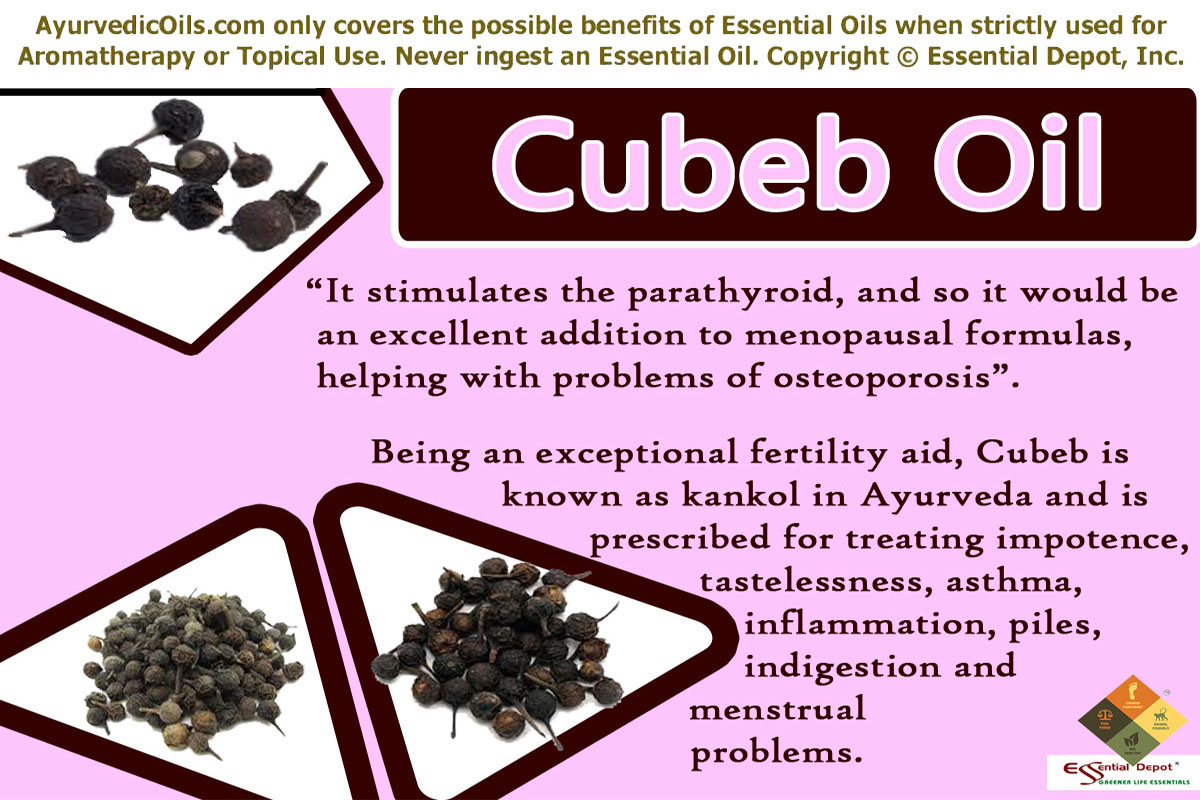
Kokum Butter

Kokum-butter-bannerCalled as Komal and Vrikshamla in Ayurveda, Kokum butter is a gentle remedy to treat skin infections, dead skin cells, dry skin, stretch marks, sores, stomach ulcers, gastritis, inflammation and constipation.

Sharing its origin with Ayurvedic healing to the Indian subcontinent, Kokum butter has excellent nutritional benefits and has been used in Ayurveda for treating dryness in the skin, cracked lips, ulceration, mature skin conditions, oral diseases and skin infections.

With its rich antioxidant and antibacterial properties, Kokum is held high as an excellent cardiac tonic and is trusted to enhance the kidney functions and support metabolism.

Kokum is popularly known as Wild Mangosteen tree, Red Mango, Brindonia tallow tree, Indian butter tree and Malabar Tamarind tree. Called in the vicinity as Punarpuli and Punampuli, the fresh and dried fruits are used as a tasty substitute for tamarind in the preparation of fish and other traditional culinary varieties.

Purchase Organic Kokum Butter – Retail – CLICK HERE

Historical uses and importance of Kokum and its velvety butter:

Kokum butter is extracted from the seed of Garcinia Indica also known as the Kokum tree, which is commonly seen in Andaman and Nicobar Islands, Western Ghats and the Eastern parts of India. The butter is extracted by cold pressing the seeds collected from the Kokum tree and then further refined to give a white butter that has a mild odor.

The residue or the rind of the seed is collected and used in herbal medications. It is one of the most stable butters known and also one of the hardest vegetable butters available.

As the butter extends properties such as high oxidative stability and emollient properties, Kokum Butter has found itself a spot in the industries of toiletries and cosmetics. Though the butter is found to have a high melting point it does melt and blend with skin as it touches the surface making it a top choice for lipsticks, balms, soaps, and lotions.

Butters like Kokum butter is one of the perfect choices among the ingredients of soap bars, lotion bars and lipsticks as they have a high melting point (38-40 C) and keep from melting in the purse during long summers.

Kokum butter serves the purpose of encouraging elasticity, suppleness and preventing dryness of the skin. It also helps to restore balance of the damaged skin caused by prolonged negligence. The raw unrefined form of Kokum butter is dark in color and has an earthy scent to it; when melted, it takes the color of light coffee.

Besides being used in the cosmetic industry, Kokum butter is also used as an edible oil. It is a rich source of vitamin E making it an ideal ingredient in products related to skin and hair.

Along with the butter, other extracts from the plant that are effective in treating medical conditions are the juice of the Kokum. It is the most celebrated refreshing drink in summer that serves effectively against sunstroke and dehydration with its instant energy.

The pulp of the Kokum fruit is used as spice in various parts of India, especially in Kerala and other coastal areas as a popular substitute for tamarind. Syrups are also made from the Kokum tree and they are presently bottled and sold for its medicinal effects. Besides this, Kokum is very popular in making chutneys and pickles.

From ancient history, it has been understood that Ayurvedic physicians have used butter from Kokum to cure ear infections, reduce pain caused by arthritis, prevent infections, treat sores, diarrhea, improve digestion and treat constipation.

Kokum is very popular in the Southern states of India and is a trusted traditional remedy for piles, dysentery and infections, insect bite, bee bites and gastric issues.

Kokum is available in the market as a dried fruit, which are soaked in hot water to extract the juices. It has a shelf life of more than a year and the concentrated versions of the fruit can be retrieved. It can also be stored as pickles by blending with salt and drying it out in the sun to increase its shelf life.

Chemical composition and therapeutic properties of Kokum butter:

Kokum naturally contains garcinol in abundance. Garcinol is a derivative of poly-isoprenylated benzophenone that is extracted from the rind of the berries. It exhibits the anti-inflammatory, antibacterial, and antioxidant properties.

Thanks to all these naturally existing properties in the butter, the degeneration of skin cells and the elasticity of the skin can be maintained. The butter of Kokum contains nearly 60-65 percent saturated fatty acids, which makes the oil solid at room temperatures. The fatty acids seen in the butter are stearic acid, palmitic acid, oleic acid, and linoleic acid.

This therapeutic butter exhibits anti-inflammatory properties, which control the primary causes that lead to heart diseases, and also helps reduce the production of excess of fat, aiding weight loss. Kokum also exhibits anti- paralysis properties.

Ayurvedic health benefits of Kokum and its butter:

Held high across the world as the oldest remedial science, Kokum is a primordial Ayurvedic remedy for addressing various health conditions. The documented Ayurvedic health benefits of Kokum are as follows.

With its soothing and pacifying properties, Kokum has been prescribed in the treatment of irritable bowel syndrome and diarrhea, for these attributes it has been called as Grahi and Sangrahi.

The book on ‘Molecular Targets and Therapeutic Uses of Spices’ quotes that Ayurvedic experts prescribed the use of Kokum in the treatment of irregular menstruation, inflammatory conditions, ear infections, dermatitis, rheumatic pain, sores and intestinal parasites.

Kokum is also a vital ingredient in Ayurvedic preparations like Yavanyadi Choornam for respiratory ailments and Hingvadi Choornam for treatment of pain in the abdomen along with improper digestion and bloating.

For it’s potent to enhance taste and alleviate loss of appetite, Kokum is called as Ruchikrut and Rochana and Deepana for strengthening the digestive system.

Denoted as an excellent natural thirst quenching agent, Kokum juice has been a celebrated Ayurvedic drink that has been trusted to control Trushna or extreme thirst and dehydration.

The fruit of Kokum in general is a friend for the digestive system in the Ayurvedic regimen. It is mentioned in various Ayurvedic texts in the treatment of a range of metabolic and abdominal disorders.

Ayurveda recommends Kokum in the treatment of Jantu or the invasion of worms, Grahani or constipation and irritable bowel syndrome, Vataja Udara or flatulence and bloating, Shoola or colic pain in the abdomen and Atisara or dysentery.

Kokum and its butter are cited in many classical Ayurvedic texts including Charaka Samhita, Sushruta Samhita, Dravya Guna Vijnana, Haritakyadi varga and few others.

Kokum is held to pacify vata dosha (extremely beneficial in nourishing dry skin conditions) and enhance pitta and kapha energies (excellent natural moisturizer that leaves the skin supple and smooth).

The predominant health benefits of Kokum butter are:

  • Exceptional anti-aging agent, attributed to the presence of rich antioxidants like vitamin E that nourish the skin cells and prevent aging.
  • With its rich antioxidant and antibacterial properties, Kokum is an excellent cardiac tonic and is trusted to enhance the kidney functions and support metabolism.
  • With its bactericidal properties, Kokum butter has been proved effective against bacteria like Salmonella typhi, Staphylococcus aureus, flavononyl flavone and Escherichia coli.
  • The presence of hydroxycitric acid helps reduce lipogenesis cycles; reduce cholesterol and thereby assists in weight loss.
  • Being a non-comedogenic agent, Kokum butter doesn’t clog pores like other creams and lotions, hence prevent acne and other skin damages.

Kokum-butter-brocherKokum butter is an excellent anti-aging agent:

All butters are generally good on skin and Kokum also known as ‘Goa Butter’ is not going to let you down. Though the butter is a bit dry in its nature, it does serve the purpose when it comes to helping with skin regeneration.

The essential fatty acids seen in the butter aids in the oxygenation of the cells, making its tissues available to absorb nutrition. It also contains antioxidants such as vitamin E, which nourish the skin and prevent aging.

It is a non-comedogenic agent, which doesn’t clog pores like creams and lotions do, thereby avoiding the occurrence of acne and pimples, and also helps easy absorption of the butter into the skin. Usage of Kokum butter in lotion and creams give it that lush texture that makes the skin feel soft and supple through-out the day.

The major symptoms of aging are wrinkles, fine lines, crow’s foot, dull and dehydrated skin. These skin conditions are often caused by the infestation of harmful free radicals that prevent skin cells from being hale and hearty.

Damaged cellular structure often pave way for dermal problems including aged skin conditions. Antioxidants are powerful micronutrients that have the potent to scavenge the effects of free radicals.

A 2006 study on the ‘Antioxidant activity of Garcinia indica (Kokam) and its syrup’ proved that Kokum is an exceptional antioxidant agent with potent compounds including Garcinol, HCA (hydroxycitric acid), polyphenols and anthocyanin pigments.

Kokum aids in fighting free radicals and assist in repairing the damaged skin, enriching the skin cells from within and helps in restoring the natural glow and texture of the skin, leaving it supple and hydrated.

It has also been prescribed in the treatment of burns, allergies, sunstroke, rashes, chaffed skin, dry skin and scalds.

With all these commendable benefits to the skin, Kokum butter is used as a nourishing base product for organic soaps, moisturizing creams, sunscreen lotions and other skin care products.

This is the kind of ingredient that would be perfect in rejuvenating dry, tired and worn out skin. Blend Kokum butter with your favorite skin-nourishing oils like Lavender oil or Ylang Ylang oil for better results.

Kokum butter as an anti-bactericidal:

The butter exhibits anti-bacterial and bactericidal properties hence it’s used topically to cure skin infections. The juice extracted from Kokum is an appetite stimulant and also has biological properties and has been in use as an effective anti-helmintic agent.

It has also been used to treat piles, GIT infections, and dysentery as well. It also helps stabilize liver functions, and helps strengthen the cardiovascular system. A study involving the involvement of Polyphenols of Garcinia Indica against bacteria was carried out. The result proved that Garcinia indica was effective towards Salmonella typhi, Staphylococcus aureus, flavononyl flavone and Escherichia coli.

Antioxidant activity of Kokum butter:

A study was conducted to understand the anti-oxidant activity of kokum butter. The experiment was carried out on rats and the results proved that there was effective support contributed by GIE in ATD-induced oxidative damage of liver and Kokum exhibited a hepatoprotective activity contributed by its antioxidant effect.

Kokum butter in cholesterol reduction:

A study was conducted to understand the effects of Kokum butter and cholesterol levels. During the study it was comprehended that the chemical constituents and properties of the butter were a lot similar to sunflower oil, sesame oil, and peanut oil.

Though the process of heating and melting of the butter were the same as ghee and hydrogenated fats, the high unsaturated fatty acid composition seen in Garcinia-butter makes it a lot healthier choice.

Also, the hydroxycitric acid seen in the butter helps reduce lipogenesis cycles; reduce cholesterol, thereby assisting in weight loss.

Other health benefits of Kokum butter:

In general, Kokum has been used in the treatment of fissures and ulcers on lips, hand, and sole. It has also been used as an astringent. Kokum butter is a tender way to treat skin infections, dead skin cells, dry skin, stretch marks, sores, stomach ulcers, gastritis, inflammation and constipation.

On skin and hair, Kokum butter is used to treat acne, dry hair, split ends and dandruff. It helps eliminate bacteria such as H. pylori bacteria which are general causes of ulcers.

Kokum aids in strengthening the brain power by increasing the growth of neurons through preventing the substances that can cause damage by oxidizing them, and suppressing the growth of reactive oxygen related species that can cause cancer and cardiovascular related diseases.

Besides this it also contains hydroxycitric acid also known as HCA which can act as an appetite suppressant and aid in weight gain issues. It has a triglyceride composition and hence used as a substitute for cocoa butter.

Disclaimer:

This article is only for the use of information. It is not meant to make a diagnosis or thwart any medical conditions. Do not replace with any other prescribed medications or expert medical advice. We are not healthcare professionals and this information is shared only with the notion of bringing Ayurvedic healing wisdom under limelight.

Organic butters and essential oils are meant only for topical application and do not ingest. Consult your Ayurvedic expert/ medical professional ahead of picking the perfect essential oils or organic butters for your prakriti or unique individual constitution along with your medical condition.

Thought for the day:

Never lose an opportunity of seeing anything beautiful, for beauty is God’s handwriting.

-Ralph Waldo Emerson

Suggested Reading:

  1. A Monograph on Kokum (Garcinia indica Choisy): Uses, Morphophysiology, Propagation, Production and Post Harvest Management by Parag Haldankar, Yogesh Parulekar, and Pradip Haldavanekar.
  2. Organic Body Care Recipes Box Set: Organic Body Scrubs, Organic Lip Balms, Organic Body Butter, And Natural Skin Care Recipes by Karina Wilde.
  3. 30 Best Homemade Body Butter Recipes by Kate Hilton.
  4. Natural Remedies Book Collection: 6 Books About Weight Loss, Natural Skin Care And Healthy Life: (Weight Loss Books, Alternative Medicine, 10 Day Green Smoothie Cleanse, Cannabis) by Mary Anne Heller, Pamela Arnold, Pamela Green, Irene Edwanson, Adrienne Cooper, Tasanee Mookjai.
  5. Natural Butters To Make Skin Care Products (How To Make Natural Skin Care Products Series Book 18) by Miriam Kinai.

References:

  1. Kokum oil by Wikipedia
  2. Antioxidant activity of Garcinia indica (Kokam) and its syrup by the Department of Biochemistry, The Institute of Science, Bhabha Atomic Research Center, India
  3. Antibacterial Activity of Polyphenols of Garcinia Indica by C. Lakshmi, K. Akshaya Kumar, T. J. Dennis and T. S. S. P. N. S. Sanath Kumar published in Indian Journal of Pharmaceutical Sciences and PubMed
  4. Antioxidant and hepatoprotective effects of Garcinia indica fruit rind in antitubercular drug-induced liver injury in rats by Panda VS, Ashar HD, Sharan A, published in Dovepress

St John’s Wort Essential Oil

What comes to your mind when I say ‘Amber Touch-and-heal’? Sounds like a magical spell right? But won’t you be surprised and delighted if I say that it’s the other popular name of St. John’s Wort herb? Absolutely yes! The star-shaped bright yellow flowers are the most mesmerizing part of St. John’s Wort herb.

St-john-bannerNature’s beauty meets healing quality through these flowers as the essential oil of St. John’s Wort is extracted by steam distillation from these flowers. St. John’s Wort herb is claimed as “one of the most commonly purchased herbal products in the United States”.

This herb is named after St. John, the Baptist mainly because the admirable flowers of this plant were said to bloom initially around 24th June when the birthday of St. John is celebrated. Scientifically known as Hypericum Perforatum L, this herb is a member of the Guttiferae plant family. Ayurvedic system of healing use this medicated oil as a traditional remedy for treating joint pains, skin problems, symptoms of aging, inflammation, trauma, cracking and irritation.

Purchase St Johns Wort Essential Oil – Wholesale – CLICK HERE

Historical Uses of St. John’s Wort:

St. John’s Wort herb and its essential oil have a long history and were used by Naturopaths and Physicians of all the predominant traditions in the world. This herb is indigenous to Europe, Western Asia and North Africa and is used for various therapeutic applications for more than 3,000 years. St. John’s Wort was popularly known as ‘Arnica of the nerves’ during the thirteenth century from the time it was used to treat psychiatric problems by the Swiss Physician Paracelsus.

The impeccable use of this herb starts from Greece, where the renowned Greek physicians like Hippocrates, Dioscorides, Theophrastus and Galen used this herb for treating numerous illnesses including neuralgic conditions, nervous disorders and wounds.

Native Americans used St. John’s Wort herb as a natural antiseptic and was also used for its astringent and anti-inflammatory properties for treating pain, inflammation, spinal irritation and certain other health conditions. This herb was also used as a traditional abortifacient agent. St. John’s Wort is also an important part of many well-liked dietary supplements in various forms like oil infusion, aqueous infusion, capsules, powders, alcoholic tinctures etc, in the United States.

The American Physicians of the nineteenth century prescribed St. John’s Wort herb to treat nervous afflictions with depression and hysteria. This herb was also trusted to ward off evil spirits and helps in getting the blessings of St. John, the Baptist for another year. The anti-depressant properties of this herb are attributed to the presence of the active components hyperforin and hypericin.

Studies prove that this healing quality has made this herb vital in treating depression and it is demonstrated to have lesser side effects than many other over-the-counter antidepressants.

With all these historical importance, St. John’s Wort is regarded as an official herb in the national pharmacopeias of Russia, Czechoslovakia, Romania, France and Poland. It is also approved as a standardized medicine by the Commission E monographs and is listed in the German Drug Codex.

Ayurvedic health benefits of St. John’s Wort Essential Oil:

Ayurveda is a common sense science that aims at bringing perfect health and harmony through natural and practical methodologies. The ancient Ayurvedic texts like Charaka Samhita and Sushruta Samhita talk about all kinds of illnesses and the simple Ayurvedic approaches to treat those health conditions.

In addition to this, these Ayurvedic encyclopedias also insist on following an Ayurvedic routine that helps us to follow a systematic living for healthy aging and longevity.

According to Ayurveda human body is made up of a combination of 3 energy elements known as doshas. They are vata, pitta and kapha. Every individual has all the 3 doshas with the predominance of any 1 of these and this predominant Ayurvedic body type determines the characteristics and behavior of an individual. The imbalance of any one of these doshas causes illnesses indicating that the body is of out of balance with nature.

Before suggesting Ayurvedic remedies, every Ayurvedic physician will thoroughly examine your medical history, Ayurvedic body type, your preferences, dislikes and other factors affecting your physical, mental, social, environmental, emotional and spiritual well-being.

Herbs, yoga, essential oils, meditation, physical exercises, Abhyanga or Ayurvedic massage therapy and a balanced lifestyle are all the major pillars of an Ayurvedic treatment. St. John’s Wort herb and its oil according to Ayurveda is good for reducing the excess of pitta and kapha doshas and aids in supporting vata deficiency (P K- and V+).

Claimed as ‘The long-time favorite herb of Herbalists’, St. John’s Wort essential oil is said to have numerous health benefits and the most predominant ones among them are:

St-john-broucher1. Hemorrhoids:

Adding few drops of St. John’s Wort essential oil to soothing carrier oils like jojoba oil aids in treating the painful symptoms of hemorrhoids. The flavonoids and hypericin compounds in this oil assists in reducing the burning and itching sensation while alleviating inflammation.

You can also add few drops of this oil to any of your skin care creams or lotions and apply it directly on the affected area to treat both external and internal hemorrhoids. Few drops of this oil added to your warm bathing water can also grant relief from external hemorrhoids.

2. Rheumatism and arthritis:

Swollen and inflamed joints along with excruciating pain are the predominant symptoms of rheumatism and arthritis. Using St. John’s Wort essential oil for treating rheumatic conditions remains as a popular herbal remedy since the primordial times.

Applying few drops of this essential oil blended with mild carrier oils like coconut oil can help reduce inflammation and pain associated with rheumatism.

Ayurvedic texts say that rheumatoid arthritis occur due to excess of pitta, the fire element and kapha, the water element along with the deficit of vata, the air element. As St. John’s Wort oil has the potential to control the excess of pitta and kapha and normalize vata shortfall, using this oil as therapeutic massage oil, bath oil or in vapor therapy can help control the symptoms of rheumatism.

3. Pain and inflammation:

The anti-inflammatory, analgesic and antiseptic properties of St. John’s Wort essential oil makes it an ideal remedy for treating muscular pains, bruises, sores, sprains, tennis elbow, nervous afflictions, stiff achy joints, varicose veins and burns.

You’ll be amazed to know that St. John’s Wort oil is prescribed to neuropathic patients and also for treating incision pain after surgery. Using this oil as massage oil or remedial oil for external application along with any of your skin creams and lotions can grant you relief and foster speedy recovery.

4. Wounds:

St. John’s Wort essential oil has astringent and antibacterial properties that help in killing microbes and other harmful foreign bodies that worsen wounds and other skin infections. This oil can be used as a tincture and topical application of this oil on the affected areas augments the epithelialization of wounds. The presence of flavonoids and tannins supports the protein precipitating action for quicker healing.

5. Fibrositis, menopause and PMS:

These 3 disorders looks like a chain of womanly problems that often cause sharp pain and interrupt the normal functioning of the body. Fibrositis or fibromyalgia means pain in the muscle and connective tissue.

Numerous research studies have proved the effectiveness of St. John’s Wort essential oil in treating physical pain and emotional disturbances of premenstrual syndrome along with cramps, nausea, breast tenderness etc., anxiety and mood fluctuations during menopause and the muscular and tissue pains associated with fibromyalgia.

Massaging with few drops of St. John’s Wort oil added to soothing carrier oils like sesame oil can grant you complete relief. You can also use it as a bath oil by adding 2 drops of this oil to warm bathing water for assisting your health in a refreshing manner.

6. Other health benefits:

Kurt Schnaubelt rightly quoted the aroma of St. John’s Wort essential oil as “The penetrating smell can be felt as a warm pleasant relaxed feeling, travelling from the nose to the brain”.

The cooling and moisturizing energies of this oil aids in treating anxiety, social phobia, Obsessive compulsive disorder, stomach inflammation, smoking cessation, nervous pain, insomnia, sciatica, dysentery, pulmonary complaints, elimination of toxins in the body, bed-wetting, peptic ulcers and many other health disorders. ‘The Aromatherapy Book’ by Jeanne Rose states the use of this oil in the treatment of AIDS.

Disclaimer:

This is only for information purpose and is not recommended to replace any prescribed medicines or the consultation of your medical professional. Do not use essential oils directly on your skin or take it internally without the advice of your Ayurvedic Practitioner as it may cause negative effects.  Essential oils are highly concentrated so keep it away from children.

Thought for the day:

Earth laughs in flowers.    –Ralph Waldo Emerson

Suggested Reading:

  1. St. John’s Wort: The Herbal Way to Feeling Good by Norman Rosenthal
  2. St. John’s Wort: The Premier Herb for Relieving Depression, Healing Wounds and Easing Nerve Pain (Keats Good Herb Guide Series) by Roy Upton
  3. Natural Care Library St. John’s Wort: Safe and Effective Self-Care for Anxiety, Inflammation and Pain Relief by Stephanie Pedersen

Reference Links:

  1. St. John’s Wort by American Botanical Council
  2. St. John’s Wort by University of Maryland Medical Center
  3. St. John’s Wort by American Family Physician

Basil Oil Indian

basil oil indianBasil is a blessing in disguise for the rest of the world but for most of the traditional Indian families, every day begins with the blessing of Lord Krishna through Basil leaves. This holy plant is being worshipped by the Hindus in India since thousands of years and is a familiar thing to find a Basil or Tulsi plant in every home. It is known to the world of medicine as a digestive tonic, respiratory aid, anti-depressant, pain reliever, skin care agent, immune stimulant and as a symbol of divinity.

Valued as an emblem of sacredness, purification, love, protection, eternity, respect and good luck, Basil is used in Ayurvedic preparations for more than 5,000 years. It is lovingly called as Tulsi in Hindi and Surasa in Sanskrit and has been a vital part of Ayurvedic healing of a plethora of illnesses.

The most notable among them are nervous tension, constipation, rheumatism, whooping cough, asthma, sinus congestion, bronchitis, stress, bruises, diabetes, fever, poor memory, poisonous bites and stings, acne and kidney disorders.

Historical uses and importance of Basil leaves and its essential oil:

Popularly known as the ‘Queen of herbs’ in Ayurveda, Basil is botanically called as Ocimum sanctum. It is grown throughout the world for its spiritual and medicinal uses. Highly regarded as a symbol of ‘Good luck charm’, Basil plant has myriad references in the history of world medicine.

Basil plant has been talked about in the ancient sacred books like Rig Veda and in the Ayurvedic texts including Charaka Samhita. Respected as an elixir of life in Ayurveda, this plant is said to pave way to absolute balance and longevity for its enormous medicinal values.

The oldest historical mention of Basil leaves is in the ancient Hindu mythology, where Basil or Tulsi plant is said to symbolize Vishnupriya, the wife of Lord Vishnu and the incarnation of Goddess Lakshmi. God Vishnu is honored with the garland made with Basil leaves.

Few other sources state that Tulsi is trusted as a form of Goddess Tulsi and this plant is considered as a symbol of blessedness because it is believed to have grown from the ashes of Goddess Tulsi. Basil plant is worshipped by the married Hindu women in India for being blessed with the faithfulness of Goddess Tulsi.

Known as Bacia-nicola (meaning kiss me Nicholas) in Italy, Basil is regarded as a representation of love and luck and is said to attract man to his lady love. It was used in the ancient Greece in the crowning ceremonies of Kings for purification.

Besides its medicinal values, Basil leaves are also used for culinary purposes for its strong aroma and astringent flavor, especially in Asian cooking. The seeds and leaves of this plant are used in the preparation of an herbal tea, which is said to gift good health and fortune.

The native populace of the Indian subcontinent including the Himalayan areas generally grind the leaves and seeds of Basil plant and blend this with Safflower (Carthamus tinctorius), Katuka (Picrorhiza kurroa), Bel Fruit (Aegle marmelos), Sugandi root (Hemidesmus indicus), and Blue Lotus (Nelumbo nucifera). This herbal mixture is then smoked for persuading the vision and dreams.

The tribal population in Australia has reported the use of Basil leaves in the preparation of an herbal tea for supporting the system as a tonic for treating fever, respiratory problems and few other illnesses. The essential oil extracted from Basil leaves also finds its use in the field of herbal cosmetics and in the treatment of skin disorders and numerous other illnesses.

Therapeutic properties and chemical constituents of Basil essential oil:

The remedial values of Basil oil are cephalic, antifungal, diaphoretic, anti-asthmatic, emmenagogue, antispasmodic, antiseptic, anti-cancer, antidote, anti-oxidant, diuretic, anti-fertility, expectorant, anti-diabetic, anti-malarial, hepatoprotective and anti-inflammatory.

The primary chemical components of Basil oil are eugenol, ursolic acid, b-caryophyllene, linalool, oleanolic acid, carvacrol, germacrone D, b-elemene and linolenic acid. Vitamin A, vitamin C, iron, zinc, potassium, calcium and magnesium are few among its nutritional constituents.

Ayurvedic health benefits of Basil Indian essential oil:

Adorably called as Tulsi in India, Basil is the most respected and often talked about herb in the history of Ayurveda. With its divine aroma and holiness, Tulsi is esteemed high for its healing values. These holy leaves are chewed daily in the morning after performing the ritual prayers for cleansing the system, stimulating metabolic functions, supporting the respiratory functions and strengthening the immune system.

Ayurveda is by far the pioneer of the medicinal world with more than 5,000 years of promising existence. It has its roots vested with the ancient India, where its origin has been referred to Atharvaveda, one among the four sacred books of the Indian mythology.  With the literal meaning of ‘knowledge of life’, Ayurveda means more than a method of treating illnesses.

Holding all these prominent reasons, Ayurveda is known as a common sense science. It leads mankind towards a holistic life with the gifts of absolute health, harmony and longevity. The medications prescribed in Ayurveda simply rely on Mother Nature as it trusts that everything on this globe is a vital part of Nature.

With this philosophy, Ayurvedic texts denote that all things on earth including human beings are built up with the same 5 vital building blocks of nature. They are fire, air, water, earth and space. Earth stands for the bones and muscles in the body and represents braveness, stability and vitality. Air is responsible for the functions of the lungs, heart, intestines and joints.

Ether is found all over the body, where the presence of emptiness and cavity exist. Few parts among them are blood vessels, nostrils, bladder and heart. Fire controls the body temperature, metabolic functions and intellectual power. Water is in charge of the fluid functions of the body, including saliva, blood, plasma and mucus.

According to Ayurveda, every individual is a unique entity with a unique individual constitution or Prakriti, which is an arrangement of the 3 biological energies known as doshas. Ayurvedic principles revolve around the pillars of these dynamic forces, which are a combination of the vital elements of nature. They are vata, pitta and kapha doshas.

Every person has a predominance of any one of these doshas, which determines the character, personality, health conditions and behavioral attributes of a person. An individual is claimed to be healthy when there is absolute balance between all the three doshas and imbalances between these doshas end up in illnesses.

Ayurveda prescribes natural remedies like plant essential oils, herbs, meditation, yoga, prayers, Ayurvedic routine along with Ayurvedic healing techniques like Panchakarma (the Ayurvedic detox techniques), Pranayama (art of balanced breathing), Abhyanga (Ayurvedic massaging) etc. These remedies aim at correcting the imbalances of doshas, prevent illnesses and sustain a healthy life even in the late 60s and 70s.

Basil essential oil has heating and neutral energies (virya) and sharp and bitter taste (rasa). It is known for reducing excess of vata and kapha doshas and aggravates pitta dosha. Basil is said to have amazing beneficial effects on the respiratory system, circulatory system, reproductive organs and the digestive system.

The major Ayurvedic health benefits of Basil essential oil are as follows:

Basil-oil-bro1. Alleviates depression, stress and disorders of the autonomic nervous system: Visceral or the autonomic nervous system supports the generation of hormones and its resultant responses in the human system.  It controls the vital functions of the system including breathing, salivation, digestion, heart rate, urination, perspiration, respiratory rate, breathing and sexual feelings.

Problems in the functioning of this involuntary nervous system can result in indigestion, breathing problems, heart disorders, improper blood circulation, depression, nervousness, anxiety, headache, sexual problems and kidney disorders.

Basil essential oil has a balancing effect on the nervous system. This aids in treating anxiety, stress, depression, nervousness, loss of interest and negative emotions. When inhaled by adding 1 drop of Basil oil, 1 drop of Rose Geranium oil and 1 drop of Lavender oil in diffuser or air freshener, can aid in alleviating stress, inspiring positive feelings, elevating the spirits, augmenting memory power and grant the strength to face challenges.

According to the Ayurvedic texts like Charaka Samhita, Tulsi “opens the heart and the mind and distributes the energy of love and devotion.  Basil is sacred to Vishnu and Krishna and strengthens faith, compassion, and clarity.

Tulsi stalks are worn as garlands and strengthen the energy of attachment. Basil imparts divine protection by purifying the aura and invigorating the immune system. It contains natural mercury that, as the seed of Shiva, imparts the germinative power of pure consciousness.”

According to a 2010 study on “Ocimum sanctum Linn. A reservoir plant for therapeutic applications: An overview by Priyabrata Pattanayak,Pritishova Behera, Debajyoti Das and Sangram K. Panda, published in PubMed says, “Tulsi is considered to be an adaptogen, balancing different processes in the body, and helpful for adapting to stress.

Adding 2 drops of Basil oil in bathing water every morning and night helps in bringing in abundant of constructive thoughts, progressive ideas, encouraging feelings and new-fangled energy to face your new day and relax for a peaceful night. 2 drops of Basil oil added to your air freshener in the night can aid in granting absolute solace and calmness.

Basil has strong effects on the emotions, and can be very strengthening when we are suffering fear or sadness”, says Bryan Miller and Light Miller in their book Ayurveda and Aromatherapy.

2. Enormous benefits to the skin:

Tulsi is a darling remedy when it comes to the protection of skin from various infections and disorders. With its antioxidant and detoxifying properties, Tulsi acts as an excellent skin cleansing and nourishing agent that gifts your skin with a flawless beauty and younger look.

The antifungal and anti-microbial properties of this oil acts as a shield against microbes and aids in the treatment of acne, eczema, scabies, itches, ringworm, athlete’s foot and infectious wounds. The rich presence of Vitamins A and C nourish the skin from within and help in exploring and retaining its natural glow.

The book ‘Ocimum sanctum: The Indian Home Remedy In Current Medical Scene’ have talked about various studies, where the essential oil of Basil “has been found to inhibit in-vitro growth of E. coli, B. anthracis and P. aeruginosa proving its anti-bacterial activity.” It is also said that this oil contains anti-viral and anti-fungal properties.

Massaging your skin with 2 drops of Basil oil blended with 1 drop of Lemon oil, 1 drop of Bergamot oil and 1 drop of Lavender oil along with 2.5 ml of olive oil helps in removing the dead skin cells, reducing pimples, black heads and fading away marks left behind by wounds and acne. You can also apply this blend on wounds, eczema, psoriasis, athlete’s foot, ringworm, scabies, wounds and itches for quicker healing.

3. Nurtures the growth of healthy hair:

Basil has been an important ingredient in numerous Ayurvedic and other herbal preparations for hair care. Take 5 drops of Basil oil, 5 drops of Rosemary oil, 2 drops of Lime oil along with 10 ml of Almond oil and heat this mixture slightly.

Massaging your scalp with this herbal blend helps in promoting the growth of hair by strengthening the hair follicles, reducing dandruff, moisturizing dry scalp and rough hair, controlling itching and enriching the scalp.

4. Alleviates fever and respiratory illnesses:

The anti-viral, anti-microbial and anti-malarial properties of Basil essential oil aids in reducing fever. Numerous research studies have reported that Basil oil contains 100 percent insecticidal and larvicidal activities especially against Culex mosquitoes.

Massage your foot soles with 2 drops of Basil oil and 2 drops of Lavender oil blended with 2 ml of coconut oil for reducing fever. Adding 2 drops of Basil oil in your air-freshener or diffuser can be of great assistance in keeping away from insects with its insect-repellant properties.

The therapeutic properties of Basil oil including its anti-microbial and anti-viral attributes helps in arresting the growth of bacteria, virus and other micro-organisms that worsen cold, cough and other respiratory infections. Mucus and phlegm deposits in the system are again a result of excess kapha dosha.

Basil oil is an effective Ayurvedic remedy for lowering excess of kapha dosha that aids in loosening the phlegm and mucus accumulation in the body. 2 drops of Basil oil and 2 drops of Eucalyptus oil added to steam inhalation can grant you instant relief from cold, cough, stiff nose, congestion, sinusitis, whooping cough and blocked nasal passages.

You can also massage your chest, back and throat with 1 drop of Basil oil and 1 drop of Eucalyptus oil mixed with your vaporizing ointment for supporting quicker relief. This oil also helps in strengthening the immune system and helps in fighting against infectious and communicable diseases.

5. Helps control diabetes and the risk of cardiac disorders:

The essential oil of Basil has anti-diabetic properties that aids in the treatment of diabetes by controlling the level of blood sugar. With its diuretic properties, Tulsi promotes frequent urination through which the toxic elements in the system are flushed out and helps to stay energized.

A 2005 study published in the Journal of Indian Physiology and Pharmacology says “eugenol in Basil oil have been found to reduce raised blood sugar, triglyceride and cholesterol levels and activities of LDH, GPT, GOT and alkaline phosphatase in blood serum explaining the therapeutic potentials of Ocimum sanctum as antidiabetic, cardio-protective, hypolipidaemic and hepatoprotective agent.”

The decoction extracted from the whole plant has been recommended in Ayurveda for lowering the level of blood glucose in case of diabetes mellitus. The presence of eugenol and other therapeutic constituents in this oil are also effective in reducing blood cholesterol and blood pressure. With its antioxidant properties, Basil oil is also known for protecting the heart from the effects of harmful free radicals.

Massaging your system with 5 drops of Basil oil, 5 drops of Juniper oil, 5 drops of Myrtle oil and 2 drops of Clove oil along with 20 ml of coconut oil, once in a week can help in controlling blood sugar, blood pressure and blood cholesterol. You can also add 2 drops of Basil oil in your diffuser every day and inhale this magical aroma for enhancing your heart health.

6. Relieves pain and inflammation:

The pain relieving quality of Basil oil is attributed to the presence of eugenol. This contributes to the analgesic, relaxant, nervine and anti-inflammatory qualities of this oil.

Tulsi oil reduces inflammation and swelling with its kapha reducing attribute. Kapha dosha represents the water element in the body and excess of which leads to the amassing of water deposits, built up of toxic substances, uric acid and salts in the system.

Gently massaging the painful and affected parts with 3 drops of Basil oil, 3 drops of Eucalyptus oil and 3 drops of Camphor oil with 5 ml of coconut oil aids in treating pain, rheumatic conditions, arthritis, headache, stiff joints and back pain.

This works by spreading heat in the painful areas with its heating energy, induce frequent urination where the excess water deposits and toxic remains in the system are eliminated.

7. Promotes digestion:

Basil oil has the power to increase ‘Agni’ or the digestive fire in the system with its pitta-enhancing attribute. Pitta dosha symbolizes fire and is responsible for metabolic functions, including digestion, absorption and excretion.

Adding 5 drops of Basil oil in warm compress or massaging your abdomen with 2 drops of Basil oil, 2 drops of Lavender oil and 2 drops of Bergamot oil with 4 ml of sesame oil can aid in promoting the secretion of bile, digestive juices and gastric acids.

This assists in treating indigestion, formation of gas in the stomach and intestines, vomiting, motion sickness, colic, sluggish digestion and intestinal spasms. The anti-microbial property of this oil helps in killing germs and harmful micro-organisms in the stomach and intestines.

Also useful in:

Basil essential oil is also helpful in the treatment of eye problems, oral infections, migraine pain, kidney stones, mouth ulcers, cancerous tumors, Alzheimer’s disease, labour pain and certain other medical conditions.

Disclaimer:

This post is only for the use of education and information. It is not intended for diagnosing, treating or preventing illnesses or substituting expert medical advice or prescribed medicines. We are not medical professionals and this information is shared only for spreading the glory of Ayurvedic remedies, the mother of all healing systems on earth.

Never ingest essential oils and always dilute essential oils before using it for topical applications. This is due to the fact that 100% pure and organic essential oils are extremely concentrated substances.

Avoid using Basil oil if you are pregnant or a nursing mother as it has anti-fertility and anti-estrogenic effects that may cause harm. Speak with your Ayurvedic practitioner/ healthcare professional before selecting the appropriate essential oils for your prakriti or unique individual constitution and medical condition.

Thought for the day:

He that will enjoy the brightness of sunshine, must quit the coolness of the shade.  -Samuel Johnson

Suggested Reading:

  1. Tulsi Holy Basil: The “Queen of Herbs” in Ayurveda, TCM and Homeopathy (Learning Medicinal Herbs within India’s Ancient Ayurvedic Medicine Book 2) by Ryder Management Inc.
  2. Fragrance & Wellbeing: Plant Aromatics and Their Influence on the Psyche by Jennifer Peace Rhind
  3. Ayurveda: The A-Z Guide To Healing Techniques From Ancient India by Dr. Helen Mary Thomas
  4. Basil Recipes: Cooking with the King of Herbs (Quick and Easy Series) by Dogwood Apps
  5. The Basil Supplement: Alternative Medicine for a Healthy Body (Health Collection) by William Wagner

Reference Links:

  1. Ocimum tenuiflorum by Wikipedia
  2. Therapeutic uses of Ocimum sanctum Linn (Tulsi) with a note on eugenol and its pharmacological actions: a short review by Prakash. P and Gupta. N published in the Indian Journal of Physiology and Pharmacology
  3. Ocimum sanctum Linn. A reservoir plant for therapeutic applications: An overview by Priyabrata Pattanayak,Pritishova Behera, Debajyoti Das and Sangram K. Panda, published in Pharmacognosy review (PubMed)
  4. Health Benefits of Basil or Tulsi Value Food Info
  5. Basil by Bryan Miller and Light Miller published in the book Ayurveda and Aromatherapy: The Earth Essential Guide To Ancient Wisdom and Modern Healing

Calamus Oil

Calamus-bannerOften acclaimed as an ideal herb for meditation and introspection, Calamus is recommended by saints, yogis and Ayurvedic philosophers for enhancing the functions of the brain, improving memory power, increasing intellectual capacity and for stimulating proper circulation to the brain.

The essential oil of Calamus is extracted from the root of the Calamus plant, scientifically known as Acorus Calamus or Sweet flag by steam distillation method.

The Sanskrit name of Calamus is Vacha, which means ‘speech’ and the primordial sages and religious Gurus have believed Calamus to facilitate human beings to articulate from their highest inner consciousness.

Ayurveda recommends Calamus herb for its power to fortify the adrenal gland and for its effectiveness in treating neuralgia, dysmennorhea or painful periods, memory loss, epilepsy, gingivitis, lack of stamina, lymphatic drainage, asthma, hysteria, deafness, sinusitis, lack of consciousness and trauma.

Purchase Calamus Essential Oil – Retail – 4 oz – CLICK HERE

Purchase Calamus Essential Oil – Wholesale – CLICK HERE

Historical uses and importance of Calamus root and its essential oil:

Calamus is native to Asia and Europe and has been found growing across Australia, South Africa, North America, New Guinea and Reunion. It has its name mentioned in the Old Testament and was talked about in Exodus as an element of the sacred anointing oil of the Bible.

It was also denoted in the Chester Beatty papyrus VI, which approximately dates back to 1300 BC and Papyrus used Calamus with various other ingredients in preparing a bandage to appease stomach ailments.

Calamus has been a vital part of the traditional healing system of various countries for more than thousands of years in the treatment of numerous medical conditions.

The primeval Egyptians trusted Calamus root as a potent aphrodisiac for its effectiveness in augmenting the health of the reproductive system. Calamus was added to wine in Europe and it also forms a part of absinthe.

The Penobscot people believed that Calamus root helped in healing prolonged sickness that was plaguing the people for a long time. They also steamed all through the homes to ward off illnesses and the dried roots were strung together for preservation.

The people of the Potawatomi community used the dried Calamus root powder for treating catarrh. Indonesians use this aromatic root as a flavoring agent in the preparation of meat, sea foods and other vegetarian cuisines.

The warriors of Teton-Dakota applied the root paste on their faces for alleviating fear in the warfront. Calamus essential oil is also used in making perfumes mainly because of its therapeutic properties.

The traditional Turks used this herb for all kinds of infections and it is used in preparing cough drops. It is also been used in the Traditional Chinese medicine, Siddha and Ayurvedic healing systems for its carminative, laxative, sedative and diuretic properties.

Chemical constituents and healing properties of Calamus essential oil:

The primary chemical components of this oil are beta asarone, eugenol, calamusenone, corenone, alpha aselinene, camphone, alpha calacorene, shyobunone, beta gurjunene, calamendiol and iso shyobunine.

The therapeutic properties of Calamus oil are rejuvenative, circulatory, anti-spasmodic, anti-arthritic, cephalic, nervine, tranquilizing, stimulant, decongestant, anti-rheumatic, emetic, anti-periodic, memory boosting, carminative, stomachic, bactericidal and expectorant properties.

Calamus in Ayurvedic Preparations:

Numerous research reports have proved that Calamus is one the most commonly employed ingredient in plenty of Ayurvedic preparations, mainly because of the presence of essential oils in its rhizomes. Ayurvedic medications like kashayam, choornam, ghritham and tailam contain Calamus and are prepared by following the preparation methods mentioned in Sahasrayoga.

Ayurvedic health benefits of Calamus essential oil:

Calamus essential oil is habitually called as a tonic for the brain in Ayurveda. It has been mentioned in Vedas, the holy books as one of the exceptional medicines and Ayurvedic philosophers explored numerous healing benefits of Calamus apart from supporting the functions of the nervous system and brain, for which Calamus still exists as a vital part of various Ayurvedic medicines since 4,000 years.

Perfect health according to Ayurveda is a triangular structure with body, mind and soul as its edges. It is the oldest of all healing systems on earth and is the pioneer to other traditional and modern medicinal methodologies like Homeopathy, Siddha, Traditional Chinese medicine, Unani, Acupressure and Chiropractic.

The greatest thing about this ancient medicinal science is that its healing techniques are documented systematically since its first recordings in Atharvaveda, one among the 4 Vedas or the major sacred books of the Hindu mythology.

This ancient citation was followed by Charaka Samhita and Sushruta Samhita, known as Ayurvedic encyclopedias written by the most respected Ayurvedic philosophers Charaka and Sushruta respectively.

“The three – body, psyche, and soul – act as a tripod. The world stands upon them, and within them, the world abides”, says Charaka Samhita. Ayurveda rightly means ‘the knowledge of life’ and this time-honored remedial method assists in providing the consciousness about life and health in every individual.

Ayurveda states that nature is made up of five fundamental elements namely water, earth, fire, air and space and it is also said that everything in nature is also built up with these five energies. When a person’s health is in balance with nature, absolute health prevails and imbalance with nature owing to food, climatic conditions and lifestyle changes causes illnesses.

Being a holistic curative system, where every person is regarded as a special part of nature with a unique individual constitution just like the fingerprints and it consists of three imperative dynamic energies called as doshas. They are vata, pitta and kapha and are nothing but a representation of any two elements of nature.

Vata dosha is a combination of air and space, and is responsible for respiration, circulation and for the functions of the nervous system. Kapha signifies earth and water, and is in charge for sustenance, physical structure, movement of fluids in the system and the reproductive health.

Pitta symbolizes fire and water and is accountable for body temperature and metabolic functions like digestion, absorption and excretion. Stability between these three doshas signifies perfect health and inequality causes sickness.

Ayurveda recommends natural remedies including herbs, essential oils, simple physical exercises, yoga, prayers, meditation, Pranayama, Ayurvedic routine, Panchakarma (Ayurvedic techniques for detoxification) and Ayurvedic massaging with natural essential oils.

These remedies are prescribed in such a way to correct the unevenness between the doshas. Calamus essential oil is known to aggravate pitta and pacify kapha and vata dosha.

The Ayurvedic health benefits of Calamus oil are:

Calamus-broucher1. Triggers the mind and promotes positive thoughts:

Calamus herb and its essential oil have been witnessed by numerous herbalists and Ayurvedic physicians as an endlessly safe and useful natural remedy for activating the mind and improving the power of thinking.

It is popularly known as a boosting herb for meditating Yogis and Saints, where Calamus is said to help them stay focused and concentrated in their long lasting meditation known as yagna.

Calamus was used in the preparation of tea in the ancient period and was also used in neti pot as a powerful remedy for treating brain conditions. Adding 1 to 2 drops of Calamus essential oil in diffuser, vaporizer, burner or a tissue paper and inhaling the uplifting aroma of this oil can aid in opening the mind, promoting clarity, enhancing the concentration power, mental stability, attention, and the power of positive thinking along with organization of speech.

Learned Ayurvedic research scientist Karta Purkh Singh Khalsa says, “The yogic name, Vacha, means “speech” and refers to its action on the fifth chakra and its propensity to help you speak from your highest consciousness. The complementary energetics makes the combination suitable for a wide variety of people.”

Swami Thirtha calls Calamus as “one of the best mind herbs”, mainly for its effectiveness in fostering sadhaka pitta through which it fortifies the mind’s ability to obtain information and evoke from the memory. The essential oil of Calamus has an invigorating effect on the brain with its warm, woody and medicinal aroma with increasingly sweet after-tones.

Inhaling the therapeutic fragrance of this oil helps in activating the neural pathways and has also been proved powerful in treating neurotic problems. You can also add 2 drops of this oil to warm bathing water for refreshing your mind. Ayurvedic practitioners recommend Vacha oil to persuade positive thoughts.

2. Stimulates the nervous system:

Calamus falls under the ‘sattvic herb’ category in the Ayurvedic medicinal system. All the sattvic varieties are known to enhance and empower the ‘kundalini’ energy or the ‘vital life force’. By this way, Calamus and its essential oil acts as a revitalizing nerve tonic that augments the functioning of the brain.

Massaging your system with 5 drops of Calamus oil mixed with 2 drops of Lavender oil, 2 drops of Lemon oil, 2 drops of Yarrow oil, 2 drops of Cinnamon oil and 2 drops of Patchouli oil along with 10 ml of Virgin Olive oil can aid in rejuvenating your brain and the entire nervous system. This assists in stimulating the cerebral functions, support self-expression and overall nervous health. This massage also assists in promoting peaceful sleep and treating insomnia.

Ayurvedic healing system describes this oil as a nervine tonic and a psychotropic remedy, mainly for its positive effects on learning, boosting memory, recovering from shock and treating depression and anxiety. Calamus herb and its essential oil are recommended by Ayurvedic physicians for confiscating the negative effects and toxic residues of drugs (including the heavy use of marijuana) from the fatty tissues left within brain, liver and the nervous system.

By strengthening the nervous system, this oil is also used in recovering from trauma, post-surgery effects, hysteric attacks, epileptics and certain other nervous problems. Due to its potential to contract the blood vessels and decrease pressure on the Ninth cranial nerve, Calamus oil is used in treating neuralgia.

3. Treats memory loss and augments the intellect:

For its memory-enhancing properties, Ayurveda prescribes Calamus oil as an effective psycho-pharmacological agent and the as one of the best natural remedies for treating epilepsy, mental retardation, syncope and stupor, while augmenting memory power and for retrieving people from traumatic problems.

Calamus is used in Ayurveda to counteract the side effects of hallucinogens. This essential oil has been proved to enhance blood circulation, stimulate neurons and nerves, aiding the body to attain steadiness and attentiveness.

4. Alleviates arthritic and rheumatic pain: According to the Ayurvedic philosophy, excess of kapha dosha is responsible for stagnation of toxic substances known as ama, water deposits, salt, uric acid and other fluids in the body, especially in the joints causing pain and inflammation associated with rheumatism. Calamus essential oil is a known Ayurvedic remedy for reducing excess kapha dosha and helps in lessening pain, inflammation and redness by eliminating stagnated fluids and toxic remains through urine and sweat.

Mix 2 drops of Calamus oil with 2 drops of Ginger oil and 2 drops of Eucalyptus oil along with 3 ml of coconut oil and massaging it gently on the painful area helps in promoting blood circulation, alleviating pain, strengthening the muscles, stimulating the nerves and reducing swelling and other symptoms of rheumatism and arthritis.

Few other notable health benefits:

With its pungent and bitter taste, Calamus oil is said to have excellent benefits to the respiratory system, nervous system and the digestive system. This oil strengthens the digestive system and treats intestinal worms, abdominal pain, flatulence, loss of appetite, chronic gas trouble and loss of taste. Vacha is used in many Indian homes to treat colic in newborn babies since the primeval times. Calamus essential oil effectively treats sinusitis, cold and bronchitis.

Disclaimer:

This information is only for the purpose of education and is not intended to cure, prevent or diagnose any medical condition. It is not directed as a substitute for any prescribed medication or expert medical advice. We are not medical professionals and this data is shared only for the purpose of throwing light on the ancient healing wisdom or the knowledge of life known as Ayurveda.

Never use essential oils internally and ensure that you use them in a diluted form for external use, as pure and organic essential oils are highly concentrated liquids. Keep essential oils out of reach of children and it is always recommended to do a small patch test on your skin with the diluted essential oil. Speak with your healthcare expert or your Ayurvedic physician before choosing the appropriate essential oils for your unique individual constitution or prakriti and health condition.

Calamus Essential Oil – Possible Skin Issues:

calamusGreener Life Diamond – Bio-Healthy Score => 3 – Possible Skin Issues:

See => http://www.essentialdepot.com/GreenerLifeDiamond.html

The essential oil of Calamus should be strictly avoided during pregnancy as it has the potent to stimulate contractions in the uterine cavity and induce menstruation, being an emmenagogue and might lead to miscarriage or abortion. It is also advisable to restrict the use of Calamus oil during breastfeeding.

Many studies suggest that Calamus oil may have carcinogenic or cancer causing effects and might be toxic when used in excess. The prime chemical constituents responsible for its adverse effects are β-asarone (about 78.4%), α-asarone (about 6.8%) and methyleugenol (about 2%) in Acorus Calamus oil, which is of Indian origin. Various in vivo and in vitro studies have witnessed the negative potent of β-asarone in inducing the growth of malignant tumors.

The European Council files β-asarone as “substances which are suspected to be genotoxic carcinogens and therefore no MDI can be set”. According to the 1988 European Community Council, both the European Union and the United Kingdom ‘Standard Permitted Proportion’ of beta-asarone in food flavorings must be 0.1mg/kg.

IFRA (International Fragrance Association) suggests that beta-asarone and alpha-asarone should not be used as fragrance ingredients and the safe level of use of Calamus oil in consumer products should not exceed 0.01%. It also recommends that the highest concentration of methyleugenol in leave-on products like body lotion should not exceed 0.00004%.

Essential oils are highly concentrated substances and must be used in a diluted condition with safe carrier oils like coconut oil. It is meant only for topical application and it is not recommended to take essential oils internally.

Ingestion of Calamus oil may end up in creating hallucinations, convulsions and potent toxicity. Acorus Calamus is one among the 30 unsafe herbs listed by the FDA (Food and Drug Administration).

According to the studies conducted in 1976 and 1977, Calamus oil is non-phototoxic and non-sensitizing when tested (patch testing with 2% Calamus oil) on 200 consecutive patients with dermatitis.

This warning is relevant to leave-on skin care products like creams, body lotions, massage oils and balms and not for wash-off items like shampoos and soaps.

Reference Links Substantiating the Possible Skin Issues of Calamus Oil:

  1. Acorus Calamus: Scientific Validation of Ayurvedic Tradition from Natural Resources Pulok Kumar Mukherjee, Venkatesan Kumar, Mainak Mal & Peter J. Houghton, published in the Journal of Pharmaceutical Biology
  2. MEDICINAL PROPERTIES OF ACORUS CALAMUS Kumar Amit, Vandana, Rajendra Institute of Medical Sciences, published in the Journal of Drug Delivery & Therapeutics
  3. Acorus Calamus by Examine.com
  4. Effects of asarone and β-asarone on conditioned responses, fighting behaviour and convulsions by P. C. Dandiya and M. K. Menon, published in the British Journal of Pharmacology and Chemotherapy
  5. Calamus by Drugs.com
  6. Toxicity of Acorus calamus rhizome powder from Eastern Nepal to Sitophilus granarius (L.) and Sitophilus oryzae (L.) (Coleoptera, Curculionidae) by R.B. Paneru , G.N.J. le Patourel , S.H. Kennedy published in Science Direct
  7. Acorus Calamus: An overview R. Balakumbahan*, K. Rajamani and K. Kumanan, Horticultural Research Station, Tamilnadu Agricultural University, Pechiparai, TN,  India, published in the Journal of Medicinal Plants Research
  8. Essential Oil Safety: A Guide for Health Care Professionals By Robert Tisserand, Rodney Young

Thought for the day:

Every particular in nature, a leaf, a drop, a crystal, a moment of time is related to the whole, and partakes of the perfection of the whole.  

-Ralph Waldo Emerson

Suggested Reading:

  1. Yoga & Ayurveda: Self-Healing and Self-Realization by Dr. David Frawley
  2. Herbal Vade Mecum: 800 Herbs, Spices, Essential Oils, Lipids, Etc.-Constituents, Properties, Uses, and Caution by Gazmend Skenderi
  3. The Encyclopedia of Psychoactive Plants: Ethnopharmacology and Its Applications
    by Christian Ratsch, Albert Hofmann
  4. The Way of Ayurvedic Herbs: A Contemporary Introduction and Useful Manual for the World’s Oldest Healing System by Karta Purkh Singh Khalsa, Michael Tierra
  5. New Choices in Natural Healing: Over 1,800 of the Best Self-Help Remedies from the World of Alternative Medicine by Doug Dollemore

Reference Links:

  1. Acorus Calamus by Wikipedia
  2. Detection of Acorus Calamus in Ayurvedic preparations by Europe PubMed Central
  3. Vacha: Brain Tonic by Dr. R. Vatsyayan, Ayurvedacharya
  4. Clarify Your Communication with Calamus by Karta Purkh Singh Khalsa published in 3HO
  5. Herb of the season, Vacha (Calamus, Acorus calamus) by Sai Ayurvedic College
  6. Vacha (Acorus Calamus Linn.): A Valuable Medicinal Plant, published in the International Journal of Ayurveda and Pharma Research


Your resource for quality Essential Oils. Every batch is
GC tested to ensure purity and authenticity.
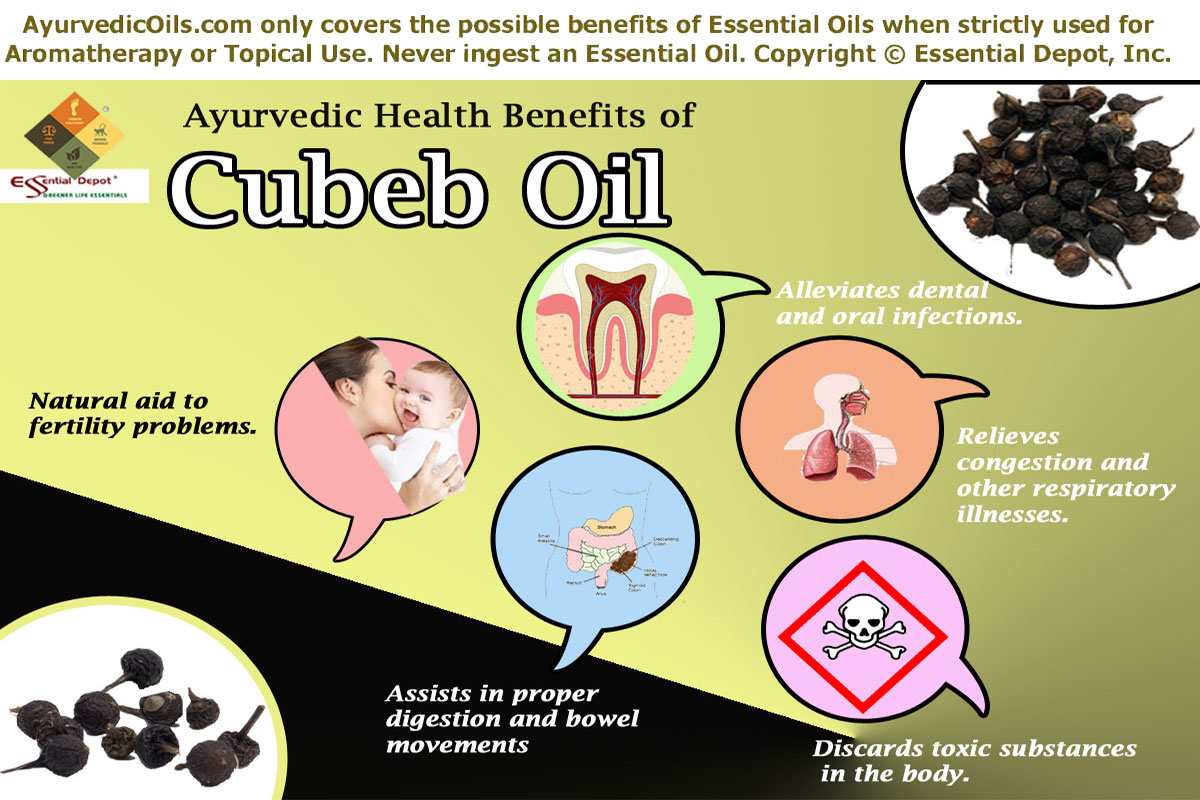
Spearmint Essential Oil

Spear-mint-bannerA refreshing, tasty, enriching and minty Spearmint gum has the potential to turn over a new leaf on your dull depressing day. Just the aroma of Spearmint is not responsible for this revolution but this cool herb has enormous health benefits that energize your system and revitalize your brain functions. Scientifically known as Mentha spicata, this herb belongs to the mint family Lamiaceae.

Spearmint is an excellent cooling diuretic that has the potent to reduce the heat in the body due to fever and inflammatory conditions. It’s proven pharmacological effects and enormous cooling values, gently cools the liver and protects from chronic health conditions like inflamed liver.

Popularly known for its culinary and traditional medicinal uses, the essential oil extracted from the leaves of Spearmint plays a vital role in Ayurvedic medicine where this herb was locally known as Putiha and Pahari Putida. It has been in use for more than hundreds of years as a trusted carminative for treating digestive disorders, morning sickness in pregnant women and colic in infants.

Purchase Spearmint Essential Oil – Retail – CLICK HERE

Purchase Spearmint Essential Oil – Wholesale – CLICK HERE

Historical uses of Spearmint and its essential oil:

This herb and its essential oil has been used in almost all the oldest traditions of the world including Ayurvedic medicine, Biblical healing, Chinese medicine, Greek mythology and the European healing system.

The antique cities of historical importance like Greece, Rome and Egypt have recorded the use of Spearmint as a natural fragrance agent for the body, digestive aid for treating gastrointestinal disorders, natural remedy for sexually transmitted diseases like gonorrhea, as a sedative for treating insomnia and other sleeping disorders, for treating bad breath and dandruff. The most popular use of Spearmint oil was that it was used in baths for its cooling and refreshing properties.

Spearmint was used in the Ayurvedic healing system for treating fever, bronchitis, pain and other digestive ailments. The European medicinal practices made use of this herb for enhancing memory power and cognitive performance.

Known as ‘Yerba Buena’ in the primordial Mexican culture, Spearmint was a natural remedy for handling menstrual cramps, vomiting, flatulence and indigestion. The milder effects of this herb made its use preferable for children than the Peppermint herb.

Biblical texts talk about the effectiveness of Spearmint for treating severe headaches. Spearmint is an important ingredient of the herbal tea known as ‘Zahraa’ according to the ancient Unani medicine. This tea is widely consumed in Syria and Damascus for its stimulating and uplifting values.

A popular research by the Latin American medicine system proved that the Latino children had a stronger preference towards Spearmint than Peppermint and it was used as a natural expectorant for treating common cold and cough.

The modern Western medicine also used Spearmint essential oil as a flavoring agent in chewing gums, candies, toothpaste, mouthwash, soaps, teeth whiteners and certain other personal hygiene products.

This herb is also used in treating common cold, nasal congestion, motion sickness, influenza, irritable bowel syndrome, colic and few other respiratory problems.

Chemical constituents or Gas Chromatography Report (GC) of Spearmint essential oil:

According to the Gas chromatography report, Spearmint essential oil constitutes of 3 chemical components that contribute to its unique fragrance, remedial properties and quality. Spearmint oil is enriched with about 69.1% of Carvone constituent.

Just click on:

For learning more about the detailed information of these key constituents of Spearmint oil.

The table below on the Gas Chromatography report talks about the principal chemical constituents and its role in granting the therapeutic and other attributes to Spearmint oil.

Spearmint-OilTherapeutic properties of Spearmint essential oil:

This oil has antispasmodic, carminative, stimulant, antiseptic, emmenagogue, restorative, cephalic, decongestant, insecticide, disinfectant, diuretic, sedative, anesthetic and expectorant properties.

Ayurvedic health benefits of Spearmint essential oil:

Ayurveda is celebrated all over the world for its simple and easy to tag on medicinal practices. This spiritual healing methodology trusts that human body is a temple where the eternal spirit lives within. It is because of this trust Ayurvedic healing encompasses physical, emotional, social and spiritual wellness when dealing with the health of humanity.

Every individual on this earth is unique according to Ayurveda and it strongly says that every one of us are made with a specific set of 3 vital energies known as doshas.

The predominance of any one of these 3 doshas determines the physical balance, emotional stability and the behavioral traits of an individual. It is for this reason Ayurveda prescribes specific medications that is suitable for an individual and not for the illness as such.

The most predominant Ayurvedic remedies include Ayurvedic essential oils, yoga, Pranayama or the art of balanced breathing, meditation, herbs, herbal decoctions and certain other Ayurvedic techniques including Abhyanga or Ayurvedic massaging, Panchakarma or the Ayurvedic detox technique, Dinacharya or Ayurvedic routine etc.,

Ayurvedic physicians generally prescribe medications that are specific to the health condition and the unique individual constitution of a person. These remedies along with the disciplined Ayurvedic lifestyle practices aim at striking perfect balance between these doshas and with Nature.

With its cooling and stimulating properties, Spearmint essential oil benefits the Pitta and Kapha predominant individuals.

Let’s have a look at the Ayurvedic healing benefits of Spearmint essential oil according to their prescribed uses:

Spearmint-broucher1. Excellent oil for treating fever, cold and respiratory disorders:

Spearmint oil has the power to pacify excess pitta that is responsible for body temperature, inflammatory conditions and heated emotions like anger, rage and irritation.

With its febrifuge, spasmolytic, antitussive, diaphoretic, cough suppressant, antiviral, bronchodilator and anti-inflammatory properties, Spearmint is a champion oil in treating fever, chronic cough, chest congestion, breathing difficulties, bronchial congestion and headache.

For its fever-reducing attribute, Spearmint is called as Jwarahara in Ayurveda. The antiviral properties of this oil assist in arresting the spreading of harmful viral organisms and preventing its growth, which is responsible for flu and fever.

When compared to Peppermint oil, Spearmint oil has a lesser Menthol component and is considered safe for children as well. Inhaling the restorative aroma of this oil aids in opening the blocked nasal passages. Massaging your foot soles with 2 drops of Spearmint oil blended with 10 drops of coconut oil can assist in reducing the body temperature.

Using 2 drops of this oil in steam inhalation is said to grant considerable relief from headache, nausea, nervous conditions, flu, fever, asthma, sinusitis, bronchitis, congestion, cough, migraines and breathing problems.

2. Excellent relaxant that can help in alleviating muscular tension and stress related conditions:

For immediate relief from fatigue, fever and muscular pain, add 2 to 3 drops of Spearmint oil to your bath tub. This warm and soothing bath encourages relaxation, soothes your tensed muscles and nerves.

The cooling and encouraging aroma of Spearmint can support in lessening fear, anxiety, fatigue, nervous afflictions and tensed muscles, especially after workouts.

3. Promotes estrogen secretion and aids in treating menstrual mayhems:

Spearmint oil has the power to promote the estrogen secretion and support in fostering delayed or blocked menses. Menstrual difficulties are often associated with hormonal fluctuations, especially the female hormone estrogen.

With its abortifacient and emmenagogue properties, Spearmint oil does the magic for you by treating abdominal pains, menstrual cramps and blocked menstruation.

A 2007 study on ‘Effect of Spearmint Teas on Androgen Levels in Women with Hirsutism’ have concluded that Spearmint can be a potent substitute anti-androgenic treatment in cases of mild Hirsutism.

Massaging the affected parts with 4 drops of Spearmint essential oil blended with soothing carrier oils like Evening primrose oil can support in relaxing muscles after exercise, treating digestive disorders, expelling gas formed in the intestines and stomach, relieving from stress and fatigue, easing abdominal pain due to menstruation, improving concentration, relaxing contraction of muscles and nerves and in enhancing blood circulation.

The diuretic property of this oil aids in cleansing the system by sending the toxic substances of the body through urine. The study on ‘Effect of Spearmint oil on inflammation, oxidative alteration and Nrf2 expression in lung tissue of COPD rats’ published in PubMed proved that Spearmint oil augments pulmonary inflammation and has a protective effect on lung injury in rats affected by chronic obstructive pulmonary disease (COPD).

4. Grants a cooling effect on the brain and enhances the memory quotient:

Whenever you feel like regaining your strength, enhancing your brain power and improving your memory skills, all you need to do is to 3 few drops of Spearmint essential oil with 1 drop of Rosemary oil to your diffusers or burners.

Being a Medhya herb or one which has the power to nurture the functions of the brain, Spearmint oil can potentially uplift your spirits, grant a cooling effect on your brain, boost your immune power, normalize the metabolic functions and promote peaceful sleep with its encouraging and invigorating aroma.

5. Inhibits the growth of pathogenic bacteria and other harmful foreign bodies:

Spearmint oil can be termed as a Krimighna, which means effective remedy for destroying harmful microbes and Kusthaghna, an Ayurvedic remedy for healing wounds and treating various skin conditions.

The antiseptic, disinfectant and antispasmodic properties of this oil aids in quicker healing of wounds and inhibit the growth of harmful organisms that are responsible for most of the skin problems.

Adding few drops of Spearmint essential oil to your skin care cream or lotion will aid in treating scabies, itches, athlete’s foot, dermatitis, acne, syphilis, insect bites, wounds and skin ulcers. Diffused Spearmint oil can also be used in treating headache, spasms and as a rub in treating cold and cough.

A 2001 study by the Central Laboratory, Lotte Company Ltd, Urawa, Saitama, Japan proved the effectiveness of Spearmint essential oil in inhibiting the growth of pathogenic bacteria with its potential antibacterial agents. A 2011 study on ‘Antifungal activity of Spearmint essential oil’ talks about its effectiveness in treating fungal infections.

Other health benefits:

Spearmint oil is also an excellent oil for treating bad breath, vomiting, loss of appetite, gum problems, spasmodic cholera, ulcers and in treating excessive or unwanted hair growth in women.

Disclaimer:

This original piece of information is meant only for the purpose of education and is not recommended to diagnose, prevent or to treat any medical conditions. It is neither meant to replace any prescribed medicines or the advice of a healthcare professional. We, the team of Essential Depot are not experts in Traditional medicine and these facts are shared only for unveiling the myths of Ayurveda and for spreading its glory in healing humanity across the globe.

Essential oils are not recommended for internal use and remember to dilute essential oils in suitable carrier oils before using it for topical applications. This is because absolutely pure and organic essential oils are highly concentrated liquids and may cause allergic reactions, when used on the skin without dilution.

Pregnant and nursing women, please excuse as Spearmint has abortifacient and emmenagogue properties and may end up in miscarriage. Speak with your Ayurvedic expert or medical professional before choosing the suitable essential oils as per your state of health and unique individual constitution. And the final friendly advice is to do a patch test on your skin before enjoying its complete benefits.

The MSDS (Material Safety Data Sheet) of Spearmint essential oil is readily available for your enhanced safety and healthier usage.

Gas Chromatography Report (GC) of Spearmint essential oil.

Thought for the day:

Use plants to bring life.

Douglas Wilson

Suggested Reading:

  1. The Illustrated Encyclopedia of Essential Oils: The Complete Guide to the Use of Oils in Aromatherapy & Herbalism by Julia Lawless
  2. Aromatherapy for Everyone: Discover the Scents of Health and Happiness with Essential Oils by P. J. Pierson, Mary Shipley
  3. Herbal Healing for Women by Rosemary Gladstar

Reference Links:

  1. Medicinal Uses of Spearmint by Natural Standard The Authority on Integrative Medicine
  2. Inhibition by the essential oils of peppermint and spearmint of the growth of pathogenic bacteria, published in PubMed
  3. Effect of Spearmint oil on inflammation, oxidative alteration and Nrf2 expression in lung tissue of COPD rats by Zhejiang University, Hangzhou, China
  4. Effect of Spearmint Teas on Androgen Levels in Women with Hirsutism, published in Wiley InterScience.