Tag Archives: Ayurvedic oils for digestive problems

Nar Kachur Essential Oil

Nar-katchur-bannerCan Turmeric be white? Yes! And here it is. Much similar to Turmeric, Nar Kachur herb is known as White Turmeric. Then am I not right in calling it as White Gold?

Indigenous to India and Indonesia, Nar Kachur is a well-liked herb found all over in the Indian sub-tropical regions.  Popularly known as Zedoary, the essential oil of Nar Kachur is extracted from the rhizomes of the plant Curcuma zedoaria, which is a member of the ginger family Zingiberaceae.

The world of Ayurveda acclaims this herb and its oil as an excellent digestive aid and in particular it has been used in this holistic medicinal system as a gastrointestinal stimulant. Nar Kachur essential oil is also used in the Traditional Chinese Medicine in the treatment of numerous chronic disorders including cancer.

Purchase Nar Kachur Oil – Retail – CLICK HERE

Purchase Nar Kachur Oil – Wholesale – CLICK HERE

Historical uses of Nar Kachur:

Known with many popular names across the world, Zedoary was a not so familiar herb in the Western world until it was spread across as a popular spice reminding of ginger, turmeric and mango put together.

It is known as Karchur in Sanskrit, Kachur in Hindi, Meitei Yaingang in Manipuri, Zedoary in English, Ezhu You in Chinese and Shatkachuro in Gujarati. This herb is spread across the natural beds of the Eastern Himalayan region and Karnataka and is cultivated in many countries.

The fresh Nar Kachur herb is used in Indian cooking and also in preparing pickles mainly because of its gingery-mango and energizing taste. It is locally called as amb halad where amb means mango.  Indonesians use Nar Kachur paste in preparing traditional curries.

The powdered herb was used in treating menstrual pain and for regularizing menstruation. Nar Kachur is trusted to tone the uterus and benefit the reproductive system in numerous ways. The ancient people used it as a natural aphrodisiac agent for its stimulating properties.

The juice extracted from the rhizomes of this plant was used in curing infections in the urinary tract and treat other urinary disorders with its diuretic properties. It also serves as an effective remedy in treating colic and flatulence.

Zedoary or Nar Kachur is still used in the Indian folklore medicine as an anti-venom for poisonous snake bites like the Indian Cobra bites. The fresh paste of this herb has been in use for treating wounds, pain, inflammation and certain other skin problems.

Chemical constituents and therapeutic properties of Nar Kachur Oil:

Curzerene, curcumenol, germacrone, zederone, curmanolide A, furanodienone, curcumenone, beta-elemene, pyridine, tau-elemene, isocurcumenol and numerous other components form a part of Zedoary essential oil. The remedial values of this oil are stomachic, diuretic, aphrodisiac, stimulant, anti-inflammatory, carminative, analgesic and emmenagogue.

Ayurvedic health benefits of Nar Kachur essential oil:

As a member of the Ayurvedic family Adrak kul, Nar Kachur is an effective herb that treats many health conditions.

Ayurveda is a holistic healing system that trusts human beings as a part of nature and any medication for their illness are readily available in nature itself. With this underlying principle, Ayurvedic therapy revolves around natural remedies like herbs, Ayurvedic essential oils, healthy and balanced diet, yoga, physical exercises and meditation.

Every individual is diagnosed in a unique manner in Ayurveda as it appreciates individual differences and believes that every human being is made up of 3 vital energy elements known as doshas. They are vata, kapha and pitta doshas where vata represents air as its major element, pitta stands for fire and kapha signifies water.

Every person is said to have any one these doshas as a predominant dosha and this predominance determines the Ayurvedic body type, personality, character and certain other behavioral attributes.

According to Ayurveda, vata energy controls the process of metabolism and elimination of toxins from the body. Pitta influences digestion, brain power, energy creation and body temperature and kapha governs the flow of fluids in the body like blood, mucous etc, while contributing to skin health, strength and lubrication of muscles and joints.

Balance between these three doshas indicates that a person is hale and hearty and the imbalance of any one of these or all the three doshas ends up in illnesses.

Your first Ayurvedic consultation with the expert will help you identify your predominant body type, individual constitution, diet that suits your health and physical and mental exercises that would help you in preventing diseases in the future.

Nar Kachur essential oil suppresses excess vata and kapha energies and aids in increasing pitta dosha in case of deficit. This is the main reason that Nar Kachur and its essential oil are helpful in treating digestive disorders, respiratory problems and impurities in the blood while enhancing the natural health of one’s skin.

Let’s have a look at the major Ayurvedic health benefits of Zedoary or Nar Kachur essential oil.

Nar-katchur-broucher1. Excellent digestive aid:

Since the prehistoric period, Nar Kachur herb is used to treat problems in the digestive system especially in the gastrointestinal tract. This herb and its essential oil are said to be beneficial in treating indigestion, colic, loss of appetite, spasms, flatulence, infestation of worms, tastelessness and irregular bowel movement. It is considered as a natural aid for preventing ulceration due to stress.

Nar Kachur oil is proven safe for using it on the skin. Add 3 drops of Nar Kachur essential oil with almond oil and gently massage it on your tummy for relieving from colic, dyspepsia, flatulence, indigestion, irregular bowel movement and spasms.

You can also add 2 drops of this oil to warm bathing water for stimulating your digestion, improving your appetite and assist in expelling the worms through excretion. Adding 2 to 3 drops of Zedoary oil to your diffuser will also help in enhancing your appetite, reducing vomiting sensation and promoting speedy digestive process.

2. Treats respiratory problems:

Respiratory problems mainly occur due to the excess of kapha dosha, due to which fluids like mucous and phlegm gets deposited in the lungs and other parts of the body. It blocks the nasal passages and ends up in breathing difficulties and other respiratory disorders like cough, asthma and cold.

Adding 3 drops of Nar Kachur oil to steaming water and inhaling the medicated steam releasing the camphoraceous aroma of this oil can assist you in loosening the phlegm and mucous deposits and ease breathing. You can also add 2 drops of this oil in your rubs and gently massage it on your neck, chest and back to treat congestion, cold and blocked nose.

3. Relieves pain and inflammation:

As an effective anti-inflammatory agent, Nar Kachur oil helps in treating wounds, inflammation and certain other skin ailments. This herb was used in the Indonesian fold medicine for its effective anti-inflammatory property specifically in treating ulcerative colitis known as an inflammatory bowel disease. It was also used in protecting the lungs of the asthmatic patients by restraining the release of inflammatory mediators during the short-term treatment.

The diuretic properties of this oil supports in eliminating the excess fluids and toxic substances in the body especially in the joints causing pain and inflammation in case of rheumatism and arthritis. It is also used in reducing the body temperature during fever by promoting sweat and purging infectious microbes through urine.

Nar Kachur essential oil is also effective in treating abdominal pain, amenorrhea and certain other menstrual problems. Add 3 drops of this oil to warm bathing water or to hot compress to help relieve rheumatic pain, inflammation and menstrual discomforts. You can also blend 4 to 5 drops of Nar Kachur oil with coconut oil and gently massage it on the affected area for quicker assistance.

4. Fights against cancerous cells:

A 2013 research on ‘Zedoary oil (Ezhu You) inhibits proliferation of AGS cells’ proves that Zedoary, a Chinese medicinal herb has anticancer properties. This study concluded saying, “Zedoary oil inhibited AGS cell proliferation through cell cycle arrest and cell apoptosis promotion, which were related to Bax/Bcl-2 protein expression.”

Another study on ‘Applications of Nanoparticles in Herbal Medicine: Zedoary Turmeric Oil and Its Active Compound beta-elemene’ published in the American Journal of Chinese Medicine states that Zedoary turmeric oil has been approved by the Chinese SFDA as safe for treating various cancerous tumors that affect ovaries, brain, lungs, colon, breast, liver and certain other tissues.

Other uses:

Nar Kachur oil is also used as a mosquito repellant by applying it on the skin after blending it with almond or coconut oil. This herb has also been proved effective in the treatment of gonorrhea, erectile dysfunction, urinary problems, hiccups, blood disorders, piles and certain other skin problems.  Nar Kachur essential oil is also used in soap fabrication and perfumeries.

Disclaimer:

Never use essential oils internally. Always remember to use essential oils in a diluted form as pure essential oils are highly concentrated liquids. Consult your Ayurvedic practitioner before using the right essential oil for your unique constitution and health conditions.

Thought for the day:

Nature always wears the colors of the spirit.      -Ralph Waldo Emerson

Suggested Reading:

  1. Gastrointestinal and Liver Disease Nutrition Desk Reference from CRC Press
  2. The Illustrated Encyclopedia of Essential Oils: The Complete Guide to the Use of Oils in Aromatherapy & Herbalism by Julia Lawless
  3. Way of Ayurvedic Herbs: The Most Complete guide to Natural Healing and Health with Traditional Ayurvedic Herbalism by Karta Purkh Singh Khalsa, Michael Tierra

Reference Links:

  1. Curcuma zedoaria by Wikipedia
  2. Biological and Chemical Properties of Zingiber zerumbet Smith (called as Narkachur) published in the Research Gate.net Publication
  3. Zedoary oil (Ezhu You) inhibits proliferation of AGS cells by Hailian Shi, Bao Tan, Guang Ji, Lan Lu, Aili Cao, Songshan Shi and Jianqun Xie published in the Chinese Medicine Journal
  4. Curcuma zedoaria by Ayushveda

Mustard Essential Oil

‘Sarson ka tel’ or Mustard essential oil is a vital part of Ayurveda, the ancient Indian therapy where it is used for cleansing, stimulating and revitalizing the body. Besides all the controversies across the world, Mustard oil is popular and extensively used in India, Bangladesh and few other Western countries.

Though extracted from the same Mustard seeds, Mustard edible oil is totally different from Mustard essential oil by the method of extraction where the vegetable oil is extracted by cold compressing the seeds and the essential oil of Mustard is extracted by steam distillation of seeds that are soaked in water.

Mustard oil is to Asian countries just like Olive oil is to Mediterranean countries. Besides the myth of being banned in certain countries for internal use, Mustard is a legendary oil used for more than thousands of years in the world’s oldest mythologies like India, Rome and Greece.

Historical importance of Mustard and its oil:

Used as a spice, condiment, herb, cooking oil and medicinal agent, Mustard and its oil are said to have been found since the Stone Age settlements. Among the 40 species of Mustard plants, the most popular and the ones used for extracting essential and edible oils are Brassica nigra (Black mustard), Brassica hirta (White mustard) and Brassica juncea (Brown mustard).

It is still trusted that Mustard was grown in the Indian subcontinent around 3000 B.C.E. Hippocrates used mustard seeds in the preparation of many poultices and medicines. The ancient Romans mixed ground mustard seeds to wine for its unique flavor and remedial values.  It was also used as a natural remedy to treat scorpion stings in the 6th century B.C. by Pythagoras, the renowned Greek scientist.

Mustard was used as a condiment in Greece and Rome for fermenting fish sauce known as garum. The love for mustard made Pope John XXII of Avignon create the post of ‘Grand Moutardier du Pape’ (Grand Mustard-Maker to the Pope). Mustard oil has been a part of North Indian cooking for more than 4000 years and this oil has been the secret behind healthy and lustrous hair growth of Indian women.

Chemical constituents and therapeutic properties of Mustard essential oil:

The essential oil of Mustard has Allyl isothiocyanate, oleic acid, omega-6 linoleic acid, omega-3 alpha-linolenic acid and erucic acid. These constituents contribute to the remedial properties including cordial, tonic, anti-rheumatic, stimulant, appetizer, antifungal, antimicrobial, diaphoretic, hair vitalizer, insect repellant and irritant.

Ayurvedic health benefits of Mustard essential oil: Mustard oil has been used in Ayurvedic healing as a promising body massage oil for improving blood circulation, enhancing the texture of the skin, muscular development and to lessen the dryness of skin. Ayurveda meaning the knowledge of life skillfully explains the vibrant relationship between one’s mind, body and spirit and the way it relates to the world around.

The Ayurvedic approach of healing starts with an Ayurvedic consultation where your unique individual constitution, likes and dislikes, food habits and your medical history is thoroughly analyzed.

Your treatment starts with the tridosha concept as the guiding principle where Ayurveda believes that every individual is unique and is born with a unique fundamental constitution knows as prakriti. It is built up with 3 major biological energies known as doshas namely vata, pitta and kapha.

The dynamic balance between these three doshas determine one’s health and predominance of any one of these doshas is the deciding factor for one’s personality, behavior and attributes.

Ayurvedic remedies are always based on your individual constitution and to balance any one or all the three doshas that are out of rhythm. With its warming properties, Mustard essential oil is said to increase pitta dosha and pacify kapha and vata doshas. It’s time to have a look at the Ayurvedic health benefits of Mustard essential oil:

1. Benefits to the hair:

Ayurvedic Mustard oil is extremely good for hair. The essential fatty acids like linoleic acid (an omega-6 fatty acid) and certain other components present in this oil makes it an effective natural remedy for treating hair loss, premature graying, dull and lifeless hair. Using Mustard essential oil on your scalp augments natural pigmentation and vitalizes your hair follicles by acting on the roots.

This way it prevents early graying and helps you in maintaining a natural dark hair even in your late 40s or early 50s. Indeed Ayurvedic Mustard oil is a long time secret of many grandmothers in India who still have healthy black hair.

Slightly heat 3 to 4 drops of Mustard essential oil blended with sesame oil and gently massage it on your scalp. Leave this blend for about an hour and wash your hair with a mild herbal shampoo or shikakai for nourishing your scalp health, reducing hair fall, enhancing blood circulation, conditioning your hair, strengthening the roots, augmenting its natural shine and to lessen the more salt than pepper on your head.

2. Benefits to the respiratory system:

Mustard essential oil is generally used as a mucolytic in many parts of the world. Herbs and vegetables like wasabi, horseradish and nasturtium along with essential oils that are used as traditional mucolytics and are proved effective in breaking up mucous deposits and help sinus drainage in chronic sinusitis.

The antimicrobial property of Mustard essential oil assists in combating numerous pathogenic organisms and microbes that worsen sinusitis and certain other respiratory problems like bronchitis, asthma and tuberculosis.

A 2009 study on ‘Antimicrobial activity of Mustard essential oil against Escherichia coli O157:H7 and Salmonella typhi’ by the Department of Food Science and Biotechnology, Korea states “Mustard essential oil affected the cell membrane of Escherichia coli O157:H7 and Salmonella typhi. It affected cell membrane integrity, resulting in a loss of cell homeostasis”.

On an Ayurvedic perspective respiratory problems like cold, cough, sinusitis, bronchitis and asthma are caused due to imbalance or increased kapha dosha responsible for fluid retention, congestion, phlegm and mucous deposits. Mustard essential oil is known to pacify and reduce kapha energy and it is used as an excellent Ayurvedic remedy for treating such respiratory problems.

Blend 2 drops of Mustard essential oil with little coconut oil and heat it. Massage this herbal blend on your chest, back and throat for loosening mucous deposits, removing phlegm from lungs and respiratory tract and to help trouble-free breathing. You can also add 2 to 3 drops of Mustard essential oil in hot bathing water that can work wonders on respiratory ailments and certain other pulmonary problems.

3. Benefits to the skin:

Mustard essential oil is an effective antifungal, anti-parasitic, antibacterial, disinfecting and antimicrobial oil that protects the skin from infections, wounds from getting septic and heals minor skin problems like cuts, athlete’s foot, ringworm, insect bites, small lacerations, abrasions etc. Mustard essential oil has been in use for massaging for many centuries.

When gently massaged onto the skin after mixing 2 drops of Mustard essential oil with jojoba oil, it aids in increasing blood circulation with its warming properties, helps open the pores and supports in eliminating the toxins in the body through sweat. This essential oil has high level of vitamin E that promotes healthy skin, moisten the skin, protect the skin from harmful ultra-violet rays, and effectively treat blemishes, wrinkles and fine lines as well.

4. Benefits to the entire system:

The essential oil extracted from Mustard seeds is beneficial to the entire system with its tonic and stimulating properties that foster trouble-free functioning of the body. The pungent aroma of this oil increases hunger by stimulating the digestive juices and by increasing the appetite.

Massaging your tummy and abdomen with 2 drops of Mustard oil mixed with sesame oil can help in burning the excess fat, promotes quicker digestion by encouraging the secretion of digestive juices and assists in treating constipation, flatulence and intestinal gas.

Mustard essential oil penetrates deeply into the skin and is a powerful Ayurvedic remedy for treating excess vata based nervous problems and kapha based problems like inflammation and retention of fluids. Mix 2 drops of Mustard oil with coconut oil and gently massage in circular movements on the affected areas to treat rheumatism, lumbago, back pain, headaches and inflammation.  Adding 1 drop of this oil to a cup of warm water can serve as an exceptional gargle for protecting your teeth and gums from germs.

This is an excellent massaging oil especially during winter to keep the body warm, trigger the functioning of the muscles and to treat numbness with its irritant properties. This oil is also said to slow down the process of aging naturally and aids in preventing cancer.

Disclaimer:

Never take essential oils internally. Pure and organic essential oils are highly concentrated liquids and might cause adverse effects on the skin and system. Always remember to use it after diluting in baths or suitable carrier oils. Ensure that you do a patch test on the skin before using essential oils for massage. Consult your Ayurvedic practitioner for choosing the right essential oil that is apposite for your individual constitution and health condition.

Mustard Essential Oil Possible Skin Issues:

mustard-new

Greener Life Diamond – Bio-Healthy Score => 3 Possible Skin Issues:

See => http://www.essentialdepot.com/GreenerLifeDiamond.html

Mustard oil is regarded as one of the most unsafe essential oils mainly due to the presence of Allyl isothiocyanate and erucic acid (a toxic monounsaturated omega-9 fatty acid). According to the U.S. National Center for Biotechnology Information (PubChem), Allyl isothiocyanate compound is poisonous by skin penetration and ingestion. It is also known to emit toxic fumes when exposed to high temperature.

The European Union has prohibited Mustard oil as a cosmetic ingredient and the International Fragrance Association (IFRA) has forbid the use of this oil in fragrances. Allyl isothiocyanate in Mustard oil is not recommended for therapeutic use, primarily due to its toxicity, irritating nature and rigorous lachrymatory effect (potent to produce tears) that draw a question mark on the safe use of this oil in the healthcare industry.

Generally, essential oils are listed with possible safe levels for therapeutic purposes but there is no viable information on the safe levels for the use of Mustard oil.

The immune system of mammals reacts excessively to allergens thus generating antibodies known as IgE (Immunoglobulin). Allergic reactions are further caused when these antibodies move to cells that discharge chemicals.

The most prominent adverse skin effects of Mustard oil are allergic reactions due to IgE, itchiness, redness, severe skin irritation, followed by blistering and irritation of the mucous membranes as well.

Prolonged use of Mustard oil on skin might interfere the function of the skin, thus augment the loss of water of epidermis and subsequently modifying the epidermal keratinocytes structure.

Few sources also state that inhaling of Mustard oil might end up in irritation of the eyes, nose, mucous membrane, respiratory system along with an obnoxious sensation in the head.

Certain studies state that the topical use of Mustard oil can cause irritant contact dermatitis and other allergic reactions. It is also evidenced that this oil is linked to the development of pityriasis rosea-like skin eruption (cutaneous lesions), which was proved by patch testing.

Tests on Chinese hamster cells proved the genotoxic effects of Allyl isothiocyanate and is also said to cause transitional cell papillomas and hyperplasia, when tested on male rats.

Mustard oil should be strictly avoided by pregnant women as it has the potent to induce uterine contractions and may lead to unusual bleeding and miscarriage and safety measures for using this oil during nursing is also not witnessed.

Mustard oil has the tendency to lower the levels of blood sugar and might interfere with your regular medications for diabetes and low blood sugar may obstruct surgical procedures, thus it is recommended to avoid Mustard oil for about 2 weeks before and after your scheduled surgery.

Reference Links Substantiating the Possible Skin Issues of Mustard Oil:

  1. Essential Oil Safety: A Guide for Health Care Professionals By Robert Tisserand, Rodney Young
  2. Pityriasis rosea-like eruptions due to mustard oil application by Zawar V, Nashik, India, published in the Indian Journal of Dermatology, Venereology and Leprology
  3. Dermatoses Due to Indian Cultural Practices by Divya Gupta and Devinder Mohan Thappa, published in the Indian Journal of Dermatology and PubMed
  4. Black Mustard Side Effects and Safety by WebMD
  5. Allyl Isothiocyanate by U.S. National Center for Biotechnology Information (PubChem)
  6. Leung’s Encyclopedia of Common Natural Ingredients, used in Food, Drugs and Cosmetics by Ikhlas A. Khan and Ehab A. Abourashed

Thought for the day:

I believe a leaf of grass is no less than the journey-work of the stars.  -Walt Whitman

Suggested Reading:

  1. Mustard Seeds: The Tiny Seed That May Save Your Life! (Plant & Seed Legacy Series) by Mary Jo Montanye
  2. The Illustrated Encyclopedia of Essential Oils: The Complete Guide to the Use of Oils in Aromatherapy & Herbalism by Julia Lawless
  3. The Ayurvedic Cookbook by Amadea Morningstar, Urmila Desai
  4. Traditional Systems of Medicine by M. Z. Abdin

Reference Links:

  1. The History of Mustard – From Prehistory to Modern Times by The Nibble.Com
  2. Mustard Oil by Wikipedia
  3. Antimicrobial activity of Mustard essential oil against Escherichia coli O157:H7 and Salmonella typhi by the Department of Food Science and Biotechnology, Korea published in Science Direct.com
  4. What are the benefits of Mustard oil for Sinusitis? By Livestrong.Com
Your resource for quality Essential Oils. Every batch is GC tested to ensure purity and authenticity.

Mentha Piperita Essential Oil

Mentha-pepperita-bannerThe 3 greatest chronicles of my visit to India are the monumental Taj Mahal (one that you can see on my Facebook profile pic) that enthralled my sight, the deep-rooted cultural differences within a single country that moved my heart and finally the lip-smacking Samosas (the most popular Indian snack) pairing its pride with the mouthwatering mint chutney that are still deeply vested within my taste buds.

Power-packed with immeasurable health benefits, mint leaves botanically known as Mentha arvensis has a distinct aroma that’ll uplift you instantly. Mentha oil or Mentha Piperita oil is extracted from the leaves of this plant by steam distillation.

Known as Pudina or Podina, the fresh and dried leaves along with its essential oil have been in use in Ayurveda, the oldest of all healing sciences for more than thousands of years. The most popular Ayurvedic uses of this herb are for treating digestive disorders, respiratory problems, menstrual discomforts and skin problems like acne, itching and rashes.

Purchase Mentha Piperita Oil – Retail – 4 oz – CLICK HERE

Purchase Mentha Piperita Oil – Wholesale – CLICK HERE

Historical importance and uses of Mentha piperita:

The history of Mentha piperita dates back to 3,000 years and is still trusted to be cultivated first in the temperate climate of Europe, after which it was slowly spread to Asian countries like India, Japan and China along with certain other countries in Africa and North America. Currently India is the largest producer and exporter of Mentha oil contributing to 80% of the world’s total production.

Among many other members of the mint family Lamiaceae, Mentha arvensis is the only member that thrives well in subtropical areas. It is also known to the world with other names like Japanese mint, Corn mint, Wild mint, Field mint and Pudina.

This herb was used by the Aztecs to promote perspiration, treat stomach pain, flatulence and colic. Mentha oil was also used in treating pain, headache and oral problems. The herbal infusion prepared with these leaves was really effective in treating insomnia and sleeping disorders.

Mentha Arvensis was also used by the Native Americans for treating pain, inflammation and stomach ache. The traditional Europeans used mint as a remedy for cough, gastrointestinal disorders, flatulence and gall bladder problems. There are numerous home remedies using fresh mint leaves.

The Ojibwa community uses this plant in sweat-bath, whereas it is a part of the Sun Dance ceremony of the Northern Cheyenne Indians of Montana. This medicinal plant is also a part of Ayurveda, TCM (Traditional Chinese Medicine) and various other contemporary healing methodologies.

Therapeutic properties and chemical components of Mentha piperita essential oil:

This oil consists of about 95% menthol and other active ingredients are isomenthone, methyl acetate, menthone, alpha-pinene, camphene, beta-pinene, piperitone, flavonoids, limonene, beta-caryopyllene, neomenthol and tannins.

The healing properties are carminative, antispasmodic, antiseptic, antimicrobial, cholagogue, anti-fungal, expectorant, stimulant, tonic, antiphlogistic, antidepressant and nervine.

Ayurvedic health benefits of Mentha piperita essential oil:

Pudina is an incredible kitchen herb in India and many other Asian countries for its tempting and refreshing aroma along with its excellent medicinal values. Ayurveda aged for about 5000 years is a holistic medicinal practice that considers every human being as a part of nature.

Ill-health and good health according to Ayurvedic texts depend upon nature and natural remedies are the best way to treat it. Based upon this principle, Ayurvedic remedies encompass nature’s gifts like herbs and essential oils along with a balanced lifestyle, yoga, meditation and simple physical exercises that can assist in preventing diseases and pave way for longevity.

Every human being is considered as a unique creation and just like Hippocrates words ‘One man’s food is another man’s poison’, Ayurvedic treatments differ from individual to individual even for the same disease. This uniqueness is identified by one’s individual constitution that is made up of three bio-energies known as doshas. They are vata, kapha and pitta doshas.

Perfect balance between all the three doshas with the predominance of any one of the dosha determines a human’s health, attributes along with his physical and mental set up. Imbalance of doshas end up in illness and Ayurvedic treatments often prescribe remedies that can stabilize dosha disparities. Mentha and its essential oil are said to pacify pitta and kapha doshas and aggravate vata dosha with its easy, clear, dry and light properties.

The Ayurvedic health benefits of Mentha piperita essential oil are:

Mentha-pepperita-broucher1. Soothes the digestive system:

Mentha arvensis is a natural carminative that speeds up sluggish digestion, treats indigestion, motion sickness, flatulence, colic, dyspepsia, food poisoning, nausea, intestinal peristalsis and gas.  The active ingredients present in Menthol essential oil pacifies the inner lining of the stomach and intestines and its cooling property aids in treating ulcers as well.

The stomachic and digestion promoting properties of mint has made it a vital ingredient in many lamb and other meat dishes in the Middle East, America, Great Britain, Asia and Africa. Ancient people also used mint for preventing coagulation of milk.

All you need to do to treat your digestive chaos is to add 3 to 4 drops of Mentha piperita oil in warm bathing water and let that warmth and refreshing energy of the medicated bathing water treat your digestive difficulties. You can also gently massage your abdomen and tummy with 2 drops of this oil blended with sesame oil for assisting your digestive problems.

The simplest way to treat nausea (especially while traveling), morning sickness and loss of appetite is to add 1 drop of Mentha oil to your hanky or tissue and inhale its invigorating aroma that can put an end to your giddiness and nostalgic feeling just like that.

A 2010 study on ‘Protective effects of bioactive phytochemicals from Mentha piperita with multiple health potentials’ state “The essential oil of mint may be exploited as a natural source of bioactive phytochemicals bearing antimicrobial and antioxidant potentials that could be supplemented for both nutritional purposes and preservation of foods.”

2. Emancipates all forms of stagnation:

Mentha piperita essential oil is known to clear all forms of stagnation in the body causing sickness and affecting the body’s normal functioning. It alleviates excess kapha energy that is responsible for stagnation of excess fluids in the body leading to obesity, rheumatism, respiratory problems etc.,

(i)Treats respiratory problems:

Inhaling the healing aroma of Mentha oil by adding 2 drops to steam inhalation assists in treating respiratory problems like cold, asthma, bronchitis, sinus congestion, blocked nasal passages and congestion of lungs and bronchi.

Adding 2 drops of this oil to your cold rub and gently rubbing it on your chest, throat, back and forehead can aid in relieving headache, sore throat, chest congestion and runny nose. This speedy action is due to the presence of menthol, which is a primary ingredient in all the popular vaporub and balms in the market.

(ii) Alleviates fever and neuralgia:

The febrifuge and diaphoretic properties of Mentha essential oil helps in reducing fever by releasing the heat of the body through sweat. The antimicrobial and antifungal properties of this oil assist in curbing the growth of harmful microbes causing fever and other respiratory infections.

2 drops of Mentha oil can be added with coconut oil and applied on the soles of your feet to reduce your body temperature and treat neuralgia as the vital points of all the parts of your body are connected to the soles.

(iii) Regularizes menstruation:

The power to emancipate all types of stagnations in the body makes Mentha essential oil as a promising remedy for treating menstrual pain and blocked menstruation. Massaging your lower abdomen with 2 to 3 drops of Mentha oil along with sesame oil helps in regularizing your menstrual cycle, treat dysmennorhea, nausea and other painful symptoms of menstruation by balancing the level of estrogen.

3. Nurtures the skin:

Undoubtedly, Mentha essential oil is a natural antiseptic that aids in healing wounds and treating numerous skin problems. It acts as a protective shield on the skin and guards against the infections of micro organisms like bacteria, fungi and other microbes.

A 2008 study on ‘Enhancement of the Antibiotic activity against a Multiresistant Escherichia coli by Mentha Arvensis L. and Chlorpromazine’ has proved that the extracts of Mentha Arvensis can be used as natural weapon for bacterial resistance.

This oil has excellent skin cleansing properties. Adding 2 drops of Mentha oil to your skin care cream or lotion supports in treating pimples, blackheads, blemishes and dark circles. This oil also has anti-pruritic effect that can be effective in treating itching, rashes and insect bites.

4. Relieves pain and inflammation:

The rich menthol content in Mentha piperita oil helps in relaxing the muscles, treat muscular spasms, reduce pain, alleviate inflammation and promote blood circulation. Massaging the affected area with 2 drops of Mentha oil blended with coconut oil can aid in relieving pain, rheumatism, arthritis, numbness, soreness and irritation.

5. Grants absolute tranquility:

No one can deny the fact that mint has an enlivening aroma that can drive us straight to a whole new world of freshness and fragrance. Inhaling the aroma of Mentha oil by adding 2 drops to your aromatic lamp or diffuser or air freshener can trim down your fatigue, stress, depression, nervous tension and anxiety after a long tiring day.

The aromatic molecules of this tranquilizing oil travel through your nasal passages and reach the limbic system of the brain, which is the body’s control hub of feelings and emotions. By this way Mentha oil motivates, pacifies, rejuvenates and replenishes your senses and augments your mental power by boosting your confidence.

Other health benefits:

Mentha piperita essential oil is also used in lotions, toothpastes, gargles, cough drops, analgesic balms, perfumery, pharmaceuticals, mouth fresheners, shampoos, tobacco products and as a flavoring agent in numerous other products. You can also use this oil as a natural oral cleanser by adding 1 drop of Mentha oil to a cup of warm water and use it as a gargle in the morning and at night. This assists in killing germs, restricting bacterial growth, refreshing your breath, strengthening your gums and whitening your teeth.

Disclaimer:

This article is only for educational purposes and is not meant to treat or diagnose any health condition or to substitute any prescribed medications or expert professional advice. We are not healthcare professionals and this information is shared with the idea of spreading the significance of Ayurveda, the oldest holistic healing system on earth.

Never use essential oils internally. Ensure that you dilute them in appropriate carrier oils before using it for external purposes as pure and organic essential oils are extremely concentrated liquids and undiluted use on the skin might cause allergic reactions. It is highly recommended to speak with your Ayurvedic expert/ healthcare professional prior to choosing the appropriate essential oils for your unique individual constitution and state of health.

Thought for the day:

Nothing except the mint can make money without advertising.  -Thomas B. Macaulay

Suggested Reading:

  1. Mint: The Genus Mentha (Medicinal and Aromatic Plants – Industrial Profiles) from CRC Press
  2. Cultivation of Mentha arvensis and production of menthol in India by Council of Scientific and Industrial Research (India)
  3. ISO 9776:1999, Oil of Mentha arvensis, partially dementholized (Mentha arvensis L. var. piperascens Malinv. and var. glabrata Holmes) by ISO TC 54
  4. The Encyclopedia of Essential Oils: The Complete Guide to the Use of Aromatic Oils In Aromatherapy, Herbalism, Health, and Well Being by Julia Lawless

Reference Links:

  1. Mentha Arvensis Piperascens by Boston University School of Medicine
  2. Enhancement of the Antibiotic activity against a Multiresistant Escherichia coli by Mentha Arvensis L. and Chlorpromazine University of the Region of Cariri, Crato and Federal University of Paraiba, Brazil
  3. Protective effects of bioactive phytochemicals from Mentha piperita with multiple health potentials published in PubMed

Melissa Essential Oil

Mlissa-bannerMelissa………., the name that sounds sweet, smells great and means ‘honeybee’ in Greek is claimed as one of the rarest essential oils just because it requires about 12,000 pounds of Melissa leaves to obtain 1 pound of its essential oil.

Scientifically known as Melissa officinalis, this herb is also known to the world as Lemon balm, Life’s elixir, Cure-all, English balm, Sweet balm, Blue balm and Honey plant and is a member of the mint family Lamiaceae.

This herb is trusted to enhance cognitive performance, treat Alzheimer’s disease, venomous bites and fight against viral attacks like herpes in Ayurveda, the oldest of all healing systems in the world. Melissa essential oil is also used in treating insomnia, depression, nervous headache and known to clear one’s mind for right decision-making.

Purchase Melissa Oil – Wholesale – CLICK HERE

Historical uses and importance of Melissa and its essential oil:

Wow!!! Is all I have to say when I read about a handful of pages about the history of Melissa herb and the way its medicinal importance have travelled all around the universe. From America to Australia, from Arabia to India, Melissa has not left any part of this world unhealed.

Lemon balm has been in use for more than 2000 years and few sources state that its use was recorded in Theophrastus’ Historia Plantarum around 300 B.C. and was used by the ancient Greeks and Romans. French Emperor King Charles V and Holy Roman Emperor Charles V are said to have taken Melissa beverages for augmenting their health.

Pliny The Elder, the renowned Roman naturalist have said that planting Lemon balm near bee hives will attract bees to return to their hives and “causeth the Bees to keep together and causeth others to come unto them” said English herbalist Gerard denoting that rubbing the leaves of Melissa on bee hives will encourage the bees to come back.

An Arabian proverb quotes Lemon balm as “Balm makes the heart merry and joyful” and the Arabian physician Avicenna (11th century) used Melissa in the treatment of melancholy and depression. Called as the ‘heart’s content’ in southern parts of Europe, Lemon balm tea was the most famous morning tea after it was taken along with honey after breakfast by the Princes of Sydenham and Glamorgan who lived 116 and 108 years respectively.

Paracelsus, the Swiss alchemist and physician called Melissa as “the elixir of life” for he trusted that this magical herb has the power to augment strength and pave way for longevity. Lemon balm was regarded as a sacred herb in the temple of Diana, the ancient Roman Goddess.

Greek physician Dioscorides used Lemon balm for treating toothaches, dog bites, scorpion stings, blocked menstruation, toothache and gout. Popular herbalist Nicholas Culpeper said that Melissa is effective in treating melancholy and boils and is good for the mind, spleen, heart and liver. Melissa has been associated with moon, water and feminine.

Chemical constituents and therapeutic properties of Melissa essential oil: The essential oil of Lemon balm has effective chemical constituents like geraniol, β-caryophyllene, citronellal, geranial, caryophyllene oxide, trans-ocimene, methyl heptenone, linalool, neral, 3-octanone, cis-ocimene, a-humulene, geranyl acetate and certain other components.

Antispasmodic, carminative, emmenagogue, diaphoretic, tonic, nervine, antidepressant, sedative, bactericidal, antiviral, stomachic, cordial, hypotensive, carminative and febrifuge are its therapeutic values.

Ayurvedic health benefits of Melissa essential oil:

Lemon balm essential oil is regarded as one of the most potent remedial essential oils in all of the oils used in Complementary and Alternative medicine system, amongst which Ayurveda is the oldest healing science. Melissa herb and its essential oil has been used in Ayurveda for the treatment of various illnesses associated with various tissues of the body like blood, spleen, nerve, organ tissue and lymphatic muscle.

The book on Ayurveda and Aromatherapy by Bryan Miller and Light Miller talks about certain important health indications where Lemon balm essential oil is used in Ayurveda as a natural remedy for treating menopause, fever, melancholy, depression, infant and child afflictions, cold and flu.

Ayurveda strongly believes that human beings are a significant part of nature. It phenomenally states that every individual is unique and their individual constitution is made up of three vital biological energies known as doshas.  They are vata, pitta and kapha. Every human being according to Ayurveda has a predominance of any one of these doshas that determines their physical, mental and spiritual set up.

Balance between these doshas indicates that the person is healthy and imbalance due to environmental factors, food habits, emotional factors and behavioral patterns cause illnesses. Ayurvedic remedies aim at bringing balance between the doshas with its natural healing methodologies.

Ayurveda turns towards nature for treating humanity and using essential oils is one of the most effective remedy that has been a part of this ancient wisdom. Ayurvedic texts claim that essential oils are the prana or life force of plants. Melissa essential oil is said to alleviate pitta and kapha while improving vata dosha.

Let’s take a look at the Ayurvedic health benefits of Melissa essential oil.

Melissa-brouchre1. Treats bacterial, viral and certain other infectious disorders:

Lemon balm essential oil is an excellent natural aid for treating all kinds of infections and health disorders that are associated with the infestation of micro organisms like bacteria and viruses. Numerous scientific evidences have witnessed that the antibacterial effects of this oil is due to the presence of eugenol and its ability to fight against virus is mainly because of tannins present in it.  

Bacteria and virus cause cold, flu, fever, infections in the intestine, kidneys, urinary tract and colon, skin problems like acne, rashes, herpes, allergies, severe itching and certain other respiratory infections.

Lemon balm essential oil has febrifuge, sudorific and diaphoretic properties that fights against bacteria, virus and other harmful microbes causing fever. Gently massaging the soles of your feet with 2 drops of Melissa oil with 20 drops of coconut oil will aid in reducing the temperature of your body by promoting sweat through which the destructive toxins are expelled.

Blend 2 to 3 drops of Lemon balm oil with 15 to 20 drops of olive oil and apply topically on pimples, boils, cuts, herpes, cold sores, ringworms, athlete’s foot, wounds, allergies, black heads, rashes and itches for effective remedy. This application also aids in preventing the wounds from getting septic as it combats bacteria like Staphylococcus aureus that are responsible for the wound becoming septic and defenseless.

The University of Maryland Medical Center states that the topical application of ointments containing Lemon balm essential oil aids in healing cold sores caused by HSV (herpes simplex virus). It witnesses this effect by quoting several studies and one among them is the vast study that involved 1 dermatology clinic and 3 German hospitals where Lemon balm was used in treating the primary infection of HSV I. The cream with Lemon balm formula was proved to lessen the healing time of oral as well as genital herpes.

Certain other studies proved the effectiveness of Lemon balm oil when applied to lip sores, herpes lesions and it also exhibited a concentration-dependent activity and improved effect against HIV infection. You can also add 2 drops of Melissa oil to steaming water and steam inhalation aids in treating cold, headache, sinus pain and flu by pushing out excessive fluids and toxic substances in the body through sweat.

2. Calms the digestive system:

Melissa essential oil has carminative and stomachic properties that assist in expelling gases in the stomach and intestines without any pain in the abdominal muscles and by promoting proper flow of bile and other digestive juices.

Applying 2 drops of this oil blended with 15 drops of sesame oil on your stomach and abdomen assists in treating flatulence, colic, dysentery, vomiting, intestinal spasms, dyspepsia, convulsions and also helps in strengthening the digestive system with its tonic and antispasmodic properties. You can also add 3 drops of Lemon balm oil to warm bathing water to stimulate your digestive process.

3. Pacifies your emotional instabilities:

Lemon balm and its essential oil has been held high as a perfect remedy for treating melancholy, mental disturbances, depression, hopelessness, negative emotions and lack of confidence. The uplifting, energizing, refreshing and revitalizing aroma of this oil helps in driving away mental agony, feelings of loneliness, fear, emotional shock, anxiety and anger.

The calming and encouraging touch along with the presence of terpenes in this essential oil is said to grant soothing effects on the mind and drive in understanding, self-confidence, hope and acceptance to proceed with life’s challenges. It helps in balancing your emotions and few popular studies have proved its effects in lessening agitation and have considerable quality-of-life effects.

It is because of these reassuring and comforting properties, Melissa essential oil is lovingly called as the ‘Nectar of life’ or ‘The elixir of life’. Dr. Hill recommends diffusing few drops of Lemon balm oil at night to treat depression, insomnia and restlessness. Add 2 to 3 drops of this oil your diffuser, burner or vaporizer to relieve from worries and treat emotional blocks.

You can also massage your body with 2 drops of Melissa oil, 2 drops of Lavender oil, 1 drop of Ylang Ylang oil and 2 drops of Frankincense oil blended with a small cup of coconut oil to ease tension, stress and fatigue and for relaxing the nerves and muscles.

4. Boosts your brain power:

Lemon balm essential oil is known to enhance brain power and improve the cognitive performance. Certain studies witness that Lemon balm aids in enhancing cognitive function and reduce agitation in people affected by Alzheimer’s disease. Lemon balm has been approved by the German Commission E for treating nervous disorders, insomnia and gastrointestinal problems. Diffusing 2 drops of Lemon balm oil and 1 drop of Rosemary oil during the day or at night can help in treating dementia, cognitive impairments and Alzheimer’s disease.

5. Helps mitigate womanly problems:

With its emmenagogue properties, massaging 2 drops of Melissa oil blended with 15 drops of sesame oil will promote blocked menstruation, relieve menstrual pain, nausea, irritability and mood fluctuations during menstruation. This herb was also used in the traditional medicine to treat depression during menopause, to grant strength during and after childbirth.

Other health benefits:

Melissa essential oil is also used to treat hair loss, baldness, nervous disorders, trauma, inflammation, high blood pressure, insect stings, hyperactive thyroid, phobias and palpitations. It is also used as a culinary herb and as a flavoring agent in various products.

Kurt Schnaubelt in his book Advanced Aromatherapy quotes Melissa oil as “The way in which Melissa oil combines an excellent antiviral component with a soothing but pervasive sedative power is difficult to imagine; it has to be experienced. In its complexity, power, and gentleness, Melissa oil perfectly illustrates how nature time after time works better than one-dimensional synthetic medicines.”

Disclaimer: Never use essential oils internally as pure and organic essential oils are highly concentrated substances and always remember to use it in a diluted form. Consult your Ayurvedic practitioner before using the right essential oil for your health condition and unique individual constitution. This article is meant only for informational purpose and is not meant to diagnose or replace any prescribed medications or expert advice.

Thought for the day:

Nature teaches more than she preaches. There are no sermons in stones. It is easier to get a spark out of a stone than a moral.  John Burroughs

Suggested Reading:

  1. Melissa Extract: The Natural Remedy for Herpes by Jan de Vries
  2. Herbal Healing for Women by Rosemary Gladstar
  3. Effects of chronic administration of Melissa officinalis L. extract on anxiety-like reactivity and on circadian and exploratory activities in … Journal of Phytotherapy & Phytopharmacology by Alvin Ibarra, Nicolas Feuillere, Marc Roller, Edith Lesburgere, Daniel Beracochea
  4. Antiviral activity of the volatile oils of Melissa officinalis L. against Herpes simplex virus type-2.: An article from: Phytomedicine: International Journal of Phytotherapy & Phytopharmacology by A. Allahverdiyev, N. Duran, M. Ozguven, S. Koltas

Reference Links:

  1. Lemon Balm by University of Maryland Medical Center

  2. Melissa officinalis by Boston University School of Medicine

  3. Lemon Balm: An Herb Society of America Guide by Herb Society

  4. Melissa officinalis by Wikipedia

Litsea Cubeba Oil

Litsea--cubebabannerLitsea cubeba is a Chinese wonder herb conferred to the medicinal world. Used as a promising anti-depressant for more than thousands of years in the Asian subcontinent, Litsea cubeba is remembered to treat anxiety, fear, fatigue, excessive perspiration, pain and stress.

This is mainly due to the uplifting, regenerating, energizing and refreshing aroma of its lemony essential oil extracted from the pepper-like berries of this evergreen shrub. Ayurveda and the Traditional Chinese Medicine embraces a long history of Litsea cubeba where this mesmerizing herb has been used for treating asthma, acne, eczema, dermatitis, indigestion and microbial infections.

Purchase Litsea Cubeba Oil – Wholesale – CLICK HERE

Historical importance of Litsea cubeba:

Botanically known as Litsea cubeba, this herb is popularly known as May Chang. It also called by other names like Mountain pepper, Chinese pepper, mountain spice tree, tropical verbena and exotic verbena. Native to China, Indonesia and Japan, Litsea cubeba is also grown widely in India, Sumatra, Kalimantan and Java.

Lovingly called as maqaw by the Atayal aborigines in Taiwan, May Chang has been used as a renowned spice by the aborigines of Taiwan. The pepper-shaped fruits of this tree were used as hot flavoring spice for meat dish known as sambal. May Chang flowers were also used in preparing medicinal tea.

The ancient Chinese used this herb for treating digestive ailments, chills, back pain, muscular aches and asthma. Traditionally this herb was used as a natural anti-spasmodic agent that helped in clearing spasms especially in the bronchia, thus assisting in the treatment of asthmatic attacks.

Chemical constituents and therapeutic properties of Litsea cubeba oil:

Citral is the major component of Litsea cubeba essential oil with more than 70 to 85% of the oil where geraniol is the a-citral and neral is the b-citral. This constituent contributes primarily to the healing properties of this oil such as antiseptic, antimicrobial, astringent, anti-inflammatory, hypotensive, tonic, insecticide, deodorant, calming, stimulant, antispasmodic, anti-infectious, sedative, carminative, vulnerary, antidepressant and stomachic.

Ayurvedic health benefits of Litsea cubeba oil:

Ayurveda is a treasure to mankind. You don’t need to be a healthcare practitioner to understand Ayurvedic philosophies as the wisdom of this noble science lies in its simplicity. Ayurvedic encyclopedias like Charaka Samhita and Sushruta Samhita explain the physical, emotional, psychological, spiritual and environmental factors affecting a human’s life, ways to lead a healthy life, natural remedies for diseases and guide towards a disciplined life and longevity.

’Everything in this world is vested with nature’ is the strong belief of Ayurvedic healing. It considers human beings as a part of nature and illness according to Ayurveda denotes a person’s imbalance with nature. Ayurvedic treatments involve the use of natural remedies to strike balance between nature and an individual’s state of health.

Ayurveda states that every individual is unique with an exclusive constitution that is built up of three biological energies known as doshas namely vata, pitta and kapha. Each of these doshas governs a set of functions in the body.

Predominance of any one of these doshas determines the character and physical attributes of a person. Imbalance of all or any of these doshas causes sickness. Herbs, essential oils, a disciplined life style, meditation, physical exercises and yoga are the most effective Ayurvedic remedies for dealing with dosha imbalances.

Litsea cubeba essential oil is said to pacify excess kapha energy and aggravate deficit vata and pitta doshas.

The Ayurvedic health benefits of Litsea cubeba oil are listed below for your reference:

Litsea-broucher1. Cures problems with digestion:

With the strong citrus aroma and warming stomachic properties, Litsea essential oil increases pitta energy, which governs the process of digestion, thinking and body temperature. This herb and its essential oil augment the digestive fire and enhance the appetite, treat indigestion and flatulence.

It prevents the formation of gas in the stomach and intestines. To support the process of digestion, blend 3 drops of Litsea cubeba oil with 15 drops of sesame oil and massage your abdomen or add 2 drops of this oil to warm bathing water.

2. Pampers your skin health:

‘A thing of beauty is a joy forever’ and when it comes to the beauty of human beings, skin plays the prime role in determining one’s external beauty. Litsea cubeba oil has everything that is essential to maintain a healthy looking skin from within. Maharishi Ayurveda denotes that Litsea cubeba essential oil is an excellent vata and pitta balancing formula to treat normal, dry, oily and sensitive skin.

Massaging your skin with 2 drops of Litsea cubeba oil mixed with10 to 15 drops of coconut oil can work wonders on your greasy, oily and infection prone skin. This massage enhances blood circulation and controls the secretion of sebum.

The astringent, antiseptic, antibacterial, antiviral and antifungal properties of this oil help you to keep away from acne, blemishes, eczema, dermatitis, allergies, psoriasis and cellulites. The ability to cleanse the skin, balance the flow of sebum and shrink open pores, aids in treating and preventing acne flare-ups.

A recent study on ‘Screening of fruit and leaf essential oils of Litsea cubeba Pers. from north-east India – chemical composition and antimicrobial activity’ proved that Litsea cubeba oil has potent “antimicrobial activity against Staphylococcus aureus, Listeria monocytogenes, Escherichia coli, Pseudomonas aeruginosa, Candida albicans and Aspergillus niger.” This oil is also effective in treating wounds, ringworms, cuts and insect bites.

3. Stimulates your mind:

Litsea cubeba essential oil has an exuberant aroma that is flowery and lemony in nature. It is for this purpose Litsea cubeba herb and its oil has been used in making perfumes, soaps and other cosmetic products.

Inhaling the magical aroma of this oil uplifts your mood, augments mental alertness, refreshes your mind, influences new ideas for life, pacifies your depressed mind and grants you a sense of freedom and confidence. Kurt Schnaubelt says that Litsea cubeba oil is used for calming the mind and senses.  Adding 2 drops of this oil to vaporizer, diffuser or burner aids in treating your mental worries and give a new lease of life to your world around.

4. Treats pain and inflammation:

The vata and pitta enhancing properties of Litsea cubeba oil assists in increasing blood circulation, reducing inflammation and strengthening the muscles. By reducing kapha energy, this oil aids in eliminating the excess fluid deposits and toxic substances in the body and tones your tissues.

The book on ‘Aromatherapy: A Complete Guide to the Healing Art’ states that massaging with May Chang oil helps alleviate allergies, open up the bronchial passages in case of asthma, bronchitis and other chest infections.

Massaging the affected area with 2 to 3 drops of Litsea cubeba oil blended with 20 drops of coconut oil helps relieve pain, headache, muscular tension, respiratory ailments, arthritis and rheumatism. You can also use this oil in hot or cold compress for assisting inflammation and pain.

5. Kills insects and keeps your home fresh and clean:

Litsea cubeba oil is the ideal fragrant way to keep away from insects and stay refreshed and ready to be picked up all through the day. You can add 2 drops of this oil in your regular insect repellant preparations or outdoor candles to keep your family protected from bugs, flies, mosquitoes and other insects and to give a clean n fresh feeling to your home. You can also add few drops of this oil in your shampoo, bathing water, body wash or skin care cream to stay protected in an insect-free environment.

Other uses:

With a much similar aroma to Lemongrass and lemon verbena, Litsea cubeba oil is preferred by numerous aromatherapists and perfume author Mandy Aftel prefers this oil to other citrus oils for its versatile aroma. This herb and its oil has also been used and proved effective in the treatment of arrhythmia, nervous disorders, high blood pressure, coronary heart diseases and cancer cells death in case of lung cancer. The bark of this tree is also used in making handicrafts and furniture.

Disclaimer:

This article is only for the purpose of information and is not intended to diagnose or replace any professional advice or prescribed medication. Never use essential oils internally. Always use essential oils in a diluted form as pure and organic essential oils are highly concentrated substances. Please consult your Ayurvedic practitioner before choosing the appropriate essential oil for your health condition and unique constitution.

Thought for the day:

Nothing is more memorable than a smell. One scent can be unexpected, momentary and fleeting, yet conjure up a childhood summer beside a lake in the mountains.  – Diane Ackerman

Suggested Reading:

  1. Essence and Alchemy: A Natural History of Perfume by Mandy Aftel
  2. The Encyclopedia of Essential Oils: The Complete Guide to the Use of Aromatic Oils In Aromatherapy, Herbalism, Health, and Well Being by Julia Lawless
  3. Medical Aromatherapy: Healing with Essential Oils by Kurt Schnaubelt
  4. Aromatherapy Workbook by Marcel Lavabre

Reference Links:

  1. Litsea Cubeba by Wikipedia
  2. What is Litsea Cubeba? By WiseGEEK
  3. Uses of May Chang Essential Oil by Livestrong.Com
  4. Litsea Cubeba Essential Oil Profile Aromatherapy Lifestyle by Quinessence
  5. Screening of fruit and leaf essential oils of Litsea cubeba Pers. from north-east India – chemical composition and antimicrobial activity published in the Journal of essential oil research by Taylor Francis Online

Tarragon Essential Oil

Tarragon-bannerTarragon, indeed the ‘Little Dragon’, acts powerfully against a range of illnesses and this may be the reason behind this plant being called as the ‘King of herbs’ in France. It is botanically known as Artemisia dracunculus, where the Latin word Dracunculus means ‘Little Dragon’.

Ayurveda, the historic science of holistic healing is trusted to be in practice for more than 5000 years and is rightly called as the ‘Mother of all healing sciences’ for its astounding remedial practices.

The ultimate beauty of Ayurvedic treatment lies in the use of natural remedies like herbs and the essential oils extracted from those herbs. Tarragon essential oil has been used in Ayurvedic healing methodology for empowering the mind and strengthening the nervous system.

Purchase Tarragon Essential Oil – Retail – CLICK HERE

Purchase Tarragon Essential Oil – Wholesale – CLICK HERE

Historical uses of tarragon:

Tarragon and the essential oil extracted from its leaves have a long history and has its name etched in the medieval scripts as a potential therapeutic means. The ancient Greeks used this herb to get instant relief from toothache.

Traditional Chinese medicine used Tarragon for its antispasmodic, antiviral and antibacterial properties, believed to treat epilepsy, parasitic infections, arthritis, anorexia, sciatica, urinary infections and gastrointestinal problems. This herb was also used as an appetite stimulant and as an anticonvulsant by the prehistoric Iranian medical practitioners.

Ayurvedic texts talk about the use of Tarragon oil for treating insomnia, digestive disorders, hyperactivity and problems of the immune system. The Western herbal world suggests that Tarragon is effective in handling menopausal hot flashes and glucose levels in blood.

Primeval Asians used this herb as a potential natural remedy for treating dyspepsia in infants. The conventional French community trusted Tarragon tea to alleviate learning disorders and sleeping problems. It was also used as an antidote for treating venomous bites.

Ayurvedic health benefits of Tarragon essential oil:

With its spicy, sweet-anisic, herby and somewhat celery-like aroma, tarragon essential oil becomes vital in the Ayurvedic healing system that uses aromatics to cure the human mind and body. Ayurveda has classified human body based on three doshas or individual body types, namely vata, pitta and kapha.

Based upon this principle, every person is made up of a combination of these three doshas where one dosha stays predominant. This predominant body type determines an individual’s character, personality, likes and dislikes and physical characteristics. Ayurveda says that a person is said to be healthy when there is a balance between these three doshas and imbalance of which causes illnesses.

According to this principle, the heating and drying energies of Tarragon essential oil are considered as one of the magnificent oils for supporting vata conditions like constipation, bloating, irregular menstruation and improper blood circulation.

The sweet fragrance and the harmonizing effect of this oil make it a suitable application for all the three doshas. In Ayurvedic energetics, tarragon oil is regarded as a neutral oil which is neither wet nor dry.

Let’s have a look at the prominent health benefits of Tarragon essential oil.

Tarragon-broucher1. Backs arthritis and rheumatic disorders:

Vata is a major energy element among the three dosha types and it represents air. It regulates metabolism, circulation, functions of the nervous system, respiration, excretion and functioning of the human brain. Improper blood circulation and toxic accumulation in the body are the two major reasons behind arthritis and rheumatism.

Gently massaging your body with 3 to 4 drops of tarragon essential oil blended with mild carrier oils like coconut oil gives warmth to your body and aids in controlling vata imbalances like poor blood circulation, while promoting the discharge of toxic accumulations through urine with its diuretic properties.

You can also use Tarragon essential oil as a warm compress or add few drops to your bath tub for treating pain and inflammation associated with rheumatism.

2. Supports the digestive system:

Tarragon essential oil has been used by various primordial groups as an effective digestive aid mainly because of its vermifuge, carminative, stomachic, stimulant, digestive and aperitif properties. Major digestive problems like constipation, gout, flatulence, sluggish digestion, intestinal gas and few more occur mostly due to excess or insufficient vata in the body.

As tarragon essential oil has been proven effective in regulating vata imbalances, it is a perfect remedy for soothing the digestive system and increasing the appetite by promoting the secretion of digestive juices like bile and other digestive acids.

This aids in speeding up the process of digestion and treats constipation, sluggishness and formation of intestinal gas. Using tarragon oil as a massage oil (as a tummy rub) or in a hot compress or diluting few drops of this oil in your bathing water is said to support your digestive system and kill intestinal worms like hook worms and round worms.

3. Natural antibiotic:

Fresh leaves of Tarragon herb and the essential oil extracted from those leaves are said to contain eugenol compound. This compound is responsible for the antibacterial properties and is popularly known as an anesthetic with pain suppressing qualities.

It is the presence of the same eugenol compound that makes clove oil as a trusted remedy for toothache. The Wright State University website says that the eugenol compound inhibits the sensory receptors that are responsible for causing pain. Add 1 or 2 drops of tarragon oil to a cup of warm water and use it as a gargle for alleviating your toothache.

A research published in the Iranian Journal of Microbiology on the anti-bacterial activity of Tarragon essential oil proved that “Tarragon essential oil has an antibacterial effect on two important pathogen bacteria (S. aureus and E. coli) and can be applied as a natural preservative in food such as cheese”.

4. Proven antioxidant:

Dr. Jean Valnet talks about the effectiveness of using Tarragon essential oil for treating malignant problems like cancers and tumors. This is attributed to the anti-oxidant properties of Tarragon.

A study on the ‘Antioxidant activity of the essential oil of Artemisia drancunculus’ published in the Journal of Agricultural and Food Chemistry proved that Tarragon essential oil have antioxidant properties that aids in fighting against the free radicals that are often responsible for cataract and certain types of cancer. It is also said that Tarragon herb can assist in slowing down or preventing process of oxidation, which causes cataracts.

Apart from these health benefits, tarragon essential oil is also used as an effective emmenagogue in regulating blocked menstruation, treating abdominal pains, strengthening the immune system, inhibiting microbes causing body odor and for stimulating the entire system with the presence of vitamins and certain other phytonutrients. It is also used as a flavoring ingredient in many food varieties and as a fragrance component in perfumes, soaps and certain cosmetics.

Disclaimer:

This is only for your information and not for any medical administration. Do not take essential oils internally as it may cause serious illnesses. Always remember to use essential oils topically after diluting it in appropriate carrier oils. Avoid using Tarragon essential oil for children below 2 years and for pregnant women.

Thought for the day:

There is new life in the soil for every man. There is healing in the trees for tired minds and for our overburdened spirits, there is strength in the hills, if only we will lift up our eyes. Remember that nature is your great restorer.Calvin Coolidge

Suggested Reading:

  1. Ayurveda & Aromatherapy: The Earth Essential Guide to Ancient Wisdom and Modern Healing by Dr. Light Miller, Dr. Bryan Miller
  2. Artemisia (Medicinal and Aromatic Plants – Industrial Profiles) by Colin W. Wright
  3. The New Healing Herbs: The Essential Guide to More Than 125 of Nature’s Most Potent Herbal Remedies by Michael Castleman

Reference Links:

  1. Historical Uses of Tarragon by Natural Standard, the authority on Integrative medicine
  2. Essential oil of tarragon (Artemisia dracunculus) antibacterial activity on Staphylococcus aureus and Escherichia coli in culture media and Iranian white cheese by Iranian Journal of Microbiology
  3. Health Benefits Of Tarragon Essential Oil by Organic Facts

Oregano Essential Oil

oregano-bannerAcclaimed as ‘The Mediterranean Miracle’, ‘Mountain Joy’ and as the ‘Wonder Herb in Ayurveda’, Oregano has been aiding people all over the world and especially in the Mediterranean regions to maintain healthy living for numerous centuries.

The most popular Ayurvedic book, ‘Yoga of Herbs: An Ayurvedic Guide to Herbal Medicine’ by Dr. David Frawley and Dr. Vasant Lad says “Oil of Oregano is one of the most potent antiseptics known to man.

Botanically known as Origanum Vulgare, Oregano is yet another prestigious limb of the mint family, Lamiaceae and has its origin in the Mediterranean region and southwestern Eurasia. Ayurveda, the mother of all healing sciences used Oregano (known as Sathra) and its essential oil as a heating carminative to treat digestive disorders and was also used for treating toothache, skin problems, pain and inflammation.

Purchase Oregano Essential Oil – Retail – CLICK HERE   

Purchase Oregano Essential Oil – Wholesale – CLICK HERE

Historical uses of Oregano essential oil and the herb:

Known as the staple herb of the Italian-American cuisine, Oregano is one among the best culinary herbs in the world used in a variety of Mediterranean cuisines, Mexican food, Italian dishes and is also used in making fried, roasted or grilled vegetables, meat, fish and much more food varieties. It is also a part of many Lebanese, Turkish, Palestinian, Spanish, Greek, Portuguese, Syrian, Latin American and Egyptian cuisines.

Oregano essential oil is extracted from the leaves of this plant. This oil has been in use since the primordial times in various medicinal practices. The Traditional Chinese Medicine used Oregano for treating vomiting, fever and diarrhea. The fresh leaves were used in tea for strengthening the immune system and for dealing with infections.

Biblical texts denote Oregano as a cleansing tonic. The ancient Arabic medicine used this herb for food preservation and for treating gastrointestinal disorders. The natural medicinal system of Philippines used Oregano and its essential oil for treating cough and ear aches in children. It was also used in curing pain and given for women after childbirth for its emmenagogue properties.

Hippocrates, the ancient Greek physician and the father of western medicine used Oregano as an effective antiseptic and for treating respiratory and digestive ailments. History denotes that it was the Greeks who discovered the disinfectant and antimicrobial properties of this oil and they used it for treating skin infections, sore throat, wounds, viral infections and for protecting the body from the effect of harmful organisms.

Chemical constituents and therapeutic properties of Oregano oil:

Oregano essential oil is enriched with chemical constituents like carvacrol, cymene, thymol, borneol, terpinene, pinene, linalyl acetate, bisabolene, linalool, caryophyllene and geranyl acetate. The remedial properties of this oil are antimicrobial, antiseptic, anti-viral, anti-bacterial, anti-parasitic, antioxidant, emmenagogue, anti-allergenic, digestive, anti-inflammatory and immune stimulant.

Ayurvedic health benefits of Oregano essential oil:

Ayurveda means ‘science of life’, the science that preaches the simple methodologies to prevent illness, stay healthy and for healthy aging that makes you independent in your 60s or 70s without relying upon anyone to assist your health conditions.

The philosophy of Ayurveda relates the life of an individual with the life of the Universe. Based upon this innate wisdom, Ayurveda further explains that the Universe is made up of five elements namely fire, water, earth, air and ether and it also states that an individual is also made up of the five elements of nature, which is also known as the building blocks of life.

Among these five elements water governs the movement of fluids in the body like blood, saliva, mucus and plasma. Fire determines the digestive power, intellectual skills and body temperature. Air controls the functioning of the heart, stomach, lungs, joints and intestines.

Ether is present in all parts of the human body where the presence of cavity and emptiness are witnessed like heart, nostrils, blood vessels, bladder etc. Earth represents vigor, braveness, constancy and steadiness.

The individual constitution comprises of three energy elements known as doshas (vata, pitta and kapha). Vata represents air and ether, pitta stands for fire and water and kapha stands for water and earth. Imbalance of doshas leads to illnesses.

Ayurveda recommends the use of herbs, essential oils, healthy lifestyle, meditation and yoga to bring the body and mind back to balance. Oregano oil is known to enhance pitta deficiency and reduce kapha and vata excess.

The major Ayurvedic health benefits of Oregano essential oil are:

Oregano-broucher1. Protects the body from infections and allergies:

Oregano oil has been proved effective for treating numerous infections and allergic conditions with its antibiotic, antimicrobial, anti-viral, anti-bacterial and anti-parasitic properties.

The Georgetown University research on Oregano oil’s effectiveness against drug-resistant bacteria, proves that the presence of carvacrol component in Oregano oil lessen the infections as effectively as the traditional antibiotics.

A study conducted by the Mexican researchers on the effectiveness of Oregano to treat giardia, which is a water-borne bacterium that lives inside the intestines. Another study proves that Oregano oil is effective in killing giardia bacterium than the generally prescribed drug tinidazol. Oregano is a powerful anti-bacterial oil that wards off numerous pathogenic bacteria like E.coli, Staphylococcus aureus and Strep and protects one from typhoid, sores, cholera, infections in the colon, urinary tract and certain other skin infections.

Parasites like tape worms, round worms, mosquitoes, fleas, lice and bed bugs cause innumerable communicable diseases that affect the human body severely. Oregano essential oil has anti-parasitic properties that aids in killing parasites.

Viral infections like cold, pox, mumps and measles weaken your immune power and paves way for other harmful organisms to affect your health. Oregano essential oil is a powerful immune stimulant that strengthens your immune system, fight against viruses and makes your system resistant to other foreign bodies.

Fungal infections like athlete’s foot and ringworm can be treated aromatically with the antifungal properties of this oil. Being an anti-allergenic oil, Oregano acts as a sedative and pacifies the hyper-sensitive reaction responsible for allergies.

A 2001 research on ‘Antimicrobial activity of essential oils from plants against selected pathogenic and saprophytic microorganisms’ proved that among the 11 essential oils tested for effectiveness against microbes, Oregano essential oil showed the highest inhibitory rate against pathogenic and spoilage microorganisms. The carvacrol and thymol compounds in this oil are very effective in killing a microbe known as Candida, which is the reason behind eczema and psoriasis.

To guard yourself against such infections and allergies, you can either topically apply 2 drops of Oregano oil blended with olive oil on the affected area or add 2 drops of oil in your bath or skin care cream or lotions.

2. Promotes digestive health:

Oregano essential oil is a heating carminative oil that aids in increasing the pitta flow and promotes quicker digestion. Massaging your tummy with 2 drops of Oregano oil blended with sesame oil can assist in treating slow digestion due to excess of mucous deposits in the stomach or fullness.

You can also add 2 to 3 drops of Oregano oil in warm compresses to help with stomach upsets, relieving gas, enabling the movement of food and for regularizing the entire process of digestion.

3. Assists respiratory problems:

As Oregano essential oil has warming effect, it can assist the body when it is cold and treat problems like cold, sinusitis, headache, mucous congestion, whooping cough, pneumonia and other respiratory infections. Oregano essential oil is said to be one of the best essential oils for opening blocked sinus passages and treat congestion as a natural decongestant.

Light Miller in her book ‘Ayurveda and Aromatherapy’ says that Oregano essential oil is a warming diaphoretic oil that eliminates surface toxins, provoke perspiration, improve blood circulation and relieve headaches due to congestion or cold.

Add 2 drops of Oregano oil to steaming water and inhaling this medicated steam will aid in alleviating congestion, open blocked nasal passages and relieve pain due to cold and infection. You can also blend 2 drops of Oregano oil with coconut oil and gently massage the soles of your feet or apply on your chest and back or add it to warm bathing water for immediate relief from cold, sore throat and sinus problems.

4. Helps relieve pain and inflammation:

The anti-inflammatory, immune stimulant and warming diaphoretic properties of Oregano oil assist in eliminating toxins from the body, reduce inflammation, increase blood circulation and lessen pain and inflammation in rheumatic and arthritic patients.

Gently massaging the affected area with 2 drops of Oregano oil blended with coconut oil or adding it to your bath helps in reducing pain and inflammation in arthritis. Oregano essential oil has been proved by the Physiotherapy research to contain morphine-like properties that act as a perfect pain relief aid.

5. Fights against prostate cancer:

The University of Arizona research and the study by the Long Island University have proved that Oregano essential oil has antioxidant and anti-cancerous properties that fights against many types of human cancers.

Prostate cancer has been listed as the second important cause of cancerous death in American men. This study found that the presence of the active constituent, carvacrol in Oregano oil helps in the treatment of prostate cancer by stimulating apoptosis (programmed death of cells) in prostate cancer cells.

Other health benefits:

Oregano essential oil also helps in alleviating dysmennorhea, normalizing blocked menstruation and treating menopausal symptoms. This oil is also used for treating intestinal parasites, muscular pain, warts, vaginal candida and asthma.

Disclaimer:

Never use essential oils directly on the skin and always dilute it in suitable carrier oils as essential oils are highly concentrated solutions. Avoid using essential oils internally. Consult your Ayurvedic physician before using the right essential oils for your unique individual constitution and state of health. Avoid using essential oils if you are pregnant or a nursing mother.

Thought for the day:

In all things of nature there is something of the marvelous.    -Aristotle

Suggested Reading:

  1. Oregano – The Herb that Saved…My Life by Thomas Mayhew
  2. The Cure Is in the Cupboard: How to Use Wild Oregano for Better Health by Cass Ingram
  3. The Oregano Oil Supplement: Alternative Medicine for a Healthy Body (Health Collection) by William Wagner
  4. Herbal Antibiotics, 2nd Edition: Natural Alternatives for Treating Drug-resistant Bacteria by Stephen Harrod Buhner

Reference Links:
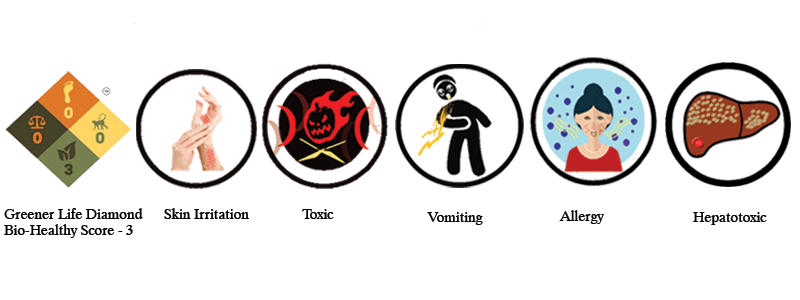
  1. Oregano Oil May Protect Against Drug-Resistant Bacteria by the Georgetown University Researcher published in Science Daily
  2. Oregano by Wikipedia
  3. Antimicrobial activity of essential oils from plants against selected pathogenic and saprophytic microorganisms published in PubMed
  4. Oregano Active Constituent Kills Prostate Cancer Cells by Herbcyclopedia

Garlic Oil

Garlic-bannerKick cancer out of the world with nature’s best chemotherapy agent, sweetly known as Garlic. It is fêted as an ‘herb of passion’ for its power of influencing fortitude and natural energy levels and is celebrated as the most hopeful natural remedy for preventing cancer.

Besides being called as the stinking rose with its pungent and not so pleasing aroma, Garlic has a long medicinal  history in various traditions across the world and is also known as ‘cure-all’ for its ability to treat illnesses of the nervous system, circulatory system, digestive system, reproductive system and the respiratory system.

Botanically called as Allium sativa, Garlic has its origin in India and its essential oil is extracted from the bulbs through steam distillation method. Known by the name Rasona, Lahsoon and Yavanesta in Sanskrit, Garlic and its essential oil are used in Ayurveda for the treatment of cancer, heart diseases, diabetes, cold, rheumatism, high blood pressure, parasites, impotency, skin disorders, digestive problems, mental disturbances, fluid retention and joint problems.

Purchase Garlic Oil – Wholesale – CLICK HERE

Historical uses and importance of Garlic:

Garlic is perceptibly a spectacular herb/vegetable with the human use of more than 7,000 years and is a member of the onion family, Allium. Indigenous to the central parts of Asia, Garlic is by far the most promising herbal remedy with the longest historical use. Its uses have been mentioned in various herbal guides by celebrated herbalists and physicians like Dioscorides, Galen, Hippocrates and Pliny the Elder, especially for treating digestive disorders, respiratory problems, wounds and low immune power.

The ancient Hindu mythology states that Garlic is a sacred herb grown from the drop of nectar (Amirtham – Elixir of life) spilled on earth when Lord Garuda took away the pot of nectar from Lord Indra to save his mother from evil powers. It is still believed that because of the divine qualities of the nectar, Garlic has innumerable healing properties and was named as Rason, meaning King of Rasas (It is also said that Garlic has 5 out of 6 prominent tastes in Ayurveda).

Another interesting historical reference is that Garlic was grown in the hanging gardens of Babylon and it was considered as an herb of empowerment for which it was given to Roman soldiers before the battle. The traditional European fishermen used to wear garlands made with Garlic cloves to guard themselves from sickness and evil spirits.

Garlic was the most primitive herb used as a ‘performance uplifting’ agent and was given to the Olympic athletes in primordial Greece. It is also said that Garlic was used during the construction of the Giza pyramids before 5,800 years. It was also used in Nepal, Middle East and eastern parts of Asia for treating tuberculosis, bronchitis, rheumatism, fever, flatulence, colic, liver problems, intestinal worms, hypertension and digestive problems.

It is a part of most of the delicious cuisines all over the world as a spice, condiment or seasoning for its strong aroma and the flavor it adds to any dish especially the non-vegetarian food varieties. Garlic bread, garlic chicken, crostini, garlic toast and many other Asian and Mediterranean cuisines are crowned with the rich flavor of this wonder herb.

Therapeutic properties and chemical constituents of Garlic essential oil:

Garlic oil is known for its carminative, antibacterial, aphrodisiac, antioxidant, immune-booster, anticancer, antibiotic, expectorant, antispasmodic, disinfectant, anti-carcinogenic, antithrombotic, stimulant, anti-arthritic, antiviral, rejuvenative, anti-hyperlipidaemic and alterative properties.

The major chemical components that contribute to the healing values of Garlic oil are selenium, allicin, alliin, phytoncide, S-allylcysteine thiacremonone, ajoene and diallyl polysulphides.

Ayurvedic health benefits of Garlic essential oil:

Disease, aging and death are the three major causes of concern for mankind and have been attracting the attention of medical researchers, philosophers and heath care experts from all over the world since ages.

Ayurveda, the holistic healing methodology aging about 5,000 years aims at attaining longevity through healthy aging and prevention of illnesses. This ancient remedial science strongly states that absolute health is a medley of physical, mental and spiritual well-being.

This Vedic system strongly considers human body as a temple and relates the divine power with the soul that rests within. According to this philosophy all things on earth are a part of nature and are made up of the five vital elements of nature, namely earth, water, air, fire and ether.

Every person is a unique creation with a unique individual constitution that embraces three vital biological energies called as doshas. These energies are just a meaningful representation of the elements of nature.

Kapha dosha symbolizes earth and water and is in charge of the physical structure and sustenance of the body, the imbalance of which leads to obesity and respiratory problems. Vata dosha is a combination of air and ether and is responsible for circulation, movement and respiration and vata vitiation causes neurological disorders, nervous problems, breathing difficulties and menstrual difficulties.

Fire and water combine together and represent Pitta dosha, which is responsible for body temperature, digestion and other metabolic functions. Lack or excess of pitta dosha might end up in fever, indigestion, constipation, heartburn, ulcer and other digestive disorders. Balance between these three doshas contributes to healthiness and imbalance of any one or all the three doshas cause illness.

Ayurvedic remedies aim at treating the doshic imbalances with the help of herbs, plant essential oils, yoga, meditation, Ayurvedic routine, prayers and simple physical exercises. These remedies vary from individual to individual based upon their unique individual constitution and state of health.

Garlic is one among the ancient Ayurvedic remedies for treating various health conditions and have been a vital part of numerous Ayurvedic preparations. The book on ‘Ayurveda and Aromatherapy’ by Bryan Miller and Light Miller quotes Garlic as a highly rejuvenative oil, especially for the nerve tissue. Garlic oil is good for increasing pitta dosha and lessening excess of vata and kapha energies.

The Ayurvedic health benefits of Garlic oil are:

Garlic-broucher1. Excellent aid to digestive disorders:

From Stone Age to this contemporary era, Garlic is a promising home remedy for assisting problems associated with digestion. 2 to 3 cloves of Garlic boiled in a cup of water can be a sure shot remedy for treating indigestion, sluggishness, diarrhea, nausea and gastric troubles. It is regarded as a great natural medicine for supporting digestion by stimulating the appetite and enhancing the process of metabolism.

Imbalance or vitiation of pitta dosha is the major reason for digestive disorders. Garlic has the ability to increase pitta energy and regularizes Agni or the digestive fire and other metabolic functions.

Adding 1 drop of Garlic oil to your handkerchief or tissue and inhaling this strong aroma or mixing 2 drops of this oil with 1 ml of coconut oil can help in fighting against intestinal parasites, inflammation in the stomach and intestines, treat colitis, infectious diseases, stomach upset, dysentery and food poisoning.

This oil works effectively against food poisoning by combating harmful bacteria like Salmonella enteritidis and E.coli, which are responsible for food poisoning and other stomach infections. It acts by penetrating through the skin cells and entering the blood stream, where it passes on its remedial properties to the system.

2. Fights against cancerous cells:

Garlic oil has anti-oxidant, anti-carcinogenic, antithrombotic and anti-cancer properties, which help in preventing the growth of new cancerous cells in the body and curtailing the growth of existing cancer cells in the body. Numerous researches and studies have proved the potent of Garlic and its extracts in treating various types of cancer ranging from brain cancer to prostate cancer.

Garlic is first on the list of potential cancer-preventative foods by the American National Cancer Institute and the American Journal of Nutrition issued on October 2000 had published numerous epidemiologic studies stating that the people who used Garlic and its extracts regularly had only a lesser amount (1/3rd) of risk of colorectal cancer and not as much of risk of stomach cancer when compared to people who took little or no Garlic or its extracts.

The presence of numerous (30+) powerful anti-cancer and antioxidant compounds in Garlic oil including ajoene, diallyl sulphide, quercetin and alliin have the power to wedge cancer creating agents like aflatoxin and nitrosamine associated with liver, lung and stomach cancer. These components work like a natural chemotherapy agent and have been proved in various studies for impeding the growth of malignant cancer cells.

A 2008 study on the ‘Anticancer effects of diallyl trisulphide derived from Garlic’ suggest “diallyl trisulfide is responsible, at least in part, for the epidemiologically proven anticancer effect for garlic eaters.” It is also said that the diallyl sulphide in Garlic is known to curb the conversion of PhIP, which is a kind heterocyclic amine that has been related with the increased cause of breast cancer in women.

A report on Garlic and Cancer prevention published in the National Cancer Institute website states five strong reasons for using Garlic to prevent cancer. They are “Protective effects from garlic may arise from its antibacterial properties or from its ability to block the formation of cancer-causing substances, halt the activation of cancer-causing substances, enhance DNA repair, reduce cell proliferation, or induce cell death.”

The best ways to use Garlic for cancer prevention is to add 2 to 3 cloves of raw or cooked Garlic in your diet along with a soothing massage with 2 drops of Garlic oil blended with 1 ml of virgin olive oil for promising results.

3. Controls hypertension and protects the heart:

Garlic is a rich source of allicin and it controls the function of angiotensin II, which is a protein that aids the contracting of blood vessels thus increasing the blood pressure gradually. Along with this, the red blood cells in our body convert the polysulphides in Garlic into hydrogen sulphide, which expands the blood vessels and assists in controlling high blood pressure.

Garlic oil acts as a protective shield for the heart by protecting it from hypertension, atherosclerosis, heart attacks and certain other cardiovascular problems. The sulfur-based compounds present in Garlic controls the blood vessels from being blocked and support the functioning of arteries that gradually lose its potent with age. This oil also guards the heart from the harmful damage of free radicals with its antioxidant properties.

By this way, regular use of Garlic oil and Garlic cloves help in slowing down atherosclerosis (thickening of the arteries). This oil reduces platelet aggregation and relaxes the walls of the blood vessels by stimulating the production of nitric oxide.

It is also a potent anti-clotting agent with the presence of ajoene that curbs the formation of blood clots in the blood vessels. A study published in the Journal of Agricultural and Food Chemistry says, “Garlic oil possesses significant potential for protecting hearts from diabetes-induced cardiomyopathy.

Inhaling the aroma of Garlic oil with 1 drop of this oil added to tissue or massaging your chest with 2 drops of Garlic oil blended with 1 ml of olive oil can assist in treating atherosclerosis, blocks in the blood vessels, heart attacks, high blood pressure and other cardiovascular disorders along with the strengthening of cardiac muscles.

4. Keeps respiratory infections at bay:

Cold, flu, cough and other respiratory infections are mainly due to the excess of kapha dosha. Garlic oil has the natural warmth in its essence and it lessens the excess of kapha energy. This oil also has antibiotic, expectorant, decongestant, antiviral and antibacterial properties that work together to curtail the growth of harmful micro-organisms that worsen respiratory infections.

Add 2 drops of Garlic oil in steam inhalation and inhaling this healing aroma and massaging your chest with 1 drop of Garlic oil mixed with vaporub or ointments can be of great aid in treating and preventing common cold, whooping cough, asthma, chronic bronchitis and breathing difficulties.

5. Reduces cholesterol and checks obesity:

LDL (bad cholesterol) and lower serum triglycerides are the worst enemies of the human body. Garlic oil aids in maintaining HDL or the good healthy cholesterol and decreasing the level of bad cholesterol thus it lessens total cholesterol levels in the body, blood triglycerides and decreases the formation of arterial plaque.

Along with this, Garlic oil also assists in controlling the formation of fat cells and helps in eliminating the excess deposits of water, salts, fat and other toxic substances contributing to obesity. It prevents weight gain with its anti-inflammatory property mainly due to the presence of 1, 2-DT (1, 2-vinyldithiin) in Garlic.

Massaging your body with 5 drops of Garlic oil mixed with 3 ml of sesame oil aids in dissolving fat cells and discharging excess water and toxic deposits from the body by promoting frequent urination and sweating. This massaging can also be useful in reducing inflammation in case of arthritis and rheumatism.

6. Strengthens your immune system:

Garlic oil is an effective immune booster with the presence of various nutrients like vitamin C, B1, B2, B3, B5, B6 and B9 along with magnesium, iron, calcium, phosphorus, zinc, sodium, protein, potassium and carbohydrates, all of which make Garlic a potent powerhouse. The antioxidant property of this oil fights against aging symptoms and protects the body from the hazardous effects of free radicals.

As a powerful antiviral, antifungal, antibiotic and antibacterial oil, Garlic has a positive effect on the immune system by acting as a police force that fights against destructive microbes and infectious diseases spread by them. Inhaling the spicy aroma of Garlic oil by adding 1 drop of this oil to your diffuser can help in activating the white blood cells and the immune system, through which it increases the body’s resisting capacity against various diseases.

7. Stimulates your system:

Ayurveda classifies food into three major categories namely rajasic (fiery), sattvic (fresh and pure) and tamasic (flawed).  Amadea Morningstar says “Energetically, rajasic foods stimulate more fire, aggression, passion. They are good foods for stirring up trouble or spurring on the dragons within.”

Garlic is a rajasic food that awakens, influences and stimulates the inner power and passion. It is said to bring consciousness and awareness in the body. It is for this property, Garlic and its essential oil is said to treat sexual disorders like impotency and other reproductive problems. Add 1 drop of Garlic oil in vaporizer or aromatic candles and inhale the aroma for enhancing the natural levels of energy in the body and to rekindle your spirit.

Other health benefits:

Garlic oil is also an excellent remedy for treating pimples, blackheads, acne, athlete’s foot and wrinkles. It is also said to prevent scurvy, due to its high content of Vitamin C and beriberi with its power to enhance thiamin absorbing capacity in the body and reduce the level of blood sugar in diabetes mellitus patients.

Disclaimer:

This information is only for the purpose of education and is not intended to diagnose or substitute any prescribed medication or professional medical advice. Never take essential oils internally and always remember using essential oils topically in a diluted form only, as pure and organic essential oils are highly concentrated substances and may cause harmful effects if used directly on the skin. Seek advice from an Ayurvedic professional before selecting the right essential oil for your state of health and unique individual constitution.

Thought for the day:

Let the gentle bush dig its root deep and spread upward to split the boulder.
-Carl Sandburg

Suggested Reading:

  1. Garlic, Garlic, Garlic: More than 200 Exceptional Recipes for the World’s Most Indispensable Ingredient by Linda Griffith, Fred Griffith
  2. Garlic: Nature’s Original Remedy by Stephen Fulder, John Blackwood
  3. Garlic: The Mighty Bulb by Natasha Edwards
  4. The Complete Book of Garlic: A Guide for Gardeners, Growers, and Serious Cooks by Ted Jordan Meredith
  5. Garlic and Other Alliums: The Lore and The Science by Eric Block

Reference Links:

  1. Garlic by Wikipedia
  2. Garlic and Cancer Prevention by National Cancer Institute
  3. What are the benefits of Garlic? by Medical News Today
  4. All About Garlic by MAS Ayurveda
  5. Anticancer effects of diallyl trisulfide derived from garlic by Seki T, Hosono T, Hosono-Fukao T, Inada K, Tanaka R, Ogihara J, Ariga T, Department of Applied Life Sciences, Nihon University Graduate School of Bioresource Sciences, Fujisawa, Japan published in PubMed

Fennel Seed Oil

Fennel-seed-bannerEvery lactating mother should have this oil at hand because it helps with milk production and eases colic. It is useful during pregnancy to prevent morning sickness, and is excellent for the traveler, helping to reduce sea sickness and jet lag”, says Light Miller and Bryan Miller in their book Ayurveda and Aromatherapy.

Fennel is one remarkable herb with bunch of culinary and remedial benefits that embraces your food with its innate aroma and rich flavor blended with numerous healing attributes.

Owing its origin to the coastal Mediterranean region Fennel is botanically called as Foeniculum vulgare. It has been accepted and cultivated worldwide for its enormous benefits that some countries like India, Pakistan and China hold Fennel seeds and its essential oil as an important ingredient of their traditional cooking.

With the whole plant serving humanity with its unique qualities, Fennel fruits usually entitled as seeds when dried contributes to the extraction of Fennel seed oil by the process of steam distillation. Bearing anethole as the predominant flavoring substance, Fennel seed oil serves as an aid for various purposes.

Fennel is called in Ayurveda as Shatapushpa, which means hundred flowers. It has a long historical use in this ancient healing methodology in the treatment of cold, indigestion, gas, flatulence, PMS, low agni, abscesses, overindulgence in nicotine or alcohol, cramps, colic in children and menstrual problems.

Purchase Fennel Seed Oil – Retail – 4oz – CLICK HERE

Historical uses and importance of Fennel and its essential oil:

Numerous sources state that the Romans, English, Greek and Asians were well known of the extensive healing values of this aromatic herb. With its name engraved in the nine herbs charm practiced in the 10th century, Fennel along with other herbs was intended to treat poisonous infections and other diseases.

The sweet, strong and pleasing aroma of this herb earned global importance and the poetic scholar Milton had mentioned the quality of Fennel in one of his works that says:

‘A savoury odour blown,

Grateful to appetite, more pleased my sense

Than smell of sweetest Fennel.’

Referred to as the herb of sight by the ancient Romans, Fennel herb was employed to improve the eyesight of humans and animals. Pliny the Elder, a Roman author and natural philosopher had mentioned in his book ‘The Natural History’ that the serpents would rub against the Fennel herb at the time of shedding off their skin to improve their sight.    

Fennel herb aids in shedding off the excess fat, the reason for which the Greeks called this herb as Marathon, derived from the word ‘Mariano’ which means ‘to grow thin’. It is interesting to know that the Marathon event conducted in memory of the Greek soldier Pheidippides literally means ‘Land of Fennels’. It possesses excellent appetite suppressing properties that was widely used by soldiers during long journey and by common men while holding religious fasts.

Fennel herb was considered to bear the potential of protecting one from witchcraft and driving away the evil forces for which it was hung in the entrance of every home. Since it bears the attribute of strengthening oneself, athletes commonly use fennel seeds as a supplement to provide instant energy and strength.

Fennel seed has been used since ages that it has been mentioned in one of the works of Hildegard of Bingen who belonged to the middle ages but was recently crowned as the Doctor of the Church by Pope Benedict XVI for her renowned works in the field of medicine.

Fennel seeds and leaves are used in culinary as an aromatic and flavoring element. The Fennel bulbs are used as a vegetable that can be taken raw as well as cooked. It also helps in alleviating womanly health issues and is efficient in boosting up the mental sturdiness thus making one emotionally strong. Fennel seed oil is widely used for its stomachic properties as it aids in digestion thus healing a variety of digestive disorders.

Chemical constituents and therapeutic properties of Fennel Seed oil:

Fennel seed oil comprises of numerous chemical constituents of which the majority is anethole. The other components include α-Pinene, Camphene, Sabinene, β-Pinene, Myrcene, phellandrene, o-Cymene, Limonene, Eucalyptol, Terpinene, Fenchone, Linalool, Camphor, Estragole, Fenchyl acetate, Cumic aldehyde and p-Anisaldehyde.

Fennel seed oil serves as an excellent source of various healing attributes such as carminative, digestive, stomachic, diuretic, emmenagogue, antispasmodic, antiseptic, depurative, expectorant, galactogogue, anti-diabetic, analgesic, estrogenic, anti-toxic and tonic.

Ayurvedic Health Benefits of Fennel Seed Oil:

Ayurveda is a noble child of the ancient Indian tradition, the country with the world’s oldest historical references. This ancient healing methodology is more than 5,000 years old and is said have mentioned in Atharvaveda, one among the 4 prominent Vedic texts of India. Ayurveda is known as the science of holistic healing that aims at longevity and healthy aging through the use of natural medications and healthy lifestyle.

Ayurveda trusts that everything on earth is a part of nature and is made up of the five vital elements of nature namely fire, water, earth, air and space.

Leading a harmonious or balanced living with nature supports absolute health and imbalance causes illnesses. Every human being, according to Ayurveda is made up of an unique individual constitution that consists three biological energies known as doshas.

Doshas or Ayurvedic body types are nothing but a representation or a combination of the five vital elements. Vata dosha stands for air and space, pitta symbolizes fire and water and kapha represents water and earth.

Every individual has a predominance of any one of these doshas and this predominance determines their personality, attributes and behavior. Balance between these biological energies support hale and heartiness and imbalance between these doshas pave way for diseases.

Ayurvedic remedies like essential oils, herbs, yoga, meditation, physical exercises, Ayurvedic routine, balanced lifestyle and prayers aim at striking perfect balance between these doshas. Fennel seed oil is said to have equal effects on all the three doshas.

The Ayurvedic health benefits of Fennel Seed oil are:

Fennel-seed-broucher1. Alleviates digestive disorders:

Fennel seeds and its essential oil have been proved as amazing natural remedies for all kinds of digestive disorders. It is one of the best accepted carminative oil that assists in expelling gas accumulated in the intestines and prevents the formation of gas thus protecting one from bloating and abdominal cramps due to gas. It is for this reason Fennel seeds are traditionally used in the preparation of gripe water to treat colic in infants and to prevent ulcer and acidity in adults.

A 2003 study on the effect of Fennel seed oil emulsion in infantile colic concludes that the use of Fennel oil considerably comforted the infants from colic with no side effects when compared to those who were treated with placebo.

Blend 2 drops of Fennel seed oil with 1 ml of sesame oil and massage it on your stomach and abdomen.  As a natural stimulant, Fennel oil massage can help in stimulating the secretion of gastric juices and digestive enzymes such as bile and promotes the process of digestion.

It also regulates the peristaltic movement of the intestines thus aiding irregular bowel movements and constipation. Moreover, it possesses anti- fungal and anti microbial properties that can effectively kill infectious micro organisms in the intestines.

Fennel seed oil has antispasmodic properties that relax the smooth muscles of the intestines and results in quick recovery from pains and abdominal discomfort caused due to indigestion, heartburn, bloating etc.

Unlike the other spices, Fennel seed oil has a unique cooling effect that pacifies the intestines and muscles of the stomach and helps in curing stomach ulcer. Thus Fennel essential oil is used in Ayurvedic and Chinese medicine for treating indigestion, gastroenteritis, stomach upset, flatulence and hernias.

Rich in anethole, Fennel seeds are used as a trusted mouth freshener in Indian restaurants and homes. Popularly known as Mukhwas meaning mouth freshener, the sweet coated Fennel seeds are used as an after-meal snack.

It is for this reason Fennel is often employed in the preparation of toothpaste, liquors, desserts, culinary and mouth fresheners. Add 1 drop of Fennel oil in a cup of warm water and use it as a gargle after meals to keep away from microbes and fight against bad odor or halitosis.

2. Treats respiratory tract infections:

Fennel seed oil serves as an excellent respiratory aid with its spicy, peppery and slightly earthy aroma and expectorant properties. Chewing Fennel seeds refreshes your breath and its essential oil assists in treating respiratory tract infections effectively.

Fennel seed oil has anti-microbial and expectorant properties that help in fighting against harmful bacteria and viruses that cling to your respiratory tract, resulting in heavy deposits of mucus and phlegm.

Adding 2 drops of Fennel oil in steam inhalation or warm bathing water can work wonders in alleviating your respiratory infections as it acts as a natural expectorant, helping in loosening huge deposits of mucus, thus relieving you from all respiratory tract infections such as whooping cough, cold, bronchitis, allergies and breathing difficulties etc.

3. Heals womanly health concerns:

Fennel seed oil possesses female reproductive hormones, which are known to stimulate and regulate the secretion of estrogen in women. Bryan Miller and Light Miller have said in their book Ayurveda and Aromatherapy that Fennel oil is very useful in treating menopause and PMS with its rich content of phyto-estrogens, for which this oil is used frequently in the manufacturing breast tightening and enlarging creams.

Gently massage your lower abdomen with 3 drops of Fennel oil blended with 1.5 ml of sweet almond oil for treating irregularities in the menstrual cycle, problems associated with menopause, mood swings, dysmennorhea, blocked menstruation, nervousness and abdominal pain. This massage can also be helpful in facilitating child birth.

Fennel seed oil is used after child birth in India mainly to facilitate the removal of toxins from the uterus, support natural contraction of the uterus and also to increase the quantity and quality of the breast milk in lactating mothers. A study on estrogenic property of Fennel seed oil has proved that an acetone extract from fennel seeds had estrogenic effects on the genital organs of male and female rats.

4. Detoxifies the body and promotes weight loss:

Obesity or overweight is one vast roof that can encompass one with a cluster of diseases.  Fennel seed oil is an excellent cleansing agent that naturally detoxifies your body by excreting the toxins, excess fluids or water deposits, salt, harmful fats, bad cholesterol and uric acid deposits.

Being a diuretic, Fennel oil increases the quantity and regularity of urinating and helps in attenuation of hypertension, treatment of burning or difficult urination and inflammation due to water retention in the body.

The sweet and refreshing aroma of this oil suppresses the appetite, thus largely decreasing the longing for food. Add 2 to 3 drops of Fennel oil to your hankie, tissues or air fresheners for decreasing your appetite and granting you a feeling of fullness for a longer duration.

Fennel seed oil when added to a massage blend, consisting of 2 drops of this oil with 1 ml of sesame oil works effectively in the filtering toxins from the blood, thus protecting the liver from detrimental toxic substances. Fennel oil has been marked as a useful essential oil in toning the body with its diuretic property and be useful in dealing with obesity.

Along with detoxifying, Fennel seed oil also assists in boosting the process of metabolism and suppressing the appetite. This oil also has melatonin, which has the ability of relaxing the muscles, smoothing the nerves and resulting in a sound, peaceful sleep that may help one to control from gaining extra weight and protects from some serious disorders like cardiovascular diseases that results due to obesity.

5. Strengthens you emotionally:

Fennel seed oil helps in relaxing the mind, calming the nerves and pacifying the nervous system. Adding 2 drops of this oil in diffuser or vaporizer aids in getting rid of emotional stress, anxiety and fear. Inhaling this invigorating aroma helps in building up self confidence, enhancing the power of self-acceptance and influencing the qualities of innate love for self and others as well.

Along with its ability to help maintain a healthy physique, Fennel seed oil also boosts up your inner spirit and motivates you from within. It is for this dignified cause, athletes often use Fennel seeds as a supplementary for nourishing positive energy and affirmative thoughts.

6. Fights against free radicals:

Numerous studies have proved that Fennel seed oil possesses strong anti-oxidant properties that help in the treatment of pharmacological ailments. This property assists in fighting effectively against the free radicals that result in causing aging symptoms and paving way for the growth of cancerous or malignant tumors.

As an anti-oxidant, Fennel oil tones the skin by strengthening the connective tissues and efficiently treats wrinkles and the other signs of aging, thus making you to feel younger from within and glow with natural beauty. This attribute is also implemented in oral care for supporting strong teeth and gums. It fights against infections and helps in treating acne, pimples and other skin disorders.

Mix 2 drops of Fennel oil with 1 ml of virgin olive oil or jojoba oil and gently massage on wrinkles, dark spots, acne, marks, dull and lifeless skin. This enhances good blood circulation and promotes cellular regeneration.

7. Effective in relieving you from inflammation, spasms and aids in quick wound healing:

Fennel seed oil is an effective antiseptic, which helps in killing harmful microbes, promotes quick healing of wounds and prevents it from becoming septic. By this way, Fennel oil thwarts the onset of Tetanus, for which it is often used in many ointments and is also used in poultices to treat poisonous bites.

It is an excellent source of anti-inflammatory and anti-spasmodic properties. Massaging the affected part with 2 drops of Fennel oil blended with 1 ml of warm sesame oil helps in alleviating inflammation, relieving pain and reducing swelling and promoting blood circulation. This massage also helps in supporting proper functioning of the circulatory system. It is for all these reasons Fennel oil has been used as an effective traditional remedy for rheumatism, arthritis and muscular cramps.

Using 3 drops of Fennel oil in hot compress can assist in quicker recovery of spasms and muscle contractions that occur due to hiccups, chronic coughs and epilepsies. Mix 1 drop of Fennel oil with 10 drops of coconut oil and apply it gently on wounds and infections for quicker healing.

Other health benefits of Fennel Seed Oil:

Fennel seed oil is used to improve eyesight and treat cloudy eyes since ancient times. Even though a 2008 article published in PubMed states that fennel extract is found to be effective in treating rabbits with glaucoma, further research is yet to be done in its application for human beings.

Fennel has the power of driving away fleas and its powder is used in kennels and stables. It is used as a preservative in pickles and also in the preservation of fruits and vegetables mainly because of its anti-microbial and anti-fungal properties. It is also used in the manufacture of soaps, disinfectant cleaners and dental products for its antiseptic and aromatic properties.

Disclaimer:

This information is only for the purpose of education and is not intended to diagnose or substitute any prescribed medication or professional medical advice. Do not use essential oils internally and always use essential oils topically in a diluted form, as organic and pure essential oils are highly concentrated substances. Always consult your Ayurvedic practitioner before choosing the suitable essential oil for your unique individual constitution and health condition.

Thought for the day:

Nothing is more memorable than a smell. One scent can be unexpected, momentary and fleeting, yet conjure up a childhood summer beside a lake in the mountains.    -Diane Ackerman

Suggested Reading:

  1. Fennel Greats: Delicious Fennel Recipes, The Top 79 Fennel Recipes by Jo Franks
  2. Ayurveda & Aromatherapy: The Earth Essential Guide to Ancient Wisdom and Modern Healing by Dr. Light Miller, Dr. Bryan Miller
  3. Natural Solutions to PCOS: How to Eliminate Your Symptoms and Boost Your Fertility by Dr. Marilyn Glenville PhD
  4. Do You Want to Have a Baby? Natural Fertility Solutions and Pregnancy Care by Sarah Abernathy
  5. Encyclopedia of Herbal Medicine: The Definitive Home Reference Guide to 550 Key Herbs with all their Uses as Remedies for Common Ailments by Andrew Chevallier

Reference Links:

  1. Fennel by Wikipedia
  2. The Chemical Composition, Antimicrobial and Antioxidant Activities of Essential Oils from Organically Cultivated Fennel Cultivars published in Molecules.
  3. A study on the effect of fennel (Foeniculum Vulgare) seed oil emulsion in infantile colic: a randomized, placebo-controlled study published in PubMed.
  4. Fennel published in Drugs.Com- An online drug information site.

Clove Bud Oil

Hit the nail on the head of your illness‘ is not a ruthless statement and the nail that is recommended to treat most of your illnesses is the ‘nail-shaped’ Clove and its essential oil extracted from the dried unopened flower buds of the Clove tree (Scientific name: Eugenia caryophyllata) by steam distillation.

Clove-oil-bud-bannerIt is a much celebrated emergency aid for treating toothache with its potent pain-relieving effect that causes numbness in the painful area and alleviates pain instantly.

Clove is a vital part of the Ayurvedic rebellion for more than 3,000 years and is known in Sanskrit as Devapuspa, meaning ‘Heavenly flower’ and the name is attributed to its exotic aroma and its stupendous healing benefits.

It is prevalently known in India as Laung or Lavnga. Clove and its essential oil in used in many Ayurvedic treatments for dealing with digestive problems, oral infections, diabetes, hypersensitivity, osteoporosis, impotence, sinusitis, improper blood circulation, prostate problems, arthritis and few other respiratory infections.

Purchase Clove Oil Bud – Retail – 4 oz – CLICK HERE

Purchase Clove Oil Bud – Wholesale – CLICK HERE

Historical uses and importance of Clove and its essential oil:

Clove is native to the Moluccas Islands of Indonesia and was previously known as the Spice Islands. It is an evergreen tree which bears pink color flower buds and these buds are picked before they bloom and are dried to enrich mankind with the tiny brown buds known as ‘Cloves’. This tree grows naturally in India, Sri Lanka, Brazil, West Indies, Zanzibar, Madagascar and Tanzania.

Clove was traded to Europe initially in the 4th century A.D where the ancient herbalists of Germany used Cloves as vital ingredient of their anti-gout remedy. Later it was used in treating wounds, infertility, nausea, diarrhea, worms and toothache.

Cloves were also used in poultices in England during the Middle Ages for treating infections and lesions caused due to bubonic plague. It was also recommended by Hildegard of Bingen for alleviating gout, nasal congestion, hiccups and intestinal swelling.

The traditional Ayurvedic medicine used Cloves as an effective aphrodisiac for addressing male reproductive problems and for assisting respiratory problems like asthma, cough, cold, sore throat, laryngitis and congestion.

It is blended with other popular herbs like cinnamon, ginger, peppercorn and cardamom and used as an immunostimulant, blood purifier, anti-parasitic, breath freshener and for relieving digestive disorders.

The historical use of Cloves in China evolved during the Han Dynasty (207 B.C.) and the Traditional Chinese Medicine (TCM) prescribes Cloves for easing fungal infections, hernia, digestive problems, ringworm, nausea, kidney infections and impotence.

Cloves were also a part of the Western Herbal Medicine for enhancing circulation, supporting digestion, treating erectile dysfunction, hiccups, vomiting, toothache and halitosis.

Chemical components and therapeutic properties of Clove essential oil:

The primary component of Clove is Eugenol that adds up to 70 to 90% of the Clove essential oil constituent. Other major components are beta caryophyllene, methyl salicylate, kaempferol, acetyl eugenol, triterpenoids, gallotannic acid, rhamnetin, vanillin and eugenin.

Eugenol contributes to the sensible aroma of Cloves and its therapeutic properties including antifungal, anesthetic, anti-inflammatory and antiseptic qualities. The other healing values of Clove essential oil are antioxidant, carminative, anti-carcinogenic, immunostimulant, stomachic, digestive, antibacterial, decongestant, expectorant and aphrodisiac.

Ayurvedic health benefits of Clove essential oil:

Woman/man in this modern world is judged by the gadgets she/he owns and the latest technology that has been swirling around. While most of us are aware about the techniques and tools in the mere man-made machines, how many of us know about our own body and its mechanisms? Not many of us know what is happening in our system? What causes pain? What causes hunger? What causes cellular damage? Or what causes death before the predestined day of death?

More than the knowledge of the world around you, the real wisdom lies in the awareness of the world within you, within the human mind and body, the greatest wonder in this Cosmos.

Ayurveda simply introduces you to a never before living where you will explore and discover about yourselves and the word ‘Ayur + Veda’ by itself means the ‘the knowledge + life’. This ancient philosophy trusts that everything on earth is part of nature and is built with the same five elements that ‘Mother Nature’ is made up of.

The tremendous five elements are earth, water, air, fire and space. Earth signifies bones and muscles, water stands for blood, air assists breathing, fire notifies the body temperature and aid for metabolic functions and space is the spirit that stays in.

Every human being is created with a unique individual constitution comprising of three vital biological energies namely vata, pitta and kapha. These doshic elements are a combination of the five vital elements.

Air and space makes Vata and is responsible for circulation, nervous functions and aging symptoms, fire and water joins together for Pitta and is incharge of body temperature and metabolism and water and earth signifies Kapha energy and is accountable for structure and continuity. Every individual has a predominance of any one of these doshas that determines his personality, behavior and attribute.

Ayurvedic wisdom states that human health solely depends upon his/her harmony with nature, means the five elements of nature that are a representation of the three biological energies. Balance between the three doshas based upon the individual’s unique constitution indicates health and imbalance causes sickness.

The natural remedies in Ayurveda including the herbs, essential oils, meditation, yoga, physical exercises, prayers, Ayurvedic routine and Abhyanga (Ayurvedic massaging) aim at treating these imbalances of doshas.

Clove and its essential oil have been in use in the Ayurvedic regimen for addressing an extensive range of illnesses ranging from oral problems to kidney disorders. The essential oil of Clove is said to augment pitta energy and soothe excess of kapha and vata dosha.

Let’s check out the Ayurvedic health benefits of Clove essential oil.

Clove-oil-bud-broucher1. Alleviates digestive problems:

Clove and its essential oil have been a part of many Ayurvedic preparations used in the treatment of various digestive disorders including bloating, intestinal gas, nausea, stomach upset, distention and dyspepsia.

According to Ayurveda, pitta dosha is responsible for the body temperature, warmth and the fire generated for stimulating the process of metabolism like digestion, absorption and excretion.

Pitta imbalance or insufficiency causes sluggishness in the digestive system and it is during these critical times , Clove essential oil is used in Ayurveda for triggering the metabolic functions and warming the digestive tract.

Massaging your abdomen with 2 drops of Clove oil mixed with 1 ml of coconut oil assists in encouraging the digestive system, increasing the secretion of hydrochloric acid, bile and other digestive juices for enhancing trouble-free digestion. You can also take bath in lukewarm water enriched with 3 to 5 drops of Clove oil for supporting bowel movements and recover peristalsis.

With its carminative, stomachic and anthelmintic properties Clove oil is a natural remedy for alleviating flatulence, intestinal worms, gastric irritability and various intestinal infections caused by bacteria, virus, protozoa and other pathogens leading to serious digestive problems like cholera.

2. Relieves respiratory disorders:

Ayurvedic system of healing prescribes Clove as an effective remedy for treating upper respiratory problems like cough, asthma, sinusitis, cold, sore throat, bronchitis, flu, whooping cough, fever and tuberculosis.

Excess of kapha dosha due to change in food habits or climatic conditions contribute mainly to respiratory problems, as excess water deposits accumulate in the nasal and bronchial passages in the form of mucous and phlegm deposits.

Clove essential oil added to steam inhalation, preferably 2 drops of this oil when inhaled in the form of steam helps in loosening the phlegm and mucous deposits by causing warmth in the nasal passages and the respiratory tract.

This also aids in killing the harmful germs and pathogens that worsen the illnesses. You can also add 2 drop of Clove oil to your decongesting ointment and massage it soothingly on your chest, back and throat for improved results.

3. Aids in pain, inflammation and skin problems:

Clove essential oil is an excellent aid in treating skin infections caused due to bacteria, virus, fungi and other harmful microbes mostly with its natural antiseptic properties.

Using 2 drops of Clove oil along with your mild skin care cream or lotion or with 1 ml of jojoba oil on your skin can aid in healing wounds, athlete’s foot, cuts, bruises, scabies, acne, prickly heat and insect stings.

It also helps in preventing the wounds from becoming septic. These skin-friendly properties of Clove oil is attributed to the presence of the eugenol compound which has rich antiseptic qualities.

Massaging the inflamed or painful parts of the body with 3 drops of Clove oil mixed with 2 ml of sesame oil helps in alleviating pain, reducing inflammation with its anti-inflammatory properties and discharges the excess water deposits, uric acid and toxic substances causing swelling, redness and irritation in rheumatism and arthritic conditions.

The presence of eugenol and its other derivative compounds like flavonoids, isoflavones and flavones are extremely advantageous in the perpetuation of bone density and aids in retaining the mineral content in the bones and support its tensile potency. By this way, Clove oil can be used as an effectual remedy for curing and preventing Osteoporosis.

4. Mitigates toothache and other oral problems:

Cloves are celebrated all around the globe for its natural dental assistance. Both the herb and its essential oil have been used in various traditional practices including Ayurveda, TCM (Traditional Chinese Medicine) and Western herbalism as a promising anodyne for treating dental emergencies.

Adding 1 drop of Clove oil to a small cotton ball or bud and keeping it on the painful area in the mouth for 10 to 15 minutes can help in alleviating toothache by causing numbness in the aching part.

You can follow this treatment by gargling your mouth with a cup of warm water nourished with 2 drops of Clove oil for eliminating the microbes, germs and other harmful organisms causing pain and other oral infections.

Even today in many countries, Clove herb is directly applied to the gums for controlling pain during dental aid, treating toothache and for dry socket, which is a problem experienced during tooth extraction.

It has also been used in India as a natural breath freshener and as a guard against oral pathogens for treating gum problems like periodontitis and gingivitis. Clove oil is also an important ingredient in various Ayurvedic toothpastes and the most popular among them is the Dabur Red toothpaste.

5. Combats cancer and fights against free radicals:

Antioxidants are the soldier force that can combat the growth of cancerous tumors by fighting against free radicals causing cellular damage. The antioxidant capacity of a particular component is measured by its ORAC, meaning Oxygen Radical Absorption Capacity. This measuring attribute was developed for the USDA (United States Department of Agriculture) by the Scientists of Tufts University.

According to the study by the Essential Oils Desk reference amongst the numerous essential oils, Clove essential oil stands high with ORAC of 10,786,875 where the preceding oil was Thyme essential oil with 159,590 as its ORAC. This simply means that Clove oil is the best antioxidant in the world amongst all the other fruits, herbs and spices with 10 million ORAC. This is more than 400 times of the most powerful antioxidant fruit, the wolfberry.

Clove essential oil has antioxidant and anti-carcinogenic properties that help in treating all types of cancer including lung cancer and liver cancer, if traced in the early stages.

Massaging your body with 10 drops of Clove essential oil blended with 5 ml of Evening Primrose oil can help in decreasing the free radical production, discouraging the increased lipid profile in the liver, detoxifying the system, postponing the aging process (helps reduce wrinkles and other aging symptoms) and augmenting the body’s natural immune power.

6. Safe insect-repellant and instant air freshener:

Clove is by far known as the safest and non-toxic insect repellant that repels harmful insects like mosquitoes, bugs, fleas and ticks and it has been proved by the researches of the Duke University School of Nursing. This oil has a strong aroma that is intoxicating for the olfactory senses of various insects.

Adding 2 drops of Clove oil in diffuser, air freshener or vaporizer can revive the air instantly and protect your family from insects. You can also add 2 to 3 drops of Clove oil in your skin care lotion and apply it on your skin for keeping away from insects.

7. Assists in reproductive health:

Many traditional medical systems including Ayurveda and Unani medicine suggest the use of Clove oil as an aphrodisiac for treating reproductive problems especially in men. The spicy and warming aroma of Clove oil kindles the feelings of togetherness and supports the health of male and female reproductive system.

The book ‘Ayurveda and Aromatherapy’ by Bryan Miller and Light Miller says that Clove essential oil is effective “ to arouse, stimulation of hormones, ‘stimulate the juices’, dispel inertia and depression”, which are all the causes of Kapha imbalances. Clove oil is a popular mental stimulant that alleviates fatigue, depression and other negative feelings that ruin your sexual life.

Massaging your body with 10 drops of Clove oil mixed with 5 ml of virgin olive oil can help in treating premature ejaculation, impotence, loss of sexual interest, erectile dysfunctions and loss of libido. You can also add 2 drops of Clove oil to your bath before going to bed.

Other health benefits:

Clove oil is a renowned flavoring agent in various food items and beverages. It is also used in the manufacturing of soaps, toothpastes, cosmetics, clove cigarettes and perfumes. Epilepsy, poor blood circulation, dizziness, earache and certain other health conditions are also treated with Clove essential oil.

Disclaimer:

This article is only for the purpose of information and is not directed to use as a substitute for prescribed medicines or professional medical advice. Never use essential oils internally as pure and organic essential oils are highly concentrated liquids.

Always use Clove essential oil in a diluted manner for external use only, as this oil is a skin and mucous membrane irritant, if used directly on the skin. Always speak with your Ayurvedic Practitioner before choosing the right essential oils for your unique individual constitution and medical condition.

Thought for the day:

And the day came when the risk to remain tight in a bud was more painful than the risk it took to blossom. – Anais Nin

Suggested Reading:

  1. Clove Oil! Discover The Essential Oil Of Cloves Health Benefits For Toothaches, Acne, Hair & Much More: A Book On Clove Oil Secrets (Natural Health Books Series) by Tina Cody
  2. Scents Of Life: Use And Effect Of Essential Oils by H. M. Schemske
  3. The Modern Ayurveda: Milestones Beyond the Classical Age from CRC Press
  4. Ayurveda & Aromatherapy: The Earth Essential Guide to Ancient Wisdom and Modern Healing by Dr. Light Miller, Dr. Bryan Miller
  5. The Fragrant Mind: Aromatherapy for Personality, Mind, Mood and Emotion by Valerie Ann Worwood

Reference Links:

  1. Clove by Wikipedia
  2. Health Benefits of Clove Oil by Organic Facts
  3. Cloves and Clove oil by Healing Naturally by Bee
  4. The Health Benefits of Cloves by The Global Healing Center
  5. Traditional Uses of Clove by Natural Standard, The Authority on Integrative Medicine


Your resource for quality Essential Oils. Every batch is
GC tested to ensure purity and authenticity.