Tag Archives: Ayurvedic oils for respiratory problems

Mustard Essential Oil

‘Sarson ka tel’ or Mustard essential oil is a vital part of Ayurveda, the ancient Indian therapy where it is used for cleansing, stimulating and revitalizing the body. Besides all the controversies across the world, Mustard oil is popular and extensively used in India, Bangladesh and few other Western countries.

Though extracted from the same Mustard seeds, Mustard edible oil is totally different from Mustard essential oil by the method of extraction where the vegetable oil is extracted by cold compressing the seeds and the essential oil of Mustard is extracted by steam distillation of seeds that are soaked in water.

Mustard oil is to Asian countries just like Olive oil is to Mediterranean countries. Besides the myth of being banned in certain countries for internal use, Mustard is a legendary oil used for more than thousands of years in the world’s oldest mythologies like India, Rome and Greece.

Historical importance of Mustard and its oil:

Used as a spice, condiment, herb, cooking oil and medicinal agent, Mustard and its oil are said to have been found since the Stone Age settlements. Among the 40 species of Mustard plants, the most popular and the ones used for extracting essential and edible oils are Brassica nigra (Black mustard), Brassica hirta (White mustard) and Brassica juncea (Brown mustard).

It is still trusted that Mustard was grown in the Indian subcontinent around 3000 B.C.E. Hippocrates used mustard seeds in the preparation of many poultices and medicines. The ancient Romans mixed ground mustard seeds to wine for its unique flavor and remedial values.  It was also used as a natural remedy to treat scorpion stings in the 6th century B.C. by Pythagoras, the renowned Greek scientist.

Mustard was used as a condiment in Greece and Rome for fermenting fish sauce known as garum. The love for mustard made Pope John XXII of Avignon create the post of ‘Grand Moutardier du Pape’ (Grand Mustard-Maker to the Pope). Mustard oil has been a part of North Indian cooking for more than 4000 years and this oil has been the secret behind healthy and lustrous hair growth of Indian women.

Chemical constituents and therapeutic properties of Mustard essential oil:

The essential oil of Mustard has Allyl isothiocyanate, oleic acid, omega-6 linoleic acid, omega-3 alpha-linolenic acid and erucic acid. These constituents contribute to the remedial properties including cordial, tonic, anti-rheumatic, stimulant, appetizer, antifungal, antimicrobial, diaphoretic, hair vitalizer, insect repellant and irritant.

Ayurvedic health benefits of Mustard essential oil: Mustard oil has been used in Ayurvedic healing as a promising body massage oil for improving blood circulation, enhancing the texture of the skin, muscular development and to lessen the dryness of skin. Ayurveda meaning the knowledge of life skillfully explains the vibrant relationship between one’s mind, body and spirit and the way it relates to the world around.

The Ayurvedic approach of healing starts with an Ayurvedic consultation where your unique individual constitution, likes and dislikes, food habits and your medical history is thoroughly analyzed.

Your treatment starts with the tridosha concept as the guiding principle where Ayurveda believes that every individual is unique and is born with a unique fundamental constitution knows as prakriti. It is built up with 3 major biological energies known as doshas namely vata, pitta and kapha.

The dynamic balance between these three doshas determine one’s health and predominance of any one of these doshas is the deciding factor for one’s personality, behavior and attributes.

Ayurvedic remedies are always based on your individual constitution and to balance any one or all the three doshas that are out of rhythm. With its warming properties, Mustard essential oil is said to increase pitta dosha and pacify kapha and vata doshas. It’s time to have a look at the Ayurvedic health benefits of Mustard essential oil:

1. Benefits to the hair:

Ayurvedic Mustard oil is extremely good for hair. The essential fatty acids like linoleic acid (an omega-6 fatty acid) and certain other components present in this oil makes it an effective natural remedy for treating hair loss, premature graying, dull and lifeless hair. Using Mustard essential oil on your scalp augments natural pigmentation and vitalizes your hair follicles by acting on the roots.

This way it prevents early graying and helps you in maintaining a natural dark hair even in your late 40s or early 50s. Indeed Ayurvedic Mustard oil is a long time secret of many grandmothers in India who still have healthy black hair.

Slightly heat 3 to 4 drops of Mustard essential oil blended with sesame oil and gently massage it on your scalp. Leave this blend for about an hour and wash your hair with a mild herbal shampoo or shikakai for nourishing your scalp health, reducing hair fall, enhancing blood circulation, conditioning your hair, strengthening the roots, augmenting its natural shine and to lessen the more salt than pepper on your head.

2. Benefits to the respiratory system:

Mustard essential oil is generally used as a mucolytic in many parts of the world. Herbs and vegetables like wasabi, horseradish and nasturtium along with essential oils that are used as traditional mucolytics and are proved effective in breaking up mucous deposits and help sinus drainage in chronic sinusitis.

The antimicrobial property of Mustard essential oil assists in combating numerous pathogenic organisms and microbes that worsen sinusitis and certain other respiratory problems like bronchitis, asthma and tuberculosis.

A 2009 study on ‘Antimicrobial activity of Mustard essential oil against Escherichia coli O157:H7 and Salmonella typhi’ by the Department of Food Science and Biotechnology, Korea states “Mustard essential oil affected the cell membrane of Escherichia coli O157:H7 and Salmonella typhi. It affected cell membrane integrity, resulting in a loss of cell homeostasis”.

On an Ayurvedic perspective respiratory problems like cold, cough, sinusitis, bronchitis and asthma are caused due to imbalance or increased kapha dosha responsible for fluid retention, congestion, phlegm and mucous deposits. Mustard essential oil is known to pacify and reduce kapha energy and it is used as an excellent Ayurvedic remedy for treating such respiratory problems.

Blend 2 drops of Mustard essential oil with little coconut oil and heat it. Massage this herbal blend on your chest, back and throat for loosening mucous deposits, removing phlegm from lungs and respiratory tract and to help trouble-free breathing. You can also add 2 to 3 drops of Mustard essential oil in hot bathing water that can work wonders on respiratory ailments and certain other pulmonary problems.

3. Benefits to the skin:

Mustard essential oil is an effective antifungal, anti-parasitic, antibacterial, disinfecting and antimicrobial oil that protects the skin from infections, wounds from getting septic and heals minor skin problems like cuts, athlete’s foot, ringworm, insect bites, small lacerations, abrasions etc. Mustard essential oil has been in use for massaging for many centuries.

When gently massaged onto the skin after mixing 2 drops of Mustard essential oil with jojoba oil, it aids in increasing blood circulation with its warming properties, helps open the pores and supports in eliminating the toxins in the body through sweat. This essential oil has high level of vitamin E that promotes healthy skin, moisten the skin, protect the skin from harmful ultra-violet rays, and effectively treat blemishes, wrinkles and fine lines as well.

4. Benefits to the entire system:

The essential oil extracted from Mustard seeds is beneficial to the entire system with its tonic and stimulating properties that foster trouble-free functioning of the body. The pungent aroma of this oil increases hunger by stimulating the digestive juices and by increasing the appetite.

Massaging your tummy and abdomen with 2 drops of Mustard oil mixed with sesame oil can help in burning the excess fat, promotes quicker digestion by encouraging the secretion of digestive juices and assists in treating constipation, flatulence and intestinal gas.

Mustard essential oil penetrates deeply into the skin and is a powerful Ayurvedic remedy for treating excess vata based nervous problems and kapha based problems like inflammation and retention of fluids. Mix 2 drops of Mustard oil with coconut oil and gently massage in circular movements on the affected areas to treat rheumatism, lumbago, back pain, headaches and inflammation.  Adding 1 drop of this oil to a cup of warm water can serve as an exceptional gargle for protecting your teeth and gums from germs.

This is an excellent massaging oil especially during winter to keep the body warm, trigger the functioning of the muscles and to treat numbness with its irritant properties. This oil is also said to slow down the process of aging naturally and aids in preventing cancer.

Disclaimer:

Never take essential oils internally. Pure and organic essential oils are highly concentrated liquids and might cause adverse effects on the skin and system. Always remember to use it after diluting in baths or suitable carrier oils. Ensure that you do a patch test on the skin before using essential oils for massage. Consult your Ayurvedic practitioner for choosing the right essential oil that is apposite for your individual constitution and health condition.

Mustard Essential Oil Possible Skin Issues:

mustard-new

Greener Life Diamond – Bio-Healthy Score => 3 Possible Skin Issues:

See => http://www.essentialdepot.com/GreenerLifeDiamond.html

Mustard oil is regarded as one of the most unsafe essential oils mainly due to the presence of Allyl isothiocyanate and erucic acid (a toxic monounsaturated omega-9 fatty acid). According to the U.S. National Center for Biotechnology Information (PubChem), Allyl isothiocyanate compound is poisonous by skin penetration and ingestion. It is also known to emit toxic fumes when exposed to high temperature.

The European Union has prohibited Mustard oil as a cosmetic ingredient and the International Fragrance Association (IFRA) has forbid the use of this oil in fragrances. Allyl isothiocyanate in Mustard oil is not recommended for therapeutic use, primarily due to its toxicity, irritating nature and rigorous lachrymatory effect (potent to produce tears) that draw a question mark on the safe use of this oil in the healthcare industry.

Generally, essential oils are listed with possible safe levels for therapeutic purposes but there is no viable information on the safe levels for the use of Mustard oil.

The immune system of mammals reacts excessively to allergens thus generating antibodies known as IgE (Immunoglobulin). Allergic reactions are further caused when these antibodies move to cells that discharge chemicals.

The most prominent adverse skin effects of Mustard oil are allergic reactions due to IgE, itchiness, redness, severe skin irritation, followed by blistering and irritation of the mucous membranes as well.

Prolonged use of Mustard oil on skin might interfere the function of the skin, thus augment the loss of water of epidermis and subsequently modifying the epidermal keratinocytes structure.

Few sources also state that inhaling of Mustard oil might end up in irritation of the eyes, nose, mucous membrane, respiratory system along with an obnoxious sensation in the head.

Certain studies state that the topical use of Mustard oil can cause irritant contact dermatitis and other allergic reactions. It is also evidenced that this oil is linked to the development of pityriasis rosea-like skin eruption (cutaneous lesions), which was proved by patch testing.

Tests on Chinese hamster cells proved the genotoxic effects of Allyl isothiocyanate and is also said to cause transitional cell papillomas and hyperplasia, when tested on male rats.

Mustard oil should be strictly avoided by pregnant women as it has the potent to induce uterine contractions and may lead to unusual bleeding and miscarriage and safety measures for using this oil during nursing is also not witnessed.

Mustard oil has the tendency to lower the levels of blood sugar and might interfere with your regular medications for diabetes and low blood sugar may obstruct surgical procedures, thus it is recommended to avoid Mustard oil for about 2 weeks before and after your scheduled surgery.

Reference Links Substantiating the Possible Skin Issues of Mustard Oil:

  1. Essential Oil Safety: A Guide for Health Care Professionals By Robert Tisserand, Rodney Young
  2. Pityriasis rosea-like eruptions due to mustard oil application by Zawar V, Nashik, India, published in the Indian Journal of Dermatology, Venereology and Leprology
  3. Dermatoses Due to Indian Cultural Practices by Divya Gupta and Devinder Mohan Thappa, published in the Indian Journal of Dermatology and PubMed
  4. Black Mustard Side Effects and Safety by WebMD
  5. Allyl Isothiocyanate by U.S. National Center for Biotechnology Information (PubChem)
  6. Leung’s Encyclopedia of Common Natural Ingredients, used in Food, Drugs and Cosmetics by Ikhlas A. Khan and Ehab A. Abourashed

Thought for the day:

I believe a leaf of grass is no less than the journey-work of the stars.  -Walt Whitman

Suggested Reading:

  1. Mustard Seeds: The Tiny Seed That May Save Your Life! (Plant & Seed Legacy Series) by Mary Jo Montanye
  2. The Illustrated Encyclopedia of Essential Oils: The Complete Guide to the Use of Oils in Aromatherapy & Herbalism by Julia Lawless
  3. The Ayurvedic Cookbook by Amadea Morningstar, Urmila Desai
  4. Traditional Systems of Medicine by M. Z. Abdin

Reference Links:

  1. The History of Mustard – From Prehistory to Modern Times by The Nibble.Com
  2. Mustard Oil by Wikipedia
  3. Antimicrobial activity of Mustard essential oil against Escherichia coli O157:H7 and Salmonella typhi by the Department of Food Science and Biotechnology, Korea published in Science Direct.com
  4. What are the benefits of Mustard oil for Sinusitis? By Livestrong.Com
Your resource for quality Essential Oils. Every batch is GC tested to ensure purity and authenticity.

Thyme Essential Oil

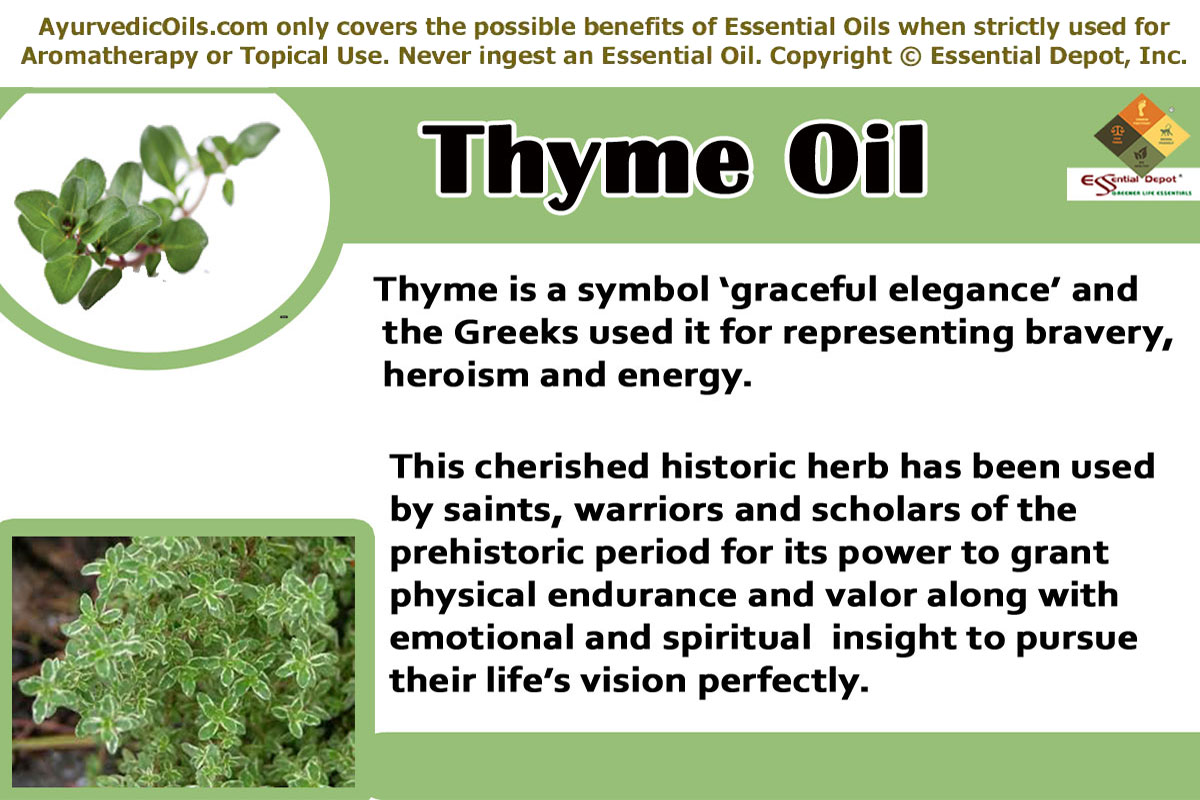
Fall in love with Thyme essential oil if you love Mother Nature and trust its innate wisdom of healing. Thyme is such a galvanizing herb and has its use etched in the history of various parts of the universe. When I started with this post, I was just hit with an important term that Thyme is often referred to and that is ‘Mother of Thyme’.Thyme-oil-bannerThis phrase brings out the significance of Thyme in both the conventional and contemporary medicinal practices, chiefly for addressing gynecological problems. Greeks named this plant as thyme meaning ‘to fumigate’, mainly because of its invigorating aroma and it is also said that this name is extracted from the Greek word ‘thumus’ denoting courage.

Apart from its use as a culinary herb, thyme and its essential oil has been in use for more than thousands of years, where the ancient Ayurvedic philosophers explored every essence of this powerful herb in treating an extensive range of illnesses naturally.

Saints, warriors and scholars of the prehistoric period valued Thyme for its power to grant physical endurance and valor along with emotional and spiritual insight to pursue their life’s vision perfectly.

Purchase Thyme Essential Oil – Retail – CLICK HERE

Purchase Thyme Essential Oil – Wholesale – CLICK HERE

Historical Uses of Thyme and its essential oil:

History has a cluster of pages talking about the curative powers of Thyme. Almost all the continents of this world from Antarctica to Australia have used thyme for its impressive medicinal values.

Ayurveda, the science of life suggested the use of thyme for its expectorant, astringent, anti-microbial, antiseptic, antispasmodic and anti-inflammatory properties. The ancient texts of Ayurveda suggests thyme for treating respiratory problems, headaches, halitosis, spasms, colic, dental disorders, gastrointestinal problems and few others.

Ebers Papyrus, the oldest Egyptian medical text which dates back to 1550 BC has recorded the healing values of thyme. The ancient Greeks offered thyme as a sacred herb to Adephaghia, the Greek Goddess of food and good eating.

Thyme was also burnt in Greek temples for sanctifying and purifying the environment. According to Greeks, thyme signified ‘graceful elegance’ and represented bravery, heroism and energy.

Bible honors thyme as the lining for the manger, which was the bed of Jesus Christ at the time of birth. European Pharmacopeia recommends the use of this herb for healing upper respiratory congestion and coughs.

Africans use thyme for its tranquilizing properties. It was in use in traditional Jamaican medicinal system to induce labor and support child birth, attributed to the emmenagogue properties of thyme. In southern France, thyme was honored as a sign of extreme Republicanism.

Nicholas Culpeper, the renowned English Botanist recommended thyme for treating musculoskeletal problems, warts, ophthalmic problems and certain other illnesses. He said Thyme isa noble strengthener of the lungs, as notable a one as grows, nor is there a better remedy growing for whooping cough.

It purges the body of phlegm and is an excellent remedy for shortness of breath. It is so harmless you need not fear the use of it. An ointment made of it takes away hot swellings and warts, helps the sciatica and dullness of sight and takes away any pains and hardness of the spleen: it is excellent for those that are troubled with the gout and the herb taken anyway inwardly is of great comfort to the stomach.”

The primeval Sumerians, Assyrians and Babylonians have used thyme before 5,000 years and the traditional food known as Zaatar in the Middle East countries contains thyme and is popular for its curative values.

Ayurvedic health benefits of Thyme essential oil:

Ayurveda, the oldest of all healing sciences on earth trusts on natural herbs including aromatic plants for healing human health conditions. It is known for its use of aromatics in treating numerous illnesses ranging from insomnia to bipolar disorders.

This healing power by using aroma is connected to the limbic system, which is known as the ‘center of control’ of the human brain. Another celebrated Ayurvedic therapy of healing is Abhyanga, the art of Ayurvedic massaging.

Ayurvedic texts strongly recommend massaging with therapeutic essential oils for relaxing the mind, strengthening the immune system and helping the system to strike perfect balance with nature.

Essential oils are extracted from plants. They are pure, free of chemicals, highly concentrated and contain the real essence of the plants from which they are extracted. Thyme essential oil is extracted from thyme herb, botanically known as Thymus vulgaris. The most significant constituent of thyme essential oil contributing to its healing properties is thymol.

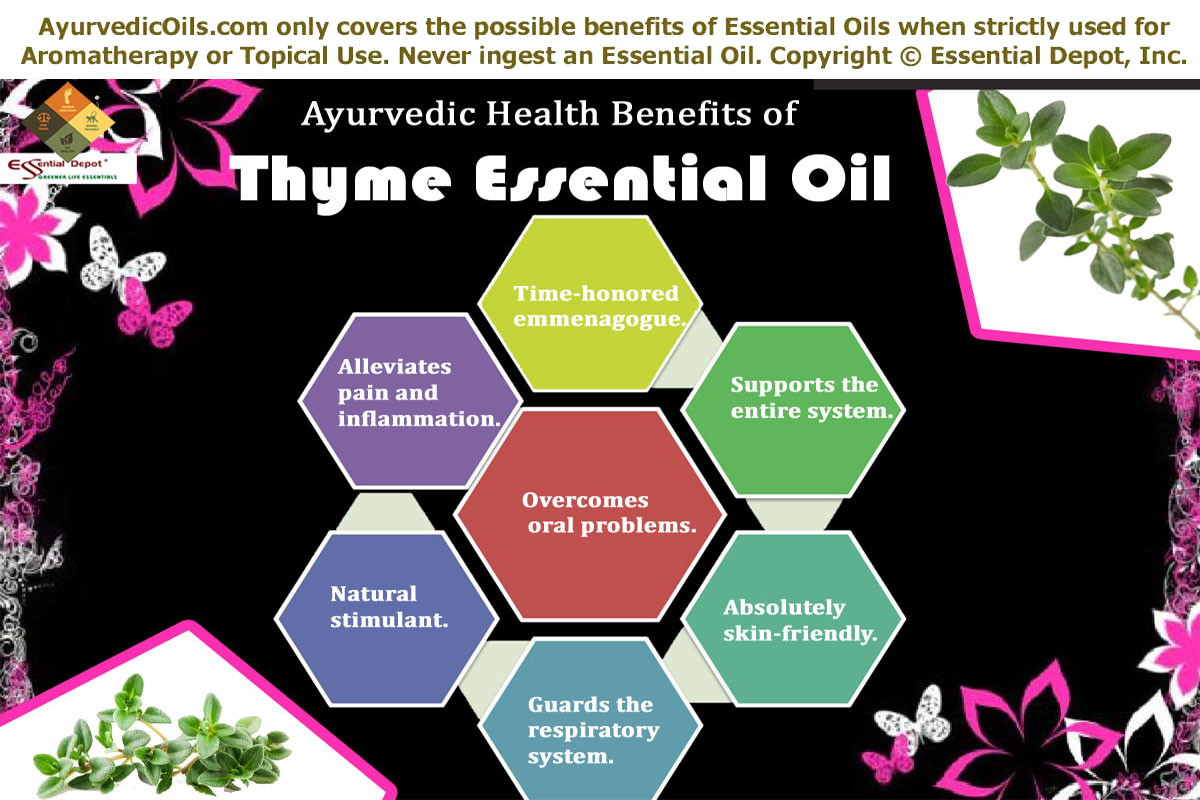
The major Ayurvedic health benefits of thyme essential oil are:

Thyme-oil-broucher1. Time-honored emmenagogue:

The oil of thyme is regarded as a natural remedy for handling womanly problems in a gentle manner. Historical references report the use of thyme for inducing labor, encouraging easy child birth, irregular periods, obstructed menstruation, treating pains, depression, fatigue and nausea associated with menstruation. This is mainly because thyme oil stimulates the production of estrogen hormones in women, which is responsible for reproductive health.

Massaging a blend of 3 drops of thyme oil with 2 teaspoons of sesame oil gently on the abdominal area can grant relief from severe pain and foster blocked menstruation. 2 drops of Thyme oil can also be added to your bathing water for giving a refreshing start to the day and for alleviating fatigue. It can also be used in your diffuser for soothing your senses especially during the night time for a peaceful and relaxed sleep.

2. Overcomes oral problems:

Ayurvedic Vaidyas strongly recommended thyme oil for treating oral problems like bad breath or halitosis, gingivitis, plaque and tooth decay. Thyme essential oil is known as a powerful germ-killer with its antibacterial and antiseptic properties. This is the main reason for the use of thyme oil in many popular mouthwashes like Listerine and certain other oral cleansers.

Thymol, the active constituent in thyme oil along with chlorhexidine is used as a dental varnish for treating and preventing tooth decay. Thyme oil is an important ingredient in popular toothpaste and liniment brands in the market for these special reasons. Adding 1 drop of thyme oil to a cup of warm water can serve as an effective mouth gargle in the morning for treating oral problems.

3. Absolutely skin-friendly:

The presence of caryophyllene and camphene components in Thyme essential oil contributes to its antiseptic and antibacterial properties. It helps in protecting the skin from harmful bacterial and fungal infections while effectively aiding in healing burns, wounds, eczema, dermatitis, psoriasis, rashes, cuts and sores. Thyme essential oil helps in keeping the skin free from marks, wrinkles and certain other symptoms of aging.

Scars and marks after surgeries, accidents, acne, chicken pox, measles and even stretch marks fade on eventual cosmetic application of thyme oil on the affected areas after blending it with mild carrier oils like almond oil. You can add few drops of thyme oil to your regular face wash for better results as thyme oil has excellent skin-cleansing properties.

4. Guards the respiratory system:

Thyme essential oil protects the respiratory system from various infections and is a trusted Ayurvedic remedy for treating prolonged coughs and cold. The essential oil of thyme acts as a powerful cough suppressant by checking the coughing spasms.

The presence of thymol strengthens the immune system and makes the body defensive against respiratory infections. The warming nature of this oil helps in clearing congestion and breaking up mucous and phlegm. 2 drops of thyme oil added to hot water for steam inhalation can open blocked nasal passages and soothe the respiratory system.

5. Natural stimulant:

It stimulates the functions of the liver and digestive system. Thyme essential oil acts as a tonic for the liver, nervous system, circulatory system and muscular system. This oil assists in treating dyspepsia, gastric formation, heartburn, stomach upset, cramps, nausea, headache and lack of sleep associated with digestive disorders. Intestinal worms like tapeworms, hook worms and round worms can also be discarded with the vermifuge properties of thyme oil.

6. Alleviates pain and inflammation:

Just like Eucalyptus oil, thyme oil is also an effective pain relieving oil by suppressing the inflammatory COX-2 enzyme. A 2012 study on ‘Effects of Thymol and Carvacrol, Constituents of Thymus vulgaris L. Essential Oil, on the Inflammatory Response’ proved that the anti-inflammatory property of thyme oil is attributed to the rich presence of monoterpene phenols like thymol and carvacrol constituents present in this oil. This makes thyme as an effective pain relieving massage oil in alleviating rheumatic pains, muscular aches, bruises, nerve stimulation, migraine headaches and skin inflammation.

7. Supports the entire system:

Thyme essential oil supports the entire body from head to toe and it is proven effective in treating hair loss, head lice, swelling, throat pain, sciatica, low blood pressure, convulsions, colic, bed-wetting, gout, diarrhea, athlete’s foot etc. This oil is also said to have antioxidant and antiviral properties.

It acts as an effective diuretic and helps in alleviating the toxins from the body through urine. Thyme essential oil is extremely beneficial for the heart as it fortifies the cardiac muscles and enhances blood circulation. Inhaling the aroma of thyme essential oil stimulates the mind, improves concentration and uplifts the spirit.

And now, you would have realized why I wanted you to fall in love with Thyme essential oil. Let me start. Thyme…. I love you.

Disclaimer: Pregnant women, breastfeeding mothers and children below 2 years should not use this oil. Do not ingest essential oils as they are highly concentrated and do not apply them directly to your skin unless it is recommended by your Ayurvedic Practitioner.

Thought for the day:

Adopt the pace of nature: her secret is patience.   –Ralph Waldo Emerson

Suggested Reading:

  1. The Healing Intelligence of Essential Oils: The Science of Advanced Aromatherapy by Kurt Schnaubelt
  2. Ayurveda & Aromatherapy: The Earth Essential Guide to Ancient Wisdom and Modern Healing by Dr. Light Miller, Dr. Bryan Miller
  3. The Practice of Aromatherapy by Dr. Jean Valnet

Reference Links:

  1. Thyme in Medicine by Natural Standard the Authority on Integrative Medicine
  2. Effects of Thymol and Carvacrol, Constituents of Thymus vulgaris L. Essential Oil, on the Inflammatory Response by PubMed
  3. Thyme, Garden by Botanical.Com

Jasmine Oil PG Grade

Flowers are always the fervent favorites of poets all over the world and greatly to everyone’s wonder; Jasminum Officinale is lovingly called as Poet’s Jasmine, Common Jasmine or Jessamine. The essential oil of Jasmine is extracted from the flowering buds by solvent extraction method. It is known as Jati, Johi and Chameli in Ayurveda and has been used for treating hiccoughs, poisonous stings, anger, sexual disorders, menopausal problems, post-natal depression, respiratory problems and skin diseases. The attar varieties and perfumes made from Jasmine are famous for more than thousands of years in various traditions of the world.

Purchase Jasmine Oil PG Grade – Wholesale – CLICK HERE

Historical uses of Jasmine Oil: Jasminum Officinale has its origin in central parts of Asia mainly in Northern India and China. It was the Moors who brought Jasmine to Spain after which its cultivation slowly spread to Morocco, France, Japan, Turkey and Italy. Jasmine is the national flower of Pakistan and its shield is represented by the floral wreath of Jasmine shrubs.

Since the prehistoric period, Jasmine flowers and the various parts of this evergreen plant including the leaves and roots have been in use for medicinal, culinary, ceremonial and aromatic uses. History denotes that the enchanting aroma of Jasmine flowers encircle the evening time with the magic of love, mystical thoughts, psychic dreams and endless fascination.

Jasmine is used as an important flower in the religious ceremonies in the Indian subcontinent and it is given as a sacred offering to Lord Vishnu. The garlands made with these flowers are considered as symbol of respect and used for welcoming special guests. These flowers are used as ornaments for hair and for offering Vedic rituals.

Jasmine has also been used as an ancient remedy for treating poisonous bites and stings. Jasmine oil was a popular anointing oil for Kings and affluent people during the times of Lord Buddha. It is also used in Indonesia for making garlands, hair ornaments and as a well-liked garnish.

This aromatic herb has been a vital part of the Traditional Chinese Medicine as an aphrodisiac and for certain other medicinal purposes. They used it in folk medicine for treating hepatitis in Southern China. A 2009 study on ‘Antiviral efficacy against hepatitis B virus replication of oleuropein isolated from Jasminum officinale L. var. grandiflorum’ published in the Journal of Ethnopharmacology proved Jasmine officinale as a potential therapeutic agent for treating infections caused by Hepatitis B virus (HBV).

Chemical constituents and therapeutic properties of Jasmine essential oil: There are about 100 chemical components in Jasmine essential oil and the major ones are methyl anthranilate, benzoic acid, indole, linalool, ketone, linalyl acetate, nerol, benzyl acetate, cis- jasmone, farnesol, benzyl alcohol, benzaldehyde, nerolidol, cis-3-hexenyl benzoate and y-terpineol.

These components contribute to its remedial properties like anticancer, antidepressant, antiseptic, emmenagogue, galactogogue, astringent, analgesic, stimulant, uterine, sedative, expectorant, aphrodisiac, parturient, antispasmodic, diuretic, cicatrisant, anti-inflammatory, antibacterial and anthelmintic.

Ayurvedic health benefits of Jasmine essential oil: Ayurveda is the knowledge of life that preached the healing discipline all over the world with absolute justice. This ancient healing methodology aged 5,000 plus years is known as the mother of all the healing systems on earth. Ayurvedic healing gave a new-fangled dimension to health as this elevated system aimed at enhancing physical health, strength of the psyche and the soul that witnesses the presence of life in a human being.

Other than Ayurveda, no other medicinal practice in this world considers human body as a temple where the eternal soul dwells in. It is for this noble reason, Ayurveda recommends human beings to keep their mind, body and the environment clean and healthy for the spirit to reside in harmony. When this harmony happens, human beings develop a strong system mentally, physically and spiritually paving way for healthy aging and longevity.

According to Ayurveda, the world and everything in this world are made up of five major elements known as Pancha Mahabhutas. They are water, earth, space, fire and air. These five elements combine together to form three predominant doshas or Ayurvedic body types. This helps in understanding the unique individual constitution of each and every person.

Every individual has a predominance of any one of these doshas that determine their personality, traits and behavior. Balance between these Ayurvedic body types symbolizes health and dosha imbalances lead to sickness. Ayurvedic remedies focus on striking perfect balance between these doshas and treatment varies from individual to individual even for the same sickness based upon their unique constitution.

Herbs, meditation, essential oils, Ayurvedic routine, healthy balance diet, yoga, prayers and simple physical exercises are the chief Ayurvedic remedies prescribed for health and heartiness. Jasmine essential oil is a tridosha oil that calms all the three doshas specifically the aggravation of pitta dosha in the head. It’s time to look at the Ayurvedic health benefits of Jasmine essential oil based upon the method of usage.

1. In Abhyanga or Ayurvedic massage therapy: Human skin is fundamentally the largest organ of the body. It acts as an excellent barrier for preventing the easy entry of harmful micro-organisms into the body. Ayurvedic massage therapy is the art of massaging with remedial essential oils.

Massaging your body with 5 drops of Jasmine oil blended with 2.5 ml Jojoba oil aids in treating depression, postpartum blues, pain, headache, rheumatism, nervousness, muscular pain, insomnia, tension, negative feelings and stress. It works like a wonder as the therapeutic properties of this oil penetrate deeply into the skin and pass on through the bloodstream. It calms the nerves, soothes the senses and inculcates self-confidence. This massage also aids in alleviating stress and depression by uplifting your mood and promoting relaxation for your system.

Massaging your scalp with 5 drops of Jasmine oil blended with 2.5 ml Almond oil helps in nourishing the scalp, treat anxiety, grant relaxation, enhance memory, improves hair health and leaves behind a natural fragrance. This massage is also helpful in treating headache, tension, confusions and lack of concentration.

As massage oil, Jasmine essential oil can also be of great assistance in treating male and female reproductive problems by promoting the secretion of male and female hormones testosterone and estrogen. With its emmenagogue properties, Jasmine essential oil helps in regularizing blocked menstruation, assist menopausal symptoms (like hot flush), reduce menstrual pain and other symptoms of menstruation by massaging your abdomen with this healing blend.

2. In baths and steam inhalation: Add 2 drops of Jasmine essential oil in warm bathing water for treating fatigue, anxiety, nervous tension, depression, premenstrual syndrome, muscular spasms and loss of sexual interest. Taking bath in this medicated water before going to bed can help in relaxing your mind and body, promote libido in both men and women, protect from dreadful dreams, stimulate the senses, induce peaceful sleep and loosen mucus and phlegm deposits. 1 drop of Jasmine oil added to foot bath can assist in calming down your mind and body, promote relaxation of sore muscles and reduce fever.

Adding 2 drops of Jasmine essential oil to steam inhalation helps in treating respiratory problems like cold, cough, bronchitis and sinusitis by clearing out the excess phlegm deposits and nasal congestion. This healing value is attributed to the antiviral and expectorant properties of Jasmine oil.

3. In vaporizers, burners and aroma lamps: Jasmine essential oil is an excellent remedy for alleviating depression, loss of interest, stress and other mental woes. All these pre-occupied thoughts in your mind will steal your peaceful sleep at night ending up in a mess at office in the morning. Jasmine essential oil has been proved to stimulate the mind and reduce symptoms of stress and depression.

By adding 2 drops of Jasmine oil to your diffuser, burner or vaporizer, you get to inhale the aromatic molecules of this heavenly oil, which passes through the nasal passages and reach the limbic system of the brain. It is known as the brain’s control center that transmits message to the mind and body for controlling feelings and emotions and thus transforming one’s behavior positively. You can sense the difference visibly as the biological factors like blood pressure, heart rate, breathing mechanism, immune functions and stress levels tend to turn normal and leave you relaxed and recharged.

Inhaling the invigorating aroma of Jasmine oil has also been said to treat pitta aggravation in the head that is responsible for loss of temper, insanity, loss of memory and certain other mental disturbances. It helps you control your anger, regain your memory power, augment your confidence level, give a lift to the attributes of love and respect for self and others and grants mental clarity.

The sensual fragrance of Jasmine essential oil especially during the night can turn on your love quotient. Jasmine has been used as a natural aphrodisiac for numerous centuries to improve the sexual drive and libido in men and women, treat impotence and frigidity, promote the natural flow of sexual feelings and instill love, trust and confidence in the partner.

4. In daily creams and lotions: Jasmine essential oil has amazing benefits for the skin. 2 drops of this oil added to your regular skin care creams and lotions assist in improving the texture of your skin, reduce blemishes, improves your skin tone and elasticity, moisten the skin, and treat allergies, open wounds and dermatitis. The cicatrisant and collagen enhancing properties of Jasmine essential oil makes it an exceptional remedy for lessening scars and stretch marks. Applying this aromatic lotion daily will guard your skin from the harmful microbes and help you stay fresh and fragrant throughout the day.

Other health benefits: Jasmine and its essential oil is also effective in treating diabetes mellitus, headache, scorpion stings, eye diseases, cancer, labour pain, addiction and uterine disorders.

According to a 2008 study on ‘Anti-Cancer Flower Power: Researchers Combat Cancer With A Jasmine-Based Drug’ published in the Science Daily, Prof. Flescher reveals that the synthetic compound jasmonate extracted from Jasmine is effective in treating cancerous tumors. The peer commentary also supports this research by saying “Methyl jasmonate has already been shown to have selective anticancer activity in preclinical studies, and this finding may stimulate the development of a novel class of small anticancer compounds.”

Disclaimer: This is only for the purpose of information and is not proposed to make a diagnosis or replace any prescribed medication or professional medical advice. Never ingest essential oils and always use them in a diluted form because organic and pure essential oils are highly concentrated liquids and can harm you if used directly on the skin. It is advisable to do a small patch test on your skin before using essential oils regularly. Consult your Ayurvedic practitioner before using the appropriate essential oils for your unique health condition and individual constitution. Care should be taken before using Jasmine essential oil if you are a pregnant or nursing mother.

Thought for the day:

Out in the lonely woods the jasmine burns Its fragrant lamps, and turns Into a royal court with green festoons The banks of dark lagoons.  -Henry Timrod

Suggested Reading:

  1. The Encyclopedia of Essential Oils: The Complete Guide to the Use of Aromatic Oils In Aromatherapy, Herbalism, Health, and Well Being by Julia Lawless
  2. Captivate Your Senses: Sensual Jasmine (A Scented Book Series) by Unknown
  3. The Encyclopedia of Aphrodisiacs: Psychoactive Substances for Use in Sexual Practices by Christian Rätsch, Claudia Müller-Ebeling
  4. Aromatherapy for Healing the Spirit: Restoring Emotional and Mental Balance with Essential Oils by Gabriel Mojay           

Reference Links:

  1. Jasminum Officinale by Wikipedia
  2. Health benefits of Jasmine essential oil by Organic Facts
  3. Jasmine by Kamlesh Ayurveda
  4. Antiviral efficacy against hepatitis B virus replication of oleuropein isolated from Jasminum officinale L. var. grandiflorum by Guiqin Zhao, Zhifeng Yin and Junxing Dong published in the Journal of Ethnopharmacology
  5. Anti-Cancer Flower Power: Researchers Combat Cancer With A Jasmine-Based Drug published in Science Daily.com

Fir Needle Oil

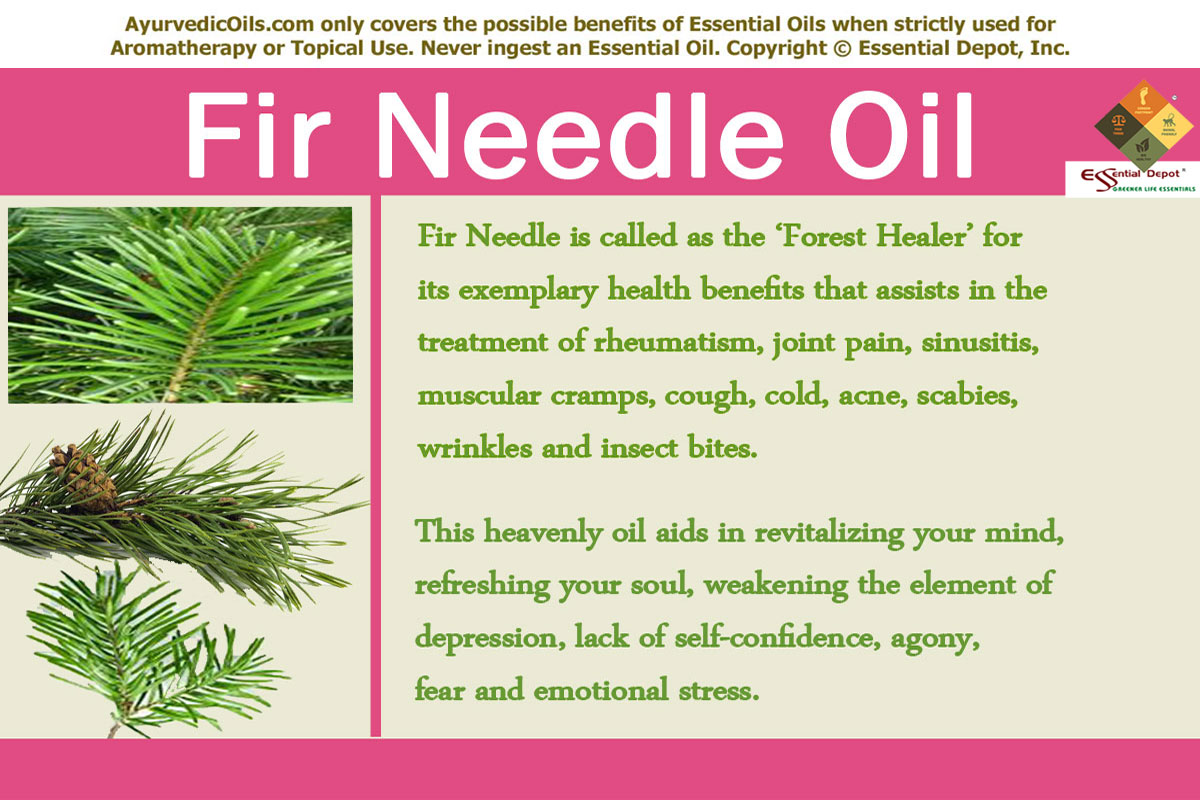
Fir needle oil is indeed a sacred oil and is known as the forest healer for its immaculate medicinal uses that sanctify one with an array of health benefits and heartiness. Used as a primordial remedy for treating cold, cough, joint pains and muscular cramps, this highly spirited oil purifies the air and gifts us with a heavenly and infection-free atmosphere.

Fir-needlle-bannerFir Needle oil is extracted from the needle like leaves of Silver fir tree, scientifically known as Abies Alba. It has also been said that Fir needle oil is also extracted from the needles of the Balsam fir tree botanically called as Abies Balsamea and these trees belong to the pine family Pinaceae.

Ayurveda prescribes the use of Fir Needle oil in Abhyanga, the art of Ayurvedic massaging and other remedial practices for treating rheumatism, joint pain, sinusitis, muscular cramps, skin problems and other problems associated with the lymphatic system and the respiratory system.

Purchase Fir Needle Oil – Retail – 4 oz – CLICK HERE

Purchase Fir Needle Oil – Wholesale – CLICK HERE

Historical uses of Fir needle and its essential oil:

Fir needle tree and its various extracts have a long history for its enormous remedial values. The fresh balsamic scent of this tree makes you feel like walking in a forest and reminds of the captivating Christmas Eve.

Fir needles have the real power to purify the air and the soul with its disinfecting and calming properties. And it is for these great reasons; fir needles were burnt in the past after childbirth, to impart good health for the mother and the newborn. The pitch of the tree was used to treat womanly problems like menstrual irregularities. Various parts of the fir trees when mixed with other medicinal herbs were used to treat cancer, tuberculosis and rheumatism.

Poultices made with Fir needles were used in folklore medicine for relieving arthritis, rheumatism and muscular pain. The gums of fir trees were used to prepare ointments to treat itches, sores, wounds, insect bites, boils and infections. The decoction extracted with the bark was used for curing kidney problems and the roots were used in the treatment of heart diseases and rheumatism.

Native Americans widely used fir needles for padding the pillows for peaceful sleep and they also used it as a sudatory for women after childbirth. Fir Needle essential oil is utilized in the manufacture of cosmetic products, perfumes, bath oils, air fresheners, aerosol inhalants and incense. Ancient Egyptians used Fir needle oil to prepare hair growth formula that would elevate and energize the root of the hair when massaged onto the scalp.

Chemical constituents or Gas Chromatography Report (GC) of Fir Needle oil:

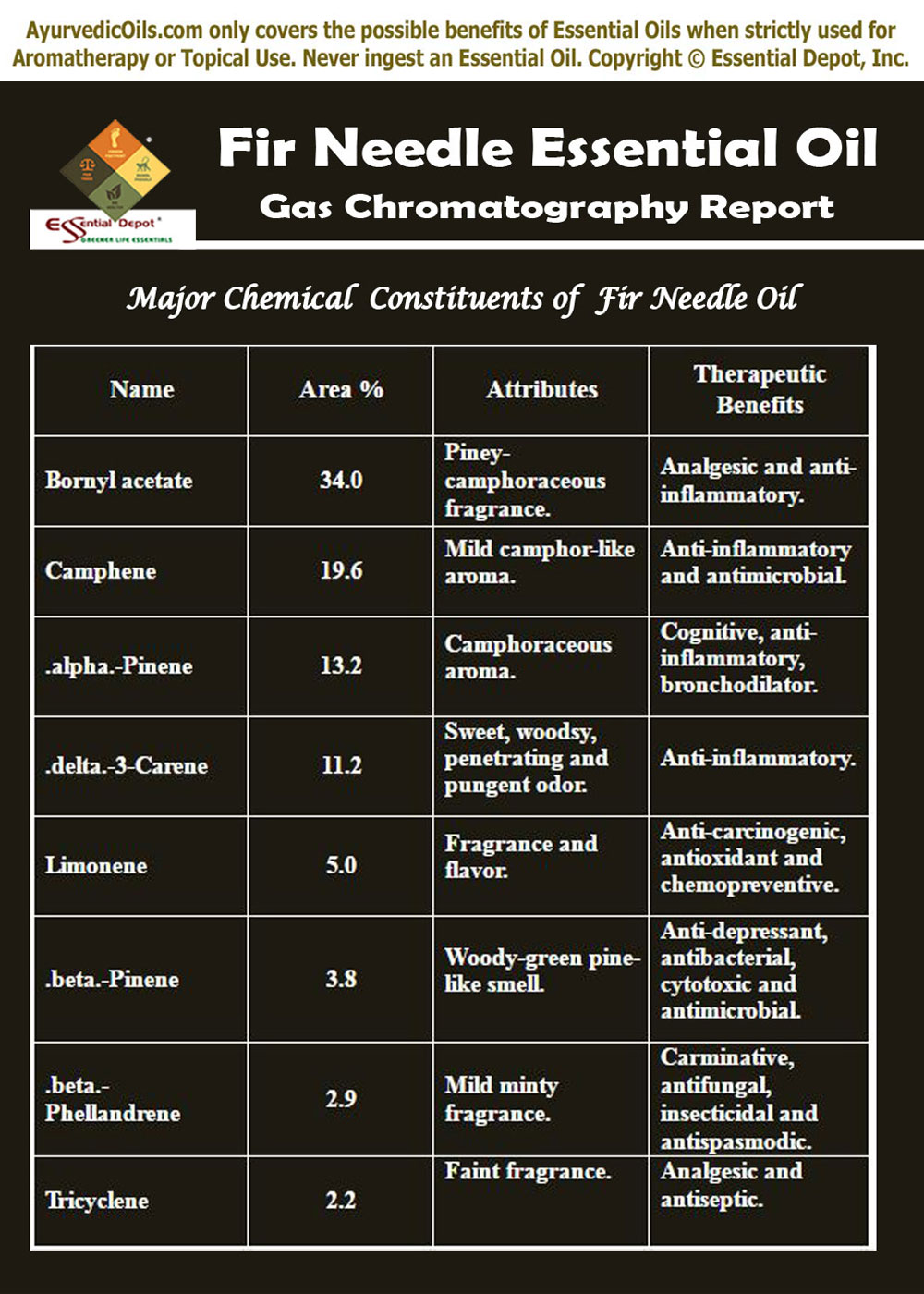
According to the Gas chromatography report, Fir Needle oil constitutes of 17 chemical components that contribute to its fragrance, therapeutic attributes, consistency and quality of this oil. Of which, Bornyl acetate contributes to the highest proportion of Fir Needle oil constituents with about 34% of its total composition.

Just click on:

I believe that this must certainly help you in getting to know the exclusive information about these prime chemical constituents of Fir Needle oil.

The table crafted below clearly depicts the unique nature and contributions of these biochemical constituents to the healing magnificence of Fir Needle essential oil.

fir-needle

Therapeutic properties of Fir Needle essential oil:

Fir needle essential oil has numerous effective chemical compounds and the majority of which is monoterpenes. The other constituents include sesquiterpenes, beta-pinene, delta-3-carene, alpha-pinene and terpene ester bornyl acetate, where beta-pinene and delta-3-carene have effective anti-bacterial properties.

The therapeutic properties of Fir needle essential oil are anti-inflammatory, anti-bacterial, anti-fungal, antiseptic, antiviral, invigorating, stimulating, analgesic, anti-tussive, diuretic, antioxidant, astringent, energizer, aromatic, expectorant, deodorant, stimulant and tonic.

Ayurvedic health benefits of Fir Needle essential Oil:

Ayurveda is a common sense science that has a strong reason for everything that pertains to human health. It simply preaches that health is the outcome of one’s harmony with nature and illness occurs when things does not act in sync with nature. This 5,000 years old ancient science aims at striking balance between human health and nature with the use of natural remedies including essential oils, herbs, yoga, Ayurvedic routine, simple physical exercises, meditation and prayers.

Ayurveda is adorably called as the mother of all healing sciences for its brilliance in treating the root cause of an illness rather than just treating its symptoms. By this way, it helps in curing the sickness initially and prevent it in future as well. Charaka Samhita, one among the greatest Ayurvedic encyclopedia states “The three – body, psyche, and soul – act as a tripod. The world stands upon them, and within them, the world abides.

Ayurvedic treatments are not the same for every person as Ayurveda strongly believes that every individual is distinctive with a unique individual constitution just like our thumb impression. So it says that illnesses of individuals should also be treated in a unique manner.

This constitution comprises of three biological energies known as doshas, namely vata, pitta and kapha. These doshas are a combination of five elements of nature, which are fire, water, air, earth and space.

Just like nature, our body also has all the five elements. Where vata represents air and space and is responsible for movement. Pitta stands for fire and water and is accountable for transformation of energies. Kapha symbolizes earth and water and is in charge of structure and fluids in the body.

Perfect health is determined with the balance of all these three doshas and imbalance causes illnesses. Ayurvedic remedies are involved in the act of correcting the imbalances of doshas. Fir needle oil is said to lessen kapha, pitta and vata aggravation.

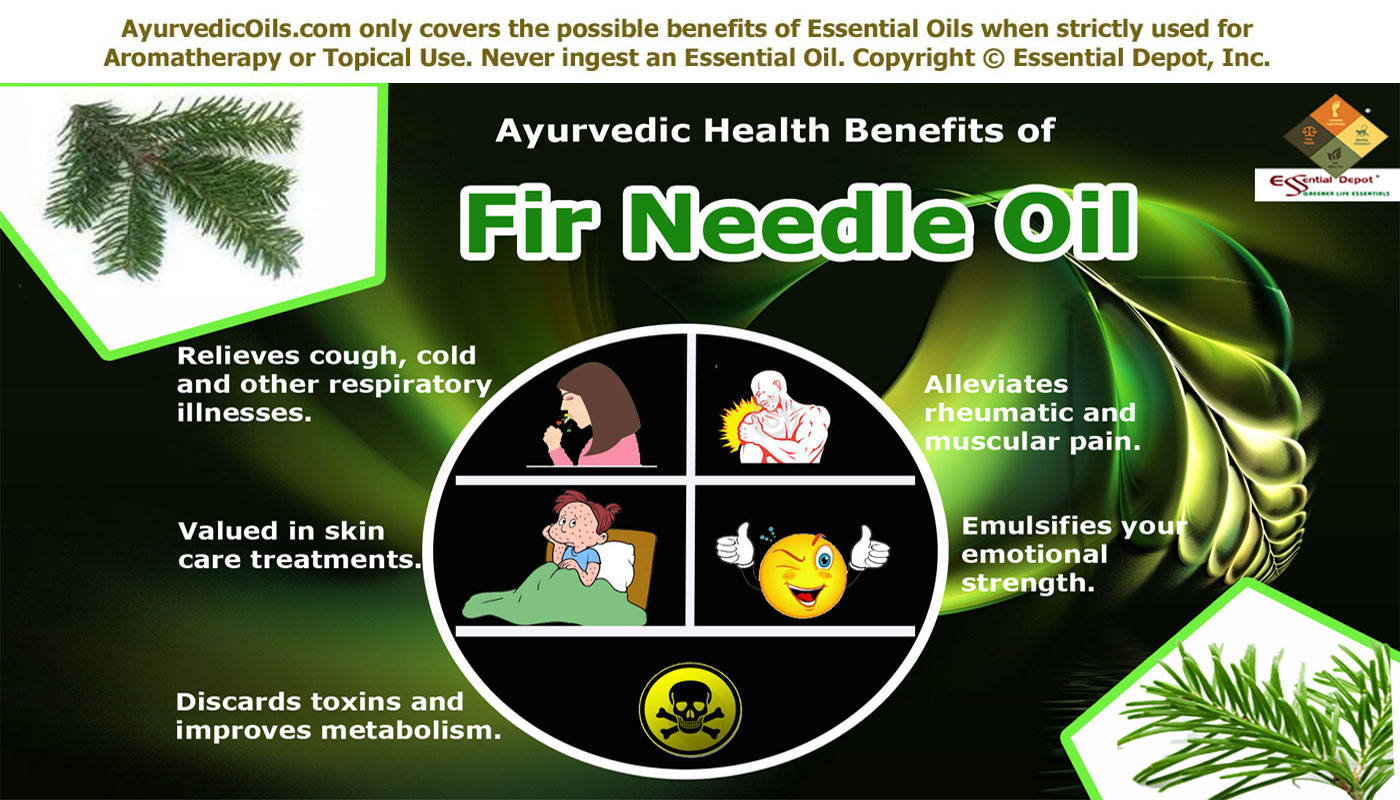
The Ayurvedic health benefits of Fir needle oil are:fit-needle1. Relieves cough, cold and other respiratory illnesses:

According to Ayurveda, respiratory illnesses occur mainly due to aggravated kapha energy, which causes water retention and excess phlegm and mucous deposits. Along with this, increased vata dosha is responsible for sinusitis, asthma and breathing problems.

Fir needle oil is said to lessen both aggravated kapha and vata and for which it has been used for centuries in the treatment of cold, cough, fever, flu and other respiratory illnesses. Natural Fir needle oil inhalers are used in Ayurvedic healing for treating cold and breathing problems.

The exquisite antiseptic property of this oil helps in maintaining the sanitation of the surrounding by preventing the spread of harmful microorganisms, which are among the primary reasons for respiratory infections.

Fir Needle oil has antitussive properties that acts as an effective cough suppressant. As a refreshing expectorant, this oil loosens the mucous and the phlegm deposits in the lungs and respiratory tract, thus cleansing the respiratory passages and speeding up the recovery process.

Adding 2 drops of Fir needle oil in steam inhalation and inhaling the pine-forest aroma assists in clearing blocked nasal passages, preventing the inflammation of the respiratory organs, alleviating breathing difficulties, treating bronchitis and it helps in maintaining clear sinuses.

Mix 2 drops of Fir needle oil with 1 ml coconut oil and rub it gently on your chest, back and throat for helping with nasal congestion, runny nose, sneezing, cough and flu. Add 3 to 4 drops of Fir needle oil in warm bathing water for feeling light and re-energized as respiratory infections generally make the body feel heavier and drowsy.

2. Alleviates rheumatic and muscular pain:

Fir needle oil has anti-inflammatory, analgesic and diuretic properties that soothes and eases pain and inflammation associated with arthritis, rheumatism and muscular tension. Also known as Silver Fir, the essential oil of Fir is extremely soothing to joints and muscles and acts as an effective aid in lessening pain and inflammation.

With its kapha reducing properties, massaging 3 drops of Fir needle oil mixed with 1.5ml of sesame oil on the painful areas aids in treating water retention, discharging detrimental toxins, salt and other micro-organisms in the body through urine and sweat, reducing inflammation and alleviating pain with its powerful analgesic values. You can also add 3 to 4 drops of Fir needle oil in hot compress or in warm foot bath for decreasing pain and promoting relaxation.

3. Valued in skin care treatments:

Fir needle oil has been in use since the primordial times to protect the skin and retain its natural glow. The astringent properties of this oil is effective in treating acne, injuries, infections, sores, wounds, cuts, mild allergies, insect bites etc.

The anti oxidant properties of Fir needle oil fights against the free radicals and prevents premature aging. Mix 2 drops of Fir needle oil with 1 ml jojoba oil or to your regular skin care cream and apply it on the affected areas in circular movements. This stimulating application to the skin results in mild coagulation of the skin proteins, thus elevating it natural beauty and retaining its youthfulness.

Fir Needle oil is often recommended by dermatologists and Alternative medicine experts in the treatment of psoriasis, itching, pimples, eczema, skin diseases, poor skin, scabies and sores. This is mainly due to the presence of antiviral, anti-bacterial, anti-fungal and antiseptic properties of this oil.

A 2006 study on ‘Composition and antibacterial activity of Abies balsamea essential oil’ published in PubMed states that the three constituents in Fir needle oil namely alpha-pinene, beta-caryophyllene and alpha-humulene were effective against the gram negative and gram positive bacteria including Staphylococcus aureus and Escherichia coli, where Staphylococcus aureus is mainly responsible for wounds and other skin infections to turn septic and worsen.

4. Emulsifies your emotional strength:

Your success depends upon your mental strength and amidst the stress and tension of this contemporary world, nothing better than the natural remedies like essential oils can grant us the real peace and serenity.

Fir needle oil is a boon to mankind with its rich invigorating, stimulating and energizing properties contributing to a potential uplift of the emotional strength. 2 to 3 drops of Fir oil added to your diffuser or burner can act as a mood elevator that aids in revitalizing your mind, refreshing your soul, weakening the element of depression, lack of self-confidence, agony, fear and emotional stress.

5. Discards toxins and improves metabolism:

Being a diuretic, Fir Needle Oil is helps in eliminating the toxic remains, uric acid, fat deposits and salts in the body through urine by stimulating the frequency and quantity of urine.

Massaging your body with 10 drops of Fir needle oil mixed with 10ml of coconut oil can improve the health of the kidneys, treat kidney stones or renal calculi, urinary infections, food poisoning by enhancing the functions of the excretory system and boosting the metabolic functions naturally.

Other health benefits of fir Needle Oil:

Fir needle oil is also used in manufacturing soaps, perfumes, air fresheners, hair oils, body lotions etc. It can also be used on pet animals as it is a non-toxic repellent of fleas. Certain research studies have also proved the antitumor activity of Fir needle oil by the production of reactive oxygen species induced by alpha-humulene as possible mechanism of action.

Disclaimer:

This is only for the purpose of information and is not meant for diagnosis or as a replacement for prescribed drugs or professional medical advice. Never use essential oils internally and topical use should always be in a diluted manner as pure and organic essential oils are highly concentrated extracts and can cause harm if used directly on the skin. It is advisable to consult your Ayurvedic practitioner before making the right choice of essential oils for your unique health condition and individual constitution.

The MSDS (Material Safety Data Sheet) of Fir Needle oil is readily available for your enhanced safety and better usage.

Gas Chromatography Report (GC analysis) of Fir Needle oil.

Thought for the day:

Nature’s music is never over; her silences are pauses, not conclusions.                  -Mary Webb

Suggested Reading:

  1. The Illustrated Encyclopedia of Essential Oils: The Complete Guide to the Use of Oils in Aromatherapy & Herbalism by Julia Lawless
  2. Healing Power Beyond Medicine by Carol A. Wilson
  3. The Book of Herbal Wisdom: Using Plants as Medicines by Matthew Wood
  4. Aromatherapy for the Soul: Healing the Spirit with Fragrance and Essential Oils by Valerie Ann Worwood
  5. Genetics and breeding of the Silver Fir (Abies alba Mill.) =: Genetika i oplemenjivanje obicne jele (Abies alba Mill.) (Anali za sumarstvo) by Stefan Korpel

Reference Links:

  1. Abies Alba by Wikipedia
  2. Abies Balsamea by The University of Michigan
  3. Composition and antibacterial activity of Abies Balsamea essential oil by Pichette A, Larouche PL, Lebrun M, Legault J. Université du Québec à Chicoutimi, Canada, published in PubMed
  4. Balsam Fir by herbs2000.com


Your resource for quality Essential Oils. Every batch is
GC tested to ensure purity and authenticity.

Jasmine Grandiflora Oil

Shil il ham’, I’m just wishing you happiness, delights, hope and good spirits as this Arabic phrase means “smell the scent of Jasmine and forget your troubles”.

jasmine-bannerAdmired for its absolute elegance and transfixing fragrance, Jasmine is always the sweetest and the most valuable flower in the garden of nature. Scientifically known as Jasminum Grandiflorum, this royal Jasmine variety blooms during the day and transforms its fragrant essence throughout the daylight hours.

Jasmine Grandiflora is known as Jati in Sanskrit and is used in Ayurveda for numerous centuries in the treatment of cancer, ulcer, dysmennorhea, labor pain, migraine, wounds, skin infections, odontalgia, paralysis, depression, flatulence, venomous bites, insomnia and reproductive problems.

Jasmine essential oil is extracted by solvent extraction method from the flowers and is also known to the world by other popular names like Royal Jasmine, Spanish Jasmine, Catalonian Jasmine and Pichcha.

Purchase Jasmine Grandiflora Oil – Wholesale – CLICK HERE

Historical importance of Jasmine Grandiflora:

Jasmine symbolizes a variety of exuberant thoughts in various parts of the world. It is a sign of divine hope in India and the sweetness of women in China. Jasmine and its essential oil have been traditionally used as an aphrodisiac all over the world. Since the ancient Arabic and Hindu traditional systems, it is admired as the ‘perfume of pure love’ and thus the expression “no perfume without Jasmine.

In the traditional Ayurvedic medicine, the decoction extracted from the leaves of Jasmine Grandiflora plant is used in treating toothache, poisonous insect stings and venomous snake bites. The cold infusion of the flower buds is used as a natural eye wash for relieving irritation and burning sensation in the eyes. Jasmine has been used in the Traditional Chinese Medicine as an effective aphrodisiac and as a natural aid for treating depression and promoting relaxation.

The flowers, leaves and roots of Jasmine Grandiflora has been used a popular substitute to standard western medicine in the treatment of bone cancer, breast cancer, malignant tumors in the lymph nodes, anxiety, stress and depression. It is also used in treating respiratory problems, skin diseases and as an assistance during child birth and menstrual difficulties.

Fresh Jasmine blossoms are used in making ornamental wreaths for hair, garlands and as religious offerings to God and Goddesses in the Hindu religion. These aromatic flowers are also used in making perfumes, attars and aromatic hair oils to maintain hair health and retain its natural fragrance.

Therapeutic properties and chemical constituents of Jasmine Grandiflora essential oil:

Jasmine essential oil has emmenagogue, diuretic, anticancer, stimulant, vermifuge, astringent, deobstruent, tonic, emollient, aphrodisiac, thermogenic, depurative, anthelmintic, suppurative, anodyne, antidepressant, neurasthenia and dentifrice properties.

It takes about 7.6 million Jasmine flowers to extract 1 kg Jasmine essential oil. The major chemical constituents of Jasmine essential oil are methyl jasmonate, benzyl acetate, jasmone, linalyl acetate, benzyl alcohol, linalool, indol and phenylacetic acid.

Ayurvedic health benefits of Jasmine Grandiflora essential oil:

Jasmine is held-high as a sattvic flower in Ayurveda as it is trusted to open the heart chakra that is responsible for love for self and for others. This ancient philosophy aims at complete wellness encompassing physical, mental and spiritual well-being. Thus the primordial Ayurvedic encyclopedia, Charaka Samhita states “The three – body, psyche, and soul – act as a tripod. The world stands upon them, and within them, the world abides.”

Ayurveda aims at longevity through healthy aging and prevention of illnesses by living a modest life with disciplined lifestyle by practicing an Ayurvedic routine, yoga, simple physical exercises, meditation, prayers and the use of herbs and essential oils in case of ill health. Ayurveda believes that everything is a part of nature and illnesses occur when human beings are against the rhythm of nature.

Every individual is regarded as a unique part of nature and should be treated in a unique manner even for the same disease according to Ayurveda. Just like our thumb impression, each one of us has a distinct individual constitution that is made up of three biological energies known as doshas. They are vata, pitta and kapha.

Every human being is embraced of these three doshas in different forms with the predominance of any one of these biological energies. Health according to Ayurveda is a perfect balance between these doshas and dosha imbalances cause sickness.

Ayurvedic remedies work in a physical, psychosomatic and spiritual perspective and aim at striking balance between these doshas. Jasmine Grandiflora essential oil is said to treat vitiated vata conditions and pacify pitta and kapha doshas. This oil has bitter, astringent, cool, light and dry properties that act on the reproductive, bone, plasma and nerve tissues through the circulatory, nervous and reproductive channels.

The Ayurvedic health benefits of Jasmine Grandiflora essential oil are:

1. Benefits for the skin:

Jasmine Grandiflora is a skin-friendly essential oil that aids in healing wounds, moistening dry skin, clearing skin impurities, help diminishing scars, reducing acne, treating eczema, dermatitis and encouraging healthy scalp. The antiseptic and moisturizing properties of Jasmine Grandiflora oil assists in killing micro-organisms that cause acne, dermatitis, psoriasis and make the wounds and cuts septic

Gently applying 2 drops of Jasmine oil blended with 1 ml Olive oil helps in balancing the secretion of sebum in the skin, support sensitive skin, and heal inflamed and aggravated skin.

The cicatrisant property of this oil promotes the growth of new cells and shore up cellular regeneration. By this way this aromatic blend helps in diminishing scars, stretch marks, blemishes and marks left by pimples and boils. Adding 1 drop of Jasmine oil to your bathing water is a great idea to nourish and protect your skin health everyday.

A 2010 study on ‘Wound Healing Activity of the Aqueous Alcoholic Extract of Jasminum Grandiflorum Linn Leaves’ by Shanti Bhushan Mishra, Alok Mukerjee, M. Vijayakumar, United Institute of Pharmacy has proved the effectiveness of the extracts of Jasmine leaves in repairing wounds and says “Jasminum grandiflorum leaf extract has a reproducible wound healing potential and thereby justifies its use in folklore medicine in India.”

2. Benefits for the respiratory system:

2 drops of Jasmine Grandiflora oil added to steam inhalation or vaporizer or warm bathing water aids in eliminating excess phlegm and mucus deposits in the lungs, chest and the nasal passages. Being an expectorant, Jasmine essential oil assists in treating cold, cough, sore throat, laryngitis, sinusitis, bronchitis, chest congestion, hoarse throats and nasal congestion.

3. Benefits to feminine problems:

Every woman passes through a number of complex stages in her life cycle and the most important among them are menstrual problems like dysmennorhea, amenorrhea and blocked menstruation, pregnancy, childbirth, postpartum blues and menopausal syndromes. This is mainly attributed to its affinity to the blood and reproductive tissues that move towards the uterus.

Jasmine Grandiflora essential oil acts as one among the best natural remedies for supporting womanly problems. This oil acts as an effective emmenagogue that helps in relieving dysmennorhea or menstrual pain, promote blocked or delayed menstruation and reduce other discomforts like nausea, fatigue, loss of temper etc, by pacifying the nerves and soothing the system. Blend 2 drops of Jasmine Grandiflora essential oil with 1 ml of sesame oil and massage it on your lower abdomen for immediate relief.

Being a uterine tonic as well as a parturient, Jasmine Grandiflora essential oil augments contractions, promote relaxation and lessen the severity of pain during labor. Massaging the lower abdomen and back with 4 drops of Jasmine oil mixed with 2 ml of Jojoba oil before childbirth can help in passing through a peaceful delivery as well as a painless post-natal recovery.

With its calming, cooling, soothing and anti-depressant properties, Jasmine essential oil can work wonders in treating postpartum depression and marks left behind by pregnancy including stretch marks. You can use it as a massage blend or in your diffuser or bath (2 drops of Jasmine oil) for overcoming post-delivery blues.

4. Benefits to the mind:

Jasmine Grandiflora is marked as an outstanding essential oil for treating depression and other emotional difficulties. With its anti-depressant, tonic, relaxant, sedative and aphrodisiac properties, this essential oil is said to work by generating positive reactions in the human brain through the limbic system, which is in charge for feelings, emotions and behaviors and is known as the control center of the brain.

“The fragrance diminishes fear; it is helpful in enhancing self confidence and defeating pessimism. No other oil is quite as capable of changing our mood so intensely. It offers little choice other than optimism,” says Susanne Fischer-Rizzi about Jasmine essential oil.

3 to 4 drops of Jasmine Grandiflora oil added to warm bath before going to bed can help in alleviating emotional strains, mental depression, fatigue, fear, lack of self confidence and negative feelings. Associated directly to the heart chakra, the caressing aroma of Jasmine oil acts a savior from the defensive feelings of life. It boosts confidence, soothes the nerves, balances feelings, restores positive energy and spreads the magic of selfless love all around.

The soothing and cooling effects of this oil suits enormously well for kapha and pitta based depression. Adding 2 drops of Jasmine oil to burner, diffuser or aromatic candles can help in treating insomnia, dreadful dreams, restlessness and feelings of insecurity.

5. Benefits to the digestive system:

Jasmine Grandiflora essential oil is a tremendous digestive aid that helps in treating flatulence, constipation, stomatitis, ulcers, ulcerative stomatitis and certain other digestive disorders. The ability to treat vitiated pitta helps control the secret of gastric acids and digestive juices in the stomach.

The cooling and wound-healing properties of this oil assist in healing the ulcerous wounds in the lining of the stomach and intestines. Mix 2 drops of Jasmine oil with 1 ml of sesame oil and massage it gently on the stomach and abdomen for stimulating bowel movements and assisting other digestive problems.

A study on the “Evaluation of Anti-Ulcer Potential of Leaves of Jasminum Grandiflorum L by the SGSPS Institute of Pharmacy, India have proved that Jasmine leaves have anti-ulcer effect that helps in treating peptic ulcer, wounds, ulcerative stomatitis, corns, ulcers etc. This study also insists on the use of Jasmine leaves in folk medicine for treating various ulcers and similar stomachic conditions.

A 2007 study on “Antiulcer and in vitro antioxidant activities of Jasminum grandiflorum leaves L.” concluded that the leaves of Jasmine Grandiflora plant possess free-radical scavenging abilities and anti-ulcer activities that make it a promising traditional medicine for treating acute gastric ulcer, ulcerative stomatitis and certain other health conditions.

Other health benefits:

Jasminum Grandiflora essential oil is also used in treating leprosy, corns, ottorrhoea, rectal bleeding, uterine problems, urinary infections, paralysis, mental debility, giddiness, cirrhosis, hepatitis and many other health problems.

Disclaimer:

This article is only for the purpose of information and is not directed to diagnose or substitute any prescribed medication or professional medical advice. Never take essential oils internally and always remember to use them in a diluted form as pure and organic essential oils are concentrated liquids and may cause harm if used directly on skin. Keep out of reach of children and be cautious if you are pregnant as Jasmine essential oil has emmenagogue properties that promote menstruation. Consult your Ayurvedic Practitioner before using the suitable essential oils for your unique individual constitution and state of health.

Thought for the day:

Flowers always make people better, happier, and more helpful; they are sunshine, food and medicine for the soul.   -Luther Burbank

Suggested Reading:

  1. Addiction-Free–Naturally: Liberating Yourself from Tobacco, Caffeine, Sugar, Alcohol, Prescription Drugs by Brigitte Mars
  2. The Encyclopedia of Essential Oils: The Complete Guide to the Use of Aromatic Oils In Aromatherapy, Herbalism, Health, and Well Being by Julia Lawless
  3. Holistic Pregnancy and Childbirth by James Marti
  4. ON T LIFE HISTORY OF A REMARKABLE UREDINE OF JASMINUM GRANDIFLORUM, L. by A. BARCLAY
  5. Jasmines by Harshita Joshi

Reference Links:

  1. Jasminum Grandiflorum by Wikipedia
  2. Evaluation of Anti-Ulcer Potential of Leaves of Jasminum Grandiflorum by Mahajan Nilesh, Sanghai Dhirendra, Dr. Sakarkar Dinesh International Journal of Pharmaceutical Science
  3. Jasmine: Its Story in Aromatherapy by Tim Noonan Consulting
  4. Wound Healing Activity of the Aqueous Alcoholic Extract of Jasminum Grandiflorum Linn Leaves by Shanti Bhushan Mishra, Alok Mukerjee, M. Vijayakumar, United Institute of Pharmacy published in Pharmacology Online
  5. Antiulcer and in vitro antioxidant activities of Jasminum grandiflorum leaves L by Umamaheswari M, Asokkumar K, Rathidevi R, Sivashanmugam AT, Subhadradevi V, Ravi TK published in PubMed

Frankincense Oil

Frankinsence-banenrRepresented as an ‘Emblem of Prayer’, Frankincense is yet another Biblical oil that brings you close to heaven by appeasing your mind, relieving your pain, strengthening your positive emotions and implanting enormous beauty benefits.

Extracted from the gum or resin of Boswellia frereana tree by steam distillation, Frankincense essential oil is often held high for its power to spread health and heartiness in a magic of minutes, just like that.

Ayurveda quotes the use of Frankincense as ‘dhoopan’, and burning Frankincense everyday in homes is trusted to bring good health in Indian culture.

Known as ‘Dhoop’ in Sanskrit, Frankincense and its essential oil have been used for more than thousands of years in Ayurvedic healing in the treatment of respiratory illnesses, arthritis, weak female hormone system, rheumatism, skin infections, wounds, womanly problems and for cleansing the air.

Purchase Frankincense Oil – Retail – 4 oz – CLICK HERE

Purchase Frankincense Oil – Wholesale – CLICK HERE

Historical uses and importance of Frankincense and its essential oil:

Frankincense is represented as a ‘symbol of the divine aroma’ and as an ‘emblem of prayer’ in various chapters of the Bible including Psalm 141:2; Luke 1:10 and Revelation 5:8, 8:3. Best known as one of the three gifts gifted to Infant Jesus by the wise men, the existence of Frankincense dates back even before the birth of Jesus Christ. Given the credit of the most spiritual oil of the Middle East, it has flawless healing benefits with an inbound immaculate aroma.

People of all religions consider Frankincense as a symbol of sacredness and it is witnessed with the presence of this mesmerizing fragrance in various religious ceremonies. Frankincense is an important symbol of trading carried out in Arabian Peninsula and North Africa for more than 5000 years ago that the temples of the ancient Egyptian Queen Hatshepsut are adorned by murals depicting sacks of Frankincense traded from the land of Punt.

Prepared from the resin of Frankincense or olibanum trees by steam distillation method, this oil is a part of the traditional medicinal system including Ayurveda, Traditional Chinese Medicine and in certain other folklore remedies in treating wounds, arthritis, digestive disorders, rheumatism, and weak immune system and in promoting healthy skin.

Frankincense has its name etched in Naturalis Historia by Pliny the Elder. The renowned book on ‘Ayurveda and Aromatherapy’ by Bryan Miller and Light Miller quotes the use of Frankincense since ages as “Clay tablets, revealed that, in Babylon, 57,000 pounds of Frankincense were burned every year.” It also says that about 60 tons of this aromatic resin was used in the annual feast of the God Baal in the Assyrian civilization.

Since ancient times, Frankincense is burnt in homes for keeping away from insects, cleansing the atmosphere, warding off sickness and evil spirits and to help reach one’s prayers to the Divine. This holy herbal medicine is burnt even today in numerous Indian homes during the dusk to fulfill their special prayers and guard against bad spirits and harmful insects.

Chemical constituents or Gas Chromatography Report of Frankincense oil:

According to the Gas chromatography report, Frankincense oil consists of 9 major chemical components that contribute to its unique fragrance, therapeutic properties and quality.

Just click on:

For learning more about the extensive information of these chief constituents of Frankincense oil.

Alpha-thujene is the predominant constituent of Frankincense with about 53 % area.

The table below on the Gas Chromatography report talks about the principal chemical constituents and its role in granting the therapeutic and other attributes to Frankincense oil.

Frankincense-OilStudies on the chemical composition of Frankincense oil reveal that it contains monoterpenes, sesquiterpenes and diterpenes such as a-pinene, b-pinene, isoterpenolene, a-phellandrene, b-phellandrene, sabinene, linalool, octanol, octyl acetate, bornyl acetate, incensole and incensyl acetate in different ratios depending upon the species of the Boswellia trees from which the resins are obtained.

Therapeutic properties of Frankincense oil:

Frankincense oil is commonly used for its aromatic, antiseptic, astringent, antibacterial, anti-inflammatory, anti-cancer, anti-tumor, immune stimulant, disinfectant, carminative, cicatrisant, cytophylactic, digestive, diuretic, emmenagogue, sedative, tonic, uterine, vulnerary and expectorant properties.

Ayurvedic Health Benefits of Frankincense Oil:

Ayurveda is an ancient healing science that focuses on longevity and healthy aging through prevention of diseases and a balanced lifestyle that assists in being in harmony with nature.

Ayurvedic healing methodologies were strongly implanted to the human civilization by the powerful Ayurvedic encyclopedias namely Charaka Samhita and Sushruta Samhita.

Charaka Samhita enlightens Ayurveda as a discipline that heals the mind, body and soul and says, “The three – body, psyche, and soul – act as a tripod. The world stands upon them, and within them, the world abides.”

With this thought, Ayurveda regards human body as a temple, where the spirit dwells in and keeping the mind and body clean without any physical illnesses or mental chaos is the way to harmonious living.

The science of Ayurveda rests on the principle of five elements of nature namely fire, water, earth, air and space. According to Ayurvedic philosophy, everything in the universe is a part of nature and contains all these five elements in it.

Human body also consists of these elements in the form of biological energies known as doshas, in various forms so as to represent a unique individual constitution.

Vata dosha represents air and space and is responsible for circulation, nervous functions, respiration and movement. Kapha dosha is a combination of water and earth and is in charge of the structure of the body along with its sustenance. Pitta symbolizes fire and water and is responsible for body temperature and metabolic functions. Balance between these doshas indicates health and imbalance leads to illnesses.

Ayurveda recommends natural remedies like essential oils, herbs, yoga, physical exercises, healthy balanced diet, Ayurvedic routine, meditation and prayers in order to treat these doshic imbalances and treat the illnesses by analyzing its root cause instead of diagnosing its symptoms.

Frankincense is said to have a sattvic or cleansing effect on the mind as well as the nervous system. It assists in burning impurities in the subtle nerve channels. The essential oil of Frankincense clears excess kapha and pacifies vata and pitta doshas.

The Ayurvedic health benefits of Frankincense essential oil are:

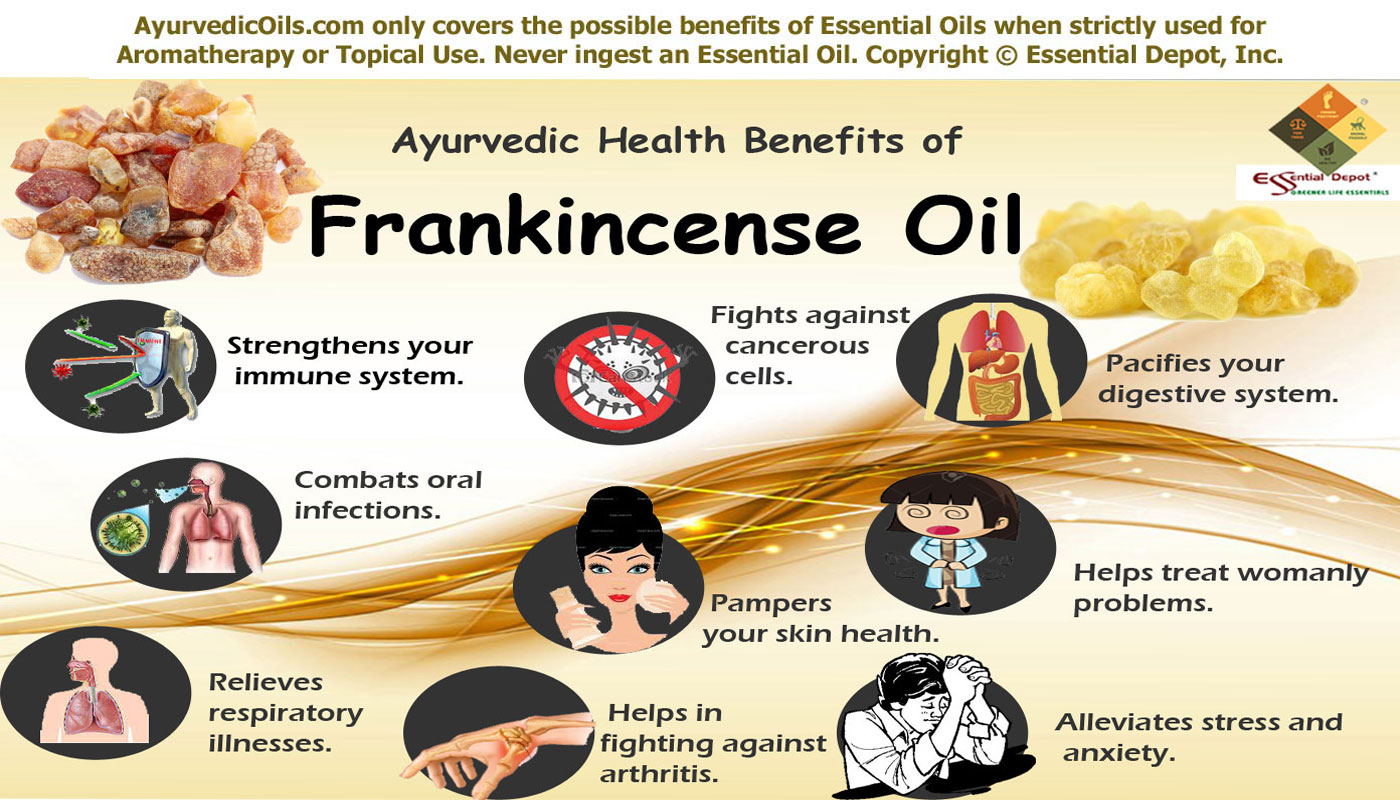
frankinsence-broucher1. Strengthens your immune system:

Frankincense essential oil is an exceptional gift of nature that serves as an antiseptic, disinfectant and immune stimulant. Just inhaling the invigorating aroma of this supreme oil by adding 2 drops of this oil to your burner or diffuser, helps build a protective aura around yourself and acts as a shield in fighting against germs and disease causing microorganisms.

A 2002 study on the chemistry and immunomodulatory activity of Frankincense oil conducted by the department of Pharmacognosy of Mansoura University, Egypt states that Frankincense oil exhibited immuno-stimulant activity in addition to its anti-inflammatory, immunomodulatory and anti- leukotriene properties. This study encourages the utilization of Frankincense essential oil for several auto-immune disorders.

The number of leukocytes in the human body determines the strength of the immune system of an individual. Inhaling the fragrance or using Frankincense essential oil in a massage blend (5 drops of Frankincense oil added with 2.5 ml coconut oil) increases the production of leukocytes in the body with its cytophylactic property.

2. Fights against cancerous cells:

Frankincense essential oil has anti-tumor and anti-cancer properties, the attributes of monoterpenes that effectively helps in fighting against the cancerous tumors.

A 2012 research on Frankincense essential oil prepared from hydro distillation of Boswellia sacra gum resins has proved that this oil induces human pancreatic cancer cell death in cultures. It also reverses tumor growth in a heterotopic xenograft mouse tumor model. Studies have also reported that cultured human bladder and breast cancer cells are more sensitive to Frankincense essential oil and yield good results.

3. Pacifies your digestive system:

As a very good source of β-phellandrene and α-pinene, Frankincense essential oil acts as an effective carminative and helps in preventing and expelling the formation of gas in the stomach and intestines. It also acts as a natural antacid and promotes the secretion of bile and other digestive juices.

Mix 2 drops of Frankincense oil with 1 ml sesame oil and massage this blend on your abdomen for relieving flatulence, constipation and other gastro-intestinal problems including stomach pain, feelings of discomfort in the chest and abdominal area.

4. Combats oral infections:

The antiseptic, antibacterial and antifungal properties of Frankincense oil acts as a defensive shield that protects one from germs, bacteria, pathogens and fungi. This defensive mechanism of Frankincense essential oil makes its presence vital in making dental care products like toothpaste, mouthwash, mouth freshener etc.

Add 1 drop of Frankincense oil in a cup of warm water and use it as a natural gargle to keep away from oral problems like toothache, bad breath, cavities, mouth sores and few other oral infections.

5. Pampers your skin health:

Frankincense essential oil often evolves as a perfect rescuer in case of skin problems as it acts as an effective astringent, which helps in retrieving its natural beauty. This oil works on wrinkles and other aging symptoms with its ability to shrink the body tissues and bring it back to its original shape and assist in tightening the skin.

As a cicatrisant, it helps in the formation of scar tissue and yields excellent results in treating scars, fading the after marks of acne, pimples, boils, pox, stretch marks and fat cracks due to pregnancy and childbirth. Add 2 drops of Frankincense essential oil with 1 ml of jojoba oil or to your regular skin care cream and apply it in circular movements to reduce the appearance of wrinkles, scars, marks and micro-wrinkles around the eyes and cheeks.

As an anti-aging agent it helps in the regeneration of healthy cells while keeping the existing ones healthy. Because of its firming and toning activity it strengthens the gums and hair roots and contracts the muscles, intestines and blood vessels that loosen with aging. Frankincense oil acts as a coagulant and helps in preventing blood loss in case of wounds and cuts. It also assists in healing wounds and other skin infections speedily.

6. Helps treat womanly problems:

Frankincense oil acts as an emmenagogue that stimulates the flow of blood in the pelvic area and the uterus, thus regulating the menstrual cycle and functions of the female reproductive system.

It is also uterine in nature and regulates the secretion of estrogen hormone in the appropriate level, thus reducing the risk of cyst formation or uterine cancer in women.

Add 2 to 3 drops of Frankincense essential oil with 1 ml of Evening primrose oil and massage it slowly on your lower abdomen for relieving problems associated with menstruation like abdominal pain, nausea, digestive disorders, restlessness and mood swings. You can also add 2 drops of Frankincense oil in warm bathing water for calming your nerves and promoting peaceful sleep.

7. Relieves respiratory illnesses:

Stagnation of water, toxic substances and infectious micro-organisms in the body pave way for respiratory problems. This is mainly due to excess of kapha dosha and Frankincense essential oil lessens excess kapha.

This oil also has antiseptic, anti-bacterial, anti-inflammatory and expectorant properties that protect one from infectious microbes and helps reduce phlegm deposits in the respiratory tract and inflammation of the nasal and respiratory passages.

2 drops of Frankincense oil added to steam inhalation or mixed with vaporub and applied on the chest, back and throat aids in easing cough, cold, bronchitis, laryngitis, breathing difficulties, asthma and certain other respiratory ailments.

8. Helps in fighting against arthritis:

Frankincense oil has been used since ancient times to treat arthritis, rheumatism and muscular pain. With its anti-inflammatory, diuretic and kapha reducing qualities, this oil also aids in eliminating excess water deposits, salt, uric acid and toxic substances in the body causing pain, swelling and inflammation.

A valuable source states that this oil possesses potent anti-inflammatory, anti-arthritic and analgesic effect that actively treats arthritis, osteo arthritis and pain in muscular joints. Mix 4 drops of Frankincense oil with 2 ml of coconut oil and massage it gently on the painful area or you can also add 2 to 3 drops of this oil to hot compress for quick relief.

9. Alleviates stress and anxiety:

Frankincense essential oil awakens insight, soothes anxiety and frees one from all sorts of worldly pressure that affect the mind and the body. Various studies have proved that incensole acetate in Frankincense oil is an effective anti- depressant and reduces abnormal behaviors due to anger, stress and anxiety.

Adding 2 drops of Frankincense oil in your vaporizer, burner or diffuser assists in attaining spiritual enhancement that balances the mind, body and soul to experience eternal happiness. This healing effect can also be attributed to the presence of carbon based compounds like sesquiterpenes that directly act on the limbic system, known as the control center of the human brain.

Other health benefits:

Frankincense essential oil is also used in the manufacture of soaps, disinfectant cleansers, incense sticks, cosmetics, perfumes, body lotions, oral hygiene products and much more.

Disclaimer:

This article is for the purpose of education only and is not intended for treatment or for replacing any prescribed medication or professional medical advice. Never take essential oils for internal use and always use externally in a diluted manner, as organic and pure essential oils are highly concentrated liquids and may cause allergic reactions if used directly on the skin.

Always consult your Ayurvedic practitioner before choosing the appropriate essential oil for your unique individual constitution and health condition.

The MSDS (Material Safety Data Sheet) of Frankincense oil is readily available for your enhanced safety and healthier usage.

Gas Chromatography Report of Frankincense oil.

Thought for the day:

To be overcome by the fragrance of flowers is a delectable form of defeat.
-Beverley Nichols

Suggested Reading:

  1. Frankincense & Myrrh by Martin Watt, Wanda Sellar
  2. The Ayurveda Encyclopedia: Natural Secrets to Healing, Prevention, & Longevity by Swami Sadashiva Tirtha
  3. Fragrance & Wellbeing: Plant Aromatics and Their Influence on the Psyche by Jennifer Peace Rhind
  4. Holistic Cancer Protocols with Essential Oils by Dr. Deborah McFarland

Reference Links:

  1. Frankincense by Wikipedia
  2. Frankincense in Ayurveda and Aromatherapy by Vishnu Dass, Ayurvedic Herbology
  3. Chemistry and Immunomodulatory Activity of Frankincense Oil by Botros R. Mikhaeil, Galal T. Maatooq, Farid A. Badria, and Mohamed M. A. Amer Department of Pharmacognosy, Faculty of Pharmacy, Mansoura University, Mansoura 35516, Egypt, published in Naturforsch
  4. Frankincense essential oil prepared from hydrodistillation of Boswellia sacra gum resins induces human pancreatic cancer cell death in cultures and in a xenograft murine model, published in BMC Complementary and Alternative Medicine


Your resource for quality Essential Oils. Every batch is
GC tested to ensure purity and authenticity.

Helichrysum (Immortelle) Oil

Helichrysum-oil-banner-newEverlasting and Immortelle are the common names of Helichrysum that denote the eternal bliss and never ending health benefits of these sunshine flowers to mankind. Scientifically known as Helichrysum italicum, this plant is a limb of the sunflower family Asteraceae. The essential oil is extracted from the bright yellow flowers by steam distillation method.

As one of the most desired essential oil, Helichrysum is known to heal a wide range of illnesses in this civilized world and may seem to be a vital part of the modern Aromatherapy. But the miracle is that it has been traditionally used to heal various health disorders in Ayurveda before 5,000 years including bronchial irritation, scavenging of free radicals, sprains, inflammation, digestive problems, scars, sports injuries, skin problems and certain other serious injuries also.

Purchase Helichrysum (Immortelle) Oil – Retail – 1 oz – CLICK HERE

Purchase Helichrysum (Immortelle) Oil – Retail – 4 oz – CLICK HERE

Purchase Helichrysum (Immortelle) Oil – Wholesale – CLICK HERE

Purchase Helichrysum (Immortelle) Hydrosol – 1 Litre – CLICK HERE

Historical uses of Helichrysum:

The name Helichrysum is derived from the Greek words ‘Helios’ meaning Sun and ‘Chrysos’ meaning Gold. It is indigenous to South Africa, Morocco, Algeria, Cyprus, France, Greece, Spain and Italy. There are about 250 species of Helichrysum plant that dwell in South Africa.

Helichrysum has been carved in the history as an excellent traditional medicine and as a culinary plant used in various cultures. Holmes says about Helichrysum as “the plant has been used in herbal medicine since ancient Greece”. He also says that the essential oil of Helichrysum has “a deeply-saturated sweet, green floral scent”.

Helichrysum is known as Geelsewejaartjie in Africa which means that these bright yellow flowers last for seven years when kept in the house. It is used as a potent traditional medicine in South Africa for treating rheumatism and is also used in potpourri for its lasting fragrance. The petals of Helichrysum flowers were used as a strewing herb in Europe during the medieval period.

This herb has been used as an effective remedy in folk medicine for healing scars and other major skin problems due to aging. With a curry-like quality, Helichrysum is used in Italy for flavoring sauces and in many other food items.

Chemical constituents and therapeutic properties of Helichrysum essential oil:

The significant chemical components of Helichrysum essential oil are 1,4 and 1,8-cineole, camphene, terpinen-4-ol, caryophyllene, a-pinene, myrcene, linalool, nerol, limonene, eugenol, b-diketones, neryl acetate, b-pinene, geraniol, flavonol glycosides and b-bisabolene.

These constituents contribute to its remedial values like expectorant, anti-inflammatory, analgesic, anti-allergenic, nervine, cytophylactic, vulnerary, cholagogue, diuretic, antispasmodic, cell-regenerative, astringent and anti-haematomal.

Ayurvedic health benefits of Helichrysum essential oil:

Ayurveda is nothing but nature’s own way to health and harmony. This ancient science or knowledge of life preaches the best practices to lead a healthy life for longevity, aging in the pink and the prevention of illnesses rather its treatment alone.

Ayurvedic texts recommend the use of herbs, essential oils, yoga, physical exercises, meditation and spiritual oneness for healing humanity. It strongly states that no two human beings are same and in the much similar way their illnesses should also be treated in a unique manner rather than prescribing the same medicines for two different people even for the same illness. For this identification, Ayurveda follows the principles of the three predominant biological energies known as doshas.

These bio-energies are found throughout the human mind and body and combine together to form the unique individual constitution. Every individual has a unique combination of these doshas with the predominance of any one of these doshas, which determines their personal traits, behavior, character and physical attributes.

Ayurvedic theory revolves around the core concept that health is representation of perfect balance between these three doshas namely vata, pitta and kapha.

Ayurvedic remedies are prescribed in such a way to intensify the deficit dosha or decrease the aggravated energy. Helichrysum essential oil is said to reduce pitta and kapha in excess and increase vata.

It’s time to take a look at the Ayurvedic health benefits of Helichrysum essential oil:

Helicrysum-brooucher1. Excellent oil for athletes and sports injuries:

Helichrysum essential oil is the most sought-after oil when it comes to sports injuries, sprains, blood clot, inflammation, bruises, micro tears, pain and muscular aches. Many a times these types of injuries cause swelling, leakage of blood from the injured capillaries, cellular damage, death of surrounding cells and damage to the connective tissues.

Dr. Kurt Schnaubelt in his book Advanced Aromatherapy says “The pain- reducing, analgesic, and regenerative effect of everlasting (Helichrysum) is unique: If applied in time, it prevents hemorrhaging. It is also very effective for joint pain. Generally, Helichrysum italicum works for all conditions in which inflamed tissue needs to be calmed down and regenerated.”

2 drops of Helichrysum essential oil blended with 1 ml of sesame oil acts as an excellent remedy for mending injuries like twists, bruises and blood clots. Massaging the affected parts with this healing blend assists in relieving pain, muscular tension, tears of muscles and ligaments. Applying it immediately after an injury aids in preventing from additional damages like hematoma and swelling. You can also add 2 drops of this oil in hot compress and rub down the painful areas.

2. Fights aging symptoms and clears acne and scars speedily:

Helichrysum essential oil is said to work hundred times better than the best anti-aging creams in the market. Its ability to stimulate cellular regeneration and nurture the natural glow of the skin from within helps greatly in treating wrinkles, dark circles, uneven pigmentation and oxidative skin damages.

Aging slows the down the process of repair, cause wrinkles, encourage the growth of cutaneous problems and augment the risk of toxicological damages to the skin. Helichrysum checks aging and its adverse effects on the skin with its cytophylactic properties that assist in promoting the health of the cellular structure and encourage the production of new skin cells by supporting the recycling of dead cells.

Being a natural emollient, Helichrysum essential oil is said to retain the moisture of the skin and prevents the development of cracks and dehydration. Helichrysum essential oil is not restricted to people with aging symptoms and adverse skin conditions but it is also a proven natural remedy for fading away marks, scars and acne.

This oil also heals raw chapped skin and burns. With its cicatrisant properties, Helichrysum oil speeds up the healing of wounds, cuts and other skin regularities while assisting in clearing up marks and scars including acne marks and stretch marks.

Add 2 to 3 drops of Helichrysum oil to your regular skin care cream that is mild and gentle. Massage it soothingly onto your skin and enjoy the difference of a smooth, refreshing, clean and youthful looking skin. This blend also has the power to lessen the oxidative damage caused by free radicals, tones and tightens the maturing skin that lack elasticity. Regular massaging of your skin with this medicated cream will be of great help in clearing your marks, scars and other blemishes and leave your skin glowing, supple and healthy.

3. Grants emotional support and absolute peace:

The mild, invigorating and long lasting aroma of Helichrysum essential oil helps in lending an emotional support and complete peace to the mind and body. In the book ‘Aromatherapy for Healing the Spirit’, Gabriel Mojay says “Those (emotions) that are most indicated…are enduring resentment, half-conscious anger, bitterness of spirit, and a stubbornly negative attitude.”

2 to 3 drops of Helichrysum essential oil added to burner, diffuser or aromatic lamps can work as an exceptional remedy for treating emotional and physical pain, agony, stress, fatigue and anxiety. Inhaling the sweet aroma of this oil paves way for tranquility and mental clarity.

It is considered as a sacred oil for its intense emotional and spiritual effects. Dr. Streicher says “emotionally it can help an individual get in touch with unresolved feelings, emotions that have been denied and/or buried. It is also helpful in restoring memories that have been buried deep in the past.” He also prescribes its use in psychotherapy to support a patient in dealing with emotional traumas and assists in releasing defense mechanisms.

4. Cures respiratory troubles:

Helichrysum essential oil has natural expectorant, mucolytic and anti-tussive properties that witness its use as an effective natural remedy for treating cold, cough, bronchitis, asthma and sinusitis. Excess of kapha energy is responsible for cold and other respiratory problems. Helichrysum oil being a kapha suppressant aids in thinning and clearing excess mucous and phlegm deposits that block the nasal passages, bronchial passage and the respiratory tract.

Add 2 drops of Helichrysum essential oil to steam inhalation and inhale the medicated steam for instant relief from cough, blocked nose, congestion and breathing difficulties. You can also add 2 drops of this oil to your vaporub and apply it on your chest, back and throat for complete relief from respiratory problems.

5. Treats high blood pressure and heart palpitations:

The essential oil of Helichrysum is said to control blood pressure, irregular heartbeat, heart palpitations and the risk of stroke with its anti-coagulant or blood thinning properties. A study by the University of Nigeria explored that the presence of caryophyllene and curcumene in Helichrysum essential oils assists in lowering blood pressure.

Massage your body with 5 drops of Helichrysum oil blended with 2.5 ml coconut oil for regulating your blood pressure and for treating heart disorders due to increased blood pressure.

Other health benefits:

Helichrysum essential oil is also effective in treating digestive problems like flatulence, ulcer, indigestion, vomiting, diarrhea, stomach aches and allergic reactions in the stomach and intestines. It is also helpful in treating psoriasis, dermatitis, eczema, allergies, urinary infections, wounds and fungal infections.

Using this oil on a regular basis is known to stimulate digestion, support absorption, promote detoxification, lessen inflammation, enhance the immune system and strengthen the entire system from within.

Disclaimer:

This article is only for educational reasons and is not recommended to diagnose or substitute professional medical advice or prescribed medicines. Never take essential oils internally.

Always ensure to use essential oils in a diluted form as pure and organic essential oils are extremely concentrated liquids and can cause harm if used directly for topical application. Seek advice from your Ayurvedic professional before choosing the right essential oil for your unique individual constitution and state of health. Please be cautious in using this oil if you are pregnant or a nursing mother.

Thought for the day:

Flowers are the sweetest things God ever made and forgot to put a soul into. -Henry Ward Beecher

Suggested Reading:

  1. The Healing Intelligence of Essential Oils: The Science of Advanced Aromatherapy by Kurt Schnaubelt
  2. The Fragrant Mind: Aromatherapy for Personality, Mind, Mood and Emotion by Valerie Ann Worwood
  3. Natural Medicine First Aid Remedies: Self-Care Treatments for 100+ Common Conditions by Stephanie Marohn
  4. The Encyclopedia of Essential Oils: The Complete Guide to the Use of Aromatic Oils In Aromatherapy, Herbalism, Health, and Well Being by Julia Lawless

Reference Links:

  1. Helichrysum italicum by Wikipedia
  2. Helichrysum italicum by The East-West School For Herbal & Aromatic Studies
  3. Helichrysum italicum by Dr. Christoph Streicher and Sheryll Ryan
  4. Use the healing properties of Helichrysum essential oil by Natural News.com
  5. How Helichrysum italicum Essential Oil Can Bring Healing to Your Life by ArticlesFactory.com

Davana Oil

Davana-bannerDavana is imported worldwide for its sweet fragrance and illustrious medicinal values and is used to glorify the idol of Lord Shiva in India. Botanically known as Artemisia pallens, Davana is a member of the daisy family, Asteraceae. Regionally called as davanam in Tamil and Davana in Kannada, this fragrant herb is indigenous to the southern parts of the Indian subcontinent.

The essential oil of Davana is extracted from the stem and leaves of this herb by steam distillation method. It is widely used in Ayurveda in the treatment of mental disorders, nervous problems, depression, cough, cold, measles, infections, diabetes and high blood pressure.

Purchase Davana Oil – Wholesale – CLICK HERE

Historical uses of Davana and its essential oil:

Having its roots deeply set in the religious traditions of the Indian Culture, Davana essential oil has an extensive application all over the world. It was used in traditional Ayurvedic medicinal formulations as an aphrodisiac and mood elevator. Davana was a part of the Indian folklore medicine for treating diabetes mellitus and high blood pressure.

With much regional importance, Davana essential oil gained global attention only in the mid of the 20th century after which it has earned a special spot in the hearts of perfumers’ and flavorists’, particularly in United States and Japan where it is a flavor ingredient for bakery, tobacco and beverage products.

The flowers, stem and leaves of this plant are used as an effective antiseptic and disinfectant for quick treatment of wounds, cuts and infectious ailments such as cough, cold, measles etc. Davana essential oil has also been a part of other Complementary and Alternative medicinal practices like Unani and the Traditional Chinese Medicine (TCM).

Chemical constituents and therapeutic properties of Davana oil:

Davana essential oil comprises of davanone, a major sesquiterpene ketone and other essential components such as linalool, dehydro-a-linalool, terpinen-4 oil, isodavanone, nordavanone, davanafurans, methyl cinnamate, ethyl cinnamate, bicyclogermacrene, davana ether, 2-hydroxyisodavanone, and farnesol. All these compounds of Davana oil attribute to its unique aroma and its medicinal values.

Well recognized as a herb of sacred values, Davana essential oil benefits mankind with its anti-depressant, aromatic, antiseptic, antiviral, antimicrobial, anti-fungal, antispasmodic, decongestant, disinfectant, emmenagogue, anthelmintic, stomachic, hypotensive, antioxidant, expectorant, relaxant, vulnerary, aphrodisiac, nervine and mucolytic properties.

Ayurvedic Health Benefits of Davana Oil:

Ayurveda is a holistic healing system that has its origin in India, the land of tradition and the world’s oldest history for more than 5,000 years. Just like this ancient remedial science, Davana herb also has its nativity vested in India and never fails in treating illnesses with its remedial aroma.

Ayurveda suggests natural remedies for treating mankind as it believes that everything is a part of nature and Mother Nature has innate medicines for healing health disorders. An individual is said to be healthy when his/her mind, body and soul are in perfect balance with nature. Illness according to Ayurveda is an opportunity to explore, restore and re-establish absolute health and strike balance with nature.

Just as nature, human body is also made up of five vital elements namely fire, water, earth, air and space, built in the form of three vital biological energies known as doshas. They are kapha, vata and pitta doshas. The predominance of any one of these doshas determines the personality, character and behavioral attributes of a person and balance between these doshas stand for health and heartiness.

Ayurvedic healing starts with the identification of the unique individual constitution that helps in determining doshic qualities, mental and physical attributes of an individual. Ayurveda does not follow the ‘one size fits all’ healing methodology as it trusts that every human being is unique in nature and the remedies for their illnesses should also be unique as per their constitution.

The nobility of Ayurveda rests in treating the root cause of an illness instead of curing its symptoms alone. By treating the actual underlying cause, Ayurveda helps in preventing such illnesses in the future and paves way for longevity through healthy aging. The most predominant Ayurvedic remedies are herbs, essential oils, meditation, yoga, physical exercises, healthy lifestyle, prayers and an Ayurvedic routine.

Davana essential oil is said to pacify vata and kapha imbalances and has a neutral effect on pitta dosha.

The Ayurvedic health benefits of Davana essential oil are:
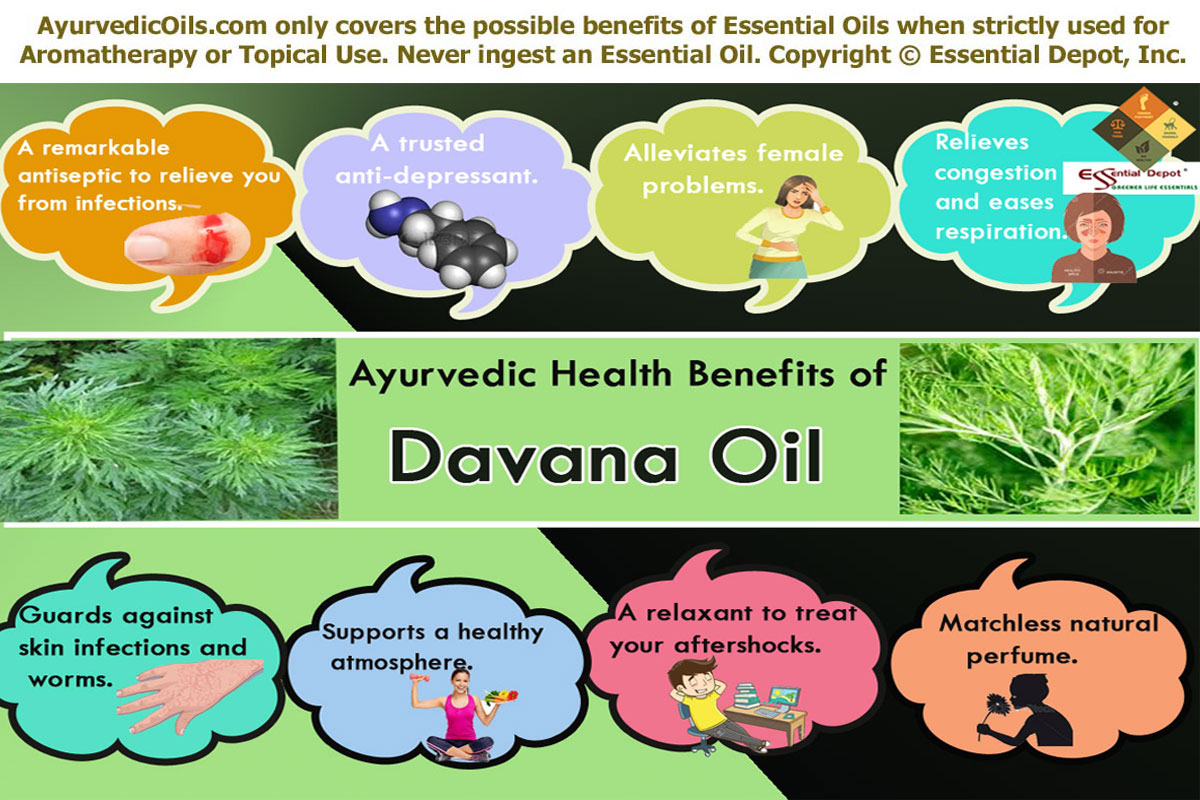
Davana-broucher-new1. A remarkable antiseptic to relieve you from infections:

Being a natural antiseptic with less toxicity, Davana essential oil is used to treat both internal and external infections. It destroys the micro organisms affecting the internal organs of the body like kidney, bladder, urethra and urinary tract, thus putting an end to sepsis, a fatal inflammation of the whole body.

A 2009 research on ‘The antimicrobial screening of Artemisia pallens’ published in the International Journal of PharmTech Research, USA states that the extracts from Artemisia pallens possess antimicrobial activity against the bacteria Bacillus cereus. Davana herb extracts and its essential oil have been used in Ayurvedic practices for healing wounds and deep abrasions quickly and to curb the spreading of infections to other parts of the body, which might otherwise result in tetanus.

Davana essential oil also has anti-viral property that strengthens your body’s immune system to effectively work against viral attacks. Having the ability to penetrate the protective layer of the virus called cyst, it kills viruses without a trace. Because of this attribute, it has been extensively used to treat viral infections such as cold, cough, influenza, measles etc.

The best way to use Davana oil for arresting the spread of infectious micro-organisms is in Abhyanga or the art of Ayurvedic massaging. Mix 5 drops of Davana oil with 3 ml of coconut oil and massage your body, followed by a warm bath with 2 drops of Davana oil diluted in bathing water. The therapeutic properties of this oil penetrate through the skin and start its healing mechanism. You can also mix 1 drop of Davana oil with 10 drops of olive oil and apply it on wounds and abrasions for quicker healing.

2. A trusted anti-depressant:

Widely used in the field of Ayurvedic aromatherapy for its anti-depressant properties, Davana essential oil actively engages in relaxing your nervous system and induces tranquility in the mind. As a medicinal herb that adorns the deity of Lord Shiva, it provokes divinity, spirituality, peaceful synergy and positive energy in every individual. Add 2 drops of Davana oil in warm bathing water or mix 6 drops of this oil with 3 ml of sesame oil and go for an energizing massage for treating depression and other mental woes.

Davana essential oil grants a soothing effect to the mind and body by effectively alleviating pressure in case of stress, anxiety and rejuvenates the mental health of those who feel depressed and lifeless. You can also add 2 drops of Davana oil to diffuser or burner and inhale it’s comforting fragrance, through which the aromatic molecules present in this oil pass through the nasal passages and reach the limbic system, the control center of human brain.

3. Alleviates female problems:

Nature has gifted humanity with some excellent medicines for treating complex womanly problems like menstrual difficulties, menopausal problems and emotional woes associated with such disorders. Davana essential oil is one such curative power, which with its emmenagogue property regulates the flow of blood in the uterus and pelvic area and releases blocked menstruation, resulting in a regular menstrual cycle.

Massaging your lower abdomen with 2 drops of Davana oil blended with 1ml of sesame oil can act as an effective remedy in treating menstrual spasms, pain in the abdominal area, fatigue, nausea, muscular cramps, restlessness and mood swings.

4. Relieves congestion and eases respiration:

Excess of kapha dosha along with viral and bacterial infections result in cough, cold, congestion and other respiratory illnesses. Severe infections may lead to deposits of mucus and phlegm in the upper respiratory tract and the lungs, causing respiratory disorders and breathing difficulties.

Davana essential oil is known to pacify excess kapha dosha with its decongestant and expectorant properties and helps in expelling heavy deposits of mucus and phlegm in the nasal passages and lungs by lubricating the respiratory tract. This oil also has antiseptic, anti-bacterial, anti-viral and antimicrobial properties that destroy such harmful microbes causing respiratory problems.

Add 2 drops of Davana oil in steam inhalation for relieving from asthma, bronchitis, cough, cold, breathing difficulties, headache and respiratory spasms. You can also add 2 drops of this oil in vaporizing ointments or cold rubs and gently massage it on your chest, back and throat for effective relief.

5. Guards against skin infections and worms:

Being an antiseptic, Davana oil fights against infections and protects your skin from infection prone conditions such as acne, boils, pimples and even stretch marks. It is also vulnerary in nature and aids in speeding up the healing process of wounds and cuts. Mix 2 drops of Davana essential oil in your regular skin care cream or with 1 ml of jojoba oil and apply it on your skin for treating rough, dry and chapped skin. This oil also aids in stimulating the endocrine system.

Davana essential oil is further enriched with its anthelmintic and stomachic properties that fight against worm infestation caused by parasites such as round worms, whip worms, hookworms, thread worms, pin-worms and tape worms.

6. Supports a healthy atmosphere:

Excelling in its disinfectant properties, Davana essential oil can work wonders to purify your atmosphere. The fragrance of this medicated oil spread so quickly and kills the germs and microbes present in the air with its remedial qualities. Add 2 drops of Davana essential oil in fumigants, sprays or vaporizers for fresh and germ-free environment.

7. A relaxant to treat your aftershocks:

Davana essential oil has anti-inflammatory and relaxant properties that effortlessly relaxes the contractions in muscles, blood vessels and also calms down the brain and your nervous system. Massaging your body with 5 drops of Davana oil blended with 2.5 ml of almond oil assists in rejuvenating the nervous system and grants absolute solace. It acts best in inducing mental peace and helps in recovering from after effects of shocks, trauma, heavy medications and treatments, disappointments, failures etc.

8. Matchless natural perfume:

Davana essential oil stands unique in the field of perfume industry for its fragrance differs with the uniqueness of the individual thus making each one special in their own way. A single plant can scent the entire garden. Hence it is used in the manufacture of high quality perfumes and cosmetics and also in food industries, flavoring tobacco, pastries and some beverages.

Other health benefits of Davana Oil:

As per a 1996 research published in Pubmed, Davana essential oil is said to lower glucose level in the blood thereby helpful in treating diabetes mellitus. A 2011 study on the antioxidant property of Artemisia pallens states that it possesses antioxidant properties due to the presence of phenols that effectively reduce the risk of chronic diseases, cardiovascular disorders and cancer.

This oil also has mild insect repellant property. Aromatherapists use Davana oil for its antispasmodic properties in treating spasms and pains. It is used in manufacturing vaporizers, disinfecting sprays and room fresheners. The Davana flowers represent a symbol of tradition and are used in making garlands, floral decorations, bouquets and also for various other religious rituals and customs.

Disclaimer:

This article is only for the purpose of information and is not meant to diagnose or replace any professional medical advice or prescribed medication. Never use essential oils internally. Always remember to dilute essential oils before topical usage, as pure and organic essential oils are highly concentrated liquids and may cause skin irritation or other side effects if used in an undiluted form. Always consult your Ayurvedic expert before using the right essential oils for your health condition and unique individual constitution.

Thought for the day:

God writes the Gospel not in the Bible alone, but also on trees, and in the flowers and clouds and stars. -Martin Luther

Suggested Reading:

  1. Artemisia (Medicinal and Aromatic Plants – Industrial Profiles) by Colin W. Wright
  2. Dying to Look Good by Christine Hoza Farlow
  3. Butterfly Miracles with Essential Oils by LaRee Westover
  4. Davana and its cultivation in India (Farm bulletin) by M. R Narayana
  5. Therapeutic Blending With Essential Oil: Decoding the Healing Matrix of Aromatherapy by Rebecca Park Totilo

Reference Links:

  1. Artemisia pallens by Wikipedia.
  2. Influence of plant growth stage on the essential oil content and composition in Davana (Artemisia pallens wall.) published in Pubmed.
  3. Antimicrobial Screening of Medicinal Plant – Artemisia pallens by the Department of Chemistry, S.P. College, Pune, India.
  4. Study on Effects of Artemisia pallens Wall. on blood glucose levels in normal and alloxan-induced diabetic rats by Division of Ethnopharmacology, Tropical Botanic Garden and Research Institute, Palode, Kerala, India published in PubMed.
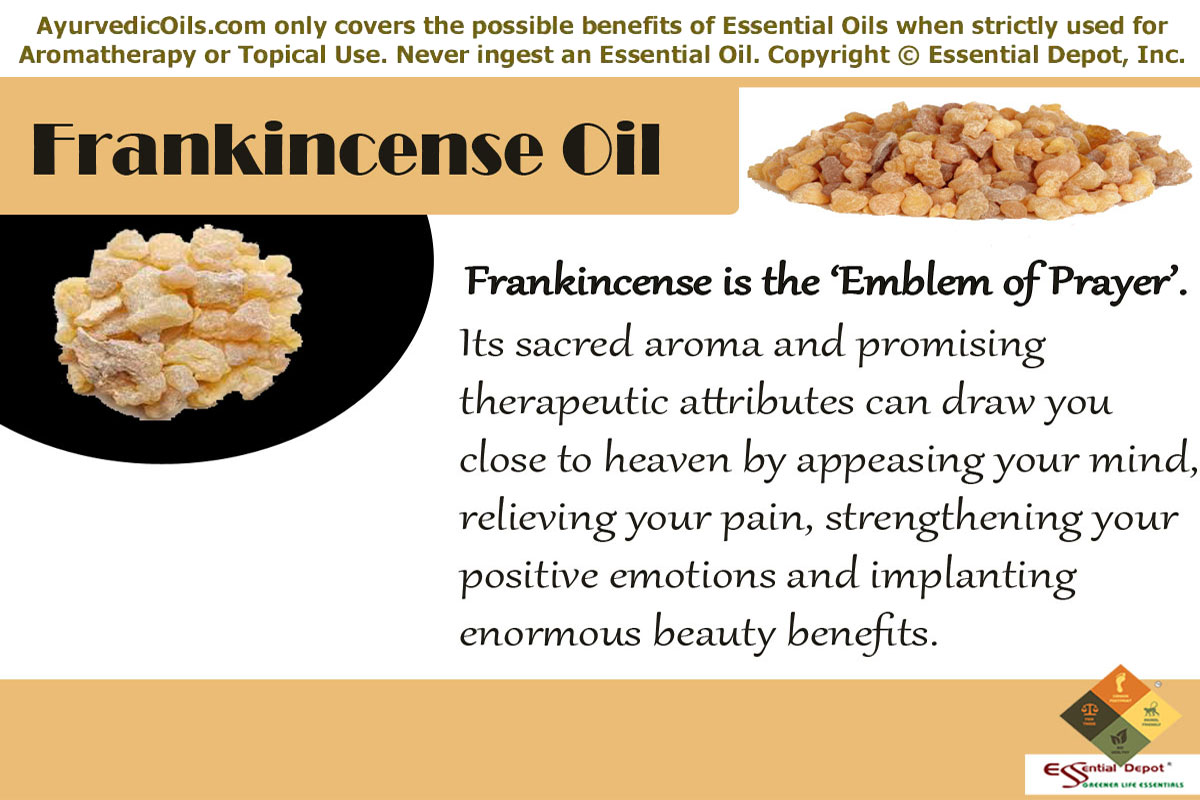
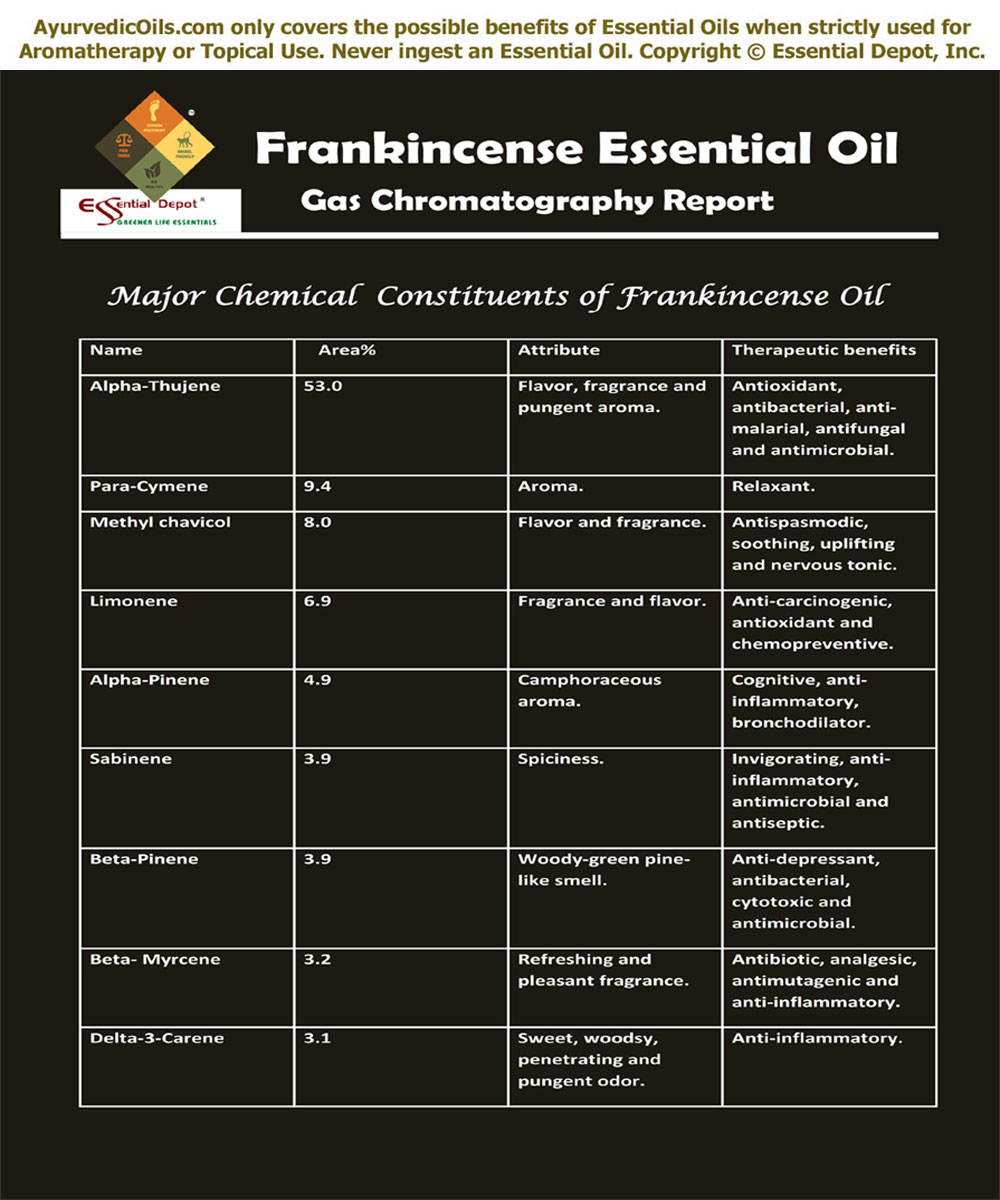
Heeng Oil (Asafoetida)

Heeng-bannerAsafoetida is seen as an archaic remedy for flatulence, colic and other digestive disorders but the truth is that this ‘Food of Gods’ is still boasting its potent of treating various disorders from toothache to impotency for more than 5,000 years, where it’s use has been documented in Ashtanga Hridaya, which is one of the ancient text of the world’s oldest healing science known as Ayurveda.

Highly carped for its pungent aroma, Asafoetida has never failed in adding that extra spice to numerous traditional dishes in various countries including India, Europe, North Africa and the United States.

Known as Rāmaha, Badhika and Sahasravedhi in Sanskrit, Heeng and its essential oil has been prescribed in the Ayurvedic medicine for treating flatulence, whooping cough, painful menstruation, premature ejaculation, impotency, diabetes, asthma, intestinal worms and toothache.

Purchase Heeng Oil (Asafoetida) – Wholesale – CLICK HERE

Historical importance of Heeng (Asafoetida):

Asafoetida is native to Pakistan, Iran and Afghanistan. Botanically known as Ferula assa-foetida, it is a member of the Apiaceae plant family and the commercial part used is the oleo-gum resin extracted from the thickened roots and rhizomes. It is also known by other famous names like hing, narthex, heeng, food of Gods, devil’s dung, haltheeth, giant fennel, ting and stinking gum.

Ayurveda quotes “Asafoetida is a grounding herb that can therefore balance an overactive, over emotional, turbulent system“. It was one among the common herbs prescribed for the treatment of hysteria. It was used in 1918 to combat the Spanish influenza pandemic. It was also used as a topical remedy for relieving abdominal injuries.

Heeng is a popular spice all over the world and is used as a digestive aid, flavoring agent and as a condiment in food varieties and in pickles. It is used in daily food preparations in India especially by the followers of Vaishnavism, Jainism and by the merchant caste. Asafoetida was the most prevalent folk remedy for treating flatulence, colic and cold in children and as a contraceptive medicine.

The Arabian pharmacists and scientists like Avicenna, Fakhr al-Din al-Razi and Ibn al-Baitar have talked about the positive effects of Asafoetida on digestive system and the respiratory system. It is used in magic spells in the African-American Hoodoo tradition for its power to protect as well as to curse.

Asafoetida is also used in the Jamaican culture for protecting babies from evil spirits. The Jewish literatures like Mishneh Torah and Mishnah have also talked about this spice.

Chemical constituents and therapeutic properties of Heeng oil:

The remedial properties of Heeng essential oil are nervine, carminative, aphrodisiac, vermifuge, abortifacient, antispasmodic, stimulant, anti-flatulent, antimicrobial, analgesic, antiseptic, anti-epileptic, fertility enhancer, contraceptive, anthelmintic, expectorant, bronchodilator and emmenagogue. The major chemical constituents are phellandrenes, α-pinene, hendecyl-sulphonyl acetic acid, ferulic acid and ethers of sesquiterpenes with coumarines like farnesi feroles.

Ayurvedic health benefits of Heeng (Asafoetida) oil:

Asafoetida is a promising Ayurvedic remedy for treating digestive and respiratory disorders for thousands of years. Known as the oldest of all the healing systems on earth, Ayurveda is the mother of all medicinal practices in the world having its roots deeply vested with India, the world’s oldest historical tradition.

Ayurveda is considered as the only healing methodology that considers human body as a temple where the real soul dwells in. It also states that Mother Nature is made up of five vital elements namely fire, water, earth, air and ether. Being a part of Nature, human beings are also made up of these five fundamental elements that pair together and form the biological energies called as doshas.

Just like an individual’s fingerprints, each one of us on earth has a unique individual constitution that comprises of these three doshas namely vata, pitta and kapha. Vata is a representation of air and space and is responsible for respiration, nervous functions, circulation, excretion and creativity.

Pitta stands for fire and water and is accountable for digestion, absorption, metabolism and thinking capacity. Kapha represents water and earth and is in charge for structure, movement of fluids, sustenance and love.

Every individual has a dominance of any one of these doshas and it determines their characteristics, temperament and behavioral attributes. Balance between these doshas indicates health and imbalance causes illnesses. Ayurvedic remedies are prescribed in a such a manner to set right these doshic imbalances.

Heeng and its essential oil in Ayurveda is said to increase Pitta energy and balance vata and kapha dosha with its pungent taste and enormous healing properties. In the Ayurvedic text Ashtanga Hridaya Su Chapter l it is mentioned that “Asafoetida mitigates vata and kapha, relieves flatulence and colic pain. It is pungent taste and at the end of digestion. It aggravates pitta, enhances appetite, taste and digestion. It is easy to digest”.

The major Ayurvedic health benefits of Heeng oil are:

Heeng-broucher

1. Benefits to the digestive system:

Just by hearing the word ‘Asafoetida’ anyone in India would just say that it is the best natural remedy for treating flatulence, colic and indigestion in children as well as elderly people. With its anti-flatulent, anti-oxidant and anti-inflammatory properties, Heeng essential oil aids in relieving from abdominal gas, stomach pain, intestinal gas and bloating.

It cleanses the intestinal flora and augments the digestive fire. By this way it eliminates all kinds of stagnation in the gastrointestinal tract, relieves cramping and drives out intestinal gas. The strong herbaceous aroma of this oil assists in soothing the lining of the stomach and intestines, reducing distention, treating spasms and increasing the appetite.

Gently massaging your tummy and abdomen with 2 drops of Asafoetida oil blended with 1 ml of sesame oil will be of great help in treating all types of stomachic and intestinal problems in a comforting manner.

You can also add 1 drop of Heeng oil to warm bathing water or to diffuser in the dining hall to stimulate the process of metabolism and for enhancing the stamina, as this oil is known to nurture the earth element that is responsible for strength and vigor.

Asafoetida is used as a traditional medicine for treating constipation and flatulence in 60% people of Jammu and Kashmir, India and this wonder herbal medicine lessens the development of indigenous microflora in the gut, thus helping in reducing flatulence. It has also been used in western medicinal system as a topical remedy for treating abdominal injuries since the 18th century.

2. Benefits to the respiratory system:

Heeng and its essential oil is an ancient folk remedy for treating cold especially in children. This is mainly due to its antimicrobial and expectorant properties along with its ability to reduce kapha dosha, which is responsible for excess phlegm and mucous deposits causing cold and other respiratory problems.

Add 2 drops of Heeng oil to steam inhalation or to vapor rub and massage it on your chest, neck and back for expelling mucous and phlegm deposits in the bronchial, nasal and respiratory passages. Asafoetida has antimicrobial values that arrest the growth of infectious organisms that worsen cold and cough and pave way for chronic respiratory conditions.

It has been proven effective in the treatment of asthma, bronchitis, chest congestion, whooping cough and other respiratory problems. There are numerous home remedies with Asafoetida for treating respiratory disorders and various other health conditions.

One popular home remedy with Heeng is mixing half teaspoon of asafoetida powder with fresh betel leaf juice and white onion juice along with honey every day for treating whooping cough, bronchitis and asthma.

A 2009 study on ‘Influenza A (H(1)N(1)) Antiviral and Cytotoxic Agents from Ferula assa-foetida’ have proved the effectiveness of Asafoetida in combating the harmful effects of H1N1 virus with its antiviral and cytotoxic elements. This study concluded that Asafoetida exhibited greater potency against influenza A virus and against HepG2, Hep3B, and MCF-7 cancer cell lines, correspondingly.

3. Benefits to the reproductive system:

Asafoetida addresses male and female reproductive problems in a natural way. It is known to cure impotency, premature ejaculation and spermatorrhoea in men by increasing the libido and it also acts as an effective aphrodisiac.

Mix 2 drops of Heeng oil with 1 ml of olive oil and gently massage on your lower abdomen or add 1 drop of this oil to your bathing tub before going to bed. Regular use of this therapy can show effective results as the therapeutic molecules present in this oil penetrate deeply into the system through the skin and stimulate the male reproductive system.

Heeng as a powerful herb and a strong essential oil has emmenagogue properties and has been in use as a natural contraceptive. It will be of great assistance in treating dysmennorhea or painful menstruation, excessive bleeding, irregular or delayed periods, leucorrhea, nausea, fatigue, anxiety and other symptoms associated with menses.

The best way to use Heeng oil for menstrual discomforts is by massaging your lower abdomen with 2 drops of this oil mixed with 1 ml sesame oil or add it in a hot compress for improved results.

As a contraceptive or abortifacient, Heeng oil can be used in treating unplanned abortion, sterility in women and premature labor. It is also effective in improving the quality and quantity of breast milk in nursing women. Using Asafoetida in post-pregnancy period is recommended for relieving colic, indigestion and other digestive difficulties in both the mother and the baby.

4. Benefits to oral health:

Human mouth has the highest possibilities of being affected by millions of micro-organisms that not only cause hazards to oral health but also to the entire body. Heeng essential oil has potent antimicrobial and antiseptic properties that aids in treating toothache, bleeding gums, bad breath or halitosis and harmful cavities.

Add 1 drop of Heeng oil in a cup of warm water and use it as a gargle for getting rid of various oral problems. You can also add 1 drop of this oil to a piece of cotton and dab it on your aching tooth for immediate relief.

5. Benefits to the entire system:

Asafoetida and its essential oil are beneficial to the entire system in a number of ways. It has been proven effective in stimulating the pancreatic cells to secrete more insulin as improved insulin levels are known to bring down the blood sugar levels to normal.

According to certain studies, the antioxidant and anti-carcinogenic properties of Asafoetida curbs the growth of malignant cells causing cancerous tumors. Since the ancient times, this condiment has been used as a powerful antidote for opium as it is identified to counter the effect of the ingested drug.

Asafoetida is defined as ‘Tamasic’ in Ayurveda for its properties of resistance, dullness, inertia and darkness on the mind and it can balance the over emotional, hyperactive and chaotic system.

This condiment is also used as a pesticide and insecticide for protecting crops from pests and for repelling mosquitoes and certain other insects.

Disclaimer:

This article is only for informational purpose and is not directed to diagnose or replace any prescribed medicines or professional medical advice. Never take essential oils internally and always dilute essential oils before using it topically. This is because organic and pure essential oils are highly concentrated liquids and can cause allergic reactions if used in an undiluted manner.

Remember to consult your Ayurvedic practitioner before choosing the most suitable essential oil for your unique constitution and health condition. Avoid using Heeng oil if you are a pregnant woman as it has strong abortifacient properties.

Thought for the day:

Deep in their roots, all flowers keep the light. -Theodore Roethke

Suggested Reading:

  1. Ayurveda & Aromatherapy: The Earth Essential Guide to Ancient Wisdom and Modern Healing by Dr. Light Miller, Dr. Bryan Miller
  2. Ayurvedic Healing Cuisine by Harish Johari
  3. Herbs: An Inside Look Into The World of Alfalfa, Basil, Asafoetida, Burdock, Catnip and More by Vanesa Payne
  4. The Yoga of Herbs: An Ayurvedic Guide to Herbal Medicine by David Frawley, Vasant Lad
  5. Alternative Medicine: The Definitive Guide by Burton Goldberg Group

Reference Links:

  1. Asafoetida by Wikipedia
  2. Asafoetida (Hing) Benefits by Speedy Remedies.com
  3. Asafoetida by The Spices Board India
  4. Asafoetida – A Grounding Herb by American Botanical Council
  5. Influenza A (H(1)N(1)) Antiviral and Cytotoxic Agents from Ferula assa-foetida by Lee, CL; Chia-Lin Lee, Lien-Chai Chiang, Li-Hung Cheng, Chih-Chuang Liaw, Mohamed H. Abd El-Razek, Fang-Rong Chang, Yang-Chang Wu, College of Pharmacy, China published in PubMed

Cypress Oil

“Cypress allows the mind to collect itself and takes people out of sorrow and depression; it regulates female hormones and helps with ovarian cysts”, says Light Miller and Bryan Miller in their book Ayurveda and Aromatherapy.

Cypress-bannerHaving its uses inscribed in the Holy Bible, Cypress essential oil has been used by mankind for more than 4,000 years. Though associated with death and underworld, this tree is known for regenerating the inner soul.

Botanically known as Cupressus sempervirens, Cypress trees bear the Eastern Mediterranean region as their native. As the Greek name Sempervirens means ‘ever living’, Cypress trees are found to be ever living with the oldest known as Sarv-e-Abarkooh being found in Iran’s Yazd Province that is estimated to be of approximately 4,000 years old.

Extracted from the needles and twigs of Cupressus Sempervirens, Cypress essential oil has plenty of reasons to be celebrated as one of the ancient bliss of mankind. It is used in Ayurveda for treating various ailments like cardiovascular problems, cellulites, varicose veins, menstrual problems, cold and other respiratory illnesses.

Purchase Cypress Oil – Retail – 4 oz – CLICK HERE

Purchase Cypress Oil – Wholesale – CLICK HERE

Historical uses and importance of Cypress and its essential oil:

Having mentioned in the Bible as a valuable medical aid for strengthening oneself mentally and physically, Cypress essential oil captures a remarkable position in the list of natural medications.

As quoted in the Bible on Isaiah 44: 14, the verse ‘He heweth him down cedars, and taketh the Cypress and the oak, which he strengtheneth for himself among the trees of the forest: he planteth an ash, and the rain doth nourish it‘ is just enough to sing the glorious history of Cypress.

The wood of Cupressus sempervirens were used in the primordial times for building ships, houses and for making furniture. The doors of the ancient church ‘St. Peter’s Basilica’ in Vatican City is made of Cypress woods. Some of the valuable sources state that the ever-living property of this tree led the Egyptians to make coffin out of Cypress woods and the Greeks to make statues of God. Some Biblical scholars even state that the cross of Jesus Christ has been made of Cypress wood.

Indigenous to Cyprus Island, Cypress trees were initially worshipped as an earthly symbol of the Goddess Beruth. This tree signifies immortality and death in ancient art and literature and is often correlated with meditation and reflection.

Hippocrates, the father of medicine prescribed Cypress for treating hemorrhoids. The significant aroma of this tree is said to grant mental clarity and the cones were used in Traditional Chinese Medicine for curing bleeding gums and other oral problems.

Cypress and its essential oil have been used since ancient times mainly to treat various illnesses associated with the circulatory system. It was also used in treating all types of common diseases ranging from cold, cough, skin diseases and hair loss problems to inflammation in the internal and external parts of the body.

The essential oil of Cypress was also used as an effective perfume agent that spreads the sweet memories of a lovely surrounding. It is for this cause, Cypress and its essential oil are always used in religious rituals and in mourning ceremonies where its healing attributes is believed to calm the mind, strengthen it and assist one in recovering quickly from losses.

Chemical constituents and therapeutic properties of Cypress oil:

Cypress essential oil contains various chemical components, the majority of which are a-pinene, delta carene and limonene. The other constituents include sesquiterpene, a-terpinene, sabinene, carvone, 4-terpinol, b-cymene, carveol, cedrol, a-thugene and santene.

Contrary to its depiction as a symbol of mourning, Cypress essential oil has a handful of health benefits with its astringent, antimicrobial, anti-bacterial, anti-fungal, firming, anti-seborrheic, anti-dandruff, anti-aging, antioxidant, aromatic, antispasmodic, antiseptic, diuretic, vasoconstricting, mucolytic, fluid retention, decongestant, sedative, hepatic and haemostatic properties.

Ayurvedic Health Benefits of Cypress Oil:

Celebrated as one of the 12 sacred oils of Bible, Cypress is also known as one of the oldest trees on earth. It is also used in Ayurvedic healing in the treatment of numerous health disorders for more than 4,000 years.

Ayurveda is held high as the oldest healing system and is adorably called as the mother of all healing sciences including the Traditional Chinese Medicine, Homeopathy, Siddha, Unani, Acupuncture and Chiropractic.

Ayurveda firmly states that all things on earth are a part of nature and nature is made up of five vital elements namely fire, water, earth, space and air. Perfect health symbolizes perfect balance of the human body with nature and illnesses occur when there is imbalance with nature.

Every individual is unique according to Ayurveda with a distinct individual constitution comprising of three biological energies known as doshas. These doshas are nothing but a representation of the five vital elements.

Vata dosha represents air and space, pitta dosha stands for fire and water and kapha symbolizes water and earth. Just like nature, human body is also made up of five elements where earth is the physical structure of the body, fire is the force supporting body temperature and metabolism, water is the blood and other vital fluids, air is what we breathe and space is the soul that rests within us.

Every person has a predominance of any one of these doshas and it determines the personality, character and behavioral attributes. Balance between these doshas represents health and heartiness and imbalance causes sickness.

Ayurvedic remedies like essential oils, herbs, healthy balanced diet, yoga, prayer, meditation and Ayurvedic routine progresses towards striking balance between these doshas.

Cypress essential oil is said to lessen increased kapha and vata dosha and pacifies pitta dosha.

The Ayurvedic health benefits of Cypress oil are:

Cypress broucher1. Alleviates respiratory ailments:

As a natural tonic for smooth respiration, Cypress essential oil is effective in curing various respiratory illnesses like whooping cough, spasmodic coughs, cold, flu, sore throat, emphysema, influenza and bronchitis.

The explicit antimicrobial, anti-bacterial, anti-fungal and decongestant properties of this oil greatly attribute in toning up the respiratory system by freeing it from infectious microbes and increase the effectiveness of the lungs simultaneously.

A 2012 study on the chemical composition and antibacterial and antioxidant activities of Cypress essential oil states that it fights actively against infectious microbes like Pseudomonas aeruginosa,  Escherichia coli, Staphylococcus aureus, Bacillus subtilis, Halomonas elongate and Salmonella typhimurium and thus it can be readily used as an antimicrobial and antioxidant agent.

2 to 3 drops of Cypress oil added to warm bathing water or in steam inhalation assists in loosening heavy mucus and phlegm deposits in the nasal passages and respiratory tract.

Adding 1 drop of Cypress oil with cold rubs or ointments and massaging it gently on your chest, throat and back followed by steam inhalation helps in treating cough, cold, sore throat and flu by reducing the inflammation and irritation caused due to infection.

2. Enhances the human circulatory system:

Cypress essential oil is an exuberant natural medication that enriches the human circulatory system and helps in its better functioning. It is held high as one of the most commonly used essential oils for the circulatory system.

Cypress essential oil helps in improving circulation by strengthening the blood vessels and capillaries. Good circulation results in the supply of nutrients to the entire body, hormonal balance, a stabilized body temperature and a good immune system.

Few of the complicated diseases like cardiovascular problems and hypertension can be kept away with proper blood circulation.

Massaging your body with 6 drops of Cypress oil blended with 5ml of coconut oil can help in treating a variety of circulation problems like low blood pressure, hemorrhoids, hair loss, varicose veins and hormonal imbalances.

Regular massaging has been proved effective in treating baldness, curing broken capillaries and checking the proper functioning of blood vessels.

3.  Controls inflammation:

Inflammation in the muscles, veins, capillaries and blood vessels causes pain and irregular flow of blood to various organs of the body. Being an anti-inflammatory agent Cypress essential oil effectively reduces the inflammation in various parts of the body.

Adding 2 drops of Cypress oil in warm bathing water or in massaging blend can help in the treatment of varicose veins, hemorrhoids, muscular pain and inflammation of the respiratory system.

4. Helps in tightening the human cells:

Aging symptoms force most of the people to lose their beauty and confidence gradually. Cypress essential oil is a wonderful astringent that helps in strengthening and tightening the human cells, the outcome of which is strong gums and teeth, less hair fall, youthful skin and it also aids in retaining perfect structure.

2 drops of Cypress oil blended with mild skin care cream or 1 ml of virgin olive oil and massaged slowly into the skin in circular motion helps in tightening the sluggish, wrinkled and lifeless skin.

This property also assists in contracting blood vessels to prevent loss of blood and promotes blood clotting. Cypress essential oil is also found to be effective in treating nose bleeds and other severe wounds that result in huge blood loss.

5. Helps in getting rid of excess fluid in the body:

Human body comprises of more than 50% of water and appropriate level of fluid in the body determines active functioning of the system. Excess water content might lead to obesity, sluggishness, swelling, rheumatism and respiratory problems.

Being diuretic in nature, Cypress essential oil helps in eliminating the toxic substances such as acid, urea, salts and excess fluid by increasing the frequency and quantity of urine. Less urination results in accumulation of toxins in the body and might lead to increased cholesterol level, malfunctioning of kidneys and rise in blood pressure.

Cypress essential oil is often recommended to treat problems with kidneys and high blood pressure. It is also a sudorific and helps in excreting the toxins from the body in the form of sweat and perspiration by opening up the sweat glands. It was used in folklore medicine for treating rheumatism, cold, swelling in the legs, diarrhea, acne and few other skin problems.

Gently massaging the foot sole or the affected parts of the body with 2 to 3 drops of Cypress oil mixed with 1 ml of sesame oil or adding 2 drops of Cypress oil in warm bathing water can help in discharging excess water deposits, toxic substances and promote urination and sweating.

6. Heals wounds quickly:

Infectious microbes play a major role in making wounds septic. Cypress essential oil is an excellent antiseptic and antibacterial agent that fights against the disease causing micro-organisms and help in quick healing of wounds. It is for this reason that Cypress oil is often used in making antiseptic ointments, creams, lotions and hair care products. Mix 1 drop of Cypress oil with 10 drops of coconut oil and apply it topically for treating external wounds.

7. Aids womanly problems:

Cypress essential oil plays a prominent role in helping woman to get rid problems associated with menstruation and menopause. Add 2 drops of Cypress oil with 1 ml of sesame oil and massage it on your lower abdomen treating menstrual pain, heavy blood flow, irregular periods, mood swings and anxiety.

With its unique healing properties, this natural massage regulates the blood flow in the pelvic area thus relieving blocked menstruation and regularizing hormonal imbalances. The pacifying aroma of Cypress oil also aids in relaxing the mind and calming the soul.

8. Calms the mind and results in inner peace:

Cypress essential oil acts as a sturdy support that makes you stronger both mentally and physically. It relaxes the nervous system and makes you calm during times of anger, anxiety, abandonment and fear. It makes you feel mentally strong and helps to recover from heavy losses.

For these immortal values, Cypress essential oil remains as a symbol of mourning since ancient times. To sense the touch of absolute peace and sacredness, add 2 drops of Cypress oil to your diffuser, vaporizer or burner during any time of the day.

Other health benefits of Cypress Oil:

Few sources state that Cypress oil has hepatic properties that help in proper functioning of the liver by regulating its production of enzymes. It cleanses the liver and frees it from toxins thus helping in the treatment of jaundice, indigestion and other liver problems.

Cypress oil is well known for its aroma and is used in perfume industry to make perfumes, deodorants, room fresheners, soaps and beauty care products. With its antimicrobial properties, it is also used in making powerful insect repellents.

Disclaimer:

This article is for educational purpose only and is not meant for treatment or for replacing any prescribed medication or professional medical advice. Never use essential oils internally and also dilute essential oils before using it topically as pure and organic essential oils are highly concentrated substances that can cause harm if used directly on the skin. Consult your Ayurvedic practitioner before choosing the right essential oils for your unique health condition and individual constitution.

Thought for the day:

The poetry of the earth is never dead. – John Keats

Suggested Reading:

  1. HEALING POWERS OF CYPRESS OIL (The Aromatherapy Professional: Healing with Essential Oils) by KG Stiles
  2. The Cypress Tree by Kamin Mohammadi
  3. Essential Oils and Aromatherapy: How to Use Essential Oils for Beauty, Health, and Spirituality by Gregory Lee White
  4. Aromatherapy for Healing the Spirit: Restoring Emotional and Mental Balance with Essential Oils by Gabriel Mojay
  5. Aromatherapy for Women: A Practical Guide to Essential Oils for Health and Beauty by Maggie Tisserand

Reference Links:

  1. Cupressus Sempervirens by Wikipedia
  2. Chemical composition of Cupressus sempervirens published in PubMed.
  3. Study on the Chemical Composition, Antibacterial and Antioxidant Activities of Cupressus sempervirens published in the Journal of Agricultural Science.
  4. 120 Uses of the twelve oils of ancient scripture by Sharing Great Health Inc.