Category Archives: Ayurvedic Essential Oils

Ayurvedic Essential Oils

Rose Essential Oil

Rose-oil-bannerKing of flowers, Queen of essential oils and Gift of Angels, can you guess? Cherished, loved and held high for its intrinsic beauty, mesmerizing aroma and stupendous health benefits Rose and its essential oil can simply make anyone addicted to the flawless elegance of Mother Nature. This mind-blowing flower is often connected with love, romance and forgiveness that it can soften even the hardest of hearts.

Held as Lord Krishna’s favorite flower, Rose is more than 70 million years old and its role in Ayurveda is predominant than most other flowers. Ayurvedic texts explain that the adoring qualities of Rose and the essential oil extracted from it is due to the strong reasons that it balances Sadhaka pitta that controls feelings and its effects on the heart and Prana vata that governs the mind, sensory perception, head, chest and respiration.

Known as Satapatri in Sanskrit, meaning ‘one hundred petals’ and Gulab-ka-phool in Hindi, Ayurvedic philosophers have documented the use of rose petals, rose essential oil, rose vinegar, rose water and Gulkand in the treatment of mental problems, gynecological disorders and as a promising aphrodisiac for enhancing reproductive health.

Pure Rose essential oil is very expensive because certain reports state that it takes about 2,000 pounds of Rose petals for extracting 1 pound of Rose essential oil, means 1 drop of Rose oil is extracted from about 500 rose petals.

There are many species of Rose flowers and the most prevalently used in extracting essential oils are Rosa damascena, cultivated in Turkey, India, Pakistan, Russia, China, Bulgaria and Iran and Rosa centifolia, widely grown in France, Egypt and Morocco.

Purchase Rose Absolute – 5% Dilution in Pure Jojoba – CLICK HERE

Historical importance of Rose and its essential oil:

Among all the flowers in the world, Rose has the oldest history with fossil remains at the Florissant Fossil Beds, Colorado confirming it to be more than 40 million years of age and the fossil deposits at Montana and Oregon date back for about 35 million years.  This flower of love has its origin in the Central parts of Asia before 70 million years.

Rose was an incredible part of almost all the ancient cultures in the world like the Romans, the Greeks, the Chinese, the Indians, the Egyptians, the English, the Arabians, the French and the Phoenicians. All of them sang the glory of roses and cultivated it widely in their provinces.

Rose is used in perfuming and enlightening weddings amongst all the cultures on earth. It is said that the extraction of Rose oil was discovered in India when a celebrated King of India held his daughter’s grand wedding ceremony.

As a part of the wedding decoration, the moat surrounding the castle was filled with petals of rose and after a long time people noticed that the water smelled sweet and tasted great, paving way for the extraction of Rose essential oil.

According to Greek mythology it was Aphrodite, the Greek Goddess of love and beauty who gave the name ‘Rose’ to this lovely flower. Theophrastus, the Greek scientist was known as the first to give a comprehensive botanical report about Rose around 300 B.C.

Greeks considered roses as a sign of the future for their culture (defined the term ‘sub rosa’). They used rose flowers to adorn the ceilings of their conference rooms during secret meetings signifying that everything conferred there was highly confidential.

The Han dynasty of China from 207 B.C. to 220 A.D. was popular for cultivating rose flowers in their gardens and the growth of roses in the Imperial Gardens of China was noted by Confucius in 500 B.C. and he also mentioned that the Emperor’s library had hundreds of books on roses.

Avicenna, the Arabian physician wrote the healing benefits of Rose water prepared using rose petals in pure water under sunlight. Rose oil is used in preparing the high quality perfumes in the Middle East known as ‘Attars’.

King Alexander the Great was inspired by the rose gardens during his visit to India and is known for introducing the cultivation of roses in Europe. Roman Emperors used rose petals to perfume their baths, in celebrations, in the preparation of scents, for decorating banquet halls and for medicinal purposes. Queen Cleopatra used rose petals in her bath, on her bed, for inviting guests and for alluring her lover Antony.

English used roses for symbolizing the two houses of the War of Roses during the fifteenth century. Red rose was used to represent the House of Lancaster and white rose stood for the House of York. The entire cosmos commemorated rose as an emblem of passionate love, affection, joy, peace and as a saga of absolute romance.

Therapeutic properties and active components of Rose essential oil:

The steam distilled essential oil extracted from rose petals have enormous healing values and the most notable among them are aphrodisiac, anti-depressant, antiseptic, antiviral, antispasmodic, antibacterial, antiphlogistic, cholagogue, depurative, bactericidal, haemostatic, cicatrisant, uterine, nervine, emmenagogue, hepatic, laxative and stomachic.

The α-pinene, α-terpinene, Nerol, Citronellol, Eugenol, Geraniol, β-pinene, p-cymene, β-caryophyllene, Citral, Phenyl Acetaldehyde, Carvone, Camphene, Farnesol, Citronellyl Acetate, Methyl Eugenol, Ethanol, Phenyl Geraniol, Limonene, Stearpoten, Phenylmenthyl Acetate and Nonanol.

Ayurvedic health benefits of Rose essential oil:

More than just a healing methodology, Ayurveda is a guiding principle throwing light on leading a balanced and health lifestyle that would prevent illnesses and promote healthy aging.

This ancient healing system identifies human beings based on their individual constitution composed of three vital energy elements known as doshas (vata, pitta and kapha), where vata signifies air, pitta is fire and kapha stands for water.

The predominance of any of these doshas determines an individual’s personality and imbalance of any of these doshas is the cause of a disease or sickness in general. The vividness of Ayurvedic healing lies in its holistic approach by treating the five senses namely the sense of vision, smell, taste, touch and sound.

According to the Ayurvedic encyclopedia, Rose oil is such a unique essential oil that is good for all the three doshas and benefits the blood, nerve, plasma, liver, heart, stomach, reproductive system, marrow, skin and gastro-intestinal system.

It transforms the moisturizing and cooling energy elements that controls negative feelings, strengthens the aura and stimulates the effective functioning of the body. It’s time to take a look at the brilliance of Rose essential oil in curing mankind through their senses.

Rose-oil-broucher1. Sense of vision:

Among the five major therapies of Ayurvedic healing, the color therapy is appealing to the eyes and slowly transfers the absorbed energy of the color to the brain, mind, heart and the entire system.

This is one great way of balancing the tri-doshas, the key to optimal health. As most of us knew, Rose is such a splendid flower that has more than hundreds of colors. The most notable ones are deep red, white, pink, bright yellow, orange, coral and lavender colors.

Eyes are the doors to your heart and the very sight of deep red roses will certainly bring in love, charm, affection and feelings of forgiving without any second thought as it calms kapha energy in charge for love and forgiveness. This is because the color red has an in-depth meaning in Ayurveda and using red color aids in resolving issues that are pending for a long time.

Pink or maroon colors are meant for bringing the thoughts of celebration and happiness. Bright yellow indicates a good start for achievements or academic pursuits as it pacifies pitta responsible for intelligence.

White is absolutely a symbol of peace and using white roses in color therapy aids in abolishing abusive memories, pride, greed, covetousness and is the best way to trigger new friendship, creativity and augment understanding. White color aids in treating vata imbalances, which are responsible for innovation, emotions and friendship.

2. Sense of smell:

Aromatherapy is the Ayurvedic way of using aromatic compounds in treating health conditions. The aromatic molecules present in essential oils enter the nasal passage and reach the limbic system of the brain, which is responsible for controlling emotions and other major functions of the body.

Inhaling the aroma of Rose essential oil by using it in baths, vaporizers, diffusers, burners, tissues or handkerchiefs can help in treating a number of physical and psychological illnesses.

Adding 2 drops of rose essential oil in your air freshener, diffuser, vaporizer or burner can certainly aid in alleviating stress, depression, loneliness, tension headache, mental pressure and lack of confidence.

The anti-depressant properties of this oil when inhaled, influences the central nervous system and boosts self-confidence, self-esteem, mental power, positive feelings, intelligence, hope and the power of fighting back. A popular 2004 study on ‘Anxiolytic-like effects of rose oil inhalation’ proved that inhaling Rose oil reduced anxiety in a group of rats.

Rose essential oil is undoubtedly a commendable aphrodisiac that has mesmerized everyone right from the Kings and Queens of the ancient period till the common populace of this contemporary world.

There is no romance without rose in many parts of the cosmos. Inhaling the aroma of Rose oil by adding 2 drops of Rose essential oil to a sensual bath before bed or to your diffuser in your bed room or your pillows can recreate the magic of love by boosting sexual feelings in both the partners.

3. Sense of taste:

Rose petals were a prominent ingredient in many Ayurvedic preparations for enhancing overall health.  Many tonics and natural drinks prepared with rose are said to increase the complexion, enhances the tissues of the body and bring in a natural glow from within. The most popular drinks prepared with Rose are Rose petal milk, Rose petal Lassi, Rose petal thirst quencher, Rose wine and Gulkand.

Taking such rose drinks internally helps in reducing excess of pitta, the heat element in the body, purifying the blood, increasing the memory power, augmenting digestion, reviving the reproductive tissues, treating menstrual problems, promoting the process of cell-regeneration, checking constipation, treating sore throat, tiredness, acne, anemia, tonsillitis and certain other nervous disorders.

4. Sense of touch:

Skin is the largest organ of the human body and acts as a protective shield for other parts of the system against microbes, aids in managing various climatic conditions.

According to Ayurveda, skin aids in absorbing the vital nutrients in essential oils very quickly and transmit the energy through the bloodstream and the entire body. Ayurvedic treatment through the sense of touch includes Abhyanga, the traditional art of massaging, in baths, steam inhalation, in compresses and in topical application like creams and lotions.

Massaging your body with 2 to 3 drops of Rose essential oil blended with soothing carrier oils like Sweet almond oil aids in treating spasms, pain, inflammation, bloating, wrinkles, trauma, stress, nervous tension, sexual debilities, headache, infections and skin ulcers.

It also helps in regulating the acid levels and bile secretion in the stomach and gall bladder, helping with acidity and other digestive problems. The laxative and depurative properties of this oil help in eliminating toxins from the blood and stimulate the anal and intestinal muscles for cleansing the bowel.

Massaging the soles of your feet with 2 drops of Rose essential oil blended with Jojoba oil for promoting good sleep, treating nightmares, insomnia, sexual problems, depression, fear and fatigue. Massaging the soles of your feet grants instant relief because it is regarded as the most absorbent part of the body for absorbing the healing molecules present in essential oils by the bloodstream.

Rose essential is a gift to women as it is known to treat womanly problems like menstruation, menopause and frigidity. Mood fluctuations, abdominal pain, muscular cramps, vomiting, headache and other problems associated with PMS can be treated aromatically by gently massaging your abdomen with 3 drops of rose essential blended with coconut oil or by using 2 drops of rose oil either in cold or warm compress.

This formula works like a magic as Rose essential oil has emmenagogue properties that help in regularizing menstruation, treating blocked periods and enhancing fertility by promoting the secretion of estrogen, the female reproductive hormones. A 2008 study on effects of essential oils massage on 52 women undergoing menopause, proved that weekly massages with essential oils like rose, lavender, jasmine and rose geranium showed positive effects on menopausal symptoms.

Inhaling the remedial aroma of Rose essential oil by adding 3 to 5 drops in steam bath will aid in treating migraine pain, asthma, liver congestion, cold, chest congestion, cough, nausea, hay fever and certain other respiratory infections.

Adding few drops of Rose oil to your skin care cream or lotion will aid in treating pimples, oily skin, scars, wrinkles, eczema, dry and lifeless skin. It enhances blood circulation, moisturizes the skin, repairs and replenishes the dead cells and cleanses the pores deeply for granting spotless skin naturally.

The antibacterial and antiviral properties of Rose oil strengthens the immune system by fighting against the harmful bacteria and viruses causing illnesses like typhoid, cholera, diarrhea and other infections.

Rose oil assists in strengthening the heart and nourishes the ‘heart-yin’, which helps in healing emotional illnesses.  A 2009 research on ‘Relaxing effect of Rose oil on humans’ demonstrated that the transdermal absorption of ‘Rose oil caused significant decreases of breathing rate, blood oxygen saturation and systolic blood pressure, which indicate a decrease of autonomic arousal’. The results of this research also proved the relaxing effect of Rose oil instilled great relief from stress and depression.

Rose essential oil has been in use for more than thousands of years for implanting spiritual feelings and augmenting mental clarity.

It is for these strong reasons fresh Rose flowers and its essential oil are used in prayers, meditation and other spiritual ceremonies. Rose oil is known to benefit the heart chakra that is purely responsible for unconditional love and that is what Rose is known for all over the world.

Disclaimer:

Do not ingest or apply essential oils directly on your skin without the advice of your healthcare professional as pure essential oils are highly concentrated liquids and may cause harm. Consult with your Ayurvedic practitioner before using essential oils for your specific constitution and health conditions.

Thought for the day:

“What’s in a name? That which we call a rose by any other name would smell as sweet.”                                                                – Shakespeare in Romeo and Juliet

Suggested Reading:

  1. How to Use Rose Essential Oil (Aromatherapy) by Miriam Kinai
  2. Ayurveda & Aromatherapy: The Earth Essential Guide to Ancient Wisdom and Modern Healing by Dr. Light Miller, Dr. Bryan Miller
  3. The Illustrated Encyclopedia of Essential Oils: The Complete Guide to the Use of Oils in Aromatherapy & Herbalism by Julia Lawless
  4. The Ageless Woman: Natural Health and Beauty After Forty with Maharishi Ayurveda by Nancy Lonsdorf

Reference Links:

  1. The Great History of Roses by Rose Farm.com International
  2. Why the Rose balances the Heart? By Maharishi Ayurveda
  3. Health Benefits of Rose Essential oil by theResearchpedia
  4. Relaxing effect of Rose oil on humans published in PubMed

Petitgrain Essential Oil

Born with the celebrated siblings Neroli and Bitter Orange, Petitgrain is known to the world as emotionally harmonizing oil. The essential oil of Petitgrain is extracted from the leaves and twigs, where Neroli oil is extracted from the flowers and Bitter Orange oil is extracted from the rind of the fruits of the Bitter Orange tree. Trusted for attaining clarity of mind and mental wellness, Petitgrain essential oil has been used in Ayurveda as an excellent massage oil for treating inflamed tissues, muscular spasms and lymphatic damage.

Light Miller and Bryan Miller’s book on ‘Ayurveda and Aromatherapy’ quotes that Petitgrain essential oil has enhanced strength and freshness than the oil extracted from the fruit as it is distilled from the leaves and stems of the plant with an enhanced aura.

Purchase Petitgrain Essential Oil – Retail – CLICK HERE

Purchase Petitgrain Essential Oil – Wholesale – CLICK HERE

Historical uses of Petitgrain essential oil: The French name Petitgrain means ‘little grains’ or ‘little seeds’. It acquired this name because Petitgrain essential oil was initially extracted from unripe oranges that were just in the size of cherries. It is said that this oil is extracted from the leaves and twigs of a variety of Citrus species namely Citrus sinensis, Citrus aurantium, Citrus bigardia or Petitgrain bigarade and Citrus reticulata. Bitter orange tree is indigenous to tropical regions of Asia and eastern parts of Africa. Since the primordial times, this oil has been an important ingredient of the classic ‘Eau-de-Cologne’ and many other perfumes and cosmetics.

Numerous Complementary and Alternative Medical systems have recorded the traditional use of this oil for treating problems associated with digestion, nervous exhaustion and skin disorders. English herbalist Gerard suggests bitter juices of Citrus fruits for treating venomous bites, stings and worms. Theophrastus, the antique book talks about the use of oranges for scenting fabrics and warding off moths.

Therapeutic properties and chemical components: The chemical components of Petitgrain oil include linalool, geraniol, myrcene, neryl acetate, nerol, limonene, α-terpineol, trans-ocimene, geranyl acetate and linalyl acetate. The remedial properties of Petitgrain essential oil are antiseptic, deodorant, antibacterial, anti-spasmodic, nervine, relaxant, immune-stimulant, anti-infectious, clarifying, sedative, tonic and anti-depressant.

Ayurvedic health benefits of Petitgrain essential oil: Ayurveda is a systematic practice dealing with holistic healing as its base along with prevention of diseases, healthy aging and longevity. Ailment according to Ayurveda is a sharp signal that the human body is not in harmonization with nature. A systematic Ayurvedic treatment starts with a thorough examination where you should wear your heart on your sleeve and help yourselves know the most important things that contribute to your health and illness.

After an Ayurvedic consultation you will know the significant things of your health regime like the energy elements (doshas) contributing to your individual constitution (resembles your personality, attributes and nature), root cause of your illness, self-realization, detailed plan of a healthy diet that would suit you the best, Ayurvedic medications including essential oils, herbs, meditation, physical exercises, yogasanas and an organized Ayurvedic routine for an emotionally and physically fit living. Perfect balance of all the three doshas is a determining factor of your complete well-being. Dosha imbalances can be treated with the suitable Ayurvedic remedies. The Ayurvedic health benefits of Petitgrain essential oil are:

1. Health benefits as a massage oil or bath oil: Abhyanga or Ayurvedic massage is the ultimate therapy for relaxing the mind and comforting the body with the use of Ayurvedic essential oils. Skin is the best channel that aids the blood passage to absorb the therapeutic properties present in such essential oils and pass it on to the entire body and the psyche. A classic Ayurvedic massage is known to augment blood circulation, calm the mind, promote mental energy and enlighten the soul.

For a perfect massage blend, add 2 drops of Petitgrain oil with warm carrier oil like Almond oil to alleviate stress, control anger, lessen fear, treat nervous exhaustion, relax muscular spasms, calm stressed muscles, reduce menstrual pain and reduce rapid heartbeat. As a nervous stimulant and nerve tonic, this remedial oil aids in treating nervous afflictions, wear and tear of nerves due to prolonged stress and fortifies them. Adding 3 to 4 drops of  Petitgrain essential oil in warm bathing water helps you vent out stress, tension, fear, anxiety, anger, pain, irritability and other negative feelings.

2. Benefits to the system when added to vaporizers or diffusers: Fragrance, scent, aroma, smell or odor, whatever form it may be has a strong impact on your sensory receptors and limbic system followed by the entire behavioral and emotional set-up. Adding 2 drops of Petitgrain essential oil to your air freshener, diffuser, vaporizer or burner will help you in attaining greater heights as it boosts the intellectual power, helps restore emotions, instills self- acceptance and self-love, promotes clarity of mind and augments the concentration power especially during prayers and meditation which empower the mind.

Petitgrain is an exemplary essential oil for those who are on the road to recovery after a trauma or an illness, either mental or physical. The stimulant, tonic and anti-depressant properties of this oil assists in quicker recovery by relaxing the mind, conquering addictions, clearing off mental depression and insecurity due to the memories of the painful moments, strengthening the nervous system and promoting peaceful sleep as many people during the process of recovery suffer from insomnia and other sleeping problems.

3. Nourishes your skin as a trusted topical application: Petitgrain essential oil is lighter and refreshing than Neroli or Bitter Orange oil, making it more suitable for skin problems when 3 to 4 drops of this oil are added to skin care creams and lotions. The natural antiseptic, antibacterial and anti-infectious properties of Petitgrain oil assists in fighting bacteria and other microbes that worsen wounds, cause septic, and give birth to acne and other skin infections.

Petitgrain oil plays a vital role in skin care as it helps clear skin blemishes, acne and oily skin. When used after a bath it keeps your skin moisturized all through the day. Cuts, wounds, burns, lesions and skin ulcers are also treated with this oil.

Other health benefits: Petitgrain essential oil is also regarded as an effective aphrodisiac. A study on ‘Antioxidant and anticancer activities of Citrus reticulate (Petitgrain Mandarin) and Pelargonium graveolens (Geranium) essential oils’ proved that  there are about twenty-five components present in Citrus reticulate (Petitgrain mandarin) oil and this oil possessed antioxidant and anticancer activities. It is also used in the perfume industry for making fragrances for both men and women.

Disclaimer: Pure essential oils are highly concentrated liquids so never take them internally or use them directly on the skin. Always ensure that you dilute essential oils before any topical or aromatherapy uses. Consult your Ayurvedic practitioner about the suitability of any essential oil for your specific body type and health condition.

Thought for the day:

Green is the prime color of the world, and that from which its loveliness arises.
-Pedro Calderon de la Barca

Suggested Reading:

  1. Ayurveda & Aromatherapy: The Earth Essential Guide to Ancient Wisdom and Modern Healing by Dr. Light Miller, Dr. Bryan Miller
  2. The Essential Guide to Natural Skin Care: Choosing Botanicals, Oils & Extracts for Simple & Healthy Beauty by Hélène Berton
  3. Daily Aromatherapy: Transforming the Seasons of Your Life with Essential Oils by Joni Keim, Ruah Bull

Reference Links:

  1. Petitgrain Essential Oil by Yoga Wiz.com
  2. How to use Neroli and Petitgrain by Yahoo Voices!
  3. Antioxidant and anticancer activities of Citrus reticulate (Petitgrain Mandarin) and Pelargonium graveolens (Geranium) essential oils published in Research Journal of Agriculture and Biological Sciences
  4. Bitter Orange by National Center For Complementary and Alternative Medicine (NCCAM)

Peppermint Essential Oil

Peppermint-bannerAs nature’s immaculate coolant, the world celebrates Peppermint as the most distinguished member of the mint family, Labiatae along with Spearmint, Pennyroyal, Corsican mint, Lemon mint, Watermint, Lavender, Field mint, Apple mint or Chocolate mint, Patchouli, Thyme and Silver mint. Pliny the Elder (23-79 CE), the Roman natural philosopher, scientist and naturalist rightly said “The smell of mint stirs up the mind and appetite to a greedy desire of food.”

Peppermint essential oil is extracted from the aromatic leaves of this plant and is known since ages as an excellent digestive aid with a bundle of other health benefits as well. The encyclopedia of Ayurveda talks about the notable use of Peppermint essential oil as a cooling carminative that enhances digestion and elimination by eradicating blockages and facilitating the flow of energy from within.

Purchase Peppermint Essential Oil – Retail – CLICK HERE

Purchase Peppermint Essential Oil – Wholesale – CLICK HERE

Historical importance of Peppermint and its oil:

Peppermint dates back to 1000 BC when the dried leaves are said to be found in Pyramids. Indigenous to Europe, this herb was first used by the primeval Egyptians as a natural digestive support. Few mythological studies say that the word Peppermint has its origin from Greek myths in the outline of a love triangle involving Hades, his wife Persephone and the nymph Minthe (who was later turned into Peppermint).

Interestingly, Peppermint is a natural hybrid of Spearmint and Watermint. The ancient Romans loved growing Peppermint in their gardens and in the pathways of stepping stones for greeting their guests with its wonderful aroma and for its innumerable medicinal benefits.

It was also used as a form of currency for the kind of esteem and admiration it had in Egypt. Peppermint was used as a tooth polisher by the ancient monks.

The Biblical importance of Peppermint has added even more to its value. Jesus Christ says to the Pharisees,But woe unto you, Pharisees! For ye tithe mint and rue and all manner of herbs, and pass over judgment and the love of God: these ought ye to have done, and not to leave the other undone.” It was also used as a culinary herb in the folklore cooking for seasoning meat and assisting in quicker digestion.

Listed as a natural remedy for treating all kinds of illnesses from venereal disease, cold, sores, headache and digestive problems, Peppermint emerged as a distinguished species in the London Pharmacopoeia in the 16th century.  It was also mentioned in the Icelandic Pharmacopoeias as a much valued herbal remedy in 1240 AD. Peppermint was used as a prized herb by the Native Americans and now the United States is the world’s largest producer of Peppermint essential oil contributing to more than 75% of the total production.

Chemical constituents Gas Chromatography Report of Peppermint essential oil:

According to the Gas chromatography report, Peppermint oil constitutes of 10 major chemical components that contribute to its distinctive fragrance, remedial properties and quality, among which, menthol has an upper hand with about 38.6 percent.

Just click on:

For learning more about the exclusive information of these key constituents of Peppermint oil.

The table below on the Gas Chromatography report talks about the principal chemical constituents and its role in granting the therapeutic properties and other attributes to Peppermint oil.

Pepper-mint-oilTherapeutic properties of Peppermint essential oil:

The therapeutic actions of Peppermint essential oil are carminative, decongestant, immune stimulant, anti-infectious, febrifuge, cardio tonic, nervine, hypertensive, antipruritic, antifungal, sedative, expectorant, antibacterial, mucolytic and anti-carcinogenic.

Ayurvedic health benefits of Peppermint essential oil:

Known as Pudina in Sanskrit, Peppermint is a popular culinary herb used for its minty, fresh and enriching aroma for enhancing taste and adding extra flavor to the lip-smacking dishes. Ayurvedic remedies wholly depend on Mother Nature trusting that every single thing on the earth is an incredible part of nature including human beings.

The strong principles of Ayurveda establish that every individual is made up of three vital energy elements known as doshas (vata-air, pitta-fire and kapha-water), which determine the personality, character, behavior and health conditions of a person. A person is said to be healthy when there is perfect balance between all the three doshas and dosha imbalances cause illness. Peppermint and its essential oil in Ayurveda is said to calm all the three doshas.

Peppermint according to Ayurveda has cooling and heating energy (virya), sweet and pungent taste (rasa), dry, penetrating and light quality (guna), benefits the nerve, blood and plasma tissues (dhatu), with a post-digestive effect (vipaka), Peppermint stimulates the circulatory, nervous, digestive and respiratory channels (srotas).

Let’s have a look at the major Ayurvedic health benefits of Peppermint essential oil:Pepermint-broucher1. Keeps away from harmful bacteria and fungi:

Peppermint is a powerful antibacterial oil mainly because of the presence of menthol that aids in fighting against harmful bacteria like salmonella, e.coli and staph.

A 2010 study on ‘Protective effects of bioactive phytochemicals from Mentha piperita with multiple health potentials’ proved that Peppermint oil has effective antimicrobial and antioxidant effect that fights against harmful microbes and supplemented for nutritional benefits and food preservation. Bacterial infections are responsible for wounds becoming septic and other skin problems like acne.

The Tehran University of Medical Sciences in Iran proved that the menthol component in Peppermint oil is defiant to fungus including candida. The State University of Brazil also established that Peppermint essential oil varieties have anti-candida effects. For all these reasons Peppermint oil acts as a natural remedy for treating fungal infections like athlete’s foot, ringworm, jock itch and other yeast infections.

Applying 2 drops of Peppermint essential oil blended with gentle carrier oils like coconut oil aids in treating bacterial and fungal infections. You can also add 2 drops of this oil in warm foot bath or in bathing water for fighting against such detrimental microbes.

2. Enlivens the mind:

The invigorating, refreshing, cooling and reassuring aroma of Peppermint essential oil boosts mental power.  Inhaling the aroma of this oil grants a complete stream of freshness to fight the challenges of a rising day.

Adding 2 to 3 drops of drops of Peppermint oil in your air freshener, diffuser or in your handkerchief can grant you immense energy and confidence throughout the day. This therapy employed in your study room can help improve your memory skills and concentration power.

3 to 4 drops of Peppermint oil blended with Sesame oil can act as an efficacious massage oil and as a bathing oil for enhancing your mental strength, treating stress, reducing fatigue and anxiety. It also helps in treating anger, mental strain, confusion, nervousness, palpitations, vertigo and depression.

3. Alleviates tension headache better than the other alternative therapies:

Peppermint essential oil is also an effectual natural remedy for treating tension headache. A clinical trial on ‘Effectiveness of Oleum menthae piperitae and paracetamol in therapy of headache of the tension type’ witnessed “Peppermint oil thus proves to be a well-tolerated and cost-effective alternative to usual therapies for alleviating tension-type headache.” This study also proved that there was not much significant difference in efficacy between acetaminophen and Peppermint oil and there are no reported adverse effects as well.

4. Clears all kinds of stagnation:

Peppermint essential oil is a proven stimulant and tonic especially to the brain, pancreas and heart. It is known for clearing away all kinds of stagnations including physical and mental. Peppermint oil clears stagnation in the blood, lymph, stomach and gallbladder. It also breaks emotional blockages.

The expectorant and decongestant properties of this oil help in open the blocked sinus passages and aid in clearing mucus deposits from the respiratory tract by adding 2 drops of this oil in steam inhalation.

The diaphoretic quality of Peppermint oil aids in reducing the body temperature in the early stages of fever by releasing the heat of the body through sweat. Applying two drops of Peppermint oil blended with coconut oil on your foot helps in quicker recovery from fever. This blend can also be rubbed on the chest, back and neck for treating congestion, cough and blocked nose.

5. Stimulates the digestive system:

The essential oil of Peppermint and the herb itself are known to the world as a promising digestive remedy. Numerous research studies have proved that Peppermint oil is effective in relaxing gastrointestinal smooth muscle, more or less due the antagonistic effect on calcium channels in the gut.

The American Family Physician Forum states that Peppermint oil is effective in treating irritable bowel syndrome symptoms, non-ulcer dyspepsia, tension headache and lessening spasm at the time of gastrointestinal procedures.

Peppermint oil along with the combination of caraway oil has been proved in reducing the symptoms of non-ulcer dyspepsia like bloating, fullness and gastro-intestinal spasm. Gently rub 3 drops of Peppermint essential oil with Sesame oil on the stomach and abdomen to help relieve indigestion, nausea, diarrhea, flatulence, bloating, constipation and pain.

6. Absolute care for hair and skin:

The skin-friendly attributes of Peppermint oil aids in treating eczema, lesions, acne, insect bites, rashes, allergies, irritation and itchiness. Gently massaging your skin with 2 drops of Peppermint oil blended with sweet almond oil helps in nourishing and hydrating dry, dull and lifeless skin. You can also add 2 to 3 drops of oil in your daily lotions and creams and apply it on the affected area.

Dandruff, dry itchy scalp and lice are the major problems associated with hair. Peppermint oil has stimulating and cooling effects. When added to sesame oil and massaged on the scalp helps improve blood circulation, enrich the scalp, conditions your hair and improves hair growth. Adding 3 to 4 drops of Peppermint oil to your shampoo or hair conditioner can add shine to your hair and make it look smooth and silky.

Other health benefits:

Few believe that adding 1 drop of Peppermint oil besides your pillow can bring dreams that reflect your future. Peppermint essential oil when used in massage, added to diffuser or diluted in bath can help relieve menstrual cramps, muscular pain, urinary infections, belching, nerve pain, uterine spasms and much more. The presence of menthol makes Peppermint, a much valued oil in making toothpastes, mouthwashes, cough syrups, ointments, shampoos and soaps, vaporizing rubs etc.

Disclaimer: Never use essential oils internally or apply directly on skin as essential oils are highly concentrated liquids. Always remember using essential oils blended with carrier oils or diluted in bath or in diffusers. Speak with your Ayurvedic Practitioner before using essential oils for your specific body type and your unique state of health.

The MSDS (Material Safety Data Sheet) of Peppermint oil is readily available for your enhanced safety and better usage.

Gas Chromatography Report of Peppermint essential oil.

Thought for the day:

The world is like a little marsh filled with mint and white hawthorn.
-Mary MacLane

Suggested Reading:

  1. HEALING POWERS OF PEPPERMINT OIL (The Aromatherapy Professional: Healing with Essential Oils) by KG Stiles
  2. How to Use Peppermint Essential Oil (Aromatherapy) by Miriam Kinai
  3. Digestive Wellness: Strengthen the Immune System and Prevent Disease Through Healthy Digestion, Fourth Edition by Elizabeth Lipski
  4. Integrative Gastroenterology (Weil Integrative Medicine Library) by Gerard Mullin

Reference Links:

  1. Peppermint History by Indepthinfo on Peppermint
  2. Peppermint Oil by American Family Physician
  3. Protective effects of bioactive phytochemicals from Mentha piperita with multiple health potentials by Shahed University, Tehran published in PubMed
  4. Effectiveness of Oleum menthae piperitae and paracetamol in therapy of headache of the tension type, published in PubMed

Oregano Essential Oil

oregano-bannerAcclaimed as ‘The Mediterranean Miracle’, ‘Mountain Joy’ and as the ‘Wonder Herb in Ayurveda’, Oregano has been aiding people all over the world and especially in the Mediterranean regions to maintain healthy living for numerous centuries.

The most popular Ayurvedic book, ‘Yoga of Herbs: An Ayurvedic Guide to Herbal Medicine’ by Dr. David Frawley and Dr. Vasant Lad says “Oil of Oregano is one of the most potent antiseptics known to man.

Botanically known as Origanum Vulgare, Oregano is yet another prestigious limb of the mint family, Lamiaceae and has its origin in the Mediterranean region and southwestern Eurasia. Ayurveda, the mother of all healing sciences used Oregano (known as Sathra) and its essential oil as a heating carminative to treat digestive disorders and was also used for treating toothache, skin problems, pain and inflammation.

Purchase Oregano Essential Oil – Retail – CLICK HERE   

Purchase Oregano Essential Oil – Wholesale – CLICK HERE

Historical uses of Oregano essential oil and the herb:

Known as the staple herb of the Italian-American cuisine, Oregano is one among the best culinary herbs in the world used in a variety of Mediterranean cuisines, Mexican food, Italian dishes and is also used in making fried, roasted or grilled vegetables, meat, fish and much more food varieties. It is also a part of many Lebanese, Turkish, Palestinian, Spanish, Greek, Portuguese, Syrian, Latin American and Egyptian cuisines.

Oregano essential oil is extracted from the leaves of this plant. This oil has been in use since the primordial times in various medicinal practices. The Traditional Chinese Medicine used Oregano for treating vomiting, fever and diarrhea. The fresh leaves were used in tea for strengthening the immune system and for dealing with infections.

Biblical texts denote Oregano as a cleansing tonic. The ancient Arabic medicine used this herb for food preservation and for treating gastrointestinal disorders. The natural medicinal system of Philippines used Oregano and its essential oil for treating cough and ear aches in children. It was also used in curing pain and given for women after childbirth for its emmenagogue properties.

Hippocrates, the ancient Greek physician and the father of western medicine used Oregano as an effective antiseptic and for treating respiratory and digestive ailments. History denotes that it was the Greeks who discovered the disinfectant and antimicrobial properties of this oil and they used it for treating skin infections, sore throat, wounds, viral infections and for protecting the body from the effect of harmful organisms.

Chemical constituents and therapeutic properties of Oregano oil:

Oregano essential oil is enriched with chemical constituents like carvacrol, cymene, thymol, borneol, terpinene, pinene, linalyl acetate, bisabolene, linalool, caryophyllene and geranyl acetate. The remedial properties of this oil are antimicrobial, antiseptic, anti-viral, anti-bacterial, anti-parasitic, antioxidant, emmenagogue, anti-allergenic, digestive, anti-inflammatory and immune stimulant.

Ayurvedic health benefits of Oregano essential oil:

Ayurveda means ‘science of life’, the science that preaches the simple methodologies to prevent illness, stay healthy and for healthy aging that makes you independent in your 60s or 70s without relying upon anyone to assist your health conditions.

The philosophy of Ayurveda relates the life of an individual with the life of the Universe. Based upon this innate wisdom, Ayurveda further explains that the Universe is made up of five elements namely fire, water, earth, air and ether and it also states that an individual is also made up of the five elements of nature, which is also known as the building blocks of life.

Among these five elements water governs the movement of fluids in the body like blood, saliva, mucus and plasma. Fire determines the digestive power, intellectual skills and body temperature. Air controls the functioning of the heart, stomach, lungs, joints and intestines.

Ether is present in all parts of the human body where the presence of cavity and emptiness are witnessed like heart, nostrils, blood vessels, bladder etc. Earth represents vigor, braveness, constancy and steadiness.

The individual constitution comprises of three energy elements known as doshas (vata, pitta and kapha). Vata represents air and ether, pitta stands for fire and water and kapha stands for water and earth. Imbalance of doshas leads to illnesses.

Ayurveda recommends the use of herbs, essential oils, healthy lifestyle, meditation and yoga to bring the body and mind back to balance. Oregano oil is known to enhance pitta deficiency and reduce kapha and vata excess.

The major Ayurvedic health benefits of Oregano essential oil are:

Oregano-broucher1. Protects the body from infections and allergies:

Oregano oil has been proved effective for treating numerous infections and allergic conditions with its antibiotic, antimicrobial, anti-viral, anti-bacterial and anti-parasitic properties.

The Georgetown University research on Oregano oil’s effectiveness against drug-resistant bacteria, proves that the presence of carvacrol component in Oregano oil lessen the infections as effectively as the traditional antibiotics.

A study conducted by the Mexican researchers on the effectiveness of Oregano to treat giardia, which is a water-borne bacterium that lives inside the intestines. Another study proves that Oregano oil is effective in killing giardia bacterium than the generally prescribed drug tinidazol. Oregano is a powerful anti-bacterial oil that wards off numerous pathogenic bacteria like E.coli, Staphylococcus aureus and Strep and protects one from typhoid, sores, cholera, infections in the colon, urinary tract and certain other skin infections.

Parasites like tape worms, round worms, mosquitoes, fleas, lice and bed bugs cause innumerable communicable diseases that affect the human body severely. Oregano essential oil has anti-parasitic properties that aids in killing parasites.

Viral infections like cold, pox, mumps and measles weaken your immune power and paves way for other harmful organisms to affect your health. Oregano essential oil is a powerful immune stimulant that strengthens your immune system, fight against viruses and makes your system resistant to other foreign bodies.

Fungal infections like athlete’s foot and ringworm can be treated aromatically with the antifungal properties of this oil. Being an anti-allergenic oil, Oregano acts as a sedative and pacifies the hyper-sensitive reaction responsible for allergies.

A 2001 research on ‘Antimicrobial activity of essential oils from plants against selected pathogenic and saprophytic microorganisms’ proved that among the 11 essential oils tested for effectiveness against microbes, Oregano essential oil showed the highest inhibitory rate against pathogenic and spoilage microorganisms. The carvacrol and thymol compounds in this oil are very effective in killing a microbe known as Candida, which is the reason behind eczema and psoriasis.

To guard yourself against such infections and allergies, you can either topically apply 2 drops of Oregano oil blended with olive oil on the affected area or add 2 drops of oil in your bath or skin care cream or lotions.

2. Promotes digestive health:

Oregano essential oil is a heating carminative oil that aids in increasing the pitta flow and promotes quicker digestion. Massaging your tummy with 2 drops of Oregano oil blended with sesame oil can assist in treating slow digestion due to excess of mucous deposits in the stomach or fullness.

You can also add 2 to 3 drops of Oregano oil in warm compresses to help with stomach upsets, relieving gas, enabling the movement of food and for regularizing the entire process of digestion.

3. Assists respiratory problems:

As Oregano essential oil has warming effect, it can assist the body when it is cold and treat problems like cold, sinusitis, headache, mucous congestion, whooping cough, pneumonia and other respiratory infections. Oregano essential oil is said to be one of the best essential oils for opening blocked sinus passages and treat congestion as a natural decongestant.

Light Miller in her book ‘Ayurveda and Aromatherapy’ says that Oregano essential oil is a warming diaphoretic oil that eliminates surface toxins, provoke perspiration, improve blood circulation and relieve headaches due to congestion or cold.

Add 2 drops of Oregano oil to steaming water and inhaling this medicated steam will aid in alleviating congestion, open blocked nasal passages and relieve pain due to cold and infection. You can also blend 2 drops of Oregano oil with coconut oil and gently massage the soles of your feet or apply on your chest and back or add it to warm bathing water for immediate relief from cold, sore throat and sinus problems.

4. Helps relieve pain and inflammation:

The anti-inflammatory, immune stimulant and warming diaphoretic properties of Oregano oil assist in eliminating toxins from the body, reduce inflammation, increase blood circulation and lessen pain and inflammation in rheumatic and arthritic patients.

Gently massaging the affected area with 2 drops of Oregano oil blended with coconut oil or adding it to your bath helps in reducing pain and inflammation in arthritis. Oregano essential oil has been proved by the Physiotherapy research to contain morphine-like properties that act as a perfect pain relief aid.

5. Fights against prostate cancer:

The University of Arizona research and the study by the Long Island University have proved that Oregano essential oil has antioxidant and anti-cancerous properties that fights against many types of human cancers.

Prostate cancer has been listed as the second important cause of cancerous death in American men. This study found that the presence of the active constituent, carvacrol in Oregano oil helps in the treatment of prostate cancer by stimulating apoptosis (programmed death of cells) in prostate cancer cells.

Other health benefits:

Oregano essential oil also helps in alleviating dysmennorhea, normalizing blocked menstruation and treating menopausal symptoms. This oil is also used for treating intestinal parasites, muscular pain, warts, vaginal candida and asthma.

Disclaimer:

Never use essential oils directly on the skin and always dilute it in suitable carrier oils as essential oils are highly concentrated solutions. Avoid using essential oils internally. Consult your Ayurvedic physician before using the right essential oils for your unique individual constitution and state of health. Avoid using essential oils if you are pregnant or a nursing mother.

Thought for the day:

In all things of nature there is something of the marvelous.    -Aristotle

Suggested Reading:

  1. Oregano – The Herb that Saved…My Life by Thomas Mayhew
  2. The Cure Is in the Cupboard: How to Use Wild Oregano for Better Health by Cass Ingram
  3. The Oregano Oil Supplement: Alternative Medicine for a Healthy Body (Health Collection) by William Wagner
  4. Herbal Antibiotics, 2nd Edition: Natural Alternatives for Treating Drug-resistant Bacteria by Stephen Harrod Buhner

Reference Links:

  1. Oregano Oil May Protect Against Drug-Resistant Bacteria by the Georgetown University Researcher published in Science Daily
  2. Oregano by Wikipedia
  3. Antimicrobial activity of essential oils from plants against selected pathogenic and saprophytic microorganisms published in PubMed
  4. Oregano Active Constituent Kills Prostate Cancer Cells by Herbcyclopedia

Valerian Root Essential Oil

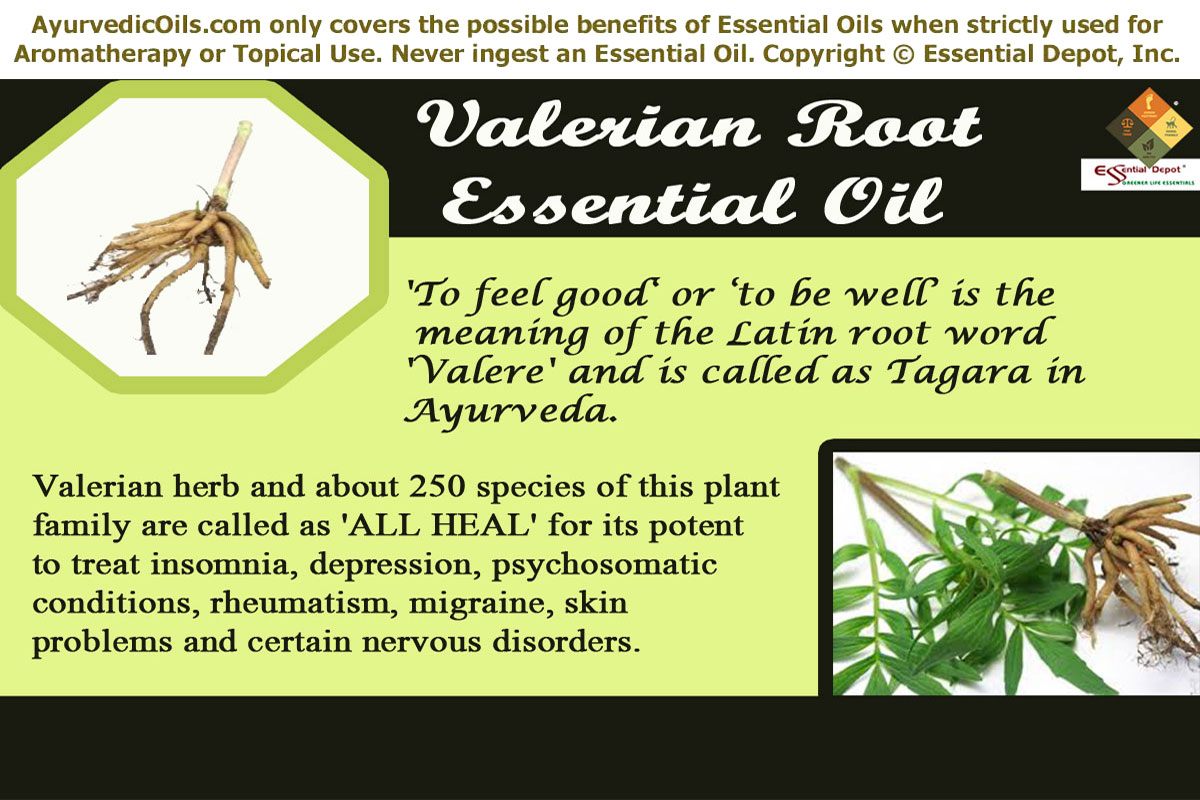
‘ALL HEAL’ is how the medicinal world calls Valerian herb and more than 250 species of this plant variety. This name was derived from the Latin word ‘Valere’ meaning ‘to feel good‘ or ‘to be well’.

Valerian root--bannerYes! You might have now known why this therapeutic herb is celebrated all through these years in treating a wide range of illnesses since the 2nd century A.D. In this context we are going to travel around the enormous health benefits of the species Valeriana Wallichii also known as Indian Valerian and is indigenous to India and is cultivated all around the world.

The most popular one among this family Valerianaceae is Valeriana Officinalis, which is native to Europe and North America but Valeriana Wallichii is used as an effective alternative to V. Officinalis with more or less the same healing values.

This herb is commonly known as Tagara in the Ayurvedic world of medicines. Ayurvedic texts suggest the use of Valerian root and the essential oil extracted from this root to treat an extensive range of illnesses including insomnia, skin problems and certain other nervous disorders. Valerian is listed as ‘Generally Recognized As Safe” by the United States Food and Drug Administration and has been approved as an effectual mild sedative by German’s Commission E.

Purchase Valerian Root Essential Oil – Wholesale – CLICK HERE

Historical uses of Valerian root:

Aelius Galenus, the popular Roman physician, philosopher and surgeon prescribed Valerian root for treating insomnia. Valerian tea was prescribed to treat a sick woman by Pilgram Marpeck, the Anabaptist reformer in the sixteenth century.

Dioscorides, the renowned Greek physician recommended this herb for the treatment of digestive disorders, urinary tract infections, heart palpitations, epilepsy and few other skin problems. Hippocrates, the father of western medicine also suggested Valerian root as an effective anti-depressant and as a remedy for treating insomnia.

During the medieval times in Sweden, this herb was said to be placed in the wedding clothes of the bridegroom to keep away from the envy of the elves. Such a historical mark of this herb spread its use extensively as an efficacious sedative for nervous disorders, menstrual cramps, anxiety, behavioral problems in childhood, high blood pressure, irritable bowel syndrome, learning difficulties and few other health conditions. Valerian was also used in baths to alleviate pain and promote sleep for fibromyalgia patients.

Ayurvedic health benefits of Valerian root essential oil:

Valerian Wallichii is the popular species used in the Indian Ayurvedic system of healing mankind and is known as the major species of Valeriana genus. Valeriana Wallichii is used as a significant substitute for the European species Valeriana Officinalis and has been an important part of the traditional healing system for treating skin disorders, obesity, snake poisoning, sleep disorders and nervous problems.

Charaka, the Ayurvedic philosopher has named Tagara as Sitaprasamana meaning to relieve cold feeling of the skin. This herb is also known as Sirsa dosaghna, meaning treats the illnesses of the head; Chaksusya meaning effective for the eyes; Bhutapasmara nasan meaning a promising remedy for hysteria, epilepsy and certain other evil powers; Visaghna meaning a natural anti- toxin.

According to Ayurveda, human body is made up of three predominant doshas or individual body types namely vata, pitta and kapha where vata governs metabolism and is in charge of destructions and eliminations of the body, pitta controls reasoning capacity, digestion and body temperature and kapha is responsible for the shape and structure of your body and is accountable for the power to repair the imbalances of the body. According to Ayurveda, valeriana wallichii is an effective herb in treating vata, pitta and kapha imbalances.

Valerian root essential oil is known for its deep, rich, musky and woody aroma. The essential oil of Valerian root is said to have sedative, stimulant, anti-epileptic, stomachic, antispasmodic, analgesic, carminative, analeptic and nervine properties.

The major constituents of Valerian root essential oil are limonene, borneol, pienene, sesquiterpenes, nerolidol, p-cymene, valerone, malliol, valerenic acid and 1, 8-cineole.

The chief health benefits of Valerian root essential oil are:

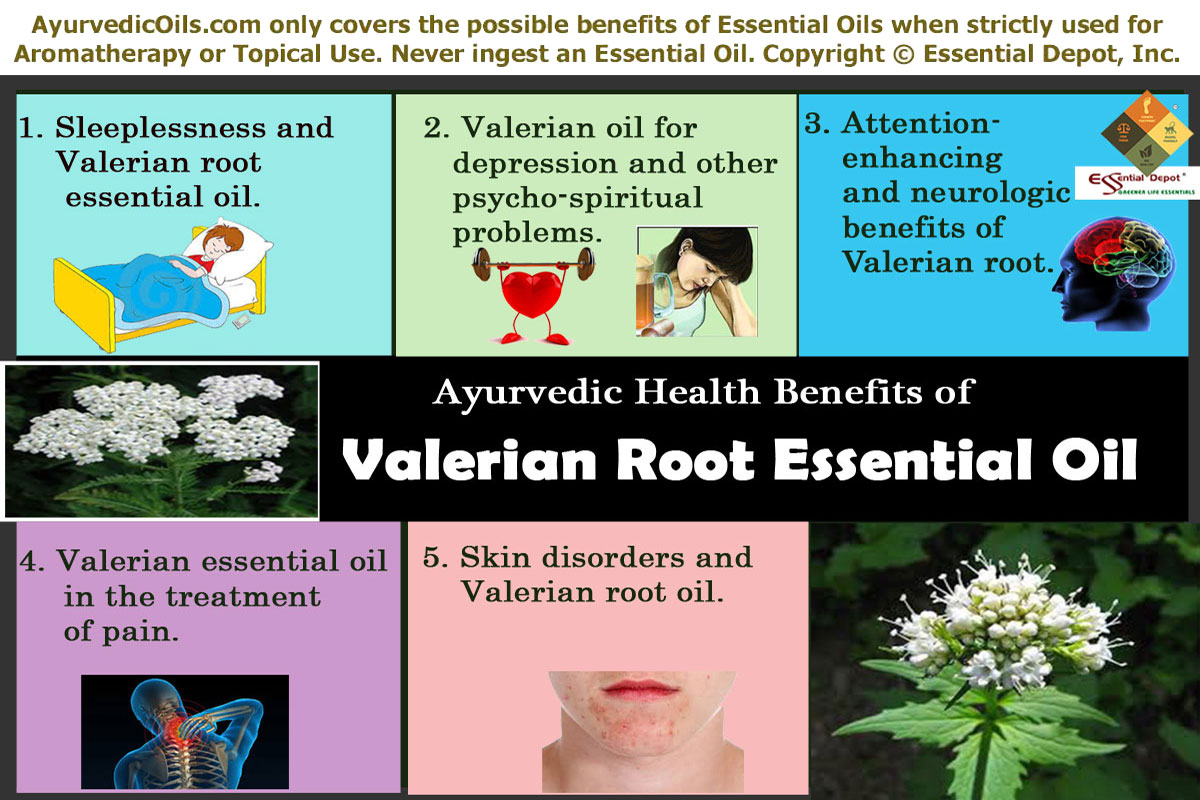
Valerian-root-broucher1. Sleeplessness and Valerian root essential oil:

The sedative property of this oil makes it a promising remedy for treating insomnia. Valerian is a well-known alternative to prescription drugs for sleeping disorders mainly because of its safe and gentle effects on the human body. Numerous studies have proved that Valerian aids people to fall asleep quicker and is also found that they have a quality sleep without any disturbances mentally.

Researchers also ensure that not like many over-the-counter sleeping pills, valerian have lesser side effects. Valerian root essential oil can be used by burning it in an aroma lamp before going to bed or used as soothing massage oil with tranquilizing carrier oils like coconut oil or by adding few drops to your bathing water in the evening.

2. Valerian oil for depression and other psycho-spiritual problems:

Renowned scientists trust that Valerian augments the amount of GABA in the brain where GABA is a chemical by name gamma aminobutyric acid. This chemical aids in promoting a calming effect on anxiety and control the nerve cells. The distinct aroma of this oil is trusted to combat seizures, anxiety, neuralgia, emotional stress, mental strain, depression, restlessness, tension and trauma.

Recent studies have proved the effectiveness of Valerian Wallichii essential oil as an effective anti-depressant and this ability to dispirit the central nervous system aids you in attaining deep hypnotic states. Tagara assists in discharging toxins from the nerves, joints, blood, colon and tissues and acts directly on the nerve channels.

3. Attention-enhancing and neurologic benefits of Valerian root:

It is a well-known fact that numerous herbalists and physicians use preparations containing Valerian essential oil in the treatment of many psychosomatic problems, peripheral, central and autonomic nervous system conditions. The attention-enhancing property of this herb has made some German physicians to use Valerian root to treat ADHD, attention deficit hyperactivity disorder in children.

4. Valerian essential oil in the treatment of pain:

According to the PMDD information blog that talks about preventing and treating severe premenstrual syndrome, valerian root is an effective natural remedy for treating PMDD problems and dysmennorhea. It is also said that the anxiety and sleeping difficulties due to premenstrual concerns can be easily treated by using this herb.

Valerian root essential oil also aids in treating migraine pains, gout pains, rheumatism and headaches due to cold. With its antispasmodic properties, this oil is also used widely in the healing of muscular spasms. Charaka Samhita says that the best way to keep away from pain and get a peaceful sleep is to take a warm, relaxing bath before bed. Adding 2 to 3 drops of Valerian oil to your bath tub can help you fight against most of your painful conditions effectively.

5. Skin disorders and Valerian root oil:

Few drops of Valerian essential oil added to your skin cream can help in treating dry scaly skin. The antibacterial properties of this oil is helpful in the remedy of burns, cuts, wounds, open sores, eczema, bruises, psoriasis, itchiness, boils, acne, scars, insect bites, stings etc. You can apply this oil externally on the affected area after blending it with your favorite carrier oils or to your skin care cream. The soothing effect of this oil will calm and cool your skin instantly.

6. Other health benefits of Valerian root essential oil:

Valerian root essential oil is a valuable remedy for treating vata disorders like facial palsy, flatulence, and paralysis. This oil is also effective in lessening kapha imbalances and is used as a natural remedy for treating asthma, whooping cough and certain other respiratory infections. The carminative and bitter properties of this oil assist in stimulating the appetite and treat indigestion and few other digestive problems like constipation, diarrhea and digestive ulcers.

Except for its pungent odor, nothing else can stop you from using Valerian root essential oil to enjoy its greater natural health benefits.

Disclaimer: Do not ingest Valerian root essential oil unless suggested by your Certified Ayurvedic Practitioner.

Thought for the day:

There is new life in the soil for every man. There is healing in the trees for tired minds and for our overburdened spirits, there is strength in the hills, if only we will lift up our eyes. Remember that nature is your great restorer.                                                      – Calvin Coolidge

Suggested Reading:

  1. Valerian: The Genus Valeriana (Medicinal and Aromatic Plants – Industrial Profiles) From CRC Press
  2. Valerian: The Relaxing Herb (The Herbs and Health Series) By Christopher Hobbs
  3. Kava Kava, Valerian, Nervine Herbs (Woodland Health) By Rita Elkins

Reference Links:

  1. Valerian by Kathi J. Kemper, MD, MPH – The Longwood Herbal Task Force and The Center For Holistic Pediatric Education and Research
  2. Valerian (herb) by Wikipedia
  3. Valerian by University of Maryland Medical Center

Tuberose Absolute Oil

Tube-rose-bannerWhat more is needed to prove the mesmerizing aroma of Tuberose oil when it has the word ‘rose’ as a part of its name? Yes! Tuberose absolute oil is one such mythological oil known for its magnificence, floral and sensual aroma. Popularly known with various names like ‘The Mistress of the Night’, ‘Night Queen’ and ‘Raat Ki Raani’ in Hindi, this flower is said to rule the silence of the twilight with its irresistible fragrance.

Ayurveda, the ancient system of healing humanity employs natural remedies to empower the five senses such as smell, touch, taste, sound and colors for harmonious living. With smell being the primary one this ‘Mother of all healing sciences’ use aromatics to heal and prevent illnesses.

This is the major reason for using incense, flowers, attars, fragrance oils and aromatic essential oils during prayers, spiritual gatherings and meditation. Tuberose oil has been used in making attars that are apprehended in high regard in Ayurvedic medication for their ability to strengthen the mind and enhance the emotional stability.

Purchase Tuberose Absolute – 5% Dilution in Pure Jojoba – 4oz – CLICK HERE

Historical uses of Tuberose Absolute Oil:

Botanically known as Polianthes tuberosa, this plant is a member of the Amaryllis family and is indigenous to Central America. The early Aztec healers called Tuberose absolute as omixochitl, meaning bone flower mainly because of its radiant white and waxy flowers that stood stiff and strong just like bones.

It is also known as the favorite flower of the Mexicans and it was added to chocolate drinks. In certain cultures unmarried girls are advised not to smell the fragrance of Tuberose absolute flowers after sunset, due to its strong aphrodisiac properties.

Tuberose flowers are a vital part of the traditional Hawaiian weddings where these flowers are intermingled with Plumeria flowers for an elegant, rich, exquisite and an aromatic wedding garland.

The brides of Hawaii wear Haku meaning a wreath around their crown, which is made up of Tuberose flowers and pikaki. This is mainly to bring joy, harmony and intimacy as well as to give a great start to the newly married couple. The ancient Victorians attributed the fragrance of Tuberose flowers to sensual and voluptuous qualities and on the other hand certain Victorians also called Tuberose as funeral flower.

Ayurvedic benefits of Tuberose Absolute Oil:

Tuberose absolute is called as Rajnigandha in Ayurveda meaning ‘night fragrance’. The flowers of this plant bloom during the night time and release their scent for attracting the attention of nocturnal moths for pollination. Just like Jasmine, tuberose also has a strong floral scent that is effective even hours after plucking it.

Essential oils have been used for their aroma and therapeutic values by priests, devotees and worshipers to draw the attention of Gods, Goddesses and Spirits, to ward off evil powers and to sanctify the places of worships. In this way, the aroma of Tuberose absolute oil with Venus as the guiding planet is said to be the blessed oil to Maya who is respected as the origin of Gods.

This oil was also used in the primordial times for opening the heart chakra, capturing compassion, vision, love, psychic sensitivity, creativity and trance work.

Ayurveda’s use of aromatics as an aphrodisiac, stimulant, sedative, calmative and as a natural remedy for various psycho-spiritual conditions is well-known. According to Ayurveda, the aroma of Tuberose absolute oil is said to open the crown chakra, which is responsible for augmenting creative powers, peacefulness of the mind, intensify the emotional powers and strengthen the psychic potential.

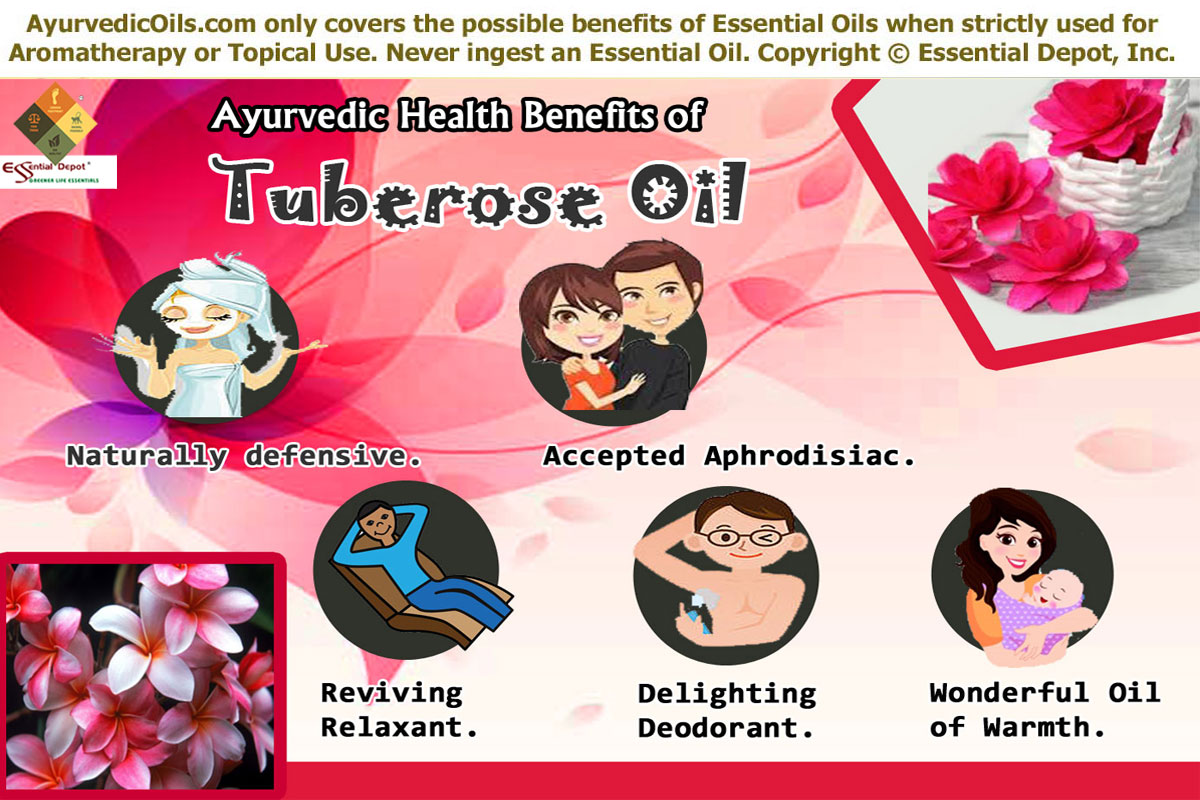
The predominant Ayurvedic benefits of Tuberose absolute oil are:Tube-rose-broucher1. Naturally defensive:

The sweet-smelling oil of Tuberose flowers is proven to possess anti-bacterial and anti-fungal properties, making it as one among the perfect medicated oil for use. A prominent study on ‘Antibacterial Activity of Essential Oils from Palmarosa, Evening Primrose, Lavender and Tuberose’ proved that Tuberose absolute oil was effective in treating gram positive and gram negative bacteria.

Another study on ‘Anti-fungal activity of tuberose absolute and some of its constituents’ proved that the three constituents present in Tuberose absolute namely indole, geraniol and methyl anthranilate revealed effectiveness against the mycelia growth of Colletotrichum gloeosporioides on potato-dextrose-agar medium.

2. Accepted Aphrodisiac:

Tuberose absolute oil is a time-honored aphrodisiac with narcotic properties. This is proven with its romantic name ‘Fragrance of the night’, ‘Night Queen’ and certain others. Inhaling the aroma of this mind-blowing oil or taking a fragrant warm bath before bed with 2 or 3 drops of Tuberose absolute oil added to your bathing water can do the magic for you.

This is done by the function of the aromatic compounds that reaches the limbic system of your brain through your nasal passages. This part of the brain is responsible for controlling emotions, sexual feelings and stimulating your system.

The warm, floral, deep, honey-like aroma encircles your room and your mind, leaving behind a perfect ambiance for love. The therapeutic properties of this oil enhances blood circulation of the body and assists in treating lack of libido, erectile dysfunction and lack of sexual interest. It grants you complete repose and is also said to treat frigidity and impotence due to lack to sexual health and drive.

3. Reviving Relaxant:

The pleasing and satisfying aroma of this oil aids in relieving tension, stress and anxiety. Experiencing the tranquilizing fragrance of this oil relaxes the nerves and muscles, soothes the senses and appeases the brain. This assists in alleviating anger and other negative feelings by intensifying your emotions and granting peace of mind.

4. Delighting Deodorant:

The long-lasting fragrance of Tuberose absolute oil makes it a perfect pick for dealing with problems like body odor due to the presence of bacteria in the sweat especially in tropical countries. It is for this unique reason, tuberose absolute oil has been in use in the perfume industry for ages together.

The most celebrated perfumes with the notes of Tuberose absolute oil are Fracas de Robert Piguet, April Aromatics from Natural Perfumer Tanja Bochnig, Nasomatto Narcotic Venus, Forbidden with tuberose and wormwood, Tallulah, Christian Dior Poison, Creed Tubereuse Indiana, Chanel Gardénia, Les Parfums de Rosine Mea Culpa and much more.

5. Wonderful Oil of Warmth:

The warming quality of this oil stimulates blood circulation and helps you in keeping your body warm by granting sufficient heat to your body. This gives you a feeling of security as it is trusted to embrace the person who wears it. Using this oil in your massage blend aids you in managing cold during winters, treats cracks on dried skin, protects the respiratory system and prevents the formation catarrh and phlegm.

Tuberose absolute oil also has sedative, anti-inflammatory and anti-spasmodic properties that aids in treating muscular pains, spasms, skin infections, nausea and certain other health conditions. You can also use it as a soothing massage oil by adding 3 to 4 drops of Tuberose oil to your favorite carrier oil like jojoba oil and enliven your senses with a warm massage.

For your information: It approximately requires 3500 pounds of handpicked Tuberose flowers to extract 1 pound of Tuberose absolute oil and this noteworthy reason makes it the most expensive oil on this universe. Unlike other essential oils, tuberose oil is not extracted through steam distillation process as it cannot withstand high temperatures and it is extracted by enfleurage, which is a gentle but labor intensive process.

Disclaimer: This information is only for educational purposes and is not deliberated to diagnose any health condition. Essential oils are highly concentrated liquids and never take them internally without the guidance of your Ayurvedic Practitioner. Blend essential oils with appropriate carrier oils before using them topically and keep away from children.

Thought for the day:

One touch of nature makes the whole world kin.  –William Shakespeare

Suggested Reading:

  1. 375 Essential Oils and Hydrosols by Jeanne Rose
  2. Creating Fairy Garden Fragrances: The Spirit of Aromatherapy by Linda Gannon
  3. The Illustrated Encyclopedia of Essential Oils: The Complete Guide to the Use of Oils in Aromatherapy & Herbalism by Julia Lawless

Reference Links:

  1. Antibacterial Activity of Essential Oils from Palmarosa, Evening Primrose, Lavender and Tuberose by PubMed
  2. Tuberose A Treasure by Jeanne Rose
  3. Tuberose: Perfume Ingredients and Notes by Bois de Jasmin

Tomar Seed Oil

With the botanical name Zanthoxylum armatum, the Winged Prickly Ash tree is a member of the Citrus family Rutaceae. Tomar tree is indigenous to Eastern Asia to China along the Himalayas and few other parts of India. The essential oil is extracted from the seeds of this tree through steam distillation method. The naturally spicy, warm, woody, peppery, rich and floral aroma has made its use remarkable since the pre-historic period.

Ayurvedic system of natural healing has used Tomar seeds for treating numerous health conditions including oral problems and this is the main reason why this tree has been named as Toothache tree. This is a proven fact and is in practice even in today’s contemporary living. Popular Indian Ayurvedic toothpaste like Dabur Red toothpaste has Tomar seeds for its antiseptic and odor fighting potential along with other powerful herbs like pippali, kashni, lavanga, sunthi, pudina, maricha, karpoora, and hareetaki.

Purchase Tomar Seed Oil – Wholesale – CLICK HERE

Tomar tree is also known with other popular names like Toothache tree, prickly ash, suterberry, yellow wood, tumbru, darmar, tumru, timroo, tejphal and mukthrubi. The most common synonym for Zanthoxylum armatum is Zanthoxylum alatum. Tomar seed oil is pale yellow in color with an energizing aroma for which it has been mainly used in the making of apothecary perfumes, incenses, colognes, forest notes and certain other high class floral compositions.

Traditional uses: The time-honored use of Tomar tree includes its use by various communities across the globe. The social and ethnic groups in the Uttaranchal Himalaya use Zanthoxylum armatum for medicine, food and barter.  This tree is regarded to have religious importance and magical powers. Every part of the tree including the fruits, bark, stem and fresh leaves are used for various purposes. The decoction extracted from the bark or fruits or seeds of this tree were used as a sweet-smelling tonic for treating cholera, dyspepsia and fever.

Timur fruits are used as spices, condiments, medicine and as flavoring agents for soups and many other conventional dishes. It is used as a trusted remedy for treating cough, stomach problems, common cold, toothache and fever. It is also said that the Sino-Annamites used the fruits and leaves of this tree as emmenagogue, astringent and carminative. The branches of this tree are used as a natural toothbrush. A fresh or dried Tomar fruit is kept on the affected tooth for curing toothache instantly.

Ayurvedic health benefits of Tomar Seed Oil: Ayurveda strongly believes that human beings are a part of nature and the remedy for their illness should also be from nature. Ayurvedic principles state that the universe is made up of five elements like fire, water, earth, air and ether. Human body also has these five fundamental elements as a combination of doshas or the individual body types namely vata, pitta and kapha. A healthy lifestyle and harmony with nature’s law of living aids an individual to live a long, healthy and harmonious life according to Ayurveda.

This spiritual science also states that health is a combination of physical, mental and spiritual well-being and any disease is an indication that the body is in disharmony with nature. The most stunning fact about Ayurveda is that it treats the individual as a whole instead of the disease alone. It supports this common sense science to identify the root cause of an illness and treat it naturally and prevent it in the future also.

Ayurveda states that the tree of Tomar known as Tumburu or Gandhalu in the Ayurvedic world is yet another significant gift of nature to mankind. The essential oil extracted from the seeds of this tree are said to have healing properties like antiseptic, hepatoprotective, stomachic, disinfectant, deodorant, anthelmintic and carminative.

Effectiveness in treating hepatic diseases: Human liver is the major organ for governing the process of metabolism, excretion and certain other physiologic activities of the body. The most common disorder that affects the liver is hepatic diseases. Such hepatic damages are mainly due to toxins in the food, pharmaceuticals like CNS active agents and antibiotics, peroxides in edible oils, hepatotoxic chemicals like alcohol and certain other environmental pollutants. Ayurvedic medication has explored numerous natural remedies for treating liver diseases, which are still in use in many parts of India since centuries. When compared to modern medications like immunosuppressive agents and corticosteroids, these natural Ayurvedic remedies are claimed to grant better relief in a longer run.

Tomar seed oil is said to possess antioxidant properties and it also contains phenolic compounds. It is a proven fact that plants that contain antioxidant property is also said to exhibit hepatoprotective action. A renowned study on ‘Hepatoprotective Effect of Zanthoxylum armatum DC’ proved that the presence of ethanolic extracts in Zanthoxylum armatum showed hepatoprotective effect against liver damage by regularizing the increased levels of the hepatic enzymes and showed shielding effect on the plasma membrane of hepatocytes. This proved the effectiveness of using this herb in Ayurvedic treatment for liver disorders.

Natural insecticide: The essential oil of Tomar seeds yielded nearly 28 compounds and the major ones being monoterpenes and oxygenated monoterpenes. This oil also showed antifungal properties against 24 different fungi. It also exhibited repellent and larvicidal activity against three mosquito vectors, proving it as an effective natural alternative to chemical larvicides.

Other health benefits: This oil was trusted to give warmness to the body and was recommended for treating ailments like rheumatism, bronchitis, indigestion, asthma, varicose veins, toothaches and cholera. It was also proved that Zanthoxylum armatum showed spasmolytic effects that make it a natural remedy for treating cardiovascular, respiratory and gastrointestinal disorders. Another research published in PubMed evidenced the antioxidant, antifungal, antiaflatoxin activity of this essential oil. Tomar seed oil has also been used as a gentle massage oil blended with carrier oils like coconut oil to treat fibrositis, rheumatism, leg cramps, varicose veins and certain other skin problems. It is also said to stimulate the mucous membranes, lymphatic system and promote blood circulation.

Disclaimer: All essential oils are highly concentrated liquids and applying them directly on your skin or taking it internally is not advisable unless and otherwise recommended by your Ayurvedic practitioner as per your health conditions.

Thought for the day:

Nature goes her own way, and all that to us seems an exception is really according to order. – Goethe

Suggested Reading:

  1. The Illustrated Encyclopedia of Essential Oils: The Complete Guide to the Use of Oils in Aromatherapy & Herbalism by Julia Lawless
  2. The Complete Book of Essential Oils and Aromatherapy: Over 600 Natural, Non-Toxic and Fragrant Recipes to Create Health – Beauty – a Safe Home Environment by Valerie Ann Worwood
  3. The Aromatherapy Bible: The Definitive Guide to Using Essential Oils by Gill Farrer-Halls

Reference Links:

  1. Traditional Uses and Conservation of Timur (Zanthoxylum armatum DC.) through Social Institutions in Uttaranchal Himalaya, India by Conservation & Society Journal
  2. Hepatoprotective Effect of Zanthoxylum armatum DC by the Institute of Pharmacy and Emerging Science
  3. Safety assessment of Zanthoxylum alatum Roxb. essential oil, its antifungal, antiaflatoxin, antioxidant activity and efficacy as antimicrobial in preservation of Piper nigrum L. fruits by PubMed
  4. Chemical composition and larvicidal activities of the essential oil of Zanthoxylum armatum DC (Rutaceae) against three mosquito vectors by National Institute of Malaria Research

Thyme Essential Oil

Fall in love with Thyme essential oil if you love Mother Nature and trust its innate wisdom of healing. Thyme is such a galvanizing herb and has its use etched in the history of various parts of the universe. When I started with this post, I was just hit with an important term that Thyme is often referred to and that is ‘Mother of Thyme’.Thyme-oil-bannerThis phrase brings out the significance of Thyme in both the conventional and contemporary medicinal practices, chiefly for addressing gynecological problems. Greeks named this plant as thyme meaning ‘to fumigate’, mainly because of its invigorating aroma and it is also said that this name is extracted from the Greek word ‘thumus’ denoting courage.
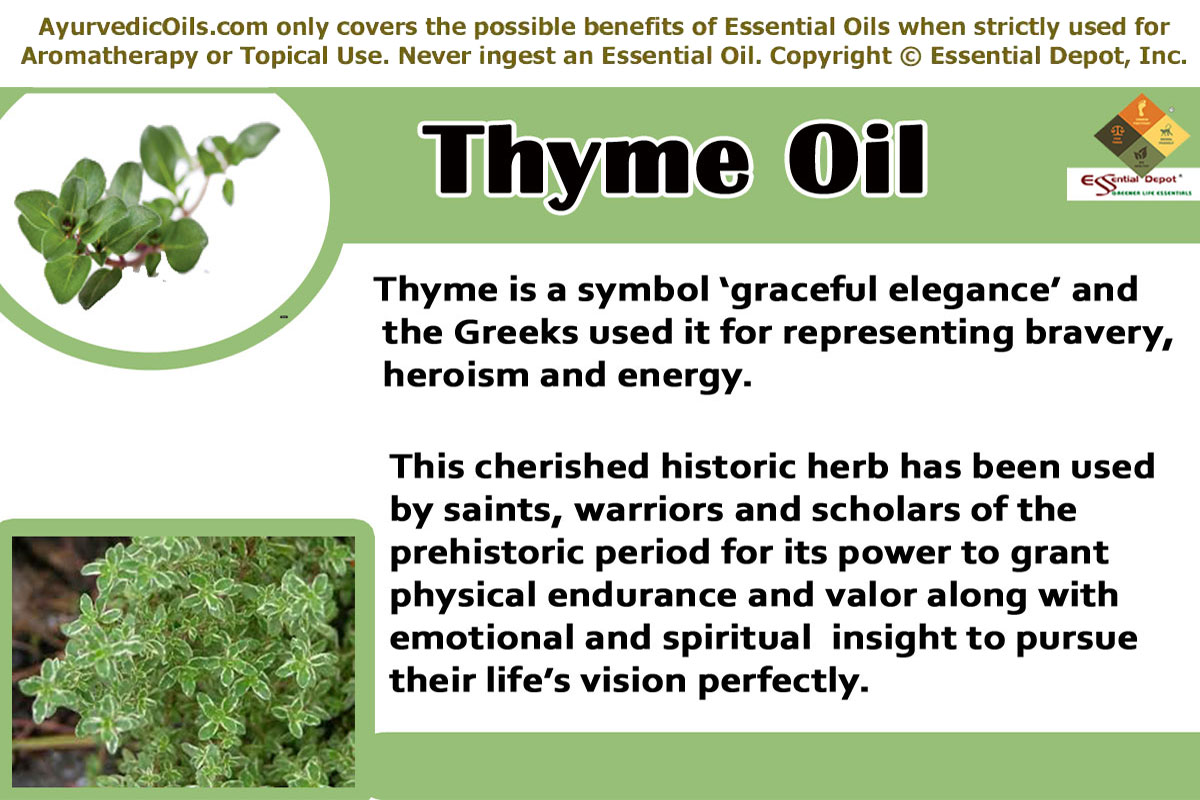
Apart from its use as a culinary herb, thyme and its essential oil has been in use for more than thousands of years, where the ancient Ayurvedic philosophers explored every essence of this powerful herb in treating an extensive range of illnesses naturally.

Saints, warriors and scholars of the prehistoric period valued Thyme for its power to grant physical endurance and valor along with emotional and spiritual insight to pursue their life’s vision perfectly.

Purchase Thyme Essential Oil – Retail – CLICK HERE

Purchase Thyme Essential Oil – Wholesale – CLICK HERE

Historical Uses of Thyme and its essential oil:

History has a cluster of pages talking about the curative powers of Thyme. Almost all the continents of this world from Antarctica to Australia have used thyme for its impressive medicinal values.

Ayurveda, the science of life suggested the use of thyme for its expectorant, astringent, anti-microbial, antiseptic, antispasmodic and anti-inflammatory properties. The ancient texts of Ayurveda suggests thyme for treating respiratory problems, headaches, halitosis, spasms, colic, dental disorders, gastrointestinal problems and few others.

Ebers Papyrus, the oldest Egyptian medical text which dates back to 1550 BC has recorded the healing values of thyme. The ancient Greeks offered thyme as a sacred herb to Adephaghia, the Greek Goddess of food and good eating.

Thyme was also burnt in Greek temples for sanctifying and purifying the environment. According to Greeks, thyme signified ‘graceful elegance’ and represented bravery, heroism and energy.

Bible honors thyme as the lining for the manger, which was the bed of Jesus Christ at the time of birth. European Pharmacopeia recommends the use of this herb for healing upper respiratory congestion and coughs.

Africans use thyme for its tranquilizing properties. It was in use in traditional Jamaican medicinal system to induce labor and support child birth, attributed to the emmenagogue properties of thyme. In southern France, thyme was honored as a sign of extreme Republicanism.

Nicholas Culpeper, the renowned English Botanist recommended thyme for treating musculoskeletal problems, warts, ophthalmic problems and certain other illnesses. He said Thyme isa noble strengthener of the lungs, as notable a one as grows, nor is there a better remedy growing for whooping cough.

It purges the body of phlegm and is an excellent remedy for shortness of breath. It is so harmless you need not fear the use of it. An ointment made of it takes away hot swellings and warts, helps the sciatica and dullness of sight and takes away any pains and hardness of the spleen: it is excellent for those that are troubled with the gout and the herb taken anyway inwardly is of great comfort to the stomach.”

The primeval Sumerians, Assyrians and Babylonians have used thyme before 5,000 years and the traditional food known as Zaatar in the Middle East countries contains thyme and is popular for its curative values.

Ayurvedic health benefits of Thyme essential oil:

Ayurveda, the oldest of all healing sciences on earth trusts on natural herbs including aromatic plants for healing human health conditions. It is known for its use of aromatics in treating numerous illnesses ranging from insomnia to bipolar disorders.

This healing power by using aroma is connected to the limbic system, which is known as the ‘center of control’ of the human brain. Another celebrated Ayurvedic therapy of healing is Abhyanga, the art of Ayurvedic massaging.

Ayurvedic texts strongly recommend massaging with therapeutic essential oils for relaxing the mind, strengthening the immune system and helping the system to strike perfect balance with nature.

Essential oils are extracted from plants. They are pure, free of chemicals, highly concentrated and contain the real essence of the plants from which they are extracted. Thyme essential oil is extracted from thyme herb, botanically known as Thymus vulgaris. The most significant constituent of thyme essential oil contributing to its healing properties is thymol.

The major Ayurvedic health benefits of thyme essential oil are:
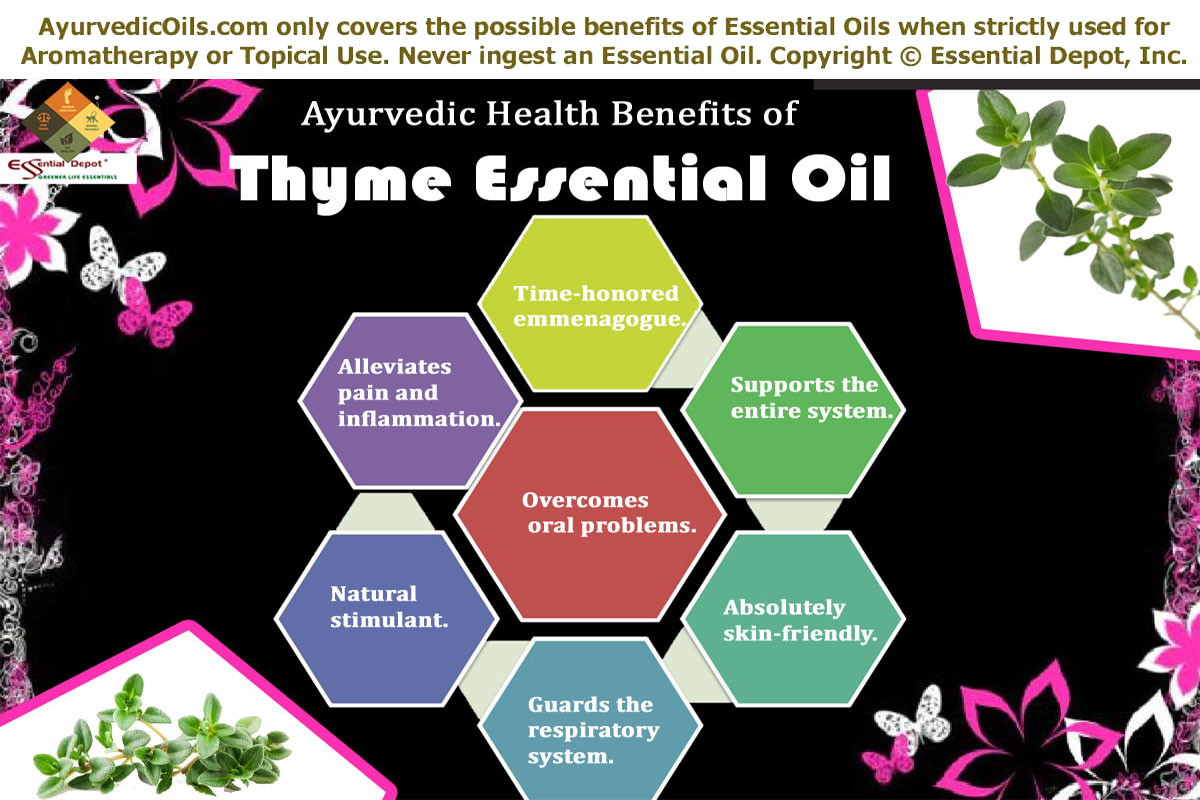
Thyme-oil-broucher1. Time-honored emmenagogue:

The oil of thyme is regarded as a natural remedy for handling womanly problems in a gentle manner. Historical references report the use of thyme for inducing labor, encouraging easy child birth, irregular periods, obstructed menstruation, treating pains, depression, fatigue and nausea associated with menstruation. This is mainly because thyme oil stimulates the production of estrogen hormones in women, which is responsible for reproductive health.

Massaging a blend of 3 drops of thyme oil with 2 teaspoons of sesame oil gently on the abdominal area can grant relief from severe pain and foster blocked menstruation. 2 drops of Thyme oil can also be added to your bathing water for giving a refreshing start to the day and for alleviating fatigue. It can also be used in your diffuser for soothing your senses especially during the night time for a peaceful and relaxed sleep.

2. Overcomes oral problems:

Ayurvedic Vaidyas strongly recommended thyme oil for treating oral problems like bad breath or halitosis, gingivitis, plaque and tooth decay. Thyme essential oil is known as a powerful germ-killer with its antibacterial and antiseptic properties. This is the main reason for the use of thyme oil in many popular mouthwashes like Listerine and certain other oral cleansers.

Thymol, the active constituent in thyme oil along with chlorhexidine is used as a dental varnish for treating and preventing tooth decay. Thyme oil is an important ingredient in popular toothpaste and liniment brands in the market for these special reasons. Adding 1 drop of thyme oil to a cup of warm water can serve as an effective mouth gargle in the morning for treating oral problems.

3. Absolutely skin-friendly:

The presence of caryophyllene and camphene components in Thyme essential oil contributes to its antiseptic and antibacterial properties. It helps in protecting the skin from harmful bacterial and fungal infections while effectively aiding in healing burns, wounds, eczema, dermatitis, psoriasis, rashes, cuts and sores. Thyme essential oil helps in keeping the skin free from marks, wrinkles and certain other symptoms of aging.

Scars and marks after surgeries, accidents, acne, chicken pox, measles and even stretch marks fade on eventual cosmetic application of thyme oil on the affected areas after blending it with mild carrier oils like almond oil. You can add few drops of thyme oil to your regular face wash for better results as thyme oil has excellent skin-cleansing properties.

4. Guards the respiratory system:

Thyme essential oil protects the respiratory system from various infections and is a trusted Ayurvedic remedy for treating prolonged coughs and cold. The essential oil of thyme acts as a powerful cough suppressant by checking the coughing spasms.

The presence of thymol strengthens the immune system and makes the body defensive against respiratory infections. The warming nature of this oil helps in clearing congestion and breaking up mucous and phlegm. 2 drops of thyme oil added to hot water for steam inhalation can open blocked nasal passages and soothe the respiratory system.

5. Natural stimulant:

It stimulates the functions of the liver and digestive system. Thyme essential oil acts as a tonic for the liver, nervous system, circulatory system and muscular system. This oil assists in treating dyspepsia, gastric formation, heartburn, stomach upset, cramps, nausea, headache and lack of sleep associated with digestive disorders. Intestinal worms like tapeworms, hook worms and round worms can also be discarded with the vermifuge properties of thyme oil.

6. Alleviates pain and inflammation:

Just like Eucalyptus oil, thyme oil is also an effective pain relieving oil by suppressing the inflammatory COX-2 enzyme. A 2012 study on ‘Effects of Thymol and Carvacrol, Constituents of Thymus vulgaris L. Essential Oil, on the Inflammatory Response’ proved that the anti-inflammatory property of thyme oil is attributed to the rich presence of monoterpene phenols like thymol and carvacrol constituents present in this oil. This makes thyme as an effective pain relieving massage oil in alleviating rheumatic pains, muscular aches, bruises, nerve stimulation, migraine headaches and skin inflammation.

7. Supports the entire system:

Thyme essential oil supports the entire body from head to toe and it is proven effective in treating hair loss, head lice, swelling, throat pain, sciatica, low blood pressure, convulsions, colic, bed-wetting, gout, diarrhea, athlete’s foot etc. This oil is also said to have antioxidant and antiviral properties.

It acts as an effective diuretic and helps in alleviating the toxins from the body through urine. Thyme essential oil is extremely beneficial for the heart as it fortifies the cardiac muscles and enhances blood circulation. Inhaling the aroma of thyme essential oil stimulates the mind, improves concentration and uplifts the spirit.

And now, you would have realized why I wanted you to fall in love with Thyme essential oil. Let me start. Thyme…. I love you.

Disclaimer: Pregnant women, breastfeeding mothers and children below 2 years should not use this oil. Do not ingest essential oils as they are highly concentrated and do not apply them directly to your skin unless it is recommended by your Ayurvedic Practitioner.

Thought for the day:

Adopt the pace of nature: her secret is patience.   –Ralph Waldo Emerson

Suggested Reading:

  1. The Healing Intelligence of Essential Oils: The Science of Advanced Aromatherapy by Kurt Schnaubelt
  2. Ayurveda & Aromatherapy: The Earth Essential Guide to Ancient Wisdom and Modern Healing by Dr. Light Miller, Dr. Bryan Miller
  3. The Practice of Aromatherapy by Dr. Jean Valnet

Reference Links:
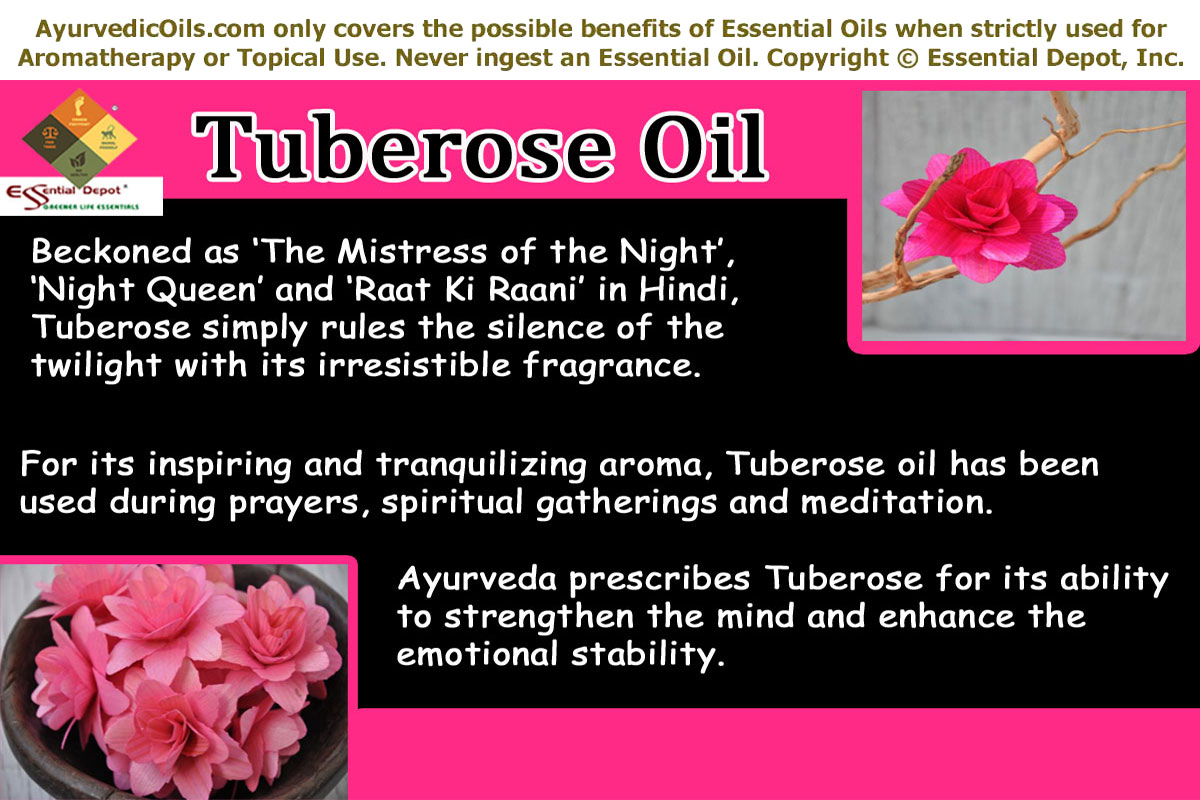
  1. Thyme in Medicine by Natural Standard the Authority on Integrative Medicine
  2. Effects of Thymol and Carvacrol, Constituents of Thymus vulgaris L. Essential Oil, on the Inflammatory Response by PubMed
  3. Thyme, Garden by Botanical.Com

Tarragon Essential Oil

Tarragon-bannerTarragon, indeed the ‘Little Dragon’, acts powerfully against a range of illnesses and this may be the reason behind this plant being called as the ‘King of herbs’ in France. It is botanically known as Artemisia dracunculus, where the Latin word Dracunculus means ‘Little Dragon’.

Ayurveda, the historic science of holistic healing is trusted to be in practice for more than 5000 years and is rightly called as the ‘Mother of all healing sciences’ for its astounding remedial practices.

The ultimate beauty of Ayurvedic treatment lies in the use of natural remedies like herbs and the essential oils extracted from those herbs. Tarragon essential oil has been used in Ayurvedic healing methodology for empowering the mind and strengthening the nervous system.

Purchase Tarragon Essential Oil – Retail – CLICK HERE

Purchase Tarragon Essential Oil – Wholesale – CLICK HERE

Historical uses of tarragon:

Tarragon and the essential oil extracted from its leaves have a long history and has its name etched in the medieval scripts as a potential therapeutic means. The ancient Greeks used this herb to get instant relief from toothache.

Traditional Chinese medicine used Tarragon for its antispasmodic, antiviral and antibacterial properties, believed to treat epilepsy, parasitic infections, arthritis, anorexia, sciatica, urinary infections and gastrointestinal problems. This herb was also used as an appetite stimulant and as an anticonvulsant by the prehistoric Iranian medical practitioners.

Ayurvedic texts talk about the use of Tarragon oil for treating insomnia, digestive disorders, hyperactivity and problems of the immune system. The Western herbal world suggests that Tarragon is effective in handling menopausal hot flashes and glucose levels in blood.

Primeval Asians used this herb as a potential natural remedy for treating dyspepsia in infants. The conventional French community trusted Tarragon tea to alleviate learning disorders and sleeping problems. It was also used as an antidote for treating venomous bites.

Ayurvedic health benefits of Tarragon essential oil:

With its spicy, sweet-anisic, herby and somewhat celery-like aroma, tarragon essential oil becomes vital in the Ayurvedic healing system that uses aromatics to cure the human mind and body. Ayurveda has classified human body based on three doshas or individual body types, namely vata, pitta and kapha.

Based upon this principle, every person is made up of a combination of these three doshas where one dosha stays predominant. This predominant body type determines an individual’s character, personality, likes and dislikes and physical characteristics. Ayurveda says that a person is said to be healthy when there is a balance between these three doshas and imbalance of which causes illnesses.

According to this principle, the heating and drying energies of Tarragon essential oil are considered as one of the magnificent oils for supporting vata conditions like constipation, bloating, irregular menstruation and improper blood circulation.

The sweet fragrance and the harmonizing effect of this oil make it a suitable application for all the three doshas. In Ayurvedic energetics, tarragon oil is regarded as a neutral oil which is neither wet nor dry.

Let’s have a look at the prominent health benefits of Tarragon essential oil.

Tarragon-broucher1. Backs arthritis and rheumatic disorders:

Vata is a major energy element among the three dosha types and it represents air. It regulates metabolism, circulation, functions of the nervous system, respiration, excretion and functioning of the human brain. Improper blood circulation and toxic accumulation in the body are the two major reasons behind arthritis and rheumatism.

Gently massaging your body with 3 to 4 drops of tarragon essential oil blended with mild carrier oils like coconut oil gives warmth to your body and aids in controlling vata imbalances like poor blood circulation, while promoting the discharge of toxic accumulations through urine with its diuretic properties.

You can also use Tarragon essential oil as a warm compress or add few drops to your bath tub for treating pain and inflammation associated with rheumatism.

2. Supports the digestive system:

Tarragon essential oil has been used by various primordial groups as an effective digestive aid mainly because of its vermifuge, carminative, stomachic, stimulant, digestive and aperitif properties. Major digestive problems like constipation, gout, flatulence, sluggish digestion, intestinal gas and few more occur mostly due to excess or insufficient vata in the body.

As tarragon essential oil has been proven effective in regulating vata imbalances, it is a perfect remedy for soothing the digestive system and increasing the appetite by promoting the secretion of digestive juices like bile and other digestive acids.

This aids in speeding up the process of digestion and treats constipation, sluggishness and formation of intestinal gas. Using tarragon oil as a massage oil (as a tummy rub) or in a hot compress or diluting few drops of this oil in your bathing water is said to support your digestive system and kill intestinal worms like hook worms and round worms.

3. Natural antibiotic:

Fresh leaves of Tarragon herb and the essential oil extracted from those leaves are said to contain eugenol compound. This compound is responsible for the antibacterial properties and is popularly known as an anesthetic with pain suppressing qualities.

It is the presence of the same eugenol compound that makes clove oil as a trusted remedy for toothache. The Wright State University website says that the eugenol compound inhibits the sensory receptors that are responsible for causing pain. Add 1 or 2 drops of tarragon oil to a cup of warm water and use it as a gargle for alleviating your toothache.

A research published in the Iranian Journal of Microbiology on the anti-bacterial activity of Tarragon essential oil proved that “Tarragon essential oil has an antibacterial effect on two important pathogen bacteria (S. aureus and E. coli) and can be applied as a natural preservative in food such as cheese”.

4. Proven antioxidant:

Dr. Jean Valnet talks about the effectiveness of using Tarragon essential oil for treating malignant problems like cancers and tumors. This is attributed to the anti-oxidant properties of Tarragon.

A study on the ‘Antioxidant activity of the essential oil of Artemisia drancunculus’ published in the Journal of Agricultural and Food Chemistry proved that Tarragon essential oil have antioxidant properties that aids in fighting against the free radicals that are often responsible for cataract and certain types of cancer. It is also said that Tarragon herb can assist in slowing down or preventing process of oxidation, which causes cataracts.

Apart from these health benefits, tarragon essential oil is also used as an effective emmenagogue in regulating blocked menstruation, treating abdominal pains, strengthening the immune system, inhibiting microbes causing body odor and for stimulating the entire system with the presence of vitamins and certain other phytonutrients. It is also used as a flavoring ingredient in many food varieties and as a fragrance component in perfumes, soaps and certain cosmetics.

Disclaimer:

This is only for your information and not for any medical administration. Do not take essential oils internally as it may cause serious illnesses. Always remember to use essential oils topically after diluting it in appropriate carrier oils. Avoid using Tarragon essential oil for children below 2 years and for pregnant women.

Thought for the day:

There is new life in the soil for every man. There is healing in the trees for tired minds and for our overburdened spirits, there is strength in the hills, if only we will lift up our eyes. Remember that nature is your great restorer.Calvin Coolidge

Suggested Reading:

  1. Ayurveda & Aromatherapy: The Earth Essential Guide to Ancient Wisdom and Modern Healing by Dr. Light Miller, Dr. Bryan Miller
  2. Artemisia (Medicinal and Aromatic Plants – Industrial Profiles) by Colin W. Wright
  3. The New Healing Herbs: The Essential Guide to More Than 125 of Nature’s Most Potent Herbal Remedies by Michael Castleman

Reference Links:

  1. Historical Uses of Tarragon by Natural Standard, the authority on Integrative medicine
  2. Essential oil of tarragon (Artemisia dracunculus) antibacterial activity on Staphylococcus aureus and Escherichia coli in culture media and Iranian white cheese by Iranian Journal of Microbiology
  3. Health Benefits Of Tarragon Essential Oil by Organic Facts

Tangerine Essential Oil

tangerine-bannerWho will hate the citrus, tangy, warm, refreshing and uplifting aroma of tangerine essential oil? Not many of us knew that this invigorating oil has a natural tonic effect on our digestive system and checks tension and stress. Indigenous to China, tangerine and the essential oil extracted from the peels of the tangerine fruit by cold press method has been a vital part of TCM (traditional Chinese medicine).

Ayurveda, the science or knowledge of life calls tangerine as Santra Sal and this fruit is highly regarded as a natural detoxifying agent, helping to eliminate the toxins known as ama from the human body. Elimination of toxins according to Ayurveda is the initial step for purifying the tissues, getting rid of toxic substances left by poor nutrition and disease, strengthening the immune system, augmenting mental clarity and nurturing the overall health condition of an individual.

Purchase Tangerine Essential Oil – Retail – CLICK HERE

Purchase Tangerine Essential Oil – Wholesale – CLICK HERE

Historical uses of Tangerine essential oil:

Tangerine has its birth recorded more than 3000 years ago and this is the predominant cause behind its popular use in the world of integrative medicine. More than the fruit, the external rind or the peel from which the essential oil of Tangerine is extracted is said to have enormous medicinal benefits.

The ancient Chinese philosophers used Chen Pi or tangerine peel to treat digestive disorders like vomiting, indigestion, diarrhea and stomach upset. It was trusted to increase the flow of liquids throughout the body. Chinese medicine call life force as Qi and tangerine peel is believed to control, reconcile and stabilize the flow of Qi.

The decoction extracted from tangerine peel was used in various medications for treating morning sickness in pregnant women, gout and sexual problems in men like premature ejaculation and impotence. Tangerine peel was an important ingredient in Chinese Dr. Huang’s internal injury poultice for treating inflammation, sports injuries, sprain and muscular problems. French and other European medical practitioners used tangerine essential oil for dealing with digestive problems in children and the elderly people.

Ayurvedic texts denote tangerine oil as one of the mildest essential oils that can be used by pregnant women also. It is used to detoxify the body, purify the soul and for tranquilizing the entire system. This was also mentioned in the book ‘Ayurveda and Aromatherapy’ where Bryan Miller and Light Miller said that Tangerine oil is one of the favorite oil of pregnant women and children because of its uplifting and soothing qualities.

Chemical constituents or Gas Chromatography Report (GC) of Tangerine oil:

According to the Gas chromatography report, Tangerine oil constitutes of 9 chemical components that contribute to its fragrance, therapeutic attributes, consistency and quality of this oil. Of which, Limonene contributes to the highest proportion of Tangerine oil with about 95.8% of its total composition.

Just click on:

I trust that this must certainly help you in getting to know the exclusive information about the prime chemical constituents of Tangerine oil.

The table crafted below clearly depicts the unique nature and contributions of these bio-chemical constituents to the healing magnificence of Tangerine essential oil.

tangerine-gct

Ayurvedic health benefits of Tangerine essential oil:

Ayurveda trusts in healing humanity through the use of five senses therapy namely the sense of smell, sight, touch, sound and taste. Besides treating illnesses, Ayurvedic methodology focuses on a disciplined lifestyle that would help in preventing illnesses.

Prana is the essence or life force of any living being on earth. The Vedic texts denote that essential oils were used as a part of Ayurvedic treatments trusting that essential oils, the vital life force or prana of plants will certainly aid in enriching the prana of human beings.

Among the three dynamic forces of nature or doshas namely vata, pitta and kapha that form the constitution of an individual, tangerine oil is said to benefit the vata and pitta doshas with its drying and cooling energies.

Let’s have a look at the Ayurvedic health benefits of Tangerine essential oil based on their usage.tangerinebroucher1. Abhyanga or the Ayurvedic massage therapy:

This treatment method falls under the sense of touch where the tissues of the body are maneuvered gently and firmly by hands, forearms, elbows, feet and few other effective massaging equipments. Ayurveda suggests the use of essential oils and certain other herbal oils, without which an Ayurvedic massage cannot be fulfilled.

The simple concept behind this healing methodology is that the therapeutic values of the essential oils used for massaging enter your body through the pores of your skin and deeply penetrates into your bloodstream. This way, a systematic massage with healing essential oils can have a positive effect on your mind, body and spirit.

Massaging with few drops of Tangerine essential oil blended with carrier oils like jojoba oil, almond oil or coconut oil can assist in healing numerous health conditions.

Calms your system:

Tangerine essential oil is a calming agent that is proven effective in relaxing your body absolutely. It treats mood fluctuations, assists nervous afflictions and completely pampers the troubled nervous system. Anxiety, stress, depression, pain, impulsive responses and emotional imbalances are controlled with its soothing and uplifting properties.

Boosts metabolism:

The stomachic and tonic properties of Tangerine oil supports in boosting the process of metabolism. It stimulates the proper flow of digestive juices ensuring appropriate secretion of bile and other digestive acids, aids in absorbing the essential nutrients from the food, heals irritation in the stomach lining and intestines and supports the entire process of digestion. For all these reasons the essential oil of Tangerine is used in relieving pain, treating ulcers, inflammation and wounds in the stomach.

Detoxifying agent:

Tangerine essential oil is an excellent detoxifier that facilitates in removing the toxic substances and other impurities in the body. The depurative property of this oil purifies the blood. It excretes the toxins and other harmful substances like pollutants, excess salt, uric acid and excess water in the body through urine, excreta and sweat.

Any human body free from toxic substances is the base for absolute health and grants complete newness to the aura. Tangerine essential oil is also efficacious in treating severe coughs, asthma, spasmodic cholera, convulsions, muscular cramps, spasms, severe pain and other breathing problems.

Repairs and replenishes the skin cells:

The active components and cytophylactic properties of Tangerine oil, makes it valuable in treating damaged tissues in the body. It promotes cell division and creation of new skin cells. This oil also aids in rejuvenating the existing cells and cure all kind of damages in the cellular system. This is why Tangerine essential oil is known as woman-friendly oil for treating stretch marks in pregnant women and other marks or scars due to accidents, obesity, acne etc.

2. A natural antiseptic:

Tangerine is one such mild essential oil that can be directly applied on cuts, wounds, sores and burns. The natural antiseptic values of this oil helps fight against the most harmful Staphylococcus Aureus bacterium, which is said to be responsible for wounds and infections to turn septic and contagious.  Applying tangerine oil directly on the affected areas or a mix of few drops of this oil to your skin care lotions or cream is known to thwart the growth of bacteria, check swelling and redness of the skin and speed up the process of recovery.

3. In vaporizers and burners:

Tangerine essential oil can be used in aroma lamps, vaporizers, burners and diffusers to lessen stress, grant relaxation, alleviate depression, pacify the nervous system, induce peaceful sleep, appease the respiratory system and boost the digestive mechanism. The aromatic compounds of this oil enter the body through the nasal passages and reach the limbic system of the brain, which is said to control the functions of the body and influence your feelings, desires, emotions, creativity and other vital actions.

4. In bath tub:

Add 2 to 3 drops of Tangerine essential oil to your bath tub especially in the morning. This is because the revitalizing and encouraging aroma of this oil fosters your energy level, increases blood circulation, treats digestive problems, supports the functions of the nervous system and can give a great start to your day.

5. As a captivating perfume oil:

The fresh and energizing citrus aroma of Tangerine oil will be cheering and comforting to your mind and senses. You can add few drops of tangerine oil to your perfume, detergent or fabric conditioner, handkerchief, pillows etc to embrace your mind, body and spirit flawlessly. Inhaling the aroma of Tangerine essential oil augments your body’s potential to retain oxygen and stay fresh and keyed up all throughout the day.

Tangerine essential oil is also a natural tonic with antioxidant properties and can boost the immune power, making your body resistant against infections and illnesses.

Disclaimer:

Tangerine essential oil is safe on skin and is also recommended for children and pregnant women but is said to show photo toxicity effect in certain skin types. Essential oils are highly concentrated liquids so consult your Ayurvedic practitioner before taking them internally or applying them directly on your skin.

The MSDS (Material Safety Data Sheet) of Tangerine oil is readily available for your enhanced safety and better usage.

Gas Chromatography Report (GC analysis) of Tangerine oil.

Thought for the day:

Look deep into nature, and then you will understand everything better.   -Albert Einstein

Suggested Reading:

  1. Tangerine peel: An entry from Thomson Gale’s Gale Encyclopedia of Alternative Medicine by Peter Gregutt
  2. An Aromatic Life: Natural Lifestyles using Essential Oils by Jen Gallagher
  3. Treatment Alternatives For Children by Dr. Lawrence Rosen, Jeff Cohen
  4. Between Heaven and Earth: A Guide to Chinese Medicine by Harriet Beinfield, Efrem Korngold

Reference Links:

  1. Tangerine Peel by AltMD Smart Alternatives
  2. Tangerine Oil by Yoga Wiz.com
  3. Health Benefits of Tangerine Essential Oil by Organic Facts

Save