Tag Archives: Ayurvedic oils for arthritis

Benzoin Resin Oil

Fixing up your skin setbacks, respiratory ailments and mental mayhems is just a few steps away, until you reach the sacred aroma of Benzoin essential oil. Blessed with a divine fragrance and handful of healing values, Benzoin has been in use since thousands of years as a holy aromatic agent in temples and other religious ceremonies.

Being a pacifying agent, Benzoin and its essential oil is said to have been used for soothing depression and treat skin disorders. Scientifically known as Styrax benzoin, it is also called as gum Benjamin or gum benzoin.

Used as a natural aid to heighten spiritual oneness and divinity, Benzoin resin was burnt by the ancient saints, Hindu priests and Buddhist monks during prayers and holy congregations.

It was used in various Complementary and Alternative Medicinal systems including Ayurveda, in the treatment of depression, wrinkles, congestion, sinusitis, bronchitis, tonsillitis, cough, flatulence, urinary tract infections, premenstrual syndrome, inflamed skin and impotence.

Historical uses and importance of Benzoin resin: Benzoin resin is extracted from the bark of numerous trees of different species in the Styrax genus. Indigenous to the Sumatra and Java islands in Indonesia, Benzoin gets its name from the Arabic word ‘Luban Jawi’, which means Frankincense from Java. The Benzoin tree grows up to a height of 12 meters and is also grown as an ornamental tree in Western Africa.

The crude Balsamic resin is extracted by tapping method, which is nothing but the process of cutting the bark of the tree for obtaining the resin, generally from a seven years old tree. The extracted resin is then left out for 3 to 4 months for drying and hardening. Benzoin resin essential oil is extracted from this resin through a solvent.

It was said that the ancient Egyptians and Chinese imported Benzoin resin via the Red Sea. As an excellent fixative that has the power to embrace the fragrance of many aromatic oils and perfumery ingredients, Benzoin essential oil is a common element in the perfume and incense-making industry.

Benzoin was used in the traditional Malayan civilization as a fumigation and incense, to keep away from evil spirits as well as for ritual uses. Predominantly used as incense for more than 3000 years, Benzoin resin has been powdered and blended with other aromatic items like cypress, pine, labdanum, juniper and galbanum. This blend is then made as cones and kept on the heads of the dancers of Egypt, says Papyrus records.

Queen Elizabeth I used the dry perfumes made with Benzoin and the first use of this enchanting fragrance factor in England is traced between the 15th and 16th centuries. The resin is popular as an incense in Western Catholic Churches and certain Orthodox Christian associations all over the world.

Benzoin resin is also used in the manufacturing of scented wooden chips known as Bakhoor in Arabic. It is also used as mixed resins along with other resins in Horn of Africa and other Arabian provinces. This sweet-smelling resin is burned on charcoal as incense especially during spiritual occasions in India and the Arabian countries of the Persian Gulf.

Chemical constituents and therapeutic properties of Benzoin resin oil: The key chemical components of Benzoin resin essential oil are benzoic acid, coniferyl benzoate, phenylpropylic alcohol, benzaldehyde, cinnamic acid, benzyl benzoate, vanillin and phenylethylene.

The most significant remedial attributes of this oil are antioxidant, antifungal, antibacterial, anti-inflammatory, anti-depressant, astringent, expectorant, disinfectant, antiseptic, anti-rheumatic, cordial, vulnerary, carminative, sedative, relaxant and deodorant.

Ayurvedic health benefits of Benzoin resin oil: Ayurveda embraces nature wholly and it is reflected in every single remedy it prescribes to mankind. This is the most valued attribute that has helped Ayurvedic healing survive and stay in the hearts of many across the globe.

With the immaculate meaning of ‘knowledge of life’, Ayur+Veda is the only healing system on earth that insists on self-awareness about one’s own health condition and individual constitution. This traditional wisdom of healing brings in that wakefulness,  where an individual understands that every human being is being created with all kinds of mental and physical abilities in a clear order.

Ayurveda helps in appreciating this uniqueness and leading a hale and hearty life in sync with nature, which is built with five fundamental elements. They are earth, water, air, space and fire. Everything on earth including the human body is made with these five elements, where the earth takes the form of muscles and bones, water represents blood, fire helps in the biological functions including metabolism, space is the soul that keeps us alive and air assists in breathing.

According to Ayurveda, every human being is a unique part of nature with a unique individual constitution. This constitution is known as Prakriti and is a combination of three biological elements called as doshas. They are vata, pitta and kapha. Every person has a predominance of any one of these doshas and it determines the traits, character and behavioral attributes of a person.

Ayurvedic remedies are based on the predominance of the doshas and the balance between them. Absolute health in Ayurveda is a sign of perfect balance between these doshas and illness indicates doshic imbalances. Ayurvedic healing techniques and medications aim at correcting the disparities between the doshas.

The major natural remedies prescribed in Ayurveda are herbs, plant essential oils, meditation, yoga, simple physical exercises, Ayurvedic routine, prayers and few other Ayurvedic techniques like Panchakarma or Ayurvedic detox, Abhyanga or Ayurvedic massage and Pranayama or Ayurvedic art of balanced breathing.

Benzoin resin oil has moisturizing and warming energies, which helps in tranquilizing the mind and enriching the skin. This oil has the power to pacify vata, pitta and kapha dosha with its sweet-balsamic, pleasant and vanillin based aroma.

The Ayurvedic health benefits of Benzoin resin essential oil are:

Benzoin-Res-Broucher1. Alleviates rheumatic conditions: Rheumatism generally occurs due to the stagnation of excess water deposits in the system. This leads to improper blood circulation, inflammation, swelling, redness, pain, soreness and difficulty in the normal functioning of the body. Excess of water and fluids in the human body is mainly caused due to the imbalance of kapha dosha, which is responsible for similar diseases like obesity, respiratory illnesses etc.,

Benzoin essential oil has anti-rheumatic, anti-arthritic, anti-inflammatory and diuretic properties that help in promoting proper blood circulation, reducing pain, lessening inflammation, controlling soreness and swelling, and eliminating the surplus water deposits and toxic elements in the system by promoting frequent urination. This function also assists in treating obesity, controlling blood pressure, supporting the functions of the circulatory system and enhancing metabolism.

To get rid of rheumatic and arthritic problems, Ayurveda suggests a healthy diet that naturally controls kapha vitiation along with yogasanas that treat rheumatism and arthritis and the use of Ayurvedic essential oils like Benzoin resin oil.

The Arthritis Foundation reported that a research by the John Hopkins University has concluded that yoga is extremely beneficial for people with rheumatoid arthritis after publishing its research analysis stating that “who participated in eight weeks of yoga classes had significantly fewer tender and swollen joints than they did before starting class.”

Steffany Haaz, the grant recipient of the Arthritis Foundation also says, “We have previously reported that yoga helps people to feel better, and we wanted to make sure it wasn’t harmful to arthritic joints. So, we were glad to find that there actually seems to be improvement in joint symptoms for RA patients.”

Along with this, massage the painful parts with 3 drops of Benzoin resin oil mixed with 1 drop of Ginger oil, 1 drop of Lavender oil, 1 drop of Black pepper oil, 1 drop of Juniper berry oil with 4 ml of coconut oil. You can also add 2 drops of Benzoin resin oil and 2 drops of Marjoram oil in warm bathing water or in hot compress for improved results. This formula works quickly as the benzyl components in the Benzoin oil are easily absorbed by the pores of the skin.

2. Relieves congestion and other respiratory problems: Breathing is the natural action that sustains life. Trouble-free breathing brings in enormous health and happiness by permitting the flow of prana or vital life force in the system.

Any interruption or blockage in the breathing mechanism due to improper food habits, environmental factors, stagnation of water deposits and toxic substances in the system leading to built up of mucus and phlegm deposits (this is a kapha imbalance) cause respiratory problems.

Benzoin resin essential oil has the power to reduce excess kapha dosha, with its expectorant properties. 1 drop of Benzoin oil with 1 drop of Eucalyptus oil and 1 drop of Niaouli oil in steam inhalation aids in loosening the accumulated phlegm and mucus, relieving congestion and cleansing the breathing passages.

Gently massaging your chest, throat and back with your vaporizing ointment mixed with 2 drops of Benzoin oil and 2 drops of Frankincense oil, following the steam inhalation can aid in relieving cough, cold, congestion, bronchitis, laryngitis, blocked nose, asthma and other respiratory allergies. You can practice breathing exercises like Pranayama and yoga asanas for respiratory illnesses.

3. Drives away depressive feelings: Benzoin resin oil has a gentle, sweet and soothing aroma that tranquilizes the mind with its relaxant, sedative and anti-depressant properties. When inhaled, these remedial properties in the aromatic molecules of this oil pass on to the brain through the nasal passages. This has a positive effect on the limbic system, which is the control center of the brain.

Bryan Miller and Light Miller in their book ‘Ayurveda and Aromatherapy’ say, “Benzoin resin oil is beneficial to an irritated nervous system and can be useful in depression, PMS and stress.”

2 drops of Benzoin resin oil along with 1 drop of Ylang Ylang oil and 1 drop of Orange oil added to your vaporizer, burner or diffuser can assist in stimulating the central nervous system, pacifying the mind, granting mental clarity, controlling anger, treating anxiety, improving blood circulation and instilling the power to control depressive feelings.

According to Ayurveda, among the 7 chakras, Benzoin resin oil affects the root chakra and the solar plexus chakra. Root chakra or sacral chakra is responsible for survival factors like security issues, financial independence and the ability to stand up high. Imbalance of this chakra leads to depression and various other nervous problems.

Solar plexus chakra deals with self-confidence, self-esteem, self-control, self-worth and other personal powers. The failure of the functions of this chakra leads to nervousness, lower self-confidence, inferiority complex, poor memory and digestive disorders.

Benzoin resin oil, with its power to treat the imbalances of the root chakra and solar plexus chakra, brings in self-confidence, trust and the ability to stand tall to beat depression and other negative feelings.

While talking on the relaxing effects of Benzoin resin oil on the emotional aspects of the system, Madame Maury says, ‘this essence creates a kind of euphoria; it interposes a padded zone between us and events’. You can also work out these Yoga asanas for depression and practice meditation.

4. Keeps skin problems at bay: The essential oil of Benzoin has amazing healing for nourishing your skin and helps you look younger and charming. The book on ‘Aromatherapy: Essential oil for vibrant health and beauty’ by Roberta Wilson quotes, “Benzoin was often added to cosmetics to keep skin clear and youthful. People in many different cultures have appreciated its ability to soothe and stimulate the skin.”

Benzoin resin oil has everything in its kitty for dealing with various skin problems ranging from wounds to treatment of scars. The healing properties are mainly due its chemical components including benzyl benzoate, benzoic acid and benzaldehyde.

This oil is a natural antiseptic with germicidal, disinfectant, antiviral, antibacterial, antifungal and vulnerary properties that aid in healing wounds, cuts, sores, acne, chapped skin, eczema, scars, skin irritation, psoriasis and dermatitis.

Applying the mix of 2 drops of Benzoin resin oil with 1 drop of Lavender oil, 1 drop of Rose oil, 1 drop of Lemon oil, 1 drop of Bergamot oil, 1 drop of Frankincense oil and 4 ml of Sweet almond oil on pimples, wounds, cuts, sores, scars and other infectious skin problems can help in protecting the infected parts from germs and promote quicker healing.

Massaging this blend on your skin especially on dry, cracked, blistered or chapped skin helps repair and rejuvenate the skin cells especially on the elbows, knees and heels. It also helps in maintaining the skin suppleness and softness. Ayurveda recommends drinking ample water every day to retain healthy skin cells.

5. Benefits to the entire system: Apart from these magnificent benefits, the essential oil of Benzoin can bring in enormous other benefits to your complete system. They are the promising effects of this oil that can help in destroying germs in the mouth with its disinfectant properties and tightening the gums with its astringent properties. It also aids in treating digestive disorders with its anti-flatulent and carminative properties. It can serve as an excellent deodorant with its mesmerizing aroma, for your body as well as your home.

Other uses: Benzoin is known for its fixative and preservative values and is used in the perfume industry for these reasons, especially for reducing the dispersal of fragrance elements and essential oils in air. This oil is also utilized as a flavoring agent in baked goods, gelatins, candies, gums, puddings, frozen dairy and beverages including alcoholic and non-alcoholic drinks. Apart from this, its use in the manufacturing of scented candles, cosmetics and veterinary medications makes it a much prized natural alternative since ages.

Disclaimer: This information is only for the purpose of education and is not intended for diagnosis or prevention of any illnesses. Do not substitute these remedies for any prescription drugs or expert medical advice. We are not medical professionals and this article is shared with the interest of throwing light on the world’s oldest healing system, Ayurveda.

Never use essential oils for internal purposes and make certain that you dilute essential oils in appropriate carrier oils before using it topically. This is mainly because pure and organic essential oils are extremely concentrated liquids and may cause allergic reactions, when used on the skin directly.

Talk with your Ayurvedic professional prior to selecting the right essential oils for your Prakriti or unique individual constitution and state of health. Care should be taken before using essential oils, if you are pregnant or a nursing mom.

Thought for the day:

Nature never did betray the heart that loved her. -William Wordsworth

Suggested Reading:

  1. Fragrance & Wellbeing: Plant Aromatics and Their Influence on the Psyche by Jennifer Peace Rhind
  2. The Encyclopedia of Essential Oils: The Complete Guide to the Use of Aromatic Oils In Aromatherapy, Herbalism, Health, and Well Being by Julia Lawless
  3. Ayurveda & Aromatherapy: The Earth Essential Guide to Ancient Wisdom and Modern Healing by Dr. Light Miller, Dr. Bryan Miller
  4. Magical Herbalism: The Secret Craft of the Wise (Llewellyn’s Practical Magick Series) by Scott Cunningham
  5. Making Your Own Incense: Storey Country Wisdom Bulletin A-226 by Tina Sams, Maryanne Schwartz

Reference Links:

  1. Benzoin Resin by Wikipedia
  2. Benzoin from the book, Aromatherapy: Essential Oils for Vibrant Health and Beauty by Roberta Wilson
  3. Benzoin from the book, Ayurveda and Aromatherapy: The Earth Essential Guide to Ancient Wisdom and Modern Healing by Light Miller and Bryan Miller
  4. Health Benefits of Benzoin Essential Oil by Organic Facts
  5. Yoga – A Remedy To Respiratory Illnesses by Dr. Sripriya Krishnan, Department of Psychology, Dr. M.G.R Janaki College of Arts and Science for Women, Chennai

Nar Kachur Essential Oil

Nar-katchur-bannerCan Turmeric be white? Yes! And here it is. Much similar to Turmeric, Nar Kachur herb is known as White Turmeric. Then am I not right in calling it as White Gold?

Indigenous to India and Indonesia, Nar Kachur is a well-liked herb found all over in the Indian sub-tropical regions.  Popularly known as Zedoary, the essential oil of Nar Kachur is extracted from the rhizomes of the plant Curcuma zedoaria, which is a member of the ginger family Zingiberaceae.

The world of Ayurveda acclaims this herb and its oil as an excellent digestive aid and in particular it has been used in this holistic medicinal system as a gastrointestinal stimulant. Nar Kachur essential oil is also used in the Traditional Chinese Medicine in the treatment of numerous chronic disorders including cancer.

Purchase Nar Kachur Oil – Retail – CLICK HERE

Purchase Nar Kachur Oil – Wholesale – CLICK HERE

Historical uses of Nar Kachur:

Known with many popular names across the world, Zedoary was a not so familiar herb in the Western world until it was spread across as a popular spice reminding of ginger, turmeric and mango put together.

It is known as Karchur in Sanskrit, Kachur in Hindi, Meitei Yaingang in Manipuri, Zedoary in English, Ezhu You in Chinese and Shatkachuro in Gujarati. This herb is spread across the natural beds of the Eastern Himalayan region and Karnataka and is cultivated in many countries.

The fresh Nar Kachur herb is used in Indian cooking and also in preparing pickles mainly because of its gingery-mango and energizing taste. It is locally called as amb halad where amb means mango.  Indonesians use Nar Kachur paste in preparing traditional curries.

The powdered herb was used in treating menstrual pain and for regularizing menstruation. Nar Kachur is trusted to tone the uterus and benefit the reproductive system in numerous ways. The ancient people used it as a natural aphrodisiac agent for its stimulating properties.

The juice extracted from the rhizomes of this plant was used in curing infections in the urinary tract and treat other urinary disorders with its diuretic properties. It also serves as an effective remedy in treating colic and flatulence.

Zedoary or Nar Kachur is still used in the Indian folklore medicine as an anti-venom for poisonous snake bites like the Indian Cobra bites. The fresh paste of this herb has been in use for treating wounds, pain, inflammation and certain other skin problems.

Chemical constituents and therapeutic properties of Nar Kachur Oil:

Curzerene, curcumenol, germacrone, zederone, curmanolide A, furanodienone, curcumenone, beta-elemene, pyridine, tau-elemene, isocurcumenol and numerous other components form a part of Zedoary essential oil. The remedial values of this oil are stomachic, diuretic, aphrodisiac, stimulant, anti-inflammatory, carminative, analgesic and emmenagogue.

Ayurvedic health benefits of Nar Kachur essential oil:

As a member of the Ayurvedic family Adrak kul, Nar Kachur is an effective herb that treats many health conditions.

Ayurveda is a holistic healing system that trusts human beings as a part of nature and any medication for their illness are readily available in nature itself. With this underlying principle, Ayurvedic therapy revolves around natural remedies like herbs, Ayurvedic essential oils, healthy and balanced diet, yoga, physical exercises and meditation.

Every individual is diagnosed in a unique manner in Ayurveda as it appreciates individual differences and believes that every human being is made up of 3 vital energy elements known as doshas. They are vata, kapha and pitta doshas where vata represents air as its major element, pitta stands for fire and kapha signifies water.

Every person is said to have any one these doshas as a predominant dosha and this predominance determines the Ayurvedic body type, personality, character and certain other behavioral attributes.

According to Ayurveda, vata energy controls the process of metabolism and elimination of toxins from the body. Pitta influences digestion, brain power, energy creation and body temperature and kapha governs the flow of fluids in the body like blood, mucous etc, while contributing to skin health, strength and lubrication of muscles and joints.

Balance between these three doshas indicates that a person is hale and hearty and the imbalance of any one of these or all the three doshas ends up in illnesses.

Your first Ayurvedic consultation with the expert will help you identify your predominant body type, individual constitution, diet that suits your health and physical and mental exercises that would help you in preventing diseases in the future.

Nar Kachur essential oil suppresses excess vata and kapha energies and aids in increasing pitta dosha in case of deficit. This is the main reason that Nar Kachur and its essential oil are helpful in treating digestive disorders, respiratory problems and impurities in the blood while enhancing the natural health of one’s skin.

Let’s have a look at the major Ayurvedic health benefits of Zedoary or Nar Kachur essential oil.

Nar-katchur-broucher1. Excellent digestive aid:

Since the prehistoric period, Nar Kachur herb is used to treat problems in the digestive system especially in the gastrointestinal tract. This herb and its essential oil are said to be beneficial in treating indigestion, colic, loss of appetite, spasms, flatulence, infestation of worms, tastelessness and irregular bowel movement. It is considered as a natural aid for preventing ulceration due to stress.

Nar Kachur oil is proven safe for using it on the skin. Add 3 drops of Nar Kachur essential oil with almond oil and gently massage it on your tummy for relieving from colic, dyspepsia, flatulence, indigestion, irregular bowel movement and spasms.

You can also add 2 drops of this oil to warm bathing water for stimulating your digestion, improving your appetite and assist in expelling the worms through excretion. Adding 2 to 3 drops of Zedoary oil to your diffuser will also help in enhancing your appetite, reducing vomiting sensation and promoting speedy digestive process.

2. Treats respiratory problems:

Respiratory problems mainly occur due to the excess of kapha dosha, due to which fluids like mucous and phlegm gets deposited in the lungs and other parts of the body. It blocks the nasal passages and ends up in breathing difficulties and other respiratory disorders like cough, asthma and cold.

Adding 3 drops of Nar Kachur oil to steaming water and inhaling the medicated steam releasing the camphoraceous aroma of this oil can assist you in loosening the phlegm and mucous deposits and ease breathing. You can also add 2 drops of this oil in your rubs and gently massage it on your neck, chest and back to treat congestion, cold and blocked nose.

3. Relieves pain and inflammation:

As an effective anti-inflammatory agent, Nar Kachur oil helps in treating wounds, inflammation and certain other skin ailments. This herb was used in the Indonesian fold medicine for its effective anti-inflammatory property specifically in treating ulcerative colitis known as an inflammatory bowel disease. It was also used in protecting the lungs of the asthmatic patients by restraining the release of inflammatory mediators during the short-term treatment.

The diuretic properties of this oil supports in eliminating the excess fluids and toxic substances in the body especially in the joints causing pain and inflammation in case of rheumatism and arthritis. It is also used in reducing the body temperature during fever by promoting sweat and purging infectious microbes through urine.

Nar Kachur essential oil is also effective in treating abdominal pain, amenorrhea and certain other menstrual problems. Add 3 drops of this oil to warm bathing water or to hot compress to help relieve rheumatic pain, inflammation and menstrual discomforts. You can also blend 4 to 5 drops of Nar Kachur oil with coconut oil and gently massage it on the affected area for quicker assistance.

4. Fights against cancerous cells:

A 2013 research on ‘Zedoary oil (Ezhu You) inhibits proliferation of AGS cells’ proves that Zedoary, a Chinese medicinal herb has anticancer properties. This study concluded saying, “Zedoary oil inhibited AGS cell proliferation through cell cycle arrest and cell apoptosis promotion, which were related to Bax/Bcl-2 protein expression.”

Another study on ‘Applications of Nanoparticles in Herbal Medicine: Zedoary Turmeric Oil and Its Active Compound beta-elemene’ published in the American Journal of Chinese Medicine states that Zedoary turmeric oil has been approved by the Chinese SFDA as safe for treating various cancerous tumors that affect ovaries, brain, lungs, colon, breast, liver and certain other tissues.

Other uses:

Nar Kachur oil is also used as a mosquito repellant by applying it on the skin after blending it with almond or coconut oil. This herb has also been proved effective in the treatment of gonorrhea, erectile dysfunction, urinary problems, hiccups, blood disorders, piles and certain other skin problems.  Nar Kachur essential oil is also used in soap fabrication and perfumeries.

Disclaimer:

Never use essential oils internally. Always remember to use essential oils in a diluted form as pure essential oils are highly concentrated liquids. Consult your Ayurvedic practitioner before using the right essential oil for your unique constitution and health conditions.

Thought for the day:

Nature always wears the colors of the spirit.      -Ralph Waldo Emerson

Suggested Reading:

  1. Gastrointestinal and Liver Disease Nutrition Desk Reference from CRC Press
  2. The Illustrated Encyclopedia of Essential Oils: The Complete Guide to the Use of Oils in Aromatherapy & Herbalism by Julia Lawless
  3. Way of Ayurvedic Herbs: The Most Complete guide to Natural Healing and Health with Traditional Ayurvedic Herbalism by Karta Purkh Singh Khalsa, Michael Tierra

Reference Links:

  1. Curcuma zedoaria by Wikipedia
  2. Biological and Chemical Properties of Zingiber zerumbet Smith (called as Narkachur) published in the Research Gate.net Publication
  3. Zedoary oil (Ezhu You) inhibits proliferation of AGS cells by Hailian Shi, Bao Tan, Guang Ji, Lan Lu, Aili Cao, Songshan Shi and Jianqun Xie published in the Chinese Medicine Journal
  4. Curcuma zedoaria by Ayushveda

Pumpkin Seed Oil

Pumpkin-bannerThere’s no Halloween without Pumpkin and there are no Pumpkin seeds without enormous healing values. These seeds are highly nutritious and the oil extracted Pumpkin seeds are often celebrated for its amazing remedial benefits to prostate problems like benign prostatic hyperplasia or BPH, diabetes, arthritis and kidney disorders.

Widely known as Pepitas, Pumpkin seeds and its oil are used and recommended in Ayurvedic healing for treating urinary problems, low bone density, arthritis, bed-wetting, joint pain, vascular diseases, controlling cholesterol levels (LDL) and for supporting the functions of the kidneys and prostate.

Purchase Pumpkin Seed Oil – Retail – CLICK HERE

Chemical constituents and therapeutic properties of Pumpkin Seed Oil:

Palmitic acid, linoleic acid, oleic acid, myristic acid, stearic acid, palmitoleic acid, linolenic acid and behenic acid are the major chemical components of Pumpkin seed oil. It also contains carotenoids like β-carotene and lutein and tocopherols including ϒ- gamma, β- beta and delta tocopherols.

Pumpkin seeds are also a rich source of zinc, proteins, magnesium, tryptopan (serotonin), thiamine and manganese.

The remedial values of Pumpkin seed oil are antioxidant, anti-arthritic, anti-parasitic, anti-inflammatory, alterative, antimicrobial, detoxifying, anti-hypertensive, emollient, nutritive, anti-inflammatory, sedative, moisturizing and tranquilizing.

Historical uses and importance of Pumpkin Seed and its oil:

Pumpkins are one among the most popular staple food and are said to have been originated in America. The term ‘Pumpkin’ is extracted from the Greek word Pepon and the meaning is ‘large melon’. Pumpkin seeds are also known as Pepitas and the Mexican Spanish term ‘pepita de calabaza’ simply stands for ‘little seed of squash’.

These petite but powerful seeds are said to have been discovered in the Mexican caves in 7,000 BC. The tribal populace of Native America, including the Aztec cultures (1300 to 1500 AD) has used Pumpkin and its seeds for food and medicinal purposes.

The greatest news is that Pumpkins have been planted in about 100,000 acres across U.S and Illinois is the leading producer of Pumpkins. China is the largest producer of Pumpkins in the world followed by U.S, India, Mexico, Ukraine and Russia.

The United States pharmacopoeia listed Pumpkin seeds as an effective medicine for treating parasites and these seeds have been used in the traditional and alternative medicinal practices for treating gastric disorders, urinary illnesses, prostate problems, tapeworms and intestinal parasites.

Pumpkin has been an excellent food for Pilgrims, especially for its high nutritious profile and its potent to stay fresh. This pilgrim verse written in circa 1633 utters all that is vital about Pumpkins.

“For pottage and puddings and custards and pies
 Our pumpkins and parsnips are common supplies,
 We have pumpkins at morning and pumpkins at noon,
 If it were not for pumpkins we should be undoon.”

Even today Pumpkins and its seeds are used as a wholesome food by the pilgrims and have been employed as an essential part of everyday cooking across the world, including the Asian, European and Mediterranean countries.

Pumpkin seeds are loved and recommended as a healthy snack across the globe for numerous reasons and you can bank upon them during your next munch.

Ayurvedic health benefits of Pumpkin Seed oil:

Pumpkin seed oil is said to have a positive effect on all the three doshas or the fundamental energies of life.

Botanically called as Cucurbita pepo, Pumpkin like all other members of the Cucumber family, Cucurbitaceae, it is trusted as an excellent detoxifying agent in Ayurvedic healing. Thus Pumpkin and its nutrient seeds and oil are prescribed for discarding ama or toxic deposits in the system.

Ayurvedic texts prescribe its use in cleansing the bladder and other adjoining organs of the body.

The most awe-inspiring fact is that Pumpkin seeds are extremely rich in an amino acid called as tryptopan that assists in eliminating the toxins in the mind, thus assisting the treatment of stress, anxiety, trauma, anger and is also proven to enhance your cognitive abilities and tranquilize the nervous system.

Ayurveda beckons Pumpkin and its seeds as livotonic, means a tonic for the liver that helps in strengthening the liver, regulates its normal functioning and support in the treatment of hepatitis, degeneration and inflamed liver conditions.

None of us can deny that every day is a new day and a new birth in your life and it’s appropriate to call it as a newer opportunity and a souvenir indeed.

The fruit of pessimism can suppress you while the seeds of optimism can impress your living. In a much similar way, disease is not a matter of agony and is instead a blessing to be happy about.

Ayurveda regards disease or sickness as an opportunity to discern the imbalance in your system. Treating the root cause of an illness can save your head now and prevent such conditions in the future as well.

Nature is the best medicine and everything present in nature is made up of five fundamental elements of Nature like earth (muscles and bone), fire (digestive fire and body temperature), water (blood and other vital fluids), air (all that we breathe) and space (spirit and soul).

Being a part of nature, any illness is an indication of being of out of balance with nature. Using natural medications can certainly assist in permanent remedy of a disease and support in leading a balanced and hearty living.

Ayurveda prescribes natural medications like herbal remedies, Ayurvedic essential oils (life force of plants), yoga (sister science of Ayurveda), meditation (tonic to the soul), Pranayama (conscious breathing technique), Abhyanga (Ayurvedic massaging), Panchakarma (detoxification practices), Dinacharya (Ayurvedic routine) and more.

Here’s the heart of this article and you’re right. Pumpkin seed oil can assist in the treatment of the following health conditions:

Pumpkin-Seed-Oil1. Supports in the treatment of BPH (benign prostatic hyperplasia) and certain other prostate problems:

Pumpkin seeds are the most favorite snack of men in Bulgaria, Ukraine and Turkey. These seeds are loaded with high zinc content and are responsible for supporting prostate health and aids in decreasing the size of prostrate.

Benign prostatic hyperplasia or BPH is a medical condition in men, which is characterized with enlarged or inflamed prostates. Even though it is non-cancerous in nature, BPH requires prompt medical attention. This in general enlarges in middle-aged and elderly men along with age.

Recent studies witness that the presence of cucurbitacins, a chemical component in Pumpkin seeds assist in thwarting testosterone (male hormone) into dihydrotestosterone (an associated element) that is said to encourage the production of prostrate cells.

The celebrated book ‘An A-Z Guide to Healing Foods’ by Elise Marie Collins describes that Pumpkin seed oil have been proved as an alternative remedy for treating benign prostate enlargement and its varied symptoms. Marie also suggests that the use of Pumpkin seed oil along with other natural medications like Saw Palmetto for effective treatment of prostate conditions.

What is all in Pumpkin seeds that can help in the treatment of BPH? The presence of zinc, lignans and phytosterols in these tiny little seeds has been effective in reducing the risk associated with BPH.

Various research analysis reports on the phytosterol components in Pumpkin seeds, including sitostanol, beta-sitosterol, avenasterol, campestanol, stigmasterol and campesterol are responsible for its efficacy in the diagnosis of BPH.

Ayurveda calls Pumpkin seed as Basti Shoda, which means a remedy for cleansing the bladder and the adjacent parts of the body.

Pumpkin seeds and its oil were also prescribed in Ayurvedic medicine for increasing sperm count and for treating impotence and premature ejaculation, for which it is known as ‘Virya Vardhak’, which enhances intense power and vitality.

2. Combats against cancer, diabetes and high cholesterol levels:

Pumpkin seeds have antioxidant and anti-inflammatory properties that can help in preventing the growth and spread of cancerous cells and support the recovery of patients during their treatment tenure and healthy cardiovascular system.

The presence of phytosterol compounds in Pumpkin seeds has been associated with controlling the level of cholesterol in the system. Phytosterols work by restraining the absorption of cholesterol in the small intestine and enhance the level of HDL cholesterol.

A 2011 study on ‘The effect of pumpkin (Cucurbita pepo L) seeds and L-arginine supplementation on serum lipid concentrations in atherogenic rats’ published in the African Journal of Traditional, Complementary and Alternative Medicines, states that about 37 days of regular supplementation of Pumpkin seeds on rats that are on atherogenic diet-induced atherosclerosis showed a 78 % fall in LDL (bad) cholesterol and 47% reduction in total levels of cholesterol and a promising increase in defensive HDL cholesterol (imperative for healthy heart functions).

A 2013 study on ‘Effects of phytoestrogen extracts isolated from pumpkin seeds on estradiol production and ER/PR expression in breast cancer and trophoblast tumor cells’ by the Department of Obstetrics and Gynaecology, University of Rostock, Germany states “Phytoestrogens have a controversial effect on hormone-dependent tumors” and it concludes by reporting that the presence of lignans in Pumpkin seed are effective in the treatment and prevention of breast cancer.

Numerous researches suggest that the presence of omega-3 fatty acids like α-linolenic acid in Pumpkin seed oil might aid in reducing inflammation and the occurrences of chronic health problems like high blood pressure, cancer and heart diseases, quotes the University of Maryland Medical Center.

Pumpkin seeds are alkalizing in nature to the body’s natural pH levels, where most of the snack foods might cause acidity, pain and even cancer. Pumpkin seed oil is also effective in reducing the oxidative stress responsible for cancer, diabetes and other metabolic disorders.

A research study led by Tao Xia in the East China Normal University have concluded that certain compounds in Pumpkin extracts are known to encourage regeneration of damaged pancreatic cells, thus enhancing the levels of insulin in blood.

3. Assists in diagnosing osteoporosis, bone disorders and low immunity:

The most promising attribute that makes Pumpkin seed oil as an armament against osteoporosis is its high zinc, phosphorous and magnesium content, where insufficient consumption of zinc, magnesium and certain other minerals are often associated with weak bones and increased rate of osteoporosis.

Zinc plays a vital role in cellular growth, immune power, sensory functions and sleep patterns. Deficiency of zinc is characterized by acne, frequent cold and cough, depression, fatigue, poor cognitive abilities and more.

Low levels of blood of the trace mineral and osteoporosis diagnosed at the spinal and hip area were reported due to the deficient levels of zinc in the diet, states a study published in the American Journal of Clinical Nutrition with 400 men in the sample group.

4. Alleviates stress, depression and sleeping difficulties:

Pumpkin seed oil contains numerous amino acids like tryptophan, which gets transformed to niacin and serotonin (neuro-transmitter in the brain for stirring your mood). These compounds have been proved universally for its ability to assuage stress levels, social anxiety turmoil, and depression along with fostering a tranquilizing sleep.

Sleep is nature’s medicine for repairing, healing and renovating the physical, emotional and spiritual throbbing and damages. Stress, depression, anxiety and fatigue often curtail natural sleep patterns that agonize your nights and ruin your days throughout.

By promoting a peaceful sleep at night, Pumpkin seed oil pacifies the mind, body and the soul. Stress, anxiety and depression are often the factors behind excessive loss of hair. With its potent to alleviate stress, depression and fatigue, Pumpkin seed oil can control stress related hair loss conditions like Alopecia Areata, Trichotillomania, and Telogen Effluvium.

Pumpkin seed oil promotes hair growth by augmenting the follicular strength, and natural sheen says Marnie Nussbaum, celebrated Cosmetic dermatologist. She also states that Pumpkin Seed oil curtails 5-alpha reductase enzyme. This enzyme has been proven to delay and impede the growth of hair.

Pumpkin seeds are packed with rich nutrients including vitamins A and B, zinc, protein, iron and omega-6 fatty acids that are extremely beneficial for the growth of healthy hair, nourishment of dry and scaly scalp conditions.

5. Helps mitigate kidney disorders and inflammatory conditions:

Pumpkin seeds are an excellent source of antioxidants and essential fatty acids that are proved in treating inflammatory problems by reducing inflammation, particularly in joints without any negative effects (According to a study published in the Journal of Pharmacology Research). It is mainly for this reason; Pumpkin seed oil is recommended for treating arthritis.

Frequent urination and the excess pressure to urinate recurrently are among the few symptoms of an overactive bladder. Pumpkin seeds are an excellent remedy for supporting the overall health of the excretory system and treats overactive bladder and other urinary problems effectively (With reference to the Journal of Traditional and Complementary medicine – 2014 study).

BPH (Benign prostatic hyperplasia) might also pave way for stones or calculi in the bladder and frequent infections in the urinary tract.

The presence of B vitamins, minerals, amino acids and proteins in Pumpkin seeds are also proved to maintain regular functions of the kidneys, bladder and urinary tracts by restraining surplus levels of DHEA (dihydro epi-androstenedione).

Best ways to use Pumpkin Seed oil:

The best possible ways to use Pumpkin seed oil for enhancing your health condition is to use it in an enriching massage blend with your favorite essential oils like Peppermint oil, Mace oil, Lavender oil, Patchouli oil, Ashwagandha oil, Orange oil and more, as the great news is………….. Pumpkin seed oil blends well with all the oils.

Other health benefits:

Ayurveda suggests the use of Pumpkin seeds and its oil for balancing excess vata and pitta doshas, especially during the fall season and discarding toxic remains in the system. Pumpkin seeds in general are known to strengthen the functions of the lungs and intestines.

The potent to relieve excess sogginess in the body, makes Pumpkin seeds a friendly all time snack for supporting human health in general. It is also used in eliminating parasites and tapeworms.

Disclaimer:

This article is meant only for the purpose of information and is not indented for the treatment of any health conditions or as a replacement for any prescribed medicines or the advice of a medical expert. We, at Essential Depot are not healthcare professionals and this information is shared only with the view of cascading the traditional wisdom of Ayurvedic healing.

Essential oils are prescribed only for topical use. This is due to the fact that 100 percent pure and organic oils are highly concentrated liquids and may cause allergic reactions when used internally.

Always speak with your Ayurvedic practitioner or healthcare expert before choosing the appropriate essential oils for your unique individual constitution and state of health. Extra care should be taken in using essential oils if it is for children, elderly populace, nursing and pregnant women.

Thought for the day:

I love the scents of winter! For me, it’s all about the feeling you get when you smell pumpkin spice, cinnamon, nutmeg, gingerbread and spruce.

– Taylor Swift

Suggested Reading:

  1. Dr. Katz’s Guide to Prostate Health: From Conventional to Holistic Therapies by Aaron E. Katz
  2. Pumpkin, a Super Food for All 12 Months of the Year by DeeDee Stovel
  3. Pumpkin Seed Flour and its Micro-nutrient levels: Production of Pumpkin Seed Flour and Evaluation of its Potential to Enhance Vitamin A and Iron Levels of Maize Flour by Twinamasiko Andrew
  4. How Does A Pumpkin Grow?: Discover the secrets about how pumpkins grow! Be inspired to plant a seed and watch the beauty unfold in your own backyard. (Country Garden Book 2) by Renae Smith
  5. Pumpkin Seeds :Healthy and Easy Homemade for Your Best Friend by Heviz’s

Reference Links:

  1. Pumpkin seed oil by Wikipedia
  2. What’s new and beneficial about Pumpkin seeds? by The World’s Healthiest Foods
  3. Effects of phytoestrogen extracts isolated from pumpkin seeds on estradiol production and ER/PR expression in breast cancer and trophoblast tumor cells’ by the Department of Obstetrics and Gynaecology, University of Rostock, Germany, published in Nutrition and Cancer Journal and PubMed
  4. The True Potency of the Pumpkin Seed by Life Extension Magazine
  5. Amazing health benefits of Pumpkin Seeds by Dr. Mercola

Thuja Wood Essential Oil

thujawood-bannerBy saying ‘the tree of life’, I am not talking about the premier English movie of 2011 or about the common motif in mythologies and philosophies. Tree of life is a common name of the Thuja tree, botanically known as Thuja occidentalis. This name indicates the restorative and medicinal values of this herb in addressing various illnesses.

The essential oil of Thuja is extracted by steam distillation from the leaves, branchlets and wood of this tree. Thuja as a promising herb has been used prevalently in Ayurveda to treat warts, psoriasis, bronchial catarrh, uterine carcinomas, rheumatism, cystitis and certain other chronic infections of the upper respiratory system.

Purchase Thuja Wood Oil – Wholesale – CLICK HERE

Historical importance of Thuja and its essential oil:

Thuja is known to the world most popularly as an ornamental tree and has been used widely for hedges. The word ‘Thuja’ is a Greek word meaning thuo (to sacrifice) or ‘to fumigate’. The aromatic wood of this tree was initially burnt as a sacrifice to God in the ancient times. It has been a part of the traditional healing system like Traditional Chinese Medicine and Homeopathy for treating numerous illnesses naturally.

Thuja occidentalis also known as Eastern White Cedar was celebrated as a powerful remedy for treating and preventing scurvy. The native Canadians used the leaves (needles) of this tree to prepare tea that has been claimed to contain 50 mg of vitamin C per 100 grams of leaves. This tea was also used as an effective remedy for treating rheumatism and menstrual pain. Thuja is also used in evidence-based phytotherapy for treating chronic and acute infections of the upper respiratory system, angina, pharyngitis and bronchitis.

Indigenous to northeastern parts of North America, Thuja essential oil is claimed to be first used by the American Indians for treating insomnia, gout, cold, dandruff and eczema. The leaves were also used in preparing a decoction for treating cold, congestion, uterine carcinomas, intestinal parasites, cystitis, fever, headache and stomach pain.

Thuja was listed in the US Pharmacopoeia as a diuretic to enhance urine flow and as a treatment to stimulate the functions of the uterus. It was used as incense by the ancient people. Thuja is also used in making pest repellants, shoe polish, perfumes and furniture polishes.

Therapeutic properties and chemical constituents of Thuja essential oil:

Thuja oil consists of camphene, alpha-thujone, beta-thujone, delta-sabinene, alpha-pinene, camphone, bornyl acetate, terpinenol and fenchone. These chemical components contribute to its therapeutic values like emmenagogue, stimulant, anti-rheumatic, diuretic, rubefacient, astringent, tonic, febrifuge, expectorant, vermifuge and insect repellant.

Ayurvedic health benefits of Thuja essential oil:

Ayurveda means the ‘science of life’ or the ‘knowledge of life’. This incredible healing system is treating humanity for more than 5,000 years. Ayurveda is adorably called as the mother of all healing sciences just because the other popular healing practices like Siddha, Homeopathy, Unani, TCM (Traditional Chinese Medicine) are all the branches of the Ayurvedic tree. The success behind this sacred healing methodology is its intimate connection with ‘Mother Nature’.

Human beings are a part of nature according to Ayurvedic philosophy and it strongly insists that a disciplined life style along with the use of herbs, essential oils, meditation, yoga and spiritual oneness is the secret behind healthy aging and longevity. Anything that makes use of natural remedies automatically falls under the Ayurvedic wing and paves way for prevention of diseases and complete well-being.

Health according to Ayurvedic texts is the combination of mental, physical, emotional and spiritual wellness. It defines that every individual has a unique constitution made of three biological energies known as doshas namely vata, pitta and kapha dosha. Every one of us will have a predominance of any one of these doshas deciding our physical, mental and behavioral qualities. Perfect balance between these doshas means that a person is hale and hearty and imbalance of these doshas leads to illnesses.

Ayurvedic remedies are focused towards striking an ideal balance between these doshas as these energies are responsible for controlling our metabolic functions, nervous system, lymphatic system, functions of the brain, respiratory system, excretory system and the circulatory system. Thuja herb and its essential oil are commonly used in Ayurveda for treating many diseases and is said to pacify kapha and pitta dosha and increase vata dosha.

The Ayurvedic health benefits of Thuja essential oil are:

thujawood-broucher1. Treats menstrual discomforts:

Thuja is one among the best natural remedies for treating menstrual problems. Vata dosha is responsible for the process of elimination from the body like sweat, urine, feces and menstrual fluids. As this oil aggravates vata energy, it has been proven effective in treating delayed menstruation, blocked periods and promoting regular menstruation in case of very little flow during periods.

Apart from this, Thuja oil is also powerful in alleviating other symptoms of menses like severe pain in the abdomen, nausea, fatigue, cramps and loss of temper. Thuja is a popular homeopathic remedy for dealing with menstrual disorders and ovarian cysts.

You can add 2 drops of Thuja oil to warm bathing water or mix 1 drop of Thuja oil with 10 drops of sesame oil and gently massage on your lower abdomen to treat menstrual pain, fatigue, nausea and restlessness.

2. Alleviates serious skin problems:

Thuja essential oil extracted from its leaves, wood and root is an excellent Ayurvedic remedy for treating warts including genital warts and venereal warts. HPV is the human pappiloma virus that is responsible for genital warts. It’s been found that there are about 1 million new HPV cases every year and about 15 to 40% of the adult population is affected by HPV in the United States.

Thuja essential oil has been proved effective in treating warts by stimulating the immune system and making it defensive against viruses and in treating the existing cells that are virally affected. Notably, this herb was used externally in the form of ointment or tincture for treating venereal warts, ringworm, warts and thrush in the 19th century.

Blend 2 drops of Thuja oil with 15 to 20 drops of Olive oil and apply topically on the affected areas for quick relief. This blend is commonly used in Homeopathic medicine for treating warts and it is also recommended for treating other skin problems like itching, aging spots, syphilis, distorted nails, burns, bed sores, psoriasis, eczema and vaginal infections.

3. Relieves rheumatic pain:

Excess deposits of fluids, salt, uric acid, toxins and improper blood circulation are the major causes for rheumatic pain, arthritis, inflammation and gout. Excess kapha is responsible for stagnation of water and other fluids in the body and decreased vata leads to improper blood circulation.

Thuja oil works by reducing kapha and promoting vata dosha. Gently massaging 2 drops of Thuja oil mixed with 15 drops of coconut oil promotes blood circulation and helps in relieving pain, reduce inflammation and promote the elimination of salts, excess water, uric and other toxins through urine.

4. Eliminates harmful toxins:

Ayurvedic texts state that accumulation of ama or toxins in the body is the primary cause for numerous health conditions like obesity, acne, renal calculi, urinary infections, prostate problems, digestive disorders, intestinal worms, respiratory problems and heart diseases.

Thuja is a promising detoxifier, astringent and diuretic that aids in eliminating the harmful toxins and other excessive deposits like salt, uric acid etc., through urine and purify the blood stream. Mix 2 to 3 drops of Thuja oil with 20 drops of sesame oil in massage or add 2 drops in hot compress or bathing water or in your vaporizer for getting rid of toxins.

This oil also assists in killing bacteria and viruses responsible for many diseases. Thuja oil also acts as and expectorant and helps in relieving cold, cough, bronchitis, chronic sinusitis, asthma and other respiratory problems due to congestive heart failure. Add 2 drops of Thuja oil in steam inhalation and gently rub your chest, neck and back with 2 drops of this oil blended with 15 drops of warm coconut oil for good relief from respiratory problems.

5. Stimulates the entire system:

Thuja acts as a tonic to the entire system by stimulating the functions of digestive system, excretory system, nervous system and endocrinal system. It promotes the secretion of gastric juices, bile, hormones and other enzymes in the body. This oil also aids in regenerating the growth of red blood cells and white blood cells that are responsible for the body’s immune power.

Thuja essential oil has a strong and appealing aroma, when added (2 drops) to your burner, diffuser or vaporizer during meditation, prayer, exercise or your leisure time can make your body resistant to diseases and your mind against stress and worries.

Other uses: Apart from these health benefits, Thuja essential oil is also used in making perfumes, cold rubs, soaps, cosmetics, cologne, insect repellants, household cleaners, cold rubs and toiletries.

Disclaimer: Never take essential oils internally. Remember to dilute essential oils before external use as pure and organic essential oils are highly concentrated liquids. Thuja essential oil is an abortifacient and it should not be used by pregnant women and nursing mothers. Always consult your Ayurvedic physician before using suitable essential oils for your unique health condition and individual constitution. This is only for the purpose of information and is not meant to diagnose or replace any prescribed medication or medical supervision.

Thought for the day:

Solitary trees, if they grow at all, grow strong-Winston Churchill

Suggested Reading:

  1. The Illustrated Encyclopedia of Essential Oils: The Complete Guide to the Use of Oils in Aromatherapy & Herbalism By Julia Lawless
  2. How to Remove Warts, Moles and Skin Tags: Your Comprehensive Guide to Safe and Effective Removal By Patricia Santhuff
  3. Vaccinosis and its cure by Thuja By J. Compton Burnett

Reference Links:

  1. Thuja by Wikipedia
  2. Thuja by The American Cancer Society
  3. Thuja for the Treatment of Warts by eHow Health
  4. Phytoconstituents and Therapeutic potential of Thuja occidentalis Kumar Brijesh, Rani Ruchi, Das Sanjita, Das Saumya published in Research Journal of Pharmaceutical, Biological and Chemical Sciences
  5. Thuja occidentalis (Arbor vitae): A Review of its Pharmaceutical, Pharmacological and Clinical Properties Belal Naser, Cornelia Bodinet, […], and Ulrike Lindequist published in PubMed
Harshiangar Oil

Harshiangar-bannerNight-flowering Jasmine, Parijat or Harshiangar, scientifically known as Nyctanthes arbor-tristis is known as the ‘Tree of sorrow’ and the word ‘Nyctanthes’ means ‘sad tree’. This is due its flowers that appear dull during the daytime and turn bright during the night.

The entire tree including its leaves, flowers, bark, seeds and stem is known to have amazing medicinal properties for which the tree has been used in various traditional and alternative healing methodologies for more than thousands of years.

Harshiangar essential oil is extracted from the leaves by steam distillation method. These curative leaves have been used in the Ayurvedic medicine for treating arthritis, sciatica, fever, pain, constipation, anxiety and rheumatism.

Purchase Harshiangar Oil – Wholesale – CLICK HERE

Historical importance of Harshiangar:

Harshiangar tree has a long history behind its name and its use in the traditional healing systems. The most fascinating myth behind this tree is a heartbreaking romance where an ancient princess named Parijataka fall in love with the Surya Dev, the Sun God captivated by his brilliance and masculinity.

The God of Sun was also impressed by her affection and devotion and favored her with his love as well, after which he started ignoring Parijataka due to his other interests.

This despondency made Parijataka to kill herself and the Parijat tree is said to have started from the cremated ashes of this true to life princess. Due to this, Parijat tree is not able to put up with the sight of her love, Sun God during the day and blooms only during nightfall and sheds the fragrant flowers as tears before sunrise.

Harshiangar flower is the official flower of Kanchanaburi Province, Thailand and for West Bengal, India. The leaves have been used as an insecticide and the decoction extracted from the fresh leaves have been used in Ayurvedic healing in the treatment of malaria, bilious fevers, arthritis and sciatica. The traditional Indian medicinal system used these leaves as anti-allergic, ulcerogenic, purgative, anti-histaminic and antibacterial remedies.

The tribal Indians used all the parts of this tree to treat dysentery, sores, cough, venomous bites and dysentery. The powder extracted from the seeds was used in treating alopecia and scurvy. The infusion of Parijat flowers were used by the ancient Buddhist monks of Sri Lanka as an effective sedative.

People of Malaysia and Indonesia use the Parijat flowers to promote menstruation and treat dysmennorhea and blocked menstruation.  These leaves are also used as a natural diuretic, cholagogue and laxative. Harshiangar blossoms known as Shiuli in West Bengal, India signify the arrival of Goddess Durga, which is celebrated as Durga Pooja, the greatest religious ceremony of Bengal.

Therapeutic properties and chemical constituents of Harshiangar oil:

The essential oil of Harshiangar consists of linalool, hexenyl benzoate, e-phytol, a-terpineol, methyl salicylate, geraniol, hexadecanoic acid, octadecanoic acid, eugenol and hexenol as its major chemical constituents.

The therapeutic properties of this oil are anti-arthritic, antimicrobial, anti-inflammatory, antiviral, anti-leishmanial, anti-pyretic, immunostimulant, antinociceptive, anti-allergy, anti-plasmodial, hepatoprotective and sedative.

Ayurvedic health benefits of Harshiangar oil:

Ayurveda is by far the oldest of all healing systems on earth and is known as the mother of all healing sciences including Unani, Homeopathy, Siddha, Chiropathy, Acupressure and Aromatherapy. The most significant aspect of Ayurveda is that it aims at prevention of diseases, healthy aging and longevity through the use of essential oils and herbs and by practicing simple physical exercises, yoga, meditation, Ayurvedic routine and a balanced diet.

Ayurveda considers every human being as a part of nature and states that the wellness and illness of an individual solely depends on his/her balance with nature. This theory believes that nature is made up of five vital elements namely fire, water, air, earth and space.

Everything that is a part of nature is also made up of these elements. Human beings according to Ayurveda are a distinct part of nature with a unique individual constitution that comprises of three biological energies known as doshas, where each dosha represents a combination of the vital elements of nature.

Vata symbolizes air and space and it governs the blood circulation, movement and respiration. Pitta is a representation of fire and water and is responsible for digestion and other metabolic functions. Kapha stands for water and earth and is accountable for structure and sustenance of the system.

Balance between these doshas symbolizes perfect health and doshic imbalances lead to illnesses. Ayurvedic remedies like herbs, yoga, meditation, essential oils, balanced diet, physical exercises and Ayurvedic routine are prescribed to strike balance between these doshas.

Harshiangar essential oil is said to lessen kapha and aggravate vata and pitta doshas.

The Ayurvedic health benefits of Harshiangar essential oil are:

Harhsiangar-broucher1. Relieves pain and inflammation:

With its powerful anti-arthritic, anti-inflammatory and analgesic properties, Harshiangar essential oil is a highly recommended Ayurvedic medicine for treating pain and inflammatory conditions. It is highly effective in relieving pain and inflammation associated with arthritis, rheumatism, sore muscles, stress and muscular tension.

‘Antiarthritic studies on Nyctanthes arbor-tristis and Maharasnadi ghan’ by VES College of Pharmacy and K.M. Kundnani College of Pharmacy, Mumbai, India studied the effectiveness of Harshiangar herb on arthritis, especially Gouty arthritis which is caused due to the deposits of urate crystals in the synovial cavity. This study concluded that the use of Parijat leaves helped in controlling irritation, pain and inflammation associated with Gouty arthritis.

Mix 4 to 5 drops of Harshiangar essential oil with 2ml of coconut oil and heat it slightly. Gently massage the painful and inflamed parts with this warm blend and follow it with a hot compress.

This is a powerful medication for treating rheumatic pain, arthritis, joint pain, knee pain, headache, sciatica, muscular aches, menstrual pain, back pain and arthritic pain. Its efficiency to reduce kapha dosha helps in clearing the stagnation of excess fluids causing swelling and inflammation in case of rheumatism and other related problems.

A 1984 study on “Study of anti-inflammatory activity in the leaves of Nyctanthes arbor tristis Linn.–an Indian medicinal plant” proved that the use of Harshiangar leaves helped in reducing acute and chronic phases of formaldehyde induced arthritis. It was also said that these leaves were of great help in treating inflammatory conditions in Ayurveda.

2. Cures malaria and other bilious fevers:

Parijat leaves are a proven natural remedy for treating malarial fever and other bilious fever that are accompanied by nausea, strong diarrhea and increasing internal temperature mainly due to bile disorders.

Dr. Ashok B Vaidya, Research Director of ICMR Advance Centre for Reverse Pharmacology in Traditional Medicine at Kasturba Health Society, Mumbai said “Parijat leaves’ extract was being used in anti-malarial activities in western India, especially Gujarat and Maharashtra.

The Parijat leaf extract is effective against both types of known malarial parasite, but it is especially useful against even the resistant strain of Plasmodium Falciparum, and even the crude extracts of Parijat leaves kill the parasites of malaria.”

Add 2 drops of Harshiangar essential oil with 1ml Olive oil and gently massage the soles of your feet for reducing the body temperature during high fever and for arresting the growth of infectious organisms causing fever.

3. Fights against free radicals:

Free radicals are nothing but atoms or molecules that cause cellular damage precisely known as oxidative damage leading to aging and other malignant disorders. Human body requires ample amount of antioxidants to guard it against the harmful effects of free radicals that affect healthy cells in the body.

A 2010 study on the Invitro antioxidant effects of Nyctanthes arbor-tristis leaves have proved this herb as a potential source of natural antioxidants that help in combating the detrimental effects of free radicals and prevent the early symptoms of aging and the development of cancerous cells.

A refreshing Ayurvedic massage with 3 drops of Harshiangar oil with 2 ml of Jojoba oil can help you in checking the effects of these hazardous free radicals and their subsequent effects.

4. Combats virus and other micro-organisms:

Harshiangar essential oil is an effective natural remedy for fighting against harmful virus and other micro-organisms.

A 2012 study on “The chemical composition and biological activities of essential oil from leaf and bark of Nyctanthes arbor-tristis L.” by the University of Alabama, Huntsville and Tribhuvan University, Nepal screened the effectiveness of Parijat essential oil against Gram positive bacteria like Staphylococcus aureus and Gram negative bacteria like Escherichia coli, Aspergillus niger and Pseudomonas aeruginosa, proved that Harshiangar essential oil is an established traditional remedy that has potent antimicrobial activity.

Certain other studies have witnessed the effectiveness of this oil in combating viruses like Semliki Forest Virus and encephalomyocarditis virus. Gently applying 2 drops of this oil mixed with 1 ml coconut oil acts as an effective remedy in protecting wounds and injuries from getting septic as it arrests the growth of Staphylococcus aureus, which is accountable for wounds becoming septic and vulnerable to other health complexities.

This blend can also assist in treating pimples, blackheads and other skin disorders. With its anti-allergenic effect, this oil is also of great help in treating skin allergies and itches.

Other health benefits:

Apart from these major health benefits, Harshiangar essential oil is helpful in stimulating the immune power, make the body resistant against diseases, prevent illnesses that affect the liver, calms the mind with its sedative effect, clears congestion, treats constipation, asthma, dyspepsia, bronchitis and many other health conditions.

Disclaimer: This article is for educational purpose only and is not intended for treatment or for replacing any professional advice or prescribed medication. Never use essential oils internally. Ensure that you always use essential oils in a diluted manner before using it topically as organic essential oils are extremely concentrated substances and can harm the skin if used directly. Consult your Ayurvedic professional before choosing the right essential oils for your unique health condition and individual constitution.

Thought for the day:

Green is the prime color of the world, and that from which its loveliness arises.
-Pedro Calderon de la Barca

Suggested Reading:

  1. Tropical and Subtropical Trees: An Encyclopedia by Margaret Barwick
  2. Flowering Plants. Eudicots (The Families and Genera of Vascular Plants) from Springer
  3. The Modern Ayurveda: Milestones beyond the Classical Age from CRC Press
  4. The Materia Medica of the Hindus (Classic Reprint) by Udoy Chand Dutt

Reference Links:

  1. Nyctanthes arbor-tristis by Wikipedia
  2. Nyctanthes arbor-tristis Linn. (Night Jasmine): A sacred ornamental plant with immense medicinal potentials published in the Indian Journal of Traditional Knowledge
  3. Antiarthritic studies on Nyctanthes arbor tristis and Maharasnadi ghan by Abhijeet R. Bhalerao, Sandhya K. Desai, Bhavin R. Serathia, Kaustubh M. Vartak, Gaurav M. Doshi published in the Scholars Research Library
  4. Study of anti-inflammatory activity in the leaves of Nyctanthes arbor tristis Linn.–an Indian medicinal plant by Saxena RS, Gupta B, Saxena KK, Singh RC, Prasad DN published in PubMed
  5. Chemical composition and biological activities of essential Oil from leaf and bark of Nyctanthes arbor-tristis L. from Nepal by Prabodh Satyal, Prajwal Paudel, Ambika Poudel and William N. Setzer published in the Open Access Journal of Medicinal and Aromatic Plants

Fir Needle Oil

Fir needle oil is indeed a sacred oil and is known as the forest healer for its immaculate medicinal uses that sanctify one with an array of health benefits and heartiness. Used as a primordial remedy for treating cold, cough, joint pains and muscular cramps, this highly spirited oil purifies the air and gifts us with a heavenly and infection-free atmosphere.

Fir-needlle-bannerFir Needle oil is extracted from the needle like leaves of Silver fir tree, scientifically known as Abies Alba. It has also been said that Fir needle oil is also extracted from the needles of the Balsam fir tree botanically called as Abies Balsamea and these trees belong to the pine family Pinaceae.

Ayurveda prescribes the use of Fir Needle oil in Abhyanga, the art of Ayurvedic massaging and other remedial practices for treating rheumatism, joint pain, sinusitis, muscular cramps, skin problems and other problems associated with the lymphatic system and the respiratory system.

Purchase Fir Needle Oil – Retail – 4 oz – CLICK HERE

Purchase Fir Needle Oil – Wholesale – CLICK HERE

Historical uses of Fir needle and its essential oil:

Fir needle tree and its various extracts have a long history for its enormous remedial values. The fresh balsamic scent of this tree makes you feel like walking in a forest and reminds of the captivating Christmas Eve.

Fir needles have the real power to purify the air and the soul with its disinfecting and calming properties. And it is for these great reasons; fir needles were burnt in the past after childbirth, to impart good health for the mother and the newborn. The pitch of the tree was used to treat womanly problems like menstrual irregularities. Various parts of the fir trees when mixed with other medicinal herbs were used to treat cancer, tuberculosis and rheumatism.

Poultices made with Fir needles were used in folklore medicine for relieving arthritis, rheumatism and muscular pain. The gums of fir trees were used to prepare ointments to treat itches, sores, wounds, insect bites, boils and infections. The decoction extracted with the bark was used for curing kidney problems and the roots were used in the treatment of heart diseases and rheumatism.

Native Americans widely used fir needles for padding the pillows for peaceful sleep and they also used it as a sudatory for women after childbirth. Fir Needle essential oil is utilized in the manufacture of cosmetic products, perfumes, bath oils, air fresheners, aerosol inhalants and incense. Ancient Egyptians used Fir needle oil to prepare hair growth formula that would elevate and energize the root of the hair when massaged onto the scalp.

Chemical constituents or Gas Chromatography Report (GC) of Fir Needle oil:

According to the Gas chromatography report, Fir Needle oil constitutes of 17 chemical components that contribute to its fragrance, therapeutic attributes, consistency and quality of this oil. Of which, Bornyl acetate contributes to the highest proportion of Fir Needle oil constituents with about 34% of its total composition.

Just click on:

I believe that this must certainly help you in getting to know the exclusive information about these prime chemical constituents of Fir Needle oil.

The table crafted below clearly depicts the unique nature and contributions of these biochemical constituents to the healing magnificence of Fir Needle essential oil.

fir-needle

Therapeutic properties of Fir Needle essential oil:

Fir needle essential oil has numerous effective chemical compounds and the majority of which is monoterpenes. The other constituents include sesquiterpenes, beta-pinene, delta-3-carene, alpha-pinene and terpene ester bornyl acetate, where beta-pinene and delta-3-carene have effective anti-bacterial properties.

The therapeutic properties of Fir needle essential oil are anti-inflammatory, anti-bacterial, anti-fungal, antiseptic, antiviral, invigorating, stimulating, analgesic, anti-tussive, diuretic, antioxidant, astringent, energizer, aromatic, expectorant, deodorant, stimulant and tonic.

Ayurvedic health benefits of Fir Needle essential Oil:

Ayurveda is a common sense science that has a strong reason for everything that pertains to human health. It simply preaches that health is the outcome of one’s harmony with nature and illness occurs when things does not act in sync with nature. This 5,000 years old ancient science aims at striking balance between human health and nature with the use of natural remedies including essential oils, herbs, yoga, Ayurvedic routine, simple physical exercises, meditation and prayers.

Ayurveda is adorably called as the mother of all healing sciences for its brilliance in treating the root cause of an illness rather than just treating its symptoms. By this way, it helps in curing the sickness initially and prevent it in future as well. Charaka Samhita, one among the greatest Ayurvedic encyclopedia states “The three – body, psyche, and soul – act as a tripod. The world stands upon them, and within them, the world abides.

Ayurvedic treatments are not the same for every person as Ayurveda strongly believes that every individual is distinctive with a unique individual constitution just like our thumb impression. So it says that illnesses of individuals should also be treated in a unique manner.

This constitution comprises of three biological energies known as doshas, namely vata, pitta and kapha. These doshas are a combination of five elements of nature, which are fire, water, air, earth and space.

Just like nature, our body also has all the five elements. Where vata represents air and space and is responsible for movement. Pitta stands for fire and water and is accountable for transformation of energies. Kapha symbolizes earth and water and is in charge of structure and fluids in the body.

Perfect health is determined with the balance of all these three doshas and imbalance causes illnesses. Ayurvedic remedies are involved in the act of correcting the imbalances of doshas. Fir needle oil is said to lessen kapha, pitta and vata aggravation.

The Ayurvedic health benefits of Fir needle oil are:fit-needle1. Relieves cough, cold and other respiratory illnesses:

According to Ayurveda, respiratory illnesses occur mainly due to aggravated kapha energy, which causes water retention and excess phlegm and mucous deposits. Along with this, increased vata dosha is responsible for sinusitis, asthma and breathing problems.

Fir needle oil is said to lessen both aggravated kapha and vata and for which it has been used for centuries in the treatment of cold, cough, fever, flu and other respiratory illnesses. Natural Fir needle oil inhalers are used in Ayurvedic healing for treating cold and breathing problems.

The exquisite antiseptic property of this oil helps in maintaining the sanitation of the surrounding by preventing the spread of harmful microorganisms, which are among the primary reasons for respiratory infections.

Fir Needle oil has antitussive properties that acts as an effective cough suppressant. As a refreshing expectorant, this oil loosens the mucous and the phlegm deposits in the lungs and respiratory tract, thus cleansing the respiratory passages and speeding up the recovery process.

Adding 2 drops of Fir needle oil in steam inhalation and inhaling the pine-forest aroma assists in clearing blocked nasal passages, preventing the inflammation of the respiratory organs, alleviating breathing difficulties, treating bronchitis and it helps in maintaining clear sinuses.

Mix 2 drops of Fir needle oil with 1 ml coconut oil and rub it gently on your chest, back and throat for helping with nasal congestion, runny nose, sneezing, cough and flu. Add 3 to 4 drops of Fir needle oil in warm bathing water for feeling light and re-energized as respiratory infections generally make the body feel heavier and drowsy.

2. Alleviates rheumatic and muscular pain:

Fir needle oil has anti-inflammatory, analgesic and diuretic properties that soothes and eases pain and inflammation associated with arthritis, rheumatism and muscular tension. Also known as Silver Fir, the essential oil of Fir is extremely soothing to joints and muscles and acts as an effective aid in lessening pain and inflammation.

With its kapha reducing properties, massaging 3 drops of Fir needle oil mixed with 1.5ml of sesame oil on the painful areas aids in treating water retention, discharging detrimental toxins, salt and other micro-organisms in the body through urine and sweat, reducing inflammation and alleviating pain with its powerful analgesic values. You can also add 3 to 4 drops of Fir needle oil in hot compress or in warm foot bath for decreasing pain and promoting relaxation.

3. Valued in skin care treatments:

Fir needle oil has been in use since the primordial times to protect the skin and retain its natural glow. The astringent properties of this oil is effective in treating acne, injuries, infections, sores, wounds, cuts, mild allergies, insect bites etc.

The anti oxidant properties of Fir needle oil fights against the free radicals and prevents premature aging. Mix 2 drops of Fir needle oil with 1 ml jojoba oil or to your regular skin care cream and apply it on the affected areas in circular movements. This stimulating application to the skin results in mild coagulation of the skin proteins, thus elevating it natural beauty and retaining its youthfulness.

Fir Needle oil is often recommended by dermatologists and Alternative medicine experts in the treatment of psoriasis, itching, pimples, eczema, skin diseases, poor skin, scabies and sores. This is mainly due to the presence of antiviral, anti-bacterial, anti-fungal and antiseptic properties of this oil.

A 2006 study on ‘Composition and antibacterial activity of Abies balsamea essential oil’ published in PubMed states that the three constituents in Fir needle oil namely alpha-pinene, beta-caryophyllene and alpha-humulene were effective against the gram negative and gram positive bacteria including Staphylococcus aureus and Escherichia coli, where Staphylococcus aureus is mainly responsible for wounds and other skin infections to turn septic and worsen.
4. Emulsifies your emotional strength:

Your success depends upon your mental strength and amidst the stress and tension of this contemporary world, nothing better than the natural remedies like essential oils can grant us the real peace and serenity.

Fir needle oil is a boon to mankind with its rich invigorating, stimulating and energizing properties contributing to a potential uplift of the emotional strength. 2 to 3 drops of Fir oil added to your diffuser or burner can act as a mood elevator that aids in revitalizing your mind, refreshing your soul, weakening the element of depression, lack of self-confidence, agony, fear and emotional stress.

5. Discards toxins and improves metabolism:

Being a diuretic, Fir Needle Oil is helps in eliminating the toxic remains, uric acid, fat deposits and salts in the body through urine by stimulating the frequency and quantity of urine.

Massaging your body with 10 drops of Fir needle oil mixed with 10ml of coconut oil can improve the health of the kidneys, treat kidney stones or renal calculi, urinary infections, food poisoning by enhancing the functions of the excretory system and boosting the metabolic functions naturally.

Other health benefits of fir Needle Oil:

Fir needle oil is also used in manufacturing soaps, perfumes, air fresheners, hair oils, body lotions etc. It can also be used on pet animals as it is a non-toxic repellent of fleas. Certain research studies have also proved the antitumor activity of Fir needle oil by the production of reactive oxygen species induced by alpha-humulene as possible mechanism of action.

Disclaimer:

This is only for the purpose of information and is not meant for diagnosis or as a replacement for prescribed drugs or professional medical advice. Never use essential oils internally and topical use should always be in a diluted manner as pure and organic essential oils are highly concentrated extracts and can cause harm if used directly on the skin. It is advisable to consult your Ayurvedic practitioner before making the right choice of essential oils for your unique health condition and individual constitution.

The MSDS (Material Safety Data Sheet) of Fir Needle oil is readily available for your enhanced safety and better usage.

Gas Chromatography Report (GC analysis) of Fir Needle oil.

Thought for the day:

Nature’s music is never over; her silences are pauses, not conclusions.                  -Mary Webb

Suggested Reading:

  1. The Illustrated Encyclopedia of Essential Oils: The Complete Guide to the Use of Oils in Aromatherapy & Herbalism by Julia Lawless
  2. Healing Power Beyond Medicine by Carol A. Wilson
  3. The Book of Herbal Wisdom: Using Plants as Medicines by Matthew Wood
  4. Aromatherapy for the Soul: Healing the Spirit with Fragrance and Essential Oils by Valerie Ann Worwood
  5. Genetics and breeding of the Silver Fir (Abies alba Mill.) =: Genetika i oplemenjivanje obicne jele (Abies alba Mill.) (Anali za sumarstvo) by Stefan Korpel

Reference Links:

  1. Abies Alba by Wikipedia
  2. Abies Balsamea by The University of Michigan
  3. Composition and antibacterial activity of Abies Balsamea essential oil by Pichette A, Larouche PL, Lebrun M, Legault J. Université du Québec à Chicoutimi, Canada, published in PubMed
  4. Balsam Fir by herbs2000.com


Your resource for quality Essential Oils. Every batch is
GC tested to ensure purity and authenticity.

Frankincense Oil

Frankinsence-banenrRepresented as an ‘Emblem of Prayer’, Frankincense is yet another Biblical oil that brings you close to heaven by appeasing your mind, relieving your pain, strengthening your positive emotions and implanting enormous beauty benefits.

Extracted from the gum or resin of Boswellia frereana tree by steam distillation, Frankincense essential oil is often held high for its power to spread health and heartiness in a magic of minutes, just like that.

Ayurveda quotes the use of Frankincense as ‘dhoopan’, and burning Frankincense everyday in homes is trusted to bring good health in Indian culture.

Known as ‘Dhoop’ in Sanskrit, Frankincense and its essential oil have been used for more than thousands of years in Ayurvedic healing in the treatment of respiratory illnesses, arthritis, weak female hormone system, rheumatism, skin infections, wounds, womanly problems and for cleansing the air.

Purchase Frankincense Oil – Retail – 4 oz – CLICK HERE

Purchase Frankincense Oil – Wholesale – CLICK HERE

Historical uses and importance of Frankincense and its essential oil:

Frankincense is represented as a ‘symbol of the divine aroma’ and as an ‘emblem of prayer’ in various chapters of the Bible including Psalm 141:2; Luke 1:10 and Revelation 5:8, 8:3. Best known as one of the three gifts gifted to Infant Jesus by the wise men, the existence of Frankincense dates back even before the birth of Jesus Christ. Given the credit of the most spiritual oil of the Middle East, it has flawless healing benefits with an inbound immaculate aroma.

People of all religions consider Frankincense as a symbol of sacredness and it is witnessed with the presence of this mesmerizing fragrance in various religious ceremonies. Frankincense is an important symbol of trading carried out in Arabian Peninsula and North Africa for more than 5000 years ago that the temples of the ancient Egyptian Queen Hatshepsut are adorned by murals depicting sacks of Frankincense traded from the land of Punt.

Prepared from the resin of Frankincense or olibanum trees by steam distillation method, this oil is a part of the traditional medicinal system including Ayurveda, Traditional Chinese Medicine and in certain other folklore remedies in treating wounds, arthritis, digestive disorders, rheumatism, and weak immune system and in promoting healthy skin.

Frankincense has its name etched in Naturalis Historia by Pliny the Elder. The renowned book on ‘Ayurveda and Aromatherapy’ by Bryan Miller and Light Miller quotes the use of Frankincense since ages as “Clay tablets, revealed that, in Babylon, 57,000 pounds of Frankincense were burned every year.” It also says that about 60 tons of this aromatic resin was used in the annual feast of the God Baal in the Assyrian civilization.

Since ancient times, Frankincense is burnt in homes for keeping away from insects, cleansing the atmosphere, warding off sickness and evil spirits and to help reach one’s prayers to the Divine. This holy herbal medicine is burnt even today in numerous Indian homes during the dusk to fulfill their special prayers and guard against bad spirits and harmful insects.

Chemical constituents or Gas Chromatography Report of Frankincense oil:

According to the Gas chromatography report, Frankincense oil consists of 9 major chemical components that contribute to its unique fragrance, therapeutic properties and quality.

Just click on:

For learning more about the extensive information of these chief constituents of Frankincense oil.

Alpha-thujene is the predominant constituent of Frankincense with about 53 % area.

The table below on the Gas Chromatography report talks about the principal chemical constituents and its role in granting the therapeutic and other attributes to Frankincense oil.

Frankincense-OilStudies on the chemical composition of Frankincense oil reveal that it contains monoterpenes, sesquiterpenes and diterpenes such as a-pinene, b-pinene, isoterpenolene, a-phellandrene, b-phellandrene, sabinene, linalool, octanol, octyl acetate, bornyl acetate, incensole and incensyl acetate in different ratios depending upon the species of the Boswellia trees from which the resins are obtained.

Therapeutic properties of Frankincense oil:

Frankincense oil is commonly used for its aromatic, antiseptic, astringent, antibacterial, anti-inflammatory, anti-cancer, anti-tumor, immune stimulant, disinfectant, carminative, cicatrisant, cytophylactic, digestive, diuretic, emmenagogue, sedative, tonic, uterine, vulnerary and expectorant properties.

Ayurvedic Health Benefits of Frankincense Oil:

Ayurveda is an ancient healing science that focuses on longevity and healthy aging through prevention of diseases and a balanced lifestyle that assists in being in harmony with nature.

Ayurvedic healing methodologies were strongly implanted to the human civilization by the powerful Ayurvedic encyclopedias namely Charaka Samhita and Sushruta Samhita.

Charaka Samhita enlightens Ayurveda as a discipline that heals the mind, body and soul and says, “The three – body, psyche, and soul – act as a tripod. The world stands upon them, and within them, the world abides.”

With this thought, Ayurveda regards human body as a temple, where the spirit dwells in and keeping the mind and body clean without any physical illnesses or mental chaos is the way to harmonious living.

The science of Ayurveda rests on the principle of five elements of nature namely fire, water, earth, air and space. According to Ayurvedic philosophy, everything in the universe is a part of nature and contains all these five elements in it.

Human body also consists of these elements in the form of biological energies known as doshas, in various forms so as to represent a unique individual constitution.

Vata dosha represents air and space and is responsible for circulation, nervous functions, respiration and movement. Kapha dosha is a combination of water and earth and is in charge of the structure of the body along with its sustenance. Pitta symbolizes fire and water and is responsible for body temperature and metabolic functions. Balance between these doshas indicates health and imbalance leads to illnesses.

Ayurveda recommends natural remedies like essential oils, herbs, yoga, physical exercises, healthy balanced diet, Ayurvedic routine, meditation and prayers in order to treat these doshic imbalances and treat the illnesses by analyzing its root cause instead of diagnosing its symptoms.

Frankincense is said to have a sattvic or cleansing effect on the mind as well as the nervous system. It assists in burning impurities in the subtle nerve channels. The essential oil of Frankincense clears excess kapha and pacifies vata and pitta doshas.

The Ayurvedic health benefits of Frankincense essential oil are:

frankinsence-broucher1. Strengthens your immune system:

Frankincense essential oil is an exceptional gift of nature that serves as an antiseptic, disinfectant and immune stimulant. Just inhaling the invigorating aroma of this supreme oil by adding 2 drops of this oil to your burner or diffuser, helps build a protective aura around yourself and acts as a shield in fighting against germs and disease causing microorganisms.

A 2002 study on the chemistry and immunomodulatory activity of Frankincense oil conducted by the department of Pharmacognosy of Mansoura University, Egypt states that Frankincense oil exhibited immuno-stimulant activity in addition to its anti-inflammatory, immunomodulatory and anti- leukotriene properties. This study encourages the utilization of Frankincense essential oil for several auto-immune disorders.

The number of leukocytes in the human body determines the strength of the immune system of an individual. Inhaling the fragrance or using Frankincense essential oil in a massage blend (5 drops of Frankincense oil added with 2.5 ml coconut oil) increases the production of leukocytes in the body with its cytophylactic property.

2. Fights against cancerous cells:

Frankincense essential oil has anti-tumor and anti-cancer properties, the attributes of monoterpenes that effectively helps in fighting against the cancerous tumors.

A 2012 research on Frankincense essential oil prepared from hydro distillation of Boswellia sacra gum resins has proved that this oil induces human pancreatic cancer cell death in cultures. It also reverses tumor growth in a heterotopic xenograft mouse tumor model. Studies have also reported that cultured human bladder and breast cancer cells are more sensitive to Frankincense essential oil and yield good results.

3. Pacifies your digestive system:

As a very good source of β-phellandrene and α-pinene, Frankincense essential oil acts as an effective carminative and helps in preventing and expelling the formation of gas in the stomach and intestines. It also acts as a natural antacid and promotes the secretion of bile and other digestive juices.

Mix 2 drops of Frankincense oil with 1 ml sesame oil and massage this blend on your abdomen for relieving flatulence, constipation and other gastro-intestinal problems including stomach pain, feelings of discomfort in the chest and abdominal area.

4. Combats oral infections:

The antiseptic, antibacterial and antifungal properties of Frankincense oil acts as a defensive shield that protects one from germs, bacteria, pathogens and fungi. This defensive mechanism of Frankincense essential oil makes its presence vital in making dental care products like toothpaste, mouthwash, mouth freshener etc.

Add 1 drop of Frankincense oil in a cup of warm water and use it as a natural gargle to keep away from oral problems like toothache, bad breath, cavities, mouth sores and few other oral infections.

5. Pampers your skin health:

Frankincense essential oil often evolves as a perfect rescuer in case of skin problems as it acts as an effective astringent, which helps in retrieving its natural beauty. This oil works on wrinkles and other aging symptoms with its ability to shrink the body tissues and bring it back to its original shape and assist in tightening the skin.

As a cicatrisant, it helps in the formation of scar tissue and yields excellent results in treating scars, fading the after marks of acne, pimples, boils, pox, stretch marks and fat cracks due to pregnancy and childbirth. Add 2 drops of Frankincense essential oil with 1 ml of jojoba oil or to your regular skin care cream and apply it in circular movements to reduce the appearance of wrinkles, scars, marks and micro-wrinkles around the eyes and cheeks.

As an anti-aging agent it helps in the regeneration of healthy cells while keeping the existing ones healthy. Because of its firming and toning activity it strengthens the gums and hair roots and contracts the muscles, intestines and blood vessels that loosen with aging. Frankincense oil acts as a coagulant and helps in preventing blood loss in case of wounds and cuts. It also assists in healing wounds and other skin infections speedily.

6. Helps treat womanly problems:

Frankincense oil acts as an emmenagogue that stimulates the flow of blood in the pelvic area and the uterus, thus regulating the menstrual cycle and functions of the female reproductive system.

It is also uterine in nature and regulates the secretion of estrogen hormone in the appropriate level, thus reducing the risk of cyst formation or uterine cancer in women.

Add 2 to 3 drops of Frankincense essential oil with 1 ml of Evening primrose oil and massage it slowly on your lower abdomen for relieving problems associated with menstruation like abdominal pain, nausea, digestive disorders, restlessness and mood swings. You can also add 2 drops of Frankincense oil in warm bathing water for calming your nerves and promoting peaceful sleep.

7. Relieves respiratory illnesses:

Stagnation of water, toxic substances and infectious micro-organisms in the body pave way for respiratory problems. This is mainly due to excess of kapha dosha and Frankincense essential oil lessens excess kapha.

This oil also has antiseptic, anti-bacterial, anti-inflammatory and expectorant properties that protect one from infectious microbes and helps reduce phlegm deposits in the respiratory tract and inflammation of the nasal and respiratory passages.

2 drops of Frankincense oil added to steam inhalation or mixed with vaporub and applied on the chest, back and throat aids in easing cough, cold, bronchitis, laryngitis, breathing difficulties, asthma and certain other respiratory ailments.

8. Helps in fighting against arthritis:

Frankincense oil has been used since ancient times to treat arthritis, rheumatism and muscular pain. With its anti-inflammatory, diuretic and kapha reducing qualities, this oil also aids in eliminating excess water deposits, salt, uric acid and toxic substances in the body causing pain, swelling and inflammation.

A valuable source states that this oil possesses potent anti-inflammatory, anti-arthritic and analgesic effect that actively treats arthritis, osteo arthritis and pain in muscular joints. Mix 4 drops of Frankincense oil with 2 ml of coconut oil and massage it gently on the painful area or you can also add 2 to 3 drops of this oil to hot compress for quick relief.

9. Alleviates stress and anxiety:

Frankincense essential oil awakens insight, soothes anxiety and frees one from all sorts of worldly pressure that affect the mind and the body. Various studies have proved that incensole acetate in Frankincense oil is an effective anti- depressant and reduces abnormal behaviors due to anger, stress and anxiety.

Adding 2 drops of Frankincense oil in your vaporizer, burner or diffuser assists in attaining spiritual enhancement that balances the mind, body and soul to experience eternal happiness. This healing effect can also be attributed to the presence of carbon based compounds like sesquiterpenes that directly act on the limbic system, known as the control center of the human brain.

Other health benefits:

Frankincense essential oil is also used in the manufacture of soaps, disinfectant cleansers, incense sticks, cosmetics, perfumes, body lotions, oral hygiene products and much more.

Disclaimer:

This article is for the purpose of education only and is not intended for treatment or for replacing any prescribed medication or professional medical advice. Never take essential oils for internal use and always use externally in a diluted manner, as organic and pure essential oils are highly concentrated liquids and may cause allergic reactions if used directly on the skin.

Always consult your Ayurvedic practitioner before choosing the appropriate essential oil for your unique individual constitution and health condition.

The MSDS (Material Safety Data Sheet) of Frankincense oil is readily available for your enhanced safety and healthier usage.

Gas Chromatography Report of Frankincense oil.

Thought for the day:

To be overcome by the fragrance of flowers is a delectable form of defeat.
-Beverley Nichols

Suggested Reading:

  1. Frankincense & Myrrh by Martin Watt, Wanda Sellar
  2. The Ayurveda Encyclopedia: Natural Secrets to Healing, Prevention, & Longevity by Swami Sadashiva Tirtha
  3. Fragrance & Wellbeing: Plant Aromatics and Their Influence on the Psyche by Jennifer Peace Rhind
  4. Holistic Cancer Protocols with Essential Oils by Dr. Deborah McFarland

Reference Links:

  1. Frankincense by Wikipedia
  2. Frankincense in Ayurveda and Aromatherapy by Vishnu Dass, Ayurvedic Herbology
  3. Chemistry and Immunomodulatory Activity of Frankincense Oil by Botros R. Mikhaeil, Galal T. Maatooq, Farid A. Badria, and Mohamed M. A. Amer Department of Pharmacognosy, Faculty of Pharmacy, Mansoura University, Mansoura 35516, Egypt, published in Naturforsch
  4. Frankincense essential oil prepared from hydrodistillation of Boswellia sacra gum resins induces human pancreatic cancer cell death in cultures and in a xenograft murine model, published in BMC Complementary and Alternative Medicine


Your resource for quality Essential Oils. Every batch is
GC tested to ensure purity and authenticity.

Citronella Oil

Citronella-banner‘Citronella is there for insect bites and stings’ is an endemic statement and is a realistic one as well, as the essential oil of Citronella is an excellent air purifier and disinfectant that aids in warding off insects and treating stings and bites of venomous insects also. The lemony, warming and sweet smelling Citronella oil is extracted from its aromatic grassy leaves by steam distillation.

Scientifically known as Cymbopogon nardus, this aromatic herb is called as Pangiri in Ayurveda and have been used in this ancient healing system in the treatment of toothaches, redness, irritation and inflammation of the skin, infectious diseases, digestive problems, headache, rheumatism, fatigue and as an after childbirth wash.     

Purchase Citronella Essential Oil – Retail – 4 oz – CLICK HERE

Purchase Citronella Essential Oil – Wholesale – CLICK HERE

Historical uses and importance of Citronella and its essential oil:

Native to Southeastern parts of Asia, especially Sri Lanka; Citronella is a member of the plant family Poaceae. It is also grown widely as a commercial crop in Java Islands, Indonesia, Burma, India, West Indies, Taiwan, Madagascar and Ceylon.

This perennial grass variety is loved all over the world for its enticing lemon aroma and its blue-green leaves that grow up to a height of 1.5 meters tall. The Ceylon variety is considered to be the best and is called as Maha pengeri in Ceylon.

Citronella and its essential oil have been in use for more than thousands of years and were used as one of the oldest effective insect repellent even before the manufacturing of insect repellents like DEET.

This essential oil is used in the manufacturing of soaps, perfumes, detergents, insecticides, soap flakes and household cleaners. It was used in traditional medicine for treating menstrual problems, increased perspiration, mental fatigue, depression and as a safe repellent for pets.

Chemical constituents or Gas Chromatography Report (GC) of Citronella oil:

According to the Gas chromatography report, Citronella oil constitutes of 15 chemical components that contribute to its fragrance, therapeutic attributes, consistency and quality of this oil. Of which, Citronellal contributes to the highest proportion of Citronella oil constituents with about 51.5% of its total composition.

Just click on:

I trust that this must certainly help you in getting to know the exclusive information about the prime chemical constituents of Citronella oil.

The table crafted below clearly depicts the unique nature and contributions of these bio-chemical constituents to the healing magnificence of Citronella essential oil.

citronella-gct

Therapeutic properties of Citronella essential oil:

These constituents contribute to its remedial properties like bactericidal, diaphoretic, insecticidal, antioxidant, antiseptic, deodorant, stimulant, antifungal, tonic, relaxant, parasitic, antispasmodic and anti-inflammatory.

Ayurvedic health benefits of Citronella essential oil:

Ayurveda is a mighty ocean enclosing mammoth health benefits for humanity. More than anything else, an Ayurvedic system teaches you absolute discipline to lead a hale, hearty and disease-free life for attaining longevity through healthy aging.

Ayurveda simply means the ‘knowledge of life’ and the first thing that Ayurveda insists is to have a thorough knowledge about oneself. Health according to this noble science is a three-dimensional array that comprises of physical, mental and spiritual health.

Everything on earth including the living and non-living things are a part of nature and are made up of the same five elements that Mother Nature is created with. They are space, fire, water, earth and air.

The uniqueness in Ayurveda lies in its remedial methodology that treats individuals rather than their illnesses; it focuses on the root cause of an illness rather than its symptoms; it follows a unique treatment methodology for every person even with the same illness rather than following the ‘one-size fits all’ strategy.

Every individual is a unique representation of nature with a specific individual constitution, comprising of three vital biological energies called as doshas. Each of this energy is a combination of any two vital elements and these dynamic energies determine the personality, behavior, physical and mental makeup of a person.

Vata is a fundamental energy of air and space and is responsible for circulation and nervous functions of the body. Pitta is a basic force of fire and water and is accountable for body temperature and metabolic functions. Kapha is a dynamic force of earth and water and is in charge of the physical structure, movement of fluids and sustenance.

Ayurveda identifies this innate presence of doshas and prescribes natural remedies in such a way to treat doshic imbalances, which would otherwise lead to diseases. The most predominant natural Ayurvedic remedies are essential oils, herbs, yoga, simple physical exercises, meditation, Ayurvedic routine, Abhyanga or Ayurvedic massaging and prayers.

Essential oils are the life energy of plants and are a potential Ayurvedic remedy for treating mankind through the sense of smell and sense of touch.

Citronella essential oil is known for lessening excess of pitta and kapha dosha and has a neutral effect on vata energy.

The Ayurvedic uses of Citronella essential oil are:

Citronella-broucher1. Nature’s best insect repellent:

Citronella essential oil is the most popular natural remedy for treating insect stings and bites and is also a potent insect repellent to keep away insects like mosquitoes, flies, ants and ticks. It has been registered in the United States since 1948 for this purpose. Citronella oil has been regarded as biopesticide with a non-toxic action by the United States Environmental Protection Agency. It is also considered as a natural alternative to chemical-based insect repellents like DEET.

Adding 2 to 3 drops of Citronella oil in your air freshener, diffuser or vaporizer can assist in repelling insects. As it has been marked as generally recognized as safe (GRAS) by the United States Food and Drug Administration, Citronella oil can also be used to prevent flea infestations on your pets. Mixing 5 drops of Citronella oil to 10 ml of coconut oil and applying on your skin can guard you against mosquitoes and other insect stings and bites.

For pets, you can add 5 drops of Citronella oil to 8 ml of pet shampoo and make them feel fresh and flea-free for the entire day. “I use it when I shampoo my dog’s hair; 20 drops of Citronella added to 2 tablespoons of shampoo is very effective at killing fleas. He will be a happy dog with no fleas”, says Bryan Miller in the book Ayurveda and Aromatherapy.

Insect repelling cartridges, candles, tablets and pellets for using in outdoor household areas are also available in the market with Citronella oil formula. The University of Maryland Medical Center study on ‘Insect bites and stings’ talks about a study where “citronella candles reduced the number of female mosquitoes caught in traps by 35%; linalool candles reduced female mosquitoes by 65%; and geraniol candles reduced female mosquitoes by 82%”. Citronella essential oil has citronellal, linalool and geraniol content in it, thus making it the most effective insect repellent on earth.

A 2008 study on ‘Characterization and mosquito repellent activity of Citronella oil nanoemulsion’ by the National Science and Technology Development Agency, Thailand published in PubMed suggested that Citronella oil showed a release rate that related well to the protection time, contributing to a prolonged mosquito protection time.
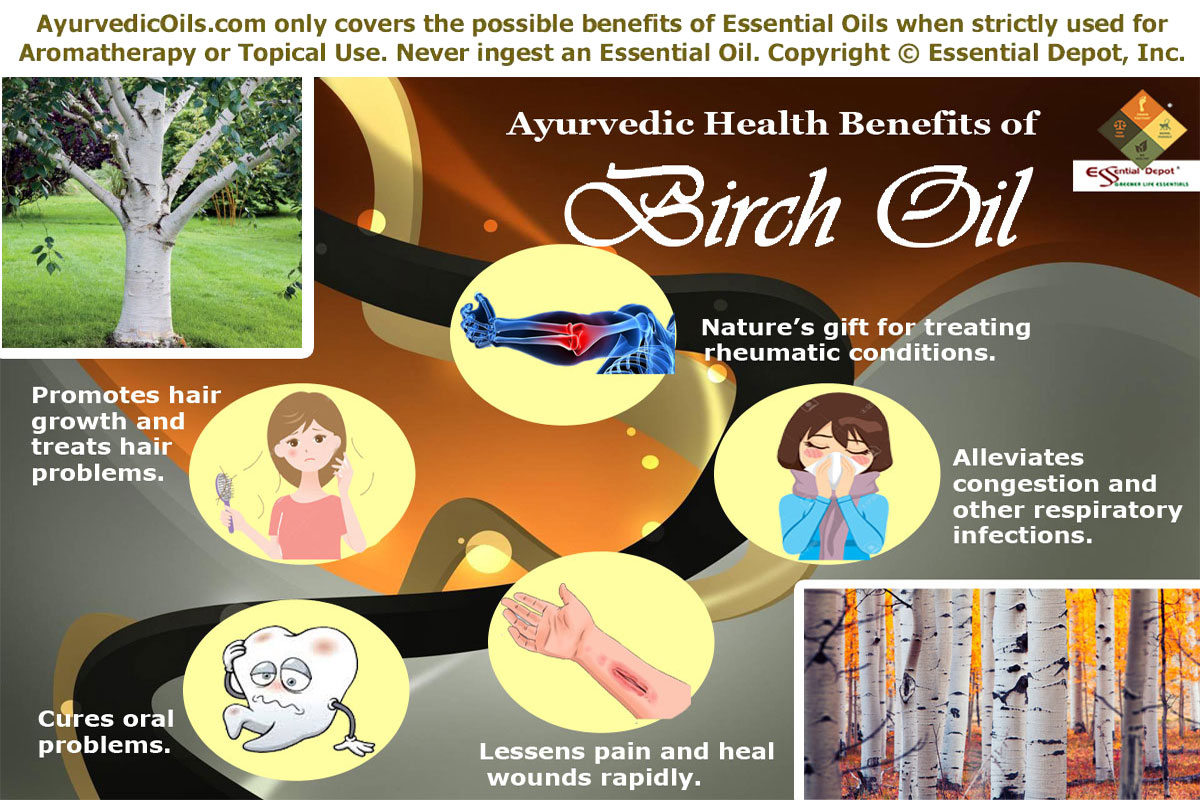
2. Wards off bacterial and fungal infections:

Citronella is a proven antibacterial oil with the presence of remedial constituents like methyl isoeugenol. It works by restricting the growth of existing bacteria causing infections and curtailing the spreading or growth of new bacteria. Massaging your system with 10 drops of Citronella oil blended with 10 ml of olive oil can be effective in treating bacterial infections in the stomach, kidneys, liver, intestines, prostate, bladder, colon and the urinary passages.

The antifungal property of Citronella oil makes it a trusted natural remedy in combating the fungal infections like athlete’s foot, candida, dandruff and ringworm. Adding 2 drops of Citronella oil in warm bathing water can be of great assistance in treating external fungus problems in fingers, skin, toes and scalp and also effective in treating internal fungus infections causing fungal dysentery, vaginal infections, lung growth caused by weakened resistance and certain other health conditions.

3. Clears away excess oil in the skin and hair:

The essential oil of Citronella is a skin-friendly and hair-friendly oil that is often overlooked mainly because of its growing importance as a natural insect repellent. 2 drops of Citronella oil added to 1 ml of jojoba oil or to your mild skin care cream or lotion can help in cleansing the skin, removing excess oil secretion, nourishing the skin cells from within, moisturizing the skin, tightening the pores, enhancing the skin complexion and leaving it soft and supple.

The acne-clearing and other skin complimenting benefits of Citronella oil makes it popular ingredient in many sunscreen lotions, fairness creams and moisturizing lotions. A 2006 study by Steve Ritter on ‘Citronella oil: Mixture of terpenes in plant oil provides a relatively safe way to stave off pesky flying insects’ says “Citronella oil, containing a mix of terpenes (geranial and citronellal), has been used in personal care products for more than 50 years and has very low human toxicity.”

The fresh, clean and lemony aroma of Citronella oil comes as an esteem to your shampoo, as it aids in controlling dandruff with its anti-fungal properties, kills lice with its insecticide properties and removes excess oil from your oily hair and leaves a touch of absolute moisture in case of dry hair. Mix 5 to 6 drops of Citronella oil in 8 to 10 ml of mild shampoo and apply it gently on your scalp and hair. Leave it for 5 minutes and rinse thoroughly for a never before shiny, clean and lustrous hair.

4. Emancipates toxic substances in the body:

The detoxifying and diuretic properties of Citronella essential oil acts as an excellent aid in eliminating toxic remains left behind due to indigestion, unclean environment and other unhealthy lifestyle practices. These toxic substances are called as ama in Ayurveda and are the major reason behind numerous health conditions like arthritis, rheumatic pain, sluggishness, nervous exhaustion, fatigue, urinary infections and even severe heart problems.

Massaging the painful, inflamed or affected parts of the body with 5 drops of Citronella oil blended with 3 ml of sesame oil can assist in reducing inflammation, discharging of toxic substances, uric acid, excess fat deposits and water stagnation in the body through sweat and urine. You can also add 3 to 4 drops of Citronella oil in hot or cold compress and massage the aching parts for quick relief.

Ayurvedic texts state that only 20 to 30% of toxic substances in the body get discharged through urine and sweat and about 70% of harmful toxins are released only through exhalation. So deep breathing with slow inhalation along with slow and steady exhalation can be a sure shot remedy in expelling detrimental toxins in the body and this breathing exercise in known as Pranayama.

5. Appeases the mind:

The fruity, woody and citrusy aroma of Citronella essential oil instills calmness and warmth on your mind, body and spirit. Conflict of thoughts and perceptions are often the reason of stress, frustration and depression. Inhaling Citronella oil added to a diffuser or vaporizer (3 drops) has the power to grant mental clarity by pacifying the mental and emotional bodies that aids in determining the inner reasons for conflict.

Spiritually, Citronella essential oil has a positive impact on the Solar plexus chakra known as ‘Manipura’ in Sanskrit. This chakra is responsible for courage, self respect, ambition, self esteem and self discipline. Massaging your body with 10 drops of Citronella oil mixed with 10 ml of virgin Olive oil can assist in releasing the energy of distrust responsible for aggravation, loneliness and disharmony between the self and society.

6. Kills worms and stimulates the digestive system:

Worms and parasites in the stomach and intestines hinder the normal metabolic functions and lead to delayed physical and mental activities of the body. 2 drops of Citronella oil added to diffuser or vaporizer along with massaging your abdomen with 5 drops of this oil mixed with 3 ml of sesame oil can assist in killing intestinal worms and parasites and stimulate the normal functioning of the digestive system and enhancing the process of absorption of essential nutrients in food, toning the lining muscles of stomach and intestines and supporting the process of excretion.

7. Alleviates pain and stimulates the system:

Citronella essential oil has tonic properties that support and strengthen the nervous system, digestive system, excretory system and the endocrine system. By this way, massaging your body with 10 drops of Citronella oil blended with 10 ml of coconut oil can help in enhancing the immune power, hormone secretion, brain functions and blood circulation. This also helps in relieving pain including arthritic pain, migraine, rheumatic pain, muscular and joint pain, dysmennorhea, back pain and headache.

Other uses:

Citronella essential oil is also used in spritzers, aroma lamps, aromatic candles and room fresheners along with Eucalyptus, Lemon and Lavender essential oil for disinfecting, purifying and deodorizing the surroundings, making it an insect-free environment.

Disclaimer:

This information is for educational purposes only. Details enclosed here are an endeavor to maintain traditional wisdom and understanding. Do not use this for diagnosing or replacing any professional medical advice or prescribed medication. Always consult your Ayurvedic practitioner/ healthcare expert before choosing the right essential oils according to your medical condition and unique individual constitution.

Never use essential oils internally, including Citronella oil as it has aldehyde content. Always dilute it in appropriate carrier oils or other liquids before using it for topical applications, as organic and pure essential oils are the life forces of plants and are extremely concentrated substances. Care should be taken in using Citronella oil if you are pregnant or a nursing mother.

The MSDS (Material Safety Data Sheet) of Citronella oil is readily available for your enhanced safety and better usage.

Gas Chromatography Report (GC analysis) of Citronella oil.

Thought for the day:

I’m thankful to be breathing, on this side of the grass. Whatever comes, comes. -Ron Perlman

Suggested Reading:

  1. Citronella by Eugene Raskin
  2. Citronella ; Cymbopogon Nardus – A Literature Survey From Information Services Centre, Industrial Technology Institute
  3. Ayurveda & Aromatherapy: The Earth Essential Guide to Ancient Wisdom and Modern Healing by Dr. Light Miller, Dr. Bryan Miller
  4. The Encyclopedia of Essential Oils: The Complete Guide to the Use of Aromatic Oils In Aromatherapy, Herbalism, Health, and Well Being by Julia Lawless
  5. The Naturally Clean Home: 100 Safe and Easy Herbal Formulas for Non-Toxic Cleansers by Karyn Siegel-Maier

Reference Links:

  1. Citronella Oil by Wikipedia
  2. Citronella Oil by Steve Ritter published in PUBS
  3. Health benefits of Citronella Essential Oil by Organic Facts
  4. A handbook on Lemongrass, Neem and Citronella by Janhit Foundation
  5. Plant-based insect repellents: a review of their efficacy, development and testing by Marta Ferreira Maia and Sarah J Moore published in PubMed


Your resource for quality Essential Oils. Every batch is
GC tested to ensure purity and authenticity.

Citriodora Oil

Citriodora-bnr.jpgCitriodora or Lemon eucalyptus is a jewel in the crown of the Eucalyptus family, Myrtaceae. With a revivifying and invigorating aroma of lemon and eucalyptus, this lemon-scented eucalyptus oil is used in fixing feelings of abandonment and mental agitation along with poor concentration and confusions. The essential oil of Citriodora is extracted from the elongated leaves of the Lemon-scented gum tree, botanically known as Eucalyptus citriodora by steam distillation.

Lemon eucalyptus oil is used in Ayurvedic treatment for asthma, cold, cough, arthritis, hypertension, shingles, migraine pain, rheumatism, wounds, inflammation, bacterial and fungal infections as well as a non-toxic insect repellent for keeping away from mosquitoes, ticks and fleas.

Purchase Citriodora Essential Oil – Retail – 4 oz – CLICK HERE

Purchase Citriodora Essential Oil – Wholesale – CLICK HERE 

Historical uses and importance of Citriodora and its essential oil:

Lemon eucalyptus or Citriodora is a type of Eucalyptus tree in the Eucalyptus genus. This tree is indigenous to north eastern and tropical parts of Australia but few sources state that it is native to Vietnam and Madagascar. Even today about 75% of the trees grown in Australia belongs to the Eucalyptus family.

Brazil and China are the largest producers of commercial Lemon eucalyptus essential oil and this tree is also grow in India, South Africa, Guatemala, Egypt, Colombia, Indonesia and Albania. Citriodora is also said to be a cross between lemon and eucalyptus varieties. This large handsome evergreen tree grows up to 50 m tall and the broad lanceolate leaves exhibit a strong lemon and eucalyptus aroma when crushed.

Citriodora has its remedial history of being used in the traditional as well as modern medicine in the east and west, mainly as an aid for respiratory infections and for keeping insects at bay. The infusion made from the leaves of this tree has been used in reducing fever, treating gastric conditions and fighting against microbes causing such infectious diseases in the Aboriginal tradition.

Ayurveda and the Traditional Chinese Medicine (TCM) used the aromatic leaves of this plant in steam inhalation for clearing nasal congestion, easing cold, flu, asthma and sore throat. The paste of this leaves or the leaves poultice were also used in healing wounds, cuts, skin infections, sores, cuts, blisters, chicken pox, joint pain, rheumatic pain, fungal infections and other few other infections.

Lemon eucalyptus oil is a famous ingredient in soaps, aromatic candles, natural insect repellents, lotions, shampoo, toothpastes, deodorants, perfumes, detergents, insecticides, waxes and in the flavoring of few other products since the traditional times.

Remedial properties and chemical components of Citriodora essential oil:

The medicinal benefits of Lemon eucalyptus oil are often attributed to its high content of citronellal component (about 80%). The other chemical constituents include citronellol and other monoterpenes.

The citronellal constituent of the cultured oil is transformed into cis- and trans- isomers of p-menthane-3,8-diols (PMD), which is a natural process that  happens as the Eucalyptus leaves grow old. This oil is also called by other names like Para-menthane-3,8-diol, OLE,  PMD, P-menthane Diol,  Wild Eucalyptus Citriodora, P-menthane-3,8-Diol, Spotted Gum and Quwenling.

The therapeutic properties of this oil are calmative, insecticide, antibacterial, expectorant, diuretic, analgesic, fungicidal, antimicrobial, antiviral, anti-rheumatic, germicidal, anti-inflammatory, disinfectant and antiseptic.

Ayurvedic health benefits of Citriodora essential oil: Ayurveda is the ancient Indian healing methodology which exactly means ‘the knowledge of life (Ayur-life + Veda-knowledge)’. If you are completely new to this oldest healing science on earth, then join for a wonder ride where you can explore what Ayurveda has intact for you.

Ayurveda has thousands of dimensions and everything that is natural and organic falls into this bucket, as Ayurvedic principles abide by Mother Nature and strongly believe that everything in the universe is a part of nature and is built with the same five elements of nature, namely earth, fire, air, water and space.

The most imperative approaches of the Ayurvedic regime are holistic approach, which fervently states that health is a combination of the wellness of the body, psyche and the soul. This is clearly stated in Charaka Samhita, the most trusted Ayurvedic encyclopedia as “The three – body, psyche, and soul – act as a tripod. The world stands upon them, and within them, the world abides.” Ayurveda trusts that a healthy body is the absolute home for a healthy mind and a pure soul.

Spiritual aspects play a vital role in Ayurvedic healing. It has been said a small, sincere prayer can bring in enormous positive energy to deal with a difficult day. Spirituality simply means the trust and the natural bond with the Supreme Power that shells and leads the Cosmos. By inculcating this practice, every individual will understand his responsibilities and righteousness to lead a glorious life.

Ayurvedic philosophies bring in the other few vital practices of Ayurveda that includes prevention of illnesses by treating the root cause of a disease instead of the symptoms. Prescribing natural remedies like herbs, essential oils, meditation, yoga, prayer and a meaningful Ayurvedic routine is the key to this healing wisdom. By this way, it promotes a disease-free living and leads to healthy aging and longevity.

Every Ayurvedic treatment starts with the analysis of the dynamic biological energies that are a pictogram of the five natural elements. They are known as doshas, namely pitta (fire + water), vata (air + space) and kapha (earth + water). These three energies are there in every person in unique ratios to make up the individual constitution. Balance between these doshas indicates health and imbalance leads to sickness.

Ayurvedic therapies are prescribed in such a way that they treat the doshic imbalances and help strike absolute balance according to the Prakriti (fundamental constitution or nature) of an individual. With its moisturizing and heating energy, Citriodora essential oil is known to lessen the excess of kapha and vata energy and increase pitta dosha when deficit.

The Ayurvedic health benefits of Citriodora essential oil are:

Citriodora-broucher1. Alleviates rheumatic and arthritic pain:

Rheumatism and arthritis are mainly caused due to surplus deposits of toxic substances, salt, uric acid and excess water causing improper blood circulation especially in the joints. Water retention and stagnation of other fluids in the body are the symptoms of kapha intemperance.

Citriodora essential oil treats kapha surplus and regulates its flow in the system. Massaging the affected parts with 5 drops of Citriodora oil blended with 2.5 ml of coconut oil can help in eliminating the excess deposits and toxins through sweat and urine and enhances blood circulation. This massaging can also help in treating sore muscles, joint pain, and backache and can also serve as a vitalizing massage for people indulged in sports.

This oil relieves pain and reduces swelling with its heating effect along with its analgesic and anti-inflammatory properties. Adding 2 drops of Citriodora oil in warm bathing water or in hot or cold compress is also another alternative to treat arthritic and rheumatic pain. Performing Pranayama, the art of balanced breathing can help in discharging about 70% of the toxins in the body through exhalation.

2. Non-toxic insect repellent:

The essential oil of Eucalyptus citriodora is suggested by the FDA (Food and Drug Administration, U.S) as a non-toxic alternate for DEET, which an element used in other repellants, making it unsafe. With a rosy-citronella fragrance and faint lemon undertones, Citriodora essential oil is an ultimate natural remedy for keeping away from harmful insects including mosquitoes, bugs, ticks and fleas.

All you need to do is to add 3 to 4 drops of Citriodora oil in lamp oils, diffuser, lotions, patio sprays, body mists and vaporizers for preventing your lovely family from the adverse effects of insects and pests, which may otherwise cause infectious diseases like malaria, dengue etc.,

3. Relieves respiratory infections:

Problems of the respiratory system become severe when the mucous and phlegm discharges thicken and block the bronchial and nasal passages. Deposits of mucous and phlegm is due to the vitiation of kapha dosha, which is responsible for problems caused due to stagnation of water and fluids in the body.

Citriodora essential oil has kapha-reducing properties along with the antiviral and antimicrobial properties that assist in destroying the harmful virus and microbes responsible for making respiratory infections vulnerable. 2 to 3 drops of this oil added to hot water for steam inhalation helps in loosening the phlegm and mucous deposits.

By this way it helps in relieving chest congestion, nasal congestion, cough, bronchitis, asthma, sore throat and cold. Adding 2 drops of Lemon eucalyptus oil to your decongesting ointment and gently rubbing on your chest, back and throat can fasten your healing process.

4. Grants mental clarity and improves concentration:

Pitta energy is responsible for body temperature, metabolic functions, decision-making potential and for instilling the feelings of perfection in your routine. Deficit of pitta energy or pitta imbalance along with other environmental and lifestyle factors can end up in chaos, poor concentration, sluggishness, lack of self-confidence, lonesomeness and distress.

Eucalyptus citriodora oil enhances pitta energy. It has a positive effect and supports in opening the heart chakra, which is responsible for forgiveness, compassion, love for self and others and the solar plexus chakra that is incharge for feelings of self-empowerment and self-esteem.

Adding 3 drops of Citriodora oil in your burner, vaporizer, diffuser or air freshener can help in improving your self-confidence, focus, shrewdness and clarity of thoughts with its fresh, citrusy, warming, camphoraceous and woody aroma.

Massaging your body with 10 drops of Citriodora oil mixed with 5 ml of olive oil or adding 3 drops of this oil to your bath can help in rejuvenating the mind, body and the soul.

5. Benefits for skin and hair:

Since the traditional times, Citriodora leaves and its essential oil have been used in the treatment of various skin disorders like burns, scabies, wounds, dermatitis and erysipelas. Citriodora oil has antiseptic, antibacterial, antifungal and antiviral properties that help in combating the growth of hazardous micro-organisms causing skin disorders and making wounds, cuts and burns more infectious.

A 2002 study on ‘Correlation between chemical composition and antibacterial activity of essential oils of some aromatic medicinal plants growing in the Democratic Republic of Congo’ by the Department of Pharmaceutical Sciences, Belgium published that Eucalyptus citriodora is one among the most effective essential oils exhibiting the most active antibacterial effects and inhibited the growth of various bacteria.

Another research done in 2007 on ‘The antibacterial effect of Eucalyptus citriodora essential oil against a battery of clinically important bacterial strains’ at the Phytochemical Pharmacological and Microbiological Laboratory in India proved that “Citriodora oil is highly active against Alcaligenes fecalis and Proteus mirabilis, and active against Staphylococcus aureus, Escherichia coli, Proteus vulgaris, Salmonella typhimurium, Enterobacter aerogenes, Pseudomonas testosterone, Bacillus cereus, Citrobacter freundii. Its healing efficiency was said to be equally comparable to the powerful Piperacillin and Amikacin antibiotics.”

As a potent antifungal oil, Citriodora has been proved effective in treating candida. When tested in a laboratory analysis in comparison with other essential oils possessing synthetic antibiotics against candida, Eucalyptus citriodora oil showed strongest anti-candidal properties.

5 drops of Citriodora oil blended with 3 ml of Almond oil and applied to infectious wounds, cuts, blisters, boils, ringworm, candida, athlete’s foot, rashes and redness due to insect stings and bites, acne and few other skin conditions with its eucalyptus and citrusy effects.

Eucalyptus citriodora oil is also a famous ingredient in shampoos, hair oils and few other hair care formulas. 10 drops of Citriodora oil added to 5 ml of coconut oil can serve as an assured remedy for alleviating dandruff, dry scalp, itching and lice, when massaged gently on the scalp followed by a hair wash with a mild shampoo (preferably 8 ml) mixed with 10 drops of Citriodora oil will leave you with a dandruff-free, lice-free, oil-free and clean smelling hair.

6. Disinfects and purifies the air:

Citriodora essential oil has a lemony, fresh, woody and energizing aroma that makes its use imperative in disinfecting, deodorizing and purifying the air. 5 to 10 drops of Citriodora essential oil can be added to your sprayer pump, diffuser, air freshener or vaporizer for killing the microbes in the atmosphere and spreading the magic of freshness around.

Disclaimer:

This article is for the purpose of education only and is not meant for curing, preventing or diagnosing any health condition or for substituting any prescribed medication or professional advice of your medical expert.

Do not use essential oils internally and always dilute essential oils before using it externally. Keep out of reach of children and avoid this oil if you are pregnant or a nursing mom. Ensure that you seek the advice of your Ayurvedic practitioner or healthcare expert before selecting the appropriate essential oil for your unique state of health and individual constitution.

Thought for the day:

Every particular in nature, a leaf, a drop, a crystal, a moment of time is related to the whole, and partakes of the perfection of the whole. -Ralph Waldo Emerson

Suggested Reading:

  1. Eucalyptus: The Genus Eucalyptus (Medicinal and Aromatic Plants – Industrial Profiles) from CRC Press
  2. Eucalyptus Plantations: Research, Management and Development by Run-Peng Wei, Daping Xu
  3. Modern Phytomedicine: Turning Medicinal Plants into Drugs from Wiley-VCH
  4. Phytochemical and Antifungal analysis of E citriodora L. extracts: Phytochemical Constituents of Eucalyptus citriodora L. Responsible for Antifungal Activity against Pathogenic Organisms by Sehrish Iftikhar, Shabnam Javed
  5. Effect of NaCl on emergence and growth of a range of provenances of Eucalyptus citriodora, Eucalyptus populnea, Eucalyptus camaldulensis and Acacia … article from: Forest Ecology and Management] by P.A. Madsen, D.R. Mulligan

Reference Links:

  1. Eucalyptus Citriodora by Globinmed
  2. Eucalyptus oil (Eucalyptus citriodora) by Sigma-Adrich
  3. Oil of Lemon Eucalyptus (PMD) by A Beyond Pesticides Fact Sheet
  4. Extraction of essential oil and oleoresin from Eucalyptus citriodora leaves using sub and supercritical CO2 Mirelle Dogenski*, Ana Carolina Velho, Débora Nascimento e Santos, Nilson Ferreira, Alessandra Lopes de Oliveira, University of São Paulo, Department of Food Engineering, São Paulo, Brazil
  5. Correlation between chemical composition and antibacterial activity of essential oils of some aromatic medicinal plants growing in the Democratic Republic of Congo’ by Cimanga K, Kambu K, Tona L, Apers S, De Bruyne T, Hermans N, Totté J, Pieters L, Vlietinck AJ, the Department of Pharmaceutical Sciences, Belgium

Helichrysum (Immortelle) Oil

Helichrysum-oil-banner-newEverlasting and Immortelle are the common names of Helichrysum that denote the eternal bliss and never ending health benefits of these sunshine flowers to mankind. Scientifically known as Helichrysum italicum, this plant is a limb of the sunflower family Asteraceae. The essential oil is extracted from the bright yellow flowers by steam distillation method.

As one of the most desired essential oil, Helichrysum is known to heal a wide range of illnesses in this civilized world and may seem to be a vital part of the modern Aromatherapy. But the miracle is that it has been traditionally used to heal various health disorders in Ayurveda before 5,000 years including bronchial irritation, scavenging of free radicals, sprains, inflammation, digestive problems, scars, sports injuries, skin problems and certain other serious injuries also.

Purchase Helichrysum (Immortelle) Oil – Retail – 1 oz – CLICK HERE

Purchase Helichrysum (Immortelle) Oil – Retail – 4 oz – CLICK HERE

Purchase Helichrysum (Immortelle) Oil – Wholesale – CLICK HERE

Purchase Helichrysum (Immortelle) Hydrosol – 1 Litre – CLICK HERE

Historical uses of Helichrysum:

The name Helichrysum is derived from the Greek words ‘Helios’ meaning Sun and ‘Chrysos’ meaning Gold. It is indigenous to South Africa, Morocco, Algeria, Cyprus, France, Greece, Spain and Italy. There are about 250 species of Helichrysum plant that dwell in South Africa.

Helichrysum has been carved in the history as an excellent traditional medicine and as a culinary plant used in various cultures. Holmes says about Helichrysum as “the plant has been used in herbal medicine since ancient Greece”. He also says that the essential oil of Helichrysum has “a deeply-saturated sweet, green floral scent”.

Helichrysum is known as Geelsewejaartjie in Africa which means that these bright yellow flowers last for seven years when kept in the house. It is used as a potent traditional medicine in South Africa for treating rheumatism and is also used in potpourri for its lasting fragrance. The petals of Helichrysum flowers were used as a strewing herb in Europe during the medieval period.

This herb has been used as an effective remedy in folk medicine for healing scars and other major skin problems due to aging. With a curry-like quality, Helichrysum is used in Italy for flavoring sauces and in many other food items.

Chemical constituents and therapeutic properties of Helichrysum essential oil:

The significant chemical components of Helichrysum essential oil are 1,4 and 1,8-cineole, camphene, terpinen-4-ol, caryophyllene, a-pinene, myrcene, linalool, nerol, limonene, eugenol, b-diketones, neryl acetate, b-pinene, geraniol, flavonol glycosides and b-bisabolene.

These constituents contribute to its remedial values like expectorant, anti-inflammatory, analgesic, anti-allergenic, nervine, cytophylactic, vulnerary, cholagogue, diuretic, antispasmodic, cell-regenerative, astringent and anti-haematomal.

Ayurvedic health benefits of Helichrysum essential oil:

Ayurveda is nothing but nature’s own way to health and harmony. This ancient science or knowledge of life preaches the best practices to lead a healthy life for longevity, aging in the pink and the prevention of illnesses rather its treatment alone.

Ayurvedic texts recommend the use of herbs, essential oils, yoga, physical exercises, meditation and spiritual oneness for healing humanity. It strongly states that no two human beings are same and in the much similar way their illnesses should also be treated in a unique manner rather than prescribing the same medicines for two different people even for the same illness. For this identification, Ayurveda follows the principles of the three predominant biological energies known as doshas.

These bio-energies are found throughout the human mind and body and combine together to form the unique individual constitution. Every individual has a unique combination of these doshas with the predominance of any one of these doshas, which determines their personal traits, behavior, character and physical attributes.

Ayurvedic theory revolves around the core concept that health is representation of perfect balance between these three doshas namely vata, pitta and kapha.

Ayurvedic remedies are prescribed in such a way to intensify the deficit dosha or decrease the aggravated energy. Helichrysum essential oil is said to reduce pitta and kapha in excess and increase vata.

It’s time to take a look at the Ayurvedic health benefits of Helichrysum essential oil:

Helicrysum-brooucher1. Excellent oil for athletes and sports injuries:

Helichrysum essential oil is the most sought-after oil when it comes to sports injuries, sprains, blood clot, inflammation, bruises, micro tears, pain and muscular aches. Many a times these types of injuries cause swelling, leakage of blood from the injured capillaries, cellular damage, death of surrounding cells and damage to the connective tissues.

Dr. Kurt Schnaubelt in his book Advanced Aromatherapy says “The pain- reducing, analgesic, and regenerative effect of everlasting (Helichrysum) is unique: If applied in time, it prevents hemorrhaging. It is also very effective for joint pain. Generally, Helichrysum italicum works for all conditions in which inflamed tissue needs to be calmed down and regenerated.”

2 drops of Helichrysum essential oil blended with 1 ml of sesame oil acts as an excellent remedy for mending injuries like twists, bruises and blood clots. Massaging the affected parts with this healing blend assists in relieving pain, muscular tension, tears of muscles and ligaments. Applying it immediately after an injury aids in preventing from additional damages like hematoma and swelling. You can also add 2 drops of this oil in hot compress and rub down the painful areas.

2. Fights aging symptoms and clears acne and scars speedily:

Helichrysum essential oil is said to work hundred times better than the best anti-aging creams in the market. Its ability to stimulate cellular regeneration and nurture the natural glow of the skin from within helps greatly in treating wrinkles, dark circles, uneven pigmentation and oxidative skin damages.

Aging slows the down the process of repair, cause wrinkles, encourage the growth of cutaneous problems and augment the risk of toxicological damages to the skin. Helichrysum checks aging and its adverse effects on the skin with its cytophylactic properties that assist in promoting the health of the cellular structure and encourage the production of new skin cells by supporting the recycling of dead cells.

Being a natural emollient, Helichrysum essential oil is said to retain the moisture of the skin and prevents the development of cracks and dehydration. Helichrysum essential oil is not restricted to people with aging symptoms and adverse skin conditions but it is also a proven natural remedy for fading away marks, scars and acne.

This oil also heals raw chapped skin and burns. With its cicatrisant properties, Helichrysum oil speeds up the healing of wounds, cuts and other skin regularities while assisting in clearing up marks and scars including acne marks and stretch marks.

Add 2 to 3 drops of Helichrysum oil to your regular skin care cream that is mild and gentle. Massage it soothingly onto your skin and enjoy the difference of a smooth, refreshing, clean and youthful looking skin. This blend also has the power to lessen the oxidative damage caused by free radicals, tones and tightens the maturing skin that lack elasticity. Regular massaging of your skin with this medicated cream will be of great help in clearing your marks, scars and other blemishes and leave your skin glowing, supple and healthy.

3. Grants emotional support and absolute peace:

The mild, invigorating and long lasting aroma of Helichrysum essential oil helps in lending an emotional support and complete peace to the mind and body. In the book ‘Aromatherapy for Healing the Spirit’, Gabriel Mojay says “Those (emotions) that are most indicated…are enduring resentment, half-conscious anger, bitterness of spirit, and a stubbornly negative attitude.”

2 to 3 drops of Helichrysum essential oil added to burner, diffuser or aromatic lamps can work as an exceptional remedy for treating emotional and physical pain, agony, stress, fatigue and anxiety. Inhaling the sweet aroma of this oil paves way for tranquility and mental clarity.

It is considered as a sacred oil for its intense emotional and spiritual effects. Dr. Streicher says “emotionally it can help an individual get in touch with unresolved feelings, emotions that have been denied and/or buried. It is also helpful in restoring memories that have been buried deep in the past.” He also prescribes its use in psychotherapy to support a patient in dealing with emotional traumas and assists in releasing defense mechanisms.

4. Cures respiratory troubles:

Helichrysum essential oil has natural expectorant, mucolytic and anti-tussive properties that witness its use as an effective natural remedy for treating cold, cough, bronchitis, asthma and sinusitis. Excess of kapha energy is responsible for cold and other respiratory problems. Helichrysum oil being a kapha suppressant aids in thinning and clearing excess mucous and phlegm deposits that block the nasal passages, bronchial passage and the respiratory tract.

Add 2 drops of Helichrysum essential oil to steam inhalation and inhale the medicated steam for instant relief from cough, blocked nose, congestion and breathing difficulties. You can also add 2 drops of this oil to your vaporub and apply it on your chest, back and throat for complete relief from respiratory problems.

5. Treats high blood pressure and heart palpitations:

The essential oil of Helichrysum is said to control blood pressure, irregular heartbeat, heart palpitations and the risk of stroke with its anti-coagulant or blood thinning properties. A study by the University of Nigeria explored that the presence of caryophyllene and curcumene in Helichrysum essential oils assists in lowering blood pressure.

Massage your body with 5 drops of Helichrysum oil blended with 2.5 ml coconut oil for regulating your blood pressure and for treating heart disorders due to increased blood pressure.

Other health benefits:

Helichrysum essential oil is also effective in treating digestive problems like flatulence, ulcer, indigestion, vomiting, diarrhea, stomach aches and allergic reactions in the stomach and intestines. It is also helpful in treating psoriasis, dermatitis, eczema, allergies, urinary infections, wounds and fungal infections.

Using this oil on a regular basis is known to stimulate digestion, support absorption, promote detoxification, lessen inflammation, enhance the immune system and strengthen the entire system from within.

Disclaimer:

This article is only for educational reasons and is not recommended to diagnose or substitute professional medical advice or prescribed medicines. Never take essential oils internally.

Always ensure to use essential oils in a diluted form as pure and organic essential oils are extremely concentrated liquids and can cause harm if used directly for topical application. Seek advice from your Ayurvedic professional before choosing the right essential oil for your unique individual constitution and state of health. Please be cautious in using this oil if you are pregnant or a nursing mother.

Thought for the day:

Flowers are the sweetest things God ever made and forgot to put a soul into. -Henry Ward Beecher

Suggested Reading:

  1. The Healing Intelligence of Essential Oils: The Science of Advanced Aromatherapy by Kurt Schnaubelt
  2. The Fragrant Mind: Aromatherapy for Personality, Mind, Mood and Emotion by Valerie Ann Worwood
  3. Natural Medicine First Aid Remedies: Self-Care Treatments for 100+ Common Conditions by Stephanie Marohn
  4. The Encyclopedia of Essential Oils: The Complete Guide to the Use of Aromatic Oils In Aromatherapy, Herbalism, Health, and Well Being by Julia Lawless

Reference Links:

  1. Helichrysum italicum by Wikipedia
  2. Helichrysum italicum by The East-West School For Herbal & Aromatic Studies
  3. Helichrysum italicum by Dr. Christoph Streicher and Sheryll Ryan
  4. Use the healing properties of Helichrysum essential oil by Natural News.com
  5. How Helichrysum italicum Essential Oil Can Bring Healing to Your Life by ArticlesFactory.com