Category Archives: Ayurvedic Essential Oils

Ayurvedic Essential Oils

Must Have Ayurvedic Essential Oils in the Medicine Cabinet


The word’ Medicine’ carries the ailing thoughts to our mind about the dull, sick days that we are married to our bed than before. Most of the times in the company of ‘easily digestible-tasteless’ food items and extremely bitter pills, the sick days end up acrimoniously. To be honest, the medicine cabinet looked like a ‘Pandora’s Box’ to me till I enlivened it with the most vital and rejuvenating Ayurvedic essential oils. Ayurveda is the holistic healing methodology that has been in practice for more than 5000 years, striving hard for the harmony of mind and body etched with the human system. The touch of nature through the use of these essential oils has proven remedies from the hectic headache to the chronic cancer. Each of us have a preference to our favorable aromas and you can choose your range of essential oils as per your choice but the must-have Ayurvedic essential oils in your medicine cabinet to manage everything and everyone right from your baby to your grandpa are:

  1. Frankincense essential oil: It’s time to dwell in the luxury proffered by the Frankincense essential oil, rightly known as ‘The King of essential oils’. Originated from the French word ‘Franc’ meaning ‘luxuriant’, this divine oil was offered to God by the ancient Egyptians and was used as a revivifying face mask and as the incredible incense for its sweet balsamic fragrance. With its carminative, expectorant, tonic, sedative, digestive, antiseptic, stimulant, diuretic and astringent properties, this oil helps visualizing, enhances concentration, augments the spiritual power, supports digestion, treats cold, flu, fever, skin infections, alleviates stress and is an essential ingredient in most of the popular skin care products administering dry skin and effects of aging.
  2. Rose essential oil: How can the King be alone without the Queen? Yes! Rose essential oil is celebrated as the ‘Queen of essential oils’. This oil with its soft, tender, gentle and feminine qualities is known to treat skin problems, depression, stress, anxiety and is an excellent aphrodisiac gifted by Mother Nature. Rose essential oil is used as a tonic for nerves, kidney, heart and for womanly problems like irregular menstruation, uterine disorders, premenstrual syndrome (PMS) and vaginal infections with its antispasmodic, anti-depressant, astringent, antiseptic, anti-inflammatory, antiviral, sedative and anti-bacterial properties.
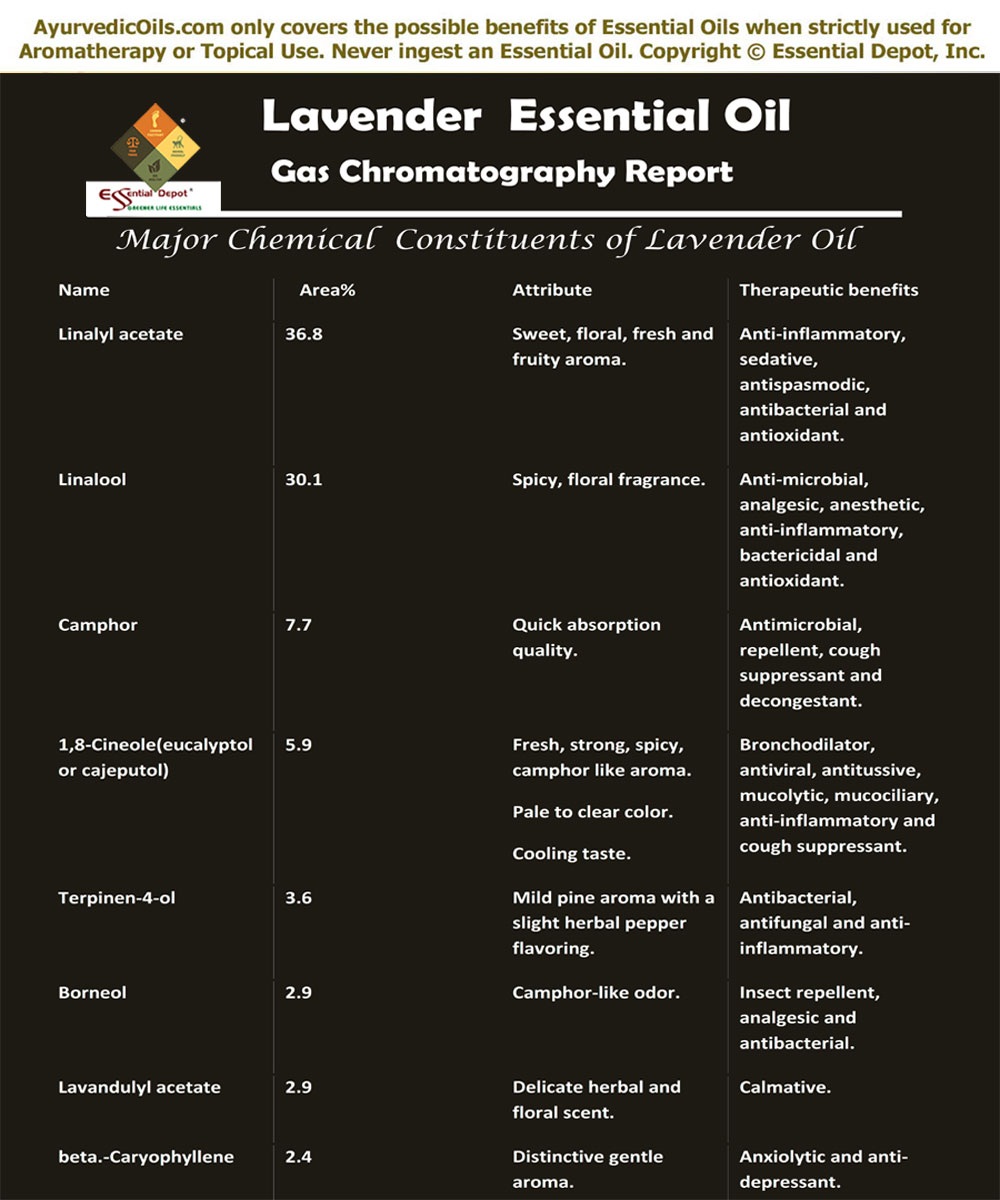
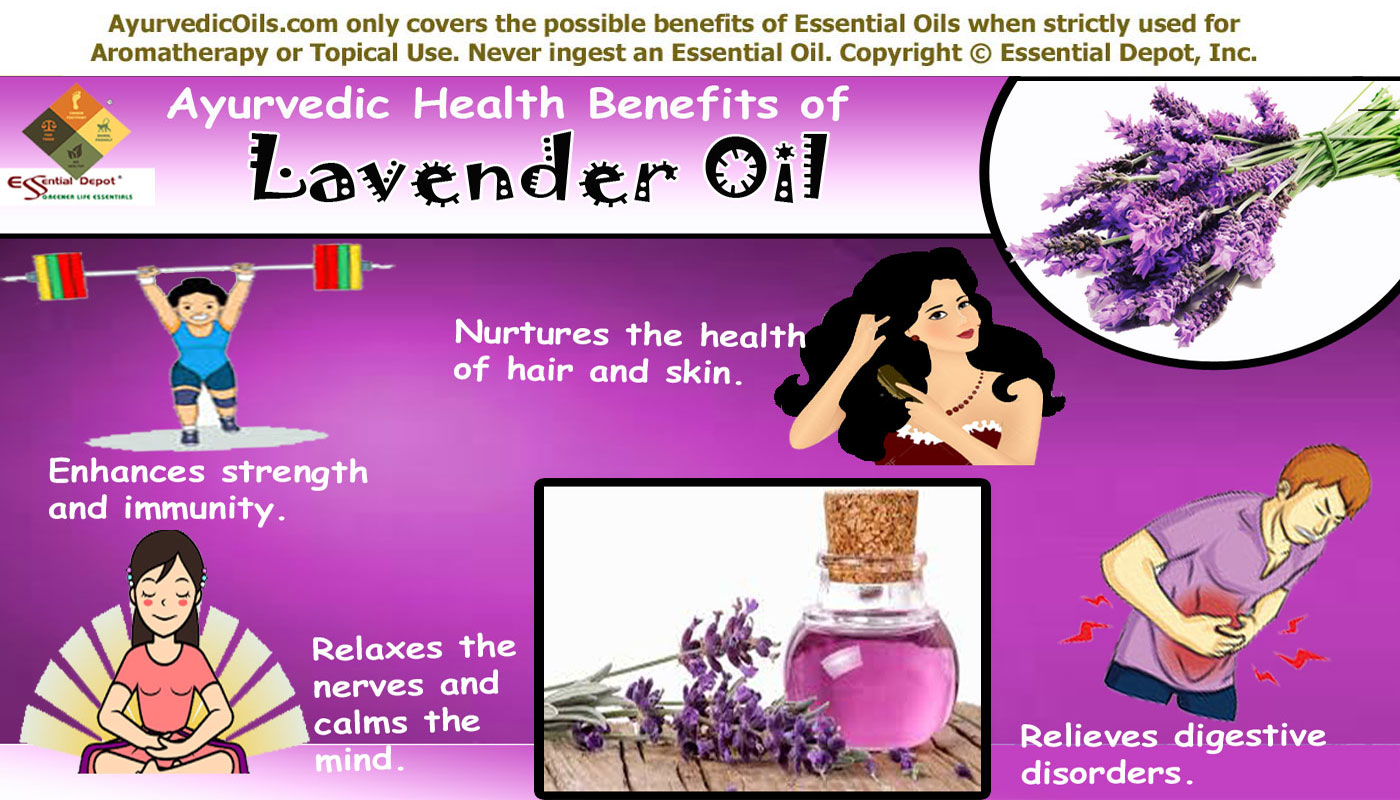
  3. Lavender essential oil: More than its curative values, the look at the color of the lavender flowers will bring in peace and harmony at one’s home. Lavender essential oil is claimed as the safest essential oil and can be used even for kids. It has been proved effective in the pharmaco-physio-psychotherapy in the future with its vital presence in the Ayurvedic treatment named Shirodhara. It is extremely powerful in treating respiratory problems, depression, insomnia, stress, insect bites, digestive disorders, bruises and many others. For years together, Lavender essential oil has been a part of hair care and skin care products.
  4. Peppermint essential oil: This oil is an excellent tonic for the nervous system and a friend to the respiratory system protecting the body from viral infections. The fresh aroma rests a calming, relaxing, energizing, refreshing and a vitalizing feeling required to either start up a bright fragrant day or to end up a serene poise day. It is a renowned pain-reliever that supports the function of the liver, and treats asthma, sinus, nausea, intestinal gas, spasms in the bowel and many other health problems.
  5. Tea tree essential oil: How can we forget Tea tree essential oil and its splendid healing properties when we are discussing about the must-have essential oils in the medicine cabinet? This oil is tested and proven in the treatment of dandruff, acne, gum problems, nail fungus, insect bites, athlete’s foot, cold sores, eczema, ringworm, strep throat, corns, Candida and more. Tee tree essential oil is also used as a powerful insect repellent.
  6. Turmeric essential oil: Traditionally known as the ‘Golden Goddess’, Turmeric root essential oil is trusted and scientifically proven to treat and prevent cancerous diseases with its antioxidant, antinociceptive and anti-inflammatory properties. Apart from this Turmeric herb and its essential oil is used in Ayurvedic treatments for more than 4000 years.

With these six priceless gems, why would you still call it a medicine cabinet? Breathe deep, smile heartily, feel fresh and call it as a ‘Healing Jewel Box’ that spreads smiles, happiness, joy and complete health for the entire family. You can also include few other favorite essential oils of your choice like Rosemary essential oil, Geranium essential oil, Eucalyptus essential oil, Thyme essential oil, Clove essential oil, Chamomile essential oil and Lemon essential oil, fully packed with healing values.

Thought for the day:

To keep the body in good health is a duty… otherwise we shall not be able to keep our mind strong and clear.            -Buddha

Suggested Reading:

  1. The Aromatherapy Bible: The Definitive Guide to Using Essential Oils by Gill Farrer-Halls
  2. The Complete Book of Essential Oils and Aromatherapy: Over 600 Natural, Non-Toxic and Fragrant Recipes to Create Health – Beauty – a Safe Home Environment by Valerie Ann Worwood
  3. The Essential Oils Handbook: All the Oils You Will Ever Need for Health, Vitality and Well-Being by Jennie Harding

Reference Links:

  1. An evaluation of antioxidant, anti-inflammatory, and antinociceptive activities of essential oil from Curcuma longa. L by Indian Journal of Pharmacology
  2. Rose Essential Oil in Herbal Medicine by Every Green Herb
  3. Peppermint Essential Oil-Remedies and Cures by Peppermintessentialoil.com
  4. Candida by Wikipedia

Citronellol


Citronellol is a colorless oily liquid usually present in the essential oils of Citronella oil, Geranium, Muscatel sage and Sandalwood. The essential oils of Rose, Lemongrass, Tagetes, Neroli, Chamomile, Basil and Lavender also constitutes of Citronellol.

It has also been found that Citronellol is a volatile component of orange juice, bilberry, lemon peel oil, guava, red wine, nutmeg, white wine, black tea, green tea, mango, plum brandy and star anise.

Citronellol is an acyclic monoterpenoid with the molecular formula C10H20O. It is also known by other names, including beta-citronellol, DL citronellol, dihydro geraniol and 3,7-Dimethyloct-6-en-1-ol.

Attributes of citronellol:

Citronellol is a pale viscous liquid with a sweet floral aroma of rose and owns a bitter taste. It possesses a floral rosy and fresh citrus flavor.

It is used as a fragrance enhancer in perfumery as it enhances the fragrances of floral types, especially rose. Because of its aroma and flavour, it is used in cosmetics soaps, shampoos, moisturizers, skin and hair care products, colognes, shaving creams, after shave lotion and bath products. It is used in beverages for its flavor.

Therapeutic uses of citronellol:

Citronellol has antimicrobial, antifungal, antispasmodic and anticonvulsant activities.

Antimicrobial and antifungal activity:

Citronellol exhibit antimicrobial activity against Escherichia coli and Staphylococcus aureus. This was evident from the study “Antibacterial Effects and Mode of Action of Selected Essential Oils Components against Escherichia coli and Staphylococcus aureus” in which the antibacterial activity of the carveol, carveone, citronellol and citronellal against Escherichia coli and Staphylococcus aureus were determined.

In the study titled “Antimicrobial Activity of Essential Oils of Four Lemongrass (Cymbopogon flexuosus Steud) varieties, the essential oils of four lemongrass were examined for their antibacterial activity. Citronellol and citronellal present in the essential oil of Cymbopogon travencorensis is responsible for the potential antifungal activity of the essential oil.

According to the research article “Antifungal activity of geraniol and citronellol, two monoterpenes alcohols, against Trichophyton rubrum involves inhibition of ergosterol biosynthesis”, geraniol and citronellol exhibit potential antifungal activity against the strains of Trichophyton rubrum which causes dermatophytosis.

Anticancer and anti-inflammatory properties:

According to the study named “Effect of Citronellol and the Chinese Medical Herb Complex on Cellular Immunity of Cancer Patients Receiving Chemotherapy/Radiotherapy”, it is stated that citronellol has anticancer and anti-inflammatory and strong antioxidant properties and it promotes wound healing.

When a mixture of Citronellol and extracts from three Chinese medicinal herbs such as Ganoderma lucidum, Codonopsis pilosula and Angelica sinensis given to cancer patients receiving radiotherapy or chemotherapy, there was an improvement in the immune system improving their ability to fight against cancer and any secondary infections caused due to the treatment.

Lowers blood pressure:

Citronellol reduces the blood pressure by vascular smooth muscle leading to vasodilatation. This is evident from the study titled,” Hypotensive and vasorelaxant effects of citronellol, a monoterpene alcohol, in rats” in which citronellol produced hypotensive and vasorelaxant effects in rats.

Analgesic:

According to a study named “Citronellol, a monoterpene alcohol, reduces antinociceptive and inflammatory activities in rodents”, it was found that citronellol is as effective as an analgesic in various pain models in rats.

Treatment of cardiovascular disease:

In the study “Cardiovascular effects of monoterpenes: a review”, thirty three monoterpenes were examined for their cardio-vascular activity and it was found that citronellol is one of the monoterpenes that produced hypotension and tachycardia in conscious rats. It was also able to induce vasorelaxation in superior mesenteric artery of rats.

As insect repellent:

Citronellol is used in insect repellents. It is an effective mosquito repellent at short distances and its effect gradually decreases with increase in distances. It repels the mosquitoes effectively for 1.5 hours when it is combined with beta-cyclodextrin.

Mite attractants:

Citronellol is used on food crops and ornamentals to attract mites, which are an important agricultural pest. So it is one of the active ingredients in pesticides.

Reference Links:

  1. Citronellol by Wikipedia
  2. Citronellol, a monoterpene alcohol, reduces antinociceptive and inflammatory activities in rodents published in the Journal of Natural medicines
  3. Antifungal activity of geraniol and citronellol, two monoterpenes alcohols, against Trichophyton rubrum involves inhibition of ergosterol biosynthesis.
  4. Antibacterial Effects and Mode of Action of Selected Essential Oils Components against Escherichia coli and Staphylococcus aureus published in Hindawi
  5. Hypotensive and vasorelaxant effects of citronellol, a monoterpene alcohol, in rats, published in PubMed and Basic and Clinical Pharmacology and Toxicology

Ayurvedic Essential Oils To Lead Your Weight Loss Mission


Ayurveda is a spiritual admiration that has been healing human infirmities and addressing the pattern of genial living. It believes that human beings are a part of nature and any kind of descend in their health can be taken care brilliantly only with the help of nature. Ayurveda suggests that mind and body contributes an equal proportion both for well-being and ill-health.

Ayurvedic essential oils are trusted to treat excess weight without any kind of side effects that may affect you just like your over-the-counter medicines. You’d love yourselves and admire your young and beautiful structure as you start using them in your daily routine. There are many misleading brands of essential oils in the market that add synthetic agents for artificial aroma, which may harm the ultimate user. Be wise in choosing the real and natural Ayurvedic essential oils that are extracted in a safe and eco-friendly environment.

Why choose Ayurvedic essential oils for weight loss: Ayurvedic essential oils have therapeutic properties and are of great assistance to weight loss as they have detoxifying and uplifting properties that can aid in augmenting circulation, boosting metabolism, controlling the appetite, lessen the craving for ingesting extra calories and shatter the excess fat deposits in your body.

Governing biological effects: Hypothalamus plays a vital role in gaining excess weight due to increased consumption of food. It is an incredible chamber of the human brain that functions dynamically in connecting the nervous system and the endocrine system through the pituitary gland. It can also be called as a satiety center as it controls the feelings of fullness and satisfaction after the meals. The mystical aroma of certain potent essential oils has been proved to decrease the appetite and the desire for more food due to their capability to fuel the function of hypothalamus. Few such curative oils are:

Lemon essential oil: Lemon oil is always refreshing, rejuvenating and revives your senses with its detoxifying, anti-depressant and astringent properties. It increases the function of your stomach in secreting the essential acids for digestion that help in fostering the speedy digestive process. Limonene present in Lemon essential oil assists in free movement of fatty acids into the blood stream and it is at this juncture the fat deposits are wrecked. It boosts metabolism and stimulates the function of pancreas, stomach and liver while promoting your energy to tackle the loss of weight.

Bergamot essential oil: Bergamot oil has calmative and mood enhancing properties, which supports in alleviating stress, anxiety and nervousness. It presents you the sense of hale and heartiness. It soothes the mind and curbs your cravings for food naturally.

Peppermint essential oil: Peppermint always abets digestive disorders in an effective manner.  It has the potential to hold back your appetite when smelled before each meal as the powerful aroma of this oil has a direct impact on the hypothalamus’s ventromedial nucleus that gives you a feeling of fullness and puts an end to your desire to eat more. You can also make use of a unique blend of Peppermint and Lemon essential oil which is very effective for weight loss than using it separately.

Grapefruit essential oil: This mind-blowing oil has been in prolonged use in the treatment of cellulites contributing to reduced fat cells. It has diuretic, fat-dissolving, appetite suppressant and detoxifying properties to assist in weight loss, burning excess fat deposits and control your longing to eat extra.

Apart from these essential oils, you can also make use of cinnamon essential oil, ginger essential oil, lavender essential oil, basil essential oil, geranium essential oil and rose essential oil for deriving the fullest benefits by marrying nature and get ready to break up with obesity and no more overweight as well.

Reference Link:

  1. What are essential oils? Therapeutic Properties of Essential Oils by The International Federation Of Aromatherapists (IFA)
  2. Hypothalamus by Wikipedia
  3. The Ayurvedic Guide to Diet and Weight Loss: The Sattva Program by Scott Gerson

Orange Bitter Essential Oil


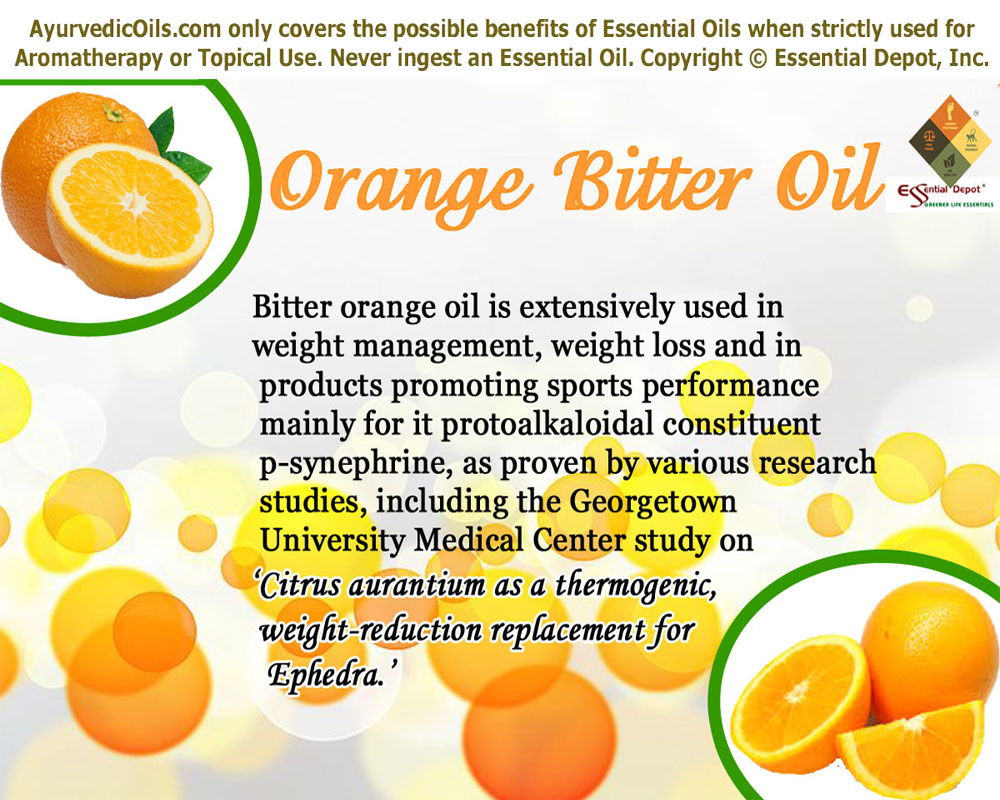
Orange-bitter-bannerBitter’ has been the most neglected taste all around the world and the truth is that bitter things are often better for your fitness regime. On a deeper note, most of the medicines are bitter and they pave way for the sweet fruit of health and harmony.

Unlike the sweet oranges, bitter oranges are not much favored mainly for its tart, astringent and acidic taste. Since the ancient times, bitter oranges and the essential oil cold pressed from the rind of these fruits have carried away the world of medicine with its enormous medicinal values.

Known as Narange in Sanskrit, bitter orange is used in Ayurveda in the treatment of gout, gastrointestinal problems, lack of appetite, anxiety and digestive disorders.

Purchase Orange Bitter Oil – Retail – CLICK HERE

Purchase Orange Bitter Oil – Wholesale – CLICK HERE

Scientifically known as Citrus aurantium, bitter orange is an evergreen tree indigenous to the tropical parts of Asia and Africa. Almost all the parts of this tree are used in extracting essential oils due its healing values.

Essential oil extracted from the leaves and twigs of this tree is known as Petitgrain oil, the oil distilled from the flowers of this tree is the celebrated Neroli oil and the oil extracted from the peel of the bitter orange fruit is called as Bitter orange essential oil.

Historical importance of Bitter Orange:

The Traditional Chinese Medicine used bitter oranges as a natural carminative and tonic for treating dyspepsia. They also used dried bitter oranges in the treatment of diarrhea, ptosis of the anus and uterus, blood in feces and abdominal distention.

The rind of bitter orange fruits were used in Homeopathy for relieving abdominal pain, headache, constipation, digestive disorders, weight loss and high blood pressure. Due to the presence of the active ingredient synephrine, bitter oranges are used in herbal medicinal system as an appetite suppressant and as a stimulant.

The Brazilian folklore medicine used bitter orange and its oil in treating insomnia and anxiety. The ancient Europeans used it as a prophylactic and as a sedative for curing nervous problems, gastrointestinal disorders, insomnia, sore throat and gout.

This medicinal herb has been in use in various cultures across the globe in the treatment of cancer, anaphylactic shock, cardiac exhaustion, heartburn, fungal infections and certain other heart problems.

The native Latin Americans used it in the preparation of a tonic for treating insomnia, lessening anxiety and also as a laxative. It is also used in the United States as an effective aid in preventing colon, breast and skin cancer.

In addition, bitter orange essential oil is used in flavoring baked goods, alcoholic beverages, gelatins, candies, puddings, meat products, frozen desserts and certain other condiments. It is also used as a marinade for meat in the Haitian, Cuban, Nicaraguan and Dominican cooking.

Therapeutic properties and constituents of Bitter orange essential oil:

The remedial properties of this oil are antiseptic, carminative, sedative, stomachic, digestive, antidepressant, anti-hyper cholesterolemic, tranquilizer, anti-inflammatory, choleretic, antifungal and antibacterial. Synephrine, tyramine metabolites N-methyltyramine, pinene, carotenoids, limonene, cymene, camphene, octopamine, ocimene and few other alkaloids are its major chemical constituents.

Ayurvedic health benefits of Bitter orange essential oil:

Ayurveda is the oldest of all the healing methodologies in the world and it still flourishes due to the simplicity it preaches and practices in its remedial rule. According to this ancient science, every individual is a part of nature and his/her poor health and good health depends upon their harmony with nature.

Sickness in Ayurveda is a strong symbol that the individual’s system is out of balance with nature and needs immediate assistance with natural remedies like essential oils, herbal medications, yoga, healthy lifestyle and meditation.

Ayurvedic remedies aim at treating the actual root cause of an illness instead of treating the illness alone and suggests an Ayurvedic routine for preventing such illnesses in the future as well.

Every human being according to Ayurvedic principle is unique with an individual constitution that comprises of three energy elements known as doshas, namely vata, pitta and kapha. The predominance of any one of these doshas determines the personality and characteristics of an individual and imbalance of any of these doshas leads to diseases.

Ayurvedic treatments vary from individual to individual based upon their dosha predominance and unique constitution. Bitter orange essential oil is said to increase vata and pitta doshas and pacify kapha dosha.

The Ayurvedic health benefits of Bitter orange oil are:

1. Treats skin problems:

Bitter orange essential oil has been proved effective in treating numerous skin problems with its antiseptic, antibacterial and antifungal properties. The rind of this fruit from which its essential oil is extracted contains non-bitter flavonoids, which is known to have considerable venotonic properties.

It is for this reason; bitter orange essential oil is used in cosmetics for preventing capillary fragility. Bitter orange extracts are also used in the treatment of cellulite as it has the potent to normalize the affected parts and stimulate the cutaneous tone of the skin.

The effects and unique properties of bitter orange essential oil in the Aromatherapy Workbook by Shirley Price states bitter orange essential oil “help restore an acne skin to normal and is prophylactic against the signs of ageing”. When applied to the affected area after blending 2 drops of bitter orange oil with coconut oil, the antifungal properties of this oil help in treating fungal infections like athlete’s foot and ringworm.

Bitter orange oil also acts as a natural antiseptic and aids in clearing acne, cold sores, wounds, psoriasis, eczema and certain other skin problems due to excessive stagnation of oil. You can add 2 drops of bitter orange oil with refreshing carrier oil like jojoba oil or to your skin care creams and lotions and gently massage onto the affected parts for quicker effects.

2. Enhances the digestive mechanism:

For more than thousands of years, bitter orange has been used in the world of Complementary medicine for treating digestive problems like flatulence, dyspepsia, constipation, sluggish digestion, loss of appetite, intestinal gas, nausea and indigestion.

Gently massaging your stomach with 2 drops of bitter orange oil blended with sesame oil can help you enhance the entire process of digestion. You can also add 2 drops of this oil to your bath tub to help with digestive disorders.

3. Assists in weight-loss:

Weight loss supplements with bitter orange formula are the most popular and the recent use of bitter oranges in the therapeutic world. Numerous researches have proved the effectiveness of bitter orange supplements in treating obesity.

“At present, Citrus aurantium may be the best thermogenic substitute for Ephedra” reveals the Georgetown University Medical Center study on ‘Citrus aurantium as a thermogenic, weight-reduction replacement for Ephedra’.

A recent research on ‘The safety of Citrus aurantium (bitter orange) and its primary protoalkaloid p-synephrine’ states “The data indicate that based on current knowledge, the use of bitter orange extract and p-synephrine appears to be exceedingly safe with no serious adverse effects being directly attributable to these ingredients”.

It also notes that bitter orange extract and its principal protoalkaloidal constituent p-synephrine are extensively used in weight management, weight loss and products promoting sports performance.

A 2006 study on ‘Citrus aurantium and synephrine alkaloids in the treatment of overweight and obesity’ by Johns Hopkins University School of Medicine, MD, USA states that there are certain promising evidences that Citrus aurantium containing several compounds including synephrine alkaloids is a safe alternative to Ephedra, which is a weight-loss supplement banned in US for its adverse health effects.

To boost your metabolism and lessen energy absorption, you can massage your body with 2 to 3 drops of bitter orange oil blended with coconut oil or add 3 drops of this oil to your bath tub.

4. Alleviates stress and reduces anxiety:

Bitter orange oil has a much similar aroma to that of fresh tangy oranges. Inhaling the energizing and enlivening fragrance of this oil especially during the early hours of the day promises a serene atmosphere and instills complete calmness in your mind.

This is why Ayurvedic healing suggests the use of bitter orange oil during your meditation practice. Add 1 drop of bitter orange oil to your diffuser or air freshener and start your deep meditation after which you will feel a never before freshness and increase in your confidence level.

The Aromatherapy expert, Dr. Vivian Lunny recommends an invigorating bath blend with 2 drops of bitter orange oil, 1 drop of neroli oil and 2 drops of petitgrain oil for reducing anxiety, lethargy and tiredness.

When added to your warm bathing water especially after a tiring and stressful day, this blend is said to give a new lease of life, augment stress relief, promote relaxation and stimulate positive feelings. You can also add 1 drop of bitter orange oil to your handkerchief or to your pulse points to renew yourself throughout the day.

Other benefits:

Bitter orange essential oil is also used in treating chronic fatigue syndrome, intestinal ulcers, lowering blood sugar level in diabetic patients, sleep disorders, joint pain, muscular aches, bruises, cold and certain other liver and gall bladder problems.

It is also used in making soaps, cleaning products, disinfectants, cosmetics, perfumes, pharmaceuticals, eau de colognes and certain other household cleaners. Bitter orange oil is also used as a commercial flavoring agent in foods and beverages in many countries.

Disclaimer:

Pure and organic essential oils are highly concentrated liquids so always use it after diluting in suitable carrier oils. Never use essential oils internally. Citrus oils in general have a photo-toxic effect so avoid going out in the sun immediately after using it on your skin.

Pregnant women, nursing mothers, children and people suffering from hypertension and glaucoma should avoid using bitter orange oil. Always consult your Ayurvedic practitioner before choosing the right essential oils for your unique individual constitution.

Bitter Orange Essential Oil – Possible Skin Issues:

bitter-orange-new

Greener Life Diamond – Bio-Healthy Score => 3 Possible Skin Issues:

See => http://www.essentialdepot.com/GreenerLifeDiamond.html

Bitter orange oil exhibits mild photosensitivity effects if the oil is oxidized, which might cause irritation and hyper-pigmentation of the skin and this happens when visible sunlight gets in touch with the skin for up to 12 hours of usage. The major cause being the response of the chemical components that are photoactive in nature attracts light and ends up in toxicity via molecular alterations.

The safe dermal use level of Bitter orange oil by the International Fragrance Association (IFRA) is 1.25%, specifically to thwart phototoxicity in the products used for topical application and not for soaps, shampoos and other bath preparations. This No-observed-adverse-effect-level (NOAEL) is based on various studies with Bitter orange oil on mice and swine, where the No-observed-effects-level (NOEL) was proved as 6.25%.

Besides, Bitter orange oil is Generally Recognized As Safe (GRAS) by the FDA (Food and Drug Administration). “There are no contraindications but that photosensitization may occur in fair-skinned individuals”, quotes The German Commission E monograph for Bitter orange peel.

The major chemical constituent responsible for the skin sensitization and mild irritation of Bitter orange oil is Limonene, which accounts to about 90% of this oil and certain other furanocoumarins.

According to European regulations, essential oils with furanocoumarins should be used in such a way that the overall level of bergapten does not surpass 15 ppm (parts per million) in ready-to-use cosmetic products meant for use on the skin surface that are exposed to sunlight (other than wash-away products) and 1 ppm in sunscreen and bronzing items.

Use Bitter orange oil only for external use and ingestion of this oil should be avoided strictly, as internal use of this oil has adverse effects according to various reports. Medical research studies state that the presence of stimulants like octopamine, amines synephrine (an alkaloid with almost the related chemical structure to ephedrine in Ephedra – Ma-Huang) and N-methyltyramine are responsible for the cardiovascular toxicity of Bitter orange and this is also reported to cause increase in blood pressure and vasoconstriction.

It is recommended to avoid the use of Bitter orange in patients with tachyarrhythmia, hypertension and narrow-angle glaucoma, mainly due its potent to cause additive effects. Overdose of synephrine in children overdose ended up in tachycardia, nausea, quick increase in blood pressure and irritation. Certain researches witness the effect of Bitter orange in restraining human cytochrome P450 3A (CYP3A) in the test tube studies.

Just like Grapefruit, Bitter orange is said to hold back a vital enzyme in the small intestine, and this may possibly have an effect on the levels of blood, when taking certain medications like antiviral, anti-anxiety, antidepressant drugs, statins and calcium channel blockers and along with the intake of caffeine.

Care should be taken if Bitter orange oil is used in massage in the abdominal area, as essential oils penetrate quickly through the skin, reach the bloodstream and may cause adverse effects. It is not recommended to take Bitter orange products when using other prescribed medications, except under strict medical supervision.

Furocoumarins are also used in various remedies on par with the long-wave ultraviolet light therapy for the healing of mycosis fungoides, vitiligo and psoriasis.

Reference Links Substantiating Possible Skin Issues of Bitter Orange Oil:

  1. Bitter Orange by University of Michigan Health System
  2. Bitter Orange, Sour News by University of California, Berkeley Wellness
  3. Bitter Orange Peel and Synephrine by American Botanical Council
  4. Bitter Orange, American Herbal Products Association’s Botanical Safety Handbook, Second Edition by Zoe Gardner, Michael McGuffin
  5. Bitter Orange by Drugs.com
  6. Essential Oil Safety: A Guide for Health Care Professionals By Robert Tisserand, Rodney Young

Thought for the day:

The trees that are slow to grow bear the best fruit. -Moliere

Suggested Reading:

  1. Citrus Essential Oils: Flavor and Fragrance from Wiley
  2. Citrus Oils: Composition, Advanced Analytical Techniques, Contaminants, and Biological Activity (Medicinal and Aromatic Plants – Industrial Profiles) from CRC Press
  3. Aromatherapy Workbook: A Complete Guide to Understanding and Using Essential Oils by Shirley Price
  4. Ayurveda & Aromatherapy: The Earth Essential Guide to Ancient Wisdom and Modern Healing by Dr. Light Miller, Dr. Bryan Miller

Reference Link:

  1. Bitter orange by Wikipedia
  2. Citrus aurantium and synephrine alkaloids in the treatment of overweight and obesity by Johns Hopkins University School of Medicine, MD, USA published in PubMed
  3. Bitter Orange by Drugs.com
  4. The safety of Citrus aurantium (bitter orange) and its primary protoalkaloid p-synephrine by Creighton University Medical Center, NE, USA published in PubMed


Your resource for quality Essential Oils. Every batch is
GC tested to ensure purity and authenticity.
Sabinene


Sabinene is a bicyclic unsaturated terpenoid with the molecular formula C10H16. It is also known by other names like 4(10)-Thujene; Sabenene; Sabinen; etc.

It is usually present in the essential oils of plants such as Black pepper, Holm oak, Norway spruce, Nutmeg, Clausena anisata and Laurus nobilis. It is also obtained from Tea tree oil in little concentration. It is also a key ingredient of Carrot seed oil.

Attributes of Sabinene:

It has a woody and spicy smell.

Being a constituent of the black pepper, Sabinene is the reason behind the hotness and spicy element of black pepper.

Sabinene is one of the constituents of carrot that adds the key flavor to carrots. Sabinene also seems to be one of the significant components present in carrots that contribute to green, earthy, carrot top flavour with relatively high odor activity values.

Sabinene also showed strong radical-scavenging activity, which enables the essential oil containing sabinene to be antioxidant in nature.

It also serves as an additive in perfumes.

Therapeutic uses of Sabinene:

The most predominant remedial values of Sabinene are:

As an anti-inflammatory agent:

Sabinene also exhibits anti-inflammatory, anti-microbial and antifungal properties.

According to a study titled “Anti-fungal, anti-oxidant ad anti-inflammatory activities of Oenanthe crocata L.essential oil”, it has been found that sabinene exhibited a strong anti-inflammatory activity by inhibiting nitric oxide (NO) production in lipopolysaccharides and interferon gamma triggered macrophages.

It is also used to treat inflammation on the skin. It is also used for the treatment of dermatophytosis and other inflammatory conditions.

According to a study, ‘Antifungal, antioxidant and anti-inflammatory activities of Oenanthe crocata L. essential oil’, it was stated that sabinene present in the essential oil Oenanthe crocata is responsible for its anti-inflammatory attribute.

Sabinene in this essential oil extremely exhibited anti-inflammatory properties by inhibiting the pro-inflammatory cytokines, namely tumour necrosis factor alpha and interlukin.

As anti-bacterial and anti-fungal agent:

Sabinene also possess anti-bacterial properties and has been witnessed by various studies. According to the study titled, “The Essential Oil Constituents of Zorniadiphylla (L.) Pers, and Anti-Inflammatory and Antimicrobial Activities of the Oil”, it had been stated that sabinene showed a strong anti-microbial activity against Salmonella typhi, which causes food poisoning. Sabinene also proved to contain anti-fungal potency.

Sabinene exhibits strong to moderate anti-bacterial activity against gram positive bacteria and anti-fungal activity against pathogenic fungi.

Sabinene present in tea tree oil is an anti-bacterial and an antiseptic, anti-helicobacter, anti-ulcer. Sabinene is also used in perfumery and as a flavoring agent.

Reference Links:   

Sabinene by Wikipedia

Antifungal, antioxidant and anti-inflammatory activities of Oenanthe crocata L. essential oil, published in the Food and Chemical Toxicology Journal

Antimicrobial activity of the essential oil and different fractions of Juniperus communis L. and a comparison with some commercial antibiotics.

The Essential Oil Constituents of Zorniadiphylla (L.) Pers, and Anti-Inflammatory and Antimicrobial Activities of the Oil, by the Phytochemistry and Phytopharmacology Division, Tropical Botanic Garden and Research Institute, India

Ayurvedic Remedies For Weight Loss: Where Obesity Turns Obsolete Naturally


Obesity has become a common phenomenon and is spreading like forest fire among the younger generation. Numerous studies have revealed that unhealthy and irregular eating habits and lack of physical exercises are the two major reasons sowing the seed for the tree of obesity to attain its fuller growth. If unchecked and treated at the initial stage, obesity can spread its harmful roots and give its love to other health complexities like diabetes or high blood sugar, liver disorders, heart attack resulting from stroke, coronary heart disease and congestive heart failure, osteoarthritis and other joint disorders, sleep apnea, increased blood cholesterol, gallstones and difficulty in accomplishing tasks than the person with normal body weight.

Many of us confuse obesity and overweight. Overweight may be due to the increased weight of bone, muscle, excess fat or water whereas obesity indicates the surplus amount of body fat. Both the terms share the common meaning of excess weight in a person’s body than the actual weight he/she is supposed to be according to their BMI (Body Mass Index).

Ayurvedic remedies for weight loss: Obesity is treated using various therapies in Ayurvedic treatment. Initially you will be facilitated to take up your first Ayurvedic consultation with the Ayurvedic practitioner, where your pulse, eye sight, breathing mechanism, palm and tongue are tested to trace out your doshas also known as psychosomatic structure. After which the complete medical history of you and your family as well your customary habits and emotional stability are drawn.

It is at this stage, the Ayurvedic expert explores the actual root cause for your obesity or overweight based upon on the findings of your first consultation. Ayurveda trusts in uniqueness of an individual and suggests a healthy diet, meditation, regular physical exercises and yoga for your complete robustness along with the relevant Ayurvedic medication.

A hearty eating habit: Even before prescribing the medicines for your condition, Ayurveda highly insists on practicing a healthy eating habit with fresh fruits, green leafy vegetables, Ayurvedic drinks like ginger tea with lemon and more. This divine science directs you to take small portions of meal instead of single hefty meal and always remember to take rich food items during the lunch as the fire for digestion is at its fullest potential during noon. Chew your food thoroughly instead of blind swallowing as it encourages easy digestion restricting the unused particles to get stored in your body.

Water is your best mate and obesity’s worst fate: Drink as much as water you can as this elixir of life has the power to remove the unwanted materials and toxins from your body, allowing it to glow naturally.

Ayurvedic medication: Ayurveda suggests the use of herbal medications made with garcinia, licorice, ginger, rhubarb, coriander, triphala, cumin, shilajit, fennel, guggulu, turmeric, bhibitaki, tulasi or gokshura seed based upon your predominant dosha types. Most of the above herbs work in a way to augment the digestive fire (Agni) and support quicker and complete digestion essential for weight loss. Apart from these herbs the Ayurvedic professional may also prescribe the use of Ayurvedic essential oils like Bergamot oil, Grapefruit oil, Peppermint oil, Cypress oil, Rosemary oil, Thyme oil, Lemongrass oil, Orange oil, Fennel oil and Juniper oil for fighting the general fat deposits in your body and prevent the future fat deposits also.

There’s nothing to weep or worry. First understand that obesity is a universal condition and you are not its unique victim. It’s time to pack up the problems that obesity has presented you and give it ten times back to the environmental forces that made you feel shy and uncomfortable in your day to day living. Yes! The ready redeemer for all these burning problems is Ayurveda, the incredible science of human life.

Reference links:

  1. Obesity by PubMed Health
  2. Dosha by Wikipedia
  3. Natural Weight Loss – The Ayurvedic Way by Native Remedies

Ayurvedic Essential Oils For Your Face


Your face says who you are and shows better about what you really think and the popular saying ‘Face is the index of the mind’ proves it right. All kinds of human expressions like happiness, sadness, pain, angriness, depression, fear, anxiety, stress, shock, surprise and everything else is first conveyed through your face. It can also be called as your body’s brand ambassador and at times even your hidden feelings are revealed through your face.  People first look at your face and determine you even before speaking with you and it has an upper hand in creating the ‘first best impression’. It is your right and responsibility to take care of your face, the most expressive and the impressive part of your system. I can never think of anything else other than the natural skin care shield offered by the protective and healing Ayurvedic essential oils that has been a part of beauty secrets of many for centuries together.

  1. Lavender essential oil: No one can hate lavender if not for its color but for the mesmerizing aroma that it holds by nature. Even your hectic days that make your face dull and gloomy might revive gradually with the soothing fragrance of lavender essential oil. This calming oil has bactericide, anti-fungal, antiseptic and anti-viral properties that help fight facial problems like acne, pimples, wrinkles on the face and tanning of the facial skin. Lavender oil is also said to improve the complexion and give radiant glow to the skin, for which it has been a vital part of Ayurvedic massage therapy, facial creams, lotions and other popular skin care products in the market.
  2. Frankincense essential oil: A firm, fresh and fabulous face is always the symbol of energy and youthfulness. Frankincense essential oil can be your best friend in bringing all the above said qualities with a bracing energy to your face. This oil has anti-bacterial, tonic and antiseptic properties that help in toning, contracting and lifting the facial muscles helping in visible reduction of wrinkles and fights against acne. Few drops of Frankincense essential oil with Jojoba oil can work like a wonder on your face.
  3. Tea Tree essential oil: Tea tree oil is the beauty secret of Australians and more than 300 species of Tea tree has found its native in the land of Kangaroos. This enriching essential oil is known for its immune stimulating properties and protects your skin from the harmful bacteria, viral and fungal infections. Dull, lifeless and oily skin is often treated with the therapeutic benefits of Tea tree oil. This oil is also used as an effective remedy in curing acne, burns, rashes, skin irritations, wounds and tropical infections.
  4. Rosemary essential oil: Dry, tired, mature, sensitive and dead beat skin can be given a new life with a simple soothing massage of few drops of Rosemary essential oil with any of your favorite carrier oils. Rosemary oil works well in treating oily skin as it has been proved to reduce the sebum or excessive oil production when used topically.
  5. YlangYlang essential oil: Extreme secretion of oil or imbalanced release of sebum is the major causes of problems like pimples, acne, dark spots and other bacterial infections. The use of YlangYlang essential oil with its mystical aroma balances the improper sebum secretion and restores the essential oil required for a healthy, glowing and younger looking skin. This anti-depressive essential oil helps calm down the facial muscles and induce a good night’s sleep that would help in vitalizing and reducing dark circles visibly.

Using these Ayurvedic essential oils for your face is not a rocket science and anyone can do it easily with the tip of your fingers as nothing else can caress your face and cradle your tension other than your hands with the magical touch of such enlivening essential oils.

Reference Links:

  1. Health Benefits of Frankincense Essential Oil by Organic Facts
  2. The Tea Tree Skin “Miracle” – The 7 Benefits of Tea Tree Oil by Body Ecology
  3. Carrier Oils by Wikipedia

Orange Sweet Essential Oil


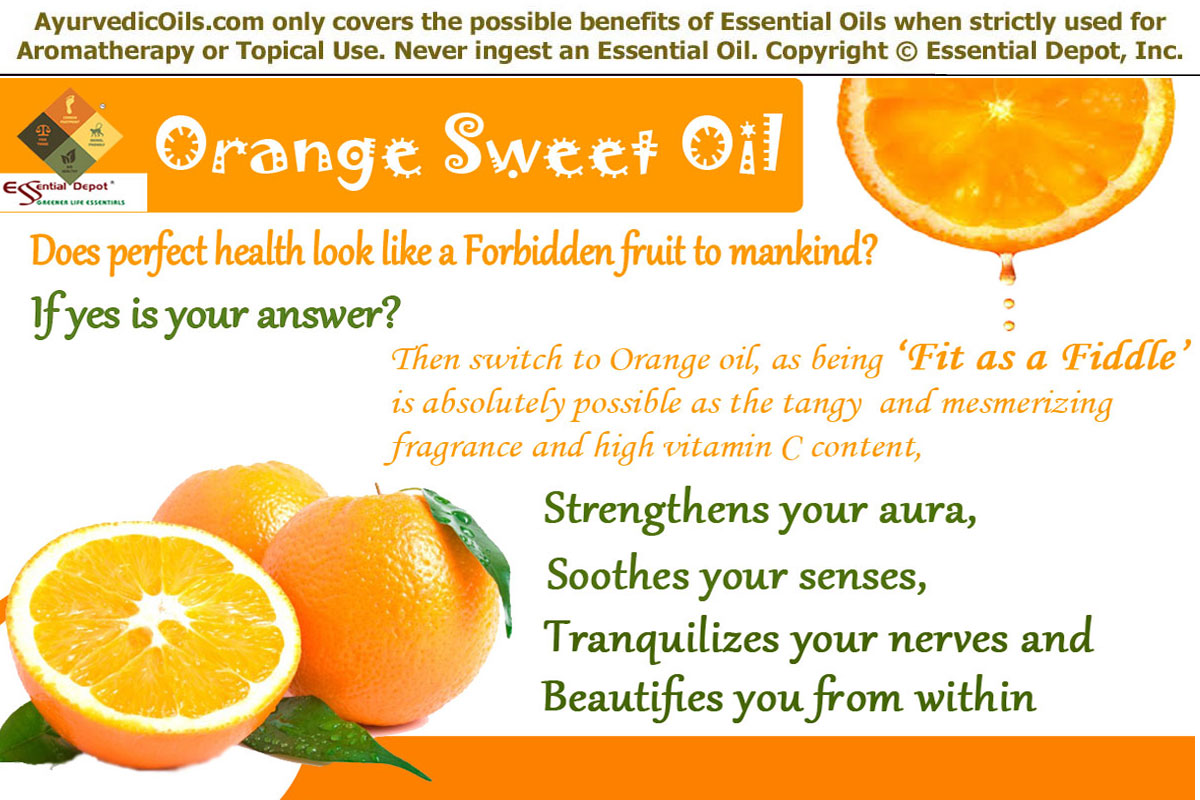
Orange-sweet-bannerBeing fit as a fiddle is the dream of every one of us in this wobbly world where perfect health looks like a forbidden fruit to humanity. When this contemporary living demands swallowing pills, regular gymming and deficient diet to make you look like Mr. / Ms. Perfect, Ayurveda, the oldest of all healing sciences on earth suggests the holistic treatment to your five senses for a harmonious living.

Colors for the sense of sight, sound for the sense of hearing, aroma for the sense of smell, massage and topical application for the sense of touch and herbal remedies for the sense of taste.

And now, here’s the key for opening your door to perfect health, yes you are right and the key is Orange and its essential oil. With an appeasing orange color it instills peace, happiness and spiritual wisdom, the tangy and mesmerizing aroma calms your senses and soothes your nerves, the therapeutic properties ease numerous functions of the body when massaged gently and its numerous medicinal benefits strengthen your aura when ingested in the form of juices.

Purchase Orange Sweet Oil – Retail – CLICK HERE

Purchase Orange Sweet Oil – Wholesale – CLICK HERE

Historical Importance of Sweet Orange:

It is native to China and is scientifically known as Citrus sinensis. The first literary presence of orange dates back to 500 BC in the book ‘Yu Kung’ written under the reign of the Chinese Emperor Ta Yun. The ancient Chinese considered Orange as a symbol of good luck and used it for treating numerous health problems, whereas the Europeans regarded it as a sign of richness. Sweet oranges were celebrated as a Qi-tonic (tonic for the aura or the life force) to eliminate obstacles in the energy meridians.

Vasco da Gama was the first person to bring Sweet Oranges to Europe when he discovered it in the 15th century in East Africa, which was considered as the Arabian trade routes. It gained greater reputation in Portugal and was called as ‘Portugal Orange’.

Few sources say that Columbus took the seeds of Citrus sinensis to America in 1493 and it slowly spread across California, Florida and Louisiana by the middle of the 18th century. Sweet orange and its oil has been in use in a number traditional cuisines like roast duck (other water birds also), fennel and orange salad, orange-almond tart and in many savories, desserts and confectionery items across the globe.

Chemical constituents or Gas Chromatography Report of Orange sweet oil:

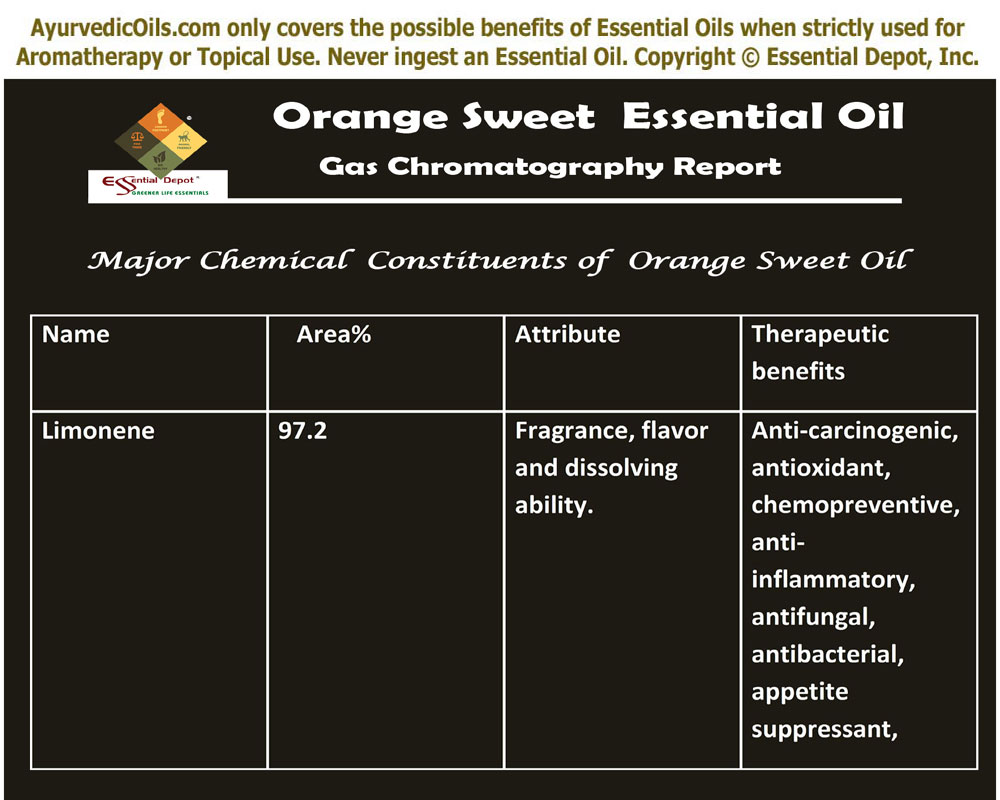
According to the Gas chromatography report, Orange sweet oil constitutes of Limonene as the key component with about 97.2%, contributing to its distinctive fragrance, remedial properties and quality.

Just click on Limonene for knowing about the exclusive information of this prime constituent of Orange sweet oil.

The table below on the Gas Chromatography report talks about the prime chemical constituent and its role in granting the therapeutic and other attributes to Orange sweet oil.

Orange-sweet-OilTherapeutic properties of Orange sweet oil:

The essential oil of Sweet orange is extracted by cold pressing the rinds of this fruit that instills a fresh and strong aroma. The healing properties of this oil are antidepressant, tonic, anti-inflammatory, antiseptic, anti-carcinogenic, chemo-preventive, cholagogue, antispasmodic, carminative, antioxidant, sedative, anti-inflammatory and diuretic.

Ayurvedic health benefits of Orange sweet essential oil:

Nothing is as complicated as studying human physiology and human psychology even with today’s modern devices. You will now feel highly impressed with the kind of wisdom that Ayurveda has imparted to this world even before our scanning machines or X-ray devices were found.

It is for this reason people call Ayurveda as a common sense science that transforms the knowledge about human mind, body and spirit in an easier manner for everyone to understand thoroughly as this noble methodology considers that knowledge about one’s own health condition is vital for healthy living.

Ayurvedic texts indicate that human beings are an essential part of nature and everything that corresponds to their illness or wellness depends upon their balance or harmony with nature.

Thus illness in Ayurveda means that your body is out of rhythm with nature and natural remedies like essential oils, herbs, healthy lifestyle, yoga, meditation and prayers can assist in treating imbalances that bring you back to balance with nature and help prevent such diseases in the future also.

Ayurvedic remedies are always unique for every individual as it trusts that every human being is made up of a unique combination of energy elements known as doshas (vata, pitta and kapha) in Sanskrit.

Predominance of any one of these doshas determines an individual’s personality and health condition and imbalance of any one these doshas leads to illness. Ayurvedic treatment is solely based upon the individual constitution and the dosha imbalances of a person. Sweet orange oil is said to reduce excess vata and kapha and increase pitta deficit.

The Ayurvedic health benefits of Orange sweet essential oil are:Orange-sweet-broucher1. Benefits to the skin:

Sweet orange essential oil has a handful of benefits to the skin when added to your regular skin care cream or lotions. Massaging your skin gently with 2 drops of Orange sweet oil blended with mild carrier oil like jojoba oil can help in treating acne, skin irritation, microbial infections, wounds, cuts, abrasions and dermatitis with its antiseptic properties.

Known as a skin tonic, this oil stimulates the lymphatic system and aids in eliminating the toxins of the congested skin surface.

As a natural skin energizer, Orange sweet oil penetrates deeply into the pores and supports the formation of collagen in the skin. This helps in augmenting the elasticity of the skin, reduces wrinkles, removes excess oil, improves skin complexion and grants a never before brighter, fairer, spotless, healthy and glowing skin.

Adding 2 drops of Orange sweet oil in lukewarm bathing water or in facial steam helps in refreshing and revitalizing your skin and aids in fighting the symptoms of aging.

2. Benefits to the mind:

As a trusted antidepressant, sedative and mild aphrodisiac, Orange sweet oil has been used for treating depression, anxiety, mood fluctuations, sleeping difficulties and sexual problems like loss of interest in sex, loss of libido, impotence etc.

Adding 2 drops of this oil in your diffuser, air freshener, vaporizer, burner or in bath will uplift your mood, grant mental clarity, pacify your nerves, induce positive feelings and reminds you of the happy moments in your life.

Sweet orange oil with its inspiring, encouraging, stimulating and versatile aroma grants a sense of support, warmth and happiness. With this motive, Orange oil is recommended for use in the bed room to treat sleeping problems, mental worries and for assisting stubborn children to fall asleep.

A 2012 study on ‘Effect of Sweet Orange Aroma on Experimental Anxiety in Humans’ presented results stating “an acute anxiolytic activity of sweet orange aroma, giving some scientific support to its use as a tranquilizer by aromatherapists.” This proves that the aroma of Sweet orange is effective in reducing anxiety and stress levels in human beings.

Another research on ‘Anxiolytic-like effect of sweet orange aroma in Wistar rats’ also proved that the acute anxiolytic aroma of sweet orange is better than the aroma of tea tree oil when tested on the same animal model.

3. Benefits to the digestive system:

Orange sweet oil has carminative properties that aids in expelling the formation of gas in the intestines. If left unnoticed intestinal gas can create sharp pain in the chest, severe stomach pain, indigestion, abdominal discomfort and increase your blood pressure.

Using 2 drops of this oil with sesame oil for massaging your tummy will help in preventing gas formation, driving out existing gas, treating intestinal spasms, cramps and killing intestinal parasites.

A 2010 study on ‘Efficacy of an orange oil emulsion as an anthelmintic against Haemonchus contortus in gerbils (Meriones unguiculatus) and in sheep (Ovis aries)’ tested the effectiveness of Orange oil in killing Haemonchus contortus, a blood-sucking abomasal gastrointestinal parasite that affects goats and sheep. This research proved that orange oil is 97 percent effective in treating parasitic worms in sheep and goats.

4. Benefits to spasms and pain:

Sweet orange oil with its antispasmodic effect helps relieve spasms that can cause chronic diarrhea, persistent coughs, muscular cramps and convulsions. This oil has excellent diuretic properties that eliminate the toxic substances from the body through urine. It also helps in treating obesity, water retention and inflammation due to the presence of harmful toxins in the body.

Add 2 to 3 drops of Orange sweet oil in your bath tub for treating inflammation and spasms. Massaging the affected area with 2 drops of Orange sweet oil blended with coconut oil can grant instant relief from painful spasms along with external and internal inflammations.

5. Benefits to the entire system:

The essential oil of Orange sweet benefits the entire system by balancing various functions of the body. Being a cholagogue, this oil stimulates the secretion from all the glands, helping to regularize menstrual flow, digestive juices, hormones and milk in nursing mothers.

The presence of limonene constituent in Orange sweet oil has been proved to combat free radicals and check the growth of cancerous tumors by preventing cellular mutations. This oil also enhances the immune power of the body and helps to fight against cold, flu, nervous tension and numerous other diseases.

Disclaimer:

Never take essential oils internally. Always use essential oils after diluting it in carrier oils as pure essential oils are highly concentrated liquids and may harm you when used directly on the skin. Citrus oils in general have photo-toxicity effect so avoid using it before going out in the sun. Consult your Ayurvedic practitioner before choosing the right essential oil for your individual constitution and appropriate health condition.

The MSDS (Material Safety Data Sheet) of Orange sweet essential oil is readily available for your enhanced safety and superior usage.

Gas Chromatography Report of Orange sweet essential oil.

Thought for the day:

When life gives you lemons, make orange juice and leave the world wondering how the hell you did it.      – Unknown

Suggested Reading:

  1. HEALING POWERS OF SWEET ORANGE OIL (The Aromatherapy Professional: Healing with Essential Oils) by KG Stiles
  2. How to Use Orange Essential Oil (Aromatherapy) by Miriam Kinai
  3. Citrus Essential Oils: Flavor and Fragrance from Wiley
  4. Citrus Oils: Composition, Advanced Analytical Techniques, Contaminants, and Biological Activity (Medicinal and Aromatic Plants – Industrial Profiles) from CRC Press

Reference Links:

  1. Oranges: History, Types and Uses by HubPages
  2. Efficacy of an orange oil emulsion as an anthelmintic against Haemonchus contortus in gerbils (Meriones unguiculatus) and in sheep (Ovis aries) submitted to Veterinary Parasitology, published in USDA Agricultural Research Service Website
  3. Citrus sinensis by World Agroforestry Centre
  4. Effect of Sweet Orange Aroma on Experimental Anxiety in Humans published in The Journal of Alternative and Complementary Medicine

Oregano Essential Oil


oregano-bannerAcclaimed as ‘The Mediterranean Miracle’, ‘Mountain Joy’ and as the ‘Wonder Herb in Ayurveda’, Oregano has been aiding people all over the world and especially in the Mediterranean regions to maintain healthy living for numerous centuries.

The most popular Ayurvedic book, ‘Yoga of Herbs: An Ayurvedic Guide to Herbal Medicine’ by Dr. David Frawley and Dr. Vasant Lad says “Oil of Oregano is one of the most potent antiseptics known to man.

Botanically known as Origanum Vulgare, Oregano is yet another prestigious limb of the mint family, Lamiaceae and has its origin in the Mediterranean region and southwestern Eurasia. Ayurveda, the mother of all healing sciences used Oregano (known as Sathra) and its essential oil as a heating carminative to treat digestive disorders and was also used for treating toothache, skin problems, pain and inflammation.

Purchase Oregano Essential Oil – Retail – CLICK HERE   

Purchase Oregano Essential Oil – Wholesale – CLICK HERE

Historical uses of Oregano essential oil and the herb:

Known as the staple herb of the Italian-American cuisine, Oregano is one among the best culinary herbs in the world used in a variety of Mediterranean cuisines, Mexican food, Italian dishes and is also used in making fried, roasted or grilled vegetables, meat, fish and much more food varieties. It is also a part of many Lebanese, Turkish, Palestinian, Spanish, Greek, Portuguese, Syrian, Latin American and Egyptian cuisines.

Oregano essential oil is extracted from the leaves of this plant. This oil has been in use since the primordial times in various medicinal practices. The Traditional Chinese Medicine used Oregano for treating vomiting, fever and diarrhea. The fresh leaves were used in tea for strengthening the immune system and for dealing with infections.

Biblical texts denote Oregano as a cleansing tonic. The ancient Arabic medicine used this herb for food preservation and for treating gastrointestinal disorders. The natural medicinal system of Philippines used Oregano and its essential oil for treating cough and ear aches in children. It was also used in curing pain and given for women after childbirth for its emmenagogue properties.

Hippocrates, the ancient Greek physician and the father of western medicine used Oregano as an effective antiseptic and for treating respiratory and digestive ailments. History denotes that it was the Greeks who discovered the disinfectant and antimicrobial properties of this oil and they used it for treating skin infections, sore throat, wounds, viral infections and for protecting the body from the effect of harmful organisms.

Chemical constituents and therapeutic properties of Oregano oil:

Oregano essential oil is enriched with chemical constituents like carvacrol, cymene, thymol, borneol, terpinene, pinene, linalyl acetate, bisabolene, linalool, caryophyllene and geranyl acetate. The remedial properties of this oil are antimicrobial, antiseptic, anti-viral, anti-bacterial, anti-parasitic, antioxidant, emmenagogue, anti-allergenic, digestive, anti-inflammatory and immune stimulant.

Ayurvedic health benefits of Oregano essential oil:

Ayurveda means ‘science of life’, the science that preaches the simple methodologies to prevent illness, stay healthy and for healthy aging that makes you independent in your 60s or 70s without relying upon anyone to assist your health conditions.

The philosophy of Ayurveda relates the life of an individual with the life of the Universe. Based upon this innate wisdom, Ayurveda further explains that the Universe is made up of five elements namely fire, water, earth, air and ether and it also states that an individual is also made up of the five elements of nature, which is also known as the building blocks of life.

Among these five elements water governs the movement of fluids in the body like blood, saliva, mucus and plasma. Fire determines the digestive power, intellectual skills and body temperature. Air controls the functioning of the heart, stomach, lungs, joints and intestines.

Ether is present in all parts of the human body where the presence of cavity and emptiness are witnessed like heart, nostrils, blood vessels, bladder etc. Earth represents vigor, braveness, constancy and steadiness.

The individual constitution comprises of three energy elements known as doshas (vata, pitta and kapha). Vata represents air and ether, pitta stands for fire and water and kapha stands for water and earth. Imbalance of doshas leads to illnesses.

Ayurveda recommends the use of herbs, essential oils, healthy lifestyle, meditation and yoga to bring the body and mind back to balance. Oregano oil is known to enhance pitta deficiency and reduce kapha and vata excess.

The major Ayurvedic health benefits of Oregano essential oil are:

Oregano-broucher1. Protects the body from infections and allergies:

Oregano oil has been proved effective for treating numerous infections and allergic conditions with its antibiotic, antimicrobial, anti-viral, anti-bacterial and anti-parasitic properties.

The Georgetown University research on Oregano oil’s effectiveness against drug-resistant bacteria, proves that the presence of carvacrol component in Oregano oil lessen the infections as effectively as the traditional antibiotics.

A study conducted by the Mexican researchers on the effectiveness of Oregano to treat giardia, which is a water-borne bacterium that lives inside the intestines. Another study proves that Oregano oil is effective in killing giardia bacterium than the generally prescribed drug tinidazol. Oregano is a powerful anti-bacterial oil that wards off numerous pathogenic bacteria like E.coli, Staphylococcus aureus and Strep and protects one from typhoid, sores, cholera, infections in the colon, urinary tract and certain other skin infections.

Parasites like tape worms, round worms, mosquitoes, fleas, lice and bed bugs cause innumerable communicable diseases that affect the human body severely. Oregano essential oil has anti-parasitic properties that aids in killing parasites.

Viral infections like cold, pox, mumps and measles weaken your immune power and paves way for other harmful organisms to affect your health. Oregano essential oil is a powerful immune stimulant that strengthens your immune system, fight against viruses and makes your system resistant to other foreign bodies.

Fungal infections like athlete’s foot and ringworm can be treated aromatically with the antifungal properties of this oil. Being an anti-allergenic oil, Oregano acts as a sedative and pacifies the hyper-sensitive reaction responsible for allergies.

A 2001 research on ‘Antimicrobial activity of essential oils from plants against selected pathogenic and saprophytic microorganisms’ proved that among the 11 essential oils tested for effectiveness against microbes, Oregano essential oil showed the highest inhibitory rate against pathogenic and spoilage microorganisms. The carvacrol and thymol compounds in this oil are very effective in killing a microbe known as Candida, which is the reason behind eczema and psoriasis.

To guard yourself against such infections and allergies, you can either topically apply 2 drops of Oregano oil blended with olive oil on the affected area or add 2 drops of oil in your bath or skin care cream or lotions.

2. Promotes digestive health:

Oregano essential oil is a heating carminative oil that aids in increasing the pitta flow and promotes quicker digestion. Massaging your tummy with 2 drops of Oregano oil blended with sesame oil can assist in treating slow digestion due to excess of mucous deposits in the stomach or fullness.

You can also add 2 to 3 drops of Oregano oil in warm compresses to help with stomach upsets, relieving gas, enabling the movement of food and for regularizing the entire process of digestion.

3. Assists respiratory problems:

As Oregano essential oil has warming effect, it can assist the body when it is cold and treat problems like cold, sinusitis, headache, mucous congestion, whooping cough, pneumonia and other respiratory infections. Oregano essential oil is said to be one of the best essential oils for opening blocked sinus passages and treat congestion as a natural decongestant.

Light Miller in her book ‘Ayurveda and Aromatherapy’ says that Oregano essential oil is a warming diaphoretic oil that eliminates surface toxins, provoke perspiration, improve blood circulation and relieve headaches due to congestion or cold.

Add 2 drops of Oregano oil to steaming water and inhaling this medicated steam will aid in alleviating congestion, open blocked nasal passages and relieve pain due to cold and infection. You can also blend 2 drops of Oregano oil with coconut oil and gently massage the soles of your feet or apply on your chest and back or add it to warm bathing water for immediate relief from cold, sore throat and sinus problems.

4. Helps relieve pain and inflammation:

The anti-inflammatory, immune stimulant and warming diaphoretic properties of Oregano oil assist in eliminating toxins from the body, reduce inflammation, increase blood circulation and lessen pain and inflammation in rheumatic and arthritic patients.

Gently massaging the affected area with 2 drops of Oregano oil blended with coconut oil or adding it to your bath helps in reducing pain and inflammation in arthritis. Oregano essential oil has been proved by the Physiotherapy research to contain morphine-like properties that act as a perfect pain relief aid.

5. Fights against prostate cancer:

The University of Arizona research and the study by the Long Island University have proved that Oregano essential oil has antioxidant and anti-cancerous properties that fights against many types of human cancers.

Prostate cancer has been listed as the second important cause of cancerous death in American men. This study found that the presence of the active constituent, carvacrol in Oregano oil helps in the treatment of prostate cancer by stimulating apoptosis (programmed death of cells) in prostate cancer cells.

Other health benefits:

Oregano essential oil also helps in alleviating dysmennorhea, normalizing blocked menstruation and treating menopausal symptoms. This oil is also used for treating intestinal parasites, muscular pain, warts, vaginal candida and asthma.

Disclaimer:

Never use essential oils directly on the skin and always dilute it in suitable carrier oils as essential oils are highly concentrated solutions. Avoid using essential oils internally. Consult your Ayurvedic physician before using the right essential oils for your unique individual constitution and state of health. Avoid using essential oils if you are pregnant or a nursing mother.

Thought for the day:

In all things of nature there is something of the marvelous.    -Aristotle

Suggested Reading:

  1. Oregano – The Herb that Saved…My Life by Thomas Mayhew
  2. The Cure Is in the Cupboard: How to Use Wild Oregano for Better Health by Cass Ingram
  3. The Oregano Oil Supplement: Alternative Medicine for a Healthy Body (Health Collection) by William Wagner
  4. Herbal Antibiotics, 2nd Edition: Natural Alternatives for Treating Drug-resistant Bacteria by Stephen Harrod Buhner

Reference Links:

  1. Oregano Oil May Protect Against Drug-Resistant Bacteria by the Georgetown University Researcher published in Science Daily
  2. Oregano by Wikipedia
  3. Antimicrobial activity of essential oils from plants against selected pathogenic and saprophytic microorganisms published in PubMed
  4. Oregano Active Constituent Kills Prostate Cancer Cells by Herbcyclopedia

(E)- Cinnamaldehyde


Cinnamaldehyde is a pale yellow gelatinous liquid and an organic compound, which is responsible for the taste and smell of the cinnamon spice. Its molecular formula is C9H8O or C6H5CH=CHCHO.

It is also identified by various names such as 3- beta-phenylacrolein, (E)-Cinnamaldehyde and cinnamic aldehyde. The essential oil in the bark of the cinnamon trees contains almost 98% of Cinnamaldehyde.

Attributes of Cinnamaldehyde:

Cinnamaldehyde is responsible for rendering the taste, rich flavor and aroma in the most renowned Cinnamon spice.

Therapeutic uses of Cinnamaldehyde:

Many of the health benefits of Cinnamon and its effect on metabolism is due to the presence of Cinnamaldehyde in it. It helps to fight against tooth decay and bad breath and so the herb of Cinnamon is used for enhancing oral health. The antifungal and antibacterial property of Cinnamaldehyde helps to reduce infections.

Cinnamaldehyde restricts the harmful blood platelet clotting, which would otherwise result in insufficient blood flow. This is accomplished by preventing the production of arachidonic acid that is responsible for anti-inflammatory responses from the cell membranes.

As an anti-bacterial and anti-fungal agent:                           

Cinnamaldehyde exhibit anti-microbial activity. The antimicrobial nature of Cinnamaldehyde was proved by the study conducted at the University of Illinois, Chicago.  It had been found that Cinnamaldehyde prevents above 50% of the bacterial growth in the oral cavity. It is especially effective for preventing the growth of bacteria and other pathogens in the tongue.

According to a study titled “Antimicrobial Activities of Cinnamon Oil and Cinnamaldehyde from the Chinese Medicinal Herb Cinnamomum cassia Blume published in The American Journal of Chinese medicine, Cinnamaldehyde effectively inhibits the growth of various segregates of bacteria including gram positive and gram negative bacteria, fungi including yeasts, filamentos molds and dermatophytes. Thus Cinnamaldehyde possess anti-bacterial and antifungal properties.

Anti-diabetic property:

Since the primordial times, Cinnamon has been used to treat diabetes in China and in India. The anti-diabetic nature of Cinnamon is due to the presence of cinnamaldehyde.  According to a study conducted on the streptozotocin(STZ) induced male diabetic wistar rats, it had been found that by administering Cinnamaldehyde at different doses, it had considerably reduced the plasma glucose level and simultaneously increased the plasma insulin level.

Further, oral administration of Cinnamaldehyde markedly reduced glycosylated haemoglobin, serum total cholesterol and triglycerides and increased the hepatic glycogen and HDL (High Density Lipoprotein) cholesterol. Thus, Cinnamaldehyde exhibits hypoglycemic and hypolipidaemic effects in STZ induced diabetic rats.

As a flavoring agent:

Cinnamaldehyde is mainly added to foods and medicines to enhance its quality in terms of aroma and taste. It is used as a flavoring agent in liquid refreshments, ice-creams, chewing gums and candy. It is also used in perfumes to recreate the magic of fruity and interesting fragrance ranges.

Insecticide and Mosquito repellent:

Cinnamaldehyde is an effective animal repellent, which is used to repel animals like cats and dogs. It is also used as an efficient insecticide for mosquitoes. It had been found that about half of Aedes aegypti mosquito larvae are killed by an amount of 29 ppm of cinnamaldehyde in 24 hours.

Cinnamaldehyde is also used as a fungicide. It is also used to prevent corrosion in steel and other ferrous alloys in corrosive fluids like hydrochloric acid.

Reference Links:

Cinnamaldehyde by Wikipedia

Cinnamaldehyde – A potential antidiabetic agent by Entomology Research Institute, Loyola College, India

Antimicrobial Activities of Cinnamon Oil and Cinnamaldehyde from the Chinese Medicinal Herb Cinnamomum cassia Blume published in the American Journal of Chinese Medicine