===
console.log('header!');
// Easy to add and display post grid on your website with or without categoryies filter. Also work with Gutenberg shortcode block.
===
console.log('header!');
// Easy to add and display post grid on your website with or without categoryies filter. Also work with Gutenberg shortcode block.
Skip to content
The International Fragrance Association (IFRA) recommends that Wormwood oil be limited to 0.4% (about 2.4 drops per ounce of any other carrier oils) for leave-on products like ointments, creams, and lotions. There is no restriction for body washes, shampoos, soaps, and other wash-off products because the oil does not remain on the skin.
Learn more about the Greener Life Diamond and the benefits of the Greener Life Club
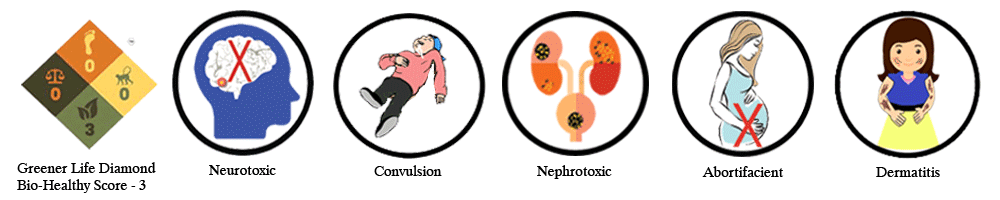
Wormwood oil is considered as a narcotic oil when used in higher doses. The adverse effects of Wormwood oil is attributed to the presence of chemical constituent thujone, which contributes to about 50 percent of the oil. Thujone containing oils are restricted prevalently, mainly due to the concern of its psychotropic, nephrotoxic and neurotoxic effects. It may cause skin irritation, redness, eruptions in sensitive skin and dermatitis.
Studies witness the excitation of the autonomic nervous system due to convulsions and binding of the GABA receptors caused due to α and β-thujone. It is also a known fact that high amount of thujone and its metabolites can induce convulsions, unconsciousness, seizures, gastrointestinal cramps, insomnia, tremors, dizziness, hallucinations, vomiting, headaches, retention of urine, renal lesions, congestive heart failure and rhabdomyolysis (collapse of muscular fibers).
Wormwood should never be used internally as there are numerous studies witnessing the severe toxic effects of ingesting this oil and few cases include absinthism and the acute renal failure due to rhabdomyolysis in a person who drank about 10 ml of Wormwood oil; In an another case, the intake of 60 ml of Wormwood oil ended up in seizure, altered mental faculty, attention disability, rhabdomyolysis and hyperthermia.
Blend Wormwood oil in mild carrier oils like Coconut oil or Avocado oil before topical use as pure and organic essential oils are highly concentrated substances and can harm the skin surface if used in a concentrated form. The safe level of dermal use for this oil is 0.4% by IFRA (International Fragrance Association).
The PanAfrican Medical Journal study talks about the burning effects of Wormwood herb, where a 50 year old woman reported a severe pain in the facial skin with a dry and delicate erythema in the cheeks and forehead classified as an initial degree burn.
With thujone being the toxic component, using Wormwood oil can act as a threat to pregnancy as it may affect the health of the uterus with its emmenagogue and abortifacient effects and is good to continue avoiding this oil during lactation as well.
It is advisable to restrict the use of this oil on children as they have a sensitive skin. Wormwood oil can also cause allergic reactions on the skin for those who are susceptible to plants of the Compositae/Asteraceae family like the Marigold, Ragweed, Chrysanthemum etc.,
Reference Links Substantiating the Possible Skin Issues of Wormwood Oil:
Maximum dermal use level: 0.01% to avoid phototoxicity
The International Fragrance Association (IFRA) recommends that Tagetes oil be limited to 0.01% (about 1 drop per 16 ounces of any other carrier oils) for leave-on products like ointments, creams, and lotions used on skin exposed to sunlight. There is no restriction for body washes, shampoos, soaps, and other wash-off products because the oil does not remain on the skin.
Learn more about the Greener Life Diamond and the benefits of the Greener Life Club
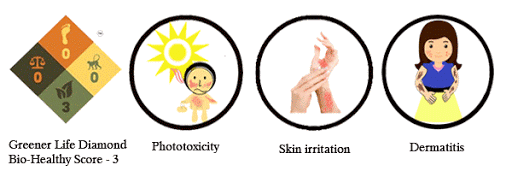
Tagetes oil is said to cause phototoxic effects mainly due to the presence of limonene, just like the citrus oils. It expresses skin sensitization if the oil is oxidized and it is best to avoid oxidized and old oils. Essential oils that are phototoxic in nature can cause skin sensitization, irritation of the skin, contact dermatitis, hyperpigmentation and certain other allergic reactions.
Tagetes oil should not be used on skin that will be exposed to direct sunlight within 12 hours of application.
The maximum level for dermal use is 0.01% according to the International Fragrance Association (IFRA), on the parts of the skin that are exposed to sunlight and is not applicable for rinse-off products. IFRA recommends this safety level based on the unpublished study of RIFM (The Research Institute for Fragrance Materials).
SCCP (The Scientific Committee on Consumer Products) suggests that, since “no safe limit of use in cosmetic products has been demonstrated”, Tagetes oil and its absolutes should be avoided for use in the manufacturing of Cosmetic products.
Tagetes oil is said to cause allergic reactions like skin rashes for people who are generally allergic to daisy flowers and any other flowers from the plant family, Asteraceae, including Chrysanthemum, Marigold and Ragweed.
Never use essential oils internally and for topical application, ensure that you blend Tagetes oil with gentle carrier oils, as essential oils are highly concentrated substances and may harm the skin, when used directly.
Sufficient information is not available on the safety of Tagetes oil and higher concentration might be tough to resist. So it is bestto avoid Tagetes oil on children, pregnant women and nursing moms.
Reference Links Substantiating the Possible Skin Issues of Tagetes Oil:
While there are no regulatory restrictions on the use of Scots Pine oil, the oxidation products of alpha-pinene and delta-3-carene can cause skin sensitization. Pine oil should be stored in dark bottles and cool locations to avoid oxidation. The use of antioxidants in formulations containing pine oil is also advised.
Learn more about the Greener Life Diamond and the benefits of the Greener Life Club
Originally from around the Mediterranean basin, this evergreen tree can grow up to 25 – 30 feet and the bark is a reddish-brown that is deeply fissured with needle-like leaves that grow in pairs, and pear-shaped cones. Historically it has been used in steam baths and massage oils.
Buy Pine Scotch Essential Oil – 4oz –CLICK HERE Buy Pine Scotch Essential Oil – 1KG –CLICK HERE
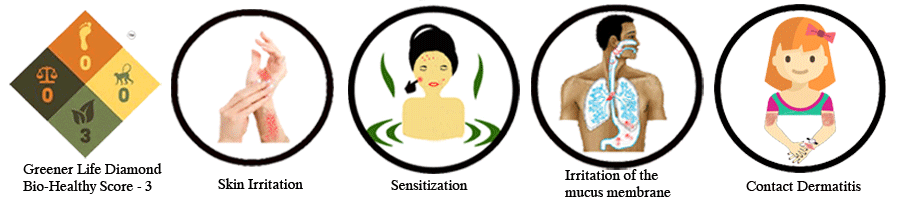
The essential oil of Pine Scotch is said to cause mild skin irritation, contact dermatitis, sensitization, allergic reactions and irritation of the mucous membrane. It has been certified as GRAS (Generally Regarded As Safe) by the FEMA (Flavouring Extract Manufacturers’ Association). The chief chemical components responsible for the adverse skin impacts of Pine Scotch oil are α-pinene, delta-3-carene and limonene, mainly due to their autoxidation effects.
As Pine scotch oil has the tendency to irritate the lining of the mucous membrane during inhalation, it is good to avoid this oil if you have asthma, allergies in the respiratory passages and bronchial disorders.
Never use Pine scotch oil in an undiluted form and make certain that you always blend essential oils with gentle carrier oils like coconut oil and olive oil, as organic essential oils are very concentrated and may cause negative effects on the eyes, skin and the body. Stay safe by using diluted Pine scotch oil and avoid using it on allergies, damaged skin, eyes and inflammatory skin conditions.
It is better to avoid the use of Pine scotch oil if you are pregnant or nursing as there is insufficient information on the safe use of this oil during these sensitive times when the system experience enormous changes in the hormonal functions.
These possible skin issues are applicable only for leave-on products like creams and lotions and not for rinse-off products like soaps, shampoos and other bath preparations.
The International Fragrance Association (IFRA) prohibits allyl isothiocyanate in fragrances. Since allyl isothicyanate is the principle component of mustard essential oil, it is not suitable for use in soaps and cosmetics.
Learn more about the Greener Life Diamond and the benefits of the Greener Life Club
Mustard oil is regarded as one of the most unsafe essential oils mainly due to the presence of Allyl isothiocyanate and erucic acid (a toxic monounsaturated omega-9 fatty acid). According to the U.S. National Center for Biotechnology Information (PubChem), Allyl isothiocyanate compound is poisonous by skin penetration and ingestion. It is also known to emit toxic fumes when exposed to high temperature.
The European Union has prohibited Mustard oil as a cosmetic ingredient and the International Fragrance Association (IFRA) has forbid the use of this oil in fragrances. Allyl isothiocyanate in Mustard oil is not recommended for therapeutic use, primarily due to its toxicity, irritating nature and rigorous lachrymatory effect (potent to produce tears) that draw a question mark on the safe use of this oil in the healthcare industry.
Generally, essential oils are listed with possible safe levels for therapeutic purposes but there is no viable information on the safe levels for the use of Mustard oil.
The immune system of mammals reacts excessively to allergens thus generating antibodies known as IgE (Immunoglobulin). Allergic reactions are further caused when these antibodies move to cells that discharge chemicals.
The most prominent adverse skin effects of Mustard oil are allergic reactions due to IgE, itchiness, redness, severe skin irritation, followed by blistering and irritation of the mucous membranes as well.
Prolonged use of Mustard oil on skin might interfere the function of the skin, thus augment the loss of water of epidermis and subsequently modifying the epidermal keratinocytes structure.
Few sources also state that inhaling of Mustard oil might end up in irritation of the eyes, nose, mucous membrane, respiratory system along with an obnoxious sensation in the head.
Tests on Chinese hamster cells proved the genotoxic effects of Allyl isothiocyanate and is also said to cause transitional cell papillomas and hyperplasia, when tested on male rats.
Mustard oil should be strictly avoided by pregnant women as it has the potent to induce uterine contractions and may lead to unusual bleeding and miscarriage and safety measures for using this oil during nursing is also not witnessed.
Mustard oil has the tendency to lower the levels of blood sugar and might interfere with your regular medications for diabetes and low blood sugar may obstruct surgical procedures, thus it is recommended to avoid Mustard oil for about 2 weeks before and after your scheduled surgery.
Reference Links Substantiating the Possible Skin Issues of Mustard Oil:
Maximum dermal use level: 0.7% to avoid phototoxicity
The International Fragrance Association (IFRA) recommends that Lime oil be limited to 0.7% (about 4 drops per ounce of any other carrier oils) for leave-on products like ointments, creams, and lotions used on skin exposed to sunlight. There is no restriction for body washes, shampoos, soaps, and other wash-off products because the oil does not remain on the skin.
Learn more about the Greener Life Diamond and the benefits of the Greener Life Club
Lime is a small evergreen tree that produces a small, sour fruit very similar to Lemon. The fruits themselves are green in color with a fleshy interior. Historically, limes were used to prevent sailors from developing scurvy.
Lime is indigenous to Asia and is now cultivated in numerous countries like America, West Indies and Italy. This evergreen tree bears white flowers and glittering green fruits. India is the largest Lime oil producing country in the world and Lime was introduced into Europe initially by the Moors and was then spread slowly to America. Lime essential oil is extracted by cold press method from the peel of the fruit.
The leaves of the Lime tree were used in the prehistoric period for treating poisonous bites and swellings. Apart from its medicinal uses, Lime has been used in making pickles, sauces, desserts, jams, confections, sorbets, marmalades, beverages, squashes, perfumes, household cleaners, detergents, soaps, cosmetics and other beauty products.
Buy Lime Essential Oil – 4oz –CLICK HERE Buy Lime Essential Oil – 1KG – CLICK HERE
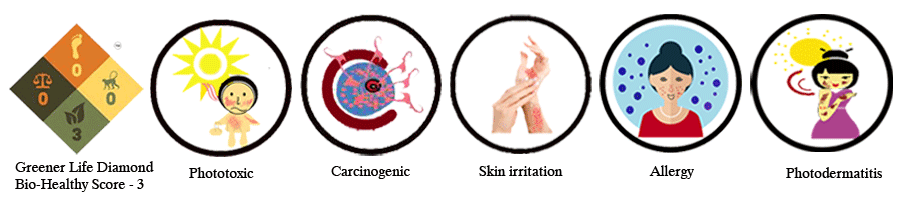
Lime essential oil has a photosensitizing effect that can cause irritation of the skin, allergic reactions, burning sensation, phytophotodermatitis, hyperpigmentation (change of skin color, visible especially in people with white skin complexion) and certain other effects. The photosensitizing effect can last up to 12 hours after application.
The primary chemical constituent responsible for the photo-carcinogenic, skin sensitizing and other topical effects of the essential oil of Lime is Limonene and certain other furanocoumarins.
A 2014 study published in the Journal of Community Hospital Internal Medicine Perspectives reveals about a skin condition called as phytophotodermatitis, induced by Lime, where a 24-year old nurse came up with red demarcated tender patches and crusted vesicles after squeezing fresh limes and going out in sun on a bright day.
Phytophotodermatitis is defined as a nonimmunologic eruption of the skin that occurs after its contact with phototoxic components in certain plant varieties and is then exposed to ultraviolet A (UVA) radiation through visible sunlight.
Few other studies also witness the effects of photosensitization of Lime and Lime-based products containing psoralens, paving the way for burns, blisters, bullae, eruption, erythematous vesicles, rashes, inflammation and hyperpigmentation. It is also been said that in certain severe cases, systemic toxicity come with the rashes, which includes nausea, vomiting and fever.
Lime oil has also been reported to promote tumors, when tested on rats where most of the papillomas were benign and few were malignant.
The safe dilution level of Lime oil is 0.7%, which is 4.2 drops per ounce of any carrier oils as per the International Fragrance Association (IFRA). This safe dilution level applies only for leave-on products like lotions and creams and is not applicable for wash-away products like soaps, shampoos and other bathing products.
Lime oil has ‘Generally Recognized As Safe (GRAS)’status by FDA (U.S. Food and Drug Administration). As per the European regulatory body, essential oils with furanocoumarins must be used in such a way that the level of bergapten should not go beyond 15ppm (parts per million) in ready to use cosmetic products after which the skin is subjected to exposure of direct sunlight and this does not apply for wash-off products. The level of bergapten should be 1 ppm in bronzing and sun protection products.
For your information, Furocoumarins are also used in healing practices on par with long-wave ultraviolet light therapy for treating vitiligo, psoriasis and mycosis fungoides.
Visit AyurvedicOils.com for more information on the traditional ayurvedic and aromatherapeutic uses of Lime Oil. Learn about the natural chemical components that give Lime Oil its fragrance and therapeutic characteristics.
Reference Links Substantiating the Possible Skin Issues of Lime Oil:
Maximum dermal use level: 1.25% to avoid phototoxicity
The International Fragrance Association (IFRA) recommends that Bergamot oil be limited to 1.25% (about 7 drops per ounce of any other carrier oils) for leave-on products like ointments, creams, and lotions used on skin exposed to sunlight. There is no restriction for body washes, shampoos, soaps, and other wash-off products because the oil does not remain on the skin.
Learn more about the Greener Life Diamond and the benefits of the Greener Life Club
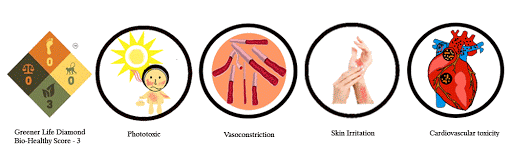
Bitter orange oil exhibits mild photosensitivity effects if the oil is oxidized, which might cause irritation and hyper-pigmentation of the skin when skin is exposed to sunlight within 12 hours of usage. The major cause being the response of the chemical components that are photoactive in nature attracts light and ends up in toxicity via molecular alterations.
The safe dermal use level of Bitter orange oil by the International Fragrance Association (IFRA) is 1.25%, specifically to avoid phototoxicity in the products used for topical application and not for soaps, shampoos and other bath preparations. This No-observed-adverse-effect-level (NOAEL) is based on various studies with Bitter orange oil on mice and swine, where the No-observed-effects-level (NOEL) was found to be 6.25%.
The major chemical constituent responsible for the skin sensitization and mild irritation of Bitter orange oil is Limonene, which accounts to about 90% of this oil, and certain other furanocoumarins.
According to European regulations, essential oils with furanocoumarins should be used in such a way that the overall level of bergapten does not exceed 15 ppm (parts per million) in ready-to-use cosmetic products meant for use on the skin surface that are exposed to sunlight (other than wash-away products) and 1 ppm in sunscreen and bronzing items.
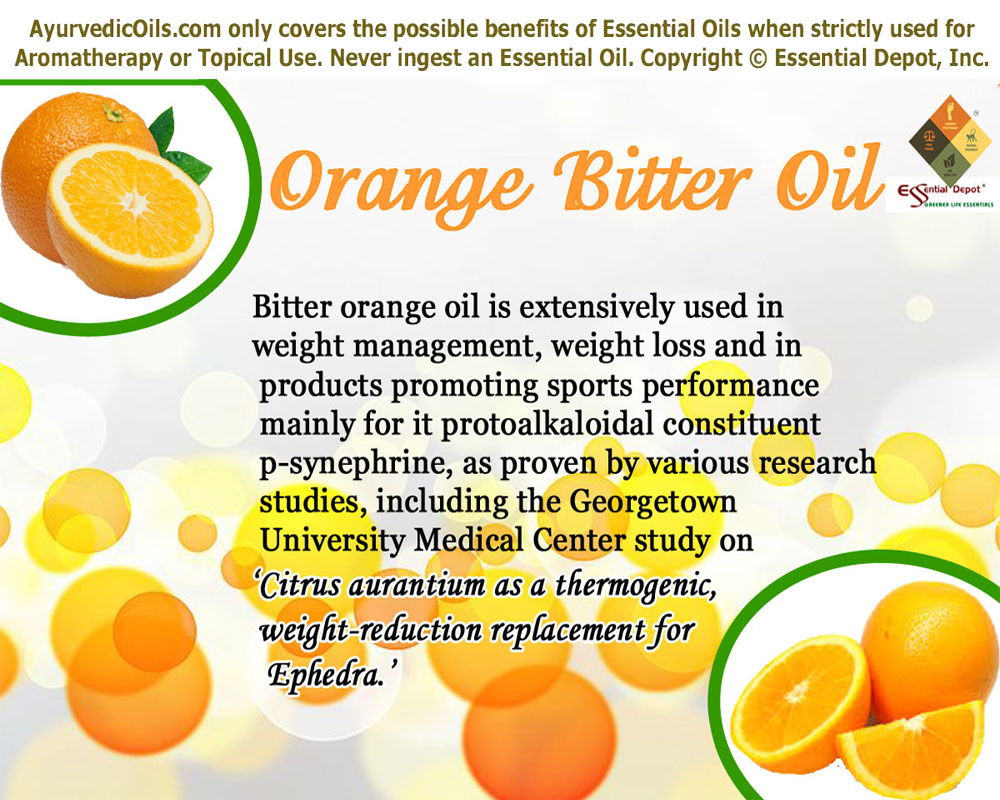
Use Bitter orange oil only for external use. Iingestion of this oil should be avoided strictly, as internal use of this oil has adverse effects according to various reports. Medical research studies state that the presence of stimulants like octopamine, amines synephrine (an alkaloid with almost the related chemical structure to ephedrine in Ephedra – Ma-Huang) and N-methyltyramine are responsible for the cardiovascular toxicity of Bitter orange and this is also reported to cause increase in blood pressure and vasoconstriction.
Bitter orange should be avoided by patients with tachyarrhythmia, hypertension and narrow-angle glaucoma, mainly due its potent to cause additive effects. Overdose of synephrine in children overdose ended up in tachycardia, nausea, quick increase in blood pressure and irritation. Certain researches witness the effect of Bitter orange in restraining human cytochrome P450 3A (CYP3A) in the test tube studies.
Just like Grapefruit, Bitter orange is said to hold back a vital enzyme in the small intestine, and this may possibly have an effect on the levels of blood, when taking certain medications like antiviral, anti-anxiety, antidepressant drugs, statins and calcium channel blockers and along with the intake of caffeine.
Care should be taken if Bitter orange oil is used in massage in the abdominal area, as essential oils penetrate quickly through the skin, reach the bloodstream and may cause adverse effects. It is not recommended to take Bitter orange products when using other prescribed medications, except under strict medical supervision.
Furocoumarins are also used in various remedies on par with long-wave ultraviolet light therapy for the healing of mycosis fungoides, vitiligo and psoriasis.
Visit AyurvedicOils.com for more information on the traditional ayurvedic and aromatherapeutic uses of Orange Bitter Oil. Learn about the natural chemical components that give Orange Bitter Oil its fragrance and therapeutic characteristics.
Reference LinksSubstantiating Possible Skin Issues of Bitter Orange Oil:
Maximum dermal use level: 2% to avoid phototoxicity
The International Fragrance Association (IFRA) recommends that Lemon oil be limited to 2% (about 10 drops per ounce of any other carrier oils) for leave-on products like ointments, creams, and lotions used on skin exposed to sunlight. There is no restriction for body washes, shampoos, soaps, and other wash-off products because the oil does not remain on the skin.
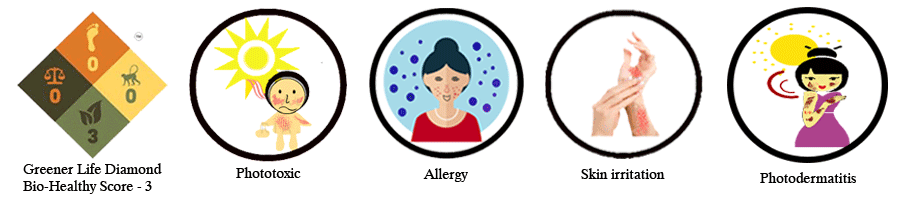
Learn more about the Greener Life Diamond and the benefits of the Greener Life Club
Lemon essential oil is among the photosensitizing citrus oils that may cause burning sensation, irritation, hyperpigmentation (discoloration of the skin surface) and other changes due to its effect of stimulating the photosensitivity of the skin, when exposed to visible light from the sun within 12 hours of use. The primary reason is the reaction of the photoactive chemical components that absorbs light and leads to toxicity via molecular alterations in the skin.
The chief chemical component accountable for the skin sensitizing and other dermal effects of Lemon oil is Limonene and few other furanocoumarins.
Certain studies (like the 1994 study on the ‘Occupation Contact Dermatitis from Citrus fruits’ and a 2006 study on ‘Skin Diseases in Workers at a Perfume factory’) on the adverse skin reactions of using the essential oil of Citrus limon reports few cases, including the incidence of allergic contact dermatitis with the use of Lemon rind oil in the workers of the perfume industry. Patch testing also witnessed certain allergic effects on using Lemon rind oil.
Research reveals that Lemon oil has furocoumarin derivatives like oxypeucedanin and bergapten; however the phototoxic effect of oxypeucedanin was just 1 quarter of that of bergapten. It is also stated that these components are the major cause of concern behind the phototoxicity of Lemon essential oil. This study also states that oxypeucedanin educes photo pigmentation on the skin of colored-guinea-pig prior to visible erythema.
It is also stated that the quantity of these 2 phototoxic components in Lemon oils from various countries differed by about a factor greater than 20 (bergapten, 4-87 ppm; oxypeucedanin, 26-728 ppm (parts per million), with a wavering ratio.
The safe dilution use level of Lemon oil, a potential phototoxic essential oil is 2%, which is about 12 drops per ounce of any carrier oils, according to the International Fragrance Association (IFRA). This applies only for products employed for dermal use to prevent phototoxicity and is not valid for wash-off items like shampoos, soaps and other bath products.
Lemon oil has ‘Generally Recognized As Safe (GRAS)’authorization by the FDA (U.S. Food and Drug Administration). As per the European decree, essential oils containing furanocoumarins can be used provided the aggregate level of bergapten does not exceed 15 ppm in cosmetic products that are ready-to-use on the skin, which is prone to be exposed to direct sunlight sans wash-away items and 1 ppm in bronzing and sunscreen products.
On a lighter note, Furocoumarins are also used in remedial practices along with long-wave ultraviolet light therapy for treating psoriasis, mycosis fungoides and vitiligo.
Visit AyurvedicOils.com for more information on the traditional ayurvedic and aromatherapeutic uses of Lemon Oil. Learn about the natural chemical components that give Lemon Oil its fragrance and therapeutic characteristics.
Referred to as ‘Golden Apple’ in the Indian subcontinent, Lemon is a traditional remedy for many health disorders and is often called as a panacea for its ability to heal the mind and the body in manifold ways. The essential oil of Lemon is cold pressed from the external rind or peel of the Lemon fruits.
Known as Nimbuka, Jambira and Dantashata in Ayurveda, Lemon is a popular Ayurvedic remedy that is used in medicine, food and also in the process of purification. It is used for stimulating the nervous system, improve concentration power, enhance immunity, purify blood and support digestion.
Lemon and its essential oil is a popular ingredient of many Ayurvedic weight loss remedies and lemon juice taken with lukewarm water in empty stomach in the morning is said to reduce fat deposits and eliminate toxins from the body.
Reference Links Substantiating the Possible Skin Issues of Lemon Oil:
Maximum dermal use level: 4% to avoid phototoxicity
The International Fragrance Association (IFRA) recommends that Grapefruit oil be limited to 4% (about 24 drops per ounce of any other carrier oils) for leave-on products like ointments, creams, and lotions used on skin exposed to sunlight. There is no restriction for body washes, shampoos, soaps, and other wash-off products because the oil does not remain on the skin.
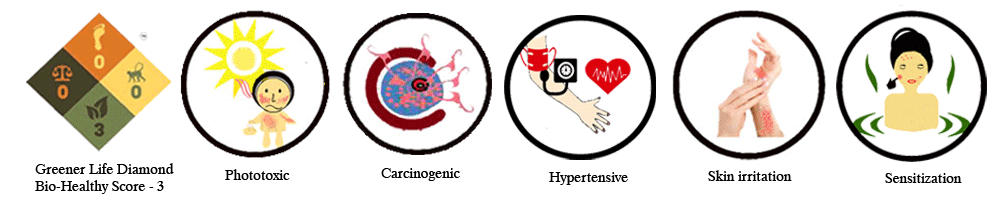
Learn more about the Greener Life Diamond and the benefits of the Greener Life Club
Grapefruit oil has photosensitive effects if oxidized, contributing to its phototoxic, photo-carcinogenic, sensitizing properties. The possible skin issues of using Grapefruit oil are hyperpigmentation, allergic reactions, irritation, sunburns, blisters and rashes. These reactions mainly occur when the skin is exposed to visible sunlight within 12 hours of use.
The underlying reason is the reaction of the photoactive chemical constituents in Grapefruit oil that attracts light and leads to toxicity through molecular changes in the skin surface. Certain studies state that Grapefruit oil promotes the formation of tumors on the skin of mouse, by the key carcinogen, 10-dimethyl-l, 2-benzanthracene.
Buy Grapefruit Pink Essential Oil – 4oz –CLICK HERE Buy Grapefruit Pink Essential Oil – 1KG –CLICK HERE
The primary chemical component responsible for the phototoxic and adverse skin effects of Grapefruit oil is Limonene, which accounts to about 90% of this oil along with few other furanocoumarins ( the non-volatile compounds like bergapten, bergamottin and epoxy-bergamottin.)
The safe dilution level of Grapefruit oil by the International Fragrance Association (IFRA) is 4%, which is about 24 drops per ounce of any mild carrier oils. This is particularly to prevent phototoxicity in products used for dermal applications except for bath products like soaps, shampoos and other wash-off preparations.
According to the European decree, essential oils that contain furanocoumarins must be used preferably when the level of bergapten does not exceed 15 ppm (parts per million) in finished cosmetic products intended for use on parts of the skin that are in contact with sunlight (other than rinse-away products) and 1 ppm in bronzing and sun protection products.
Grapefruit oil should be used only for topical application, preferably blended with mild carrier oils (good for use after a patch test on your skin). Never use essential oils for ingestion, as internal use of essential oils might pose adverse health effects. Undiluted Grapefruit oil can cause skin irritation and this oil is claimed to be toxic to cats.
Studies state that ingesting furocoumarins may also cause phytophotodermatitis. It is better to avoid Grapefruit oil if you are pregnant or breastfeeding as the safety of this oil during carrying or nursing are not established.
In a much similar way like Bitter orange oil, Grapefruit oil is said to restrain important enzymes in the intestines and liver, leading to have an impact on the blood levels at the time of taking medicines that are antidepressant, antiviral, anti-anxiety, calcium channel blockers, steroids, anti-malarial, immune modulators, prokinetics, statins and on par with caffeine intake. The presence of furocoumarins has led to the term ‘Grapefruit effect’, which signifies the interaction between furocoumarins and enzymes that are engaged in drug metabolism, specifically cytochrome P450.
Use Grapefruit oil only after medical advice, if you are taking any other prescription medicines. Startlingly, furocoumarins are also used in different remedies along with long-wave ultraviolet light therapy for treatng psoriasis, mycosis fungoides and vitiligo.
Visit AyurvedicOils.com for more information on the traditional ayurvedic and aromatherapeutic uses of Grapefruit Pink Oil. Learn about the natural chemical components that give Grapefruit Pink Oil its fragrance and therapeutic characteristics.
The traditional remedial values of this oil are antidepressant, antiseptic, anti-tumoral, antioxidant, lymphatic, stimulant, tonic, diuretic, disinfectant, aperitif and fat dissolving.
Reference Links Substantiating Possible Skin Issues of Grapefruit Oil:
Maximum dermal use level: 0.4% to avoid phototoxicity
The International Fragrance Association (IFRA) recommends that Cumin Seed oil be limited to 0.4% (about 2.4 drops per ounce of any other carrier oils) for leave-on products like ointments, creams, and lotions used on skin exposed to sunlight. There is no restriction for body washes, shampoos, soaps, and other wash-off products because the oil does not remain on the skin.
Learn more about the Greener Life Diamond and the benefits of the Greener Life Club.
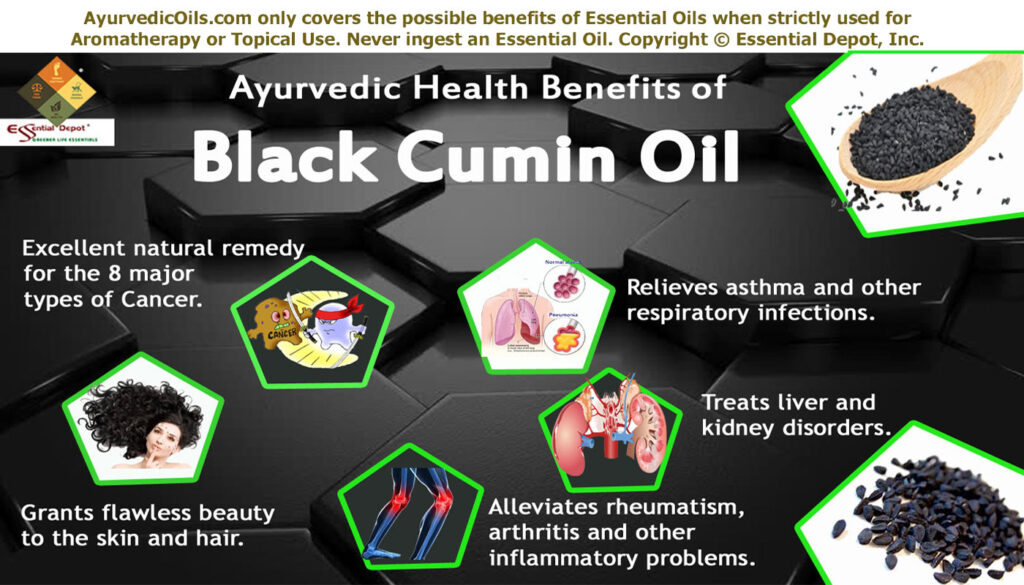
Black seeds or Nigella sativa is an annual flowering plant and is indigenous to southwest Asian countries. The earliest archaeological evidence about this medicinal herb is said to have been found in the ancient Egypt in many places including the Tutankhamun’s tomb, where the Egyptian Pharaoh of the 18th dynasty was entombed with Black cumin seeds.
Also known as ‘Black Seed Oil’, Black Cumin Seed Oil has been used as an all-purpose medicinal oil for centuries in Asia and Middle Eastern countries, especially for skin problems. According to a hadith of Islam, the Prophet Mohammed said, “… the black granules (kalonji) are the remedy for all diseases except death.”
The essential oil of Cumin is said to have phototoxic effects, which may lead to allergic reactions, mild skin irritation, sunburn, blisters and hyperpigmentation when the skin is exposed to direct light from the sun with increased use of dermal application of Cumin oil (more than the safe level) for up to 12 hours after use. The major chemical constituents held responsible for the adverse skin effects of Cumin oil are Cuminaldehyde and certain other phenols.
According to the International Fragrance Association, the safe and maximum level of dermal use of Cumin oil is 0.4%. Photosensitivity and other associated skin defects are said to occur when the safe limit of Cumin oil is exceeded and is used on the parts of the skin that are exposed to visible sunshine. This is applicable only for leave-on products like creams, massage blends, ointments and lotions and not for rinse-off products like bath preparations.
Never use Cumin oil in an undiluted manner and ensure that you always blend essential oils with appropriate carrier oils as pure essential oils are highly concentrated and might cause adverse effects on the skin, eyes and the system.
The National Association For Holistic Aromatherapy (NAHA) cites Cumin oil as a photosensitizer and dermal irritant thus it is always recommended to use in a diluted form and should be avoided on damaged skin, eyes, allergic skin conditions and inflammatory parts.
Cumin seed oil is prescribed safe only for topical applications and not for internal use. Certain animal studies have concluded that overdose of Cumin seeds proved anti-fertility activity. Cumin seeds, due to their emmenagogue properties were proved to exhibit mild abortifacient activity, when tested on rats with the gestational age of 8 to 12 days with aqueous cumin extracts.
These seeds were proved to cause anaphylactic reactions on overdose. Caution should be taken in using Cumin oil, if you have a history of irritation or inflammation of the kidneys. It is also said that Cumin seeds may also cause low blood sugar so it is best to avoid the use of Cumin oil prior to 2 weeks before and after any surgical conditions.
Avoid Cumin oil if you are pregnant or getting ready to conceive as Cumin oil has abortifacient and anti-fertility effects, when used more than the prescribed level can end up in miscarriage, stimulate menstruation or premature labor and might delay the chances of getting pregnant.
Visit AyurvedicOils.com for more information on the traditional ayurvedic and aromatherapeutic uses of Black Cumin Seed Oil. Learn about the natural chemical components that give Black Cumin Seed Oil its therapeutic characteristics.
Reference Links Substantiating the Possible Skin Issues of Cumin Oil:
Tisserand and Young recommend that Clary Sage oil be limited to 0.25% (about 1.5 drops per ounce of any other carrier oils) for leave-on products like ointments, creams, and lotions. There is no restriction for body washes, shampoos, soaps, and other wash-off products because the oil does not remain on the skin.
Learn more about the Greener Life Diamond and the benefits of the Greener Life Club
Clary Sage is a short biennial or perennial herb that grows up to 1 meter in height (approximately 3 feet). It has large, hairy leaves with small bluish-purple flowers. Its scent is fruity, floral, herbaceous, nutty and heavy. The name is derived from the Latin word claris for ‘clear’, and by the Middle Ages it was known as Oculus Christi, or the Eye of Christ. During the sixteenth century it was used in England as a replacement for hops when brewing beer.
The essential of oil of Clary Sage is considered non-toxic and exhibits mild skin irritation. Few studies have witnessed the moderate irritating effect of Clary Sage oil on rabbit skin. With a regulatory status of ‘Generally Recognized As Safe (GRAS)’authorized by the FDA (U.S. Food and Drug Administration), Clary Sage oil is safe on skin when blended with appropriate carrier oils.
The safe level of dilution for Clary Sage oil is 0.25 % according to Robert Tisserand and Rodney Young in their book, Essential Oil Safety. In rodent studies, it has been shown that Clary Sage oil has the effect of causing motor (cognitive function) impairment and sedation, thus the excess use of this oil might result in dizziness, headache and lowering the level of concentration (especially during the use in Aromatherapy massage).
For this reason, it is recommended to avoid the use of Clary Sage oil while you’re taking alcohol or any other narcotic drugs. This oil also has the ability to potentially influence the Limbic system, especially the pituitary gland and thalamus.
Clary Sage is also said to contain hypotensive (decreasing blood pressure) properties and is advised to avoid the use of this oil if you have low blood pressure.
The most popular attribute of Clary sage oil is its estrogenic effect and is not an estrogen mimic. The presence of the sclareol, which has an estrogen-like structure is responsible for this effect and supports in the treatment of menstrual conditions. It binds with estrogen receptor sites, blocking the activity of the system’s own estrogens, ending up in the lessening of estrogenic action.
The use of Clary Sage oil, especially during the early stages of pregnancy is highly discouraged, as it may cause uterine contractions and stimulate menstrual flow. Clary Sage oil is also used by nursing mothers to stop lactation, so do not use Clary Sage oil if you are breastfeeding as it has an anti-galactogogue property.
Visit AyurvedicOils.com for more information on the traditional ayurvedic and aromatherapeutic uses of Clary Sage Oil. Learn about the natural chemical components that give Clary Sage Oil its fragrance and therapeutic characteristics.
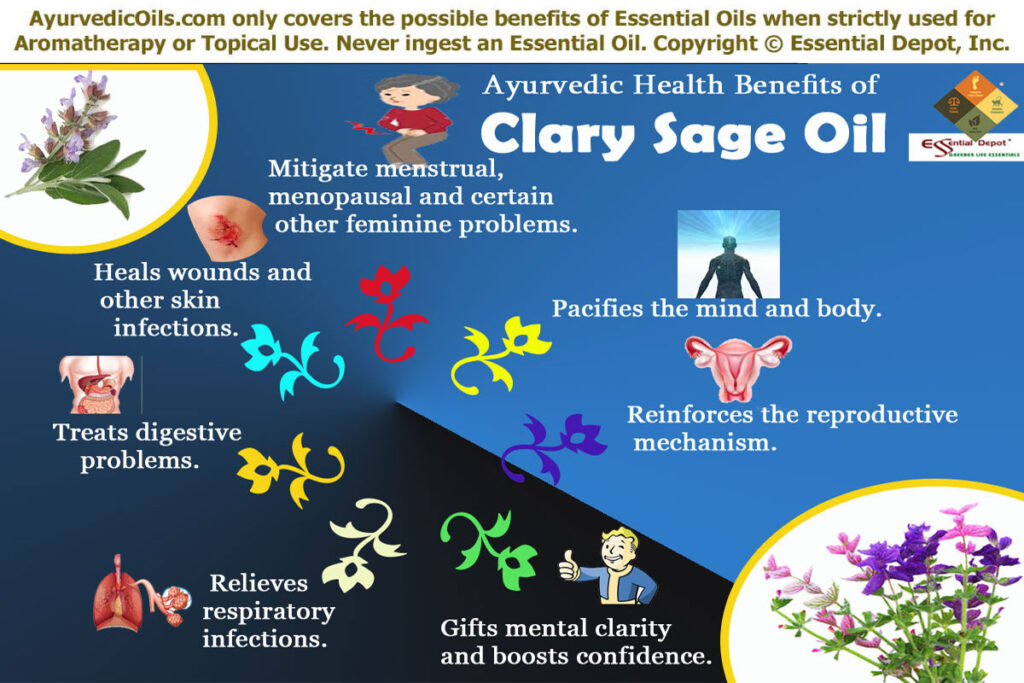
Aromatherapy & Health Uses: Helping with uterine problems such as easing PMS, regulating scanty periods and easing painful cramps in the lower back. Also encourages labor, enabling the expectant mother to relax and eases post-natal depression.
It is well known for its euphoric action and is an extremely valuable oil for treating nervousness, fear, paranoia and depression.
Never ingest essential oils and remember to dilute in suitable carrier oils before dermal application, as pure essential oils are highly concentrated liquids and might cause adverse effects in your system. This pertains only for products engaged in topical use and is not valid for wash-off products like soaps, shampoos and other bathing varieties.
Reference Links Substantiating the Possible Skin Issues of Clary Sage Oil: