All posts by admin

Lemongrass Essential Oil

Lemon-grass-bannerNature’s super glue for the human body is the right way to honor Lemongrass essential oil because it is as quick and fast as any branded adhesive glue in repairing torn tendons, ligaments, cartilages, tenosynovitis, inflamed tissues and certain other connective tissue injuries. This oil smells heavenly and is much similar to the aroma of Lemon oil but with a comparatively gentle, sweet and soothing aroma.

Used as a celebrated culinary herb in Thai and Chinese cuisines, Lemongrass is often used to substitute Lemon.  This essential oil is extracted from the grassy leaves through steam distillation process. Ayurveda makes use of this ancient herb in treating weak digestion, poor circulation, poor concentration, fever, varicose veins, intestinal infections and certain infectious skin problems.

Purchase Lemongrass Oil – Retail – 4 oz – CLICK HERE

Purchase Lemongrass Oil – Wholesale – CLICK HERE

Historical uses of Lemongrass and its essential oil:

Indigenous to the southern parts of India, this spectacular herb is also found growing in South East Asian countries including Indonesia, Malaysia, Thailand, Cambodia and Vietnam. It is also cultivated in United States especially in Florida and California.

Lemongrass is a celebrated culinary herb in the Caribbean and Chinese cuisines. This aromatic herb blends well with garlic, ginger, cilantro and other spices used in flavoring a wide variety of Caribbean soups especially the seafood soups. Powdered Lemongrass has been used in Asia for giving incredible flavor to traditional dishes made with meat, poultry, seafood and vegetables. It is also used in spicing up pickles and marinades.

Widely known as ‘Fever Grass’, Lemongrass is popular in the Asian countries since the primordial times for its ability to bring down fever and normalize the body temperature during hot weather. It is either used in tea or in foot-baths for reducing fever and excess heat in the body. This tea is also believed to treat ringworm, lice, scabies and few other skin problems.

The Traditional Chinese Medicine used Lemongrass for treating headache, rheumatism, abdominal pain and cold. This herb was also a part of the Brazilian folklore medicine for calming the mind, treating muscular spasms, cramps and fatigue. Powdered along with black pepper, Lemongrass was used as a powerful Ayurvedic remedy for relieving menstrual cramps, nausea, irregular periods, fever and other infectious diseases.

Therapeutic properties of Lemongrass essential oil:

The remedial properties of Lemongrass essential oil are antiseptic, anti-rheumatic, diuretic, anti-inflammatory, astringent, analgesic, sedative, deodorant, galactogogue, nervine, tonic, carminative, antimicrobial, antidepressant, febrifuge, bactericidal, fungicidal, deodorant, antipyretic and nervine.

Chemical constituents or Gas Chromatography Report of Lemongrass essential oil:

According to the Gas chromatography report, Lemongrass oil constitutes of 5 chemical components that contribute to its exotic fragrance, therapeutic properties and quality.

The major chemical constituents of this oil are citral (Geranial and Neral – approximately 85% of the oil), geraniol, geranyl acetate and beta-Caryophyllene.

Just click on:

for getting to know more about the exclusive information of these key constituents of Lemongrass oil.

The table below on the Gas Chromatography report talks about the principal chemical constituents and its role in granting the therapeutic and other attributes to Lemongrass oil.

Lemongrass-oilAyurvedic health benefits of Lemongrass essential oil:

Ayurveda uses infinite number of herbs in the process of healing humanity and Lemongrass is one such vital herbal whiz kid that has been helping mankind in treating innumerable diseases.

Known as Sera and Bhustrina in India, Lemongrass has been used in various Ayurvedic treatments for treating kidney infections, headache, problems with connective tissues, weak immune system and depression.

More than 5,000 years old, Ayurveda is by far the oldest of all healing sciences on earth and is the Mother of other complementary and alternative medicinal practices like Siddha, Homeopathy, Aromatherapy, Chiropractic, Acupuncture, Homeopathy, Traditional Chinese Medicine, Unani and much more. This science of wisdom has left behind innumerable complex healing systems using simple methodologies.

The ancient Ayurvedic philosophers Charaka and Sushruta encompassed the most important Ayurvedic remedies for all sorts of diseases. The most intricate medical practices even with today’s contemporary medicinal equipments and techniques are C-section surgery and Plastic surgery. Won’t you simply be amazed if I say that these two were a part of the Ayurvedic treatments???!!!! Yes.

Sushruta is called as the father of Plastic surgery and C-section deliveries were executed for the most critical cases where the baby or the mother turns breathless at the time of delivery.

The magnificence of Ayurvedic healing lies in its trust and usage of natural remedies like herbs, healthy and balanced diet, essential oils, yoga, simple physical exercises, meditation with an Ayurvedic routine. This aims at treating illnesses, preventing them in future along with healthy aging. Ayurvedic texts define health as a combination of physical, mental and spiritual wellness.

Every human being is made of a unique individual constitution that comprises of three biological energies known as doshas namely pitta, vata and kapha. A person’s physical setup, personality and behavior are determined by the predominance of any one of these doshas.

Imbalance between these doshas is responsible for ill-health and Ayurvedic remedies focus on balancing these doshas. Lemongrass essential oil alleviates excess kapha and pitta dosha while it has a neutral effect on vata dosha.

The Ayurvedic health benefits of Lemongrass essential oil are as follows:

Lemongrass-broucher1. Fights against harmful micro-organisms:

Lemongrass essential oil has been proved effective against micro-organisms like bacteria, fungi and certain other microbes. Few studies witnessed that Lemongrass oil is more potent than streptomycin or penicillin in fighting against staph infection. Staphylococcus is the major bacterium responsible for making wounds turn septic.

Applying 2 drops of Lemongrass oil mixed with 15 to 20 drops of coconut oil on wounds, cuts, acne, burns, sores and other skin infections aids in healing the wounds and curbs the growth of micro-organisms that worsen skin problems. This effect can also be attributed to the antiseptic properties of this oil.

A 2008 study on ‘Antifungal activity of the Lemongrass oil and citral against Candida spp’ state that Lemongrass essential oil and citral are effective against various types of yeasts of Candida species including Candida albicans, Candida glabrata, Candida krusei, Candida parapsilosis and Candida tropicalis, proving its potent in vitro activity against Candida spp, responsible for the most common fungal infection Candidiasis.

Certain other studies suggest that Lemongrass oil can also assist in combating the growth of fungi like Alternaria alternata, which is said to cause infections in the upper respiratory tract.

Gently massaging your body with 5 drops of Lemongrass oil blended with 2.5 ml olive oil can assist in inhibiting the growth of bacteria and microbes both externally and internally. This aids in treating microbial infections in the respiratory system, skin, stomach, colon, urinary tracts and other parts of the body.

2. Reduces fever and pain:

Being an anti-pyretic and febrifuge, the essential oil of Lemongrass reduces fever by fighting against infections causing fever, promote sweating and by eliminating the harmful toxins in the body through urine. According to the Ayurvedic philosophy, pitta dosha is responsible for body temperature and fever is an indication of increased pitta energy.

Lemongrass essential oil is known to reduce pitta dosha and by this way it lessens the body temperature even during high fevers. Add 2 drops of this oil in warm water for a remedial foot bath for reducing fever or massage your foot soles with 2 drops of Lemongrass oil mixed with 1 ml of coconut oil for relief from fever.

This oil also lessens excess of kapha energy that causes fluid retention in the body causing respiratory problems, rheumatism, pain and inflammation.

Gently massaging the painful areas with 2 drops of Lemongrass oil mixed with 1 ml of sesame oil helps in relieving pain, inflammation and rheumatism by eliminating the excess fluids and toxic substances through urine and sweat.  The analgesic action of this oil helps in soothing pain, tired muscles, headache, joint pain and back pain.

3. Enhances immunity and strengthens the nervous system:

Lemongrass herb and its essential oil have excellent nutrients and chemical components that benefit the entire system and augment the immune power, which makes the body naturally resistant against diseases. It acts as a tonic to the human body and strengthens the functioning of the digestive system, nervous system, excretory system and respiratory system by stimulating the process of absorbing essential nutrients by the body.

Lemongrass oil is used in Ayurvedic massaging for fortifying the nerves, limbs, muscles and tissues. Massaging your body with 6 drops of Lemongrass oil blended with 3 ml of olive oil can assist in treating nervous problems like vertigo, convulsions, Alzheimer’s disease, sluggishness, Parkinson’s disease and nervousness.

4. Eliminates toxic substances in the body:

Stagnation of ama (toxic substances) in the body is one of the primary reason for illnesses according to Ayurveda. The diaphoretic and diuretic properties of Lemongrass Oil increase the frequency and quantity of urination through which the harmful toxins in the body are vented out.

This action also aids in improving digestion, cleansing the kidneys and discharging harmful infection causing foreign bodies. You can add 2 drops of Lemongrass oil in warm bathing water or in foot bath or massage your body with 3 drops of this oil with 2 ml of sesame oil for getting rid of all the toxic substances from your body.

5. Combats cancer cells and supports the digestive system:

A 2009 study on the anticancer activity of Lemongrass essential oil against 12 human cancer cell lines proved that Lemongrass oil “has a promising anticancer activity and causes loss in tumor cell viability by activating the apoptotic process as identified by electron microscopy.” Certain other studies also state that the presence of a-limonene and geraniol showed inhibition of cancer cells in intestinal mucous membrane and liver in mice.

Excess of pitta energy causes cholera, flatulence, intestinal gas and weak digestion. Lemongrass essential oil reduces pitta dosha and normalizes the process of digestion. Gently massaging your abdomen with 2 drops of Lemongrass oil blended with 1 ml of sesame oil will assist in improving digestion. Inhaling the aroma of this oil by applying 1 drop of Lemongrass oil on your wrist or to your hankie can stimulate weak digestion.

6. Treats obesity and depression:

Obesity is a universal problem and excess of kapha dosha causes fluid retention, excess deposits of fat and stagnation of water and other toxic substances in the body. Stress, tension and depression also cause metabolic changes and contribute to obesity. Lemongrass essential oil lessens kapha dosha by decreasing the appetite, removing excess water and fat deposits from the body through urine and sweat.

A study by the Department of Nutritional Sciences of University of Wisconsin studied the effect of Lemongrass and cholesterol in 22 people with high levels of cholesterol where they took 140mg of lemongrass oil capsules daily. This study came up with an amazing result where the cholesterol level was reduced from 310 to 294 on an average basis, which was a significant amount of decrease in the amount of blood fats.

Using 5 drops of Lemongrass oil blended with 2.5 ml of coconut oil as a massage oil or 3 drops of this oil added to warm bathing water can help in discharging excess fat, water and fluid retention in your body and helps you in reducing your excess weight.

In the book ‘Ayurveda and Aromatherapy’, Bryan Miller states that Lemongrass essential oil is an excellent antidepressant oil that can assist in alleviating stress, depression, fatigue, negative feelings, emotional trauma and distress. Using 2 drops of Lemongrass oil in vaporizer, burner or diffuser can assist in driving away negative emotions, insomnia, loneliness, emotional instability, mental stagnation and lack of self-confidence.

The Journal of Ethno pharmacology published a 2011 study, which stated that Lemongrass essential oil possess anti-anxiety properties that would aid in lessening anxiety by stimulating the brain levels of the neurotransmitter gamma-amino butyric acid.

Other health benefits:

Lemongrass essential oil is also a great natural remedy for treating menstrual problems and its galactogogue properties help improve the quality and quantity of breast milk in nursing mothers. It is a trusted insect repellant and can also serve as a natural air freshener with its refreshing aroma.

Disclaimer:

Pure and organic essential oils are highly concentrated liquids so never take them internally. Always remember to dilute essential oils before using it topically. This article is only for the purpose of education and is not meant to diagnose or replace any prescribed medicines or professional advice. Consult your Ayurvedic practitioner before using essential oils that would fit your unique individual constitution and state of health.

The MSDS (Material Safety Data Sheet) of Lemongrass oil is readily available for your enhanced safety and optimal usage.

Gas Chromatography Report of Lemongrass essential oil

Thought for the day:

Knowing trees, I understand the meaning of patience. Knowing grass, I can appreciate persistence. 

-Hal Borland

Suggested Reading:

  1. HEALING POWERS OF LEMONGRASS OIL (The Aromatherapy Professional) by KG Stiles
  2. The Encyclopedia of Essential Oils: The Complete Guide to the Use of Aromatic Oils In Aromatherapy, Herbalism, Health, and Well Being by Julia Lawless
  3. Skin Delivery of Lemongrass Oil by Microemulsion Technique: Herbal formulation for Acne Vulgaris by Md Faiyazuddin, Sanjula Baboota
  4. Lemongrass Essential Oils: Biosynthesis and Regulation by Deepak Ganjewala

Reference Links:

  1. Antifungal activity of the lemongrass oil and citral against Candida spp by Silva Cde B, Guterres SS, Weisheimer V, Schapoval EE published in PubMed
  2. Health Benefits of Lemongrass Essential Oil by Organic Facts
  3. Anticancer activity of an essential oil from Cymbopogon flexuosus by Sharma PR, Mondhe DM, Muthiah S, Pal HC, Shahi AK, Saxena AK, Qazi GN, Indian Institute of Integrative Medicine, India published in PubMed
  4. Lemongrass Health Benefits and Healing Properties by PlanetWell Ayurvedic Wellness
  5. Lemongrass Herbal Medicine by Medical Health Guide

Lemon Essential Oil

Lemon-bannerReferred to as ‘Golden Apple’ in the Indian subcontinent, Lemon is a universal remedy for many health disorders and is often called as a panacea for its ability to heal the mind and the body in manifold ways. The essential oil of Lemon is cold pressed from the external rind or peel of the Lemon fruits.

Known as Nimbuka, Jambira and Dantashata in Ayurveda, Lemon is a popular Ayurvedic remedy that is used in medicine, food and also in the process of purification. It is used for stimulating the nervous system, improve concentration power, enhance immunity, purify blood and support digestion.

Lemon and its essential oil is a popular ingredient of many Ayurvedic weight loss remedies and lemon juice taken with lukewarm water in empty stomach in the morning is said to reduce fat deposits and eliminate toxins from the body.

Purchase Lemon Oil – Retail – 4 oz – CLICK HERE

Purchase Lemon Oil – Wholesale – CLICK HERE

Historical importance of Lemon and its essential oil:

The real origin of Lemon lies as a mystery and it is said that Lemon is indigenous to India, Myanmar and China. The first historical mark of Lemon was in 90 BC where it was used to shower a high priest in a festival of Jews in Jerusalem though certain sources say that Lemon has been used since 800 BC.

It was introduced to Europe in the 1st century AD during the Roman reign and slowly spread to other parts of the world like Persia, Egypt and Iraq.  It is also said that Lemon was grown as an ornamental plant in the primordial Islamic gardens.

Affluent Victorians grew Lemon trees in their gardens as a symbol of high regard and for garlanding their estates with the naturally refreshing aroma of citrus trees. Serving Lemon wedges along with tea during their tea dances in the afternoon was a popular custom in their tradition.

It was Christopher Columbus who introduced Lemon to America by bringing Lemon seeds to the Island of Haiti during his voyages in 1493. Botanically known as Citrus limon, Lemon is a hybrid of citron and sour orange.

The most notable use of Lemon in the history was its use as a promising protection against scurvy by sailors all over the world. This was endorsed by James Lind, the celebrated Naval Surgeon in his book ‘Treatise on Scurvy’.

Chemical components or Gas Chromatography Report of Lemon essential oil:

According to the Gas chromatography report, Lemon oil constitutes of 5 major chemical components that contribute to its fresh citrusy fragrance, remedial values and distinct quality. Lemon oil is enriched with about 67.6 percent of Limonene constituent.

Just click on:

For knowing more about the elite information of these top constituents of Lemon essential oil.

The table below on the Gas Chromatography report talks about the primary chemical constituents and its role in granting the therapeutic values and other attributes to Lemon essential oil.

Lemon-OilTherapeutic properties of Lemon essential oil:

The remedial properties of Lemon essential oil are antiviral, antibacterial, immune stimulant, digestive, anticancer, anti-inflammatory, calming, diuretic, expectorant, astringent, anti-anemic, detoxifying, antioxidant, tonic and antidepressant.

Ayurvedic health benefits of Lemon essential oil:

Ayurvedic healing dates back to more than 5000 years and it is the oldest of all medicinal systems on earth.  Lemon has been an important part of Ayurvedic treatments in many forms. The top ways to start a refreshing Ayurvedic life begins with the use of Lemon in lukewarm water as this therapy is said to cleanse the system, clear impurities in the blood and energize the mind and the body.

Human being is a unique creation and Ayurveda adorns the beauty of an individual constitution that differentiates each and every individual with a unique physical and mental setup. This uniqueness is determined by the combination of the three biological energies known as doshas.

They are vata, pitta and kapha. Vata dosha is responsible for blood circulation, creative thinking, metabolic functions and the process of elimination. Pitta energy governs body temperature, digestive fire, leadership skills and perfection. Kapha dosha lies behind the movement of fluids in the body, love and affection and body mass.

Predominance of any one of these doshas determines character, personality and behavioral attributes. Dosha balance contributes to good health and imbalance of doshas indicates illness.

Ayurveda sticks to nature and trusts that natural remedies are the best ways of healing human beings as they are an incredible part of nature. Ayurvedic therapies are unique for every individual and are focused towards treating dosha imbalances.

Ayurvedic remedies are often aimed at treating the five senses of human body. They are the sense of sight, sense of smell, sense of taste, sense of touch and sense of sound. Lemon is by far the best Ayurvedic remedy that has the power to retreat and recharge the four vital senses of the human body.

Lemon and its essential oil is said to pacify kapha and vata energy and aggravate pitta dosha.

Let’s have a look at the Ayurvedic health benefits of Lemon essential oil in the order of the five senses of human beings.Lemon-broucher1. Sense of sight:

The very sight of Lemon gives energy, confidence and inner strength. This is because the bright yellow color of Lemon indicates brilliance, cheerfulness, brightness and sunshine. These are the symbols of potency and real power paving way for improvement in one’s health physically and mentally. Healing through the sense of sight is known as color therapy in Ayurveda.

This holistic healing methodology states that every color has various impacts on the physiological and psychological attributes of mankind. Yellow color of Lemon and its essential oil according to Ayurveda has the power to promote clarity of mind, grants motivation, enhances the energy level, augments communication and instills the power of winning. So the next time, when you are feeling down and depressed, just look at the ‘Golden apple’ (lemon) that has the power to mend your mind to peace and prosperity.

2. Sense of smell:

Aroma plays a vital role in uplifting the body and mind. By inhaling the aroma of Lemon essential oil, the therapeutic molecules in the oil reach the limbic system of the brain through the nasal passages, where limbic system is the body’s control center that controls feelings, emotions and the corresponding behaviors.

The citrusy, fresh, energizing and enlivening aroma of Lemon essential oil spreads positive energy, calms the mind, grants mental clarity, treats anxiety, fatigue, nervous tension, dizziness, improves concentration, instills hopefulness and assists in weight loss when 2 drops of this oil is added to aromatic lamps, diffuser, air freshener, vaporizer or burner.

A 2004 study published in Brain Research stated that Lemon essential oil may contain pain-relieving and anxiety-reducing properties. When used in steam inhalation, Lemon oil aids in opening blocked nasal passages and clear chest congestion. The revivifying fragrance of Lemon oil makes it a favorite flavor in household cleaners, disinfectants, soaps, shampoos and detergents.

3. Sense of taste:

The best way to take Lemon internally is to drink the fresh juice. Ayurvedic therapies like Chardi Nivarana and Kaphotlesha suggests drinking lemon juice during nausea, vomiting, excessive salivation, gastritis, heaviness in the stomach and sluggish bowel movements. This helps in eliminating the excess deposits of kapha in the stomach.

Lemon is also called as Amadoshahara where ama is the toxic substances in the body. Drinking lemon juice is a proven Ayurvedic remedy for eliminating ama, which is a result of indigestion and improper absorption of nutrients.

Drinking lemon juice mixed with warm water and honey in the morning in empty stomach is said to treat obesity by stimulating the bowel movements and burning the excess fat deposits in the body. Lime has diuretic properties and it helps in expelling the excess fluids in the body causing obesity through urine and sweat.

4. Sense of touch:

Ayurvedic massaging or Abhyanga is an important therapy in Ayurveda for healing numerous illnesses and for eliminating the toxic substances from the body. Abhyanga is the art of maneuvering the body with hands, legs, elbows and certain other massaging equipments. The success of an Ayurvedic massage therapy lies in choosing the right massaging technique along with right essential oils that suits your health condition and unique individual constitution.

Treating through the sense of touch means using essential oils and herbal medications on the skin as skin is the best organ through which the therapeutic properties of these natural remedies penetrate deeply into the bloodstream.

(i) As topical application:

Lemon oil is an excellent remedy for treating skin problems like acne, rough skin, dull skin, oily skin, wounds, pigmentation, cold sores, cellulites, warts, varicose veins and sun tan. The antiseptic, disinfectant, astringent, antiviral and soothing properties of this oil assist in rejuvenating and toning the skin naturally by improving blood circulation. Skin care specialist Lia Schorr says that using Lemon oil mixed with glycerin can assist in treating rough patches on the knee, feet, hands and elbows.

Blend 2 drops of Lemon oil with 15 drops of Jojoba oil and apply it topically on pimples, boils, pustules, blackheads and whiteheads. It helps in removing excess oil, eliminate impurities in the skin and clears acne on regular use. You can also apply this blend on cold sores, tanned skin, dull skin and rough skin.

(ii) As Ayurvedic massage oil: Gently massaging your abdomen with 3 drops of Lemon oil mixed with 20 to 25 drops of coconut can help in treating dysentery, intestinal parasites, gas, flatulence, nausea, food poisoning, stomach upset, acidity, cramps and heartburn.

Massaging your chest, throat, foot soles and back with this blend can assist in treating throat infections, tonsillitis, fever, flu, cough and cold. The disinfectant, antiviral and expectorant properties of Lemon oil aid in controlling the growth of viruses responsible for cold, arrests infections and helps expel phlegm and mucous deposits in the body. This is due to the kapha pacifying property of Lemon essential oil.

Gently massaging your scalp with 3 drops of Lemon oil blended with Almond oil can help in controlling dandruff, moisturize the scalp, and augment the strength, volume and shine of your hair with its tonic and stimulating properties.

(iii) As bath oil: 3 to 4 drops of Lemon essential oil added to warm bathing water helps in relaxing your muscles, alleviate stress, lessen depression, promote good sleep, induce peace of mind, wipe away negative feelings, enhance skin health, detoxify the body, cleanse the digestive system and treat respiratory ailments.

(iv) As cold or warm compress: Few drops of Lemon essential oil added to cold or warm compress can help treating acne scars, pain, inflammation, headache, fever, congestion and stomach ache.

5. Partnering with the sense of sound:

Healing through the sense of sound means listening to appeasing music and reciting mantras and slogans that would enrich one’s spiritual values. Add 2 drops of Lemon essential oil to your vaporizer, burner or diffuser during your meditation time or while practicing yoga with the background of soothing instrumental music. This is a simple and an effective remedy for staying refreshed, uplifted and re-energized throughout the day.

Inhaling the invigorating aroma of Lemon essential oil during prayers, chanting mantras or reciting holy books can augment your oneness with the Divine power and pacify your mind and aura simultaneously. Feeling down? Then it’s not a bad idea to listen to motivational tapes with the company of the magical Lemon aroma around you. Add 1 drop of Lemon essential oil to your hanky or wear it on your wrist and you’ll be amazed to see the energy flow from within along with the motivational speech.

Disclaimer:

Never use essential oils internally as pure essential oils are highly concentrated in nature. Dilute it in suitable carrier oils before using them externally. Do not go out in sun as soon as using Lemon oil because this oil has phototoxic effect just like other citrus essential oils and can harm your skin due to the exposure to ultra violet rays.

This article is for educational purpose only and is not intended to replace any expert advice or prescribed medicines. Consult your Ayurvedic practitioner before using the appropriate essential oils for your unique constitution and health condition.

The MSDS (Material Safety Data Sheet) of Lemon oil is readily available for your enhanced safety and healthier usage.

Gas Chromatography Report of Lemon essential oil.

Lemon Essential Oil – Possible Skin Issues:

lemon-new

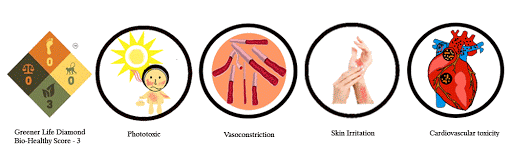
Greener Life Diamond – Bio-Healthy Score => 3 Possible Skin Issues:

See => http://www.essentialdepot.com/GreenerLifeDiamond.html

Lemon essential oil is witnessed as one among the photosensitizing citrus oils that may cause burning sensation, irritation, hyperpigmentation (discoloration of the skin surface) and other changes due to its effect of stimulating the photosensitivity of the skin, when exposed to visible light from the sun up to 12 hours of use. The primary reason is the reaction of the photoactive chemical components that absorbs light and leads to toxicity via molecular alterations in the skin.

The chief chemical component accountable for the skin sensitizing and other dermal effects of Lemon oil is Limonene and few other furanocoumarins.

Certain studies (like the 1994 study on the ‘Occupation Contact Dermatitis from Citrus fruits’ and a 2006 study on ‘Skin Diseases in Workers at a Perfume factory’) on the adverse skin reactions of using the essential oil of Citrus limon reports few cases, including the incidence of allergic contact dermatitis with the use of Lemon rind oil in the workers of the perfume industry. Patch testing also witnessed certain allergic effects on using Lemon rind oil.

Research reveals that Lemon oil has furocoumarin derivatives like oxypeucedanin and bergapten; however the phototoxic effect of oxypeucedanin was just 1 quarter of that of bergapten. It is also stated that these components are the major cause of concern behind the phototoxicity of Lemon essential oil. This study also states that oxypeucedanin educes photo pigmentation on the skin of colored-guinea-pig prior to visible erythema.

It is also stated that the quantity of these 2 phototoxic components in Lemon oils from various countries differed by about a factor greater than 20 (bergapten, 4-87 ppm; oxypeucedanin, 26-728 ppm (parts per million), with a wavering ratio.

The safe dilution use level of Lemon oil, a potential phototoxic essential oil is 2%, which is about 12 drops per ounce of any carrier oils, according to the International Fragrance Association (IFRA). This applies only for products employed for dermal use to prevent phototoxicity and is not valid for wash-off items like shampoos, soaps and other bath products.

Lemon oil has ‘Generally Recognized As Safe (GRAS)’authorization by the FDA (U.S. Food and Drug Administration). As per the European decree, essential oils containing furanocoumarins can be used provided the aggregate level of bergapten does not exceed 15 ppm in cosmetic products that are ready-to-use on the skin, which is prone to be exposed to direct sunlight sans wash-away items and 1 ppm in bronzing and sunscreen products.

On a lighter note, Furocoumarins are also used in remedial practices along with the long-wave ultraviolet light therapy for curing psoriasis, mycosis fungoides and vitiligo.

Reference Links Substantiating the Possible Skin Issues of Lemon Oil:

  1. A study of the phototoxicity of lemon oil by Naganuma M, Hirose S and Nakayama Y, Nakajima K and Someya T, published in the Archives of Dermatological Research and PubMed
  2. Essential Oil Safety: A Guide for Health Care Professionals By Robert Tisserand, Rodney Young
  3. Leung’s Encyclopedia of Common Natural Ingredients, used in Food, Drugs and Cosmetics by Ikhlas A. Khan and Ehab A. Abourashed.
  4. Citrus limon, American Herbal Products Association’s Botanical Safety Handbook, Second Edition by Zoe Gardner, Michael McGuffin
  5. Lemon oil side effects by WebMD
  6. Safety Information on Essential Oils by the National Association for Holistic Aromatherapy

Thought for the day:

When fate hands you a lemon, make lemonade.

– Dale Carnegie

Suggested Reading:

  1. HEALING POWERS OF LEMON OIL (The Aromatherapy Professional: Healing with Essential Oils) by KG Stiles
  2. Lemon: 50 Plus Recipes for Skin Care, Hair Care, Home and Laundry Cleaning along with Lemonade, Vegan, Curd, Chicken, Cookies, Cakes and Desserts by Pamesh Y
  3. How to Use Lemon Essential Oil (Aromatherapy) by Miriam Kinai
  4. Ayurveda & Aromatherapy: The Earth Essential Guide to Ancient Wisdom and Modern Healing by Dr. Light Miller, Dr. Bryan Miller

Reference Links:

  1. 35 Health Benefits of Lemon – Ayurveda Details by Dr JV Hebbar MD (Ayu) in Easy Ayurveda
  2. Lemon by Wikipedia
  3. Health Benefits of Lemon Essential Oil by Alternative Medicine, About.Com
  4. The Benefits of Lemon Oil on Skin by Livestrong.Com


Your resource for quality Essential Oils. Every batch is
GC tested to ensure purity and authenticity.

Lime Essential Oil

Lime--bannerAnyone for that matter would admire L…I…M…E as the fruit of Lasting Impression with Motherly Embrace. Undoubtedly Lime is such an adorable kitchen staple for more than thousands of years and its essential oil seldom falls short to heal our mind and body with its numinous aroma.

It can be named as an effective anti-blue fruit and oil for its ability to pacify your mood at times of depression and all kinds of blues including postpartum blues. Botanically named as Citrus aurantifolia, Lime is a limb of the citrus family Rutaceae.

Ayurveda uses Lime and its essential oil as a stimulant for treating skin problems, heart diseases, digestive disorders and mental mayhems. It has been used to boost brain power, purify the blood and aid in preventing memory loss. Certain other traditional medicines uses Lime as a remedy for treating gout, malignant tumors, throat infections and chronic skin diseases.

Purchase Lime Oil – Retail – 4 oz – CLICK HERE

Purchase Lime Oil – Wholesale – CLICK HERE

Historical importance of Lime and its essential oil:

Lime has been a vital part of the folklore medicine for cleansing the system and revitalizing the mind. Aura is the life force or vital energy of any living thing and is called by different names in various healing systems. It is known as ‘prana’ in Ayurveda and ‘qi’ in Traditional Chinese Medicine. Lime is a powerful ancient remedy for cleansing the aura and restoring confidence.

Lime is indigenous to Asia and is now cultivated in numerous countries like America, West Indies and Italy. This evergreen tree bears white flowers and glittering green fruits. India is the largest Lime oil producing country in the world and Lime was introduced into Europe initially by the Moors and was then spread slowly to America. Lime essential oil is extracted by cold press method from the peel of the fruit.

Lime juice is widely known as a remedy for treating scurvy and it has been said that the ancient British sailors used it to prevent scurvy and other skin problems due to its rich Vitamin C content. Ships used for transporting Lime were adorably called as ‘lime juicers’.

The leaves of the Lime tree were used in the prehistoric period for treating poisonous bites and swellings. Apart from its medicinal uses Lime has been used in making pickles, sauces, desserts, jams, confectionaries, sorbets, marmalades, beverages, squashes, perfumes, household cleaners, detergents, soaps, cosmetics and other beauty products.

Chemical constituents or Gas Chromatography Report (GC) of Lime oil:

According to the Gas chromatography report, Lime oil constitutes of 13 chemical components that contribute to its fragrance, therapeutic attributes, consistency and quality of this oil. Of which, Limonene contributes to the highest proportion of Lime oil constituents with about 65.4% of its total composition.

Just click on:

I believe that this must certainly help you in getting to know the exclusive information about these prime chemical constituents of Lime oil.

The table crafted below clearly depicts the unique nature and contributions of these biochemical constituents to the healing magnificence of Lime essential oil.

lime-oil

Therapeutic properties of Lime essential oil:

A 2003 study on ‘Characterization of aroma volatiles in key lime essential oils (Citrus aurantifolia Swingle)’ state “Geranial, neral and linalool were found to dominate the lime oil aroma in both oils, which accounted for their fresh, floral citrus-like character.”

These components contribute to its remedial values like astringent, tonic, haemostatic, disinfectant, antiseptic, antimicrobial, antiviral, aperitif, restorative, stimulant and bactericidal.

Ayurvedic health benefits of Lime essential oil:

Nature is the best teacher and shows its love to everyone on Earth with maternal care and affection. That is why we call nature as ‘Mother Nature’. Ayurveda is a traditional medicinal system that trusts upon Nature for its healing methodologies. This ancient philosophy states that every human being is a part of nature and his/her health condition completely depends upon one’s balance with nature.

Man/woman is made up of the same 5 vital elements of nature namely water, earth, ether, air and fire. These elements combine together in making up the individual constitution of a human being. By this way every individual has a unique constitution identified with the combination of 3 vital bio-energies called as doshas. They are vata dosha that is made up of air and ether, pitta dosha that comprises of fire and water and kapha dosha that is a grouping of water and earth.

Ayurvedic treatments differ from individual to individual even for the same health disorder. This is because every individual has a predominance of any one of the three doshas that determines their state of health, personality and behavior and balance between these doshas indicates hale and heartiness.

Ayurvedic texts prescribe natural remedies like essential oils, herbs, Ayurvedic routine, yoga, physical exercises and meditation for treating dosha imbalances, healing illnesses, preventing it in future and for healthy aging.

Lime is known for alleviating all the three doshas vata, pitta and kapha.

Let’s take a look at the Ayurvedic health benefits of Lime essential oil:

Lime-broucher1. Supports healthy hair:

Lime is one among the best essential oils for treating dull, oily, lifeless, rough, frizzy and greasy hair. This oil has a handful of essential nutrients that nourish the scalp and add natural shine to your hair.

Oily and greasy hair are the most prominent reasons for inviting dandruff as these types of hair attract dust and dirt very easily. LIme removes oil quickly and moisturizes the scalp from within, helping you to get rid of dandruff, dry and itchy scalp. Indian healthcare practitioners consider Lime oil as a traditional hair conditioner.

Add 2 drops of Lime essential oil along with your shampoo or conditioner before applying on hair. This aromatic bath assists in cleansing the hair, removing excessive oil, reducing dandruff and making the hair manageable.

You can also add 3 drops of Lime oil with 30 drops of sesame oil and heat it in medium flame. Gently massage this warm oil blend on to your scalp and part lines. This massage aids in enriching the scalp by helping it absorb this oil and nourish your hair from the roots. It also increases blood circulation and promotes the growth of healthy hair.

2. Clears acne and cures numerous skin problems:

Acne is a burning skin problem among teenagers all over the world and it is said that about 85% of the global populace are affected by acne at some point of their life. It occurs mainly due to the excess secretion of oil by the sebaceous glands rooted deeply in the skin surface.

This excess oil blocks the glands and cause bacterial growth and inflammation leading to boils, pimples, whiteheads, blackheads and pustules that are collectively known as acne.

Mayo clinic recommends the use of products that can control excess oil and treat inflammation. Lime and its essential oil is the best natural cure for clearing acne and the marks left over by acne as it has rich vitamin C and flavonoids acting as antioxidants, which detoxify and cleanse the skin. Applying 2 drops of Lime oil blended with 15 drops of jojoba oil can assist in washing out impurities from the skin and influence the growth of new skin cells.

Lime essential oil has antiseptic, bactericidal, disinfectant and astringent properties that fights against harmful bacteria causing skin infections, heals cuts, wounds, boils, cellulites, varicose veins, acne and other skin eruptions.

A 2006 study on ‘In vitro antibacterial activity of some plant essential oils’ published in PubMed evaluated the antibacterial activity of about 21 essential oils against 6 bacterial species including 2 gram-positive bacteria Staphylococcus aureus an  Bacillus subtilis and 4 gram-negative bacteria Proteus vulgaris, Klebsiella pneumoniae, Escherichia coli and Pseudomonas aeruginosa.

This study concluded stating that among the 21 essential oils tested “Cinnamon, clove and lime oils were found to be inhibiting both gram-positive and gram-negative bacteria.

Blending 2 to 3 drops of Lime oil with 20 drops of Olive oil and massaging it on the affected areas can assist in treating eczema, cuts, psoriasis, carbuncles, sores, skin ulcers, rashes and gangrene. Founder of the Polarity therapy, Mr. Randolph Stone states that Lime oil blended with Olive oil is an excellent remedy for treating eczema.

3. Promotes digestion:

Dr. Lakshmi Senaratne, senior Ayurvedic scientist at Bandaranaike Memorial Ayurveda Research Institute says that Lime and its essential oil have stomachic properties, thus it naturally promotes the secretion of bile and other gastric juices.

This helps in supporting the regular digestion process and enhances your appetite. Being a good laxative, this oil is also effective in treating nausea, dyspepsia and flatulence.

The anthelmintic properties of Lime essential oil treat diarrhea, vomiting, indigestion, exhaustion and abdominal pain. It also aids in controlling thirst. She also says that the ability of Lime to lessen pitta and vata energies makes it a powerful remedy for treating vomiting, anorexia, thirst and bleeding disorders.

All you need to do to improve your digestive process is to add 2 drops of Lime oil in 20 drops of sesame oil and gently massage on your abdomen. You can also use few drops of this oil in warm or cold compress to treat stomach pain and other discomforts.

3 to 4 drops of Lime oil added to warm bath is also effective in easing the process of digestion. Inhaling the refreshing citrus aroma by adding 2 drops to your burner or diffuser can help control nausea, morning sickness and improve your appetite.

4. Treats fever and respiratory infections:

Lime essential oil has febrifuge properties that assist in controlling your body temperature by reducing pitta dosha responsible for the temperature level of your body. Massaging your body or your foot soles with 3 drops of Lime oil blended with 20 to 25 drops of coconut oil or 3 drops added to cold compress can reduce your fever gradually by detoxifying your system and eliminating the harmful toxins and fever causing infections through sweat.

The antiviral, antibacterial, antimicrobial, immune stimulant and tonic properties of Lime oil aid in fighting against microbes causing cold and fever, strengthening the immune power, combating the growth of detrimental micro-organisms and making the body resistant against infections. 2 drops of Lime essential oil added to steam inhalation can help in treating cold, flu, sinusitis, bronchitis, cough, sore throat, asthma and other similar respiratory infections.

You can also mix 3 drops of Lime oil with 20 to 25 drops of coconut oil and apply it on your chest, neck and back for good relief. It helps loosen the phlegm deposits causing congestion in the bronchial passages. You can also add 1 drop of Lime oil to a cup of warm water and use it as a gargle for treating sore throat and for freshening your breath.

5. Acts as a tonic to the mind and body:

Lime has a divine aroma that is refreshing, rejuvenating, revitalizing, strengthening, uplifting and calming in nature. It helps in purifying the aura and strengthening the heart chakra responsible for love for others and self.

Adding 2 drops of Lime oil to your vaporizer, diffuser, burner or aromatic lamps can help in improving your concentration power and your immunity. This is mainly because of the tonic and restorative properties of Lime oil that helps you regain the lost energy of the mind and body due to diseases or emotional breakups.

Adding 3 to 4 drops of Lime essential oil in your bath tub can assist in relieving stress, depression, irritation, anxiety, muscular pain, tension, lack of self-confidence and negative feelings. Lime oil fortifies the mind and body by drawing the energies inward and helps an individual to focus without any distractions.

Disclaimer:

Never use essential oils internally. Do not go out in the sun immediately after using Lime essential oil on your skin as all citrus oils has phototoxic effect and can cause irritation when exposed to the harmful UV rays. Always remember to dilute essential oils before using them topically.

Consult your Ayurvedic practitioner before using the suitable essential oils for your individual constitution and state of health. This article is only for educational purpose and is not intended to replace any professional advice or prescribed medication.

The MSDS (Material Safety Data Sheet) of Lime oil is readily available for your enhanced safety and better usage.

Gas Chromatography Report (GC analysis) of Lime oil.

Lime Essential Oil Possible Skin Issues:

Greener Life Diamond – Bio-Healthy Score => 3 – Possible Skin Issues:

See => http://www.essentialdepot.com/GreenerLifeDiamond.html

Lime essential oil has photosensitizing effect that can end up in causing irritation of the skin, allergic reactions, burning sensation, phytophotodermatitis, hyperpigmentation (change of skin color, visible especially in people with white skin complexion) and certain other effects. This is said to happen mainly because of Lime oil’s potent to stimulate the skin photosensitivity, when it is exposed to observable sunlight up to 12 hours of use.

The underlying cause is the response of the photoactive chemical constituents that attracts UV light radiation and contributes to toxicity through molecular alterations in the surface of the skin.

The primary chemical constituent responsible for the photo-carcinogenic, skin sensitizing and other topical effects of the essential oil of Lime is Limonene and certain other furanocoumarins.

A 2014 study published in the Journal of Community Hospital Internal Medicine Perspectives reveals about a skin condition called as phytophotodermatitis, induced by Lime, where a 24-year old nurse came up with red demarcated tender patches and crusted vesicles after squeezing fresh limes and going out in sun on a bright day.

Phytophotodermatitis is defined as a nonimmunologic eruption of the skin that occurs after its contact with phototoxic components in certain plant varieties and is then exposed to ultraviolet A (UVA) radiation through visible sunlight.

Few other studies also witness the effects of photosensitization of Lime and Lime-based products containing psoralens, paving way for burns, blisters, bullae, eruption, erythematous vesicles, rashes, inflammation and hyperpigmentation. It is also been said that in certain severe cases, systemic toxicity come with the rashes, which includes nausea, vomiting and fever.

Lime oil has also been reported to promote tumors, when tested on rats where most of the papillomas were benign and few were malignant.

The safe dilution level of Lime oil is 0.7%, which is 4.2 drops per ounce of any carrier oils as per the International Fragrance Association (IFRA). This safe dilution level applies only for products used topically to thwart photosensitivity and is not applicable for wash-away products like soaps, shampoos and other bathing products.

IFRA also suggests that Limonene rich essential oils should only be employed, provided the level of peroxides are set aside to the lowest realistic level, for example: by including antioxidants during production.

Lime oil has ‘Generally Recognized As Safe (GRAS)’status by FDA (U.S. Food and Drug Administration). As per the European regulatory body, essential oils with furanocoumarins must be used in such a way that the level of bergapten should not go beyond 15ppm (parts per million) in ready to use cosmetic products after which the skin is subjected to exposure of direct sunlight and this does not apply for wash-off products. The level of bergapten should be1 ppm in bronzing and sun protection products.

For your information, Furocoumarins are also used in healing practices on par with the long-wave ultraviolet light therapy for treating vitiligo, psoriasis and mycosis fungoides.

Reference Links Substantiating the Possible Skin Issues of Lime Oil:

  1. Lime-induced Phytophotodermatitis by Dr. Andrew Hankinson, Dr. Benjamin Lloyd and Dr. Richard Alweis, published in the Journal of Community Hospital Internal Medicine Perspectives and PubMed
  2. Citrus aurantifolia, American Herbal Products Association’s Botanical Safety Handbook, Second Edition by Zoe Gardner, Michael McGuffin
  3. Essential Oil Safety: A Guide for Health Care Professionals By Robert Tisserand, Rodney Young
  4. Leung’s Encyclopedia of Common Natural Ingredients, used in Food, Drugs and Cosmetics by Ikhlas A. Khan and Ehab A. Abourashed.
  5. Safety Information on Essential Oils by the National Association for Holistic Aromatherapy
  6. Lime oil by Mercola.com
  7. A Topical Skin Eruption by Dr. Christina Greenaway, published in the Canadian Journal of Infectious Diseases and PubMed

Thought for the day:

It is written on the arched sky; it looks out from every star. It is the poetry of Nature; it is that which uplifts the spirit within us.          -John Ruskin

Suggested Reading:

  1. Citrus Oils: Composition, Advanced Analytical Techniques, Contaminants, and Biological Activity (Medicinal and Aromatic Plants – Industrial Profiles) From CRC Press
  2. Ayurveda & Aromatherapy: The Earth Essential Guide to Ancient Wisdom and Modern Healing by Dr. Light Miller, Dr. Bryan Miller
  3. Growing Citrus: The Essential Gardener’s Guide by Martin Page
  4. Save Your Life with the Phenomenal Lemon (& Lime!) (Save Your Life!) by Blythe Ayne
  5. The Lemon & Lime Cookbook by Rick Donker

Reference Links:

  1. Lime is Beneficial for Skin and Hair by Namini Wijedasa published in Infolanka.com
  2. Acne by the American Academy of Dermatology
  3. In vitro antibacterial activity of some plant essential oils by Seenivasan Prabuseenivasan, Manickkam Jayakumar, and Savarimuthu Ignacimuthupublished in BMC Complement Altern Med, PubMed
  4. Health Benefits of Lime Essential Oil by Organic Facts


Your resource for quality Essential Oils. Every batch is
GC tested to ensure purity and authenticity.

Litsea Cubeba Oil

Litsea--cubebabannerLitsea cubeba is a Chinese wonder herb conferred to the medicinal world. Used as a promising anti-depressant for more than thousands of years in the Asian subcontinent, Litsea cubeba is remembered to treat anxiety, fear, fatigue, excessive perspiration, pain and stress.

This is mainly due to the uplifting, regenerating, energizing and refreshing aroma of its lemony essential oil extracted from the pepper-like berries of this evergreen shrub. Ayurveda and the Traditional Chinese Medicine embraces a long history of Litsea cubeba where this mesmerizing herb has been used for treating asthma, acne, eczema, dermatitis, indigestion and microbial infections.

Purchase Litsea Cubeba Oil – Wholesale – CLICK HERE

Historical importance of Litsea cubeba:

Botanically known as Litsea cubeba, this herb is popularly known as May Chang. It also called by other names like Mountain pepper, Chinese pepper, mountain spice tree, tropical verbena and exotic verbena. Native to China, Indonesia and Japan, Litsea cubeba is also grown widely in India, Sumatra, Kalimantan and Java.

Lovingly called as maqaw by the Atayal aborigines in Taiwan, May Chang has been used as a renowned spice by the aborigines of Taiwan. The pepper-shaped fruits of this tree were used as hot flavoring spice for meat dish known as sambal. May Chang flowers were also used in preparing medicinal tea.

The ancient Chinese used this herb for treating digestive ailments, chills, back pain, muscular aches and asthma. Traditionally this herb was used as a natural anti-spasmodic agent that helped in clearing spasms especially in the bronchia, thus assisting in the treatment of asthmatic attacks.

Chemical constituents and therapeutic properties of Litsea cubeba oil:

Citral is the major component of Litsea cubeba essential oil with more than 70 to 85% of the oil where geraniol is the a-citral and neral is the b-citral. This constituent contributes primarily to the healing properties of this oil such as antiseptic, antimicrobial, astringent, anti-inflammatory, hypotensive, tonic, insecticide, deodorant, calming, stimulant, antispasmodic, anti-infectious, sedative, carminative, vulnerary, antidepressant and stomachic.

Ayurvedic health benefits of Litsea cubeba oil:

Ayurveda is a treasure to mankind. You don’t need to be a healthcare practitioner to understand Ayurvedic philosophies as the wisdom of this noble science lies in its simplicity. Ayurvedic encyclopedias like Charaka Samhita and Sushruta Samhita explain the physical, emotional, psychological, spiritual and environmental factors affecting a human’s life, ways to lead a healthy life, natural remedies for diseases and guide towards a disciplined life and longevity.

’Everything in this world is vested with nature’ is the strong belief of Ayurvedic healing. It considers human beings as a part of nature and illness according to Ayurveda denotes a person’s imbalance with nature. Ayurvedic treatments involve the use of natural remedies to strike balance between nature and an individual’s state of health.

Ayurveda states that every individual is unique with an exclusive constitution that is built up of three biological energies known as doshas namely vata, pitta and kapha. Each of these doshas governs a set of functions in the body.

Predominance of any one of these doshas determines the character and physical attributes of a person. Imbalance of all or any of these doshas causes sickness. Herbs, essential oils, a disciplined life style, meditation, physical exercises and yoga are the most effective Ayurvedic remedies for dealing with dosha imbalances.

Litsea cubeba essential oil is said to pacify excess kapha energy and aggravate deficit vata and pitta doshas.

The Ayurvedic health benefits of Litsea cubeba oil are listed below for your reference:

Litsea-broucher1. Cures problems with digestion:

With the strong citrus aroma and warming stomachic properties, Litsea essential oil increases pitta energy, which governs the process of digestion, thinking and body temperature. This herb and its essential oil augment the digestive fire and enhance the appetite, treat indigestion and flatulence.

It prevents the formation of gas in the stomach and intestines. To support the process of digestion, blend 3 drops of Litsea cubeba oil with 15 drops of sesame oil and massage your abdomen or add 2 drops of this oil to warm bathing water.

2. Pampers your skin health:

‘A thing of beauty is a joy forever’ and when it comes to the beauty of human beings, skin plays the prime role in determining one’s external beauty. Litsea cubeba oil has everything that is essential to maintain a healthy looking skin from within. Maharishi Ayurveda denotes that Litsea cubeba essential oil is an excellent vata and pitta balancing formula to treat normal, dry, oily and sensitive skin.

Massaging your skin with 2 drops of Litsea cubeba oil mixed with10 to 15 drops of coconut oil can work wonders on your greasy, oily and infection prone skin. This massage enhances blood circulation and controls the secretion of sebum.

The astringent, antiseptic, antibacterial, antiviral and antifungal properties of this oil help you to keep away from acne, blemishes, eczema, dermatitis, allergies, psoriasis and cellulites. The ability to cleanse the skin, balance the flow of sebum and shrink open pores, aids in treating and preventing acne flare-ups.

A recent study on ‘Screening of fruit and leaf essential oils of Litsea cubeba Pers. from north-east India – chemical composition and antimicrobial activity’ proved that Litsea cubeba oil has potent “antimicrobial activity against Staphylococcus aureus, Listeria monocytogenes, Escherichia coli, Pseudomonas aeruginosa, Candida albicans and Aspergillus niger.” This oil is also effective in treating wounds, ringworms, cuts and insect bites.

3. Stimulates your mind:

Litsea cubeba essential oil has an exuberant aroma that is flowery and lemony in nature. It is for this purpose Litsea cubeba herb and its oil has been used in making perfumes, soaps and other cosmetic products.

Inhaling the magical aroma of this oil uplifts your mood, augments mental alertness, refreshes your mind, influences new ideas for life, pacifies your depressed mind and grants you a sense of freedom and confidence. Kurt Schnaubelt says that Litsea cubeba oil is used for calming the mind and senses.  Adding 2 drops of this oil to vaporizer, diffuser or burner aids in treating your mental worries and give a new lease of life to your world around.

4. Treats pain and inflammation:

The vata and pitta enhancing properties of Litsea cubeba oil assists in increasing blood circulation, reducing inflammation and strengthening the muscles. By reducing kapha energy, this oil aids in eliminating the excess fluid deposits and toxic substances in the body and tones your tissues.

The book on ‘Aromatherapy: A Complete Guide to the Healing Art’ states that massaging with May Chang oil helps alleviate allergies, open up the bronchial passages in case of asthma, bronchitis and other chest infections.

Massaging the affected area with 2 to 3 drops of Litsea cubeba oil blended with 20 drops of coconut oil helps relieve pain, headache, muscular tension, respiratory ailments, arthritis and rheumatism. You can also use this oil in hot or cold compress for assisting inflammation and pain.

5. Kills insects and keeps your home fresh and clean:

Litsea cubeba oil is the ideal fragrant way to keep away from insects and stay refreshed and ready to be picked up all through the day. You can add 2 drops of this oil in your regular insect repellant preparations or outdoor candles to keep your family protected from bugs, flies, mosquitoes and other insects and to give a clean n fresh feeling to your home. You can also add few drops of this oil in your shampoo, bathing water, body wash or skin care cream to stay protected in an insect-free environment.

Other uses:

With a much similar aroma to Lemongrass and lemon verbena, Litsea cubeba oil is preferred by numerous aromatherapists and perfume author Mandy Aftel prefers this oil to other citrus oils for its versatile aroma. This herb and its oil has also been used and proved effective in the treatment of arrhythmia, nervous disorders, high blood pressure, coronary heart diseases and cancer cells death in case of lung cancer. The bark of this tree is also used in making handicrafts and furniture.

Disclaimer:

This article is only for the purpose of information and is not intended to diagnose or replace any professional advice or prescribed medication. Never use essential oils internally. Always use essential oils in a diluted form as pure and organic essential oils are highly concentrated substances. Please consult your Ayurvedic practitioner before choosing the appropriate essential oil for your health condition and unique constitution.

Thought for the day:

Nothing is more memorable than a smell. One scent can be unexpected, momentary and fleeting, yet conjure up a childhood summer beside a lake in the mountains.  – Diane Ackerman

Suggested Reading:

  1. Essence and Alchemy: A Natural History of Perfume by Mandy Aftel
  2. The Encyclopedia of Essential Oils: The Complete Guide to the Use of Aromatic Oils In Aromatherapy, Herbalism, Health, and Well Being by Julia Lawless
  3. Medical Aromatherapy: Healing with Essential Oils by Kurt Schnaubelt
  4. Aromatherapy Workbook by Marcel Lavabre

Reference Links:

  1. Litsea Cubeba by Wikipedia
  2. What is Litsea Cubeba? By WiseGEEK
  3. Uses of May Chang Essential Oil by Livestrong.Com
  4. Litsea Cubeba Essential Oil Profile Aromatherapy Lifestyle by Quinessence
  5. Screening of fruit and leaf essential oils of Litsea cubeba Pers. from north-east India – chemical composition and antimicrobial activity published in the Journal of essential oil research by Taylor Francis Online

Mandarin Essential Oil

Mandarin-bannerMandarin is the only official language of the Republic of China with more native speakers; similarly Mandarin essential oil is an exceptional natural remedy with numerous documented health benefits in the world of Complementary and Alternative medicine including Ayurveda and the Traditional Chinese Medicine. Known as skin-friendly oil, its essential oil is cold pressed from the rind of the Mandarin fruits.

The book Ayurveda and Aromatherapy states that Mandarin oil can be combined with Orange oil to make ‘happy oil’. It is also said that this oil is known to bring liveliness in the atmosphere. With excellent pacifying properties, Mandarin essential oil is used in Ayurveda for treating insomnia, nervous tension, stress, mental exhaustion, digestive problems and skin disorders like acne, eruptions and stretch marks.

Purchase Mandarin Oil – Retail – 4 oz – CLICK HERE

Purchase Mandarin Oil – Wholesale – CLICK HERE

Historical importance of Mandarin:

Mandarin is indigenous to China and is now cultivated all around the world including America and Europe since 1805. Italy has been ranked as the top producer of Mandarin essential oil in the recent years. This fruit gained its name from the verity that it was given as a conventional gift to the Mandarins of China.

As a rich source of vitamin C, Mandarin oranges have been in use since the primordial times for meeting the nutritional requirements of children as well as elderly people. Mandarin is considered as a safe medicine for treating indigestion, strengthening the liver and the digestive system in aged people in France.

The Traditional Chinese Medicine makes use of the dried rind of these fruits for regulating the ‘Qi’ or ‘Chi’ meaning life force, life energy or energy flow and is defined as the basic principle that is a part of every living thing on earth. It was also used in treating improper digestion, excess deposits of phlegm and abdominal distension.

Mandarin oranges are also regarded as a Christmas tradition in the United States and Canada where they are individually wrapped in supple green paper and given in Christmas stockings. These oranges were initially a New Year gift for the Japanese immigrants and the advent of Japanese Mandarin oranges were considered as a special signal for the start of the holiday season. Mandarin oranges are also celebrated as a traditional representation of good fortune and abundance during the Chinese New Year celebrations.

Therapeutic properties and chemical constituents of Mandarin essential oil: Mandarin essential oil has antispasmodic, tonic, antiseptic, cicatrisant, digestive, diuretic, sedative, circulatory, cholagogue, depurative, hepatic, stomachic, nervous relaxant and cytophylactic properties. The major chemical components of Mandarin oil are limonene, citronellal, citral, linalool, myrcene, neral, terpineol, geranial, camphene, a-thujone, g-terpinolene, a-pinene, b-pinene, geraniol, and sabinene.

Ayurvedic health benefits of Mandarin essential oil:

Ayurveda is the mother of all healing systems on earth and is said to be the strongest root for the growth of other Complementary and alternative medical practices like Unani, Siddha, Homeopathy, Traditional Chinese Medicine, Acupuncture, Naturopathy, Chiropractic and Aromatherapy.

Ayurvedic philosophy trusts that every human being is a part of nature and one’s wellness depends upon his/her harmony with nature. Illness according to this science of life is an opportunity to discover what’s wrong in a person’s system.  Ayurvedic healing does not stop with treating the illness as such instead it traces out the underlying root cause of the disease. This aids in treating the sickness as well as preventing it in future.

All the natural remedies in the world fall under the roof of Ayurvedic healing as it strongly state that nature is the best medicine. Herbs, essential oils, rays of the rising sun, yoga, meditation, physical exercises and spiritualism are all the most important natural remedies used in Ayurveda.

The best thing about Ayurveda is that it considers every individual as a unique part of nature where every person is made up of an individual constitution that is comprised of three vital bio-energies known as doshas. They are vata, pitta and kapha. These energies govern the functions of the human body physically, emotionally and spiritually. Balance between these doshas indicates healthiness and dosha imbalances cause sickness.

Ayurvedic remedies are focused on harmonizing dosha imbalances. Mandarin essential oil is known to aggravate vata energy and pacify kapha and pitta dosha.

The Ayurvedic health benefits of Mandarin essential oil are:

mandarin-brouccher1. Relieves digestive problems:

Mandarin essential oil is a popular citrus oil with excellent benefits to the digestive system. The rich, tangy and citrus aroma promotes digestion and stimulates the flow of bile and other digestive juices.

The stomachic and digestive properties of Mandarin essential oil aids in fighting against stomach infections, protects the stomach and intestines from ulcers by maintaining the optimum level of acids and enhance the appetite. You can add 1 drop of Mandarin oil to your hanky or add 2 drops of this oil to your diffuser to improve your appetite and support the process of metabolism.

Adding 2 to 3 drops of Mandarin oil to warm bathing water can help in relieving gas, flatulence, nausea and indigestion. Gently massaging your abdomen with 2 drops of this oil blended with 10 drops of wheatgerm oil can assist in treating ulcers, gastritis, esophageal spasms, intestinal infections, colitis, dyspepsia, bloating, flatulence, hiccups and indigestion.

2. Pacifies the mind:

Mandarin oil is known as ‘happy oil’ for its uniqueness in bringing joy and solace in the environment.  The well-known book ‘Ayurveda and Aromatherapy’ quotes Mandarin oil as “calming and soothing for stress.”  The soothing, calming, nervine, sedative and hypnotic actions of this oil appease the mind and boost your self-confidence.

Mandarin essential oil is a natural mood-lifter that assists in reducing tension on the nervous system, promote peaceful sleep, nourish the nerves, lessen distress and encourage absolute tranquility and calmness.

2 drops of Mandarin oil added to warm bathing water before bed can alleviate your tensed muscles, mental disturbances, epilepsy, convulsions and nervous afflictions. This medicated bath can help you to fall asleep soon by evoking a sense of encouragement and stillness.

You can also add 3 drops of Mandarin oil to your diffuser, burner or vaporizer for treating anxiety, restlessness, fear, fatigue, irritability, stress, tantrums and other negative emotions. This formula works even with children who are over-excited and stubborn especially during the nighttime.

3. Enriches the skin:

Mandarin essential oil has enormous benefits to the skin with its antiseptic, antibacterial, antiviral, cytophylactic, tonic and depurative properties. Excess toxins and deposits of salts and uric acid in the body deteriorate skin health and lessen its natural glow. This is the major reason behind pimples, blackheads, boils and other skin eruptions. Being a depurative, Mandarin essential oil aids in eliminating the unwanted toxins from the body and purifies the skin.

This oil is effective in clearing acne, healing wounds, scars, marks, abscesses, boils and lifeless skin. Mandarin oil supports the growth of new skin cells by which it helps in healing scars and wounds. This formula works like a magic especially on stretch marks and Mandarin essential oil is considered safe even on pregnant women.

Adding 2 drops of Mandarin oil in steam therapy assists in removing skin impurities, blemishes, black heads, marks and pimples. It augments the natural beauty and glow of the skin. Massaging with 2 to 3 drops of Mandarin oil with 15 drops of jojoba oil aids in improving blood circulation, enhancing the suppleness of the skin and diminishing scars and marks. You can also add 3 drops of Mandarin oil to your regular skin care cream or lotion and apply it on the affected area.

4. Eliminates toxins and treats spasms:

Toxic deposits in the body are the predominant factor disturbing the regular functions of the body like respiration, digestion and excretion. This is known as ‘ama’ in Ayurveda. Eliminating ‘ama’ or the harmful toxins from the body is one among the major treatment methodologies in Ayurvedic Panchakarma or the art of purification of the mind and body.

Mandarin essential oil is an exuberant oil for eliminating hazardous toxins, uric acid and salts stagnated in the body in the form of sweat and urine. The high-spirited aroma of this oil is known to drain out negative emotions and purify the mind.

Add 3 drops of Mandarin oil to warm bath or massage your body with 5 drops of this oil with 2 ml of coconut oil to get rid of the unwanted substances from the mind and body. This massage also helps in treating spasms in the respiratory system, intestine, muscles and the nervous system.

5. Improves circulation and stimulates the system:

When massaged onto the skin, 5 drops of Mandarin essential oil with 2 ml of sesame oil improves blood circulation and helps in relieving from varicose veins, blood clots, rheumatic pain and arthritis.

Mandarin oil acts as a tonic to the system and checks the regular functioning of all the vital parts of the body including the nervous system, digestive system, respiratory system, circulatory system, cardio-vascular system and the excretory system.

This oil is also said to make the body resistant against contagious diseases by improving immunity. You can add 2 drops of oil to vaporizer, burner or diffuser during any time of the day or night to get yourselves rejuvenated and recharged instantly.

Disclaimer:

All citrus oils have photo-toxicity effect and do not go out in sun as soon as applying Mandarin oil as it may harm your skin. Never use essential oils internally as these oils are highly concentrated liquids and should always be used topically in a diluted form. Consult your Ayurvedic Practitioner before using essential oils for your unique individual constitution and state of health. This article is only for the purpose of information and is not meant to make a diagnosis or replace prescribed medicines or professional advice.

Thought for the day:

All things are artificial, for nature is the art of God.  –Thomas Browne

Suggested Reading:

  1. Citrus Oils: Composition, Advanced Analytical Techniques, Contaminants, and Biological Activity (Medicinal and Aromatic Plants – Industrial Profiles) from CRC Press
  2. ISO 3528:1997, Oil of mandarin, Italian type (Citrus reticulata Blanco) by ISO TC 54
  3. Facelift at Your Fingertips: An Aromatherapy Massage Program for Healthy Skin and a Younger Face by Pierre Jean Cousin M.B.Ac.C
  4. Ayurveda & Aromatherapy: The Earth Essential Guide to Ancient Wisdom and Modern Healing by Dr. Light Miller, Dr. Bryan Miller

Reference Links:

  1. Mandarin Orange by Wikipedia
  2. Mandarin in Ayurveda and Aromatherapy by Light Miller and Bryan Miller
  3. Health Benefits of Mandarin Essential Oil by Organic Facts
  4. Health Benefits of Mandarin Essential Oil by Yoga wiz.com

Tea Tree Essential Oil

Tea-tree-bannerTea tree oil is a knight in shining armor as it acts as a shield against all kinds of infections including bacterial, viral, fungal and microbial. It is a must-have essential oil in your medicine cabinet and can assist you in times of distress. Although Tea Tree has nothing to do with the tea we drink, I often remember this magnificent herb as a tea for the entire system that has the potential to heal, pacify and cure us in a number of ways.

The essential oil of Tea tree is extracted from the leaves of this tree. Ayurveda, the science of natural healing makes use of Tea tree and its essential oil for treating many infectious diseases, respiratory problems like asthma, tuberculosis and bronchitis, venomous bites and skin problems like acne, psoriasis and dermatitis.

Purchase Tea Tree Oil – Retail – 4 oz – CLICK HERE

Purchase Tea Tree Oil – Wholesale – CLICK HERE

Historical importance of Tea tree oil:

Born in Australia, Tea tree is the love and pride of the Australian kingdom where more than 300 species of Tea trees grow naturally. The Aborigines are regarded as the first ones to use Tea tree leaves before thousands of years as an antiseptic for healing wounds, cuts, burns and insect bites.

It was the British explorer Captain Cook who named this tree as ‘Tea tree’ when he found the native people using the leaves of this tree in preparing a medicated tea and he used this drink to prevent scurvy in his men.

As an excellent antimicrobial and antiseptic oil, Tea tree oil was prevalently used in war fields for healing the wound of soldiers (especially in the Australian Army during World War II) and keeping them protected from the infestation of harmful microbes.

One of the pools in Australia is known as the ‘Magical Lagoon’ just because it was surrounded by Tea trees and leaves fall in the water and make it a medicated bathing pool. People who take bath in this pool have said that it helped in healing burns, wounds and certain other skin infections.

Tea tree oil is held-high for its anti-poisonous effects and is generally known as Snake oil just because the fact that this oil has enormous detoxifying properties that aids in taking way the venom of a poisonous snake bite.

The fresh leave juice was also applied on the affected area for treating scorpion stings and other poisonous insect bites. Tea tree leaves are also used in poultices and the decoction extracted from boiling these leaves are known to heal wounds and inflammations both internally and externally.

Chemical constituents or Gas Chromatography Report (GC) of Tea tree oil:

According to the Gas chromatography report, Tea tree oil constitutes of 8 chemical components that contribute to its unique fragrance, remedial properties and quality. Tea tree oil is enriched with about 41.9% of Terpinen-4-ol constituent.

Just click on:

For knowing more about the specific information of these key constituents of Tea tree oil.

The table below on the Gas Chromatography report talks about the principal chemical constituents and its role in granting the therapeutic and other attributes to Tea tree oil.

Teatree-OilRemedial properties of Tea tree oil:

This oil has antimicrobial, fungicidal, antibacterial, antiviral, stimulant, disinfectant, antiseptic, anti-infectious, antipyretic, vulnerary, expectorant, balsamic, cicatrisant, sudorific and insecticide.

The chemical constituents responsible for these therapeutic properties are 1,8-cineole, limonene, terpinen-4-ol, myrcene, a-pinene, linalool, sabinene, a-terpinene, y-terpinene, a-terpineol,  b-pinene a-phellandrene, terpinolene and p-cymene.

Ayurvedic health benefits of Tea tree essential oil:

Ayurveda is a holistic healing methodology that not only treats illnesses but aims to prevent it in future. It does not recommend same remedies for all even with the same disease as it regards that every individual is a unique part of nature and their illnesses should also be treated in a unique way.

For this, Ayurvedic treatment starts with identifying the unique individual constitution that is built up of 3 energy elements known as doshas. They are vata, kapha and pitta dosha. Vata is said to govern the movement of air, metabolic functions, process of elimination and much more.

Pitta is responsible for digestion, decision making, body temperature and creation of energy. The structure of our body, movement of fluids, skin health, stability and lubrication of joints are all controlled by kapha dosha.

Every human being is said to have a predominance of any one of these doshas that determines their personality, character and behavior. Balance between these three doshas indicates that a person is healthy and imbalance causes illness. Ayurvedic remedies like essential oils, herbs, yoga, meditation, Ayurvedic routine are prescribed in such a way that it helps in bringing perfect balance between these doshas.

Tea tree essential oil is said to have equal effects on all the three doshas with its cooling and moisturizing energies. The book on ‘Ayurveda and Aromatherapy’ by Light Miller and Bryan Miller states that Tea tree oil is extremely beneficial for skin, respiratory system and nervous system.

Let’s have a look at the Ayurvedic health benefits of Tea tree essential oil.Tea-tree-broucher1. Benefits to the skin and hair:

Tea tree essential oil has been proved 12 times better than carbolic acid that has been used as an antiseptic bactericide in primeval times. This is mainly because of its effectiveness in treating various skin ailments with its antimicrobial, fungicidal, anti-inflammatory, antiseptic, disinfectant and antiviral properties.

Tea tree oil is an excellent remedy for acne and this is substantiated by a 1990 study on ‘A comparative study of tea-tree oil versus benzoyl peroxide in the treatment of acne’, which states that both Tea tree oil and benzoyl peroxide are effective in treating acne.

It says that Tea tree showed “a significant effect in ameliorating the patients’ acne by reducing the number of inflamed and non-inflamed lesions (open and closed comedones)” with fewer side effects than BP where about 79 percent of people who used BP had various side effects like dryness, itching, stinging and burning sensation.

This exemplary oil also has antiseptic and cicatrisant properties that promote wounds, boils, cuts, burns and rashes to heal quickly. It reduces scars and marks by stimulating the growth of new skin cells and eliminates the dead skin cells.

Mix 2 drops of Tea tree oil with 15 drops of Jojoba oil or with your skin care cream or lotion and apply it on your acne for visible results and on your wounds for quicker healing. This blend is also effective on scars left by pox, accidents, acne, surgical and stretch marks.

Dandruff and lice are the major hair problems that screw your hair’s health most often. Being an effective fungicidal and antimicrobial oil, Tea tree oil fights against the harmful agents causing dandruff and nourishes the dry scalp with its moisturizing properties and it also kills head lice. Add 2 drops of Tea tree oil in your mild shampoo and massage it gently on your scalp for quick relief.

2. Benefits to the respiratory system:

Having enormous anti-infectious properties, Tea tree oil is one among the best essential oils for fighting against viral infections like cold, cough, congestion and other respiratory problems like sinusitis, bronchitis, tuberculosis, asthma and pharyngitis. Most of these problems start worsening when the infection spreads all over the system.

Tea tree oil fights against all kinds of contagious foreign bodies and arrest their further growth. The expectorant properties of this oil make it powerful in loosening the phlegm and mucous deposits that causes breathing difficulties.

Add 2 to 3 drops of Tea tree oil to warm bathing water and go for a refreshing bath. You can add 2 drops of this oil to steam inhalation for opening blocked nasal passages, treat chest congestion and get relief from headache and sinusitis. You can also add 2 drops of Tea tree oil to your rub and gently massage on your chest, neck and back for significant relief.

3. Benefits to the mind:

With its warm, spicy, refreshing, camphoraceous, soothing, aromatic-terpenic (monoterpenes of pine) fragrance pacifies and encourages the mind. Tea tree oil is said to appease the mind and body after shock, anxiety, fear and fatigue.

Massaging your body with 5 drops of tea tree oil blended with 40 to 45 drops of coconut oil can help in uplifting your mood, relax the muscles, strengthen your emotions and alleviate stress and depression. You can also add 3 drops of Tea tree oil to your burner, diffuser or vaporizer to encircle your mind with a clean and fresh feeling.

4. Guards against all kinds of infections:

Tea tree oil protects the body from harmful organisms and by killing the existing ones and preventing the growth of new ones. It strengthens your immunity and makes your body resistant against the effects of all kinds of infections.

A comparative study of Tea tree oil along with clotrimazole tested 112 people affected by toenails fungal infection and Tea tree oil was proved as powerful as an antifungal remedy. Add 2 drops of Tea tree oil in warm foot bath to cleanse your skin and kill the infectious agents on the skin followed by topical application of 2 drops of Tea tree oil with 8 drops of olive oil can help in treating fungal infections like athlete’s foot, ringworm, fungal infection of the toenails, dermatitis, vaginal infections and other skin ailments caused due to fungi.

The study on ‘Melaleuca alternifolia (Tea Tree) Oil: a Review of Antimicrobial and Other Medicinal Properties’ proved that Tea tree oil is effective in fighting against numerous bacteria like Staphylococcus aureus, Mycobacterium avium, Streptococcus pneumoniae, Haemophilus influenzae, Escherichia coli and Streptococcus pyogenes. This contributes to the antiseptic and antibiotic values of this oil.

This oil has been studied in Europe and US as an effective douching treatment for candida albicans. 5 drops of this oil added to 1 half pint of water can serve as a powerful vaginal douche Susanne Fischer-Rizzi.

Topical application of 2 drops of Tea tree oil mixed with 10 drops coconut oil aids in treating bed sores, psoriasis, abscesses, boils, wounds, insect bites, cold sores, diaper rashes, herpes, dermatitis, genito-urinary infections, cystitis, vaginal thrush, ear infections and deep wounds.

Other health benefits:

Tea tree has become a common ingredient in many popular anti-dandruff shampoos, acne soaps, skin care creams and lotions. It can also be used to treat rheumatic pain, bad breath, oral infections (as a gargle by adding 2 drops of this oil to warm water), cankers, candida, flea bites, jock itch, plantar warts, mosquito bites, sciatica, ticks, seborrhea, sunburn and much more.

Disclaimer: Never use essential oils internally. This article is only for the purpose of educations and is not meant for diagnosis or to replace any prescribed medication or professional advice. Always remember to use essential oils in a diluted form for topical application. Consult your Ayurvedic practitioner before using the right essential oil for your health condition and individual body type.

The MSDS (Material Safety Data Sheet) of Tea tree essential oil is readily available for your enhanced safety and better usage.

Gas Chromatography Report (GC) of Tea tree oil.

Thought for the day:

Nature teaches more than she preaches. There are no sermons in stones. It is easier to get a spark out of a stone than a moral. -John Burroughs

Suggested Reading:

  1. HEALING POWERS OF TEA TREE OIL (The Aromatherapy Professional: Healing with Essential Oils) By KG Stiles
  2. How to Use Tea Tree Oil – 90 Great Ways to Use Natures “Medicine Cabinet in a Bottle” – Acne, Boils, Head Lice, Nail Fungus, Ringworm, Skin Tags, – Health … Uses, Dilutions and Lots More! (What Is?) By Ruth Elston
  3. How to Use Tea Tree Essential Oil (Aromatherapy) By Miriam Kinai
  4. Australian Tea Tree Oil Guide By Cynthia Olsen

Reference Links:

  1. Tea tree oil by Wikipedia
  2. Tea tree oil by The American Cancer Society
  3. A comparative study of tea-tree oil versus benzoyl peroxide in the treatment of acne by Department of Dermatology, Royal Prince Alfred Hospital, Camperdown, NSW published in PubMed
  4. Melaleuca alternifolia (Tea Tree) Oil: a Review of Antimicrobial and Other Medicinal Properties by C. F. Carson, K. A. Hammer, and T. V. Riley published in Clinical Microbiology Reviews by the American Society For Microbiology

Thuja Wood Essential Oil

thujawood-bannerBy saying ‘the tree of life’, I am not talking about the premier English movie of 2011 or about the common motif in mythologies and philosophies. Tree of life is a common name of the Thuja tree, botanically known as Thuja occidentalis. This name indicates the restorative and medicinal values of this herb in addressing various illnesses.

The essential oil of Thuja is extracted by steam distillation from the leaves, branchlets and wood of this tree. Thuja as a promising herb has been used prevalently in Ayurveda to treat warts, psoriasis, bronchial catarrh, uterine carcinomas, rheumatism, cystitis and certain other chronic infections of the upper respiratory system.

Purchase Thuja Wood Oil – Wholesale – CLICK HERE

Historical importance of Thuja and its essential oil:

Thuja is known to the world most popularly as an ornamental tree and has been used widely for hedges. The word ‘Thuja’ is a Greek word meaning thuo (to sacrifice) or ‘to fumigate’. The aromatic wood of this tree was initially burnt as a sacrifice to God in the ancient times. It has been a part of the traditional healing system like Traditional Chinese Medicine and Homeopathy for treating numerous illnesses naturally.

Thuja occidentalis also known as Eastern White Cedar was celebrated as a powerful remedy for treating and preventing scurvy. The native Canadians used the leaves (needles) of this tree to prepare tea that has been claimed to contain 50 mg of vitamin C per 100 grams of leaves. This tea was also used as an effective remedy for treating rheumatism and menstrual pain. Thuja is also used in evidence-based phytotherapy for treating chronic and acute infections of the upper respiratory system, angina, pharyngitis and bronchitis.

Indigenous to northeastern parts of North America, Thuja essential oil is claimed to be first used by the American Indians for treating insomnia, gout, cold, dandruff and eczema. The leaves were also used in preparing a decoction for treating cold, congestion, uterine carcinomas, intestinal parasites, cystitis, fever, headache and stomach pain.

Thuja was listed in the US Pharmacopoeia as a diuretic to enhance urine flow and as a treatment to stimulate the functions of the uterus. It was used as incense by the ancient people. Thuja is also used in making pest repellants, shoe polish, perfumes and furniture polishes.

Therapeutic properties and chemical constituents of Thuja essential oil:

Thuja oil consists of camphene, alpha-thujone, beta-thujone, delta-sabinene, alpha-pinene, camphone, bornyl acetate, terpinenol and fenchone. These chemical components contribute to its therapeutic values like emmenagogue, stimulant, anti-rheumatic, diuretic, rubefacient, astringent, tonic, febrifuge, expectorant, vermifuge and insect repellant.

Ayurvedic health benefits of Thuja essential oil:

Ayurveda means the ‘science of life’ or the ‘knowledge of life’. This incredible healing system is treating humanity for more than 5,000 years. Ayurveda is adorably called as the mother of all healing sciences just because the other popular healing practices like Siddha, Homeopathy, Unani, TCM (Traditional Chinese Medicine) are all the branches of the Ayurvedic tree. The success behind this sacred healing methodology is its intimate connection with ‘Mother Nature’.

Human beings are a part of nature according to Ayurvedic philosophy and it strongly insists that a disciplined life style along with the use of herbs, essential oils, meditation, yoga and spiritual oneness is the secret behind healthy aging and longevity. Anything that makes use of natural remedies automatically falls under the Ayurvedic wing and paves way for prevention of diseases and complete well-being.

Health according to Ayurvedic texts is the combination of mental, physical, emotional and spiritual wellness. It defines that every individual has a unique constitution made of three biological energies known as doshas namely vata, pitta and kapha dosha. Every one of us will have a predominance of any one of these doshas deciding our physical, mental and behavioral qualities. Perfect balance between these doshas means that a person is hale and hearty and imbalance of these doshas leads to illnesses.

Ayurvedic remedies are focused towards striking an ideal balance between these doshas as these energies are responsible for controlling our metabolic functions, nervous system, lymphatic system, functions of the brain, respiratory system, excretory system and the circulatory system. Thuja herb and its essential oil are commonly used in Ayurveda for treating many diseases and is said to pacify kapha and pitta dosha and increase vata dosha.

The Ayurvedic health benefits of Thuja essential oil are:

thujawood-broucher1. Treats menstrual discomforts:

Thuja is one among the best natural remedies for treating menstrual problems. Vata dosha is responsible for the process of elimination from the body like sweat, urine, feces and menstrual fluids. As this oil aggravates vata energy, it has been proven effective in treating delayed menstruation, blocked periods and promoting regular menstruation in case of very little flow during periods.

Apart from this, Thuja oil is also powerful in alleviating other symptoms of menses like severe pain in the abdomen, nausea, fatigue, cramps and loss of temper. Thuja is a popular homeopathic remedy for dealing with menstrual disorders and ovarian cysts.

You can add 2 drops of Thuja oil to warm bathing water or mix 1 drop of Thuja oil with 10 drops of sesame oil and gently massage on your lower abdomen to treat menstrual pain, fatigue, nausea and restlessness.

2. Alleviates serious skin problems:

Thuja essential oil extracted from its leaves, wood and root is an excellent Ayurvedic remedy for treating warts including genital warts and venereal warts. HPV is the human pappiloma virus that is responsible for genital warts. It’s been found that there are about 1 million new HPV cases every year and about 15 to 40% of the adult population is affected by HPV in the United States.

Thuja essential oil has been proved effective in treating warts by stimulating the immune system and making it defensive against viruses and in treating the existing cells that are virally affected. Notably, this herb was used externally in the form of ointment or tincture for treating venereal warts, ringworm, warts and thrush in the 19th century.

Blend 2 drops of Thuja oil with 15 to 20 drops of Olive oil and apply topically on the affected areas for quick relief. This blend is commonly used in Homeopathic medicine for treating warts and it is also recommended for treating other skin problems like itching, aging spots, syphilis, distorted nails, burns, bed sores, psoriasis, eczema and vaginal infections.

3. Relieves rheumatic pain:

Excess deposits of fluids, salt, uric acid, toxins and improper blood circulation are the major causes for rheumatic pain, arthritis, inflammation and gout. Excess kapha is responsible for stagnation of water and other fluids in the body and decreased vata leads to improper blood circulation.

Thuja oil works by reducing kapha and promoting vata dosha. Gently massaging 2 drops of Thuja oil mixed with 15 drops of coconut oil promotes blood circulation and helps in relieving pain, reduce inflammation and promote the elimination of salts, excess water, uric and other toxins through urine.

4. Eliminates harmful toxins:

Ayurvedic texts state that accumulation of ama or toxins in the body is the primary cause for numerous health conditions like obesity, acne, renal calculi, urinary infections, prostate problems, digestive disorders, intestinal worms, respiratory problems and heart diseases.

Thuja is a promising detoxifier, astringent and diuretic that aids in eliminating the harmful toxins and other excessive deposits like salt, uric acid etc., through urine and purify the blood stream. Mix 2 to 3 drops of Thuja oil with 20 drops of sesame oil in massage or add 2 drops in hot compress or bathing water or in your vaporizer for getting rid of toxins.

This oil also assists in killing bacteria and viruses responsible for many diseases. Thuja oil also acts as and expectorant and helps in relieving cold, cough, bronchitis, chronic sinusitis, asthma and other respiratory problems due to congestive heart failure. Add 2 drops of Thuja oil in steam inhalation and gently rub your chest, neck and back with 2 drops of this oil blended with 15 drops of warm coconut oil for good relief from respiratory problems.

5. Stimulates the entire system:

Thuja acts as a tonic to the entire system by stimulating the functions of digestive system, excretory system, nervous system and endocrinal system. It promotes the secretion of gastric juices, bile, hormones and other enzymes in the body. This oil also aids in regenerating the growth of red blood cells and white blood cells that are responsible for the body’s immune power.

Thuja essential oil has a strong and appealing aroma, when added (2 drops) to your burner, diffuser or vaporizer during meditation, prayer, exercise or your leisure time can make your body resistant to diseases and your mind against stress and worries.

Other uses: Apart from these health benefits, Thuja essential oil is also used in making perfumes, cold rubs, soaps, cosmetics, cologne, insect repellants, household cleaners, cold rubs and toiletries.

Disclaimer: Never take essential oils internally. Remember to dilute essential oils before external use as pure and organic essential oils are highly concentrated liquids. Thuja essential oil is an abortifacient and it should not be used by pregnant women and nursing mothers. Always consult your Ayurvedic physician before using suitable essential oils for your unique health condition and individual constitution. This is only for the purpose of information and is not meant to diagnose or replace any prescribed medication or medical supervision.

Thought for the day:

Solitary trees, if they grow at all, grow strong-Winston Churchill

Suggested Reading:

  1. The Illustrated Encyclopedia of Essential Oils: The Complete Guide to the Use of Oils in Aromatherapy & Herbalism By Julia Lawless
  2. How to Remove Warts, Moles and Skin Tags: Your Comprehensive Guide to Safe and Effective Removal By Patricia Santhuff
  3. Vaccinosis and its cure by Thuja By J. Compton Burnett

Reference Links:

  1. Thuja by Wikipedia
  2. Thuja by The American Cancer Society
  3. Thuja for the Treatment of Warts by eHow Health
  4. Phytoconstituents and Therapeutic potential of Thuja occidentalis Kumar Brijesh, Rani Ruchi, Das Sanjita, Das Saumya published in Research Journal of Pharmaceutical, Biological and Chemical Sciences
  5. Thuja occidentalis (Arbor vitae): A Review of its Pharmaceutical, Pharmacological and Clinical Properties Belal Naser, Cornelia Bodinet, […], and Ulrike Lindequist published in PubMed

Melissa Essential Oil

Mlissa-bannerMelissa………., the name that sounds sweet, smells great and means ‘honeybee’ in Greek is claimed as one of the rarest essential oils just because it requires about 12,000 pounds of Melissa leaves to obtain 1 pound of its essential oil.

Scientifically known as Melissa officinalis, this herb is also known to the world as Lemon balm, Life’s elixir, Cure-all, English balm, Sweet balm, Blue balm and Honey plant and is a member of the mint family Lamiaceae.

This herb is trusted to enhance cognitive performance, treat Alzheimer’s disease, venomous bites and fight against viral attacks like herpes in Ayurveda, the oldest of all healing systems in the world. Melissa essential oil is also used in treating insomnia, depression, nervous headache and known to clear one’s mind for right decision-making.

Purchase Melissa Oil – Wholesale – CLICK HERE

Historical uses and importance of Melissa and its essential oil:

Wow!!! Is all I have to say when I read about a handful of pages about the history of Melissa herb and the way its medicinal importance have travelled all around the universe. From America to Australia, from Arabia to India, Melissa has not left any part of this world unhealed.

Lemon balm has been in use for more than 2000 years and few sources state that its use was recorded in Theophrastus’ Historia Plantarum around 300 B.C. and was used by the ancient Greeks and Romans. French Emperor King Charles V and Holy Roman Emperor Charles V are said to have taken Melissa beverages for augmenting their health.

Pliny The Elder, the renowned Roman naturalist have said that planting Lemon balm near bee hives will attract bees to return to their hives and “causeth the Bees to keep together and causeth others to come unto them” said English herbalist Gerard denoting that rubbing the leaves of Melissa on bee hives will encourage the bees to come back.

An Arabian proverb quotes Lemon balm as “Balm makes the heart merry and joyful” and the Arabian physician Avicenna (11th century) used Melissa in the treatment of melancholy and depression. Called as the ‘heart’s content’ in southern parts of Europe, Lemon balm tea was the most famous morning tea after it was taken along with honey after breakfast by the Princes of Sydenham and Glamorgan who lived 116 and 108 years respectively.

Paracelsus, the Swiss alchemist and physician called Melissa as “the elixir of life” for he trusted that this magical herb has the power to augment strength and pave way for longevity. Lemon balm was regarded as a sacred herb in the temple of Diana, the ancient Roman Goddess.

Greek physician Dioscorides used Lemon balm for treating toothaches, dog bites, scorpion stings, blocked menstruation, toothache and gout. Popular herbalist Nicholas Culpeper said that Melissa is effective in treating melancholy and boils and is good for the mind, spleen, heart and liver. Melissa has been associated with moon, water and feminine.

Chemical constituents and therapeutic properties of Melissa essential oil: The essential oil of Lemon balm has effective chemical constituents like geraniol, β-caryophyllene, citronellal, geranial, caryophyllene oxide, trans-ocimene, methyl heptenone, linalool, neral, 3-octanone, cis-ocimene, a-humulene, geranyl acetate and certain other components.

Antispasmodic, carminative, emmenagogue, diaphoretic, tonic, nervine, antidepressant, sedative, bactericidal, antiviral, stomachic, cordial, hypotensive, carminative and febrifuge are its therapeutic values.

Ayurvedic health benefits of Melissa essential oil:

Lemon balm essential oil is regarded as one of the most potent remedial essential oils in all of the oils used in Complementary and Alternative medicine system, amongst which Ayurveda is the oldest healing science. Melissa herb and its essential oil has been used in Ayurveda for the treatment of various illnesses associated with various tissues of the body like blood, spleen, nerve, organ tissue and lymphatic muscle.

The book on Ayurveda and Aromatherapy by Bryan Miller and Light Miller talks about certain important health indications where Lemon balm essential oil is used in Ayurveda as a natural remedy for treating menopause, fever, melancholy, depression, infant and child afflictions, cold and flu.

Ayurveda strongly believes that human beings are a significant part of nature. It phenomenally states that every individual is unique and their individual constitution is made up of three vital biological energies known as doshas.  They are vata, pitta and kapha. Every human being according to Ayurveda has a predominance of any one of these doshas that determines their physical, mental and spiritual set up.

Balance between these doshas indicates that the person is healthy and imbalance due to environmental factors, food habits, emotional factors and behavioral patterns cause illnesses. Ayurvedic remedies aim at bringing balance between the doshas with its natural healing methodologies.

Ayurveda turns towards nature for treating humanity and using essential oils is one of the most effective remedy that has been a part of this ancient wisdom. Ayurvedic texts claim that essential oils are the prana or life force of plants. Melissa essential oil is said to alleviate pitta and kapha while improving vata dosha.

Let’s take a look at the Ayurvedic health benefits of Melissa essential oil.

Melissa-brouchre1. Treats bacterial, viral and certain other infectious disorders:

Lemon balm essential oil is an excellent natural aid for treating all kinds of infections and health disorders that are associated with the infestation of micro organisms like bacteria and viruses. Numerous scientific evidences have witnessed that the antibacterial effects of this oil is due to the presence of eugenol and its ability to fight against virus is mainly because of tannins present in it.  

Bacteria and virus cause cold, flu, fever, infections in the intestine, kidneys, urinary tract and colon, skin problems like acne, rashes, herpes, allergies, severe itching and certain other respiratory infections.

Lemon balm essential oil has febrifuge, sudorific and diaphoretic properties that fights against bacteria, virus and other harmful microbes causing fever. Gently massaging the soles of your feet with 2 drops of Melissa oil with 20 drops of coconut oil will aid in reducing the temperature of your body by promoting sweat through which the destructive toxins are expelled.

Blend 2 to 3 drops of Lemon balm oil with 15 to 20 drops of olive oil and apply topically on pimples, boils, cuts, herpes, cold sores, ringworms, athlete’s foot, wounds, allergies, black heads, rashes and itches for effective remedy. This application also aids in preventing the wounds from getting septic as it combats bacteria like Staphylococcus aureus that are responsible for the wound becoming septic and defenseless.

The University of Maryland Medical Center states that the topical application of ointments containing Lemon balm essential oil aids in healing cold sores caused by HSV (herpes simplex virus). It witnesses this effect by quoting several studies and one among them is the vast study that involved 1 dermatology clinic and 3 German hospitals where Lemon balm was used in treating the primary infection of HSV I. The cream with Lemon balm formula was proved to lessen the healing time of oral as well as genital herpes.

Certain other studies proved the effectiveness of Lemon balm oil when applied to lip sores, herpes lesions and it also exhibited a concentration-dependent activity and improved effect against HIV infection. You can also add 2 drops of Melissa oil to steaming water and steam inhalation aids in treating cold, headache, sinus pain and flu by pushing out excessive fluids and toxic substances in the body through sweat.

2. Calms the digestive system:

Melissa essential oil has carminative and stomachic properties that assist in expelling gases in the stomach and intestines without any pain in the abdominal muscles and by promoting proper flow of bile and other digestive juices.

Applying 2 drops of this oil blended with 15 drops of sesame oil on your stomach and abdomen assists in treating flatulence, colic, dysentery, vomiting, intestinal spasms, dyspepsia, convulsions and also helps in strengthening the digestive system with its tonic and antispasmodic properties. You can also add 3 drops of Lemon balm oil to warm bathing water to stimulate your digestive process.

3. Pacifies your emotional instabilities:

Lemon balm and its essential oil has been held high as a perfect remedy for treating melancholy, mental disturbances, depression, hopelessness, negative emotions and lack of confidence. The uplifting, energizing, refreshing and revitalizing aroma of this oil helps in driving away mental agony, feelings of loneliness, fear, emotional shock, anxiety and anger.

The calming and encouraging touch along with the presence of terpenes in this essential oil is said to grant soothing effects on the mind and drive in understanding, self-confidence, hope and acceptance to proceed with life’s challenges. It helps in balancing your emotions and few popular studies have proved its effects in lessening agitation and have considerable quality-of-life effects.

It is because of these reassuring and comforting properties, Melissa essential oil is lovingly called as the ‘Nectar of life’ or ‘The elixir of life’. Dr. Hill recommends diffusing few drops of Lemon balm oil at night to treat depression, insomnia and restlessness. Add 2 to 3 drops of this oil your diffuser, burner or vaporizer to relieve from worries and treat emotional blocks.

You can also massage your body with 2 drops of Melissa oil, 2 drops of Lavender oil, 1 drop of Ylang Ylang oil and 2 drops of Frankincense oil blended with a small cup of coconut oil to ease tension, stress and fatigue and for relaxing the nerves and muscles.

4. Boosts your brain power:

Lemon balm essential oil is known to enhance brain power and improve the cognitive performance. Certain studies witness that Lemon balm aids in enhancing cognitive function and reduce agitation in people affected by Alzheimer’s disease. Lemon balm has been approved by the German Commission E for treating nervous disorders, insomnia and gastrointestinal problems. Diffusing 2 drops of Lemon balm oil and 1 drop of Rosemary oil during the day or at night can help in treating dementia, cognitive impairments and Alzheimer’s disease.

5. Helps mitigate womanly problems:

With its emmenagogue properties, massaging 2 drops of Melissa oil blended with 15 drops of sesame oil will promote blocked menstruation, relieve menstrual pain, nausea, irritability and mood fluctuations during menstruation. This herb was also used in the traditional medicine to treat depression during menopause, to grant strength during and after childbirth.

Other health benefits:

Melissa essential oil is also used to treat hair loss, baldness, nervous disorders, trauma, inflammation, high blood pressure, insect stings, hyperactive thyroid, phobias and palpitations. It is also used as a culinary herb and as a flavoring agent in various products.

Kurt Schnaubelt in his book Advanced Aromatherapy quotes Melissa oil as “The way in which Melissa oil combines an excellent antiviral component with a soothing but pervasive sedative power is difficult to imagine; it has to be experienced. In its complexity, power, and gentleness, Melissa oil perfectly illustrates how nature time after time works better than one-dimensional synthetic medicines.”

Disclaimer: Never use essential oils internally as pure and organic essential oils are highly concentrated substances and always remember to use it in a diluted form. Consult your Ayurvedic practitioner before using the right essential oil for your health condition and unique individual constitution. This article is meant only for informational purpose and is not meant to diagnose or replace any prescribed medications or expert advice.

Thought for the day:

Nature teaches more than she preaches. There are no sermons in stones. It is easier to get a spark out of a stone than a moral.  John Burroughs

Suggested Reading:

  1. Melissa Extract: The Natural Remedy for Herpes by Jan de Vries
  2. Herbal Healing for Women by Rosemary Gladstar
  3. Effects of chronic administration of Melissa officinalis L. extract on anxiety-like reactivity and on circadian and exploratory activities in … Journal of Phytotherapy & Phytopharmacology by Alvin Ibarra, Nicolas Feuillere, Marc Roller, Edith Lesburgere, Daniel Beracochea
  4. Antiviral activity of the volatile oils of Melissa officinalis L. against Herpes simplex virus type-2.: An article from: Phytomedicine: International Journal of Phytotherapy & Phytopharmacology by A. Allahverdiyev, N. Duran, M. Ozguven, S. Koltas

Reference Links:

  1. Lemon Balm by University of Maryland Medical Center

  2. Melissa officinalis by Boston University School of Medicine

  3. Lemon Balm: An Herb Society of America Guide by Herb Society

  4. Melissa officinalis by Wikipedia

Mentha Piperita Essential Oil

Mentha-pepperita-bannerThe 3 greatest chronicles of my visit to India are the monumental Taj Mahal (one that you can see on my Facebook profile pic) that enthralled my sight, the deep-rooted cultural differences within a single country that moved my heart and finally the lip-smacking Samosas (the most popular Indian snack) pairing its pride with the mouthwatering mint chutney that are still deeply vested within my taste buds.

Power-packed with immeasurable health benefits, mint leaves botanically known as Mentha arvensis has a distinct aroma that’ll uplift you instantly. Mentha oil or Mentha Piperita oil is extracted from the leaves of this plant by steam distillation.

Known as Pudina or Podina, the fresh and dried leaves along with its essential oil have been in use in Ayurveda, the oldest of all healing sciences for more than thousands of years. The most popular Ayurvedic uses of this herb are for treating digestive disorders, respiratory problems, menstrual discomforts and skin problems like acne, itching and rashes.

Purchase Mentha Piperita Oil – Retail – 4 oz – CLICK HERE

Purchase Mentha Piperita Oil – Wholesale – CLICK HERE

Historical importance and uses of Mentha piperita:

The history of Mentha piperita dates back to 3,000 years and is still trusted to be cultivated first in the temperate climate of Europe, after which it was slowly spread to Asian countries like India, Japan and China along with certain other countries in Africa and North America. Currently India is the largest producer and exporter of Mentha oil contributing to 80% of the world’s total production.

Among many other members of the mint family Lamiaceae, Mentha arvensis is the only member that thrives well in subtropical areas. It is also known to the world with other names like Japanese mint, Corn mint, Wild mint, Field mint and Pudina.

This herb was used by the Aztecs to promote perspiration, treat stomach pain, flatulence and colic. Mentha oil was also used in treating pain, headache and oral problems. The herbal infusion prepared with these leaves was really effective in treating insomnia and sleeping disorders.

Mentha Arvensis was also used by the Native Americans for treating pain, inflammation and stomach ache. The traditional Europeans used mint as a remedy for cough, gastrointestinal disorders, flatulence and gall bladder problems. There are numerous home remedies using fresh mint leaves.

The Ojibwa community uses this plant in sweat-bath, whereas it is a part of the Sun Dance ceremony of the Northern Cheyenne Indians of Montana. This medicinal plant is also a part of Ayurveda, TCM (Traditional Chinese Medicine) and various other contemporary healing methodologies.

Therapeutic properties and chemical components of Mentha piperita essential oil:

This oil consists of about 95% menthol and other active ingredients are isomenthone, methyl acetate, menthone, alpha-pinene, camphene, beta-pinene, piperitone, flavonoids, limonene, beta-caryopyllene, neomenthol and tannins.

The healing properties are carminative, antispasmodic, antiseptic, antimicrobial, cholagogue, anti-fungal, expectorant, stimulant, tonic, antiphlogistic, antidepressant and nervine.

Ayurvedic health benefits of Mentha piperita essential oil:

Pudina is an incredible kitchen herb in India and many other Asian countries for its tempting and refreshing aroma along with its excellent medicinal values. Ayurveda aged for about 5000 years is a holistic medicinal practice that considers every human being as a part of nature.

Ill-health and good health according to Ayurvedic texts depend upon nature and natural remedies are the best way to treat it. Based upon this principle, Ayurvedic remedies encompass nature’s gifts like herbs and essential oils along with a balanced lifestyle, yoga, meditation and simple physical exercises that can assist in preventing diseases and pave way for longevity.

Every human being is considered as a unique creation and just like Hippocrates words ‘One man’s food is another man’s poison’, Ayurvedic treatments differ from individual to individual even for the same disease. This uniqueness is identified by one’s individual constitution that is made up of three bio-energies known as doshas. They are vata, kapha and pitta doshas.

Perfect balance between all the three doshas with the predominance of any one of the dosha determines a human’s health, attributes along with his physical and mental set up. Imbalance of doshas end up in illness and Ayurvedic treatments often prescribe remedies that can stabilize dosha disparities. Mentha and its essential oil are said to pacify pitta and kapha doshas and aggravate vata dosha with its easy, clear, dry and light properties.

The Ayurvedic health benefits of Mentha piperita essential oil are:

Mentha-pepperita-broucher1. Soothes the digestive system:

Mentha arvensis is a natural carminative that speeds up sluggish digestion, treats indigestion, motion sickness, flatulence, colic, dyspepsia, food poisoning, nausea, intestinal peristalsis and gas.  The active ingredients present in Menthol essential oil pacifies the inner lining of the stomach and intestines and its cooling property aids in treating ulcers as well.

The stomachic and digestion promoting properties of mint has made it a vital ingredient in many lamb and other meat dishes in the Middle East, America, Great Britain, Asia and Africa. Ancient people also used mint for preventing coagulation of milk.

All you need to do to treat your digestive chaos is to add 3 to 4 drops of Mentha piperita oil in warm bathing water and let that warmth and refreshing energy of the medicated bathing water treat your digestive difficulties. You can also gently massage your abdomen and tummy with 2 drops of this oil blended with sesame oil for assisting your digestive problems.

The simplest way to treat nausea (especially while traveling), morning sickness and loss of appetite is to add 1 drop of Mentha oil to your hanky or tissue and inhale its invigorating aroma that can put an end to your giddiness and nostalgic feeling just like that.

A 2010 study on ‘Protective effects of bioactive phytochemicals from Mentha piperita with multiple health potentials’ state “The essential oil of mint may be exploited as a natural source of bioactive phytochemicals bearing antimicrobial and antioxidant potentials that could be supplemented for both nutritional purposes and preservation of foods.”

2. Emancipates all forms of stagnation:

Mentha piperita essential oil is known to clear all forms of stagnation in the body causing sickness and affecting the body’s normal functioning. It alleviates excess kapha energy that is responsible for stagnation of excess fluids in the body leading to obesity, rheumatism, respiratory problems etc.,

(i)Treats respiratory problems:

Inhaling the healing aroma of Mentha oil by adding 2 drops to steam inhalation assists in treating respiratory problems like cold, asthma, bronchitis, sinus congestion, blocked nasal passages and congestion of lungs and bronchi.

Adding 2 drops of this oil to your cold rub and gently rubbing it on your chest, throat, back and forehead can aid in relieving headache, sore throat, chest congestion and runny nose. This speedy action is due to the presence of menthol, which is a primary ingredient in all the popular vaporub and balms in the market.

(ii) Alleviates fever and neuralgia:

The febrifuge and diaphoretic properties of Mentha essential oil helps in reducing fever by releasing the heat of the body through sweat. The antimicrobial and antifungal properties of this oil assist in curbing the growth of harmful microbes causing fever and other respiratory infections.

2 drops of Mentha oil can be added with coconut oil and applied on the soles of your feet to reduce your body temperature and treat neuralgia as the vital points of all the parts of your body are connected to the soles.

(iii) Regularizes menstruation:

The power to emancipate all types of stagnations in the body makes Mentha essential oil as a promising remedy for treating menstrual pain and blocked menstruation. Massaging your lower abdomen with 2 to 3 drops of Mentha oil along with sesame oil helps in regularizing your menstrual cycle, treat dysmennorhea, nausea and other painful symptoms of menstruation by balancing the level of estrogen.

3. Nurtures the skin:

Undoubtedly, Mentha essential oil is a natural antiseptic that aids in healing wounds and treating numerous skin problems. It acts as a protective shield on the skin and guards against the infections of micro organisms like bacteria, fungi and other microbes.

A 2008 study on ‘Enhancement of the Antibiotic activity against a Multiresistant Escherichia coli by Mentha Arvensis L. and Chlorpromazine’ has proved that the extracts of Mentha Arvensis can be used as natural weapon for bacterial resistance.

This oil has excellent skin cleansing properties. Adding 2 drops of Mentha oil to your skin care cream or lotion supports in treating pimples, blackheads, blemishes and dark circles. This oil also has anti-pruritic effect that can be effective in treating itching, rashes and insect bites.

4. Relieves pain and inflammation:

The rich menthol content in Mentha piperita oil helps in relaxing the muscles, treat muscular spasms, reduce pain, alleviate inflammation and promote blood circulation. Massaging the affected area with 2 drops of Mentha oil blended with coconut oil can aid in relieving pain, rheumatism, arthritis, numbness, soreness and irritation.

5. Grants absolute tranquility:

No one can deny the fact that mint has an enlivening aroma that can drive us straight to a whole new world of freshness and fragrance. Inhaling the aroma of Mentha oil by adding 2 drops to your aromatic lamp or diffuser or air freshener can trim down your fatigue, stress, depression, nervous tension and anxiety after a long tiring day.

The aromatic molecules of this tranquilizing oil travel through your nasal passages and reach the limbic system of the brain, which is the body’s control hub of feelings and emotions. By this way Mentha oil motivates, pacifies, rejuvenates and replenishes your senses and augments your mental power by boosting your confidence.

Other health benefits:

Mentha piperita essential oil is also used in lotions, toothpastes, gargles, cough drops, analgesic balms, perfumery, pharmaceuticals, mouth fresheners, shampoos, tobacco products and as a flavoring agent in numerous other products. You can also use this oil as a natural oral cleanser by adding 1 drop of Mentha oil to a cup of warm water and use it as a gargle in the morning and at night. This assists in killing germs, restricting bacterial growth, refreshing your breath, strengthening your gums and whitening your teeth.

Disclaimer:

This article is only for educational purposes and is not meant to treat or diagnose any health condition or to substitute any prescribed medications or expert professional advice. We are not healthcare professionals and this information is shared with the idea of spreading the significance of Ayurveda, the oldest holistic healing system on earth.

Never use essential oils internally. Ensure that you dilute them in appropriate carrier oils before using it for external purposes as pure and organic essential oils are extremely concentrated liquids and undiluted use on the skin might cause allergic reactions. It is highly recommended to speak with your Ayurvedic expert/ healthcare professional prior to choosing the appropriate essential oils for your unique individual constitution and state of health.

Thought for the day:

Nothing except the mint can make money without advertising.  -Thomas B. Macaulay

Suggested Reading:

  1. Mint: The Genus Mentha (Medicinal and Aromatic Plants – Industrial Profiles) from CRC Press
  2. Cultivation of Mentha arvensis and production of menthol in India by Council of Scientific and Industrial Research (India)
  3. ISO 9776:1999, Oil of Mentha arvensis, partially dementholized (Mentha arvensis L. var. piperascens Malinv. and var. glabrata Holmes) by ISO TC 54
  4. The Encyclopedia of Essential Oils: The Complete Guide to the Use of Aromatic Oils In Aromatherapy, Herbalism, Health, and Well Being by Julia Lawless

Reference Links:

  1. Mentha Arvensis Piperascens by Boston University School of Medicine
  2. Enhancement of the Antibiotic activity against a Multiresistant Escherichia coli by Mentha Arvensis L. and Chlorpromazine University of the Region of Cariri, Crato and Federal University of Paraiba, Brazil
  3. Protective effects of bioactive phytochemicals from Mentha piperita with multiple health potentials published in PubMed

Mustard Essential Oil

‘Sarson ka tel’ or Mustard essential oil is a vital part of Ayurveda, the ancient Indian therapy where it is used for cleansing, stimulating and revitalizing the body. Besides all the controversies across the world, Mustard oil is popular and extensively used in India, Bangladesh and few other Western countries.

Though extracted from the same Mustard seeds, Mustard edible oil is totally different from Mustard essential oil by the method of extraction where the vegetable oil is extracted by cold compressing the seeds and the essential oil of Mustard is extracted by steam distillation of seeds that are soaked in water.

Mustard oil is to Asian countries just like Olive oil is to Mediterranean countries. Besides the myth of being banned in certain countries for internal use, Mustard is a legendary oil used for more than thousands of years in the world’s oldest mythologies like India, Rome and Greece.

Historical importance of Mustard and its oil:

Used as a spice, condiment, herb, cooking oil and medicinal agent, Mustard and its oil are said to have been found since the Stone Age settlements. Among the 40 species of Mustard plants, the most popular and the ones used for extracting essential and edible oils are Brassica nigra (Black mustard), Brassica hirta (White mustard) and Brassica juncea (Brown mustard).

It is still trusted that Mustard was grown in the Indian subcontinent around 3000 B.C.E. Hippocrates used mustard seeds in the preparation of many poultices and medicines. The ancient Romans mixed ground mustard seeds to wine for its unique flavor and remedial values.  It was also used as a natural remedy to treat scorpion stings in the 6th century B.C. by Pythagoras, the renowned Greek scientist.

Mustard was used as a condiment in Greece and Rome for fermenting fish sauce known as garum. The love for mustard made Pope John XXII of Avignon create the post of ‘Grand Moutardier du Pape’ (Grand Mustard-Maker to the Pope). Mustard oil has been a part of North Indian cooking for more than 4000 years and this oil has been the secret behind healthy and lustrous hair growth of Indian women.

Chemical constituents and therapeutic properties of Mustard essential oil:

The essential oil of Mustard has Allyl isothiocyanate, oleic acid, omega-6 linoleic acid, omega-3 alpha-linolenic acid and erucic acid. These constituents contribute to the remedial properties including cordial, tonic, anti-rheumatic, stimulant, appetizer, antifungal, antimicrobial, diaphoretic, hair vitalizer, insect repellant and irritant.

Ayurvedic health benefits of Mustard essential oil: Mustard oil has been used in Ayurvedic healing as a promising body massage oil for improving blood circulation, enhancing the texture of the skin, muscular development and to lessen the dryness of skin. Ayurveda meaning the knowledge of life skillfully explains the vibrant relationship between one’s mind, body and spirit and the way it relates to the world around.

The Ayurvedic approach of healing starts with an Ayurvedic consultation where your unique individual constitution, likes and dislikes, food habits and your medical history is thoroughly analyzed.

Your treatment starts with the tridosha concept as the guiding principle where Ayurveda believes that every individual is unique and is born with a unique fundamental constitution knows as prakriti. It is built up with 3 major biological energies known as doshas namely vata, pitta and kapha.

The dynamic balance between these three doshas determine one’s health and predominance of any one of these doshas is the deciding factor for one’s personality, behavior and attributes.

Ayurvedic remedies are always based on your individual constitution and to balance any one or all the three doshas that are out of rhythm. With its warming properties, Mustard essential oil is said to increase pitta dosha and pacify kapha and vata doshas. It’s time to have a look at the Ayurvedic health benefits of Mustard essential oil:

1. Benefits to the hair:

Ayurvedic Mustard oil is extremely good for hair. The essential fatty acids like linoleic acid (an omega-6 fatty acid) and certain other components present in this oil makes it an effective natural remedy for treating hair loss, premature graying, dull and lifeless hair. Using Mustard essential oil on your scalp augments natural pigmentation and vitalizes your hair follicles by acting on the roots.

This way it prevents early graying and helps you in maintaining a natural dark hair even in your late 40s or early 50s. Indeed Ayurvedic Mustard oil is a long time secret of many grandmothers in India who still have healthy black hair.

Slightly heat 3 to 4 drops of Mustard essential oil blended with sesame oil and gently massage it on your scalp. Leave this blend for about an hour and wash your hair with a mild herbal shampoo or shikakai for nourishing your scalp health, reducing hair fall, enhancing blood circulation, conditioning your hair, strengthening the roots, augmenting its natural shine and to lessen the more salt than pepper on your head.

2. Benefits to the respiratory system:

Mustard essential oil is generally used as a mucolytic in many parts of the world. Herbs and vegetables like wasabi, horseradish and nasturtium along with essential oils that are used as traditional mucolytics and are proved effective in breaking up mucous deposits and help sinus drainage in chronic sinusitis.

The antimicrobial property of Mustard essential oil assists in combating numerous pathogenic organisms and microbes that worsen sinusitis and certain other respiratory problems like bronchitis, asthma and tuberculosis.

A 2009 study on ‘Antimicrobial activity of Mustard essential oil against Escherichia coli O157:H7 and Salmonella typhi’ by the Department of Food Science and Biotechnology, Korea states “Mustard essential oil affected the cell membrane of Escherichia coli O157:H7 and Salmonella typhi. It affected cell membrane integrity, resulting in a loss of cell homeostasis”.

On an Ayurvedic perspective respiratory problems like cold, cough, sinusitis, bronchitis and asthma are caused due to imbalance or increased kapha dosha responsible for fluid retention, congestion, phlegm and mucous deposits. Mustard essential oil is known to pacify and reduce kapha energy and it is used as an excellent Ayurvedic remedy for treating such respiratory problems.

Blend 2 drops of Mustard essential oil with little coconut oil and heat it. Massage this herbal blend on your chest, back and throat for loosening mucous deposits, removing phlegm from lungs and respiratory tract and to help trouble-free breathing. You can also add 2 to 3 drops of Mustard essential oil in hot bathing water that can work wonders on respiratory ailments and certain other pulmonary problems.

3. Benefits to the skin:

Mustard essential oil is an effective antifungal, anti-parasitic, antibacterial, disinfecting and antimicrobial oil that protects the skin from infections, wounds from getting septic and heals minor skin problems like cuts, athlete’s foot, ringworm, insect bites, small lacerations, abrasions etc. Mustard essential oil has been in use for massaging for many centuries.

When gently massaged onto the skin after mixing 2 drops of Mustard essential oil with jojoba oil, it aids in increasing blood circulation with its warming properties, helps open the pores and supports in eliminating the toxins in the body through sweat. This essential oil has high level of vitamin E that promotes healthy skin, moisten the skin, protect the skin from harmful ultra-violet rays, and effectively treat blemishes, wrinkles and fine lines as well.

4. Benefits to the entire system:

The essential oil extracted from Mustard seeds is beneficial to the entire system with its tonic and stimulating properties that foster trouble-free functioning of the body. The pungent aroma of this oil increases hunger by stimulating the digestive juices and by increasing the appetite.

Massaging your tummy and abdomen with 2 drops of Mustard oil mixed with sesame oil can help in burning the excess fat, promotes quicker digestion by encouraging the secretion of digestive juices and assists in treating constipation, flatulence and intestinal gas.

Mustard essential oil penetrates deeply into the skin and is a powerful Ayurvedic remedy for treating excess vata based nervous problems and kapha based problems like inflammation and retention of fluids. Mix 2 drops of Mustard oil with coconut oil and gently massage in circular movements on the affected areas to treat rheumatism, lumbago, back pain, headaches and inflammation.  Adding 1 drop of this oil to a cup of warm water can serve as an exceptional gargle for protecting your teeth and gums from germs.

This is an excellent massaging oil especially during winter to keep the body warm, trigger the functioning of the muscles and to treat numbness with its irritant properties. This oil is also said to slow down the process of aging naturally and aids in preventing cancer.

Disclaimer:

Never take essential oils internally. Pure and organic essential oils are highly concentrated liquids and might cause adverse effects on the skin and system. Always remember to use it after diluting in baths or suitable carrier oils. Ensure that you do a patch test on the skin before using essential oils for massage. Consult your Ayurvedic practitioner for choosing the right essential oil that is apposite for your individual constitution and health condition.

Mustard Essential Oil Possible Skin Issues:

mustard-new

Greener Life Diamond – Bio-Healthy Score => 3 Possible Skin Issues:

See => http://www.essentialdepot.com/GreenerLifeDiamond.html

Mustard oil is regarded as one of the most unsafe essential oils mainly due to the presence of Allyl isothiocyanate and erucic acid (a toxic monounsaturated omega-9 fatty acid). According to the U.S. National Center for Biotechnology Information (PubChem), Allyl isothiocyanate compound is poisonous by skin penetration and ingestion. It is also known to emit toxic fumes when exposed to high temperature.

The European Union has prohibited Mustard oil as a cosmetic ingredient and the International Fragrance Association (IFRA) has forbid the use of this oil in fragrances. Allyl isothiocyanate in Mustard oil is not recommended for therapeutic use, primarily due to its toxicity, irritating nature and rigorous lachrymatory effect (potent to produce tears) that draw a question mark on the safe use of this oil in the healthcare industry.

Generally, essential oils are listed with possible safe levels for therapeutic purposes but there is no viable information on the safe levels for the use of Mustard oil.

The immune system of mammals reacts excessively to allergens thus generating antibodies known as IgE (Immunoglobulin). Allergic reactions are further caused when these antibodies move to cells that discharge chemicals.

The most prominent adverse skin effects of Mustard oil are allergic reactions due to IgE, itchiness, redness, severe skin irritation, followed by blistering and irritation of the mucous membranes as well.

Prolonged use of Mustard oil on skin might interfere the function of the skin, thus augment the loss of water of epidermis and subsequently modifying the epidermal keratinocytes structure.

Few sources also state that inhaling of Mustard oil might end up in irritation of the eyes, nose, mucous membrane, respiratory system along with an obnoxious sensation in the head.

Certain studies state that the topical use of Mustard oil can cause irritant contact dermatitis and other allergic reactions. It is also evidenced that this oil is linked to the development of pityriasis rosea-like skin eruption (cutaneous lesions), which was proved by patch testing.

Tests on Chinese hamster cells proved the genotoxic effects of Allyl isothiocyanate and is also said to cause transitional cell papillomas and hyperplasia, when tested on male rats.

Mustard oil should be strictly avoided by pregnant women as it has the potent to induce uterine contractions and may lead to unusual bleeding and miscarriage and safety measures for using this oil during nursing is also not witnessed.

Mustard oil has the tendency to lower the levels of blood sugar and might interfere with your regular medications for diabetes and low blood sugar may obstruct surgical procedures, thus it is recommended to avoid Mustard oil for about 2 weeks before and after your scheduled surgery.

Reference Links Substantiating the Possible Skin Issues of Mustard Oil:

  1. Essential Oil Safety: A Guide for Health Care Professionals By Robert Tisserand, Rodney Young
  2. Pityriasis rosea-like eruptions due to mustard oil application by Zawar V, Nashik, India, published in the Indian Journal of Dermatology, Venereology and Leprology
  3. Dermatoses Due to Indian Cultural Practices by Divya Gupta and Devinder Mohan Thappa, published in the Indian Journal of Dermatology and PubMed
  4. Black Mustard Side Effects and Safety by WebMD
  5. Allyl Isothiocyanate by U.S. National Center for Biotechnology Information (PubChem)
  6. Leung’s Encyclopedia of Common Natural Ingredients, used in Food, Drugs and Cosmetics by Ikhlas A. Khan and Ehab A. Abourashed

Thought for the day:

I believe a leaf of grass is no less than the journey-work of the stars.  -Walt Whitman

Suggested Reading:

  1. Mustard Seeds: The Tiny Seed That May Save Your Life! (Plant & Seed Legacy Series) by Mary Jo Montanye
  2. The Illustrated Encyclopedia of Essential Oils: The Complete Guide to the Use of Oils in Aromatherapy & Herbalism by Julia Lawless
  3. The Ayurvedic Cookbook by Amadea Morningstar, Urmila Desai
  4. Traditional Systems of Medicine by M. Z. Abdin

Reference Links:

  1. The History of Mustard – From Prehistory to Modern Times by The Nibble.Com
  2. Mustard Oil by Wikipedia
  3. Antimicrobial activity of Mustard essential oil against Escherichia coli O157:H7 and Salmonella typhi by the Department of Food Science and Biotechnology, Korea published in Science Direct.com
  4. What are the benefits of Mustard oil for Sinusitis? By Livestrong.Com
Your resource for quality Essential Oils. Every batch is GC tested to ensure purity and authenticity.