Castor Oil


‘Don’t judge a book by its cover’ is a celebrated phrase and it promptly applies to Castor oil, the often overlooked oil. Castor is indeed a Master in healing colossal medical conditions including alopecia, wrinkles, ovarian cysts, fibroids, constipation, phantom tumor, piles, asthma, rheumatoid arthritis, neuralgia and the list goes on.
Castor-bannerCalled as Gandharvahasta or Eranda taila in Ayurveda, Castor oil is the handiest remedy for alleviating abdominal tumors and uterine fibroids in women and certain other inflammatory conditions.

It is also prescribed for enhancing sperm quality, cognitive functions, memory power, skin health, digestive ability, muscular strength, immunity and in cleansing vagina, semen and the abdomen.

Purchase Castor Oil – Retail – 1 Quart – CLICK HERE

Purchase Castor Oil – Wholesale – 1 Gallon – CLICK HERE

Therapeutic properties and chemical constituents of Castor oil:

The primary chemical components of Castor oil are ricinoleic acid that contributes to about 85 to 95 per cent of its oil along with other constituents like oleic acid, stearic acid, palmitic acid, a-linoleic acid, linoleic acid and dihydroxystearic acid.

Anti-inflammatory, emmenagogue, anti-infectious, anti-rheumatic, fungicidal, laxative, immune stimulant, insecticidal, anti-viral, labor inducing, anti-allergic, anthelmintic, rejuvenative, anti-aging, germicidal, disinfectant, and analgesic are the major remedial attributes of pure Castor oil.

Historical uses and importance of Castor oil:

Castor oil is extracted from the attractive and ornamental Castor seeds by cold press method. It is one among the most commonly used oil since the pre-historic times for cleansing the colon, reproductive system and as a powerful detoxifying agent.

Ricinus communis is the botanical name of the Castor plant from which this healing vegetable oil is extracted.

You’d be shocked to know that Castor oil was given as punishment to mischievous children and it was later restricted by the Physicians for using medicines as punishment.

Mussolini is known for the use of Castor oil as a penalty for political dissidents and it was popularly quoted that Mussolini’s supremacy was supported by the ‘bludgeon and castor oil’.

These negative facts about Castor oil vanished gradually after few decades of Mussolini’s death in the Western world and with its enormous medical benefits that had proven positive effects.

The ancient Ayurvedic healing records the use of Eranda or Castor oil since 2000 BC as a traditional analgesic, purgative and laxative for treating arthritis, constipation and infestation of worms. It has also been used in lamps.

Castor oil is the hero in the Asian and African provinces and was regarded as a panacea for various infectious diseases and chronic health conditions.

Ayurveda and other alternative medicinal practices prescribe Castor oil as an effective remedy for rheumatism, lumbago, hair fall, wrinkles, cysts, warts, menstrual discomforts, constipation, yeast infections, acne, ringworm, arthritis and inflammatory nerves.

Castor oil has been listed as ‘Generally recognized as safe and effective’ (GRASE) by Food and Drug Administration (FDA) of the United States as an over-the-counter laxative.

Kolliphor EL is one among the most common Castor oil derivative that is included in various modern drugs as follows:

“Xenaderm ointment, a topical treatment for skin ulcers, is a combination of Balsam of Peru, castor oil, and trypsin.

Paclitaxel, a mitotic inhibitor used in cancer chemotherapy.

Miconazole, an antifungal agent.

Nelfinavir mesylate, an HIV protease inhibitor.”

Even today, Castor oil is used as a natural emollient and moisturizer in numerous soaps, shampoos and various other cosmetics manufacturing.

Ayurvedic health benefits of Castor oil:

Castor oil is an excellent detoxifying, cleansing, nourishing and pacifying oil for the mind, body and spirit, especially when used in Abhyanga or Ayurvedic massage. Abhyanga is an ancient art of repairing and rejuvenating the tensed muscles and the system with the use of therapeutic Ayurvedic oils.

Charaka, the most celebrated Ayurvedic philosopher quotes massaging as:

The body of one who uses oil massage regularly does not become affected much even if subjected to accidental injuries, or strenuous work. By using oil massage daily, a person is endowed with pleasant touch, trimmed body parts and becomes strong, charming and least affected by old age.”

Charaka Samhita Vol. 1, V: 88-89.

Many Ayurvedic experts and philosophers beckon Castor oil as ‘the only oil that eliminates ama (toxic remains in the system mainly due to improper digestion) and crammed mala (faeces) and kapha vitiation (stagnation of water deposits).’ Castor oil works best when it is employed with heat on the affected parts of the body.

Often rated as the best oil for treating vata imbalances, Castor oil has the potent to treat chronic constipation, Gastro-intestinal congestion, benign tumors, uterine fibroids, infections, cysts, dry skin conditions, matured skin, brittle hair, discards morbid vata, stiff joints, gout and bloating.

Castor oil pacifies vata and kapha dosha in excess and enhances pitta energy. It augments circulation with its warm attributes, thus encouraging the movement of lymph.

Being the oldest of all remedial sciences on earth, Ayurveda is the real inspiration and the root for all other medical systems on earth. This includes Siddha, Homeopathy, TCM (Traditional Chinese Medicine), Unani, Aromatherapy, Acupressure and Chiropractic.

Ayurveda abides by a ‘cause and effect’ technology that sticks to the popular adage, “There’s no smoke without fire.”

Any health condition, according to Ayurveda does not occur instantly and Ayurveda believes that there is a strong underlying root cause behind every illness. The mind, body and the spirit are interconnected with each other and imbalance of any of these factors would affect the others.

Ayurvedic healing endeavors to identify the root cause of a sickness and treat it for complete cure and prevention, instead of treating its symptoms that might be of temporary relief.

Ayurveda states that good state of health is a blend of emotional, physical and spiritual wellness of an individual. It aims at self-realization and attaining Divinity through purity along with hale and heartiness.

Thus, Acharya Charaka, the renowned Ayurvedic Guru and the author of Charaka Samhita, the first Ayurvedic encyclopedia says The three – body, psyche, and soul – act as a tripod. The world stands upon them, and within them, the world abides.”

Every person in this universe is a unique individual with a distinct individual constitution known as Prakriti. This is a combination of three doshas, namely vata, pitta and kapha.

World is made up of five fundamental elements called as Panchamahabhutas (earth, air, fire, space and earth.) Doshic energies are an arrangement of these five vital forces.

All the human beings have a predominance of any one dosha, which decides the physical, mental, spiritual and behavioral attributes.

Ayurveda strives to strike absolute balance between these doshas and treat the unevenness with Nature as imbalance with the natural buoyancy is often the beginning of any medical condition.

The most common Ayurvedic medications are herbs and herbal medicines in the form of powder, syrup and paste; Ayurvedic essential oils, Panchakarma or the practice of Ayurvedic detoxification, Pranayama or conscious breathing, Abhyanga or Ayurvedic massaging, yoga, Ayurvedic routine or Dinacharya, simple physical exercises, prayers and meditation.

The most effective but the less known Ayurvedic health benefits of Castor oil are:Castor-Oil1. Promising natural remedy for treating uterine fibroids and hormonal imbalances:
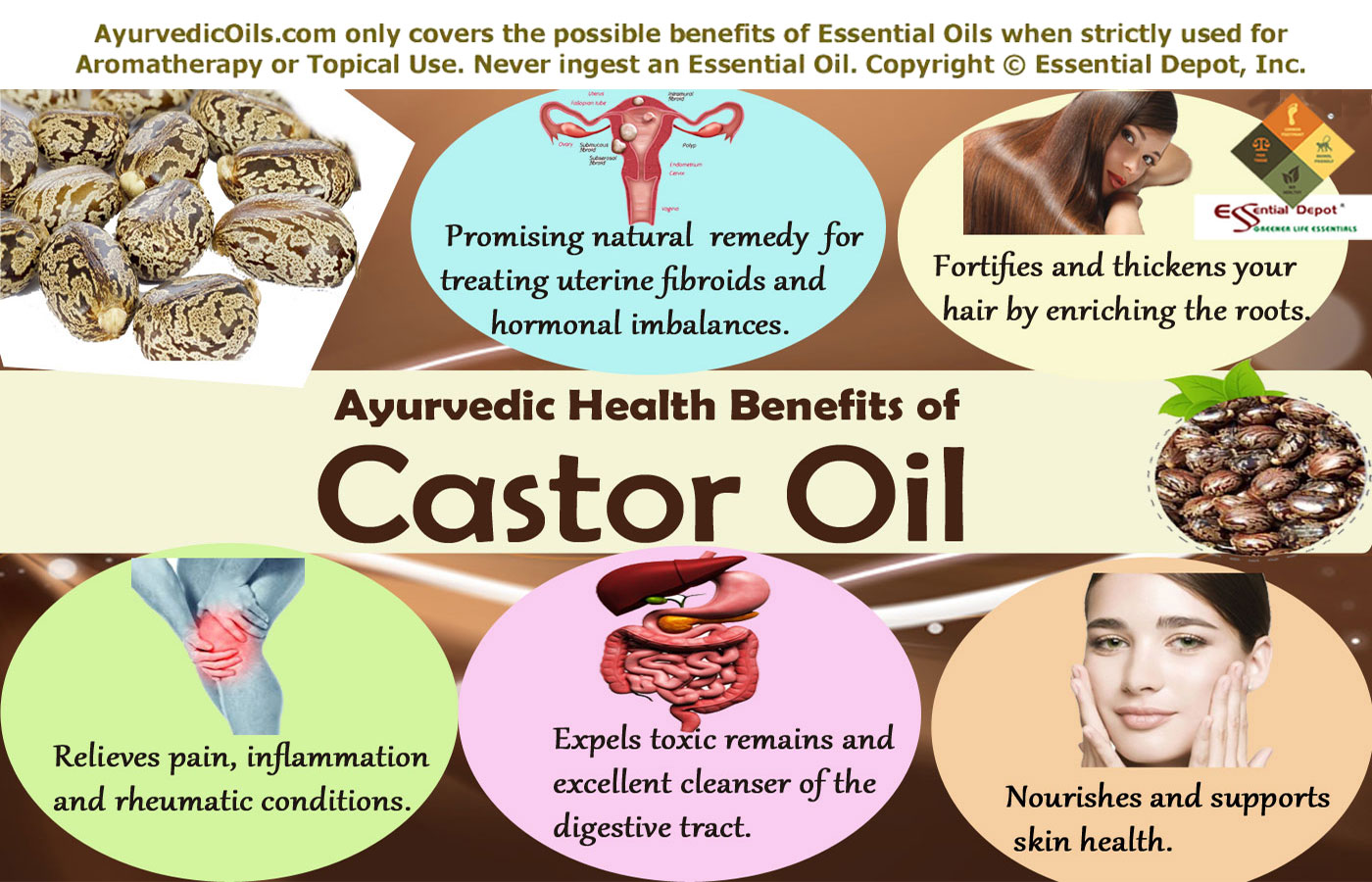
Uterine fibroids are one among the most common problems in women, often present without any symptoms and in certain cases it causes extreme menstrual pain, pain in the pelvic area, frequent urination and fertility problems as well depending upon its location in the inner wall of the uterus.

The actual reason for fibroids in the uterus is not known but is generally stated as a change in the hormonal levels of women in the reproductive age. Fibroids tend to shrink with age as the level of estrogen reduces gradually.

Fibroids are benign tumors that require no treatment unless it causes severe pain or fertility problems. The most intricate solution for treating uterine fibroids is hysterectomy or removal of uterus.

Gulma is the Ayurvedic term for fibroids and other phantom tumors. Ayurveda recommends the use of warm Castor oil in massage and as a medicinal intake.

Castor oil is called as Gulma hara, which means that the best remedy for discarding tumors present in the abdominal area.

Abdominal tumors are often caused due to the vitiation of vata and kapha dosha. Castor oil is termed as one among the best natural medication for eliminating excess vata and kapha dosha, thus enhancing circulation and reducing the size and symptoms of fibroids, cysts and other abdominal tumors.

Vata dosha is the air and space energy that rush through the system in a jiffy and is prevalently the cause behind the imbalance of other two doshas. Vata doshas rules circulation and movement of the body and vitiated vata might end up in causing anxiety, dry skin, bloating, muscular stiffness, dehydration, improper blood circulation, insomnia and more.

This Sanskrit verse says it right, “THE LION OF CASTOR OIL ALONE CAN KILL THE MADDENED ELEPHANT OF ‘VATA’ AS IT STAMPEDES THROUGH THE BODY.”

Castor oil is by far considered as the only oil that has the ability to eliminate ama or toxic remains, kapha imbalance (surplus fluid deposits) and congested mala (faeces). When used externally with heat, Castor oil is effective in decreasing the growth of excess tissues, cysts and tumors.

The rich therapeutic oil extracted from the seeds of the Castor plant is a promising alternative for treating Yoni Roga, which means the disorders of the genital tract in women and Udara, meaning abdominal diseases.

It is also termed as Adhobhaga Doshahara, which means its efficacy in flushing out doshic vitiations from the lower part of the system.

Massage your lower abdomen with 5 ml of warm Castor oil and cover it with a flannel cloth, followed by a plastic wrap. Use a heating pad or hot water bottle over the wrap and relax in a comfortable position for about 30 minutes to 1 hour.

Castor oil has deep penetrating properties, thus it enters the bloodstream quickly and passes on its therapeutic properties at ease. This power-packed massage therapy can help one in breaking up scar tissues, if any, eliminates uterus congestion, reduces and confiscates fibroids, cysts and other benign tumors in the abdominal area (uterus and ovary).

It works by increasing the blood circulation in the abdominal region and thus breaks down the clogged mass of fibroids, cysts and tumors.

Dysmennorhea or painful menses, delayed or obstructed menstruation are treated with the natural emmenagogue properties of Castor oil, which is attributed to the presence of ricinoleic acid.

Remember not to use Castor oil during menstruation as it might increase the flow of menses and the best time to use is before the onset of your periods.

Castor oil is an excellent cleansing remedy for the male and female reproductive system. Ayurveda calls Castor oil as Yoni vishodhana, medication for vaginal cleansing and as Shukra vishodhana, remedy for enhancing the quality of semen and purifying it.

Ayurveda recommends newly married couples to take Castor oil as an aid to purify the mind, body and spirit before giving birth to a new soul on earth. The oil of Castor is also used for treating Shukra gada or seminal problems.

2. Nourishes and supports skin health:

Are you into Soap making business? Then just choose Castor oil with your eyes closed and you’d definitely order bulk of Castor oil cans if you get to know the Ayurvedic benefits of it.

Castor oil is a promising Ayurvedic remedy for healing skin disorders (Kushtapaha); an excellent invigorating and anti-aging agent (Vaya sthapana); enhances the natural glow of your skin (Kantikara); boosts skin health (Twachya); enters even through the minute channels of the skin and repairs the damaged skin cells (Teekshna and Sookshma).

The most impressive use of Castor oil is its effectiveness in treating wrinkles, fine lines, crow’s foot, spots and other symptoms of aging. This quality is attributed to its emollient benefits that influence the natural production of elastin and collagen, the secret agents of supple skin.

Massaging your skin with 4 ml of Castor oil blended with 1 ml of Jojoba oil can assist in revitalizing and revivifying the skin surface.

Castor oil can also be helpful in treating psoriasis, ringworm, eczema, stretch marks, skin inflammation, boils, acne, abrasions, corns, cysts and dry skin conditions.

3. Fortifies and thickens your hair by enriching the roots:

Hair and skin are the most promising indicators of a ‘Healthy You’. Loss of hair, dandruff, dry, rough and gray hairs do not always occur because of environmental nuances. There are much more intense reasons behind the illness of your hair and scalp.

Stress, worries, anxiety, fatigue, insomnia, panic attacks and of course unhealthy diet and lifestyle practices contribute to the detrimental state of your hair.

Castor oil is an incredible natural asset for addressing most of your hair problems and has even been proven to influence the growth of hair on your eyebrows.

Unclogging the blocked pores, strengthening the hair follicles, nourishing the scalp conditions, moisturizing the hair and scalp and motivating the natural growth of hair is all that the magical touch of Castor oil can spell upon you.

Being a traditional remedy for addressing various hair conditions, Castor oil is also recommended in the United States of America as an economical substitute for the most expensive serums for the growth of hair and eyebrows.

To start with, blend 10 ml of Castor oil with 2 drops of Lime oil and 5 drops of Rosemary oil and heat it slightly. Massage this warm blend on your scalp and leave it for about an hour. Shampoo your hair with a mild herbal shampoo for best results.

Continue this enriching massage twice a week for about 3 months for repairing your hair damages and fostering the natural shine and luster of your bouncy locks.

Ayurveda beckons Castor oil as Keshya for its efficiency in encouraging hair growth and enriching the hair follicles.

The presence of Vitamin E, ricinoleic acid and other Omega-9 and Omega-6 fatty acids help in influencing good circulation of blood in the scalp, seal the moisture in the hair and scalp, treat split ends and breakage of hair.

The antimicrobial, antiviral and antifungal properties of Castor oil also assist in treating itchy scalp conditions, dandruff and other infections of the scalp.

4. Relieves pain, inflammation and rheumatic conditions:

Rheumatism and rheumatoid arthritis are the children of the toxic elements left in the system, especially amassed in the hands, legs and joints. This results in pain, inflammation, improper blood circulation, redness, soreness and irritation in the muscles and joints.

Castor oil is a winning rescuer from amavat (inflexibility and pain in joints) and rheumatic conditions with its wonderful effect to augment blood circulation, relieve pain, reduce swelling and treat stiffness in joints.

With its easily penetrating quality, Castor oil pierces into the bloodstream and starts working instantly on the affected parts. Castor oil is called as Shulaghnam for its analgesic values and is also known as Guhya shoola and Prushta shoola for supporting the treatment of lower back pain.

It’s also been proven effectual in the treatment of Shotha (inflammation and swelling) and Katigraha (stiffness in the lower back).

Massaging the painful parts with 3 ml of warm Castor oil blended with 2 drops of Ginger oil can help in eliminating the toxic wastes and excess fluid deposits stagnated in the system through urine and metabolic wastes.

It can also be helpful in alleviating pain, soothing the tensed muscles, calming the nerves and instilling complete relief.

5. Expels toxic remains and excellent cleanser of the digestive tract:

Ama or toxic remains in the body are mainly due to indigestion, irregular diet and other lifestyle practices. Ayurveda states that build up of noxious substances in the system might pave way to the rise of chronic and even fatal diseases.

As read already, Castor is one among the best Ayurvedic remedy for eliminating toxic (ama) remains, excess fluid, salt, uric acid and fat deposits in the body.

Castor oil is a grandmother’s remedy for eliminating worms, parasites and toxic substances in the body, especially the digestive system. Pure Castor oil is ingested during the night and is trusted to stimulate the bowel movements and flush out the toxic waste through faeces in the morning.

Gas (anaha), bloating (Vatodara), gout (Vatashonita), chronic constipation (Vid bandha), prostitis (Ashtila), and heaviness are often treated with Castor oil, either as a tonic or massage oil.

Deepana is another medicinal term for Castor oil for its ability to enhance digestive power and is a promising natural laxative. For its anthelmintic properties that aids in discarding worms, parasites and other pathogens in the body, Castor oil is also known as Krimighnam.

Blend 2 drops of Peppermint oil with 3 ml of Castor oil and massage on the abdominal area for alleviating digestive discomforts.

Other health benefits:

In general, Castor oil is said to contribute to varied health benefits of the system including its power to nurture immunity or the power to resist against diseases (Balakara); improve cognitive and memory functions (Medhakara and Smrutikara); and augment general health and heartiness (Arogyakara).

Disclaimer:

This article is only for the purpose of education and is not destined to treat, prevent or diagnose any health conditions. It is not meant for substituting any prescription medicines or the advice of a medical professional. We, at Essential Depot are not healthcare experts and this information is shared only for thinning out the phenomenal healing of Ayurveda, the oldest of all medical sciences on earth.

All essential oils are recommended topical use only and not for ingestion. This is mainly because 100 per cent pure and organic oils are concentrated substances and may cause allergic reactions.

Take special care when using essential oils on pregnant or nursing women, children and people with chronic illnesses. Speak with your Ayurvedic professional or General practitioner before choosing the suitable oils for your unique individual constitution or Prakriti and the state of health or Vikruti. A patch test on your skin before enjoying the enormous benefits of Ayurvedic essential oils is recommended.

Thought for the day:

Wherever the art of medicine is loved, there is also a love of humanity.
Hippocrates

Suggested Reading:

  1. Castor Oil Pack Therapy: Application & Instruction by ND, Bruce Baar MS
  2. Castor Oil and Rosemary Oil for Hair Growth: The Secret to Re-growing Hair and Preventing Hair Loss Naturally by Mark Calhoun
  3. Castor Oil: How To Grow Longer Hair, Get Rid Of Scars, Remove Wrinkles, And Other Health And Beauty Recipes (Homemade Body Care Book 4) by Kathy Aquino
  4. The 3 Essential Oils: Olive Oil, Coconut Oil and Castor Oil by Cat McEwan
  5. Castor Oil (Carrier Oils Book 7) by Miriam Kinai

Reference Links:

  1. Ricinus communis by Wikipedia
  2. Transdermal Absorption of Castor Oil by Douglas G. Richards, Ph.D., David L. McMillin, M.A., Eric A. Mein, M.D., and Carl D. Nelson, D.C. published in the Meridian Institute.
  3. Final report on the safety assessment of Ricinus communis (Castor seed oil), published in the International Journal of Toxicology
  4. Benefits of Castor oil by MedIndia
  5. Health benefits of Castor oil by Times of India


Your resource for quality Essential Oils. Every batch is
GC tested to ensure purity and authenticity.

Topical Fragrancing: How to make herbal tinctures using essential oils


Herbal tinctures. What do they have to do with aromatherapy? You might wonder. The connecting factor between aromatherapy and tinctures are – herbs. Preparing tinctures require attention to detail and knowledge in aromatherapy. This is because tinctures have both aromatic and therapeutic purposes and are inexpensive to make. But you need to properly store them to preserve them and use them for a indefinite period of time. You need to use a variety of aromatherapy related stuff for the making of these herbal tinctures. These include – herbs, dried herbs, alcohol or glycerin etc. Since tinctures are one of the best and quickest ways to make a place aromatic, you can use them with ease, without any issue of overuse or restrictions on safety.


Uses of herbal tinctures: Tinctures are more concentrated dosages of herbs. Though extracted from herbs (medicinal or otherwise), they are thicker than essential oils and can be made easily from home. Tinctures can be used for a variety of purposes. It is a great remedy for treatment of high blood pressure. A tincture made using Garlic, Hawthorn, Linden and Wood Betony can reduce high blood pressure symptoms. You can treat acne or other skin disorder with Calendula tinctures, while Echinacea can help cure sore throats. You can treat insomnia with a tincture of Lemon Balm, Chamomile, Hops, Passion Flower or Valerian at night. If you have mild to severe headache, you can use Chamomile, Willow Bark, Skullcap, Valerian and Wood Betony oils/herbs. Apart from all this, tinctures make good room fresheners and are often used in cleaning the air in the room – an aromatherapeutic way of doing things.

Topical fragrancing with herbal tinctures:
To make herbal tinctures for topical fragrancing, you will need the following supplies: sterilized containers, fresh herbs, dried herbs, vodka that is used for food recipes, cheesecloth or a fine grade stainer. You can use dried herbs only if you want to make the tincture more concentrated. Vodka should be of the high-proof, edible kind. Read all safety precautions before any sort of mixing. First, chop the fresh herbs and add them into air-tight sterilized containers. The herbs will start to release their aromatic oils as soon as you cut them. Then, fill the containers with vodka with enough room to mix both herbs and alcohol. When the blending is done, allow the containers to sit idle in a cool, dark and dry place. Shake every container at least once for over 30 days. Then, finally, after the period is over, filter the tincture with layered cheesecloth or fine grade stainer.

If you want to get a more concentrated, aromatic tincture, it is better if you keep it idle for 30 days. You can use this aromatic tincture as body spray, linen spray, facial toner and room mist.

Caution while using aromatic tinctures:
Follow all the rules of caution while using or making aromatic tinctures. Made out of herbs, tinctures are no different from essential oils except in concentration of liquid. So, check the list of hazardous oils and avoid all herbs that yield such oils. If you are allergic to alcohol or want to avoid it in your body, use Glycerin-based tinctures are used extensively in the personal care industry.

Black Cumin Oil


‘Seed of blessing’ (Haba al-barakah) and ‘the cure for all diseases except death’ are the two sacred phrases that establish the sanctified and miraculous uses of Black cumin seeds, botanically known as Nigella sativa.

black-cumin-bnrThese magical seeds have been used in various medicinal practices across the world for treating and preventing an extensive range of illnesses including cancer, asthma, diabetes, jaundice, diarrhea, dysmennorhea, hypertension, bronchitis, gastrointestinal problems and numerous other health disorders. It is a member of the Ranunculaceae plant family.

Black cumin seeds are popularly known as Kalaunji or kala jeera in India. The Ayurvedic or Sanskrit names of this herb are Susavi, Sthulajiraka and Upakunci. The other common names of this herb are Nigella seed, fennel flower, black caraway, nutmeg flower and Roman coriander.

Black cumin seeds have been recommended in the Ayurvedic medicine in the treatment of cancer, liver damage, anemia, arthritis, rheumatism, hemorrhoids, dysmennorhea, cephalagia, intestinal worms, psoriasis, asthma, headache, toothache, auto-immune diseases, halitosis and microbial infections.

Purchase Black Cumin Essential Oil – Retail – 4 oz – CLICK HERE

Historical uses and importance of Black cumin seeds:

Black seeds or Nigella sativa is an annual flowering plant and is indigenous to southwest Asian countries. The earliest archaeological evidence about this medicinal herb is said to have been found in the ancient Egypt in many places including the Tutankhamun’s tomb, where the Egyptian Pharaoh of the 18th dynasty was entombed with Black cumin seeds.

Nigella or the Black cumin seeds play a key role in the Islamic history of healing as it has been reported by Abu Hurairah as “I heard Allah’s Apostle saying, ‘There is healing in black seed (haba sowda) for all diseases except death.” in a hadith (Sahih Bukhari), which means an Islamic writing. Trusted to treat various diseases, Black cumin seeds were also used as a condiment all over the world and Black cumin powder taken with honey is said to treat asthma and bronchitis.

Black cumin essential oil was used as an antiseptic oil and a tincture made with these seeds were used in the treatment of diarrhea, dysmennorhea, skin eruptions, loss of appetite, vomiting and intestinal worms. Even today Nigella seeds are used in the Middle East countries for treating asthma, rheumatism, bronchitis, cancerous tumors and other inflammatory conditions.

Nigella sativa was also used by the kings and Pharaohs for augmenting their immunity and state of health. Beauty queens like Cleopatra and Queen Nefertiti used this oil for enhancing and retaining their natural beauty and for supporting their immune power. It is for all these incredible reasons, Black cumin seeds were called as a Panacea in the traditional Egypt, meaning the cure for all diseases and evils.

With more than 3,000 years of use in the European, Asian and Western countries, Black cumin seeds have been mentioned in the Biblical writings in the book of Isaiah of the Old Testament, where the reaping of Black cumin seeds is compared with the reaping of wheat. It is mentioned as ‘ketzah’ in the Bible where the word ketzah refers to Black cumin in Hebrew.

The most renowned Greek physician, Dioscorides recorded the use of Black cumin seeds for treating stomach pain, headache, intestinal parasites, nasal congestion and sinus problems. Avicenna talks about Black seeds in his book “The Canon of Medicine”, for invigorating the natural energy of the system, granting encouragement, alleviating mental and physical sluggishness, and for improving metabolic functions.

Hippocrates recommended Black seeds for assisting hepatic problems and digestive disorders. It gained greater importance in the Indian, Roman, Egyptian, Greek, Chinese and Arabian civilization as a proven historic remedy for cancerous growths, liver problems, kidney infections, epilepsy, tonsillitis, Alzheimer’s disease, wrinkles, weak immunity, cough, insomnia, snakebite, piles, ophthalmia, paralysis and also as a galactogogue for increasing breast milk in nursing mothers.

Chemical constituents and remedial properties of Black cumin essential oil:

The most significant therapeutic properties of Black cumin oil are antioxidant, anti-microbial, analgesic, bronchodilator, hepatoprotective, anti-inflammatory, antispasmodic, hypotensive, anti-ulcer, renoprotective, anti-hypertensive, anti-fungal, anti-cholinergic, anti-diabetic, interferon inducer, anti-bacterial, leukotriene antagonist, immunomodulatory, gastro-protective, nephroprotective, anticonvulsant and anti-asthmatic.

The major chemical components contributing to these therapeutic values of Black cumin oil are thymoquinone, p-cymene, nigellone, pinene, dithymoquinone, beta sitosterol, thymohydroquinone, limonene, citronellol, carvone, t-anethole, carvacrol, and 4-terpineol.

Black cumin seeds are also enriched with crystalline, myristic acid, palmitoleic acid, arachidonic acid, palmitic acid, oleic acid, stearic acid, proteins, vitamin B1, B2 and B3, calcium, copper, iron, zinc, folic acid, and phosphorous along with linoleic acid, the omega-6 fatty acid and alpha-linolenic acid, which is the anti-inflammatory omega-3 fatty acid.

Ayurvedic health benefits of Black cumin essential oil:

Ayurveda is a blessed healing system that considers human body as a temple where the soul dwells in like the Almighty. It is for this noble reason Ayurvedic principles instruct on keeping the mind and body happy, clean and free from worries for leading a harmonious life.

This disciplined approach rests on Mother Nature for everything, as it strongly believes that every single thing on earth is a part of nature and the wellness and illness of any living thing depends upon its harmony and disharmony with nature itself. Nature is made up of five vital elements like earth, water, fire, space and air and everything on earth has a combination of these five elements.

If you take a human body, earth is present in the form of bones and muscles, fire is the energy required for numerous functions of the body, air is what we breathe, water is present in the form of blood and other fluids in the system and space is the representation of the soul, which is the only difference between a living and non-living thing.

According to Ayurveda, every human being is a unique part of nature with a unique individual constitution known as prakriti, which is a combination of three dynamic biological energies known as doshas. They are vata, pitta and kapha.

Every person has a predominance of any one of these doshas that has an upper hand in determining the personality, traits, and behavioral attributes of person. When there is an absolute balance between these doshas as per nature’s law there is hale and heartiness and doshic imbalances due to lifestyle changes, climatic conditions and unhealthy habits leads to sickness.

Every treatment in Ayurveda commences with an attempt to recognize the unique individual constitution of a person. This assists in analyzing the mental and physical characteristics of a person along with their individual constitution. The credibility of Ayurveda lies in its distinctive way for treating individuals in a unique manner by prescribing natural remedies that suit their prakriti even if a group of people are affected by the same illness.

The key Ayurvedic remedies are herbs, plant essential oils, simple physical exercises, yoga, meditation, prayers, Pranayama (breathing exercises), Ayurvedic massaging, Panchakarma (Ayurvedic detoxification techniques) and Ayurvedic routine.

Black cumin essential oil is said to pacify vata and kapha doshas and augment pitta energy. It’s time to look into the Ayurvedic health benefits of Black cumin essential oil.

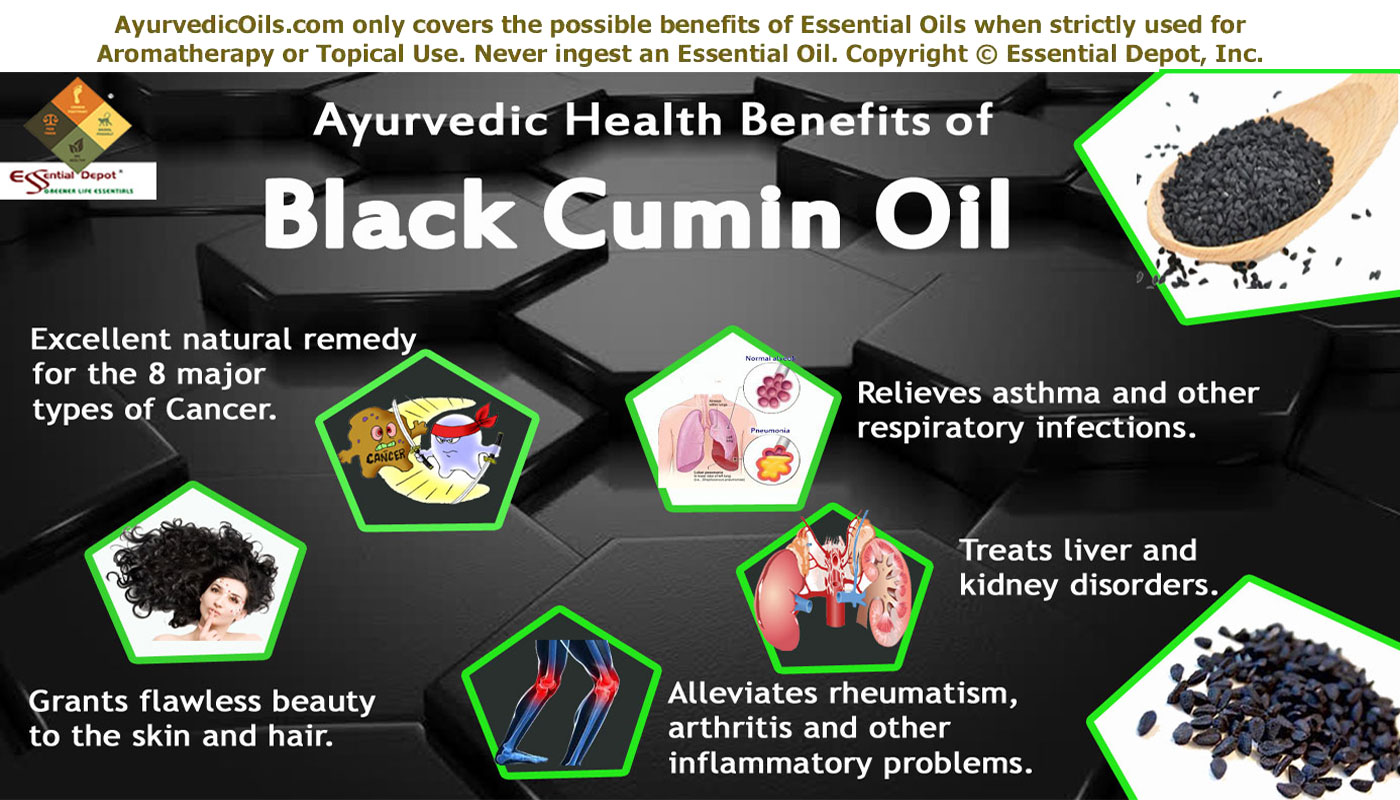
Black-cumin-oil-broucher1. Excellent natural remedy for the 8 major types of Cancer:

The most amazing thing about Black cumin seeds is its potency to fight against various types of cancers. Dr. Gary Null of the Progressive Radio Network says “Black cumin oil is probably the single most important oil you can put in your system. Every time you take black cumin you are stimulating your immune system to fight on your behalf and increase natural killer cells.” With its potential to improve the immune system, Nigella seeds have been used successfully in the treatment of HIV and cancer.

Various studies conducted by numerous researchers have proved the efficacy of Black cumin seeds in treating different types of Cancer and the most prominent and life-threatening ones among them are brain cancer, pancreatic cancer, leukemia, breast cancer, liver cancer, colon cancer, oral cancer and cervical cancer.

Among these, pancreatic cancer, regarded as the fourth leading cause of deaths due to cancer and various studies conducted by Dr. Hwyda Arafat at the Kimmel Cancer Center at Jefferson proved that Nigella sativa seeds were promising in treating pancreatic cancer with an amazing result of 80% death of cancer tumor cells.

Another study by the China Medical University, Taiwan proves that the presence of thymoquinone in Nigella seeds stimulates apoptosis in oral cancer cells.

A 2013 review named, ‘A review on therapeutic potential of Nigella sativa: A miracle herb published in PubMed has listed the antioxidant and anticancer effects of Black cumin seeds and most of the studies indicate that thymoquinone (TQ) is responsible for enormous beneficial effects of Nigella seeds in fighting against various types of cancers.

According to the Cancer Research Laboratory of Hilton Head Island, USA, Black cumin seeds proved very effective in the treatment of tumor therapy, without any hazardous side effects of general chemotherapy.

This study also said that these little seeds boosted the immune system, controlled the growth of tumors by 50% and augmented the growth rate of bone marrow cells by 250%. This study was concluded with the greater result that “black seed oil is an ideal candidate for use in cancer prevention and treatment, and that it has remarkable promises for clinical use.”

Dr. Hwyda Arafat also says, “Nigella sativa helps treat a broad array of diseases, including some immune and inflammatory disorders. Previous studies also have shown anticancer activity in prostate and colon cancers, as well as antioxidant and anti-inflammatory effects.” He also recommends taking 1 teaspoon of Black seed oil mixed with ½ teaspoon of honey before breakfast and before going to bed for increasing the immune power and for enhancing the antioxidant capacity of the body for fighting against free radicals and cancerous cells.

Skin is the largest organ of the human body and is the fastest medium for transmitting the remedial properties of medicines. This is done by quicker absorbing and passing on the therapeutic values of the medicines to the bloodstream, through which the corresponding organ or part of the body gets treated promptly.

Massaging your system with 10 drops of Black cumin oil mixed with 5 drops of Garlic oil along with 10 ml of coconut oil can assist in increasing your immune power, granting you the endurance to fight cancer, increasing the death of cancerous tumors and preventing the growth of new cancerous cells.

You can also add 3 to 4 drops of this oil to warm bathing water every day for long lasting fortification, especially against microbes like bacteria, virus and fungi.

2. Grants flawless beauty to the skin and hair:

Black cumin seed oil is the cherished secret behind numerous beauty queens like Cleopatra, where the queens used this oil to enhance the natural beauty of their skin, hair and nails. From the ancient times, Nigella seeds and its oil have been used in the treatment of numerous skin problems like psoriasis, eczema, wrinkles, acne, burns, allergies, wounds and for moisturizing dry skin.

Mixing 4 drops of Black seed oil with 2 ml of olive oil and massaging gently on your facial skin and neck can help in improving your skin complexion and suppleness of your skin. Massaging your skin with 10 drops of Nigella oil mixed with 10 ml of sesame oil daily before bath, can assist in treating dry skin and can help in retaining the natural moisture of your skin. You can also mix 2 drops of Black seed oil with 1 ml of coconut oil or your mild skin care cream and apply it on wounds and other skin infections for quicker remedy.

Nigella seed oil is indeed a boon for people suffering from hair loss, dry hair, rough hair and split ends. Massage your scalp gently with 10 drops of Nigella oil blended with 5 drops of rosemary oil and 5 drops of lavender oil along with 10 ml of sesame oil for reducing dandruff, strengthening the hair follicles, promoting hair growth and for adding shine and luster to your hair naturally. Leave this blend on your scalp for half an hour and wash it gently with a mild shampoo mixed with 2 drops of Black cumin oil for better results.

3. Relieves asthma and other respiratory infections:

The best folklore remedy for treating severe cough and asthma is the natural tonic prepared by mixing Black cumin seeds powder along with honey and garlic. This tonic was trusted to enhance the immune power that can help in fighting against the harmful micro-organisms that worsen respiratory infections. Numerous studies have proved the anti-asthmatic effects of Black seeds oil on the asthmatic airways.

A popular study on Thymoquinone, the main active component of Nigella sativa seeds have been proved superior to the drug fluticasone in the treatment of asthma in an animal model. Inhaling the soothing aroma of this oil by adding 2 drops of this oil in steam inhalation followed by a gentle massage of your throat, back and chest with 2 drops of Black cumin oil mixed with your vaporizing cream can relieve you instantly from cold, nasal congestion, blocked nose, throat pain, headache, sinusitis and migraine pain.

4. Alleviates rheumatism, arthritis and other inflammatory problems:

According to Ayurveda, rheumatism and other inflammatory conditions in the body general occur due to the accumulation of excess fluid deposits, salt, calcium deposits, improper blood circulation and toxic remains from improper digestion. This is mainly caused by the excess of kapha dosha leading to water retention, sluggishness, swelling, pain and inflammation.

Black cumin seed has anti-inflammatory, analgesic and cytotoxic properties that help in treating various inflammatory conditions. With its hot potency and warming qualities, Nigella oil is an excellent Ayurvedic remedy for reducing excess kapha deposits.

Massaging the painful and affected parts with 5 drops of Black cumin oil blended with 1 drop of Garlic oil along with 3 ml of coconut oil can help in improving blood circulation, eliminating toxic substances, excess water content, salt and uric acid through urine and sweat. You can also add 2 drops of this oil in warm bathing water or in hot or cold compress for improved results.

5. Treats liver and kidney disorders:

Black cumin oil has immense nephroprotective and hepatoprotective properties that protect the liver and kidneys from the harmful effects of free radicals, toxic substances and uric acid. It also helps in treating liver problems and kidney disorders and this healing effect is attributed to the major chemical constituent of Black seed oil known as Thymoquinone. This component protects the system from the hazardous effects of other diseases or chemical substances.

Other health benefits:

There are more than 500 proven studies on the varied healing effects of Black cumin seeds in the treatment of high blood pressure, helicobacter pylori infections, type 2 diabetes, injuries caused by chemical weapons, cardio-vascular problems, epilepsy, gastro-intestinal problems, fatigue, constipation, tapeworms, anemia, dementia, menstrual discomforts, jaundice, dandruff, bronchitis, candida and callosities.

Disclaimer:

This information is only for the purpose of education and is not meant to cure, prevent or diagnose any health disorders or substitute any prescribed medications or professional medical advice. We are not healthcare professionals and this information is published only with the concern of sharing the importance of Ayurveda, the long-established holistic healing methodology.

Never use essential oils with the exception of being prescribed by your medical expert. Ensure that you dilute essential oils before using it externally on the skin, as pure and organic essential oils are extremely concentrated substances and undiluted topical use may lead to allergic reactions. It is always good to talk with your Ayurvedic professional/ healthcare expert before choosing the right essential oils for your unique individual constitution or prakriti and as per your state of health.

Thought for the day:

There is healing in black seed (haba sowda) for all diseases except death – Prophet Mohamed.

Suggested Reading:

  1. Nigella sativa Linn: A review on medicine of the Prophet (Muhammad) by Meraj Ul Haque
  2. Health Benefits of Black Cumin For Cooking and Health (Health Learning Series) by John Davidson, Muhamad Usman
  3. The Healing Power of Black Cumin by Sylvia Luetjohann
  4. Black Seed: Nature’s Miracle Remedy by W.G. Goreja
  5. Greco-Arab and Islamic Herbal Medicine: Traditional System, Ethics, Safety, Efficacy, and Regulatory Issues by Bashar Saad, Omar Said

Reference Links:

  1. Nigella sativa by Wikipedia
  2. A review on therapeutic potential of Nigella sativa: A miracle herb by Aftab Ahmad, Asif Husain, Mohd Mujeeb,Shah Alam Khan,Abul Kalam Najmi, Nasir Ali Siddique, Zoheir A. Damanhouri, and Firoz Anwar published in PubMed
  3. Anticancer activity of Nigella sativa (black seed) – a review by Randhawa MA, Alghamdi MS, Department of Pharmacology, College of Medicine, University of Dammam, Saudi Arabia, published in PubMed
  4. Nigella sativa Linn.– A comprehensive review by Padmaa M Paarakh Department of Pharmacognosy, The Oxford College of Pharmacy, India published in the Indian Journal of Natural products and resources.
  5. Black cumin is the most important oil you can put in your system by Natural News
  6. The Black cumin protocol by Webster Kehr, Independent Cancer Research Foundation, Inc., published in the Cancer Tutor


Your resource for quality Essential Oils. Every batch is
GC tested to ensure purity and authenticity.
When age is a burden and old is not gold: 4 tips to use old essential oils


Aging essential oils can be a real burden. Because, they cannot be used or disposed off easily. Another thing is, not all oils age at the same pace. Some oils age faster, while some age slower, taking more than a year to grow old. So, what to do with aging oils? How best to use them, or at least dispose them without trouble? For disposing essential oils, visit ‘Way to the bin: How to dispose of essential oils safely’ article. Though essential oils do not go rancid quickly, they can age with time on account of their ability to oxidize. This gradually slows down their therapeutic value, which at one point, remains just aromatic and completely un-therapeutic. Also, not all essential oils age poorly, in a deteriorating way. Oils like Patchouli or Sandalwood mature with age and turn out to be more beneficial as years pass by. This is why you need to read about the shelf life of an oil before you choose to buy it.

How to identify old essential oils: First, get to know  more about essential oils before you buy them. With all your ground information clear, you will know the time value of a particular oil. Read the label information or get info from your supplier. Calculate from the date of extraction and preservation. Try to use all the oils before the expiration date. If you sense a foul-strain in your essential oil’s aroma or if your oil does not possess a full aroma, understand that it has lost its therapeutic grade quality. At any cost, avoid use of such aromatherapy products or application. Especially on the skin as aromatherapy oils have the ability to come into direct contact with skin and cause sensitization. Avoid using very old oils in room sprays and diffusers as it can affect pets and children in the house.

How to use aging essential oils: Uses of aging essential oils are minimal, but varied. First, you need to gauge in which way your oil has grown old – aromatic or therapeutic. If your oil has become therapeutically old, you should not use it in any recipe of health related application. If your oil is just therapeutically old and still retains an aromatic pleasantness, you can use it in the following applications:

1. Homemade Dryer Sheets: When you use dryer sheets for laundry, you can use essential oils to naturally fragrance your laundry. For making a laundry drying sheet, use add 5 drops of oil to a scrap of cotton fabric and place it into the dryer. Your aroma will let customers look for your product. However, use only oils that are clear, thin-colored and without any therapeutic usage.

2. Drain Freshener: If your oils do not smell rancid, use them on toilet drains. You can add just one to 2 drops to disinfect a place, including the odor. However, be careful. Pouring more than 2-3 drops of essential oil can harm your underground water supplies. So, avoid using thick oils as drain freshener.

3. Fabric softener: It is said that old oils are sometimes better than vinegar and hence can be used in laundry during the rinse cycle. This softens fabrics and makes them better.

4. Trash Freshener: If rodents, insects and parasites are troubling your trash liner too much, use a drop of two of essential oils. This will eliminate odors and detract rodents and insects from reaching your trash.

Black Pepper Oil


Crowned as ‘the King of Spices’ and wholly packed with large amount of solar energy, Pepper is also called as Marich, which is the Sanskrit name for Sun. These petite seeds with mammoth health benefits have been an admirable natural remedy for treating various illnesses ranging from obesity to cancer.

BLack-pepper-oil-broucherOver all its amazing healing values, Black pepper oil has been a vital part of Complementary and Alternative medicinal practices for treating sinusitis, rectal prolapse, cellulites and rheumatism.

Called as Maricha, Vellaja or Kali mirch in Sanskrit and Hindi, Ayurveda recommends Black pepper and its essential oil for treating asthma, sinus congestion, chronic indigestion, cold and other respiratory infections, obesity, improper metabolism, urinary problems, cholera, headache, intermittent fever, toxic remains in the system and for certain other health issues. With the scientific name Piper nigrum, Black pepper is a limb of the plant family Piperaceae.

Purchase Black Pepper Essential Oil – Wholesale – CLICK HERE 

Historical uses and importance of Black pepper and its essential oil:

Held high as the most traded spice of the world, Black pepper is indigenous to the southern parts of India especially the Malabar Coast, Kerala. Pepper, originated from the Dravidian word ‘pippali’ meaning long pepper, is the one among the world’s oldest herb and spice dated to 2 BCE, was used for medicinal and culinary purposes.

In the early 1800s, the word ‘pepper’ was used to indicate ‘energy’ or ‘spirit’, after which it was replaced by the word pep. Prized for its value in commodity trading, it was even called as ‘Black gold’.

The legendary Roman bookThe History of the Decline and Fall of the Roman Empire,’ written by Edward Gibbon quotes pepper as “a favorite ingredient of the most expensive Roman cookery“.

It was used in all most all the predominant cultures of the world. According to certain sources, pepper was said to be used in the treatment of eye problems as salves or in poultices in the 5th century.

Indian saints used pepper for acquiring endurance, especially during fasting and travelling. The traditional Indian medicine is said to have used pepper in treating throat infections, sore throat, congestion, cold and cough.

In general, the most popular uses of black pepper as home remedies accounts to its effectiveness in treating indigestion, gangrene, insomnia, lung diseases, tooth decay, constipation, flu, oral abscesses, hernia, joint pain, diarrhea and certain respiratory problems.

Black pepper is regarded as a priceless natural remedy in Ayurvedic medicine, for its varied uses in treating digestive disorders, respiratory infections, gastrointestinal problems, improper blood circulation, parasitic infections and certain other problems associated with the circulatory system.

The popular Ayurvedic preparation “Trikatu” is a combination of Black pepper, long pepper and ginger is recommended for numerous diseases. It is also used in making Indian chai and is taken for curing headache, cold, sore throat and cough.

The traditional Europeans used pepper as a predominant seasoning in various European cuisines and also as a preservative for perishable goods and meat items.

Herbalists across the world, prescribed Black pepper for treating vertigo, arthritis, rheumatic pain, flatulence, colic, nausea and indigestion. TCM, the traditional Chinese medicine records the use of Black pepper since 2 BCE and recommends its use in healing abdominal spasms, pain, diarrhea and vomiting.

Therapeutic properties and chemical constituents of Black pepper oil:

Black pepper essential oil has various remedial properties and the most important among them are expectorant, febrifuge, antioxidant, diuretic, anti-arthritic, circulatory, analgesic, antibacterial, stimulant, anthelmintic, antiseptic, diaphoretic, antispasmodic, laxative, aphrodisiac, anticatarrhal, rubefacient, anti-inflammatory and carminative.

The major chemical components of Black pepper oil are a-pinene, b-pinene, limonene, myrcene, sabinene, camphene, a-thujone, piperitone, caryophyllene, pinocarveol, p-cymene, b-bisabolene, a-phellandrene, b-farnesene, a-terpinene and linalool. Black pepper is also rich in minerals like iron, potassium, zinc, magnesium, manganese and calcium along with antioxidant vitamins including Vitamin-C and A.

Ayurvedic health benefits of Black Pepper essential oil:

Ayur + Veda simply mean the knowledge of life. It is the oldest medicinal system known to the world with more than 5000 successful years of holistic healing practice. Being the pioneer of all other medicinal systems on earth, Ayurveda focuses on complimenting human beings with absolute health through natural healing methodologies and disciplined lifestyle, leading to prevention of illnesses, aging in the pink and higher life expectancy.

The National Institute of Health precisely articulates this as “The aim of Ayurvedic medicine is to integrate and balance the body, mind, and spirit. This is believed to help prevent illness and promote wellness.”

The earliest Ayurvedic texts namely Sushruta Samhita and Charaka Samhita by the legendary Ayurvedic physicians Sushruta and Charaka educates the world on all kinds of diseases, causes, symptoms, and their treatment methodologies along with various Ayurvedic healing techniques.

Much to our astonishment, these Ayurvedic encyclopedias have talked about intricate surgeries including C-section delivery and plastic surgery even before the dawn of modern medical equipments.

The Ayurvedic philosophy insists that everything on earth including human beings are a part of nature and are made up of the five vital elements of nature namely fire, water, earth, space and air.

Human body is the best representation of these five elements of nature, where earth represents muscles and bones, fire is the vital energy for numerous functions of the body, water stands in the form of blood, air is what we breathe and space/ether is our soul that harmonizes all the functions of the system and keeps us alive.

Ayurveda considers every person as a unique part of nature and states that the handling of diseases should also be unique based upon their individual constitution or prakriti, which comprises of three biological energies or doshas namely vata, pitta and kapha.

Vata is a symbol of air and space and checks the functions of the respiratory and nervous system. Pitta represents fire and water and is responsible body temperature and metabolic functions. Kapha stands for earth and water and is in charge for the sustenance, structure and the movement of fluids in the system.

According to Ayurveda, balance between these three doshas is a symbol of being in harmony with nature and it signifies perfect health, whereas imbalances due to unwholesome food habits, lifestyle changes and climatic conditions denote sickness.

Ayurveda prescribes natural remedies that focus on treating these doshic imbalances with the use of plant essential oils, herbs, and yoga, meditation, Pranayama or breathing practices, simple physical exercises, Ayurvedic routine, prayers, Abhyanga or Ayurvedic massaging and Panchakarma or the detoxification techniques.

The essential oil of Black pepper is believed to reduce kapha dosha and aggravate pitta and vata doshas with its spicy, warming and rich aroma.

The Ayurvedic health benefits of Black pepper essential oil are:

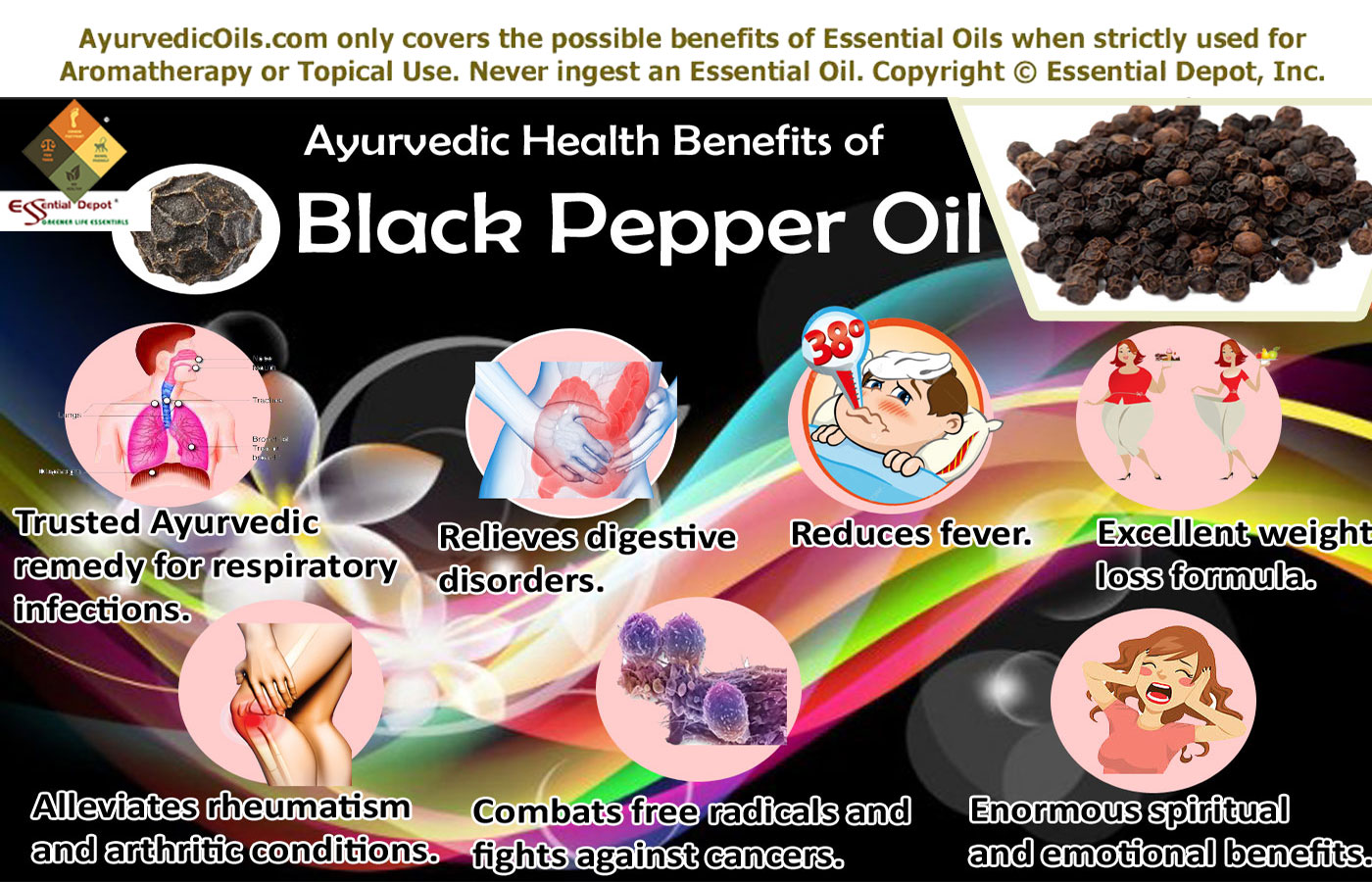
Black-Pepper-Oil1. Trusted Ayurvedic remedy for respiratory infections:

Black pepper and its essential oil is a vital part of the Ayurvedic remedy especially in the treatment of respiratory problems including congestion, sinusitis, bronchitis and asthma.

The spicy and warming natural aroma and therapeutic properties like expectorant, antiseptic, antimicrobial and decongestant properties of this sovereign spice assists in weakening the phlegm and mucous amassing and controls the increase of micro-organisms that worsen respiratory problems.

According to Ayurveda, imbalance or excess of kapha dosha contributes to the accumulation of fluid deposits including mucous and phlegm, especially in the chest, nasal, respiratory and bronchial passages.

This leads to respiratory problems like whooping cough, sinus congestion, bronchitis and breathing difficulties. With its potent to decrease kapha dosha, Black pepper is a cherished Ayurvedic and Grandmother’s medicine for alleviating respiratory problems.

Warm milk with 1 pinch of Black pepper powder and 1 pinch of Turmeric powder is a popular Ayurvedic remedy practiced in every Indian family for treating nasal congestion, chest congestion, cough, sore throat, headache and other symptoms associated with cold. Adding 1 drop of Black pepper oil in a cup of warm water and gargling with this mixture can help in treating sore throat and throat infections.

Black pepper oil, appropriately 2 drops of it added to steam inhalation followed by a gentle rub of your throat, chest and back with 2 drops of Black pepper oil mixed with your regular vaporizing ointment can help in treating cold, flu, blocked nasal passages, chest congestion, sinusitis and headache. This natural remedy can also assist in improving blood circulation in the lungs.

2. Relieves digestive disorders:

Undoubtedly, Black pepper is one among the best spices for improving digestion, enhancing the flavor of the food varieties and boosting the functions of metabolism. It is for this reason Black pepper powder is often dusted over all kinds of cuisines, be it a relishing vegetable salad or a lip-smacking chicken curry.

With its digestive, antispasmodic, carminative and anti-flatulent properties, Black pepper essential oil acts as a digestive tonic that treats gas, indigestion, colic and other gastro-intestinal disorders.

Massaging your abdomen with 2 drops of Black pepper oil, 2 drops of Ajwain oil, 2 drops of Lemon oil along with 3 ml of sesame oil can help in expelling gas in the stomach and intestines and also aids in preventing the formation of gas. Adding 1 drop of this oil to your handkerchief or a tissue paper and inhaling the aroma of this oil assists in promoting the secretion of digestive enzymes, bile and other gastric juices responsible for trouble-free digestion.

This also aids in enhancing the appetite, treat constipation, intestinal spasms, colic, indigestion, vomiting, nausea, diarrhea, stomach upsets and other gastrointestinal problems.

3. Reduces fever:

Black pepper essential oil has febrifuge properties along with antiseptic and diuretic values that support the system in reducing fever and maintaining the normal body temperature. Massaging your foot soles with 2 drops of Black pepper oil with 1 drop of Cardamom oil mixed with 2 ml of olive oil can help in reducing fever by promoting urine and sweat along with discharging the toxins in the system and combating the growth of micro-organisms that increase fever.

You can also add 1 drop of Black pepper oil to a wet cloth and leave it on your forehead for improved results. It also opens up the sweat pores and reduces the body temperature slowly by granting absolute relief from fever.

4. Alleviates rheumatism and arthritic conditions:

Rheumatism, according to Ayurveda is caused mainly due to the accumulation of toxic substances, water deposits, salt and uric acid especially in the joints, leading to inflammation, redness, soreness, pain and irritation. Black pepper essential oil has the power to discharge excess water deposits, toxic remains known as ama, uric acid and other calcium deposits through urine.

2 drops of this oil mixed with 2 drops of Frankincense oil and 2 ml of coconut oil massaged slowly in circular movements on the affected parts can help in reducing swelling, inflammation, redness, stinging pain and irritation with its diuretic, anti-inflammatory, antioxidant and analgesic properties.

You can also add 2 drops of Black pepper oil along with 2 drops of lemon oil in warm bathing water for relaxing aching muscles and your entire system. This enriching bath along with the soothing massage with Black pepper oil aids in promoting frequent urination through which the harmful toxins and other excess fluid deposits in the system are ejected.

5. Combats free radicals and fights against cancers:

Black pepper tops the list along with Turmeric as a powerful anti-cancer and cancer prevention spice recommended by the American Institute of Cancer Research. Black pepper has excellent antioxidant properties and high amount of Vitamin C that help in fighting the free radicals responsible for the development of cancerous tumors.

The University of Michigan research has established that the mixture of curcumin (Turmeric component) and piperine (Black pepper constituent) enhances curcumin bioavailability and restrains breast stem cell self-renewal.

Piperine have also been tested and proved for its potent anticancer, antioxidant and anti-inflammatory properties in various cellular studies. According to Dr. Joshua Lambert, Associate Professor of Food Science at Penn State University, the combination of piperine along with green tea Polyphenol epigallocatechin-3-gallate (EGCG) augmented the bioavailability of EGCG in studies with human and animal models.

A study on the “In vitro investigation of the potential immunomodulatory and anti-cancer activities of black pepper (Piper nigrum) and cardamom (Elettaria cardamomum) by the Department of Biology and Chemistry, Faculty of Arts and Sciences, American University of Sharjah, UAE states that Black pepper (Piper nigrum) “enhance the cytotoxic activity of the natural killer cells, indicating their potential anti-cancer effects.” In addition to that it concludes the study by stating that “black pepper and cardamom exert immunomodulatory roles and anti-tumor activities, and hence they manifest themselves as natural agents that can promote the maintenance of a healthy immune system.”

This study also states that the anti-inflammatory and anticancer properties of Black pepper helps in lessening the production of nitric oxide by macrophages, which acts as one of the chief inflammatory intermediaries.

Massaging your system with 5 drops of Black pepper oil, 5 drops of Lemon oil, 5 drops of Orange oil, and 5 drops of Cardamom oil along with 10 ml of coconut oil can help in fighting against existing free radicals and prevent the formation of new free radicals.

You can even add 2 drops of Black pepper oil, 2 drops of Cardamom oil and 2 drops of Orange oil in your bath daily for enhancing your immunity against these dangerous free radicals causing oxidative damages to the cellular structure in the body.

Inhaling the warming aroma of Pepper by adding 2 drops of this oil to your burner or diffuser can also support your healing process in a better manner.

6. Excellent weight-loss formula:

Light Miller and Bryan Miller in their book ‘Ayurveda and Aromatherapy’ recommend a natural weight loss formula with Black pepper oil as the key component. Their recipe for the weight loss method says “10 drops black pepper oil, 10 drops lavender oil, 5 drops frankincense oil, 5 drops sandalwood oil in three ounces of mustard, canola, almond oil or a mixture. To be used externally on areas where you wish to lose weight.”

7. Enormous spiritual and emotional benefits:

On the spiritual and psychological side, Black pepper essential oil is the best choice for people who are highly anxious and keep on worrying every time. The presence of the primary chemical constituent piperine in Pepper is a powerful anti-depressant and helps in treating depression and is known to enhance the cognitive ability.

Inhaling the warm, peppery, energizing and musky aroma of Black pepper oil especially during meditation, Pranayama and prayers by adding 2 drops of this oil along with 2 drops of lavender oil in your vaporizer, burner or diffuser can assist in venting out the negative feelings, augmenting self-empowerment, enhancing physical and mental stamina to overcome challenges and accepting one’s own potential besides all the conflicting thoughts.

Other uses:

Ayurveda states that diabetes occurs due to imbalance of kapha dosha and low digestive fire. Black pepper oil is among those natural diabetic remedies with its positive effect in reducing excess kapha dosha and increasing the digestive fire. It also helps in controlling the insulin levels in the system.

It is also recommended for stimulating the endocrine system, treating low blood pressure, hypertension, obesity and certain other cardiovascular problems. Certain modern medicinal systems also suggest the use of Black pepper in the treatment of dandruff, wrinkles, vitiligo, tooth decay, swallowing problems in neurological and post-stroke patients, cigarette de-addiction and postural instability in adults.

Disclaimer:

This article is only for educational purposes and is not proposed to cure, prevent or diagnose any medical condition or substitute any kind of prescribed medications or expert medical advice. We are not health professionals and we contribute to this data only with the concern of circulating the traditional opulence and proven medical miracles of Ayurveda, the world’s oldest and long-established holistic medical system.

Do not ingest essential oils and always ensure that you dilute essential oils before using it for topical application. This is because, pure and organic essential oils are extremely concentrated liquids and may possibly cause allergic or other negative reactions if used on the skin directly. At all times, make sure that you consult your Ayurvedic practitioner/medical professional before picking up the suitable essential oil for your prakriti or unique individual constitution and state of health.

Thought for the day:

Nature patiently waits and we have only to turn back to her to find relief from our sufferingDr Bach

Suggested Reading:

  1. Black Pepper Essential Oil (Aromatherapy) by Miriam Kinai
  2. Black Pepper: Piper nigrum (Medicinal and Aromatic Plants – Industrial Profiles) from CRC Press
  3. Pepper: A History of the World’s Most Influential Spice by Marjorie Shaffer
  4. Ayurveda & Aromatherapy: The Earth Essential Guide to Ancient Wisdom and Modern Healing by Dr. Light Miller, Dr. Bryan Miller
  5. The Black Pepper Supplement: Alternative Medicine for a Healthy Body (Health Collection) by William Wagner M.D.

Reference Links:

  1. Black Pepper by Wikipedia
  2. In vitro investigation of the potential immunomodulatory and anti-cancer activities of black pepper (Piper nigrum) and cardamom (Elettaria cardamomum) by Majdalawieh AF, Carr RI, Department of Biology and Chemistry, Faculty of Arts and Sciences, American University of Sharjah, UAE, published in PubMed
  3. Black Pepper Oil from Ayurveda and Aromatherapy by Light Miller and Bryan Miller
  4. The spices of Cancer prevention published in the American Institute of Cancer Research’s Update
  5. Medicinal Uses of Black Pepper by Natural Standard

Born of the Sun: Aromatherapy, color therapy and vibrational healing


Almost everything in this universe derives energy from the sun and plants or petals are no exception to this. Since the sun has all the colors of the rainbow in it, plants have a special mechanism to absorb color vibrations in our system. Contrary to synthetic substances that are lifeless and do not change, pure essential oils are full of life. In fact it is said that they contain the “life-force” of plants in them. They have living and pulsating vibrations that make them engage in color therapy too. This way aromatherapy is connected to other forms of alternative medicinal systems like color therapy and vibrational healing. This article will throw light on what it means to use color vibrations of oils for healing.

Aromatherapy and color therapy: Aromatherapy can be made vibrational like color therapy. Vibrational medicine is the form of medicine that uses vibrations of the electromagnetic spectrum to heal the body. Often this electromagnetic spectrum is what is referred to as aura. By gaging the aura of an individual, one can know the physical, spiritual and mental state of the individual along with his or her energy levels. Essential oils can also be infused with color vibrations to treat illnesses. To create a blend that is a perfect medium to practice color vibrational healing, you need to mix essential oils in complementary or similar colors. You can even use color as a guide to blend essential oils.


Below are a few colorful blends of essential oils. These blends are therapeutic in two ways – they contain pure, healing essential oils; they carry color vibrations that react with the life-force in the oils to bring about a solution to the illness.

1. Orange Skin Tonic:
Orange is always a rejuvenating color. It can refresh, uplift and keep you in high spirits. Blend 16 drops of Orange essential oil with 4 drops of Neroli and 100 ml of Orange flower water. You can use this blend as a body cleanser anytime to lift your mood or to relax after a hard day. These are citrus oils and should be used with care as some oils are photo-toxic. Better to not use this blend if you are pregnant. Also, it is not advisable to go out in the sun for 72 hours of using this oil.

2. Yellow/Violet Balm for skin care: A combination of complementary colors always work in color therapy. Yellow and violet belong to that category. Mix 2 drops of Lemon essential oil and 1 drop of Lavender with 6 drops of Evening Primrose oil. Spread on to your acne or affected skin area two times a day. Since this blend contains photo-toxic oils, do not go in sunlight for at least 72 hours.

3. Violet Tonic for skin: Lavender is a great source of violet and this violet tonic contains just that. Use 12 drops of Lavender with 100 ml of Lavender water to cleanse the affected area.

4. Bath mix with vibrational energy: Combine 30 ml of Almond oil with 2 drops of Lemon and one drop of Sandalwood essential oil. Add to your bath and relax for about 15 to 20 minutes. You can also create a blend of different kind with oils that represent different colors. Use Cajeput for white; Sandalwood for red; Patchouli for gold color; Citronella, Lemongrass, Evening Primrose, Lemon and Camphor for yellow color; Geranium oil for pink blend; and Lavender, Violet, Rose, Rose Geranium, Juniper for violet color.

Holiday aromatherapy: 7 ways to make Thanksgiving delightful with essential oils


Thanksgiving, as you all know, is all about fun, food and celebration. You have guests coming in all time of the day and children freaking out in and out of the house every now and then. The kitchen is also very busy during Thanksgiving, thanks to our generous hospitality and willingness to get together with friends, family and loved ones. Though the festivity comes with its own share of the sensory delights like the smell of pumpkin, the aroma of cooking food and the joy of crisp air and pecan pies, it has its share of trouble too. With guests hovering around your house, you will have little time to set things in proper order. This is when you can use essential oils to make your home aromatic and a pleasant place for guests to stay.

Essential oils for Thanksgiving: Below are a list of recipes/oil blends you can use for various purposes in Thanksgiving:


1. Scenting your home: Before your guests arrive, you can scent your room with either a blend of Cinnamon, Clove or Orange oils or Cinnamon, Clove and Vanilla oils. For a dramatic and pleasing visual display, you can even set out Clove-studded oranges in some area of your living room. The scent will waft through the air for a long time and keep guests lively and happy.

2. For bathroom odors: An ill-kept bathroom or toilet can be a disgrace to you as a host. To clear your bathroom of odors, use a blend of Lavender and  Thyme. You can even put a bowl of pebbles on top of your toilet and add the blend into it.

3. For children’s rooms: If you have trouble with children, arrange a separate room for them. To make them stay glued to the room, you can use a few essential oils they generally like. This includes Citrus odors like Tangerine, Grapefruit and Lemon essential oil. You can either diffuse it or spray this in children’s rooms.

4. For avoiding strong cooking odors: If your kitchen happens to be close by your living room, guests can experience strong cooking odors. Some of them can be disturbing and un-aromatic to people. To avoid this, boil a large pot of water and add a drop or two of Clove oil to it. Remove from heat and place the blend in one corner of kitchen.

5. For conversational atmosphere: Post-dinner time is usually set aside for conversation. Use scents like Basil, Rosemary and Lavender or Grapefruit for a creating a relaxed conversational environment at your home.

6. For sanitizing home: To kill germs or insects, use Lemon Eucalyptus with Citronella. To stop the spread of infection in crowded rooms, use a blend of Eucalyptus, Tea Tree oil and Lavender. You can add the blend to a humidifier for better benefits.

7. For aromatic bathing: After the heavy food and chatter of the Thanksgiving day, your guests may want to cope up with indigestion or fatigue. You can help them with an aromatic bath oil made of two drops of Lavender, Grapefruit and Rosemary oils.

H1N1 and anti-viral essential oils: 4 things you need to know


The H1N1 virus has caused a great deal of fear among people. The Centers for Disease Control and Prevention says that the virus is contracted by the following sect of people in most cases: Pregnant women, babies from 6 months to young adults aged 24, people who have chronic respiratory illnesses or weakened immune system and health care personnel who are in constant exposure to the virus. The dreaded H1N1 virus or Swine Flu can be combated with essential oils. No, we are not talking about any miracle therapy, but the regular use of essential oils to keep such cold and flu viruses at bay.

H1N1 and essential oils: We bet you do not believe this. How can essential oils combat H1N1? No, we do not mean that oils can cure the flu, we only mean that oils can keep the flu at a distance from your body and treat you in case of symptoms. Apart from the several common things that you are supposed to use while in case of a H1N1 outbreak, you need your daily dose of essential oils to keep things in order. With essential oils, you can strengthen your weakened immune system and combat any disease with ease. Below are a few things you need to know on how to use essential oils for your benefit, especially in case of a threat of Swine Flu or cold or viral/bacterial attack:


1. Diffuse regularly: Regular, even daily diffusion of essential oils that are anti-viral or anti-bacterial can help. This would not just rid your environment off microbes, but will also cure your family of virus infections (at initial stages) if any. You can use anti-viral oils of a diverse kind: Anise, Basil, Bergamot, Cinnamon, Cajeput, Cypress, Coriander, Clove, Eucalyptus, Fennel, Kanuka, Lavender, Niaouli, Peppermint, Rosemary, Ravensara, Rosewood, Sage, Tea Tree, Tea Tree Lemon, Thyme and Lemon Eucalyptus. Diffusing expectorant or decongestant oils can help cleanse the mucous microbes present in your living space. You can use oils like Basil, Black Pepper, Cypress, Eucalyptus, Juniper Berry, Kanuka, Marjoram, Niaouli, Oregano, Ravensara, Rosemary, Sage, Tea Tree Lemon and Thyme for this.

2. Room Mists: If you cannot set up a diffuser, you can use a room mist and fare well. You can create your own room mists and use oils that have anti-viral, anti-bacterial or anti-microbial properties. Though room mists do not spread the scent across an entire room, you can get sufficient scent to keep yourself safe and protected from flu viruses.

3. Hand Gel lotion with essential oils: Hand sanitizing is an important way to stay protected from cold or H1N1. Though commercial hand sanitizers help, nothing works for a long time like essential oil hand sanitizers. To make one, mix 2/3 oz of Aloe Vera or Jojoba oil with 1 ml of Ravensara, 1ml of Tea Tree and several drops of Vitamin E oil. If you feel Ravensara or Tea Tree is too medicinal, you can substitute them with Lavender or the earthy Manuka oil.

4. Surface Sprays:
It is important to keep your surfaces germs-free. Essential oil surface sprays can help you do that. Be careful while spraying and do not use sprays or room mists on surfaces that are frequented by pets, on furniture, open beverages, collectibles etc. You can also use Inhalers and Chest Rubs made from essential oils to stay extra-protected from H1N1 or other flus.

Cassia Oil


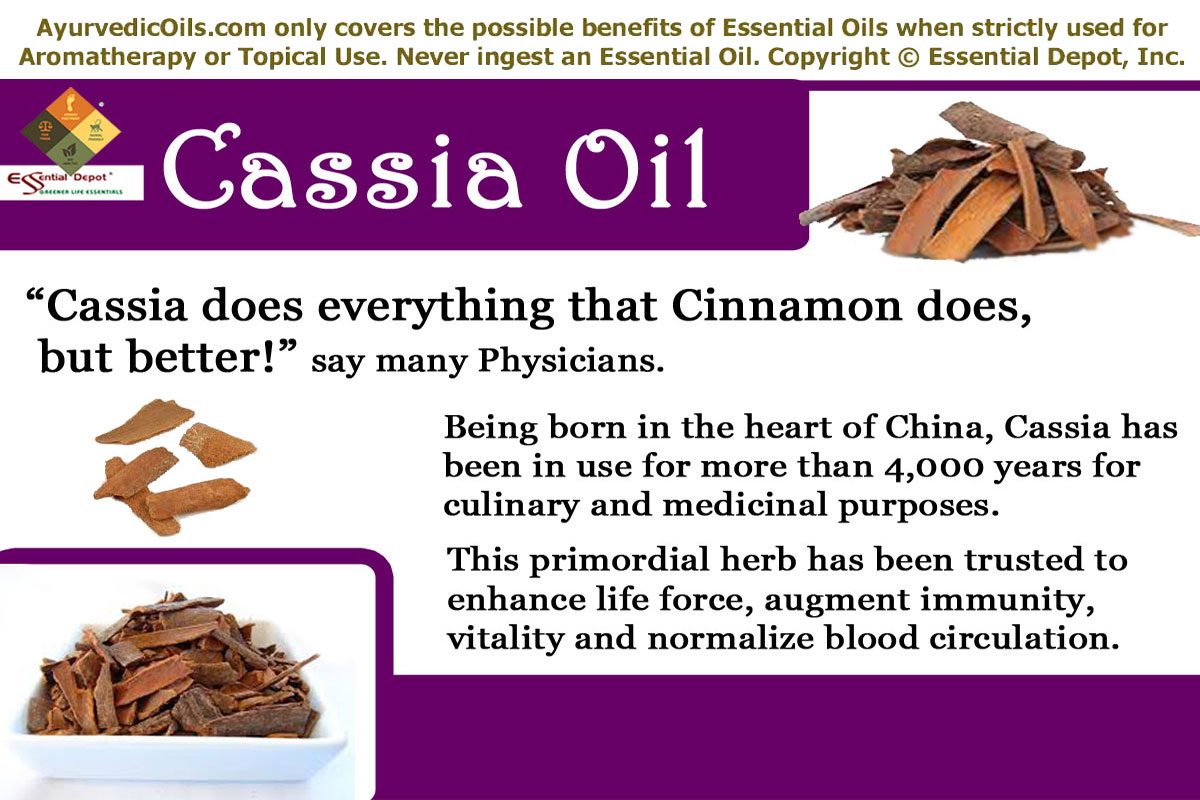
Cassia-banner“Cassia does everything Cinnamon does, but better!” say many Doctors. Cassia owns the glory of being born in the heart of China and has been in use for more than 4,000 years for culinary and medicinal purposes. This ancient herb has been trusted to enhance energy, life force, vitality and blood circulation.

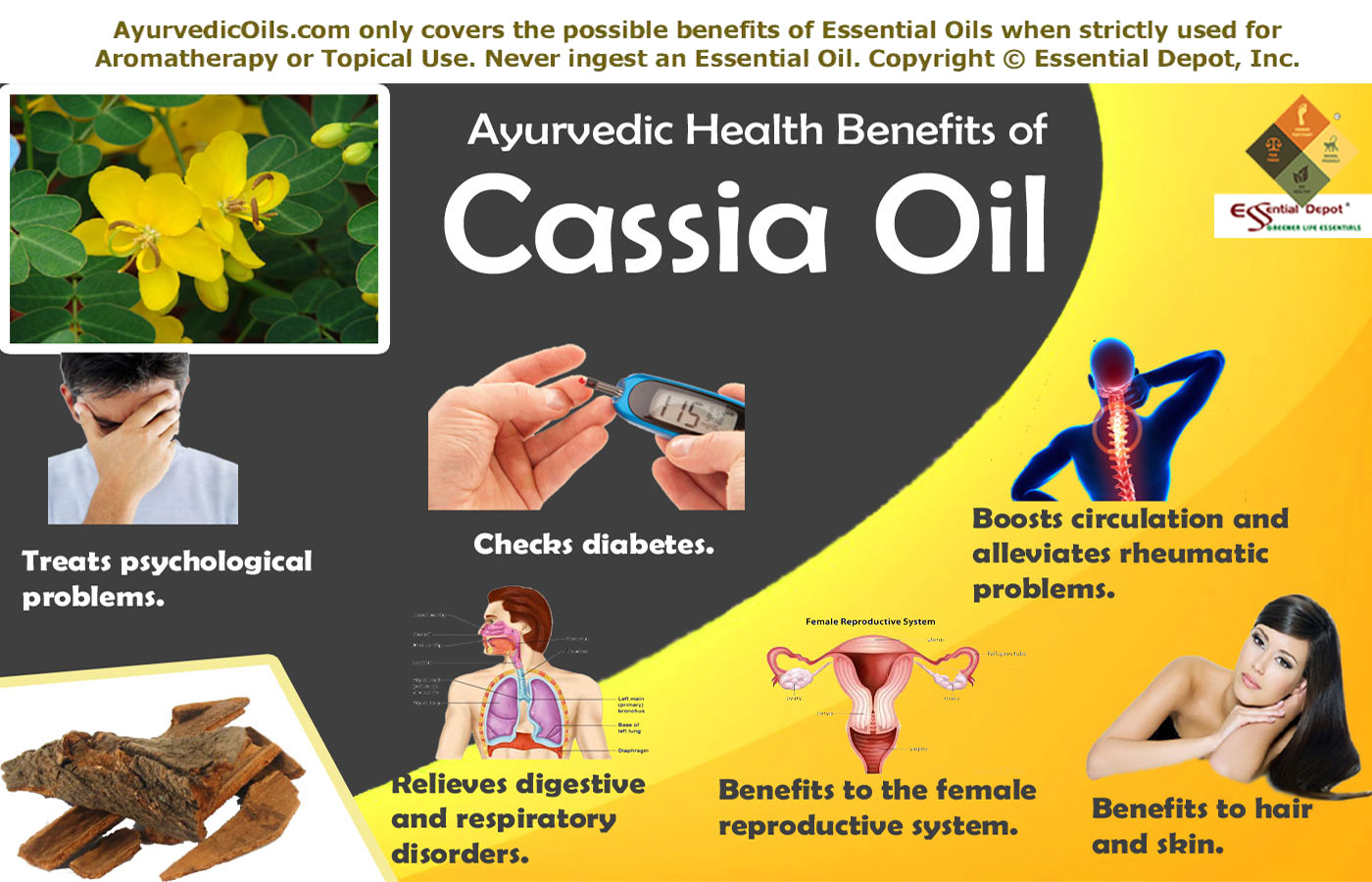
Ayurveda prescribes Cassia for the treatment of menstrual problems, nausea, respiratory infections, gastro-intestinal problems, depression, loss of libido, rheumatism, diabetes and indigestion. Cassia is botanically called as Cinnamomum cassia and is a member of the Lauraceae plant family.

Purchase Cassia Essential Oil – Retail – 4 oz – CLICK HERE

Purchase Cassia Essential Oil – Wholesale – CLICK HERE

Historical uses and importance of Cassia oil:

Cinnamomum cassia, also known as Chinese cinnamon or Chinese cassia finds its origin in South China. This tree serves several purposes and is hence widely cultivated in India, Indonesia, Laos, Malaysia, Taiwan, Thailand and Vietnam. With its celebrated use in the Traditional Chinese Medicine, Cassia is regarded as one among the 50 fundamental herbs of China.

Cassia finds its importance in the United States too, and is marketed under the name of “Cinnamon” for culinary purposes. The Indians take a liking to the buds on the tree as well and also use it in their food; this is an ancient ingredient for soul food used by the Romans as well.

This tree grows to a height of 10–15 m, which has a grayish bark with leaves that are hard and elongated and a warping of 10-15 cms in length with a pretty red color when young.

The bark of the tree finds its uses in the kitchen, while the leaves and the twigs of this tree are sometimes used in the production of Cassia oil. The oil extracted from the Cassia tree, finds immense importance in the field of Complementary and Alternative medicine including Ayurveda.

It is useful as a medicine, for beauty care, for cooking, as a health tonic and also as a stimulant. Cassia oil is brownish to yellowish in color, and the refined oil is colorless with a pale yellow tint when held up to the sunlight.

The aromatic bark of Cassia has been in use as a medicinal spice in various traditions across the world.  In traditional Chinese medicine, Cassia cinnamon has been used for treating diarrhea, cold, nausea, painful menstruation and flatulence.

It was also used to boost immunity, treat fever, rheumatoid arthritis, kidney infections, candida, nail fungus, atherosclerosis, cataract and even cancer, with its natural antioxidant properties.

Chemical constituents or Gas Chromatography Report (GC) of Cassia oil:

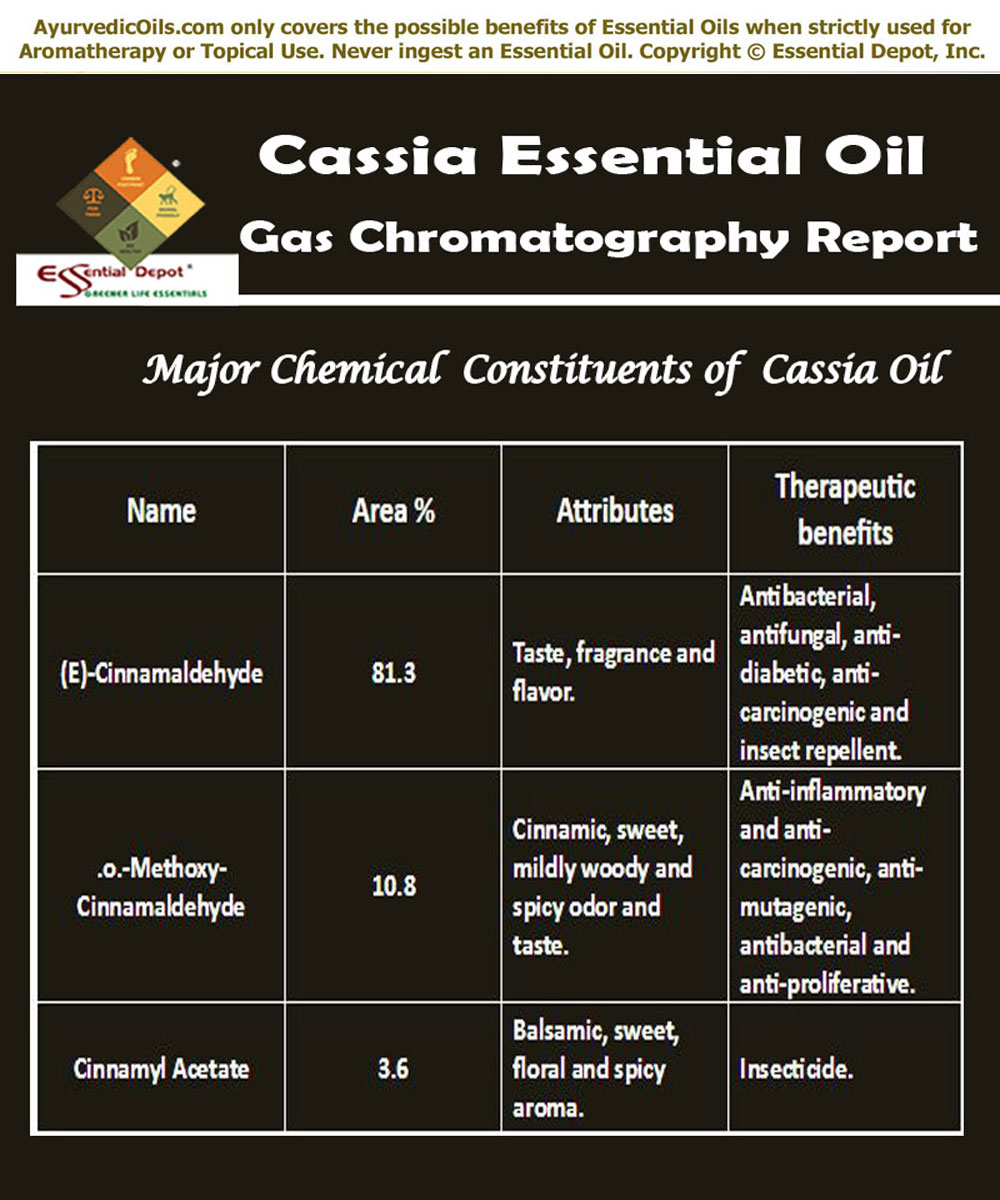
According to the Gas chromatography report, Cassia oil constitutes of 12 chemical components that contribute to its fragrance, therapeutic attributes, consistency and quality of this super aromatic oil. Of which, (E)-Cinnamaldehyde contributes to the highest proportion of Cassia oil constituents with about 81.3% of its total composition.

Just click on:

(E)-Cinnamaldehyde

o-Methoxy-Cinnamaldehyde

Cinnamyl acetate

I believe that this must surely help you in learning about the major chemical constituents of Cassia oil.

The table crafted below clearly depicts the unique nature and contributions of these biochemical constituents to the healing brilliance of Cassia essential oil.

cassia-oil

Therapeutic properties of Cassia essential oil:

The remedial properties of Cassia oil are fungicidal, antimutagen, stimulant, anticoagulant, antiviral, antibacterial, circulatory, anti-diarrhea, anti-arthritic, antioxidant, carminative, anti-galactogogue, anti-rheumatic, emmenagogue, anti-depressant, febrifuge, anti-diabetic, anti-inflammatory, antimicrobial and anti-emetic.

Ayurvedic health benefits of Cassia essential oil:

Ayurveda is a righteous remedial practice that indicates that everything on earth should follow a disciplined order of living for leading a healthy and progressive life.

Every human being is a part of nature according to Ayurveda and one’s illness and wellness depends upon an individual’s balance with nature. Ayurvedic healing trusts and depends upon Mother Nature and its natural remedies for treating humanity.

This 5,000 year oldest healing methodology is the pioneer for all other medicinal practices including Homeopathy, Siddha, Unani, Chiropractic, Acupressure, Allopathy, the Traditional Chinese Medicine and much more. The first Ayurvedic record refers to Atharvaveda, one of the 4 sacred books of the Indian mythology with 114 verses talking about numerous diseases and the corresponding traditional remedies of Ayurveda.

This was further enhanced by the 3 most important Ayurvedic encyclopedias namely Charaka Samhita (Charaka – the father of medicine), Sushruta Samhita (Sushruta – the father of surgery) and Ashtanga Hridaya Samhita. These books have talked on all the fundamental principles of Ayurveda, various kinds of illnesses and their comprehensive medicinal practices. This includes Ayurvedic remedies for almost all kinds of diseases including the chronic cancer.

According to Ayurveda, health is a combination of physical, mental and spiritual wellness and Charaka Samhita quotes this as, “The three – body, psyche, and soul – act as a tripod. The world stands upon them, and within them, the world abides.”

The distinctiveness of Ayurveda lies in its holistic approach that treats the root cause of an illness instead of its symptoms. This paves way for treating the sickness as well as preventing it in future.

Instead of prescribing the same medicines for everyone, Ayurveda recommends unique remedies for every individual according to their unique individual constitution, even if it is for the same illness. This is because Ayurveda identifies every individual as a distinctive part of nature and considers that their illnesses should also be treated with accordance to it.

The unique individual constitution or prakriti is an arrangement of three biological energies called as doshas, namely vata, pitta and kapha. These doshas are a combination of the five elements of nature including fire, earth, space, air and water.

Vata (air and space) controls the functions of the nervous system, circulatory system and the respiratory system. Pitta (fire and water) governs the metabolic functions and body temperature. Kapha (earth and water) is in charge for the movement of fluids in the system and the functions of the reproductive system.

Every person has a dominance of any one these doshas and it determines the physical appearance, personality, behavioral patterns and mental makeup. Absolute balance between these doshic elements symbolizes healthiness and disparities of these biological factors lead to diseases.

Ayurveda prescribes natural remedies like plant essential oils, herbs, meditation, yoga, simple physical exercises, Pranayama, Ayurvedic routine, prayers and certain Ayurvedic techniques like Panchakarma or the detox therapy, Abhyanga or the skill of Ayurvedic massaging using Ayurvedic oils and much more.

With its warming and stimulating properties, Cassia essential oil has been used in Ayurvedic healing for increasing pitta dosha and decreasing kapha and vata dosha.

Let’s take a look at the Ayurvedic health benefits of Cassia oil and its use in the treatment of various health conditions:

cassia-broucher-info1. Treats psychological problems:

Cassia oil has been used in the treatment of depression. This is mainly attributed to the presence of its constituent known as Cinnamaldehyde, which helps in uplifting the mood, inducing positive thoughts and combating depression. It helps in relieving one from negative feelings.

Ayurveda recommends Cassia oil especially during meditation, yoga and Pranayama for supporting the perfect harmony of the mind, body and the soul. Adding 2 drops of this oil in vaporizer, burner or diffuser particularly during prayers, meditation, Pranayama or the art of balanced breathing and yoga practices can help in augmenting mental clarity, boost self-confidence, enhance memory skills and to face the challenges of life with original sense of improved independence.

A 2011 study proved that an isolated substance (CEppt) in the cinnamon plant that inhibits development of Alzheimer’s disease in mice. CEppt, an extract of the cinnamon bark, was used to resolve the mouse model of Alzheimer’s disease.

A 2013 study by Dr. Mercola on ‘Vitamins offer hope for Alzheimer’s’ brings out the results of a study published in the ‘Journal of Alzheimer’s Disease’, which states “Cinnamaldehyde and epicatechin, two compounds found in cinnamon, have an inhibitory effect on the aggregation of a particular protein called tau. Tau plays a large role in the structure and function of neurons. Both compounds were found to protect tau from oxidative damage that can lead to dysfunction.”

It is also said that Alzheimer’s disease is a form of brain diabetes and is also explored that there is a connection between Type 2 diabetes and Alzheimer’s disease.

This is because “Insulin and insulin receptors in your brain are crucial for learning and memory, and it’s known that these components are lower in people with Alzheimer’s disease”, says Donald Graves, professor in UCSB’s Department of Molecular, Cellular, and Developmental Biology. Cassia cinnamon proves effective in treating Alzheimer’s disease mainly with its potent to control blood glucose level in patients with Type 2 diabetes.

2. Checks diabetes:

Diabetes is one among the most common health condition that about 60% of the earth’s population battles everyday and it is often regarded as a bane to humanity.

Treatment of diabetes through Allopathic medicine has not gone a very long way. Studies show that Cassia oil can be used in the treatment of diabetes especially in type2 diabetes where patients suffer with malfunctioning of insulin in the body.

Cinnamon oil helps lower the level of blood glucose in people with type 2 diabetes; this is made possible through the abundant presence of a Polyphenol compound in Cinnamon that is soluble in water. A 2003 study published in the Diabetes Care journal states that Cassia Cinnamon helped in reducing blood glucose levels, a blood lipid known as triglycerides and bad cholesterol levels (LDL).

Relax your system by adding 2 drops of Cassia oil to warm bathing water in the morning and you can also add 1 drop of this oil to your handkerchief and stay refreshed throughout the day.

In addition to that you can invigorate yourself by an Ayurvedic massage in the weekend with 5 drops of Cassia oil blended with 5 drops of Nutmeg oil, 5 drops of Fennel oil and 10 ml of coconut oil, followed by a warm bath can aid in controlling your blood glucose levels and bad cholesterol levels by penetrating through the skin and passing commands to the bloodstream.

3. Boosts circulation and alleviates rheumatic problems:

Rheumatism is an auto-immune disorder that occurs mainly due to the buildup of toxins or ama in the body caused due to the inequality of digestive fire in the body.

Ayurveda states that ama or the toxic substances in the body has the hazardous power to obstruct the functions of the vital organs in the system. These substances reach the kapha subjugated parts of the body including joints, chest, stomach, fingers, brain and certain other parts.

The symptoms being improper blood circulation, swelling of joints, inflammation, loss of energy, fatigue, inflammation, insomnia, burning and itchy eyes, indigestion, redness, morning stiffness and much more.

Being a circulatory, anti-rheumatic, analgesic oil and controller of excess kapha dosha proves Cassia as an excellent natural remedy for treating rheumatism, arthritis and its associated symptoms.

Massaging the affected parts with 2 drops of Cassia oil mixed with 2 drops of Cardamom oil, 2 drops of Nutmeg oil and 3 ml of sesame oil can help in enhancing blood circulation, augmenting warmth feelings to the joints, alleviating pain, reducing inflammation, promoting frequent urination through which toxins are eliminated and relieving from other related symptoms as well.

Along with this, yoga and Pranayama can help in relieving rheumatism and arthritis quicker than you think. A research by the scientists of the Baltimore John Hopkins University published in the Arthritis Foundation website states that “yoga has absolutely been helpful for treating people with rheumatoid arthritis.”

4. Relieves digestive and respiratory disorders:

The carminative and stomachic properties of Cassia oil help in treating gastro-intestinal problems and other digestive problems including gas, indigestion, diarrhea, flatulence, nausea, vomiting, and infections in the stomach and intestines. For treating digestive problems, you can massage your abdomen with 2 drops of Cassia oil mixed with 2 drops of Nutmeg oil along with 2 ml of avocado oil.

Respiratory infections like cold, cough, influenza and congestion occur due to vitiated kapha dosha causing excess fluid deposits leading to accumulation of phlegm, mucus and other microbes in the nasal, respiratory and bronchial passages.

Cassia essential oil has anti-microbial, anti-viral and expectorant properties along with its potent to regularize the functions of kapha dosha. Adding 2 drops of Cassia oil in steam inhalation along with a gentle massaging of your throat, chest and back with 1 drop of this oil mixed with your vaporizing ointment can grant quicker relief from all kinds of respiratory problems. You can also practice Pranayama (Ayurvedic breathing exercises) for relieving from chronic respiratory problems like asthma, bronchitis etc.

5. Benefits to the female reproductive system:

Cassia oil is a proven natural medicine for treating menstrual pain, spasms, irregular periods, and blocked menstruation. This oil has emmenagogue properties that induce menses and is a boon to women suffering from blocked or irregular menstruation. The analgesic or pain-relieving properties of Cassia oil help in reducing menstrual pain or dysmennorhea.

Massaging your lower abdomen and thighs with 2 drops of Cassia oil mixed with 1 ml of sesame oil can help in alleviating painful menstruation, delayed periods and menstrual spasms. Adding 2 drops of this oil in warm bathing water can help in reducing anxiety, fatigue, nausea, restlessness and loss of energy associated with menstruation.

Cassia and its oil have been used since the ancient Chinese tradition for preventing childbirth and for controlling milk in breastfeeding mothers with its anti-galactogogue properties.

6. Benefits to hair and skin:

Cassia oil finds its uses in cosmetic and hair care products as well. When used with Chamomile tea, Cassia oil can act as a hair dye, and when mixed with lemon juice in right proportions it gives a good strawberry blonde hue for your hair. Shampoos and conditioners that contain Cassia oil can help in the nourishment of your hair from within.

Cassia obovata when made into a mixture with hot water can be used as a hair mask. Adding 2 drops of Cassia oil to 10 ml of your mild shampoo can help in fostering hair growth, treating damaged hair, strengthening hair follicles and aid in retaining the natural moisture in the scalp.

When it comes to skin care, powdered Cassia and its essential oil are used since the primeval times for treating a wide range of skin problems including acne. This oil works well as an anti-viral and anti-fungal agent and highly helps in treating fungal and viral infections of the skin.

Mixing 2 drops of Cassia oil with 1 drop of Orange oil and 1.5 ml of olive oil and applying it gently on the affected parts can assist in treating pimples, blackheads, ringworm, athlete’s foot, itching, wounds and other skin infections. Massaging your facial skin with this blend can also help in eliminating dead skin cells and controlling excessive secretion of oil causing acne.

Other Uses:

Cassia also finds its use as anti-emetic oil by preventing nauseating sensations and also relieves one from vomiting. You can wear 1 drop of Cassia oil on your wrist or add it to your handkerchief or a tissue and inhale the medicated aroma to help you prevent from vomiting and enhance your appetite, especially during travelling. Cassia oil seems to speed up the functioning of the kidneys and is also known for affecting the libido due to its aphrodisiac qualities.

In food, Cassia oil is used for its wonderful aroma and its sweet flavor that gives the dish an additional taste. The delicate scent of Cassia essential oil plays a major role in reducing drowsiness, irritability, pain, frequency of headaches, and more. So adding 1 to 2 drops of this oil to your diffuser or air freshener and inhaling the light scent of this oil in your room can gift you an amusing atmosphere. Cassia oil also helps in relaxing tight muscles and spasms.

Disclaimer:

This article is completely for the purpose of information and education.  It is not meant to cure, diagnose or put a stop to any medical condition or substitute any prescription medicines or expert medical advice. We are not medical professionals and this information is published only with the concern of sharing the conventional principles and therapeutic uses of Ayurveda, the oldest of all healing sciences in the universe.

Do not take essential oils internally and always keep in mind that you dilute essential oils before using it for topical application. This is because organic and pure essential oils are greatly concentrated liquids and may cause allergic reactions if used on the skin directly. Make certain that you consult your Ayurvedic expert/healthcare practitioner prior to choosing the right essential oil for your unique individual constitution and medical condition. Avoid Cassia oil if you are pregnant or nursing your baby.

The MSDS (Material Safety Data Sheet) of Cassia oil is readily available for your enhanced safety and better usage.

Gas Chromatography Report (GC analysis) of Cassia oil.

Cassia Essential Oil – Possible Skin Issues:

cassia-logoGreener Life Diamond – Bio-Healthy Score => 3 – Possible Skin Issues:

See => http://www.essentialdepot.com/GreenerLifeDiamond.html

The adverse skin reactions of Cassia or the Chinese Cinnamon oil are dermal irritation, mild to severe skin sensitization, irritation of the mucous membrane and dermatitis. Cassia oil is said to exhibit no phototoxic effects but is emmenagogue in nature and might cause contraction of the uterine muscles, which is hazardous to the wellness of the fetus and the pregnant women.

The key chemical constituents that are responsible for the possible skin and other undesirable health issues of Cassia oil are Cinnamaldehyde, cinnamyl acetate, cinnamic acid and cinnamyl alcohol. These components have been studied for causing acute and subchronic toxicity.

Studies state that Cinnamaldehyde, cinnamic acid and cinnamyl alcohol may cause allergic reactions, irritation, sensitization and dermatitis when the skin is in contact with products like liniments, mouthwashes, toothpastes and creams.

It may provoke debility, itching, irritation, insomnia, and depression in some people. This mainly occurs when the use of Cinnamaldehyde exceeds the maximum safe level of usage. The highest recommended level by the International Fragrance Association (IFRA) for Cinnamaldehyde is 0.05% for most of the products.

When used in vapor therapy and topical application beyond the recommended usage level, Cinnamaldehyde, cinnamyl acetate, cinnamic acid and cinnamyl alcohol are said to contribute to the irritation of mucous membrane and are accounted for hepatotoxicity (toxic, irritant and might cause damage to the liver), mutagenic (alteration in the structure of DNA), reproductive toxicity (research supporting significant fall in the number of nuclei and changes in the allotment of embryos in pregnant mice) and restrain platelet aggregation, a vital part of the blotting clotting process.

Undiluted or concentrated Cassia oil have been proved to cause severe irritation in rabbits in certain studies and few other studies involving consecutive patients with dermatitis, few people were sensitive to 2% Cassia oil on patch testing.

Always ensure to dilute Cassia oil in appropriate carrier oils before topical use and never ingest essential oil as they may be toxic to the system.

Reference Links Substantiating Possible Skin Issues of Cassia Oil:

  1. Essential Oil Safety: A Guide for Health Care Professionals By Robert Tisserand, Rodney Young
  2. Leung’s Encyclopedia of Common Natural Ingredients, used in Food, Drugs and Cosmetics by Ikhlas A. Khan and Ehab A. Abourashed.
  3. A toxicologic and dermatologic assessment of cinnamyl alcohol, cinnamaldehyde and cinnamic acid when used as fragrance ingredients by The RIFM expert panel, published in the Food and Chemical Toxicology
  4. Cassia bark oil: The Chinese Cinnamon oil by Mercola.com
  5. Fragrance material review on cinnamyl acetate by S.P. Bhatia, G.A. Wellington, J. Cocchiara, J. Lalko, C.S. Letizia, A.M. Api, Research Institute for Fragrance Materials, Inc., Manheimer Fragrances, Teterboro NJ, USA, published in Food and Chemical Toxicology Review and Science Direct

Thought for the day:

The art of healing comes from nature, not from the physician. Therefore the physician must start from nature, with an open mind.  -Paracelsus

Suggested Reading:

  1. Cinnamon and Cassia: The Genus Cinnamomum (Medicinal and Aromatic Plants – Industrial Profiles) from CRC Press
  2. Ayurveda: Life, Health, and Longevity by Robert E. Svoboda B.A.M.S.
  3. The Complete Guide to Natural Cures: Effective Holistic Treatments for Everything from Allergies to Wrinkles (Lynn Sonberg Books) by Debora Yost
  4. The Encyclopedia of Aphrodisiacs: Psychoactive Substances for Use in Sexual Practices by Christian Rätsch, Claudia Müller-Ebeling
  5. Herbal Medicine From the Heart of the Earth by Sharol Marie Tilgner

Reference Links:

  1. Cinnamomum cassia by Wikipedia
  2. Vitamins offer hope for Alzheimer’s by Dr. Mercola
  3. Can Cinnamon help you control your diabetes by Amy Campbell published in Diabetes Self-Management.com
  4. Antimicrobial activities of cinnamon oil and Cinnamaldehyde from the Chinese medicinal herb Cinnamomum cassia Blume by Ooi LS, Li Y, Kam SL, Wang H, Wong EY, Ooi VE published in PubMed


Your resource for quality Essential Oils. Every batch is
GC tested to ensure purity and authenticity.
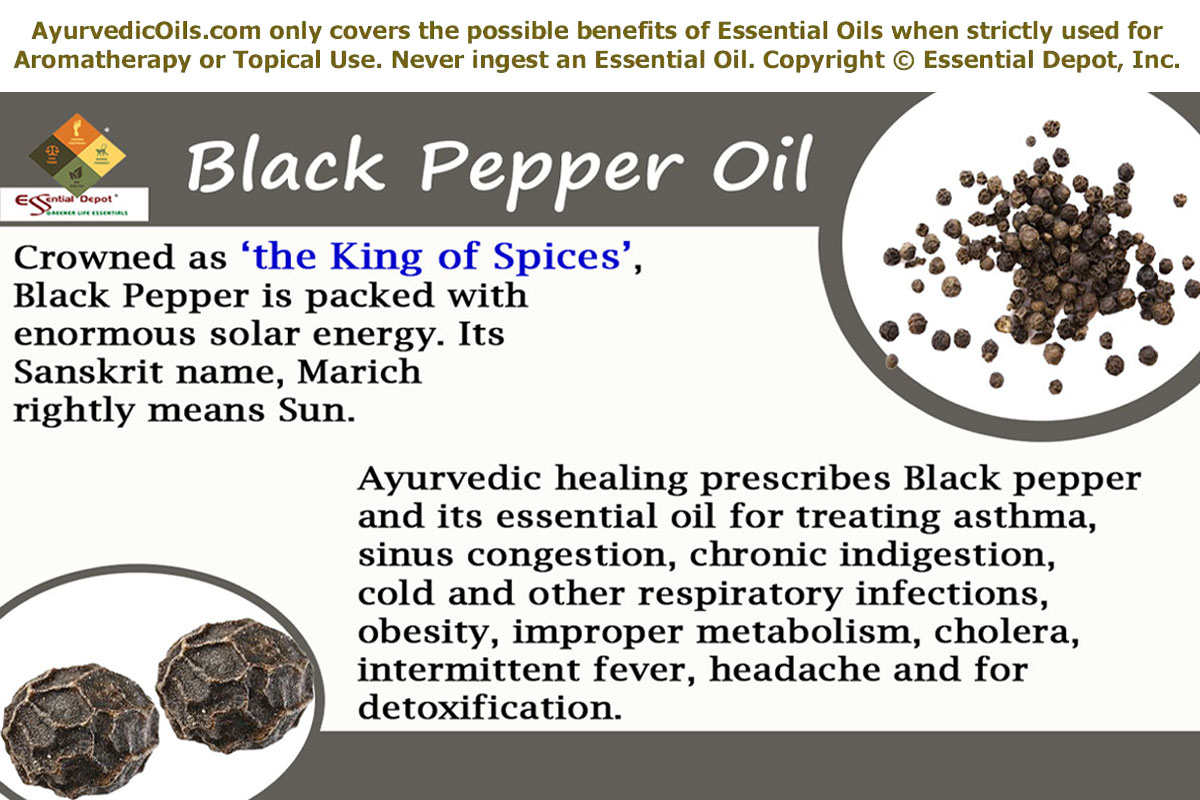
Sick as a dog? 5 essential oil blends for cold, flu and bronchitis


When the seasons change, not just the landscape, even our bodies change. As we move to Spring or Autumn, we need to be prepared for the possible seasonal allergies that we can contract during the season. The shift in the weather, sudden drop or rise in temperatures, breezy climatic conditions – anything from everything can cause cold, flu or respiratory system related illnesses. Common cold is so common, yet the rigors you have to go through while experiencing it can be difficult for anyone. Intensity of your flu can depend on the effect of the virus and also the efficiency of your immune system. Essential oils can come handy in treating common cold or flu. This article will detail on how it is possible to completely cure yourself of cold symptoms with just a few oil blends.

Essential oil blends for cold and flu: Essential oils have therapeutic properties to cure you of cold-causing organisms and alleviating the symptoms of flu like congestion, headaches, body pain etc. Below are a few recipes that can be made at the convenience of your home:

1. For chest cold and cough: This blend has to be inhaled for better response. You can make the blend and add 4 to 5 drops of it to 18 oz of hot water. Cover yourself with a towel to inhale the blend without letting in external air or allowing the temperature to cool the blend. This sort of steam inhalation can help relieve your headache and cold congestion. To make the blend, combine 6 drops of Cinnamon with 6 drops of Rosemary, 6 drops of Pine and 3 drops of Thyme.

2. For seasonal allergies: If your nasal passage is completely congested, this blend can offer you instant relief. Blend together 4 drops of Eucalyptus, 4 drops of Chamomile, 3 drops of Anise, 3 drops of Lemon, 1 drop of Petitgrain and 5 ml of your favorite carrier oil. While bathing, use 15 to 18 drops of the blend in your bath water. You can even omit the carrier oil when you use a bath oil.

3. For flu, sinusitis and bronchitis: You can blend all these oils by adding them into a dark amber colored bottle and then shaking the bottle for gentle blending. To treat flu or bronchitis, mix 30 drops of Eucalyptus with 15 drops of Lavender, 12 drops of Pine, 6 drops of Marjoram and 3 drops of Thyme. When blended well, mix a few drops of the blend in a bowl of hot water and inhale the steam for about 5 to 10 minutes.

4. For prevention of cold and flu: Treatment of cold and flu is different from prevention of it. If you want to take precautions to prevent cold and flu, try this blend. To make the blend, use 5 ml of Lavender, 5 ml of Eucalyptus, 3 ml of Ravensara, 2 ml of Bay Laurel and mix together.

5. For cough:
Frequent coughing can spoil your health and also irritate people around. To prevent the cough syndrome from spreading to everyone at home and to alleviate the frequency of your coughs, try this blend. Add Eucalyptus in a pan of water on low heat and put in a vaporizer or diffuser. The aroma will spread throughout your living space and enhance the health of everyone.