Category Archives: Essential Oils – Learn About and Purchase

Pine Scotch Essential Oil

Pine-bannerPine oil has such a great honor as it can garland anybody with the bliss and blessedness of the Christmas occasion at any given time. Apart from its use in Christmas decoration, Pine tree and the essential oil extracted from its needles through steam distillation method has many uses in the field of Complementary and Alternative medicine and in household cleaning. There are many species of Pine trees and the common ones used for essential oil extraction are Pinus sylvestris, Pinus alba, Pinus pinea and Pinus pinaster.

The book Ayurveda and Aromatherapy by Bryan Miller and Light Miller quotes Pine oil as “The world’s largest production of any one essential oil is Pine.  It is known to be a stimulant, helping people to be comfortable with any situation”.

With similar properties like Eucalyptus oil, Pine oil was used as a strong medicinal aid in many traditional healing practices including Ayurveda for treating chronic respiratory problems like pneumonia and bronchitis.

Purchase Pine Essential Oil – Retail – CLICK HERE

Purchase Pine Essential Oil – Wholesale – CLICK HERE

Historical importance of Pine tree and its essential oil:

Hippocrates, the father of Western medicine used Pine in the treatment of pulmonary conditions and established its healing effects on the respiratory system. Pine oil was recommended by the ancient physician Pliny for treating respiratory and lung problems.

The Native Americans chewed the needles of the Pine tree to defend against scurvy. They also used the clean-scented Pine needles on their bed to ward off fleas, lice and bed bugs. The highly ornamental timber of Pinus pinaster also known as Maritime pine was used in making furniture, building frames, panels, internal flooring, veneers, particle board etc. The pinecones are also used as Christmas decorations.

Chemical constituents or Gas Chromatography Report (GC) of Pine Scotch oil:

According to the Gas chromatography report, Pine Scotch oil constitutes of 15 chemical components that contribute to its fragrance, therapeutic attributes, consistency and quality of this oil. Of which, alpha-Pinene contributes to the highest proportion of Pine Scotch oil constituents with about 34.7% of its total composition.

Just click on:

I believe that this must certainly help you in getting to know the exclusive information about these prime chemical constituents of Pine Scotch oil.

The table crafted below clearly depicts the unique nature and contributions of these biochemical constituents to the healing magnificence of Pine Scotch essential oil.

pine-scotch-oil

Therapeutic properties of Pine essential oil:

The therapeutic values of Pine pinaster oil are anti-inflammatory, expectorant, restorative, stimulant, antiviral, antibacterial, circulatory, decongestant, disinfectant, analgesic and deodorant. The bark of this tree contains Oligomeric Proanthocyanidin Complexes (OPC’s) that make it an effective antioxidant that can fight against free radicals responsible for cancerous diseases.

Ayurvedic health benefits of Pine essential oil:

Ayurveda is a common sense science that considers illness as an opportunity to trace what is out of balance and what is the actual root cause for an illness. Ayurvedic remedies aim at treating the individual as a whole and the root cause of the disease instead of the disease alone. This helps in preventing illnesses in the future and paves way for healthy aging and longevity.

According to this traditional methodology, same medicine is not given to two individuals even if they have the same health problem because Ayurveda trusts that every individual is unique with a special combination of energy elements known as vata, pitta and kapha doshas and every person needs a unique treatment based on their individual constitution.

Every human being will have a predominance of any one of these doshas, which determines his/her personality. Dosha imbalance is the major reason for all kinds of sickness. Among the three doshas, Pine essential oil has the power to reduce surplus of vata and kapha and treat pitta deficiency.

The major Ayurvedic health benefits of using Pine essential oil are:pine-broucher1. Soothes respiratory problems:

5 drops of Pine essential oil added to steam inhalation helps you in treating sinusitis, cough and cold. The decongestant and expectorant properties of this oil aids in breaking up the mucus deposits and expelling it from the lungs.

Painful cough, congestion, flu, bronchitis, blocked nose, chest congestion, asthma and sinus infections can be treated with this natural aid. You can also mix 2 drops of Pine oil with 2 drops of Eucalyptus oil in a base of coconut oil for using it as a rub or in warm bath for lessening the effects of such respiratory infections.

2. Alleviates stress:

The sweet, slightly balsamic, evergreen, woody and fresh aroma of Pine essential oil instills a warm feeling of newness on the mind.  The aromatic molecules in the essential oil that pass through the nasal passages reach the limbic system of the human brain, where emotions, feelings and responses are controlled. This aids in transforming the relaxing, calming, invigorating, balancing, detoxifying, uplifting, strengthening and energizing effects of Pine essential oil on the mind and body.

This makes Pine essential oil as an excellent mood enhancer and makes it a powerful remedy in alleviating mental strain, stiffness, stress, fatigue, nervous tension and fear. Pine oil is known to help people remember the ways to get along with the flow of life; just like the Pine tree does by the ebb of the sea.

It is for this reason Pine essential oil is a proven remedy in treating memory loss and lack of concentration power. Inhaling the aroma of the divine Pine oil by adding 3 to 4 drops in your diffuser, potpourri, pillows or to a napkin aids in granting emotional stability and the power to go on and on.

3. Reduces pain and boosts metabolism:

Pine essential oil has analgesic and anti-inflammatory properties that aids in treating rheumatic pain, muscular aches, stiff joints and arthritis. Massaging the affected area with 5 to 6 drops of Pine oil added to soothing carrier oils like sesame oil or coconut oil followed by a hot bath blended with 3 drops of Pine oil can grant you relief from all kinds of pain. This massaging also helps in boosting your metabolism and stimulates the process of digestion. Pine essential oil is also used as a diuretic for eliminating water retention and toxins from your body.

4. Fights against bacteria and other harmful organisms:

A 2001 study on ‘Chemical and Antimicrobial Properties of Essential Oils of Five Moroccan Pinaceae’ suggested that the examination of the antibacterial activity witnessed that the essential oils of Pinus pinaster and Pinus pinea demonstrated a definite activity against all types of organisms tested and also possess a remarkable antiseptic activity.

5 drops of Pine essential oil blended with carrier oils like almond oil can be used in massaging, in bath or as a topical application for inhibiting the growth of bacteria, fungi, virus and certain other harmful organisms. This aids in protecting one from skin infections, urinary tract infections, bacterial infections and viral infections like flu and cold.

5. Protects the skin:

As a natural antiseptic, astringent, circulatory, antiviral, restorative and antibacterial oil, Pine essential oil is known for treating an extensive range of skin problems like acne, burns, psoriasis, athlete’s foot, dry scaly skin, boils, itching, eczema and wounds. You can add 4 drops of Pine essential oil to your antiseptic cream or skin care lotion and apply it on the affected part for quicker healing.

Tremendous health benefits of the bark extract of Pinus pinaster: Apart from the essential oil, the extracts from the bark of the Pinus pinaster tree has gained great recognition for its effectiveness in treating a wide range of illnesses.

A recent research on ‘Pharmaceutical and nutraceutical effects of Pinus pinaster bark extract’ proved that “P. pinaster bark extract (PBE) contains polyphenolic compounds (these compounds consist of catechin, taxifolin, procyanidins of various chain lengths formed by catechin and epicatechin units, and phenolic acids) capable of producing diverse potentially protective effects against chronic and degenerative diseases.”

This extract was also evidenced with anti-inflammatory effects, cholesterol-lowering effects, antimicrobial and antiviral effects, benefits for cardiovascular system, venous disorders, attention deficit hyperactivity disorder (ADHD), allergy and asthma, menstrual disorders, pregnancy associated pain and endometriosis.

Disclaimer:

Essential oils are highly concentrated liquids that can cause irritation of the skin and mucous membranes when used undiluted. It should always be used after diluting in carrier oils. Do not take essential oils internally as it may be harmful for your system. Consult your Ayurvedic practitioner before using essential oils for your unique individual constitution.

The MSDS (Material Safety Data Sheet) of Pine Scotch oil is readily available for your enhanced safety and better usage.

Gas Chromatography Report (GC analysis) of Pine Scotch oil.

Pine Scotch Essential Oil – Possible Skin Issues:

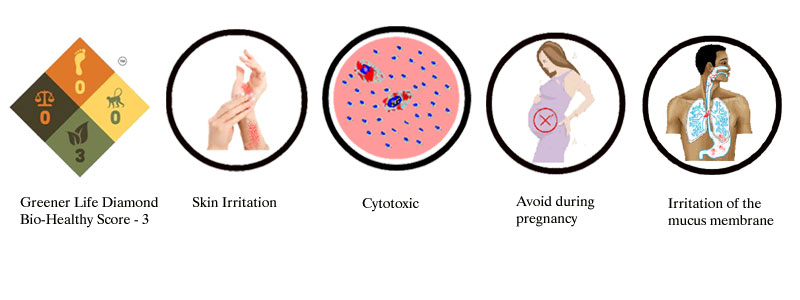
Greener Life Diamond – Bio-Healthy Score => 3 – Possible Skin Issues:

See => http://www.essentialdepot.com/GreenerLifeDiamond.html

The essential oil of Pine Scotch is said to cause mild skin irritation, contact dermatitis, sensitization, allergic reactions and irritation of the mucous membrane. It has been certified as GRAS (Generally Regarded As Safe) by the FEMA (Flavouring Extract Manufacturers’ Association). The chief chemical components responsible for the adverse skin impacts of Pine Scotch oil are α-pinene, delta-3-carene and limonene, mainly due to their autoxidation effects.

Certain studies report the effects of Pine scotch oil on contact dermatitis and sensitivity.  When used in large doses α-pinene has the potent to cause irritation of the mucous membrane, kidney damage, CNS (Central Nervous System) depression, growth of benign tumors, skin sensitization, allergies and irritation.

According to the Food and Cosmetic Toxicology edition (1976) by L.J. Opdyke, Pine Scotch oil sensitizing and irritating to certain individuals and is nonphototoxic in nature. When tested on repeated dermatitis patients at 2%, this oil provoked allergic reactions in about 12 members of the 1606 tested.

As Pine scotch oil has the tendency to irritate the lining of the mucous membrane during inhalation, it is good to avoid this oil if you have asthma, allergies in the respiratory passages and bronchial disorders.

The International Fragrance Association (IFRA) claims Pine Scotch oil as a sensitizing oil. Pine Scotch oil is recommended only for dermal use and not for ingestion. Besides being proved as an effective cytotoxic agent (fights against cancerous cells), certain studies have witnessed the renal failure, genotoxic and acute toxicity effects of the ingestion of Pine scotch oil.

Never use Pine scotch oil in an undiluted form and make certain that you always blend essential oils with gentle carrier oils like coconut oil and olive oil, as organic essential oils are very concentrated and may cause negative effects on the eyes, skin and the body. Stay safe by using diluted Pine scotch oil and avoid using it on allergies, damaged skin, eyes and inflammatory skin conditions.

It is better to avoid the use of Pine scotch oil if you are pregnant or nursing as there is insufficient information on the safe use of this oil during these sensitive times when the system experience enormous changes in the hormonal functions.

These possible skin issues are applicable only for leave-on products like creams and lotions and not for rinse-off products like soaps, shampoos and other bath preparations.

Reference Links Substantiating the Possible Skin Issues of Pine Scotch Oil:

  1. Pine oil by Essential Oil Safety: A Guide for Health Care Professionals By Robert Tisserand, Rodney Young
  2. Pine side effects and safety by WebMD
  3. Pine Needle Oil Toxicology by Leung’s Encyclopedia of Common Natural Ingredients, used in Food, Drugs and Cosmetics by Ikhlas A. Khan and Ehab A. Abourashed
  4. Medicinal Plants in Australia Volume 2: Gums, Resins, Tannin and Essential Oils by Cheryll Williams
  5. Selectivity of Pinus sylvestris extract and essential oil to estrogen-insensitive breast cancer cells Pinus sylvestris against cancer cells by Nguyen Thi Hoai, Ho Viet Duc, Do Thi Thao, Anne Orav and Ain Raal, published in the Pharmacognosy Magazine
  6. Scotch Pine Needle Oil by The Good Scents Company
  7. Pinus Species by Adverse Effects of Herbal Drugs 2

Thought for the day:

Trees are the earth’s endless effort to speak to the listening heaven.
-Rabindranath Tagore

Suggested Reading:

  1. The Practice of Aromatherapy by Dr. Jean Valnet
  2. Ayurveda & Aromatherapy: The Earth Essential Guide to Ancient Wisdom and Modern Healing by Dr. Light Miller, Dr. Bryan Miller
  3. The Aromatherapy Companion: Medicinal Uses/Ayurvedic Healing/Body-Care Blends/Perfumes & Scents/Emotional Health & Well-Being (Herbal Body) by Victoria H. Edwards

Reference Links:

  1. Maritime Pine by Victoria Department of Environment and Primary Industries
  2. Chemical and Antimicrobial Properties of Essential Oils of Five Moroccan Pinaceae published in The Journal of Essential Oil Research
  3. Pharmaceutical and nutraceutical effects of Pinus pinaster bark extract published in PubMed


Your resource for quality Essential Oils. Every batch is
GC tested to ensure purity and authenticity.

Shea Butter

Did you use Shea butter today?

If yes, then you deserve a ‘PAT ON THE BACK‘ for being the ultimate reason behind the smiles of thousands of African women, who bank upon Shea butter for earning their livelihood.

Shea butter is the Blessed and Benevolent ‘BRAINCHILD’ of Almighty Himself.

I utter this statement simply because of a solid reason that ‘Shea’ is the most generous tree in the world, which is counted on by the economically-challenged and toiling African community.

Extraction of Shea butter has become the ‘bread winning’ profession of the most deprived and the valiant African women.

Women are nobly, the best creation in the planet. They adorn the world, wherever they are. All she touches turn to gold and all these florid words are to explore the secret behind the magnificence of Shea trees.

Shea-butter-bannerShea trees can live up to 200 years and Shea nuts are harvested by women in a traditional way.

It is a well known fact that Shea Butter comes from the tropics of Africa and you’d be glad to know that the process of extracting the butter is extremely unique. I for one thought that there was a very elaborate and strenuous procedure to it, but the ingenious way was actually quite simple.

The nuts of the Shea-Karite tree are first collected. It is said that these trees take nearly 15 years to bear fruit, and only after completion of 30 years, the tree begins to produce its best. Well, after the nuts are collected they are cracked, grilled and pounded. Next they are dropped into a pot of boiling water where they are boiled for hours till the butter floats to the surface.

The butter is then carefully scooped up from the surface and placed in a holding container to cool off. This is called unrefined or raw Shea Butter. Though West Africa used to be the major producer of Shea Butter, East Africa is beginning to take its turn in making the softest Shea Butter that you’d ever seen.

Purchase Shea Butter – Unrefined – 8 oz – CLICK HERE

Purchase Shea Butter – Grade A- Unrefined – 32 oz – CLICK HERE

Purchase Shea Butter – Unrefined – 5 lbs – CLICK HERE

What makes us talk about this?

When people of today list out their concerns, most of them focus on beauty and fitness! Even psychiatrists believe that a person’s physical appearance can certainly change the total well being of the individual. Coming to the conclusion that a lot of things in today’s world revolves around physical appearance, people have started focusing on the best of the best that can make them look and be their best.

While we are on the page of talking of what’s the best that could happen to the cosmetic industry, none can deny that Shea Butter is yellow gold from the God’ s themselves. Well that’s how most cosmeticians have gotten to know it.

For those of you who are quite new to the topic of discussion, let me guide you through the in and out of this buttery gold.

Let’s start by learning about the history and culture of Shea Butter.

History of Shea Butter:  

Shea Butter had found its place in the land of Africa centuries ago and has been mentioned of how well it has been cherished over the years. The butter has been immensely popular that it has been trapped in the history and culture of the West African wooded savanna.

You’ll find its mention in almost all the African historical documents which also dates back to the reference as early as Cleopatra’s Egypt, where caravans bearing clay jars of Shea butter for cosmetic use where mentioned back then.

The History also speaks of funeral beds of kings which were engraved in the woods of the old Shea trees, and the mention of Shea Butter as a primary ingredient in African pharmacology.

Shea butter has many useful properties and has been used for traditional hair and skin care, as cooking oil, and as a lamp fuel. The butter is of an ivory color which contains triglycerides and Unsaponifiables, including Katitene, Lupeol, Butryospermol, Parkeol, Karisterols, and cinnamic esters.

The butter is a resourceful active component known for its anti-aging, soothing and moisturizing properties. Shea Butter has been used as an important ingredient in beauty products across the world, for both skin as well as the hair to prevent them from drying out in the harsh African environment.  Observations carried out in 1940 found that the folk of Africa who used the butter had fewer occurrences of skin diseases than those who didn’t.

Culture of Shea Butter:  

Shea Butter in Togo:

Learning from a person who was bred in Togo I found that each linguistic group has their own name for the Shea tree and Shea butter., and in the language of Kaboli native of Togo, it was called oyi and the Shea tree is eggi-oyi.

In northern Togo, Shea Butter is very essential, and a valuable natural resource for this region. It’s used in food, cosmetic oil, and in the ceremonial practices of various ethnic groups in central Togo.

Shea Butter in Fulani Group Cultures:

Among the Fulani group Shea butter was used by the bride for 3 months before the wedding to beautify herself for the big day. The butter would be made by her mother or other female relatives.

The groom would also need to use the butter to prepare for the wedding. Godja ritual, which is a ritual of whipping, will be carried out by the bride parents to check the son-in-law’s willingness to endure physical pain for his bride.

If he shows the lightest signs of weakness during the ritual, the wedding will be called off and he will have to wait a year to try it again.  Shea Butter along with honey is used to treat the wounds before the wedding day.

Shea Butter in the Okalakun Plateau:

In central Togo, Shea Butter and its byproducts do play an important role in daily life. The residue that is left behind after the collection of the butter from the boiling water is nothing but milky red water. This water is said to have a certain scent that can ward away termites. Living in Africa termites can be a major cause of destruction to food and property.

So, the red milky water that is collected after removing the Shea oil is mixed with clay to form bricks. This is very effective, and has been adopted throughout central and northern Togo and is used for making granaries to store corn, millet and yams, which are susceptible very to termites.

Nature of Shea Butter:  

The butter is adaptable to all climatic conditions and is normally solid at room temperature. The aspect that I really like about the butter is that it quickly melts at body temperature making it extremely easy to use. Though this is the natural quality of the butter, the color and smell, even the quality of the butter may vary based on the method of extraction of the butter.

Though that this is the most suitable variety of Shea Butter to use, Shea Butter is also received in the market in two other varieties.

The first and the purest variety being the raw or unrefined butter that is obtained using water. This variety is similar to whipped butter, and sometimes takes the color of a grayish yellow.

The second would be the refined one which is highly processed taking extra effort to maintain its natural qualities.

The third would be the highly refined or processed solvent which uses hexane through the process to help with increasing the yield. Also to make the butter more pleasant to the eye, the processed Shea Butter is pure white.

Shea Butter and its Smell:

Understanding that the butter is derived from a nut, it is quite obvious that the butter has a nutty fragrance to it. This smell is seen only in the raw form of the butter and for those who find the smell to be unpleasant, may look or the processed forms of the butter.

Though, over a period of time the smell of the raw butter might diminish.  Since butter can go rancid, you might want to be on the look out to see if your butter is beginning to smell. ‘Your butter should never smell rotten.’

Properties & Composition of Shea Butter:  

As Shea Butter melts at body temperature, it gets rapidly absorbed into the skin and acting as a “re-fatting” agent. It is also pretty good at binding with water and hence extensively used in skin care. The butter contains fatty acids like stearic acid (20-50%), palmitic acid (2-9%), oleic acid (40-60%), linoleic acid (3-11%), and arachidic acid (<1%).

The stearic acid of the butter has the property of mixing and blending with oils and water, hence is commonly used in low concentrations to function as an additive in liquid cosmetics for skin and hair.

Because stearic acid helps water and oil mix, the ingredient is also added to many liquid cosmetics, and skin and hair care products in low concentrations to function as an additive rather than an active ingredient or cleansing agent.

Oleic acid on the other hand is a monounsaturated fat which is known for its preservative properties and also used as a cleaning agent in the manufacturing of soaps and detergents. Oleic acid is also an emollient and used in creams, lipsticks, lotions, and skin products.

Health Benefits of Shea Butter:

In general Shea Butter finds itself extensively used in the areas of the cosmetics industry for skin- and hair-related products. The butter contains an abundance of unsaponifiables which make it any cosmetic’s best friend. It is basically used as a conditioner for dry and brittle hair, skin moisturizer, creams and emulsions, and even seen in lip gloss.

You’d be surprised to know that the butter is also used as cooking oil, for candle-making, used as a cosmetic in hairdressing, a waterproof waxing, and also in medicinal ointments.

Musicians of Africa are even known to use the butter as a wax on their percussion instruments to increase the durability of wood. The butter is also used to bring out flavor in organic broths, and in the UK there are used to make softer tissue products for daily use (Toilet Paper).

SHeabutter-broucherShea Butter for the Skin:

As already stated in the nutritional facts, Shea Butter is loaded with vitamins. The focus of today is going to be on Vitamins A, E and F. These vitamins generally have a lot to do with maintaining and healthy nourished skin.

Vitamins A and E help keep the skin clear and healthy. On comparison with many extensively used fats and oils, we see that Shea Butter is high in Unsaponifiables, containing between 7-12% Unsaponifiables; which in relation to avocado oils that contain only 2-6%.

Anti-aging Properties of Shea Butter:

Regular usage of Shea Butter may prevent premature wrinkling of skin and the occurrence of facial lines, this being most women’s dream come true. The Vitamin F seen in the butter acts as a general skin protector, and a rejuvenator. Since the butter also contains essential fatty acids like vitamins A and E, they help in maintaining your skin’s elasticity and suppleness.

Shea Butter as a Moisturizer:

A research carried out in 2012 by the Tennessee State University states, “The properties of the tree are stearic acid, which promotes and protects skin barrier health (Fowler, 2008) and various ingredients such as triterpene alcohols, known to reduce inflammation; cinnamic acid esters, that have limited capacity to absorb ultraviolet (UV) radiation; and lupeol, this property prevents the effects of skin aging by blocking the action or function of enzymes that degrade skin proteins.”

The butter can also be used in treating sun damaged skin, mature skin, severely dry skin, chapped lips and also used in the treatment of damaged hair.  The presence of high level of Unsaponifiables seen in the butter is truly one of the reasons that make Shea Butter the choice in the treatment of above mentioned disorders.

The butter has the ability to soothe, hydrate and balance the skin and can be used as a moisturizer for dry skin and eczema, as a dry scalp treatment. The butter is often used on chapped lips, and to treat cracked dry skin on heels, elbows and knees.

Shea Butter as a Sun Screen:

Unlike other product of skin care, Shea Butter melts and gets absorbed into the skin allowing the skin to breath, favoring few skin related complications. Shea Butter also acts as a natural sun screen and provides a degree of protection from the sun due to the presence of cinnamic acid in it.

Shea Butter for Minor Skin Problems:

The butter is known for its soothing effect on the skin and has little evidence that it can treat minor skin conditions like eczema and acne. People who have used Shea Butter for treatment of psoriasis, claim that it has no side effects and is half as expensive as their regular treatment regimen.

There were even several instances when users of the butter reported absence of regular occurring rashes ever since they have put Shea butter to use. The properties of Shea Butter are extensive effective that as of today the butter is also used in getting rid of stretch marks as well. The butter I also good to use as a skin softener while you shave; you can use it instead of soap, or even post shave to make the skin smoother.

The American Shea Butter Institute strongly believes that; raw Shea butter maintains its therapeutic qualities, whereas processed Shea butter loses its healing properties. So sticking to the raw form of Shea Butter can make a worlds difference if you are looking for prompt results.

Shea Butter for the Hair:

Shea Butter is just great for the hair. It nourishes and moisturizes hair from the roots to the tips. Besides this, it also serves in protecting your hair from dryness, brittleness, and weather damage.  It serves bet for treating dry damaged hair, and can be used to restore life into damaged hair caused by heating iron.

The butter is readily absorbed into the scalp and prevents side effects such as the itchy, sticky feeling that you get when you use oils. On regular usage of Shea Butter on your hair, you’ll see life breathed into it and luster returned to those damaged shafts. Shea butter can also be used in conjunction with coconut or olive oil and other essential oils to nourish the skin, hair and scalp.

Medicinal Benefits of Shea Butter:

Shea butter is a good emollient and has found its way into making medicinal ointment as well. The butter has anti-inflammatory properties, and humectants properties. The butter is commonly used in sun blocks, lotions as treatment of sun tanned or skin damaged by the sun.

Shea butter is also used in the treatment of sinusitis and relief of nasal congestion in Nigeria, and also massaged into joints and parts of the body where pain is experienced. Besides this, the butter is also used in treating insect bites and rheumatism.

A research on ‘Anti-inflammatory and chemopreventive effects of triterpene cinnamates and acetates from Shea fat’ in the year 2010 states that, “The biological activities of triterpene acetate and cinnamate esters, together with the exceptionally high levels of these triterpenes in Shea fat, indicate that Shea nuts and Shea fat (Shea butter) constitute a significant source of anti-inflammatory and anti-tumor promoting compounds.”

Conditions to Use Shea Butter:

Just to make things very clear, I am listing out a few conditions where you might want to put Shea Butter to the task for immediate effects.

Some of them are skin rash, Blemishes and wrinkles, Skin peeling, after tanning, dry skin, Itching skin, Sunburn, Small skin wounds, Skin cracks, Tough or rough skin, Frost bites, Shaving cream for a smooth silky shave, Stretch mark prevention during pregnancy, Insect bites, Cold weather, Muscle fatigue, aches and tension, Skin allergies such as poison ivy or poison oak, Dermatitis, Eczema, For before and after strenuous exercise, Healthy skin, and Skin damage from heat.

What makes Shea Butter Stand Apart?

When it comes to comparing seed oils they are divided or categorized based on two fractions. One being the saponifiable fraction, which refers to the moisturizing properties of the product of concern, and the other, refers to nonsaponifiable fraction, which pertains to the healing properties.

The fraction that makes Shea Butter looks like the emperor is when it comes to the healing fraction.  We see that Shea Butter contains important nutrients, vitamins, and other valuable phytonutrients required for healing, and this fraction increases from 5% upto 17% depending on the source from which the butter is retrieved. This quite explains, the larger the healing fraction, the better the quality of butter.

This in comparison to other seed oil we see, that most of them have less than 1% or not more than 1% of healing fractions.

On the other and since Shea Butter has both the moisturizing fraction and the healing fraction, using it as a cream on a regular basis can be used to treat itching, sunburns, blemishes, insect bites, frost bite, wrinkles, eczema, small skin wounds, skin allergies, and other skin conditions. For this reason the Shea Tree is also termed as the karite tree, meaning the TREE OF LIFE.

Storing Shea Butter:

Like most butters Shea Butter doesn’t have to be refrigerated. The butter can be stored in a cool dry place, making sure that it’s covered in a dry, air-tight container. This butter can be stored and used for a period of two years, and though its properties might reduce over a period of years, it can always be used as a moisturizer.

Greener Life Diamond™ & Essential Depot: 

At Essential Depot our products are animal friendly, bio healthy and all business are performed under fair trading. Our Shea Butter is one of our first to be approved and certified under Greener Life Certified TM along with the new Greener Life Diamond™ Here we sell only the finest Organic African Unrefined Shea Butter, which is completely raw, unrefined and has a thick and often nutty aroma. We abstain from using bleaches, deodorizers, or chemicals to change the scent or appearance of Shea Butter.

To understand the quality of the product, Greener Life Diamond™ gives a numeric value in each sector so that consumers can quickly make ethical purchasing decisions. This numeric value is based on 4 quadrants representing the four major aspects of health, social and environmental responsibility.  At Essential Depot, Shea Butter is rated with a 0 in each sector, signifying that the highest standards for each quadrant have been met.

Essential Depot takes absolute pride in presenting the best ever Shea Butter in the world with its mind-blowing Greener Life Diamond certification that grants you the promise of using the best Shea butter that is skin safe, environment friendly, manufactured with complete animal friendliness and adheres to absolute fair trade practices.

Producers of Shea Butter in Ghana:

The producers of the Shea Butter are usually the local women who are just trying to feed their families.

But theirs is a lot of struggle in Ghana just to get a meal on the table. According to the International Journal of Development Research, in May 2014 a study was done on ‘AN ANALYSIS OF FACTORS AFFECTING WOMENS’ CAPACITIES AS TRADITIONAL SHEA BUTTER PROCESSORS IN NORTHERN GHANA ’ ; where we see that 600,000 women in Northern Ghana depend on incomes from the sale of Shea butter and other Shea-related products as a means of their daily sustenance via, supplementing the family food budget and meeting medical and educational expenses. But with the problems that are faced such as decreased income, poverty, hunger, malnutrition, and social disruption things are becoming no easier to handle.

To Reflect:

Shea butter is by far the smoothest natural plant butter in the world but with the hardest efforts of the African women populace.

By using Shea butter, you can take absolute pride in honoring and saluting the determination and perspiring efforts of such beautiful ladies on the earth.

Every time, you use Shea butter, you would be the reason behind their smiles (earning their living).

And own the joy of partnering with these resolute women in making the world much more beautiful.

Reference Links:

  1. Shea Butter by Wikipedia
  2. Shea Butter by Shea Institute
  3. Shea Butter by Digital Scholarship TN state
  4. Shea Butter by PubMed

Jasmine Sambac Oil

Jasmine-sambac-banner‘King of flowers’, ‘Queen of the Night’ and ‘Moonlight of the Grove’ are the ways by which the world adores Jasmine. The exotic, musky, mystifying, mesmerizing, sensual, zesty and the most masculine of all the flowery aromas in the world, Jasmine flowers grab the attention during their fullest blooms in the midnight.

Botanically known as Jasminum Sambac, Jasmine is known as Mallikaa, Nava-Mallikaa, Shita-bhiru, Madyantikaa, Vaarshiki and Madayanti in Ayurveda. It is commonly known as Arabian Jasmine.

According to the book, Indian Medicinal Plants Volume 3, the flowers, essential oil, leaves and the roots of this evergreen plant are widely used in Ayurvedic healing for treating ophthalmic problems, headache, epilepsy, ulcer, insanity, fever, leprosy, vomiting, glactorrhoea, impotency, wounds, itches and few other skin problems.

It takes about 8,000 hand-picked Jasmine blossoms to extract 1ml of its essential oil, which makes Jasmine as one among the most expensive oils on earth.

Purchase Jasmine Sambac Absolute 5% in Pure Jojoba– 4oz– CLICK HERE

Historical importance of Jasmine Sambac:

Jasmine Sambac is native to India and has its use etched in the history of various countries since the ancient times. The name Jasmine is extracted from the Persian name ‘Yasmin’ which means a fragrant flower.

It is the national flower of Philippines and one among the three national flowers of Indonesia. Known as Sampaguita (means “I promise you” and is a pledge of mutual love) in Philippines, Jasmine Sambac is regarded as a symbol of strength, simplicity, sacredness, humbleness and purity and is also used as a herbal remedy for fractures, abdominal distention, diarrhea, fever, swelling of the eyes and sprains.

The traditional Indians use the fresh juice of the ground flowers in treating sores, itching and wounds. The medicated root paste of Jasmine plant is used in treating labour pain for centuries in the rural parts of India.

Fresh Jasmine blossoms are used in making ceremonial garlands, crowns and other decorations on special occasions and as offerings to God in India, Indonesia and Philippines. Jasmine flowers are worn as hair ornaments by Indian women especially after marriage for its natural aphrodisiac, euphoric and sensual properties.

The Traditional Chinese Medicine has used Jasmine Sambac in the treatment of diarrhea, tumors, conjunctivitis, skin ulcers, dysentery and fever. The native Chinese used the roots in curing severe pain, headache, insomnia and pain and inflammation due to broken bones or dislocated joints mainly attributed to the analgesic, anti-inflammatory and anesthetic properties of this aromatic herb. The dried Jasmine flowers are used in making herbal tea in China.

The young leaves of Jasmine Sambac plant is used in making a herbal infusion for curing gallstones and the infusion of the roots were ingested to cure diabetes mellitus in Borneo. Jasmine Sambac has also been used for culinary purposes especially in making candies, teas, puddings, desserts, liqueurs and dairy products.

Therapeutic properties and chemical components of Jasmine Sambac essential oil: Jasmine Sambac oil is known to have antidepressant, aphrodisiac, antibacterial, analgesic, anesthetic, anti-inflammatory, antispasmodic, sedative, antiseptic, expectorant, antinociceptive, carminative, uterine tonic, cicatrisant, parturient, uplifting, stimulating, lactifuge and antitumor properties.

The major chemical constituents of Jasmine Sambac oil are cis-3-hexenyl acetate, benzyl acetate, methyl anthranilate, benzyl alcohol, cis-3-hexnyl benzoate, cis-3-hexnol, cis jasmone, linalool, methyl salicylate, benzyl benzoate, indole, α-franasene, linalyl acetate, α-cadinol and β-elemene.

Ayurvedic health benefits of Jasmine Sambac essential oil:

Ayurveda is the ancient wisdom of healing humanity for more than 5,000 years. It aims at prevention of illnesses along with healthy aging and longevity. Ayurvedic philosophy treats every individual in a unique manner even for the same disease as it trusts that every human being is unique in this world just like our finger prints.

It is the unique individual constitution of a person that helps differentiate his physical, mental and spiritual set up. According to Ayurveda, this constitution is made of three predominant biological energies known as doshas.

They are vata, pitta and kapha dosha. Each of these doshas represents a combination of two elements of nature. Whereas vata represents air and space, pitta represents fire and water and kapha is a representation of water and earth.

Vata energy governs circulation, process of elimination and the power of creative thinking. Pitta is responsible for digestion, absorption of energy along with leadership and decision making skills. Kapha controls the movement of fluids in the body, structure, sustenance and love.

Every human being is classified based upon the predominance of any one of these doshas and balance between these three Ayurvedic body types determines healthiness. Doshic imbalances denote that the individual’s health is out of balance with nature.

Ayurvedic remedies aim at balancing the doshas and help an individual to lead a systematic, disciplined and healthy life. The major Ayurvedic remedies are essential oils, herbs, physical exercises, Ayurvedic routine, meditation, yoga, prayer and a healthy balanced diet. Jasmine Sambac essential oil is a tridosha essential oil that is good for pacifying all the three doshas especially good in treating vitiated pitta conditions.

Let’s have a look at the major Ayurvedic health benefits of Jasmine Sambac essential oil.Jasmine-sambac-broucher1. Excellent aphrodisiac:

Jasmine has an ecstatic, compelling, sensual and miraculous aroma that has magical powers vested in it. This mystical fragrance grants excellent relaxation, open up blocked sexual inhibitions, treat the senses, supports the strength of female energies and naturally fortify the vigor of male energies. Jasmine is also known to nurture the health of male and female reproductive system and stimulates the secretion of male and female hormones.

A recent study on the ‘Comparative olfactory analysis of Jasminum Sambac and Jasminum Grandiflorum absolute’ has come up with the findings stating that Jasmine Sambac has a more appealing aroma that has a positive effect on the olfactory system that plays a vital role in governing numerous feelings and emotions that are distinct yet interconnected.

It is for these special reasons; Jasmine blossoms are used in making garlands, hair ornaments and in decorating the rooms of the newlywed couples in India, Philippines and Indonesia. Blend 2 drops of Jasmine oil in warm bathing water and enjoy a romantic bath together before going to bed. You can also add 2 to 3 drops of Jasmine Sambac oil to your burner, aromatic lamp, diffuser or air freshener during the night to enjoy the special time with your life partner.

2. Natural antidepressant:

Depression has become a common phenomenon in people of all ages including teenagers, professionals (both men and women) and aged people. Ayurveda recommends meditation, yoga and the use of pacifying aromatic oils like Jasmine Sambac oil. The aromatic compounds in Jasmine oil pass through the nasal passages and reach the limbic system of the brain, which is the control center of the brain.

Inhaling the aroma of Jasmine Sambac essential oil is said to pacify the senses, control negative feelings and paves way for venting out the depressed emotions that spoil one’s day. Adding 2 drops of this oil to vaporizer, burner, diffuser or air freshener can assist in treating tension, fatigue, depression, nervousness, anxiety, postnatal depression and addiction.

You can also add 2 drops of Jasmine Sambac oil in warm bathing water or massage your body by blending 5 drops of Jasmine oil with 2.5 ml of Jojoba oil for uplifting your senses, instilling positive feelings, strengthen your mind, augment your self-confidence and boost your emotions from within.

3. Antitumor and antibacterial oil:

Such a small flower possessing antitumor properties is absolutely a wonder to me and this witnessed by numerous studies. A 2011 study on ‘In vivo and In vitro Antitumor Activity of Jasminum Sambac (Linn) AIT Oleaceae Flower Against Dalton’s Ascites Lymphoma Induced Swiss Albino Mice’ evaluated the anticancer effect of Jasminum Sambac on mice affected by affected by cancerous tumor in the lymphatic system.

This study proved that the methanolic extracts of Jasmine Sambac flowers possessed significant cytotoxic and anticancer activity that helped in increasing hepatic levels of RNA and DNA in the mice.

The leaves and flowers of this plant are used since the ancient times in Ayurveda for treating and preventing breast cancer and controlling uterine bleeding. It is also used as anti-cancer, antiulcerative and antileprotic.

Jasmine Sambac essential oil also has antibacterial properties that aid in combating bacteria and other harmful microbes causing infectious diseases. A 2008 study on ‘Antibacterial potential assessment of Jasmine essential oil against E.Coli’ stated that Jasmine oil contains antibacterial activity that makes it effective in the treatment of removing corns, purify the kidney, treat ulcers and other inflamed conditions.

4. Relieves pain and inflammation:

Jasmine Sambac oil has mild analgesic, anesthetic and anti-inflammatory properties that help relieve pain and reduce inflammation. ‘Preliminary Studies on Anti-Inflammatory and Analgesic Activities of Jasminum Sambac (L.) Aiton in Experimental Animal Models’ have proved that Jasminum Sambac extracts exhibit anti-inflammatory and antinociceptive properties that are helpful in treating muscular aches, rheumatism, back pain, headache and inflammation.

Mix 2 drops of Jasmine Sambac oil with 1 ml of olive oil and massage gently on the painful area or add 2 drops of this oil to warm bathing water or to hot compress for effective relief from pain and inflammation.

5. Acts as a tonic to the skin:

Jasmine Sambac oil is extremely good for the skin and it acts as a natural tonic and improves the skin health. Add 2 drops of this oil to your regular skin care cream or lotion and massage it gently on to your skin for treating dry skin, sensitive skin, greasy skin and for fading away scars and stretch marks. Using 1 drop of Jasmine Sambac oil in vapor therapy can help in removing excess oil and blemishes in the skin and helps bring out its natural radiance.

Other health benefits:

Jasmine Sambac oil is also used as a tonic to the brain. The flowers are also used for reducing fever, treating hiccoughs, bee stings, swollen eyes, insomnia and vomiting. It is proven effective in the treatment of gastric ulcer and peptic ulcer with its antigastric ulcer effect. Being a lactifuge, Jasmine Sambac flowers are used traditionally for arresting the secretion of breast milk in a day or two.

Disclaimer:

This article is only for educational purposes and is not directed to diagnose or replace any professional medical advice or prescribed medication. Never take essential oils internally. Organic essential oils are highly concentrated in nature and are always advisable to use them in a diluted manner.

Certain compounds in Jasmine sambac oil can be allergenic and is good to do a small patch test on the skin to check the reaction or the sensitivity of your skin. Consult your Ayurvedic practitioner before using the right essential oils for your unique constitution and health condition, especially if you are pregnant or a nursing mother.

Thought for the day:

Plants that wake when others sleep. Timid jasmine buds that keep their fragrance to themselves all day, but when the sunlight dies away let the delicious secret out to every breeze that roams about.  -Thomas Moore

Suggested Reading:

  1. Jasmines by Harshita Joshi
  2. Precision Production Technology in Jasminum sambac Ait: Comparison of Precision and conventional production technology in Jasminum sambac Ait by S.T. Bini Sundar, M. Kannan, G. Ashok Kumar
  3. The Genus Jasminum in Cultivation (Royal Botanic Gardens, Kew – Botanical Magazine Monograph) by Peter Green, Diana Miller
  4. Jasmine Recipes: Cooking with Nature’s Super Flower (Quick and Easy Series) by Dogwood Apps

Reference Links:

  1. Jasminum Sambac by Wikipedia
  2. Jasmine Sambac by Fragrant Harvest
  3. Antibacterial Potential Assessment of Jasmine Essential Oil Against E. Coli by C. C. Rath, S. Devi, S. K. Dash, and R. K. Mishra published in Indian Journal of Pharmaceutical Sciences and PubMed
  4. Mechanisms of Gastro protective Effects of Ethanolic Leaf Extract of Jasminum sambac against HCl/Ethanol-Induced Gastric Mucosal Injury in Rats published in Evidence-Based Complementary and Alternative Medicine of Hindawi Publishing Corporation
  5. Preliminary Studies on Anti-Inflammatory and Analgesic Activities of Jasminum Sambac (L.) Aiton in Experimental Animal Models published in the American Journal of PharmTech Research

Fir Needle Oil

Fir needle oil is indeed a sacred oil and is known as the forest healer for its immaculate medicinal uses that sanctify one with an array of health benefits and heartiness. Used as a primordial remedy for treating cold, cough, joint pains and muscular cramps, this highly spirited oil purifies the air and gifts us with a heavenly and infection-free atmosphere.

Fir-needlle-bannerFir Needle oil is extracted from the needle like leaves of Silver fir tree, scientifically known as Abies Alba. It has also been said that Fir needle oil is also extracted from the needles of the Balsam fir tree botanically called as Abies Balsamea and these trees belong to the pine family Pinaceae.

Ayurveda prescribes the use of Fir Needle oil in Abhyanga, the art of Ayurvedic massaging and other remedial practices for treating rheumatism, joint pain, sinusitis, muscular cramps, skin problems and other problems associated with the lymphatic system and the respiratory system.

Purchase Fir Needle Oil – Retail – 4 oz – CLICK HERE

Purchase Fir Needle Oil – Wholesale – CLICK HERE

Historical uses of Fir needle and its essential oil:

Fir needle tree and its various extracts have a long history for its enormous remedial values. The fresh balsamic scent of this tree makes you feel like walking in a forest and reminds of the captivating Christmas Eve.

Fir needles have the real power to purify the air and the soul with its disinfecting and calming properties. And it is for these great reasons; fir needles were burnt in the past after childbirth, to impart good health for the mother and the newborn. The pitch of the tree was used to treat womanly problems like menstrual irregularities. Various parts of the fir trees when mixed with other medicinal herbs were used to treat cancer, tuberculosis and rheumatism.

Poultices made with Fir needles were used in folklore medicine for relieving arthritis, rheumatism and muscular pain. The gums of fir trees were used to prepare ointments to treat itches, sores, wounds, insect bites, boils and infections. The decoction extracted with the bark was used for curing kidney problems and the roots were used in the treatment of heart diseases and rheumatism.

Native Americans widely used fir needles for padding the pillows for peaceful sleep and they also used it as a sudatory for women after childbirth. Fir Needle essential oil is utilized in the manufacture of cosmetic products, perfumes, bath oils, air fresheners, aerosol inhalants and incense. Ancient Egyptians used Fir needle oil to prepare hair growth formula that would elevate and energize the root of the hair when massaged onto the scalp.

Chemical constituents or Gas Chromatography Report (GC) of Fir Needle oil:

According to the Gas chromatography report, Fir Needle oil constitutes of 17 chemical components that contribute to its fragrance, therapeutic attributes, consistency and quality of this oil. Of which, Bornyl acetate contributes to the highest proportion of Fir Needle oil constituents with about 34% of its total composition.

Just click on:

I believe that this must certainly help you in getting to know the exclusive information about these prime chemical constituents of Fir Needle oil.

The table crafted below clearly depicts the unique nature and contributions of these biochemical constituents to the healing magnificence of Fir Needle essential oil.

fir-needle

Therapeutic properties of Fir Needle essential oil:

Fir needle essential oil has numerous effective chemical compounds and the majority of which is monoterpenes. The other constituents include sesquiterpenes, beta-pinene, delta-3-carene, alpha-pinene and terpene ester bornyl acetate, where beta-pinene and delta-3-carene have effective anti-bacterial properties.

The therapeutic properties of Fir needle essential oil are anti-inflammatory, anti-bacterial, anti-fungal, antiseptic, antiviral, invigorating, stimulating, analgesic, anti-tussive, diuretic, antioxidant, astringent, energizer, aromatic, expectorant, deodorant, stimulant and tonic.

Ayurvedic health benefits of Fir Needle essential Oil:

Ayurveda is a common sense science that has a strong reason for everything that pertains to human health. It simply preaches that health is the outcome of one’s harmony with nature and illness occurs when things does not act in sync with nature. This 5,000 years old ancient science aims at striking balance between human health and nature with the use of natural remedies including essential oils, herbs, yoga, Ayurvedic routine, simple physical exercises, meditation and prayers.

Ayurveda is adorably called as the mother of all healing sciences for its brilliance in treating the root cause of an illness rather than just treating its symptoms. By this way, it helps in curing the sickness initially and prevent it in future as well. Charaka Samhita, one among the greatest Ayurvedic encyclopedia states “The three – body, psyche, and soul – act as a tripod. The world stands upon them, and within them, the world abides.

Ayurvedic treatments are not the same for every person as Ayurveda strongly believes that every individual is distinctive with a unique individual constitution just like our thumb impression. So it says that illnesses of individuals should also be treated in a unique manner.

This constitution comprises of three biological energies known as doshas, namely vata, pitta and kapha. These doshas are a combination of five elements of nature, which are fire, water, air, earth and space.

Just like nature, our body also has all the five elements. Where vata represents air and space and is responsible for movement. Pitta stands for fire and water and is accountable for transformation of energies. Kapha symbolizes earth and water and is in charge of structure and fluids in the body.

Perfect health is determined with the balance of all these three doshas and imbalance causes illnesses. Ayurvedic remedies are involved in the act of correcting the imbalances of doshas. Fir needle oil is said to lessen kapha, pitta and vata aggravation.

The Ayurvedic health benefits of Fir needle oil are:fit-needle1. Relieves cough, cold and other respiratory illnesses:

According to Ayurveda, respiratory illnesses occur mainly due to aggravated kapha energy, which causes water retention and excess phlegm and mucous deposits. Along with this, increased vata dosha is responsible for sinusitis, asthma and breathing problems.

Fir needle oil is said to lessen both aggravated kapha and vata and for which it has been used for centuries in the treatment of cold, cough, fever, flu and other respiratory illnesses. Natural Fir needle oil inhalers are used in Ayurvedic healing for treating cold and breathing problems.

The exquisite antiseptic property of this oil helps in maintaining the sanitation of the surrounding by preventing the spread of harmful microorganisms, which are among the primary reasons for respiratory infections.

Fir Needle oil has antitussive properties that acts as an effective cough suppressant. As a refreshing expectorant, this oil loosens the mucous and the phlegm deposits in the lungs and respiratory tract, thus cleansing the respiratory passages and speeding up the recovery process.

Adding 2 drops of Fir needle oil in steam inhalation and inhaling the pine-forest aroma assists in clearing blocked nasal passages, preventing the inflammation of the respiratory organs, alleviating breathing difficulties, treating bronchitis and it helps in maintaining clear sinuses.

Mix 2 drops of Fir needle oil with 1 ml coconut oil and rub it gently on your chest, back and throat for helping with nasal congestion, runny nose, sneezing, cough and flu. Add 3 to 4 drops of Fir needle oil in warm bathing water for feeling light and re-energized as respiratory infections generally make the body feel heavier and drowsy.

2. Alleviates rheumatic and muscular pain:

Fir needle oil has anti-inflammatory, analgesic and diuretic properties that soothes and eases pain and inflammation associated with arthritis, rheumatism and muscular tension. Also known as Silver Fir, the essential oil of Fir is extremely soothing to joints and muscles and acts as an effective aid in lessening pain and inflammation.

With its kapha reducing properties, massaging 3 drops of Fir needle oil mixed with 1.5ml of sesame oil on the painful areas aids in treating water retention, discharging detrimental toxins, salt and other micro-organisms in the body through urine and sweat, reducing inflammation and alleviating pain with its powerful analgesic values. You can also add 3 to 4 drops of Fir needle oil in hot compress or in warm foot bath for decreasing pain and promoting relaxation.

3. Valued in skin care treatments:

Fir needle oil has been in use since the primordial times to protect the skin and retain its natural glow. The astringent properties of this oil is effective in treating acne, injuries, infections, sores, wounds, cuts, mild allergies, insect bites etc.

The anti oxidant properties of Fir needle oil fights against the free radicals and prevents premature aging. Mix 2 drops of Fir needle oil with 1 ml jojoba oil or to your regular skin care cream and apply it on the affected areas in circular movements. This stimulating application to the skin results in mild coagulation of the skin proteins, thus elevating it natural beauty and retaining its youthfulness.

Fir Needle oil is often recommended by dermatologists and Alternative medicine experts in the treatment of psoriasis, itching, pimples, eczema, skin diseases, poor skin, scabies and sores. This is mainly due to the presence of antiviral, anti-bacterial, anti-fungal and antiseptic properties of this oil.

A 2006 study on ‘Composition and antibacterial activity of Abies balsamea essential oil’ published in PubMed states that the three constituents in Fir needle oil namely alpha-pinene, beta-caryophyllene and alpha-humulene were effective against the gram negative and gram positive bacteria including Staphylococcus aureus and Escherichia coli, where Staphylococcus aureus is mainly responsible for wounds and other skin infections to turn septic and worsen.
4. Emulsifies your emotional strength:

Your success depends upon your mental strength and amidst the stress and tension of this contemporary world, nothing better than the natural remedies like essential oils can grant us the real peace and serenity.

Fir needle oil is a boon to mankind with its rich invigorating, stimulating and energizing properties contributing to a potential uplift of the emotional strength. 2 to 3 drops of Fir oil added to your diffuser or burner can act as a mood elevator that aids in revitalizing your mind, refreshing your soul, weakening the element of depression, lack of self-confidence, agony, fear and emotional stress.

5. Discards toxins and improves metabolism:

Being a diuretic, Fir Needle Oil is helps in eliminating the toxic remains, uric acid, fat deposits and salts in the body through urine by stimulating the frequency and quantity of urine.

Massaging your body with 10 drops of Fir needle oil mixed with 10ml of coconut oil can improve the health of the kidneys, treat kidney stones or renal calculi, urinary infections, food poisoning by enhancing the functions of the excretory system and boosting the metabolic functions naturally.

Other health benefits of fir Needle Oil:

Fir needle oil is also used in manufacturing soaps, perfumes, air fresheners, hair oils, body lotions etc. It can also be used on pet animals as it is a non-toxic repellent of fleas. Certain research studies have also proved the antitumor activity of Fir needle oil by the production of reactive oxygen species induced by alpha-humulene as possible mechanism of action.

Disclaimer:

This is only for the purpose of information and is not meant for diagnosis or as a replacement for prescribed drugs or professional medical advice. Never use essential oils internally and topical use should always be in a diluted manner as pure and organic essential oils are highly concentrated extracts and can cause harm if used directly on the skin. It is advisable to consult your Ayurvedic practitioner before making the right choice of essential oils for your unique health condition and individual constitution.

The MSDS (Material Safety Data Sheet) of Fir Needle oil is readily available for your enhanced safety and better usage.

Gas Chromatography Report (GC analysis) of Fir Needle oil.

Thought for the day:

Nature’s music is never over; her silences are pauses, not conclusions.                  -Mary Webb

Suggested Reading:

  1. The Illustrated Encyclopedia of Essential Oils: The Complete Guide to the Use of Oils in Aromatherapy & Herbalism by Julia Lawless
  2. Healing Power Beyond Medicine by Carol A. Wilson
  3. The Book of Herbal Wisdom: Using Plants as Medicines by Matthew Wood
  4. Aromatherapy for the Soul: Healing the Spirit with Fragrance and Essential Oils by Valerie Ann Worwood
  5. Genetics and breeding of the Silver Fir (Abies alba Mill.) =: Genetika i oplemenjivanje obicne jele (Abies alba Mill.) (Anali za sumarstvo) by Stefan Korpel

Reference Links:

  1. Abies Alba by Wikipedia
  2. Abies Balsamea by The University of Michigan
  3. Composition and antibacterial activity of Abies Balsamea essential oil by Pichette A, Larouche PL, Lebrun M, Legault J. Université du Québec à Chicoutimi, Canada, published in PubMed
  4. Balsam Fir by herbs2000.com


Your resource for quality Essential Oils. Every batch is
GC tested to ensure purity and authenticity.

Sweet Almond Oil

Sweet-almond-oil-bannerHere’s that jaw-dropping news for all those Almond lovers out there! Almond has been witnessed by various studies for its enormous healing benefits of being a heart-healthy nut, cancer-preventive or antioxidant snack, scrumptious weight-loss bite, and a mighty little powerhouse of proteins, vitamins and minerals.

What more favorable reasons do you need to escape from eating your favorite Almonds or to drench in an enlivening Almond oil massage, the next time? In a much simpler verse, Almond is a one-stop nut for acquiring mammoth remedial attributes.

Badam is the beloved name for Almond in Ayurveda and is lovingly beckoned as the ‘Miracle Nut and the King of Nuts’ in Ayurvedic healing for its sattvic (“pure, essential, natural, vital, energy-containing, clean, conscious, true, honest, wise.”) values.

Almond and its nourishing oil has been prescribed in Ayurvedic medication for treating loss of memory, frigidity, premature ejaculation, mood fluctuations, Alzheimer’s disease, psoriasis, dark complexion, debility, muscular pain and dry skin conditions.

Purchase Sweet Almond Oil – Retail – 1 Quart – CLICK HERE

Purchase Sweet Almond Oil – Wholesale – 1 Gallon – CLICK HERE

Chemical constituents and therapeutic properties of Sweet Almond Oil:

The major chemical components of Sweet Almond oil are 62 per cent of monounsaturated oleic acid; it’s an omega-9 fatty acid, 29 per cent of linoleic acid; it’s a polyunsaturated omega-6 essential fatty acid and 9 per cent of saturated fatty acid.

It also constitutes of phytosterols like beta-sitosterol, campesterol, campestanol, stigmasterol and sitostanol (All these components share a unique attribute of reducing cholesterol.).

Almonds are also rich in calcium, zinc, manganese, phosphorus, magnesium, potassium, vitamin E (skin and hair beneficial vitamin), B vitamins including niacin, riboflavin, thiamine, folate, vitamin B6 and choline.

The most promising remedial properties of Sweet Almond oil are emollient, aphrodisiac, antioxidant, rejuvenative, antispasmodic, demulcent, laxative, tonic for the bones, brain, blood, skin and muscles, sedative and nutritive.

Historical significance and uses of Sweet Almond Oil:

Almond is indigenous to the Mediterranean province of the Middle East, North Africa and West Asia and is a wing of the plum family, Rosaceae. Scientifically called as Prunus amygdalus, Almond is also known with other botanical names including Amygdalus communis, Prunus dulcis and Amygdalus dulcis.

Hopf and Zohary trust that Almonds were one of the earliest cultivated fruit trees owing to “the ability of the grower to raise attractive almonds from seed. Thus, in spite of the fact that this plant does not lend itself to propagation from suckers or from cuttings, it could have been domesticated even before the introduction of grafting”.

Certain other sources state that Almonds were found in the Early Bronze Age (3000 to 2000 BC), like the archaeological sites of Jordan or Numeria.

The name Almond is extracted from the French word alemande or almande and also from the Greek word amydala, meaning an almond. The most interesting fact is that the ‘part of the brain – amygdala’ is also extracted from the same word.

Amygdala’ is a part of the limbic system of the brain including humans and numerous studies witness the key role of amygdala in the function of decision-making, memory and emotions. Anomalous working of amygdala paves way to depression, phobias, anxiety, post-traumatic disorders, autism and neurotransmitter imbalances.

The awesome news is that the Almond nuts and Almond oil assist in enhancing the functions of the almond-shaped amydala of the brain, supporting in overcoming depression, phobias, anxiety and in strengthening the emotional and psychosomatic functions.

It is mainly for this reason, Almond is called as the ‘King of Nuts’ and was among the royal food given to the Kings and other dignitaries in Supreme power to augment their decision-making potential.

The innermost seed of the Almond fruit is the delicious and yummy almond nuts that we taste. Numerous medieval and primordial books on medicine talk about the significance of Almonds and its oil in treating various health conditions and enhancing the body’s natural immunity.

Many herbalists of various ages have talked about the use of Almond oil. Dioscorides, the celebrated author of Materia Medica enlists natural ointment recipes with the use of almond oil.

John Gerard recommends the topical application of almond oil in the treatment of colic and body pain. Nicholas Culpeper prescribes almond oil as an excellent natural aid for alleviating stress and enhancing cognitive functions, when massaged on the temples and forehead.

Being a nutritionally intense food variety with enormous nutrients, almonds are used in various culinary items across the globe. The most popular among them are almond milk, almond syrup, almond flour, almond-rich Mughlai curries, almond macaroons, soumada, amygdalota, Amlou (popular spread with a blend of almond nut paste, honey and Argan oil), sherbet-e-badaam and much more.

Almond oil is a trusted secret ingredient of numerous celebrated massage therapists across the globe as an excellent emollient for lubricating the skin and enhancing the natural skin texture.

Ayurvedic health benefits of Sweet Almond Oil:

With its oily, heavy and mild hot potency, Badam or Almond oil is known for pacifying vata and pitta doshas and for aggravating kapha dosha.

Ayurveda states that Almond and its oil have the potent to moisturize and nourish the skin along with the micro-circulatory channels. Almond is among the few Ayurvedic remedies for augmenting the functions of all the seven dhatus (tissues).

It enhances the functions of the reproductive tissues known as Shukra dhatu, thus assisting in the treatment of impotence, premature ejaculation, loss of libido and frigidity. Almond is an Ojas nut for its potent to increase the vitality of the system in a comprehensive manner.

Ayurvedic texts denote that Almonds are effective in fostering the functions of the muscles, bones, plasma and the reproductive system.

Beckoned as a tonic for the brain, blood, skin, bone, muscle and the body, Almonds have been used in Ayurvedic medications for augmenting virility, building muscular power, increasing immunity, building semen and for enhancing cognitive functions.

Being a divine healing science, Ayurveda considers human body as a temple and the Supreme Power dwelling in it is the soul. It further explains that the eventual accomplishment of the purpose of everyone’s life solely relies on the strength and clearness of the soul.

Ayurveda is a holistic healing system that says that complete health is a combination of the wellness of the mind, body and soul.

Thus Ayurvedic philosophy describes remedies, healthy routine practices and disciplinary values for retaining the body, mind and the spirit in absolute pureness for attaining healthy aging and longevity.

Your first Ayurvedic consultation aims at identifying your doshas or the dynamic biological energies, namely vata (air + space), pitta (fire + water) and kapha (earth + water). All these three doshas are a combination of the five fundamental elements of nature (water, earth, fire, air and ether), with which the entire universe is made up of.

The presence of these five elements in our human body is as follows: earth signifies muscles, cartilages and bones; water represents blood and other fluid substances in the system; air helps in respiration; fire is the heat energy inspiring numerous functions of the body (digestion, body temperature etc), and ether or space is the portrayal of the soul.

Every person has a predominance of any one dosha, which establishes the physique, character, attributes and behavioral patterns.

Absolute balance between doshas as per the law of nature is a symbol of strength and doshic imbalances due to changes in weather conditions, food habits, irregular lifestyle practices and morally wrong habits might lead to sickness.

Ayurveda respects and appreciates individual differences. With this noble thought, every person is treated in a unique manner in Ayurveda as per their Prakriti (unique individual constitution or doshas) and Vikruti (current health condition).

Herbal medications, Ayurvedic essential oils, yogic practices, prayers, simple physical exercises, meditation, Panchakarma (detoxification techniques in Ayurveda), Pranayama (the art of balanced breathing), Abhyanga or Ayurvedic massaging technique, and Dinacharya or Ayurvedic routine are the prime Ayurvedic remedies.

The key Ayurvedic health benefits of Sweet Almond oil are:

Sweet-almondLet’s have a deeper look at the enormous benefits of Sweet Almond Oil:

1. B3 Formula – Trusted tonic to the brain, bones and blood:

Almond and its oil are the most popular and one among the primordial brain tonics known to mankind.

Soaked and peeled almonds given to children on a regular basis have been proven to enhance brain functions, memory power and cognitive performance.

Harvard Health Publications by the Harvard Medical School in an article ‘Boost your memory by eating right’ quotes that saturated fat and trans fat in our diet increase blood levels of harmful low-density lipoprotein (LDL) cholesterol and harms arteries.

Dr. Francine Grodstein, Associate professor of medicine at Harvard Medical School and associate epidemiologist at Brigham and Women’s Hospital says, “LDL cholesterol builds up in, and damages, arteries. We know that’s bad for your heart. There is now a lot of evidence that it’s also bad for your brain.”

Food items that are rich in cholesterol and fat may augment the development of beta-amyloid plaques in the brain. Such sticky protein clusters (b-amyloid plaques) are held responsible for most of the damage that happens in the brains of people affected with Alzheimer’s disease and memory loss problems.

Diet rich in monounsaturated and polyunsaturated fatty acids are the valiant heroes to protect the brain from memory loss problems.

Almond is rich in both mono and polyunsaturated fatty acids and is a reliable natural aid that has been associated with lessening the occurrence of mild cognitive impairment, dementia due to Alzheimer’s disease and Cerebrasthenia or short term memory loss.

Almonds contain l-carnitine, riboflavin and phenylalanine, the cognitive abilities and mood enhancing chemicals. As a quickly absorbent oil, phenylalanine supports in the secretion of hormones, including dopamine and adrenaline.

These hormones have been proved to augment brain functions, create new neural passageways and calm the system. Thus, assisting in the improvement of mental alertness, positive reflexes, enhanced memory, cerebral functions and the power of optimistic thinking.

Almond and its oil also have vitamins and minerals like calcium and phosphorus that have a positive effect on the potency and resilience of bones and teeth. Thus, it can support in strengthening bones and teeth and in preventing gingivitis, osteoporosis etc.,

Rich in iron and zinc, Almonds have been recommended for increasing the count of RBC or red blood corpuscles. This helps in treating anemia, weak immunity and irregular blood circulation.

Almond oil is a light, non-sticky and easily absorbing oil that penetrates deeply into the skin and reaches the blood stream. Thus, it passes on its therapeutic properties to the entire system and works on the corresponding parts of the body, requiring the essential nutrients to function effectively.

Blend 3 ounce of Almond oil with 5 drops of Brahmi oil and 5 drops of Rosemary oil for a complete and tranquilizing massage of your system, twice in a week or once in two days.

This might support in strengthening your bones and teeth, increasing your cerebral activities and cognitive performance, improving memory functions and in treating anemia.

You can also add 2 drops of Almond oil with 1drop of Rosemary oil in your daily shampoo for boosting your memory and instilling positive feelings.

Meditation or prayer for about 10 to 15 minutes every day, especially in the early hours of the day can assist in deepening your thoughts, improving your cognitive response, intensifying your connection with the Divine Force and supporting in the secretion of positive hormones and supportive chemicals in the brain.

2. R-Power – Tones up the reproductive system:

Baby is a boon indeed and a healthy reproductive system supports the growth of a healthy fetus.

Almond and its oil can be beckoned as the ‘R-Power’ means the ‘Real-power or the Reproductive-power’.

Almond and its oil are held high in Ayurveda for its enormous power in invigorating the functions of Shukra dhatu or the reproductive tissues in both men and women.

Almond is a traditional remedy for thickening the semen, treat premature ejaculation, loss of sexual interest and for increasing the sperm count and vitality in men. Similarly Almonds are also recommended for treating menstrual difficulties, frigidity and for regularizing the secretion of hormones.

Munching on soaked almonds during pregnancy is a great way to nourish the senses and the brain development of the growing fetus. It strengthens the uterus and stimulates the functions of the female reproductive system.

Almonds are a rich source of natural folic acid and are recommended by medical practitioners for pregnant women, especially to prevent the occurrence of birth deficiencies in newborn babies, enhance brain development of the growing fetus, support healthy cellular structure and tissue development and to thwart neural tube conditions.

Almond milk also known popularly as Badam milk in India is an ancient remedy for boosting sexual energy and libido in men.

With the presence of nutrients including selenium (treats infertility), vitamin E (nurtures heart health and immunity), omega – 3 fatty acids (lubricates the system and supports proper circulation), zinc, L-arginine (increases libido and sperm count) and other minerals, Almond aids in fortifying sexual wellness and reinforce the reproductive mechanism.

Almonds along with certain other nuts and pulses contain phytosterols, the nutritious plant chemicals that are proven to encourage the production of testosterone and the presence of magnesium stabilizes prolactin hormone that deteriorates testosterone.

Soaking 4 almonds overnight and eating it as the first thing in the morning grants one enormous energy and stamina to revolve around throughout the day. Enjoy the nutritious Badam milk by blending the ground mixture of 4 almonds, 2 cashew nuts, 1 pinch of saffron, half a pinch of cardamom powder and required sugar to taste.

Take this nourishing drink half an hour before going to bed. It might help in increasing testosterone production, sperm count and libido both in men and women.

Massaging your lower abdomen, thighs, genital parts and back with 1 ounce of Almond oil blended with 2 drops of Ashwagandha oil and 1 drop of Ylang Ylang oil and taking a warm bath before going to bed can also help in elevating your mood, treating premature ejaculation, impotence, frigidity and lack of sexual interest.

Eat wholesome diet with protein, vitamins, minerals and fiber for a healthy mind, healthy body and enormous energy.

3. S & H Stimulant – Nourishes the skin and hair:

Apart from being an extraordinary skin nourishing oil, Almond oil protects the skin from the harmful ultra violet rays. Being a rich source of vitamin E, the friendly vitamin for the skin and hair, Almond oil is an effective antioxidant that encourages the production of red blood cells.

A 2007 study on the effects of Almond oil on skin’s exposure to UV radiation published in the ‘Journal of Cosmetic Dermatology’ draws a conclusion that dermatological use of Almond oil has the potent to lower the aging process and thwart structural mayhems produced by Ultra Violet radiation.

Free radicals arrest the growth of healthy skin cells and damage the existing active cells. This in turn paves way for symptoms of aging like wrinkles and fine lines along with the risk of chronic health conditions including heart problems and malignant tumors.

With its natural moisturizing and emollient properties, Almond oil strengthens the collagen (structural protein for supple and youthful skin) and is a trusted natural medication for treating dry, rough and mature skin conditions.

Vata imbalance ends up in dry and lifeless skin and Almond is one among the best oils for lubricating the skin naturally with its intense penetrating and nourishing properties that enrich the skin cells from within.

Maharishi Ayurveda quotes Almond oil as the best natural massage oil for people with Vata vitiations. Few other special reasons for using Almond oil for your skin is that it never block pores and assist in discovering supple, clear and attractive skin in the pink.

Pure and organic Almond oils are absolutely safe for use on babies as well, mainly because of the fact that its hypoallergenic oil that is gentle and completely safe on the skin and scalp. It is an excellent make-up remover with its natural cleansing and harmless effects.

With its deeper penetration and innate cleansing values, Almond oil is highly recommended for getting rid of tans, marks, acne flare-ups, stretch marks, chapped lip conditions, dirt and excess oil secretion in the skin surface, dark circles, rashes and other skin conditions. Almond oil acts as a tonic to the skin with high content of vitamin A, vitamin E and other skin nourishing nutrients.

Mix 5 drops of Almond oil with 1 drop of Jojoba oil and 2 drops of Honey and massage it on damaged skin in slow circular movements. Leave it for 10 minutes and clean it with a mild natural skin cleanser for soft, supple and blemish-free glowing skin.

You can also dab this mixture on rashes and other skin conditions for supporting quicker healing and deep cleansing.

Almonds for your hair: Hair is among the vital possessions for natural beauty for both men and women. Men consider healthy hair as an emblem of manliness and women boast it as an icon of their style statement and femininity.

Loss of hair, dandruff and other scalp conditions are more than enough to draw dullness on anyone’s life. Though environmental conditions, lack of nutrition and stressful lifestyle contribute to hair problems, clinging on to natural alternatives like Almond oil might undoubtedly save your head.

Massaging your hair and scalp with 1 ounce of Almond oil blended with 5 drops of Rosemary oil, 2 drops of Wheat germ oil and 2 drops of Curry leaves oil every week can help in strengthening your hair follicles, repairing the scalp conditions, moisturizing your hair and scalp, lessening dandruff and supplying the required nutrients to your lustrous locks.

4. MP or JA Reliever – Alleviates muscular pain and joint aches:

Almond is one among those highly nutritious nuts in strengthening muscles, relaxing tensed muscular system, enhances the electrical impulses of your neurons, augments energy, fortifies the immune system and reinforces durability and potency of bones and teeth.

Ah! It hurts! Yes, joint aches, muscular twinge, irritation, swelling and all other conditions are extremely challenging as it makes one to crawl on their knees in annoying pain.

Thousands of reasons can be listed behind such exaggerating conditions. They might be arthritis, rheumatism, muscular tension, strenuous labor, prolonged sitting in the same place during work, rheumatoid arthritis and much more.

Muscular pain, joint ache and rheumatic conditions are often caused by vata vitiation. Backbreaking work or physical exertion ends up in improper blood circulation, muscular pain and stiffness.

Almond oil is also effective in the treatment of vascular conditions like varicose veins, hemorrhoids and spider veins.

With its tendency to pacify excess vata conditions, Almond oil can reduce pain, relieve muscular tension, enhance blood circulation, lessen swelling and soreness.

Heat 1 ounce of Almond oil with 2 drops of Garlic oil and gently massage the painful parts with this warm blend. Rest a hot water bag over it and leave it for about 10 minutes for better results.

Other health benefits:

Apart from the above health uses, Sweet Almond and its oil are also effective as a TB therapy with its ability to support the treatment of tuberculosis and other respiratory conditions, with its antispasmodic and tonic properties. It is also an excellent stimulant to the blood and aids in treating anemia.

The high monounsaturated fat content along with other fatty acids in Almonds and other nuts act as a cardio protective agent that is also related to favorable plasma lipid profiles and lessened cardiovascular risks.

Almond is also a delicious stress-relieving snack that soothes your nerves and grants absolute solace to your mind. It is also known for strengthening the gums and protecting the teeth from the effects of dental cavities.

Disclaimer:

This post is ordained only for informational purposes and is not meant to treat, substitute or prevent any sickness or replace prescribed medications or the advice of your medical professional. We, at Essential Depot are not healthcare professionals and this information is shared with the trance of spreading the ancient healing wisdom of Ayurveda, the pioneer of all healing sciences in the universe.

Organic and pure essential oils are always recommended only for topical application and should not be ingested. This is due to the fact that 100 per cent pure and organic oils are highly concentrated substances and might cause allergic reactions, if used on the skin directly.

Consult your Ayurvedic expert or healthcare professional prior to choosing the apt oils for your unique individual constitution or Prakriti and health condition or Vikruti. Care should be taken if you are using essential oils on pregnant women, elderly people, children and nursing mothers.

Thought for the day:

I said to the almond tree, ‘Friend, speak to me of God,’ and the almond tree blossomed.

-Nikos Kazantzakis

Suggested Reading:

  1. Almond Oil for Health and Beauty: Discover the Various Health, Beauty and Culinary Secrets of This Vitamin Rich Oil by Angelina Jacobs
  2. Almond Oil Miracle: Almond Oil Miracles and Almond Oil Quick, Delicious in one Incredible Box Set by Thomas Longe
  3. Almond Oil Beauty Secrets: 50 Incredible Almond Oil Recipes for Flawless Skin and Killer Hair! (The DIY Naturalist Book 1) by Rosemary Fryberger
  4. Sweet Almond Oil (Carrier Oils Book 14) by Miriam Kinai
  5. Almond Oil – Magic in a Flask: Be As Beautiful On the Outside As You Are Inside by Lisa A Miller

Reference Links:

  1. Boost your memory by eating right by Harvard Health Publications, Harvard Medical School
  2. Almond by Wikipedia
  3. Effect of pre-treatment of almond oil on ultraviolet B-induced cutaneous photo-aging in mice by Sultana Y, Kohli K, Athar M, Khar RK, Aqil M, Department of Pharmaceutics, Hamdard University, New Delhi, India, published in the Journal of Cosmetic Dermatology.
  4. Skin and hair benefits of Sweet Almond Oil by The Health Site
  5. Almonds and almond oil have similar effects on plasma lipids and LDL oxidation in healthy men and women by Hyson DA, Schneeman BO, Davis PA, Department of Nutrition, University of California, published in PubMed

Dill Seed Oil

Dill-seed-BannerDill…..a miraculous herb that spells the charm of lull and pulls you out of illness. Having its origin from the Norse word ‘Dylle’, which means ‘to soothe or to lull’, Dill seed oil is well known for its carminative properties that soothes the digestive system and is used in Ayurveda for the treatment of ulcers, fever, cardiac problems, bronchitis, spermatorrhoea, syphilis and menstrual disorders.

Called as Shatapushpa in Ayurveda, Dill seeds are one among the most promising culinary herbs used in the Indian tradition especially during childbirth. Botanically known as Anethum sowa, Dill seed essential oil is extracted from the dried seeds by steam distillation method. These magical little seeds and its essential oil are prescribed in Ayurvedic healing for treating dysentery, menses, diarrhea, inflammation and for mental disturbances.

Purchase Dill Seed Oil – Retail – 4oz – CLICK HERE

Purchase Dill Seed Oil – Wholesale – CLICK HERE

Historical importance of Dill and its essential oil:

Native to the Mediterranean and Black Sea regions, Dill has been used worldwide as an aromatic spice and a healing herb. Ancient Greeks and Romans considered it as a sign of health and wealth and carried the twig of this herb in the belief that it would protect them from curses. Few sources state that a lot of superstitions prevailed in the medieval period that Dill was used to prepare potions for casting spells and protecting one from the ill effects of witchcraft and evil spirits.

Hippocrates, the Father of Medicine used Dill seeds in his medications for oral cleansing. Ancient warriors applied the extract from Dill seeds and twigs onto burns for quick healing. Dill seeds have exclusive carminative properties. It is for this reason that Emperor Charles the Great ordered the presence of Dill on his banquet tables to benefit his guests who indulged too much.

The entire plant of Dill including the seeds, leaves and twigs are equally important and carry the same flavor and aroma. The well known antimicrobial properties of this herb compel the use of Dill seeds in this planet for the preservation of food and in the preparation of pickles.

Easily available to common man, Dill seeds are an aboriginal remedy for curing insomnia, cold, fever, respiratory illnesses, diarrhea, dysentery, flatulence and a recent study has proved that it helps in preventing cancer.

Chemical constituents and therapeutic properties of Dill seed oil:

The proportion of the chemical constituents for all essential oils mainly depends upon the topography, seasons and various other attributes of its nativity. Dill is cultivated all over the world for its valuable benefits. Results of various researches state that Dill seed oil contains carvone, d-limonene, α-phellandrene, dihydrocarvone, eugenol, β-phellandrene, α-pinene, anethole, dillapiole, myristicin, carveol, arginine, β-caryophyllene, apiole, and others.

Antimicrobial, antispasmodic, anti-inflammatory, antihistamine, antioxidant, carminative, digestive, disinfectant, anti-hyperlipidaemic, anti-hypercholesterolaemic, anti-fungal, aromatic, diuretic, galactogogue, sedative, stomachic and sudorific are some of the priceless therapeutic properties of this prized oil.

Ayurvedic health benefits of Dill seed oil:

Dill seeds and few other extracts from this plant including its essential oil is administered to people of all ages in Ayurveda, depending upon their nature of illnesses. Ayurveda means the ‘knowledge of life’ and it aims at longevity through prevention of diseases along with its healing. This ancient wisdom analyzes the root cause of an illness and progresses towards treating the root cause instead of the symptoms alone.

Ayurvedic philosophy states that nature is made up of five vital elements known as water, earth, fire, space and air. It also says that everything on earth is a part of nature so all these things are also made up of these five elements.

Each element represent various parts of the human system, where earth represents muscles and bones, water represents blood and other fluids, air keeps us breathing, fire is the internal force created for movements and various functions of the body and space or the cosmic energy is the soul or spirit dwelling within us.

Human body is considered as a temple in Ayurveda where the spirit lives in and Ayurveda recommends one to keep his mind and body clean and tidy just like a temple for leading a healthy and harmonious life.

Every individual is unique in terms of Ayurveda and this individuality is identified with the distinctive individual constitution comprising of three biological energies known as doshas, namely kapha, pitta and vata.

Vata is responsible for movement, nervous functions, blood circulation, creativity and transmission of air and other vital elements. Pitta energy deals with metabolic functions, decision making skills and body temperature. Kapha dosha takes care of structure, movement of fluids, love and sustenance.

Balance between these doshas indicates healthiness and imbalance causes illness. Ayurvedic remedies like yoga, herbs, meditation, essential oils, physical exercises, Abhyanga and Ayurvedic routine focus on striking absolute balance between these doshas.

Dill seed oil is known to reduce pitta and kapha dosha and has a neutral effect on vata dosha. A recent research highlights the uses of Dill in Ayurveda before thousands of years, which says, “The earliest reference to use of Dill seed in medicine goes back to (700 BC) in ‘Charak Samhita’ (ancient Ayurvedic text), where an infusion of it was given as a cordial drink to women after confinement, the leaves moistened with oil were used as a poultice for suppurative skin conditions.”

The Ayurvedic health benefits of Dill seed essential oil are:

Dill-seed-Broucher-new1. Your perfect partner for health in your kitchen:

Dill seeds have a unique aroma that simply adds up to the flavor of various cuisines. It is one among the primary herbs in a number of kitchens across the globe including Europe, Asia and the Middle East. Also known as Lao Coriander it is often used in pickles and in fish dishes due to the high concentration of carvone which is antimicrobial in nature.

As an aromatic compound, it possesses anti-microbial, anti-fungal and anti-bacterial properties that help in preserving the edible items for a long time. As a natural reducing agent of blood glycerides, Dill seeds have gained popularity as one of the most flavored and healthiest herbs of the Middle East.

Most of the European countries, especially Germany uses Dill seed oil to preserve cucumbers and pickles, affordable to poor people as well. A variety of dishes like soups, sauces, salads, pickles, vinegars, fish and rice become special with the touch of this enticing herb. It is also used in confectionery, cakes, bread and apple pie.

2. Nature’s powerhouse of calcium:

Dill seed oil is a good source of calcium, dietary fiber, manganese, iron and magnesium. The presence of arginine strengthens bones, teeth and helps in the prevention of bone loss that occurs after menopause and even after some severe problems like rheumatoid arthritis. Few reliable sources even state that Dill seed oil is effective for treating hiccups due to its high calcium content.

Skin is the largest organ of the body and any medications used on the skin easily penetrates through the skin. The therapeutic properties of Dill seed essential oil when used topically, enters the skin and reaches the blood stream and heals the system naturally.

The best way to acquire the calcium and other energy nutrients of Dill seed oil is to add 3 drops of this oil to bathing water and massage your body with 6 drops of Dill oil blended with 3 ml of olive oil. This assists in supplying the essential calcium, iron, fiber, magnesium and other nutrients to the body.

3. Promising carminative with handful of digestive benefits:

β-phellandrene, α-pinene and other constituents of Dill seed oil attribute to the carminative property of the oil that helps in preventing the formation of gas in your intestines as well as aid in the expulsion of gas. It helps in the secretion of bile, a fluid produced by liver that aids in digestion. Dill seed oil is also stomachic in nature and assists in curing stomach pains that occur during menstrual cycles. It fights against flatulence, constipation, hiccups and colic in infants.

As an exclusive antimicrobial, antispasmodic and antifungal oil, Dill seed essential oil is recommended for treating dysentery, diarrhea and food poisoning. It fights against infectious microbes, soothes the digestive system and protects from infections and indigestion.

A recent research on ‘Seasonal differences in essential oil composition on Dill seed oil and Parsley oil’ has proven that the antimicrobial compounds like α-pinene, cineole and limonene in Dill seed oil have been proved effective against food-borne pathogens like Staphylococcus aureus, Bacillus cereus, Escherichia coli, and Campylobacter jejun. Dill seed oil fights best against the microbes Aspergillus niger and the yeasts Saccharomyces cerevisiae and Candida albicans.

Mix 2 drops of Dill oil with 1 ml of sesame oil and gently massage on the stomach and abdomen for treating dysentery, diarrhea, flatulence, hiccups and constipation. In case of infant use, blend 1 drop of Dill oil with 2 ml of sesame oil and massage it gently on their tummy in slow circular movements. You can also add 1 to 2 drops of Dill oil in warm bathing water or in diffuser for relieving from digestive disorders.

4. Helps in combating free radicals and preventing cancer:

Dill seed oil is rich in monoterpenes, which activate the secretion of the enzyme glutathione-S-transferase. This enzyme helps in putting together the anti-oxidant molecule glutathione to the oxidized ones thus helping in prevention of cancer. It is also an excellent neutralizing agent of carcinogenic substances like benzopyrenes found in cigarette smoke, charcoal grill smoke, and the smoke produced by trash incinerators.

The anti-oxidant property of Dill seed oil is applied in treating mimic wrinkles around the eyes since it fights against free radicals responsible for various symptoms of aging including wrinkles. Mix 2 drops of Dill seed oil with 1 ml of Jojoba oil or with your regular skin care cream or lotion and gently apply it on your face and other wrinkles prone area for visible results. This massage aids in refreshing and soothing the skin surface.

5. Reduces the level of cholesterol in the body:

A recent study on Dill seeds have been proved to possess antihyperlipidaemic and antihypercholesterolaemic effects. It fights against hyperlipidemia that describes a condition of elevated levels of lipid formation and hyper cholesterol, which is nothing but increased cholesterol level in the body.

Maintaining the level of the fat soluble molecules called lipids and cholesterol in healthy standards yields fitness at all ages especially when you grow older. Massage your body with 6 drops of Dill essential oil blended with 3 ml of coconut oil, followed by hot bath where 2 drops of Dill oil is added to bathing water as well. This aids in decreasing the level of cholesterol and enables to feel light and fit.

6. Insomniates? Then here’s your lovable lullaby:

The soothing, calming and refreshing effects of flavonoids and group B vitamins in Dill seed oil helps in regulating the secretion of hormones and enzymes in our body that pacifies the nervous system. It is generally recommended for people suffering from insomnia and nervous disorders.

Placing cold to warm bags immersed in water with Dill seeds allowed to soak for few minutes, on closed eyelids will help you in experiencing a calming effect. You can also add 2 drops of Dill oil every night in your diffuser, burner or vaporizer for promoting peaceful sleep throughout the night.

7. Helps treat allergies and inflammation:

Dill seed oil fights against inflammation and allergies. People with oral inflammation in the throat and mouth are administered with this oil. Monoterpenes and flavonoids help in cleansing the respiratory system in case of allergies. Add 2 drops of Dill oil in steam inhalation and inhaling this medicated aroma helps in alleviating respiratory infections and allergies.

Aggravated kapha dosha is responsible for causing inflammation due to excess water deposits, salt, uric acid and other toxic substances in the system.  Dill essential oil has the efficiency to reduce increased kapha dosha and its anti-histamine properties helps one in getting rid of inflammation and other infections associated with it. Massage the inflamed and painful parts with 2 drops of Dill oil mixed with 1 ml olive oil for lessening pain, swelling and inflammation.

8. Fights against microbes:

Since Dill seed oil is rich in antimicrobial, anti-fungal and antibacterial properties it acts as a disinfectant and helps in killing the disease causing germs and micro organisms. This oil also acts as a mouth freshener by killing the microbes and fighting against the free radicals that affect the gums and teeth with its antioxidant effects. Add 1 drop of Dill oil in a cup of warm water and use it as a mouthwash for battling against harmful microbes causing oral infections.

Bacteria, fungus, virus and other micro organisms are the root cause of many diseases. Dill seed oil protects you against these infections and is a valuable remedy for cold, cough, flu, fever, bronchitis, spasms, respiratory tract diseases and healing wounds.

Other health benefits of Dill seed oil:

The diuretic property of this oil assists in treating urinary infections and regulates the excretion of urine without any difficulties. Since it induces the secretion of certain enzymes and hormones, Dill seed oil is used to regulate the menstrual cycle, increase the quantity of breast milk, and prevent early ovulation by acting as a natural contraceptive. Dill seed oil is also used in perfumery and cosmetic industries.

Disclaimer:

This article is only for the purpose of education and is not intended to diagnose or replace any prescribed medicines or professional medical advice. Always use essential oils externally in a diluted form, as pure and organic essential oils are highly concentrated substances and can cause adverse effects if used directly on the skin.

Never ingest essential oils unless it is recommended safe by your medical expert. Remember to consult your Ayurvedic practitioner before choosing the right essential oil for your unique individual constitution and health condition.

Thought for the day:

The smallest seed of faith is better than the largest fruit of happiness.
-Henry David Thoreau

Suggested Reading:

  1. Dill (Anethum graveolens L.) (Herb of the Year 2010) from International Herb Association
  2. The Healing Intelligence of Essential Oils: The Science of Advanced Aromatherapy by Kurt Schnaubelt
  3. The Nursing Mother’s Herbal (The Human Body Library) by Sheila Humphrey
  4. A Mother’s Guide to Raising Healthy Children—Naturally by Sue Frederick
  5. Ayurveda & Aromatherapy: The Earth Essential Guide to Ancient Wisdom and Modern Healing by Dr. Light Miller, Dr. Bryan Miller

Reference Links:

  1. Dill by Wikipedia
  2. Composition, quality control, and antimicrobial activity of the essential oil of long-time stored dill (Anethum graveolens L.) seeds by PubMed.
  3. Dill (Anethum graveolens L.) and Parsley (Petroselinum crispum (Mill.) Fuss) from Estonia: Seasonal Differences in Essential Oil Composition by R. Vokk, T. Lõugas, K. Mets and M. Kravets of Tallinn University of Technology, Ehitajate tee 5, EE19086, Tallinn, Estonia
  4. Chemical Constituents of Essential Oil from Anethum Sowa Kurz Seed by Sumitra Singh, Guru Jambheshwar University of Science and Technology, India, published in the Journal of Chemical and Pharmaceutical Research

Jasmine Oil PG Grade

Flowers are always the fervent favorites of poets all over the world and greatly to everyone’s wonder; Jasminum Officinale is lovingly called as Poet’s Jasmine, Common Jasmine or Jessamine. The essential oil of Jasmine is extracted from the flowering buds by solvent extraction method. It is known as Jati, Johi and Chameli in Ayurveda and has been used for treating hiccoughs, poisonous stings, anger, sexual disorders, menopausal problems, post-natal depression, respiratory problems and skin diseases. The attar varieties and perfumes made from Jasmine are famous for more than thousands of years in various traditions of the world.

Purchase Jasmine Oil PG Grade – Wholesale – CLICK HERE

Historical uses of Jasmine Oil: Jasminum Officinale has its origin in central parts of Asia mainly in Northern India and China. It was the Moors who brought Jasmine to Spain after which its cultivation slowly spread to Morocco, France, Japan, Turkey and Italy. Jasmine is the national flower of Pakistan and its shield is represented by the floral wreath of Jasmine shrubs.

Since the prehistoric period, Jasmine flowers and the various parts of this evergreen plant including the leaves and roots have been in use for medicinal, culinary, ceremonial and aromatic uses. History denotes that the enchanting aroma of Jasmine flowers encircle the evening time with the magic of love, mystical thoughts, psychic dreams and endless fascination.

Jasmine is used as an important flower in the religious ceremonies in the Indian subcontinent and it is given as a sacred offering to Lord Vishnu. The garlands made with these flowers are considered as symbol of respect and used for welcoming special guests. These flowers are used as ornaments for hair and for offering Vedic rituals.

Jasmine has also been used as an ancient remedy for treating poisonous bites and stings. Jasmine oil was a popular anointing oil for Kings and affluent people during the times of Lord Buddha. It is also used in Indonesia for making garlands, hair ornaments and as a well-liked garnish.

This aromatic herb has been a vital part of the Traditional Chinese Medicine as an aphrodisiac and for certain other medicinal purposes. They used it in folk medicine for treating hepatitis in Southern China. A 2009 study on ‘Antiviral efficacy against hepatitis B virus replication of oleuropein isolated from Jasminum officinale L. var. grandiflorum’ published in the Journal of Ethnopharmacology proved Jasmine officinale as a potential therapeutic agent for treating infections caused by Hepatitis B virus (HBV).

Chemical constituents and therapeutic properties of Jasmine essential oil: There are about 100 chemical components in Jasmine essential oil and the major ones are methyl anthranilate, benzoic acid, indole, linalool, ketone, linalyl acetate, nerol, benzyl acetate, cis- jasmone, farnesol, benzyl alcohol, benzaldehyde, nerolidol, cis-3-hexenyl benzoate and y-terpineol.

These components contribute to its remedial properties like anticancer, antidepressant, antiseptic, emmenagogue, galactogogue, astringent, analgesic, stimulant, uterine, sedative, expectorant, aphrodisiac, parturient, antispasmodic, diuretic, cicatrisant, anti-inflammatory, antibacterial and anthelmintic.

Ayurvedic health benefits of Jasmine essential oil: Ayurveda is the knowledge of life that preached the healing discipline all over the world with absolute justice. This ancient healing methodology aged 5,000 plus years is known as the mother of all the healing systems on earth. Ayurvedic healing gave a new-fangled dimension to health as this elevated system aimed at enhancing physical health, strength of the psyche and the soul that witnesses the presence of life in a human being.

Other than Ayurveda, no other medicinal practice in this world considers human body as a temple where the eternal soul dwells in. It is for this noble reason, Ayurveda recommends human beings to keep their mind, body and the environment clean and healthy for the spirit to reside in harmony. When this harmony happens, human beings develop a strong system mentally, physically and spiritually paving way for healthy aging and longevity.

According to Ayurveda, the world and everything in this world are made up of five major elements known as Pancha Mahabhutas. They are water, earth, space, fire and air. These five elements combine together to form three predominant doshas or Ayurvedic body types. This helps in understanding the unique individual constitution of each and every person.

Every individual has a predominance of any one of these doshas that determine their personality, traits and behavior. Balance between these Ayurvedic body types symbolizes health and dosha imbalances lead to sickness. Ayurvedic remedies focus on striking perfect balance between these doshas and treatment varies from individual to individual even for the same sickness based upon their unique constitution.

Herbs, meditation, essential oils, Ayurvedic routine, healthy balance diet, yoga, prayers and simple physical exercises are the chief Ayurvedic remedies prescribed for health and heartiness. Jasmine essential oil is a tridosha oil that calms all the three doshas specifically the aggravation of pitta dosha in the head. It’s time to look at the Ayurvedic health benefits of Jasmine essential oil based upon the method of usage.

1. In Abhyanga or Ayurvedic massage therapy: Human skin is fundamentally the largest organ of the body. It acts as an excellent barrier for preventing the easy entry of harmful micro-organisms into the body. Ayurvedic massage therapy is the art of massaging with remedial essential oils.

Massaging your body with 5 drops of Jasmine oil blended with 2.5 ml Jojoba oil aids in treating depression, postpartum blues, pain, headache, rheumatism, nervousness, muscular pain, insomnia, tension, negative feelings and stress. It works like a wonder as the therapeutic properties of this oil penetrate deeply into the skin and pass on through the bloodstream. It calms the nerves, soothes the senses and inculcates self-confidence. This massage also aids in alleviating stress and depression by uplifting your mood and promoting relaxation for your system.

Massaging your scalp with 5 drops of Jasmine oil blended with 2.5 ml Almond oil helps in nourishing the scalp, treat anxiety, grant relaxation, enhance memory, improves hair health and leaves behind a natural fragrance. This massage is also helpful in treating headache, tension, confusions and lack of concentration.

As massage oil, Jasmine essential oil can also be of great assistance in treating male and female reproductive problems by promoting the secretion of male and female hormones testosterone and estrogen. With its emmenagogue properties, Jasmine essential oil helps in regularizing blocked menstruation, assist menopausal symptoms (like hot flush), reduce menstrual pain and other symptoms of menstruation by massaging your abdomen with this healing blend.

2. In baths and steam inhalation: Add 2 drops of Jasmine essential oil in warm bathing water for treating fatigue, anxiety, nervous tension, depression, premenstrual syndrome, muscular spasms and loss of sexual interest. Taking bath in this medicated water before going to bed can help in relaxing your mind and body, promote libido in both men and women, protect from dreadful dreams, stimulate the senses, induce peaceful sleep and loosen mucus and phlegm deposits. 1 drop of Jasmine oil added to foot bath can assist in calming down your mind and body, promote relaxation of sore muscles and reduce fever.

Adding 2 drops of Jasmine essential oil to steam inhalation helps in treating respiratory problems like cold, cough, bronchitis and sinusitis by clearing out the excess phlegm deposits and nasal congestion. This healing value is attributed to the antiviral and expectorant properties of Jasmine oil.

3. In vaporizers, burners and aroma lamps: Jasmine essential oil is an excellent remedy for alleviating depression, loss of interest, stress and other mental woes. All these pre-occupied thoughts in your mind will steal your peaceful sleep at night ending up in a mess at office in the morning. Jasmine essential oil has been proved to stimulate the mind and reduce symptoms of stress and depression.

By adding 2 drops of Jasmine oil to your diffuser, burner or vaporizer, you get to inhale the aromatic molecules of this heavenly oil, which passes through the nasal passages and reach the limbic system of the brain. It is known as the brain’s control center that transmits message to the mind and body for controlling feelings and emotions and thus transforming one’s behavior positively. You can sense the difference visibly as the biological factors like blood pressure, heart rate, breathing mechanism, immune functions and stress levels tend to turn normal and leave you relaxed and recharged.

Inhaling the invigorating aroma of Jasmine oil has also been said to treat pitta aggravation in the head that is responsible for loss of temper, insanity, loss of memory and certain other mental disturbances. It helps you control your anger, regain your memory power, augment your confidence level, give a lift to the attributes of love and respect for self and others and grants mental clarity.

The sensual fragrance of Jasmine essential oil especially during the night can turn on your love quotient. Jasmine has been used as a natural aphrodisiac for numerous centuries to improve the sexual drive and libido in men and women, treat impotence and frigidity, promote the natural flow of sexual feelings and instill love, trust and confidence in the partner.

4. In daily creams and lotions: Jasmine essential oil has amazing benefits for the skin. 2 drops of this oil added to your regular skin care creams and lotions assist in improving the texture of your skin, reduce blemishes, improves your skin tone and elasticity, moisten the skin, and treat allergies, open wounds and dermatitis. The cicatrisant and collagen enhancing properties of Jasmine essential oil makes it an exceptional remedy for lessening scars and stretch marks. Applying this aromatic lotion daily will guard your skin from the harmful microbes and help you stay fresh and fragrant throughout the day.

Other health benefits: Jasmine and its essential oil is also effective in treating diabetes mellitus, headache, scorpion stings, eye diseases, cancer, labour pain, addiction and uterine disorders.

According to a 2008 study on ‘Anti-Cancer Flower Power: Researchers Combat Cancer With A Jasmine-Based Drug’ published in the Science Daily, Prof. Flescher reveals that the synthetic compound jasmonate extracted from Jasmine is effective in treating cancerous tumors. The peer commentary also supports this research by saying “Methyl jasmonate has already been shown to have selective anticancer activity in preclinical studies, and this finding may stimulate the development of a novel class of small anticancer compounds.”

Disclaimer: This is only for the purpose of information and is not proposed to make a diagnosis or replace any prescribed medication or professional medical advice. Never ingest essential oils and always use them in a diluted form because organic and pure essential oils are highly concentrated liquids and can harm you if used directly on the skin. It is advisable to do a small patch test on your skin before using essential oils regularly. Consult your Ayurvedic practitioner before using the appropriate essential oils for your unique health condition and individual constitution. Care should be taken before using Jasmine essential oil if you are a pregnant or nursing mother.

Thought for the day:

Out in the lonely woods the jasmine burns Its fragrant lamps, and turns Into a royal court with green festoons The banks of dark lagoons.  -Henry Timrod

Suggested Reading:

  1. The Encyclopedia of Essential Oils: The Complete Guide to the Use of Aromatic Oils In Aromatherapy, Herbalism, Health, and Well Being by Julia Lawless
  2. Captivate Your Senses: Sensual Jasmine (A Scented Book Series) by Unknown
  3. The Encyclopedia of Aphrodisiacs: Psychoactive Substances for Use in Sexual Practices by Christian Rätsch, Claudia Müller-Ebeling
  4. Aromatherapy for Healing the Spirit: Restoring Emotional and Mental Balance with Essential Oils by Gabriel Mojay           

Reference Links:

  1. Jasminum Officinale by Wikipedia
  2. Health benefits of Jasmine essential oil by Organic Facts
  3. Jasmine by Kamlesh Ayurveda
  4. Antiviral efficacy against hepatitis B virus replication of oleuropein isolated from Jasminum officinale L. var. grandiflorum by Guiqin Zhao, Zhifeng Yin and Junxing Dong published in the Journal of Ethnopharmacology
  5. Anti-Cancer Flower Power: Researchers Combat Cancer With A Jasmine-Based Drug published in Science Daily.com

Frankincense Oil

Frankinsence-banenrRepresented as an ‘Emblem of Prayer’, Frankincense is yet another Biblical oil that brings you close to heaven by appeasing your mind, relieving your pain, strengthening your positive emotions and implanting enormous beauty benefits.

Extracted from the gum or resin of Boswellia frereana tree by steam distillation, Frankincense essential oil is often held high for its power to spread health and heartiness in a magic of minutes, just like that.

Ayurveda quotes the use of Frankincense as ‘dhoopan’, and burning Frankincense everyday in homes is trusted to bring good health in Indian culture.

Known as ‘Dhoop’ in Sanskrit, Frankincense and its essential oil have been used for more than thousands of years in Ayurvedic healing in the treatment of respiratory illnesses, arthritis, weak female hormone system, rheumatism, skin infections, wounds, womanly problems and for cleansing the air.

Purchase Frankincense Oil – Retail – 4 oz – CLICK HERE

Purchase Frankincense Oil – Wholesale – CLICK HERE

Historical uses and importance of Frankincense and its essential oil:

Frankincense is represented as a ‘symbol of the divine aroma’ and as an ‘emblem of prayer’ in various chapters of the Bible including Psalm 141:2; Luke 1:10 and Revelation 5:8, 8:3. Best known as one of the three gifts gifted to Infant Jesus by the wise men, the existence of Frankincense dates back even before the birth of Jesus Christ. Given the credit of the most spiritual oil of the Middle East, it has flawless healing benefits with an inbound immaculate aroma.

People of all religions consider Frankincense as a symbol of sacredness and it is witnessed with the presence of this mesmerizing fragrance in various religious ceremonies. Frankincense is an important symbol of trading carried out in Arabian Peninsula and North Africa for more than 5000 years ago that the temples of the ancient Egyptian Queen Hatshepsut are adorned by murals depicting sacks of Frankincense traded from the land of Punt.

Prepared from the resin of Frankincense or olibanum trees by steam distillation method, this oil is a part of the traditional medicinal system including Ayurveda, Traditional Chinese Medicine and in certain other folklore remedies in treating wounds, arthritis, digestive disorders, rheumatism, and weak immune system and in promoting healthy skin.

Frankincense has its name etched in Naturalis Historia by Pliny the Elder. The renowned book on ‘Ayurveda and Aromatherapy’ by Bryan Miller and Light Miller quotes the use of Frankincense since ages as “Clay tablets, revealed that, in Babylon, 57,000 pounds of Frankincense were burned every year.” It also says that about 60 tons of this aromatic resin was used in the annual feast of the God Baal in the Assyrian civilization.

Since ancient times, Frankincense is burnt in homes for keeping away from insects, cleansing the atmosphere, warding off sickness and evil spirits and to help reach one’s prayers to the Divine. This holy herbal medicine is burnt even today in numerous Indian homes during the dusk to fulfill their special prayers and guard against bad spirits and harmful insects.

Chemical constituents or Gas Chromatography Report of Frankincense oil:

According to the Gas chromatography report, Frankincense oil consists of 9 major chemical components that contribute to its unique fragrance, therapeutic properties and quality.

Just click on:

For learning more about the extensive information of these chief constituents of Frankincense oil.

Alpha-thujene is the predominant constituent of Frankincense with about 53 % area.

The table below on the Gas Chromatography report talks about the principal chemical constituents and its role in granting the therapeutic and other attributes to Frankincense oil.

Frankincense-OilStudies on the chemical composition of Frankincense oil reveal that it contains monoterpenes, sesquiterpenes and diterpenes such as a-pinene, b-pinene, isoterpenolene, a-phellandrene, b-phellandrene, sabinene, linalool, octanol, octyl acetate, bornyl acetate, incensole and incensyl acetate in different ratios depending upon the species of the Boswellia trees from which the resins are obtained.

Therapeutic properties of Frankincense oil:

Frankincense oil is commonly used for its aromatic, antiseptic, astringent, antibacterial, anti-inflammatory, anti-cancer, anti-tumor, immune stimulant, disinfectant, carminative, cicatrisant, cytophylactic, digestive, diuretic, emmenagogue, sedative, tonic, uterine, vulnerary and expectorant properties.

Ayurvedic Health Benefits of Frankincense Oil:

Ayurveda is an ancient healing science that focuses on longevity and healthy aging through prevention of diseases and a balanced lifestyle that assists in being in harmony with nature.

Ayurvedic healing methodologies were strongly implanted to the human civilization by the powerful Ayurvedic encyclopedias namely Charaka Samhita and Sushruta Samhita.

Charaka Samhita enlightens Ayurveda as a discipline that heals the mind, body and soul and says, “The three – body, psyche, and soul – act as a tripod. The world stands upon them, and within them, the world abides.”

With this thought, Ayurveda regards human body as a temple, where the spirit dwells in and keeping the mind and body clean without any physical illnesses or mental chaos is the way to harmonious living.

The science of Ayurveda rests on the principle of five elements of nature namely fire, water, earth, air and space. According to Ayurvedic philosophy, everything in the universe is a part of nature and contains all these five elements in it.

Human body also consists of these elements in the form of biological energies known as doshas, in various forms so as to represent a unique individual constitution.

Vata dosha represents air and space and is responsible for circulation, nervous functions, respiration and movement. Kapha dosha is a combination of water and earth and is in charge of the structure of the body along with its sustenance. Pitta symbolizes fire and water and is responsible for body temperature and metabolic functions. Balance between these doshas indicates health and imbalance leads to illnesses.

Ayurveda recommends natural remedies like essential oils, herbs, yoga, physical exercises, healthy balanced diet, Ayurvedic routine, meditation and prayers in order to treat these doshic imbalances and treat the illnesses by analyzing its root cause instead of diagnosing its symptoms.

Frankincense is said to have a sattvic or cleansing effect on the mind as well as the nervous system. It assists in burning impurities in the subtle nerve channels. The essential oil of Frankincense clears excess kapha and pacifies vata and pitta doshas.

The Ayurvedic health benefits of Frankincense essential oil are:

frankinsence-broucher1. Strengthens your immune system:

Frankincense essential oil is an exceptional gift of nature that serves as an antiseptic, disinfectant and immune stimulant. Just inhaling the invigorating aroma of this supreme oil by adding 2 drops of this oil to your burner or diffuser, helps build a protective aura around yourself and acts as a shield in fighting against germs and disease causing microorganisms.

A 2002 study on the chemistry and immunomodulatory activity of Frankincense oil conducted by the department of Pharmacognosy of Mansoura University, Egypt states that Frankincense oil exhibited immuno-stimulant activity in addition to its anti-inflammatory, immunomodulatory and anti- leukotriene properties. This study encourages the utilization of Frankincense essential oil for several auto-immune disorders.

The number of leukocytes in the human body determines the strength of the immune system of an individual. Inhaling the fragrance or using Frankincense essential oil in a massage blend (5 drops of Frankincense oil added with 2.5 ml coconut oil) increases the production of leukocytes in the body with its cytophylactic property.

2. Fights against cancerous cells:

Frankincense essential oil has anti-tumor and anti-cancer properties, the attributes of monoterpenes that effectively helps in fighting against the cancerous tumors.

A 2012 research on Frankincense essential oil prepared from hydro distillation of Boswellia sacra gum resins has proved that this oil induces human pancreatic cancer cell death in cultures. It also reverses tumor growth in a heterotopic xenograft mouse tumor model. Studies have also reported that cultured human bladder and breast cancer cells are more sensitive to Frankincense essential oil and yield good results.

3. Pacifies your digestive system:

As a very good source of β-phellandrene and α-pinene, Frankincense essential oil acts as an effective carminative and helps in preventing and expelling the formation of gas in the stomach and intestines. It also acts as a natural antacid and promotes the secretion of bile and other digestive juices.

Mix 2 drops of Frankincense oil with 1 ml sesame oil and massage this blend on your abdomen for relieving flatulence, constipation and other gastro-intestinal problems including stomach pain, feelings of discomfort in the chest and abdominal area.

4. Combats oral infections:

The antiseptic, antibacterial and antifungal properties of Frankincense oil acts as a defensive shield that protects one from germs, bacteria, pathogens and fungi. This defensive mechanism of Frankincense essential oil makes its presence vital in making dental care products like toothpaste, mouthwash, mouth freshener etc.

Add 1 drop of Frankincense oil in a cup of warm water and use it as a natural gargle to keep away from oral problems like toothache, bad breath, cavities, mouth sores and few other oral infections.

5. Pampers your skin health:

Frankincense essential oil often evolves as a perfect rescuer in case of skin problems as it acts as an effective astringent, which helps in retrieving its natural beauty. This oil works on wrinkles and other aging symptoms with its ability to shrink the body tissues and bring it back to its original shape and assist in tightening the skin.

As a cicatrisant, it helps in the formation of scar tissue and yields excellent results in treating scars, fading the after marks of acne, pimples, boils, pox, stretch marks and fat cracks due to pregnancy and childbirth. Add 2 drops of Frankincense essential oil with 1 ml of jojoba oil or to your regular skin care cream and apply it in circular movements to reduce the appearance of wrinkles, scars, marks and micro-wrinkles around the eyes and cheeks.

As an anti-aging agent it helps in the regeneration of healthy cells while keeping the existing ones healthy. Because of its firming and toning activity it strengthens the gums and hair roots and contracts the muscles, intestines and blood vessels that loosen with aging. Frankincense oil acts as a coagulant and helps in preventing blood loss in case of wounds and cuts. It also assists in healing wounds and other skin infections speedily.

6. Helps treat womanly problems:

Frankincense oil acts as an emmenagogue that stimulates the flow of blood in the pelvic area and the uterus, thus regulating the menstrual cycle and functions of the female reproductive system.

It is also uterine in nature and regulates the secretion of estrogen hormone in the appropriate level, thus reducing the risk of cyst formation or uterine cancer in women.

Add 2 to 3 drops of Frankincense essential oil with 1 ml of Evening primrose oil and massage it slowly on your lower abdomen for relieving problems associated with menstruation like abdominal pain, nausea, digestive disorders, restlessness and mood swings. You can also add 2 drops of Frankincense oil in warm bathing water for calming your nerves and promoting peaceful sleep.

7. Relieves respiratory illnesses:

Stagnation of water, toxic substances and infectious micro-organisms in the body pave way for respiratory problems. This is mainly due to excess of kapha dosha and Frankincense essential oil lessens excess kapha.

This oil also has antiseptic, anti-bacterial, anti-inflammatory and expectorant properties that protect one from infectious microbes and helps reduce phlegm deposits in the respiratory tract and inflammation of the nasal and respiratory passages.

2 drops of Frankincense oil added to steam inhalation or mixed with vaporub and applied on the chest, back and throat aids in easing cough, cold, bronchitis, laryngitis, breathing difficulties, asthma and certain other respiratory ailments.

8. Helps in fighting against arthritis:

Frankincense oil has been used since ancient times to treat arthritis, rheumatism and muscular pain. With its anti-inflammatory, diuretic and kapha reducing qualities, this oil also aids in eliminating excess water deposits, salt, uric acid and toxic substances in the body causing pain, swelling and inflammation.

A valuable source states that this oil possesses potent anti-inflammatory, anti-arthritic and analgesic effect that actively treats arthritis, osteo arthritis and pain in muscular joints. Mix 4 drops of Frankincense oil with 2 ml of coconut oil and massage it gently on the painful area or you can also add 2 to 3 drops of this oil to hot compress for quick relief.

9. Alleviates stress and anxiety:

Frankincense essential oil awakens insight, soothes anxiety and frees one from all sorts of worldly pressure that affect the mind and the body. Various studies have proved that incensole acetate in Frankincense oil is an effective anti- depressant and reduces abnormal behaviors due to anger, stress and anxiety.

Adding 2 drops of Frankincense oil in your vaporizer, burner or diffuser assists in attaining spiritual enhancement that balances the mind, body and soul to experience eternal happiness. This healing effect can also be attributed to the presence of carbon based compounds like sesquiterpenes that directly act on the limbic system, known as the control center of the human brain.

Other health benefits:

Frankincense essential oil is also used in the manufacture of soaps, disinfectant cleansers, incense sticks, cosmetics, perfumes, body lotions, oral hygiene products and much more.

Disclaimer:

This article is for the purpose of education only and is not intended for treatment or for replacing any prescribed medication or professional medical advice. Never take essential oils for internal use and always use externally in a diluted manner, as organic and pure essential oils are highly concentrated liquids and may cause allergic reactions if used directly on the skin.

Always consult your Ayurvedic practitioner before choosing the appropriate essential oil for your unique individual constitution and health condition.

The MSDS (Material Safety Data Sheet) of Frankincense oil is readily available for your enhanced safety and healthier usage.

Gas Chromatography Report of Frankincense oil.

Thought for the day:

To be overcome by the fragrance of flowers is a delectable form of defeat.
-Beverley Nichols

Suggested Reading:

  1. Frankincense & Myrrh by Martin Watt, Wanda Sellar
  2. The Ayurveda Encyclopedia: Natural Secrets to Healing, Prevention, & Longevity by Swami Sadashiva Tirtha
  3. Fragrance & Wellbeing: Plant Aromatics and Their Influence on the Psyche by Jennifer Peace Rhind
  4. Holistic Cancer Protocols with Essential Oils by Dr. Deborah McFarland

Reference Links:

  1. Frankincense by Wikipedia
  2. Frankincense in Ayurveda and Aromatherapy by Vishnu Dass, Ayurvedic Herbology
  3. Chemistry and Immunomodulatory Activity of Frankincense Oil by Botros R. Mikhaeil, Galal T. Maatooq, Farid A. Badria, and Mohamed M. A. Amer Department of Pharmacognosy, Faculty of Pharmacy, Mansoura University, Mansoura 35516, Egypt, published in Naturforsch
  4. Frankincense essential oil prepared from hydrodistillation of Boswellia sacra gum resins induces human pancreatic cancer cell death in cultures and in a xenograft murine model, published in BMC Complementary and Alternative Medicine


Your resource for quality Essential Oils. Every batch is
GC tested to ensure purity and authenticity.

Jasmine Grandiflora Oil

Shil il ham’, I’m just wishing you happiness, delights, hope and good spirits as this Arabic phrase means “smell the scent of Jasmine and forget your troubles”.

jasmine-bannerAdmired for its absolute elegance and transfixing fragrance, Jasmine is always the sweetest and the most valuable flower in the garden of nature. Scientifically known as Jasminum Grandiflorum, this royal Jasmine variety blooms during the day and transforms its fragrant essence throughout the daylight hours.

Jasmine Grandiflora is known as Jati in Sanskrit and is used in Ayurveda for numerous centuries in the treatment of cancer, ulcer, dysmennorhea, labor pain, migraine, wounds, skin infections, odontalgia, paralysis, depression, flatulence, venomous bites, insomnia and reproductive problems.

Jasmine essential oil is extracted by solvent extraction method from the flowers and is also known to the world by other popular names like Royal Jasmine, Spanish Jasmine, Catalonian Jasmine and Pichcha.

Purchase Jasmine Grandiflora Oil – Wholesale – CLICK HERE

Historical importance of Jasmine Grandiflora:

Jasmine symbolizes a variety of exuberant thoughts in various parts of the world. It is a sign of divine hope in India and the sweetness of women in China. Jasmine and its essential oil have been traditionally used as an aphrodisiac all over the world. Since the ancient Arabic and Hindu traditional systems, it is admired as the ‘perfume of pure love’ and thus the expression “no perfume without Jasmine.

In the traditional Ayurvedic medicine, the decoction extracted from the leaves of Jasmine Grandiflora plant is used in treating toothache, poisonous insect stings and venomous snake bites. The cold infusion of the flower buds is used as a natural eye wash for relieving irritation and burning sensation in the eyes. Jasmine has been used in the Traditional Chinese Medicine as an effective aphrodisiac and as a natural aid for treating depression and promoting relaxation.

The flowers, leaves and roots of Jasmine Grandiflora has been used a popular substitute to standard western medicine in the treatment of bone cancer, breast cancer, malignant tumors in the lymph nodes, anxiety, stress and depression. It is also used in treating respiratory problems, skin diseases and as an assistance during child birth and menstrual difficulties.

Fresh Jasmine blossoms are used in making ornamental wreaths for hair, garlands and as religious offerings to God and Goddesses in the Hindu religion. These aromatic flowers are also used in making perfumes, attars and aromatic hair oils to maintain hair health and retain its natural fragrance.

Therapeutic properties and chemical constituents of Jasmine Grandiflora essential oil:

Jasmine essential oil has emmenagogue, diuretic, anticancer, stimulant, vermifuge, astringent, deobstruent, tonic, emollient, aphrodisiac, thermogenic, depurative, anthelmintic, suppurative, anodyne, antidepressant, neurasthenia and dentifrice properties.

It takes about 7.6 million Jasmine flowers to extract 1 kg Jasmine essential oil. The major chemical constituents of Jasmine essential oil are methyl jasmonate, benzyl acetate, jasmone, linalyl acetate, benzyl alcohol, linalool, indol and phenylacetic acid.

Ayurvedic health benefits of Jasmine Grandiflora essential oil:

Jasmine is held-high as a sattvic flower in Ayurveda as it is trusted to open the heart chakra that is responsible for love for self and for others. This ancient philosophy aims at complete wellness encompassing physical, mental and spiritual well-being. Thus the primordial Ayurvedic encyclopedia, Charaka Samhita states “The three – body, psyche, and soul – act as a tripod. The world stands upon them, and within them, the world abides.”

Ayurveda aims at longevity through healthy aging and prevention of illnesses by living a modest life with disciplined lifestyle by practicing an Ayurvedic routine, yoga, simple physical exercises, meditation, prayers and the use of herbs and essential oils in case of ill health. Ayurveda believes that everything is a part of nature and illnesses occur when human beings are against the rhythm of nature.

Every individual is regarded as a unique part of nature and should be treated in a unique manner even for the same disease according to Ayurveda. Just like our thumb impression, each one of us has a distinct individual constitution that is made up of three biological energies known as doshas. They are vata, pitta and kapha.

Every human being is embraced of these three doshas in different forms with the predominance of any one of these biological energies. Health according to Ayurveda is a perfect balance between these doshas and dosha imbalances cause sickness.

Ayurvedic remedies work in a physical, psychosomatic and spiritual perspective and aim at striking balance between these doshas. Jasmine Grandiflora essential oil is said to treat vitiated vata conditions and pacify pitta and kapha doshas. This oil has bitter, astringent, cool, light and dry properties that act on the reproductive, bone, plasma and nerve tissues through the circulatory, nervous and reproductive channels.

The Ayurvedic health benefits of Jasmine Grandiflora essential oil are:

1. Benefits for the skin:

Jasmine Grandiflora is a skin-friendly essential oil that aids in healing wounds, moistening dry skin, clearing skin impurities, help diminishing scars, reducing acne, treating eczema, dermatitis and encouraging healthy scalp. The antiseptic and moisturizing properties of Jasmine Grandiflora oil assists in killing micro-organisms that cause acne, dermatitis, psoriasis and make the wounds and cuts septic

Gently applying 2 drops of Jasmine oil blended with 1 ml Olive oil helps in balancing the secretion of sebum in the skin, support sensitive skin, and heal inflamed and aggravated skin.

The cicatrisant property of this oil promotes the growth of new cells and shore up cellular regeneration. By this way this aromatic blend helps in diminishing scars, stretch marks, blemishes and marks left by pimples and boils. Adding 1 drop of Jasmine oil to your bathing water is a great idea to nourish and protect your skin health everyday.

A 2010 study on ‘Wound Healing Activity of the Aqueous Alcoholic Extract of Jasminum Grandiflorum Linn Leaves’ by Shanti Bhushan Mishra, Alok Mukerjee, M. Vijayakumar, United Institute of Pharmacy has proved the effectiveness of the extracts of Jasmine leaves in repairing wounds and says “Jasminum grandiflorum leaf extract has a reproducible wound healing potential and thereby justifies its use in folklore medicine in India.”

2. Benefits for the respiratory system:

2 drops of Jasmine Grandiflora oil added to steam inhalation or vaporizer or warm bathing water aids in eliminating excess phlegm and mucus deposits in the lungs, chest and the nasal passages. Being an expectorant, Jasmine essential oil assists in treating cold, cough, sore throat, laryngitis, sinusitis, bronchitis, chest congestion, hoarse throats and nasal congestion.

3. Benefits to feminine problems:

Every woman passes through a number of complex stages in her life cycle and the most important among them are menstrual problems like dysmennorhea, amenorrhea and blocked menstruation, pregnancy, childbirth, postpartum blues and menopausal syndromes. This is mainly attributed to its affinity to the blood and reproductive tissues that move towards the uterus.

Jasmine Grandiflora essential oil acts as one among the best natural remedies for supporting womanly problems. This oil acts as an effective emmenagogue that helps in relieving dysmennorhea or menstrual pain, promote blocked or delayed menstruation and reduce other discomforts like nausea, fatigue, loss of temper etc, by pacifying the nerves and soothing the system. Blend 2 drops of Jasmine Grandiflora essential oil with 1 ml of sesame oil and massage it on your lower abdomen for immediate relief.

Being a uterine tonic as well as a parturient, Jasmine Grandiflora essential oil augments contractions, promote relaxation and lessen the severity of pain during labor. Massaging the lower abdomen and back with 4 drops of Jasmine oil mixed with 2 ml of Jojoba oil before childbirth can help in passing through a peaceful delivery as well as a painless post-natal recovery.

With its calming, cooling, soothing and anti-depressant properties, Jasmine essential oil can work wonders in treating postpartum depression and marks left behind by pregnancy including stretch marks. You can use it as a massage blend or in your diffuser or bath (2 drops of Jasmine oil) for overcoming post-delivery blues.

4. Benefits to the mind:

Jasmine Grandiflora is marked as an outstanding essential oil for treating depression and other emotional difficulties. With its anti-depressant, tonic, relaxant, sedative and aphrodisiac properties, this essential oil is said to work by generating positive reactions in the human brain through the limbic system, which is in charge for feelings, emotions and behaviors and is known as the control center of the brain.

“The fragrance diminishes fear; it is helpful in enhancing self confidence and defeating pessimism. No other oil is quite as capable of changing our mood so intensely. It offers little choice other than optimism,” says Susanne Fischer-Rizzi about Jasmine essential oil.

3 to 4 drops of Jasmine Grandiflora oil added to warm bath before going to bed can help in alleviating emotional strains, mental depression, fatigue, fear, lack of self confidence and negative feelings. Associated directly to the heart chakra, the caressing aroma of Jasmine oil acts a savior from the defensive feelings of life. It boosts confidence, soothes the nerves, balances feelings, restores positive energy and spreads the magic of selfless love all around.

The soothing and cooling effects of this oil suits enormously well for kapha and pitta based depression. Adding 2 drops of Jasmine oil to burner, diffuser or aromatic candles can help in treating insomnia, dreadful dreams, restlessness and feelings of insecurity.

5. Benefits to the digestive system:

Jasmine Grandiflora essential oil is a tremendous digestive aid that helps in treating flatulence, constipation, stomatitis, ulcers, ulcerative stomatitis and certain other digestive disorders. The ability to treat vitiated pitta helps control the secret of gastric acids and digestive juices in the stomach.

The cooling and wound-healing properties of this oil assist in healing the ulcerous wounds in the lining of the stomach and intestines. Mix 2 drops of Jasmine oil with 1 ml of sesame oil and massage it gently on the stomach and abdomen for stimulating bowel movements and assisting other digestive problems.

A study on the “Evaluation of Anti-Ulcer Potential of Leaves of Jasminum Grandiflorum L by the SGSPS Institute of Pharmacy, India have proved that Jasmine leaves have anti-ulcer effect that helps in treating peptic ulcer, wounds, ulcerative stomatitis, corns, ulcers etc. This study also insists on the use of Jasmine leaves in folk medicine for treating various ulcers and similar stomachic conditions.

A 2007 study on “Antiulcer and in vitro antioxidant activities of Jasminum grandiflorum leaves L.” concluded that the leaves of Jasmine Grandiflora plant possess free-radical scavenging abilities and anti-ulcer activities that make it a promising traditional medicine for treating acute gastric ulcer, ulcerative stomatitis and certain other health conditions.

Other health benefits:

Jasminum Grandiflora essential oil is also used in treating leprosy, corns, ottorrhoea, rectal bleeding, uterine problems, urinary infections, paralysis, mental debility, giddiness, cirrhosis, hepatitis and many other health problems.

Disclaimer:

This article is only for the purpose of information and is not directed to diagnose or substitute any prescribed medication or professional medical advice. Never take essential oils internally and always remember to use them in a diluted form as pure and organic essential oils are concentrated liquids and may cause harm if used directly on skin. Keep out of reach of children and be cautious if you are pregnant as Jasmine essential oil has emmenagogue properties that promote menstruation. Consult your Ayurvedic Practitioner before using the suitable essential oils for your unique individual constitution and state of health.

Thought for the day:

Flowers always make people better, happier, and more helpful; they are sunshine, food and medicine for the soul.   -Luther Burbank

Suggested Reading:

  1. Addiction-Free–Naturally: Liberating Yourself from Tobacco, Caffeine, Sugar, Alcohol, Prescription Drugs by Brigitte Mars
  2. The Encyclopedia of Essential Oils: The Complete Guide to the Use of Aromatic Oils In Aromatherapy, Herbalism, Health, and Well Being by Julia Lawless
  3. Holistic Pregnancy and Childbirth by James Marti
  4. ON T LIFE HISTORY OF A REMARKABLE UREDINE OF JASMINUM GRANDIFLORUM, L. by A. BARCLAY
  5. Jasmines by Harshita Joshi

Reference Links:

  1. Jasminum Grandiflorum by Wikipedia
  2. Evaluation of Anti-Ulcer Potential of Leaves of Jasminum Grandiflorum by Mahajan Nilesh, Sanghai Dhirendra, Dr. Sakarkar Dinesh International Journal of Pharmaceutical Science
  3. Jasmine: Its Story in Aromatherapy by Tim Noonan Consulting
  4. Wound Healing Activity of the Aqueous Alcoholic Extract of Jasminum Grandiflorum Linn Leaves by Shanti Bhushan Mishra, Alok Mukerjee, M. Vijayakumar, United Institute of Pharmacy published in Pharmacology Online
  5. Antiulcer and in vitro antioxidant activities of Jasminum grandiflorum leaves L by Umamaheswari M, Asokkumar K, Rathidevi R, Sivashanmugam AT, Subhadradevi V, Ravi TK published in PubMed

Valerian Root Essential Oil

‘ALL HEAL’ is how the medicinal world calls Valerian herb and more than 250 species of this plant variety. This name was derived from the Latin word ‘Valere’ meaning ‘to feel good‘ or ‘to be well’.

Valerian root--bannerYes! You might have now known why this therapeutic herb is celebrated all through these years in treating a wide range of illnesses since the 2nd century A.D. In this context we are going to travel around the enormous health benefits of the species Valeriana Wallichii also known as Indian Valerian and is indigenous to India and is cultivated all around the world.

The most popular one among this family Valerianaceae is Valeriana Officinalis, which is native to Europe and North America but Valeriana Wallichii is used as an effective alternative to V. Officinalis with more or less the same healing values.

This herb is commonly known as Tagara in the Ayurvedic world of medicines. Ayurvedic texts suggest the use of Valerian root and the essential oil extracted from this root to treat an extensive range of illnesses including insomnia, skin problems and certain other nervous disorders. Valerian is listed as ‘Generally Recognized As Safe” by the United States Food and Drug Administration and has been approved as an effectual mild sedative by German’s Commission E.

Purchase Valerian Root Essential Oil – Wholesale – CLICK HERE

Historical uses of Valerian root:

Aelius Galenus, the popular Roman physician, philosopher and surgeon prescribed Valerian root for treating insomnia. Valerian tea was prescribed to treat a sick woman by Pilgram Marpeck, the Anabaptist reformer in the sixteenth century.

Dioscorides, the renowned Greek physician recommended this herb for the treatment of digestive disorders, urinary tract infections, heart palpitations, epilepsy and few other skin problems. Hippocrates, the father of western medicine also suggested Valerian root as an effective anti-depressant and as a remedy for treating insomnia.

During the medieval times in Sweden, this herb was said to be placed in the wedding clothes of the bridegroom to keep away from the envy of the elves. Such a historical mark of this herb spread its use extensively as an efficacious sedative for nervous disorders, menstrual cramps, anxiety, behavioral problems in childhood, high blood pressure, irritable bowel syndrome, learning difficulties and few other health conditions. Valerian was also used in baths to alleviate pain and promote sleep for fibromyalgia patients.

Ayurvedic health benefits of Valerian root essential oil:

Valerian Wallichii is the popular species used in the Indian Ayurvedic system of healing mankind and is known as the major species of Valeriana genus. Valeriana Wallichii is used as a significant substitute for the European species Valeriana Officinalis and has been an important part of the traditional healing system for treating skin disorders, obesity, snake poisoning, sleep disorders and nervous problems.

Charaka, the Ayurvedic philosopher has named Tagara as Sitaprasamana meaning to relieve cold feeling of the skin. This herb is also known as Sirsa dosaghna, meaning treats the illnesses of the head; Chaksusya meaning effective for the eyes; Bhutapasmara nasan meaning a promising remedy for hysteria, epilepsy and certain other evil powers; Visaghna meaning a natural anti- toxin.

According to Ayurveda, human body is made up of three predominant doshas or individual body types namely vata, pitta and kapha where vata governs metabolism and is in charge of destructions and eliminations of the body, pitta controls reasoning capacity, digestion and body temperature and kapha is responsible for the shape and structure of your body and is accountable for the power to repair the imbalances of the body. According to Ayurveda, valeriana wallichii is an effective herb in treating vata, pitta and kapha imbalances.

Valerian root essential oil is known for its deep, rich, musky and woody aroma. The essential oil of Valerian root is said to have sedative, stimulant, anti-epileptic, stomachic, antispasmodic, analgesic, carminative, analeptic and nervine properties.

The major constituents of Valerian root essential oil are limonene, borneol, pienene, sesquiterpenes, nerolidol, p-cymene, valerone, malliol, valerenic acid and 1, 8-cineole.

The chief health benefits of Valerian root essential oil are:

Valerian-root-broucher1. Sleeplessness and Valerian root essential oil:

The sedative property of this oil makes it a promising remedy for treating insomnia. Valerian is a well-known alternative to prescription drugs for sleeping disorders mainly because of its safe and gentle effects on the human body. Numerous studies have proved that Valerian aids people to fall asleep quicker and is also found that they have a quality sleep without any disturbances mentally.

Researchers also ensure that not like many over-the-counter sleeping pills, valerian have lesser side effects. Valerian root essential oil can be used by burning it in an aroma lamp before going to bed or used as soothing massage oil with tranquilizing carrier oils like coconut oil or by adding few drops to your bathing water in the evening.

2. Valerian oil for depression and other psycho-spiritual problems:

Renowned scientists trust that Valerian augments the amount of GABA in the brain where GABA is a chemical by name gamma aminobutyric acid. This chemical aids in promoting a calming effect on anxiety and control the nerve cells. The distinct aroma of this oil is trusted to combat seizures, anxiety, neuralgia, emotional stress, mental strain, depression, restlessness, tension and trauma.

Recent studies have proved the effectiveness of Valerian Wallichii essential oil as an effective anti-depressant and this ability to dispirit the central nervous system aids you in attaining deep hypnotic states. Tagara assists in discharging toxins from the nerves, joints, blood, colon and tissues and acts directly on the nerve channels.

3. Attention-enhancing and neurologic benefits of Valerian root:

It is a well-known fact that numerous herbalists and physicians use preparations containing Valerian essential oil in the treatment of many psychosomatic problems, peripheral, central and autonomic nervous system conditions. The attention-enhancing property of this herb has made some German physicians to use Valerian root to treat ADHD, attention deficit hyperactivity disorder in children.

4. Valerian essential oil in the treatment of pain:

According to the PMDD information blog that talks about preventing and treating severe premenstrual syndrome, valerian root is an effective natural remedy for treating PMDD problems and dysmennorhea. It is also said that the anxiety and sleeping difficulties due to premenstrual concerns can be easily treated by using this herb.

Valerian root essential oil also aids in treating migraine pains, gout pains, rheumatism and headaches due to cold. With its antispasmodic properties, this oil is also used widely in the healing of muscular spasms. Charaka Samhita says that the best way to keep away from pain and get a peaceful sleep is to take a warm, relaxing bath before bed. Adding 2 to 3 drops of Valerian oil to your bath tub can help you fight against most of your painful conditions effectively.

5. Skin disorders and Valerian root oil:

Few drops of Valerian essential oil added to your skin cream can help in treating dry scaly skin. The antibacterial properties of this oil is helpful in the remedy of burns, cuts, wounds, open sores, eczema, bruises, psoriasis, itchiness, boils, acne, scars, insect bites, stings etc. You can apply this oil externally on the affected area after blending it with your favorite carrier oils or to your skin care cream. The soothing effect of this oil will calm and cool your skin instantly.

6. Other health benefits of Valerian root essential oil:

Valerian root essential oil is a valuable remedy for treating vata disorders like facial palsy, flatulence, and paralysis. This oil is also effective in lessening kapha imbalances and is used as a natural remedy for treating asthma, whooping cough and certain other respiratory infections. The carminative and bitter properties of this oil assist in stimulating the appetite and treat indigestion and few other digestive problems like constipation, diarrhea and digestive ulcers.

Except for its pungent odor, nothing else can stop you from using Valerian root essential oil to enjoy its greater natural health benefits.

Disclaimer: Do not ingest Valerian root essential oil unless suggested by your Certified Ayurvedic Practitioner.

Thought for the day:

There is new life in the soil for every man. There is healing in the trees for tired minds and for our overburdened spirits, there is strength in the hills, if only we will lift up our eyes. Remember that nature is your great restorer.                                                      – Calvin Coolidge

Suggested Reading:

  1. Valerian: The Genus Valeriana (Medicinal and Aromatic Plants – Industrial Profiles) From CRC Press
  2. Valerian: The Relaxing Herb (The Herbs and Health Series) By Christopher Hobbs
  3. Kava Kava, Valerian, Nervine Herbs (Woodland Health) By Rita Elkins

Reference Links:

  1. Valerian by Kathi J. Kemper, MD, MPH – The Longwood Herbal Task Force and The Center For Holistic Pediatric Education and Research
  2. Valerian (herb) by Wikipedia
  3. Valerian by University of Maryland Medical Center