Category Archives: Uses of Ayurvedic Essential Oils

Uses of Ayurvedic Essential Oils

Orange Sweet Essential Oil

Orange-sweet-bannerBeing fit as a fiddle is the dream of every one of us in this wobbly world where perfect health looks like a forbidden fruit to humanity. When this contemporary living demands swallowing pills, regular gymming and deficient diet to make you look like Mr. / Ms. Perfect, Ayurveda, the oldest of all healing sciences on earth suggests the holistic treatment to your five senses for a harmonious living.

Colors for the sense of sight, sound for the sense of hearing, aroma for the sense of smell, massage and topical application for the sense of touch and herbal remedies for the sense of taste.

And now, here’s the key for opening your door to perfect health, yes you are right and the key is Orange and its essential oil. With an appeasing orange color it instills peace, happiness and spiritual wisdom, the tangy and mesmerizing aroma calms your senses and soothes your nerves, the therapeutic properties ease numerous functions of the body when massaged gently and its numerous medicinal benefits strengthen your aura when ingested in the form of juices.

Purchase Orange Sweet Oil – Retail – CLICK HERE

Purchase Orange Sweet Oil – Wholesale – CLICK HERE

Historical Importance of Sweet Orange:

It is native to China and is scientifically known as Citrus sinensis. The first literary presence of orange dates back to 500 BC in the book ‘Yu Kung’ written under the reign of the Chinese Emperor Ta Yun. The ancient Chinese considered Orange as a symbol of good luck and used it for treating numerous health problems, whereas the Europeans regarded it as a sign of richness. Sweet oranges were celebrated as a Qi-tonic (tonic for the aura or the life force) to eliminate obstacles in the energy meridians.

Vasco da Gama was the first person to bring Sweet Oranges to Europe when he discovered it in the 15th century in East Africa, which was considered as the Arabian trade routes. It gained greater reputation in Portugal and was called as ‘Portugal Orange’.

Few sources say that Columbus took the seeds of Citrus sinensis to America in 1493 and it slowly spread across California, Florida and Louisiana by the middle of the 18th century. Sweet orange and its oil has been in use in a number traditional cuisines like roast duck (other water birds also), fennel and orange salad, orange-almond tart and in many savories, desserts and confectionery items across the globe.

Chemical constituents or Gas Chromatography Report of Orange sweet oil:

According to the Gas chromatography report, Orange sweet oil constitutes of Limonene as the key component with about 97.2%, contributing to its distinctive fragrance, remedial properties and quality.

Just click on Limonene for knowing about the exclusive information of this prime constituent of Orange sweet oil.

The table below on the Gas Chromatography report talks about the prime chemical constituent and its role in granting the therapeutic and other attributes to Orange sweet oil.

Orange-sweet-OilTherapeutic properties of Orange sweet oil:

The essential oil of Sweet orange is extracted by cold pressing the rinds of this fruit that instills a fresh and strong aroma. The healing properties of this oil are antidepressant, tonic, anti-inflammatory, antiseptic, anti-carcinogenic, chemo-preventive, cholagogue, antispasmodic, carminative, antioxidant, sedative, anti-inflammatory and diuretic.

Ayurvedic health benefits of Orange sweet essential oil:

Nothing is as complicated as studying human physiology and human psychology even with today’s modern devices. You will now feel highly impressed with the kind of wisdom that Ayurveda has imparted to this world even before our scanning machines or X-ray devices were found.

It is for this reason people call Ayurveda as a common sense science that transforms the knowledge about human mind, body and spirit in an easier manner for everyone to understand thoroughly as this noble methodology considers that knowledge about one’s own health condition is vital for healthy living.

Ayurvedic texts indicate that human beings are an essential part of nature and everything that corresponds to their illness or wellness depends upon their balance or harmony with nature.

Thus illness in Ayurveda means that your body is out of rhythm with nature and natural remedies like essential oils, herbs, healthy lifestyle, yoga, meditation and prayers can assist in treating imbalances that bring you back to balance with nature and help prevent such diseases in the future also.

Ayurvedic remedies are always unique for every individual as it trusts that every human being is made up of a unique combination of energy elements known as doshas (vata, pitta and kapha) in Sanskrit.

Predominance of any one of these doshas determines an individual’s personality and health condition and imbalance of any one these doshas leads to illness. Ayurvedic treatment is solely based upon the individual constitution and the dosha imbalances of a person. Sweet orange oil is said to reduce excess vata and kapha and increase pitta deficit.

The Ayurvedic health benefits of Orange sweet essential oil are:Orange-sweet-broucher1. Benefits to the skin:

Sweet orange essential oil has a handful of benefits to the skin when added to your regular skin care cream or lotions. Massaging your skin gently with 2 drops of Orange sweet oil blended with mild carrier oil like jojoba oil can help in treating acne, skin irritation, microbial infections, wounds, cuts, abrasions and dermatitis with its antiseptic properties.

Known as a skin tonic, this oil stimulates the lymphatic system and aids in eliminating the toxins of the congested skin surface.

As a natural skin energizer, Orange sweet oil penetrates deeply into the pores and supports the formation of collagen in the skin. This helps in augmenting the elasticity of the skin, reduces wrinkles, removes excess oil, improves skin complexion and grants a never before brighter, fairer, spotless, healthy and glowing skin.

Adding 2 drops of Orange sweet oil in lukewarm bathing water or in facial steam helps in refreshing and revitalizing your skin and aids in fighting the symptoms of aging.

2. Benefits to the mind:

As a trusted antidepressant, sedative and mild aphrodisiac, Orange sweet oil has been used for treating depression, anxiety, mood fluctuations, sleeping difficulties and sexual problems like loss of interest in sex, loss of libido, impotence etc.

Adding 2 drops of this oil in your diffuser, air freshener, vaporizer, burner or in bath will uplift your mood, grant mental clarity, pacify your nerves, induce positive feelings and reminds you of the happy moments in your life.

Sweet orange oil with its inspiring, encouraging, stimulating and versatile aroma grants a sense of support, warmth and happiness. With this motive, Orange oil is recommended for use in the bed room to treat sleeping problems, mental worries and for assisting stubborn children to fall asleep.

A 2012 study on ‘Effect of Sweet Orange Aroma on Experimental Anxiety in Humans’ presented results stating “an acute anxiolytic activity of sweet orange aroma, giving some scientific support to its use as a tranquilizer by aromatherapists.” This proves that the aroma of Sweet orange is effective in reducing anxiety and stress levels in human beings.

Another research on ‘Anxiolytic-like effect of sweet orange aroma in Wistar rats’ also proved that the acute anxiolytic aroma of sweet orange is better than the aroma of tea tree oil when tested on the same animal model.

3. Benefits to the digestive system:

Orange sweet oil has carminative properties that aids in expelling the formation of gas in the intestines. If left unnoticed intestinal gas can create sharp pain in the chest, severe stomach pain, indigestion, abdominal discomfort and increase your blood pressure.

Using 2 drops of this oil with sesame oil for massaging your tummy will help in preventing gas formation, driving out existing gas, treating intestinal spasms, cramps and killing intestinal parasites.

A 2010 study on ‘Efficacy of an orange oil emulsion as an anthelmintic against Haemonchus contortus in gerbils (Meriones unguiculatus) and in sheep (Ovis aries)’ tested the effectiveness of Orange oil in killing Haemonchus contortus, a blood-sucking abomasal gastrointestinal parasite that affects goats and sheep. This research proved that orange oil is 97 percent effective in treating parasitic worms in sheep and goats.

4. Benefits to spasms and pain:

Sweet orange oil with its antispasmodic effect helps relieve spasms that can cause chronic diarrhea, persistent coughs, muscular cramps and convulsions. This oil has excellent diuretic properties that eliminate the toxic substances from the body through urine. It also helps in treating obesity, water retention and inflammation due to the presence of harmful toxins in the body.

Add 2 to 3 drops of Orange sweet oil in your bath tub for treating inflammation and spasms. Massaging the affected area with 2 drops of Orange sweet oil blended with coconut oil can grant instant relief from painful spasms along with external and internal inflammations.

5. Benefits to the entire system:

The essential oil of Orange sweet benefits the entire system by balancing various functions of the body. Being a cholagogue, this oil stimulates the secretion from all the glands, helping to regularize menstrual flow, digestive juices, hormones and milk in nursing mothers.

The presence of limonene constituent in Orange sweet oil has been proved to combat free radicals and check the growth of cancerous tumors by preventing cellular mutations. This oil also enhances the immune power of the body and helps to fight against cold, flu, nervous tension and numerous other diseases.

Disclaimer:

Never take essential oils internally. Always use essential oils after diluting it in carrier oils as pure essential oils are highly concentrated liquids and may harm you when used directly on the skin. Citrus oils in general have photo-toxicity effect so avoid using it before going out in the sun. Consult your Ayurvedic practitioner before choosing the right essential oil for your individual constitution and appropriate health condition.

The MSDS (Material Safety Data Sheet) of Orange sweet essential oil is readily available for your enhanced safety and superior usage.

Gas Chromatography Report of Orange sweet essential oil.

Thought for the day:

When life gives you lemons, make orange juice and leave the world wondering how the hell you did it.      – Unknown

Suggested Reading:

  1. HEALING POWERS OF SWEET ORANGE OIL (The Aromatherapy Professional: Healing with Essential Oils) by KG Stiles
  2. How to Use Orange Essential Oil (Aromatherapy) by Miriam Kinai
  3. Citrus Essential Oils: Flavor and Fragrance from Wiley
  4. Citrus Oils: Composition, Advanced Analytical Techniques, Contaminants, and Biological Activity (Medicinal and Aromatic Plants – Industrial Profiles) from CRC Press

Reference Links:

  1. Oranges: History, Types and Uses by HubPages
  2. Efficacy of an orange oil emulsion as an anthelmintic against Haemonchus contortus in gerbils (Meriones unguiculatus) and in sheep (Ovis aries) submitted to Veterinary Parasitology, published in USDA Agricultural Research Service Website
  3. Citrus sinensis by World Agroforestry Centre
  4. Effect of Sweet Orange Aroma on Experimental Anxiety in Humans published in The Journal of Alternative and Complementary Medicine

Orange Bitter Essential Oil

Orange-bitter-bannerBitter’ has been the most neglected taste all around the world and the truth is that bitter things are often better for your fitness regime. On a deeper note, most of the medicines are bitter and they pave way for the sweet fruit of health and harmony.

Unlike the sweet oranges, bitter oranges are not much favored mainly for its tart, astringent and acidic taste. Since the ancient times, bitter oranges and the essential oil cold pressed from the rind of these fruits have carried away the world of medicine with its enormous medicinal values.

Known as Narange in Sanskrit, bitter orange is used in Ayurveda in the treatment of gout, gastrointestinal problems, lack of appetite, anxiety and digestive disorders.

Purchase Orange Bitter Oil – Retail – CLICK HERE

Purchase Orange Bitter Oil – Wholesale – CLICK HERE

Scientifically known as Citrus aurantium, bitter orange is an evergreen tree indigenous to the tropical parts of Asia and Africa. Almost all the parts of this tree are used in extracting essential oils due its healing values.

Essential oil extracted from the leaves and twigs of this tree is known as Petitgrain oil, the oil distilled from the flowers of this tree is the celebrated Neroli oil and the oil extracted from the peel of the bitter orange fruit is called as Bitter orange essential oil.

Historical importance of Bitter Orange:

The Traditional Chinese Medicine used bitter oranges as a natural carminative and tonic for treating dyspepsia. They also used dried bitter oranges in the treatment of diarrhea, ptosis of the anus and uterus, blood in feces and abdominal distention.

The rind of bitter orange fruits were used in Homeopathy for relieving abdominal pain, headache, constipation, digestive disorders, weight loss and high blood pressure. Due to the presence of the active ingredient synephrine, bitter oranges are used in herbal medicinal system as an appetite suppressant and as a stimulant.

The Brazilian folklore medicine used bitter orange and its oil in treating insomnia and anxiety. The ancient Europeans used it as a prophylactic and as a sedative for curing nervous problems, gastrointestinal disorders, insomnia, sore throat and gout.

This medicinal herb has been in use in various cultures across the globe in the treatment of cancer, anaphylactic shock, cardiac exhaustion, heartburn, fungal infections and certain other heart problems.

The native Latin Americans used it in the preparation of a tonic for treating insomnia, lessening anxiety and also as a laxative. It is also used in the United States as an effective aid in preventing colon, breast and skin cancer.

In addition, bitter orange essential oil is used in flavoring baked goods, alcoholic beverages, gelatins, candies, puddings, meat products, frozen desserts and certain other condiments. It is also used as a marinade for meat in the Haitian, Cuban, Nicaraguan and Dominican cooking.

Therapeutic properties and constituents of Bitter orange essential oil:

The remedial properties of this oil are antiseptic, carminative, sedative, stomachic, digestive, antidepressant, anti-hyper cholesterolemic, tranquilizer, anti-inflammatory, choleretic, antifungal and antibacterial. Synephrine, tyramine metabolites N-methyltyramine, pinene, carotenoids, limonene, cymene, camphene, octopamine, ocimene and few other alkaloids are its major chemical constituents.

Ayurvedic health benefits of Bitter orange essential oil:

Ayurveda is the oldest of all the healing methodologies in the world and it still flourishes due to the simplicity it preaches and practices in its remedial rule. According to this ancient science, every individual is a part of nature and his/her poor health and good health depends upon their harmony with nature.

Sickness in Ayurveda is a strong symbol that the individual’s system is out of balance with nature and needs immediate assistance with natural remedies like essential oils, herbal medications, yoga, healthy lifestyle and meditation.

Ayurvedic remedies aim at treating the actual root cause of an illness instead of treating the illness alone and suggests an Ayurvedic routine for preventing such illnesses in the future as well.

Every human being according to Ayurvedic principle is unique with an individual constitution that comprises of three energy elements known as doshas, namely vata, pitta and kapha. The predominance of any one of these doshas determines the personality and characteristics of an individual and imbalance of any of these doshas leads to diseases.

Ayurvedic treatments vary from individual to individual based upon their dosha predominance and unique constitution. Bitter orange essential oil is said to increase vata and pitta doshas and pacify kapha dosha.

The Ayurvedic health benefits of Bitter orange oil are:

1. Treats skin problems:

Bitter orange essential oil has been proved effective in treating numerous skin problems with its antiseptic, antibacterial and antifungal properties. The rind of this fruit from which its essential oil is extracted contains non-bitter flavonoids, which is known to have considerable venotonic properties.

It is for this reason; bitter orange essential oil is used in cosmetics for preventing capillary fragility. Bitter orange extracts are also used in the treatment of cellulite as it has the potent to normalize the affected parts and stimulate the cutaneous tone of the skin.

The effects and unique properties of bitter orange essential oil in the Aromatherapy Workbook by Shirley Price states bitter orange essential oil “help restore an acne skin to normal and is prophylactic against the signs of ageing”. When applied to the affected area after blending 2 drops of bitter orange oil with coconut oil, the antifungal properties of this oil help in treating fungal infections like athlete’s foot and ringworm.

Bitter orange oil also acts as a natural antiseptic and aids in clearing acne, cold sores, wounds, psoriasis, eczema and certain other skin problems due to excessive stagnation of oil. You can add 2 drops of bitter orange oil with refreshing carrier oil like jojoba oil or to your skin care creams and lotions and gently massage onto the affected parts for quicker effects.

2. Enhances the digestive mechanism:

For more than thousands of years, bitter orange has been used in the world of Complementary medicine for treating digestive problems like flatulence, dyspepsia, constipation, sluggish digestion, loss of appetite, intestinal gas, nausea and indigestion.

Gently massaging your stomach with 2 drops of bitter orange oil blended with sesame oil can help you enhance the entire process of digestion. You can also add 2 drops of this oil to your bath tub to help with digestive disorders.

3. Assists in weight-loss:

Weight loss supplements with bitter orange formula are the most popular and the recent use of bitter oranges in the therapeutic world. Numerous researches have proved the effectiveness of bitter orange supplements in treating obesity.

“At present, Citrus aurantium may be the best thermogenic substitute for Ephedra” reveals the Georgetown University Medical Center study on ‘Citrus aurantium as a thermogenic, weight-reduction replacement for Ephedra’.

A recent research on ‘The safety of Citrus aurantium (bitter orange) and its primary protoalkaloid p-synephrine’ states “The data indicate that based on current knowledge, the use of bitter orange extract and p-synephrine appears to be exceedingly safe with no serious adverse effects being directly attributable to these ingredients”.

It also notes that bitter orange extract and its principal protoalkaloidal constituent p-synephrine are extensively used in weight management, weight loss and products promoting sports performance.

A 2006 study on ‘Citrus aurantium and synephrine alkaloids in the treatment of overweight and obesity’ by Johns Hopkins University School of Medicine, MD, USA states that there are certain promising evidences that Citrus aurantium containing several compounds including synephrine alkaloids is a safe alternative to Ephedra, which is a weight-loss supplement banned in US for its adverse health effects.

To boost your metabolism and lessen energy absorption, you can massage your body with 2 to 3 drops of bitter orange oil blended with coconut oil or add 3 drops of this oil to your bath tub.

4. Alleviates stress and reduces anxiety:

Bitter orange oil has a much similar aroma to that of fresh tangy oranges. Inhaling the energizing and enlivening fragrance of this oil especially during the early hours of the day promises a serene atmosphere and instills complete calmness in your mind.

This is why Ayurvedic healing suggests the use of bitter orange oil during your meditation practice. Add 1 drop of bitter orange oil to your diffuser or air freshener and start your deep meditation after which you will feel a never before freshness and increase in your confidence level.

The Aromatherapy expert, Dr. Vivian Lunny recommends an invigorating bath blend with 2 drops of bitter orange oil, 1 drop of neroli oil and 2 drops of petitgrain oil for reducing anxiety, lethargy and tiredness.

When added to your warm bathing water especially after a tiring and stressful day, this blend is said to give a new lease of life, augment stress relief, promote relaxation and stimulate positive feelings. You can also add 1 drop of bitter orange oil to your handkerchief or to your pulse points to renew yourself throughout the day.

Other benefits:

Bitter orange essential oil is also used in treating chronic fatigue syndrome, intestinal ulcers, lowering blood sugar level in diabetic patients, sleep disorders, joint pain, muscular aches, bruises, cold and certain other liver and gall bladder problems.

It is also used in making soaps, cleaning products, disinfectants, cosmetics, perfumes, pharmaceuticals, eau de colognes and certain other household cleaners. Bitter orange oil is also used as a commercial flavoring agent in foods and beverages in many countries.

Disclaimer:

Pure and organic essential oils are highly concentrated liquids so always use it after diluting in suitable carrier oils. Never use essential oils internally. Citrus oils in general have a photo-toxic effect so avoid going out in the sun immediately after using it on your skin.

Pregnant women, nursing mothers, children and people suffering from hypertension and glaucoma should avoid using bitter orange oil. Always consult your Ayurvedic practitioner before choosing the right essential oils for your unique individual constitution.

Bitter Orange Essential Oil – Possible Skin Issues:

bitter-orange-new

Greener Life Diamond – Bio-Healthy Score => 3 Possible Skin Issues:

See => http://www.essentialdepot.com/GreenerLifeDiamond.html

Bitter orange oil exhibits mild photosensitivity effects if the oil is oxidized, which might cause irritation and hyper-pigmentation of the skin and this happens when visible sunlight gets in touch with the skin for up to 12 hours of usage. The major cause being the response of the chemical components that are photoactive in nature attracts light and ends up in toxicity via molecular alterations.

The safe dermal use level of Bitter orange oil by the International Fragrance Association (IFRA) is 1.25%, specifically to thwart phototoxicity in the products used for topical application and not for soaps, shampoos and other bath preparations. This No-observed-adverse-effect-level (NOAEL) is based on various studies with Bitter orange oil on mice and swine, where the No-observed-effects-level (NOEL) was proved as 6.25%.

Besides, Bitter orange oil is Generally Recognized As Safe (GRAS) by the FDA (Food and Drug Administration). “There are no contraindications but that photosensitization may occur in fair-skinned individuals”, quotes The German Commission E monograph for Bitter orange peel.

The major chemical constituent responsible for the skin sensitization and mild irritation of Bitter orange oil is Limonene, which accounts to about 90% of this oil and certain other furanocoumarins.

According to European regulations, essential oils with furanocoumarins should be used in such a way that the overall level of bergapten does not surpass 15 ppm (parts per million) in ready-to-use cosmetic products meant for use on the skin surface that are exposed to sunlight (other than wash-away products) and 1 ppm in sunscreen and bronzing items.

Use Bitter orange oil only for external use and ingestion of this oil should be avoided strictly, as internal use of this oil has adverse effects according to various reports. Medical research studies state that the presence of stimulants like octopamine, amines synephrine (an alkaloid with almost the related chemical structure to ephedrine in Ephedra – Ma-Huang) and N-methyltyramine are responsible for the cardiovascular toxicity of Bitter orange and this is also reported to cause increase in blood pressure and vasoconstriction.

It is recommended to avoid the use of Bitter orange in patients with tachyarrhythmia, hypertension and narrow-angle glaucoma, mainly due its potent to cause additive effects. Overdose of synephrine in children overdose ended up in tachycardia, nausea, quick increase in blood pressure and irritation. Certain researches witness the effect of Bitter orange in restraining human cytochrome P450 3A (CYP3A) in the test tube studies.

Just like Grapefruit, Bitter orange is said to hold back a vital enzyme in the small intestine, and this may possibly have an effect on the levels of blood, when taking certain medications like antiviral, anti-anxiety, antidepressant drugs, statins and calcium channel blockers and along with the intake of caffeine.

Care should be taken if Bitter orange oil is used in massage in the abdominal area, as essential oils penetrate quickly through the skin, reach the bloodstream and may cause adverse effects. It is not recommended to take Bitter orange products when using other prescribed medications, except under strict medical supervision.

Furocoumarins are also used in various remedies on par with the long-wave ultraviolet light therapy for the healing of mycosis fungoides, vitiligo and psoriasis.

Reference Links Substantiating Possible Skin Issues of Bitter Orange Oil:

  1. Bitter Orange by University of Michigan Health System
  2. Bitter Orange, Sour News by University of California, Berkeley Wellness
  3. Bitter Orange Peel and Synephrine by American Botanical Council
  4. Bitter Orange, American Herbal Products Association’s Botanical Safety Handbook, Second Edition by Zoe Gardner, Michael McGuffin
  5. Bitter Orange by Drugs.com
  6. Essential Oil Safety: A Guide for Health Care Professionals By Robert Tisserand, Rodney Young

Thought for the day:

The trees that are slow to grow bear the best fruit. -Moliere

Suggested Reading:

  1. Citrus Essential Oils: Flavor and Fragrance from Wiley
  2. Citrus Oils: Composition, Advanced Analytical Techniques, Contaminants, and Biological Activity (Medicinal and Aromatic Plants – Industrial Profiles) from CRC Press
  3. Aromatherapy Workbook: A Complete Guide to Understanding and Using Essential Oils by Shirley Price
  4. Ayurveda & Aromatherapy: The Earth Essential Guide to Ancient Wisdom and Modern Healing by Dr. Light Miller, Dr. Bryan Miller

Reference Link:

  1. Bitter orange by Wikipedia
  2. Citrus aurantium and synephrine alkaloids in the treatment of overweight and obesity by Johns Hopkins University School of Medicine, MD, USA published in PubMed
  3. Bitter Orange by Drugs.com
  4. The safety of Citrus aurantium (bitter orange) and its primary protoalkaloid p-synephrine by Creighton University Medical Center, NE, USA published in PubMed


Your resource for quality Essential Oils. Every batch is
GC tested to ensure purity and authenticity.

Niaouli Essential Oil

Niaouli-bannerYet another natural feather in the Australian cap along with Tea Tree and Cajeput, Niaouli belongs to the same species Melaleuca and is native to Australia. Along with these 3 trees, Melaleuca contains more than 200 species and these are the most popular ones used for extracting essential oils. Niaouli essential oil is extracted from the leaves and young twigs of this tree through steam distillation.

The clean, camphoraceous and composed aroma of Niaouli oil heals one in a number of ways and never fails to remind you about Tea tree oil. Niaouli essential oil is used in Ayurvedic healing as an antiseptic, immune stimulant and expectorant for helping with respiratory and pulmonary infections.

Purchase Niaouli Oil – Retail – CLICK HERE

Purchase Niaouli Oil – Wholesale – CLICK HERE

Historical importance of Niaouli essential oil:

Niaouli, scientifically known as Melaleuca quinquenervia (Melaleuca viridiflora) has been initially used by the Aborigines of Australia for rescuing Sir Francis and his crew from exhaustion and scurvy with the tea brewed from the leaves of Niaouli tree. It was used as a respiratory aid in the folklore medicine and the indigenous people used the fresh Niaouli leaves for wrapping the affected parts of their body.

Niaouli and its essential oil have been considered as a ‘cure-all’ in French Polynesia and Caledonia and have also been espoused as the national flower. The French use this oil in almost all the hospitals all over the country especially in the gynecological and obstetrics wards for its antimicrobial properties and this oil is also implemented into their pharmacopoeia. It has also been used as a water purifier in the French Pacific.

Niaouli has been used in the Middle East for preparing herbal tea to support healthy bowels. It was also used in the ancient period to keep away from malaria. Since the pre-historic period Niaouli has been a valuable additive to toothpastes, gargles, mouth sprays and cough drops. This oil is also used as a substitute for Cajeput and Eucalyptus oil in the treatment of neuralgia, cold, cough and rheumatism.

Therapeutic properties and chemical constituents of Niaouli essential oil: 1,8-cineole, alpha-terpineol, alpha-pinene, beta-pinene, limonene, a-phellandrene, nerolidol, linalool, piperitone and gamma terpineol. The therapeutic properties of this oil are analgesic, antiseptic, decongestant, bactericidal, cicatrisant, expectorant, balsamic, vermifuge, febrifuge, stimulant, insecticide, vulnerary and anti-rheumatic.

Ayurvedic health benefits of Niaouli essential oil:

Ayurveda meaning ‘science of life’ is the oldest medicinal systems in the world. The basis of Ayurvedic philosophy revolves around the fact that perfect health can be attained only by a well-built immune system. This is because strong immunity make the body resistant and help fight against harmful organisms and infections causing illnesses. Ayurvedic perception of good health is the outcome of synchronization between a person’s physical, mental and spiritual wellness.

Ayurveda treats every individual in a unique manner trusting that no two individuals have identical individual constitution. For this identification, Ayurvedic approach recognizes human beings based on their specific metabolic principles governing the body and mind and its intelligence. They are known as doshas (vata, pitta and kapha).

The predominance of any one of these doshas is the primary dosha of an individual and he is identified with that dosha as his unique body type. Imbalance of any one or all these doshas ends up in illnesses. Niaouli pacifies kapha and vata doshas and aggravates pitta dosha.

Man-made medicines or menacing treatments are not a part of this holistic medicinal practice as it trusts and relies on Mother Nature for its healing system. It centers on prevention of diseases with healthy diet, Ayurvedic routine, balanced life-style changes, herbs, yoga, essential oils, meditation and other simple physical exercises.

Let’s have a look at the Ayurvedic health benefits of Niaouli essential oil.

Naouli-oil-broucher1. Heals scars and skin infections:

Niaouli essential oil has excellent bactericide, disinfectant, antimicrobial and antiseptic properties that make it a wonder oil in treating skin infections, wounds and other similar disorders.

Donoyama and Ichiman study on the effectiveness of six essential oils like eucalyptus, thyme linalool, lavender, tea tree, niaouli and sage in treating Staphylococcus aureus bacteria was tested. This study revealed that among the six essential oils tested “niaouli oil was found to be the most effective, reducing colony count to zero at 3.125%”.

Add 1 drop of Niaouli oil in a cup of lukewarm water to make a natural cleanse for washing your wounds, skin ulcers, blemishes, cuts, acne, insect bites and burns. This cleansing solution aids in removing the harmful organisms like bacteria on your affected part of the skin and initiates its quicker healing process.

Mix 2 drops of Niaouli oil in coconut oil or your regular skin care cream or lotions and apply it gently on the infected area. The vulnerary and disinfectant properties of this oil help in healing wounds quickly, shielding your skin from microbial infections by activating platelet particles and leucocytes in the infected area and aiding in clearing your acne, marks and blemishes. With its antiseptic properties, Niaouli is also an effective oil in treating infections of the colon, uro-genital tract, kidneys, urethra, kidneys and intestines. Even today Niaouli is used as a safe vaginal douche in France.

Niaouli oil is used in an extensive range of cosmetic products in Australia. With its cicatrisant properties, Niaouli essential oil can be more forceful on your scars and marks than your expensive anti-marks and scar-removing creams. Applying 2 drops of Niaouli oil blended with jojoba oil can assist you in diminishing your scars and marks left by pimples, post-pregnancy stretches, acne or pox by influencing the faster growth of new skin cells and tissues. On prolonged use, this remedy can aid in regenerating your skin surface and replenish it with natural glow.

2. Relieves rheumatic and other pain:

The essential oil of Niaouli works effectively on sharp pain and other related discomforts. When gently massaged on to the painful area with 2 drops of Niaouli essential oil blended with coconut oil, the analgesic properties of this oil acts like a general anesthetic by numbing the nerves in the painful parts and consoles pain.

Niaouli essential oil is celebrated as a popular complementary cure for treating rheumatic pain. Massaging 2 drops of Niaouli oil added to sesame oil helps in stimulating the lymphatic system and enhancing blood circulation in the body, which controls the amassing of toxic substances and uric acid in the joints. By this way, Niaouli oil assists rheumatic patients by easing pain, inflammation and swelling in the painful areas. This oil also helps in treating toothache, joint pain, migraines, earache, headache and sprains.

3. Treats fever and respiratory problems effectively:

Niaouli essential oil has been approved in the German Commission E Monographs especially for its effective uses to the respiratory system. Niaouli oil has expectorant and decongestant properties that aid in clearing congestion and blocked respiratory passages with mucous and phlegm. It also supports in reducing the body temperature at times of fever by combating the infections responsible for fever.

Using 2 drops of Niaouli oil in steam inhalation or in vaporizer can help you fight against cold, flu, bronchitis, whooping cough, sinusitis, catarrh, pneumonia, asthma, laryngitis, sore throat, tuberculosis and cough. It helps open up clogging or obstruction of nasal passages, lungs, trachea, larynx, bronchi and pharynx by loosening phlegm, which promotes easy breathing and sound sleep. You can also add 2 drops of Niaouli oil in your rubs and massage it gently on your neck, chest and back for quicker relief.

4. Kills worms and insects:

This oil is also effective in killing intestinal worms like tape worms and round worms that interrupt the normal growth of the body and the regular process of metabolism. You can add 3 to 5 drops of Niaouli oil in warm bathing water or inhale the aroma of this oil by adding 2 drops to your diffuser for eliminating worms from your body. Niaouli essential oil can also be used along with your insect sprays and vaporizers for killing insects like ants, bugs and cockroaches.

5. Boosts immunity:

Dr. Kurt Schnaubelt says “Niaouli is an excellent general immune system booster and an agent to help one with allergic reactions.” Niaouli essential oil enhances the resistant power of your body to withstand against infections and micro organisms by strengthening your immunity. This oil has been proven mild and safe for everyone so you can add 2 drops of Niaouli oil to your diffuser to facilitate the fostering aroma of this oil fortify your immune power every day.

Other health benefits:

Inhaling the aroma of Niaouli essential oil especially during meditation is said to revive your senses, improve concentration and uplift the spirit. Niaouli oil is applied to the skin of the cancer patients before every session of cobalt therapy for protecting the skin against burning due to the radiation therapy for cancer. Niaouli is also used in cough drops, rubs, mouth sprays, toothpastes, gargles and certain other cosmetic products.

Disclaimer:

Never take essential oils internally as pure essential oils are highly concentrated liquids.  Avoid using essential oils directly on the skin and always remember to dilute it in appropriate carrier oils. This information is only for educational purposes and is not meant to replace prescription drugs or expert advice of your healthcare professional. Always consult your Ayurvedic practitioner before using the right essential oil for your specific constitution and health condition.

Thought for the day:

For in the true nature of things, if we rightly consider, every green tree is far more glorious than if it were made of gold and silver.          – Martin Luther

Suggested Reading:

  1. The Acne Diet: Holistic Plan to Achieve Clear, Youthful, Acne-Free Skin with Natural Nutrition, Stress Relief and Organic Skincare by Julie Gabriel
  2. Ayurveda & Aromatherapy: The Earth Essential Guide to Ancient Wisdom and Modern Healing by Dr. Light Miller, Dr. Bryan Miller
  3. Tea Tree: The Genus Melaleuca (Medicinal and Aromatic Plants – Industrial Profiles) from CRC Press
  4. Aromatherapy: A Complete Guide to the Healing Art by Kathi Keville, Mindy Green

Reference Links:

  1. Melaleuca quinquenervia by Wikipedia
  2. True Niaouli by Essential News
  3. Niaouli Essential Oil And Its Benefits by Yoga Wiz.Com
  4. Hygienic Massage with Essential Oils by Robert Tisserand

Lavender Essential Oil

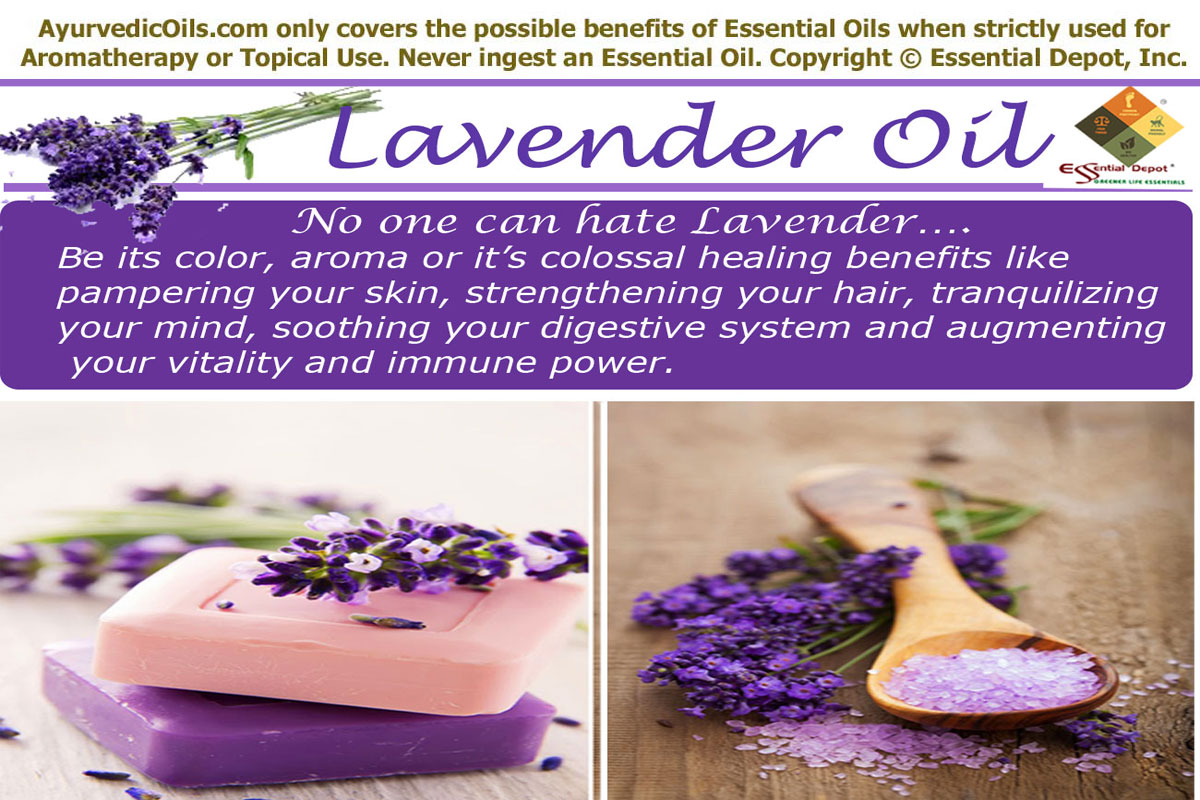
Lavender-bannerAyurveda beckons Lavender as a Medhya herb for its exquisite and energizing ability to empower the mind and stimulate the brain functions. It has been proven to treat anxiety, irritability, migraine, low self esteem, insomnia, nervousness, anger, stress, palpitations, loneliness and the feelings of being neglected.

It is a spectacular flower variety that is held high for owning 167 proven medicinal uses says author Susanne Fischer Rizzi and the popular Ayurvedic book ‘Ayurveda and Aromatherapy’ states that Lavender is the most important oil to have in the first aid kit especially during traveling. This oil has such a magnificent, mind-blowing, magical and mystical fragrance within it to splash our senses with a never before energy.

Lavender and its essential oil is used in Ayurveda for reviving the senses, harmonizing the mind, curing numerous illnesses ranging from burns to boils, headache to high blood pressure, insomnia to irritability, stress to skin disorders and for balancing the entire human system.

Purchase Lavender Oil – Retail – 4 oz – CLICK HERE

Purchase Lavender Oil – Wholesale – CLICK HERE

Purchase Lavender Bulgarian Oil – 5% Dilution in Pure Jojoba Oil – 4oz – CLICK HERE

Historical importance of Lavender and its essential oil:

Indigenous to the mountainous regions of the Mediterranean areas, Lavender is also grown throughout the world including the United States, Australia, Southern Europe, France, India and other parts of Asia.

You would be amazed if I say that the name ‘Lavender’ was extracted from the name of a Latin root ‘Lavare’, which carries the strong meaning ‘To Wash’. This is more than enough to claim that Lavender is the perfect herb and its essential oil is the ideal solution for cleansing the mind, body and the ailments allied with them.

Lavender and its enriching essential oil have it’s roots deeply vested in the historic healing of human beings. It has been in use for more than 2500 years for it therapeutic, culinary and for beauty benefits in the cosmetic and personal hygiene industry.

Lavender oil and the herb as such had traveled all over the world and was almost used by most of the prominent groups like the Egyptians, Romans, Phoenicians, Europeans, Americans, Arabians, Australians, Asians and people in other parts of the world.

According to De Materia Medica, Dioscorides, the renowned Greek physician suggests the use of Lavender for treating the ‘grief’s of the thorax’ and for relieving headache, sore throat, indigestion, burns, wounds and other skin problems.

Famous herbalist Maude Grieve recommends Lavender as an excellent nervine and carminative. She also states that this herb assists in treating memory loss, snake bites, depression, headache and fatigue.

Chemical constituents or Gas Chromatography Report (GC) for Lavender oil:

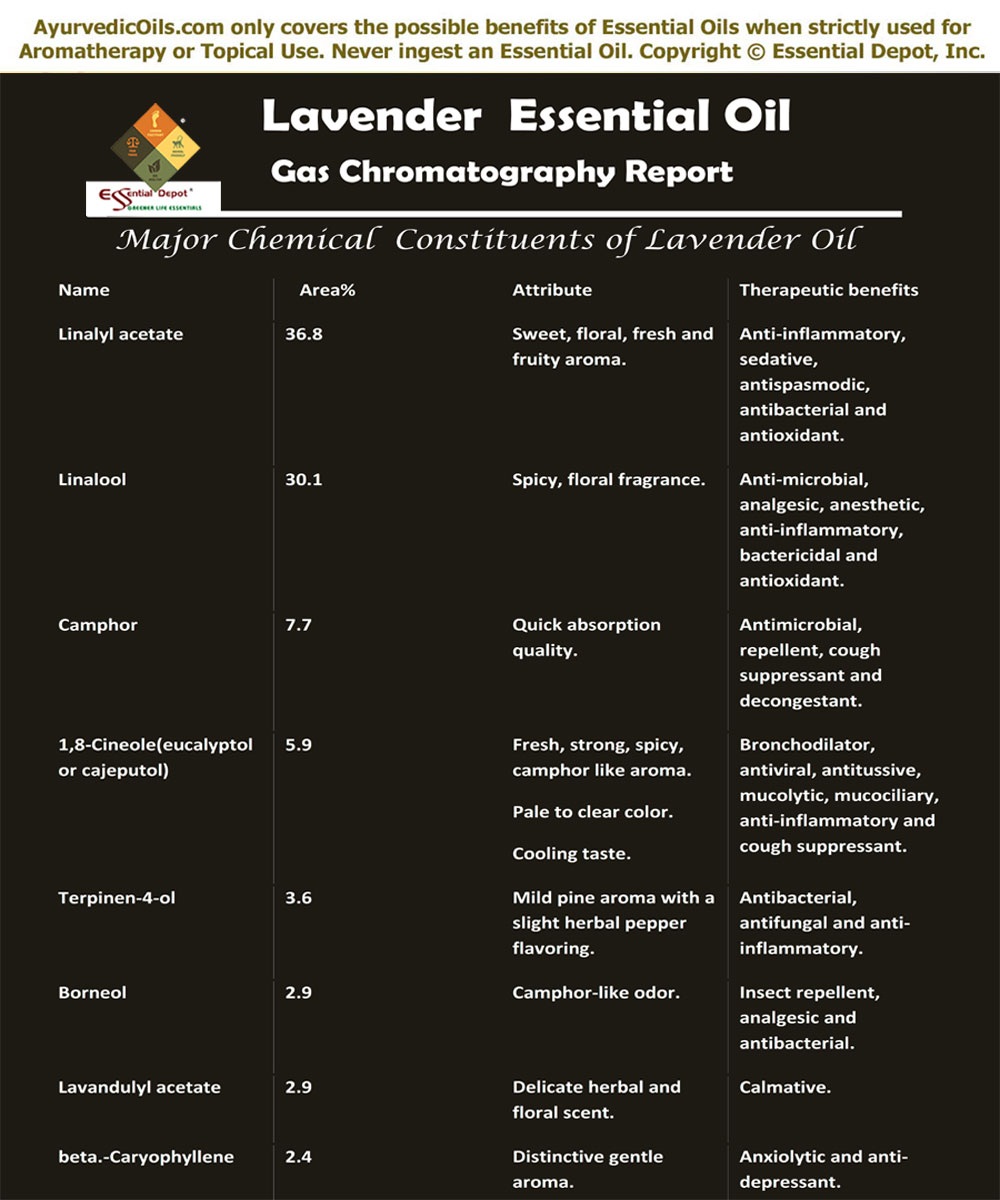
According to the Gas chromatography report, Lavender oil constitutes of 16 chemical components that contribute to the aroma, therapeutic values, consistency and quality of this essential oil. Of which, Linalyl acetate contributes to the highest percentage of Lavender oil constituents with about 36.8% of the total composition.

Just click on Linalyl acetate, Linalool, Camphor, 1, 8-Cineole and Lavandulyl acetate for getting to know the exclusive information about these prime constituents of Lavender oil.

Each and every component contributes to the various attributes and remedial properties of Lavender oil. The table crafted below clearly depicts those special contributions to the healing magnificence of Lavender essential oil.

Lavender OilTherapeutic properties of Lavender essential oil:

Lavender can be called as an elixir as it has immense remedial properties.

The most prominent among them are anti-depressant, sedative, antiseptic, nervine, bactericide, analgesic, sudorific, antiphlogistic, cicatrisant, emmenagogue, decongestant, deodorant, anti-inflammatory, carminative, anti-spasmodic, rubefacient, cholagogue, vulnerary, hypotensive, antiviral, cytophylactic, anticonvulsant, hormonal balancing and diuretic properties.

Ayurvedic health benefits of Lavender essential oil:

Ayurveda is the oldest of all healing systems on earth and is engaged in addressing the health concerns of human beings for more than 5000 years.

Ayurvedic healing aims at longevity by focusing on prevention of illnesses by maintaining a healthy lifestyle, practicing an Ayurvedic routine, yoga, meditation, simple physical exercises and using of natural remedies like herbs and essential oils for treating illnesses.

According to Ayurveda, sickness is an opportunity to know the imbalances of the body with nature and to know the actual root cause of the illness. This noble science suggests and trusts in treating the root cause of a disease instead of diagnosing the ailment alone.

Treating individuals instead of diseases is the prime factor that makes Ayurveda superior than other contemporary medicinal practices.

Everything that is a part of nature and that which is believed to heal humanity falls under Ayurveda as it is the ancient medicinal science existing in this world and has its age double the times of Lavender.

Ayurvedic philosophy states that every human being is distinctive with a unique individual constitution, which is made up of three vital biological energies known as doshas. They are vata, pitta and kapha.

Lavender essential oil is beneficial for all the three constitutional types of Ayurveda. With its extremely soothing, calming, cooling and tranquil energy, Lavender essential oil pacifies kapha and pitta doshas and aggravates vata dosha.

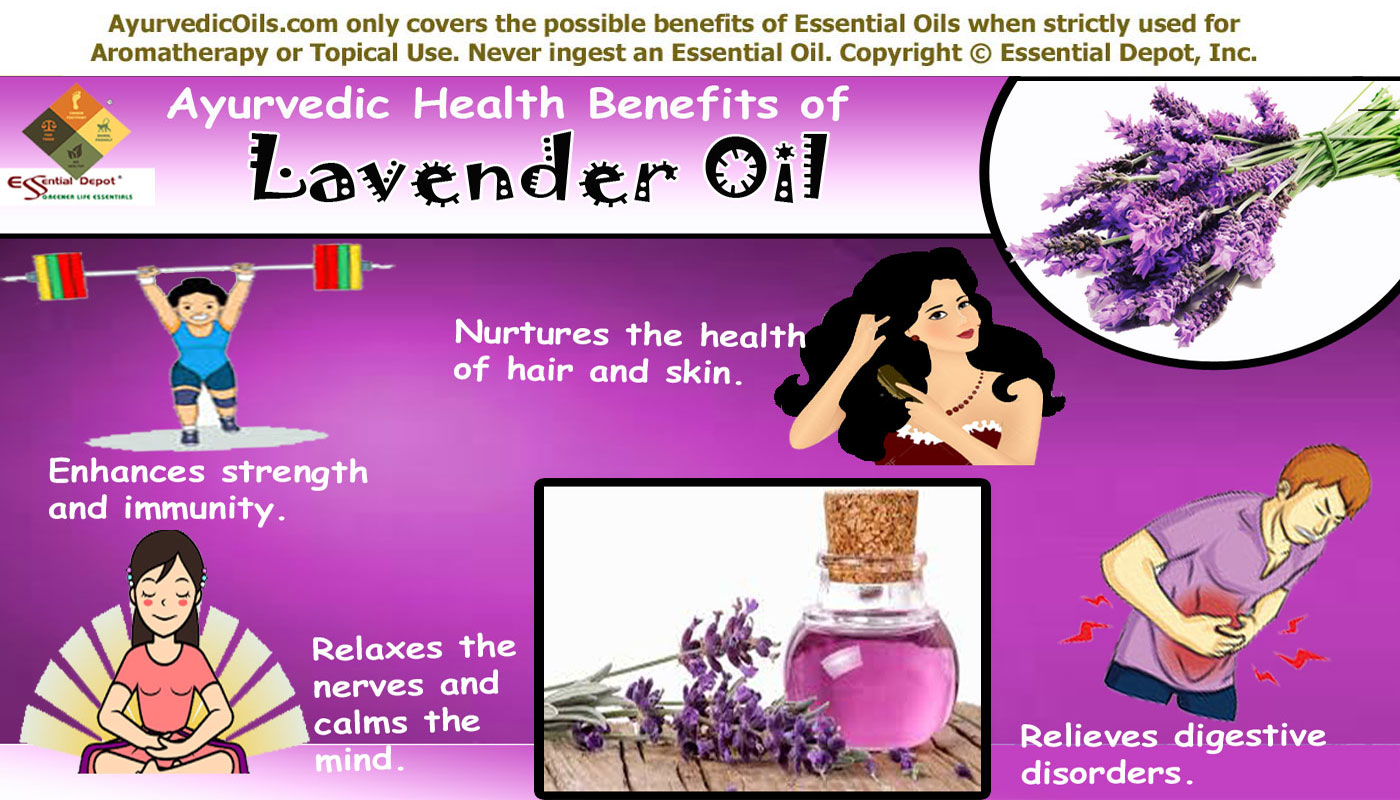
The splendid Ayurvedic healing benefits of Lavender essential oil are:

Lavender-broucher1. Enhances strength and immunity:

Ayurveda considers Lavender essential oil as the chief oil in assisting and strengthening the immune system by protecting the body from harmful virus and bacteria causing ailments such as flu, cough, cold, fever and many other infections.

Lavender oil is trusted to enhance prana or the vital life force, which in turn increases the body’s natural disease-resistant ability and the mechanism of fighting against harmful microbes and pathogens.

Gently massaging 2 drops of Lavender essential oil mixed with 1ml of Jojoba oil in the upper part of the sternum, over the heart and the thymus gland is said to uplift the vital essence known as Ojas in Ayurveda, which is completely responsible for vitality and immunity at all the levels of the body.

A 2010 study on ‘Chemical Composition of Lavender Essential Oil and its Antioxidant Activity and inhibition against rhinitis-related bacteria by Lu Hui, Li He, Lu Huan, Li XiaoLan and Zhou AiGuo’ proved that the presence of about 47 compounds in Lavender essential oil exhibits potent antioxidant effect against lipid peroxidation in a linoleic acid model system and extensive activity against bacteria like Escherichia coli, staphylococcus aureus, proteus vulgaris and micrococcus ascoformans.

This study also stated that Lavender oil can be used as a potential natural remedy in treating rhinitis patients.

2. Nurtures the health of hair and skin:

Lavender essential oil is an admirable skin-friendly oil as the topical application of this oil treats skin disorders like psoriasis, cuts, burns, abrasions, itches, eczema, rashes, acne, pimples, athlete’s foot, sunburns, wounds and acts as a good mosquito repellent.

For being gentle and effective on the skin and hair, Lavender oil is called as Twachya, keshya and kusthaghna, where Twachya is the natural skin remedy for augmenting the health of the skin by nourishing the cellular structure; keshya is its ability to foster hair growth and boost the strength of hair follicles and kusthaghna for its potent to heal and treat various skin conditions.

It is also called as Sookshma and Teekshna, for its potent to penetrate through the tiny channels of the skin, thus upkeep the damaged skin cells.

All you need to do to regain your skin health is to apply 2 drops of Lavender oil blended with 1 ml of olive oil and apply it on the affected area or massage gently for visible results. You can also add 2 drops of this oil in your regular skin care cream or body lotion and use it daily for protecting and pampering your skin.

Ayurvedic Physicians and the contemporary Dermatologists suggest the use of Lavender essential oil for treating numerous skin problems including acne and few other bacterial and fungal infections.

Lavender essential oil has anti-fungal, antibacterial and antiseptic properties that assist in inhibiting the growth of bacteria, fungi and other micro organisms responsible for acne and other skin problems.

Lavender essential oil is also an effective remedy for treating hair problems like hair loss, baldness, lice, nits and dull hair. With the combination of few other curative essential oils like Rosemary, Lavender oil has been proved to promote hair growth in a study conducted with 86 people, who were affected by an autoimmune disease known as Alopecia areata.

5 drops of Lavender oil mixed with 3 drops of Rosemary oil and 5 ml of Almond oil when massaged onto the scalp assists in strengthening the hair follicles, promoting the growth of hair, preventing hair fall and nourishing the scalp.

3. Relaxes the nerves and calms the mind:

Lavender is certainly an excellent remedy for treating fear, fatigue, anxiety, stress and depression. The soothing aromatic molecules of this oil penetrate the mind and body through the nasal passages and reach the Limbic system, known as the control center of the human body.

With its anti-depressant, hormonal balancing and sedative properties, Lavender essential oil is proven to ease stress and induce good sleep by checking the health disorders related with insomnia.

3 to 4 drops of Lavender oil blended with 2 ml coconut oil or sesame oil can help in soothing the senses, calming the nerves and granting peace to the mind and body. You can also add 2 drops of Lavender oil to warm bathing water for promoting peaceful sleep and alleviating stress and fatigue after a tiring day.

Lavender essential oil is used in various Ayurvedic treatments and the most prominent among them is Shirodhara, which is a celebrated oil-dripping treatment in Ayurveda with the use of medicated sesame oil with herbal values. It is proven to induce an altered state of consciousness (ASC) and anxiolysis.

According to a 2008 research by the University of Toyama, the use of lavender essential oil along with sesame oil in Shirodhara treatment proved to have a positive pharmaco-physio-psychologic effect, where the relaxing effects of lavender essential oil transferred through the olfactory nerves was proved to improve the entire condition of the system.

It also witnessed a significant result that Lavender Shirodhara is better than the normal one and the intricate pharmaco-physio-psychologic feat in Ayurvedic treatment is a constructive model for pharmaco-physio-psychotherapy in the future.

4. Relieves digestive disorders:

Lavender essential oil augments the pranic (vital life force) energy, while steadily supporting the functions of the respiratory tract also. Massaging your abdomen with 2 drops of Lavender oil blended with 1ml sesame oil aid in promoting the secretion of gastric juices, bile and other digestive enzymes.

By this way, Lavender essential oil regularizes the process of digestion and absorption. It also helps in treating flatulence, diarrhea, colic, vomiting, stomach pain and indigestion.

An aromatic bath with 2 to 3 drops of Lavender essential oil can promote blood circulation, treat depression, anxiety, fatigue, restlessness, respiratory infections, urinary infections, bladder problems, whooping cough, nasal congestion, migraine, panic attacks, asthma, muscle soreness, headache, joint pain, bee stings and many other problems.

Lavender essential oil with its innumerable health benefits is a must-to-have oil in your medicine cabinet and a drop of oil added to your handkerchief or worn on your wrist everyday will rejuvenate your senses and give you a never before freshness, clarity of mind and absolute peace.

Disclaimer:

This article is only for educational purposes and is not in any way meant to be used for diagnosis or as a substitute for any prescribed medications or the professional advice of your Doctor. We, at Essential Depot are not healthcare experts and this article is written only with the intention of sharing the ancient wisdom of Ayurveda.

Essential oils are meant for topical use only and not for ingestion, as pure and organic essential oils are the life force of plants and are highly concentrated substances. Seek the advice of your Ayurvedic expert or healthcare professional before choosing the appropriate essential oils for your state of health and unique individual constitution.

The MSDS (Material Safety Data Sheet) of Lavender oil is readily available for your enhanced safety and superior usage.

Gas Chromatography Report (GC) of Lavender oil.

Thought for the day:

                           Come forth into the light of things,

                           Let Nature be your teacher.

-By William Wordsworth

Suggested reading:

  1. Lovely Lavender: The Many Applications and Uses of Lavender Essential Oil (Essential Oils and Aromatherapy) by Rashelle Johnson
  2. Lavender Oil: The New Guide to Nature’s Most Versatile Remedy by Julia Lawless
  3. The Magic and Power of Lavender: The Secret of the Blue Flower, It’s Fragrance and Practical Application in Health Care and Cosmetics by Maggie Tisserand, Monika Junemann
  4. Lavender: Nature’s Way to Relaxation and Health by Philippa Waring
  5. HEALING POWERS OF LAVENDER Pure Essential Oil – The Universal Healer (The Aromatherapy Professional: Healing with Essential Oils) by KG Stiles

Reference Links:

  1. Lavender by University of Maryland Medical Center
  2. Pharmaco-physio-psychologic effect of Ayurvedic oil-dripping treatment using an essential oil from Lavendula angustifolia PubMed.gov
  3. Lavender: An Ayurvedic View by Gurukula Blog
  4. Chemical Composition of Lavender Essential Oil and its Antioxidant Activity and inhibition against rhinitis-related bacteria by Lu Hui, Li He, Lu Huan, Li XiaoLan and Zhou AiGuo published in the African Journal of Microbiology Research