All posts by admin

Argan Oil

argan nut
Liquid Gold From Argan Nut

“May you live 100 years with all the wealth and wellness”, is the traditional way of blessing in India. Hope, Argan tree has been blessed twice as its estimated life span is more than 200 years. Argan is dotingly called as the ‘Tree of life’ by the Moroccan populace and is awarded with the title ‘Liquid gold’, for its innumerable healing benefits.

Cherished and kept as a beauty secret by the women of Morocco since 12 B.C., Argan oil has made a clean sweep of the cosmetic and medicinal streams with its natural potent to treat enormous skin conditions, hair problems, rheumatism, diabetes, cardiovascular disorders and many other health conditions.

Being one among the oldest extant trees on earth dated back to the Tertiary period, Argan oil is recommended in the Complementary and Alternative Medicine for treating acne, stretch marks, wrinkles and other aging symptoms, dandruff, rough and dry hair, high cholesterol levels, inflammatory conditions and more.

Ayurveda recommends Argan oil for treating pitta dosha vitiations like acne, boils, skin inflammation, blemishes, microbial infections, digestive disorders along with vata problems including dry, scaly skin, wrinkles, fatigue, anxiety, constipation and frizzy hair conditions.

Purchase Argan Oil – Retail – 2 oz – CLICK HERE

Purchase Argan Oil – Retail – 4 oz – CLICK HERE

Purchase Argan Oil – Wholesale – CLICK HERE

Argan-bannerChemical constituents and therapeutic values of Argan oil:

Argan oil is cold pressed from the seed kernels of the Argan fruit and is rich in fatty acids including oleic acid, alpha-linoleic acid, palmitic acid, stearidonic acid, linoleic acid and myristic acid along with tocopherols, carotenes, phenols (present in Argan oil are resorcinol, caffeic acid, vanillic acid, oleuropein, catechol, epicatechin, catechin and tyrosol.)

Since the traditional times, Argan oil is admired as a promising source of vitamin E, vitamin A, unsaturated fatty acids along with Omega 6 and Omega 9 fatty acids (has antioxidant properties).

All these constituents contribute to the remedial properties of Argan oil. They are antioxidant, moisturizing, cicatrisant, cardiovascular, hypolipidemic, aphrodisiac, anti-rheumatic, anti-aging, anti-acne, hepatoprotective, immune stimulant, anti-obesity, anti-sebum, anti-proliferative (cancer preventive), choleretic and anti-diabetic.

Historical uses and importance of Argan oil:

Argania spinosa is the botanical name of the Argan tree that belongs to the Sapotaceae plant family. Indigenous to Morocco, the conical or oval bulb-shaped fruits possess the magical seed or the nut holding the nourishing oil-rich kernels.

Even today, in this mechanized world, the extraction of Argan oil is regarded as the most complex method that any oil can be extracted. In an economically poor setup, the Berber women involve in the toiling and long-drawn-out work of extracting oil from the kernels. The fruit pulp is often used as a cattle feed, followed which the nut is cracked open to reach the kernels.

The disheartening news is that Argan tree is one among those endangered species, mainly due to deforestation, drought and inappropriate extensive use. The primordial native women of the Amazigh community were among the oldest populace to use edible Argan oil.

The edible Argan oil is a part of the scrumptious habitual breakfast of the Moroccans, where home-made bread varieties are complimented with honey and Argan oil. It is also taken with a different combination, along with fresh salads and goat cheese. The authentic Moroccan sweet Amlou is a much-relished aphrodisiac with a blend of almonds, Argan oil and honey.

Morocco sets right the best examples of Argan oil employment, especially for topical applications, in the treatment of acne, eczema, psoriasis, joint pain, dry skin, inflammatory skin conditions and wrinkles. People of various Moroccan tribes used Argan oil as a preventive aid for frizzy hair and hair fall.

UNESCO has enlisted Argan tree in the World Heritage record and utters, “Argan tree is not only the focus for conservation, but also for research and socio-economic development. Traditional uses of the Argan tree are for example forestry, pastoralism, food, medicine and cosmetics. Growing along the border of Sahara, it also functions as a buffer against desertification.”

Ayurvedic health benefits of Argan oil:

Anything and everything that is a part of nature comes under the Ayurvedic roof. This is because Ayurveda, the knowledge of life strongly states that everything on earth is a part of Mother Nature and is made up of the five vital forces of Nature.

Ayurvedic philosophy states that the origin of all existing things on earth is the real consciousness called as Purusha. It states that energy and matter are the same, where energy is evident through the 5 vital elements namely earth, fire, water, air and space. These elemental forces lay a foundation for all matters in the universe.

In the human body earth is present in the physique like muscles, bones, cartilages, tendons, skin, hair and nails. Space exists in digestive tract, lungs, thorax, mouth and the abdominal area.

Fire is instituted in the process of metabolism, vision, intellect and body temperature. Air is evident in heart palpitations, muscular movements, nervous and respiratory functions. Water endures in the form of blood, digestive juices, functions of the salivary glands, cytoplasm and mucous membranes.

Known as Panchamahabhutas, these five elements entail the functions of the five senses. The sense of touch, sight, sound, smell and taste match up accordingly with air, fire, space, earth and water.

These 5 vital elements combine to form the 3 doshas or the biological energies of nature, namely vata (space + air), pitta (fire + water) and kapha (earth + water). According to the Ayurvedic principle, every individual is made up of a combination of three doshas with a predominance of any one dosha. This predominance determines the personality, spirit and the behavioral patterns.

Every person is treated in a distinctive manner based upon his/her Prakriti or the unique individual constitution and Vikruti or the state of health. Balance between these doshas indicates a healthy state whereas doshic imbalances end up in illnesses.

Ayurvedic treatment involves the natural remedies and techniques for striking proper balance between the doshas. According to this remedial system, health encompasses the wellness of the mind, body and spirit, also known as Swasthya.

More than a healing methodology, Ayurveda is a way of living that embraces spirituality, philosophy, and science. It aims at diagnosis, prevention of illnesses, healthy aging, self-realization and longevity.

For attaining this freedom of living and blissful aging, Ayurveda treats the individual (not the disease) by recommending herbal medicines, Ayurvedic essential oils, Dinacharya or Ayurvedic routine, yoga, simple physical exercises, Pranayama or conscious breathing, Panchakarma or cleansing technique, prayers and meditation (to connect with the Divine energy).

The Ayurvedic health benefits of Argan oil are:

Argan-oil-broucher1. Twachya and Kusthaghna – Supports skin health and treats various skin problems:

Integrating the Ayurvedic essence of the Eastern provinces with the nurturing herbs of the Western world is indeed an enlightening experience.

Argan oil is such a nourishing, moisturizing and enriching oil for the skin, for which it can be honored as Twachya, meaning a remedy that backs up healthy skin and as Kusthaghna for its effectiveness in repairing various skin damages and healing numerous skin conditions.

The rich presence of tocopherols, squalene, carotenes, sterols and phenolic antioxidants from its vitamin E, vitamin A, Omega 6, Omega 9 and unsaturated fatty acids make Argan oil, the best ever oil on earth for skin in the pink.

It is effective for all the three types of skin:

i. Dry, rough and scaly vata skin – With its moisturizing, nourishing, emollient and circulatory properties, Argan oil pampers your skin by kicking out dryness and leaving it supple and soft. It is one among the trusted remedies to mend itchy, flaky and rough skin.

ii. Sensitive, broken and inflammatory pitta skin – Argan oil is an excellent anti-inflammatory and antimicrobial oil that can support in treating boils, irritating and acne-prone skin, cracks, burns and repair inflamed skin conditions.

Mr. Majda Alaoui Sosso, Director of Morocco’s oil cooperative said, “Recent scientific studies have showed benefits of Argan oil has antimicrobial properties, and can be used in treating damaged skin and inflammation.”

iii. Oily, puffy and thick kapha skin – Kapha based skin has a natural tendency to secrete excess sebum from the sebaceous glands of the skin. This greasy, oil-like secretion helps to retain the moisture and elasticity of the skin.

Over-secretion might end up in oily skin, acne, blemishes and dullness. Argan oil has active anti-sebum property that regulates the secretion of sebum.

A 2007 study on “Clinical and instrumental study of the efficacy of a new sebum control cream” by Dobrev H, Department of Dermatology, Medical University, Plovdiv, Bulgaria, tested the effectiveness of a sebum control cream containing Argan oil. Topical application of this Argan oil based cream on 20 healthy volunteers for 4 weeks reveals an evident sebum-regulating effect in about 95 percent of the participants.

This study concludes that the Sebum control cream with Argan oil shows efficacy in “reducing the greasiness and improving the appearance of oily facial skin.”

It works on suppressing surfeit fat cells and reduces water retention, which might otherwise end up in leaving the skin thick and puffy.

Argan oil has been in use for more than thousands of years in healing wounds, cuts, sores, burns, and acts as a protective layer for your skin from harmful UV (ultra-violet) rays, pollution, change in weather conditions, stress and other environmental factors.

Gently massaging your skin in slow circular motion with 2 drops of Argan oil, 1 drop of Tea tree oil and 1 drop of Evening primrose oil can help in reducing acne, inflammation, acne marks, chicken pox scars, rashes, eczema, boils, repairing damaged skin cells and in preventing microbial infections from spreading all through skin surface.

This tranquilizing massage also helps in regulating the pH balance of the skin and supports in locking the natural moisture in it. The presence of vitamin E, linoleic acid and other nutrients in Argan oil aid in boosting cellular production.

2. Rasayana – Rejuvenates and restores skin health:

Argan oil is absolutely a Rasayana in Ayurvedic terms, mainly due to its anti-aging, rejuvenative, tonic, circulatory and regenerating properties. It aids in restoring the skin health that has turned thick, dry, inflamed, mature and aged skin with wrinkles, fine lines, blemishes and other aging symptoms.

The phenolic antioxidants along with the presence of Omega 6 and Omega 9 fatty acids contribute to its free radicals scavenging activity. Free radicals are often the terrible cause behind the symptoms of aging.

The oil of Argan extracted from its seed kernel is an excellent skin toner with exfoliating qualities that can discard dead skin cells, tone the cellular structure, tightens the skin cells, influences the replenishment of new skin cells and guards skin elasticity by supporting the collagen production.

Collagen is the essential protein in the body that supports the strength of the connective tissues and grants that natural cushioning effect for various parts of the body.

Massaging your system with 5 drops of Argan oil blended with 4 ounce of Jojoba oil can do all that is required to retain your youthful looks and leave you look like ‘you’re 16 even at 36.’

This aids in moisturizing dry feet, hands, heels, cracked lips, stretch marks, hyperpigmentation disorders, wrinkles and in granting that glossy look to your nail and cuticles.

3. Deepana and Medohara – aids in metabolism, reduces cholesterol and treats obesity:

Argan oil is a Deepana, which aids in strengthening the digestive system and is a Medohara that assists in reducing cholesterol and deal with obesity.

Massaging your abdomen with 3 drops of Argan oil with 2 drops of Peppermint oil can help in enhancing the secretion of pepsin, digestive enzymes and other gastric juices.

This aids in supporting metabolic functions and promote quicker digestion and proper bowel movements. The gentle properties of Argan oil also helps in soothing the lining of the stomach and intestinal walls.

Argan oil has antioxidant properties and the potent to enhance HDL – good cholesterol and reduce LDL – bad cholesterol with the presence of phenolics and phytosterols that contribute to its hypocholesterolemic activity. This helps in enhancing heart health and in treating cardiovascular disorders and obesity.

Polyphenols, sterols and tocopherols are antioxidant components present in Argan oil. This helps in treating cellular damage and according to certain studies; Argan oil reduced the rate of cellular division, especially in prostate cancer conditions with its antioxidant, antiatherosclerotic and hypocholesterolemic properties.

A 2008 study on ‘Effect of Argan oil on platelet aggregation and bleeding time: A beneficial nutritional product’ by Mekhfi H, Bnouham M and Gadi D states, “Argan oil prevents thrombin- or epinephrine-induced platelet aggregation. Argan oil can reduce platelet aggregation, therefore minimizing the risk of thrombosis in cardiovascular event.”

4. Keshya – Encourages hair growth and strengthens your hair follicles: Conditioning and styling of hair, deep conditioning treatment.

“Argan oil has an amazing oil balance feature which hydrates dry hair and spreads and balances excess in oily hair. The oil can leave a beautiful shine without any greasiness and aims to reduce the impact of environmental pollution,” says Sangeeta Mahimtura, technical director of Juice.

She also adds, “Argan oil also hydrates and nourishes. It regenerates your cells thus strengthening the hair and its elasticity and increasing its growth. When used on skin it can make ugly marks, spots and acne disappear. This oil can also protect your skin from early aging which can be caused due stress, pollution, sun and chemicals. It adds shine and has a calming effect on flyaway and frizzy hair and significantly detangles the hair, reducing blow-dry time.”

Argan oil is a rich source of Vitamin E, which is predominantly recognized to help with the ducts or the growth of capillaries on the skin and scalp. This helps in cascading the therapeutic values along with natural nutrients of Argan oil and also supports proper blood circulation. And! The result is strong, healthy and voluminous hair.

With its natural emollient and moisturizing properties, Argan oil works as a conditioner and a repairing serum that works wonders in treating frizzy hair, split ends, dandruff, itchy and flaky scalp conditions.

Gently massage your scalp and hair (especially the ends), by starting from the roots and extending to the length with 2 drops of Argan oil blended with 2 drops of Ylang Ylang oil, 2 drops of Tea tree oil and 1 ounce of coconut oil. Leave it overnight by covering your head with a shower cap.

Wash your hair in the morning with ½ drop of Argan oil mixed with your mild shampoo. That’s it and you are perfectly ready with those soft, shiny, silky, detangled and bouncy locks.

You don’t need a conditioner anymore and you’d love to have your hands on your hair, just to keep caressing them.

5. Medhya – Enhances cognitive abilities and increases intelligence:

Argan oil is a Medhya herb in Ayurvedic terminology for its potent to stimulate the functions of the brain, cognitive performance, memory power, positive thinking and treat mood fluctuations.

Rosemary is there for remembrance’ is an encouraging phrase for all those wonderful people in the world, involved in an effort for greater achievements. Argan oil joins the queue with Rosemary oil in augmenting your cognitive performance and improved functions of the mind.

Argan oil has the same 1,8-cineole, the proven active constituent in Rosemary that has been proved as an effective contributor for Rosemary oil’s improved cognitive abilities. This is substantiated by the research conducted by Lorraine Oliver and Mark Moss, the Brain, Performance and Nutrition Research Center, Northumbria University, UK.

This study states that ‘1-8-cineole present in Rosemary oil’ was candidly associated with the enhancement of the cognitive function in the 20 volunteers who were a part of the experiment. It concludes “the compounds absorbed from rosemary aroma affect cognition and subjective state independently through different neurochemical pathways.”

Blend 1 drop of Argan oil and 1 drop of Rosemary oil and rub soothingly on your temples and wrist to alleviate headache, loss of memory, mood fluctuations, tension, lethargic attitude, stress, lack of motivation, feelings of loneliness and low self-confidence and self-esteem.

1 drop of Argan oil and 5 drops of Rosemary oil added to your bath is an excellent way to trigger a uplifting, new-fangled and a great day with full of positive energy to just get-up-and-go!!!

What more? Welcome our dear ‘Rock Star’.

6. Vrushya – Supports reproductive health as a natural aphrodisiac:

Though claiming Argan oil as Vrushya, aid for enhancing reproductive wellness as an aphrodisiac, lacks scientific evidences, Argan oil has nourishing properties that help withstand the natural potency and vigor for a hale and hearty relationship.

Argan oil has fatty acids like Omega 6, Omega 9, linoleic acid, oleic acid, tocopherols and phenols. This makes it an excellent aid in enhancing immunity with its antimicrobial, immune stimulant, anti-aging and antioxidant properties that assists in fighting against free radicals and augments the body’s natural ability to resist against infections and symptoms of aging.

This oil also increases prana or the life force and ojas or vitality. Supporting the health of skin and hair also adds upon your beauty quotient.

With all these benefits, Argan oil is absolute an aphrodisiac package that might help in treating impotence, lack of vitality, loss of libido due to stress and mood fluctuations, premature ejaculation and other reproductive problems.

Somersaulting into the invigorating Ayurvedic massage with 4 drops of Argan oil mixed with 3 drops of Cinnamon oil, 2 drops of Lavender oil and 5 ounce of Evening Primrose oil might extremely benefit one in soothing the nervous system, relieving stress and muscular tension, enhancing blood circulation, promoting positive thoughts, increasing life force and conceding all the vital energy required for spicing up your ‘time together’ as ‘Mr. Handsome and Mrs. Gorgeous!!!! 🙂

Other health benefits:

Argan oil has also been witnessed scientifically in assisting the treatment of diabetes, liver infections, digestive disorders, and cancerous growths.

Disclaimer:

This article is crafted only for the use of information and is not in any ways meant to treat any health condition or substitute any prescription drugs or the professional medical advice of your healthcare expert. We, at Essential Depot are not medical professionals and this information is published only with the thought of sharing the healing wisdom of Ayurveda, the pioneer of all medical systems on earth.

Never take essential oils for internal use as pure and organic oils are highly concentrated liquids and might lead to allergic reactions when ingested or used on the skin directly without dilution. Make sure that you use Argan oil only for topical application, preferably after a patch test on your skin.

Remember to consult your Ayurvedic practitioner or healthcare expert before choosing the appropriate essential oils for your Prakriti or unique individual constitution and Vikruti, current state of health. Talk with your Doctor before using Argan oil on children, nursing or pregnant moms – to – be.

Thought for the day:

Even if I knew that tomorrow the world would go to pieces, I would still plant my apple tree.

-Martin Luther King.

Suggested Reading:

  1. Argan Oil Beauty Secrets: 50 Natural Skin Care and Anti-Aging Beauty Treatments for Glowing, Healthy Skin! (Organic Skin Care Recipes & Homemade Remedies) … Essential Oil, Natural Beauty Secrets) by Laura Watson
  2. Argan Oil: The Liquid Gold from Morocco: Tips to Best Uses of Argan Oil for Skin, Hair, and Nails by Sara Abdel
  3. Argan Oil Secrets for Beautiful Hair and Skin: 40+ Cosmetic Recipes for All Types of Hair and Skin by Lynn Alex
  4. Argan Oil: The Magical Moroccan Cure: Powerful Natural remedies for Anti-aging skin, Healthy Hair, and Long Life (argan oil,argan,argan essential oil,moroccan oil,liquid gold) by Alex Ham
  5. Beauty Secrets Of Argan Oil: Powerful Natural remedies for Anti-aging skin, Healthy Hair, Nails and Long Life (argan oil, essential oils, 100 percent pure … of Essential Oil, Argan Oil Benefits,) by Steve A. Hamilton

Reference Links:

  1. Argan oil by Wikipedia
  2. Activation of MITF by Argan Oil Leads to the Inhibition of the Tyrosinase and Dopachrome Tautomerase Expressions in B16 Murine Melanoma Cells by Myra O. Villareal, Sayuri Kume, Thouria Bourhim, Fatima Zahra Bakhtaoui, Kenichi Kashiwagi, Junkyu Han, Chemseddoha Gadhi, and Hiroko Isoda, published in Evidence-Based Complementary and Alternative Medicine, listed in PubMed
  3. Argan Oil by Dr. Dom Guillaume and Dr. Zoubida Charrouf, published in Alternative Medicine Review
  4. Health benefits of Argan oil by Herbcyclopedia
  5. Benefits of Argan Oil – Healing Liquid Gold From Morocco by Underground Health Reporter

Angelica Root Oil

Angelica root is held high as a blessing to herbalism in the United States, just as Ginseng is to the Chinese herbalism. These angelic roots form a vital part of the history of Aromatherapy for fighting against mental exhaustion, anxiety and stress.

angelica-root-bannerLovingly called as the ‘Oil of Angels’ and ‘Root of the Holy Spirit’, Angelica root and its essential oil have been used for eliminating harmful toxins, purifying blood, treating rheumatic conditions and for relieving menstrual difficulties and respiratory problems.

It is one of the first essential oils we reach for in any infection or immune deficiency. Its tonic nature builds tissue and also brings balance to hormonal excesses or deficiencies”, say Bryan Miller and Light Miller in their book Ayurveda and Aromatherapy about Angelica root essential oil.

Chandaamshuka is among the few prominent Ayurvedic names of the Angelica plant, where the word ‘Chandaamshuka’ is termed as “one of the agents found in mountains, which helps to control serious diseases.”

With its ability to treat dysmennorhea, flatulence, nervous headaches, rheumatism, chronic bronchitis, cerebral diseases, hypertension, arthritis and many other health conditions, Angelica root is a trusted medication in Ayurvedic healing with the Sanskrit name Laghu coraka and Hindi names like Dudhachoraa and Choraka bheda.

Therapeutic properties and chemical components of Angelica root oil:

The essential oil of Angelica is extracted from the roots of this plant by steam distillation method. The predominant chemical constituents of Angelica root oil are pinene, β-terebangelene, limonene, p-cymene, myrcene, β-bisabolene, terpinolene, sabinene, pentadecanolide, α-phellandrene, linalool, cis-ocimene, camphene and certain other terpenes.

The remedial values of Angelic root oil are hepatoprotective, depurative, diuretic, febrifuge, anti-coagulant, expectorant, antipyretic, stimulant, diaphoretic, emmenagogue, stomachic, antibacterial, antispasmodic, antifungal, tonic, carminative, aphrodisiac and nervine.

Historical significance and uses of Angelica root oil:

Scientifically called as Angelica archangelica, this plant is regarded as the most unique member of the Umbelliferae family for its pleasant aroma, encompassing fragrant that is completely different from fennel, chervil, caraway, anise and parsley.

Since the pre-historic period, Angelica root is compared to Dong Quai, which is a female rejuvenative herb. Similarly Angelica root and its essential oil have been used for thousands of years in the treatment of female menstrual syndromes and reproductive difficulties.

Renowned herbalists like Paracelsus and John Gerard have prescribed the use of Angelica for treating various illnesses and the most notable among them was its effectiveness in treating plague, colic and viral infections. The roots, stems and seeds of this plant were burnt to purify the atmosphere naturally.

French herbalists Jean-Baptiste Chomel and Nicolas Lemery have depicted Angelica herb as an effective expectorant with sudorific, tonic and depurative properties.

Angelica is connected with the reproductive system in Chinese medicine. This herb has been trusted to contain Angelic powers and was used in the folk medicine and other traditional remedies for treating fever, rheumatism, rashes, toothaches, wounds and nervous headaches.

The traditional populace used Angelica roots internally for aiding in the treatment of obstetric disorders, fatigue, anorexia, menstrual problems and gastric ulcers.

A herbal infusion prepared with the crushed roots of this plant have been used in herbal medicine as an emmenagogue, bronchial tonic and for relieving general debility, indigestion and flatulence.

These remedial roots have been a part of the Austrian medicine, taken in the form of tincture or tea for treating flu, infections, fever and problems of the nervous system, respiratory tract and gastrointestinal tract.

The North European folklore practices used the Angelica roots as a shield against poisonous insect bites and infectious maladies. It was also used as a blood cleanser and for highly contagious infections.

Angelica is found growing wild in Norway, Sweden, Greenland, Finland, Iceland, Thailand and the inner valleys of Himalayas including Kashmir, Lahaul, Kullu and Chamba.

It was cultivated all around the world and attained high fame in the Sami culture in Scandinavia as a trusted medicinal plant and healthy vegetable. It has also been said that they used it as a flavoring agent in reindeer milk.

Called as the ‘Root of the Holy Ghost’, Angelica was believed effective against evil spirits and magical spells. Associated with many Pagan festivals, it was used as a guard against contagious health conditions, witchcrafts and for treating bites of mad dogs.

Angelica has been used for bestowing good luck, long life, faithfulness in marriage, happiness and as a blessing to the new born as well as the mother. It was introduced in Niort in 1602 as a promising remedy for plague.

It is also used as a flavoring agent in jams, omelettes, liqueurs, aquavits, trout, wines and other beverages.

Ayurvedic health benefits of Angelica root essential oil:

Angelica root is used in the powdered form for internal usage in Ayurveda and is also recommended as an oil for topical application and is also suggested as an inhalation for respiratory problems. Ayurveda is a significant part of Atharvaveda, one among the 4 sacred books of the Indian mythology where 114 verses talk about various illnesses and its Ayurvedic remedies.

Ayur + Veda simply mean the ‘knowledge of life’. This traditional healing methodology states that a determined and disciplined life is the key to longevity and healthiness. Absolute health in Ayurveda is an array of physical, psychological, spiritual and environmental attributes.

Among the greatest Ayurvedic philosophers, Charaka and Sushruta have played a vital role in gifting the most prized Ayurvedic encyclopedias namely Charaka Samhita and Sushruta Samhita. Where the former states this holistic approach as, “The three – body, psyche, and soul – act as a tripod. The world stands upon them, and within them, the world abides.”

Ayurveda never treats diseases just by overlooking at its mere symptoms but it first attempts to trace the root cause of an illness. Treating the actual underlying cause aids in curing the disease initially and in preventing it in the future also.

The philosophy of Ayurveda believes that everything on earth is a part of Nature and diseases occur where there is imbalance with Nature. With the firm belief that Mother Nature has all the medicines for all kinds of illnesses on earth, Ayurvedic medication spins around Nature’s innate remedies for serving humanity.

The uniqueness of Ayurvedic treatment is its exclusive attention to every person as it decisively states that every human being has a unique individual constitution and their illnesses should also be treated in a unique manner as per their constitution or Prakriti, which is an arrangement of the three fundamental energies or doshas namely vata, kapha and pitta.

These Ayurvedic body types or doshas are nothing but a combination of the five elements of nature and is also called as Panchamahabutas. They are space, air, fire, water and earth. Based on this natural law of Ayurveda, every person has a predominance of any one of these doshas and it acts as a deciding factor in the personality, character, mental makeup and behavioral patterns.

Perfect balance between these three doshas indicates health and heartiness and imbalance between these doshas due to improper food habits, climatic changes and negligence in disciplinary actions paves way for diseases.

Ayurveda prescribes natural remedies like Ayurvedic essential oils, herbs, simple physical exercises, meditation, prayers, yoga, Pranayama or breathing exercises, Ayurvedic routine, and other Ayurvedic remedial techniques like Abhyanga or Ayurvedic massaging with Ayurvedic essential oils, Panchakarma or the detoxification therapy and certain other holistic practices.

Angelica root essential oil in Ayurvedic medicine is “good for all dosha types, except for Pitta in excess” quotes Bryan and Light Miller. It is also known for its curative effects in the treatment of hiccups, adrenal problems, menstrual cramps, amenorrhea, cold, anemia, headaches and improper circulation.

It’s time to read through the Ayurvedic health benefits of Angelica oil:

Angelica-root-broucher1. Fights against respiratory infections and fever:

Cold, flu, cough, bronchial congestion and other respiratory infections conquer the healthy system mainly because of kapha dosha vitiations. Kapha dosha is a combination of earth and water, excess of which leads to amassing of mucus and phlegm deposits in the nasal passages, lungs and the bronchial passages.

Angelica and its essential oil are good Ayurvedic remedy for normalizing kapha imbalances for which this herb is known to have kaphahara (one that normalizes kapha) and Svasahara (one that treats breathing problems) effects.

Bryan Miller and Light Miller suggest Angelica essential oil as excellent inhalation oil for treating respiratory problems. As a promising expectorant, this oil has been prescribed as a natural cure for cold, influenza, fever, cough, chronic bronchitis, blocked nose and breathing difficulties.

A 2011 study titled “Angelica archangelica Linn. is an angel on earth for the treatment of diseases” by Department of Pharmaceutical sciences, University of Kashmir, India published in the International Journal of Nutrition, Pharmacology and Neurological diseases suggests Angelica as a stimulating bronchial tonic, for its effect in treating bronchial conditions, headache, fever, chest congestion, migraine, cough and certain other respiratory problems.

Add 2 drops of Angelica oil along with 1 drop of Eucalyptus oil to steam inhalation for treating migraine pain, nasal congestion, cold, whooping cough, headache, bronchitis, sinusitis, asthma and breathing difficulties.

A gentle massage with 1 drop of Angelica oil and 1 drop of Yarrow oil and 1 drop of Eucalyptus oil in your vaporizing ointment or in a warm blend of 15ml of pure coconut oil on your chest, throat and back can be a quick reliever of block nasal passages, runny nose, sore throat, dry cough, itchy eyes and fatigue due to cold.

Massaging the foot soles with 2 drops of Angelica oil blended with 1 drop of Cumin oil mixed with 2 ml of Evening primrose oil can help in reducing the body temperature in case of fever. This also aids in combating micro-organisms that are responsible for fever and respiratory infections. Cumin and Angelica oil have excellent kapha-reducing and immune enhancing qualities that support in guarding your system against contagious fever or other infections.

2. Strengthens the immune system:

Primordial medicinal practices recommended the chewing of Angelica leaves or drinking the tea prepared with these leaves, for enhancing the immunity of a person. With its effect to fight against various hazardous pathogens and microbes including bacteria, fungi and virus, Angelica and its essential oil is a trusted natural medicine for promoting the overall health of a person.

Bryan Miller and Light Miller in their book Ayurveda and Aromatherapy quotes Angelica oil as “Good for all dosha types and its tonic nature builds tissue and also brings balance to hormonal excesses or deficiencies.” They also state that Angelica is one among the first essential oils that they use in case of immune deficiency or infections.

Adding 2 drops of Angelic oil along with 2 drops of Petitgrain oil in your warm bathing water daily can help you vastly in improving your immune power and balancing your immune deficiencies.

You can also go for an invigorating massage with 5 drops of Angelica oil with 2 drops of Rosewood oil and 2 drops of Cumin oil and 2 drops of Fennel oil with 100 ml of virgin Olive oil for supporting your immune system and guard your body against vulnerable diseases.

3. Excellent aid for digestive problems:

Angelica has been recommended by numerous physicians of various traditional medications, including the Traditional Chinese medicine as an excellent remedy for treating digestive problems like colic, intestinal gas and indigestion. Many physicians prescribe it for curing anorexia as it is known to stimulate the digestive as well as the nervous system.

The essential oil extracted from the root of the Angelica plant helps in relieving abdominal pain, intestinal gas, colic, sluggish digestion, stomach ache, cramps, nausea, flatulence and headaches caused due to digestive disorders.

Massaging your stomach with 2 drops of Angelica oil along with 2 drops of Vetiver oil in a blend of 2 ml of sesame oil can assist in stimulating the secretion bile and other digestive acids. It also helps in proper digestion and absorption of energy from the digested food.

Inhaling the bitter aroma of Angelica oil by adding 1 drop of this oil in your diffuser or a tissue can support in healing wounds or ulcers in the stomach lining and intestinal walls. With its relaxing and soothing carminative properties, Angelica oil assists in expelling intestinal gas and also relieves the pain associated with it by calming the stomach, abdominal muscles and intestines.

4. Trusted blood cleanser:

Excess of kapha dosha leads to accumulation of water deposits in the body along with the amassing of uric acid, salts, toxic substances due to improper digestion etc., This is one among the major cause for obesity, renal calculi, rheumatic conditions, gout and hypertension.

Angelica and its essential oil can aid in checking these water-borne diseases with its power to control the excess secretion of kapha dosha, thus assisting in regularizing its secretion and flushing out the toxic remains in the system through sweat and urine.

The essential oil of Angelica has diuretic property, which improves the quantity and frequency of urination, through which the accumulated water remains, toxic substances, salt, uric acid and fat in the blood and the body gets eliminated.

With its blood purifying or depurative property, promoting urine or diuretic property, influencing sweat or diaphoretic attribute of Angelica oil quickens the elimination of toxins through sweat and urine.

Massaging your body or the inflamed or painful parts of your system with 5 drops of Angelica essential oil with 2 drops of Fennel oil and 3 drops of St. John’s Wort oil along with 50 ml of coconut oil can be an excellent aid in reducing inflammation, pain, swelling, muscular soreness, irritation, redness and fat deposits and in treating urinary infections. You can also add 2 drops of Angelica oil in warm compress for alleviating pain associated with rheumatic conditions and arthritis.

5. Panacea for womanly problems and supports reproductive conditions:

Angelica essential oil has excellent emmenagogue properties that help in treating the premenstrual syndrome, delayed menstruation, blocked periods, menopausal problems and polycystic ovarian syndrome.

Angelica has been claimed as a renowned part of Chinese medicine and ten forms of Angelica herb were known to be used for strengthening the spirit, enhancing the fertility rate and for curing all sorts of feminine problems.

Adding 2 drops of Angelica oil in your vaporizer or diffuser is said to elevate your feelings and drive the negative energies like mood fluctuations, uneasiness, depression and fatigue experienced during menstrual cycle or during the post or pre-menopausal period.

Gently applying 3 drops of Angelica oil along with 2 drops of Dill oil and 20 ml of sesame oil on your lower abdomen, thighs, lower back and around your genital area can assist in relieving menstrual pain, severe abdominal cramps or dysmennorhea, blocked or delayed menstruation, nausea, fatigue, restlessness and headache associated with menstruation and menopause.

6. Fortifies the nervous system and relaxes your body:

With its stimulating and sedative effects, Angelica essential oil is said to act as a potent tonic for the nervous system and is said to instill a positive effect on the entire mechanism.

2 drops of Angelica oil with 1 drop of Rose oil added to air freshener or diffuser can certainly help in uplifting your spirits by enhancing your mood, promoting peaceful sleep by sedating the nervous afflictions and relaxing your tensed or sore muscles.

A weekly rejuvenating massage with 5 drops of Angelica oil blended with 3 drops of Rosewood oil, 3 drops of Petitgrain oil, 3 drops of Chamomile oil and 1 drop of Rose oil with 75 ml of Jojoba oil can alleviate nervous tension, anxiety, pain, anger, and negative feelings due to depression and hypertension.

This massage followed by a warm bath blended with 2 drops of Angelica oil will wipe away your mental pressure, strengthen your nervous system and leave you feeling recharged to take up the new week ahead. It is for this reason, the book Ayurveda and Aromatherapy quotes “The Archangel of Healing is embodied in Angelica, bringing strength, bravery and perseverance.”

Other health benefits:

Angelica oil is also claimed as a trusted natural remedy for treating cancerous growths, bleeding problems, constipation, psoriasis, dry skin problems, liver infections, diarrhea, sore throat, typhus fever and certain other health conditions.

Disclaimer:

This information is only for the purpose of education and is not recommended for treatment or for substituting any professional medical advice or prescribed medication. We are not medical experts and this article is published only with the view of sharing the traditional wisdom of Ayurvedic healing, world’s oldest healing methodology.

Essential oils should not be ingested and is suggested good only for topical use in diluted form. This is due to the fact that pure and organic essential oils are highly concentrated liquids and may cause adverse effects, if used on the skin directly. Speak with your Ayurvedic practitioner or healthcare professional before selecting the appropriate essential oils for your state of health along with your unique individual constitution or prakriti.

Angelica root essential oil has phototoxic effects and may cause allergic reactions when exposed to direct sunlight immediately after use. Keep essential oils out of reach of children. Get special advice from your Doctor before using essential oils, if you are pregnant or a nursing mother.

Angelica Root Oil – Possible Skin Issues:

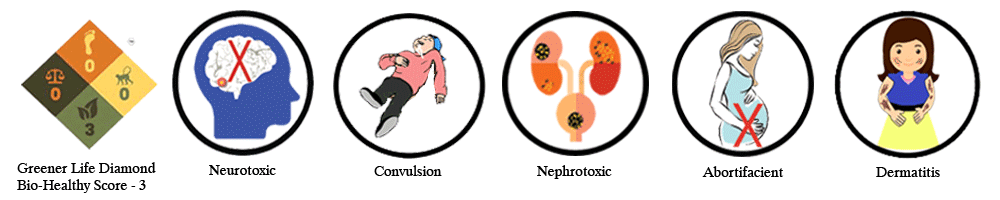
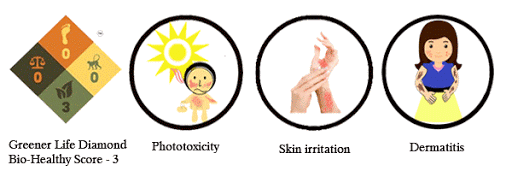
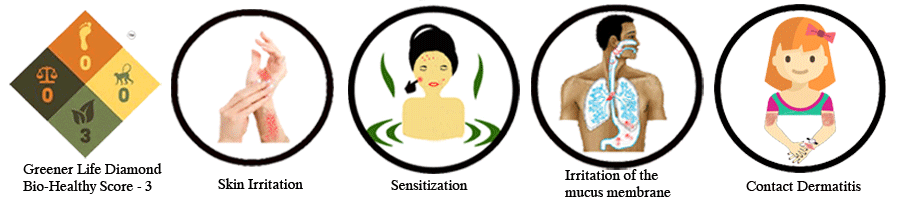
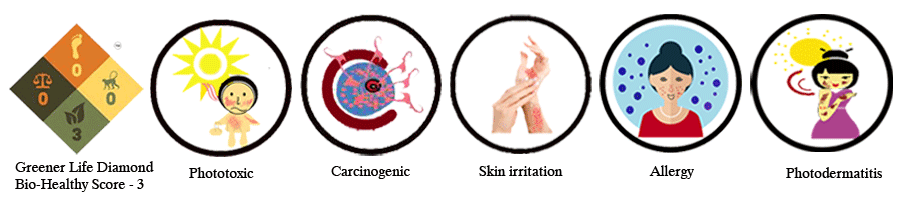
angelica-logoGreener Life Diamond – Bio-Healthy Score => 3 – Possible Skin Issues:

See => http://www.essentialdepot.com/GreenerLifeDiamond.html

Angelica root oil is said to exhibit phototoxic effects, the resultant being irritation of the skin, redness, allergies, sunburns, blisters, hyperpigmentation and Photodermatitis or Berloque dermatitis. These skin maladies might occur if your skin is exposed to sunshine after the dermal application of this oil till 12 to 36 hours of usage.

The underlying principle is the reaction of plant furocoumarins or Psoralens present in Angelica root oil, namely angelicin. This component reacts negatively whilst absorbing sunlight visibly and ends up in toxicity, by way of modifying the molecular structure of the skin cells.

Generally, coumarins present in plant extracts are said to cause adverse side effects like phototoxic, carcinogenic, genotoxic and mutagenic effects by impeding with the DNA, on amalgamating with the ultraviolet rays exhibited from sunlight.

Research reports state that autoxidation components in Angelica root oil like alpha-pinene, limonene and delta-3-carene might cause skin sensitization. Storage of this oil in dark and airtight container, preferably in refrigerator is recommended.

The International Fragrance Association (IFRA) says that the safe level of dilution for the use of Angelica root oil on the skin exposed to sun is 0.8%, which is about 4.8 drops per ounce of any carrier oils.

Studies suggest that Angelica root oil must be avoided by pregnant and lactating women mainly due to its phototoxic, emmenagogue and abortifacient properties, as it might cause changes in the cellular structure of the fetus, induce menstruation and lessen the supply of milk (anti-galactogogue) in nursing mothers.

A 2011 study on ‘Angelica archangelica’ published in the International Journal of Nutrition, Pharmacology, Neurological Diseases states that this traditional herb can be a potent alternative for producing harmless and effectual anti-cancer drugs.

The most comforting note is that the coumarins are not the major constituents of Angelica root oil and grants a sizeable periphery of safety for dermatological uses.

Yet, the great news is that Furocoumarins are also used along with the long-wave ultraviolet light treatment in the diagnosis of T-cell lymphoma, vitiligo, psoriasis and mycosis fungoides. This warning is pertinent to direct use on the skin like creams, massage oils, lotions and balms not for wash-off products like soaps, shampoos and other bath preparations.

Reference Links Substantiating Possible Skin Issues of Angelica Root Oil:

  1. Essential Oils Safety: A Guide for Healthcare Professionals by Robert Tisserand and Rodney Young
  2. Angelica archangelica Linn. is an angel on earth for the treatment of diseases ZA Bhat, Dinesh Kumar, MY Shah, Department of Pharmaceutical Sciences, University of Kashmir, Srinagar, Jammu and Kashmir, India, published in the International Journal of Nutrition, Pharmacology, Neurological Diseases
  3. Angelica by Drugs.com
  4. Leung’s Encyclopedia of Common Natural Ingredients, used in Food, Drugs and Cosmetics by Ikhlas A. Khan and Ehab A. Abourashed.
  5. Angelica archangelica L. by Madeleine Kylin, Swedish University of Agricultural Sciences, The Faculty of Landscape planning, Horticulture and Agricultural Science Plant breeding and Biotechnology

Thought for the day:

Nature is infinitely creative. It is always producing the possibility of new beginnings.     -Marianne Williamson

Suggested Reading:

  1. Ayurveda & Aromatherapy: The Earth Essential Guide to Ancient Wisdom and Modern Healing by Dr. Light Miller, Dr. Bryan Miller
  2. Bartram’s Encyclopedia of Herbal Medicine: The Definitive Guide to the Herbal Treatments of Diseases by Thomas Bartram
  3. The Healing Intelligence of Essential Oils: The Science of Advanced Aromatherapy by Kurt Schnaubelt Ph.D.
  4. Sacred Plant Medicine: The Wisdom in Native American Herbalism by Stephen Harrod Buhner, Brooke Medicine Eagle
  5. Vibrant Health Now! How to use essential oils, aromatherapy and natural health products to detox your body and reach optimal health by Casey Conrad

Reference Links:

  1. Angelica archangelica by Wikipedia
  2. Angelica archangelica Linn., is an angel on earth for the treatment of diseases by ZA Bhat, Dinesh Kumar, MY Shah Department of Pharmaceutical Sciences, University of Kashmir, Hazaratbal, Srinagar, Jammu and Kashmir, India published in the International Journal of Nutrition, Pharmacology, and Neurological Diseases.
  3. Canda (Root) – Angelica archangelica by The Ayurvedic Pharmacopoeia of India
  4. Health benefits of Angelica essential oil by Organic Facts


Your resource for quality Essential Oils. Every batch is
GC tested to ensure purity and authenticity.

Ashwagandha Oil

Aswagandha-bannerStand tall like a stallion and hold your head up with the strength and inevitable power of Ashwagandha, the most potent and revitalizing herb of the Ayurvedic healing. Often called as ‘Indian Ginseng’ for its enormous and instant energizing attributes, the word ‘Ashwagandha’ means the ‘smell of horse’, as the fresh roots have a horse-like odor.

Ayurvedic writings record the usage of this vital herb as a rasayana, meaning tonic for alleviating extensive range of illnesses from cancer to impotency. Dr. M. Ali in his book ‘Ashwagandha – The Stress Buster’ quotes Ashwagandha as an anti-stress herb with curative, relaxing, preventive, restorative and sedative properties and has the power to alleviate stress, the silent killer and the root cause of many problems including strokes, impotence, heart attacks, blood pressure, depression and stomach ailments.

Purchase Ashwagandha Essential Oil – Retail – 4 oz – CLICK HERE

Purchase Ashwagandha Essential Oil – Wholesale – CLICK HERE

Historical uses and significance of Ashwagandha herb and its essential oil:

Lovingly called as ‘Winter cherry and Indian ginseng, Ashwagandha is botanically called as Withania somnifera and is a member of the nightshade or Solanaceae plant family. The word ‘somnifera’ means ‘sleep-inducing’ and Ashwagandha is known for its potential to promote sleep and has been used in the treatment of insomnia.

Indigenous to the Indian subcontinent, Ashwagandha is one among the most popular herb in the history of Ayurvedic healing. Few sources also state that this herb is native to Africa, Australia and the Eastern parts of Asia. Ashwagandha is also found growing naturally in Sri Lanka and Pakistan.

Ashwagandha has been used for more than 4,000 years in the world of traditional medicine, including Ayurveda, Homeopathy, Siddha, Traditional Chinese Medicine and Unani. The tribal populace in Africa is said to have used this herb initially in the treatment of inflammatory medical conditions and fevers.

Ayurvedic use of Ashwagandha has been documented in the Ayurvedic texts like Charaka Samhita and Sushruta Samhita and certain records also state that Ashwagandha is popular since the sacred teachings of the Ayurvedic Rishi, Punarvasu Atriya. Ashwagandha is recommended in Ayurveda for longevity, physical and mental wellness of the aged, reproductive health and as a brain tonic for children.

The Ashwagandha root paste has been applied for treating joint inflammation, swelling, ulcers, pimples, piles, carbuncles, boils, colic and leucorrhoea. Traditional remedies also prescribe this powerful root in treating venomous snake and insect bites, including scorpion stings. It is used in the Middle East countries for its ability to support normal sleep patterns and persuade a strong inflammatory response.

Used as a Rasayana or natural tonic in Ayurveda, Ashwagandha has been a promising Ayurvedic remedy for rheumatism, insomnia, arthritis, impotence, loss of libido, improper blood circulation, constipation, goiter, nervous breakdown, fatigue and depression. The most common use of this herb since the traditional times is for the encumbrance from old age and emaciation of children.

The leaves of this plant bear a bitter taste and have been used in curing fever, swellings, tubercular glands and tumors. Numerous research studies have witnessed the power of Ashwagandha in the treatment of respiratory problems, cardiovascular diseases, loss of energy along with psychological and physical stress. Chyawanprash is one among the most popular Ayurvedic blend with Ashwagandha, Amla or the Indian Gooseberry and numerous other herbs.

Chemical constituents and remedial properties of Ashwagandha essential oil:

The therapeutic properties of Ashwagandha essential oil are anti-stress, adaptogenic, aphrodisiac, astringent, antioxidant, rejuvenative, anthelmintic, tonic, diuretic, stimulant, anti-rheumatic, antibacterial, anti-ulcerogenic, anti-tumor, anti-inflammatory, anti-carcinogenic, anti-arthritic, cardio-protective, immunomodulatory and anti-depressant.

The major chemical components in Ashwagandha essential oil are alkaloids (anaferine, isopelletierine, anahygrine, cuseohygrine, etc.), steroidal lactones (withaferins, withanolides) and saponins.

Ayurvedic health benefits of Ashwagandha essential oil:

Ayurveda is precisely called as the Mother of all the other healing sciences on earth for its enormous holistic healing principles that aim in healing and preventing illnesses for more than 5,000 years.

Acharya Dhanvantari, known as the Ayurvedic God of medicine and physician of Gods is said to have gifted Ayurveda for the wellness of humanity. Ayurveda is a part of Atharvaveda, one amongst the 4 sacred books or Vedas of the Indian mythology.

Ayurveda is the only medicinal system that considers human body as a temple and the soul that lives in is regarded as the symbol of divinity. With this thought of nobility, Ayurveda recommends mankind to keep their mind, body and soul clean, happy and content.

The principles of Ayurveda rely on nature for everything as it strongly trusts that everything on earth is a vital part of nature. The visible proof behind this theory is that all things in nature are made up of five basic elements of nature, namely fire, water, earth, space and air.

Human body is also made up of these five elements, where earth is present in the form of bones and muscles; water represents blood and fluids in the system; air is vital for breathing; space is the soul that dwells in and fire is the essential energy for body temperature, metabolic functions and certain other vital activities of the system.

Ayurveda never goes by the fact that ‘one size fits all’, as it trusts that every human being is a distinctive part of nature composed with a unique individual constitution known as prakriti. It is a combination of three biological energies called as doshas. They are vata, pitta and kapha. Every individual has a predominance of any one of these doshas that acts as a deciding factor in determining the character, personality, attributes and behavioral patterns.

Absolute balance between these doshas as per the law of nature indicates health and doshic imbalances due to climatic conditions, lifestyle changes, irregular food habits and moral vitiations lead to illness.

Ayurvedic healing aims at treating the root cause of an illness instead of its symptoms alone. This aids in curing the disease initially and preventing it in the future as well. Ayurveda prescribes natural remedies that go well with the individual constitution of a person, even if a group of people are affected by the same medical condition.

The prime Ayurvedic remedies are plant essential oils, simple physical exercises, herbs, yoga, prayers, Pranayama (Ayurvedic breathing exercises), meditation, Abhyanga or Ayurvedic massaging, Panchakarma or Ayurvedic detoxification techniques and Ayurvedic routine.

Ashwagandha essential oil is said to pacify vata and kapha doshas and increase pitta energy.

It’s time to look into the most significant Ayurvedic health benefits of Ashwagandha essential oil.

Aswagandha-broucher1. Combats cancer causing free radicals:

Ashwagandha is a miraculous Ayurvedic herb that possesses antioxidant and anti-tumor properties that aid in combating the harmful free radicals and curb the growth of cancerous tumors in the system. The anti-antigenic attribute of this natural medicine helps in preventing the malignant tumors from creating new blood vessels for assisting its uncontrolled growth.

Being an immune-stimulant and rejuvenating essential oil, Ashwagandha strengthens the immune system, aids in resisting the effects of chemotherapy and supports quicker recovery. Many research studies have witnessed the cancer inhibiting potential of Ashwagandha, which works by controlling the ability of reproducing of the cancer cells.

A 2006 study on the “Ancient medicine, modern use: Withania somnifera and its potential role in integrative oncology.” By Winters, states “with its polypharmaceutical use, confirming antioxidant, anti-inflammatory, immune-modulating, and antistress properties in the whole plant extract and several separate constituents, Withania somnifera reduces tumor cell proliferation while increasing overall animal survival time.”

This study concludes by stating “Withania somnifera also reduces the side effects of chemotherapeutic agents cyclophosphamide and paclitaxel without interfering with the tumor-reducing actions of the drugs. With its cytotoxic and tumor-sensitizing actions, Withania somnifera presents itself as a novel complementary therapy for integrative oncology care.”

Ayurveda prescribes the use of Ashwagandha oil in Abhyanga or Ayurvedic massaging for treating cancerous disorders. Massaging your system with 10 drops of Ashwagandha oil blended with 5 drops of Parsley seed oil, 5 drops of Turmeric essential oil, 5 drops of Tangerine oil along with 25 ml of coconut oil can grant innate energy to your cells for fighting against free radicals and controlling the growth of cancerous cells.

The cancer-fighting attributes of Ashwagandha oil along with Parsley, Turmeric and Tangerine oils pass on to the bloodstream by penetrating through the skin cells and work on effectively without causing any side effects. You can also add 1 drop of Ashwagandha oil along with 1 drop of Frankincense oil to your warm bathing water for leaving you fresh and fragrant all through the day.

2. Alleviates arthritis and rheumatic problems:

According to Ayurveda, aggravation of vata and excess of kapha dosha contribute to vulnerable medical conditions like rheumatism and arthritis. With its ability to reduce kapha vitiation and treat vata aggravation, Ashwagandha is one among those best Ayurvedic remedies for alleviating pain, swelling, inflammation and other discomforts associated with arthritis and other rheumatic conditions.

When used as a massage oil (3 drops of Ashwagandha oil + 2 drops of Rose Geranium oil + 2 drops of Tarragon oil with 5 ml of Sesame oil), Ashwagandha penetrates deeply into the system and aids in relaxing the muscles, strengthening the bones and nourishing the tissues.

This also helps in instilling complete relaxation in the nervous system, promote blood circulation, reduce muscular pain, and alleviate inflammation by promoting the frequency of urination and opening of the sweat pores through which the toxic remains, salt and uric acid in the body are eliminated.

The tonic, analgesic or pain-reducing, diuretic, anti-rheumatic, anti-arthritic, anti-inflammatory, anti-oxidant and relaxant properties of Ashwagandha oil makes it a great natural remedy for osteoarthritis, rheumatoid and muscular problems, used often by athletes, dancers and body builders. Using 2 drops of Ashwagandha oil in warm compress can support the healing process.

The pain-relieving potential of Ashwagandha oil is often compared to popular pain-relieving agents in the pharmaceutical industry like aspirin and phenylbutazone. This oil is also believed to prevent inflammation and muscular strains, grant flexibility to the muscles and vigor to the joints.

3. Enhances immunity and energy levels:

A healthy immune system is the basis for longevity and heartiness. The disease-fighting or resisting ability of a person is determined by his immune power. The white blood cells (WBC) or leucocytes in the body are cells of the immune system are also known as the police force of the body. These cells are involved in shielding the human body against foreign bodies and infectious diseases.

Leucocytes are present all over the body, including the lymphatic system and blood. Ashwagandha oil has the power to strengthen the immune system by increasing the count of leucocytes or white blood cells.

This promising herb is also called as the ‘Ojas enhancing’ herb with plethora of remedial values.

Ayurveda defines ojas as the subtle or cultured level of energy gained from healthy food. Required level of Ojas in the system is a symbol of well-built immunity, inner consciousness, healthy complexion, mental clarity, hale and heartiness and physical wellness. Decreased ojas or Ojakshaya is an indicator of low immune power as it is in a person affected by HIV.

Ashwagandha is held high in Ayurvedic medicine for its effectiveness in enhancing ojas. This in turn helps in augmenting immune power, keeping away from infections and diseases and aids in recovering quickly from sickness, while rejoicing absolute health and wellness.

Adding 1 drop of Ashwagandha oil with 1 drop of Sandalwood oil and 1 drop of Vetiver oil in diffuser, vaporizer or burner during prayers, meditation and Pranayama can help in augmenting the Ojas, strengthen your immune system, help retain youthfulness, revitalize the senses, relieve from fatigue and insomnia, prevent aging and invigorate the entire system.

The uniqueness of this blend is that all these 3 oils are known for their power to enhance the innate wisdom and kindle your sense of sacredness and divinity.

4. Boosts memory functions and alleviates Alzheimer’s disorder: Ashwagandha is popularly known as a Rasayana in Ayurveda and is said to belong to a sub-category called as Medhyarasayanas, where the word ‘Medhya’ refers to the human mind and its intellectual and cognitive powers.

Ashwagandha essential oil has the ability to wrestle the fall in cognitive levels caused due to brain cell degeneration. It also assists in reducing cortisol levels and enhancing cognition levels.

Inhaling the aroma of this oil by adding 1 drop of Ashwagandha oil with 1 drop of Brahmi oil and 1 drop of Rosemary oil in diffuser especially in the early hours of the day during meditation, yoga, prayers and learning can promote the functions of the brain, augment your memory power, increase your intellect and help fight against Alzheimer’s disease.

5. Fights against stress, depression and other negative feelings: The adrenal glands in the endocrine system are responsible for a person’s ability to manage stress and stress-related negative effects. When a human body is stressed, the adrenal glands augment the level of cortisol secretion.

Cortisol is called as the stress hormone of the system that is related to the ‘fight or flight’ response of the body. This hormone is responsible for the production of negative effects in the body like lack of concentration, fatigue, weak memory, anxiety, mental exhaustion, sleeplessness, pain, anger, weight gain, especially in the abdominal area and lack of interest.

The presence of the bioactive compounds called glycowithanolide in Ashwagandha aid in reducing the cortisol levels in the body. Glycowithanolide is a type of steroidal lactone that imitates the body’s own relaxing and stress-alleviating hormones. This works by decreasing cortisol levels in the system to strike absolute balance in the body.

Ashwagandha essential oil has adaptogenic, stimulating, relaxing, mood enhancing, stress-reducing, nervine, sedative and rejuvenative properties that help in treating insomnia by promoting peaceful sleep, alleviating fatigue, cardiovascular problems, depressive feelings, cognitive dysfunction and low immunity.

Numerous scientific studies on the anti-stress and adaptogenic effects of Ashwagandha oil have concluded that this herb is a powerful Ayurvedic remedy for treating and preventing stress and stress induced health conditions including premature graying, hypertension, arteriosclerosis, malignancy, diabetes and arthritis.

Adding 5 drops of Ashwagandha oil with 5 drops of Lavender oil and 5 drops of Patchouli oil along with 20 ml of Jojoba oil in a massage blend can help in reducing stress, fatigue and sleeping difficulties.

You can also add 2 drops of Ashwagandha oil in warm bathing water or air freshener before going to bed to enjoy the richness of a relaxed mind and a comfy sleep.

6. Tones the skin and hair health:

Ashwagandha has vata-pacifying properties that help in retaining the natural glow and suppleness of the skin. The antioxidant effects of this oil combat the growth of free radicals that are responsible for causing aging symptoms like wrinkles, fine lines, dark spots, blemishes and dullness.

The essential oil of Ashwagandha is also an excellent remedy for healing wounds, keratosis, inflammation, skin ulcers, carbuncles, swelling, cuts, bedsores etc. It is also used for moisturizing rough and dry skin with its collagen stimulating attributes.

This is mainly due to the presence of steroidal compounds that enhance the level of estrogen in the body. This aids in augmenting the natural levels of oil in the skin and promote the production of collagen, which in turn retains the young and healthy looking skin. Ashwagandha oil is also known for its ability to promote the secretion of structural protein vital for the skin.

Gently applying 2 drops of Ashwagandha oil with 2 drops of Bitter orange oil, 2 drops of Frankincense oil along with 5 ml of Jojoba oil on the affected parts can help in repairing the skin problems without any harmful effects.

Healthy and lustrous hair is the most prized jewel of mankind, especially women. Ashwagandha has been the secret behind the long, shiny and voluminous locks since the traditional times. Slightly warm the blend of 3 drops of Ashwagandha oil with 2 drops of Ylang Ylang oil, 2 drops of Rosemary oil, 2 drops of Lemon oil and 2 drops of Lavender oil along with 20 ml of Almond oil.

Slowly massage this Ayurvedic hair oil onto your scalp and hair for strengthening the hair follicles, clearing scalp problems like dandruff and itchy scalp, fight hair loss, prevent premature balding, graying and hair breakage due to increased cortisol levels.

It also helps in treating damaged hair and dandruff by flushing out the excess toxins in the system. Adding 2 drops of Ashwagandha oil to your regular shampoo is also an excellent idea to support the health of your hair and scalp.

7. Augments reproductive health:

Ashwagandha is the most powerful aphrodisiac known to humanity since the dawn of the Ayurvedic era. Physicians of various traditional and modern medicines claim Ashwagandha as the most promising and potent aphrodisiac on earth.

With its immune and ojas enhancing abilities, Ashwagandha is said to grant the vigor and vitality of a horse in human beings as well. As an influential adaptogen, Ashwagandha uplifts the system’s defense mechanism against various disease causing infections by augmenting the cell-mediated immunity. It also curbs all kinds of cellular damage caused by free radicals with its antioxidant values.

Ashwagandha promotes a healthy balance of the reproductive system by increasing the quality of semen and count of sperms, thus expanding the possibilities of fertility and conception.

It is also recommended by Ayurvedic professionals for treating loss of libido, impotence, premature ejaculation, lack of sexual interest, erectile dysfunctions and supports the ability to last longer in bed.

It is also prescribed for treating reproductive problems in women like infertility, white discharge, weak uterus, polycystic ovarian syndrome and certain other gynecological disorders.

Ashwagandha is also effective in strengthening the uterine walls, ovaries and ligaments to support pregnancy. Ayurveda also states that this herb helps in improving the quality of the egg or ovum.

The most impressive aphrodisiac blend can be prepared at home with 2 drops of Ashwagandha oil with 2 drops of Patchouli oil, 2 drops of Jasmine oil, 2 drops of Clove oil and 2 drops of Ylang Ylang oil with 50 ml of coconut oil. Gently massage your system with this Ayurvedic blend for supporting your active sexual life and healthy reproductive system.

Adding 2 drops of Ashwagandha oil in warm bathing water and your vaporizer, before going to bed can add up the spice to your intimate love.

Thought for the day:

I believe a leaf of grass is no less than the journey-work of the stars.

Walt Whitman

Suggested Reading:

  1. Ashwagandha & Brahmi – Fight stress and chill out with the king and queen of Ayurvedic medicine by James Lee
  2. Healing with the King: Ashwagandha: The Master Herb in Ayurveda Medicine (Learning about Medicinal Herbs within India’s Ayurvedic Medicine Book 4) by Ryder Management Inc.
  3. Herbs for Stress & Anxiety: How to Make and Use Herbal Remedies to Strengthen the Nervous System. A Storey Basics® Title by Rosemary Gladstar
  4. Ashwagandha, Stress and Anxiety Herb – Health Educator Report #37 by C.N.C. Billie J. Sahley Ph.D.
  5. Ashwagandha – the stress buster by Dr. M. Ali

Reference Links:

  1. Withania somnifera by Wikipedia
  2. An Overview on Ashwagandha: A Rasayana (Rejuvenator) of Ayurveda Narendra Singh, Mohit Bhalla, Prashanti de Jager, and Marilena Gilca, International Institute of Herbal Medicine (IIHM), published in the African Journal of Traditional, Complementary and Alternative Medicines
  3. Health Benefits of Ashwagandha or Indian Ginseng by Organic Facts
  4. How Ashwagandha can be used as sexual rejuvenator by Ayurvedic and Natural Home Remedies for a healthy living
  5. Ancient medicine, modern use: Withania somnifera and its potential role in integrative oncology by Winters M, published in the Alternative Medicine Review.

Moranga Essential Oil

Loved as  ‘Mother’s Best Friend’ in East Africa and as ‘Never Die’ and ‘Miracle Tree’ all over the world, Moranga is one of the most useful trees in the Cosmos, as every part of this tree including the leaves, stems, seeds, pods, fruits, root and bark has enormous medicinal values. Moranga is known as the best natural hub of antioxidants with 46 antioxidants and 36 anti-inflammatory compounds making it rich and wholesome for mankind.

Ayurveda, the mother of all healing sciences have listed about 300 diseases that can be cured with this wonder herb known as Shigru, Sahijna, Munaga, Shobanjana and Sainjna in the Ayurvedic community. Moranga is scientifically called as Moringa pterygosperma gaertn., or Moringa oleifera, Lam. The name Moringa is extracted from the Tamil name murunga and pterygosperma for its winged seeds or oleifera for its non-drying stable oil with a long shelf life.

Purchase Moranga Oil – Wholesale – CLICK HERE

Historical importance of Moranga and its essential oil: Well-known to the world populace as Drumstick tree, clarifier tree and horseradish tree, Moranga is extremely nutritious and considered as a treasure of India and a fortune to the entire universe. Indians call it a pretty tree with a graceful appearance complimenting its surrounding with natural beauty and freshness. This immortal tree has an exceptionally long traditional usage. The most important among them are listed for your information.

Historical transcripts reveal that drumstick and its leaves were used by the primordial Indian kings and queens in their daily diet to gain enormous energy, retain their good health and treat inflamed joints. The young leaves of this tree are used in folklore medicine for treating common cold, dog bites and scurvy. Fresh Moranga leaves were rubbed against the temples for relieving severe headaches. These leaves are also used in treating fever, inflammation of the mucus membrane, bronchitis, cold, infections of the ear and eye.

Tea prepared with Moranga leaves were used in treating diarrhea, gastric ulcers and stomach pain. Moringa leaves and food products are considered as the best food for people suffering from malnutrition as it is rich in fiber, protein, minerals, vitamins and carbohydrates. It is used in Senegal and India for treating sleeplessness, anxiety, asthma, dysentery, rashes, sores, colitis and added to children’s food to fight malnutrition.

The leaves and twigs are used as a nutritious fodder for farm animals, goats, sheep, camels and other domestic animals. The juice extracted from Moringa flowers is used for treating urinary problems, cold and to enhance the flow and quality of milk in breastfeeding mothers with its tonic, diuretic and cholagogue properties. Moringa flowers are regarded as a good source of pollen for honey bees. The high iron content in Moringa leaves are used to treat anemia in Philippines. Moringa gum is used to treat asthma, tooth decay and rheumatism.

Moringa oil has been used in treating syphilitic wounds, scurvy, hysteria, bladder problems, prostate problems, fungal infections and certain skin complaints.  The villagers in Oman use this oil as a perfume and for treating hair problems and stomachic disorders.  Arabians in the desert used this oil on their face to treat the harmful effects of wind and sun. It was buried in the tombs of Egyptians whereas the Romans used this oil as a basis for perfumery.

Therapeutic properties of Moranga essential oil: The major remedial properties of Moringa essential oil are antibacterial, anti-inflammatory, diuretic, antispasmodic, anti-choleric, antifungal, anti-hypertensive, anti-tumor, anticancer, antiulcer, immune stimulant, aphrodisiac, antidiabetic, tonic, antipyretic, hepatoprotective, cholesterol lowering and antioxidant. A study on the ‘Medicinal properties of Moringa oleifera: An overview of promising healer’ have analyzed on numerous therapeutic properties of Moringa oleifera.

Ayurvedic health benefits of Moranga essential oil: Ayurveda, the ancient healing science aged more than 5,000 years has India as its birthplace. This holistic healing methodology have used the most useful tree on earth, Moringa aged more than 4,000 years and has its origin in India. Ayurvedic texts list more than 300 diseases that can be cured with the immaculate healing powers of Moranga tree and its extracts like the essential oil.

The power of Ayurvedic healing deeply vests in its trust on natural remedies. Ayurvedic philosophies state that every living thing on earth is unique in its own way and united in the fact that it is a part of nature. This promising science is optimistic and the simple proof is that it considers illness as an opportunity to find what is wrong in the system.

Ayurvedic treatments do not treat just the disease instead it treats the whole individual. By this way it aims at treating and preventing the illness and not just curing the disease alone. Ayurveda identifies the major root cause responsible for sickness.

Ayurvedic texts strongly state that every individual has his or her own constitution which is made up of three energy elements known as doshas namely pitta, vata and kapha. Balance between these three doshas indicates that the system is hale and healthy and imbalance of any one or all the three doshas is responsible for sickness. Moringa and its essential oil is said to reduce excess kapha and vata and improve deficiency of pitta.

Ayurvedic remedies using Moringa products are used in the treatment of liver problems, urinary infections, dysmennorhea, aid during labor or childbirth, improving the secretion of milk in breastfeeding mothers, anemia, sexual dysfunctions, nervous debility, skin problems and infections caused due to pathogenic organisms. The major health benefits of the essential oil extracted by steam distillation method from the leaves of Moringa tree are:

Enormous benefits for the skin: Moringa essential oil has exceptional benefits for the skin and is mainly due to the presence of rich nutrients and antioxidants in the leaves that support healthy skin. Moringa leaves are known as the powerhouse of nutrition with more than 7 times the vitamin C in oranges, more than 4 times the vitamin A in carrots, more than four times the calcium in milk, more than 3 times the potassium in bananas and more than twice the proteins in milk in each gram.

Moringa essential oil has antibacterial, antimicrobial, antifungal, antioxidant and anti-aging properties that aids in combating numerous skin problems. The effects of aging like wrinkles, dull and lifeless skin are mainly due to the activity of free radicals on the skin. The rich content of about 46 antioxidants in Moringa aids in fighting against all the negative effects of aging on skin.

Moringa oil cleanses, nourishes and nurtures your skin naturally. Blending 3 drops of this oil with little coconut oil and applying this mixture on acne, cuts, scrapes, blackheads, scars, burns, rashes and insect bites will help in quicker healing with its antiseptic and antimicrobial values. Gently massaging your skin with 2 to 3 drops of Moringa oil mixed with olive oil helps augment the elasticity of the skin by nourishing the skin cells, removing dirt gently, killing microbes causing infections, avoiding excessive drying, and moisturizing the skin.

A 2007 study on ‘Anti-fungal activity of crude extracts and essential oil of Moringa oleifera Lam.’, by the Institute of Bioagricultural Sciences, Taiwan have stated that the “essential oil extracted from the leaves of Moringa showed a total of 44 compounds. Isolated extracts could be of use for the future development of anti-skin disease agents.”

Due to these reasons Moringa oil is used as an important ingredient in soaps, facial creams, body wash, facial massage oils and anti-aging creams. You can also add 3 to 4 drops of Moringa oil to your mild skin care cream or lotion for alleviating such skin problems.

More than just a complete food for your system on your shelf: Moringa leaves have Vitamin A, B1, B2, B3, B6, B7, C, D, E, K and certain other amino acids like leucine, methionine, lysine, isoleucine, threonine, valine, tryptophan and phenylalaine along with a bunch of non-essential amino acids, making it a complete food for the mind, body and soul.

Adding 2 drops of Moringa oil to warm bathing water can help in relieving stress, cleansing your body, granting mental peace and removing fatigue. Massaging your body with 4 drops of Moringa oil blended with almond oil can aid in alleviating rheumatic pain, reduce inflammation with its anti-inflammatory properties, eliminate the excess fluids in your body through urine, boost the immune system and protect your body from harmful infections.

Moringa essential oil is light and it easily spreads and deeply penetrates into the skin. By this way it transforms its vital nutrients into the body, mind and spirit. This oil has also been used as a natural cleanser to remove excess oil and dirt from hair. Massaging your hair and scalp with 3 drops of Moringa oil blended with coconut oil can assist in cleansing your hair, nourishing your scalp, treating dandruff and grant a natural shine to your lustrous locks.

Scientific evidences: The long time Ayurvedic health benefits of Moringa and its essential oil have been proved scientifically through numerous studies. A 2003 study on ‘Hepatoprotective activity of Moringa oleifera on antitubercular drug-induced liver damage in rats’ have proved that treatment with M.oleifera leaves seems to improve the recovery from hepatic damage caused by antitubercular drugs.

Another study by the U.S. National Academy of Sciences Noel Vietmeyer published in PubMed witnessed “The results indicate that this plant possesses antioxidant, hypolipidaemic and anti-atherosclerotic activities and has therapeutic potential for the prevention of cardiovascular diseases.”

The University of Agriculture, Faisalabad, Pakistan studied the effectiveness of Moringa oleifera based upon its detailed phytochemical composition, pharmacological properties and medicinal uses of various parts of this multipurpose treesuch as the leaves, roots, seed, bark, fruit, flowers and immature pods act as cardiac and circulatory stimulants, possess antitumor, antipyretic, antiepileptic, anti-inflammatory, antiulcer, antispasmodic, diuretic, antihypertensive, cholesterol lowering, antioxidant, antidiabetic, hepatoprotective, antibacterial and antifungal activities, and are being employed for the treatment of different ailments in the indigenous system of medicine, particularly in South Asia.”

Few other studies also proved the antioxidant, hypocholesterolemic, antifungal and antibacterial effects of Moringa tree and its essential oil.

Other health benefits: Apart from these major health benefits, the different parts of Moringa tree and the essential oil extracted from the leaves and seed pods are used to strengthen the immune system with vitamin C, lessen the risk of health disorders like Alzheimer’s disease, atherosclerosis and cataract with the presence of vitamin B3, stimulates the process of digestion with the presence of fibre, supports blood circulation, functioning of the brain and treat anemia with its rich iron content and improve eyesight with vitamin A. Besides these, there are a handful of home remedies that are a part of the traditional healing system and grandmother’s remedy.

Disclaimer: Never take essential oils internally. Pure and organic essential oils are highly concentrated liquids and always remember to use them in a diluted form. This article is only for the purpose of information and is not meant to diagnose or replace prescribed drugs or professional advice. Consult your Ayurvedic practitioner before using the right essential oil for your specific health condition and individual constitution.

Thought for the day:

We do not see nature with our eyes, but with our understandings and our hearts.   -William Hazlitt

Suggested Reading:

  1. Miracle Tree by Monica G. Marcu
  2. Bible Miracle Tree: healing with Moringa by Miracle Bible
  3. Moringa Oleifera: Magic, Myth or Miracle by Howard W. Fisher
  4. Moringa Oleifera benefits: enrich your life with the Miracle Tree for well-being, happiness, weight loss. More than a super-food, nutritional supplement, food supplement by Frank Moringa Oleifera

Reference Links:

  1. Moringa oleifera by Life in Health
  2. Śigru or drumstick (Moringa pterygosperma, Gaertn., M. oleifera, Lam.) by Dr. K.H. Krishnamurthy published in NAMAH
  3. Moringa, the Miracle Tree by Moringa Rubicon Health.Org
  4. The Benefits of Anti-Aging Moringa Oil on the Skin by Ayurveda Guru
  5. Medicinal properties of Moringa oleifera: An overview of promising healer by Fozia Farooq, Meenu Rai, Avinash Tiwari, Abdul Arif Khan, and Shaila Farooq

Nar Kachur Essential Oil

Nar-katchur-bannerCan Turmeric be white? Yes! And here it is. Much similar to Turmeric, Nar Kachur herb is known as White Turmeric. Then am I not right in calling it as White Gold?

Indigenous to India and Indonesia, Nar Kachur is a well-liked herb found all over in the Indian sub-tropical regions.  Popularly known as Zedoary, the essential oil of Nar Kachur is extracted from the rhizomes of the plant Curcuma zedoaria, which is a member of the ginger family Zingiberaceae.

The world of Ayurveda acclaims this herb and its oil as an excellent digestive aid and in particular it has been used in this holistic medicinal system as a gastrointestinal stimulant. Nar Kachur essential oil is also used in the Traditional Chinese Medicine in the treatment of numerous chronic disorders including cancer.

Purchase Nar Kachur Oil – Retail – CLICK HERE

Purchase Nar Kachur Oil – Wholesale – CLICK HERE

Historical uses of Nar Kachur:

Known with many popular names across the world, Zedoary was a not so familiar herb in the Western world until it was spread across as a popular spice reminding of ginger, turmeric and mango put together.

It is known as Karchur in Sanskrit, Kachur in Hindi, Meitei Yaingang in Manipuri, Zedoary in English, Ezhu You in Chinese and Shatkachuro in Gujarati. This herb is spread across the natural beds of the Eastern Himalayan region and Karnataka and is cultivated in many countries.

The fresh Nar Kachur herb is used in Indian cooking and also in preparing pickles mainly because of its gingery-mango and energizing taste. It is locally called as amb halad where amb means mango.  Indonesians use Nar Kachur paste in preparing traditional curries.

The powdered herb was used in treating menstrual pain and for regularizing menstruation. Nar Kachur is trusted to tone the uterus and benefit the reproductive system in numerous ways. The ancient people used it as a natural aphrodisiac agent for its stimulating properties.

The juice extracted from the rhizomes of this plant was used in curing infections in the urinary tract and treat other urinary disorders with its diuretic properties. It also serves as an effective remedy in treating colic and flatulence.

Zedoary or Nar Kachur is still used in the Indian folklore medicine as an anti-venom for poisonous snake bites like the Indian Cobra bites. The fresh paste of this herb has been in use for treating wounds, pain, inflammation and certain other skin problems.

Chemical constituents and therapeutic properties of Nar Kachur Oil:

Curzerene, curcumenol, germacrone, zederone, curmanolide A, furanodienone, curcumenone, beta-elemene, pyridine, tau-elemene, isocurcumenol and numerous other components form a part of Zedoary essential oil. The remedial values of this oil are stomachic, diuretic, aphrodisiac, stimulant, anti-inflammatory, carminative, analgesic and emmenagogue.

Ayurvedic health benefits of Nar Kachur essential oil:

As a member of the Ayurvedic family Adrak kul, Nar Kachur is an effective herb that treats many health conditions.

Ayurveda is a holistic healing system that trusts human beings as a part of nature and any medication for their illness are readily available in nature itself. With this underlying principle, Ayurvedic therapy revolves around natural remedies like herbs, Ayurvedic essential oils, healthy and balanced diet, yoga, physical exercises and meditation.

Every individual is diagnosed in a unique manner in Ayurveda as it appreciates individual differences and believes that every human being is made up of 3 vital energy elements known as doshas. They are vata, kapha and pitta doshas where vata represents air as its major element, pitta stands for fire and kapha signifies water.

Every person is said to have any one these doshas as a predominant dosha and this predominance determines the Ayurvedic body type, personality, character and certain other behavioral attributes.

According to Ayurveda, vata energy controls the process of metabolism and elimination of toxins from the body. Pitta influences digestion, brain power, energy creation and body temperature and kapha governs the flow of fluids in the body like blood, mucous etc, while contributing to skin health, strength and lubrication of muscles and joints.

Balance between these three doshas indicates that a person is hale and hearty and the imbalance of any one of these or all the three doshas ends up in illnesses.

Your first Ayurvedic consultation with the expert will help you identify your predominant body type, individual constitution, diet that suits your health and physical and mental exercises that would help you in preventing diseases in the future.

Nar Kachur essential oil suppresses excess vata and kapha energies and aids in increasing pitta dosha in case of deficit. This is the main reason that Nar Kachur and its essential oil are helpful in treating digestive disorders, respiratory problems and impurities in the blood while enhancing the natural health of one’s skin.

Let’s have a look at the major Ayurvedic health benefits of Zedoary or Nar Kachur essential oil.

Nar-katchur-broucher1. Excellent digestive aid:

Since the prehistoric period, Nar Kachur herb is used to treat problems in the digestive system especially in the gastrointestinal tract. This herb and its essential oil are said to be beneficial in treating indigestion, colic, loss of appetite, spasms, flatulence, infestation of worms, tastelessness and irregular bowel movement. It is considered as a natural aid for preventing ulceration due to stress.

Nar Kachur oil is proven safe for using it on the skin. Add 3 drops of Nar Kachur essential oil with almond oil and gently massage it on your tummy for relieving from colic, dyspepsia, flatulence, indigestion, irregular bowel movement and spasms.

You can also add 2 drops of this oil to warm bathing water for stimulating your digestion, improving your appetite and assist in expelling the worms through excretion. Adding 2 to 3 drops of Zedoary oil to your diffuser will also help in enhancing your appetite, reducing vomiting sensation and promoting speedy digestive process.

2. Treats respiratory problems:

Respiratory problems mainly occur due to the excess of kapha dosha, due to which fluids like mucous and phlegm gets deposited in the lungs and other parts of the body. It blocks the nasal passages and ends up in breathing difficulties and other respiratory disorders like cough, asthma and cold.

Adding 3 drops of Nar Kachur oil to steaming water and inhaling the medicated steam releasing the camphoraceous aroma of this oil can assist you in loosening the phlegm and mucous deposits and ease breathing. You can also add 2 drops of this oil in your rubs and gently massage it on your neck, chest and back to treat congestion, cold and blocked nose.

3. Relieves pain and inflammation:

As an effective anti-inflammatory agent, Nar Kachur oil helps in treating wounds, inflammation and certain other skin ailments. This herb was used in the Indonesian fold medicine for its effective anti-inflammatory property specifically in treating ulcerative colitis known as an inflammatory bowel disease. It was also used in protecting the lungs of the asthmatic patients by restraining the release of inflammatory mediators during the short-term treatment.

The diuretic properties of this oil supports in eliminating the excess fluids and toxic substances in the body especially in the joints causing pain and inflammation in case of rheumatism and arthritis. It is also used in reducing the body temperature during fever by promoting sweat and purging infectious microbes through urine.

Nar Kachur essential oil is also effective in treating abdominal pain, amenorrhea and certain other menstrual problems. Add 3 drops of this oil to warm bathing water or to hot compress to help relieve rheumatic pain, inflammation and menstrual discomforts. You can also blend 4 to 5 drops of Nar Kachur oil with coconut oil and gently massage it on the affected area for quicker assistance.

4. Fights against cancerous cells:

A 2013 research on ‘Zedoary oil (Ezhu You) inhibits proliferation of AGS cells’ proves that Zedoary, a Chinese medicinal herb has anticancer properties. This study concluded saying, “Zedoary oil inhibited AGS cell proliferation through cell cycle arrest and cell apoptosis promotion, which were related to Bax/Bcl-2 protein expression.”

Another study on ‘Applications of Nanoparticles in Herbal Medicine: Zedoary Turmeric Oil and Its Active Compound beta-elemene’ published in the American Journal of Chinese Medicine states that Zedoary turmeric oil has been approved by the Chinese SFDA as safe for treating various cancerous tumors that affect ovaries, brain, lungs, colon, breast, liver and certain other tissues.

Other uses:

Nar Kachur oil is also used as a mosquito repellant by applying it on the skin after blending it with almond or coconut oil. This herb has also been proved effective in the treatment of gonorrhea, erectile dysfunction, urinary problems, hiccups, blood disorders, piles and certain other skin problems.  Nar Kachur essential oil is also used in soap fabrication and perfumeries.

Disclaimer:

Never use essential oils internally. Always remember to use essential oils in a diluted form as pure essential oils are highly concentrated liquids. Consult your Ayurvedic practitioner before using the right essential oil for your unique constitution and health conditions.

Thought for the day:

Nature always wears the colors of the spirit.      -Ralph Waldo Emerson

Suggested Reading:

  1. Gastrointestinal and Liver Disease Nutrition Desk Reference from CRC Press
  2. The Illustrated Encyclopedia of Essential Oils: The Complete Guide to the Use of Oils in Aromatherapy & Herbalism by Julia Lawless
  3. Way of Ayurvedic Herbs: The Most Complete guide to Natural Healing and Health with Traditional Ayurvedic Herbalism by Karta Purkh Singh Khalsa, Michael Tierra

Reference Links:

  1. Curcuma zedoaria by Wikipedia
  2. Biological and Chemical Properties of Zingiber zerumbet Smith (called as Narkachur) published in the Research Gate.net Publication
  3. Zedoary oil (Ezhu You) inhibits proliferation of AGS cells by Hailian Shi, Bao Tan, Guang Ji, Lan Lu, Aili Cao, Songshan Shi and Jianqun Xie published in the Chinese Medicine Journal
  4. Curcuma zedoaria by Ayushveda

Palmarosa Essential Oil

Palmarosa--bannerPalmarosa oil is an absolute skin supporter for its immense medicinal benefits to the skin. With a much similar aroma like rose, this oil is used for moisturizing the skin and pacifying the mind. Scientifically known as Cymbopogon martini, Palmarosa is indigenous to the Indian sub-tropical regions and is a member of the grass family Graminaceae.

The essential oil of Palmarosa is extracted by steam distillation method from the dried grassy leaves that are harvested before flowering. In her book ‘Ayurveda and Aromatherapy’, Light Miller says “Palmarosa is widely used in Ayurvedic skin care. It is good for all skin types because it is a cellular stimulator and supports all cell regulation. It’s highly antiseptic, calming, uplifting and anti-depressive.”

Purchase Palmarosa Essential Oil – Retail – CLICK HERE

Purchase Palmarosa Essential Oil – Wholesale – CLICK HERE

Historical uses of Palmarosa oil:

The most popular historical use of Palmarosa oil is that it has been used as a substitute as well as to adulterate rose oil with its rosy aroma. This oil was also used in making incense blends in India and was traded from India to Persia after which the western use of this oil began slowly.

It was also prescribed by the Indian doctors to lower fever and fight against infections. The ancient Indians also used Palmarosa oil for treating nerve pain, fever, rheumatism and certain other infectious diseases.

Chemical constituents or Gas Chromatography Report (GC) of Palmarosa oil:

According to the Gas chromatography report, Palmarosa oil constitutes of 14 chemical components that contribute to its fragrance, therapeutic attributes, consistency and quality. Of which, Geraniol contributes to the highest proportion of Palmarosa oil constituents with about 79.4% of its total composition.

Just click on:

I believe that this must certainly help you in getting to know the exclusive information about these prime chemical constituents of Palmarosa oil.

The table crafted below clearly depicts the unique nature and contributions of these biochemical constituents to the healing magnificence of Palmarosa essential oil.

palmarosa-oil

Therapeutic properties of Palmarosa essential oil:

Palmarosa essential oil has regenerative, antiseptic, antibacterial, cytophylactic, febrifuge, aphrodisiac, stimulant, moisturizing, antiviral, hydrating and digestive properties.

Ayurvedic health benefits of Palmarosa essential oil:

The richness of Ayurveda lies in its holistic approach towards health and harmony. Ayurvedic texts state that illness is just an indication symbolizing that there is imbalance between the mind, body and spirit with nature. It illustrates that human body is made up of three energy components namely vata, pitta and kapha together known as doshas in Ayurveda.

Vata is a combination of air and space and promotes biological functions responsible for external and internal movements of the body. Pitta represents fire and water and is responsible for metabolic functions and certain psychological attributes.

Kapha is a blend of water and earth and governs the functions of tissues, retains the balance of water, fat and other fluids in the body. Imbalance of any one of these doshas or all the three doshas results in illness. Palmarosa essential oil is known to reduce the excess of vata, pitta and kapha flow.

The Ayurvedic health benefits of Palmarosa oil are:

Palmarosa-Oil1. Fights against harmful organisms:

As an effective bactericide and antiviral oil, Palmarosa essential oil helps in killing harmful bacteria, viruses and other microbes. When applied topically after adding few drops of Palmarosa oil to ointments, skin care creams or lotions, this oil inhibits the growth of dangerous viruses that protect themselves by developing a hard cyst around them. Viral infections like athlete’s foot, ringworm and prolonged itching can be treated effectively by applying this blend externally.

A 2009 study on ‘Antibacterial Activity of Essential Oils from Palmarosa, Evening Primrose, Lavender and Tuberose’, proved that among these four tested essential oils, the essential oil extracted from Palmarosa reflected the highest activity against both gram negative bacteria like Staphylococcus aureus and gram positive bacteria like Escherichia coli.

Staphylococcus aureus causes numerous infections like urinary tract infections, skin lesions, pneumonia and meningitis. Escherichia coli are generally present in human intestines and cause food poisoning. You can add 2 drops of Palmarosa oil in warm bathing water or blend it with jojoba oil and use it as a massage oil for inhibiting the growth of bacteria.

2. Heals wounds and skin rashes:

The antiseptic properties of Palmarosa oil makes it an aromatic remedy for healing your wounds, cuts, burns, rashes and other skin infections. Using it as an liniment after adding 2 to 3 drops of Palmarosa oil to your skin care cream or lotion, aids in mending your wounds as well as protect them from being septic.

This is mainly because Palmarosa oil has antibacterial properties that ward off gram negative bacteria like Staphylococcus aureus that is wholly responsible for a wound to become septic. You can also use 2 to 3 drops of this oil in your bath for alleviating pain, spasms, convulsions and other skin infections.

3. Moisturizes and regenerates the skin:

Palmarosa oil is known as one of the best oils for treating problems with dry, dull and oily skin. It acts as a natural tonic to your skin and helps retain its moisture without allowing it to dry and turn lifeless.

Gently massaging your skin with 2 drops of Palmarosa oil and coconut oil will help in regulating the secretion of sebum, hydrating the skin, keeping it soft and supple and fighting against wrinkles and other symptoms of aging.

With its cytophylactic properties, Palmarosa essential oil assists in generating the growth of new skin cells and restores skin health by repairing the damaged skin cells due to environmental conditions, ageing and lack of moisture.

It enhances the defensive mechanism of the cells in the body and strengthens the immune system. The anti-inflammatory and cooling mechanism of this oil aids in treating eczema, psoriasis, boils, dermatitis, inflamed skin and wrinkles.

2 drops of Palmarosa essential oil can drive in the magical remedy for your skin. You can use it as a massage oil by blending it with jojoba oil or add it to your bath tub or to your skin care cream and lotions for visible results.

Palmarosa oil is also said to cure candida, shingles, rashes, acne and blemishes. It is also known for treating acne scars and for reducing the appearance of broken capillaries.

4. Calms the mind:

Palmarosa essential oil has a gentle, misty and lemony-rose fragrance that is comforting and calming to the mind and body. Adding 2 to 3 drops to your diffuser, air freshener, burner, vaporizer, linen or to your pillows grant a feeling of contentment, sense of security, adaptability to the existing situation, rekindles the aura, clarifies thoughts and augments the trust in the sacred stream of life.

Palmarosa oil also aids in treating nervousness, anger, anxiety, fear, possessiveness, jealousy, insomnia and resentment.

Other health benefits:

Palmarosa essential oil has been in use since the primordial times for cooling down fever with its triple healing power of being an antiviral, antibacterial and antiseptic oil.  It is also effective in treating digestive disorders, intestinal problems, stiff and sore muscles, bruising, heart palpitations and for strengthening the heart yin.

Disclaimer:

Always use essential oils for topical application and for aromatherapy uses only. Never ingest essential oils without the proper guidance of your healthcare provider. Keep away from children and do not use essential oils if you are pregnant. Consult your Ayurvedic practitioner before using specific essential oils for your unique health condition.

The MSDS (Material Safety Data Sheet) of Palmarosa oil is readily available for your enhanced safety and better usage.

Gas Chromatography Report (GC analysis) of Palmarosa oil.

Thought for the day:

Beauty is only skin deep. I think what’s really important is finding a balance of mind, body and spirit.    Jennifer Lopez

Suggested Reading:

  1. The Essential Guide to Natural Skin Care: Choosing Botanicals, Oils & Extracts for Simple & Healthy Beauty by Hélène Berton
  2. The Book of Beauty: Making Natural Skin Care Products with Aromatherapy and Ayurveda by Samyukta Blanchet
  3. The Complete Book of Essential Oils and Aromatherapy: Over 600 Natural, Non-Toxic and Fragrant Recipes to Create Health – Beauty – a Safe Home Environment by Valerie Ann Worwood

Reference Links:

  1. Antibacterial Activity of Essential Oils from Palmarosa, Evening Primrose, Lavender and Tuberose published in PubMed
  2. Palmarosa Oil by The Ananda Apothecary
  3. Health Benefits of Palmarosa Essential Oil by Organic Facts
  4. Palmarosa Essential Oil by Tracesetc.com

Save

Parsley Seed Essential Oil

Persley-bannerParsley cannot be isolated just as a part of appetizing and aesthetic food presentation. More than just a culinary herb, Parsley leaves and its seeds are used throughout the world as a magnificent spice that kindle the taste and zest of the food to which it is added to. Scientifically known as Petroselinum sativum, Parsley is native to the eastern parts of the Mediterranean region.

Parsley seed essential oil, just as the name suggests is extracted from the dried seeds of the Parsley plant through steam distillation method. Ayurveda  has recorded the effects of Parsley herb and its essential oil as a powerful diuretic without leading to any drying out of the body.

Purchase Parsley Seed Essential Oil – Wholesale – CLICK HERE

Historical importance of Parsley:

Parsley was traditionally used in making tea for treating gallstones and dysentery. Trusted as a powerful carminative, the leaves, seeds and roots of Parsley were used in treating numerous digestive problems including diarrhea, ulcer, flatulence and colic pain. The juice extracted from the roots of this plant was used in folklore medicine as a diuretic and for treating kidney disorders like nephrolithiasis (kidney stones).

Parsley seeds are used as an important spice in the Asian countries and specifically there is no Indian kitchen without Parsley seeds as the seeds and its powder are used in all kinds of routine cooking. The essential oil extracted from Parsley seeds was used in massage for normalizing menstruation and as a natural abortifacient. This oil is said to be effective in treating amenorrhea and menstrual pain or dysmennorhea.

Parsley herb is used for garnishing and adding extra flavor to all types of food items and is a major ingredient in tabbouleh, the national food of Lebanon. Crushed Parsley leaves have been used for topical application for insect bites, skin parasites and skin tumors. Other conventional uses of Parsley include its use for treating arthritis, anemia, cancer, prostate problems and liver disorders.

Chemical components and therapeutic properties of Parsley Seed Oil:

The healing effects of Parsley seed essential oil are antiseptic, diuretic, anti-arthritic, anti-rheumatic, astringent, digestive, stomachic, tonic, carminative, emmenagogue, laxative, hypotensive, uterine, stimulant, febrifuge, detoxifying and antimicrobial.

The major chemical constituents that contribute to its therapeutic values are limonene, myristicin, tetramethoxyally benzene, alpha-thujene, eugenol and certain flavonoids including apigenin, luteolin, appiin and crisoeriol.

Ayurvedic health benefits of Parsley Seed oil:

Ayurveda has gained great honor mainly due the fact that it appreciates individual differences and treats every individual with a specific therapy. This holistic approach trusts that no two human beings on earth are the same and so are their health conditions as well. With this faith, Ayurvedic treatment varies from person to person even if a group of people are affected by the same disease.

Ayurveda identifies individuals based on their individual constitution that comprises three major energy elements known as doshas, namely vata, pitta and kapha. Dosha predominance is the deciding factor for determining your physical and mental attributes whereas imbalance of doshas leads to sickness.

Parsley seed essential oil is known for reducing increase of vata and kapha doshas and increasing pitta deficit, for which it is known as an excellent digestive aid.

The major Ayurvedic health benefits of Parsley seed oil are:Persley-broucher1. Eliminates toxins from the body and purifies the kidneys:

Since the prehistoric period, Parsley is known as a diuretic and detoxifier that aids in eliminating dangerous toxins from the body through urine. The depurative property of this oil purifies the blood and promotes the trouble-free flow of oxygen to all the tissues in the body. Gently massaging your body with 2 drops of Parsley oil blended with coconut oil aids in promoting blood circulation and helps expel the unwanted substances from the body without any side effects.

You can also add 2 to 3 drops of Parsley seed oil in your warm bathing water for treating fluid retention, urinary problems, kidney disorders and certain other problems like rheumatism.

Parsley seed oil as a natural diuretic increases the frequency of urination without making you tired or dehydrated. This aids in the removal of harmful toxins like salt, uric acid, fat deposits and microbes in the body, when left unnoticed can cause renal calculi, arthritis, skin diseases and may affect the overall functioning of the body.

2. Fights against cancer:

Parsley in general is claimed as an effective chemoprotective food that guards the body from harmful free radicals that lead to dangerous diseases like cancer, atherosclerosis, asthma and diabetes. Parsley seed essential oil and the herb is a rich source of antioxidant nutrients like luteolin and other flavonoids have been proved to function as antioxidants that join with highly reactive oxygen radicals and aid in preventing oxygen-based damage to cells.

A study on ‘Cancer Prevention’ by Salman Hyder from the University of Missouri proved that the presence of apigenin compound in parsley and celery helps fight the growth of cancerous tumor in breast by blocking the formation of new blood vessel in tumors. Myristicin compound in Parsley oil has also been proven to restrain the growth of tumors especially in lungs.

3. Treats menstrual problems:

This oil has emmenagogue properties that stimulate blocked menstruation and regularize the menstrual cycle. Massaging your abdomen with 2 drops of Parsley oil mixed with sesame oil helps in treating various problems associated with menstruation like abdominal cramps, fatigue, nausea, headache and back pain. Parsley seed oil also promotes the secretion of estrogen, the female hormones and nurtures the health of female reproductive organs.

4. Guards the system from rheumatism:

The major causes behind rheumatism and arthritis are fluid retention, obstructed blood circulation and amassing of uric acid in the joints and muscles. The detoxifier, depurative, stimulant and diuretic properties of this oil removes toxins like salts and uric acid from the joints and muscles, expels water retention, helps get rid of impurities in the blood and promotes blood circulation.

The Ayurveda and Aromatherapy book by Bryan Miller and Light Miller quotes “Parsley is excellent for the circulation and is known to eliminate broken capillaries in combination with Rose oil and cold compresses.” Parsley seed oil also has anti-inflammatory properties that aids in reducing rheumatic pain and inflammation.

A warm massage with 3 drops of Parsley seed essential oil blended with sesame oil helps in reducing pain, inflammation and promotes frequent urination without loss of energy through which the harmful toxins in the body are eliminated. You can also use few drops of Parsley oil either in warm compress or in warm bathing water for complete relief from rheumatism, gout and arthritis.

5. Natural remedy for digestive problems:

As a laxative with carminative and stomachic properties, using Parsley seed essential oil in massage or in bath tub aids in enhancing the secretion of bile and certain other gastric juices along with digestive enzymes. This assists in stimulating regular bowel movements, treat constipation, flatulence, stomach infection, ulcer and pain.

Other health benefits:

Apart from these major health benefits, Parsley seed essential oil is also used for various other health problems like cough, high blood pressure, hypertension, colic, gastrointestinal disorders, wounds, swollen breasts, prostate conditions, jaundice, gall stones, cellulite, cystitis, sciatica, loss of libido, hemorrhoids and gum problems.

Thought for the day:

Green is the prime color of the world, and that from which its loveliness arises.
-Pedro Calderon de la Barca

Suggested Reading:

  1. Alternative Medicine Definitive Guide to Arthritis: Reverse Underlying Causes of Arthritis With Clinically Proven Alternative Therapies Second Edition by Ellen Kamhi, Eugene R. Zampierson
  2. The Mediterranean Prescription: Meal Plans and Recipes to Help You Stay Slim and Healthy for the Rest of Your Life from Ballantine Books
  3. The Encyclopedia of Psychoactive Plants: Ethnopharmacology and Its Applications by Christian Ratsch, Albert Hofmann
  4. Ayurveda & Aromatherapy: The Earth Essential Guide to Ancient Wisdom and Modern Healing by Dr. Light Miller, Dr. Bryan Miller

Reference Link:

  1. Parsley by Drugs.com
  2. Parsley by The World’s Healthiest Foods.com
  3. Health Benefits of Parsley Essential Oil by Organic Facts
  4. Parsley, Celery Carry Crucial Component for Fight Against Breast Cancer by Salman Hyder, University of Missouri

Patchouli Essential Oil

Patchouli-bannerPatchouli essential oil, the phenomenal oil with extraordinary health benefits is often neglected and fails to attract the aroma lovers unlike Lavender and Rose oils, as many believe that it has a strong misty fragrance.

If you ask me the best thing about Patchouli oil, I would rather say that it is an instant remedy for fighting and fixing anxiety and help you stay relaxed all day long when rubbed on your wrist as a stimulating perfume.

Mesmerized with its enlivening fragrance, I would ask you to wear the aroma of Patchouli essential oil on your wrists as it will help you better to fight the challenges of your busy day better than your wrist watch could do.

Patchouli is an Indian name, meaning ‘Green leaf’ (Patch-green and ilai-leaf). Many of us still remember Patchouli as the significant incense of the 60s and 70s but the truth is that Patchouli oil has its roots vested deeply in the field of Ayurveda for more than 5000 years for treating innumerable health conditions since the primordial times.

Purchase Patchouli Essential Oil – Retail – CLICK HERE

Purchase Patchouli Essential Oil Indonesia – Wholesale – CLICK HERE

Immemorial history of Patchouli Essential oil:

Scientifically known as Pogostemon cablin, this herb is a member of the mint family, Labiatae and is native to India, Malaysia and Indonesia. The essential oil is steam distilled from the young leaves of this plant. Patchouli and its oil are often associated to the sixties where it was used by people to cover up the smell of their smoking. It was traditionally used as an effectual aphrodisiac in perfumes and as a powerful moth repellant.

The ancient Indians used Patchouli in shawls and linens traded to Britain in 1800s to generate a unique aroma and for its germ-killing effects. It was also used as an important constituent for scenting Indian inks. This herb and its essential oil are of high religious importance as it is still trusted to keep away pessimism, negative feelings and evil powers.

Patchouli essential oil is the major ingredient of the tribal prescriptions for treating poisonous snake bites, bites and stings of various insects including mosquitoes and other animals. For mosquito bites and stings of other insects, mix 2 drops of Patchouli oil with 6 drops of carrier oil like coconut oil and apply on the affected part for complete healing.

For venomous snake bites like King Cobra’s bite, few drops of pure Patchouli oil is taken on a cloth or cotton and put on the bitten part instantaneously as first aid before the patient is taken to the doctor for intense treatment. After which 2 drops of Patchouli oil is mixed with 4 drops of carrier oils like coconut oil, sesame oil, wheat germ oil or grape seed oil and applied on the bitten surface twice daily to promote quicker healing of the wound.

Chemical constituents or Gas Chromatography Report of Patchouli oil:

According to the Gas chromatography report, Patchouli oil constitutes of 8 chemical components that contribute to its magnificent aroma, remedial properties, consistency and quality.

Just click on:

For knowing more about the detailed information of these key constituents of Patchouli essential oil.

The table below on the Gas Chromatography report talks about the chief chemical components and its role in granting the therapeutic and other attributes to Patchouli oil.

Patchouli-OilThe chemical constituents responsible for the healing values of this oil are a-patchoulene, b-patchoulene, a-bulnesene, a-guaiene, norpatchoulenol, pogostol, caryophyllene, seychellene and patchouli alcohol (comprises of cadinene, luglviol, patchoulol, aldehydes, cinnamic, benzoic, evenol and phenol).

Therapeutic properties and growing importance of Patchouli oil:

The National Bank for Agriculture and Rural Development (NABARD) in India stated about the importance of Patchouli and its essential oil in its report submitted on Medicinal and Aromatic plants. According to this report Patchouli has developed extensively as a prominent aromatic plant and every year, the world consumes about 1000 Metric Ton of Patchouli essential oil.

The predominant therapeutic properties of Patchouli essential oil are aphrodisiac, antidepressant, antiphlogistic, cytophylactic, astringent, diuretic, deodorant, antiseptic, decongestant, anti-inflammatory, fungicide, cicatrisant, relaxant, febrifuge, sedative, insecticide and tonic.

Ayurvedic health benefits of Patchouli essential oil:

Ayurveda, the ancient medicinal system with its origin in India has the longest history in the field of medicine for more than 5000 years.

Ayurvedic texts define health as a perfect harmony between the emotional, physical and spiritual wellness of an individual to which his diet, lifestyle and other innumerable factors contribute to. This noble science aims at disease prevention rather than treating the disease at the disrupting stage.

Ayurveda trusts that every individual is made up of three energy elements known as doshas. The book’ Absolute Beauty’ by Pratima Raichur defines dosha as “metabolic principles governing mind and body; the intelligence of the body- mind”. These doshas are a combination of the five elements namely air, water, ether, earth and fire. Imbalance of any of these doshas ends up in illness or lack of health.

Patchouli essential oil is said to treat kapha deficit and aggravation of vata and pitta. This helps in treating emotional imbalances like depression, stress and anxiety along with numerous skin problems.

The major Ayurvedic health benefits of Patchouli essential oil are:1. Amazing natural oil for skin care:pATCHOULI-BROUCHERPatchouli is one among those best essential oils for skin care. The cicatrisant property of this oil makes it a perfect companion in quicker healing of cuts and wounds while helping in fading away the marks and scars left by injuries, acne, burns, chicken pox, measles, stretch marks etc.

Patchouli essential oil is also a good tissue re-generator that promotes the growth of new skin cells. The antiseptic and antifungal properties of this oil helps in healing wounds, burns, boils, sores, eczema, dry skin, rough skin, cracks, excessively dehydrated skin and fungal infections like athlete’s foot.

The astringent effects in Patchouli oil helps in tightening loose skin and muscles especially after weight loss and post-delivery. It stops the sagging of skin effectively and treats contractions of nerves, skin and muscles.

All you need to do to work out these wonders is to add 2 to 3 drops of Patchouli essential oil to gentle carrier oils like jojoba oil or sweet almond oil or to your mild skin creams or lotions and gently massage on the affected area.

2. Patchouli oil for Spiritual Influence:

The rich and energizing aroma of Patchouli essential oil grants mental clarity for many years. Among the seven chakras of the human body, Patchouli essential oil is used for connecting the heart chakra with the sacral and root chakras, where chakra is defined asThe centers of psychic energy located at points along the spinal cord. They are associated with the five elements: earth, water, fire, air and ether. Each chakra corresponds to a specific mantra (sound) and geometric pattern (yantra). Through meditation on these chakras we can gain mastery over our body and each corresponding element.

Inhaling the aroma of this oil through a diffuser, vaporizer or applying it on the chakra or vital flex points, will aid in discharging jealousy, feelings of insecurity, obsessions and enhance the quality of one’s life to a greater level.

2 drops of Patchouli oil added to potpourri, vaporizer, diffuser or burner during an intense meditation will kindle your confidence, creativity, endurance, will power, self-confidence, self-esteem, positive feelings and the fortitude to live in the present moment.

3. Exceptional essential oil for intimacy:

Ayurveda considers sex as a positive force that helps restore the vital energy of life and is misused; it can be the strongest binding attachment stopping one from attaining higher spiritual reality. Ayurvedic texts does not encourage loveless sex as it considers that sex can be complete and beautiful only when there is intimacy and absolute love between the two partners involved in it.

Robert Svoboda’s translation quotes that “For the perfect love tryst Ayurvedic  Scholar Sushruta recommends a full moon night in a bower of flowers, soft silk garments, sweet and intoxicating perfumes, light and nourishing food and sweet music.”

It also talks about the use of sweet perfumes, where the partners are said to bathe in or anoint their body in sensual essential oils like Patchouli essential oil before sex.  Adding few drops of this essential oil with natural aphrodisiac properties in your burner or vaporizer is also said to add to the erotic mood and deeper intimacy.

4. Alleviates stress and deprives depression:

Patchouli essential oil is grounding and calming to the mind and body. This extremely versatile oil uplifts the mind, helps overcome depressive feelings, tranquilize the mind and paves way for new hopes ahead. The sweet herbaceous and ethereal floral charm brings peace and harmony for the ruined mind.

Fear, fatigue, anxiety, nervous tension, work pressure and prolonged stress can be cleared by enchanting your limbic system with the classic aroma of Patchouli essential oil. 2 to 3 drops of Patchouli oil added to your diffuser, vaporizer, burner, wrist, pillow or to a tissue assists in strengthening your mental power and wash away depressive thoughts that drain you.

Adding 5 to 6 drops of Patchouli in warm bath before going to bed will invigorate your senses, refreshes your mind and strengthens your immune system. You can also choose to enjoy the benefits of a reviving Ayurvedic massage by blending 4 drops of Patchouli oil in cold pressed Sesame oil followed by a warm bath for lessening stress, depression and other related health conditions.

Other health benefits:

1 drop of Patchouli oil added to a cup of warm water for gargle can assist in treating halitosis or bad breath, strengthening the gums and refreshing your breath all through the day. Adding 3 drops of this oil in calming coconut oil for massage or in bath aids in treating fever, pain, inflammation and tones the entire system by stimulating the metabolic functions and boosts the immune power.

The febrifuge and antiphlogistic properties of this oil aids in reducing inflammation, fever and body pain associated with it. Adding few drops of Patchouli essential oil in your air freshener, burner or vaporizer can keep away from insects like bed bugs, mosquitoes, ants, moths and flies.

Disclaimer:

Pure essential oils are highly concentrated in nature and always use them externally after diluting in appropriate carrier oils. Avoid taking essential oils internally. Seek the advice of your Ayurvedic professional regarding the usage of specific essential oils for your unique constitution and state of health.

The MSDS (Material Safety Data Sheet) of Patchouli essential oil is readily available for your enhanced safety and better usage.

Gas Chromatography Report of Patchouli essential oil.

Thought for the day:

Patchouli has always been a part of my fragrance, like a line through my life.                                                                                           -Julia Roberts

Suggested Reading:

  1. The Fragrant Mind: Aromatherapy for Personality, Mind, Mood and Emotion by Valerie Ann Worwood
  2. Jeanne Rose: Herbal Body Book: The Herbal Way to Natural Beauty & Health for Men & Women by Jeanne Rose
  3. The Essentials of Aromatherapy Essential Oils by Dr Miriam Kinai
  4. The Illustrated Encyclopedia of Essential Oils: The Complete Guide to the Use of Oils in Aromatherapy & Herbalism by Julia Lawless

Reference Links:

  1. Medicinal & Aromatic Plants – Patchouli by National Bank For Agriculture and Rural Development
  2. Patchouli by Kamlesh Ayurveda
  3. Sex, Spirituality and Ayurveda by Caroline Robertson, Ayurveda Elements
  4. 10 Medicinal Uses and Health Benefits of Patchouli Essential Oil by Become A Healthier You

Pine Scotch Essential Oil

Pine-bannerPine oil has such a great honor as it can garland anybody with the bliss and blessedness of the Christmas occasion at any given time. Apart from its use in Christmas decoration, Pine tree and the essential oil extracted from its needles through steam distillation method has many uses in the field of Complementary and Alternative medicine and in household cleaning. There are many species of Pine trees and the common ones used for essential oil extraction are Pinus sylvestris, Pinus alba, Pinus pinea and Pinus pinaster.

The book Ayurveda and Aromatherapy by Bryan Miller and Light Miller quotes Pine oil as “The world’s largest production of any one essential oil is Pine.  It is known to be a stimulant, helping people to be comfortable with any situation”.

With similar properties like Eucalyptus oil, Pine oil was used as a strong medicinal aid in many traditional healing practices including Ayurveda for treating chronic respiratory problems like pneumonia and bronchitis.

Purchase Pine Essential Oil – Retail – CLICK HERE

Purchase Pine Essential Oil – Wholesale – CLICK HERE

Historical importance of Pine tree and its essential oil:

Hippocrates, the father of Western medicine used Pine in the treatment of pulmonary conditions and established its healing effects on the respiratory system. Pine oil was recommended by the ancient physician Pliny for treating respiratory and lung problems.

The Native Americans chewed the needles of the Pine tree to defend against scurvy. They also used the clean-scented Pine needles on their bed to ward off fleas, lice and bed bugs. The highly ornamental timber of Pinus pinaster also known as Maritime pine was used in making furniture, building frames, panels, internal flooring, veneers, particle board etc. The pinecones are also used as Christmas decorations.

Chemical constituents or Gas Chromatography Report (GC) of Pine Scotch oil:

According to the Gas chromatography report, Pine Scotch oil constitutes of 15 chemical components that contribute to its fragrance, therapeutic attributes, consistency and quality of this oil. Of which, alpha-Pinene contributes to the highest proportion of Pine Scotch oil constituents with about 34.7% of its total composition.

Just click on:

I believe that this must certainly help you in getting to know the exclusive information about these prime chemical constituents of Pine Scotch oil.

The table crafted below clearly depicts the unique nature and contributions of these biochemical constituents to the healing magnificence of Pine Scotch essential oil.

pine-scotch-oil

Therapeutic properties of Pine essential oil:

The therapeutic values of Pine pinaster oil are anti-inflammatory, expectorant, restorative, stimulant, antiviral, antibacterial, circulatory, decongestant, disinfectant, analgesic and deodorant. The bark of this tree contains Oligomeric Proanthocyanidin Complexes (OPC’s) that make it an effective antioxidant that can fight against free radicals responsible for cancerous diseases.

Ayurvedic health benefits of Pine essential oil:

Ayurveda is a common sense science that considers illness as an opportunity to trace what is out of balance and what is the actual root cause for an illness. Ayurvedic remedies aim at treating the individual as a whole and the root cause of the disease instead of the disease alone. This helps in preventing illnesses in the future and paves way for healthy aging and longevity.

According to this traditional methodology, same medicine is not given to two individuals even if they have the same health problem because Ayurveda trusts that every individual is unique with a special combination of energy elements known as vata, pitta and kapha doshas and every person needs a unique treatment based on their individual constitution.

Every human being will have a predominance of any one of these doshas, which determines his/her personality. Dosha imbalance is the major reason for all kinds of sickness. Among the three doshas, Pine essential oil has the power to reduce surplus of vata and kapha and treat pitta deficiency.

The major Ayurvedic health benefits of using Pine essential oil are:pine-broucher1. Soothes respiratory problems:

5 drops of Pine essential oil added to steam inhalation helps you in treating sinusitis, cough and cold. The decongestant and expectorant properties of this oil aids in breaking up the mucus deposits and expelling it from the lungs.

Painful cough, congestion, flu, bronchitis, blocked nose, chest congestion, asthma and sinus infections can be treated with this natural aid. You can also mix 2 drops of Pine oil with 2 drops of Eucalyptus oil in a base of coconut oil for using it as a rub or in warm bath for lessening the effects of such respiratory infections.

2. Alleviates stress:

The sweet, slightly balsamic, evergreen, woody and fresh aroma of Pine essential oil instills a warm feeling of newness on the mind.  The aromatic molecules in the essential oil that pass through the nasal passages reach the limbic system of the human brain, where emotions, feelings and responses are controlled. This aids in transforming the relaxing, calming, invigorating, balancing, detoxifying, uplifting, strengthening and energizing effects of Pine essential oil on the mind and body.

This makes Pine essential oil as an excellent mood enhancer and makes it a powerful remedy in alleviating mental strain, stiffness, stress, fatigue, nervous tension and fear. Pine oil is known to help people remember the ways to get along with the flow of life; just like the Pine tree does by the ebb of the sea.

It is for this reason Pine essential oil is a proven remedy in treating memory loss and lack of concentration power. Inhaling the aroma of the divine Pine oil by adding 3 to 4 drops in your diffuser, potpourri, pillows or to a napkin aids in granting emotional stability and the power to go on and on.

3. Reduces pain and boosts metabolism:

Pine essential oil has analgesic and anti-inflammatory properties that aids in treating rheumatic pain, muscular aches, stiff joints and arthritis. Massaging the affected area with 5 to 6 drops of Pine oil added to soothing carrier oils like sesame oil or coconut oil followed by a hot bath blended with 3 drops of Pine oil can grant you relief from all kinds of pain. This massaging also helps in boosting your metabolism and stimulates the process of digestion. Pine essential oil is also used as a diuretic for eliminating water retention and toxins from your body.

4. Fights against bacteria and other harmful organisms:

A 2001 study on ‘Chemical and Antimicrobial Properties of Essential Oils of Five Moroccan Pinaceae’ suggested that the examination of the antibacterial activity witnessed that the essential oils of Pinus pinaster and Pinus pinea demonstrated a definite activity against all types of organisms tested and also possess a remarkable antiseptic activity.

5 drops of Pine essential oil blended with carrier oils like almond oil can be used in massaging, in bath or as a topical application for inhibiting the growth of bacteria, fungi, virus and certain other harmful organisms. This aids in protecting one from skin infections, urinary tract infections, bacterial infections and viral infections like flu and cold.

5. Protects the skin:

As a natural antiseptic, astringent, circulatory, antiviral, restorative and antibacterial oil, Pine essential oil is known for treating an extensive range of skin problems like acne, burns, psoriasis, athlete’s foot, dry scaly skin, boils, itching, eczema and wounds. You can add 4 drops of Pine essential oil to your antiseptic cream or skin care lotion and apply it on the affected part for quicker healing.

Tremendous health benefits of the bark extract of Pinus pinaster: Apart from the essential oil, the extracts from the bark of the Pinus pinaster tree has gained great recognition for its effectiveness in treating a wide range of illnesses.

A recent research on ‘Pharmaceutical and nutraceutical effects of Pinus pinaster bark extract’ proved that “P. pinaster bark extract (PBE) contains polyphenolic compounds (these compounds consist of catechin, taxifolin, procyanidins of various chain lengths formed by catechin and epicatechin units, and phenolic acids) capable of producing diverse potentially protective effects against chronic and degenerative diseases.”

This extract was also evidenced with anti-inflammatory effects, cholesterol-lowering effects, antimicrobial and antiviral effects, benefits for cardiovascular system, venous disorders, attention deficit hyperactivity disorder (ADHD), allergy and asthma, menstrual disorders, pregnancy associated pain and endometriosis.

Disclaimer:

Essential oils are highly concentrated liquids that can cause irritation of the skin and mucous membranes when used undiluted. It should always be used after diluting in carrier oils. Do not take essential oils internally as it may be harmful for your system. Consult your Ayurvedic practitioner before using essential oils for your unique individual constitution.

The MSDS (Material Safety Data Sheet) of Pine Scotch oil is readily available for your enhanced safety and better usage.

Gas Chromatography Report (GC analysis) of Pine Scotch oil.

Pine Scotch Essential Oil – Possible Skin Issues:

Greener Life Diamond – Bio-Healthy Score => 3 – Possible Skin Issues:

See => http://www.essentialdepot.com/GreenerLifeDiamond.html

The essential oil of Pine Scotch is said to cause mild skin irritation, contact dermatitis, sensitization, allergic reactions and irritation of the mucous membrane. It has been certified as GRAS (Generally Regarded As Safe) by the FEMA (Flavouring Extract Manufacturers’ Association). The chief chemical components responsible for the adverse skin impacts of Pine Scotch oil are α-pinene, delta-3-carene and limonene, mainly due to their autoxidation effects.

Certain studies report the effects of Pine scotch oil on contact dermatitis and sensitivity.  When used in large doses α-pinene has the potent to cause irritation of the mucous membrane, kidney damage, CNS (Central Nervous System) depression, growth of benign tumors, skin sensitization, allergies and irritation.

According to the Food and Cosmetic Toxicology edition (1976) by L.J. Opdyke, Pine Scotch oil sensitizing and irritating to certain individuals and is nonphototoxic in nature. When tested on repeated dermatitis patients at 2%, this oil provoked allergic reactions in about 12 members of the 1606 tested.

As Pine scotch oil has the tendency to irritate the lining of the mucous membrane during inhalation, it is good to avoid this oil if you have asthma, allergies in the respiratory passages and bronchial disorders.

The International Fragrance Association (IFRA) claims Pine Scotch oil as a sensitizing oil. Pine Scotch oil is recommended only for dermal use and not for ingestion. Besides being proved as an effective cytotoxic agent (fights against cancerous cells), certain studies have witnessed the renal failure, genotoxic and acute toxicity effects of the ingestion of Pine scotch oil.

Never use Pine scotch oil in an undiluted form and make certain that you always blend essential oils with gentle carrier oils like coconut oil and olive oil, as organic essential oils are very concentrated and may cause negative effects on the eyes, skin and the body. Stay safe by using diluted Pine scotch oil and avoid using it on allergies, damaged skin, eyes and inflammatory skin conditions.

It is better to avoid the use of Pine scotch oil if you are pregnant or nursing as there is insufficient information on the safe use of this oil during these sensitive times when the system experience enormous changes in the hormonal functions.

These possible skin issues are applicable only for leave-on products like creams and lotions and not for rinse-off products like soaps, shampoos and other bath preparations.

Reference Links Substantiating the Possible Skin Issues of Pine Scotch Oil:

  1. Pine oil by Essential Oil Safety: A Guide for Health Care Professionals By Robert Tisserand, Rodney Young
  2. Pine side effects and safety by WebMD
  3. Pine Needle Oil Toxicology by Leung’s Encyclopedia of Common Natural Ingredients, used in Food, Drugs and Cosmetics by Ikhlas A. Khan and Ehab A. Abourashed
  4. Medicinal Plants in Australia Volume 2: Gums, Resins, Tannin and Essential Oils by Cheryll Williams
  5. Selectivity of Pinus sylvestris extract and essential oil to estrogen-insensitive breast cancer cells Pinus sylvestris against cancer cells by Nguyen Thi Hoai, Ho Viet Duc, Do Thi Thao, Anne Orav and Ain Raal, published in the Pharmacognosy Magazine
  6. Scotch Pine Needle Oil by The Good Scents Company
  7. Pinus Species by Adverse Effects of Herbal Drugs 2

Thought for the day:

Trees are the earth’s endless effort to speak to the listening heaven.
-Rabindranath Tagore

Suggested Reading:

  1. The Practice of Aromatherapy by Dr. Jean Valnet
  2. Ayurveda & Aromatherapy: The Earth Essential Guide to Ancient Wisdom and Modern Healing by Dr. Light Miller, Dr. Bryan Miller
  3. The Aromatherapy Companion: Medicinal Uses/Ayurvedic Healing/Body-Care Blends/Perfumes & Scents/Emotional Health & Well-Being (Herbal Body) by Victoria H. Edwards

Reference Links:

  1. Maritime Pine by Victoria Department of Environment and Primary Industries
  2. Chemical and Antimicrobial Properties of Essential Oils of Five Moroccan Pinaceae published in The Journal of Essential Oil Research
  3. Pharmaceutical and nutraceutical effects of Pinus pinaster bark extract published in PubMed


Your resource for quality Essential Oils. Every batch is
GC tested to ensure purity and authenticity.

Tagetes Essential Oil

Tagetes minuta is how the botanical world calls Marigold, also known as Mexican marigold, African marigold, Khaki Bush and Tagetette. It is another popular member of the Compositae plant family along with Sunflower and other daisies. With its strong, sweet, wild, fruity and slight citrus-like aroma, the essential oil of Tagetes is used worldwide for its effectiveness in treating infections and foot problems.

Ayurveda calls Tagetes as Sthulapushpa and the flowers of this plant were offered to God as a strong sign of surrender. Symbolizing auspiciousness, the bright orange or saffron color flowers of tagetes plant instills divine trust and its striking aroma is said to grant the willpower to surmount impediments.

Historical importance of Tagetes and its essential oil:

‘Tagetes’ is named after the Etruscan God ‘Tages’, the eminent God of wisdom. The familiar name ‘Marigold’ gets its name after Mother Mary and was initially called as ‘Mary’s Gold’.

The most popular historical use of Tagetes was its use as a promising insect repellent and this was the major reason for using these flowers as decorative hangings in the entrance of the homes. Infectious insects such as mosquitoes, flies and few other pests are kept at bay with the use of these flowers in the Indian sub-tropical regions.

Marigold is offered to Mother Mary on 25th March every year. This day is considered as the sacred day when the Angel Gabriel informed Mother Mary about the arrival of Jesus Christ. Certain traditions sow the seeds of this plant in pots, especially as a representation of blessedness and endurance to invite the heavenly power.

Australian troops brought Tagetes plants to their native land from South Africa after the Boer War and used it as an important ingredient in numerous foot medications. It is also said that Marigolds were traditionally used for creating psychic awareness and is known to augment mental alertness.

The essential oil of Tagetes is also used in many perfumes and was also used as diluted oil for killing young insects in open wounds.

The traditional Chinese medicine used the flowers of Tagetes minuta in the treatment of cold, whooping cough, sore eyes, colic and mumps. The famous perfume substance ‘Attar Genda’ in India is prepared with the flowering tops of this plant.

The dried herb is used as a famous condiment for flavoring stews and rice in Argentina and Chile. Known as Sadbarga in Pakistan, the paste of the fresh leaves of Tagetes is applied on wounds to kill germs.

Ayurvedic health benefits of Tagetes essential oil:

Ayurveda is a spiritual science that considers human body as a temple where the real spirit dwells in. It aims in granting a balanced living with the wellness of mind, body and spirit.

Being the mother of all healing sciences on earth like Traditional European Medicine, Unani, Traditional Chinese Medicine and much more, Ayurveda appreciates individual differences and considers every individual as a unique part of nature with a unique combination of doshas or vital energies (vata, pitta and kapha).

With this belief, Ayurvedic treatments suggest the use of natural remedies like herbs, essential oils extracted from parts of plants, practicing simple physical exercises, yoga, meditation and following a simple Ayurvedic routine to lead a serene life on par with nature.

Ayurvedic texts state that the moisturizing and gentle heating energies of Tagetes essential oil have antispasmodic, vulnerating, hypotensive, tranquilizing, anti-inflammatory, alterative and antiseptic properties. This oil is highly beneficial for individuals with pitta predominance.

Let’s take a look at the natural healing benefits of Tagetes essential oil according to the methods of usage.

1. Ayurvedic massage therapy:

Massaging is the best way of using essential oils as the therapeutic properties of these oils heal the system by easily penetrating through the skin cells when massaged in an authentic manner. Massaging your body or the affected areas with few drops of Tagetes oil blended with carrier oils like coconut oil, sesame oil or jojoba oil is proven to treat many health conditions.

Respiratory infections:

Tagetes essential oil has been an age old remedy in treating infections and other problems of the respiratory system. The antispasmodic and calming properties of this oil are highly beneficial in dealing with all kinds of spasms in the body. It provides great relief from convulsions, diarrhea, cramps and spasmodic coughs.

A warm massage aids in eliminating congestion, expanding the bronchial channel, enabling the flow of mucus and soothe certain other types of chest infections.

The study on ‘Herbal Remedies for Asthma: An Overview’ published in the Journal of Chemical and Pharmaceutical Research states that the presence of the active chemical components like α-Terthienyl, Quercetagetrin and Patuletrin in Tagetes minuta essential oil showed ‘bronchodilatory, spasmolytic, tranquillizing, hypotensive and anti-inflammatory activities’, thus proving it effective against respiratory disorders including asthma.

Pain and inflammation:

The essential oil of Tagetes has tranquilizing and sedative properties that sedates pain, irritation and inflammation in the nervous system, digestive system and respiratory system.

It calms the body, soothes the mind and helps alleviate stress, anxiety, anger, depression and other negative feelings. The most reliable book ‘Ayurveda and Aromatherapy’ by Light Miller and Bryan Miller states that Tagetes oil is very effective in ‘softening any hardened tissue such as scars, calluses, rough skin etc’.

2. Bath oil:

Adding few drops of Tagetes oil to your warm bathing water can be of great assistance in treating coughs, wounds, cold, chest infections, flu and infestations of micro-organisms.  A hot foot bath with 2 to 3 drops of Tagetes oil is recommended to soften corns and calluses and heal bunions.

3. Creams and skin care lotions:

When added to your favorite creams and lotions, tagetes oil works wonders on your skin. The antiseptic, disinfectant, anti-biotic and antimicrobial properties of this oil helps in dealing with infections caused due to microbes like bacteria, virus and fungi. The most common health conditions due to the effect of microbes are dermatitis, septic, athlete’s foot, malaria, tetanus and typhus.

Open wounds, cuts, scratches, sores and skin ulcers get affected and worsen with the invasion of biotic growth of bacteria, protozoa and certain other parasites. Tagetes oil restrains the biotic growth of similar organisms and helps in healing such skin conditions. A 2004 study on ‘Antibacterial activity of Tagetes minuta essential oil with different chemical composition’ proved that Tagetes oil has antimicrobial properties and is effective against Gram-positive bacteria.

4. Vapor therapy:

Using few drops of Tagetes essential oil in vapor therapy supports in treating bronchitis, coughs and other chest infections. Inhaling the steam with the medicinal properties of this oil aids in loosening the mucus formation and opens up the blocked bronchial and nasal passages.

5. Insecticides and pesticides:

Tagetes essential oil is a powerful pesticide and insecticide that helps in getting rid of harmful insects and parasites like fleas, bed-bugs, mosquitoes, lice and few others. Applying the diluted Tagetes oil on the affected area will also normalize the pain and allergies caused due to stings and bites of such insects.

You can add few drops to your room spray or add it to your burners or diffusers to keep away from pests and insects. A 2010 Pakistani research validates the traditional use of Tagetes minuta as insecticide and proved that Tagetes contains ‘economically important compounds effective against human disease and seed pests’.

Disclaimer:

Tagetes essential oil is powerful and should be used only after diluting in mild carrier oils. Avoid using this oil on children and on pregnant women. This oil is also said to have phototoxic effects that may cause skin irritation if exposed to sun within 12 hours of application. Do not take this oil internally as it is recommended only for topical application and consult your Ayurvedic Practitioner before using it.

Tagetes Essential Oil – Possible Skin Issues:

Greener Life Diamond – Bio-Healthy Score => 3 – Possible Skin Issues:

See => http://www.essentialdepot.com/GreenerLifeDiamond.html

Tagetes oil is said to cause phototoxic effects mainly due to the presence of limonene, just like the citrus oils. It expresses skin sensitization if the oil is oxidized and it is safe to avoid oxidized and old oils. Essential oils that are phototoxic in nature can cause skin sensitization, irritation of the skin, contact dermatitis, hyperpigmentation and certain other allergic reactions.

This is the result of photosensitivity stimulating effect, when the skin is in contact with visible sunlight for up to 12 hours of use of this oil for cosmetic purposes. Tagetes oil has photoactive chemical components that observe the ultra-violet light radiation and accounts to toxic effects by way of molecular changes in the skin surface.

The maximum level for dermal use is 0.01% according to the International Fragrance Association (IFRA), on the parts of the skin that are exposed to sunlight and is not applicable for rinse-off products. IFRA recommends this safety level based on the unpublished study of RIFM (The Research Institute for Fragrance Materials).

SCCP (The Scientific Committee on Consumer Products) suggests that, since “no safe limit of use in cosmetic products has been demonstrated”, Tagetes oil and its absolutes should be avoided for use in the manufacturing of Cosmetic products.

Tagetes oil is said to cause allergic reactions like skin rashes for people who are generally allergic to daisy flowers and any other flowers from the plant family, Asteraceae, including Chrysanthemum, Marigold and Ragweed.

Never use essential oils internally and for topical application, ensure that you blend Tagetes oil with gentle carrier oils, as essential oils are highly concentrated substances and may harm the skin, when used directly.

Though Tagetes oil has been claimed as an oil with the lowest toxicity, studies have proved the mild irritating effects of Tagetes oil on rabbits, its allergic contact dermatitis, primary eye irritation and acute inhalation toxicity.

Sufficient information is not available on the safety of Tagetes oil and higher concentration might be tough to resist. So it is safe to avoid Tagetes oil on children, pregnant women and nursing moms.

Reference Links Substantiating the Possible Skin Issues of Tagetes Oil:

  1. Tagetes oil by the U.S. Environmental Protection Agency Office of Pesticide Programs, Biopesticides and Pollution Prevention Division
  2. Tagetes by Leung’s Encyclopedia of Common Natural Ingredients, used in Food, Drugs and Cosmetics by Ikhlas A. Khan and Ehab A. Abourashed.
  3. Tagetes – Side Effects by WebMD
  4. Essential Oil Safety: A Guide for Health Care Professionals By Robert Tisserand, Rodney Young
  5. A brief study on Marigold (Tagetes Species): A Review by Dixit Priyanka, Tripathi Shalini, Verma Kumar Navneet, Department of Pharmacy, RITM, India and published in the International Research Journal of Pharmacy

Thought for the day:

Flowers always make people better, happier, and more helpful; they are sunshine, food and medicine for the soul.   –Luther Burbank

Suggested reading:

  1. Ayurveda & Aromatherapy: The Earth Essential Guide to Ancient Wisdom and Modern Healing by Dr. Light Miller, Dr. Bryan Miller
  2. 375 Essential Oils and Hydrosols by Jeanne Rose
  3. Ayurvedic Remedies for the Whole Family by Dr. Light Miller
  4. Scientific Basis for Ayurvedic Therapies from CRC Press

Reference Links:

  1. Evaluating biological activities of the seed extracts from Tagetes minuta found in Northern Pakistan published in the Journal of Medicinal Plants Research
  2. Ann Arbor Summer – More on Marigolds
  3. Herbal Remedies for Asthma: An Overview published in the Journal of Chemical and Pharmaceutical Research
  4. Antibacterial activity of Tagetes minuta essential oil with different chemical composition published in Flavour and Fragrance Journal

Your resource for quality Essential Oils. Every batch is GC tested to ensure purity and authenticity.