All posts by admin

Wormwood Essential Oil

wormwood-bannerWormwood is botanically known as Artemisia absinthium. It is widely known as an effective remedy for treating worms like tape worms, round worms, hook worms etc in the human body. With its narcotic effects, Wormwood was an important part of the popular alcoholic beverages like Absinthe, which is prohibited now.

Wormwood essential oil is extracted from the flowering tops, twigs and leaves through steam distillation process. Ginger is an incredible part of numerous Ayurvedic remedies and with an alternative name as Green Ginger, wormwood herb and its therapeutic oil has been used for more than thousands of years in Ayurveda, the ancient wisdom of healing humanity.

Historical uses of Wormwood and its essential oil:

The spectacular fact about Wormwood is that it was used by Hippocrates, the ancient Greek Physician and the father of western medicine. Many ancient monks and nuns used this bitter herb in the form of an elixir for its detoxifying properties.

The prehistoric use of Wormwood has been mentioned in Bible and the first century writings of Greece and Rome, where the herb was said to be placed in the sandals of Roman warriors to pacify their sore feet.

Saint Hildegard of Bingen, known as the Doctor of the Church and Sibyl of the Rhine was highly celebrated for her brilliance in medicinal and botanical writings, philosophy, music and much more. She used Wormwood herb to treat melancholy, digestive disorders, elimination process, improper functioning of lungs and heart.

She advised her patients to consume the fresh juice of wormwood leaves mixed with honey and warm wine on empty stomach on every third day from the month of May to October. Hildegard trusted that the use of wormwood herb helped in promoting the functioning of the entire system by effectively eliminating the toxins from the arteries through kidneys and preventing the accumulation of black bile, which is the melancholic humor.

Health benefits of Wormwood essential oil:

Wormwood was used for spiritual and psychic work in the primordial times and the essential oil of Wormwood is trusted to treat numerous health disorders ranging from fever to flatulence.

The predominant health benefits of Wormwood essential oil are:

wormwood-broucher1. Effective against worms and parasites:

Worms and parasites in the body are often the main reason for curtailing the normal growth, especially in children. This is mainly because these foreign bodies absorb the nutrients from the food and restrict the system from gaining the required nourishment.

With its Vermifuge property and high toxic effects, wormwood herb and its essential oil is considered as the most powerful natural remedy in killing worms and parasites. In certain cases this oil is given as an enema in treating worms in the rectum and intestines.

2. Supports the digestive system:

Wormwood essential oil nurtures the digestive system and effectively helps in removing the toxic substances known as ama from the body. According to Ayurveda, improper digestion is the root cause for all kinds of illnesses as the undigested food particles turn as toxins and curb the normal functioning of the body. Wormwood essential oil strengthens the entire digestive system with its carminative, stomachic, cholagogue, anthelmintic, tonic and stimulant properties.

The presence of artabsin and absinthin in Wormwood oil are responsible for the bitter taste, which acts as a stimulant in enlivening the taste buds and improving the secretion of saliva and perking up the natural appetite of an individual.

It promotes proper discharge of bile secretion from the liver to the stomach and effectively counterbalances the excess acid substance while assisting the complete process of metabolism. All these healing properties of Wormwood essential oil make it a promising remedy in the treatment of acidosis, ulcer, liver and gall bladder problems and numerous other digestive disorders.

3. Alleviates stress and depression:

Disturbed sleep, insomnia, convulsions, fatigue, nervous afflictions, epileptic attacks and certain other mental disturbances often end up in unwanted stress and deep depression. Wormwood essential oil has a natural narcotic effect that helps in calming your nerves and grants complete relaxation by pacifying the entire system.

A well-known research on ‘The Debate About Wormwood and Thujone Psycho-activity‘ proved that the presence of α-thujone (alpha thujone) and β-thujone (beta thujone) in Artemisia absinthium are responsible for Psycho-activity and the higher-potency α-thujone is considered as the primary psychoactive agent. Adding 2 drops of Wormwood essential oil to a tissue and placing it near your pillow can give you great relief for a peaceful night’s sleep.

4. Womanly essential oil:

Being a promising emmenagogue, wormwood essential oil is extremely beneficial in treating womanly problems like irregular menstruation, obstructed periods, uterine fibroids, menopausal problems, dysmennorhea and all other symptoms that accompany menstruation.

The emmenagogue property in this oil enhances the blood circulation in the uterus and pelvic region while strengthening the pelvic floor muscles. This oil is also used as a pain reliever during labor.

Ayurveda recommends Abhyanga or the art of massaging in an Ayurvedic manner for treating problems related to menstruation and menopause. Gently massaging 2 to 3 drops of wormwood essential oil along with sesame oil or coconut oil can grant significant relief and support the health of the female reproductive system.

5. Keeps away fever and infections:

Wormwood essential oil is effectual in treating fever due to bacterial and viral infections and this healing property is attributed to the presence of the toxic components like α-thujone and β-thujone, which act as a shield to the body and protects it from microbes and other harmful infections.

A research by the Cancer institute on the effectiveness of Complementary and alternative medicine in 2004 witnessed that Wormwood is powerful in treating fever and was used in Malaria treatment. The ancient Africans and Asians used Wormwood to combat malaria and to treat few other mosquito-borne diseases.

6. Fights against cancer:

The chemical properties of Wormwood have been proved as a potent cancer treatment by the Bioengineering researchers of the University of Washington. It has been witnessed that this derivative killed almost all the human breast cancer cells exposed to it within a time span of 16 hours. They also said that this wormwood derivative is “highly toxic to the cancer cells, but has a marginal impact on normal breast cells”.

7. Enriches the human body:

The great news is that Wormwood essential oil acts as a tonic to the entire system by stimulating the digestive system, improving the functioning of the circulatory system, strengthening the immune system, acting as a cardiac tonic, fortifying the nervous system and supporting the working of the excretory system, enabling the body to expel the unwanted toxic substances and stay vigilant at all times.

The natural and strong aroma of Wormwood essential oil makes it an important component of certain deodorants. This oil can also be used as a powerful insect repellant with its poisonous effects. Adding few drops of Wormwood oil to your vaporizers, sprays and fumigants can help you keep the harmful insects at bay.

Disclaimer:

Wormwood essential oil is a neurotoxin and has narcotic effects so never ingest this essential oil as it may harm the system. Essential oils are highly concentrated and do not apply this oil directly to your skin and always remember to blend it with carrier oils. Consult your medical practitioner before using the right essential oil for your health and your constitution.

Wormwood Essential Oil – Possible Skin Issues:

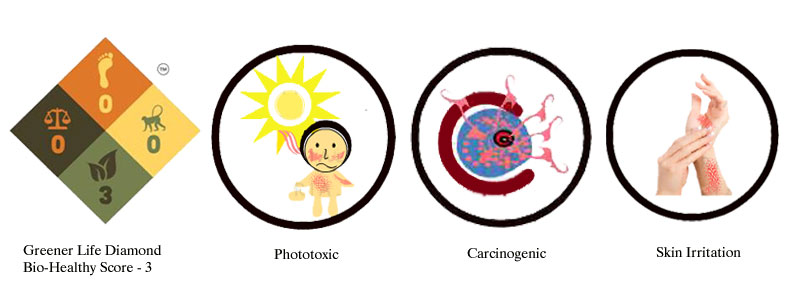
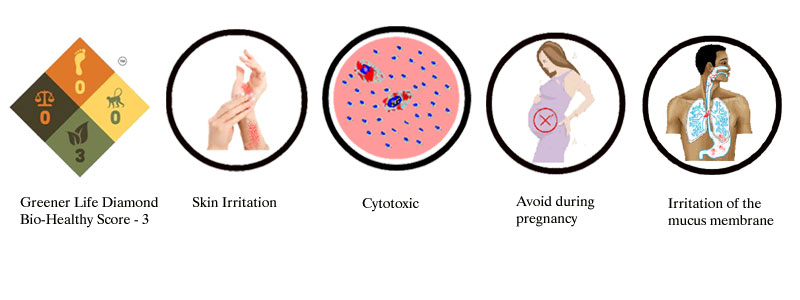
Greener Life Diamond – Bio-Healthy Score => 3 – Possible Skin Issues:

See => http://www.essentialdepot.com/GreenerLifeDiamond.html

Wormwood oil is considered as a narcotic oil when used in higher doses. The adverse effects of Wormwood oil is attributed to the presence of chemical constituent thujone, which contributes to about 50 percent of the oil. Thujone containing oils are restricted prevalently, mainly due to the concern of its psychotropic, nephrotoxic and neurotoxic effects. It may cause skin irritation, redness, eruptions in sensitive skin and dermatitis.

Studies witness the excitation of the autonomic nervous system due to convulsions and binding of the GABA receptors caused due to α and β-thujone. It is also a known fact that high amount of thujone and its metabolites can induce convulsions, unconsciousness, seizures, gastrointestinal cramps, insomnia, tremors, dizziness, hallucinations, vomiting, headaches, retention of urine, renal lesions, congestive heart failure and rhabdomyolysis (collapse of muscular fibers).

Wormwood should never be used internally as there are numerous studies witnessing the severe toxic effects of ingesting this oil and few cases include absinthism and the acute renal failure due to rhabdomyolysis in a person who drank about 10 ml of Wormwood oil; In an another case, the intake of 60 ml of Wormwood oil ended up in seizure, altered mental faculty, attention disability, rhabdomyolysis and hyperthermia.

Blend Wormwood oil in mild carrier oils like Coconut oil or Avocado oil before topical use as pure and organic essential oils are highly concentrated substances and can harm the skin surface if used in a concentrated form. The safe level of dermal use for this oil is 0.4% by IFRA (International Fragrance Association).

Dr. William Smith in a Medico-Chirurgical transaction study talks about the case of poisoning by Wormwood oil. It is stated that this oil has narcotic influence that may have negative impact on the nervous system, causing headache, convulsions, giddiness, vomiting, tremors and paralysis.

The PanAfrican Medical Journal study talks about the burning effects of Wormwood herb, where a 50 year old woman reported a severe pain in the facial skin with a dry and delicate erythema in the cheeks and forehead classified as an initial degree burn.

It was concluded that the presence of toxic agents, like thujone and malic acid were responsible for the adverse effects like redness, skin sensitivity and chemical burns. It was termed as a phytodermatose, which are lesions on the skin due to the frequent contact with certain herbs. Research reports also state that thujone is porphyrogenic in nature and can be hazardous for patients with defective hepatic heme synthesis.

With thujone being the toxic component, using Wormwood oil can act as a threat to pregnancy as it may affect the health of the uterus with its emmenagogue and abortifacient effects and is good to continue avoiding this oil during lactation as well.

It is advisable to restrict the use of this oil on children as they have a sensitive skin. Wormwood oil can also cause allergic reactions on the skin for those who are susceptible to plants of the Compositae/Asteraceae family like the Marigold, Ragweed, Chrysanthemum etc.,

Reference Links Substantiating the Possible Skin Issues of Wormwood Oil:

  1. Artemisia absinthium: burning plant! By Najia Ilham El Makrini, Badredine Hassam, Department of Dermatology, Ibn Sina Hospital, Rabat, Morocco published in the PanAfrican Medical Journal
  2. Case of Poisoning by Oil of Wormwood (Artemisia absinthium) by Dr. William Smith, Surgeon Chesterfield and North Derbyshire Hospital, published in Medico-Chirurgical Transactions, Royal Society of Medicine
  3. Wormwood by Essential Oil Safety: A Guide for Health Care Professionals By Robert Tisserand, Rodney Young
  4. Wormwood Toxicology by Leung’s Encyclopedia of Common Natural Ingredients, used in Food, Drugs and Cosmetics by Ikhlas A. Khan and Ehab A. Abourashed
  5. Adverse events and side effects of Artemisia absinthium by American Herbal Products Association’s Botanical Safety Handbook, Second Edition by Zoe Gardner, Michael McGuffin
  6. Toxicology and adverse reactions of Wormwood by Drugs.com
  7. Side effects of Wormwood by University of Michigan Health System

Thought for the day:

Life is not living, but living in health. 

– Martial, Roman poet

Suggested Reading:

  1. Artemisia (Medicinal and Aromatic Plants – Industrial Profiles) by Colin W. Wright
  2. Complete Aromatherapy Handbook: Essential Oils for Radiant Health by Susanne Fischer-Rizzi
  3. Aromatherapy for the Soul: Healing the Spirit with Fragrance and Essential Oils by Valerie Ann Worwood

Reference Links:

  1. Wormwood by Ingrid Naiman
  2. Health Benefits of Wormwood Essential Oil by Organic Facts
  3. Wormwood by Cancer.Org
  4. Wormwood Ancient Chinese Folk Remedy May Hold Key to Non-Toxic Cancer Treatment by Dr. Clark Information Center

Yara Yara Essential Oil

Yara Yara essential oil, prevalently known as Yarrow essential oil has a bundle of therapeutic properties that has made its presence inevitable in the world of Complementary and Alternative Medicine including the oldest natural healing system known as Ayurveda, meaning the knowledge of life.

Yara-yara-bannerUse of Yarrow as a natural medicine dates back to more than 60 thousand years and this was proved by its presence on the body of a Neanderthal. Such a distinguished herb is used in different forms like essential oil, decoction, powder and much more in treating a series of illnesses.

Historical uses of Yara Yara essential oil:

Yara Yara, a celebrated sacred herb was known to be used by Achilles, the Greek hero of Trojan War for healing the wounds and to curtail bleeding of his soldiers. The botanical name of this plant Achillea Millefolium is followed by his name Achilles. Historical references prove that the ancient Chinese medicinal system used Yarrow essential oil to treat problems related with menstruation whereas the primordial Scandinavians used this efficacious oil to treat rheumatism.

Yarrow essential oil was used in Scotland to protect from evil and was trusted to have an all-healing potential to treat numerous disorders all through the ages. Yara Yara oil was added to certain Swedish beers and the historical uses of this herb goes on and on as a never-ending list. This herb is also known as Milfoil for its feathery look.

Where does Ayurveda come into picture?

Ayurveda, the knowledge of life is a holistic approach and the oldest systems of medicine in treating humanity. According to Ayurveda, any disease is an indication that your body is out of balance. Every individual is considered unique with a specific set of physical, mental and spiritual values. Ayurveda trusts that human beings are imperative part of nature and every human body is made up of the five vital elements of nature, namely air, water, ether, fire and earth.

An individual’s constitution is made up of three predominant bodily humors known as doshas (Vata, pitta and kapha), which are a combination of any of these five elements of nature and it determines the personality and attributes of a person. With this belief as the fundamental principle, Ayurvedic texts indicate that the disharmony of your system with nature is the root-cause of all illnesses.

The beauty of Ayurvedic healing lies in transforming the entire lifestyle of an individual into a healthy one based upon his unique constitution. Ayurveda believes that nothing better than natural remedies can cure mankind that is a part of nature containing the vital elements of nature. For this Ayurveda prescribes the use of herbs, essential oils extracted from plants, yoga, meditation and spiritual values that binds humanity with one’s Creator.

Ayurvedic health benefits of Yara Yara Essential Oil:

Yara Yara is known as Biranjasipha in Ayurveda. With cooling properties, Yarrow and its essential oil is said to treat pitta imbalances like indigestion, fever during cold, heartburn and inflammation.  In their famous book Ayurveda and Aromatherapy’, Dr. Light Miller and Bryan Miller bring out the effectiveness of essential oils for the chakras, known as the transfer points of feelings and the bodily functioning of certain endocrine glands.

Light Miller says “the essential oils increase the finest and farthest vibrations and assist all of the subtle bodies. Essential oils can stigmata and assist in the process of awakening, healing, opening the chakras, and strengthening the aura.” According to her, Yara Yara essential oil is one best essential oil in stimulating the heart chakra.

Yara-yara-broucher1. Yara Yara oil for the skin:

With its antiseptic, emollient, anti-inflammatory, haemostatic, vulnerary and antispasmodic properties, yara yara essential oil is among those best natural oils in treating numerous skin problems like cuts, burns, acne, rashes, marks, open sores, stretch marks, dermatitis, psoriasis, inflamed wounds, epileptic seizures, dryness, eczema, unshorn skin due to aging and many other.

This oil stops bleeding, aids in retaining the moisture of the skin and helps significantly in the quicker formation of new skin. By stimulating the leucocytes and blood platelets in the affected region, this oil effectively checks and curbs the presence of bacteria, fungus and other microbes that worsen the wounds.

Staphylococcus aureus is a harmful bacterium that causes the infection of wounds and Yara Yara essential oil with its antimicrobial effects has been proved effective against the effects of Staphylococcus species. This study proved that the presence of chamazulene component in Yara Yara oil augments the antibacterial activity, making it the best natural remedy for wound treatment since ages.

2. Yara Yara essential oil for the respiratory system:

Just like the other essential oils like peppermint, eucalyptus, tea tree, rosemary and hyssop essential oils with expectorant, analgesic and decongestant properties, yara yara essential oil is also effective in treating respiratory problems like congestion, cough, bronchitis, asthma attacks, cold and controls the secretion of phlegm. Adding few drops of this oil to your chest rub can grant you great relief from all sorts of respiratory problems.

A research on the ‘Antioxidant and antimicrobial activity of the essential oil and methanol extracts of Achillea millefolium subsp. millefolium Afan. (Asteraceae)’ by the Cumhuriyet University revealed that “Eucalyptol, camphor, alpha-terpineol, beta-pinene, and borneol were the principal components comprising 60.7% of the oil”. This makes Yara Yara essential oil as a promising natural remedy in treating cold, fever, cough and other respiratory disorders.

3. Yara Yara oil for the digestive system:

Yara Yara essential oil is highly beneficial for the digestive system and supports in treating various digestive disorders like constipation, colic, indigestion, stomach cramps, bloating, loss of appetite, heaviness along with pain in the chest, flatulence, gall-bladder and intestinal pain, gastric catarrh and few other dyspeptic conditions.

With its stomachic, carminative, digestive and anti-spasmodic properties, yara yara oil is said to remove and prevent gas formation in the stomach and intestines. This oil enhances the secretion of bile and other digestive juices, helping in trouble-free digestion.

A recent research proved that Yarrow has been traditionally used in the treatment of spasmodic gastro-intestinal disorders, inflammation and hepato-biliary complaints. A gentle Ayurvedic massage with 2 to 3 drops of Yara Yara essential oil blended with carrier oils like Jojoba oil, almond oil or sesame oil can grant immense relief from all sorts of digestive disorders.

4. Yara Yara essential oil for the nervous system:

This essential oil has hypotensive and tranquilizing properties that calms the heart and soothes the nerves. Hypertension, insomnia, high blood pressure, excess stress and brain hemorrhage can be assisted perfectly with the healing powers of Yara Yara oil. It tones up and relaxes the nervous system and boosts the immune power, making you resistant against harmful diseases.

5. Yara Yara essential oil for the circulatory system:

Yarrow essential oil enhances blood circulation and assists in treating hemorrhoids, varicose veins, arthritis, rheumatism, menopausal disorders, cystitis, irregular menstruation, dysmennorhea, formation of uric acid crystals in the body and few other health problems associated with the circulatory system. The anti-rheumatic, anti-inflammatory, haemostatic, emmenagogue and astringent properties of this oil makes it the ideal choice for treating problems related to improper circulation.

6. Yara Yara essential oil for the entire system:

Numerous other health benefits of using Yara Yara oil are removal of toxins from the body, control of dandruff and hair fall, promotion of hair growth, aid in treating gum problems, stimulation of the metabolic functions and hostility against infections in the excretory system and reproductive system.

Susanne Fischer-Rizzi talks about numerous gynecological uses of Yara Yara essential oil and she says that this oil can be used in douches, diffusers and sitz baths.

The most impressive information about Yarrow herb is its use by Hildegard of Bingen to treat breast cancer with the salve prepared with petals of yarrow flowers. She advised her patients to rub this salve on the ulcerated parts and expel the toxic things followed by the use of the ointment prepared with Yara Yara flowers to promote proper healing with its antioxidant properties.

When nature can gift us with a handful of promising remedies like these, why should you turn back to the contemporary medical system for artificial healing? Think again!!

Disclaimer:

Direct application of essential oils is not recommended as it may cause allergies or harms the skin; blend it with carrier oils before using it as massage oil or for any other topical application. Do not ingest essential oils or use it on babies and pregnant women without the advice of your health care expert.

Thought for the day:

Yarrow has been under experimental research as an antidote for radiation exposure, as an anticancer as well as antitumor agent, as an aid to detoxification from drugs and alcohol. It is useful in severe skin rashes and for wounds that will not hear.                        –Jeanne Rose

Suggested Reading:

  1. Aromatherapy for the Soul: Healing the Spirit with Fragrance and Essential Oils by Valerie Ann Worwood
  2. The Healing Intelligence of Essential Oils: The Science of Advanced Aromatherapy by Kurt Schnaubelt
  3. The Illustrated Encyclopedia of Essential Oils: The Complete Guide to the Use of Oils in Aromatherapy & Herbalism by Julia Lawless
  4. Ayurveda & Aromatherapy: The Earth Essential Guide to Ancient Wisdom and Modern Healing by Dr. Light Miller, Dr. Bryan Miller

Reference Links:

  1. Yarrow – Achillea Millefolium by Ingrid Naiman
  2. Antimicrobial effects of yarrow (Achillea Millefolium) essential oils against Staphylococcus species by Medical Sciences Faculties of Islamic Azad University, Tabriz, Iran
  3. Antioxidant and antimicrobial activity of the essential oil and methanol extracts of Achillea millefolium subsp. millefolium Afan (Asteraceae) by faculties of Cumhuriyet University, Turkey

Ylang Ylang Essential Oil

ylang-ylang-bannerYlang Ylang essential oil is an eminent value addition to the perfume and cosmetic industry. Not many of us knew this name a few decades back and thanks to the cosmetic industry that has spread the magic of this herb just like forest fire.

The use of Ylang Ylang and its oil can be attributed to the ancient times as historical references indicate the use of aromatic plants by mankind for more than thousands of years. The essential oil of Ylang Ylang has innumerable Ayurvedic health benefits that you will certainly be amazed at.

Purchase Ylang Ylang Essential Oil – Retail – CLICK HERE

Purchase Ylang Ylang Essential Oil – Wholesale – CLICK HERE

Historical uses and importance of Ylang Ylang oil:

Popularly known as the flower of flowers, all the parts of the Ylang Ylang tree has a celebrated history both in the West and the East. This tree is indigenous to Indo-Malaysia, Philippines and Java. It was used in salves to heal cuts, scrapes, insect bites, snake bites and few other skin disorders in Philippines.

The Ylang Ylang petals are spread over the bed of newly married couples in Indonesia for its mesmerizing aroma and sensual effects.

The essential oil of Ylang Ylang was used in making of antimacassar, an ornamental chair cover that prohibited the Macassar oil from discoloring the upholstery. This oil was also used as a prominent ingredient in Macassar oil, an effective hair pomade.

Ylang Ylang was also used as a medicinal herb in treating chronic disorders like typhus, malaria and intestinal infections. Few sources reveal that the prominent therapeutic properties were initially identified in the early 20th century by famous French chemists Rechler and Garnier on the Reunion Island.

Every part of the Ylang Ylang tree is used for various purposes and the entire tree is claimed to be highly beneficial in many ways. The people of Java use the paste of fresh flowers to treat asthma and the dried flowers to treat malaria.

In Samoa and Tonga, the bark of the Ylang Ylang tree is used as a laxative and to treat stomach disorders. The timber of this tree is used in canoe making and construction works. In Cook Islands this timber is used for making furniture, wooden shoes, crates, fishnet floats and lathe turnings. Ylang Ylang is considered as a culturally important and as a sacred tree.

Chemical constituents or Gas Chromatography Report (GC) of Ylang Ylang oil:

According to the Gas chromatography report, Ylang Ylang oil is constituted of about 8 major chemical components that add to the aroma, consistency, quality and therapeutic values of this essential oil.

Just click on:

For knowing more about the exclusive information of these key constituents of Ylang Ylang oil.

The table below on the Gas Chromatography report talks about the principal chemical constituents and its role in granting the therapeutic and other attributes to Ylang Ylang oil.

Ylang-Ylang-OIlAyurvedic health benefits of Ylang Ylang essential oil:

The most incredible thing about Ayurveda is that it considers every individual as a ‘unique person’ with special individual constitution known as doshas. Ayurveda considers illness as a sign of imbalance in the system as Ayurvedic philosophy states that ideal health can be attained only by having a strong immune system and is a symbol of perfect harmony between a person’s mental, physical and spiritual wellness.

This ancient methodology trusts in treating mankind with the theory of five senses namely vision, smell, taste, touch and sound through colors, aroma, herbs, Abhyanga or Ayurvedic massage with essential oils and music respectively.

Essential oils are highly concentrated liquids extracted from plants using steam distillation. Every individual has a unique combination of three doshas (metabolic principles controlling mind and body) known as vata, pitta and kapha and the individual’s character, personality and health is often determined by the predominance of any of these dosha types. Imbalance of doshas acts as the basis of diseases where,

  • Vata imbalance causes weak memory, insomnia, dry skin, constipation and anxiety.
  • Pitta imbalance causes heartburn, acne, anger, indigestion, excess perspiration and criticism.
  • Kapha imbalance leads to obesity, respiratory disorders, water retention, sluggishness, possessiveness and uncaring.

With gentle, uplifting and moisturizing properties, Ylang Ylang essential oil is suitable in treating vata and pitta imbalances like frigidity, impotence, acne, boils, dry skin, wrinkles and skin irritations.

In their popular book ‘Ayurveda and Aromatherapy’, Light Miller and Bryan Miller say that individuals with imbalanced vata need warming up, calmness, relaxation, boost in self-esteem, sensuality for an attached life with their partner and using aphrodisiac essential oils like Ylang Ylang aids in augmenting the functional and hormonal ability of the sex organs.

People with pitta imbalance need help for venting out their anger and unwanted tension to experience their elated personality. Essential oils extracted from flowers like Ylang Ylang helps in supporting such conditions with their calming and cooling tendency.

The Ayurvedic health benefits of Ylang Ylang essential oil are:

Ylang-ylang-broucher (2)1. Excellent oil for skin care:

Ylang Ylang essential oil is very effective and versatile in toning and stimulating the skin cells mainly because of its power to balance the production of sebum, making it suitable for all types of skin and as a promising remedy for treating Seborrhoeic Eczema.

The soothing, anti-seborrhoeic and antiseptic properties of this oil supports in treating skin inflammation, boils, skin irritation, chapped lips, acne, wounds, burns, blemishes, wrinkles, dry skin and few other signs of aging. Adding few drops of Ylang Ylang oil in your skin care lotion will help you in retaining the moisture of the skin, leaving it healthy and glowing.

2. Long, lustrous hair:

An ancient tribe known as Bori Bori used the Ylang Ylang flowers as a hair conditioner by mixing it in coconut oil. They also rubbed these flowers all over the body and decorated themselves by making necklace, headdresses, natural crowns and garlands for its splendid fragrance and curative values.

Massaging few drops of Ylang Ylang essential oil blended with coconut oil or almond oil aids in promoting hair growth, preventing hair loss, nourishing the scalp, augmenting the natural shine of the hair, making it long, lustrous, healthy and voluminous. What else? You are all set to be the proud owner of beautiful hair and gorgeous looks.

3. Relaxing and harmonizing:

Ylang Ylang essential oil is proved to be clearing heart fire and calming the heart due to the sedative quality of its primary constituent Monoterpene Alcohols. The traditional system of healing using aromatics suggests the use of Ylang Ylang essential oil to reduce and regulate rapid heart rate, high blood pressure and rapid breathing as it mainly supports the fourth chakra i.e, the heart chakra because of its connection in the initiation of the heart spirit.

An Evidence-Based Complementary and Alternative Medicine Research on ‘Essential Oil Inhalation on Blood Pressure and Salivary Cortisol Levels in Prehypertensive and Hypertensive Subjects’ proved that inhaling essential oil blend with ylang ylang, neroli, lavender and marjoram proved effective in controlling blood pressure and is strongly recommended for preventing the progression of hypertension. This research also proved that “Ylang-ylang oil lowers blood pressure, alleviates palpitations and nervous system excitation, and promotes emotional relaxation”.

Another research titled “Evaluation of the harmonizing effect of ylang-ylang oil on humans after inhalation” by Department of Pharmaceutical Chemistry, Srinakharinwirot University, Thailand conducted a study on the effects of Ylang Ylang essential oil on human physiological parameters like pulse rate, blood pressure, skin temperature and breathing rate while self-evaluation was assessed in terms of mood, calmness, relaxation, attentiveness, vigor and alertness.

This research proved that Ylang Ylang oil has a harmonizing effect that is momentous in lessening increased pulse rate and blood pressure as well as efficacious in increasing subjective alertness and attentiveness.

4. Firm foe for depression and other mental disorders:

With its sedative, calming, uplifting, nervine, anti-depressant, relaxing, euphoric and regulative properties, Ylang Ylang essential oil is a solid enemy for mental depression, stress, anxiety, insomnia, nervous tension, mood fluctuations, anger and few other mental disorders.  This oil aids in balancing hormones and effectively assists in mood swings associated with menopause and PMS (Pre-menstrual Syndrome).

A study published in PubMed on ‘Relaxing effect of Ylang Ylang oil on humans after transdermal absorption’ proved that Ylang Ylang essential oil is of great value in causing calmness, relief of stress and depression in humans.

You can use it as soothing massage oil blended with any of your favorite carrier oils like Jojoba oil, coconut oil or olive oil. Ylang Ylang essential oil can also be used in compresses, in candles, diffusers or air fresheners. Adding few drops to your bathing tub with warm water can alleviate stress and induce good night’s sleep.

5. Long lasting love and lust:

Ylang Ylang flowers and the essential oil extracted from these flowers are banked upon mainly for the aphrodisiac values adorned by its balsamic, floral, sweet, misty and woody aroma that aids in balancing male and female energy levels. It can significantly reduce emotional conflicts between these apparent opposites.

The sensual fragrance of Ylang Ylang essential oil is simply ideal for the perfect dream nights with your partner. It has positive influence on sexual feelings, tones the reproductive system, grants pleasure, treats lack of confidence and is also powerful in treating impotence and frigidity.

6. Perfect Partner of the Perfume industry:

The compelling fragrance of Ylang Ylang essential oil will make you stand out of the crowd. It is for this natural floral and delicate scent, ylang ylang oil is used in a handful of renowned perfume brands like Chanel No. 5, Escape by Calvin Klein, Beautiful by Estee Lauder, Acqua di Gio by Armani, Champs-Elysees by Guerlain and Poison by Christian Dior. Hmmmmm……………….Haaaaaaaaaaa…….. Doesn’t that smell so good? Absolutely it does.

Other uses:

Apart from all these health benefits, Ylang Ylang oil and the other parts of this tree are used in treating intestinal tract infections, symptomatic manifestation of malaria, fevers, epilepsy, tachycardia, agitation, distress, restlessness and other psycho-emotional imbalances. It is also used in making soaps, cosmetics and shampoos.

You will be surprised if I say that Ylang Ylang oil is also used as a safe flavoring ingredient in the food industry. A well-known study on “Safety assessment of Ylang Ylang as a food ingredient” indicated that “Ylang-Ylang oil has a long history of fragrance and food flavoring use, with no indication that its estimated consumption from food flavoring use (0.0001 mg/kg/day) has led to any adverse human health effects and at the current level of intake as a food ingredient, Ylang-Ylang oil does not pose a health risk to humans”.

Ylang Ylang essential oil is extracted from the star-shaped Ylang Ylang flowers and indeed it is a STAR OIL of all times and one more astonishing news is that it requires approximately 50 pounds of Ylang Ylang flowers to obtain 1 pound of Ylang Ylang essential oil.

Disclaimer:

This article is just for your information and do not ingest any essential oils or apply them directly to your skin without proper consultation with your Ayurvedic Practitioner, as every individual is unique and one that suits you might not suit your partner or your kid.

The MSDS (Material Safety Data Sheet) of Ylang Ylang oil is readily available for your enhanced safety and superior usage.

Gas Chromatography Report (GC) of Ylang Ylang oil.

Thought for the day:

 It was very pleasant to savor its aroma, for smells have the power to evoke the past, bringing back sounds and even other smells that have no match in the present.

-Tita

Suggested Reading:

  1. The Healing Trail:: Essential Oils of Madagascar by Georges M. Halpern, Peter Weverka
  2. HEALING POWERS OF YLANG YLANG OIL (The Aromatherapy Professional: Healing with Essential Oils) by KG Stiles
  3. How to Use Ylang Ylang Essential Oil (Aromatherapy) by Miriam Kinai
  4. Ayurveda & Aromatherapy: The Earth Essential Guide to Ancient Wisdom and Modern Healing by Dr. Light Miller, Dr. Bryan Miller

 Reference Links:

  1. Aromatherapy from Ayurveda’s Perspective by Yayoi Stavish
  2. Cananga Odorata (Ylang-Ylang) by Pacific Island Agroforestry
  3. Relaxing effect of ylang ylang oil on humans after transdermal absorption by PubMed
  4. Essential Oil Inhalation on Blood Pressure and Salivary Cortisol Levels in Prehypertensive and Hypertensive Subjects by In-Hee Kim, Chan Kim, Kayeon Seong, Myung-Haeng Hur, Heon Man Lim and Myeong Soo Lee, Evidence-Based Complementary and Alternative Medicine Volume 2012

Pimento Berry Essential Oil

Won’t it be a heavenly feeling after opening a box full of all the spices put together? Undoubtedly ‘Yes! ‘is the answer that I can read from your face. Known as ‘ALLSPICE’, Pimento berry and its steam distilled essential oil from the leaves and dried berries smell like seventh heaven as its power-packed spicy aroma reminds you of warm spices like clove, pepper, cinnamon and nutmeg.

pimento-berry-bannerBotanically acknowledged as Pimenta officinalis and Pimenta dioica, this herb is also nurtured with other common names like Jamaica pepper, clove pepper, new spice, bay rum berry and pimento. Known as seetful and kabab cheene in Ayurveda, Pimento berry has been used conventionally for relieving toothache and treating bad breath.

Purchase Pimento Berry Essential Oil – Wholesale – CLICK HERE

Historical uses of Pimento berry:

Indigenous to Central America, Caribbean Islands and Jamaica, this herb has been in use in the folklore medicine of Mexico during the Pre-Hispanic period and the traditional Jamaicans used this remedial herb in tea and as a tonic for healing menstrual cramps, stomach problems and cold. The Haitian inhabitants in Cuba used Allspice in herbal preparations for treating digestive disorders and toning the stomach.

Allspice herb and its oil have been historically used for curing gastrointestinal problems, cramps, rheumatic pain and toothache.

Pimento leaves were used in the Dominican Republic in tea for reducing vomiting and the Western herbal medicine makes use of Allspice extracts in making plasters for treating rheumatic and neuralgic pains. Allspice water and Allspice oil were recognized by the British Pharmacopeia in 1898. This herb was also trusted to help quitting bad habits, breaking magical spells and guarding against evil powers.

Chemical constituents and therapeutic properties of Pimento berry oil:

Pimento berry essential oil has stimulant, tonic, depurative, carminative, astringent, deodorant, stomachic, antidepressant, purgative, diuretic and antiseptic properties. The chemical constituents that contribute to the remedial values of this oil are eugenol (about 75%), sesquiterpene caryophyllene, β-caryophyllene, methyl eugenol and 1, 8-cineole.

Ayurvedic health benefits of Pimento berry essential oil:

Universally known as the mother of all healing sciences, Ayurveda is the oldest of all medicinal systems in the world. Ayurvedic texts have recorded brilliant remedial measures right from common cold till plastic surgery methods that was carried out by the Ayurvedic physician, Sushruta during 6th century BC in India and he is celebrated as the father of plastic surgery.

According to this magnificent methodology, human beings are a vital part of nature and every action whether physical, emotional, spiritual, psychological or environmental are linked with natural energies. Illness, according to Ayurveda just indicates that the human body is out of balance with nature.

Ayurveda precisely classifies that human beings are made up of three energy elements known as doshas in Sanskrit (vata, pitta and kapha), where vata represents air, pitta symbolizes fire and kapha stands for water. All these three doshas should strike perfect balance for an individual to be healthy and sickness indicates either increase or decrease of any of these or all the 3 doshas.

Ayurvedic remedies consist of herbs, essential oils, Ayurvedic massage, meditation, yoga and physical exercises along with spiritual ideals that help one to understand the purpose of life. Allspice essential oil in Ayurveda is said to treat pitta deficiency along with surplus of vata and kapha.

The key Ayurvedic health benefits of Pimento berry essential oil are:

pimento-berrry-broucher1. Treats respiratory problems:

The major cause for respiratory problems like sinus, cough, severe cold, chest congestion, difficulty in breathing due to excess mucous and phlegm deposits on the lungs etc., is due to the water based energy element kapha. Increase in kapha dosha due to climatic conditions or irregular food habits increase water content in the body and further infections cause cold and other respiratory problems.

Allspice essential oil reduces kapha and aids in treating respiratory infections like bronchitis, cough, chills and congestion. For instant relief, you can add 2 drops of Pimento oil in boiling water for steam inhalation.

2. Helps cure digestive disorders:

Widely used as a carminative, Allspice oil has stomachic and tonic properties that aids in assisting problems with digestion, flatulence, nausea, gastrointestinal tract disorders, loss of appetite, colic and dyspepsia. Herbal tea prepared with Allspice powder or a gentle massage with 3 to 4 drops of Allspice essential oil with coconut oil can help in alleviating digestive disorders.

3. Relieves rheumatic and muscular pain:

As known before, excess of kapha causes water retention or fluid retention paving way for rheumatic problems as the toxic substances stagnate in the body, hindering its regular functioning.

Pimento berry essential oil with its warm, diuretic and anti-inflammatory effects helps in relieving rheumatism, reducing inflammation, muscular aches and arthritic pain when used as a massage oil with 2 drops of Pimento berry oil blended with warm carrier oils like sesame oil can grant relief. You can also add 3 to 4 drops of Allspice oil in warm bathing water for utilizing the stimulating rubefacient effect of this oil in treating neuralgia, stiff muscles and rheumatic pain.

4. Positive effects on degenerative and cancerous diseases:

A 2011 research on ‘Composition and antioxidant activity of essential oil of Pimento from Jamaica’ tested the “antioxidant properties of this essential oil in terms of its free-radical scavenging activity against 1,1-diphenyl-2-picrylhydrazyl (DPPH), 2,2′-azinobis (3-ethylbenzothiazoline-6-sulphonic acid) diammonium salt (ABTS) radical cation and superoxide anion”.

This study witnessed that Pimento berry essential oil possess very high radical fighting activities compared to that of pure eugenol and also recommended its use as a natural antioxidant along with good flavor and enormous health benefits, including cancerous and degenerative diseases due to the effect of free radicals.

5. Calms the mind and body:

The comforting, warming, encouraging, uplifting and fostering aroma of Pimento Berry essential oil renders a sense of personal touch, self-confidence and freshness on the mind and body.  As a proven tonic for the central nervous system, this oil supports in treating neuralgia, nervous exhaustion, convulsions, hysterical paroxysms, depression, fatigue and stressful conditions.

Enriching your potpourri, diffuser, burner, vaporizer or bathing water with 3 drops of Allspice essential oil can grant you ultimate solace after a long tiring day and can also kick start your confidence for a promising dawn. It is for this strong purpose, Pimento berry essential oil has been a part of men’s perfume ranges.

Other health benefits:

Allspice essential oil is also known to be used in food industry for flavoring frozen food items. Its potent antioxidant effects have made its use compelling in meat preservation. Dentists use eugenol as a trusted antiseptic and local anesthetic for treating problems with gum and teeth. Pimento berry essential oil contains rich eugenol content that makes it a promising agent for treating halitosis and other dental problems.

Disclaimer:

Always use essential oils after diluting it in carrier oils. Never take essential oils internally as it may cause harm. Consult your Ayurvedic practitioner before using specific essential oils for your unique constitution and the quantity of oils to be used. Use Allspice essential oil in low dilutions as it has a high content of eugenol and may cause skin irritation.

Thought for the day:

Let your life lightly dance on the edges of Time like dew on the tip of a leaf.
-Rabindranath Tagore

Suggested Reading:

  1. Vibrational Healing: Revealing the Essence of Nature through Aromatherapy and Essential Oils by Deborah Eidson
  2. Ayurveda & Aromatherapy: The Earth Essential Guide to Ancient Wisdom and Modern Healing by Dr. Light Miller, Dr. Bryan Miller
  3. The Complete Herbal Guide: A Natural Approach to Healing the Body by Stacey Chillemi

Reference Links:

  1. Traditional Uses of Allspice by Natural Standard The Authority on Integrative Medicine
  2. Composition and antioxidant activity of essential oil of pimento (Pimenta dioica (L) Merr.) from Jamaica published in PubMed
  3. Pimento/Allspice by herbwisdom.com
  4. What Are The Health Benefits of Allspice Leaf? By Livestrong.com

Gingergrass Oil

Gingergrass-bannerEnsconced with enormously sensual, spicy, warming, lemony and peppery aroma, Gingergrass essential oil is extracted from the aromatic and herbaceous grasses of Cymbopogon martini var. sofia, the most loved sibling of Palmarosa known as Cymbopogon martini var. motia.

It is also beckoned as the most popular botanical cousin of Lemongrass. Gingergrass oil has excellent properties for nurturing healthy skin and it is for this reason, it has been used for centuries together in making Indian soaps for treating acne, wrinkles, scars and marks.

Indigenous to India, Gingergrass and its extracts, including its essential oil is a time-honored ingredient of numerous Ayurvedic formulations prescribed for the treatment of inflammation, sinusitis, allergies, joint pain, muscular aches, sore throat, depression, loss of libido, dermatitis, acne, cough, common cold and certain other health disorders. Gingergrass is called as Sofiya in Sanskrit.

Purchase Ginger Grass Oil – Retail – 4 oz – CLICK HERE

Purchase Ginger Grass Oil – Wholesale – CLICK HERE

Historical uses and importance of Gingergrass:

Gingergrass (Cymbopogon martini var. sofia) is a thickly growing perennial grass variety that reaches up to a height of 2m and is found growing in the wild, especially in lower altitudes. Gingergrass essential oil is steam distilled from its aromatic grass in India since the 18th century. The herbaceous, sharp and woody aroma have paved ways for its use in making perfumes, colognes, soaps, herbal medicines, ointments, toiletries and skin care ranges.

A multilingual multi-script plant name database sorting Cymbopogon names quotes, “Two kinds of oil can be obtained from Cymbopogon martinii; Palmarosa oil from the variety known as “Motia” and Ginger-grass oil from “Sofia.”  It has also been mentioned that these two types are differentiable both aromatically and morphologically, where Motia variety is diploid and Sofia is tetraploid.

Therapeutic properties and chemical constituents of Gingergrass essential oil:

The major therapeutic properties of Gingergrass essential oil are analgesic, anti-fungal, anti-inflammatory, antiseptic, aphrodisiac, uplifting, bactericidal, anti-depressant, revitalizing, decongestant, anthelmintic and insect repellant.

The chemical constituents contributing to its healing powers are geraniol, trans-p-menthene-8-diol-1,2, cis- and trans-dihydrocarvone, cis- and trans-carveol, menthadienols limonene oxide and piperitenone. The grassy notes of this oil are due to the presence of Perilla alcohol, meaning dihydro cuminyl alcohol.

Ayurvedic health benefits of Gingergrass Essential Oil:

Ayurveda is a holistic healing methodology that considers and treats an individual as a whole person instead of treating any specific diseases or parts of the body. Legendary Ayurvedic Physician Mr. Vasant Lad rightly quotes in the Textbook of Ayurveda as, “Ayurveda treats the whole person, not just the organ or system involved.

This ancient healing system means ‘knowledge of life’ and aims at treating an illness after analyzing the root cause lying behind so as to help humanity to prevent such illnesses in the future. Health in Ayurveda means the wellness of the mind, body and spirit as it trusts that a healthy mind can survive only in a healthy body supported by a hale and hearty spirit.

The aim of Ayurvedic treatment according to National Institutes of Health is, “The aim of Ayurvedic medicine is to integrate and balance the body, mind, and spirit. This is believed to help prevent illness and promote wellness.

The modesty of Ayurveda vests in its way of treating every individual in a unique manner even if it is for the same illness. According to Ayurvedic texts, every human on earth is unique with a distinct individual constitution and similarly the way of treating human beings should also be unique according to his constitution, which is made up of three biological energies known as doshas. Everything on earth (including human beings) is made up of five vital elements namely air, water, fire, earth and space. Doshas are nothing but a combination of these vital elements.

Vata is a combination of space and air and governs the functions of the respiratory system and nervous system; Pitta represents fire and water and takes care of digestion, absorption and cognitive functions; Kapha stands for water and earth and is responsible for structure, movement of fluids in the body and sustenance.

Every individual has a predominance of any one of these doshas that determine their personality and traits. Balance between these doshas denotes health and imbalance due to change in lifestyle and food habits cause sickness.

Ayurvedic remedies like essential oils, herbs, yoga, physical exercises, prayers, meditation and Ayurvedic routine are prescribed according to the individual constitution in such a way to treat doshic imbalances. Gingergrass essential oil is said to lessen vata, pitta and kapha energy.

Let’s have a look at the Ayurvedic health benefits of Gingergrass essential oil:

Ginger-grass-boucher1. Pacifies the hassled mind:

Gingergrass essential oil has a sensual and warming aroma that calms the stressed, tensed and confused mind. Most often used for alleviating anxiety and depression, the citrusy, peppery and spicy fragrance of this oil assists in revitalizing your nerves and uplifting your senses. Massaging your body with 5 drops of Gingergrass oil mixed with 2.5 ml of almond oil can be of great assistance in lessening fatigue, anxiety, stress and depression.

The greatest news is that Gingergrass oil can implant complete freshness, happiness and a clean feeling even on a damp and drenched rainy day. All you need to do is to add 2 drops of Gingergrass essential oil to your room freshener and spray it to recharge your mood with absolute newness on a dull soggy day.

2. Relieves nasal and chest congestion:

Cold, cough, allergies and sinus congestion can rule your routine tasks, as you might find it difficult to concentrate on your work with such respiratory problems. The best thing that you need to do is to use a safe decongestant and expectorant that assists in discharging the mucous and phlegm deposits that lead to cough, cold, congestion and breathing difficulties. Increased kapha dosha is responsible for respiratory problems, stagnation of water, phlegm and mucous deposits.

Gingergrass essential oil is said to lessen kapha dosha and is a good expectorant, decongestant, bactericidal, antiseptic and anti-inflammatory. Adding 2 drops of this oil in steam inhalation can help you in relieving from blocked nasal passages, sinus congestion, headache and congestion.

You can also add 1 drop of Gingergrass oil to your vapor rub and gently massage your chest, throat and back to get rid of throat allergies, dry cough, stuffy nose and watery eyes. With its antiseptic and bactericidal properties, Gingergrass essential oil aids in arresting the growth of microbes causing respiratory infections.

3. Alleviates muscular and joint pain:

Most of us complain about back pain, headache, muscular pain or joint pain at the end of the day, after struggling for a full day with our official and household chores. Human body is the most delicate and sensitive set up. Often, we forget to give the priority that our body requires and our mind looks up to.

Mix 5 drops of Gingergrass essential oil with 2.5 ml of olive oil and gently massage your body and leave it for 15 minutes, followed by a warm bath (add 2 drops of Gingergrass oil in bathing water as well) before going to bed. Trust me; this will create a great difference in the quality of your sleep and the kind of relaxation your body can get after a tiring day. This massage and warming bath helps in promoting blood circulation, eliminating toxic substances in the body causing pain and inflammation and supporting muscular relaxation.

4. Repels mosquitoes and other insects:

Gingergrass and its extracts have been used as a powerful insect repellent and as the most effective natural aid against mosquitoes since the ancient times. A 1994 study was conducted on the ‘Repellent action of Cymbopogon martinii martinii Stapf var. sofia oil against mosquitoes’ by the Malaria Research Center, India to assess the repellent action of Gingergrass essential oil against mosquitoes under field conditions.

The results of this study depicted that Gingergrass oil has strong repellent power and it granted complete protection for 12 hours, against Anopheles culicifacies mosquitoes, which is the primary vector of malaria in India. It also said that this oil showed about 96.3% protection for 12 hours against a pest mosquito type. The best way to keep away from mosquitoes and other insects like bugs is to add 2 drops of Gingergrass oil to your diffuser or burner.

Another study on ‘Evaluation of repellent action of Cymbopogan martinii martinii Stapf var sofia oil against Anopheles sundaicus in tribal villages of Car Nicobar Island, Andaman & Nicobar Islands, India.’ Concluded that “Cymbopogan martinii martinii Stapf var sofia oil is an indigenous product, its application is safe and can be widely used for protection from malaria.”

5. Nurtures skin health:

How can something with the touch citrus be less benefiting to the skin? Absolutely not, Gingergrass essential oil has a lemony aroma and the citrusy touch in its therapeutic properties has excellent benefits for the skin. With its antiseptic, anti-fungal and bactericidal properties, Gingergrass oil is effective in treating pimples, black heads, boils, cuts, dermatitis, burns, ringworm, athlete’s foot, wounds and other skin infections.

Just like Palmarosa essential oil, Gingergrass oil is also said to be effective in treating marks, scars and wrinkles. Mix 2 drops of Gingergrass oil in your skin care cream or lotion and apply it the affected parts for effective results.

You can also add 2 drops of Gingergrass oil with 1 ml of olive oil and massage it gently on your skin and leave it over for 30 minutes, followed by a refreshing bath can help in improving your skin tone, reducing marks and scars, augmenting the circulation and regenerating the formation of new skin cells.

Other health benefits:

Gingergrass essential oil also has aphrodisiac properties that assist in treating loss of libido, impotence and loss of sexual interest along with clearing cluttered thoughts in the mind that weaken the intimacy with your partner. This oil is also used in making perfumes, soaps, colognes and other skin care products.

Disclaimer:

This article is only for the purpose of education and is not meant to diagnose or substitute any prescribed medication or professional medical advice. Always use essential oils in a diluted manner and never use it internally as organic and pure essential oils are highly concentrated solutions and can cause harm if not used properly.

Gingergrass essential oil has slight phototoxic effect like the citrus oils, so do not go out in sun immediately after using it topically, to avoid the harmful effects of ultraviolet rays. Consult your Ayurvedic expert before choosing the appropriate essential oils for your unique health condition and individual constitution.

Thought for the day:

To cherish what remains of the Earth and to foster its renewal is our only legitimate hope of survival.   -Wendell Berry

Suggested Reading:

  1. Ayurveda & Aromatherapy: The Earth Essential Guide to Ancient Wisdom and Modern Healing by Dr. Light Miller, Dr. Bryan Miller
  2. Traditional Systems of Medicine by M. Z. Abdin
  3. Get Healthy for Good: 52 Brilliant Ideas for Mind and Body Well-being (52 Brilliant Ideas): 52 Brilliant Ideas for Mind and Body Well-being (52 Brilliant Ideas) by Kate Cook
  4. The Aromatherapy Encyclopedia (Volume 2 of 2): A Concise Guide to Over 385 Plant Oils by Carol Schiller

Reference Links:

  1. Sorting Cymbopogon names by University of Melbourne
  2. Essential Oils and Their Constituents: XXVII. Composition of Oil of Gingergrass by M. C. Nigam, Ishwar C. Nigam, Leo Levi published by NRC Research Press in The Canadian Journal of Chemistry
  3. Repellent action of Cymbopogon martinii martinii Stapf var. Sofia oil against mosquitoes’ by Ansari MA, Razdan RK, the Malaria Research Center, India published in PubMed
  4. Cymbopogon martinii by Wikipedia

Ginger Oil

Ginger-oil-bannerGinger oil is known as the “Oil of Empowerment” and is called in Ayurveda as Mahaushadha, meaning “universal medicine”, predominantly for its ability to heal the mind, body and soul, which are the three vital pillars of perfect health in Ayurveda.

Along with turmeric, galangal and cardamom, Ginger is yet another potent limb of the Zingiberaceae plant family. As a common culinary spice, Ginger is found in countless kitchens across the world and takes the pride of being used as a natural home remedy for addressing digestive and respiratory disorders.

Botanically named as Zingiber officinale, this powerful herb is called as Singara, Katubhadra and Srngaveram in Sanskrit. Ginger in any form, say fresh ginger, dried ginger or ginger extracts like juice, essential oil or powder has a bunch of absolute healing wisdom.

Ayurveda, the oldest healing system on earth prescribes Ginger as a remedy for indigestion, flatulence, nausea, loss of appetite, morning sickness, bronchitis, menstrual cramps, respiratory infections, arthritis, cancer and for enhancing the immune power. It is also recommended for treating fear, hopelessness, instability and for rekindling the inner fire for ultimatum.

Purchase Ginger Oil – Retail – 1 oz – CLICK HERE

Purchase Ginger Oil – Retail – 4 oz – CLICK HERE

Purchase Ginger Oil – Wholesale – CLICK HERE

Historical importance of Ginger:

Ginger is one among the oldest of spices used for more than 4400 years across different cultures universally. With more than 1,200 species, Ginger has been proved scientifically for treating numerous health disorders. Its name is extracted from a Sanskrit word ‘srngaveram’, which means ‘horn root’.

According to the report by the University of Maryland Medical Center, “It has a long history of being used as medicine in Asian, Indian, and Arabic herbal traditions.” It has also been said that Ginger has been used in the Traditional Chinese Medicine for treating toothache, nausea, stomach upset, diarrhea and certain other digestive disorders.

Ginger and its other extracts have been a vital part of the ancient Ayurvedic remedies for obesity, poor metabolism, abdominal pain, motion sickness, impotence, weak memory, arthritis, flu, menstrual pain and as a heart tonic. It has its name etched in the most respected epic of India, Mahabharata.

This aromatic spice was recommended by King Henry VIII of England in the 16th century for fighting against the great plague. Greeks used Ginger as to combat the harmful effects of poison.

It is said that the West African women in Senegal knit belts of Ginger to restore their partner’s reproductive potency. Even today, Ginger is used in various dishes across the world for granting the finesse flavor and taste of this miraculous spice with mammoth health benefits.

Chemical constituents and therapeutic properties of Ginger essential oil:

The major chemical components of Ginger essential oil are camphene, a-pinene, b-pinene, zingiberene, geraniol, borneol, neral, geranyl acetate, 1,8-cineole, citral, b-bisabolene, linalool, nerol, geranial and y-terpineol.

These components contribute to its healing properties like carminative, antibacterial, anti-inflammatory, expectorant, analgesic, aphrodisiac, antioxidant, stimulant, antiseptic and emmenagogue.

Ayurvedic health benefits of Ginger essential oil:

Nothing is as astonishing as Mother Nature and the best wonder in the world is the human body that works like a magic to keep one going on and on. Ayurveda states that human beings are a part of nature and their illness and health depends upon their harmony with nature.

It further lights up this thought by stating that nature is made up of five vital elements, namely earth, water, fire, air and space and to our wonder, it’s also been said that a human being also has all these five elements.

Where earth is the muscles and bones, water is the blood, fire is the energy for various vital functions, air is our breath and space is the soul that co-ordinates all other functions and keeps us living.

The concept of healing in Ayurveda solely depends upon nature as it says that all the other things on earth are made for making mankind happy and healthy. For example, earth has 92 elements like calcium, potassium, magnesium, iron etc, and the human body also has all these 92 elements.

When a person lacks magnesium or calcium energy, he/she can take Ginger, which is rich in magnesium and calcium, whereas Ginger grows by absorbing the magnesium and calcium element from earth. How interesting it is, right?

Ayurveda regards every individual as a unique part of nature and suggests that the treatment should also be unique depending upon their individual constitution that is made up of three doshas namely vata, pitta and kapha.

Vata is a representation of air and ether, pitta stands for fire and water and kapha symbolizes earth and water. Vata controls respiratory and nervous functions, pitta takes care of metabolism and body temperature and kapha governs the structure, sustenance and movement of fluids in the body.

Balance between these three doshas indicates health, and imbalance due to unhealthy food habits and change in lifestyle symbolizes illness. Ayurvedic remedies aim at correcting these dosha imbalances with the help of herbs, essential oils, yoga, meditation, physical exercises, Ayurvedic routine, balanced diet and prayer.

Ginger essential oil is said to pacify kapha and vata dosha and aggravate pitta dosha with its warming, spicy, rich, woody and drying energy and aroma.

The Ayurvedic health benefits of Ginger essential oil are:

Ginger-oil-broucher1. Benefits to the digestive system:

Ginger is popularly known as Adrak in India and is a quick natural remedy for relieving indigestion, bloating, flatulence, dyspepsia, vomiting, spasms, nausea, loss of appetite, piles and colic.

Dr. Jaishree Bhattacharjee, a renowned Ayurvedic Consultant says, “Ginger has many useful minerals like calcium, phosphorus, iron, magnesium, copper, zinc and few others. It is a wonderful carminative, anti-flatulent and stimulant.”

Ginger essential oil has the potential to increase pitta energy that is responsible for the digestive fire. Add 2 drops of Ginger essential oil to your diffuser or air freshener before meals and let it stay there till you complete your food.

Inhaling the warming aroma of this oil enhances the appetite and improves the process of digestion, supports absorption of essential nutrients by the body and aids in alleviating the toxic substances with its hot potency, but for which the toxins or ama may otherwise cause serious illnesses.

You can also add 2 drops of Ginger oil to warm bathing water before going to bed or before starting a hectic day. This refreshing bath aids in promoting peaceful sleep, free from bloating, indigestion, gastric pain and other digestive disorders. If it is for the morning, Ginger has a handful of bright benefits like stimulating your nerves, rejuvenating your cells, improving your appetite and augmenting your mental power for facing your day to day challenges.

Ginger and its essential oil have been proven best for treating motion sickness even in children. Numerous studies have witnessed the effectiveness of Ginger is better than the effects of dimenhydrate, which is the most important ingredient in over-the-counter motion sickness and seasickness remedies like Dramamine.

It works by stimulating the flow of saliva and other digestive juices, pacifies the stomach, relieves pain due to gas and diarrhea, controls vomiting and supports easy discharge of stools. Mix 1 drop of Ginger essential oil with 10 drops of sesame oil and massage it gently on your stomach and abdomen for treating constipation and motion sickness.

2. Benefits to the mind:

Ginger essential oil is an effective natural remedy for treating emotional problems like fear, abandonment, and lack of self-confidence and of motivation. Using 2 drops of Ginger essential oil in diffuser, aromatic candles or in bath can help in improving memory power, treat mood swings, tendency to procrastinate, disconnectiveness, hopelessness, stress, anxiety, exhaustion, restlessness and depression.

Ginger oil is an excellent stimulant to the mind, body and soul. The encouraging aroma of this oil rekindles the inner fire and grants the power and confidence to step ahead and lead with courage and confidence.

Massaging your upper and lower abdomen (the root, sacral and solar plexus chakra) with 2 drops of Ginger oil with 1 ml of coconut oil aids in eliminating fear and mental blocks, enhancing the sense of trust, mental strength and enlightening the divine power rested within.

3. Benefits to the reproductive system:

Ginger is simply hot to support your intimacy with your partner as it has enormous aphrodisiac properties that have been assisting in the treatment of impotency, loss of libido, loss of sexual interest and premature ejaculation.

Gill Farrer-Halls in his book ‘The Aromatherapy Bible’ states that Ginger oil is an effective aphrodisiac and acts as a mild stimulant also. 2 drops of Ginger oil blended with 1 drop of Sandalwood oil and 1 drop of Rose oil added to your diffuser can drive in the positive energy required both physically and mentally for a complete “we time” together, by toning up the sexual organs and pacifying your mood.

Massaging your lower abdomen with 2 drops of Ginger oil blended with 1 ml of olive oil can be of great help in treating the problems of the female reproductive system by regularizing blocked or irregular menstruation, relieving menstrual pain and treating other problems associated with menstruation like nausea, dizziness, fatigue and mood fluctuations. Inhaling the reviving aroma of Ginger oil can aid in treating nausea and morning sickness during pregnancy.

4. Benefits to the respiratory system:

Ginger essential oil has the power to reduce kapha dosha. According to Ayurveda, excess of kapha energy is the main reason for respiratory problems like bronchitis, cold, sinusitis, asthma and congestion.

Ginger oil also has expectorant properties that aids in loosening the mucous and phlegm deposits and with its antiseptic properties, it assists in curbing the growth of microbes that spread respiratory infections.

Researchers of the Columbia University have proved that the components in Ginger root have properties that help asthma patients to breathe easily. The post-doctoral research fellow in the Columbia University Department of Anesthesiology, Elizabeth Townsend says, “In our study, we demonstrated that purified components of ginger can work synergistically with β-agonists to relax ASM.”

Adding 2 drops of Ginger essential oil in steam inhalation can assist in reducing cough, clear chest and nasal congestion, relieving sinusitis and helping in treating cold and flu symptoms. You can also rub your chest, back and throat with your regular Vapor rub mixed with 1 drop of Ginger oil for quick relief. Even today Ginger tea is a delicious and healthy way to keep away from cold, cough and flu in the Indian kitchens.

5. Benefits to the muscular system:

Muscular pain is a common illness that most of us experience in our day to day lives. Headache, back pain, knee pain and pain all over the body after a strenuous work are not a surprise to many of us.

What we all do is, rush to the pharmacy and grab pain relieving creams and sprays that grant relief. Most of us fail to realize that these over-the-counter remedies give temporary relief only and force us to use them again when the pain peeps out even worse the next time.

Ginger essential oil has anti-inflammatory, anti-rheumatic and analgesic properties that make it an exuberant natural aid for treating muscular pain, migraine pain, rheumatic pain, back pain, headache, joint pain, arthritis and weakness.

Excess of vata and kapha energy in the body lead to swelling, water stagnation, accumulation of toxic substances, inflammation, sore muscles, weakened nerves and muscular tension.

With its potent to reduce vata and kapha dosha and increase pitta or the fire energy, 3 drops of Ginger essential oil blended with 1 teaspoon of almond oil massaged gently on the painful area, spreads warmth in the body, reduces swelling and inflammation by eliminating toxic substances and water deposits from the body through urine and sweat and relieves pain by causing numbness in the painful parts.

6. Benefits to the entire system:

Ginger and its essential oil also act as a heart tonic and helps in improved circulation. According to the University of Maryland Medical Center, few studies have proved that ginger has the potential to prevent blood clotting, lower cholesterol, prevent blood vessels from getting blocked, which may otherwise lead to stroke or heart attack.

Ginger essential oil has antioxidant properties that have been proved efficacious in the prevention and treatment of cancerous cells.  A 2011 study on ‘Antioxidant activity of the volatile oils of Zingiber officinale (ginger)’ published in Spatula-DD, A peer reviewed journal on complementary medicine and drug discovery says “Ginger extracts have reduced total cholesterol, triglycerides and phospholipids levels, as well as cellular cholesterol accumulation, reduce DPPH absorption, scavenge free radicals and it has potential to improve the histopathological lesion occurring in different layers of the arterial tissue. In other word it is effective in attenuating of atherosclerosis development.”

This dominant herb has also been witnessed effective in the treatment of ovarian cancer. A 2006 study by the University Of Michigan Comprehensive Cancer Center presented in the annual meeting of the American association for Cancer Research stated that using Ginger solution (made with Ginger powder and water) on ovarian cancer cells ended up in their death. These cancerous cells died either due to autophagy (attacked/digested themselves) or due to apoptosis (committed suicide).

The book “A Complete Guide To Understanding and Using Aromatherapy For Vibrant Health and Beauty,” says that Ginger essential oil is effective in treating varicose veins and cellulites.

With rich vitamin C, Ginger oil can also help in treating scurvy. Mix 1 drop of Ginger oil with 10 drops of jojoba oil and apply it on the affected area for enhancing the skin health and reducing the symptoms of aging with its antioxidant properties.

Other health benefits:

Ginger essential oil can also assist in treating rheumatism, arthritis, muscular pain, loss of libido, problems of the lymphatic system, sore throat, chills, disconnectiveness, improper blood circulation, increased blood sugar levels, back pain and mood swings.

Disclaimer:

This article is only for the purpose of information and is not meant for treating or replacing any prescription drugs or professional medical advice. Always consult your Ayurvedic practitioner before choosing the right essential oil for your unique health condition and individual constitution.

Never use essential oils internally and always use essential oils in a diluted manner as pure and organic essential oils are highly concentrated liquids and may cause allergic reactions if used directly on the skin. Care should be taken, if you are a pregnant or nursing woman.

Thought for the day:

Deep in their roots, all flowers keep the light.
-Theodore Roethke

Suggested Reading:

  1. Ginger: Common Spice and Wonder Drug by Paul Schulick
  2. A Spoonful of Ginger: Irresistible Health-Giving Recipes from Asian Kitchens by Nina Simonds
  3. The Chopra Center Herbal Handbook: Forty Natural Prescriptions for Perfect Health by David Simon M.D., Deepak Chopra M.D.
  4. Ayurveda & Aromatherapy: The Earth Essential Guide to Ancient Wisdom and Modern Healing by Dr. Light Miller, Dr. Bryan Miller
  5. Ginger Recipes: 33 Mouth-Watering Recipes Using Natures Super Spice for Weight Loss, Health, and Beauty. (The Simple Recipe Series) by Ready Recipe Books

Reference Links:

  1. Ginger by The University of Maryland Medical Center
  2. Ginger Beats Drugs in Defeating Cancer, Motion Sickness and Inflammation by Health Impact News Daily
  3. Ginger is a powerful aphrodisiac and increases sexual prowess by Namini Wijedasa published in infolanka.com
  4. What are the benefits of Ginger? By Medical News Today
  5. Ginger – Ayurveda’s Root To Good Health by Ayurveda Acharya

Gurjun Oil

Gurjun-bannerAshwakarna is the Sanskrit name of the Common Gurjun tree and the trusted Ayurvedic remedy for relieving respiratory problems like asthma, bronchitis and chronic cough, for its ability to eliminate excess mucous deposits in the system.

Gurjun essential oil is extracted from the woods and the oleo-resin (well-known globally as East Indian copaiba balsam), extracted from the woods of the Gurjun tree by steam distillation method.

Known as Dipterocarpus turbinatus botanically, Gurjun is indigenous to the Andaman Islands and the eastern parts of India. Gurjun is also called as Gurjun Balsam and referred as Chhaagakarna and Ajakarna in Ayurveda and used in the treatment of rheumatic conditions, urinary tract infections, skin problems like eczema and psoriasis and chronic respiratory problems.

Purchase Gurjun Oil – Retail – 4oz – CLICK HERE

Historical uses of Gurjun:

Celebrated often as a key commercial timber species, the woods of this tree is considered vital in making of plywood. These notable reddish brown woods have been used in various countries including China, Cambodia, India and Yunnan. The resin extracted from the woods is used in making torches in Cambodia and the wood is employed in tea cabinet work, wood work and for sawing.

Gurjun tree is cultivated in India and China as a perfume as well as therapeutic plant. It is also used as a substitute for crude paint material. The leaves, wood and the resin of this tree have been in use in various Complementary and Alternative Medical systems for treating psoriasis, gonorrhea, bronchitis, leprosy, asthma and certain other skin disorders.

Chemical components and therapeutic properties of Gurjun oil:

The essential oil extracted from the oleo-resin of the Gurjun trees contains beta-caryophyllene, bicyclic sesquiterpene hydrocarbon, humulene and sesquiterpene alcohol. The remedial properties of this oil are diuretic, antifungal, antimicrobial, spasmolytic, anti-ulcer, stimulant, anti-rheumatic and decongestant.

Ayurvedic health benefits of Gurjun essential oil:

Cherished as the mother of all healing sciences, Ayurveda is the oldest of all healing systems on earth, trusted to have its roots deeply vested in the ancient history of the Indian mythology. The magnificence of Ayurvedic healing lies in its holistic healing approach that revolves around the principle ofThe three – body, psyche, and soul – act as a tripod. The world stands upon them, and within them, the world abides.

Health is not just a physical attribute according to Ayurveda and it depends upon the emotional, spiritual and environmental factors that affect an individual’s life.

The ancient Ayurvedic texts state that the world is made up of five elements namely water, air, fire, earth and space and every individual on earth is also made up of these vital elements. This paves way for the unique individual constitution that comprises of three biological energies known as doshas, namely vata, pitta and kapha.

Every human being has a predominance of any one of these doshas that determines his physical attributes, character, mental makeup and his behavior. Balance between these doshas is a symbol of perfect health and imbalance causes illnesses. Ayurvedic remedies like essential oils, herbs, yoga, physical exercises, Ayurvedic routine, meditation and a healthy lifestyle aim at striking absolute balance between these doshas.

Gurjun essential oil is said to lessen aggravated kapha, pitta and treat vata deficit.

The major Ayurvedic health benefits of Gurjun oil are:

Gurjun-broucher1. Relieves rheumatic problems:

Rheumatism is known as ‘Amavata’ in Ayurveda and is recognized by severe pain and inflammation of the joints, ligaments, muscles and tendons. Ayurvedic healing begins with the analysis of the root cause of an illness and aims at treating it instead of treating the illness alone.

The major underlying causes of rheumatic disorders according to Ayurveda are amassing of toxins or ama in the joints and the system, where these toxic substances are formed mainly due to poor metabolism, improper digestion and excretion; over exposure to cold weather conditions and infections in the gall bladder, teeth and tonsils.

Gurjun essential oil is regarded as one among the best Ayurvedic remedies for its potential to eliminate the toxic deposits in the joints and the entire system through urine, with its diuretic properties. This oil also has the power to reduce kapha dosha, which is responsible for excess water deposits, inflammation and swelling.

Blend 2 drops of Gurjun oil with 1 ml of coconut oil and massage it gently on the affected parts for guaranteed relief. You can also add 2 to 3 drops of this oil in hot compress for relieving pain and redness of the inflamed areas. The decoction prepared with the bark of this tree is prescribed in Ayurvedic medicine for treating rheumatism.

You can assist this natural remedy along with a healthy nutritious diet, Ayurvedic routine and yogasanas like Dhanur Asana and Hala Asana for complete relief from rheumatic conditions.

2. Alleviates respiratory disorders:

Respiratory system is known as Pranavaha Srotas in Ayurveda and it includes the nose, trachea and lungs, and the illnesses in this system are known as ‘Swasa Roga’. Vitiation of the respiratory system causes disorders that affect its normal functioning, which cause breathing difficulties and chronic conditions.

Imbalance of vata, pitta and kapha doshas cause different problems in the respiratory system, where excessive mucous deposits, obstruction and blockage in the nasal and respiratory passages are caused by excess of kapha dosha.

Ayurvedic medications that lessen kapha dosha are proven effective in the treatment of respiratory problems like bronchitis, asthma, chronic cough, chest congestion and mucous deposits in the nasal and bronchial passages. Gurjun essential oil reduces aggravated kapha dosha that assists in discarding excess mucous and phlegm deposits that obstructs normal breathing and relieves nasal and chest congestion.

The ideal way to use essential oils for treating respiratory problems is in steam inhalation. Add 2 drops of Gurjun oil in steam inhalation for relieving from problems associated with the respiratory system. You can also add 1 drop of this oil to vaporub or medicated ointments and rub it gently on the chest, back and throat for relief.

3. Supports skin health:

Gurjun Balsam oil is a popular ingredient in many Ayurvedic skin care formulations used in the treatment of wounds, bedsores, ringworm, cuts, boils, diaper rashes and psoriasis. Gurjun oil has antifungal and antimicrobial properties that curb the growth of harmful organisms like bacteria and fungi.

It speeds up the healing of wounds and prevents wounds from getting septic by fighting against the growth of bacteria like Staphylococcus aureus, which make the wounds to turn septic. Mix 2 drops of this oil in your regular skin care cream or lotion or with 1ml coconut oil and apply it on the infected parts for quicker healing. It works by combating micro organisms and retaining the natural moisture in the skin.

Other health benefits:

Few other documented use of Gurjun oil is its ability to increase blood pressure, stimulate the functions of the heart and treat ulcer. The fresh nutty, woody and balsamic fragrance of this oil has made its use vital in the perfume industry and in flavoring tobacco products.

Disclaimer:

This article is only for the purpose of information and is not intended to treat or replace any prescribed medication or professional medical advice. Never use essential oils internally and always use it in a diluted form as pure and organic essential oils are highly concentrated substances. Always seek professional advice from your Ayurvedic expert for choosing the appropriate essential oil for your unique health condition and individual constitution.

Thought for the day:

I believe a leaf of grass is no less than the journey-work of the stars.
-Walt Whitman

Suggested Reading:

  1. Gurjun, Apitong, Keruing, Kapurand Allied Timbers by S H. Clarke
  2. The Aromatherapy Encyclopedia: A Concise Guide to over 385 Plant Oils by Carol Schiller, David Schiller
  3. Analysis of Resins, Balsams and Gum-Resins: The Chemistry and Pharmacognosis by Karl Dieterich

Reference Links:

  1. Dipterocarpus turbinatus by Wikipedia
  2. Indian Medicinal Plants: An Illustrated Dictionary by C.P. Khare
  3. Respiratory Disease Management by Dr. Shekhar Annambhotla, MD, Ayurveda
  4. Gurjun Balsam Oil by Venkatramna Perfumers

Gultharia Oil

Gulthania-bannerGultharia or the Indian Wintergreen is aboriginal to India and have amazing therapeutic properties in its kitty just like it’s sibling, the American Wintergreen also known as Gaultheria procumbens. Scientifically called as Gaultheria fragrantissim, Gultharia is an aromatic Indian shrub that has been in use for thousands of years in the treatment of chronic rheumatism and joint aches.

Celebrated as Gandapura in Ayurveda, Gultharia has been an important Ayurvedic remedy for relieving joint pain, muscular spasms, sprains, rheumatism, inflammation and for healing wounds.

It is for all these healing values, Gultharia and its essential oil, steam distilled from its leaves are used as an important ingredient in the popular Ayurvedic preparations like Rumalaya liniment, Rumalaya Gel and other herbal pain balms.

Purchase Gultharia Oil – Retail – 4 oz – CLICK HERE

Purchase Gultharia Oil – Wholesale – CLICK HERE

Historical importance of Gultharia:

Indian Wintergreen has a unique healing aroma for which it is also known as Fragrant Wintergreen, is found growing in the sacred lands of the holy Himalayas from Uttarakhand to Myanmar and South Eastern Tibet. It is a member of the Rhododendron plant family, Ericaceae. Gultharia grows at an altitude of 1500 to 2700 m and bears dark-violet blue berries that attract the attention of birds and numerous insects towards it.

It is a known fact that the Indians of America were the first to identify the medicinal powers of Wintergreen in America and this was mainly due to the use of the Indian Wintergreen, which has been in use in the world’s oldest healing system on earth, Ayurveda before 5,000 years in India. The ancient Indians used the leaves of Gultharia herb in brewing tea for fighting against rheumatism, joint pain, toothache and other painful conditions.

These remedial leaves were also ground and used in poultices for relieving muscular aches, stiff joints and headache. It was later traced in 1800s that the pain-relieving qualities of Wintergreen plant was mainly due to the aspirin-like qualities present in these aromatic leaves helping in relieving pain in a jiffy, naturally.

Wintergreen leaves were used in making tea by the French explorers for assisting pain and this usage lead to the popular term ‘The du Canada’ means the ‘The tea of Canada’. The leaves of Gultharia plants were chewed by the traditional Indians as an aid for breathing during strenuous work, alleviating oral problems, freshening the breath and for treating back pain and joint aches.

The leaves of Gultharia plant were used in folklore medicinal system for rheumatism, sore throat, colic, inflammation, tooth decay, skin disorders, cold and body pain. It is also used as a flavoring ingredient in toothpastes, chewing gums, herbal teas, candies and health beverages. These leaves have also been a part of pesticides and insect repellants.

Therapeutic properties and chemical constituents of Gultharia essential oil:

Methyl salicylate is the major chemical constituent comprising of about 98% of its essential oil and the other components are gaultherilene, limonene, a-pinene, delta-cadinene, delta-3-carene and myrcene. These constituents contribute to its healing properties like anti-rheumatic, anti-arthritic, anti-inflammatory, antiseptic, analgesic, antispasmodic, carminative, astringent, emmenagogue, diuretic and stimulant.

Ayurvedic health benefits of Gultharia essential oil:

Healing according to Ayurveda is not an external force and real healing should always happen from within, for which every individual should have a thorough knowledge about their health condition and their entire system. You will know it appropriately when I say that the word ‘Ayurveda’ actually means ‘the knowledge of life’.

Ayurvedic healing aims at longevity through prevention of illnesses and healthy aging by following an Ayurvedic routine along with the use of herbs, essential oils and a balanced diet. The basic Ayurvedic principle revolves around the health of mind, body and soul.

The ancient secrets of this herbal healing methodology were spread to the world by Charaka and Sushruta, the renowned Ayurvedic experts of the primordial times. Charaka Samhita reiterates the Ayurvedic principle by stating that “The three – body, psyche, and soul – act as a tripod. The world stands upon them, and within them, the world abides.

Every human being is unique according to the Ayurvedic theory with a unique individual constitution comprised of three biological energies known as doshas. They are vata, pitta and kapha dosha.

Vata energy is responsible for respiration, movement and circulation of the body and controls the neurological imbalances and nervous impulses of the system. Pitta represents fire and is in charge of metabolic functions like digestion and absorption of essential nutrients by the body. Kapha dosha stands for water and is responsible for structure and sustenance of the body, imbalance of which can cause obesity and respiratory problems.

Gultharia essential oil reduces kapha dosha and increases pitta and vata doshas.

The Ayurvedic health benefits of Gultharia or Indian Wintergreen essential oil are:

Gulthania-broucher1. Alleviates pain and inflammation:

Pain is the worst enemy of mankind, be it a joint pain or a headache, it has the power to destruct your work and drop down your day. Aspirin is one among the best over-the-counter remedies for treating pain and inflammation. You’ll be surprised to know that the remedial power of aspirin is due to the presence of methyl salicylate and with a high proportion of this constituent, generally many varieties of Wintergreen essential oil is used in various pain relievers in the market.

The pain-relieving quality of Gultharia essential oil is due its analgesic, anodyne and anti-inflammatory properties. Massage the painful area with 2 drops of Gultharia oil blended with 1 ml of coconut oil for relieving pain and reducing inflammation.

This remedial massage relieves pain by causing numbness on the painful area, boosts blood circulation, hinders the secretion of prostaglandin compounds that sensitize the spinal neurons to pain and promote peaceful sleep. You can also add 2 to 3 drops of Gultharia oil in hot or cold compress or in warm bathing water for reducing pain and inflammation.

2. Eases digestion:

Improper digestion is the primary reason for all the major illnesses in Ayurveda. Pitta energy is responsible for the digestive fire known as agni, which supports metabolic functions like digestion of food, absorption of essential nutrients and excretion of waste materials from the body.

Sluggish digestion occurs when there is an imbalance of pitta energy due to changes in the diet, lifestyle and emotional constitution of an individual.

Gultharia essential oil has the power to aggravate pitta dosha and acts as an excellent carminative, stimulant and diuretic. Massaging your stomach and abdomen with 2 drops of Gultharia oil mixed with 1 ml olive oil helps in eliminating the formation of gas, supports constipation, flatulence, promote the secretion of bile and other digestive juices and discharges excess salt, uric acid and toxic remains of undigested food through urine.

Inhaling the aroma of this oil by adding 1 drop of Gultharia oil to your diffuser or vaporizer helps in stimulating the secretion of digestive juices assisting in regular digestion.

3. Eliminates detrimental toxins from the body:

Gultharia essential oil has natural diuretic properties that promote sweating and frequent urination.  By this way, it helps in flushing out the harmful toxins like uric acid, excess salt, water and fat from the body.

Massaging your body with 6 drops of Gultharia essential oil blended with 4 ml olive oil can assist in treating water logging, obesity, edema, kidney stones, urinary infections and hypertension caused due to the accumulation of fat, water, uric acid and other toxins left behind due to improper digestion. Adding 3 to 4 drops of Gultharia oil in bathing water is also a great idea for getting rid of such toxic substances.

4. Boon to arthritis and rheumatic patients:

Rheumatism and arthritis mainly occur due to the accumulation of toxic substances in the body due to poor digestion and problems in the colon, that paves way for the toxins to reach the joints causing pain, lack of circulation, swelling and inflammation.

According to Ravi Bhanot, a popular Ayurvedic Researcher at the Ayurveda Institute of Europe, the best way to treat gout and rheumatic problems is to use medicated oil for massage that is made up of Wintergreen essential oil and menthol.

Gently massaging the affected parts with 4 drops of Gultharia oil with 2ml of sesame oil aids in triggering digestion, promoting the flow of urine through which the toxic substances are eliminated, warms up the muscles, stimulate blood circulation, and reduces pain and inflammation.

This way, the Indian Wintergreen essential oil acts as a boon to arthritis and rheumatic patients who suffer from pain, swollen muscles, inflamed joints and poor blood circulation.

5. Treats menstrual and menopausal problems:

Gultharia essential oil is a proven emmenagogue that can be of great aid in assisting female problems like menstrual discomforts and menopausal symptoms.

Massaging your lower abdomen with 3 drops of Gultharia oil blended with 1.5 ml of warm sesame oil can help in promoting delayed or blocked menstruation, lessen menstrual pain, reduce spasms, and treat nausea, fatigue, sleeplessness, tension and urinary problems associated with menses.

It can also help in reducing hot flashes and mood fluctuations in menopausal women by stimulating blood circulation and strengthening the uterine walls. Adding 2 drops of Gultharia oil in warm bath before going to bed and 1 drop added to your room diffuser at night can calm the tensed muscles and promote peaceful sleep at night.

6. Supports respiratory health:

Respiratory problems are mainly caused due to excess of kapha energy. With its power to lessen kapha dosha, Gultharia essential oil can effectively act upon reducing chest congestion, spasmodic coughs, breathing difficulties, asthma and nervous afflictions.

Adding 2 drops of this oil in steam inhalation can help you in eliminating excess phlegm and mucous deposits through urine and excreta. With its anti-spasmodic properties, Gultharia essential oil is also effective in treating spasms in the intestine, muscles, nervous system, respiratory system and circulatory system.

Other health benefits:

Gultharia essential oil is an efficacious natural remedy for healing wounds with its antiseptic properties. This oil is also known for its ability to enhance spiritual power, logical thinking, and reasoning skills and accentuate the harmony of the soul with the divine power. It is for this reason; the ancient saints used the leaves of the Indian Wintergreen plant during sacred ceremonies, special chants and meditations.

Disclaimer:

This article is only for the purpose of information and is not meant to diagnose or substitute professional advice or prescribed medication. Gultharia essential oil has a high proportion of methyl salicylate, which is a main ingredient in aspirin and is considered toxic in excess for internal usage.

Never use Gultharia essential oil internally and always ensure that you use this oil in a diluted form for topical application. Keep it away from children and please consult your Healthcare practitioner before using Gultharia essential oil if you are pregnant, nursing or allergic to aspirin. Always consult your Ayurvedic professional before using the right essential oil for your unique health condition and individual constitution.

Thought for the day:

Let a hundred flowers bloom, let a hundred schools of thought contend.
-Mao Zedong

Suggested Reading:

  1. The Essential Herbal for Natural Health: How to Transform Easy-to-Find Herbs into Healing Remedies for the Whole Family by Holly Bellebuono
  2. Ayurvedic Beauty Care: Ageless Techniques to Invoke Natural Beauty by Melanie Sachs
  3. American Indian Healing Arts: Herbs, Rituals, and Remedies for Every Season of Life by E. Barrie Kavasch, Karen Baar
  4. American Indian Medicine (The Civilization of the American Indian Series) by Virgil J. Vogel

Reference Links:

  1. About Wintergreen by eHow
  2. Wintergreen by the American Botanical Council
  3. Fragrant Wintergreen by Flowers of India
  4. Treatment of Gout – The Ayurvedic Way by Ravi Bhanot, Ayurvedic Researcher, The Ayurveda Institute of Europe

Heeng Oil (Asafoetida)

Heeng-bannerAsafoetida is seen as an archaic remedy for flatulence, colic and other digestive disorders but the truth is that this ‘Food of Gods’ is still boasting its potent of treating various disorders from toothache to impotency for more than 5,000 years, where it’s use has been documented in Ashtanga Hridaya, which is one of the ancient text of the world’s oldest healing science known as Ayurveda.

Highly carped for its pungent aroma, Asafoetida has never failed in adding that extra spice to numerous traditional dishes in various countries including India, Europe, North Africa and the United States.

Known as Rāmaha, Badhika and Sahasravedhi in Sanskrit, Heeng and its essential oil has been prescribed in the Ayurvedic medicine for treating flatulence, whooping cough, painful menstruation, premature ejaculation, impotency, diabetes, asthma, intestinal worms and toothache.

Purchase Heeng Oil (Asafoetida) – Wholesale – CLICK HERE

Historical importance of Heeng (Asafoetida):

Asafoetida is native to Pakistan, Iran and Afghanistan. Botanically known as Ferula assa-foetida, it is a member of the Apiaceae plant family and the commercial part used is the oleo-gum resin extracted from the thickened roots and rhizomes. It is also known by other famous names like hing, narthex, heeng, food of Gods, devil’s dung, haltheeth, giant fennel, ting and stinking gum.

Ayurveda quotes “Asafoetida is a grounding herb that can therefore balance an overactive, over emotional, turbulent system“. It was one among the common herbs prescribed for the treatment of hysteria. It was used in 1918 to combat the Spanish influenza pandemic. It was also used as a topical remedy for relieving abdominal injuries.

Heeng is a popular spice all over the world and is used as a digestive aid, flavoring agent and as a condiment in food varieties and in pickles. It is used in daily food preparations in India especially by the followers of Vaishnavism, Jainism and by the merchant caste. Asafoetida was the most prevalent folk remedy for treating flatulence, colic and cold in children and as a contraceptive medicine.

The Arabian pharmacists and scientists like Avicenna, Fakhr al-Din al-Razi and Ibn al-Baitar have talked about the positive effects of Asafoetida on digestive system and the respiratory system. It is used in magic spells in the African-American Hoodoo tradition for its power to protect as well as to curse.

Asafoetida is also used in the Jamaican culture for protecting babies from evil spirits. The Jewish literatures like Mishneh Torah and Mishnah have also talked about this spice.

Chemical constituents and therapeutic properties of Heeng oil:

The remedial properties of Heeng essential oil are nervine, carminative, aphrodisiac, vermifuge, abortifacient, antispasmodic, stimulant, anti-flatulent, antimicrobial, analgesic, antiseptic, anti-epileptic, fertility enhancer, contraceptive, anthelmintic, expectorant, bronchodilator and emmenagogue. The major chemical constituents are phellandrenes, α-pinene, hendecyl-sulphonyl acetic acid, ferulic acid and ethers of sesquiterpenes with coumarines like farnesi feroles.

Ayurvedic health benefits of Heeng (Asafoetida) oil:

Asafoetida is a promising Ayurvedic remedy for treating digestive and respiratory disorders for thousands of years. Known as the oldest of all the healing systems on earth, Ayurveda is the mother of all medicinal practices in the world having its roots deeply vested with India, the world’s oldest historical tradition.

Ayurveda is considered as the only healing methodology that considers human body as a temple where the real soul dwells in. It also states that Mother Nature is made up of five vital elements namely fire, water, earth, air and ether. Being a part of Nature, human beings are also made up of these five fundamental elements that pair together and form the biological energies called as doshas.

Just like an individual’s fingerprints, each one of us on earth has a unique individual constitution that comprises of these three doshas namely vata, pitta and kapha. Vata is a representation of air and space and is responsible for respiration, nervous functions, circulation, excretion and creativity.

Pitta stands for fire and water and is accountable for digestion, absorption, metabolism and thinking capacity. Kapha represents water and earth and is in charge for structure, movement of fluids, sustenance and love.

Every individual has a dominance of any one of these doshas and it determines their characteristics, temperament and behavioral attributes. Balance between these doshas indicates health and imbalance causes illnesses. Ayurvedic remedies are prescribed in a such a manner to set right these doshic imbalances.

Heeng and its essential oil in Ayurveda is said to increase Pitta energy and balance vata and kapha dosha with its pungent taste and enormous healing properties. In the Ayurvedic text Ashtanga Hridaya Su Chapter l it is mentioned that “Asafoetida mitigates vata and kapha, relieves flatulence and colic pain. It is pungent taste and at the end of digestion. It aggravates pitta, enhances appetite, taste and digestion. It is easy to digest”.

The major Ayurvedic health benefits of Heeng oil are:

Heeng-broucher

1. Benefits to the digestive system:

Just by hearing the word ‘Asafoetida’ anyone in India would just say that it is the best natural remedy for treating flatulence, colic and indigestion in children as well as elderly people. With its anti-flatulent, anti-oxidant and anti-inflammatory properties, Heeng essential oil aids in relieving from abdominal gas, stomach pain, intestinal gas and bloating.

It cleanses the intestinal flora and augments the digestive fire. By this way it eliminates all kinds of stagnation in the gastrointestinal tract, relieves cramping and drives out intestinal gas. The strong herbaceous aroma of this oil assists in soothing the lining of the stomach and intestines, reducing distention, treating spasms and increasing the appetite.

Gently massaging your tummy and abdomen with 2 drops of Asafoetida oil blended with 1 ml of sesame oil will be of great help in treating all types of stomachic and intestinal problems in a comforting manner.

You can also add 1 drop of Heeng oil to warm bathing water or to diffuser in the dining hall to stimulate the process of metabolism and for enhancing the stamina, as this oil is known to nurture the earth element that is responsible for strength and vigor.

Asafoetida is used as a traditional medicine for treating constipation and flatulence in 60% people of Jammu and Kashmir, India and this wonder herbal medicine lessens the development of indigenous microflora in the gut, thus helping in reducing flatulence. It has also been used in western medicinal system as a topical remedy for treating abdominal injuries since the 18th century.

2. Benefits to the respiratory system:

Heeng and its essential oil is an ancient folk remedy for treating cold especially in children. This is mainly due to its antimicrobial and expectorant properties along with its ability to reduce kapha dosha, which is responsible for excess phlegm and mucous deposits causing cold and other respiratory problems.

Add 2 drops of Heeng oil to steam inhalation or to vapor rub and massage it on your chest, neck and back for expelling mucous and phlegm deposits in the bronchial, nasal and respiratory passages. Asafoetida has antimicrobial values that arrest the growth of infectious organisms that worsen cold and cough and pave way for chronic respiratory conditions.

It has been proven effective in the treatment of asthma, bronchitis, chest congestion, whooping cough and other respiratory problems. There are numerous home remedies with Asafoetida for treating respiratory disorders and various other health conditions.

One popular home remedy with Heeng is mixing half teaspoon of asafoetida powder with fresh betel leaf juice and white onion juice along with honey every day for treating whooping cough, bronchitis and asthma.

A 2009 study on ‘Influenza A (H(1)N(1)) Antiviral and Cytotoxic Agents from Ferula assa-foetida’ have proved the effectiveness of Asafoetida in combating the harmful effects of H1N1 virus with its antiviral and cytotoxic elements. This study concluded that Asafoetida exhibited greater potency against influenza A virus and against HepG2, Hep3B, and MCF-7 cancer cell lines, correspondingly.

3. Benefits to the reproductive system:

Asafoetida addresses male and female reproductive problems in a natural way. It is known to cure impotency, premature ejaculation and spermatorrhoea in men by increasing the libido and it also acts as an effective aphrodisiac.

Mix 2 drops of Heeng oil with 1 ml of olive oil and gently massage on your lower abdomen or add 1 drop of this oil to your bathing tub before going to bed. Regular use of this therapy can show effective results as the therapeutic molecules present in this oil penetrate deeply into the system through the skin and stimulate the male reproductive system.

Heeng as a powerful herb and a strong essential oil has emmenagogue properties and has been in use as a natural contraceptive. It will be of great assistance in treating dysmennorhea or painful menstruation, excessive bleeding, irregular or delayed periods, leucorrhea, nausea, fatigue, anxiety and other symptoms associated with menses.

The best way to use Heeng oil for menstrual discomforts is by massaging your lower abdomen with 2 drops of this oil mixed with 1 ml sesame oil or add it in a hot compress for improved results.

As a contraceptive or abortifacient, Heeng oil can be used in treating unplanned abortion, sterility in women and premature labor. It is also effective in improving the quality and quantity of breast milk in nursing women. Using Asafoetida in post-pregnancy period is recommended for relieving colic, indigestion and other digestive difficulties in both the mother and the baby.

4. Benefits to oral health:

Human mouth has the highest possibilities of being affected by millions of micro-organisms that not only cause hazards to oral health but also to the entire body. Heeng essential oil has potent antimicrobial and antiseptic properties that aids in treating toothache, bleeding gums, bad breath or halitosis and harmful cavities.

Add 1 drop of Heeng oil in a cup of warm water and use it as a gargle for getting rid of various oral problems. You can also add 1 drop of this oil to a piece of cotton and dab it on your aching tooth for immediate relief.

5. Benefits to the entire system:

Asafoetida and its essential oil are beneficial to the entire system in a number of ways. It has been proven effective in stimulating the pancreatic cells to secrete more insulin as improved insulin levels are known to bring down the blood sugar levels to normal.

According to certain studies, the antioxidant and anti-carcinogenic properties of Asafoetida curbs the growth of malignant cells causing cancerous tumors. Since the ancient times, this condiment has been used as a powerful antidote for opium as it is identified to counter the effect of the ingested drug.

Asafoetida is defined as ‘Tamasic’ in Ayurveda for its properties of resistance, dullness, inertia and darkness on the mind and it can balance the over emotional, hyperactive and chaotic system.

This condiment is also used as a pesticide and insecticide for protecting crops from pests and for repelling mosquitoes and certain other insects.

Disclaimer:

This article is only for informational purpose and is not directed to diagnose or replace any prescribed medicines or professional medical advice. Never take essential oils internally and always dilute essential oils before using it topically. This is because organic and pure essential oils are highly concentrated liquids and can cause allergic reactions if used in an undiluted manner.

Remember to consult your Ayurvedic practitioner before choosing the most suitable essential oil for your unique constitution and health condition. Avoid using Heeng oil if you are a pregnant woman as it has strong abortifacient properties.

Thought for the day:

Deep in their roots, all flowers keep the light. -Theodore Roethke

Suggested Reading:

  1. Ayurveda & Aromatherapy: The Earth Essential Guide to Ancient Wisdom and Modern Healing by Dr. Light Miller, Dr. Bryan Miller
  2. Ayurvedic Healing Cuisine by Harish Johari
  3. Herbs: An Inside Look Into The World of Alfalfa, Basil, Asafoetida, Burdock, Catnip and More by Vanesa Payne
  4. The Yoga of Herbs: An Ayurvedic Guide to Herbal Medicine by David Frawley, Vasant Lad
  5. Alternative Medicine: The Definitive Guide by Burton Goldberg Group

Reference Links:

  1. Asafoetida by Wikipedia
  2. Asafoetida (Hing) Benefits by Speedy Remedies.com
  3. Asafoetida by The Spices Board India
  4. Asafoetida – A Grounding Herb by American Botanical Council
  5. Influenza A (H(1)N(1)) Antiviral and Cytotoxic Agents from Ferula assa-foetida by Lee, CL; Chia-Lin Lee, Lien-Chai Chiang, Li-Hung Cheng, Chih-Chuang Liaw, Mohamed H. Abd El-Razek, Fang-Rong Chang, Yang-Chang Wu, College of Pharmacy, China published in PubMed

Helichrysum (Immortelle) Oil

Helichrysum-oil-banner-newEverlasting and Immortelle are the common names of Helichrysum that denote the eternal bliss and never ending health benefits of these sunshine flowers to mankind. Scientifically known as Helichrysum italicum, this plant is a limb of the sunflower family Asteraceae. The essential oil is extracted from the bright yellow flowers by steam distillation method.

As one of the most desired essential oil, Helichrysum is known to heal a wide range of illnesses in this civilized world and may seem to be a vital part of the modern Aromatherapy. But the miracle is that it has been traditionally used to heal various health disorders in Ayurveda before 5,000 years including bronchial irritation, scavenging of free radicals, sprains, inflammation, digestive problems, scars, sports injuries, skin problems and certain other serious injuries also.

Purchase Helichrysum (Immortelle) Oil – Retail – 1 oz – CLICK HERE

Purchase Helichrysum (Immortelle) Oil – Retail – 4 oz – CLICK HERE

Purchase Helichrysum (Immortelle) Oil – Wholesale – CLICK HERE

Purchase Helichrysum (Immortelle) Hydrosol – 1 Litre – CLICK HERE

Historical uses of Helichrysum:

The name Helichrysum is derived from the Greek words ‘Helios’ meaning Sun and ‘Chrysos’ meaning Gold. It is indigenous to South Africa, Morocco, Algeria, Cyprus, France, Greece, Spain and Italy. There are about 250 species of Helichrysum plant that dwell in South Africa.

Helichrysum has been carved in the history as an excellent traditional medicine and as a culinary plant used in various cultures. Holmes says about Helichrysum as “the plant has been used in herbal medicine since ancient Greece”. He also says that the essential oil of Helichrysum has “a deeply-saturated sweet, green floral scent”.

Helichrysum is known as Geelsewejaartjie in Africa which means that these bright yellow flowers last for seven years when kept in the house. It is used as a potent traditional medicine in South Africa for treating rheumatism and is also used in potpourri for its lasting fragrance. The petals of Helichrysum flowers were used as a strewing herb in Europe during the medieval period.

This herb has been used as an effective remedy in folk medicine for healing scars and other major skin problems due to aging. With a curry-like quality, Helichrysum is used in Italy for flavoring sauces and in many other food items.

Chemical constituents and therapeutic properties of Helichrysum essential oil:

The significant chemical components of Helichrysum essential oil are 1,4 and 1,8-cineole, camphene, terpinen-4-ol, caryophyllene, a-pinene, myrcene, linalool, nerol, limonene, eugenol, b-diketones, neryl acetate, b-pinene, geraniol, flavonol glycosides and b-bisabolene.

These constituents contribute to its remedial values like expectorant, anti-inflammatory, analgesic, anti-allergenic, nervine, cytophylactic, vulnerary, cholagogue, diuretic, antispasmodic, cell-regenerative, astringent and anti-haematomal.

Ayurvedic health benefits of Helichrysum essential oil:

Ayurveda is nothing but nature’s own way to health and harmony. This ancient science or knowledge of life preaches the best practices to lead a healthy life for longevity, aging in the pink and the prevention of illnesses rather its treatment alone.

Ayurvedic texts recommend the use of herbs, essential oils, yoga, physical exercises, meditation and spiritual oneness for healing humanity. It strongly states that no two human beings are same and in the much similar way their illnesses should also be treated in a unique manner rather than prescribing the same medicines for two different people even for the same illness. For this identification, Ayurveda follows the principles of the three predominant biological energies known as doshas.

These bio-energies are found throughout the human mind and body and combine together to form the unique individual constitution. Every individual has a unique combination of these doshas with the predominance of any one of these doshas, which determines their personal traits, behavior, character and physical attributes.

Ayurvedic theory revolves around the core concept that health is representation of perfect balance between these three doshas namely vata, pitta and kapha.

Ayurvedic remedies are prescribed in such a way to intensify the deficit dosha or decrease the aggravated energy. Helichrysum essential oil is said to reduce pitta and kapha in excess and increase vata.

It’s time to take a look at the Ayurvedic health benefits of Helichrysum essential oil:

Helicrysum-brooucher1. Excellent oil for athletes and sports injuries:

Helichrysum essential oil is the most sought-after oil when it comes to sports injuries, sprains, blood clot, inflammation, bruises, micro tears, pain and muscular aches. Many a times these types of injuries cause swelling, leakage of blood from the injured capillaries, cellular damage, death of surrounding cells and damage to the connective tissues.

Dr. Kurt Schnaubelt in his book Advanced Aromatherapy says “The pain- reducing, analgesic, and regenerative effect of everlasting (Helichrysum) is unique: If applied in time, it prevents hemorrhaging. It is also very effective for joint pain. Generally, Helichrysum italicum works for all conditions in which inflamed tissue needs to be calmed down and regenerated.”

2 drops of Helichrysum essential oil blended with 1 ml of sesame oil acts as an excellent remedy for mending injuries like twists, bruises and blood clots. Massaging the affected parts with this healing blend assists in relieving pain, muscular tension, tears of muscles and ligaments. Applying it immediately after an injury aids in preventing from additional damages like hematoma and swelling. You can also add 2 drops of this oil in hot compress and rub down the painful areas.

2. Fights aging symptoms and clears acne and scars speedily:

Helichrysum essential oil is said to work hundred times better than the best anti-aging creams in the market. Its ability to stimulate cellular regeneration and nurture the natural glow of the skin from within helps greatly in treating wrinkles, dark circles, uneven pigmentation and oxidative skin damages.

Aging slows the down the process of repair, cause wrinkles, encourage the growth of cutaneous problems and augment the risk of toxicological damages to the skin. Helichrysum checks aging and its adverse effects on the skin with its cytophylactic properties that assist in promoting the health of the cellular structure and encourage the production of new skin cells by supporting the recycling of dead cells.

Being a natural emollient, Helichrysum essential oil is said to retain the moisture of the skin and prevents the development of cracks and dehydration. Helichrysum essential oil is not restricted to people with aging symptoms and adverse skin conditions but it is also a proven natural remedy for fading away marks, scars and acne.

This oil also heals raw chapped skin and burns. With its cicatrisant properties, Helichrysum oil speeds up the healing of wounds, cuts and other skin regularities while assisting in clearing up marks and scars including acne marks and stretch marks.

Add 2 to 3 drops of Helichrysum oil to your regular skin care cream that is mild and gentle. Massage it soothingly onto your skin and enjoy the difference of a smooth, refreshing, clean and youthful looking skin. This blend also has the power to lessen the oxidative damage caused by free radicals, tones and tightens the maturing skin that lack elasticity. Regular massaging of your skin with this medicated cream will be of great help in clearing your marks, scars and other blemishes and leave your skin glowing, supple and healthy.

3. Grants emotional support and absolute peace:

The mild, invigorating and long lasting aroma of Helichrysum essential oil helps in lending an emotional support and complete peace to the mind and body. In the book ‘Aromatherapy for Healing the Spirit’, Gabriel Mojay says “Those (emotions) that are most indicated…are enduring resentment, half-conscious anger, bitterness of spirit, and a stubbornly negative attitude.”

2 to 3 drops of Helichrysum essential oil added to burner, diffuser or aromatic lamps can work as an exceptional remedy for treating emotional and physical pain, agony, stress, fatigue and anxiety. Inhaling the sweet aroma of this oil paves way for tranquility and mental clarity.

It is considered as a sacred oil for its intense emotional and spiritual effects. Dr. Streicher says “emotionally it can help an individual get in touch with unresolved feelings, emotions that have been denied and/or buried. It is also helpful in restoring memories that have been buried deep in the past.” He also prescribes its use in psychotherapy to support a patient in dealing with emotional traumas and assists in releasing defense mechanisms.

4. Cures respiratory troubles:

Helichrysum essential oil has natural expectorant, mucolytic and anti-tussive properties that witness its use as an effective natural remedy for treating cold, cough, bronchitis, asthma and sinusitis. Excess of kapha energy is responsible for cold and other respiratory problems. Helichrysum oil being a kapha suppressant aids in thinning and clearing excess mucous and phlegm deposits that block the nasal passages, bronchial passage and the respiratory tract.

Add 2 drops of Helichrysum essential oil to steam inhalation and inhale the medicated steam for instant relief from cough, blocked nose, congestion and breathing difficulties. You can also add 2 drops of this oil to your vaporub and apply it on your chest, back and throat for complete relief from respiratory problems.

5. Treats high blood pressure and heart palpitations:

The essential oil of Helichrysum is said to control blood pressure, irregular heartbeat, heart palpitations and the risk of stroke with its anti-coagulant or blood thinning properties. A study by the University of Nigeria explored that the presence of caryophyllene and curcumene in Helichrysum essential oils assists in lowering blood pressure.

Massage your body with 5 drops of Helichrysum oil blended with 2.5 ml coconut oil for regulating your blood pressure and for treating heart disorders due to increased blood pressure.

Other health benefits:

Helichrysum essential oil is also effective in treating digestive problems like flatulence, ulcer, indigestion, vomiting, diarrhea, stomach aches and allergic reactions in the stomach and intestines. It is also helpful in treating psoriasis, dermatitis, eczema, allergies, urinary infections, wounds and fungal infections.

Using this oil on a regular basis is known to stimulate digestion, support absorption, promote detoxification, lessen inflammation, enhance the immune system and strengthen the entire system from within.

Disclaimer:

This article is only for educational reasons and is not recommended to diagnose or substitute professional medical advice or prescribed medicines. Never take essential oils internally.

Always ensure to use essential oils in a diluted form as pure and organic essential oils are extremely concentrated liquids and can cause harm if used directly for topical application. Seek advice from your Ayurvedic professional before choosing the right essential oil for your unique individual constitution and state of health. Please be cautious in using this oil if you are pregnant or a nursing mother.

Thought for the day:

Flowers are the sweetest things God ever made and forgot to put a soul into. -Henry Ward Beecher

Suggested Reading:

  1. The Healing Intelligence of Essential Oils: The Science of Advanced Aromatherapy by Kurt Schnaubelt
  2. The Fragrant Mind: Aromatherapy for Personality, Mind, Mood and Emotion by Valerie Ann Worwood
  3. Natural Medicine First Aid Remedies: Self-Care Treatments for 100+ Common Conditions by Stephanie Marohn
  4. The Encyclopedia of Essential Oils: The Complete Guide to the Use of Aromatic Oils In Aromatherapy, Herbalism, Health, and Well Being by Julia Lawless

Reference Links:

  1. Helichrysum italicum by Wikipedia
  2. Helichrysum italicum by The East-West School For Herbal & Aromatic Studies
  3. Helichrysum italicum by Dr. Christoph Streicher and Sheryll Ryan
  4. Use the healing properties of Helichrysum essential oil by Natural News.com
  5. How Helichrysum italicum Essential Oil Can Bring Healing to Your Life by ArticlesFactory.com