Category Archives: Ayurvedic Essential Oils

Ayurvedic Essential Oils

Menthyl acetate


Menthyl acetate is one of the major constituents of mentha piperita, a natural monoterpene which imparts the minty flavor and fragrance to peppermint. The acetate is an acetate ester of menthol and has an earthy, weedy, berry like odor and taste to it. On dilution, the fresh smell is similar to that of mint and rose.

It is colorless to pale yellow in color, and is frequently used in shampoo, anti-perspirants/deo, tablet soap, pot pourri, bath/shower gel, incense, liquid detergent, creams and lotions, fabric softener, and talcum powder. It is preferred when compared to menthol as it has a mild minty smell and flavor.

Menthyl acetate also goes by other names such as, 2-Isopropyl-5-methylcyclohexyl acetate, 5-methyl-2-(1-methylethyl)-, cis-1,3,trans-1,4-; Menthol, acetate, (1α,2β,5α)-; (+/-)-Menthol acetate; Cyclohexanol, acetate, (1α,2β,5α)-;  5-methyl-2-(1-methylethyl)-, and Cyclohexanol,

Menthyl acetate doesn’t stand alone and is mostly noticed for its effectiveness in essential oils of minty plants. A research conducted examined ‘the of biosolid levels on yield and chemical composition of Mentha piperita L. essential oil.’

The results proved that menthyl acetate was successfully derived from Mentha piperita in many treatments in the highest form. Menthyl acetate was found in the concentration of 3–10%, helping the oil contribute to the therapeutic qualities that were attributed to menthyl acetate.

Menthyl acetate is found in essential oils like Peppermint and is said to contribute to therapeutic properties such as anesthetic, antiseptic, antiseptic, antiphlogistic, antispasmodic, cordial, sudorific, stimulant and nervine properties.

Reference Links:

  1. Menthyl acetate by Wikipedia
  2. Yield and composition of the essential oil of Mentha piperita L. (Lamiaceae) grown with biosolid published in the Brazilian Journal of Plant Physiology

Geranial


Geranial is an oily liquid aldehyde, also known as citral A and is an E-isomer of Citral. Citral is a pair or a combination of terpenoid which goes by the name lemonal or 3, 7-dimethyl-2, 6-octadienal.

Geranial cannot be characterized alone, and it goes hand in hand with the nature and qualities of citral. It has a rich lemon aroma.

Citral is widely available in natural form and can be extracted from several plant oils such as lemon(2-5%), Calypranthes parriculata (about 62%), Litsea lemon verbena (30-35%), lemon ironbark (26%), lemongrass (65-85%), cubeba (70-85%), Lindera citriodora (about 65%), lemon balm (11%), lime (6-9%),  petitgrain (36%), Ocimum gratissimum (66.5%), lemon myrtle (90-98%), Litsea citrata (90%), lemon tea-tree (70-80%), and orange.

As you can see that its derived from most plant that belong to the lemon family, and this makes it quite obvious where Geranial expresses its prominent lemon fragrance.

Due to this citrus effect, it is used in perfumery. Therapeutically geranial has a strong fragrance and is highly capable in keeping away insects, and also exhibits sedative and antimicrobial qualities.

Uses of Geranial:

Geranial in citral is seen to have a sensitivity effect on use, and as per the International Fragrance association, it has been advised that citral be used with desensitizing agents.

On the grounds of therapeutic usage, citral is seen to be effective in regards to genotoxicity and as a carcinogenic, though test claim that they have dose dependent effect on the kidneys. Geranial can also be used to treat infections in relation to the urinary tract and also in the treatment of kidney stone.

Effect of Geranial in Chemotherapy:

A study was conducted to understand the effect of ginger on chemotherapy induced nausea and vomiting in cancer patients. The chemical constituents of ginger include neral, borneol, b-fellandren, sogaoles, gingeroles, geranial, sineol, bisabolen, oleoresin, zingiberen, diterpenes, lypids, protein, starch and vitamins.

During the study the participants were divided into 2 groups, one received the anti-emetic, and the other was given ginger. The results proved that the group receiving the anti-emetic was only 75% effective when compared to the group receiving only ginger which proved to have completely absence of nausea and vomiting.

Effect of Geranial attributes in Lemon Grass:

To understand the therapeutic qualities of lemon grass a study was carried out. The result proved that lemon grass with the constituents of lemon grass, Citral α, Nerol Geraniol, Citral β, Terpinolene, Citronellal, Myrecene, Geranyl acetate, and Terpinol Methylheptenone showed several therapeutic activities.

Lemon grass had proved hypoglycemic, antimutagenicity, antimalarial, antimycobacterial, antioxidants, neurobehaviorial, anti-amoebic, antidiarrheal, antifungal, antibacterial, and anti-inflammatory properties.

Prophylactic & Antinociceptive effects of Geranial:

A study was carried out to understand the effects of citral when administered orally to treat conditions of inflammation, acute and chronic nociception, and gastric ulcers caused by the usage of NSAIDS.

The result suggested that citral repressed the pain responses caused by inflammation and the neurogenic effects caused as an effect of intra-plantar injection of formalin; it also displayed therapeutic anti-nociceptive and prophylactic effects towards mechanical hyperalgesia seen in plantar incision surgery.

Citral was also seen displaying gastro-protective effects towards ulcers caused by NSAIDs. All these effects prove the positive response of citral towards the treatment of pain.

Reference Links:

  1. Citral by Wikipedia
  2. Scientific basis for the therapeutic use of Cymbopogon citratus, stapf (Lemon grass), published in the Journal of Advanced Pharmaceutical Technology and Research
  3. Citral: A monoterpene with prophylactic and therapeutic antinociceptive effects in experimental models of acute and chronic pain, published in European Journal of Pharmacology

Carvone


Carvone is a monoterpene hydrocarbon seen in excessive quantities in the seeds of caraway, dill and spearmint. The chemical belongs to the family of terpenoid. It is a liquid and is seen in a color that is slightly yellow to colorless, and is soluble in ether, alcohol, propylene glycol, chloroform, and mineral oils.

Carvone is seen as two mirror images, R-(–)-carvone and S-(+)-carvone. They two have very different distinctive smells that can be identified even by squirrel monkeys.

R-(–)-carvone smells like spearmint leaves and S-(+)-carvone smells like that of caraway seeds. It has been in use from ancient times, and has been used for its medicinal purpose in Rome.

It was only in 1877 when a pure form of carvone was isolated by Franz Varrentrapp. When it was first discovered, Schweizer called it carvol. Carvone is isolated in large quantities from caraway seeds (60-70%), in dill seed oil (40-60%), in spear mint oil (50-80%) and is also found in mandarin orange peel oil.

R-(–)-carvone is extracted from spearmint leaves, and is recognized to be a valuable source that helps with Carvone extracts naturally. R-(–)-carvone, which hits upon its use in commercial purposes finds it’s availability in limonene, kuromoji oil, gingergrass oil and peppermint oil.

Studies conducted state that carvone possesses decongestant, diuretic, antiviral, and tonic biological properties. They also seem to a have an elevated anti-tumor effect as seen in one of the studies conducted at the US National Cancer Institute on mice.

Uses of Carvone:

In general carvones are used in the food industry, and in aromatherapy like many essential oils, it is also used in air fresheners for it pleasant smell. It also has several therapeutic effects that make it a perfect choice in the treatment of certain medical conditions.

Carvone in Food:

It has been used in food for over millennia. The very famous Wrigley’s Spearmint Gum uses natural spearmint oil that has been extracted from Mentha spicata, and the other spearmint flavored Life Savers use the same.

Carvone that has been extracted from dill and caraway have also been in use in the food industry. The famous European drink Kummel is created with a mixture of an extract from caraway and alcohol.

Carvone in Agriculture:

It is commonly used in Netherlands to prevent the sprouting of potatoes that have been kept in storage.

A study was conducted to understand the antifungal activity of carvone on potato tubers and other plant diseases, it was also meant to analyze the suppression of sprout in potatoes.

The results suggested that during in-vitro experiments, carvone exhibited antifungal activity towards various fungal species. Thus carvone has taken the trade name ‘talent’ to serve as an antifungal agent in the treatment of potato tubers in Netherlands.

Carvone as a Pesticide:

The extract of carvone is seen to be effective as a mosquito repellent, and at present it is being reviewed by the U.S. Environmental Protection Agency to check its potency and safety as a pesticide.

Carvone & its Therapeutic Uses:

Carvone displays biological activities as an expectorant tonic, disinfectant, cardiac, stomachic, astringent, carminative, diuretic, and digestive stimulant.

Carvone as a Relaxant:

Carvone is a major constituent of the oil extracted from the caraway seed and is seen in huge quantities with a percentage as far as 99%. As a relaxant it helps relieve from stress, emotional exhaustion, and clear respiratory tracts by acting as an expectorant in the treatment of coughs, bronchitis, and bronchial asthma.

In the treatment of laryngitis and sore throats it helps by flushing out the toxins to aid in a speedy recovery. It aids in relaxing the digestive system and in the treatment of stomach colic, gastric spasms, flatulence, and nervous digestion. It’s also used in clearing the urinary tract as well.

Reference Links:

  1. Carvone by Wikipedia
  2. The use of carvone in agriculture: sprout suppression of potatoes and antifungal activity against potato tuber and other plant diseases, published in Industrial Crops and Products Journal

Tuberose Absolute Oil


Tube-rose-bannerWhat more is needed to prove the mesmerizing aroma of Tuberose oil when it has the word ‘rose’ as a part of its name? Yes! Tuberose absolute oil is one such mythological oil known for its magnificence, floral and sensual aroma. Popularly known with various names like ‘The Mistress of the Night’, ‘Night Queen’ and ‘Raat Ki Raani’ in Hindi, this flower is said to rule the silence of the twilight with its irresistible fragrance.

Ayurveda, the ancient system of healing humanity employs natural remedies to empower the five senses such as smell, touch, taste, sound and colors for harmonious living. With smell being the primary one this ‘Mother of all healing sciences’ use aromatics to heal and prevent illnesses.

This is the major reason for using incense, flowers, attars, fragrance oils and aromatic essential oils during prayers, spiritual gatherings and meditation. Tuberose oil has been used in making attars that are apprehended in high regard in Ayurvedic medication for their ability to strengthen the mind and enhance the emotional stability.

Purchase Tuberose Absolute – 5% Dilution in Pure Jojoba – 4oz – CLICK HERE

Historical uses of Tuberose Absolute Oil:

Botanically known as Polianthes tuberosa, this plant is a member of the Amaryllis family and is indigenous to Central America. The early Aztec healers called Tuberose absolute as omixochitl, meaning bone flower mainly because of its radiant white and waxy flowers that stood stiff and strong just like bones.

It is also known as the favorite flower of the Mexicans and it was added to chocolate drinks. In certain cultures unmarried girls are advised not to smell the fragrance of Tuberose absolute flowers after sunset, due to its strong aphrodisiac properties.

Tuberose flowers are a vital part of the traditional Hawaiian weddings where these flowers are intermingled with Plumeria flowers for an elegant, rich, exquisite and an aromatic wedding garland.

The brides of Hawaii wear Haku meaning a wreath around their crown, which is made up of Tuberose flowers and pikaki. This is mainly to bring joy, harmony and intimacy as well as to give a great start to the newly married couple. The ancient Victorians attributed the fragrance of Tuberose flowers to sensual and voluptuous qualities and on the other hand certain Victorians also called Tuberose as funeral flower.

Ayurvedic benefits of Tuberose Absolute Oil:

Tuberose absolute is called as Rajnigandha in Ayurveda meaning ‘night fragrance’. The flowers of this plant bloom during the night time and release their scent for attracting the attention of nocturnal moths for pollination. Just like Jasmine, tuberose also has a strong floral scent that is effective even hours after plucking it.

Essential oils have been used for their aroma and therapeutic values by priests, devotees and worshipers to draw the attention of Gods, Goddesses and Spirits, to ward off evil powers and to sanctify the places of worships. In this way, the aroma of Tuberose absolute oil with Venus as the guiding planet is said to be the blessed oil to Maya who is respected as the origin of Gods.

This oil was also used in the primordial times for opening the heart chakra, capturing compassion, vision, love, psychic sensitivity, creativity and trance work.

Ayurveda’s use of aromatics as an aphrodisiac, stimulant, sedative, calmative and as a natural remedy for various psycho-spiritual conditions is well-known. According to Ayurveda, the aroma of Tuberose absolute oil is said to open the crown chakra, which is responsible for augmenting creative powers, peacefulness of the mind, intensify the emotional powers and strengthen the psychic potential.

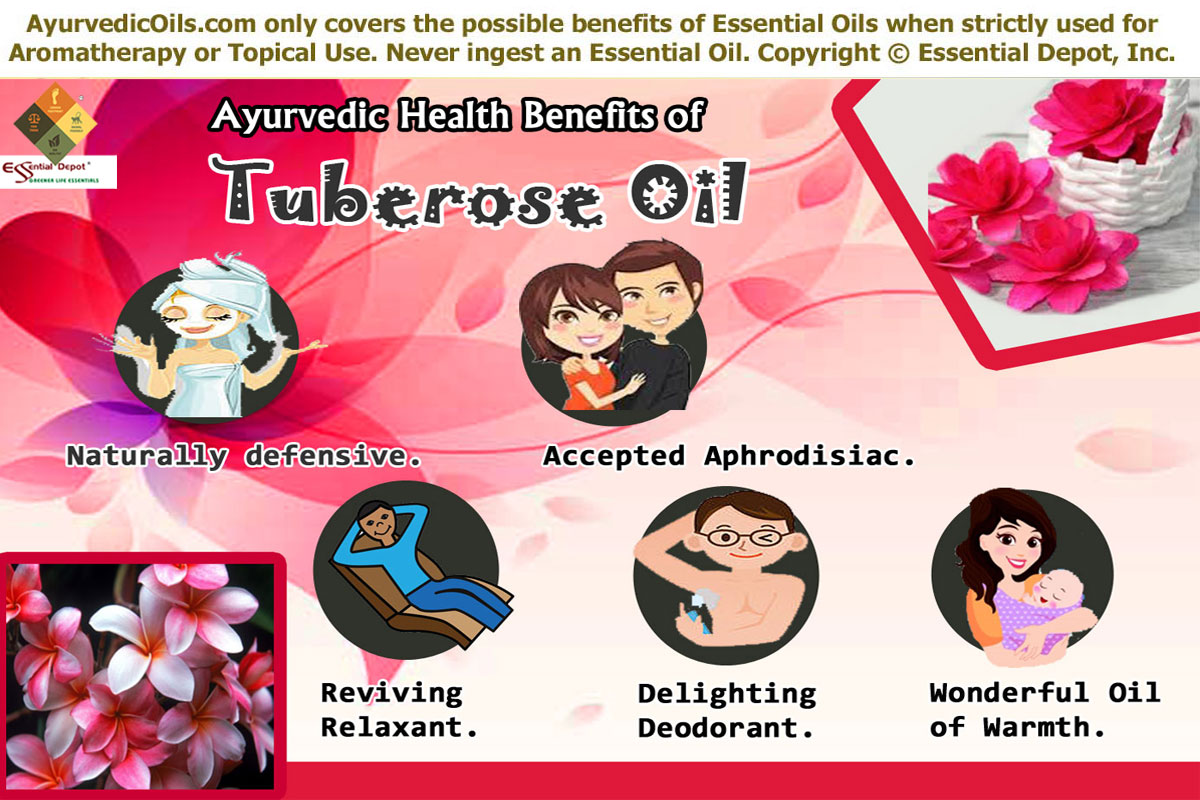
The predominant Ayurvedic benefits of Tuberose absolute oil are:Tube-rose-broucher1. Naturally defensive:

The sweet-smelling oil of Tuberose flowers is proven to possess anti-bacterial and anti-fungal properties, making it as one among the perfect medicated oil for use. A prominent study on ‘Antibacterial Activity of Essential Oils from Palmarosa, Evening Primrose, Lavender and Tuberose’ proved that Tuberose absolute oil was effective in treating gram positive and gram negative bacteria.

Another study on ‘Anti-fungal activity of tuberose absolute and some of its constituents’ proved that the three constituents present in Tuberose absolute namely indole, geraniol and methyl anthranilate revealed effectiveness against the mycelia growth of Colletotrichum gloeosporioides on potato-dextrose-agar medium.

2. Accepted Aphrodisiac:

Tuberose absolute oil is a time-honored aphrodisiac with narcotic properties. This is proven with its romantic name ‘Fragrance of the night’, ‘Night Queen’ and certain others. Inhaling the aroma of this mind-blowing oil or taking a fragrant warm bath before bed with 2 or 3 drops of Tuberose absolute oil added to your bathing water can do the magic for you.

This is done by the function of the aromatic compounds that reaches the limbic system of your brain through your nasal passages. This part of the brain is responsible for controlling emotions, sexual feelings and stimulating your system.

The warm, floral, deep, honey-like aroma encircles your room and your mind, leaving behind a perfect ambiance for love. The therapeutic properties of this oil enhances blood circulation of the body and assists in treating lack of libido, erectile dysfunction and lack of sexual interest. It grants you complete repose and is also said to treat frigidity and impotence due to lack to sexual health and drive.

3. Reviving Relaxant:

The pleasing and satisfying aroma of this oil aids in relieving tension, stress and anxiety. Experiencing the tranquilizing fragrance of this oil relaxes the nerves and muscles, soothes the senses and appeases the brain. This assists in alleviating anger and other negative feelings by intensifying your emotions and granting peace of mind.

4. Delighting Deodorant:

The long-lasting fragrance of Tuberose absolute oil makes it a perfect pick for dealing with problems like body odor due to the presence of bacteria in the sweat especially in tropical countries. It is for this unique reason, tuberose absolute oil has been in use in the perfume industry for ages together.

The most celebrated perfumes with the notes of Tuberose absolute oil are Fracas de Robert Piguet, April Aromatics from Natural Perfumer Tanja Bochnig, Nasomatto Narcotic Venus, Forbidden with tuberose and wormwood, Tallulah, Christian Dior Poison, Creed Tubereuse Indiana, Chanel Gardénia, Les Parfums de Rosine Mea Culpa and much more.

5. Wonderful Oil of Warmth:

The warming quality of this oil stimulates blood circulation and helps you in keeping your body warm by granting sufficient heat to your body. This gives you a feeling of security as it is trusted to embrace the person who wears it. Using this oil in your massage blend aids you in managing cold during winters, treats cracks on dried skin, protects the respiratory system and prevents the formation catarrh and phlegm.

Tuberose absolute oil also has sedative, anti-inflammatory and anti-spasmodic properties that aids in treating muscular pains, spasms, skin infections, nausea and certain other health conditions. You can also use it as a soothing massage oil by adding 3 to 4 drops of Tuberose oil to your favorite carrier oil like jojoba oil and enliven your senses with a warm massage.

For your information: It approximately requires 3500 pounds of handpicked Tuberose flowers to extract 1 pound of Tuberose absolute oil and this noteworthy reason makes it the most expensive oil on this universe. Unlike other essential oils, tuberose oil is not extracted through steam distillation process as it cannot withstand high temperatures and it is extracted by enfleurage, which is a gentle but labor intensive process.

Disclaimer: This information is only for educational purposes and is not deliberated to diagnose any health condition. Essential oils are highly concentrated liquids and never take them internally without the guidance of your Ayurvedic Practitioner. Blend essential oils with appropriate carrier oils before using them topically and keep away from children.

Thought for the day:

One touch of nature makes the whole world kin.  –William Shakespeare

Suggested Reading:

  1. 375 Essential Oils and Hydrosols by Jeanne Rose
  2. Creating Fairy Garden Fragrances: The Spirit of Aromatherapy by Linda Gannon
  3. The Illustrated Encyclopedia of Essential Oils: The Complete Guide to the Use of Oils in Aromatherapy & Herbalism by Julia Lawless

Reference Links:

  1. Antibacterial Activity of Essential Oils from Palmarosa, Evening Primrose, Lavender and Tuberose by PubMed
  2. Tuberose A Treasure by Jeanne Rose
  3. Tuberose: Perfume Ingredients and Notes by Bois de Jasmin

Terpinen-4-ol


Terpinen-4-ol is a terpene that is seen in Juniperus communis and has the molecular weight of 154.249. It is one of the major constituent of Tea tree oil that is said to be extremely active in its biological activities. It is also seen in the essential oil of Nutmeg.

Norwegian farmers use the wood from Juniperus communis to build fence as they don’t rot, and this feature is said to be attributed by the presence of Terpinen-4-ol in the bark of the tree.

In areas of medicine, Terpinen-4-ol is said to exhibit the features of an antifungal and antibacterial agent. This chemical compound is commonly seen in melaleuca oil or Tea tree oil and is highly responsible for its efficacious anti-bacterial and antifungal and anti-microbial properties.

Uses of Terpinen-4-ol:

Tea tree oil that contains Terpinen-4-ol in abundance serves as an active therapeutic agent in the treatment of several microbicidal disorders.

One study that involved the use of Tea tree oil suggested that in-vitro studies of the oil proved effective in the treatment of methicillin-resistant Staphylococcus aureus, and when used as a topical agent, it helped to get rid of nasal or extra-nasal colonization of the microorganism.

The study was carried out in 2005, but concrete evidence for it use in the industry is still awaited. An article by the American Cancer Society in the year 2008 talks on Tea tree oil, being used as an antiseptic.

Terpinen-4-ol is a potent anti-inflammatory agent and it has been concluded by a 2000 study that “Terpinen-4-ol can suppress pro-inflammatory mediator production by activated human monocytes.”

On the skin, tea tree oil can be used in the treatment of acne, dandruff, herpes, lice, and other parasitic and skin infections.

An interesting study carried out in 2012 by the National Institutes of Health stated that 5% tea tree oil gel is as effective as 5% benzoyl peroxide and can be used in the treatment of acne vulgaris.

Besides this, a recommended dosage of Tea tree oil twice a day for 6 months can cure a fungal infection, as tested on individuals with a fungal toenail infection, and athlete’s foot.

Anti-parasitic activities of Terpinen-4-ol:

A study was conducted to understand the anti-parasitic activity of Terpinen-4-ol on Demodexmites. The study concluded that Terpinen-4-ol was the most active and prominent ingredient in tea tree oil followed by Sabinene and 1, 8-Cineole. The end result stated that Terpinen-4-ol had an enhanced anti-parasitic effect in killing Demodexmites.

Antimicrobial activities of Terpinen-4-ol:

A study conducted to understand the medicinal and anti-microbial activities of Terpinen-4-ol suggests that the oil of the tea tree performs extremely well as an anti-microbial and anti-inflammatory agent. The effects of the same against fungi, viruses, and bacteria are still to be studied. A few more studies to prove the same would make the chemical compound the most favorable in the therapeutic industry.

Anti-bacterial properties of Terpinen-4-ol:

Since the 1990’s several studies and experiments were carried out to understand the effects of TTO essential oil against bacteria. Though the studies proved the positive effect of the oil in eliminating the organisms, many discrepancies were suggested regarding the methods used during the process.

So, repeated tests were performed to understand TTO and its effects on a broad range of bacterial species. The results were positive in elimination of bacteria even at minimal concentrations of 1.0% and less.  The bacteria in concern were Enterococcus faecalis, staphylococci and micrococci, and Pseudomonas aeruginosa.

Reference Links:

  1. Terpinen-4-ol, the main component of the essential oil of Melaleuca alternifolia (tea tree oil), suppresses inflammatory mediator production by activated human monocytes by Department of Microbiology and Infectious Diseases, Flinders University, Australia, published in PubMed
  2. Terpinen-4-ol is the Most Active Ingredient of Tea Tree Oil to Kill Demodex Mites, published in Translational Vision Science and Technology Journal
  3. Melaleuca alternifolia (Tea Tree) Oil: a Review of Antimicrobial and Other Medicinal Properties, published in Clinical Microbiology Reviews.

β-Caryophyllene


Caryophyllene or (−)-β-caryophyllene, is a widespread plant natural product. It is a naturally occurring bicyclic sesquiterpene that is seen as a major composition of many essential oils. This compound is found especially in the oil extracted from the stems and flowers of cloves, the essential oil of rosemary, hemp, cannabis and hops.

It is a FDA approved food additive, and is the first dietary cannabinoid; β -caryophyllene contributes to the unique fragrance linked with plant oils. It’s also highly present in African black pepper.  A study in 2008 first identified caryophyllene as a cannabinoid. This study also brought to light the medicinal benefits of the compound.

Biological activities of β-Caryophyllene:

Cannabinoids are a terpenophenolic compound making its sub-set of terpenes. Since cannabinoids and terpenes are related, terpenes trigger the body’s endo-cannabinoid receptors.

Anti-inflammatory – Decreases inflammation and swelling gradually.

Antibacterial – Curtails the growth of bacteria.

Neuro-protective – Restrains harm to the brain and the nervous system.

Anti-proliferative – Hinders the growth of cancerous cells.

Antidepressant – Mitigates various indicators of depression.

Antioxidant – Thwarts oxidative damage to the molecules in the body.

Analgesic – Alleviates pain.

Anxiolytic – Aids alleviate anxiety.

Relative studies on β-Caryophyllene:

As an analgesic:

A study in 2014 was conducted to identify the activity of β-Caryophyllene as an analgesic. It was found that the widespread plant volatile beta-caryophyllene (BCP) was identified as a natural selective agonist of the peripherally expressed cannabinoid receptor 2 (CB2), and is found in high concentrations in many spices and food plants.

This study focused on the orally administered BCP which reduced inflammatory (late phase) pain responses in the formalin test in a CB2 receptor-dependent manner, while it had no effect on acute (early phase) responses.

In conclusion of the study, oral BCP was more effective than the subcutaneously injected synthetic CB2 agonist JWH-133; meaning that the natural plant product BCP may be highly effective in the treatment of long lasting, debilitating pain states. The results have important implications for the role of dietary factors in the progression and inflection of chronic pain conditions.

As an anti-carcinogenic:

β-Caryophyllene also seems to have a play in the role as an anti-carcinogenic constituent in essential oils. A study that focused on beta-caryophyllene that analyzed the anticancer properties of alpha-humulene, Isocaryophyllene and paclitaxel was carried out in the year 2007.

The study’s focus was on the potentiating effect of beta-caryophyllene on the anticancer activity of alpha-humulene, Isocaryophyllene and paclitaxel against MCF-7, DLD-1 and L-929 human tumor cell lines was evaluated. During the study, the intracellular buildup of paclitaxel-oregon green was determined in combination with concentrations of beta-caryophyllene ranging from 2.5 to 40 microg mL(-1).

This effect was due to beta-Caryophyllene, which significantly increased the intracellular build up to 64%. Another aspect understood during the process is that, beta-caryophyllene induced intracellular buildup of calcein but not verapamil, which is an inhibitor of P-glycoprotein.

These two constituents are multidrug resistance related protein transporters, indicating that beta-caryophyllene encourages drug accumulation by a different mechanism of action. These results indicate beta-caryophyllene allows the passage of paclitaxel through the membrane and thus potentiates its anticancer activity.

As an anti-depressant:

A study was carried out on mice to check the activity of β-Caryophyllene as a remedy to depression. It was performed to understand how β-Caryophyllene, a CB2 receptor agonist produces multiple changes in behavioral patterns in accordance to depression and anxiety seen in mice.

The aim of the research experiment carried out was to determine capabilities and actions of the CB2 receptor potent-selective agonist β-caryophyllene (BCP) in animals subjected to models of anxiolytic- and antidepressant-like effects.

These preclinical results suggest that CB2 receptors may provide alternative therapeutic targets for the treatment of anxiety and depression. Recent evidence suggests that the cannabinoid receptor subtype 2 (CB2) is in co-ordinance with anxiety and depression disorders, and the study also proved the same.

Reference Links:

  1. Caryophyllene by Wiki
  2. β-Caryophyllene by the leaf online
  3. Beta-caryophyllene is a dietary cannabinoid by University of Oxford, Oxford, United Kingdom, published in PNAS.
  4. Potentiating effect of beta-caryophyllene on anticancer activity of alpha-humulene, Isocaryophyllene and paclitaxel, published in the Journal of Pharmacology and PubMed

Valerian Root Essential Oil


‘ALL HEAL’ is how the medicinal world calls Valerian herb and more than 250 species of this plant variety. This name was derived from the Latin word ‘Valere’ meaning ‘to feel good‘ or ‘to be well’.
Valerian root--bannerYes! You might have now known why this therapeutic herb is celebrated all through these years in treating a wide range of illnesses since the 2nd century A.D. In this context we are going to travel around the enormous health benefits of the species Valeriana Wallichii also known as Indian Valerian and is indigenous to India and is cultivated all around the world.

The most popular one among this family Valerianaceae is Valeriana Officinalis, which is native to Europe and North America but Valeriana Wallichii is used as an effective alternative to V. Officinalis with more or less the same healing values.

This herb is commonly known as Tagara in the Ayurvedic world of medicines. Ayurvedic texts suggest the use of Valerian root and the essential oil extracted from this root to treat an extensive range of illnesses including insomnia, skin problems and certain other nervous disorders. Valerian is listed as ‘Generally Recognized As Safe” by the United States Food and Drug Administration and has been approved as an effectual mild sedative by German’s Commission E.

Purchase Valerian Root Essential Oil – Wholesale – CLICK HERE

Historical uses of Valerian root:

Aelius Galenus, the popular Roman physician, philosopher and surgeon prescribed Valerian root for treating insomnia. Valerian tea was prescribed to treat a sick woman by Pilgram Marpeck, the Anabaptist reformer in the sixteenth century.

Dioscorides, the renowned Greek physician recommended this herb for the treatment of digestive disorders, urinary tract infections, heart palpitations, epilepsy and few other skin problems. Hippocrates, the father of western medicine also suggested Valerian root as an effective anti-depressant and as a remedy for treating insomnia.

During the medieval times in Sweden, this herb was said to be placed in the wedding clothes of the bridegroom to keep away from the envy of the elves. Such a historical mark of this herb spread its use extensively as an efficacious sedative for nervous disorders, menstrual cramps, anxiety, behavioral problems in childhood, high blood pressure, irritable bowel syndrome, learning difficulties and few other health conditions. Valerian was also used in baths to alleviate pain and promote sleep for fibromyalgia patients.

Ayurvedic health benefits of Valerian root essential oil:

Valerian Wallichii is the popular species used in the Indian Ayurvedic system of healing mankind and is known as the major species of Valeriana genus. Valeriana Wallichii is used as a significant substitute for the European species Valeriana Officinalis and has been an important part of the traditional healing system for treating skin disorders, obesity, snake poisoning, sleep disorders and nervous problems.

Charaka, the Ayurvedic philosopher has named Tagara as Sitaprasamana meaning to relieve cold feeling of the skin. This herb is also known as Sirsa dosaghna, meaning treats the illnesses of the head; Chaksusya meaning effective for the eyes; Bhutapasmara nasan meaning a promising remedy for hysteria, epilepsy and certain other evil powers; Visaghna meaning a natural anti- toxin.

According to Ayurveda, human body is made up of three predominant doshas or individual body types namely vata, pitta and kapha where vata governs metabolism and is in charge of destructions and eliminations of the body, pitta controls reasoning capacity, digestion and body temperature and kapha is responsible for the shape and structure of your body and is accountable for the power to repair the imbalances of the body. According to Ayurveda, valeriana wallichii is an effective herb in treating vata, pitta and kapha imbalances.

Valerian root essential oil is known for its deep, rich, musky and woody aroma. The essential oil of Valerian root is said to have sedative, stimulant, anti-epileptic, stomachic, antispasmodic, analgesic, carminative, analeptic and nervine properties.

The major constituents of Valerian root essential oil are limonene, borneol, pienene, sesquiterpenes, nerolidol, p-cymene, valerone, malliol, valerenic acid and 1, 8-cineole.

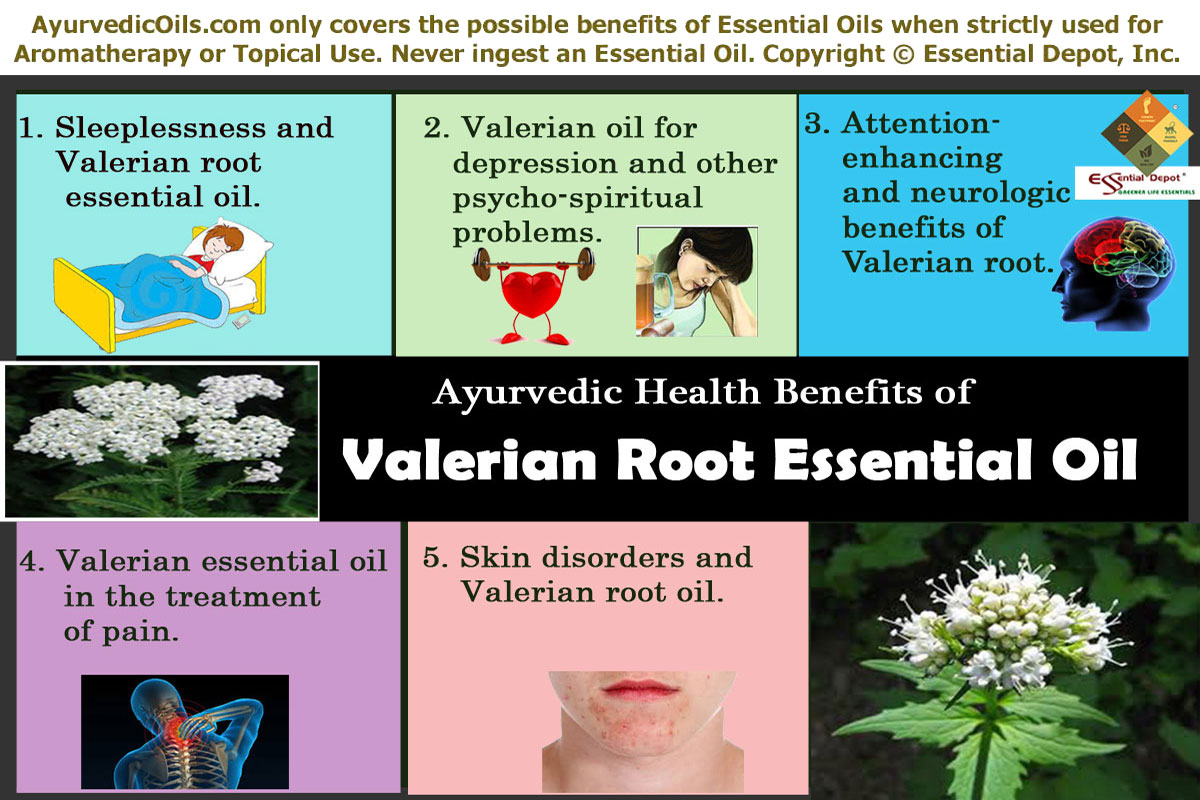
The chief health benefits of Valerian root essential oil are:
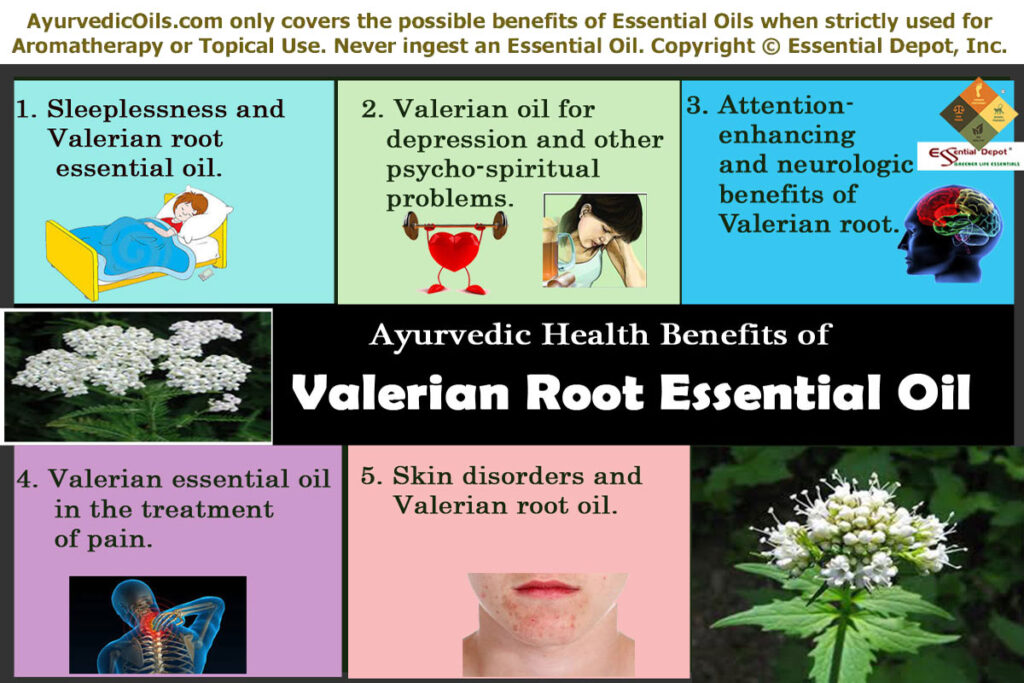
Valerian-root-broucher1. Sleeplessness and Valerian root essential oil:

The sedative property of this oil makes it a promising remedy for treating insomnia. Valerian is a well-known alternative to prescription drugs for sleeping disorders mainly because of its safe and gentle effects on the human body. Numerous studies have proved that Valerian aids people to fall asleep quicker and is also found that they have a quality sleep without any disturbances mentally.

Researchers also ensure that not like many over-the-counter sleeping pills, valerian have lesser side effects. Valerian root essential oil can be used by burning it in an aroma lamp before going to bed or used as soothing massage oil with tranquilizing carrier oils like coconut oil or by adding few drops to your bathing water in the evening.

2. Valerian oil for depression and other psycho-spiritual problems:

Renowned scientists trust that Valerian augments the amount of GABA in the brain where GABA is a chemical by name gamma aminobutyric acid. This chemical aids in promoting a calming effect on anxiety and control the nerve cells. The distinct aroma of this oil is trusted to combat seizures, anxiety, neuralgia, emotional stress, mental strain, depression, restlessness, tension and trauma.

Recent studies have proved the effectiveness of Valerian Wallichii essential oil as an effective anti-depressant and this ability to dispirit the central nervous system aids you in attaining deep hypnotic states. Tagara assists in discharging toxins from the nerves, joints, blood, colon and tissues and acts directly on the nerve channels.

3. Attention-enhancing and neurologic benefits of Valerian root:

It is a well-known fact that numerous herbalists and physicians use preparations containing Valerian essential oil in the treatment of many psychosomatic problems, peripheral, central and autonomic nervous system conditions. The attention-enhancing property of this herb has made some German physicians to use Valerian root to treat ADHD, attention deficit hyperactivity disorder in children.

4. Valerian essential oil in the treatment of pain:

According to the PMDD information blog that talks about preventing and treating severe premenstrual syndrome, valerian root is an effective natural remedy for treating PMDD problems and dysmennorhea. It is also said that the anxiety and sleeping difficulties due to premenstrual concerns can be easily treated by using this herb.

Valerian root essential oil also aids in treating migraine pains, gout pains, rheumatism and headaches due to cold. With its antispasmodic properties, this oil is also used widely in the healing of muscular spasms. Charaka Samhita says that the best way to keep away from pain and get a peaceful sleep is to take a warm, relaxing bath before bed. Adding 2 to 3 drops of Valerian oil to your bath tub can help you fight against most of your painful conditions effectively.

5. Skin disorders and Valerian root oil:

Few drops of Valerian essential oil added to your skin cream can help in treating dry scaly skin. The antibacterial properties of this oil is helpful in the remedy of burns, cuts, wounds, open sores, eczema, bruises, psoriasis, itchiness, boils, acne, scars, insect bites, stings etc. You can apply this oil externally on the affected area after blending it with your favorite carrier oils or to your skin care cream. The soothing effect of this oil will calm and cool your skin instantly.

6. Other health benefits of Valerian root essential oil:

Valerian root essential oil is a valuable remedy for treating vata disorders like facial palsy, flatulence, and paralysis. This oil is also effective in lessening kapha imbalances and is used as a natural remedy for treating asthma, whooping cough and certain other respiratory infections. The carminative and bitter properties of this oil assist in stimulating the appetite and treat indigestion and few other digestive problems like constipation, diarrhea and digestive ulcers.

Except for its pungent odor, nothing else can stop you from using Valerian root essential oil to enjoy its greater natural health benefits.

Disclaimer: Do not ingest Valerian root essential oil unless suggested by your Certified Ayurvedic Practitioner.

Thought for the day:

There is new life in the soil for every man. There is healing in the trees for tired minds and for our overburdened spirits, there is strength in the hills, if only we will lift up our eyes. Remember that nature is your great restorer.                                                      – Calvin Coolidge

Suggested Reading:

  1. Valerian: The Genus Valeriana (Medicinal and Aromatic Plants – Industrial Profiles) From CRC Press
  2. Valerian: The Relaxing Herb (The Herbs and Health Series) By Christopher Hobbs
  3. Kava Kava, Valerian, Nervine Herbs (Woodland Health) By Rita Elkins

Reference Links:

  1. Valerian by Kathi J. Kemper, MD, MPH – The Longwood Herbal Task Force and The Center For Holistic Pediatric Education and Research
  2. Valerian (herb) by Wikipedia
  3. Valerian by University of Maryland Medical Center
β-pinene


β-pinene) found in plants is an organic monoterpene compound, and is one of the most abundant compounds released by forest trees. If oxidized in air, the allylic products of the pinocarveol and myrtenol family prevail. α-pinene, which is a colorless liquid soluble in  alcohol, but not water, is one of the two isomers of pinene.

Owing to its woody-green pine-like smell, beta-pinene has been used as a flavoring and fragrance agent.  It’s is pretty common in essential oils and is also used in cooking to provide flavoring effects to the food, and also to act as a preservative.

The botanical families that contain β-pinene are Humulus lupulus, Clausena anisata, Cuminum cyminum, Pinus pinaster, Cannabis sativa, and Cannabis indica.

Uses of beta-Pinene:

Anti-depressant:

Antidepressant-like activity is seen in essential oils that contain β-pinene and Linalool, which are two most volatile monoterpenes.

These are components of many aromatic plants used in folk medicine around the world to relieve anxiety and depression.

A study in 2015 suggested that, linalool and beta-pinene act on the monoaminergic system by reflecting their biological activity on several receptors of the system. Since these constituents focus on multiple receptors, the resulting effects are more potent and long lasting when compared to those that focus on only a single receptor.

Linalool and beta-pinene act in balancing the brain chemistry in these receptors (multiple receptors) resulting in alterations of mood and depression.

Another study in 2012 on ‘Antidepressant activity of Litsea glaucescens essential oil: identification of β-pinene and linalool as active principles’ displayed evidence that, β-pinene and linalool which were active constituents of L. glaucescens essential oil played a role in promoting antidepressant activity.  As a result, the use of L. glaucescens to treat depression was initiated in Mexican Traditional Medicine.

Antibacterial Activities:

beta-Pinene also possesses antibacterial activities.  A study on Rosmarinus officinalis L. essential oil and three of its main components α-pinene (19.43%), 1,8-cineole (27.23%), and β-pinene (6.71%) were studied to understand the in vitro antibacterial behavior and toxicology characteristics. During the study, essential oils of R. officinalis L., α-pinene and β-pinene were treated on Gram-positive, and Gram- negative bacteria. The results showed that Gram-positive bacteria were more responsive to the oil.

Another study on Biological Activities of a-Pinene and β-Pinene Enantiomers conducted in the year 2012 suggested, “This study showed that only the positive enantiomers of pinene have antimicrobial activity against -pinene, C. albicans, C. neoformans, R. oryzae and MRSA. The additive and synergistic effects of (+) – and (+)-β-pinene standards combined with commercial antimicrobials are important as they reduced the MIC of combined substances, maintained the antimicrobial activity and decreased toxicity.”

Cytotoxic Activity:

Most essential oils are used in the industries of food, cosmetics, pharmaceutical and sanitary for their diverse activities that support insecticidal, anti-parasitical, bactericidal, and fungicidal properties.

Keeping this in mind, for several centuries specialists have tested essential oils from more than 20 plant families for the past 10 years. An experiment as such is what is mentioned below which proves the cytotoxic activity of beta-Pinene.

beta-Pinene is seen to show cytotoxic activity towards cancer cells. In the year 2014 a study on ‘Anticancer activity of essential oils and their chemical components’ proved, that essential oil of Schefflera heptaphylla (L.) Frodin and its major compound beta-pinene ((-)-beta-pinene and (+)-beta-pinene) showed significant anti-proliferative activity against A375 cancer cell lines. There by preventing the growth of cancer cells related to skin cancer.

Antimicrobial Activity:

Several studies were conducted to identify and prove the antimicrobial activity of beta-Pinene. One of such studies was in the year 2012 where β-pinene an essential component of Rosmarinus officinalis L. essential oil proved positive.

During the course of this study, the anticancer, and antibacterial activities of the oil of Rosmarinus officinalis L were assessed and the three main constituents of the oil 1,8-cineole, α-pinene and β-pinene was brought under consideration.

The result- the oil of Rosmarinus officinalis L exhibited the strongest antibacterial and cytotoxic activities towards SK-OV-3, HO-8910 and Bel-7402 human tumor cell lines, which were in order: Rosmarinus officinalis L. essential oil > α-pinene > β-pinene > 1,8-cineole.

Reference Links:

  1. beta-Pinene by Wikipedia
  2. Biological activities of α-pinene and β-pinene enantiomers by Institute of Microbiology Paulo de Góes, Rio de Janeiro, Brazil, PubMed
  3. Antibacterial Activity and Anticancer Activity of Rosmarinus officinalis L. Essential Oil Compared to That of Its Main Components by Wei Wang, Nan Li, Meng Luo, Yuangang Zu and Thomas Efferth, published in Molecular Diversity Preservation International Journal.
  4. Antidepressant activity of Litsea glaucescens essential oil: identification of β-pinene and linalool as active principles, published in the Journal of Ethnopharmacology and PubMed

α-Pinene


α-Pinene is a productive chemical constituent that’s seen in various species of coniferous trees especially the Pine. It’s also seen in Rosemary as well. α-pinene is more commonly seen in European pines; it is one of the two isomers of pine and an organic compound seen in the terpene class.

A mixture of α-pinene and α-isomer is seen in Eucalyptus oil and Orange peel oil. The chemical substance is also seen in Juniper berries and tea tree oil. The concentration and quantity of the chemical compound present in the oil depends on the temperature and availability of sunlight.

α-Pinene is seen in several essential oils and exhibits anti-inflammatory and antimicrobial properties, and acts as a broad-spectrum antibiotic. It also functions as an acetyl cholinesterase inhibitor and as a bronchodilator as well.

In ancient times, drops of the resin were collected from the bark of the trees to treat ailments. The resin collected was mixed with wine, milk or water to treat respiratory illnesses especially the ones that lead to congestion of the airway. The mixture was used as an expectorant to create relief.

The mixture of the resin were also used internally and externally to treat parasitic infections. Mixed with bees wax or animal fat, alpha-pinene was used as an antimicrobial ointment or an analgesic balm.

In the 1600, the Dutch used Juniper berries to create an alcoholic tonic which is now commonly known as Gin. This was even used as a medical aid in the ancient times. The French distilled the chemical compound from the bark of Juniper trees to create a product to treat skin diseases like eczema.

The resins containing α-Pinene called melaleuca was also put to use in the Aborigine cultures of ancient Australia to treat open wounds and prevent further infection, and also to treat fungal infections of the feet as well.

Likewise several cultures around the world used α-Pinene as tinctures, in teas and in topical formulations. As of today, this chemical constituent is being used in mouthwashes, cough lozenges, cold and chest ointments.

Antibacterial cytotoxic activity of α-Pinene:

A study conducted on Rosmarinus officinalis L. Essential Oil which contains 1,8-cineole (27.23%), α-pinene (19.43%) and β-pinene (6.71%) as its major constituents; was performed to identify the cytotoxic and antibacterial activity of the oil. The results suggested that R. officinalis L. essential oil was extremely effective towards three different kinds of cancer cells and exhibited the highest antibacterial activity.

Antimicrobial properties of α-Pinene:

Several studies have been carried out to understand the antimicrobial activities of α-pinene. One of these studies was on Biological Activities of α-Pinene and β-Pinene Enantiomers. This study was to understand the effect of the chemical substances on bacterial and fungal cells.

The study proved that α-Pinene projected an incredible amount of microbicidal activity against all fungi and bacteria when treated with MICs that ranged from 117 to 4,150 µg/mL.

Anti-inflammatory effects of α-Pinene:

Studies have proved that α-pinene exhibits anti-inflammatory effects in human Chondrocytes; keeping this in mind a study was carried out to establish an understanding on α-pinene and its anti-osteoarthritic activity.

The results focused positive feedback on the effects of α-pinene as an anti-inflammatory, anti-catabolic and anti-osteoarthritic and should be studied further for its promising activity as an anti-osteoarthritic drug.

Reference links:

  1. Antibacterial Activity and Anticancer Activity of Rosmarinus officinalis L. Essential Oil Compared to That of Its Main Components by Wei Wang, Nan Li, Meng Luo, Yuangang Zu and Thomas Efferth, published in Molecular Diversity Preservation International Journal.
  2. What are the medical uses of alpha-pinene? By WiseGeek
  3. Anti-inflammatory and Chondroprotective Activity of (+)-α-Pinene: Structural and Enantiomeric Selectivity by University of Coimbra, Portugal, published in the Journal of Natural Products.

Patchouli alcohol


Patchoulol or patchouli alcohol (C15H26O) is a sesquiterpene alcohol found in Patchouli. It also goes by the name, Patchouli camphor;(–)-patchoulol; (1R, 3R, 6S, 7S, 8S)-patchoulol, patchouli alcohol.

The (−)-optical isomer is one of the organic compound that imparts the scent of patchouli; it’s a colorless to pale yellow crystalline solid. Due to its pleasant fragrance, it is used as an important material in perfumery.

The oil has proven activity as anti microbial, inhibiting platelet activating factor (PAF), antiseptic, antiviral, sedative agents, and antifungal.

The organo nitrogen compounds of the oil functions with biological activities as a vasodilator, antiviral, antidepressants, antimicrobial, anti-schistosomal, anti-inflammatory, analgesic, antitumor, and anticonvulsant. The chemotherapy drug Taxol is also synthesized from this very oil.

Therapeutic uses of Patchouli alcohol:

Some studies reported the potential of patchouli oil for medicinal application. This compound is commonly associated to biological and physiological activity for disorders of the central nervous system and its capability to cooperate with receptors of the body.

The most prominent remedial attributes of Patchouli alcohol are:

Patchouli alcohol as an antioxidant:

A study on ‘Antioxidant Activities and Volatile Constituents of Various Essential Oils’ was carried out in the year 2007. During the process, thirteen essential oils were analyzed to determine their antioxidant activity using three different assay systems.

The main compounds seen in the oil which showed extensive antioxidant traits were, limonene (composition, 74.6%) in celery seed, benzyl acetate (22.9%) in jasmine, α-pinene (33.7%) in juniper berry, myristicin (44%) in parsley seed, patchouli alcohol (28.8%) in patchouli, citronellol (34.2%) found in rose, and germacrene (19.1%)  seen in ylang−ylang.

Bacterostatic, antifungal & larvicidal activity of Patchouli alcohol:

In 2004 a study to check the larvicidal activity of the essential oil of Teucrium leucocladum Boiss was conducted. During this study, the chemical composition of the water-distilled essential oil and n-hexane–ether extract of Teucrium leucocladum Boiss were identified by GLC and GLC–MS techniques. As a result 72 compounds were identified.

The sesquiterpene alcohols, patchouli alcohol (31.24% and 29.66%) and α-cadinol (9.29% and 21.54%) were the main components in the oil.

On analyzing the resulting extracts to identify their antifungal and bacterostatic activities, it was proved that they showed broad and potent activity against Bacillus subtilis, Candida albicans and Pseudomonas aeruginosa.

Patchouli alcohol as an Anti-inflammatory:

‘Anti-inflammatory activity of patchouli alcohol in RAW264.7 and HT-29 cells’ study performed in the year 2013 states that “PA inhibits the production of inflammatory mediators.” During the study, it was analyzed and documented to check if the PA brings on a reduction in the production of inflammatory mediators through down regulation of the NF-κB and ERK pathway.”

The above mentioned results suggested that PA shows anti-inflammatory activities through suppressing ERK-mediated NF-κB pathway in mouse macrophage and human colorectal cancer cells.

Antibacterial activity of Patchouli oil:

A study on the antimicrobial tests of patchouli oil was carried out by using a technology called molecular docking and antimicrobial test done in vitro. In the study, five biological macromolecule enzymes, required by the bacteria in the process of biosynthesis were selected as the objective molecules.

“A group of antibiotics benzyl penicillin, sulfadiazine, trimethoprim, rifampicin and ciprofloxacin, commonly known as antibacterial drugs, were selected as reference compounds.” The 3 three-dimensional of the 5 reference compounds used and the 26 compounds from patchouli oil were analyzed using surflex-dock software.

Here patchouli oil and its two major compounds, pogostone, and (-)-patchouli alcohol which exceeded 60% in patchouli oil samples, were selected antibacterial agents. The conclusion: “Molecular docking technology and antimicrobial test in vitro proved that patchouli oil had strong antimicrobial effects.” Of which, pogostone and (-)-patchouli alcohol displayed effective antimicrobial activity.

Reference Links:

  1. Patchoulol by Wikipedia
  2. Anti-inflammatory activity of patchouli alcohol in RAW264.7 and HT-29 cells, by Department of Nutrition and Food Science, University of Maryland, published in Food Chemical Toxicology
  3. Evaluation of the Antibacterial Activity of Patchouli Oil, published in the Iranian Journal of Pharmaceutical Research and PubMed