Tag Archives: Ayurvedic oils for dandruff

Cucumber Oil

Will you be delighted or dreary if someone beckons you, “As Cool as a Cucumber”? I would rather recommend you to take pride when somebody calls you with that phrase because it simply means the attitude of being calm, composed and in absolute control of your emotions, even if a particular situation demands your aggressiveness and anger.

Cucumber-bannerThis is because Cucumber is one among the coolest fruits as scientific facts state “the inside temperature of a Cucumber can be up to 20 degrees cooler than the outside air”, besides growing well in tropical conditions.

Called as Kantakiphalam, Svetakarahatakam, Mutralam and Sudhavasah in Sanskrit, Cucumber is commonly called as Kheera in the traditional healing methodology.

Proudly representing India as its Motherland, Cucumber has been a part of the ancient Ayurvedic regimen in the treatment of rheumatic conditions, constipation, urinary disorders, cholera, wrinkles, dandruff, arthritis, vaginal infections, loss of appetite, duodenal ulcer, erectile dysfunctions, high cholesterol, eczema and hyperacidity.

Purchase Cucumber Oil – Retail – 4 oz – CLICK HERE

Purchase Cucumber Oil – Wholesale – CLICK HERE

Historical uses and importance of Cucumber and its essential oil:

Cucumber, as far as its history is known to the world is said to be a 3,000 years old fruit variety of the gourd family, cucurbitaceae. Besides its use in culinary, Cucumber has been preferred for raw eating, mainly for its cool, mild and enhancing flavor.

This cylindrical fruit is a powerhouse of various nutrients, for which it has been used in various civilizations across the world including the Rome, Israel, Greek, Egypt, The United Kingdom, France, China, and USA. The three famous varieties of this creeping vine are pickling, slicing and burpless cucumbers.

Cucumbers are absolutely edible and are found across the globe, all around the year but the high seasonal growth curtails to May – August. Pliny The Elder, the Roman philosopher quotes that Cucumber is the most favorite fruit of the Roman Emperor, Tiberius. His gardeners grew cucumbers using artificial methods, just to ensure that the king had cucumbers on his table every day.

It is being said that cucumbers were used in the primordial Roman province for treating more than 40 medical conditions, including scorpion stings, blurred vision, frigidity, high blood pressure and diabetes.

The Biblical reference of cucumber goes like this “We remember the fish, which we did eat in Egypt freely/the cucumbers, and the melons, and the leeks, and the onions, and the garlic.” After which the Israelites started cultivating cucumbers by themselves.

Certain sources state that cucumbers were brought to Haiti in 1494 by Christopher Columbus and were cultivated by the early Spanish settlers. South and North Dakota boasts for owning the finest cucumber farmers of Native America.

These fresh and refreshing fruits are often used in making salads (Indian raita), sauces, pickles, cold soups, sausages, chutneys, lamb chops, relishes and dressings. Cucumber and its essential oil are also used in the manufacturing of soaps, moisturizing lotions, anti-dandruff shampoos, conditioners and skin care creams, especially anti-aging products, for its nourishing properties.

Therapeutic properties and chemical constituents of Cucumber oil:

The oil of Cucumber contains about 14 to 20% of oleic acid, stearic acid, palmitic acid and 60 to 68% of omega-3-linoleic acid. It also contains potassium, silicon, cucurbitacins, sulphur and certain fatty acids like 9, 12, 15-Octadecatrienoic acid and 9, 12-Octadecadienoic acid.

Cucumber oil has antioxidant, diuretic, anti-rheumatic, anti-ulcer, relaxing, antidote, rejuvenating, anti-stress, anti-inflammatory, anti-cancerous, tonic, anti-dandruff, and laxative properties. It is rich in Vitamins B1, B2, B3, B5, B6, and C along with magnesium, calcium, phosphorous, zinc, iron and folic acid.

Next time, when you are exhausted and drained out, stop sliding on toxic caffeine drinks, instead grab a Cucumber and bank upon it for all your nutritional requisites.

Ayurvedic health benefits of Cucumber oil:

Ayurveda and Cucumber share the mutual joy of being indigenous to India, the land of rich cultural heritage. This oldest healing science on the globe states that everything on earth is made up of the five vital elements of nature, namely fire, water, earth, space and air.

Among which the living things on this planet acquires prana, the vital energy of life and ojas, and the nutritive quintessence from Mother Earth. While animal and human beings utilize prana and ojas for vitality and livelihood, plants grab ojas and prana from the ground and renovate them as food, herbal medications and essential oils for the absolute well-being of all other organisms.

The greatest news about the nobility of plants and trees are that they capture enormous life force and spiritual energy straight from the space by constantly looking up to the sky. Thus, any source of food or medicines acquired from plants instills the purest form of energy directly to our soul. It is because of this reason; we call invigorating plant fragrances (especially from essential oils, the life essence of plants) as soulful aromatic substances.

Cucumber is a bundle of joy and instant coolant that refreshes everyone even on a bright sunny day. It bears all the heat in the atmosphere, yet remaining absolutely cool in the inside makes it a special fruit with enormous healing attributes and nutritional values. India, being a country of tropical climatic conditions, rests upon Cucumber to quench its thirst and no Indian summer is complete without Cucumbers on the street.

Being a complete traditional remedy, Ayurveda regards health as a combination of physical, emotional and spiritual wellness and this ideology is based upon its philosophy of considering the human system as a place of worship or temple.

Ayurveda believes that the soul vested within each of us connects with Divinity and this connection or synchronization is the rationale behind hale and heartiness.

Ayurveda says that every individual is made up of three distinct doshas (vata, pitta and kapha) or biological energies. The most predominant among the three doshas acts as a deciding factor for your personality, character and behavioral traits.

Imbalance of any one of these doshic elements end up in health problems signaling that the body is out of balance with nature.

Imbalance of vata dosha can end up in memory loss, lack of concentration, fear, insomnia, dry skin, restlessness and constipation. Pitta unevenness might lead to disgust, ulcer, anger, heartburn, high blood pressure, jealousy, fever and skin ulcers.

Fluid retention, toxic remains, congestion, sluggishness, delayed menstruation, uterine fibroids, obesity and procrastination are the results of Kapha vitiation.

Cucumber oil has pacifying effects on pitta and kapha dosha. The cooling and refreshing properties of this oil can help in treating high blood pressure, heartburn, ulcer, fluid retention, skin eruptions, constipation and stress.

Cucumber is absolutely a treat for the four senses of healing, whereas its lucid green color soothes the sense of sight, it’s refreshing taste energizes the sense of taste, its cooling properties penetrate deeply into the skin to transfer its therapeutic values through the sense of touch, it’s refreshing aroma reaches the limbic system in the form of aromatic molecules to control emotions.

The other significant Ayurvedic health benefits of Cucumber oil are:

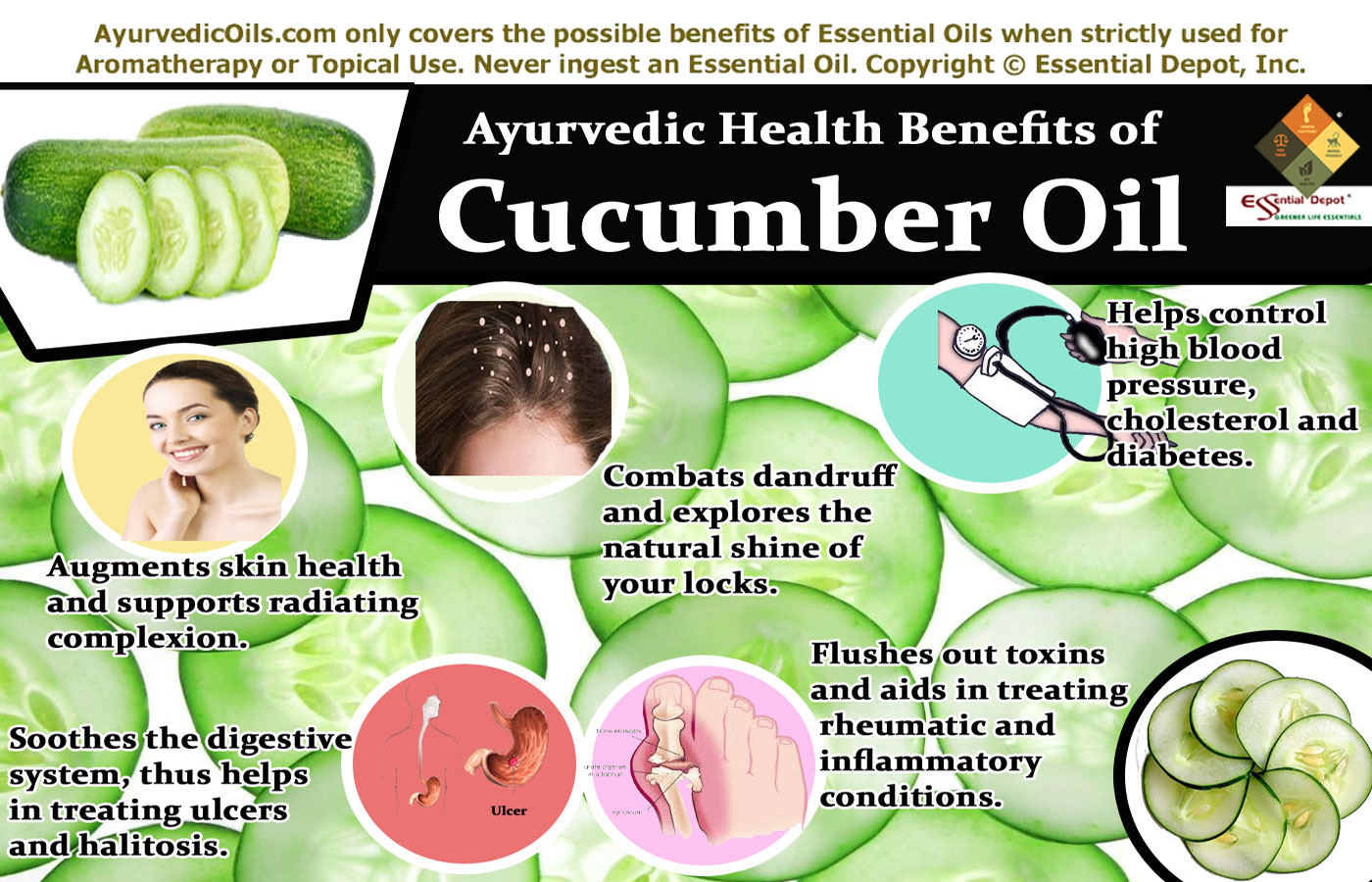
Cucumber-oil1. Augments skin health and supports radiating complexion:

Cucumber oil has stupendous revitalizing and nourishing properties that help in treating dull, damaged or mature skin conditions. The presence of linoleic acid and oleic acid in cucumber makes it an excellent aid for skin problems including acne, blackheads, sunburns, psoriasis, eczema and certain other inflammatory skin conditions.

The antioxidant properties of cucumber oil are attributed to the significant existence of tocopherol and tocotrienol substance along with the three lignans including secoisolariciresinol, lariciresinol and pinoresinol. These elements make Cucumber oil powerful in fighting against the free radicals responsible for aging symptoms, skin damages and several types of cancer, including ovarian cancer, prostate cancer, breast cancer and uterine cancer.

Massaging your skin with 10 drops of Cucumber oil blended with 2 drops of Orange oil and 4 ounce of coconut oil can help in retaining the natural moisture in the skin, repair dry and dull skin surface, treat eczema, psoriasis, rough, scaly and mature skin, reduce wrinkles, aging symptoms and skin eruptions.

A 2011 study on “Exploring Cucumber Extract For Skin Rejuvenation” by Naveed Akhtar, Arshad Mehmood, Barkat Ali Khan, Tariq Mahmood, Haji Muhammad Shoaib Khan and Tariq Saeed, Department of Pharmacy, The Islamia University of Bahawalpur and the Department of Pharmaceutical Sciences, COMSATS Institute of Information Technology, Pakistan, Published in the African Journal of Biotechnology, states that cucumber extract has been proven extremely beneficial for the skin.

These experts also say that Cucumber extracts have passed the maximum number of dermatological tests including skin melanin test, skin erythema test (safety of cosmetics), pH tests, skin moisture content test, skin sebum content test, and trans epidermal water loss test.

This study concludes stating that this was a preliminary initiative in exploring the unknown effects of Cucumber as a topical cream for skin rejuvenation.

It also states that cucumber extracts aid in reducing the melanin content (responsible for skin pigmentation and complexion); has anti-acne effects with its potent to decrease the content of skin sebum.

This study also declares that these analyses have proved to be capable in the context of prospective topical applications of cucumber extract (with its varied skin care properties), as cosmetics, skin-care items and in the manufacturing of pharmaceutical preparations.

You can also add 2 drops of Cucumber oil in a cup of cool water and wash your face for locking the moisture and fight against acne causing micro-organisms.

2. Combats dandruff and explores the natural shine of your locks:

Bouncy, strong, silky and dandruff-free lustrous locks are the dream of many women out there. Men are not an exception though, in longing for healthy hair that is free from hair loss, dandruff and other scalp conditions.

Cucumber is one among those natures’s richest owner of the minerals like silica and sulphur, of which sulphur is known for promoting hair growth and silica fortifies the hair follicles and protect from breakage and loss of hair. Silica is an essential element for supporting the health of connective tissues like skin, muscles, ligaments and bones.

The moisturizing properties of Cucumber oil helps in hydrating the scalp and aids in reducing dryness, itchy and flaky scales on the scalp surface and nourishes the scalp and roots of the hair from within.

Massaging your scalp with 5 ounce of Cucumber oil mixed with 5 drops of Rosemary oil and 5 drops of Brahmi oil and leaving it for 1 hour by wrapping a warm towel (helps the medicated blend to penetrate deeply into your scalp) can assist in reducing dandruff, replenishing the scalp, enhancing the luster of your hair and prevent excessive hair fall. You can also add 5 drops of Cucumber oil in your mild shampoo for fastening the natural moisture in your hair for a longer duration.

This blend can be applied by the swimmers before their swimming voyage in the chlorinated and chemical filled water. This helps in preventing the hair damage naturally.

3. Helps control high blood pressure, cholesterol and diabetes:

Certain studies witness that the presence of sterols in Cucumbers may help in reducing the high level of cholesterol, while the presence of fiber, magnesium and potassium assists in treating high blood pressure. Cucumber also stimulates the secretion of insulin hormones in the pancreas, thus assisting in the treatment of diabetes.

Eating fresh cucumber daily along with adding 5 drops of Cucumber oil in your liquid soap can help in vitalizing your cells and augment your energy levels.

4. Soothes the digestive system, thus helps in treating ulcers and halitosis:

Cucumber oil has the power to soothe and pacify pitta dosha. The excess of which would end up in overindulgence of digestive fire leading to ulcer, high blood pressure, acidity, heartburn, acne, negative emotions, feelings of rage, insomnia, acne and certain other skin eruptions.

Massaging your abdomen and chest with 10 drops of Cucumber oil blended with 2 drops of Peppermint oil can help in cooling the digestive system (intemperance of digestive fire) by soothing the lining of the stomach and intestines. Using 2 drops of Cucumber oil in warm gargle can assist in fighting against bad breath with the presence of phytochemicals.

5. Flushes out toxins and aids in treating rheumatic and inflammatory conditions:

Cucumber has enormous amount of ascorbic acid, contributing to its diuretic properties. This moisture-rich oil helps in replenishing the system with its anti-rheumatic, antioxidant and diuretic properties by flushing out the excess fluid deposits, toxic remains, salt, uric acid, free radicals and fat deposits in the system, which is often responsible for inflammatory conditions like gout, rheumatism, arthritis, swelling, redness, obesity and puffy eyes.

Massaging the affected parts with 5 ounce of Cucumber oil with 5 ounce of Sweet Almond oil can help in promoting frequent urination, thus eliminating toxic remains, free radicals, salt, fat deposits and uric acid, which helps in reducing swelling, skin irritations, muscular soreness, pain, redness and muscular stiffness associated with rheumatism and arthritis.

Pranayama or the art of balanced breathing can help highly in expelling ama or excess toxic substances in the system, where all these toxins are discharged through exhalation.

Inhaling the refreshing fragrance of Cucumber by adding 2 drops of this oil in your air freshener, especially during Pranayama and meditation can grant quicker relief by releasing your mind and body from toxic emotional blocks and harmful toxins in the system.

Other health benefits:

Cucumber is also helpful in treating vaginal itching, erectile dysfunctions, heart problems, renal calculi, cancer therapy, dark circles, urinary infections, cholera, and cellulites.

Disclaimer:

This piece of information is meant only for the purpose of information and is not recommended to treat or prevent any kind of medical conditions. It is not meant to replace any prescription medicines or the advice of a medical professional. We, the team of Essential Depot are not experts in Remedial practices or Traditional medicine and these facts are shared only for spreading the greatness of Ayurveda in treating mankind.

Essential oils are recommended only for topical applications and do dilute essential oils in suitable carrier oils before using it on the skin. Never ingest essential oils as absolutely pure and organic essential oils are highly concentrated substances and may cause allergic reactions, when used internally or on the skin without dilution.

Speak with your Ayurvedic expert or medical professional before choosing the right essential oils for your state of health and unique individual constitution. Performing a patch test on your skin before enjoying its complete benefits is an amicable advice.

Thought for the day:

Green is the prime color of the world, and that from which its loveliness arises.

– By Pedro Calderon de la Barca.

Suggested Reading:

  1. Cucumber Recipes by Jackie Swansen
  2. Ayurvedic Pharmacopoeial Plant Drugs: Expanded Therapeutics by C. P. Khare
  3. Dying to Look Good by Christine Hoza Farlow
  4. Asian Secrets of Health, Beauty and Relaxation by Sophie Benge, Luca Invernizzi Tettoni
  5. The Aromatherapy Encyclopedia: A Concise Guide to over 385 Plant Oils by Carol Schiller, David Schiller

Reference Links:

  1. Cucumber by Wikipedia
  2. Cucumis sativus (Cucumber) – Derived Ingredients as Used in Cosmetics, published in Cosmetic Ingredient Review
  3. The anti-aging effects of Cucumbers by Dr. David Jockers, published in Natural News
  4. Exploring Cucumber Extract For Skin Rejuvenation by Naveed Akhtar, Arshad Mehmood, Barkat Ali Khan, Tariq Mahmood, Haji Muhammad Shoaib Khan and Tariq Saeed, Department of Pharmacy, The Islamia University of Bahawalpur and the Department of Pharmaceutical Sciences, COMSATS Institute of Information Technology, Pakistan, Published in the African Journal of Biotechnology
  5. Phytochemical and therapeutic potential of cucumber by Mukherjee PK, Nema NK, Maity N, Sarkar BK, Department of Pharmaceutical Technology, Jadavpur University, India, published in PubMed

Castor Oil

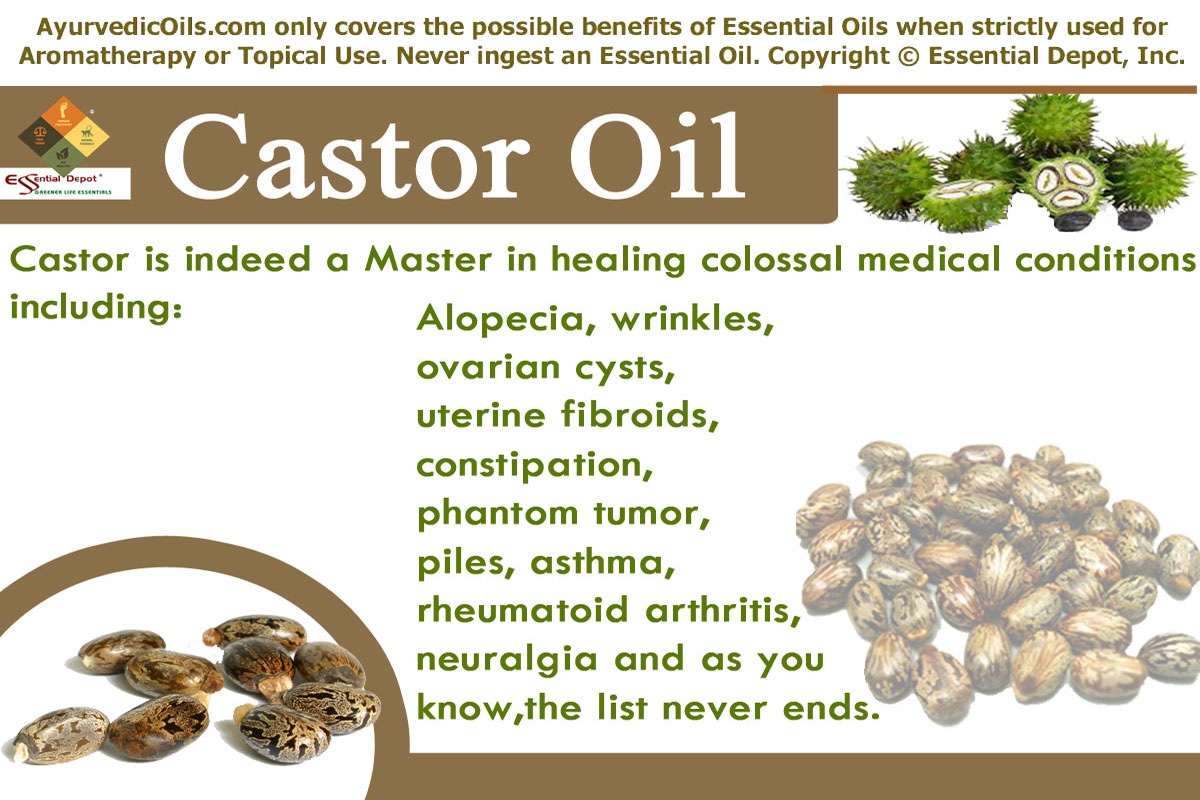
‘Don’t judge a book by its cover’ is a celebrated phrase and it promptly applies to Castor oil, the often overlooked oil. Castor is indeed a Master in healing colossal medical conditions including alopecia, wrinkles, ovarian cysts, fibroids, constipation, phantom tumor, piles, asthma, rheumatoid arthritis, neuralgia and the list goes on.

Castor-bannerCalled as Gandharvahasta or Eranda taila in Ayurveda, Castor oil is the handiest remedy for alleviating abdominal tumors and uterine fibroids in women and certain other inflammatory conditions.

It is also prescribed for enhancing sperm quality, cognitive functions, memory power, skin health, digestive ability, muscular strength, immunity and in cleansing vagina, semen and the abdomen.

Purchase Castor Oil – Retail – 1 Quart – CLICK HERE

Purchase Castor Oil – Wholesale – 1 Gallon – CLICK HERE

Therapeutic properties and chemical constituents of Castor oil:

The primary chemical components of Castor oil are ricinoleic acid that contributes to about 85 to 95 per cent of its oil along with other constituents like oleic acid, stearic acid, palmitic acid, a-linoleic acid, linoleic acid and dihydroxystearic acid.

Anti-inflammatory, emmenagogue, anti-infectious, anti-rheumatic, fungicidal, laxative, immune stimulant, insecticidal, anti-viral, labor inducing, anti-allergic, anthelmintic, rejuvenative, anti-aging, germicidal, disinfectant, and analgesic are the major remedial attributes of pure Castor oil.

Historical uses and importance of Castor oil:

Castor oil is extracted from the attractive and ornamental Castor seeds by cold press method. It is one among the most commonly used oil since the pre-historic times for cleansing the colon, reproductive system and as a powerful detoxifying agent.

Ricinus communis is the botanical name of the Castor plant from which this healing vegetable oil is extracted.

You’d be shocked to know that Castor oil was given as punishment to mischievous children and it was later restricted by the Physicians for using medicines as punishment.

Mussolini is known for the use of Castor oil as a penalty for political dissidents and it was popularly quoted that Mussolini’s supremacy was supported by the ‘bludgeon and castor oil’.

These negative facts about Castor oil vanished gradually after few decades of Mussolini’s death in the Western world and with its enormous medical benefits that had proven positive effects.

The ancient Ayurvedic healing records the use of Eranda or Castor oil since 2000 BC as a traditional analgesic, purgative and laxative for treating arthritis, constipation and infestation of worms. It has also been used in lamps.

Castor oil is the hero in the Asian and African provinces and was regarded as a panacea for various infectious diseases and chronic health conditions.

Ayurveda and other alternative medicinal practices prescribe Castor oil as an effective remedy for rheumatism, lumbago, hair fall, wrinkles, cysts, warts, menstrual discomforts, constipation, yeast infections, acne, ringworm, arthritis and inflammatory nerves.

Castor oil has been listed as ‘Generally recognized as safe and effective’ (GRASE) by Food and Drug Administration (FDA) of the United States as an over-the-counter laxative.

Kolliphor EL is one among the most common Castor oil derivative that is included in various modern drugs as follows:

“Xenaderm ointment, a topical treatment for skin ulcers, is a combination of Balsam of Peru, castor oil, and trypsin.

Paclitaxel, a mitotic inhibitor used in cancer chemotherapy.

Miconazole, an antifungal agent.

Nelfinavir mesylate, an HIV protease inhibitor.”

Even today, Castor oil is used as a natural emollient and moisturizer in numerous soaps, shampoos and various other cosmetics manufacturing.

Ayurvedic health benefits of Castor oil:

Castor oil is an excellent detoxifying, cleansing, nourishing and pacifying oil for the mind, body and spirit, especially when used in Abhyanga or Ayurvedic massage. Abhyanga is an ancient art of repairing and rejuvenating the tensed muscles and the system with the use of therapeutic Ayurvedic oils.

Charaka, the most celebrated Ayurvedic philosopher quotes massaging as:

The body of one who uses oil massage regularly does not become affected much even if subjected to accidental injuries, or strenuous work. By using oil massage daily, a person is endowed with pleasant touch, trimmed body parts and becomes strong, charming and least affected by old age.”

Charaka Samhita Vol. 1, V: 88-89.

Many Ayurvedic experts and philosophers beckon Castor oil as ‘the only oil that eliminates ama (toxic remains in the system mainly due to improper digestion) and crammed mala (faeces) and kapha vitiation (stagnation of water deposits).’ Castor oil works best when it is employed with heat on the affected parts of the body.

Often rated as the best oil for treating vata imbalances, Castor oil has the potent to treat chronic constipation, Gastro-intestinal congestion, benign tumors, uterine fibroids, infections, cysts, dry skin conditions, matured skin, brittle hair, discards morbid vata, stiff joints, gout and bloating.

Castor oil pacifies vata and kapha dosha in excess and enhances pitta energy. It augments circulation with its warm attributes, thus encouraging the movement of lymph.

Being the oldest of all remedial sciences on earth, Ayurveda is the real inspiration and the root for all other medical systems on earth. This includes Siddha, Homeopathy, TCM (Traditional Chinese Medicine), Unani, Aromatherapy, Acupressure and Chiropractic.

Ayurveda abides by a ‘cause and effect’ technology that sticks to the popular adage, “There’s no smoke without fire.”

Any health condition, according to Ayurveda does not occur instantly and Ayurveda believes that there is a strong underlying root cause behind every illness. The mind, body and the spirit are interconnected with each other and imbalance of any of these factors would affect the others.

Ayurvedic healing endeavors to identify the root cause of a sickness and treat it for complete cure and prevention, instead of treating its symptoms that might be of temporary relief.

Ayurveda states that good state of health is a blend of emotional, physical and spiritual wellness of an individual. It aims at self-realization and attaining Divinity through purity along with hale and heartiness.

Thus, Acharya Charaka, the renowned Ayurvedic Guru and the author of Charaka Samhita, the first Ayurvedic encyclopedia says The three – body, psyche, and soul – act as a tripod. The world stands upon them, and within them, the world abides.”

Every person in this universe is a unique individual with a distinct individual constitution known as Prakriti. This is a combination of three doshas, namely vata, pitta and kapha.

World is made up of five fundamental elements called as Panchamahabhutas (earth, air, fire, space and earth.) Doshic energies are an arrangement of these five vital forces.

All the human beings have a predominance of any one dosha, which decides the physical, mental, spiritual and behavioral attributes.

Ayurveda strives to strike absolute balance between these doshas and treat the unevenness with Nature as imbalance with the natural buoyancy is often the beginning of any medical condition.

The most common Ayurvedic medications are herbs and herbal medicines in the form of powder, syrup and paste; Ayurvedic essential oils, Panchakarma or the practice of Ayurvedic detoxification, Pranayama or conscious breathing, Abhyanga or Ayurvedic massaging, yoga, Ayurvedic routine or Dinacharya, simple physical exercises, prayers and meditation.

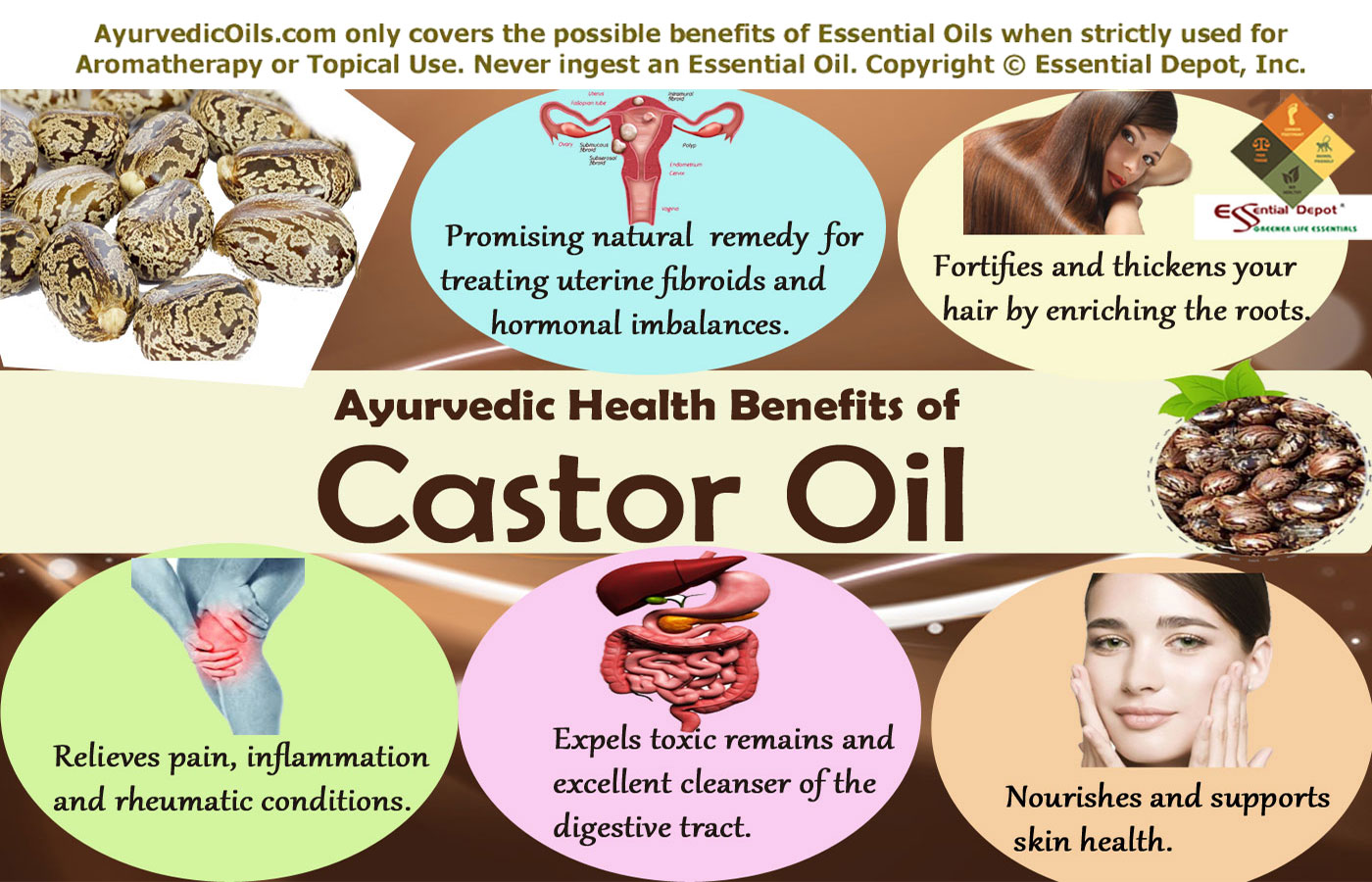
The most effective but the less known Ayurvedic health benefits of Castor oil are:Castor-Oil1. Promising natural remedy for treating uterine fibroids and hormonal imbalances:

Uterine fibroids are one among the most common problems in women, often present without any symptoms and in certain cases it causes extreme menstrual pain, pain in the pelvic area, frequent urination and fertility problems as well depending upon its location in the inner wall of the uterus.

The actual reason for fibroids in the uterus is not known but is generally stated as a change in the hormonal levels of women in the reproductive age. Fibroids tend to shrink with age as the level of estrogen reduces gradually.

Fibroids are benign tumors that require no treatment unless it causes severe pain or fertility problems. The most intricate solution for treating uterine fibroids is hysterectomy or removal of uterus.

Gulma is the Ayurvedic term for fibroids and other phantom tumors. Ayurveda recommends the use of warm Castor oil in massage and as a medicinal intake.

Castor oil is called as Gulma hara, which means that the best remedy for discarding tumors present in the abdominal area.

Abdominal tumors are often caused due to the vitiation of vata and kapha dosha. Castor oil is termed as one among the best natural medication for eliminating excess vata and kapha dosha, thus enhancing circulation and reducing the size and symptoms of fibroids, cysts and other abdominal tumors.

Vata dosha is the air and space energy that rush through the system in a jiffy and is prevalently the cause behind the imbalance of other two doshas. Vata doshas rules circulation and movement of the body and vitiated vata might end up in causing anxiety, dry skin, bloating, muscular stiffness, dehydration, improper blood circulation, insomnia and more.

This Sanskrit verse says it right, “THE LION OF CASTOR OIL ALONE CAN KILL THE MADDENED ELEPHANT OF ‘VATA’ AS IT STAMPEDES THROUGH THE BODY.”

Castor oil is by far considered as the only oil that has the ability to eliminate ama or toxic remains, kapha imbalance (surplus fluid deposits) and congested mala (faeces). When used externally with heat, Castor oil is effective in decreasing the growth of excess tissues, cysts and tumors.

The rich therapeutic oil extracted from the seeds of the Castor plant is a promising alternative for treating Yoni Roga, which means the disorders of the genital tract in women and Udara, meaning abdominal diseases.

It is also termed as Adhobhaga Doshahara, which means its efficacy in flushing out doshic vitiations from the lower part of the system.

Massage your lower abdomen with 5 ml of warm Castor oil and cover it with a flannel cloth, followed by a plastic wrap. Use a heating pad or hot water bottle over the wrap and relax in a comfortable position for about 30 minutes to 1 hour.

Castor oil has deep penetrating properties, thus it enters the bloodstream quickly and passes on its therapeutic properties at ease. This power-packed massage therapy can help one in breaking up scar tissues, if any, eliminates uterus congestion, reduces and confiscates fibroids, cysts and other benign tumors in the abdominal area (uterus and ovary).

It works by increasing the blood circulation in the abdominal region and thus breaks down the clogged mass of fibroids, cysts and tumors.

Dysmennorhea or painful menses, delayed or obstructed menstruation are treated with the natural emmenagogue properties of Castor oil, which is attributed to the presence of ricinoleic acid.

Remember not to use Castor oil during menstruation as it might increase the flow of menses and the best time to use is before the onset of your periods.

Castor oil is an excellent cleansing remedy for the male and female reproductive system. Ayurveda calls Castor oil as Yoni vishodhana, medication for vaginal cleansing and as Shukra vishodhana, remedy for enhancing the quality of semen and purifying it.

Ayurveda recommends newly married couples to take Castor oil as an aid to purify the mind, body and spirit before giving birth to a new soul on earth. The oil of Castor is also used for treating Shukra gada or seminal problems.

2. Nourishes and supports skin health:

Are you into Soap making business? Then just choose Castor oil with your eyes closed and you’d definitely order bulk of Castor oil cans if you get to know the Ayurvedic benefits of it.

Castor oil is a promising Ayurvedic remedy for healing skin disorders (Kushtapaha); an excellent invigorating and anti-aging agent (Vaya sthapana); enhances the natural glow of your skin (Kantikara); boosts skin health (Twachya); enters even through the minute channels of the skin and repairs the damaged skin cells (Teekshna and Sookshma).

The most impressive use of Castor oil is its effectiveness in treating wrinkles, fine lines, crow’s foot, spots and other symptoms of aging. This quality is attributed to its emollient benefits that influence the natural production of elastin and collagen, the secret agents of supple skin.

Massaging your skin with 4 ml of Castor oil blended with 1 ml of Jojoba oil can assist in revitalizing and revivifying the skin surface.

Castor oil can also be helpful in treating psoriasis, ringworm, eczema, stretch marks, skin inflammation, boils, acne, abrasions, corns, cysts and dry skin conditions.

3. Fortifies and thickens your hair by enriching the roots:

Hair and skin are the most promising indicators of a ‘Healthy You’. Loss of hair, dandruff, dry, rough and gray hairs do not always occur because of environmental nuances. There are much more intense reasons behind the illness of your hair and scalp.

Stress, worries, anxiety, fatigue, insomnia, panic attacks and of course unhealthy diet and lifestyle practices contribute to the detrimental state of your hair.

Castor oil is an incredible natural asset for addressing most of your hair problems and has even been proven to influence the growth of hair on your eyebrows.

Unclogging the blocked pores, strengthening the hair follicles, nourishing the scalp conditions, moisturizing the hair and scalp and motivating the natural growth of hair is all that the magical touch of Castor oil can spell upon you.

Being a traditional remedy for addressing various hair conditions, Castor oil is also recommended in the United States of America as an economical substitute for the most expensive serums for the growth of hair and eyebrows.

To start with, blend 10 ml of Castor oil with 2 drops of Lime oil and 5 drops of Rosemary oil and heat it slightly. Massage this warm blend on your scalp and leave it for about an hour. Shampoo your hair with a mild herbal shampoo for best results.

Continue this enriching massage twice a week for about 3 months for repairing your hair damages and fostering the natural shine and luster of your bouncy locks.

Ayurveda beckons Castor oil as Keshya for its efficiency in encouraging hair growth and enriching the hair follicles.

The presence of Vitamin E, ricinoleic acid and other Omega-9 and Omega-6 fatty acids help in influencing good circulation of blood in the scalp, seal the moisture in the hair and scalp, treat split ends and breakage of hair.

The antimicrobial, antiviral and antifungal properties of Castor oil also assist in treating itchy scalp conditions, dandruff and other infections of the scalp.

4. Relieves pain, inflammation and rheumatic conditions:

Rheumatism and rheumatoid arthritis are the children of the toxic elements left in the system, especially amassed in the hands, legs and joints. This results in pain, inflammation, improper blood circulation, redness, soreness and irritation in the muscles and joints.

Castor oil is a winning rescuer from amavat (inflexibility and pain in joints) and rheumatic conditions with its wonderful effect to augment blood circulation, relieve pain, reduce swelling and treat stiffness in joints.

With its easily penetrating quality, Castor oil pierces into the bloodstream and starts working instantly on the affected parts. Castor oil is called as Shulaghnam for its analgesic values and is also known as Guhya shoola and Prushta shoola for supporting the treatment of lower back pain.

It’s also been proven effectual in the treatment of Shotha (inflammation and swelling) and Katigraha (stiffness in the lower back).

Massaging the painful parts with 3 ml of warm Castor oil blended with 2 drops of Ginger oil can help in eliminating the toxic wastes and excess fluid deposits stagnated in the system through urine and metabolic wastes.

It can also be helpful in alleviating pain, soothing the tensed muscles, calming the nerves and instilling complete relief.

5. Expels toxic remains and excellent cleanser of the digestive tract:

Ama or toxic remains in the body are mainly due to indigestion, irregular diet and other lifestyle practices. Ayurveda states that build up of noxious substances in the system might pave way to the rise of chronic and even fatal diseases.

As read already, Castor is one among the best Ayurvedic remedy for eliminating toxic (ama) remains, excess fluid, salt, uric acid and fat deposits in the body.

Castor oil is a grandmother’s remedy for eliminating worms, parasites and toxic substances in the body, especially the digestive system. Pure Castor oil is ingested during the night and is trusted to stimulate the bowel movements and flush out the toxic waste through faeces in the morning.

Gas (anaha), bloating (Vatodara), gout (Vatashonita), chronic constipation (Vid bandha), prostitis (Ashtila), and heaviness are often treated with Castor oil, either as a tonic or massage oil.

Deepana is another medicinal term for Castor oil for its ability to enhance digestive power and is a promising natural laxative. For its anthelmintic properties that aids in discarding worms, parasites and other pathogens in the body, Castor oil is also known as Krimighnam.

Blend 2 drops of Peppermint oil with 3 ml of Castor oil and massage on the abdominal area for alleviating digestive discomforts.

Other health benefits:

In general, Castor oil is said to contribute to varied health benefits of the system including its power to nurture immunity or the power to resist against diseases (Balakara); improve cognitive and memory functions (Medhakara and Smrutikara); and augment general health and heartiness (Arogyakara).

Disclaimer:

This article is only for the purpose of education and is not destined to treat, prevent or diagnose any health conditions. It is not meant for substituting any prescription medicines or the advice of a medical professional. We, at Essential Depot are not healthcare experts and this information is shared only for thinning out the phenomenal healing of Ayurveda, the oldest of all medical sciences on earth.

All essential oils are recommended topical use only and not for ingestion. This is mainly because 100 per cent pure and organic oils are concentrated substances and may cause allergic reactions.

Take special care when using essential oils on pregnant or nursing women, children and people with chronic illnesses. Speak with your Ayurvedic professional or General practitioner before choosing the suitable oils for your unique individual constitution or Prakriti and the state of health or Vikruti. A patch test on your skin before enjoying the enormous benefits of Ayurvedic essential oils is recommended.

Thought for the day:

Wherever the art of medicine is loved, there is also a love of humanity.
Hippocrates

Suggested Reading:

  1. Castor Oil Pack Therapy: Application & Instruction by ND, Bruce Baar MS
  2. Castor Oil and Rosemary Oil for Hair Growth: The Secret to Re-growing Hair and Preventing Hair Loss Naturally by Mark Calhoun
  3. Castor Oil: How To Grow Longer Hair, Get Rid Of Scars, Remove Wrinkles, And Other Health And Beauty Recipes (Homemade Body Care Book 4) by Kathy Aquino
  4. The 3 Essential Oils: Olive Oil, Coconut Oil and Castor Oil by Cat McEwan
  5. Castor Oil (Carrier Oils Book 7) by Miriam Kinai

Reference Links:

  1. Ricinus communis by Wikipedia
  2. Transdermal Absorption of Castor Oil by Douglas G. Richards, Ph.D., David L. McMillin, M.A., Eric A. Mein, M.D., and Carl D. Nelson, D.C. published in the Meridian Institute.
  3. Final report on the safety assessment of Ricinus communis (Castor seed oil), published in the International Journal of Toxicology
  4. Benefits of Castor oil by MedIndia
  5. Health benefits of Castor oil by Times of India


Your resource for quality Essential Oils. Every batch is
GC tested to ensure purity and authenticity.

Moranga Essential Oil

Loved as  ‘Mother’s Best Friend’ in East Africa and as ‘Never Die’ and ‘Miracle Tree’ all over the world, Moranga is one of the most useful trees in the Cosmos, as every part of this tree including the leaves, stems, seeds, pods, fruits, root and bark has enormous medicinal values. Moranga is known as the best natural hub of antioxidants with 46 antioxidants and 36 anti-inflammatory compounds making it rich and wholesome for mankind.

Ayurveda, the mother of all healing sciences have listed about 300 diseases that can be cured with this wonder herb known as Shigru, Sahijna, Munaga, Shobanjana and Sainjna in the Ayurvedic community. Moranga is scientifically called as Moringa pterygosperma gaertn., or Moringa oleifera, Lam. The name Moringa is extracted from the Tamil name murunga and pterygosperma for its winged seeds or oleifera for its non-drying stable oil with a long shelf life.

Purchase Moranga Oil – Wholesale – CLICK HERE

Historical importance of Moranga and its essential oil: Well-known to the world populace as Drumstick tree, clarifier tree and horseradish tree, Moranga is extremely nutritious and considered as a treasure of India and a fortune to the entire universe. Indians call it a pretty tree with a graceful appearance complimenting its surrounding with natural beauty and freshness. This immortal tree has an exceptionally long traditional usage. The most important among them are listed for your information.

Historical transcripts reveal that drumstick and its leaves were used by the primordial Indian kings and queens in their daily diet to gain enormous energy, retain their good health and treat inflamed joints. The young leaves of this tree are used in folklore medicine for treating common cold, dog bites and scurvy. Fresh Moranga leaves were rubbed against the temples for relieving severe headaches. These leaves are also used in treating fever, inflammation of the mucus membrane, bronchitis, cold, infections of the ear and eye.

Tea prepared with Moranga leaves were used in treating diarrhea, gastric ulcers and stomach pain. Moringa leaves and food products are considered as the best food for people suffering from malnutrition as it is rich in fiber, protein, minerals, vitamins and carbohydrates. It is used in Senegal and India for treating sleeplessness, anxiety, asthma, dysentery, rashes, sores, colitis and added to children’s food to fight malnutrition.

The leaves and twigs are used as a nutritious fodder for farm animals, goats, sheep, camels and other domestic animals. The juice extracted from Moringa flowers is used for treating urinary problems, cold and to enhance the flow and quality of milk in breastfeeding mothers with its tonic, diuretic and cholagogue properties. Moringa flowers are regarded as a good source of pollen for honey bees. The high iron content in Moringa leaves are used to treat anemia in Philippines. Moringa gum is used to treat asthma, tooth decay and rheumatism.

Moringa oil has been used in treating syphilitic wounds, scurvy, hysteria, bladder problems, prostate problems, fungal infections and certain skin complaints.  The villagers in Oman use this oil as a perfume and for treating hair problems and stomachic disorders.  Arabians in the desert used this oil on their face to treat the harmful effects of wind and sun. It was buried in the tombs of Egyptians whereas the Romans used this oil as a basis for perfumery.

Therapeutic properties of Moranga essential oil: The major remedial properties of Moringa essential oil are antibacterial, anti-inflammatory, diuretic, antispasmodic, anti-choleric, antifungal, anti-hypertensive, anti-tumor, anticancer, antiulcer, immune stimulant, aphrodisiac, antidiabetic, tonic, antipyretic, hepatoprotective, cholesterol lowering and antioxidant. A study on the ‘Medicinal properties of Moringa oleifera: An overview of promising healer’ have analyzed on numerous therapeutic properties of Moringa oleifera.

Ayurvedic health benefits of Moranga essential oil: Ayurveda, the ancient healing science aged more than 5,000 years has India as its birthplace. This holistic healing methodology have used the most useful tree on earth, Moringa aged more than 4,000 years and has its origin in India. Ayurvedic texts list more than 300 diseases that can be cured with the immaculate healing powers of Moranga tree and its extracts like the essential oil.

The power of Ayurvedic healing deeply vests in its trust on natural remedies. Ayurvedic philosophies state that every living thing on earth is unique in its own way and united in the fact that it is a part of nature. This promising science is optimistic and the simple proof is that it considers illness as an opportunity to find what is wrong in the system.

Ayurvedic treatments do not treat just the disease instead it treats the whole individual. By this way it aims at treating and preventing the illness and not just curing the disease alone. Ayurveda identifies the major root cause responsible for sickness.

Ayurvedic texts strongly state that every individual has his or her own constitution which is made up of three energy elements known as doshas namely pitta, vata and kapha. Balance between these three doshas indicates that the system is hale and healthy and imbalance of any one or all the three doshas is responsible for sickness. Moringa and its essential oil is said to reduce excess kapha and vata and improve deficiency of pitta.

Ayurvedic remedies using Moringa products are used in the treatment of liver problems, urinary infections, dysmennorhea, aid during labor or childbirth, improving the secretion of milk in breastfeeding mothers, anemia, sexual dysfunctions, nervous debility, skin problems and infections caused due to pathogenic organisms. The major health benefits of the essential oil extracted by steam distillation method from the leaves of Moringa tree are:

Enormous benefits for the skin: Moringa essential oil has exceptional benefits for the skin and is mainly due to the presence of rich nutrients and antioxidants in the leaves that support healthy skin. Moringa leaves are known as the powerhouse of nutrition with more than 7 times the vitamin C in oranges, more than 4 times the vitamin A in carrots, more than four times the calcium in milk, more than 3 times the potassium in bananas and more than twice the proteins in milk in each gram.

Moringa essential oil has antibacterial, antimicrobial, antifungal, antioxidant and anti-aging properties that aids in combating numerous skin problems. The effects of aging like wrinkles, dull and lifeless skin are mainly due to the activity of free radicals on the skin. The rich content of about 46 antioxidants in Moringa aids in fighting against all the negative effects of aging on skin.

Moringa oil cleanses, nourishes and nurtures your skin naturally. Blending 3 drops of this oil with little coconut oil and applying this mixture on acne, cuts, scrapes, blackheads, scars, burns, rashes and insect bites will help in quicker healing with its antiseptic and antimicrobial values. Gently massaging your skin with 2 to 3 drops of Moringa oil mixed with olive oil helps augment the elasticity of the skin by nourishing the skin cells, removing dirt gently, killing microbes causing infections, avoiding excessive drying, and moisturizing the skin.

A 2007 study on ‘Anti-fungal activity of crude extracts and essential oil of Moringa oleifera Lam.’, by the Institute of Bioagricultural Sciences, Taiwan have stated that the “essential oil extracted from the leaves of Moringa showed a total of 44 compounds. Isolated extracts could be of use for the future development of anti-skin disease agents.”

Due to these reasons Moringa oil is used as an important ingredient in soaps, facial creams, body wash, facial massage oils and anti-aging creams. You can also add 3 to 4 drops of Moringa oil to your mild skin care cream or lotion for alleviating such skin problems.

More than just a complete food for your system on your shelf: Moringa leaves have Vitamin A, B1, B2, B3, B6, B7, C, D, E, K and certain other amino acids like leucine, methionine, lysine, isoleucine, threonine, valine, tryptophan and phenylalaine along with a bunch of non-essential amino acids, making it a complete food for the mind, body and soul.

Adding 2 drops of Moringa oil to warm bathing water can help in relieving stress, cleansing your body, granting mental peace and removing fatigue. Massaging your body with 4 drops of Moringa oil blended with almond oil can aid in alleviating rheumatic pain, reduce inflammation with its anti-inflammatory properties, eliminate the excess fluids in your body through urine, boost the immune system and protect your body from harmful infections.

Moringa essential oil is light and it easily spreads and deeply penetrates into the skin. By this way it transforms its vital nutrients into the body, mind and spirit. This oil has also been used as a natural cleanser to remove excess oil and dirt from hair. Massaging your hair and scalp with 3 drops of Moringa oil blended with coconut oil can assist in cleansing your hair, nourishing your scalp, treating dandruff and grant a natural shine to your lustrous locks.

Scientific evidences: The long time Ayurvedic health benefits of Moringa and its essential oil have been proved scientifically through numerous studies. A 2003 study on ‘Hepatoprotective activity of Moringa oleifera on antitubercular drug-induced liver damage in rats’ have proved that treatment with M.oleifera leaves seems to improve the recovery from hepatic damage caused by antitubercular drugs.

Another study by the U.S. National Academy of Sciences Noel Vietmeyer published in PubMed witnessed “The results indicate that this plant possesses antioxidant, hypolipidaemic and anti-atherosclerotic activities and has therapeutic potential for the prevention of cardiovascular diseases.”

The University of Agriculture, Faisalabad, Pakistan studied the effectiveness of Moringa oleifera based upon its detailed phytochemical composition, pharmacological properties and medicinal uses of various parts of this multipurpose treesuch as the leaves, roots, seed, bark, fruit, flowers and immature pods act as cardiac and circulatory stimulants, possess antitumor, antipyretic, antiepileptic, anti-inflammatory, antiulcer, antispasmodic, diuretic, antihypertensive, cholesterol lowering, antioxidant, antidiabetic, hepatoprotective, antibacterial and antifungal activities, and are being employed for the treatment of different ailments in the indigenous system of medicine, particularly in South Asia.”

Few other studies also proved the antioxidant, hypocholesterolemic, antifungal and antibacterial effects of Moringa tree and its essential oil.

Other health benefits: Apart from these major health benefits, the different parts of Moringa tree and the essential oil extracted from the leaves and seed pods are used to strengthen the immune system with vitamin C, lessen the risk of health disorders like Alzheimer’s disease, atherosclerosis and cataract with the presence of vitamin B3, stimulates the process of digestion with the presence of fibre, supports blood circulation, functioning of the brain and treat anemia with its rich iron content and improve eyesight with vitamin A. Besides these, there are a handful of home remedies that are a part of the traditional healing system and grandmother’s remedy.

Disclaimer: Never take essential oils internally. Pure and organic essential oils are highly concentrated liquids and always remember to use them in a diluted form. This article is only for the purpose of information and is not meant to diagnose or replace prescribed drugs or professional advice. Consult your Ayurvedic practitioner before using the right essential oil for your specific health condition and individual constitution.

Thought for the day:

We do not see nature with our eyes, but with our understandings and our hearts.   -William Hazlitt

Suggested Reading:

  1. Miracle Tree by Monica G. Marcu
  2. Bible Miracle Tree: healing with Moringa by Miracle Bible
  3. Moringa Oleifera: Magic, Myth or Miracle by Howard W. Fisher
  4. Moringa Oleifera benefits: enrich your life with the Miracle Tree for well-being, happiness, weight loss. More than a super-food, nutritional supplement, food supplement by Frank Moringa Oleifera

Reference Links:

  1. Moringa oleifera by Life in Health
  2. Śigru or drumstick (Moringa pterygosperma, Gaertn., M. oleifera, Lam.) by Dr. K.H. Krishnamurthy published in NAMAH
  3. Moringa, the Miracle Tree by Moringa Rubicon Health.Org
  4. The Benefits of Anti-Aging Moringa Oil on the Skin by Ayurveda Guru
  5. Medicinal properties of Moringa oleifera: An overview of promising healer by Fozia Farooq, Meenu Rai, Avinash Tiwari, Abdul Arif Khan, and Shaila Farooq

Ashwagandha Oil

Aswagandha-bannerStand tall like a stallion and hold your head up with the strength and inevitable power of Ashwagandha, the most potent and revitalizing herb of the Ayurvedic healing. Often called as ‘Indian Ginseng’ for its enormous and instant energizing attributes, the word ‘Ashwagandha’ means the ‘smell of horse’, as the fresh roots have a horse-like odor.

Ayurvedic writings record the usage of this vital herb as a rasayana, meaning tonic for alleviating extensive range of illnesses from cancer to impotency. Dr. M. Ali in his book ‘Ashwagandha – The Stress Buster’ quotes Ashwagandha as an anti-stress herb with curative, relaxing, preventive, restorative and sedative properties and has the power to alleviate stress, the silent killer and the root cause of many problems including strokes, impotence, heart attacks, blood pressure, depression and stomach ailments.

Purchase Ashwagandha Essential Oil – Retail – 4 oz – CLICK HERE

Purchase Ashwagandha Essential Oil – Wholesale – CLICK HERE

Historical uses and significance of Ashwagandha herb and its essential oil:

Lovingly called as ‘Winter cherry and Indian ginseng, Ashwagandha is botanically called as Withania somnifera and is a member of the nightshade or Solanaceae plant family. The word ‘somnifera’ means ‘sleep-inducing’ and Ashwagandha is known for its potential to promote sleep and has been used in the treatment of insomnia.

Indigenous to the Indian subcontinent, Ashwagandha is one among the most popular herb in the history of Ayurvedic healing. Few sources also state that this herb is native to Africa, Australia and the Eastern parts of Asia. Ashwagandha is also found growing naturally in Sri Lanka and Pakistan.

Ashwagandha has been used for more than 4,000 years in the world of traditional medicine, including Ayurveda, Homeopathy, Siddha, Traditional Chinese Medicine and Unani. The tribal populace in Africa is said to have used this herb initially in the treatment of inflammatory medical conditions and fevers.

Ayurvedic use of Ashwagandha has been documented in the Ayurvedic texts like Charaka Samhita and Sushruta Samhita and certain records also state that Ashwagandha is popular since the sacred teachings of the Ayurvedic Rishi, Punarvasu Atriya. Ashwagandha is recommended in Ayurveda for longevity, physical and mental wellness of the aged, reproductive health and as a brain tonic for children.

The Ashwagandha root paste has been applied for treating joint inflammation, swelling, ulcers, pimples, piles, carbuncles, boils, colic and leucorrhoea. Traditional remedies also prescribe this powerful root in treating venomous snake and insect bites, including scorpion stings. It is used in the Middle East countries for its ability to support normal sleep patterns and persuade a strong inflammatory response.

Used as a Rasayana or natural tonic in Ayurveda, Ashwagandha has been a promising Ayurvedic remedy for rheumatism, insomnia, arthritis, impotence, loss of libido, improper blood circulation, constipation, goiter, nervous breakdown, fatigue and depression. The most common use of this herb since the traditional times is for the encumbrance from old age and emaciation of children.

The leaves of this plant bear a bitter taste and have been used in curing fever, swellings, tubercular glands and tumors. Numerous research studies have witnessed the power of Ashwagandha in the treatment of respiratory problems, cardiovascular diseases, loss of energy along with psychological and physical stress. Chyawanprash is one among the most popular Ayurvedic blend with Ashwagandha, Amla or the Indian Gooseberry and numerous other herbs.

Chemical constituents and remedial properties of Ashwagandha essential oil:

The therapeutic properties of Ashwagandha essential oil are anti-stress, adaptogenic, aphrodisiac, astringent, antioxidant, rejuvenative, anthelmintic, tonic, diuretic, stimulant, anti-rheumatic, antibacterial, anti-ulcerogenic, anti-tumor, anti-inflammatory, anti-carcinogenic, anti-arthritic, cardio-protective, immunomodulatory and anti-depressant.

The major chemical components in Ashwagandha essential oil are alkaloids (anaferine, isopelletierine, anahygrine, cuseohygrine, etc.), steroidal lactones (withaferins, withanolides) and saponins.

Ayurvedic health benefits of Ashwagandha essential oil:

Ayurveda is precisely called as the Mother of all the other healing sciences on earth for its enormous holistic healing principles that aim in healing and preventing illnesses for more than 5,000 years.

Acharya Dhanvantari, known as the Ayurvedic God of medicine and physician of Gods is said to have gifted Ayurveda for the wellness of humanity. Ayurveda is a part of Atharvaveda, one amongst the 4 sacred books or Vedas of the Indian mythology.

Ayurveda is the only medicinal system that considers human body as a temple and the soul that lives in is regarded as the symbol of divinity. With this thought of nobility, Ayurveda recommends mankind to keep their mind, body and soul clean, happy and content.

The principles of Ayurveda rely on nature for everything as it strongly trusts that everything on earth is a vital part of nature. The visible proof behind this theory is that all things in nature are made up of five basic elements of nature, namely fire, water, earth, space and air.

Human body is also made up of these five elements, where earth is present in the form of bones and muscles; water represents blood and fluids in the system; air is vital for breathing; space is the soul that dwells in and fire is the essential energy for body temperature, metabolic functions and certain other vital activities of the system.

Ayurveda never goes by the fact that ‘one size fits all’, as it trusts that every human being is a distinctive part of nature composed with a unique individual constitution known as prakriti. It is a combination of three biological energies called as doshas. They are vata, pitta and kapha. Every individual has a predominance of any one of these doshas that acts as a deciding factor in determining the character, personality, attributes and behavioral patterns.

Absolute balance between these doshas as per the law of nature indicates health and doshic imbalances due to climatic conditions, lifestyle changes, irregular food habits and moral vitiations lead to illness.

Ayurvedic healing aims at treating the root cause of an illness instead of its symptoms alone. This aids in curing the disease initially and preventing it in the future as well. Ayurveda prescribes natural remedies that go well with the individual constitution of a person, even if a group of people are affected by the same medical condition.

The prime Ayurvedic remedies are plant essential oils, simple physical exercises, herbs, yoga, prayers, Pranayama (Ayurvedic breathing exercises), meditation, Abhyanga or Ayurvedic massaging, Panchakarma or Ayurvedic detoxification techniques and Ayurvedic routine.

Ashwagandha essential oil is said to pacify vata and kapha doshas and increase pitta energy.

It’s time to look into the most significant Ayurvedic health benefits of Ashwagandha essential oil.

Aswagandha-broucher1. Combats cancer causing free radicals:

Ashwagandha is a miraculous Ayurvedic herb that possesses antioxidant and anti-tumor properties that aid in combating the harmful free radicals and curb the growth of cancerous tumors in the system. The anti-antigenic attribute of this natural medicine helps in preventing the malignant tumors from creating new blood vessels for assisting its uncontrolled growth.

Being an immune-stimulant and rejuvenating essential oil, Ashwagandha strengthens the immune system, aids in resisting the effects of chemotherapy and supports quicker recovery. Many research studies have witnessed the cancer inhibiting potential of Ashwagandha, which works by controlling the ability of reproducing of the cancer cells.

A 2006 study on the “Ancient medicine, modern use: Withania somnifera and its potential role in integrative oncology.” By Winters, states “with its polypharmaceutical use, confirming antioxidant, anti-inflammatory, immune-modulating, and antistress properties in the whole plant extract and several separate constituents, Withania somnifera reduces tumor cell proliferation while increasing overall animal survival time.”

This study concludes by stating “Withania somnifera also reduces the side effects of chemotherapeutic agents cyclophosphamide and paclitaxel without interfering with the tumor-reducing actions of the drugs. With its cytotoxic and tumor-sensitizing actions, Withania somnifera presents itself as a novel complementary therapy for integrative oncology care.”

Ayurveda prescribes the use of Ashwagandha oil in Abhyanga or Ayurvedic massaging for treating cancerous disorders. Massaging your system with 10 drops of Ashwagandha oil blended with 5 drops of Parsley seed oil, 5 drops of Turmeric essential oil, 5 drops of Tangerine oil along with 25 ml of coconut oil can grant innate energy to your cells for fighting against free radicals and controlling the growth of cancerous cells.

The cancer-fighting attributes of Ashwagandha oil along with Parsley, Turmeric and Tangerine oils pass on to the bloodstream by penetrating through the skin cells and work on effectively without causing any side effects. You can also add 1 drop of Ashwagandha oil along with 1 drop of Frankincense oil to your warm bathing water for leaving you fresh and fragrant all through the day.

2. Alleviates arthritis and rheumatic problems:

According to Ayurveda, aggravation of vata and excess of kapha dosha contribute to vulnerable medical conditions like rheumatism and arthritis. With its ability to reduce kapha vitiation and treat vata aggravation, Ashwagandha is one among those best Ayurvedic remedies for alleviating pain, swelling, inflammation and other discomforts associated with arthritis and other rheumatic conditions.

When used as a massage oil (3 drops of Ashwagandha oil + 2 drops of Rose Geranium oil + 2 drops of Tarragon oil with 5 ml of Sesame oil), Ashwagandha penetrates deeply into the system and aids in relaxing the muscles, strengthening the bones and nourishing the tissues.

This also helps in instilling complete relaxation in the nervous system, promote blood circulation, reduce muscular pain, and alleviate inflammation by promoting the frequency of urination and opening of the sweat pores through which the toxic remains, salt and uric acid in the body are eliminated.

The tonic, analgesic or pain-reducing, diuretic, anti-rheumatic, anti-arthritic, anti-inflammatory, anti-oxidant and relaxant properties of Ashwagandha oil makes it a great natural remedy for osteoarthritis, rheumatoid and muscular problems, used often by athletes, dancers and body builders. Using 2 drops of Ashwagandha oil in warm compress can support the healing process.

The pain-relieving potential of Ashwagandha oil is often compared to popular pain-relieving agents in the pharmaceutical industry like aspirin and phenylbutazone. This oil is also believed to prevent inflammation and muscular strains, grant flexibility to the muscles and vigor to the joints.

3. Enhances immunity and energy levels:

A healthy immune system is the basis for longevity and heartiness. The disease-fighting or resisting ability of a person is determined by his immune power. The white blood cells (WBC) or leucocytes in the body are cells of the immune system are also known as the police force of the body. These cells are involved in shielding the human body against foreign bodies and infectious diseases.

Leucocytes are present all over the body, including the lymphatic system and blood. Ashwagandha oil has the power to strengthen the immune system by increasing the count of leucocytes or white blood cells.

This promising herb is also called as the ‘Ojas enhancing’ herb with plethora of remedial values.

Ayurveda defines ojas as the subtle or cultured level of energy gained from healthy food. Required level of Ojas in the system is a symbol of well-built immunity, inner consciousness, healthy complexion, mental clarity, hale and heartiness and physical wellness. Decreased ojas or Ojakshaya is an indicator of low immune power as it is in a person affected by HIV.

Ashwagandha is held high in Ayurvedic medicine for its effectiveness in enhancing ojas. This in turn helps in augmenting immune power, keeping away from infections and diseases and aids in recovering quickly from sickness, while rejoicing absolute health and wellness.

Adding 1 drop of Ashwagandha oil with 1 drop of Sandalwood oil and 1 drop of Vetiver oil in diffuser, vaporizer or burner during prayers, meditation and Pranayama can help in augmenting the Ojas, strengthen your immune system, help retain youthfulness, revitalize the senses, relieve from fatigue and insomnia, prevent aging and invigorate the entire system.

The uniqueness of this blend is that all these 3 oils are known for their power to enhance the innate wisdom and kindle your sense of sacredness and divinity.

4. Boosts memory functions and alleviates Alzheimer’s disorder: Ashwagandha is popularly known as a Rasayana in Ayurveda and is said to belong to a sub-category called as Medhyarasayanas, where the word ‘Medhya’ refers to the human mind and its intellectual and cognitive powers.

Ashwagandha essential oil has the ability to wrestle the fall in cognitive levels caused due to brain cell degeneration. It also assists in reducing cortisol levels and enhancing cognition levels.

Inhaling the aroma of this oil by adding 1 drop of Ashwagandha oil with 1 drop of Brahmi oil and 1 drop of Rosemary oil in diffuser especially in the early hours of the day during meditation, yoga, prayers and learning can promote the functions of the brain, augment your memory power, increase your intellect and help fight against Alzheimer’s disease.

5. Fights against stress, depression and other negative feelings: The adrenal glands in the endocrine system are responsible for a person’s ability to manage stress and stress-related negative effects. When a human body is stressed, the adrenal glands augment the level of cortisol secretion.

Cortisol is called as the stress hormone of the system that is related to the ‘fight or flight’ response of the body. This hormone is responsible for the production of negative effects in the body like lack of concentration, fatigue, weak memory, anxiety, mental exhaustion, sleeplessness, pain, anger, weight gain, especially in the abdominal area and lack of interest.

The presence of the bioactive compounds called glycowithanolide in Ashwagandha aid in reducing the cortisol levels in the body. Glycowithanolide is a type of steroidal lactone that imitates the body’s own relaxing and stress-alleviating hormones. This works by decreasing cortisol levels in the system to strike absolute balance in the body.

Ashwagandha essential oil has adaptogenic, stimulating, relaxing, mood enhancing, stress-reducing, nervine, sedative and rejuvenative properties that help in treating insomnia by promoting peaceful sleep, alleviating fatigue, cardiovascular problems, depressive feelings, cognitive dysfunction and low immunity.

Numerous scientific studies on the anti-stress and adaptogenic effects of Ashwagandha oil have concluded that this herb is a powerful Ayurvedic remedy for treating and preventing stress and stress induced health conditions including premature graying, hypertension, arteriosclerosis, malignancy, diabetes and arthritis.

Adding 5 drops of Ashwagandha oil with 5 drops of Lavender oil and 5 drops of Patchouli oil along with 20 ml of Jojoba oil in a massage blend can help in reducing stress, fatigue and sleeping difficulties.

You can also add 2 drops of Ashwagandha oil in warm bathing water or air freshener before going to bed to enjoy the richness of a relaxed mind and a comfy sleep.

6. Tones the skin and hair health:

Ashwagandha has vata-pacifying properties that help in retaining the natural glow and suppleness of the skin. The antioxidant effects of this oil combat the growth of free radicals that are responsible for causing aging symptoms like wrinkles, fine lines, dark spots, blemishes and dullness.

The essential oil of Ashwagandha is also an excellent remedy for healing wounds, keratosis, inflammation, skin ulcers, carbuncles, swelling, cuts, bedsores etc. It is also used for moisturizing rough and dry skin with its collagen stimulating attributes.

This is mainly due to the presence of steroidal compounds that enhance the level of estrogen in the body. This aids in augmenting the natural levels of oil in the skin and promote the production of collagen, which in turn retains the young and healthy looking skin. Ashwagandha oil is also known for its ability to promote the secretion of structural protein vital for the skin.

Gently applying 2 drops of Ashwagandha oil with 2 drops of Bitter orange oil, 2 drops of Frankincense oil along with 5 ml of Jojoba oil on the affected parts can help in repairing the skin problems without any harmful effects.

Healthy and lustrous hair is the most prized jewel of mankind, especially women. Ashwagandha has been the secret behind the long, shiny and voluminous locks since the traditional times. Slightly warm the blend of 3 drops of Ashwagandha oil with 2 drops of Ylang Ylang oil, 2 drops of Rosemary oil, 2 drops of Lemon oil and 2 drops of Lavender oil along with 20 ml of Almond oil.

Slowly massage this Ayurvedic hair oil onto your scalp and hair for strengthening the hair follicles, clearing scalp problems like dandruff and itchy scalp, fight hair loss, prevent premature balding, graying and hair breakage due to increased cortisol levels.

It also helps in treating damaged hair and dandruff by flushing out the excess toxins in the system. Adding 2 drops of Ashwagandha oil to your regular shampoo is also an excellent idea to support the health of your hair and scalp.

7. Augments reproductive health:

Ashwagandha is the most powerful aphrodisiac known to humanity since the dawn of the Ayurvedic era. Physicians of various traditional and modern medicines claim Ashwagandha as the most promising and potent aphrodisiac on earth.

With its immune and ojas enhancing abilities, Ashwagandha is said to grant the vigor and vitality of a horse in human beings as well. As an influential adaptogen, Ashwagandha uplifts the system’s defense mechanism against various disease causing infections by augmenting the cell-mediated immunity. It also curbs all kinds of cellular damage caused by free radicals with its antioxidant values.

Ashwagandha promotes a healthy balance of the reproductive system by increasing the quality of semen and count of sperms, thus expanding the possibilities of fertility and conception.

It is also recommended by Ayurvedic professionals for treating loss of libido, impotence, premature ejaculation, lack of sexual interest, erectile dysfunctions and supports the ability to last longer in bed.

It is also prescribed for treating reproductive problems in women like infertility, white discharge, weak uterus, polycystic ovarian syndrome and certain other gynecological disorders.

Ashwagandha is also effective in strengthening the uterine walls, ovaries and ligaments to support pregnancy. Ayurveda also states that this herb helps in improving the quality of the egg or ovum.

The most impressive aphrodisiac blend can be prepared at home with 2 drops of Ashwagandha oil with 2 drops of Patchouli oil, 2 drops of Jasmine oil, 2 drops of Clove oil and 2 drops of Ylang Ylang oil with 50 ml of coconut oil. Gently massage your system with this Ayurvedic blend for supporting your active sexual life and healthy reproductive system.

Adding 2 drops of Ashwagandha oil in warm bathing water and your vaporizer, before going to bed can add up the spice to your intimate love.

Thought for the day:

I believe a leaf of grass is no less than the journey-work of the stars.

Walt Whitman

Suggested Reading:

  1. Ashwagandha & Brahmi – Fight stress and chill out with the king and queen of Ayurvedic medicine by James Lee
  2. Healing with the King: Ashwagandha: The Master Herb in Ayurveda Medicine (Learning about Medicinal Herbs within India’s Ayurvedic Medicine Book 4) by Ryder Management Inc.
  3. Herbs for Stress & Anxiety: How to Make and Use Herbal Remedies to Strengthen the Nervous System. A Storey Basics® Title by Rosemary Gladstar
  4. Ashwagandha, Stress and Anxiety Herb – Health Educator Report #37 by C.N.C. Billie J. Sahley Ph.D.
  5. Ashwagandha – the stress buster by Dr. M. Ali

Reference Links:

  1. Withania somnifera by Wikipedia
  2. An Overview on Ashwagandha: A Rasayana (Rejuvenator) of Ayurveda Narendra Singh, Mohit Bhalla, Prashanti de Jager, and Marilena Gilca, International Institute of Herbal Medicine (IIHM), published in the African Journal of Traditional, Complementary and Alternative Medicines
  3. Health Benefits of Ashwagandha or Indian Ginseng by Organic Facts
  4. How Ashwagandha can be used as sexual rejuvenator by Ayurvedic and Natural Home Remedies for a healthy living
  5. Ancient medicine, modern use: Withania somnifera and its potential role in integrative oncology by Winters M, published in the Alternative Medicine Review.

Neem Seed Oil

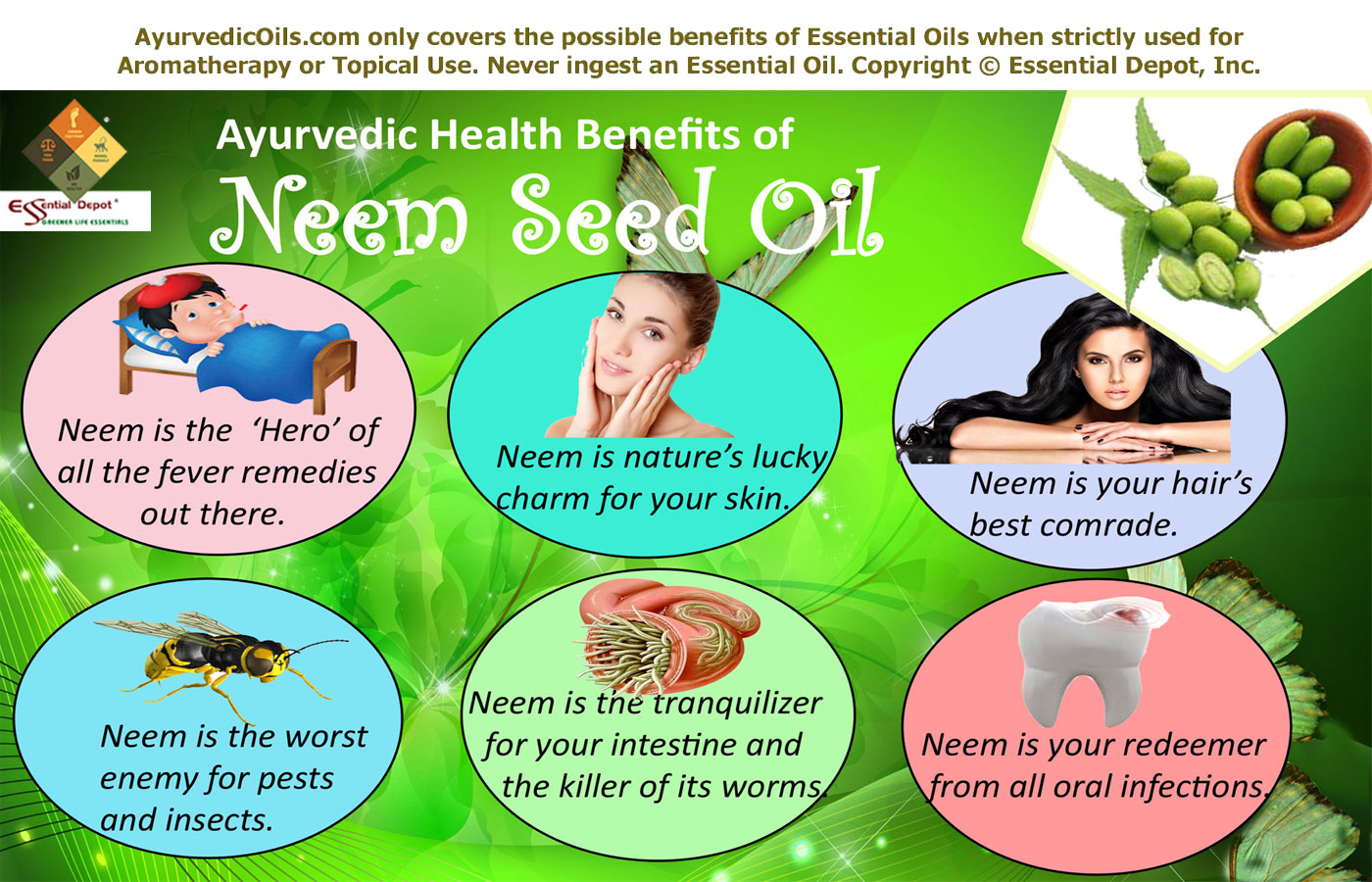
Neem is the ultimate pride of India and a divine gift of nature for its colossal remedial benefits including its power in treating tuberculosis, malaria, dandruff, fever, leprosy, acne, joint pain, plaque, intestinal worms, gastrointestinal disorders, chicken pox, diabetes and jaundice.

Neem-bannerAyurveda calls Neem as Sarva roga nivarani, means cure for all diseases and Arishtha, meaning one that alleviates all illnesses. Even today, Neem is a trusted solution for treating various health conditions in Indian villages for which it is called as ‘Village Dispensary.’

Neem and its varied extracts are prescribed in Ayurvedic medication for treating skin ulcers, diabetes, urinary infections, hair loss, psoriasis, constipation and digestive difficulties, scabies, asthma, whooping cough, wounds, pain, chicken pox and certain other infectious diseases.

Purchase Neem Seed Oil – Retail – 4 oz – CLICK HERE

Purchase Neem Seed Oil – Wholesale – CLICK HERE

Historical uses and importance of Neem and its varied extracts:

‘The liberated tree of India’ is the direct meaning of its scientific name Azadirachta indica, where the word ‘Azad’ means freedom, ‘dirakht’ means tree, ‘i-Hind’, means of Indian origin.

Neem is the first medicinal plant indicated in Siddha medicine, one among the oldest healing systems on earth. The 4,500 years old Indus valley civilization including the discovery of the cities of Harappa and Mohenjo-Daro talks about the medicinal uses of Neem tree.

Being an evergreen tree, Neem is often found in the front yard of most of the Indian homes for its phenomenal healing powers. WHO or the World Health Organization mentions that about 80 per cent of the developing countries’ populace bank upon natural or traditional medicines for treating various health conditions.

Among all those natural medications, Neem has found enormous medicinal attributes and therapeutic properties. Neem was called as the ‘Tree of the 21st Century’ by the United Nations Environment Programme.

The Siddha medications for treating blood pressure, diabetes, excess cholesterol, urinary tract infections, leprosy and gastro intestinal problems had Neem formulations in it.

In 1992, the National Academy of Science of the United Nations called Neem tree as “A tree for solving global problems.” The 350 years old Palm leaf manuscript preserved in the Centre for Traditional Medicine and Research emphasize on the remedial uses of Neem tree.

Every day many Indian families start their day with the use of Neem, where the Neem twigs are used as a natural toothbrush for combating oral problems.

The tea prepared with Neem leaves decoction, consumed in empty stomach in the morning is said to be a trusted remedy for flushing out toxic remains in the system, killing microbes in the body and increasing the immune power.

All the parts of the Neem tree including its leaves, bark, twigs, gum, fruits, flowers, seeds and the cold pressed Neem oil have enormous medicinal values for mankind.

The Neem leaves paste has been used in various folklore medicinal practices for treating pimples, chicken pox boils, viral infections, bed sores, psoriasis, eczema and wounds. Neem leaf decoction was also used for treating dandruff, hair fall and head lice.

Chemical constituents and therapeutic properties of Neem seed oil:

The primary chemical constituents of Neem oil are triterpenoid compounds like Azadirachtin and Nimbin along with triglycerides, sterols including stigmasterol, campesterol and beta-sitosterol. This oil also contains fatty acids, namely Omega-6, Omega-9, stearic acid and palmitic acid.

These components contribute to its remedial values like antimicrobial, antiviral, antiseptic, antifungal, antihistamine, febrifuge, antipyretic, hepatoprotective, analgesic, diuretic, anti-inflammatory, immune stimulant, antioxidant, emmenagogue, circulatory, vermifuge, anthelmintic, astringent, cicatrisant, spermicidal and nervine.

Ayurvedic uses of Neem seed oil:

Being a part of nature is the greatest acknowledgement one can ever receive. If you wander in search of solace through natural beauty either in the form of a lawn or a mountain, then it is just a symbol of your ignorance.

Beauty, especially the eternal beauty lies within you and your soul has everything that is in nature. Wanna try what I say??? Come lets experience the heaven in us..

Just sit in the most silent or tranquil zone in your home. Take a deep breath, relax and close your eyes. Want to be amid Niagara Falls now? PICTURIZE is all I have to say. Start hearing the roaring voice of the falls, feel touch of the drizzling water on your face and think that you are there and experience the joy of being there..

You’re done. Not more than 10 minutes, your brain would have certainly secreted the positive and the happy hormones and instill lot of optimism and superfluous inspiration that is more than enough to keep you charged for the rest of the day.

This is the power of thinking that nature has deeply vested within you. Your soul is the greatest encyclopedia of Nature and that this why your thoughts travel millions of kilometers in a jiffy.

Wondering what all these philosophical thoughts have to do with the Ayurvedic health benefits of Neem seed oil?

Here’s the catch. All I wanted to say is that Ayurveda is within you and there’s no need to wander in search of this miraculous science outside.

The word ‘Ayur + Veda’ just means the ‘the knowledge (Veda) of life (Ayur). Every remedial practice in this heavenly healing methodology aims at invigorating your prana or the life force.

Plant essential oils are nothing but the prana, essential life force or the vital energy of plants. It is for this reason Ayurvedic essential oils are very special and close in uplifting the life force of mankind with the life force of plants.

The supreme essence of Ayurveda is that it treats every individual and it never treats just their illnesses alone. This derivation starts from the Ayurvedic school of thought that says that every person is a unique part of nature with a distinct individual constitution known as doshas.

Vata, pitta and kapha are the three vital energies and all these combined together is known as Prakriti of a person. Every individual has a predominance of any one of these doshas, which decides their physical attributes, emotional stability, spiritual influence and behavioral patterns.

A disciplined life with healthy lifestyle practices for the mind, body and spirit paves way for absolute balance between doshas. Sedentary lifestyle, irregular food habits, change in climatic conditions and misconduct leads to imbalance of doshas, nature’s alarm for the onset of diseases.

Ayurveda trusts and depends upon nature for its medications. Herbs, essential oils, Pranayama or balanced breathing, yoga, Panchakarma or the detoxification technique, Ayurvedic routine, prayers and meditation are prescribed in order to restore the balance between doshas and to recuperate and prevent illnesses in the future as well.

Neem is indeed a blessing to mankind. The oil extracted from Neem seed has cooling, energizing and rejuvenating properties for the body, spirit and mind.

Neem seed oil has the power to boost vata (responsible for circulatory, nervous and respiratory functions along with sociability and creativity), pacify pitta (metabolic functions, decision-making skills, leadership qualities and body temperature) and kapha (responsible for physique, sustenance, trust and love).

Here we go!!! The Ayurvedic health benefits of Neem Seed Oil.

Neem-Seed-info-broucher1. Neem is the ‘Hero’ of all the fever remedies out there:

Pitta dosha is responsible for body temperature. With its power to pacify pitta energy, Neem oil has the ability to reduce the body temperature very quickly than any other medications.

It is called as Jwarahara, potent fever reducer with its antimicrobial, antiviral and febrifuge properties, contributed by the presence of nimbin and nimbidin.

As a Shramahara, Neem oil alleviates fatigue and lack of energy associated with fever.

Numerous research studies have proved the effectiveness of Neem oil in fighting against sensitive strain and choroquin-resistant malarial parasites.

Neem oil is also efficient in the treatment of viral fever with its potent to wrestle against chikungemya, vaccinia and measles virus.

‘Nila vembu’ or ‘Neem of the ground’ was the redeemer of thousands of people affected by Dengue, Chickungunya and the chronic viral fever with severe headache and body pain.

The ideal method of using Neem oil for reducing fever is massaging your palms and foot soles with 4 drops of Neem oil blended with 15 drops of Evening primrose oil. Wondering why on foot soles? Because foot soles are the home for all the nerve-endings in your system.

Essential oils penetrate deeply through the skin and pass on to the bloodstream quickly. By this way, it passes on the therapeutic values of Neem oil and helps in bringing down your body temperature considerably, granting you speedy relief.

2. Neem is nature’s lucky charm for your skin:

Neem can gift your skin with all the best things to make it glow and look younger. Neem has antimicrobial, antiseptic, cicatrisant, antioxidant, anti-inflammatory and circulatory properties that helps in combating microbes causing acne and other skin infections.

The cicatrisant values of Neem oil aid in healing wounds quickly and its antiseptic values arrest the growth of microbes and protect the wounds from turning septic.

The antimicrobial properties of Neem oil have been proved powerful against bacteria like Streptococcus mutans and Streptococcus faecalis.

Neem is called as Kushtahara for its ability to treat various skin conditions; Vranahara for cleansing and healing wounds firstly; Twachya for protecting and retaining the natural beauty of the skin.

Blend 2 drops of Neem oil with 10 drops of Linseed/Flaxseed oil and 1 drop of Lavender oil and apply it on pimples, blackheads, wounds, burns, cuts, sores, boils, eczema, psoriasis, ringworm, athletes’ foot, ringworm, wrinkles, inflammatory conditions and nail fungus, for revealing its magical healing powers.

Here’s your secret ingredient to clear acne marks and own supple, clear and soft skin. Mix 1 drop of Neem oil, 1 drop of Turmeric oil and 1 drop of Tea tree oil in your mild skin cleanser.

Gently massage your facial skin with this enriching blend daily or once in two days. Wash it with cold water, wipe off and apply rose water on your skin. This will certainly help you notice visible difference in alleviating marks and blemishes on your skin.

What next? Glowing, spotless and wrinkle-free skin is all yours!!! 🙂

3. Neem is your hair’s best comrade:

Long, lustrous and strong hair is the prized possession of every woman. Men often settle with dandruff-free, voluminous and healthy stuff on the scalp.

Thousands of hair-care products hit the market every week and leave us in bafflement in choosing the right remedy for our hair problems.

Natural remedies are often the safe hub to settle for and if you are looking to stick with natural solutions for your hair, then Neem is the best choice.

Neem is nature’s powerhouse of essential nutrients for moisturizing and nourishing your hair and scalp from within.

Linoleic, stearic and palmitic acid are few among those fatty acids that contribute to your bouncy locks.

Neem seed oil has antibacterial, antifungal, antiviral, anti-inflammatory, anti-dandruff and anti-parasitic properties that assist in killing microbial infections that cause split ends, itchy and infectious scalp conditions and keep away from dandruff and head lice.

Peek-a-boo! Nourishing Neem blend is here! Mix 4 drops of Neem oil with 3 ounce of Olive oil, 2 drops of Ylang Ylang oil and 2 drops of Rosemary oil.

Gently massage your scalp with this medicated oil and wrap a warm towel on your head and allow it to rest for about 30 minutes. This helps in penetrating the therapeutic values of these Ayurvedic oils deep into your scalp and hair follicles, just to nourish your hair from the roots.

Wash your hair with a mild shampoo with 1 drop of Neem oil and 2 drops of Lime oil for that glossy, thick, bouncy hair that is free from lice, dandruff and frizz.

4. Neem is the worst enemy for pests and insects:

Few first things that strike our mind, the moment we thick of Neem is its extremely bitter taste and pungent aroma.

This is indeed good for us and utterly atrocious for the pests and insects that are extremely harmful.

Being a natural insect repellent, 2 drops of Neem seed oil can be added to your burner or vaporizer to keep your family safe from mosquitoes, bed bugs and other insects.

You can also add 3 to 4 drops of Neem oil in your hand sprayer and protect the lovely plants in your garden from pests.

Are your cute little cat and bossy dog scratching all over? Then mix 1 drop of Neem oil in its shampoo and that’s it, fleas, ticks, mites and other insects are all gone with the Neem remedy.

5. Neem is the tranquilizer for your intestine and the killer of its worms:

Neem is called as Kriminut in Ayurveda for its ability to alleviate worms and infections in the stomach and intestines.

The antimicrobial attribute of Neem oil is attributed to the presence of Nimbin constituent.

Along with its anti-inflammatory and cooling properties (Sheeta), Neem and its other extracts help in tranquilizing the intestinal linings and stomach, combat intestinal worms, parasites and heal wounds and treat ulcerates.

Neem is called as Laghu for its support in digestion and better absorption of nutrients in the food. It is a Grahi herb as it absorbs excess moisture in the intestines, thus treating wounds and ulcer by cleansing the moisture in them and soothing irritation.

Massaging your abdomen with 2 drops of Neem seed oil mixed with 2 drops of Peppermint oil and 1 ounce of sesame oil might help in pacifying your intestines, reducing irritation and eradicating detrimental microbes and infections.

6. Neem is your redeemer from all oral infections:

Neem has antibacterial and antimicrobial properties that assist in fighting against oral pathogens in treating oral problems.

A 2011 study on ‘Evaluation of Antibacterial and Anticandidal Efficacy of Aqueous and Alcoholic Extract of Neem (Azadirachta indica) by the Institute of Dental Sciences and Research Center’, proved the inhibitory effects of Neem on Streptococcus mutans, Enterococcus faecalis and Candida albicans that are the basis for infectious diseases in the oral cavity.

Half drop of Neem oil blended with 1 cup of warm water as a gargle might be effective in getting rid of bacteria, fungi and other pathogens causing plaque, gingivitis, cavities and other oral problems.

Other health benefits:

Neem and its remedial oil is potent in treating tuberculosis, diarrhea, pneumonia, bronchitis, discard pathogens, alleviate muscular pain, control the secretion of insulin hormone, thus supporting in the treatment of diabetes mellitus.

Disclaimer:

This unique portion of information is predestined only for the use of education and is not suggested to make a diagnosis, thwart or to cure any kind of illnesses. It is not intended to substitute any prescription medicines or the consultation of a certified physician. We, at Essential Depot are not doctors of medicine and this info is shared only for spreading the magical healing of Ayurveda, the pioneer of all medicinal sciences.

Essential oils are recommended for topical use only and keep in mind to attenuate the effects of essential oils by mixing it with suitable carrier oils and never ingest essential oils. This is due to the fact that 100 per cent pure and organic essential oils are extremely concentrated substances and might cause allergic reactions if used on the skin without diluting it.

Take special care in using essential oils, if you are pregnant or nursing and while using it on children. Have a word with your Ayurvedic specialist or medical expert prior to choosing the best oils for your unique individual constitution and health conditions. A patch test on your skin before experiencing the many benefits of essential oils is recommended.

Thought for the day:

I am planting a Neem tree because it is a “Medicine Cabinet In a Tree!”

-Pledge No 1223 – Singapore.

Suggested Reading:

  1. Neem:: A Tree for Solving Global Problems by Report of an Ad Hoc Panel of the Board of Science and Technology for International Development, National Research Council, Policy and Global Affairs, Office of International Affairs
  2. Neem: The Ultimate Herb by John Conrick
  3. Neem: Neem and Its Miraculous Healing Powers: Neem for Digestive Disorders, Stress Relief, Immunity, Skin Problems, Hair Problems, Diabetes, Asthma, Arthritis, … – All Your Questions Answered Book 3) by Sukhmani Grove
  4. Neem: India’s Miraculous Healing Plant by Ellen Norten
  5. Neem: The Tree of Life by Sara Abraham, Ryder Management Inc.

Reference Links:

  1. Neem Oil by Wikipedia
  2. Evaluation of Antibacterial and Anticandidal Efficacy of Aqueous and Alcoholic Extract of Neem (Azadirachta indica) by the Institute of Dental Sciences and Research Center, India, published in the International Journal of Research in Ayurveda and Pharmacy
  3. Neem (Azadirachta indica): Prehistory to contemporary medicinal uses to humankind by Venugopalan Santhosh Kumar and Visweswaran Navaratnam, published in the Asian Pacific Journal of Tropical Biomedicine and PubMed.
  4. Therapeutic Potential of Neem (Azadirachta indica) by Amir Khan and Arvind Kumar Yadav, Dept. of Biotechnology & Biochemistry, Sardar Bhagwan Singh Post Graduate Institute of Biomedical Sciences & Research, India, published in Pharma Research Library

Citronella Oil

Citronella-banner‘Citronella is there for insect bites and stings’ is an endemic statement and is a realistic one as well, as the essential oil of Citronella is an excellent air purifier and disinfectant that aids in warding off insects and treating stings and bites of venomous insects also. The lemony, warming and sweet smelling Citronella oil is extracted from its aromatic grassy leaves by steam distillation.

Scientifically known as Cymbopogon nardus, this aromatic herb is called as Pangiri in Ayurveda and have been used in this ancient healing system in the treatment of toothaches, redness, irritation and inflammation of the skin, infectious diseases, digestive problems, headache, rheumatism, fatigue and as an after childbirth wash.     

Purchase Citronella Essential Oil – Retail – 4 oz – CLICK HERE

Purchase Citronella Essential Oil – Wholesale – CLICK HERE

Historical uses and importance of Citronella and its essential oil:

Native to Southeastern parts of Asia, especially Sri Lanka; Citronella is a member of the plant family Poaceae. It is also grown widely as a commercial crop in Java Islands, Indonesia, Burma, India, West Indies, Taiwan, Madagascar and Ceylon.

This perennial grass variety is loved all over the world for its enticing lemon aroma and its blue-green leaves that grow up to a height of 1.5 meters tall. The Ceylon variety is considered to be the best and is called as Maha pengeri in Ceylon.

Citronella and its essential oil have been in use for more than thousands of years and were used as one of the oldest effective insect repellent even before the manufacturing of insect repellents like DEET.

This essential oil is used in the manufacturing of soaps, perfumes, detergents, insecticides, soap flakes and household cleaners. It was used in traditional medicine for treating menstrual problems, increased perspiration, mental fatigue, depression and as a safe repellent for pets.

Chemical constituents or Gas Chromatography Report (GC) of Citronella oil:

According to the Gas chromatography report, Citronella oil constitutes of 15 chemical components that contribute to its fragrance, therapeutic attributes, consistency and quality of this oil. Of which, Citronellal contributes to the highest proportion of Citronella oil constituents with about 51.5% of its total composition.

Just click on:

I trust that this must certainly help you in getting to know the exclusive information about the prime chemical constituents of Citronella oil.

The table crafted below clearly depicts the unique nature and contributions of these bio-chemical constituents to the healing magnificence of Citronella essential oil.

citronella-gct

Therapeutic properties of Citronella essential oil:

These constituents contribute to its remedial properties like bactericidal, diaphoretic, insecticidal, antioxidant, antiseptic, deodorant, stimulant, antifungal, tonic, relaxant, parasitic, antispasmodic and anti-inflammatory.

Ayurvedic health benefits of Citronella essential oil:

Ayurveda is a mighty ocean enclosing mammoth health benefits for humanity. More than anything else, an Ayurvedic system teaches you absolute discipline to lead a hale, hearty and disease-free life for attaining longevity through healthy aging.

Ayurveda simply means the ‘knowledge of life’ and the first thing that Ayurveda insists is to have a thorough knowledge about oneself. Health according to this noble science is a three-dimensional array that comprises of physical, mental and spiritual health.

Everything on earth including the living and non-living things are a part of nature and are made up of the same five elements that Mother Nature is created with. They are space, fire, water, earth and air.

The uniqueness in Ayurveda lies in its remedial methodology that treats individuals rather than their illnesses; it focuses on the root cause of an illness rather than its symptoms; it follows a unique treatment methodology for every person even with the same illness rather than following the ‘one-size fits all’ strategy.

Every individual is a unique representation of nature with a specific individual constitution, comprising of three vital biological energies called as doshas. Each of this energy is a combination of any two vital elements and these dynamic energies determine the personality, behavior, physical and mental makeup of a person.

Vata is a fundamental energy of air and space and is responsible for circulation and nervous functions of the body. Pitta is a basic force of fire and water and is accountable for body temperature and metabolic functions. Kapha is a dynamic force of earth and water and is in charge of the physical structure, movement of fluids and sustenance.

Ayurveda identifies this innate presence of doshas and prescribes natural remedies in such a way to treat doshic imbalances, which would otherwise lead to diseases. The most predominant natural Ayurvedic remedies are essential oils, herbs, yoga, simple physical exercises, meditation, Ayurvedic routine, Abhyanga or Ayurvedic massaging and prayers.

Essential oils are the life energy of plants and are a potential Ayurvedic remedy for treating mankind through the sense of smell and sense of touch.

Citronella essential oil is known for lessening excess of pitta and kapha dosha and has a neutral effect on vata energy.

The Ayurvedic uses of Citronella essential oil are:

Citronella-broucher1. Nature’s best insect repellent:

Citronella essential oil is the most popular natural remedy for treating insect stings and bites and is also a potent insect repellent to keep away insects like mosquitoes, flies, ants and ticks. It has been registered in the United States since 1948 for this purpose. Citronella oil has been regarded as biopesticide with a non-toxic action by the United States Environmental Protection Agency. It is also considered as a natural alternative to chemical-based insect repellents like DEET.

Adding 2 to 3 drops of Citronella oil in your air freshener, diffuser or vaporizer can assist in repelling insects. As it has been marked as generally recognized as safe (GRAS) by the United States Food and Drug Administration, Citronella oil can also be used to prevent flea infestations on your pets. Mixing 5 drops of Citronella oil to 10 ml of coconut oil and applying on your skin can guard you against mosquitoes and other insect stings and bites.

For pets, you can add 5 drops of Citronella oil to 8 ml of pet shampoo and make them feel fresh and flea-free for the entire day. “I use it when I shampoo my dog’s hair; 20 drops of Citronella added to 2 tablespoons of shampoo is very effective at killing fleas. He will be a happy dog with no fleas”, says Bryan Miller in the book Ayurveda and Aromatherapy.

Insect repelling cartridges, candles, tablets and pellets for using in outdoor household areas are also available in the market with Citronella oil formula. The University of Maryland Medical Center study on ‘Insect bites and stings’ talks about a study where “citronella candles reduced the number of female mosquitoes caught in traps by 35%; linalool candles reduced female mosquitoes by 65%; and geraniol candles reduced female mosquitoes by 82%”. Citronella essential oil has citronellal, linalool and geraniol content in it, thus making it the most effective insect repellent on earth.

A 2008 study on ‘Characterization and mosquito repellent activity of Citronella oil nanoemulsion’ by the National Science and Technology Development Agency, Thailand published in PubMed suggested that Citronella oil showed a release rate that related well to the protection time, contributing to a prolonged mosquito protection time.

2. Wards off bacterial and fungal infections:

Citronella is a proven antibacterial oil with the presence of remedial constituents like methyl isoeugenol. It works by restricting the growth of existing bacteria causing infections and curtailing the spreading or growth of new bacteria. Massaging your system with 10 drops of Citronella oil blended with 10 ml of olive oil can be effective in treating bacterial infections in the stomach, kidneys, liver, intestines, prostate, bladder, colon and the urinary passages.

The antifungal property of Citronella oil makes it a trusted natural remedy in combating the fungal infections like athlete’s foot, candida, dandruff and ringworm. Adding 2 drops of Citronella oil in warm bathing water can be of great assistance in treating external fungus problems in fingers, skin, toes and scalp and also effective in treating internal fungus infections causing fungal dysentery, vaginal infections, lung growth caused by weakened resistance and certain other health conditions.

3. Clears away excess oil in the skin and hair:

The essential oil of Citronella is a skin-friendly and hair-friendly oil that is often overlooked mainly because of its growing importance as a natural insect repellent. 2 drops of Citronella oil added to 1 ml of jojoba oil or to your mild skin care cream or lotion can help in cleansing the skin, removing excess oil secretion, nourishing the skin cells from within, moisturizing the skin, tightening the pores, enhancing the skin complexion and leaving it soft and supple.

The acne-clearing and other skin complimenting benefits of Citronella oil makes it popular ingredient in many sunscreen lotions, fairness creams and moisturizing lotions. A 2006 study by Steve Ritter on ‘Citronella oil: Mixture of terpenes in plant oil provides a relatively safe way to stave off pesky flying insects’ says “Citronella oil, containing a mix of terpenes (geranial and citronellal), has been used in personal care products for more than 50 years and has very low human toxicity.”

The fresh, clean and lemony aroma of Citronella oil comes as an esteem to your shampoo, as it aids in controlling dandruff with its anti-fungal properties, kills lice with its insecticide properties and removes excess oil from your oily hair and leaves a touch of absolute moisture in case of dry hair. Mix 5 to 6 drops of Citronella oil in 8 to 10 ml of mild shampoo and apply it gently on your scalp and hair. Leave it for 5 minutes and rinse thoroughly for a never before shiny, clean and lustrous hair.

4. Emancipates toxic substances in the body:

The detoxifying and diuretic properties of Citronella essential oil acts as an excellent aid in eliminating toxic remains left behind due to indigestion, unclean environment and other unhealthy lifestyle practices. These toxic substances are called as ama in Ayurveda and are the major reason behind numerous health conditions like arthritis, rheumatic pain, sluggishness, nervous exhaustion, fatigue, urinary infections and even severe heart problems.

Massaging the painful, inflamed or affected parts of the body with 5 drops of Citronella oil blended with 3 ml of sesame oil can assist in reducing inflammation, discharging of toxic substances, uric acid, excess fat deposits and water stagnation in the body through sweat and urine. You can also add 3 to 4 drops of Citronella oil in hot or cold compress and massage the aching parts for quick relief.

Ayurvedic texts state that only 20 to 30% of toxic substances in the body get discharged through urine and sweat and about 70% of harmful toxins are released only through exhalation. So deep breathing with slow inhalation along with slow and steady exhalation can be a sure shot remedy in expelling detrimental toxins in the body and this breathing exercise in known as Pranayama.

5. Appeases the mind:

The fruity, woody and citrusy aroma of Citronella essential oil instills calmness and warmth on your mind, body and spirit. Conflict of thoughts and perceptions are often the reason of stress, frustration and depression. Inhaling Citronella oil added to a diffuser or vaporizer (3 drops) has the power to grant mental clarity by pacifying the mental and emotional bodies that aids in determining the inner reasons for conflict.

Spiritually, Citronella essential oil has a positive impact on the Solar plexus chakra known as ‘Manipura’ in Sanskrit. This chakra is responsible for courage, self respect, ambition, self esteem and self discipline. Massaging your body with 10 drops of Citronella oil mixed with 10 ml of virgin Olive oil can assist in releasing the energy of distrust responsible for aggravation, loneliness and disharmony between the self and society.

6. Kills worms and stimulates the digestive system:

Worms and parasites in the stomach and intestines hinder the normal metabolic functions and lead to delayed physical and mental activities of the body. 2 drops of Citronella oil added to diffuser or vaporizer along with massaging your abdomen with 5 drops of this oil mixed with 3 ml of sesame oil can assist in killing intestinal worms and parasites and stimulate the normal functioning of the digestive system and enhancing the process of absorption of essential nutrients in food, toning the lining muscles of stomach and intestines and supporting the process of excretion.

7. Alleviates pain and stimulates the system:

Citronella essential oil has tonic properties that support and strengthen the nervous system, digestive system, excretory system and the endocrine system. By this way, massaging your body with 10 drops of Citronella oil blended with 10 ml of coconut oil can help in enhancing the immune power, hormone secretion, brain functions and blood circulation. This also helps in relieving pain including arthritic pain, migraine, rheumatic pain, muscular and joint pain, dysmennorhea, back pain and headache.

Other uses:

Citronella essential oil is also used in spritzers, aroma lamps, aromatic candles and room fresheners along with Eucalyptus, Lemon and Lavender essential oil for disinfecting, purifying and deodorizing the surroundings, making it an insect-free environment.

Disclaimer:

This information is for educational purposes only. Details enclosed here are an endeavor to maintain traditional wisdom and understanding. Do not use this for diagnosing or replacing any professional medical advice or prescribed medication. Always consult your Ayurvedic practitioner/ healthcare expert before choosing the right essential oils according to your medical condition and unique individual constitution.

Never use essential oils internally, including Citronella oil as it has aldehyde content. Always dilute it in appropriate carrier oils or other liquids before using it for topical applications, as organic and pure essential oils are the life forces of plants and are extremely concentrated substances. Care should be taken in using Citronella oil if you are pregnant or a nursing mother.

The MSDS (Material Safety Data Sheet) of Citronella oil is readily available for your enhanced safety and better usage.

Gas Chromatography Report (GC analysis) of Citronella oil.

Thought for the day:

I’m thankful to be breathing, on this side of the grass. Whatever comes, comes. -Ron Perlman

Suggested Reading:

  1. Citronella by Eugene Raskin
  2. Citronella ; Cymbopogon Nardus – A Literature Survey From Information Services Centre, Industrial Technology Institute
  3. Ayurveda & Aromatherapy: The Earth Essential Guide to Ancient Wisdom and Modern Healing by Dr. Light Miller, Dr. Bryan Miller
  4. The Encyclopedia of Essential Oils: The Complete Guide to the Use of Aromatic Oils In Aromatherapy, Herbalism, Health, and Well Being by Julia Lawless
  5. The Naturally Clean Home: 100 Safe and Easy Herbal Formulas for Non-Toxic Cleansers by Karyn Siegel-Maier

Reference Links:

  1. Citronella Oil by Wikipedia
  2. Citronella Oil by Steve Ritter published in PUBS
  3. Health benefits of Citronella Essential Oil by Organic Facts
  4. A handbook on Lemongrass, Neem and Citronella by Janhit Foundation
  5. Plant-based insect repellents: a review of their efficacy, development and testing by Marta Ferreira Maia and Sarah J Moore published in PubMed


Your resource for quality Essential Oils. Every batch is
GC tested to ensure purity and authenticity.