Category Archives: Ayurvedic Essential Oils

Ayurvedic Essential Oils

Camphor


Camphor has a chemical formula of C10H16O. It has a strong aromatic odor and is highly flammable. It is seen in trees related to the laurel family, such as Ocotea usambarensis. The dried leaves of Rosemary (Rosmarinus officinalis), which belong to the mint family contain a composition of up to 20% camphor.

It is a terpenoid with a white or transparent solid like appearance that has a waxy texture.

It’s also found in large evergreen trees of Sumatra, Indonesia and Borneo in Asia, kapur tree which is a tall timber tree from the same region, and the wood of the camphor laurel (Cinnamomum camphora).

Besides this, camphor can also be synthetically produced from the oil of turpentine.  Another major resource of camphor spotted in Asia is the parent of African blue basil, which is also known as camphor basil.

Uses of Camphor:

Camphor is usually used for its scent; commonly used in India for the purpose of cooking and medicine, as an embalming fluid in religious ceremonies. Camphor can also be used as a plasticizer for nitrocellulose in explosives, fireworks and in certain explosive ammunition.

While looking through Arabic language cook books, and through the history of ancient and medieval Europe, we see that camphor is used for cooking both sweet and savory dishes as well.

As of today, most sweets of Asia use camphor as a flavoring agent. In India it’s known as kachha karpooram or “pachha karpoora” in the common tongue and is available in Indian grocery stores under the label of “edible camphor”. It’s also used as a pest deterrent and preservative.

Since its properties make it toxic to insects, it’s also used as a repellent. In India it’s commonly used as mothballs and kept to protect clothes in the cupboard.  Ironically, camphor crystals are used to avoid damage to insect collections by other small insects.

Therapeutic Uses of Camphor:

Camphor as an essential oil has the properties of an antispasmodic, stimulant, anti-neuralgic, decongestant, sedative, anti-inflammatory, anesthetic, antiseptic, and nervous pacifier, disinfectant, and insecticide substance.

The property of camphor makes it easily absorbed through the skin; using this ability camphor is used as a local anesthetic and antimicrobial substance. It is also commonly used as a decongestant, and a cough suppressant; it’s used along with menthol in vapor-steam products, such as Vicks VapoRub.

Camphor was also used in ancient Sumatra to treat sprains, swellings, and inflammation. It also dates back to the 18th century, where camphor was used by Auenbrugger to treat mania. Camphor dissolved in alcohol was used in 1854-1855 to treat the cholera epidemics in Naples.

Camphor as an Anesthetic & Nervous Pacifier:

Camphor when applied to an area causes lack of sensation of the sensory nerves and reduces the severity of nervous disorders and convulsions, nervousness, epileptic attacks, and chronic anxiety; hence it acts as a good anesthetic and is very effective for local anesthesia.

A study on ‘The anaesthetic effect of camphor (Cinnamomum camphora)’ was conducted, where the aim of this study was to assess the use of camphor (Cinnamomum camphora), mint (Mentha arvensis), and clove (Syzygium aromaticum), essential oils as anesthetics on clown anemonefish (Amphiprion ocellaris).

The result proved that “all of the essential oils exhibited the biological activity of an anesthetic on the specimen A. ocellaris. The 27, 70 and 500 μL L−1 concentrations of clove, mint, and camphor oils promoted surgical anaesthesia after 310.5, 312.0, and 535.0 s (medians) respectively.”

Camphor in Treatment of Cancer, Diabetes & Alzheimer’s:

Camphor has been used traditionally for many years, on its own and in combination with other chemicals in the treatment for inflammation and irritation in body and skin, and for the relief of pain. It has been used for centuries, all around the globe in the treatment of a variety of symptoms such as inflammation, infection, congestion, pain, irritation, etc.

Several studies have proved that some of the components of Cinnamomum camphora achieve suppressive and anti-mutagenic results on a variety of human cancer cells without harming the healthy cells.

A study on ‘Camphor (Cinnamomum camphora), a traditional remedy with the history of treating several diseases’ focused on making use of camphor as a quick household medication  to solve day to day minor problems; as well as looking into information about the new applications of this traditionally used, naturally occurring medication to treat or prevent some critical acute diseases such as cancer and diabetes.

Since Cinnamomum camphora has been very effective in treating and preventing some serious, life threatening diseases; Camphor and its components should be investigated further as a viable option in the treatment of different types of cancer.

Additionally, more studies on the application of camphor for patients with memory disorders and brain dysfunctions such as in autism and Alzheimer’s are needed.

Reference Links:

  1. Camphor by Wikipedia
  2. The anaesthetic effect of camphor (Cinnamomum camphora), clove (Syzygium aromaticum) and mint (Mentha arvensis) essential oils on clown anemonefish, Amphiprion ocellaris, published in Wiley.com
  3. Camphor (Cinnamomum camphora), a traditional remedy with the history of treating several diseases published in the International Journal of Case Reports and Images

Menthol


Menthol solid at room temperature, and is white, crystalline and waxy in nature. It retains its solid state at room temperature and melts slightly above. It is originally found in the form of corn mint, peppermint, or other mint oils, and the organic compound made synthetically from it.

It imparts a minty flavor, fragrance and cooling effect to essential oils it’s seen in.

It is widely used to relieve minor throat irritation, as menthol has local anesthetic and counter-irritant qualities. This makes it very common in non-prescription products for short-term relief of minor sore throat and minor mouth or throat irritation.

It is also used to relieve minor aches and pains, such as sprains, muscle cramps, headaches and similar conditions. It is mixed with chemicals such as camphor, eucalyptus oil or capsaicin to form topical analgesics.

It is also used as an antipruritic to reduce itching. In perfumery, menthol is used to prepare menthyl esters to emphasize floral notes. It is used as a decongestant for chest and sinuses, used to treat sunburns and in aftershave products to relieve razor burns.

Menthol is used in certain cigarette brands as a smoking tobacco additive, which also increases the density of nicotine receptors, making it an addictive potential of tobacco products. It is used in soda to alleviate nausea, in particular motion sickness, by pouring a few drops on a lump of sugar.

A study on ‘Menthol: a simple monoterpene with remarkable biological properties’ stated that menthol can only be found as a constituent of a limited number of aromatic plants, and hence not a prime compound of most essential oils.

This compound is known to show signs of high biological activity in vitro and in vivo, displaying antibacterial, antifungal, antipruritic, anticancer and analgesic effects, and are also an effective fumigant.

Menthol is used in food and in oral hygiene products such as mouth and tongue-spray, mouthwash, toothpaste and more generally as a flavoring agent in chewing gums and candies. It acts as an antispasmodic or a muscle relaxant in upper gastrointestinal endoscopy. It is also used in the cosmetic industry in products such as hair conditioners.

A 2013 study on ‘Chemical composition and biological properties of essential oils of Two mint species by Chia Nan University of Pharmacy and Science and Providence University, published in the Tropical Journal of Pharmaceutical Research’ established the effects of menthol against inflammation and microbes.

This study showed that the two mint essential oils contain more alcohol and terpene and the major compound was menthol. The antimicrobial activity of peppermint against E. coli, S. aureus and P. aeruginosa was stronger than that of chocolate mint.

For the anti-oxidation test using DPPH radical and β-Carovtene-linoleic acid assay, peppermint showed better properties than chocolate mint. However, for the scavenging NO radical activity, chocolate mint was superior to peppermint. Chocolate mint also showed stronger anti-inflammatory activity than peppermint.

Based upon the Gas chromatography report and Material Safety Data Sheet, both the oils of Peppermint and Chocolate mint contains menthol as the primary chemical constituent, responsible for its promising remedial attributes.

Reference Links:

  1. Chemical composition and biological properties of essential oils of Two mint species by Chia Nan University of Pharmacy and Science and Providence University, published in the Tropical Journal of Pharmaceutical Research
  2. Menthol by Wikipedia
  3. Menthol: a simple monoterpene with remarkable biological properties by Tshwane University of Technology, South Africa, published in PubMed

Lavandulyl acetate


Lavandulyl acetate is the acetate ester of lavandulol, and an important component of lavender oil. It has several biological activities and is known for the treatment of acne, anxiety, athlete’s foot, itching, asthma, bruises, allergies, burns, headache and insect bites.

It has been a proven component in essential oils like Lavender that support the treatment of colic, cuts, chicken pox, cystitis, dermatitis, depression, dysmenorrhea, earache, flatulence, hypertension, labor pains, migraine, oily skin, rheumatism, scabies, sores, scars, sprains, stress, stretch marks, strains, vertigo and whooping cough.

Therapeutic uses of Lavandulyl acetate:

Helps maintain skin health:

Lavandulyl acetate of lavender oil is used to treat various skin disorders like psoriasis, acne, eczema, and wrinkles. It can also help soothe insect bites and itchy skin, help form scar tissues, which may be essential in healing wounds, cuts, and burns. It’s also a natural anti-inflammatory, so it helps reduce itching, swelling, and redness.

Relieves respiratory disorders:

It can be applied on your neck, chest, or back, or inhaled via steam inhalation or through a vaporizer. By this method of treatment, it can help alleviate respiratory problems like throat infections, colds and flu, cough, whooping cough, sinus congestion, asthma, bronchitis, tonsillitis, and laryngitis.

Keeps your hair healthy:

When used on your hair, Lavender oil aids in killing lice and nits. According to ‘The Natural Medicines Comprehensive Database (NMCB)’ lavender is possibly effective for treating dandruff, alopecia areata (hair loss), and boosting hair growth by up to 44 percent after just seven months of treatment.

Relieves pain and soothes the nervous system:

The constituent of Lavandulyl acetate in Lavender oil may also help to reduce pain after an insertion of needle acting like a topic anesthetic. By massaging the oil onto the affected area it can be used to relax tensed muscles, ease pain in joints, which also includes conditions of rheumatism, and treat sprains, backache, and lumbago.

A 2013 study on ‘Lavender and the Nervous System’ reported to be useful in the treatment of acute as well as chronic or intractable pain.

Studies that have been conducted prove that foot massages using aromatic oils like lavender among a group of 100 ICU patients, of whom 50% were receiving artificial ventilation proved to be extensively positive in treating patient by increasing the wakefulness, reducing blood pressure, respiratory rate, heart rate and pain.

In the case of recurrent aphthous ulceration, a study was conducted on 115 patients and usage of lavender oil did make a difference.

From the very first dose, many experienced significant pain relief, speedy mucosal repair, reduction in the size of the ulcer, and complete to partial healing within three day from the initiation of treatment. In another group of 30 volunteers, the bispectral index, stress levels, intensity of pain felt after a needle insertion was said to be minimal to nil after receiving oxygen with a face mask coated with lavender oil for a period of 5 minutes.

The result, “Forty-seven patients suffering with migraine issues were studied, and most of them reported decline in pain, the severity of the occurrence of migraines also decreased. This result was noted with jut as simple remedy of rubbing lavender oil on the upper lip of the person. Relief was felt within 15 minutes after the application. Off-course this was only monitored during the early stages of the migraine attack.”

Cognition:

Medicinal plans have been analyzed and used as cognitive enhancers’ right from the medieval ages. It is said that the aroma of the essential oil have the characteristics to boost the mood.

To study the effect of essential oil on cognition abilities, Lavender oil, proven neuro-protective oil was used in 144 healthy participants. It was extremely effective in augmenting general mental health and quality of life in neurasthenia (post-traumatic stress disorder) patients.

Reference Links:

Lavender and the Nervous System by Universitätsklinikum Münster, Germany, published in the Evidence Based Complementary and Alternative Medicine and PubMed

Lavender oil by Wikipedia

Limonene


Limonene is a neutral liquid hydrocarbon classified as a cyclic terpene. Limonene is the name that has been derived from the word lemon as it’s one of the major constituents seen in the rind of citrus fruits.

It is the Limonene in the rind that contributes to their odor. The more common d-isomer possesses a strong smell of oranges. The chief element of most citrus odor is (+)-limonene which can be up to 97% of the oil. It is in charge for the base sensory character of the citrus oils.

Limonene is a chiral molecule, and biological sources produce one enantiomer: the most important developed source, citrus fruit, contains D-limonene ((+)-limonene), which is the (R)-enantiomer. Racemic limonene is known as dipentene.

D-Limonene is retrieved for commercial purposes from citrus fruits through two primary procedures: steam distillation and centrifugal separation.  It is commonly used as base in producing cleaning product as a solvent; and is also used in chemical synthesis as a precursor to carvone.

Essential Oils with Limonene:

The few essential oils that contain Limonene are, Wild Orange (90% D-Limonene), Bergamot (30% D-Limonene), Lemon (70% D-Limonene), Grapefruit (92% D-Limonene) and Lime (65% D-Limonene)

Medicinal uses of Limonene:

The most important therapeutic uses of Limonene are:

Metabolism and Weight loss:

Appetite Control:

Limonene acts as a mild appetite suppressant, which can be used by individuals who are looking to curtail their appetite in case of diet plans or in nutritional requirements.

According to a study in 2002, limonene was seen to exhibit characteristics of  probiotics such as adjuvants , digestive enzyme inhibitors such as hibiscus tea,  marine algae, L-arabinose, Nomame Herba, inhibit glucose intake like phlorizin, and anorexics like monoterpenes such as perillyl alcohol, d-limonene.

This makes things a lot safer and easier for individuals looking to execute appetite control, as they can opt for the more natural, healthy option rather than to go in for lethal procedures.

Fatty Liver:

Limonene helps combat a fatty liver.  Limonene was included in the diet of animals that were regularly fed a high fat diet. The D-Limonene helped prevent the fat buildup resulting in a non- fatty liver seen in animals. It even showed signs of preventing insulin resistance.

According to a study in 2012, regular supplementation of D-limonene caused a reverse action on HFD and L-NAME-induced changes, and retuned pathologically damaged liver and pancreas to normal.  The study showed that it eased out insulin resistance and the effects of oxidative stress-induced liver injury in conditions of a fatty diet.

Anti- Inflammatory:

Limonene is a naturally found nutrient that helps manage inflammation. Limonene has potent antioxidant and anti-inflammatory properties and can be used on a daily basis as a routine health program. A study in 2010 suggests that “D-limonene may be considered a potential anti-inflammatory candidate.”

Antifungal & Antibacterial Properties:

Citrus oils are composed of monoterpenes, in particular D-limonene, which exhibit antibacterial and antifungal characteristics, and even inhibit the growth of certain parasites as well.

The 2016 study concluded that, “The mixture of oils containing limonene like most citrus oils, along with MgCl could be used as a natural antibacterial and anti-inflammatory agent”

Cytotoxic Properties:

Limonene is good for the body in general and should be a part of daily diet, exercise and a healthy lifestyle program toward the goal of reducing breast cancer risk.  The mechanism of benefit is not limited to breast cancer; researchers have proved that Limonene has anti-cancer properties for liver cancer, pancreatic cancer, gastric cancer, lung cancer, and prostate cancer.

D-Limonene Chemoprevention of Breast Cancer, a study conducted in the year 1994 suggested, “Usage of limonene was seen to decrease the development of mammary carcinoma, and also increased the dormancy period or carcinogenic cells. However the usage of Limonene did make much of a difference in the percentage of carcinomas with activated rats.”

Non- Medicinal uses of Limonene:

It is used as a botanical insecticide, the element d enantiomer is most active as an insecticide.

D-limonene is an alternative medicine that is marketed to relieve gastro esophageal problems and heartburn.

It is used as a fragrant alternative to turpentine, and also as a paint stripper.

Philatelists use air propellants, containing limonene to remove self-adhesive postage stamps from envelope paper.

It is also seen in all-natural commercial air fresheners.

Its ability to dissolve oils and its lemony fragrance makes it an important ingredient in cleaning products such as hand cleansers.

Limonene is obtained from a renewable source such as citrus oil and as a byproduct of orange juice manufacturing. It is extremely strong and hence it’s increasingly being used as a cleaning solvent to remove oil from machine parts, and in household cleaning as well.

Limonene is also frequently seen in cosmetic products such as aftershave lotions, masks, bath products, perfumery, and many other products as a flavoring agent.

Reference Links:

  1. Limonene by Aromatic Plant Project
  2. Limonene by Wikipedia
  3. Dietary d-limonene alleviates insulin resistance and oxidative stress-induced liver injury in high-fat diet and L-NAME-treated rats, published in the European Journal of Nutrition and PubMed

Camphene


Camphene is a monoterpene that is bicyclic and exhibits a pungent aroma. It is soluble in general organic solvents and vaporizes at room temperature.  It is seen as a vital constituent in Citronella oil, Ginger oil, Camphor oil, Cypress oil, Neroli and Valerian. In the industry, this oil is produced by catalytic isomerization of alpha-pinene.

Commercially, Camphene is seen used as a food additive and in the production of fragrances. Camphene is similar to that of camphor and is a white crystalline solid which imparts a fragrance that is close to camphor. When heated, these crystals give out vapors that cause irritation to the eyes and throat. It is commonly used in the production of insecticides and man-made camphor.

Therapeutic Properties of Camphene:

The predominant remedial attributes of Camphene are as follows:

Antifungal properties of Camphene:

Camphor and camphene in the essential oil of Sage attributes to its antifungal properties. It works effectively in the treatment of fungal skin infections, dysentery, athlete’s foot and dermatitis. It is for the antifungal property displayed by camphene and camphor in Sage oil that it finds its use in skin care products.

Anti-biotic and Cytotoxic properties of Camphene:

The constituents like Camphene, Cineole and Eugenol seen in Tulsi oil is responsible for treating bacterial, fungal and viral infections that affect the respiratory system. It completely cures congestion, and has also been used in the treatment of severe respiratory disorders like bronchitis as well.  It has also been reported that the active ingredients present in Tulsi oils can be used to treat damage caused to the lung by smoking cancer and tuberculosis.

Camphene found in Holy Basil leaves and in Tulsi leaves can be used directly as a paste or as an oil extract on the skin to treat antifungal and antibacterial diseases. The extract can be used to keep away mosquitoes, and to create a cooling effect on the irritated parts of the skin.

Antioxidant properties of Camphene:

Camphene along with vitamin C acts as an antioxidant and helps repair damage caused by stress. They work together and exhibit a soothing effect on the nerves, thereby reducing blood pressure, inflammation, and eventually stress.

Analgesic properties of Camphene:

Constituents of Tulsi such as Eugenol, Camphene, Methyl-Chavicol, Carvacrol, and Cineol, have been understood to show sedative, anti-congestive, analgesic, and disinfectant properties. Tulsi and its essential oil can be used to treat sinus pressure, migraines, cough and cold, and even high blood pressure.

 Hyper-Lipidemia and Camphene:

Camphene was used in a study to treat the effects of hyperlipidemia and its reduction. The results proved that camphene was quite effective in treating hyperlipidemia and can be used in conditions associated with cardiovascular disease.

Antinociceptive properties of Camphene:

To study the antinociceptive and Redox Profile of the Monoterpenes (+)-Camphene, p-Cymene, and Geranyl Acetate an experiment was carried out. It was identified that the entire three constituents displayed anti-inflammation and analgesic properties, with p-cymene and geranyl acetate showing minimal therapeutic uses. It was decided that camphene had better opportunities in the pharmacological angle enabling it to find a place in the development of new therapeutic ideologies.

Reference Links:

  1. Camphene, a Plant-Derived Monoterpene, Reduces Plasma Cholesterol and Triglycerides in Hyperlipidemic Rats Independently of HMG-CoA Reductase Activity, published in PLOS journals
  2. Antinociceptive Activity and Redox Profile of the Monoterpenes (+)-Camphene, p-Cymene, and Geranyl Acetate in Experimental Models, published in Hindawi, International Scholarly Research.
  3. Comparative antifungal activities and biochemical effects of monoterpenes on plant pathogenic fungi by Damanhour University and Alexandria University, Egypt

1,8-Cineole


Eucalyptol is a cyclic ether and a monoterpenoid. It is identified and ascribed the name eucalyptol in 1870 by F. S. Cloez. It is a natural organic compound that is a colorless liquid, also known by various names like 1,8-cineol, cajeputol, 1,3,3-trimethyl-2-oxabicyclo[2,2,2]octane, 1,8-oxido-p-menthane,  1,8-epoxy-p-menthane,  eucalyptole , eucalyptol, and cineole.

The name eucalyptol was given to it based on the dominant portion of Eucalyptus globulus oil. The constituent Eucalyptol is seen in 90 percent of the essential oil in most species of Eucalyptus oil. It’s component is majorly constituted of 1,8 cineole syn eucalyptol and monoterpenes, and hence it gets its’ name Eucalyptol.

1,8-Cineole  is also found in Common Sage,  Bay leaves, Camphor laurel, Tea tree, Sweet basil, Wormwood, Mugwort, Rosemary, Cannabis sativa and other aromatic flora.

Therapeutic Properties of 1,8-Cineole:

1,8-Cineole finds itself serving multiple therapeutic purposes such as  analgesic, anti-inflammatory, antibacterial, airborne antimicrobial, antioxidant, antiviral, mucolytic, hypotensive, antispasmodic and it also increases the cerebral blood flow.

1,8-Cineole & Its Uses:

Flavoring and Fragrance:

A report in 1994 stated that the top cigarette companies used eucalyptol as an ingredient in about 599 additives in cigarettes, to improve the flavor. Cineole-based eucalyptus oil is used as a flavoring in various products, including beverages, confectionery, baked goods, and meat products, owing to its pleasant spicy aroma and taste. 1,8-Cineole is also used in flavorings, fragrances, and cosmetics.1 8-cineole

Remedial benefits of 1,8-Cineole:

In the areas of medicine, 1,8-Cineole is widely used as an ingredient in many popular brands of cough suppressant, mouthwashes, and as well as an inactive ingredient in body powder. It serves well in treating system related disorders as mentioned below.

Digestive system: 

A study conducted in 2010 with details from the Aromatherapy Journal of the NAHA states that Eucalyptol does play a crucial role against Candida and fungi. It is seen to restrict the filamentation in fungi, and is also effective on intestinal parasites that cause diarrhea.

It’s does exhibit anti-fungal activity on candida albicans.  When the leaves of Eucalyptus globulus were taken internally during an experiment with diabetic rats, Candia albicans and its proliferation were inhibited.

Musculoskeletal system: 

It can be used in the treatment of arthritis, rheumatism, muscular aches and pains, sprains and plantar fasciitis. Studies suggest that both analgesic and anti-inflammatory activity, were projected by Eucalyptus globules and Eucalyptus citriodora.

Immune System:

The Aromatherapy Journal (2010) of the NAHA indicates, “Eucalyptus globules was able to instinctively put into action a cell-meditated immune response, making it actively function as a immuno-regulatory agents which can be used in infectious diseases, and in chemotherapy, as adjuvant in immuno-suppressive pathologies.”

Respiratory system: 

1,8-Cineole is indicated in several respiratory conditions right from sinusitis, asthma, acute bronchitis and chronic bronchitis. It is also preferred in the treatment of sore throat and infections such as laryngitis, for its antiseptic qualities.

It is also used to clear the head especially when used in a combination of Peppermint and Rosemary under conditions of nasal congestion, coughs, cold, flu and pertussis.

1, 8-cineole is seen to provide positive responses even under the conditions of severe respiratory illnesses such as lung function parameters during the treatment of COPD and the common cold.

Eucalyptus globules have been identified to create positive battling effects on bacterial strains which have been isolated from respiratory infections. It has been proved effective for its growth restraining activity against bacterial strains including Haemophilus influenzae, Streptococcus pyogenes, H. parainfluenzae, S. pneumoniae, Stenotrophomonas maltophilia and Staphylococcus aureus.

Skin: 

For the skin, 1,8-Cineole is used in the treatment of shingles, herpes simplex, measles, acne, chickenpox, ulcers, wounds, boils, burns, cuts. The National Association for Holistic Aromatherapy Journal concurs, “bacteriostatic and bactericidal activity was extensively displayed by 1,8 cineole”.

Insecticide and repellent

Eucalyptol is used as an insect repellent and as an insecticide. This oil is said to elevate territorial behavior and specifically attracts the male bees. This was done so these males would periodically leave their territories to forage for chemicals such as cineole, to attract and mate with females, to synthesize pheromones.

Reference Links:

  1. 1,8-Cineole by Wikipedia
  2. About Eucalyptus globulus and 1,8 cineole by The School for Aromatic Studies
  3. Eucalyptus globulus & 1, 8 cineole – Seasonal Self Care Issue by The National Association for Holistic Aromatherapy Journal

alpha.-Thujene


Thujene is a natural flavoring obtained from Eucalyptus. It is a natural organic compound classified as a monoterpene. It finds it place in the cosmetic industry as it attributes it’s fragrance to the essential oils that it’s seen in. It forms a major part of the constituents in essential oils of a variety of plants, and contributes a strong spicy flavor of certain herbs as seen in Summer savory.

The term thujene usually refers to α-thujene which is less commonly known and is chemically related double-bond isomer is known as β-thujene (or 2-thujene). Another double-bond isomer is known as sabinene. Thujene also goes under other names as well 3-Thujene, and Thujiene.

alpha.-Thujene & its Therapeutic Uses:

Antioxidant Activities:

A study carried out on the Artemisia species, an important medicinal plant proved the antioxidant capabilities of thujene. Not many reports on the biological activity and chemistry of the oil are available as the amount of quality oil generated is minimal in this genus. A study was performed where the chemical oils were derived from the stem and leaves of Artemisia aucheri and Artemisia sieberi that is found growing in Kashan rangelands of central Iran.

On analysis using the GC-MS technique, where 50 compounds isolated from 96.55% of the oil was from Artemisia sieberi, and 23 identified compounds were isolated from Artemisia aucheri.

The study was quite successful in extracting the highest amounts of α-thujene as its yield was quite higher than expected. Both the specimens extracted showed that α-thujene was in its highest concentrations, with the aucheri species showing as far as 74.42%. Results showed that antioxidant activities were seen during the research using β-carotene/linoleic acid assay.

Anti- Malarial (Anti-Viral):

A study conducted in Iran stated that Thujene also acts as an active anti- malarial agent as well. Using the essential oils of A. aucheri and A. sieberi from parts of central Iran the anti-malarial activity of the chemical constituent a-thujene was studied.

The specimen derived showed high concentration of α-thujene which was analyzed to have high flavor, and served as an anti-microbial and anti-malarial agent. This makes K-HP and K-HS an important constituent in the industry of medicine.

Anti-Bacterial:

The anti-bacterial effect by thujene was detected in a test conducted on Juniperus thurifera L. essential oils. According to the study the oil derived contained, Δ-amorphene, α-thujene, p-cymene, α-pinene, linalyl acetate, germacrene D-4-ol, α-phellandrene and 4-epi-abietal.

The constitutes were seen in larger quantities when derived from the female tree, rather than the male tree, resulting in the female tree extracts showing a broad spectrum of antibacterial activity towards both gram positive (Staphylococcus aureus clinical, Staphylococcus aureus ATCC 25923, and MRSA)  and gram negative bacteria (Serratia marcescens,  Escherichia coli clinical, Proteus permeri, Shigella sp, Meningo sp.).

Antimicrobial Activity:

During the testing the anti-microbial activity of thujene, the study read, the essential oils of three major Salvia species were derived and studied to identify the possibilities of having antioxidant and antimicrobial properties, and also to understand its chemical compositions.

The partakers of the study were Salvia aucheri var. aucheri (endemic), Salvia aramiensis and Salvia pilifera (endemic). Of the extracts derived, alpha-thujene (36.1%), S. pilifera oil, and alpha-pinene (13.8%) were seen in their respective concentrations. The results of the experiment were that S. aramiensis showed a higher extent of antioxidant activity than those of the others. In terms of antimicrobial activity, the results proved most sensitive for Acinetobacter lwoffii and Candida albicans.

Herbicidal Activity:

A study on the ‘Chemical composition, antifungal and herbicidal effects of essential oil isolated from Chersodoma Argentina’ was conducted. During the study, hydrodistilled essential oil obtained from the aerial parts of Chersodoma argentina Cabrera by the process of GC-MS was used.

On performing a NMR spectroscopy, the derived composition was found containing 80% of its content to be monoterpene hydrocarbons which included alpha-thujene, alpha-pinene and beta-pinene. Results obtained proved the herbicidal activity of a-thujene by revealing by reduced root growth of Solanum lycopersicon, Allium porrum, and Sorghum halepense in both assays.

Reference Links:

  1. Thujene by Wikipedia
  2. Chemical composition, antioxidant and antimicrobial properties of the essential oils of three Salvia species from Turkish flora by Suleyman Demirel University, Department of Horticulture, Turkey, published in PubMed
  3. Chemical composition, antifungal and herbicidal effects of essential oil isolated from Chersodoma Argentina by Universidad Nacional de Salta (UNSa), Argentina, published in PubMed

Linalool


Linalool is seen in over 200 species of plants especially in the ones of the Botanical family, Lamiaceae, which includes scented herbs and mints. This is a very commonly seen terpene alcohol chemical which is present in spice plants that find many commercial applications.

They are also seen in Rutaceae plant family (citrus fruits), and the Lauraceae family (laurels, cinnamon, rosewood) families that are found in the tropical to boreal climate zones.

Linalool has also been found in some fungi and cannabis. They have a pleasant scent similar to a floral fragrance, with a touch of spiciness. Linalool also goes by other names such as β-linalool, p-linalool, linalyl alcohol, linalyl oxide, 3,7-dimethyl-1,6-octadien-3-ol, and allo-ocimenol.

Therapeutic attributes of Linalool:

Anti-inflammatory:

Linalool is seen to reduce inflammation. It is one of the major constituent seen in most essential oils, and exhibits the properties and characteristics of an anti-inflammatory agent.

A 2002 from the Journal of Phytomedicine suggests “The results obtained indicate that linalool and the corresponding acetate play a major role in the anti-inflammatory activity displayed by the essential oils containing them, and provide further evidence suggesting that linalool and linalyl acetate-producing species are potentially anti-inflammatory agents.” This seems to indicate that it would be acting to decrease the inflammation.

Anti-epileptic:

Linalool is seen to reduce seizures and convulsions. The study on Anticonvulsant activity of the linalool of 2010 concludes that linalool was efficient in the prevention of tonic convulsions provoked by transcorneal electroshock in the experimented animals and linalool was proved to be very powerful than phenytoin in its anticonvulsant quality.

Sedative and anxiolytic:

It helps promotes sleep. A study in 2008 was unsuccessful in proving the anxiolytic effects of linalool. Instead, it provided strong support for evidence of its sedative qualities.

It suggests that linalool an extract of lavender has been known for its sedating and its calming effects and it’s interaction with the GABA receptor. The study raised desire to further investigate the chemical to identify its role as an anesthetic in future.

Analgesic:

According to a study in 2002, Linalool helps relieve pain. It first proved to be an anti-inflammatory and in 2003 it proved to be an analgesic as well. The study claimed that being a monoterpene compound, Linalool is a major constituent in various essential oils that are extracted from sweet-smelling plant species.

Most of which are employed in different complementary and alternative medicinal practices, especially for its analgesic and anti-inflammatory properties.

“The more pronounced effect of (-)-linalool on the writhing test with respect to the hot plate test is consistent with the observation that (-)-linalool possesses anti-inflammatory activity.”

Besides these, Linalool is also found to be an antidepressant, antipsychotic, and anxiolytic.

Other uses of Linalool: 

Linalool is also used as a chemical intermediate and has found its usage as a scent in 60–80% of perfumed hygiene products and cleaning agents including detergents, soaps, shampoos, and lotions. Linalool is used by pest professionals as an insecticide against fleas, fruit flies and cockroaches.

It is also used as a mosquito-repellent in certain products, but the EPA notes that “a preliminary screen of labels for products containing linalool indicates that efficacy data on file with the Agency may not support certain claims to repel mosquitoes.”

Reference Links:

  1. Linalool by Wikipedia
  2. Linalool by leaf online
  3. Investigation of the Anxiolytic effects of Linalool, a Lavender extract, in the Male Sprague-Dawley Rat, published in the AANA (American Association of Nurse Anesthetists) Journal.
  4. (-)-Linalool produces antinociception in two experimental models of pain, published in PubMed

Wormwood Essential Oil


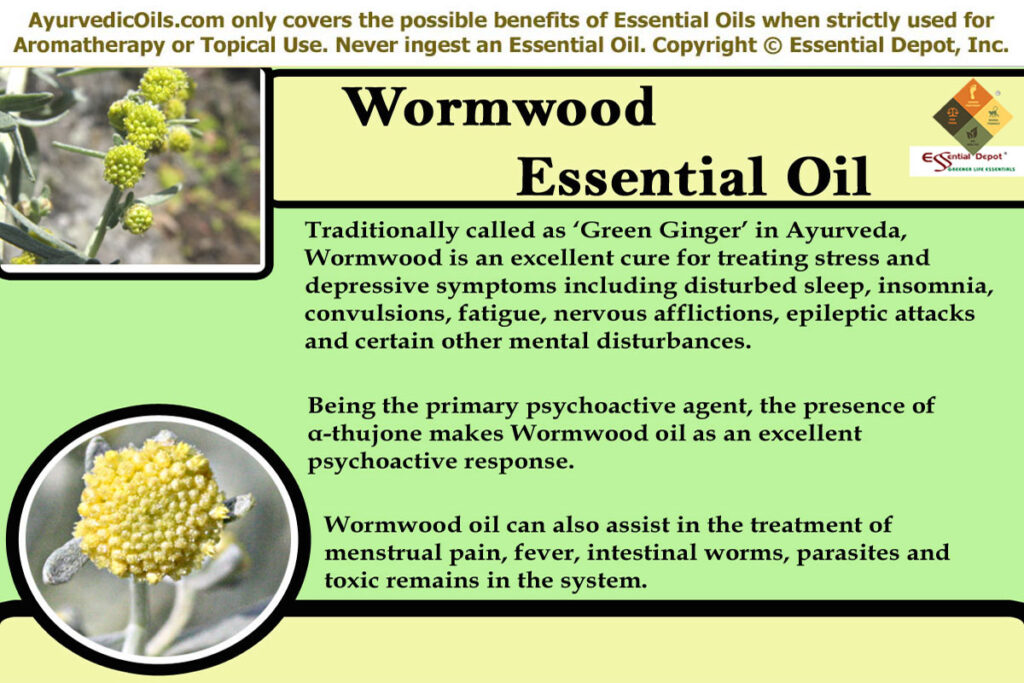
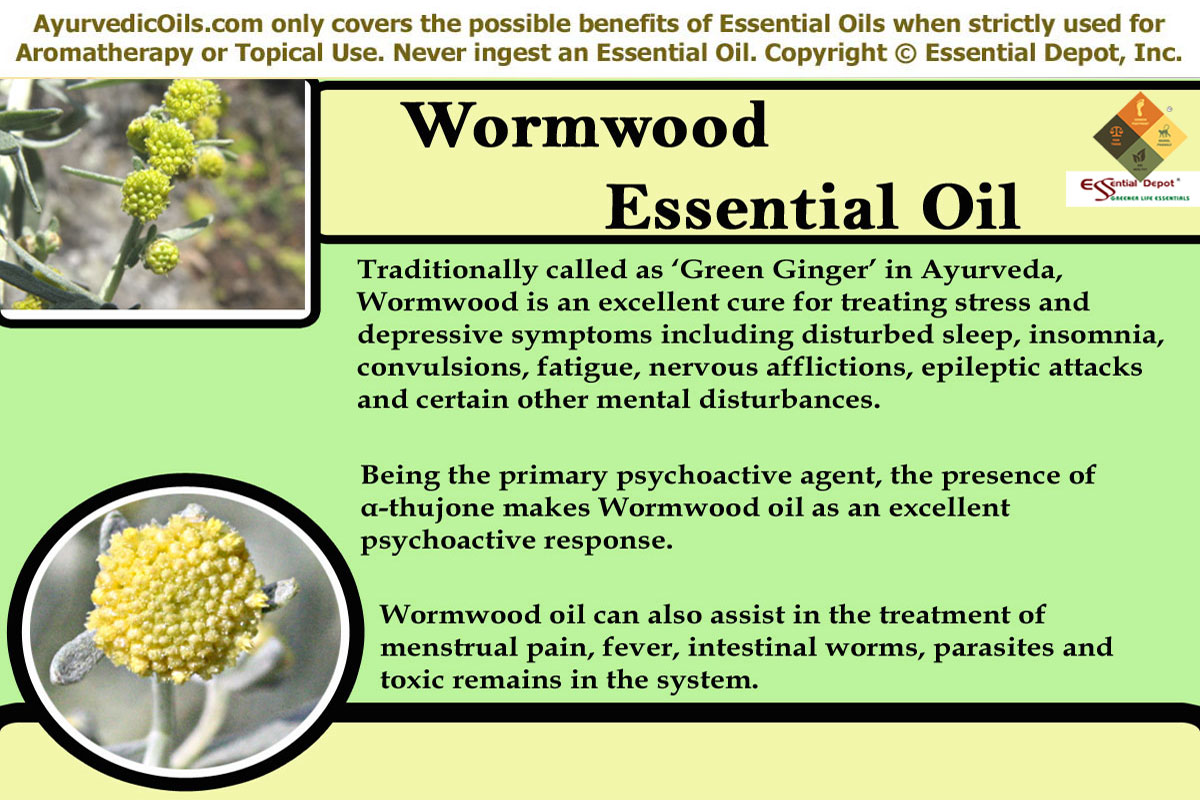
wormwood-bannerWormwood is botanically known as Artemisia absinthium. It is widely known as an effective remedy for treating worms like tape worms, round worms, hook worms etc in the human body. With its narcotic effects, Wormwood was an important part of the popular alcoholic beverages like Absinthe, which is prohibited now.

Wormwood essential oil is extracted from the flowering tops, twigs and leaves through steam distillation process. Ginger is an incredible part of numerous Ayurvedic remedies and with an alternative name as Green Ginger, wormwood herb and its therapeutic oil has been used for more than thousands of years in Ayurveda, the ancient wisdom of healing humanity.

Historical uses of Wormwood and its essential oil:

The spectacular fact about Wormwood is that it was used by Hippocrates, the ancient Greek Physician and the father of western medicine. Many ancient monks and nuns used this bitter herb in the form of an elixir for its detoxifying properties.

The prehistoric use of Wormwood has been mentioned in Bible and the first century writings of Greece and Rome, where the herb was said to be placed in the sandals of Roman warriors to pacify their sore feet.

Saint Hildegard of Bingen, known as the Doctor of the Church and Sibyl of the Rhine was highly celebrated for her brilliance in medicinal and botanical writings, philosophy, music and much more. She used Wormwood herb to treat melancholy, digestive disorders, elimination process, improper functioning of lungs and heart.

She advised her patients to consume the fresh juice of wormwood leaves mixed with honey and warm wine on empty stomach on every third day from the month of May to October. Hildegard trusted that the use of wormwood herb helped in promoting the functioning of the entire system by effectively eliminating the toxins from the arteries through kidneys and preventing the accumulation of black bile, which is the melancholic humor.

Health benefits of Wormwood essential oil:

Wormwood was used for spiritual and psychic work in the primordial times and the essential oil of Wormwood is trusted to treat numerous health disorders ranging from fever to flatulence.

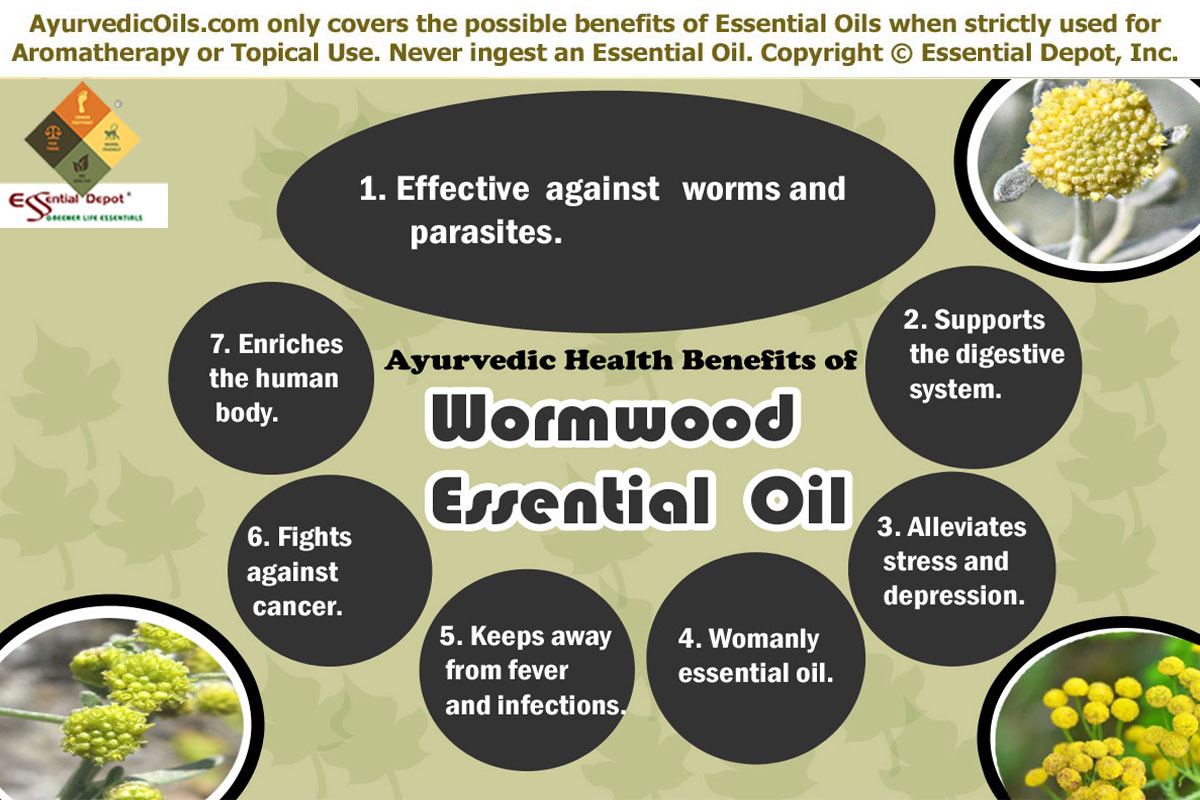
The predominant health benefits of Wormwood essential oil are:
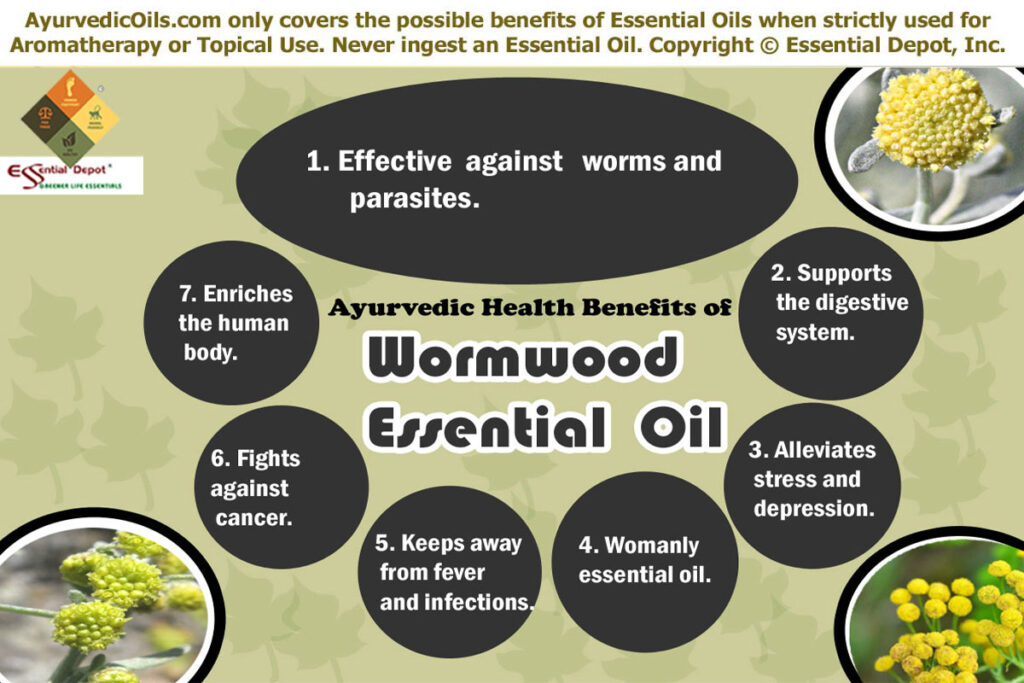
wormwood-broucher1. Effective against worms and parasites:

Worms and parasites in the body are often the main reason for curtailing the normal growth, especially in children. This is mainly because these foreign bodies absorb the nutrients from the food and restrict the system from gaining the required nourishment.

With its Vermifuge property and high toxic effects, wormwood herb and its essential oil is considered as the most powerful natural remedy in killing worms and parasites. In certain cases this oil is given as an enema in treating worms in the rectum and intestines.

2. Supports the digestive system:

Wormwood essential oil nurtures the digestive system and effectively helps in removing the toxic substances known as ama from the body. According to Ayurveda, improper digestion is the root cause for all kinds of illnesses as the undigested food particles turn as toxins and curb the normal functioning of the body. Wormwood essential oil strengthens the entire digestive system with its carminative, stomachic, cholagogue, anthelmintic, tonic and stimulant properties.

The presence of artabsin and absinthin in Wormwood oil are responsible for the bitter taste, which acts as a stimulant in enlivening the taste buds and improving the secretion of saliva and perking up the natural appetite of an individual.

It promotes proper discharge of bile secretion from the liver to the stomach and effectively counterbalances the excess acid substance while assisting the complete process of metabolism. All these healing properties of Wormwood essential oil make it a promising remedy in the treatment of acidosis, ulcer, liver and gall bladder problems and numerous other digestive disorders.

3. Alleviates stress and depression:

Disturbed sleep, insomnia, convulsions, fatigue, nervous afflictions, epileptic attacks and certain other mental disturbances often end up in unwanted stress and deep depression. Wormwood essential oil has a natural narcotic effect that helps in calming your nerves and grants complete relaxation by pacifying the entire system.

A well-known research on ‘The Debate About Wormwood and Thujone Psycho-activity‘ proved that the presence of α-thujone (alpha thujone) and β-thujone (beta thujone) in Artemisia absinthium are responsible for Psycho-activity and the higher-potency α-thujone is considered as the primary psychoactive agent. Adding 2 drops of Wormwood essential oil to a tissue and placing it near your pillow can give you great relief for a peaceful night’s sleep.

4. Womanly essential oil:

Being a promising emmenagogue, wormwood essential oil is extremely beneficial in treating womanly problems like irregular menstruation, obstructed periods, uterine fibroids, menopausal problems, dysmennorhea and all other symptoms that accompany menstruation.

The emmenagogue property in this oil enhances the blood circulation in the uterus and pelvic region while strengthening the pelvic floor muscles. This oil is also used as a pain reliever during labor.

Ayurveda recommends Abhyanga or the art of massaging in an Ayurvedic manner for treating problems related to menstruation and menopause. Gently massaging 2 to 3 drops of wormwood essential oil along with sesame oil or coconut oil can grant significant relief and support the health of the female reproductive system.

5. Keeps away fever and infections:

Wormwood essential oil is effectual in treating fever due to bacterial and viral infections and this healing property is attributed to the presence of the toxic components like α-thujone and β-thujone, which act as a shield to the body and protects it from microbes and other harmful infections.

A research by the Cancer institute on the effectiveness of Complementary and alternative medicine in 2004 witnessed that Wormwood is powerful in treating fever and was used in Malaria treatment. The ancient Africans and Asians used Wormwood to combat malaria and to treat few other mosquito-borne diseases.

6. Fights against cancer:

The chemical properties of Wormwood have been proved as a potent cancer treatment by the Bioengineering researchers of the University of Washington. It has been witnessed that this derivative killed almost all the human breast cancer cells exposed to it within a time span of 16 hours. They also said that this wormwood derivative is “highly toxic to the cancer cells, but has a marginal impact on normal breast cells”.

7. Enriches the human body:

The great news is that Wormwood essential oil acts as a tonic to the entire system by stimulating the digestive system, improving the functioning of the circulatory system, strengthening the immune system, acting as a cardiac tonic, fortifying the nervous system and supporting the working of the excretory system, enabling the body to expel the unwanted toxic substances and stay vigilant at all times.

The natural and strong aroma of Wormwood essential oil makes it an important component of certain deodorants. This oil can also be used as a powerful insect repellant with its poisonous effects. Adding few drops of Wormwood oil to your vaporizers, sprays and fumigants can help you keep the harmful insects at bay.

Disclaimer:

Wormwood essential oil is a neurotoxin and has narcotic effects so never ingest this essential oil as it may harm the system. Essential oils are highly concentrated and do not apply this oil directly to your skin and always remember to blend it with carrier oils. Consult your medical practitioner before using the right essential oil for your health and your constitution.

Wormwood Essential Oil – Possible Skin Issues:
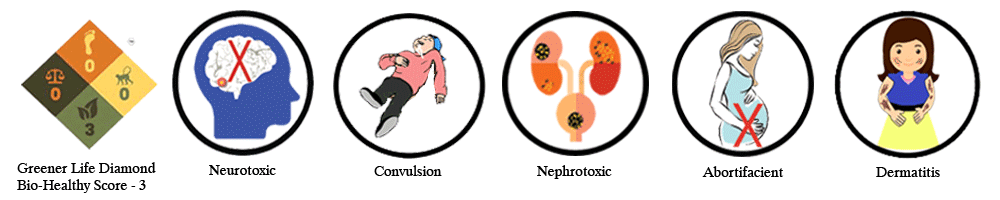
Greener Life Diamond – Bio-Healthy Score => 3 – Possible Skin Issues:

See => http://www.essentialdepot.com/GreenerLifeDiamond.html

Wormwood oil is considered as a narcotic oil when used in higher doses. The adverse effects of Wormwood oil is attributed to the presence of chemical constituent thujone, which contributes to about 50 percent of the oil. Thujone containing oils are restricted prevalently, mainly due to the concern of its psychotropic, nephrotoxic and neurotoxic effects. It may cause skin irritation, redness, eruptions in sensitive skin and dermatitis.

Studies witness the excitation of the autonomic nervous system due to convulsions and binding of the GABA receptors caused due to α and β-thujone. It is also a known fact that high amount of thujone and its metabolites can induce convulsions, unconsciousness, seizures, gastrointestinal cramps, insomnia, tremors, dizziness, hallucinations, vomiting, headaches, retention of urine, renal lesions, congestive heart failure and rhabdomyolysis (collapse of muscular fibers).

Wormwood should never be used internally as there are numerous studies witnessing the severe toxic effects of ingesting this oil and few cases include absinthism and the acute renal failure due to rhabdomyolysis in a person who drank about 10 ml of Wormwood oil; In an another case, the intake of 60 ml of Wormwood oil ended up in seizure, altered mental faculty, attention disability, rhabdomyolysis and hyperthermia.

Blend Wormwood oil in mild carrier oils like Coconut oil or Avocado oil before topical use as pure and organic essential oils are highly concentrated substances and can harm the skin surface if used in a concentrated form. The safe level of dermal use for this oil is 0.4% by IFRA (International Fragrance Association).

Dr. William Smith in a Medico-Chirurgical transaction study talks about the case of poisoning by Wormwood oil. It is stated that this oil has narcotic influence that may have negative impact on the nervous system, causing headache, convulsions, giddiness, vomiting, tremors and paralysis.

The PanAfrican Medical Journal study talks about the burning effects of Wormwood herb, where a 50 year old woman reported a severe pain in the facial skin with a dry and delicate erythema in the cheeks and forehead classified as an initial degree burn.

It was concluded that the presence of toxic agents, like thujone and malic acid were responsible for the adverse effects like redness, skin sensitivity and chemical burns. It was termed as a phytodermatose, which are lesions on the skin due to the frequent contact with certain herbs. Research reports also state that thujone is porphyrogenic in nature and can be hazardous for patients with defective hepatic heme synthesis.

With thujone being the toxic component, using Wormwood oil can act as a threat to pregnancy as it may affect the health of the uterus with its emmenagogue and abortifacient effects and is good to continue avoiding this oil during lactation as well.

It is advisable to restrict the use of this oil on children as they have a sensitive skin. Wormwood oil can also cause allergic reactions on the skin for those who are susceptible to plants of the Compositae/Asteraceae family like the Marigold, Ragweed, Chrysanthemum etc.,

Reference Links Substantiating the Possible Skin Issues of Wormwood Oil:

  1. Artemisia absinthium: burning plant! By Najia Ilham El Makrini, Badredine Hassam, Department of Dermatology, Ibn Sina Hospital, Rabat, Morocco published in the PanAfrican Medical Journal
  2. Case of Poisoning by Oil of Wormwood (Artemisia absinthium) by Dr. William Smith, Surgeon Chesterfield and North Derbyshire Hospital, published in Medico-Chirurgical Transactions, Royal Society of Medicine
  3. Wormwood by Essential Oil Safety: A Guide for Health Care Professionals By Robert Tisserand, Rodney Young
  4. Wormwood Toxicology by Leung’s Encyclopedia of Common Natural Ingredients, used in Food, Drugs and Cosmetics by Ikhlas A. Khan and Ehab A. Abourashed
  5. Adverse events and side effects of Artemisia absinthium by American Herbal Products Association’s Botanical Safety Handbook, Second Edition by Zoe Gardner, Michael McGuffin
  6. Toxicology and adverse reactions of Wormwood by Drugs.com
  7. Side effects of Wormwood by University of Michigan Health System

Thought for the day:

Life is not living, but living in health. 

– Martial, Roman poet

Suggested Reading:

  1. Artemisia (Medicinal and Aromatic Plants – Industrial Profiles) by Colin W. Wright
  2. Complete Aromatherapy Handbook: Essential Oils for Radiant Health by Susanne Fischer-Rizzi
  3. Aromatherapy for the Soul: Healing the Spirit with Fragrance and Essential Oils by Valerie Ann Worwood

Reference Links:

  1. Wormwood by Ingrid Naiman
  2. Health Benefits of Wormwood Essential Oil by Organic Facts
  3. Wormwood by Cancer.Org
  4. Wormwood Ancient Chinese Folk Remedy May Hold Key to Non-Toxic Cancer Treatment by Dr. Clark Information Center
Linalyl acetate


Linalyl acetate, an ester is one of the most naturally found phytochemical seen in many spices and flowering plants. It is an acetate ester of linalool, and it can be known as linalyl acetate or 3, 7-dimethylocta-1,6-dien-3-yl acetate, it also goes under the names Bergamiol, Bergamol, and Linalool acetate.

It is rarely used as an adulterant in essential oils to make them viable. It is occasionally added to lavandin oil which is sold out as lavender oil. Esters are sedative and antispasmodic generally non-irritant and mild except Methyl Salicylate, which is found in Wintergreen.

It also forms an vital component of essential oils of Bergamot, and it is found in a conjunction of the acetate ester of linalool, it is also seen in Mentha citrata which is deadly to daphnia, mildly toxic to humans and fish.

Linalyl Acetate’s attributes to essential oils:

Linalyl acetate and Linalool are the primary constituents of many essential oils and are known to possess several biological actions, traceable to these monoterpene esters. Linalyl acetate is considered as a perfume and essence based compound, and it is responsible for imparting an extensive amount of flavor and fragrance of lavender.

It has a pleasant fruity odor suggestive of bergamot mint oil, and tastes similar to its odor. Linalyl acetate has power over several biological activities, and is attributable to these monoterpene compounds of essential oils.

It’s also found in clary sage in high concentration of 78% along with, lavender, bergamot and lavandin, as well as lemon, neroli, lime, and some mint varieties.

Therapeutic qualities of Linalyl Acetate:

Anti- Inflammatory:

Linalyl acetate is good on skin as it reduces skin inflammation and heals rashes. It also helps to balance natural oils in the skin, acting well on both dry and oily skin making it look beautiful.  The oil can be used directly, or mixed with carrier agents like almond oil for utmost absorption and to achieve better results.

Linalool and linalyl acetate found in Clary Sage oil acts as a tremendous anti-inflammatory agent as per a study in 2002, hence it can be used to minimize the effect of skin redness, calm irritation and more.

A study carried out in Italy in the year 2003 on the topic ‘Anti-inflammatory activity of linalool and linalyl acetate constituents of essential oils’, stated that, “The results obtained thus for support the hypothesis that linalool and linalyl acetate play a major role in the anti-inflammatory activity displayed by some essential oils containing them. The present data suggest that all plant species producing a relevant amount of these monoterpene compounds are potential anti-inflammatory agents.”

Analgesic:

Studies also talk of how linalyl acetate and linalool caused reduced duration of menstrual pain, and even relieved them from menstrual pains.

A research carried out in 2012 on ‘Lavender and the Nervous System’ found that,  “Aromatic oil massage with essential oils blended with lavender, clary sage, and marjoram in a 2 : 1 : 1 ratio in forty-eight outpatients with primary dysmenorrhea alleviated the pain and reduced the duration of dysmenorrhea.

Aromatherapy by using lavender essence was also reported as a successful and safe complementary therapy in reduction of pain after the cesarean section in 200 term pregnant women and after episiotomy in 60 primiparous women as well as in perineal discomfort following normal childbirth in 635 women.

It has been shown that lavender aromatherapy through an oxygen face mask with two drops of 2% lavender oil can be used to reduce the demand for opioids in twenty-five patients after immediate postoperative period of breast biopsy surgery and for other analgesics in fifty-four patients undergoing laparoscopic adjustable gastric banding.”

Anti- hypertensive:

Few other studies proved that linalyl acetate is capable of relaxing blood vessels and reducing the blood pressure in patients. A study conducted in 2012 explained results such as ‘It has been shown that foot massage using lavender essential oil in 100 ICU patients of whom 50% were receiving artificial ventilation was effective in lowering blood pressure, heart rate, respiratory rate, wakefulness, and pain’.

Reference Links:

  1. Anti-inflammatory activity of linalool and linalyl acetate constituents of essential oils by Department of Science, Università degli Studi di Sassari, Italy, published in PubMed
  2. Linalyl Acetate by Wikipedia
  3. Lavender and the Nervous system published in Hindawi, Evidence-Based Complementary and Alternative Medicine.