Tag Archives: Ayurvedic oils for stress

Juniper Leaf Oil


Juniper-leaf-banner

Juniper is not ‘just another’ plant in the Jungle; more than that, it owns myriad health benefits and the most astonishing remedial use is its power to induce apoptosis (programmed cell death) in breast cancer cells. It is also celebrated as the most common therapeutic plants used by the native North Americans.

Beckoned as Hapusha in Sanskrit, Juniperus communis or the Common Juniper is also called as Aaraar in Hindi, Havusha in Bengali, Gin plant, Alpine Juniper, Horse savin and Fairy circle in English. Juniper has been a part of the Ayurvedic remedy of leucorrhoea, asthma, urino-genital infections, dropsy, gout, bronchitis, bladder and kidney stones, sluggish digestion, rhinitis, rheumatism and certain other water-retention disorders.

Purchase Juniper Leaf Essential Oil – Wholesale – CLICK HERE

Purchase Juniper Leaf Essential Oil – Retail – CLICK HERE

History and importance of Juniper leaf and its essential oil:

Juniperus communis is an evergreen coniferous shrub in the Juniperus genus and belongs to the Cypress family, Cupressaceae. There are about 67 Juniper species spread across the world. Juniper has scale-like or needle-shaped leaves. The most soaring Juniper forest is located at an altitude of 4,900 meters in the Northern Himalayas and the South-eastern Tibet and is one of the tallest tree-lines on this planet.

Nicholas Culpeper, the most renowned herbalist and physician of the 17th century prescribed the use of Juniper berries for treating sciatica, asthma and for speeding up childbirth. Juniper was used in folklore medicine for curing snakebites and poisonous stings.

The Seminole Indians in Florida used Juniper for treating headache, swollen joints, diarrhea, stiff neck and common cold. Native Americans also used the berries as a female contraceptive agent.

The indigenous Europeans burned the berries during the last three days of April as a ceremony for cleaning and guarding against sorcery. Juniper leaves were hung near the main door for preventing the entry of witches. Juniper was trusted to bring in good luck in love life and was burnt as incense for keeping away from insects, ghosts and evil spirits.

Juniper is quoted in the Bible as the tree where Prophet Elijah hid. The leaves and berries of this plant have been used by the Tibetans for medicinal and spiritual uses. They believed that the burning of Juniper helped in breaking spiritual barriers, curses, hexes and protect from snakes and other venomous bites. It was used in Tibet for both religious and medicinal purposes.

Herbal tea prepared with Juniper berry and leaves is been taken especially after meals for helping with digestion and for preventing bladder problems. Herbalists recommend drinking this tea in alternative days or as a part of your daily routine as an aid in flushing out the toxic remains in the system, support normal metabolic functions and aid in your weight-loss regimen by discarding the fluid withholding in the system.

Chemical constituents and remedial attributes of Juniper leaf oil:

The essential oil of Juniper has rubefacient, astringent, antiseptic, carminative, analgesic, stimulant, anti-inflammatory, detoxifying, anti-rheumatic, diuretic, expectorant, anti-catarrhal, antispasmodic, neurotonic and sudorific properties.

The major chemical constituents contributing to its healing values are about 90 percent of various monoterpenes, where as Juniper berry essential oil contains only 50-60 percent of it. Juniper leaf oil also has esters, terpinene-4-ol, antiviral and anti-cancerous compound known as DTP- deoxypodophyllotoxin.

Ayurvedic uses of Juniper leaf and its essential oil:

Ayurveda is a common sense science that simply goes with the saying “There is no smoke without fire”. In a much similar manner, Ayurveda states that every illness has a root cause behind. Identifying it and treating the root cause of a disease instead of its symptoms, is the secret behind the success of Ayurvedic healing in the treatment, prevention and voyage towards longevity.

None of us can deny being a part of nature and that is the mantra of Ayurveda. It firmly indicates that all things in the universe are a component of Nature and everything is made up of the five fundamental energies known as Panchamahabhutas. They are space, earth, water, fire and air.

Every person has a unique identity, which is an outcome of his/her unique individual constitution known as Prakriti. It is a combination of the three biological energies known as doshas (vata, kapha and pitta), which are an arrangement of Panchamahabhutas.

Pitta (fire + water = metabolism, body temperature, leadership traits); vata (air + space = circulation, respiration, creative abilities); kapha (earth + water = reproductive functions, physique, sustenance, trust and love).

Every individual has a distinct combination of these doshas with a predominance of any one dosha and it determines one’s physical set up, mental makeup, character, behavior/attitude and the depths of their spiritual being.

Leading a well-organized life helps in retaining absolute balance with nature, whereas irregular eating habits, junk and ready-to-eat food items, sedentary lifestyle, climatic conditions, change in sleeping patterns, lack of physical exercise, work pressure, stress and certain other factors can pave way for imbalance of your system with nature. This leads to imbalance between doshas and thus, sickness steps in.

Ayurveda is a holistic healing practice that prescribes natural remedies for striking balance with nature. It prescribes unique remedies for every person based upon their unique individual constitution, even for the same illness as it appreciates individual differences and trusts that every individual has a different mechanism that reacts to variations in their own way.

Ayurvedic medications for the mind, body and the soul include herbs, plant essential oils, yoga, Ayurvedic routine, meditation, Panchakarma or the Ayurvedic detoxification technique, Abhyanga or Ayurvedic massaging and many other Ayurvedic therapies for complete cure and prevention of illnesses.

Juniper leaf essential oil is recommended for pacifying kapha and vata dosha and for enhancing pitta dosha for trouble-free metabolic functions.

Let’s take a look at the uses of Juniper leaf oil according to the methods of usage:

Juniper-leaf-broucher1. Juniper leaf oil in steam inhalation:

Steam inhalation is an ancient treatment for instant relief from blocked nasal passages, sinusitis pain, headache and for attracting hidden toxins and excess oil in the skin surface.

Steam inhalation with therapeutic herbs and medicated oils as per the medical condition and Prakriti of a person is one among the Ayurvedic detoxification technique known as Panchakarma. Swedhana or promoting sweat is the most suitable treatment for people with Kapha imbalances.

Fluid retention is one among the kapha vitiations, which paves way for the buildup of ama or toxic remains. This slows down the normal functioning of the body and gradually weakens the immune power. When your body’s immunity reduces, the entry of micro-organisms like bacteria, virus and fungi becomes much easier.

This paves way for cold, flu, chest and bronchial congestion and few other respiratory infections. 2 drops of Juniper leaf oil with 1 drop of Eucalyptus oil and 1 drop of Clove bud oil can help in loosening the phlegm and mucous deposits, open up the blocked nasal passages, alleviate pain and lets out the toxic remains by promoting sweat with its sudorific and diaphoretic properties.

A refreshing steam inhalation blend for energizing the skin, especially the facial skin includes 2 drops of Juniper leaf oil with 1 drop of Rose Geranium oil, 1 drop of Palmarosa oil and 1 drop of Lime oil can work wonders on your skin.

The antiseptic properties of this blend can help in soothing wounds or infections caused by acne. This treatment also helps in opening the clogged pores, removing dirt, dead skin cells and excess oil in the sebaceous glands, controlling the secretion of sebum and enhancing the circulation of blood in the skin with its rubefacient properties, allowing the skin to look supple and healthy.

2. Juniper leaf oil in massage blends, baths and compress:

Rheumatism, obesity, edema, gout, renal calculi, bladder stones, congestion, inflammation, swelling and respiratory infections are kapha imbalances.

Ayurveda recommends hot compress, Abhyanga or Ayurvedic massaging and warm bath diluted with therapeutic essential oils for treating water retention or kapha vitiations. Abhyanga is the primordial art of maneuvering the muscles, nerves and joints with the help of palms, foot, elbows and certain Ayurvedic techniques.

Using Ayurvedic essential oils in massage, compress and medicated baths is the easy way for passing on the therapeutic values of essential oils to the bloodstream.

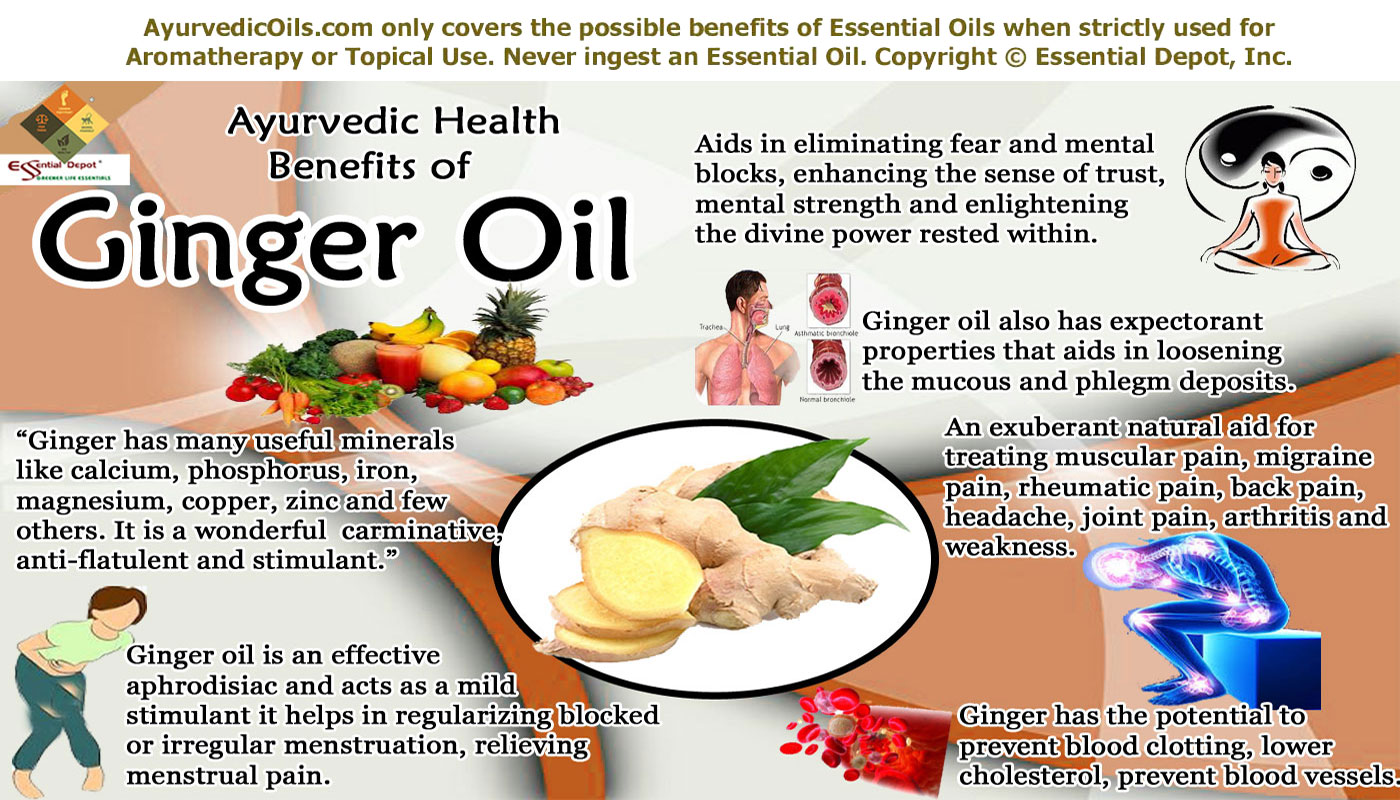
Skin is by far the largest and prominent part of the human body just like the outer rind of bananas. Massaging your body with 10 drops of Juniper leaf oil, 5 drops of Ginger oil, 5 drops of Marjoram oil, 5 drops of Wormwood oil along with 3 ounce of sesame oil can work effectively in eliminating the surplus fluid deposits, toxic remains, salt, fat deposits and uric acid by influencing the frequency and mass of urine and sweat with its diuretic, sudorific, diaphoretic and detoxifying properties.

This assists in reducing swelling, inflammation, redness, soreness, pain and muscular tension associated with arthritis, rheumatism and edema. The tendency to pacify vata imbalance along with the circulatory or the rubefacient properties of Juniper leaf oil helps in treating cellulites, pain, swelling and muscular stiffness related to varicose veins.

It’s pitta augmenting properties help in stimulating the functions of liver and pancreas (normalizes the level of insulin) thus fostering secretion of bile, gastric juices and other digestive acids for relieving flatulence, colic pain and trouble-free digestion.

An invigorating bath with 5 drops of Juniper leaf oil, 2 drops of Geranium oil, 2 drops of Orange bitter oil and 2 drops of Petitgrain oil can help in controlling the free radicals, relaxing the nerves, soothing the muscles, tranquilizing the mind and stimulating positive effects on the brain.

This is an excellent remedy for treating cancer (especially in preventing the spread of free radicals, apoptosis or cellular death and cellular damage), alleviating stress, fatigue, anxiety and negative feelings. Taking this bath before bedtime can support you in sleeping tight and recharge your system for a new-fangled day ahead.

A 2015 study published in PubMed on ‘Deoxypodophyllotoxin isolated from Juniperus communis induces apoptosis in breast cancer cells’ by Benzina S, Harquail J, Jean S, Beauregard AP, Colquhoun CD, Carroll M, Bos A, Gray CA, Robichaud GA, Universite de Moncton, Canada have concluded that they “identified the diterpene isocupressic acid and the aryltetralin lignan deoxypodophyllotoxin (DPT) as potent inducers of caspase-dependent programmed cell death (apoptosis) in malignant MB231 breast cancer cells.”

3. Juniper leaf oil in mild creams, lotions and topical applications:

Adding 2 drops of Juniper leaf oil with 1 drop of Lavender oil and 1 drop of Jojoba oil in gentle skin care creams and lotions for topical use on athlete’s foot, pimples, eczema and other inflammatory skin conditions can foster quicker healing with its antiseptic and antibacterial properties.

4. Juniper leaf oil in diffusers, burners and aromatic candles:

Juniper leaf oil has been used since the traditional times for spiritual and remedial uses. It’s restoring, supportive, fresh, sweet-woody and balsamic fragrance implants absolute peace and feelings of oneness with the universe and the divine.

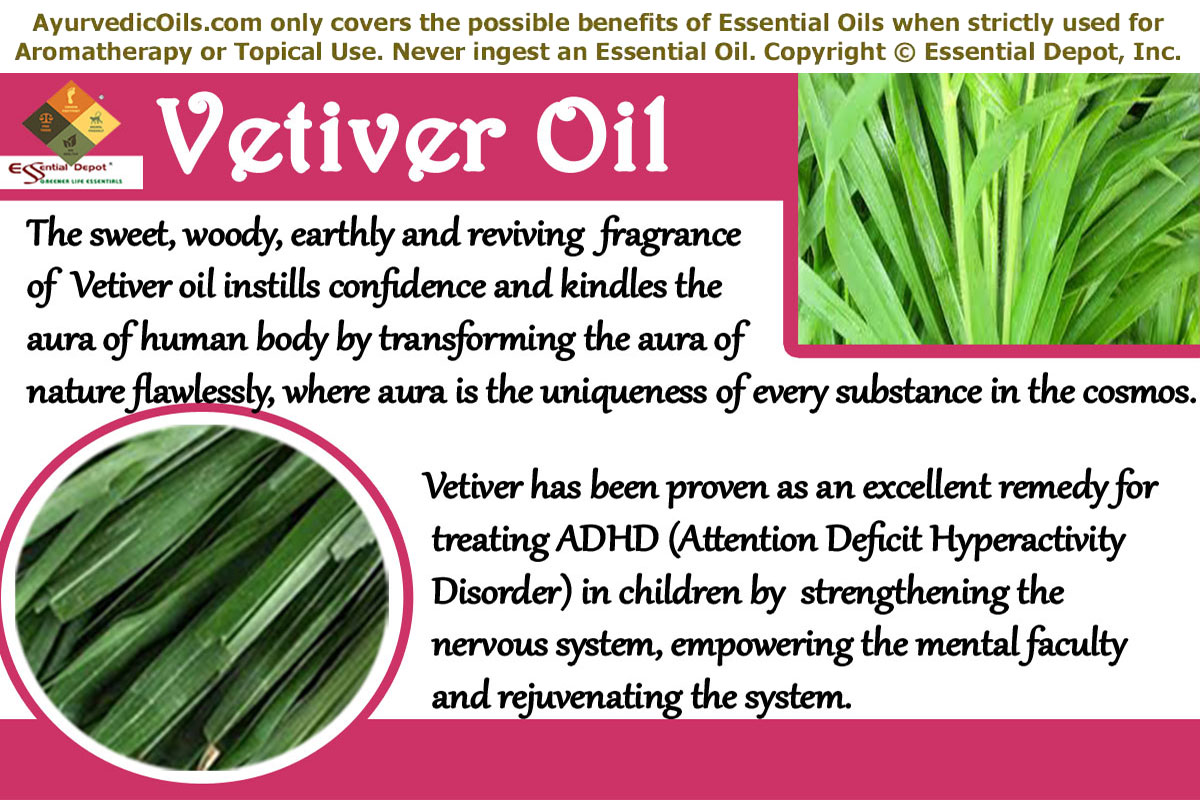
Adding 3 drops of Juniper leaf oil with 1 drop of Clary Sage oil, 1 drop of Vetiver oil and 1 drop of Sandalwood oil in your diffuser, burner, aromatic candle or vaporizer during prayers, meditation and other sacred ceremonies can uplift your mind, nourish your spirit, open up the mind for newness, instill positive feelings and nurture the soul, helping it to identify its purpose on earth.

Disclaimer:

This is only for educational purposes and is not meant for diagnosing any medical condition or for substituting any prescription medicines or expert advice of a medical professional. We are not healthcare experts and this article is shared only with the idea of widening the knowledge of Ayurvedic healing, the pioneer of all medical systems.

Juniper leaf essential oil is non-irritant and non-toxic but is still recommended for topical use only. This is because pure and organic essential oils are highly concentrated liquids and may cause allergic reactions if used directly on the skin. Do not take essential oils internally.

The essential oil of Juniper leaf should not be used by people with chronic kidney disorders, pregnant and nursing women as it has the potent to cause uterine contractions, making it a traditional medicine for inducing labor. Keep essential oils out of reach of children.

Thought for the day:

A weed is a plant whose virtue is not yet known. –By Ralph Waldo Emerson.

Suggested Reading:

  1. Aromatherapy: A Practical Guide (The Healing series) by Marion Wayman
  2. Clinical Botanical Medicine by Eric Yarnell, Kathy Abascal, Carol G. Hooper
  3. Junipers of the World: The genus Juniperus: 3rd Edition by Robert P. Adams
  4. Evidence-based Essential Oil Therapy: The Ultimate Guide to the Therapeutic and Clinical Application of Essential Oils by Dr. Scott A Johnson
  5. Medicinal Plants of North America: A Field Guide (Falcon Guide)
    by Jim Meuninck

Reference Links:

  1. Juniper by Wikipedia
  2. Health benefits of Juniper essential oil by Organic Facts
  3. Deoxypodophyllotoxin isolated from Juniperus communis induces apoptosis in breast cancer cells by Benzina S, Harquail J, Jean S, Beauregard AP, Colquhoun CD, Carroll M, Bos A, Gray CA, Robichaud GA, Universite de Moncton, Canada published in PubMed
  4. Ayurvedic drug plants by Anil Kumar Dhiman
  5. Junipers by Eat the Weeds

Orange Bitter Essential Oil


Orange-bitter-bannerBitter’ has been the most neglected taste all around the world and the truth is that bitter things are often better for your fitness regime. On a deeper note, most of the medicines are bitter and they pave way for the sweet fruit of health and harmony.

Unlike the sweet oranges, bitter oranges are not much favored mainly for its tart, astringent and acidic taste. Since the ancient times, bitter oranges and the essential oil cold pressed from the rind of these fruits have carried away the world of medicine with its enormous medicinal values.

Known as Narange in Sanskrit, bitter orange is used in Ayurveda in the treatment of gout, gastrointestinal problems, lack of appetite, anxiety and digestive disorders.

Purchase Orange Bitter Oil – Retail – CLICK HERE

Purchase Orange Bitter Oil – Wholesale – CLICK HERE

Scientifically known as Citrus aurantium, bitter orange is an evergreen tree indigenous to the tropical parts of Asia and Africa. Almost all the parts of this tree are used in extracting essential oils due its healing values.

Essential oil extracted from the leaves and twigs of this tree is known as Petitgrain oil, the oil distilled from the flowers of this tree is the celebrated Neroli oil and the oil extracted from the peel of the bitter orange fruit is called as Bitter orange essential oil.

Historical importance of Bitter Orange:

The Traditional Chinese Medicine used bitter oranges as a natural carminative and tonic for treating dyspepsia. They also used dried bitter oranges in the treatment of diarrhea, ptosis of the anus and uterus, blood in feces and abdominal distention.

The rind of bitter orange fruits were used in Homeopathy for relieving abdominal pain, headache, constipation, digestive disorders, weight loss and high blood pressure. Due to the presence of the active ingredient synephrine, bitter oranges are used in herbal medicinal system as an appetite suppressant and as a stimulant.

The Brazilian folklore medicine used bitter orange and its oil in treating insomnia and anxiety. The ancient Europeans used it as a prophylactic and as a sedative for curing nervous problems, gastrointestinal disorders, insomnia, sore throat and gout.

This medicinal herb has been in use in various cultures across the globe in the treatment of cancer, anaphylactic shock, cardiac exhaustion, heartburn, fungal infections and certain other heart problems.

The native Latin Americans used it in the preparation of a tonic for treating insomnia, lessening anxiety and also as a laxative. It is also used in the United States as an effective aid in preventing colon, breast and skin cancer.

In addition, bitter orange essential oil is used in flavoring baked goods, alcoholic beverages, gelatins, candies, puddings, meat products, frozen desserts and certain other condiments. It is also used as a marinade for meat in the Haitian, Cuban, Nicaraguan and Dominican cooking.

Therapeutic properties and constituents of Bitter orange essential oil:

The remedial properties of this oil are antiseptic, carminative, sedative, stomachic, digestive, antidepressant, anti-hyper cholesterolemic, tranquilizer, anti-inflammatory, choleretic, antifungal and antibacterial. Synephrine, tyramine metabolites N-methyltyramine, pinene, carotenoids, limonene, cymene, camphene, octopamine, ocimene and few other alkaloids are its major chemical constituents.

Ayurvedic health benefits of Bitter orange essential oil:

Ayurveda is the oldest of all the healing methodologies in the world and it still flourishes due to the simplicity it preaches and practices in its remedial rule. According to this ancient science, every individual is a part of nature and his/her poor health and good health depends upon their harmony with nature.

Sickness in Ayurveda is a strong symbol that the individual’s system is out of balance with nature and needs immediate assistance with natural remedies like essential oils, herbal medications, yoga, healthy lifestyle and meditation.

Ayurvedic remedies aim at treating the actual root cause of an illness instead of treating the illness alone and suggests an Ayurvedic routine for preventing such illnesses in the future as well.

Every human being according to Ayurvedic principle is unique with an individual constitution that comprises of three energy elements known as doshas, namely vata, pitta and kapha. The predominance of any one of these doshas determines the personality and characteristics of an individual and imbalance of any of these doshas leads to diseases.

Ayurvedic treatments vary from individual to individual based upon their dosha predominance and unique constitution. Bitter orange essential oil is said to increase vata and pitta doshas and pacify kapha dosha.

The Ayurvedic health benefits of Bitter orange oil are:

1. Treats skin problems:

Bitter orange essential oil has been proved effective in treating numerous skin problems with its antiseptic, antibacterial and antifungal properties. The rind of this fruit from which its essential oil is extracted contains non-bitter flavonoids, which is known to have considerable venotonic properties.

It is for this reason; bitter orange essential oil is used in cosmetics for preventing capillary fragility. Bitter orange extracts are also used in the treatment of cellulite as it has the potent to normalize the affected parts and stimulate the cutaneous tone of the skin.

The effects and unique properties of bitter orange essential oil in the Aromatherapy Workbook by Shirley Price states bitter orange essential oil “help restore an acne skin to normal and is prophylactic against the signs of ageing”. When applied to the affected area after blending 2 drops of bitter orange oil with coconut oil, the antifungal properties of this oil help in treating fungal infections like athlete’s foot and ringworm.

Bitter orange oil also acts as a natural antiseptic and aids in clearing acne, cold sores, wounds, psoriasis, eczema and certain other skin problems due to excessive stagnation of oil. You can add 2 drops of bitter orange oil with refreshing carrier oil like jojoba oil or to your skin care creams and lotions and gently massage onto the affected parts for quicker effects.

2. Enhances the digestive mechanism:

For more than thousands of years, bitter orange has been used in the world of Complementary medicine for treating digestive problems like flatulence, dyspepsia, constipation, sluggish digestion, loss of appetite, intestinal gas, nausea and indigestion.

Gently massaging your stomach with 2 drops of bitter orange oil blended with sesame oil can help you enhance the entire process of digestion. You can also add 2 drops of this oil to your bath tub to help with digestive disorders.

3. Assists in weight-loss:

Weight loss supplements with bitter orange formula are the most popular and the recent use of bitter oranges in the therapeutic world. Numerous researches have proved the effectiveness of bitter orange supplements in treating obesity.

“At present, Citrus aurantium may be the best thermogenic substitute for Ephedra” reveals the Georgetown University Medical Center study on ‘Citrus aurantium as a thermogenic, weight-reduction replacement for Ephedra’.

A recent research on ‘The safety of Citrus aurantium (bitter orange) and its primary protoalkaloid p-synephrine’ states “The data indicate that based on current knowledge, the use of bitter orange extract and p-synephrine appears to be exceedingly safe with no serious adverse effects being directly attributable to these ingredients”.

It also notes that bitter orange extract and its principal protoalkaloidal constituent p-synephrine are extensively used in weight management, weight loss and products promoting sports performance.

A 2006 study on ‘Citrus aurantium and synephrine alkaloids in the treatment of overweight and obesity’ by Johns Hopkins University School of Medicine, MD, USA states that there are certain promising evidences that Citrus aurantium containing several compounds including synephrine alkaloids is a safe alternative to Ephedra, which is a weight-loss supplement banned in US for its adverse health effects.

To boost your metabolism and lessen energy absorption, you can massage your body with 2 to 3 drops of bitter orange oil blended with coconut oil or add 3 drops of this oil to your bath tub.

4. Alleviates stress and reduces anxiety:

Bitter orange oil has a much similar aroma to that of fresh tangy oranges. Inhaling the energizing and enlivening fragrance of this oil especially during the early hours of the day promises a serene atmosphere and instills complete calmness in your mind.

This is why Ayurvedic healing suggests the use of bitter orange oil during your meditation practice. Add 1 drop of bitter orange oil to your diffuser or air freshener and start your deep meditation after which you will feel a never before freshness and increase in your confidence level.

The Aromatherapy expert, Dr. Vivian Lunny recommends an invigorating bath blend with 2 drops of bitter orange oil, 1 drop of neroli oil and 2 drops of petitgrain oil for reducing anxiety, lethargy and tiredness.

When added to your warm bathing water especially after a tiring and stressful day, this blend is said to give a new lease of life, augment stress relief, promote relaxation and stimulate positive feelings. You can also add 1 drop of bitter orange oil to your handkerchief or to your pulse points to renew yourself throughout the day.

Other benefits:

Bitter orange essential oil is also used in treating chronic fatigue syndrome, intestinal ulcers, lowering blood sugar level in diabetic patients, sleep disorders, joint pain, muscular aches, bruises, cold and certain other liver and gall bladder problems.

It is also used in making soaps, cleaning products, disinfectants, cosmetics, perfumes, pharmaceuticals, eau de colognes and certain other household cleaners. Bitter orange oil is also used as a commercial flavoring agent in foods and beverages in many countries.

Disclaimer:

Pure and organic essential oils are highly concentrated liquids so always use it after diluting in suitable carrier oils. Never use essential oils internally. Citrus oils in general have a photo-toxic effect so avoid going out in the sun immediately after using it on your skin.

Pregnant women, nursing mothers, children and people suffering from hypertension and glaucoma should avoid using bitter orange oil. Always consult your Ayurvedic practitioner before choosing the right essential oils for your unique individual constitution.

Bitter Orange Essential Oil – Possible Skin Issues:

bitter-orange-new

Greener Life Diamond – Bio-Healthy Score => 3 Possible Skin Issues:

See => http://www.essentialdepot.com/GreenerLifeDiamond.html

Bitter orange oil exhibits mild photosensitivity effects if the oil is oxidized, which might cause irritation and hyper-pigmentation of the skin and this happens when visible sunlight gets in touch with the skin for up to 12 hours of usage. The major cause being the response of the chemical components that are photoactive in nature attracts light and ends up in toxicity via molecular alterations.

The safe dermal use level of Bitter orange oil by the International Fragrance Association (IFRA) is 1.25%, specifically to thwart phototoxicity in the products used for topical application and not for soaps, shampoos and other bath preparations. This No-observed-adverse-effect-level (NOAEL) is based on various studies with Bitter orange oil on mice and swine, where the No-observed-effects-level (NOEL) was proved as 6.25%.

Besides, Bitter orange oil is Generally Recognized As Safe (GRAS) by the FDA (Food and Drug Administration). “There are no contraindications but that photosensitization may occur in fair-skinned individuals”, quotes The German Commission E monograph for Bitter orange peel.

The major chemical constituent responsible for the skin sensitization and mild irritation of Bitter orange oil is Limonene, which accounts to about 90% of this oil and certain other furanocoumarins.

According to European regulations, essential oils with furanocoumarins should be used in such a way that the overall level of bergapten does not surpass 15 ppm (parts per million) in ready-to-use cosmetic products meant for use on the skin surface that are exposed to sunlight (other than wash-away products) and 1 ppm in sunscreen and bronzing items.

Use Bitter orange oil only for external use and ingestion of this oil should be avoided strictly, as internal use of this oil has adverse effects according to various reports. Medical research studies state that the presence of stimulants like octopamine, amines synephrine (an alkaloid with almost the related chemical structure to ephedrine in Ephedra – Ma-Huang) and N-methyltyramine are responsible for the cardiovascular toxicity of Bitter orange and this is also reported to cause increase in blood pressure and vasoconstriction.

It is recommended to avoid the use of Bitter orange in patients with tachyarrhythmia, hypertension and narrow-angle glaucoma, mainly due its potent to cause additive effects. Overdose of synephrine in children overdose ended up in tachycardia, nausea, quick increase in blood pressure and irritation. Certain researches witness the effect of Bitter orange in restraining human cytochrome P450 3A (CYP3A) in the test tube studies.

Just like Grapefruit, Bitter orange is said to hold back a vital enzyme in the small intestine, and this may possibly have an effect on the levels of blood, when taking certain medications like antiviral, anti-anxiety, antidepressant drugs, statins and calcium channel blockers and along with the intake of caffeine.

Care should be taken if Bitter orange oil is used in massage in the abdominal area, as essential oils penetrate quickly through the skin, reach the bloodstream and may cause adverse effects. It is not recommended to take Bitter orange products when using other prescribed medications, except under strict medical supervision.

Furocoumarins are also used in various remedies on par with the long-wave ultraviolet light therapy for the healing of mycosis fungoides, vitiligo and psoriasis.

Reference Links Substantiating Possible Skin Issues of Bitter Orange Oil:

  1. Bitter Orange by University of Michigan Health System
  2. Bitter Orange, Sour News by University of California, Berkeley Wellness
  3. Bitter Orange Peel and Synephrine by American Botanical Council
  4. Bitter Orange, American Herbal Products Association’s Botanical Safety Handbook, Second Edition by Zoe Gardner, Michael McGuffin
  5. Bitter Orange by Drugs.com
  6. Essential Oil Safety: A Guide for Health Care Professionals By Robert Tisserand, Rodney Young

Thought for the day:

The trees that are slow to grow bear the best fruit. -Moliere

Suggested Reading:

  1. Citrus Essential Oils: Flavor and Fragrance from Wiley
  2. Citrus Oils: Composition, Advanced Analytical Techniques, Contaminants, and Biological Activity (Medicinal and Aromatic Plants – Industrial Profiles) from CRC Press
  3. Aromatherapy Workbook: A Complete Guide to Understanding and Using Essential Oils by Shirley Price
  4. Ayurveda & Aromatherapy: The Earth Essential Guide to Ancient Wisdom and Modern Healing by Dr. Light Miller, Dr. Bryan Miller

Reference Link:

  1. Bitter orange by Wikipedia
  2. Citrus aurantium and synephrine alkaloids in the treatment of overweight and obesity by Johns Hopkins University School of Medicine, MD, USA published in PubMed
  3. Bitter Orange by Drugs.com
  4. The safety of Citrus aurantium (bitter orange) and its primary protoalkaloid p-synephrine by Creighton University Medical Center, NE, USA published in PubMed


Your resource for quality Essential Oils. Every batch is
GC tested to ensure purity and authenticity.

Cananga Oil


Bejeweled as the “Poor man’s jasmine”, Cananga is a relative of the most mesmerizing Ylang Ylang flowers. Although its floral note resembles that of Ylang Ylang oil, Cananga is comparatively less aromatic as it is regarded much greener than the Ylang Ylang tree and is its cost-effective alternative.

cananga-bannerCananga has been a vital part of the remedial regimen since the traditional times in the treatment of depression, anxiety, impotence, insect bites and high blood pressure.

Known as Lanji and Vanachampaka in Sanskrit, Cananga and its essential oil have been recommended in Ayurvedic treatment for epilepsy, hair growth, balanced sebum secretion, stress, malaria, insomnia, menopause, premenstrual syndrome, frigidity and nervous conditions.

Purchase Cananga Essential Oil – Wholesale – CLICK HERE

Purchase Cananga Essential Oil – Retail – CLICK HERE

Historical uses and importance of Cananga oil:

Cananga is a vibrant member of the sugar apple family, Annonaceae. Indigenous to the tropical parts of Asia, Cananga oil is distributed throughout the world from India, Malaysia, Moluccas islands, Philippines and Java.

Cananga oil is extracted by steam distillation from the freshly picked up, bright yellow flowers those look similar to that of the Ylang Ylang flowers. Few sources state that the first person to distill the essential oil of Cananga Odorata was Albert Schwenger in 1860.

The English Botanist, John Ray explained this tree as ‘Arbor saguisen” and it was also called as Unona odorata and Borga Cananga by few other explorers. The dazzling and fragrant yellow flowers were used for ornamental purposes initially, slowly after which its enormous healing benefits were explored by the traditional folklore people.

The fresh flower petals were used as an effective remedy for asthmatic attacks, where as the dried flowers were used as a treatment for malarial fever. Numerous research studies have proved the effectiveness of Cananga against intestinal infections, rapid heartbeat, typhus, malaria and certain respiratory conditions. Cananga oil is also used in candies, soaps, shampoos, baked goods, perfumes, lotions and skin care creams.

The sea star shaped flowers are the distinctive source of the mesmerizing Cananga essential oil for which it was used on hair for decoration and was scattered on the beds of newly married. Cananga oil is a secret ingredient behind the growth of thick, lustrous and healthy hair.

Cananga was also used as a natural skincare agent, where the leaves and flowers were rubbed on to the skin for nourishing skin health, moisturizing dry skin, alleviating itches, treating insect stings and bites and for balancing the secretion of sebum. It was also employed as natural infusion in bathing.

History reveals that the Victorians along with the Indonesians, Malaysians and other traditional folklore populace used Cananga flowers as a formula in their hair oil for influencing natural hair growth, enhancing the glossy look of the hair, preventing split ends and for moisturizing the dry and itchy scalp, thus preventing from dandruff and other scalp conditions.

Chemical constituents and remedial properties of Cananga oil:

In general, the ratio of chemical components of essential oils is mainly based on the origin, growth, seasonal differences and topography. The major chemical constituents of Cananga oil are germacrene, pinene, methyl benzoate, benzoic acid, caryophyllene, cadinene, farnesol, cresol, geranyl acetate, borneol, eugenol, linalyl acetate, isoeugenol, linalyl benzoate, geraniol, linalool and other sesquiterpenes.

The therapeutic attributes contributing to its colossal remedial values are relaxant, hypotensive, anti-stress, anti-inflammatory, vasodilating, tonic, anti-depressant, sedative, aphrodisiac, antispasmodic, cardio tonic, emmenagogue, calmative, nervine, anti-infectious and antiseborrhoeic.

Ayurvedic health benefits of Cananga oil:

Ayurveda is the ancient remedial system that prescribes the use of herbal medications including herbs and spices, essential oils, yoga, meditation and other Ayurvedic healing techniques like Pranayama (balanced breathing), Ayurvedic routine (Ayurvedic regimen for healthy living), Panchakarma (detoxification technique) and Abhyanga (Ayurvedic massaging).

With the profound meaning of ‘knowledge of life’, Ayurveda is a common sense science that treats illnesses based on its root cause and not by just relying on its symptoms. This traditional healing methodology dates back to 5000 years, where the ancient sages and gurus who practiced Ayurveda lived for more than a 100 years.

Journey towards longevity with the treatment and prevention of illnesses in a natural way is the mantra of Ayurveda. According to this antique science, everything in nature including human beings is made up of five fundamental elements namely fire, earth, water, space and air.

All these vital energies symbolize different parts of the human body, where water stands for blood and fluids in the system, fire is a symbol of the body temperature and Agni (the digestive fire for metabolic functions), earth is a representation of bones and muscles, air is for respiration and ether or space is the eternal soul.

Every person is regarded as a unique entity of Nature with a unique individual constitutional set up known doshas. These three biological forces namely vata (air and space), pitta (fire and water) and kapha (water and earth) are a combination of the five elemental energies.

Vata dosha is in charge for nervous functions, movement of the system, creativity quotient, circulation of blood and air. Pitta takes care of metabolism, body temperature, leadership qualities and decision making abilities. Kapha dosha is responsible for the physique, fluid retention, sustenance, love and natural bonding.

Ayurveda in many ancient texts, denote human body as a temple, where the soul dwells in. It is for this reason it recommends maintaining harmony between the mind, body and soul. Every individual is treated in a unique manner based upon their distinct individual constitution, where absolute balance between these doshas as per Nature’s law indicates health and imbalance due to lifestyle changes, climatic conditions, moral values and lack of physical and psychological activities lead to sickness.

Cananga oil is recommended for balancing vata and pitta dosha and for stimulating kapha energy.

The Ayurvedic health benefits of Cananga essential oil are:

Cananga-broucher1. Fights hard with negative emotions:

Negativity or pessimism is a highly contagious health condition that spoils your mental and physical well-being along with those around you. The ability to think right is the basis for progress in all kinds of chores that you undertake.

Off-putting thoughts or negative thinking drains your mind and soul. Ayurveda beckons mind as the limb of consciousness and negative energies like fear of failure, loneliness, lack of self-confidence, annoyance, disgust, worries, frustration, anxiety, inferiority complex or lower self-esteem, depression, stress and possessiveness would often cause serious harm to the mind.

Ayurvedic essential oils along with Ayurvedic techniques like abhyanga, meditation and Pranayama have the potent to rejuvenate your mind and nurture your soul for enhanced thinking and better quality of life.

Cananga oil has such an enriching aroma that could stimulate the mental faculty with precision and positive thinking. The essential oil of Cananga has the power to fortify the heart chakra, which is responsible for self-love, self-confidence, trust and love for others, focused thoughts and spiritual consciousness.

2 drops of Cananga oil with 2 drops of Vetiver oil added to your diffuser or vaporizer during meditation or Pranayama (the Ayurvedic way of balanced breathing) can help in elevating your inner consciousness, promoting positive thoughts and hope, increasing self-esteem and self-confidence, instilling peace of mind, lessening anxiety, reducing depression and enhancing your creativity quotient and leadership traits with its power to augment vata and pitta doshas.

Cananga oil when added to warm bathing water before going to bed can help in alleviating fatigue, anxiety, stress, nervous depression and other psychological traumas. It also helps in promoting peaceful sleep and ensures a feel-fresh morning at the rise of every new-fangled day.

Ayurvedic massage blend with 5 drops of Cananga oil, 5 drops of Bergamot oil and 5 drops of Rose Geranium oil with 20 ml of Jojoba oil relaxes the tensed muscles, soothes your nerves and brings in complete tranquility to the mind and the soul. You can take up this revitalizing regimen every weekend for kick starting your routine in the next week.

2. Absolute rescuer of a range of skin conditions:

Skin is often the most revealed part of the body and any kind of stressful situations or other health problems affects the skin health and is mostly reflected on the facial skin and the scalp. For example acne, dandruff and wrinkles are most frequently associated with depression, stress, worries and related hormonal fluctuations.

Cananga is a Kushtanut in Ayurvedic philosophy, which is a promising remedy for certain skin diseases. With its antiseptic and antibacterial properties, Cananga is Dushta Vranashodhana for its excellent cleansing qualities of wounds, cuts and infections and is Krumihara for fighting against bacterial and microbial growths in such skin infections.

Applying 1 drop of Cananga oil with 5 drops of coconut oil on wounds, cuts, abrasions and other skin infections can foster quicker healing by curbing the growth of microbes and disinfecting or sanitizing the wounds from within.

With its anti-inflammatory and anti-seborrhoeic values, Cananga is a proven natural remedy for seborrhea, eczema, inflammation, irritation, soreness and redness of the skin. It regularizes the functions of the sebaceous glands, where the sebaceous glands are defined as “microscopic exocrine glands in the skin that secrete an oily or waxy matter, called sebum, to lubricate and waterproof the skin and hair of mammals.”

This assists in keeping the skin and scalp moist and smooth. Mixing 1 drop of Cananga oil with 1 drop of Lavender oil and 1 drop of Orange oil and 2ml of coconut oil and gently massaging your skin surface can help in regularizing sebum secretion. You can remove this pack by wiping off your face with a warm towel. This also relieves from clogged pores and helps relieve acne and fight against wrinkles and other aging symptoms.

Being a tonic to the skin, Cananga nourishes the skin surface with its moisturizing and cooling properties and has been recommended for all types of skin including dry skin, stressed skin, oily skin, aging skin and combination skin.

3. Zings your vitality:

Cananga and its closest pal Ylang Ylang are assured solutions for greeting ahead the zing in your intimacy. Held high as the most popular traditional tonic for treating impotence, premature ejaculation, loss of libido and loss of interest in being together, Cananga with its bracing fragrance is a trusted cure for reproductive conditions both in men and women.

Cananga essential oil has a long-lasting intense floral and sensual aroma that helps in treating mood fluctuations, lack of sexual interest, erectile dysfunctions and intimacy problems due to stress or pre-occupied mind.

The enriching fragrance of Cananga oil reaches the limbic system of the brain through the nasal passages. It is the control center of the system and passes on the therapeutic values in the form of molecules to the nerve impulses and the corresponding parts of the body, thus supporting the secretion of positive hormones.

Adding 2 drops of Cananga oil along with 2 drops of Tuberose oil and 1 drop of Aswagandha oil to your air freshener in the evening can turn them quixotic by spreading its magical aroma. 3 drops of Cananga oil to your bathing tub before bedtime can also help in spicing up your vim and vigor.

4. Foe for feminine maladies:

The book Ayurveda and Aromatherapy by Light Miller and Bryan Miller quotes Cananga odorata oil as “A balancer to the female immune system, it reduces tension, cramps, negative emotions and headaches. It brings out warmth, self confidence, the feminine side and sensitivity.” It also states that this oil is excellent for the skin, reproductive system and nerves.

With its effectiveness to treat hormonal imbalances along with its balancing attributes, Cananga oil is a proven cure for treating problems associated with menopause and premenstrual syndrome (PMS).

Massaging your lower abdomen, inner thighs, lower back, and around your genital area with 3 drops of Cananga oil, 2 drops of Vetiver oil, 2 drops of Cedarwood oil and 15ml of Olive oil can help in balancing estrogen hormones and regularize irregular menstruation, relieve dysmennorhea or painful periods, cramps, headache, mood swings, anxiety, irritability and sleeping difficulties. This can also help in treating frigidity and loss of sexual interest.

Wearing 1 drop of Cananga oil to your wrist or to your handkerchief can help in keeping your mind and nerves calm throughout the day. Cananga is an exceptional skin-friendly oil and has enormous benefits for hair growth as well. These advantages are attributed to its sebum-controlling potential and its ability to promote proper blood circulation in the system.

Adding 2 drops of Cananga oil in your regular shampoo for hair or gently massaging your scalp with 10 drops of Cananga oil along with 5 drops of Citriodora oil, 5 drops of Rosemary oil and 50ml of Coconut oil (slightly heat this blend before massaging) can support in controlling dandruff, moistening dry, itchy and scaly scalp, encouraging the growth of hair by promoting good circulation in the scalp, have power over split ends and can help in adding the glossy and natural shine to your hair.

5. Boosts the functions of the nervous system:

Cananga oil has the power to relax and soothe the central nervous system and controls the function and flow of adrenaline, which helps in pacifying negative emotions like rage, shock, panic, fear or anger. These feelings in turn lead to high blood pressure, nervousness, tension and insecurity.

Cananga and its essential oil have been celebrated for its ability to lessen anxiety and tension, thus improving the level of blood pressure and treating increased heartbeat and rapid breathing. It has tranquilizing and soothing effect on the nervous system.

Numerous studies have substantiated the effect of Ylang Ylang oil on people with high blood pressure and nervous tension. One study published in Planta Medica concluded that Ylang Ylang oil helped in reducing high blood pressure and increased pulse rate along with a boost in attentiveness and alertness.

Few other studies conducted with a group of people with hypertension, where the group was facilitated to inhale the aromatic blend with essential oils like Ylang Ylang, Marjoram, Lavender and Neroli for about 24 hours, concluded that “essential oils may have relaxation effects for controlling hypertension and in reducing systolic blood pressure.”

Cananga oil, when added to your bathing water can also help in augmenting self-confidence and alleviating the feelings of fear, failure, obstinacy and feelings of loneliness along with stress and depression.

Other health benefits:

Apart from these health benefits, Cananga oil is also recommended for enhancing metabolic functions, flatulence, tastelessness, epilepsy, chest infections, intestinal infections and physical exhaustion.

Disclaimer:

This article is only educational purposes and is not destined for substituting professional medical advice or prescribed medications or for treating any medical conditions. We are not healthcare experts and we take up a shared interest to spread the knowledge of Ayurveda, the oldest and the Mother of all remedial practices in the world.

Do not use essential oils internally and dilute them in suitable carrier oils like Coconut oil before using it for topical application. This is due to the fact that 100% organic and pure essential oils are highly concentrated liquids and may cause allergic reactions. Keep essential oils out of reach of children and speak with your Doctor if you are a pregnant or nursing mom.

Consult your healthcare professional or Ayurvedic practitioner ahead of choosing the appropriate essential oils for your unique individual constitution and medical condition.

Thought for the day:

Flowers always make people better, happier and more helpful; they are sunshine, food and medicine to the soul. – Luther Burbank.

Suggested Reading:

  1. Dealing with Depression Naturally by Dr Miriam Kinai
  2. Listening to Scent: An Olfactory Journey With Aromatic Plants and Their Extracts by Jennifer Peace Rhind
  3. The Illustrated Encyclopedia of Essential Oils: The Complete Guide to the Use of Oils in Aromatherapy & Herbalism by Julia Lawless
  4. The Natural Depression Cure: Holistic Depression Treatment by Dr Marion King

Reference Links:

  1. Cananga Odorata by Wikipedia
  2. Ayurvedic Medicinal Plants – Cananga Odorata by Toxicology Centre
  3. Health Benefits of Ylang Ylang Essential Oil by Organic Facts
  4. Composition of the essential oil of Ylang-Ylang (Cananga odorata Hook Fil. et Thomson forma genuina) from Madagascar by Emile M. Gaydou, Robert Randriamiharisoa, Jean Pierre Bianchini, published in the Journal of Agricultural and Food Chemistry

Juniper Berry Oil


June and moon pair perfectly to bring in the ideal romance with warm days and clear nights, just like Juniper and its essential oil, known as ‘the mover of fluids’ work wholly to get rid of the toxic remains and excess fluid in your system, so that you fall in love with yourself again and again.

Juniper-berry-banner

Boasted as the best diuretics in Western Herbal Medicine and in Traditional Herbalism, Juniper berries and its essential oil are looked upon for treating various fluid retention diseases like congestion, sciatica, rheumatism, edema, swollen joints, urinary tract infections, lumbago, cystitis, obesity and respiratory conditions.

Hapusha is the Ayurvedic name of Juniper and is scientifically known as Juniperus communis. Juniper is held high in Ayurveda as one among the best detoxifying natural agent with its diuretic and diaphoretic properties for eliminating excess water deposits, toxic remains, uric acid, salt and fat deposits by promoting the frequency and quantity of sweating and urination.

Purchase Juniper Berry Essential Oil – Wholesale – CLICK HERE

Purchase Juniper Berry Essential Oil – Retail – CLICK HERE

Historical uses and significance of Juniper berry and its essential oil:

Juniper berries are not real berries but are the female seed cones produced by many species of Junipers. It is an evergreen shrub that is found growing in the wild and can grow up to a height of 30 feet. Juniper is a native of the European Province, Asian subcontinent and few North American countries including Oregon and Texas.

Juniper was the notable symbol of Ashera, the Goddess of Fertility of the Canaanites. The mystical fragrance of Juniper was used as incense by the Scottish and Tibetans to keep away from demons and evil spirits. The first historical use of Juniper berries dates back to the Egyptian Papyrus from 1500 B.C.

The berries of the Juniperus communis species are used as a popular spice in the European cuisine for its unique flavor. It has been used in the treatment of leucorrhoea, scrofula and chest conditions in the traditional French medicine.

It was in ancient Greek medicine, Juniper berries were recorded for their medicinal uses before being stated as a culinary item. The aboriginal Americans used these berries for suppressing the appetite when they were hungry. Certain tribal populace used Juniper berries as female contraceptive agents.

Juniper berries were used as a substitute for long pepper and black pepper varieties by the primordial Romans. It was believed that Juniper berries enhanced physical endurance and vigor in athletes, for which it was used during many of the Olympic events by the people of Greece.

For its power to prevent infections and its antiseptic values, Juniper berries were used as a precautionary medicine during the Bubonic plague. These spicy little berries were used as a folklore remedy for treating urinary infection, chest congestion, stomach upset and warts. Juniper berries are also used as a flavoring agent in gin and other traditional food items.

Remedial properties and chemical constituents of Juniper berry oil:

The notable therapeutic properties of Juniper berry oil are diuretic, energizer, disinfectant, antiseptic, analgesic, carminative, diaphoretic, antibacterial, astringent, anti-rheumatic, antispasmodic, depurative, sudorific, vulnerary, tonic, rubefacient, calmative and stimulant.

The chemical components contributing to its varied remedial values are sabinene, a-pinene, b-pinene, camphene, myrcene, a-terpinene, a-phellandrene, y-terpinene, b-phellandrene, 1,4-cineole, p-cymene, bornyl acetate, terpinen-4-ol, caryophyllene along with a hint of borneol, limonene, linalool, nerol, linalyl acetate and camphor.

Ayurvedic health benefits of Juniper berry essential oil:

Ayurveda is unquestionably the Master and the Mother of the world of medicine and has given birth to various remedial sciences including Siddha, Unani, The Traditional Chinese Medicine, Homeopathy, Naturopathy, Allopathic, Chiropractic, Acupressure and much more.

The secret behind its majestic stand for about 5000 years is its holistic healing approach that aims in tracing and treating the root cause of an illness rather than its occasional symptoms. Ayurveda completely relies on natural remedies and Ayurvedic techniques for the treatment and the prevention of diseases to pave way for longevity.

The Indian mythology records the birth of Ayurveda as gift of Lord Brahma, the God of Creation to Acharya Dhanvantari, the Lord of Ayurvedic medicine and he was also adored as the Physician of Gods. Ayurveda is a prominent part of Atharvaveda, one of the 4 sacred books of the Hindu tradition of India.

Acharya Charaka and Sushruta added glory to Ayurveda with their greatest works namely Charaka Samhita and Sushruta Samhita, the renowned Ayurvedic encyclopedias. These noble books cover every medical practice from a C-section delivery to Plastic surgery. Everything aims at attaining holistic health, which is a combination of physical, psychological and spiritual wellness.

Ayurveda recommends a disciplined life for retaining absolute balance with nature. Ayurvedic philosophy states that everything in this universe is made up of five elements of nature viz., earth, water, air, fire and space.

Water represents blood and other fluids in the system, earth denotes bones and the muscular built up, air assists in the breathing mechanism, space is the soul/the spirit that dwells in and fire is in charge for body temperature and all other metabolic functions.

All the individuals on earth are created in a distinctive manner with a unique physical, mental and spiritual setup, determined by the individual constitution known as doshas. These dynamic energies are an array of the five fundamental elements of nature.

Vata dosha (air and space) is responsible for the functions of the nervous system, respiratory system and the circulatory system. Pitta dosha (fire and water) takes care of body temperature and metabolism. Kapha dosha (water and earth) and is in charge of the physique, reproductive health and sustenance.

Every person has a prevalence of any one dosha that determines one’s persona, traits and behavioral patterns. Absolute balance between these doshas as per the Law of nature indicates health and imbalance of doshas leads to sickness.

Ayurveda recommends natural remedies including plant essential oils, herbal medications, yogasanas, meditation, prayers, simple physical exercises, Ayurvedic routine, Pranayama (yogic breathing practice), Panchakarma (five detoxification therapies), and certain other Ayurvedic treatments for nurturing natural balance between doshas.

Juniper berry oil helps in pacifying kapha imbalances like rheumatism, urinary infections, congestion and bronchitis; vata imbalances including stress, dysmennorhea and skin problems and enhances pitta energy and supports in the treatment of flatulence, indigestion, abdominal pain, high blood pressure etc.,

It’s time to take a look at the varied health benefits of Juniper berry oil in terms of physical, emotional and spiritual attributes.

  1. Physical benefits:
  • Juniper berry oil to the skin:
  • Juniper berry oil to the joints and kidneys:
  • Juniper berry oil to the digestive system and liver:
  1. Emotional benefits:
  • Alleviates stress:
  • Relieves tension:
  • Widens your creative power:
  1. Spiritual benefits:
  • Instills deep divinity:
  • Augments the power of concentration and inner consciousness:
  • Helps release negative feelings:
  1. Physical benefits: ‘Face is the index of the mind’ is a popular saying. In a much similar way, the human body showcases the sickness of the mind and the soul. Traditional healthcare experts say that every illness has certain underlying emotional and hereditary (tarpana) reasons behind to deal with. Talking with the patient about everything including their medical history, family, daily routine, lifestyle practices, behavioral patterns and every little thing that has an impact in their daily lives, can help in identifying the root cause of their sickness and in bringing a permanent solution to their health problem.
  • Juniper berry oil to the skin: Human skin is the highly structured security mechanism that guards us from the harmful effects of virus, bacteria, fungi and many other harmful micro-organisms. Treating it with ordinary alkaline soaps might spoil the protective layer of the skin formed by sebum (oily and acidic mantel produced by the sebaceous glands).

Ayurveda prescribes Abhyanga or the art of Ayurvedic massaging with the use of essential oils aiding in toning the muscles, relieving muscular tension, protecting the skin and for creating a natural barrier that can protect the skin from the outside forces.

Juniper berry oil has excellent moisturizing properties that help in treating various skin problems like acne, dermatitis and eczema. Skin problems are often associated with the vitiation of vata dosha. Juniper berry oil has the power to pacify excess of vata dosha and helps in the treatment of dandruff and psoriasis.

Three drops of Juniper berry oil blended with 2 drops of Lavender oil, 2 drops of Grapefruit oil added to your mild skin care creams and lotions can help in controlling the excess secretion of sebum, responsible for pimples, blackheads and redness of the skin cells.

A 2003 study on “Antibacterial and Antifungal activity of Juniper berry oil and its selected components” published in Phytotherapy research concludes that Juniper berry oil possesses antibacterial and antifungal activity.

A 2010 study published in “Pharmacognosy Research” by the Shiraz University of Medical Sciences in Iran, has confirmed that juniper berries’ essential oil contains excellent antioxidant effects and the capacity to combat destructive free radicals.

Juniper berry oil also has circulatory and tonic properties that nourish the skin cells from within. Massaging the affected parts with 2 drops of Juniper berry oil, 2 drops of Rosemary oil and 2 drops of Geranium oil along with 3 ml of Sweet Almond oil can assist in the treatment of scaly, itchy scalp in dandruff, psoriasis, eczema and inflammatory skin conditions.

You can compliment this massaging with a warm compress for letting the remedial properties of the essential oils to penetrate the skin deeply.

  • Juniper berry oil to the joints, kidneys, digestive system and liver: Stagnation of water deposits, uric acid, salt and toxic remains in the system lead to chronic health conditions like rheumatism, arthritis, edema, swollen joints, dropsy, cystitis, renal calculi or kidney stones and urinary infections.

People with kapha imbalance can benefit highly from Swedhana (Panchakarma treatment for elimination of toxic remains through sweat). Massaging the affected region, especially the knees and joints in case of arthritis and rheumatism with 5 drops of Juniper berry oil, 4 drops of Cinnamon oil, 5 drops of Rose Geranium oil, 5 drops of Eucalyptus oil and 5 drops of Orange oil with 4 ounces of Sesame oil can help in promoting blood circulation in the painful area, reduces pain by causing numbness.

You can reduce inflammation, swelling, redness and soreness of the muscles by using a hot compress. This aids in discarding the toxic remains in the system through sweat and urine by enhancing its quantity and frequency.

Light Miller, in her book “Ayurvedic Remedies: For The Whole Family” has mentioned Juniper berry in numerous healing blends. The most significant among them are listed below for your reference.

  • Obesity or Weight loss blend: Massaging with 10 drops of Juniper berries oil, 10 drops of Grapefruit oil, 10 drops of Orange oil, 5 drops of Birch oil, 5 drops of Black pepper oil, 5 drops of Ginger oil with 4 ounces of Almond oil can assist in treating obesity by eliminating the excess fluids, toxic remains and fat deposits in the system by promoting frequent urination and sweating.
  • Gout: Gently massaging your abdomen with 5 drops of Juniper berry oil, 5 drops of Thyme oil, 5 drops of Cypress oil, 5 drops of Lemon oil, 5 drops of Basil oil, 5 drops of Myrtle oil along with 4 ounces of Coconut oil can help significantly in the treatment of renal calculi, cystitis, and gout.
  • Varicose veins: Varicose vein is a vata disorder caused due to lack of blood circulation, prolonged standing and sedentary lifestyle. Massaging with 5 drops of Juniper berry oil, 5 drops of Cypress oil, 5 drops of Lemon Grass oil and 2 ounce of Olive oil can help in stimulating blood circulation, relaxing the nerves, soothing the tensed muscles and alleviating pain associated with varicose vein condition, lumbago and sciatica.
  • Supports the digestive functions: Juniper berry oil has pitta or digestive fire enhancing attributes with its carminative, stomachic and warming properties. 5 drops of Juniper berry oil along with 2 drops of Ginger oil and 1 drop of Fennel oil to warm bathing water can assist in stimulating the secretion of bile, hydrochloric acid and digestive acids for treating sluggish digestion, relieving intestinal gas and colic pain.
  1. Emotional benefits: Emotions play a vital role in all our lives, without which thoughts are of, nil value. These emotions are often the sound of the soul. The therapeutic and soothing aroma of Ayurvedic essential oils fortifies your energy centers and protects one from being deviated from your life’s purpose.

Juniper berry essential oil has warm, appeasing, woody, earthy, engaging, sweet and energizing fragrance that pacifies the mind and sows the seeds of optimism in the limbic system of the brain. It is the brain’s center of control and is in charge of transmitting commands to the entire body on thoughts, emotions and behavioral patterns.

Juniper berry oil offers various emotional benefits and the most prominent among them are:

  • Alleviates stress:
  • Relieves tension:
  • Widens your creative power:

Mental mayhems are often an output of stressful conditions. Stress can at times work quicker than cyanide in killing the potential of the mind and the brain. It occurs when the mind is occupied or forced with loads of chores than its bearing capacity. As a result, one’s true efficiency and the normal functioning of the brain get disrupted.

Rage, resentment, fear, fatigue, anxiety, tension, lack of concentration and memory loss are few branches of the stress tree.

Inhaling the magical aroma of Juniper berry essential oil by adding 3 drops of Juniper berry oil with 2 drops of Neroli oil to your air freshener or diffuser, especially during the feeling of loneliness or before going to bed or during meditation, can help in bringing back the energy of self-confidence by augmenting your self-esteem.

This blend can also heighten the quality of your thoughts by boosting your creative quotient. 5 drops of Juniper berry oil and 2 drops of Bergamot oil added to your warm bathing water before your bedtime can relax your nervous system, soothe your muscles and induce peaceful sleep at night. Then, what else would stop you from starting a fresh and prolific day?!

  1. Spiritual benefits:
  • Instills the deep divinity:
  • Augments the power of concentration and inner consciousness:
  • Helps release negative feelings:

Juniper berry oil has a pleasant and elevating aroma that instills a feeling of absolute peace and tranquility. Inhaling the sacred aroma of this oil helps in discharging the negative feelings, loneliness, suppressive thoughts and assist in developing intense inner consciousness.

The essential oil of Juniper berry affects the crown chakra, root chakra and the solar plexus chakra. The book “Ayurvedic Remedies: For the Whole Family” by Light Miller quotes “Meditation offers us an opportunity to reach a higher potential by fine tuning our minds. Meditation creates an opening to live a life free of fears, blame, attachments, judgements, stress, negativity and illusions.”

2 drops of Juniper berry oil with 1 drop of Sandalwood oil, 1 drop of Vetiver oil and 1drop of Patchouli oil added to your vaporizer, diffuser, aromatic candles or room freshener during meditation and prayers can be a great soulful remedy.

It can help one to quit addiction, vent out negative feelings, disregard the pain of being abused, alleviate the trepidation of being neglected, deepen your level of thinking, build your bonding with the divine power and augment the connectivity of your soul with the universe.

Disclaimer: This article is meant only for educational purposes and is not recommended to treat or prevent any health condition or to replace any prescription medicines or the medical advice of your healthcare practitioner. We are not healthcare professionals and this information is shared only with the genuine thought of spreading the fragrance of Ayurvedic healing, world’s oldest and the pioneer of all medical sciences on earth.

Use essential oils only for topical application in a diluted form, as organic and pure essential oils are highly concentrated substances and may cause allergic reactions, if used directly on the skin. Never ingest essential oils. Keep out of reach of children.

Juniper berry oil is not recommended for use during pregnancy as it has the potent to induce menstruation. Care should be taken in using this oil under the supervision of a healthcare expert, if you have inflammatory kidney disorders.

Thought for the day:

The trees that are slow to grow bear the best fruit. – By Moliere

Suggested Reading:

  1. Vibrational Healing: Revealing the Essence of Nature through Aromatherapy and Essential Oils by Deborah Eidson
  2. Ayurvedic Remedies- For the Whole Family by Light Miller
  3. Essential Oils for Weight Loss: Easy Ways to Supercharge your Weight Loss Success with Essential Oils by Isla Burroughs
  4. Herbs for Detoxification by C.J. Puotinen

Reference Links:

  1. Juniper Berry by Wikipedia
  2. Antibacterial and antifungal activity of juniper berry oil and its selected components by Natalia Filipowicz, Marcin Kamiński, Julianna Kurlenda, Monika Asztemborska and J. Renata Ochocka, published in Phytotherapy research
  3. Health benefits of Juniper essential oil by Organic Facts
  4. Ayurvedic Remedies: For The Whole Family, by Light Miller


Your resource for quality Essential Oils. Every batch is
GC tested to ensure purity and authenticity.

Peppermint Essential Oil


Peppermint-bannerAs nature’s immaculate coolant, the world celebrates Peppermint as the most distinguished member of the mint family, Labiatae along with Spearmint, Pennyroyal, Corsican mint, Lemon mint, Watermint, Lavender, Field mint, Apple mint or Chocolate mint, Patchouli, Thyme and Silver mint. Pliny the Elder (23-79 CE), the Roman natural philosopher, scientist and naturalist rightly said “The smell of mint stirs up the mind and appetite to a greedy desire of food.”

Peppermint essential oil is extracted from the aromatic leaves of this plant and is known since ages as an excellent digestive aid with a bundle of other health benefits as well. The encyclopedia of Ayurveda talks about the notable use of Peppermint essential oil as a cooling carminative that enhances digestion and elimination by eradicating blockages and facilitating the flow of energy from within.

Purchase Peppermint Essential Oil – Retail – CLICK HERE

Purchase Peppermint Essential Oil – Wholesale – CLICK HERE

Historical importance of Peppermint and its oil:

Peppermint dates back to 1000 BC when the dried leaves are said to be found in Pyramids. Indigenous to Europe, this herb was first used by the primeval Egyptians as a natural digestive support. Few mythological studies say that the word Peppermint has its origin from Greek myths in the outline of a love triangle involving Hades, his wife Persephone and the nymph Minthe (who was later turned into Peppermint).

Interestingly, Peppermint is a natural hybrid of Spearmint and Watermint. The ancient Romans loved growing Peppermint in their gardens and in the pathways of stepping stones for greeting their guests with its wonderful aroma and for its innumerable medicinal benefits.

It was also used as a form of currency for the kind of esteem and admiration it had in Egypt. Peppermint was used as a tooth polisher by the ancient monks.

The Biblical importance of Peppermint has added even more to its value. Jesus Christ says to the Pharisees,But woe unto you, Pharisees! For ye tithe mint and rue and all manner of herbs, and pass over judgment and the love of God: these ought ye to have done, and not to leave the other undone.” It was also used as a culinary herb in the folklore cooking for seasoning meat and assisting in quicker digestion.

Listed as a natural remedy for treating all kinds of illnesses from venereal disease, cold, sores, headache and digestive problems, Peppermint emerged as a distinguished species in the London Pharmacopoeia in the 16th century.  It was also mentioned in the Icelandic Pharmacopoeias as a much valued herbal remedy in 1240 AD. Peppermint was used as a prized herb by the Native Americans and now the United States is the world’s largest producer of Peppermint essential oil contributing to more than 75% of the total production.

Chemical constituents Gas Chromatography Report of Peppermint essential oil:

According to the Gas chromatography report, Peppermint oil constitutes of 10 major chemical components that contribute to its distinctive fragrance, remedial properties and quality, among which, menthol has an upper hand with about 38.6 percent.

Just click on:

For learning more about the exclusive information of these key constituents of Peppermint oil.

The table below on the Gas Chromatography report talks about the principal chemical constituents and its role in granting the therapeutic properties and other attributes to Peppermint oil.

Pepper-mint-oilTherapeutic properties of Peppermint essential oil:

The therapeutic actions of Peppermint essential oil are carminative, decongestant, immune stimulant, anti-infectious, febrifuge, cardio tonic, nervine, hypertensive, antipruritic, antifungal, sedative, expectorant, antibacterial, mucolytic and anti-carcinogenic.

Ayurvedic health benefits of Peppermint essential oil:

Known as Pudina in Sanskrit, Peppermint is a popular culinary herb used for its minty, fresh and enriching aroma for enhancing taste and adding extra flavor to the lip-smacking dishes. Ayurvedic remedies wholly depend on Mother Nature trusting that every single thing on the earth is an incredible part of nature including human beings.

The strong principles of Ayurveda establish that every individual is made up of three vital energy elements known as doshas (vata-air, pitta-fire and kapha-water), which determine the personality, character, behavior and health conditions of a person. A person is said to be healthy when there is perfect balance between all the three doshas and dosha imbalances cause illness. Peppermint and its essential oil in Ayurveda is said to calm all the three doshas.

Peppermint according to Ayurveda has cooling and heating energy (virya), sweet and pungent taste (rasa), dry, penetrating and light quality (guna), benefits the nerve, blood and plasma tissues (dhatu), with a post-digestive effect (vipaka), Peppermint stimulates the circulatory, nervous, digestive and respiratory channels (srotas).

Let’s have a look at the major Ayurvedic health benefits of Peppermint essential oil:Pepermint-broucher1. Keeps away from harmful bacteria and fungi:

Peppermint is a powerful antibacterial oil mainly because of the presence of menthol that aids in fighting against harmful bacteria like salmonella, e.coli and staph.

A 2010 study on ‘Protective effects of bioactive phytochemicals from Mentha piperita with multiple health potentials’ proved that Peppermint oil has effective antimicrobial and antioxidant effect that fights against harmful microbes and supplemented for nutritional benefits and food preservation. Bacterial infections are responsible for wounds becoming septic and other skin problems like acne.

The Tehran University of Medical Sciences in Iran proved that the menthol component in Peppermint oil is defiant to fungus including candida. The State University of Brazil also established that Peppermint essential oil varieties have anti-candida effects. For all these reasons Peppermint oil acts as a natural remedy for treating fungal infections like athlete’s foot, ringworm, jock itch and other yeast infections.

Applying 2 drops of Peppermint essential oil blended with gentle carrier oils like coconut oil aids in treating bacterial and fungal infections. You can also add 2 drops of this oil in warm foot bath or in bathing water for fighting against such detrimental microbes.

2. Enlivens the mind:

The invigorating, refreshing, cooling and reassuring aroma of Peppermint essential oil boosts mental power.  Inhaling the aroma of this oil grants a complete stream of freshness to fight the challenges of a rising day.

Adding 2 to 3 drops of drops of Peppermint oil in your air freshener, diffuser or in your handkerchief can grant you immense energy and confidence throughout the day. This therapy employed in your study room can help improve your memory skills and concentration power.

3 to 4 drops of Peppermint oil blended with Sesame oil can act as an efficacious massage oil and as a bathing oil for enhancing your mental strength, treating stress, reducing fatigue and anxiety. It also helps in treating anger, mental strain, confusion, nervousness, palpitations, vertigo and depression.

3. Alleviates tension headache better than the other alternative therapies:

Peppermint essential oil is also an effectual natural remedy for treating tension headache. A clinical trial on ‘Effectiveness of Oleum menthae piperitae and paracetamol in therapy of headache of the tension type’ witnessed “Peppermint oil thus proves to be a well-tolerated and cost-effective alternative to usual therapies for alleviating tension-type headache.” This study also proved that there was not much significant difference in efficacy between acetaminophen and Peppermint oil and there are no reported adverse effects as well.

4. Clears all kinds of stagnation:

Peppermint essential oil is a proven stimulant and tonic especially to the brain, pancreas and heart. It is known for clearing away all kinds of stagnations including physical and mental. Peppermint oil clears stagnation in the blood, lymph, stomach and gallbladder. It also breaks emotional blockages.

The expectorant and decongestant properties of this oil help in open the blocked sinus passages and aid in clearing mucus deposits from the respiratory tract by adding 2 drops of this oil in steam inhalation.

The diaphoretic quality of Peppermint oil aids in reducing the body temperature in the early stages of fever by releasing the heat of the body through sweat. Applying two drops of Peppermint oil blended with coconut oil on your foot helps in quicker recovery from fever. This blend can also be rubbed on the chest, back and neck for treating congestion, cough and blocked nose.

5. Stimulates the digestive system:

The essential oil of Peppermint and the herb itself are known to the world as a promising digestive remedy. Numerous research studies have proved that Peppermint oil is effective in relaxing gastrointestinal smooth muscle, more or less due the antagonistic effect on calcium channels in the gut.

The American Family Physician Forum states that Peppermint oil is effective in treating irritable bowel syndrome symptoms, non-ulcer dyspepsia, tension headache and lessening spasm at the time of gastrointestinal procedures.

Peppermint oil along with the combination of caraway oil has been proved in reducing the symptoms of non-ulcer dyspepsia like bloating, fullness and gastro-intestinal spasm. Gently rub 3 drops of Peppermint essential oil with Sesame oil on the stomach and abdomen to help relieve indigestion, nausea, diarrhea, flatulence, bloating, constipation and pain.

6. Absolute care for hair and skin:

The skin-friendly attributes of Peppermint oil aids in treating eczema, lesions, acne, insect bites, rashes, allergies, irritation and itchiness. Gently massaging your skin with 2 drops of Peppermint oil blended with sweet almond oil helps in nourishing and hydrating dry, dull and lifeless skin. You can also add 2 to 3 drops of oil in your daily lotions and creams and apply it on the affected area.

Dandruff, dry itchy scalp and lice are the major problems associated with hair. Peppermint oil has stimulating and cooling effects. When added to sesame oil and massaged on the scalp helps improve blood circulation, enrich the scalp, conditions your hair and improves hair growth. Adding 3 to 4 drops of Peppermint oil to your shampoo or hair conditioner can add shine to your hair and make it look smooth and silky.

Other health benefits:

Few believe that adding 1 drop of Peppermint oil besides your pillow can bring dreams that reflect your future. Peppermint essential oil when used in massage, added to diffuser or diluted in bath can help relieve menstrual cramps, muscular pain, urinary infections, belching, nerve pain, uterine spasms and much more. The presence of menthol makes Peppermint, a much valued oil in making toothpastes, mouthwashes, cough syrups, ointments, shampoos and soaps, vaporizing rubs etc.

Disclaimer: Never use essential oils internally or apply directly on skin as essential oils are highly concentrated liquids. Always remember using essential oils blended with carrier oils or diluted in bath or in diffusers. Speak with your Ayurvedic Practitioner before using essential oils for your specific body type and your unique state of health.

The MSDS (Material Safety Data Sheet) of Peppermint oil is readily available for your enhanced safety and better usage.

Gas Chromatography Report of Peppermint essential oil.

Thought for the day:

The world is like a little marsh filled with mint and white hawthorn.
-Mary MacLane

Suggested Reading:

  1. HEALING POWERS OF PEPPERMINT OIL (The Aromatherapy Professional: Healing with Essential Oils) by KG Stiles
  2. How to Use Peppermint Essential Oil (Aromatherapy) by Miriam Kinai
  3. Digestive Wellness: Strengthen the Immune System and Prevent Disease Through Healthy Digestion, Fourth Edition by Elizabeth Lipski
  4. Integrative Gastroenterology (Weil Integrative Medicine Library) by Gerard Mullin

Reference Links:

  1. Peppermint History by Indepthinfo on Peppermint
  2. Peppermint Oil by American Family Physician
  3. Protective effects of bioactive phytochemicals from Mentha piperita with multiple health potentials by Shahed University, Tehran published in PubMed
  4. Effectiveness of Oleum menthae piperitae and paracetamol in therapy of headache of the tension type, published in PubMed

Petitgrain Essential Oil


Born with the celebrated siblings Neroli and Bitter Orange, Petitgrain is known to the world as emotionally harmonizing oil. The essential oil of Petitgrain is extracted from the leaves and twigs, where Neroli oil is extracted from the flowers and Bitter Orange oil is extracted from the rind of the fruits of the Bitter Orange tree. Trusted for attaining clarity of mind and mental wellness, Petitgrain essential oil has been used in Ayurveda as an excellent massage oil for treating inflamed tissues, muscular spasms and lymphatic damage.

Light Miller and Bryan Miller’s book on ‘Ayurveda and Aromatherapy’ quotes that Petitgrain essential oil has enhanced strength and freshness than the oil extracted from the fruit as it is distilled from the leaves and stems of the plant with an enhanced aura.

Purchase Petitgrain Essential Oil – Retail – CLICK HERE

Purchase Petitgrain Essential Oil – Wholesale – CLICK HERE

Historical uses of Petitgrain essential oil: The French name Petitgrain means ‘little grains’ or ‘little seeds’. It acquired this name because Petitgrain essential oil was initially extracted from unripe oranges that were just in the size of cherries. It is said that this oil is extracted from the leaves and twigs of a variety of Citrus species namely Citrus sinensis, Citrus aurantium, Citrus bigardia or Petitgrain bigarade and Citrus reticulata. Bitter orange tree is indigenous to tropical regions of Asia and eastern parts of Africa. Since the primordial times, this oil has been an important ingredient of the classic ‘Eau-de-Cologne’ and many other perfumes and cosmetics.

Numerous Complementary and Alternative Medical systems have recorded the traditional use of this oil for treating problems associated with digestion, nervous exhaustion and skin disorders. English herbalist Gerard suggests bitter juices of Citrus fruits for treating venomous bites, stings and worms. Theophrastus, the antique book talks about the use of oranges for scenting fabrics and warding off moths.

Therapeutic properties and chemical components: The chemical components of Petitgrain oil include linalool, geraniol, myrcene, neryl acetate, nerol, limonene, α-terpineol, trans-ocimene, geranyl acetate and linalyl acetate. The remedial properties of Petitgrain essential oil are antiseptic, deodorant, antibacterial, anti-spasmodic, nervine, relaxant, immune-stimulant, anti-infectious, clarifying, sedative, tonic and anti-depressant.

Ayurvedic health benefits of Petitgrain essential oil: Ayurveda is a systematic practice dealing with holistic healing as its base along with prevention of diseases, healthy aging and longevity. Ailment according to Ayurveda is a sharp signal that the human body is not in harmonization with nature. A systematic Ayurvedic treatment starts with a thorough examination where you should wear your heart on your sleeve and help yourselves know the most important things that contribute to your health and illness.

After an Ayurvedic consultation you will know the significant things of your health regime like the energy elements (doshas) contributing to your individual constitution (resembles your personality, attributes and nature), root cause of your illness, self-realization, detailed plan of a healthy diet that would suit you the best, Ayurvedic medications including essential oils, herbs, meditation, physical exercises, yogasanas and an organized Ayurvedic routine for an emotionally and physically fit living. Perfect balance of all the three doshas is a determining factor of your complete well-being. Dosha imbalances can be treated with the suitable Ayurvedic remedies. The Ayurvedic health benefits of Petitgrain essential oil are:

1. Health benefits as a massage oil or bath oil: Abhyanga or Ayurvedic massage is the ultimate therapy for relaxing the mind and comforting the body with the use of Ayurvedic essential oils. Skin is the best channel that aids the blood passage to absorb the therapeutic properties present in such essential oils and pass it on to the entire body and the psyche. A classic Ayurvedic massage is known to augment blood circulation, calm the mind, promote mental energy and enlighten the soul.

For a perfect massage blend, add 2 drops of Petitgrain oil with warm carrier oil like Almond oil to alleviate stress, control anger, lessen fear, treat nervous exhaustion, relax muscular spasms, calm stressed muscles, reduce menstrual pain and reduce rapid heartbeat. As a nervous stimulant and nerve tonic, this remedial oil aids in treating nervous afflictions, wear and tear of nerves due to prolonged stress and fortifies them. Adding 3 to 4 drops of  Petitgrain essential oil in warm bathing water helps you vent out stress, tension, fear, anxiety, anger, pain, irritability and other negative feelings.

2. Benefits to the system when added to vaporizers or diffusers: Fragrance, scent, aroma, smell or odor, whatever form it may be has a strong impact on your sensory receptors and limbic system followed by the entire behavioral and emotional set-up. Adding 2 drops of Petitgrain essential oil to your air freshener, diffuser, vaporizer or burner will help you in attaining greater heights as it boosts the intellectual power, helps restore emotions, instills self- acceptance and self-love, promotes clarity of mind and augments the concentration power especially during prayers and meditation which empower the mind.

Petitgrain is an exemplary essential oil for those who are on the road to recovery after a trauma or an illness, either mental or physical. The stimulant, tonic and anti-depressant properties of this oil assists in quicker recovery by relaxing the mind, conquering addictions, clearing off mental depression and insecurity due to the memories of the painful moments, strengthening the nervous system and promoting peaceful sleep as many people during the process of recovery suffer from insomnia and other sleeping problems.

3. Nourishes your skin as a trusted topical application: Petitgrain essential oil is lighter and refreshing than Neroli or Bitter Orange oil, making it more suitable for skin problems when 3 to 4 drops of this oil are added to skin care creams and lotions. The natural antiseptic, antibacterial and anti-infectious properties of Petitgrain oil assists in fighting bacteria and other microbes that worsen wounds, cause septic, and give birth to acne and other skin infections.

Petitgrain oil plays a vital role in skin care as it helps clear skin blemishes, acne and oily skin. When used after a bath it keeps your skin moisturized all through the day. Cuts, wounds, burns, lesions and skin ulcers are also treated with this oil.

Other health benefits: Petitgrain essential oil is also regarded as an effective aphrodisiac. A study on ‘Antioxidant and anticancer activities of Citrus reticulate (Petitgrain Mandarin) and Pelargonium graveolens (Geranium) essential oils’ proved that  there are about twenty-five components present in Citrus reticulate (Petitgrain mandarin) oil and this oil possessed antioxidant and anticancer activities. It is also used in the perfume industry for making fragrances for both men and women.

Disclaimer: Pure essential oils are highly concentrated liquids so never take them internally or use them directly on the skin. Always ensure that you dilute essential oils before any topical or aromatherapy uses. Consult your Ayurvedic practitioner about the suitability of any essential oil for your specific body type and health condition.

Thought for the day:

Green is the prime color of the world, and that from which its loveliness arises.
-Pedro Calderon de la Barca

Suggested Reading:

  1. Ayurveda & Aromatherapy: The Earth Essential Guide to Ancient Wisdom and Modern Healing by Dr. Light Miller, Dr. Bryan Miller
  2. The Essential Guide to Natural Skin Care: Choosing Botanicals, Oils & Extracts for Simple & Healthy Beauty by Hélène Berton
  3. Daily Aromatherapy: Transforming the Seasons of Your Life with Essential Oils by Joni Keim, Ruah Bull

Reference Links:

  1. Petitgrain Essential Oil by Yoga Wiz.com
  2. How to use Neroli and Petitgrain by Yahoo Voices!
  3. Antioxidant and anticancer activities of Citrus reticulate (Petitgrain Mandarin) and Pelargonium graveolens (Geranium) essential oils published in Research Journal of Agriculture and Biological Sciences
  4. Bitter Orange by National Center For Complementary and Alternative Medicine (NCCAM)

Pimento Berry Essential Oil


Won’t it be a heavenly feeling after opening a box full of all the spices put together? Undoubtedly ‘Yes! ‘is the answer that I can read from your face. Known as ‘ALLSPICE’, Pimento berry and its steam distilled essential oil from the leaves and dried berries smell like seventh heaven as its power-packed spicy aroma reminds you of warm spices like clove, pepper, cinnamon and nutmeg.

pimento-berry-bannerBotanically acknowledged as Pimenta officinalis and Pimenta dioica, this herb is also nurtured with other common names like Jamaica pepper, clove pepper, new spice, bay rum berry and pimento. Known as seetful and kabab cheene in Ayurveda, Pimento berry has been used conventionally for relieving toothache and treating bad breath.

Purchase Pimento Berry Essential Oil – Wholesale – CLICK HERE

Historical uses of Pimento berry:

Indigenous to Central America, Caribbean Islands and Jamaica, this herb has been in use in the folklore medicine of Mexico during the Pre-Hispanic period and the traditional Jamaicans used this remedial herb in tea and as a tonic for healing menstrual cramps, stomach problems and cold. The Haitian inhabitants in Cuba used Allspice in herbal preparations for treating digestive disorders and toning the stomach.

Allspice herb and its oil have been historically used for curing gastrointestinal problems, cramps, rheumatic pain and toothache.

Pimento leaves were used in the Dominican Republic in tea for reducing vomiting and the Western herbal medicine makes use of Allspice extracts in making plasters for treating rheumatic and neuralgic pains. Allspice water and Allspice oil were recognized by the British Pharmacopeia in 1898. This herb was also trusted to help quitting bad habits, breaking magical spells and guarding against evil powers.

Chemical constituents and therapeutic properties of Pimento berry oil:

Pimento berry essential oil has stimulant, tonic, depurative, carminative, astringent, deodorant, stomachic, antidepressant, purgative, diuretic and antiseptic properties. The chemical constituents that contribute to the remedial values of this oil are eugenol (about 75%), sesquiterpene caryophyllene, β-caryophyllene, methyl eugenol and 1, 8-cineole.

Ayurvedic health benefits of Pimento berry essential oil:

Universally known as the mother of all healing sciences, Ayurveda is the oldest of all medicinal systems in the world. Ayurvedic texts have recorded brilliant remedial measures right from common cold till plastic surgery methods that was carried out by the Ayurvedic physician, Sushruta during 6th century BC in India and he is celebrated as the father of plastic surgery.

According to this magnificent methodology, human beings are a vital part of nature and every action whether physical, emotional, spiritual, psychological or environmental are linked with natural energies. Illness, according to Ayurveda just indicates that the human body is out of balance with nature.

Ayurveda precisely classifies that human beings are made up of three energy elements known as doshas in Sanskrit (vata, pitta and kapha), where vata represents air, pitta symbolizes fire and kapha stands for water. All these three doshas should strike perfect balance for an individual to be healthy and sickness indicates either increase or decrease of any of these or all the 3 doshas.

Ayurvedic remedies consist of herbs, essential oils, Ayurvedic massage, meditation, yoga and physical exercises along with spiritual ideals that help one to understand the purpose of life. Allspice essential oil in Ayurveda is said to treat pitta deficiency along with surplus of vata and kapha.

The key Ayurvedic health benefits of Pimento berry essential oil are:

pimento-berrry-broucher1. Treats respiratory problems:

The major cause for respiratory problems like sinus, cough, severe cold, chest congestion, difficulty in breathing due to excess mucous and phlegm deposits on the lungs etc., is due to the water based energy element kapha. Increase in kapha dosha due to climatic conditions or irregular food habits increase water content in the body and further infections cause cold and other respiratory problems.

Allspice essential oil reduces kapha and aids in treating respiratory infections like bronchitis, cough, chills and congestion. For instant relief, you can add 2 drops of Pimento oil in boiling water for steam inhalation.

2. Helps cure digestive disorders:

Widely used as a carminative, Allspice oil has stomachic and tonic properties that aids in assisting problems with digestion, flatulence, nausea, gastrointestinal tract disorders, loss of appetite, colic and dyspepsia. Herbal tea prepared with Allspice powder or a gentle massage with 3 to 4 drops of Allspice essential oil with coconut oil can help in alleviating digestive disorders.

3. Relieves rheumatic and muscular pain:

As known before, excess of kapha causes water retention or fluid retention paving way for rheumatic problems as the toxic substances stagnate in the body, hindering its regular functioning.

Pimento berry essential oil with its warm, diuretic and anti-inflammatory effects helps in relieving rheumatism, reducing inflammation, muscular aches and arthritic pain when used as a massage oil with 2 drops of Pimento berry oil blended with warm carrier oils like sesame oil can grant relief. You can also add 3 to 4 drops of Allspice oil in warm bathing water for utilizing the stimulating rubefacient effect of this oil in treating neuralgia, stiff muscles and rheumatic pain.

4. Positive effects on degenerative and cancerous diseases:

A 2011 research on ‘Composition and antioxidant activity of essential oil of Pimento from Jamaica’ tested the “antioxidant properties of this essential oil in terms of its free-radical scavenging activity against 1,1-diphenyl-2-picrylhydrazyl (DPPH), 2,2′-azinobis (3-ethylbenzothiazoline-6-sulphonic acid) diammonium salt (ABTS) radical cation and superoxide anion”.

This study witnessed that Pimento berry essential oil possess very high radical fighting activities compared to that of pure eugenol and also recommended its use as a natural antioxidant along with good flavor and enormous health benefits, including cancerous and degenerative diseases due to the effect of free radicals.

5. Calms the mind and body:

The comforting, warming, encouraging, uplifting and fostering aroma of Pimento Berry essential oil renders a sense of personal touch, self-confidence and freshness on the mind and body.  As a proven tonic for the central nervous system, this oil supports in treating neuralgia, nervous exhaustion, convulsions, hysterical paroxysms, depression, fatigue and stressful conditions.

Enriching your potpourri, diffuser, burner, vaporizer or bathing water with 3 drops of Allspice essential oil can grant you ultimate solace after a long tiring day and can also kick start your confidence for a promising dawn. It is for this strong purpose, Pimento berry essential oil has been a part of men’s perfume ranges.

Other health benefits:

Allspice essential oil is also known to be used in food industry for flavoring frozen food items. Its potent antioxidant effects have made its use compelling in meat preservation. Dentists use eugenol as a trusted antiseptic and local anesthetic for treating problems with gum and teeth. Pimento berry essential oil contains rich eugenol content that makes it a promising agent for treating halitosis and other dental problems.

Disclaimer:

Always use essential oils after diluting it in carrier oils. Never take essential oils internally as it may cause harm. Consult your Ayurvedic practitioner before using specific essential oils for your unique constitution and the quantity of oils to be used. Use Allspice essential oil in low dilutions as it has a high content of eugenol and may cause skin irritation.

Thought for the day:

Let your life lightly dance on the edges of Time like dew on the tip of a leaf.
-Rabindranath Tagore

Suggested Reading:

  1. Vibrational Healing: Revealing the Essence of Nature through Aromatherapy and Essential Oils by Deborah Eidson
  2. Ayurveda & Aromatherapy: The Earth Essential Guide to Ancient Wisdom and Modern Healing by Dr. Light Miller, Dr. Bryan Miller
  3. The Complete Herbal Guide: A Natural Approach to Healing the Body by Stacey Chillemi

Reference Links:

  1. Traditional Uses of Allspice by Natural Standard The Authority on Integrative Medicine
  2. Composition and antioxidant activity of essential oil of pimento (Pimenta dioica (L) Merr.) from Jamaica published in PubMed
  3. Pimento/Allspice by herbwisdom.com
  4. What Are The Health Benefits of Allspice Leaf? By Livestrong.com

Clary Sage Oil


Clary-sage-banner‘Clear Eye, Eye of Christ and See Bright’ are the popular names of Clary Sage herb for its excellent remedial properties that aid in cleansing the eyes and brightening the vision.

With its rich content of natural phyto-estrogens, this herb and its essential oil steam distilled from the leaves and flowers of the perennial plant Salvia sclarea, have been used since the primordial times for alleviating female problems like dysmennorhea or pain during menses, menopausal difficulties and pain during pregnancy and delivery.

Clary Sage herb has been used in Ayurveda as a tonic for augmenting physical, psychological and emotional strength for thousands of years. The Ayurveda and Aromatherapy book by Bryan and Light Miller quotes Clary Sage oil as, “It is antidepressant, revitalizing, aphrodisiac and helps rejuvenate the female system.

Sage detoxifies, heats up the body, cleanses, balances and stimulates perspiration, especially during hot flashes. It is specific for water retention problems, depression and hormonal imbalance.”

Purchase Clary Sage Essential Oil – Retail – 4 oz – CLICK HERE

Purchase Clary Sage Essential Oil – Wholesale – CLICK HERE

Purchase Clary Sage Hydrosol – 1 Litre – CLICK HERE

Historical uses and importance of Clary Sage:

The name Clary Sage is of Latin origin from the word ‘Clarus’ means clear and the tea prepared from the leaves, flowers and seeds of this plant was trusted to grant clear eyesight and mental clarity. Indigenous to the Northern Mediterranean region along with Central Asia and North Africa, Clary Sage is cultivated widely in Russia and France for the essential oil production.

Clary Sage was held high since the primeval period as a panacea for many illnesses and was believed to have the potential for gifting immortality to mankind. The remedial use of this plant dates back to the 4th century BC in the herbal writings of Theophrastus, Pliny The Elder and Dioscorides. It is said to shed light on one’s instinct and pave way for having a clear vision on the future.

The Jamaican folklore medicine used Clary Sage herb for cooling and cleansing the eyes, treating ulcers and inflammation. It was used in the Ayurvedic medicine for premenstrual syndrome (PMS), insomnia, menopausal problems, fear, anxiety and delayed menstruation. This oil has been used in Oriental medicine for strengthening and circulating the vital force of the body known as ‘Qi’ or ‘Chi’.

The seeds of this plant have a mucilaginous cover that was used in ancient herbal medicine for removing the foreign object in one’s eyes and it was Nicholas Culpeper, the renowned herbalist who named Clary Sage as ‘Clear Eye’ in his book Complete Herbal (1653).

Clary Sage is a key ingredient in many European products like the Elderflowers which still uses this herb as a prominent flavoring in Italian vermouth and Muscatel wine and liquer. It is also used as a favorite flavoring ingredient for cigarettes for R.K. Reynolds and certain other famous tobacco companies.

Chemical constituents or Gas Chromatography Report (GC) of Clary Sage oil:

According to the Gas chromatography report, Clary Sage oil constitutes of 15 chemical components that contribute to its fragrance, therapeutic attributes, consistency and quality of this oil. Of which, Linalyl acetate contributes to the highest proportion of Clary Sage oil constituents with about 46.7% of its total composition.

Just click on:

I believe that this must certainly help you in getting to know the exclusive information about these prime chemical constituents of Clary Sage oil.

The table crafted below clearly depicts the unique nature and contributions of these biochemical constituents to the healing magnificence of Clary Sage essential oil.

clary-sage

Therapeutic properties of Clary Sage essential oil:

The remedial properties of this oil are anti-inflammatory, relaxant, mental stimulant, carminative, nervine, deodorant, aphrodisiac, euphoric, emmenagogue, antispasmodic, antidepressant, antiseptic, hypotensive, anti-convulsive, nerve tonic, bactericidal, uterine, astringent and sedative.

Ayurvedic health benefits of Clary Sage essential oil:

Devotedly called as the ‘Mother of all healing sciences’, Ayurveda is a 5000 year old healing methodology and is known as the oldest of all healing systems on earth.

Being a pioneer to almost all the medicinal practices in the world, Ayurveda preaches the techniques for leading a ‘Disciplined life’ and this discipline indicates a systematic life with a synchronized lifestyle, balanced diet, simple physical exercises, meditation, yoga and prayers, all of which are a part of the Ayurvedic routine.

The elegance of Ayurveda lies in its respect and reception of Nature as the sole reason for the wellness of humanity. When our life is in harmony with nature, we are privileged to live a healthy and enhanced living with increased life span free of illnesses. Being a part of nature, human beings are also made up of the five vital elements of nature namely earth, water, fire, air and space.

Ayurveda trusts that every individual has a unique constitution made up of three dynamic energies of nature known as doshas. These are a representation of the five elements known as Panchaboothas.

Vata is the elemental force of air and space. Pitta is the fundamental energy of fire and water and Kapha is a basic force of earth and water. Ayurvedic philosophy states that the personality, behavior, physical, mental and emotional set up of a person is determined by the natural presence of these three doshas.

Balance between these doshas indicates health and harmony with nature and imbalances due to change in lifestyle and climatic conditions cause doshic imbalances leading to illness.

Ayurvedic remedies like herbs, essential oils, Ayurvedic massaging techniques, Ayurvedic routine, yoga and meditation practices treat diseases by correcting the imbalances of doshas after analyzing the individual constitution and root cause of a sickness. By this way it treats the disease initially and aims in preventing it in the future and focusing on healthy aging and longevity.

Vata is characterized by dry, quick, cold and irregular nature and is treated with essential oils and herbs of warming, sweet and grounding nature. Kapha is identified with heavy, slow and cool nature and is treated with cleansing, stimulating and warming remedies. Pitta is recognized with sharp, hot and forceful nature and is balanced with calming, soothing and cooling Ayurvedic remedies.

Clary Sage essential oil is an all-rounder that is known to treat all the three doshic imbalances and strike absolute balance when there is vitiation of vata, pitta and kapha energies.

The Ayurvedic health benefits of Clary Sage essential oil are:

Clary-sage-broucher1. Mitigate menstrual, menopausal and certain other feminine problems:

Most of the problems associated with menstrual and menopausal conditions are caused due to hormonal imbalances, especially the female hormone estrogen. Certain studies indicate that presence of sclareol constituent in Clary Sage oil may provoke an ‘estrogen-like effect’ in the body that helps in treating womanly problems related to hormonal reactions.

Light Miller and Bryan Miller in their book Ayurveda and Aromatherapy say that Clary Sage essential oil is beneficial for all the three doshas and has rejuvenative and female-immune stimulating qualities that aids in building tissues in the uterus and helps in relieving uterine pain and cramps.

Massaging your lower abdomen, thighs and around your reproductive organs with 3 drops of Clary Sage oil mixed 2 ml of coconut oil can be of great assistance in relieving menstrual pain (dysmennorhea), irregular or blocked menstruation with its emmenagogue properties, treat hot flashes and mood swings associated with menopause.

You can mix 5 drops of this oil with 3 ml of virgin olive oil and massage it gently on the feet and palms of the pregnant women before childbirth for relaxing the stretched out muscles, granting mental strength, calming the tensed nerves and lessening the pain during labor.

A 2013 study on Differential Effects on Blood Pressure in Female Patients with Urinary Incontinence Undergoing Urodynamic Examination of Salvia sclarea or Lavandula angustifolia proved that “lavender oil inhalation may be inappropriate in lowering stress during urodynamic examinations, despite its antistress effects, while clary oil inhalation may be useful in inducing relaxation in female urinary incontinence patients undergoing urodynamic assessments.”

2. Pacifies the mind and body:

Clary Sage essential oil has a positive and reviving effect on the pituitary gland of the brain, which is responsible controlling stress, growth, blood pressure, pain relief and has an impact on the behavioral pattern as well.  Inhaling the warm, sweet and soothing aroma of Clary Sage oil added to a diffuser, burner or vaporizer helps in alleviating stress, mood swings, tension, anxiety, hopelessness, postpartum depression and uncertainty.

Adding 3 to 4 drops of Clary Sage oil in bath before going to bed can assist in relaxing the nerves and muscles helping in the treatment of fatigue, restlessness, nervous tension and grant peaceful sleep at night. 1 drop of Clary Sage oil added to your pillows or to a tissue placed near your pillow can help in putting an end to your horror dreams or feelings of insecurity by promoting farsighted dreams and presenting you with a euphoric state of mind.

3. Reinforces the reproductive mechanism:

The effect of Clary Sage oil on influencing the reproductive mechanism both in men and women is again related to its enhanced action on the pituitary gland, the pea sized endocrine gland in the brain. Pituitary gland secretes the hormones responsible for uterine contractions during childbirth (release of oxytocin hormones), functions of the sex organs in both male and female, metabolism (the process of converting food into energy), regulation of body temperature and breast milk production.

Massaging your body with 20 drops of Clary Sage oil mixed with 10 ml of jojoba oil along with adding 2 drops of Clary Sage oil to your bathing water and 3 drops in vaporizer or burner at night can help in numerous ways for activating the pituitary gland and stimulate the secretion of hormones responsible for reproductive problems like impotence, frigidity, infertility, loss of sexual interest, premature ejaculation and erectile dysfunction.

4. Gifts mental clarity and boosts confidence:

Only a relaxed and calm mind can help in progressive moves and visionary thinking. Clary Sage essential oil stimulates the root chakra and the sacral chakra responsible for endurance and confidence. 2 drops of Clary Sage oil added to your vaporizer, burner or handkerchief can assist in influencing positive thoughts, grant mental clarity, clear confusions and chaos, boost creativity and confidence and induce spiritual feelings naturally.

5. Relieves respiratory infections:

This oil have been used since the ancient times for treating asthma, bronchitis, sore throat, cough and certain other respiratory problems. The positive effects of Clary Sage oil on the respiratory system is mainly because of its mucilaginous produce. The working of this mechanism is that mucilages envelope the mucous membranes and thwarts the pain and irritation of the nerve endings.

Using 2 drops of Clary Sage oil in steam inhalation followed by 2 drops of this oil added to vaporizing ointment and massaged soothingly on your chest, back and throat can be of great assistance in treating spasmodic coughs, respiratory spasms, expelling the phlegm and mucous deposits in the bronchial and nasal passages and soothes the respiratory tract.

6. Treats digestive problems:

Clary Sage oil has carminative and stomachic properties that support in promoting proper digestion, expelling gas in the stomach and intestines, stimulating the secretion of digestive enzymes, acids and gastric juices responsible for metabolic functions. This working can again be attributed to its encouraging effect on the pituitary gland, accountable for secretion of hormones responsible for metabolic functions.

Dilute 3 drops of Clary Sage oil in bath or massage your abdomen with 4 drops of this oil mixed with 2 ml of sesame oil for curing stomach pain, flatulence, spasmodic cholera, ulcer, cramping, abdominal discomfort, gastrointestinal problems and for regulating the bowel movements.

7. Heals wounds and other skin infections:

Clary Sage essential oil can be your best friend in maintaining youthful and adorable skin. This oil has excellent antiseptic and antibacterial properties that heal wounds speedily, eliminate toxic substances in the body causing acne and blemishes, discard bacteria and other destructive micro-organisms that ruin the skin health by affecting the healthy cellular structure.

Gently massaging your skin with 3 drops of Clary Sage oil mixed with 2 ml of almond oil can work wonders on your skin by retaining the natural moisture, purging the excess oil deposits in the skin, toning the skin, reducing wrinkles and skin inflammation (due to the presence of linalyl acetate) and nurturing its suppleness.

Also helpful in: Clay Sage essential oil is also an excellent natural remedy for treating hypertension, hysteria, nervous convulsions, body odor, uterine tumors and high cholesterol.

Disclaimer:

This article is only for educational purpose and is not meant to diagnose or replace any professional medical advice or prescribed medicines. Do not use essential oils internally without the guidance of your Ayurvedic practitioner, who can grant the best expert consultation in choosing the right essential oils for your medical condition and unique individual constitution.

Ensure that you always use essential oils for topical use only, in a diluted form as pure and organic essential oils are highly concentrated substances and a skin patch test is advisable if you are using essential oils for the first time. Do not use this oil in the first and second trimester of pregnancy.

The MSDS (Material Safety Data Sheet) of Clary Sage oil is readily available for your enhanced safety and better usage.

Gas Chromatography Report (GC analysis) of Clary Sage oil.

Clary Sage Oil – Possible Skin Issues:

Greener Life Diamond – Bio-Healthy Score => 3 – Possible Skin Issues:

See => http://www.essentialdepot.com/GreenerLifeDiamond.html

The essential of oil of Clary Sage is expressed as non-toxic and exhibits mild skin irritation. Few studies have witnessed the moderate irritating effect of Clary Sage oil on rabbit skin. With a regulatory status of ‘Generally Recognized As Safe (GRAS)’authorized by the FDA (U.S. Food and Drug Administration), Clary Sage oil is safe on skin when blended with appropriate carrier oils.

The safe level of dilution for Clary Sage oil is 0.25 % according to Robert Tisserand and Rodney Young in their book, Essential oil safety. In the rodent studies, it has been proved that Clary Sage oil has the greater effect of causing motor (cognitive function) impairment and sedation, thus the excess use of this oil might end up in dizziness, headache and lowering the level of concentration (especially during the use in Aromatherapy massage).

For this reason, it is recommended to avoid the use of Clary Sage oil while you’re taking alcohol or any other narcotic drugs. This oil also has the ability to potentially influence the Limbic system, especially the pituitary gland and thalamus.

Clary Sage is also said to contain hypotensive (decreasing blood pressure) properties and is advised to avoid the use of this oil if you have low blood pressure.

The most popular attribute of Clary sage oil is its estrogenic effect and is not an estrogen mimic. The presence of the sclareol, which has an estrogen-like structure is responsible for this effect and supports in the treatment of menstrual conditions. It binds with estrogen receptor sites, blocking the activity of the system’s own estrogens, ending up in the lessening of estrogenic action.

The use of Clary Sage oil, especially during the early stages of pregnancy is highly recommended as it may cause uterine contractions and stimulate menstrual flow. Clary Sage oil is also used by nursing mothers to stop lactation so do not use Clary Sage oil if you are breastfeeding as it has an anti-galactogogue property.

Never ingest essential oils and remember to dilute in suitable carrier oils before dermal application, as pure essential oils are highly concentrated liquids and might cause adverse effects in your system. This pertains only for products engaged in topical use and is not valid for wash-off products like soaps, shampoos and other bathing varieties.

Reference Links Substantiating the Possible Skin Issues of Clary Sage Oil:

  1. Essential Oil Safety: A Guide for Health Care Professionals By Robert Tisserand, Rodney Young
  2. Leung’s Encyclopedia of Common Natural Ingredients, used in Food, Drugs and Cosmetics by Ikhlas A. Khan and Ehab A. Abourashed.
  3. American Herbal Products Association’s Botanical Safety Handbook, Second Edition by Zoe Gardner, Michael McGuffin
  4. Is Clary Sage oil Estrogenic? by Robert Tisserand
  5. Clary Sage oil by Mercola.com
  6. Randomized controlled trial for Salvia sclarea or Lavandula angustifolia: differential effects on blood pressure in female patients with urinary incontinence undergoing urodynamic examination by the Department of Nursing Science, Korea University published in the Journal of Alternative and Complementary Medicine
  7. The role of essential oils in the treatment and management of Attention Deficit Hyperactive Disorder by Heather Godfrey, published in the International Journal of Aromatherapy

Thought for the day:

Hope is the only bee that makes honey without flowers. -Robert Green Ingersoll

Suggested Reading:

  1. Clary Sage Essential Oil (Aromatherapy) by Miriam Kinai
  2. Mind Body Soul Aromatherapy by Rosa C Murphy M.Ed.
  3. How to Use Clary Sage Essential Oil (Aromatherapy) by Miriam Kinai
  4. Aromatherapy and Massage for Mother and Baby by Allison England R.N.
  5. Aromatherapy for Healing the Spirit: Restoring Emotional and Mental Balance with Essential Oils by Gabriel Mojay

Reference Links:

  1. Salvia sclarea by Wikipedia
  2. Clary Sage: Peaceful Rejuvenation by Vedic Society
  3. Ayurveda and Aromatherapy by Light Miller and Bryan Miller
  4. 38+ Benefits and Uses for Clary Sage Oil by Sustainable Baby Steps
  5. Randomized Controlled Trial for Salvia sclarea or Lavandula angustifolia: Differential Effects on Blood Pressure in Female Patients with Urinary Incontinence Undergoing Urodynamic Examination submitted to the Department of Basic Nursing Science, Korea University, published in the Journal of Alternative and Complementary Medicine


Your resource for quality Essential Oils. Every batch is
GC tested to ensure purity and authenticity.

Tangerine Essential Oil


tangerine-bannerWho will hate the citrus, tangy, warm, refreshing and uplifting aroma of tangerine essential oil? Not many of us knew that this invigorating oil has a natural tonic effect on our digestive system and checks tension and stress. Indigenous to China, tangerine and the essential oil extracted from the peels of the tangerine fruit by cold press method has been a vital part of TCM (traditional Chinese medicine).

Ayurveda, the science or knowledge of life calls tangerine as Santra Sal and this fruit is highly regarded as a natural detoxifying agent, helping to eliminate the toxins known as ama from the human body. Elimination of toxins according to Ayurveda is the initial step for purifying the tissues, getting rid of toxic substances left by poor nutrition and disease, strengthening the immune system, augmenting mental clarity and nurturing the overall health condition of an individual.

Purchase Tangerine Essential Oil – Retail – CLICK HERE

Purchase Tangerine Essential Oil – Wholesale – CLICK HERE

Historical uses of Tangerine essential oil:

Tangerine has its birth recorded more than 3000 years ago and this is the predominant cause behind its popular use in the world of integrative medicine. More than the fruit, the external rind or the peel from which the essential oil of Tangerine is extracted is said to have enormous medicinal benefits.

The ancient Chinese philosophers used Chen Pi or tangerine peel to treat digestive disorders like vomiting, indigestion, diarrhea and stomach upset. It was trusted to increase the flow of liquids throughout the body. Chinese medicine call life force as Qi and tangerine peel is believed to control, reconcile and stabilize the flow of Qi.

The decoction extracted from tangerine peel was used in various medications for treating morning sickness in pregnant women, gout and sexual problems in men like premature ejaculation and impotence. Tangerine peel was an important ingredient in Chinese Dr. Huang’s internal injury poultice for treating inflammation, sports injuries, sprain and muscular problems. French and other European medical practitioners used tangerine essential oil for dealing with digestive problems in children and the elderly people.

Ayurvedic texts denote tangerine oil as one of the mildest essential oils that can be used by pregnant women also. It is used to detoxify the body, purify the soul and for tranquilizing the entire system. This was also mentioned in the book ‘Ayurveda and Aromatherapy’ where Bryan Miller and Light Miller said that Tangerine oil is one of the favorite oil of pregnant women and children because of its uplifting and soothing qualities.

Chemical constituents or Gas Chromatography Report (GC) of Tangerine oil:

According to the Gas chromatography report, Tangerine oil constitutes of 9 chemical components that contribute to its fragrance, therapeutic attributes, consistency and quality of this oil. Of which, Limonene contributes to the highest proportion of Tangerine oil with about 95.8% of its total composition.

Just click on:

I trust that this must certainly help you in getting to know the exclusive information about the prime chemical constituents of Tangerine oil.

The table crafted below clearly depicts the unique nature and contributions of these bio-chemical constituents to the healing magnificence of Tangerine essential oil.

tangerine-gct

Ayurvedic health benefits of Tangerine essential oil:

Ayurveda trusts in healing humanity through the use of five senses therapy namely the sense of smell, sight, touch, sound and taste. Besides treating illnesses, Ayurvedic methodology focuses on a disciplined lifestyle that would help in preventing illnesses.

Prana is the essence or life force of any living being on earth. The Vedic texts denote that essential oils were used as a part of Ayurvedic treatments trusting that essential oils, the vital life force or prana of plants will certainly aid in enriching the prana of human beings.

Among the three dynamic forces of nature or doshas namely vata, pitta and kapha that form the constitution of an individual, tangerine oil is said to benefit the vata and pitta doshas with its drying and cooling energies.

Let’s have a look at the Ayurvedic health benefits of Tangerine essential oil based on their usage.tangerinebroucher1. Abhyanga or the Ayurvedic massage therapy:

This treatment method falls under the sense of touch where the tissues of the body are maneuvered gently and firmly by hands, forearms, elbows, feet and few other effective massaging equipments. Ayurveda suggests the use of essential oils and certain other herbal oils, without which an Ayurvedic massage cannot be fulfilled.

The simple concept behind this healing methodology is that the therapeutic values of the essential oils used for massaging enter your body through the pores of your skin and deeply penetrates into your bloodstream. This way, a systematic massage with healing essential oils can have a positive effect on your mind, body and spirit.

Massaging with few drops of Tangerine essential oil blended with carrier oils like jojoba oil, almond oil or coconut oil can assist in healing numerous health conditions.

Calms your system:

Tangerine essential oil is a calming agent that is proven effective in relaxing your body absolutely. It treats mood fluctuations, assists nervous afflictions and completely pampers the troubled nervous system. Anxiety, stress, depression, pain, impulsive responses and emotional imbalances are controlled with its soothing and uplifting properties.

Boosts metabolism:

The stomachic and tonic properties of Tangerine oil supports in boosting the process of metabolism. It stimulates the proper flow of digestive juices ensuring appropriate secretion of bile and other digestive acids, aids in absorbing the essential nutrients from the food, heals irritation in the stomach lining and intestines and supports the entire process of digestion. For all these reasons the essential oil of Tangerine is used in relieving pain, treating ulcers, inflammation and wounds in the stomach.

Detoxifying agent:

Tangerine essential oil is an excellent detoxifier that facilitates in removing the toxic substances and other impurities in the body. The depurative property of this oil purifies the blood. It excretes the toxins and other harmful substances like pollutants, excess salt, uric acid and excess water in the body through urine, excreta and sweat.

Any human body free from toxic substances is the base for absolute health and grants complete newness to the aura. Tangerine essential oil is also efficacious in treating severe coughs, asthma, spasmodic cholera, convulsions, muscular cramps, spasms, severe pain and other breathing problems.

Repairs and replenishes the skin cells:

The active components and cytophylactic properties of Tangerine oil, makes it valuable in treating damaged tissues in the body. It promotes cell division and creation of new skin cells. This oil also aids in rejuvenating the existing cells and cure all kind of damages in the cellular system. This is why Tangerine essential oil is known as woman-friendly oil for treating stretch marks in pregnant women and other marks or scars due to accidents, obesity, acne etc.

2. A natural antiseptic:

Tangerine is one such mild essential oil that can be directly applied on cuts, wounds, sores and burns. The natural antiseptic values of this oil helps fight against the most harmful Staphylococcus Aureus bacterium, which is said to be responsible for wounds and infections to turn septic and contagious.  Applying tangerine oil directly on the affected areas or a mix of few drops of this oil to your skin care lotions or cream is known to thwart the growth of bacteria, check swelling and redness of the skin and speed up the process of recovery.

3. In vaporizers and burners:

Tangerine essential oil can be used in aroma lamps, vaporizers, burners and diffusers to lessen stress, grant relaxation, alleviate depression, pacify the nervous system, induce peaceful sleep, appease the respiratory system and boost the digestive mechanism. The aromatic compounds of this oil enter the body through the nasal passages and reach the limbic system of the brain, which is said to control the functions of the body and influence your feelings, desires, emotions, creativity and other vital actions.

4. In bath tub:

Add 2 to 3 drops of Tangerine essential oil to your bath tub especially in the morning. This is because the revitalizing and encouraging aroma of this oil fosters your energy level, increases blood circulation, treats digestive problems, supports the functions of the nervous system and can give a great start to your day.

5. As a captivating perfume oil:

The fresh and energizing citrus aroma of Tangerine oil will be cheering and comforting to your mind and senses. You can add few drops of tangerine oil to your perfume, detergent or fabric conditioner, handkerchief, pillows etc to embrace your mind, body and spirit flawlessly. Inhaling the aroma of Tangerine essential oil augments your body’s potential to retain oxygen and stay fresh and keyed up all throughout the day.

Tangerine essential oil is also a natural tonic with antioxidant properties and can boost the immune power, making your body resistant against infections and illnesses.

Disclaimer:

Tangerine essential oil is safe on skin and is also recommended for children and pregnant women but is said to show photo toxicity effect in certain skin types. Essential oils are highly concentrated liquids so consult your Ayurvedic practitioner before taking them internally or applying them directly on your skin.

The MSDS (Material Safety Data Sheet) of Tangerine oil is readily available for your enhanced safety and better usage.

Gas Chromatography Report (GC analysis) of Tangerine oil.

Thought for the day:

Look deep into nature, and then you will understand everything better.   -Albert Einstein

Suggested Reading:

  1. Tangerine peel: An entry from Thomson Gale’s Gale Encyclopedia of Alternative Medicine by Peter Gregutt
  2. An Aromatic Life: Natural Lifestyles using Essential Oils by Jen Gallagher
  3. Treatment Alternatives For Children by Dr. Lawrence Rosen, Jeff Cohen
  4. Between Heaven and Earth: A Guide to Chinese Medicine by Harriet Beinfield, Efrem Korngold

Reference Links:

  1. Tangerine Peel by AltMD Smart Alternatives
  2. Tangerine Oil by Yoga Wiz.com
  3. Health Benefits of Tangerine Essential Oil by Organic Facts

Save

Ayurvedic Essential Oils And Mood Blends


Mood differs from season to season, from person to person, from time to time and from odor to aroma. Sounds confusing? Let me put in more specific terms, Christmas brings in joy, New Year brings in newness, Halloween brings in adventure, Valentine’s Day brings in romance and Independence Day brings in patriotism. Each and every occasion is special on its own. Aromatic therapy or Aromatherapy is a part of Ayurveda, where aroma is used in treating illness and improving health conditions. It is based on the principle that natural fragrances, especially from pure essential oils can affect our moods, and consequently change the way we think or feel at any given time. Aroma affects our moods through the action or the start of the limbic system where the therapeutic properties of natural essential oils are slowly passed on to the entire system.

Pure essential oils support wellness and are extracted from various parts of a plant like flower, leaf, stem, resin, stalk, root, fruit, bark and seed. Ayurveda suggests the use of natural and wholesome essential oils instead of the synthetic or artificially fragranced oils because only pure essential oils will have the prana, otherwise known as the vital celestial energy to revivify your senses, enliven the mind and stimulate the key channels of the body for spreading the essential energy for strength and efficacy in an uniform manner. There are innumerable Ayurvedic essential oils, each of which can support some or the other moods of human beings. Let’s now look at the most predominant types of moods and the mood swings along with the essential oils that support such situations with their therapeutic properties.

1. Oils for depression: Depression is a deadly disorder that can literally spoil your days. The National Institute of Mental Health says that “Depression is a common but serious illness”. It causes extreme pain to you and to your near ones also. Ayurveda is the best way of treating depression as it has everything to soothe your senses and calm your mind. It suggests meditation and yoga for replenishing your mind, soul and spirit, while granting you an opportunity to realize your worth and come out of your deep mental worries. The best Ayurvedic essential oils for depression are Lavender essential oil, Rosemary essential oil, Frankincense essential oil, Jasmine essential oil and Ylang Ylang essential oil that can help one come out of depression with their calming, stimulant, antidepressant, nervine, sedative and hypotensive properties.

2. Oils for stress: We never knew that stress is the root cause for many major health disorders. Stress brings with it certain threatening symptoms like increased heart rate, high blood pressure, muscular tension, improper functioning of the digestive system, insomnia, weakened immune system and much more. Practicing an Ayurvedic routine along with the comforting and relaxing essential oils like Lemon oil, Bergamot oil, Lavender oil, Chamomile oil, Ylang Ylang oil, Patchouli oil, Peppermint oil and Orange oil.

3. Oils for loneliness: Nothing else like isolation and the feeling of loneliness can harm us, during the adverse times when we really need someone besides us. The best thing that Ayurveda, the mother of all healing sciences suggests is to speak with God through meditation and by offering a small prayer. This brings in the real difference and you will naturally inculcate the feeling that ‘You are not lonely anymore’. Few drops of Rose oil, Roman Chamomile oil, Frankincense oil, Clary Sage oil or Bergamot oil added either to your bath tub, diffuser or to your hankie will bring in the real energy to fight lonesomeness and support your mind.

4. Oils for anxiety and grief: Anxiety imparts nervousness along with an uneasy feeling, leading you to worry, stay restless, experience difficulty in sleeping, concentrating and few other health problems like nausea, headache and diarrhea. Most of the times work pressure, post-pregnancy blues, difficult terms in relationships, health problems or financial crisis may lead to anxiety disorder and would gradually make you sad. Ayurvedic essential oils like Sandalwood oil, Lavender oil, Cedarwood oil, Frankincense oil, Mandarin oil, Neroli oil, Rose oil, Ylang Ylang oil and Jasmine oil will regain the strength and confidence to face the tougher situations of life.

5. Oils for fatigue and fear: Oh! A single day with 3 important meetings, 2 conference calls, 4 reports to submit and attend to the queries of your subordinates is more than enough to make you tired, twisted and weary. This is called as fatigue. The fear of losing a job, a relationship or failing the examination, insecurity, pregnancy etc will make you panic. The best way to get out of it is to practice Pranayama, the art of breathing. Ayurveda suggests that deep breathing and meditation grants inner peace and strength, helping one to come out of fear and fatigue. A warm bath after your tiresome work with few drops of consoling essential oils like Peppermint oil, Rose oil, Lavender oil, Rosemary oil, Lemon oil, Bergamot oil, Frankincense oil, Sandalwood oil and Basil oil can grant you the warmth and energy that your mind and body demands.

Ayurveda considers that unhealthy or problematic relationships are the fundamental reason behind most of the problems mentioned above. This vitalizing science also grants incredible ways to maintain healthy relationships for your well-being.

Caution: Do not apply essential oils directly to your skin as pure essential oils are highly concentrated and may harm your skin or cause other allergic reactions. Consult your Ayurvedic Practitioner before using the right essential oils for your individual body type.

Thought for the day:

Nothing helps a bad mood like spreading it around.  –Bill Watterson

Suggested Reading:

  1. The Fragrant Mind: Aromatherapy for Personality, Mind, Mood and Emotion by Valerie Ann Worwood
  2. Change Your Mood with Aromatherapy (Teach Yourself) by Denise Whichello Brown
  3. The Interrelationship between the Body, Mind and Spirit in Ayurveda and Ayurvedic Medicine by C. Scott Ryan

Reference Links:

  1. What is Aromatherapy? The Theory Behind Aromatherapy by Medical News Today
  2. Mood Swings-Mental Health and Behavior Overview by Better Medicine
  3. What is depression by National Institute of Mental Health
  4. Pranayama (From Hatha Yoga and Ashtanga Yoga) by Yoga Point