Tag Archives: Ayurvedic oils for rheumatism

Cypress Oil


“Cypress allows the mind to collect itself and takes people out of sorrow and depression; it regulates female hormones and helps with ovarian cysts”, says Light Miller and Bryan Miller in their book Ayurveda and Aromatherapy.

Cypress-bannerHaving its uses inscribed in the Holy Bible, Cypress essential oil has been used by mankind for more than 4,000 years. Though associated with death and underworld, this tree is known for regenerating the inner soul.

Botanically known as Cupressus sempervirens, Cypress trees bear the Eastern Mediterranean region as their native. As the Greek name Sempervirens means ‘ever living’, Cypress trees are found to be ever living with the oldest known as Sarv-e-Abarkooh being found in Iran’s Yazd Province that is estimated to be of approximately 4,000 years old.

Extracted from the needles and twigs of Cupressus Sempervirens, Cypress essential oil has plenty of reasons to be celebrated as one of the ancient bliss of mankind. It is used in Ayurveda for treating various ailments like cardiovascular problems, cellulites, varicose veins, menstrual problems, cold and other respiratory illnesses.

Purchase Cypress Oil – Retail – 4 oz – CLICK HERE

Purchase Cypress Oil – Wholesale – CLICK HERE

Historical uses and importance of Cypress and its essential oil:

Having mentioned in the Bible as a valuable medical aid for strengthening oneself mentally and physically, Cypress essential oil captures a remarkable position in the list of natural medications.

As quoted in the Bible on Isaiah 44: 14, the verse ‘He heweth him down cedars, and taketh the Cypress and the oak, which he strengtheneth for himself among the trees of the forest: he planteth an ash, and the rain doth nourish it‘ is just enough to sing the glorious history of Cypress.

The wood of Cupressus sempervirens were used in the primordial times for building ships, houses and for making furniture. The doors of the ancient church ‘St. Peter’s Basilica’ in Vatican City is made of Cypress woods. Some of the valuable sources state that the ever-living property of this tree led the Egyptians to make coffin out of Cypress woods and the Greeks to make statues of God. Some Biblical scholars even state that the cross of Jesus Christ has been made of Cypress wood.

Indigenous to Cyprus Island, Cypress trees were initially worshipped as an earthly symbol of the Goddess Beruth. This tree signifies immortality and death in ancient art and literature and is often correlated with meditation and reflection.

Hippocrates, the father of medicine prescribed Cypress for treating hemorrhoids. The significant aroma of this tree is said to grant mental clarity and the cones were used in Traditional Chinese Medicine for curing bleeding gums and other oral problems.

Cypress and its essential oil have been used since ancient times mainly to treat various illnesses associated with the circulatory system. It was also used in treating all types of common diseases ranging from cold, cough, skin diseases and hair loss problems to inflammation in the internal and external parts of the body.

The essential oil of Cypress was also used as an effective perfume agent that spreads the sweet memories of a lovely surrounding. It is for this cause, Cypress and its essential oil are always used in religious rituals and in mourning ceremonies where its healing attributes is believed to calm the mind, strengthen it and assist one in recovering quickly from losses.

Chemical constituents and therapeutic properties of Cypress oil:

Cypress essential oil contains various chemical components, the majority of which are a-pinene, delta carene and limonene. The other constituents include sesquiterpene, a-terpinene, sabinene, carvone, 4-terpinol, b-cymene, carveol, cedrol, a-thugene and santene.

Contrary to its depiction as a symbol of mourning, Cypress essential oil has a handful of health benefits with its astringent, antimicrobial, anti-bacterial, anti-fungal, firming, anti-seborrheic, anti-dandruff, anti-aging, antioxidant, aromatic, antispasmodic, antiseptic, diuretic, vasoconstricting, mucolytic, fluid retention, decongestant, sedative, hepatic and haemostatic properties.

Ayurvedic Health Benefits of Cypress Oil:

Celebrated as one of the 12 sacred oils of Bible, Cypress is also known as one of the oldest trees on earth. It is also used in Ayurvedic healing in the treatment of numerous health disorders for more than 4,000 years.

Ayurveda is held high as the oldest healing system and is adorably called as the mother of all healing sciences including the Traditional Chinese Medicine, Homeopathy, Siddha, Unani, Acupuncture and Chiropractic.

Ayurveda firmly states that all things on earth are a part of nature and nature is made up of five vital elements namely fire, water, earth, space and air. Perfect health symbolizes perfect balance of the human body with nature and illnesses occur when there is imbalance with nature.

Every individual is unique according to Ayurveda with a distinct individual constitution comprising of three biological energies known as doshas. These doshas are nothing but a representation of the five vital elements.

Vata dosha represents air and space, pitta dosha stands for fire and water and kapha symbolizes water and earth. Just like nature, human body is also made up of five elements where earth is the physical structure of the body, fire is the force supporting body temperature and metabolism, water is the blood and other vital fluids, air is what we breathe and space is the soul that rests within us.

Every person has a predominance of any one of these doshas and it determines the personality, character and behavioral attributes. Balance between these doshas represents health and heartiness and imbalance causes sickness.

Ayurvedic remedies like essential oils, herbs, healthy balanced diet, yoga, prayer, meditation and Ayurvedic routine progresses towards striking balance between these doshas.

Cypress essential oil is said to lessen increased kapha and vata dosha and pacifies pitta dosha.

The Ayurvedic health benefits of Cypress oil are:

Cypress broucher1. Alleviates respiratory ailments:

As a natural tonic for smooth respiration, Cypress essential oil is effective in curing various respiratory illnesses like whooping cough, spasmodic coughs, cold, flu, sore throat, emphysema, influenza and bronchitis.

The explicit antimicrobial, anti-bacterial, anti-fungal and decongestant properties of this oil greatly attribute in toning up the respiratory system by freeing it from infectious microbes and increase the effectiveness of the lungs simultaneously.

A 2012 study on the chemical composition and antibacterial and antioxidant activities of Cypress essential oil states that it fights actively against infectious microbes like Pseudomonas aeruginosa,  Escherichia coli, Staphylococcus aureus, Bacillus subtilis, Halomonas elongate and Salmonella typhimurium and thus it can be readily used as an antimicrobial and antioxidant agent.

2 to 3 drops of Cypress oil added to warm bathing water or in steam inhalation assists in loosening heavy mucus and phlegm deposits in the nasal passages and respiratory tract.

Adding 1 drop of Cypress oil with cold rubs or ointments and massaging it gently on your chest, throat and back followed by steam inhalation helps in treating cough, cold, sore throat and flu by reducing the inflammation and irritation caused due to infection.

2. Enhances the human circulatory system:

Cypress essential oil is an exuberant natural medication that enriches the human circulatory system and helps in its better functioning. It is held high as one of the most commonly used essential oils for the circulatory system.

Cypress essential oil helps in improving circulation by strengthening the blood vessels and capillaries. Good circulation results in the supply of nutrients to the entire body, hormonal balance, a stabilized body temperature and a good immune system.

Few of the complicated diseases like cardiovascular problems and hypertension can be kept away with proper blood circulation.

Massaging your body with 6 drops of Cypress oil blended with 5ml of coconut oil can help in treating a variety of circulation problems like low blood pressure, hemorrhoids, hair loss, varicose veins and hormonal imbalances.

Regular massaging has been proved effective in treating baldness, curing broken capillaries and checking the proper functioning of blood vessels.

3.  Controls inflammation:

Inflammation in the muscles, veins, capillaries and blood vessels causes pain and irregular flow of blood to various organs of the body. Being an anti-inflammatory agent Cypress essential oil effectively reduces the inflammation in various parts of the body.

Adding 2 drops of Cypress oil in warm bathing water or in massaging blend can help in the treatment of varicose veins, hemorrhoids, muscular pain and inflammation of the respiratory system.

4. Helps in tightening the human cells:

Aging symptoms force most of the people to lose their beauty and confidence gradually. Cypress essential oil is a wonderful astringent that helps in strengthening and tightening the human cells, the outcome of which is strong gums and teeth, less hair fall, youthful skin and it also aids in retaining perfect structure.

2 drops of Cypress oil blended with mild skin care cream or 1 ml of virgin olive oil and massaged slowly into the skin in circular motion helps in tightening the sluggish, wrinkled and lifeless skin.

This property also assists in contracting blood vessels to prevent loss of blood and promotes blood clotting. Cypress essential oil is also found to be effective in treating nose bleeds and other severe wounds that result in huge blood loss.

5. Helps in getting rid of excess fluid in the body:

Human body comprises of more than 50% of water and appropriate level of fluid in the body determines active functioning of the system. Excess water content might lead to obesity, sluggishness, swelling, rheumatism and respiratory problems.

Being diuretic in nature, Cypress essential oil helps in eliminating the toxic substances such as acid, urea, salts and excess fluid by increasing the frequency and quantity of urine. Less urination results in accumulation of toxins in the body and might lead to increased cholesterol level, malfunctioning of kidneys and rise in blood pressure.

Cypress essential oil is often recommended to treat problems with kidneys and high blood pressure. It is also a sudorific and helps in excreting the toxins from the body in the form of sweat and perspiration by opening up the sweat glands. It was used in folklore medicine for treating rheumatism, cold, swelling in the legs, diarrhea, acne and few other skin problems.

Gently massaging the foot sole or the affected parts of the body with 2 to 3 drops of Cypress oil mixed with 1 ml of sesame oil or adding 2 drops of Cypress oil in warm bathing water can help in discharging excess water deposits, toxic substances and promote urination and sweating.

6. Heals wounds quickly:

Infectious microbes play a major role in making wounds septic. Cypress essential oil is an excellent antiseptic and antibacterial agent that fights against the disease causing micro-organisms and help in quick healing of wounds. It is for this reason that Cypress oil is often used in making antiseptic ointments, creams, lotions and hair care products. Mix 1 drop of Cypress oil with 10 drops of coconut oil and apply it topically for treating external wounds.

7. Aids womanly problems:

Cypress essential oil plays a prominent role in helping woman to get rid problems associated with menstruation and menopause. Add 2 drops of Cypress oil with 1 ml of sesame oil and massage it on your lower abdomen treating menstrual pain, heavy blood flow, irregular periods, mood swings and anxiety.

With its unique healing properties, this natural massage regulates the blood flow in the pelvic area thus relieving blocked menstruation and regularizing hormonal imbalances. The pacifying aroma of Cypress oil also aids in relaxing the mind and calming the soul.

8. Calms the mind and results in inner peace:

Cypress essential oil acts as a sturdy support that makes you stronger both mentally and physically. It relaxes the nervous system and makes you calm during times of anger, anxiety, abandonment and fear. It makes you feel mentally strong and helps to recover from heavy losses.

For these immortal values, Cypress essential oil remains as a symbol of mourning since ancient times. To sense the touch of absolute peace and sacredness, add 2 drops of Cypress oil to your diffuser, vaporizer or burner during any time of the day.

Other health benefits of Cypress Oil:

Few sources state that Cypress oil has hepatic properties that help in proper functioning of the liver by regulating its production of enzymes. It cleanses the liver and frees it from toxins thus helping in the treatment of jaundice, indigestion and other liver problems.

Cypress oil is well known for its aroma and is used in perfume industry to make perfumes, deodorants, room fresheners, soaps and beauty care products. With its antimicrobial properties, it is also used in making powerful insect repellents.

Disclaimer:

This article is for educational purpose only and is not meant for treatment or for replacing any prescribed medication or professional medical advice. Never use essential oils internally and also dilute essential oils before using it topically as pure and organic essential oils are highly concentrated substances that can cause harm if used directly on the skin. Consult your Ayurvedic practitioner before choosing the right essential oils for your unique health condition and individual constitution.

Thought for the day:

The poetry of the earth is never dead. – John Keats

Suggested Reading:

  1. HEALING POWERS OF CYPRESS OIL (The Aromatherapy Professional: Healing with Essential Oils) by KG Stiles
  2. The Cypress Tree by Kamin Mohammadi
  3. Essential Oils and Aromatherapy: How to Use Essential Oils for Beauty, Health, and Spirituality by Gregory Lee White
  4. Aromatherapy for Healing the Spirit: Restoring Emotional and Mental Balance with Essential Oils by Gabriel Mojay
  5. Aromatherapy for Women: A Practical Guide to Essential Oils for Health and Beauty by Maggie Tisserand

Reference Links:

  1. Cupressus Sempervirens by Wikipedia
  2. Chemical composition of Cupressus sempervirens published in PubMed.
  3. Study on the Chemical Composition, Antibacterial and Antioxidant Activities of Cupressus sempervirens published in the Journal of Agricultural Science.
  4. 120 Uses of the twelve oils of ancient scripture by Sharing Great Health Inc.

Fir Needle Oil


Fir needle oil is indeed a sacred oil and is known as the forest healer for its immaculate medicinal uses that sanctify one with an array of health benefits and heartiness. Used as a primordial remedy for treating cold, cough, joint pains and muscular cramps, this highly spirited oil purifies the air and gifts us with a heavenly and infection-free atmosphere.

Fir-needlle-bannerFir Needle oil is extracted from the needle like leaves of Silver fir tree, scientifically known as Abies Alba. It has also been said that Fir needle oil is also extracted from the needles of the Balsam fir tree botanically called as Abies Balsamea and these trees belong to the pine family Pinaceae.

Ayurveda prescribes the use of Fir Needle oil in Abhyanga, the art of Ayurvedic massaging and other remedial practices for treating rheumatism, joint pain, sinusitis, muscular cramps, skin problems and other problems associated with the lymphatic system and the respiratory system.

Purchase Fir Needle Oil – Retail – 4 oz – CLICK HERE

Purchase Fir Needle Oil – Wholesale – CLICK HERE

Historical uses of Fir needle and its essential oil:

Fir needle tree and its various extracts have a long history for its enormous remedial values. The fresh balsamic scent of this tree makes you feel like walking in a forest and reminds of the captivating Christmas Eve.

Fir needles have the real power to purify the air and the soul with its disinfecting and calming properties. And it is for these great reasons; fir needles were burnt in the past after childbirth, to impart good health for the mother and the newborn. The pitch of the tree was used to treat womanly problems like menstrual irregularities. Various parts of the fir trees when mixed with other medicinal herbs were used to treat cancer, tuberculosis and rheumatism.

Poultices made with Fir needles were used in folklore medicine for relieving arthritis, rheumatism and muscular pain. The gums of fir trees were used to prepare ointments to treat itches, sores, wounds, insect bites, boils and infections. The decoction extracted with the bark was used for curing kidney problems and the roots were used in the treatment of heart diseases and rheumatism.

Native Americans widely used fir needles for padding the pillows for peaceful sleep and they also used it as a sudatory for women after childbirth. Fir Needle essential oil is utilized in the manufacture of cosmetic products, perfumes, bath oils, air fresheners, aerosol inhalants and incense. Ancient Egyptians used Fir needle oil to prepare hair growth formula that would elevate and energize the root of the hair when massaged onto the scalp.

Chemical constituents or Gas Chromatography Report (GC) of Fir Needle oil:

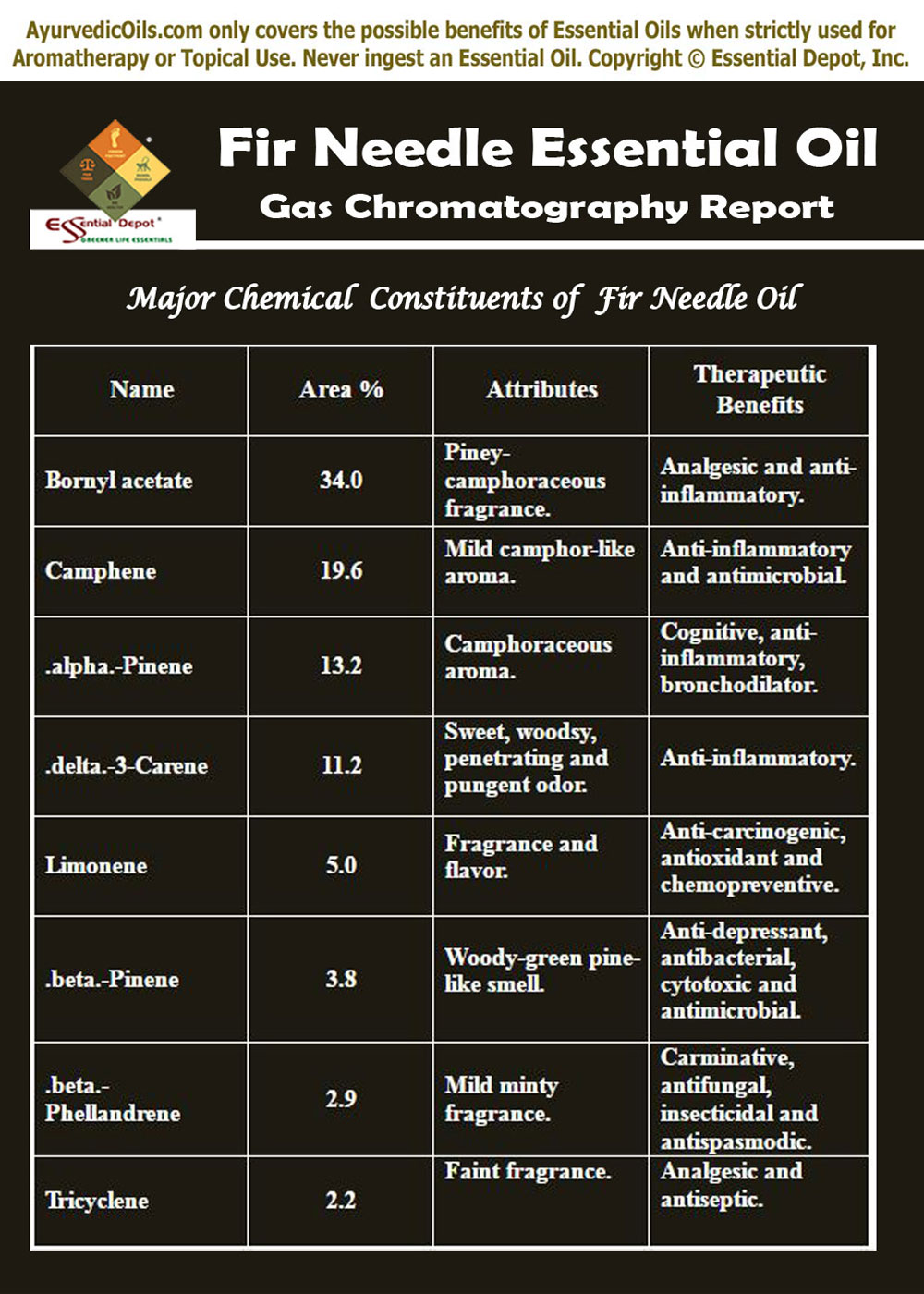
According to the Gas chromatography report, Fir Needle oil constitutes of 17 chemical components that contribute to its fragrance, therapeutic attributes, consistency and quality of this oil. Of which, Bornyl acetate contributes to the highest proportion of Fir Needle oil constituents with about 34% of its total composition.

Just click on:

I believe that this must certainly help you in getting to know the exclusive information about these prime chemical constituents of Fir Needle oil.

The table crafted below clearly depicts the unique nature and contributions of these biochemical constituents to the healing magnificence of Fir Needle essential oil.

fir-needle

Therapeutic properties of Fir Needle essential oil:

Fir needle essential oil has numerous effective chemical compounds and the majority of which is monoterpenes. The other constituents include sesquiterpenes, beta-pinene, delta-3-carene, alpha-pinene and terpene ester bornyl acetate, where beta-pinene and delta-3-carene have effective anti-bacterial properties.

The therapeutic properties of Fir needle essential oil are anti-inflammatory, anti-bacterial, anti-fungal, antiseptic, antiviral, invigorating, stimulating, analgesic, anti-tussive, diuretic, antioxidant, astringent, energizer, aromatic, expectorant, deodorant, stimulant and tonic.

Ayurvedic health benefits of Fir Needle essential Oil:

Ayurveda is a common sense science that has a strong reason for everything that pertains to human health. It simply preaches that health is the outcome of one’s harmony with nature and illness occurs when things does not act in sync with nature. This 5,000 years old ancient science aims at striking balance between human health and nature with the use of natural remedies including essential oils, herbs, yoga, Ayurvedic routine, simple physical exercises, meditation and prayers.

Ayurveda is adorably called as the mother of all healing sciences for its brilliance in treating the root cause of an illness rather than just treating its symptoms. By this way, it helps in curing the sickness initially and prevent it in future as well. Charaka Samhita, one among the greatest Ayurvedic encyclopedia states “The three – body, psyche, and soul – act as a tripod. The world stands upon them, and within them, the world abides.

Ayurvedic treatments are not the same for every person as Ayurveda strongly believes that every individual is distinctive with a unique individual constitution just like our thumb impression. So it says that illnesses of individuals should also be treated in a unique manner.

This constitution comprises of three biological energies known as doshas, namely vata, pitta and kapha. These doshas are a combination of five elements of nature, which are fire, water, air, earth and space.

Just like nature, our body also has all the five elements. Where vata represents air and space and is responsible for movement. Pitta stands for fire and water and is accountable for transformation of energies. Kapha symbolizes earth and water and is in charge of structure and fluids in the body.

Perfect health is determined with the balance of all these three doshas and imbalance causes illnesses. Ayurvedic remedies are involved in the act of correcting the imbalances of doshas. Fir needle oil is said to lessen kapha, pitta and vata aggravation.

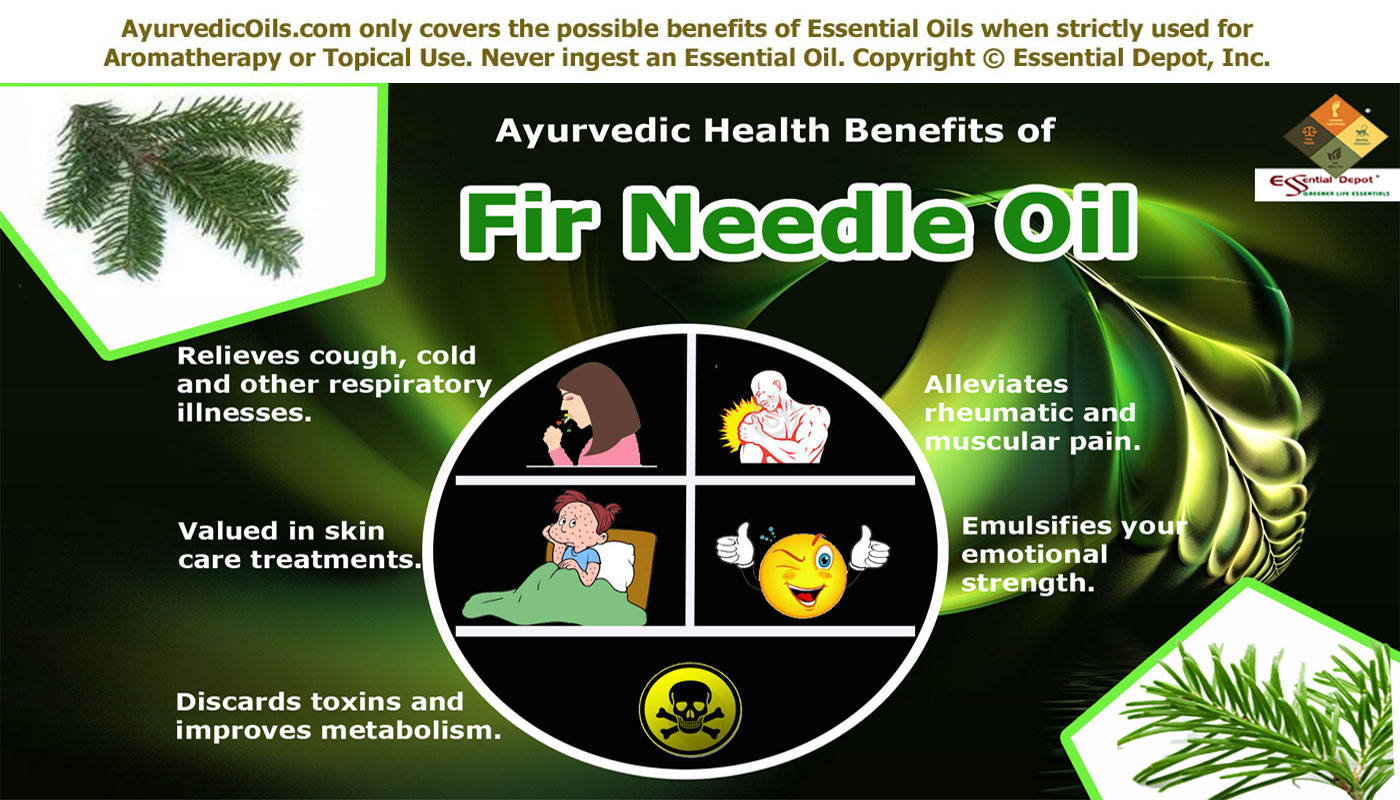
The Ayurvedic health benefits of Fir needle oil are:fit-needle1. Relieves cough, cold and other respiratory illnesses:

According to Ayurveda, respiratory illnesses occur mainly due to aggravated kapha energy, which causes water retention and excess phlegm and mucous deposits. Along with this, increased vata dosha is responsible for sinusitis, asthma and breathing problems.

Fir needle oil is said to lessen both aggravated kapha and vata and for which it has been used for centuries in the treatment of cold, cough, fever, flu and other respiratory illnesses. Natural Fir needle oil inhalers are used in Ayurvedic healing for treating cold and breathing problems.

The exquisite antiseptic property of this oil helps in maintaining the sanitation of the surrounding by preventing the spread of harmful microorganisms, which are among the primary reasons for respiratory infections.

Fir Needle oil has antitussive properties that acts as an effective cough suppressant. As a refreshing expectorant, this oil loosens the mucous and the phlegm deposits in the lungs and respiratory tract, thus cleansing the respiratory passages and speeding up the recovery process.

Adding 2 drops of Fir needle oil in steam inhalation and inhaling the pine-forest aroma assists in clearing blocked nasal passages, preventing the inflammation of the respiratory organs, alleviating breathing difficulties, treating bronchitis and it helps in maintaining clear sinuses.

Mix 2 drops of Fir needle oil with 1 ml coconut oil and rub it gently on your chest, back and throat for helping with nasal congestion, runny nose, sneezing, cough and flu. Add 3 to 4 drops of Fir needle oil in warm bathing water for feeling light and re-energized as respiratory infections generally make the body feel heavier and drowsy.

2. Alleviates rheumatic and muscular pain:

Fir needle oil has anti-inflammatory, analgesic and diuretic properties that soothes and eases pain and inflammation associated with arthritis, rheumatism and muscular tension. Also known as Silver Fir, the essential oil of Fir is extremely soothing to joints and muscles and acts as an effective aid in lessening pain and inflammation.

With its kapha reducing properties, massaging 3 drops of Fir needle oil mixed with 1.5ml of sesame oil on the painful areas aids in treating water retention, discharging detrimental toxins, salt and other micro-organisms in the body through urine and sweat, reducing inflammation and alleviating pain with its powerful analgesic values. You can also add 3 to 4 drops of Fir needle oil in hot compress or in warm foot bath for decreasing pain and promoting relaxation.

3. Valued in skin care treatments:

Fir needle oil has been in use since the primordial times to protect the skin and retain its natural glow. The astringent properties of this oil is effective in treating acne, injuries, infections, sores, wounds, cuts, mild allergies, insect bites etc.

The anti oxidant properties of Fir needle oil fights against the free radicals and prevents premature aging. Mix 2 drops of Fir needle oil with 1 ml jojoba oil or to your regular skin care cream and apply it on the affected areas in circular movements. This stimulating application to the skin results in mild coagulation of the skin proteins, thus elevating it natural beauty and retaining its youthfulness.

Fir Needle oil is often recommended by dermatologists and Alternative medicine experts in the treatment of psoriasis, itching, pimples, eczema, skin diseases, poor skin, scabies and sores. This is mainly due to the presence of antiviral, anti-bacterial, anti-fungal and antiseptic properties of this oil.

A 2006 study on ‘Composition and antibacterial activity of Abies balsamea essential oil’ published in PubMed states that the three constituents in Fir needle oil namely alpha-pinene, beta-caryophyllene and alpha-humulene were effective against the gram negative and gram positive bacteria including Staphylococcus aureus and Escherichia coli, where Staphylococcus aureus is mainly responsible for wounds and other skin infections to turn septic and worsen.

4. Emulsifies your emotional strength:

Your success depends upon your mental strength and amidst the stress and tension of this contemporary world, nothing better than the natural remedies like essential oils can grant us the real peace and serenity.

Fir needle oil is a boon to mankind with its rich invigorating, stimulating and energizing properties contributing to a potential uplift of the emotional strength. 2 to 3 drops of Fir oil added to your diffuser or burner can act as a mood elevator that aids in revitalizing your mind, refreshing your soul, weakening the element of depression, lack of self-confidence, agony, fear and emotional stress.

5. Discards toxins and improves metabolism:

Being a diuretic, Fir Needle Oil is helps in eliminating the toxic remains, uric acid, fat deposits and salts in the body through urine by stimulating the frequency and quantity of urine.

Massaging your body with 10 drops of Fir needle oil mixed with 10ml of coconut oil can improve the health of the kidneys, treat kidney stones or renal calculi, urinary infections, food poisoning by enhancing the functions of the excretory system and boosting the metabolic functions naturally.

Other health benefits of fir Needle Oil:

Fir needle oil is also used in manufacturing soaps, perfumes, air fresheners, hair oils, body lotions etc. It can also be used on pet animals as it is a non-toxic repellent of fleas. Certain research studies have also proved the antitumor activity of Fir needle oil by the production of reactive oxygen species induced by alpha-humulene as possible mechanism of action.

Disclaimer:

This is only for the purpose of information and is not meant for diagnosis or as a replacement for prescribed drugs or professional medical advice. Never use essential oils internally and topical use should always be in a diluted manner as pure and organic essential oils are highly concentrated extracts and can cause harm if used directly on the skin. It is advisable to consult your Ayurvedic practitioner before making the right choice of essential oils for your unique health condition and individual constitution.

The MSDS (Material Safety Data Sheet) of Fir Needle oil is readily available for your enhanced safety and better usage.

Gas Chromatography Report (GC analysis) of Fir Needle oil.

Thought for the day:

Nature’s music is never over; her silences are pauses, not conclusions.                  -Mary Webb

Suggested Reading:

  1. The Illustrated Encyclopedia of Essential Oils: The Complete Guide to the Use of Oils in Aromatherapy & Herbalism by Julia Lawless
  2. Healing Power Beyond Medicine by Carol A. Wilson
  3. The Book of Herbal Wisdom: Using Plants as Medicines by Matthew Wood
  4. Aromatherapy for the Soul: Healing the Spirit with Fragrance and Essential Oils by Valerie Ann Worwood
  5. Genetics and breeding of the Silver Fir (Abies alba Mill.) =: Genetika i oplemenjivanje obicne jele (Abies alba Mill.) (Anali za sumarstvo) by Stefan Korpel

Reference Links:

  1. Abies Alba by Wikipedia
  2. Abies Balsamea by The University of Michigan
  3. Composition and antibacterial activity of Abies Balsamea essential oil by Pichette A, Larouche PL, Lebrun M, Legault J. Université du Québec à Chicoutimi, Canada, published in PubMed
  4. Balsam Fir by herbs2000.com


Your resource for quality Essential Oils. Every batch is
GC tested to ensure purity and authenticity.

Grapefruit Pink Oil


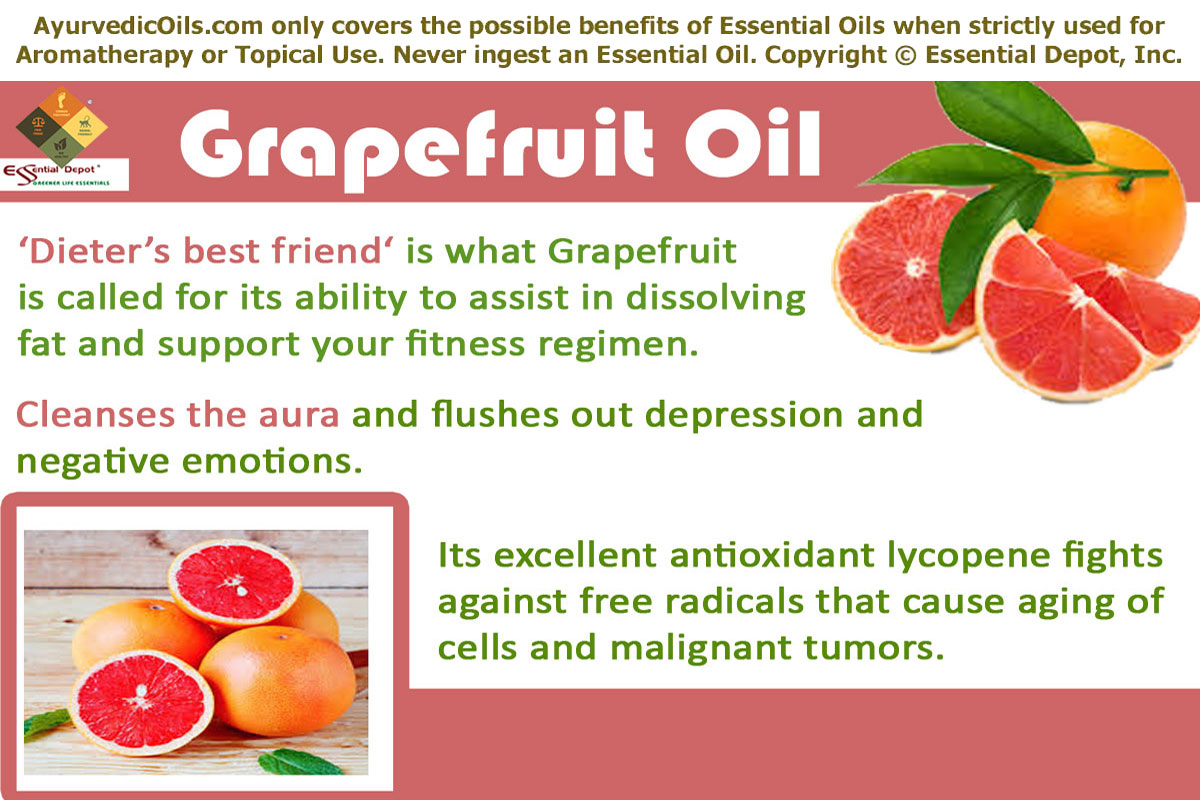
Are you on diet? Then Grapefruit can be your best pal as it is called as ‘Dieter’s best friend‘, for its ability to assist dissolving fat and stays strong to be a vital part of your fitness regimen.

Grape-fruit-bnGive that perfect lift to your self-esteem and self-worth with Grapefruit oil, as it works like a magic by cleansing the aura and flushing out depression, lack of self-confidence, mental chaos and other negative feelings at ease.

Adorably called as Madhukarktikum and Kadaaram in Sanskrit, Grapefruit is yet another powerful Ayurvedic remedy for dealing with digestive disorders by stimulating the gall bladder and assisting the secretion of bile and other digestive juices.

The essential oil of Grapefruit is cold pressed from the external rind of this fruit and is recommended for treating weight loss, acne, cellulite, edema, PMS, anxiety, depression and insomnia.

Purchase Grapefruit Oil – Retail – 4 oz – CLICK HERE
Purchase Grapefruit Oil – Wholesale – CLICK HERE

Historical importance of Grapefruit:

Grapefruit is trusted to be a hybrid variety found in the 18th century by Captain Shaddock in Jamaica; hence it was called as ‘Shaddock’ or ‘Shattuck’ initially. Later it was named as ‘Grapefruit’ mainly because of its manifestation like clusters of grapes on the trees. Grapefruit was once celebrated as one of the ‘Seven wonders of Barbados’.

Grapefruit is indigenous to the tropical parts of Asia and was originally brought to Europe by the medieval Arabian traders and it slowly spread to other parts of the world. Currently, United States is the world’s leading producer of Grapefruit, followed by People’s Republic of China and South Africa.

As it is an excellent source of various nutrients and phytochemicals, it was used ever since the ancient times as a part of a healthy diet. Whereas Grapefruit essential oil was used in baths for preventing the skin from harmful microbes, supporting healthy skin, enhancing the shine and growth of hair and as a cleansing agent in homes.

Chemical constituents or Gas Chromatography Report (GC) of Grapefruit Pink oil:

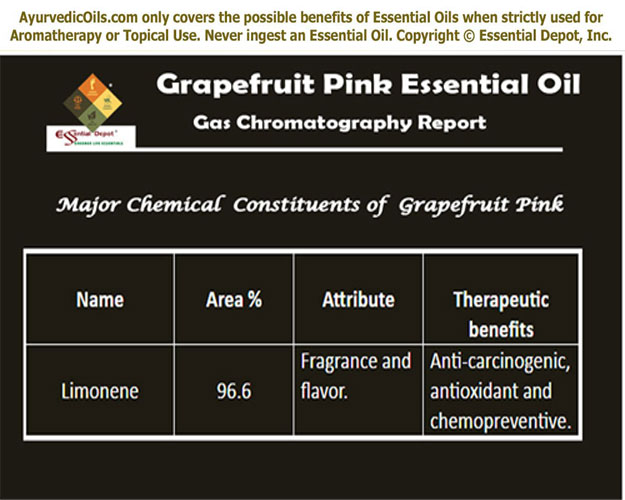
According to the Gas chromatography report, Grapefruit Pink oil constitutes of 7 chemical components that contribute to its fragrance, therapeutic attributes, consistency and quality of this oil. Of which, Limonene contributes to the highest proportion of Grapefruit Pink oil constituents with about 96.6% of its total composition.

Just click on:

I believe that this must certainly help you in getting to know the exclusive information about these prime chemical constituents of Grapefruit Pink oil.

The table crafted below clearly depicts the unique nature and contributions of these biochemical constituents to the healing magnificence of Grapefruit Pink essential oil.

grape-fruit-oil

Therapeutic properties of Grapefruit essential oil:

The remedial values of this oil are antidepressant, antiseptic, anti-tumoral, antioxidant, lymphatic, stimulant, tonic, diuretic, disinfectant, aperitif and fat dissolving.

Ayurvedic health benefits of Grapefruit essential oil:

Health is a three-tier foundation according to Ayurveda, where these three layers are mind, body and soul. It is rightly mentioned in Charaka Samhita, one of the most famous Ayurvedic encyclopedias as “The three – body, psyche, and soul – act as a tripod. The world stands upon them, and within them, the world abides.”

Ayurveda means ‘the knowledge of life’ and this traditional healing methodology aids in granting that awareness in every human being. Understanding the physical and mental health of oneself helps in leading a blissful life paving way towards longevity.

It has been said that nature is made up of five vital elements namely fire, water, earth, air and space and Ayurvedic texts strongly state that everything that is a part of nature is also made up of these five elements.

The science of Ayurveda follows a holistic healing system, where every individual is considered as a unique part of nature with a unique individual constitution just like our fingerprints.

This constitution comprises of three vital biological energies known as doshas. They are vata, pitta and kapha doshas, where each dosha represent a combination of two vital elements.

Kapha represents earth and water, and is responsible for structure of the body, sustenance and the movement of fluids in the system. Pitta represents fire and water and is in charge of digestion, absorption, excretion and certain other metabolic functions.

Vata stands for air and ether, and is accountable for circulation, respiration and nervous functions of the body. When an individual’s health is on par with nature, there is perfect health and harmony and when there is imbalance due to food, lifestyle and certain other factors, illnesses occur.

Balance between these three doshas indicates complete health and imbalance causes diseases. Ayurvedic remedies like essential oils, herbs, yoga, meditation, Ayurvedic routine and simple physical exercises focus on striking balance between these doshas. Grapefruit essential oil is said to pacify vata and kapha dosha and aggravate pitta dosha.

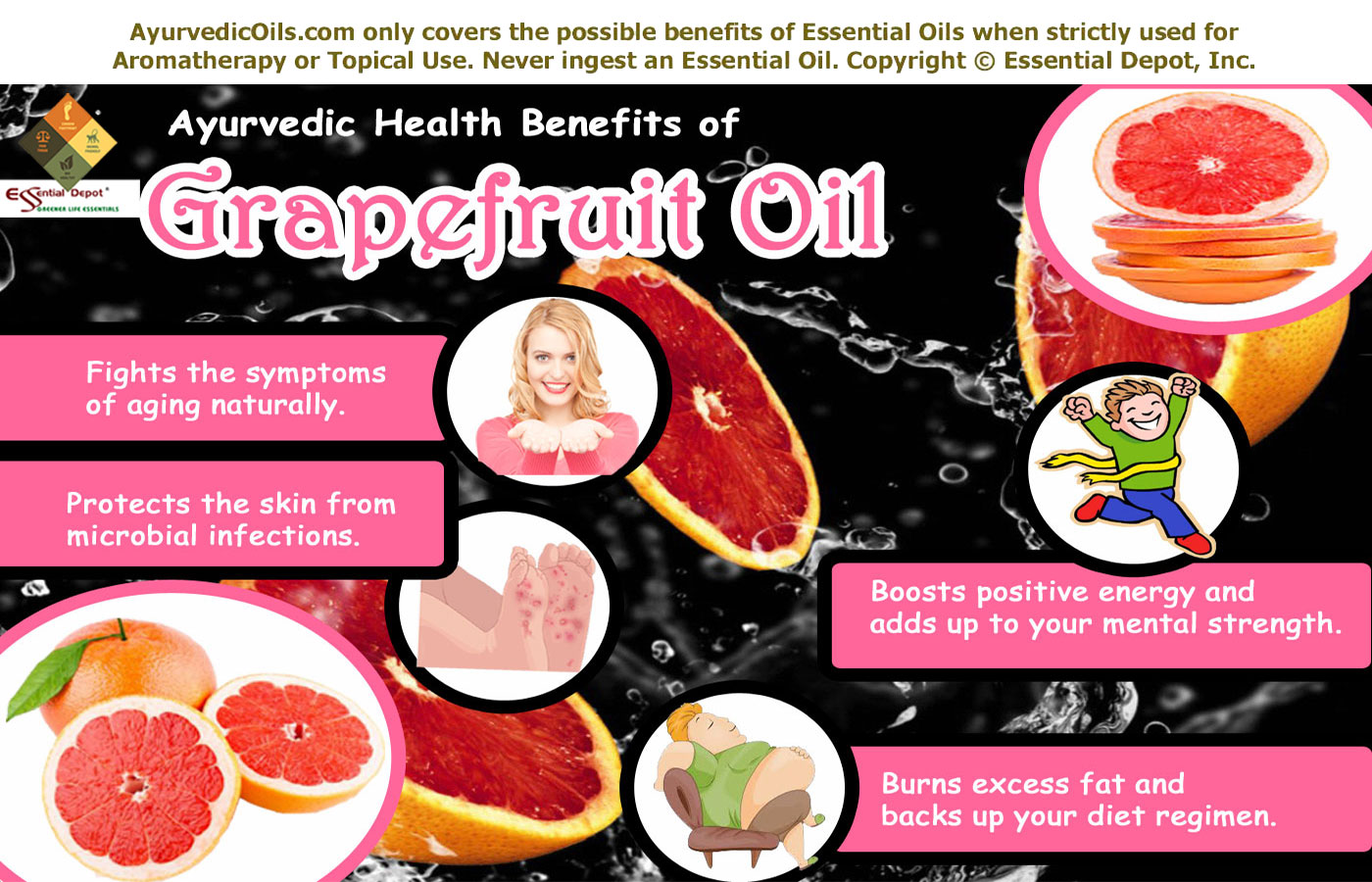
The Ayurvedic health benefits of Grapefruit oil are:Grape-fruit-broucher1. Fights the symptoms of aging naturally:

Aging can be the worst enemy for all those beauty conscious kings and queens out there, especially in the late 30s when everyone’s dreams are on the route of reaching their destination. When thousands of chemical-based products flood the market with the claim of ‘guaranteed younger look’, how will you feel if I say that the simple, natural and glorious fruit like Grapefruit can fight against all the symptoms of aging, just like that? Feeling awesome right!

FRTA or the Free radical theory of aging can assist you in understanding the real causes of aging. This theory states that “organisms age because cells accumulate free radical damage over time.” These free radicals cause oxidative damage in the cells, which pave way for aging and other age-related disorders like arthritis, diabetes, cancer, atherosclerosis and Alzheimer’s disease.

Numerous studies have proven that antioxidants are the best remedy for arresting the oxidative damage of cells by passivating the cellular structure from the damage caused by free radicals.

To your wonder, Grapefruit and its essential oil have the most powerful antioxidant lycopene, which is responsible for its attractive pink or red color. It has been established that antioxidants like lycopene assists in fighting aging of cells and fight against malignant tumors caused due to the harmful effects of free radicals.

According to a study by the Brigham Young University, “Small concentrations of grapefruit essential oil showed an 80.5% cell inhibition value for skin cancer cells.” The presence of limonene in Grapefruit oil supports about 80% of carcinomas in breast cancer to degenerate with comparatively lesser toxicity, says the reports on Grapefruit essential oil by the Purdue University.

In addition to this, Grapefruit essential oil has adequate amount of spermidine, which is a polyamine compound playing significant roles in the survival of cells. Every cell has spermidine like compounds and cellular aging happens when the growth of spermidine falls.

Using 2 drops of Grapefruit essential oil blended with 1ml of Jojoba oil or along with a mild skin care lotion or cream as a massaging blend can promote the secretion of spermidine compounds that support the growth of healthy cells, helping you look younger and youthful.

This massaging can also help in fighting against the free radicals that cause aging and other chronic illnesses. Adding Grapefruit to your daily diet is also a great idea to retain your beauty and nurture your skin health.

2. Protects the skin from microbial infections:

Grapefruit essential oil has antiseptic and disinfectant properties that wrestle against harmful organisms like bacteria and virus. The antiviral and antibacterial effects of this oil make it one among the best essential oils for treating wounds, cuts, bruises, acne and other microbial infections. It kills the existing microbes in the body that cause infections and prevents the entry of new microbes.

Using 2 drops of Grapefruit essential oil in warm bathing water in the morning or before going to bed can help in combating the growth of microbes and protect the body microbial infections all day long.

You can also add 1 drop of Grapefruit oil to your daily lotion or skin cream for pampering your skin. Along with this, the fresh and refreshing citrus aroma of Grapefruit oil keeps your skin fresh, regenerated and absolutely clean.

3. Boosts positive energy and adds up to your mental strength:

Grapefruit essential oil has an immaculate aroma that is neat as a new pin and has excellent aromatic effect on the mind. The anti-depressant properties of this oil flushes out the negative thoughts, depressive feelings and emotions that demotivate the mind and stop you from moving ahead.

The uplifting aroma of Grapefruit essential oil reaches the limbic system, the control center of the human brain through the nasal passages and passes the therapeutic properties of this oil in the form of commands to other parts of the body. Add 2 drops of Grapefruit oil to your diffuser, burner or vaporizer during the night or at the time of prayer or meditation. This oil is said to calm the mind and nerves and grant peaceful sleep at night.

Inhaling the sacred aroma of Grapefruit oil is said to broaden the heart chakra, which is responsible for love and affection along with the solar plexus chakra, which is accountable for self-esteem, confidence and discipline and the third eye chakra meant for intelligence, creativity, spiritualism, consciousness and inner awakening.

By this way, Grapefruit essential oil cleanses the aura, mind and the life force of the human body, which helps in restoring the power and spiritual realm.

4. Burns excess fat and backs up your diet regimen:

Obesity has become a common phenomenon in people of all ages mainly due to unhealthy food habits, lifestyle changes, fast food mania and the lack of physical exercises. Most of these factors seem unavoidable in this contemporary world, where there’s no time to spare for our health and happiness.

According to a popular Complementary and Alternative medicine expert, “taking medicines or drugs for reducing weight or dissolving fat is a hazardous practice and a life-threatening system as well.

So what to do and what is the natural way to burn away those excess fat and calories that rule your health and harmony? Here you go, Grapefruit and its essential oil have been an effective natural remedy for treating obesity and supporting weight-loss.

This is attributed to its diuretic, lymphatic and aperitif properties. Grapefruit oil works by improving the metabolism process, lowering the cholesterol content, reducing insulin levels and supporting loss of fat positively.

Ayurvedic texts state that the bitter and sour tastes of Grapefruit reside as the predominant reason for enhancing the flow of bile and other digestive juices and it helps in putting an end to food cravings, liver congestion and amassing up of excess fat, cholesterol and other toxic substances.

Mix 5 drops of Grapefruit essential oil with 2.5ml of sesame oil and massage it gently on your stomach and abdomen to stimulate the secretion of saliva, bile and other gastric juices.

Ama or the toxins in the body are mainly due to improper digestion. As Grapefruit essential increases pitta energy, which is responsible for digestive fire, the chances of indigestion, constipation and other digestive disorders are very less.

Excess of kapha energy is one major cause for obesity according to Ayurveda. Grapefruit oil is a boon to mankind as it pacifies kapha and increases pitta force, through which it eliminates the excess deposits of water, fat, toxic substances and cholesterol through urine and sweat.

Including Grapefruit in your diet or inhaling the aroma of Grapefruit essential oil before eating (by adding 1 drop of Grapefruit oil to your diffuser in your dining hall) can grant a feeling of fullness and put an end to unhealthy food cravings.

Consumption of Grapefruit can reduce LDL (“bad”) cholesterol, as well as triglycerides”, says The Journal of Agricultural and Food Chemistry. Consult your Ayurvedic Practitioner and know the right exercises, yoga and meditation for your unique constitution. This can speed up your fat-dissolving resolution at absolute ease.

Other health benefits:

Apart from this, Grapefruit essential oil is an excellent pain reliever that can help you in treating headache, back pain and migraine pain quickly, when 2 drops of this oil is mixed with 1ml of coconut oil and applied on the affected area.

Grapefruit essential oil has tonic properties that increase the immune power, stimulate hair growth, cleanse the scalp, boosts the functions of the nervous system and strengthen the muscles and nerves. This oil also helps in relieving mental and physical fatigue, menstrual discomforts, rheumatism, muscular stiffness, cellulite, nervousness, delayed menstruation and nervous exhaustion.

Disclaimer:

This article is only for the purpose of education and is not directed to diagnose or replace any Professional medical advice or prescribed medication. Never use essential oils internally and always use them in a diluted form, as pure and organic essential oils are highly concentrated substances and can cause harm if used directly on skin.

As other citrus oils, Grapefruit essential oil also has phototoxic effect that can cause damages to the skin when exposed to sunlight immediately after use, due to the hazardous effects of ultra violet rays. Always consult your Ayurvedic expert before using the right essential oils for your unique constitution and health condition.

The MSDS (Material Safety Data Sheet) of Grapefruit Pink oil is readily available for your enhanced safety and better usage.

Gas Chromatography Report (GC analysis) of Grapefruit Pink oil.

Grapefruit Essential Oil – Possible Skin Issues:

Greener Life Diamond – Bio-Healthy Score => 3 – Possible Skin Issues:

See => http://www.essentialdepot.com/GreenerLifeDiamond.html

Grapefruit oil showcases photosensitive effects if oxidized, contributing to its phototoxic, photo-carcinogenic and effects of sensitization. The possible skin issues of using Grapefruit oil are hyperpigmentation, allergic reactions, irritation, sunburns, blisters and rashes and this mainly occurs when the skin is exposed to visible sunlight for up to 12 hours of use of this oil.

The underlying reason is the reaction of the photoactive chemical constituents in Grapefruit oil that attracts light and leads to toxicity through molecular changes in the skin surface. Certain studies state that Grapefruit oil has been stated to promote the formation of tumors on the skin of mouse, by the key carcinogen, 10-dimethyl-l, 2-benzanthracene.

The primary chemical component responsible for the phototoxic and adverse skin effects of Grapefruit oil is Limonene, which accounts to about 90% of this oil along with few other furanocoumarins ( the non-volatile compounds like bergapten, bergamottin and epoxy-bergamottin.)

The safe dilution level of Grapefruit oil by the International Fragrance Association (IFRA) is 4%, which is about 24 drops per ounce of any mild carrier oils. This is particularly to prevent phototoxicity in products used for dermal applications except for bath products like soaps, shampoos and other wash-off preparations.

According to the European decree, essential oils that contain furanocoumarins must be used preferably when the level of bergapten does not exceed 15 ppm (parts per million) in finished cosmetic products preordained for use on parts of the skin that are in contact with sunlight (other than rinse-away products) and 1 ppm in bronzing and sun protection products.

Grapefruit oil should be used only for topical application, preferably blended with mild carrier oils (good for use after a patch test on your skin), and never use essential oils for ingestion, as internal use of essential oils might pose adverse health effects. Undiluted Grapefruit oil can cause skin irritation and this oil is claimed to be toxic to cats.

A 2005 study published in Brain Research states that “the scent of Grapefruit oil and its active constituent, limonene affects the autonomic neurotransmission and blood pressure through central histaminergic nerves and the suprachiasmatic nucleus.”

Studies state that ingesting furocoumarins may also cause phytophotodermatitis.  It is better to avoid Grapefruit oil if you are pregnant or breastfeeding as the safety of this oil during carrying or nursing are not established.

In a much similar way like Bitter orange oil, Grapefruit oil is said to restrain important enzymes in the intestines and liver, leading to have an impact on the blood levels at the time of taking medicines that are antidepressant, antiviral, anti-anxiety, calcium channel blockers, steroids, anti-malarial, immune modulators, prokinetics, statins and on par with caffeine intake. The presence of furocoumarins has led to the term ‘Grapefruit effect’, which signifies the interaction between furocoumarins and enzymes that are engaged in drug metabolism, specifically cytochrome P450.

Use Grapefruit oil only after medical advice, if you are taking any other prescription medicines. Startlingly, furocoumarins are also used in different remedies along with the long-wave ultraviolet light therapy for curing psoriasis, mycosis fungoides and vitiligo.

Reference Links Substantiating Possible Skin Issues of Grapefruit Oil:

  1. The Safe Grapefruit? By The American Botanical Council
  2. Olfactory stimulation with scent of essential oil of grapefruit affects autonomic neurotransmission and blood pressure by Tanida M, Niijima A, Shen J, Nakamura T, Nagai K, Osaka University, Japan, published in Brain Research
  3. Grapefruit by Essential Oil Safety: A Guide for Health Care Professionals By Robert Tisserand, Rodney Young
  4. Grapefruit Oil by Leung’s Encyclopedia of Common Natural Ingredients, used in Food, Drugs and Cosmetics by Ikhlas A. Khan and Ehab A. Abourashed
  5. Major Furocoumarins in grapefruit juice II: phototoxicity, photogenotoxicity, and inhibitory potency vs. cytochrome P450 3A4 activity by Messer A, Raquet N, Lohr C, Schrenk D, University of Kaiserslautern, Germany, published in Food and Chemical Toxicology: An International Journal published for the British Industrial Biological Research Association
  6. Grapefruit Juice and Medicines by the University of Michigan Health System
  7. Two Major Grapefruit Juice Components Differ in Time to Onset of Intestinal CYP3A4 Inhibition by Mary F. Paine, Anne B. Criss and Paul B. Watkins, published in the Journal of Pharmacology and Experimental Therapeutics

Thought for the day:

You forget that the fruits belong to all and that the land belongs to no one.
-Jean-Jacques Rousseau

Suggested Reading:

  1. The Grapefruit Solution: Lower Your Cholesterol, Lose Weight and Achieve Optimal Health with Nature’s Wonder Fruit by Daryl L. Thompson, M. Joseph Ahrens
  2. Ayurveda & Aromatherapy: The Earth Essential Guide to Ancient Wisdom and Modern Healing by Dr. Light Miller, Dr. Bryan Miller
  3. The Complete Master Cleanse: A Step-by-Step Guide to Maximizing the Benefits of the Lemonade Diet by Tom Woloshyn
  4. The Grapefruit Diet Plan by M Marose
  5. Daily Aromatherapy: Transforming the Seasons of Your Life with Essential Oils by Joni Keim, Ruah Bull

Reference Links:

  1. Free-radical theory of aging by Wikipedia
  2. Grapefruit by Wikipedia
  3. Health Benefits of Grapefruit by Ayurvedaservices.Net
  4. Health Benefits of Grapefruit Essential Oil by Organic Facts
  5. The Amazing Benefits of Pink Grapefruit Essential Oil by Natural News.Com


Your resource for quality Essential Oils. Every batch is
GC tested to ensure purity and authenticity.

Gultharia Oil


Gulthania-bannerGultharia or the Indian Wintergreen is aboriginal to India and have amazing therapeutic properties in its kitty just like it’s sibling, the American Wintergreen also known as Gaultheria procumbens. Scientifically called as Gaultheria fragrantissim, Gultharia is an aromatic Indian shrub that has been in use for thousands of years in the treatment of chronic rheumatism and joint aches.

Celebrated as Gandapura in Ayurveda, Gultharia has been an important Ayurvedic remedy for relieving joint pain, muscular spasms, sprains, rheumatism, inflammation and for healing wounds.

It is for all these healing values, Gultharia and its essential oil, steam distilled from its leaves are used as an important ingredient in the popular Ayurvedic preparations like Rumalaya liniment, Rumalaya Gel and other herbal pain balms.

Purchase Gultharia Oil – Retail – 4 oz – CLICK HERE

Purchase Gultharia Oil – Wholesale – CLICK HERE

Historical importance of Gultharia:

Indian Wintergreen has a unique healing aroma for which it is also known as Fragrant Wintergreen, is found growing in the sacred lands of the holy Himalayas from Uttarakhand to Myanmar and South Eastern Tibet. It is a member of the Rhododendron plant family, Ericaceae. Gultharia grows at an altitude of 1500 to 2700 m and bears dark-violet blue berries that attract the attention of birds and numerous insects towards it.

It is a known fact that the Indians of America were the first to identify the medicinal powers of Wintergreen in America and this was mainly due to the use of the Indian Wintergreen, which has been in use in the world’s oldest healing system on earth, Ayurveda before 5,000 years in India. The ancient Indians used the leaves of Gultharia herb in brewing tea for fighting against rheumatism, joint pain, toothache and other painful conditions.

These remedial leaves were also ground and used in poultices for relieving muscular aches, stiff joints and headache. It was later traced in 1800s that the pain-relieving qualities of Wintergreen plant was mainly due to the aspirin-like qualities present in these aromatic leaves helping in relieving pain in a jiffy, naturally.

Wintergreen leaves were used in making tea by the French explorers for assisting pain and this usage lead to the popular term ‘The du Canada’ means the ‘The tea of Canada’. The leaves of Gultharia plants were chewed by the traditional Indians as an aid for breathing during strenuous work, alleviating oral problems, freshening the breath and for treating back pain and joint aches.

The leaves of Gultharia plant were used in folklore medicinal system for rheumatism, sore throat, colic, inflammation, tooth decay, skin disorders, cold and body pain. It is also used as a flavoring ingredient in toothpastes, chewing gums, herbal teas, candies and health beverages. These leaves have also been a part of pesticides and insect repellants.

Therapeutic properties and chemical constituents of Gultharia essential oil:

Methyl salicylate is the major chemical constituent comprising of about 98% of its essential oil and the other components are gaultherilene, limonene, a-pinene, delta-cadinene, delta-3-carene and myrcene. These constituents contribute to its healing properties like anti-rheumatic, anti-arthritic, anti-inflammatory, antiseptic, analgesic, antispasmodic, carminative, astringent, emmenagogue, diuretic and stimulant.

Ayurvedic health benefits of Gultharia essential oil:

Healing according to Ayurveda is not an external force and real healing should always happen from within, for which every individual should have a thorough knowledge about their health condition and their entire system. You will know it appropriately when I say that the word ‘Ayurveda’ actually means ‘the knowledge of life’.

Ayurvedic healing aims at longevity through prevention of illnesses and healthy aging by following an Ayurvedic routine along with the use of herbs, essential oils and a balanced diet. The basic Ayurvedic principle revolves around the health of mind, body and soul.

The ancient secrets of this herbal healing methodology were spread to the world by Charaka and Sushruta, the renowned Ayurvedic experts of the primordial times. Charaka Samhita reiterates the Ayurvedic principle by stating that “The three – body, psyche, and soul – act as a tripod. The world stands upon them, and within them, the world abides.

Every human being is unique according to the Ayurvedic theory with a unique individual constitution comprised of three biological energies known as doshas. They are vata, pitta and kapha dosha.

Vata energy is responsible for respiration, movement and circulation of the body and controls the neurological imbalances and nervous impulses of the system. Pitta represents fire and is in charge of metabolic functions like digestion and absorption of essential nutrients by the body. Kapha dosha stands for water and is responsible for structure and sustenance of the body, imbalance of which can cause obesity and respiratory problems.

Gultharia essential oil reduces kapha dosha and increases pitta and vata doshas.

The Ayurvedic health benefits of Gultharia or Indian Wintergreen essential oil are:

Gulthania-broucher1. Alleviates pain and inflammation:

Pain is the worst enemy of mankind, be it a joint pain or a headache, it has the power to destruct your work and drop down your day. Aspirin is one among the best over-the-counter remedies for treating pain and inflammation. You’ll be surprised to know that the remedial power of aspirin is due to the presence of methyl salicylate and with a high proportion of this constituent, generally many varieties of Wintergreen essential oil is used in various pain relievers in the market.

The pain-relieving quality of Gultharia essential oil is due its analgesic, anodyne and anti-inflammatory properties. Massage the painful area with 2 drops of Gultharia oil blended with 1 ml of coconut oil for relieving pain and reducing inflammation.

This remedial massage relieves pain by causing numbness on the painful area, boosts blood circulation, hinders the secretion of prostaglandin compounds that sensitize the spinal neurons to pain and promote peaceful sleep. You can also add 2 to 3 drops of Gultharia oil in hot or cold compress or in warm bathing water for reducing pain and inflammation.

2. Eases digestion:

Improper digestion is the primary reason for all the major illnesses in Ayurveda. Pitta energy is responsible for the digestive fire known as agni, which supports metabolic functions like digestion of food, absorption of essential nutrients and excretion of waste materials from the body.

Sluggish digestion occurs when there is an imbalance of pitta energy due to changes in the diet, lifestyle and emotional constitution of an individual.

Gultharia essential oil has the power to aggravate pitta dosha and acts as an excellent carminative, stimulant and diuretic. Massaging your stomach and abdomen with 2 drops of Gultharia oil mixed with 1 ml olive oil helps in eliminating the formation of gas, supports constipation, flatulence, promote the secretion of bile and other digestive juices and discharges excess salt, uric acid and toxic remains of undigested food through urine.

Inhaling the aroma of this oil by adding 1 drop of Gultharia oil to your diffuser or vaporizer helps in stimulating the secretion of digestive juices assisting in regular digestion.

3. Eliminates detrimental toxins from the body:

Gultharia essential oil has natural diuretic properties that promote sweating and frequent urination.  By this way, it helps in flushing out the harmful toxins like uric acid, excess salt, water and fat from the body.

Massaging your body with 6 drops of Gultharia essential oil blended with 4 ml olive oil can assist in treating water logging, obesity, edema, kidney stones, urinary infections and hypertension caused due to the accumulation of fat, water, uric acid and other toxins left behind due to improper digestion. Adding 3 to 4 drops of Gultharia oil in bathing water is also a great idea for getting rid of such toxic substances.

4. Boon to arthritis and rheumatic patients:

Rheumatism and arthritis mainly occur due to the accumulation of toxic substances in the body due to poor digestion and problems in the colon, that paves way for the toxins to reach the joints causing pain, lack of circulation, swelling and inflammation.

According to Ravi Bhanot, a popular Ayurvedic Researcher at the Ayurveda Institute of Europe, the best way to treat gout and rheumatic problems is to use medicated oil for massage that is made up of Wintergreen essential oil and menthol.

Gently massaging the affected parts with 4 drops of Gultharia oil with 2ml of sesame oil aids in triggering digestion, promoting the flow of urine through which the toxic substances are eliminated, warms up the muscles, stimulate blood circulation, and reduces pain and inflammation.

This way, the Indian Wintergreen essential oil acts as a boon to arthritis and rheumatic patients who suffer from pain, swollen muscles, inflamed joints and poor blood circulation.

5. Treats menstrual and menopausal problems:

Gultharia essential oil is a proven emmenagogue that can be of great aid in assisting female problems like menstrual discomforts and menopausal symptoms.

Massaging your lower abdomen with 3 drops of Gultharia oil blended with 1.5 ml of warm sesame oil can help in promoting delayed or blocked menstruation, lessen menstrual pain, reduce spasms, and treat nausea, fatigue, sleeplessness, tension and urinary problems associated with menses.

It can also help in reducing hot flashes and mood fluctuations in menopausal women by stimulating blood circulation and strengthening the uterine walls. Adding 2 drops of Gultharia oil in warm bath before going to bed and 1 drop added to your room diffuser at night can calm the tensed muscles and promote peaceful sleep at night.

6. Supports respiratory health:

Respiratory problems are mainly caused due to excess of kapha energy. With its power to lessen kapha dosha, Gultharia essential oil can effectively act upon reducing chest congestion, spasmodic coughs, breathing difficulties, asthma and nervous afflictions.

Adding 2 drops of this oil in steam inhalation can help you in eliminating excess phlegm and mucous deposits through urine and excreta. With its anti-spasmodic properties, Gultharia essential oil is also effective in treating spasms in the intestine, muscles, nervous system, respiratory system and circulatory system.

Other health benefits:

Gultharia essential oil is an efficacious natural remedy for healing wounds with its antiseptic properties. This oil is also known for its ability to enhance spiritual power, logical thinking, and reasoning skills and accentuate the harmony of the soul with the divine power. It is for this reason; the ancient saints used the leaves of the Indian Wintergreen plant during sacred ceremonies, special chants and meditations.

Disclaimer:

This article is only for the purpose of information and is not meant to diagnose or substitute professional advice or prescribed medication. Gultharia essential oil has a high proportion of methyl salicylate, which is a main ingredient in aspirin and is considered toxic in excess for internal usage.

Never use Gultharia essential oil internally and always ensure that you use this oil in a diluted form for topical application. Keep it away from children and please consult your Healthcare practitioner before using Gultharia essential oil if you are pregnant, nursing or allergic to aspirin. Always consult your Ayurvedic professional before using the right essential oil for your unique health condition and individual constitution.

Thought for the day:

Let a hundred flowers bloom, let a hundred schools of thought contend.
-Mao Zedong

Suggested Reading:

  1. The Essential Herbal for Natural Health: How to Transform Easy-to-Find Herbs into Healing Remedies for the Whole Family by Holly Bellebuono
  2. Ayurvedic Beauty Care: Ageless Techniques to Invoke Natural Beauty by Melanie Sachs
  3. American Indian Healing Arts: Herbs, Rituals, and Remedies for Every Season of Life by E. Barrie Kavasch, Karen Baar
  4. American Indian Medicine (The Civilization of the American Indian Series) by Virgil J. Vogel

Reference Links:

  1. About Wintergreen by eHow
  2. Wintergreen by the American Botanical Council
  3. Fragrant Wintergreen by Flowers of India
  4. Treatment of Gout – The Ayurvedic Way by Ravi Bhanot, Ayurvedic Researcher, The Ayurveda Institute of Europe

Harshiangar Oil


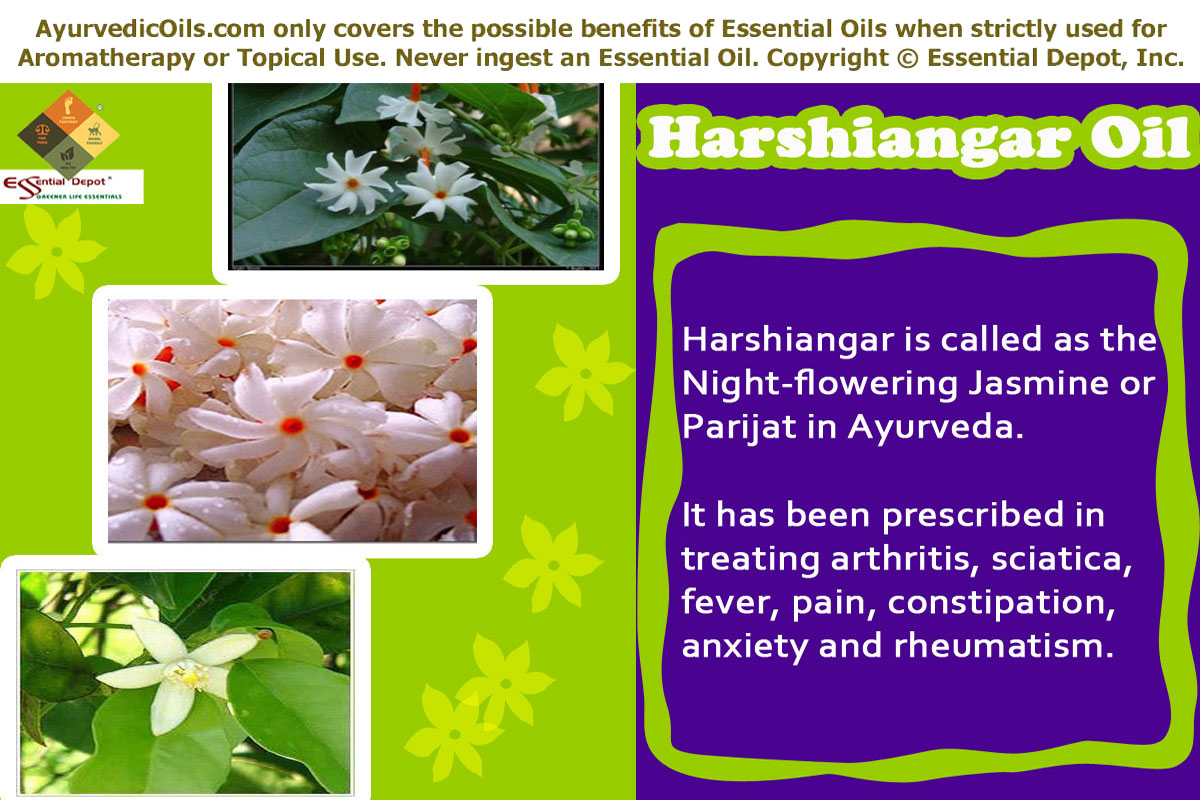
Harshiangar-bannerNight-flowering Jasmine, Parijat or Harshiangar, scientifically known as Nyctanthes arbor-tristis is known as the ‘Tree of sorrow’ and the word ‘Nyctanthes’ means ‘sad tree’. This is due its flowers that appear dull during the daytime and turn bright during the night.

The entire tree including its leaves, flowers, bark, seeds and stem is known to have amazing medicinal properties for which the tree has been used in various traditional and alternative healing methodologies for more than thousands of years.

Harshiangar essential oil is extracted from the leaves by steam distillation method. These curative leaves have been used in the Ayurvedic medicine for treating arthritis, sciatica, fever, pain, constipation, anxiety and rheumatism.

Purchase Harshiangar Oil – Wholesale – CLICK HERE

Historical importance of Harshiangar:

Harshiangar tree has a long history behind its name and its use in the traditional healing systems. The most fascinating myth behind this tree is a heartbreaking romance where an ancient princess named Parijataka fall in love with the Surya Dev, the Sun God captivated by his brilliance and masculinity.

The God of Sun was also impressed by her affection and devotion and favored her with his love as well, after which he started ignoring Parijataka due to his other interests.

This despondency made Parijataka to kill herself and the Parijat tree is said to have started from the cremated ashes of this true to life princess. Due to this, Parijat tree is not able to put up with the sight of her love, Sun God during the day and blooms only during nightfall and sheds the fragrant flowers as tears before sunrise.

Harshiangar flower is the official flower of Kanchanaburi Province, Thailand and for West Bengal, India. The leaves have been used as an insecticide and the decoction extracted from the fresh leaves have been used in Ayurvedic healing in the treatment of malaria, bilious fevers, arthritis and sciatica. The traditional Indian medicinal system used these leaves as anti-allergic, ulcerogenic, purgative, anti-histaminic and antibacterial remedies.

The tribal Indians used all the parts of this tree to treat dysentery, sores, cough, venomous bites and dysentery. The powder extracted from the seeds was used in treating alopecia and scurvy. The infusion of Parijat flowers were used by the ancient Buddhist monks of Sri Lanka as an effective sedative.

People of Malaysia and Indonesia use the Parijat flowers to promote menstruation and treat dysmennorhea and blocked menstruation.  These leaves are also used as a natural diuretic, cholagogue and laxative. Harshiangar blossoms known as Shiuli in West Bengal, India signify the arrival of Goddess Durga, which is celebrated as Durga Pooja, the greatest religious ceremony of Bengal.

Therapeutic properties and chemical constituents of Harshiangar oil:

The essential oil of Harshiangar consists of linalool, hexenyl benzoate, e-phytol, a-terpineol, methyl salicylate, geraniol, hexadecanoic acid, octadecanoic acid, eugenol and hexenol as its major chemical constituents.

The therapeutic properties of this oil are anti-arthritic, antimicrobial, anti-inflammatory, antiviral, anti-leishmanial, anti-pyretic, immunostimulant, antinociceptive, anti-allergy, anti-plasmodial, hepatoprotective and sedative.

Ayurvedic health benefits of Harshiangar oil:

Ayurveda is by far the oldest of all healing systems on earth and is known as the mother of all healing sciences including Unani, Homeopathy, Siddha, Chiropathy, Acupressure and Aromatherapy. The most significant aspect of Ayurveda is that it aims at prevention of diseases, healthy aging and longevity through the use of essential oils and herbs and by practicing simple physical exercises, yoga, meditation, Ayurvedic routine and a balanced diet.

Ayurveda considers every human being as a part of nature and states that the wellness and illness of an individual solely depends on his/her balance with nature. This theory believes that nature is made up of five vital elements namely fire, water, air, earth and space.

Everything that is a part of nature is also made up of these elements. Human beings according to Ayurveda are a distinct part of nature with a unique individual constitution that comprises of three biological energies known as doshas, where each dosha represents a combination of the vital elements of nature.

Vata symbolizes air and space and it governs the blood circulation, movement and respiration. Pitta is a representation of fire and water and is responsible for digestion and other metabolic functions. Kapha stands for water and earth and is accountable for structure and sustenance of the system.

Balance between these doshas symbolizes perfect health and doshic imbalances lead to illnesses. Ayurvedic remedies like herbs, yoga, meditation, essential oils, balanced diet, physical exercises and Ayurvedic routine are prescribed to strike balance between these doshas.

Harshiangar essential oil is said to lessen kapha and aggravate vata and pitta doshas.

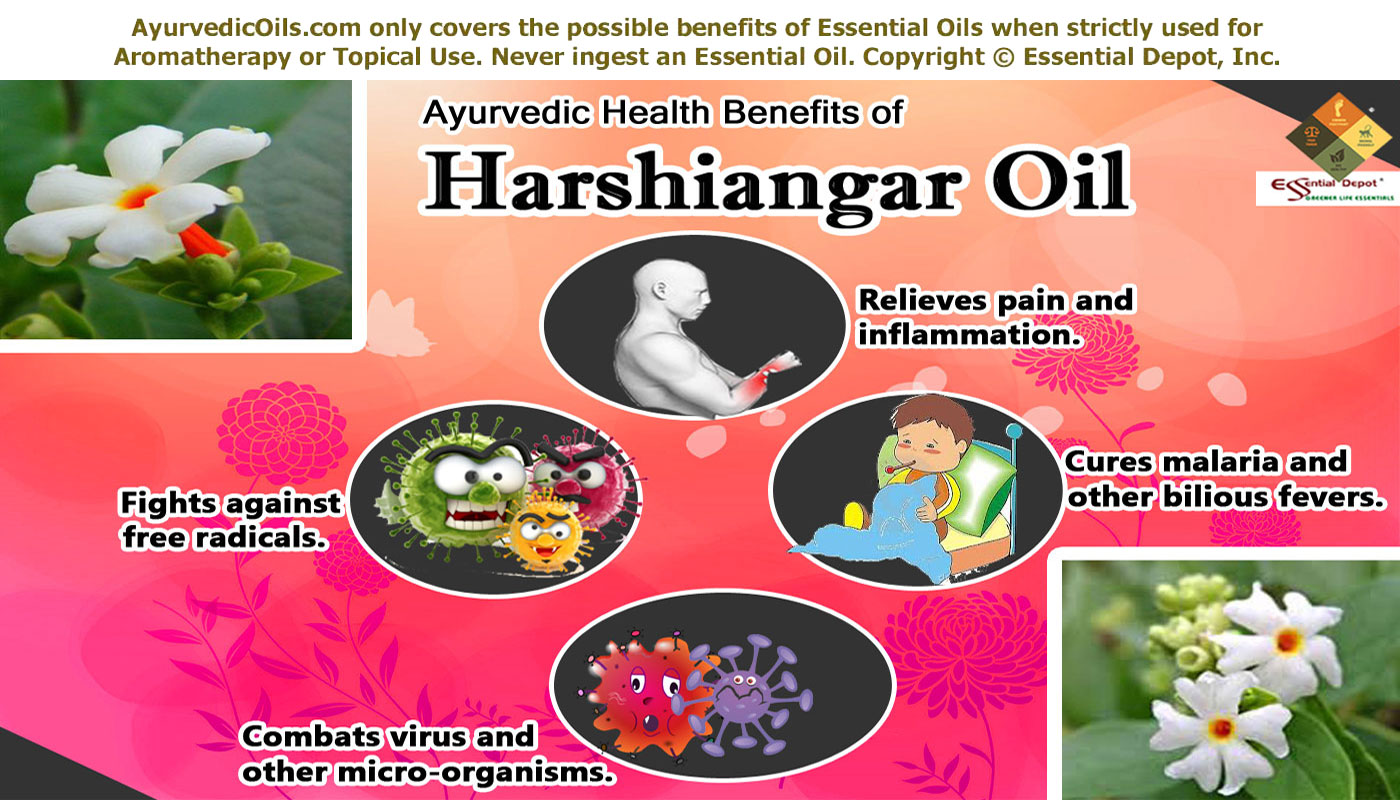
The Ayurvedic health benefits of Harshiangar essential oil are:

Harhsiangar-broucher1. Relieves pain and inflammation:

With its powerful anti-arthritic, anti-inflammatory and analgesic properties, Harshiangar essential oil is a highly recommended Ayurvedic medicine for treating pain and inflammatory conditions. It is highly effective in relieving pain and inflammation associated with arthritis, rheumatism, sore muscles, stress and muscular tension.

‘Antiarthritic studies on Nyctanthes arbor-tristis and Maharasnadi ghan’ by VES College of Pharmacy and K.M. Kundnani College of Pharmacy, Mumbai, India studied the effectiveness of Harshiangar herb on arthritis, especially Gouty arthritis which is caused due to the deposits of urate crystals in the synovial cavity. This study concluded that the use of Parijat leaves helped in controlling irritation, pain and inflammation associated with Gouty arthritis.

Mix 4 to 5 drops of Harshiangar essential oil with 2ml of coconut oil and heat it slightly. Gently massage the painful and inflamed parts with this warm blend and follow it with a hot compress.

This is a powerful medication for treating rheumatic pain, arthritis, joint pain, knee pain, headache, sciatica, muscular aches, menstrual pain, back pain and arthritic pain. Its efficiency to reduce kapha dosha helps in clearing the stagnation of excess fluids causing swelling and inflammation in case of rheumatism and other related problems.

A 1984 study on “Study of anti-inflammatory activity in the leaves of Nyctanthes arbor tristis Linn.–an Indian medicinal plant” proved that the use of Harshiangar leaves helped in reducing acute and chronic phases of formaldehyde induced arthritis. It was also said that these leaves were of great help in treating inflammatory conditions in Ayurveda.

2. Cures malaria and other bilious fevers:

Parijat leaves are a proven natural remedy for treating malarial fever and other bilious fever that are accompanied by nausea, strong diarrhea and increasing internal temperature mainly due to bile disorders.

Dr. Ashok B Vaidya, Research Director of ICMR Advance Centre for Reverse Pharmacology in Traditional Medicine at Kasturba Health Society, Mumbai said “Parijat leaves’ extract was being used in anti-malarial activities in western India, especially Gujarat and Maharashtra.

The Parijat leaf extract is effective against both types of known malarial parasite, but it is especially useful against even the resistant strain of Plasmodium Falciparum, and even the crude extracts of Parijat leaves kill the parasites of malaria.”

Add 2 drops of Harshiangar essential oil with 1ml Olive oil and gently massage the soles of your feet for reducing the body temperature during high fever and for arresting the growth of infectious organisms causing fever.

3. Fights against free radicals:

Free radicals are nothing but atoms or molecules that cause cellular damage precisely known as oxidative damage leading to aging and other malignant disorders. Human body requires ample amount of antioxidants to guard it against the harmful effects of free radicals that affect healthy cells in the body.

A 2010 study on the Invitro antioxidant effects of Nyctanthes arbor-tristis leaves have proved this herb as a potential source of natural antioxidants that help in combating the detrimental effects of free radicals and prevent the early symptoms of aging and the development of cancerous cells.

A refreshing Ayurvedic massage with 3 drops of Harshiangar oil with 2 ml of Jojoba oil can help you in checking the effects of these hazardous free radicals and their subsequent effects.

4. Combats virus and other micro-organisms:

Harshiangar essential oil is an effective natural remedy for fighting against harmful virus and other micro-organisms.

A 2012 study on “The chemical composition and biological activities of essential oil from leaf and bark of Nyctanthes arbor-tristis L.” by the University of Alabama, Huntsville and Tribhuvan University, Nepal screened the effectiveness of Parijat essential oil against Gram positive bacteria like Staphylococcus aureus and Gram negative bacteria like Escherichia coli, Aspergillus niger and Pseudomonas aeruginosa, proved that Harshiangar essential oil is an established traditional remedy that has potent antimicrobial activity.

Certain other studies have witnessed the effectiveness of this oil in combating viruses like Semliki Forest Virus and encephalomyocarditis virus. Gently applying 2 drops of this oil mixed with 1 ml coconut oil acts as an effective remedy in protecting wounds and injuries from getting septic as it arrests the growth of Staphylococcus aureus, which is accountable for wounds becoming septic and vulnerable to other health complexities.

This blend can also assist in treating pimples, blackheads and other skin disorders. With its anti-allergenic effect, this oil is also of great help in treating skin allergies and itches.

Other health benefits:

Apart from these major health benefits, Harshiangar essential oil is helpful in stimulating the immune power, make the body resistant against diseases, prevent illnesses that affect the liver, calms the mind with its sedative effect, clears congestion, treats constipation, asthma, dyspepsia, bronchitis and many other health conditions.

Disclaimer: This article is for educational purpose only and is not intended for treatment or for replacing any professional advice or prescribed medication. Never use essential oils internally. Ensure that you always use essential oils in a diluted manner before using it topically as organic essential oils are extremely concentrated substances and can harm the skin if used directly. Consult your Ayurvedic professional before choosing the right essential oils for your unique health condition and individual constitution.

Thought for the day:

Green is the prime color of the world, and that from which its loveliness arises.
-Pedro Calderon de la Barca

Suggested Reading:

  1. Tropical and Subtropical Trees: An Encyclopedia by Margaret Barwick
  2. Flowering Plants. Eudicots (The Families and Genera of Vascular Plants) from Springer
  3. The Modern Ayurveda: Milestones beyond the Classical Age from CRC Press
  4. The Materia Medica of the Hindus (Classic Reprint) by Udoy Chand Dutt

Reference Links:

  1. Nyctanthes arbor-tristis by Wikipedia
  2. Nyctanthes arbor-tristis Linn. (Night Jasmine): A sacred ornamental plant with immense medicinal potentials published in the Indian Journal of Traditional Knowledge
  3. Antiarthritic studies on Nyctanthes arbor tristis and Maharasnadi ghan by Abhijeet R. Bhalerao, Sandhya K. Desai, Bhavin R. Serathia, Kaustubh M. Vartak, Gaurav M. Doshi published in the Scholars Research Library
  4. Study of anti-inflammatory activity in the leaves of Nyctanthes arbor tristis Linn.–an Indian medicinal plant by Saxena RS, Gupta B, Saxena KK, Singh RC, Prasad DN published in PubMed
  5. Chemical composition and biological activities of essential Oil from leaf and bark of Nyctanthes arbor-tristis L. from Nepal by Prabodh Satyal, Prajwal Paudel, Ambika Poudel and William N. Setzer published in the Open Access Journal of Medicinal and Aromatic Plants

Hyssop Oil


hyssop-bannerBible reveals the genuine use of Hyssop by saying “Purge me with hyssop, and I shall be clean” in Psalm 51:7. Hyssop is held-high as a spiritual herb since the Biblical times for its potential to purify the mind, cleanse the soul and improve divinity and supports nourishment from within.

The name Hyssop is extracted from the Hebrew word ‘azob’ meaning ‘holy herb’ and was used in temples and other sacred places as a cleansing agent. The essential oil is extracted from the leaves and flowers of this perennial plant and is botanically known as Hyssopus officinalis and is a part of the mint family, Lamiaceae.

It has been honored as one among the 12 main oils of the Scripture. Ayurveda recommends the use of Hyssop and its essential oil for treating respiratory problems like chronic catarrh, cold, cough, congestion and asthma.  It was also used for regulating high blood pressure, treat flatulence and colic, reduce fever, release heavy emotions, support deep breathing and improve the immune power.

Purchase Hyssop Oil – Wholesale – CLICK HERE

Historical importance of Hyssop and its essential oil:

Hyssop is known as one among the oldest herb used by human beings. Hippocrates, the renowned physician prescribed Hyssop for treating bronchial problems, inflammation, chest congestion, throat infections and pleurisy.

The ancient Romans used Hyssop for protecting themselves from plague. They prepared a medicated wine using Hyssop leaves and flowers and valued it as a natural remedy for plague and certain other health disorders. Hyssop tea, infusion and tincture have been used in the treatment of dropsy and jaundice.

Take a bunch of hyssop, dip it into the blood in the basin and put some of the blood on the top and on both sides of the doorframe. Not one of you shall go out the door of his house until morning.” Exodus 12:22, is another Biblical verse talking about the greatness and purifying abilities of Hyssop herb. Bible also records the use of Hyssop by influential Biblical leaders including Jesus, Moses, Solomon and David. There are about 126 verses in the Bible that talk about Hyssop. It was also used in cleaning and polishing sanctified places.

Persians used Hyssop oil in skin lotions to augment their complexion and enhance skin health. It was used by the Europeans as air freshener and the traditional Indians used Hyssop for healing wounds, treat bruises, lessen excess fluid content in the body and to alleviate muscular pain. Hyssop is also a popular ingredient of Chartreuse liquor.

Chemical constituents and therapeutic properties of Hyssop essential oil:

The most important chemical constituents of Hyssop essential oil are myrcene, a-pinene, limonene, camphene, isopinocamphene, b-pinene, 1,8-cineole, sabinene, y-terpineol, thujone and pinocamphone.

These components contribute to its remedial properties like expectorant, anti-rheumatic, diuretic, astringent, stimulant, antiseptic, emmenagogue, antispasmodic, vulnerary, carminative, sudorific, cicatrisant, nervine, digestive, vermifuge, febrifuge, tonic and hypertensive.

Ayurvedic health benefits of Hyssop essential oil:

Ayurveda is the wisdom of spiritual and holistic healing that has been in practice since 5,000 years. This ancient philosophy identifies disease as an opportunity to explore the actual cause lying behind an illness.

Identifying the root cause of an illness and treating it paves way for prevention of diseases in the future, leading a healthy life and progressing towards longevity. Whereas the contemporary medical system treats illnesses without analyzing its root cause, by this way the disease gets suppressed inside for the time being and grows as a major root for chronic disorders in the future.

Ayurvedic philosophy is based upon five major elements of nature, namely fire, water, earth, air and space. It is strongly believed that the universe is made up of these five elements and everything on this universe is made up of these elements including human beings. With a combination of these vital elements, every individual has a unique constitution that comprises of three biological energies known as doshas. They are vata, pitta and kapha. These doshas are a combination of the five elements of nature. Vata represents air and space, pitta is combination of fire and water and kapha signifies water and earth.

Vata dosha is responsible for nervous functions, movement, circulation and respiration.  Pitta energy governs digestion and metabolic functions. Kapha type controls the structure and sustenance of the body and the movement of fluids in the system. Every human being has a predominance of any one of these doshas that depicts their personality, behavior, physical and emotional attributes. Balance between these doshas symbolizes health and imbalance causes illnesses.

Ayurvedic remedies focus on regularizing dosha imbalances and include essential oils, herbs, meditation, yoga, physical exercises, prayers, Ayurvedic routine and a healthy lifestyle with a balanced diet. Hyssop essential oil has been used in Ayurvedic healing for treating excess kapha along with pitta and vata deficit.

Let’s take a look at the Ayurvedic health benefits of Hyssop essential oil based on the suggested methods of usage.

Hyssop-broucher-info1. In baths and Ayurvedic massage therapy:

Ayurveda trusts in healing humanity through the five major senses namely the sense of sight, sense of sound, sense of touch, sense of taste and the sense of smell. Using Ayurvedic essential oils in bath and in Abhyanga, the art of Ayurvedic massaging treats illnesses of the mind and body through the sense of touch and the sense of smell.

Skin is the largest organ of the body and is the fastest mode to transmit the therapeutic molecules of essential oils to penetrate deeply into the blood stream. When used in bathing water, the aroma of the essential oil passes through the nasal passages and passes onto the limbic system, which is the control center of the brain. By this way the remedial properties of the oil gets conveyed to other parts of the body in the form of control waves by the limbic system.

Add 2 drops of Hyssop essential oil in warm bathing water for relieving from fatigue, anxiety, menstrual pain, flatulence, viral infections, low blood pressure, respiratory infections, urinary problems, fever and skin infections. Taking bath in this medicated water before going to bed can assist in promoting peaceful sleep, mental clarity, relaxation of muscles and nerves. It also helps in eliminating excess fluids and toxic substances in the body through urine and sweat.

Blend 3 drops of Hyssop essential oil with 1.5 ml of sesame oil and gently massage it on your abdomen for treating dysmennorhea, promoting blocked or delayed menstruation, regularize the menstrual cycle and alleviate menopausal symptoms like stress, hot flashes and discharges with its emmenagogue, stimulant and tonic properties.

Massaging the painful area with this blend also helps in expelling excessive salts, fluids, sodium and other toxic substances in the body through urine. By this way it helps in reducing swelling, inflammation and rheumatic pain. A 2002 study on ‘The muscle relaxing activity of Hyssopus officinalis essential oil on isolated intestinal preparations’ have proved that Hyssop oil is effective in treating muscular pain by relaxing the muscles and reducing the amplitude of spontaneous movements.

Hyssop essential has the potential to increase pitta dosha, which is responsible for metabolic functions and digestive fire. Massaging your stomach and abdomen with 2 drops of Hyssop oil blended with 1 ml of olive oil can help in relieving from gas, flatulence, colic and indigestion. The carminative, digestive, vermifuge and stomachic properties of Hyssop oil aids in increasing the secretion of digestive acids and gastric juices that supports indigestion, colic, intestinal gas and spasms and kills intestinal worms.

Massaging your foot soles with 2 drop of Hyssop oil mixed with 1 ml of warm coconut oil can help in reducing your body temperature and treat fever effectively with its febrifuge properties. It promotes urination and supports to get rid of all infectious organisms causing fever through sweat and urine. A 2010 study published in the BMC Complementary and Alternative Medicine, Hyssop essential oil has been proved to weaken the flu virus and weakens the ability of influenza to affect cells.

Massaging your body with 10 drops of Hyssop essential oil mixed with 5 ml of coconut oil can assist in relieving tension, mental fatigue, anxiety, sore muscles, microbial infections, pain, inflammation, headache, low blood pressure, flu, tonsillitis, dermatitis, eczema, sore throat and asthma.

This massage blend aids in stimulating your system by enhancing your immune powers and acts as a tonic to your digestive system, nervous system, endocrinal system, excretory system and circulatory system. Go for a Hyssop massage every weekend to revitalize your senses and your system for the week ahead.

2. In steam inhalation:

Excess of kapha dosha is responsible for respiratory problems like cold, cough, chest congestion, nasal congestion and breathing difficulties. Hyssop essential oil controls excess kapha and assists in relieving respiratory disorders including heavy catarrhal conditions. This oil also has expectorant, decongestant and diuretic properties that help in expelling excess of phlegm and mucus deposits in the chest, bronchial and nasal passages.

Hyssop is listed as an effective expectorant by the University of Maryland Medical Center that can support in eliminating mucus from lungs and in alleviating whooping cough. All you need to do to relieve from your respiratory problems is to add 2 drops of Hyssop essential oil in steam inhalation.

3. In burners or diffusers:

The sweet-camphoraceous, warm and powerful aroma of Hyssop oil assists in treating anxiety, mental fatigue, stress, negative feelings and other mental woes. Hyssop is used as an effective mental stimulant for calming the mind and soothing the nerves.

Add 2 to 3 drops of Hyssop essential oil to your diffuser, burner or aromatic lamp for relieving nervous tension, alleviate negative emotions and purify the mind. This oil is also known to grant mental clarity, augment creativity and assist meditation peacefully. On a spiritual perspective, Hyssop essential oil is recognized as a spiritual remedy to forgive sins and attain spiritual oneness.

4. In creams, lotions and rubs:

Hyssop essential oil has antiseptic, cicatrisant and vulnerary properties that make it the most ideal oil for treating skin problems. Being an antiseptic and vulnerary oil, Hyssop aids in protecting wounds, cuts and abrasions from being septic. It invades the presence of micro-organisms like bacteria and virus and protects the wound from microbial infections, paving way for quicker healing process.

The cicatrisant value of Hyssop essential oil assists in diminishing scars and prevents the skin from permanent scarring left by acne, boils, accidents, insect bites, pregnancy, pox and surgeries.  Mix 2 drops of Hyssop essential oil to your regular skin care cream or daily lotion and apply it on wounds, infections, cuts, scars, marks, acne and insect bites for effective results.

Using this aromatic blend on your scars, stretch marks and other marks on the skin helps in promoting cellular regeneration and growth of new skin cells that assist in fading away existing scars and marks on the skin. Add 2 drops of Hyssop oil to your vapor rub and apply it gently on the chest, throat and back for effective relief from whooping cough, cold, headache and nasal congestion.

Disclaimer:

This is only for the purpose of information and is not intended for treatment or to substitute any prescribed medication or professional medical advice. Never take essential oils internally.

Ensure to use them in a diluted form as pure and organic essential oils are highly concentrated substances and can cause harm if used directly on the skin. Consult your Ayurvedic physician before choosing the right essential oils for your unique individual constitution and precise health condition. Be cautious before using essential oils if you are nursing or pregnant.

Thought for the day:

Purge me with hyssop, and I shall be clean: wash me, and I shall be whiter than snow. – David in Psalm 51:7

Suggested Reading:

  1. The Hyssop Supplement: Alternative Medicine for a Healthy Body (Health Collection) by William Wagner
  2. Beautiful Plants of the Bible from the Hyssop to the Mighty Cedar Trees by Dr. David Darom
  3. A 21st Century Herb: Hyssop Superior Healing Power: By Willie Southall
  4. Ayurveda & Aromatherapy: The Earth Essential Guide to Ancient Wisdom and Modern Healing by Dr. Light Miller, Dr. Bryan Miller
  5. The Encyclopedia of Essential Oils: The Complete Guide to the Use of Aromatic Oils In Aromatherapy, Herbalism, Health, and Well Being by Julia Lawless

Reference Links:

  1. Hyssop by University of Michigan Health System
  2. Hyssop by Gale Encyclopedia of Alternative Medicine
  3. Hyssop Essential Oil by FireStorm Ministries
  4. Hyssop Seeds and Hyssop Essential Oil by Diet Health Club
  5. The muscle relaxing activity of Hyssopus officinalis essential oil on isolated intestinal preparations by Department of Pharmacology of Natural substances and General Physiology, University La Sapienza, Rome, Italy published in PubMed

Lavandin (Grosso) Oil


Lavendin-bannerThe dream of filling your garden and your home with the mesmerizing fragrance of Lavender blossoms is not a distant dream anymore as Lavandin is such a simple medicinal plant that resembles Lavender and its enriching aroma never fails to fill your home any lesser than Lavender does. As a hybrid of Lavender vera and Spike lavender, Lavandin Grosso is an excellent remedy for scabies and certain other infectious skin problems.

World is a global village and it is this strong reason that turns the world towards the path of Traditional healing methodologies. Ayurveda, the mother of all healing sciences on earth is the pioneer of Complementary and Alternative Medicine. Lavandin is used in Ayurvedic healing for treating respiratory problems, breathing difficulties, acne, eczema, stiff joints, varicose veins, pain and depression.

Purchase Lavendin (Grosso) Oil – Retail – 4 oz – CLICK HERE

Purchase Lavendin (Grosso) Oil – Wholesale – CLICK HERE

History of Lavandin (Grosso):

It is a hybrid variety of plants developed in the early 18th century and the essential oils extracted from these hybrid varieties were initially used for manufacturing soaps, perfumes and certain other personal hygiene products.

France is known as the major producer of Lavandin plants and essential oils. Lavandin essential oils are comparatively cheaper than True Lavender varieties. This is because unlike Lavender, these hybrid varieties can be grown as a commercially viable crop and are more tolerant to various climatic and growing conditions.

Lavandin Grosso is named after its discoverer Grosso and it reflects true qualities of both of its parentage with the camphoric aroma of Lavandula latifolia and the frost hardiness of Lavandula angustifolia. Among the numerous other Lavender hybrid plants, Lavandin Grosso is the most predominantly chosen plant by the commercial Lavender farm growers as it is easy to grow in most regions and produce abundant Lavandin flowers that contain ample amount of essential oils.

The big and bright flowers of this plant are also used for making sachets (keeps your clothes fresh and protect from moths and other insects) and the long stems are used in making Lavender wands. Initially, Lavandin and its essential oil were used as an analgesic and antiseptic for relieving pain, inflammation and for healing wounds and skin infections. Lavandin flowers were also used in making tea that was trusted to discharge excess mucous deposits and to assist breathing difficulties.

Chemical constituents or Gas Chromatography Report (GC) of Lavandin Grosso oil:

According to the Gas chromatography report, Lavandin Grosso oil constitutes of 25 chemical components that contribute to its fragrance, therapeutic attributes, consistency and quality. Of which, Linalyl acetate contributes to the highest proportion of Lavandin Grosso oil constituents with about 34.5% of its total composition.

Just click on:

I believe that this must certainly help you in getting to know the exclusive information about these prime chemical constituents of Lavandin Grosso oil.

The table crafted below clearly depicts the unique nature and contributions of these biochemical constituents to the healing magnificence of Lavandin Grosso essential oil.

lavandin-oil

Therapeutic properties of Lavandin Oil:

The remedial properties are antiseptic, antidepressant, analgesic, vulnerary, expectorant, cicatrisant, nervine, antispasmodic and stimulant.

Ayurvedic health benefits of Lavandin Essential Oil:

Many of us misconstrue that Ayurveda and the other traditional healing practices are meant for the old people or people who are still attached to the Stone Age. Ayurveda is the first and foremost healing methodology to love human beings and appreciate their individual identity, feelings, characteristics and behavioral patterns.

When all other medical sciences in this world aim at treating illnesses, this ancient healing system focused on treating individuals and not just their illnesses.

Ayurvedic philosophy declares that human beings are a part of nature and a person’s wellness or sickness depends upon his balance or imbalance with nature. Diseases occur when an individual’s mind and body is out of balance with nature. It is for this reason Ayurvedic remedies are based upon natural medicines for striking perfect balance with an archway to prevention and healthy aging.

Every individual is distinctive with a unique individual constitution that comprises of three biological energies known as doshas. They are vata, pitta and kapha. Each of these doshas governs certain functions of our body where vata is responsible for nervous functions and circulation, pitta controls metabolism and body temperature and kapha governs fluid movements, consistency and skin health.

Predominance of any of these doshas determines the personality, character, physical set up and the mental makeup of a person.

Imbalance between any of these doshas causes illness and Ayurvedic medications are prescribed in such a way that the imbalances are treated. Lavandin essential oil is said to reduce kapha and pitta dosha and has a neutral effect on vata dosha.

Let’s take a look at the Ayurvedic health benefits of Lavandin essential oil:

lavandin-broucher1. Benefits to the skin:

Popular author Susanne Fischer-Rizzi states that Lavender has more than 167 tested and proven medicinal uses. Bryan Miller and Light Miller in their book ‘Ayurveda and Aromatherapy’ says that Lavender is a must have essential oil in your first-aid kit or travel bag. With much similar aroma and healing properties like Lavender, Lavandin essential oil is also beneficial in a number of ways especially for nurturing skin health.

With excellent antiseptic, vulnerary and cicatrisant properties Lavandin essential oil has been proven effective for treating numerous skin problems. It keeps the skin clean and fights against various germs.

The ability of this oil in killing germs contributes to its effectiveness in treating dermatitis, scabies and few other infectious skin disorders. Being an effective antiseptic Lavandin essential oil can assist in treating wounds, cuts, burns, boils and rashes. It protects the open wounds from being septic or getting affected by the harmful organisms in air like tetanus.

The vulnerary properties of this oil helps in speeding up the process of healing wounds especially in case of incisions, surgical wounds, cuts or other accidental wounds. Applying 2 drops of Lavandin essential oil mixed with 1 ml of coconut oil is a sure-shot remedy for quick healing of wounds, protecting from infections and for fading away the scars and marks left by wounds, acne, stretch marks, surgical marks, cracks and other marks related to pregnancy.

Lavendin essential oil improves blood circulation and encourages the growth of new skin cells which contribute to its natural anti-scarring properties. You can also blend 3 to 4 drops of Lavendin oil in 2 ml of olive oil or to your regular skin care lotion and gently massage on to the skin to clear blemishes, treat sluggishness, dry skin and for improving the natural glow of the skin.

2. Benefits to the mind:

Lavandin essential oil has a rejuvenating and calming aroma that acts as an admirable antidepressant oil. The presence of camphor, linalyl acetate and terpineol-4 enhances its soothing and stimulating attributes that benefit the mind and heart in numerous ways. Lavandin Grosso oil is regarded as a great natural remedy for alleviating stress, fatigue, anxiety and depression. Certain studies have proven that Lavandin essential oil have anxiolytic effects that aid in improving the quality of sleep and save you from insomnia and nightmares.

Feelings of loneliness, lack of self-confidence, insecurity, loss of love or your near ones and work pressure may drag you down and waive a red flag to all your endeavors. All you need to do is to waive back the pleasant Lavandin flag that can uplift your spirit, enhance your self-confidence, fight against depressive feelings and reassure your success.

Adding 2 to 3 drops of Lavandin oil in your vaporizer, burner, diffuser, aroma lamp or bath tub can help in combating negative thoughts and grant the power to swim against the tide.

A 2009 study on ‘The use of the essential oil of Lavandin to reduce preoperative anxiety in surgical patients’ by the United Hospital, MN, USA tested about 150 adult patients to assess the effectiveness of Lavandin essential oil in reducing preoperative anxiety than other standard care methodologies. This study came up with an amazing result stating “Controlling for baseline anxiety and pain, the lavandin group had significantly lower anxiety on OR transfer, suggesting that lavandin is a simple, low-risk, cost-effective intervention with the potential to improve preoperative outcomes and increase patient satisfaction.”

3. Benefits to the respiratory system:

Adding 2 to 3 drops of Lavandin essential oil in steam inhalation or blending 2 drops of Lavandin oil with 1 ml of coconut oil and massaging it on chest, throat and back aids in treating cough, cold, bronchitis, sinusitis, chest congestion and other breathing problems. This is mainly due to the antiseptic properties of Lavandin oil that is proven to combat germs causing respiratory problems and its expectorant values that expel mucous and phlegm deposits in the chest and nasal passages causing cough and congestion.

4. Benefits to the entire body:

Lavandin Grosso oil benefits the entire body by supporting the functions of the nervous system. Using it as a massage oil by mixing 5 drops of this oil with 2.5 ml of jojoba oil aid in strengthening the nervous system and activate the nerves that pass on to different parts of the body. This is of great assistance in treating nervousness, sluggishness, convulsions, Alzheimer’s disease, lack of concentration and reflexes and certain other nervous problems.

Jane Buckle says “Lavandin Grosso was shown to be very effective against non-tubercular opportunistic mycobacteria (NTM) which is common in AIDS. Grosso is high in linalool for infections.” Lavandin essential oil also aids in treating pain, inflammation, rheumatism, influenza, headache, stiff joints, muscular problems etc, with its analgesic and anti-inflammatory properties.

Disclaimer:

This article is only for the purpose of information and is not destined for diagnosis or to substitute any prescribed medicines or professional advice. Never use essential oils internally and always use them in a diluted form for topical application as pure and organic essential oils are highly concentrated liquids and may cause harm if not used properly. Prevention is better than cure and it is always advisable to consult your Ayurvedic practitioner before choosing the right essential oils for your unique constitution and health condition.

The MSDS (Material Safety Data Sheet) of Lavandin Grosso oil is readily available for your enhanced safety and better usage.

Gas Chromatography Report (GC analysis) of Lavandin Grosso oil.

Thought for the day:  

The Universe is one great kindergarten for man. Everything that exists has brought with it its own peculiar lesson.     -Orison Swett Marden

Suggested Reading:

  1. Lavender: The Genus Lavandula (Medicinal and Aromatic Plants – Industrial Profiles) from CRC Press
  2. ISO 8902:1999, Oil of lavandin Grosso (Lavandula angustifolia Miller x Lavandula latifolia (L.f.) Medikus), French type by ISO TC 54
  3. The Lavender Garden: Beautiful Varieties to Grow and Gather by Robert Kourik
  4. The Lavender Lover’s Handbook: The 100 Most Beautiful and Fragrant Varieties for Growing, Crafting, and Cooking by Sarah Berringer Bader

Reference Links:

  1. The use of the essential oil of Lavandin to reduce preoperative anxiety in surgical patients’ by the United Hospital, MN, USA published in PubMed
  2. Lavandula by Wikipedia
  3. Lavandula x intermedia ‘Grosso’ by Missouri Botanical Garden
  4. Health Benefits of Lavandin Essential Oil by Organic Facts

Mustard Essential Oil


‘Sarson ka tel’ or Mustard essential oil is a vital part of Ayurveda, the ancient Indian therapy where it is used for cleansing, stimulating and revitalizing the body. Besides all the controversies across the world, Mustard oil is popular and extensively used in India, Bangladesh and few other Western countries.

Though extracted from the same Mustard seeds, Mustard edible oil is totally different from Mustard essential oil by the method of extraction where the vegetable oil is extracted by cold compressing the seeds and the essential oil of Mustard is extracted by steam distillation of seeds that are soaked in water.

Mustard oil is to Asian countries just like Olive oil is to Mediterranean countries. Besides the myth of being banned in certain countries for internal use, Mustard is a legendary oil used for more than thousands of years in the world’s oldest mythologies like India, Rome and Greece.

Historical importance of Mustard and its oil:

Used as a spice, condiment, herb, cooking oil and medicinal agent, Mustard and its oil are said to have been found since the Stone Age settlements. Among the 40 species of Mustard plants, the most popular and the ones used for extracting essential and edible oils are Brassica nigra (Black mustard), Brassica hirta (White mustard) and Brassica juncea (Brown mustard).

It is still trusted that Mustard was grown in the Indian subcontinent around 3000 B.C.E. Hippocrates used mustard seeds in the preparation of many poultices and medicines. The ancient Romans mixed ground mustard seeds to wine for its unique flavor and remedial values.  It was also used as a natural remedy to treat scorpion stings in the 6th century B.C. by Pythagoras, the renowned Greek scientist.

Mustard was used as a condiment in Greece and Rome for fermenting fish sauce known as garum. The love for mustard made Pope John XXII of Avignon create the post of ‘Grand Moutardier du Pape’ (Grand Mustard-Maker to the Pope). Mustard oil has been a part of North Indian cooking for more than 4000 years and this oil has been the secret behind healthy and lustrous hair growth of Indian women.

Chemical constituents and therapeutic properties of Mustard essential oil:

The essential oil of Mustard has Allyl isothiocyanate, oleic acid, omega-6 linoleic acid, omega-3 alpha-linolenic acid and erucic acid. These constituents contribute to the remedial properties including cordial, tonic, anti-rheumatic, stimulant, appetizer, antifungal, antimicrobial, diaphoretic, hair vitalizer, insect repellant and irritant.

Ayurvedic health benefits of Mustard essential oil: Mustard oil has been used in Ayurvedic healing as a promising body massage oil for improving blood circulation, enhancing the texture of the skin, muscular development and to lessen the dryness of skin. Ayurveda meaning the knowledge of life skillfully explains the vibrant relationship between one’s mind, body and spirit and the way it relates to the world around.

The Ayurvedic approach of healing starts with an Ayurvedic consultation where your unique individual constitution, likes and dislikes, food habits and your medical history is thoroughly analyzed.

Your treatment starts with the tridosha concept as the guiding principle where Ayurveda believes that every individual is unique and is born with a unique fundamental constitution knows as prakriti. It is built up with 3 major biological energies known as doshas namely vata, pitta and kapha.

The dynamic balance between these three doshas determine one’s health and predominance of any one of these doshas is the deciding factor for one’s personality, behavior and attributes.

Ayurvedic remedies are always based on your individual constitution and to balance any one or all the three doshas that are out of rhythm. With its warming properties, Mustard essential oil is said to increase pitta dosha and pacify kapha and vata doshas. It’s time to have a look at the Ayurvedic health benefits of Mustard essential oil:

1. Benefits to the hair:

Ayurvedic Mustard oil is extremely good for hair. The essential fatty acids like linoleic acid (an omega-6 fatty acid) and certain other components present in this oil makes it an effective natural remedy for treating hair loss, premature graying, dull and lifeless hair. Using Mustard essential oil on your scalp augments natural pigmentation and vitalizes your hair follicles by acting on the roots.

This way it prevents early graying and helps you in maintaining a natural dark hair even in your late 40s or early 50s. Indeed Ayurvedic Mustard oil is a long time secret of many grandmothers in India who still have healthy black hair.

Slightly heat 3 to 4 drops of Mustard essential oil blended with sesame oil and gently massage it on your scalp. Leave this blend for about an hour and wash your hair with a mild herbal shampoo or shikakai for nourishing your scalp health, reducing hair fall, enhancing blood circulation, conditioning your hair, strengthening the roots, augmenting its natural shine and to lessen the more salt than pepper on your head.

2. Benefits to the respiratory system:

Mustard essential oil is generally used as a mucolytic in many parts of the world. Herbs and vegetables like wasabi, horseradish and nasturtium along with essential oils that are used as traditional mucolytics and are proved effective in breaking up mucous deposits and help sinus drainage in chronic sinusitis.

The antimicrobial property of Mustard essential oil assists in combating numerous pathogenic organisms and microbes that worsen sinusitis and certain other respiratory problems like bronchitis, asthma and tuberculosis.

A 2009 study on ‘Antimicrobial activity of Mustard essential oil against Escherichia coli O157:H7 and Salmonella typhi’ by the Department of Food Science and Biotechnology, Korea states “Mustard essential oil affected the cell membrane of Escherichia coli O157:H7 and Salmonella typhi. It affected cell membrane integrity, resulting in a loss of cell homeostasis”.

On an Ayurvedic perspective respiratory problems like cold, cough, sinusitis, bronchitis and asthma are caused due to imbalance or increased kapha dosha responsible for fluid retention, congestion, phlegm and mucous deposits. Mustard essential oil is known to pacify and reduce kapha energy and it is used as an excellent Ayurvedic remedy for treating such respiratory problems.

Blend 2 drops of Mustard essential oil with little coconut oil and heat it. Massage this herbal blend on your chest, back and throat for loosening mucous deposits, removing phlegm from lungs and respiratory tract and to help trouble-free breathing. You can also add 2 to 3 drops of Mustard essential oil in hot bathing water that can work wonders on respiratory ailments and certain other pulmonary problems.

3. Benefits to the skin:

Mustard essential oil is an effective antifungal, anti-parasitic, antibacterial, disinfecting and antimicrobial oil that protects the skin from infections, wounds from getting septic and heals minor skin problems like cuts, athlete’s foot, ringworm, insect bites, small lacerations, abrasions etc. Mustard essential oil has been in use for massaging for many centuries.

When gently massaged onto the skin after mixing 2 drops of Mustard essential oil with jojoba oil, it aids in increasing blood circulation with its warming properties, helps open the pores and supports in eliminating the toxins in the body through sweat. This essential oil has high level of vitamin E that promotes healthy skin, moisten the skin, protect the skin from harmful ultra-violet rays, and effectively treat blemishes, wrinkles and fine lines as well.

4. Benefits to the entire system:

The essential oil extracted from Mustard seeds is beneficial to the entire system with its tonic and stimulating properties that foster trouble-free functioning of the body. The pungent aroma of this oil increases hunger by stimulating the digestive juices and by increasing the appetite.

Massaging your tummy and abdomen with 2 drops of Mustard oil mixed with sesame oil can help in burning the excess fat, promotes quicker digestion by encouraging the secretion of digestive juices and assists in treating constipation, flatulence and intestinal gas.

Mustard essential oil penetrates deeply into the skin and is a powerful Ayurvedic remedy for treating excess vata based nervous problems and kapha based problems like inflammation and retention of fluids. Mix 2 drops of Mustard oil with coconut oil and gently massage in circular movements on the affected areas to treat rheumatism, lumbago, back pain, headaches and inflammation.  Adding 1 drop of this oil to a cup of warm water can serve as an exceptional gargle for protecting your teeth and gums from germs.

This is an excellent massaging oil especially during winter to keep the body warm, trigger the functioning of the muscles and to treat numbness with its irritant properties. This oil is also said to slow down the process of aging naturally and aids in preventing cancer.

Disclaimer:

Never take essential oils internally. Pure and organic essential oils are highly concentrated liquids and might cause adverse effects on the skin and system. Always remember to use it after diluting in baths or suitable carrier oils. Ensure that you do a patch test on the skin before using essential oils for massage. Consult your Ayurvedic practitioner for choosing the right essential oil that is apposite for your individual constitution and health condition.

Mustard Essential Oil Possible Skin Issues:

mustard-new

Greener Life Diamond – Bio-Healthy Score => 3 Possible Skin Issues:

See => http://www.essentialdepot.com/GreenerLifeDiamond.html

Mustard oil is regarded as one of the most unsafe essential oils mainly due to the presence of Allyl isothiocyanate and erucic acid (a toxic monounsaturated omega-9 fatty acid). According to the U.S. National Center for Biotechnology Information (PubChem), Allyl isothiocyanate compound is poisonous by skin penetration and ingestion. It is also known to emit toxic fumes when exposed to high temperature.

The European Union has prohibited Mustard oil as a cosmetic ingredient and the International Fragrance Association (IFRA) has forbid the use of this oil in fragrances. Allyl isothiocyanate in Mustard oil is not recommended for therapeutic use, primarily due to its toxicity, irritating nature and rigorous lachrymatory effect (potent to produce tears) that draw a question mark on the safe use of this oil in the healthcare industry.

Generally, essential oils are listed with possible safe levels for therapeutic purposes but there is no viable information on the safe levels for the use of Mustard oil.

The immune system of mammals reacts excessively to allergens thus generating antibodies known as IgE (Immunoglobulin). Allergic reactions are further caused when these antibodies move to cells that discharge chemicals.

The most prominent adverse skin effects of Mustard oil are allergic reactions due to IgE, itchiness, redness, severe skin irritation, followed by blistering and irritation of the mucous membranes as well.

Prolonged use of Mustard oil on skin might interfere the function of the skin, thus augment the loss of water of epidermis and subsequently modifying the epidermal keratinocytes structure.

Few sources also state that inhaling of Mustard oil might end up in irritation of the eyes, nose, mucous membrane, respiratory system along with an obnoxious sensation in the head.

Certain studies state that the topical use of Mustard oil can cause irritant contact dermatitis and other allergic reactions. It is also evidenced that this oil is linked to the development of pityriasis rosea-like skin eruption (cutaneous lesions), which was proved by patch testing.

Tests on Chinese hamster cells proved the genotoxic effects of Allyl isothiocyanate and is also said to cause transitional cell papillomas and hyperplasia, when tested on male rats.

Mustard oil should be strictly avoided by pregnant women as it has the potent to induce uterine contractions and may lead to unusual bleeding and miscarriage and safety measures for using this oil during nursing is also not witnessed.

Mustard oil has the tendency to lower the levels of blood sugar and might interfere with your regular medications for diabetes and low blood sugar may obstruct surgical procedures, thus it is recommended to avoid Mustard oil for about 2 weeks before and after your scheduled surgery.

Reference Links Substantiating the Possible Skin Issues of Mustard Oil:

  1. Essential Oil Safety: A Guide for Health Care Professionals By Robert Tisserand, Rodney Young
  2. Pityriasis rosea-like eruptions due to mustard oil application by Zawar V, Nashik, India, published in the Indian Journal of Dermatology, Venereology and Leprology
  3. Dermatoses Due to Indian Cultural Practices by Divya Gupta and Devinder Mohan Thappa, published in the Indian Journal of Dermatology and PubMed
  4. Black Mustard Side Effects and Safety by WebMD
  5. Allyl Isothiocyanate by U.S. National Center for Biotechnology Information (PubChem)
  6. Leung’s Encyclopedia of Common Natural Ingredients, used in Food, Drugs and Cosmetics by Ikhlas A. Khan and Ehab A. Abourashed

Thought for the day:

I believe a leaf of grass is no less than the journey-work of the stars.  -Walt Whitman

Suggested Reading:

  1. Mustard Seeds: The Tiny Seed That May Save Your Life! (Plant & Seed Legacy Series) by Mary Jo Montanye
  2. The Illustrated Encyclopedia of Essential Oils: The Complete Guide to the Use of Oils in Aromatherapy & Herbalism by Julia Lawless
  3. The Ayurvedic Cookbook by Amadea Morningstar, Urmila Desai
  4. Traditional Systems of Medicine by M. Z. Abdin

Reference Links:

  1. The History of Mustard – From Prehistory to Modern Times by The Nibble.Com
  2. Mustard Oil by Wikipedia
  3. Antimicrobial activity of Mustard essential oil against Escherichia coli O157:H7 and Salmonella typhi by the Department of Food Science and Biotechnology, Korea published in Science Direct.com
  4. What are the benefits of Mustard oil for Sinusitis? By Livestrong.Com
Your resource for quality Essential Oils. Every batch is GC tested to ensure purity and authenticity.

Parsley Seed Essential Oil


Persley-bannerParsley cannot be isolated just as a part of appetizing and aesthetic food presentation. More than just a culinary herb, Parsley leaves and its seeds are used throughout the world as a magnificent spice that kindle the taste and zest of the food to which it is added to. Scientifically known as Petroselinum sativum, Parsley is native to the eastern parts of the Mediterranean region.

Parsley seed essential oil, just as the name suggests is extracted from the dried seeds of the Parsley plant through steam distillation method. Ayurveda  has recorded the effects of Parsley herb and its essential oil as a powerful diuretic without leading to any drying out of the body.

Purchase Parsley Seed Essential Oil – Wholesale – CLICK HERE

Historical importance of Parsley:

Parsley was traditionally used in making tea for treating gallstones and dysentery. Trusted as a powerful carminative, the leaves, seeds and roots of Parsley were used in treating numerous digestive problems including diarrhea, ulcer, flatulence and colic pain. The juice extracted from the roots of this plant was used in folklore medicine as a diuretic and for treating kidney disorders like nephrolithiasis (kidney stones).

Parsley seeds are used as an important spice in the Asian countries and specifically there is no Indian kitchen without Parsley seeds as the seeds and its powder are used in all kinds of routine cooking. The essential oil extracted from Parsley seeds was used in massage for normalizing menstruation and as a natural abortifacient. This oil is said to be effective in treating amenorrhea and menstrual pain or dysmennorhea.

Parsley herb is used for garnishing and adding extra flavor to all types of food items and is a major ingredient in tabbouleh, the national food of Lebanon. Crushed Parsley leaves have been used for topical application for insect bites, skin parasites and skin tumors. Other conventional uses of Parsley include its use for treating arthritis, anemia, cancer, prostate problems and liver disorders.

Chemical components and therapeutic properties of Parsley Seed Oil:

The healing effects of Parsley seed essential oil are antiseptic, diuretic, anti-arthritic, anti-rheumatic, astringent, digestive, stomachic, tonic, carminative, emmenagogue, laxative, hypotensive, uterine, stimulant, febrifuge, detoxifying and antimicrobial.

The major chemical constituents that contribute to its therapeutic values are limonene, myristicin, tetramethoxyally benzene, alpha-thujene, eugenol and certain flavonoids including apigenin, luteolin, appiin and crisoeriol.

Ayurvedic health benefits of Parsley Seed oil:

Ayurveda has gained great honor mainly due the fact that it appreciates individual differences and treats every individual with a specific therapy. This holistic approach trusts that no two human beings on earth are the same and so are their health conditions as well. With this faith, Ayurvedic treatment varies from person to person even if a group of people are affected by the same disease.

Ayurveda identifies individuals based on their individual constitution that comprises three major energy elements known as doshas, namely vata, pitta and kapha. Dosha predominance is the deciding factor for determining your physical and mental attributes whereas imbalance of doshas leads to sickness.

Parsley seed essential oil is known for reducing increase of vata and kapha doshas and increasing pitta deficit, for which it is known as an excellent digestive aid.

The major Ayurvedic health benefits of Parsley seed oil are:Persley-broucher1. Eliminates toxins from the body and purifies the kidneys:

Since the prehistoric period, Parsley is known as a diuretic and detoxifier that aids in eliminating dangerous toxins from the body through urine. The depurative property of this oil purifies the blood and promotes the trouble-free flow of oxygen to all the tissues in the body. Gently massaging your body with 2 drops of Parsley oil blended with coconut oil aids in promoting blood circulation and helps expel the unwanted substances from the body without any side effects.

You can also add 2 to 3 drops of Parsley seed oil in your warm bathing water for treating fluid retention, urinary problems, kidney disorders and certain other problems like rheumatism.

Parsley seed oil as a natural diuretic increases the frequency of urination without making you tired or dehydrated. This aids in the removal of harmful toxins like salt, uric acid, fat deposits and microbes in the body, when left unnoticed can cause renal calculi, arthritis, skin diseases and may affect the overall functioning of the body.

2. Fights against cancer:

Parsley in general is claimed as an effective chemoprotective food that guards the body from harmful free radicals that lead to dangerous diseases like cancer, atherosclerosis, asthma and diabetes. Parsley seed essential oil and the herb is a rich source of antioxidant nutrients like luteolin and other flavonoids have been proved to function as antioxidants that join with highly reactive oxygen radicals and aid in preventing oxygen-based damage to cells.

A study on ‘Cancer Prevention’ by Salman Hyder from the University of Missouri proved that the presence of apigenin compound in parsley and celery helps fight the growth of cancerous tumor in breast by blocking the formation of new blood vessel in tumors. Myristicin compound in Parsley oil has also been proven to restrain the growth of tumors especially in lungs.

3. Treats menstrual problems:

This oil has emmenagogue properties that stimulate blocked menstruation and regularize the menstrual cycle. Massaging your abdomen with 2 drops of Parsley oil mixed with sesame oil helps in treating various problems associated with menstruation like abdominal cramps, fatigue, nausea, headache and back pain. Parsley seed oil also promotes the secretion of estrogen, the female hormones and nurtures the health of female reproductive organs.

4. Guards the system from rheumatism:

The major causes behind rheumatism and arthritis are fluid retention, obstructed blood circulation and amassing of uric acid in the joints and muscles. The detoxifier, depurative, stimulant and diuretic properties of this oil removes toxins like salts and uric acid from the joints and muscles, expels water retention, helps get rid of impurities in the blood and promotes blood circulation.

The Ayurveda and Aromatherapy book by Bryan Miller and Light Miller quotes “Parsley is excellent for the circulation and is known to eliminate broken capillaries in combination with Rose oil and cold compresses.” Parsley seed oil also has anti-inflammatory properties that aids in reducing rheumatic pain and inflammation.

A warm massage with 3 drops of Parsley seed essential oil blended with sesame oil helps in reducing pain, inflammation and promotes frequent urination without loss of energy through which the harmful toxins in the body are eliminated. You can also use few drops of Parsley oil either in warm compress or in warm bathing water for complete relief from rheumatism, gout and arthritis.

5. Natural remedy for digestive problems:

As a laxative with carminative and stomachic properties, using Parsley seed essential oil in massage or in bath tub aids in enhancing the secretion of bile and certain other gastric juices along with digestive enzymes. This assists in stimulating regular bowel movements, treat constipation, flatulence, stomach infection, ulcer and pain.

Other health benefits:

Apart from these major health benefits, Parsley seed essential oil is also used for various other health problems like cough, high blood pressure, hypertension, colic, gastrointestinal disorders, wounds, swollen breasts, prostate conditions, jaundice, gall stones, cellulite, cystitis, sciatica, loss of libido, hemorrhoids and gum problems.

Thought for the day:

Green is the prime color of the world, and that from which its loveliness arises.
-Pedro Calderon de la Barca

Suggested Reading:

  1. Alternative Medicine Definitive Guide to Arthritis: Reverse Underlying Causes of Arthritis With Clinically Proven Alternative Therapies Second Edition by Ellen Kamhi, Eugene R. Zampierson
  2. The Mediterranean Prescription: Meal Plans and Recipes to Help You Stay Slim and Healthy for the Rest of Your Life from Ballantine Books
  3. The Encyclopedia of Psychoactive Plants: Ethnopharmacology and Its Applications by Christian Ratsch, Albert Hofmann
  4. Ayurveda & Aromatherapy: The Earth Essential Guide to Ancient Wisdom and Modern Healing by Dr. Light Miller, Dr. Bryan Miller

Reference Link:

  1. Parsley by Drugs.com
  2. Parsley by The World’s Healthiest Foods.com
  3. Health Benefits of Parsley Essential Oil by Organic Facts
  4. Parsley, Celery Carry Crucial Component for Fight Against Breast Cancer by Salman Hyder, University of Missouri

Avocado Oil


Avocado-bannerHappiness is a fresh, seasonal Avocado’, is the most stirring quote that made me rapt in the recent times. What is all in an Avocado that brings so much joy to humanity?

Avocado is nature’s souvenir that has been trusted and taken for treating cardiovascular problems, psoriasis, periodontal conditions, obesity, diabetes, wrinkles, halitosis, hair loss and numerous other medical conditions.

“Avocado is sweet and warm, excellent for the liver, high in vitamin E, is a skin moisturizer, and is good for weak tissues”, quotes Light Miller and Bryan Miller in their book ‘Ayurveda and Aromatherapy.

Called as Neerabijh (Sanskrit) or Makhanphal (Hindi) in Ayurveda, Avocado is employed in Ayurvedic healing as a skin tonic and for reducing bad cholesterol and chronic constipation; boosting libido, regulating insulin secretion, fighting against free radicals, enhancing ojas (strength, endurance and brilliance); and for treating alopecia, insomnia and joint pain.

Purchase Avocado Oil – Retail – 1 Quart – CLICK HERE

Purchase Avocado Oil – Wholesale – 1 Gallon – CLICK HERE

Remedial properties and chemical constituents of Avocado oil:

Avocado is nature’s source of power with vitamins, including vitamin A, C, E, B-6 and K1 along with riboflavin, folate, niacin, choline, dietary fiber, proteins, pantothenic acid, magnesium, potassium, zeaxanthin/lutein,  PFA (polyunsaturated fatty acid), (fatty acids namely Linoleic, Palmitoleic, Palmitic, Oleic, Stearic acid) MUFA(Monounsaturated fatty acid) and SFA (Saturated fatty acid).

Avocado oil contains remedial phytosterols like campesterol, beta-sitosterol and stigmasterol and bio-active phytochemicals including terpenoids, glutathione, carotenoids, phenols, tannins, lecithin, sterolin, D-mannoheptulose and persenone A and B.

Botanically called as Persea Americana, Avocado oil has anti-carcinogenic, demulcent, laxative, emollient, antiparasitic, carminative, astringent, regenerative, diuretic, cardiovascular, detoxifying, anti-inflammatory, antioxidant, analgesic, anti-aging and anti-arthritic properties.

Historical uses and significance of Avocado oil:

Avocado is said to have been born in Mexico in the state of Puebla, though various substantiations from fossil testing states that it might have originated in California. It is recorded as one of the most primitive fruits consumed by the Mesoamerican populace, including the Maya, Olmec and the Mokaya of the Soconusco.

The ancient proof of Avocado’s presence in Mexico dates back to 10,000 BC. The leading producers of Avocado are Mexico with 500,000 tons per year, followed by California with 200,000 tons and Florida with 35,000 tons.

Avocados have been used by the Maya populace of Guatemala for diagnosing diarrhea, warding off intestinal worms and parasites and for enhancing the growth of healthy hair.

The Mexican iconography portrays Avocado and the Nahuatl term for avocado is ahuacatl, which means testicle in English. In accordance to the Mexican mythology, the fruit of avocado grants enormous energy.

Gutierrez and Villanueva, the popular Chroniclers of Spain denote Avocado as, “a fruit’s form contributes to its properties: the outer form is a result of inner forces. The avocado is shaped like a testicle, and it can therefore transfer that strength to whoever eats it.” Sounds great! Isn’t it???

It’s time to relate the effectiveness of Avocado as an immune stimulant and a sexual booster and one among the best natural alternative for delaying the aging process.

From the prehistoric times till today, Avocado and its cold-pressed magnificent oil is used in the manufacturing of soaps, shampoos, conditioners, serums, moisturizing creams, lotions, massage blends and an extensive array of cosmetic products.

Avocado is a familiar cooking oil with manifold benefits in it. It is a vital part of the popular Mexican dip, Guacamole and in corn tortillas. Salads, soups, desserts, savory dishes, snacks, sandwiches, hot dogs, hamburgers and a long-drawn-out list has Avocado as a main ingredient for its creamy taste and bulky benefits.

Ayurvedic health benefits of Avocado oil:

Avocado is an excellent remedial bliss in disguise, just like a Jackfruit that is rough on the outside and extremely sweet and smooth in the inside.

Ayurveda states that the fruit of Avocado and the oil extracted from its pulp is extremely beneficial in the treatment of vata dosha vitiations like scaly skin, psoriasis, constipation, rough and aged-skin, muscular stiffness, dry hair, joint pain, insomnia, improper blood circulation and wrinkles.

Avocado is also a promising remedy in the treatment of Pitta imbalances like poor metabolism, ulcer, tension, heartburn and inflammatory conditions.

Avocado is used in massage since the traditional times, especially for its enormous benefits to the skin.

Ayurveda denotes that all things in this universe is made up of five vital elements namely fire, earth, water, air and space and these are together known as Panchamahabhutas or the building blocks of life.

 “Earth, water, fire, air, ether, mind and intellect and also ego-sense; these are the eight-fold division of my nature. This is inferior. Know my mother nature, the higher, Oh Mighty-Armed, the life-element by which the universe is upheld”. (7:4-5)  – Bhagavad Gita

Earth consists of all the natural nutrients like vitamins, minerals (iron, calcium, magnesium and potassium) and phytochemicals within it. Every single plant that grows on earth observes these natural nutrients based upon its temperament and the environment in which it grows.

Since human body is also a combination of these 5 vital elements and it also contains such vital nutrients and these are responsible for the well-being of various parts of the body. Deficiency or excess of any of these natural nutrients leads to illness.

Thus treating such insufficiency with natural alternatives aids in diagnosing the illness initially and thus prevent it in the future as well.

For example, deficiency of vitamin A might end up in night blindness and other ocular effects, dry and scaly skin, respiratory infections, follicular thickening of the skin surface, low immunity and growth retardation problems in children.

Intake of natural foods that are rich in Vitamin A like carrots, sweet potato, lettuce, melon, tropical fruits and other green leafy vegetables can assist in treating the symptoms and diagnosing Vitamin A deficiency disorders.

Bright colored vegetables and fruits acquire vitamins from the earth and thus vitamin deficiencies are treated naturally by ingesting such food varieties.

In a much similar way, Avocado is rich in Vitamins C, E, B and K, potassium and monounsaturated fatty acids like oleic acid. Eating fresh Avocados and using Avocado oil for dermal use might assist in balancing such deficiencies in the system.

The most momentous Ayurvedic benefits of Avocado and its nourishing oil are as follows:

avocado-broucher1. Assists in the treatment of arthritis and rheumatism:

The presence of phytochemicals in Avocado is a healthy reason for its effectiveness in the treatment of osteoarthritis and other inflammatory conditions. It is for this reason, Avocado along with the blend of Soybean oil is recommended by Denmark as a food supplement for treating inflammation and influencing the repair and growth of cartilage.

France has determined this duo oil as prescription medicine. This is further substantiated by various research analyses published in the journal ‘Ugeschrift for laeger’ that have proved the usefulness of this blend in the healing of osteoarthritis in the knee and hip area.

Avocado oil inhibited a pro-inflammatory cytokine molecule” states the research report published in the 2006 Journal Periodontal Disease issue, where human bone cells and periodontal ligaments were studied, thus demonstrating that Avocado oil with its anti-inflammatory values aids in reducing inflammation and preventing certain other symptoms of periodontal disease like erosion of bone.

The anti-inflammatory attribute of Avocado oil is endorsed to its rich presence of phytonutrients like polyphenols and flavonoids.

A 2007 study ‘Metabolic Effects of Avocado/Soy Unsaponifiables on Articular Chondrocytes’ published in Evidence Based Complementary and Alternative Medicine and PubMed concludes “there is substantial evidence that ASU (Avocado/Soy Unsaponifiables) containing sterols are anti-inflammatory and provide protection against cartilage degeneration.”

It further adds “The major components of ASU by weight are the phytosterols beta-sitosterol, campesterol and stigmasterol. Phytosterols in general, and beta-sitosterol in particular, are now considered potent anti-inflammatory agents with antioxidant and analgesic activity.”

Massaging the painful parts with 2 ounce of Avocado oil blended with 1 ounce of Soybean oil can be of immense help in fighting against free radicals, reducing pain, inflammation, muscular stiffness and cartilage damages and in enhancing blood circulation in the affected area.

Pranayama or conscious breathing assists in the treatment of rheumatism, atherosclerosis, arthritis and other inflammatory conditions that mainly occur due to the stagnation of toxic remains in the system, where ama or toxic substances in the body are flushed out through slow and steady exhalation.

2. Supports healthy heart functions by condensing cholesterol levels:

The presence of beta-sitosterol makes Avocado and its oil as the friendliest oil for supporting the healthy functions of your heart. This is a type of phytosterol, which is structurally alike to body’s cholesterol.

They are often termed as ‘heart healthy nutrients’ because of their efficacy in converting low healthy fats into substances that will be comparatively less detrimental to the cells and are more exploitable.

Avocado with its phytosterol components does enormous goodness to the system as its anti-inflammatory properties due to phytosterol compounds help in reducing the risk of heart diseases mainly due to deposits of plaque or other mass substances.

Avocado and its oil help in trimming down excess inflammation and clog in the arteries and thwart the arterial walls from all kinds of damages and aid in maintaining normal levels of blood pressure.

Research study on the effects of increased ingestion of Avocado has witnessed considerable decrease of cholesterol levels in blood. This analysis sustained for about 7 days with diet rich in Avocados, where patients with slight hypercholesterolemia evidenced a 17 percent drop off in the levels of total serum cholesterols.

It also evidenced about 11 percent increase in HDL (good cholesterol) and 22 percent decrease in the levels of triglyceride and LDL (bad cholesterol), thus Avocados have also been proven to support healthier lipid profiles.

Eating Avocados in salad or as whole is a great way to relay its immense benefits to your system but Avocado oil is of great significance as it exists in a more concentrated form.

Blend 4 ounce of Avocado oil with 5 drops of Ginger oil and 5 drops of Spearmint oil and rejuvenate your system with a warm massage on your weekends. Indeed it is one among the comfy way to get rid of excess cholesterol and toxic remains in your system.

3. ‘Pick-me-up’ oil for most of your skin problems:

Pick up the most capacious oil of Avocado with your eyes closed just for the treatment of most of your skin conditions.

Avocado and its nourishing pulpy oil is known for repairing the damaged skin cells, supporting the growth of new cells, moisturizing the skin, augmenting the production of collagen and for treating wrinkles, fine lines, crow’s foot and certain other symptoms of aging.

The significant factors behind the skin nourishing attribute of Avocado oil is the presence of enormous nutrients including potassium, vitamins A, D and E (act as antioxidants), sterolin, lecithin, proteins and high presence of unsaturated fatty acids including omega-3 fatty acids.

Blend 2 ounce of Avocado oil with 10 drops of Evening Primrose oil and 10 drops of Jojoba oil. Relish your skin and your senses with this rich massage blend for about twice in a week. Leave it to rest for about half an hour. Follow this massage with a cool bath and feel the difference of your skin in less than 2 months.

The presence of sterolin, unsaturated fatty acids, proteins and antioxidant vitamins in Avocado oil assists deeper penetration into the skin surface and the bloodstream.

This in turn softens, moisturizes, repairs, rejuvenates and backs up healthy skin from within. Aging spots, psoriasis, eczema, dry skin, mature skin conditions and sun damage can be treated effectively with this wholesome oil.

A 12 week study listed in the Journal of Dermatology on the effectiveness of Avocado oil and Vitamin B12 on Psoriasis evidenced regular progress in the participants suffering from psoriasis.

4. Enhances digestive power and aids in weight management:

Avocado and its oil are known to increase the efficacy and the normal functioning of the digestive tract.

The oil of Avocado has soothing effects on the intestine, stomach and the digestive system as a whole. Being a mild and gentle oil, Avocado can assist in the treatment of ulcer, heartburn, improper metabolic functions and inflammation in the stomach and intestines.

Essential fatty acids (EFAs) like omega-3 fatty acid support in improving your metabolism and boost your appetite, thus granting you a feeling of fullness with its enormous nutrient content.

A balanced and healthy diet with regular exercise, healthy lifestyle practices, proper utilization of your physical and emotional energies, meditation and supporting techniques including massage with Ayurvedic oils like Avocado and detoxification for eliminating the toxic remains in your system, is more than enough to shed your extra pounds and live fit forever.

Massaging your abdomen with 10 drops of Avocado oil mixed with 1 drop of Lemon oil and 1 drop of Peppermint oil, especially before your meals is an excellent way to nurture your appetite and soothe the lining of the stomach and intestines.

A 2014 study on the ‘Effect of Dietary Intake of Avocado Oil and Olive Oil on Biochemical Markers of Liver Function in Sucrose-Fed Rats’ published in the BioMed Research International states that the intake of sucrose affects the total levels of bilirubin and proteins, which affects the function of liver and other metabolic mayhems.

Avocado oil administration revealed the beginning of a regeneration of liver function and Avocado oil exhibits effects similar to those of olive oil,” concludes this study.

5. Fights against cancerous attacks:

Avocado oil is powered with enormous antioxidants including carotenoids, polyphenols, tocopherols and proanthocyanidins. These antioxidants help in fighting against the free radicals responsible for cellular degeneration and the development of tumors in cancerous attacks.

The anti-cancer or anti-carcinogenic properties of Avocado is attributed to the presence of bioactive chemical components like terpenoids, carotenoids, D-mannoheptulose, phenols, persenone A and B, and glutathione, where glutathione is a tripeptide that consists of three amino acids namely glycine, glutamic acid and cysteine.

The National Cancer Institute found that Avocado’s glutathione levels of 8.4 mg per 30 g or 19 mg per one-half fruit is several fold higher than that of other fruits,” quotes the study Dietary glutathione intake and the risk of oral and pharyngeal cancer by the Emory University School of Public Health, GA.

A 2013 study on ‘Dietary avocado oil supplementation attenuates the alterations induced by type I diabetes and oxidative stress in electron transfer at the complex II-complex III segment of the electron transport chain in rat kidney mitochondria’ published in PubMed states “a protective effect of avocado oil against lipid peroxidation was observed consistently only in control mitochondria.”

This study concludes that the defensive outcome of Avocado oil is attributed to the antioxidant effects of carotenoids and glutathione that penetrates through the blood stream and reaches mitochondria (vital part of the cellular structure), where energy production and respiration happens.

Other benefits:

The other popular health benefits of Avocado oil are its effectiveness in the treatment of cracked heels, sunburn, insect stings, dandruff, wounds, loss of libido, blisters, bad breath, rashes, insomnia, periodontal diseases and more.

Disclaimer:

This piece of information is only for educational purposes and is not in any way meant to be used for diagnosis or as a substitute for any prescribed medications or the professional advice of your Doctor. We, at Essential Depot are not healthcare experts and this article is written only with the intention of sharing the ancient wisdom of Ayurveda.

Essential oils are meant for topical use only and not for ingestion, as pure and organic essential oils are the life force of plants and are highly concentrated substances. Seek the advice of your Ayurvedic expert or healthcare professional before choosing the appropriate essential oils for your state of health and unique individual constitution.

Thought for the day:

The Avocado is a food without rival among the fruits, the veritable fruit of paradise.

– David Fairchild

Suggested Reading:

  1. The Avocado: Botany, Production and Uses from Brand: CABI
  2. AVOCADO & HONEY FACIAL MASK – FOR NATURALLY BEAUTIFUL & HEALTHY SKIN (Essential Oil Spa) by KG Stiles
  3. Avocado Oil: The miracle health benefits, fat loss facts & kitchen tips (Avocado recipes, Avocado Oil for weight loss) by Margaret Horton
  4. Avocado 55 Success Secrets – 55 Most Asked Questions On Avocado – What You Need To Know by Teresa Kramer
  5. Absolutely Avocados by Gaby Dalkin

Reference Links:

  1. Avocado by Wikipedia
  2. Hass Avocado Composition and Potential Health Effects by Mark L. Dreher and Adrienne J. Davenport, published in Critical Reviews in Food Science and Nutrition and PubMed
  3. Domestication and Significance of Persea Americana, the Avocado, in Mesoamerica by Amanda J. Landon published in Digital Commons, University of Nebraska, Lincoln
  4. Metabolic Effects of Avocado/Soy Unsaponifiables on Articular Chondrocytes by Louis Lippiello, Joseph V. Nardo, Robert Harlan, and Tiffany Chiou, published in Evidence Based Complementary and Alternative Medicine
  5. Effect of Dietary Intake of Avocado Oil and Olive Oil on Biochemical Markers of Liver Function in Sucrose-Fed Rats’ published in the BioMed Research International