Tag Archives: Ayurvedic oils for digestive problems

Lavender Essential Oil


Lavender-bannerAyurveda beckons Lavender as a Medhya herb for its exquisite and energizing ability to empower the mind and stimulate the brain functions. It has been proven to treat anxiety, irritability, migraine, low self esteem, insomnia, nervousness, anger, stress, palpitations, loneliness and the feelings of being neglected.

It is a spectacular flower variety that is held high for owning 167 proven medicinal uses says author Susanne Fischer Rizzi and the popular Ayurvedic book ‘Ayurveda and Aromatherapy’ states that Lavender is the most important oil to have in the first aid kit especially during traveling. This oil has such a magnificent, mind-blowing, magical and mystical fragrance within it to splash our senses with a never before energy.

Lavender and its essential oil is used in Ayurveda for reviving the senses, harmonizing the mind, curing numerous illnesses ranging from burns to boils, headache to high blood pressure, insomnia to irritability, stress to skin disorders and for balancing the entire human system.

Purchase Lavender Oil – Retail – 4 oz – CLICK HERE

Purchase Lavender Oil – Wholesale – CLICK HERE

Purchase Lavender Bulgarian Oil – 5% Dilution in Pure Jojoba Oil – 4oz – CLICK HERE

Historical importance of Lavender and its essential oil:

Indigenous to the mountainous regions of the Mediterranean areas, Lavender is also grown throughout the world including the United States, Australia, Southern Europe, France, India and other parts of Asia.

You would be amazed if I say that the name ‘Lavender’ was extracted from the name of a Latin root ‘Lavare’, which carries the strong meaning ‘To Wash’. This is more than enough to claim that Lavender is the perfect herb and its essential oil is the ideal solution for cleansing the mind, body and the ailments allied with them.

Lavender and its enriching essential oil have it’s roots deeply vested in the historic healing of human beings. It has been in use for more than 2500 years for it therapeutic, culinary and for beauty benefits in the cosmetic and personal hygiene industry.

Lavender oil and the herb as such had traveled all over the world and was almost used by most of the prominent groups like the Egyptians, Romans, Phoenicians, Europeans, Americans, Arabians, Australians, Asians and people in other parts of the world.

According to De Materia Medica, Dioscorides, the renowned Greek physician suggests the use of Lavender for treating the ‘grief’s of the thorax’ and for relieving headache, sore throat, indigestion, burns, wounds and other skin problems.

Famous herbalist Maude Grieve recommends Lavender as an excellent nervine and carminative. She also states that this herb assists in treating memory loss, snake bites, depression, headache and fatigue.

Chemical constituents or Gas Chromatography Report (GC) for Lavender oil:

According to the Gas chromatography report, Lavender oil constitutes of 16 chemical components that contribute to the aroma, therapeutic values, consistency and quality of this essential oil. Of which, Linalyl acetate contributes to the highest percentage of Lavender oil constituents with about 36.8% of the total composition.

Just click on Linalyl acetate, Linalool, Camphor, 1, 8-Cineole and Lavandulyl acetate for getting to know the exclusive information about these prime constituents of Lavender oil.

Each and every component contributes to the various attributes and remedial properties of Lavender oil. The table crafted below clearly depicts those special contributions to the healing magnificence of Lavender essential oil.

Lavender OilTherapeutic properties of Lavender essential oil:

Lavender can be called as an elixir as it has immense remedial properties.

The most prominent among them are anti-depressant, sedative, antiseptic, nervine, bactericide, analgesic, sudorific, antiphlogistic, cicatrisant, emmenagogue, decongestant, deodorant, anti-inflammatory, carminative, anti-spasmodic, rubefacient, cholagogue, vulnerary, hypotensive, antiviral, cytophylactic, anticonvulsant, hormonal balancing and diuretic properties.

Ayurvedic health benefits of Lavender essential oil:

Ayurveda is the oldest of all healing systems on earth and is engaged in addressing the health concerns of human beings for more than 5000 years.

Ayurvedic healing aims at longevity by focusing on prevention of illnesses by maintaining a healthy lifestyle, practicing an Ayurvedic routine, yoga, meditation, simple physical exercises and using of natural remedies like herbs and essential oils for treating illnesses.

According to Ayurveda, sickness is an opportunity to know the imbalances of the body with nature and to know the actual root cause of the illness. This noble science suggests and trusts in treating the root cause of a disease instead of diagnosing the ailment alone.

Treating individuals instead of diseases is the prime factor that makes Ayurveda superior than other contemporary medicinal practices.

Everything that is a part of nature and that which is believed to heal humanity falls under Ayurveda as it is the ancient medicinal science existing in this world and has its age double the times of Lavender.

Ayurvedic philosophy states that every human being is distinctive with a unique individual constitution, which is made up of three vital biological energies known as doshas. They are vata, pitta and kapha.

Lavender essential oil is beneficial for all the three constitutional types of Ayurveda. With its extremely soothing, calming, cooling and tranquil energy, Lavender essential oil pacifies kapha and pitta doshas and aggravates vata dosha.

The splendid Ayurvedic healing benefits of Lavender essential oil are:

Lavender-broucher1. Enhances strength and immunity:

Ayurveda considers Lavender essential oil as the chief oil in assisting and strengthening the immune system by protecting the body from harmful virus and bacteria causing ailments such as flu, cough, cold, fever and many other infections.

Lavender oil is trusted to enhance prana or the vital life force, which in turn increases the body’s natural disease-resistant ability and the mechanism of fighting against harmful microbes and pathogens.

Gently massaging 2 drops of Lavender essential oil mixed with 1ml of Jojoba oil in the upper part of the sternum, over the heart and the thymus gland is said to uplift the vital essence known as Ojas in Ayurveda, which is completely responsible for vitality and immunity at all the levels of the body.

A 2010 study on ‘Chemical Composition of Lavender Essential Oil and its Antioxidant Activity and inhibition against rhinitis-related bacteria by Lu Hui, Li He, Lu Huan, Li XiaoLan and Zhou AiGuo’ proved that the presence of about 47 compounds in Lavender essential oil exhibits potent antioxidant effect against lipid peroxidation in a linoleic acid model system and extensive activity against bacteria like Escherichia coli, staphylococcus aureus, proteus vulgaris and micrococcus ascoformans.

This study also stated that Lavender oil can be used as a potential natural remedy in treating rhinitis patients.

2. Nurtures the health of hair and skin:

Lavender essential oil is an admirable skin-friendly oil as the topical application of this oil treats skin disorders like psoriasis, cuts, burns, abrasions, itches, eczema, rashes, acne, pimples, athlete’s foot, sunburns, wounds and acts as a good mosquito repellent.

For being gentle and effective on the skin and hair, Lavender oil is called as Twachya, keshya and kusthaghna, where Twachya is the natural skin remedy for augmenting the health of the skin by nourishing the cellular structure; keshya is its ability to foster hair growth and boost the strength of hair follicles and kusthaghna for its potent to heal and treat various skin conditions.

It is also called as Sookshma and Teekshna, for its potent to penetrate through the tiny channels of the skin, thus upkeep the damaged skin cells.

All you need to do to regain your skin health is to apply 2 drops of Lavender oil blended with 1 ml of olive oil and apply it on the affected area or massage gently for visible results. You can also add 2 drops of this oil in your regular skin care cream or body lotion and use it daily for protecting and pampering your skin.

Ayurvedic Physicians and the contemporary Dermatologists suggest the use of Lavender essential oil for treating numerous skin problems including acne and few other bacterial and fungal infections.

Lavender essential oil has anti-fungal, antibacterial and antiseptic properties that assist in inhibiting the growth of bacteria, fungi and other micro organisms responsible for acne and other skin problems.

Lavender essential oil is also an effective remedy for treating hair problems like hair loss, baldness, lice, nits and dull hair. With the combination of few other curative essential oils like Rosemary, Lavender oil has been proved to promote hair growth in a study conducted with 86 people, who were affected by an autoimmune disease known as Alopecia areata.

5 drops of Lavender oil mixed with 3 drops of Rosemary oil and 5 ml of Almond oil when massaged onto the scalp assists in strengthening the hair follicles, promoting the growth of hair, preventing hair fall and nourishing the scalp.

3. Relaxes the nerves and calms the mind:

Lavender is certainly an excellent remedy for treating fear, fatigue, anxiety, stress and depression. The soothing aromatic molecules of this oil penetrate the mind and body through the nasal passages and reach the Limbic system, known as the control center of the human body.

With its anti-depressant, hormonal balancing and sedative properties, Lavender essential oil is proven to ease stress and induce good sleep by checking the health disorders related with insomnia.

3 to 4 drops of Lavender oil blended with 2 ml coconut oil or sesame oil can help in soothing the senses, calming the nerves and granting peace to the mind and body. You can also add 2 drops of Lavender oil to warm bathing water for promoting peaceful sleep and alleviating stress and fatigue after a tiring day.

Lavender essential oil is used in various Ayurvedic treatments and the most prominent among them is Shirodhara, which is a celebrated oil-dripping treatment in Ayurveda with the use of medicated sesame oil with herbal values. It is proven to induce an altered state of consciousness (ASC) and anxiolysis.

According to a 2008 research by the University of Toyama, the use of lavender essential oil along with sesame oil in Shirodhara treatment proved to have a positive pharmaco-physio-psychologic effect, where the relaxing effects of lavender essential oil transferred through the olfactory nerves was proved to improve the entire condition of the system.

It also witnessed a significant result that Lavender Shirodhara is better than the normal one and the intricate pharmaco-physio-psychologic feat in Ayurvedic treatment is a constructive model for pharmaco-physio-psychotherapy in the future.

4. Relieves digestive disorders:

Lavender essential oil augments the pranic (vital life force) energy, while steadily supporting the functions of the respiratory tract also. Massaging your abdomen with 2 drops of Lavender oil blended with 1ml sesame oil aid in promoting the secretion of gastric juices, bile and other digestive enzymes.

By this way, Lavender essential oil regularizes the process of digestion and absorption. It also helps in treating flatulence, diarrhea, colic, vomiting, stomach pain and indigestion.

An aromatic bath with 2 to 3 drops of Lavender essential oil can promote blood circulation, treat depression, anxiety, fatigue, restlessness, respiratory infections, urinary infections, bladder problems, whooping cough, nasal congestion, migraine, panic attacks, asthma, muscle soreness, headache, joint pain, bee stings and many other problems.

Lavender essential oil with its innumerable health benefits is a must-to-have oil in your medicine cabinet and a drop of oil added to your handkerchief or worn on your wrist everyday will rejuvenate your senses and give you a never before freshness, clarity of mind and absolute peace.

Disclaimer:

This article is only for educational purposes and is not in any way meant to be used for diagnosis or as a substitute for any prescribed medications or the professional advice of your Doctor. We, at Essential Depot are not healthcare experts and this article is written only with the intention of sharing the ancient wisdom of Ayurveda.

Essential oils are meant for topical use only and not for ingestion, as pure and organic essential oils are the life force of plants and are highly concentrated substances. Seek the advice of your Ayurvedic expert or healthcare professional before choosing the appropriate essential oils for your state of health and unique individual constitution.

The MSDS (Material Safety Data Sheet) of Lavender oil is readily available for your enhanced safety and superior usage.

Gas Chromatography Report (GC) of Lavender oil.

Thought for the day:

                           Come forth into the light of things,

                           Let Nature be your teacher.

-By William Wordsworth

Suggested reading:

  1. Lovely Lavender: The Many Applications and Uses of Lavender Essential Oil (Essential Oils and Aromatherapy) by Rashelle Johnson
  2. Lavender Oil: The New Guide to Nature’s Most Versatile Remedy by Julia Lawless
  3. The Magic and Power of Lavender: The Secret of the Blue Flower, It’s Fragrance and Practical Application in Health Care and Cosmetics by Maggie Tisserand, Monika Junemann
  4. Lavender: Nature’s Way to Relaxation and Health by Philippa Waring
  5. HEALING POWERS OF LAVENDER Pure Essential Oil – The Universal Healer (The Aromatherapy Professional: Healing with Essential Oils) by KG Stiles

Reference Links:

  1. Lavender by University of Maryland Medical Center
  2. Pharmaco-physio-psychologic effect of Ayurvedic oil-dripping treatment using an essential oil from Lavendula angustifolia PubMed.gov
  3. Lavender: An Ayurvedic View by Gurukula Blog
  4. Chemical Composition of Lavender Essential Oil and its Antioxidant Activity and inhibition against rhinitis-related bacteria by Lu Hui, Li He, Lu Huan, Li XiaoLan and Zhou AiGuo published in the African Journal of Microbiology Research

Celery Seed Oil


‘Quick acting’ is the meaning of the word Celeri, the Latin origin of the name Celery. Well identified as one of the prime ingredient of the Holy Trinity of Louisiana Creole and Cajun cuisine, Celery is a renowned herb known to the Chinese as early as the 5th century and was used in Indian Ayurvedic medicine earlier than that.

Celery-seed-oil-bannerBelonging to the Umbelliferae plant family, it is botanically called as Apium graveolens. Celery seed oil is obtained from the dried Celery seeds by the steam distillation method.

Called as Ajamoda in Ayurveda, Celery seed have been used for thousands of years in treating neurological afflictions, poor digestion, influenza, water retention, high blood pressure, insomnia, arthritis, rheumatism, cold, flu, bronchitis, hepatitis, gout, stone formation in gall bladder or kidneys, asthma, arthritis, dizziness and other ailments related to spleen and liver.

Purchase Celery Seed Essential Oil – Retail – 4 oz – CLICK HERE

Purchase Celery Seed Essential Oil – Wholesale – CLICK HERE

Historical uses and importance of Celery Seed and its essential oil:

Well known to the contemporary world as a vegetable, Celery owes its nativity to the lowland of Italy and it gradually spread to other parts of the world like Egypt, Ethiopia, Algeria and India. It is often referred to its use in the New Kingdom of Egypt around 1000 B.C.

Celery was held high as a sacred herb during the Greek era and was used in crowns by the athletes. Few sources state that Celery leaves were found in the garland of the tomb of Pharaoh Tutankhamun who died in 1323 BC. It is also mentioned in numerous classical works, one being Homer’s Iliad where the horses of the Myrmidons were said to graze on the wild Celery in Troy.

Aulus Cornelius Celsus, the eminent Roman encyclopaedist well known for his invaluable work in the field of medicine has mentioned about the use of Celery seeds in pills for relieving pain, in his work De Medicina, which is the only existing section of the whole of encyclopedia. Celery seeds were used as a traditional remedy by Hippocrates and was globally used as an effective diuretic in treating cold, arthritis, flu and digestive disorders.

The German Commission E prescribes Celery for treating gout, gastrointestinal problems, loss of appetite, exhaustion, weight loss from malnutrition and rheumatism and it was used in Britain in the 19th century for treating rheumatic conditions.

The juices extracted from the petioles were used in the treatment of edema, rheumatic tendencies, gout, flatulence, overweight due to water retention and lack of appetite. Moreover the petiole which is crisp is also used as a vegetable worldwide.

Chemical constituents and therapeutic properties of Celery Seed oil:

With limonene as the major chemical component Celery seed oil consist of a-p-dimethyl styrene, N-pertyl benzene , caryophyllene, a-selinene, N-butyl phthalide, sedanenolide, sabinene, b-elemne, trans-1 2-epoxy limonene, linalool, isovalaric acid, cis-dihydrocarvone, trans-dihydrocarvone, trepinene-4-ol, 1-cis –p-menth-2,8-diene-1-ol, trans-p-menth-2, 8-diene-1-ol, alpha-terpineol, luteolin, carvone, trans-8-diene 1-ol,perialdehyde, apiin and thymol.

It also serves as an eminent nutritional supplement rich in Vitamin A, B, C & E, carbohydrate, protein, iron, potassium, water, fat, fiber, sodium, zinc, phosphorus, magnesium and calcium with traces of niacin, riboflavin and thiamine.

The therapeutic properties of Celery seed oil are aphrodisiac, anthelmintic, antispasmodic, carminative, diuretic, emmenagogue, laxative, sedative, cardiac-stimulant, antiseptic, anti-emetic, diaphoretic, antifungal, anti-inflammatory, mosquitocidal, nematicidal, anti-bacterial, stomachic, nervine and tonic.

Ayurvedic health benefits of Celery seed oil:

Illness, aging and death are the three major problems of mankind and have been drawing the interests of medical experts, researchers, and philosophers from the entire universe for innumerable years. Ayurveda, the mother of all healing sciences on earth exists for more than 5,000 years and it uses natural remedies for attaining longevity through prevention of diseases and a disciplined lifestyle.

Ayurvedic healing practices were recorded in the Vedic literature and Ayurvedic texts like Charaka Samhita and Sushruta Samhita. Charaka, known as the father of medicine has mentioned in his book Charaka Samhita that “The three – body, psyche, and soul – act as a tripod. The world stands upon them, and within them, the world abides.” This traditional remedial science robustly states that perfect health is a combination of physical, mental and spiritual wellness.

The science of Ayurveda considers human body as a temple and associates the divinity with the soul that dwells within the body. According to this ancient system, everything in the universe is a part of nature and is made up of the five elemental forces of nature, namely fire, water, air, earth and space.

Every individual is a unique creation with a unique individual constitution that holds three vital biological energies known as doshas. These energies are just a consequential depiction of the elements of nature.

Vata energy is an arrangement of air and space and is accountable for circulation, respiration and movement and vitiation of vata dosha causes breathing difficulties, neurological problems, nervous disorders, and menstrual discomforts.

Fire and water come together to embody Pitta dosha, which is in charge of metabolism and body temperature. Excess or deficit of pitta dosha might end up in constipation, fever, ulcer, indigestion, heartburn and other digestive disorders.

Kapha energy stands for earth and water and is responsible for the physical structure, movement of fluids and sustenance of the body. Surplus or deficiency of kapha dosha leads to sluggishness, obesity, respiratory problems, rheumatism and inflammatory conditions.

Ayurvedic philosophy states that the balance between these three doshas according to their natural composition contributes to well-being and imbalance of any one or all the three doshas causes sickness.

Ayurvedic remedies focus on treating the doshic imbalances with the help of essential oils, yoga, herbs, meditation, Ayurvedic routine, Ayurvedic massaging or Abhyanga, prayers, Panchakarma or detoxification techniques and simple physical exercises. These remedies differ from individual to individual on the basis of their unique individual constitution and medical conditions.

Celery seed oil with its hot, easy, light, pungent and dry properties is known for increasing pitta and vata dosha and for pacifying kapha types.

The Ayurvedic health benefits of Celery seed essential oil are:

celery-broucher21. Flushes out toxic substances and cleanses the system:

Surplus of kapha energy is responsible for water retention, stagnation of fluids, salt, toxins, uric acid, bad cholesterol and fat in the body. Celery seed oil is a promising Ayurvedic remedy for pacifying kapha dosha and thus it helps in eliminating toxins and other excess fluid deposits stagnated in the body through urine and sweat.

Along with this, the presence of Phthalides such as 3-n-Butylpthalide makes Celery seed oil as a potent diuretic that aids in flushing out toxins and fluid retention from the system and alleviates the symptoms of bloating.

As a natural stimulant, it stimulates the kidney to function actively in discharging excess water along with uric acid, fatty acids and other harmful substances that pave way to the formation of kidney stones, gravel and bladder stones.

Dirt or toxic deposits even in a smaller proportion in the system can result in malfunctioning of both the internal and the external organs. Liver plays a major role in eliminating the toxins from the body and is often prone to get affected seriously if the level of toxins is high. Celery seed oil is liver friendly and protects it against the harmful effects of acetaminophen (Tylenol) found in pain relievers, which are extremely poisonous when present in large amount and other hazardous particles.

Rheumatism is often a kapha imbalance caused due to the amassing of toxins, excess fluid, uric acid, salt and fatty acids especially in the joints. Massaging the affected parts or your entire body with 20 drops of Celery seed oil blended with 10 ml of coconut oil can assist in decreasing water retention, uric acid, toxins and other harmful particles in the system, thus helpful in the treatment of inflammation, overweight, rheumatoid arthritis, kidney infections, liver disorders and hypertension.

2. Acts as an excellent mosquito repellent:

Mosquitoes often act as vectors for numerous infectious viruses and parasites. With its mosquitocidal, nematicidal and antifungal compounds such as sedanolide, senkyunolide-N and senkyunolide-J, Celery seed oil acts as a tremendous mosquito repellent.

Many studies have revealed that Celery seed essential oil emitted strong repellency activity against wide range of mosquitoes belonging to various genera some of which are Aedes gardnerii, Aedes lineatopennis, Armigeres subalbatus, Culex tritaeniorhynchus, Cx. vishnui group, Cx. Quinquefasciatus, Mansonia uniformis and Aedes aegypti – the vector of yellow fever, dengue fever and chikungunya.

Celery seed oil exhibits larvicidal and adulticidal repellent activities against Aedes aegypti which was identified by the toxic effect of this oil in the nervous system of the mosquito producing an abnormal movement in the larvae. This attribute makes this oil to be the safe and natural mosquito repellent than most other commercial repellents in the market.

Applying 2 drops of Celery seed oil blended with 1 ml of jojoba oil or your skin care cream or lotion on your skin can act as a protective shield against mosquitoes and guard you from mosquito-borne pathogens such as dengue, malaria, filariasis and tularemia. It is proven to be safe on human beings with no dermatological side effect during the course of research on the human volunteers.

3. Protects you against inflammation:

Celery seed oil is a natural remedy for inflammation associated with pain and discomfort, be it an acute or a chronic one. With apiin as one of its major component, it possesses anti-inflammatory, immunomodulatory and kapha pacifying properties in-charge for inflamed conditions. Apiin has the potential of inhibiting the production of nitric oxide that acts as one of the inflammatory mediators.

Chemical components such as luteolin, limonene, apigenin, phthalides and coumarin possess very strong anti-inflammatory properties that help in fighting against inflammation in any part of the body and assist in reducing the risk of ailments such as heart diseases and cancer.

This attribute along with the diuretic property of Celery seed oil helps in recovering from the symptoms of gout and rheumatoid arthritis as mentioned by Michael T. Murray and Joseph E. Pizzorno in their book “The Encyclopedia of Healing foods”.

Celery Seed oil proves beneficial in dealing with the discomfort and degeneration the body joints due to aging. Gentle massage with 5 drops of Celery seed oil mixed with 2.5 ml of olive oil is recommended to ease the pain in joints due to arthritis and this also aids in retaining healthy joints.

Adding 3 drops of Celery seed oil in warm bathing water or in foot bath also helps in reducing the inflammation in the urinary tract and as a natural anti-fungal agent it destroys and inhibits the growth of Candida albicans that cause oral and genital infection in humans, for which this is used as an active ingredient in many urinary antiseptic products.

4. Relieves hypertension:

Celery seed oil serves as a natural vasorelaxant and anti-hypertensive agent that protects one from the risk of developing some fatal diseases associated with hypertension. Few among them are diabetes, endothelial dysfunction, renal dysfunction, congestive heart failure, metabolic syndrome, coronary artery disease and stroke.

The presence of chemical components such as apigenin, luteolin, kaempferol, caffeic acid, ferulic acid and coumaric acid instill a relaxant effect in the central nervous system and helps in lowering hypertension.

Owing to its nervine qualities, Celery seed oil is vastly employed in treating nervousness, depression, anxiety and tension. It also serves as a wonderful antidote for alcoholism. With limonene acting as a mild tranquilizer, Celery seed oil works wonders with insomnia and addiction to alcohol or drug usage. Massage your system with 10 drops of this oil blended in 5 ml of almond oil, followed by a warm bath diluted with 3 drops of Celery oil and 2 drops added to diffuser to relieve hypertension and grant absolute relaxation.

5. Lowers blood pressure:

Celery seed oil contains apigenin and isoquerticin that aid in lowering the blood pressure by stimulating the expansion of blood vessels. The combination of several active components such as flavonoids, volatile oil, coumarins and linoleic acid contributes to the anti-oxidant property of Celery seed oil.

This helps in protecting the cells from being damaged and purifies the blood resulting in lowering the blood pressure and controlling the level of bad cholesterol in the blood. Adding 3 drops of Celery seed oil in warm bathing water and inhaling the tranquilizing aroma of this oil by adding 2 drops to your burner, vaporizer or diffuser can serve as a potent aid for lowering blood pressure.

6. Helps in alleviating gastric ulcer and other digestive problems:

The essential oil of Celery seed has excellent pitta increasing properties that stimulate Agni or the digestive fire responsible for trouble-free metabolic functions. This contributes to the stomachic and anti-ulcerogenic attributes of Celery seed oil, which imparts a soothing effect on the digestive system and assists in alleviating flatulence, indigestion, heartburn and poor appetite.

As a natural source of organic sodium, Celery seed oil is much protective in forming a defensive shield for the lining of the stomach and intestines. A 2010 research on the gastric anti-ulcer activity of Celery seed in rats states that the Celery extracts rich in flavonoids and alkaloids protected the stomach by protecting the gastric mucosa and suppressing the basal gastric secretion.

Moreover Celery essential oil is an antimicrobial agent that possess strong inhibition against bacteria such as Escherichia coli and fungus such as Candida albicans thus protecting the intestines from the infectious microbes and parasites.

Massaging your abdomen with 3 drops of Celery seed oil with 1.5 ml coconut oil can help in improving metabolism. 2 drops of this oil added to diffuser or burner can help in enhancing the appetite and 2 drops added to 1 cup of warm water can be used as a gargle for curbing oral infections and killing parasites and microbes in the stomach and intestines.

7. Eases feminine health mayhem:

Celery seed oil is in rich vitamins and minerals that help in regulating the flow of blood all over the body and assists in strengthening the muscles of the uterus. It helps in stimulating uterine contraction and induces menstruation, while reducing the pain and discomforts associated with it. This oil also regularizes the monthly menstrual cycle.

Being a rich source of calcium, Celery seed oil helps in the maintenance of healthy bones and teeth and aids in proper muscular contractions and alleviates the adverse impacts of osteoporosis after menopause. 5 drops of Celery oil mixed with 2.5 ml sesame oil can be massaged gently on your lower abdomen, genital parts and thighs for promoting delayed or blocked menstruation, reducing pain, treating menopausal problems and lessening fatigue and mood swings associated with menopause and menstruation.

Few studies also state that Celery seed oil may reduce the risk of ovarian cancer and breast cancer with its antioxidant properties. It helps in balancing the acid/ alkaline system in the body and aids in preventing cancer by reversing the effect of free radicals and inducing apoptosis in case of gastric, liver, colon, cervical and prostate cancer cells of human beings.

Other health benefits of Celery seed oil:

Celery seed oil acts as an aphrodisiac in stimulating the secretion of sexual hormones. Due to its sweet and earthy aroma it is often used in salads, soups and sauces. It is also employed in skin care to treat acne, scars and boils and in treating acute headaches, cold, flu, pyorrhea, anemia, mental stress, sleeplessness etc.

Due to its antibacterial, antifungal and mosquito repellent properties, this oil is used in the manufacturing of disinfectants, antiseptic creams and lotions, mosquito repellent creams, soaps and perfumes.

Disclaimer:

This article is only for the purpose of education and is not proposed to treat, prevent or make a diagnosis of any ailment or medical condition. Nor is it meant to substitute any prescribed medication or professional medical advice. We are not medical professionals and this information is only for the purpose of enlightening the readers with the ancient wisdom or knowledge of life known as Ayurveda.

Do not take essential oils internally and always use them in a diluted manner for topical use, as organic and pure essential oils are highly concentrated substances. Keep out of reach of children and it is always good to do a small patch test on your skin with the diluted essential oil. Pregnant women are not advised to use this oil as it stimulates and contracts the uterus and may result in miscarriage. Consult your healthcare expert or your Ayurvedic practitioner before choosing the right essential oils for your medical condition and prakriti or unique individual constitution.

Thought for the day:

We still do not know one thousandth of one percent of what nature has revealed to us.   -Albert Einstein

Suggested Reading:

  1. The Healing Remedies Sourcebook: Over 1000 Natural Remedies to Prevent and Cure Common Ailments by C. Norman Shealy
  2. The Illustrated Encyclopedia of Essential Oils: The Complete Guide to the Use of Oils in Aromatherapy & Herbalism by Julia Lawless
  3. The Healing Intelligence of Essential Oils: The Science of Advanced Aromatherapy by Kurt Schnaubelt Ph.D.
  4. ISO 3760:2002, Oil of celery seed (Apium graveolens L.) by ISO/TC 54

Reference Links:

  1. Celery by Wikipedia
  2. The pharmacognostical ad pharmacological characterization of Apium Graveolens by Syed Sufiyan Fazal and Rajeev K Singla published in the 2012 Indo Global Journal of Pharmaceutical Sciences
  3. The Mosquito repellency of the seeds of Celery (Apium graveolens L.) published in PubMed
  4. The extract of Apium graveolens: structure of the major constituent, apiin, and its anti-inflammatory properties published in PubMed

Juniper Leaf Oil


Juniper-leaf-banner

Juniper is not ‘just another’ plant in the Jungle; more than that, it owns myriad health benefits and the most astonishing remedial use is its power to induce apoptosis (programmed cell death) in breast cancer cells. It is also celebrated as the most common therapeutic plants used by the native North Americans.

Beckoned as Hapusha in Sanskrit, Juniperus communis or the Common Juniper is also called as Aaraar in Hindi, Havusha in Bengali, Gin plant, Alpine Juniper, Horse savin and Fairy circle in English. Juniper has been a part of the Ayurvedic remedy of leucorrhoea, asthma, urino-genital infections, dropsy, gout, bronchitis, bladder and kidney stones, sluggish digestion, rhinitis, rheumatism and certain other water-retention disorders.

Purchase Juniper Leaf Essential Oil – Wholesale – CLICK HERE

Purchase Juniper Leaf Essential Oil – Retail – CLICK HERE

History and importance of Juniper leaf and its essential oil:

Juniperus communis is an evergreen coniferous shrub in the Juniperus genus and belongs to the Cypress family, Cupressaceae. There are about 67 Juniper species spread across the world. Juniper has scale-like or needle-shaped leaves. The most soaring Juniper forest is located at an altitude of 4,900 meters in the Northern Himalayas and the South-eastern Tibet and is one of the tallest tree-lines on this planet.

Nicholas Culpeper, the most renowned herbalist and physician of the 17th century prescribed the use of Juniper berries for treating sciatica, asthma and for speeding up childbirth. Juniper was used in folklore medicine for curing snakebites and poisonous stings.

The Seminole Indians in Florida used Juniper for treating headache, swollen joints, diarrhea, stiff neck and common cold. Native Americans also used the berries as a female contraceptive agent.

The indigenous Europeans burned the berries during the last three days of April as a ceremony for cleaning and guarding against sorcery. Juniper leaves were hung near the main door for preventing the entry of witches. Juniper was trusted to bring in good luck in love life and was burnt as incense for keeping away from insects, ghosts and evil spirits.

Juniper is quoted in the Bible as the tree where Prophet Elijah hid. The leaves and berries of this plant have been used by the Tibetans for medicinal and spiritual uses. They believed that the burning of Juniper helped in breaking spiritual barriers, curses, hexes and protect from snakes and other venomous bites. It was used in Tibet for both religious and medicinal purposes.

Herbal tea prepared with Juniper berry and leaves is been taken especially after meals for helping with digestion and for preventing bladder problems. Herbalists recommend drinking this tea in alternative days or as a part of your daily routine as an aid in flushing out the toxic remains in the system, support normal metabolic functions and aid in your weight-loss regimen by discarding the fluid withholding in the system.

Chemical constituents and remedial attributes of Juniper leaf oil:

The essential oil of Juniper has rubefacient, astringent, antiseptic, carminative, analgesic, stimulant, anti-inflammatory, detoxifying, anti-rheumatic, diuretic, expectorant, anti-catarrhal, antispasmodic, neurotonic and sudorific properties.

The major chemical constituents contributing to its healing values are about 90 percent of various monoterpenes, where as Juniper berry essential oil contains only 50-60 percent of it. Juniper leaf oil also has esters, terpinene-4-ol, antiviral and anti-cancerous compound known as DTP- deoxypodophyllotoxin.

Ayurvedic uses of Juniper leaf and its essential oil:

Ayurveda is a common sense science that simply goes with the saying “There is no smoke without fire”. In a much similar manner, Ayurveda states that every illness has a root cause behind. Identifying it and treating the root cause of a disease instead of its symptoms, is the secret behind the success of Ayurvedic healing in the treatment, prevention and voyage towards longevity.

None of us can deny being a part of nature and that is the mantra of Ayurveda. It firmly indicates that all things in the universe are a component of Nature and everything is made up of the five fundamental energies known as Panchamahabhutas. They are space, earth, water, fire and air.

Every person has a unique identity, which is an outcome of his/her unique individual constitution known as Prakriti. It is a combination of the three biological energies known as doshas (vata, kapha and pitta), which are an arrangement of Panchamahabhutas.

Pitta (fire + water = metabolism, body temperature, leadership traits); vata (air + space = circulation, respiration, creative abilities); kapha (earth + water = reproductive functions, physique, sustenance, trust and love).

Every individual has a distinct combination of these doshas with a predominance of any one dosha and it determines one’s physical set up, mental makeup, character, behavior/attitude and the depths of their spiritual being.

Leading a well-organized life helps in retaining absolute balance with nature, whereas irregular eating habits, junk and ready-to-eat food items, sedentary lifestyle, climatic conditions, change in sleeping patterns, lack of physical exercise, work pressure, stress and certain other factors can pave way for imbalance of your system with nature. This leads to imbalance between doshas and thus, sickness steps in.

Ayurveda is a holistic healing practice that prescribes natural remedies for striking balance with nature. It prescribes unique remedies for every person based upon their unique individual constitution, even for the same illness as it appreciates individual differences and trusts that every individual has a different mechanism that reacts to variations in their own way.

Ayurvedic medications for the mind, body and the soul include herbs, plant essential oils, yoga, Ayurvedic routine, meditation, Panchakarma or the Ayurvedic detoxification technique, Abhyanga or Ayurvedic massaging and many other Ayurvedic therapies for complete cure and prevention of illnesses.

Juniper leaf essential oil is recommended for pacifying kapha and vata dosha and for enhancing pitta dosha for trouble-free metabolic functions.

Let’s take a look at the uses of Juniper leaf oil according to the methods of usage:

Juniper-leaf-broucher1. Juniper leaf oil in steam inhalation:

Steam inhalation is an ancient treatment for instant relief from blocked nasal passages, sinusitis pain, headache and for attracting hidden toxins and excess oil in the skin surface.

Steam inhalation with therapeutic herbs and medicated oils as per the medical condition and Prakriti of a person is one among the Ayurvedic detoxification technique known as Panchakarma. Swedhana or promoting sweat is the most suitable treatment for people with Kapha imbalances.

Fluid retention is one among the kapha vitiations, which paves way for the buildup of ama or toxic remains. This slows down the normal functioning of the body and gradually weakens the immune power. When your body’s immunity reduces, the entry of micro-organisms like bacteria, virus and fungi becomes much easier.

This paves way for cold, flu, chest and bronchial congestion and few other respiratory infections. 2 drops of Juniper leaf oil with 1 drop of Eucalyptus oil and 1 drop of Clove bud oil can help in loosening the phlegm and mucous deposits, open up the blocked nasal passages, alleviate pain and lets out the toxic remains by promoting sweat with its sudorific and diaphoretic properties.

A refreshing steam inhalation blend for energizing the skin, especially the facial skin includes 2 drops of Juniper leaf oil with 1 drop of Rose Geranium oil, 1 drop of Palmarosa oil and 1 drop of Lime oil can work wonders on your skin.

The antiseptic properties of this blend can help in soothing wounds or infections caused by acne. This treatment also helps in opening the clogged pores, removing dirt, dead skin cells and excess oil in the sebaceous glands, controlling the secretion of sebum and enhancing the circulation of blood in the skin with its rubefacient properties, allowing the skin to look supple and healthy.

2. Juniper leaf oil in massage blends, baths and compress:

Rheumatism, obesity, edema, gout, renal calculi, bladder stones, congestion, inflammation, swelling and respiratory infections are kapha imbalances.

Ayurveda recommends hot compress, Abhyanga or Ayurvedic massaging and warm bath diluted with therapeutic essential oils for treating water retention or kapha vitiations. Abhyanga is the primordial art of maneuvering the muscles, nerves and joints with the help of palms, foot, elbows and certain Ayurvedic techniques.

Using Ayurvedic essential oils in massage, compress and medicated baths is the easy way for passing on the therapeutic values of essential oils to the bloodstream.

Skin is by far the largest and prominent part of the human body just like the outer rind of bananas. Massaging your body with 10 drops of Juniper leaf oil, 5 drops of Ginger oil, 5 drops of Marjoram oil, 5 drops of Wormwood oil along with 3 ounce of sesame oil can work effectively in eliminating the surplus fluid deposits, toxic remains, salt, fat deposits and uric acid by influencing the frequency and mass of urine and sweat with its diuretic, sudorific, diaphoretic and detoxifying properties.

This assists in reducing swelling, inflammation, redness, soreness, pain and muscular tension associated with arthritis, rheumatism and edema. The tendency to pacify vata imbalance along with the circulatory or the rubefacient properties of Juniper leaf oil helps in treating cellulites, pain, swelling and muscular stiffness related to varicose veins.

It’s pitta augmenting properties help in stimulating the functions of liver and pancreas (normalizes the level of insulin) thus fostering secretion of bile, gastric juices and other digestive acids for relieving flatulence, colic pain and trouble-free digestion.

An invigorating bath with 5 drops of Juniper leaf oil, 2 drops of Geranium oil, 2 drops of Orange bitter oil and 2 drops of Petitgrain oil can help in controlling the free radicals, relaxing the nerves, soothing the muscles, tranquilizing the mind and stimulating positive effects on the brain.

This is an excellent remedy for treating cancer (especially in preventing the spread of free radicals, apoptosis or cellular death and cellular damage), alleviating stress, fatigue, anxiety and negative feelings. Taking this bath before bedtime can support you in sleeping tight and recharge your system for a new-fangled day ahead.

A 2015 study published in PubMed on ‘Deoxypodophyllotoxin isolated from Juniperus communis induces apoptosis in breast cancer cells’ by Benzina S, Harquail J, Jean S, Beauregard AP, Colquhoun CD, Carroll M, Bos A, Gray CA, Robichaud GA, Universite de Moncton, Canada have concluded that they “identified the diterpene isocupressic acid and the aryltetralin lignan deoxypodophyllotoxin (DPT) as potent inducers of caspase-dependent programmed cell death (apoptosis) in malignant MB231 breast cancer cells.”

3. Juniper leaf oil in mild creams, lotions and topical applications:

Adding 2 drops of Juniper leaf oil with 1 drop of Lavender oil and 1 drop of Jojoba oil in gentle skin care creams and lotions for topical use on athlete’s foot, pimples, eczema and other inflammatory skin conditions can foster quicker healing with its antiseptic and antibacterial properties.

4. Juniper leaf oil in diffusers, burners and aromatic candles:

Juniper leaf oil has been used since the traditional times for spiritual and remedial uses. It’s restoring, supportive, fresh, sweet-woody and balsamic fragrance implants absolute peace and feelings of oneness with the universe and the divine.

Adding 3 drops of Juniper leaf oil with 1 drop of Clary Sage oil, 1 drop of Vetiver oil and 1 drop of Sandalwood oil in your diffuser, burner, aromatic candle or vaporizer during prayers, meditation and other sacred ceremonies can uplift your mind, nourish your spirit, open up the mind for newness, instill positive feelings and nurture the soul, helping it to identify its purpose on earth.

Disclaimer:

This is only for educational purposes and is not meant for diagnosing any medical condition or for substituting any prescription medicines or expert advice of a medical professional. We are not healthcare experts and this article is shared only with the idea of widening the knowledge of Ayurvedic healing, the pioneer of all medical systems.

Juniper leaf essential oil is non-irritant and non-toxic but is still recommended for topical use only. This is because pure and organic essential oils are highly concentrated liquids and may cause allergic reactions if used directly on the skin. Do not take essential oils internally.

The essential oil of Juniper leaf should not be used by people with chronic kidney disorders, pregnant and nursing women as it has the potent to cause uterine contractions, making it a traditional medicine for inducing labor. Keep essential oils out of reach of children.

Thought for the day:

A weed is a plant whose virtue is not yet known. –By Ralph Waldo Emerson.

Suggested Reading:

  1. Aromatherapy: A Practical Guide (The Healing series) by Marion Wayman
  2. Clinical Botanical Medicine by Eric Yarnell, Kathy Abascal, Carol G. Hooper
  3. Junipers of the World: The genus Juniperus: 3rd Edition by Robert P. Adams
  4. Evidence-based Essential Oil Therapy: The Ultimate Guide to the Therapeutic and Clinical Application of Essential Oils by Dr. Scott A Johnson
  5. Medicinal Plants of North America: A Field Guide (Falcon Guide)
    by Jim Meuninck

Reference Links:

  1. Juniper by Wikipedia
  2. Health benefits of Juniper essential oil by Organic Facts
  3. Deoxypodophyllotoxin isolated from Juniperus communis induces apoptosis in breast cancer cells by Benzina S, Harquail J, Jean S, Beauregard AP, Colquhoun CD, Carroll M, Bos A, Gray CA, Robichaud GA, Universite de Moncton, Canada published in PubMed
  4. Ayurvedic drug plants by Anil Kumar Dhiman
  5. Junipers by Eat the Weeds

Myrrh Gel Essential Oil


Mrrh-gel-bannerCrowned as one among the first and best gifts to baby Jesus by the Biblical Magi, Myrrh is asserted as a panacea for many diseases and is a symbol of wishing good health and happiness. This sacred herb has its name engraved in almost all the major religious practices of healing and has been in use throughout history as a promising medicine, renowned perfume and sanctified incense.

Myrrh essential oil is hydro distilled from the resin of Myrrh trees. Ayurveda accentuates Myrrh as a trusted remedy for treating arthritis, dysmennorhea, anemia, menopausal problems, bronchitis, asthma, obesity, mouth ulcers, digestive problems, gum diseases, cough and rheumatism. Myrrh resin has been a vital ingredient in many rasayana formulas in Ayurvedic treatment.

Historical importance of Myrrh:

Botanically known as Commiphora myrrha, Myrrh is indigenous to Somalia, Yemen, Ethiopia and Eritrea. The word ‘Myrrh’ is derived from the Aramaic word murr, meaning ‘was bitter’. Myrrh has many religious rituals stringed to its historical fame. The Islamic herbal medicine encyclopedia quotes “The Messenger of Allah stated, Fumigate your houses with al-shih, murr, and sa’tar”, where murr indicates Myrrh.

The book of Matthew states that gold, frankincense and myrrh were among the gifts to Jesus Christ. New Testament cites Myrrh as an incense presented at the time of Christian liturgical celebrations. The Eastern Orthodox Church makes use of Myrrh scented oil as a symbol of tradition during the sacraments of unction and chrismation.

Myrrh was held high in the Traditional Chinese Medicine as a special herb with ‘blood-moving’ powers to eliminate stagnant blood from the uterus and is also effective on spleen meridians, liver and heart. It is for this reason, Myrrh has been used in the treatment of uterine tumors, menopause, amenorrhea, rheumatic problems, dysmennorhea, arthritis and other circulatory problems.  It is also said that Myrrh has been used in the Chinese ma yao since 600 BC.

It is said that the Greek soldiers took Myrrh with them to the battlefield for cleansing and healing their wounds, as this herb has anti-inflammatory and antiseptic properties. It was used by the ancient Egyptians for treating hay fever, herpes and also in fumigations and embalming.

This herb is used in folklore medicine in making rheumatic plasters and for treating muscular pains. Tibetans trust the magical powers of Myrrh to assuage stress and certain other nervous disorders.

Myrrh is a popular ingredient in many liniments, tooth powders, gargles, toothpastes and mouthwashes especially for its antiseptic and analgesic properties that aid in treating many oral problems, wounds and skin ailments.  It is also used in making tinctures for healing wounds in the Veterinary practice. Assyrians and Babylonians burned Myrrh during religious ceremonies.

Therapeutic properties and chemical constituents of Myrrh essential oil:

The remedial values of Myrrh gel essential oil are analgesic, anti-inflammatory, emmenagogue, antiseptic, antimicrobial, carminative, stimulant, tonic, stomachic, astringent, antifungal, circulatory, diaphoretic, antispasmodic, anti-catarrhal, immune booster and expectorant. The chemical components contributing to these properties are eugenol, triterpenoids, polysaccharides, a-pinene, limonene, cresol, triterpene acids, cadinene, cuminaldehyde, sesquiterpenes and acetic acid.

Ayurvedic health benefits of Myrrh gel essential oil:

Myrrh is a part of many Ayurvedic medications, especially for its positive effects on the nervous system and the circulatory system. Everything in Ayurveda has a strong reason behind it and that is the focus on treating the root cause of an illness and preventing it in the future also.

Ayurvedic practices do not treat human beings and their illnesses as one among the ten instead it believes that every individual is unique by birth and each and every one of their health condition needs to be treated in a unique manner.

Ayurvedic principles trust that every one of us on earth is built up of three vital energies known as doshas. They are kapha, pitta and vata doshas. The wisdom of Ayurvedic healing lies in its holistic and inimitable approach towards humanity by identifying their attributes, personal traits and health mechanism based on their predominant dosha.

Generally vata predominant people are lean, tall, creative and have a dark complexion and its imbalance causes constipation, stress, sleeplessness, anxiety and loss of sexual interest. People with the predominance of pitta dosha have a fair complexion, sharp decision making skills, short temper and are perfectionists.

Pitta imbalance leads to loss of temper and digestive disorders like heartburn and ulcers. Kapha predominant people are kind at heart, affectionate and obese with an average complexion. Imbalance of kapha energy will lead to overweight, sluggishness and poor process of digestion.

Ayurvedic remedies are based on your individual constitution and center natural medications to treat the imbalance of doshas. Myrrh essential oil is known to pacify vata and kapha energies and increase pitta dosha.

It’s time to have a look at the Ayurvedic health benefits of Myrrh gel essential oil.

Myrrh-gel-broucher1. Protects from the infestations of microbes and other harmful organisms:

Myrrh essential oil is known for its anti-fungal, antiviral and antimicrobial properties. It assists in killing bacteria, fungi and certain other detrimental microbes by making the body resistant to such infections.

Myrrh oil has natural breath freshening properties that aid in treating bad breath known as halitosis. Add 2 drops of Myrrh oil in warm water and use it as a gargle for treating oral problems like toothaches, pyorrhea, abscesses, mouth ulcers, gingivitis and gum problems. This blend also helps in fighting bacteria causing cavities.

Applying 2 drops of Myrrh oil blended along with coconut oil on wounds, cuts, athletes foot, and other skin infections will aid in preventing the wound from getting septic as Myrrh oil fights Staphylococcus aureus, the bacteria responsible for wounds becoming septic. This oil is also used in treating cough, measles, pox, cold, fever, diarrhea, mumps, food poisoning and other health conditions caused due to microbial infections.

2. Boosts your immunity and fights against cancer:

A weak immune system is the underlying cause for the body becoming vulnerable to diseases and infections. Myrrh essential oil reinforces the immune system and augments the body’s natural disease resistant power by enhancing the body’s nutrient absorption capacity.

This way it protects the body from pathogens in case of airborne or waterborne diseases like diarrhea, cold, cough, dysentery, typhoid, bronchitis, vomiting and few other digestive problems. Add 3 to 4 drops of Myrrh oil with jojoba oil and massage gently on your body. This helps in transmitting the therapeutic molecules of Myrrh oil by penetrating deeply into the skin and to your blood stream.

Myrrh has been proved effective in fighting against the free radicals and aid in preventing cancer. A 2001 study by the Rutgers University in NJ found that Myrrh essential oil has certain compounds that assist in killing cancer cells and showing promising effect for treatment and prevention of prostate and breast cancer.

Elemene has been identified as the unique component of Myrrh essential oil and has been proven to show improved effect on treatment of cancerous brain tumors.  You can add 2 drops to your diffuser for regaining confidence and energy. Gently massage your affected parts with 5 drops of Myrrh oil blended with coconut oil for combating the growth of free radicals worsening the effects of cancer.

3. Cures skin ailments:

Myrrh essential oil has been used as a trusted natural remedy for skin problems since the Biblical times. This is mainly because of the antiseptic, analgesic, vulnerary and astringent properties of this oil.  A 2010 study by King Saud University, Saudi Arabia traced that Myrrh was particularly potential to increase the count of white blood cells in laboratory rats treated for gastric ulcers and skin injuries with Myrrh.

Blending 2 drops of Myrrh oil with coconut oil and applying it on wounds, cuts, boils, athlete’s foot, bed sores, chapped skin, ringworm, eczema, skin ulcers, hemorrhoids, weeping wounds and itches can help heal such skin problems quickly and protect them from infections also.

Myrrh essential oil has been in use as a rejuvenating facial aid for more than hundreds of years mainly due to its ability to invigorate dull skin, revivify mature complexions, reduce wrinkles and leave it glowing from within. Mix 2 drops of Myrrh oil with jojoba oil and rub it on your face soothingly, leave it for 5 minutes and then wash your face with a mild cleanser for nourishing your skin and help it look supple and younger.

4. Abet respiratory problems:

Myrrh essential oil has expectorant and anti-catarrhal properties that help in treating respiratory problems like cold, asthma, sinus infections, cough, sore throat, congestion, bronchitis and breathing difficulties.

Add 2 drops of Myrrh oil to steaming water and inhale the aroma to get immediate relief from chest congestion and to support the expulsion of phlegm from respiratory tracts and lungs. You can also add 2 drops of this oil to hot bath or to your cold rub and gently massage it on the chest, back and throat for instant aid.

5. Assists your digestive system:

Myrrh oil is carminative and stomachic in nature, aiding in relieving gases and promoting the process of digestion. It helps in restoring the appetite, treating indigestion, nausea, flatulence, stomach pain and constipation by stimulating the flow of saliva, bile and other digestive juices. You can either use 2 to 3 drops of Myrrh oil in steam inhalation or diffuser for calming the digestive system. Massaging your tummy and abdomen with 2 drops of Myrrh oil blended with sesame oil can help in easing sluggish digestion.

6. Stimulates the mind:

Myrrh essential oil is said to grant mental clarity, alleviate stress, and treat depression, tension, fatigue and anxiety. It is used in Ayurvedic healing for enhancing the intellect and cleansing the blood. Inhaling the sacred aroma of Myrrh oil during meditation can help in opening the mind, increasing concentration and treating poor memory. Massaging your body with 4 drops of Myrrh oil along with sweet almond oil helps in uplifting the mind, relieving anxiety and nervous tension.

Myrrh essential oil has a calming and pacifying fragrance that helps open the heart chakra that is associated with love, forgiveness and acceptance. 2 drops of Myrrh oil added to burner, vaporizer or diffuser assists in discharging fear, hurting experiences and depressive feelings that stop you from going ahead. Myrrh oil strengthens your spiritual acquaintance, trust and self-confidence.

7. Alleviates pain and inflammation:

Myrrh has been a promising remedy in Ayurveda and other traditional healing methodologies for treating pain, gout, arthritis, osteoarthritis and rheumatoid arthritis. The essential oil of Myrrh has diaphoretic properties that increase sweating and helps expel excess water, toxic substances and extra salts from the body.

The anti-inflammatory properties of this oil supports in reducing inflammation. By eliminating the toxic substance and lessening inflammation, Myrrh oil is effective in treating arthritis and rheumatic pain.

Blend 2 drops of Myrrh oil, 2 drops of Frankincense oil along with coconut oil and massage soothingly on the affected parts for relieving pain and inflammation. You can also add 3 drops of Myrrh oil to hot compress or in hot bath for similar effects.

Other health benefits:

Myrrh essential oil is also helpful in treating menstrual cramps, delayed menstruation, uterine problems, hair fall problems and acts as a tonic for the entire system by stimulating the digestive system, nervous system and the circulatory system.

Disclaimer: Never take essential oils internally. Essential oils are highly concentrated liquids so always dilute them in suitable carrier oils before using it for topical application. This article is only for your information and is not meant to replace any prescribed medication or professional advice. Avoid using Myrrh oil if you are a pregnant or nursing woman. Keep it out of reach of children. Consult your Ayurvedic practitioner before using the appropriate essential oil for your unique individual constitution and health condition.

Thought for the day:

Adopt the pace of nature: her secret is patience.              – Ralph Waldo Emerson

Suggested Reading:

  1. Frankincense & Myrrh: Through the Ages, and a complete guide to their use in herbalism and aromatherapy today by Martin Watt, Wanda Sellar
  2. The Ayurveda Encyclopedia: Natural Secrets to Healing, Prevention, & Longevity by Swami Sadashiva Tirtha
  3. The Illustrated Encyclopedia of Essential Oils: The Complete Guide to the Use of Oils in Aromatherapy & Herbalism by Julia Lawless
  4. Sacred Woman: A Guide to Healing the Feminine Body, Mind, and Spirit
    by Queen Afua
  5. Herbal Remedies Bible: Life Saving And Healing Herbs For All Ailments: Easy Herbal Remedies For Over 100 Ailments by Dane Foster

Reference Links:

  1. Myrrh by Wikipedia
  2. Myrrh Essential Oil Can Help Fight Cancer by Ezinearticles.com
  3. A Wise Man’s Cure: Frankincense and Myrrh by Jennie Cohen published in History in the Headlines
  4. Medicinal Qualities of Myrrh by Rebecca Joy Knottnerus published in Dr. Christopher’s Herbal Legacy

Nagarmotha Essential Oil


How can the ‘world’s worst weed’ embrace innumerable health benefits to mankind!!? That’s the magnitude and immaculate love of ‘Mother Nature’. Besides being regarded as the most invasive weed in the world, Nagarmotha has its name etched in the Ayurvedic encyclopedia, Charaka Samhita (ca. 100 CE) as an excellent natural remedy for treating digestive disorders, fevers, dysmennorhea and certain other health conditions. This herb has also been an incredible part of TCM (Traditional Chinese Medicine) where it is highly regarded as the primary qi (prana or life force) regulating herbal medicine.

The essential oil steam distilled from the rhizomes of this plant has been documented for treating numerous health conditions ranging from Hepatitis B to stress related degenerative diseases. Nagarmotha is the Hindi name of the plant and it is also known as ‘Nut Grass and Cypriol in English, Musta or Mustak in Sanskrit, Shacao in Chinese and Motha in Gujarati.

Purchase Nagarmotha Oil – Wholesale – CLICK HERE

Historical importance Nagarmotha: Indigenous to India, it has been said that Nagarmotha essential oil is extracted from the roots of Cyperus scariosus or Cyperus rotundus plant. Nagarmotha is given 8th rank among 250 potential anti-fertility plants in China. It is also said that this herb has been recorded in the ancient Chinese medicinal book around 500 A.D.

Popularly known as a qi-in-blood medicine in China, Nagarmotha is trusted to penetrate the blood stream and treat irregular menstruation, dysmennorhea or menstrual pain, overdue periods and depression in women mainly during menstruation. Numerous Islamic and Western herbalists like Avicenna, Serapion, Dioscorides, Rhazes, Galen, Charles Alston and Paulus Aegineta have denoted Nagarmotha as deobstruent, stomachic and emmenagogue.

The decoction extracted from the tuber of this plant is used in India for washing hair mainly for its hair strengthening and scalp rejuvenating properties. The ethnic communities of Mirzapur in Uttar Pradesh, India use the rhizome of this herb as an antidote to venomous snake bites. It was also used as a home remedy in treating gastroenteritis and fever.

Nagarmotha essential oil is a part of the ancient art of Vashikarana, where it is trusted that the person who applies this oil on their forehead is certain to enjoy the privilege of a long-lasting string of thriving love affairs. This oil is famous even today in many parts of India as a renowned perfume for scenting saris and other traditional outfits. It has been in use in the production of perfumes, attars, incense sticks, soaps, compounds, hair treatments and in flavoring tobacco products.

Chemical constituents and therapeutic properties: Nagarmotha essential oil contains about 27 chemical constituents that make it extremely effective in treating numerous health disorders. The major chemical constituents are cyperine, pinene, cyperol, cyperone and isocyperol and sesquiterpenes like patchouleneone, rotundene, cyperotundene, kobusone, a-cyperone, isokobusone, sugeonol and b-selinene. The remedial properties of this oil are analgesic, anti-inflammatory, carminative, antipyretic, diuretic, astringent, decongestant, anthelmintic, emmenagogue, antimicrobial, stimulant, tonic, stomachic, hypotensive, diaphoretic and cordial.

Ayurvedic health benefits of Nagarmotha essential oil: The essential oil of Nagarmotha is illustrated in Ayurveda as a natural enhancer of the biological fire and is an effective digestive aid.  This ancient natural healing system trusts that every human being is unique and their illnesses should also be treated in a unique manner according to their individual constitution. According to Ayurveda, every individual is made up of three energy elements known as vata, pitta and kapha. Predominance of any one of these doshas determines the personality, traits and characteristic features of a person and dosha imbalances cause sickness.

Ayurvedic therapies mainly focus on treating the pathogenesis or the root cause of the illness rather than just treating the disease for the time being like the contemporary medical practices. The root cause for many illnesses including autoimmune disorders according to Ayurvedic texts is the invasion or the deposits of the toxic substances in the body known as ‘ama’. Ayurveda illustrates Nagarmotha as a detoxifying herb and as the best ama-pachaka (eliminator of endo-toxins).

Nagarmotha essential oil is known to pacify pitta and kapha energies. Let’s take a look at the prominent Ayurvedic health benefits of Nagarmotha oil in accordance to their usage.

1. As an Ayurvedic massage oil: Abhyanga or the art of Ayurvedic massaging grants numerous benefits to the mind, body and the spirit. Massaging is known as the best technique to transform the energies of the essential oils extracted from the herbs to the human body and soul. This is because the therapeutic properties of the oil deeply penetrate through the skin and enter the bloodstream. Maneuvering the affected parts of the body with 3 drops of Nagarmotha essential oil blended with coconut oil assist in treating numerous health disorders.

As an effective carminative and stomachic oil, Nagarmotha when massaged on to the abdomen aids in promoting the process of digestion by augmenting digestive fire, kills intestinal worms, binds stool, controls nausea, treats dysurea, irritation of the bowel and soothes upset stomach. The diuretic properties of this oil also help in eliminating the toxic substances from the body through sweat and urine, making it useful in reducing inflammation as well. Gently massaging the painful areas can help in treating dysmennorhea and rheumatoid arthritis.

The decoction of the rhizomes has been in use for hundreds of years as a natural hair wash. Massaging your scalp with this nourishing blend aids in opening the small capillaries on the scalp, work efficaciously on the sebaceous glands and fortify the hair from the roots by stimulating its strength naturally.

2. In vaporizers and burners: The spicy, earthy, woody, lingering, smoky and camphoraceous aroma of Nagarmotha oil acts as a tonic for the nervous system and influences the regular functioning of the body. Adding 2 drops of this oil in steaming water and inhaling this medicated steam helps in reducing respiratory congestion, cough, bronco-pulmonary congestion, bronchitis, loosening the mucus and phlegm deposits and comforts the digestive system.

The magical aroma of this oil aids in alleviating stress, relieve tension, tone the system and regain your lost energy especially after a long day in the sun. Inhaling the aroma of this oil by adding 2 drops to your burners or diffusers will assist in building up the nervous system and treating digestive disorders like stomach upset, vomiting, diarrhea and loss of appetite.

3. In baths and compress: Using 4 drops of Nagarmotha essential oil in warm bathing water helps in calming down a nervous stomach, check weight gain, discard toxins from the body, relieves menstrual pain and discomfort, reduces rheumatic pain and treats inflammation and anorexia.

A 2007 research on ‘Administration of Cyperus rotundus tubers extract prevents weight gain in obese Zucker rats’ state “Cyperus rotundus tubers extract prove to be a new herbal supplement for controlling body weight preferentially in beta3-AR sensitive species”. This oil can also be used in hot or cold compresses for treating stomach pain, fibromyalgia, muscular aches, kidney stones, abdominal pain, fever and colitis.

4. In cream and lotions: Nagarmotha essential has natural tonifying properties that make its use inevitable in many skin care formulations. 2 to 3 drops of this oil added to your mild skin care cream or lotion can help in curtailing the growth of harmful microbes that affect the skin health. Gently applying this blend on the inflamed parts will help in reducing inflammation and augment blood circulation. Add 4 to 5 drops of Nagarmotha essential oil to unscented cream to lessen skin irritability and other discomforts due to heat.

The research on ‘In Vitro Antioxidant activity and Total Polyphenolic Content of Cyperus rotundus Rhizomes’ by the Department of Siddha Medicine, Tamil University, India have proved that the rhizome extracts of “Cyperus rotundus show free radical scavenging, reducing power and metal chelating activity” with its polyphenolic content and other phytochemicals constituents contributing to its antioxidant properties, which aid in preventing age related oxidative stress associated degenerative diseases.

A 2006 study on ‘Natural composition for curing hepatitis-B, methods for making the same and pharmaceutical formulations thereof’ have proved that a natural antiviral composition with extracts of Cyperus rotundus or Cyperus scariosus and pharmaceutically acceptable carrier aids in treating disorders related to chronic and acute hepatitis B and certain other viral diseases of the liver. This is mainly due to the herb’s positive effect on the liver, easing its detoxification and healing.

Other benefits: Nagarmotha essential oil is said to add a distinguishing and appealing aroma to masculine perfumes. Tom For Men is known as the first perfume to use this herbal formula, followed by other perfumes like Eau d’Issey pour Homme, Xeryus and numerous other popular brands in the market for men. It is also used in making soaps, potpourri, air fresheners, scented candles and certain other aromatherapy products.

Disclaimer: Do not take essential oils internally. Always remember to dilute essential oils in suitable carrier oils before using it topically as pure and organic essential oils are highly concentrated liquids. Avoid using Nagarmotha essential oil on children, epileptics, pregnant or nursing women. Consult your Ayurvedic practitioner before using any essential oil to check whether it would suit your present health condition and unique individual constitution.

Thought for the day:

I go to nature to be soothed and healed, and to have my senses put in order.              -John Burroughs

Suggested Reading:

  1. The Natural Remedy Bible by John Lust, Michael Tierra
  2. The Encyclopedia of Essential Oils: The Complete Guide to the Use of Aromatic Oils In Aromatherapy, Herbalism, Health, and Well Being by Julia Lawless
  3. Greco-Arab and Islamic Herbal Medicine: Traditional System, Ethics, Safety, Efficacy, and Regulatory Issues by Bashar Saad, Omar Said

Reference Links:

  1. Nagarmotha: A detoxifying herb by Dr. R. Vatsyayan, Ayurvedacharya published in The Tribune
  2. Nagarmotha by Planet Ayurveda
  3. Cyperus scariosus or Cyperus rotundus, an old famous Sedge from ancient Egypt and China published in MDidea
  4. In Vitro Antioxidant activity and Total Polyphenolic Content of Cyperus rotundus Rhizomes by Nagulendran, Velavan, Hazeena Begum and Mahesh from the Department of Siddha Medicine, Tamil University, India published in e-Journals.net

Orange Sweet Essential Oil


Orange-sweet-bannerBeing fit as a fiddle is the dream of every one of us in this wobbly world where perfect health looks like a forbidden fruit to humanity. When this contemporary living demands swallowing pills, regular gymming and deficient diet to make you look like Mr. / Ms. Perfect, Ayurveda, the oldest of all healing sciences on earth suggests the holistic treatment to your five senses for a harmonious living.

Colors for the sense of sight, sound for the sense of hearing, aroma for the sense of smell, massage and topical application for the sense of touch and herbal remedies for the sense of taste.

And now, here’s the key for opening your door to perfect health, yes you are right and the key is Orange and its essential oil. With an appeasing orange color it instills peace, happiness and spiritual wisdom, the tangy and mesmerizing aroma calms your senses and soothes your nerves, the therapeutic properties ease numerous functions of the body when massaged gently and its numerous medicinal benefits strengthen your aura when ingested in the form of juices.

Purchase Orange Sweet Oil – Retail – CLICK HERE

Purchase Orange Sweet Oil – Wholesale – CLICK HERE

Historical Importance of Sweet Orange:

It is native to China and is scientifically known as Citrus sinensis. The first literary presence of orange dates back to 500 BC in the book ‘Yu Kung’ written under the reign of the Chinese Emperor Ta Yun. The ancient Chinese considered Orange as a symbol of good luck and used it for treating numerous health problems, whereas the Europeans regarded it as a sign of richness. Sweet oranges were celebrated as a Qi-tonic (tonic for the aura or the life force) to eliminate obstacles in the energy meridians.

Vasco da Gama was the first person to bring Sweet Oranges to Europe when he discovered it in the 15th century in East Africa, which was considered as the Arabian trade routes. It gained greater reputation in Portugal and was called as ‘Portugal Orange’.

Few sources say that Columbus took the seeds of Citrus sinensis to America in 1493 and it slowly spread across California, Florida and Louisiana by the middle of the 18th century. Sweet orange and its oil has been in use in a number traditional cuisines like roast duck (other water birds also), fennel and orange salad, orange-almond tart and in many savories, desserts and confectionery items across the globe.

Chemical constituents or Gas Chromatography Report of Orange sweet oil:

According to the Gas chromatography report, Orange sweet oil constitutes of Limonene as the key component with about 97.2%, contributing to its distinctive fragrance, remedial properties and quality.

Just click on Limonene for knowing about the exclusive information of this prime constituent of Orange sweet oil.

The table below on the Gas Chromatography report talks about the prime chemical constituent and its role in granting the therapeutic and other attributes to Orange sweet oil.

Orange-sweet-OilTherapeutic properties of Orange sweet oil:

The essential oil of Sweet orange is extracted by cold pressing the rinds of this fruit that instills a fresh and strong aroma. The healing properties of this oil are antidepressant, tonic, anti-inflammatory, antiseptic, anti-carcinogenic, chemo-preventive, cholagogue, antispasmodic, carminative, antioxidant, sedative, anti-inflammatory and diuretic.

Ayurvedic health benefits of Orange sweet essential oil:

Nothing is as complicated as studying human physiology and human psychology even with today’s modern devices. You will now feel highly impressed with the kind of wisdom that Ayurveda has imparted to this world even before our scanning machines or X-ray devices were found.

It is for this reason people call Ayurveda as a common sense science that transforms the knowledge about human mind, body and spirit in an easier manner for everyone to understand thoroughly as this noble methodology considers that knowledge about one’s own health condition is vital for healthy living.

Ayurvedic texts indicate that human beings are an essential part of nature and everything that corresponds to their illness or wellness depends upon their balance or harmony with nature.

Thus illness in Ayurveda means that your body is out of rhythm with nature and natural remedies like essential oils, herbs, healthy lifestyle, yoga, meditation and prayers can assist in treating imbalances that bring you back to balance with nature and help prevent such diseases in the future also.

Ayurvedic remedies are always unique for every individual as it trusts that every human being is made up of a unique combination of energy elements known as doshas (vata, pitta and kapha) in Sanskrit.

Predominance of any one of these doshas determines an individual’s personality and health condition and imbalance of any one these doshas leads to illness. Ayurvedic treatment is solely based upon the individual constitution and the dosha imbalances of a person. Sweet orange oil is said to reduce excess vata and kapha and increase pitta deficit.

The Ayurvedic health benefits of Orange sweet essential oil are:Orange-sweet-broucher1. Benefits to the skin:

Sweet orange essential oil has a handful of benefits to the skin when added to your regular skin care cream or lotions. Massaging your skin gently with 2 drops of Orange sweet oil blended with mild carrier oil like jojoba oil can help in treating acne, skin irritation, microbial infections, wounds, cuts, abrasions and dermatitis with its antiseptic properties.

Known as a skin tonic, this oil stimulates the lymphatic system and aids in eliminating the toxins of the congested skin surface.

As a natural skin energizer, Orange sweet oil penetrates deeply into the pores and supports the formation of collagen in the skin. This helps in augmenting the elasticity of the skin, reduces wrinkles, removes excess oil, improves skin complexion and grants a never before brighter, fairer, spotless, healthy and glowing skin.

Adding 2 drops of Orange sweet oil in lukewarm bathing water or in facial steam helps in refreshing and revitalizing your skin and aids in fighting the symptoms of aging.

2. Benefits to the mind:

As a trusted antidepressant, sedative and mild aphrodisiac, Orange sweet oil has been used for treating depression, anxiety, mood fluctuations, sleeping difficulties and sexual problems like loss of interest in sex, loss of libido, impotence etc.

Adding 2 drops of this oil in your diffuser, air freshener, vaporizer, burner or in bath will uplift your mood, grant mental clarity, pacify your nerves, induce positive feelings and reminds you of the happy moments in your life.

Sweet orange oil with its inspiring, encouraging, stimulating and versatile aroma grants a sense of support, warmth and happiness. With this motive, Orange oil is recommended for use in the bed room to treat sleeping problems, mental worries and for assisting stubborn children to fall asleep.

A 2012 study on ‘Effect of Sweet Orange Aroma on Experimental Anxiety in Humans’ presented results stating “an acute anxiolytic activity of sweet orange aroma, giving some scientific support to its use as a tranquilizer by aromatherapists.” This proves that the aroma of Sweet orange is effective in reducing anxiety and stress levels in human beings.

Another research on ‘Anxiolytic-like effect of sweet orange aroma in Wistar rats’ also proved that the acute anxiolytic aroma of sweet orange is better than the aroma of tea tree oil when tested on the same animal model.

3. Benefits to the digestive system:

Orange sweet oil has carminative properties that aids in expelling the formation of gas in the intestines. If left unnoticed intestinal gas can create sharp pain in the chest, severe stomach pain, indigestion, abdominal discomfort and increase your blood pressure.

Using 2 drops of this oil with sesame oil for massaging your tummy will help in preventing gas formation, driving out existing gas, treating intestinal spasms, cramps and killing intestinal parasites.

A 2010 study on ‘Efficacy of an orange oil emulsion as an anthelmintic against Haemonchus contortus in gerbils (Meriones unguiculatus) and in sheep (Ovis aries)’ tested the effectiveness of Orange oil in killing Haemonchus contortus, a blood-sucking abomasal gastrointestinal parasite that affects goats and sheep. This research proved that orange oil is 97 percent effective in treating parasitic worms in sheep and goats.

4. Benefits to spasms and pain:

Sweet orange oil with its antispasmodic effect helps relieve spasms that can cause chronic diarrhea, persistent coughs, muscular cramps and convulsions. This oil has excellent diuretic properties that eliminate the toxic substances from the body through urine. It also helps in treating obesity, water retention and inflammation due to the presence of harmful toxins in the body.

Add 2 to 3 drops of Orange sweet oil in your bath tub for treating inflammation and spasms. Massaging the affected area with 2 drops of Orange sweet oil blended with coconut oil can grant instant relief from painful spasms along with external and internal inflammations.

5. Benefits to the entire system:

The essential oil of Orange sweet benefits the entire system by balancing various functions of the body. Being a cholagogue, this oil stimulates the secretion from all the glands, helping to regularize menstrual flow, digestive juices, hormones and milk in nursing mothers.

The presence of limonene constituent in Orange sweet oil has been proved to combat free radicals and check the growth of cancerous tumors by preventing cellular mutations. This oil also enhances the immune power of the body and helps to fight against cold, flu, nervous tension and numerous other diseases.

Disclaimer:

Never take essential oils internally. Always use essential oils after diluting it in carrier oils as pure essential oils are highly concentrated liquids and may harm you when used directly on the skin. Citrus oils in general have photo-toxicity effect so avoid using it before going out in the sun. Consult your Ayurvedic practitioner before choosing the right essential oil for your individual constitution and appropriate health condition.

The MSDS (Material Safety Data Sheet) of Orange sweet essential oil is readily available for your enhanced safety and superior usage.

Gas Chromatography Report of Orange sweet essential oil.

Thought for the day:

When life gives you lemons, make orange juice and leave the world wondering how the hell you did it.      – Unknown

Suggested Reading:

  1. HEALING POWERS OF SWEET ORANGE OIL (The Aromatherapy Professional: Healing with Essential Oils) by KG Stiles
  2. How to Use Orange Essential Oil (Aromatherapy) by Miriam Kinai
  3. Citrus Essential Oils: Flavor and Fragrance from Wiley
  4. Citrus Oils: Composition, Advanced Analytical Techniques, Contaminants, and Biological Activity (Medicinal and Aromatic Plants – Industrial Profiles) from CRC Press

Reference Links:

  1. Oranges: History, Types and Uses by HubPages
  2. Efficacy of an orange oil emulsion as an anthelmintic against Haemonchus contortus in gerbils (Meriones unguiculatus) and in sheep (Ovis aries) submitted to Veterinary Parasitology, published in USDA Agricultural Research Service Website
  3. Citrus sinensis by World Agroforestry Centre
  4. Effect of Sweet Orange Aroma on Experimental Anxiety in Humans published in The Journal of Alternative and Complementary Medicine

Clove Leaf Oil


Clove-leaf-bannerAre you on a voyage to turn over a new leaf in your drowning health regimen? Then step into the room of fitness by switching to Clove leaf and its rejuvenative essential oil. Used as a culinary and healing herb across the world, Clove leaves and its unopened flower buds steal the show in treating enormous health conditions.

With the botanical name Syzigium aromaticum (Eugenia caryophyllata), Clove is known in the world of Ayurveda as “Devapushpa”, meaning sacred flower and as “Devakusum”, which means flower of Deities.

Commonly called as Laung in India, Clove leaf and its essential oil have been noted as Vaktra kleda daurgandhya nashana, means it is used medicinally for treating bad breath and problems in the oral cavity.

It is also used in various Ayurvedic treatments of halitosis, sciatica, lumbago, rheumatic problems, tonsillitis, indigestion, bronchitis, asthma, osteoporosis, breathing difficulty, sore throat, premature ejaculation, diabetes, impotence, toothache, gingivitis, periodontitis and few other oral conditions.

Purchase Clove Leaf Essential Oil – Wholesale – CLICK HERE

Purchase Clove Leaf Essential Oil – Retail – CLICK HERE

Historical uses and importance of Clove leaf oil:

Clove is an evergreen tree, which is found growing in plenty in Sri Lanka, Madagascar, Zanzibar, Singapore, Mauritius, Pakistan, Tanzania, and India (Kerala and Tamilnadu). It is indigenous to the celebrated Spice Islands, the Moluccas Islands in Indonesia.

The most popular herbalist, Hildegard of Bingen suggested Clove for treating swelling of the intestines, gout, hiccups and nasal congestion. The Western herbalism used Clove leaf and its flower buds in the treatment of erectile problems, tooth decay, poor circulation, vomiting, bad breath and sluggish digestion.

The use of Cloves in the TCM or the Traditional Chinese Medicine dates back to 207 B.C. Called as Ding xiang, this miraculous herb is being used for alleviating infections in the kidneys, digestive disorders, impotence, nausea, hernia and various skin problems like ringworm and certain other fungal infections. With its warm and acrid properties, Clove was indeed used as a trusted Chinese remedy for fortifying the functions of the spleen, kidneys and the stomach meridians.

The tea prepared with Clove leaf and buds have been used in the Tibetan and other traditional medicines for multiple sclerosis, inflammation and certain autoimmune disorders. The essential oil is also recommended for treating hypnotic muscles, arthritic pain and rheumatic conditions.

Clove is one among those prized natural remedies in Ayurveda and is used topically for treating toothache, oral cavities, chest congestion, improper blood circulation, slow metabolism, bloating, sore throat and cough.

Chewing the fresh leaves and buds of the Clove tree were used as natural breath freshener and is a folklore remedy for fighting against germs, bad breath, intestinal infections and gum problems.

An herbal infusion prepared with Clove leaves and buds powder along with powdered black pepper, dry ginger, and borax is a proven herbal remedy for relieving bronchitis and asthmatic attacks.

Therapeutic properties and chemical constituents of Clove leaf oil:

The essential oil of Clove leaf contains eugenol (about 82 to 88%) as the major ingredient, which contributes to its numerous healing values. Other major chemical components of Clove oil are vanillin, caryophyllene, acetyl eugenol, crategolic acid, beta-caryophyllene, methyl salicylate, bicornin, eugenitin, gallotannic acid, eugenin, stigmasterol, kaempferol, oleanolic acid, rhamnetin, monoterpenes, ketones, aldehydes and certain sesquiterpenes.

The primary therapeutic properties of Clove leaf oil are analgesic, carminative, antispasmodic, anthelmintic, anti-inflammatory, antiseptic, antioxidant, digestive, anesthetic, stimulant, appetizing, diaphoretic, aphrodisiac, antifungal, anti-carcinogenic and blood cleansing.

Ayurvedic health benefits of Clove leaf essential oil:

“Knowledge of life” is all the word ‘Ayurveda’ means. Being a holistic healing approach, the wings of Ayurveda covers everything for addressing a human to be healthy, including his physical, mental and spiritual well-being. The most renowned Ayurvedic philosopher Charaka quotes, “The three – body, psyche, and soul – act as a tripod. The world stands upon them, and within them, the world abides.”

Ayurveda regards human body as a temple and trusts that the pure soul dwells in. It aims at maintaining the purity of the soul by keeping the mind, body and spirit clean with clean habits, healthy food regimen, yoga, meditation and prayers for nurturing the mind and the spirit.

The root of Ayurveda is vested with India, the land of the richest and oldest historical values. It is said to be in existence for about 5000 years. This ancient healing methodology states that everything is a part of Mother Nature and is made of the five fundamental elements of nature, including fire, earth, water, air and space.

Ayurveda is a comprehensive healing science that regards every individual as a unique entity, as it strongly believes that no two persons are same in physical, emotional and spiritual aspects. With this firm foundation, Ayurveda prescribes unique remedies for each individual based on their unique individual constitution or doshas (combination of the elements of nature).

The three doshas are vata (air and space), pitta (fire and water) and kapha (earth and water). Every individual is created with a unique combination of these doshas. According to Ayurveda, absolute health means striking perfect balance with nature and sickness or ill-health is an indication that a person is out of balance with nature due to irregular eating routine, change in weather conditions and behavioral changes.

Ayurveda recommends natural medications including Ayurvedic essential oils, Ayurvedic routine, Pranayama or the balanced breathing technique, herbal remedies, Panchakarma or the art of Ayurvedic detoxification, yoga, meditation and prayers based upon an individual’s unique constitution and for treating doshic imbalances.

Clove leaf and its essential oil with the warm and soothing properties assist in augmenting pitta energy and pacifying kapha and vata doshas in excess.

The most predominant Ayurvedic health benefits of Clove leaf oil are:Clove-leaf-broucher1. Excellent support for oral conditions:

The antibacterial and anodyne properties of Clove and its essential oil make it an excellent cure for administering dental emergencies and oral problems. This formula is used in mouthwash liquids, toothpastes and dental creams for fighting against germs, bacteria and other micro-organisms that affect oral health.

A 2006 study conducted by the Kuwait University have witnessed that a medication prepared with Clove is as effective as a benzocaine gel when used as a topical anesthetic for intraoral injections.

The pain-relieving or analgesic properties and numbness or anesthetic properties of Clove leaf oil is attributed to the presence of eugenol component. Numerous research studies conclude that eugenol reveals pharmacological actions on all parts of the human system as it possess anti-inflammatory and free radical scavenging effects.

A recent research based in Argentina has proved that the essential oil of Clove is an effective antiseptic and antimicrobial agent for oral infections and fights effectively against Escherichia coli, pseudomonas aeruginosa, staphylococcus aureus and certain other gram-positive and gram-negative bacteria.

Gargling with a cup of warm water infused with 2 drops of Clove leaf oil can help in reducing toothache, discarding bacteria, germs and other hazardous micro-organisms in the mouth. This is an excellent natural remedy for refreshing your breath daily.

Treating your tooth pain even before visiting your dentist is as simple as biting a Clove bud in the painful tooth. You can also add 1 drop of Clove leaf oil in a small cotton ball and keep it on the painful area. This helps in reducing the pain by causing numbness in the painful area.

2. Promising digestive aid:

Clove leaf and the essential oil extracted from these magical leaves is a powerful natural remedy for assisting proper digestion. Being an effective carminative and anthelmintic, Clove leaf oil has the power to enhance the secretion of hydrochloric acid in the stomach and support bowel movements along with peristalsis.

Ayurveda states that indigestion is the root cause of many health conditions as it permits the toxic substances to remain in the system thus deteriorating their normal functions. Clove has numerous remedial benefits in Ayurveda for treating digestive disorders.

It is called as chardi for treating vomiting, shula for relieving colic pain in the abdomen, adhmana for its potent against abdominal gaseous distension and bloating, paachana and deepana for augmenting digestive power and ruchya for enhancing taste and relieving tastelessness.

Massaging your abdomen with 2 drops of Clove oil blended with 1 drop of Peppermint essential oil and 1 drop of Ajowan essential oil along with 2 ml of sesame oil can help in stimulating the secretion of bile, hydrochloric acid and other gastric juices responsible for digestion.

This assists in alleviating intestinal gas, abdominal pain, colic, flatulence, vomiting, intestinal worms, sluggish digestion, constipation and bloating. Inhaling the warming aroma by adding 1 drop of Clove leaf oil to a hankie or your wrist especially before eating can support quicker digestion.

3. Heals an extensive range of skin problems:

Clove leaf oil has antiseptic, antifungal, antibacterial, antioxidant and blood cleansing properties that elates its stand as an excellent remedy for skin problems. Again, eugenol compound plays a vital role in treating skin problems with its antiseptic and antioxidant properties.

The essential oil of Clove is effective against fighting fungi, virus, bacteria and other harmful foreign bodies. Blending 2 drops of Clove leaf oil and 1 drop of Lavender oil with 2 ml of Almond oil or a mild skin care cream and applying on the affected parts can help in treating athlete’s foot, ringworm, acne, wounds, cuts, prickly heat, bruises, scabies, insect stings, stretch marks, puffy skin and wrinkles.

4. Relieves respiratory infections:

Ayurveda beckons Clove as Shwasa for its effectiveness in treating breathing difficulties, asthma and wheezing problems; Kasa for relieving cough and cold and as Kshaya for administering chronic respiratory conditions.

Kapha dosha is a combination of water and earth elements. Excess of which leads to stagnation of water deposits in the system leading to flu, cold, bronchitis, headache, fever and accumulation of phlegm and mucus deposits in the lungs, nasal area and the bronchial passages.

Get ready for an energizing steam inhalation with 2 drops of Clove leaf oil, 1 drop of Ginger oil and 1drop of Spearmint oil for loosening the phlegm accumulation, clearing the blocked nasal and bronchial passages, relieving pain associated with migraine and sinusitis.

Add that extra spice to your vaporizing ointment by adding 2 drops of Clove leaf oil, 1 drop of Citriodora oil, 1 drop of Basil essential oil and massage the chest, throat, back and temples for a quick relief from runny nose, itchy eyes, sore throat and headache.

5. Alleviates rheumatic and arthritic pain:

As seen earlier, vitiation of kapha dosha ends up in amassing of water deposits along with the remains of uric acid, toxic substances and salt. This leads to renal calculi or kidney stones and water-borne problems like obesity and rheumatic conditions.

Clove leaf oil has detoxifying and diuretic properties with its power to pacify kapha dosha, which eliminates the toxic remains and excess water deposits by increasing the frequency and quantity of urination.

A gentle massage of the painful parts with 5 drops of Clove leaf oil with 2 drops of   Citronella oil and 2 drops of Peppermint oil along with 50 ml of Coconut oil can work wonders in reducing pain, redness, muscular soreness, swelling, inflammation, irritation and other symptoms related to arthritis and rheumatism.

The most astonishing Ayurvedic truth is that about 70% of toxic substances in the body are eliminated through exhalation and only an average of 30% remains is discarded through sweat and urine. Ayurveda prescribes the practice of Pranayama or the art of balanced yogic breathing for getting rid of the toxic remains in the system.

6.Checks cancerous growths and controls the spread of free radicals:

Clove is called as the Champion of all herbs in fighting against cancer for its high free radical scavenging capacity. Clove oil has antioxidant property that controls the growth of free radicals responsible for cellular damage and cancerous growths.

Generally, the antioxidant capacity of any particular component is measured by its ORAC (Oxygen Radical Absorption Capacity). Amongst all the other essential oils in the world, Clove oil has about 10 million ORAC, which makes it the best antioxidant and is 400 times effective than the leading antioxidant fruit, wolfberry.

When diagnosed in the initial stages, Clove oil has the power to support the treatment of various types of cancer including lung cancer, skin cancer, pancreatic cancer and liver cancer. Adding 3 drops of Clove leaf oil in warm bathing water every morning can help in checking the growth of free radicals.

Massaging your body with 10 drops of Clove leaf oil along with 2 drops of Cinnamon oil, 2 drops of Geranium oil along with 100ml of Apricot Kernel oil can help in controlling the growth of free radicals, delaying the process of aging and enhancing the immune power of the system.

Other health benefits:

Clove is used along with saffron, sandalwood powder and mercuric chloride for treating syphilitic attacks. It has been recommended for treating immune deficiency syndrome, diabetes, dysmennorhea, depression, impotence, premature ejaculation, erectile dysfunctions, epilepsy, cholera, sty, stress and parasitic infections. It is also used as a traditional air freshener and an insect repellant for killing household dust mites and red fire ants.

Disclaimer:

This article is only for the use of education and is not recommended as a substitute for prescription medicines or for the advice of a medical professional. We are not healthcare practitioners and this information is shared only with the ultimate idea of spreading the richness and magnificence of Ayurvedic treatment, the mother of all healing methodologies on earth.

Always use essential oils in diluted form for topical application only. Ingesting essential oils is not recommended, as 100 percent pure and organic essential oils are extremely concentrated substances and may harm the skin, the most sensitive and the largest organ of the body.

It is always good to talk with your Ayurvedic expert or medical practitioner before deciding the most appropriate essential oils for your Prakriti or unique individual constitution and your health condition.

Keep essential oils away from children and take special care and medical advice while using essential oils during your pregnancy or nursing period.

Thought for the day:

“Nature holds the key to our aesthetic, intellectual, cognitive and even spiritual satisfaction”. -By E.O. Wilson.

Suggested Reading:

  1. Cloves by Marian Kim
  2. Clove Oil! Discover The Essential Oil Of Cloves Health Benefits For Toothaches, Acne, Hair & Much More: A Book On Clove Oil Secrets (Natural Health Books Series 1) by Tina Cody
  3. The Green Pharmacy: The Ultimate Compendium Of Natural Remedies From The World’s Foremost Authority On Healing Herbs by James A. Duke
  4. Herbs for Detoxification by C.J. Puotinen
  5. Ancient Wisdom, Modern Kitchen: Recipes from the East for Health, Healing, and Long Life by Yuan Wang, Warren Sheir, Mika Ono

Reference Links:

  1. Clove by Wikipedia
  2. The Healing Properties of Clove Essential Oil by Health Impact News
  3. Antioxidant activity of Clove – A Powerful Antioxidant Source by İlhami Gülçin, Mahfuz Elmastaş, Hassan Y. Aboul-Enein, King Saud University, Saudi Arabia
  4. Clove: A Champion Spice by Parle Milind and Khanna Deepa, Pharmacology Division, Dept. Pharm. Sciences (Accredited by NBA), Guru Jambheshwar University of Science and Technology, Hisar, Haryana, India.

Oregano Essential Oil


oregano-bannerAcclaimed as ‘The Mediterranean Miracle’, ‘Mountain Joy’ and as the ‘Wonder Herb in Ayurveda’, Oregano has been aiding people all over the world and especially in the Mediterranean regions to maintain healthy living for numerous centuries.

The most popular Ayurvedic book, ‘Yoga of Herbs: An Ayurvedic Guide to Herbal Medicine’ by Dr. David Frawley and Dr. Vasant Lad says “Oil of Oregano is one of the most potent antiseptics known to man.

Botanically known as Origanum Vulgare, Oregano is yet another prestigious limb of the mint family, Lamiaceae and has its origin in the Mediterranean region and southwestern Eurasia. Ayurveda, the mother of all healing sciences used Oregano (known as Sathra) and its essential oil as a heating carminative to treat digestive disorders and was also used for treating toothache, skin problems, pain and inflammation.

Purchase Oregano Essential Oil – Retail – CLICK HERE   

Purchase Oregano Essential Oil – Wholesale – CLICK HERE

Historical uses of Oregano essential oil and the herb:

Known as the staple herb of the Italian-American cuisine, Oregano is one among the best culinary herbs in the world used in a variety of Mediterranean cuisines, Mexican food, Italian dishes and is also used in making fried, roasted or grilled vegetables, meat, fish and much more food varieties. It is also a part of many Lebanese, Turkish, Palestinian, Spanish, Greek, Portuguese, Syrian, Latin American and Egyptian cuisines.

Oregano essential oil is extracted from the leaves of this plant. This oil has been in use since the primordial times in various medicinal practices. The Traditional Chinese Medicine used Oregano for treating vomiting, fever and diarrhea. The fresh leaves were used in tea for strengthening the immune system and for dealing with infections.

Biblical texts denote Oregano as a cleansing tonic. The ancient Arabic medicine used this herb for food preservation and for treating gastrointestinal disorders. The natural medicinal system of Philippines used Oregano and its essential oil for treating cough and ear aches in children. It was also used in curing pain and given for women after childbirth for its emmenagogue properties.

Hippocrates, the ancient Greek physician and the father of western medicine used Oregano as an effective antiseptic and for treating respiratory and digestive ailments. History denotes that it was the Greeks who discovered the disinfectant and antimicrobial properties of this oil and they used it for treating skin infections, sore throat, wounds, viral infections and for protecting the body from the effect of harmful organisms.

Chemical constituents and therapeutic properties of Oregano oil:

Oregano essential oil is enriched with chemical constituents like carvacrol, cymene, thymol, borneol, terpinene, pinene, linalyl acetate, bisabolene, linalool, caryophyllene and geranyl acetate. The remedial properties of this oil are antimicrobial, antiseptic, anti-viral, anti-bacterial, anti-parasitic, antioxidant, emmenagogue, anti-allergenic, digestive, anti-inflammatory and immune stimulant.

Ayurvedic health benefits of Oregano essential oil:

Ayurveda means ‘science of life’, the science that preaches the simple methodologies to prevent illness, stay healthy and for healthy aging that makes you independent in your 60s or 70s without relying upon anyone to assist your health conditions.

The philosophy of Ayurveda relates the life of an individual with the life of the Universe. Based upon this innate wisdom, Ayurveda further explains that the Universe is made up of five elements namely fire, water, earth, air and ether and it also states that an individual is also made up of the five elements of nature, which is also known as the building blocks of life.

Among these five elements water governs the movement of fluids in the body like blood, saliva, mucus and plasma. Fire determines the digestive power, intellectual skills and body temperature. Air controls the functioning of the heart, stomach, lungs, joints and intestines.

Ether is present in all parts of the human body where the presence of cavity and emptiness are witnessed like heart, nostrils, blood vessels, bladder etc. Earth represents vigor, braveness, constancy and steadiness.

The individual constitution comprises of three energy elements known as doshas (vata, pitta and kapha). Vata represents air and ether, pitta stands for fire and water and kapha stands for water and earth. Imbalance of doshas leads to illnesses.

Ayurveda recommends the use of herbs, essential oils, healthy lifestyle, meditation and yoga to bring the body and mind back to balance. Oregano oil is known to enhance pitta deficiency and reduce kapha and vata excess.

The major Ayurvedic health benefits of Oregano essential oil are:

Oregano-broucher1. Protects the body from infections and allergies:

Oregano oil has been proved effective for treating numerous infections and allergic conditions with its antibiotic, antimicrobial, anti-viral, anti-bacterial and anti-parasitic properties.

The Georgetown University research on Oregano oil’s effectiveness against drug-resistant bacteria, proves that the presence of carvacrol component in Oregano oil lessen the infections as effectively as the traditional antibiotics.

A study conducted by the Mexican researchers on the effectiveness of Oregano to treat giardia, which is a water-borne bacterium that lives inside the intestines. Another study proves that Oregano oil is effective in killing giardia bacterium than the generally prescribed drug tinidazol. Oregano is a powerful anti-bacterial oil that wards off numerous pathogenic bacteria like E.coli, Staphylococcus aureus and Strep and protects one from typhoid, sores, cholera, infections in the colon, urinary tract and certain other skin infections.

Parasites like tape worms, round worms, mosquitoes, fleas, lice and bed bugs cause innumerable communicable diseases that affect the human body severely. Oregano essential oil has anti-parasitic properties that aids in killing parasites.

Viral infections like cold, pox, mumps and measles weaken your immune power and paves way for other harmful organisms to affect your health. Oregano essential oil is a powerful immune stimulant that strengthens your immune system, fight against viruses and makes your system resistant to other foreign bodies.

Fungal infections like athlete’s foot and ringworm can be treated aromatically with the antifungal properties of this oil. Being an anti-allergenic oil, Oregano acts as a sedative and pacifies the hyper-sensitive reaction responsible for allergies.

A 2001 research on ‘Antimicrobial activity of essential oils from plants against selected pathogenic and saprophytic microorganisms’ proved that among the 11 essential oils tested for effectiveness against microbes, Oregano essential oil showed the highest inhibitory rate against pathogenic and spoilage microorganisms. The carvacrol and thymol compounds in this oil are very effective in killing a microbe known as Candida, which is the reason behind eczema and psoriasis.

To guard yourself against such infections and allergies, you can either topically apply 2 drops of Oregano oil blended with olive oil on the affected area or add 2 drops of oil in your bath or skin care cream or lotions.

2. Promotes digestive health:

Oregano essential oil is a heating carminative oil that aids in increasing the pitta flow and promotes quicker digestion. Massaging your tummy with 2 drops of Oregano oil blended with sesame oil can assist in treating slow digestion due to excess of mucous deposits in the stomach or fullness.

You can also add 2 to 3 drops of Oregano oil in warm compresses to help with stomach upsets, relieving gas, enabling the movement of food and for regularizing the entire process of digestion.

3. Assists respiratory problems:

As Oregano essential oil has warming effect, it can assist the body when it is cold and treat problems like cold, sinusitis, headache, mucous congestion, whooping cough, pneumonia and other respiratory infections. Oregano essential oil is said to be one of the best essential oils for opening blocked sinus passages and treat congestion as a natural decongestant.

Light Miller in her book ‘Ayurveda and Aromatherapy’ says that Oregano essential oil is a warming diaphoretic oil that eliminates surface toxins, provoke perspiration, improve blood circulation and relieve headaches due to congestion or cold.

Add 2 drops of Oregano oil to steaming water and inhaling this medicated steam will aid in alleviating congestion, open blocked nasal passages and relieve pain due to cold and infection. You can also blend 2 drops of Oregano oil with coconut oil and gently massage the soles of your feet or apply on your chest and back or add it to warm bathing water for immediate relief from cold, sore throat and sinus problems.

4. Helps relieve pain and inflammation:

The anti-inflammatory, immune stimulant and warming diaphoretic properties of Oregano oil assist in eliminating toxins from the body, reduce inflammation, increase blood circulation and lessen pain and inflammation in rheumatic and arthritic patients.

Gently massaging the affected area with 2 drops of Oregano oil blended with coconut oil or adding it to your bath helps in reducing pain and inflammation in arthritis. Oregano essential oil has been proved by the Physiotherapy research to contain morphine-like properties that act as a perfect pain relief aid.

5. Fights against prostate cancer:

The University of Arizona research and the study by the Long Island University have proved that Oregano essential oil has antioxidant and anti-cancerous properties that fights against many types of human cancers.

Prostate cancer has been listed as the second important cause of cancerous death in American men. This study found that the presence of the active constituent, carvacrol in Oregano oil helps in the treatment of prostate cancer by stimulating apoptosis (programmed death of cells) in prostate cancer cells.

Other health benefits:

Oregano essential oil also helps in alleviating dysmennorhea, normalizing blocked menstruation and treating menopausal symptoms. This oil is also used for treating intestinal parasites, muscular pain, warts, vaginal candida and asthma.

Disclaimer:

Never use essential oils directly on the skin and always dilute it in suitable carrier oils as essential oils are highly concentrated solutions. Avoid using essential oils internally. Consult your Ayurvedic physician before using the right essential oils for your unique individual constitution and state of health. Avoid using essential oils if you are pregnant or a nursing mother.

Thought for the day:

In all things of nature there is something of the marvelous.    -Aristotle

Suggested Reading:

  1. Oregano – The Herb that Saved…My Life by Thomas Mayhew
  2. The Cure Is in the Cupboard: How to Use Wild Oregano for Better Health by Cass Ingram
  3. The Oregano Oil Supplement: Alternative Medicine for a Healthy Body (Health Collection) by William Wagner
  4. Herbal Antibiotics, 2nd Edition: Natural Alternatives for Treating Drug-resistant Bacteria by Stephen Harrod Buhner

Reference Links:

  1. Oregano Oil May Protect Against Drug-Resistant Bacteria by the Georgetown University Researcher published in Science Daily
  2. Oregano by Wikipedia
  3. Antimicrobial activity of essential oils from plants against selected pathogenic and saprophytic microorganisms published in PubMed
  4. Oregano Active Constituent Kills Prostate Cancer Cells by Herbcyclopedia

Cinnamon Oil


Cinnomon-banner“Cinnamon is empowering to the will and is one of the best oils for circulation especially during menopause”, says Light Miller in her book Ayurveda and Aromatherapy. This oil also enhances blood circulation, supports the functions of the heart, augments sexual function, improves digestion, boosts sexual desire and controls diabetes.

The essential oil of Cinnamon is obtained from the dried inner bark of the Cinnamon tree, scientifically known as Cinnamomum zeylanicum (now called as Cinnamomum verum) by steam distillation method.

Cinnamon is a symbol of sovereignty and respect and was a prestigious gift to Gods and Monarchs in the history. Called as Darusita or Tvak in Ayurveda, Cinnamon has a long history in Ayurvedic medicine for treating malaria, diabetes, menopausal problems, headache, bad breath, digestive disorders, impotence, anemia, sinus congestion, dyspepsia, blood circulation, scabies, intestinal infections and gynecological problems (used even as a natural birth-control aid).

Purchase Cinnamon Essential Oil – Retail – 4 oz – CLICK HERE

Purchase Cinnamon Essential Oil – Wholesale – CLICK HERE 

Historical uses and importance of Cinnamon herb and its essential oil:

Cinnamon is a small bushy evergreen tree that is indigenous to South Asia, especially to Sri Lanka and India. It is credited as one of the three oldest herb known to the ancient world along with Myrrh and Frankincense. The oldest historical reference of Cinnamon is its description found in the ancient Jewish religious text Torah.

Biblical texts talk about Cinnamon and its esteemed uses in various places and the most noted among them is the command to Moses to make use of cinnamon and cassia in the holy anointing oil.

Solomon describes the charm of his love by saying that her garments scented with cinnamon are like the smell of Lebanon. In various proverbs it’s been mentioned that the bed of the lovers is adorned with the aroma of cinnamon, aloes and myrrh.

The primordial Indians used Cinnamon as a condiment and in Ayurvedic healing before 8th century and the traditional Chinese physicians used Cinnamon as early as 2700 B.C.

It was also imported to Egypt in 2000 B.C. Pliny the Elder, Dioscorides, Galen and many other renowned herbalists have documented the therapeutic uses of Cinnamon.

Cinnamon was held high in the ancient period and was valued more than 15 times of silver (about 350 grams of Cinnamon was equivalent to that of 5 kgs of Silver in the 1st Century). The traditional Egyptians used Cinnamon and its essential oil in embalming dead bodies and in preserving meat. Ayurvedic system used Cinnamon for controlling the blood sugar level and for assisting digestive disorders. Its essential oil was used in pacifying the nerves and muscles.

The Traditional Chinese Medicine used this herb as an aid in treating painful and delayed menstruation, diarrhea, cold, cough and other respiratory problems.

Cinnamon was burnt as an offering in religious ceremonies and also for sanctifying the atmosphere. It was used by the primeval Romans attaining the healing powers for spiritual wellness.

Chemical constituents or Gas Chromatography Report (GC) of Cinnamon oil:

The Gas chromatography report witnesses Cinnamon oil with about 15 chemical constituents that contribute to its distinct aroma, remedial values, consistency and superiority of this splendid oil. Among which, (E)-Cinnamaldehyde has the highest area with a proportion of about 76.8% of Cinnamon oil components.

Just click on:

(E)-Cinnamaldehyde

Eugenol

Cinnamyl acetate

Alpha-pinene

Linalool

Alfa-copaene

Beta-caryophyllene

I certainly trust that this information would help in having a clear picture about the major chemical constituents of Cinnamon oil.

The table crafted below elucidates the unique nature and therapeutic attributes of these biochemical constituents to the medicinal magnificence of Cinnamon essential oil.

cinnamon-tableTherapeutic properties of Cinnamon essential oil:

The remedial properties of Cinnamon essential oil are antioxidant, astringent, antibacterial, antimicrobial, anti-clotting, anti-fungal, cardiac, emmenagogue, stimulant, analgesic, antibiotic, vermifuge, tonic, aphrodisiac, stomachic, diaphoretic, diuretic, anti-parasitic, alterative, expectorant, antispasmodic and carminative.

Ayurvedic health benefits of Cinnamon essential oil:

Ayurveda is the oldest healing systems on earth that focuses on a holistic approach for healing, preventing and ensuring longevity for humanity. By the word holistic, Ayurvedic remedies aim at granting complete health including the physical, mental and spiritual health.

This is because, this traditional Indian methodology strongly believes that these three aspects of health are inter-related and the weakness of any of these aspects will directly or indirectly affect the other two.

This is explained in the Sutrasthana of Charaka Samhita, the oldest Ayurvedic encyclopedia as The three – body, psyche, and soul – act as a tripod. The world stands upon them, and within them, the world abides.” Ayurveda is an absolute common sense science that stimulates proper functioning of the system, peaceful sleep, emotional tranquility, spiritual oneness and takes you a brand new world of energy and enrichment.

The exclusivity of Ayurveda lies in its individual attention for every person even if a group of 10 people are affected by the same illness.

The typical ‘one size fits all’ principle of the modern medical system never holds good for a natural healing technique like Ayurveda. Here every individual is considered as a unique part of nature, made up with the five elemental forces of nature. They are fire, earth, water, space and air.

These five elements represent themselves in the form of three biological energies known as doshas, namely vata, pitta and kapha. These 3 doshas join together to form an individual constitution, which makes every person unique with a specified set of physical, mental and spiritual attributes.

Vata is a combination of air and space and is in charge of respiratory functions, nervous system and the process of circulation. Pitta stands for fire and water and is responsible for body temperature and the process of metabolism. Earth and water put together forms kapha dosha and is accountable for structure of the body, functions of the fluids in the system and sustenance.

Every individual has a unique combination of these doshas. Balance between these doshas indicates healthiness and imbalance due to lifestyle, food habits and other environmental factors lead to doshic imbalances causing illnesses.

Ayurveda recommends the use of natural remedies like herbs, yoga, essential oils, meditation, Ayurvedic routine, prayers and other Ayurvedic therapies according to the individual constitution of a person, so as to correct the imperfect balance of doshas.

Cinnamon essential oil is a perfect Ayurvedic essential oil to treat the surplus of vata and kapha doshas and the deficit of pitta dosha.

This makes Cinnamon oil a prime choice in treating digestive problems as it’s known to enhance the ‘agni or fire’ in the system that is responsible for metabolic functions.

It’s time to have a look at the Ayurvedic health benefits of Cinnamon essential oil.

Cinnoman-broucher1. Boon to diabetics:

In an Ayurvedic perspective, diabetes is a disarray of kapha unevenness occurred due to weakened digestive fire. Cinnamon is a nature’s wonder herb for treating increased kapha dosha and enhance the flow of pitta energy. This is mainly because of its warming properties that help in encouraging Agni or the digestive fire that supports the balanced functioning of the digestive system.

Cinnamon is habitually prescribed for people with kapha dosha predominance and these people generally hold a wet, cold, heavy and slow mechanism of the body.

By this way, using Cinnamon essential oil either in a massage blend or in inhalation along with an Ayurvedic diet and Ayurvedic routine that includes healthy lifestyle changes, meditation, prayers, yoga and other simple physical exercises for controlling the blood glucose levels of the system, thus having a check on diabetes.

Cinnamon has been recommended by the American Diabetes Association in 2006 for controlling diabetes. Dr. Fuhrman quotes few important research works on diabetes including the study on ‘Complementary and alternative medicine for the treatment of Type 2 diabetes’ and states that “The bark of Cinnamomum trees contains phytochemicals that enhance insulin signaling and facilitate glucose uptake and storage by the body’s cells.”

A 2003 study on Cinnamon for diabetes established that taking Cinnamon supplements regularly for 40 days decreased blood sugar and level of cholesterol in type 2 diabetes patients.

Massaging your body with 10 drops of Cinnamon essential oil blended with 5 to 7 ml sesame oil can help in regulating the blood sugar level with its pungent aroma and heating energy. The therapeutic properties of this oil enters the blood stream by penetrating through the skin cells and act directly on the cellular structure. It also aids in controlling the digestion of sugar and fatty substances, which helps in providing resistance of insulin in Type 2 diabetes.

A 2012 research on “Effects of Cinnamomum zeylanicum (Ceylon cinnamon) on blood glucose and lipids in a diabetic and healthy rat model” by the Diabetes Research Unit, Department of Clinical Medicine, University of Colombo, Sri Lanka published in PubMed concluded that “Cinnamomum zeylanicum lowered blood glucose, reduced food intake, and reduced atherogenic LDL cholesterol.”

2. Nature’s most appealing aphrodisiac:

Cinnamon holds the honor of elating the senses of mankind for numerous centuries with its sweet, mesmerizing and rich aroma. In his book ‘Dangerous Tastes’, author Andrew Dalby quotes Cinnamon as “an aroma of divine worship and of sensual luxury.”

The warming, stimulating and aphrodisiac properties in Cinnamon help in increasing the body temperature and helps in arousing strong sexual desire in men and women.

Massaging your lower abdomen, genital parts and thighs with 5 drops of Cinnamon oil mixed with 2.5 ml virgin olive oil can help in improving sensual feelings, augmenting libido in both male and female, treat impotency and erectile dysfunction.

Inhaling the healing aroma of Cinnamon oil by adding 2 drops to your burner, vaporizer or diffuser along with this massaging can act as a great aid in strengthening the uterus muscles, relieving menstrual pain, regularizing blocked menstruation, washing out uterine congestion, and inducing labor pain.

This is due to the tendency of Cinnamon to stimulate the secretion of Oxytocin hormones responsible for increasing uterine contractions and enhancing the production of breast milk.

3. Aromatic treat to treat your digestive problems:

Cinnamon has an euphoric aroma that increases the secretion of digestive acids and gastric juices by enhancing agni or the digestive fire.

The slightly bitter and pungent taste of Cinnamon along with its hot potency aids in processing ama or the undigested toxic substances, reducing heaviness of the stomach, treating sluggish bowel movements and alleviating abdominal pain.

Inhaling the energizing aroma of Cinnamon oil by adding 2 to 3 drops of this oil in burner, vaporizer or your hanky along with a warming massage of your abdomen with 4 drops of Cinnamon oil blended with 2 ml of coconut oil can assist in treating colic, slow digestion, nausea, dyspepsia and diarrhea.

4. Relieves respiratory infections:

Ayurveda describes most of the respiratory disorders as kapha imbalance. This excess kapha stockpiles in the respiratory passages in the form of mucous and phlegm deposits and cause hindrance in the free movement of air to the lungs and nasal passages. This is why many or all of the respiratory illnesses are accompanied by breathing difficulties.

Cinnamon essential oil has kapha-reducing properties with its bitter, hot, pungent and penetrating qualities. The expectorant, decongestant and demulcent properties of this oil help in loosening the thick phlegm and mucous secretion in the nasal passages and the respiratory tract. The anti-tubercular activity of cinnamic acid present in Cinnamon oil also helps in treating tuberculosis, chronic cough and asthma.

Adding 3 drops of Cinnamon oil in steam inhalation can be extremely helpful in warming up the lungs, liquefying nasal and chest congestion and eliminating phlegm and mucous in the bronchial passages. 2 drops of this oil added to vaporub and massaged gently on the throat, chest and back can also assist in relieving stuffy nose, watery eyes, nasal congestion, headache and cough.

5. Helps release anger and dependence:

The sweet smelling oil of Cinnamon has been found to boost memory power and cognitive functioning abilities of the mind. Many Ayurvedic schools have recommended Cinnamon for enhancing memory skills.

Cinnamon essential oil empowers the willpower and purifies the spirit. This aids in treating mental fatigue, anger, tension, anxiety, depression and other negative feelings. This oil affects the Solar plexus chakra, which connects our personal fire with that of the world revolving around us.

Fears of criticism, rejection and lack of self-confidence affect the functioning of this chakra. Using 2 drops of Cinnamon oil in bath or in diffuser or vaporizer can help in increasing one’s feelings of independence and promotes one to take risks with confidence and power.

6. Clears blood impurities and promotes blood circulation:

Cinnamon essential oil has blood purifying properties that are attributed to its stimulant and cleansing remedial values. It helps in eliminating the toxic substances in the blood through urine and sweat.

2 drops of Cinnamon oil added to diffuser during Pranayama, the technique of balanced breathing followed by a meditation can help in discarding the toxins in the blood through exhalation, enhancing Ojas or the vital energy for longevity, stimulating the cardiac functions and granting mental peace and improved blood circulation especially to the six chakras in the body.

7. Checks the effects of fungal and bacterial infections:

The essential oil of Cinnamon is an effective immune system booster by nature. It also has antibacterial, anti-fungal and antiviral properties that curb the growth of disastrous micro-organisms in the system. Mixing 2 drops of Cinnamon oil with 1 ml of almond oil and applying it on the affected parts can help in healing wounds, burns, cuts, candida, boils, itches, athlete’s foot, and ringworm and prevents the wound from turning septic.

According to a 2006 study by the Saurashtra University, India, Cinnamon essential oil extracted from the bark of the Cinnamon tree got attained 42.5 out of 50 for its anti-fungal activity, whereas Hexaconazole, a popular fungicide often used in agriculture scored only 22.5 for 50. This witnesses the effectiveness of Cinnamon oil in treating fungal infections like ringworm, athlete’s foot etc.

Another study published in the International Journal of Food Microbiology proved that Cinnamon oil killed about 92% of gram negative and gram positive bacteria out of the 25 tested bacterial strains. Another source states that Cinnamon used in a blend with Eucalyptus, Rosemary, Clove and Lemon has the potent to kill about 99% of airborne bacteria in just 12 minutes.

Also used in:

Apart from all these health benefits, Cinnamon oil is used as a flavor in baked products, candies, desserts, soups, pickles, stews, beverages, meat and poultry etc. It is also used in skin care creams and lotions for enhancing the skin complexion and removing impurities and skin blemishes.

Thought for the day:

In wilderness I sense the miracle of life, and behind it our scientific accomplishments fade to trivia.  -Charles Lindbergh

Disclaimer:

This article is only for informational and educational purposes and is written purely in the interest of sharing the traditional wisdom of the Ayurveda, the oldest of all healing sciences. It is not meant to treat, prevent or diagnose any health conditions or replace any kind of prescribed medicines or expert advice or a medical professional.

Never use essential oils internally. Do remember to dilute essential oils in appropriate carrier oils before using it on the skin externally as pure and organic essential oils are the life essence of plants and are highly concentrated substances. Consult your Ayurvedic expert/healthcare professional before choosing the appropriate essential oils for your unique constitution and health condition. Keep away from children, pregnant women and nursing moms.

The MSDS (Material Safety Data Sheet) of Cinnamon oil is readily available for your enhanced safety and better usage.

Gas Chromatography Report (GC analysis) of Cinnamon oil.

Cinnamon Essential Oil – Possible Skin Issues:

cinnamon-oil-logoGreener Life Diamond – Bio-Healthy Score => 3 – Possible Skin Issues:

See => http://www.essentialdepot.com/GreenerLifeDiamond.html

Besides being an indispensable spice and herbal remedy, Cinnamon is reported for negative effects including possible skin issues like allergic reactions, irritation of the skin, stimulating menstruation, contracting the uterine muscles, skin sensitization, dermatitis and burning sensation.

It is highly advisable to avoid Cinnamon oil during pregnancy as it may shrivel the uterine muscles, cause indigestion, pain in the abdomen, contribute to premature labor and is completely unsafe for the development of the fetus.

The major chemical components that are in charge for the potential skin problems and other adverse health conditions of Cinnamon oil are Cinnamaldehyde, cinnamic acid and cinnamyl alcohol. It may cause a burning sensation or irritation on the engaged parts when used in the form of skin care, oral hygiene (toothpastes and mouthwashes) and pain relieving products including ointments and rubs.

Cinnamon oil, with the presence of these constituents is said to cause subchronic and severe toxicity, when used beyond the prescribed level of use. The maximum recommended usage level of Cinnamaldehyde by The International Fragrance Association (IFRA) is 0.05%.

Though Cinnamon has GRAS (Generally Regarded As Safe) status, The Council of Europe has fixed an ADI of 1.25mg/kg for Cinnamaldehyde, which is the same as an adult dosage of 115 mg of Cinnamon bark oil.

According to the Scientific Committee on Cosmetic Products and Non-Food Products (SCCNFP) the presence of Cinnamaldehyde in any ready to use products should not surpass 0.1%

Essential oils are recommended only for dermal application and never ingest Cinnamon oil as it may cause toxic effects on the liver (hepatotoxic), kidney (nephrotoxicity) and the entire system. Diluted Cinnamon oil in appropriate carrier oils is prescribed safe and concentrated use may cause chronic allergies, irritation, dermatitis and chronic sensitization.

Studies witness severe burns in people due to the skin contact of undiluted Cinnamon oil and is commonly related to burning sensation in the skin, mouth, mucous membrane stomach and chest , intermittent blistering, nausea, dizziness and sensitization accounted to the presence of Cinnamaldehyde. This also applies to the use of Cinnamon oil in vapor therapy and dermal application.

Cinnamon oil is said to have mild phototoxic effects, control platelet aggregation (Do not use Cinnamon oil if you are taking anticoagulant and anti-diabetic medications). It may cause reproductive toxicity (when tested on pregnant mice, it decreased the count of nuclei and modified the embryo distribution).

Always do a patch test before using Cinnamon oil on your skin.

Reference Links Substantiating Possible Skin Issues of Cinnamon Oil:

  1. Cinnamon: An Imperative Spice For Human Comfort by Raaz K Maheshwari, AK Chauhan, Ayushi Gupta, Shobha Sharma published in The International Journal of Pharmaceutical Research and Bio-Science
  2. Cinnamon: Mystic Powers of a Minute Ingredient by Pallavi Kawatra and Rathai Rajagopalan, published in the Journal of Pharmacognosy Research
  3. Medicinal Properties of ‘True’ Cinnamon (Cinnamomum zeylancium): A Systematic Review by The Faculty of Medicine, University of Colombo, Sri Lanka, published in Bio Med Central, Complementary and Alternative Medicine
  4. A toxicologic and dermatologic assessment of cinnamyl alcohol, cinnamaldehyde and cinnamic acid when used as fragrance ingredients by The RIFM expert panel, published in the Food and Chemical Toxicology
  5. Essential Oil Safety: A Guide for Health Care Professionals By Robert Tisserand, Rodney Young
  6. Leung’s Encyclopedia of Common Natural Ingredients, used in Food, Drugs and Cosmetics by Ikhlas A. Khan and Ehab A. Abourashed.

Suggested Reading:

  1. The Cinnamon Supplement: Alternative Medicine for a Healthy Body (Health Collection) by William Wagner
  2. Natural Cinnamon And Honey Cures: Cinnamon Health Benefits, Cures, Remedies, Treatments and Recipes. Boost Energy, Control Diabetes, Cure Arthritis, Prevent Alzheimer’s, Colds, even Weight Loss! by Patricia Gardner
  3. Cinnamon Oil Aromatherapy (Group 3 Card 9) by Alternative Therapies
  4. God’s Healing Herbs by Dennis Ellingson
  5. Ayurveda & Aromatherapy: The Earth Essential Guide to Ancient Wisdom and Modern Healing by Dr. Light Miller, Dr. Bryan Miller

Reference Links:

  1. Cinnamon by Wikipedia
  2. Choosing the right Cinnamon by Dr. Fuhrman
  3. Cinnamon plant profile by Sacred Earth (Ethnobotany and Ecotravel)
  4. Effects of Cinnamomum zeylanicum (Ceylon cinnamon) on blood glucose and lipids in a diabetic and healthy rat model by Priyanga Ranasinghe, Sanja Perera, Mangala Gunatilake,1 Eranga Abeywardene, Nuwan Gunapala, Sirimal Premakumara,Kamal Perera, Dilani Lokuhetty,and Prasad Katulanda, Diabetes Research Unit, Department of Clinical Medicine, University of Colombo, Sri Lanka
  5. Medicinal properties of ‘true’ cinnamon (Cinnamomum zeylanicum): a systematic review by Department of Pharmacology, University of Colombo, Sri Lanka


Your resource for quality Essential Oils. Every batch is
GC tested to ensure purity and authenticity.
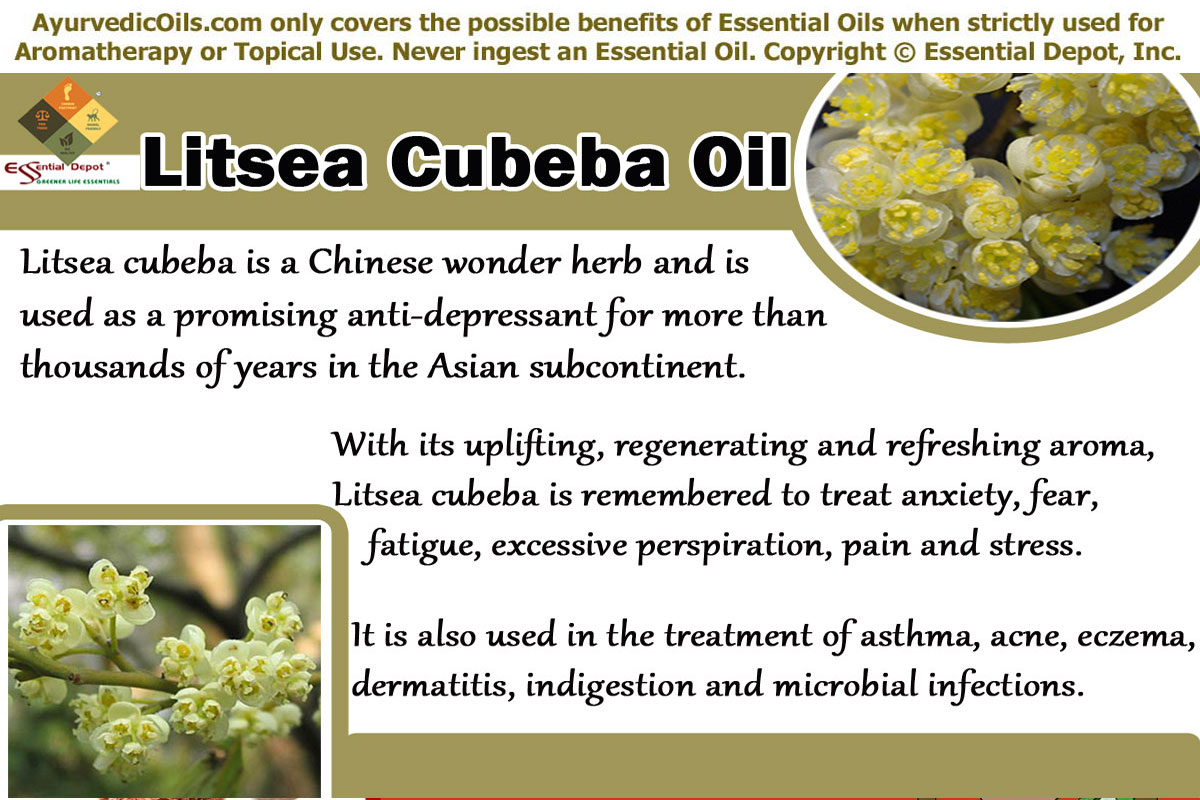
Clove Bud Oil


Hit the nail on the head of your illness‘ is not a ruthless statement and the nail that is recommended to treat most of your illnesses is the ‘nail-shaped’ Clove and its essential oil extracted from the dried unopened flower buds of the Clove tree (Scientific name: Eugenia caryophyllata) by steam distillation.

Clove-oil-bud-bannerIt is a much celebrated emergency aid for treating toothache with its potent pain-relieving effect that causes numbness in the painful area and alleviates pain instantly.

Clove is a vital part of the Ayurvedic rebellion for more than 3,000 years and is known in Sanskrit as Devapuspa, meaning ‘Heavenly flower’ and the name is attributed to its exotic aroma and its stupendous healing benefits.

It is prevalently known in India as Laung or Lavnga. Clove and its essential oil in used in many Ayurvedic treatments for dealing with digestive problems, oral infections, diabetes, hypersensitivity, osteoporosis, impotence, sinusitis, improper blood circulation, prostate problems, arthritis and few other respiratory infections.

Purchase Clove Oil Bud – Retail – 4 oz – CLICK HERE

Purchase Clove Oil Bud – Wholesale – CLICK HERE

Historical uses and importance of Clove and its essential oil:

Clove is native to the Moluccas Islands of Indonesia and was previously known as the Spice Islands. It is an evergreen tree which bears pink color flower buds and these buds are picked before they bloom and are dried to enrich mankind with the tiny brown buds known as ‘Cloves’. This tree grows naturally in India, Sri Lanka, Brazil, West Indies, Zanzibar, Madagascar and Tanzania.

Clove was traded to Europe initially in the 4th century A.D where the ancient herbalists of Germany used Cloves as vital ingredient of their anti-gout remedy. Later it was used in treating wounds, infertility, nausea, diarrhea, worms and toothache.

Cloves were also used in poultices in England during the Middle Ages for treating infections and lesions caused due to bubonic plague. It was also recommended by Hildegard of Bingen for alleviating gout, nasal congestion, hiccups and intestinal swelling.

The traditional Ayurvedic medicine used Cloves as an effective aphrodisiac for addressing male reproductive problems and for assisting respiratory problems like asthma, cough, cold, sore throat, laryngitis and congestion.

It is blended with other popular herbs like cinnamon, ginger, peppercorn and cardamom and used as an immunostimulant, blood purifier, anti-parasitic, breath freshener and for relieving digestive disorders.

The historical use of Cloves in China evolved during the Han Dynasty (207 B.C.) and the Traditional Chinese Medicine (TCM) prescribes Cloves for easing fungal infections, hernia, digestive problems, ringworm, nausea, kidney infections and impotence.

Cloves were also a part of the Western Herbal Medicine for enhancing circulation, supporting digestion, treating erectile dysfunction, hiccups, vomiting, toothache and halitosis.

Chemical components and therapeutic properties of Clove essential oil:

The primary component of Clove is Eugenol that adds up to 70 to 90% of the Clove essential oil constituent. Other major components are beta caryophyllene, methyl salicylate, kaempferol, acetyl eugenol, triterpenoids, gallotannic acid, rhamnetin, vanillin and eugenin.

Eugenol contributes to the sensible aroma of Cloves and its therapeutic properties including antifungal, anesthetic, anti-inflammatory and antiseptic qualities. The other healing values of Clove essential oil are antioxidant, carminative, anti-carcinogenic, immunostimulant, stomachic, digestive, antibacterial, decongestant, expectorant and aphrodisiac.

Ayurvedic health benefits of Clove essential oil:

Woman/man in this modern world is judged by the gadgets she/he owns and the latest technology that has been swirling around. While most of us are aware about the techniques and tools in the mere man-made machines, how many of us know about our own body and its mechanisms? Not many of us know what is happening in our system? What causes pain? What causes hunger? What causes cellular damage? Or what causes death before the predestined day of death?

More than the knowledge of the world around you, the real wisdom lies in the awareness of the world within you, within the human mind and body, the greatest wonder in this Cosmos.

Ayurveda simply introduces you to a never before living where you will explore and discover about yourselves and the word ‘Ayur + Veda’ by itself means the ‘the knowledge + life’. This ancient philosophy trusts that everything on earth is part of nature and is built with the same five elements that ‘Mother Nature’ is made up of.

The tremendous five elements are earth, water, air, fire and space. Earth signifies bones and muscles, water stands for blood, air assists breathing, fire notifies the body temperature and aid for metabolic functions and space is the spirit that stays in.

Every human being is created with a unique individual constitution comprising of three vital biological energies namely vata, pitta and kapha. These doshic elements are a combination of the five vital elements.

Air and space makes Vata and is responsible for circulation, nervous functions and aging symptoms, fire and water joins together for Pitta and is incharge of body temperature and metabolism and water and earth signifies Kapha energy and is accountable for structure and continuity. Every individual has a predominance of any one of these doshas that determines his personality, behavior and attribute.

Ayurvedic wisdom states that human health solely depends upon his/her harmony with nature, means the five elements of nature that are a representation of the three biological energies. Balance between the three doshas based upon the individual’s unique constitution indicates health and imbalance causes sickness.

The natural remedies in Ayurveda including the herbs, essential oils, meditation, yoga, physical exercises, prayers, Ayurvedic routine and Abhyanga (Ayurvedic massaging) aim at treating these imbalances of doshas.

Clove and its essential oil have been in use in the Ayurvedic regimen for addressing an extensive range of illnesses ranging from oral problems to kidney disorders. The essential oil of Clove is said to augment pitta energy and soothe excess of kapha and vata dosha.

Let’s check out the Ayurvedic health benefits of Clove essential oil.

Clove-oil-bud-broucher1. Alleviates digestive problems:

Clove and its essential oil have been a part of many Ayurvedic preparations used in the treatment of various digestive disorders including bloating, intestinal gas, nausea, stomach upset, distention and dyspepsia.

According to Ayurveda, pitta dosha is responsible for the body temperature, warmth and the fire generated for stimulating the process of metabolism like digestion, absorption and excretion.

Pitta imbalance or insufficiency causes sluggishness in the digestive system and it is during these critical times , Clove essential oil is used in Ayurveda for triggering the metabolic functions and warming the digestive tract.

Massaging your abdomen with 2 drops of Clove oil mixed with 1 ml of coconut oil assists in encouraging the digestive system, increasing the secretion of hydrochloric acid, bile and other digestive juices for enhancing trouble-free digestion. You can also take bath in lukewarm water enriched with 3 to 5 drops of Clove oil for supporting bowel movements and recover peristalsis.

With its carminative, stomachic and anthelmintic properties Clove oil is a natural remedy for alleviating flatulence, intestinal worms, gastric irritability and various intestinal infections caused by bacteria, virus, protozoa and other pathogens leading to serious digestive problems like cholera.

2. Relieves respiratory disorders:

Ayurvedic system of healing prescribes Clove as an effective remedy for treating upper respiratory problems like cough, asthma, sinusitis, cold, sore throat, bronchitis, flu, whooping cough, fever and tuberculosis.

Excess of kapha dosha due to change in food habits or climatic conditions contribute mainly to respiratory problems, as excess water deposits accumulate in the nasal and bronchial passages in the form of mucous and phlegm deposits.

Clove essential oil added to steam inhalation, preferably 2 drops of this oil when inhaled in the form of steam helps in loosening the phlegm and mucous deposits by causing warmth in the nasal passages and the respiratory tract.

This also aids in killing the harmful germs and pathogens that worsen the illnesses. You can also add 2 drop of Clove oil to your decongesting ointment and massage it soothingly on your chest, back and throat for improved results.

3. Aids in pain, inflammation and skin problems:

Clove essential oil is an excellent aid in treating skin infections caused due to bacteria, virus, fungi and other harmful microbes mostly with its natural antiseptic properties.

Using 2 drops of Clove oil along with your mild skin care cream or lotion or with 1 ml of jojoba oil on your skin can aid in healing wounds, athlete’s foot, cuts, bruises, scabies, acne, prickly heat and insect stings.

It also helps in preventing the wounds from becoming septic. These skin-friendly properties of Clove oil is attributed to the presence of the eugenol compound which has rich antiseptic qualities.

Massaging the inflamed or painful parts of the body with 3 drops of Clove oil mixed with 2 ml of sesame oil helps in alleviating pain, reducing inflammation with its anti-inflammatory properties and discharges the excess water deposits, uric acid and toxic substances causing swelling, redness and irritation in rheumatism and arthritic conditions.

The presence of eugenol and its other derivative compounds like flavonoids, isoflavones and flavones are extremely advantageous in the perpetuation of bone density and aids in retaining the mineral content in the bones and support its tensile potency. By this way, Clove oil can be used as an effectual remedy for curing and preventing Osteoporosis.

4. Mitigates toothache and other oral problems:

Cloves are celebrated all around the globe for its natural dental assistance. Both the herb and its essential oil have been used in various traditional practices including Ayurveda, TCM (Traditional Chinese Medicine) and Western herbalism as a promising anodyne for treating dental emergencies.

Adding 1 drop of Clove oil to a small cotton ball or bud and keeping it on the painful area in the mouth for 10 to 15 minutes can help in alleviating toothache by causing numbness in the aching part.

You can follow this treatment by gargling your mouth with a cup of warm water nourished with 2 drops of Clove oil for eliminating the microbes, germs and other harmful organisms causing pain and other oral infections.

Even today in many countries, Clove herb is directly applied to the gums for controlling pain during dental aid, treating toothache and for dry socket, which is a problem experienced during tooth extraction.

It has also been used in India as a natural breath freshener and as a guard against oral pathogens for treating gum problems like periodontitis and gingivitis. Clove oil is also an important ingredient in various Ayurvedic toothpastes and the most popular among them is the Dabur Red toothpaste.

5. Combats cancer and fights against free radicals:

Antioxidants are the soldier force that can combat the growth of cancerous tumors by fighting against free radicals causing cellular damage. The antioxidant capacity of a particular component is measured by its ORAC, meaning Oxygen Radical Absorption Capacity. This measuring attribute was developed for the USDA (United States Department of Agriculture) by the Scientists of Tufts University.

According to the study by the Essential Oils Desk reference amongst the numerous essential oils, Clove essential oil stands high with ORAC of 10,786,875 where the preceding oil was Thyme essential oil with 159,590 as its ORAC. This simply means that Clove oil is the best antioxidant in the world amongst all the other fruits, herbs and spices with 10 million ORAC. This is more than 400 times of the most powerful antioxidant fruit, the wolfberry.

Clove essential oil has antioxidant and anti-carcinogenic properties that help in treating all types of cancer including lung cancer and liver cancer, if traced in the early stages.

Massaging your body with 10 drops of Clove essential oil blended with 5 ml of Evening Primrose oil can help in decreasing the free radical production, discouraging the increased lipid profile in the liver, detoxifying the system, postponing the aging process (helps reduce wrinkles and other aging symptoms) and augmenting the body’s natural immune power.

6. Safe insect-repellant and instant air freshener:

Clove is by far known as the safest and non-toxic insect repellant that repels harmful insects like mosquitoes, bugs, fleas and ticks and it has been proved by the researches of the Duke University School of Nursing. This oil has a strong aroma that is intoxicating for the olfactory senses of various insects.

Adding 2 drops of Clove oil in diffuser, air freshener or vaporizer can revive the air instantly and protect your family from insects. You can also add 2 to 3 drops of Clove oil in your skin care lotion and apply it on your skin for keeping away from insects.

7. Assists in reproductive health:

Many traditional medical systems including Ayurveda and Unani medicine suggest the use of Clove oil as an aphrodisiac for treating reproductive problems especially in men. The spicy and warming aroma of Clove oil kindles the feelings of togetherness and supports the health of male and female reproductive system.

The book ‘Ayurveda and Aromatherapy’ by Bryan Miller and Light Miller says that Clove essential oil is effective “ to arouse, stimulation of hormones, ‘stimulate the juices’, dispel inertia and depression”, which are all the causes of Kapha imbalances. Clove oil is a popular mental stimulant that alleviates fatigue, depression and other negative feelings that ruin your sexual life.

Massaging your body with 10 drops of Clove oil mixed with 5 ml of virgin olive oil can help in treating premature ejaculation, impotence, loss of sexual interest, erectile dysfunctions and loss of libido. You can also add 2 drops of Clove oil to your bath before going to bed.

Other health benefits:

Clove oil is a renowned flavoring agent in various food items and beverages. It is also used in the manufacturing of soaps, toothpastes, cosmetics, clove cigarettes and perfumes. Epilepsy, poor blood circulation, dizziness, earache and certain other health conditions are also treated with Clove essential oil.

Disclaimer:

This article is only for the purpose of information and is not directed to use as a substitute for prescribed medicines or professional medical advice. Never use essential oils internally as pure and organic essential oils are highly concentrated liquids.

Always use Clove essential oil in a diluted manner for external use only, as this oil is a skin and mucous membrane irritant, if used directly on the skin. Always speak with your Ayurvedic Practitioner before choosing the right essential oils for your unique individual constitution and medical condition.

Thought for the day:

And the day came when the risk to remain tight in a bud was more painful than the risk it took to blossom. – Anais Nin

Suggested Reading:

  1. Clove Oil! Discover The Essential Oil Of Cloves Health Benefits For Toothaches, Acne, Hair & Much More: A Book On Clove Oil Secrets (Natural Health Books Series) by Tina Cody
  2. Scents Of Life: Use And Effect Of Essential Oils by H. M. Schemske
  3. The Modern Ayurveda: Milestones Beyond the Classical Age from CRC Press
  4. Ayurveda & Aromatherapy: The Earth Essential Guide to Ancient Wisdom and Modern Healing by Dr. Light Miller, Dr. Bryan Miller
  5. The Fragrant Mind: Aromatherapy for Personality, Mind, Mood and Emotion by Valerie Ann Worwood

Reference Links:

  1. Clove by Wikipedia
  2. Health Benefits of Clove Oil by Organic Facts
  3. Cloves and Clove oil by Healing Naturally by Bee
  4. The Health Benefits of Cloves by The Global Healing Center
  5. Traditional Uses of Clove by Natural Standard, The Authority on Integrative Medicine


Your resource for quality Essential Oils. Every batch is
GC tested to ensure purity and authenticity.