Tag Archives: Ayurvedic oils for hair growth

Cananga Oil


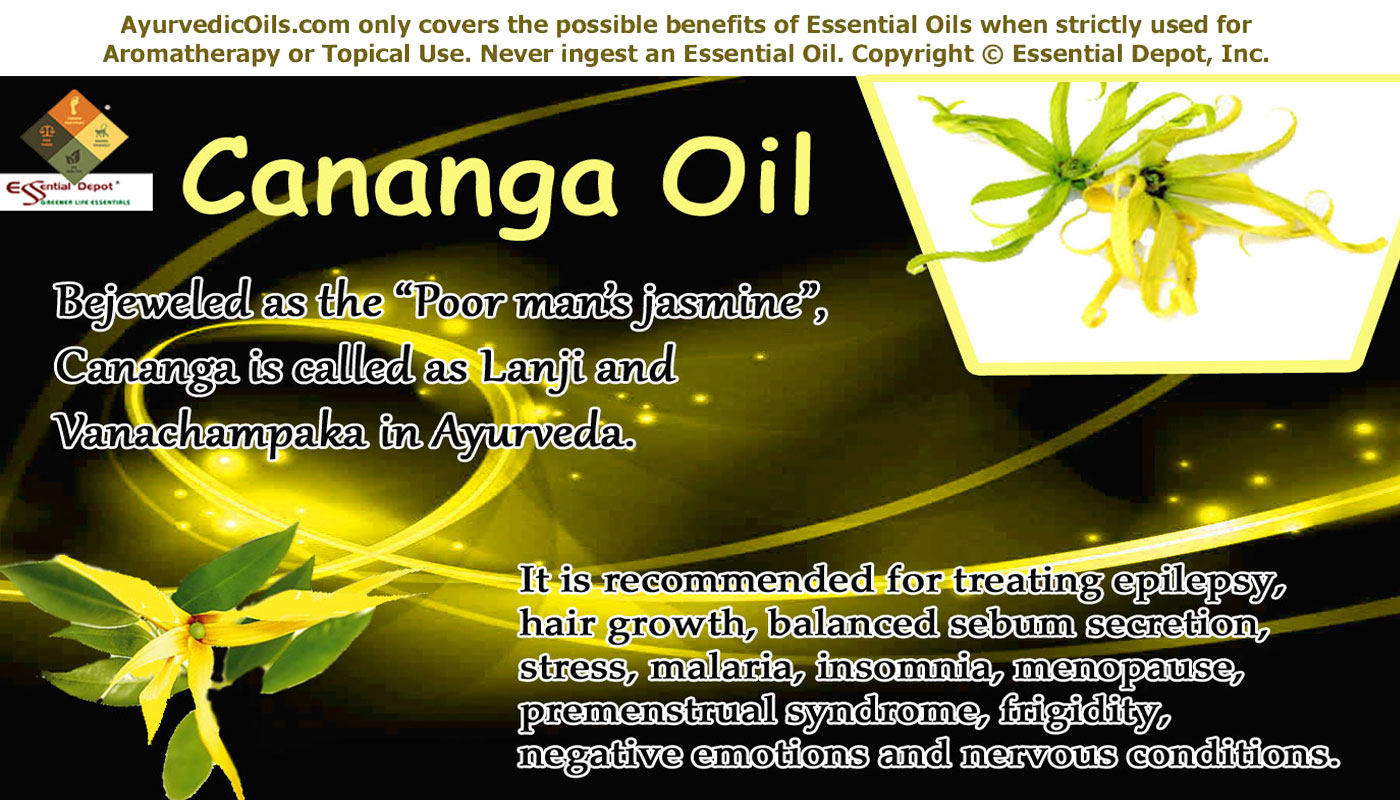
Bejeweled as the “Poor man’s jasmine”, Cananga is a relative of the most mesmerizing Ylang Ylang flowers. Although its floral note resembles that of Ylang Ylang oil, Cananga is comparatively less aromatic as it is regarded much greener than the Ylang Ylang tree and is its cost-effective alternative.

cananga-bannerCananga has been a vital part of the remedial regimen since the traditional times in the treatment of depression, anxiety, impotence, insect bites and high blood pressure.

Known as Lanji and Vanachampaka in Sanskrit, Cananga and its essential oil have been recommended in Ayurvedic treatment for epilepsy, hair growth, balanced sebum secretion, stress, malaria, insomnia, menopause, premenstrual syndrome, frigidity and nervous conditions.

Purchase Cananga Essential Oil – Wholesale – CLICK HERE

Purchase Cananga Essential Oil – Retail – CLICK HERE

Historical uses and importance of Cananga oil:

Cananga is a vibrant member of the sugar apple family, Annonaceae. Indigenous to the tropical parts of Asia, Cananga oil is distributed throughout the world from India, Malaysia, Moluccas islands, Philippines and Java.

Cananga oil is extracted by steam distillation from the freshly picked up, bright yellow flowers those look similar to that of the Ylang Ylang flowers. Few sources state that the first person to distill the essential oil of Cananga Odorata was Albert Schwenger in 1860.

The English Botanist, John Ray explained this tree as ‘Arbor saguisen” and it was also called as Unona odorata and Borga Cananga by few other explorers. The dazzling and fragrant yellow flowers were used for ornamental purposes initially, slowly after which its enormous healing benefits were explored by the traditional folklore people.

The fresh flower petals were used as an effective remedy for asthmatic attacks, where as the dried flowers were used as a treatment for malarial fever. Numerous research studies have proved the effectiveness of Cananga against intestinal infections, rapid heartbeat, typhus, malaria and certain respiratory conditions. Cananga oil is also used in candies, soaps, shampoos, baked goods, perfumes, lotions and skin care creams.

The sea star shaped flowers are the distinctive source of the mesmerizing Cananga essential oil for which it was used on hair for decoration and was scattered on the beds of newly married. Cananga oil is a secret ingredient behind the growth of thick, lustrous and healthy hair.

Cananga was also used as a natural skincare agent, where the leaves and flowers were rubbed on to the skin for nourishing skin health, moisturizing dry skin, alleviating itches, treating insect stings and bites and for balancing the secretion of sebum. It was also employed as natural infusion in bathing.

History reveals that the Victorians along with the Indonesians, Malaysians and other traditional folklore populace used Cananga flowers as a formula in their hair oil for influencing natural hair growth, enhancing the glossy look of the hair, preventing split ends and for moisturizing the dry and itchy scalp, thus preventing from dandruff and other scalp conditions.

Chemical constituents and remedial properties of Cananga oil:

In general, the ratio of chemical components of essential oils is mainly based on the origin, growth, seasonal differences and topography. The major chemical constituents of Cananga oil are germacrene, pinene, methyl benzoate, benzoic acid, caryophyllene, cadinene, farnesol, cresol, geranyl acetate, borneol, eugenol, linalyl acetate, isoeugenol, linalyl benzoate, geraniol, linalool and other sesquiterpenes.

The therapeutic attributes contributing to its colossal remedial values are relaxant, hypotensive, anti-stress, anti-inflammatory, vasodilating, tonic, anti-depressant, sedative, aphrodisiac, antispasmodic, cardio tonic, emmenagogue, calmative, nervine, anti-infectious and antiseborrhoeic.

Ayurvedic health benefits of Cananga oil:

Ayurveda is the ancient remedial system that prescribes the use of herbal medications including herbs and spices, essential oils, yoga, meditation and other Ayurvedic healing techniques like Pranayama (balanced breathing), Ayurvedic routine (Ayurvedic regimen for healthy living), Panchakarma (detoxification technique) and Abhyanga (Ayurvedic massaging).

With the profound meaning of ‘knowledge of life’, Ayurveda is a common sense science that treats illnesses based on its root cause and not by just relying on its symptoms. This traditional healing methodology dates back to 5000 years, where the ancient sages and gurus who practiced Ayurveda lived for more than a 100 years.

Journey towards longevity with the treatment and prevention of illnesses in a natural way is the mantra of Ayurveda. According to this antique science, everything in nature including human beings is made up of five fundamental elements namely fire, earth, water, space and air.

All these vital energies symbolize different parts of the human body, where water stands for blood and fluids in the system, fire is a symbol of the body temperature and Agni (the digestive fire for metabolic functions), earth is a representation of bones and muscles, air is for respiration and ether or space is the eternal soul.

Every person is regarded as a unique entity of Nature with a unique individual constitutional set up known doshas. These three biological forces namely vata (air and space), pitta (fire and water) and kapha (water and earth) are a combination of the five elemental energies.

Vata dosha is in charge for nervous functions, movement of the system, creativity quotient, circulation of blood and air. Pitta takes care of metabolism, body temperature, leadership qualities and decision making abilities. Kapha dosha is responsible for the physique, fluid retention, sustenance, love and natural bonding.

Ayurveda in many ancient texts, denote human body as a temple, where the soul dwells in. It is for this reason it recommends maintaining harmony between the mind, body and soul. Every individual is treated in a unique manner based upon their distinct individual constitution, where absolute balance between these doshas as per Nature’s law indicates health and imbalance due to lifestyle changes, climatic conditions, moral values and lack of physical and psychological activities lead to sickness.

Cananga oil is recommended for balancing vata and pitta dosha and for stimulating kapha energy.

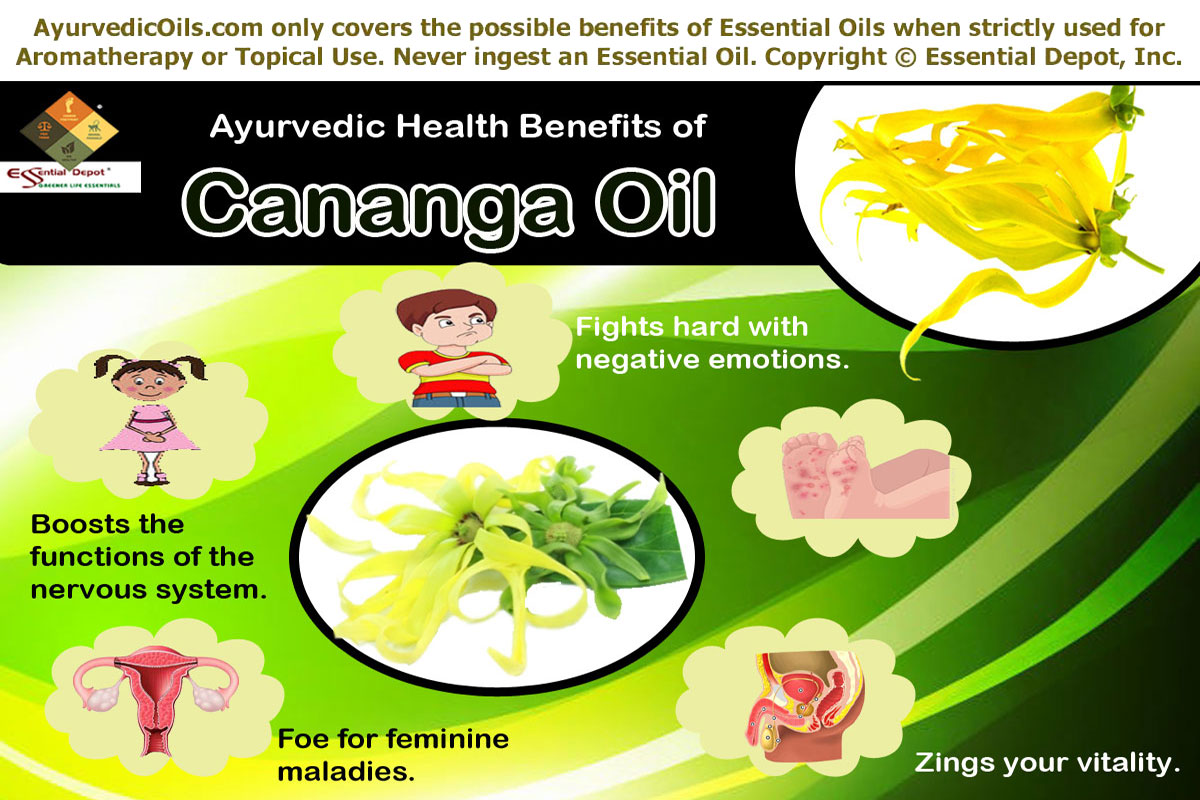
The Ayurvedic health benefits of Cananga essential oil are:

Cananga-broucher1. Fights hard with negative emotions:

Negativity or pessimism is a highly contagious health condition that spoils your mental and physical well-being along with those around you. The ability to think right is the basis for progress in all kinds of chores that you undertake.

Off-putting thoughts or negative thinking drains your mind and soul. Ayurveda beckons mind as the limb of consciousness and negative energies like fear of failure, loneliness, lack of self-confidence, annoyance, disgust, worries, frustration, anxiety, inferiority complex or lower self-esteem, depression, stress and possessiveness would often cause serious harm to the mind.

Ayurvedic essential oils along with Ayurvedic techniques like abhyanga, meditation and Pranayama have the potent to rejuvenate your mind and nurture your soul for enhanced thinking and better quality of life.

Cananga oil has such an enriching aroma that could stimulate the mental faculty with precision and positive thinking. The essential oil of Cananga has the power to fortify the heart chakra, which is responsible for self-love, self-confidence, trust and love for others, focused thoughts and spiritual consciousness.

2 drops of Cananga oil with 2 drops of Vetiver oil added to your diffuser or vaporizer during meditation or Pranayama (the Ayurvedic way of balanced breathing) can help in elevating your inner consciousness, promoting positive thoughts and hope, increasing self-esteem and self-confidence, instilling peace of mind, lessening anxiety, reducing depression and enhancing your creativity quotient and leadership traits with its power to augment vata and pitta doshas.

Cananga oil when added to warm bathing water before going to bed can help in alleviating fatigue, anxiety, stress, nervous depression and other psychological traumas. It also helps in promoting peaceful sleep and ensures a feel-fresh morning at the rise of every new-fangled day.

Ayurvedic massage blend with 5 drops of Cananga oil, 5 drops of Bergamot oil and 5 drops of Rose Geranium oil with 20 ml of Jojoba oil relaxes the tensed muscles, soothes your nerves and brings in complete tranquility to the mind and the soul. You can take up this revitalizing regimen every weekend for kick starting your routine in the next week.

2. Absolute rescuer of a range of skin conditions:

Skin is often the most revealed part of the body and any kind of stressful situations or other health problems affects the skin health and is mostly reflected on the facial skin and the scalp. For example acne, dandruff and wrinkles are most frequently associated with depression, stress, worries and related hormonal fluctuations.

Cananga is a Kushtanut in Ayurvedic philosophy, which is a promising remedy for certain skin diseases. With its antiseptic and antibacterial properties, Cananga is Dushta Vranashodhana for its excellent cleansing qualities of wounds, cuts and infections and is Krumihara for fighting against bacterial and microbial growths in such skin infections.

Applying 1 drop of Cananga oil with 5 drops of coconut oil on wounds, cuts, abrasions and other skin infections can foster quicker healing by curbing the growth of microbes and disinfecting or sanitizing the wounds from within.

With its anti-inflammatory and anti-seborrhoeic values, Cananga is a proven natural remedy for seborrhea, eczema, inflammation, irritation, soreness and redness of the skin. It regularizes the functions of the sebaceous glands, where the sebaceous glands are defined as “microscopic exocrine glands in the skin that secrete an oily or waxy matter, called sebum, to lubricate and waterproof the skin and hair of mammals.”

This assists in keeping the skin and scalp moist and smooth. Mixing 1 drop of Cananga oil with 1 drop of Lavender oil and 1 drop of Orange oil and 2ml of coconut oil and gently massaging your skin surface can help in regularizing sebum secretion. You can remove this pack by wiping off your face with a warm towel. This also relieves from clogged pores and helps relieve acne and fight against wrinkles and other aging symptoms.

Being a tonic to the skin, Cananga nourishes the skin surface with its moisturizing and cooling properties and has been recommended for all types of skin including dry skin, stressed skin, oily skin, aging skin and combination skin.

3. Zings your vitality:

Cananga and its closest pal Ylang Ylang are assured solutions for greeting ahead the zing in your intimacy. Held high as the most popular traditional tonic for treating impotence, premature ejaculation, loss of libido and loss of interest in being together, Cananga with its bracing fragrance is a trusted cure for reproductive conditions both in men and women.

Cananga essential oil has a long-lasting intense floral and sensual aroma that helps in treating mood fluctuations, lack of sexual interest, erectile dysfunctions and intimacy problems due to stress or pre-occupied mind.

The enriching fragrance of Cananga oil reaches the limbic system of the brain through the nasal passages. It is the control center of the system and passes on the therapeutic values in the form of molecules to the nerve impulses and the corresponding parts of the body, thus supporting the secretion of positive hormones.

Adding 2 drops of Cananga oil along with 2 drops of Tuberose oil and 1 drop of Aswagandha oil to your air freshener in the evening can turn them quixotic by spreading its magical aroma. 3 drops of Cananga oil to your bathing tub before bedtime can also help in spicing up your vim and vigor.

4. Foe for feminine maladies:

The book Ayurveda and Aromatherapy by Light Miller and Bryan Miller quotes Cananga odorata oil as “A balancer to the female immune system, it reduces tension, cramps, negative emotions and headaches. It brings out warmth, self confidence, the feminine side and sensitivity.” It also states that this oil is excellent for the skin, reproductive system and nerves.

With its effectiveness to treat hormonal imbalances along with its balancing attributes, Cananga oil is a proven cure for treating problems associated with menopause and premenstrual syndrome (PMS).

Massaging your lower abdomen, inner thighs, lower back, and around your genital area with 3 drops of Cananga oil, 2 drops of Vetiver oil, 2 drops of Cedarwood oil and 15ml of Olive oil can help in balancing estrogen hormones and regularize irregular menstruation, relieve dysmennorhea or painful periods, cramps, headache, mood swings, anxiety, irritability and sleeping difficulties. This can also help in treating frigidity and loss of sexual interest.

Wearing 1 drop of Cananga oil to your wrist or to your handkerchief can help in keeping your mind and nerves calm throughout the day. Cananga is an exceptional skin-friendly oil and has enormous benefits for hair growth as well. These advantages are attributed to its sebum-controlling potential and its ability to promote proper blood circulation in the system.

Adding 2 drops of Cananga oil in your regular shampoo for hair or gently massaging your scalp with 10 drops of Cananga oil along with 5 drops of Citriodora oil, 5 drops of Rosemary oil and 50ml of Coconut oil (slightly heat this blend before massaging) can support in controlling dandruff, moistening dry, itchy and scaly scalp, encouraging the growth of hair by promoting good circulation in the scalp, have power over split ends and can help in adding the glossy and natural shine to your hair.

5. Boosts the functions of the nervous system:

Cananga oil has the power to relax and soothe the central nervous system and controls the function and flow of adrenaline, which helps in pacifying negative emotions like rage, shock, panic, fear or anger. These feelings in turn lead to high blood pressure, nervousness, tension and insecurity.

Cananga and its essential oil have been celebrated for its ability to lessen anxiety and tension, thus improving the level of blood pressure and treating increased heartbeat and rapid breathing. It has tranquilizing and soothing effect on the nervous system.

Numerous studies have substantiated the effect of Ylang Ylang oil on people with high blood pressure and nervous tension. One study published in Planta Medica concluded that Ylang Ylang oil helped in reducing high blood pressure and increased pulse rate along with a boost in attentiveness and alertness.

Few other studies conducted with a group of people with hypertension, where the group was facilitated to inhale the aromatic blend with essential oils like Ylang Ylang, Marjoram, Lavender and Neroli for about 24 hours, concluded that “essential oils may have relaxation effects for controlling hypertension and in reducing systolic blood pressure.”

Cananga oil, when added to your bathing water can also help in augmenting self-confidence and alleviating the feelings of fear, failure, obstinacy and feelings of loneliness along with stress and depression.

Other health benefits:

Apart from these health benefits, Cananga oil is also recommended for enhancing metabolic functions, flatulence, tastelessness, epilepsy, chest infections, intestinal infections and physical exhaustion.

Disclaimer:

This article is only educational purposes and is not destined for substituting professional medical advice or prescribed medications or for treating any medical conditions. We are not healthcare experts and we take up a shared interest to spread the knowledge of Ayurveda, the oldest and the Mother of all remedial practices in the world.

Do not use essential oils internally and dilute them in suitable carrier oils like Coconut oil before using it for topical application. This is due to the fact that 100% organic and pure essential oils are highly concentrated liquids and may cause allergic reactions. Keep essential oils out of reach of children and speak with your Doctor if you are a pregnant or nursing mom.

Consult your healthcare professional or Ayurvedic practitioner ahead of choosing the appropriate essential oils for your unique individual constitution and medical condition.

Thought for the day:

Flowers always make people better, happier and more helpful; they are sunshine, food and medicine to the soul. – Luther Burbank.

Suggested Reading:

  1. Dealing with Depression Naturally by Dr Miriam Kinai
  2. Listening to Scent: An Olfactory Journey With Aromatic Plants and Their Extracts by Jennifer Peace Rhind
  3. The Illustrated Encyclopedia of Essential Oils: The Complete Guide to the Use of Oils in Aromatherapy & Herbalism by Julia Lawless
  4. The Natural Depression Cure: Holistic Depression Treatment by Dr Marion King

Reference Links:

  1. Cananga Odorata by Wikipedia
  2. Ayurvedic Medicinal Plants – Cananga Odorata by Toxicology Centre
  3. Health Benefits of Ylang Ylang Essential Oil by Organic Facts
  4. Composition of the essential oil of Ylang-Ylang (Cananga odorata Hook Fil. et Thomson forma genuina) from Madagascar by Emile M. Gaydou, Robert Randriamiharisoa, Jean Pierre Bianchini, published in the Journal of Agricultural and Food Chemistry

Sweet Almond Oil


Sweet-almond-oil-bannerHere’s that jaw-dropping news for all those Almond lovers out there! Almond has been witnessed by various studies for its enormous healing benefits of being a heart-healthy nut, cancer-preventive or antioxidant snack, scrumptious weight-loss bite, and a mighty little powerhouse of proteins, vitamins and minerals.

What more favorable reasons do you need to escape from eating your favorite Almonds or to drench in an enlivening Almond oil massage, the next time? In a much simpler verse, Almond is a one-stop nut for acquiring mammoth remedial attributes.

Badam is the beloved name for Almond in Ayurveda and is lovingly beckoned as the ‘Miracle Nut and the King of Nuts’ in Ayurvedic healing for its sattvic (“pure, essential, natural, vital, energy-containing, clean, conscious, true, honest, wise.”) values.

Almond and its nourishing oil has been prescribed in Ayurvedic medication for treating loss of memory, frigidity, premature ejaculation, mood fluctuations, Alzheimer’s disease, psoriasis, dark complexion, debility, muscular pain and dry skin conditions.

Purchase Sweet Almond Oil – Retail – 1 Quart – CLICK HERE

Purchase Sweet Almond Oil – Wholesale – 1 Gallon – CLICK HERE

Chemical constituents and therapeutic properties of Sweet Almond Oil:

The major chemical components of Sweet Almond oil are 62 per cent of monounsaturated oleic acid; it’s an omega-9 fatty acid, 29 per cent of linoleic acid; it’s a polyunsaturated omega-6 essential fatty acid and 9 per cent of saturated fatty acid.

It also constitutes of phytosterols like beta-sitosterol, campesterol, campestanol, stigmasterol and sitostanol (All these components share a unique attribute of reducing cholesterol.).

Almonds are also rich in calcium, zinc, manganese, phosphorus, magnesium, potassium, vitamin E (skin and hair beneficial vitamin), B vitamins including niacin, riboflavin, thiamine, folate, vitamin B6 and choline.

The most promising remedial properties of Sweet Almond oil are emollient, aphrodisiac, antioxidant, rejuvenative, antispasmodic, demulcent, laxative, tonic for the bones, brain, blood, skin and muscles, sedative and nutritive.

Historical significance and uses of Sweet Almond Oil:

Almond is indigenous to the Mediterranean province of the Middle East, North Africa and West Asia and is a wing of the plum family, Rosaceae. Scientifically called as Prunus amygdalus, Almond is also known with other botanical names including Amygdalus communis, Prunus dulcis and Amygdalus dulcis.

Hopf and Zohary trust that Almonds were one of the earliest cultivated fruit trees owing to “the ability of the grower to raise attractive almonds from seed. Thus, in spite of the fact that this plant does not lend itself to propagation from suckers or from cuttings, it could have been domesticated even before the introduction of grafting”.

Certain other sources state that Almonds were found in the Early Bronze Age (3000 to 2000 BC), like the archaeological sites of Jordan or Numeria.

The name Almond is extracted from the French word alemande or almande and also from the Greek word amydala, meaning an almond. The most interesting fact is that the ‘part of the brain – amygdala’ is also extracted from the same word.

Amygdala’ is a part of the limbic system of the brain including humans and numerous studies witness the key role of amygdala in the function of decision-making, memory and emotions. Anomalous working of amygdala paves way to depression, phobias, anxiety, post-traumatic disorders, autism and neurotransmitter imbalances.

The awesome news is that the Almond nuts and Almond oil assist in enhancing the functions of the almond-shaped amydala of the brain, supporting in overcoming depression, phobias, anxiety and in strengthening the emotional and psychosomatic functions.

It is mainly for this reason, Almond is called as the ‘King of Nuts’ and was among the royal food given to the Kings and other dignitaries in Supreme power to augment their decision-making potential.

The innermost seed of the Almond fruit is the delicious and yummy almond nuts that we taste. Numerous medieval and primordial books on medicine talk about the significance of Almonds and its oil in treating various health conditions and enhancing the body’s natural immunity.

Many herbalists of various ages have talked about the use of Almond oil. Dioscorides, the celebrated author of Materia Medica enlists natural ointment recipes with the use of almond oil.

John Gerard recommends the topical application of almond oil in the treatment of colic and body pain. Nicholas Culpeper prescribes almond oil as an excellent natural aid for alleviating stress and enhancing cognitive functions, when massaged on the temples and forehead.

Being a nutritionally intense food variety with enormous nutrients, almonds are used in various culinary items across the globe. The most popular among them are almond milk, almond syrup, almond flour, almond-rich Mughlai curries, almond macaroons, soumada, amygdalota, Amlou (popular spread with a blend of almond nut paste, honey and Argan oil), sherbet-e-badaam and much more.

Almond oil is a trusted secret ingredient of numerous celebrated massage therapists across the globe as an excellent emollient for lubricating the skin and enhancing the natural skin texture.

Ayurvedic health benefits of Sweet Almond Oil:

With its oily, heavy and mild hot potency, Badam or Almond oil is known for pacifying vata and pitta doshas and for aggravating kapha dosha.

Ayurveda states that Almond and its oil have the potent to moisturize and nourish the skin along with the micro-circulatory channels. Almond is among the few Ayurvedic remedies for augmenting the functions of all the seven dhatus (tissues).

It enhances the functions of the reproductive tissues known as Shukra dhatu, thus assisting in the treatment of impotence, premature ejaculation, loss of libido and frigidity. Almond is an Ojas nut for its potent to increase the vitality of the system in a comprehensive manner.

Ayurvedic texts denote that Almonds are effective in fostering the functions of the muscles, bones, plasma and the reproductive system.

Beckoned as a tonic for the brain, blood, skin, bone, muscle and the body, Almonds have been used in Ayurvedic medications for augmenting virility, building muscular power, increasing immunity, building semen and for enhancing cognitive functions.

Being a divine healing science, Ayurveda considers human body as a temple and the Supreme Power dwelling in it is the soul. It further explains that the eventual accomplishment of the purpose of everyone’s life solely relies on the strength and clearness of the soul.

Ayurveda is a holistic healing system that says that complete health is a combination of the wellness of the mind, body and soul.

Thus Ayurvedic philosophy describes remedies, healthy routine practices and disciplinary values for retaining the body, mind and the spirit in absolute pureness for attaining healthy aging and longevity.

Your first Ayurvedic consultation aims at identifying your doshas or the dynamic biological energies, namely vata (air + space), pitta (fire + water) and kapha (earth + water). All these three doshas are a combination of the five fundamental elements of nature (water, earth, fire, air and ether), with which the entire universe is made up of.

The presence of these five elements in our human body is as follows: earth signifies muscles, cartilages and bones; water represents blood and other fluid substances in the system; air helps in respiration; fire is the heat energy inspiring numerous functions of the body (digestion, body temperature etc), and ether or space is the portrayal of the soul.

Every person has a predominance of any one dosha, which establishes the physique, character, attributes and behavioral patterns.

Absolute balance between doshas as per the law of nature is a symbol of strength and doshic imbalances due to changes in weather conditions, food habits, irregular lifestyle practices and morally wrong habits might lead to sickness.

Ayurveda respects and appreciates individual differences. With this noble thought, every person is treated in a unique manner in Ayurveda as per their Prakriti (unique individual constitution or doshas) and Vikruti (current health condition).

Herbal medications, Ayurvedic essential oils, yogic practices, prayers, simple physical exercises, meditation, Panchakarma (detoxification techniques in Ayurveda), Pranayama (the art of balanced breathing), Abhyanga or Ayurvedic massaging technique, and Dinacharya or Ayurvedic routine are the prime Ayurvedic remedies.

The key Ayurvedic health benefits of Sweet Almond oil are:
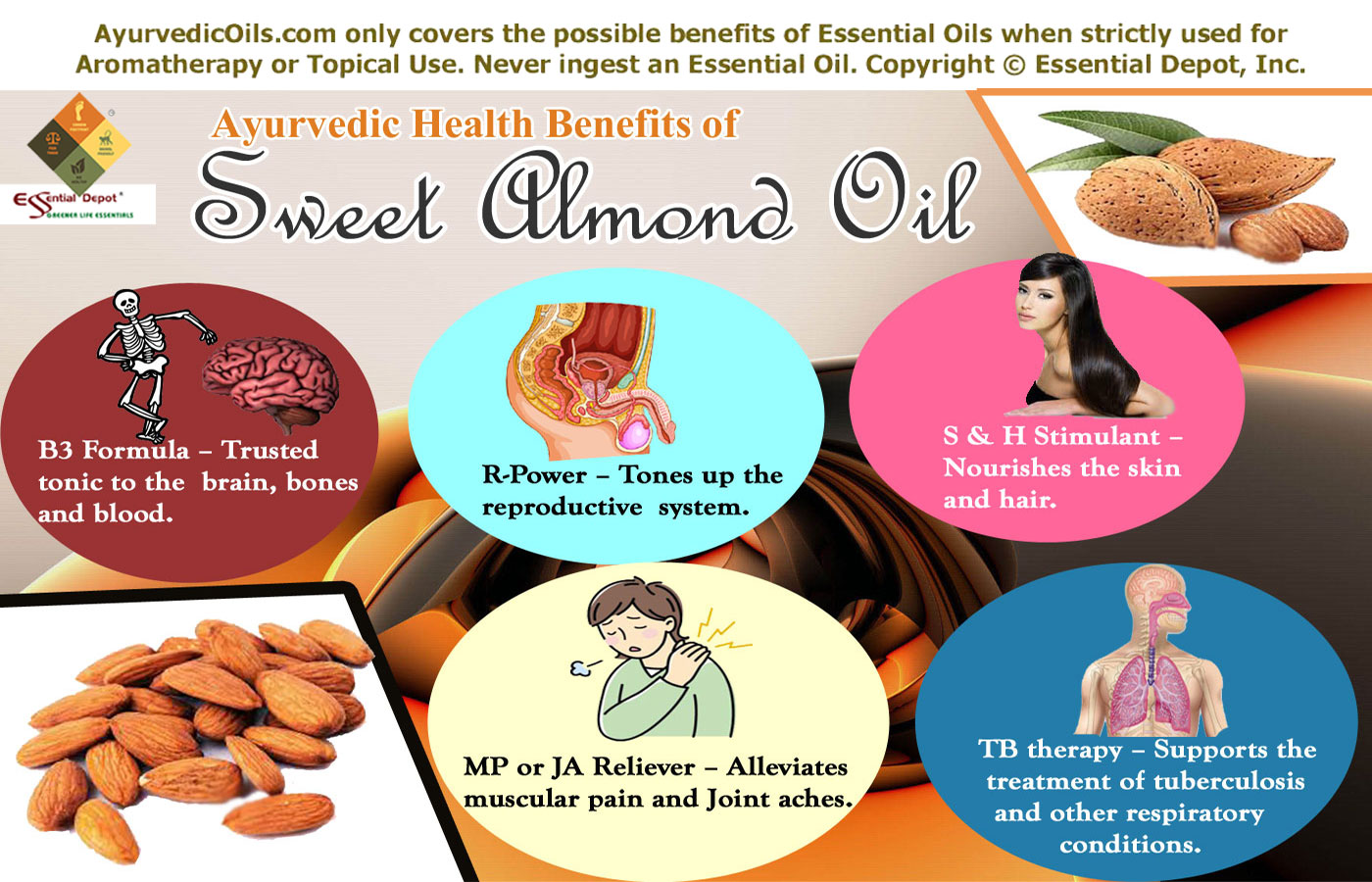
Sweet-almondLet’s have a deeper look at the enormous benefits of Sweet Almond Oil:

1. B3 Formula – Trusted tonic to the brain, bones and blood:

Almond and its oil are the most popular and one among the primordial brain tonics known to mankind.

Soaked and peeled almonds given to children on a regular basis have been proven to enhance brain functions, memory power and cognitive performance.

Harvard Health Publications by the Harvard Medical School in an article ‘Boost your memory by eating right’ quotes that saturated fat and trans fat in our diet increase blood levels of harmful low-density lipoprotein (LDL) cholesterol and harms arteries.

Dr. Francine Grodstein, Associate professor of medicine at Harvard Medical School and associate epidemiologist at Brigham and Women’s Hospital says, “LDL cholesterol builds up in, and damages, arteries. We know that’s bad for your heart. There is now a lot of evidence that it’s also bad for your brain.”

Food items that are rich in cholesterol and fat may augment the development of beta-amyloid plaques in the brain. Such sticky protein clusters (b-amyloid plaques) are held responsible for most of the damage that happens in the brains of people affected with Alzheimer’s disease and memory loss problems.

Diet rich in monounsaturated and polyunsaturated fatty acids are the valiant heroes to protect the brain from memory loss problems.

Almond is rich in both mono and polyunsaturated fatty acids and is a reliable natural aid that has been associated with lessening the occurrence of mild cognitive impairment, dementia due to Alzheimer’s disease and Cerebrasthenia or short term memory loss.

Almonds contain l-carnitine, riboflavin and phenylalanine, the cognitive abilities and mood enhancing chemicals. As a quickly absorbent oil, phenylalanine supports in the secretion of hormones, including dopamine and adrenaline.

These hormones have been proved to augment brain functions, create new neural passageways and calm the system. Thus, assisting in the improvement of mental alertness, positive reflexes, enhanced memory, cerebral functions and the power of optimistic thinking.

Almond and its oil also have vitamins and minerals like calcium and phosphorus that have a positive effect on the potency and resilience of bones and teeth. Thus, it can support in strengthening bones and teeth and in preventing gingivitis, osteoporosis etc.,

Rich in iron and zinc, Almonds have been recommended for increasing the count of RBC or red blood corpuscles. This helps in treating anemia, weak immunity and irregular blood circulation.

Almond oil is a light, non-sticky and easily absorbing oil that penetrates deeply into the skin and reaches the blood stream. Thus, it passes on its therapeutic properties to the entire system and works on the corresponding parts of the body, requiring the essential nutrients to function effectively.

Blend 3 ounce of Almond oil with 5 drops of Brahmi oil and 5 drops of Rosemary oil for a complete and tranquilizing massage of your system, twice in a week or once in two days.

This might support in strengthening your bones and teeth, increasing your cerebral activities and cognitive performance, improving memory functions and in treating anemia.

You can also add 2 drops of Almond oil with 1drop of Rosemary oil in your daily shampoo for boosting your memory and instilling positive feelings.

Meditation or prayer for about 10 to 15 minutes every day, especially in the early hours of the day can assist in deepening your thoughts, improving your cognitive response, intensifying your connection with the Divine Force and supporting in the secretion of positive hormones and supportive chemicals in the brain.

2. R-Power – Tones up the reproductive system:

Baby is a boon indeed and a healthy reproductive system supports the growth of a healthy fetus.

Almond and its oil can be beckoned as the ‘R-Power’ means the ‘Real-power or the Reproductive-power’.

Almond and its oil are held high in Ayurveda for its enormous power in invigorating the functions of Shukra dhatu or the reproductive tissues in both men and women.

Almond is a traditional remedy for thickening the semen, treat premature ejaculation, loss of sexual interest and for increasing the sperm count and vitality in men. Similarly Almonds are also recommended for treating menstrual difficulties, frigidity and for regularizing the secretion of hormones.

Munching on soaked almonds during pregnancy is a great way to nourish the senses and the brain development of the growing fetus. It strengthens the uterus and stimulates the functions of the female reproductive system.

Almonds are a rich source of natural folic acid and are recommended by medical practitioners for pregnant women, especially to prevent the occurrence of birth deficiencies in newborn babies, enhance brain development of the growing fetus, support healthy cellular structure and tissue development and to thwart neural tube conditions.

Almond milk also known popularly as Badam milk in India is an ancient remedy for boosting sexual energy and libido in men.

With the presence of nutrients including selenium (treats infertility), vitamin E (nurtures heart health and immunity), omega – 3 fatty acids (lubricates the system and supports proper circulation), zinc, L-arginine (increases libido and sperm count) and other minerals, Almond aids in fortifying sexual wellness and reinforce the reproductive mechanism.

Almonds along with certain other nuts and pulses contain phytosterols, the nutritious plant chemicals that are proven to encourage the production of testosterone and the presence of magnesium stabilizes prolactin hormone that deteriorates testosterone.

Soaking 4 almonds overnight and eating it as the first thing in the morning grants one enormous energy and stamina to revolve around throughout the day. Enjoy the nutritious Badam milk by blending the ground mixture of 4 almonds, 2 cashew nuts, 1 pinch of saffron, half a pinch of cardamom powder and required sugar to taste.

Take this nourishing drink half an hour before going to bed. It might help in increasing testosterone production, sperm count and libido both in men and women.

Massaging your lower abdomen, thighs, genital parts and back with 1 ounce of Almond oil blended with 2 drops of Ashwagandha oil and 1 drop of Ylang Ylang oil and taking a warm bath before going to bed can also help in elevating your mood, treating premature ejaculation, impotence, frigidity and lack of sexual interest.

Eat wholesome diet with protein, vitamins, minerals and fiber for a healthy mind, healthy body and enormous energy.

3. S & H Stimulant – Nourishes the skin and hair:

Apart from being an extraordinary skin nourishing oil, Almond oil protects the skin from the harmful ultra violet rays. Being a rich source of vitamin E, the friendly vitamin for the skin and hair, Almond oil is an effective antioxidant that encourages the production of red blood cells.

A 2007 study on the effects of Almond oil on skin’s exposure to UV radiation published in the ‘Journal of Cosmetic Dermatology’ draws a conclusion that dermatological use of Almond oil has the potent to lower the aging process and thwart structural mayhems produced by Ultra Violet radiation.

Free radicals arrest the growth of healthy skin cells and damage the existing active cells. This in turn paves way for symptoms of aging like wrinkles and fine lines along with the risk of chronic health conditions including heart problems and malignant tumors.

With its natural moisturizing and emollient properties, Almond oil strengthens the collagen (structural protein for supple and youthful skin) and is a trusted natural medication for treating dry, rough and mature skin conditions.

Vata imbalance ends up in dry and lifeless skin and Almond is one among the best oils for lubricating the skin naturally with its intense penetrating and nourishing properties that enrich the skin cells from within.

Maharishi Ayurveda quotes Almond oil as the best natural massage oil for people with Vata vitiations. Few other special reasons for using Almond oil for your skin is that it never block pores and assist in discovering supple, clear and attractive skin in the pink.

Pure and organic Almond oils are absolutely safe for use on babies as well, mainly because of the fact that its hypoallergenic oil that is gentle and completely safe on the skin and scalp. It is an excellent make-up remover with its natural cleansing and harmless effects.

With its deeper penetration and innate cleansing values, Almond oil is highly recommended for getting rid of tans, marks, acne flare-ups, stretch marks, chapped lip conditions, dirt and excess oil secretion in the skin surface, dark circles, rashes and other skin conditions. Almond oil acts as a tonic to the skin with high content of vitamin A, vitamin E and other skin nourishing nutrients.

Mix 5 drops of Almond oil with 1 drop of Jojoba oil and 2 drops of Honey and massage it on damaged skin in slow circular movements. Leave it for 10 minutes and clean it with a mild natural skin cleanser for soft, supple and blemish-free glowing skin.

You can also dab this mixture on rashes and other skin conditions for supporting quicker healing and deep cleansing.

Almonds for your hair: Hair is among the vital possessions for natural beauty for both men and women. Men consider healthy hair as an emblem of manliness and women boast it as an icon of their style statement and femininity.

Loss of hair, dandruff and other scalp conditions are more than enough to draw dullness on anyone’s life. Though environmental conditions, lack of nutrition and stressful lifestyle contribute to hair problems, clinging on to natural alternatives like Almond oil might undoubtedly save your head.

Massaging your hair and scalp with 1 ounce of Almond oil blended with 5 drops of Rosemary oil, 2 drops of Wheat germ oil and 2 drops of Curry leaves oil every week can help in strengthening your hair follicles, repairing the scalp conditions, moisturizing your hair and scalp, lessening dandruff and supplying the required nutrients to your lustrous locks.

4. MP or JA Reliever – Alleviates muscular pain and joint aches:

Almond is one among those highly nutritious nuts in strengthening muscles, relaxing tensed muscular system, enhances the electrical impulses of your neurons, augments energy, fortifies the immune system and reinforces durability and potency of bones and teeth.

Ah! It hurts! Yes, joint aches, muscular twinge, irritation, swelling and all other conditions are extremely challenging as it makes one to crawl on their knees in annoying pain.

Thousands of reasons can be listed behind such exaggerating conditions. They might be arthritis, rheumatism, muscular tension, strenuous labor, prolonged sitting in the same place during work, rheumatoid arthritis and much more.

Muscular pain, joint ache and rheumatic conditions are often caused by vata vitiation. Backbreaking work or physical exertion ends up in improper blood circulation, muscular pain and stiffness.

Almond oil is also effective in the treatment of vascular conditions like varicose veins, hemorrhoids and spider veins.

With its tendency to pacify excess vata conditions, Almond oil can reduce pain, relieve muscular tension, enhance blood circulation, lessen swelling and soreness.

Heat 1 ounce of Almond oil with 2 drops of Garlic oil and gently massage the painful parts with this warm blend. Rest a hot water bag over it and leave it for about 10 minutes for better results.

Other health benefits:

Apart from the above health uses, Sweet Almond and its oil are also effective as a TB therapy with its ability to support the treatment of tuberculosis and other respiratory conditions, with its antispasmodic and tonic properties. It is also an excellent stimulant to the blood and aids in treating anemia.

The high monounsaturated fat content along with other fatty acids in Almonds and other nuts act as a cardio protective agent that is also related to favorable plasma lipid profiles and lessened cardiovascular risks.

Almond is also a delicious stress-relieving snack that soothes your nerves and grants absolute solace to your mind. It is also known for strengthening the gums and protecting the teeth from the effects of dental cavities.

Disclaimer:

This post is ordained only for informational purposes and is not meant to treat, substitute or prevent any sickness or replace prescribed medications or the advice of your medical professional. We, at Essential Depot are not healthcare professionals and this information is shared with the trance of spreading the ancient healing wisdom of Ayurveda, the pioneer of all healing sciences in the universe.

Organic and pure essential oils are always recommended only for topical application and should not be ingested. This is due to the fact that 100 per cent pure and organic oils are highly concentrated substances and might cause allergic reactions, if used on the skin directly.

Consult your Ayurvedic expert or healthcare professional prior to choosing the apt oils for your unique individual constitution or Prakriti and health condition or Vikruti. Care should be taken if you are using essential oils on pregnant women, elderly people, children and nursing mothers.

Thought for the day:

I said to the almond tree, ‘Friend, speak to me of God,’ and the almond tree blossomed.

-Nikos Kazantzakis

Suggested Reading:

  1. Almond Oil for Health and Beauty: Discover the Various Health, Beauty and Culinary Secrets of This Vitamin Rich Oil by Angelina Jacobs
  2. Almond Oil Miracle: Almond Oil Miracles and Almond Oil Quick, Delicious in one Incredible Box Set by Thomas Longe
  3. Almond Oil Beauty Secrets: 50 Incredible Almond Oil Recipes for Flawless Skin and Killer Hair! (The DIY Naturalist Book 1) by Rosemary Fryberger
  4. Sweet Almond Oil (Carrier Oils Book 14) by Miriam Kinai
  5. Almond Oil – Magic in a Flask: Be As Beautiful On the Outside As You Are Inside by Lisa A Miller

Reference Links:

  1. Boost your memory by eating right by Harvard Health Publications, Harvard Medical School
  2. Almond by Wikipedia
  3. Effect of pre-treatment of almond oil on ultraviolet B-induced cutaneous photo-aging in mice by Sultana Y, Kohli K, Athar M, Khar RK, Aqil M, Department of Pharmaceutics, Hamdard University, New Delhi, India, published in the Journal of Cosmetic Dermatology.
  4. Skin and hair benefits of Sweet Almond Oil by The Health Site
  5. Almonds and almond oil have similar effects on plasma lipids and LDL oxidation in healthy men and women by Hyson DA, Schneeman BO, Davis PA, Department of Nutrition, University of California, published in PubMed
Curry Leaf Oil


Curry-leaf-bannerCure leaf, Potent cancer warrior, Sweet neem, Indian bay and Vitamins powerhouse are some of the celebrated names of Curry leaf, the much treasured and relished aroma provider of Indian soups and curries.

Owning a similar appearance to bay leaves, these aromatic leaves hold a distinct flavor contributed by caryophyllene and 3-carene. Curry leaf essential oil is extracted from curry leaves by steam distillation method.

Curry leaf tree is an easy to cultivate herb and is indigenous to India and Sri Lanka, the countries of rich cultural heritage. Every part of this tree including its leaves, berries and flowers have enormous medicinal values and the best part is that it is easily affordable to poor people as well.

Ayurveda calls this tree as Girinimba or Krishnanimba, named after Lord Krishna, the God of ultimate protection. This ancient art of holistic healing has used Curry leaves and its essential oil in various Ayurvedic preparations for the treatment of diabetes, eye diseases, liver problems, diarrhea, high cholesterol, hair fall, gastrointestinal problems, skin pigmentation and oral disorders.

Purchase Curry Leaf Oil – Wholesale – CLICK HERE

Historical uses and importance of Curry Leaf tree:

Curry leaves have its name carved in the Tamil literature dating back to 4th century AD for its abundant culinary benefits. Derived from the Tamil word Kari meaning spicy sauce, curry leaves are being clad by numerous vernacular names such as Kariveppilai in Tamil, Kariveppu in Malayalam, Meetha Neem or Karipatta in Hindi, Karibevu in Kannada, Karepeku in Telugu, Folhas de caril in Portuguese, Listya karri in Russian, Fogli di cari in Italian, Hoias de curry in Spanish and Curryblatter in German.

Beautifying the backyard of every home in the Indian subcontinent, Curry leaf tree has a strong precedence in the Indian folklore medicine. The leaves are widely used for its digestive properties in numerous Indian cuisines and have been used in Ayurvedic healing as a natural tonic for an extensive range of ill-health conditions.

Curry leaves are used in alternative medicinal practices like Ayurveda, Unani, Siddha and the Traditional Chinese medicine for treating diarrhea, vomiting and to endorse the appetite. These leaves are known to possess anti-diabetic properties and is a popular natural aid for controlling diabetes. The paste extracted from the ground leaves are applied on wounds, eruptions, bruises, burns, acne and to treat other skin disorders.

Curry leaves boiled in coconut oil is a popular natural tonic for hair growth. This herbal tonic is trusted to nourish hair follicles and restore its natural color. It quenches thirst and suppresses the heat of the body, for which the yummy buttermilk flavored with curry leaves is often served to greet the guests in India. These leaves are also used in ancient rituals, prayers and sacred ceremonies as a substitute for tulsi leaves.

Certain Ayurvedic remedies include the roots of Curry leaf tree as an aid to relieve pain associated with kidneys. It also assists in treating inflammation, itching, anemia and other blood disorders. Known for its astringent properties, the fruits of the Curry leaf tree are found to be nutritional and beneficial in the mythological medicines of ancient India and China.

The branches of the Curry leaf tree are used since primordial times vastly in the field of oral care. It was used as a datun (natural brush) for cleaning the teeth and strengthening the gums by building a protective shield to battle against the harmful microbes.

Chemical constituents and therapeutic properties of Curry Leaf oil:

Rich in carbazole alkaloids, Curry leaf oil constitutes of  α-pinene, sabinene , caryophyllene, β-pinene , terpinen-4-ol, γ-terpinene , limonene ,α-terpinene, (E)-nerolidol, α-humulene, α-thujene ,β-elemene ,β-selinene , b-gurjunene, b-bisabolene, trans beta ocimene, b-cardinene, a-selinene and myrcene.

This oil serves as a rich nutritional source of carbohydrates, fibers, minerals, proteins, Vitamins A, B, B2, E & C, calcium, phosphorous, iron, magnesium, oxalic acid and nicotinic acids with zero fats.

Curry leaf oil is used in promoting the health of humanity with its antioxidant, anti-diabetic, anti-inflammatory, anti-carcinogenic, stimulant, anti-dysenteric, stomachic, carminative, antiemetic, purgative, appetizer, analgesic, detoxifier, diuretic, anti-aging, hepatoprotective, antimicrobial, aphrodisiac, depurative, revitalizing, insecticidal, fungicidal, anti-hypercholesterolemic, lipolytic and deodorant properties.

Ayurvedic health benefits of Curry leaf oil:

Ayurveda is the ancient science of holistic healing, where ‘Ayur’ means life and ‘Veda’ means knowledge. Being the oldest of all remedial systems in the world, Ayurveda is the mother of all healing methodologies on earth and is the pioneer system for many healing sciences including Siddha, Unani, Chiropractic, Acupressure, Homeopathy and the Traditional Chinese Medicine.

Health according to Ayurveda is a three-tier structure comprising of the perfect balance between the body, mind and spirit. This natural science states that wellness and illness depends solely on the perfect rhythm with nature.

It also says that everything on earth is a part of nature and is made up the five elements of nature. They are earth, water, fire, space and air. Among these elements earth constructs the physical body (bones and muscles), water runs in the form of blood and other fluids in the body, air aids in breathing, agni or fire is the heat energy created in the body for carrying out the functions of metabolism, absorption and body temperature and space is the spirit that lives in.

Ayurveda trusts that every individual is made with a unique combination of these five elements in the form of biological energies known as doshas. These energies put together is the individual constitution or the physical, mental and spiritual make up of a person. Every human being has a predominance of any one of these doshas and this predominance determines their unique personality, character and behavioral attributes.

Illness according to Ayurveda is an opportunity to trace out that there is something out of balance in the body due to the imbalance of these three doshas. To treat these imbalances, which are mostly the root cause of a sickness, Ayurvedic system prescribes natural medications like herbs, physical exercises, essential oils, Ayurvedic routine, healthy lifestyle, meditation, prayers, and yoga that suit the individual constitution.

Curry leaf oil has the power to pacify aggravated kapha and vata doshas and increase pitta dosha. With such well-built healing values, Ayurveda prescribes Curry leaf oil as an aid to assist every human being with healthy hair, bright eyesight, strong teeth and gums, glowing skin, actively functioning liver, smooth digestive system, cholesterol and diabetes-free system.

The most important Ayurvedic health benefits of Curry leaf oil are:

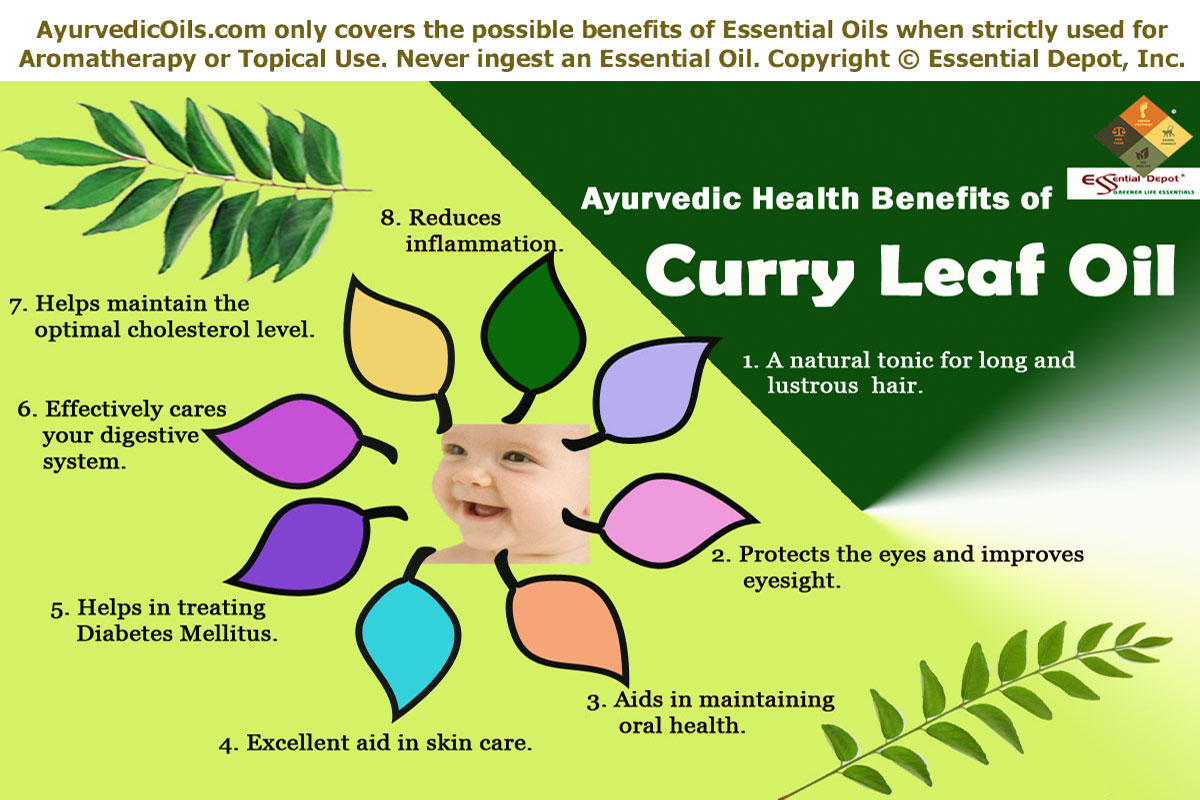
Curry-leaf-broucher1. A natural tonic for long and lustrous hair:

Healthy, long, strong and lustrous hair is the dream of many. Here comes the natural wonder to give life to your dreams about your hair and would you believe if I say that the wonder is nothing but the most affordable Curry leaf oil? Yes! A balanced diet with equal proportion of vitamins, minerals, iron and other nutrients is required to maintain a healthy hair. Rich in minerals, iron, Vitamins A, B, C & E, Curry leaves and its essential oil have been used both internally and externally in Ayurveda since ages for hair care.

As a rich source of natural antioxidants, Curry leaf oil helps in contracting the muscles and tissues, thus strengthening the roots of the hair and preventing hair fall. The healthy nutrients in this oil promotes natural hair growth and effectively works on the real pigmentation of the individual’s physique and helps in bringing back the original color of the hair.

This attribute of Curry leaf oil makes it a wonderful natural aid for premature graying of hair and skin pigmentation problems, where the skin loses its natural pigmentation and white patches start spreading all over the body. A renowned article by the members of the Spices Board Team states that curry leaves have done miracle in the life of those affected by skin pigmentation problems.

All you need to do is to add 5 drops of Curry leaf oil in 2.5 ml of coconut oil and massage it gently on the scalp and let it for 1 hour. After this soothing massage wash your hair with natural hair cleansers like Shikakai or herbal shampoos for startling results. For treating skin pigmentation, add 2 drops of Curry leaf oil in 1 ml of olive oil and apply it on the affected areas in a relaxing manner. Use mild soaps on the skin after this massage.

2. Protects the eyes and improves eyesight:

Vitamin A is all that comes to our mind, the moment we think about ways to improve our eyesight and protect our eyes from the onset of some common diseases that come along with aging. As a rich source of Vitamin A, Curry leaf oil provides the necessary compounds required by the retina of the eye in the formation of the light absorbing molecule called rhodopsin, which aids in good vision.

Curry leaves not only help in brightening the vision of the eyes but also assists in delaying the onset of cataract if utilized regularly. You can add 1 drop of Curry leaf oil in steam inhalation or in warm water for washing your face. The best ways to benefit your vision is to use fresh Curry leaves in your diet and adding 1 to 2 drops of Curry leaf oil in almond oil for massaging your face.

3. Aids in maintaining oral health:

Gum problems, toothache and bad breath are often the most annoying health conditions. It has been a practice in India since the ancient times to chew Curry leaves daily to maintain good oral health. The essential oil extracted from these leaves are rich in vitamin C, calcium, folic acid and zinc. Adding 2 drops of this oil in a cup of warm water and using it as a gargle aids in strengthening the teeth and gums and gives a long lasting freshness in your breath.

Moreover the antimicrobial, antibacterial and antifungal attributes of this oil helps in refreshing the breath thus curing halitosis as well. It is for this great reason; the primeval Indians used the branches of the Curry leaf tree to clean their teeth.

A recent study on the role of herbal products for oral care states that chewing Curry leaves or gargling with its essential oil stimulates the process of salivation that in turn increases the salivary PH value which plays an important role in maintaining the oral health and promoting the dental remineralization apart from protecting against various other oral health issues such as bad breath, advent of tooth decay due to harmful bacteria etc.

4. Excellent aid in skin care:

Skin is the largest organ of the human body and most often your skin health reflects the healthiness of your entire system. Today’s contemporary living forces most of us to encounter numerous dermatological problems due to the close contact with harmful chemicals in various forms ranging from cosmetics, hair care, skin care and personal hygiene products that we use every day.

Curry Leaf oil serves as a natural antimicrobial and antioxidant agent that aids in protecting the skin from tanning with its rich nutrient values. Massaging your skin with 5 drops of Curry leaf oil blended with 2.5 ml of Jojoba oil effectively helps in keeping the connective tissues intact thus helping in reducing wrinkles and relieving from other signs of aging.

You can also add 2 drops of Curry leaf oil in your regular skin care cream or lotion and apply it gently on the affected area for arresting the spread of infectious micro-organisms like bacteria, virus and fungi that often remains as the cause of concern for various skin problems including pimples, athlete’s foot, ringworm, itches, acne, boils and septic of wounds and burns.

The antimicrobial property of this oil assists in curbing the growth of microbes causing skin problems and infections and this powerful oil is used in the manufacturing of toiletries and ointments and skin care creams. This oil has the power to treat poisonous insect bites also.

5. Helps in treating Diabetes Mellitus:

Diabetes mellitus is the most common health condition among the numerous hereditary diseases that affect human beings. It is one of the most hazardous ailments for it is always associated with plenty of other factors that can make you completely wreck-down if not kept under control.

Ayurvedic healing strongly prescribes the use of Curry leaf and its essential oil for treating diabetes, as these magical leaves have hypoglycemic values. Numerous research studies by medical practitioners and scholars state that curry leaf oil has the potential of slowing down the rate of breaking down of start into glucose which results in lower level of glucose being dispersed in the bloodstream.

Ensure that you go on for a natural Ayurvedic massaging twice a week with 6 drops of Curry leaf oil mixed with 3 to 4 ml of sesame oil, followed by a warm bath where 2 drops of this oil is diluted in the bathing water as well. The remedial properties of this oil penetrate through the skin and enter the blood stream where it fights against diabetes mellitus by controlling the blood glucose levels in the body.

6. Effectively cares your digestive system:

Curry leaf oil has a handful of remedial benefits including stimulant, appetizer, anti-dysenteric, stomachic, carminative and antiemetic. Being a natural stimulant, it enhances the appetite and promotes the secretion of digestive enzymes, thus aiding in proper digestion and complete absorption of the nutrients after every meal.

Curry leaf oil serves as an excellent purgative to regularize your bowel movements. It also helps in alleviating other digestive disorders such as diarrhea, vomiting, nausea due to indigestion, constipation, piles etc. Moreover, it acts as an efficient antimicrobial and antifungal agent to set your intestines free from harmful microbes. This is the major reason for using Curry leaves in food preparation.

To help with digestive disorders, you can massage your tummy and abdomen with 4 drops of Curry leaf oil mixed with 2 ml of sesame oil or add 2 drops of this oil in your vaporizer or diffuser. You can also go for a warm bath diluted with 3 drops of Curry leaf oil to relieve from stomach upset, indigestion, irregular bowel movements and loss of appetite.

7. Helps maintain the optimal cholesterol level:

Curry leaf oil is rich in carbazole alkaloids (antioxidant), which helps in aiding the metabolism of fats and fatty acids in the body, thus helping in reducing and eliminating the bad cholesterol in the system. This potential of Curry leaf oil has significant impact in the treatment of obesity and high-cholesterol levels.

Massage your system with 6 drops of Curry leaf oil with 3 ml of warm coconut oil and inhale the remedial aroma of Curry leaf oil by adding 2 drops of this oil in your burner or aromatic candles for maintaining the proper level of HDL (good cholesterol) in your system. When inhaled, the aromatic molecules of this oil passes the nasal passages and reach the limbic system, which is the chief control center of the brain and it passes appropriate signals and commands to various organs for active functioning.

8. Reduces inflammation:

As a natural detoxifier and depurative, Curry leaf oil helps in excreting the harmful toxins from the body and purifies the blood. It also acts as a diuretic and eases the quantity and frequency of urinating. By this way, it leaves less pressure on the kidneys and protects the liver by aiding it to encounter with less amount of toxic substances.

All these medicinal values make Curry leaf oil as a superior natural remedy for reducing inflammatory conditions caused due to water retention and deposits of toxins, excess salt and uric acid. Mix 2 drops of Curry leaf oil with 1 ml of olive oil and massage it firmly on the painful or inflamed parts for quick relief. You can also add 3 to 4 drops of this oil in hot compress for effective results.

Other health benefits of Curry Leaf Oil:

Due to its richness in vitamin A and calcium, Curry leaf oil is used in strengthening the bones and hence it is highly recommended for women who suffer from osteoporosis and calcium deficiency. It is also a great aid in recovering from the aftershocks of radiotherapy and chemotherapy treatments of cancer. With its disinfectant and antimicrobial properties, Curry leaf oil is also used in the manufacturing of soaps, insecticides and mosquito repellents.

Disclaimer:

This information is only for educational purposes and is not meant to substitute any professional medical advice or prescribed medication. Do not use essential oils internally and always use it topically in a diluted form only, as pure and organic essential oils are highly concentrated extracts from plants. It is advisable to consult your Ayurvedic expert before making the right choice of essential oils that are suitable for your unique state of health and individual constitution.

Thought for the day:

Knowing trees, I understand the meaning of patience. Knowing grass, I can appreciate persistence. -Hal Borland

Suggested Reading:

  1. Herbal Antibiotics: Natural Alternatives for Treating Drug-Resistant Bacteria (Medicinal Herb Guide) by Stephen Harrod Buhner
  2. Curry Leaves and Cumin Seeds: A Healthier Approach to Indian Cooking by Jeeta Gandhi
  3. Pharmacognosy and Biological evaluation of Murraya Koenigii (Linn) by Ashish Gaur
  4. Essential Oils from the Leaves of Murraya Koenigii (spreng.), Murraya Exotica (linn.) And Murraya Exotica Var. Ovatifoliolata by A. R.; Simonsen, J. L.

Reference Links:

  1. Curry Tree by Wikipedia
  2. Phytochemical diversity of Murraya koenigii from Western Himalaya published in pubmed.
  3. A 2012 research article on the Estimation of salivary and tongue coating pH on chewing household herbal leaves: A randomized controlled trial published in PubMed.
  4. A 2004 article on ‘The traditional diabetes remedy offers hope’ published in The Times of India.
  5. Ayurvedic Herb Curry Leaves published in Geocities

Cucumber Oil


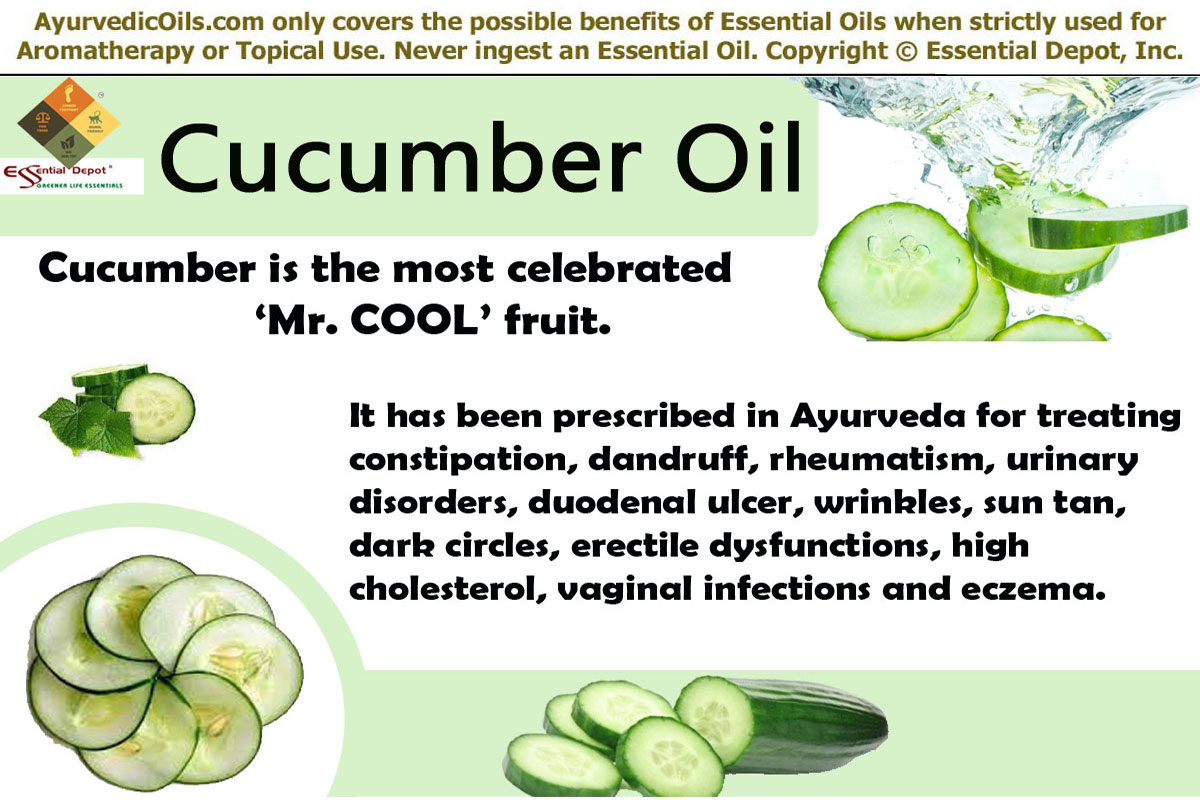
Will you be delighted or dreary if someone beckons you, “As Cool as a Cucumber”? I would rather recommend you to take pride when somebody calls you with that phrase because it simply means the attitude of being calm, composed and in absolute control of your emotions, even if a particular situation demands your aggressiveness and anger.

Cucumber-bannerThis is because Cucumber is one among the coolest fruits as scientific facts state “the inside temperature of a Cucumber can be up to 20 degrees cooler than the outside air”, besides growing well in tropical conditions.

Called as Kantakiphalam, Svetakarahatakam, Mutralam and Sudhavasah in Sanskrit, Cucumber is commonly called as Kheera in the traditional healing methodology.

Proudly representing India as its Motherland, Cucumber has been a part of the ancient Ayurvedic regimen in the treatment of rheumatic conditions, constipation, urinary disorders, cholera, wrinkles, dandruff, arthritis, vaginal infections, loss of appetite, duodenal ulcer, erectile dysfunctions, high cholesterol, eczema and hyperacidity.

Purchase Cucumber Oil – Retail – 4 oz – CLICK HERE

Purchase Cucumber Oil – Wholesale – CLICK HERE

Historical uses and importance of Cucumber and its essential oil:

Cucumber, as far as its history is known to the world is said to be a 3,000 years old fruit variety of the gourd family, cucurbitaceae. Besides its use in culinary, Cucumber has been preferred for raw eating, mainly for its cool, mild and enhancing flavor.

This cylindrical fruit is a powerhouse of various nutrients, for which it has been used in various civilizations across the world including the Rome, Israel, Greek, Egypt, The United Kingdom, France, China, and USA. The three famous varieties of this creeping vine are pickling, slicing and burpless cucumbers.

Cucumbers are absolutely edible and are found across the globe, all around the year but the high seasonal growth curtails to May – August. Pliny The Elder, the Roman philosopher quotes that Cucumber is the most favorite fruit of the Roman Emperor, Tiberius. His gardeners grew cucumbers using artificial methods, just to ensure that the king had cucumbers on his table every day.

It is being said that cucumbers were used in the primordial Roman province for treating more than 40 medical conditions, including scorpion stings, blurred vision, frigidity, high blood pressure and diabetes.

The Biblical reference of cucumber goes like this “We remember the fish, which we did eat in Egypt freely/the cucumbers, and the melons, and the leeks, and the onions, and the garlic.” After which the Israelites started cultivating cucumbers by themselves.

Certain sources state that cucumbers were brought to Haiti in 1494 by Christopher Columbus and were cultivated by the early Spanish settlers. South and North Dakota boasts for owning the finest cucumber farmers of Native America.

These fresh and refreshing fruits are often used in making salads (Indian raita), sauces, pickles, cold soups, sausages, chutneys, lamb chops, relishes and dressings. Cucumber and its essential oil are also used in the manufacturing of soaps, moisturizing lotions, anti-dandruff shampoos, conditioners and skin care creams, especially anti-aging products, for its nourishing properties.

Therapeutic properties and chemical constituents of Cucumber oil:

The oil of Cucumber contains about 14 to 20% of oleic acid, stearic acid, palmitic acid and 60 to 68% of omega-3-linoleic acid. It also contains potassium, silicon, cucurbitacins, sulphur and certain fatty acids like 9, 12, 15-Octadecatrienoic acid and 9, 12-Octadecadienoic acid.

Cucumber oil has antioxidant, diuretic, anti-rheumatic, anti-ulcer, relaxing, antidote, rejuvenating, anti-stress, anti-inflammatory, anti-cancerous, tonic, anti-dandruff, and laxative properties. It is rich in Vitamins B1, B2, B3, B5, B6, and C along with magnesium, calcium, phosphorous, zinc, iron and folic acid.

Next time, when you are exhausted and drained out, stop sliding on toxic caffeine drinks, instead grab a Cucumber and bank upon it for all your nutritional requisites.

Ayurvedic health benefits of Cucumber oil:

Ayurveda and Cucumber share the mutual joy of being indigenous to India, the land of rich cultural heritage. This oldest healing science on the globe states that everything on earth is made up of the five vital elements of nature, namely fire, water, earth, space and air.

Among which the living things on this planet acquires prana, the vital energy of life and ojas, and the nutritive quintessence from Mother Earth. While animal and human beings utilize prana and ojas for vitality and livelihood, plants grab ojas and prana from the ground and renovate them as food, herbal medications and essential oils for the absolute well-being of all other organisms.

The greatest news about the nobility of plants and trees are that they capture enormous life force and spiritual energy straight from the space by constantly looking up to the sky. Thus, any source of food or medicines acquired from plants instills the purest form of energy directly to our soul. It is because of this reason; we call invigorating plant fragrances (especially from essential oils, the life essence of plants) as soulful aromatic substances.

Cucumber is a bundle of joy and instant coolant that refreshes everyone even on a bright sunny day. It bears all the heat in the atmosphere, yet remaining absolutely cool in the inside makes it a special fruit with enormous healing attributes and nutritional values. India, being a country of tropical climatic conditions, rests upon Cucumber to quench its thirst and no Indian summer is complete without Cucumbers on the street.

Being a complete traditional remedy, Ayurveda regards health as a combination of physical, emotional and spiritual wellness and this ideology is based upon its philosophy of considering the human system as a place of worship or temple.

Ayurveda believes that the soul vested within each of us connects with Divinity and this connection or synchronization is the rationale behind hale and heartiness.

Ayurveda says that every individual is made up of three distinct doshas (vata, pitta and kapha) or biological energies. The most predominant among the three doshas acts as a deciding factor for your personality, character and behavioral traits.

Imbalance of any one of these doshic elements end up in health problems signaling that the body is out of balance with nature.

Imbalance of vata dosha can end up in memory loss, lack of concentration, fear, insomnia, dry skin, restlessness and constipation. Pitta unevenness might lead to disgust, ulcer, anger, heartburn, high blood pressure, jealousy, fever and skin ulcers.

Fluid retention, toxic remains, congestion, sluggishness, delayed menstruation, uterine fibroids, obesity and procrastination are the results of Kapha vitiation.

Cucumber oil has pacifying effects on pitta and kapha dosha. The cooling and refreshing properties of this oil can help in treating high blood pressure, heartburn, ulcer, fluid retention, skin eruptions, constipation and stress.

Cucumber is absolutely a treat for the four senses of healing, whereas its lucid green color soothes the sense of sight, it’s refreshing taste energizes the sense of taste, its cooling properties penetrate deeply into the skin to transfer its therapeutic values through the sense of touch, it’s refreshing aroma reaches the limbic system in the form of aromatic molecules to control emotions.

The other significant Ayurvedic health benefits of Cucumber oil are:

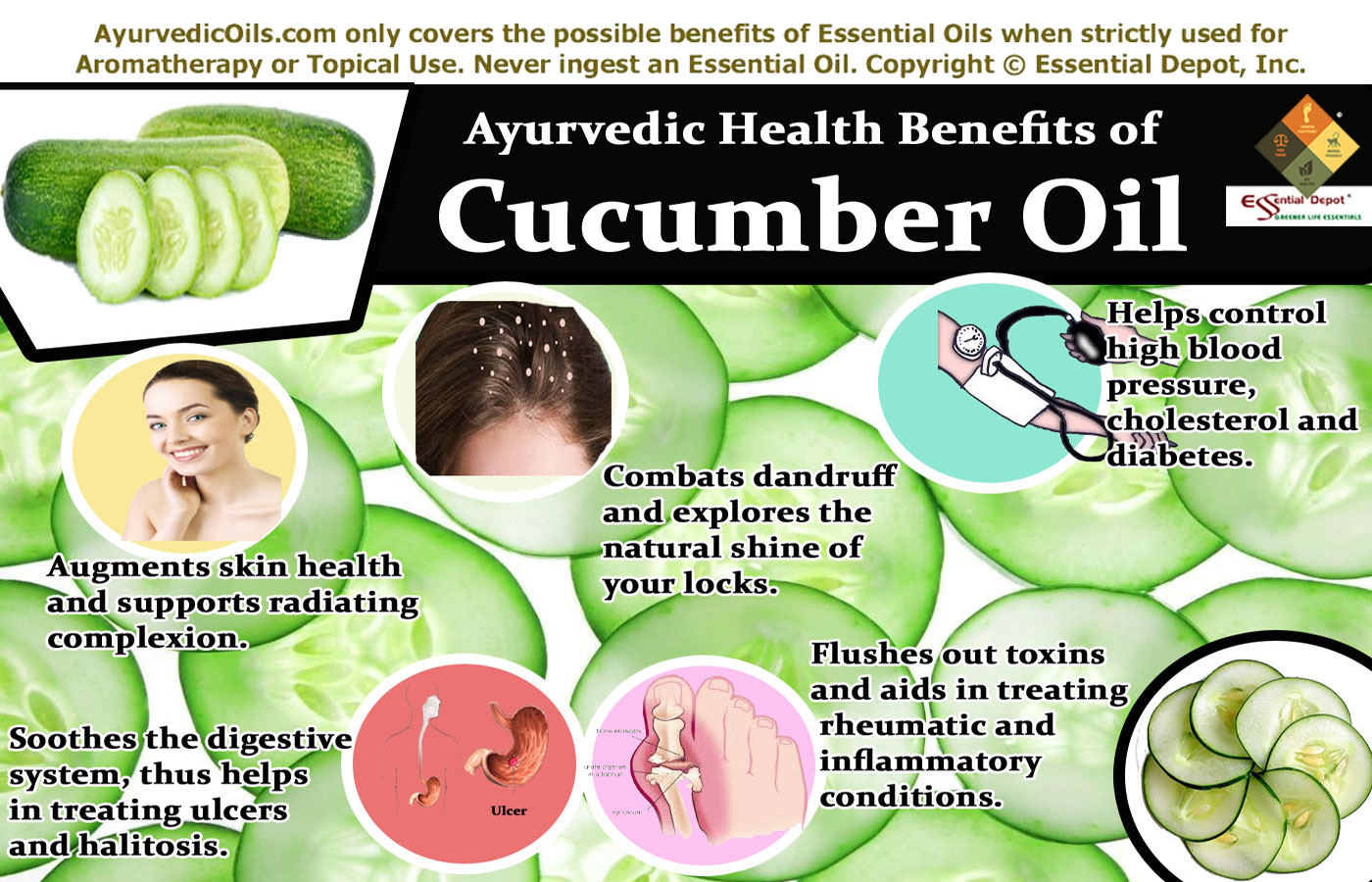
Cucumber-oil1. Augments skin health and supports radiating complexion:

Cucumber oil has stupendous revitalizing and nourishing properties that help in treating dull, damaged or mature skin conditions. The presence of linoleic acid and oleic acid in cucumber makes it an excellent aid for skin problems including acne, blackheads, sunburns, psoriasis, eczema and certain other inflammatory skin conditions.

The antioxidant properties of cucumber oil are attributed to the significant existence of tocopherol and tocotrienol substance along with the three lignans including secoisolariciresinol, lariciresinol and pinoresinol. These elements make Cucumber oil powerful in fighting against the free radicals responsible for aging symptoms, skin damages and several types of cancer, including ovarian cancer, prostate cancer, breast cancer and uterine cancer.

Massaging your skin with 10 drops of Cucumber oil blended with 2 drops of Orange oil and 4 ounce of coconut oil can help in retaining the natural moisture in the skin, repair dry and dull skin surface, treat eczema, psoriasis, rough, scaly and mature skin, reduce wrinkles, aging symptoms and skin eruptions.

A 2011 study on “Exploring Cucumber Extract For Skin Rejuvenation” by Naveed Akhtar, Arshad Mehmood, Barkat Ali Khan, Tariq Mahmood, Haji Muhammad Shoaib Khan and Tariq Saeed, Department of Pharmacy, The Islamia University of Bahawalpur and the Department of Pharmaceutical Sciences, COMSATS Institute of Information Technology, Pakistan, Published in the African Journal of Biotechnology, states that cucumber extract has been proven extremely beneficial for the skin.

These experts also say that Cucumber extracts have passed the maximum number of dermatological tests including skin melanin test, skin erythema test (safety of cosmetics), pH tests, skin moisture content test, skin sebum content test, and trans epidermal water loss test.

This study concludes stating that this was a preliminary initiative in exploring the unknown effects of Cucumber as a topical cream for skin rejuvenation.

It also states that cucumber extracts aid in reducing the melanin content (responsible for skin pigmentation and complexion); has anti-acne effects with its potent to decrease the content of skin sebum.

This study also declares that these analyses have proved to be capable in the context of prospective topical applications of cucumber extract (with its varied skin care properties), as cosmetics, skin-care items and in the manufacturing of pharmaceutical preparations.

You can also add 2 drops of Cucumber oil in a cup of cool water and wash your face for locking the moisture and fight against acne causing micro-organisms.

2. Combats dandruff and explores the natural shine of your locks:

Bouncy, strong, silky and dandruff-free lustrous locks are the dream of many women out there. Men are not an exception though, in longing for healthy hair that is free from hair loss, dandruff and other scalp conditions.

Cucumber is one among those natures’s richest owner of the minerals like silica and sulphur, of which sulphur is known for promoting hair growth and silica fortifies the hair follicles and protect from breakage and loss of hair. Silica is an essential element for supporting the health of connective tissues like skin, muscles, ligaments and bones.

The moisturizing properties of Cucumber oil helps in hydrating the scalp and aids in reducing dryness, itchy and flaky scales on the scalp surface and nourishes the scalp and roots of the hair from within.

Massaging your scalp with 5 ounce of Cucumber oil mixed with 5 drops of Rosemary oil and 5 drops of Brahmi oil and leaving it for 1 hour by wrapping a warm towel (helps the medicated blend to penetrate deeply into your scalp) can assist in reducing dandruff, replenishing the scalp, enhancing the luster of your hair and prevent excessive hair fall. You can also add 5 drops of Cucumber oil in your mild shampoo for fastening the natural moisture in your hair for a longer duration.

This blend can be applied by the swimmers before their swimming voyage in the chlorinated and chemical filled water. This helps in preventing the hair damage naturally.

3. Helps control high blood pressure, cholesterol and diabetes:

Certain studies witness that the presence of sterols in Cucumbers may help in reducing the high level of cholesterol, while the presence of fiber, magnesium and potassium assists in treating high blood pressure. Cucumber also stimulates the secretion of insulin hormones in the pancreas, thus assisting in the treatment of diabetes.

Eating fresh cucumber daily along with adding 5 drops of Cucumber oil in your liquid soap can help in vitalizing your cells and augment your energy levels.

4. Soothes the digestive system, thus helps in treating ulcers and halitosis:

Cucumber oil has the power to soothe and pacify pitta dosha. The excess of which would end up in overindulgence of digestive fire leading to ulcer, high blood pressure, acidity, heartburn, acne, negative emotions, feelings of rage, insomnia, acne and certain other skin eruptions.

Massaging your abdomen and chest with 10 drops of Cucumber oil blended with 2 drops of Peppermint oil can help in cooling the digestive system (intemperance of digestive fire) by soothing the lining of the stomach and intestines. Using 2 drops of Cucumber oil in warm gargle can assist in fighting against bad breath with the presence of phytochemicals.

5. Flushes out toxins and aids in treating rheumatic and inflammatory conditions:

Cucumber has enormous amount of ascorbic acid, contributing to its diuretic properties. This moisture-rich oil helps in replenishing the system with its anti-rheumatic, antioxidant and diuretic properties by flushing out the excess fluid deposits, toxic remains, salt, uric acid, free radicals and fat deposits in the system, which is often responsible for inflammatory conditions like gout, rheumatism, arthritis, swelling, redness, obesity and puffy eyes.

Massaging the affected parts with 5 ounce of Cucumber oil with 5 ounce of Sweet Almond oil can help in promoting frequent urination, thus eliminating toxic remains, free radicals, salt, fat deposits and uric acid, which helps in reducing swelling, skin irritations, muscular soreness, pain, redness and muscular stiffness associated with rheumatism and arthritis.

Pranayama or the art of balanced breathing can help highly in expelling ama or excess toxic substances in the system, where all these toxins are discharged through exhalation.

Inhaling the refreshing fragrance of Cucumber by adding 2 drops of this oil in your air freshener, especially during Pranayama and meditation can grant quicker relief by releasing your mind and body from toxic emotional blocks and harmful toxins in the system.

Other health benefits:

Cucumber is also helpful in treating vaginal itching, erectile dysfunctions, heart problems, renal calculi, cancer therapy, dark circles, urinary infections, cholera, and cellulites.

Disclaimer:

This piece of information is meant only for the purpose of information and is not recommended to treat or prevent any kind of medical conditions. It is not meant to replace any prescription medicines or the advice of a medical professional. We, the team of Essential Depot are not experts in Remedial practices or Traditional medicine and these facts are shared only for spreading the greatness of Ayurveda in treating mankind.

Essential oils are recommended only for topical applications and do dilute essential oils in suitable carrier oils before using it on the skin. Never ingest essential oils as absolutely pure and organic essential oils are highly concentrated substances and may cause allergic reactions, when used internally or on the skin without dilution.

Speak with your Ayurvedic expert or medical professional before choosing the right essential oils for your state of health and unique individual constitution. Performing a patch test on your skin before enjoying its complete benefits is an amicable advice.

Thought for the day:

Green is the prime color of the world, and that from which its loveliness arises.

– By Pedro Calderon de la Barca.

Suggested Reading:

  1. Cucumber Recipes by Jackie Swansen
  2. Ayurvedic Pharmacopoeial Plant Drugs: Expanded Therapeutics by C. P. Khare
  3. Dying to Look Good by Christine Hoza Farlow
  4. Asian Secrets of Health, Beauty and Relaxation by Sophie Benge, Luca Invernizzi Tettoni
  5. The Aromatherapy Encyclopedia: A Concise Guide to over 385 Plant Oils by Carol Schiller, David Schiller

Reference Links:

  1. Cucumber by Wikipedia
  2. Cucumis sativus (Cucumber) – Derived Ingredients as Used in Cosmetics, published in Cosmetic Ingredient Review
  3. The anti-aging effects of Cucumbers by Dr. David Jockers, published in Natural News
  4. Exploring Cucumber Extract For Skin Rejuvenation by Naveed Akhtar, Arshad Mehmood, Barkat Ali Khan, Tariq Mahmood, Haji Muhammad Shoaib Khan and Tariq Saeed, Department of Pharmacy, The Islamia University of Bahawalpur and the Department of Pharmaceutical Sciences, COMSATS Institute of Information Technology, Pakistan, Published in the African Journal of Biotechnology
  5. Phytochemical and therapeutic potential of cucumber by Mukherjee PK, Nema NK, Maity N, Sarkar BK, Department of Pharmaceutical Technology, Jadavpur University, India, published in PubMed

Birch Oil


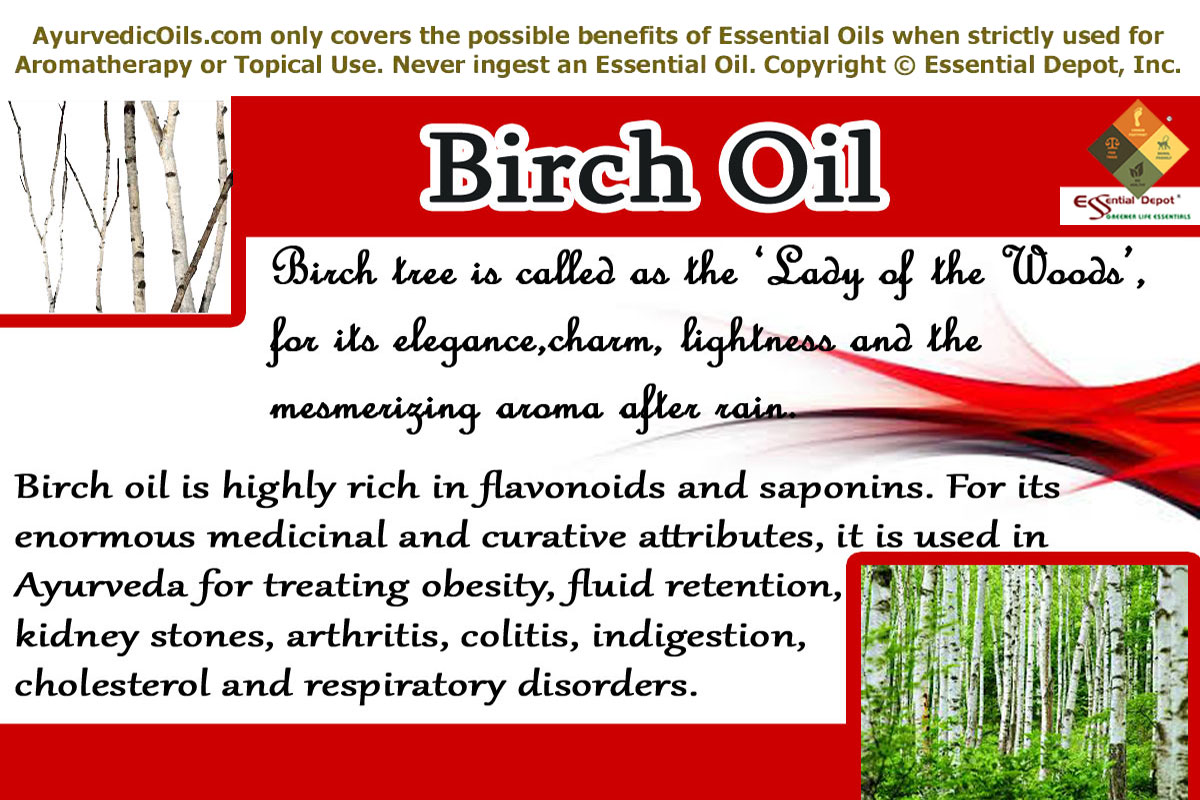
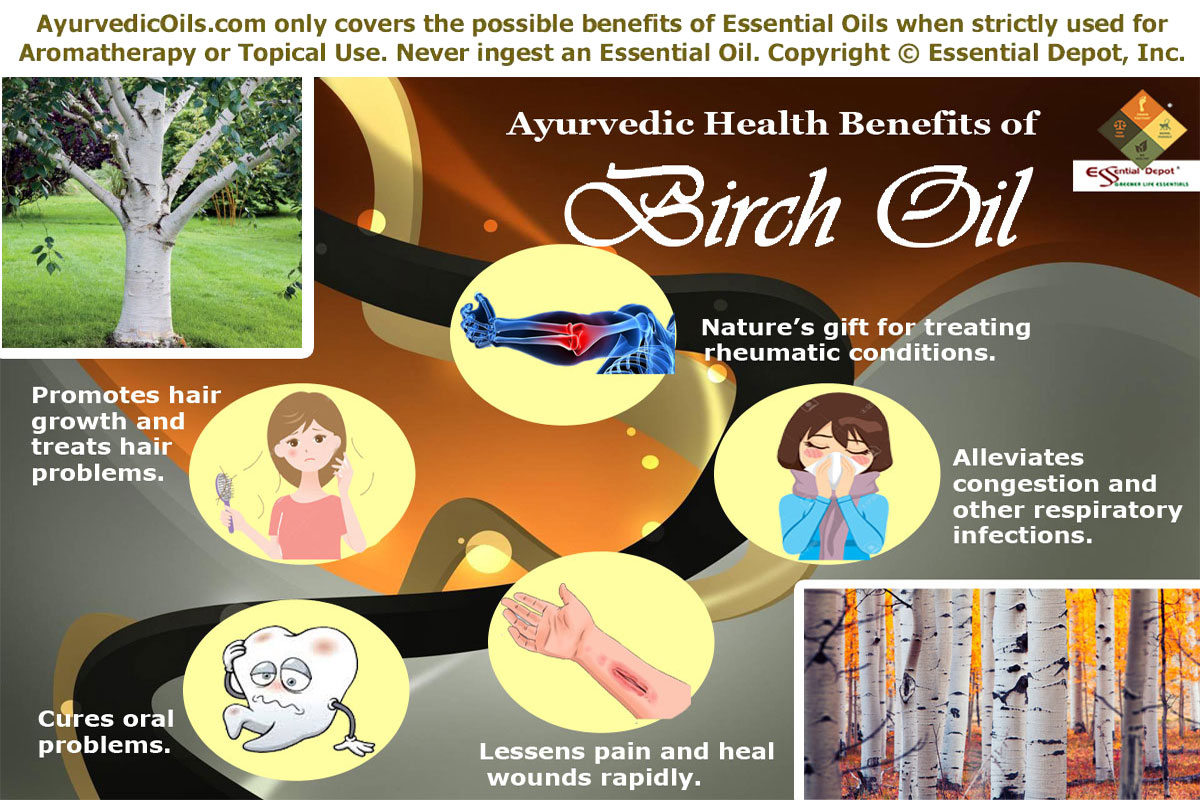
Well identified as the ‘Shining Tree’, Birch tree sets a remarkable note in the field of ancient and modern medicine for its preventive and defensive actions against rheumatism, skin disorders, circulatory problems and dental mayhems.

Birch-new-2

Scientifically called as Betula Alba, Birch tree bears its origin to the Indian subcontinent, especially in the cold and temperate climates, in particular the northern part of India, which has been the safe haven for numerous saints, sages and Rishis since the pre-historic period for attaining divinity through meditation.

Birch tree is well known for its silvery white bark, from which the Birch essential oil is extracted by dry distillation method. It is called as ‘bhurja’ in Sanskrit, which means ‘a tree whose bark is used for writing upon’, and few sources also state that this name is extracted from the Sanskrit word ‘bhura’, which means ‘shining tree’.

Birch tree is highly rich in flavonoids and saponins. For its enormous medicinal and curative attributes, this tree and its essential oil are being used in Ayurveda for treating obesity, fluid retention, kidney stones, arthritis, colitis, indigestion, cholesterol and respiratory disorders.

Historical uses and importance of Birch and its essential oil:

Being a priceless tree of the ancestral origin, Birch and its essential oil were widely utilized since the primitive times, dating back to the Paleolithic and the Mesolithic era as an adhesive and for various other uses. Adhering to the meaning of its name (tree which is used for writing purposes), Birch has been extensively used for preparing manifold documents in olden days, which are now termed as Birch Bark Manuscripts.

Fulsome with spiritual and cultural importance, Birch tree is crowned as the National tree of Russia and Finland. The most special fact about Birch tree is that it resists all kinds of adverse soil and climatic conditions. The bark of this tree has been used for numerous purposes such as construction, writing and medicinal applications. This tree was also called as ‘Lady of the Woods’, for its elegance, charm, lightness and the mesmerizing aroma after rain.

The Native Americans used Birch in their folklore remedies, where it was taken along with beverages to deal with various health conditions associated with the stomach including dysentery, diarrhea and indigestion.

The essential oil obtained from the bark of this tree has been used in hair care and skin care products to drive away dandruff, hair fall, eczema, psoriasis and dermatitis. The sap of the inner bark is a rich source of nutrients and was used in making cakes and is predominantly known to the world as a famine food for its ability to satiate hunger as a last choice if not anything is accessible.

Birch essential oil has been used as a disinfectant, powerful insect repellent, and also in the treatment of skin infections, fever, kidney stones, eczema and rheumatism. It is also a key ingredient in various perfumes including the most popular Russian Leather fragrance and Iceland Wintergreen.

In various folk medicines, Birch was used in transfer magic remedies for alleviating rheumatic pain and other associated symptoms. The aromatic leaves of this tree were also used in making Birch tea, which was used as an effective remedy for dissolving kidney stones, alleviating pain, gout, dropsy and rheumatism.

Chemical constituents and therapeutic properties of Birch Oil:

The remedial properties of Birch essential oil are anti-rheumatic, anti-arthritic, febrifuge, diuretic, astringent, detoxifying, analgesic, depurative, antiseptic, stimulant, germicide, tonic, insecticide, and anti-depressant. The major chemical constituents contributing to its therapeutic properties are betulene, methyl salicylate, betulenol, creosol, salicylic acid, and guaiacol.

Ayurvedic health benefits of Birch essential oil:

The word ‘Ayurveda’ has become the most common terminology in this contemporary living as many are becoming conscious about their health. When absolute health is the need of the hour, then natural remedies and chemical-free medications come along without any say and this where Ayurveda comes into picture.

Besides being a natural healing methodology, Ayurveda is a holistic system that helps in leading a disciplined life, including guidelines for a balanced diet to a modest lifestyle.

Ayurveda is the oldest of all medicinal systems on earth and it completely trusts that Mother Nature has the cure for all ailments including physical disorders and mental mayhems.

It is also said that living in harmony with Nature gifts a disease-free, harmonious and healthy life. According to this philosophy everything on earth is a combination of the 5 fundamental elements of nature. They are fire, earth, water, space and air.

For a better understanding, it is clearly depicted that earth is the representation of the bones and muscles, fire is the heat energy generated in the body for many vital functions of the system like metabolism, water stands for blood and other fluids, we breathe air and space is the representation of our soul that harmonizes all the other functions of the human body and keeps us alive.

Ayurvedic healing relies upon nature and it strongly states that all the other things on this planet are being created just for the happiness of mankind. You can identify this with the following example; Mother earth has 92 elements, including magnesium, calcium, iron, potassium etc, and the human system also has all these 92 constituents.

When a person is ill due to the deficiency of any of these elements, say iron, he/she is advised to take dates, which is rich in iron and to our astonishment dates grow by engrossing iron content from the earth. Simply brilliant, isn’t it?

Every human being is regarded as a unique part of nature in Ayurveda and it is also recommended that the remedial measures should also be unique based upon their unique individual constitution, which comprises of three biological energies called as doshas (also known as Tridosha) namely vata, pitta and kapha.

Pitta represents fire and water, vata is a combination of air and ether, and kapha signifies earth and water. Pitta energy is responsible for body temperature and metabolism, kapha controls the physical appearance, movement of fluids in the system and sustenance and vata dosha regulates the functions of the nervous, circulatory and respiratory systems.

Your first Ayurvedic consultation will help you in identifying your unique individual constitution and your predominant dosha type, which has an upper hand in determining your physical and mental makeup. Perfect balance between these doshas signifies well-being and disparities due to unwholesome food habits, change in climatic conditions, lifestyle and immoral behaviors leads to sickness.

The most significant Ayurvedic remedies that focus on treating doshic imbalances are herbs, plant essential oils, meditation, simple physical exercises, yoga, Pranayama or balanced breathing practices, Ayurvedic routine, prayers and a balanced diet.

Birch essential oil is known to pacify vata and kapha dosha and intensifies pitta dosha. The Ayurvedic health benefits of Birch essential oil are:

Birch-broucher1. Nature’s gift for treating rheumatic conditions:

Rheumatism is generally regarded as a medical condition caused due to excess deposits of fluids in the system along with the built up of toxic substances and improper blood circulation that lead to inflammation, pain, redness, stiffness and irritation.

According to Ayurveda, rheumatism is majorly a kapha imbalance disorder and can be treated with Ayurvedic remedies that reduce kapha vitiation. Birch oil has anti-rheumatic and anti-arthritic properties that aids in alleviating these agonizing conditions and reduces excess kapha dosha.

Birch essential oil is known as an effective pain reliever with the presence of the salicylate component that is present in aspirin based medications. This compound helps in lessening pain, swelling and stiffness associated with rheumatoid arthritis, osteoarthritis and other pain in the joints and muscles. It works by arresting the body’s production of prostaglandins hormones, which are responsible for pain, inflammation and other similar conditions.

Along with these attributes, the essential oil of Birch also has detoxifying, diuretic and depurative properties that assist in eliminating toxins from the body, discarding salt, uric acid and excess fluid deposits in the body by promoting sweat and frequent urination and by purifying the entire system. Being a circulatory agent, this oil also helps in promoting proper circulation of blood and lessens the severity of circulatory disorders like rheumatism and edema.

Massaging the affected parts with 2 drops of Birch oil, 2 drops of Ginger oil and 2 drops of Tea tree oil along with 3 ml of coconut oil can help in reducing pain, inflammation, redness and promote proper blood circulation that helps in treating rheumatic and arthritic conditions. You can also add 2 to 3 drops of Birch oil in warm compress and in warm bathing water that can help in improving your medical conditions related to rheumatism and other muscular and circulatory problems.

2. Alleviates congestion and other respiratory infections:

Birch essential oil is always one among those best natural remedies that assist in relieving severe congestion, long-term allergies and other respiratory infections. With its expectorant, anti-microbial and anti-inflammatory properties, Birch essential oil supports the system in fighting against chest congestion, bronchitis, nasal congestion, pneumonia and bronchial congestion.

Kapha dosha is a combination of water and earth elements and imbalance of kapha dosha leads to excess level of water deposits, amassing of mucus and phlegm deposits and building up of toxic substances worsening respiratory problems.

Birch essential oil is used in Ayurvedic healing for correcting kapha imbalance by generating heat in system and discarding mucus and phlegm deposits in the lungs and the respiratory passages.

Adding 2 to 3 drops of Birch oil in steam inhalation can aid in loosening mucus accumulation, treating stuffed nose, nasal, chest and bronchial congestion and combats the effects of toxins and microbes in the body.

You can mix 2 drops of Birch oil, 2 drops of Peppermint oil and 2 drops of Lavender oil along with your regular vaporizing ointment and massage in gentle movements on throat, chest and back for quick relief. A hot compress with 2 drops of Birch oil, following this massage on the back and chest can help improve respiratory conditions at ease.

3. Lessens pain and heal wounds rapidly:

Birch is such a magical oil that can relieve severe pain in a matter of minutes. With the presence of the salicylate component in aspirin and other pain-relieving pills, Birch oil aids in lessening pain by causing numbness on the painful area and uplifts the nerves and muscles.

Along with the Alternative and Complementary medicinal practices, the Allopathic doctors also recommend Birch oil for relieving severe pain, preventing the joints from swelling in cases of dislocation of joints or fractures.

Gently massaging the painful parts with 2 drops of Birch oil and 2 drops of Lemongrass oil along with 2 ml of olive oil can aid in easing muscular pain and stiffness. It also helps in alleviating muscular spasms and bout. 3 to 4 drops of Birch oil combined with 4 drops of Helichrysum oil and 4 ml of coconut oil massaged on the affected parts will work like a fascination especially on carpal tunnel syndrome.

Mix 2 drops of Birch oil with 2 drops of Lavender oil and 2 drops of Frankincense oil along with 3 ml of Sweet almond oil and apply it on wounds, cuts, skin rashes, cellulites, ringworm, eczema, itches and insect bites for quick relief. This formula works with the disinfectant, antiseptic, anti-bacterial and germicide properties of Birch oil that kills infectious micro-organisms like bacteria and fungi in skin infections and wounds and promotes quicker healing.

4. Cures oral problems:

There’s no wonder that an admirable essential oil like Birch has the therapeutic effects for treating oral problems with its anti-bacterial, antiseptic, disinfectant, astringent and germicide properties. These remedial values help in treating oral problems like weak gums, cavities, bacteria, painful gums, plaque and halitosis or bad breath.

1 drop of Birch oil along with 1 drop of Spearmint oil added to a cup of warm water can be used as a natural gargle formula for combating germs and bacterial growths in the mouth, strengthening the gums as an astringent, protecting the teeth and gums from infections as an antiseptic and also for keeping away from bad breath by refreshing the mouth throughout the day. This therapy can be followed twice a day in the morning and night.

5. Promotes hair growth and treats hair problems:

Birch is yet another nourishing oil for controlling loss of hair, maintaining those beautiful locks, preventing dandruff, enriching the scalp and promoting growth of hair naturally.  Just 1 drop of Birch oil in your regular shampooing can aid in healing your hair problems and deliver quick results in re-establishing your hair growth.

Massaging your scalp with 3 drops of Birch oil mixed with 3 drops of Ylang Ylang oil, 3 drops of Rosemary oil, 2 drops of Lemon oil and 2 drops of Lavender oil along with 7 ml of Virgin olive oil can help in moisturizing the scalp, controlling dandruff with its anti-fungal properties, strengthening the hair follicles with its astringent properties, promotes hair growth and grants the natural lustrous, shiny and glossy look of your hair. Follow this massage with 2 drops of Birch oil added to your mild shampoo for promising results.

Other health benefits:

A 1994 study at the University of North Carolina concluded that “the chemicals found in white birch bark slowed the growth of HIV”. Various other studies conducted on the betulinic acid present in Birch essential oil have been proved to possess anti-tumor properties and kill cancerous cells. Birch essential oil is also used in the treatment of colitis, bladder stone, gout, headache, candida, multiple sclerosis, depression and urinary disorders.

Disclaimer:

This editorial is meant only for the use of education and information. It is not in anyways intended to treat, cure, prevent or diagnose any medical condition or replace any prescribed medication or medical advice of a healthcare expert. We are medical professionals and this information is shared only with the concern of bringing out the importance of Ayurveda, the mother of all healing systems on earth.

Make sure that you speak with an Ayurvedic expert before using the perfect essential oil for your prakriti or individual constitution and state of health. Do not ingest essential oils or use it for internal purposes and ensure that you always employ essential oils in a diluted form, as 100% pure and organic essential oils are extremely concentrated substances and may cause allergic or hazardous reactions, if used directly for topical application. Keep essential oils out of reach of children.

Thought for the day:

All things are artificial, for nature is the art of God. -Thomas Browne

Suggested Reading:

  1. The Illustrated Encyclopedia of Essential Oils: The Complete Guide to the Use of Oils in Aromatherapy & Herbalism by Julia Lawless
  2. Medical Herbalism: The Science Principles and Practices Of Herbal Medicine by David Hoffmann
  3. Medicinal Plants of the World by Ben-Erik van Wyk, Michael Wink
  4. The Healing Power of Essential Oils: The Original Liquid Copals by Bevonne Birch Crookston
  5. American Indian Medicine (The Civilization of the American Indian Series) by Virgil J. Vogel

Reference Links:

  1. Birch Tar by Wikipedia
  2. Health benefits of Birch essential oil by Organic Facts
  3. White Birch by the American Cancer Society
  4. Birch Tree: Natural Medicine in your Backyard by Mother Earth News

Castor Oil


‘Don’t judge a book by its cover’ is a celebrated phrase and it promptly applies to Castor oil, the often overlooked oil. Castor is indeed a Master in healing colossal medical conditions including alopecia, wrinkles, ovarian cysts, fibroids, constipation, phantom tumor, piles, asthma, rheumatoid arthritis, neuralgia and the list goes on.

Castor-bannerCalled as Gandharvahasta or Eranda taila in Ayurveda, Castor oil is the handiest remedy for alleviating abdominal tumors and uterine fibroids in women and certain other inflammatory conditions.

It is also prescribed for enhancing sperm quality, cognitive functions, memory power, skin health, digestive ability, muscular strength, immunity and in cleansing vagina, semen and the abdomen.

Purchase Castor Oil – Retail – 1 Quart – CLICK HERE

Purchase Castor Oil – Wholesale – 1 Gallon – CLICK HERE

Therapeutic properties and chemical constituents of Castor oil:

The primary chemical components of Castor oil are ricinoleic acid that contributes to about 85 to 95 per cent of its oil along with other constituents like oleic acid, stearic acid, palmitic acid, a-linoleic acid, linoleic acid and dihydroxystearic acid.

Anti-inflammatory, emmenagogue, anti-infectious, anti-rheumatic, fungicidal, laxative, immune stimulant, insecticidal, anti-viral, labor inducing, anti-allergic, anthelmintic, rejuvenative, anti-aging, germicidal, disinfectant, and analgesic are the major remedial attributes of pure Castor oil.

Historical uses and importance of Castor oil:

Castor oil is extracted from the attractive and ornamental Castor seeds by cold press method. It is one among the most commonly used oil since the pre-historic times for cleansing the colon, reproductive system and as a powerful detoxifying agent.

Ricinus communis is the botanical name of the Castor plant from which this healing vegetable oil is extracted.

You’d be shocked to know that Castor oil was given as punishment to mischievous children and it was later restricted by the Physicians for using medicines as punishment.

Mussolini is known for the use of Castor oil as a penalty for political dissidents and it was popularly quoted that Mussolini’s supremacy was supported by the ‘bludgeon and castor oil’.

These negative facts about Castor oil vanished gradually after few decades of Mussolini’s death in the Western world and with its enormous medical benefits that had proven positive effects.

The ancient Ayurvedic healing records the use of Eranda or Castor oil since 2000 BC as a traditional analgesic, purgative and laxative for treating arthritis, constipation and infestation of worms. It has also been used in lamps.

Castor oil is the hero in the Asian and African provinces and was regarded as a panacea for various infectious diseases and chronic health conditions.

Ayurveda and other alternative medicinal practices prescribe Castor oil as an effective remedy for rheumatism, lumbago, hair fall, wrinkles, cysts, warts, menstrual discomforts, constipation, yeast infections, acne, ringworm, arthritis and inflammatory nerves.

Castor oil has been listed as ‘Generally recognized as safe and effective’ (GRASE) by Food and Drug Administration (FDA) of the United States as an over-the-counter laxative.

Kolliphor EL is one among the most common Castor oil derivative that is included in various modern drugs as follows:

“Xenaderm ointment, a topical treatment for skin ulcers, is a combination of Balsam of Peru, castor oil, and trypsin.

Paclitaxel, a mitotic inhibitor used in cancer chemotherapy.

Miconazole, an antifungal agent.

Nelfinavir mesylate, an HIV protease inhibitor.”

Even today, Castor oil is used as a natural emollient and moisturizer in numerous soaps, shampoos and various other cosmetics manufacturing.

Ayurvedic health benefits of Castor oil:

Castor oil is an excellent detoxifying, cleansing, nourishing and pacifying oil for the mind, body and spirit, especially when used in Abhyanga or Ayurvedic massage. Abhyanga is an ancient art of repairing and rejuvenating the tensed muscles and the system with the use of therapeutic Ayurvedic oils.

Charaka, the most celebrated Ayurvedic philosopher quotes massaging as:

The body of one who uses oil massage regularly does not become affected much even if subjected to accidental injuries, or strenuous work. By using oil massage daily, a person is endowed with pleasant touch, trimmed body parts and becomes strong, charming and least affected by old age.”

Charaka Samhita Vol. 1, V: 88-89.

Many Ayurvedic experts and philosophers beckon Castor oil as ‘the only oil that eliminates ama (toxic remains in the system mainly due to improper digestion) and crammed mala (faeces) and kapha vitiation (stagnation of water deposits).’ Castor oil works best when it is employed with heat on the affected parts of the body.

Often rated as the best oil for treating vata imbalances, Castor oil has the potent to treat chronic constipation, Gastro-intestinal congestion, benign tumors, uterine fibroids, infections, cysts, dry skin conditions, matured skin, brittle hair, discards morbid vata, stiff joints, gout and bloating.

Castor oil pacifies vata and kapha dosha in excess and enhances pitta energy. It augments circulation with its warm attributes, thus encouraging the movement of lymph.

Being the oldest of all remedial sciences on earth, Ayurveda is the real inspiration and the root for all other medical systems on earth. This includes Siddha, Homeopathy, TCM (Traditional Chinese Medicine), Unani, Aromatherapy, Acupressure and Chiropractic.

Ayurveda abides by a ‘cause and effect’ technology that sticks to the popular adage, “There’s no smoke without fire.”

Any health condition, according to Ayurveda does not occur instantly and Ayurveda believes that there is a strong underlying root cause behind every illness. The mind, body and the spirit are interconnected with each other and imbalance of any of these factors would affect the others.

Ayurvedic healing endeavors to identify the root cause of a sickness and treat it for complete cure and prevention, instead of treating its symptoms that might be of temporary relief.

Ayurveda states that good state of health is a blend of emotional, physical and spiritual wellness of an individual. It aims at self-realization and attaining Divinity through purity along with hale and heartiness.

Thus, Acharya Charaka, the renowned Ayurvedic Guru and the author of Charaka Samhita, the first Ayurvedic encyclopedia says The three – body, psyche, and soul – act as a tripod. The world stands upon them, and within them, the world abides.”

Every person in this universe is a unique individual with a distinct individual constitution known as Prakriti. This is a combination of three doshas, namely vata, pitta and kapha.

World is made up of five fundamental elements called as Panchamahabhutas (earth, air, fire, space and earth.) Doshic energies are an arrangement of these five vital forces.

All the human beings have a predominance of any one dosha, which decides the physical, mental, spiritual and behavioral attributes.

Ayurveda strives to strike absolute balance between these doshas and treat the unevenness with Nature as imbalance with the natural buoyancy is often the beginning of any medical condition.

The most common Ayurvedic medications are herbs and herbal medicines in the form of powder, syrup and paste; Ayurvedic essential oils, Panchakarma or the practice of Ayurvedic detoxification, Pranayama or conscious breathing, Abhyanga or Ayurvedic massaging, yoga, Ayurvedic routine or Dinacharya, simple physical exercises, prayers and meditation.

The most effective but the less known Ayurvedic health benefits of Castor oil are:Castor-Oil1. Promising natural remedy for treating uterine fibroids and hormonal imbalances:

Uterine fibroids are one among the most common problems in women, often present without any symptoms and in certain cases it causes extreme menstrual pain, pain in the pelvic area, frequent urination and fertility problems as well depending upon its location in the inner wall of the uterus.

The actual reason for fibroids in the uterus is not known but is generally stated as a change in the hormonal levels of women in the reproductive age. Fibroids tend to shrink with age as the level of estrogen reduces gradually.

Fibroids are benign tumors that require no treatment unless it causes severe pain or fertility problems. The most intricate solution for treating uterine fibroids is hysterectomy or removal of uterus.

Gulma is the Ayurvedic term for fibroids and other phantom tumors. Ayurveda recommends the use of warm Castor oil in massage and as a medicinal intake.

Castor oil is called as Gulma hara, which means that the best remedy for discarding tumors present in the abdominal area.

Abdominal tumors are often caused due to the vitiation of vata and kapha dosha. Castor oil is termed as one among the best natural medication for eliminating excess vata and kapha dosha, thus enhancing circulation and reducing the size and symptoms of fibroids, cysts and other abdominal tumors.

Vata dosha is the air and space energy that rush through the system in a jiffy and is prevalently the cause behind the imbalance of other two doshas. Vata doshas rules circulation and movement of the body and vitiated vata might end up in causing anxiety, dry skin, bloating, muscular stiffness, dehydration, improper blood circulation, insomnia and more.

This Sanskrit verse says it right, “THE LION OF CASTOR OIL ALONE CAN KILL THE MADDENED ELEPHANT OF ‘VATA’ AS IT STAMPEDES THROUGH THE BODY.”

Castor oil is by far considered as the only oil that has the ability to eliminate ama or toxic remains, kapha imbalance (surplus fluid deposits) and congested mala (faeces). When used externally with heat, Castor oil is effective in decreasing the growth of excess tissues, cysts and tumors.

The rich therapeutic oil extracted from the seeds of the Castor plant is a promising alternative for treating Yoni Roga, which means the disorders of the genital tract in women and Udara, meaning abdominal diseases.

It is also termed as Adhobhaga Doshahara, which means its efficacy in flushing out doshic vitiations from the lower part of the system.

Massage your lower abdomen with 5 ml of warm Castor oil and cover it with a flannel cloth, followed by a plastic wrap. Use a heating pad or hot water bottle over the wrap and relax in a comfortable position for about 30 minutes to 1 hour.

Castor oil has deep penetrating properties, thus it enters the bloodstream quickly and passes on its therapeutic properties at ease. This power-packed massage therapy can help one in breaking up scar tissues, if any, eliminates uterus congestion, reduces and confiscates fibroids, cysts and other benign tumors in the abdominal area (uterus and ovary).

It works by increasing the blood circulation in the abdominal region and thus breaks down the clogged mass of fibroids, cysts and tumors.

Dysmennorhea or painful menses, delayed or obstructed menstruation are treated with the natural emmenagogue properties of Castor oil, which is attributed to the presence of ricinoleic acid.

Remember not to use Castor oil during menstruation as it might increase the flow of menses and the best time to use is before the onset of your periods.

Castor oil is an excellent cleansing remedy for the male and female reproductive system. Ayurveda calls Castor oil as Yoni vishodhana, medication for vaginal cleansing and as Shukra vishodhana, remedy for enhancing the quality of semen and purifying it.

Ayurveda recommends newly married couples to take Castor oil as an aid to purify the mind, body and spirit before giving birth to a new soul on earth. The oil of Castor is also used for treating Shukra gada or seminal problems.

2. Nourishes and supports skin health:

Are you into Soap making business? Then just choose Castor oil with your eyes closed and you’d definitely order bulk of Castor oil cans if you get to know the Ayurvedic benefits of it.

Castor oil is a promising Ayurvedic remedy for healing skin disorders (Kushtapaha); an excellent invigorating and anti-aging agent (Vaya sthapana); enhances the natural glow of your skin (Kantikara); boosts skin health (Twachya); enters even through the minute channels of the skin and repairs the damaged skin cells (Teekshna and Sookshma).

The most impressive use of Castor oil is its effectiveness in treating wrinkles, fine lines, crow’s foot, spots and other symptoms of aging. This quality is attributed to its emollient benefits that influence the natural production of elastin and collagen, the secret agents of supple skin.

Massaging your skin with 4 ml of Castor oil blended with 1 ml of Jojoba oil can assist in revitalizing and revivifying the skin surface.

Castor oil can also be helpful in treating psoriasis, ringworm, eczema, stretch marks, skin inflammation, boils, acne, abrasions, corns, cysts and dry skin conditions.

3. Fortifies and thickens your hair by enriching the roots:

Hair and skin are the most promising indicators of a ‘Healthy You’. Loss of hair, dandruff, dry, rough and gray hairs do not always occur because of environmental nuances. There are much more intense reasons behind the illness of your hair and scalp.

Stress, worries, anxiety, fatigue, insomnia, panic attacks and of course unhealthy diet and lifestyle practices contribute to the detrimental state of your hair.

Castor oil is an incredible natural asset for addressing most of your hair problems and has even been proven to influence the growth of hair on your eyebrows.

Unclogging the blocked pores, strengthening the hair follicles, nourishing the scalp conditions, moisturizing the hair and scalp and motivating the natural growth of hair is all that the magical touch of Castor oil can spell upon you.

Being a traditional remedy for addressing various hair conditions, Castor oil is also recommended in the United States of America as an economical substitute for the most expensive serums for the growth of hair and eyebrows.

To start with, blend 10 ml of Castor oil with 2 drops of Lime oil and 5 drops of Rosemary oil and heat it slightly. Massage this warm blend on your scalp and leave it for about an hour. Shampoo your hair with a mild herbal shampoo for best results.

Continue this enriching massage twice a week for about 3 months for repairing your hair damages and fostering the natural shine and luster of your bouncy locks.

Ayurveda beckons Castor oil as Keshya for its efficiency in encouraging hair growth and enriching the hair follicles.

The presence of Vitamin E, ricinoleic acid and other Omega-9 and Omega-6 fatty acids help in influencing good circulation of blood in the scalp, seal the moisture in the hair and scalp, treat split ends and breakage of hair.

The antimicrobial, antiviral and antifungal properties of Castor oil also assist in treating itchy scalp conditions, dandruff and other infections of the scalp.

4. Relieves pain, inflammation and rheumatic conditions:

Rheumatism and rheumatoid arthritis are the children of the toxic elements left in the system, especially amassed in the hands, legs and joints. This results in pain, inflammation, improper blood circulation, redness, soreness and irritation in the muscles and joints.

Castor oil is a winning rescuer from amavat (inflexibility and pain in joints) and rheumatic conditions with its wonderful effect to augment blood circulation, relieve pain, reduce swelling and treat stiffness in joints.

With its easily penetrating quality, Castor oil pierces into the bloodstream and starts working instantly on the affected parts. Castor oil is called as Shulaghnam for its analgesic values and is also known as Guhya shoola and Prushta shoola for supporting the treatment of lower back pain.

It’s also been proven effectual in the treatment of Shotha (inflammation and swelling) and Katigraha (stiffness in the lower back).

Massaging the painful parts with 3 ml of warm Castor oil blended with 2 drops of Ginger oil can help in eliminating the toxic wastes and excess fluid deposits stagnated in the system through urine and metabolic wastes.

It can also be helpful in alleviating pain, soothing the tensed muscles, calming the nerves and instilling complete relief.

5. Expels toxic remains and excellent cleanser of the digestive tract:

Ama or toxic remains in the body are mainly due to indigestion, irregular diet and other lifestyle practices. Ayurveda states that build up of noxious substances in the system might pave way to the rise of chronic and even fatal diseases.

As read already, Castor is one among the best Ayurvedic remedy for eliminating toxic (ama) remains, excess fluid, salt, uric acid and fat deposits in the body.

Castor oil is a grandmother’s remedy for eliminating worms, parasites and toxic substances in the body, especially the digestive system. Pure Castor oil is ingested during the night and is trusted to stimulate the bowel movements and flush out the toxic waste through faeces in the morning.

Gas (anaha), bloating (Vatodara), gout (Vatashonita), chronic constipation (Vid bandha), prostitis (Ashtila), and heaviness are often treated with Castor oil, either as a tonic or massage oil.

Deepana is another medicinal term for Castor oil for its ability to enhance digestive power and is a promising natural laxative. For its anthelmintic properties that aids in discarding worms, parasites and other pathogens in the body, Castor oil is also known as Krimighnam.

Blend 2 drops of Peppermint oil with 3 ml of Castor oil and massage on the abdominal area for alleviating digestive discomforts.

Other health benefits:

In general, Castor oil is said to contribute to varied health benefits of the system including its power to nurture immunity or the power to resist against diseases (Balakara); improve cognitive and memory functions (Medhakara and Smrutikara); and augment general health and heartiness (Arogyakara).

Disclaimer:

This article is only for the purpose of education and is not destined to treat, prevent or diagnose any health conditions. It is not meant for substituting any prescription medicines or the advice of a medical professional. We, at Essential Depot are not healthcare experts and this information is shared only for thinning out the phenomenal healing of Ayurveda, the oldest of all medical sciences on earth.

All essential oils are recommended topical use only and not for ingestion. This is mainly because 100 per cent pure and organic oils are concentrated substances and may cause allergic reactions.

Take special care when using essential oils on pregnant or nursing women, children and people with chronic illnesses. Speak with your Ayurvedic professional or General practitioner before choosing the suitable oils for your unique individual constitution or Prakriti and the state of health or Vikruti. A patch test on your skin before enjoying the enormous benefits of Ayurvedic essential oils is recommended.

Thought for the day:

Wherever the art of medicine is loved, there is also a love of humanity.
Hippocrates

Suggested Reading:

  1. Castor Oil Pack Therapy: Application & Instruction by ND, Bruce Baar MS
  2. Castor Oil and Rosemary Oil for Hair Growth: The Secret to Re-growing Hair and Preventing Hair Loss Naturally by Mark Calhoun
  3. Castor Oil: How To Grow Longer Hair, Get Rid Of Scars, Remove Wrinkles, And Other Health And Beauty Recipes (Homemade Body Care Book 4) by Kathy Aquino
  4. The 3 Essential Oils: Olive Oil, Coconut Oil and Castor Oil by Cat McEwan
  5. Castor Oil (Carrier Oils Book 7) by Miriam Kinai

Reference Links:

  1. Ricinus communis by Wikipedia
  2. Transdermal Absorption of Castor Oil by Douglas G. Richards, Ph.D., David L. McMillin, M.A., Eric A. Mein, M.D., and Carl D. Nelson, D.C. published in the Meridian Institute.
  3. Final report on the safety assessment of Ricinus communis (Castor seed oil), published in the International Journal of Toxicology
  4. Benefits of Castor oil by MedIndia
  5. Health benefits of Castor oil by Times of India


Your resource for quality Essential Oils. Every batch is
GC tested to ensure purity and authenticity.

Apricot Kernel Oil


‘Bundan iyisi Şam’da kayısı’, Will you trust me if I say that I speak Turkish? I know that you will not. Ok, chill. This Turkish idiom literally means “the only thing better than this is an apricot in Damascus” and the most simple meaning is “it doesn’t get any better than this.” That is the excellence of Apricots.

apricot-kernel-bannerThe seed kernels are the source of its rich essential oil and are also called as apricot almonds or bitter almonds, attributed to its bitter taste but the sweetest healing benefits that would coerce you to love it forever.

Often associated witheducation and medicine’ by the Traditional Chinese, Apricot means ‘education circle’ in the Chinese dictionary. Held high as a phenomenal natural remedy for cancer, Apricot kernel is the most talked about subject matter in the world of medicinal research for its effectiveness in treating malignant growths in mankind.

Apricot kernel and its essential oil have been in various Complementary and Traditional Healing systems including Ayurveda for its enormous therapeutic benefits for treating dry skin, hair loss, wrinkles, blemishes, fine lines and other aging symptoms, rheumatic problems, cold, cough and constipation.

Purchase Apricot Kernel Oil – 1 GALLON – CLICK HERE

Purchase Apricot Kernel Oil – 1 QUART – CLICK HERE

Historical uses and importance of Apricot kernel oil:

Apricots are scientifically called as Prunus armeniaca. This drupe fruit is indigenous to Armenia, Himalayas, China and few other parts of Asia. Certain sources also state that Apricot was first cultivated before 3000 BC in India.

The Roman General Lucullus imported Apricot initially to Rome from Armenia. The historical hero Alexander the Great was the first king to bring in Apricots to Greece.

Chinese and Apricots have a historical bonding, where the renowned Chinese physician Dong Feng of the ‘Three Kingdoms Period’ just requested his patients to plant Apricot plants in his orchard on the recovery of their sickness as a token of gratitude for his medical services. This eventually ended up in the growth of numerous Apricot trees along with innumerable medicinal benefits in Dong Feng’s garden.

It is also said that Confucius, the Chinese philosopher taught his students in a place encircled with Apricot woods. Even today, the poetic indication to physicians in China goes like “The Expert of the Apricot Grove.” Wonderful to hear, isn’t it?!?!

The woods of the Apricot trees are also used in various wooden carvings in Armenia and the musical wind instrument named Duduk is known as the Apricot pipe.

Regarded as an aphrodisiac in Europe, Apricots have also been mentioned in “A Midsummer Night’s Dream by William Shakespeare and as a stimulant of normal labour in “The Duchess of Malfi” by John Webster.

The traditional use of Apricot seeds include its effectiveness as a natural alternative for cancer cure and these seeds were used as early as 502 AD for fighting against tumors. In the 17th century the English used the seeds of Apricot fruits in the treatment of ulcers, tumors and swellings.

Apricot kernels were prescribed in Chinese medicine for treating emphysema, asthma, bronchitis and other respiratory conditions. Throughout the history, these bundles of wonders have been in use for treating constipation, cough, expelling mucous and phlegm deposits and for enhancing the health of hair and skin.

Sir Robert McCarrison during his job with the Indian Medical Service in 1930s, explored the health and heartiness of a tribal populace known as Hunzas. Major Robert said that the people of this tribe lived for about 100 years of age mainly due to their nutritious diet with fresh grains, fruits and vegetables, raw milk along with their livelihood that involves lot of natural physical exercises. It was also written that there was no evidence of cancer, obesity, heart problems or diabetes.

The reason behind their cancer-free life was later found by Krebs research, which concluded that Apricot kernels were a vital part of the Hunzas diet regimen, contributing to the discovery of the amygdalin compound in Apricot kernels, the secret behind tumor suppression.

The seeds of Apricots and its essential oil have been used in the manufacturing of perfumes, moisturizing lotions, soaps, cosmetics and in confectioneries as a substitute for bitter almond oil in seasoning culinary varieties.

Remedial properties and chemical constituents of Apricot kernel oil:

Antioxidant, expectorant, laxative, anti-inflammatory, moisturizing, anti-asthmatic, revitalizing and anti-tussive are the prominent healing values of Apricot kernel oil.

The chemical constituents of this oil are oleic acid, linoleic acid, stearic acid, palmitic acid, palmitoleic acid and arachidonic acid in the order of its major presence. It also contains amygdalin or laetrile, the crystalline compound claimed to be responsible for its cancer fighting attributes.

Apricot kernels are indeed a nutrient hub with the presence of Vitamins A, C, E, K, B17, phosphorous, niacin, magnesium, potassium, manganese and copper.

Ayurvedic health benefits of Apricot kernel oil:

Being the oldest remedial system (about 5,000 years old), Ayurveda is adorably called as the Mother of all healing sciences on earth. As a sacred child of India, Ayurveda is believed as a gift to Acharya Dhanvantari, the Lord of Medicine by Lord Brahma, the God of Creation.

The aim of Ayurveda is to gift mankind with absolute health, harmony, prevention of illnesses, healthy aging and longevity with the use of natural remedies including Ayurvedic therapies and a disciplined living.

It’s an ancient adage that the solutions for all the problems are deeply vested within the problem itself. With this principle in mind, Ayurveda states that illness is being in disharmony with nature and the remedies for diseases are enormously present in nature by itself.

The National Institute of Health states, “The aim of Ayurvedic medicine is to integrate and balance the body, mind, and spirit. This is believed to help prevent illness and promote wellness.”

Ayurvedic encyclopedias, namely Charaka Samhita, Sushruta Samhita and Ashtanga Hridaya Samhita by the Ayurvedic philosophers and physicians Charaka and Sushruta talk about all kinds of medical conditions, their symptoms, root cause and remedies.

They never stopped with fever, cold, indigestion, headache and joint pain; instead they were the pioneers of plastic surgery and C-section delivery before thousands of years that lacked both the contemporary techniques and modern medical equipment.

Ayurveda defines that all things on earth including human beings are a vital part of nature and are built up with the five fundamental elements of nature. They are earth, water, space, air and fire.

Human body represents these elements where bones and muscles are the components of earth, blood and other fluids – water, heat and the essential energy – fire, breathing mechanism – air and the spirit is the element of space.

Each and every individual is a distinct part of nature with a unique individual constitution called as Prakriti, which is a combination of 3 doshas (vata, pitta and kapha). Perfect balance between the doshas indicate health and imbalance due to irregular food habits, sedentary life style, improper code of conduct, climatic changes etc, lead to illnesses.

Ayurvedic remedies including herbs, essential oils, meditation, Pranayama (balanced breathing), Panchakarma (detox technique), Ayurvedic routine, prayers, Abhyanga or Ayurvedic massage and other natural techniques are prescribed for striking balance between doshas thus paving way for harmony with nature.

Apricot kernel oil has the power to pacify kapha and vata doshas and aggravate pitta dosha. The natural health benefits of Apricot kernel oil are:

apricot-kernel-broucher1. Potent cancer warrior:

The article on ‘Apricot seeds kill cancer cells without side effects’ posted in Natural news talks about the effectiveness of the amygdalin compound in Apricot kernels for fighting against free radicals and combating the growth of cancerous cells.

An intense research study by Dr. Ernst Krebb, led to the discovery of Amygdalin or the B17 compound found in Apricot kernels and in about 1200 edible plant varieties throughout nature.

Dr. Krebb also recorded in his study that amygdalin is a nitrioloside that bear a resemblance to the B complex structures. It is because of this reason; Amygdalin compound was named as B17.

The antioxidant property of Apricot kernel oil is due to the presence of B17 and laetrile (the resultant of amygdalin when purified and put in a concentrated form). Dr. Krebb tested the positive effects of laetrile on himself and concluded that laetrile extracted from amygdalin is extremely powerful in fighting against cancerous cells and preventing further cellular damage.

This research is still under various controversies due to the fact that benzaldehyde and cyanide. Numerous foods like spinach, millet, bitter almonds, lima beans, bamboo shoots contain cyanide and are still safe for consumption. This is due to the fact that cyanide molecule in these items remain ‘locked’ and are not harmful for the system when they meet up with other molecular substances.

Unlike normal cells, the cancerous cells contain beta-glucosidase, which is the ‘unlocking enzyme’ for benzaldehyde and cyanide in amygdalin compounds of Apricot kernel oil. This reacts and destroys the cancerous cells and the presence of rhodanese enzymes in the normal cells prevent other normal cells from being affected by the otherwise reaction of cyanide and benzaldehyde.

The best possible means to use Apricot kernel oil for fighting cancerous growths is to use it in a promising massage blend. Mix 5 ounce of Apricot kernel oil with 5 drops of Clove oil bud oil, 5 drops of Garlic oil and 5 drops of Juniper berry oil and massage it gently on your system, once in a week.

Garlic, Clove, and Juniper berry oil along with Apricot kernel oil have rich antioxidant and anti-carcinogenic properties that can help in arresting free radicals, support in apoptosis (death of cancerous cells) and prevent cellular damage.

You can also add 1 drop of each of these oils in diffuser during Pranayama (breathing exercise) where most of the toxic remains in the system can be eliminated through exhalation along with the positive therapeutic properties of this oil blend.

2. Pampers your skin:

The oil of Apricot kernel is light, gentle and non-sticky, with these attributes, it has established a prominent throne in the empire of skin care products. This oil helps in moisturizing the skin in case of dry, rough and scaly conditions (emollient properties); heal cuts, wounds, sunburn, psoriasis, eczema and razor burns (antiseptic properties); protect the wounds from getting infectious (antibacterial properties); fight against fine lines, wrinkles and other symptoms of aging (antioxidant and anti-aging properties).

For locking in extra moisture in your skin surface and for treating acne, blend 2 drops of Rosemary oil with 2 drops of Tea tree oil and 2 ounce of Apricot kernel oil and gently work on your skin.

Apricot kernel oil has a rich content of vitamin E, A and C, which are extremely beneficial for treating dry, mature, scaly and sensitive skin. Apricot oil has the potent to penetrate deeply into the skin and repair the damaged skin cells from within.

Regular massaging with this nourishing blend supports in retaining the clarity, elasticity, suppleness and all other signs of a healthy skin.

3. Prevents loss of hair and treats dandruff:

Dandruff, dry hair, excessive hair loss and itchy scalp are the most sickening hair problems. These conditions are caused by lack of nutrition, unhealthful lifestyle practices, damage due to external factors and excessive use of chemical hair care products with concentration of sulphate and paraben.

Apricot kernel oil comes to your rescue with a high content of vitamin E and other fatty acids in treating all types of hair problems with its potent to lock moisture in your scalp and hair.

Massage your hair and scalp with 5 ounce of Apricot kernel oil with 5 drops of Curry leaf oil and 5 drops of Ylang Ylang oil for combating dandruff, dry and itchy scalp, split-ends, premature graying and promote hair growth by deeply penetrating the scalp and nourishing the hair follicles.

You can also add 5 drops of Apricot oil and 2 drops of Curry leaf oil in your mild shampoo and conditioner for adding that extra shine and bounce to your lustrous locks.

4. Powerful laxative that helps with constipation:

Apricot kernel oil is a part of the Traditional Chinese Medicine for inducing diarrhea, especially for discarding toxic remains in the body through metabolic wastes. This oil has exceptional laxative properties that help in treating constipation, where passing hard and bleeding stools ends up in excruciating pain.

Gently massage your abdomen with 6 drops of Apricot oil and 2 drops of Peppermint oil for encouraging regular bowel movements, secretion of bile and other digestive enzymes for trouble-free digestion and excretion.

5. Promotes blood circulation and relieves pain and inflammation:

The oil extracted from Apricot kernels has proven anti-inflammatory and pain-relieving properties that aid in relieving pain and inflammation, especially in the joints.

Massaging the affected parts with 5 ounce of Apricot kernel oil and 2 drops of St. John’s Wort oil, 2 drops of Cedarwood oil and 6 drops of Ajowan oil can assist in alleviating stress and pain, strengthening the system, promoting blood circulation and eliminating toxic deposits through urine and sweat.

You can also follow this massage with heat pack for allowing deeper penetration into the skin cells. This aids in opening and enhancing the flow of prana or vital energy, harmonizing the nervous functions and for granting a sense of complete relief.

Ayurveda states that cold, congestion, arthritis, rheumatism and other inflammatory conditions are a result of amassing of toxins, salt, uric acid and fat deposits in the system. In general, fluid retention disorders are caused due to kapha vitiation and with its power to pacify excess kapha; Apricot kernel oil helps in treating such inflammatory health conditions.

6. Purges phlegm and mucous deposits:

These heart-shaped tiny little seeds are used in various traditional medicines including the Chinese medicine for treating respiratory conditions like asthma, emphysema, cold and bronchitis.

With its antitussive (cough suppressant), expectorant and anti-asthmatic properties, Apricot kernel oil can help in eliminating phlegm and mucous in the lungs and respiratory passages, alleviate cold, cough and congestion and support in problem-free breathing by lessening strain on the lungs, when 4 drops of Apricot kernel oil with 2 drops of Peppermint oil and 2 drops of Black pepper oil is added to steam inhalation and a gentle massage on your back, temples, chest and throat with your vaporizing ointment mixed with this blend is given.

Other health benefits:

Apricot kernel oil is also used in the treatment of anemia, fever, lowering cholesterol for heart health, osteoporosis and earaches.

Disclaimer:

This article is only for the purpose of information and is not for treatment of any health conditions or for substituting any prescription medicines or the advice of your medical professional. We are not healthcare experts and this piece of information is shared only in public concern for passing on the traditional healing wisdom of Ayurveda.

Never take essential oils internally and it is recommended only for topical application. This is because 100 percent pure and organic oils are highly concentrated substances and may cause allergic or harmful reactions, if ingested or used on the skin directly.

Always speak with your Ayurvedic professional or healthcare practitioner before choosing the right essential oils for your unique individual constitution and medical condition. Extra care should be taken in using essential oils if it is for children, nursing and pregnant women.

Thought for the day:

“Anyone can count the seeds in an apple. No one can count the apples in a seed.” -Author Unknown.

Suggested Reading:

  1. Apricot Power: How Laetrile Cured My Cancer by Helen M. Curran
  2. Apricot Greats: Delicious Apricot Recipes, The Top 100 Apricot Recipes
    by Jo Franks
  3. The Way of Chinese Herbs by Michael Tierra
  4. Healing Skin Disorders: Natural Treatments for Dermatological Conditions by Andrew Gaeddert
  5. Carrier Oils: For Aromatherapy and Massage by Len Price, Shirley Price

Reference Links:

  1. Apricot by Wikipedia
  2. Prunus armeniaca by Wikipedia
  3. Apricot seed by Encyclopedia.com
  4. Apricot kernels for cancer: The real story by Dr. Veronique Desaulniers, published in ‘The Truth About Cancer.com’
  5. Apricot Seeds Kill Cancer Cells without Side Effects by Paul Fassa for Natural News