Tag Archives: Ayurvedic oils for arthritis

Nar Kachur Essential Oil


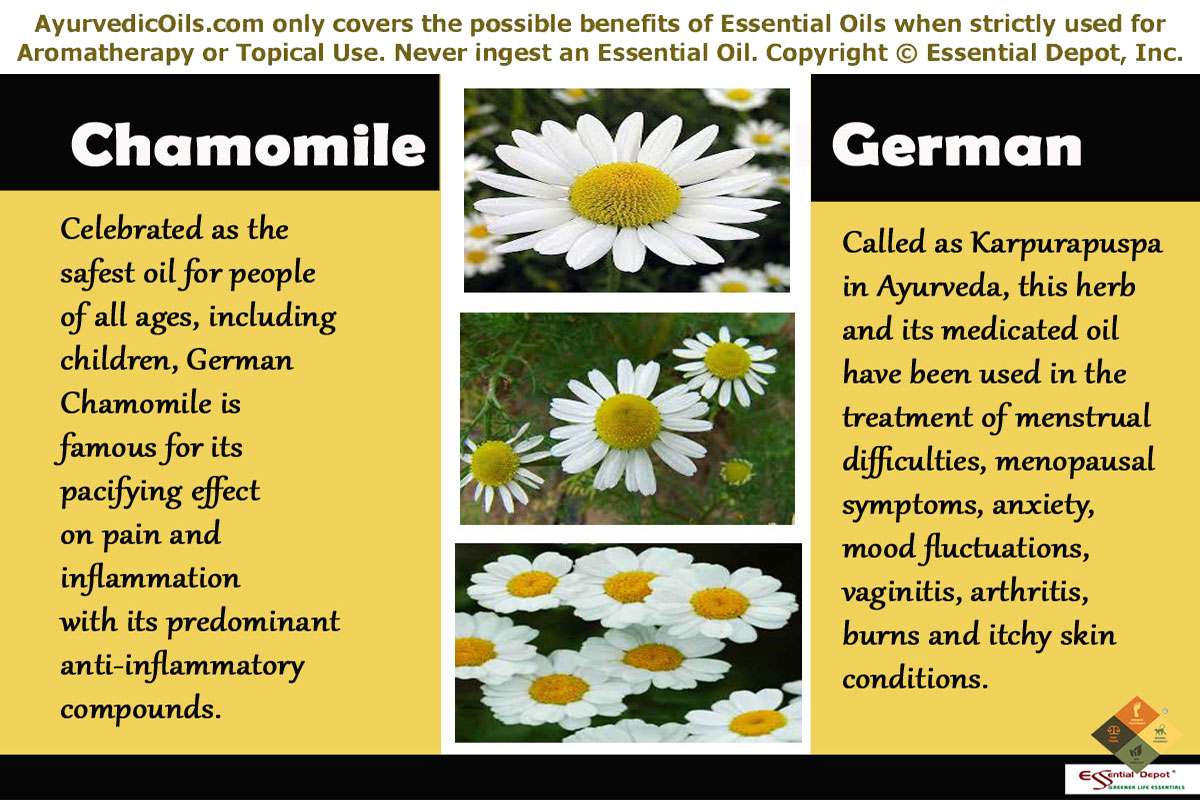
Nar-katchur-bannerCan Turmeric be white? Yes! And here it is. Much similar to Turmeric, Nar Kachur herb is known as White Turmeric. Then am I not right in calling it as White Gold?

Indigenous to India and Indonesia, Nar Kachur is a well-liked herb found all over in the Indian sub-tropical regions.  Popularly known as Zedoary, the essential oil of Nar Kachur is extracted from the rhizomes of the plant Curcuma zedoaria, which is a member of the ginger family Zingiberaceae.

The world of Ayurveda acclaims this herb and its oil as an excellent digestive aid and in particular it has been used in this holistic medicinal system as a gastrointestinal stimulant. Nar Kachur essential oil is also used in the Traditional Chinese Medicine in the treatment of numerous chronic disorders including cancer.

Purchase Nar Kachur Oil – Retail – CLICK HERE

Purchase Nar Kachur Oil – Wholesale – CLICK HERE

Historical uses of Nar Kachur:

Known with many popular names across the world, Zedoary was a not so familiar herb in the Western world until it was spread across as a popular spice reminding of ginger, turmeric and mango put together.

It is known as Karchur in Sanskrit, Kachur in Hindi, Meitei Yaingang in Manipuri, Zedoary in English, Ezhu You in Chinese and Shatkachuro in Gujarati. This herb is spread across the natural beds of the Eastern Himalayan region and Karnataka and is cultivated in many countries.

The fresh Nar Kachur herb is used in Indian cooking and also in preparing pickles mainly because of its gingery-mango and energizing taste. It is locally called as amb halad where amb means mango.  Indonesians use Nar Kachur paste in preparing traditional curries.

The powdered herb was used in treating menstrual pain and for regularizing menstruation. Nar Kachur is trusted to tone the uterus and benefit the reproductive system in numerous ways. The ancient people used it as a natural aphrodisiac agent for its stimulating properties.

The juice extracted from the rhizomes of this plant was used in curing infections in the urinary tract and treat other urinary disorders with its diuretic properties. It also serves as an effective remedy in treating colic and flatulence.

Zedoary or Nar Kachur is still used in the Indian folklore medicine as an anti-venom for poisonous snake bites like the Indian Cobra bites. The fresh paste of this herb has been in use for treating wounds, pain, inflammation and certain other skin problems.

Chemical constituents and therapeutic properties of Nar Kachur Oil:

Curzerene, curcumenol, germacrone, zederone, curmanolide A, furanodienone, curcumenone, beta-elemene, pyridine, tau-elemene, isocurcumenol and numerous other components form a part of Zedoary essential oil. The remedial values of this oil are stomachic, diuretic, aphrodisiac, stimulant, anti-inflammatory, carminative, analgesic and emmenagogue.

Ayurvedic health benefits of Nar Kachur essential oil:

As a member of the Ayurvedic family Adrak kul, Nar Kachur is an effective herb that treats many health conditions.

Ayurveda is a holistic healing system that trusts human beings as a part of nature and any medication for their illness are readily available in nature itself. With this underlying principle, Ayurvedic therapy revolves around natural remedies like herbs, Ayurvedic essential oils, healthy and balanced diet, yoga, physical exercises and meditation.

Every individual is diagnosed in a unique manner in Ayurveda as it appreciates individual differences and believes that every human being is made up of 3 vital energy elements known as doshas. They are vata, kapha and pitta doshas where vata represents air as its major element, pitta stands for fire and kapha signifies water.

Every person is said to have any one these doshas as a predominant dosha and this predominance determines the Ayurvedic body type, personality, character and certain other behavioral attributes.

According to Ayurveda, vata energy controls the process of metabolism and elimination of toxins from the body. Pitta influences digestion, brain power, energy creation and body temperature and kapha governs the flow of fluids in the body like blood, mucous etc, while contributing to skin health, strength and lubrication of muscles and joints.

Balance between these three doshas indicates that a person is hale and hearty and the imbalance of any one of these or all the three doshas ends up in illnesses.

Your first Ayurvedic consultation with the expert will help you identify your predominant body type, individual constitution, diet that suits your health and physical and mental exercises that would help you in preventing diseases in the future.

Nar Kachur essential oil suppresses excess vata and kapha energies and aids in increasing pitta dosha in case of deficit. This is the main reason that Nar Kachur and its essential oil are helpful in treating digestive disorders, respiratory problems and impurities in the blood while enhancing the natural health of one’s skin.

Let’s have a look at the major Ayurvedic health benefits of Zedoary or Nar Kachur essential oil.

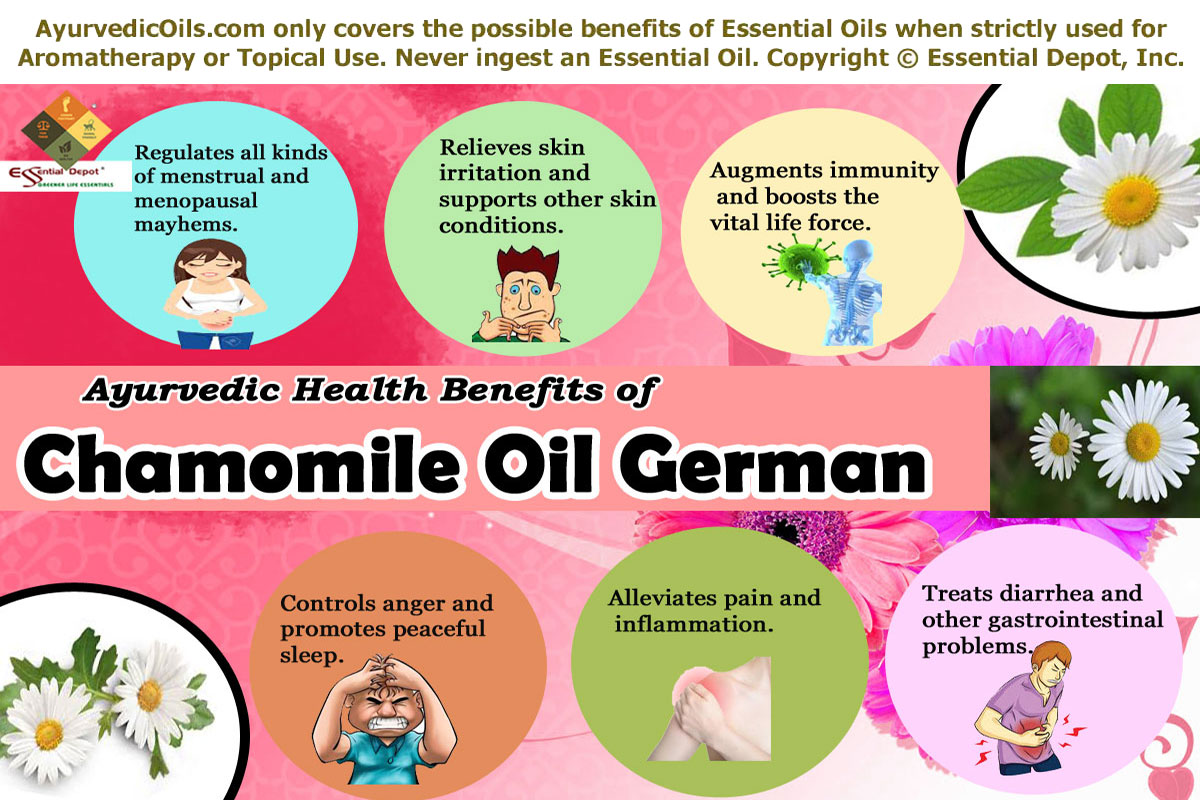
Nar-katchur-broucher1. Excellent digestive aid:

Since the prehistoric period, Nar Kachur herb is used to treat problems in the digestive system especially in the gastrointestinal tract. This herb and its essential oil are said to be beneficial in treating indigestion, colic, loss of appetite, spasms, flatulence, infestation of worms, tastelessness and irregular bowel movement. It is considered as a natural aid for preventing ulceration due to stress.

Nar Kachur oil is proven safe for using it on the skin. Add 3 drops of Nar Kachur essential oil with almond oil and gently massage it on your tummy for relieving from colic, dyspepsia, flatulence, indigestion, irregular bowel movement and spasms.

You can also add 2 drops of this oil to warm bathing water for stimulating your digestion, improving your appetite and assist in expelling the worms through excretion. Adding 2 to 3 drops of Zedoary oil to your diffuser will also help in enhancing your appetite, reducing vomiting sensation and promoting speedy digestive process.

2. Treats respiratory problems:

Respiratory problems mainly occur due to the excess of kapha dosha, due to which fluids like mucous and phlegm gets deposited in the lungs and other parts of the body. It blocks the nasal passages and ends up in breathing difficulties and other respiratory disorders like cough, asthma and cold.

Adding 3 drops of Nar Kachur oil to steaming water and inhaling the medicated steam releasing the camphoraceous aroma of this oil can assist you in loosening the phlegm and mucous deposits and ease breathing. You can also add 2 drops of this oil in your rubs and gently massage it on your neck, chest and back to treat congestion, cold and blocked nose.

3. Relieves pain and inflammation:

As an effective anti-inflammatory agent, Nar Kachur oil helps in treating wounds, inflammation and certain other skin ailments. This herb was used in the Indonesian fold medicine for its effective anti-inflammatory property specifically in treating ulcerative colitis known as an inflammatory bowel disease. It was also used in protecting the lungs of the asthmatic patients by restraining the release of inflammatory mediators during the short-term treatment.

The diuretic properties of this oil supports in eliminating the excess fluids and toxic substances in the body especially in the joints causing pain and inflammation in case of rheumatism and arthritis. It is also used in reducing the body temperature during fever by promoting sweat and purging infectious microbes through urine.

Nar Kachur essential oil is also effective in treating abdominal pain, amenorrhea and certain other menstrual problems. Add 3 drops of this oil to warm bathing water or to hot compress to help relieve rheumatic pain, inflammation and menstrual discomforts. You can also blend 4 to 5 drops of Nar Kachur oil with coconut oil and gently massage it on the affected area for quicker assistance.

4. Fights against cancerous cells:

A 2013 research on ‘Zedoary oil (Ezhu You) inhibits proliferation of AGS cells’ proves that Zedoary, a Chinese medicinal herb has anticancer properties. This study concluded saying, “Zedoary oil inhibited AGS cell proliferation through cell cycle arrest and cell apoptosis promotion, which were related to Bax/Bcl-2 protein expression.”

Another study on ‘Applications of Nanoparticles in Herbal Medicine: Zedoary Turmeric Oil and Its Active Compound beta-elemene’ published in the American Journal of Chinese Medicine states that Zedoary turmeric oil has been approved by the Chinese SFDA as safe for treating various cancerous tumors that affect ovaries, brain, lungs, colon, breast, liver and certain other tissues.

Other uses:

Nar Kachur oil is also used as a mosquito repellant by applying it on the skin after blending it with almond or coconut oil. This herb has also been proved effective in the treatment of gonorrhea, erectile dysfunction, urinary problems, hiccups, blood disorders, piles and certain other skin problems.  Nar Kachur essential oil is also used in soap fabrication and perfumeries.

Disclaimer:

Never use essential oils internally. Always remember to use essential oils in a diluted form as pure essential oils are highly concentrated liquids. Consult your Ayurvedic practitioner before using the right essential oil for your unique constitution and health conditions.

Thought for the day:

Nature always wears the colors of the spirit.      -Ralph Waldo Emerson

Suggested Reading:

  1. Gastrointestinal and Liver Disease Nutrition Desk Reference from CRC Press
  2. The Illustrated Encyclopedia of Essential Oils: The Complete Guide to the Use of Oils in Aromatherapy & Herbalism by Julia Lawless
  3. Way of Ayurvedic Herbs: The Most Complete guide to Natural Healing and Health with Traditional Ayurvedic Herbalism by Karta Purkh Singh Khalsa, Michael Tierra

Reference Links:

  1. Curcuma zedoaria by Wikipedia
  2. Biological and Chemical Properties of Zingiber zerumbet Smith (called as Narkachur) published in the Research Gate.net Publication
  3. Zedoary oil (Ezhu You) inhibits proliferation of AGS cells by Hailian Shi, Bao Tan, Guang Ji, Lan Lu, Aili Cao, Songshan Shi and Jianqun Xie published in the Chinese Medicine Journal
  4. Curcuma zedoaria by Ayushveda

Pumpkin Seed Oil


Pumpkin-bannerThere’s no Halloween without Pumpkin and there are no Pumpkin seeds without enormous healing values. These seeds are highly nutritious and the oil extracted Pumpkin seeds are often celebrated for its amazing remedial benefits to prostate problems like benign prostatic hyperplasia or BPH, diabetes, arthritis and kidney disorders.

Widely known as Pepitas, Pumpkin seeds and its oil are used and recommended in Ayurvedic healing for treating urinary problems, low bone density, arthritis, bed-wetting, joint pain, vascular diseases, controlling cholesterol levels (LDL) and for supporting the functions of the kidneys and prostate.

Purchase Pumpkin Seed Oil – Retail – CLICK HERE

Chemical constituents and therapeutic properties of Pumpkin Seed Oil:

Palmitic acid, linoleic acid, oleic acid, myristic acid, stearic acid, palmitoleic acid, linolenic acid and behenic acid are the major chemical components of Pumpkin seed oil. It also contains carotenoids like β-carotene and lutein and tocopherols including ϒ- gamma, β- beta and delta tocopherols.

Pumpkin seeds are also a rich source of zinc, proteins, magnesium, tryptopan (serotonin), thiamine and manganese.

The remedial values of Pumpkin seed oil are antioxidant, anti-arthritic, anti-parasitic, anti-inflammatory, alterative, antimicrobial, detoxifying, anti-hypertensive, emollient, nutritive, anti-inflammatory, sedative, moisturizing and tranquilizing.

Historical uses and importance of Pumpkin Seed and its oil:

Pumpkins are one among the most popular staple food and are said to have been originated in America. The term ‘Pumpkin’ is extracted from the Greek word Pepon and the meaning is ‘large melon’. Pumpkin seeds are also known as Pepitas and the Mexican Spanish term ‘pepita de calabaza’ simply stands for ‘little seed of squash’.

These petite but powerful seeds are said to have been discovered in the Mexican caves in 7,000 BC. The tribal populace of Native America, including the Aztec cultures (1300 to 1500 AD) has used Pumpkin and its seeds for food and medicinal purposes.

The greatest news is that Pumpkins have been planted in about 100,000 acres across U.S and Illinois is the leading producer of Pumpkins. China is the largest producer of Pumpkins in the world followed by U.S, India, Mexico, Ukraine and Russia.

The United States pharmacopoeia listed Pumpkin seeds as an effective medicine for treating parasites and these seeds have been used in the traditional and alternative medicinal practices for treating gastric disorders, urinary illnesses, prostate problems, tapeworms and intestinal parasites.

Pumpkin has been an excellent food for Pilgrims, especially for its high nutritious profile and its potent to stay fresh. This pilgrim verse written in circa 1633 utters all that is vital about Pumpkins.

“For pottage and puddings and custards and pies
 Our pumpkins and parsnips are common supplies,
 We have pumpkins at morning and pumpkins at noon,
 If it were not for pumpkins we should be undoon.”

Even today Pumpkins and its seeds are used as a wholesome food by the pilgrims and have been employed as an essential part of everyday cooking across the world, including the Asian, European and Mediterranean countries.

Pumpkin seeds are loved and recommended as a healthy snack across the globe for numerous reasons and you can bank upon them during your next munch.

Ayurvedic health benefits of Pumpkin Seed oil:

Pumpkin seed oil is said to have a positive effect on all the three doshas or the fundamental energies of life.

Botanically called as Cucurbita pepo, Pumpkin like all other members of the Cucumber family, Cucurbitaceae, it is trusted as an excellent detoxifying agent in Ayurvedic healing. Thus Pumpkin and its nutrient seeds and oil are prescribed for discarding ama or toxic deposits in the system.

Ayurvedic texts prescribe its use in cleansing the bladder and other adjoining organs of the body.

The most awe-inspiring fact is that Pumpkin seeds are extremely rich in an amino acid called as tryptopan that assists in eliminating the toxins in the mind, thus assisting the treatment of stress, anxiety, trauma, anger and is also proven to enhance your cognitive abilities and tranquilize the nervous system.

Ayurveda beckons Pumpkin and its seeds as livotonic, means a tonic for the liver that helps in strengthening the liver, regulates its normal functioning and support in the treatment of hepatitis, degeneration and inflamed liver conditions.

None of us can deny that every day is a new day and a new birth in your life and it’s appropriate to call it as a newer opportunity and a souvenir indeed.

The fruit of pessimism can suppress you while the seeds of optimism can impress your living. In a much similar way, disease is not a matter of agony and is instead a blessing to be happy about.

Ayurveda regards disease or sickness as an opportunity to discern the imbalance in your system. Treating the root cause of an illness can save your head now and prevent such conditions in the future as well.

Nature is the best medicine and everything present in nature is made up of five fundamental elements of Nature like earth (muscles and bone), fire (digestive fire and body temperature), water (blood and other vital fluids), air (all that we breathe) and space (spirit and soul).

Being a part of nature, any illness is an indication of being of out of balance with nature. Using natural medications can certainly assist in permanent remedy of a disease and support in leading a balanced and hearty living.

Ayurveda prescribes natural medications like herbal remedies, Ayurvedic essential oils (life force of plants), yoga (sister science of Ayurveda), meditation (tonic to the soul), Pranayama (conscious breathing technique), Abhyanga (Ayurvedic massaging), Panchakarma (detoxification practices), Dinacharya (Ayurvedic routine) and more.

Here’s the heart of this article and you’re right. Pumpkin seed oil can assist in the treatment of the following health conditions:

Pumpkin-Seed-Oil1. Supports in the treatment of BPH (benign prostatic hyperplasia) and certain other prostate problems:

Pumpkin seeds are the most favorite snack of men in Bulgaria, Ukraine and Turkey. These seeds are loaded with high zinc content and are responsible for supporting prostate health and aids in decreasing the size of prostrate.

Benign prostatic hyperplasia or BPH is a medical condition in men, which is characterized with enlarged or inflamed prostates. Even though it is non-cancerous in nature, BPH requires prompt medical attention. This in general enlarges in middle-aged and elderly men along with age.

Recent studies witness that the presence of cucurbitacins, a chemical component in Pumpkin seeds assist in thwarting testosterone (male hormone) into dihydrotestosterone (an associated element) that is said to encourage the production of prostrate cells.

The celebrated book ‘An A-Z Guide to Healing Foods’ by Elise Marie Collins describes that Pumpkin seed oil have been proved as an alternative remedy for treating benign prostate enlargement and its varied symptoms. Marie also suggests that the use of Pumpkin seed oil along with other natural medications like Saw Palmetto for effective treatment of prostate conditions.

What is all in Pumpkin seeds that can help in the treatment of BPH? The presence of zinc, lignans and phytosterols in these tiny little seeds has been effective in reducing the risk associated with BPH.

Various research analysis reports on the phytosterol components in Pumpkin seeds, including sitostanol, beta-sitosterol, avenasterol, campestanol, stigmasterol and campesterol are responsible for its efficacy in the diagnosis of BPH.

Ayurveda calls Pumpkin seed as Basti Shoda, which means a remedy for cleansing the bladder and the adjacent parts of the body.

Pumpkin seeds and its oil were also prescribed in Ayurvedic medicine for increasing sperm count and for treating impotence and premature ejaculation, for which it is known as ‘Virya Vardhak’, which enhances intense power and vitality.

2. Combats against cancer, diabetes and high cholesterol levels:

Pumpkin seeds have antioxidant and anti-inflammatory properties that can help in preventing the growth and spread of cancerous cells and support the recovery of patients during their treatment tenure and healthy cardiovascular system.

The presence of phytosterol compounds in Pumpkin seeds has been associated with controlling the level of cholesterol in the system. Phytosterols work by restraining the absorption of cholesterol in the small intestine and enhance the level of HDL cholesterol.

A 2011 study on ‘The effect of pumpkin (Cucurbita pepo L) seeds and L-arginine supplementation on serum lipid concentrations in atherogenic rats’ published in the African Journal of Traditional, Complementary and Alternative Medicines, states that about 37 days of regular supplementation of Pumpkin seeds on rats that are on atherogenic diet-induced atherosclerosis showed a 78 % fall in LDL (bad) cholesterol and 47% reduction in total levels of cholesterol and a promising increase in defensive HDL cholesterol (imperative for healthy heart functions).

A 2013 study on ‘Effects of phytoestrogen extracts isolated from pumpkin seeds on estradiol production and ER/PR expression in breast cancer and trophoblast tumor cells’ by the Department of Obstetrics and Gynaecology, University of Rostock, Germany states “Phytoestrogens have a controversial effect on hormone-dependent tumors” and it concludes by reporting that the presence of lignans in Pumpkin seed are effective in the treatment and prevention of breast cancer.

Numerous researches suggest that the presence of omega-3 fatty acids like α-linolenic acid in Pumpkin seed oil might aid in reducing inflammation and the occurrences of chronic health problems like high blood pressure, cancer and heart diseases, quotes the University of Maryland Medical Center.

Pumpkin seeds are alkalizing in nature to the body’s natural pH levels, where most of the snack foods might cause acidity, pain and even cancer. Pumpkin seed oil is also effective in reducing the oxidative stress responsible for cancer, diabetes and other metabolic disorders.

A research study led by Tao Xia in the East China Normal University have concluded that certain compounds in Pumpkin extracts are known to encourage regeneration of damaged pancreatic cells, thus enhancing the levels of insulin in blood.

3. Assists in diagnosing osteoporosis, bone disorders and low immunity:

The most promising attribute that makes Pumpkin seed oil as an armament against osteoporosis is its high zinc, phosphorous and magnesium content, where insufficient consumption of zinc, magnesium and certain other minerals are often associated with weak bones and increased rate of osteoporosis.

Zinc plays a vital role in cellular growth, immune power, sensory functions and sleep patterns. Deficiency of zinc is characterized by acne, frequent cold and cough, depression, fatigue, poor cognitive abilities and more.

Low levels of blood of the trace mineral and osteoporosis diagnosed at the spinal and hip area were reported due to the deficient levels of zinc in the diet, states a study published in the American Journal of Clinical Nutrition with 400 men in the sample group.

4. Alleviates stress, depression and sleeping difficulties:

Pumpkin seed oil contains numerous amino acids like tryptophan, which gets transformed to niacin and serotonin (neuro-transmitter in the brain for stirring your mood). These compounds have been proved universally for its ability to assuage stress levels, social anxiety turmoil, and depression along with fostering a tranquilizing sleep.

Sleep is nature’s medicine for repairing, healing and renovating the physical, emotional and spiritual throbbing and damages. Stress, depression, anxiety and fatigue often curtail natural sleep patterns that agonize your nights and ruin your days throughout.

By promoting a peaceful sleep at night, Pumpkin seed oil pacifies the mind, body and the soul. Stress, anxiety and depression are often the factors behind excessive loss of hair. With its potent to alleviate stress, depression and fatigue, Pumpkin seed oil can control stress related hair loss conditions like Alopecia Areata, Trichotillomania, and Telogen Effluvium.

Pumpkin seed oil promotes hair growth by augmenting the follicular strength, and natural sheen says Marnie Nussbaum, celebrated Cosmetic dermatologist. She also states that Pumpkin Seed oil curtails 5-alpha reductase enzyme. This enzyme has been proven to delay and impede the growth of hair.

Pumpkin seeds are packed with rich nutrients including vitamins A and B, zinc, protein, iron and omega-6 fatty acids that are extremely beneficial for the growth of healthy hair, nourishment of dry and scaly scalp conditions.

5. Helps mitigate kidney disorders and inflammatory conditions:

Pumpkin seeds are an excellent source of antioxidants and essential fatty acids that are proved in treating inflammatory problems by reducing inflammation, particularly in joints without any negative effects (According to a study published in the Journal of Pharmacology Research). It is mainly for this reason; Pumpkin seed oil is recommended for treating arthritis.

Frequent urination and the excess pressure to urinate recurrently are among the few symptoms of an overactive bladder. Pumpkin seeds are an excellent remedy for supporting the overall health of the excretory system and treats overactive bladder and other urinary problems effectively (With reference to the Journal of Traditional and Complementary medicine – 2014 study).

BPH (Benign prostatic hyperplasia) might also pave way for stones or calculi in the bladder and frequent infections in the urinary tract.

The presence of B vitamins, minerals, amino acids and proteins in Pumpkin seeds are also proved to maintain regular functions of the kidneys, bladder and urinary tracts by restraining surplus levels of DHEA (dihydro epi-androstenedione).

Best ways to use Pumpkin Seed oil:

The best possible ways to use Pumpkin seed oil for enhancing your health condition is to use it in an enriching massage blend with your favorite essential oils like Peppermint oil, Mace oil, Lavender oil, Patchouli oil, Ashwagandha oil, Orange oil and more, as the great news is………….. Pumpkin seed oil blends well with all the oils.

Other health benefits:

Ayurveda suggests the use of Pumpkin seeds and its oil for balancing excess vata and pitta doshas, especially during the fall season and discarding toxic remains in the system. Pumpkin seeds in general are known to strengthen the functions of the lungs and intestines.

The potent to relieve excess sogginess in the body, makes Pumpkin seeds a friendly all time snack for supporting human health in general. It is also used in eliminating parasites and tapeworms.

Disclaimer:

This article is meant only for the purpose of information and is not indented for the treatment of any health conditions or as a replacement for any prescribed medicines or the advice of a medical expert. We, at Essential Depot are not healthcare professionals and this information is shared only with the view of cascading the traditional wisdom of Ayurvedic healing.

Essential oils are prescribed only for topical use. This is due to the fact that 100 percent pure and organic oils are highly concentrated liquids and may cause allergic reactions when used internally.

Always speak with your Ayurvedic practitioner or healthcare expert before choosing the appropriate essential oils for your unique individual constitution and state of health. Extra care should be taken in using essential oils if it is for children, elderly populace, nursing and pregnant women.

Thought for the day:

I love the scents of winter! For me, it’s all about the feeling you get when you smell pumpkin spice, cinnamon, nutmeg, gingerbread and spruce.

– Taylor Swift

Suggested Reading:

  1. Dr. Katz’s Guide to Prostate Health: From Conventional to Holistic Therapies by Aaron E. Katz
  2. Pumpkin, a Super Food for All 12 Months of the Year by DeeDee Stovel
  3. Pumpkin Seed Flour and its Micro-nutrient levels: Production of Pumpkin Seed Flour and Evaluation of its Potential to Enhance Vitamin A and Iron Levels of Maize Flour by Twinamasiko Andrew
  4. How Does A Pumpkin Grow?: Discover the secrets about how pumpkins grow! Be inspired to plant a seed and watch the beauty unfold in your own backyard. (Country Garden Book 2) by Renae Smith
  5. Pumpkin Seeds :Healthy and Easy Homemade for Your Best Friend by Heviz’s

Reference Links:

  1. Pumpkin seed oil by Wikipedia
  2. What’s new and beneficial about Pumpkin seeds? by The World’s Healthiest Foods
  3. Effects of phytoestrogen extracts isolated from pumpkin seeds on estradiol production and ER/PR expression in breast cancer and trophoblast tumor cells’ by the Department of Obstetrics and Gynaecology, University of Rostock, Germany, published in Nutrition and Cancer Journal and PubMed
  4. The True Potency of the Pumpkin Seed by Life Extension Magazine
  5. Amazing health benefits of Pumpkin Seeds by Dr. Mercola

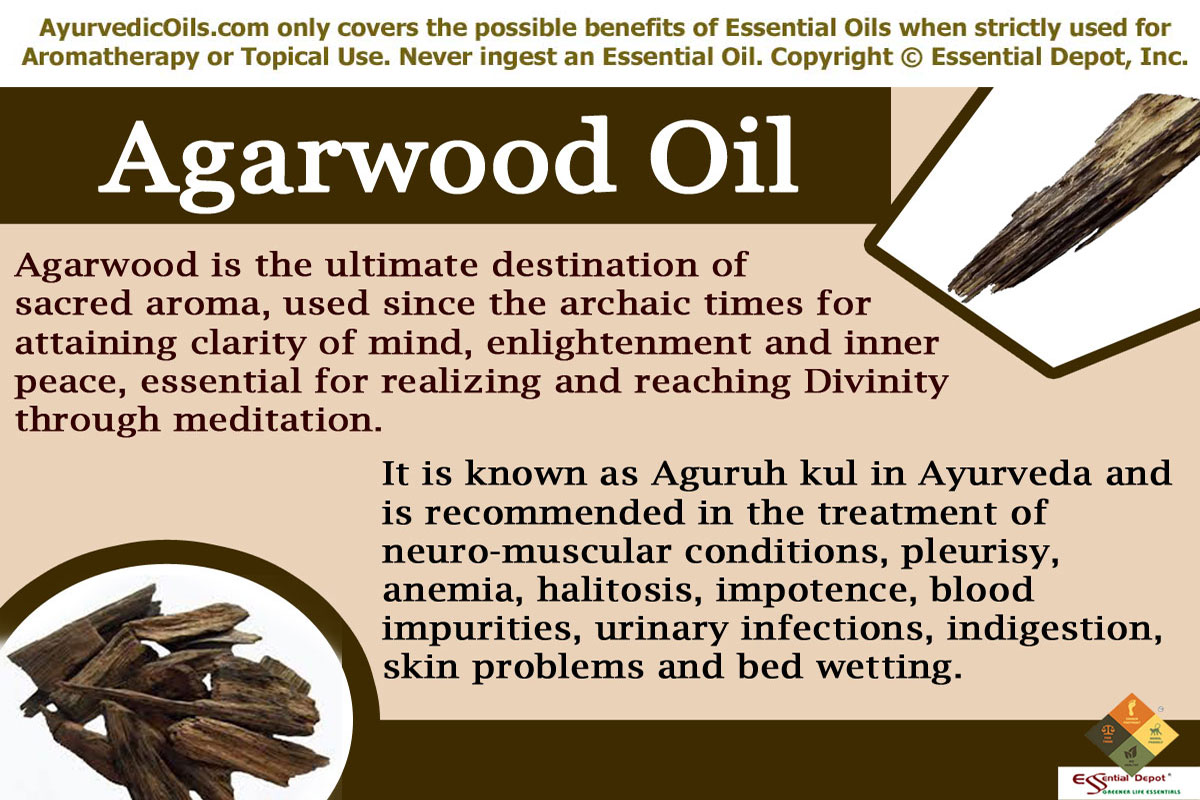
Agarwood Oil


‘Wood of God’ and Adam’s only permitted tree to be taken from the Garden of Eden is none other than Agarwood, where the resinous heartwood of this tree of epic charisma has been used across the globe for extracting its therapeutic essential oil and mesmerizing fragrance ranges.

Agarwood-banner‘Hitting the heaven’ is the kind of feeling one can get at breathing in the aromatic aura of Agarwood oil. Held high as the most captivating fragrance for progressing towards a divine journey, Agarwood and its sacred fragrance has been a part of various earliest cultures of the globe for attaining clarity of mind, enlightenment and inner peace, essential for realizing and reaching Divinity through meditation and other sacred rituals.

Called as Aguruh kul in Ayurveda with the Sanskrit meanings like Vruksha, Shreshta, Rajarha and Vishvaroopakam, Agarwood is popularly known as Agar has been an Ayurvedic medication for neuro-muscular conditions, pleurisy, anemia, halitosis, impotence, blood impurities, urinary infections, indigestion, skin problems, heart problems, pain and bed wetting.

Purchase Agarwood Oil – Wholesale – CLICK HERE

Historical uses and importance of Agarwood oil:

Agar is a limb of the Thymelaeaceae plant family and the most popular among the 15 species of this plant variety are Aquilaria agallocha, Aquilaria sinensis, Aquillaria crassna and Aquilaria malaccensis, based upon its origin and growth.

Popularly beckoned as Oudh, Oud, Gaharu, Agar, Eaglewood, Aloeswood and Agarwood, this tree has been claimed indigenous to various parts of the world, including India, Malaysia, Southern China, Laos, Myanmar, Thailand, Indonesia, Philippines and Cambodia.

The source of this tranquilizing fragrance of this oil is from its heartwood, which gets developed very slowly, may be hundreds of years after being infected by a parasite fungus, namely phialophora parasitica. Owing to this fungus attack, Agarwood tree starts producing an aromatic resin deep within the heartwood, naturally.

Agarwood has its mention in numerous rich Vedic and historic texts like Sahih Muslim, Charaka Samhita, Torah, Bhagavat Gita, Sushruta Samhita, Islamic scriptures and Gospel. Agarwood has been the favorite fragrance of Lord Krishna, held as the God of protection and the hero of the ancient Sanskrit text Bhagavat Gita.

Buddha has stated that the fragrance of burning Agarwood is the authentic “scent of Nirvana” (the state of attaining Divinity). The string of beads counting 108 in Buddhism is made up of Agarwood. Bible also mentions that Jesus Christ have been scented with Aloes (Oud).

The Prophet Muhammad (PBUH) performed the cultural tradition of fumigating with Agarwood and is followed even today among the Orthodox Islamic community.

He also states that Agarwood is a part of the Paradise and his quote, “The first group of people who will enter Paradise, will be glittering like the full moon and those who will follow them, will glitter like the most brilliant star in the sky. The aloes-wood will be used in their centers” proves it commendably.

It is also said that the valiant Samurai warriors used Agarwood smoke to perfume their armour as a lucky charm before going to the battle. The celebrated king of France, King Louis XIV had his garments washed in a blend of water boiled with Agarwood and rose for lasting fragrance and energy.

Agarwood has been a part of various Alternative medicinal practices including Ayurveda, Unani, the Traditional Chinese Medicine, Sufi medicines, Tibetan, Arabic and certain other East Asian medicinal systems as a medication for psychological conditions, cirrhosis of the liver and for various skin problems.

Chemical constituents and remedial properties of Agarwood oil:

The most prominent chemical constituents of Agarwood oil are agarol (sesquiterpene), aquillochin (couinarinolignan), α- agarofurans, β- agarofurans, agarospirol, jinkohol, jinkohol-eremol, selinene, iso- dihydroagarofuran, kusenol, and dihydroagarofuran.

The therapeutic properties accounting to its enormous healing benefits are rejuvenative, tonic, anti-rheumatic, aphrodisiac, diuretic, anti-stress, antimicrobial, carminative, anti-convulsant, anti-asthmatic, anti-cancer, relaxant, analgesic, transformative, digestive, antioxidant, psychoactive, detoxifying, diaphoretic, anti-depressant.

Ayurvedic health benefits of Agarwood oil:

Anyone in today’s contemporary and perfunctory world would simply opt for Ayurveda, if given a chance to relax, revitalize and charge up the entire system. This is no wonder because the world knows that Ayurveda is the oldest of all the healing methodologies in the Universe and its existence dates back to more than 5000 years.

Having its roots tied up with the ancient Indian mythology, Ayurveda is talked about in 114 verses in Atharvaveda, one among the four prized Vedas or Sacred books of the Hindu tradition.

Ayurveda is not just a system of healing with natural medicines and Ayurvedic essential oils, instead it’s a whole pack of holistic healing comprising of healthy lifestyle, natural and nutritious food, Karma or the dutiful life practices, maintaining absolute harmony with Nature, Dharma or the disciplined living, detoxification or the eliminating of toxic remains in the system, treating the root cause of the illnesses, unique healing practices like Abhyanga and Panchakarma, unity with the Divine force through prayer or meditation and staying fit by taking up yoga, Pranayama or the Ayurvedic breathing technique and simple physical exercises.

Ayurveda regards that every person is a unique individual with unique physical, psychological, social and emotional set up. As no two persons are the same, the treatment and medications should not be the same for two persons affected even with the disease.

Ayurvedic philosophy declares that every person is made up of the five elements of nature, namely fire, air, water, sky and earth. The combination of these five fundamental elements combine together to form the biological energies called as doshas. They are vata (air and space), pitta (fire and water) and kapha (water and earth).

Every person has a predominance of any one these doshic energies that determine his character, traits and personality. Balance between these doshas indicate that the human body is in harmony with Nature and imbalance of doshas result in diseases and are direct pointer that the system is out of balance with Nature.

Ayurveda studies this individual constitution of a person along with his medical history and traces out the root cause of a disease. It helps an individual to renew his balance with nature and prevent such illnesses in the future also.

Ayurvedic essential oils are the life essence of plants and are used in Ayurvedic medication for thousands of years in the treatment methods like Ayurvedic massaging or Abhyanga, Ayurvedic detoxification or Panchakarma, Pranayama or Yogic breathing, Aromatherapy and in meditation and prayers.

Agarwood has been an important part of the Ayurvedic regimen and has been talked about in Ayurvedic encyclopedia, Charaka Samhita and Sushruta Samhita.

Bhagavata Purana quotes, “The men and women of the city, arrayed in spotless raiment and anointed with fragrant sandalwood paste, wore precious necklaces, flower garlands and jeweled ornaments, and their opulent homes were filled with the aroma of aguru”, where Aguru is nothing but Agarwood. This proves the use of this spiritual fragrance even during the primordial times.

Agarwood essential oil is said to pacify vata and kapha doshas in excess and enhance pitta energy.

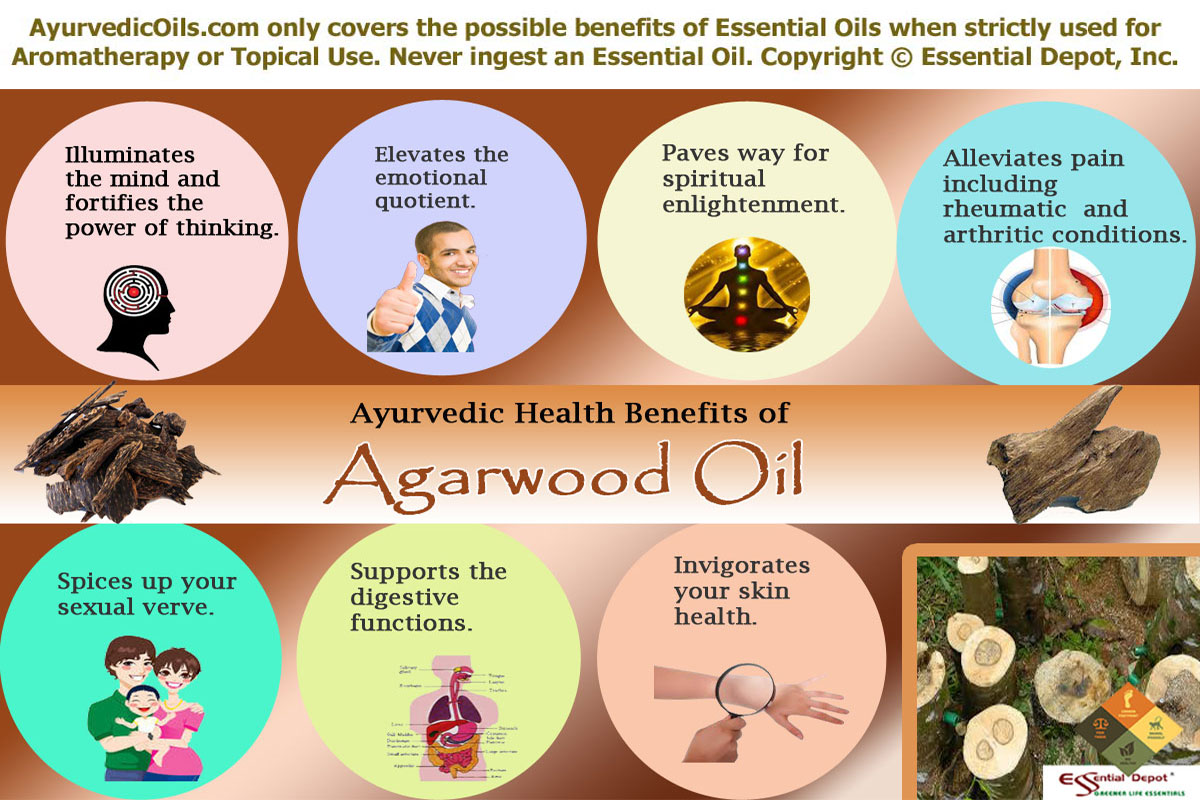
The most significant Ayurvedic health benefits of Agarwood oil are:

Agarwood-broucherApart from these promising health benefits, Agarwood and its essential oil has been a vital part of the perfume industry since ages together. It’s time to learn the medicinal uses in detail.

1. Illuminates the mind and fortifies the power of thinking:

Mind is a faculty of thought, consciousness, intellect and one’s ability to think, sense and reason. Your thoughts are the first move to your actions. The power of thinking would always be healthy and positive only when you have a clear mind sans negative ideas.

Known as the inner organ of awareness or consciousness in Ayurveda, Mind is often termed as electricity generated from the power station called as soul, which is the only reserve of intelligence and it glows with its own light. When you have clarity of mind, your mind never wanders around, it starts focusing only on the right with the kind of consciousness it has acquired from the soul.

The heartening fragrance of Agarwood oil has the power to fuel the mind with mental clarity and drives in inner consciousness. Inhaling 2 drops of Agarwood oil by adding it to diffuser can assist in driving away negative energies, alleviating anxiety, enhancing alertness, increasing the sense of strength, bringing in tranquility, augmenting cerebral functioning and strengthening the nervous system.

This can also support in enhancing your power of creative thinking. It is mainly because creative thoughts strike the mind when it is absolutely free from worries, anxiousness and negative feelings. This way Agarwood can help everyone in your family to think better, may be in performing your duties better in the office, to cook innovative food varieties, to learn and understand better and what not.

2. Elevates the emotional quotient:

Agarwood is often regarded as a glorious tree in the Traditional Chinese Medicine for its excellent medicinal and spiritual benefits. The Chinese usually call the captivating fragrance of Agarwood oil as “a sweet, deep but balanced fragrance”.

Agarwood oil is often regarded as a unique oil of rescue, especially from emotional trauma. It has been also said that the therapeutic properties of this oil is highly powerful in harmonizing the electrical frequencies of the brain.

Agarwood oil has been used by the Tibetan Monks for increasing the inner energy that could pass on absolute tranquility to the mind and the soul. It is for this reason; Agarwood oil has been a part of numerous traditions during spiritual ceremonies and esoteric gatherings. In Buddhism, Agarwood is used for clearing away lack of ignorance.

The famous Chinese tradition Feng Shui, which is an art of controlling the flow of energy in a particular spot, has associated Agarwood in helping with it as the sacred fragrance of Agarwood is said to penetrate through the senses and enrich the spirit.

3. Paves way for spiritual enlightenment:

Meditation, prayers and certain other divine gatherings aim at the realization and oneness with Divinity. This is the most complex chore, as it requires absolute concentration, mental stability and clarity of the mind to attain the heavenly powers.

The sacred fragrance of Agarwood and its oil is said to have psychoactive properties that aid in progressing towards a sanctifying spiritual journey by instilling deep inner peace, consciousness, emotional constancy, positive energy, increased awareness and enhanced psychological functioning.

Certain ancient texts quote that the incense of Agarwood transmits the prayer to the Almighty. Adding 2 drops of Agarwood oil with 1 drop of Sandalwood oil in diffuser or vaporizer during prayer, meditation, Pranayama or other sacred gatherings can help in feeling the connection with the transcendent, alleviating detrimental or negative thoughts that spoil concentration and supporting the insight of experiencing divinity from within.

Agarwood and its enthralling aroma has been said to stimulate Qi, which is the ‘vital force’ or ‘life energy’ and is the fundamental principle in the Traditional Chinese Medicine and Martial Arts. Ayurvedic medication recommends Agarwood oil for augmenting mental clarity, opening Agna or the third eye and all of the chakras in the upper part of the body, which is often associated with divinity.

4. Alleviates pain including rheumatic and arthritic conditions:

Agarwood oil is an excellent kapha suppressant, which eliminates surplus water deposits and toxic remains in the body through sweat or urine. With its analgesic, anti-rheumatic and anti-inflammatory attributes, this oil supports in relieving pain quickly and reducing inflammation associated with rheumatism and arthritis.

Massaging the affected parts, especially the joints with 2 drops of Agarwood oil, 2 drops of Clove oil with 2 ml of coconut oil can help in clearing blood impurities, flushing out toxins, salt and uric acid in the system by promoting frequent urination, reducing pain and soreness and enhancing blood circulation. You can also use 2 drops of Agarwood oil in hot or cold compress for soothing muscular pain.

5. Spices up your sexual verve:

The oil of Agarwood often becomes an interesting remedy for reproductive problems with its stimulating aroma and spirited aphrodisiac properties. Since the primeval period, Agarwood and its enticing oil has been used for people undergoing sexual problems.

As it works as an excellent relaxant that promotes peaceful sleep, treats fatigue, alleviates stress and boosts mental health, Agarwood is often used as an “All in one remedy” for improving vigor and vitality.

Massaging your body with 5 drops of Agarwood oil, 5 drops of Ashwagandha oil, 2 drops of Sandalwood oil and 2 drops of Lavender oil with 10 ml of Olive oil can help in influencing good sleep, soothing the system, enhancing the libido, treating premature ejaculation, increasing sperm count and for curing erectile dysfunction. You can also add 2 drops of Agarwood oil in warm bathing water before going to bed.

6. Supports the digestive functions:

The digestive, carminative, anti-flatulent and stomachic properties of Agarwood oil supports in expelling gas in the intestines and stomach and it also prevents the digestive system from building up of gas.

Adding 1 drop of Agarwood oil along with 1 drop of Peppermint oil in a cup of warm water and gargling with this medicated solution can help in alleviating bad breath, tastelessness and nausea. Massaging your tummy with 3 drops of Agarwood oil along with 2 ml of sesame oil can help in supporting the secretion of gastric juices and digestive acids that treat indigestion, bloating, flatulence and intestinal infections.

7. Invigorates your skin health:

Agarwood oil is an excellent natural remedy for nourishing the skin from within. With its ability to scavenge free radicals in the system, Agarwood oil fight against the symptoms of aging like wrinkles, fine lines and marks.

Ayurveda beckons Agarwood as Kushtanut, means remedy for skin diseases. It is called as Dushta Vranashodhana for its power to clean wounds, Krumihara for treating infected wounds, and Kushtahara for relieving itching and soreness of skin. It is also known as Tvachya for it is extremely useful in detoxification of skin.

1 drop of Agarwood oil and 1 drop of Lemon oil added to your soap-free cleanser can help in clearing away marks, improving skin complexion, encouraging blemish-free glow and granting a younger and healthy looking skin. It is for these reason Agarwood has been a part of various celebrated skin care products including skin lightening creams and soaps.

Other health benefits:

Agarwood oil is also used in the treatment cirrhosis, epilepsy, hepatitis, fever, depression, gastric cancer, abdominal and lung tumors and nervous system disorders.

Disclaimer:

This information is only for the use of education and is not meant for replacing any prescribed medicines or professional medical advice or for diagnosing any kind of health conditions. We are not healthcare professionals and we take up a collective interest to share and spread the awareness of Ayurveda, the holistic and oldest of all remedial practices in the world for which it is rightly called as the Mother of all healing sciences on earth.

Never ingest essential oils and do remember to dilute them in appropriate carrier oils like Jojoba oil. This is due to the fact that organic and unadulterated essential oils are highly concentrated liquids and direct application of essential oils on the skin may lead to allergic reactions. Due care should be taken if you are a nursing mother or carrying. Keep out of reach of children.

Speak with your healthcare practitioner or Ayurvedic expert before taking your call on the suitable essential oils for your state of health and unique individual constitution.

Thought for the day:

Beyond a pleasant smell, a drop of Agarwood essence will softly invade your lungs, your mind, your body and spirit”  – Trygve Harris, aromatherapy expert.

Suggested Reading:

  1. Natural Beauty: Radiant Skin Care Secrets & Homemade Beauty Recipes From the World’s Most Unforgettable Women (Essential Oil for Beginners Series) by Elizabeth Fellow
  2. The Encyclopedia of Aphrodisiacs: Psychoactive Substances for Use in Sexual Practices by Christian Rätsch, Claudia Müller-Ebeling
  3. Fragrance & Wellbeing: Plant Aromatics and Their Influence on the Psyche by Jennifer Peace Rhind
  4. Healing Your Life: Lessons on the Path of Ayurveda by Marc Halpern
  5. The Incense Bible: Plant Scents That Transcend World Culture, Medicine, and Spirituality by Dennis J Mckenna, Kerry Hughes

Reference Links:

  1. Agarwood by Wikipedia
  2. Overview of the Agarwood oil industry by Dr. Pakamas Chetpattananondh, Department of Chemical engineering, Prince of Songkla University, Thailand
  3. Agarwood, a closer look at the ‘Wood of God’ published in the Special Feng Shui Edition
  4. Medicinal and traditional uses of Agarwood by The Cropwatch files

Basil Oil Indian


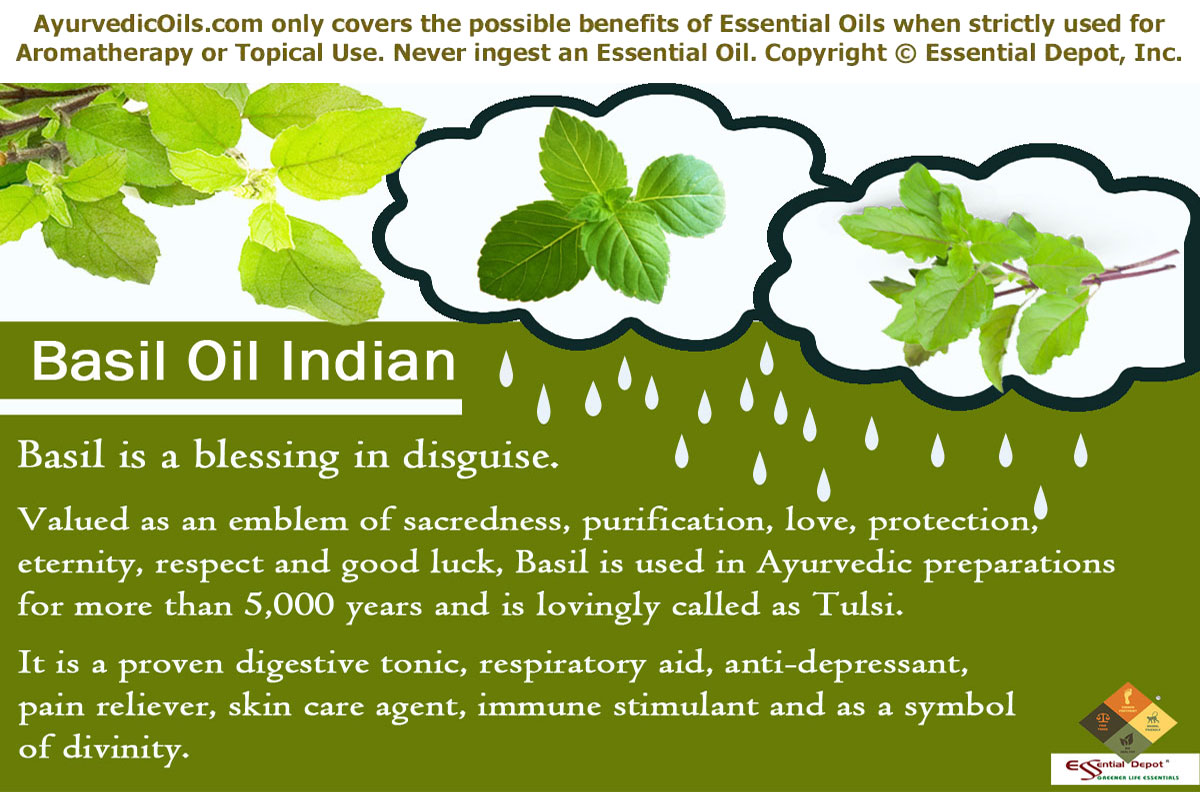
basil oil indianBasil is a blessing in disguise for the rest of the world but for most of the traditional Indian families, every day begins with the blessing of Lord Krishna through Basil leaves. This holy plant is being worshipped by the Hindus in India since thousands of years and is a familiar thing to find a Basil or Tulsi plant in every home. It is known to the world of medicine as a digestive tonic, respiratory aid, anti-depressant, pain reliever, skin care agent, immune stimulant and as a symbol of divinity.

Valued as an emblem of sacredness, purification, love, protection, eternity, respect and good luck, Basil is used in Ayurvedic preparations for more than 5,000 years. It is lovingly called as Tulsi in Hindi and Surasa in Sanskrit and has been a vital part of Ayurvedic healing of a plethora of illnesses.

The most notable among them are nervous tension, constipation, rheumatism, whooping cough, asthma, sinus congestion, bronchitis, stress, bruises, diabetes, fever, poor memory, poisonous bites and stings, acne and kidney disorders.

Historical uses and importance of Basil leaves and its essential oil:

Popularly known as the ‘Queen of herbs’ in Ayurveda, Basil is botanically called as Ocimum sanctum. It is grown throughout the world for its spiritual and medicinal uses. Highly regarded as a symbol of ‘Good luck charm’, Basil plant has myriad references in the history of world medicine.

Basil plant has been talked about in the ancient sacred books like Rig Veda and in the Ayurvedic texts including Charaka Samhita. Respected as an elixir of life in Ayurveda, this plant is said to pave way to absolute balance and longevity for its enormous medicinal values.

The oldest historical mention of Basil leaves is in the ancient Hindu mythology, where Basil or Tulsi plant is said to symbolize Vishnupriya, the wife of Lord Vishnu and the incarnation of Goddess Lakshmi. God Vishnu is honored with the garland made with Basil leaves.

Few other sources state that Tulsi is trusted as a form of Goddess Tulsi and this plant is considered as a symbol of blessedness because it is believed to have grown from the ashes of Goddess Tulsi. Basil plant is worshipped by the married Hindu women in India for being blessed with the faithfulness of Goddess Tulsi.

Known as Bacia-nicola (meaning kiss me Nicholas) in Italy, Basil is regarded as a representation of love and luck and is said to attract man to his lady love. It was used in the ancient Greece in the crowning ceremonies of Kings for purification.

Besides its medicinal values, Basil leaves are also used for culinary purposes for its strong aroma and astringent flavor, especially in Asian cooking. The seeds and leaves of this plant are used in the preparation of an herbal tea, which is said to gift good health and fortune.

The native populace of the Indian subcontinent including the Himalayan areas generally grind the leaves and seeds of Basil plant and blend this with Safflower (Carthamus tinctorius), Katuka (Picrorhiza kurroa), Bel Fruit (Aegle marmelos), Sugandi root (Hemidesmus indicus), and Blue Lotus (Nelumbo nucifera). This herbal mixture is then smoked for persuading the vision and dreams.

The tribal population in Australia has reported the use of Basil leaves in the preparation of an herbal tea for supporting the system as a tonic for treating fever, respiratory problems and few other illnesses. The essential oil extracted from Basil leaves also finds its use in the field of herbal cosmetics and in the treatment of skin disorders and numerous other illnesses.

Therapeutic properties and chemical constituents of Basil essential oil:

The remedial values of Basil oil are cephalic, antifungal, diaphoretic, anti-asthmatic, emmenagogue, antispasmodic, antiseptic, anti-cancer, antidote, anti-oxidant, diuretic, anti-fertility, expectorant, anti-diabetic, anti-malarial, hepatoprotective and anti-inflammatory.

The primary chemical components of Basil oil are eugenol, ursolic acid, b-caryophyllene, linalool, oleanolic acid, carvacrol, germacrone D, b-elemene and linolenic acid. Vitamin A, vitamin C, iron, zinc, potassium, calcium and magnesium are few among its nutritional constituents.

Ayurvedic health benefits of Basil Indian essential oil:

Adorably called as Tulsi in India, Basil is the most respected and often talked about herb in the history of Ayurveda. With its divine aroma and holiness, Tulsi is esteemed high for its healing values. These holy leaves are chewed daily in the morning after performing the ritual prayers for cleansing the system, stimulating metabolic functions, supporting the respiratory functions and strengthening the immune system.

Ayurveda is by far the pioneer of the medicinal world with more than 5,000 years of promising existence. It has its roots vested with the ancient India, where its origin has been referred to Atharvaveda, one among the four sacred books of the Indian mythology.  With the literal meaning of ‘knowledge of life’, Ayurveda means more than a method of treating illnesses.

Holding all these prominent reasons, Ayurveda is known as a common sense science. It leads mankind towards a holistic life with the gifts of absolute health, harmony and longevity. The medications prescribed in Ayurveda simply rely on Mother Nature as it trusts that everything on this globe is a vital part of Nature.

With this philosophy, Ayurvedic texts denote that all things on earth including human beings are built up with the same 5 vital building blocks of nature. They are fire, air, water, earth and space. Earth stands for the bones and muscles in the body and represents braveness, stability and vitality. Air is responsible for the functions of the lungs, heart, intestines and joints.

Ether is found all over the body, where the presence of emptiness and cavity exist. Few parts among them are blood vessels, nostrils, bladder and heart. Fire controls the body temperature, metabolic functions and intellectual power. Water is in charge of the fluid functions of the body, including saliva, blood, plasma and mucus.

According to Ayurveda, every individual is a unique entity with a unique individual constitution or Prakriti, which is an arrangement of the 3 biological energies known as doshas. Ayurvedic principles revolve around the pillars of these dynamic forces, which are a combination of the vital elements of nature. They are vata, pitta and kapha doshas.

Every person has a predominance of any one of these doshas, which determines the character, personality, health conditions and behavioral attributes of a person. An individual is claimed to be healthy when there is absolute balance between all the three doshas and imbalances between these doshas end up in illnesses.

Ayurveda prescribes natural remedies like plant essential oils, herbs, meditation, yoga, prayers, Ayurvedic routine along with Ayurvedic healing techniques like Panchakarma (the Ayurvedic detox techniques), Pranayama (art of balanced breathing), Abhyanga (Ayurvedic massaging) etc. These remedies aim at correcting the imbalances of doshas, prevent illnesses and sustain a healthy life even in the late 60s and 70s.

Basil essential oil has heating and neutral energies (virya) and sharp and bitter taste (rasa). It is known for reducing excess of vata and kapha doshas and aggravates pitta dosha. Basil is said to have amazing beneficial effects on the respiratory system, circulatory system, reproductive organs and the digestive system.

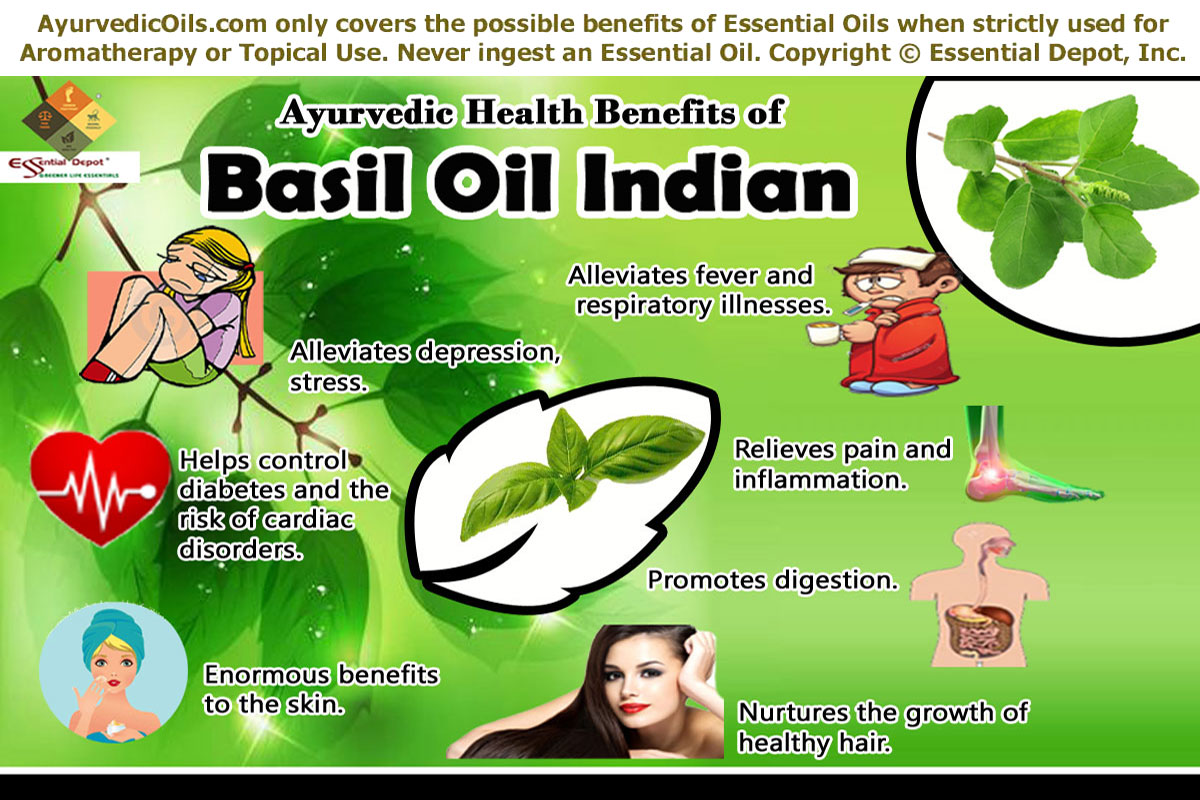
The major Ayurvedic health benefits of Basil essential oil are as follows:

Basil-oil-bro1. Alleviates depression, stress and disorders of the autonomic nervous system: Visceral or the autonomic nervous system supports the generation of hormones and its resultant responses in the human system.  It controls the vital functions of the system including breathing, salivation, digestion, heart rate, urination, perspiration, respiratory rate, breathing and sexual feelings.

Problems in the functioning of this involuntary nervous system can result in indigestion, breathing problems, heart disorders, improper blood circulation, depression, nervousness, anxiety, headache, sexual problems and kidney disorders.

Basil essential oil has a balancing effect on the nervous system. This aids in treating anxiety, stress, depression, nervousness, loss of interest and negative emotions. When inhaled by adding 1 drop of Basil oil, 1 drop of Rose Geranium oil and 1 drop of Lavender oil in diffuser or air freshener, can aid in alleviating stress, inspiring positive feelings, elevating the spirits, augmenting memory power and grant the strength to face challenges.

According to the Ayurvedic texts like Charaka Samhita, Tulsi “opens the heart and the mind and distributes the energy of love and devotion.  Basil is sacred to Vishnu and Krishna and strengthens faith, compassion, and clarity.

Tulsi stalks are worn as garlands and strengthen the energy of attachment. Basil imparts divine protection by purifying the aura and invigorating the immune system. It contains natural mercury that, as the seed of Shiva, imparts the germinative power of pure consciousness.”

According to a 2010 study on “Ocimum sanctum Linn. A reservoir plant for therapeutic applications: An overview by Priyabrata Pattanayak,Pritishova Behera, Debajyoti Das and Sangram K. Panda, published in PubMed says, “Tulsi is considered to be an adaptogen, balancing different processes in the body, and helpful for adapting to stress.

Adding 2 drops of Basil oil in bathing water every morning and night helps in bringing in abundant of constructive thoughts, progressive ideas, encouraging feelings and new-fangled energy to face your new day and relax for a peaceful night. 2 drops of Basil oil added to your air freshener in the night can aid in granting absolute solace and calmness.

Basil has strong effects on the emotions, and can be very strengthening when we are suffering fear or sadness”, says Bryan Miller and Light Miller in their book Ayurveda and Aromatherapy.

2. Enormous benefits to the skin:

Tulsi is a darling remedy when it comes to the protection of skin from various infections and disorders. With its antioxidant and detoxifying properties, Tulsi acts as an excellent skin cleansing and nourishing agent that gifts your skin with a flawless beauty and younger look.

The antifungal and anti-microbial properties of this oil acts as a shield against microbes and aids in the treatment of acne, eczema, scabies, itches, ringworm, athlete’s foot and infectious wounds. The rich presence of Vitamins A and C nourish the skin from within and help in exploring and retaining its natural glow.

The book ‘Ocimum sanctum: The Indian Home Remedy In Current Medical Scene’ have talked about various studies, where the essential oil of Basil “has been found to inhibit in-vitro growth of E. coli, B. anthracis and P. aeruginosa proving its anti-bacterial activity.” It is also said that this oil contains anti-viral and anti-fungal properties.

Massaging your skin with 2 drops of Basil oil blended with 1 drop of Lemon oil, 1 drop of Bergamot oil and 1 drop of Lavender oil along with 2.5 ml of olive oil helps in removing the dead skin cells, reducing pimples, black heads and fading away marks left behind by wounds and acne. You can also apply this blend on wounds, eczema, psoriasis, athlete’s foot, ringworm, scabies, wounds and itches for quicker healing.

3. Nurtures the growth of healthy hair:

Basil has been an important ingredient in numerous Ayurvedic and other herbal preparations for hair care. Take 5 drops of Basil oil, 5 drops of Rosemary oil, 2 drops of Lime oil along with 10 ml of Almond oil and heat this mixture slightly.

Massaging your scalp with this herbal blend helps in promoting the growth of hair by strengthening the hair follicles, reducing dandruff, moisturizing dry scalp and rough hair, controlling itching and enriching the scalp.

4. Alleviates fever and respiratory illnesses:

The anti-viral, anti-microbial and anti-malarial properties of Basil essential oil aids in reducing fever. Numerous research studies have reported that Basil oil contains 100 percent insecticidal and larvicidal activities especially against Culex mosquitoes.

Massage your foot soles with 2 drops of Basil oil and 2 drops of Lavender oil blended with 2 ml of coconut oil for reducing fever. Adding 2 drops of Basil oil in your air-freshener or diffuser can be of great assistance in keeping away from insects with its insect-repellant properties.

The therapeutic properties of Basil oil including its anti-microbial and anti-viral attributes helps in arresting the growth of bacteria, virus and other micro-organisms that worsen cold, cough and other respiratory infections. Mucus and phlegm deposits in the system are again a result of excess kapha dosha.

Basil oil is an effective Ayurvedic remedy for lowering excess of kapha dosha that aids in loosening the phlegm and mucus accumulation in the body. 2 drops of Basil oil and 2 drops of Eucalyptus oil added to steam inhalation can grant you instant relief from cold, cough, stiff nose, congestion, sinusitis, whooping cough and blocked nasal passages.

You can also massage your chest, back and throat with 1 drop of Basil oil and 1 drop of Eucalyptus oil mixed with your vaporizing ointment for supporting quicker relief. This oil also helps in strengthening the immune system and helps in fighting against infectious and communicable diseases.

5. Helps control diabetes and the risk of cardiac disorders:

The essential oil of Basil has anti-diabetic properties that aids in the treatment of diabetes by controlling the level of blood sugar. With its diuretic properties, Tulsi promotes frequent urination through which the toxic elements in the system are flushed out and helps to stay energized.

A 2005 study published in the Journal of Indian Physiology and Pharmacology says “eugenol in Basil oil have been found to reduce raised blood sugar, triglyceride and cholesterol levels and activities of LDH, GPT, GOT and alkaline phosphatase in blood serum explaining the therapeutic potentials of Ocimum sanctum as antidiabetic, cardio-protective, hypolipidaemic and hepatoprotective agent.”

The decoction extracted from the whole plant has been recommended in Ayurveda for lowering the level of blood glucose in case of diabetes mellitus. The presence of eugenol and other therapeutic constituents in this oil are also effective in reducing blood cholesterol and blood pressure. With its antioxidant properties, Basil oil is also known for protecting the heart from the effects of harmful free radicals.

Massaging your system with 5 drops of Basil oil, 5 drops of Juniper oil, 5 drops of Myrtle oil and 2 drops of Clove oil along with 20 ml of coconut oil, once in a week can help in controlling blood sugar, blood pressure and blood cholesterol. You can also add 2 drops of Basil oil in your diffuser every day and inhale this magical aroma for enhancing your heart health.

6. Relieves pain and inflammation:

The pain relieving quality of Basil oil is attributed to the presence of eugenol. This contributes to the analgesic, relaxant, nervine and anti-inflammatory qualities of this oil.

Tulsi oil reduces inflammation and swelling with its kapha reducing attribute. Kapha dosha represents the water element in the body and excess of which leads to the amassing of water deposits, built up of toxic substances, uric acid and salts in the system.

Gently massaging the painful and affected parts with 3 drops of Basil oil, 3 drops of Eucalyptus oil and 3 drops of Camphor oil with 5 ml of coconut oil aids in treating pain, rheumatic conditions, arthritis, headache, stiff joints and back pain.

This works by spreading heat in the painful areas with its heating energy, induce frequent urination where the excess water deposits and toxic remains in the system are eliminated.

7. Promotes digestion:

Basil oil has the power to increase ‘Agni’ or the digestive fire in the system with its pitta-enhancing attribute. Pitta dosha symbolizes fire and is responsible for metabolic functions, including digestion, absorption and excretion.

Adding 5 drops of Basil oil in warm compress or massaging your abdomen with 2 drops of Basil oil, 2 drops of Lavender oil and 2 drops of Bergamot oil with 4 ml of sesame oil can aid in promoting the secretion of bile, digestive juices and gastric acids.

This assists in treating indigestion, formation of gas in the stomach and intestines, vomiting, motion sickness, colic, sluggish digestion and intestinal spasms. The anti-microbial property of this oil helps in killing germs and harmful micro-organisms in the stomach and intestines.

Also useful in:

Basil essential oil is also helpful in the treatment of eye problems, oral infections, migraine pain, kidney stones, mouth ulcers, cancerous tumors, Alzheimer’s disease, labour pain and certain other medical conditions.

Disclaimer:

This post is only for the use of education and information. It is not intended for diagnosing, treating or preventing illnesses or substituting expert medical advice or prescribed medicines. We are not medical professionals and this information is shared only for spreading the glory of Ayurvedic remedies, the mother of all healing systems on earth.

Never ingest essential oils and always dilute essential oils before using it for topical applications. This is due to the fact that 100% pure and organic essential oils are extremely concentrated substances.

Avoid using Basil oil if you are pregnant or a nursing mother as it has anti-fertility and anti-estrogenic effects that may cause harm. Speak with your Ayurvedic practitioner/ healthcare professional before selecting the appropriate essential oils for your prakriti or unique individual constitution and medical condition.

Thought for the day:

He that will enjoy the brightness of sunshine, must quit the coolness of the shade.  -Samuel Johnson

Suggested Reading:

  1. Tulsi Holy Basil: The “Queen of Herbs” in Ayurveda, TCM and Homeopathy (Learning Medicinal Herbs within India’s Ancient Ayurvedic Medicine Book 2) by Ryder Management Inc.
  2. Fragrance & Wellbeing: Plant Aromatics and Their Influence on the Psyche by Jennifer Peace Rhind
  3. Ayurveda: The A-Z Guide To Healing Techniques From Ancient India by Dr. Helen Mary Thomas
  4. Basil Recipes: Cooking with the King of Herbs (Quick and Easy Series) by Dogwood Apps
  5. The Basil Supplement: Alternative Medicine for a Healthy Body (Health Collection) by William Wagner

Reference Links:

  1. Ocimum tenuiflorum by Wikipedia
  2. Therapeutic uses of Ocimum sanctum Linn (Tulsi) with a note on eugenol and its pharmacological actions: a short review by Prakash. P and Gupta. N published in the Indian Journal of Physiology and Pharmacology
  3. Ocimum sanctum Linn. A reservoir plant for therapeutic applications: An overview by Priyabrata Pattanayak,Pritishova Behera, Debajyoti Das and Sangram K. Panda, published in Pharmacognosy review (PubMed)
  4. Health Benefits of Basil or Tulsi Value Food Info
  5. Basil by Bryan Miller and Light Miller published in the book Ayurveda and Aromatherapy: The Earth Essential Guide To Ancient Wisdom and Modern Healing

Benzoin Resin Oil


Fixing up your skin setbacks, respiratory ailments and mental mayhems is just a few steps away, until you reach the sacred aroma of Benzoin essential oil. Blessed with a divine fragrance and handful of healing values, Benzoin has been in use since thousands of years as a holy aromatic agent in temples and other religious ceremonies.

Being a pacifying agent, Benzoin and its essential oil is said to have been used for soothing depression and treat skin disorders. Scientifically known as Styrax benzoin, it is also called as gum Benjamin or gum benzoin.

Used as a natural aid to heighten spiritual oneness and divinity, Benzoin resin was burnt by the ancient saints, Hindu priests and Buddhist monks during prayers and holy congregations.

It was used in various Complementary and Alternative Medicinal systems including Ayurveda, in the treatment of depression, wrinkles, congestion, sinusitis, bronchitis, tonsillitis, cough, flatulence, urinary tract infections, premenstrual syndrome, inflamed skin and impotence.

Historical uses and importance of Benzoin resin: Benzoin resin is extracted from the bark of numerous trees of different species in the Styrax genus. Indigenous to the Sumatra and Java islands in Indonesia, Benzoin gets its name from the Arabic word ‘Luban Jawi’, which means Frankincense from Java. The Benzoin tree grows up to a height of 12 meters and is also grown as an ornamental tree in Western Africa.

The crude Balsamic resin is extracted by tapping method, which is nothing but the process of cutting the bark of the tree for obtaining the resin, generally from a seven years old tree. The extracted resin is then left out for 3 to 4 months for drying and hardening. Benzoin resin essential oil is extracted from this resin through a solvent.

It was said that the ancient Egyptians and Chinese imported Benzoin resin via the Red Sea. As an excellent fixative that has the power to embrace the fragrance of many aromatic oils and perfumery ingredients, Benzoin essential oil is a common element in the perfume and incense-making industry.

Benzoin was used in the traditional Malayan civilization as a fumigation and incense, to keep away from evil spirits as well as for ritual uses. Predominantly used as incense for more than 3000 years, Benzoin resin has been powdered and blended with other aromatic items like cypress, pine, labdanum, juniper and galbanum. This blend is then made as cones and kept on the heads of the dancers of Egypt, says Papyrus records.

Queen Elizabeth I used the dry perfumes made with Benzoin and the first use of this enchanting fragrance factor in England is traced between the 15th and 16th centuries. The resin is popular as an incense in Western Catholic Churches and certain Orthodox Christian associations all over the world.

Benzoin resin is also used in the manufacturing of scented wooden chips known as Bakhoor in Arabic. It is also used as mixed resins along with other resins in Horn of Africa and other Arabian provinces. This sweet-smelling resin is burned on charcoal as incense especially during spiritual occasions in India and the Arabian countries of the Persian Gulf.

Chemical constituents and therapeutic properties of Benzoin resin oil: The key chemical components of Benzoin resin essential oil are benzoic acid, coniferyl benzoate, phenylpropylic alcohol, benzaldehyde, cinnamic acid, benzyl benzoate, vanillin and phenylethylene.

The most significant remedial attributes of this oil are antioxidant, antifungal, antibacterial, anti-inflammatory, anti-depressant, astringent, expectorant, disinfectant, antiseptic, anti-rheumatic, cordial, vulnerary, carminative, sedative, relaxant and deodorant.

Ayurvedic health benefits of Benzoin resin oil: Ayurveda embraces nature wholly and it is reflected in every single remedy it prescribes to mankind. This is the most valued attribute that has helped Ayurvedic healing survive and stay in the hearts of many across the globe.

With the immaculate meaning of ‘knowledge of life’, Ayur+Veda is the only healing system on earth that insists on self-awareness about one’s own health condition and individual constitution. This traditional wisdom of healing brings in that wakefulness,  where an individual understands that every human being is being created with all kinds of mental and physical abilities in a clear order.

Ayurveda helps in appreciating this uniqueness and leading a hale and hearty life in sync with nature, which is built with five fundamental elements. They are earth, water, air, space and fire. Everything on earth including the human body is made with these five elements, where the earth takes the form of muscles and bones, water represents blood, fire helps in the biological functions including metabolism, space is the soul that keeps us alive and air assists in breathing.

According to Ayurveda, every human being is a unique part of nature with a unique individual constitution. This constitution is known as Prakriti and is a combination of three biological elements called as doshas. They are vata, pitta and kapha. Every person has a predominance of any one of these doshas and it determines the traits, character and behavioral attributes of a person.

Ayurvedic remedies are based on the predominance of the doshas and the balance between them. Absolute health in Ayurveda is a sign of perfect balance between these doshas and illness indicates doshic imbalances. Ayurvedic healing techniques and medications aim at correcting the disparities between the doshas.

The major natural remedies prescribed in Ayurveda are herbs, plant essential oils, meditation, yoga, simple physical exercises, Ayurvedic routine, prayers and few other Ayurvedic techniques like Panchakarma or Ayurvedic detox, Abhyanga or Ayurvedic massage and Pranayama or Ayurvedic art of balanced breathing.

Benzoin resin oil has moisturizing and warming energies, which helps in tranquilizing the mind and enriching the skin. This oil has the power to pacify vata, pitta and kapha dosha with its sweet-balsamic, pleasant and vanillin based aroma.

The Ayurvedic health benefits of Benzoin resin essential oil are:

Benzoin-Res-Broucher1. Alleviates rheumatic conditions: Rheumatism generally occurs due to the stagnation of excess water deposits in the system. This leads to improper blood circulation, inflammation, swelling, redness, pain, soreness and difficulty in the normal functioning of the body. Excess of water and fluids in the human body is mainly caused due to the imbalance of kapha dosha, which is responsible for similar diseases like obesity, respiratory illnesses etc.,

Benzoin essential oil has anti-rheumatic, anti-arthritic, anti-inflammatory and diuretic properties that help in promoting proper blood circulation, reducing pain, lessening inflammation, controlling soreness and swelling, and eliminating the surplus water deposits and toxic elements in the system by promoting frequent urination. This function also assists in treating obesity, controlling blood pressure, supporting the functions of the circulatory system and enhancing metabolism.

To get rid of rheumatic and arthritic problems, Ayurveda suggests a healthy diet that naturally controls kapha vitiation along with yogasanas that treat rheumatism and arthritis and the use of Ayurvedic essential oils like Benzoin resin oil.

The Arthritis Foundation reported that a research by the John Hopkins University has concluded that yoga is extremely beneficial for people with rheumatoid arthritis after publishing its research analysis stating that “who participated in eight weeks of yoga classes had significantly fewer tender and swollen joints than they did before starting class.”

Steffany Haaz, the grant recipient of the Arthritis Foundation also says, “We have previously reported that yoga helps people to feel better, and we wanted to make sure it wasn’t harmful to arthritic joints. So, we were glad to find that there actually seems to be improvement in joint symptoms for RA patients.”

Along with this, massage the painful parts with 3 drops of Benzoin resin oil mixed with 1 drop of Ginger oil, 1 drop of Lavender oil, 1 drop of Black pepper oil, 1 drop of Juniper berry oil with 4 ml of coconut oil. You can also add 2 drops of Benzoin resin oil and 2 drops of Marjoram oil in warm bathing water or in hot compress for improved results. This formula works quickly as the benzyl components in the Benzoin oil are easily absorbed by the pores of the skin.

2. Relieves congestion and other respiratory problems: Breathing is the natural action that sustains life. Trouble-free breathing brings in enormous health and happiness by permitting the flow of prana or vital life force in the system.

Any interruption or blockage in the breathing mechanism due to improper food habits, environmental factors, stagnation of water deposits and toxic substances in the system leading to built up of mucus and phlegm deposits (this is a kapha imbalance) cause respiratory problems.

Benzoin resin essential oil has the power to reduce excess kapha dosha, with its expectorant properties. 1 drop of Benzoin oil with 1 drop of Eucalyptus oil and 1 drop of Niaouli oil in steam inhalation aids in loosening the accumulated phlegm and mucus, relieving congestion and cleansing the breathing passages.

Gently massaging your chest, throat and back with your vaporizing ointment mixed with 2 drops of Benzoin oil and 2 drops of Frankincense oil, following the steam inhalation can aid in relieving cough, cold, congestion, bronchitis, laryngitis, blocked nose, asthma and other respiratory allergies. You can practice breathing exercises like Pranayama and yoga asanas for respiratory illnesses.

3. Drives away depressive feelings: Benzoin resin oil has a gentle, sweet and soothing aroma that tranquilizes the mind with its relaxant, sedative and anti-depressant properties. When inhaled, these remedial properties in the aromatic molecules of this oil pass on to the brain through the nasal passages. This has a positive effect on the limbic system, which is the control center of the brain.

Bryan Miller and Light Miller in their book ‘Ayurveda and Aromatherapy’ say, “Benzoin resin oil is beneficial to an irritated nervous system and can be useful in depression, PMS and stress.”

2 drops of Benzoin resin oil along with 1 drop of Ylang Ylang oil and 1 drop of Orange oil added to your vaporizer, burner or diffuser can assist in stimulating the central nervous system, pacifying the mind, granting mental clarity, controlling anger, treating anxiety, improving blood circulation and instilling the power to control depressive feelings.

According to Ayurveda, among the 7 chakras, Benzoin resin oil affects the root chakra and the solar plexus chakra. Root chakra or sacral chakra is responsible for survival factors like security issues, financial independence and the ability to stand up high. Imbalance of this chakra leads to depression and various other nervous problems.

Solar plexus chakra deals with self-confidence, self-esteem, self-control, self-worth and other personal powers. The failure of the functions of this chakra leads to nervousness, lower self-confidence, inferiority complex, poor memory and digestive disorders.

Benzoin resin oil, with its power to treat the imbalances of the root chakra and solar plexus chakra, brings in self-confidence, trust and the ability to stand tall to beat depression and other negative feelings.

While talking on the relaxing effects of Benzoin resin oil on the emotional aspects of the system, Madame Maury says, ‘this essence creates a kind of euphoria; it interposes a padded zone between us and events’. You can also work out these Yoga asanas for depression and practice meditation.

4. Keeps skin problems at bay: The essential oil of Benzoin has amazing healing for nourishing your skin and helps you look younger and charming. The book on ‘Aromatherapy: Essential oil for vibrant health and beauty’ by Roberta Wilson quotes, “Benzoin was often added to cosmetics to keep skin clear and youthful. People in many different cultures have appreciated its ability to soothe and stimulate the skin.”

Benzoin resin oil has everything in its kitty for dealing with various skin problems ranging from wounds to treatment of scars. The healing properties are mainly due its chemical components including benzyl benzoate, benzoic acid and benzaldehyde.

This oil is a natural antiseptic with germicidal, disinfectant, antiviral, antibacterial, antifungal and vulnerary properties that aid in healing wounds, cuts, sores, acne, chapped skin, eczema, scars, skin irritation, psoriasis and dermatitis.

Applying the mix of 2 drops of Benzoin resin oil with 1 drop of Lavender oil, 1 drop of Rose oil, 1 drop of Lemon oil, 1 drop of Bergamot oil, 1 drop of Frankincense oil and 4 ml of Sweet almond oil on pimples, wounds, cuts, sores, scars and other infectious skin problems can help in protecting the infected parts from germs and promote quicker healing.

Massaging this blend on your skin especially on dry, cracked, blistered or chapped skin helps repair and rejuvenate the skin cells especially on the elbows, knees and heels. It also helps in maintaining the skin suppleness and softness. Ayurveda recommends drinking ample water every day to retain healthy skin cells.

5. Benefits to the entire system: Apart from these magnificent benefits, the essential oil of Benzoin can bring in enormous other benefits to your complete system. They are the promising effects of this oil that can help in destroying germs in the mouth with its disinfectant properties and tightening the gums with its astringent properties. It also aids in treating digestive disorders with its anti-flatulent and carminative properties. It can serve as an excellent deodorant with its mesmerizing aroma, for your body as well as your home.

Other uses: Benzoin is known for its fixative and preservative values and is used in the perfume industry for these reasons, especially for reducing the dispersal of fragrance elements and essential oils in air. This oil is also utilized as a flavoring agent in baked goods, gelatins, candies, gums, puddings, frozen dairy and beverages including alcoholic and non-alcoholic drinks. Apart from this, its use in the manufacturing of scented candles, cosmetics and veterinary medications makes it a much prized natural alternative since ages.

Disclaimer: This information is only for the purpose of education and is not intended for diagnosis or prevention of any illnesses. Do not substitute these remedies for any prescription drugs or expert medical advice. We are not medical professionals and this article is shared with the interest of throwing light on the world’s oldest healing system, Ayurveda.

Never use essential oils for internal purposes and make certain that you dilute essential oils in appropriate carrier oils before using it topically. This is mainly because pure and organic essential oils are extremely concentrated liquids and may cause allergic reactions, when used on the skin directly.

Talk with your Ayurvedic professional prior to selecting the right essential oils for your Prakriti or unique individual constitution and state of health. Care should be taken before using essential oils, if you are pregnant or a nursing mom.

Thought for the day:

Nature never did betray the heart that loved her. -William Wordsworth

Suggested Reading:

  1. Fragrance & Wellbeing: Plant Aromatics and Their Influence on the Psyche by Jennifer Peace Rhind
  2. The Encyclopedia of Essential Oils: The Complete Guide to the Use of Aromatic Oils In Aromatherapy, Herbalism, Health, and Well Being by Julia Lawless
  3. Ayurveda & Aromatherapy: The Earth Essential Guide to Ancient Wisdom and Modern Healing by Dr. Light Miller, Dr. Bryan Miller
  4. Magical Herbalism: The Secret Craft of the Wise (Llewellyn’s Practical Magick Series) by Scott Cunningham
  5. Making Your Own Incense: Storey Country Wisdom Bulletin A-226 by Tina Sams, Maryanne Schwartz

Reference Links:

  1. Benzoin Resin by Wikipedia
  2. Benzoin from the book, Aromatherapy: Essential Oils for Vibrant Health and Beauty by Roberta Wilson
  3. Benzoin from the book, Ayurveda and Aromatherapy: The Earth Essential Guide to Ancient Wisdom and Modern Healing by Light Miller and Bryan Miller
  4. Health Benefits of Benzoin Essential Oil by Organic Facts
  5. Yoga – A Remedy To Respiratory Illnesses by Dr. Sripriya Krishnan, Department of Psychology, Dr. M.G.R Janaki College of Arts and Science for Women, Chennai

Birch Oil


Well identified as the ‘Shining Tree’, Birch tree sets a remarkable note in the field of ancient and modern medicine for its preventive and defensive actions against rheumatism, skin disorders, circulatory problems and dental mayhems.

Birch-new-2

Scientifically called as Betula Alba, Birch tree bears its origin to the Indian subcontinent, especially in the cold and temperate climates, in particular the northern part of India, which has been the safe haven for numerous saints, sages and Rishis since the pre-historic period for attaining divinity through meditation.

Birch tree is well known for its silvery white bark, from which the Birch essential oil is extracted by dry distillation method. It is called as ‘bhurja’ in Sanskrit, which means ‘a tree whose bark is used for writing upon’, and few sources also state that this name is extracted from the Sanskrit word ‘bhura’, which means ‘shining tree’.

Birch tree is highly rich in flavonoids and saponins. For its enormous medicinal and curative attributes, this tree and its essential oil are being used in Ayurveda for treating obesity, fluid retention, kidney stones, arthritis, colitis, indigestion, cholesterol and respiratory disorders.

Historical uses and importance of Birch and its essential oil:

Being a priceless tree of the ancestral origin, Birch and its essential oil were widely utilized since the primitive times, dating back to the Paleolithic and the Mesolithic era as an adhesive and for various other uses. Adhering to the meaning of its name (tree which is used for writing purposes), Birch has been extensively used for preparing manifold documents in olden days, which are now termed as Birch Bark Manuscripts.

Fulsome with spiritual and cultural importance, Birch tree is crowned as the National tree of Russia and Finland. The most special fact about Birch tree is that it resists all kinds of adverse soil and climatic conditions. The bark of this tree has been used for numerous purposes such as construction, writing and medicinal applications. This tree was also called as ‘Lady of the Woods’, for its elegance, charm, lightness and the mesmerizing aroma after rain.

The Native Americans used Birch in their folklore remedies, where it was taken along with beverages to deal with various health conditions associated with the stomach including dysentery, diarrhea and indigestion.

The essential oil obtained from the bark of this tree has been used in hair care and skin care products to drive away dandruff, hair fall, eczema, psoriasis and dermatitis. The sap of the inner bark is a rich source of nutrients and was used in making cakes and is predominantly known to the world as a famine food for its ability to satiate hunger as a last choice if not anything is accessible.

Birch essential oil has been used as a disinfectant, powerful insect repellent, and also in the treatment of skin infections, fever, kidney stones, eczema and rheumatism. It is also a key ingredient in various perfumes including the most popular Russian Leather fragrance and Iceland Wintergreen.

In various folk medicines, Birch was used in transfer magic remedies for alleviating rheumatic pain and other associated symptoms. The aromatic leaves of this tree were also used in making Birch tea, which was used as an effective remedy for dissolving kidney stones, alleviating pain, gout, dropsy and rheumatism.

Chemical constituents and therapeutic properties of Birch Oil:

The remedial properties of Birch essential oil are anti-rheumatic, anti-arthritic, febrifuge, diuretic, astringent, detoxifying, analgesic, depurative, antiseptic, stimulant, germicide, tonic, insecticide, and anti-depressant. The major chemical constituents contributing to its therapeutic properties are betulene, methyl salicylate, betulenol, creosol, salicylic acid, and guaiacol.

Ayurvedic health benefits of Birch essential oil:

The word ‘Ayurveda’ has become the most common terminology in this contemporary living as many are becoming conscious about their health. When absolute health is the need of the hour, then natural remedies and chemical-free medications come along without any say and this where Ayurveda comes into picture.

Besides being a natural healing methodology, Ayurveda is a holistic system that helps in leading a disciplined life, including guidelines for a balanced diet to a modest lifestyle.

Ayurveda is the oldest of all medicinal systems on earth and it completely trusts that Mother Nature has the cure for all ailments including physical disorders and mental mayhems.

It is also said that living in harmony with Nature gifts a disease-free, harmonious and healthy life. According to this philosophy everything on earth is a combination of the 5 fundamental elements of nature. They are fire, earth, water, space and air.

For a better understanding, it is clearly depicted that earth is the representation of the bones and muscles, fire is the heat energy generated in the body for many vital functions of the system like metabolism, water stands for blood and other fluids, we breathe air and space is the representation of our soul that harmonizes all the other functions of the human body and keeps us alive.

Ayurvedic healing relies upon nature and it strongly states that all the other things on this planet are being created just for the happiness of mankind. You can identify this with the following example; Mother earth has 92 elements, including magnesium, calcium, iron, potassium etc, and the human system also has all these 92 constituents.

When a person is ill due to the deficiency of any of these elements, say iron, he/she is advised to take dates, which is rich in iron and to our astonishment dates grow by engrossing iron content from the earth. Simply brilliant, isn’t it?

Every human being is regarded as a unique part of nature in Ayurveda and it is also recommended that the remedial measures should also be unique based upon their unique individual constitution, which comprises of three biological energies called as doshas (also known as Tridosha) namely vata, pitta and kapha.

Pitta represents fire and water, vata is a combination of air and ether, and kapha signifies earth and water. Pitta energy is responsible for body temperature and metabolism, kapha controls the physical appearance, movement of fluids in the system and sustenance and vata dosha regulates the functions of the nervous, circulatory and respiratory systems.

Your first Ayurvedic consultation will help you in identifying your unique individual constitution and your predominant dosha type, which has an upper hand in determining your physical and mental makeup. Perfect balance between these doshas signifies well-being and disparities due to unwholesome food habits, change in climatic conditions, lifestyle and immoral behaviors leads to sickness.

The most significant Ayurvedic remedies that focus on treating doshic imbalances are herbs, plant essential oils, meditation, simple physical exercises, yoga, Pranayama or balanced breathing practices, Ayurvedic routine, prayers and a balanced diet.

Birch essential oil is known to pacify vata and kapha dosha and intensifies pitta dosha. The Ayurvedic health benefits of Birch essential oil are:

Birch-broucher1. Nature’s gift for treating rheumatic conditions:

Rheumatism is generally regarded as a medical condition caused due to excess deposits of fluids in the system along with the built up of toxic substances and improper blood circulation that lead to inflammation, pain, redness, stiffness and irritation.

According to Ayurveda, rheumatism is majorly a kapha imbalance disorder and can be treated with Ayurvedic remedies that reduce kapha vitiation. Birch oil has anti-rheumatic and anti-arthritic properties that aids in alleviating these agonizing conditions and reduces excess kapha dosha.

Birch essential oil is known as an effective pain reliever with the presence of the salicylate component that is present in aspirin based medications. This compound helps in lessening pain, swelling and stiffness associated with rheumatoid arthritis, osteoarthritis and other pain in the joints and muscles. It works by arresting the body’s production of prostaglandins hormones, which are responsible for pain, inflammation and other similar conditions.

Along with these attributes, the essential oil of Birch also has detoxifying, diuretic and depurative properties that assist in eliminating toxins from the body, discarding salt, uric acid and excess fluid deposits in the body by promoting sweat and frequent urination and by purifying the entire system. Being a circulatory agent, this oil also helps in promoting proper circulation of blood and lessens the severity of circulatory disorders like rheumatism and edema.

Massaging the affected parts with 2 drops of Birch oil, 2 drops of Ginger oil and 2 drops of Tea tree oil along with 3 ml of coconut oil can help in reducing pain, inflammation, redness and promote proper blood circulation that helps in treating rheumatic and arthritic conditions. You can also add 2 to 3 drops of Birch oil in warm compress and in warm bathing water that can help in improving your medical conditions related to rheumatism and other muscular and circulatory problems.

2. Alleviates congestion and other respiratory infections:

Birch essential oil is always one among those best natural remedies that assist in relieving severe congestion, long-term allergies and other respiratory infections. With its expectorant, anti-microbial and anti-inflammatory properties, Birch essential oil supports the system in fighting against chest congestion, bronchitis, nasal congestion, pneumonia and bronchial congestion.

Kapha dosha is a combination of water and earth elements and imbalance of kapha dosha leads to excess level of water deposits, amassing of mucus and phlegm deposits and building up of toxic substances worsening respiratory problems.

Birch essential oil is used in Ayurvedic healing for correcting kapha imbalance by generating heat in system and discarding mucus and phlegm deposits in the lungs and the respiratory passages.

Adding 2 to 3 drops of Birch oil in steam inhalation can aid in loosening mucus accumulation, treating stuffed nose, nasal, chest and bronchial congestion and combats the effects of toxins and microbes in the body.

You can mix 2 drops of Birch oil, 2 drops of Peppermint oil and 2 drops of Lavender oil along with your regular vaporizing ointment and massage in gentle movements on throat, chest and back for quick relief. A hot compress with 2 drops of Birch oil, following this massage on the back and chest can help improve respiratory conditions at ease.

3. Lessens pain and heal wounds rapidly:

Birch is such a magical oil that can relieve severe pain in a matter of minutes. With the presence of the salicylate component in aspirin and other pain-relieving pills, Birch oil aids in lessening pain by causing numbness on the painful area and uplifts the nerves and muscles.

Along with the Alternative and Complementary medicinal practices, the Allopathic doctors also recommend Birch oil for relieving severe pain, preventing the joints from swelling in cases of dislocation of joints or fractures.

Gently massaging the painful parts with 2 drops of Birch oil and 2 drops of Lemongrass oil along with 2 ml of olive oil can aid in easing muscular pain and stiffness. It also helps in alleviating muscular spasms and bout. 3 to 4 drops of Birch oil combined with 4 drops of Helichrysum oil and 4 ml of coconut oil massaged on the affected parts will work like a fascination especially on carpal tunnel syndrome.

Mix 2 drops of Birch oil with 2 drops of Lavender oil and 2 drops of Frankincense oil along with 3 ml of Sweet almond oil and apply it on wounds, cuts, skin rashes, cellulites, ringworm, eczema, itches and insect bites for quick relief. This formula works with the disinfectant, antiseptic, anti-bacterial and germicide properties of Birch oil that kills infectious micro-organisms like bacteria and fungi in skin infections and wounds and promotes quicker healing.

4. Cures oral problems:

There’s no wonder that an admirable essential oil like Birch has the therapeutic effects for treating oral problems with its anti-bacterial, antiseptic, disinfectant, astringent and germicide properties. These remedial values help in treating oral problems like weak gums, cavities, bacteria, painful gums, plaque and halitosis or bad breath.

1 drop of Birch oil along with 1 drop of Spearmint oil added to a cup of warm water can be used as a natural gargle formula for combating germs and bacterial growths in the mouth, strengthening the gums as an astringent, protecting the teeth and gums from infections as an antiseptic and also for keeping away from bad breath by refreshing the mouth throughout the day. This therapy can be followed twice a day in the morning and night.

5. Promotes hair growth and treats hair problems:

Birch is yet another nourishing oil for controlling loss of hair, maintaining those beautiful locks, preventing dandruff, enriching the scalp and promoting growth of hair naturally.  Just 1 drop of Birch oil in your regular shampooing can aid in healing your hair problems and deliver quick results in re-establishing your hair growth.

Massaging your scalp with 3 drops of Birch oil mixed with 3 drops of Ylang Ylang oil, 3 drops of Rosemary oil, 2 drops of Lemon oil and 2 drops of Lavender oil along with 7 ml of Virgin olive oil can help in moisturizing the scalp, controlling dandruff with its anti-fungal properties, strengthening the hair follicles with its astringent properties, promotes hair growth and grants the natural lustrous, shiny and glossy look of your hair. Follow this massage with 2 drops of Birch oil added to your mild shampoo for promising results.

Other health benefits:

A 1994 study at the University of North Carolina concluded that “the chemicals found in white birch bark slowed the growth of HIV”. Various other studies conducted on the betulinic acid present in Birch essential oil have been proved to possess anti-tumor properties and kill cancerous cells. Birch essential oil is also used in the treatment of colitis, bladder stone, gout, headache, candida, multiple sclerosis, depression and urinary disorders.

Disclaimer:

This editorial is meant only for the use of education and information. It is not in anyways intended to treat, cure, prevent or diagnose any medical condition or replace any prescribed medication or medical advice of a healthcare expert. We are medical professionals and this information is shared only with the concern of bringing out the importance of Ayurveda, the mother of all healing systems on earth.

Make sure that you speak with an Ayurvedic expert before using the perfect essential oil for your prakriti or individual constitution and state of health. Do not ingest essential oils or use it for internal purposes and ensure that you always employ essential oils in a diluted form, as 100% pure and organic essential oils are extremely concentrated substances and may cause allergic or hazardous reactions, if used directly for topical application. Keep essential oils out of reach of children.

Thought for the day:

All things are artificial, for nature is the art of God. -Thomas Browne

Suggested Reading:

  1. The Illustrated Encyclopedia of Essential Oils: The Complete Guide to the Use of Oils in Aromatherapy & Herbalism by Julia Lawless
  2. Medical Herbalism: The Science Principles and Practices Of Herbal Medicine by David Hoffmann
  3. Medicinal Plants of the World by Ben-Erik van Wyk, Michael Wink
  4. The Healing Power of Essential Oils: The Original Liquid Copals by Bevonne Birch Crookston
  5. American Indian Medicine (The Civilization of the American Indian Series) by Virgil J. Vogel

Reference Links:

  1. Birch Tar by Wikipedia
  2. Health benefits of Birch essential oil by Organic Facts
  3. White Birch by the American Cancer Society
  4. Birch Tree: Natural Medicine in your Backyard by Mother Earth News

Betel Leaf Oil


Have you ever thought whether nature has a heart? If yes, then here’s your answer. The heart shaped Betel leaf is beckoned as the ‘Golden heart of nature’. Dating back to 7000 BC, Betel is one among those oldest divine herbs bestowed on mankind.

Betel-leaf-bannerBesides numerous health benefits, these appealing leaves are a symbol of status and hospitality for greeting Kings, nobles and guests in the cultural heritage of India. Botanically called as Piper betle, Betel vine is a member of the pepper family Piperaceae.

Tambool, Saptashira, Nagavallari and Nagini are Sanskrit names of Betel leaf and is commonly called as Paan in Hindi and the English names are Betel pepper, Betel vine and Betel. In Ayurveda, Tambool or Tambuli has been mentioned in numerous Ayurvedic texts including Charaka Samhita and Sushruta Samhita, where these glossy leaves have been prescribed for enhancing metabolic functions, reducing inflammation, expelling mucus, strengthening the heart muscles, improving appetite, purifying blood, treating ulcer, nosebleed, acne, bronchitis, halitosis, bleeding gums, headache and reproductive problems.

Historical uses and importance of Betel leaf and its essential oil:

Betel leaf has a rich historical charisma and is said to have been indigenous to South East Asian countries including Malaysia and India. Chewing Betel leaves with areca nut is a cultural tradition in most of the Asian countries for it’s said to give a euphoric feeling that stimulates the mind and grants instant energy for working.

According to the study of numerous Anthropologists, the traces of Betel leaves were said have been found in spirit caves of Northwest Thailand, which dates back to 5500 to 7000 B.C. The oldest historical book of Sri Lanka, ‘Mahawamsa’ written in Pali talks about the leaves of the Betel vine. There are certain other findings in human skeletons dating back to 3000 BC in countries like Philippines and Indonesia, indicating the use of Betel leaves even before thousands of years.

The traditional practice of chewing Betel leaves with areca nut has been mentioned in the pre-historic books of the Indian mythology and the most predominant among them are Raghuvamsa written by Kalidas and Kamsutra written by Vatsyayana. In one of the oldest text named Sakta-tantra, Betel leaves have been denoted as one of the important ways of attaining siddhi or abundant blessings from the Almighty.

In these ancient texts Betel leaves were referred as Tambulika, Tambuladhikara, Tambuladayini, and Tambuladyaka and so on. Ayurvedic encyclopedias like Charaka Samhita and Sushruta Samhita have also indicated the many uses of Betel leaves. In chapters 28-46 of Sushruta Samhita Betel leaves are described as “aromatic, sharp, hot, acrid and beneficial for voice, laxative, appetizer, beside this they pacify vata and aggravate pitta.”

The primeval Ayurvedic texts also highlight the aphrodisiac properties of Betel leaf that aid in treating male and female reproductive problems. The Chinese Traditional medicine also used Betel leaves for its warm and spicy nature that aided in the treatment of cough, itching, inflammation, headache and respiratory infections.

Betel leaves were used in various medical preparations of the Unani medicine and was used as a brain tonic, and in treating throat infections, cleansing the blood and for enhancing the appetite.

Betel leaves were also used in the traditional healing system for treating various health disorders like conjunctivitis, leucorrhea, rheumatism, ringworm, constipation, infertility, bad breath, ottorrhoea, cough and asthma. Singers chewed these leaves to enhance their voice.

Therapeutic properties and chemical components of Betel leaf essential oil:

The primary ingredients of the essential oil of Betel leaf are cadinene, sesquiterpene, chavicol, geraniol, α-thujene, terpinolene, chavibetol, phenyl propane, trans β-ocimene, safrole, caryophyllene, cineole, cadinol, eugenol, camphene, limonene, pinene, and eugenyl acetate.

These chemical constituents contribute to its remedial values like antifungal, antiseptic, antimicrobial, antioxidant, immunomodulatory, gastroprotective, radio-protective, anti-diabetic, hepatoprotective, galactogogue, anti-inflammatory, expectorant, carminative, analgesic and nervous stimulant.

Ayurvedic health benefits of Betel leaf essential oil:

Veda means knowledge and Vedic studies were strongly suggested for people during the primordial times for gaining knowledge on various aspects including reading and writing skills, discipline, war skills and spiritual values. Ayurveda is much more than a traditional healing system and the word Ayurveda literally means knowledge of life.

The 4 major Vedas of India is like the pillars of the Indian mythology with the world’s richest cultural heritage. They are Rig, Yajur, Sama and Atharva Veda, and among these Ayurveda has its origin from Atharva Veda. This ancient medicinal science is said to have been blessed by the God of Medicine, known as Acharya Dhanvantari.

The main aim of Ayurvedic healing is longevity and healthy aging through a disciplined life and prevention of illnesses with the use of natural remedies like herbal remedies, plant essential oils, yoga, meditation, simple physical exercises, Ayurvedic routine, prayers and other established Ayurvedic techniques including Panchakarma or the Ayurvedic detoxification therapies, Abhyanga or the art of Ayurvedic massaging and many more.

The most treasured Ayurvedic writings include Sushruta Samhita, Charaka Samhita and Ashtangha Hridaya Samhita. These texts throw light on the basic Ayurvedic concepts and its detailed healing mechanism. Charaka known as the father of medicine represents the Atreya School of physicians and shared his medical intelligence on pathogenesis, anatomy, physiology, etiology, disease symptoms, and diagnosis.

Acharya Sushruta is called as the father of surgery and corresponds to the Dhanvantari School of surgeons. He explains about the classification of wounds, burns, fractures, amputation, rectal surgery, plastic surgery and about many types of surgical equipments.

The credit of introducing Abhyanga or Ayurvedic massaging based on the marma points in the body also goes to Sushruta. The third Ayurvedic text Ashtangha Hridaya contains the medicinal values of both Charaka Samhita and Sushruta Samhita.

According to the Ayurvedic philosophy, the major principles of Ayurveda include the 5 vital elements of nature known as Panchamahabutas, 3 dynamic energies known as tridosha, discarding of waste called as malas and the important organs of the body, known as dhatus.

This conventional therapy believes that the earth is made up of five fundamental elements known as space, earth, fire, water, and air. Similarly, the whole thing in this world is also made up of the same five elements also called as the building blocks of nature.

By nature, every person has a unique individual constitution, named as Prakriti and it comprises of three biological forces known as doshas. They are vata (air and space), pitta (fire and water) and kapha (earth and water).

Among these, vata dosha is accountable for the activities of the nervous system including the central and autonomic functions. Pitta dosha is responsible for metabolic functions, tissue building, endocrinal functions and the body temperature. Kapha energy is in charge of physical fitness, binding power, sustenance and reproductive functions.

Absolute balance between these doshas as per nature’s law signifies health and disparity caused by irregular food habits, detrimental practices, climatic conditions and certain other factors leads to sickness.

Ayurvedic remedies are prescribed in order to balance these doshic vitiations. Betel leaf essential oil is known for its remedial properties that pacify kapha and vata dosha and increase pitta body type.

The Ayurvedic health benefits of Betel leaf oil are:

Betel-leaf-broucher1. Ayurvedic approach for refreshing your breath:

Betel leaves are an excellent Ayurvedic aid for refreshing the breath instantly even after heavy meals or especially after having food items that may possess strong odor like garlic or onion. Chewing betel leaves is a customary practice in India since the traditional times mainly for its potent to prevent bad breath, enhance digestion, support healthy gums, assist strong teeth and combat germs and other micro-organisms that cause oral infections.

According to numerous research studies, Betel leaves and its essential oil are the best remedies for treating plaque, dental decay, dental caries and other oral infections caused by bacteria and other harmful micro-organisms.

According to a study on Piper betle, published in the Journal of Pharmacognosy and Phytochemistry, “Dental caries is a chronic endogenous infection caused by the normal oral commensally flora. The carious lesion is the result of demineralization of enamel and later of dentine by acids produced by plaque microorganisms as they metabolize dietary carbohydrates.”

The primary bacteria responsible for tooth decay is Streptococcus mutans and certain other researchers have concluded that the aqueous extracts present in Betel leaves have the oral protective action and potent to combat such bacterial growths along with various acid-producing oral pathogens.

Gargling every morning and night with one cup of warm water mixed with 1 drop of Betel leaf oil can act as a protective shield against tooth decay, plaque, halitosis or unpleasant odor in the mouth, harmful effects of bacteria, germs and other oral pathogens. This also helps in sweetening your breath, arresting oral bleeding, strengthening your gums and fortifying your teeth.

2. Keeps away microbes and its hazardous infections:

The essential oil extracted from betel leaves prevent the system from the dangerous effects of pathogens and micro-organisms and kills the existing microbes and treats the infections caused by such harmful bodies.

A 1991 study on the ‘Biological activity of the essential oil of Piper betle L., by S. C. Garg and Rajshree Jain states that “The essential oil from the leaves of Piper betle L. has been found in vitro to be highly active against the growth of four keratinophilic fungi, Arthroderma benhamiae, Microsporum gypseum, Trichophyton mentagrophytes, Ctenomyces serratus and five pathogenic Aspergilli. Bacterial organisms Bacillus subtilis, B. pumilus, Staphylococcus aureus, Salmonella typhi and Vibrio cholerae were also found to be susceptible to the oil.”

Certain studies also state that Betel leaves and its extracts also possess bactericidal activity on various urinary tract pathogenic bacteria including Enterocococcus faecalis, koseri, C.fruendi, Klebsiella pnemoniae.

The molecule sterol present in these leaves is said to be responsible for the anti-bacterial activity of Betel leaf oil. This contributes to its effectiveness against numerous gram-positive and gram-negative bacteria. It also contains anti-fungal activity and proves challenging to fungi and the resulting fungal infections.

This property of Betel leaf oil helps in treating related skin problems like acne, wounds becoming septic, ringworms, athletes’ foot and certain other infectious diseases like dermatophytosis, which is caused by highly specialized fungi known as the dermatophytes and this disease occurs mainly on the keratinized parts of the body like nail, skin and hair.

A study on the “Evaluation of Anti-dermatophytic activity of Piper betle, Allamanda cathertica and their combination: An in vitro and in vivo stud” published in the International Journal of Pharm Tech., states that the chloroform extract of piper betel shows the much more efficiency than the methanol fraction against dermatophytes because of presence of non-polar components in the fraction.

Gently applying 2 drops of Betel leaf oil blended with 1 drop of Peppermint oil and 1 drop of turmeric oil along with 2 ml of coconut oil on the affected parts can help in relieving wounds and infections quickly along by combating and preventing the growth of destructive microbes. You can also 2 drops of Betel leaf oil to your bathing water to protect you from germs, prevent body odor and grant ultimate refreshment all through the day.

3. Natural digestive aid:

Chewing of betel leaf is considered as an edible digestive aid since the traditional times for its carminative, intestinal, anti-flatulent and gastro-protective properties. The essential oil extracted from these aromatic leaves are also claimed to possess these therapeutic properties, as essential oils are nothing but the life essence or vital life force of the plants.

Massaging your abdomen with 2 drops of Betel leaf oil mixed with 2 drops of Peppermint oil and 2 ml of sesame oil can be an excellent digestive assistance. This helps in promoting the secretion of saliva, gastric juices and digestive acids and it also supports in producing the peristaltic waves, which is highly significant for hassle-free digestion.

This Ayurvedic massaging along with inhaling the warm aroma of Betel leaf oil by adding 1 drop of this oil to your hankie or a tissue paper can aid in treating constipation, diarrhea, gas pain, flatulence, intestinal spasms and sluggish digestion.

Certain researches have also established that the essential oil of Betel leaf has been highly effective against hookworms (Bunostomum trigonocephalum) and tapeworms (Taenia solium) than the accepted synthetic anthelmintics like hexyl resorcinol and piperazine phosphate.

4. Instant remedy for respiratory problems:

The best Ayurvedic remedy for relieving cold, cough and breathing difficulties is applying warmed Betel leaves on the chest after soaking it in mustard oil. Juice extracted from crushed Betel leaves mixed with honey is another traditional remedy for loosening tough phlegm deposits and relieving severe cough.

Betel leaf oil has expectorant properties that aids in expelling accumulated mucus and phlegm especially in the lungs and the respiratory passages. Along with this, the antimicrobial properties of this help in killing contagious microbes in the system like bacteria and viruses that aggravate respiratory infections, if left uncontrolled. Adding 2 drops of Betel leaf oil in steam inhalation and inhaling this medicated steam can help in treating nasal congestion, chest congestion and other cough.

Mix 2 drops of Betel leaf oil with 2 drops of Eucalyptus oil and 2 ml of mustard oil and warm it slightly. Gently massage your throat, chest and back with this medicated oil to eject excess water deposits in the body leading to the amassing of phlegm and mucus deposits. The micro-organisms in the body are eliminated through excessive sweating and urination after taking up these Ayurvedic remedies with Betel leaf oil.

5. Relieves rheumatic conditions and pain:

One amongst the three Ayurvedic schools (Sushruta Samhita, Charaka Samhita and Ashtangha Hridaya Samhita) has recommended the use of betel leaves in the treatment of severe pain and aches, mainly originating from the nervous system. This pain-relieving attribute of Betel leaf is due its analgesic, numbing and cooling properties.

Rheumatism is often regarded as a health disorder caused mainly due to kapha vitiations. Excess of kapha dosha due to changes in food habits, climatic conditions and other lifestyle changes leads to stagnation of water in the system, built up of toxins, inflammation, pain, irritation and certain other symptoms. Betel leaf essential oil with its warming properties increases the heat energy in the system and reduces excess of kapha dosha.

Massaging the affected parts with 3 drops of Betel leaf oil mixed with 1.5 ml of coconut oil can help in alleviating the surplus water deposits in the system by promoting frequent urination with its diuretic properties. You can also add 4 to 5 drops of this oil in hot or cold compress and use it gently on the painful parts. This can also help in relieving headache, lumbago or lower back pain, arthritis pain, swelling, redness and muscular tension.

6. Treats various skin disorders:

Betel leaf juice mixed with turmeric powder is a trusted folklore medicine for treating wounds, boils, acne, cuts and other minor injuries. With its powerful antiseptic and antimicrobial properties, Betel leaf and its essential oil have been proven effective in treating allergies, skin ulceration, nosebleeds, body odor, itchiness, vaginal wetness, acne and other skin infections.

Mix 2 drops of Betel leaf oil with 2 drops of Lavender oil and 2 ml of Jojoba oil and apply it on the infected parts and leave it for half an hour. Wash it thoroughly with a mild skin cleanser. 1 drop of Betel leaf oil added to a cup of warm water can be used as a safe genital wash for treating vaginal wetness, combating germs and other micro-organisms in the discharge, and for supporting genital shrinkage in women, especially after delivery.

Other health benefits:

Betel leaf essential oil is also an effective Ayurvedic remedy for treating reproductive problems with its aphrodisiac properties, diabetes with its anti-diabetic properties, urinary problems with its diuretic properties, constipation in children with its carminative properties, halitosis and other oral problems with its disinfectant and anti-microbial properties.

Disclaimer:

This article is meant only for the use of education and information. It is not intended to cure or prevent any medical condition or replace any prescription medicines. This is only an initiative to spread the time-honored wisdom and medical excellence of Ayurveda and we are not healthcare professionals.

Remember to consult your Ayurvedic professional/healthcare practitioner before selecting the appropriate essential oils for your state of health and prakriti or unique individual constitution.

Avoid ingesting or using essential oils internally. Make sure that you dilute Ayurvedic essential oils in suitable carrier oils before topical application. This is because pure and organic essential oils are the vital life force of plants and are highly concentrated liquids.

Thought for the day:

In every walk with nature one receives far more than he seeks.  -John Muir

Suggested Reading:

  1. Betelvine (Piper Betle L.): Genetic diversity, Phytochemical analysis, Bioactive compounds, Antimicrobial activities, Betelvine by Mofizuddin Mollah, Monzur Hossain, Rafiul Islam
  2. Betel leaf Cultivation – A Potential Crop for Sustainable Income: An In-depth Study on Economy of Betel leaf Cultivation and Marketing with reference to Nadia District, West Bengal, India by Sayan Ghosh, Asit Maiti
  3. The Encyclopedia of Psychoactive Plants: Ethnopharmacology and Its Applications by Christian Ratsch, Albert Hofmann
  4. Antimutagenic and Bactericidal effect of betel vine ethanol extract: Antimutagenic and Bactericidal Property of Ethanol extract of Piper betel L. (Betel vine) leaf by Mukesh Singh
  5. The Encyclopedia of Aphrodisiacs: Psychoactive Substances for Use in Sexual Practices by Christian Rätsch, Claudia Müller-Ebeling

Reference Links:

  1. Betel by Wikipedia
  2. Golden Heart of the Nature: Piper betle L., D. Pradhan, Dr. K. A. Suri, Dr. D. K. Pradhan, and P. Biswasroy, Indian Institute of Integrative Medicine published in the Journal of Pharmacognosy and Phytochemistry
  3. Effects of betel chewing on the central and autonomic nervous systems by Nai-Shin Chu MD, published in the Journal of Biomedical Science
  4. Betel leaves , Ayurvedic herbs and their healing power by Dr. Satish Kulkarni published in NZhealth.net
  5. Biological activity of the essential oil of Piper betle L., by S. C. Garg and Rajshree Jainpublished in the Journal of Essential Oil Research

Black Cumin Oil


‘Seed of blessing’ (Haba al-barakah) and ‘the cure for all diseases except death’ are the two sacred phrases that establish the sanctified and miraculous uses of Black cumin seeds, botanically known as Nigella sativa.

black-cumin-bnrThese magical seeds have been used in various medicinal practices across the world for treating and preventing an extensive range of illnesses including cancer, asthma, diabetes, jaundice, diarrhea, dysmennorhea, hypertension, bronchitis, gastrointestinal problems and numerous other health disorders. It is a member of the Ranunculaceae plant family.

Black cumin seeds are popularly known as Kalaunji or kala jeera in India. The Ayurvedic or Sanskrit names of this herb are Susavi, Sthulajiraka and Upakunci. The other common names of this herb are Nigella seed, fennel flower, black caraway, nutmeg flower and Roman coriander.

Black cumin seeds have been recommended in the Ayurvedic medicine in the treatment of cancer, liver damage, anemia, arthritis, rheumatism, hemorrhoids, dysmennorhea, cephalagia, intestinal worms, psoriasis, asthma, headache, toothache, auto-immune diseases, halitosis and microbial infections.

Purchase Black Cumin Essential Oil – Retail – 4 oz – CLICK HERE

Historical uses and importance of Black cumin seeds:

Black seeds or Nigella sativa is an annual flowering plant and is indigenous to southwest Asian countries. The earliest archaeological evidence about this medicinal herb is said to have been found in the ancient Egypt in many places including the Tutankhamun’s tomb, where the Egyptian Pharaoh of the 18th dynasty was entombed with Black cumin seeds.

Nigella or the Black cumin seeds play a key role in the Islamic history of healing as it has been reported by Abu Hurairah as “I heard Allah’s Apostle saying, ‘There is healing in black seed (haba sowda) for all diseases except death.” in a hadith (Sahih Bukhari), which means an Islamic writing. Trusted to treat various diseases, Black cumin seeds were also used as a condiment all over the world and Black cumin powder taken with honey is said to treat asthma and bronchitis.

Black cumin essential oil was used as an antiseptic oil and a tincture made with these seeds were used in the treatment of diarrhea, dysmennorhea, skin eruptions, loss of appetite, vomiting and intestinal worms. Even today Nigella seeds are used in the Middle East countries for treating asthma, rheumatism, bronchitis, cancerous tumors and other inflammatory conditions.

Nigella sativa was also used by the kings and Pharaohs for augmenting their immunity and state of health. Beauty queens like Cleopatra and Queen Nefertiti used this oil for enhancing and retaining their natural beauty and for supporting their immune power. It is for all these incredible reasons, Black cumin seeds were called as a Panacea in the traditional Egypt, meaning the cure for all diseases and evils.

With more than 3,000 years of use in the European, Asian and Western countries, Black cumin seeds have been mentioned in the Biblical writings in the book of Isaiah of the Old Testament, where the reaping of Black cumin seeds is compared with the reaping of wheat. It is mentioned as ‘ketzah’ in the Bible where the word ketzah refers to Black cumin in Hebrew.

The most renowned Greek physician, Dioscorides recorded the use of Black cumin seeds for treating stomach pain, headache, intestinal parasites, nasal congestion and sinus problems. Avicenna talks about Black seeds in his book “The Canon of Medicine”, for invigorating the natural energy of the system, granting encouragement, alleviating mental and physical sluggishness, and for improving metabolic functions.

Hippocrates recommended Black seeds for assisting hepatic problems and digestive disorders. It gained greater importance in the Indian, Roman, Egyptian, Greek, Chinese and Arabian civilization as a proven historic remedy for cancerous growths, liver problems, kidney infections, epilepsy, tonsillitis, Alzheimer’s disease, wrinkles, weak immunity, cough, insomnia, snakebite, piles, ophthalmia, paralysis and also as a galactogogue for increasing breast milk in nursing mothers.

Chemical constituents and remedial properties of Black cumin essential oil:

The most significant therapeutic properties of Black cumin oil are antioxidant, anti-microbial, analgesic, bronchodilator, hepatoprotective, anti-inflammatory, antispasmodic, hypotensive, anti-ulcer, renoprotective, anti-hypertensive, anti-fungal, anti-cholinergic, anti-diabetic, interferon inducer, anti-bacterial, leukotriene antagonist, immunomodulatory, gastro-protective, nephroprotective, anticonvulsant and anti-asthmatic.

The major chemical components contributing to these therapeutic values of Black cumin oil are thymoquinone, p-cymene, nigellone, pinene, dithymoquinone, beta sitosterol, thymohydroquinone, limonene, citronellol, carvone, t-anethole, carvacrol, and 4-terpineol.

Black cumin seeds are also enriched with crystalline, myristic acid, palmitoleic acid, arachidonic acid, palmitic acid, oleic acid, stearic acid, proteins, vitamin B1, B2 and B3, calcium, copper, iron, zinc, folic acid, and phosphorous along with linoleic acid, the omega-6 fatty acid and alpha-linolenic acid, which is the anti-inflammatory omega-3 fatty acid.

Ayurvedic health benefits of Black cumin essential oil:

Ayurveda is a blessed healing system that considers human body as a temple where the soul dwells in like the Almighty. It is for this noble reason Ayurvedic principles instruct on keeping the mind and body happy, clean and free from worries for leading a harmonious life.

This disciplined approach rests on Mother Nature for everything, as it strongly believes that every single thing on earth is a part of nature and the wellness and illness of any living thing depends upon its harmony and disharmony with nature itself. Nature is made up of five vital elements like earth, water, fire, space and air and everything on earth has a combination of these five elements.

If you take a human body, earth is present in the form of bones and muscles, fire is the energy required for numerous functions of the body, air is what we breathe, water is present in the form of blood and other fluids in the system and space is the representation of the soul, which is the only difference between a living and non-living thing.

According to Ayurveda, every human being is a unique part of nature with a unique individual constitution known as prakriti, which is a combination of three dynamic biological energies known as doshas. They are vata, pitta and kapha.

Every person has a predominance of any one of these doshas that has an upper hand in determining the personality, traits, and behavioral attributes of person. When there is an absolute balance between these doshas as per nature’s law there is hale and heartiness and doshic imbalances due to lifestyle changes, climatic conditions and unhealthy habits leads to sickness.

Every treatment in Ayurveda commences with an attempt to recognize the unique individual constitution of a person. This assists in analyzing the mental and physical characteristics of a person along with their individual constitution. The credibility of Ayurveda lies in its distinctive way for treating individuals in a unique manner by prescribing natural remedies that suit their prakriti even if a group of people are affected by the same illness.

The key Ayurvedic remedies are herbs, plant essential oils, simple physical exercises, yoga, meditation, prayers, Pranayama (breathing exercises), Ayurvedic massaging, Panchakarma (Ayurvedic detoxification techniques) and Ayurvedic routine.

Black cumin essential oil is said to pacify vata and kapha doshas and augment pitta energy. It’s time to look into the Ayurvedic health benefits of Black cumin essential oil.

Black-cumin-oil-broucher1. Excellent natural remedy for the 8 major types of Cancer:

The most amazing thing about Black cumin seeds is its potency to fight against various types of cancers. Dr. Gary Null of the Progressive Radio Network says “Black cumin oil is probably the single most important oil you can put in your system. Every time you take black cumin you are stimulating your immune system to fight on your behalf and increase natural killer cells.” With its potential to improve the immune system, Nigella seeds have been used successfully in the treatment of HIV and cancer.

Various studies conducted by numerous researchers have proved the efficacy of Black cumin seeds in treating different types of Cancer and the most prominent and life-threatening ones among them are brain cancer, pancreatic cancer, leukemia, breast cancer, liver cancer, colon cancer, oral cancer and cervical cancer.

Among these, pancreatic cancer, regarded as the fourth leading cause of deaths due to cancer and various studies conducted by Dr. Hwyda Arafat at the Kimmel Cancer Center at Jefferson proved that Nigella sativa seeds were promising in treating pancreatic cancer with an amazing result of 80% death of cancer tumor cells.

Another study by the China Medical University, Taiwan proves that the presence of thymoquinone in Nigella seeds stimulates apoptosis in oral cancer cells.

A 2013 review named, ‘A review on therapeutic potential of Nigella sativa: A miracle herb published in PubMed has listed the antioxidant and anticancer effects of Black cumin seeds and most of the studies indicate that thymoquinone (TQ) is responsible for enormous beneficial effects of Nigella seeds in fighting against various types of cancers.

According to the Cancer Research Laboratory of Hilton Head Island, USA, Black cumin seeds proved very effective in the treatment of tumor therapy, without any hazardous side effects of general chemotherapy.

This study also said that these little seeds boosted the immune system, controlled the growth of tumors by 50% and augmented the growth rate of bone marrow cells by 250%. This study was concluded with the greater result that “black seed oil is an ideal candidate for use in cancer prevention and treatment, and that it has remarkable promises for clinical use.”

Dr. Hwyda Arafat also says, “Nigella sativa helps treat a broad array of diseases, including some immune and inflammatory disorders. Previous studies also have shown anticancer activity in prostate and colon cancers, as well as antioxidant and anti-inflammatory effects.” He also recommends taking 1 teaspoon of Black seed oil mixed with ½ teaspoon of honey before breakfast and before going to bed for increasing the immune power and for enhancing the antioxidant capacity of the body for fighting against free radicals and cancerous cells.

Skin is the largest organ of the human body and is the fastest medium for transmitting the remedial properties of medicines. This is done by quicker absorbing and passing on the therapeutic values of the medicines to the bloodstream, through which the corresponding organ or part of the body gets treated promptly.

Massaging your system with 10 drops of Black cumin oil mixed with 5 drops of Garlic oil along with 10 ml of coconut oil can assist in increasing your immune power, granting you the endurance to fight cancer, increasing the death of cancerous tumors and preventing the growth of new cancerous cells.

You can also add 3 to 4 drops of this oil to warm bathing water every day for long lasting fortification, especially against microbes like bacteria, virus and fungi.

2. Grants flawless beauty to the skin and hair:

Black cumin seed oil is the cherished secret behind numerous beauty queens like Cleopatra, where the queens used this oil to enhance the natural beauty of their skin, hair and nails. From the ancient times, Nigella seeds and its oil have been used in the treatment of numerous skin problems like psoriasis, eczema, wrinkles, acne, burns, allergies, wounds and for moisturizing dry skin.

Mixing 4 drops of Black seed oil with 2 ml of olive oil and massaging gently on your facial skin and neck can help in improving your skin complexion and suppleness of your skin. Massaging your skin with 10 drops of Nigella oil mixed with 10 ml of sesame oil daily before bath, can assist in treating dry skin and can help in retaining the natural moisture of your skin. You can also mix 2 drops of Black seed oil with 1 ml of coconut oil or your mild skin care cream and apply it on wounds and other skin infections for quicker remedy.

Nigella seed oil is indeed a boon for people suffering from hair loss, dry hair, rough hair and split ends. Massage your scalp gently with 10 drops of Nigella oil blended with 5 drops of rosemary oil and 5 drops of lavender oil along with 10 ml of sesame oil for reducing dandruff, strengthening the hair follicles, promoting hair growth and for adding shine and luster to your hair naturally. Leave this blend on your scalp for half an hour and wash it gently with a mild shampoo mixed with 2 drops of Black cumin oil for better results.

3. Relieves asthma and other respiratory infections:

The best folklore remedy for treating severe cough and asthma is the natural tonic prepared by mixing Black cumin seeds powder along with honey and garlic. This tonic was trusted to enhance the immune power that can help in fighting against the harmful micro-organisms that worsen respiratory infections. Numerous studies have proved the anti-asthmatic effects of Black seeds oil on the asthmatic airways.

A popular study on Thymoquinone, the main active component of Nigella sativa seeds have been proved superior to the drug fluticasone in the treatment of asthma in an animal model. Inhaling the soothing aroma of this oil by adding 2 drops of this oil in steam inhalation followed by a gentle massage of your throat, back and chest with 2 drops of Black cumin oil mixed with your vaporizing cream can relieve you instantly from cold, nasal congestion, blocked nose, throat pain, headache, sinusitis and migraine pain.

4. Alleviates rheumatism, arthritis and other inflammatory problems:

According to Ayurveda, rheumatism and other inflammatory conditions in the body general occur due to the accumulation of excess fluid deposits, salt, calcium deposits, improper blood circulation and toxic remains from improper digestion. This is mainly caused by the excess of kapha dosha leading to water retention, sluggishness, swelling, pain and inflammation.

Black cumin seed has anti-inflammatory, analgesic and cytotoxic properties that help in treating various inflammatory conditions. With its hot potency and warming qualities, Nigella oil is an excellent Ayurvedic remedy for reducing excess kapha deposits.

Massaging the painful and affected parts with 5 drops of Black cumin oil blended with 1 drop of Garlic oil along with 3 ml of coconut oil can help in improving blood circulation, eliminating toxic substances, excess water content, salt and uric acid through urine and sweat. You can also add 2 drops of this oil in warm bathing water or in hot or cold compress for improved results.

5. Treats liver and kidney disorders:

Black cumin oil has immense nephroprotective and hepatoprotective properties that protect the liver and kidneys from the harmful effects of free radicals, toxic substances and uric acid. It also helps in treating liver problems and kidney disorders and this healing effect is attributed to the major chemical constituent of Black seed oil known as Thymoquinone. This component protects the system from the hazardous effects of other diseases or chemical substances.

Other health benefits:

There are more than 500 proven studies on the varied healing effects of Black cumin seeds in the treatment of high blood pressure, helicobacter pylori infections, type 2 diabetes, injuries caused by chemical weapons, cardio-vascular problems, epilepsy, gastro-intestinal problems, fatigue, constipation, tapeworms, anemia, dementia, menstrual discomforts, jaundice, dandruff, bronchitis, candida and callosities.

Disclaimer:

This information is only for the purpose of education and is not meant to cure, prevent or diagnose any health disorders or substitute any prescribed medications or professional medical advice. We are not healthcare professionals and this information is published only with the concern of sharing the importance of Ayurveda, the long-established holistic healing methodology.

Never use essential oils with the exception of being prescribed by your medical expert. Ensure that you dilute essential oils before using it externally on the skin, as pure and organic essential oils are extremely concentrated substances and undiluted topical use may lead to allergic reactions. It is always good to talk with your Ayurvedic professional/ healthcare expert before choosing the right essential oils for your unique individual constitution or prakriti and as per your state of health.

Thought for the day:

There is healing in black seed (haba sowda) for all diseases except death – Prophet Mohamed.

Suggested Reading:

  1. Nigella sativa Linn: A review on medicine of the Prophet (Muhammad) by Meraj Ul Haque
  2. Health Benefits of Black Cumin For Cooking and Health (Health Learning Series) by John Davidson, Muhamad Usman
  3. The Healing Power of Black Cumin by Sylvia Luetjohann
  4. Black Seed: Nature’s Miracle Remedy by W.G. Goreja
  5. Greco-Arab and Islamic Herbal Medicine: Traditional System, Ethics, Safety, Efficacy, and Regulatory Issues by Bashar Saad, Omar Said

Reference Links:

  1. Nigella sativa by Wikipedia
  2. A review on therapeutic potential of Nigella sativa: A miracle herb by Aftab Ahmad, Asif Husain, Mohd Mujeeb,Shah Alam Khan,Abul Kalam Najmi, Nasir Ali Siddique, Zoheir A. Damanhouri, and Firoz Anwar published in PubMed
  3. Anticancer activity of Nigella sativa (black seed) – a review by Randhawa MA, Alghamdi MS, Department of Pharmacology, College of Medicine, University of Dammam, Saudi Arabia, published in PubMed
  4. Nigella sativa Linn.– A comprehensive review by Padmaa M Paarakh Department of Pharmacognosy, The Oxford College of Pharmacy, India published in the Indian Journal of Natural products and resources.
  5. Black cumin is the most important oil you can put in your system by Natural News
  6. The Black cumin protocol by Webster Kehr, Independent Cancer Research Foundation, Inc., published in the Cancer Tutor


Your resource for quality Essential Oils. Every batch is
GC tested to ensure purity and authenticity.

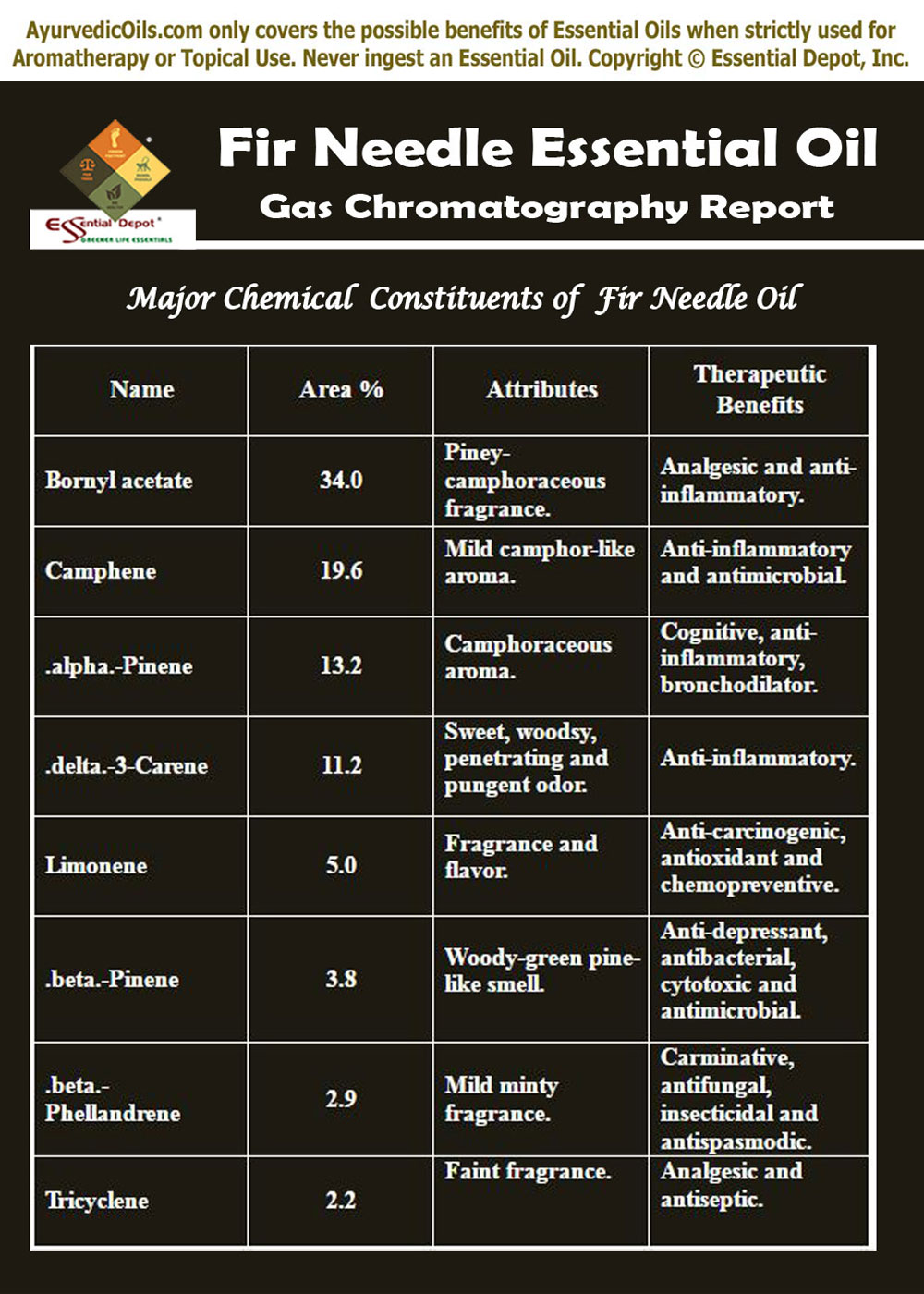
Black Pepper Oil


Crowned as ‘the King of Spices’ and wholly packed with large amount of solar energy, Pepper is also called as Marich, which is the Sanskrit name for Sun. These petite seeds with mammoth health benefits have been an admirable natural remedy for treating various illnesses ranging from obesity to cancer.

BLack-pepper-oil-broucherOver all its amazing healing values, Black pepper oil has been a vital part of Complementary and Alternative medicinal practices for treating sinusitis, rectal prolapse, cellulites and rheumatism.

Called as Maricha, Vellaja or Kali mirch in Sanskrit and Hindi, Ayurveda recommends Black pepper and its essential oil for treating asthma, sinus congestion, chronic indigestion, cold and other respiratory infections, obesity, improper metabolism, urinary problems, cholera, headache, intermittent fever, toxic remains in the system and for certain other health issues. With the scientific name Piper nigrum, Black pepper is a limb of the plant family Piperaceae.

Purchase Black Pepper Essential Oil – Wholesale – CLICK HERE 

Historical uses and importance of Black pepper and its essential oil:

Held high as the most traded spice of the world, Black pepper is indigenous to the southern parts of India especially the Malabar Coast, Kerala. Pepper, originated from the Dravidian word ‘pippali’ meaning long pepper, is the one among the world’s oldest herb and spice dated to 2 BCE, was used for medicinal and culinary purposes.

In the early 1800s, the word ‘pepper’ was used to indicate ‘energy’ or ‘spirit’, after which it was replaced by the word pep. Prized for its value in commodity trading, it was even called as ‘Black gold’.

The legendary Roman bookThe History of the Decline and Fall of the Roman Empire,’ written by Edward Gibbon quotes pepper as “a favorite ingredient of the most expensive Roman cookery“.

It was used in all most all the predominant cultures of the world. According to certain sources, pepper was said to be used in the treatment of eye problems as salves or in poultices in the 5th century.

Indian saints used pepper for acquiring endurance, especially during fasting and travelling. The traditional Indian medicine is said to have used pepper in treating throat infections, sore throat, congestion, cold and cough.

In general, the most popular uses of black pepper as home remedies accounts to its effectiveness in treating indigestion, gangrene, insomnia, lung diseases, tooth decay, constipation, flu, oral abscesses, hernia, joint pain, diarrhea and certain respiratory problems.

Black pepper is regarded as a priceless natural remedy in Ayurvedic medicine, for its varied uses in treating digestive disorders, respiratory infections, gastrointestinal problems, improper blood circulation, parasitic infections and certain other problems associated with the circulatory system.

The popular Ayurvedic preparation “Trikatu” is a combination of Black pepper, long pepper and ginger is recommended for numerous diseases. It is also used in making Indian chai and is taken for curing headache, cold, sore throat and cough.

The traditional Europeans used pepper as a predominant seasoning in various European cuisines and also as a preservative for perishable goods and meat items.

Herbalists across the world, prescribed Black pepper for treating vertigo, arthritis, rheumatic pain, flatulence, colic, nausea and indigestion. TCM, the traditional Chinese medicine records the use of Black pepper since 2 BCE and recommends its use in healing abdominal spasms, pain, diarrhea and vomiting.

Therapeutic properties and chemical constituents of Black pepper oil:

Black pepper essential oil has various remedial properties and the most important among them are expectorant, febrifuge, antioxidant, diuretic, anti-arthritic, circulatory, analgesic, antibacterial, stimulant, anthelmintic, antiseptic, diaphoretic, antispasmodic, laxative, aphrodisiac, anticatarrhal, rubefacient, anti-inflammatory and carminative.

The major chemical components of Black pepper oil are a-pinene, b-pinene, limonene, myrcene, sabinene, camphene, a-thujone, piperitone, caryophyllene, pinocarveol, p-cymene, b-bisabolene, a-phellandrene, b-farnesene, a-terpinene and linalool. Black pepper is also rich in minerals like iron, potassium, zinc, magnesium, manganese and calcium along with antioxidant vitamins including Vitamin-C and A.

Ayurvedic health benefits of Black Pepper essential oil:

Ayur + Veda simply mean the knowledge of life. It is the oldest medicinal system known to the world with more than 5000 successful years of holistic healing practice. Being the pioneer of all other medicinal systems on earth, Ayurveda focuses on complimenting human beings with absolute health through natural healing methodologies and disciplined lifestyle, leading to prevention of illnesses, aging in the pink and higher life expectancy.

The National Institute of Health precisely articulates this as “The aim of Ayurvedic medicine is to integrate and balance the body, mind, and spirit. This is believed to help prevent illness and promote wellness.”

The earliest Ayurvedic texts namely Sushruta Samhita and Charaka Samhita by the legendary Ayurvedic physicians Sushruta and Charaka educates the world on all kinds of diseases, causes, symptoms, and their treatment methodologies along with various Ayurvedic healing techniques.

Much to our astonishment, these Ayurvedic encyclopedias have talked about intricate surgeries including C-section delivery and plastic surgery even before the dawn of modern medical equipments.

The Ayurvedic philosophy insists that everything on earth including human beings are a part of nature and are made up of the five vital elements of nature namely fire, water, earth, space and air.

Human body is the best representation of these five elements of nature, where earth represents muscles and bones, fire is the vital energy for numerous functions of the body, water stands in the form of blood, air is what we breathe and space/ether is our soul that harmonizes all the functions of the system and keeps us alive.

Ayurveda considers every person as a unique part of nature and states that the handling of diseases should also be unique based upon their individual constitution or prakriti, which comprises of three biological energies or doshas namely vata, pitta and kapha.

Vata is a symbol of air and space and checks the functions of the respiratory and nervous system. Pitta represents fire and water and is responsible body temperature and metabolic functions. Kapha stands for earth and water and is in charge for the sustenance, structure and the movement of fluids in the system.

According to Ayurveda, balance between these three doshas is a symbol of being in harmony with nature and it signifies perfect health, whereas imbalances due to unwholesome food habits, lifestyle changes and climatic conditions denote sickness.

Ayurveda prescribes natural remedies that focus on treating these doshic imbalances with the use of plant essential oils, herbs, and yoga, meditation, Pranayama or breathing practices, simple physical exercises, Ayurvedic routine, prayers, Abhyanga or Ayurvedic massaging and Panchakarma or the detoxification techniques.

The essential oil of Black pepper is believed to reduce kapha dosha and aggravate pitta and vata doshas with its spicy, warming and rich aroma.

The Ayurvedic health benefits of Black pepper essential oil are:

Black-Pepper-Oil1. Trusted Ayurvedic remedy for respiratory infections:

Black pepper and its essential oil is a vital part of the Ayurvedic remedy especially in the treatment of respiratory problems including congestion, sinusitis, bronchitis and asthma.

The spicy and warming natural aroma and therapeutic properties like expectorant, antiseptic, antimicrobial and decongestant properties of this sovereign spice assists in weakening the phlegm and mucous amassing and controls the increase of micro-organisms that worsen respiratory problems.

According to Ayurveda, imbalance or excess of kapha dosha contributes to the accumulation of fluid deposits including mucous and phlegm, especially in the chest, nasal, respiratory and bronchial passages.

This leads to respiratory problems like whooping cough, sinus congestion, bronchitis and breathing difficulties. With its potent to decrease kapha dosha, Black pepper is a cherished Ayurvedic and Grandmother’s medicine for alleviating respiratory problems.

Warm milk with 1 pinch of Black pepper powder and 1 pinch of Turmeric powder is a popular Ayurvedic remedy practiced in every Indian family for treating nasal congestion, chest congestion, cough, sore throat, headache and other symptoms associated with cold. Adding 1 drop of Black pepper oil in a cup of warm water and gargling with this mixture can help in treating sore throat and throat infections.

Black pepper oil, appropriately 2 drops of it added to steam inhalation followed by a gentle rub of your throat, chest and back with 2 drops of Black pepper oil mixed with your regular vaporizing ointment can help in treating cold, flu, blocked nasal passages, chest congestion, sinusitis and headache. This natural remedy can also assist in improving blood circulation in the lungs.

2. Relieves digestive disorders:

Undoubtedly, Black pepper is one among the best spices for improving digestion, enhancing the flavor of the food varieties and boosting the functions of metabolism. It is for this reason Black pepper powder is often dusted over all kinds of cuisines, be it a relishing vegetable salad or a lip-smacking chicken curry.

With its digestive, antispasmodic, carminative and anti-flatulent properties, Black pepper essential oil acts as a digestive tonic that treats gas, indigestion, colic and other gastro-intestinal disorders.

Massaging your abdomen with 2 drops of Black pepper oil, 2 drops of Ajwain oil, 2 drops of Lemon oil along with 3 ml of sesame oil can help in expelling gas in the stomach and intestines and also aids in preventing the formation of gas. Adding 1 drop of this oil to your handkerchief or a tissue paper and inhaling the aroma of this oil assists in promoting the secretion of digestive enzymes, bile and other gastric juices responsible for trouble-free digestion.

This also aids in enhancing the appetite, treat constipation, intestinal spasms, colic, indigestion, vomiting, nausea, diarrhea, stomach upsets and other gastrointestinal problems.

3. Reduces fever:

Black pepper essential oil has febrifuge properties along with antiseptic and diuretic values that support the system in reducing fever and maintaining the normal body temperature. Massaging your foot soles with 2 drops of Black pepper oil with 1 drop of Cardamom oil mixed with 2 ml of olive oil can help in reducing fever by promoting urine and sweat along with discharging the toxins in the system and combating the growth of micro-organisms that increase fever.

You can also add 1 drop of Black pepper oil to a wet cloth and leave it on your forehead for improved results. It also opens up the sweat pores and reduces the body temperature slowly by granting absolute relief from fever.

4. Alleviates rheumatism and arthritic conditions:

Rheumatism, according to Ayurveda is caused mainly due to the accumulation of toxic substances, water deposits, salt and uric acid especially in the joints, leading to inflammation, redness, soreness, pain and irritation. Black pepper essential oil has the power to discharge excess water deposits, toxic remains known as ama, uric acid and other calcium deposits through urine.

2 drops of this oil mixed with 2 drops of Frankincense oil and 2 ml of coconut oil massaged slowly in circular movements on the affected parts can help in reducing swelling, inflammation, redness, stinging pain and irritation with its diuretic, anti-inflammatory, antioxidant and analgesic properties.

You can also add 2 drops of Black pepper oil along with 2 drops of lemon oil in warm bathing water for relaxing aching muscles and your entire system. This enriching bath along with the soothing massage with Black pepper oil aids in promoting frequent urination through which the harmful toxins and other excess fluid deposits in the system are ejected.

5. Combats free radicals and fights against cancers:

Black pepper tops the list along with Turmeric as a powerful anti-cancer and cancer prevention spice recommended by the American Institute of Cancer Research. Black pepper has excellent antioxidant properties and high amount of Vitamin C that help in fighting the free radicals responsible for the development of cancerous tumors.

The University of Michigan research has established that the mixture of curcumin (Turmeric component) and piperine (Black pepper constituent) enhances curcumin bioavailability and restrains breast stem cell self-renewal.

Piperine have also been tested and proved for its potent anticancer, antioxidant and anti-inflammatory properties in various cellular studies. According to Dr. Joshua Lambert, Associate Professor of Food Science at Penn State University, the combination of piperine along with green tea Polyphenol epigallocatechin-3-gallate (EGCG) augmented the bioavailability of EGCG in studies with human and animal models.

A study on the “In vitro investigation of the potential immunomodulatory and anti-cancer activities of black pepper (Piper nigrum) and cardamom (Elettaria cardamomum) by the Department of Biology and Chemistry, Faculty of Arts and Sciences, American University of Sharjah, UAE states that Black pepper (Piper nigrum) “enhance the cytotoxic activity of the natural killer cells, indicating their potential anti-cancer effects.” In addition to that it concludes the study by stating that “black pepper and cardamom exert immunomodulatory roles and anti-tumor activities, and hence they manifest themselves as natural agents that can promote the maintenance of a healthy immune system.”

This study also states that the anti-inflammatory and anticancer properties of Black pepper helps in lessening the production of nitric oxide by macrophages, which acts as one of the chief inflammatory intermediaries.

Massaging your system with 5 drops of Black pepper oil, 5 drops of Lemon oil, 5 drops of Orange oil, and 5 drops of Cardamom oil along with 10 ml of coconut oil can help in fighting against existing free radicals and prevent the formation of new free radicals.

You can even add 2 drops of Black pepper oil, 2 drops of Cardamom oil and 2 drops of Orange oil in your bath daily for enhancing your immunity against these dangerous free radicals causing oxidative damages to the cellular structure in the body.

Inhaling the warming aroma of Pepper by adding 2 drops of this oil to your burner or diffuser can also support your healing process in a better manner.

6. Excellent weight-loss formula:

Light Miller and Bryan Miller in their book ‘Ayurveda and Aromatherapy’ recommend a natural weight loss formula with Black pepper oil as the key component. Their recipe for the weight loss method says “10 drops black pepper oil, 10 drops lavender oil, 5 drops frankincense oil, 5 drops sandalwood oil in three ounces of mustard, canola, almond oil or a mixture. To be used externally on areas where you wish to lose weight.”

7. Enormous spiritual and emotional benefits:

On the spiritual and psychological side, Black pepper essential oil is the best choice for people who are highly anxious and keep on worrying every time. The presence of the primary chemical constituent piperine in Pepper is a powerful anti-depressant and helps in treating depression and is known to enhance the cognitive ability.

Inhaling the warm, peppery, energizing and musky aroma of Black pepper oil especially during meditation, Pranayama and prayers by adding 2 drops of this oil along with 2 drops of lavender oil in your vaporizer, burner or diffuser can assist in venting out the negative feelings, augmenting self-empowerment, enhancing physical and mental stamina to overcome challenges and accepting one’s own potential besides all the conflicting thoughts.

Other uses:

Ayurveda states that diabetes occurs due to imbalance of kapha dosha and low digestive fire. Black pepper oil is among those natural diabetic remedies with its positive effect in reducing excess kapha dosha and increasing the digestive fire. It also helps in controlling the insulin levels in the system.

It is also recommended for stimulating the endocrine system, treating low blood pressure, hypertension, obesity and certain other cardiovascular problems. Certain modern medicinal systems also suggest the use of Black pepper in the treatment of dandruff, wrinkles, vitiligo, tooth decay, swallowing problems in neurological and post-stroke patients, cigarette de-addiction and postural instability in adults.

Disclaimer:

This article is only for educational purposes and is not proposed to cure, prevent or diagnose any medical condition or substitute any kind of prescribed medications or expert medical advice. We are not health professionals and we contribute to this data only with the concern of circulating the traditional opulence and proven medical miracles of Ayurveda, the world’s oldest and long-established holistic medical system.

Do not ingest essential oils and always ensure that you dilute essential oils before using it for topical application. This is because, pure and organic essential oils are extremely concentrated liquids and may possibly cause allergic or other negative reactions if used on the skin directly. At all times, make sure that you consult your Ayurvedic practitioner/medical professional before picking up the suitable essential oil for your prakriti or unique individual constitution and state of health.

Thought for the day:

Nature patiently waits and we have only to turn back to her to find relief from our sufferingDr Bach

Suggested Reading:

  1. Black Pepper Essential Oil (Aromatherapy) by Miriam Kinai
  2. Black Pepper: Piper nigrum (Medicinal and Aromatic Plants – Industrial Profiles) from CRC Press
  3. Pepper: A History of the World’s Most Influential Spice by Marjorie Shaffer
  4. Ayurveda & Aromatherapy: The Earth Essential Guide to Ancient Wisdom and Modern Healing by Dr. Light Miller, Dr. Bryan Miller
  5. The Black Pepper Supplement: Alternative Medicine for a Healthy Body (Health Collection) by William Wagner M.D.

Reference Links:

  1. Black Pepper by Wikipedia
  2. In vitro investigation of the potential immunomodulatory and anti-cancer activities of black pepper (Piper nigrum) and cardamom (Elettaria cardamomum) by Majdalawieh AF, Carr RI, Department of Biology and Chemistry, Faculty of Arts and Sciences, American University of Sharjah, UAE, published in PubMed
  3. Black Pepper Oil from Ayurveda and Aromatherapy by Light Miller and Bryan Miller
  4. The spices of Cancer prevention published in the American Institute of Cancer Research’s Update
  5. Medicinal Uses of Black Pepper by Natural Standard

Calamus Oil


Calamus-bannerOften acclaimed as an ideal herb for meditation and introspection, Calamus is recommended by saints, yogis and Ayurvedic philosophers for enhancing the functions of the brain, improving memory power, increasing intellectual capacity and for stimulating proper circulation to the brain.

The essential oil of Calamus is extracted from the root of the Calamus plant, scientifically known as Acorus Calamus or Sweet flag by steam distillation method.

The Sanskrit name of Calamus is Vacha, which means ‘speech’ and the primordial sages and religious Gurus have believed Calamus to facilitate human beings to articulate from their highest inner consciousness.

Ayurveda recommends Calamus herb for its power to fortify the adrenal gland and for its effectiveness in treating neuralgia, dysmennorhea or painful periods, memory loss, epilepsy, gingivitis, lack of stamina, lymphatic drainage, asthma, hysteria, deafness, sinusitis, lack of consciousness and trauma.

Purchase Calamus Essential Oil – Retail – 4 oz – CLICK HERE

Purchase Calamus Essential Oil – Wholesale – CLICK HERE

Historical uses and importance of Calamus root and its essential oil:

Calamus is native to Asia and Europe and has been found growing across Australia, South Africa, North America, New Guinea and Reunion. It has its name mentioned in the Old Testament and was talked about in Exodus as an element of the sacred anointing oil of the Bible.

It was also denoted in the Chester Beatty papyrus VI, which approximately dates back to 1300 BC and Papyrus used Calamus with various other ingredients in preparing a bandage to appease stomach ailments.

Calamus has been a vital part of the traditional healing system of various countries for more than thousands of years in the treatment of numerous medical conditions.

The primeval Egyptians trusted Calamus root as a potent aphrodisiac for its effectiveness in augmenting the health of the reproductive system. Calamus was added to wine in Europe and it also forms a part of absinthe.

The Penobscot people believed that Calamus root helped in healing prolonged sickness that was plaguing the people for a long time. They also steamed all through the homes to ward off illnesses and the dried roots were strung together for preservation.

The people of the Potawatomi community used the dried Calamus root powder for treating catarrh. Indonesians use this aromatic root as a flavoring agent in the preparation of meat, sea foods and other vegetarian cuisines.

The warriors of Teton-Dakota applied the root paste on their faces for alleviating fear in the warfront. Calamus essential oil is also used in making perfumes mainly because of its therapeutic properties.

The traditional Turks used this herb for all kinds of infections and it is used in preparing cough drops. It is also been used in the Traditional Chinese medicine, Siddha and Ayurvedic healing systems for its carminative, laxative, sedative and diuretic properties.

Chemical constituents and healing properties of Calamus essential oil:

The primary chemical components of this oil are beta asarone, eugenol, calamusenone, corenone, alpha aselinene, camphone, alpha calacorene, shyobunone, beta gurjunene, calamendiol and iso shyobunine.

The therapeutic properties of Calamus oil are rejuvenative, circulatory, anti-spasmodic, anti-arthritic, cephalic, nervine, tranquilizing, stimulant, decongestant, anti-rheumatic, emetic, anti-periodic, memory boosting, carminative, stomachic, bactericidal and expectorant properties.

Calamus in Ayurvedic Preparations:

Numerous research reports have proved that Calamus is one the most commonly employed ingredient in plenty of Ayurvedic preparations, mainly because of the presence of essential oils in its rhizomes. Ayurvedic medications like kashayam, choornam, ghritham and tailam contain Calamus and are prepared by following the preparation methods mentioned in Sahasrayoga.

Ayurvedic health benefits of Calamus essential oil:

Calamus essential oil is habitually called as a tonic for the brain in Ayurveda. It has been mentioned in Vedas, the holy books as one of the exceptional medicines and Ayurvedic philosophers explored numerous healing benefits of Calamus apart from supporting the functions of the nervous system and brain, for which Calamus still exists as a vital part of various Ayurvedic medicines since 4,000 years.

Perfect health according to Ayurveda is a triangular structure with body, mind and soul as its edges. It is the oldest of all healing systems on earth and is the pioneer to other traditional and modern medicinal methodologies like Homeopathy, Siddha, Traditional Chinese medicine, Unani, Acupressure and Chiropractic.

The greatest thing about this ancient medicinal science is that its healing techniques are documented systematically since its first recordings in Atharvaveda, one among the 4 Vedas or the major sacred books of the Hindu mythology.

This ancient citation was followed by Charaka Samhita and Sushruta Samhita, known as Ayurvedic encyclopedias written by the most respected Ayurvedic philosophers Charaka and Sushruta respectively.

“The three – body, psyche, and soul – act as a tripod. The world stands upon them, and within them, the world abides”, says Charaka Samhita. Ayurveda rightly means ‘the knowledge of life’ and this time-honored remedial method assists in providing the consciousness about life and health in every individual.

Ayurveda states that nature is made up of five fundamental elements namely water, earth, fire, air and space and it is also said that everything in nature is also built up with these five energies. When a person’s health is in balance with nature, absolute health prevails and imbalance with nature owing to food, climatic conditions and lifestyle changes causes illnesses.

Being a holistic curative system, where every person is regarded as a special part of nature with a unique individual constitution just like the fingerprints and it consists of three imperative dynamic energies called as doshas. They are vata, pitta and kapha and are nothing but a representation of any two elements of nature.

Vata dosha is a combination of air and space, and is responsible for respiration, circulation and for the functions of the nervous system. Kapha signifies earth and water, and is in charge for sustenance, physical structure, movement of fluids in the system and the reproductive health.

Pitta symbolizes fire and water and is accountable for body temperature and metabolic functions like digestion, absorption and excretion. Stability between these three doshas signifies perfect health and inequality causes sickness.

Ayurveda recommends natural remedies including herbs, essential oils, simple physical exercises, yoga, prayers, meditation, Pranayama, Ayurvedic routine, Panchakarma (Ayurvedic techniques for detoxification) and Ayurvedic massaging with natural essential oils.

These remedies are prescribed in such a way to correct the unevenness between the doshas. Calamus essential oil is known to aggravate pitta and pacify kapha and vata dosha.

The Ayurvedic health benefits of Calamus oil are:

Calamus-broucher1. Triggers the mind and promotes positive thoughts:

Calamus herb and its essential oil have been witnessed by numerous herbalists and Ayurvedic physicians as an endlessly safe and useful natural remedy for activating the mind and improving the power of thinking.

It is popularly known as a boosting herb for meditating Yogis and Saints, where Calamus is said to help them stay focused and concentrated in their long lasting meditation known as yagna.

Calamus was used in the preparation of tea in the ancient period and was also used in neti pot as a powerful remedy for treating brain conditions. Adding 1 to 2 drops of Calamus essential oil in diffuser, vaporizer, burner or a tissue paper and inhaling the uplifting aroma of this oil can aid in opening the mind, promoting clarity, enhancing the concentration power, mental stability, attention, and the power of positive thinking along with organization of speech.

Learned Ayurvedic research scientist Karta Purkh Singh Khalsa says, “The yogic name, Vacha, means “speech” and refers to its action on the fifth chakra and its propensity to help you speak from your highest consciousness. The complementary energetics makes the combination suitable for a wide variety of people.”

Swami Thirtha calls Calamus as “one of the best mind herbs”, mainly for its effectiveness in fostering sadhaka pitta through which it fortifies the mind’s ability to obtain information and evoke from the memory. The essential oil of Calamus has an invigorating effect on the brain with its warm, woody and medicinal aroma with increasingly sweet after-tones.

Inhaling the therapeutic fragrance of this oil helps in activating the neural pathways and has also been proved powerful in treating neurotic problems. You can also add 2 drops of this oil to warm bathing water for refreshing your mind. Ayurvedic practitioners recommend Vacha oil to persuade positive thoughts.

2. Stimulates the nervous system:

Calamus falls under the ‘sattvic herb’ category in the Ayurvedic medicinal system. All the sattvic varieties are known to enhance and empower the ‘kundalini’ energy or the ‘vital life force’. By this way, Calamus and its essential oil acts as a revitalizing nerve tonic that augments the functioning of the brain.

Massaging your system with 5 drops of Calamus oil mixed with 2 drops of Lavender oil, 2 drops of Lemon oil, 2 drops of Yarrow oil, 2 drops of Cinnamon oil and 2 drops of Patchouli oil along with 10 ml of Virgin Olive oil can aid in rejuvenating your brain and the entire nervous system. This assists in stimulating the cerebral functions, support self-expression and overall nervous health. This massage also assists in promoting peaceful sleep and treating insomnia.

Ayurvedic healing system describes this oil as a nervine tonic and a psychotropic remedy, mainly for its positive effects on learning, boosting memory, recovering from shock and treating depression and anxiety. Calamus herb and its essential oil are recommended by Ayurvedic physicians for confiscating the negative effects and toxic residues of drugs (including the heavy use of marijuana) from the fatty tissues left within brain, liver and the nervous system.

By strengthening the nervous system, this oil is also used in recovering from trauma, post-surgery effects, hysteric attacks, epileptics and certain other nervous problems. Due to its potential to contract the blood vessels and decrease pressure on the Ninth cranial nerve, Calamus oil is used in treating neuralgia.

3. Treats memory loss and augments the intellect:

For its memory-enhancing properties, Ayurveda prescribes Calamus oil as an effective psycho-pharmacological agent and the as one of the best natural remedies for treating epilepsy, mental retardation, syncope and stupor, while augmenting memory power and for retrieving people from traumatic problems.

Calamus is used in Ayurveda to counteract the side effects of hallucinogens. This essential oil has been proved to enhance blood circulation, stimulate neurons and nerves, aiding the body to attain steadiness and attentiveness.

4. Alleviates arthritic and rheumatic pain: According to the Ayurvedic philosophy, excess of kapha dosha is responsible for stagnation of toxic substances known as ama, water deposits, salt, uric acid and other fluids in the body, especially in the joints causing pain and inflammation associated with rheumatism. Calamus essential oil is a known Ayurvedic remedy for reducing excess kapha dosha and helps in lessening pain, inflammation and redness by eliminating stagnated fluids and toxic remains through urine and sweat.

Mix 2 drops of Calamus oil with 2 drops of Ginger oil and 2 drops of Eucalyptus oil along with 3 ml of coconut oil and massaging it gently on the painful area helps in promoting blood circulation, alleviating pain, strengthening the muscles, stimulating the nerves and reducing swelling and other symptoms of rheumatism and arthritis.

Few other notable health benefits:

With its pungent and bitter taste, Calamus oil is said to have excellent benefits to the respiratory system, nervous system and the digestive system. This oil strengthens the digestive system and treats intestinal worms, abdominal pain, flatulence, loss of appetite, chronic gas trouble and loss of taste. Vacha is used in many Indian homes to treat colic in newborn babies since the primeval times. Calamus essential oil effectively treats sinusitis, cold and bronchitis.

Disclaimer:

This information is only for the purpose of education and is not intended to cure, prevent or diagnose any medical condition. It is not directed as a substitute for any prescribed medication or expert medical advice. We are not medical professionals and this data is shared only for the purpose of throwing light on the ancient healing wisdom or the knowledge of life known as Ayurveda.

Never use essential oils internally and ensure that you use them in a diluted form for external use, as pure and organic essential oils are highly concentrated liquids. Keep essential oils out of reach of children and it is always recommended to do a small patch test on your skin with the diluted essential oil. Speak with your healthcare expert or your Ayurvedic physician before choosing the appropriate essential oils for your unique individual constitution or prakriti and health condition.

Calamus Essential Oil – Possible Skin Issues:

calamusGreener Life Diamond – Bio-Healthy Score => 3 – Possible Skin Issues:

See => http://www.essentialdepot.com/GreenerLifeDiamond.html

The essential oil of Calamus should be strictly avoided during pregnancy as it has the potent to stimulate contractions in the uterine cavity and induce menstruation, being an emmenagogue and might lead to miscarriage or abortion. It is also advisable to restrict the use of Calamus oil during breastfeeding.

Many studies suggest that Calamus oil may have carcinogenic or cancer causing effects and might be toxic when used in excess. The prime chemical constituents responsible for its adverse effects are β-asarone (about 78.4%), α-asarone (about 6.8%) and methyleugenol (about 2%) in Acorus Calamus oil, which is of Indian origin. Various in vivo and in vitro studies have witnessed the negative potent of β-asarone in inducing the growth of malignant tumors.

The European Council files β-asarone as “substances which are suspected to be genotoxic carcinogens and therefore no MDI can be set”. According to the 1988 European Community Council, both the European Union and the United Kingdom ‘Standard Permitted Proportion’ of beta-asarone in food flavorings must be 0.1mg/kg.

IFRA (International Fragrance Association) suggests that beta-asarone and alpha-asarone should not be used as fragrance ingredients and the safe level of use of Calamus oil in consumer products should not exceed 0.01%. It also recommends that the highest concentration of methyleugenol in leave-on products like body lotion should not exceed 0.00004%.

Essential oils are highly concentrated substances and must be used in a diluted condition with safe carrier oils like coconut oil. It is meant only for topical application and it is not recommended to take essential oils internally.

Ingestion of Calamus oil may end up in creating hallucinations, convulsions and potent toxicity. Acorus Calamus is one among the 30 unsafe herbs listed by the FDA (Food and Drug Administration).

According to the studies conducted in 1976 and 1977, Calamus oil is non-phototoxic and non-sensitizing when tested (patch testing with 2% Calamus oil) on 200 consecutive patients with dermatitis.

This warning is relevant to leave-on skin care products like creams, body lotions, massage oils and balms and not for wash-off items like shampoos and soaps.

Reference Links Substantiating the Possible Skin Issues of Calamus Oil:

  1. Acorus Calamus: Scientific Validation of Ayurvedic Tradition from Natural Resources Pulok Kumar Mukherjee, Venkatesan Kumar, Mainak Mal & Peter J. Houghton, published in the Journal of Pharmaceutical Biology
  2. MEDICINAL PROPERTIES OF ACORUS CALAMUS Kumar Amit, Vandana, Rajendra Institute of Medical Sciences, published in the Journal of Drug Delivery & Therapeutics
  3. Acorus Calamus by Examine.com
  4. Effects of asarone and β-asarone on conditioned responses, fighting behaviour and convulsions by P. C. Dandiya and M. K. Menon, published in the British Journal of Pharmacology and Chemotherapy
  5. Calamus by Drugs.com
  6. Toxicity of Acorus calamus rhizome powder from Eastern Nepal to Sitophilus granarius (L.) and Sitophilus oryzae (L.) (Coleoptera, Curculionidae) by R.B. Paneru , G.N.J. le Patourel , S.H. Kennedy published in Science Direct
  7. Acorus Calamus: An overview R. Balakumbahan*, K. Rajamani and K. Kumanan, Horticultural Research Station, Tamilnadu Agricultural University, Pechiparai, TN,  India, published in the Journal of Medicinal Plants Research
  8. Essential Oil Safety: A Guide for Health Care Professionals By Robert Tisserand, Rodney Young

Thought for the day:

Every particular in nature, a leaf, a drop, a crystal, a moment of time is related to the whole, and partakes of the perfection of the whole.  

-Ralph Waldo Emerson

Suggested Reading:

  1. Yoga & Ayurveda: Self-Healing and Self-Realization by Dr. David Frawley
  2. Herbal Vade Mecum: 800 Herbs, Spices, Essential Oils, Lipids, Etc.-Constituents, Properties, Uses, and Caution by Gazmend Skenderi
  3. The Encyclopedia of Psychoactive Plants: Ethnopharmacology and Its Applications
    by Christian Ratsch, Albert Hofmann
  4. The Way of Ayurvedic Herbs: A Contemporary Introduction and Useful Manual for the World’s Oldest Healing System by Karta Purkh Singh Khalsa, Michael Tierra
  5. New Choices in Natural Healing: Over 1,800 of the Best Self-Help Remedies from the World of Alternative Medicine by Doug Dollemore

Reference Links:

  1. Acorus Calamus by Wikipedia
  2. Detection of Acorus Calamus in Ayurvedic preparations by Europe PubMed Central
  3. Vacha: Brain Tonic by Dr. R. Vatsyayan, Ayurvedacharya
  4. Clarify Your Communication with Calamus by Karta Purkh Singh Khalsa published in 3HO
  5. Herb of the season, Vacha (Calamus, Acorus calamus) by Sai Ayurvedic College
  6. Vacha (Acorus Calamus Linn.): A Valuable Medicinal Plant, published in the International Journal of Ayurveda and Pharma Research


Your resource for quality Essential Oils. Every batch is
GC tested to ensure purity and authenticity.